Loving Kindness Meditation
I was introduced to “Loving Kindness Meditation” (LKM) a while back. It is fairly basic. You think of someone, who we will call Gnarlene Johnson. You say, or think, “I want Gnarlene to be happy.” You think about it for a breath or two, then you say “I want Gnarlene to be healthy.”
I took the concept, and made it a four parter. Breathing is essential to the process, as is taking enough time for the wishes to sink in. Inhale. I want Gnarlene to be happy. Inhale. I want Gnarlene to be healthy. Inhale. I want Gnarlene to be prosperous. Inhale. I want Gnarlene to be safe.
Does anyone really benefit from LKM? Outside of a certain sense of serenity/well being, not really. This is not being done with the hope of rewards, outside of feeling better for the time it takes to breathe four times. If you become happy/healthy/prosperous/safe (HHPS), that is a good outcome.
LKM has a few similarities with the dreaded “pray for you.” It is easy to see how one could confuse the two. The LKM breather is not consciously trying to impart blessings upon the recipient of HHPS. It is not necessary, or even desirable, to tell the recipient they are having HHPS wished for them. This person is a conduit, through which blessings might flow back to you. Humility is a gift.
One way I have been doing LKM is at the gym. A sauna is a good place to slow down, focus on breathing, and take in the heat. I will see a man, whose name I almost never know. I will chose a way to identify him. An item of clothing works nicely.
Inhale. I want blue shorts to be happy. Inhale. I want blue shorts to be healthy. Inhale. I want blue shorts to be prosperous. Inhale. I want blue shorts to be safe. You don’t need to tell him.
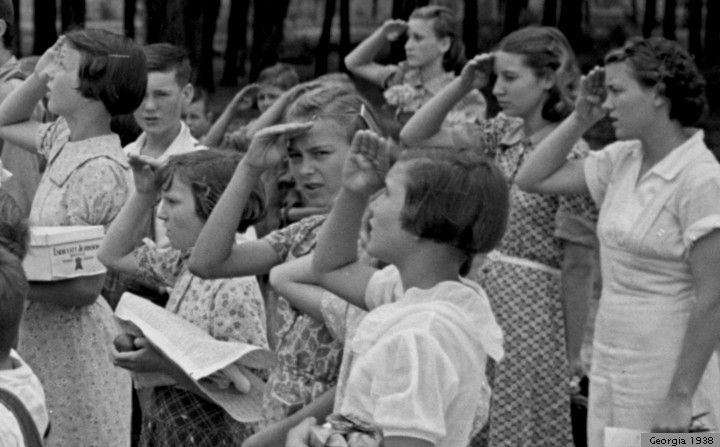
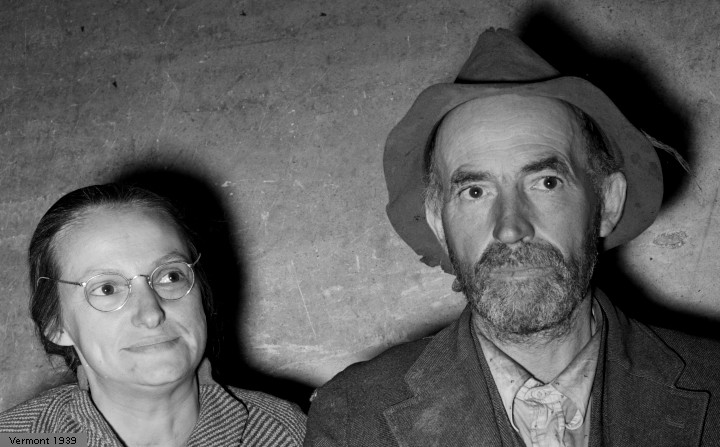
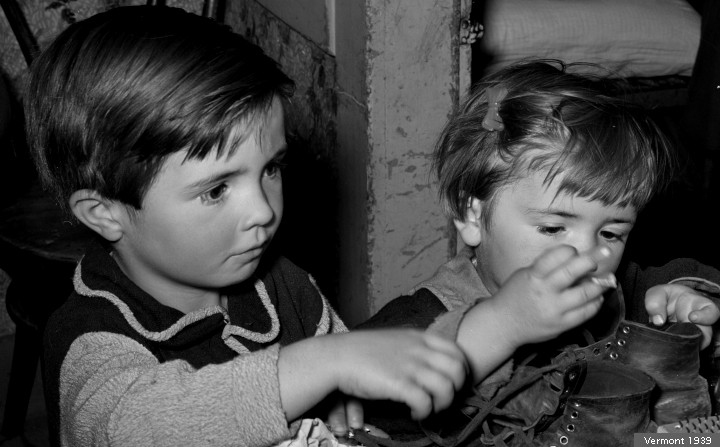
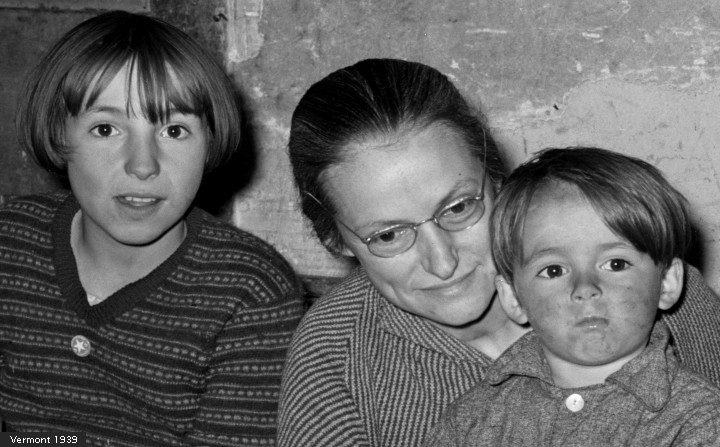
So this is the LKM practice. No claims are made, except that LKM will not hurt you. My guess is that God has more important things to think about than someone wishing HHPS on a total stranger. Pictures today are from The Library of Congress.
CK7 Hot Dog
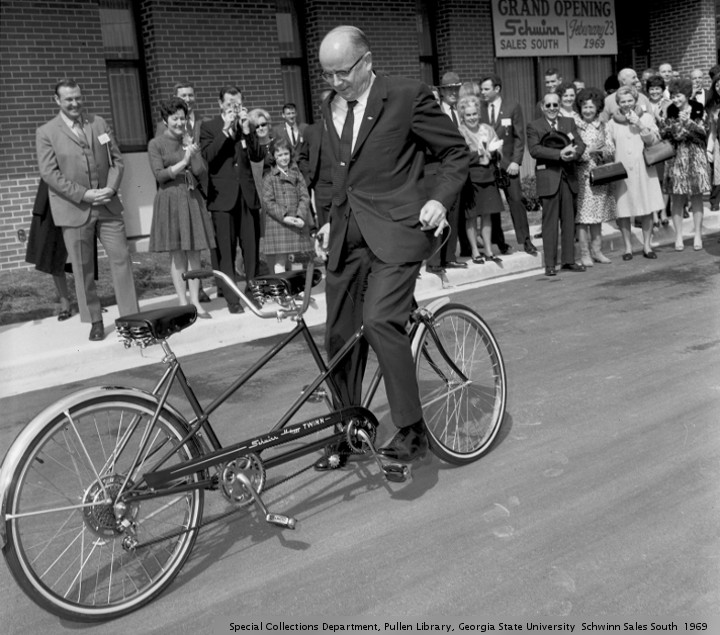


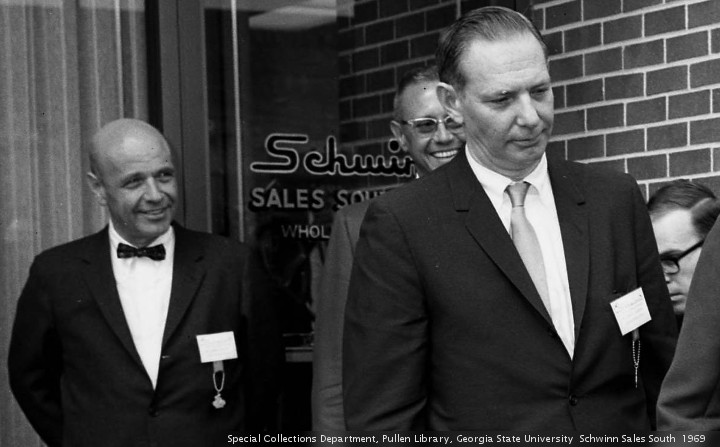

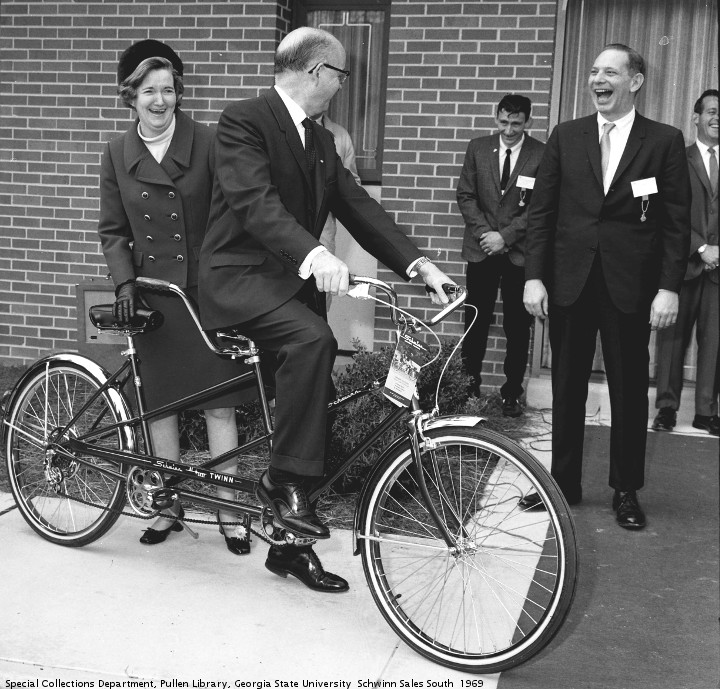
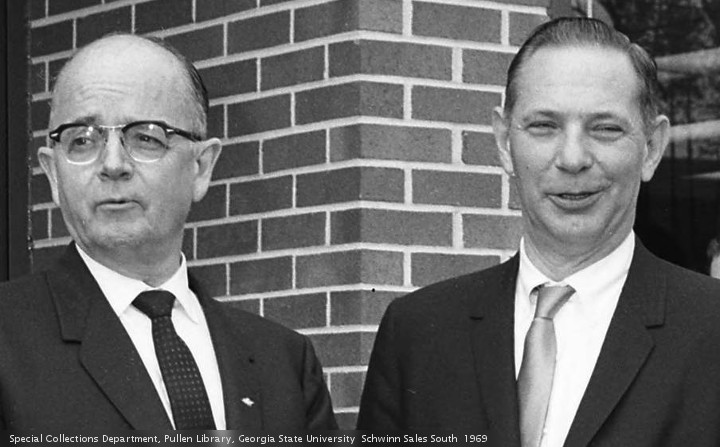

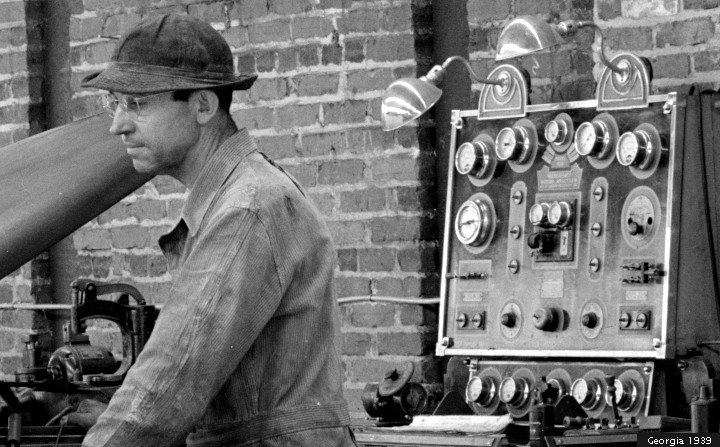
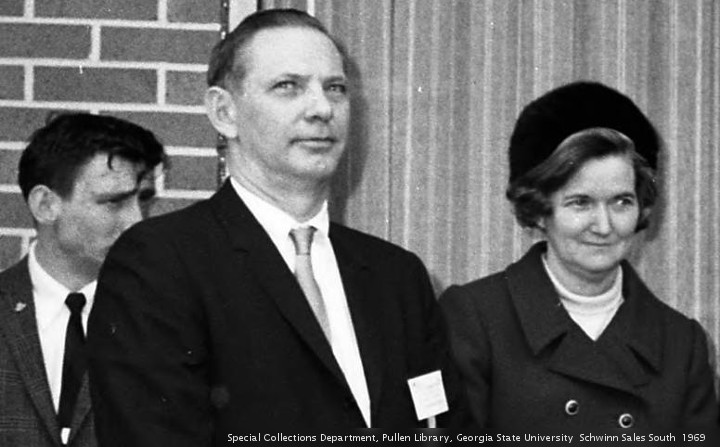
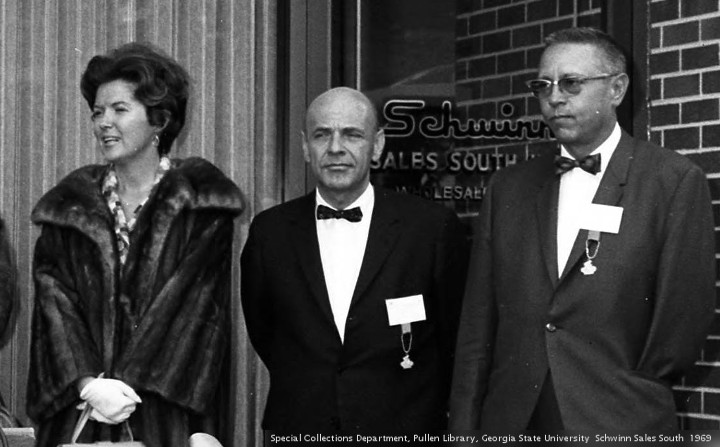
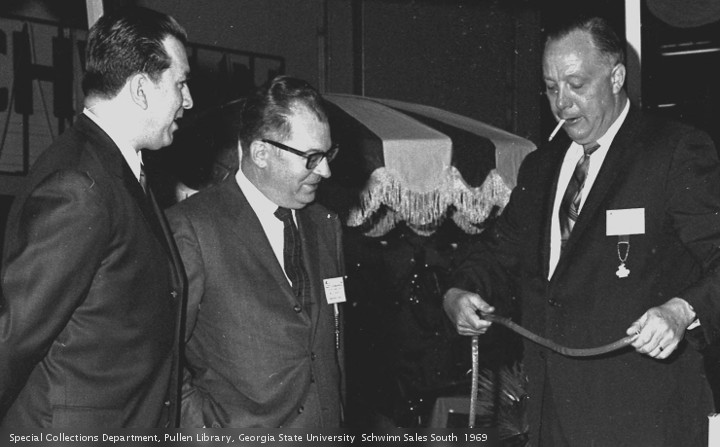
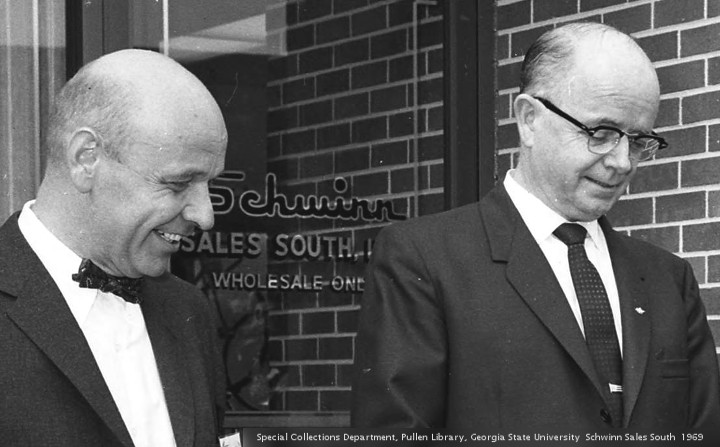
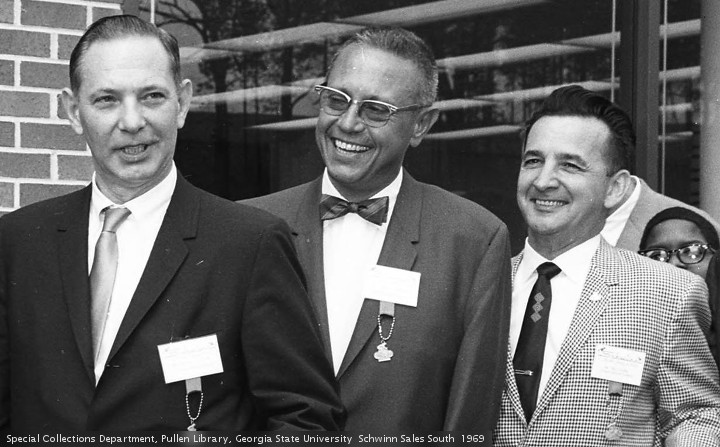
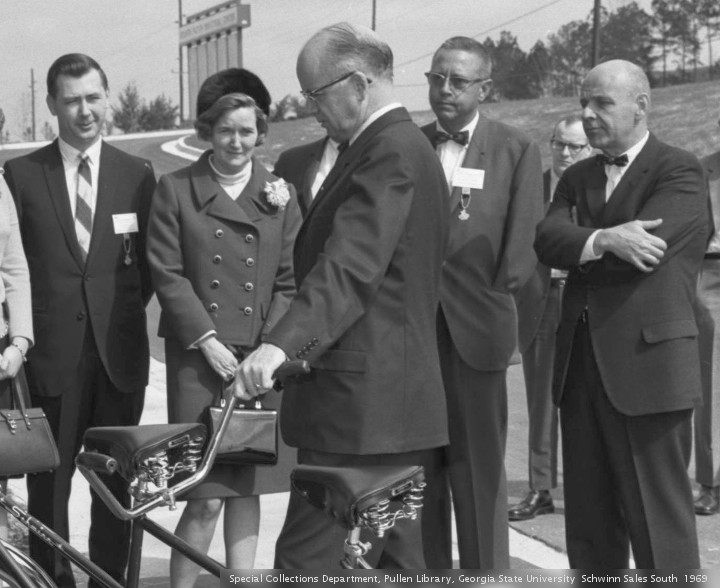
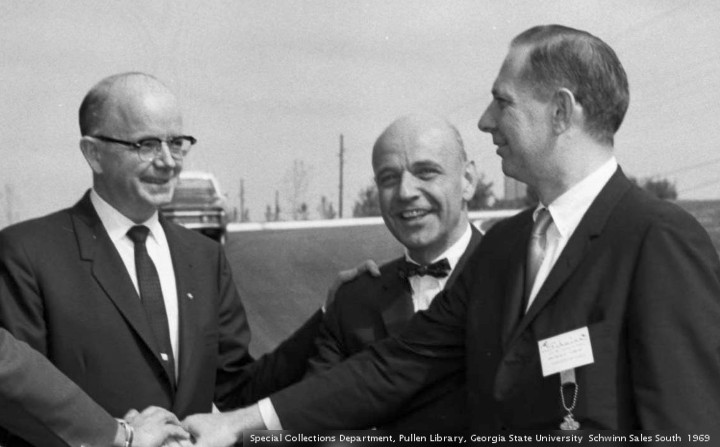
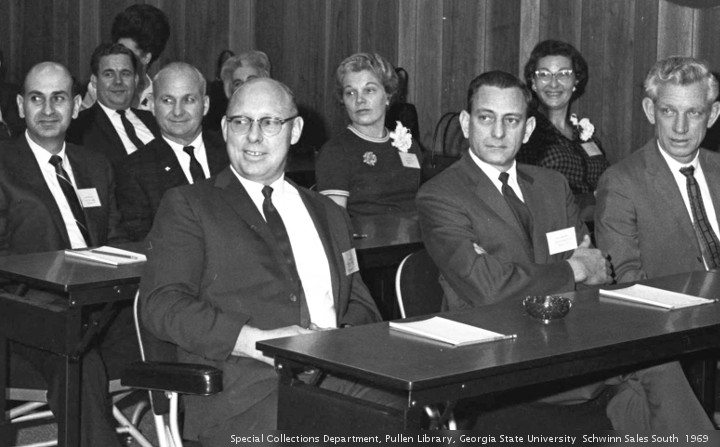
Hot Dog “3 – verb to perform in a conspicuous or often ostentatious manner especially : to perform fancy stunts and maneuvers (as while surfing or skiing).” A hot dog is more than a sandwich. Show offs have been called hot dog for a long time. This is a repost. Pictures today are from “The Special Collections and Archives, Georgia State University Library”.
Which brings us to Colin Kaepernick. PG has thought there was something fishy about #7 since his protest began in 2016. What would happen if you google “Colin Kaepernick Hot Dog”?
In 2013, after the Niners beat the Falcons in the NFC championship game, a restaurant in Turlock, CA, held a contest to name a hot dog in honor of the Niners young quarterback. “Kaepernick Special: Hot dog wins competition in Turlock Colin Kaepernick is a hot dog. That’s not a critique of the quarterback’s playing style; that’s a fact. The Kaepernick Special made its first appearance on the menu at Main Street Footers Thursday. The restaurant, a mainstay in downtown Turlock for decades, held a contest to come up with a hot dog named for the former Pitman High football standout. … Football and hot dog aficionados submitted a variety of ideas … One suggestion: a hot dog topped with crab, shrimp and cocktail sauce. … Jim Yettman, 76, said he entered the contest “on a whim” … Yettman’s concoction: A hot dog with chili, cabbage, red and yellow bell peppers, jalapeños and a secret sauce consisting of mustard, horseradish, thousand island dressing, and cayenne pepper. … He beat out a pulled pork-topped hot dog and a pizza-themed version with pepperoni and olives.”
As you may have heard, Mr. Kaepernick sat down during the National Anthem, before a 2016 pre-season game. One of the first casualties, in the uproar that followed, was the CK7 hot dog. “A hot dog named in honor of Colin Kaepernick at a restaurant in his hometown of Turlock, Calif., no longer is available. The hot dog called CK7 — Kaepernick’s initials followed by his jersey number — has been pulled off the menu at Main Street Footers after the San Francisco 49ers quarterback refused to stand for the national anthem before a preseason game against the Green Bay Packers on Friday. The hot dog that was topped with chili, coleslaw, jalapenos and “Kaep Sauce’’ was a hot item for $6.05 when Kaepernick helped lead the 49ers to the Super Bowl after the 2012 season but had become a “political football,’’ restaurant co-owner Glenn Newsum said.”
In 2016, the Carolina Panthers were coming off an NFC championship. Their star quarterback, Cam Newton, gave an interview with GQ, and said some controversial things. After the Niners played the Panthers, Mr. Kapernick and Mr. Newton were photographed together. Some twitter wits speculated about what was said. @TribalThrasher “Kaep: A hot dog isn’t a sandwhich.. Cam: SQUARE UP”
Don’t be surprised if a google search for “dog” yields a story featuring Mike Vick. “Colin Kaepernick tweets Stockholm Syndrome definition after Michael Vick advises him to get a haircut Recently retired NFL quarterback Michael Vick has some advice for Colin Kaepernick, who is still looking for a job after opting out of his contract with the San Francisco 49ers in March. “First thing we gotta get Colin to do is cut his hair,” Vick said Monday. … (photo comment) Kaepernick had short, neatly cut hair when he led the 49ers to the Super Bowl following the 2012 season. But before last season, he grew it all out, often sporting a large Afro or sometimes cornrows. … “Just go clean cut, you know? Why not?” said Vick, who sometimes wore his own hair in an Afro or cornrows in his younger days. … “The most important thing that he needs to do is just try to be presentable.” … it’s not the Colin Kaepernick that we’ve known since he entered the NFL. … I love the guy to death and I want him also to succeed on and off the field. … “He is a great kid and the reason he’s not playing has nothing to do with the national anthem, I think it’s more solely on his play.” … In what some are interpreting as a response to Vick’s comments, Kaepernick took to Twitter and Instagram on Tuesday morning and posted the definition of Stockhom Syndrome.”




How To Write Good
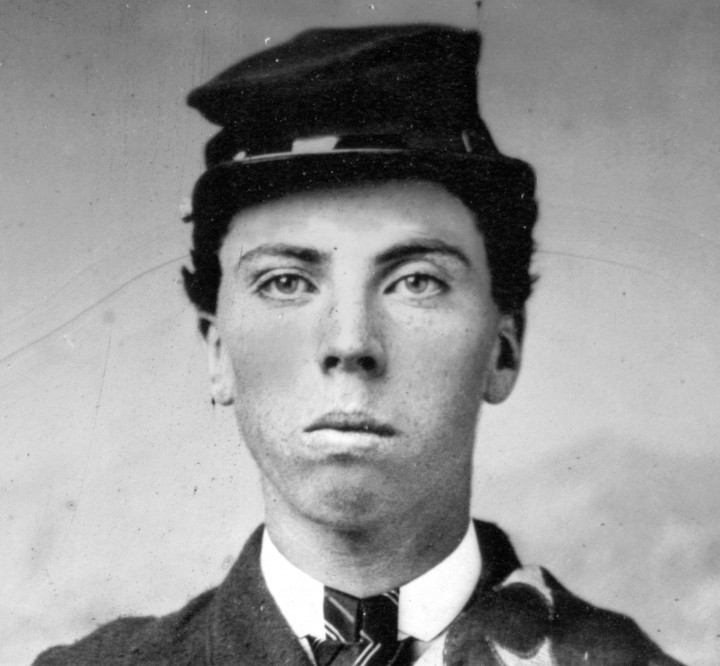


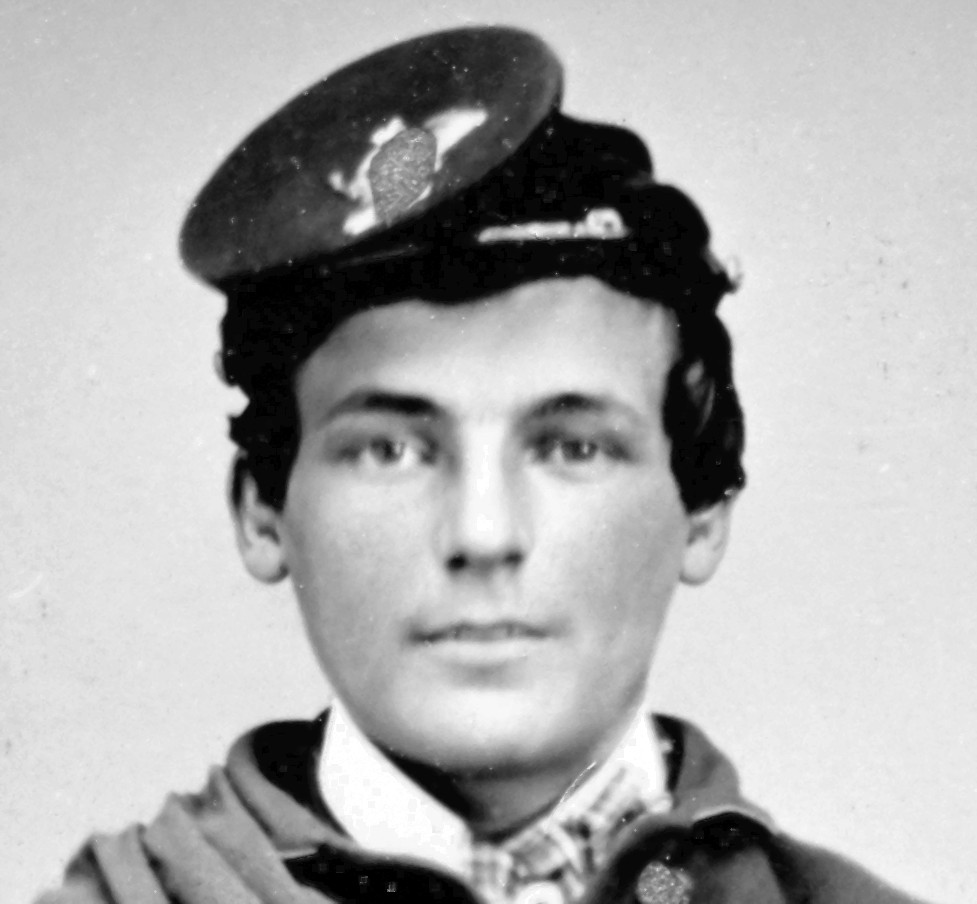

Avoid Alliteration. Always. ~ Prepositions are not words to end sentences with.
Avoid cliches like the plague. (They re old hat.) ~ Employ the vernacular.
Eschew ampersands & abbreviations, etc. ~ Contractions aren’t necessary.
Parenthetical remarks (however relevant) are unnecessary.
It is wrong to ever split an infinitive. ~ Foreign words and phrases are not apropos.
One should never generalize. ~ Comparisons are as bad as cliches.
Profanity sucks. ~ Be more or less specific. ~ Eliminate quotations.
As Ralph Waldo Emerson once said, “I hate quotations. Tell me what you know.”
Don’t be redundant; don’t use more words than necessary; it s highly superfluous.
One word sentences? Eliminate. ~ Understatement is always best.
Exaggeration is a billion times worse than understatement.
Analogies in writing are like feathers on a snake.
The passive voice is to be avoided. ~ Who needs rhetorical questions?
Go around the barn at high noon to avoid colloquialisms.
Even if a mixed metaphor sings, it should be derailed.
Parenthetical words however must be enclosed in commas.
It behooves you to avoid archaic expressions.
Avoid archaeic spellings too. ~ Subject and verb always has to agree.
Don’t repeat yourself, or say again what you have said before.
Don’t use commas, that, are not, necessary.
Do not use hyperbole; not one in a million can do it effectively.
Never use a big word when a diminutive alternative would suffice.
Placing a comma between subject and predicate, is not correct.
Use youre spell chekker to avoid mispeling and to catch typograhpical errers.
Don’t repeat yourself, or say again what you have said before.
Use the apostrophe in it’s proper place and omit it when its not needed.
Don’t never use no double negatives. ~ Don’t overuse exclamation marks!!
Hopefully, you will use words correctly, irregardless of how others use them.
Eschew obfuscation. ~ No sentence fragments.
Don’t indulge in sesquipedalian lexicological constructions.
A writer must not shift your point of view.
Place pronouns as close as possible, especially in long sentences,
as of 10 or more words, to their antecedents.
Writing carefully, dangling participles must be avoided.
If any word is improper at the end of a sentence, a linking verb is.
Everyone should be careful to use a singular pronoun with singular nouns in their writing.
Always pick on the correct idiom. ~ The adverb always follows the verb.
Take the bull by the hand and avoid mixing metaphors.
Avoid trendy locutions that sound flaky. ~ If you reread your work,
you can find on rereading a great deal of repetition can be by rereading and editing.
Poofread carefully to see if you any words out. ~ And always be sure to finish what
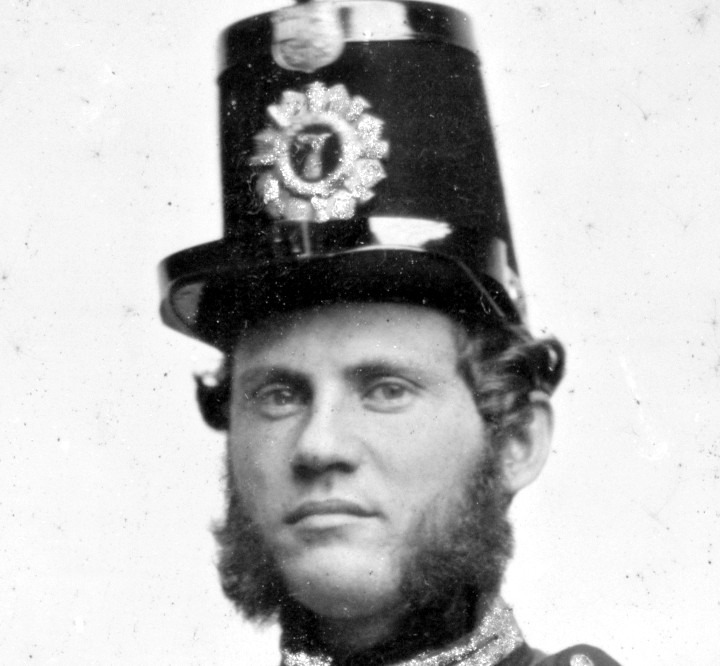
Pictures are from The Library of Congress. This is a repost.
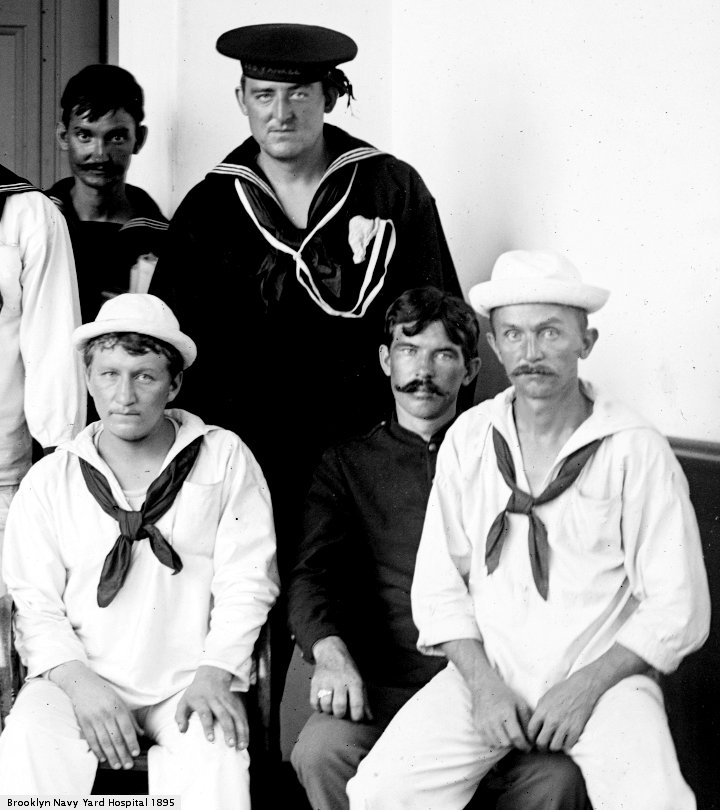
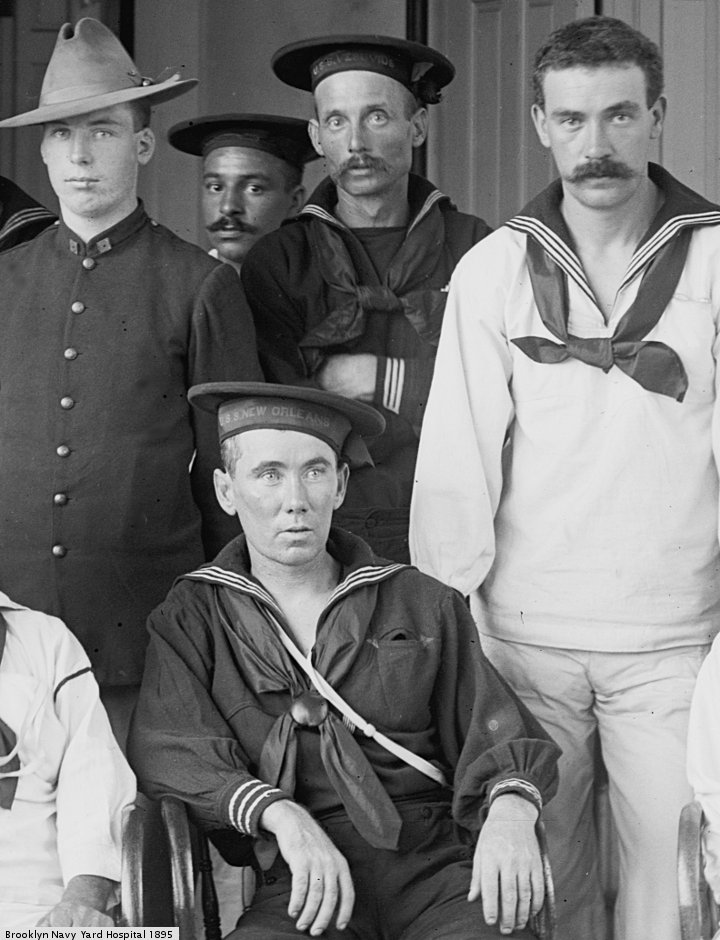
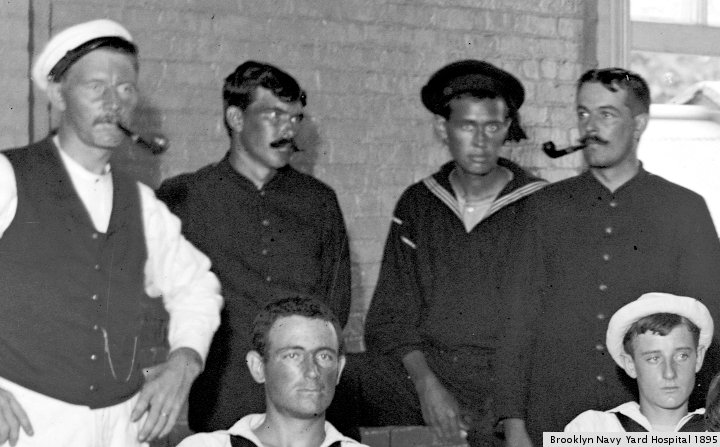
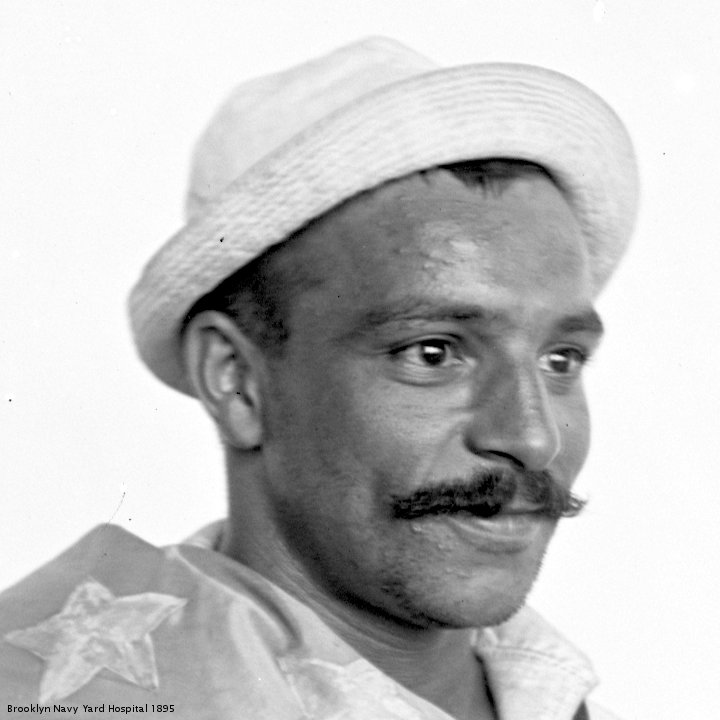
The men were Union Soldiers, during the War Between the States.
How to Write Good is borrowed from a US Government publication.


She Is Nursing The Baby Jesus


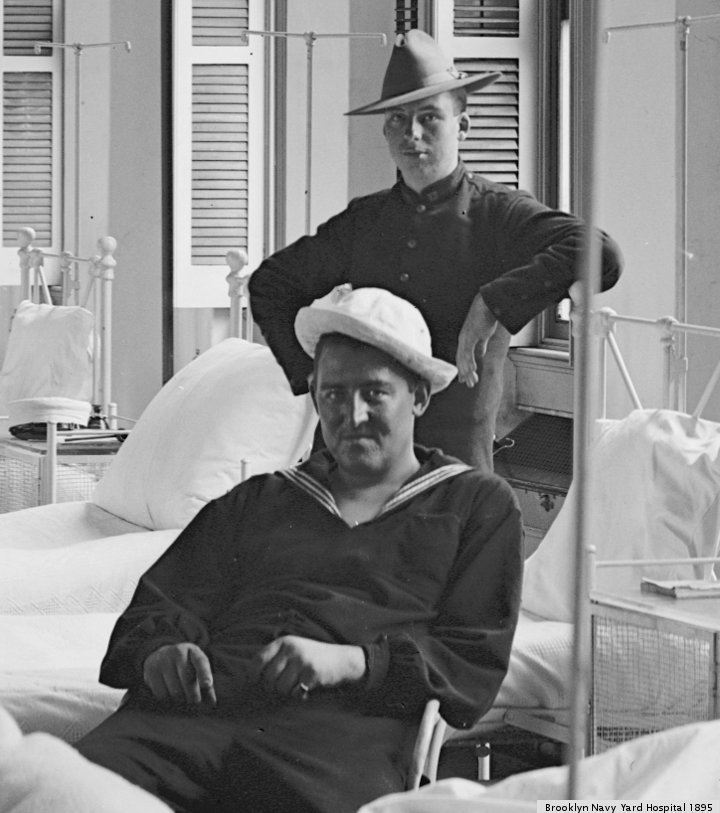
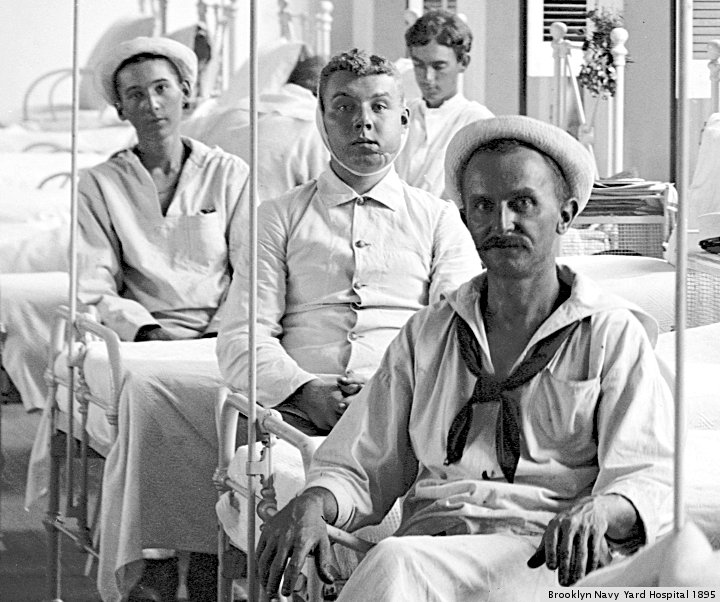
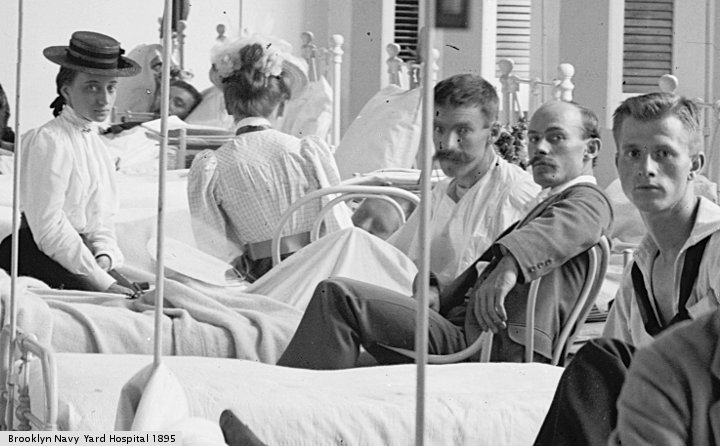


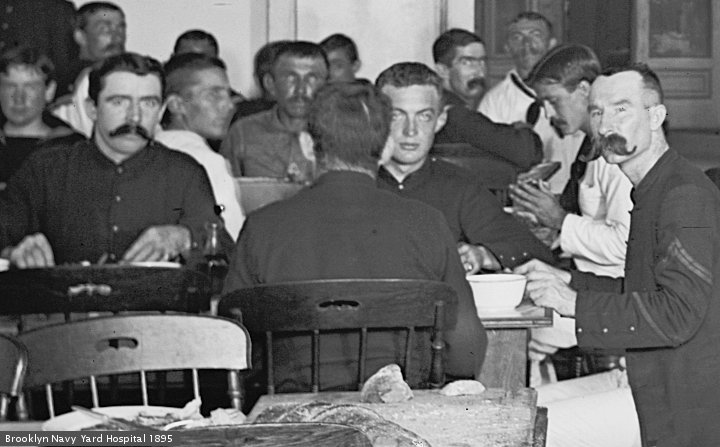
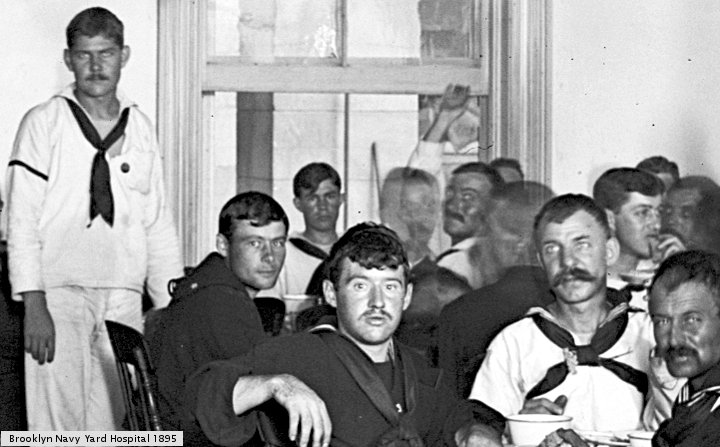
The story below was found at the website of James Petras . HT to palestinianpundit. Pictures are from The Library of Congress. This is a repost.
The settlements were still being built, financed mostly by Jewish money from America, contributions from Wall Street speculators and owners of gambling dens. “Good thing”, Joseph thought, “we have a few sheep and olive trees and Mary keeps some chickens. But Joseph worried, “cheese and olives are not enough to feed a growing boy. Mary is due to deliver our son any day”. His dreams foretold of a sturdy son working alongside of him…multiplying loaves and fish.
The settlers looked down on Joseph. He rarely attended shul, and on the high holidays, he would show up late to avoid the tithe. Their simple cottage was located in a nearby ravine with water from a stream, which flowed year round. It was choice real estate for any settlement expansion. So when Joseph fell behind on his property tax, the settlers took over their home, forcibly evicted Joseph and Mary and offered them a one-way bus ticket to Jerusalem. Joseph, born and raised in the arid hills, fought back and bloodied not a few settlers with his labor-hardened fists. But in the end he sat, battered on their bridal bed under the olive tree, in black despair. Mary, much the younger, felt the baby’s movements. Her time was near. “We have to find shelter, Joseph, we have to move on …this is no time for revenge”, she pleaded. Joseph, who believed with the Old Testament prophets in an “eye for an eye”, reluctantly agreed. So it was that Joseph sold their sheep, chickens and other belongings to an Arab neighbor and bought a donkey and cart. He loaded up the mattress, some clothes, cheese, olives and eggs and they set out for the Holy City.
The donkey path was rocky and full of potholes. Mary winced at every bump; she worried that it would harm the baby. Worse, this was the road for the Palestinians with military checkpoints everywhere. No one ever told Joseph that, as a Jew, he could have taken a smooth paved road – forbidden to the Arabs. At the first roadblock Joseph saw a long line of Arabs waiting. Pointing to his very pregnant wife, Joseph asked the Palestinians, half in Arabic, half in Hebrew, if they could go ahead. A path was opened and the couple went forward. A young soldier raised his rifle and told Mary and Joseph to get down from the cart. Joseph descended and nodded to his wife’s stomach. The soldier smirked and turned to his comrades, “The old Arab knocks up the girl he bought for a dozen sheep and now he wants a free pass”. Joseph, red with anger, shouted in rough Hebrew, “I am a Jew. But unlike you … I respect pregnant women”. The soldier poked Joseph with his rifle and ordered him to step back: “You are worse than an Arab – you’re an old Jew who screws Arab girls”. Mary frightened by the exchange turned to her husband and cried, “Stop Joseph or he will shoot you and our baby will be born an orphan”.
With great difficulty, Mary got down from the wagon. An officer came out of the guard station, summoning a female soldier, “Hey Judi, go feel under her dress, she might be carrying bombs” “What’s the matter? Don’t you like to feel them yourself anymore? ” Judith barked back in Brooklyn-accented Hebrew. While the soldiers argued, Mary leaned on Joseph for support. Finally, the soldiers came to an agreement. “Pull-up your dress and slip”, Judith ordered. Mary blanched in shame. Joseph faced the gun in disgrace. The soldiers laughed and pointed at Mary’s swollen breasts, joking about an unborn terrorist with Arab hands and a Jewish brain.
Joseph and Mary continued on the way to the Holy City. They were frequently detained at the checkpoints along the way. Each time they suffered another delay, another indignity and more gratuitous insults spouted by Sephardim and Ashkenazi, male and female, secular and religious – all soldiers of the Chosen people. It was dusk when Mary and Joseph finally reached the Wall. The gates had closed for the night. Mary cried out in pain, “Joseph, I can feel the baby coming soon. Please do something quickly”. Joseph panicked. He saw the lights of a small village nearby and, leaving Mary on the cart, Joseph ran to the nearest house and pounded on the door. A Palestinian woman opened the door slightly and peered into the dark, agitated face of Joseph. “Who are you? What do you want?” “I am Joseph, a carpenter from the hills of Hebron. My wife is about to give birth and I need shelter to protect Mary and the baby”. Pointing to Mary on the donkey cart, Joseph pleaded in his strange mixture of Hebrew and Arabic.
“Well, you speak like a Jew but you look like an Arab,” the Palestinian woman said laughing as she walked back with him to the cart. Mary’s face was contorted with pain and fear: her contractions were more frequent and intense. The woman ordered Joseph to bring the cart around to a stable where the sheep and chickens were kept. As soon as they entered, Mary cried out in pain and the Palestinian woman, who had now been joined by a neighbor midwife, swiftly helped the young mother down onto a bed of straw. And thus the child was born, as Joseph watched in awe.
It came to pass that shepherds, returning from their fields, heard the mingled cries of birth and joy and hurried to the stable carrying both their rifles and fresh goat milk, not knowing whether it was friend or foe, Jew or Arab. When they entered the stable and beheld the mother and infant, they put aside their weapons and offered the milk to Mary who thanked them in both Hebrew and Arabic. And the shepherds were amazed and wondered: Who were these strange people, a poor Jewish couple, who came in peace on a donkey cart inscribed with Arabic letters?
The news quickly spread about the strange birth of a Jewish child just outside the Wall in a Palestinian’s stable. Many neighbors entered and beheld Mary, the infant and Joseph. Meanwhile, Israeli soldiers, equipped with night vision goggles, reported from their watchtowers overlooking the Palestinian neighborhood, “The Arabs are meeting just outside the Wall, in a stable, by candle light”. The gates under the watchtowers flew open and armored carriers with bright lights followed by heavily armed solders drove out and surrounded the stable, the assembled villagers and the Palestinian woman’s house. A loud speaker blared, “Come out with your hands up or we’ll shoot.” Joseph stepped forward with his hands stretched out to the sky and spoke, “My wife, Mary cannot comply with your order. She is nursing the baby Jesus”





Judy Roasting On An Open Fire


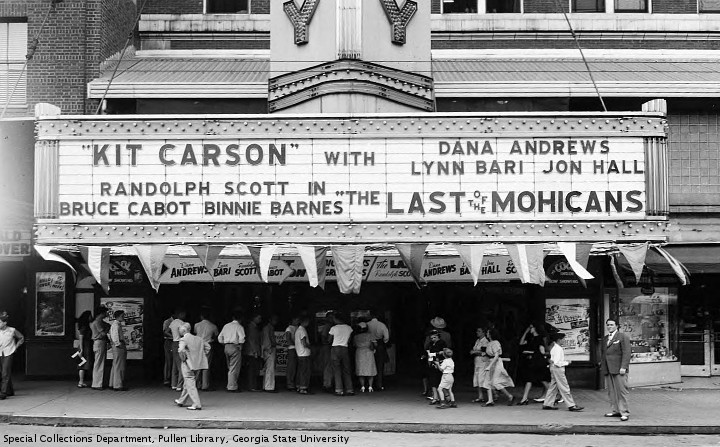
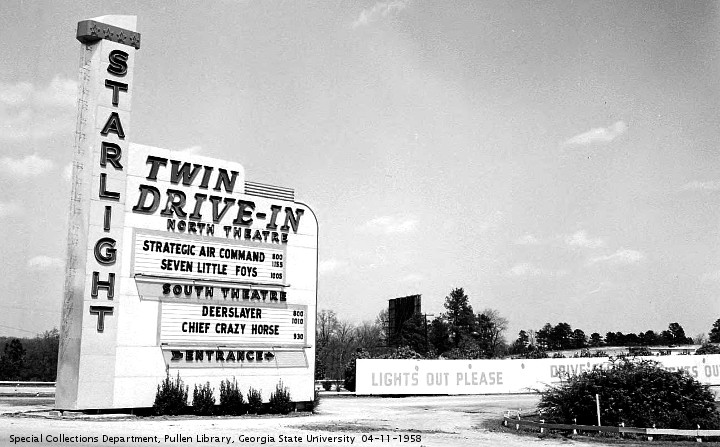
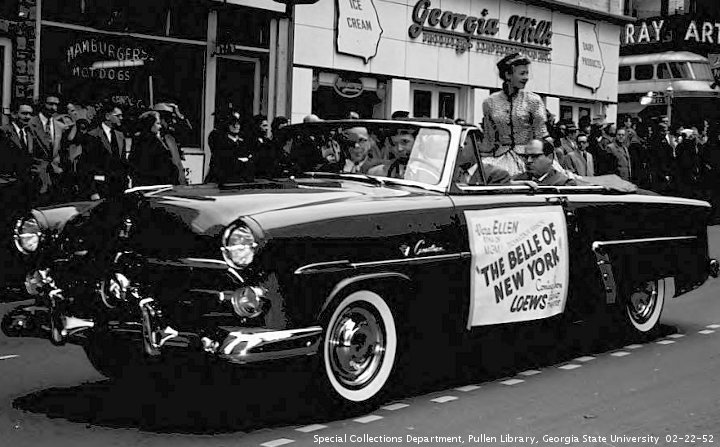
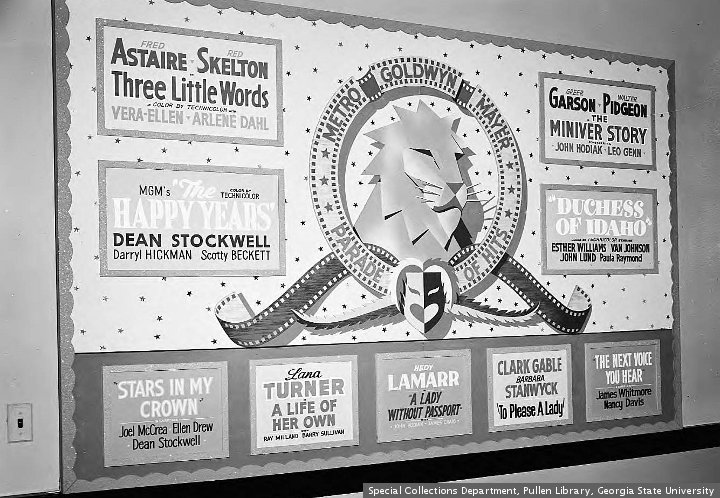
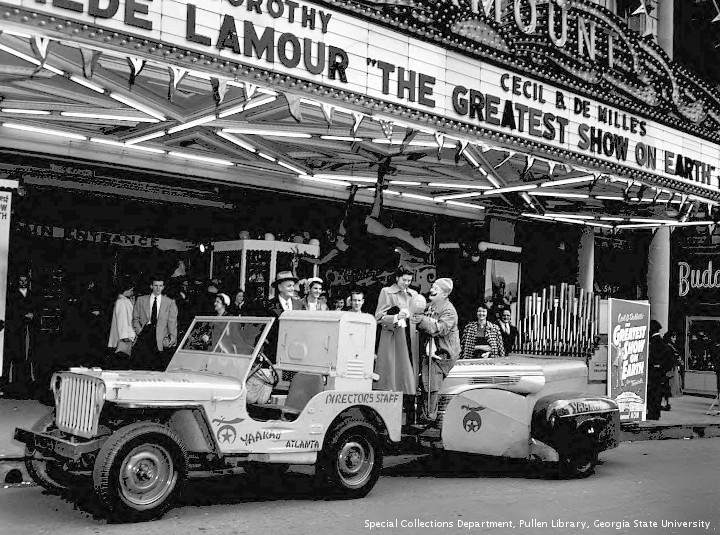
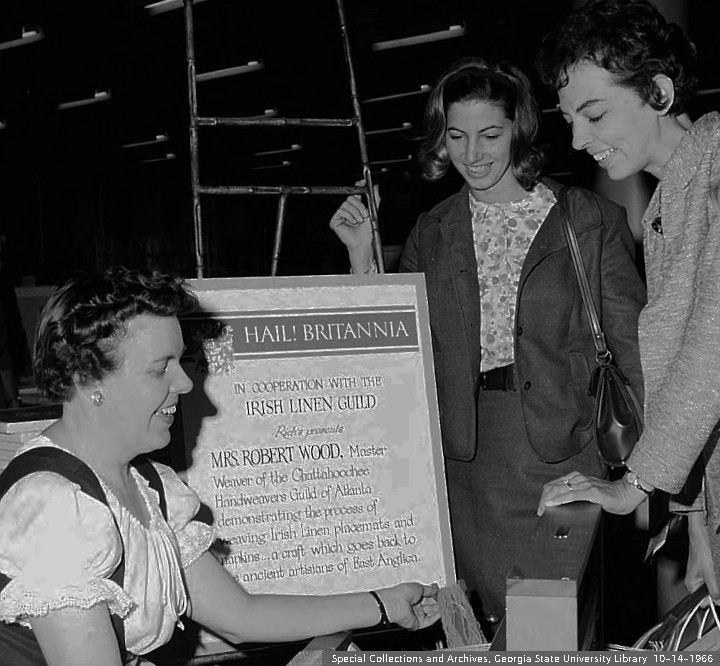
SFFILK (Not his real name) passes along a story about Mel Tormé. It seems like Mr.Tormé was eating a leisurely breakfast at a food court in Los Angeles, and a quartet appeared singing Christmas songs. They wound up performing “The Christmas Song” for co- author Tormé … and the singers had no idea who he was. It is a good story, better told in the link. This is a repost, with pictures from “The Special Collections and Archives, Georgia State University Library”.
According to the inerrant Wikipedia, Mr. Tormé collaborated with Robert Wells, until they had a falling out. One afternoon, on the hottest day of July in 1945, Mr.Tormé went to visit Mr.Wells, and saw the first four lines of “The Christmas Song” (including “Chestnuts roasting on an open fire, Jack Frost nipping at your nose”). The lines were on a note pad, and the two agreed to beat the heat of summer by completing the song. Supposedly, Mr. Tormé did not like the song very much. After three divorces, he probably didn’t see many of the royalties.
Mel Tormé was the music director of the ill fated “Judy Garland Show” in the early sixties. He wrote a book about it… The Other Side of the Rainbow: With Judy Garland on the Dawn Patrol . The story is that Miss Garland would get blasted, call Mr.Tormé in the middle of the night, and pour out her troubles. (This review is much less sympathetic towards Mr. Tormé.) While the show did not last longer, there are some great youtube clips left over.


Cynic


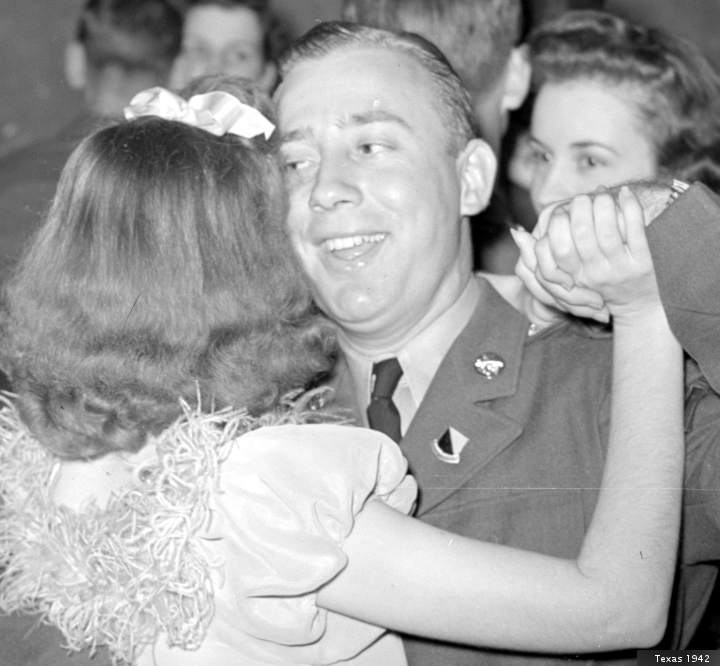

“A cynic is a man who knows the price of everything, and the value of nothing.” ― Oscar Wilde. This quote is one of Oscar’s greatest hits. If you think about it for a minute, it is not totally accurate. You are not supposed to think. Quoting Oscar Fingal O’Flahertie Wills Wilde is about sounding clever, not making sense. Did he really create that definition of a cynic? This is a repost.
Oscar Wilde is a quote magnet. This is more than something you put on your refrigerator. When people hear something clever, odds are good that Oscar will get the blame. As Dorothy Parker wrote: “If, with the literate, I am, Impelled to try an epigram, I never seek to take the credit; We all assume that Oscar said it. [Life Magazine, June 2, 1927]”
Wikiquote says this line is from Act III of Lady Windermere’s Fan. It was spoken by Lord Darlington. Did the play write intend for the line to be taken seriously, or was he making the character look foolish by saying it? With Oscar Wilde, it could be both of these things at the same time.
Principle Four, of the four principles of quotations, reads “Only quote from works that you have read.” In the case of Lady Windemere’s Fan, this would mean a youtube video of the play. There is a posh BBC production available. You don’t have to watch the cell phone recording of high school players.
Lady Windemere’s Fan is a production where upper class Brits say clever things in glorious costumes. Nobody ever goes to the bathroom, or looks less than perfect. Lady Windemere’s six month old child is neither seen, nor heard. Lady Windemere finds out her husband, Lord Windemere, is having an affair with a Mrs. Erlynne. The Lord proceeds to invite the floozy to Lady Windemere’s birthday party.
After the party, the men go to their club, then to Lord Darlington’s room. There are five men in the conversation, beginning with Lord Windemere. Lord Darlington has just told Lady Windemere that he loves her, and wants her to run off with him. Lady Windemere said no. Lord Augustus is a suitor of Mrs. Erlynne, and is begging her to marry him. Cecil Graham, and Mr. Dumby, wear their splendid costumes with conviction.
The scene starts with the men saying clever things, most of them insulting to someone. Lord Augustus, or Tuppy, is the butt of many jokes. Before long, we get this exchange:
Dumby. I don’t think we are bad. I think we are all good, except Tuppy.
Lord Darlington. No, we are all in the gutter, but some of us are looking at the stars.
Dumby. We are all in the gutter, but some of us are looking at the stars? Upon my word, you are very romantic to-night, Darlington.
Cecil Graham. Too romantic! You must be in love. Who is the girl?
Lord Darlington. The woman I love is not free, or thinks she isn’t. [Glances instinctively at Lord Windermere while he speaks.]
A few minutes later, we hear another famous Oscarism.
Lord Darlington. What cynics you fellows are!
Cecil Graham. What is a cynic? [Sitting on the back of the sofa.]
Lord Darlington. A man who knows the price of everything and the value of nothing.
Cecil Graham. And a sentimentalist, my dear Darlington, is a man who sees an absurd value in everything, and doesn’t know the market price of any single thing.
Pictures today are from The Library of Congress.




War Between The States

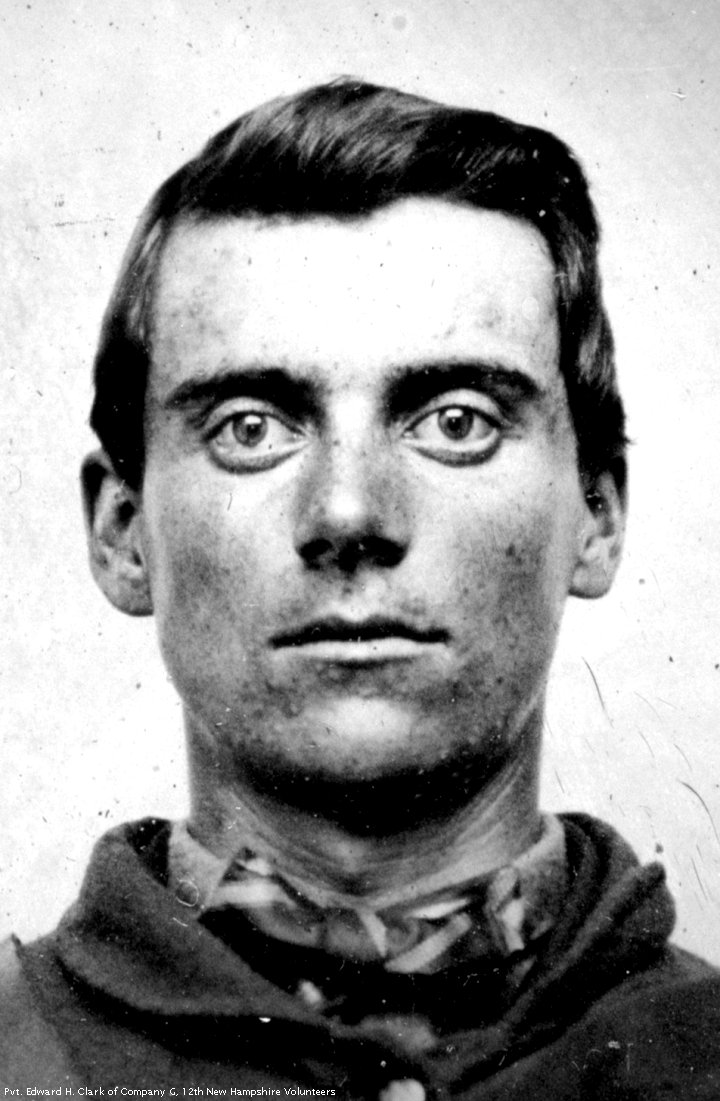


It is a truism that history is written by the winner of the war. This seems to apply to the naming of the conflict. There was a horrific armed struggle in North America between 1861 and 1865. The name used most often is Civil War. To many in the South, it is the War Between The States. In PG’s humble opinion, WBTS is a better name.
In fifth grade, PG had to write an essay about the Battle of Atlanta. The essay was a device for teaching grammar, utilized by the english teacher, Miss McKenzie. The contest was sponsored by the Daughters of the Confederacy . The expression “Civil War” was not permitted. The proper name for this conflict was War Between the States.
In many ways, this conflict started as soon as the United States became independent from Great Britain. The South was an agrarian society, with slaves to work the fields. The north was becoming an industrial society, with a need for an independent work force. The north wanted high tariffs to protect her industries, while the south wanted to sell it’s cotton to Europe. There were plenty of ways for this conflict to manifest.
Slavery was a very important factor. The south wanted to keep “the peculiar institution” intact, while many in the north were horrified. There were numerous compromises over the years, as Congress struggled to keep the Union intact. This ties in with a central dilemma of the american experience … how much power to give to the states, and how much power to give to the federal government.
The phrase civil war is defined as “A war fought between factions of the inhabitants of a single country, or the citizens of a single republic”. By the time the shooting started, the southern states had left the union. They formed a confederacy of independent states, rather than one monolithic union. It was, indeed, a war between the states.
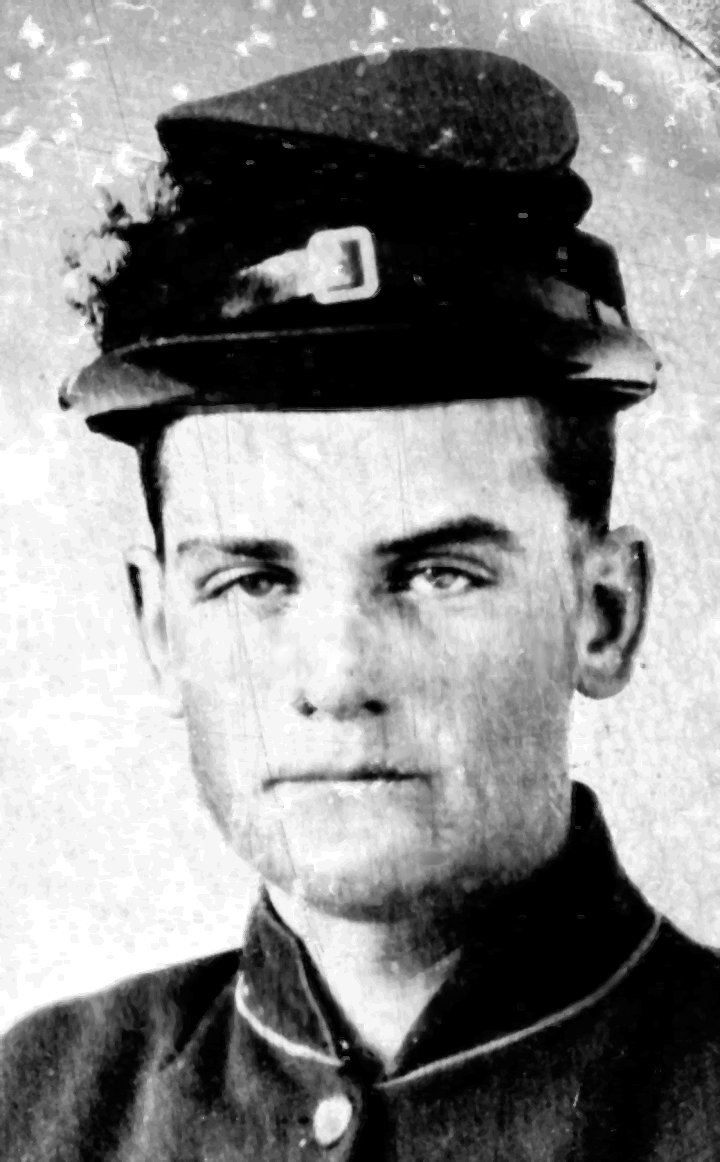
This is a repost. Pictures, of Union soldiers, are from The Library of Congress.
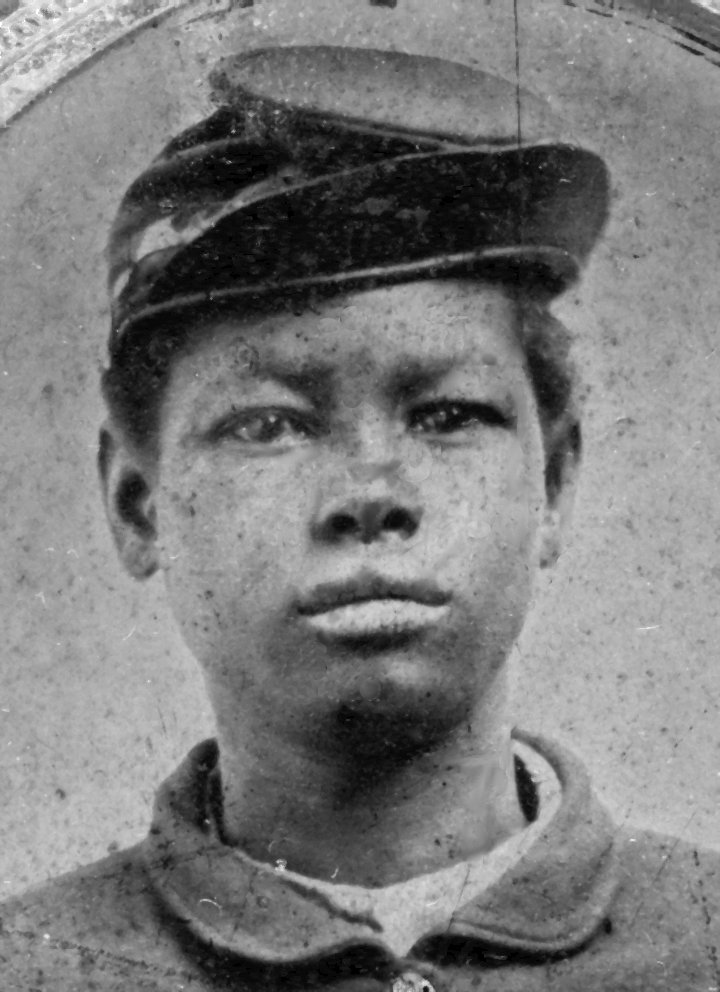

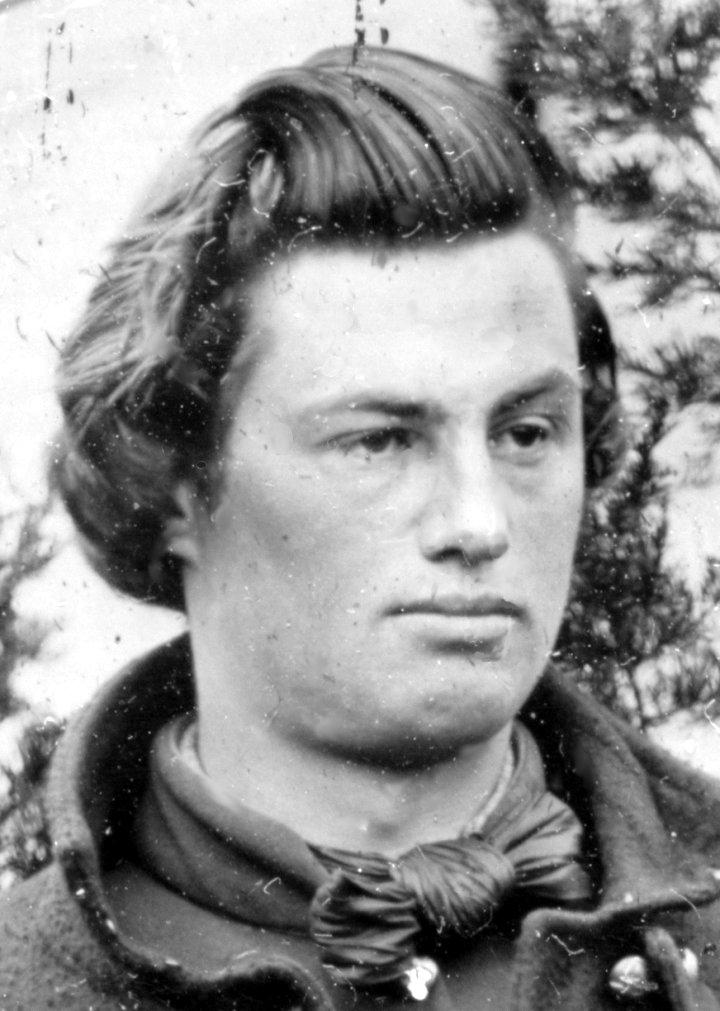


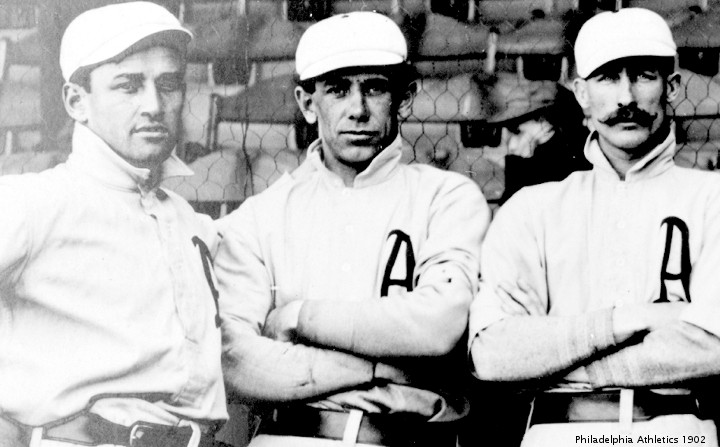


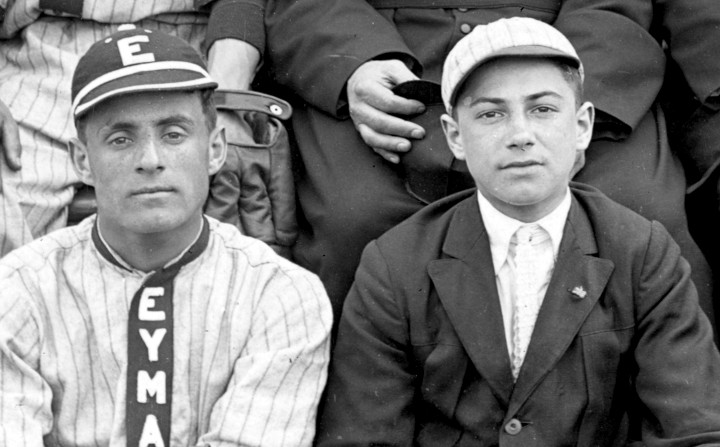


The recent destruction of #SilentSam, was defended by a quote from the 1913 dedication speech. Here is something else that Julian Carr said that day: “In the knowledge of subsequent developments, the progress, peace and prosperity of our united, common country, victor and vanquished now alike believe that in the Providence of God it was right and well that the issue was determined as it was. And the people of all sections of our great Republic, moved by the impulse of sincere and zealous loyalty, of fervent and exalted patriotism may say: “All is well that ends well.”
The demonization of the Confederacy has intensified lately. Yes, slavery was a wretched institution. However, much of the rhetoric today does not take into account many of the other causes of that war. And it forgets that *the war is over.* The early twentieth century was a time of reconciliation between the north and the south. Yes, there was Jim Crow, and white supremacy. People of color (both black and non black, both north and south) were treated horribly. Creating a more perfect union is a slow, and uneven, process.
Part two of today’s feature is a double repost. Part one is based on an interview with Shelby Foote, where he goes into some of the points made above. If you get a chance to listen to the link, you can hear Mr. Foote talk for an hour in a luxurious Mississippi accent. The second part of today’s feature goes into some of the financial causes of the War Between The States. It is an old truism that all wars are about money. The causes people are told about, both at the time of the conflict and historically, are not always the real reason for the war. Look at how WMD was used to justify “Operation Iraqi Freedom.” WMD was the excuse for the conflict, not the reason.
PG spent a pleasant Saturday afternoon editing pictures from The Library of Congress (which illustrate this post) and listening to a 1994 interview with Shelby Foote. There was a book to be sold, and Mr. Foote made the necessary appearances to sell the product. The gentleman has a handsome Mississippi accent, and is a delight to listen to. There is a transcript, aka the lazy bloggers friend.
A few of the things he said are timely. When this show was taped in 1994, Mr. Foote spoke of healing from the War Between the States. Today, we seem to be regressing. Trash talk about the Confederacy is back in fashion. It is a good time to revisit these comments. Shelby Foote died in 2005, and can no longer comment.
“Slavery is a huge stain on us. We all carry it. I carry it deep in my bones, the consequences of slavery. But emancipation comes pretty close to being as heavy a sin. They told — what is its million or 7 million people, “You’re now free. Hit the road,” and there was a Freedman’s Bureau, which was a sort of joke. There were people down here exploiting them. Three-quarters of them couldn’t read or write, had no job, no hope of a job, no way to learn a new job even, and they drifted back into this peon age system under sharecropping, which was about all they could do.
To this day, we are paying and they are paying for this kind of treatment. I don’t mean there should have been a gradual emancipation. I mean there should have been true preparation to get this people ready for living a kind of life. They were free and should have been free all along, but they were not prepared for living in the world. They’d been living under conditions of slavery, which kept them from living in the world…..”
“The Civil War, there’s a great compromise, as it’s called. It consists of Southerners admitting freely that it’s probably best that the Union wasn’t divided, and the North admits rather freely that the South fought bravely for a cause in which it believed. That is a great compromise and we live with that and that works for us. We are now able to look at the war with some coolness, which we couldn’t do before now, and, incidentally, I very much doubt whether a history such as mine could have been written much before 100 years had elapsed. It took all that time for things to cool down….”
(Booknotes host Brian) LAMB: “Was the Civil War inevitable? FOOTE: I think that it was necessary. I do not believe that those differences could have been settled without bloodshed. The question is the horrendous amount of bloodshed. That was not necessary. That could have been stopped at some point. God knows. But there apparently were differences so profound between the abolitionists in New England and the fire-eaters of South Carolina that dragged the rest of the country into this conflict that I’m inclined to agree with Seward, who called it an irrepressible conflict….” (Chamblee54 recently published a post, Why Was The War Fought?. about the financial aspects of the War. Follow the money, and find the truth. The post is seen below.)
LAMB: “From what you know now and your own political philosophy, if you had a voice and you lived back there, which side would you have been on? FOOTE: There’s absolutely no doubt. I’m from Mississippi. I would have been on the Confederate side. Right or wrong, I would have fought with my people. LAMB: Why? FOOTE: Because they’re my people. It would have meant the end of my life as I had known it if I fought on the other side. It would have been a falsification of everything I’d lived by, even if I opposed it. No matter how much I was opposed to slavery, I still would have fought for the Confederacy — not for slavery, but for other things, such as freedom to secede from the Union.”






Last week, this slack blogger found a tweet. The tweet said that Abraham Lincoln and John Kennedy fought the Federal Reserve, and both were killed. I did a little research, and found something that questions the conventional wisdom about the War Between the States.
Before getting to the quote, a disclaimer is in order. 100777.com is a sketchy website. What is says cannot be taken as literal truth. However, the statement about WBTS does raise some questions.
“One point should be made here: The Rothschild bank financed the North and the Paris branch of the same bank financed the South, which is the real reason the Civil War was ignited and allowed to follow its long, and bloody course.”
Maybe it was not the Rothschild Bank that financed WBTS. Somebody did. War is a profitable enterprise. People are going to egg on the combatants, knowing that there is money to be made. Someone encouraged the southern states to secede. Others encouraged the north to take a hard line on slavery, knowing that it would lead to a profitable war. Was slavery the reason for this war, or the excuse? Follow the money.
Rhett Butler was a central character in Gone With The Wind. He was a blockade runner, bringing in supplies to the south. He said this: “I told you once before that there were two times for making big money, one in the up-building of a country and the other in its destruction. Slow money on the up-building, fast money in the crack-up. Remember my words.”
It should be noted that slavery was a big money operation. “But I think we think of it differently when we realize that the value of slave property, some $4 billion, enormous amount of money in 1861, represented actually more money than the value of all of the industry and all of the railroads in the entire United States combined. So for Southern planters to simply one day liberate all of that property would have been like asking people today to simply overnight give up their stock portfolios.”
When the thirteen colonies declared independence, they were not creating a union. The idea was to kick out the British. The concept of a federal union, made up of more-or-less independent states, was fairly new. States had conquered other states, and formed empires, for a long time. A federal union of states was a new, and controversial, idea. Many European states wanted to see this federal union fail. These states encouraged the south to secede. Some people say the War Between the States began the day the British left.
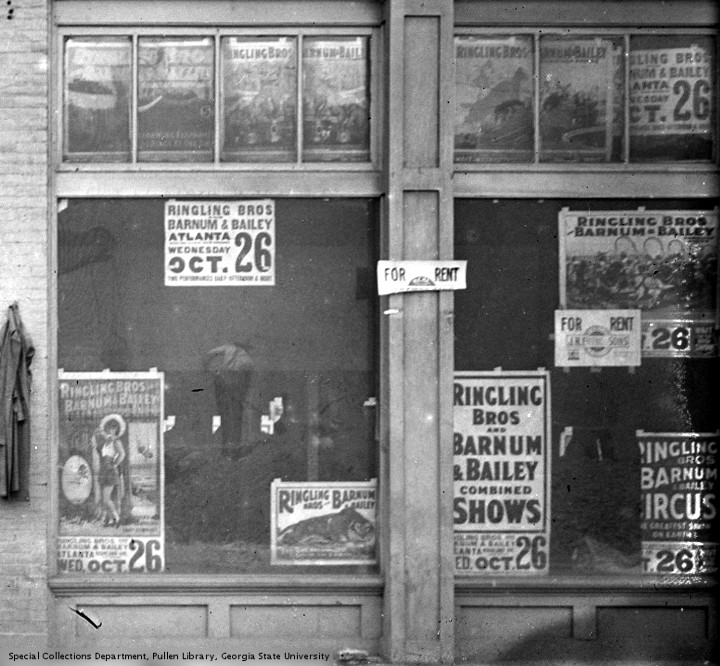
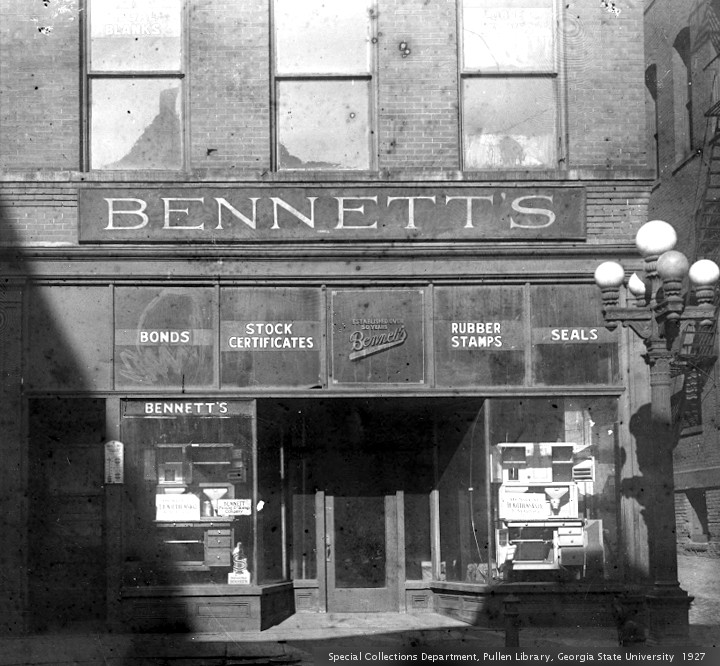
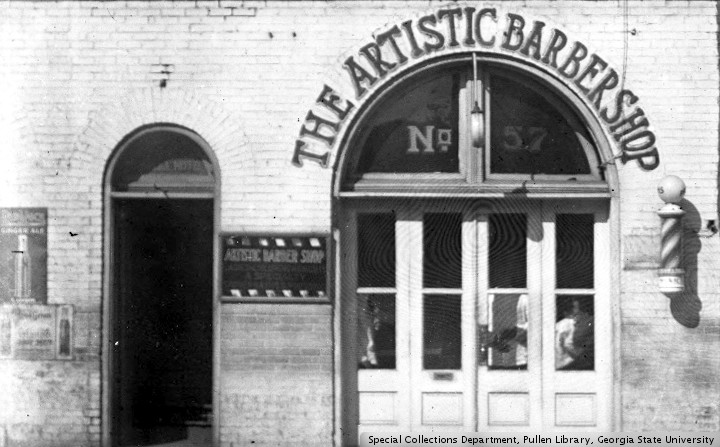
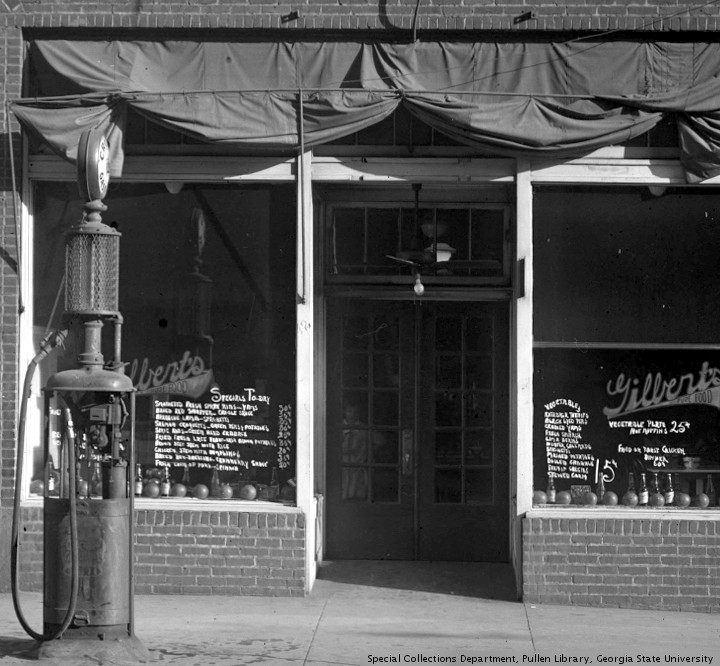
Pictures from “The Special Collections and Archives, Georgia State University Library “… a collection of images of downtown Atlanta streets that were taken before the viaduct construction of 1927 – 1929. Later, some of the covered streets became part of Underground Atlanta.”



Henry Woodfin Grady



This is a repost from 2019. Grady High School is now known as Midtown. The public health care system is still known as Grady. Controversy continues, about a variety of subjects. … Before yesterday, PG did not know much about Henry Woodfin Grady. He saw the statue downtown, and visited people in the namesake hospital. PG knew Mr. Grady was a newspaper man, and a pioneer salesman of Atlanta, Inc. There was something called The New South Address.
That all changed Wednesday morning. Editorial: Mayor Bottoms, tear down this statue! was the headline at the Signal, Georgia State University’s student newspaper. Someone at the University of Massachusetts read the New South Address, and found some amusing quotes.
“What of the negro? This of him. I want no better friend than the black boy who was raised by my side, and who is now trudging patiently with downcast eyes and shambling figure through his lowly way in life. I want no sweeter music than the crooning of my old “mammy,” now dead and gone to rest, as I heard it when she held me in her loving arms, and bending her old black face above me stole the cares from my brain, and led me smiling into sleep. I want no truer soul than that which moved the trusty slave, who for four years while my father fought with the armies that barred his freedom, slept every night at my mother’s chamber door, holding her and her children as safe as if her husband stood guard, and ready to lay down his humble life on her threshold. History has no parallel to the faith kept by the negro in the South during the war.”
This is one of the nicer parts. About half the speech is about the Negro, and what the White man should do about him. When PG finally read the speech itself, he was amazed. The rhetoric was much worse than PG expected. If you want to get your woke knickers thoroughly twisted, read between page 23 and page 33. (The speech starts on page 21.)
The well meaning GSU students printed a dose of contemporary rhetoric, about a speech given October 26, 1887. PG summarized this on Facebook. Editorial: Mayor Bottoms, tear down this statue! The GSU Signal cranked up the purple prose machine for an attack on Henry W. Grady. “A monument to Henry Grady and his accomplishments on Marietta and Forsyth streets — also named Henry Grady Square — still stands today. Etched into his plaque are three celebratory words: “Journalist, Orator, Patriot.” Let us be clear in recognizing that Grady, as a journalist, promoted racism. Grady, as an orator, promoted racism. And Grady was certainly no patriot — he was simply a racist.”
A facebook friend, who we will call Macon, asked “What part of it do you disagree with?” 28 comments later, PG got on his digital horse, and rode into the sunset.
The initial response was about the the comment “Grady was certainly no patriot — he was simply a racist.” The New South Address was in 1887, 22 years after the War ended. Before that hideous conflict, the states were seen as separate entities, with helpful guidance from the Federal government. When the Confederate states left this union, a ghastly war ensued.
After the south was conquered by the north, there was little doubt. The states were governing districts, under the control of the mighty federal government. Most people today take this arrangement for granted. The truth is, it has been controversial over the years. In his landmark address, Henry W. Grady was calling for an economic union of the south and north, to go along with a militarily-enforced political union. 22 years after a horrific war over secession, a southerner was calling for a stronger union with the north. To PG, this is patriotism. The fact that Mr. Grady said impolite things does not change this.
Macon responded “… but he was a racist …” A few comments were exchanged. Macon said what Macon wanted to say. PG said what PG wanted to say. PG was ready to walk away, and go to the gym. Before leaving, PG said: “I note that you have not addressed the patriotism issue. You asked me what I disagree with, in this assessment of Henry Grady. I replied that working for a strong Federal Union, less than a generation after the War Between the States, was an act of patriotism. You have not responded to this.”
When PG got back, he saw where Macon had posted a series of lurid quotes from the NSA. What PG missed, at first, was the comment “I agree it was patriotic.” Since PG had missed this comment, he continued to hammer away at the patriotism issue. Finally, Macon said “Yes, was Sen. Joe McCarthy a patriot? Was Hitler? … ” Godwin’s Law is now in effect. Adult conversation has left the building.
What to make of all this? It is apparent that Mr. Grady said some unfortunate things. Does this negate all the good that he did? Looking back, it seems that the main contribution made by Henry W. Grady was as a salesman for the south. In Atlanta, a town built on marketing, this makes him a publicity patron saint. Now we are learning about exactly what Henry W. Grady said. G-d is in the details. Pictures today are from The Library of Congress.


Names





Alan Burnett~Bill Gaddy~Bill Medlock~Bill Meneely~Blaze Mills~Buddy Conine
Calvin Bunn~Danny Fields~David Chewning~David Hadden~Charlie Hall~Dwight Dunaway
Freeman Waldrop~Gary Hunton~Gene Haynes~Gene Holloway~Gibson Higgins~Glenn Krause
Greg Scott~Harold King~Hawk~Jerry Pyschka~Jim Anderson~Jim Ferguson
Jim Woodward~Joe Kenney~Joe Vickery~John Kelley~John Harllee~Jon Gordon
King Thackston~Larry Jackson~Layton Gregory~Lee Mullis~Les Friessen
Mac Wilson~Manfred Ibis~Mark Keenum~Mark Rosen~Martin Isganitus
Michael Dollins~Micheal Mason~Mike Perling~Moon Moore~O’Gene Donohue
Purl Sudds~Ron Davis~Sam Mitchell~Skeeter Smith~Steve Bedworth~Stuart Davis
Ti Barfield~Tom Aderhold~Tom Selman~Tom Williams~Trion~Winston Morriss








Line Mining The Sonnets




Find the sonnets of Shakespeare. Copy them into a word document. Read each one, and isolate the lines that resonate. Match up the lines by rhyme. Compile villanelles when appropriate. Retrofit rhymes onto others, pair them into couplets. Incorporate them into sonnets and octrains. Since the lines are already iambic pentameter, there should be minimal metric revision.
It became obvious that hearing them read would work better. A lovely source turned up. Earlier this year, Sir Patrick Stewart read a sonnet a day. The actor sat down, put his glasses on, opened his book, and read a sonnet for the camera. There were little comments, about the poems, scattered throughout the videos. With the aid of Sir Patrick, I began to get a sense for the iambic feng shui. In my own craft, I have long struggled with meter. Maybe this will help.
Everything is lower case in my graphic poems. There is no punctuation. It soon became apparent that commas were essential to the pacing of the sonnets. As for the capital letters, it is likely that Mr. Shakespeare capitalized. This was a few hundred years before e. e. cummings.
How do we know for sure? The original manuscripts are not available. “None of Shakespeare’s original manuscripts have survived, due perhaps to the fact that they were written, many of them hastily, strictly for stage performance. Not so much as a couplet written in Shakespeare’s own hand has ever been proven to exist.” There is speculation as to the true authorship of these pieces.
“Shakespeare’s sonnets were first published together in 1609 as a quarto, athough they were probably written much earlier. The sonnets, far more popular today than the epic poems, are still published both individually and as a group.” How did these sonnets get from the desk, to the printed page?
Sonnet LIV ends with “When that shall vade, my verse distills your truth.” @SirPatStew commented on the word vade, just as I was ready to take a google break. A site, Shakespeare’s Words, appeared. Vade seems to be the same word as fade. And no, this blog was not named for Sonnet 54.
1609 not only saw the publication of the sonnets, but the production of the King James Bible. There are legends that Mr. Shakespeare was involved in this project. “Because, if you count 46 words from the beginning of Psalm 46 and 46 words from the ending of the psalm (not counting the “Selahs”), you arrive at these two words: “shake” and “spear.” … Shakespeare would have been 46 years old in 1610, when scholars were finalizing the translations for publication the following year.”
Some Bible scholars are not fond of this story. “Nevertheless, just like the idiotic claim that King James was a sodomite, the story will undoubtedly be repeated ad nauseum no matter how thoroughly it has been discredited.” Less debunkable is this: “William Shakespeare is an anagram of ‘Here was I, like a psalm.'” Pictures today are from The Library of Congress. This is a repost.




Gloria Marie Steinem And The CIA



@measure7x “Been struck by how difficult it is to find a full text copy of Gloria Steinem’s CIA pamphlet, ‘A Review of Negro Segregation in the United States.’ Now I see why… Supposedly only 5 (‘known’) copies in the US. Guess some people really don’t want this going around” Sometimes opening twitter is asking for trouble. This tweet sent me on a wild goose chase, looking for information about ARONSITUS. Another thread provided a bit of information.
@marina0swald “a 1967 NYT article quoted gloria steinem as saying “I found them liberal and farsighted and open to an exchange of ideas,” when describing her close work with CIA agents to send americans to disrupt youth festivals in vienna in 1959 and helsinki in 1962” @marina0swald “another report the IRS prepared was on racial segregation in the US. it should be noted that this pamphlet is notoriously hard to find and truly doesn’t appear to be digitized anywhere. only five known copies exist. why? well the contents speak for itself” @marina0swald “published near the height of the civil rights movement, the report states that the reason racism exists is because it’s self-perpetuating, and black people simply imagine they are oppressed. the report has steinem’s name stamped across the top.” @marina0swald is a pen name, and not the widow of Lee Harvey Oswald.
A google search was not helpful. Duckduckgo came through with a handful of results. Whoever wants the document suppressed has done a good job. Even Amazon does not have access.
There is a bit more information about Ms. Steinem and the CIA. If you have a taste for conspiracy theories, there is a two hour radio show from 1986. A transcript is available.
“The first revelations of Gloria Steinem’s relationship to the CIA appeared in the New York Times in 1967, in an article that stated that Steinem had a part in launching a CIA front group which was called the “Independent Research Service.” Just prior to this exposure, Ramparts magazine had disclosed that the organization was CIA-funded. … The purpose of the IRS seems to have been to subvert communist-minded youths on an international basis. The supposedly “Independent” Research Service was, in fact, totally dependent on the CIA. It is believed to have been formed in response to the Communist World Youth festivals occurring throughout the 1950s and 1960s. These festivals were held in communist countries until 1959, when the festival for that year was scheduled to take place in Vienna — neutral territory during the Cold War. The State Department did its best to discourage American youths from attending. Some did go, though, and in the meantime the CIA covertly arranged for the Independent Research Service to organize an anti-communist delegation to attend and disrupt the festivals.” …
“Another fact exhumed by the Red Stockings is the group’s publication of a pamphlet in 1959 called, “A Review of Negro Segregation in the United States.” Steinem’s name is listed on the inside cover, this time as co-director of the Independent Research Service. The pamphlet focuses on the supposed advances made by black people in the U.S. For example: “Beyond the noisy clamor of those who would obstruct justice and fair play, no alert observer can be unaware of the concerted effort to rule out segregation from every aspect of American life.” The reason some discrimination does still occur, according to the research group, is because “it is also self-perpetuating, in that the rejected group, through continued deprivation, is hardened in the very shortcomings, real or imaginary, that are given as the reasons for the discrimination in the first place.” In other words, the oppression of blacks continues not because of white, ruling-class interests, but because black people actually have become inferior. [CN: Here Red Stocking is paraphrasing how they see the IRS pamphlet’s argument.]” This quote cannot be verified. All we have today is a picture of the cover, which might be faked.
When you talk about the CIA, there are conspiracy theories galore. It can be tough to wade through the information. The focus of this story is the pamphlet about “Negro Segregation.” One story sheds a bit of light on the Steinem-CIA-Segregation axis, along with a tasteful picture of Ronald Reagan, Rupert Murdoch, and Roy Cohn. The story does have a credibility gap. When discussing Richard Nixon, the author opines “Petty shit compared to Donald Trump, but it was a different time.”
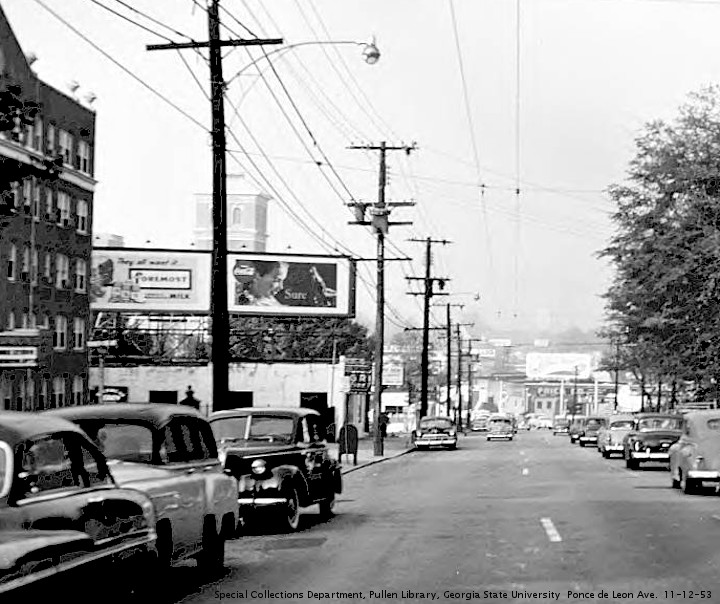
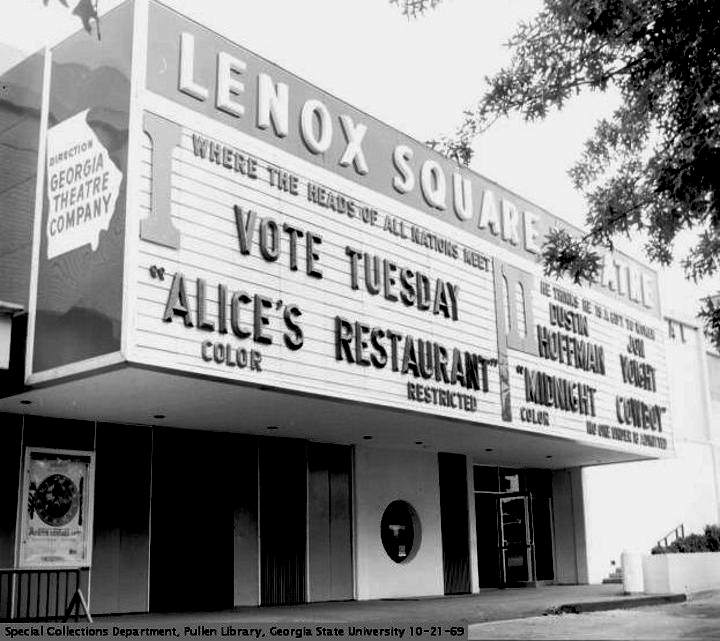
”A youthful Gloria Steinem had just spent a year and half in India, where, we are told, she befriended Indira Gandhi and the widow of the “revolutionary humanist” M. N. Roy, and had met a researcher who seems to have been a C.I.A. agent or contact. Attractive and progressive, Steinem was hired to run the I.S.I. [sic] and to recruit knowledgeable young Americans who could debate effectively with the Communist organizers of the festival, defending the United States against Communist criticism of segregation and other American failings.” Pictures today are from “The Special Collections and Archives, Georgia State University Library.”





Tusset Chronicles 110822


0944-110722 I start off my day by posting weekly notes, and create a haiku picture. Download the latest edition of blocked and reported. Go on the front porch. Work on part two of worms delight.
The first part of B & R is Katie telling a California burrito shop horror story. I decide to not interpret brick pictures, but to do the krog tunnel. Meanwhile, the coffee is running out.
1018-110722 On many days, twenty minutes of elimination/shower is the best part of the day. All is well with the world right now. Maybe I should listen to Jesse&Katie, and let them spoil it for me.
2023-110722 The day went by. I listened to the rest of Jesse&Katie. … something about gender dysphoria, and the clumsy efforts of our medical muddlers to remedy it. In an ironic note, when I downloaded the file for today’s show, the default file name was “transcode.” … so the rest of this day went by, and what I am going to talk about now is facebook and twitter, which abbreviates into fat.
“Question about this site/group: is there a reason I can see folks have commented on a post but can’t see the comments? That is, the post says it has “5 Comments” but only shows one comment. … ” “Blocking people is rude. If you don’t like what a person says, you can unfollow or snooze. Some people feel entitled to punish you for having opinions that they disagree with. It is their problem, but it still sucks to find out that they are expressing it through you.”
When someone blocks you on facebook, they no longer exist to you. One exception is comments. You see that a comment was made, but you cannot see the comment, or who made it. It is a flaw in the facebook system, along with the entire concept of blocking people. People will block you for trivial reasons. It is a way of making them feel important … they are punishing you for your incorrect opinions. If your sense of self worth is enabled by this behavior, then you have facebook.
On the other hand, there are “celebrities” on twitter. One of the joys of twitter is access, however tenuous, to your heroes. Sometimes, as in today’s interaction, there is the possibility that this hero-twitter account is facilitated by an employee. That does not matter. There is a visceral buzz in seeing the words ”𝚃𝚘𝚖 𝚁𝚘𝚋𝚋𝚒𝚗𝚜 @DailyRobbins Replying to @chamblee54.”
@RayaKhedker Do you think “listening” to a book is as effective as reading it? @chamblee54 I consume books for enjoyment, not effect. I tend to stick to short stories/podcasts/youtubeproduct for listening, usually as a background while I do something else.
𝚃𝚘𝚖 𝚁𝚘𝚋𝚋𝚒𝚗𝚜 @DailyRobbins Yes and no. And that would depend upon the individual. In my experience talking with many, some of whom simply want to re-read a book from their youth but experience trouble or a disability in their later years, I believe it is essential to have both versions readily available.@DailyRobbins Sidenote: The views and opinions expressed here are in no way reflective or endorsed by Tom Robbins. This is not a parody account. But there is a possibility that Tom Robbins’ accounts are a parody of us all…
@chamblee54 “I read books by @DailyRobbins in my youth, and enjoyed them. They have, so far, come through in 2nd readings. That is not true for all books. Some are life changing at 21, and stupid at 61.” 𝚃𝚘𝚖 𝚁𝚘𝚋𝚋𝚒𝚗𝚜 @DailyRobbins Replying to @chamblee54 “Books and beliefs age the same way, in my opinion. Some you carry with you throughout life and some you wonder why you ever picked them up in the first place.”
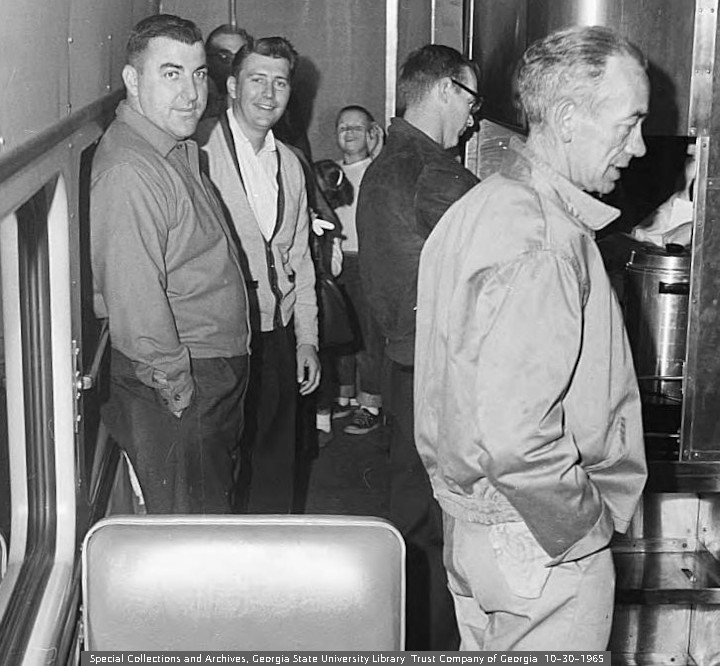
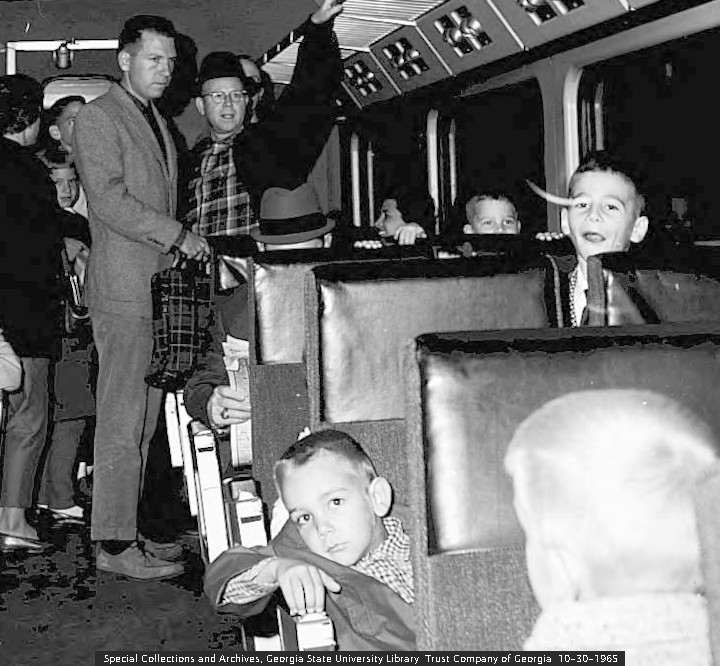
@chamblee54 “you have a “maximalist” style. you said once that reading you was like biting into a cherry tomato … you never know where the juice is going to go on the second reading, that juice might go in a different direction” 𝚃𝚘𝚖 𝚁𝚘𝚋𝚋𝚒𝚗𝚜 @DailyRobbins “Tom has the style, I know where to move it. The juice has the choice which side to cater.” Pictures today are from “The Special Collections and Archives, Georgia State University Library.”


 Chamblee54
leave a comment