













The Trial Of Lenny Bruce



Towards the end of his Booknotes chat, Nat Hentoff talked about censorship. As a journalist, his views were predictable.
Mr. HENTOFF: Any words at all. Words are–I mean, there is a great–there was a great scene in New York once when Lenny Bruce, who was a friend of mine, was on trial for his words. And Richard Cue, the assistant district attorney, was making a name for himself trying to blast all of the witnesses for the defense. And he got Dorothy Kilgallen, who was a very famous then syndicated columnist, a devout Catholic, a conservative and a great admirer of Lenny Bruce. And he con–he strung together, Cue did, all of the words in Lenny’s monologues that could be considered terribly offensive, and he hit her with them. It was a barrage. `What do you think then, Ms. Kilgallen?’ `Well,’ she said, `they’re words. They’re words. That’s all. Words.’ That’s the way I feel.
When PG heard this, he remembered reading about this trial. With the aid of Mr. Google, a transcript turned up. If you like to read about lawyers saying dirty words, this is the place for you.
Dorothy Kilgallen was, to put it mildly, a piece of work. She wrote for the N. Y. Journal American, and stepped on more than a few toes. A biography, Kilgallen, tells a few of the tales. Today, Miss Kilgallen is best known as one of the original panelists on “Whats My Line?”
The People v Lenny Bruce (Cafe Au Go Go Trial) was tried June 16, 1964 to July 28, 1964 in New York City. The Per Curium Opinion of Judge John Murtagh sets the tone. “All three performances of the defendant, Lenny Bruce, were obscene, indecent, immoral and impure within the meaning of Section 1l40-a of the Penal Law. While no tape is available as to the first performance [past midnight, March 31-April 1], this monologue, according to the testimony, was essentially the same as that of the second [April 1, after 10:00 p.m.] and third [April 7, after 10:00 p.m.] performances. In the latter two performances, words such as “ass,” “balls,” “cock-sucker,” “cunt,” “fuck,” “mother-fucker,” “piss,” “screw,” “shit,” and “tits” were used about one hundred times in utter obscenity. The monologues also contained anecdotes and reflections that were similarly obscene.
Dorothy Kilgallen was called as an “expert witness”. In lawyerly fashion, the prosecutor claimed she was not a genuine expert. After her credentials were established, there were questions like “Will you tell us what the artistry, or the social value, or the merit, or the good is, in the Bruce story of sexual intercourse with a chicken?” After the testimony described by Mr. Hentoff, Miss Kilgallen talks about something that does offend her.
Q. I wouldn’t take much time, but we did discuss before Lenny Bruce’s use of the words ‘mother fucker’ at his audience. Can you tell me when James Jones or Norman Mailer or Arthur Miller has called his audience ‘mother fucker?’
Mr. Garbus: Your Honor, may I object? We are talking about books against monologue. It’s completely an irrelevant question.
Judge Murtagh: We will allow it. Objection overruled.
A. I can’t tell you anything verbatim from the books, because I read them a couple of years ago or more. I would imagine–this would be my best guess–that they did not call their audiences anything. There’s another book called The Naked Lunch which I couldn’t even finish reading, but it’s published, and I think the author should be in jail and he used–
Q. Unfortunately we can’t do everything at once, Miss Kilgallen. Are you judging the non-obscene quality and the artistic quality of Bruce by the fact that The Naked Lunch is a book which, as of this date, is sold in the community?
A. No, I’m not. I just mentioned it because you asked me for some books.
Q. And The Naked Lunch is a book you found impossible to read, is that correct?
A. Yes, I found it revolting.
Q. What was revolting about it?
A. Just the way it was written.
Mr.Garbus: Objection, your Honor.
Judge Murtagh: Objection overruled.
A. It seemed to use words for shock value, not for any valid reason, and I object to that.
Q. And when Lenny Bruce–I ask you to turn to the April 1st tape . . . and read the portion starting–‘tits and ass, that’s what is the attraction, is just tits and ass and tits and ass’–and goes on all through the page, and ask you if you find some shock value in that?
A. No, I don’t think it’s particularly shocking, it’s just a word.. . .
Q.. Do you, in your column, use the words tits and ass?
A. Never.
Q. You know exactly what Lenny Bruce was talking about?
A. Yes. . . . I think there he’s being critical of the monotony of what is on view in Las Vegas.
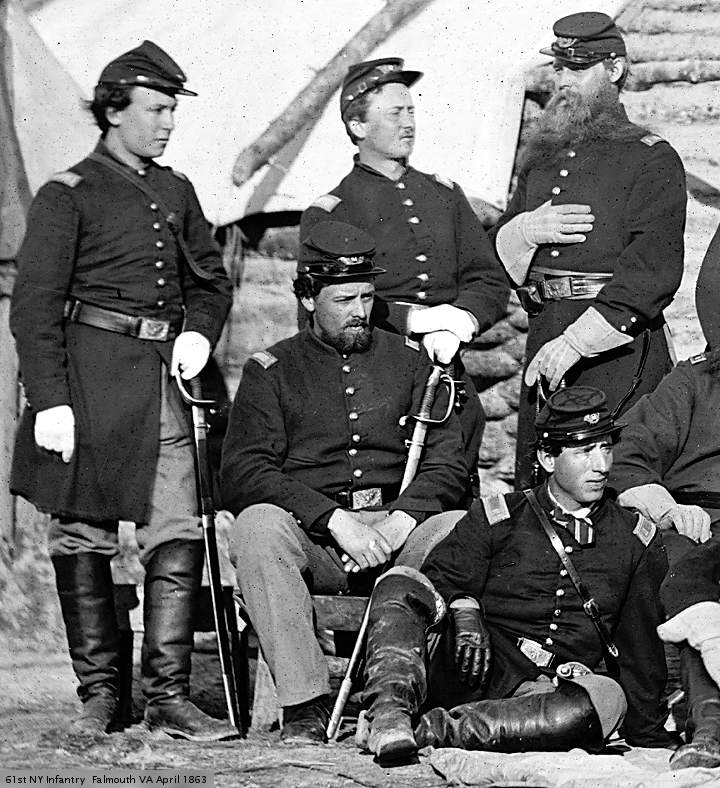
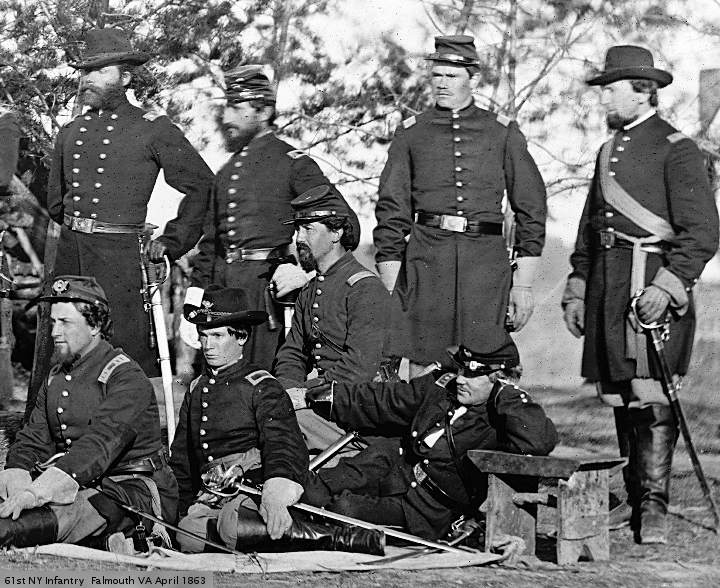
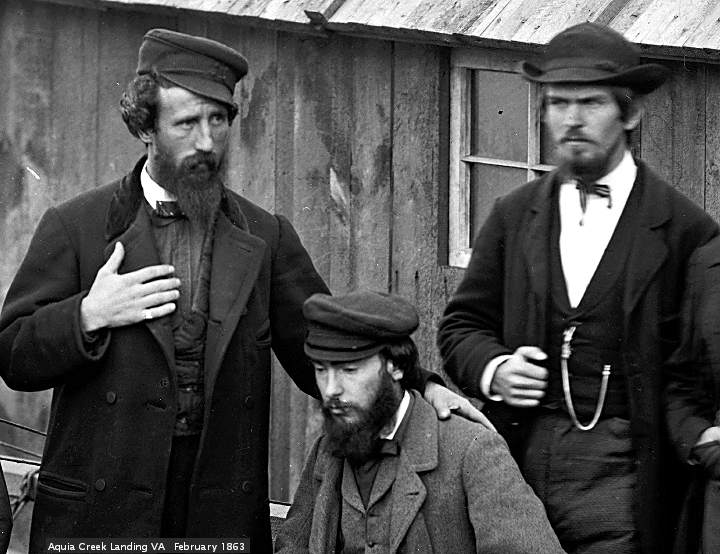
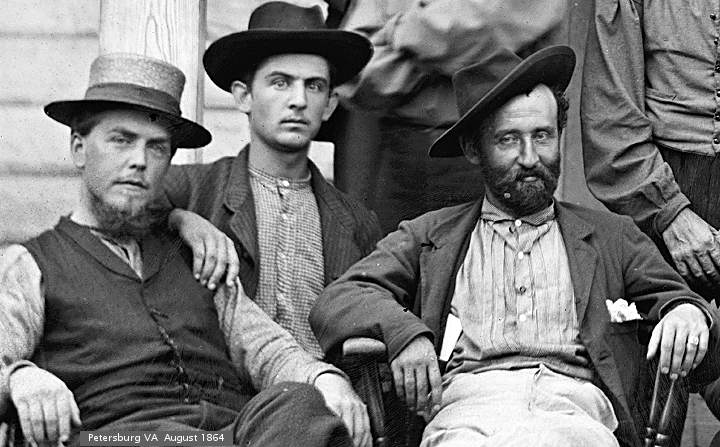
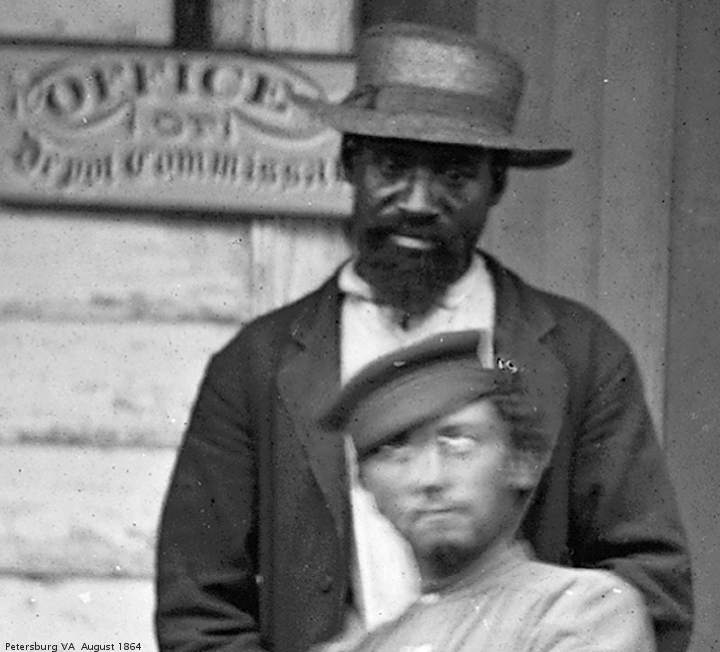
Dorothy Kilgallen died November 8, 1965. Lenny Bruce died August 3, 1966. Kilgallen biographer Lee Israel was convicted of selling forged celebrity letters. Nat Hentoff was laid off from the Village Voice. This is a repost. Pictures today are from The Library of Congress. These images are Union soldiers from the War Between the States. The spell check suggestion for Kilgallen: Millennial.















Why Telephone Keypads Are Different From Computer Keypads



It is a question for the ages…why do telephones have 123 on the top row of the keypad, while computers have 789? The best answer is , we don’t know.
Calculator/computer keypads were an improvement on cash registers. These devices had a matrix of buttons, with the 9 row on top. The row at the far right had single digits, and the row next to them had digits ending in one zero. To ring up a sale for $1.95, you had to push 100, 90, and 5. This evolved into the adding machine configuration of three rows of three buttons, with 0 on the bottom row and 789 on the top row.
When we got started, the telephone used a dial. 1 was at the top, and 0 was at the bottom. The early phone systems used letters as part of the phone number. The first three letters of the seven digit code were two letters and five numbers. (This is what PG remembers from childhood. It may have been different before then).
The two letters referred to an exchange, or part of town where the number was located. The two letters referred to a word. An example would be PG’s grandmother. Her number was TR2 2345. The TR stood for Trinity. Many numbers in midtown Atlanta still start with 87.
In the sixties, ma bell started to develop a keypad to use for what were then called push button phones. In a break with the adding machine tradition, the numbers 123 went on the top row. There are a few ideas why this is, but nothing is certain.
In the early days, the phone switching equipment was not as fast as today. Some thought that by switching the numbers to the top of the keypad, people would have to slow down a bit to “dial” the number. This answer does not make sense to those of us who have grown up with these keypads, and who learned to punch in numbers fast, no matter what system is used. (Anyone using a rotary phone, after getting used to touch tone, is shocked at how slow it is.)
Another concept is the phone company wanting to model the new keypad after the dial phones. This would mean putting the 1 at the top, and 0 at the bottom. Also, with the letters assigned to each number, it would make a lot more sense to have 123/abc def ghi on the top row.
It was suggested that the calculator keypad was patented in the 789-on-top format. Western Electric did not want to pay royalties on this important piece of equipment, so it designed another one. There is also the thought that the calculator was on a desk shelf, where the lower numbers should be at the bottom of the keypad. At the same time, the telephone was on the lower part of the desk, and having 123 on top would be easier to use.
This is a repost. This comment was left on facebook, after the first post.
I won’t pretend to know exactly their reasons, but I will say that I can see some logic in doing it this way. In a numerical context (calculator/computer), you’d want zero next to one, which is where it is in the number sequence. However on… a telephone, 0 has a special meaning: call the operator (at least, it used to mean this).
The guys at Bell Labs took this into consideration when they implemented the “touch tone” or DTMF dialing system. Old style pulse dialing was annoying because it would literally send a pulse for each number (two pulses for two, nine pulses for nine, etc). I meant larger numbers took longer. To change this, and also in anticipation of the fact that eventually phones would be connected to computers, they instead put all the numbers on a grid with each row and column assigned a unique frequency. Each key on the pad combined the two frequencies to produce a tone. In order to accommodate ten numbers, you need a grid of at least 4X3, which they actually increased to 4×4 because they wanted some additional tones (A-D) for extra network functionality.
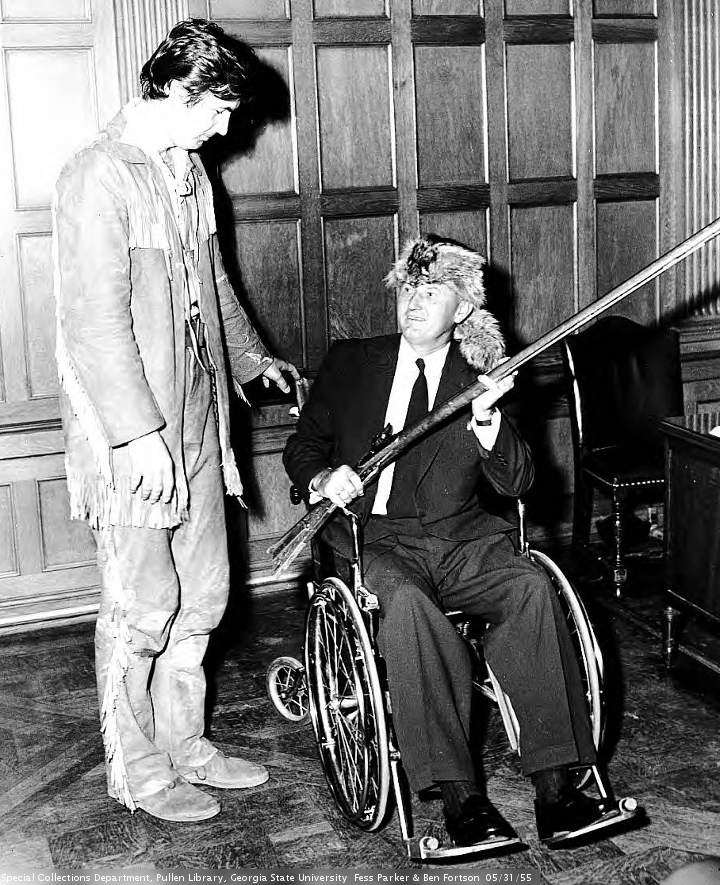
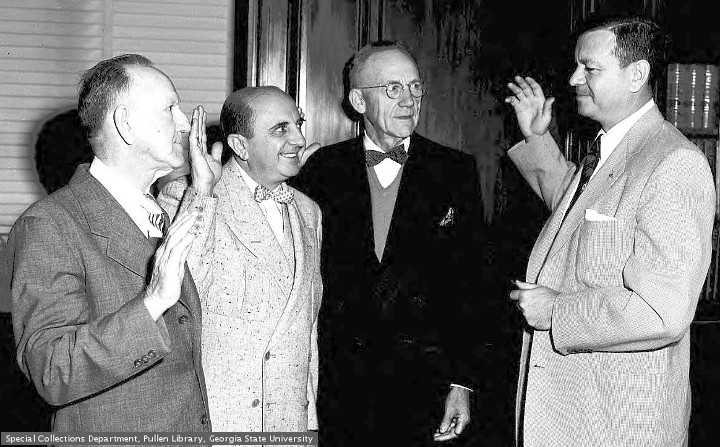
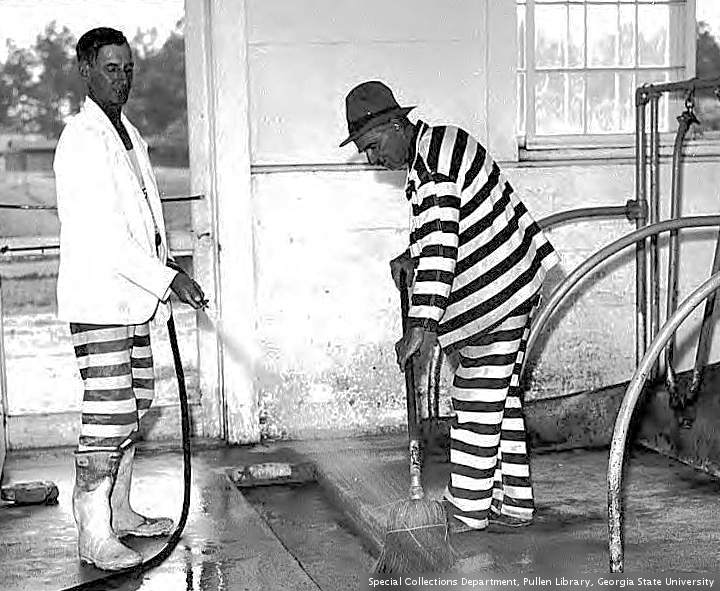
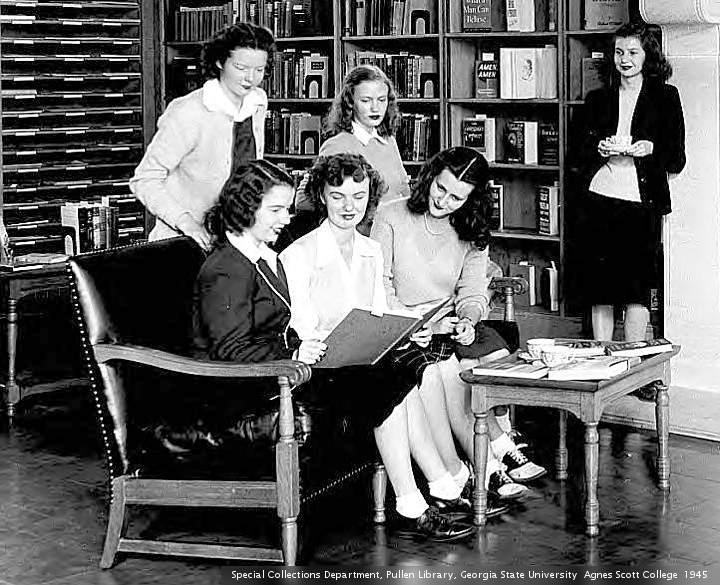
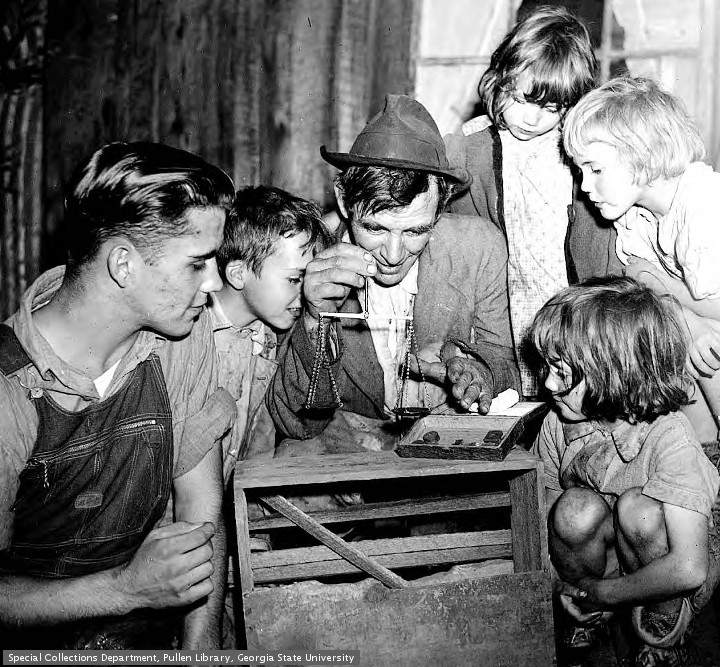
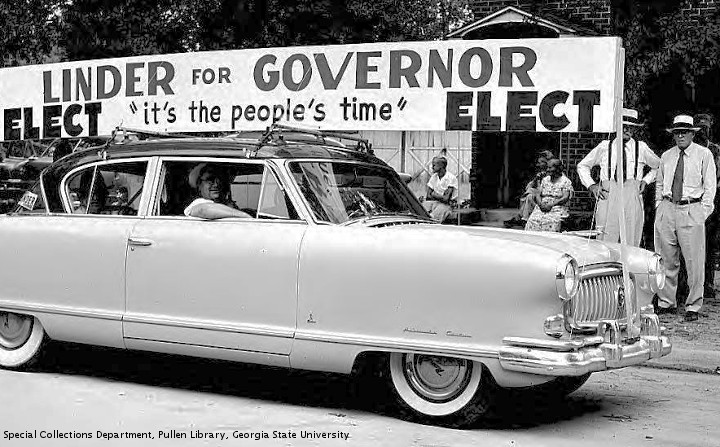
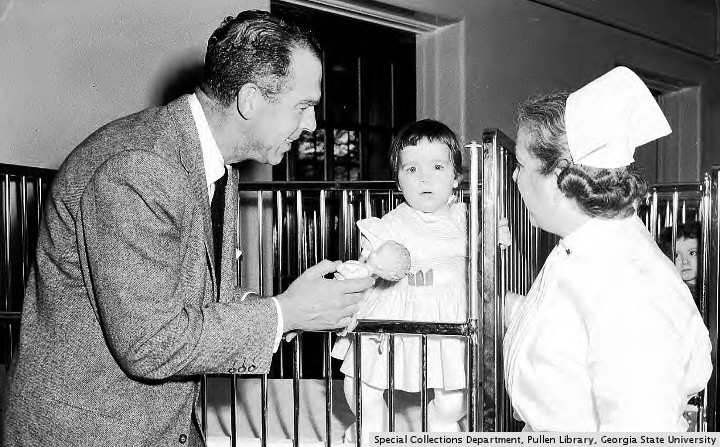
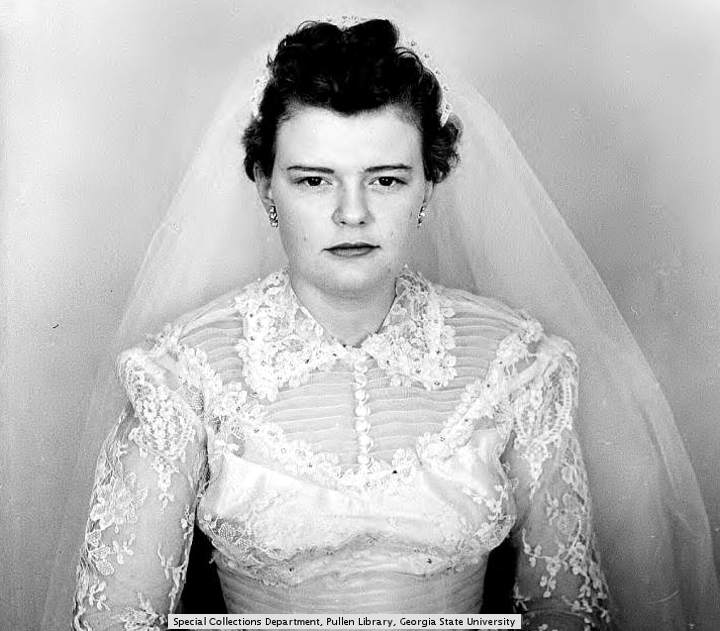
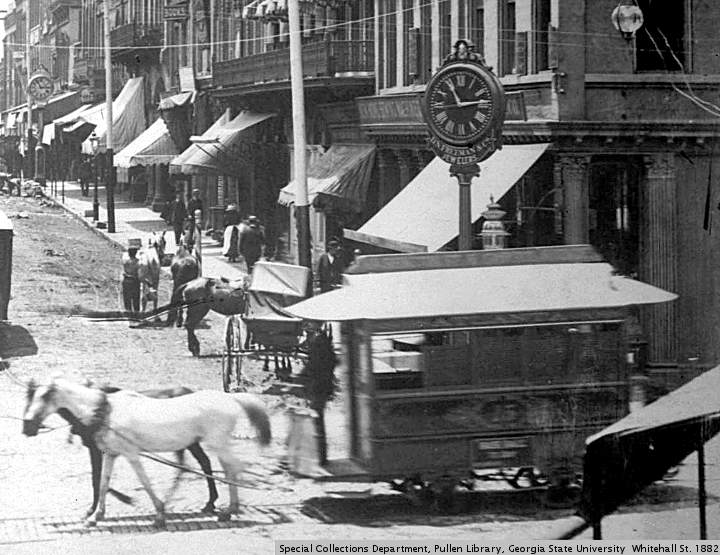
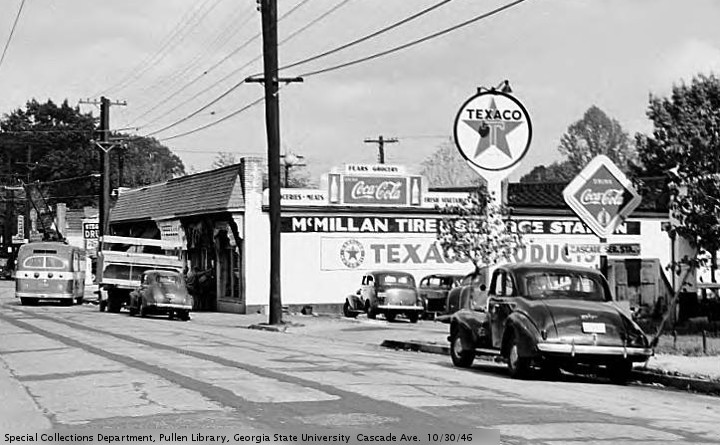
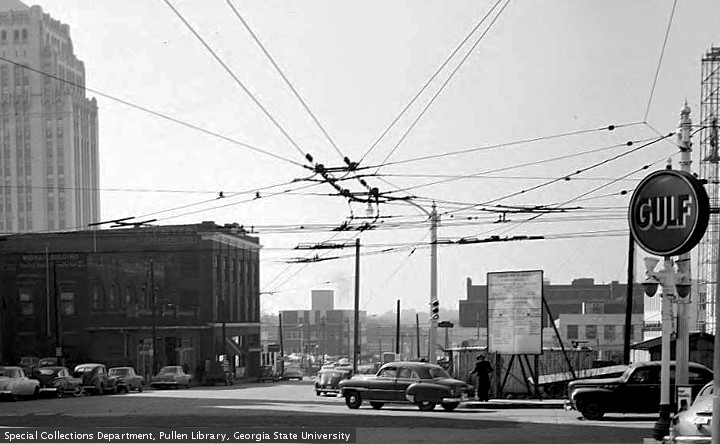
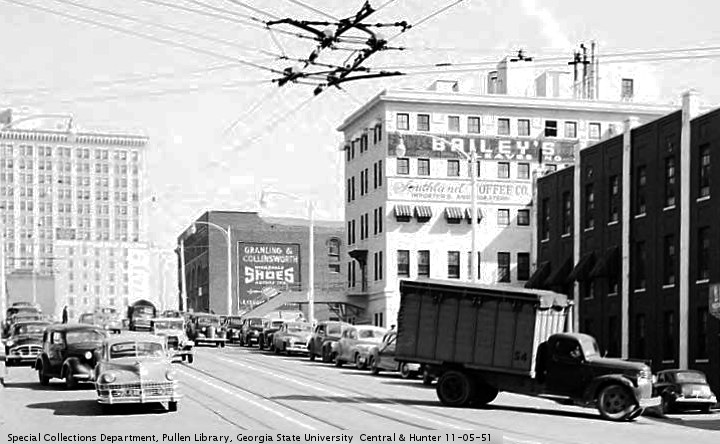
Pictures are from “The Special Collections and Archives, Georgia State University Library”.




Joni Mitchell Product



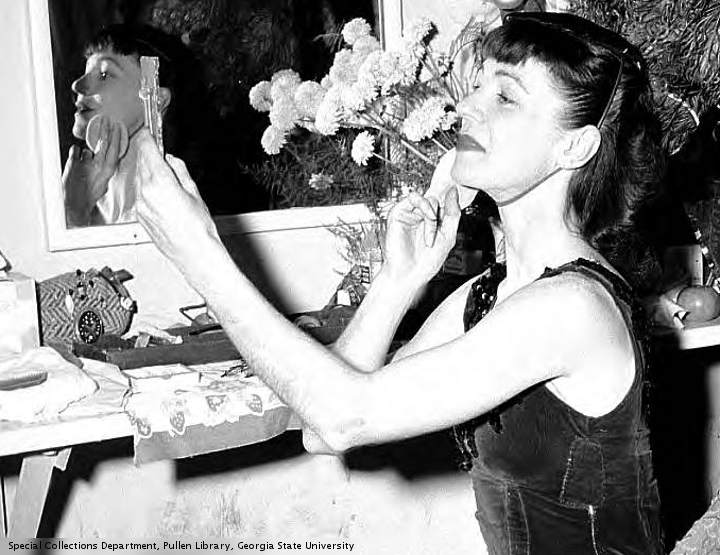

Joni Mitchell has product to promote. She gave an interview to New York magazine, where she smoked a few cigarettes and expressed a few opinions. There were enough attention getting comments to make the news.
“When I see black men sitting, I have a tendency to go — like I nod like I’m a brother. I really feel an affinity because I have experienced being a black guy on several occasions.” She proceeds to tell a story about dressing like a down and out black man as a way of dealing with an obnoxious photographer. “I just stood there till they noticed me. I walked really showily, going, Heh heh heh. It was a great revenge. That was all to get his ass. To freak him out. I had to keep him on the defensive.”
Gay-mafia-made-man David Geffen was a target. “I ask her about a painting, visible in a vestibule, on the way to her laundry room, of a curly-haired man with a banana lodged vertically in his mouth; turns out it’s Geffen, and she painted it. “Before he came out. He’s never seen it,” she says, before explaining: “He was using me as a beard. We were living together, and he’d go cruising at night. He was very ambitious to be big and powerful, and he didn’t think he would be [if he was openly gay].” By 1994, the two had fallen out over her insistence that he didn’t pay her enough in royalties.”
The product is a four cd boxed set, Love Has Many Faces: A Quartet, A Ballet, Waiting To Be Danced. It is sort of like a greatest hits collection. There was a similar video a while back, Hits and Misses. That title was possibly inspired by No Hits, Four Errors: The Best of Martin Mull.
There was a single one star comment about the joniproduct.Al Norman Seems like a collection of Joni’s forgettable tunes February 3, 2015 ~ “My wife loves Joni Mitchell, and never listens to this set. Seems like a collection of Joni’s forgettable tunes.” This comment was sponsored by Head and Shoulders. “100% flake free hair & A GREAT SCENT”
You just can’t get away from capitalism. Ms. Mitchell heard “… on the radio, a record executive “saying quite confidently, ‘We’re no longer looking for talent. We’re looking for a look and a willingness to cooperate.” As interviewer Carl Swanson notes, “For now, she’s hoping that people buy her boxed set, with her self-portrait on the cover. To that end, she gives me a Joni Mitchell tote bag with one of her paintings on it to carry my things home in. Get the word out.”
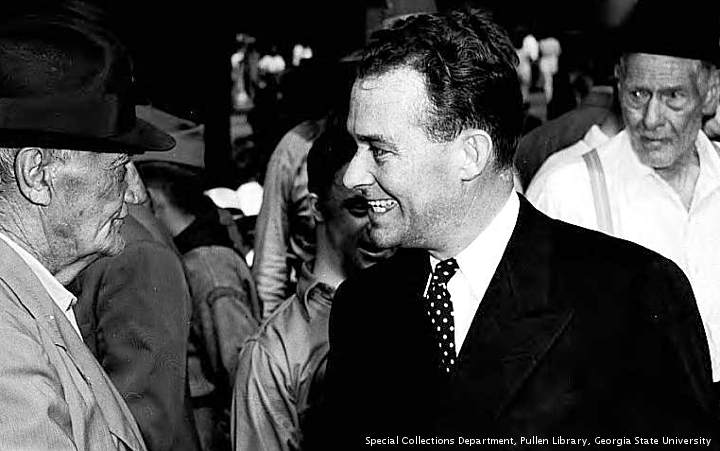
The pictures today are from “The Special Collections and Archives, Georgia State University Library”. The internet version of the Joni story had a lively exchange in the comments.
OneTonneTomatoe A better Eden is ahead to be established. One that cannot be corrupted is forward in time and place, not behind, not here. Be seated beyond the firmament. Romans 10:9
JamesSmith @OneTonneTomatoe Leave it to the christian arrogance to try t turn this into a proselyting effort. Your bable is a pack of myths and lies and you are a delusional fool.
cookie_mcgill @JamesSmith I don’t enjoy the poster above either, but smearing all Christians like that is offensive. Go easy there, tiger.
JamesSmith @cookie_mcgill @JamesSmith Prove anythng I posted is not true.
Theists, especially christians, are arrogant judgmental, unforgving, intolerant, deluional, irrational, and either fools, liars, or hypocrites. It’s all true and proven by the behavior of 99% of all theists, including christians. Go easy yourself and think about it. Face reality, not myths and lies.
cookie_mcgill @JamesSmith I wouldn’t take directions from either of you twits.
JamesSmith @cookie_mcgill @JamesSmith Prove anything I posted is not true. Especially tell me what I posted that makes you think I would even give a moron like you even the time of day. You’re as arrogant as the most fundamentalist theist.



Things People Used To Say



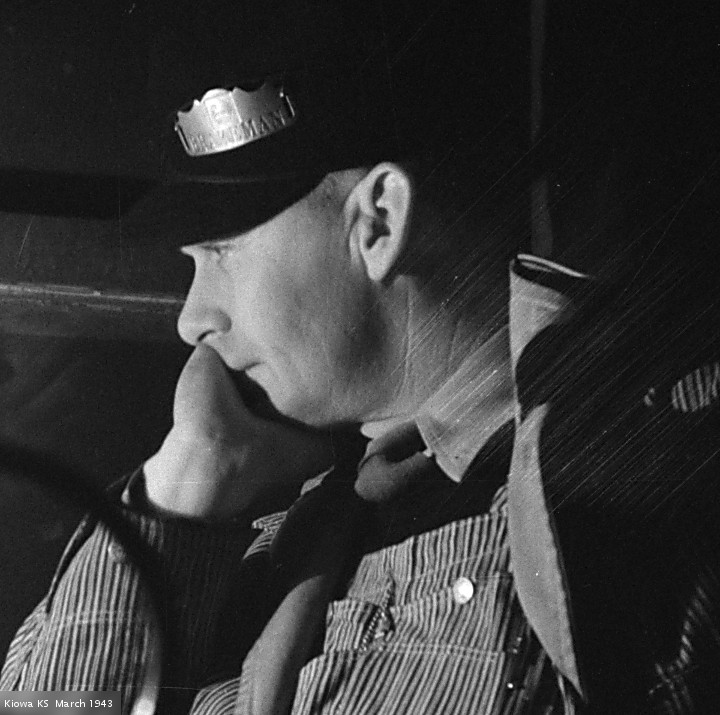
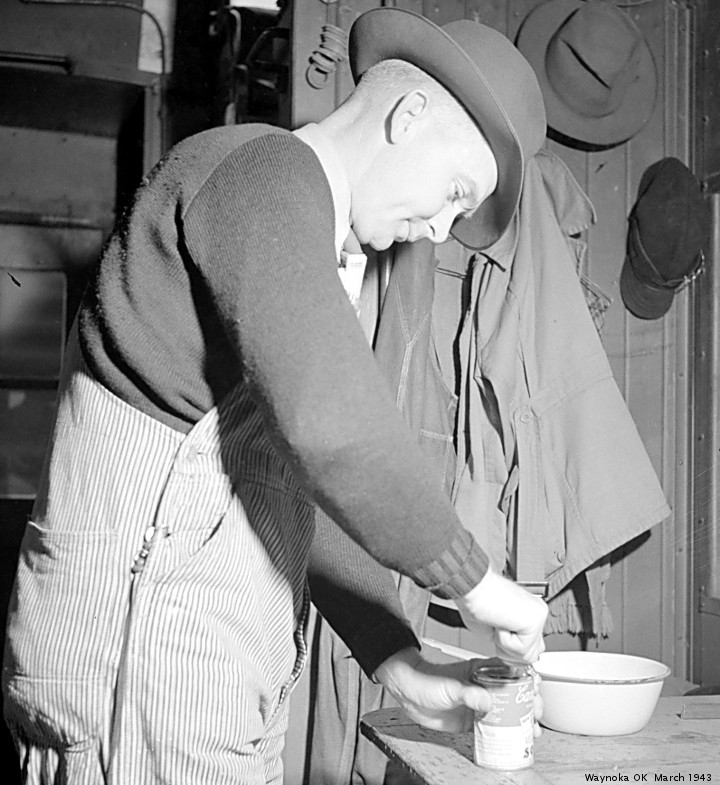

A blogger named gartalker has a list of words that are becoming extinct. Maybe it is a southern thing, but PG still hears supper used. The rest of the list is amusing, and can make you feel old…even if your age is not an interstate speed limit.
A term I haven’t heard in a long time, and thinking about ‘fender skirts’ started me thinking about other words that quietly disappear from our language with hardly a notice like curb feelers. Any body remember them. And steering knobs.’ (AKA) suicide knob, Neckers Knobs. Since I’d been thinking of cars, my mind naturally went that direction first. Any kids will probably have to find some elderly person over 50 to explain some of these terms, like fender skirts.
Continental kits They were rear bumper extenders and spare tire covers that were supposed to make any car as cool as a Lincoln Continental.
Emergency Brakes At some point ‘parking brake’ became the proper term. I miss the hint of drama that went with ‘emergency brake.’
Clutch – Foot Feed – Dimmer Switch. I’m sad, too, that almost all the old folks are gone who would call the accelerator the ‘foot feed.’ Many today do not even know what a clutch is or that the dimmer switch used to be on the floor.
Running Board Didn’t you ever wait at the street for your daddy to come home, so you could ride the ‘running board’ up to the house? You felt like a real G-man. Heck, most of you most likely don’t know what a G-man is.
Store-bought Here’s a phrase heard all the time in my youth but never anymore -’store-bought.’ Of course, just about everything is store-bought these days. However, once it was bragging material to have a store-bought dress or a store-bought bag of candy.
Coast to Coast Coast to coast’ is a phrase that once held all sorts of excitement and now means almost nothing. Now we take the term ‘world wide’ for granted. I guess that soon it will be Universal.
Wall to Wall On a smaller scale, ‘wall-to-wall’ was once a magical term in our homes. In the ’50s, everyone covered his or her hardwood floors with, wow, wall-to-wall carpeting! Today, everyone replaces their wall-to-wall carpeting with hardwood floors. Go figure.
In A Family Way – P G When’s the last time you heard the quaint phrase ‘in a family way?’ It’s hard to imagine that the word ‘pregnant’ was once considered a little too graphic, a little too clinical for use in polite company, so we had all that talk about stork visits and ‘being in a family way’ or simply ‘expecting. The more sophisticated town girls called it P G. (That is not the source of a pen name.)
Brassiere Apparently, ‘brassiere’ is a word no longer in usage. I said it once to my daughter when she was a teen and she cracked up. I guess it’s just ‘bra’ now. ‘Unmentionables’ probably wouldn’t be understood at all.
Picture Show I always loved going to the picture show. In fact, I have written about it in this very blog. I considered ‘movie’ an affectation.
Rat Fink Most of these words go back to the ’50s, but here is a pure-’60s word I came across the other day – ‘rat fink.’ Ooh, what a nasty put-down! These two words could cut like a sharp knife.
Percolator- DynaFlo – Elevtrolux – Spectra Vision Here is a word I miss – ’percolator.’ That was just a fun word to say. What was it replaced with? ‘Coffee maker.’ How dull. Mr. Coffee.
I miss those made-up marketing words that were meant to sound so modern and now sound so retro. Words like ‘DynaFlow and‘Electrolux..’ (spell check suggestion: Electrocute)Introducing the 1963 Admiral TV, now with‘SpectraVision!’ (PG has a percolator in his camping gear. It works well over a propane stove, but the coffee is way too hot.)
Lumbago- Castor Oil -Food for thought – Was there a telethon that wiped out lumbago? Nobody complains of that anymore. Maybe that’s what castor oil cured, because I never hear mothers threatening kids with castor oil anymore.
Supper Some words aren’t gone, but are definitely on the endangered list. The one that grieves me most, ’supper.’ Now everybody says ‘dinner.’ Save a great word. Invite someone to supper.
Chimney One last thing, when I was a kid we passed a neighbors house. They had a T V antenna strapped to their Chimney. It was a cold day and smoke was bellowing out the old leaning stack. My mother said, “Look there can’t afford butane to keep warm but they got a television set.” Yes, when I was kid a sure sign of poverty was smoke coming from your chimney. Now you know you are in an up scale neighborhood. A fireplace in the den is a luxury.
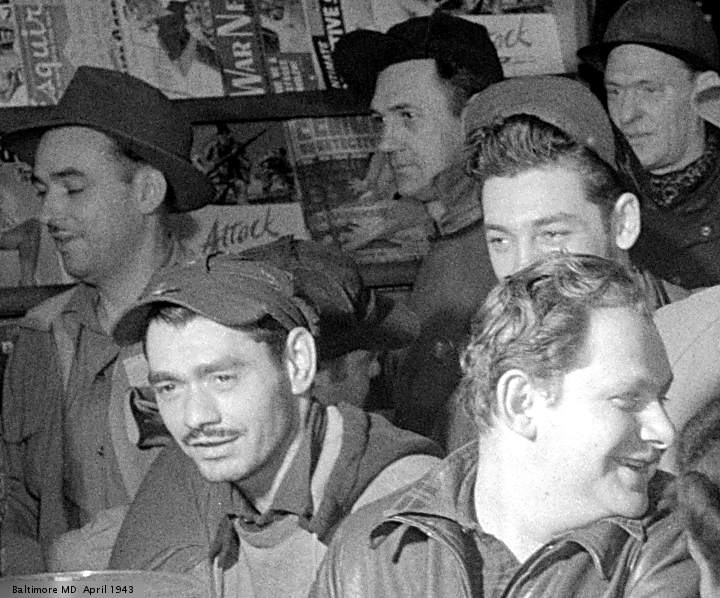
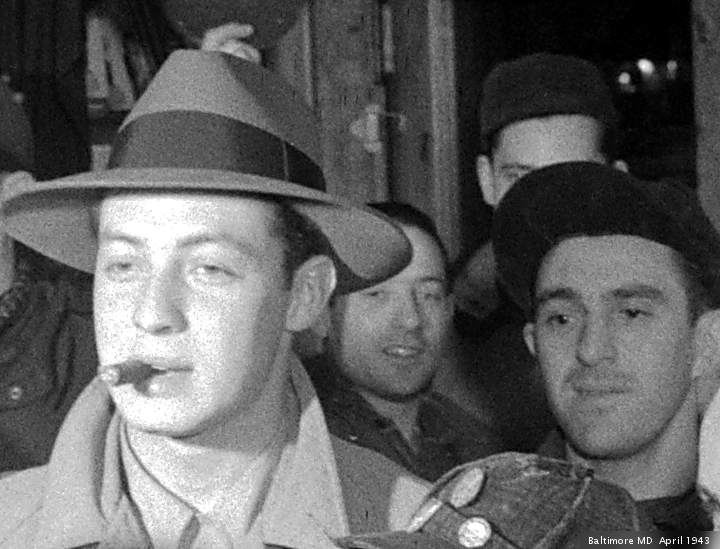
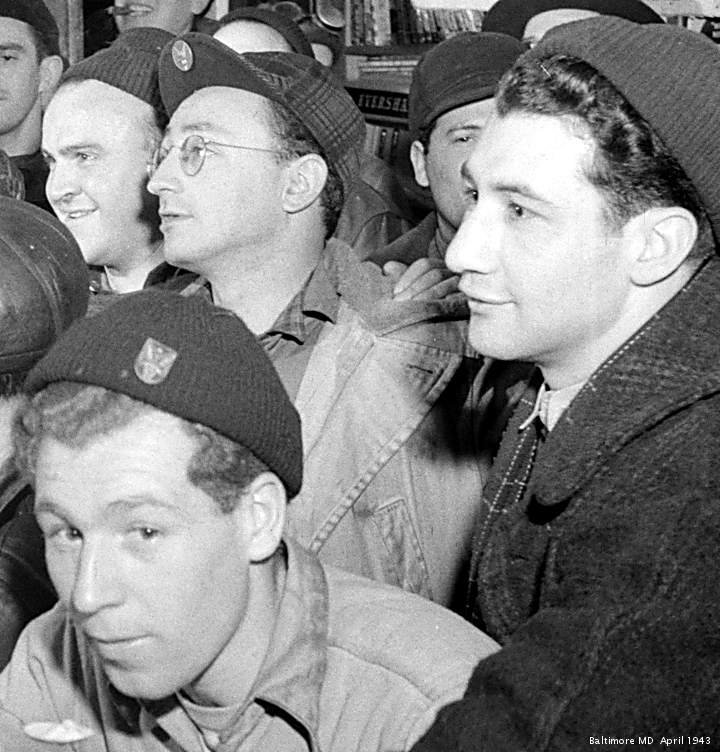
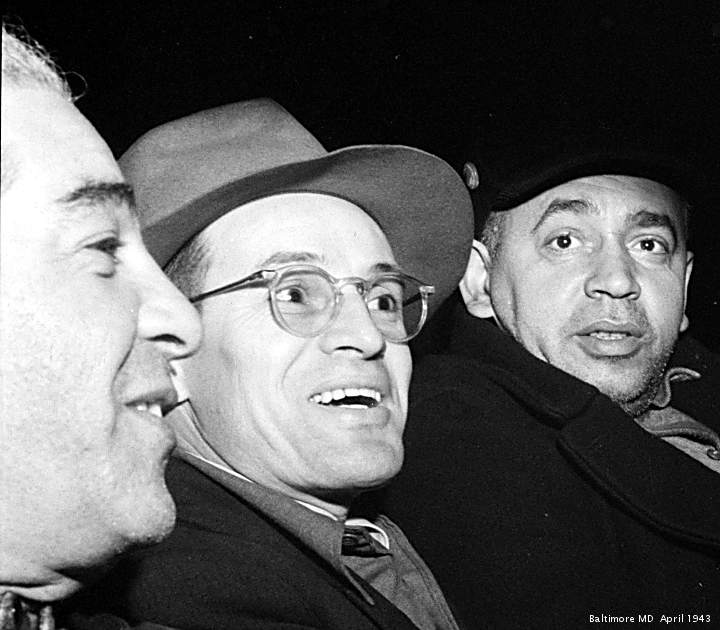
This is a repost. The pictures are from The Library of Congress.


Gay Marriage And The KKK
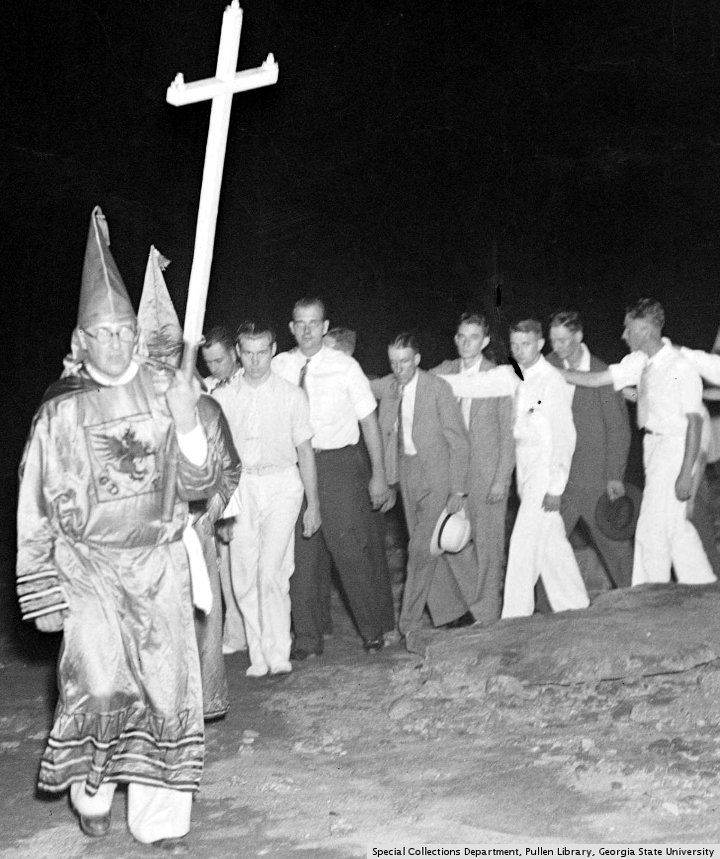
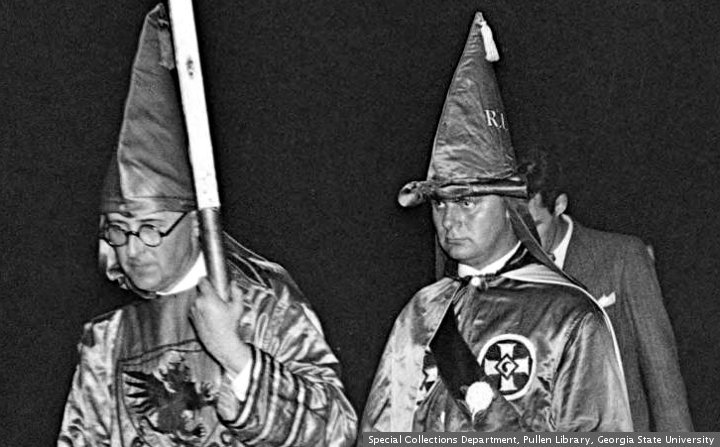


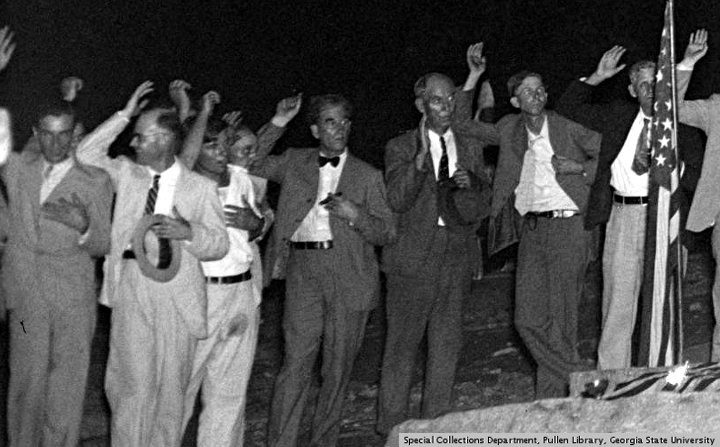
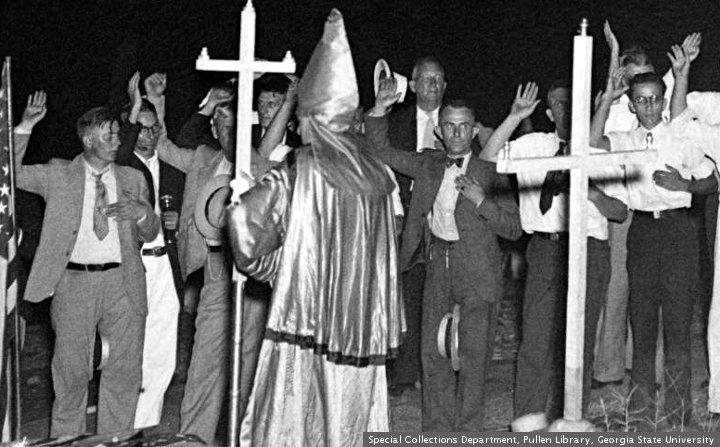


It seems as though the United Dixie White Knights is opposed to gay marriage in Alabama. The article in The New Civil Rights Movement credits blog superstar Joe.My.God. with breaking the story. JMG reports he was “Tipped by JMG reader Fred.”
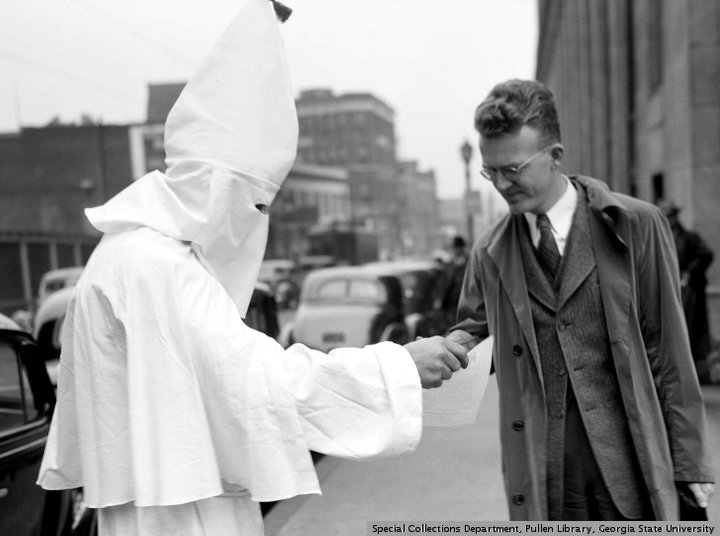
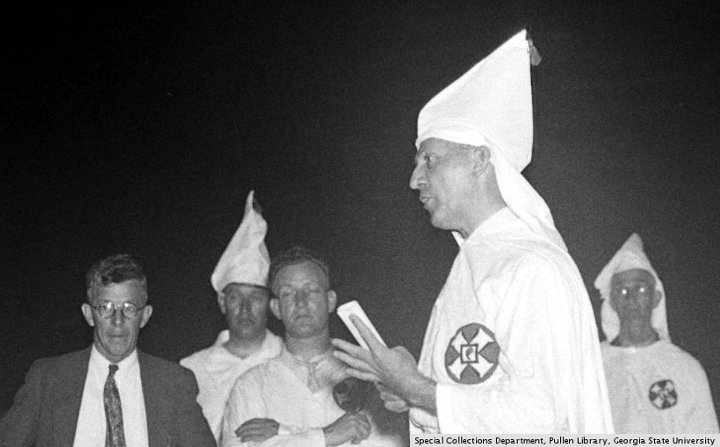
As could be predicted, facebooker are gleefully posting stock photos of klansmen, and making snarky comments. The opposition of UDWK is seen as another selling point for the benefits of gay marriage. After all, if the Klan is against something, then you need to be for it.
The fact that the issue of marriage is being decided in federal courts is not discussed. Marriage has always been a legal construct. The states and the federal government are fighting over who gets to regulate marriage, which usually does not end well for the states. The acronym IANAL is useful. Maybe arranged marriages, involving cattle, are the tradition to follow.
One wonders why “the Klan” even bothers. They are a national joke. They get less respect than the Westboro Baptist Church. If they say something, the media gleefully reports and distorts. It is almost as if someone hacked into the UDWK site, in an effort to make them look bad. If you look at the rhetoric, grammar, and spelling of the document, you might come to that conclusion.
If you want to see the UDWK statement, you get a screen: “Adult Content Warning ~ The site uniteddixiewhiteknights that you are about to view may contain content only suitable for adults.” You have two choices: “I would like to proceed to the site. ~ I do not wish to view this page.”
In it’s report, The New Civil Rights Movement mentions “The statement, to which we will not link.” TNCRM story is sponsored by LGBT Family Planning, and How To Remove Dark Spots, Watch Shocking Presentation. Stories about the KKK are good for getting people to look at paid advertising.
Last summer, a report circulated: KKK Raising Money for Police Officer Who Shot African-American Teen. “The South Carolina-based New Empire Knights of the Ku Klux Klan says its Missouri chapter is raising money for the still unidentified white police officer who shot and killed Michael Brown, 18, who was scheduled to begin college classes this week.” This report was used to discredit Darren Wilson, while the investigation was ongoing.
During this weeks Klan sighting, a followup appeared to this story, KKK Disowns KKK Fundraiser for Darren Wilson “The fundraising email is actually in violation of the traditional Klan constitution, according to another Imperial Wizard, Frank Ancona. Ancona leads the Traditionalist American Knights, one of the largest branches of the KKK, approaching 10,000 members in the lower 48 states. Their headquarters are in Missouri.
The KKK is split into many smaller subdivisions, explained Ancona, and often times, banished members of a larger branch will attempt to start their own. Ancona believes this is the case with Murray, who is not even known to the Traditionalist American Knights. (Murray is Imperial Wizard Chuck Murray, of the New Empire Knights.)
“He basically made up his own name,” Ancona said, explaining that Murray may not even be on his birth certificate. “We are a registered organization. We have a charter with the state… Half of them don’t have the rituals for our ceremonies.”
Ancona worked with senior members of his organization to attempt to find Murray and confirm his connection to the larger group, but they could not. “No one has ever heard of the guy, I talked to the older members of our group,” he said. “There are other legitimate Klan organizations, but this group here sprang out in the last year or so I don’t believe he has any members. I think it’s just him.”
Additionally, Ancona believes Murray’s fundraising effort is a scam, because technically, members of the Klan cannot speak with the media, let alone solicit their help with raising donations. All members sign an agreement that forbids conversations with the press. Only highly vetted officials interact with reporters, and even then, interviews are rare.”
The KKK has historically been a secret society. Is posting a manifesto on the internet, and leaking it to Joe.My.God., the way things are done in the internet age? Is the UDWK a glory seeking fringe group? Maybe the post is a false flag operation, designed to build support for gay marriage.
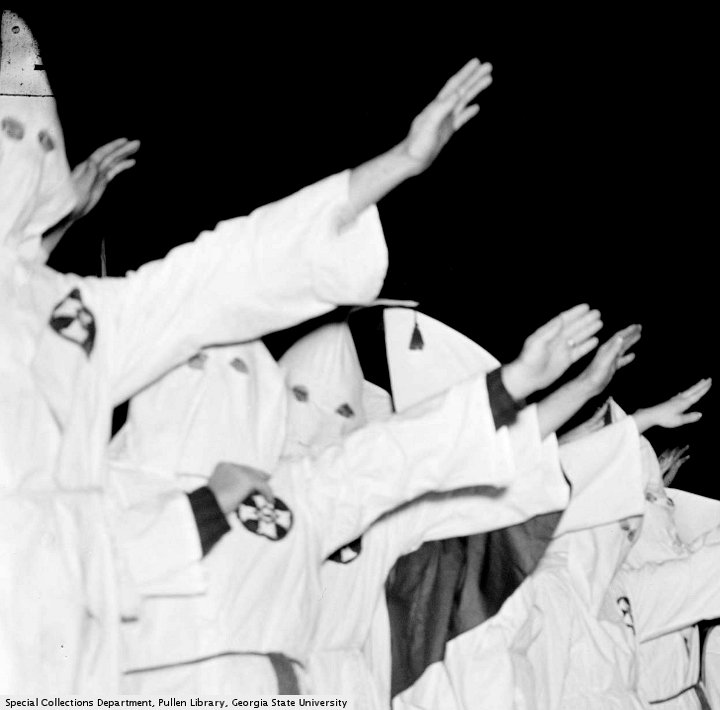
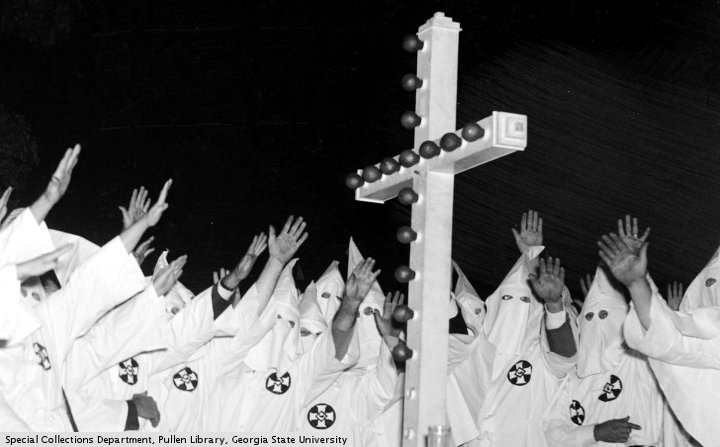
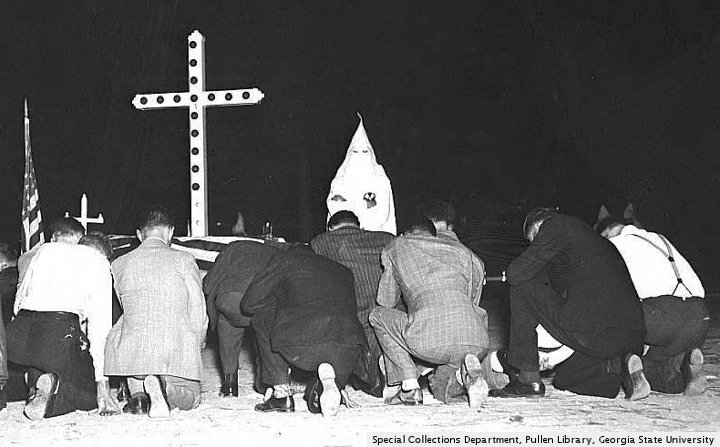
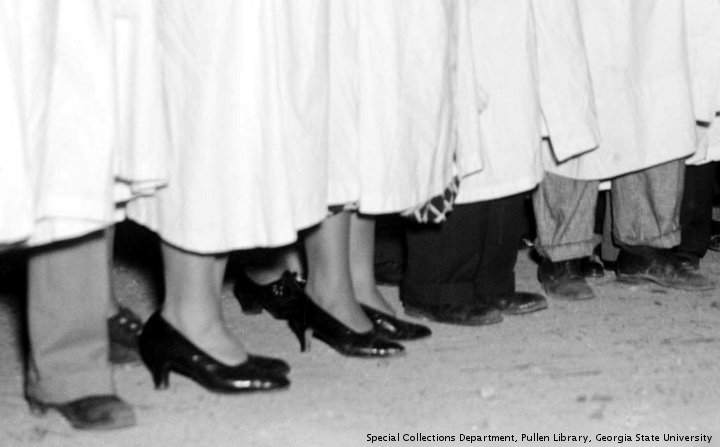
In case anyone is confused, this post does not support the KKK. Nor will there be the ritual denunciation that anti-racists seem to feel obligated to make. It is just an effort by a slack blogger to make sense of a few things that defy explanation. The pictures are from “The Special Collections and Archives, Georgia State University Library”. The rally was held July 14, 1939 at Stone Mountain.



Some Particular Perversion





Apparently I lack some particular perversion which today’s employer is seeking’ Ignatius J. Reilly ~ I would end that statement after the word listen. ~ Is that the East, the South, the West, or the North? ~ There are no comments for this journal entry. To create a new comment, use the form below. ~ The thought may be the truth, but I suspect the picture is photoshopped. ~ The actions if those people, as described in this story, probably did more harm than good. Making a scene on a dance floor is the wrong way to spread your message. ~ these are the current search engine terms at chamblee54: gwinnett county most wantrd, oreo commercial little girls have pretty curls, advice from an old farmer, what is significant in one’s own existence, kyle dinkheller brannan, you jizz fuck janitress in hospital 2009, andrew sullivan, repost and see what you get, ein nepoline estein shakespeare and the bottom line. ~ @pourmecoffee Opposable thumbs: do they cause wrist fatigue? Are they necessary? We’ll sort out the pros and cons of this controversial anatomic feature. ~ When I first saw this, I thought you said silence. The two words have a similar letter inventory. As for the linkage of science and silence to people in carelessly constructed label groups …. ~ The first part … Jose can you see … is en espanol already. ~ @HolyJunkie @creepypasta_txt Oh my god, what kind of hack wrote this POS? This is like, the worst goddamn thing ever written. I hope the author dies. ~ TED talks have announced the speakers for a conference in Vancouver BC. Session 9: Just and Unjust will include Monica Lewinsky, social activist ~ “It takes a lot of time to be a genius. You have to sit around so much, doing nothing, really doing nothing.” –Gertrude Stein From “Everybody’s Autobiography” ~ The one word-no space thing has a curious result for RAMDASS.ORG ~ Follow me for updates on when/what I’ll be streaming and for my general flow of stupidity. ~ People will do backflips to justify _____ but I’m the bad guy for not buying it? ~ @burgeroise “invented gender neutral pronoun” as opposed to the organic and pure binary pronouns harvested from the soil by kindhearted farmers ~ @freddiedeboer @AryehCW @chescaleigh There is a contradiction in the saying ” “check your privilege” ~ @chescaleigh @freddiedeboer @AryehCW I think many people who scream CYP could benefit from acknowledging this ~ There is a sign on Peachtree Road for oglethorpe.edu. Only one problem. They did not have room for the u at the end. The sign tells you to go to oglethorpe.ed ~ @Kool_Aid_Wino I was a strange kid. I guess you could safely add “very.” ~ The forum is limited to discussions about the content of an article. Please note that anything you post may be used, along with your name and profile picture, in accordance with our Privacy Policy and the license you have granted pursuant to our Terms of Service. ~ @Kool_Aid_Wino I am one of those who do not have a regular name. My name depends on you. Just call me whatever is in your mind. ~ @Edgar_Allan_Poe: #Read, my friends, read until they pry the book from your rotting grip. #NationalLibrariesDay ~ It is still winter, and it is in public, so the dress code will probably be more. ~ pictures for today’s entertainment are from The Library of Congress. ~ selah




Happy Birthday Bill Burroughs
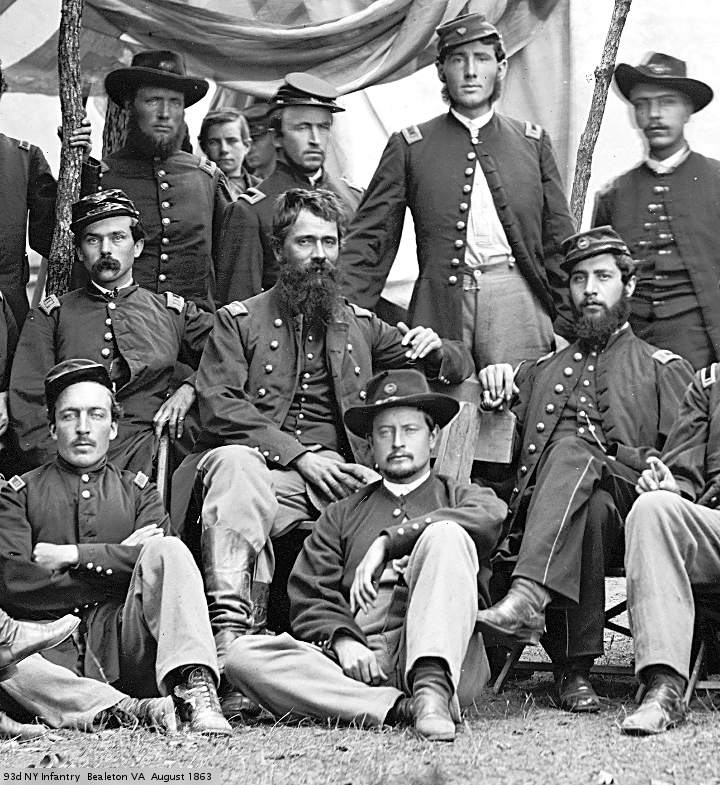


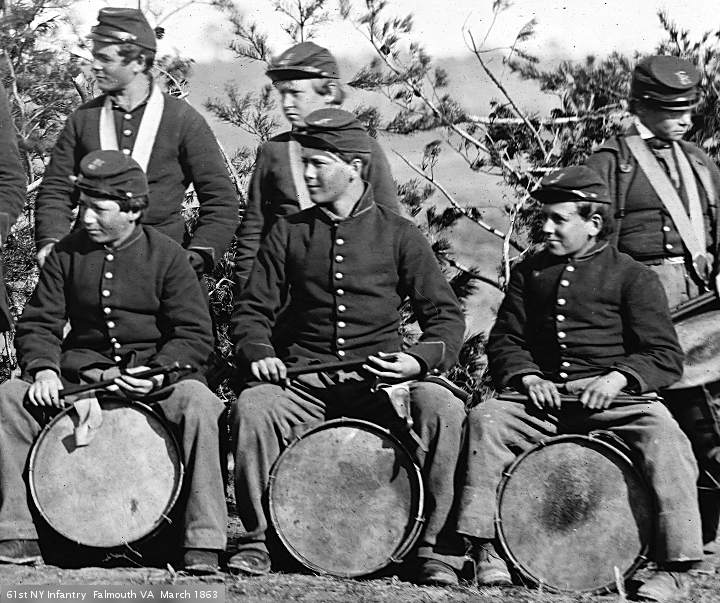
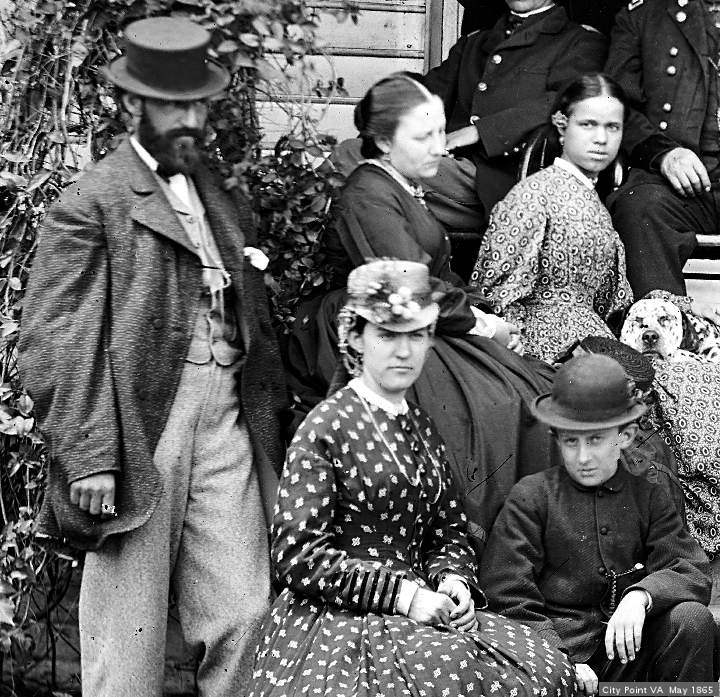

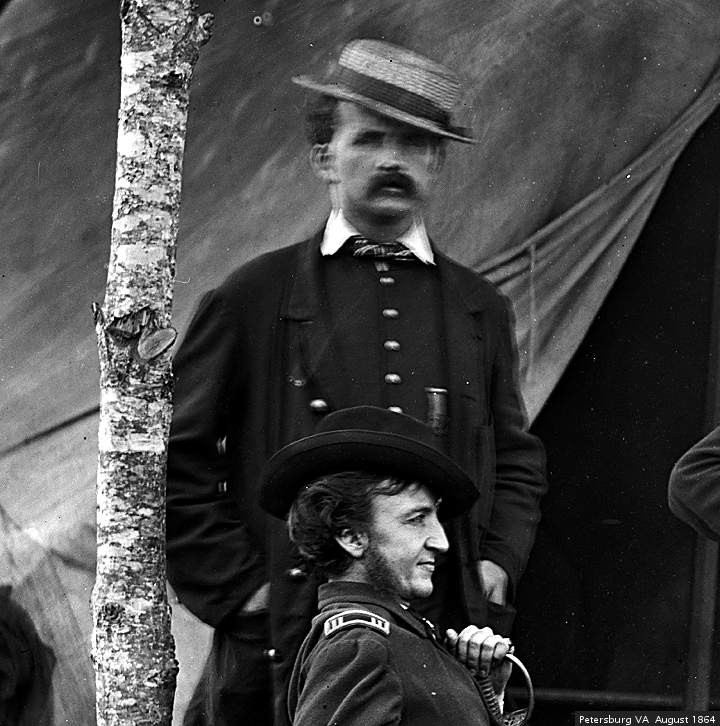

February 5, 1914, was the birth day of William Seward Burroughs Jr. For the rest of this piece he will be known as WSB. This is both a handy abbreviation, as well as a touch of irony for Atlanta readers. WSB radio is a 50k watt clear channell am station, owned by the same media oligarchs that own the fishwrapper and channel two. The radio tv clusterfuck has long been the symbol of Peachtree Street white column respectability. Just to be clear/queer, from here on out in this feature WSB will mean a certain junkie writer, not welcome south brother.
This is a good day for birthdays. Hank Aaron in 1934. Adlai Stevenson in 1900. Peg Entwhistle in 1908. The last one lived until 1932, when she jumped off the Hollywoodland sign.
A well thought of radio institution called “This American Life” has a show this week, Burroughs101. Actually, there is a class by that name, and there will be an exam at the end of the semester. The show is narrated by Iggy Pop. It begins with a warning. “A warning. The following program contains references to homosexuality, drug use, sex with aliens, violence, and kitty cats. What did you expect?” The show was originally cobbled together by the BBC, which might explain things a bit.
Iggy Pop did a show at the 688 club. PG was in the audience. A man named Ivan Kral was in the band. When Mr. Kral came on stage, he blew his nose, and a white powder booger came out. The performance was not so much a concert as it was an endurance test.
The show has the lazy bloggers friend, the transcript. There are some lovely quotes. This show is not going to candy coat the bastard. This is a man who shot his wife while playing William Tell, and got away with it. As one non admirer says “I don’t just take the Burroughs myth with a pinch of salt. I view it as a unpleasant slug crawling across the lawn of literature. And I like to pour salt on it.”
Or this one. “Having used heroin yourself– I think used is a bit of an understatement. I was a heroin addict on and off for pushing a quarter of a century. For myself, I find the whole Burroughs myth pretty repulsive, actually. Because I understand what happened to me. I was an addict in waiting. I got my form prize or my English prize at The Naked Lunch. And a year and a half later, I was sticking needles in my arm. … You could be lying in some pestilential piss-soaked squat in the bowels of the city listening to some moron totaled on drugs drooling on and talking about Burroughs, because Burroughs was their Leon Trotsky. He was their Archbishop of Canterbury. He was the Pope. “
One of the questions of the early eighties was whether or not WSB was shooting up. Forget the nonsense about there not being any old junkies. Supposedly Ray Charles never really quit using heroin. So, in 1981, WSB was living somewhere in Manhattan, and it was a right of passage to go to the bunker and take heroin to him. Since he was the star, he used the needle first, which was an important distinction in those days … hiv did not have a name but was running wild through the junkie veins and queer buttholes of Reaganite America. We don’t know if WSB got hiv or not. He made it until August 2, 1997, when a heart attack sent him to meet his maker. Contemporary Allen Ginsberg cashed in his chips earlier that year. In Washington, silly billy POTUS was getting knob jobs from Monica Lewinsky, who now gives TED talks by calling herself a social activist. WSB was a social activist, at a time when few would publicly admit to such a distinction.
The answer to your question is, yes, WSB was shooting dope in 1981. Somebody saw this as being an unhealthy situation, and arranged for him to move to Lawrence KS. This was his home until WSB went to live with Jesus, who was pissed because WSB didn’t bring him any smack.
So WSB was living the beat life, shooting dope, fucking boys, and just being a general mess. In his spare time he was writing books. Naked Lunch was busted for obscenity, and became his best known work. It is the first thing by WSB that PG tried to read, making it to page twenty six before declaring the endeavor a hopeless waste of brain cells.
It is not known how much of Naked Lunch Dorothy Kilgallen read. She was called as a witness during an obscenity trial for Lenny Bruce. ” …There’s another book called The Naked Lunch which I couldn’t even finish reading, but it’s published, and I think the author should be in jail and he used– Q. Unfortunately we can’t do everything at once, Miss Kilgallen. Are you judging the non-obscene quality and the artistic quality of Bruce by the fact that The Naked Lunch is a book which, as of this date, is sold in the community? A. No, I’m not. I just mentioned it because you asked me for some books. Q. And The Naked Lunch is a book you found impossible to read, is that correct? A. Yes, I found it revolting. Q. What was revolting about it? A. Just the way it was written.”
Another expert witness to testify … to a BBC reporter, not a New York courtroom … is Marcus Ewert. A Dunwoody native, Mr. Ewert took literary groupiedom to ridiculous lengths with Allen Ginsberg and WSB. “We’re getting into bed, and I’m sticking my legs down under the covers. There’s this bump that my legs feel. And I’m like, “Oh, what’s this hard thing my legs are bumping against, William?” And he said, “Oh, that’s the gun.” I said, “Is it a loaded gun?” He said, “Of course it’s loaded.” You’d sleep with a lover with a loaded gun in your bed. That’s kind of a metaphor waiting to happen.”
Mr. Marcus is now a children’s book author. An Amazon reader says this about 10,000 Dresses. “I returned mine today and was appalled as I read the story to my son before reading it to myself. Kids need to feel safe at home, especially when dealing with gender non-conformity. I wish the author would have reconcilled the reactions of the family members. It is great to have stories out there addressing gender non-conformity in kids, but we have a huge responsibility to make sure they are sending the right message.”
The death of Joan Vollmer is discussed. This is the lady who was playing William Tell one night, with fatal consequences. Some say accident, some say intentional. The word uxoricide is used, meaning the act of killing one’s wife.
The cut up technique is discussed. The show goes on to talk about how much WSB liked cats. He died, and people said nice things about him. Pictures tonight are from The Library of Congress.






Bad Monkey
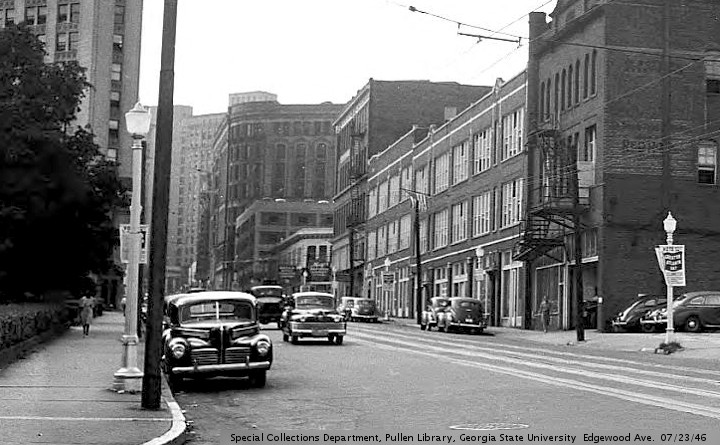

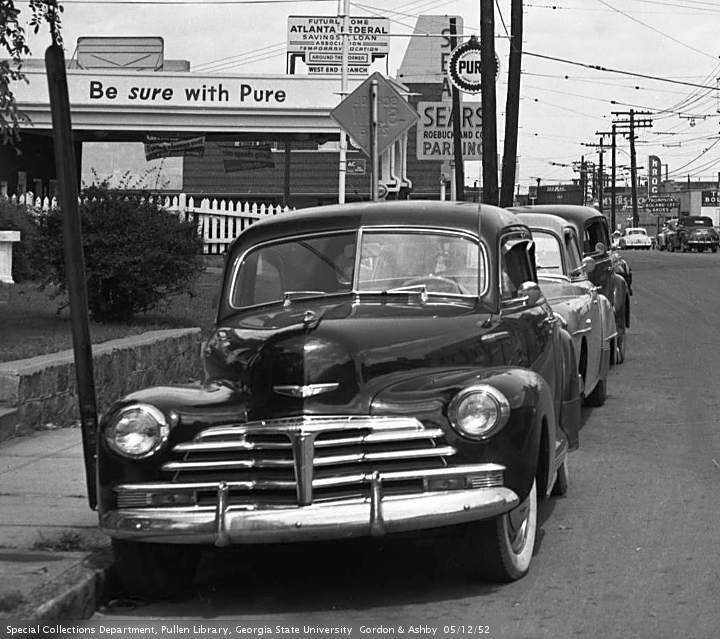
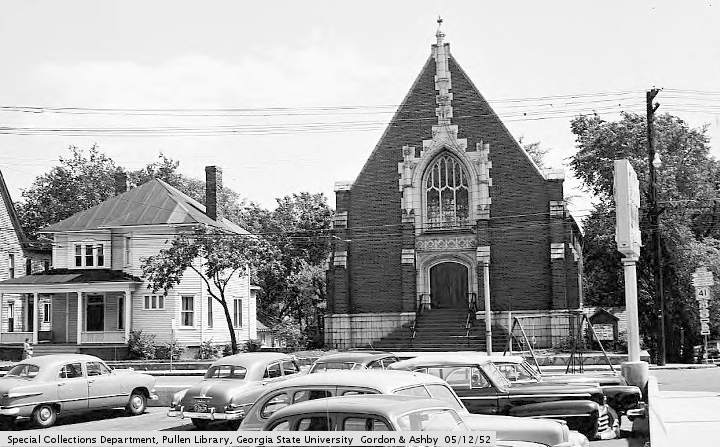

When getting started on this book report, PG copied the title. The initials are BM. A certain school of thought has it that the expression your mother uses for feces has an impact on your life. For PG, this is BM, as in short for bowel movement. Someone told PG’s mom that this was the “proper” word for animal waste. BM has a smarmy, slightly uppity taste that is missing with “poop.” BM has none of the onomatopoeic utility of “shit.” BM can also stand for black male.
Is this Carl Hiassen novel, Bad Monkey, similar to BM in more ways than one? It is not the best book by Mr. Hiassen. There are a few too many coincidences. The plot twists are just a bit on the implausible side. It is quite possibly word factory product. There is a demand for Carl Hiassen stories, and the market demands that they be written. Maybe this one was a contractual obligation.
Still, it is not a shitty book. The devil is in the details. When the teenage lover of one character comes to Florida with his old lady, the told is gleefully told. Loverboy is now fat and bald, and has a bite mark above his left nipple. The hero wants him to put his shirt on.
Readers of Mr. Hiassen know the formula. There is a disgraced law officer, who in this story is a restaurant inspector. There is a hideous crime, which the DLO gets involved in, even though it is totally none of his business. The perpetrators are unconventional, sadistic, greedy, and not terribly bright. The developers are fouling the Florida landscape, which is hot, buggy, and hurricane prone.
The usual quota of weirdos is present. Mr. Hiassen says he does not make up anything, but waters down what happens in what is facetiously known as real life. Skink and Chemo are resting. They will probably return for future stories.
At some point in the investigation, the DLO winds up with a girlfriend. In Bad Monkey, it is a Miami coroner. There is a sex scene on a metal autopsy table. The gf gets involved in the investigation, and nearly gets fed to the sharks. GF is saved when Bad Monkey puts the bite on crime. This is not a story for hate the sin, love the sinner.
Should you buy this book? Probably not. PG found it at the library. It was copy 8/13 for the Dekalb county libraries. You can probably find a copy without paying for it, which someone makes it more fun. It is worth your time, unless you just want to read something that will change your life. The only thing this book will change is the diaper worn by Bad Monkey. Pictures are from “The Special Collections and Archives, Georgia State University Library”.





1 comment