Brian Keith Terrell And John Watson


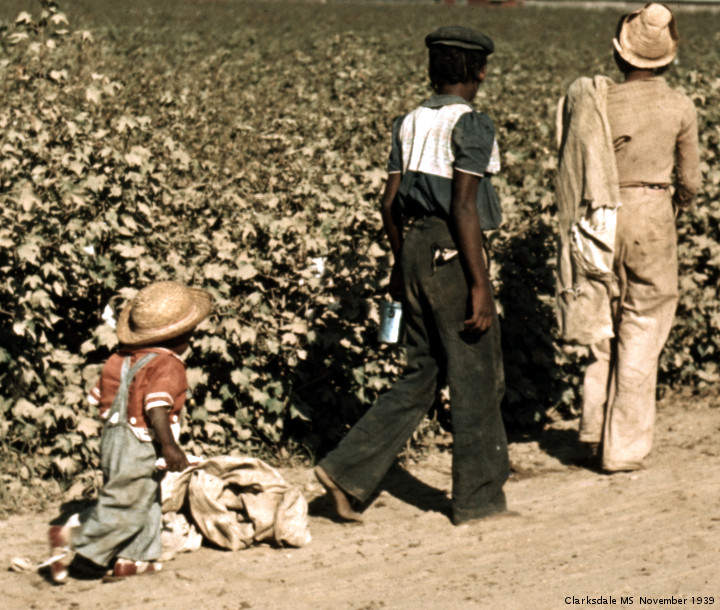
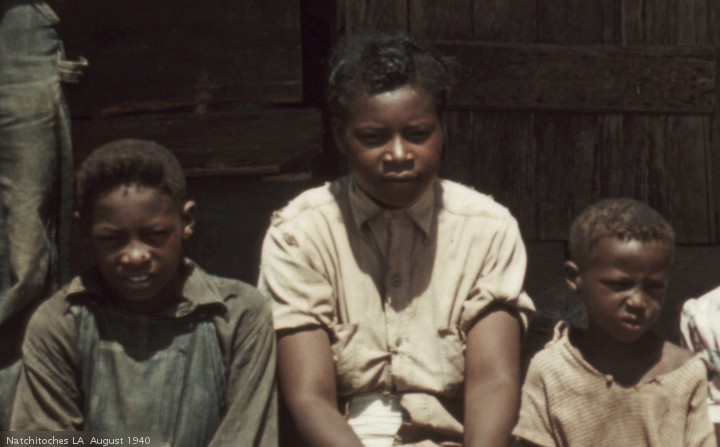
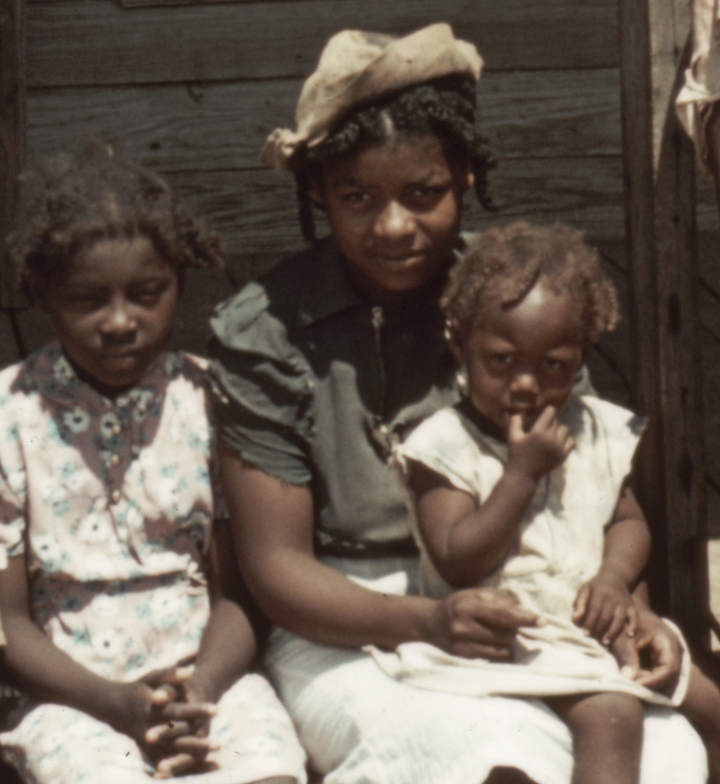




Before discussing tuesday’s planned execution, it should be noted that chamblee54 missed an execution. Marcus Ray Johnson was poisoned November 19. His crime was committed in 1994.
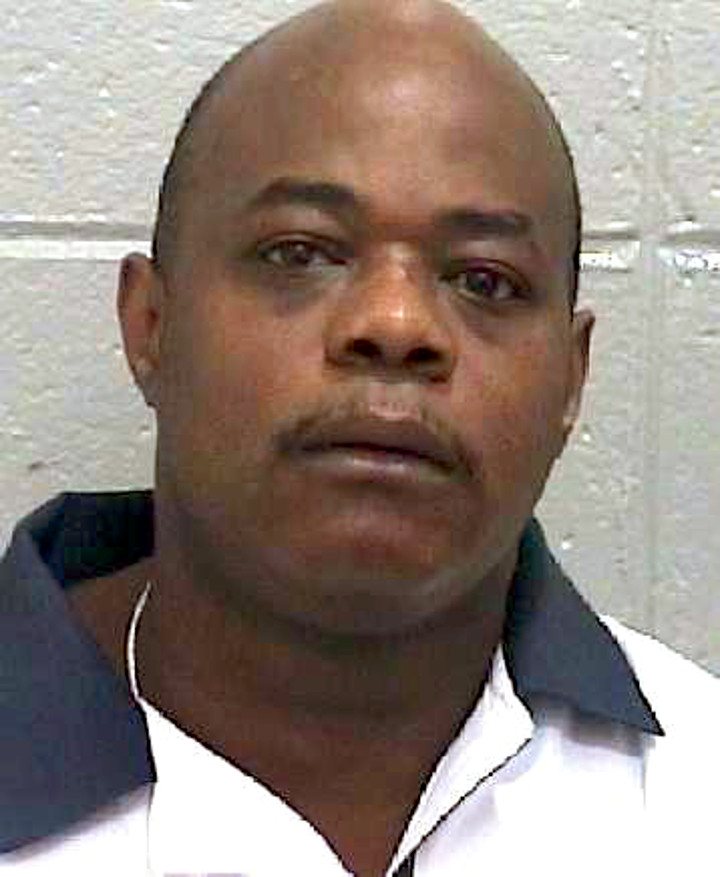
Barring last minute appeals, the state of Georgia is planning to poison Brian Keith Terrell Tuesday night. Mr. Terrell, was convicted of murdering John Watson on June 22, 1992. John Hamish Watson, another Mr. Watson, was the “elementary” friend of Sherlock Holmes.
The first trial of Mr. Terrell resulted in a hung jury. The most recent appeal deals with concerns about the substances the state plans to inject into Mr. Terrell. Previous appeals were based on jury selection issues, and the traditional complaint of ineffective counsel.
Marcus Ray Johnson was white, as was his victim Angela Sizemore. Brian Keith Terrell is black. It is not known what race Mr. Watson was. (Barbara Terrell, the mother of the accused, had discussed marriage with Mr. Watson.) The state of Georgia seems to alternate between white and black people when conducting executions. Kelly Gissendaner a white woman, was executed before Mr. Johnson. The executions of Ms. Gissendaner, and Mr. Terrell, were delayed for several months after the execution drug appeared to be cloudy.
Here is the story of the murder. It is condensed for this blog. Readers wanting the full story can go to Murderpedia, and Attorney General’s Press Advisory. Most of this story is from Murderpedia, with additional details, as noted, from the Attorney General.
Barbara Terrell the defendant’s mother, had been assisting the victim, seventy-year-old John Watson, with meals and errands since 1989. Watson had a number of health problems and required dialysis three times a week. Barbara Terrell received no compensation for her services, but Watson had promised to include her in his will, and they had discussed marriage.
On May 1, 1992, Terrell was released from prison on parole. Watson met Terrell through his mother and Terrell was inside his home on several occasions.
On Saturday, June 20, 1992, Watson called the sheriff’s office and reported receiving ten canceled checks, totaling about $8,700, which had been stolen and forged…. Terrell, who had recently bought a car and new clothes despite not having a job, told his mother that he could not repay the money.
John Watson’s body was found on his property at approximately noon on June 22. He had been shot four times and severely beaten in the face and head. The medical examiner testified that either the gunshots or the beating would have been fatal, and that the victim was still alive when receiving all these injuries. Shell casings found on Watson’s driveway indicated that the firearm used in the murder was a .38 or .357 caliber revolver. …
Jermaine Johnson, Terrell’s cousin, confessed to his role in the crime and testified at trial in exchange for a five-year sentence for robbery. He stated that he and Terrell checked into a motel near Watson’s house at midnight on June 21. Terrell locked the keys in his blue Cadillac … They broke a window to get into the Cadillac. Terrell had a .357 or .38 caliber revolver and he asked to be dropped off at Watson’s house. Terrell told Johnson to return for him at 9:00 a.m. Johnson went back to the motel, slept until 8:30 a.m., and then drove back to pick up Terrell. Before 9:00 a.m., he had a conversation with the motel manager in the parking lot as he was leaving. The manager noticed that the broken glass in the parking lot was on the side of the car opposite the broken window, indicating that the Cadillac had been moved since the window was broken. The man with whom she spoke matched Johnson’s description and she testified that he was alone.
Johnson drove back and forth on the road in front of Watson’s house … Witnesses saw Johnson driving Terrell’s blue Cadillac at this time. Johnson testified that Terrell appeared near Watson’s house and he stopped and picked him up. Watson’s neighbor testified that at approximately 9:30 a.m., she saw a man wearing a white shirt standing next to a large blue car parked on the side of the road. Terrell was wearing a white shirt on June 22. Terrell told Johnson that he had shot a man. Terrell bought new clothes at a department store and took a bath at his grandmother’s house while Johnson washed the car.
Terrell took his son to the zoo, where he disposed of the pistol. When Watson missed his dialysis appointment, a search began for him at his house…. Evidence found at Watson’s house after he was discovered missing showed that, during the murder, Terrell hid at the corner of Watson’s house waiting for him to come outside to go to his dialysis appointment. Terrell then fired repeatedly at Watson; however, the initial shots all struck the driveway, possibly because Terrell had a defective wrist that caused his hand to point downward when raised. One shot, however, ricocheted up and struck Watson in the back of his thigh. Terrell then reloaded and continued his attack. Terrell overtook Watson, struggled with him, shot him three more times, dragged him across the lawn to a more secluded area, and beat him brutally about the face and head, breaking bones in his jaw, nose, cheek, forehead, and eye socket and knocking out some of his teeth. The beating was so severe that bone penetrated into the victim’s brain.
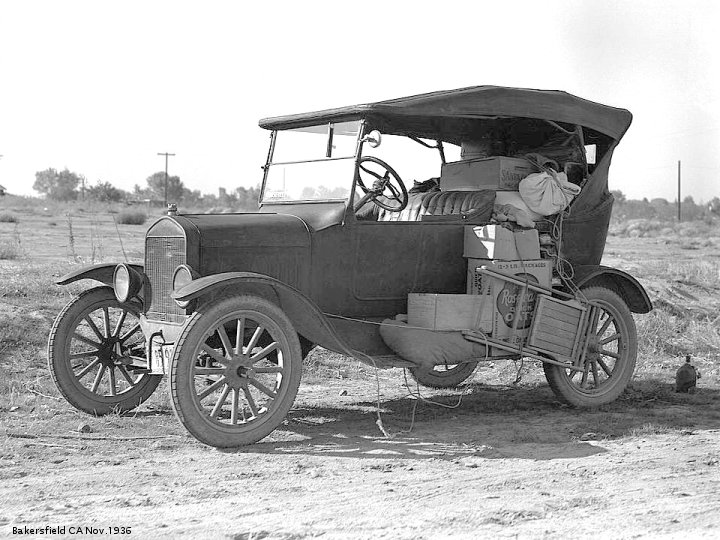
When questioned by the police, Terrell admitted committing the forgeries, but denied the murder. He said that he and Johnson had checked into the motel with a woman, who was never identified, and stayed there all night after he had locked his keys in the car. He said that they did not leave until 10:00 or 10:30 a.m., when they broke the window to get into the Cadillac. Later in the interview, a police officer asked him how the woman got home and Terrell stated that Johnson drove her home early that morning, which would have been impossible if the keys were locked in the car at that time. When Terrell realized that he had contradicted himself, he refused to answer any more questions. Pictures are from The Library of Congress.





Things Go Better






PG was downloading files, and playing in the internet. He began to wonder what had happened to someone he knew thirty plus years ago. PG does this a lot. Often, the search is impeded by the inconvenience of not knowing the person’s “real” name. In this case, he had a name. The problem here was the fact that there are a lot men named Tom Thompson. PG remembered that the man used to work for Coca Cola, so that was added to the search. This is what PG found.
“On Sept. 14, 1981, farm workers in a rural area of Irvine, in Orange County, discovered in a shallow grave the body of Ginger Lorraine Fleischli … Ginger had been raped and stabbed with a knife five times in and around one ear. … Investigators linked offender Thomas Martin Thompson and crime partner David William Leitch to the murder…. Three days after her murder, Ginger’s wrapped body was found. A single-edged knife, later determined to belong to the crime partner, had been thrust at least two inches into her ear. It had severed the carotid artery, causing massive bleeding and ultimately her death. Ligature marks on her wrists and ankles indicated that she had been bound or handcuffed during the night of the murder. Ginger’s shirt and bra were cut in the front and pulled down to her elbows, completely exposing her breasts. She was not wearing any shoes, socks, or underwear. Her jeans were fully zipped but unbuttoned. A vaginal swab revealed semen consistent with Thompson’s blood type…. She (the roommate of the deceased) told investigators that “No one really knew Tom but everyone thought he was strange and weird.”…
At 11:48 p.m. July 13, 1998 – sixteen years and ten months after he raped and murdered Ginger Fleischi, Thomas Thompson was taken into San Quentin’s execution chamber. The catheter to deliver the lethal injection was inserted into his arm, and the chamber door was shut at 11:54 p.m. Media witness entered at 11:58 p.m.; the curtains were opened one minute later. The execution by lethal injection began at 12:01 a.m. July 14. Thompson was pronounced dead at 12:06 a.m.
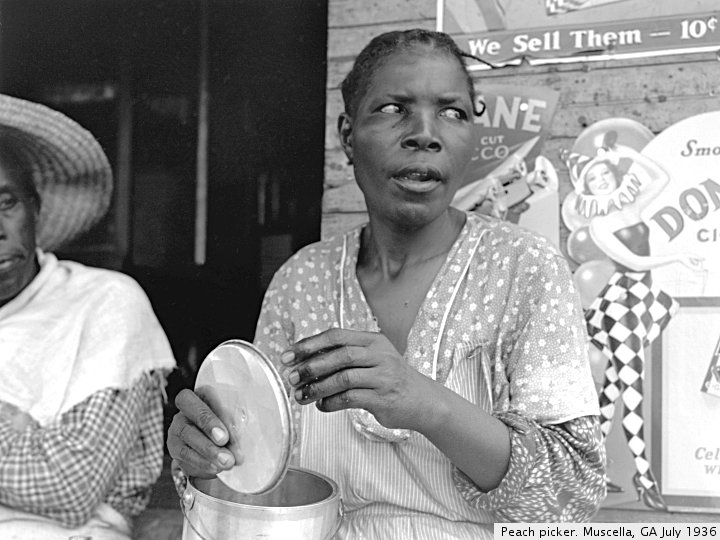
Thompson’s last meal included: Alaskan king crab with melted butter, spinach salad, pork fried rice, Mandarin-style spare ribs, hot fudge sundae and a six-pack of Coca Cola. Warden Art Calderon read Thompson’s last statement: “For 17 years the AG has been pursuing the wrong man. In time he will come to know this. I don’t want anyone to avenge my death. Instead I want you to stop killing people. God bless.”” Pictures are from The Library of Congress.






Heather Has A Mommy And A Daddy



Heather Has a Mommy and a Daddy
Deep in the heart of Dullsville, at the end of a cul-de-sac, behind a lawn of scratchy brown grass dotted with giant plastic butterflies, three flaking cement deer, and a philodendron the size of Bob Hoskins though with fewer decorative parts, lives Heather Thompson. Heather has a mommy and a daddy. Heather’s daddy is an accountant. Her mommy is a homemaker. Before Heather was born they met, fell in love, and got married. “I love you very much and I’m having your child.”
Danitra is Heather’s best friend. One of Danitra’s dads is an empowerment facilitator. The other is an aura consultant. Danitra doesn’t know what they do at work, except they don’t need briefcases. Before Danitra was born her daddies met and fell in love, and after seventeen years spent discussing caring and support, handling acceptance, and negotiating intimacy, they had a commitment ceremony. “I love you very much and I’m designing the rings,” Danitra’s Daddy Mike said.
One day in school Heather’s teacher, Mrs. Weinberg-Lopez, tells the class to draw pictures of their families. Danitra draws two men, Julio draws two women, and Heather draws a man and a woman. Keanu points at the woman Heather drew, with squiggly yellow hair, a crude red dress and simple brown shoes. “This dad here’s got some ugly drag going on,” he says.
At lunchtime Danitra sits on the bench next to Heather and pulls a sandwich out of a brown paper bag.“Want to trade?” Danitra asks. “I’ve got grilled eggplant and goat cheese on marjoram foccacia.” “Um, I didn’t bring lunch,” Heather stammers, kicking her brown paper bag out of sight. “I’m … uh … on a diet.” “Diet?” Danitra asks. “Haven’t your dads told you not to buy into that patriarchal looks-based chauvinism? And anyway, what’s this then?” she asks, holding up the bag with “HAVE A SUPER DAY!” written in sparkle marker on it.
Julio, who was listening nearby, runs up and grabs Heather’s lunch. “Yeah, what’s this? It’s somebody’s lunch!” Heather jumps at the bag but Julio holds it out of reach. “You give that back!” Heather yells. “Try and make me!” Julio chides. He pulls Heather’s sandwich apart and drops it like it was electrified. He wobbles away, holding his stomach.
“Oh my God!” he cries. “There’s like dead stuff in there!” Danitra looks at the sandwich lying on the cement. “Is that MEAT? Is that like SPAM?” Claudia, sitting quietly at the other end of the bench, bursts into tears. “Heather’s eating BAMBI!” “It’s friggin’ Wonder Bread!” Julio scoffs. Keanu walks toward the bread and peers at it. “And it’s got LUBE all over it!” “You idiot, that’s MAYONNAISE.” “What’s mayonnaise?” “It’s like goat cheese for heterosexuals.”
“Heterosexuals?” Keanu asks. “Heather’s mommy and daddy are heterosexuals?” Heather starts to yell. “No! I don’t have a mommy and a daddy. I’ve got two daddies!” “Hell-OOOO!” Danitra says, drawing the word out to twelve syllables. “We can see your clothes!” “Um . . . “ Heather stalls, “then I’ve got two mommies.” “And we’ve seen you play baseball,” Julio answers.
Heather, unable to think of a response, sits on the bench and starts to cry. Danitra pulls a robin’s egg blue bandana from her pocket and dabs at Heather’s face. “Maybe your mom’s not really a woman,” Danitra offers. “Well,” Heather says, sniffing, “she cleans the house, and cooks, and does the laundry.” Danitra fumes. “We’re trying to establish that she’s female, not that she’s an idiot.”
“Maybe your dad’s not really a man,” Julio suggests.“Well,” Heather answers, wiping her nose. “He’s big and strong and he’s got a mustache.” Several of the children wonder what this proves but nobody says anything. “So let’s say you’ve got a mom and a dad,” Keanu says. “Then where did you come from?” “They went to bed together, and then I was born.” Some of her friends express further interest, but Heather doesn’t have a brochure. “Daddy put his thing in mommy — “
“Oh, man,” Keanu interjects. “Is that legal?” “HelLLLLO!” sings Danitra, who gets the word up to eighteen syllables this time. “We’re in CaliFORnia!”
“And nine months later I came out of my mommy’s tummy,” Heather adds. Several of the children wonder why they didn’t hire a surrogate with a vagina but nobody says anything.



Heather Has a Mommy and a Daddy, Part Two
One night there’s a dance at Heather’s school and her parents offer to chaperone. While Heather’s dancing with Danitra she sees from the corner of her eye her mom and dad moving onto the dance floor. She watches in horror as her mom just sort of stands there swaying, her gingham granny dress limply hanging to the floor. She grimaces as her dad starts chopping at the air like Jackie Chan being attacked by locusts.Occasionally their movements coincide with the beat. Heather runs to the bathroom crying.“Heather, don’t feel so bad,” Danitra says. “Lots of kids have embarrassing parents.” She starts to lead Heather out of the bathroom, then stops. “Um, maybe we should stay in here a while longer. They just started doing the Bump.”
One day the class projects are due. Heather brings in the model she’s made. It’s a lump of brown Play-Doh with ketchup poured over it and dotted with marshmallows stuck on with toothpicks. She sets it on the table as her teacher comes over to look.
“Why, Heather! That’s . . . nice! Very very nice!”“What the hell is it?” Tommy asks. “TOMMY! Heather’s parents had me over for dinner once. This is what they call ‘Salisbury steak.’” Heather bursts into tears. “NO IT’S NOT! It’s a VOLCANO! That’s lava, and that’s steam coming out.”
Danitra enters and places her project next to Heather’s on the table. “Why, Danitra, what’s this?” Danitra delicately removes the sheet protecting her project. “Versailles.”
Heather takes one look at the tiny replica of Louis XIV’s summer home, constructed by Danitra and her two dads out of two hundred cubic yards of teak plank, thirty square feet of gold leaf, sixty pounds of Italian travertine marble from the same quarry Michelangelo used, tiny topiary and functional miniature fountains, and cries even harder.
“Why did I have to have a mom and a dad?” Heather sobs. “Why can’t my family be like all the rest?”
Mrs. Weinberg-Lopez pulls Heather close. “Children,” she says,”every family is special, including those conforming to the rigid, stereotypical standard of male domination.” She starts to tell the class about her own family, including her hearing-impaired Hispanic mother, her height-challenged Israeli father, and her Gypsy recovering-substance-abusing brother-in-law and Armenian sex-addict half-sister, but stops, realizing the school year is only 4,074 hours long.
“Just because Heather’s parents are heterosexual doesn’t mean they’re slow-witted philistines, though there are strong correlations you don’t need a PhD in statistics to understand. But Heather is lucky to have a sweet mom and a wonderful dad and a dog named Molly and a hamster named Samson, and they all live together in a lovely house. They’ve got interesting avocado-colored appliances, carpet as long as your hair, and furniture that‘s by-and-large wood that must have taken them hours to assemble. There’s a big plastic sofa that turns into a bed, and a La-Z-Boy — ”
“A what?” Keanu asks. “A La-Z-Boy,” Mrs. Weinberg-Lopez repeats. “It’s a big vinyl chair that reclines.” “Oh, man!” exclaims Keanu, covering his face with his hands. “And I thought our Herman Miller reproductions were embarrassing!”
Mrs. Weinberg-Lopez continues. “But the important thing is, they’re a family. They’re a group united for a common purpose, where each individual is given a sense of empowerment and their shared bonds are formalized in a ritualistic manner.” “Oh,” the students respond in unison. Everybody hugs.
The story was borrowed from World Class Stupid.
Pictures are from The Library of Congress. This is a repost.




Cost Of The Death Penalty
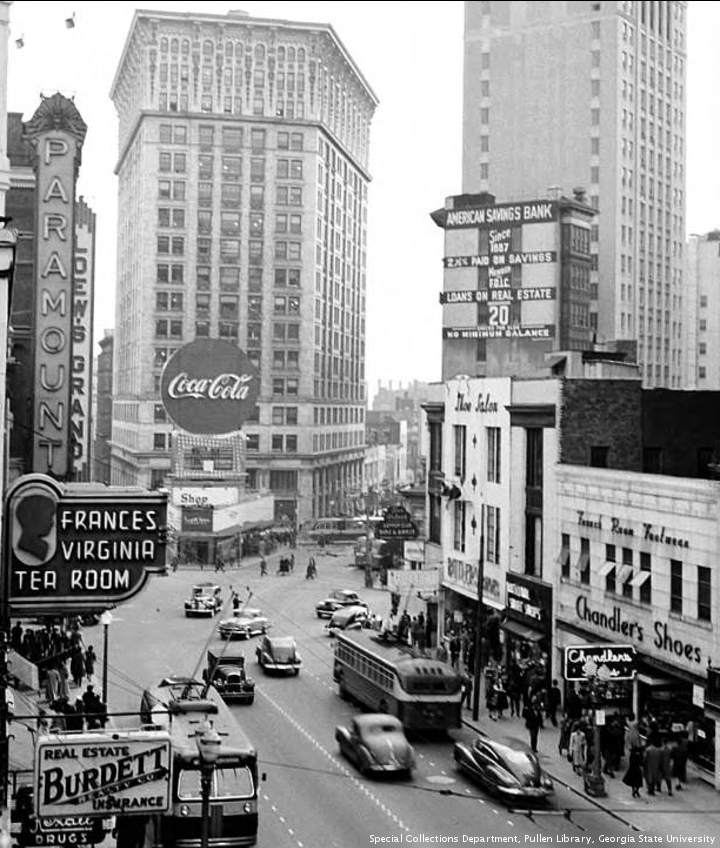
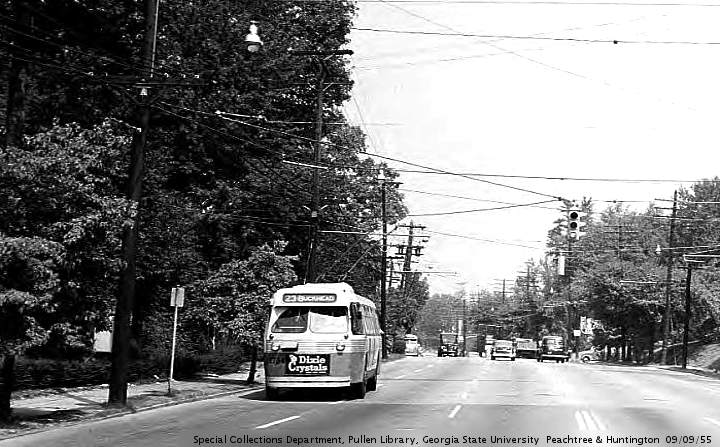
A little while ago, Georgia was fixin’ to waste Kelly Gissendaner. It turns out the mystery drugs were “cloudy.” Using an “abundance of caution,” the execution was postponed indefinitely.
The drug involved is pentobarbital. This reporter does not know if the state planned on a deliberate overdose of pentobarbital, or whether the drug was to be used as a sedative in a multi drug process.
The manufacturer of pentobarbital does not want their product to be used in executions. The state uses a “compounding pharmacy” to make the pentobarbital used for executions. The name of the “compounding pharmacy” is kept secret, per state law.
At the time of what Mrs. Gissendaner’s attorneys call the “botched execution,” the state had an explanation for the cloudy apperance of the drug. “The most likely cause of this precipitation was that the drugs were shipped and stored at a temperature which was too low,” Corrections spokesperson Gwendolyn Hogan said in announcing the state’s findings. This gave the state an easy fix: don’t store the drug at as cold a temperature in the future.”
A new report has emerged: Georgia Says “Cloudy” Execution Drug Was Just Too Cold, But Expert Gave A Second Possible Cause. ““An additional possible cause could be if the pharmaceutical solvent used to dissolve the pentobarbital sodium had absorbed some amount of water or evaporated during the preparation process,” Dr. Jason Zastre, a professor at the University of Georgia said in his affidavit. “This may result in a lower concentration of solvent, ultimately impacting the solubility of the drug, which increases the possibility of precipitation.”
Others say there was a problem with the pH balance. “I think I would have characterized the drug differently than ‘cloudy,’” Dr. Larry Sasich told BuzzFeed News. … “It looked more like clumps of cottage cheese floating in the solution. … The first thing that came into my mind when I saw the pictures was the acidity of the product. And when I read through the testing lab results, I noticed that they didn’t report the pH of the solution.” … it’s difficult to say what the drug would do to a person if its pH level was dramatically off, because “nobody tests substandard drugs on human beings.”
Another issue here is the money Georgia is spending in the effort to poison Kelly Gissendaner. The identity of the compounding pharmacy is secret, as is the budget for the mystery drugs. Dr. Jason Zastre probably pulled down a healthy fee for his affidavit. This is in addition to the $18,000 that Georgia pays Rainbow Medical Associates to supervise an execution. All RMA does is supervise… a prison employee sticks the needle in.
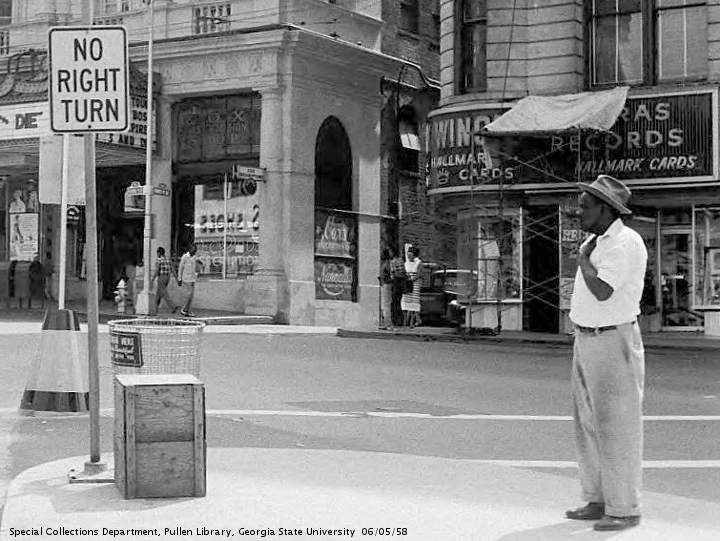
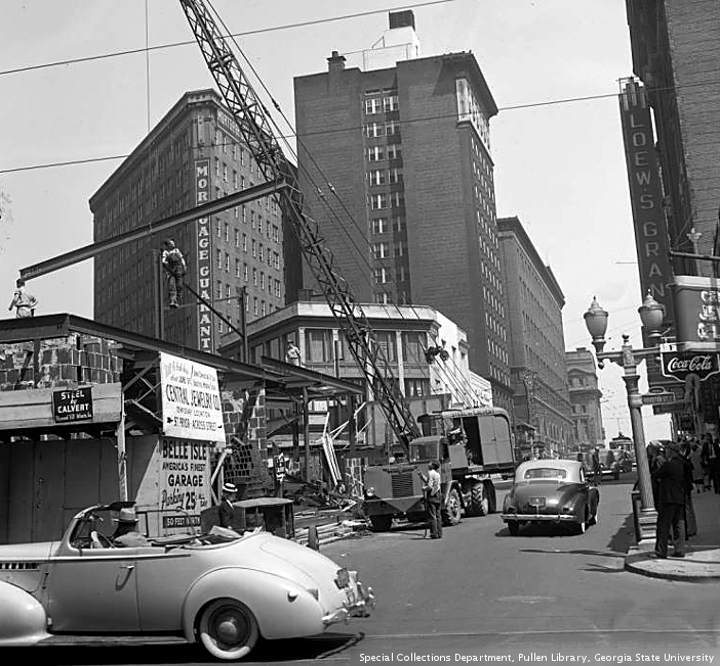
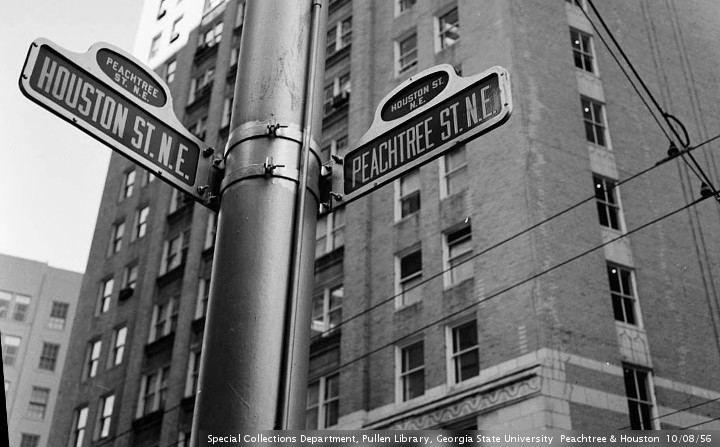
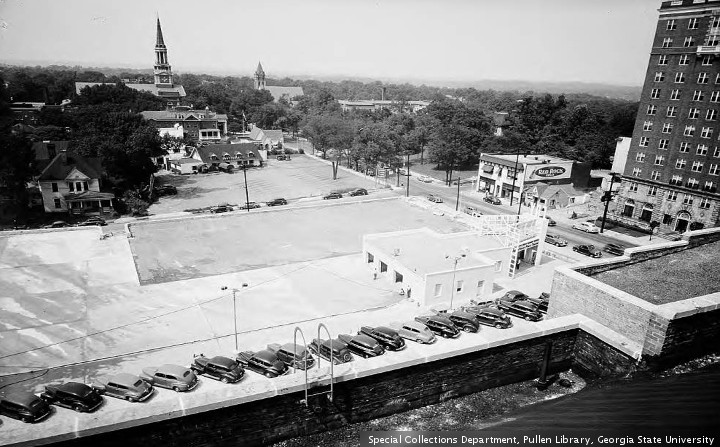
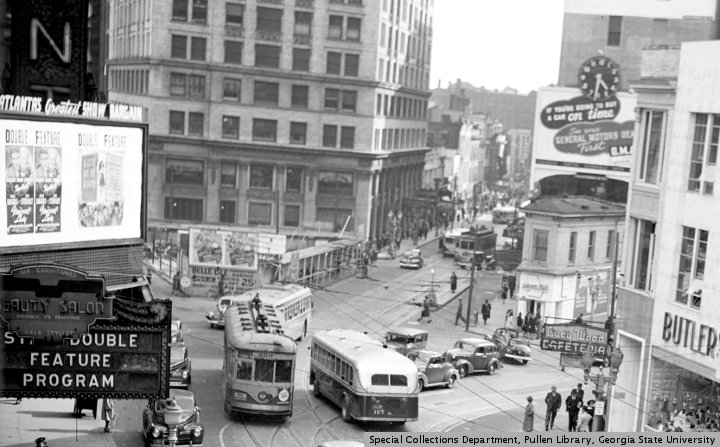
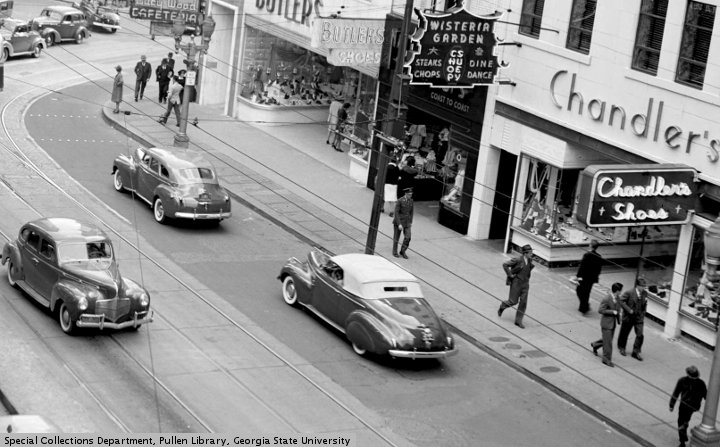
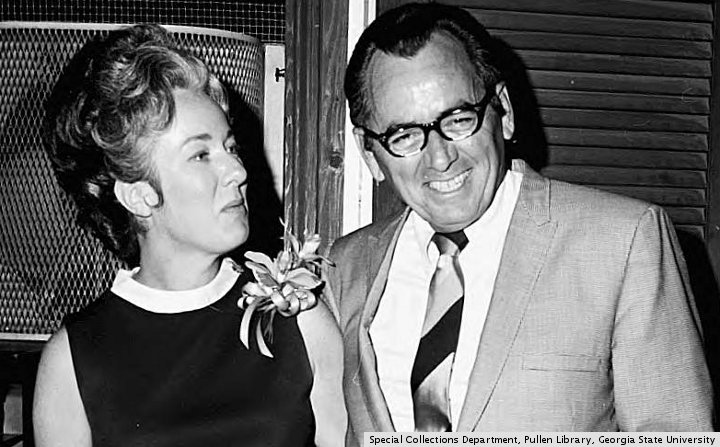
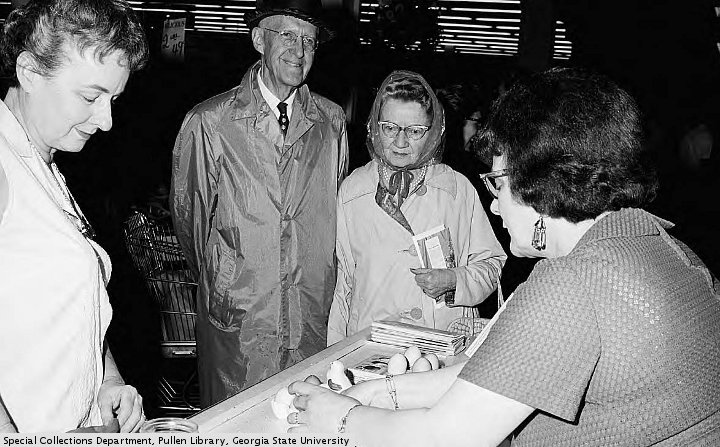
Pictures from “The Special Collections and Archives, Georgia State University Library”.
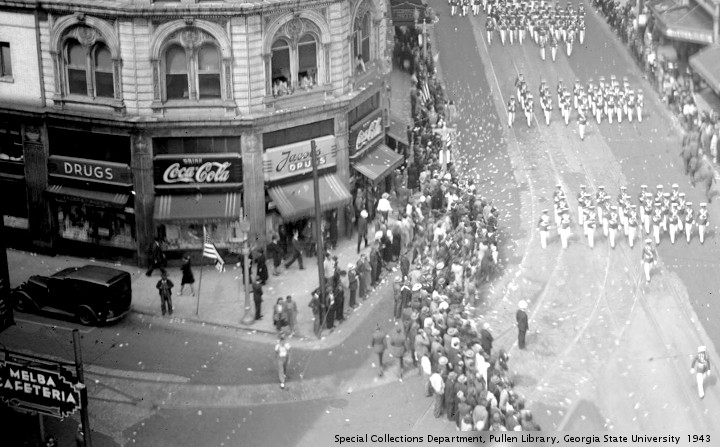
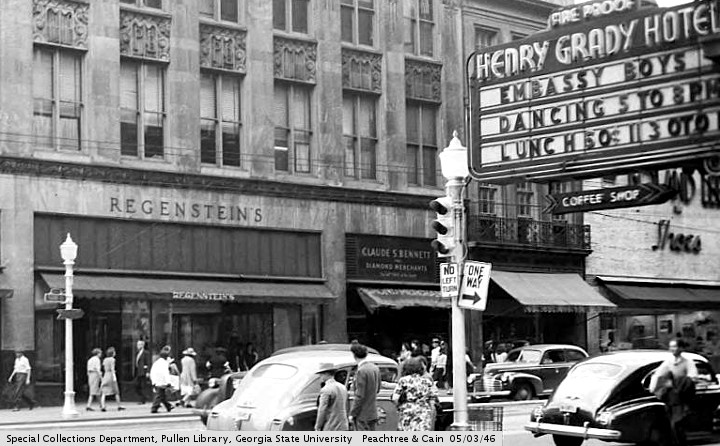

Kelly Gissendaner And The German Soldier





Question four of How Many IQ Questions Can You Answer Correctly? is tricky. “The word, “slackers,” is spelled by using the first letters of the words in the following sentence: “Silent large anteaters calmly kiss each roasted snack.” True or False?
The fun lies in the advertising. The ad on top says “Penelope is taking charge of her overactive bladder (OAB) symptoms.” The answer is a product called Myrbetriq.
The *bottom* ad promotes the cause of former Atlanta Fire Chief Kelvin Cochran. “I hope you agree with me that it is completely unacceptable for Mayor Reed to censor Christianity. And it is even worse that he is putting his liberal ideology before the lives of Atlanta residents. The mayor cannot make safety decision — such as who is qualified to fight fires — based on radical, personal beliefs.”
Opinons about Jesus have long been used as to influence current events. Today sees a renewed offensive by the “faith community” to spare the life of Kelly Gissendaner. Apparently she has found G-d in prison. Some seem to think Mrs. Gissendaner is entitled to special privileges as a result.
@awhiskypalian Finished up at the Gov’s office. The office is hanging up on some callers. Some lines are shut down. SO KEEP CALLING. #kellyonmymind
@chamblee54 @awhiskypalian ga. gov. does not have ability to grant clemency
@awhiskypalian @chamblee54 I know. Doesn’t mean we don’t need to make him feel it. Ours is the power of conviction and persuasion.
There are many reasons to call off this execution. Mrs. Glissendaner is being poisoned as much for her refusal to snitch on her boyfriend, as for the actual murder. Mrs. Glissendaner did not commit the murder, and the states case was based largely on the snitch testimony of her boyfriend. The state will be using mystery drugs, from a secret source, to poison Mrs. Glissendaner. The entire affair makes a mockery of justice.
Mrs. Glissendaner’s opinions about Jesus should not be a factor. This is the same religion that defends a former fire chief who likes to preach hatred on the clock. This is the same religion that verbally abuses those who disagree with their beliefs. This is the same religion which worships a victim of capital punishment. As @awhiskypalian notes, this religion likes to stir up a fuss, even when there is no hope of having a positive impact.
The New York Times published a piece over the weekend, A Death Row Inmate Finds Common Ground With Theologians. It seems as though Mrs. Glissendaner has been taking theology classes in prison. As a result, she has had a correspondence with “a theologian, Jürgen Moltmann, whose books on hope, suffering and liberation have helped define postwar Protestant thought.” Mr. Moltmann fought for Germany in World War II, and was a POW after the war.
“They (Mr. Moltmann and Mrs. Glissendaner) discuss “theological and faith questions. And I have found her very sensitive, and not a monster, as the newspapers depicted her. And very intelligent.” She has been rehabilitated, he said. “She has changed her mind, and her life.”
“Professor Moltmann, who has written of his own remorse at having fought in the German Army, offered his own idea of what awaits his friend. “If the State of Georgia has no mercy,” he said, “she has received already the mercy of Heaven.”
Pictures are from “The Special Collections and Archives, Georgia State University Library”.




No Clemency For Kelly Gissendaner
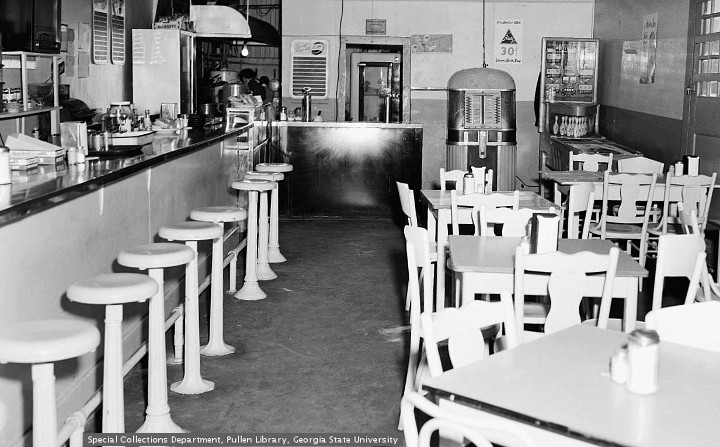
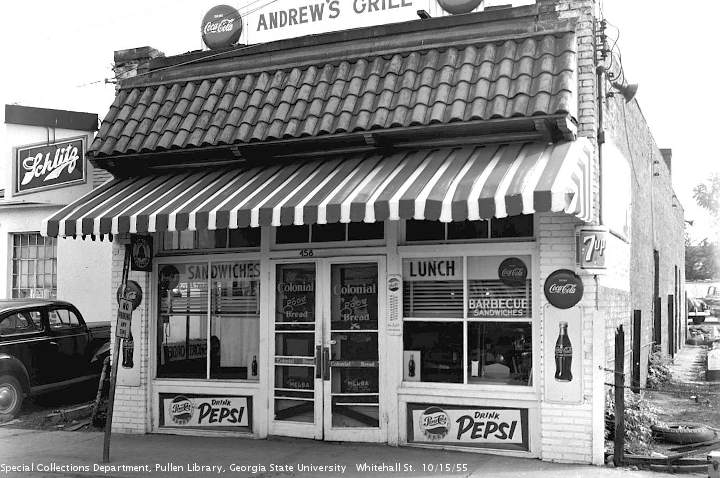


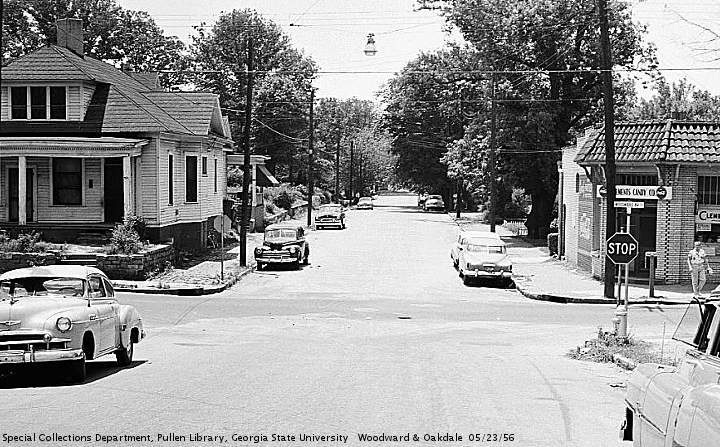


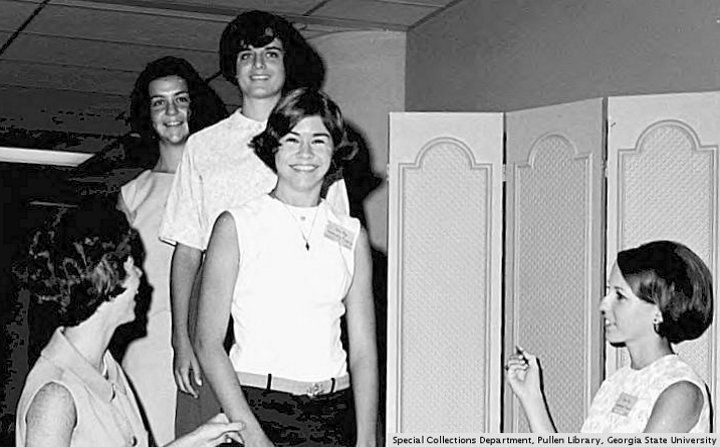
Reports are coming in that the Georgia Board of Pardons and Paroles has rejected a plea for clemency by Kelly Gissendaner. The plan is to inject the mystery drugs at 7:00pm tonight. There is usually some last minute legal wrangling, and the actual execution will probably be much later tonight. Georgia is in snowjam anticipation, and the procedure may be postponed.
Mrs. Gissendaner has requested her last meal. “two Burger King Whoppers with cheese, two large orders of fries, popcorn, cornbread, a side of buttermilk and a salad with tomatoes, bell peppers, onions, carrots, cheese, boiled eggs and Paul Newman buttermilk dressing.”
The Gwinnett Daily Post tells the story of Kelly Renee Brookshire Gissendaner. Starting at ten years old, she was molested by a stepfather, neighbor’s stepfather, and uncle. Her first son was born two weeks after high school graduation. The first marriage, at nineteen, lasted six months.
Marriages two and three were to Doug Gissendaner. They had a baby, and divorced. After a divorce, Mrs. Gissendaner had another son. That babydaddy died of cancer.
There are indications that Mrs. Gissendaner is being executed because she did not snitch. “Owens received a sentence of life in prison and is eligible for parole. And while Gissendaner’s attorneys argued about the disparity, the man who prosecuted Gissendaner doesn’t buy it. “The offer was made to both of them,” says Gwinnett District Attorney Danny Porter. “The offer was made and Kelly Gissendaner decided to take her chances and go to trial. It’s kind of hard to argue how unfair it is, when you’ve kind of thumped your nose at the offer that would have gotten you the same sentence.” … Porter, who argued against clemency, says the sentence was fair and she got what she deserves.”
At the clemency hearing, a statement from Mrs. Gissendaner was read. “”There are no excuses for what I did, I will never understand how I let myself fall into such evil.”
“In the 53-page clemency application, daughter Kayla (the daughter of Doug Glissendaner) wrote: “The impact of losing my mother would be devastating. I can’t fathom losing another parent.” … Her supporters said she’s found God. “In the study of theology, [Kelly] has found a venue for reflecting on her own experiences, mistakes, relationships, dreams and faith, ” wrote Rev. Cathy Zappa.”
Picutures are from “The Special Collections and Archives, Georgia State University Library”. A detailed story, Kelly And Doug Gissendaner, is available at Chamblee 54. UPDATE: The execution has been postponed until Monday, March 2, at 7:00 pm.






Kelly And Doug Gissendaner
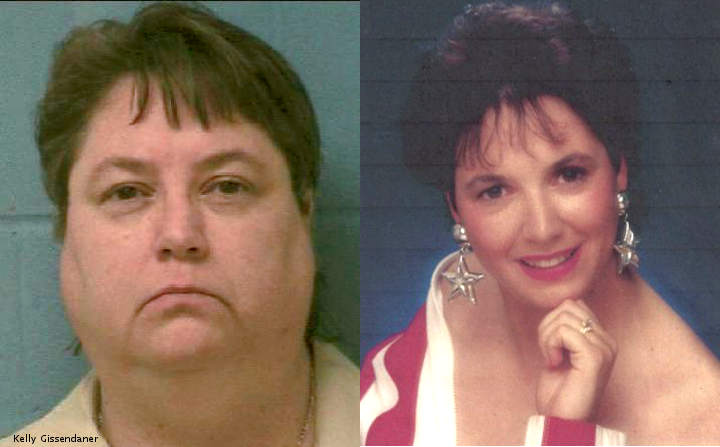
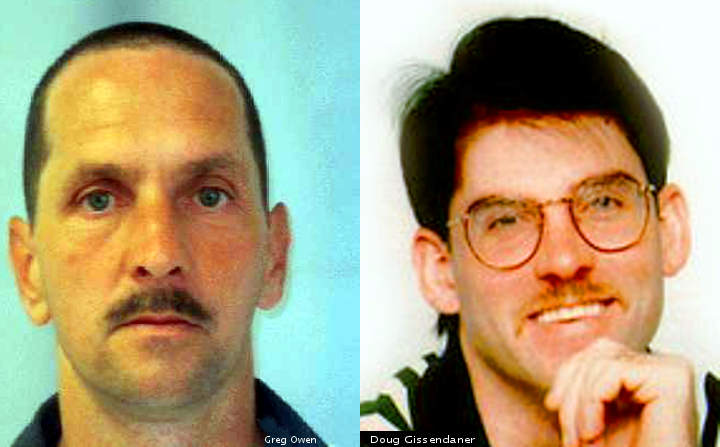


Kelly Renee Brookshire Gissendaner is supposed to die on February 25. She is accused of planning the murder of her husband, Douglas Morgan Gissendaner. The killing was done by Gregory Bruce Owen. The Attorney General of Georgia issued a press advisory, with a description of the crime.
“The facts of the case, as presented at trial, show that Gissendaner married Douglas Gissendaner in September of 1989. Douglas joined the Army in January 1990, their child was born in March 1990, and Douglas was transferred to Germany in September 1990. Gissendaner and Douglas separated in December 1991, after Douglas had served in Desert Storm and then left the Army. Gissendaner joined the Army in March 1992, and Douglas joined Gissendaner and the children in Virginia in October 1992, but he left six weeks later. Gissendaner and Douglas divorced in March 1993.
Gissendaner and Douglas started seeing each other again in February 1995, remarried in May 1995, and separated in September 1995. Douglas again filed for divorce, but he later dropped the suit, as he and Gissendaner started dating again in May 1996. The couple moved to Auburn, Ga., in December 1996 and purchased a home together.
However, Gissendaner had met co-defendant Gregory Owen in September of 1995. Gissendaner and co-defendant Owen broke up in April 1996 and did not see each other again until October 1996, when Gissendaner called co-defendant Owen’s sister, Belinda Leicht, purportedly to tell Belinda about a job. However, Gissendaner also asked for co-defendant Owen’s pager number. At this time, Gissendaner told a co-worker that she was not happy with Douglas and was in love with Owen.
On Nov. 8, 1996, Pamela Kogut, a friend of Gissendaner’s, drove Gissendaner to a hotel in Winder, Ga., where Gissendaner spent the night with co-defendant Owen. In December, when co-defendant Owen’s sister asked Gissendaner what her intentions were with her brother, Gissendaner replied that she was only staying with Douglas to use his credit and money to purchase a house and then she would get rid of him. However, Gissendaner was telling others and giving all outward appearances that her marriage had taken a turn for the better.
Gissendaner first brought up the idea of killing Douglas to co-defendant Owen in November of 1996, when she asked co-defendant Owen how to get rid of Douglas. When co-defendant Owen suggested that she divorce Douglas, Gissendaner stated that divorce would not work because Douglas would not leave her alone if she simply divorced him. Gissendaner and co-defendant Owen discussed killing Douglas on four or five occasions, all at Gissendaner’s initiation, before reaching a final agreement to kill him. It was agreed that, on Feb. 7, 1997, while Gissendaner was out with friends, co-defendant Owen would kill Douglas. The murder went exactly as Gissendaner planned.
On Feb. 7, 1997, Gissendaner picked co-defendant Owen up at his home and drove him to her house at approximately 5:30 p.m. or 6:00 p.m. Gissendaner changed clothing, gave co-defendant Owen a night stick and a six to eight inch hunting knife and left. Gissendaner spent the evening with Pamela Kogut, Kerri Otis, and Nicole Bennett, eventually going dancing at “The Shack” at 10:30 p.m. Ms. Otis had attempted to reschedule the evening, but Gissendaner insisted that they had to go out that night. The group left at 11:30 p.m. when Gissendaner stated that she had a bad feeling and had to go home.
In the meantime, Douglas had spent the evening at the home of Tom and Kathy Nesbit, friends of the family from church. Douglas worked on cars with Tom from 6:00 to 10:00 p.m. When Douglas left, he stated he was going straight home. Douglas arrived home at approximately 11:30 p.m. Co-defendant Owen was waiting for him inside the house. As Douglas was closing the door, co-defendant Owen walked up behind him, put a knife to his neck, and told him that he needed to go for a ride. The two got into Douglas’ car, and co-defendant Owen, with the knife in his lap, made Douglas drive in the direction of Luke Edwards Road in Gwinnett County, Ga.
When they arrived at a desolate area on Luke Edwards Road, co-defendant Owen made Douglas get out of the car, walk toward the woods, and get down on his knees. As Gissendaner had instructed co-defendant Owen, co-defendant Owen took Douglas’ watch and wedding band to make it appear like robbery was the motive for the murder. When Douglas was on his knees, co-defendant Owen hit him in the back of the head with the night stick. Douglas fell forward and was silent. Co-defendant Owen then stabbed Douglas in the neck eight to ten times.
Gissendaner had arrived at the prearranged scene of the murder as co-defendant Owen was stabbing Douglas but remained in her car. When co-defendant Owen approached Gissendaner’s car after the stabbing, Gissendaner asked if Douglas was dead. Although co-defendant Owen replied that he thought he was dead, Gissendaner went to check on the body anyway. After Gissendaner walked back from the direction of Douglas’ body, she got into her car and co-defendant Owen got into Douglas’ car. Co-defendant Owen followed Gissendaner about three-fourths to a mile up the road. As Gissendaner continued to the end of the road in her car, co-defendant Owen stopped his car and picked up a can of kerosene that Gissendaner had left for him earlier, doused Douglas’ car with the kerosene and set it on fire. Co-defendant Owen then walked up to the end of the road, where Gissendaner picked him up and drove him home.
After Gissendaner dropped off co-defendant Owen, co-defendant Owen put his clothes, the knife, the stick, and Douglas’ jewelry into a garbage bag and disposed of them one to two nights later.
Between 7:00 a.m. and 7:30 a.m. on the morning of the murder, Gissendaner phoned Douglas’ parents, the Nesbits, and Pamela Kogut, purportedly looking for Douglas. All testified that Gissendaner sounded strangely calm and unemotional. Gissendaner told people that she had come home at approximately midnight, mistakenly taken a sleeping pill rather than a pain pill and gone to sleep. Family, friends and the police were soon searching for signs of Douglas. The Department of Natural Resources found Douglas’ burned car on Sunday morning, but could not find Douglas’ body. Gissendaner acted surprised for about 15 minutes, and then did not seem to be distraught at all. When Gissendaner went to the scene of the burned car, she showed no emotion.
Gissendaner appeared on television news asking for information on Douglas’ whereabouts. However, while the search continued for Douglas, Gissendaner basically continued business as usual, even going back to work. Gissendaner told Ms. Otis that her house would be paid for with insurance, so she did not have to worry. However, Gissendaner found out that there, in fact, was no insurance policy in effect. Gissendaner was irritated that Douglas had not taken care of it. Ms. Nesbit asked Gissendaner whether she thought co-defendant Owen had anything to do with Douglas being missing, but Gissendaner was very quiet and did not really respond to that question. Ms. Otis told Gissendaner that she should tell the investigator about co-defendant Owen, but Gissendaner did not do so.
Investigator Doug Davis of the Gwinnett County Police Department interviewed Gissendaner several times during the search for Douglas. On Sunday, Feb. 9, 1997, Gissendaner told him there were no marital problems between Douglas and her. During a second interview on Tuesday, Feb. 11, 1997, Gissendaner told Investigator Davis about the previous marital difficulties, that she had arrived home about 12:15 a.m. to 12:30 a.m. on Feb. 8, 1997, and that there were no life insurance policies in effect for Douglas. Investigator Davis learned about her relationship with co-defendant Owen before Gissendaner admitted to her extra-marital affair with co-defendant Owen. In another interview on Thursday, Feb. 13, 1997, Gissendaner told Investigator Davis that co-defendant Owen had threatened to kill her and that she had ended their relationship in December 1996 when she and Douglas had reconciled. She further acknowledged speaking with co-defendant Owen a few times since December 1996 when co-defendant Owen called her at work to inquire as to how she and the children were and that he had paged her as recently as Friday, Feb. 7, 1997. However, phone records indicated 65 contacts initiated by Gissendaner to co-defendant Owen, the last being a phone call to co-defendant Owen’s beeper at 12:28 a.m. on Friday night, Feb. 7, 1997. Gissendaner also told Investigator Davis that there were other men with whom she had recently had extra-marital affairs.
Douglas Gissendaner’s body was finally located on Feb. 20, 1996, approximately one mile from his car, 100 to 150 feet off the road, on his knees, face down. Douglas had received at least four stab wounds in the back of the head and the neck region. The cause of death was the stab wounds to the neck…. the right side of the victim’s neck, including the skin and much of the soft tissues, had been devoured by animals after death.
Owen initially denied any involvement in the murder, but confessed on Feb. 24, 1997, and implicated Gissendaner. Gissendaner was arrested for murder on Feb. 25, 1997. That day, Gissendaner called Pamela Kogut, saying “I did it.” However, Gissendaner also told her that Owen held a knife to her and said he would kill her and the children if she told anybody about it.
While in jail awaiting trial, Gissendaner shared a jail cell for a short period of time with Laura McDuffie. Gissendaner got angry and hostile when she heard that co-defendant Owen was to be sentenced to 25 years in prison for his role in the murder. At that point, Gissendaner began writing letters to hire a third person who would falsely confess to holding Gissendaner at gunpoint and making her go to the crime scene on the night of the murder. Gissendaner asked Ms. McDuffie to help her find that third party person and said she was willing to pay $10,000. Ms. McDuffie turned these letters, which also contained names of people that Gissendaner wanted beaten up, over to her lawyer because she did not want to get involved in a murder case.”




Mr. Owen testified for the state. The majority of the state’s case is based on his testimony. Murderpedia has several court documents which cast doubt on Mr. Owen’s testimony.
“… trial counsel was able to elicit the following inconsistent facts in Owen’s testimony on cross-examination: “Owen originally lied to police regarding his whereabouts on the night of the murder”; “Owen admitted he did not implicate Petitioner in the murder until after the police had informed him that she was also seeing other men”; “Owen repeatedly told police that Petitioner had not come to the scene of her husband’s murder and did not testify at his plea hearing that Petitioner was at the scene of the murder on the night of the crime”; “What Owen did with the murder weapon, his clothes and several personal items”; “That Owen lied to police when he had informed them that he drove around after killing the Victim waiting for Petitioner to page him.”
“… Owen now maintains that he testified falsely at trial. He now maintains that: 1) Ms. Gissendaner did not supply the knife; 2) she was not involved in the planning of the actual killing; 3) Owen had the help of a third person whom he recruited in the abduction and killing; 4) Ms. Gissendaner did not know the third person was involved; and 5) Ms. Gissendaner never went to the murder scene to ensure her husband was dead.
The state habeas court held that Owen’s potential recantation at the habeas evidentiary hearing did not prove his trial testimony was false, and thus that the Petitioner failed to establish prong 1 of the Giglio/Jacobs test. The state habeas court reasoned: “The Georgia Supreme Court gives more credit to trial testimony than to post trial recantations.”
It could be argued that Mrs. Gissendaner is being executed as much for refusing to testify, as for the crime itself. “In Gissendaner’s case, said Danny Porter, the Gwinnett County District Attorney who sought the death penalty, the defendant sealed her fate. “For whatever reason she refused the offer to testify against her co-defendant, She kind of took her chances. Whether that was based on bad legal advice or her position at the time, which may have changed over the years.” … “You could say he took responsibility because he took the deal, Whereas Gissendaner left us with almost no choice.”
Murderpedia has a fishwrapper article from the trial, dated November 12, 1998. It says “Almost no one expects Gissendaner to be put to death.”
Another article is dated November 20, 1998, after the jury imposed the death sentence. “The jury rejected defense arguments … and that her 3 children, ages 5, 8 and 12, need their mother.” Who was watching the children February 7, 1997, when Mr. Gissendaner was out, and Mrs. Gissendaner went dancing at “The Shack”?
Amazon reviewer Sylviastel says “She had sons, Brandon, and Jonathon also known as Cody, with two other men but her daughter Kayla was her husband’s child.” Apparently, the 8 year old (age in 1998) is the daughter of Mr. Gissendaner. The 5, and 12 year olds had other daddies. The Gissendaner divorce was in 1993, about when the 5 year old was born.
Kelly Gissendaner, aka Kelly R. Brookshire, GDC ID:0000357507, is currently the only woman Under Death Sentence in Georgia. The Department of Corrections has a document, The Death Penalty in Georgia, which states “The first person believed legally executed in Colonial Georgia was a woman. In 1735, Alice Ryley, a white female who arrived in America on an Irish transport, was hung for the murder of her master Will Wise.” The fishwrapper states “Georgia has put to death 13 women since 1735,” but does not offer any details.
The GDC document has a list of all executions since 1924, when the electric chair was installed at the Reidsville facility. The only woman put to death since then is Lena Baker, a black lady accused of killing her employer. She died March 5, 1945, and was pardoned by the state in 2005.
Kelly Gissendaner, Doug Gissendaner, and Greg Bruce are all white. The State seems to alternate black, and white, prisoners when choosing people to poison. Is this intentional?
During the appeals process, “Gissendaner contends that the jury pools from which her grand jury and traverse jury were selected were created in a racially-discriminatory manner.” This is a standard part of the appeals routine. The state went on to say “Moreover, persons who murder white persons are of course not a protected class under the Equal Protection Clause.”
If you want to write Mrs. Gissendaner, you can go to WriteAPrisoner. ” My name is Kelly. Recently I was introduced to WriteAPrisoner after being incarcerated for 17 years. The past few years have been kind of lonely. So the possibility of meeting new friends is very appealing at this point.
My hobbies include reading, writing, and dancing. I recently started doing spiritual dancing, which I have come to love! I enjoy nature and when the weather permits, I spend many days outside. Right now I’m enrolled in Theology classes so please know that I am extremely open-minded.”
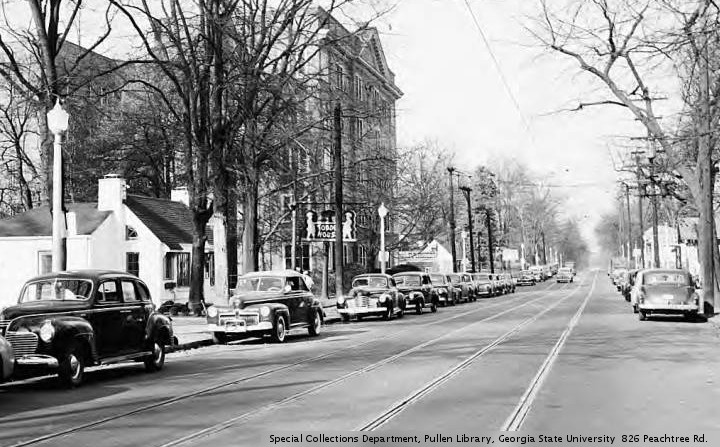
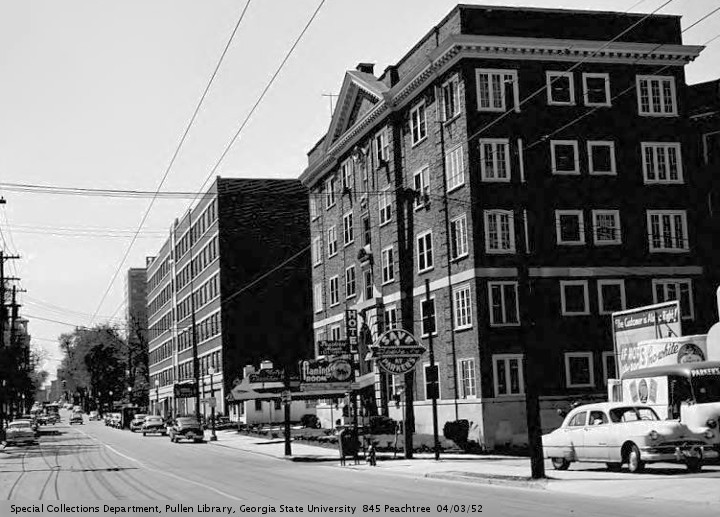
There is a book about the case, First We’ll Kill My Husband: The Dark Desires of the Only Woman on Georgia’s Death Row. Amazon reviewers have not been kind. “All the book did was reinforce my views about rural Georgia “white trash”. Historic pictures for this feature are from “The Special Collections and Archives, Georgia State University Library”. Color pictures are from Georgia Department of Corrections, Murderpedia, WriteAPrisoner, and findagrave. UPDATE Clemency has been denied. The execution will proceed when weather permits.


Georgia Is Determined To Kill Warren Hill


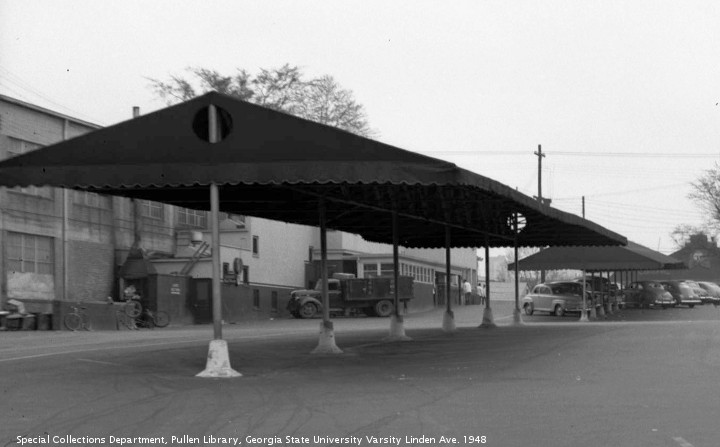


Georgia is stubborn when it smells blood. When the state wants to execute someone, they don’t care how bad it is going to look to the rest of the world. They don’t care how many times they have to appeal the case. Money is no object, when it comes to paying lawyers for death penalty appeals.
The latest man to be the target of the state’s bloodlust is Warren Hill. After numerous reprieves, the state is scheduled to poison Mr. Hill Tuesday, January 27. This is the first day of a seven day “execution window” specified by the Lee County judge who ordered the execution.
Why it is so important to kill Warren Hill? The execution is for the murder of Joseph Handspike. There is little doubt that Mr. Hill is guilty. The killing took place in prison. Mr. Hill was serving a life sentence for killing Myra Wright. Mr. Handspike was also incarcerated for murder. The family of Mr. Handspike does not want Warren Hill to be executed.
There is also the issue of “intellectual disability.” There is some debate over Mr. Hill’s i.q. Some say he is smart enough to be executed. The state disagrees.
“In Georgia, defendants must prove “beyond a reasonable doubt” they are too mentally impaired to be executed. Despite doctors finding that Hill is likely mentally disabled, with an IQ of around 70, the American Psychiatric Association (APA) standard for mental disability, the state intends to put Hill to death because he cannot prove “beyond a reasonable doubt” that he is indeed mentally disabled.”
Whether or not Mr. Hill is technically disabled, his execution will be bad p.r. for the state of Georgia. Numerous celebrities, including former President Jimmy Carter, are calling for clemency. Once again the state of Georgia looks bad. Is this something to be proud of?
It is not known why the state is so stubborn about this matter. Will it provide a deterrent to other prisoners not to kill each other? Will the execution of an intellectually disabled man make the streets safer? Or will it show the iron will of the state of Georgia? When Georgia wants to poison someone, nothing will stop it. Nothing.
This would not the first time the Georgia has executed an intellectually disabled man. Robert Holsey had an i.q. of 70, and came from a background of horrific childhood abuse. Brandon Rhode “was born in Mississippi to a young mother, who as a 15-year-old was not even aware she was pregnant for the first five months. During this time she consumed alcohol and drugs. Brandon Rhode … “definitely suffers from a Fetal Alcohol Spectrum Disorder” (FASD)… “
The execution of Mr. Rhode took a curious turn. ““Rhode tried to kill himself by slitting the side of his neck and both arms. By the time he was discovered, Rhode was unconscious and had lost half the blood in his body; he was revived at the hospital in nearby Griffin…Rhode had concealed the razor blade he used to cut his neck and arms while lying under a blanket, said Joe Drolet, a lawyer for the state attorney general’s office. He was being observed by guards, but they could not see what was happening under the blanket and took action when they saw blood.” There are reports that the razor was given to Mr. Rhode by a prison guard. This is denied by the officials. “There’s not a pattern of recklessly handing out razors to suicidal death row inmates.”
Mr. Rhode was taken to a hospital, and nursed back to health. He was then taken back to the prison. Brandon Rhode was executed September 27, 2010.
There is also the case of Troy Davis. There is little doubt that Mr. Davis was present when Mark MacPhail died. There is, however, doubt that Mr. Davis pulled the trigger. The case made the state of Georgia look very bad. It would have been easy, during the unending appeals before the execution. to quietly put the case aside. There were other killers to be executed, and provide a deterrent to those contemplating murder. However, the state was stubborn, and fought a long, expensive legal fight for the privilege of poisoning Troy Davis.
In 2013, an execution of Warren Hill was postponed. There were legal issues with the drugs the state was planning to use in the execution. The method of execution, antiseptically known as lethal injection, has had problems. The manufacturers of the pharmaceuticals, mostly European corporations, do not want their products used for executions. This is another p.r. problem.
Georgia has been using mystery drugs to poison prisoners. These substances are produced by a compounding pharmacy, whose identity is secret under state law. So far this proctocol has worked well. There have been no Oklahoma style disasters when executing men with lethal injections.
Is the state of Georgia smart enough to use the death penalty? There are some bad, bad men (and one woman) on death row. Arguably, the state needs to take these people off the planet. However, the ones who get the fatal needle are not always the ones who commit horrific crimes. In the case of Warren Hill, some stubborn bureaucrat seems to have decided that nothing will stop the state from killing him. Are these people smart enough to use this ultimate penalty?
Pictures from “The Special Collections and Archives, Georgia State University Library”.



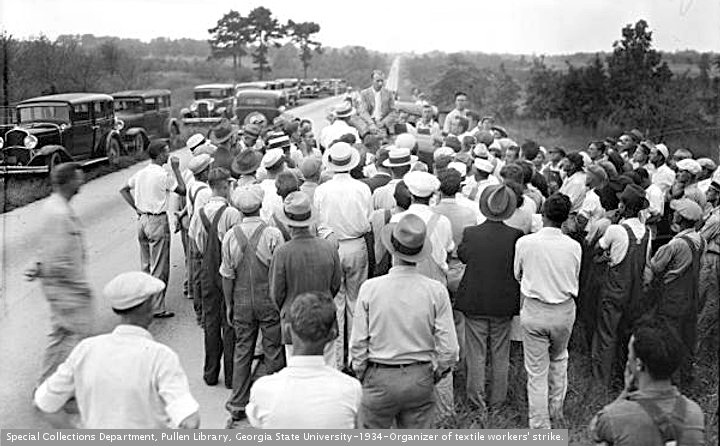
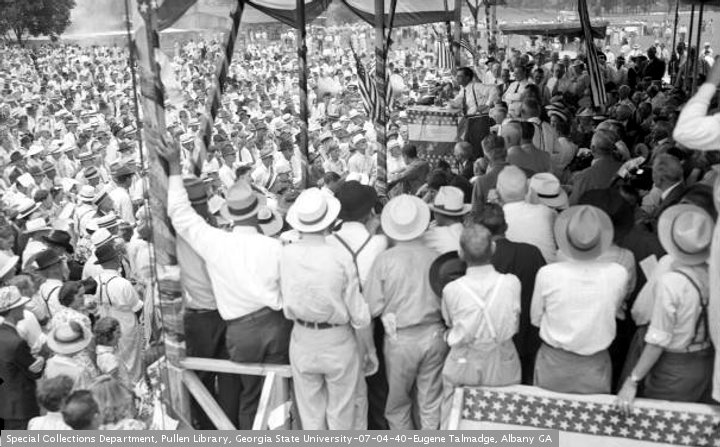
Andrew Brannan And Kyle Dinkheller
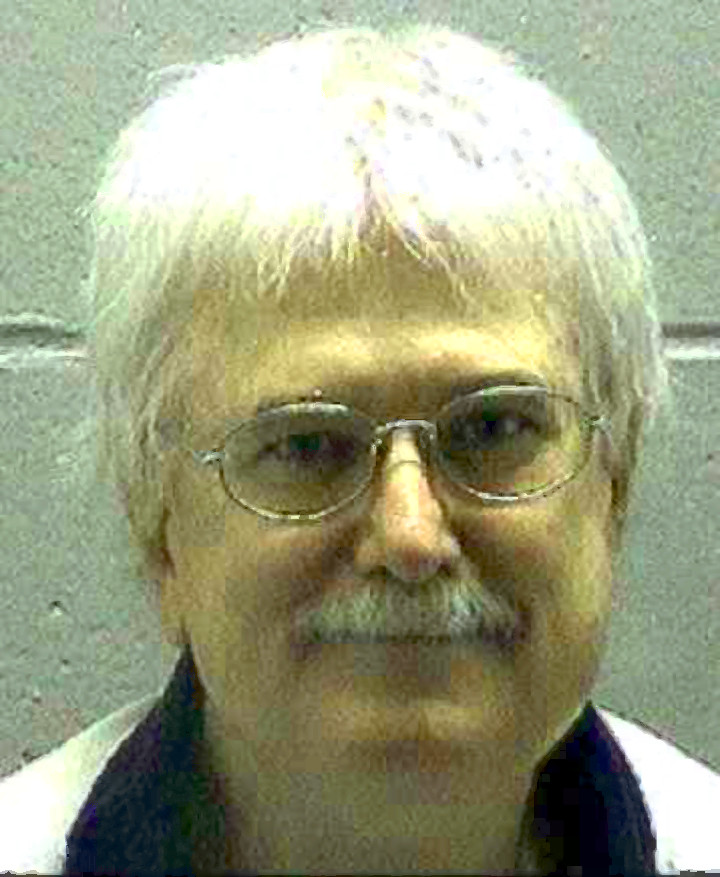


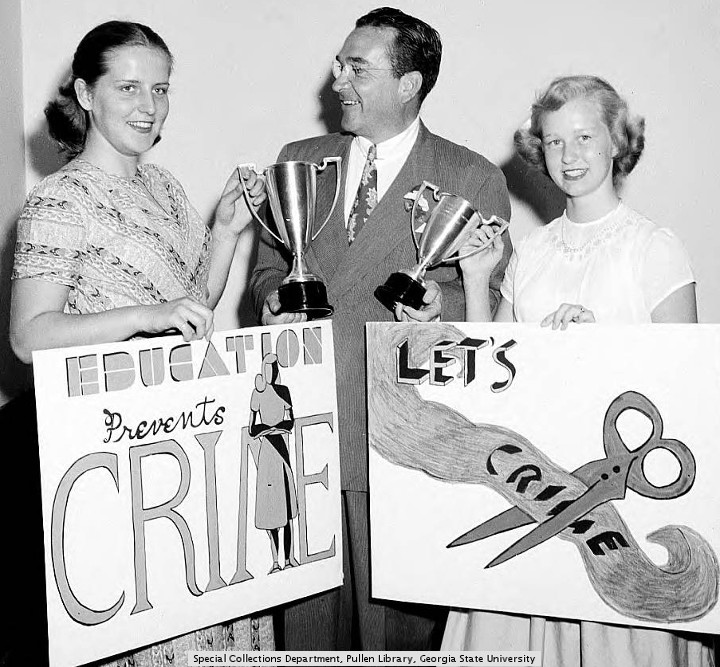


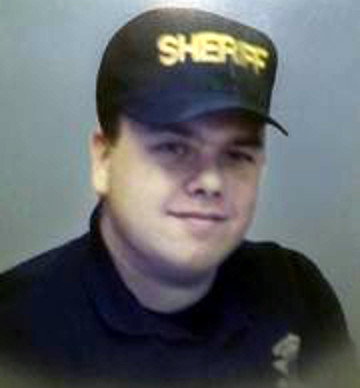
On Tuesday, January 13, the State of Georgia is scheduled to execute Andrew Howard Brannan. He was convicted of the 1998 shooting of Laurens County Deputy Kyle Dinkheller. The embedded video leaves little doubt as to Mr. Brannan’s participation in the crime. However, there are those who say the sentence should be commuted to life in prison. A 2002 document from the Georgia Supreme Court tells the story of a traffic stop gone awry.
“Andrew Brannan left his mother’s house in Stockbridge, Georgia, to drive to his house in Laurens County in the afternoon of January 12, 1998. He was driving his white pickup truck 98 miles per hour on Interstate 16 when Laurens County Deputy Sheriff Kyle Dinkheller clocked his speed with a radar gun. Brannan exited the highway and stopped on a rural stretch of Whipple Crossing Road after the deputy caught up to him. During the pursuit, Deputy Dinkheller activated a video camera which is aimed through his windshield. The camera captured almost all of Brannan’s actions during the ensuing traffic stop. Deputy Dinkheller also wore a microphone. The deputy stopped his patrol car about 20 feet behind Brannan’s truck. Brannan exited his truck and stood near the driver’s side door with his hands in his pockets. The right side of Deputy Dinkheller is visible on the tape as he stood next to his driver’s side door.
 Deputy Dinkheller said, “Driver, step back here to me. Come on back here to me.” Brannan said, “Okay,” but did not move. The deputy said, “Come on back. How are you doing today?” Brannan said that he was okay and asked how the deputy was doing, but still did not move. Deputy Dinkheller said he was good and repeated, “[C]ome on back here and keep your hands out of your pockets.” Brannan asked why and the deputy again said, “Keep your hands out of your pockets, sir.” Brannan responded, “Fuck you, Godamit, here I am. Shoot my fucking ass.” He then began dancing in the street, saying, “Here I am, here I am.” The deputy ordered, “Come here. Sir, come here,” but Brannan responded, “Shoot me.”
Deputy Dinkheller radioed for assistance on his belt-mounted radio, and the defendant stopped dancing and approached him. The deputy said, “Sir, get back.” Brannan replied, “Who are you calling, motherfucker?” and then rushed the deputy and a confrontation ensued to the left of the patrol car and off camera. The deputy ordered Brannan to get back nine more times. Brannan replied with “Fuck you” four times … “I am a goddam Vietnam combat veteran.”
Brannan then ran back to his truck and began rummaging around behind the driver’s seat. Deputy Dinkheller remained beside his patrol car and ordered, “Sir, get out of the car.” The right side of the deputy is briefly visible during this time. The deputy had drawn his baton, but not his firearm. Brannan replied that he was in fear of his life. The deputy shouted, “I’m in fear of my life! Get back here now!” Brannan said, “No,” and then pulled a .30 caliber M 1 carbine from his truck. The deputy radioed for help and shouted for him to put the gun down. Instead, Brannan crouched by his open driver’s side door. The deputy shouted for Brannan to put the gun down three more times. Brannan opened fire and the deputy returned fire.
Deputy Dinkheller was hit and shouted, “Shoot, shoot, stop now!” Brannan continued firing and advanced to the front of the patrol car. The deputy apparently tried to take cover behind the patrol car. Brannan exhausted one magazine, reloaded, and continued firing. The microphone recorded the sounds of the deputy being shot. At trial, the medical examiner testified that by this time Deputy Dinkheller had been struck by at least nine bullets, in the arms, legs, buttocks, chest, and head. The medical examiner opined that the deputy, although still breathing into the microphone, had lost consciousness because he was no longer returning fire or crying out when shot. The video shows Brannan cease crouching, take careful aim with his carbine, say “Die, Fucker,” and fire one last shot. Brannan then fled the scene in his truck.
Brannan was found hiding in the woods about 100 yards from his house, and he made incriminating statements after his arrest. He had a gunshot wound to his abdomen. The police found the murder weapon in his house. “
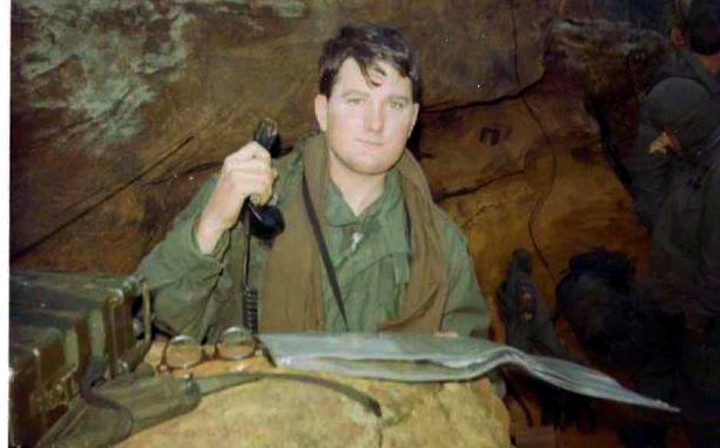
At his trial, Mr. Brannan pleaded not guilty by reason of insanity. “Brannan had served as an first lieutenant and forward artillery observer in Vietnam near the Laotian border in 1970 and saw considerable combat, according to military records. He received a Bronze Star for meritorious service. Years later, he was rated 100% disabled with PTSD by the Department of Veterans Affairs, which also found him to be suffering from depression, suicidal thoughts and bipolar disorder.” “At the time of the murder, Mr. Brannan had not taken his medications regularly for at least five days. ”
One explanation offered by Mr. Brannan does not make him look rational. “Regarding his dancing during the altercation, Brannan explained to the police that he once defused a tense situation with an angry man by dancing and saying “shoot me.” He also later told a psychiatrist that he had seen Mel Gibson act that way in the movie “Lethal Weapon.”
Before the trial, Mr. Brannan was examined by ” a Central State Hospital psychiatrist, Dr. Carter… Dr. Carter testified that Brannan was sane during the crime even though the defense presented evidence that he was not.”
Mr. Brannan has other issues with the state. “In a lawsuit filed April 9, Brannan alleges he has been denied “proper and/or adequate treatment” for his mental health disorder and that the G.D.C. doesn’t have a system in place to treat death row inmates with mental health problems.
Brannan, 64, was diagnosed with post-traumatic stress disorder in 1984 following his combat in the Vietnam War, according to his 22-page handwritten court filing. He argues his mental health has “severely” declined while he’s been incarcerated due to a lack of treatment, medication and rehabilitation assistance. At times, his PTSD and bipolar disorder have caused him to become “manic” because of being locked up for 23 hours a day, Brannan contends.
Brannan alleges guards came in yelling during a “shake down” of his housing area Jan. 15 and he had a flashback to combat in Vietnam. He suffered a “psychotic breakdown,” yelling and screaming. Prison mental health workers allegedly agreed to take him to a quiet place, but minutes later, guards handcuffed him and told him to get on his knees. When he questioned the guards, they slammed him to the floor so hard that he defecated on himself.
Brannan alleges he was punched in the ribs, causing bruising and cracking. Despite a broken collarbone, Brannan contends he never received pain medication, according to the court filing.
Both Mr. Brannan and Deputy Dinkheller are white. Georgia seems to follow a pattern of executing a white man for every black man that is executed. The last two executions have been black men. In an ironic touch, during his appeals “Mr. Brannan contends that the State violated Batson v. Kentucky, … by discriminating on the basis of race during jury selection.”
Would Deputy Dinkheller have been faster to fire if Mr. Brannan had been black? There is no way of knowing. Seeing as how Deputy Dinkheller fired 33 shots, and only hit Mr. Brannan once, it might not have made any difference. That statistic is taken from this article, which discusses the mistakes made by Deputy Dinkheller. Another source says: “A few weeks prior to this incident Deputy Dinkheller had been verbally reprimanded by his superior for being “too quick” to draw his gun.”
The execution is scheduled for Tuesday, January 13. It is not known whether the compounding pharmacy used by the state has produced the fatal medication. In the last few executions, mystery drugs used by the state have worked well. Black and white pictures today are from “The Special Collections and Archives, Georgia State University Library”. UPDATE Andrew Brannan was executed January 13, 2015. He died at 8:33 pm, with no reported complications from using mystery drugs.
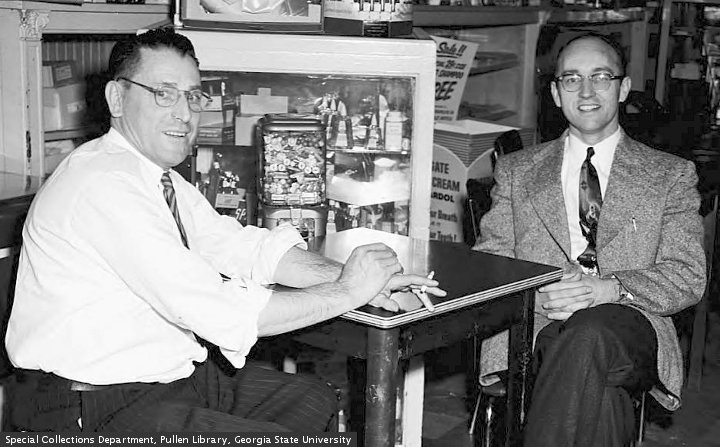
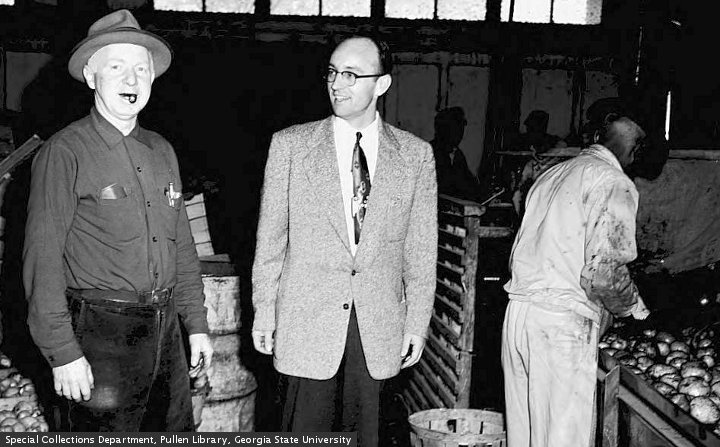

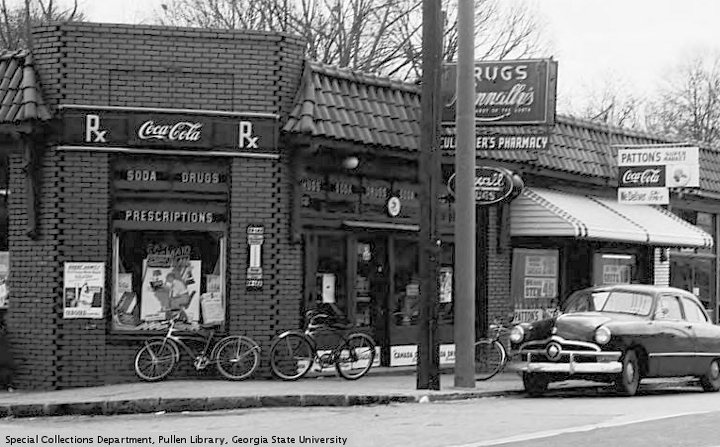
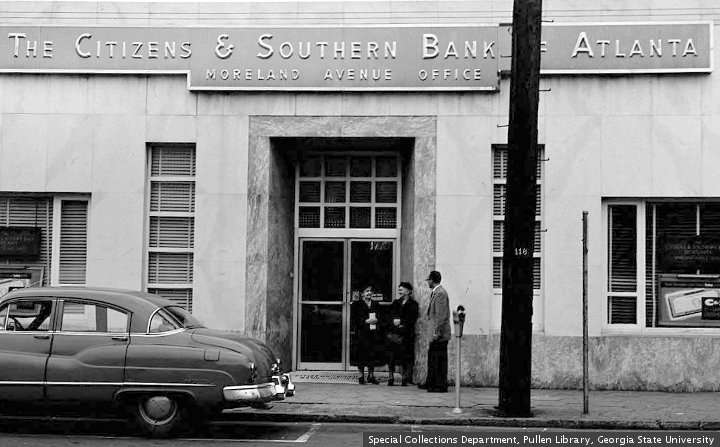








Robert Wayne Holsey And Will Robinson



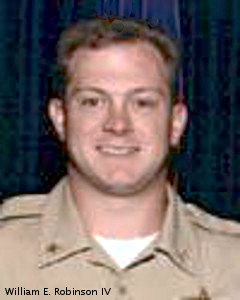
December 9 is the scheduled day for the execution of Robert Wayne Holsey. On “December 17, 1995, Robert Wayne Holsey was arrested and charged for the murder of Baldwin County Sheriff’s Deputy William E. Robinson IV. There apparently is little doubt that Wayne Holsey (his family calls him Wayne) committed the crime. Here is the Murderpedia account:
 “The evidence at trial showed that shortly before 1:30 a.m. on December 17, 1995, Holsey entered the Jet Food Store in Milledgeville with a gun and demanded money. After receiving money from the store’s cash register, Holsey directed the store clerk to open the store’s lottery machine. Although Holsey ordered the clerk into a back room, the clerk was able to observe Holsey leave in a small red automobile. The clerk immediately called the police and provided a description of Holsey and his car.
Less than four minutes after Holsey left the food store, Deputy Sheriff Will Robinson stopped a red Ford Probe at a nearby motel. He relayed the vehicle’s license plate number by radio and approached the vehicle; Holsey then fired. Forensic evidence showed that the deputy suffered a fatal head wound.
Several guests at the motel observed a person matching Holsey’s description returning to the red Ford Probe and speeding away. The police soon discovered the vehicle and gave chase, but Holsey was able to avoid apprehension. One witness testified that she observed the red Ford Probe and recognized Holsey, with whom she was personally acquainted.
Holsey’s girlfriend testified that shortly after the shooting Holsey called and asked her to meet him at his sister’s house. He told her to drive her blue Jeep Cherokee rather than her red automobile because the police were searching for a red Ford Probe. When she arrived at the house, Holsey was hiding behind a fence. Holsey had his girlfriend drive him past the murder scene. When she refused his request to be driven to his mother’s house where he could monitor a police scanner, Holsey had her drive him through back roads to his sister’s house where she had picked him up. Holsey instructed her to park directly behind the red Ford Probe in order to conceal its license plate.
While Holsey and his girlfriend were still in the Jeep, a law enforcement officer drove up to the red Ford Probe. The officer checked the Probe’s license plate number, which matched the number transmitted by the victim. The officer then illuminated the Cherokee and the Probe with his headlights and transmitted a request for additional support.
When Holsey exited the Cherokee “very quickly,” the officer turned on his blue police lights, exited his own vehicle, drew his service weapon, and twice commanded Holsey to raise his hands. Holsey failed to comply, began looking around as though searching for an escape route, and, after the officer threatened to shoot, Holsey finally raised his hands.
The officer then commanded Holsey to lie prone on the ground. When the chief deputy sheriff arrived less than two minutes later, he confirmed that the Probe’s license plate number matched the number from the victim’s radio call and discovered a fresh bullet hole in the back of the Probe. He then awakened and interviewed the occupants of the residence. The occupants, Holsey’s sister and another woman who was the owner of the Probe, both stated that Holsey had borrowed the vehicle that night. The chief deputy then, less than fifteen minutes after Holsey was initially detained, asked Holsey his name and placed him under arrest.
Clothes matching the description of those worn by the armed robbery perpetrator were discovered nearby. Shoes removed from Holsey after his arrest matched the description given by witnesses to both the armed robbery and the murder. A sample of blood taken from one of the shoes proved through DNA analysis to be consistent with the blood of the victim.”
Mother Jones has an excellent article about what happened at the trial. If you have a few minutes, you should read it. They tell the story much better than this slack blogger.
Wayne Holsey had an alcoholic for a lawyer. Andy Prince had recently gone to an emergency room with a blood alcohol level of .345. He was drinking a quart of vodka a night during the murder trial. Mr. Prince had numerous other issues, and was eventually disbarred. Mother Jones discusses Mr. Prince in great detail. Brian Andrew Prince died December 2, 2011.
Several details about Mr. Holsey were not told to the jury. Mr. Holsey has an I.Q. of 70, and is considered borderline disabled. He grew up with considerable abuse, in a house that neighbors called the “torture chamber.” If the jury had known this, the sentence might have been different.
The District Attorney has a different view of Mr. Prince. “Ocmulgee Judicial Circuit District Attorney Fred Bright convicted Wayne Holsey and will argue against clemency. His recollection of Prince is different. “He was the go to guy for the death penalty defense lawyer at the time.”
Bright said from his side of the table, Prince was a tough opponent regardless of whether or not he was an alcoholic at the time. “It wouldn’t shock me that he drank at night. I’m not there so I wouldn’t know, but that wouldn’t shock me,” But Bright says what Prince did at night doesn’t matter. He says in court, Prince was formidable. “During the day when he was in court he was sober, he was lucid, he was a fighter, he worked his tail off.”
The case went through the standard protocol of appeals. On Sept. 14, 2012, “The 11th U.S. Circuit Court of Appeals in Atlanta, in a 2-1 decision issued Thursday, said that even though Robert Wayne Holsey’s trial lawyers did not do a competent job, their deficient performance did not prejudice the outcome of the trial.”
Circuit Judge Ed Carnes wrote the 104-page lead opinion in the case. Senior Circuit Judge J.L. Edmondson wrote a concurring opinion. He criticized the lead opinion for being too long. “In my experience, longish opinions always present a strong possibility of error lurking somewhere in the text. That the opinion writer is a skilled and careful judge does not eliminate the risk. Furthermore, no one wishes to join in an opinion that they do not understand fully.”
UPDATE: Wayne Holsey died at 10:51 pm, December 9, 2014. According to reporter Randall Savage, who witnessed the execution, Wayne Holsey addressed the father of his victim: “Mr. Robinson, I’m sorry for taking your son’s life that night: I hope you can find it in your heart to forgive me and my family.” Pictures are from “The Special Collections and Archives, Georgia State University Library”.




Famous Last Words




There used to be a blog called Execution of the day. It is still available, but last put up material in September of 2011. The next to last post is about Troy Davis, who met his maker about that time. The last post is about the last words of those about to die, some of which are funny. EOTD published a feature in 2009, about an economical Englishman named John Christie, that was adapted for use here. Pictures by “The Special Collections and Archives,Georgia State University Library”.
Electric Chair “I’d rather be fishing” Jimmy L. Glass 12 June 1987
“How about this for a headline for tomorrow’s paper? ‘French Fries’!” James French 10 August 1966
“Well, gentlemen, you are about to see a baked Appel.” George Appel 9 August 1928
Firing Squad “Why, yes, a bulletproof vest.” Domonic Willard
“Take a step forward lads – it’ll be easier that way.” Robert Erskine Childers 24 November 1922
Poisoning “You guys doin’ that right?” Stanley ‘Tookie’ Williams 13 December 2005
Hanging “Please don’t let me fall.” Mary Surratt 7 July 1865
“Is it safe?” William Palmer 14 June 1865.
“I’ll be in Hell before you start breakfast! Let her rip!” Tom ‘Black Jack’ Ketchum’s 26 April 1901.
“Hurry up. I’d like to be in hell in time for dinner.” Edward H. Ruloff 18 May 1871
“If anyone has a message for the Devil, give it to me – I’ll deliver it!” Lavinia Fisher February 18, 1820.
Baked Goods “Pardonnez-moi, monsieur. Je ne l’ai pas fait expres” Translation: Pardon me, sir. I did not do it on purpose. Stepping on the toes of her executioner should have been the least of Marie Antoinette’s worries on 16 October 1793.




While eating breakfast, PG perused something called “execution of the day“. On July 15, 1953, John Christie was hung in England. He was 54. Chamblee 54, who is 55, sees a pattern. The original source says it all better: “Albert Pierrepoint was given the job of dispatching him, so Christie was hanged at Pentonville Prison on this day in 1953, aged 54.”
Mr. Christie lived at 10 Rillington Place, which was the title of a movie about his exploits. He was in the habit of murdering people and hiding the bodies in the house. He also had two middle names…his full handle was John Reginald Halliday Christie. He married a girl named Ethel Waddington. Do you have any trouble believing he was British?
The first known murder was in 1943. There was a war going on, and killing was quite the fashion. Mr. Christie had a girlfriend named Ruth Fuerst. She did not survive a nooner. In his eventual confession, Mr. Christie said “‘I left her there in the bedroom. After that I believe I had a cup of tea and went to bed”. … “The second was in 1944 – a neighbour, who was convinced he was a doctor. He didn’t persuade her otherwise and the 32-year-old was gullible enough to listen when he told her to inhale some gas scented with friars’ balsam. The carbon monoxide rendered her virtually unconscious enabling Christie to have his way with her. As with Fuerst, he strangled her either before or during the rape. You may be wondering what he did with these two bodies…he buried them both in the garden and in one report he may even have used one of their leg bones to support fencing.”
Things were quiet for a while…well not really, there was this family of three…but things were relatively quiet until 1952. At that time Ethel Christie met her maker, with the help of her husband. He wondered what to do with the body, until he saw loose floorboards in the living room.
Within a few weeks, more women passed away, with his assistance, and were stored in various parts of the house. John Christie moved out of 10 Rillington Place. The new tenants complained about the aroma, and before long John Christie had a noose around his neck. This is a repost.


 Chamblee54
leave a comment