







Institutional Racism

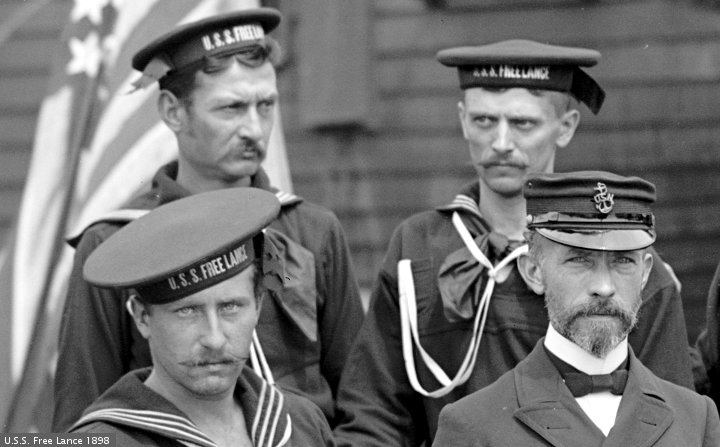

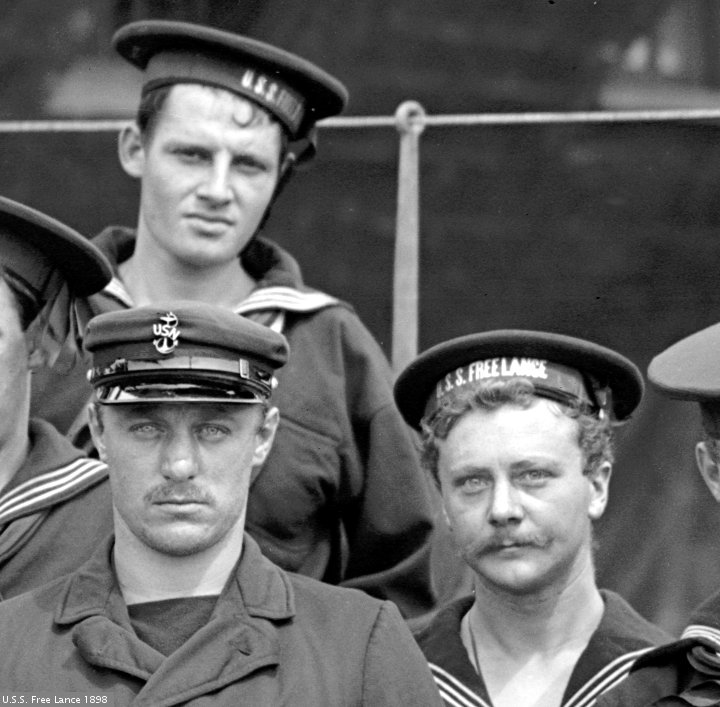
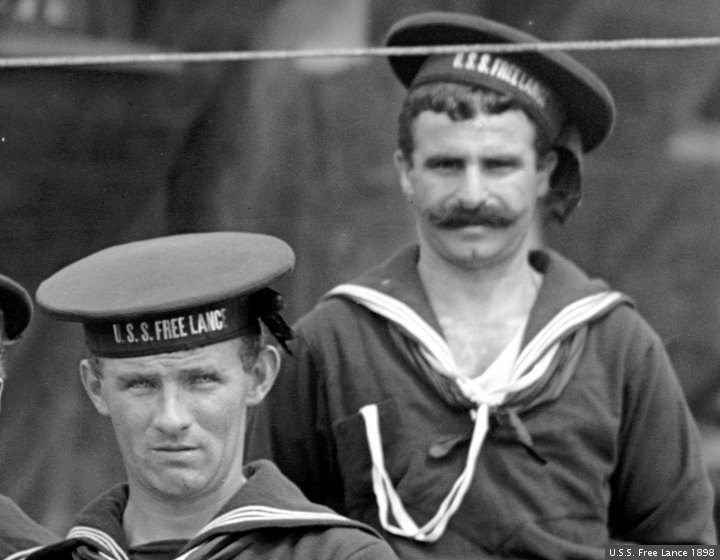

It is blackberry winter in Brookhaven. PG is editing pictures from The Library of Congress, some of which will illustrate this post. While fussing over group portraits from a Navy vessel, PG is listening to The Glenn Show. Today’s episode features the host, Glenn Loury, and frequent guest John McWhorter. Both men are professors at Ivy League institutions. They are also African Americans. Their conversations are usually entertaining, and provide fodder for slack blogger content.
The first part of the chat involves politicians who say, in effect, “my opponent is not black enough.” An incident involving Barack Obama was discussed. In some of his early elections, the opponent charged that BHO was too closely connected to the big money elite.
Duh. You don’t get elected to public office without having wealthy friends. They want a return on their investment. This has been a problem for the *naive* people who thought they were voting for hope and change. BHO did not raise a billion dollars without making shady promises.
Most politicians face the “authentic enough” issue. When running in the party primary, they try to appear blacker than Spike Lee, or more conservative than Herbert Hoover. When the general election arrives, the need to reach less radical voters arises. Many politicians see the need to back away from what they were saying a few weeks earlier. Saints do not win elections.
After a while, Doctors Loury and McWhorter moved onto the issue of gentrification. Dr. McWhorter wrote a Time magazine piece, “Spike Lee’s Racism Isn’t Cute: ‘M—–f—– Hipster’ Is the New ‘Honkey” Regarding this article, there is a lovely quote from Dr. McWhorter. The quote says to always remember that racism is institutional.
People twitter hissy fits about racism like to have it both ways. They will tell you that racism is *really* about institutional systems that oppress POC. Ok, fine. Exactly what does a tweet, quoting a joke taken out of context, have to do with institutional systems of oppression?



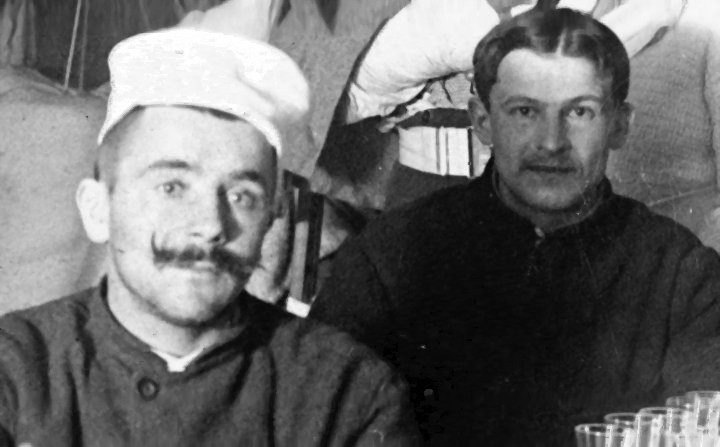


Shut Up Franklin Graham Part Two
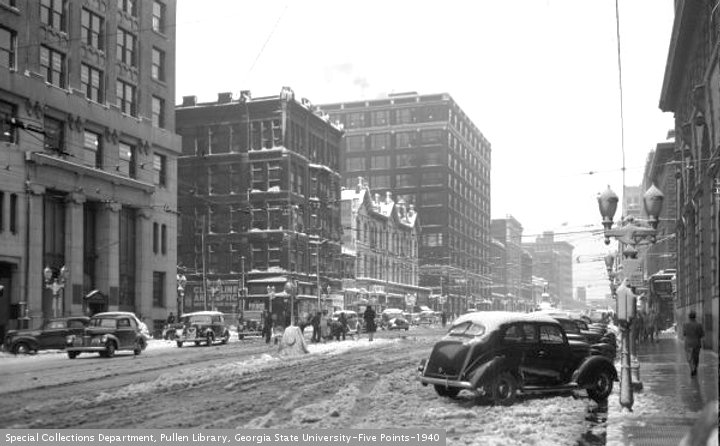
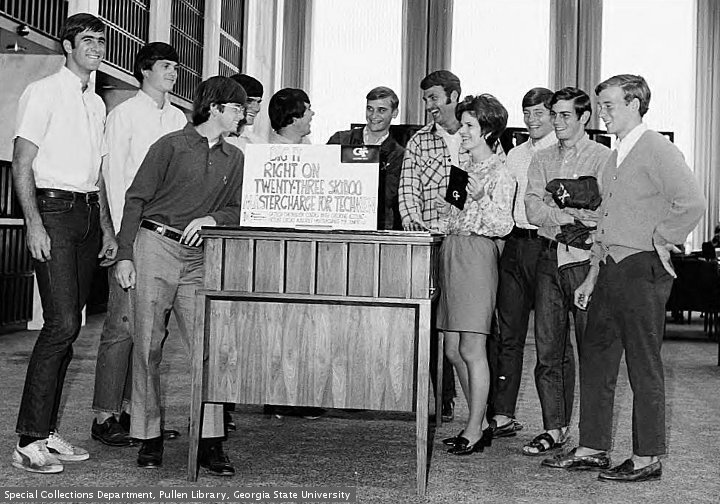
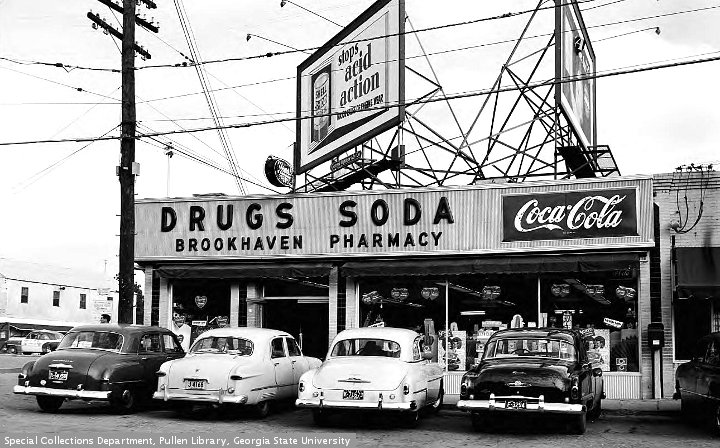


William Franklin Graham III is the namesake son of William Franklin (Billy) Graham Jr. This accident of birth is the only reason anyone listens to the idiot. There was a reminder tweet this morning. @JoeMyGod Franklin Graham Endorses Putin: “”America’s response to Putin’s law was sadly predictable. President Obama int…
On February 28, 2014, Mr. Graham published a thinkpiece, Putin’s Olympic Controversy. This was when Russia was invading Ukraine. The article was posted on the web page of the Billy Graham Evangelistic Association, 1 Billy Graham Parkway, Charlotte, NC 28201.
BGEA has a story now, Exclusive: Interview With Acting President of Ukraine. “In the midst of ongoing turmoil that has enormous global significance, God is mightily at work in Ukraine, the nation’s acting president said Wednesday.” PG does not know what is going on in Ukraine, and suspects that BGEA does not either.
“I see God’s hand in every little detail that took place as unarmed people went out to defend their freedom and the independence of their country against a fully armed professional army, many times bigger in size,” Turchynov said. “Their faith was victorious. God granted them victory.”
Getting back to the rantings of Mr. Graham, the chatter about the Olympic controversy could have been predicted. What is surprising is the comments about Syria.
“I have never heard Putin quote the Bible, but during his 2012 election campaign, he met with church leaders in Moscow and vowed to protect persecuted Christians around the world. That is one justification for his support of the Assad regime in Syria.
Syria, for all its problems, at least has a constitution that guarantees equal protection of citizens. Around the world, we have seen that this is essential where Christians are a minority and are not protected. The radicals in Syria want an Islamic constitution based on sharia law.
Christians have lived in Syria since the time of Christ. The Apostle Paul was on the road to Damascus when he met Christ. Christians in Syria know that if the radicals overthrow Assad, there will be widespread persecution and wholesale slaughter of Christians.”
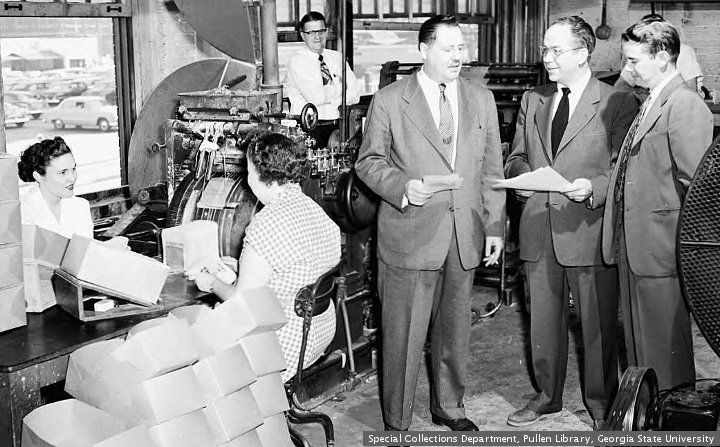
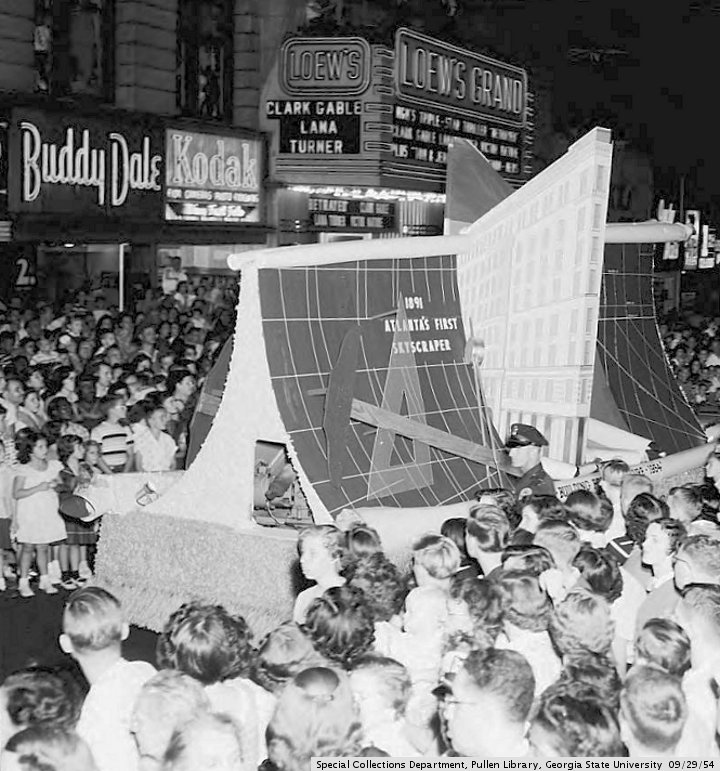
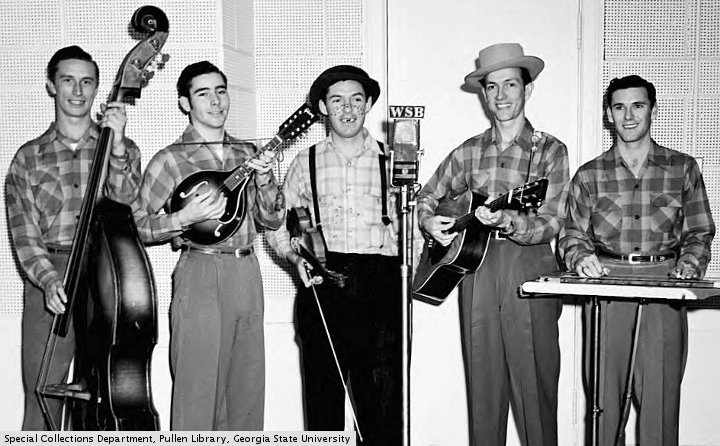
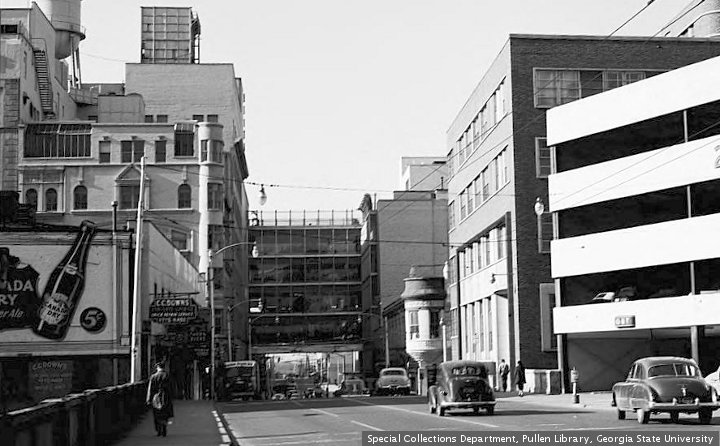
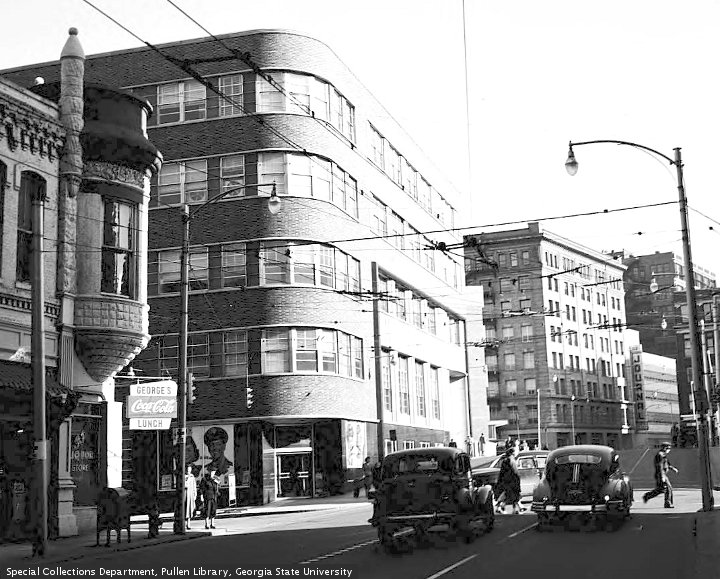
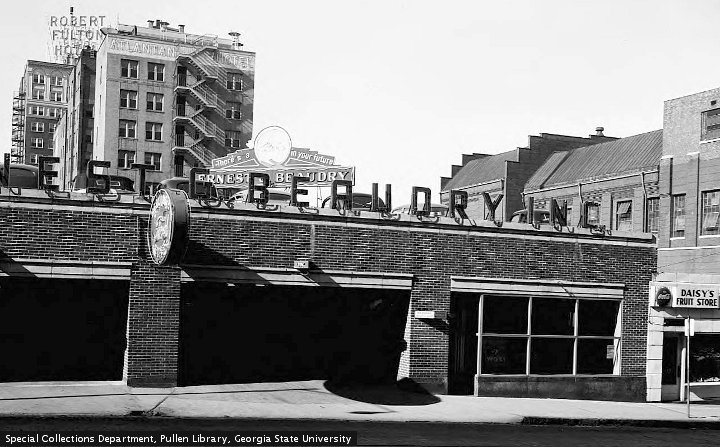
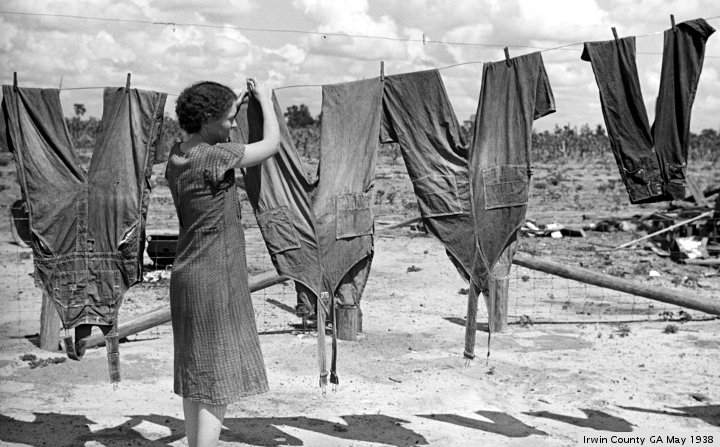
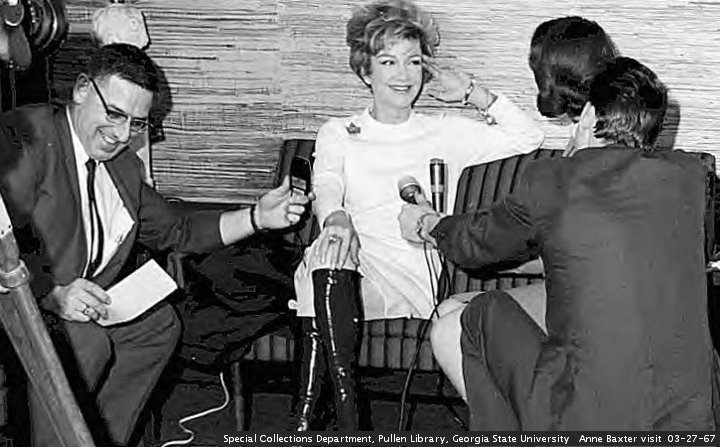
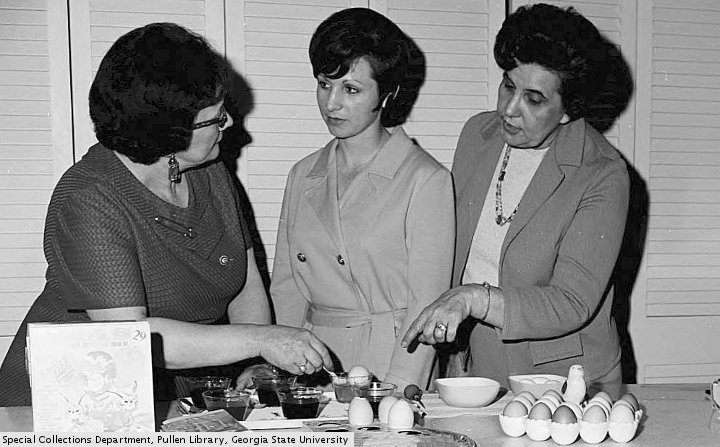
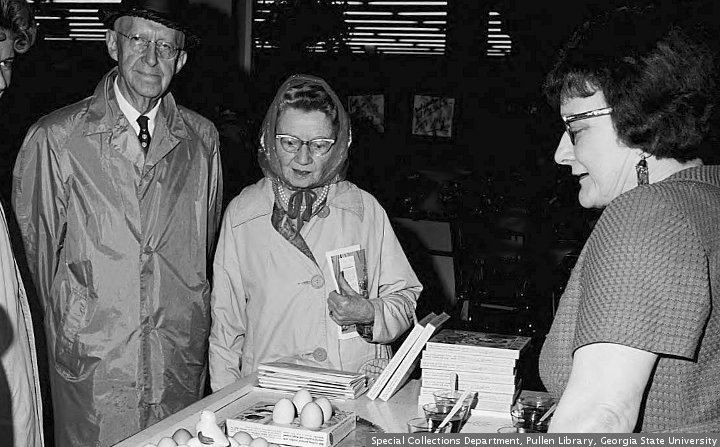
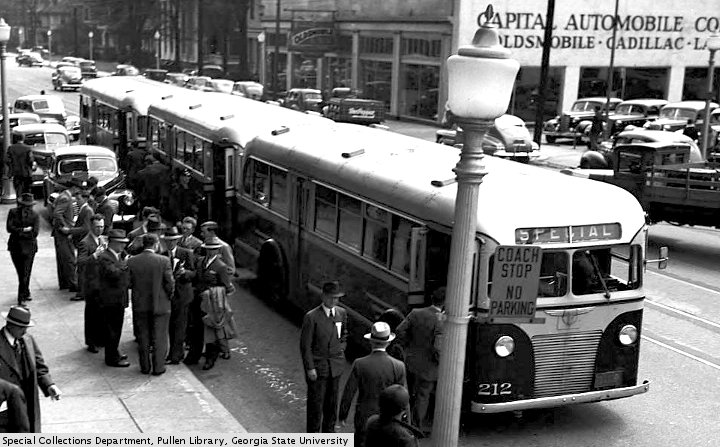
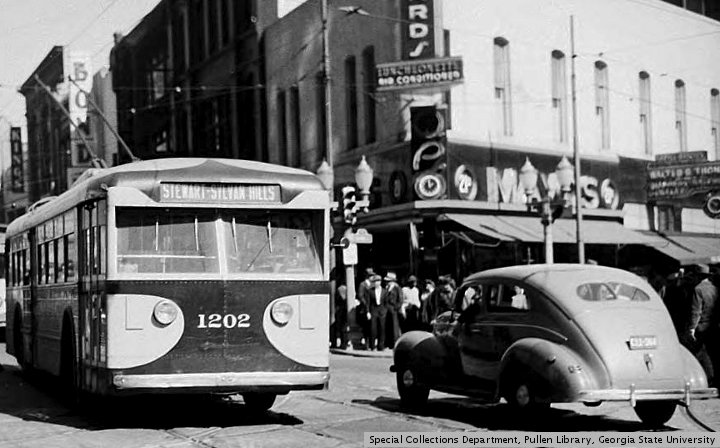
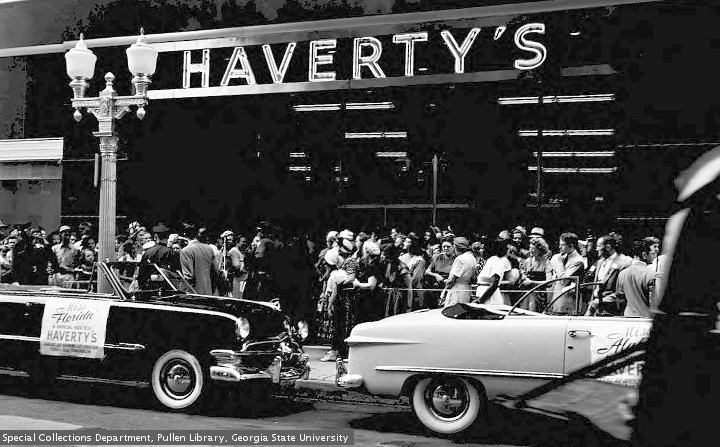
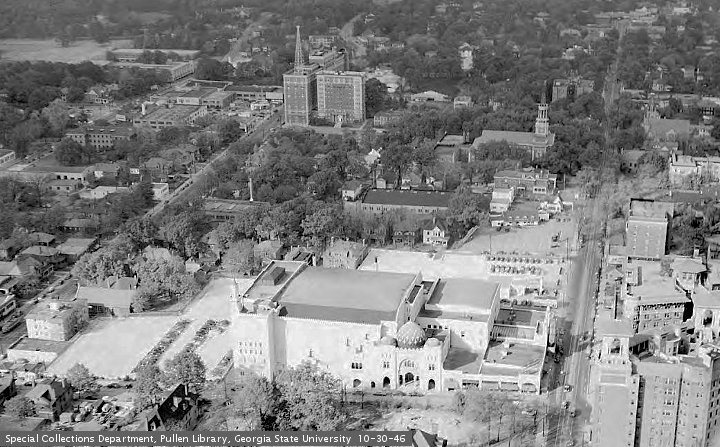
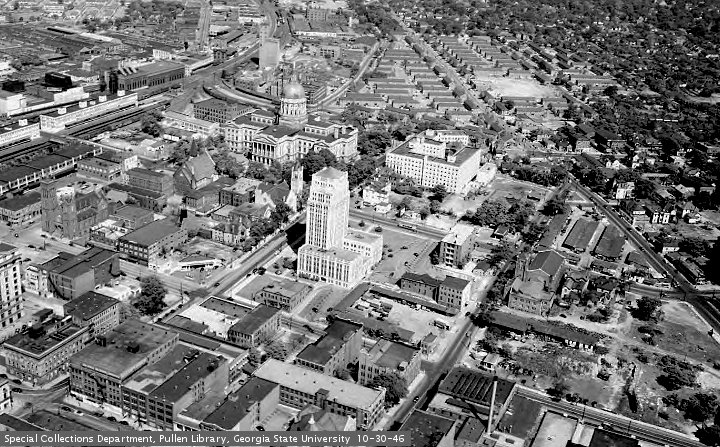
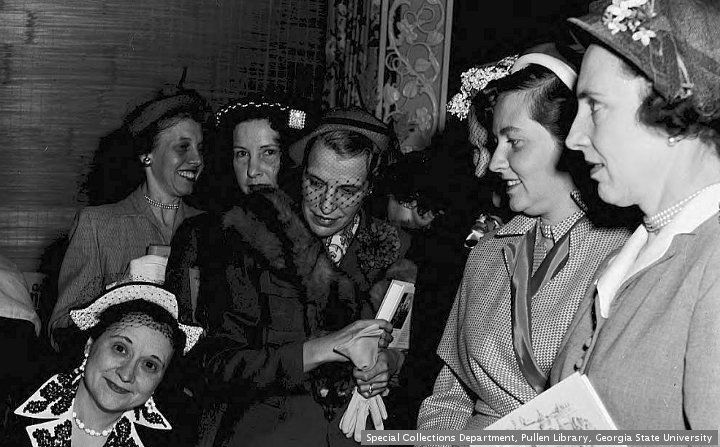
Pictures are from “The Special Collections and Archives, Georgia State University Library”.



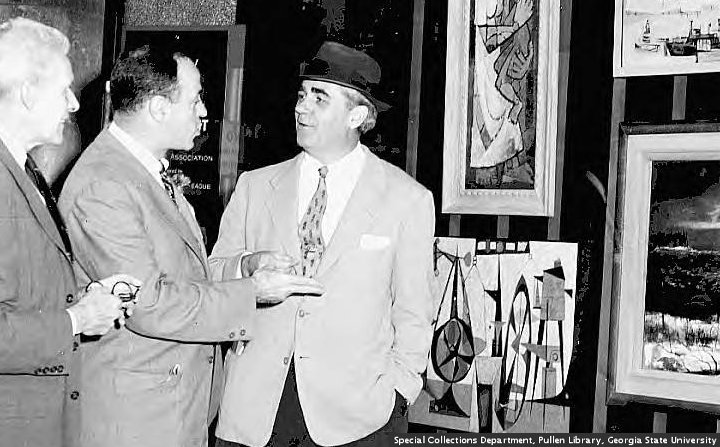

Privilege Preservation Act
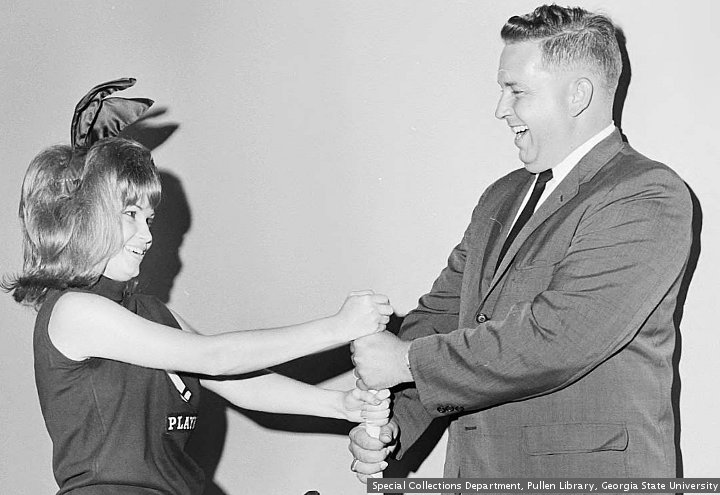
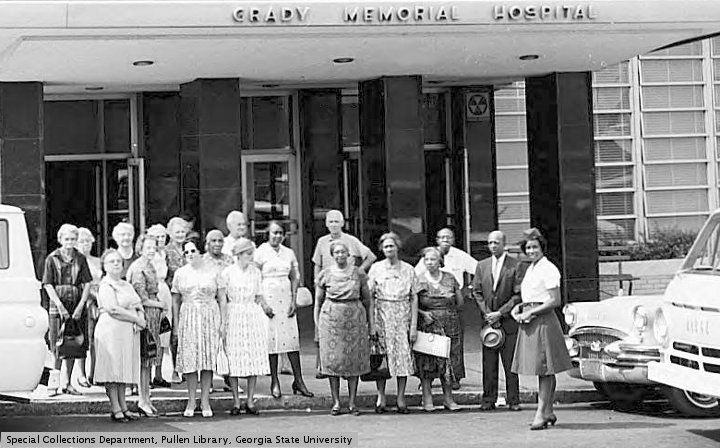

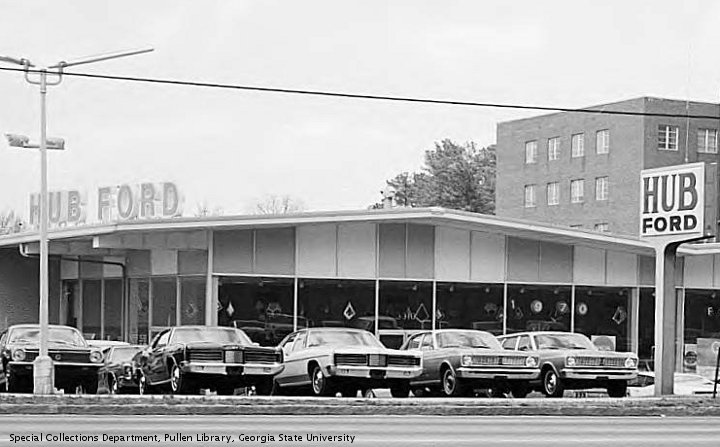
There is a piece of work in the Arizona legislature now, Senate Bill 1062. The proposed law would ” legally protect businesses that deny services to customers for religious reasons.” Some say it would be modern day Jim Crow, while others say that it would not be too bad.
Lawyers see the proposed law as a source of revenue. It would be tested in the marketplace, and challenged in the courts. The billable hours would accumulate. Attorneys created the marriage profit center, both traditional and same sex.
Jesus worship is the most popular religion in America. The believers enjoy a remarkable degree of privilege. Like many owners of privilege, they do not even know that it exists.
Many, if not most, POC are Jesus woshipers. On the one hand, POC have shouting rights as an oppressed population. On the other hand, many POC enjoy the benefits of christian privilege.
Privilege is a buzzword in some circles these days. When owners of privilege see this unearned advantage slips away, the privileged population gets testy. The proposed Arizona law would reconfirm the privileged status of Jesus worshipers.
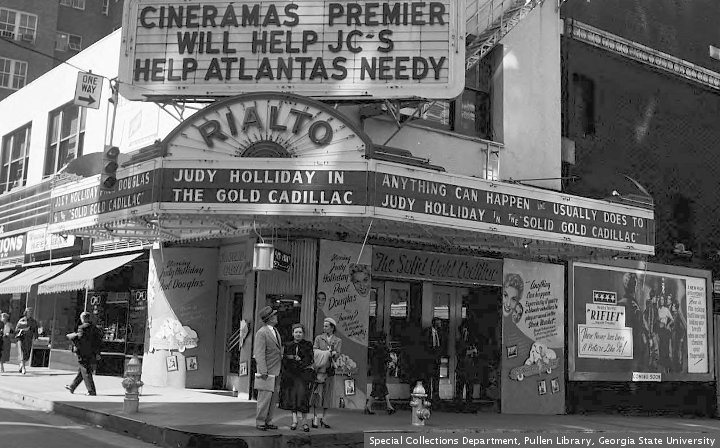
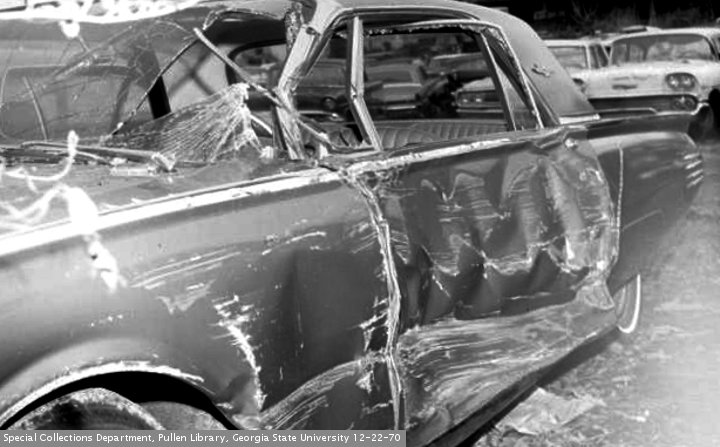
Pictures are from “The Special Collections and Archives, Georgia State University Library”.

Give Up The Funk
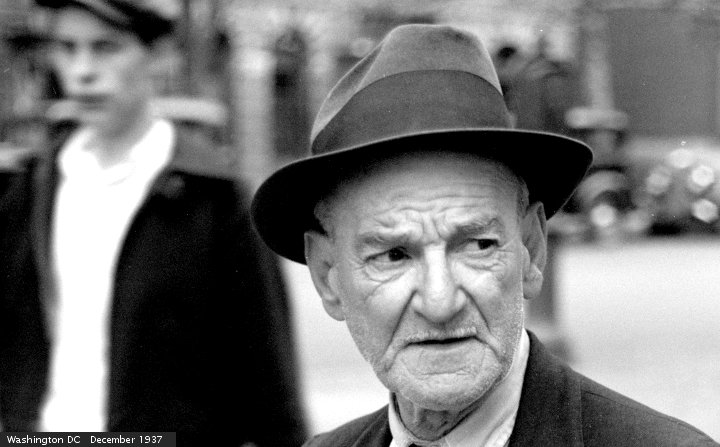
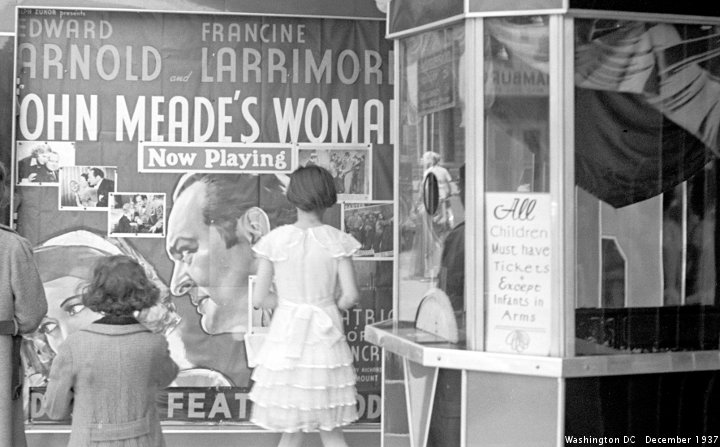





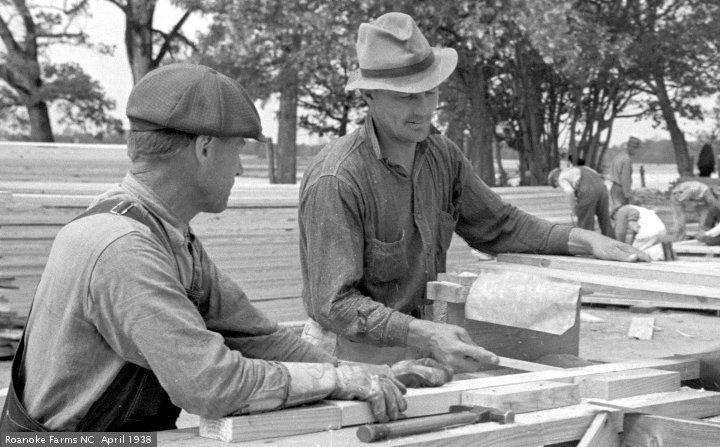
PG was stumbling through another morning in the real world. Keep moving, get breakfast, survive i285, and maybe by Sunday you will get out of this funk. Those of you with any sense will skip this text, and look at the pictures. They are from The Library of Congress.
A twitterlady caught his eye. @Flyswatter “Feminists calling each other out for various offenses. At any rate, it’s an interesting and thoughtful article.”
Upon arrival, the page visitor is greeted by a fundraising as for “EMILY’s List.” This is an effort to raise money for select moving lips. EMILY is an acronym. Early Money Is Like Yeast.
Once upon a time, some feminists had a conference, #femfuture. They started to snipe at each other. A hashtag was hatched, #solidarityisforwhitewomen.
Before long, one cornerstone of correctness had an article, 5 Ways White Feminists Can Address Our Own Racism. The article had a header ad from an auto insurance agency. Your suggested next post was I Threw Away My Scale and I’ve Never Felt Better About My Body.
The article about #femfuture is long, and might cause brain damage. The authors are not talking to cismale crackers like PG. Today is going to require a few brain cells to negotiate, and reading these posts might wipe them out.

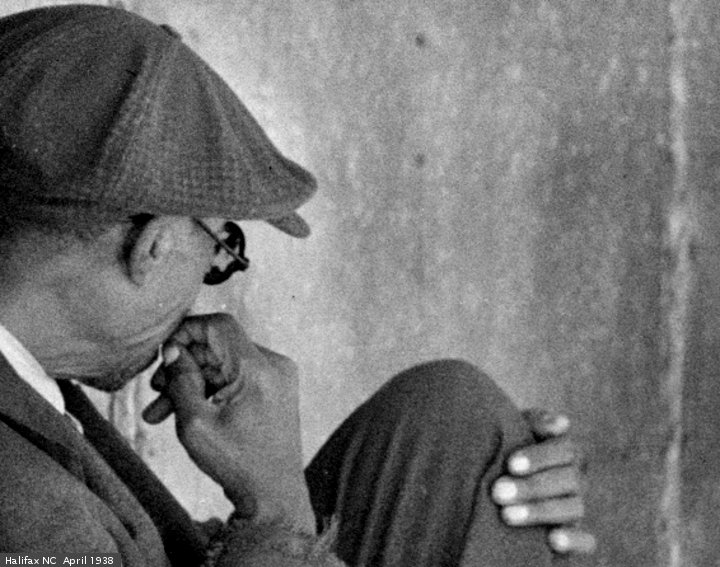
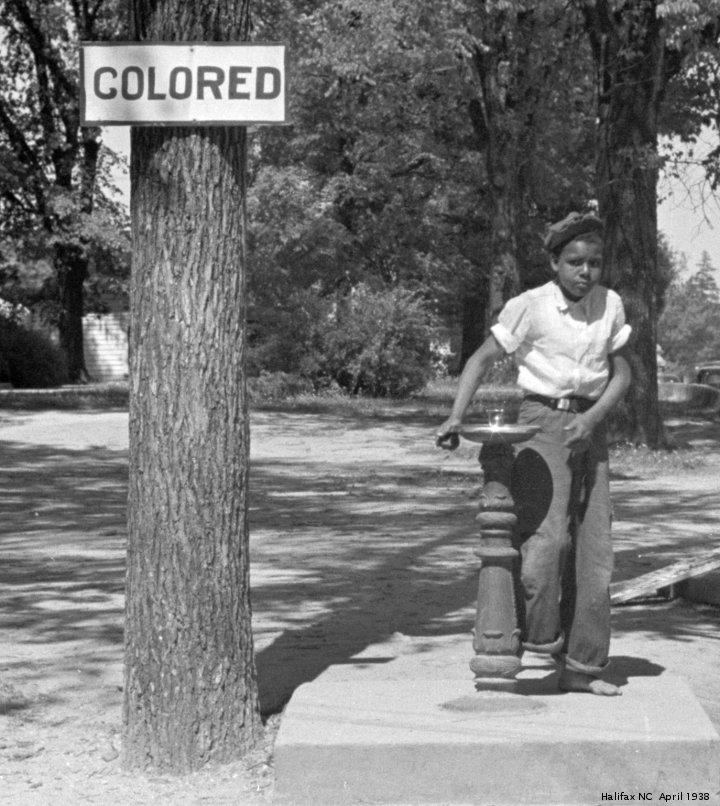







Post Racial America





It is a cliche among certain pundits that this is not “Post Racial America.” No one seems to know what PRA would look like. PRA might be less noisy, with fewer odors, than the current model. The opinion that we do not live in PRA seems unanimous. After PG heard the denial of PRA one too many times, he began to wonder something. Who said America is Post Racial?
Mr. Google has 119 million answers to the question “who said america is post racial?” The short answer is nobody. The closest thing on the front Google page is an NPR commentary from January 2008. This was the early stages of the BHO run for the White House. The commenter said that the election of a dark skinned POTUS might usher in a post racial era in America.
This piece will not have any fresh opinions about race relations in America. That subject has been worn out elsewhere. If someone finds it to their advantage to denounce “racism”, there will be an audience. The truth is, very few people have ever said that America is Post Racial.
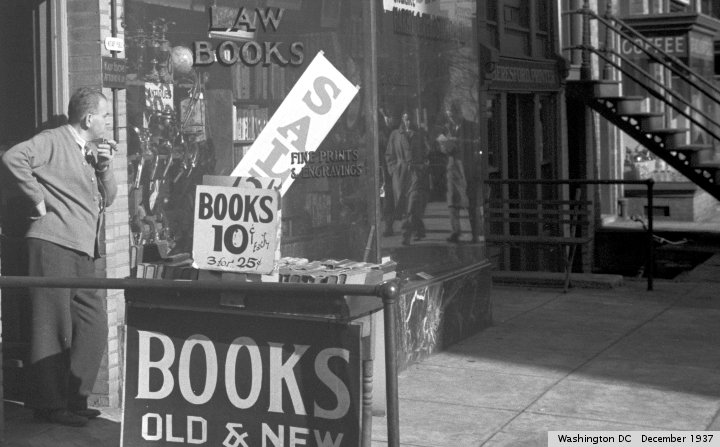
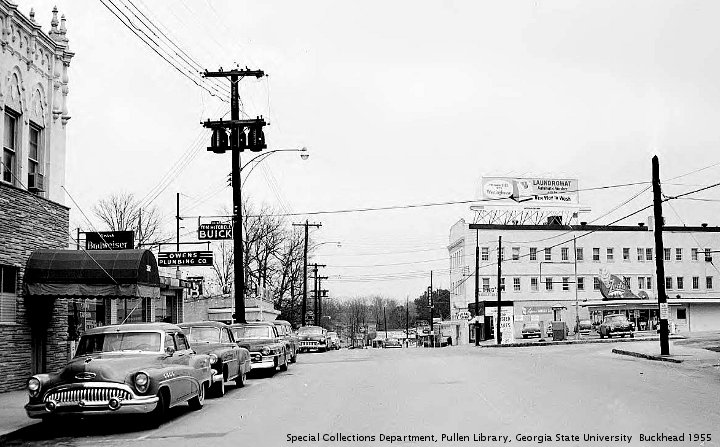
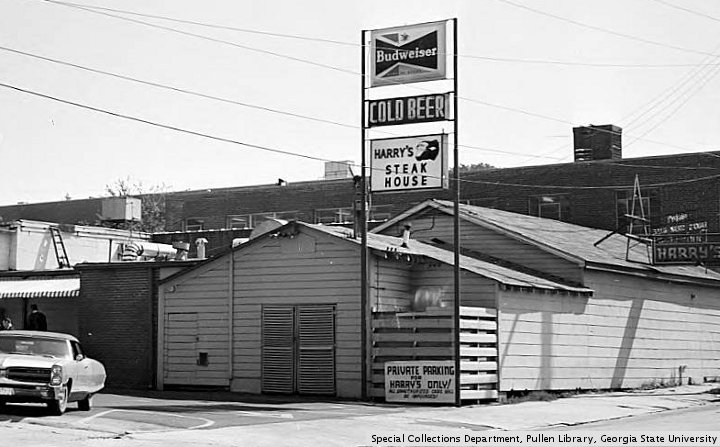
Pictures are from “The Special Collections and Archives, Georgia State University Library”.



The Boston Tea Party Story


For better or worse (it’s ok to curse), the tea party is a part of the scene. The seminal event was the Boston Tea Party in 1775. The first post below is a look at what really happened in Boston harbor. It is tough to discern truth from fable at a distance of 236 years, but we will try. The tea party metaphor gets worked over in another post, would you like a refill?
The second part is a look at the phrase “founding fathers”. This phrase is “liberally” sprinkled into rhetoric of all persuasions. This author sees a square peg being forced into round holes.
In the first year of the Obama regime, America saw the rise of the “Tea Party.” These affairs are usually right wing, and have lots of clever signs. The general idea is that taxes are too high, government is too big, and that the people need to do something.
The namesake event was the Boston Tea Party. On December 16, 1773, crowds of people (some dressed as Mohawks) went on board the Dartmouth, the Eleanor, and the Beaver. The crowds threw overboard 342 chests, containing 90,000 pounds of tea. The crowds were unhappy because the East India Company was importing the tea into America, with a 3 pence per pound tax.
A website called listverse plays the contrarian. (spell check suggestions: contraction, contraption) According to them : “American colonists did not protest the Tea Tax with the Boston Tea Party because it raised the price of tea. The American colonists preferred Dutch tea to English tea. The English Parliament placed an embargo on Dutch tea in the colonies, so a huge smuggling profession developed. To combat this, the English government LOWERED the tax on tea so that the English tea would be price competitive with Dutch teas. The colonists (actually some colonists led by the chief smugglers) protested by dumping the tea into Boston Harbor.”
According to Wikipedia, the Dutch tea had been smuggled into the colonies for some time. The Dutch government had given their companies a tax advantage, which allowed them to sell their product cheaper. Finally, the British government cut their taxes, but kept a tax in place. The “Townsend Tax” was to be used to pay governing colonial officials, and make them less dependent on the colonists.
In Charleston, New York, and Philadelphia, the tea boats were turned around, and returned to England with their merchandise. In Massachusetts, Governor Thomas Hutchinson insisted that the tea be unloaded. Two of the Governor’s sons were tea dealers, and stood to make a profit from the taxed tea. There are also reports that the smugglers were in the crowd dumping tea into the harbor.
The photogenic tea party movement seems to be destined to stay a while. The question remains, how much does it have to do with the namesake event?
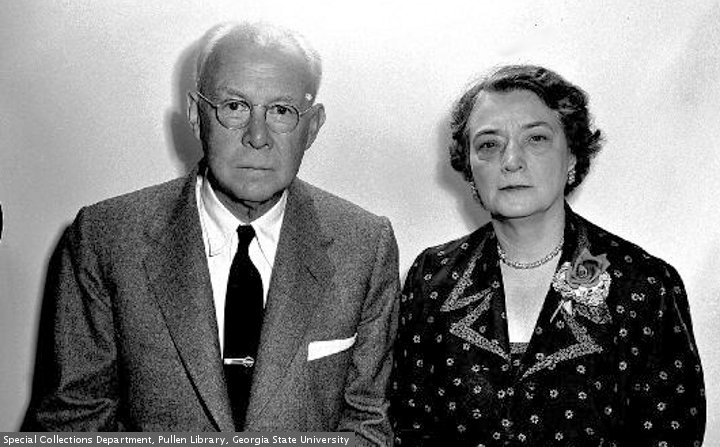
People often try to justify their opinions by saying that the “founding fathers” agree with them. They often are guilty of selective use of history. A good place to start would be to define what we mean by the phrase founding fathers.
The FF word was not used before 1916. A senator from Ohio named Warren Harding used the phrase in the keynote address of the 1916 Republican convention. Mr. Harding was elected President in 1920, and is regarded as perhaps the most corrupt man to ever hold the office.
There are two groups of men who could be considered the founding fathers. (The fathers part is correct. Both groups are 100% male.) The Continental Congress issued the Declaration of Independence, which cut the ties to England. Eleven years later, the Constitutional Convention wrote the Constitution that governs America today. While the Continental Congress was braver than the Constitution writers (We must hang together, or we will hang separately), the Constitution is the document that tells our government how to function. For the purposes of this feature, the men of the Constitutional Convention are the founding fathers.
Before moving on, we should remember eight men who signed the Declaration of Independence, and later attended the Constitutional Convention. Both documents were signed by George Clymer, Benjamin Franklin, Robert Morris, George Read, Roger Sherman, and James Wilson. George Wythe left the Constitutional Convention without signing the new document. (He needed to take care of his sick wife. Mr. Wythe later supported ratification.) Elbridge Gerry (the namesake of gerrymandering) refused to sign the Constitution because it did not have a Bill of Rights. Both Mr. Wythe, and Mr. Gerry signed the Declaration of Independence.
The original topic of this discussion was about whether the founding fathers owned slaves. Apparently, PG is not the only person to wonder about this. If you go to google, and type in “did the founding fathers”, the first four answers are owned slaves, believed in G-d, have a death wish, and smoke weed.
The answer, to the obvious question, is an obvious answer. Yes, many of the founding fathers owned slaves. A name by name rundown of the 39 signatories of the Constitution was not done for this blogpost. There is this revealing comment at wiki answers about the prevalence of slave ownership. “John Adams, his second cousin Samuel Adams, Alexander Hamilton, and Thomas Paine were the only men who are traditionally known as founding fathers who did not own slaves. Benjamin Franklin was indeed a founder of the Abolitionist Society, but he owned two slaves, named King and George. Franklin’s newspaper, the Pennsylvania Gazette routinely ran ads for sale or purchase of slaves.
Patrick Henry is another founding father who owned slaves, although his speeches would make one think otherwise. Despite his “Give Me Liberty or Give Me Death” speech, he had up to 70 slaves at a time, apologizing a few times along the way, saying he knew it was wrong, that he was accountable to his God, and citing the “general inconvenience of living without them.”
Patrick Henry was a star of the Revolution, but not present at the Constitutional Convention. The author of the Declaration of Independence, Thomas Jefferson, was in Europe during the convention. Mr. Jefferson not only owned slaves, he took one to be his mistress and kidsmama.
One of the more controversial features of the Constitution is the 3/5 rule. Here are the original words “Representatives and direct Taxes shall be apportioned among the several States which may be included within this Union, according to their respective Numbers, which shall be determined by adding to the whole Number of free Persons, including those bound to Service for a Term of Years, and excluding Indians not taxed, three fifths of all other Persons.” In other words, a slave was only considered to be 60% of a person.
That seems rather harsh. The truth is, it was a compromise. The agricultural southern states did not want to give up their slaves. The northern states did not want to give up Congressional representation. This was the first of many compromises made about slavery, ending with the War between the States. This webpage goes into more detail about the nature of slavery at the start of the U.S.A.
The research for this feature turned up a rather cynical document called The myth of the “Founding Fathers” . It is written by Adolph Nixon. (The original post is no longer available. Here is a partial substitute.) He asks : “most rational persons realize that such political mythology is sheer nonsense, but it begs the question, who were the Founding Fathers and what makes them so great that they’re wiser than you are?”
Mr. Nixon reviews the 39 white men who signed the Constitution. He does not follow the rule, if you can’t say anything nice about someone, then don’t say anything at all. Of the 39, 12 were specified as slave owners, with many tagged as “slave breeders”.
The Constitution, and the Bill of Rights, have served America well. However it was intended, it was written so that it could be amended, and to grow with the young republic. It has on occasion been ignored. (When was the last time Congress declared war?) However fine a document it is, it was created by men. These were men of their time, who could not have foreseen the changes that America has gone through. Those who talk the most about founding fathers often know the least.
A big thank you goes to wikipedia Pictures are from “The Special Collections and Archives,Georgia State University Library”. This repost was written like H. P. Lovecraft.




The Great Speckled Bird




One day in the eighth grade, PG had a sore spot in his eye. They called it a stye. One afternoon, he got out of school, walked to Lenox Square, saw a doctor, and got some eye drops.
When he left the doctor’s office, there was a man, standing in front of Rich’s on the sidewalk, selling a newspaper. He had blond hair down past his shoulders. PG asked what the newspaper was. Mostly politics, he said. PG gave him fifteen cents for a copy of “The Great Speckled Bird”.
The Bird was an underground newspaper. It was so bad, it needed to be buried. If you are under fifty, you have probably never seen one. These papers flourished for a while. The Bird was published from 1968 to 1976. The April 26, 1968 edition was volume one, number four. This was what PG bought that day.
The Georgia State University Library has a digital collection. Included in it are copies of The Great Speckled Bird. Included in this collection is edition Number Four. PG went looking for that first copy. He needed to be patient, for the GSU server took it’s time. Finally, the copy he asked for came up. It was mostly politics.
When PG saw page four, he knew it was the edition from forty four years ago. “Sergeant Pepper’s Vietnam Report” was the story of a young man sent to Nam. It had a paragraph that impressed young PG, and is reproduced here. The rest of the article is not that great, which is typical of most underground newspaper writing.
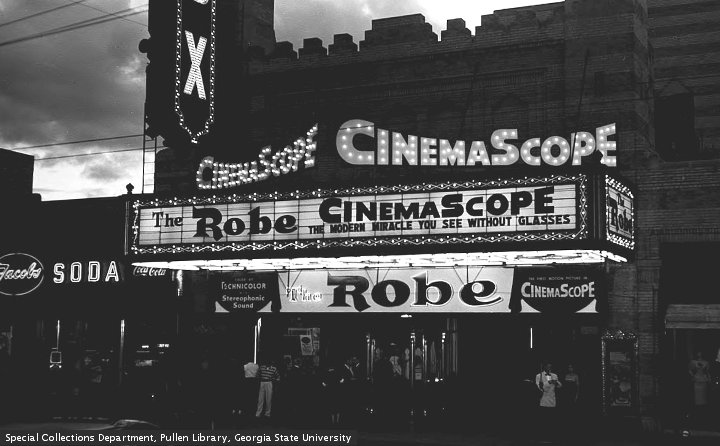
A couple of years later, PG spent the summer working at the Lenox Square Theater. The number two screen was a long skinny room. If you stood in the right place, you could hear the electric door openers of the Colonial Grocery store upstairs. The Bird salesmen were a feature at the mall that summer, which not everyone appreciated. This was the year of the second, and last, Atlanta Pop Festival. PG was not quite hip enough to make it. He was back in the city, taking tickets for “Fellini Satyricon”. The Bird was printing 26 pages an issue, with lots of ads, pictures, and the distinctive graphics of the era.
Stories about hippies, and the Bird, can be found at The Strip Project.
Pictures are from ” The Special Collections and Archives,Georgia State University Library” .
This is a repost, written like H.P. Lovecraft.


The Narco State Rag


This feature was written July 13, 2010. The situation in Afghanistan is little better. If we leave, the country falls into chaos. If we stay, we spend money we don’t have. It is a bitch.
Some people euphemize bitch by saying that something is a bear. Across the frontier from Afghanistan, the Russian bear is dealing with a heroin epidemic. Some say the United States suckered the Soviet Union into invading Afghanistan in 1979. The disastrous war that followed led to the fall of the Soviet Union. We are still dealing with the karma.
Tom Dispatch has an audio feature about Afghanistan, and the many unanswered questions about our war there. We invaded Afghanistan to get revenge for 911, and looked for a reason later.
At the 3:06 mark on the tape, when Tom makes a comment Afghanistan being a narco state. PG had a flash of understanding about the reason behind this war. This may even have been powerful enough to ignore the reports about a terror strike in September 2001, and let 911 happen.
The rumors of CIA involvement in drug trafficking are wide spread and long term. When planes went to Central America in the eighties to bring arms to the contras, they came back to the United States loaded with cocaine. There are stories of collusion with the government in Cuba. There are many, many more stories about connections between the US government and the drug trade.
When the Taliban took over Afghanistan, they cracked down on the poppy farmers. Much of the raw opium for heroin/morphine/opium is grown in Afghanistan. This was not a pleasing for the CIA.
Could it be that the real reason for our involvement in Afghanistan is to ensure the flow of narcotics into the hungry world? This would be a big cash cow for the CIA, although not enough to justify the amounts of money being spent on the conflict.
Pictures are from “The Special Collections and Archives, Georgia State University Library”.




More Death Penalty Drug Problems


The state of Ohio conducted an experiment. The idea was to execute Dennis McGuire. Since the agents of death used previously were not available, the state used “an injection of midazolam, a sedative, and hydromorphone, a morphine derivative.”
While Mr. McGuire did perish, it was not a smooth departure. “After being injected at 10:29 a.m., about four minutes later McGuire started struggling and gasping loudly for air, making snorting and choking sounds which lasted for at least 10 minutes. His chest heaved and his left fist clinched as deep, snorting sounds emanated from his mouth. However, for the last several minutes before he was pronounced dead, he was still.”
Botched executions are an old story. They predate the chemical executions, with grossout stories about hanging and electrocution. The architect of the current method of pharmaceutical elimination, Dr. Jay Chapman, reports “He added that he’s heard reports that in one execution, the IV needle was inserted incorrectly, pointing toward the prisoner’s hand rather than his body. “You have to be an idiot to do that,” said Chapman, who’s a forensic pathologist… He also criticized prison officials for inserting the IV inside the death chamber rather than beforehand. “It seems ridiculous to me to be trying to find a vein when everyone’s inside the chamber, feeling nervous and fiddling around trying to find the vein,” he said. “That’s just ludicrous to me.” These quotes are from an interview, where Dr. Chapman says, of the execution protocol, “It may be time to change it. There are many problems that can arise … given the concerns people are raising with the protocol it should be re-examined.”
Here is the story about the creation of the chemical injection protocol. Ohio is not the first state to stumble blindly into the business of dispatching inmates with an inter venous injection.
In 1977, Oklahoma enacted the first lethal injection statute. Its history illustrates the minimal inquiry legislators conducted before selecting a specific method of lethal injection. Facing the expensive prospect of fixing the state’s broken electric chair, the Oklahoma legislature was looking for a cheaper and more humane way to execute its condemned inmates. State Assembly member Bill Wiseman wanted to introduce a bill in the Oklahoma House of Representatives allowing for lethal injection executions in Oklahoma. In 1976, he approached the Oklahoma Medical Association for help developing a drug protocol, but it refused to get involved based on ethical concerns about the cooperation of medical professionals in the development of execution methods. Wiseman approached Dr. Jay Chapman, the state’s medical examiner, and asked for his help in drafting a lethal injection statute. Despite having “no experience with this sort of thing,” Chapman agreed to help Wiseman. Sitting in Wiseman’s office in the Capitol, Chapman dictated the following lines, which Wiseman jotted down on a yellow legal pad: “An intravenous saline drip shall be started in the prisoner’s arm, into which shall be introduced a lethal injection consisting of an ultra-short-acting barbiturate in combination with a chemical paralytic.” Meanwhile, State Senator Bill Dawson, concerned about the cost of replacing Oklahoma’s broken electric chair, was also interested in introducing a lethal injection bill in the Oklahoma Senate. Senator Dawson consulted with his friend, Dr. Stanley Deutsch, then head of the Oklahoma Medical School’s Anesthesiology Department. After reviewing the language Chapman had composed for Assembly member Wiseman, Deutsch noted, in a letter to Senator Dawson, that anesthetizing condemned inmates would be a “rapidly pleasant way of producing unconsciousness.”
Oklahoma’s state statute copies nearly word-for-word the methods proposed by Chapman and approved in Deutsch’s brief letter, stating that “the punishment of death must be inflicted by continuous, intravenous administration of a lethal quantity of an ultra-short-acting barbiturate” in “combination with a chemical paralytic agent until death is pronounced by a licensed physician according to accepted standards of medical practice.” There is no evidence that Oklahoma state legislators consulted any other medical experts before adopting their lethal injection statute. Human Rights Watch asked Chapman why he chose the two drugs (an ultra-short-acting barbiturate and a paralytic agent) for lethal injection executions. He stated: “I didn’t do any research. I just knew from having been placed under anesthesia myself, what we needed. I wanted to have at least two drugs in doses that would each kill the prisoner … if one didn’t kill him, the other would.” …
In addition to his work on the statute, Chapman developed the original three-drug protocol used by the Oklahoma Department of Corrections. Although Oklahoma’s statute specifies two drugs, Chapman included a third drug, potassium chloride. When Human Rights Watch asked Chapman why he added a third drug to the two drugs specified in the statute, he replied, “Why not?” He went on to explain that, even though the other chemicals, in the dosages called for, would kill the prisoner, “You just wanted to make sure the prisoner was dead at the end, so why not just add a third lethal drug?” He is not sure why he picked potassium chloride. “I didn’t do any research … it’s just common knowledge. Doctors know potassium chloride is lethal. Why does it matter why I chose it?”
This story illustrates the way states went about doing things. “We were getting ready to hang up the phone, and I said, ‘I have but just one question I need to ask you,” Courts said. “Every other state I have spoken to is using 2 grams of sodium pentothal. Why are y’all using five?’ And he started laughing and said, ‘Well, you see, when we did our very first execution, the only thing I had on hand was a 5-gram vial. And rather than do the paperwork on wasting 3 grams, we just gave all five.’”
The Oklahoma plan was copied by the other states looking for a different way to execute the condemned. It became known as the Kentucky Protocol, and was approved for use by SCOTUS. PG is not a lawyer, and does not know if this ruling applies to the Ohio method. The Buckeye state has several executions scheduled in the next two years. No executions are scheduled in Georgia.
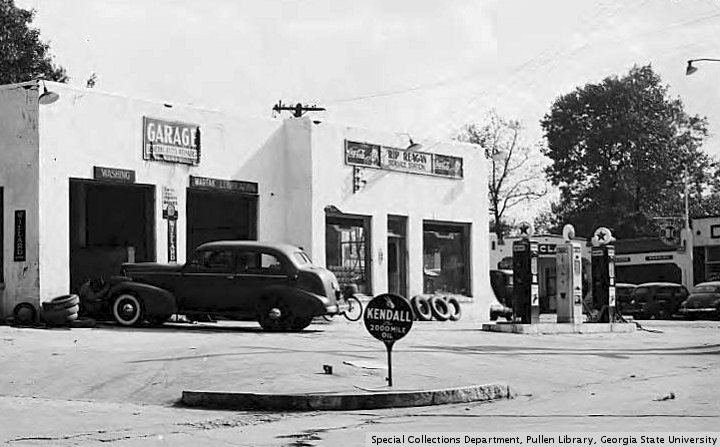
Pictures are from “The Special Collections and Archives, Georgia State University Library”.




Another Political Test



There is a link on twitter for a device which says “Try this short quiz to see which political party you side with.” This seems like a good way to wait for the rain to quit falling. Given the unsolved water issues in many parts of America, it will be interesting to see if this matter is addressed. Both thieves and robbers democrats and republicans are good at avoiding discussions of tough problems.
The test has a bit more nuance than many only facilities. A typical question is number one. “What is your stance on abortion?~ Learn more~ Pro-choice~ Pro-life~ Choose another stance.” After choosing an option, you go to the sliding scale to the left, and choose how important the issue is to you. It is a five point scale. The options are least, less, somewhat, more, most. It will be interesting to see how many superlatives a person can choose. The question given superlative importance by PG is “Should the military fly drones over foreign countries to gain intelligence and kill suspected terrorists?”
Several of the questions should have the option “my opinion doesn’t count.” “Should Congress raise the debt ceiling?” “Should we expand our offshore oil drilling?” Others discuss federal solutions to state issues. “Should the federal government allow the death penalty?”
There were 71 questions on the quiz. By the standards of political discourse, that probably qualifies as short. It was hosted by a website called isidewith. “We are not affiliated with any investors, shareholders, political party or interest group.” The results page has ads for the Norton antivirus product, and “click here to see arrest record”. The spell check suggestion for isidewith is sidewise.
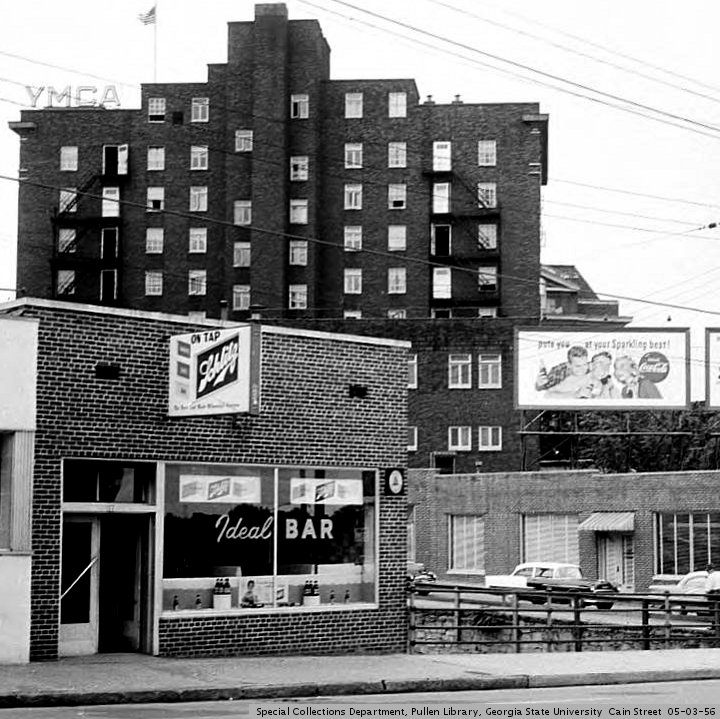
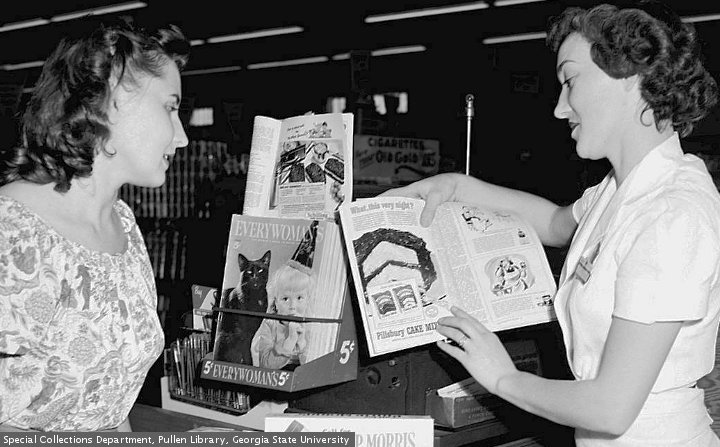
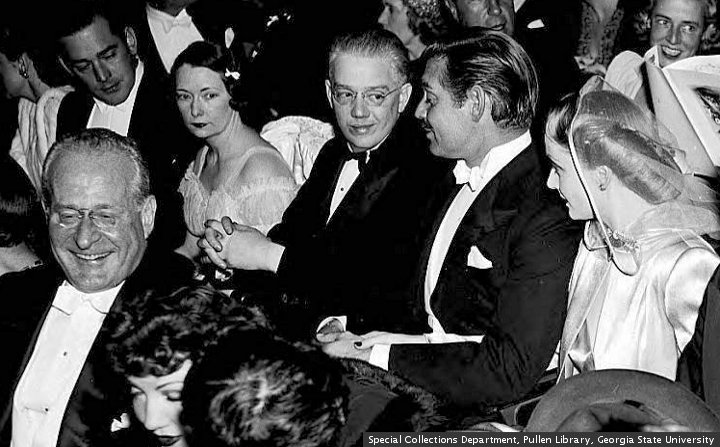
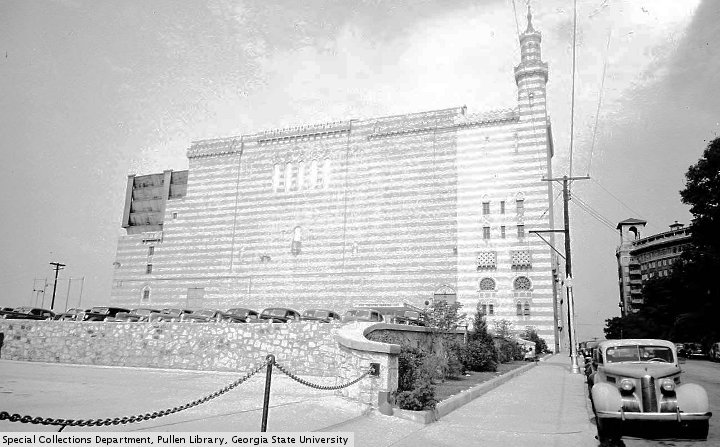
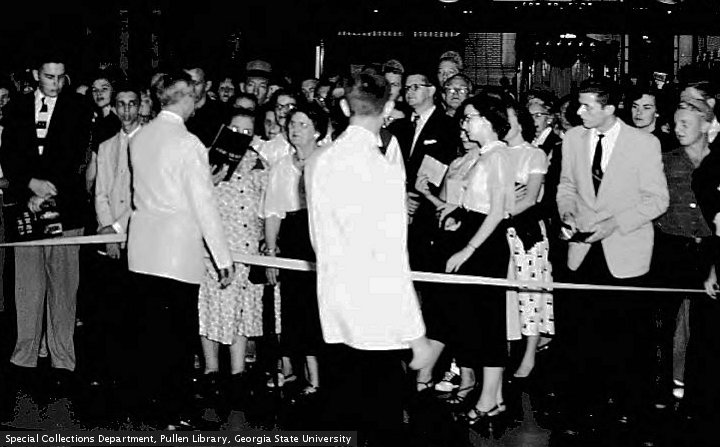
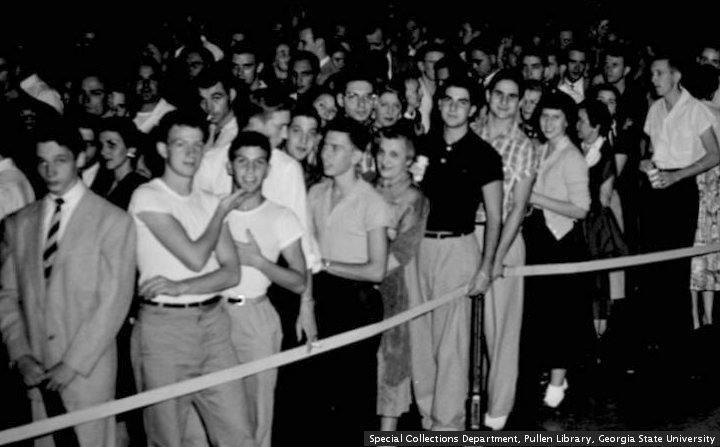
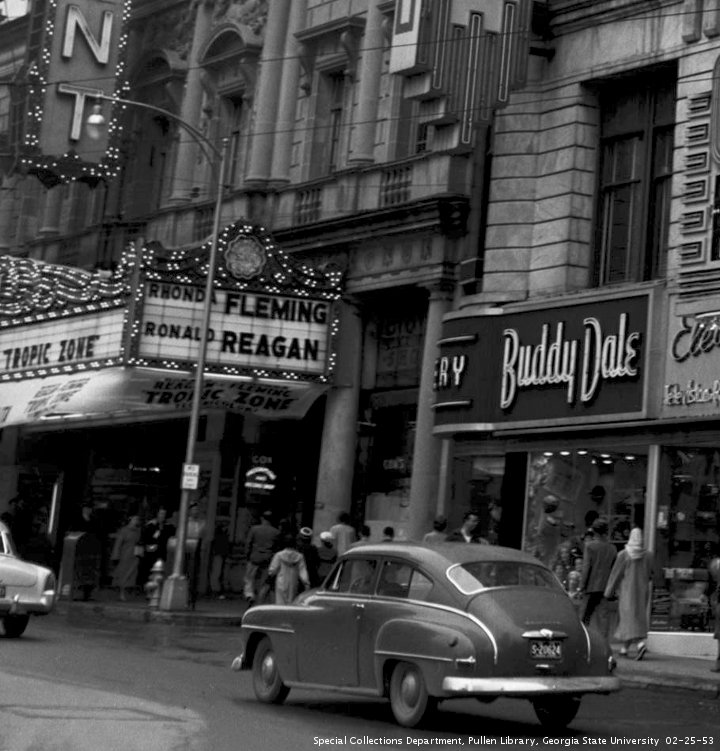
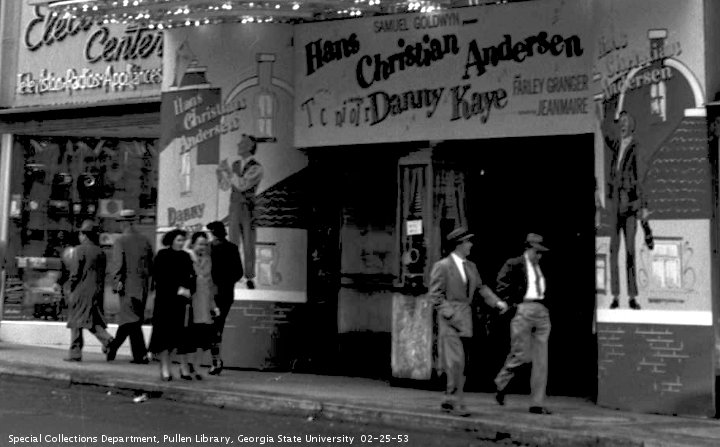
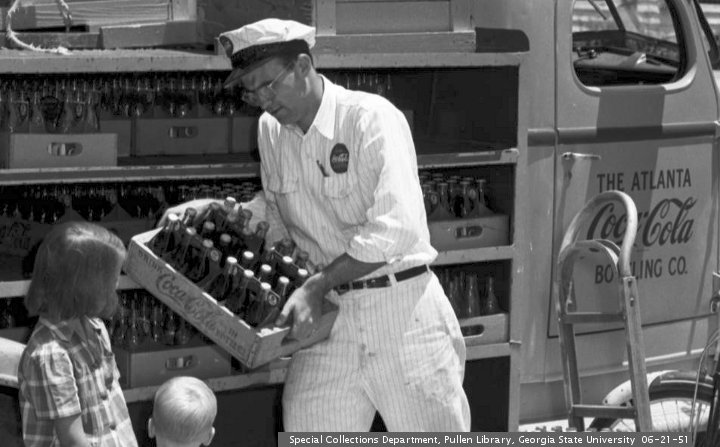
According to this test, PG sides with green 95%, democrat 93%, socialist 70%, libertarian 57%, republican 21%. PG chose not to advertise the test on twitter, facebook, google plus, or smoke signal. Pictures today are from “The Special Collections and Archives, Georgia State University Library”



 Chamblee54
2 comments