Gerrymandering

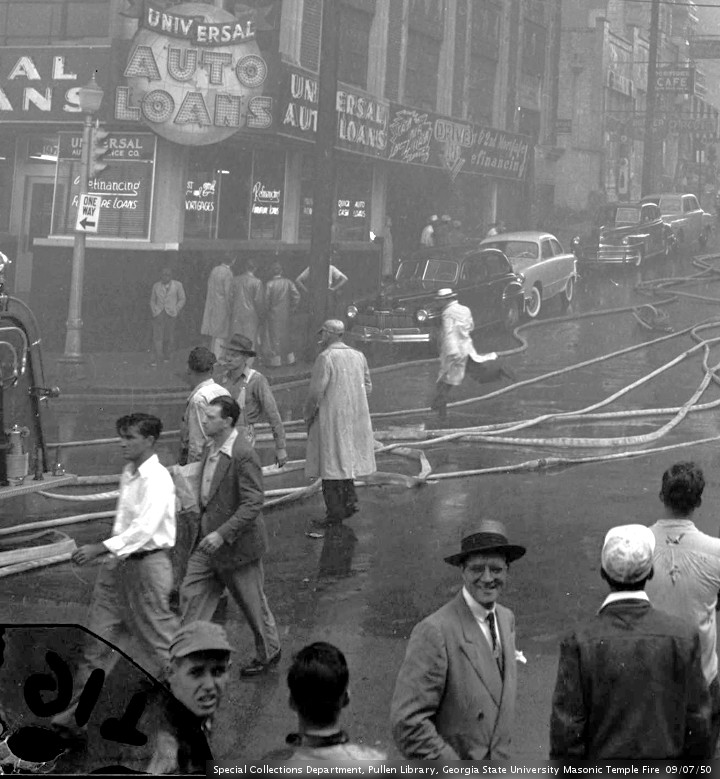

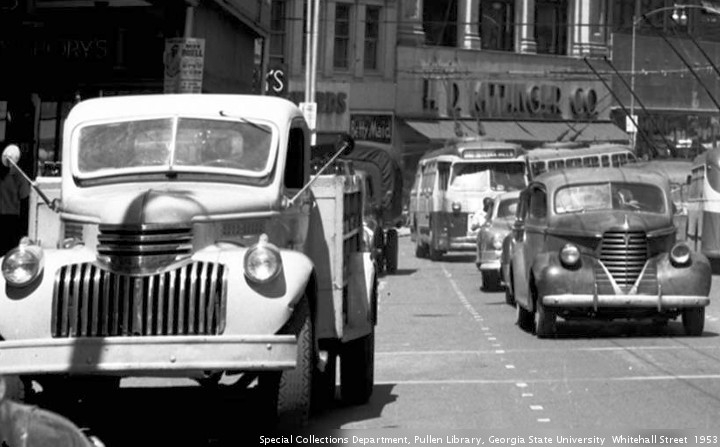
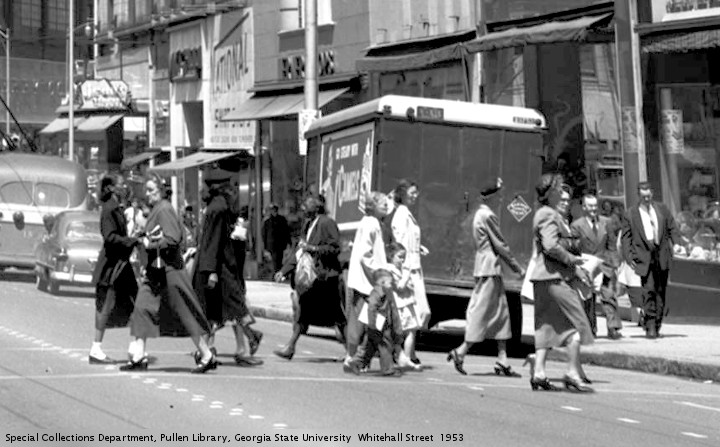

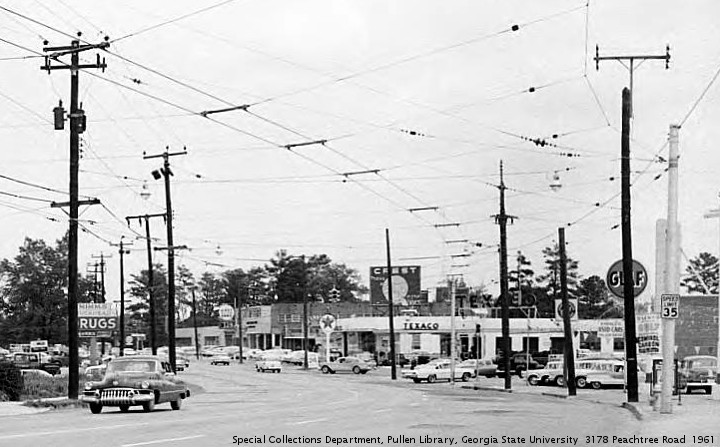
99% Invisible recently had an episode about gerrymandering. It was based on a series at FiveThirtyEight, The Gerrymandering Project Gerrymandering is like the weather: many people talk about it, but few know how it works. One former governor of California likes to say that we should terminate gerrymandering. The Austrian accent is a nice touch. This is a repost.
Gerrymandering is “the division of electoral districts for partisan political advantage.” The name dates back to Elbridge Gerry, one of the founding fathers. (…we should remember eight men who signed the Declaration of Independence, and later attended the Constitutional Convention … Elbridge Gerry (the namesake of gerrymandering) refused to sign the Constitution because it did not have a Bill of Rights.) When Mr. Gerry was Governor of Massachusetts, a bizarre district was drawn. It was said to look like a salamander, thus gerrymander.(Some purists say gary-mander.)
OK. How does it work? There are two terms used in the show, Cracking and Packing. “Cracking: Spreading like-minded voters apart across multiple districts to dilute their voting power in each. This denies the group representation in multiple districts. Packing: Concentrating like-minded voters together in one district to reduce their voting power in other districts. This gives the group representation in a single district while denying them representation across districts.” When you put these concepts into play, you start to cause brain damage.
The idea behind “The Voting Rights Act of 1965” was to safeguard the right of minorities to vote. The devil is in the details. “Section 2 of the Act, which closely followed the language of the 15th amendment, applied a nationwide prohibition against the denial or abridgment of the right to vote on the literacy tests on a nationwide basis. Among its other provisions, the Act contained special enforcement provisions targeted at those areas of the country where Congress believed the potential for discrimination to be the greatest. Under Section 5, jurisdictions covered by these special provisions could not implement any change affecting voting until the Attorney General or the United States District Court for the District of Columbia determined that the change did not have a discriminatory purpose and would not have a discriminatory effect.”
“In 1982, the North Carolina state legislature approved redistricting plans for the North Carolina State Senate and the North Carolina House of Representatives. The maps were challenged in United States District Court. The challengers alleged that the new maps “impaired black citizens’ ability to elect representatives of their choice in violation of Section 2 of the Voting Rights Act.” The district court ruled that six legislative districts violated the Voting Rights Act “by diluting the power of the black vote.” The decision was appealed to the Supreme Court of the United States.
On June 30, 1986, the high court ruled unanimously in Thornburg v. Gingles that five of the aforementioned six districts “discriminated against blacks by diluting the power of their collective vote.” … In Thornburg v. Gingles, the court also established three criteria that must be met in order “to prove claims of vote dilution under section 2 [of the Voting Rights Act]:” “The minority group must be able to demonstrate that it is sufficiently large and geographically compact to constitute a majority in a single-member district.” “The minority group must be able to show that it is politically cohesive.” “The minority must be able to demonstrate that the white majority votes sufficiently as a bloc to enable it usually to defeat the minority’s preferred candidate.”
In the post 1990 census redistricting, an effort was made to create “majority-minority” districts. This did enable some minorities, mostly African American, to elect people to congress. It also had the effect of creating highly republican districts. When you pack the (mostly democrat) black people in a district, the neighboring districts become more white, and more republican.
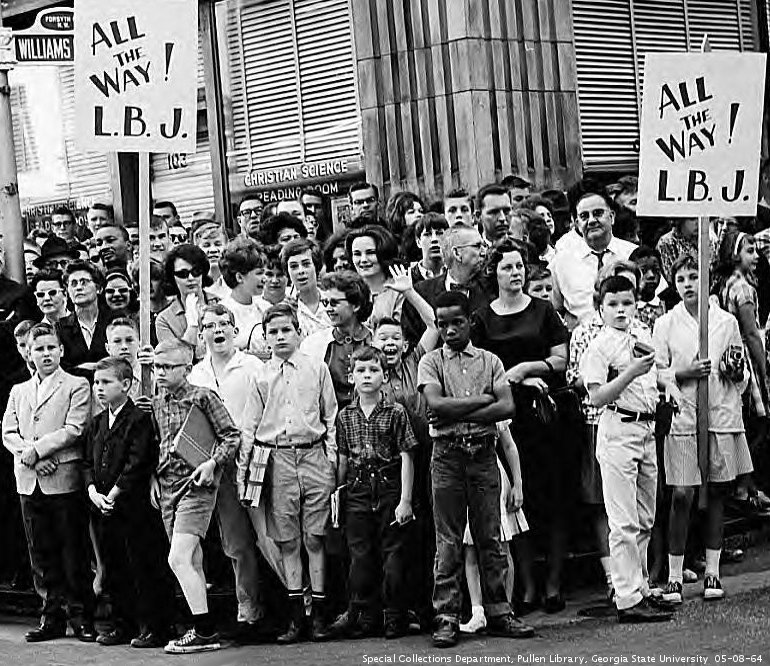
One of the states affected by this is Georgia. Congressional districts in the peach state have long resembled abstract expressionism. It got so bad in 1995 that the US courts had to draw the new districts. Court Draws Georgia Map Of Congressional Districts “The State Legislature, which is controlled by Democrats, ceded responsibility for drawing new Congressional lines to the courts in September when it failed to agree on a plan in a 20-day special session. That session was called after the United States Supreme Court ruled in June that Georgia’s 1992 Congressional map was unconstitutional because race played a dominant role in the configuration of the 11th District. Represented by Cynthia A. McKinney, who is black, the 11th snakes 260 miles through east Georgia, pulling pockets of black voters into a gerrymandered district that was intended to elect a minority candidate.” The bizarre district lines continue to this day.
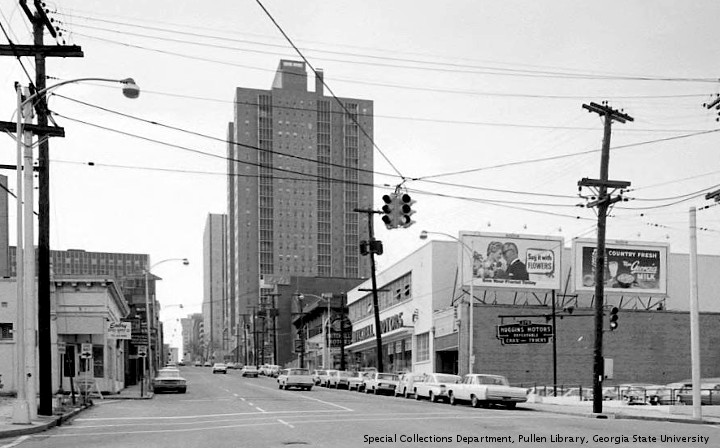
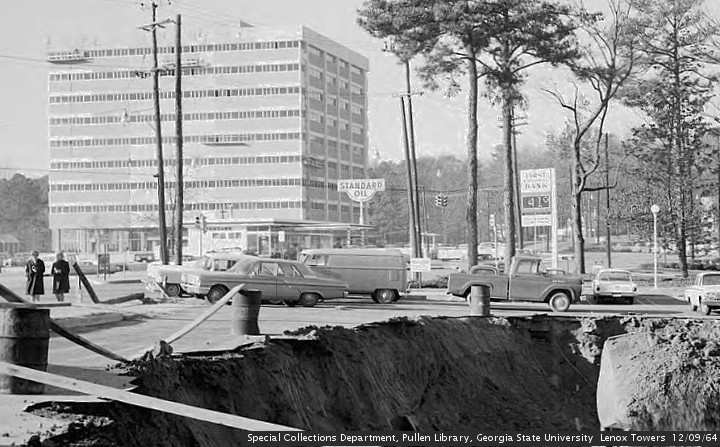
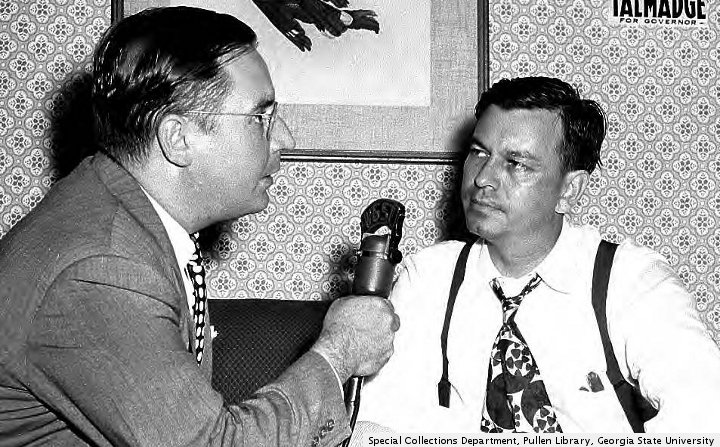
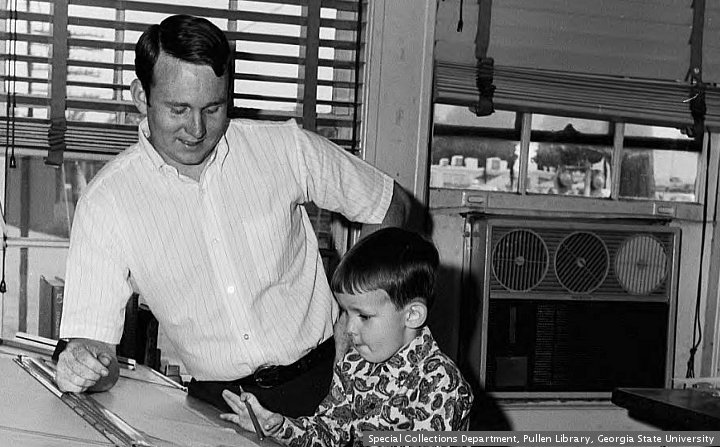
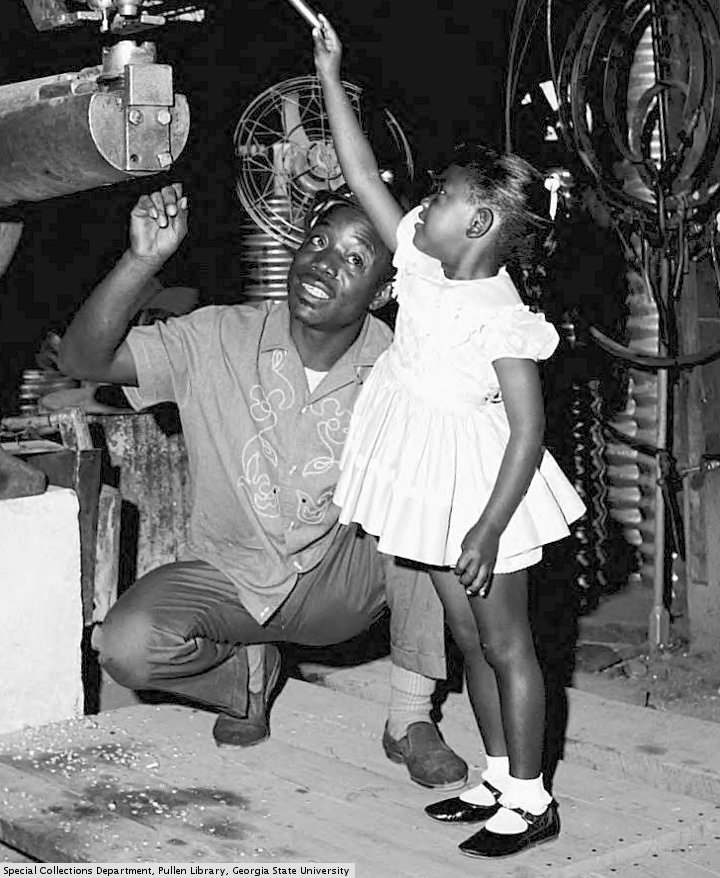
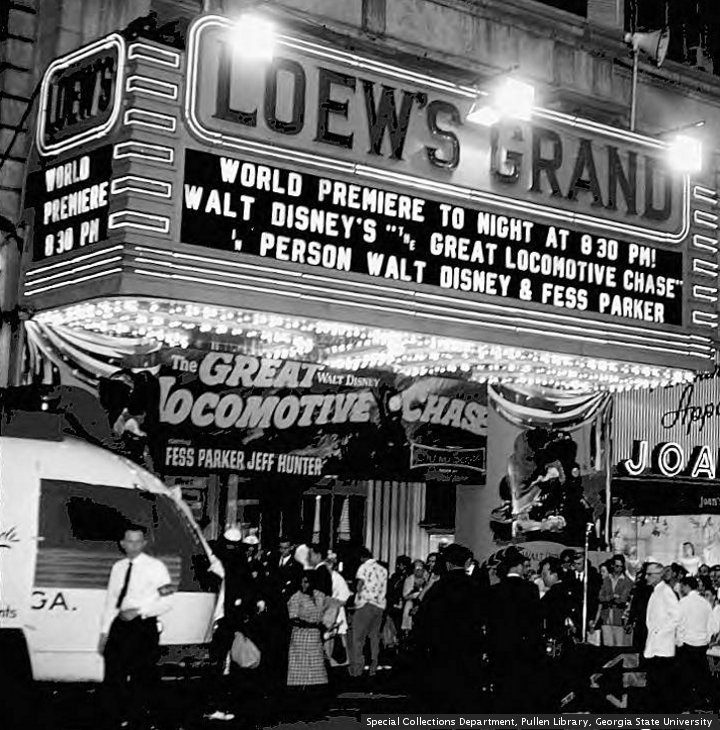
There are probably not any easy solutions. We you try to remedy one problem, like racial imbalance, you aggravate another one, like overly republican districts. Arizona tried using an independent commission. The meetings wound up on the Jerry Springer show. Do we want to choose our representatives, or do our representatives want to choose their voters? Pictures are from “The Special Collections and Archives, Georgia State University Library”.



Anthony Stephen Fauci




@maggieNYT “White House officials say they’ve given Fauci a lot of room to do interviews amid concerns he was being muted. But they question some of the interviews he’s given and how he has so much time for them.” Anthony Fauci has been in the hot seat before. In the eighties, he was blamed for not stopping AIDS. Now, Dr. Fauci is seen as a voice of reason. This is a repost.
“Anthony Stephen Fauci was born in New York City on Christmas Eve 1940, the second of Stephen and Eugenia Fauci’s two children. … Fauci has spent his entire professional career at the National Institutes of Health. He started as a clinical associate in the Laboratory of Clinical Investigation at the National Institute of Allergy and Infectious Diseases (NIAID) in 1968, after a two-year residency at The New York Hospital-Cornell Medical Center. By 1974, he was head of the clinical physiology section of the lab. In 1980, he became chief of the Laboratory of Immunoregulation (a position he still holds) and since 1984, he has been the director of NIAID.”
Things began to change in 1981. The “aha” moment was- it was the early summer of 1981. The CDC … puts out the Morbidity and Mortality Weekly Report … reported on their June 5, 1981 MMWR five men from Los Angeles who presented with a very unusual kind of pneumonia that you only see in people who have dramatically-suppressed immune systems. And I looked at it and said, “Wow, five gay men.” Why all gay men, and why this strange disease that you almost never see in healthy people? And they were supposedly completely healthy other than that. I thought it was a fluke.”
“And then one month later, on the July 4th of 1981, the next MMWR appeared … “Now 26 men, not only from L.A., but from San Francisco and New York, with not only this strange pneumonia, but this strange kind of cancer that you only see in people who are immunosuppressed.” And the thing that blew me away is that all of them were gay men. And I said, “Whoa. Something is going on here that’s really bad, and this is likely a new disease.””
“And I made what I consider the transforming decision in my own career: I decided I was going to stop what I had been doing-rather successfully-for the previous nine or ten years and devote myself completely to studying what I felt would be an enormously difficult disease, and it, unfortunately, turned out that that was the case.”
Seven years later, after staggering amounts of deaths and suffering, Dr. Fauci was scheduled to appear at a conference in San Francisco. ACT-UP was there to greet him. “An Open Letter to Dr. Anthony Fauci” San Francisco Examiner, June 26, 1988 “Anthony Fauci, you are a murderer and should not be the guest of honor at any event that reflects on the past decade of the AIDS crisis. Your refusal to hear the screams of AIDS activists early in the crisis resulted in the deaths of thousands of Queers. … You can’t hide the fact that you are nothing but a despicable Reagan-era holdover and drug company mouthpiece. With 270,000 dead from AIDS and millions more infected with HIV, you should not be honored at a dinner. You should be put before a firing squad. … You are a pill-pushing pimp that cooperates with drug companies in forcing dangerous concoctions down the throats of a desperate community that is brainwashed into believing that taking a pill, any pill, will help them. … Ten years of hope? Fuck that. Try a decade of death and greed. Go back to Washington you bastard.”
“Carol Brown Moskowitz … recalls running into a group of leather-clad men, many of them body pierced and draped in chains, in Washington’s Omni Hotel, in the fall of 1988. … When she asked one of them who they were, he told her that they were members of “Act Up,” and that they were going out to make some noise at the FDA about the AIDS epidemic and the lack of funding for research. … Fauci asked the police and the FBI on the NIH campus not to make arrests. He also asked that a handful of the demonstration’s leaders be brought to his office.”
“That began a relationship over many years that allowed me to walk amongst them,” Fauci says. “It was really interesting; they let me into their camp. I went to the gay bath houses and spoke to them. I went to San Francisco, to the Castro District, and I discussed the problems they were having, the degree of suffering that was going on in the community, the need for them to get involved in clinical trials, since there were no other possibilities for them to get access to drugs.”
In 2005, Fauci appeared on C-SPAN. “The toughest decision you’ve ever had to make?””Well, one of the toughest decision-I had a few-was when I made a decision during the middle of the early years of the AIDS pandemic to bring the activist community into our deliberations, because most of the scientific community, including my own staff, were totally against that. They said the activists would be disruptive, that they would get in the way of what the scientific approach would be.”
One of those activists was the infamous Larry Kramer, who wrote the open letter seen above. This 1993 chat with Kramer gives you a small taste.
“Natalie Angier wrote in The New York Times in February of 1994: “And through it all, Dr. Fauci accepts the criticisms, and he accepts that someone must absorb the anger and terror that AIDS has spawned, so why not somebody of strong vertebrae who was raised on the streets of Bensonhurst? “I was on a C-SPAN program a couple of months ago with Tony, and I attacked him for the entire hour,” said Mr. Kramer. “He called me up afterwards and said he thought the program went very well. I said, ‘How can you say that? I did nothing but yell at you.’ He said, ‘You don’t realize that you can say things I can’t. It doesn’t mean I don’t agree with you.” … “Dr. Fauci claims he does not take the intermittent blasts personally. “That’s the activist mode,” he said. “When there’s a disagreement their tendency is to trash somebody. But I know that when Larry Kramer says the reason we’re all in so much trouble is because of Tony Fauci, he’s too smart to believe that.”
A few years later, the outlook started to improve. “We have drugs right now … In the early ’80s, if someone came in to my clinic with AIDS … half of them would be dead in eight months. Now, if …someone comes into a clinic who is 20-plus years old who is relatively recently infected, and I put them on the combination of three drugs … if you take your medicine regularly, you could live an additional 50-five zero-years.”
“Fauci is married to Christine Grady … “I met him (Fauci) here over the bed of a patient who happened to be from Brazil. I was called in as a translator … And so they said, ‘Could you come translate for Dr. Fauci?’ whom I had not met—the inimitable Dr. Fauci— everybody was afraid of. When he came in, I thought, ‘What are they so afraid of him for? He is not so scary.’”
As Fauci tells the story on C-SPAN: “She was just this very attractive young nurse, and I said, “Very interesting.” … I was single. So I went back to my office. About a few days later, I told the head nurse, “Could you tell that nurse, Ms. Grady, to come to my office. I want to talk to her.” … So she walked into my office completely petrified that she was in trouble, and she sat there looking very nervous. I couldn’t figure out why she was nervous. So I looked at her and said, “Well, you know, I didn’t realize you had come here until just last week.” I said, “Would you like to go out for dinner sometime?” She just fell right through the chair, and she said, “Of course, I will.” And we got married a year later.”
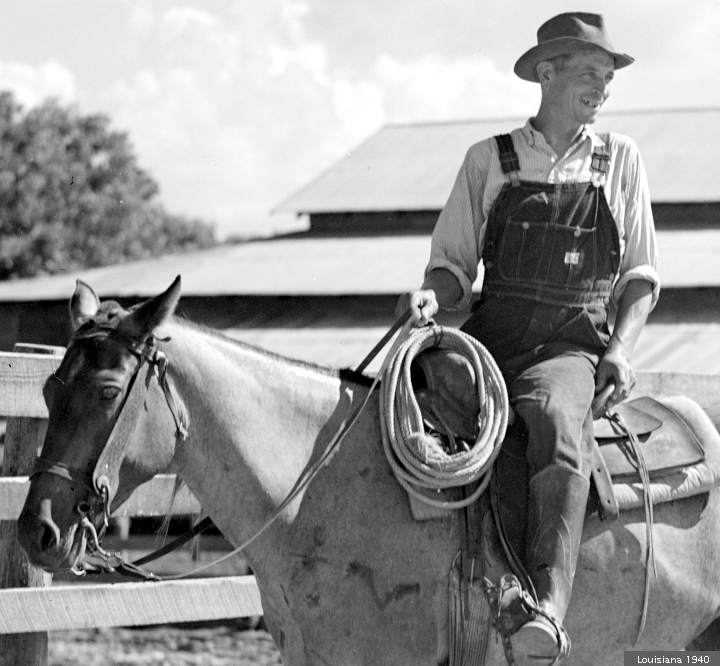
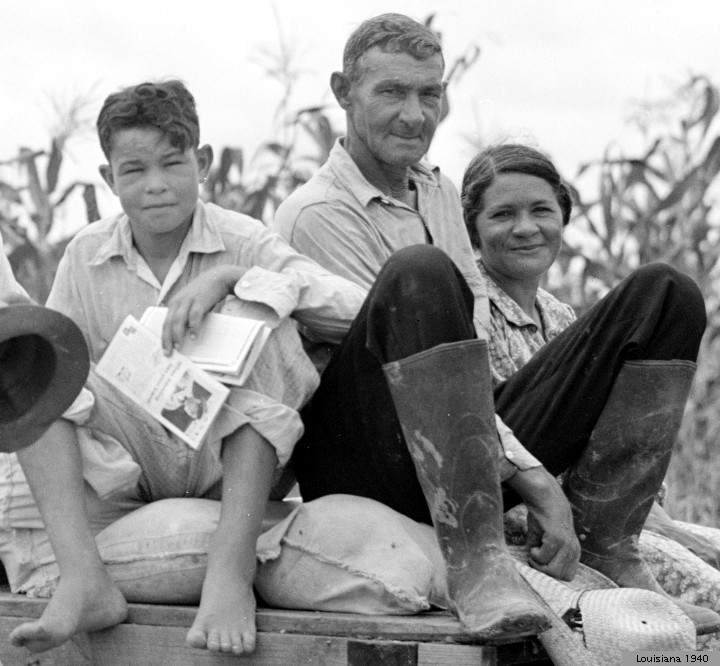
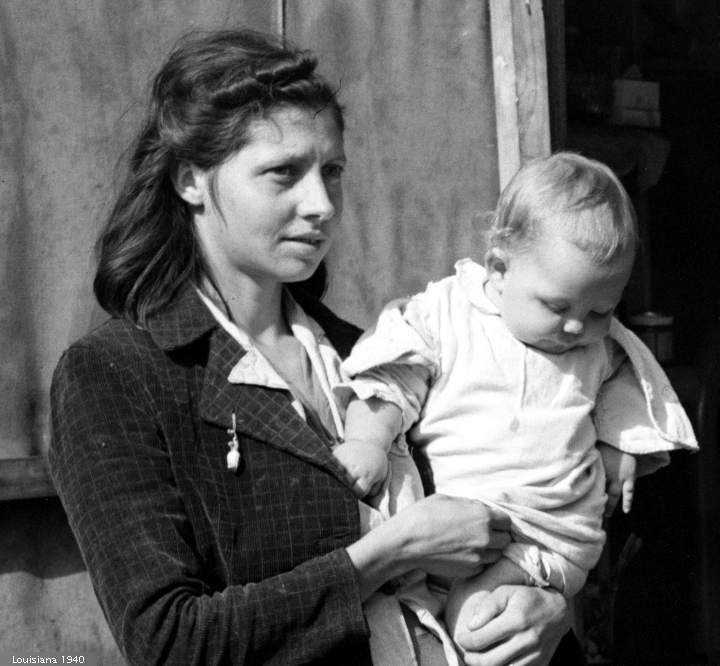
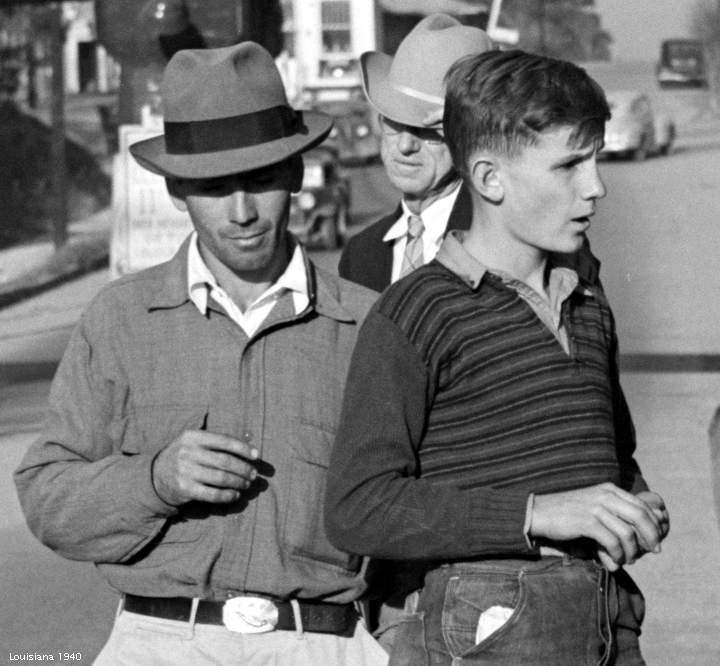
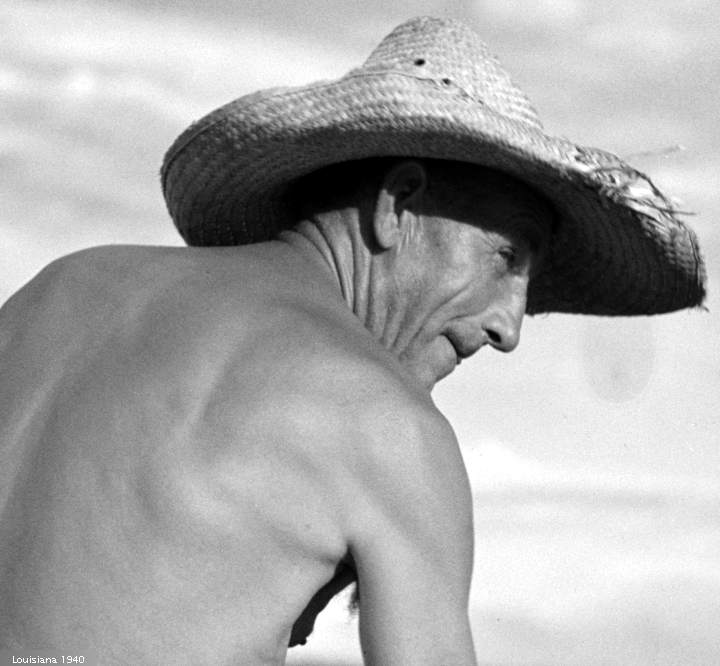
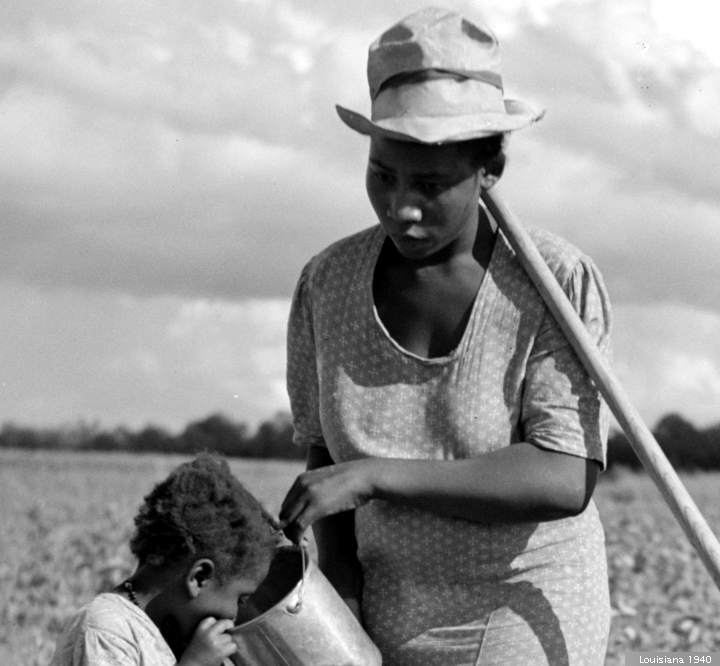
In today’s #metoo atmosphere, the director romancing a young nurse might not work as well. Pictures today are from The Library of Congress. Thanks to Holy Cross Magazine and C-SPAN




Shock And Awe Day

Eighteen years ago, Iraq teetered on the edge of regime change. It was obvious what was going to happen, at least at first. America was going to storm in, kill a bunch of people, and take over.
In post 911 America, the military industrial complex saw an opportunity for plunder, unrivaled since the fall of the Soviet Union. The stories of WMD would infect the body politic with fear of a mesopotamian madman. Saddam Hussein wanted Iran to think he has wonder weapons, and did not think America was serious about regime change. We all make mistakes.
In the eighteen years since the time of shock and awe, trillions of dollars have gone down the drain, dragging the mighty American economy along into the sewers of bankruptcy. One of the oldest civilizations of mankind was reduced to hiding, from neighbors, behind concrete barricades. They fought the conquerors with bombs triggered by garage door openers. Thousands of women and children have been murdered. The WMD were never found. This is a repost.
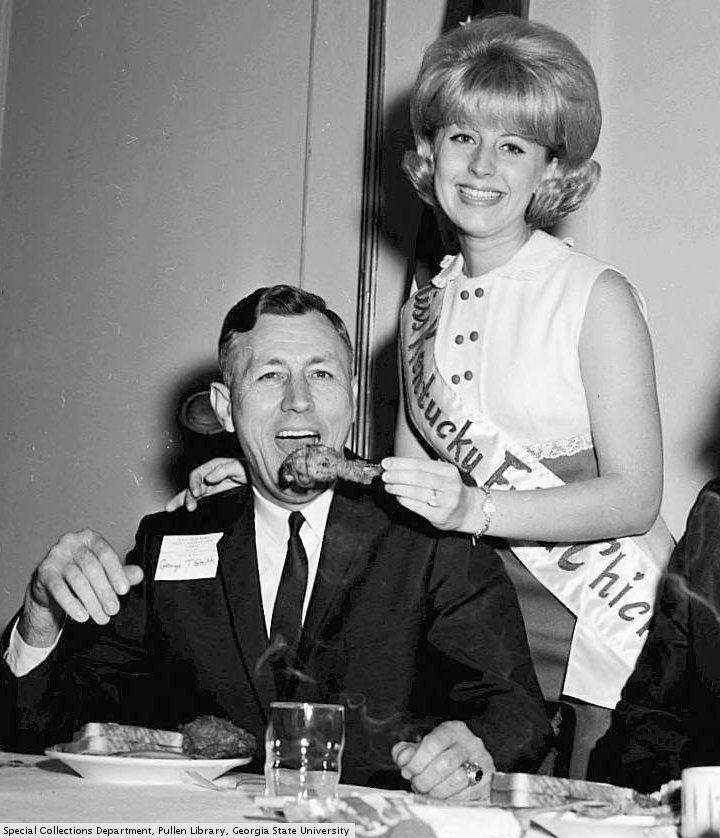
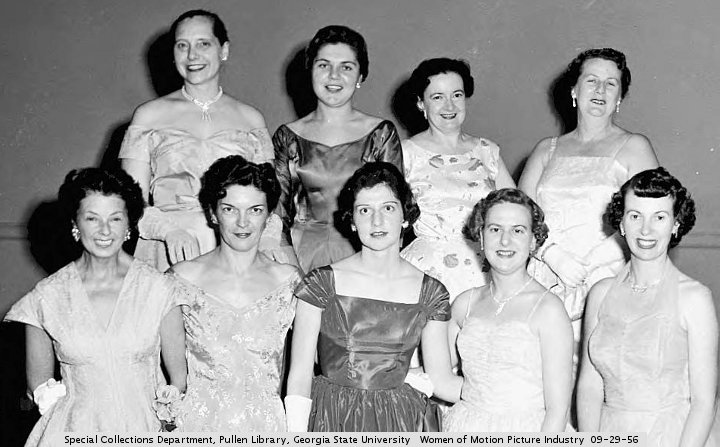
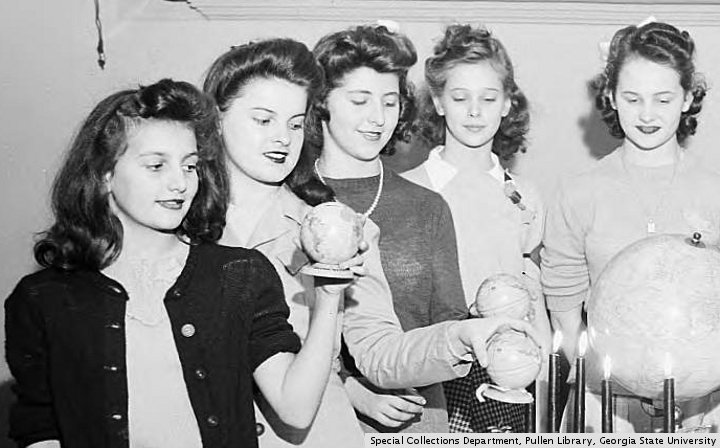
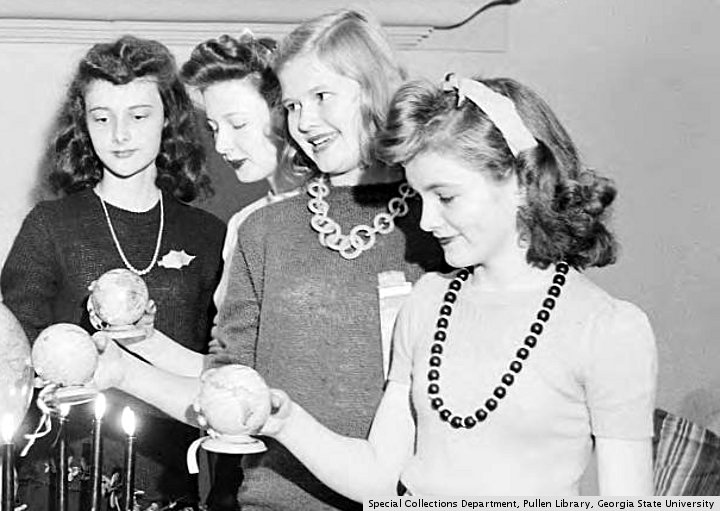
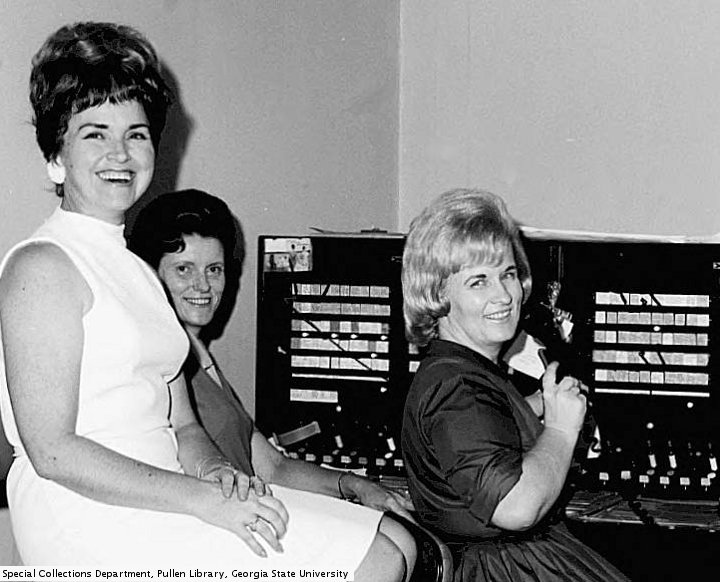
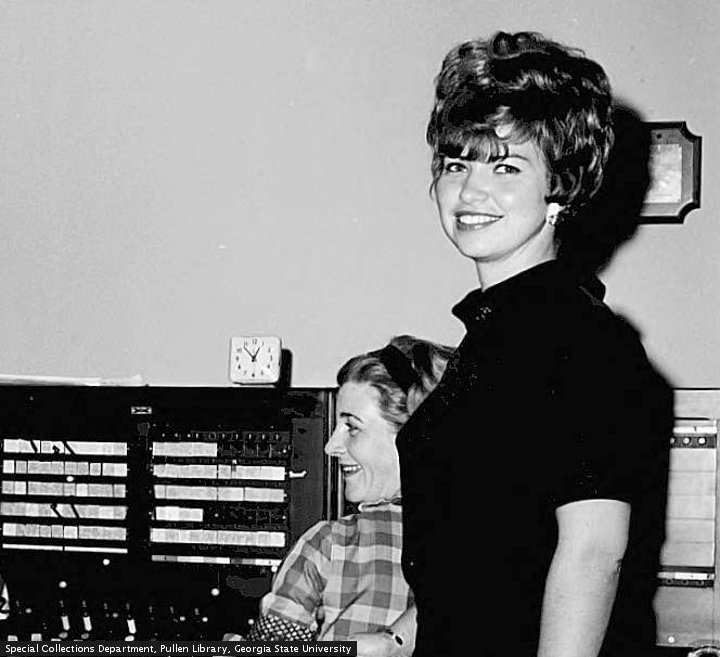
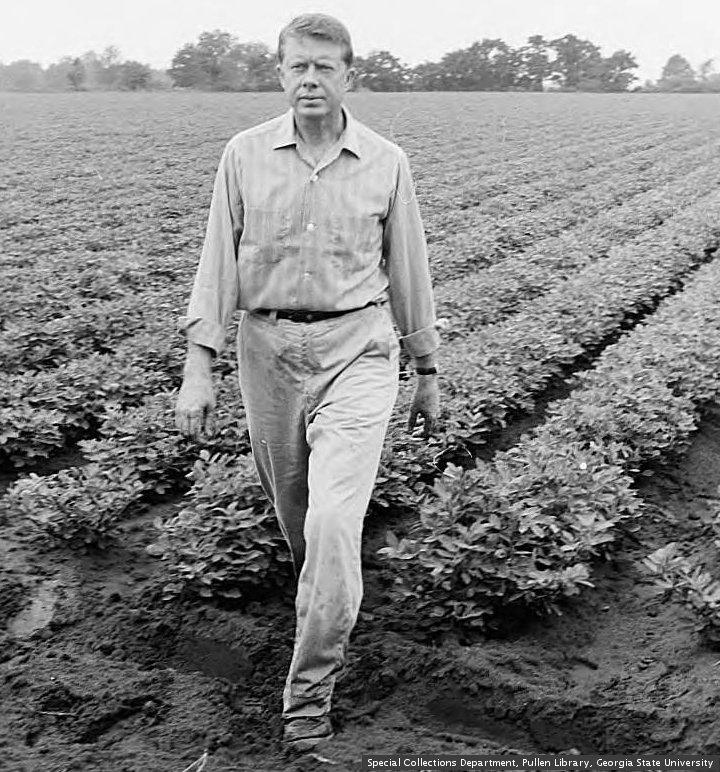
Pictures are from “The Special Collections and Archives, Georgia State University Library”.




Who Invented The Word Racism? Part Two

Last week this blog ran a story about the word racism. The story stated that the earliest use of the r-word was 1932. A comment led to The Ugly, Fascinating History Of The Word ‘Racism.’ Apparently, Col. Richard Henry Pratt used the word in 1902.
“The Oxford English Dictionary’s first recorded utterance of the word racism was by a man named Richard Henry Pratt in 1902. “Segregating any class or race of people apart from the rest of the people kills the progress of the segregated people or makes their growth very slow. Association of races and classes is necessary to destroy racism and classism.” Col. Pratt was speaking at the Lake Mohonk Conference of Friends of the American Indian.
It is always good to check out the context. Col. Pratt spoke at the Fourth session, Thursday Night, October 23, 1902. The event was well documented. There are some other noteworthy quotes.
“We have brought into our national life nearly forty times as many negroes as there are Indians in the United States. They are not all together citizen and equal yet, but they are with us and of us; distributed among us, coming in contact with us constantly, they have lost their many languages and their old life, and have accepted our language and our life and become a valuable part of our industrial forces.” The text capitalizes Indian, and presents Negro in lower case.
“It is the greatest possible wrong to prolong their Indianism, whether we do it for humanitarian or so-called scientific reasons. … The ethnologists prefer the Indian kept in his original paint and feathers, and as part and parcel of every exposition on that line. … It will be a happy day for the Indians when their ethnological value is of no greater importance than that of the negro and other races which go to make up our population.”
Col. Pratt “is best known as the founder and longtime superintendent of the Carlisle Indian Industrial School at Carlisle, PA.” While progressive for the times, many of the school’s policies were harsh.
“He pushed for the total erasure of Native cultures among his students. … The students’ native tongues were strictly forbidden — a rule that was enforced through beating. Since they were rounded up from different tribes, the only way they could communicate with each other at the schools was in English. … “In Indian civilization I am a Baptist,” Pratt once told a convention of Baptist ministers, “because I believe in immersing the Indians in our civilization and when we get them under, holding them there until they are thoroughly soaked.” … Pratt also saw to it that his charges were Christianized. Carlisle students had to attend church each Sunday, although he allowed each student to choose the denomination to which she would belong.” Carlisle closed in 1918.
“In 1875, Captain Richard Pratt escorted 72 Indian warriors suspected of murdering white settlers to Fort Marion in St. Augustine, FL. Once there, Pratt began an ambitious experiment which involved teaching the Indians to read and write English, putting them in uniforms and drilling them like soldiers. … News of Pratt’s experiment spread. With the blessing of Congress, Pratt expanded his program by establishing the Carlisle School for Indian Students to continue his “civilizing” mission. Although liberal policy for the times, Pratt’s school was a form of cultural genocide. The schools continued into the ’30s until administrators saw that the promised opportunities for Indian students would not materialize, theat they would not become “imitation white men.”
“Beginning in 1887, the federal government attempted to “Americanize” Native Americans, largely through the education of Native youth. By 1900 thousands of Native Americans were studying at almost 150 boarding schools around the United States. The U.S. Training and Industrial School, founded in 1879 at Carlisle Barracks, was the model for most of these schools. Boarding schools like Carlisle provided vocational and manual training and sought to systematically strip away tribal culture. They insisted that students drop their Indian names, forbade the speaking of native languages, and cut off their long hair.” As Col. Pratt said at the LMCFAI, “I also endorse the Commissioner’s short hair order. It is good because it disturbs old savage conditions.”
Col. Pratt was known for saying “Kill the Indian, and Save the Man” He probably meant that you should destroy the native culture, so the man inside could flourish. It is easy to misunderstand this type of rhetoric. The source of this phrase: “Official Report of the Nineteenth Annual Conference of Charities and Correction (1892), 46–59. Reprinted in Richard H. Pratt, “The Advantages of Mingling Indians with Whites,” Americanizing the American Indians: Writings by the “Friends of the Indian” 1880–1900 (Harvard University Press, 1973), 260–271.” There are some tasteful quotes.
“Inscrutable are the ways of Providence. Horrible as were the experiences of its introduction, and of slavery itself, there was concealed in them the greatest blessing that ever came to the Negro race—seven millions of blacks from cannibalism in darkest Africa to citizenship in free and enlightened America; not full, not complete citizenship, but possible—probable—citizenship.” Col. Pratt used African Americans as an example of how to assimilate Native Americans.
“The five civilized tribes of the Indian Territory—Cherokees, Choctaws, Chickasaws, Creeks, and Seminoles—have had tribal schools until it is asserted that they are civilized; yet they have no notion of joining us and becoming a part of the United States. Their whole disposition is to prey upon and hatch up claims against the government, and have the same lands purchased and repurchased and purchased again, to meet the recurring wants growing out of their neglect and inability to make use of their large and rich estate.”
The best known student at the Carlisle School was Jim Thorpe, coached by Pop Warner. Wa-thohuck was born May 28, 1888, near Prague OK, into the Sauk and Fox Nation. He won gold medals in the pentathlon, and decathlon, at the 1912 Olympic Games in Stockholm, Sweden. It later came out that he had been paid to play semi-pro baseball, and was not an amateur. The gold medals had to be forfeited. Pictures today are from The Library of Congress.
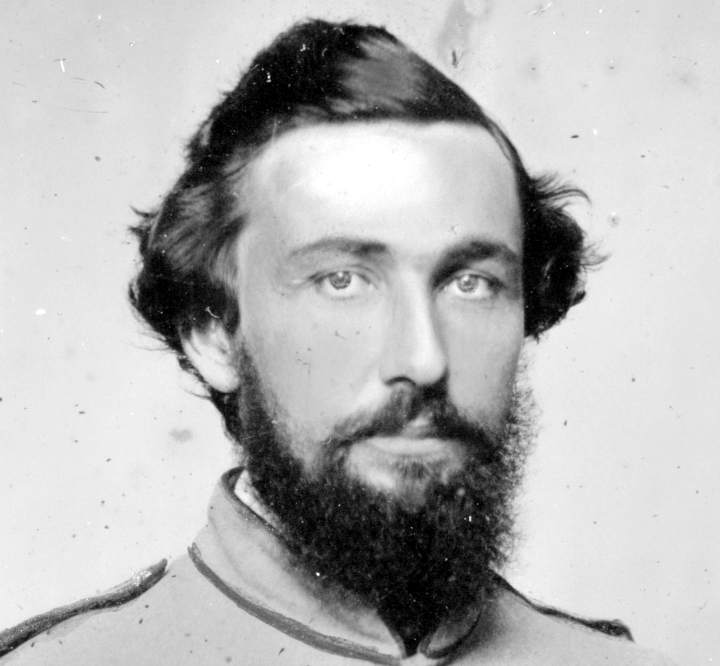
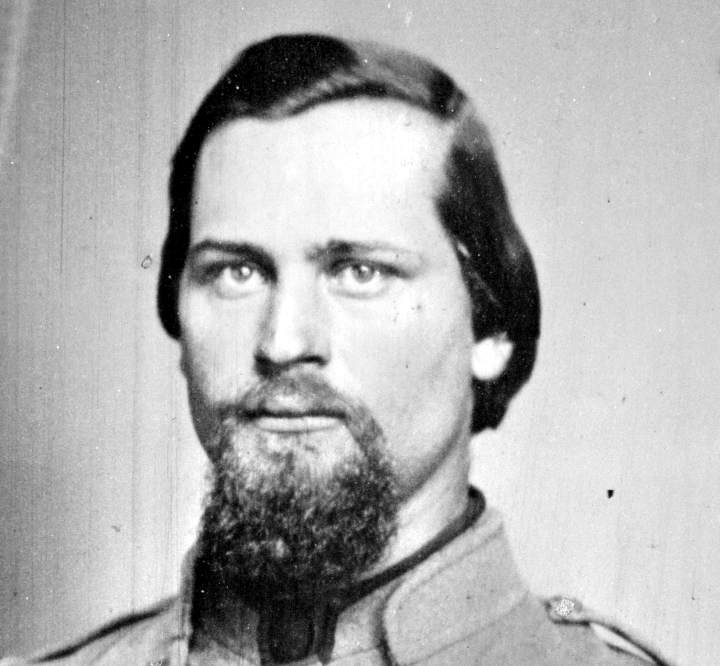
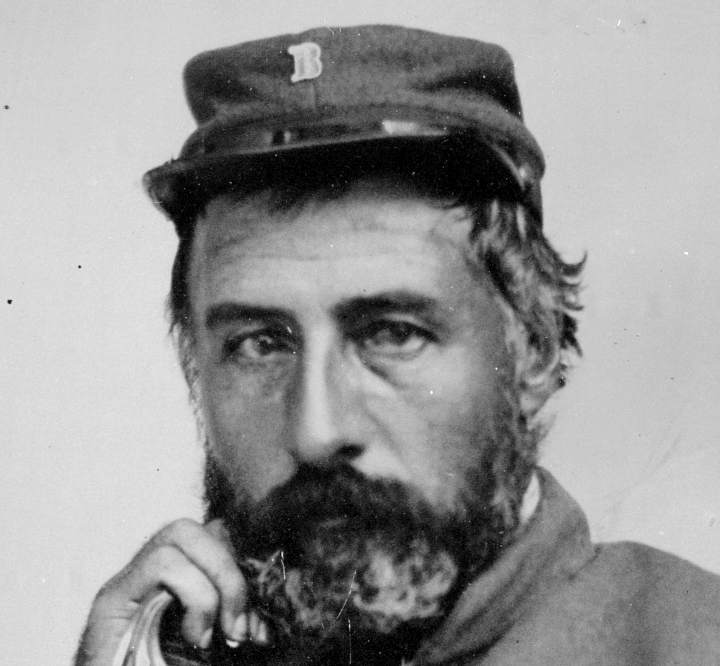
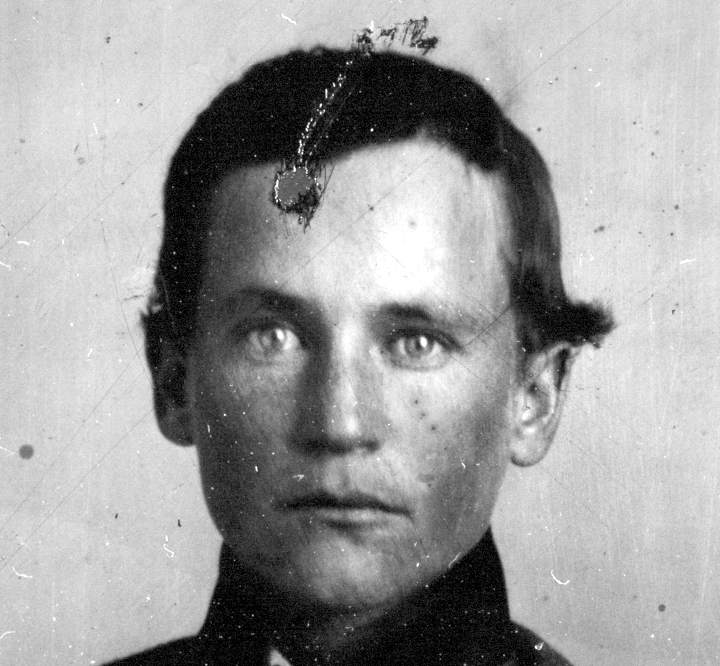
Are Hispanic/Latino People White?


While writing about homicide statistics and police killings, PG noted a quirk in the US government statistics. Hispanic/Latino people were listed as an ethnicity, rather than a race. The individual categories of White/Black/etc. included Hispanic/Latino people, where appropriate. This applies to US Census Bureau population statistics, as well as FBI crime statistics.
One quickly learns that there is no hard and fast rule about what racial category Hispanic/Latino people fall into. It appears to be a self determined choice. Many Hispanic/Latino people see themselves as Hispanic/Latino, and not White or Black, no matter what the Census Bureau says. There are indications that more Hispanic/Latino people chose White on the Census form in 2010, than in 2000. The numbers for 2020 are not yet available.
This is not an option for most African Americans, or for many European Americans. PG is Caucasian, with a Scottish last name. His racial identity has never been in doubt. This classification as White is not a source of pride or shame. It simply is who PG is. Most non-Hispanic Caucasians in the United States have a similar experience.
The Census questions are presented with the Hispanic question first, and the race question second. “NOTE: Please answer BOTH Question 5 about Hispanic origin and Question 6 about race. For this census, Hispanic origins are not races.”
You have to dig a bit to get the Hispanic/Latino race breakdown. You learn that Hispanic/Latino people see themselves, at least with the census bureau, as:
White – 53%
Black – 02.5%
Native American – 01.4%
Asian – 0.4%
Some other race – 36.7%
Two or more races – 06%
Pictures today are from The Library of Congress.


The Privilege Of Joyce Carol Oates
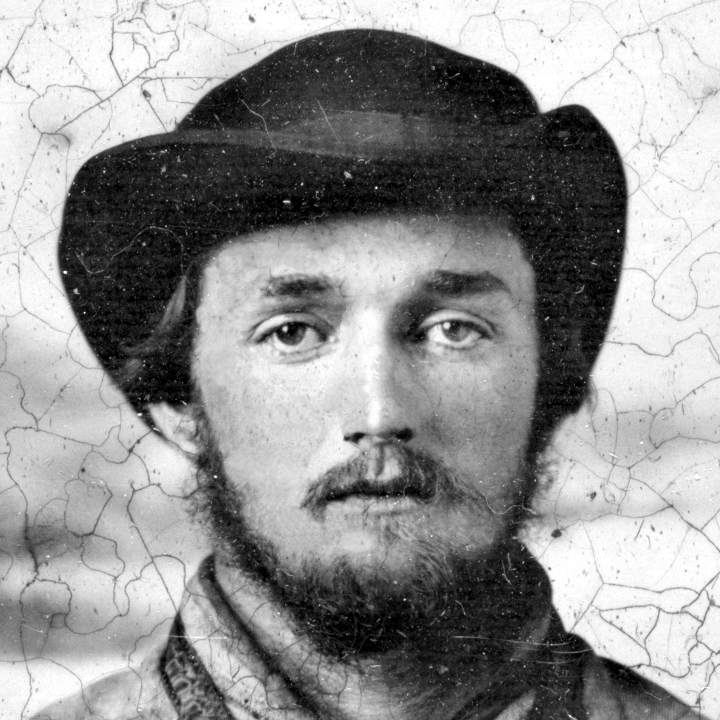
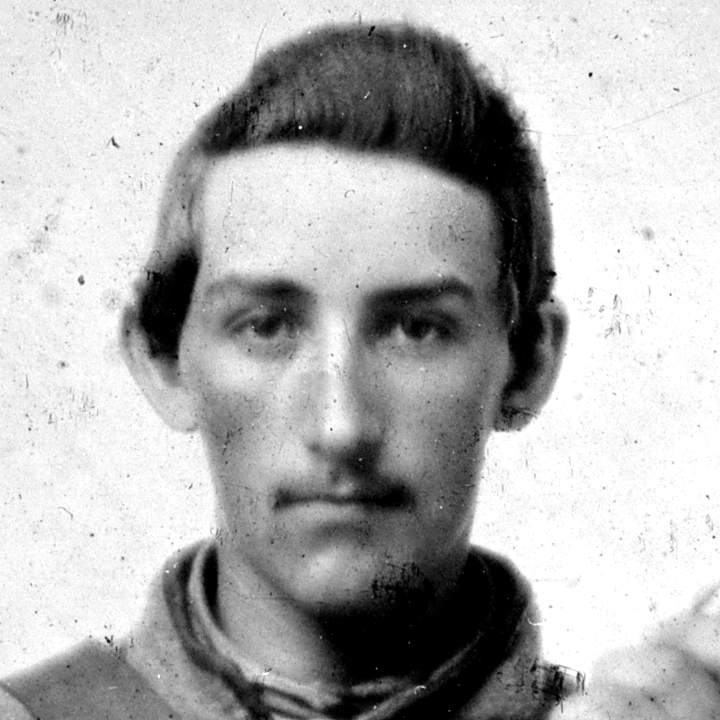
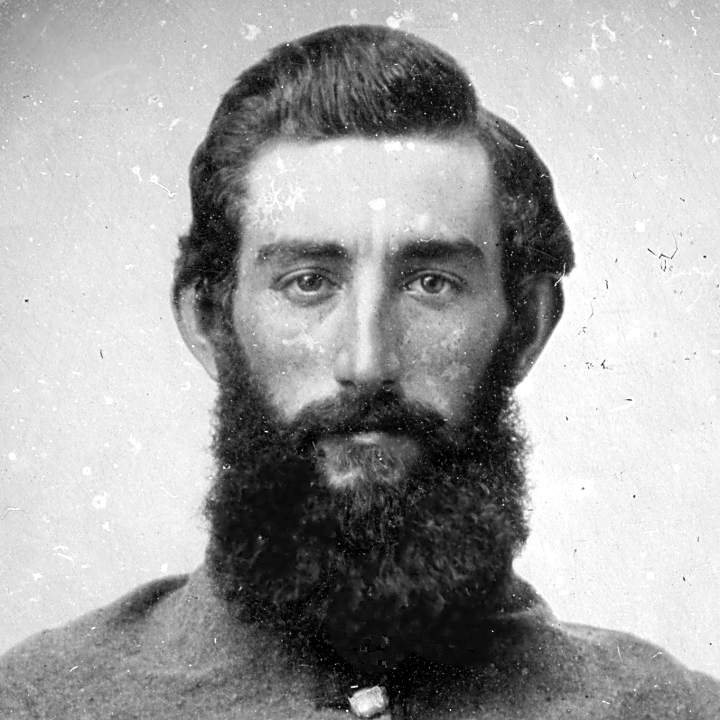

Joyce Carol Oates appeared on Bookworm 03/05/2015. She was promoting The Sacrifice: A Novel. TSAN is a work of fiction, based on the Tawana Brawley rape allegations. Here is what the show says:
“In The Sacrifice (Ecco), a novel drawn from a notorious racially-steeped case of the late eighties, Joyce Carol Oates speaks of the domino-effect that started with one sacrifice and led to another and another, eventually eviscerating an entire town. By inhabiting her characters from the marginal to the central, Joyce Carol Oates asks herself “what would I do?” In this way she brings emotional clarity to the chaos of public experience.”
As you might recall, Tawana Brawly accused men of raping her. This created a firestorm of controversy. As the book sales pitch says, ” domino-effect … eventually eviscerating an entire town.” When the authorities investigated, the story by Miss Brawley was seen to be a lie.
At the 7:30 mark in the show, JCO said “The tremendous impact of Ferguson MO and the aftermath of the Eric Garner case in New York City are relatively recent and this has a snowballing or avalanche effect on the protests across the nation have been very exhilarating and very wonderful and I’m completely on the side of the protesters”
There are things you can say about the protests over Eric Garner and Michael Brown. There is a lot of turmoil. People saying hateful things about their neighbor. Relations between black people and white people have suffered. This is what JCO calls exhilarating and wonderful.
Many people feel caught in the middle. Yes, there is a problem with the way some policemen treat black people. There is also a lot of heated misinformation being distributed. If you don’t believe everything you are told, you might be called a racist. This is what JCO calls exhilarating and wonderful. JCO clearly has a certain amount of privilege.
Typical of the Ferguson rhetoric is a piece in PuffHo, The 10 Kinds of Trolls You Will Encounter When Talking About Mike Brown. Number two, after “The Full-Blown Racist Troll,” is “The “Wait for Evidence” Troll.” No matter how many times you are lied to, if you don’t believe what you hear, you are a troll and a racist.
This blog posted a poem in November, when the Missouri grand jury released a decision. This decision was recently confirmed by the Department of Justice, albeit accompanied by stories of police misconduct. The poem said that justice should not be a popularity contest. The men Tawana Brawly accused might agree. O.J. Simpson probably has a few thoughts on the subject as well.
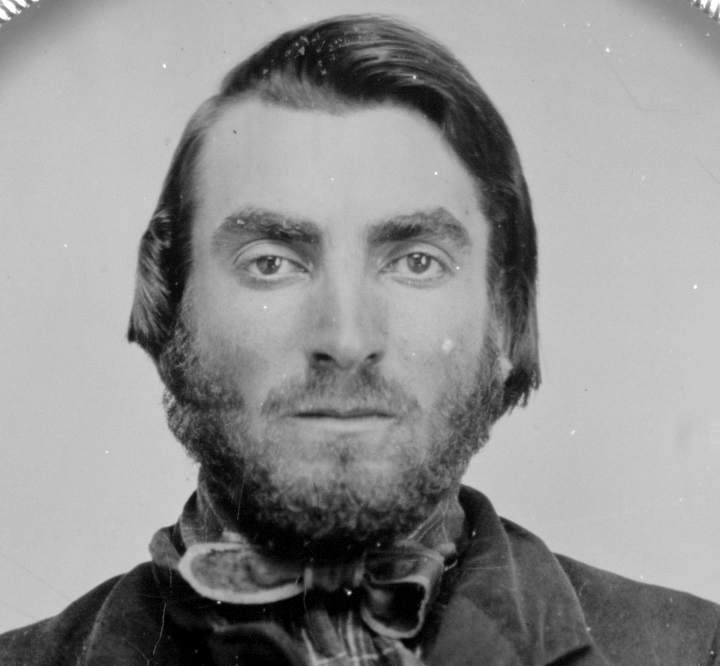
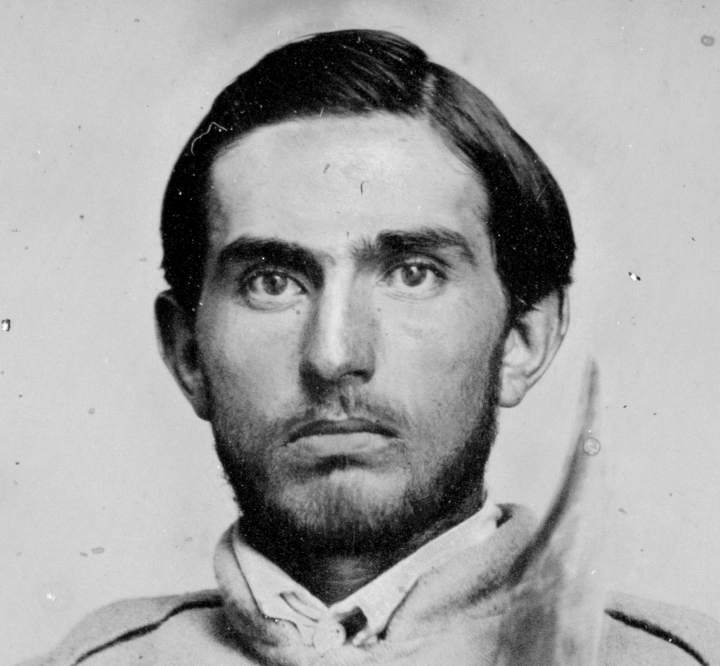
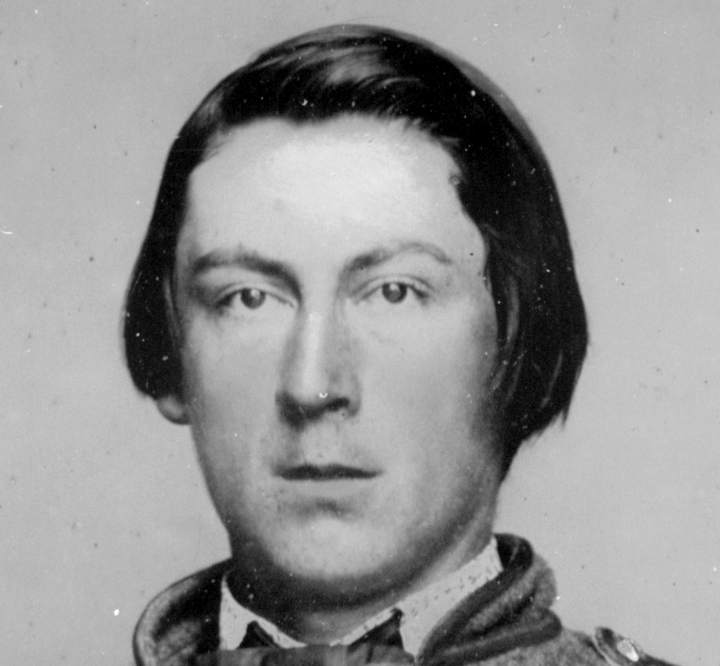
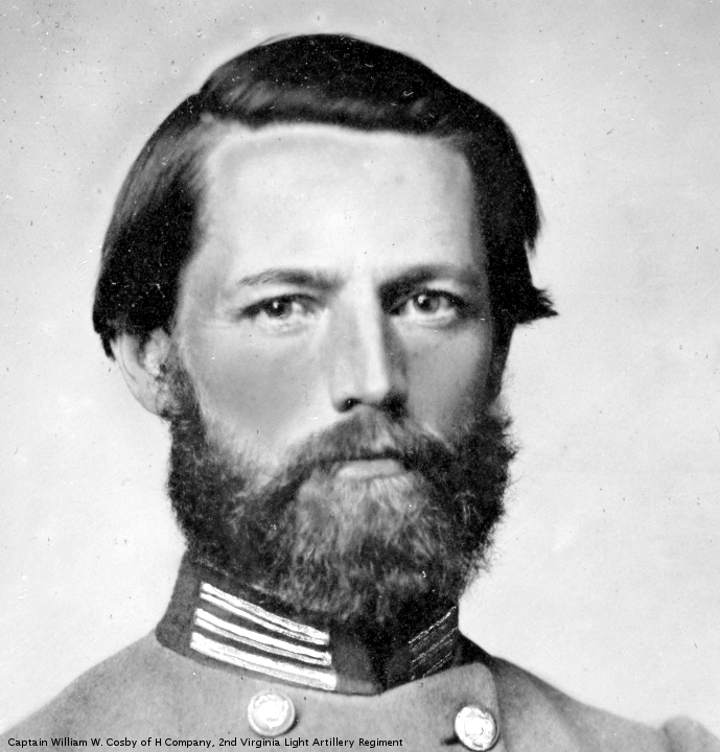
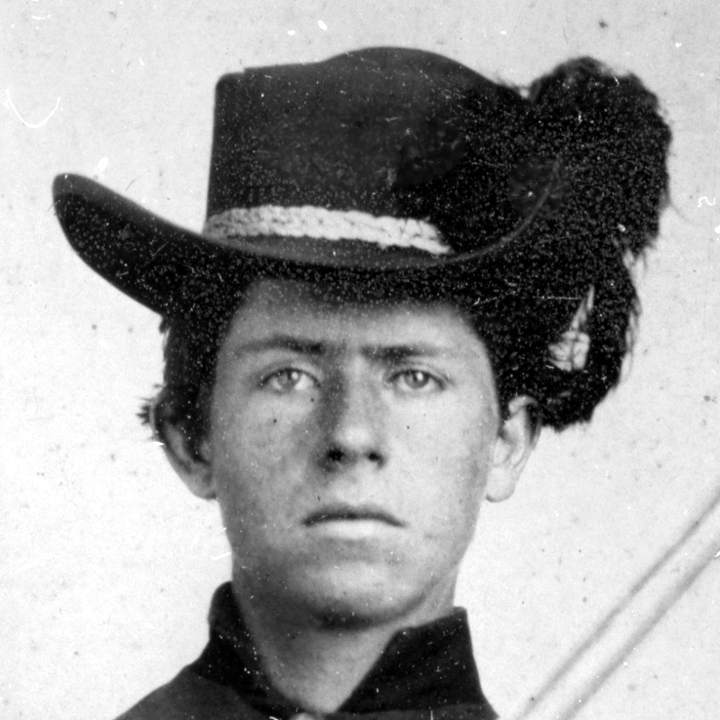
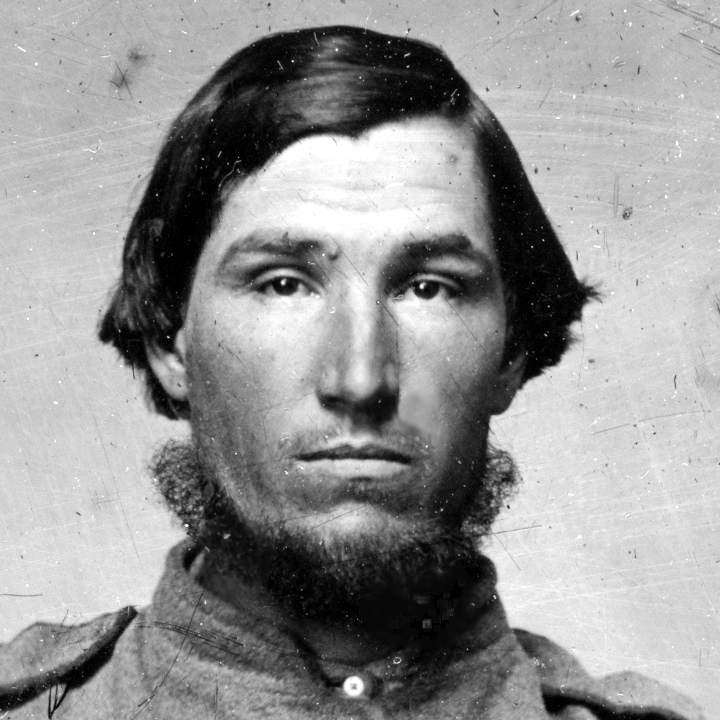
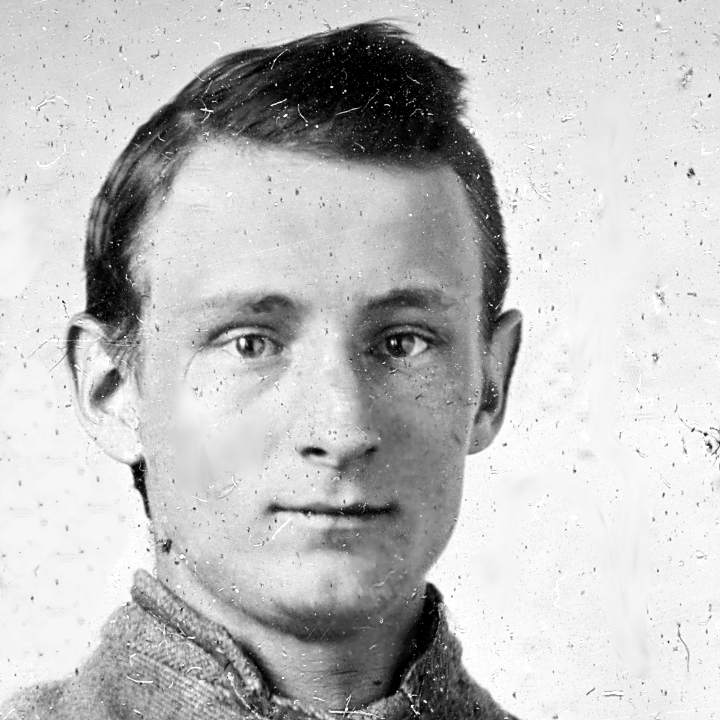
The next day, there was an anonymous comment at chamblee54. “Thanks Luthor, your racism never disappoints.” This is what JCO calls exhilarating and wonderful. This repost has pictures from from The Library of Congress. These are Confederate soldiers from the War Between the States.
Poverty, Inc.


Poverty, Inc. is a 2014 documentary about the do-good industrial complex. Governments, agencies, celebrities, and just plain folks are the players. They see a need in the third world, and rush in to help. Often, they do more harm than good. As the person in tsunami-hit Thailand, said to the man in earthquaked Haiti… you survived the disaster. Now lets see if you can survive the aid.
P,I was part of a documentary discussion series. The group used to meet in a church, watch the show together, and break into groups to talk. Now, the group sees the movie on their own, and meet on zoom. When asked how he likes to “give back,” PG says that he mutes his microphone when he is not speaking. This is also true of real life … mute yourself when it is not your time to speak.
One story is about rice in Haiti. The island nation used to have an indigenous food industry. Then big brother flooded the island with subsidized rice. The native industries could not compete, and faded away. The cycle of dependency moves on.
Someone (most of the Africans on camera spoke English) gave the analogy of a bonsai. One tree is outside, and grows very tall. The inside tree has a similar seed, but only grows to a meter tall. It cannot get taller, because the small pot cannot support a large tree.
What this analogy does not mention is the 99.9% of seeds that never get to germinate. Even if they do become a plant, the forest is a competitive place. Most trees never get to grow tall. The bonsai is in a controlled environment, with limited growth opportunities. Even at a meter tall, it does get to live. That seed did better than almost all the rest.
A viewing service was used to view P,I. The movie was supported by advertising. These commercials seem to be inserted at random, sometimes in the middle of a sentence. It is jarring to be watching a first world/third world story, and then be interrupted by a flashy sales pitch for auto insurance. There is an irony of using third world suffering, to draw eyeballs to 21st century capitalism.
The old story of the emperor’s new clothes comes to mind. Many of the people in the poverty industrial complex work for the emperor’s tailor. The travel the world, and make a good living. It is in their best interest to keep the racket going.
Bill Clinton makes an appearance. He says, in effect, that he tried to help, and wound up creating more problems. We cannot expect to hear anything like that from Donald J. Trump. P,I was filmed in 2014, when Mr. Trump was a reality tv star. Perhaps by doing little to help the do-good industrial complex, Mr. Trump wound up doing less harm.
Pictures today are from The Library of Congress.


The Narco State Rag


This feature was written July 13, 2010. The situation in Afghanistan is little better. If we leave, the country falls into chaos. If we stay, we spend money we don’t have. It is a bitch.
Some people euphemize bitch by saying that something is a bear. Across the frontier from Afghanistan, the Russian bear is dealing with a heroin epidemic. Some say the United States suckered the Soviet Union into invading Afghanistan in 1979. The disastrous war that followed led to the fall of the Soviet Union. We are still dealing with the karma.
Tom Dispatch has an audio feature about Afghanistan, and the many unanswered questions about our war there. We invaded Afghanistan to get revenge for 911, and looked for a reason later.
At the 3:06 mark on the tape, when Tom makes a comment Afghanistan being a narco state. PG had a flash of understanding about the reason behind this war. This may even have been powerful enough to ignore the reports about a terror strike in September 2001, and let 911 happen.
The rumors of CIA involvement in drug trafficking are wide spread and long term. When planes went to Central America in the eighties to bring arms to the contras, they came back to the United States loaded with cocaine. There are stories of collusion with the government in Cuba. There are many, many more stories about connections between the US government and the drug trade.
When the Taliban took over Afghanistan, they cracked down on the poppy farmers. Much of the raw opium for heroin/morphine/opium is grown in Afghanistan. This was not a pleasing for the CIA.
Could it be that the real reason for our involvement in Afghanistan is to ensure the flow of narcotics into the hungry world? This would be a big cash cow for the CIA, although not enough to justify the amounts of money being spent on the conflict.
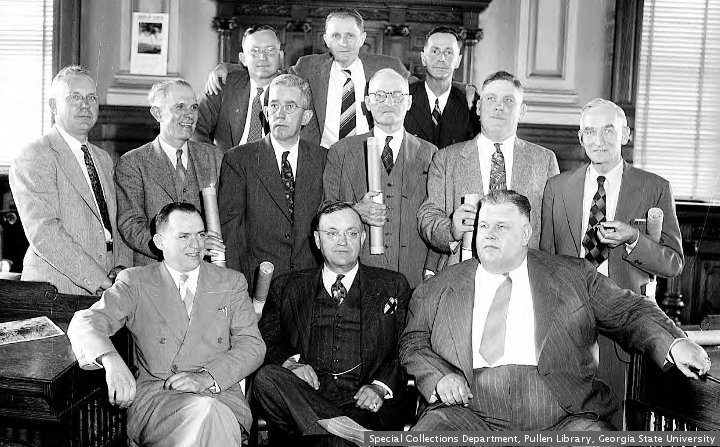
Pictures are from “The Special Collections and Archives, Georgia State University Library”.




Inaugurations

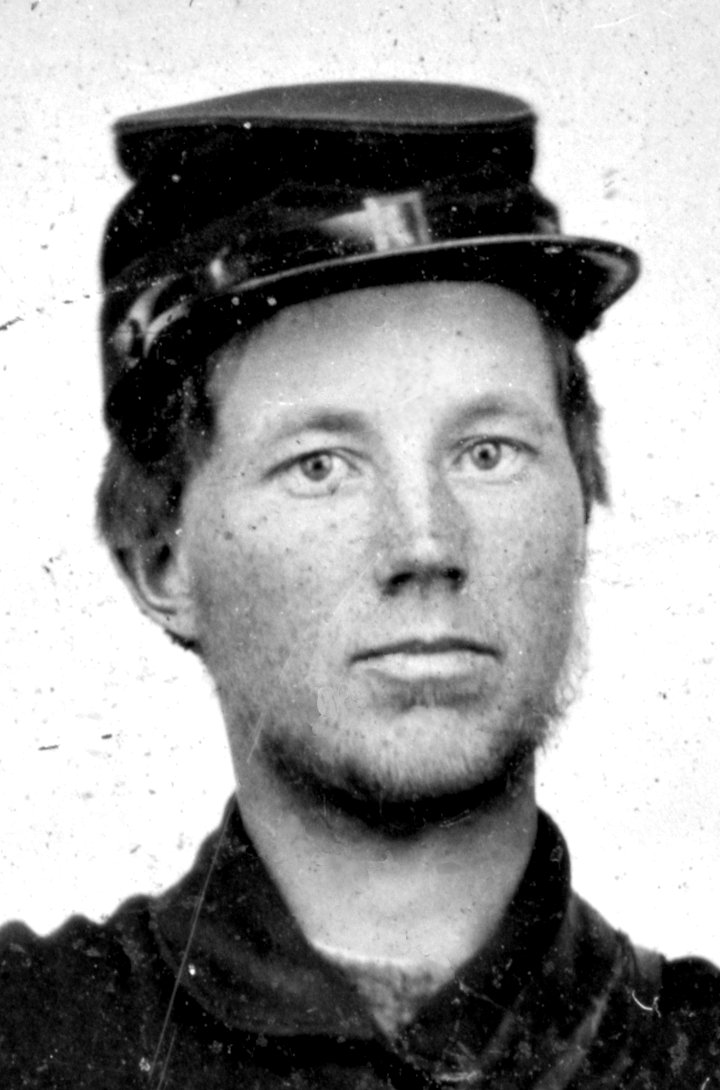
The happy historians at backstory have a timely feature, Four More Years – Presidential Inaugurations. There are a few stories.
George Washington was afraid of acting like a king. No one knew just how the office of President would turn out. Honest George stood on a New York balcony, took the oath, and gave a tasteful speech. The wooden teeth worked well.
Probably the most exciting inaugural was in 1876. The country had endured eight years of Ulysses Grant, and was ready to elect a Democrat. The Republicans were good at dirty tricks, and got Rutherford Hayes elected, despite losing the popular vote. The Democrat, Samuel Tilden, had a power base in New York, and was rumored to have an army. The possibility of an armed fight over the election was real. Cooler heads prevailed. Mr. Hayes was allowed to take his ZZ Top beard into the oval office. Four years later James Garfield was sworn in, not knowing what was in store.
In 1865, the country had endured four brutal years of internal war. Abraham Lincoln wanted to start the recovery process. His speech is regarded as the best inaugural speech ever.
Backstory makes a point that few have thought about. They said that Mr. Lincoln was a lousy public speaker. The reason his inaugural speech is famous today is because copies of the text were printed in newspapers. This makes sense, as less than an hundred people probably heard his unamplified, unrecorded, address. This would also account for the popularity of the Gettysburg Address.
Today, it is the medium, rather than the message. We are inundated with clever words, designed to uplift, improve, educate, and motivate. With everyone screaming, no one is heard. It is tough to imagine an inaugural today having the impact of the ones in history.
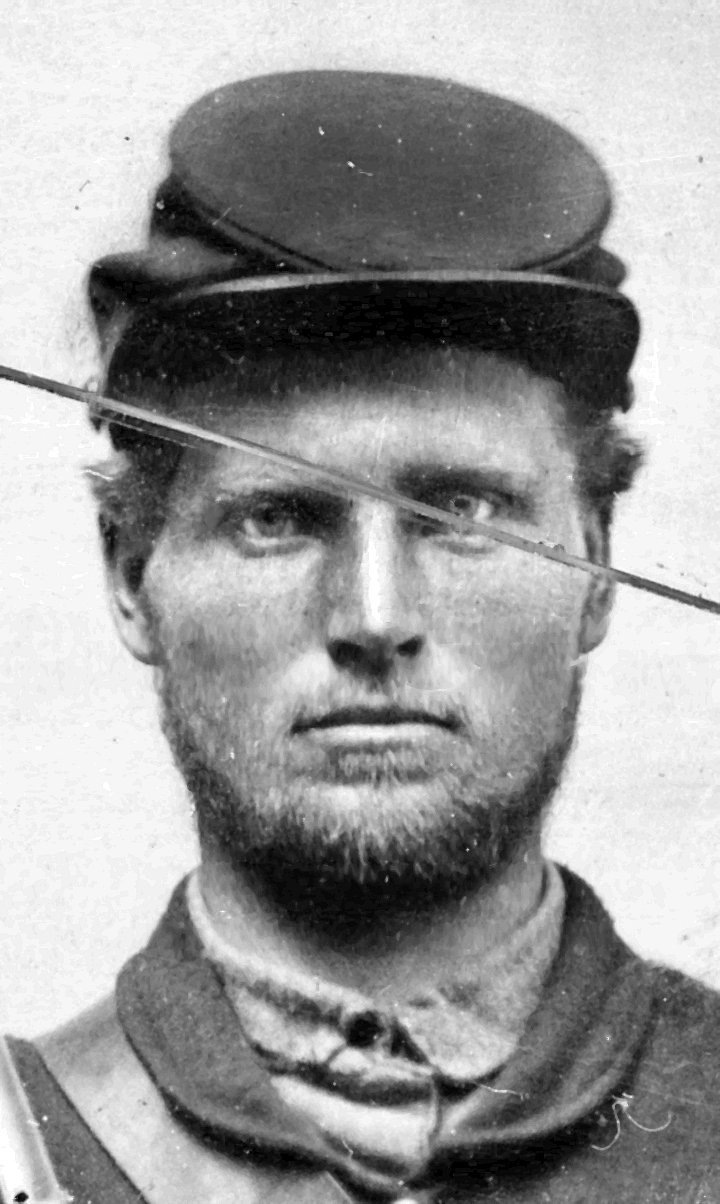
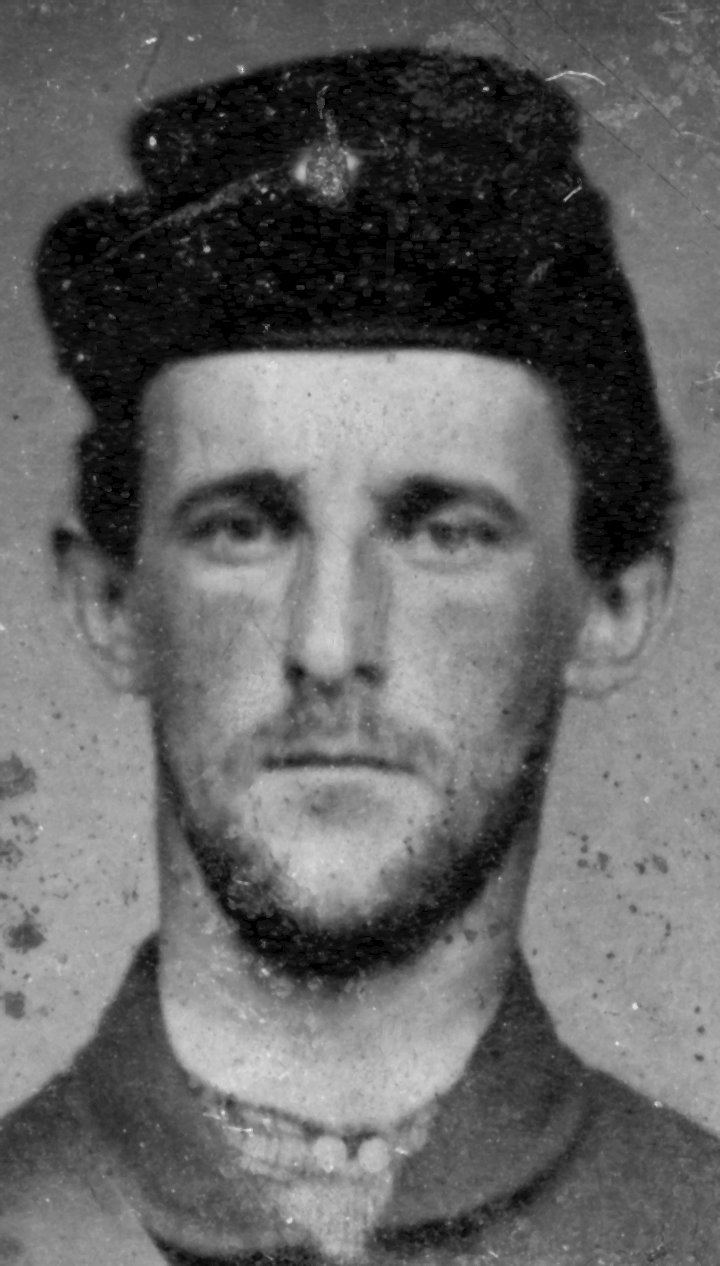
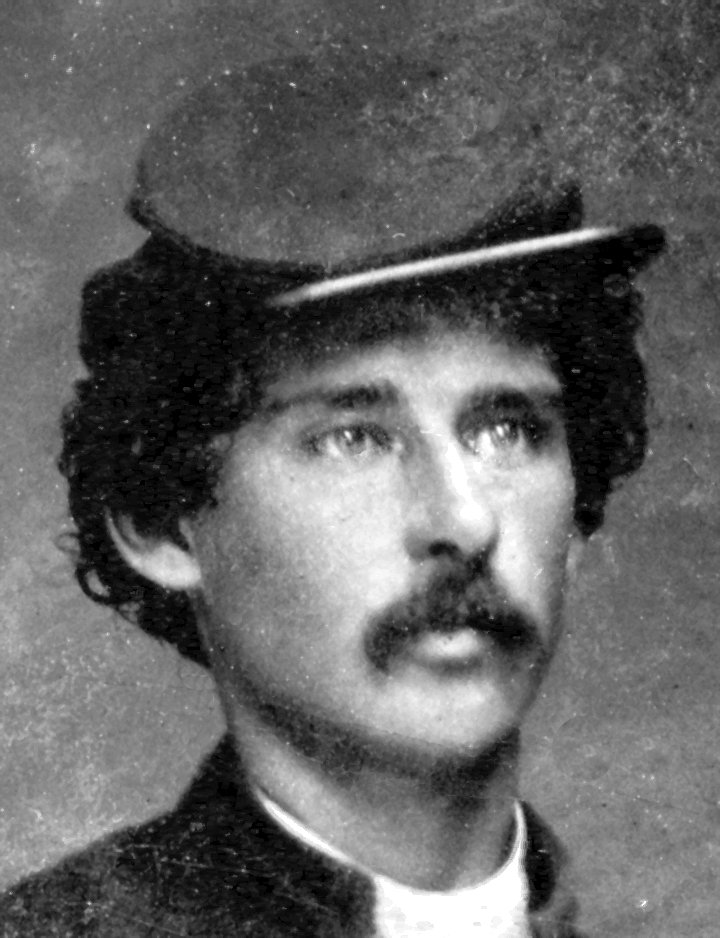
This repost feature was written like H. P. Lovecraft. The pictures are from The Library of Congress. The images are Union soldiers, from the War Between the States.



Where It Starts


I had never heard of Stacey Abrams. She was a little known legislator, running for Governor. Then there was a controversy about the DSA. They promoted the disruption of a campaign event. A band of ladies started to shout down Stacey Evans, the other person in the Democratic primary.
Miss Abrams supported shouting down her opponent. “I do not believe that you silence those who feel they are voiceless, because the minute we do that we are no better than those who tell people they can’t kneel in protest.” The DSA is a lot of things, but it is not voiceless. They make a lot of noise.
As we all know, Miss Abrams nearly got elected Governor. She ran on a curious platform. Her main issue was claiming that the Republicans engaged in something called “voter suppression.” Miss Abrams famously not-conceded the election. It became an article of faith in Georgia that the election was stolen from her.
A few days after the election, there was a protest rally inside the State Capitol. Such events are forbidden, by law, inside the Capitol. During this event, a state legislator, Nikema Williams, got herself arrested. Stacey Abrams supports the illegal protest rally. In 2020, Nikema Williams was elected to Congress.
We all know what happened Wednesday. Donald Trump lost the election. He claimed the election was stolen from him. He spoke to a rally of angry supporters. The mob proceeded to invade the U.S. Capitol. Much damage was done, both to the Capitol, and what remains of Mr. Trump’s reputation.
There is no obvious connection between the rhetoric of Stacey Abrams, and Donald Trump. Mr. Trump probably would not have been done anything different, if Stacey Abrams had not led the way. This are both examples of what happens when an irresponsible politicians encourage bad behavior from the mob. When you lose an election, you should concede defeat, and move on. Pictures today are from The Library of Congress.


Ansel Adams And Dorothea Lange
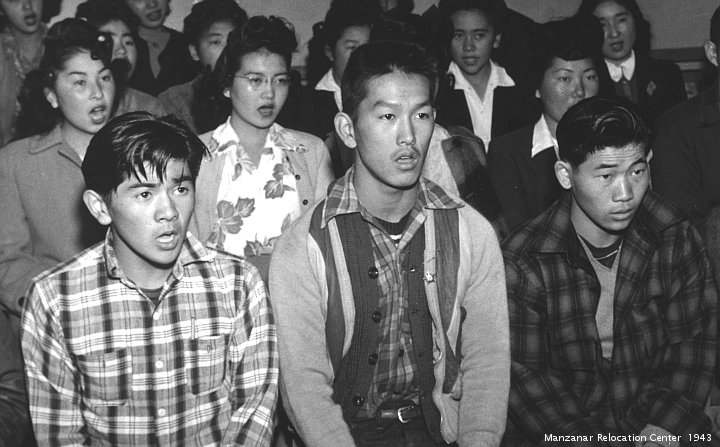


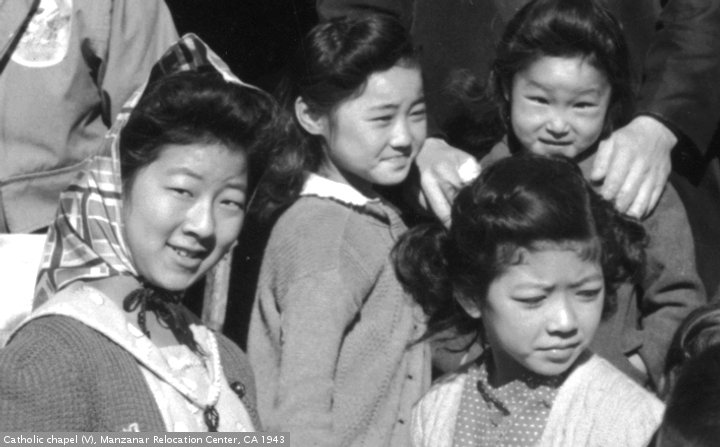
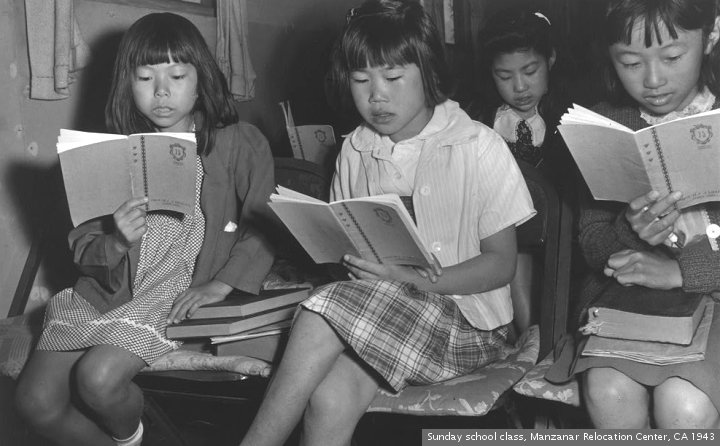

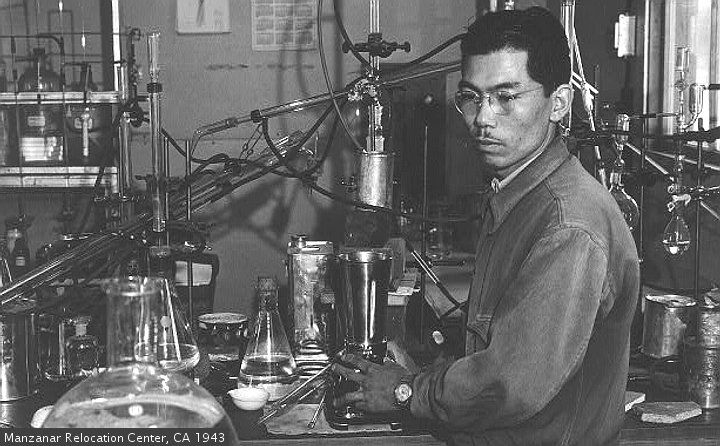

The facebook feed has recently had links to a story, Dorothea Lange’s Censored Photographs of FDR’s Japanese Concentration Camps. Miss Lange was the photographer of the iconic Migrant Mother. After Pearl Harbor, Miss Lange took a job with the War Relocation Authority, documenting the “relocation” of Japanese-Americans to interment camps. The photographs did not please the authorities. They were censored, and only appeared recently. This is a repost.
Ansel Adams also took photographs at the Manzanar, California, camp. In the current stories, he is literally a footnote: quotes were used from a book about his photography. Why is Dorothea Lange receiving attention, while Ansel Adams is ignored?
One answer is that Miss Lange was hired early on, and shows the harsh reality of relocation. “On July 30, 1942, the WRA laid her off “without prejudice,” adding that the cause was “completion of work…. the WRA impounded the majority of her photographs of Manzanar and the forced detentions, and later deposited 800 image from the series in the National Archives without announcement.”
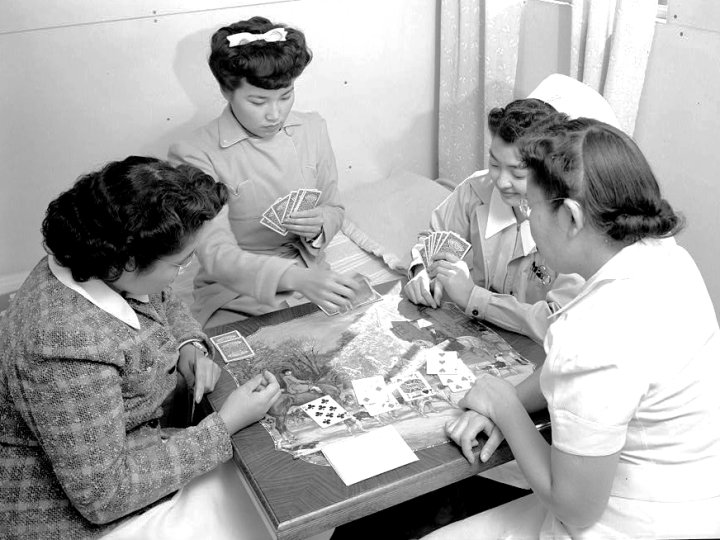
“After Lange’s departure, Manzanar’s director Ralph Merritt visited renowned environmentalist and landscape photographer Ansel Adams and suggested he document the camp — Merritt and Adams were friends from the Sierra Club. Lange, also friends with Adams, encouraged him to take the job. (Coincidentally Adams printed “Migrant Mother” for her ) …Ansel Adams made several trips to Manzanar between October 1943 and July 1944 for this new personal project, and, as Alinder writes, he was primed to try the kind of documentary photography regularly practiced by Dorothea Lange and the Farm Security Administration that he had earlier shunned. Unlike Lange, a white woman who had been viewed with suspicion by her subjects, Adams was welcomed by the incarcerees, even greeted as a celebrity in a cultural community that had a deep appreciation of nature — many incarcerees at Manzanar literally opened their doors to him dressed in their finest clothes. … By 1943, Manzanar’s incarcarees had had time to settle in and enjoy the fruits of their collective work. In less than ideal surroundings, they had collectively built their own post office, town hall, library, auditorium, co-op store system, police station, jail, cemetery with memorial, published their own newspaper (the ironically named the Manzanar Free Press, which was regularly censored by the military), and even their own YMCA.”
“As for Lange, looking at the historical record, it appears that she was treated differently from the other WRA photographers. She was discouraged from talking to the incarcerees, was constantly followed by a censor, and faced harassment. She was refused access to areas after being given clearance, and she was often hounded over phone charges and receipts. … After being discharged, Lange expressed in letters her dismay that her work was ineffective in helping the people she documented. Her assistant Christina Clausen later noted the ferocity of this body of work also marked the beginning of the photographer’s bleeding gastric ulcers. Lange was unable to work for a number of years after her harrowing experience at Manzanar. She died from esophageal cancer in 1965.”
“In 1944, Adams’s photographs were published as a book, “Born Free and Equal: The Story of Loyal Japanese Americans,” and shown at New York’s Museum of Modern Art. Nativists took offense. They saw Adams’s work as a slur on the war effort. He was a “Jap lover.” This quote is from a 2016 article, Let’s be honest, Ansel Adams’s images of a WWII internment camp are propaganda
“Adams visited Manzanar to take photos in 1943 at the request of camp director Ralph Merritt, who was a personal friend. “They don’t look quite as dusty and quite as forbidding as Dorothea Lange’s photos … Indeed, the place that looks barren and depressing in Lange’s pictures manages to look beautiful in Adams’. You get little sense that it was even a detention center, in part because Adams, like other photographers, was not allowed to shoot the guard towers or barbed wire…
There are scenes from a baseball game, kids walking to school, a gathering outside a chapel. Lots of smiles, too, and portraits of camp residents cropped so close, you can see every blemish and stray hair. In Adams’ vision, Manzanar comes off as a place where Japanese-Americans, dignified, resilient and optimistic in spite of their circumstances, built a temporary community in the desert.
(Skirball Cultural Center director Robert) Kirschner said that if Adams’ photos appear to sugarcoat the indignities of life in an internment camp, it is because he did not see himself as a social activist the way Lange did. Still, Kirscher says, Adams was challenging internment in his own way, by depicting its victims as patriotic, law-abiding Americans. Unlike Lange, Adams was given permission to publish his photos. Before the war ended, he did so in a book called “Born Free and Equal: The Story of Loyal Japanese Americans,” in which he warned about the dangers of letting wartime hysteria justify depriving U.S. citizens of their freedom.”
The NPR article mentions a third Manzanar photographer. “Before World War II, Toyo Miyatake had a photo studio in Los Angeles’ Little Tokyo. When he learned he would be interned at Manzanar, he asked a carpenter to build him a wooden box with a hole carved out at one end to accommodate a lens. He turned this box into a makeshift camera that he snuck around the camp, as his grandson Alan Miyatake explains in the video below, which is featured in the exhibit.
Fearful of being discovered, Miyatake at first only took pictures at dusk or dawn, usually without people in them. Camp director Merritt eventually caught Miyatake, but instead of punishing him, allowed him to take pictures openly. Miyatake later became the camp’s official photographer.”
Pictures for today’s feature are from The Library of Congress. These are pictures that Ansel Adams took at Manzanar. They have been posted at chamblee54 before. The ladies in the bridge game are Aiko Hamaguchi, Chiye Yamanaki, Catherine Yamaguchi, and Kazoko Nagahama.







War On Christmas


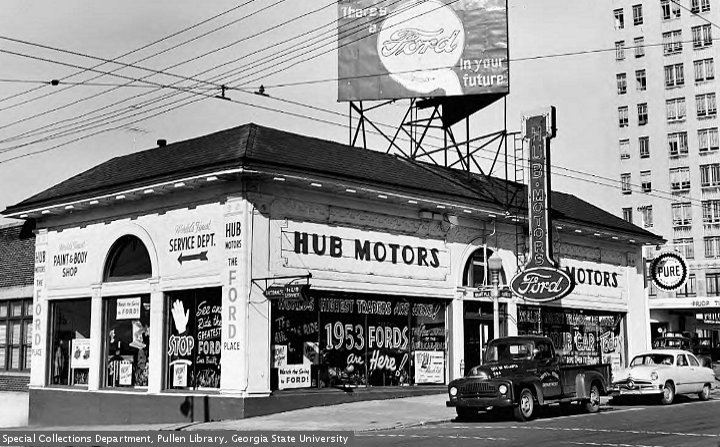

Merry Christmas used to be a greeting of good will. It meant, I am happy that you survived the year, have a nice holiday. It was not an in your face gesture, designed to express a religious opinion.
Christmas used to be a time of peace on earth and good will towards men. There were parties, gift giving, and holiday time from school and work. The religious part has always been there, but if you wanted to ignore it you could.
Jesus Worshipers want it all. The fact that our culture is dominated by Jesus worship is not good enough, they want it all. And they don’t care if it offends you. Peace on earth, and good will towards men, is an obsolete concept.
We don’t know when Jesus was born. Some scholars say he was born in the spring, but it was a long, long time ago. When the early Christians were trying to convert the Romans, they decided to have a birthday celebration for Jesus at the time of a pagan holiday. It is the winter solstice, the time of renewal at the end of the year. It is an ideal time for a religious feast.
Many people, PG included, have been hurt by Jesus. Christianism is an aggressive religion, and if you don’t agree, you can expect to be insulted and humiliated. As society becomes more and more secular, the Jesus worshipers get more aggressive. Many people have come to see the birth of Jesus as something to be mourned, rather than celebrated.
PG used to enjoy saying Merry Christmas. To him, it was a greeting of good will. Now, it is taking sides in a nasty fight. Maybe the proper thing to say is have a nice day.
And now for something completely different. PG found this recently, and it is not original to him. If you really need a link to the original, we will look harder.
When I was young and impressionable, I heard the Co-Adjutor Archbishop of Bombay preach on the subject of Christmas. He made the point that the adjective “merry” actually means “to be showing the influence of alcohol”, that is to be at least partially drunk. So to wish someone a Merry Christmas is really to wish them a Drunken Christmas. Moreover, drunkenness is a sin, and it is illegal to ply an infant with alcohol. A “merry Christmas” not only treats the birth of Christ as an occasion for sin, it also excludes the guest of honour Himself from the celebration.
That is a perversion of the meaning of Christmas — yet how often do we hear “true Christians” insist on saying “merry Christmas”? Why don’t they just wish the world happiness and joy?
This holiday feature is a repost, with pictures from “The Special Collections and Archives, Georgia State University Library”.




1 comment