David And Elton



On page 327 of David Bowie: A Life, the Live Aid show goes down. “There wasn’t much love lost between David and Elton–perhaps they’d fallen out at some point …” This is a repost.
Elton John says he fell out with David Bowie over ‘token queen’ remark “David and I were not the best of friends towards the end. We started out being really good friends. We used to hang out together with Marc Bolan, going to gay clubs, but I think we just drifted apart…. He once called me “rock’n’roll’s token queen” in an interview with Rolling Stone, which I thought was a bit snooty. He wasn’t my cup of tea. No; I wasn’t his cup of tea”.
1975 was a different time. David Bowie was moving out of Ziggy Stardust, and became the Thin White Duke. At some point he starting doing lots of cocaine. On page 196 of DB:AL, Jayne County has stories. “It was pretty obvious the David was taking coke. He became very skeletal in his appearance and began rattling off speeches that sounded meaningless to the rest of us–strange things about witchcraft, demons, and sexual prostitution in ancient times … weird things that made everyone nervous. He began to get paranoid and accusing people of ripping him off and stealing his drugs…. He had to have cartilage removed from one part of his body and put in his nose because the coke had eaten his nose cartilage away.”
While David was popular in 1975, and had a certain aesthetic aroma, Elton John was a phenomenon. Everything Elton touched went to Number One. Elton was one of the most popular solo acts the market ever sold. Maybe David was jealous of Elton’s success.
By all accounts, Elton did his share of “hooverizing.” In 1975, Elton was officially in the closet, although a lot of people knew otherwise. In one impossible to confirm story, a friend of PG was working in an Atlanta club called Encore, later known as Backstreet. One busy night, he was in a hurry to get somewhere, and bumped into someone. The person he knocked over was Elton John.
The infamous Rolling Stone interview was part of the damage. “Rock & roll has been really bringing me down lately. It’s in great danger of becoming an immobile, sterile fascist that constantly spews its propaganda on every arm of the media. …. I mean, disco music is great. I used disco to get my first Number One single [“Fame”] but it’s an escapist’s way out. It’s musical soma. Rock & roll too — it will occupy and destroy you that way. It lets in lower elements and shadows that I don’t think are necessary. Rock has always been the devil’s music. You can’t convince me that it isn’t.”
Cameron Crowe How about specifics? Is Mick Jagger evil? David Bowie “Mick himself? Oh Lord no. He’s not unlike Elton John, who represents the token queen — like Liberace used to. No, I don’t think Mick is evil at all. He represents the sort of harmless, bourgeois kind of evil that one can accept with a shrug…. Actually, I wonder … I think I might have been a bloody good Hitler. I’d be an excellent dictator. Very eccentric and quite mad.”
Playboy Magazine gave David another chance to talk about Hitler. “I’d love to enter politics. I will one day. I’d adore to be Prime Minister. And, yes, I believe very strongly in fascism.” “Rock stars are fascists, too. Adolf Hitler was one of the first rock stars.” “#54: PLAYBOY: How so?” BOWIE: “Think about it. Look at some of his films and see how he moved. I think he was quite as good as Jagger. It’s astounding. And, boy, when he hit that stage, he worked an audience. Good God! He was no politician. He was a media artist himself. He used politics and theatrics and created this thing that governed and controlled the show for those 12 years. The world will never see his like.”
#77: PLAYBOY: “Last question. Do you believe and stand by everything you’ve said?” BOWIE: “Everything but the inflammatory remarks.” We don’t know whether a jab at Elton was inflammatory. “I consider myself responsible for a whole new school of pretensions–they know who they are. Don’t you, Elton? Just kidding. No, I’m not.”
Seven daily grams of coke (DB:AL, p.223) did not kill David Bowie. He soon moved on to make The Man Who Fell to Earth. People magazine helped out with the publicity. “No role could have suited David Bowie better in his first major movie than that of an inscrutable interplanetary traveler outfitted with human skin, sex organs, Ronald Reagan hair and humanoid pupils to slip in over his horizontal, mismatched feline slits.” Forty years before Donald Trump made the tangerine toupee cool, Ronald Reagan was prematurely orange. Pictures for this deplorable dive into hissyfit history are from “The Special Collections and Archives, Georgia State University Library”.


Gloomy Sunday
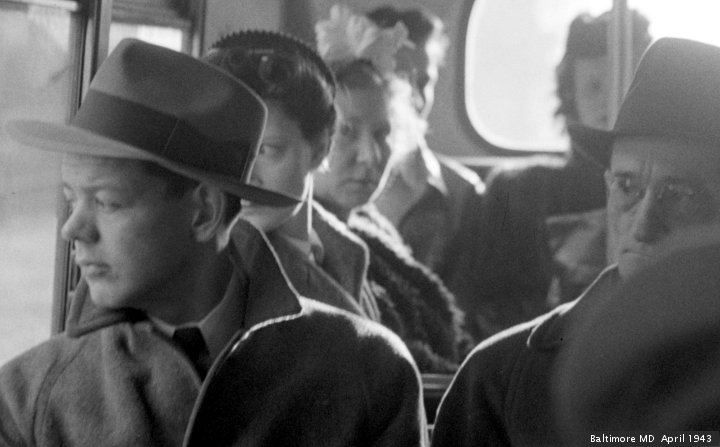

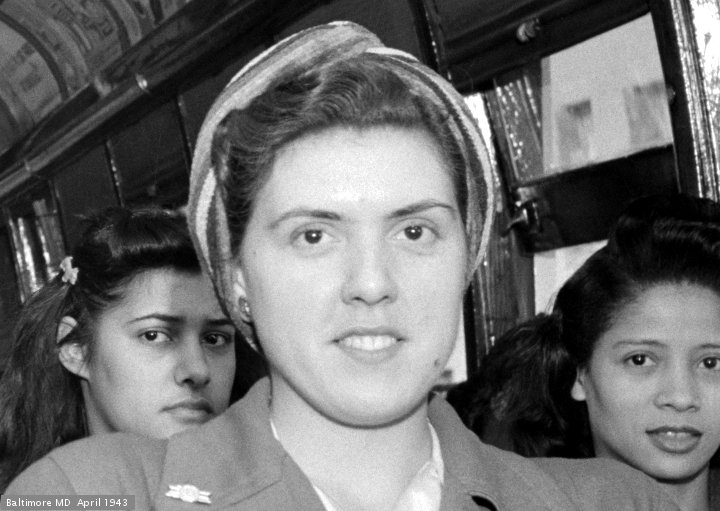

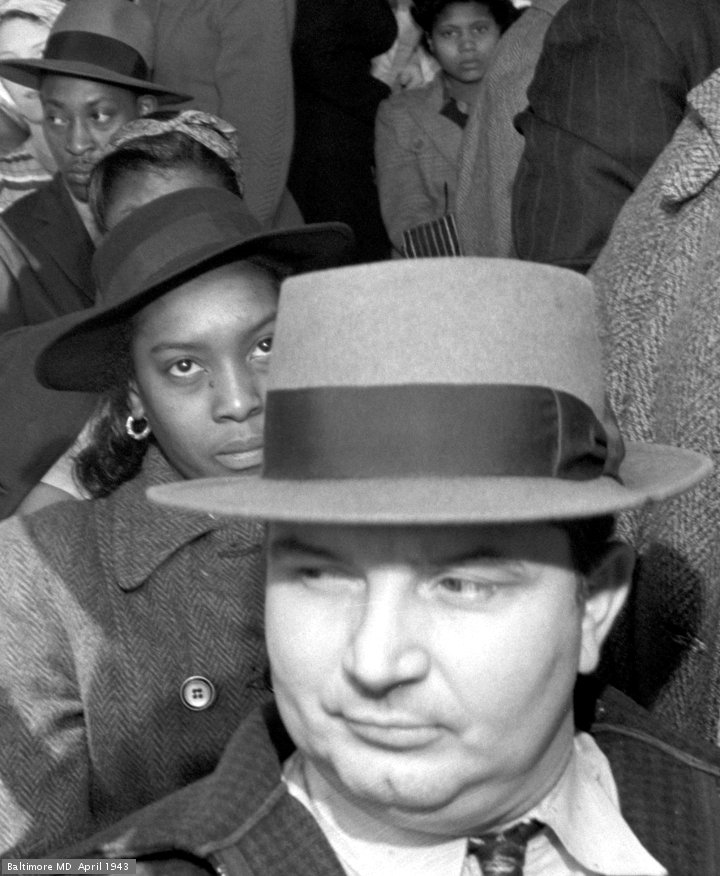
Billie Holiday had a hit with Gloomy Sunday in 1941. The legend is that people would listen to the song, and kill themselves. As a result, the song was banned from the radio. Or was it?
Gloomy Sunday was written in 1933 by Rezső Seress. Additional lyrics were later written by László Jávor. It became known as the “Hungarian Suicide Song”, and was reportedly banned in Hungary. An english translation (which is said to not do justice to the original Hungarian) was rendered.
Gloomy Sunday has a melancholy sound, even as an instrumental. The story is about a person…it is not gender specific…who decides to join a loved one who has died. A third verse was added, to the english version, where the singer says it was all a dream.
Gloomy Sunday became popular in the United States. And the suicide stories started to spread, along with rumors that the song had been banned from the radio. (It was indeed banned by the BBC.) There are indications that these rumors were part of a publicity campaign.
Snopes. calls the story “undetermined”. Legends like this get a life of their own. A grieving person hearing this song on a dreary Sunday is not going to be uplifted. One thing is known for sure…the original composer did take his own life. Rezső Seress jumped off a tall building in Budapest in 1968. The legend is he had never had another hit song after writing “Gloomy Sunday”. This repost has pictures from The Library of Congress.

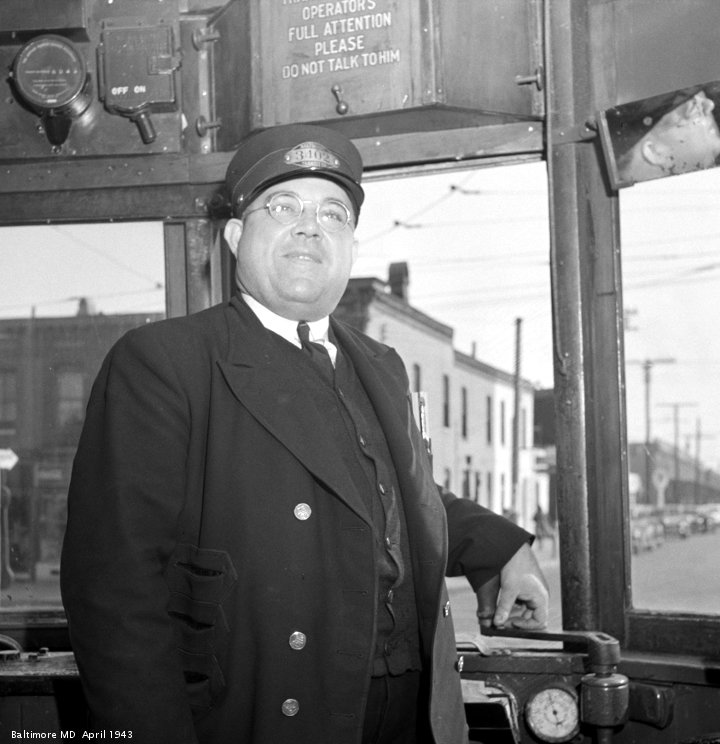



Jesus Gets A New Nickname
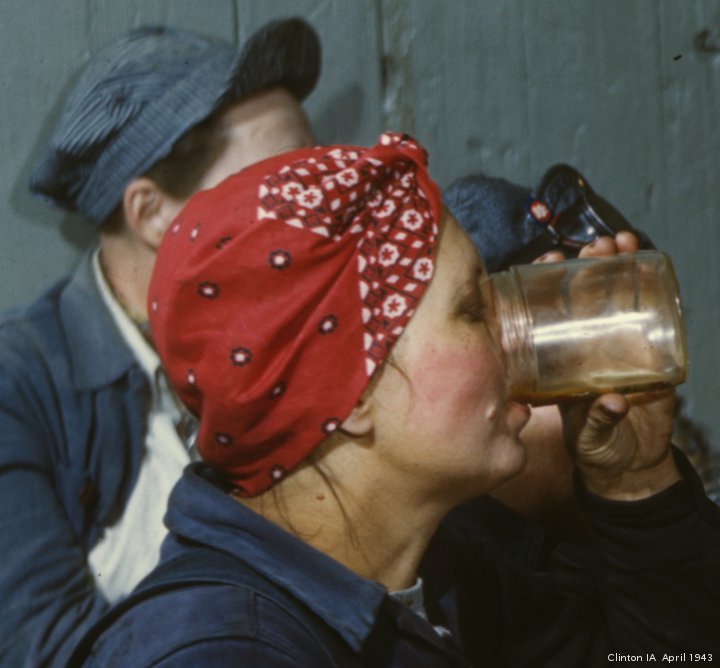

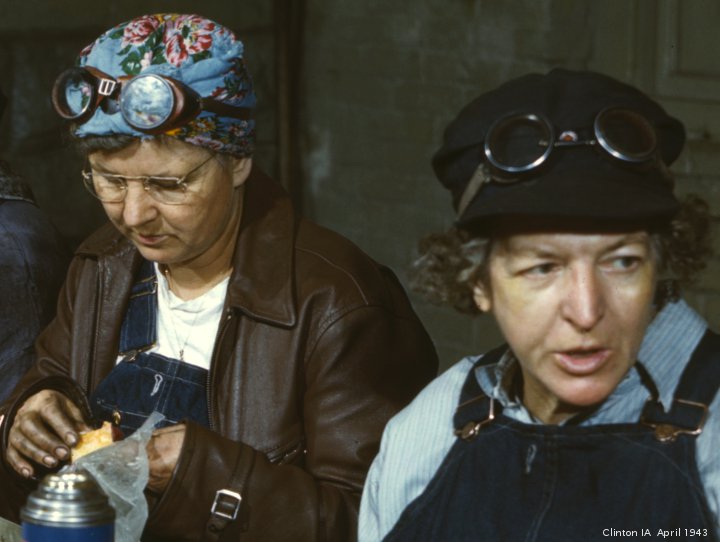
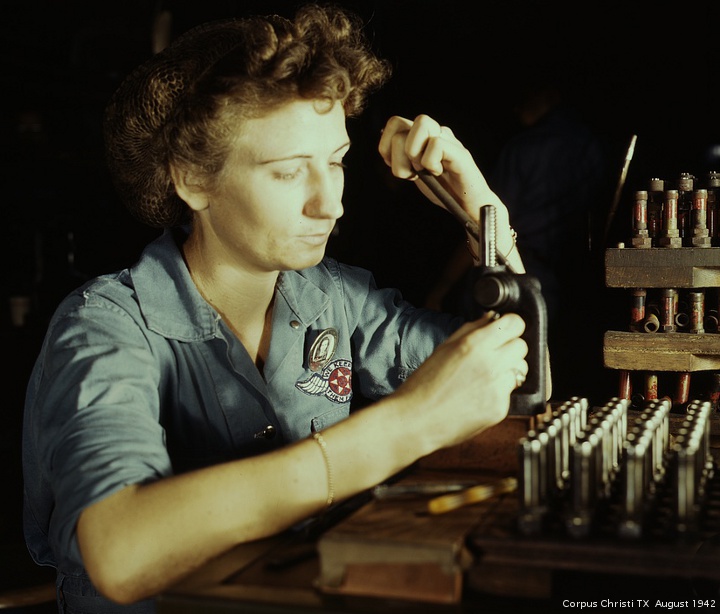
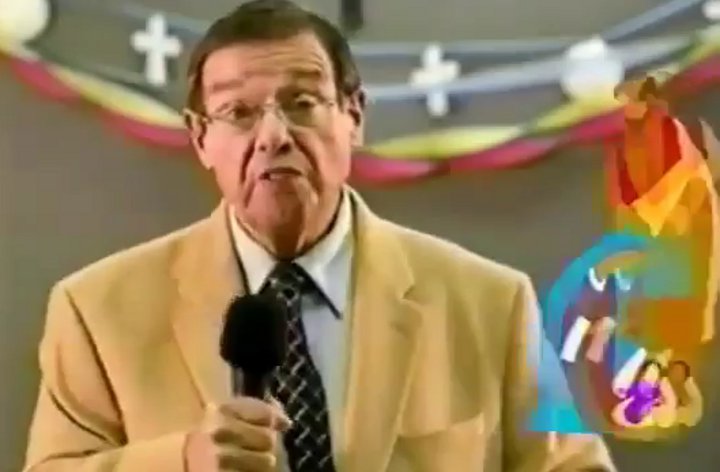

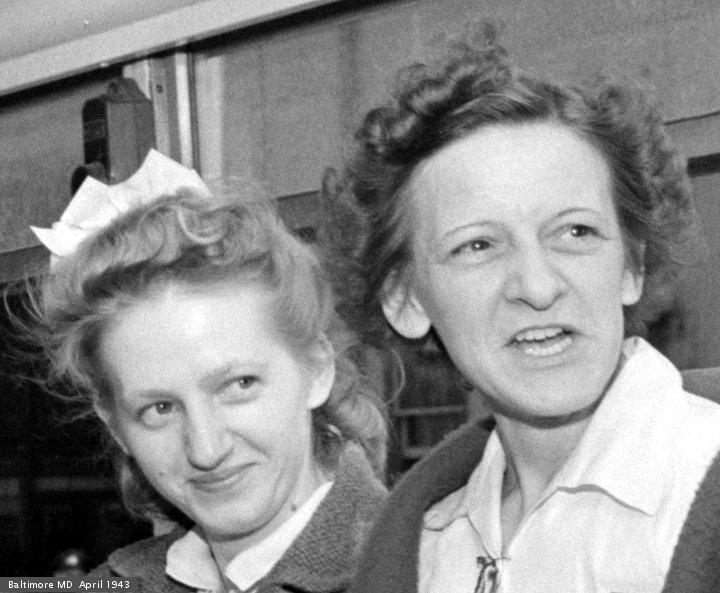
There is a video making the rounds now. The title involves Jesus, and a certain racial slur, delicately known as the N word. The video is embedded here. You can feel the magic for yourself.
Here is a story about the song, with the edgy language bleeped. “One pastor is trying to spread the word of God with an edgy rap song. The rapping pastor and his wife claim they have “Christian swag” while tossing around the n-word. … The video of the rapping pastor was recently uploaded to YouTube but it’s not clear when it was filmed. It was taken at a church in Iowa which closed in 2004.” Another helpful interneter has the lyrics.
In case you didn’t know, Pastor Jim Colerick, and Mrs Mary-Sue Colerick, are melanin deficient. They are, as Bette Midler once said about Karen Carpenter, so white they are invisible. It is not considered good manners for Caucasians to use this word, with or without salvation.
There is another angle to this equation. Many Jesus worshipers see not using cusswords as a sign of righteousness. As a result, many Jesus worshipers use the words G-d, and Jesus Christ, as tools of their anger. This violates the third commandment. Now, this use of a sacred name, as profanity, is being extended to using a sacred name as a racial slur. Someone is always ready to manipulate language to serve an agenda.
When you call a book “the word of G-d”, you give certain words too much power. When you designate the lazy way of saying black as a super duper naughty word, you give those six letters way too much power. Now, we see the convergence of these two taboos. Let the party begin.
This is a repost. Pictures of Pastor and Mrs. Colerick are taken from the video. The other images are from The Library of Congress. Jack Delano was the photographer in December 1942.




Billie Holiday Stories

How ‘Strange Fruit’ Killed Billie Holiday turned up in a facebook feed yesterday. The article states that Harry Jacob Anslinger “the first commissioner of the U.S. Treasury Department’s Federal Bureau of Narcotics,” ordered Billie Holiday to quit performing “Strange Fruit.” When the chanteuse declined, Mr. Anslinger had her arrested for heroin possession. Later, Mr. Anslinger was allegedly responsible for busting Miss Holiday on her deathbed.
The Hunting of Billie Holiday was the source given for the claim about Mr. Anslinger and “Strange Fruit.” The Politico article does not say that Mr. Anslinger ordered Miss Holiday to quit singing “Strange Fruit.” It does say that Louis McKay, one of the many no-good men in Miss Holiday’s life, narked her out. The bust was in 1947, after she had been performing “Strange Fruit” for several years. (Lady Sings The Blues says that Louis McKay was not in Miss Holiday’s life in 1947.)
Politico had one comment that set off the bs detector. “One day, Harry Anslinger was told that there were also white women, just as famous as Billie, who had drug problems—but he responded to them rather differently. He called Judy Garland, another heroin addict, in to see him.” Frances Gumm was well known for having substance abuse issues. The heroin business was news to a lot of people.
Johann Hari was the author of the politico article. At the time, he was promoting a book, Chasing the Scream, about the war on drugs. Johann Hari has a spotted reputation. “The author used to be the Independent’s star columnist, a prolific polemicist and darling of the left, until his career imploded in disgrace when it emerged in 2011 that many of his articles contained quotes apparently said to him but in fact lifted from his interviewees’ books, or from previous interviews by other journalists.”
The final bust, as Miss Holiday lay dying in the hospital, is part of the legend. A google search does not show what agency was responsible. Harry Anslinger may have been involved, and it may have been someone else. By this time, Elanora Fagan was in bad, bad shape. Years of drinking, and hard drugs, had worn her out. While the hospital bust may have hastened her demise, it is a bit of a stretch to say the Harry Anslinger killed Billie Holiday, because she sang “Strange Fruit.”
This is a repost. Pictures today are from The Library of Congress.

Lady Sings The Blues is the autobiography of Billie Holiday. PG read it in 1978, and pulled it off the shelf recently. The copy he has is was a 1972 paperback, issued in conjunction with the movie. A picture of Diana Ross is on the cover, as well as a price sticker from Woolco. The book sold for $1.25. Pictures today are from The Library of Congress. The spell check suggestion for Woolco is Cool.
William Dufty was the ghost writer. His prose is easy to read, with the story flowing out like a Lester Young solo. The 1956 copyright is assigned to “Eleanora Fagan and William Dufty,” using the birth name of the singer. Mr. Dufty was a newspaper writer. “Dufty had one son, Bevan Dufty, with first wife Maely Bartholomew, who had arrived in New York City during World War II after losing most of her family in the Nazi concentration camps. She settled near Harlem where she met her best friend and Bevan’s godmother, Billie Holiday.”
“Bevan Dufty would agree. He’s one of the childless singer’s two godchildren. … “Holiday said motherf — all the time, in her gravelly elegant way,” recalled Dufty, sitting in his City Hall office. His mother, Maely, a Czech Jewish immigrant who loved jazz, was close to many musicians and even managed the unmanageable Charlie Parker for a spell, learned to curse from Holiday. But with a European accent. Much of what Dufty knows of Holiday comes from his late mother, who was married to actor Freddie Bartholomew before her brief marriage to William Dufty, one of her seven husbands. Maely, who took her infant son by train to Philadelphia every day to attend yet another of Holiday’s drug trials, was so distraught by the singer’s death that she dedicated herself to helping recovering addicts. A number of musicians lived at the Duftys’ place while kicking the habit (William and Maely Dufty divorced not long after Holiday’s death, and he later married actress Gloria Swanson, who inspired him to write the book “Sugar Blues” about the dangers of processed sugar).”
Billie Holiday’s bio, ‘Lady Sings the Blues,’ may be full of lies, but it gets at jazz great’s core Autobiographies are, by their nature, self serving. This one has a great opening line… ” “Mom and Pop were just a couple of kids when they got married. He was eighteen, she was sixteen, and I was three.” (“Her parents were never married. When she was born, her mother was 19, her father was 17 and they never lived under the same roof.”) Another source adds: “Some of the material in the book, however, must be taken with a grain of salt. Holiday was in rough shape when she worked with Dufty on the project, and she claimed to have never read the book after it was finished. Around this time, Holiday became involved with Louis McKay. The two were arrested for narcotics in 1956, and they married in Mexico the following year. (March 28, 1957) Like many other men in her life, McKay used Holiday’s name and money to advance himself.”
Louis McKay is at the center of another misunderstanding of facts. The Hunting of Billie Holiday claimed that Mr. McKay narked out Miss Holiday in 1947, and set up her first drug bust. LSTB tells a different story. Here, Miss Holiday meets Mr. McKay very briefly in 1931. Someone was trying to rob Mr. McKay. Miss Holiday said “He’s my old man,” and chased off the robber.
Fast forward twenty five years, and Miss Holiday connects with Mr. McKay. “I hadn’t seen him since I was sixteen and he wasn’t much older and I was singing at the Hotcha in Harlem.” The two were married in 1957. They got busted as LSTB ends. Either Politico is wrong about the 1947 bust, or Miss Holiday did not tell the whole story. Either way, Harry Anslinger is not mentioned in LSTB.
Tallulah Bankhead is another missing piece of the puzzle. Reportedly, Miss Bankhead and Miss Holiday were close friends, and possibly lovers. That was over by the time LSTB was written. “When “Lady Sings the Blues” was being prepared, Miss Bankhead got an advance copy, and was horrified by what she saw. A fierce note was sent to the book’s publisher, and scenes were edited out. Miss Holiday was outraged. The letter that resulted is a poison pen classic. “My maid who was with me at the Strand isn’t dead either. There are plenty of others around who remember how you carried on so you almost got me fired out of the place. And if you want to get shitty, we can make it a big shitty party. We can all get funky together!”
Miss Bankhead does make an appearance in LSTB. On page 117, Miss Holiday is describing playing a maid, in a movie. She was not pleased at the typecasting. “Don’t get me wrong. I’ve got nothing against maids – or whores – whether they’re black or white. My mother was a maid, a good one, one of the greatest. My stepmother is Tallulah Bankhead’s maid right now, and that’s a part I’d even consider when they do her life story.” (Miss Bankhead had her own domestic help problems. In 1951, Evyleen Cronin, Tallulah’s maid and secretary, was accused of stealing $10,000-30,000 from Tallulah during her employment. … The case went to trial (much to Tallulah’s embarrassment) and Cronin was convicted.” Many embarrassing details about Miss Bankhead’s life came to light during this trial. Fanny Holiday, the stepmother, is probably a different person than Evyleen Cronin.)
Whatever it’s factual challenges, Lady Sings the Blues is a powerful book. Miss Holiday had a tough life, to say the least. As the singer for Artie Shaw’s big band, Miss Holiday was an integration pioneer, and every two bit cracker wanted to make trouble. Later, she was addicted to heroin, got busted, served time in prison, only to get out and suffer some more.
Three years after LSTB came out, things went from bad to horrible. “In early 1959 she found out that she had cirrhosis of the liver. The doctor told her to stop drinking, which she did for a short time, but soon returned to heavy drinking. … On May 31, 1959, Holiday was taken to Metropolitan Hospital in New York suffering from liver and heart disease. She was arrested for drug possession as she lay dying, and her hospital room was raided by authorities. Police officers were stationed at the door to her room. Holiday remained under police guard at the hospital until she died from pulmonary edema and heart failure caused by cirrhosis of the liver on July 17, 1959.” This is a repost.


Louie Louie


The sixties were a great time to be a kid. As long as you were too young for a Vietnam Vacation, there were kicks to be had.
One of the more enduring legends was the dirty lyrics to “Louie Louie”. Recorded by an obscure band called the Kingsmen, the song was a massive hit in 1963. (It never was Number One). When WQXI put out lists of the greatest songs of all time, “Louie Louie” was at the top of the list. This is despite, or because of, the raucous sound. The song was recorded in one take, when the band thought they were playing a rehearsal. The vocals are difficult to make sense of, and rumored to be obscene. No one was ever quite sure why. With the garbled sound on the record, the listener could hear almost anything they wanted to.
The Governor of Indiana, Matthew Welsh, banned radio stations from playing the song in that state. On February 7, 1964, Attorney General Robert Kennedy got a letter from an outraged parent about the lyrics to “Louie Louie”. An F.B.I. investigation followed. After thirty months of investigation, the Bureau concluded that they could not make sense of the lyrics.
PG had a neighbor named Carol. A tomboy who could whip most of the boys, she had a pet skunk named Napoleon. Carol claimed to have heard a band at Lenox Square play “Louie Louie”. “He said the words real slow so you could understand them. I can’t repeat what he said, but it was dirty”.
Louie, Louie Oh no, me gotta go.
Yeah, yeah, yeah, yeah, yeah, said, ah
Louie, Louie Oh, baby, me gotta go
A fine little girl she waits for me Me
catch a ship for cross the sea.
Me sail that ship all alone Me never think how I make it home.
Ah, Louie, Louie No, no, no, no, me gotta go.
Oh, no. Said, Louie, Louie Oh, baby, said we gotta go.
Three nights and days I sail the sea Think of girl, oh, constantly.
Ah, on that ship I dream she there
I smell the rose, ah, in her hair.
Ah, Louie, Louie Oh, no, sayin’ we gotta go.
Yeah, yeah, yeah, yeah, yeah,
but, ah, Louie, Louie Oh, baby, said, we gotta go.
[Yelled] Okay, let’s give it to ‘em right now! [instrumental]
Me see Jamaica, ah, moon above.
It won’t be long, me see me love.
Take her in my arms again, I got her; I’ll never leave again.
Ah, Louie, Louie Oh, no, sayin’ me gotta go.
Yeah, yeah, yeah, yeah, yeah
But, ah, Louie, Louie Oh, baby, said, ah, we gotta go.
I said we gotta go now, Let’s get on outta here.
[Yelled] Let’s go.
Transcribed by David Spector Sept. 2000 Public Domain. If anyone reading this can explain what was so dirty about this song, please leave a comment. Thank you Wikipedia for your help in assembling this. This is a repost. Pictures by The Library of Congress



I’m A Believer



JoemyG-d has been running videos of number one hits lately. Today, the numero uno is from 1966. It is by the Monkees, called “I’m a Believer”.
PG always liked the Monkees. They were the twelve year old’s band when he was twelve years old. There was an article in the Saturday Evening Post about the “Pre Fab Four”, and a classmate of PG said that he was disillusioned. Certainly no one was confused about the made for tv nature of the band. The rumors…which turned out to be true…said that the Monkees did not play the instruments on their debut album. Still, a seventh grader is easily amused, and the show was fun to watch.
“I’m A Believer” was written by Neil Diamond, aka the Jewish Elvis. Mr. Diamond played guitar on the Monkees version of IAB. (Michael Nesmith does a convincing imitation in the video. It is not known if he was wearing the green hat.)
IAB is part of the rock tradition of misunderstood lyrics. PG thought that Mickey “needed sunshine on my brain”. PG did not learn the truth for many years. One afternoon, he heard a band on the radio do IAB. What the song really said was, “when I needed sunshine I got rain. “
This is a repost, with pictures from “The Special Collections and Archives, Georgia State University Library”. The video in the original post is no longer on youtube, but there was no shortage of replacements. The video used today is one PG remembers from the TV show.
The other video, with unfortunate sound, is from the second year of “The Monkees”. PG did not like Mickey Dolenz with frizzy hair, and quit watching the show. 13 is a year older than 12. The fall of 1967 found PG as an eighth grader, or “subbie”, at a grungy high school.
The other video has the word believer in the title. (The middle of the word believer is LIE.) One afternoon, the disc jockey at WQXI said he was tired of playing that stupid song by the Monkees. Before long, the Monkees were replaced by the Partridge Family.


David Bowie


It was a strange week to be a David Bowie fan. On Friday, I was looking for a rerun to post, and was reminded that January 8 was his birthday. (Along with Elvis and Shirley Bassey) I put up a piece about Mr. Bowie, and fashioned a poem out of his song titles. Aquarian Drunkard reissued a collection of the “best and most interesting Bowie oddities”. A new album was released, with a lot of comments about how strange it was. Strange is something Bowie fans turn to face.
On Monday, I woke up. Go on the internet. MSN news says that David Bowie has died. This is surprising. I know what people are going to talk about for a few days.
I typically download the new wtf podcast on Monday. The show is “supported” by Columbia records, presenting David Bowie’s new album “Blackstar.” Marc Maron gushes on about how ” DAVID BOWIE I LOVE DAVID BOWIE. ARE YOU KIDDING ME?” The single is called “Lazarus.”
The timing of the whole thing is bizarre. Was this planned? To release a puzzling new work on your sixty ninth birthday, and then die two days later. With the master media manipulator involved, prior planning cannot be ruled out. Or was it just a parting shot of synchronicity? We will never know.
In what might be a new move for celebrity deaths, sex scandal rumors emerged. A lady named Lori Maddox claims that Mr. Bowie “devirginized” her. Miss Maddox was underage at the time. Some people think that this incident makes Mr. Bowie a terrible person, whose artistic output should be ignored. One made the inevitable comment “As someone who sees White stars get a pass for things that celebrities of color get crucified for.”
I learned a long time ago to separate the performer from the performance. I also apply this rule to David Robert Jones. (David Bowie was a stage name. The legal name was never changed.) In 1976, there was an interview, where the artist said “Don’t believe anything you hear me say.” While the creative/marketing genius can be enjoyed, there was always a bit of coldness behind the mask. Some press reports say that this softened as the years went by. In the end David Bowie was human. Ziggy Stardust was a character played by an actor. Does it matter that they were a Cracked Actor?
It is ironic that David Bowie played Andy Warhol in Basquiat. Both combined creation of art, and the marketing of art product, into a seamless unit. The two did not have a good first meeting. “Remember, David Bowie was not a big star. He was just some guy off the street as far as Andy Warhol was concerned. They found a common ground in David’s shoes. David was wearing yellow Mary Janes and Andy had been a shoe illustrator, which David knew so they began talking about shoes.” UPDATE I got to see Basquiat. Andy Warhol’s wig, worn by David Bowie, gave an outstanding performance.
This would have been in 1971. Mr. Bowie discusses his adventures in between songs of this show. There is another story from that first tour: “I think that must’ve been part of the Mercury Records publicity tour in early 1971, Gus. Ted Vigodsky, if I remember correctly, brought Bowie by The Great Speckled Bird’s offices on North Avenue where Moe Slotin and I met him. Bowie was dressed in an ill-fitting gingham dress and looked something like a gaunt, poverty-stricken woman in one of those Walker Evans photos from the Depression. He informed Moe and me that he was gonna be the next big star in rock-n-roll. It took all of our will power not to laugh in his face. This was before anyone in America had heard of him and he had no records out yet (“Space Oddity,” a hit in England in 1969, was not released in the USA until 1973). Six months later Moe and I realized we had completely underestimated him. I had forgotten Charlie had called you about interviewing him.” Pictures today are from “The Special Collections and Archives, Georgia State University Library”.


David Bowie is 75 today. Elvis is ageless. Betsy DeVos is unemployed. This Bowie tribute is a repost. Pictures are from The Library of Congress.
A webpage called CaptainsDead had a download of a David Bowie concert. (Here is another edition.) Most Bowie live recordings are pretty dull. While the Thin White Duke is renowned for his concerts, they tend to be live events, that depend on staging and costumes as much as music. This show, from 1974, is different. Focusing on material from “Diamond Dogs”, the sound he produces comes close to matching the studio sound.
The next move for Bowie in 1974 was the “white soul” sound of “Young Americans”. He is moving in that direction in this show, even while he lingers in the glitter apocalypse. This tour included a stop at the Fox Theater, the first Atlanta show for Mr.Bowie. On the way to Florida for the next show, the truck with the sets and costumes crashed into a swamp full of rattlesnakes. The show in Tampa was performed in street clothes.
Maybe it is time for a Chamblee54 tribute to David Bowie. It is six am, and PG has stumbled into a job. The time and energy required to write new material is not always available.
The first album by David Bowie that PG heard about was “Hunky Dory”. At the time, Mr. Bowie had generated some buzz by admitting that he fancies blokes, or some uber british expression for being queer. In time, this would be seen as more publicity stunt than brave confession. The RCA debut got some good reviews, but not much else.
The next year produced “Ziggy Stardust”, a concept album. At about this time he did a tour of the United States, with costumes and onstage antics that generated even more publicity. More and more people started listening, some in spite of his outrageous image, and quite a few more because of it. He broke up his band, the spiders from mars, and announced his retirement. The band, according to reports, learned about this while standing on stage behind him. Mr. Bowie, for all his genius, is not always a nice man.
In 1974 there was an album, “Diamond Dogs”, about the decadent urban life in the scifi future. A stage show based on this album…the source of the download mentioned above…marked a return to the concert stage. The next year gave us “Young Americans”, and the year after that “Station to Station”. Every year was a different sound and vision.
Meanwhile, the artist was not doing so good as a human being. According to all reports, he was doing mountains of cocaine. (There is a story of going to meet the parents of Ava Cherry, one of his girlfriends. He shows up at 3am, and does coke on the dining room table.) There was an interview in Playboy (or maybe it was Rolling Stone ) where the first thing he says is, don’t believe anything I say. He went on to say that he admired Adolf Hitler. Have we mentioned the physical appearance of David Bowie in 1975? He looked like he was dead, and nobody bothered to tell him. (By contrast, in recent photo collections of rock stars, Mr. Bowie looks pretty good for a man who is 69 yo.)
This was the era of Rocky Horror show. At one point, Riff Raff sings (Tim O’Brien wrote the show, and gave himself some darn good lines) Frank n furter, it’s all over, your mission is a failure, your lifestyle’s too extreme.I’m your new commander you now are my prisoner we return to transylvania prepare the transit beam While this may not have been directed at David Bowie, he took the hint.
We interrupt this David Bowie tribute with an emergency announcement. A person, reputed to be an entertainer, was seen using the n word on facebook. The screen shots have disappeared, and all we have is the word of the accuser. More details will be available as soon as anyone is interested.
David Bowie saw himself at a dead end, and possibly a dead life. He moved into a little apartment in West Berlin, on top of a garage. Brian Eno offered his assistance, and a series of electronic albums was the result. The next few years saw rock and roll, dance music, and finally, crap. PG bought a Bowie album in 1984, the first time he saw it on sale, and was immensely disappointed. The last David Bowie album that PG got was a free cd that was given to people buying a magazine.
Around 1981, MTV was born, and radio was suddenly obsolete. A visual artiste like David Bowie was a natural for video. Unfortunately, many of these videos are not available for embedding in blogs. Ashes to Ashes was a staple of early MTV. Boys Keep Swinging , off the “Lodger” album, is a return to the gender bender Bowie of younger days.
David Bowie continued to do tours, and PG got to see two of the shows. In 1987, something called the “Glass Spider Tour” came to the Omni. (In a later interview, it turns out Mr. Bowie was extremely unhappy during this tour, and close to suicide at some points.) The Glass Spider was this mass of lighting effects that hovered over the stage, and was used to best advantage during “Scary Monsters”. The show featured Peter Frampton on guitar, and had a pack of dancers. (One apparent female took her drag off during the finale.) A good time was had by all.
In 1990, another retirement tour came to the Omni. This one had movies projected on a screen behind the stage, and featured guitar hero Adrian Bellew. The night had the feel of a contractual obligation. David Bowie is too professional to give a bad show, but this one did not have the fire of “Glass Spider”. PG had a new set of contact lenses, and his eyes were painfully dry most of the night.

Andy Warhol And Frank Zappa



Andy Warhol Hosts Frank Zappa on His Cable TV Show, and Later Recalls, “I Hated Him More Than Ever” After the Show” Andy had a public access cable tv show in New York. One of his guests was Frank Zappa. FZ talked a lot, while Andy was silently uncomfortable. A friend of Andy’s, Richard Berlin, did the interview. Mr. Berlin is possibly the brother of Warhol film actress Brigid Berlin.
The Andy Warhol Diaries has a few comments about the show. “… I hated Zappa even more than when it started. I remember when he was so mean to us when the Mothers of Invention played with the Velvet Underground—I think both at the trip, in L.A., and at the Fillmore in San Francisco. I hated him then and I still don’t like him.”
Jimmy Carl Black (The “Indian of the group” for the Mothers of Invention): “I don’t remember Zappa actually putting them down on stage, but he might have. He really disliked the band. For what reasons I really don’t know, except that they were junkies and Frank just couldn’t tolerate any kind of drugs. I know that I didn’t feel that way and neither did the rest of the Mothers. I thought that they were very good, especially Nico (whom I secretly fell in love with or was it lust?). I especially thought that Moe was a very good drummer, because in those days I don’t recall there being any other female drummers on the scene. The thinking of the audiences was completely different than those from New York City. They were lukewarmly received.”
“In 1965 The Trip opened at 8572 Sunset Boulevard right next to the towering Playboy Club building. The Trip was located in the former popular 60s jazz club called the Crescendo. There was a comedy club upstairs called the Interlude. … The Velvet Underground and Nico are the musical guests at a series of shows at The Trip nightclub on Sunset Strip in 1966, but it is their manager, Andy Warhol, who is the headliner with his outrageous, multi-media Exploding Plastic Inevitable Show.” …
“On May 3, 1966 I was serving drinks in the celebrity section at The Trip. Jane Fonda is seated and she orders a drink and I asked her for ID. She removes her sunglasses and says, Do you know who I am? … Frank Zappa and The Mothers of Invention are the opening act the first night. At the end of the set they receive a standing ovation and cheers from the audience.”
“The Exploding Plastic Inevitable Show started after The Velvet Underground played a couple of songs. … When your eyes adjusted to the manipulation of the light what you saw was an interaction between Nico and two men, one who carried a whip, the other chains. It was an illusion, I think, of sadism, not at all acceptable to peace loving hippies. … The EPI featured a mixed media orgy that included film loops, music by the Velvets, sadomasochistic dancing and an epileptic lightshow.”
“Before the first set was over people stared to walk out of the club. Cher said “It depressed me. It will replace nothing – except maybe suicide.” People were standing up at their tables, booing as they waited their turn to leave the club. The line for the second show circled the block but the customers leaving started warning people not to go in. They said the show was vulgar and violent. The line got smaller and smaller until only a handful of people remained.”
“The Buffalo Springfield is playing the Whisky A Go Go as the opening act and is free to leave at 12:45 am. They walk to The Trip in time to see the feature act. … The musicians are equally offended by the appearance of sexual violence and what they assumed was part of the Velvet Underground’s act. It was later that we realized that Andy is the creator of the act of violence. … There is more then one story about why on the third day of the New Yorker’s show, L.A. Sheriff’s officers closed The Trip.”
“The show was cancelled before the advertised end date of its run. According to Callie Angell “On May 12, the club was temporarily closed when Virgina Greenhouse, wife of one of the operators, sued to collect a $21,000 over-due promissory note, and a representative of the sheriff’s office delivered a writ of attachment to the club. Warhol and the Velvet Underground filed a claim for their fee with the local musicians’ union, and were forced to wait in Los Angeles for payment to arrive.” According to Bockris, the club was “closed down by the Sheriff’s office on their third day. The troupe stay in LA, hoping the club would re-open, and the musicians’ union said if they stayed in town for the (union rules) duration of their engagement they would have to be paid the complete fee. They used the time to continue recording the first album.”
The Trip, engagement was supposed to be May 3 -18, 1966 , at least for EPI. The Mothers (not yet of Invention) headed north after the show. … “May 6-26, 1966 Frenchy’s House of BBQ, Hayward, CA (on the 21st they backed Neil Diamond who played a one night stand) … May 27-29, 1966 Fillmore Auditorium , San Francisco, CA (The Exploding Plastic Inevitable, Supporting Velvet Underground & Nico) … June 3-4, 1966 Fillmore Auditorium, San Francisco, CA (supporting Quicksilver Messenger Service & The Grateful Dead) … June 24-25, 1966 Fillmore Auditorium, San Francisco, CA (supporting Lenny Bruce).” Lenny Bruce died August 3, 1966.
“The Exploding Plastic Inevitable arrived in San Francisco to play for two nights at BILL GRAHAM’s Fillmore Ball Room with the MOTHERS OF INVENTION and the early JEFFERSON AIRPLANE. The Warhol crowd hated the hippie culture of San Francisco. Bill Graham pulled the plug on the Velvets the second night when the band left the stage after leaning their instruments against the amplifiers creating a “barrage of sonic feedback”.
“John Cale: “In San Francisco, we played the Fillmore and no one liked us much. We put the guitars against the amps, turned up, played percussion and then split. Bill Graham came into the dressing room and said, “You owe me 20 more minutes.” I’d dropped a cymbal on Lou’s head and he was bleeding. “Is he hurt?” Graham said. “We’re not insured.””
“After the second night in San Francisco Gerard Malanga was arrested in an all night cafeteria in North Beach for carrying an offensive weapon (his whip) and spent the night in jail. … While In San Francisco, Lou Reed shot up some bad speed causing his joints to seize up and he was incorrectly diagnosed as having a terminal case of lupus. Upon their return to New York, Lou Reed checked into Beth Israel hospital with a serious case of hepatitis and had a six week course of treatment. Nico left for Ibiza while the rest of the Velvets started rehearsing for an upcoming June booking in Chicago – a one week stint at Poor Richard’s. ANGUS MACLISE returned as drummer and MAUREEN TUCKER switched to playing bass.”
The VU and The Mothers of Invention both recorded on the MGM/Verve label. According to some, this caused problems. “The band believed that Zappa used his clout to hold back their release in favor of his own album with the Mothers of Invention, Freak Out. “The problem [was] Frank Zappa and his manager, Herb Cohen,” said (Sterling) Morrison. “They sabotaged us in a number of ways, because they wanted to be the first with a freak release. And we were totally naive. We didn’t have a manager who would go to the record company every day and just drag the whole thing through production.” (John) Cale claimed that the band’s wealthy patron affected the label’s judgment. “Verve’s promotional department [took] the attitude, ‘Zero bucks for VU, because they’ve got Andy Warhol; let’s give all the bucks to Zappa.’”
“On October 23, 1967, in New York, singer Nico sang with The Velvet Underground. (This list of VU performances does not mention a show on that date) … Nico’s delivery of her material was very flat, deadpan, and expressionless, and she played as though all of her songs were dirges. She seemed as though she was trying to resurrect the ennui and decadence of Weimar, pre-Hitler Germany. Her icy, Nordic image also added to the detachment of her delivery. … In between sets, Frank Zappa got up from his seat and walked up on the stage and sat behind the keyboard of Nico’s B-3 organ. He proceeded to place his hands indiscriminately on the keyboard in a total, atonal fashion and screamed at the top of his lungs, doing a caricature of Nico’s set, the one he had just seen. The words to his impromptu song were the names of vegetables like broccolli, cabbage, asparagus… This “song” kept going for about a minute or so and then suddenly stopped. He walked off the stage and the show moved on. It was one of the greatest pieces of rock ‘n roll theater that I have ever seen.”
The Library of Congress furnished the pictures for this feature. This is a repost.




Arlo Guthrie


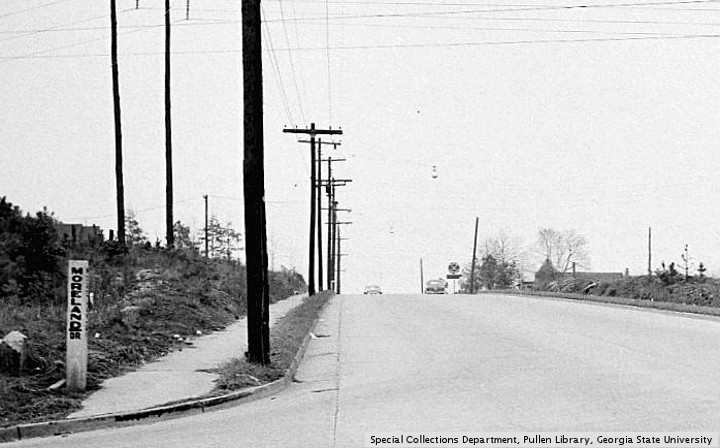

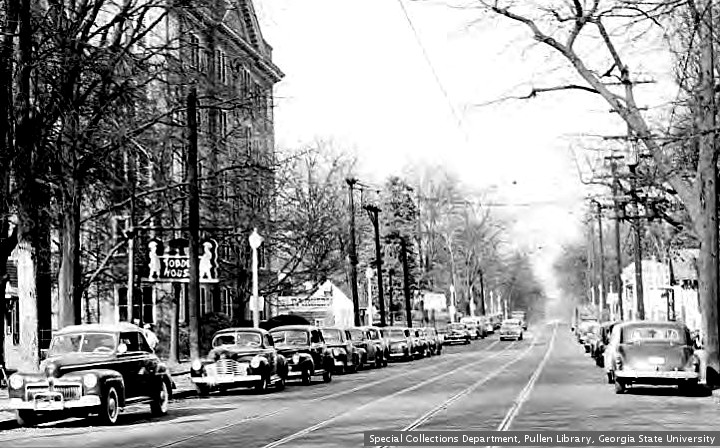
This is a rerun post, with pictures from “The Special Collections and Archives, Georgia State University Library”. The original post was half about Arlo Guthrie, and half about Ralph Reed. Today, only the part about Arlo Guthrie will be shown. If you absolutely must read about Ralph Reed, you can follow the link above, or read Lisa Baron And Ralph Reed TMI.
The entertainment today is about Arlo Guthrie . Thanksgiving is intimately connected to Mr. Guthrie. Unlike the turkey, Mr. Guthrie has gone on to have a flourishing career. He probably will not come down with Huntington’s Disease, which killed his father Woody Guthrie.
The video that goes with this text was the first time PG saw Arlo Guthrie. This was broadcast January 21, 1970. PG was an unhip fifteen year old, who had not heard Alice’s Restaurant, seen the movie, or been to Woodstock. He did see the Johnny Cash show this night, or at least the part where Arlo Guthrie did the motorcycle song.
To quote the digital facility PG is borrowing from: ” Born Arlo Davy Guthrie on July 10, 1947, in New York, NY; son of Woody (a folksinger) and Marjorie Mazia (a dancer; maiden name, Greenblatt) Guthrie; married Jacklyn Hyde, October 9, 1969; children: Abraham, Cathyalicia, Annie Hays, Sarah Lee.” Abraham and Sarah Lee play in Arlo’s touring band.
The Alice’s Restaurant Masacree is a part of Americana now. There are two bits of knowledge, that are as true as anything told to a Persian king. When trying to dispose of some garbage, and finding the city dump closed, Arlo found some litter by the roadside, and made a value judgment…One big pile of garbage is better than two little piles.
The second is about the draft, and the business of choosing people to fight our wars. There is a regulation today that says that Gays and Lesbians are not supposed to be soldiers and sailors. In the tale of the thanksgiving dinner, it was litterbugs. (There was also a draft, and a different war. Lots of Americans were coming home in boxes.) The bottom line: Mr. Guthrie is confused about not being considered moral enough to kill people, because he was a litterbug.
A few years into his career, Arlo Guthrie had a hit record called “City of New Orleans”. It was about a train, and said “Good Morning America”. “City of New Orleans” was written by Steve Goodman, who is no longer with us. Mr. Goodman also wrote the perfect country and western song .
PG heard a story about Steve Goodman. “The songwriter is Steve Goodman. He gave a show at the Last Resort in Athens GA, that a friend of PG attended. Mr. Goodman tells a story about performing on a train, during a series of concerts supporting Hubert Humphrey. It seems like Mr. Goodman had to use the restroom on the train. Now, in those days, the trains did not use holding tanks, but just ejected the matter by the tracks as they rode by. Mr. Goodman was told, do not flush the commode while the train is in the station. Mr. Goodman forgot the instructions. Mr. Humphrey said ”I am going to give the people of this country what they deserve”, Mr. Goodman flushed the commode, and sprayed the crowd. PG is not sure if he believes this, but it is a good story.” ( A biographer of Mr. Goodman said said that the candidate was Edmund Muskie. He also says that David Allen Coe had nothing to do with the last verse of the perfect country and western song.)
As previously noted, this is a repost from a few years ago. In that time, the policy against gay people serving in the military has been dismantled. The Ralph Reeds of the world are more upset about the concept of gay marriage, than by gay people killing Muslims. Vietnam is a peaceful country, and is enjoying economic good times. The draft is something old fogies remember. The current fashion is to support war by demanding a tax cut.
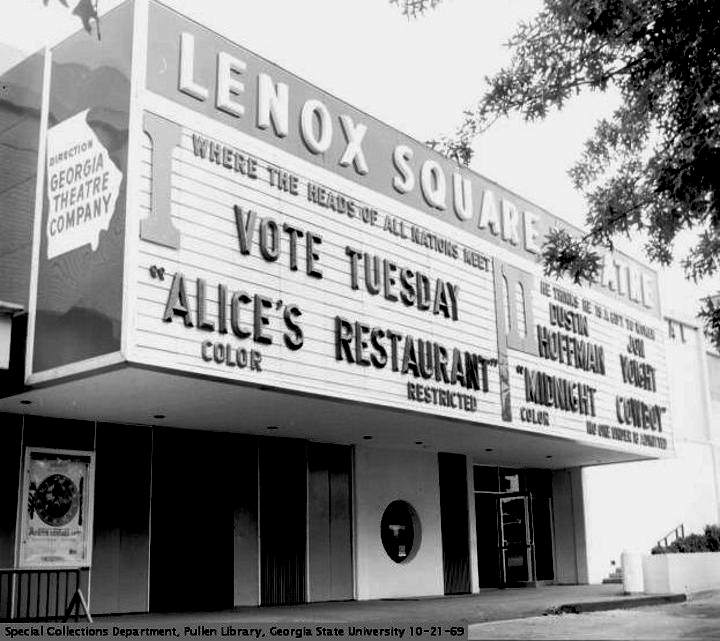
Arlo Guthrie continues to make music. USA Today had a feature recently, Arlo Guthrie celebrates 50 years at ‘Alice’s Restaurant’. Arlo Davy Guthrie has a twitter account, @folkslinger, and a full head of white hair. His wife of 43 years, Jackie Guthrie, died Oct. 14, 2012. The Lenox Square theater was torn down to make way for a food court many years ago.





Happy Birthday Joni Mitchell
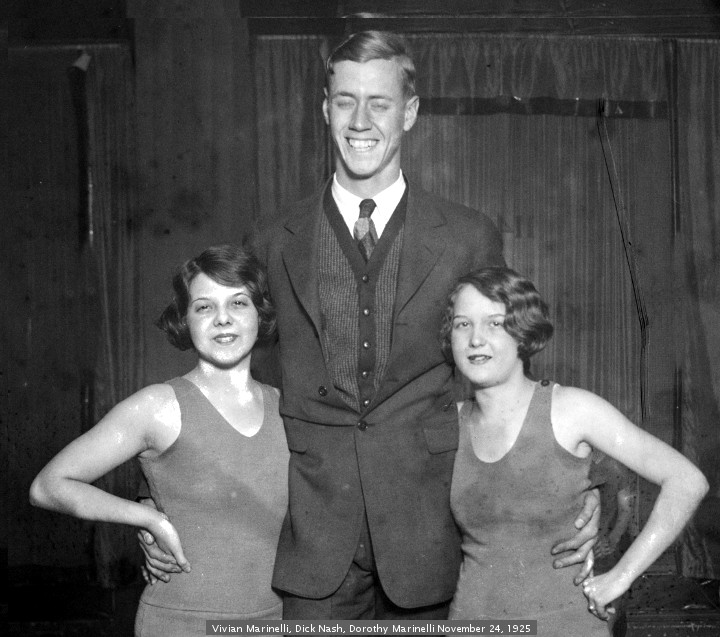
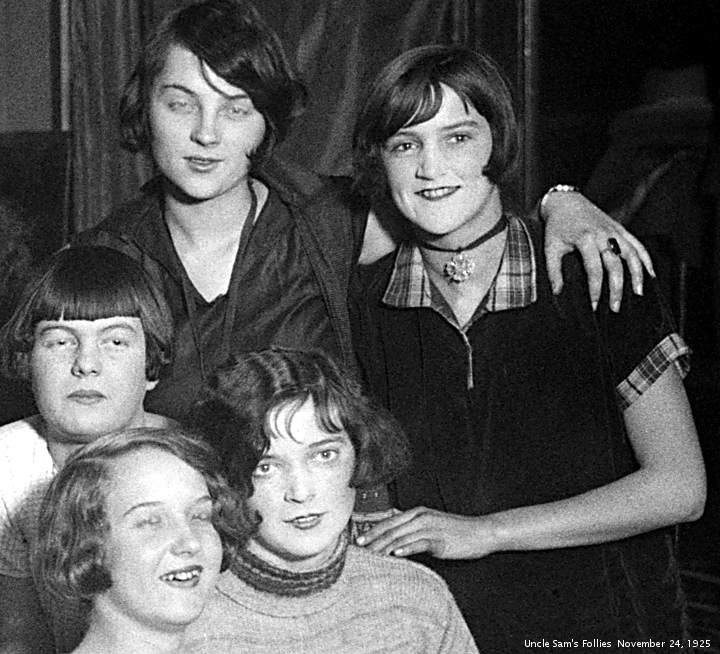
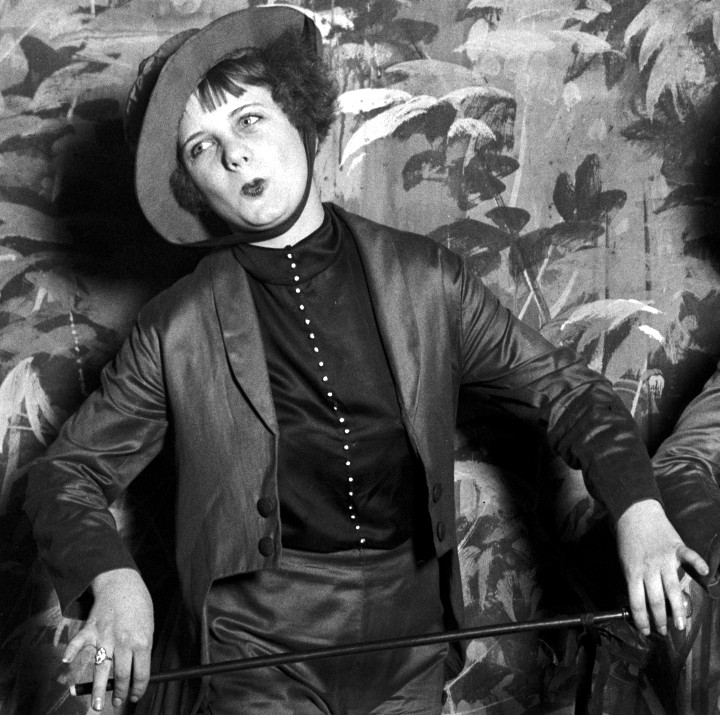


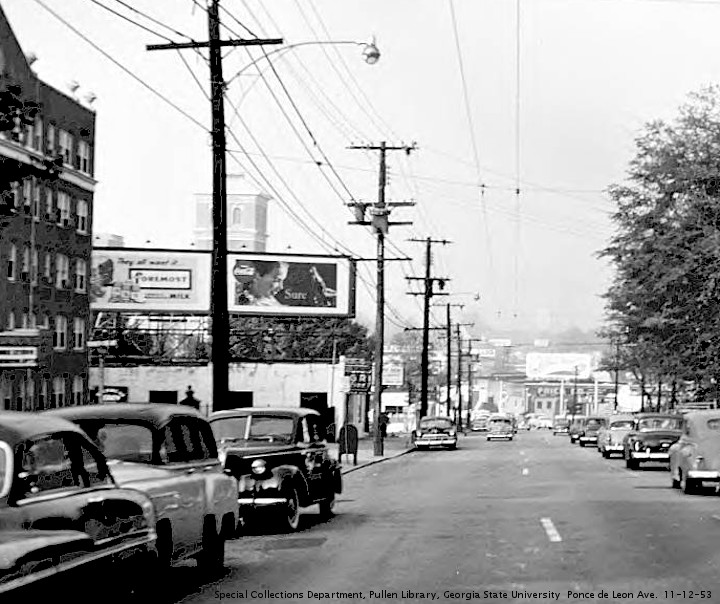
Today is Joni Mitchell’s 78th birthday. Roberta Joan Anderson was born November 7, 1943, in Fort Macleod, Alberta. For this birthday tribute we will revisit four previous posts. one two three four Pictures are from The Library of Congress. … A facebook friend went on a Joni Mitchell kick. First it was a link to an interview. Then it was a quote from The Last Time I Saw Richard. A lady said Blue was her favorite album all all time, and a man enthusiastically agreed.
Given the apples and oranges quality of her catalog, it would be tough to pick one album as a favorite. PG then realized that fbf was going to be thirty soon. PG is sixty. These are two different perspectives on the craft of Joni Mitchell. One has driven through the storm, not knowing what was next. The other is presented with an almost complete body of recorded work.
PG has known about Joni since high school, and been a devoted fan since 1976. Joni’s most popular album, Court And Spark, came out in 1974, eleven years before fbf was born. Who would be the equivalent female musical force from 1943, when PG was minus eleven? The answer is nobody. (Coincidentally Roberta Joan Anderson was born on November 7, 1943.)
 After the comment about Blue, PG listened to For The Roses. Joni’s craft is like a cluster bomb… there are lines that you never fully felt, bomblets waiting to explode in your gut. Let The Wind Carry Me has one of those hidden threats. Mama thinks she spoilt me, Papa knows somehow he set me free, Mama thinks she spoilt me rotten, She blames herself, But papa he blesses me.
The first thing PG heard by Joni was Big Yellow Taxi. It was on The Big Ball, a 1970 mail order sampler from Warner Brothers. This was when Joni shacked up with Graham Nash. The next year saw Blue, followed by For The Roses, and Court And Spark. PG always thought Joni was someone he should like, but somehow didn’t. It wasn’t until 1976 that PG broke through the barrier, and became a Joni Mitchell fan. Seeing her in concert did not hurt.
On February 3, 1976, PG took a study break. (He scored 100 on the test the next day) Joni Mitchell was playing at the UGA coliseum a few blocks away, and the door was not watched after the show started. PG found a place to stand, on the first level of the stands. The LA express was her band that night, and created a tight, jazzy sound, even in the UGA coliseum. Tom Scott pointed at Joni, said she was crazy, and drew circles around his left ear. The one line PG remembers is “chicken scratching my way to immortality” from Hejira.
The Hissing of Summer Lawns might not be her best album, but it is certainly her bravest. Court And Spark was a commercial success. Instead of producing a bestselling followup, Joni took a ninety degree turn. Summer Lawns, for all its eccentric sparkle, confused the record buying public. The gravy train took off in another direction.
In those days, 96rock played a new album at midnight, which people were known to tape. On the night of the Lynyrd Skynyrd plane crash, the album was Hejira. This was followed by Mingus, another curve ball. Finally, Don Juan’s Reckless Daughter appeared, and did not make a good impression.
The eighties, nineties, and aughts appeared. PG, and Joni, lived their lives. 1996 saw a frightening interview in Details magazine. It was startling to see that for all her granola glory, Joni Mitchell might not be a very nice person. In a pot and kettle moment, David Crosby said “Joni’s about as humble as Mussolini.” Music is a tough way to make easy money.
More recently, there was a long interview on Canadian television. She is not mellowing with age. The cigarettes have not killed her, even if her voice is not what it once was. The recent albums that PG heard are strong. There seem to be more on the way. Maybe the facebook friend will have have the “what is she going to do next” experience after all.




A few weeks ago, PG was at the library. He had a story to take home, before going over to the biography section. There he found Reckless Daughter: A Portrait of Joni Mitchell. At least with fiction, you know you are dealing with a made up story. With biography, you have to use judgment.
It is a familiar story. Joni was born in the frozen north, was a rebellious girl, and got pregnant. She gave up the daughter for adoption, only to be reunited many years later. Joan Anderson gets married to, and divorces, Chuck Mitchell. Joni sings, writes, tunes her guitar funny, becomes a star, gets too weird to be popular, makes and loses money, smokes millions of cigarettes, and becomes an angry old lady. There is a bit more to the story than that. Reckless Daughter fills in a few of the blank spots.
Millions of cigarettes might be an exaggeration. Joni started smoking when she was nine. When she was a star, she was almost as well known for her constant puffing as her pretty songs. When Joni was in a Reagan era slump, she was going through four packs a day. Just for the sake of statistics, lets call it two packs, or forty fags, a day. Multiply forty by 365 and you get 14,600. If she started at 9, and had her aneurysm at 72, that gives you 63 years of nicotine abuse. If you assume that there were forty fags a day for 63 years, that gives you 919,800 smokes. IOW, while seven figures is not out of reach, it is rather unlikely that Joni smoked more than 2,000,000 cancer sticks.
The author of Reckless Daughter, David Yaffe, is a problem. He talks about the mood of America in 1969, four years before he was born. Mr. Yaffe goes to great lengths to show us that he knows about making music. Some readers will be impressed. There are mini-essays on Joni songs from her golden years, the time between “Ladies of the Canyon” and “Hejira.” And gossip, gossip, and more gossip. Joni is well known for her celebrity lovers.
We should make the point that PG enjoyed Reckless Daughter. The inside stories are fun, and pages turn over without too much head scratching. Maybe this is a statement about the career of Joni Mitchell. You enjoy the music for many years, and then complain about the details. Reckless Daughter follows the trajectory of other celebrity biographies. The star is born, takes up a craft, gets a break, becomes successful, goes over the mountaintop into a long decline. With Joni, nothing after “Mingus” was well received. The chanteuse was broker, and angrier, by the minute.
On page 13, Joni hears Rhapsody on a Theme of Paganini by Sergei Rachmaninoff. This is the piece that makes her want to be a musician. One page 129, we learn the story of A&M studios in Hollywood. At one time, The Carpenters were in studio A, while Carole King was recording “Tapestry” in studio B. Joni was recording “Blue” in studio C, which had a magic piano. One time, Carole King learned of a break in the studio C booking, and ran in. Three hours later, “I feel the earth move” was recorded.
A few years later, Joni was on the Rolling Thunder tour with Bob Dylan. One of the concepts was support for Rubin “Hurricane” Carter, whose story can be found elsewhere. Joni became disillusioned with Mr. Carter. When Joan Baez asked Joni to speak at a benefit concert, Joni said she would say that Mr. Carter was a jive ass N-person, who never would have been champion of the world. Joni later got in SJW trouble for posing in blackface, for the cover to “Don Juan’s Reckless Daughter.”
On page 251, we learn that Bob Dylan does not dance. Other items include “Free man in Paris” being written about David Geffen, and Jackson Browne writing “Fountain of Sorrow” about Joni. Mr. Brown is a not-well-thought-of ex of Joni. As for Mr. Geffen…. Joni stayed at his house for a while, at a time when Mr. Geffen was in, and out, of the closet. Did they make sweet music together?
So this book report comes to an end. Joni is recovering from a brain aneurysm, and will probably not produce anything else. The book is going back to the library, and PG will move on.
Joni Mitchell has product to promote. She gave an interview to New York magazine, where she smoked a few cigarettes and expressed a few opinions. There were enough attention getting comments to make the news.
“When I see black men sitting, I have a tendency to go — like I nod like I’m a brother. I really feel an affinity because I have experienced being a black guy on several occasions.” She proceeds to tell a story about dressing like a down and out black man as a way of dealing with an obnoxious photographer. “I just stood there till they noticed me. I walked really showily, going, Heh heh heh. It was a great revenge. That was all to get his ass. To freak him out. I had to keep him on the defensive.”
Gay-mafia-made-man David Geffen was a target. “I ask her about a painting, visible in a vestibule, on the way to her laundry room, of a curly-haired man with a banana lodged vertically in his mouth; turns out it’s Geffen, and she painted it. “Before he came out. He’s never seen it,” she says, before explaining: “He was using me as a beard. We were living together, and he’d go cruising at night. He was very ambitious to be big and powerful, and he didn’t think he would be [if he was openly gay].” By 1994, the two had fallen out over her insistence that he didn’t pay her enough in royalties.”
The product is a four cd boxed set, Love Has Many Faces: A Quartet, A Ballet, Waiting To Be Danced. There was a single one star comment about the joniproduct. Al Norman Seems like a collection of Joni’s forgettable tunes February 3, 2015 ~ “My wife loves Joni Mitchell, and never listens to this set. Seems like a collection of Joni’s forgettable tunes.” This comment was sponsored by Head and Shoulders. “100% flake free hair & A GREAT SCENT”
You just can’t get away from capitalism. Ms. Mitchell heard “… on the radio, a record executive “saying quite confidently, ‘We’re no longer looking for talent. We’re looking for a look and a willingness to cooperate.” As interviewer Carl Swanson notes, “For now, she’s hoping that people buy her boxed set, with her self-portrait on the cover. To that end, she gives me a Joni Mitchell tote bag with one of her paintings on it to carry my things home in. Get the word out.”


Joni Mitchell gave am interview recently to a Canadian Broadcaster. She is famously Canadian. The chat was in her California living room, which is littered with her paintings. Many of the paintings are things like Saskatchewan at forty below. Mrs. Mitchell alternates between painting and music, which tend to balance her cigarette fueled mind.
The CBC interview is paired with a more formal chat in Toronto. She could not smoke during the Toronto interview. The Toronto interviewer is just a bit smarter than Jian Ghomeshi, who endured the second hand smoke in California. Mr. Ghomeshi said things like “The song “Woodstock” defined a generation.” Mrs. Mitchell was in a New York City hotel room that famous weekend.(Spell check suggestion for Jian Ghomeshi: Joan Shoeshine)
There are some juicy quotes. Art is short for artificial. When listening to Joni songs, you should look at yourself, and not at her. Free love was just a gimmick for the men to get laid. False modesty is pointless. Sylvia Plath was a liar, or maybe it was Anne Sexton. (James Dickey said that Sylvia Plath was the Judy Garland of American letters.)
A fearsome foursome gets in the game. Someone screamed, on a live album. “Joni, you have more flash than Mick Jagger, Richard Nixon, or Gomer Pyle combined!.” Years later, the fan introduced himself to Mrs. Mitchell.
The conversation mentioned Bob Dylan. He is from Northern Minnesota, and not quite Canadian. Apparently, Mrs. Mitchell kicked up a fuss with some comments in 2010. ” Bob is not authentic at all. He’s a plagiarist, and his name and voice are fake. Everything about Bob is a deception. We are like night and day, he and I. … Grace [Slick] and Janis Joplin were [sleeping with] their whole bands and falling down drunk, and nobody came after them!”
Did Bob Dylan and Joni Mitchell ever tune up together? Joan Baez, a similarly named contemporary, is well known for dating Mr. Zimmerman. Ms. Baez did sing at Woodstock.
Mrs. Mitchell doesn’t exactly take back her comments about Bob Dylan. ““I like a lot of Bob’s songs, though musically he’s not very gifted. He’s borrowed his voice from old hillbillies. He’s got a lot of borrowed things. He’s not a great guitar player. He’s invented a character to deliver his songs. Sometimes I wish that I could have that character — because you can do things with that character. It’s a mask of sorts.”
In a kill the messenger moment, Mrs. Mitchell lashed out at the interviewer from the 2010 piece. It is odd, since he didn’t ask any trick questions. Black and white transcripts are tough to deny. “The interviewer was an asshole.” (The body part is bleeped.) “I hate doing interviews with stupid people, and this guy’s a moron” “His IQ is somewhere between his shoe size and (unintelligible)”.
The troublesome 2010 interview was conducted with John Kelly, a Joni Mitchell tribute artist. “JK: Drag does have a power, though — that netherworld of a thing you can’t quite know, which makes people nervous. JM: Drag wasn’t always counterculture. In his memoirs, Nixon talked about the Harvard and Yale men in power who would put on these plays where they dress like women, and Milton Berle did a kind of “hairy drag.” Becoming a gay thing made drag go underground.” Did Mick Jagger and Gomer Pyle ever do drag with Richard Nixon?
Richards
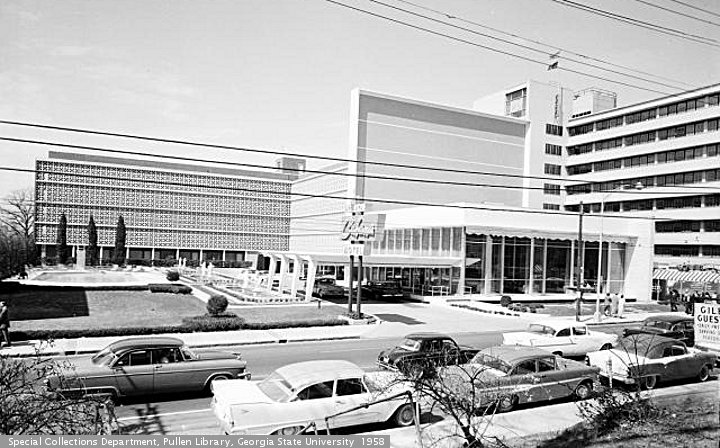


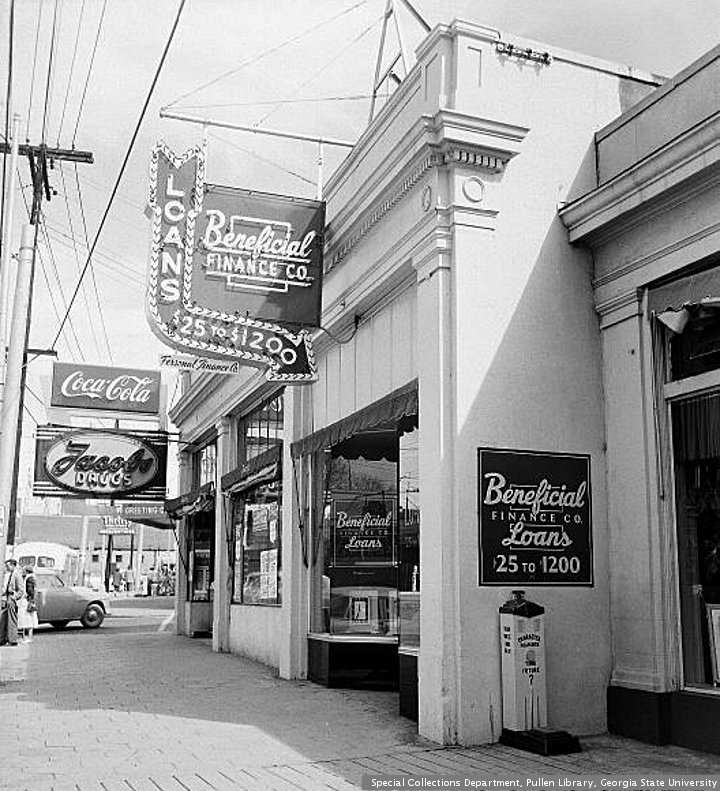
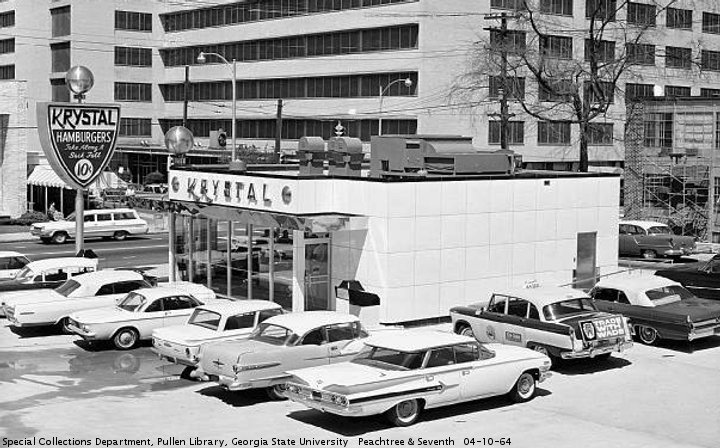

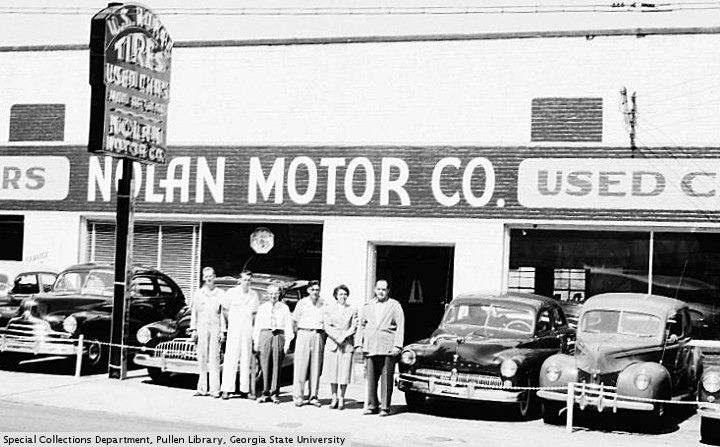
A comment at a recent post mentioned “Jenning’s Rose Room, a classic poor white juke and dance hall … where Trader Joes now sits.” PG had been in that building when it was called Richards. Pictures are from “The Special Collections and Archives, Georgia State University Library”.
There is no telling what the original use of the building at 931 Monroe Drive was. It was across the street from Grady Stadium, and adjacent to Piedmont Park. The railroad tracks that became the beltline ran behind it. The parking lot was primitive, with a marquee sign built at some point. (PG drove by that sign several nights and saw that Lynyrd Skynyrd was playing.)
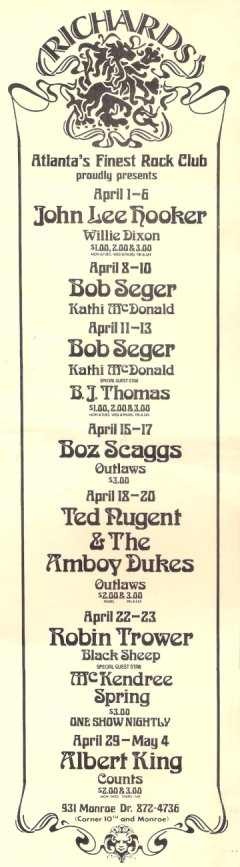 There was another nightclub building on the hill behind JRR. One night, PG went to see a jazz band there, accompanied by someone who lived in a nearby house. After seeing the band, PG was led to a horse stable behind the bar. The horses were not well maintained … you could see the ribs sticking out. There is a story of a goat getting loose from the stable, and being chased out of the jazz bar during happy hour.
Jennings Rose Room was before PG’s time. There is a story that some men had lunch there, and made a bet. The idea was to hit a golf ball from the JRR parking lot, and putt it into a hole at Piedmont Park. A biscuit was used as a tee. The first shot went across the street, onto the field at the stadium. Eventually, the ball was hit across Tenth Street, onto a green, and into the cup.
At some point, Jennings Rose Room closed. A gay club called Chuck’s Rathskeller was opened in that location. A rock and roll club or two did business there. Then Richards opened.
The first time PG was in the house was after a Johnny Winter concert at the Fox. There were rumors of visiting musicians dropping by Richards to play after their shows. Mr. Winter was only onstage for a couple of minutes after PG got there.
The most memorable trip to Richards was during the summer of 1973. The headliner was Rory Gallagher, who was ok but not spectacular. The opening act was Sopwith Camel, one of the forgotten bands of the seventies. They performed a novelty hit, “Hello Hello”. Someone in the audience liked it, and paid them to do it again. The band wound up doing “Hello Hello” five times, and said that was the most money they made in a long time.
Average White Band was making the rounds that fall, and had a show at Richards. A lot of the audience was black, and they hit the dance floor in unison when “Pick up the Pieces” was played. Fellow Scotsman Alex Harvey was in town, and joined AWB to sing “I heard it through the grapevine”.
Muddy Waters played at Richards one night. The band did most of the playing, with Mr. Waters tossing in a few licks on bottleneck guitar. He might have sang a couple of times.
About this time, Iggy Pop played a few shows at Richards. One night, someone snuck up on him, and gave him a hug. It was Elton John, wearing a gorilla suit.
PG saw three more shows (that he can remember) at Richards. Richie Havens was worth the two dollar admission. Soft Machine played in the winter of 1974. Larry Coryell played a show that summer, with the Mike Greene Band opening. PG got to talk to Mike Greene that night. The National Association of Recording Arts and Sciences (who do the Grammy Awards) had a President named C. Michael Greene at one time. PG thinks this is the person he talked to that night.
Two friends of PG went, as their first date, to see Spirit at Richards. They were married a few years later. Towards the end of 1974, Richards was running out of steam. They advertised a New Years Eve show starring B.B. King, and sold high priced tickets. When the crowd showed up for the show, they found the doors locked. Richards had closed.
The next tenant for 931 Monroe Drive was going to be Cabaret After Dark, a gay club. There was a fire the night before the grand opening. The building was never used again. Eventually, a shopping center was built on the site.
UPDATE: Here is an article, from the Great Speckled Bird, about Richards. The 010975 edition of the Bird had an article about Richards closing. This is a repost.




The Heroin Diaries


The Heroin Diaries: A Year in the Life of a Shattered Rock Star turned up on the used book table at the Chamblee library. A hardback copy was $2. THD is a visual overload. Every page has comic-book drawings, in a horror show theme. The text/background switches back and forth between red, black, and white. If you are in a spot with low lighting, red on black text is almost impossible to read.
THD is about the life, and near death, of Nikki Sixx. He is the bass player/creative force for Mötley Crüe. THD starts Christmas 1986. The main portion ends at the end of 1987. There are a few pages, telling the short version from 1988, until the book’s publication in 2007. The copyright is assigned to Nikki Sixx, with Ian Gihins the editorial miracle worker. Mr. Sixx kept a diary throughout 1987, and added comments in 2007. A cast of characters adds further commentary.
Nikki Sixx did a lot of drugs in 1987. Heroin, cocaine, and Jack Daniels were the big three. Crüe went on tour in June, and were on the road the rest of the year. The “Girls, Girls, Girls” tour may have been the high water mark for rockstar bad behavior. One story has Nikki, and Tommy Lee (Crüe’s drummer/Nikki’s co-conspirator) set a hotel room on fire. Nikki thought it was someone in their entourage, and was surprised when it was a Chinese tourist. There are many more stories.
Frank Carlton Serafino Feranna Jr. was born December 11, 1958. THD starts two weeks after his 28th birthday, ending his chance to join the 27 club. At some point, and ex-girlfriend took a boyfriend named “Nikki Syxx.” Frank Feranna had a tough childhood. After his father left, Frank was bounced around between his mother, and his grandparents. Somewhere in there, his mother is said to have dated Richard Pryor. Frank got older, with a lot of issues. AHD goes into great detail about his childhood, and the self-medicating that followed.
The GGG tour came to the Omni, in Atlanta, November 20, 1987. By this time Guns and Roses were the opening act. (Slash on the same tour as Nikki Sixx, what could possibly go wrong?) “Axl Rose was onstage in Atlanta when he saw one of the security guards, who turned out to be an off-duty cop, pushing their fans around. Axl jumped off the stage and started fighting the guard, so security grabbed him and took him backstage. So Slash sang a few songs, and Guns’ drum technician sang “Honky Tonk Woman”—four times, not terribly well.”
“As concert promoter Charlie Brusco walked through the back door of the arena shortly after the concert started, he knew something was wrong. “I heard this horrible sound,” Brusco says. “I look up, and one of the guys in the road crew was singing.” A roadie for the band named Big Ron was on lead vocals, because, earlier, Rose had jumped offstage, punched a cop, and been carried away. The Omni’s head of security told Brusco, … “Third strike, he hit a black female Atlanta police officer. He’s going to jail.” Brusco begged for Rose to be allowed to finish the show. Finally the security chief said, “If he apologizes to the police officer in writing, we’ll let him go.” Brusco agreed. He was led to Rose, who was sitting at a makeshift booking table wearing his trademark bandanna. Rose dutifully signed his apology, and security brought in the female officer. Then Rose looked up and said, “Fuck you, you fucking jag-off cop.” He was hauled to jail, and the show was canceled.”
An amazon one-star review: “I don’t know how you read this and aren’t questioning how Nikki Sixx isn’t in prison for rape; “Nikki. He asked me if I was serious about her, and when I replied that we were just getting to know each other, Nikki started telling her how hot she was. As he bent her over what was a locker-room bench she complained that she was in the middle of her period. Nikki told her he wasn’t scared by a little bit of blood and proceeded to have intercourse with her right there on the spot, in front of anybody who happened to be there.”
THD is ever-so-slightly misogynistic. The phrase “CHICKS=TROUBLE” appears throughout the book, beside the tittie bars and groupies. The ladies are definitely not as important to Nikki as the drugs. “My dick didn’t seem to be aware that she was there. She kept asking me what was wrong, and I was so out of it that I thought she meant what was wrong with the world, so I started talking about global poverty and shit. I’m not surprised she left. I suspect she won’t be coming back.”
“We paint the outside of our bodies beautiful but the inside is like dead men’s bones. … We mistake lust for love and pop more pills, slam more drugs, drink ourselves silly or end us, as I did, scraping the inside of a pipe just to hit the resin and flush life down a toilet.” Evangelist Denise Matthews, aka Vanity, was Nikki’s girlfriend for much of 1987. A former gf of Prince, Miss Matthews had a volatile personality. Being a serious crackhead did not help. Evangelist Denise Matthews passed away February 15, 2016. Her kidney failure is almost certainly the result of her crack addiction.
Near the end of 1987, Nikki shot too much heroin. Many people thought he died. He managed to pull through. The next few years saw Nikki get sober, only to relapse, only to get sober again, only to relapse. Rinse and repeat, unlike the appalling approach to personal hygiene. Hong Kong, December 19, 1987: “P.S. I smell so bad, I haven’t showered since LA I can see people actually look repulsed when they get a whiff of me. I stand next to people just to fuck with them. I didn’t bring any clothes with me, just cash. Fuck, what else do I need.”
After 1987, the narrative becomes much less detailed. Nikki gets married and divorced a few times, with a few children born along the way. At one point, he abandoned his wife and kids, which made him feel horrible, but did not stop him. Finally, Nikki detoxed for good, and was clean when THD was written in 2007. According to his instagram, Nikki Sixx has been sober 20 years on July 2, 2021. Pictures are from The Library of Congress.


 Chamblee54
leave a comment