Buying Water In Kenya





One part of life taken for granted in America is indoor running water. You turn on a faucet, and get what you need. There are concerns about the future, and fussing about water rights. In Kenya, a person walks to a water vendor to buy a 20 liter supply of water.
Kibera is euphemistically known as an informal settlement. It is located in Nairobi, Kenya. A land mass 75% the size of New York’s Central Park is home to a lot of people. “More accurately, Kibera turned into an unauthorized settlement after Kenya gained independence in 1963 and the new government made illegal certain forms of housing. Nonetheless, landlords rented out cheap properties to impoverished Kenyans who could not afford legal housing, and has since earned the reputation of being one of Africa’s largest urban slums. Importantly, the precise population of Kibera is hotly debated and remains uncertain. Some estimates are as high as one million and others as low as 170,000 (e.g, 2009 Kenya Census). Estimates are difficult because Kibera is made up of residents who are extremely mobile, and often prefer to remain in the shadow of the law.”
Very few of the residents have running water. Every day, people have to carry a 20 liter jerrycan to a water vendor. Often, there are shortages, and the price goes up. The water is often contaminated. There are water mafias, which create artificial shortages to boost the price.
“If the root of water problems in Kibera centered on price and supply it may be more manageable, but issues of water quality substantially complicate clean water delivery systems. Most water pipes in Kibera run above ground and are made of plastic (due to issues with theft of steel pipes), which are highly fragile and easily manipulated. These pipes will often crack or break (either accidentally due to traffic or intentionally by competitors), allowing sewage to seep into drinking water. Indeed, water sources that are generally clean can easily become contaminated without notice. This is reflected in public health data—infant mortality rates and bloody diarrheal infection rates in Kibera are more than three times the average of Nairobi as a whole (UNDP 2006).”
Stanford University is setting up a program to use mobile telephones to help people find water. Evidently, mobile phones are more common is the slums of Kenya than clean water. The program is called M-Maji, which is Swahili for mobile water. A database will have information about who has water for sale, the price, and the quality of the water. This information will be available to water users via mobile phones.
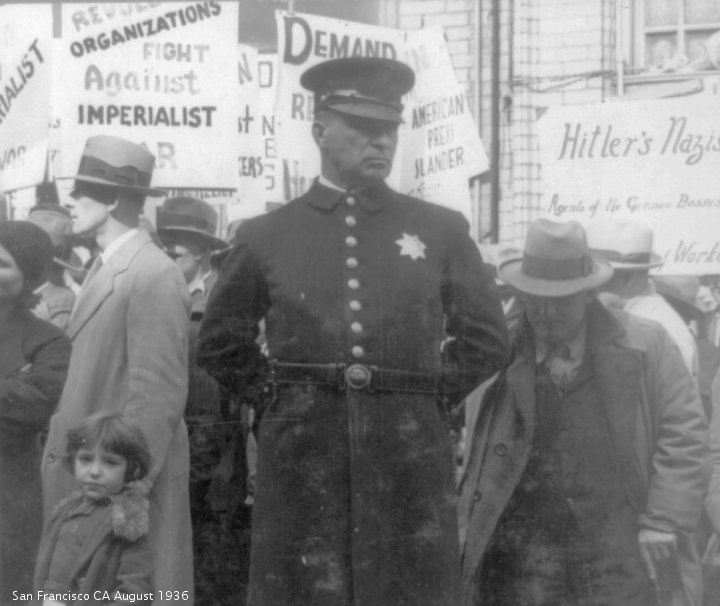
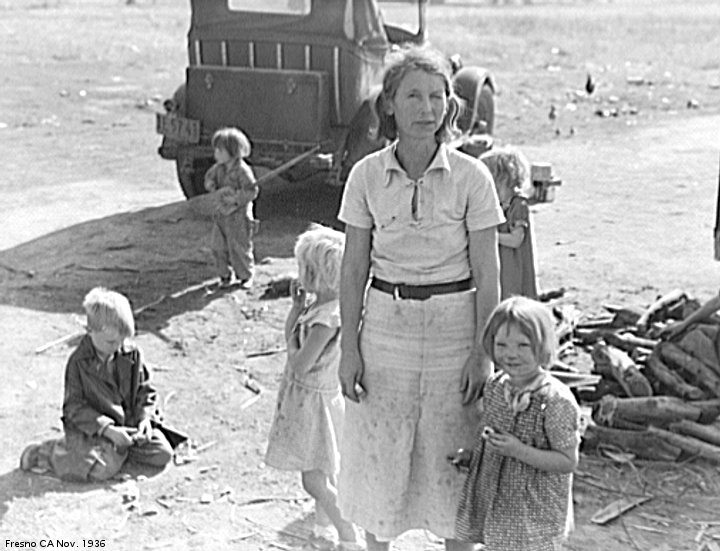
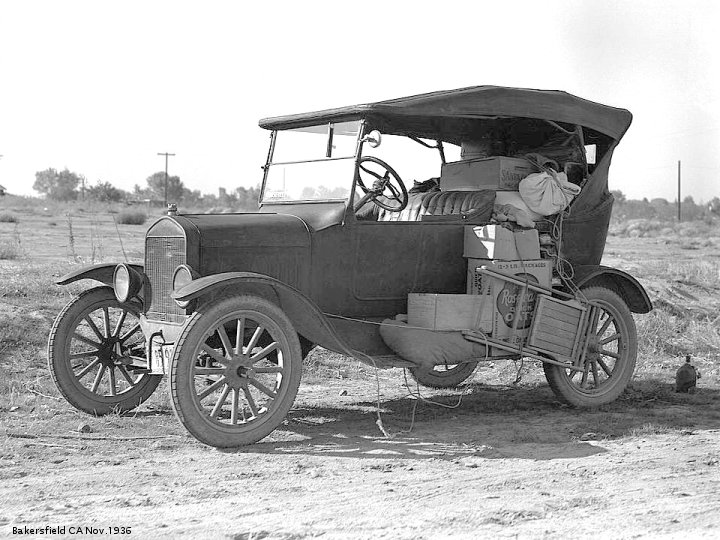
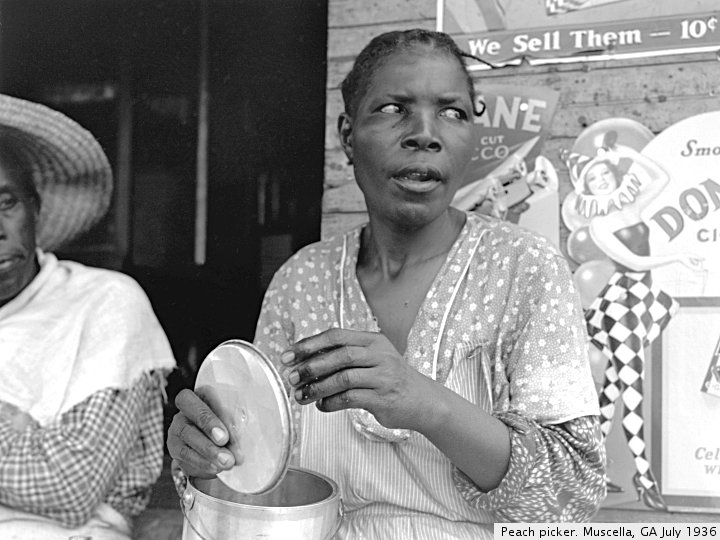
HT to Bloggingheads.tv. Pictures are from The Library of Congress. The spell check suggestion for Kibera is Liberace. This is a repost.






Proverbs 26



The folks at WIST had a nifty quote this morning. “Never argue with a fool; onlookers may not be able to tell the difference.” Mark Twain. The fun starts with the attribution. “Frequently attributed to Twain, but also to Immanuel Kant (but never, in either case, with any citation). See also Proverbs 26:4.” Maybe WIST Kant remember where he heard it.
There are several chestnuts that are similar. “You should never wrestle with a pig. You will just get dirty, and the hog will enjoy it.” “Never argue with an idiot. He will pull you down to his level, and beat you with experience.” Both are attributed to a host of famous people. None of the fp expressed it in a verifiable manner. The internet has made the problem of who-said-what worse.
The fun really starts when you go to Proverbs 26:4, and continue to Proverbs 26:5. 4 Answer not a fool according to his folly, lest thou also be like unto him. 5 Answer a fool according to his folly, lest he be wise in his own conceit. Verse 5 contradicts verse 4.
Proverbs 26 has more to offer. Many of these verses might apply to the fervent Jesus worshipers of today. 11 As a dog returneth to his vomit, so a fool returneth to his folly. 17 He that passeth by, and meddleth with strife belonging not to him, is like one that taketh a dog by the ears. 26 Whose hatred is covered by deceit, his wickedness shall be shewed before the whole congregation. 27 Whoso diggeth a pit shall fall therein: and he that rolleth a stone, it will return upon him. 28 A lying tongue hateth those that are afflicted by it; and a flattering mouth worketh ruin.
Pictures are from The Library of Congress.


______ Telling _____ What Is Racist



Womanist Musings recently republished the internet classic 10 Conversations On Racism I’m Sick Of Having With White People. PG turned off his BS detector, and read. In addition to the ten convos of the title, there are five chats that the author would like to have. Apparently, the author likes to talk. Listening might be something else.
PG learned a long time ago that conversations about race are dangerous. If you say the wrong thing, you might wind up in the hospital. It is much easier to hold your piece, and live another day. The bottom line is, PG cannot remember ever discussing any of these matters, especially with a person of color (POC). He decided to leave a comment, and the fun started.
chamblee54 I am a person of non color. I have never had any of these fifteen conversations.
womanistmusings Do you want a cookie?
RVCBard Here’s a cookie you can make at home!
Siah WTF is a person of non-color? Transparent are ya?
miga Perhaps why ze’s never had that conversation before? No one notices hir?
PG felt it was important to make his ethnicity known. The image illustrating the comment has a brown paper bag over a head. You cannot tell if it is a person without color (PWOC), or POC. When talking about race, this is an important distinction.
Person of non-color might be a silly label. But then, what about POC? It is a mystery why “colored people” is offensive, but POC is PC. The skin on PG’s neck might be red, but red is a color.
And so it goes. People love to talk about race in America. The problem is finding someone who will listen. Before ending the text, and moving on to the pictures (courtesy of The Library of Congress), we are going to share something from facebook. This message has been edited. PWOC and POC have been replaced by blank spaces. This is a repost.
This is what I have seen a lot of recently: _____ telling _____ what is racist and what is not. Trust me, _____ of the world, _____ have been thinking about this for a LONG time, and it would be a good idea to LISTEN to what they say — I think that, most of the time, they’re probably right and you’re probably wrong about racism.
Maybe even do some reading and research, so the _____ don’t bear the burden of actively taking the time to educate you about racism in only face-to-face interactions and only when they’re calling you out for saying or doing something racist.
Can we just start with the assumption that you, _______ , are racist? That your actions, most likely, perpetuate or benefit from racism? Maybe that’s not true — I’m sure you’re a good person, but maybe you’re also racist. I don’t want you to feel guilty about it, but just live with it for a little bit as if it were true. Accept, for a moment, that, unless you are actively engaged in something that is ANTI-racist, you’re being racist. Now there’s nowhere to go but up! Now you can feel EXCELLENT about every anti-racist thing you do!
And you’ve been doing a lot of those anti-racist things recently, right?



Heather Has A Mommy And A Daddy


Heather Has a Mommy and a Daddy
Deep in the heart of Dullsville, at the end of a cul-de-sac, behind a lawn of scratchy brown grass dotted with giant plastic butterflies, three flaking cement deer, and a philodendron the size of Bob Hoskins though with fewer decorative parts, lives Heather Thompson. Heather has a mommy and a daddy. Heather’s daddy is an accountant. Her mommy is a homemaker. Before Heather was born they met, fell in love, and got married. “I love you very much and I’m having your child,” Heather’s mom said.
Danitra is Heather’s best friend. One of Danitra’s dads is an empowerment facilitator. The other is an aura consultant. Danitra doesn’t know what they do at work, except they don’t need briefcases. Before Danitra was born her daddies met and fell in love, and after seventeen years spent discussing caring and support, handling acceptance, and negotiating intimacy, they had a commitment ceremony. “I love you very much and I’m designing the rings,” Danitra’s Daddy Mike said.
One day in school Heather’s teacher, Mrs. Weinberg-Lopez, tells the class to draw pictures of their families. Danitra draws two men, Julio draws two women, and Heather draws a man and a woman. Keanu points at the woman Heather drew, with squiggly yellow hair, a crude red dress and simple brown shoes. “This dad here’s got some ugly drag going on,” he says.
At lunchtime Danitra sits on the bench next to Heather and pulls a sandwich out of a brown paper bag.“Want to trade?” Danitra asks. “I’ve got grilled eggplant and goat cheese on marjoram foccacia.” “Um, I didn’t bring lunch,” Heather stammers, kicking her brown paper bag out of sight. “I’m … uh … on a diet.”
“Diet?” Danitra asks. “Haven’t your dads told you not to buy into that patriarchal looks-based chauvinism? And anyway, what’s this then?” she asks, holding up the bag with “HAVE A SUPER DAY!” written in sparkle marker on it.
Julio, who was listening nearby, runs up and grabs Heather’s lunch. “Yeah, what’s this? It’s somebody’s lunch!” Heather jumps at the bag but Julio holds it out of reach. “You give that back!” Heather yells. “Try and make me!” Julio chides. He pulls Heather’s sandwich apart and drops it like it was electrified. He wobbles away, holding his stomach.
“Oh my God!” he cries. “There’s like dead stuff in there!” Danitra looks at the sandwich lying on the cement. “Is that MEAT? Is that like SPAM?” Claudia, sitting quietly at the other end of the bench, bursts into tears. “Heather’s eating BAMBI!” “It’s friggin’ Wonder Bread!” Julio scoffs. Keanu walks toward the bread and peers at it. “And it’s got LUBE all over it!” “You idiot, that’s MAYONNAISE.” “What’s mayonnaise?” “It’s like goat cheese for heterosexuals.”
“Heterosexuals?” Keanu asks. “Heather’s mommy and daddy are heterosexuals?” Heather starts to yell. “No! I don’t have a mommy and a daddy. I’ve got two daddies!” “Hell-OOOO!” Danitra says, drawing the word out to twelve syllables. “We can see your clothes!” “Um . . . “ Heather stalls, “then I’ve got two mommies.” “And we’ve seen you play baseball,” Julio answers.
Heather, unable to think of a response, sits on the bench and starts to cry. Danitra pulls a robin’s egg blue bandana from her pocket and dabs at Heather’s face. “Maybe your mom’s not really a woman,” Danitra offers. “Well,” Heather says, sniffing, “she cleans the house, and cooks, and does the laundry.” Danitra fumes. “We’re trying to establish that she’s female, not that she’s an idiot.”
“Maybe your dad’s not really a man,” Julio suggests.“Well,” Heather answers, wiping her nose. “He’s big and strong and he’s got a mustache.” Several of the children wonder what this proves but nobody says anything.
“So let’s say you’ve got a mom and a dad,” Keanu says. “Then where did you come from?”Heather thinks for a minute. “They went to bed together, and then I was born.” Some of her friends express further interest, but Heather doesn’t have a brochure. “Daddy put his thing in mommy — “
“Oh, man,” Keanu interjects. “Is that legal?” “HelLLLLO!” sings Danitra, who gets the word up to eighteen syllables this time. “We’re in CaliFORnia!”
“And nine months later I came out of my mommy’s tummy,” Heather adds. Several of the children wonder why they didn’t hire a surrogate with a vagina but nobody says anything.


Heather Has a Mommy and a Daddy, Part Two
One night there’s a dance at Heather’s school and her parents offer to chaperone. While Heather’s dancing with Danitra she sees from the corner of her eye her mom and dad moving onto the dance floor. She watches in horror as her mom just sort of stands there swaying, her gingham granny dress limply hanging to the floor. She grimaces as her dad starts chopping at the air like Jackie Chan being attacked by locusts.
Occasionally their movements coincide with the beat. Heather runs to the bathroom crying.“Heather, don’t feel so bad,” Danitra says. “Lots of kids have embarrassing parents.” She starts to lead Heather out of the bathroom, then stops. “Um, maybe we should stay in here a while longer. They just started doing the Bump.”
One day the class projects are due. Heather brings in the model she’s made. It’s a lump of brown Play-Doh with ketchup poured over it and dotted with marshmellows stuck on with toothpicks. She sets it on the table as her teacher comes over to look.
“Why, Heather! That’s . . . nice! Very very nice!”“What the hell is it?” Tommy asks. “TOMMY! Heather’s parents had me over for dinner once. This is what they call ‘Salisbury steak.’” Heather bursts into tears. “NO IT’S NOT! It’s a VOLCANO! That’s lava, and that’s steam coming out.”
Danitra enters and places her project next to Heather’s on the table. “Why, Danitra, what’s this?” Danitra delicately removes the sheet protecting her project. “Versailles.”
Heather takes one look at the tiny replica of Louis XIV’s summer home, constructed by Danitra and her two dads out of two hundred cubic yards of teak plank, thirty square feet of gold leaf, sixty pounds of Italian travertine marble from the same quarry Michelangelo used, tiny topiary and functional miniature fountains, and cries even harder.
“Why did I have to have a mom and a dad?” Heather sobs. “Why can’t my family be like all the rest?”
Mrs. Weinberg-Lopez pulls Heather close. “Children,” she says,”every family is special, including those conforming to the rigid, stereotypical standard of male domination.” She starts to tell the class about her own family, including her hearing-impaired Hispanic mother, her height-challenged Israeli father, and her Gypsy recovering-substance-abusing brother-in-law and Armenian sex-addict half-sister, but stops, realizing the school year is only 4,074 hours long.
“Just because Heather’s parents are heterosexual doesn’t mean they’re slow-witted philistines, though there are strong correlations you don’t need a PhD in statistics to understand. But Heather is lucky to have a sweet mom and a wonderful dad and a dog named Molly and a hamster named Samson, and they all live together in a lovely house. They’ve got interesting avocado-colored appliances, carpet as long as your hair, and furniture that‘s by-and-large wood that must have taken them hours to assemble. There’s a big plastic sofa that turns into a bed, and a La-Z-Boy — ”
“A what?” Keanu asks. “A La-Z-Boy,” Mrs. Weinberg-Lopez repeats. “It’s a big vinyl chair that reclines.” “Oh, man!” exclaims Keanu, covering his face with his hands. “And I thought our Herman Miller reproductions were embarrassing!”
Mrs. Weinberg-Lopez continues. “But the important thing is, they’re a family. They’re a group united for a common purpose, where each individual is given a sense of empowerment and their shared bonds are formalized in a ritualistic manner.” “Oh,” the students respond in unison. Everybody hugs.
THE END
The story was borrowed from World Class Stupid.
Pictures are from The Library of Congress. This is a repost.



Trigger Warning

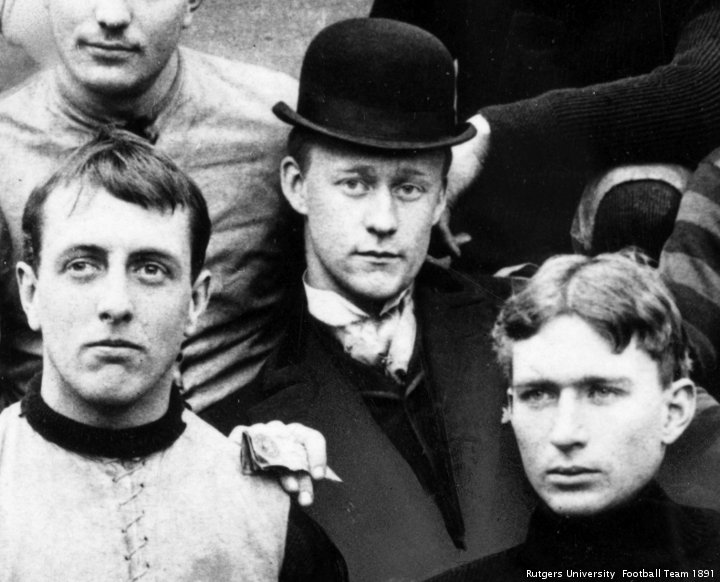


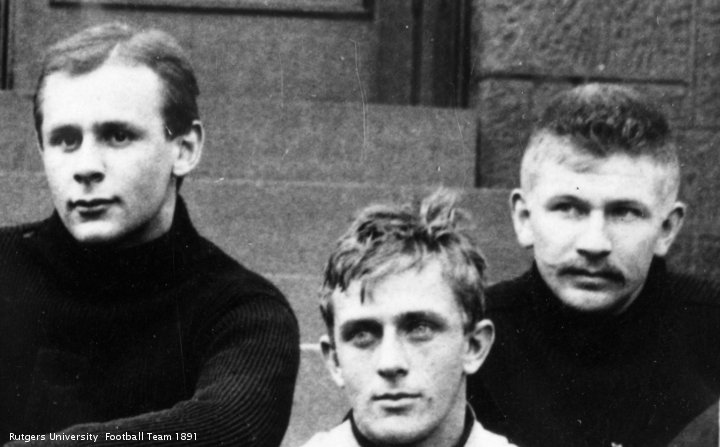

This is about a trigger. This is a device that enables the use of a weapon. It is also a content warning. “Rape Poem To End All Rape Poems” sometimes has this advisory. TRIGGER WARNING: If you are a survivor of sexual assault or have an overwhelming reaction to assault, this video may be triggering for you. This is probably a good idea. People who have had a traumatic experience do not appreciate having it shoved in the face. If only people who can’t stop talking about Jesus would notice the way people react to their message.
Jesus is a touchy subject for many people. Many people have been verbally assaulted, in the name of spreading salvation. The fact that you don’t agree with these ideas does not stop people from feeling obligated to tell you about one more time. It serves to create ill will for Jesus. It does not help when this Jesus-fix is delivered as a ceremonial part of a government meeting.
The Supreme Court recently rules that the town of Greece, NY, can open government meetings with a Christian prayer. Justice Anthony Kennedy said, “The town of Greece does not violate the First Amendment by opening its meetings with prayer that comports with our tradition.” Chamblee54 wrote about Greece, NY last year.
The issue of public prayer at secular events has been fussed over many times. The Supreme Court is going to hear Town of Greece v. Galloway soon. It deals with whether, or not, Greece NY should open town meetings with a prayer.
Once, a man saw his child get excited when there was a prayer on TV. The kid said that the prayer meant the cartoons would start soon. There was a religious program, before the cartoons. The prayer was at the end of the show, meaning the cartoons were about to start.
That is about what prayers before a public event are worth. Prayer is reduced to a meaningless gesture, when used in this manner. This does not speak well for the custom of prayer.
Jesus reportedly said this. “And when you pray, do not be like the hypocrites, for they love to pray standing in the synagogues and on the street corners to be seen by others. Truly I tell you, they have received their reward in full. But when you pray, go into your room, close the door and pray to your Father, who is unseen. Then your Father, who sees what is done in secret, will reward you.”
A popular blogger ran a post about Greece, NY. He thought that the ruling was great. To him, the Bill of Rights approved of such prayers. PG made a comment, based not on the Bill of Rights, but the Ten Commandments. “The Third Commandment is about the proper use of a sacred name. Using the name of a deity to open a government meeting might not be proper.”
There was a reply. “Cylar” said ” Congress itself opens most days in prayer. The fact that they have a chaplain at all pretty much sucks the wind out of your argument. (http://chaplain.house.gov/archive/index.html) I couldn’t care less that these hardcore secular types are “offended” by religious expression in a *Christian country.* They can move to Canada or Sweden if they don’t like it. Guess what – we Christians vote and pay taxes, too – and we’ve got some say in how our affairs are governed. This country was founded by us, not the heathen Left. They just *live here.*
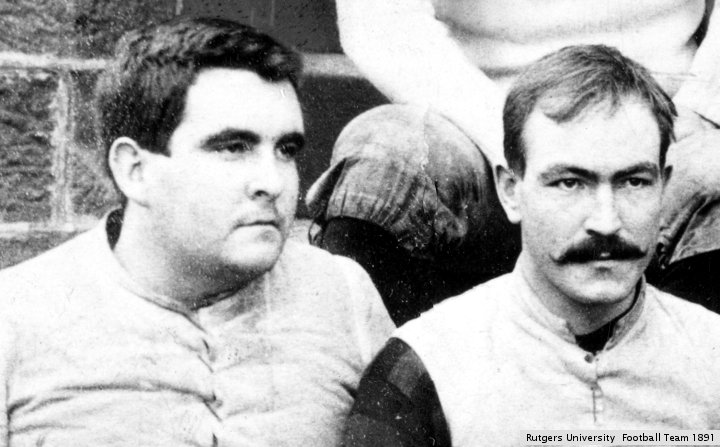
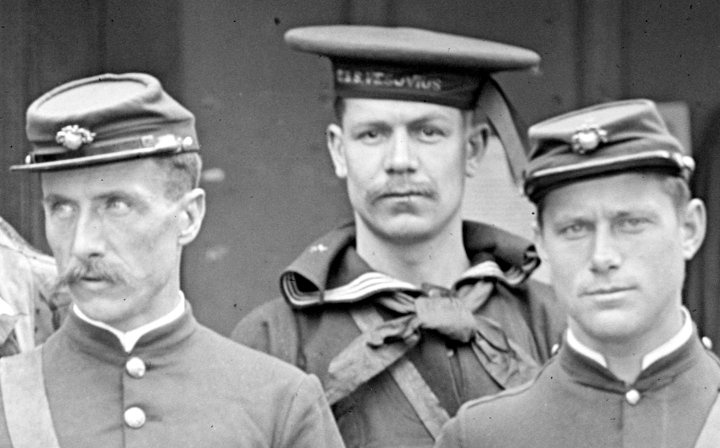
Pictures are from The Library of Congress. The pictures above the text are the Rutgers football team, in 1891. This university is the home of the Rutgers University slam team, who performed the rape poem. It is not known if Tyler Clementi was a fan.



 <
<The Ira Hayes Story


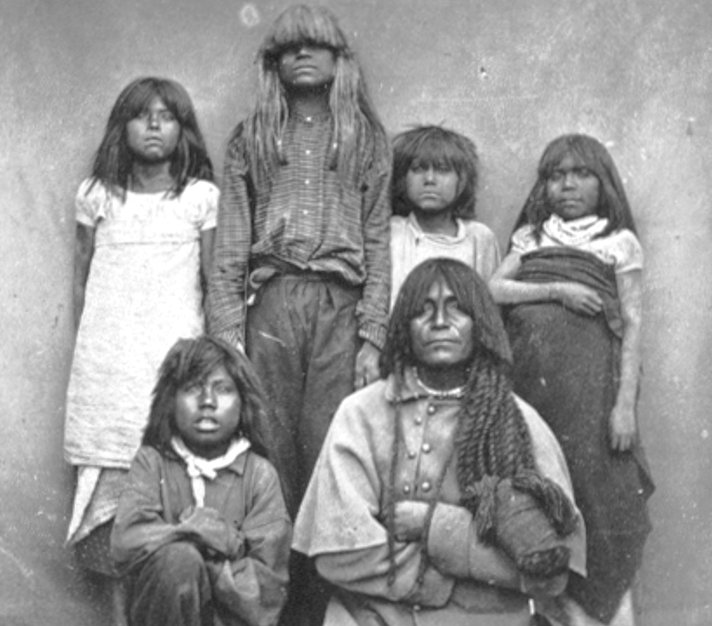
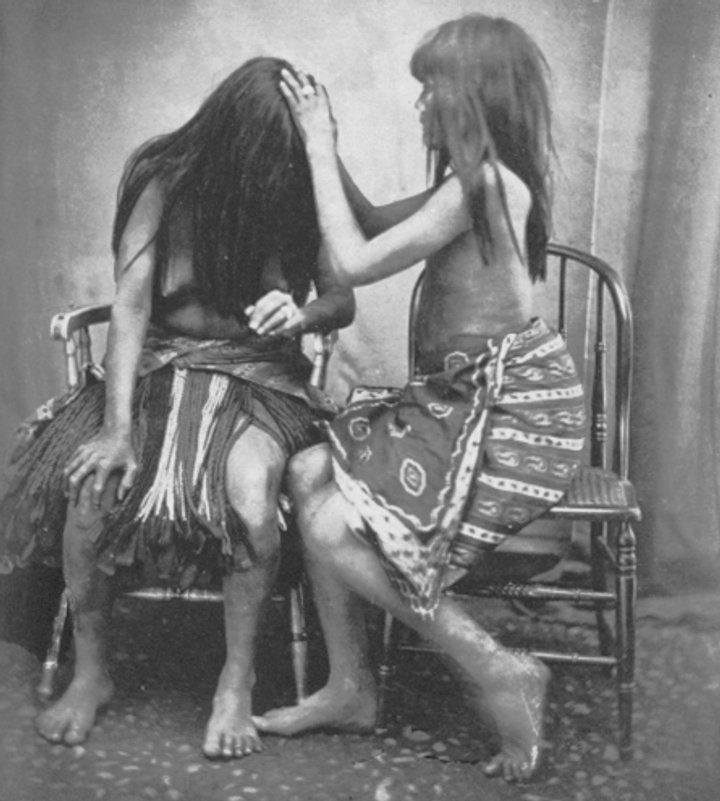
The post before this is about Arizona SB1070, a controversial measure dealing with illegal immigration. One of the men quoted is the Sheriff of Pima County, which lies on the border.
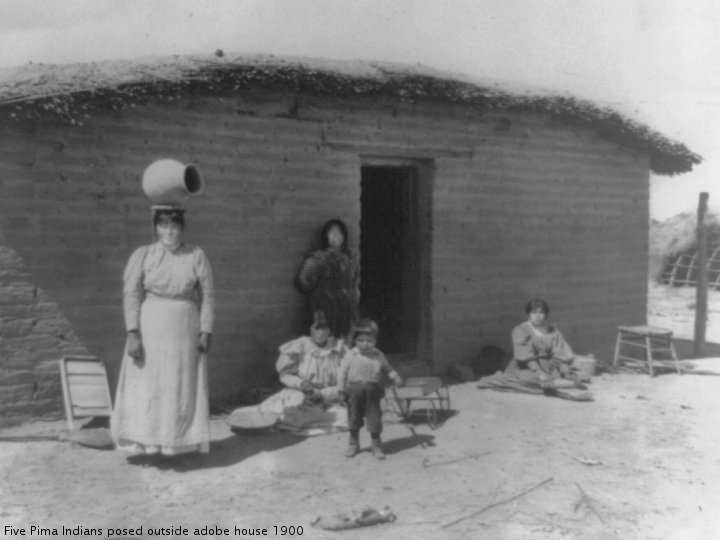
Pima County is named for the Pima Tribe, whose land was in Arizona and Sonora, Mexico. Their name for the “river people” is Akimel O’odham. According to Wikipedia, “The short name, “Pima” is believed to have come from the phrase pi ‘añi mac or pi mac, meaning “I don’t know,” used repeatedly in their initial meeting with Europeans.”
Many of the Mexicans crossing the border are Native Americans. They did not agree to the Gadsden Purchase , or the Treaty of Guadalupe Hidalgo . In other words, they were here first, and the white man (and black associates) are the uninvited guests. Maybe the natives should ask the English speakers for their papers.
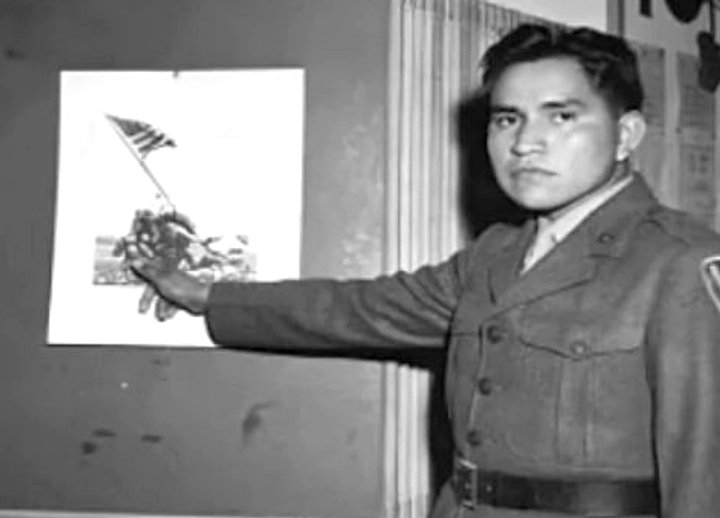
The second part of this feature is a repost. One of the best known Pimas was Ira Hayes. He was one of the Marines who raised the flag on Iwo Jima.
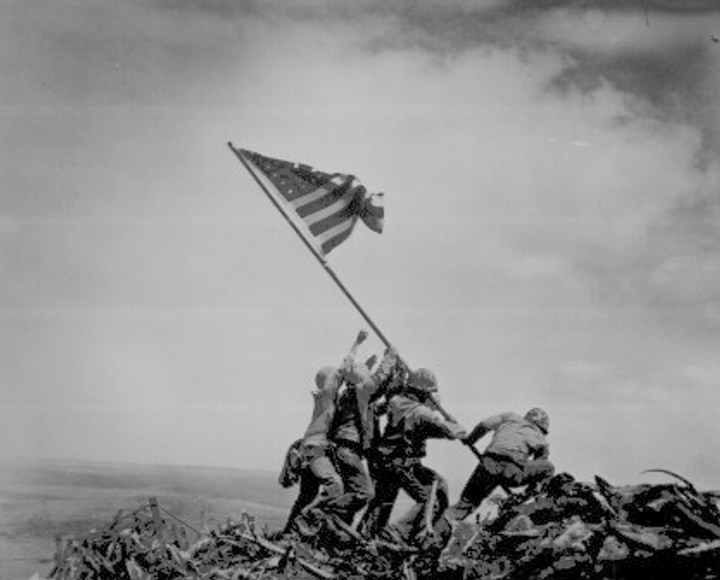
One of the enduring images of World War II was raising the flag on Iwo Jima. Three of the six men raising the flag died on the island. A fourth, Ira Hayes, became a casualty after the war.
The story of Ira Hayes is well known, but needs to be told again. A Pima Indian, his people had not been treated well by the conquerors. Nonetheless, when the War against Japan started, men were needed for the struggle, and Ira Hayes joined the Marines.
Iwo Jima was a steppingstone to the main island of Japan. After Iwo Jima and Okinawa were in Yankee hands, preparations could be made for the invasion of the main island. However, the stepping stone islands proved to be incredibly tough to secure. There were more American casualties on Iwo Jima than on D Day.
On the fourth day of the battle, a picture was made of six marines raising the flag on top of Mount Suribachi. A month of sticky, treacherous fighting was ahead for the fighting men. Of 21,000 Japanese soldiers, 20,000 died. Still, the image is inspiring. The photographer fiercely denied having staged it.
The flag was raised on February 23, 1945. Germany was all but defeated. The “explosive lens” for the atom bomb had been successfully tested. Viewed from the standpoint of 1945, it seems inevitable that the costly island hopping needed to continue, to be followed by an invasion of the Japanese mainland. From the view of 2009, one wonders if the fight for Iwo Jima, in retrospect, was really needed. War is fought in the present tense.
Two of the twelve hands holding the flagpole belonged to Ira Hayes. Ira Hayes did not adjust to peacetime well. He became a drunkard. On January 24, 1955, he passed away.
Ira Hayes was a native American. Thousands of African Americans have returned from foreign wars, to be treated poorly. Until a few months ago, if a man, or woman, is accused of being gay, the service is forgotten. On Memorial Day, we should struggle to ensure that all future veterans are treated with respect, all year long. This is a repost, with pictures from The Library of Congress.

Positive Attitude Prattle

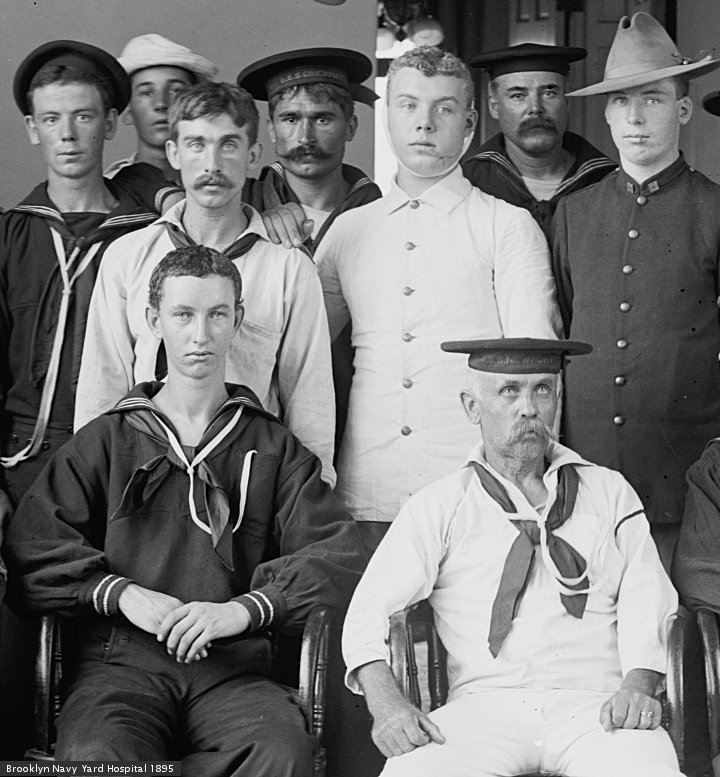
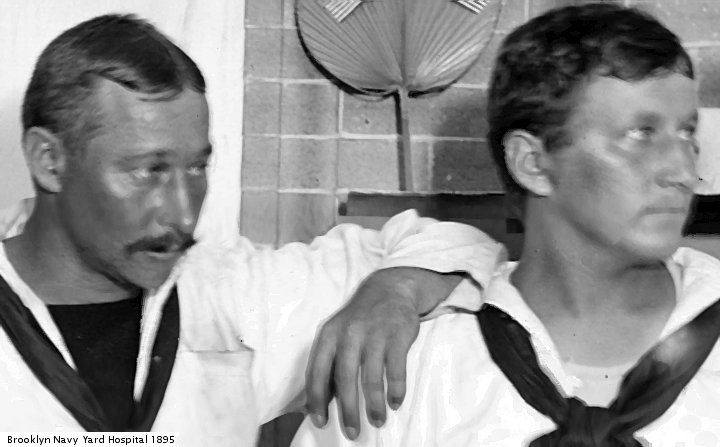
Somewhere along the line, the boss decides you have a “negative attitude”. From that point on, you are not allowed to complain. It is almost as if it were a gimmick to keep you in line.
A lady named Barbara Ehrenreich agrees that there is entirely too much positive attitude required of people. She wrote a book, Bright-sided: How the Relentless Promotion of Positive Thinking Has Undermined America. In one interview, she says “And again, you know, don’t worry about the world. Don’t ask the question about where the cancer comes from. Don’t ask why so many people are not employed, even in good times in our country. And it was the same sort of thing. And that’s when I began to think hey, this kind of operates as a way of quelling discontent, quelling dissent, you know, when you can’t say I’m mad about -whatever. You just have to swallow it and smile.”
Ms. Ehrenreich was diagnosed with breast cancer in 2000. She found herself in a pink tsunami of cheerfulness. The pink teddy bears did not do anything for her spirits. The whole culture of happy talk, about a life threatening illness. grossed her out.
At one point, she was given a tote bag. In it were some crayons. I said, “This is really nice, but what’s with the crayons?” And this woman said to me, “Well, that’s in case you want to write down any of your thoughts.” And I said, “I’m a writer. I don’t use crayons.”
The promotional interviews quoted here were conducted in 2009. This was before the Susan G. Komen foundation hired Karen Handel. During the Planned Parenthood meltdown, some unflattering things came out about the SGK foundation. It probably did not help Ms. Ehrenreich’s attitude.
So the book happened. PG has not read it, but has seen a few reviews and interviews. The New York Times has a great review. It says “America’s can-do optimism has hardened into a suffocating culture of positivity that bears little relation to genuine hope or happiness.”
One interview has a stomach churning comment. It should be noted that this is the lady talking, and that there is no confirmation of this. “Yeah. And here’s something that really horrified me that I learned recently and put in the book, is that some breast cancer support groups expel people who go into metastasis and who are clearly going to die. You can’t be in the group because just your presence might bring other people down.” (A google search of the phrase “breast cancer support groups expel people who go into metastasis ” shows little support for this story. Two front page results involve Barbara Ehrenreich interviews. Skepticism should not be limited to positive motivation.)
Pictures are from The Library of Congress. This is a repost.
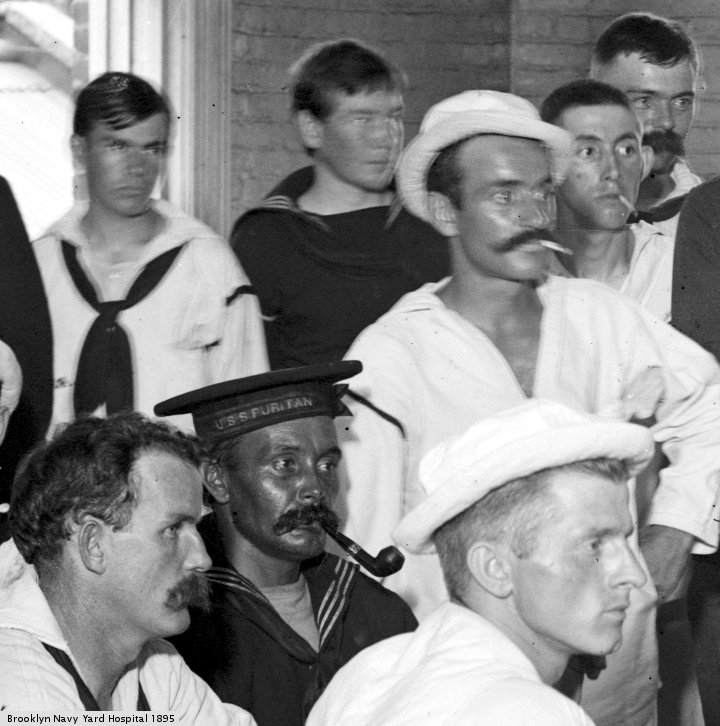

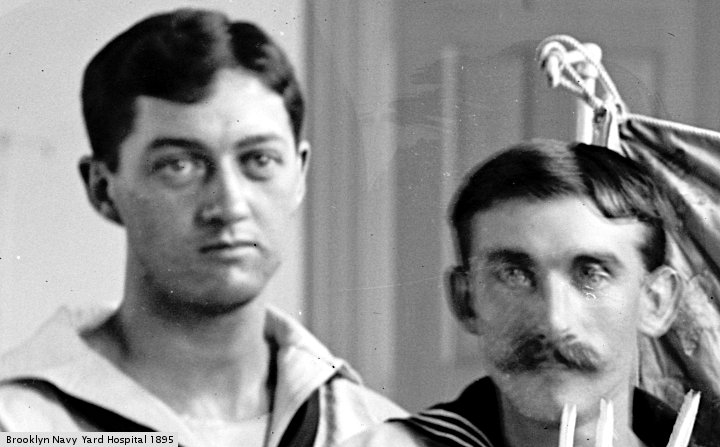


Hank Chinaski Lives
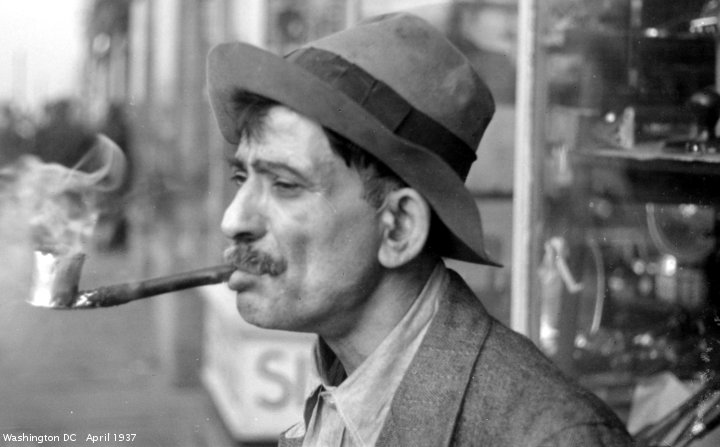

In the next quarter century, the surplus grew, thanks to Bukowski’s nearly graphomaniacal fecundity. “I usually write ten or fifteen [poems] at once,” he said, and he imagined the act of writing as a kind of entranced combat with the typewriter, as in his poem “cool black air”: “now I sit down to it and I bang it, I don’t use the light / touch, I bang it.”
As could have been predicted, it started with a post at Dangerous Minds. The feature was about the late Charles Bukowski, who was called Hank by those who knew him. The writer/drunk had always been a bit of a fascination to PG. Out of the millions of useless drunks feeding the urinals of planet earth, at least one will turn out to have had literary merit.
A trip to Google city is made, and quotes from the bard are found, along with the wikipedia page. All of this leads to a New Yorker piece about the gentleman. After nine paragraphs, and two poems, there is the phrase that set off PG…graphomaniacal fecundity.(spell check suggestion:nymphomaniac)
As best as we can figure, g.f. means that Hank wrote a lot of stuff. This is a good thing. PG operates on the notion that if you keep your quantity up, the quality will take care of itself. Hank seems to agree, spitting out product “like hot turds the morning after a good beer drunk.” He seemed to take pride in doing what Truman Capote said about Jack Kerouac…he doesn’t write, he types.
If you google the phrase graphomaniacal fecundity, you can choose from 71 results. The top six apparently quote the article in New Yorker. A blogspot facility called poemanias quotes the paragraph from the New Yorker, with the title “On Bukowski’s afterlife”, while Fourhourhardon reprints the entire thing. Neither provide a link back to the original.
Goliath and Petey Luvs Blog take the same copy-paste approach. The first tries to get you to pay for more reading material. This forum also does the control A-C-V approach, but yields this comment : “He was a contemporary of the Beats, but not quite one of them because he was darker and not as willing to smoke a joint and sing Phil Ochs songs on the lower east side.” The truth is, Hank hated marijuana, and had the classic alcoholic attitude about it. So it goes. Keep and share copies the complete New Yorker feature, but has some other thumbsuckers about Mr. Bukowski.
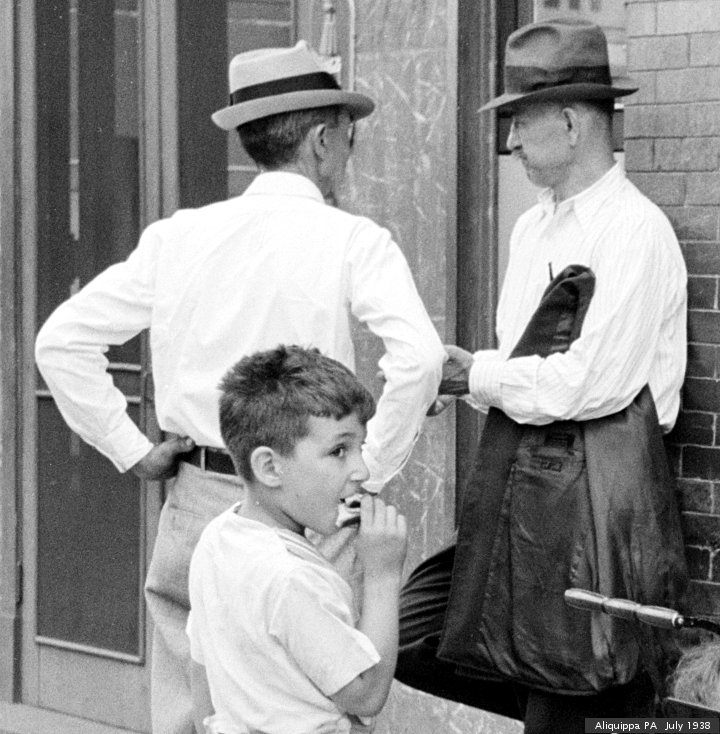
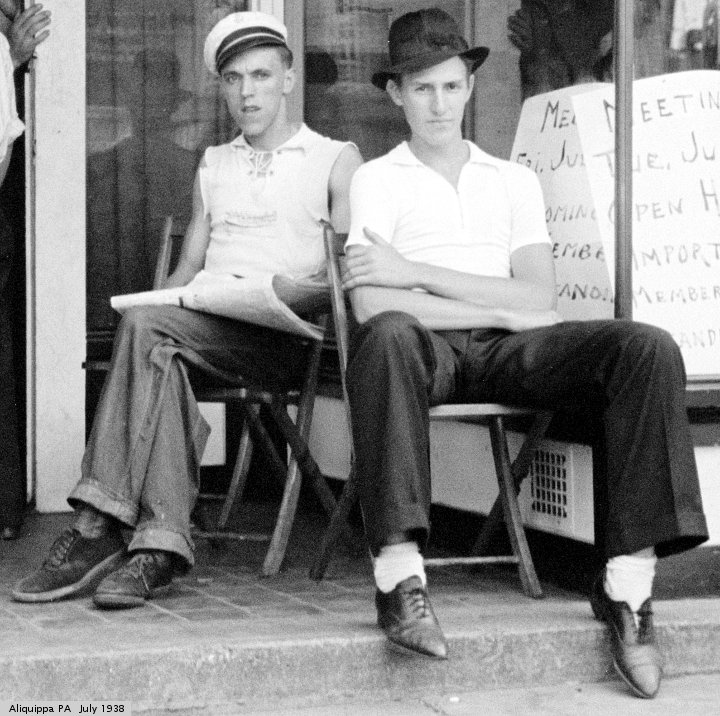

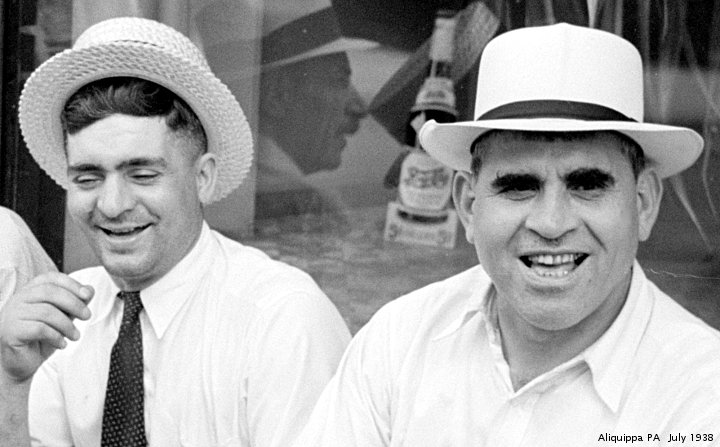
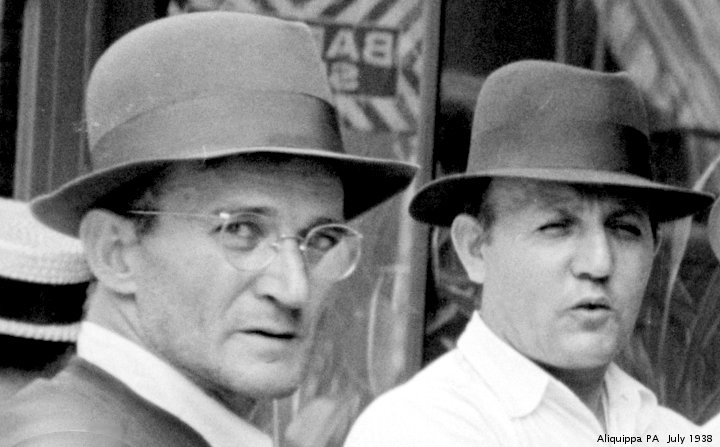
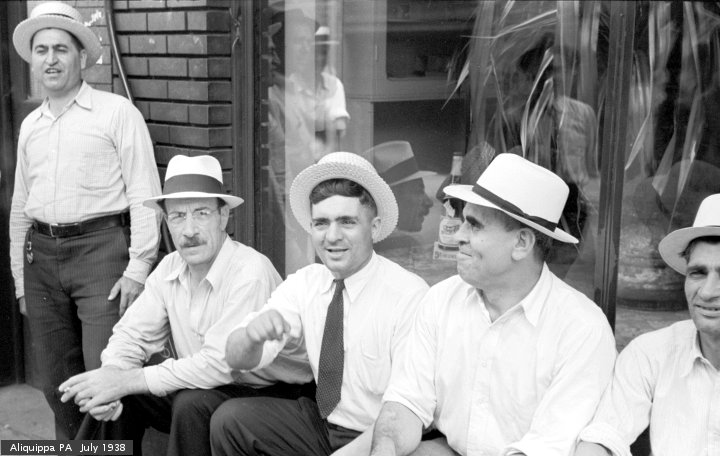
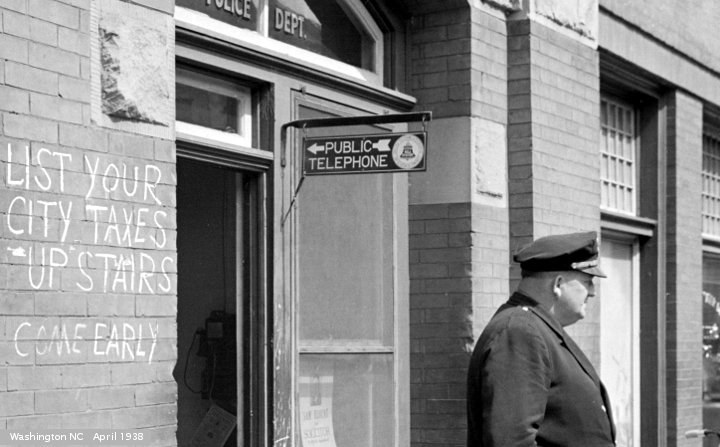

It is a truism that new media borrows content from old media. Stories, told orally from genration to generation, are compiled into books, which are then made into movies. Plastic panels try to look like wood. The newest new media that old fogey PG knows about is twitter. People tell little stories in 140 characters or less, which go around the world in seconds. With this abundance of media, there are not always enough messages to feed the beast.
On twitter, there are people producing twitter feeds from dead authors. Maybe these wordmongers went to a place with internet access. Kurt Vonnegut (three hours ago) “Busy, busy, busy”. Mark Twain (three hours ago) “Be careful about reading health books. You may die of a misprint”. Brautigan’s Ghost (twenty two hours ago) “I cannot say to the one I love, “Hi, flower-wonderful bird-love sweet.”
The deceased content maker best suited to twitter might be Conway Twitty. One slow day two years ago, Yahoo asked peeps Do you think Conway Twitty would have used Twitter? ~ He gave them the idea ~ I think Twitty would tweet, Twitter would be Conway’s, way of of communicating to the world, Twitty would be tweeting his little Twitty head off, ~ I better send out a Twitty Tweet ~ Cute, but a serious answer, probably. A media hound, he’d want to get his name plastered everywhere. ~ If he did that would have made him a ‘Twitty Twitter” ~ Who cares, he’s a twit anyway”.
There are four Twitty Twitter feeds. @ConwayTwitty (Oct. 21,2009) “The Conway Twitty Musical is getting great reviews in Branson!!! . @TwittyTweats (January 12, 2012) “In Twitty City, it never snows. All the men wear gold medallions and blazers. And the women never cry. Unless you hold them.” @Conway_Twitty (February 20, 2012) “My cock is an amphibious assault vehicle” @conwaytwittier (April 28, 2012). “@JasonIsbell How’s the English weather treating your hair? I had the hardest time keeping my pompadour in tiptop shape there.” @twittybirdmoda is written in Japanese.
The original concept for this post was to spotlight twitter feeds borrowing material from Charles Bukowski. Hank is the beer bard of Los Angeles. He is a hero to many. Out of the millions of worthless drunks populating bars, at least one could write poems. It gives you hope for mankind.
The front page of a google search for “charles bukowski on twitter” yields eight feeds. The original plan was to ignore any that were not updated in 2012. An exception will be for @hank_bukowski (Yeah it’s good to be back). (January 25, 2009) “Yesterday I met Adolf H. in hell. He is fuckin stupid.” “too lazzy these days, too drunk to twitter”.
With the 2012-only rule in effect, we are left with three Bukowski thieves. @BukowskiDiz (May 1) “Curiosidades sobre Charles Bukowski http://migre.me/8UhRf“. @bukquotes (May 8) “all the mules and drunken ladies gone the bad novels march…”. ~ “I always read when I shit and the worse the book the better the bowel movement.” @bukowski_lives (one hour ago) “Basically, that’s why I wrote: to save my ass, to save my ass from the madhouse, from the streets, from myself.”
Pictures are from The Library of Congress. This is a double repost.
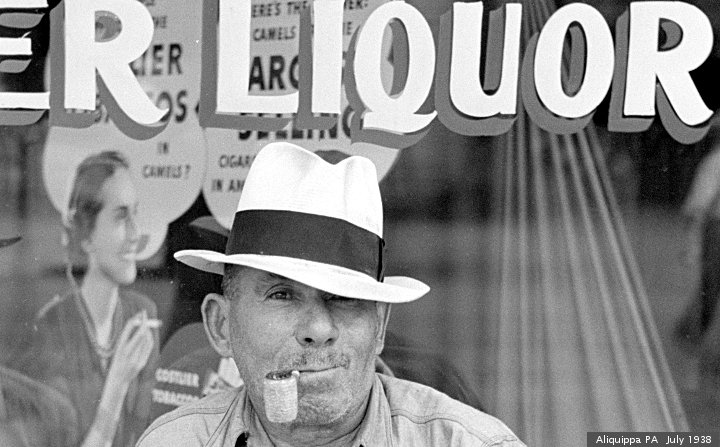
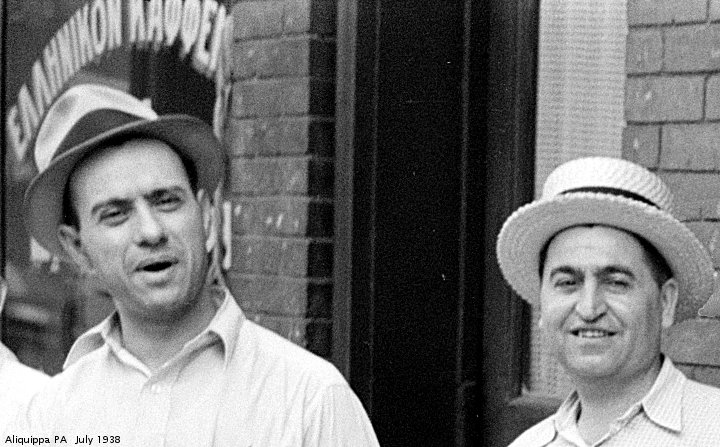

Memorial Day
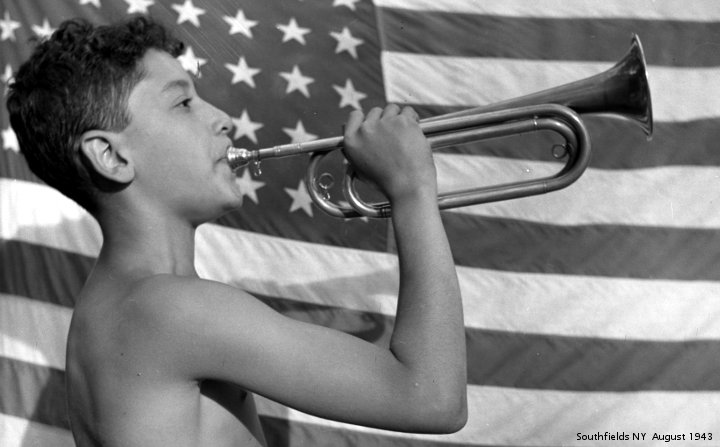





There is a bit of polemic on the internet now, The revolutionary origins of Memorial Day and its political hijacking. It tells the story of an incident in Charleston SC, where newly freed slaves buried some Union soldiers who died in a prison camp. The incident is described as the first Decoration Day, which later evolved into Memorial Day. As the article tells it, this Holiday was intended as a revolutionary statement about Black freedom, and was whitewashed into an all caucasian affair. This is not a good summary of the article, but should do for now. You can read it for yourself.
PG read the article, and started to get a headache. While researching a Memorial Day. post, he came across the Charleston incident. Apparently, it did happen. There were also numerous other remembrances of the fallen soldiers. The War Between the States was an incredibly bloody affair, with many families losing someone. The urge to remember these fallen soldiers was overwhelming. The custom of Decoration Day would probably have happened with, or without, the Charleston incident. It is incorrect to say that those former slaves invented Decoration Day.
There was an exchange of messages. PG left a comment, “That article is not completely true.”
Lendon Sadler Thank you for your comment concerning the historical roots of Memorial day, but could you be so kind as to explain a bit more the inaccuracy contained in the posting.For my sake, and that of my friends, it would be greatly appreciated. Thanks. And please feel comfortable saying whatever is on your mind in my pages. Sincere regards, Lendon
Luther Mckinnon I will have to think about it some. Also, I am not sure that I have an interest in exploring this issue. I did some research about the celebration in Charleston. It apparently did take place. However, there were other people decorating graves before that. After the carnage of the War Between the States, there seemed to be a lot of activity towards remembering the dead. The slaves in Charleston definitely did not “invent” decoration day. That they had one of the earliest celebrations is notable, but they should not take sole credit. As to the rest of the article… i would have to think about it some, and to tell you the truth I don’t know if I am particularly interested. One of the pieces I read about the evolution of Memorial Day mentioned World War One, which was the next major war the US was involved in after WBTS. Here again, there was a lot of dead soldiers to remember. This was when the holiday evolved into a remembrance of soldiers from all wars. Anyway, I hope this is helpful, and maybe we can explore some of the other issues of that article.
The article in question is at a site called Liberation, “Newspaper of the Party for Socialism and Liberation at LiberationNews.org.” There is a some historic revisionism, with statements like this. “In 1877, the Northern capitalist establishment decisively turned their backs on Reconstruction, striking a deal with the old slavocracy to return the South to white supremacist rule in exchange for the South’s acceptance of capitalist expansion.” Whatever, dude.
The custom of Decoration/Memorial Day is pretty much what it says it is… to remember the fallen soldiers of our wars, especially the ones with lots of casualties. According to this source, it was World War I that facilitated the transition from Decoration Day, focused on WBTS, to a Memorial Day that honored the dead of all wars. It almost certainly was not done as a gesture of white supremacy.
The so-called lessons of history are very versatile. You can find whatever facts are convenient for your agenda, and if you don’t get what you need you can make some up. After all, there is nobody alive today that can remember 1877. We have to take the word of whoever tells the tale of a “deal with the old slavocracy”. Sometimes, these stories are more plausible than others.
Sometimes, things just don’t ring true. “The concept that the population must “remember the sacrifice” of U.S. service members, without a critical reflection on the wars themselves, did not emerge by accident. It came about in the Jim Crow period as the Northern and Southern ruling classes sought to reunite the country around apolitical mourning, which required erasing the “divisive” issues of slavery and Black citizenship.”
This is a double repost. Notes about the Charleston parade are showing up on facebook. This incident almost certainly took place, and is worth noting. However, it was not the “invention” of Memorial Day. Gentlemen, start your engines. Pictures are from The Library of Congress.

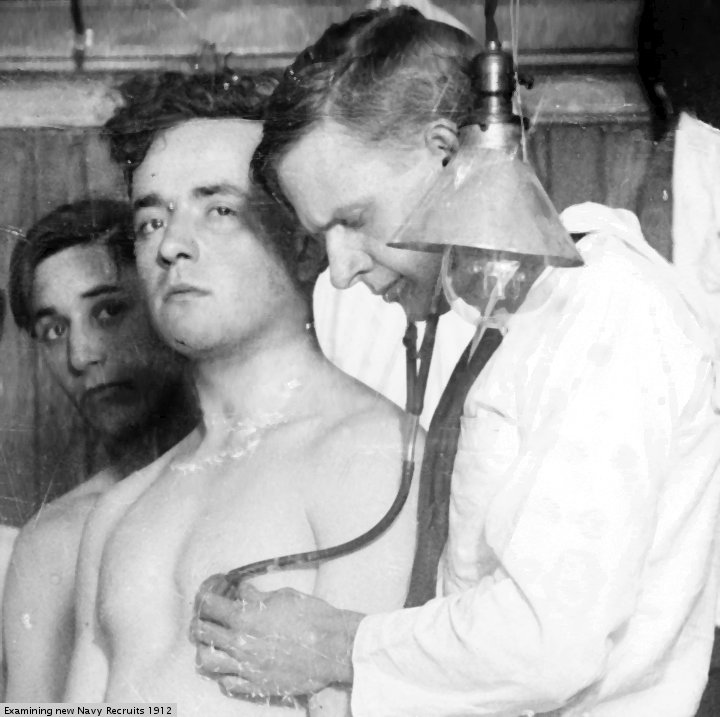
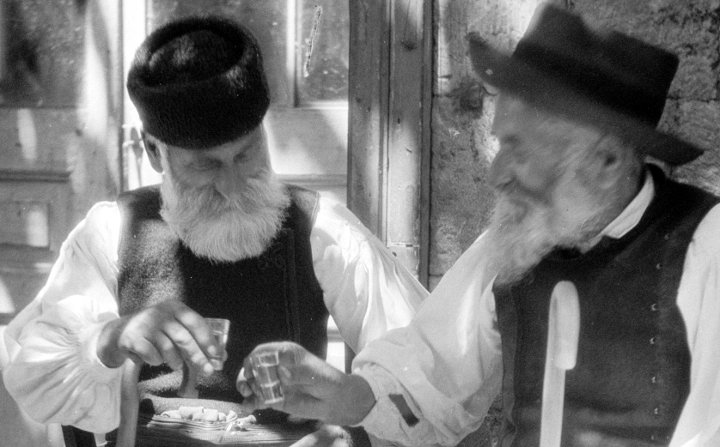
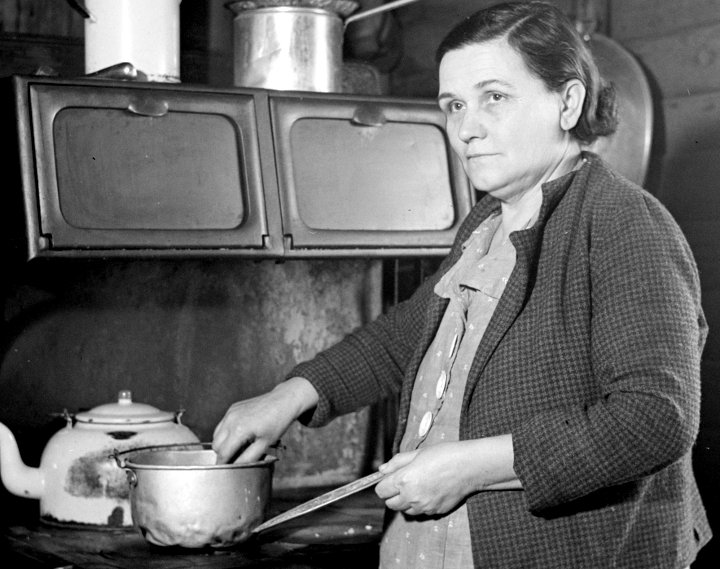
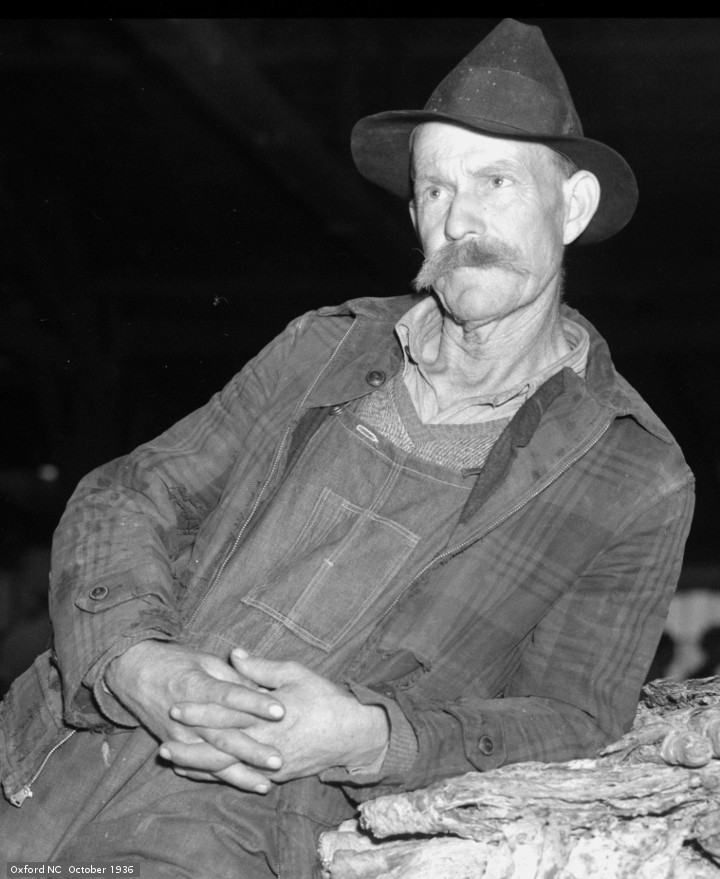
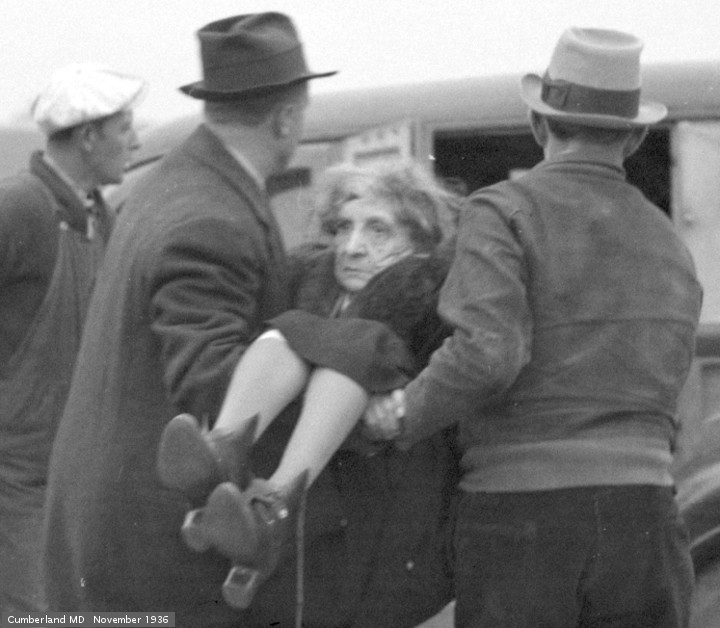


Memorial Day started as Decoration Day. During the War Between the States, people started to go out to graveyards, and put flowers on the soldiers. It is tough to say whether the custom started in the south. or the north. Waterloo NY is considered the official birthplace of Memorial Day. This is not what Abba was singing about.
WBTS was by far the most costly war in American history. There were more casualties in WBTS than in World Wars I, II, Korea, and Vietnam combined. Americans were not used to this carnage on this scale. Decoration Day was one of the results.
It was also, literally, a divisive war. The causes of the conflict are debated to this day. More men died of disease than in combat. Shitting yourself to death is not glory.
An important cause of the war was the desire, of some, to maintain their investment in slaves. In other words, the hundreds of thousands of Southern deaths were to insure that African Americans cannot be free. The lofty rhetoric of Memorial Day does not always reflect the squalid reality.
The legend is that May 30 was chosen because it was not the anniversary of any major battles. For many years after WBTS, the southern states had a separate day of remembrance. Confederate Memorial Day is still observed, though not on as large a scale as before.
The next major killing session for the United States was World War I. After this conflict, May 30 evolved into a day to remember all soldiers who died. The south began to embrace the unified holiday.
The United States lost at least 116,516 men in World War I. Almost all of these casualties were in 1918, the last year of the war. The other countries lost far more men. Not one person in a thousand can tell you today why World War I was fought. All it did was provide the causes of World War II, which was even more costly.




The MTV Survey On Millenials And Race





A popular link on facebook these days is to an article in Slate magazine, Why Do Millennials Not Understand Racism? It is written by Jamelle Bouie, and is based on the MTV Survey on Millenials and Race. Mr. Bouie does not like the results of this study.
One question might be why he is paying attention to the study. The results are broken down in two groups, white and POC. The study was conducted in English. The respondents were 14-24 years old, with the under 18 crowd needing parental permission. Only people who watch MTV were interviewed.
Some questions asked about “microaggressions” … “brief and commonplace actions or words that are subtle examples of bias. Microaggressions can be intentional or unintentional, and often communicate negative feelings towards people of color.” POC report having more problems with microaggressions than white people. One possible reason for this is the fact many white people have never heard of microaggressions. The use of words like this is one reason for using English only.
Mr. Bouie makes a few broad comments. Remember, he is talking about a group of MTV watchers. “More jarring is the 48 percent of white millennials who say discrimination against whites is as big a problem as discrimination against racial minorities. … there’s no doubt that a substantial plurality of young white people believe their race is a disadvantage, which is ludicrous given the small number who say that they’ve felt excluded because of their race (10 percent) or say that they’ve been hurt by racial offenses (25 percent). But while this reaction doesn’t seem to have a basis in reality, it makes perfect sense given what millennials writ large believe about racism.”
Maybe this is white privilege. Many white people are not sensitive to being discriminated against. What is a microaggression to one person is a rude comment (or misunderstood look) to another.
The way the survey was worded might have something to do with it. The questionnare is not included in the report. The study does not go into the family income, or level of education in the family. The only breakdown is white vs. POC.
When a person gets on a roll, it is tough to stop. The rhetorical snowball rolls down the slope, getting bigger and bigger as it heads to the bottom. “From these results, it’s clear that—like most Americans—millennials see racism as a matter of different treatment, justified by race, that you solve by removing race from the equation. If we ignore skin color in our decisions, then there can’t be racism …. The problem is that racism isn’t reducible to “different treatment.” … No, racism is better understood as white supremacy—anything that furthers a broad hierarchy of racist inequity, where whites possess the greatest share of power, respect, and resources, and blacks the least. … And the magic of white supremacy is that its presence is obscured by the focus on race. When a black teenager is unfairly profiled by police, we say it’s “because of the color of his skin,” which—as a construction—avoids the racism at play, from the segregated neighborhood the officer patrols to the pervasive belief in black criminality that shapes our approach to crime.”
Holy social scientist Batman. Who is this we? Most people never hear about a black (POC) teenage in his encounter with the police. Is it fair or unfair? Is it because of the color of his skin, or the 911 call that started the encounter? Yes, some police may target POC unfairly, and that is an issue to address. Runaway rhetoric by the likes of Jamelle Bouie does not help.
Maybe this is another case of the younger generation being misunderstood by the old fogeys. The study makes the shaky claim that “The majority of millennials believe that their generation is post-racial.” Perhaps … and this just might be a good thing … there are people coming along who are more interested in solving problems, than in worrying whether the problem affects white people more than POC. Maybe, just maybe, the divide and conquer tactics of the ruling class are being seen as the foolish distractions that they are. Those who enjoy screaming about racism might find themselves obsolete in a few years. This might not be such a bad thing.
Pictures are from The Library of Congress.





Thomas Jefferson Said What?
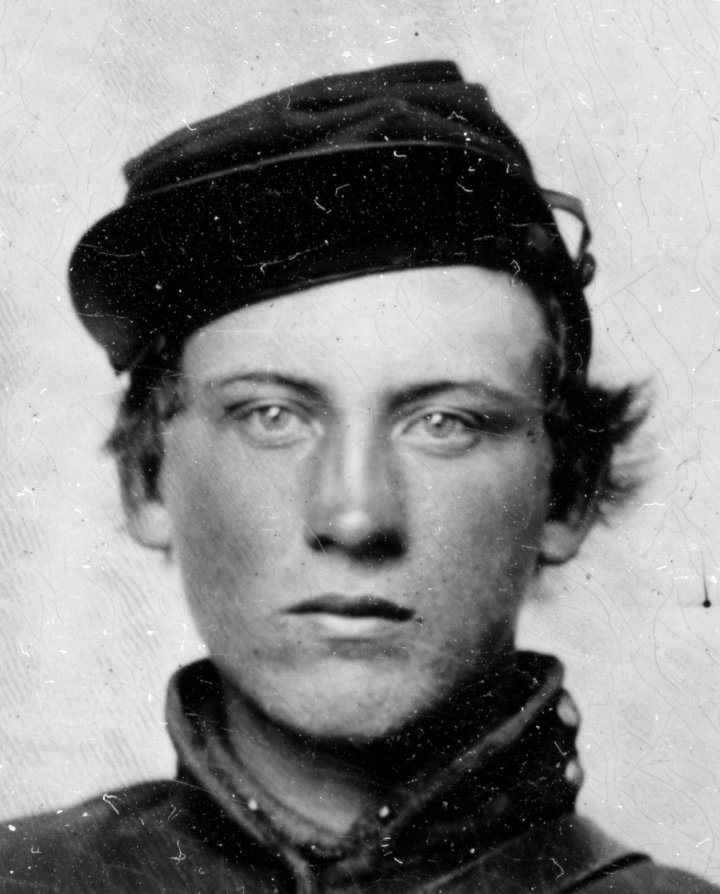


PG was wasting time with facebook when he saw a friend say “Damn I love this quote”. The passage being praised was “If you are neutral in situations of injustice, you have chosen the side of the oppressor.” Desmond Tutu.
The rhetoric alert started to flash. These days, the wolf and the sheep buy their clothes at the same Walmart. To hear some oppressors talk the talk, they are the ones under attack. It is tough to tell the good guys from the bad guys. Also, as the Kony fiasco showed, often you can make things worse by getting mixed up. Sometimes the best thing to do is mind your own business.
Ok, now that is out of the way. Some lines sound good, but don’t hold up to a bit of thinking. As for the veracity of the quote, Desmond Tutu may very well have said it. (or maybe one of his rivals said it, and Mr. Tutu copied it.) The quote has been attributed to Thomas Jefferson, Edmund Burke, Patrick Henry, and probably others. Almost no one has a source, for the quote, from the dead white guys.
There was a discussion in Prison Planet Forum about BHO, and his alleged good buddy Larry Sinclair. The signature line for one of the posts was that crowd pleaser, “All tyranny needs to gain a foothold is for people of good conscience to remain silent.” Thomas Jefferson. All that needed to happen to get the party started was to highlight the quote, right click, and ask Mr. Google to help.
A post called MISQUOTING THE FOUNDERS did not mince words. “The only problem with this scene that has been repeated many times across the country is that Thomas Jefferson never said that, never wrote that, and quite possibly never thought it. Our aspiring politician had fallen victim to the perils of popular misattribution. You could fill a book with misquotes and misattributed quotes we hear repeated regularly today. Right now if I Google “All tyranny needs to gain a foothold is for people of good conscience to remain silent” the entire first page of results wrongly attribute it to Thomas Jefferson. The quote and its many variants have been attributed in the past to Thomas Paine and Edmund Burke, but no record exists of the quote in any of their writings or contemporary accounts.”
On November 13, 1787, Mr. Jefferson wrote a letter to William Smith. The letter is full of zesty quotes. “What country before ever existed a century & a half without a rebellion? & what country can preserve it’s liberties if their rulers are not warned from time to time that their people preserve the spirit of resistance? Let them take arms. The remedy is to set them right as to facts, pardon & pacify them. What signify a few lives lost in a century or two? The tree of liberty must be refreshed from time to time with the blood of patriots & tyrants. It is it’s natural manure.”
A few lines above that, Mr. Jefferson said “God forbid we should ever be 20 years without such a rebellion.” Twenty years after he wrote this, Mr. Jefferson was President. He probably did not want to deal with a revolution when he was President.
Getting back to the quote about tyranny, Martin Porter wrote an entertaining essay, A study of a Web quotation. He gives credit, or blame, to Edmund Burke. First, a list of different versions is presented. This is a clue that something is awry. The conclusion: “There is no original. The quote is bogus, and Burke never said it. It is a pseudo-quote, and corresponds to real quotes in the same way that urban legends about the ghost hitch-hiker vanishing in the back of the car and alligators in the sewers correspond to true news stories.”
Mr. Porter wrote a follow up essay, Four Principles of Quotation. These principles are:
Principle 1 (for readers) Whenever you see a quotation given with an author but no source assume that it is probably bogus.
Principle 2 (for readers) Whenever you see a quotation given with a full source assume that it is probably being misused, unless you find good evidence that the quoter has read it in the source.
Principle 3 (for quoters) Whenever you make a quotation, give the exact source.
Principle 4 (for quoters) Only quote from works that you have read.
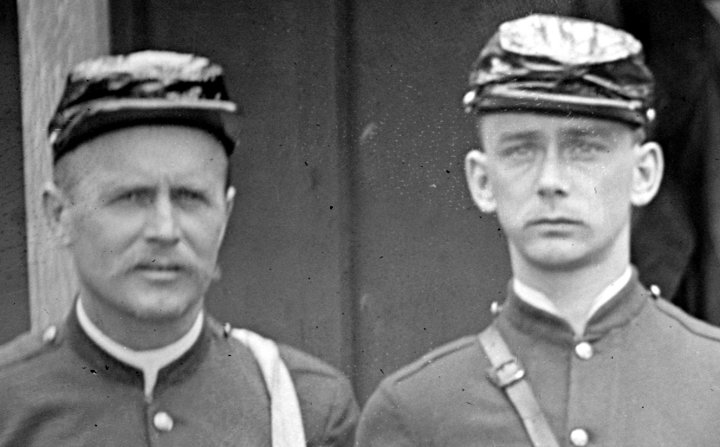
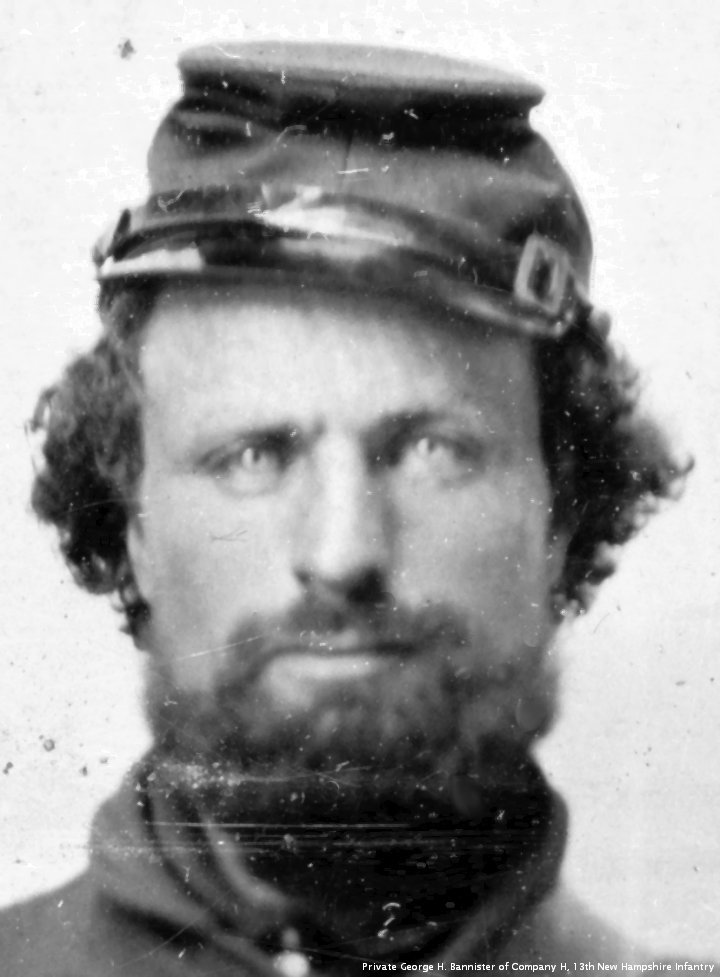
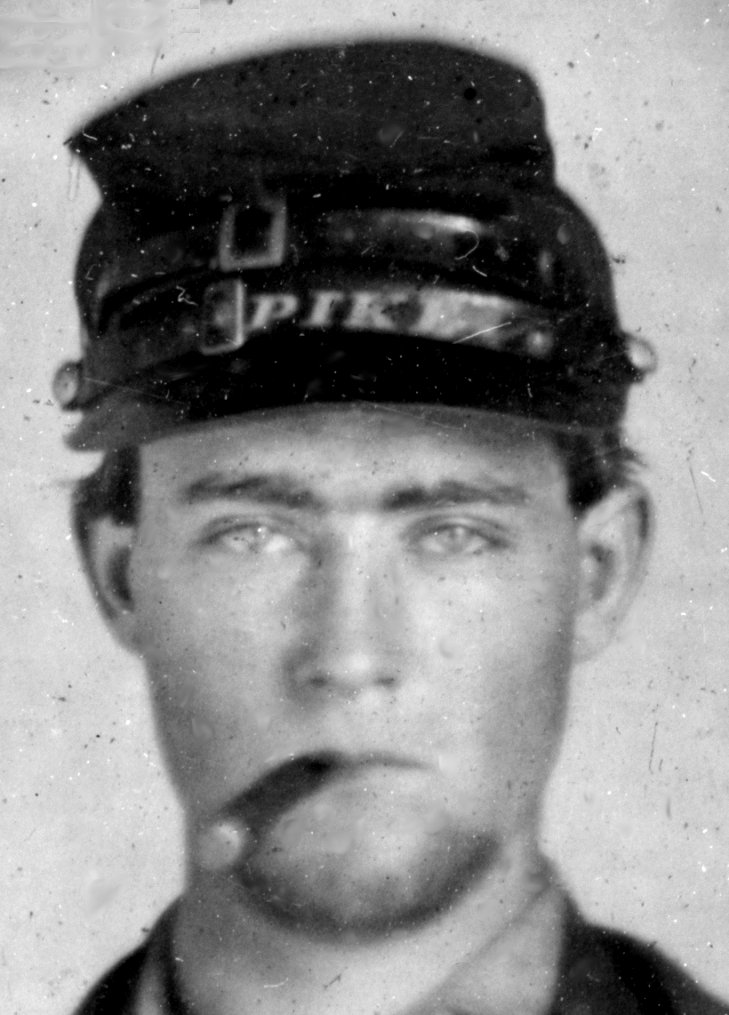
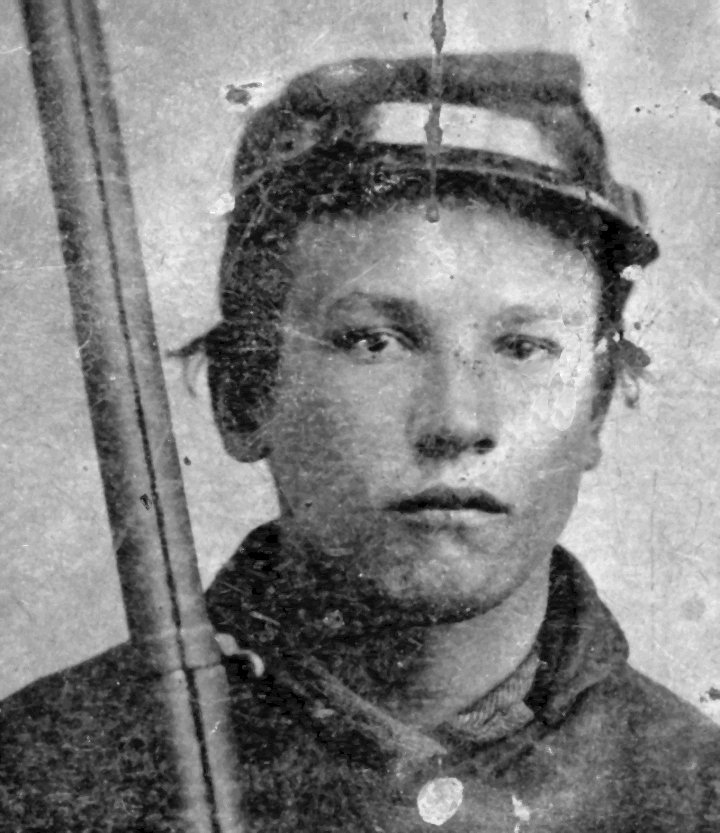
If these principles were to be used, then there would be a lot less hotheaded talking on the intercom. Those who are trying to influence you to the justice of their cause will not want you to read this. Pictures for this feature are from The Library of Congress. These pictures are Union soldiers, from the War Between the States. When war is discussed, all inspiring quotes are in doubt.
This is a repost. It is written like James Joyce. In the past year, doing due diligence on alleged quotes has become a hobby. Many people don’t care who said it, if they agree with the thoughts expressed. The prevailing thought is that an idea becomes more true with a famous name at the end. If the famous person is deceased, and cannot defend his/her reputation, that is not a problem. People do not like being told that Santa Claus does not exist.
The Ride






In the modern workplace, there are subjects you don’t want to talk about. Discussions of religion, politics, race, and celebrity footwear can spark unwanted controversy. The question then arises, what can you talk to people about? What do you have in common with a diverse group of people?
One subject, usually safe for conversation, is your ride in to work. In an freeway crazy place like Atlanta, everyone has a story. Last week, PG took notes on his ride. What follows is the journey one day, from a Brookhaven house to the Vinings office complex. The day is April 30. The next day is May Day. The parade has been cancelled, due to lack of communists.
7:41 am Leave the house. The idea is to report at 8:30 am. You want to allow a few extra minutes for unforeseen problems. The good news is that, in the morning, going west on I285 is against traffic. East bound, or the inner loop, is a traffic nightmare.
7:43 am /0.3 miles Turn the corner on Eighth Street, and the start of New Peachtree Road. In the pre-marta days, Eighth Street went over the tracks to Peachtree Road. When PG was a kid, there was a sign for the railroad crossing. There was no red flashing light.
7:44 am The Southern Crescent passes on the Norfolk Southern line, next to New Peachtree. The train is going to New Orleans. The people on that train are probably having more fun than you.
7:45 am/1.1 miles This is the first red light. You turn left onto Clairmont Road. Peachtree Dekalb Airport is down the hill, across the street. At certain times of the year, you can see the sun rising over the airport on your morning run.
7:47 am/1.4 miles You have gone over the wonderful bridge. In the pre-marta era, to get from the end of Clairmont, to Peachtree Industrial, you had to make a left turn, cross the railroad tracks on a bridge made from telephone poles, and cut through the Krystal parking lot. Now, a bridge takes you over all this. At the end of the bridge, you take a left turn onto Peachtree Industrial Boulevard.
7:48 am/1.7 miles Turn right onto Johnson Ferry. You will probably need to slow dawn for the traffic ahead of you. Welcome to Atlanta.
7:53 am/2.4 miles This is the confluence of Johnson Ferry Road and Ashford Dunwoody Road. When these roads were built, they took farmer Jones to church once a week. Now, they are lined with subdivisions. For some reason, these two busy thoroughfares merge, go forward on two lanes for about a hundred yards, and then split up. There are lots of angry soccer moms making left turns.
7:54 am/2.6 milesWhen you get to the fork in the road, take it. If you lean left here, you head towards Cobb County. This stretch of road is a long downhill run, a bridge over Nancy Creek, (7:56 am/3.7 miles,) and a long uphill climb. This is all on two lanes, with double yellow lines in the middle. The speed limit is 35 mph. At least once a week, there will be an SUV behind you that wants to go faster. This is bad for the composure of everyone involved.
7:58 am/4.5 miles There is a red light at Peachtree Dunwoody Road. You are in Fulton County now. This is the area known as pill hill. There are three major hospitals, and enough medical office buildings to cause insurance apoplexy. The traffic creeps ahead at a stealthy pace.
8:00 am/ 5.0 miles A bridge takes you over Highway 400. You are not the only person who is over Highway 400. At least you are not on it.
8:00 am/ 5.1 miles Turn right onto Glenridge. If you had gone forward at the light, Johnson Ferry would have turned into Glenridge. This can get complicated.
8:01 am/5.3 miles Turn left, and get onto I285. This is exit 26 of the Perimeter. This is a seminal moment of the Atlanta experience. You are no longer ITP, or OTP, but OnTP.
8:03 am/6.2 miles You go under Roswell Road, exit 25. This is the first disappearing lane. The far right lane is exit only. If you are to continue, you must go over one lane.
8:06 am/10.4 miles You cross the Chattahoochee River, and enter Cobb County.
8:07 am/11.1 miles I75 is approaching. I285 splits in two, with one part dedicated to the exchange of vehicles, and the other half going merrily forward. You need to get in one of the two lanes to the left. This is scary for people who like to drive the speed limit. As someone said to PG once, “you gotta be as crazy as they are.”
8:08 am/12.1 miles This is the reunification of I285. Since you get off at the next exit, you need to go from the far left side, to the far right side. You have 1.4 miles to do this. This competitive lane changing is complicated by the appearance of uphill entry ramps. You settle into a lane, and discover a speeding pickup truck making a surprise appearance on your bumper. However tempting alcohol might be at this time, it is not recommended.
8:10 am/13.5 miles You get off I285. Paces Ferry Road is exit 18.
8:15 am/14.7 miles You get through the concrete obstacle course, find a parking spot, and turn the car off. The work day is about to begin.




5:32 pm Start the vehicle. You are the only person that warms the vehicle before driving.
5:40 pm/0.3 miles Get out of the parking deck. Turn onto a side street.
5:42 pm/1.2 miles Turn right, and take a bridge over I285. On snow jam day, this part took 45 minutes. The pace on I285 below is not much faster.
5:44 pm/1.7 miles You are across the street from Cumberland Mall. Turn right.
5:49 pm/3.0 miles You turn left after crossing I75. You go into a series of concrete ramps. They will take you to I285.
5:58 pm/9.1 miles You exit I285 at Roswell Road, exit 25. This is your first opportunity to do so.
6:00 pm 9.8 miles You turn left onto Glenridge Road. You sometimes have to wait through a few lights. The idea is to get here by 6:00 pm. It can take a half hour to go the last quarter mile on I285, and go through this light.
6:03 pm/10.3 miles You turn onto a side road, which takes you over Highway 400.
6:07 pm/11.8 miles At the bottom of the hill, you turn left onto Windsor Parkway, and cross Nancy Creek. You will go up a long hill, and the traffic will creep and crawl.
6:13 pm/12.7 miles At the top of the hill you get to a four way stop. This is the reason the traffic continues to progress, however slowly. This is Lynwood Park. It was formerly the oldest black neighborhood in Dekalb County. The location has led to gentrification. It is now another trendy neighborhood, just what Atlanta needs more of.
6:19 pm/13.9 miles Turn left onto Peachtree Road. .
6:21 pm/14.3 miles Turn right under the railroad tracks. You are almost home.
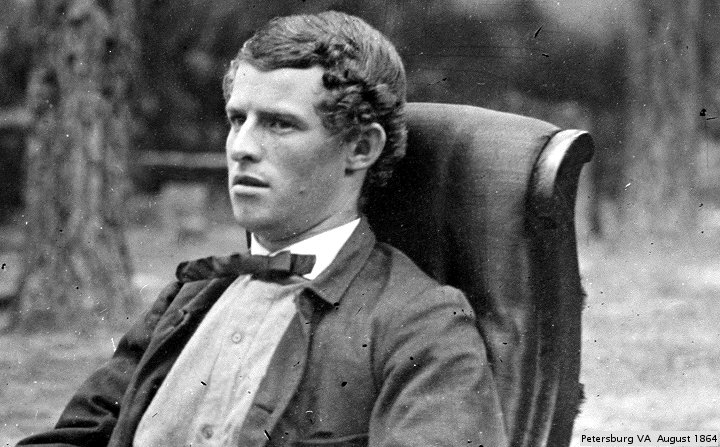
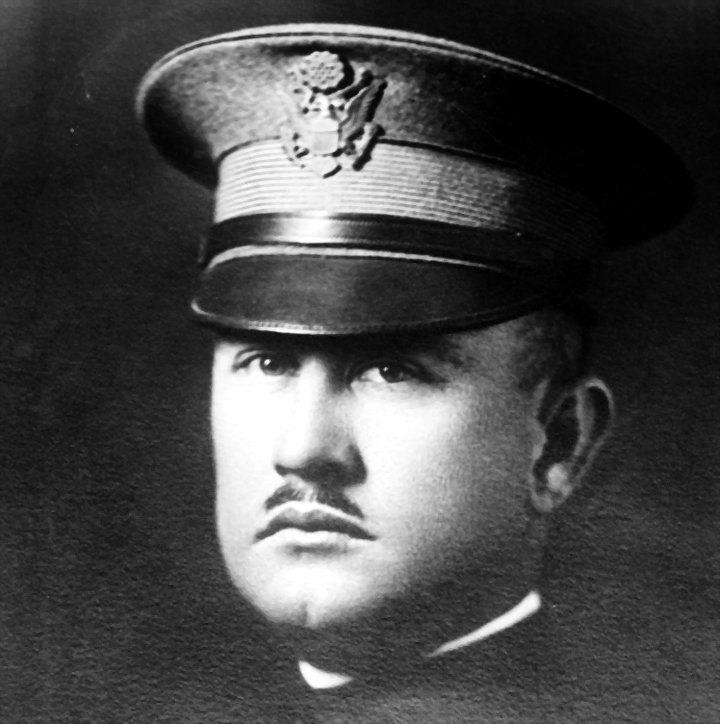
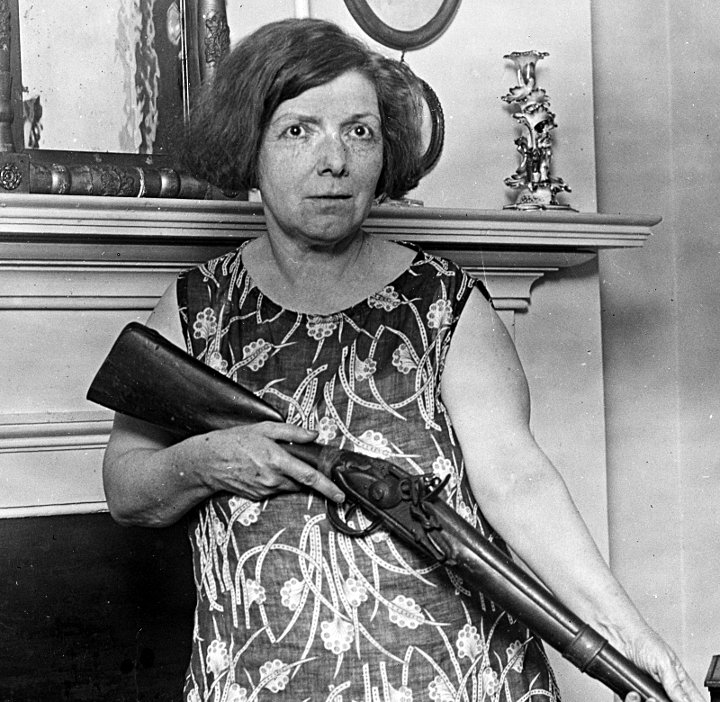
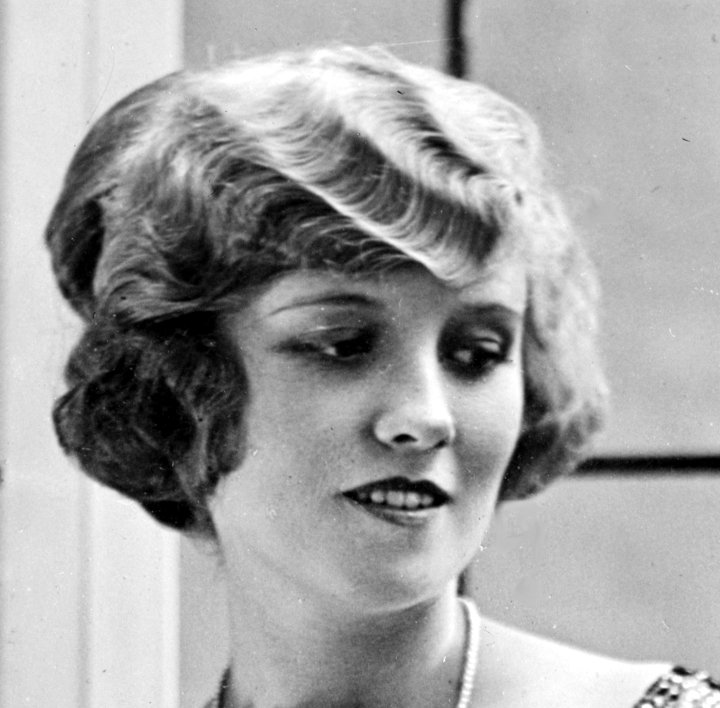
6:23 pm/15.0 miles Home. Pictures are from The Library of Congress






1 comment