Bulwer-Lytton 2014 Part Two

What follows is part two of the 2014 rendering of the Bulwer-Lytton fiction contest. The opposite of pro is con. In some systems of logic, this makes the opposite of contest is protest. Maybe someone needs to protest this abuse of the english language.
Yesterday was the overview.. Today is the first part of contest selections. If you go to the contest page, you can see all the entries that the “Grand Panjandrum” saw fit to expose. This collection was whittled down, and divided into three parts.
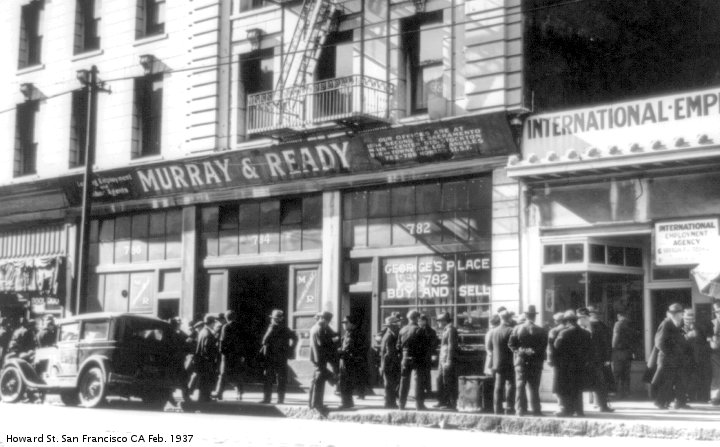
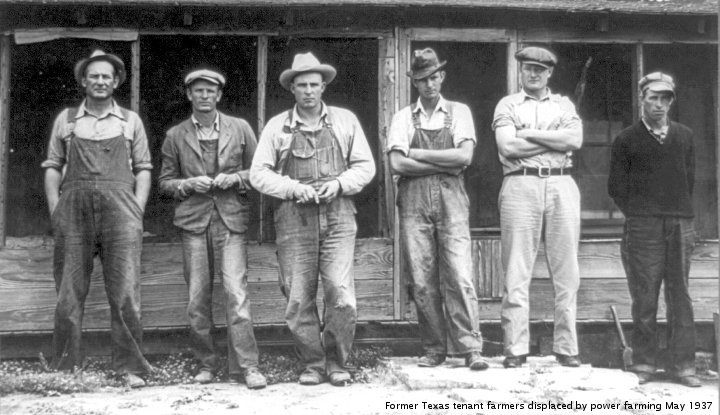
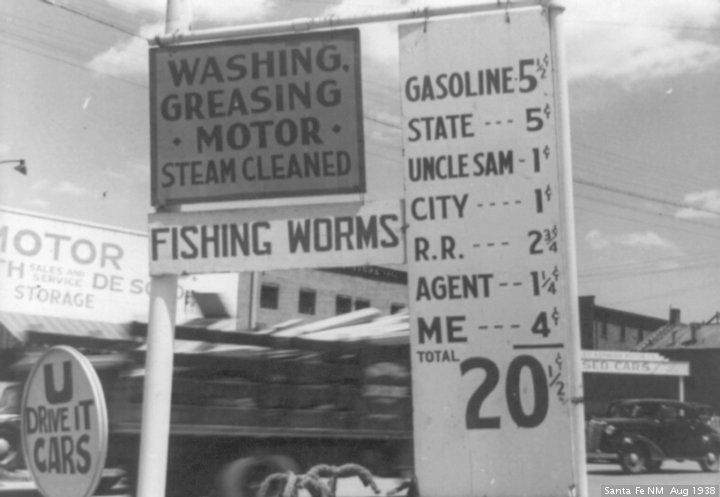
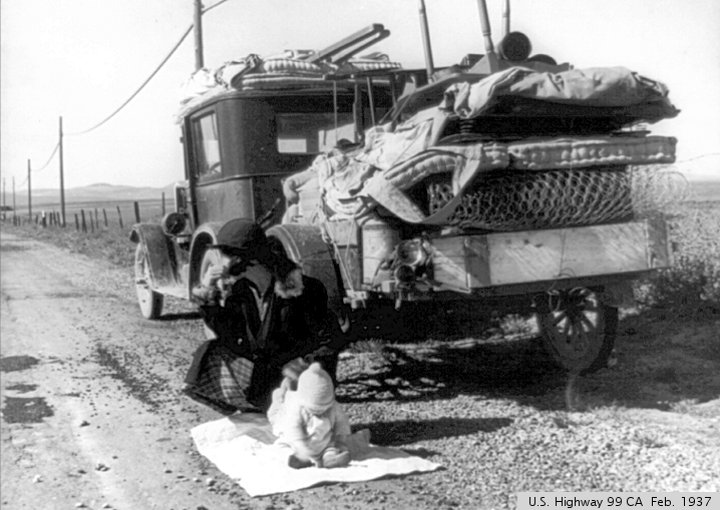
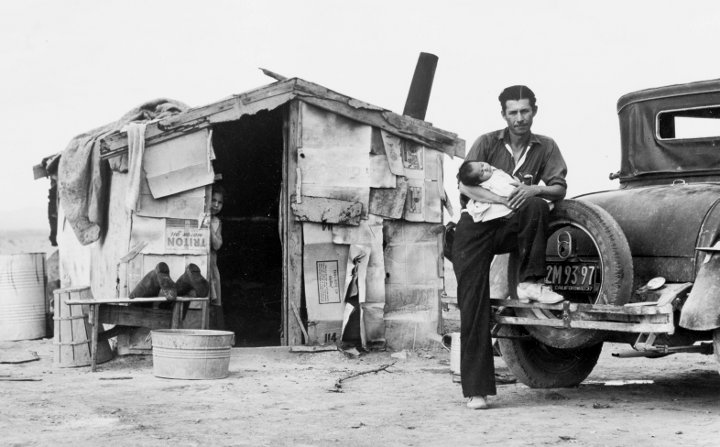
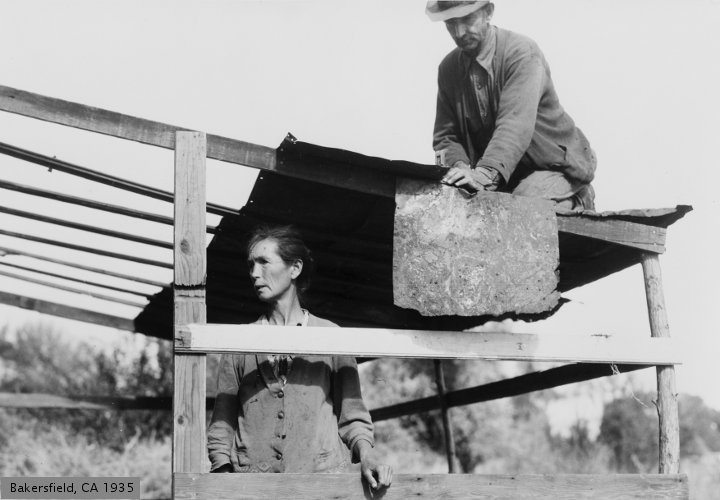
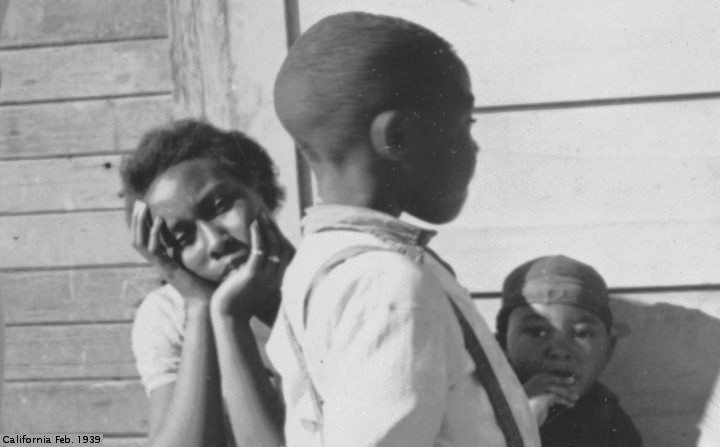
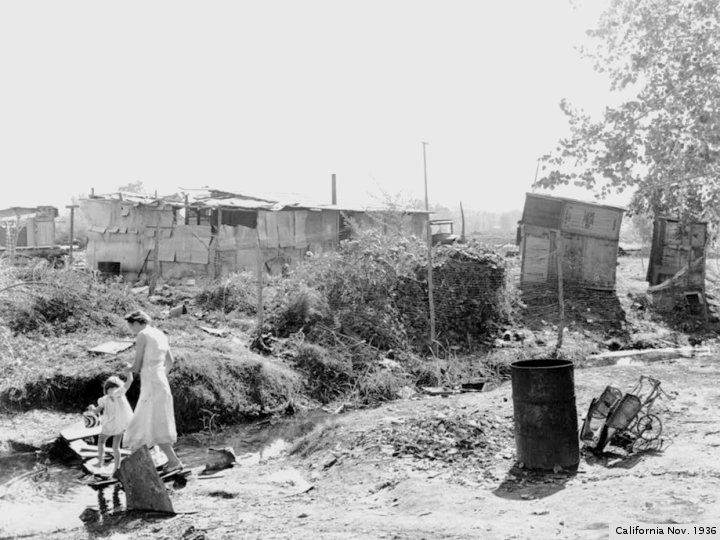
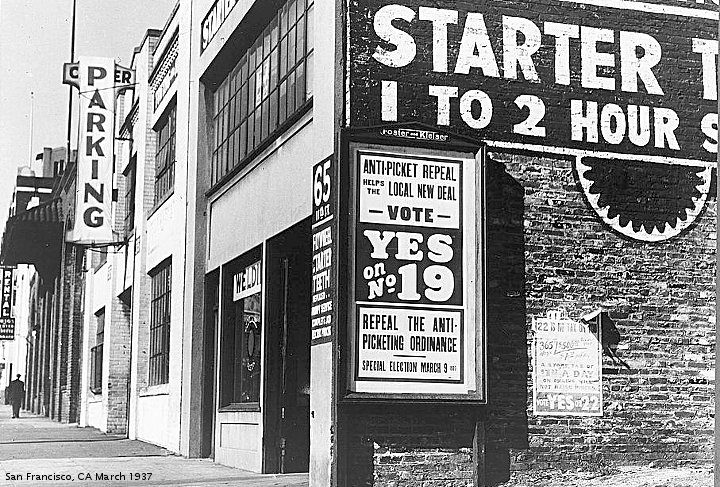
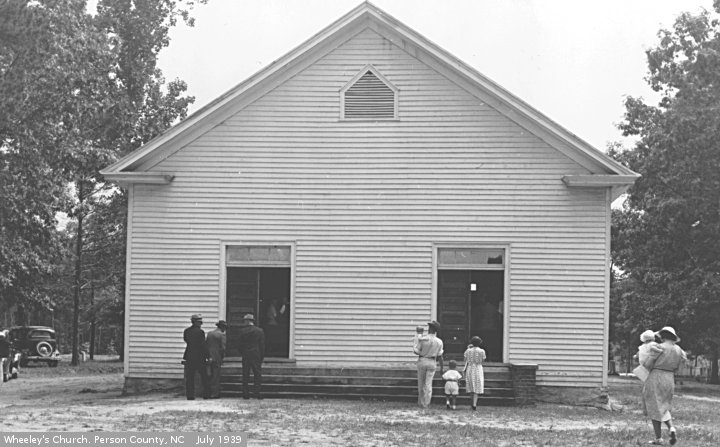
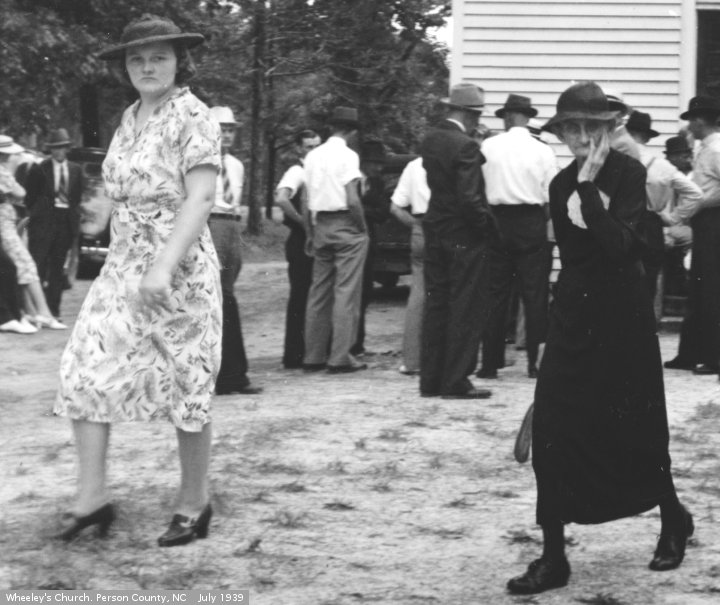
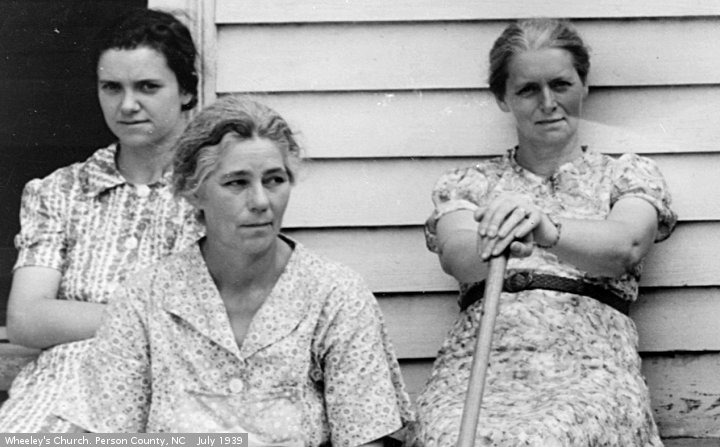
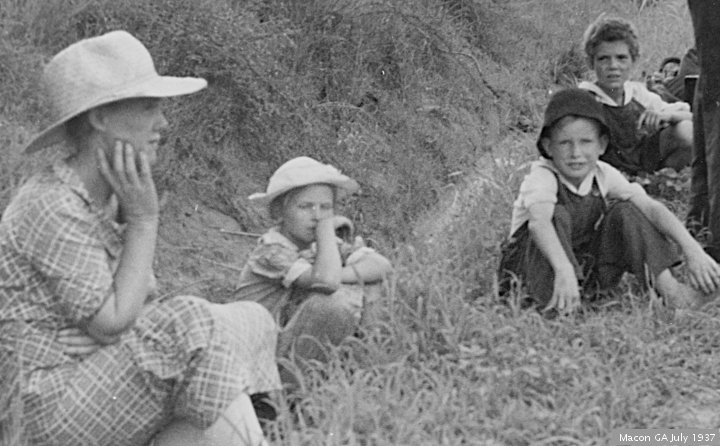
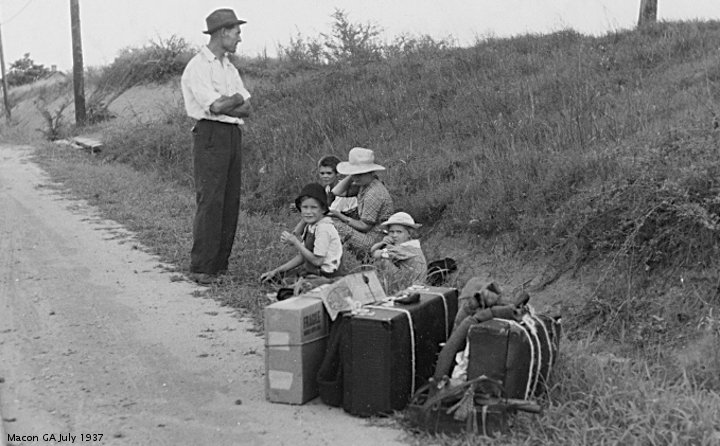
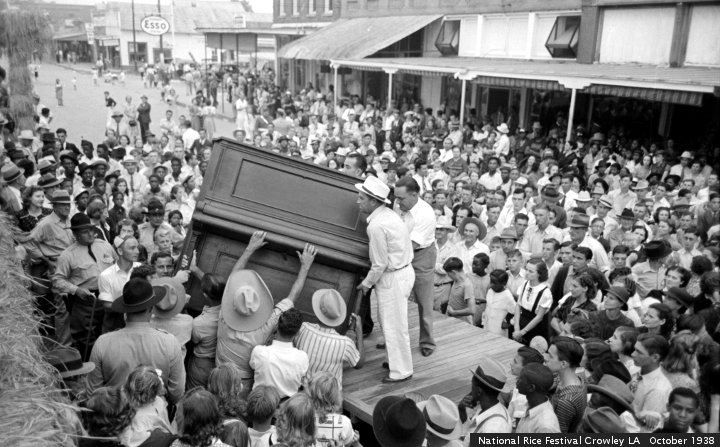
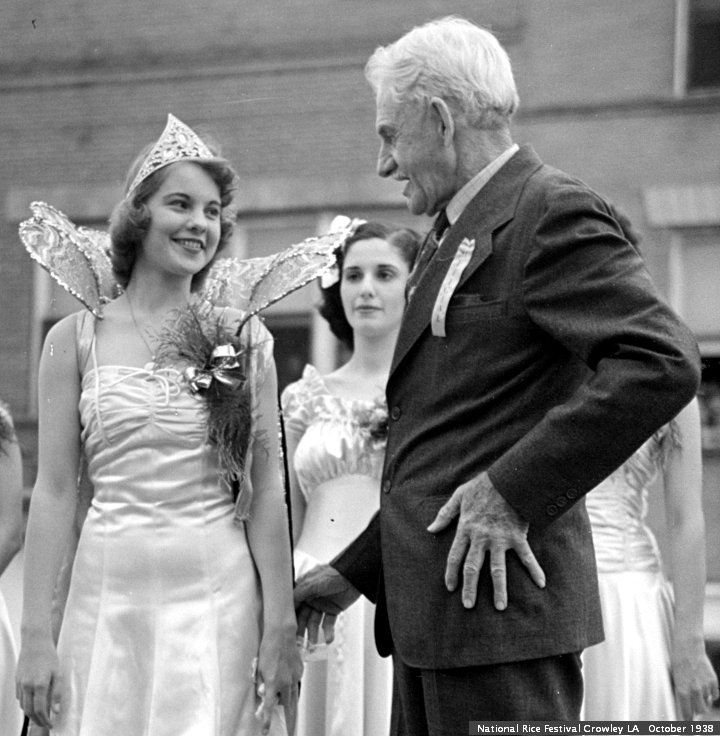
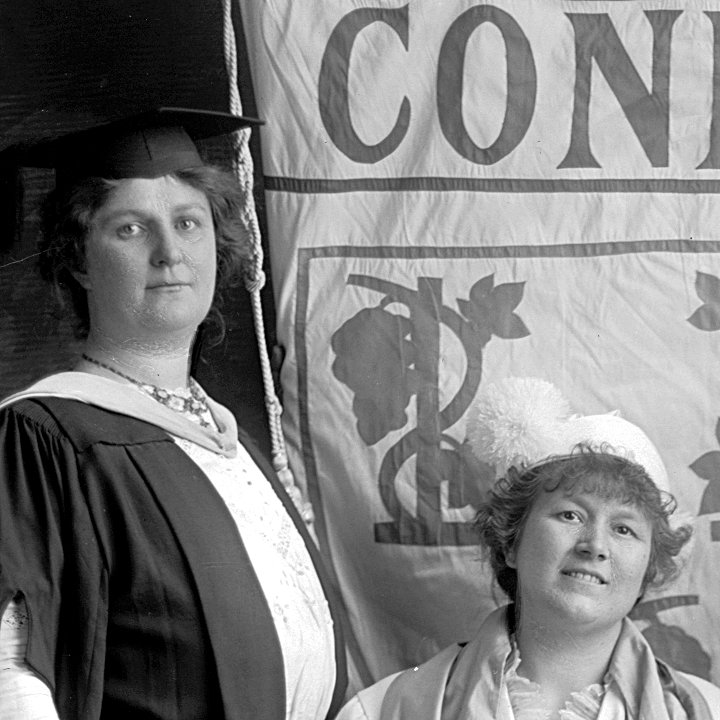
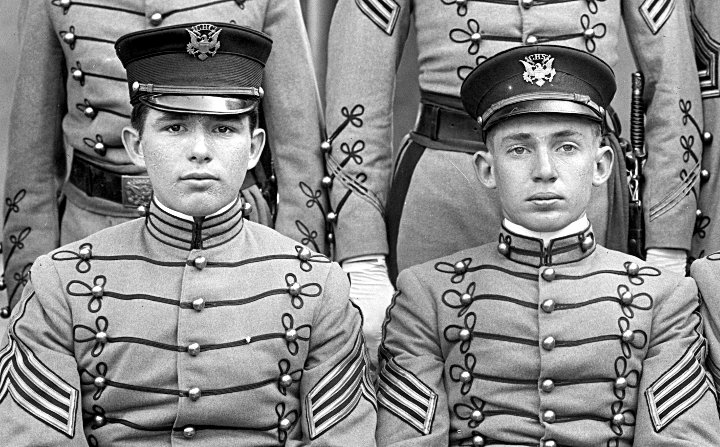
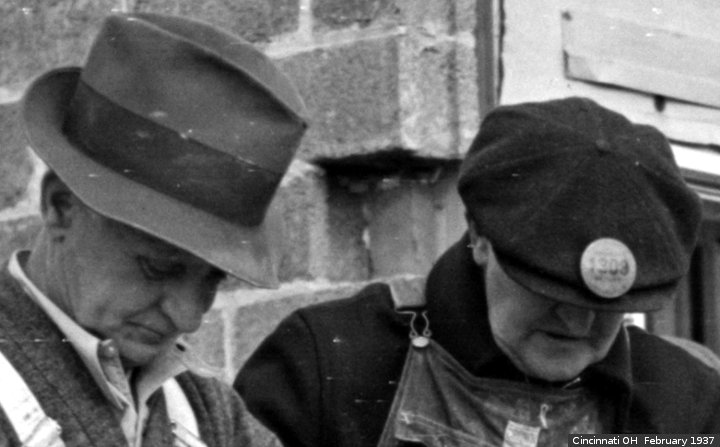
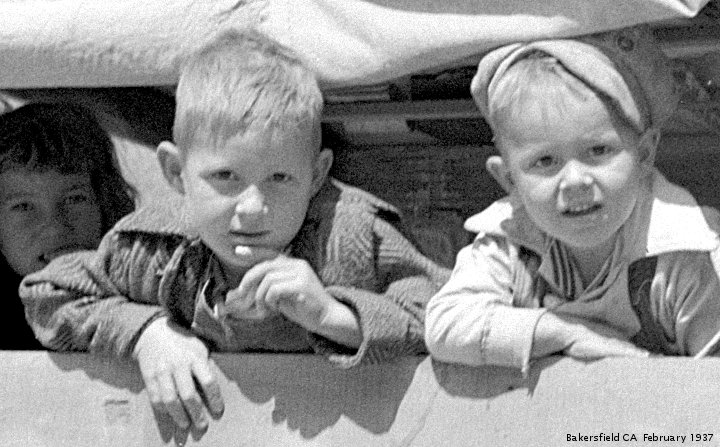
Here is another description of the contest. It is the intro to the 2012 post at chamblee54. When all this is over, there will be more pictures, from The Library of Congress. They were taken by Dorothea Lange, as part of the Farm Service Administration project.
Once upon a time, there was a writer named Edward Bulwer-Lytton. While some of his product is acceptable, Lord Lytton is responsible for the opening line “It was a dark and stormy night”. Years after his timely demise, an English professor, at San Jose State University, chose to name a contest for bad writing after Lord Lytton. Scott Rice recently overcame his embarrassment to announce the selections of the 2012 Bulwer-Lytton Fiction Contest.
PG has written about BLFC before. The announcement of a new crop of perps is a good excuse for text to go between the pictures. This post is written in the style of Margaret Mitchell. After the 4800 word clunkathon published yesterday, the contest selections will be edited.
When the dead moose floated into view the famished crew cheered – this had to mean land! – but Captain Walgrove, flinty-eyed and clear headed thanks to the starvation cleanse in progress, gave fateful orders to remain on the original course and await the appearance of a second and confirming moose. — Elizabeth (Betsy) Dorfman, Bainbridge Island WA
As he girded himself against the noxious, sulfurous fumes that belched from the chasm in preparation for descent into the bowels of the mountain where mighty pressure and unimaginable heat made rock run in syrupy rivers, Bob paused to consider the unlikely series of events that had led him to become the Great God Vulcan’s proctologist. — Stan Hunter Kranc, State College PA
Finally after ninety-seven long days adrift Captain Pertwee was rescued, mercifully ending his miserable diet of rainwater and strips of sun dried Haddock which was actually far ghastlier than it sounded what with George Haddock being his former first mate. — Phillip Davies, Cardiff, U.K.
Hard-boiled private dick Harrison Bogart couldn’t tell if it was the third big glass of cheap whiskey he’d just finished, or the way the rain-moistened blouse clung so tightly to the perfect figure of the dame who just appeared panting in his office doorway, but he was certain of one thing … he had the hottest mother-in-law in the world. — Carl Turney, Bayswater, Victoria, Australia
“One cannot easily shake off old habits,” was all that retired Detective Tim O’Hara could say when, after rifling through the dead old man’s pockets (which, as he expected, were all empty), inspecting his throat, and forcing open his cold, stiff hand to get his fingerprints, he was gently but firmly pulled away from the coffin by his brother Harry and piloted out of the parlor under the perplexed stares of uncle Mel’s friends and relatives. — Jorge Stolfi, Campinas, SP, Brazil
When the CSI investigator lifted the sheet revealing the mutilated body with the Ginsu Knife still protruding from the bloody chest, Detective Miller wondered why anybody would ever need two of them, even if he only had to pay extra shipping and handling. — Brian Brandt, Lansdale PA
After years of Dame Gothel’s tyrrany, Rapunzel was only seconds from freedom, until, with an agonized scream, the prince plunged to his death in the thorns below, grasping a handful of detached blond strands–the golden stair having been irreparably weakened by the deficiency of Vitamins B3, B6, and B7 in his love’s new celiac-friendly diet. — Kevin Hogg, Cranbrook BC
With her interest in dime-store cowboy novels finally fading and Christmas just days away, little Lizzy Borden sat quietly in the corner and crossed “tomahawk” off her Christmas list, writing instead the word AXE, carefully in her best penmanship, which made her mother and father so proud.
Frank McWilliams, Telford PA
It was a bright and cloudless day, as young Lizzie hummed a cheerful tune to herself, whilst drying and replacing the last knife on its hook, and reminiscing how Mother and Father Borden (lying bleeding in their respective pools of blood upstairs) had been so inappropriately cross with her, such a short while ago. — Carl Turney, Bayswater, Victoria, Australia
Roger proved unable to select a bedspread, due to his raging ennui; however, he was able to purchase an assault rifle, which is probably why his wife left him, although it may have been the ferrets.
Elizabeth (Betsy) Dorfman, Bainbridge Island WA
Hiroshima 68 Years Later


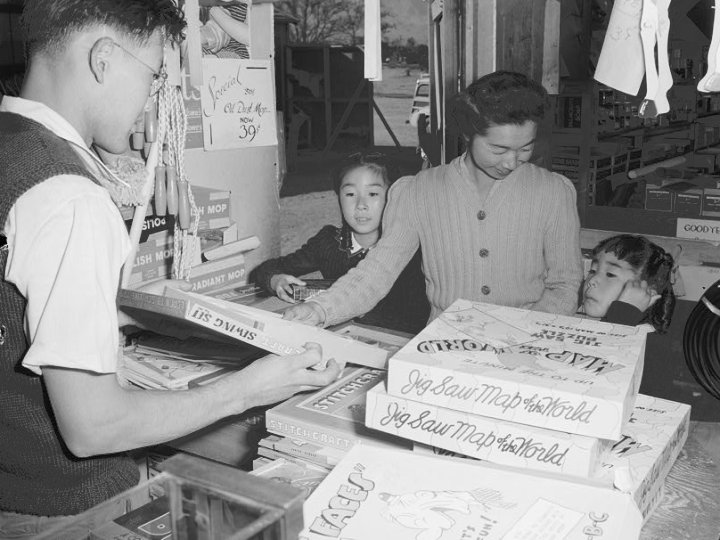


At 8:15 am, August 6, 1945, Hiroshima got nuked. It was the start of a new era. Since Japan is 13 hours ahead of Georgia, and standard time was used, the literal anniversary is 8:15 pm, August 5.
Tsutomu Yamaguchi was working in Hiroshima when the bomb hit. He survived, and found a train to take hime to his home town, Nagasaki.
The device dropped on Hiroshima, the Little Boy, had an estimated force of 13 kilotons of Trinitrotoluene, or TNT. A kiloton of TNT is roughly a cube whose sides are ten meters. This device is fairly tiny compared to many of the warheads developed since. Many of the modern appliances are measured in megatons, or millions of tons of TNT. The Soviet Union had a bomb with a capacity of 50 megatons, or 4,000 times the size of the Little Boy.
The largest weapon tested by The United States is the Castle Bravo. This device destroyed Bikini Atoll in the Pacific. The two piece swimsuit was named for this island. The Castle Bravo device had a yield of 15 megatons of TNT. This is roughly 1,000 times the power of the Little Boy.
The decision to drop the bomb has long been controversial. There are a lot of factors and gray areas, and the issue does not lend itself to sound bite solutions. The conventional wisdom is that Japan surrendered because of the nuclear attack. This meant the war was shortened by at least a year, there was no invasion of Japan, and many lives were saved. PG is scared by the moral calculus involved in a decision like this….do 100,000 civilian deaths prevent the deaths of 500,000 soldiers? PG suspects that even G-d herself would lose sleep over that one.
There is also evidence that the bomb was not needed. Japan was whipped in August 1945. The air raids were conducted in daylight with little resistance. A debate was going on in the Japanese government on whether to continue the fight.
An event happened the day between Hiroshima, and Nagasaki, which influenced the Japanese decision to surrender. The Soviet Union had agreed to help the United States with the war against Japan. On August 8, The Soviet Union invaded Japanese occupied Manchuria. There are indications that Japan knew the fight was hopeless at this point, and would rather surrender to The United States than The Soviet Union. This is one of the gray areas that never seems to be mentioned.
The United States wanted the war to end quickly for obvious reasons, and a few subtle ones. America did not want to share the spoils of Japanese war with The Soviet Union. There were already tensions between the two allies, and the cold war was not far off. Many felt The United States used the Little Boy as a warning to The Soviet Union.
When you get your moral software out, you might want to figure in the effect of opening the nuclear Pandora’s box. Would the nuclear bomb have been developed by other countries if America had not led the way? The science is not that complicated…after all, America hit paydirt with the Manhattan Project fairly quickly. Nonetheless, there is karma involved in using a terrible new device on a civilian population. The United States started the wind of the arms race, and has yet to feel the whirlwind.
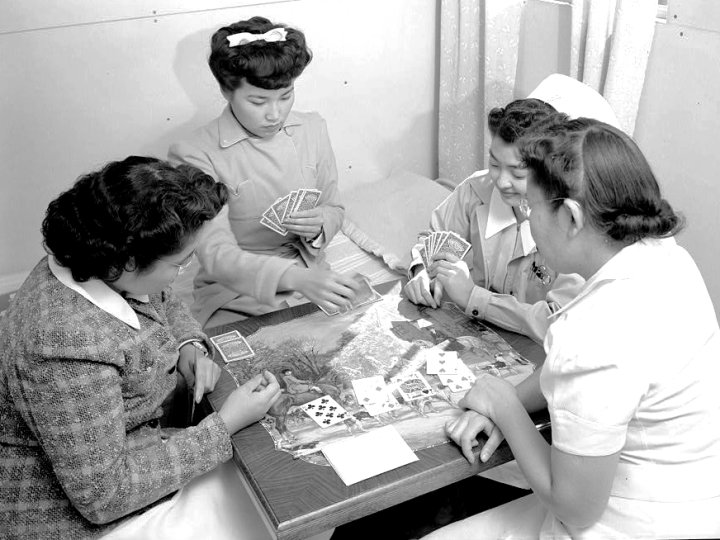
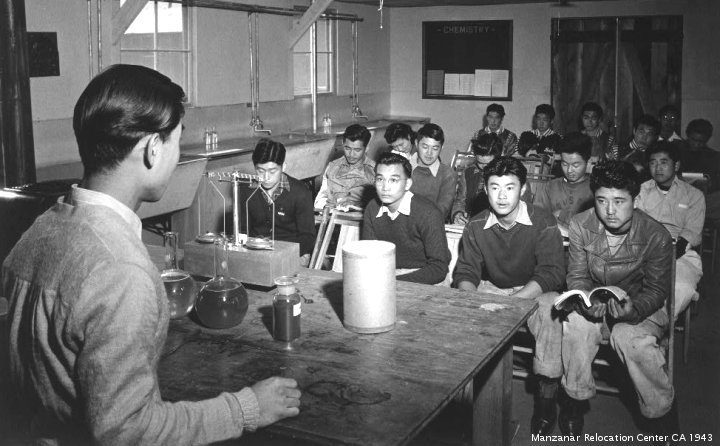
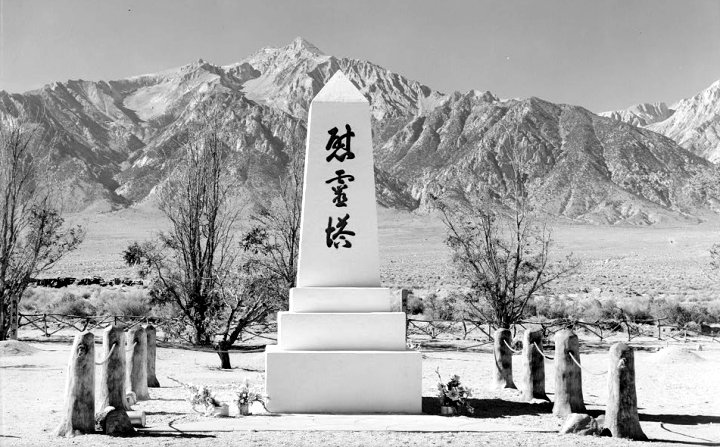
This is a repost. The pictures are from The Library of Congress. Ansel Adams took pictures of Japanese Americans, in a World War Two internment camp. The ladies in the bridge game are Aiko Hamaguchi, Chiye Yamanaki, Catherine Yamaguchi, and Kazoko Nagahama.


I Personally Believe Statistics


In a recent survey, 78.7% percent of the respondents agree with the statement “Statistics can be trusted to give an accurate description of the facts”.
Statistics are a part of modern life. Numbers tell us who is expected to win, who is expected to lose, and how many men wear a tie. Statistics are often misleading, or an outright lie. And yet, people believe statistics. (The middle three letters of believe are lie).
Talk about statistics is little better. Mark Twain gets the credit/blame for popularizing the phrase, “lies, damn lies, and statistics”. According to Wikipedia , Mr. Clemens may have been mistaken. “Twain popularized the saying in “Chapters from My Autobiography”, published in the North American Review in 1906. “Figures often beguile me,” he wrote, “particularly when I have the arranging of them myself; in which case the remark attributed to Disraeli would often apply with justice and force: ‘There are three kinds of lies: lies, damned lies, and statistics.'”…”The term was popularised in the United States by Mark Twain (among others), who attributed it to the 19th Century British Prime Minister Benjamin Disraeli (1804–1881): “There are three kinds of lies: lies, damned lies, and statistics.” However, the phrase is not found in any of Disraeli’s works and the earliest known appearances were years after his death.”
Mr. Twain was in the twilight of his career, and angry at aggressive militarism. Why would he would give credit/blame for a phrase to a conservative Prime Minister of England, dead twenty five years?
When PG took English101, the teacher was an inspiring lady named Ann Peets. Between stories of Faulkner and comma splices, she contributed this gem. ” The best way to win an argument is to use statistics. The best way to use statistics is to make them up. ”
In 1954, a bestselling book came out, “How to Lie with Statistics .” The premise was that the pros knew the tricks, and the public has a right to self defense. There are numerous examples of the ways that you can lie with numbers just like you lie with words. Calculator lips don’t move.
One word to watch out for is average . The three most popular types are mean, median, and mode. Mean is the one most people think of as average…you add all the figures up, and divide by the number of entries. In median, you line up the entries in numeric value, and choose the entry in the middle. In mode, the number that the most entries identify with is the average. Any one of these three can be called average, and yet none might describe the typical entry.
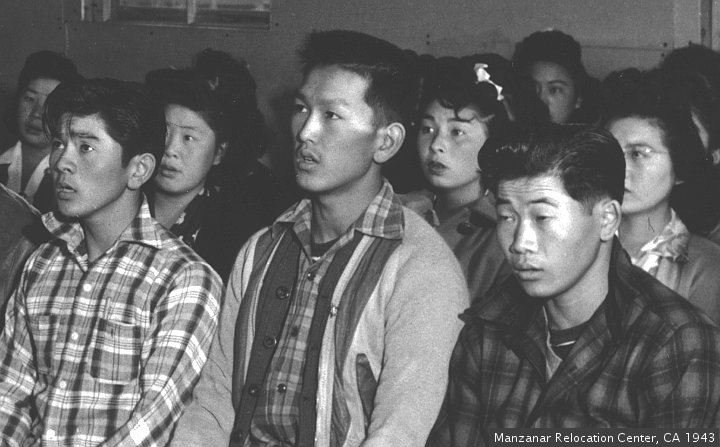
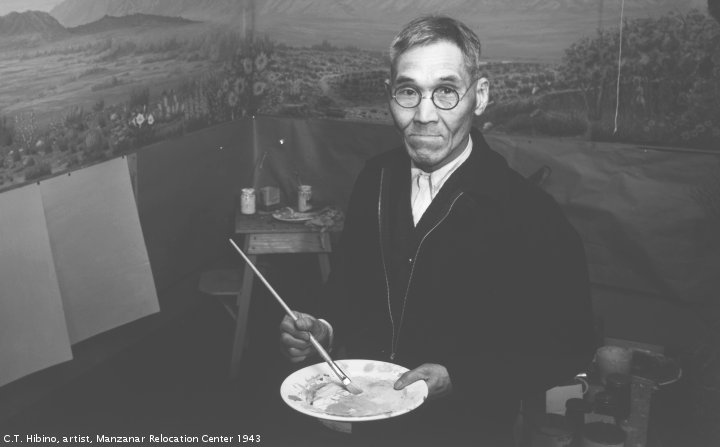
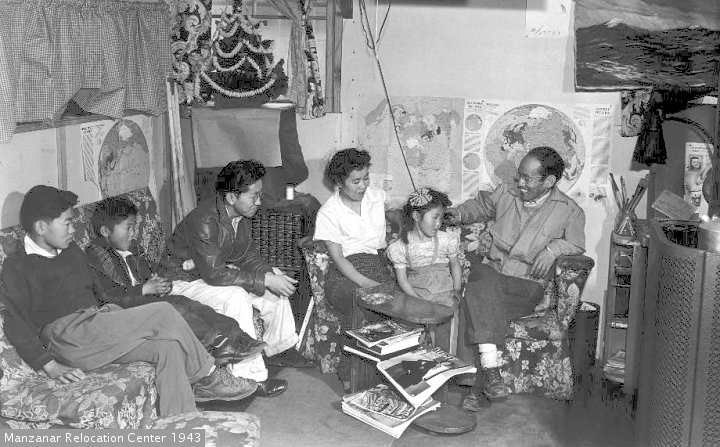
HT to Millard Fillmore’s Bathtub for attributing the LDL&S quote to Mr. Disraeli. MFB was talking about global warming denial, a cesspool of lies and statistics. Pictures are from The Library of Congress. These pictures were taken by Ansel Adams at a relocation camp for Japanese Amercans during World War II. Pictures of Mark Twain were recently posted. This is a repost.


Babe, Hank, Barry, And Joe
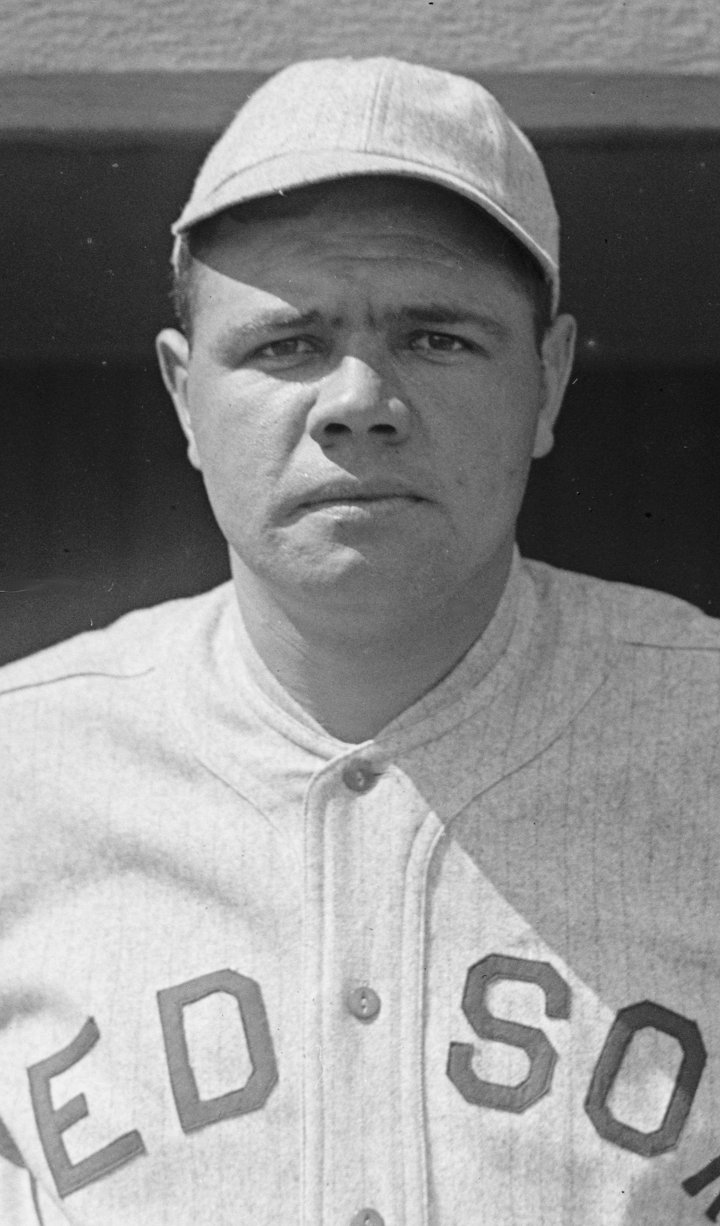
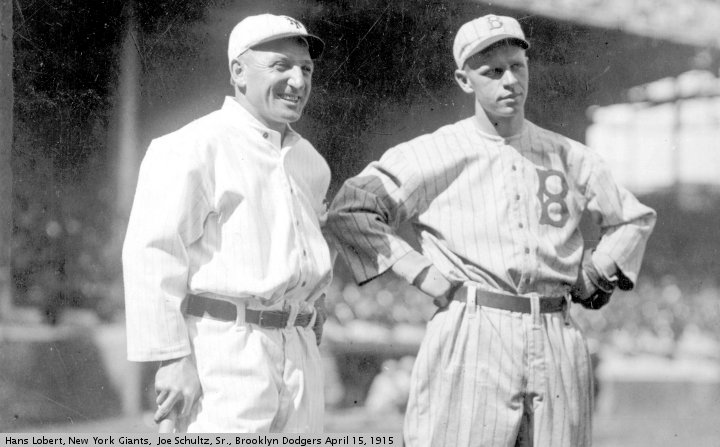


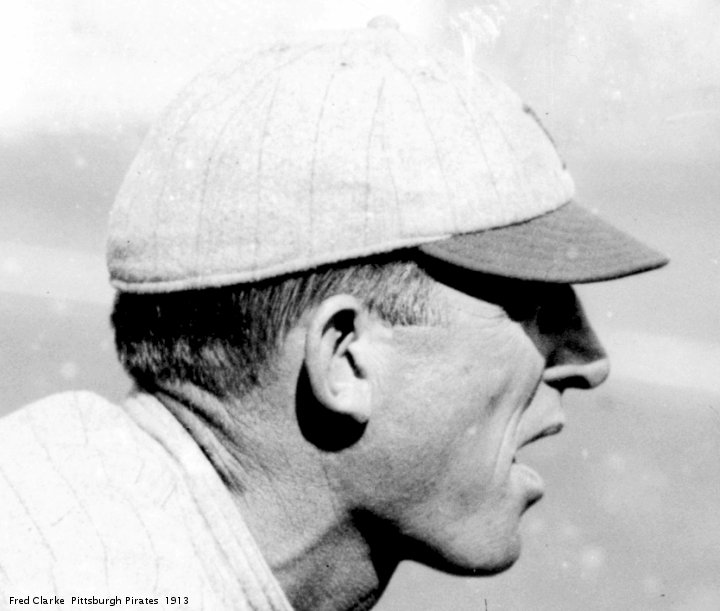

Barry Bonds was about to break the lifetime record for home runs. Folks said the record was tainted because of steroid use, and because Mr. Bonds was not a nice man. There were calls for an asterisk in the record book. This was odd to PG, who was in Georgia when Hank Aaron broke the home run record in 1974. Back then, the line was that Babe Ruth had fewer at bats than Mr. Aaron. A lot of hateful things were said about Mr. Aaron before home run 714.
PG decided to take a look at the metrics. This post is the result. As a bonus to the reader(s), Joe Torre and Hank Aaron gets a summer rerun. It is based on a column by Furman Bisher, who went to the press box in the sky March 18, 2012. Pictures are from The Library of Congress. This is a repost.
There is a certain controversy these days about the eminent breaking of the lifetime home run record. Currently held by Hank Aaron, the record is threatened by Barry Bonds. Before Mr. Aaron held the title, Babe Ruth was the owner.
Controversy about the lifetime home run record is nothing new. In 1974, when Hank Aaron was about to break the record, the admirers of Babe Ruth said that Mr. Ruth had fewer at bats than Mr. Aaron did. Many attributed this criticism to racism, with a black man besting a white man’s record. The current controversy is two fold. There are allegations that Mr. Bonds took steroids to make him stronger, and that he “cheated”. There are also concerns about the personality of Mr. Bonds.
PG does not think steroid use is a big deal. Ballplayers are abusing their bodies to perform, and if they take the risk of using steroids, that is their business. Many people disagree.
A good question to ask is, would Babe Ruth and Hank Aaron have used steroids if they had the chance? Mr. Ruth was a wildman, who drank during prohibition, and was known for undisciplined behavior. Mr. Aaron played in an era where steroid use was not as common as it is today. The answer to the first question is (Mr. Ruth) probably and (Mr. Aaron) who knows.
While you are keeping hypocrisy statistics, Mr. Aaron and Mr. Bonds played on television, where beer commercials were constant. While alcohol is legal, it is a very damaging drug. Any ballplayer who plays on television promotes its use. This is both steroid users, and non users.
As for personalities, there is the widely circulated story about the college team that Mr. Bonds played on voting 22-3 to kick him off the team. At the very least, he does not charm sportswriters.
In 1917, Babe Ruth was suspended for hitting an umpire. He was known for his outlandish behavior throughout his career. It should also be noted that he played in an era when the press did not scrutinize the behavior of players. How would today’s media treat Babe Ruth?
PG once heard a radio show caller say that Hank Aaron was a mean racist, who would just as soon cut your throat as look at you. He had never heard this said out loud before, but had heard hints about Mr. Aaron’s personality over the years. People who achieve great things are not always friendly.
Mr. Aaron is the only one of the three that PG met, however briefly. In July of 1965, the Milwaukee Braves came to Atlanta to play an exhibition game in Atlanta Stadium. After the game, PG was allowed to wait outside the clubhouse, to get autographs from the players as they left. Joe Torre saw the crowd, hid behind a truck, and made a quick getaway. Hank Aaron came out, patiently signing every autograph, while smoking a cigarette.
The fact is, all three men played in different eras. Babe Ruth never played at night, never flew to California, and only played against white players…many of the most talented players of his era were in the Negro League. Hank Aaron played before free agency, interleague play, the DH, and widespread use of steroids. The only way to determine who is the home run champion is to count how many homers are hit, and award the prize to the man who hits the most.
Which of the three made the most money? Barry Bonds, by a wide margin. He played in the free agent era. Babe Ruth had the best line about his salary. In 1930 Ruth was asked by a reporter what he thought of his yearly salary of $80,000 being more than President Hoover’s $75,000. He replied “yea, but I had a better year than he did.”
Who played on the most teams to win a World Series? Babe Ruth 7, Hank Aaron 1, Barry Bonds 0.
The career of Babe Ruth was a long time ago. He made a greater impact on America that the other two combined. He was one of the first sports superstars, as America emerged from the carnage of World War One. Mr. Ruth broke the single season home run record, he hit 29 homers. The next year, he hit 54. There is a possibility of a livelier baseball.
Babe Ruth captured the imagination of America like few personalities ever have. Playing in New York (which dominated the press) did not hurt. He was a man of his times…it is unlikely than anyone could have that kind of impact on today’s superstar saturated America. While his record has been broken, his place in the history of baseball is the same.


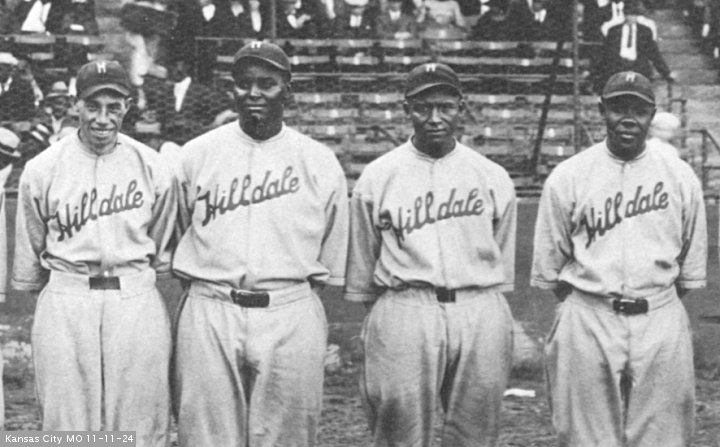
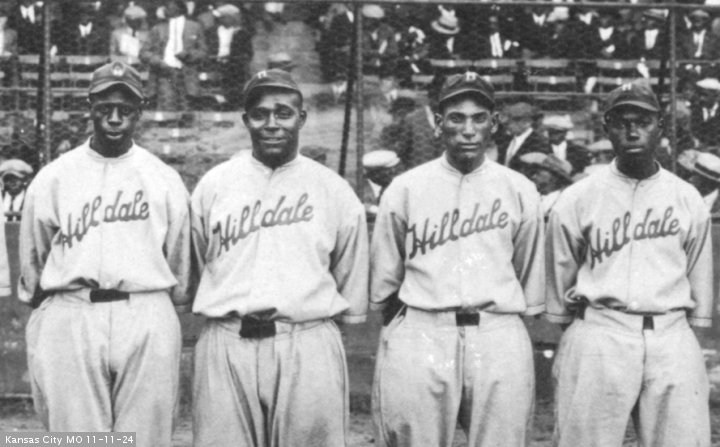

Furman Bisher has a piece at the fishwrapper site about Joe Torre . The punch line is that Mr. Torre “grew up” when the Braves traded him to St. Louis. PG was a kid when this was going on, and did not hear a lot of what went on.
In 1965, the Braves played a lame duck year in Milwaukee before moving to Atlanta. One night, there was an exhibition game at Atlanta Stadium, the Braves against the Yankees. PG got his oh so patient dad to take him to the clubhouse after the game, to get autographs. In those days, you could go into the bowels of the stadium and wait outside the locker room. Hank Aaron signed dozens of autographs while smoking a cigarette. Joe Torre came out, hid behind a truck, and took off running.
Mr. Torre was a raccoon eyed catcher for the Braves. In the first regular season game in 1966, he hit two home runs, in a thirteen inning loss. Soon, the novelty of big league baseball in a toilet shaped stadium wore off. Mr. Torre got at least one DUI, and a reputation as a barroom brawler. He was traded to St. Louis in 1968. Mr. Torre hit .373, and won the national league MVP in 1971.
The comments to the feature by Furman Bisher were interesting. Cecil 34 contributes “The reason that Torre was traded is because on the team’s charter flight back to Atlanta back in 68, a drunken Torre got into a fistfight with Aaron. Aaron popped off to Torre, and thus the fight was on, broken up by the other players. Since Aaron was the face of the franchise at the time, Torre was traded. There had been bad blood between them for years before this incident anyway. Reasons vary. But the final nail in the coffin was this fistfight. I was told Torre could pack a punch and Aaron came out on the worse end of it.”
There has been whispering for years about Hank Aaron and his attitude. Furman Bisher made hints once or twice, but there was never anything of substance. It seems that Mr. Aaron does not lack for self confidence. Mr. Aaron was the subject of much racially based abuse while chasing the home run record in 1973, and some anger is justified.
Hank Aaron was known to not get along with Rico Carty. Mr. Carty is a dark skinned man from the Dominican Republic, who was popular with fans. Mr. Carty was eventually traded. Rico Carty had a barbeque restaurant on Peachtree Road in Chamblee, next door to the Park and Shop.
Joe Torre was the manager of the Braves in the early eighties. The team won a divisional title in 1982, but lost the NLCS. This was after Ted Turner bought the team. Mr. Turner fired Mr. Torre in 1984.
Getting back to the comment thread, Misterwax contributes “Turner cut Joe Torre loose because Ted was in love with Henry Aaron and Aaron thought Joe Torre was a white supremacist….A hangover from the clubhouse days when they were teammates…still does today. And THAT is the only reason he was cut…because Hank Aaron said so.”
Hank Aaron was recently quoted on Barry Bonds and Steroids. Joe Torre retired as manager of the Los Angeles Dodgers in 2010. He won four World Series as manager of the New York Yankees. Furman Bisher outlived Bear Bryant by 26 years, passing away March 18, 2012. Selah.



Little Altars Everywhere
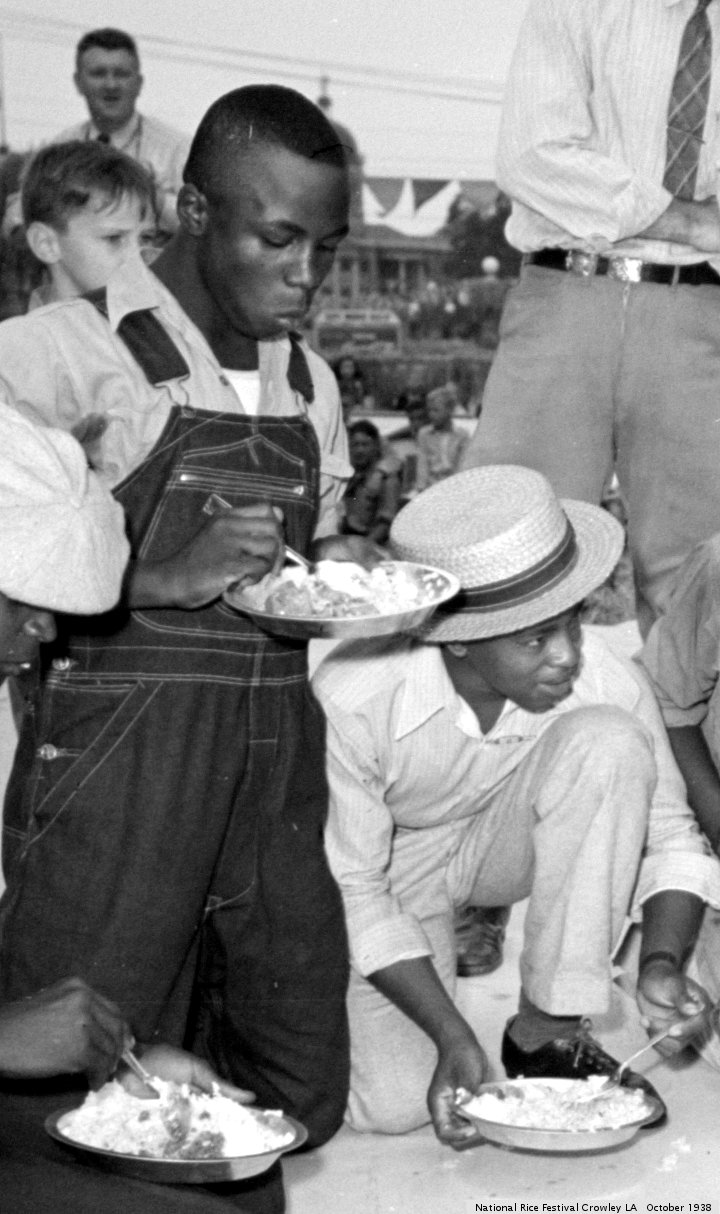
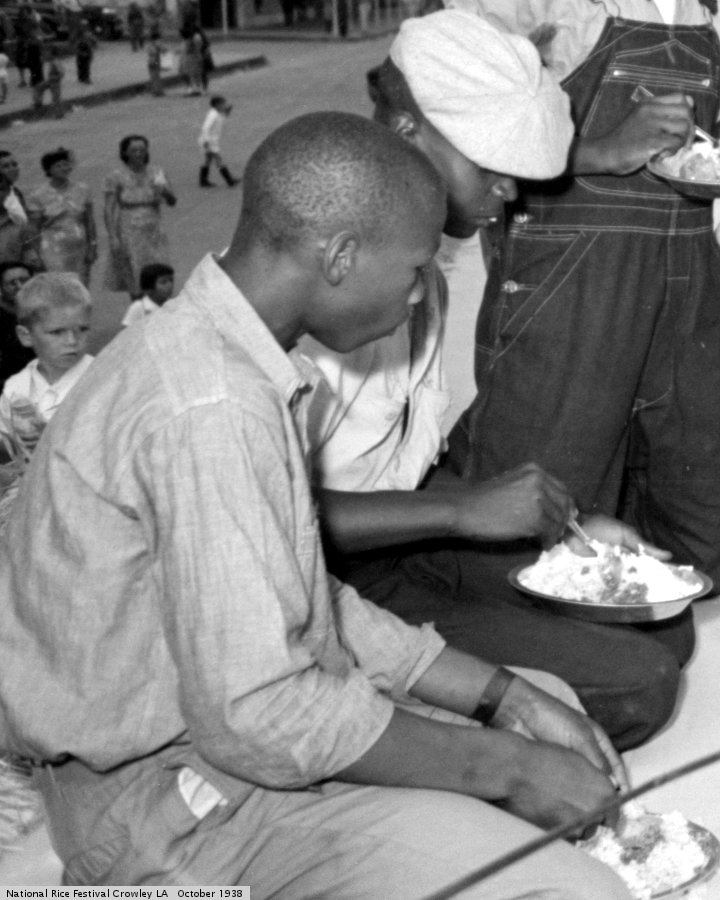


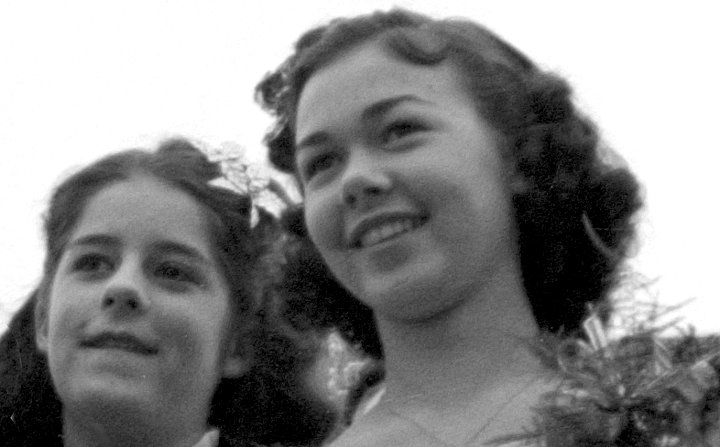


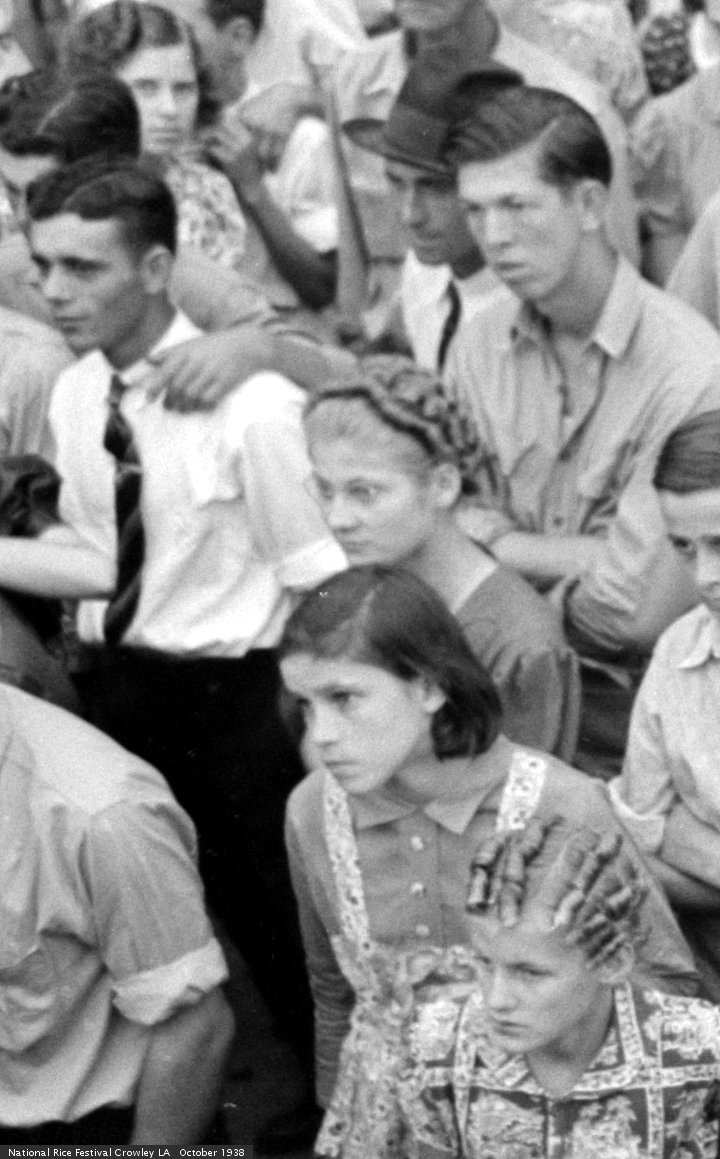
Little Altars Everywhere is a book written by Rebecca Wells. LAE was written before Divine Secrets of the Ya-Ya Sisterhood, with the same characters.
Arguably, you should read Little Alters before you read Divine Secrets. Life does not work that way. Many saw the Ya-Ya movie who will never even know there were books. In PG’s case, he heard about Ya-Ya long before he found it at a yard sale. A few months later, while trolling the shelves of the Chamblee library, he thought to look under Wells, and found Little Alters.
A central character is Viviane Abbott Walker. Mother of four. Ya-Ya. Alcoholic. Catholic. Does not have a problem with hitting children. According to one son, a child molester. In Ya-Ya, we learn that her true love is killed in World War II. There are some other weird scenes during her childhood. Maybe she is a monster, but she came by it honestly. In Little Alters, all you see is the drinking, the religion, and the bad behavior.
These books are set in Louisiana. This apparently is another world, one that is incomprehensible to others. Atlanta is full of former Louisianans, and is a bit whacky in it’s own way. Thornton LA is a place that works all five senses.
Miss Wells writes about the smells. The cold cream on Vivi’s face, when she crawls in bed with Little Shep. The way Willetta’s smells, like Lipton tea and Ajax. The dark waters of the bayou, full of stuff you don’t want to know about.
Smells are said to be the sensation that goes directly to the brain, without a filter. The direct connection to the animal heart. To know how something smells is to know the essence.
Little Alters is a collection of chapters. Each one tells a different story. Each one is told in a different voice. There is no beginning and end, but a big bulge in the middle. Life is short but wide.
Two of the chapter stories are told by Willetta and Chaney. They are a black couple that lives on the farm, and work for the Walkers. Miss Wells tells their story in the voice of old, country black people. Some might say this is not proper, for a white woman to try and talk like a black man. It is done with compassion and accuracy. Whether Miss Wells should do this is up to the individual to decide.
Little Alters can be a dangerous book for lunch hour reading. One day, PG was in a mid summer funk. The chapter that day was Big Shep’s story. He was on the local draft board during Vietnam. Neighbors came to him. They begged him to keep their sons out of that war. Sometimes he could help, sometimes he could not.
One of the ones to go was Lincoln. He was Chaney’s younger brother. During the Tet offensive, Lincoln was killed. The story of Big Shep going to the funeral home was not cheerful, nor should it be.
This book report is written on a monday morning. At this point in his life, PG gets up early. In many ways, the best part of the day is the couple of hours before going down Buford Hiway to the place days are spent. Little Alters will soon be returned to the Chamblee library. There is no telling what will replace it. Pictures today are from The Library of Congress.




The Rainbow Flag


On June 19, artist Gilbert Baker, who created the rainbow flag in 1978, shared his memories of that period and the flag’s creation in a discussion at the GLBT Historical Society in San Francisco with longtime activist and friend, Cleve Jones. The rainbow flag is so iconic, so ubiquitous, so universally recognized, that there is a habitual tendency to think that it has always flown to represent queer Pride. Yet it is not so: it was created and consciously adopted in the streets of San Francisco, when activists spoke of gay liberation rather than LGBT acceptance in the after-fires of the political fires of the late 1970s. And no, it wasn’t created because we’re all friends of Dorothy.
“1977 — that was a pivotal year,” Baker said. “That was the year of Anita Bryant. That was he year Harvey (Milk) was elected. That was the year we became galvanized.” It was also the year after the American Bicentennial Celebration, a period that Baker said made him more flag conscious as he cranked out hundreds of banners and signs for the endless parades that activists were busily organizing. “I thought, You know, we ought to have a flag,’” Baker said. “A flag is something you can’t disarm. What makes a flag a flag is that people own it. It connects to their souls. It belongs to them.” Baker said he did not want to work with the symbols of oppression that had been adopted in the early victim politics. “The Lambda was a little obscure, and the triangles were given to us by the Nazis.”
He began researching rainbows and their uses in the Bible, in Native cultures and in the psychedelic hippy peace and freedom culture of the Sixties. “It represents all the colors, all the genders, all the humanity,” Baker said. “I wanted to expand on the use of visual images that would not depend on language.” Baker said the first two flags were made using all-natural materials and dyes in the fashion of the day. But the colors ran when they got wet. In addition, the flag started off with eight colors, not the six it has now, and each color stood for something different: pink (sex), red (life), orange (healing), yellow (sun), green (nature), turquoise (magic), blue (serenity) and lavender (spirit). “Eight is a very magical number,” said Baker. “It’s symmetrical, and allowed me to split them into hot and cold colors. It gave me a way to incorporate pink. Of course, it was a fuchsia hot pink. And it allowed me to bring in turquoise, connecting to Native island cultures.” But, in the long run, the eight color flag was too complicated and costly to reproduce in the pre-digital age of four-color printing. So he dropped pink and turquoise. “I felt strange because I was giving up sex and magic.”
Jones said there was a lot of community conversation at the time about the need for a unifying symbol. “When that went up the flag pole, all conversation on it stopped,” Jones said. “Everybody just embraced it.” It seemed, Baker and Jones said, that just about everyone wanted the gay flags except the flag industry: world of flag-makers and vexilographers. “It took about 10 years,” Baker said, recounting how he cut his hair and dressed in business attire in order to try to fit in at the flag industry conventions. “They pretty much decide on what a flag is. They would not even entertain a motion that there even was such a thing as a gay flag. A lot of good old boy flag companies down in Texas didn’t want to know anything about a gay flag.” But when one took a chance and made 5,000 little flags for Baker, they sold out in two hours. Game over, battle won. Now they are everywhere, and the rainbow is incorporated in knick-knacks and collectibles. Jones teased Baker about not having patented the symbol. “How do you feel when you see all this rainbow crap and you don’t stand to make a penny off it?” Jones asked. “It’s not about money,” Baker teased back. “It’s about power.”
There have been some iconic world record moments for the flag since then, such as the Stonewall 25 flag in New York City in 1994, and the sea-to-sea rainbow flag in Key West in 2003 on the 25th anniversary of the flag. And there have been the grim reminders of why the flag was needed, as when a parade of the flag in a celebration in Stockholm drew 300,000 spectators, and then was disrupted when gangs of young neo-Nazis grabbed and brutally beat some of the spectators. “It blew my mind,” Baker said. “There is this resistance that comes to us in the form of violence. We’re lucky to be in America. I think about those gay people in China who can’t come out making those rainbow tchotchkes and they can never come out. Or Uganda: there wasn’t any ’Will and Grace’ in Uganda. Our liberation is an ongoing struggle. It was before us and it will be in the generations after us. It’s more than the colors we can see: It’s the colors that we can’t see, the thing that go past our own lives.”
The text for this feature is borrowed from Creator of Rainbow Flag Shares His Memories of the Movement. Pictures are from The Library of Congress This is a repost. Out in the bay has a wonderful radio interview with Gilbert Baker.



Archetype



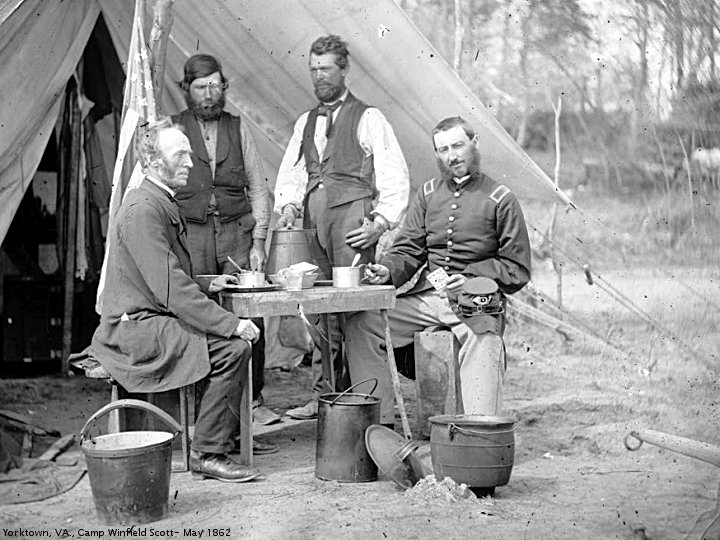


Maybe there is one for internet test taker. The fbf posted a link to a test, Which Jung Archetype Best Describes You? PG thought he would investigate the archetype concept before diving in.
Carl Gustav Jung (1875-1961) (pronunciation) wrote a few books. The Archetypes and The Collective Unconscious is where he introduced the concept of archetypes. One definition: “archetypes are inborn tendencies which shape the human behavior.” If you want to read more, you can use the links.
As online tests go, this one is good. Many online test questions have no good answer, and one is left to choose the least bad option. Most of the questions here have a good answer available. Question three even has the option of “other/ none of these.”
Numver four is a favorite of motivators … is the glass half empty or half full? This is more a quirk of the english language than an indicator of personality. There are three options: half empty, half full, who drank the other half? If there had been a “who cares” option, PG would have chosen it.
The answer: “The Caregiver You’re the caregiver! Jung identified this archetype in many goddesses and female role models throughout history. You’re the mother figure: the selfless caregiver and helper. Everyone comes to you for advice. You truly love others as yourself and your greatest fear is selfishness and ingratitude. You manifest compassion and generosity. A Jungian psychologist would tell you to be careful not to be taken advantage of and never let yourself play the martyr.
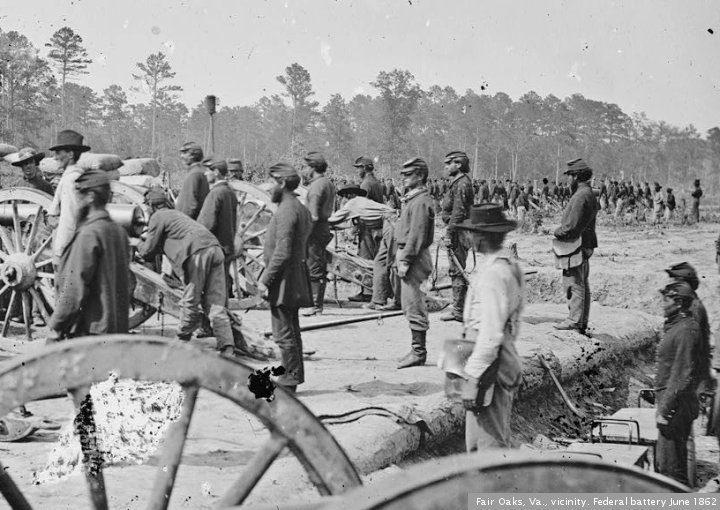
Pictures are from The Library of Congress.



Jesus PTSD

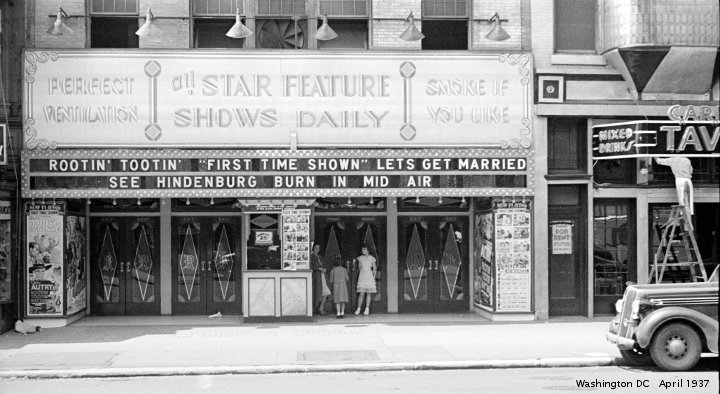

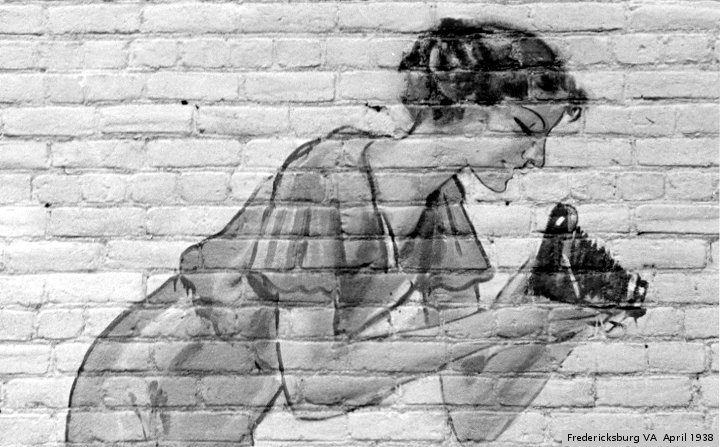
Annabelle is a song by Gillian Welch and David Rawlings. It is quite lovely. Annabelle is the daughter, and the one bright spot in a hard life. This life of toil lasts until we “go to Jesus.”
PG has had a tough time with Jesus. Rudeness, disrespect, verbal abuse, and humiliation have been landmarks on the journey. When you don’t agree with the plan for life after death, you wonder if the bad parts of Jesus are worth it. To PG, the negatives overwhelmingly outweigh the positives. Just hearing a passing reference to Jesus can set him to brooding.
This morning, PG wondered if it was always going to be like this. When people talk/sing/act out for Jesus, is it always going to remind him of the pain? The Jesus worshipers have so much fun with their noise, that they scarcely notice the discomfort of others. They usually don’t care. .
Some youtube listeners felt the same way. gotohellgoogle2223 i just wish the words weren’t religious. 001Bigred @gotohellgoogle2223 I don’t find this religious except in the aspect that it tells the TRUTH. You can’t have all things to please you til you go to Jesus. Hope you find Him.
PG has found Jesus, in the words and deeds of his believers. It has been one of the worst experiences PG has known. When you decide that Jesus was killed for being a trouble maker, and his death has nothing to do with what happens to you when you die… it takes away the one justification for all the abuse. Maybe one day there will be no Jesus, and PG will know peace.
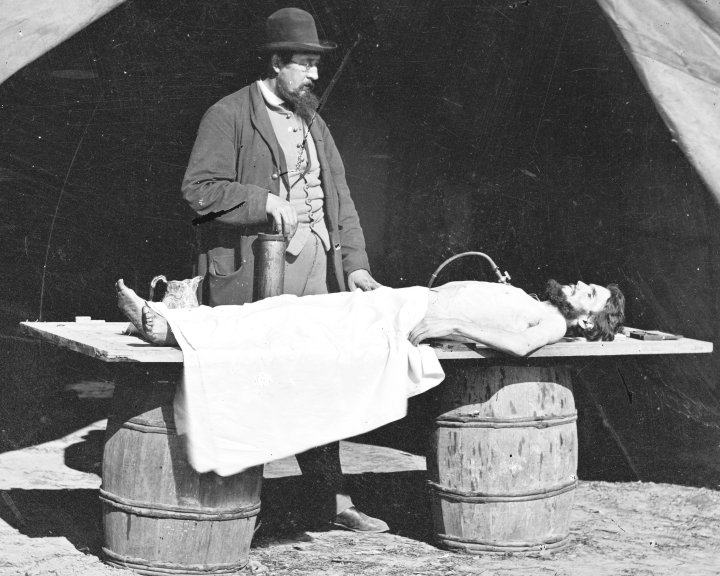
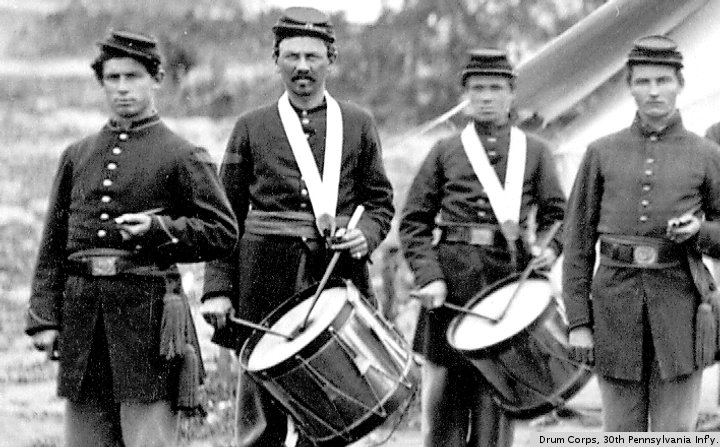
Pictures from The Library of Congress.

The Worst Vice Presidents Of The United States


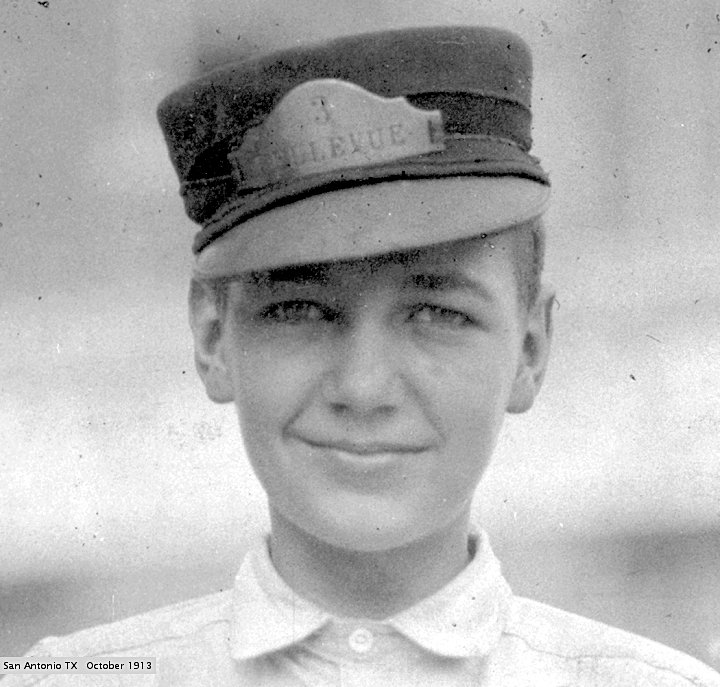
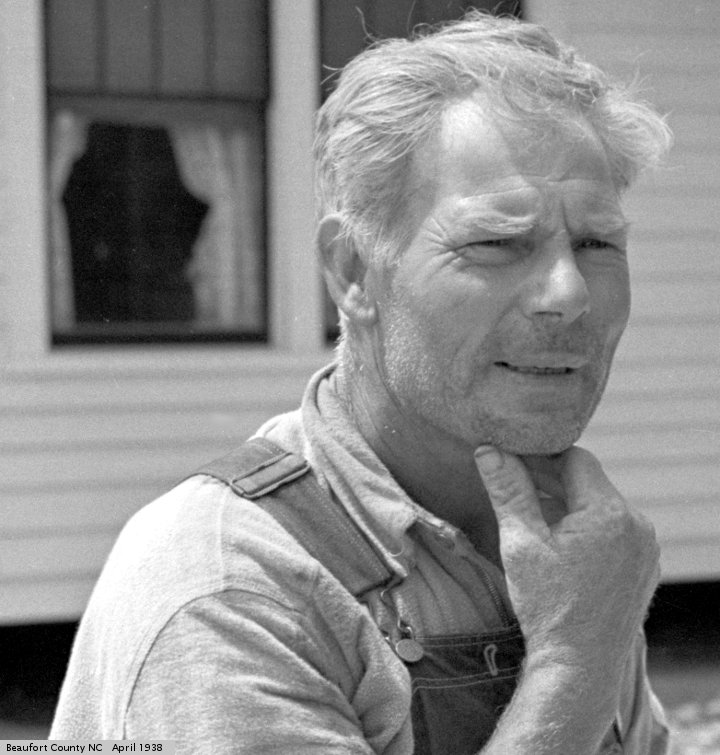
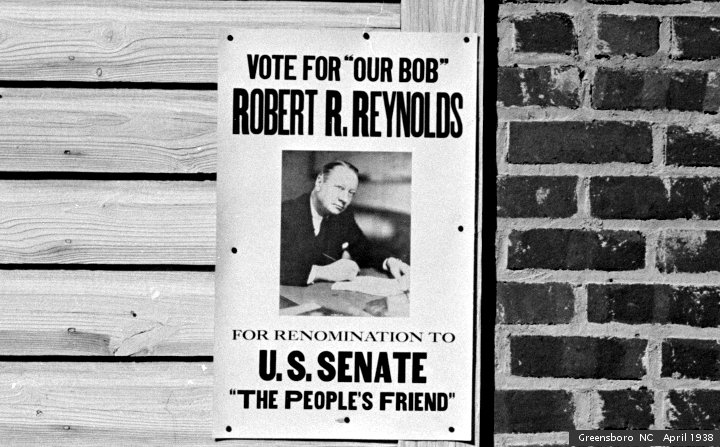
PG wrote a post yesterday. One of the topics was the “Siamese Twins”, James Buchanan and William Rufus King. While researching the feature, PG googled his way to a Time magazine article about the Worst Vice Presidents in American History. PG is well known for his negative attitude, and writing about the worst things in life always appeals to him. (To see the feature, you have to click through a popup ad for Amway. Good times.) This is a repost, with pictures from The Library of Congress
The first name on the list is Aaron Burr. He had a problem with Alexander Hamilton, and shot him dead in a duel. Elbridge Gerry (the namesake of Gerrymandering) served under James Madison for twenty months, and died. John C. Calhoun served under John Quincy Adams and Andrew Jackson, and managed to get Mr. Jackson so upset that Mr. Calhoun was fired.
Richard M. Johnson served under Martin Van Buren, and was bad at PR. “Johnson scandalized his colleagues by taking one of his slaves as his common-law wife; as a result, he barely garnered enough support to serve in Martin van Buren’s administration. While in office, he proposed an expedition to the North Pole so Americans could drill to the center of the Earth, believing the planet was hollow (his resolution was defeated). Evidently van Buren’s experience with Johnson soured him on vice presidents altogether — when he ran for re-election he dropped Johnson from his ticket and didn’t bother replacing him. Instead, he ran alone.”
William Rufus King was VP under Franklin Pierce a mere six weeks before he died. There is no word on the status of his relationship with James Buchanan at the time. The Time magazine article has a picture of Fernando Wood , which was mistakenly thought to be of Mr. King. (Wikipedia uses the same picture to illustrate an article about Mr. King.)
The VP under James Buchanan (there is no word on who was top or bottom in the Buchanan-King household) was John Breckinridge. During the War Between the States, he left the Union to fight for the Confederacy. Mr. Breckinridge was charged with treason after the war. “The town of Breckenridge, Colorado is named in his honor — although it altered the spelling of its name after the Civil War, so as not to be associated with a traitor.”
Andrew Johnson did not make the list, but maybe should have. He was drunk at his inauguration, and made a fool of himself. Mr. Lincoln had nothing to do with him, until a meeting on April 14. This was Good Friday. Mr. Lincoln went to the theater that night.
Johnson had been marked for death by the conspiracy, but Wilkes Booth had little confidence in the man assigned to kill Mr. Johnson. The afternoon of the assassination, Mr. Booth was at the Kirkwood House, where Mr. Johnson stayed. Mr. Booth left a note for Mr. Johnson at the desk of the hotel… “Don’t wish to disturb you. Are you at home. J. Wilkes Booth”. The idea was for the police to find the note, and implicate Mr. Johnson in the killing of Mr. Lincoln. This mini plot was spoiled by the secretary for the Vice President, who collected the mail that afternoon. He took the card with him. The secretary had met Mr. Booth a few years earlier, and thought the note was for him.
The other three Vice Presidents who took office after the boss was murdered… Chester Arthur, Theodore Roosevelt, and Lyndon Johnson… were not mentioned in the Time article. All three are mentioned in conspiracy theories about the killings that promoted them into office.
When Theodore Roosevelt was elected to a full term as President, his VP was Charles Fairbanks. “Teddy once ordered a noisy and distracting crystal chandelier removed from his office because it disturbed him. He ordered it to be installed in the office of the Vice President to keep him awake.”
Getting back to Time’s honor roll, Hannibal Hamlin was Lincoln’s first VP. Thomas A. Hendricks survived nine months under Grover Cleveland, before passing away. Thomas Marshall served two terms with Woodrow Wilson, and refused to take over the office when Mr. Wilson had a stroke. Calvin Coolidge did little while waiting for Warren Harding to die. Henry Wallace was, and will be, the only third term VP in our history. He acquired a few enemies, and was replaced by Harry Truman.
Richard Nixon was ok once he got elected, but almost managed to blow that. There were charges of financial shenanigans, and some thought he should be kicked off the ticket. After the Checkers Speech he was on his way to stardom. (After Mr. Nixon died, PG saw a large flag flying at half staff. The flag belonged to a hamburger chain called Checkers.) When Mr. Nixon became President, his VP was Spiro Agnew. Once again, there were charges of financial shenanigans, and much, much more. While the nation wallowed in Watergate, Mr. Nixon needed a diversion. It was suddenly discovered that Mr. Agnew had taken bribes. He was pressured into resigning.
Dan Quayle was VP for George H.W. Bush. He was widely regarded as an idiot, although his damage as VP was minimal. The last VPOTUS on the list is Dick Chaney. For some reason, he was regarded as having more power than the President, George W. Bush. Mr. Chaney was said to be one of the major promoters of the wars which have damaged America so much during the last ten years.


The Worst Jokes Of Scotland



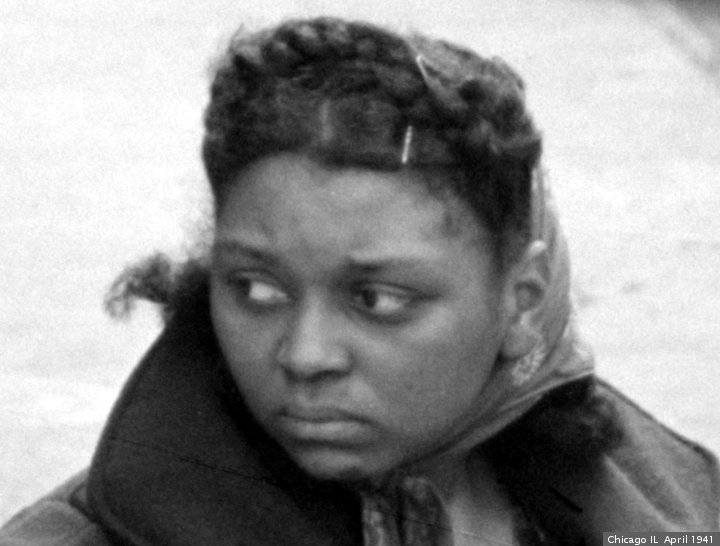
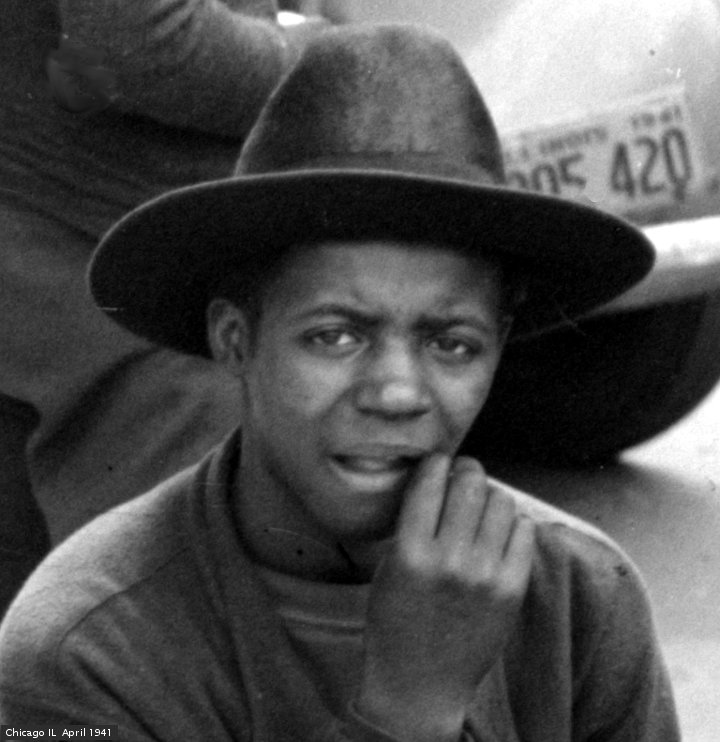
This repost is borrowed from Twenty Two Words, who borrowed it from someone else. The pictures are from The Library of Congress. Every year, the Edinburgh Fringe Festival has a contest for the best joke. The 2011 winner was Nick Helm, aka “The Human Car Crash of Light Entertainment”.
1. Nick Helm – “The banking program needed a password eight characters long. I picked Snow White and the Seven Dwarves.”
2. Tim Vine – “Crime in multi-storey car parks. That is wrong on so many different levels.”
3. Hannibal Buress – “People say ‘I’m taking it one day at a time.’ You know what? So is everybody. That’s how time works.”
4. Tim Key – “Drive Thru McDonalds was more expensive than I thought … once you’ve hired the car”
5. Matt Kirshen – “I was playing chess with my friend and he said, ‘Let’s make this interesting’. So we stopped playing chess.”
6. Sarah Millican – “My mother told me, you don’t have to put anything in your mouth you don’t want to. Then she made me eat broccoli, which felt like double standards.”
7. Alan Sharp – “I was in a band which we called The Prevention, because we hoped people would say we were better than The Cure.”
8. Mark Watson – “Someone asked me recently – what would I rather give up, food or sex. Neither! I’m not falling for that one again, wife.”
9. Andrew Lawrence – “I admire these phone hackers. I think they have a lot of patience. I can’t even be bothered to check my OWN voicemails.”
10. DeAnne Smith – “My friend died doing what he loved … Heroin.”
PG did a bit of value added research, and found an article in The Telegraph about the joke contest. This article has the NINE WORST JOKES from the 2011 festival.
1. Tim Vine – “Uncle Ben has died. No more Mr Rice Guy.”
2. V. McTavish – “The Lockerbie bomber put Lockerbie on the map, well he nearly took it off it too.”
3. Josh Howie – I’ve got nothing against the Chinese. Don’t get me Wong.
4. Card Ninja – “I went to see this show and the guy said ‘Hey kid do you like magic?’ And I said ‘Yeah!’ So he asked if I wanted to see a trick and I said ‘Yeah!’ So he said ‘think of a number, times it by 2 and if it’s odd …’ Oh no, he’s a MATHmagician! “
5. Tom Webb – “Due to the economy, profiteroles will now be called deficiteroles.”
6. Nathan Caton – “Postcode wars? That sounds like a really shit BBC game show.”
7. Andrew Bird – “My wife’s eating for two. She’s not pregnant, just schizophrenic.”
8. Mark Olver – “I was like a dyslexic having my back teeth removed … losing my morals.”
9. Andrew O’Neill – “Singing a song for the colour blind today: “And I think to myself … why did I become a bomb disposal expert?”
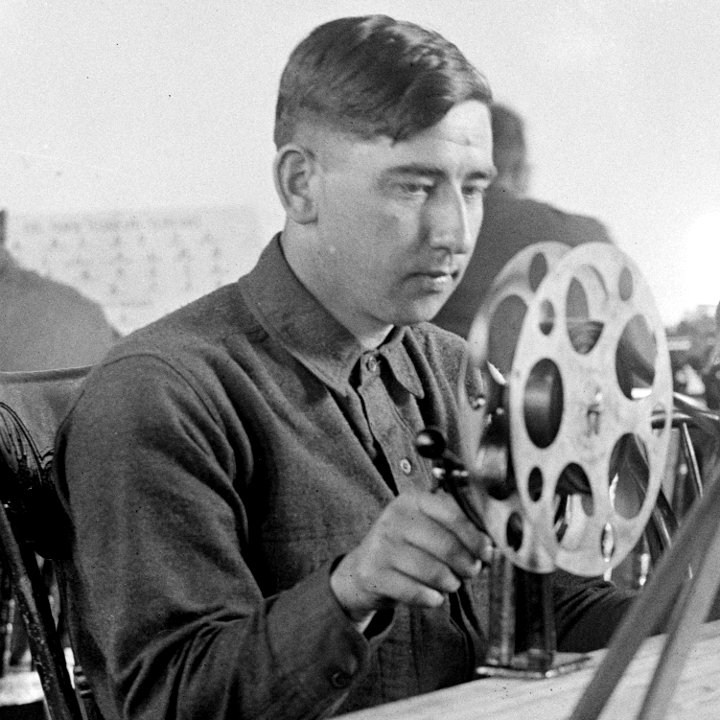
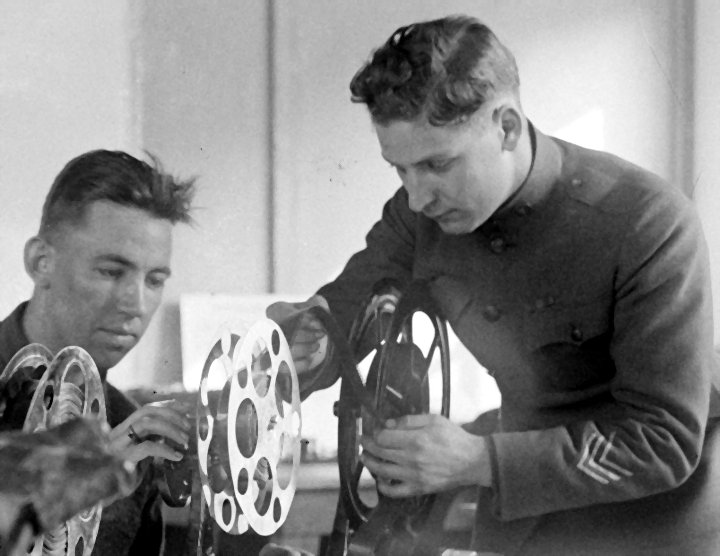



James Baldwin And The Six Letter Word


In the spring of 1963, KQED filmed a show, “Take this hammer”, about James Baldwin. The snippet in the video above seems to have been the last three minutes of the show. Here is a transcript. Mr. Baldwin discusses a six letter insult. The n-word is more about the speaker, than the spoken of. A 2010 blogger had this to say.
What resonated with me about this particular video though, is the universal experience we’ve all had being referred to, thought of as, or called something we inherently are not. Not because of something we’ve done, mind you – but because of the way others “interpret” us. Those of us that “transgress” gender norms are often given titles and names that don’t fit who we are – but are more representative of the fears and desires of others. I’ve often felt that people’s projections of me are oftentimes just that – their projections. However, Baldwin’s ending sums up a solution to this perfectly: “But you still think, I gather, that the n****r is necessary. Well he’s unnecessary to me – he must be necessary to you. Well, I’m going to give your problem back to you…you’re the n****r, baby…not me.”
It is now 2013. (All discussions of race must mention the year.) The TV show was fifty years ago. A few things have changed. To many white people, overt expressions of racism are seen as bad manners. The n-word is taboo in polite company. The overall attitudes may not have changed, but most white people are careful how they say things.
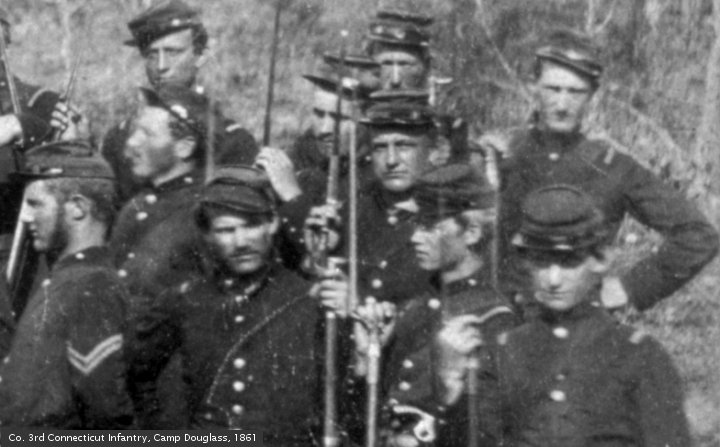
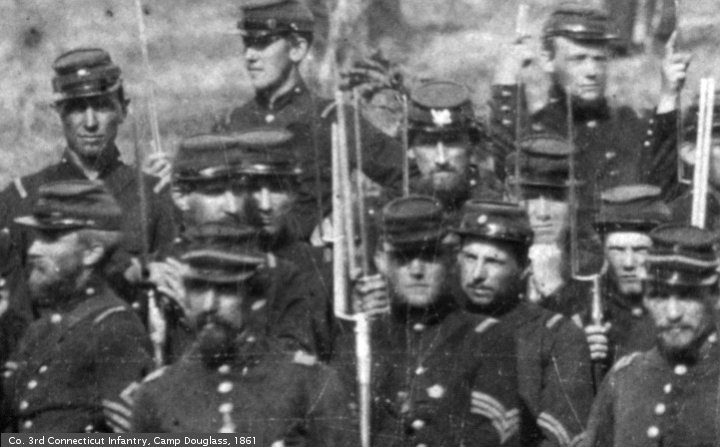
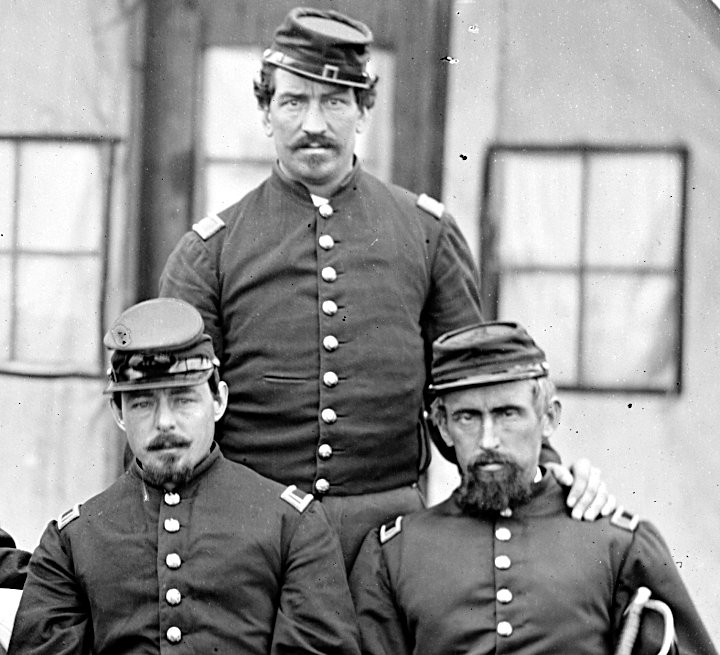
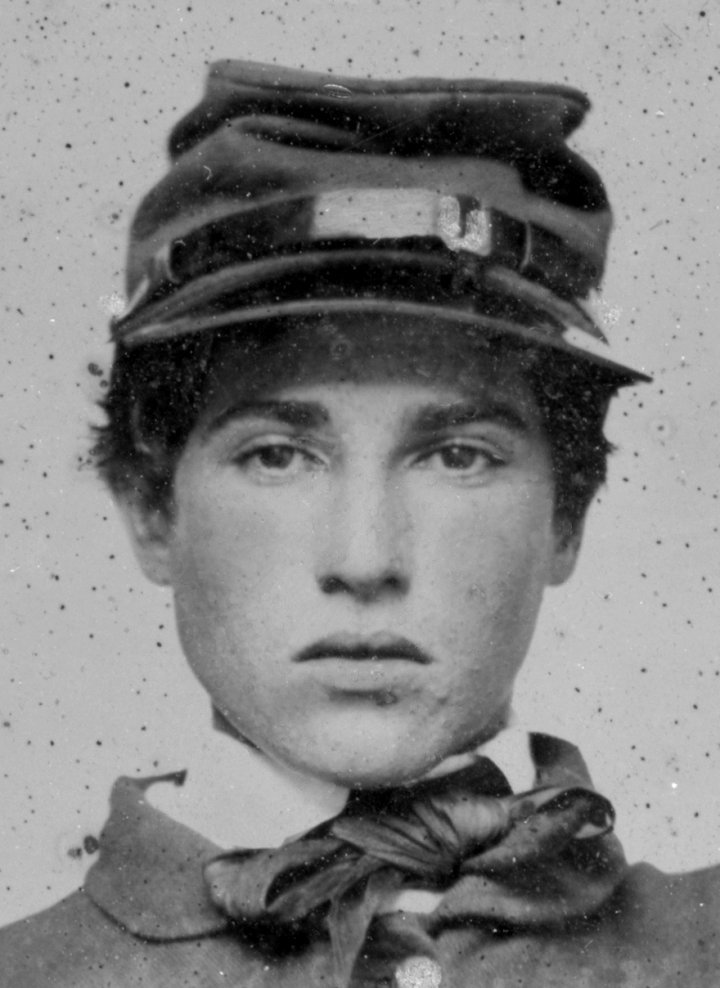
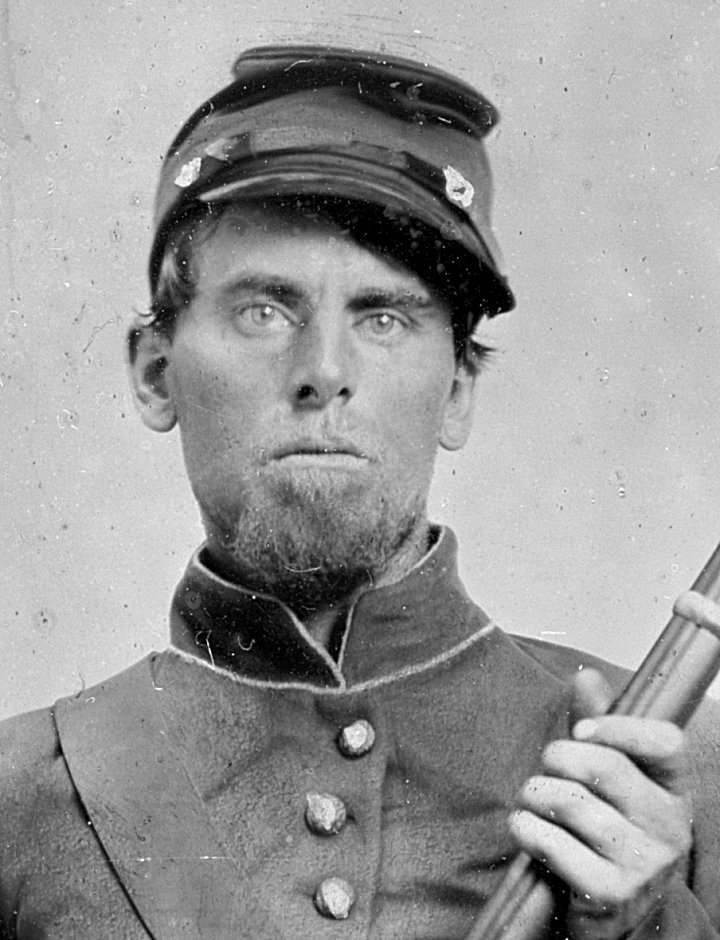
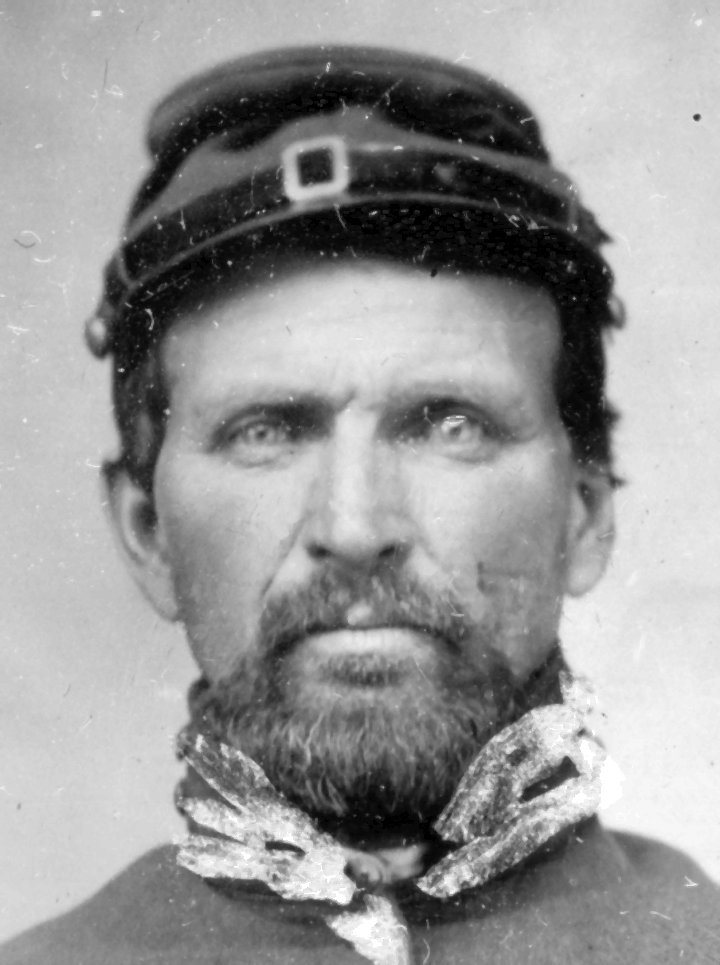
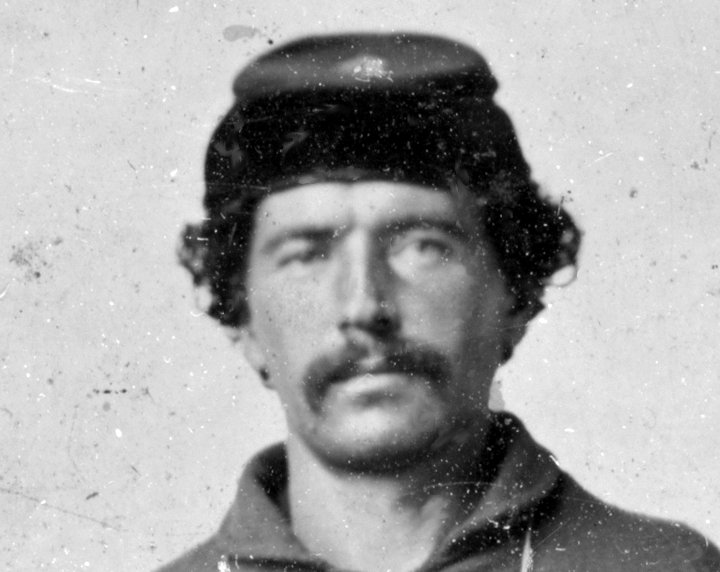
African America is keeping the n-word alive. But it is still about the speaker, not the one spoken of. When people say the nasty word, they are talking about themselves. They are now the people James Baldwin is talking about. Pictures are from The Library of Congress. These men are Union soldiers, from the War Between the States.



A few weeks ago, this blog published a feature, James Baldwin And The Six Letter Word. At the center was selection of James Baldwin talking about the n word. There was a transcript available, which makes today’s exercise a lot easier.
Mr. Baldwin was discussing this nasty word, and offered an insight into who the user of this nasty word was really talking about. Now, there is another nasty word being casually tossed about these days. This other nasty word is racist. What would happen if you took Mr. Baldwin’s talk, and substituted racist for nasty? It is an interesting way to look at things. What follows is not a perfect fit, and may be offensive to some. A few times, it is very close to the truth.
Who is the racist? Well i know this…and anybody who has tried to live knows this. What you say about somebody else (you know) anybody else, reveals you. What I think of you as being is dictated by my own necessities, my own psychology, my own uhm fears…and desires. I’m not describing you when I talk about you…I’m describing me.
Now, here in this country we got somebody called a racist. It doesn’t in such terms, I beg you to remark, exist in any other country in the world. We have invented the racist. I didn’t invent him, white people invented him. I’ve always known, I had to know by the time I was seventeen years old, what you were describing was not me and what you were afraid of was not me. It had to be something else. You had invented it so it had to be something you were afraid of and you invested me with it.
Now if that’s so, no matter what you’ve done to me I can say to you this, and I mean it…I know you can’t do any more and I’ve got nothing to lose…and I know and I have always known you know and really always..…I have always known that I am not a racist…but if I am not the racist…and if it is true that your invention reveals you…then who is the racist?
I am not the victim here. I know one thing from another. I know that I was born, am gonna suffer and gonna die. And the only way that you can get through life is to know the worst things about it. I know that a person is more important than anything else. Anything else. I’ve learned this because I’ve had to learn it. But you still think, I gather, that the racist is necessary. Well he’s not necessary to me, so he must be necessary to you. So I give you your problem back. You’re the racist baby, it isn’t me. This is a double repost.


Eleven Thoughts About Communications
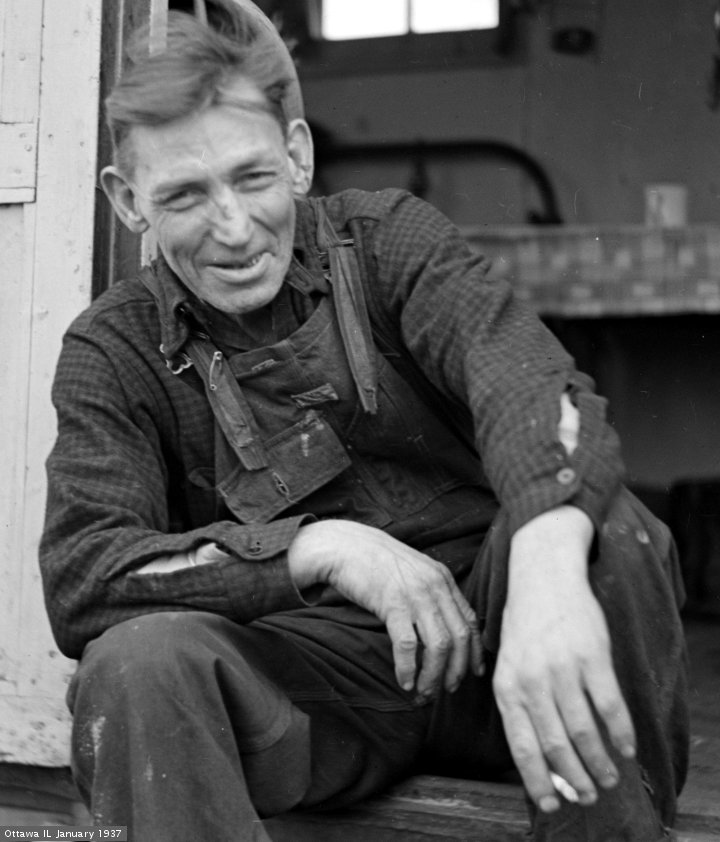


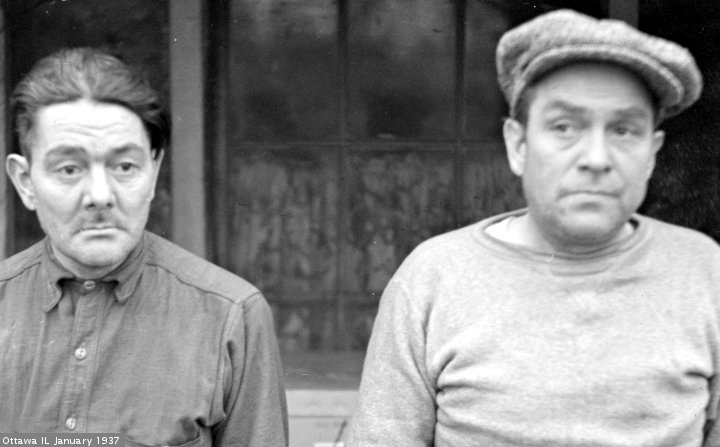



When you publish a list like the one below, you are placing a target on your back. Above the bulls-eye is the word hypocrite. PG does not claim to take all of these suggestions. What follows is a goal to work for, not a script for situation comedy.
When in doubt, shut up.
A halo is best worn over one ear.
If you want to be forgiven, forgive. If you want to be understood, understand.
There are few situations that cannot be made worse with anger and loud talk.
You have two ears and one mouth. Listen twice as much as you talk.
A douche is a hygiene appliance. The verb form refers to using this device for cleaning purposes. Neither the noun, nor the verb, is appropriate as an insult.
A sentence has one period, placed at the end. Do not place a period after every word to make a point. You should find another way to show that you really, really mean it.
Not everyone enjoys the sound of your voice as much as you do.
Ass is a noun. It refers to either a donkey, or a butt. It is not an adverb, nor an adjective. Do not place ass between an adjective and a noun.
Before you “call out” somebody for “racism”, drape a towel over your mirror.
The third commandment says to not use the word G-d “in vain”. The G word should only be used for worship, and respectful discussion. Improper uses include expressing anger, swearing, selling life insurance, and pledging “allegiance” to a symbol of nationalism.
Pictures are from the The Library of Congress. This is a repost.






2 comments