Walt Whitman 2019
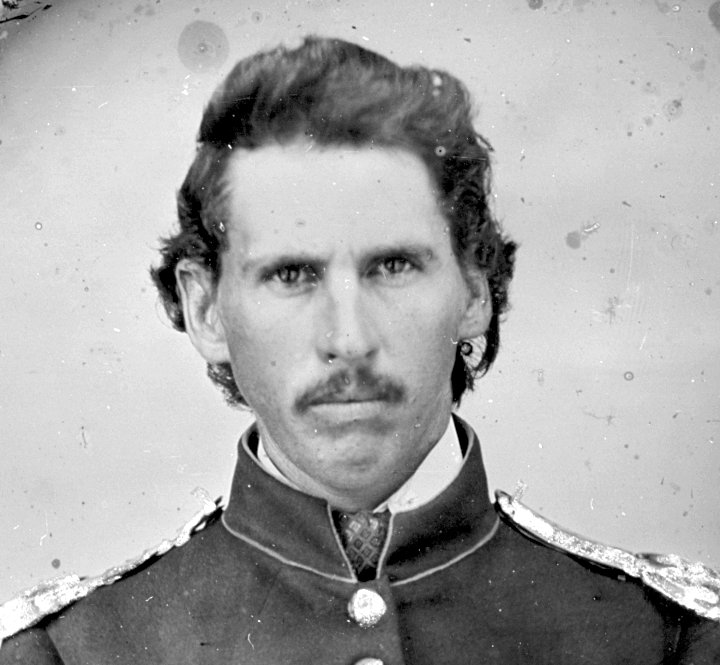

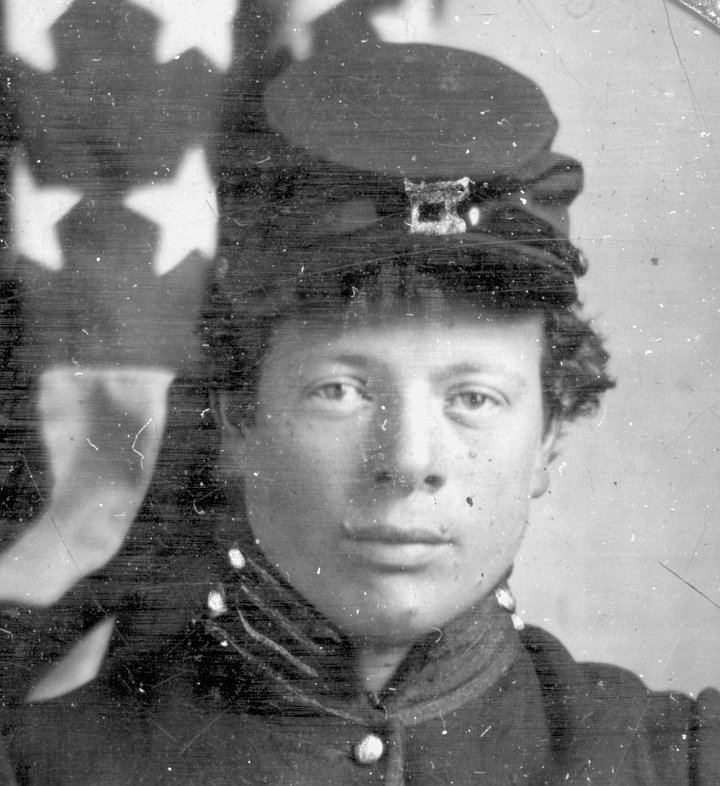


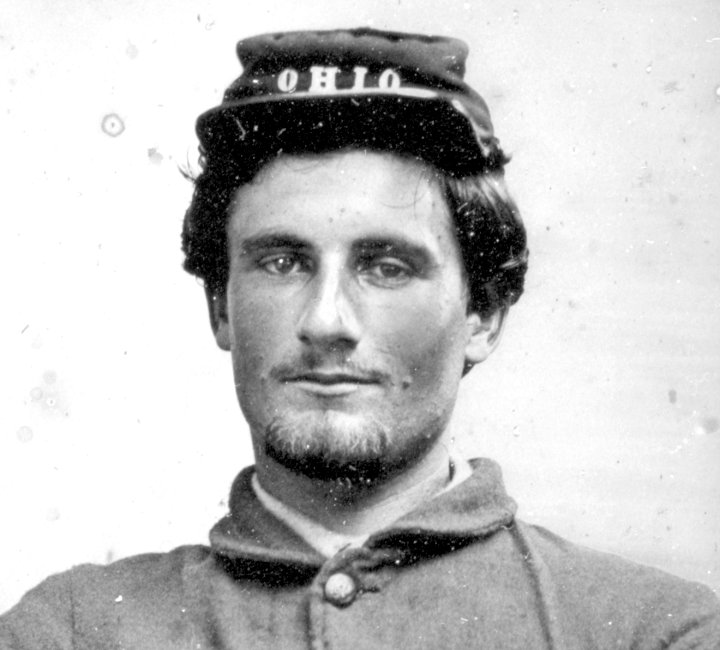

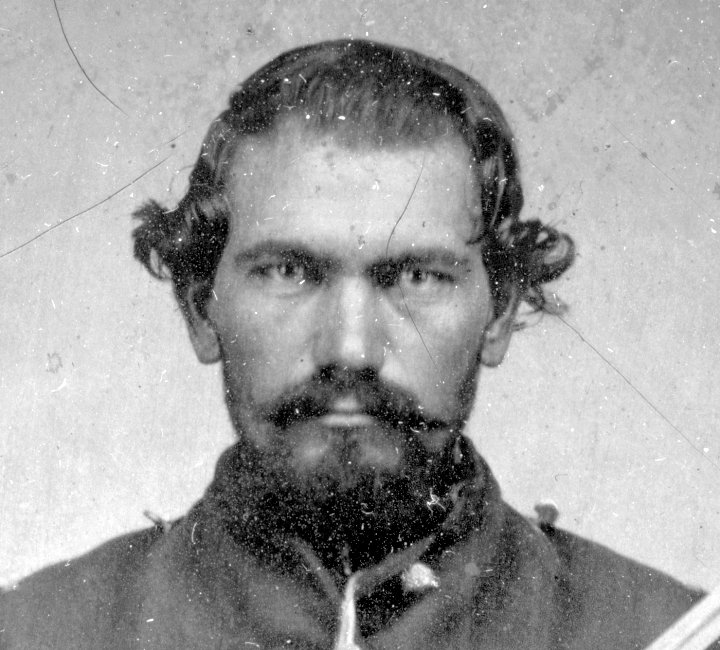

WORD over all, beautiful as the sky!
Beautiful that war, and all its deeds of carnage, must in time be utterly lost;
That the hands of the sisters Death and Night,
incessantly softly wash again, and ever again, this soil’d world:
…For my enemy is dead—a man divine as myself is dead;
I look where he lies, white-faced and still, in the coffin—I draw near;
I bend down and touch lightly with my lips the white face in the coffin.
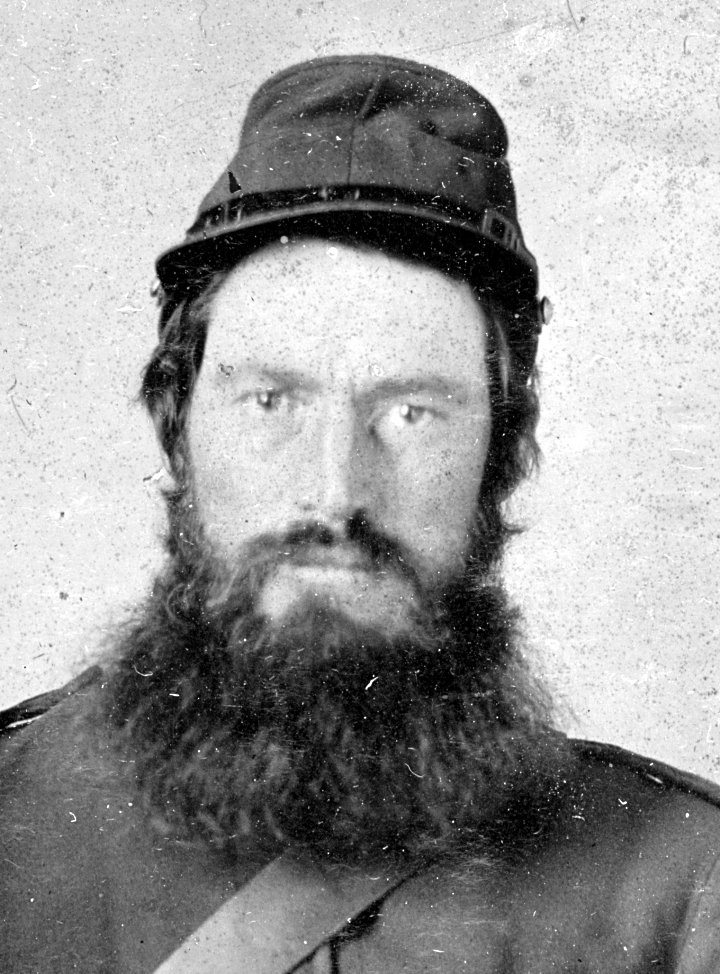
Reconciliation was written by Walt Whitman. During the War Between the States, Mr. Whitman served as a volunteer nurse in Washington DC hospitals. That hospital was full of the human cost of war. Mr. Whitman looked past the so-called causes … slavery, states rights, banker profits … and saw the price paid, by the men who fought.
“In 1862, Whitman received word that his brother George had been wounded at the Battle of Fredericksburg. During the worst, he traveled down to the Virginia battle site. Much to Whitman’s relief, he found that his brother had sustained only minor injuries. While he was there, Whitman was moved by an especially brutal scene. … He records a dramatic moment where he’s standing in front of this field hospital and sees at the foot of two trees a pile of amputated limbs. He says, “A full load for a one horse cart.” And these are limbs that had been thrown out the windows of the surgery in the haste of the battle and the emergencies.”
It is now 2019. The 200th birthday of Mr. Whitman was a few days ago. In recent years, the conflict of 1861-1865 has been opened up to another round of debate. Mr. Whitman, and Reconciliation, have not been left out. “Here, Whitman suggests the reunion of the nation, men on opposite sides of the war drawn together beneath the banner of reconciliation. However, in the final image of the dead, “white-faced” in the coffin, Whitman leaves out the reality of so many dead soldiers whose faces were not white. And further, according to historian David Blight, the poem highlights—in the “kinship” of the dead white brothers—“the ultimate betrayal of the dark-faced folk whom the dead had shared in liberating.” This kind of erasure would continue to dominate Civil War memory as monuments to only part of the story inscribed a narrative on the American landscape—particularly in the South.”
Walt Whitman has emerged as a type of Jesus figure. His words are analyzed 150 years later, looking to find a meaning that pleases 2019 America. At least Mr. Whitman left a written record, in english. As we will see in a few paragraphs, this does not prevent him from being misrepresented.
“Song of Ourselves? Walt Whitman and the American Imagination” is a podcast, and the primary inspiration for this post. The show talks about Mr. Whitman living in Brooklyn before the War, and how he came to be involved in that conflict. It also tries to be “woke”.
“We know in recent years, people have criticized the Confederate memorials as a kind of false attempt at reconciliation, as a kind of shallow reconciliation over the lives of African American people. How would Whitman’s ideas of reconciliation differ from those ideas of reconciliation we see in the Lost Cause?” The answers are not as obvious as some would hope.
“He was an anti-extentionist. He opposed the extension of slavery into the western territories. But he was more concerned about preventing the spread of slavery than really getting rid of it. … He denounced the proslavery southern fire eaters, but he also called abolitionists red hot fanatics. They were the angry voiced silly set, he described them. And at the same time, right, so he took that kind of stance at the time and he did not believe that African Americans were capable of exercising the vote, right? So that’s part of his story.”
Later on in the show, the hosts talk about walking into a hotel room, and seeing a framed quote, “Be curious, not judgmental.” I was curious about the context, and did a little digging. There are plenty of meme-mongers merchandising this quote in four-color glory. This does not answer the question … how did Walt Whitman come to say this?
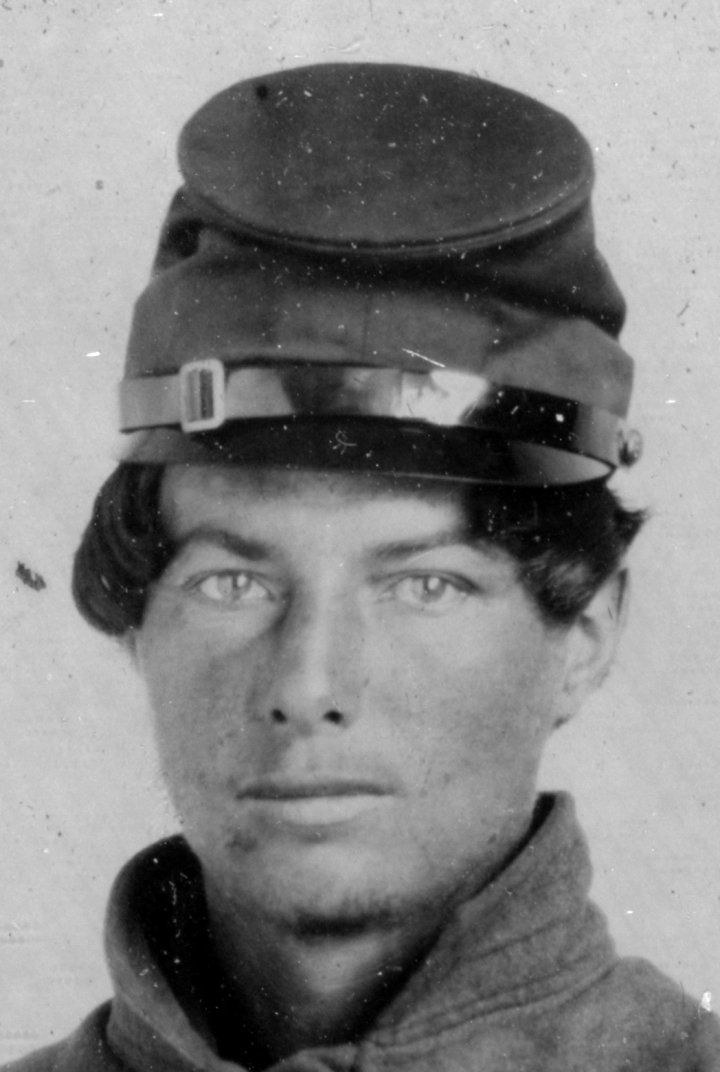
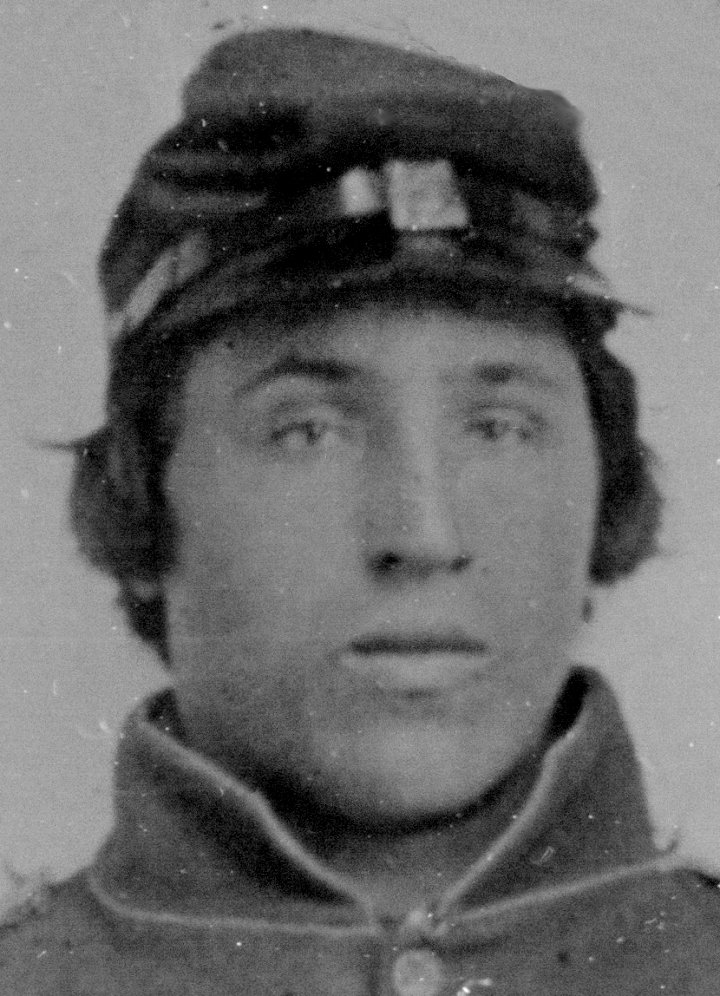
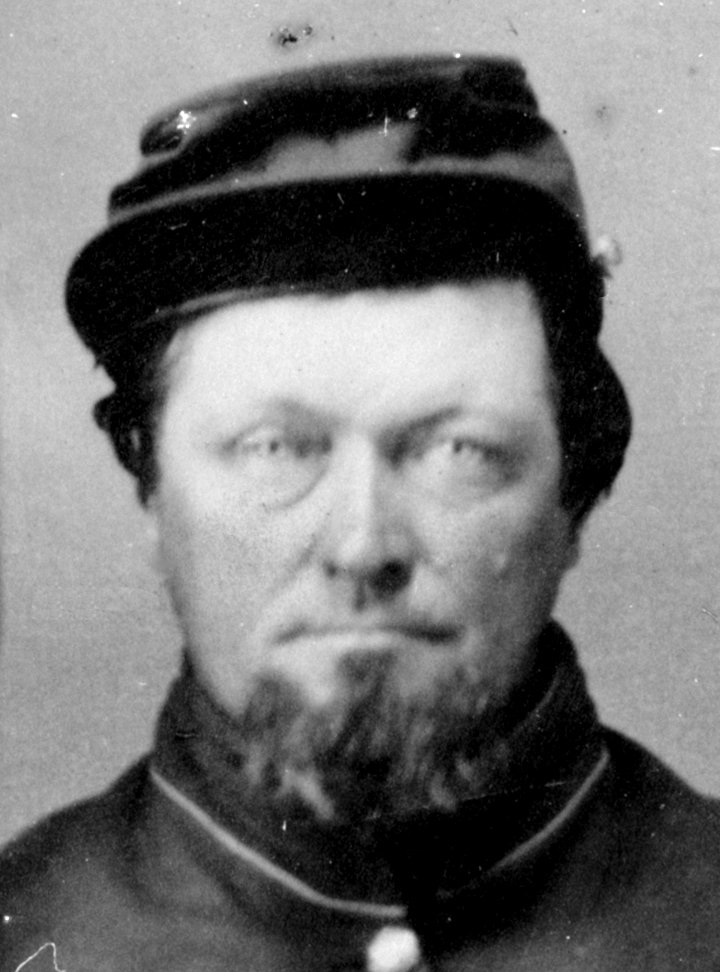
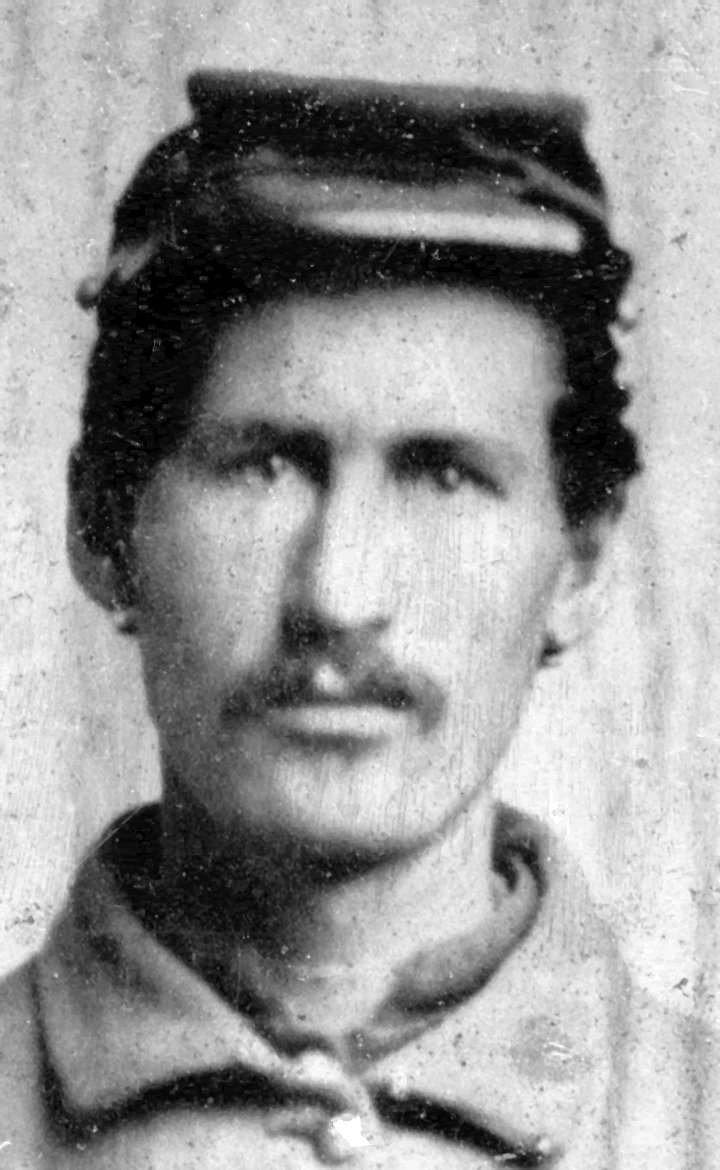
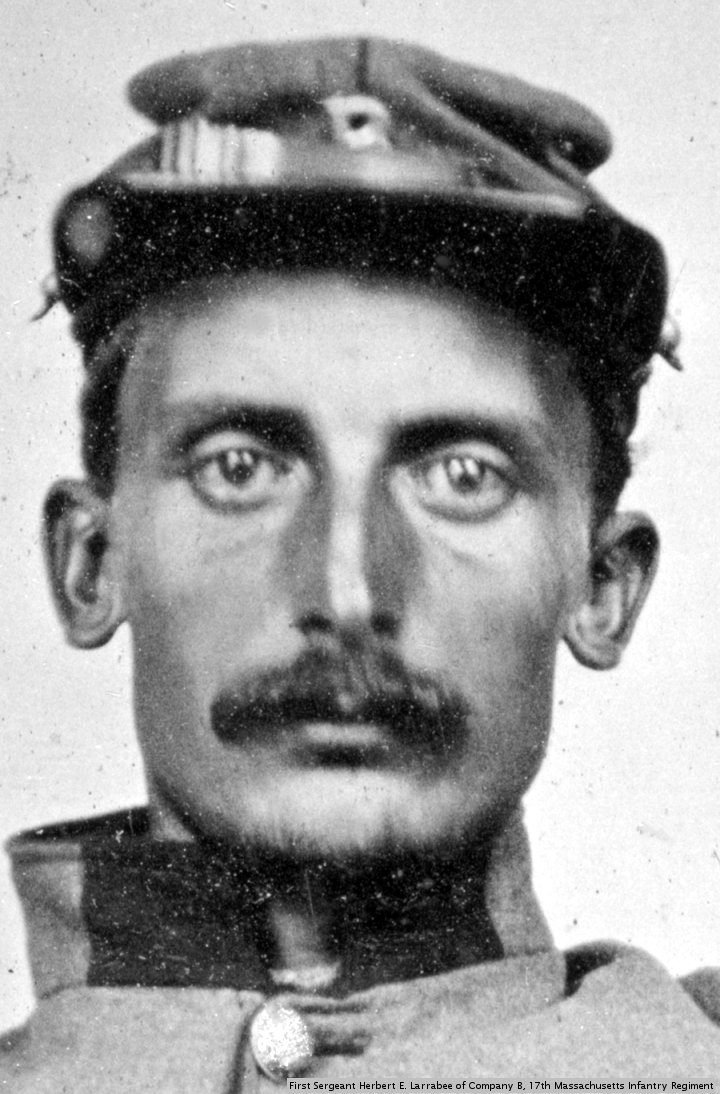
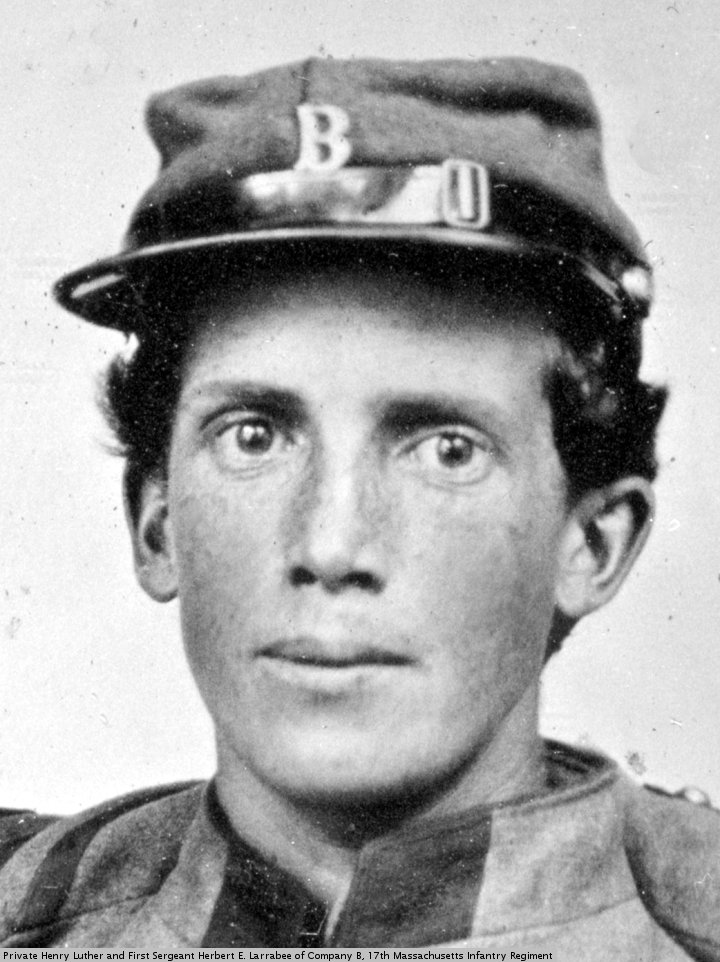
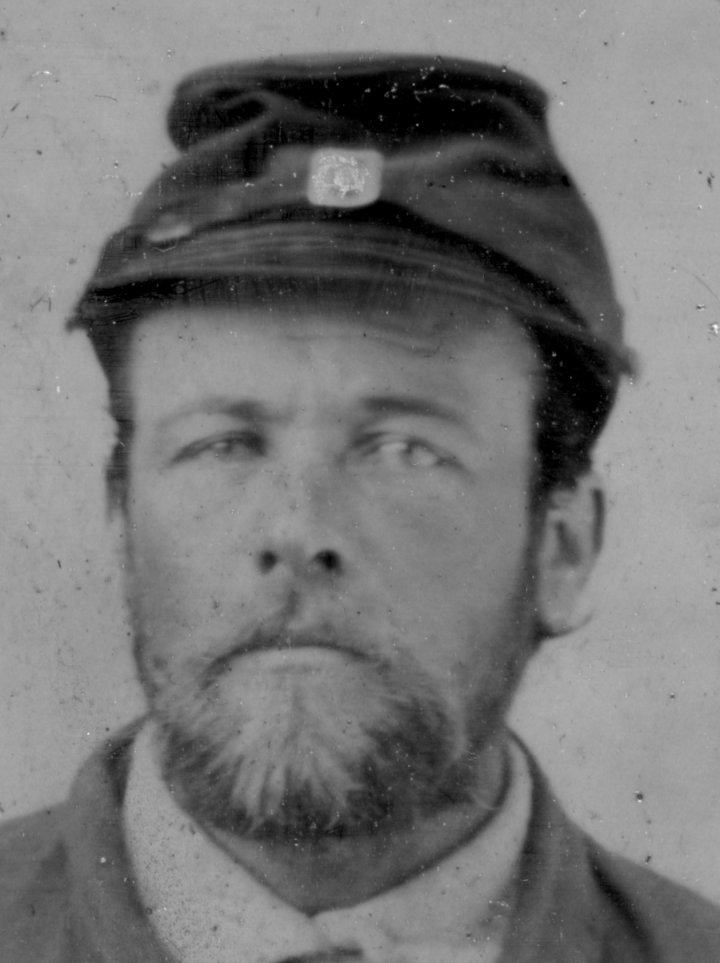
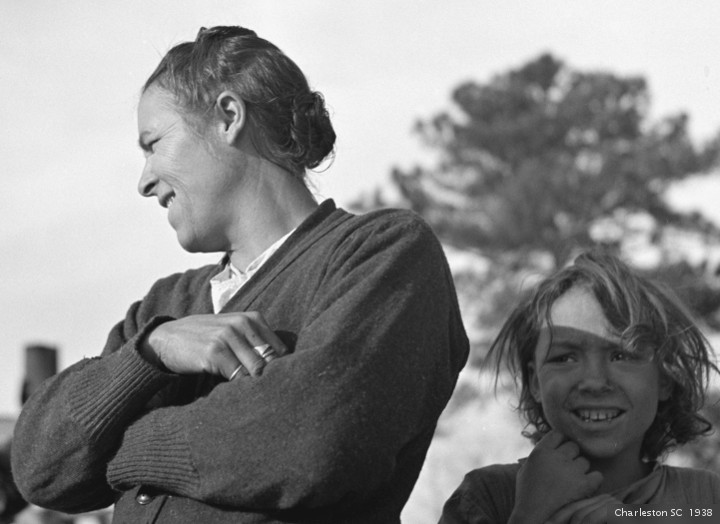
Wikiquotes lists “Be curious not judgemental” as Disputed. “While consistently attributed to Whitman, this popular motivational quote has no source. It is occasionally listed as occurring in Leaves of Grass, but the closest phrase found in that collection is “Be not curious about God.” Pictures today are from The Library of Congress.





91 Word Sentence About White Supremacy Part Two
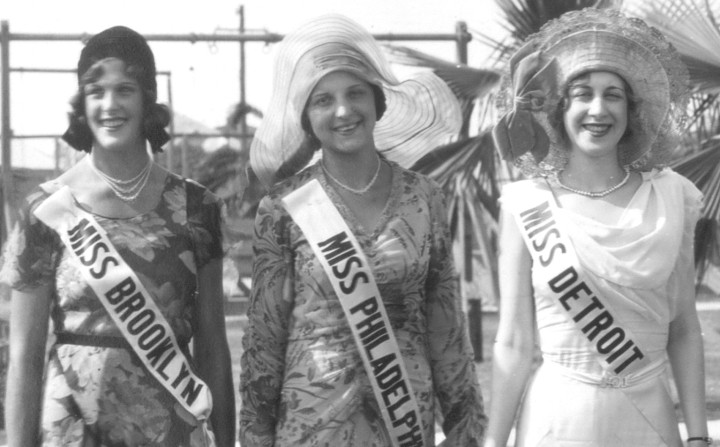
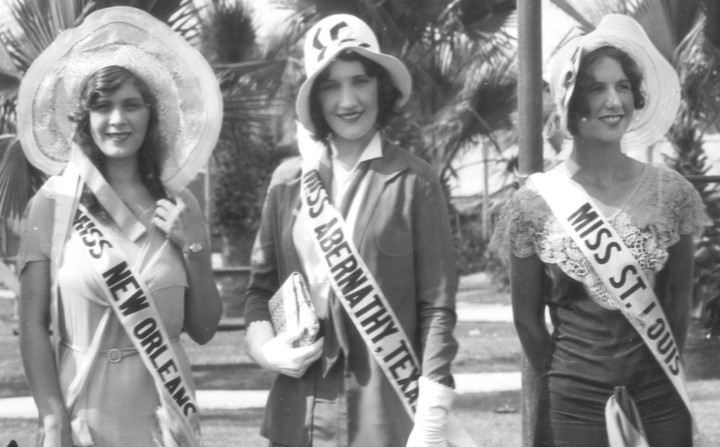
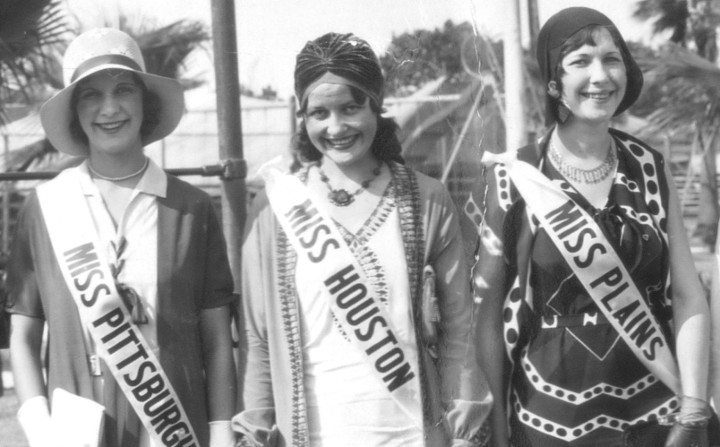
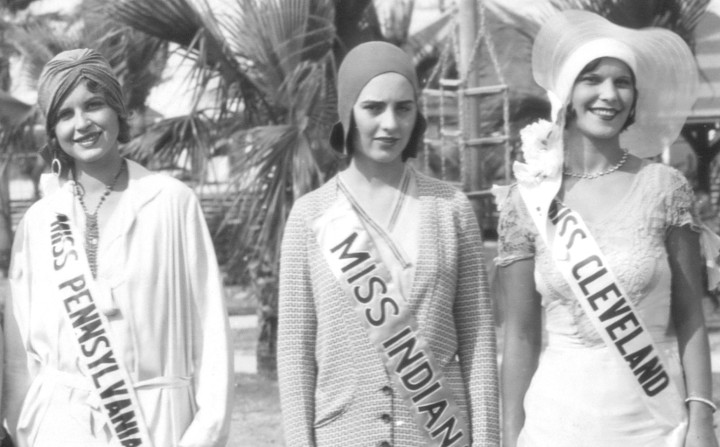
This is a repost from 2016. There was a tasteful meme on the facebook thingie today. It was about BHO, who may go down in history as the Meme President. The block of JPG text began When a faithfully married black president who was the son of a single mother…
Some people quote the first sentence in a situation like this. In this rant, the first sentence has 91 words. It has more grammar mistakes than a sportscaster seminar. It boils down to: when A is considered B by C who D. And what does D do next? Those 91 words are an insult to the Queen’s English. (91 is the product of 7, a lucky number, multiplied by 13, an unlucky number.)
There are eight more words at the end. “This is white supremacy folks. Plain and simple.” A comma might help in the sentence. Does he mean that the two players in the 91 word sentence are “white supremacy folks.”? Or is the author calling the attitude described “white supremacy”.? In any event, “Plain and simple” is not a complete sentence, nor does it describe the 91 word sentence.
This is a case where the medium is as important to the story as the message. When looking for information about the meme, PG typed “When a faithfully married black president who was the son of a single mother” into the wonder window. The algorithm replied: “Did you mean: When a faithful married black president who was the son of a single mother.”
The first reply was from the dependable PuffHo, This Is Not White Supremacy. It made some good points. A few spots down the google page, we see THIS IS NOT WHITE SUPREMACY. That is the original posting of the commentary. PuffHo aggregated it, without paying the original author.
So mush much for the medium. Lets look at the message. BHO, as you may know, is mixed race. The “single mother” of the piece was white. To our racially obsessed culture, this means black. America has had nine years to get over the ethnicity of BHO. It has failed miserably. To some, any criticism of BHO is racist. They mindlessly defend anything BHO does, and say that the critics are members of the KKK. Others are upset because a dark skinned man is in the White House. To these people BHO can do nothing right, because he has dark skin.
Either way, the people who see the skin, and not the man, are doing America a disservice. After January 20, 2017, we will find some other mindless excuse to trash our leaders. (UPDATE: It is so, so easy to find fault with DJT.) This is how politics works. You say whatever you can think of that is negative about the opposition. You gloss over the negativity of your own side. After a while, a lot of people don’t believe a word that either side is saying. When everyone is shouting, nobody is heard. This is politics. The generalizations are plain, and the minds are so, so simple.
There is an attitude among some that “racism” is a metaphysical evil. The R monster must be defeated. Collateral damage is not a problem. If you are going to make an omelet, you need to break eggs. When PG hears talk like this, he feels like an egg.
One problem is that everyone has their own idea of what “racism” is. They are correct, and you are mistaken. To some, it is systemic institutional oppression. To others, it is cultural appropriation and microaggressions. Some cynics say that “racism” is anything that rubs you the wrong way. Agree or disagree, you need to check your privilege.
PG saw a video last week, A Rant Against an Anti-Millennial Rant. “And we use words like “racist” to describe someone who thinks that the word “bae” isn’t real because it didn’t originate from a white, Eurocentric vernacular.” These are strange times.
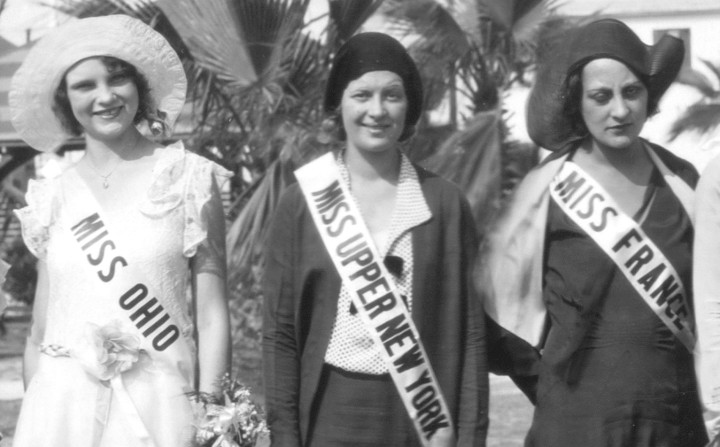
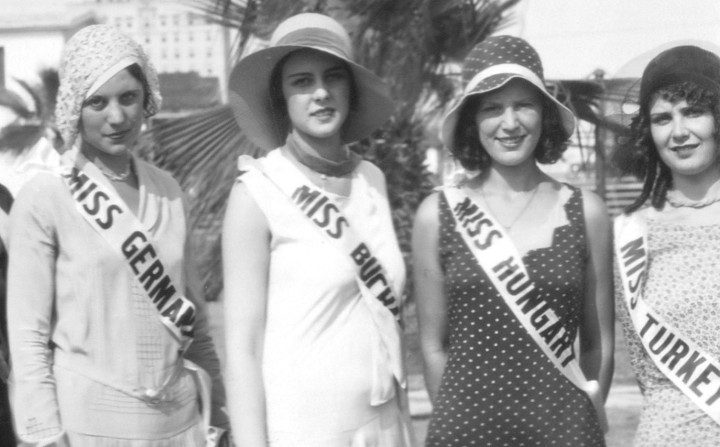
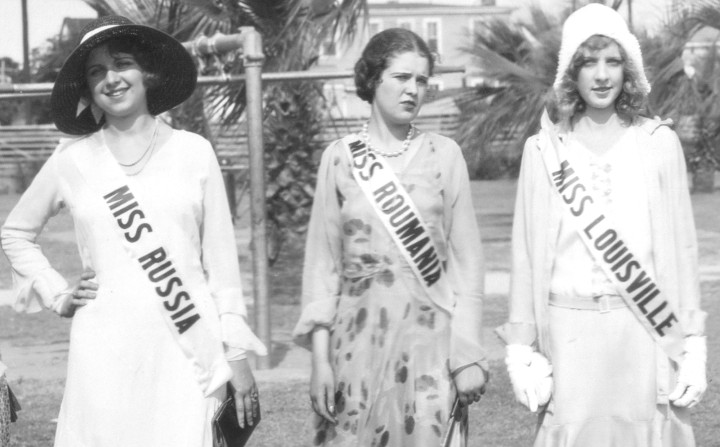
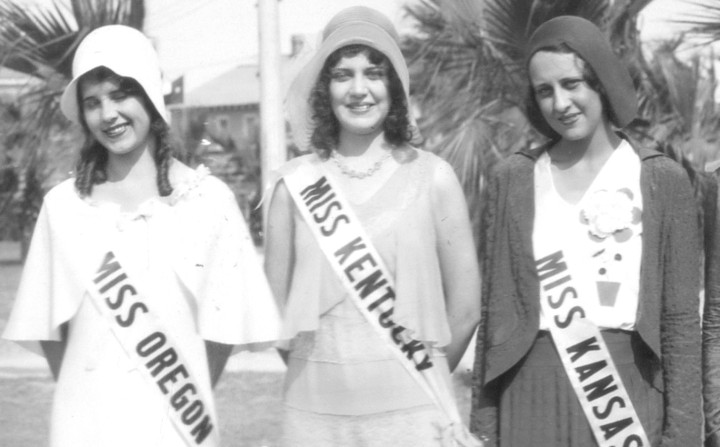
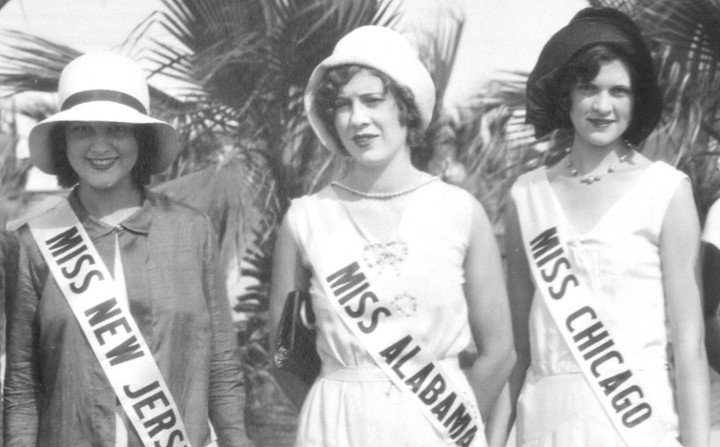
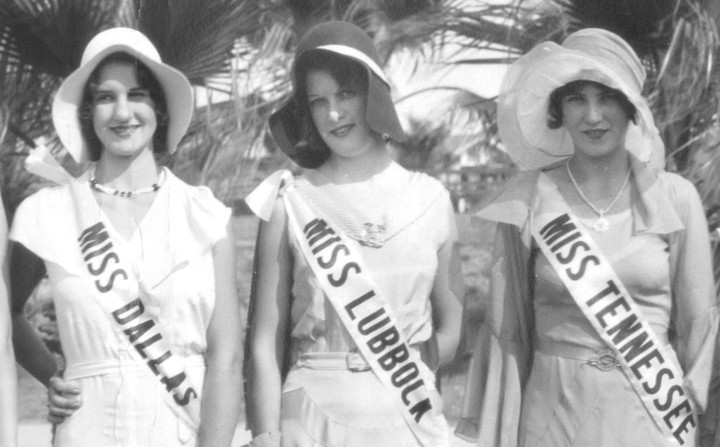
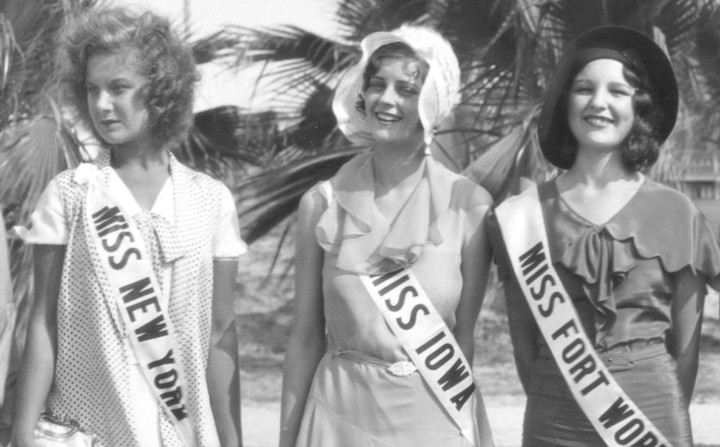
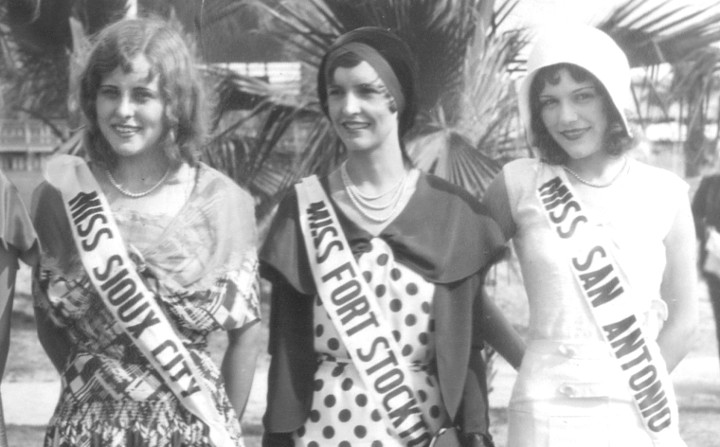
If you are getting itchy, this is almost over. If you like, you can skip over the rest, and look at the pictures. They are from The Library of Congress. Image #06663: “Fifth International Pageant of Pulchritude and Eleventh Annual Bathing Girl Revue, Galveston, Texas, August 2, 3, 4, 5, 6, 1930”
UPDATE: This is a repost. While looking over the text, PG saw a paragraph about an obnoxious video. It turns out the video features Dylan Marron, who says “And we understand that surface gestures are totally cool but they do nothing to dismantle systemic patriarchy.”
Alleged comedian Bill Maher got in trouble this week for saying a forbidden word on TV. A national hissy fit resulted. This communal pearl clutching is an example of a surface gesture. Screaming “MOMMY HE SAID THE N-WORD” does nothing to dismantle systemic patriarchy.
Sixty Five Years Twelve Presidents
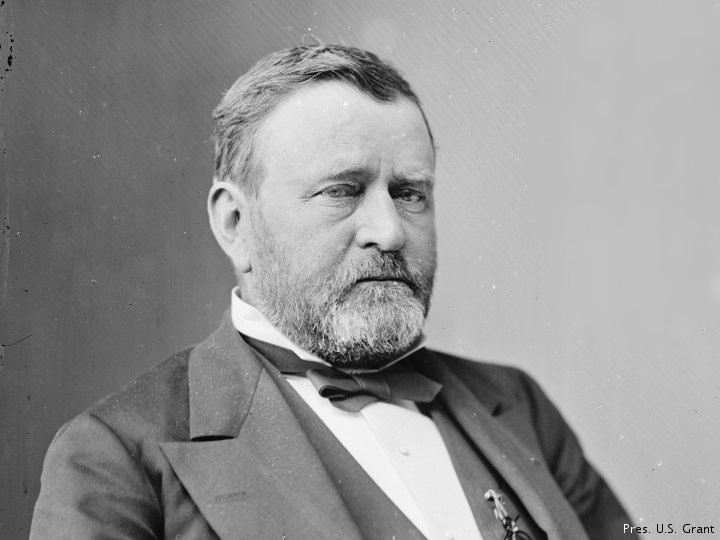

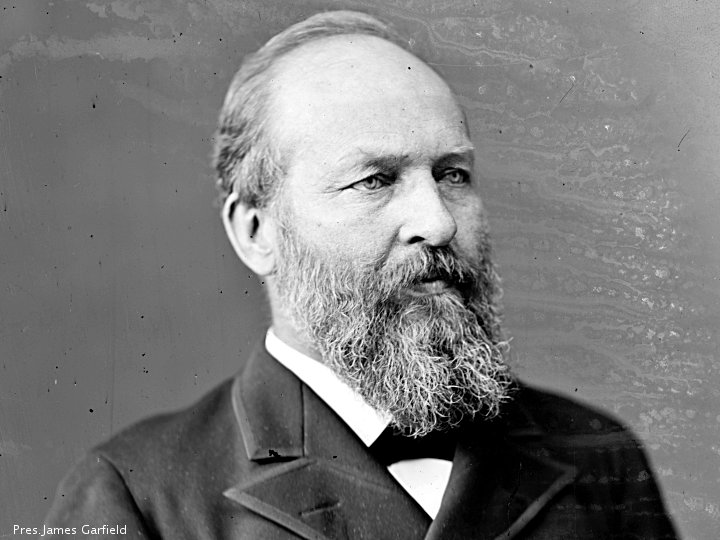
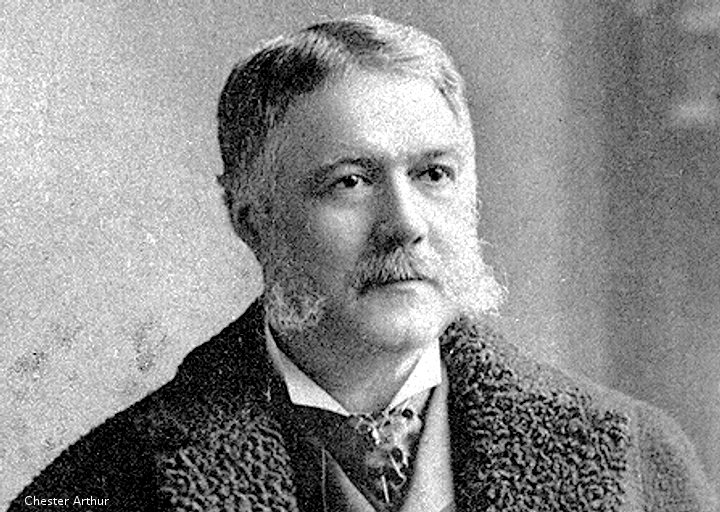
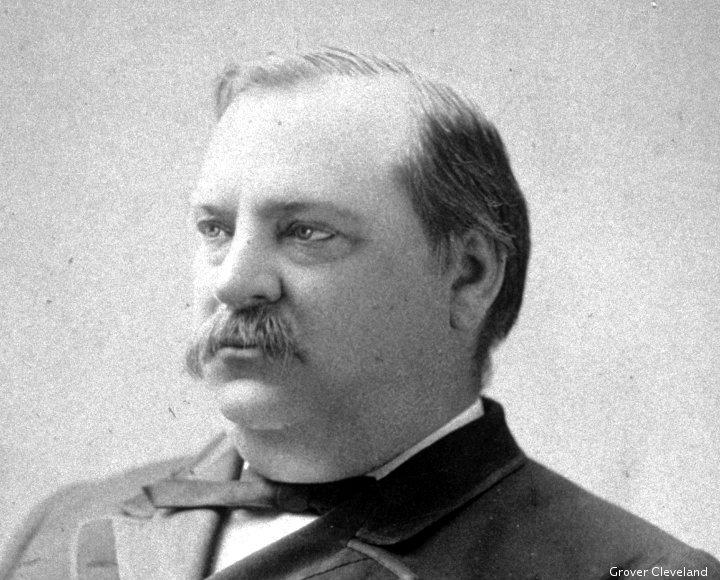
This is a repost from 2012. It is about the twelve Presidents, one fourth of the total, who have helped themselves served over the last sixty five years. Barack Obama got re-elected, and killed lots of people. The less said about Donald J. Trump, the better.
Every four years, someone will say this is the worst choice ever. Every four years, someone will say this is the most important election ever. They are always correct. The choice in 2016 was between Donald John Trump and Hillary Diane Rodham Clinton. Choosing between those two idiots was challenging. The good news is that most people live in states where the electoral votes are conceded to one of the duopoly parties. These voters can focus on local elections.
Listening to the news shows that came on before the cartoons, PG heard the phrase “President Eisenhower”. As a friends explained to him, G-d made everything, but the President is Eisenhower.
When he was six, PG moved to a new house, and started first grade. There was an election that fall, and someone named Kennedy became President. PG wasn’t old enough to pay attention to the news yet, except when it looked like the Russians were going to kill us all in 1962.
The first news story that PG clearly remembers was the day when his fourth grade teacher, Miss McKenzie, told the class that President Kennedy had been shot. One of the worst moments that weekend was the moment when a plane landed in Washington, and the new President spoke on television. THAT was the new President? Yuck.
Lyndon Johnson was a larger than life figure, and was hated by millions of Amuricuns. While there was some good done by LBJ, it was overshadowed by the War in Vietnam. When he left office in 1968, the voters had a horrible choice …Hubert Humphrey, Richard Nixon, or George Wallace.
Tricky Dick Nixon is another larger than life figure, with millions of Americans screaming for his impeachment. For some reason, there were others who passionately admired the man.
In 1973, the oil companies tried to say there was an oil shortage. Later that year, Egypt, Syria, and Jordan attacked Israel, and the Arab oil producers cut oil to the USA. After this embargo, OPEC was in charge of the oil supply, and the price of gasoline increased 200%. The era of big money oil was on. What a convenient war.
After the ethical shortcomings of Mr. Nixon became too obnoxious to ignore, Gerald Ford became President. On a policy level, Ford was like all the other Presidents…some things he got right, some things he got wrong. On a personality level…the show business part…Ford excelled. His family provided harmless fodder for the gossipmongers. He was a likable man, a welcome break from the meanness of Richard Nixon and Lyndon Johnson.
When PG was a kid at Ashford Park School, there had never been a President from Georgia. It seemed impossible. When Georgia Governor Jimmy Carter announced he was running, it seemed like another ego tripper running for President. The funny thing is, he won. It still seems a bit unreal, like having the Olympics in Atlanta.
Jimmy was a Democrat, with attack Republicans fighting him every step of the way. This is a problem later Democrats in the Oval Office will have. On the policy level, he did better than many realize. Many of his achievements only bore fruit after he left office. On the show biz front, his down home Georgia routine did not appeal to many Yankees. In 1980, he was defeated by an actor.
PG was worried when Ronald Reagan took office. With America’s nuclear arsenal, and the Soviet Union wheezing it’s threat, many thought that Ronnie would start the war to kill us all. The good news is, this war never happened. Whatever tough talk came out of Washington was not matched by military adventurism abroad.
Reagan was the master of show business. He was an actor, playing the greatest role of his career. It was said that if America had a figure head monarch, Reagan would have been terrific. On the policy front, taxes were cut, and the budget increased. The national debt went over a trillion dollars, which was seen as a horrible moment. (The annual budget deficit is now over a trillion dollars.)
When Mr. Reagan’s two terms were over, George H.W. Bush took over. This was an era where the Democrats could not do anything right on a national level. Bush presided over a war, and brought the troops home when the mission was over. His image never appealed, and the whiners were not pleased. A computer salesman named Ross Perot decided to run as a third party candidate.
In the winter of 1992, PG had a little job downtown. One day, there was a rally at the CNN center for a little known Presidential candidate. PG went, and said to a friend, If this guy gets elected, you are going to regret not going to see him. At the time, War Winner Bush seemed unbeatable, and PG said that with high sarcasm.
When he got to CNN center, it was obvious that a big money event was unfolding. The place was packed, with school children bused in to fill all the seats. Finally, the speakers blared “Twist and Shout” at top volume, and Bill Clinton walked on the stage. PG was not especially impressed.
Clinton inspired toxic hatred, but managed to keep the boat floating. He won reelection, with the Republicans seeming to self destruct. The economy was going good, the budget was balanced, and the haters went wild. After a entertaining sex scandal, the Clinton years were over.
A couple of weeks before the 2000 election, PG liked neither candidate, and did not think it made much difference. (With Georgia’s electoral votes certain to go Republican, PG did not have a vote.) He listened to someone talking, who thought that it was important that Gore won. PG remembered that conversation often during the next eight years.
George W. Bush was a disaster. It is possible that 911 was a personal vendetta against the Bush family, and would not have happened if Gore was President. The reaction of Bush to this tragedy was to start two wars that we have not been able to finish. In 2016, we are still in Afghanistan.
Next was Barack Obama, the first dark skinned President. He continued the war happy ways of the Bush regime. BHO was reelected in 2012, and given four more years to wage war. He managed to avoid the second term scandals that crippled Mr. Nixon and Mr. Clinton.
In the next election, the democrats decided that calling people racist was a good campaign strategy. As a result, Donald J. Trump was elected. America is more racially divided than ever, which the election of Mr. Obama was supposed to remedy. With the nation distracted by screaming racism, the congress has cut taxes, and produced a multi-trillion dollar budget deficit. America might survive. Pictures for this feature are from the The Library of Congress.


Road Trip


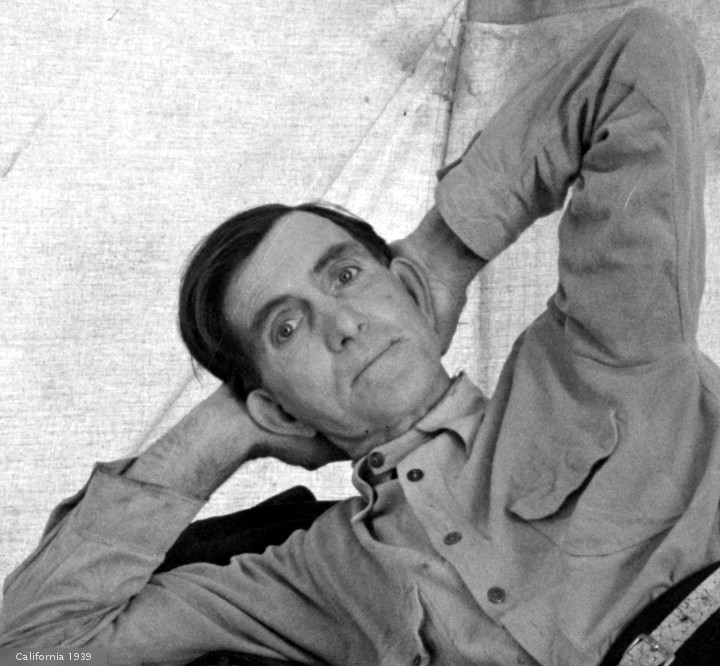
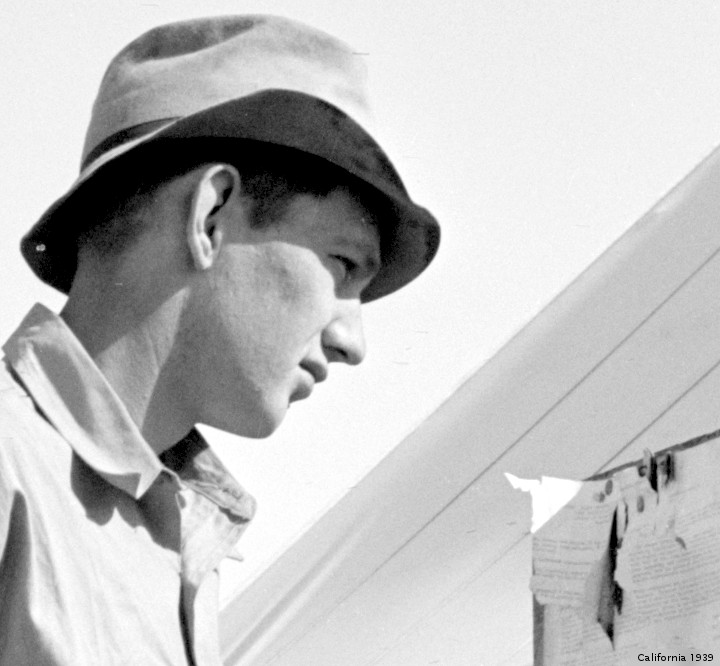

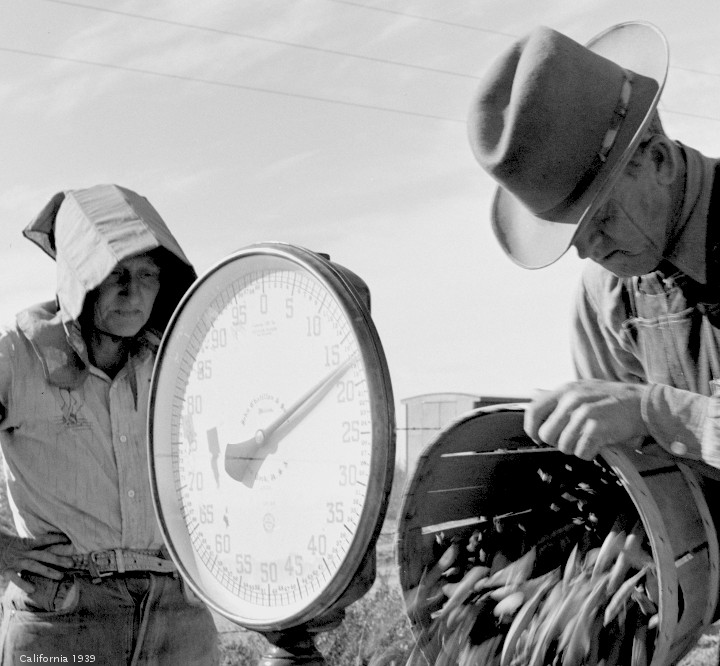


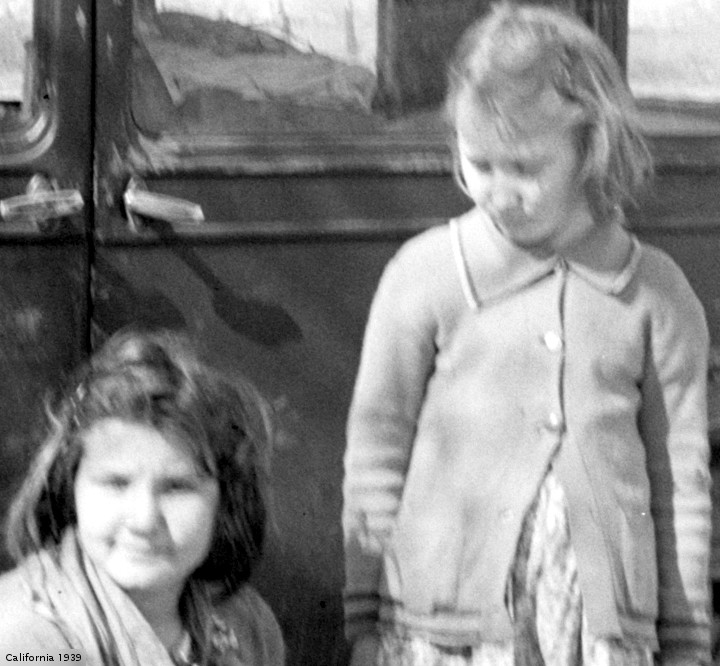


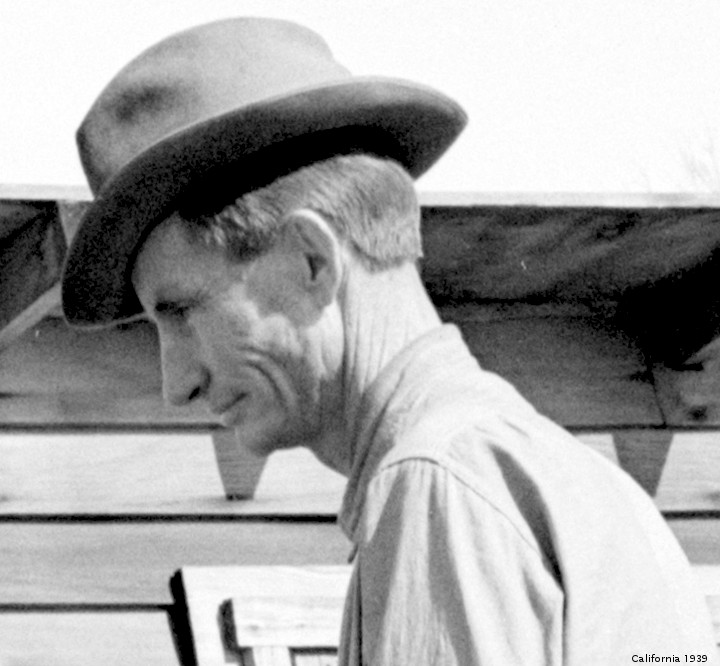

The journey started tuesday morning, as the post-memorial day freeway carnage cooled off. PG made it to Uzi’s house in Sandy Springs by 10 am. By 10:30 they were on the way. I285 was the predictable madhouse, even on midmorning tuesday. It was a relief to get on the slightly less obnoxious I20. The destination was Raleigh NC. Uzi has a nephew in Raleigh, who will soon be moving to Massachusetts, far out of road trip range.
Uzi had been championing Cracker Barrel for a while. PG remembers the horror of the nineties, when CB was firing all the gay employees, or at least saying they were. When Pguzi got near Augusta, and could not pull directions to S&S cafeteria out of GPS … the first incident of a bad week for GPS … the deal with the devil was struck. After a CB sign was spotted on the interstate, lunch was going down. PG felt a measure of relief when he saw the merchandise. A pillow, with the big pink words “Just be fabulous” next to a pink sequin flamingo, was for sale as you walk in the door. This is probably a pride month olive branch, not to be confused with olive garden, or olive oyl.
PG started to drive after lunch, and drove the toyota hybrid all the way into North Carolina, with a brief side trip to Rowland. The farm where dad grew up is still there, on the Mckinnon Pate road. Pguzi got to the I95 welcome station after it closed at 5pm, and could not get a North Carolina map. This would prove crucial in the week ahead.
A few miles further up I95, Nephew sent a text. “How is the ride going?” Since Uzi was driving, he gave the phone to PG. Type ok space so space far. Every time PG tried to hit the o key, p came on the screen. PG touched the screen in the wrong place, and another message came up. Then GPS, which refused all orders to shut up, started to give instructions for the S&S cafeteria in Augusta GA. PG hit the o key, and p appeared on the screen. What should have taken less than a second, if you were past the iphone learning curve, took twenty miles. Finally, some how, nephew got the message.
Map-less navigation was clunky. Pguzi got on I40, then I440, which was correct. Someone remembered that the hotel was near Glenwood Road. The vehicle got off the freeway, and into a gas station. After a few tense moments, GPS coughed up the directions to the hotel. You go inside, and learn that the room temperature is set for 66 degrees. We will take care of that later. Ask GPS how to get to nephew’s apartment. Be patient.
Pguzi finds the apartment, where nephew is feeding his two month old daughter. PG sits and stares into space while others talk. A decision is made to go to dinner. Go driving around the area, looking at all the places that are closed. A place is still open, they go in, and see a steak house with $80 entrees. Uzi says he will buy. PG gets a salad, and nephew gets a slice of cheesecake.
Back at the hotel, the thermostat is on the wall by the entrance, not the ac unit. The temperature is set back from 66 to 72. The rest of the week was a cycle. The ac would run, and the room is too cold. Then the ac cuts off, and the room is too hot. This battle was a stalemate the rest of the week.
PG had a book to read, On The Road, by Jack Kerouac. PG had read it in 1984, thought it was pretty cool, and moved on. OTR is the story of Sal Paradise (Jack Kerouac) and Dean Moriarty (Neal Cassady.) Other famous people with declef names are Carlo Marx (Allen Ginsberg) and Old Bull Lee (William S. Burroughs.) PG has seen and heard things in 35 years, and decided to give OTR another shot. PG read/blogged The Dhama Bums (one two three four) a few years ago. TDB was the follow up to OTR, and is a lot less fun.
Back to the comparisons. PG and Uzi are a couple of slack old gentrified redneck hippies. They are different people from Sal and Dean. Going to North Carolina in a Toyota hybrid, fussing about whether to listen to satellite radio or the thumb drive, is not the same as hitching a ride across Nebraska on the back of a flatbed truck.
Wednesday morning erupted in a barrage of sunshine across the fourth floor window. PG stumbled down to the breakfast buffet, and loaded up. Taking a cup of coffee upstairs, PG saw Uzi captivated by the Trump drama on MSNBC. The story today was a statement, with no questions, by Robert Mueller. Those eleven words, with politically correct computations and permutations, were endlessly repeated by the talking heads. At 9:59:40, some blow dry bird brain said we will know in one hour and twenty seconds.
The plan was for Nephew, wife, 6 year old, and two month old, to meet Uzi, and caravan to an art museum. PG decided that this was not fun, and decided to stay at the hotel. What followed was a glorious morning. All alone, camping out in an air conditioned hotel. See what you see on the TV. Go downstairs, make a cup of hot tea, bring it upstairs, pour it over a cup of ice to get the best unsweet tea on g-d’s green earth. Read OTR. Take notes for this travelogue. Life is good.
Or at least better than chapter 4 of OTR. Sal has decided to hitchhike to Denver, and meet up with Dean. Carlo will be there to chaperone. As PG enjoys his iced tea, Sal is stuck in smalltown Nebraska. PG is writing it all down. When you write down Uzi, and try to read it later, Uzi looks like 421. All the magic of 420, with a useless digit tax added on for good measure. Meanwhile, Mr. Mueller is talking to a breathless nation. PG will hear much more, though it will tend to be the same basic details… Mueller resigns from DOJ, he could not indict DJT because you cannot indict a POTUS, repeat, repeat, repeat, skip the much needed rinse, repeat with the emotional volume turned up a few notches, repeat, repeat, repeat. It will take 67 senators to vote for impeachment, and remove numbnuts from office. You are not going to get 17 rethuglicans to vote to impeach pussygrabber.
12:25 PG is on chapter 5 of OTR. Sal is on the best ride of this life, a flatbed truck, going from Nebraska into Wyoming with an assortment of characters. There will be quotes from this when this gets typed, but that is getting ahead of the game. … not so fast cowboy. The OTR.pdf is the redacted version. Whole chapters are either paraphrased, or edited out. While there are other quotes available in copy/paste form, this narrative is going to depend on the booknook paperback that PG read 35 years ago. … That moment when PG quits looking at the google page for OTR quotes. One of the results advertised Road Trip Quotes: Top 50 Inspiring Quotes About the Road! Maybe the answer is to get away from the internet and write your own quotes.
That is part of the fun for Internet addict PG, in going inkpen and paper. A dollar store notebook, a home depot inkpen, and a plexiglass clipboard of uncertain origin. There is a computer downstairs that PG could use, but the thought of going completely analog for a few days has a lot of appeal. These notes will look completely different when they are typed… the medium is the message.
The idea hit to spend a half hour meditating. A picture behind the desk could be the mandala. The stupid phone has a timer. The rest of chapter 5 will be waiting, as will the swimming pool, McDonalds, and more. The meditation was a delight. The phone alarm is birds chirping, instead of the hard core buzz of traditional alarm clocks. PG had such a smile, he wanted to do it again.
The lady came to clean the room. PG took OTR to the pool. He finished chapter 5. Sal gets off the flatbed truck, and sadly realizes he will never see those people again. Meanwhile UZI sends a text. “We will be eating at the Golden Corral tonight.” Raleigh is the home of GC, and we will eat at the flagship store. At 1:59, Uzi texts “Heading home.” PG replies “Ok so far.” This seven letter two space message took less than a second on a stupid phone, but required an act of congress on a smart phone.
4:13 Uzi is back. He is listening to Randi Rhodes on a sputtering smart phone speaker. It sounds horrible. PG goes to the pool to read and write. … Sal has made it to Denver. Carlo and Dean have become a unit unto themselves, with numerous other people mad at them.
Dean is a mess. He is screwing his soon-to-be-divorced wife, and screwing a girlfriend at the same time, and having an intense thing with Carlo. Dean and Carlo were known to be bumping gooberheads at one time, maybe in 1947 Denver, maybe not. Whatever they did with their peckers, Dean and Carlo would get beamed up on benzedrine and have intense all night conversations.
Dean/Neal is part of a chain of faggotry. Walt Whitman screwed someone named Carpenter, who screwed someone named Arthur…. the grandson of Chester Arthur, a POTUS. Grandpa Chester had an impressive set of sideburns, and was VPOTUS when Garfield got offed. Mr. Arthur conducted the procedure with Neal Cassady, who did his homework with Allen Ginsberg. There is the son-of-a-dunwoody-housewife named Marcus Ewert, who claims to have lost his jailbait virginity to Ginsberg. This is the next level of the conveyor belt … Neal Boortz is fond of saying that Randi Rhodes is in love with him. Please, for the love of Hilary’s e-mails, please make sure that they used protection, and that a cross pollination between these two does not happen.
On page 38, chapter 7, there is a reference to sleepint stillness. It will be fun to see if this is intentional, or a typo in the signet edition of OTR … sleeping stillness, or anything like it, does not appear in the pdf. A more durable copy of OTR has been ordered from the library. It will be fun to see which version of OTR appears … There is no indication when this edition was printed. The best guess is the early seventies. The book cost $1.25 new, which was pricey for a paperback in 1957. The style of the cover design, and use of the phrase “the book that turned on a generation” indicates a Nixon era publication date. PG would have been clueless in either 1957 or 1972.
At the end of chapter 7, Dean is screwing a lot, and doesn’t have the time to work. Carlo keeps tagging along, saying he thought they were going to talk. Sal is broke, and going to sleep in the cool Denver air. … It is 4:47. Randi Rhodes will be on a couple of hours more. Maintaining your sanity can be tough. The idea that people enjoy listening to that idiot can make your head swim.
After a while, Pguzi is guided by faithful GPOS GPS to nephew’s apartment. Soon, the crew… nephew and three women … will head out to Golden Corral. … after dinner, Pguzi went into town, and walked around the state capitol looking at Confederate statues … before heading back to the hotel to see a movie about sharks. After PG tried to go to sleep, Uzi turned the TV to the drone of talking heads, telling you what to think about the Mueller statement.
Thursday starts bright and early. Pguzi went to nephews, and followed to a pair of museums by the state capitol. PG was bored silly, but realized this was his one chance to see this museum. YOLO … after getting back to hotel, Uzi took a nap, while PG got into the hotel slack lifestyle.
OTR roars on. Dean is screwing as though his life depended on it, which it might have. Carlo tags faithfully along, waiting for a chance to talk to the busy boy. “He wrote of Dean as a “child of the rainbow” who bore his torment in his agonized priapus.” Sal leaves Denver, to go hang out in a ghost town. He misses Carlo and Dean, but realizes they would be out of place, “… rising from the underground, the sordid hipsters of america, a new beat generation that I was slowly joining.”
Thursday dinner was at a chinese restaurant, run by Filipinos. The attraction is the piano man, a non stop human jukebox. Pguzi went back to the hotel, and saw a series of tv shows about ghosts, and how to manage them in your properties. PG took his semi-annual hit of dope, and was a better person for it. The road trip adventure was slouching to an end.
Friday was checkout/back to town day. The trip out was a bit smoother than the trip in. One exception is when you left the air conditioned universe of the vehicle, and stepped into the blast furnace air of the gas station parking lot. The thumb drive got used, with Linda Ronstadt and Billie Holiday leading the way. Uzi decided to go through downtown, instead of i285, and it worked out very well. PG got home about eight ish.
Pictures today are from The Library of Congress. The chamblee54 On The Road series is complete. part one part two part three part four part five part six part seven


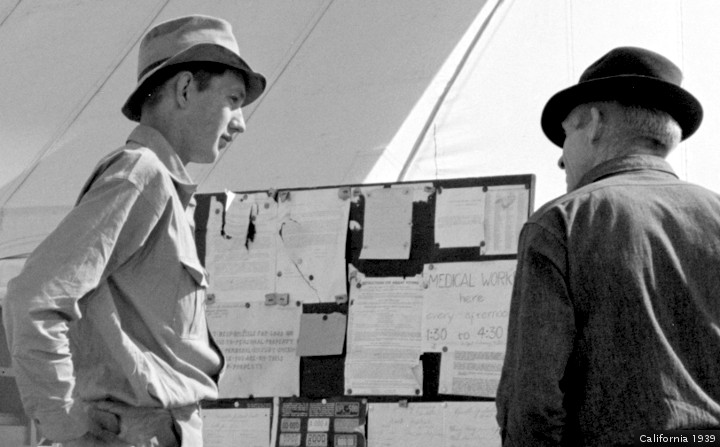

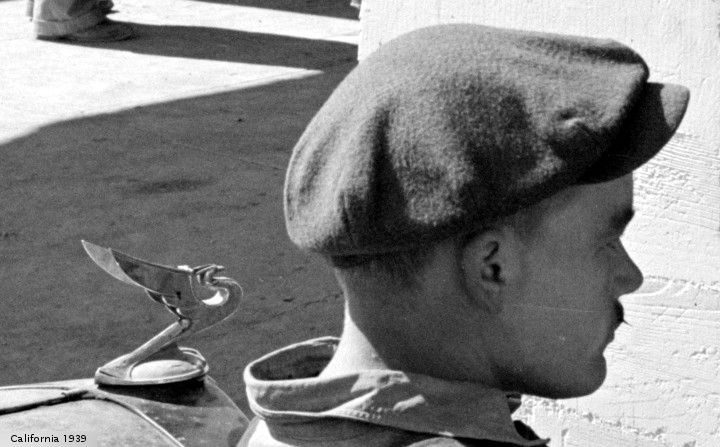





I Sing The Body Electric




1
I sing the body electric,
The armies of those I love engirth me and I engirth them,
They will not let me off till I go with them, respond to them,
And discorrupt them, and charge them full with the charge of the soul.
Was it doubted that those who corrupt their own bodies conceal themselves?
And if those who defile the living are as bad as they who defile the dead?
And if the body does not do fully as much as the soul?
And if the body were not the soul, what is the soul?
2
The love of the body of man or woman balks account,
the body itself balks account,
That of the male is perfect, and that of the female is perfect.
The expression of the face balks account,
But the expression of a well-made man appears not only in his face,
It is in his limbs and joints also, it is curiously in the joints of his hips and wrists,
It is in his walk, the carriage of his neck, the flex of his waist and knees,
dress does not hide him,
The strong sweet quality he has strikes through the cotton and broadcloth,
To see him pass conveys as much as the best poem, perhaps more,
You linger to see his back, and the back of his neck and shoulder-side.
The sprawl and fulness of babes, the bosoms and heads of women,
the folds of their dress, their style as we pass in the street,
the contour of their shape downwards,
The swimmer naked in the swimming-bath, seen as he swims through
the transparent green-shine, or lies with his face up and rolls
silently to and from the heave of the water,
The bending forward and backward of rowers in row-boats,
the horse-man in his saddle,
Girls, mothers, house-keepers, in all their performances,
The group of laborers seated at noon-time with their open dinner-kettles,
and their wives waiting,
The female soothing a child, the farmer’s daughter in the garden or cow-yard,
The young fellow hosing corn, the sleigh-driver driving his six horses
through the crowd,
The wrestle of wrestlers, two apprentice-boys, quite grown, lusty,
good-natured, native-born, out on the vacant lot at sundown after work,
The coats and caps thrown down, the embrace of love and resistance,
The upper-hold and under-hold, the hair rumpled over and blinding the eyes;
The march of firemen in their own costumes, the play of masculine muscle
through clean-setting trowsers and waist-straps,
The slow return from the fire, the pause when the bell strikes suddenly again,
and the listening on the alert,
The natural, perfect, varied attitudes, the bent head, the curv’d neck
and the counting;
Such-like I love—I loosen myself, pass freely, am at the mother’s breast
with the little child,
Swim with the swimmers, wrestle with wrestlers, march in line
with the firemen, and pause, listen, count.
3
I knew a man, a common farmer, the father of five sons,
And in them the fathers of sons, and in them the fathers of sons.
This man was a wonderful vigor, calmness, beauty of person,
The shape of his head, the pale yellow and white of his hair and beard,
the immeasurable meaning of his black eyes,
the richness and breadth of his manners,
These I used to go and visit him to see, he was wise also,
He was six feet tall, he was over eighty years old, his sons were massive,
clean, bearded, tan-faced, handsome,
They and his daughters loved him, all who saw him loved him,
They did not love him by allowance, they loved him with personal love,
He drank water only, the blood show’d like scarlet
through the clear-brown skin of his face,
He was a frequent gunner and fisher, he sail’d his boat himself,
he had a fine one presented to him by a ship-joiner,
he had fowling-pieces presented to him by men that loved him,
When he went with his five sons and many grand-sons to hunt or fish,
you would pick him out as the most beautiful and vigorous of the gang,
You would wish long and long to be with him, you would wish to sit by him
in the boat that you and he might touch each other.
4
I have perceiv’d that to be with those I like is enough,
To stop in company with the rest at evening is enough,
To be surrounded by beautiful, curious, breathing, laughing flesh is enough,
To pass among them or touch any one, or rest my arm ever so lightly
round his or her neck for a moment, what is this then?
I do not ask any more delight, I swim in it as in a sea.
There is something in staying close to men and women and looking on them,
and in the contact and odor of them, that pleases the soul well,
All things please the soul, but these please the soul well.
5
This is the female form,
A divine nimbus exhales from it from head to foot,
It attracts with fierce undeniable attraction,
I am drawn by its breath as if I were no more than a helpless vapor,
all falls aside but myself and it,
Books, art, religion, time, the visible and solid earth,
and what was expected of heaven or fear’d of hell, are now consumed,
Mad filaments, ungovernable shoots play out of it,
the response likewise ungovernable,
Hair, bosom, hips, bend of legs, negligent falling hands all diffused,
mine too diffused,
Ebb stung by the flow and flow stung by the ebb, love-flesh swelling
and deliciously aching,
Limitless limpid jets of love hot and enormous, quivering jelly of love,
white-blow and delirious juice,
Bridegroom night of love working surely and softly into the prostrate dawn,
Undulating into the willing and yielding day,
Lost in the cleave of the clasping and sweet-flesh’d day.
This the nucleus—after the child is born of woman, man is born of woman,
This the bath of birth, this the merge of small and large, and the outlet again.
Be not ashamed women, your privilege encloses the rest,
and is the exit of the rest,
You are the gates of the body, and you are the gates of the soul.
The female contains all qualities and tempers them,
She is in her place and moves with perfect balance,
She is all things duly veil’d, she is both passive and active,
She is to conceive daughters as well as sons, and sons as well as daughters.
As I see my soul reflected in Nature,
As I see through a mist, One with inexpressible completeness,
sanity, beauty,
See the bent head and arms folded over the breast, the Female I see.
6
The male is not less the soul nor more, he too is in his place,
He too is all qualities, he is action and power,
The flush of the known universe is in him,
Scorn becomes him well, and appetite and defiance become him well,
The wildest largest passions, bliss that is utmost, sorrow that is utmost
become him well, pride is for him,
The full-spread pride of man is calming and excellent to the soul,
Knowledge becomes him, he likes it always, he brings every thing
to the test of himself,
Whatever the survey, whatever the sea and the sail
he strikes soundings at last only here,
(Where else does he strike soundings except here?)
The man’s body is sacred and the woman’s body is sacred,
No matter who it is, it is sacred—is it the meanest one in the laborers’ gang?
Is it one of the dull-faced immigrants just landed on the wharf?
Each belongs here or anywhere just as much as the well-off, just as much as you,
Each has his or her place in the procession.
(All is a procession,
The universe is a procession with measured and perfect motion.)
Do you know so much yourself that you call the meanest ignorant?
Do you suppose you have a right to a good sight,
and he or she has no right to a sight?
Do you think matter has cohered together from its diffuse float,
and the soil is on the surface, and water runs and vegetation sprouts,
For you only, and not for him and her?
7
A man’s body at auction,
(For before the war I often go to the slave-mart and watch the sale,)
I help the auctioneer, the sloven does not half know his business.
Gentlemen look on this wonder,
Whatever the bids of the bidders they cannot be high enough for it,
For it the globe lay preparing quintillions of years without one animal or plant,
For it the revolving cycles truly and steadily roll’d.
In this head the all-baffling brain,
In it and below it the makings of heroes.
Examine these limbs, red, black, or white, they are cunning in tendon and nerve,
They shall be stript that you may see them.
Exquisite senses, life-lit eyes, pluck, volition,
Flakes of breast-muscle, pliant backbone and neck, flesh not flabby,
good-sized arms and legs,
And wonders within there yet.
Within there runs blood,
The same old blood! the same red-running blood!
There swells and jets a heart, there all passions, desires, reachings, aspirations,
(Do you think they are not there because they are not express’d
in parlors and lecture-rooms?)
This is not only one man, this the father of those who shall be fathers
in their turns,
In him the start of populous states and rich republics,
Of him countless immortal lives with countless embodiments and enjoyments.
How do you know who shall come from the offspring of his offspring
through the centuries?
(Who might you find you have come from yourself,
if you could trace back through the centuries?)
8
A woman’s body at auction,
She too is not only herself, she is the teeming mother of mothers,
She is the bearer of them that shall grow and be mates to the mothers.
Have you ever loved the body of a woman?
Have you ever loved the body of a man?
Do you not see that these are exactly the same to all in all nations
and times all over the earth?
If anything is sacred the human body is sacred,
And the glory and sweet of a man is the token of manhood untainted,
And in man or woman a clean, strong, firm-fibred body, is more beautiful
than the most beautiful face.
Have you seen the fool that corrupted his own live body?
or the fool that corrupted her own live body?
For they do not conceal themselves, and cannot conceal themselves.
9
O my body! I dare not desert the likes of you in other men and women,
nor the likes of the parts of you,
I believe the likes of you are to stand or fall with the likes of the soul,
(and that they are the soul,)
I believe the likes of you shall stand or fall with my poems,
and that they are my poems,
Man’s, woman’s, child, youth’s, wife’s, husband’s, mother’s, father’s,
young man’s, young woman’s poems,
Head, neck, hair, ears, drop and tympan of the ears,
Eyes, eye-fringes, iris of the eye, eyebrows, and the waking
or sleeping of the lids,
Mouth, tongue, lips, teeth, roof of the mouth, jaws, and the jaw-hinges,
Nose, nostrils of the nose, and the partition,
Cheeks, temples, forehead, chin, throat, back of the neck, neck-slue,
Strong shoulders, manly beard, scapula, hind-shoulders,
and the ample side-round of the chest,
Upper-arm, armpit, elbow-socket, lower-arm, arm-sinews, arm-bones,
Wrist and wrist-joints, hand, palm, knuckles, thumb, forefinger,
finger-joints, finger-nails,
Broad breast-front, curling hair of the breast, breast-bone, breast-side,
Ribs, belly, backbone, joints of the backbone,
Hips, hip-sockets, hip-strength, inward and outward round,
man-balls, man-root,
Strong set of thighs, well carrying the trunk above,
Leg-fibres, knee, knee-pan, upper-leg, under-leg,
Ankles, instep, foot-ball, toes, toe-joints, the heel;
All attitudes, all the shapeliness, all the belongings of my or your body
or of any one’s body, male or female,
The lung-sponges, the stomach-sac, the bowels sweet and clean,
The brain in its folds inside the skull-frame,
Sympathies, heart-valves, palate-valves, sexuality, maternity,
Womanhood, and all that is a woman, and the man that comes from woman,
The womb, the teats, nipples, breast-milk, tears, laughter, weeping,
love-looks, love-perturbations and risings,
The voice, articulation, language, whispering, shouting aloud,
Food, drink, pulse, digestion, sweat, sleep, walking, swimming,
Poise on the hips, leaping, reclining, embracing, arm-curving and tightening,
The continual changes of the flex of the mouth, and around the eyes,
The skin, the sunburnt shade, freckles, hair,
The curious sympathy one feels when feeling with the hand
the naked meat of the body,
The circling rivers the breath, and breathing it in and out,
The beauty of the waist, and thence of the hips,
and thence downward toward the knees,
The thin red jellies within you or within me, the bones and the marrow
in the bones,
The exquisite realization of health;
O I say these are not the parts and poems of the body only, but of the soul,
O I say now these are the soul!
Text for this adventure is from the Project Gutenberg.
The text was reformatted by Chamblee54.
“I sing the Body Electric” was written by Walt Whitman.
An audio version of this poem is available from Librivox.
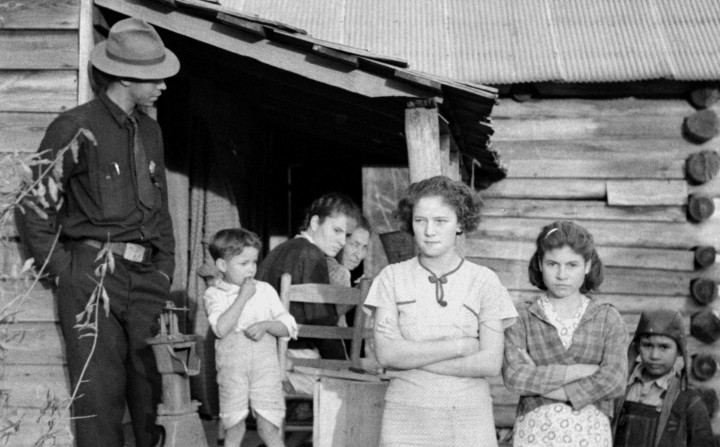
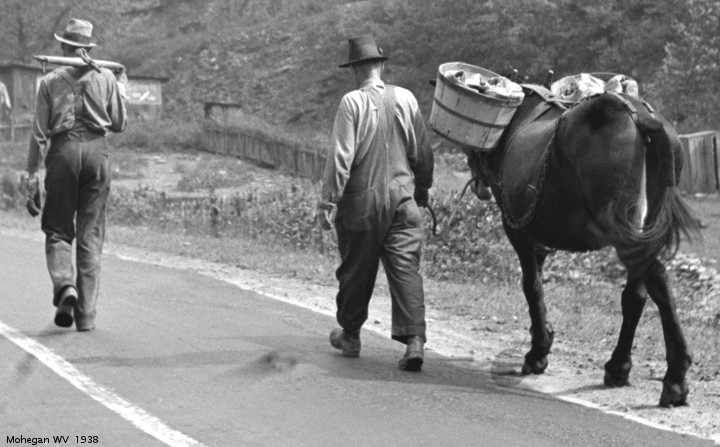
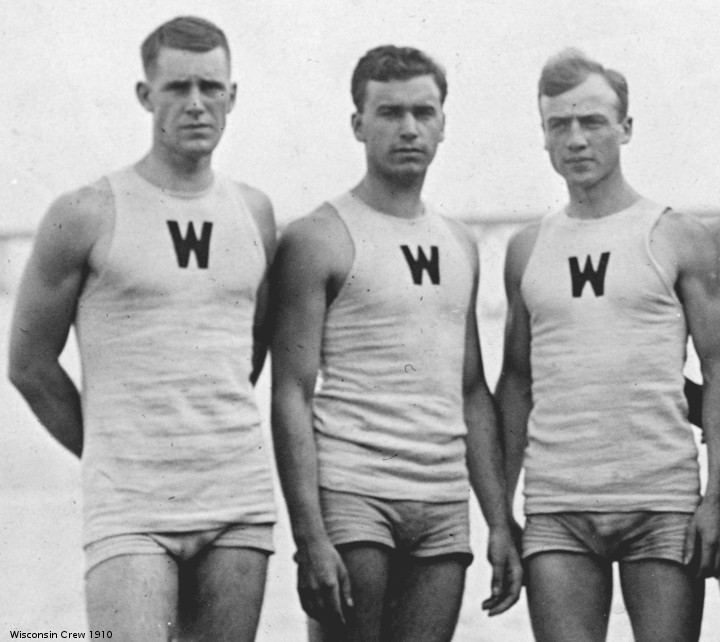
Pictures from The Library of Congress.



Calumus

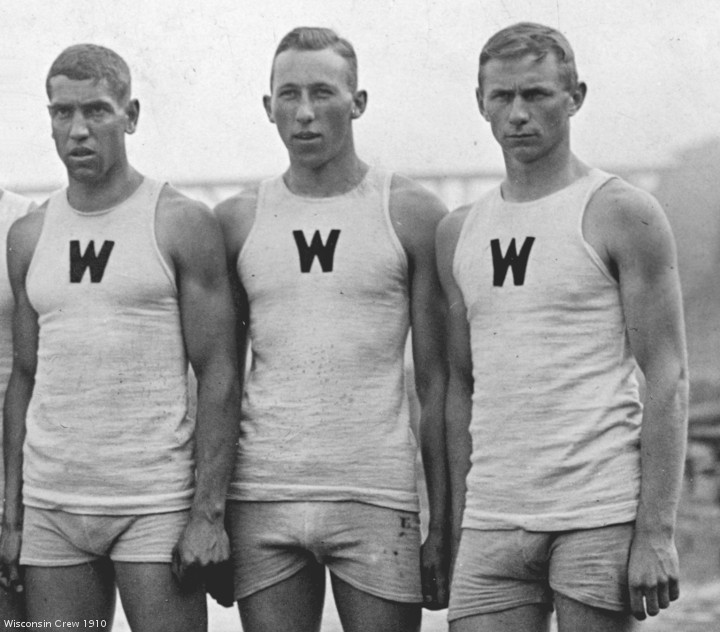


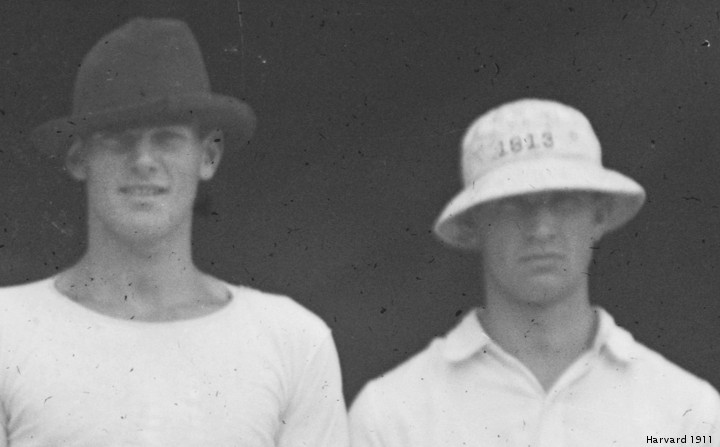
In Paths Untrodden
In paths untrodden,
In the growth by margins of pond-waters,
Escaped from the life that exhibits itself,
From all the standards hitherto publish’d, from the pleasures,
profits, conformities,
Which too long I was offering to feed my soul,
Clear to me now standards not yet publish’d, clear to me that my soul,
That the soul of the man I speak for rejoices in comrades,
Here by myself away from the clank of the world,
Tallying and talk’d to here by tongues aromatic,
No longer abash’d, (for in this secluded spot I can respond
as I would not dare elsewhere,)
Strong upon me the life that does not exhibit itself, yet contains all the rest,
Resolv’d to sing no songs to-day but those of manly attachment,
Projecting them along that substantial life,
Bequeathing hence types of athletic love,
Afternoon this delicious Ninth-month in my forty-first year,
I proceed for all who are or have been young men,
To tell the secret my nights and days,
To celebrate the need of comrades.
Scented Herbage of My Breast
Scented herbage of my breast,
Leaves from you I glean, I write, to be perused best afterwards,
Tomb-leaves, body-leaves growing up above me above death,
Perennial roots, tall leaves, O the winter shall not freeze you delicate leaves,
Every year shall you bloom again, out from where you retired
you shall emerge again;
O I do not know whether many passing by will discover you
or inhale your faint odor, but I believe a few will;
O slender leaves! O blossoms of my blood! I permit you to tell
in your own way of the heart that is under you,
O I do not know what you mean there underneath yourselves,
you are not happiness,
You are often more bitter than I can bear, you burn and sting me,
Yet you are beautiful to me you faint tinged roots, you make me think of death,
Death is beautiful from you, (what indeed is finally beautiful
except death and love?)
O I think it is not for life I am chanting here my chant of lovers,
I think it must be for death,
For how calm, how solemn it grows to ascend to the atmosphere of lovers,
Death or life I am then indifferent, my soul declines to prefer,
(I am not sure but the high soul of lovers welcomes death most,)
Indeed O death, I think now these leaves mean precisely the same as you mean,
Grow up taller sweet leaves that I may see! grow up out of my breast!
Spring away from the conceal’d heart there!
Do not fold yourself so in your pink-tinged roots timid leaves!
Do not remain down there so ashamed, herbage of my breast!
Come I am determin’d to unbare this broad breast of mine,
I have long enough stifled and choked;
Emblematic and capricious blades I leave you, now you serve me not,
I will say what I have to say by itself,
I will sound myself and comrades only,
I will never again utter a call only their call,
I will raise with it immortal reverberations through the States,
I will give an example to lovers
to take permanent shape and will through the States
Through me shall the words be said to make death exhilarating,
Give me your tone therefore O death, that I may accord with it,
Give me yourself, for I see that you belong to me now above all,
and are folded inseparably together, you love and death are,
Nor will I allow you to balk me any more with what I was calling life,
For now it is convey’d to me that you are the purports essential,
That you hide in these shifting forms of life, for reasons,
and that they are mainly for you,
That you beyond them come forth to remain, the real reality,
That behind the mask of materials you patiently wait, no matter how long,
That you will one day perhaps take control of all,
That you will perhaps dissipate this entire show of appearance,
That may-be you are what it is all for, but it does not last so very long,
But you will last very long.
Whoever You Are Holding Me Now in Hand
Whoever you are holding me now in hand,
Without one thing all will be useless,
I give you fair warning before you attempt me further,
I am not what you supposed, but far different.
Who is he that would become my follower?
Who would sign himself a candidate for my affections?
The way is suspicious, the result uncertain, perhaps destructive,
You would have to give up all else, I alone would expect to be
your sole and exclusive standard,
Your novitiate would even then be long and exhausting,
The whole past theory of your life and all conformity to the lives around you
would have to be abandon’d,
Therefore release me now before troubling yourself any further,
let go your hand from my shoulders,
Put me down and depart on your way.
Or else by stealth in some wood for trial,
Or back of a rock in the open air,
(For in any roof’d room of a house I emerge not, nor in company,
And in libraries I lie as one dumb, a gawk, or unborn, or dead,)
But just possibly with you on a high hill, first watching lest any person
for miles around approach unawares,
Or possibly with you sailing at sea,
or on the beach of the sea or some quiet island,
Here to put your lips upon mine I permit you,
With the comrade’s long-dwelling kiss or the new husband’s kiss,
For I am the new husband and I am the comrade.
Or if you will, thrusting me beneath your clothing,
Where I may feel the throbs of your heart or rest upon your hip,
Carry me when you go forth over land or sea;
For thus merely touching you is enough, is best,
And thus touching you would I silently sleep and be carried eternally.
But these leaves conning you con at peril,
For these leaves and me you will not understand,
They will elude you at first and still more afterward, I will certainly elude you.
Even while you should think you had unquestionably caught me, behold!
Already you see I have escaped from you.
For it is not for what I have put into it that I have written this book,
Nor is it by reading it you will acquire it,
Nor do those know me best who admire me and vauntingly praise me,
Nor will the candidates for my love (unless at most a very few) prove victorious,
Nor will my poems do good only, they will do just as much evil, perhaps more,
For all is useless without that which you may guess at many times and not hit,
that which I hinted at;
Therefore release me and depart on your way.
For You, O Democracy
Come, I will make the continent indissoluble,
I will make the most splendid race the sun ever shone upon,
I will make divine magnetic lands,
With the love of comrades,
With the life-long love of comrades.
I will plant companionship thick as trees along all the rivers of America,
and along the shores of the great lakes, and all over the prairies,
I will make inseparable cities with their arms about each other’s necks,
By the love of comrades,
By the manly love of comrades.
For you these from me, O Democracy, to serve you ma femme!
For you, for you I am trilling these songs.
These I Singing in Spring
These I singing in spring collect for lovers,
(For who but I should understand lovers and all their sorrow and joy?
And who but I should be the poet of comrades?)
Collecting I traverse the garden the world, but soon I pass the gates,
Now along the pond-side, now wading in a little, fearing not the wet,
Now by the post-and-rail fences where the old stones thrown there,
pick’d from the fields, have accumulated,
(Wild-flowers and vines and weeds come up through the stones and partly cover them,beyond these I pass,)
Far, far in the forest, or sauntering later in summer,
before I think where I go,
Solitary, smelling the earthy smell, stopping now and then in the silence,
Alone I had thought, yet soon a troop gathers around me,
Some walk by my side and some behind, and some embrace my arms or neck,
They the spirits of dear friends dead or alive, thicker they come,
a great crowd, and I in the middle,
Collecting, dispensing, singing, there I wander with them,
Plucking something for tokens, tossing toward whoever is near me,
Here, lilac, with a branch of pine,
Here, out of my pocket, some moss which I pull’d off a live-oak
in Florida as it hung trailing down,
Here, some pinks and laurel leaves, and a handful of sage,
And here what I now draw from the water, wading in the pondside,
(O here I last saw him that tenderly loves me,
and returns again never to separate from me,
And this, O this shall henceforth be the token of comrades, this
calamus-root shall,
Interchange it youths with each other! let none render it back!)
And twigs of maple and a bunch of wild orange and chestnut,
And stems of currants and plum-blows, and the aromatic cedar,
These I compass’d around by a thick cloud of spirits,
Wandering, point to or touch as I pass, or throw them loosely from me,
Indicating to each one what he shall have, giving something to each;
But what I drew from the water by the pond-side, that I reserve,
I will give of it, but only to them that love as I myself am capable of loving.
Not Heaving from My Ribb’d Breast Only
Not heaving from my ribb’d breast only,
Not in sighs at night in rage dissatisfied with myself,
Not in those long-drawn, ill-supprest sighs,
Not in many an oath and promise broken,
Not in my wilful and savage soul’s volition,
Not in the subtle nourishment of the air,
Not in this beating and pounding at my temples and wrists,
Not in the curious systole and diastole within which will one day cease,
Not in many a hungry wish told to the skies only,
Not in cries, laughter, defiancies,
thrown from me when alone far in the wilds,
Not in husky pantings through clinch’d teeth,
Not in sounded and resounded words, chattering words, echoes, dead words,
Not in the murmurs of my dreams while I sleep,
Nor the other murmurs of these incredible dreams of every day,
Nor in the limbs and senses of my body that take you
and dismiss you continually—not there,
Not in any or all of them O adhesiveness! O pulse of my life!
Need I that you exist and show yourself any more than in these songs.
Of the Terrible Doubt of Appearances
Of the terrible doubt of appearances,
Of the uncertainty after all, that we may be deluded,
That may-be reliance and hope are but speculations after all,
That may-be identity beyond the grave is a beautiful fable only,
May-be the things I perceive, the animals, plants, men, hills,
shining and flowing waters,
The skies of day and night, colors, densities, forms,
may-be these are (as doubtless they are) only apparitions,
and the real something has yet to be known,
(How often they dart out of themselves as if to confound me and mock me!
How often I think neither I know, nor any man knows, aught of them,)
May-be seeming to me what they are (as doubtless they indeed but seem)
as from my present point of view, and might prove (as of course they would)
nought of what they appear, or nought anyhow,
from entirely changed points of view;
To me these and the like of these are curiously answer’d by my lovers,
my dear friends,
When he whom I love travels with me or sits a long while holding me by the hand,
When the subtle air, the impalpable, the sense that words and reason hold not,
surround us and pervade us,
Then I am charged with untold and untellable wisdom, I am silent,
I require nothing further,
I cannot answer the question of appearances
or that of identity beyond the grave,
But I walk or sit indifferent, I am satisfied,
He ahold of my hand has completely satisfied me.

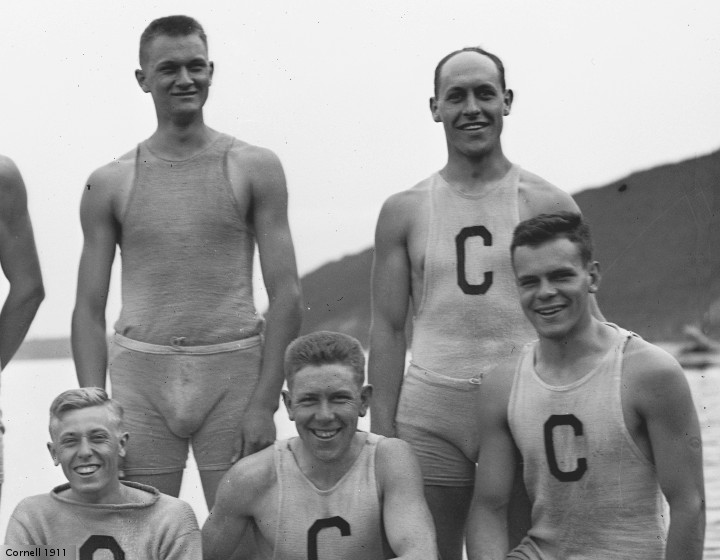

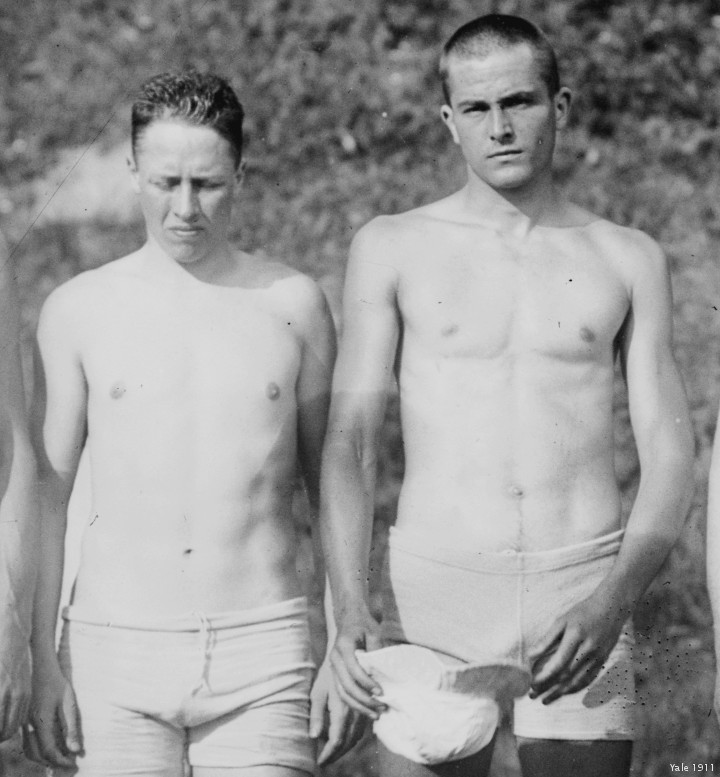


The Base of All Metaphysics
And now gentlemen,
A word I give to remain in your memories and minds,
As base and finale too for all metaphysics.
(So to the students the old professor,
At the close of his crowded course.)
Having studied the new and antique, the Greek and Germanic systems,
Kant having studied and stated, Fichte and Schelling and Hegel,
Stated the lore of Plato, and Socrates greater than Plato,
And greater than Socrates sought and stated, Christ divine having studied long,
I see reminiscent to-day those Greek and Germanic systems,
See the philosophies all, Christian churches and tenets see,
Yet underneath Socrates clearly see, and underneath Christ the divine I see,
The dear love of man for his comrade, the attraction of friend to friend,
Of the well-married husband and wife, of children and parents,
Of city for city and land for land.
Recorders Ages Hence
Recorders ages hence,
Come, I will take you down underneath this impassive exterior,
I will tell you what to say of me,
Publish my name and hang up my picture as that of the tenderest lover,
The friend the lover’s portrait, of whom his friend his lover was fondest,
Who was not proud of his songs, but of the measureless ocean of love within him,
and freely pour’d it forth,
Who often walk’d lonesome walks thinking of his dear friends, his lovers,
Who pensive away from one he lov’d often lay sleepless and dissatisfied at night,
Who knew too well the sick, sick dread lest the one he lov’d might
secretly be indifferent to him,
Whose happiest days were far away through fields, in woods, on hills,
he and another wandering hand in hand, they twain apart from other men,
Who oft as he saunter’d the streets curv’d with his arm the shoulder of his friend,
while the arm of his friend rested upon him also.
When I Heard at the Close of the Day
When I heard at the close of the day how my name had been receiv’d
with plaudits in the capitol,
still it was not a happy night for me that follow’d,
And else when I carous’d, or when my plans were accomplish’d,
still I was not happy,
But the day when I rose at dawn from the bed of perfect health,
refresh’d, singing, inhaling the ripe breath of autumn,
When I saw the full moon in the west grow pale and disappear in the morning light,
When I wander’d alone over the beach, and undressing bathed,
laughing with the cool waters, and saw the sun rise,
And when I thought how my dear friend my lover was on his way coming,
O then I was happy,
O then each breath tasted sweeter, and all that day my food nourish’d me more,
and the beautiful day pass’d well,
And the next came with equal joy, and with the next at evening came my friend,
And that night while all was still I heard the waters roll slowly
continually up the shores,
I heard the hissing rustle of the liquid and sands as directed to me
whispering to congratulate me,
For the one I love most lay sleeping by me under the same cover in the cool night,
In the stillness in the autumn moonbeams his face was inclined toward me,
And his arm lay lightly around my breast—and that night I was happy.
Are You the New Person Drawn Toward Me?
Are you the new person drawn toward me?
To begin with take warning, I am surely far different from what you suppose;
Do you suppose you will find in me your ideal?
Do you think it so easy to have me become your lover?
Do you think the friendship of me would be unalloy’d satisfaction?
Do you think I am trusty and faithful?
Do you see no further than this facade, this smooth and tolerant manner of me?
Do you suppose yourself advancing on real ground toward a real heroic man?
Have you no thought O dreamer that it may be all maya, illusion?
Roots and Leaves Themselves Alone
Roots and leaves themselves alone are these,
Scents brought to men and women from the wild woods and pond-side,
Breast-sorrel and pinks of love,
fingers that wind around tighter than vines,
Gushes from the throats of birds hid in the foliage of trees as the sun is risen,
Breezes of land and love set from living shores to you on the living sea,
to you O sailors!
Frost-mellow’d berries and Third-month twigs offer’d fresh to young
persons wandering out in the fields when the winter breaks up,
Love-buds put before you and within you whoever you are,
Buds to be unfolded on the old terms,
If you bring the warmth of the sun to them they will open and bring form,
color, perfume, to you,
If you become the aliment and the wet they will become flowers,
fruits, tall branches and trees.
Not Heat Flames Up and Consumes
Not heat flames up and consumes,
Not sea-waves hurry in and out,
Not the air delicious and dry, the air of ripe summer,
bears lightly along white down-balls of myriads of seeds,
Waited, sailing gracefully, to drop where they may;
Not these, O none of these more than the flames of me, consuming,
burning for his love whom I love,
O none more than I hurrying in and out;
Does the tide hurry, seeking something, and never give up? O I the same,
O nor down-balls nor perfumes, nor the high rain-emitting clouds,
are borne through the open air,
Any more than my soul is borne through the open air,
Wafted in all directions O love, for friendship, for you.
Trickle Drops
Trickle drops! my blue veins leaving!
O drops of me! trickle, slow drops,
Candid from me falling, drip, bleeding drops,
From wounds made to free you whence you were prison’d,
From my face, from my forehead and lips,
From my breast, from within where I was conceal’d,
press forth red drops, confession drops,
Stain every page, stain every song I sing, every word I say, bloody drops,
Let them know your scarlet heat, let them glisten,
Saturate them with yourself all ashamed and wet,
Glow upon all I have written or shall write, bleeding drops,
Let it all be seen in your light, blushing drops.
City of Orgies
City of orgies, walks and joys,
City whom that I have lived and sung in your midst will one day make
Not the pageants of you, not your shifting tableaus,
your spectacles, repay me,
Not the interminable rows of your houses, nor the ships at the wharves,
Nor the processions in the streets,
nor the bright windows with goods in them,
Nor to converse with learn’d persons, or bear my share in the soiree or feast;
Not those, but as I pass O Manhattan,
your frequent and swift flash of eyes offering me love,
Offering response to my own—these repay me,
Lovers, continual lovers, only repay me.
Behold This Swarthy Face
Behold this swarthy face, these gray eyes,
This beard, the white wool unclipt upon my neck,
My brown hands and the silent manner of me without charm;
Yet comes one a Manhattanese and ever at parting kisses me lightly
on the lips with robust love,
And I on the crossing of the street or on the ship’s deck
give a kiss in return,
We observe that salute of American comrades land and sea,
We are those two natural and nonchalant persons.
I Saw in Louisiana a Live-Oak Growing
I saw in Louisiana a live-oak growing,
All alone stood it and the moss hung down from the branches,
Without any companion it grew there uttering joyous of dark green,
And its look, rude, unbending, lusty, made me think of myself,
But I wonder’d how it could utter joyous leaves standing alone there
without its friend near, for I knew I could not,
And I broke off a twig with a certain number of leaves upon it
and twined around it a little moss,
And brought it away, and I have placed it in sight in my room,
It is not needed to remind me as of my own dear friends,
(For I believe lately I think of little else than of them,)
Yet it remains to me a curious token, it makes me think of manly love;
For all that, and though the live-oak glistens there in Louisiana
solitary in a wide in a wide flat space,
Uttering joyous leaves all its life without a friend a lover near,
I know very well I could not.
To a Stranger
Passing stranger! you do not know how longingly I look upon you,
You must be he I was seeking, or she I was seeking,
(it comes to me as of a dream,)
I have somewhere surely lived a life of joy with you,
All is recall’d as we flit by each other, fluid, affectionate, chaste, matured,
You grew up with me, were a boy with me or a girl with me,
I ate with you and slept with you, your body has become not yours only
nor left my body mine only,
You give me the pleasure of your eyes, face, flesh, as we pass,
you take of my beard, breast, hands, in return,
I am not to speak to you, I am to think of you when I sit alone
or wake at night alone,
I am to wait, I do not doubt I am to meet you again,
I am to see to it that I do not lose you.
This Moment Yearning and Thoughtful
This moment yearning and thoughtful sitting alone,
It seems to me there are other men in other lands yearning and thoughtful,
It seems to me I can look over and behold them in Germany, Italy, France, Spain,
Or far, far away, in China, or in Russia or talking other dialects,
And it seems to me if I could know those men I should become
attached to them as I do to men in my own lands,
O I know we should be brethren and lovers,
I know I should be happy with them.
I Hear It Was Charged Against Me
I hear it was charged against me that I sought to destroy institutions,
But really I am neither for nor against institutions,
(What indeed have I in common with them?
or what with the destruction of them?)
Only I will establish in the Mannahatta and in every city of these
States inland and seaboard,
And in the fields and woods, and above every keel little or large
that dents the water,
Without edifices or rules or trustees or any argument,
The institution of the dear love of comrades.
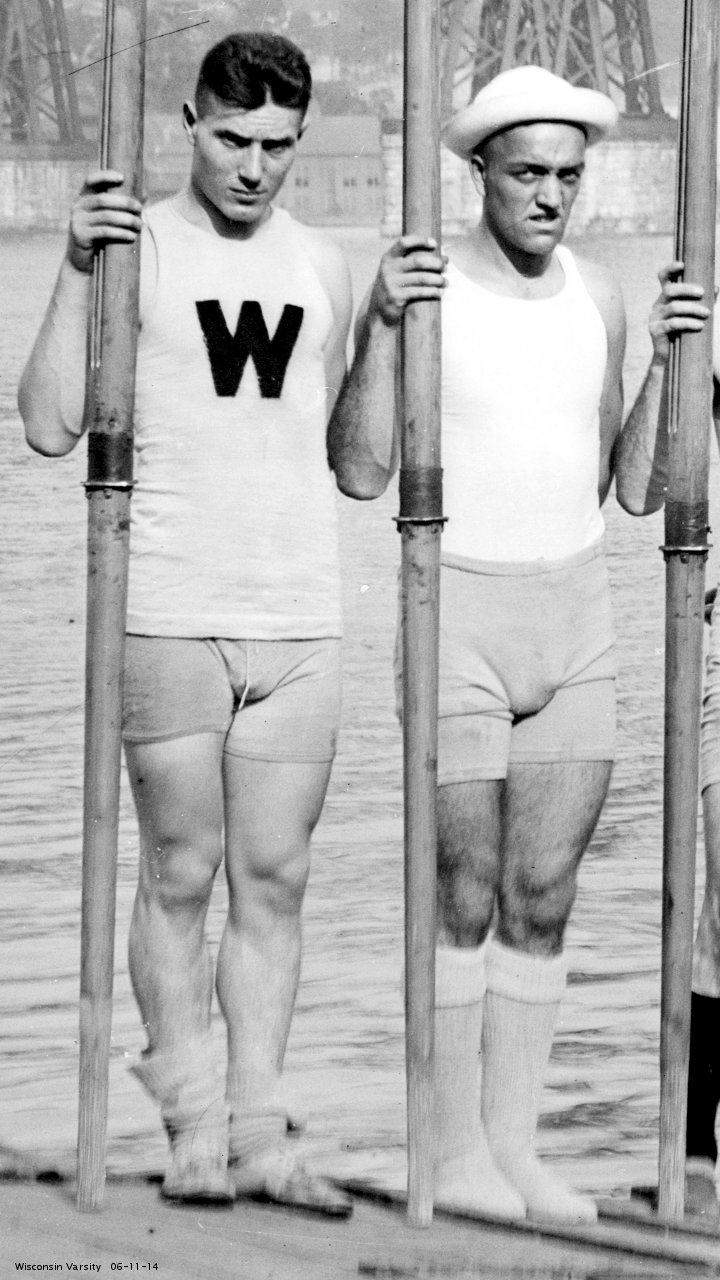


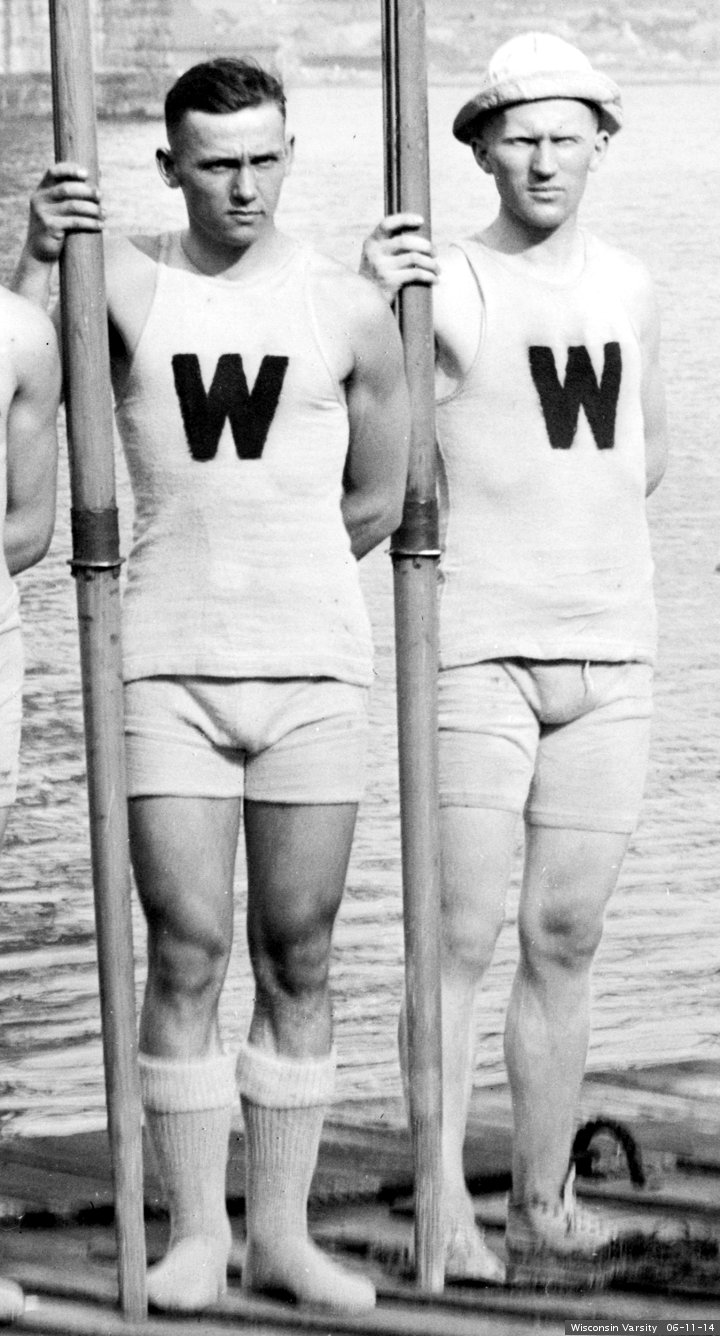

The Prairie-Grass Dividing
The prairie-grass dividing, its special odor breathing,
I demand of it the spiritual corresponding,
Demand the most copious and close companionship of men,
Demand the blades to rise of words, acts, beings,
Those of the open atmosphere, coarse, sunlit, fresh, nutritious,
Those that go their own gait, erect, stepping with freedom and command,
leading not following,
Those with a never-quell’d audacity, those with sweet and lusty
flesh clear of taint,
Those that look carelessly in the faces of Presidents and governors,
as to say Who are you?
Those of earth-born passion, simple, never constrain’d, never obedient,
Those of inland America.
When I Peruse the Conquer’d Fame
When I peruse the conquer’d fame of heroes and the victories of mighty generals,
I do not envy the generals,
Nor the President in his Presidency, nor the rich in his great house,
But when I hear of the brotherhood of lovers, how it was with them,
How together through life, through dangers, odium, unchanging,
long and long,
Through youth and through middle and old age, how unfaltering,
how affectionate and faithful they were,
Then I am pensive—I hastily walk away fill’d with the bitterest envy.
We Two Boys Together Clinging
We two boys together clinging,
One the other never leaving,
Up and down the roads going, North and South excursions making,
Power enjoying, elbows stretching, fingers clutching,
Arm’d and fearless, eating, drinking, sleeping, loving.
No law less than ourselves owning, sailing, soldiering, thieving, threatening,
Misers, menials, priests alarming, air breathing, water drinking,
on the turf or the sea-beach dancing,
Cities wrenching, ease scorning, statutes mocking, feebleness chasing,
Fulfilling our foray.
A Promise to California
A promise to California,
Or inland to the great pastoral Plains, and on to Puget sound and Oregon;
Sojourning east a while longer, soon I travel toward you, to remain,
to teach robust American love,
For I know very well that I and robust love belong among you,
inland, and along the Western sea;
For these States tend inland and toward the Western sea, and I will also.
Here the Frailest Leaves of Me
Here the frailest leaves of me and yet my strongest lasting,
Here I shade and hide my thoughts, I myself do not expose them,
And yet they expose me more than all my other poems.
No Labor-Saving Machine
No labor-saving machine,
Nor discovery have I made,
Nor will I be able to leave behind me any wealthy bequest to found
hospital or library,
Nor reminiscence of any deed of courage for America,
Nor literary success nor intellect; nor book for the book-shelf,
But a few carols vibrating through the air I leave,
For comrades and lovers.
A Glimpse
A glimpse through an interstice caught,
Of a crowd of workmen and drivers in a bar-room
around the stove late of a winter night,
and I unremark’d seated in a corner,
Of a youth who loves me and whom I love,
silently approaching and seating himself near,
that he may hold me by the hand,
A long while amid the noises of coming and going,
of drinking and oath and smutty jest,
There we two, content, happy in being together, speaking little,
perhaps not a word.
A Leaf for Hand in Hand
A leaf for hand in hand;
You natural persons old and young!
You on the Mississippi and on all the branches and bayous of the Mississippi!
You friendly boatmen and mechanics! you roughs!
You twain! and all processions moving along the streets!
I wish to infuse myself among you till I see it common for you to
walk hand in hand.
Earth, My Likeness
Earth, my likeness,
Though you look so impassive, ample and spheric there,
I now suspect that is not all;
I now suspect there is something fierce in you eligible to burst forth,
For an athlete is enamour’d of me, and I of him,
But toward him there is something fierce
and terrible in me eligible to burst forth,
I dare not tell it in words, not even in these songs.
I Dream’d in a Dream
I dream’d in a dream I saw a city invincible to the attacks
of the whole of the rest of the earth,
I dream’d that was the new city of Friends,
Nothing was greater there than the quality of robust love, it led the rest,
It was seen every hour in the actions of the men of that city,
And in all their looks and words.
What Think You I Take My Pen in Hand?
What think you I take my pen in hand to record?
The battle-ship, perfect-model’d, majestic,
that I saw pass the offing to-day under full sail?
The splendors of the past day? or the splendor of the night that envelops me?
Or the vaunted glory and growth of the great city spread around me? —no;
But merely of two simple men I saw to-day on the pier in the midst of the crowd,
parting the parting of dear friends,
The one to remain hung on the other’s neck and passionately kiss’d him,
While the one to depart tightly prest the one to remain in his arms.
To the East and to the West
To the East and to the West,
To the man of the Seaside State and of Pennsylvania,
To the Kanadian of the north, to the Southerner I love,
These with perfect trust to depict you as myself, the germs are in all men,
I believe the main purport of these States is to found a superb friendship,
exalte, previously unknown,
Because I perceive it waits, and has been always waiting, latent in all men.
Sometimes with One I Love
Sometimes with one I love I fill myself with rage for fear
I effuse unreturn’d love,
But now I think there is no unreturn’d love,
the pay is certain one way or another,
(I loved a certain person ardently and my love was not return’d,
Yet out of that I have written these songs.)
To a Western Boy
Many things to absorb I teach to help you become eleve of mine;
Yet if blood like mine circle not in your veins,
If you be not silently selected by lovers and do not silently select lovers,
Of what use is it that you seek to become eleve of mine?
Fast Anchor’d Eternal O Love!
Fast-anchor’d eternal O love! O woman I love!
O bride! O wife! more resistless than I can tell, the thought of you!
Then separate, as disembodied or another born,
Ethereal, the last athletic reality, my consolation,
I ascend, I float in the regions of your love O man,
O sharer of my roving life.
Among the Multitude
Among the men and women the multitude,
I perceive one picking me out by secret and divine signs,
Acknowledging none else, not parent, wife, husband, brother, child,
any nearer than I am,
Some are baffled, but that one is not—that one knows me.
Ah lover and perfect equal,
I meant that you should discover me so by faint indirections,
And I when I meet you mean to discover you by the like in you.
O You Whom I Often and Silently Come
O you whom I often and silently come where you are that I may be with you,
As I walk by your side or sit near, or remain in the same room with you,
Little you know the subtle electric fire that for your sake is
playing within me.
That Shadow My Likeness
That shadow my likeness that goes to and fro seeking a livelihood,
chattering, chaffering,
How often I find myself standing and looking at it where it flits,
How often I question and doubt whether that is really me;
But among my lovers and caroling these songs,
O I never doubt whether that is really me.
Full of Life Now
Full of life now, compact, visible,
I, forty years old the eighty-third year of the States,
To one a century hence or any number of centuries hence,
To you yet unborn these, seeking you.
When you read these I that was visible am become invisible,
Now it is you, compact, visible, realizing my poems, seeking me,
Fancying how happy you were if I could be with you and become your comrade;
Be it as if I were with you. (Be not too certain but I am now with you.)
Poems are from Leaves of Grass, Book V: Calamus
By Walt Whitman, Born May 31, 1819
Text is courtesy of Project Gutenberg.
Formatting of text, and pictures, by Chamblee 54.
Pictures from The Library of Congress.

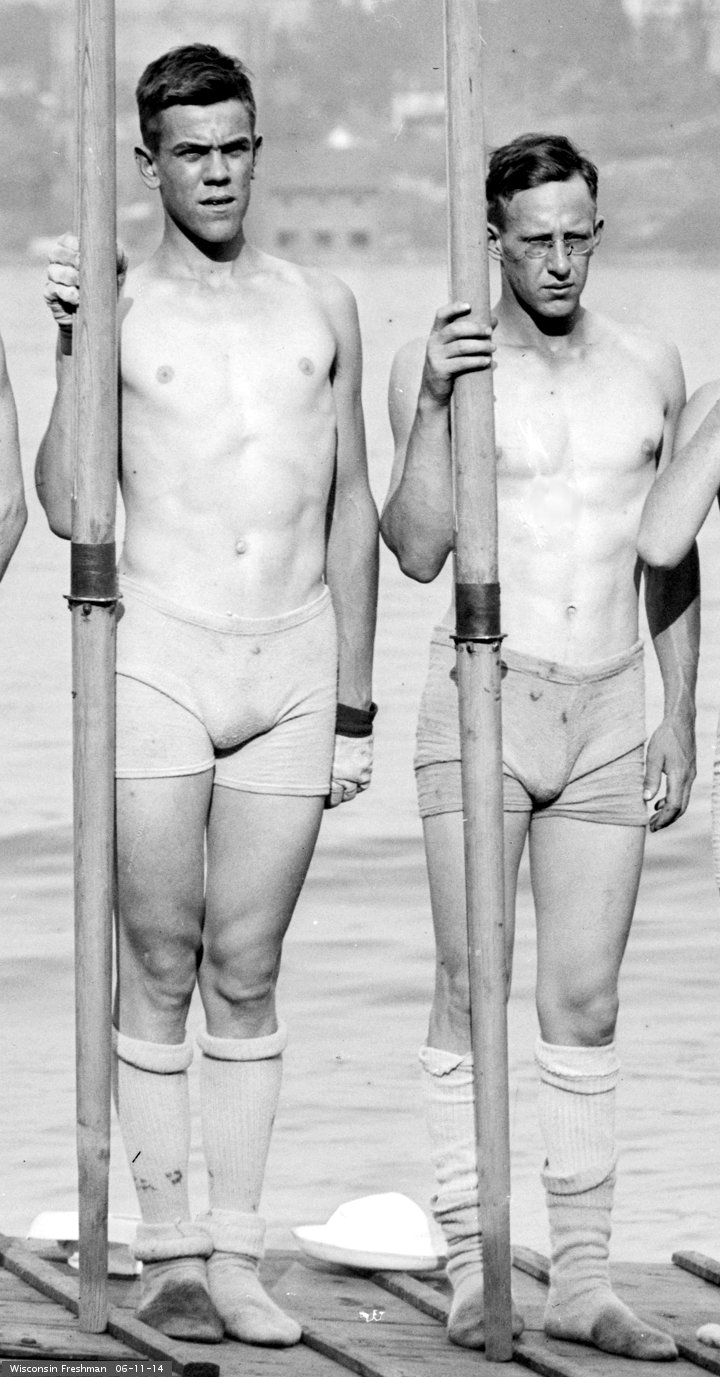

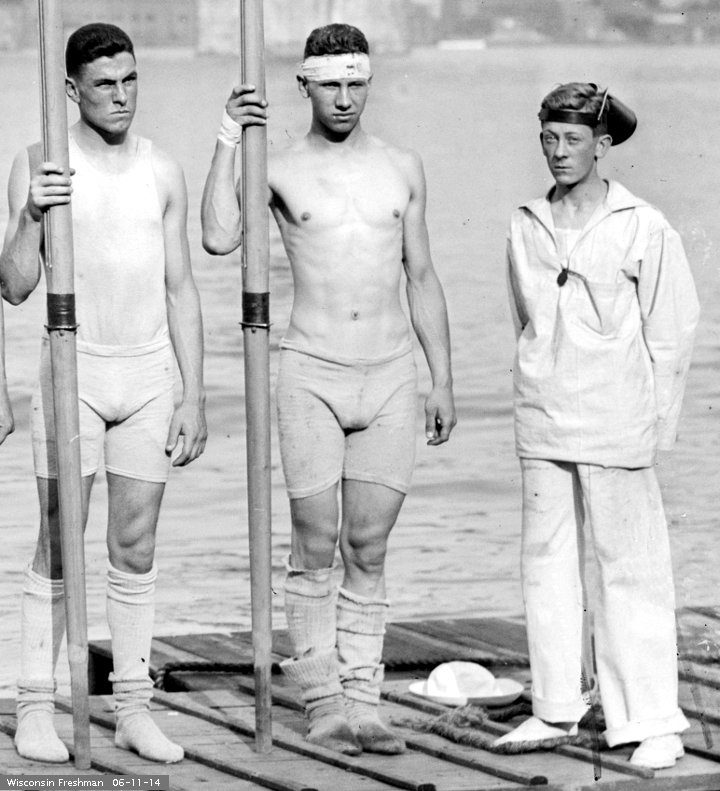
Charcoal Grills In Oakland Parks






Woman Calls Police On Black Family For BBQing At A Lake In Oakland You have probably heard about this story. There is a series of *viral memes* featuring the caller, a well fed white woman. While the optics of the situation are unappealing, “BBQ Becky* might be right about one thing.
The City of Oakland has published a guide to barbecuing in the park. It clearly states “Non-Charcoal Portable Grilling: Allowed in designated areas only.” Find BBQ Locations in Parks goes into more detail. “Charcoal grilling is only allowed in designated areas where stationary grill pits have been installed. Please do not remove hot coals from pits. Non-charcoal grilling is only allowed in designated areas. You may bring in your own portable non-charcoal grill. Your grill can not be wider than 27 inches. Please note: Charcoal grills are not allowed in non-charcoal designated areas.” This prohibition is not race specific. Being black does not give your special charcoal burning privileges.
Is Oakland unique in regulating charcoal grills? A google search is inconclusive. DeKalb County does not appear to have any charcoal ordinances. Atlanta has “Rules Applicable to Piedmont Park Only: Grilling is allowed only in designated areas and only in grills provided. No portable grills or ground fires are allowed.” Massachusetts states “Only a few state parks allow you to bring in charcoal grills. … When using a charcoal grill, be sure to cool and dispose of your used charcoal in a fireproof container.” Burning charcoal is not a right guaranteed by the Constitution.
Why would a government want to restrict use of portable charcoal grills? Sacramento enacted a barbecue ban once. ““The parks facilities continue to become drier and increase our fire risk,” said Sacramento County regional parks director Jeff Leatherman. “This would prevent people from walking to an open space and setting up a barbecue.”
“Why might charcoal grilling be limited? Here are some potential reasons. Charcoal is carbon based and can be a polluter. A recent American Lung Association report suggested that the combination of traffic, dry weather, and wildfires have led to more soot in California. In fact, SFgate.com writes, “The Bay Area was alongside parts of the Central Valley, which after years of improvement saw increases in the number of days with unhealthy levels of soot between 2012 and 2015, the report shows. The Bay Area ranked among the country’s 10 worst regions for what is known as particle pollution.”
“Particulate matter is typically designated by its size. Particle mass concentrations with a diameter less than 2.5 (10) micrometers is called PM2.5 (PM10). By the way, the average human hair is about 70 micrometers in diameter. The U.S. Environmental Protection Agency regulates PM2.5 because smaller particles can penetrate deeper into our lungs causing respiratory and/or cardiovascular issues. Through the National Ambient Air Quality Standards (NAAQS), guidelines are set for levels of certain pollutants over a given period of time. Places that exceed these standards may be deemed nonattainment areas, which could have significant health, economic, or political ramifications.”
According to a Huffington Post article comparing charcoal and gas grills, “Charcoal is dirtier, but can come from renewable resources; gas has a smaller carbon footprint, but is derived from non-renewable fossil fuels. Most charcoal is a funky amalgamation of things like sawdust, corn starch and lighter fluid; when it’s burned, it can result in 105 times more carbon monoxide than burning propane and lots of harmful volatile organic compounds. But, “real” charcoal, also commonly known as “chunk charcoal,” doesn’t have the nasty additives, and burning it is carbon neutral.”
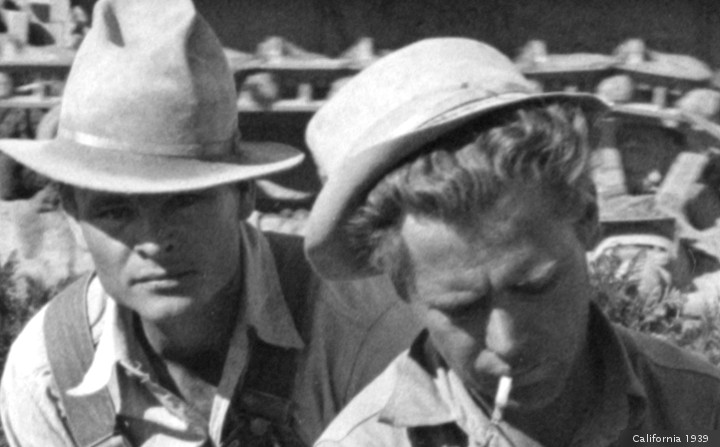
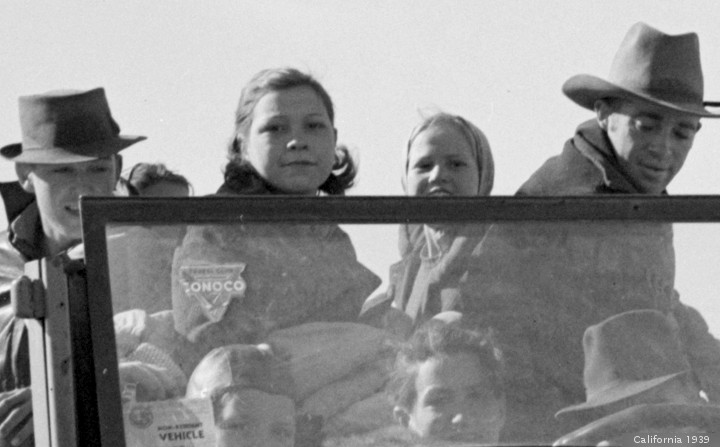
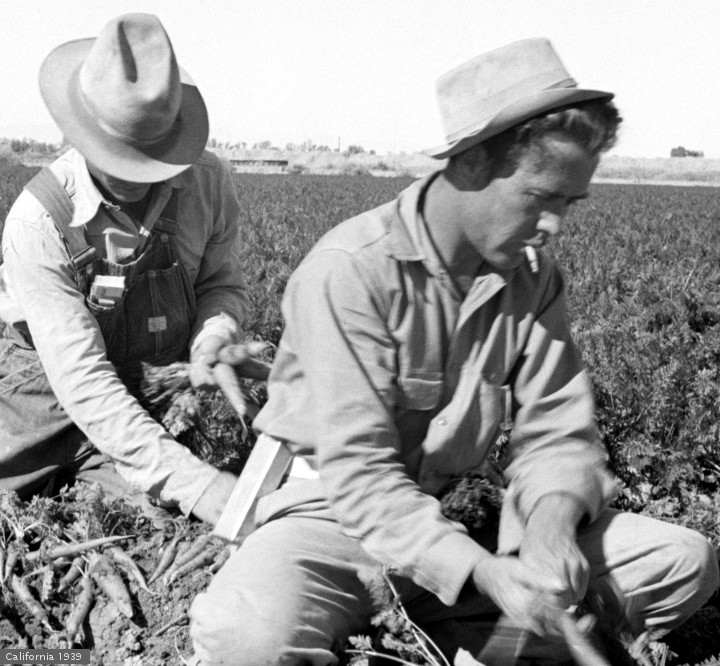
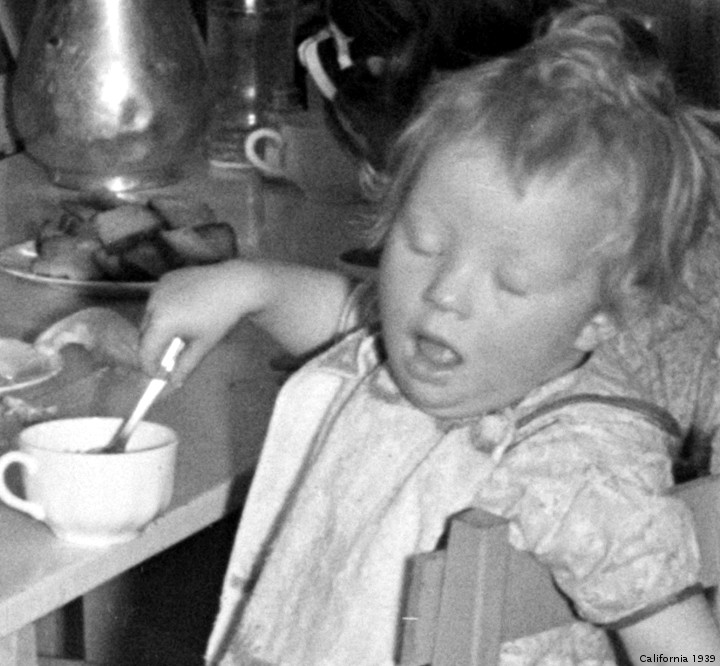
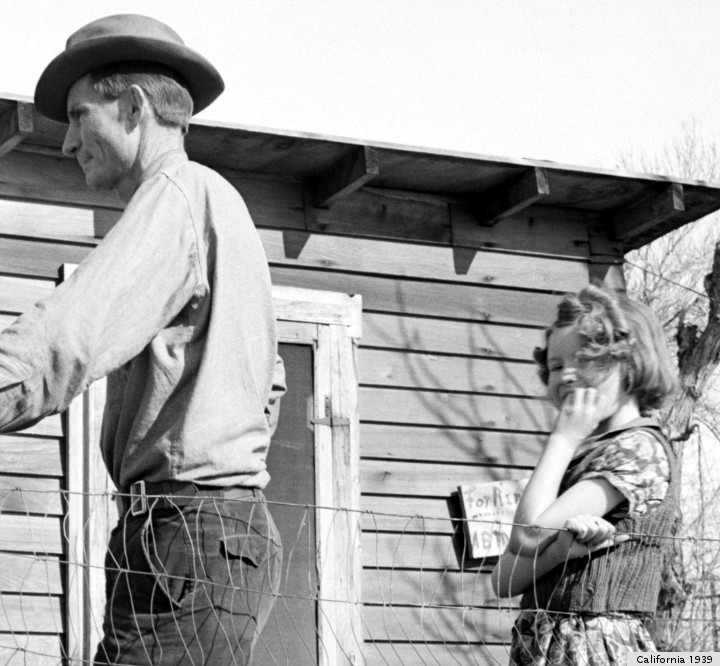
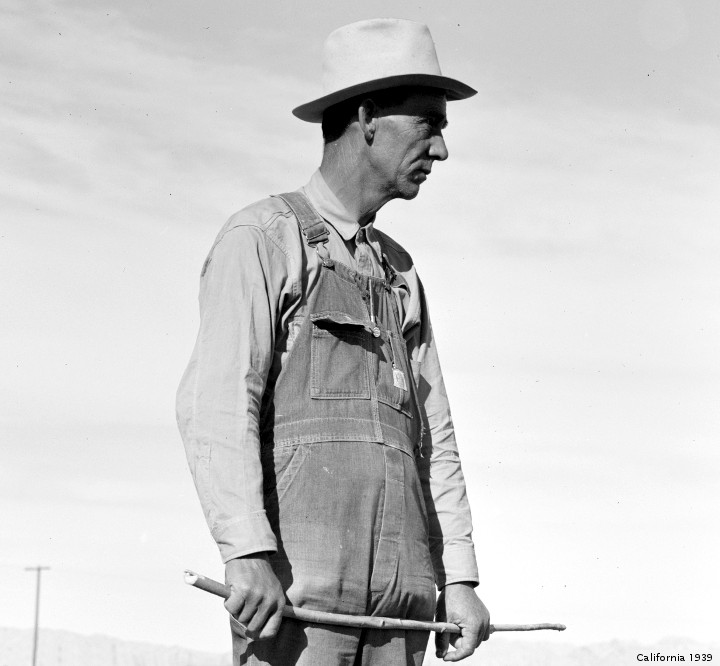
Pictures are from The Library of Congress. Dorothea Lange took the pictures in California, in September 1939. The spell check suggestion for BBQing is Bobbing. This is a repost.




Duane Allman And The Coricidin Bottle


Gregg Allman appeared on Live Talks LA, selling a book, My Cross to Bear. Yes, he was coherent. Mr.Allman says something about going through rehab seventeen times. No one argues disputes that he has had an interesting life. This remarkable life ended May 27, 2017. RIP
The chat has a few parts left out. Dicky Betts and Cher are not mentioned. The title of “strangest dude I ever met” goes to Jai Johanny “Jaimoe” Johanson, aka the black guy in the group. Gregg says he used to listen to stuff by Roland Kirk.
The story of Duane Allman learning to play slide guitar is good. Duane was sick. Gregg came to see his brother, who was playing the guitar in a new way. It seems the doctor had given him some pills called Coricidin. You take the pills out of the glass bottle, soak the label off, and you have a guitar slider.
When PG was a kid, his uncle was a representative for the company that sold Coriciden. There were boxes of samples in the house, which all came in the glass bottle. PG had not heard that name for forty eight years. The spell check suggestion is Coincidence.
Not everyone at amazon was impressed by the book. “the book was so damged the binding and jacket were ripped that a did not read the book and will not buy an more nick malick.”
This is a repost, with pictures from The Library of Congress. There are two group shots, broken down into smaller images. One is a graduating class of a nursing school at Georgetown University. The photographer lists the date as between 1905 and 1945.
The other image is a line of people waiting to vote. The well dressed citizens are in Clarenden VA. The date is November 4, 1924. The democratic presidential candidate, John W. Davis, was nominated on the 103rd ballot of the democratic convention. He lost to Calvin Coolidge.


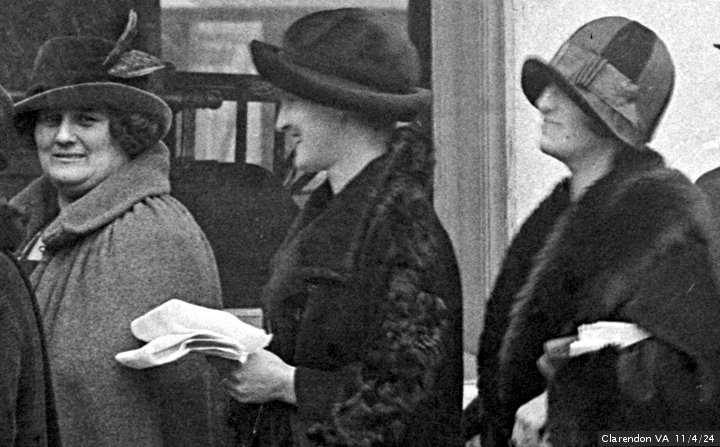


Mark Twain Double Feature

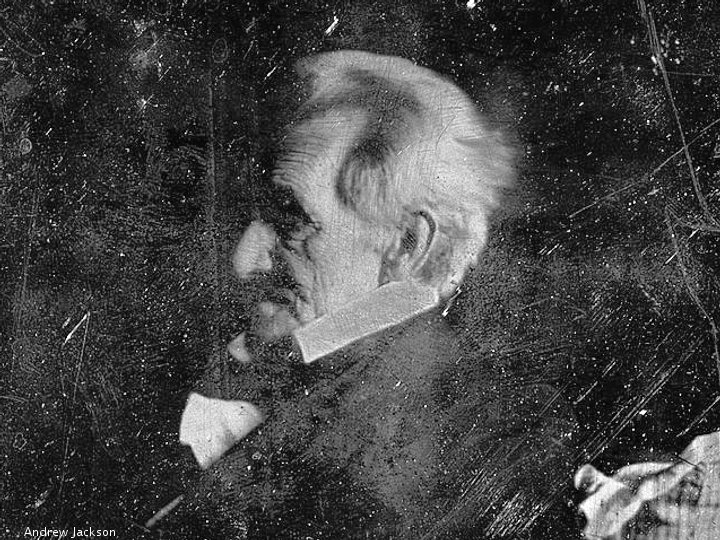

In honor of the National Day of Prayer , Chamblee54 presents two reruns, both based on the words of Mark Twain. Pictures are from The Library of Congress.
One hundred and four years ago, the United States was involved in a war, that did not want to end. This conflict was in the Philippines. Although there had been an official end to the war, guerrillas continued to fight the Americans. The war was a nasty affair, with many atrocities.
The War against the Philippine people was a souvenir of the Spanish American War. There had been a rebellion against Spanish rule in the islands. After the American forces routed the Spanish, the rebellion shifted to the American occupiers. It was a war stumbled into, and difficult to end.
Mark Twain was horrified. He wrote a story, The War Prayer. As Lew Rockwell tells the tale
“Twain wrote The War Prayer during the US war on the Philippines. It was submitted for publication, but on March 22, 1905, Harper’s Bazaar rejected it as “not quite suited to a woman’s magazine.” Eight days later, Twain wrote to his friend Dan Beard, to whom he had read the story, “I don’t think the prayer will be published in my time. None but the dead are permitted to tell the truth.” Because he had an exclusive contract with Harper & Brothers, Mark Twain could not publish “The War Prayer” elsewhere and it remained unpublished until 1923.”
HT to David Crosby and his autobiography, “Since Then“. A book report is forthcoming.
Getting back to “A War Prayer“, the story starts in a church. A war has started, and is popular. The troops leave for glory the next day. The preacher has an emotional prayer to send them on their way. Unknown to the minister, there is a visitor. “An aged stranger entered and moved with slow and noiseless step up the main aisle, his eyes fixed upon the minister, his long body clothed in a robe that reached to his feet, his head bare, his white hair descending in a frothy cataract to his shoulders, his seamy face unnaturally pale, pale even to ghastliness. With all eyes following him and wondering, he made his silent way; without pausing, he ascended to the preacher’s side and stood there, waiting.
With shut lids the preacher, unconscious of his presence, continued his moving prayer, and at last finished it with the words, uttered in fervent appeal,” Bless our arms, grant us the victory, O Lord our God, Father and Protector of our land and flag!”
The stranger motioned to the preacher to step aside. The stranger stepped into the pulpit, and claimed to have a message for the worshipers, sent directly from G-d. The preacher’s message was for support in time of war, and implied that G-d and the preacher support the same side in this conflict. There is an unspoken part to a prayer like this. This unspoken part was what the stranger was going to put into words.
“”O Lord our Father, our young patriots, idols of our hearts, go forth to battle – be Thou near them! With them, in spirit, we also go forth from the sweet peace of our beloved firesides to smite the foe.
O Lord our God, help us to tear their soldiers to bloody shreds with our shells; help us to cover their smiling fields with the pale forms of their patriot dead; help us to drown the thunder of the guns with the shrieks of their wounded, writhing in pain; help us to lay waste their humble homes with a hurricane of fire; help us to wring the hearts of their unoffending widows with unavailing grief; help us to turn them out roofless with their little children to wander unfriended the wastes of their desolated land in rags and hunger and thirst, sports of the sun flames of summer and the icy winds of winter, broken in spirit, worn with travail, imploring Thee for the refuge of the grave and denied it-
for our sakes who adore Thee, Lord, blast their hopes, blight their lives, protract their bitter pilgrimage, make heavy their steps, water their way with their tears, stain the white snow with the blood of their wounded feet!
We ask it, in the spirit of love, of Him Who is the Source of Love, and Who is ever-faithful refuge and friend of all that are sore beset and seek His aid with humble and contrite hearts. Amen.”
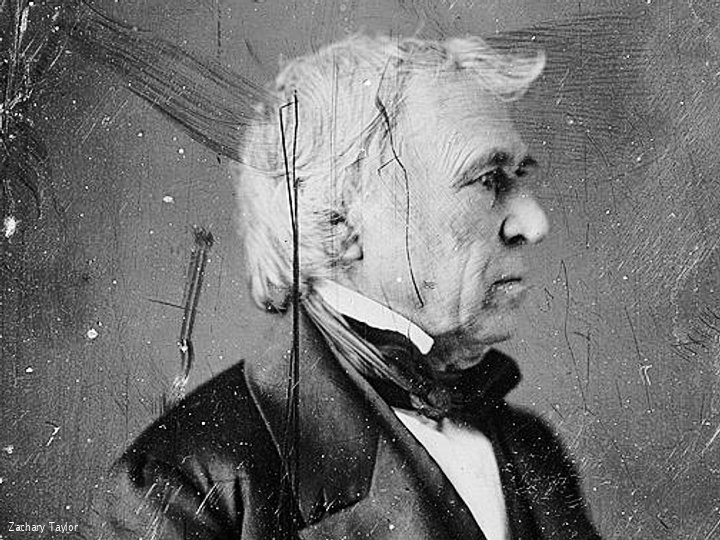
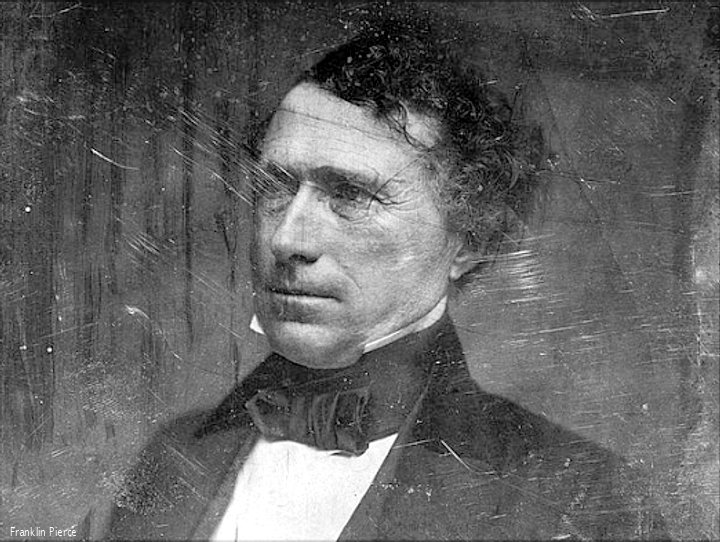

Mark Twain wrote a lot during the American Genocide in the Philippines. Many of his words could apply today. War has gotten more high tech…for our side…, but the bottom line is the same. No matter how fancy the weapons get, the casualties are just as dead. And the investors make money.
Mine eyes have seen the orgy of the launching of the Sword;
He is searching out the hoardings where the stranger’s wealth is stored;
He hath loosed his fateful lightnings, and with woe and death has scored;
His lust is marching on.
I have seen him in the watch-fires of a hundred circling camps;
They have builded him an altar in the Eastern dews and damps;
I have read his doomful mission by the dim and flaring lamps —
His night is marching on.
I have read his bandit gospel writ in burnished rows of steel:
“As ye deal with my pretensions, so with you my wrath shall deal;
Let the faithless son of Freedom crush the patriot with his heel;
Lo, Greed is marching on!”
We have legalized the strumpet and are guarding her retreat;
Greed is seeking out commercial souls before his judgement seat;
O, be swift, ye clods, to answer him! be jubilant my feet!
Our g-d is marching on!
In a sordid slime harmonious Greed was born in yonder ditch,
With a longing in his bosom — and for others’ goods an itch.
As Christ died to make men holy, let men die to make us rich —
Our g-d is marching on.

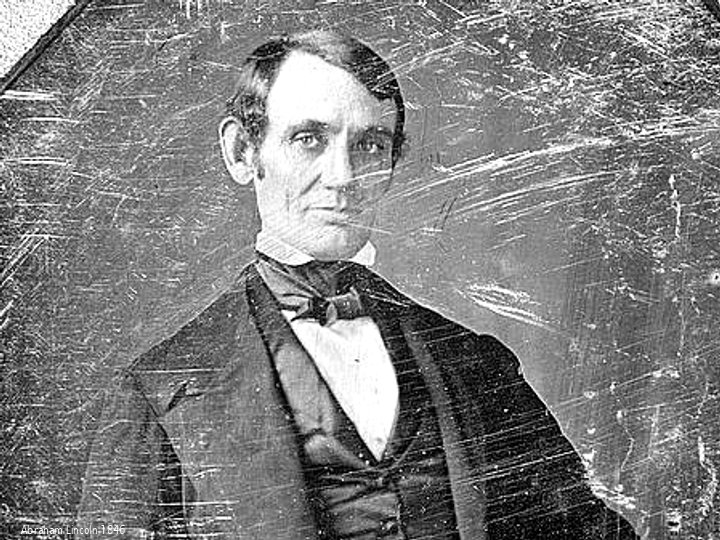
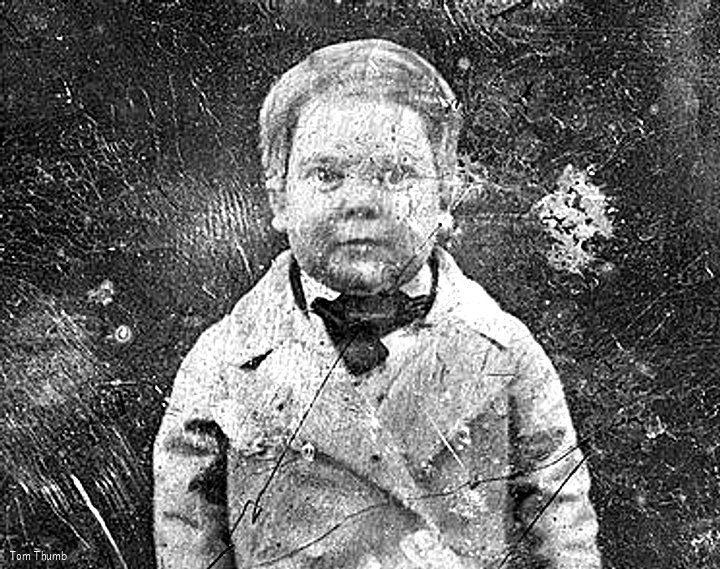
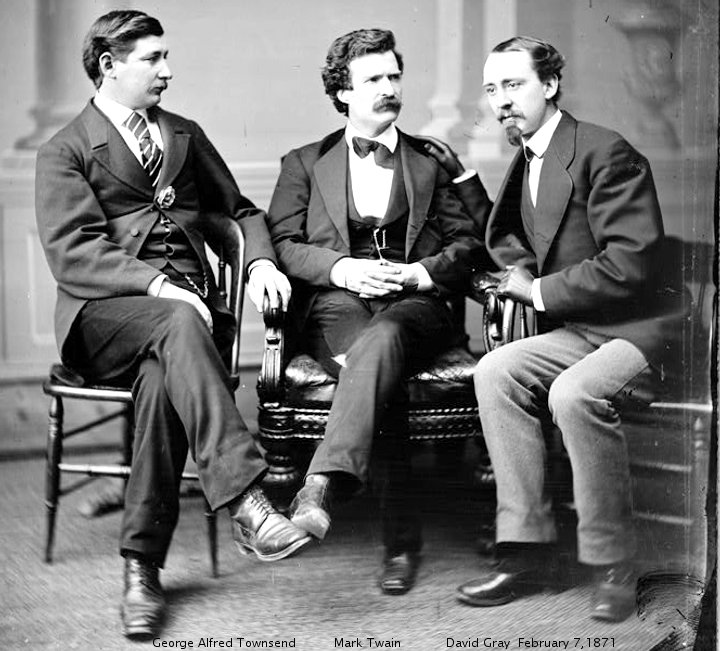
Memorial Day
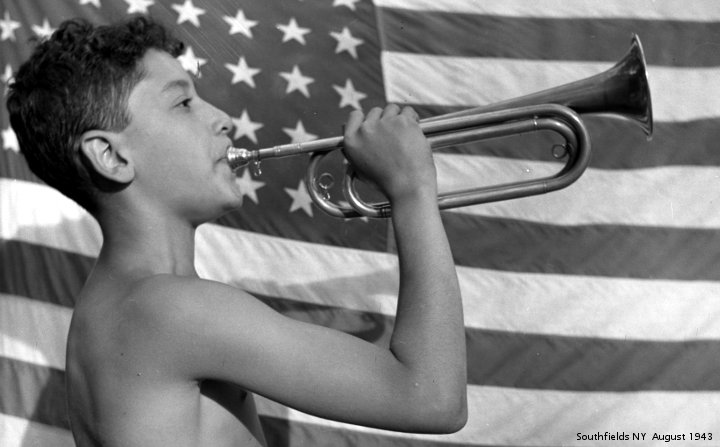
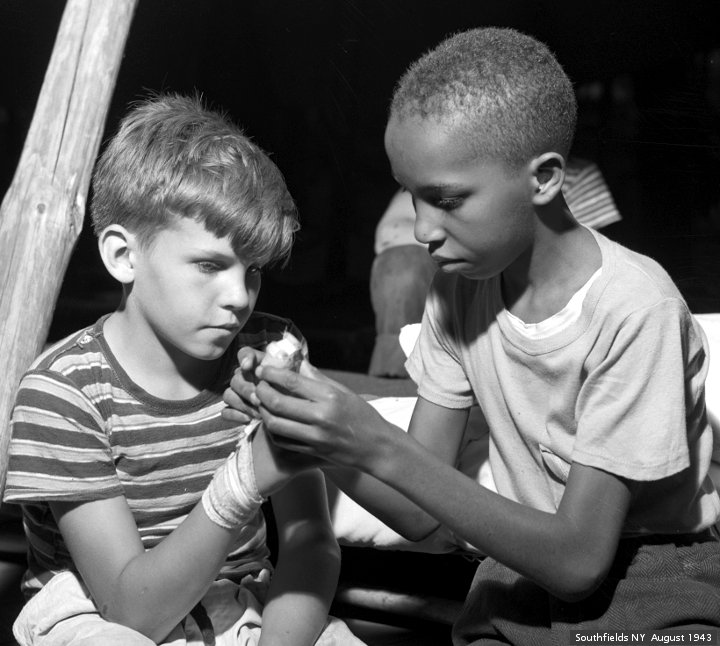


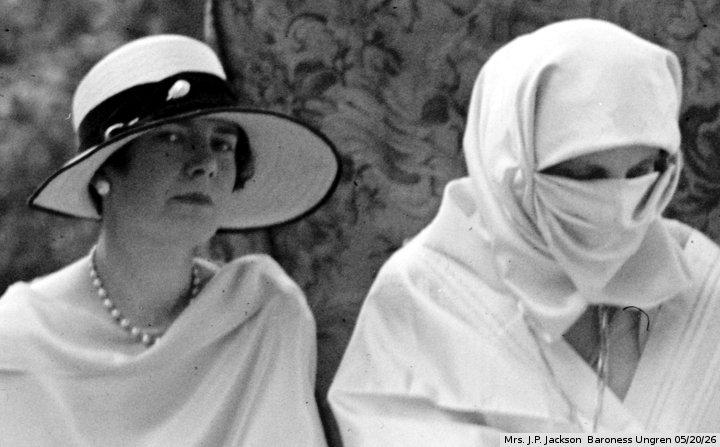


Memorial Day started as Decoration Day. During the War Between the States, people started to go out to graveyards, and put flowers on the soldiers. It is tough to say whether the custom started in the south. or the north. Waterloo NY is considered the official birthplace of Memorial Day. This is not what Abba was singing about.
WBTS was by far the most costly war in American history. There were more casualties in WBTS than in World Wars I, II, Korea, and Vietnam combined. Americans were not used to this carnage on this scale. Decoration Day was one of the results.
It was also, literally, a divisive war. The causes of the conflict are debated to this day. More men died of disease than in combat. Shitting yourself to death is not glory.
An important cause of the war was the desire, of some, to maintain their investment in slaves. In other words, the hundreds of thousands of Southern deaths were to insure that African Americans cannot be free. The lofty rhetoric of Memorial Day does not always reflect the squalid reality.
The legend is that May 30 was chosen because it was not the anniversary of any major battles. For many years after WBTS, the southern states had a separate day of remembrance. Confederate Memorial Day is still observed, though not on as large a scale as before.
The next major killing session for the United States was World War I. After this conflict, May 30 evolved into a day to remember all soldiers who died. The south began to embrace the unified holiday.
The United States lost at least 116,516 men in World War I. Almost all of these casualties were in 1918, the last year of the war. The other countries lost far more men. Not one person in a thousand can tell you today why World War I was fought. All it did was provide the causes of World War II, which was even more costly.

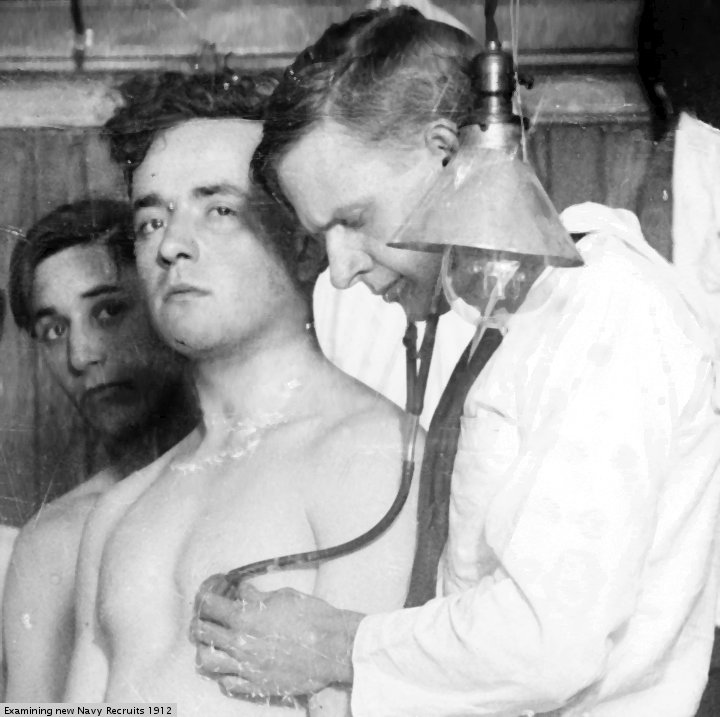
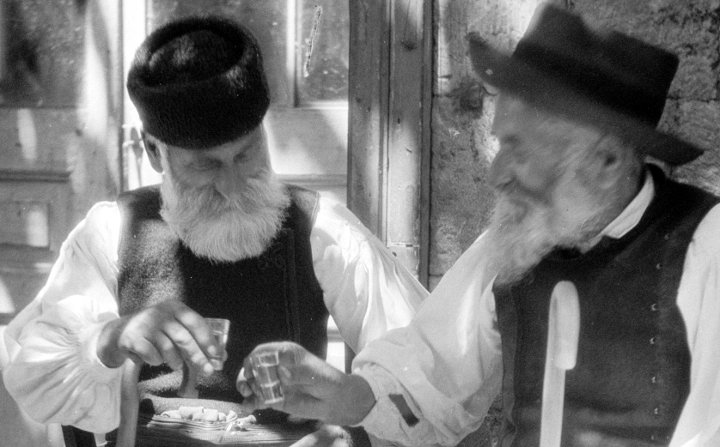
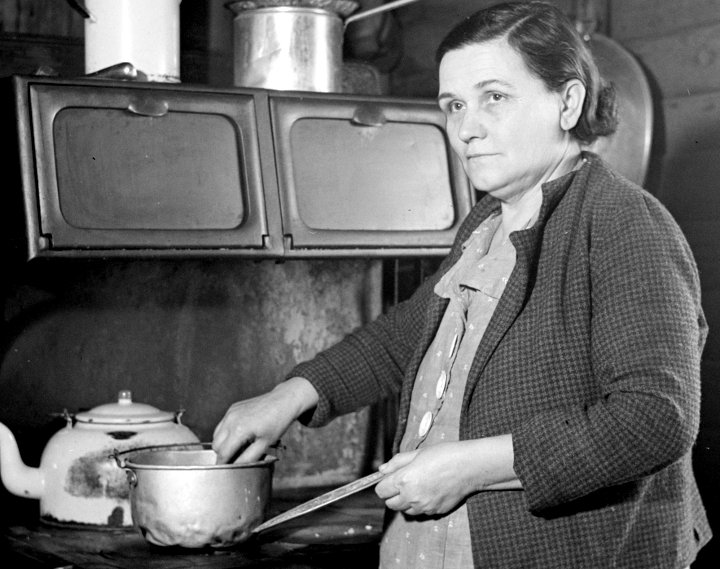
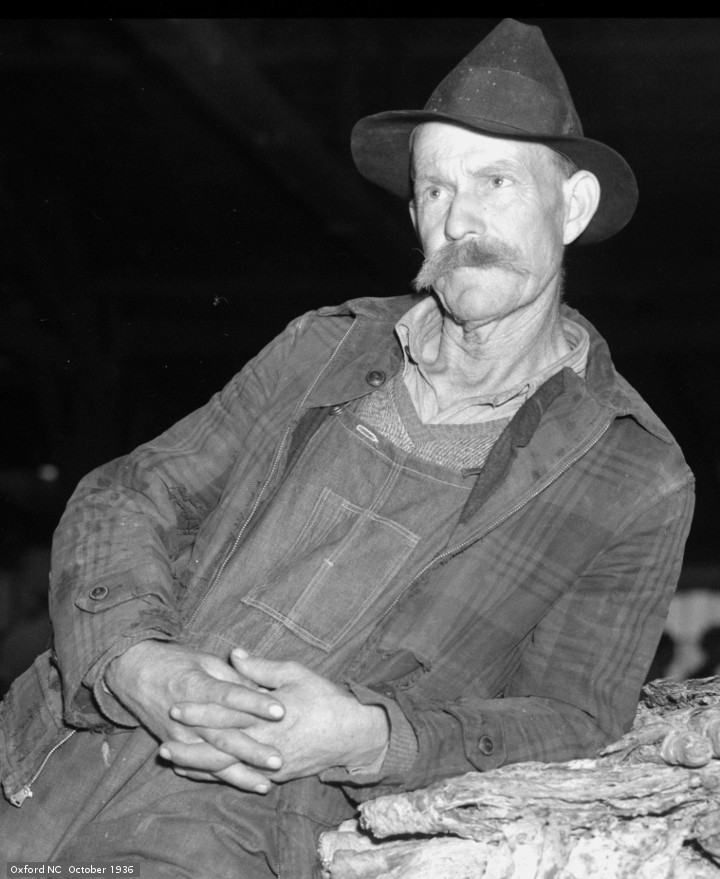
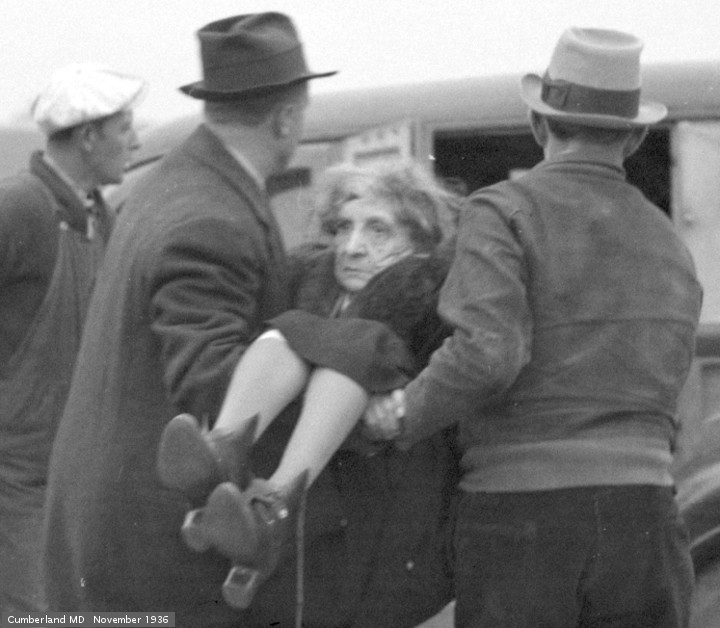


There is a bit of polemic on the internet now, The revolutionary origins of Memorial Day and its political hijacking. It tells the story of an incident in Charleston SC, where newly freed slaves buried some Union soldiers who died in a prison camp. The incident is described as the first Decoration Day, which later evolved into Memorial Day. As the article tells it, this Holiday was intended as a revolutionary statement about Black freedom, and was whitewashed into an all caucasian affair. This is not a good summary of the article, but should do for now. You can read it for yourself.
PG read the article, and started to get a headache. While researching a Memorial Day. post, he came across the Charleston incident. Apparently, it did happen. There were also numerous other remembrances of the fallen soldiers. The War Between the States was an incredibly bloody affair, with many families losing someone. The urge to remember these fallen soldiers was overwhelming. The custom of Decoration Day would probably have happened with, or without, the Charleston incident. It is incorrect to say that those former slaves invented Decoration Day.
There was an exchange of messages. PG left a comment, “That article is not completely true.”
Lendon Sadler Thank you for your comment concerning the historical roots of Memorial day, but could you be so kind as to explain a bit more the inaccuracy contained in the posting.For my sake, and that of my friends, it would be greatly appreciated. Thanks. And please feel comfortable saying whatever is on your mind in my pages. Sincere regards, Lendon
Luther Mckinnon I will have to think about it some. Also, I am not sure that I have an interest in exploring this issue. I did some research about the celebration in Charleston. It apparently did take place. However, there were other people decorating graves before that. After the carnage of the War Between the States, there seemed to be a lot of activity towards remembering the dead. The slaves in Charleston definitely did not “invent” decoration day. That they had one of the earliest celebrations is notable, but they should not take sole credit. As to the rest of the article… i would have to think about it some, and to tell you the truth I don’t know if I am particularly interested. One of the pieces I read about the evolution of Memorial Day mentioned World War One, which was the next major war the US was involved in after WBTS. Here again, there was a lot of dead soldiers to remember. This was when the holiday evolved into a remembrance of soldiers from all wars. Anyway, I hope this is helpful, and maybe we can explore some of the other issues of that article.
The article in question is at a site called Liberation, “Newspaper of the Party for Socialism and Liberation at LiberationNews.org.” There is a some historic revisionism, with statements like this. “In 1877, the Northern capitalist establishment decisively turned their backs on Reconstruction, striking a deal with the old slavocracy to return the South to white supremacist rule in exchange for the South’s acceptance of capitalist expansion.” Whatever, dude. The article is no longer online.
The custom of Decoration/Memorial Day is pretty much what it says it is… to remember the fallen soldiers of our wars, especially the ones with lots of casualties. According to this source, it was World War I that facilitated the transition from Decoration Day, focused on WBTS, to a Memorial Day that honored the dead of all wars. It almost certainly was not done as a gesture of white supremacy.
The so-called lessons of history are very versatile. You can find whatever facts are convenient for your agenda, and if you don’t get what you need you can make some up. After all, there is nobody alive today that can remember 1877. We have to take the word of whoever tells the tale of a “deal with the old slavocracy.” Sometimes, these stories are more plausible than others.
Sometimes, things just don’t ring true. “The concept that the population must “remember the sacrifice” of U.S. service members, without a critical reflection on the wars themselves, did not emerge by accident. It came about in the Jim Crow period as the Northern and Southern ruling classes sought to reunite the country around apolitical mourning, which required erasing the “divisive” issues of slavery and Black citizenship.”
This is a repost. Notes about the Charleston parade are showing up on facebook. This incident almost certainly took place, and is worth noting. However, it was not the “invention” of Memorial Day. Gentlemen, start your engines. Pictures are from The Library of Congress.



Wired




Wired: The Short Life and Fast Times of John Belushi was at the Chamblee library, and PG took it home. The book begins in 1979, when John was making The Blues Brothers. People were already worried about the amount of cocaine John was doing. The white powder drama gets deeper and deeper, for 405 pages, until John dies March 5, 1982.
Wired has the feel of a endurance contest. The drugs, and the bad behavior, pile up and up. Wired reminds PG of Ladies and gentlemen – Lenny Bruce!! The first chapter of that book is a 60 page look at one junkie day. The geezing gets so tiresome that the climactic OD comes as a relief.
Bob Woodward is the copyright holder of Wired. He is better known for political writing, most notably about Watergate. Mr. Woodward is frequently criticized. The one comment that keeps coming up is by Joan Didion. In a paywall hidden New York Review of Books essay, she says that “measurable cerebral activity is virtually absent” from Woodward’s books.
Wired is reasonably easy to read, in spite of the squareness of Mr. Woodward. He feels obligated to explain things. The Police were “an English new wave music group.” The book feels like it is written for people who think drug use is simultaneously terrible, and fascinating.
This attitude is seen in a Washington Post story about the book. “The strongest criticism of the book by those who knew Belushi–who played the chief fraternity prankster in “Animal House” and who was often featured as a huge, overstuffed bee on NBC’s “Saturday Night Live”–was that Woodward concentrated on the dark side of Belushi’s life, providing exacting details of the drugs, alcohol and tantrums that characterized his final days in Hollywood.” If you read the book, you will know that Mr. Belushi hated the bee character.
One of the strongest critics of the book was Judy Jacklin Belushi, John’s widow. WaPo had an amazing quote. “The 33-year-old Belushi, who said she cooperated with Woodward for the book published by Simon & Schuster because he was not part of the world of drugs and booze that Belushi thrived on, said that she now believes she made a mistake by allowing someone outside the drug culture to write the book. “He doesn’t tell the story that drugs can be fun,” she said. “John and I both were drug users, and for a while it was fun….”
It is interesting to read Wired in 2019. After Mr. Belushi died, the federal government drug policy evolved. On the one hand, anti drug propaganda ramped up, with drug testing and increased enforcement efforts. On the other hand, the Reagan government was using drug runners to take weapons to terrorists in Central America. The planes were not empty when they came back to America. The story of drugs in America is bizarre.
Books are a way to pass the time, while you are waiting for other things to happen. You might could say the same thing about drugs. Or you could just put both aside, and do something else. Pictures today are from The Library of Congress.





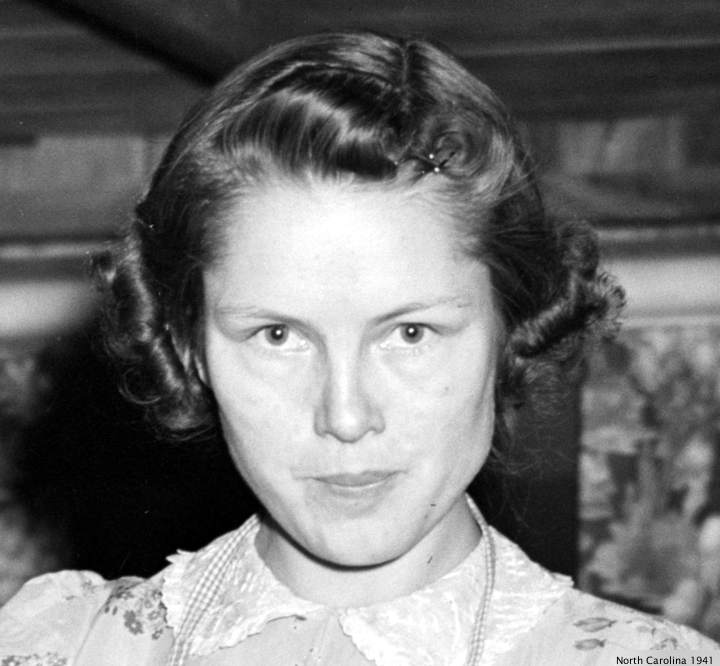
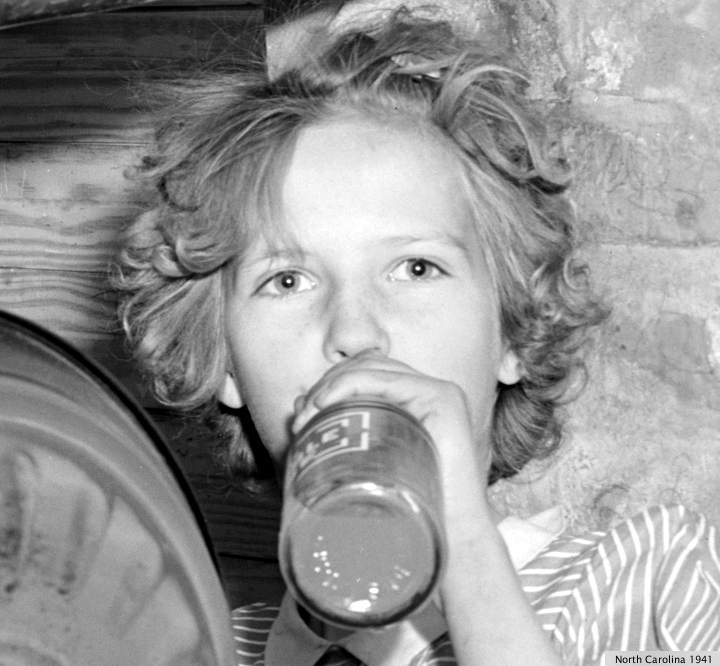
NFL Kneelers

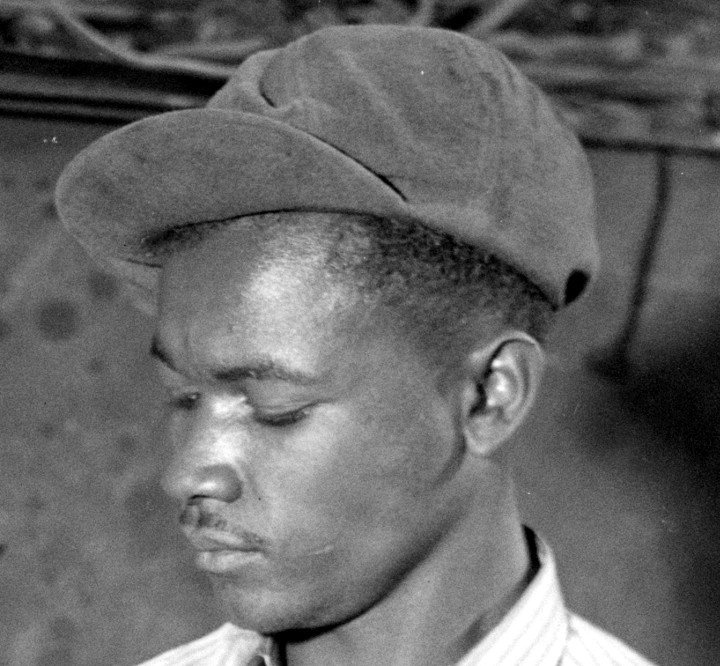

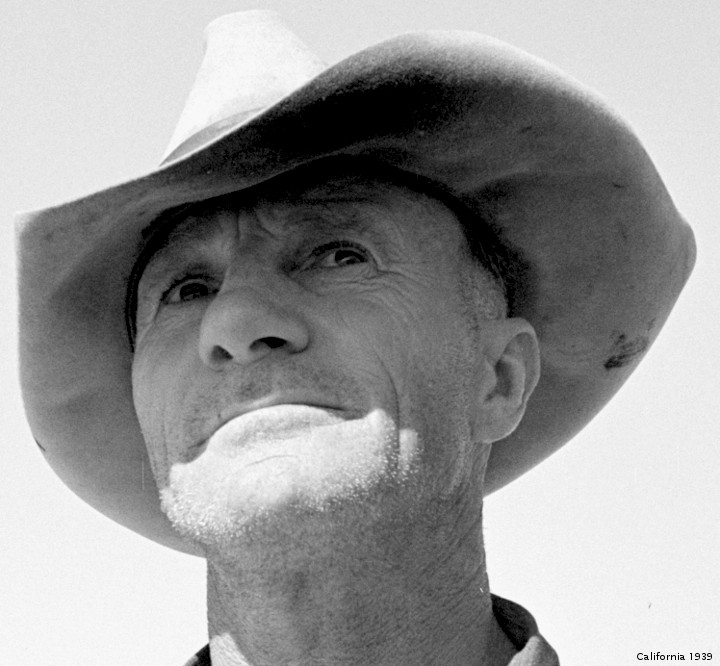

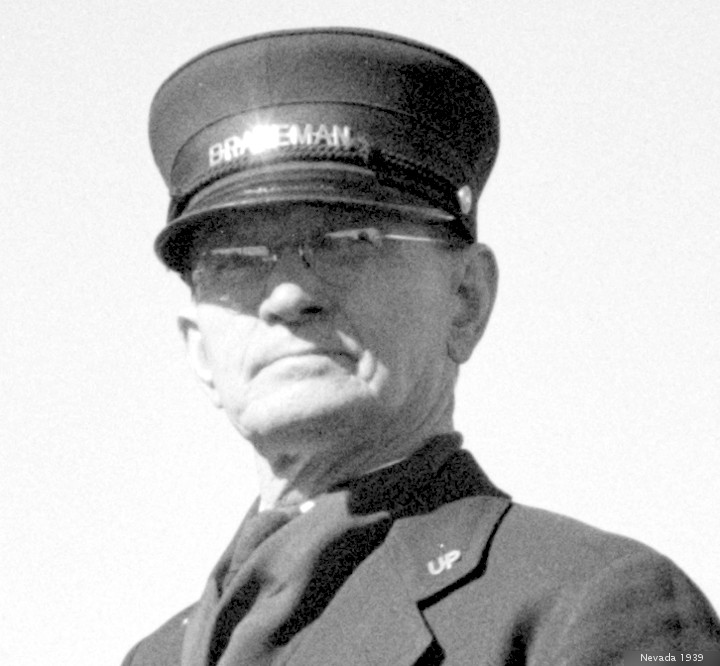
The football players who won’t stand for the national anthem is the story that won’t go away. Few people have said exactly how this is going to prevent police from killing people. This slack blogger has said little about Kaepernickgate, but has had a thirty part series, Killed By Police. This series, like most factual reporting on police killings, is mostly ignored by the same people who are hysterical about NFL kneelers. It is a strange country we live in.
A theme in the modern meme mania is the notion that the protest is about police brutality, and not about the flag. Or something like that. While the original intent of the kneelers is to protest police killings, the result is to disrespect a display of patriotism. It should not be a surprise that many people feel the NFL protests are an insult to the United States. To say that the protests are about racism, and not the flag, is not right. The result of this well meaning gesture is to insult millions of patriotic Americans. Facebook rubs it in by saying it is your fault.
Blackface used to be a popular form of entertainment. If you were to ask the performers, they probably would have said that this was not intended to insult anybody, but just a way of having fun. That would have been the intent. The minstrels would have to be dumb not to have known that their performances were insulting to black people. Sometimes, your intention is not all that counts. You should consider how other people feel about your entertainment.
It is not known what these protests are going to accomplish. They will probably achieve as much as shutting down a freeway. Others say that the police killings are a symptom, rather than the disease. With millions of weapons in circulation, the police know that anyone they meet might try to kill them. With all that is demanded of police, they are going to make mistakes.
UPDATE The various attorneys worked out a settlement. Money changed hands. One of the attorneys issued a statement: “… The resolution of this matter is subject to a confidentiality agreement so there will be no further comment by any party.” Facebook users are, unfortunately, not bound by this agreement. This is a repost. Pictures today are fromThe Library of Congress.
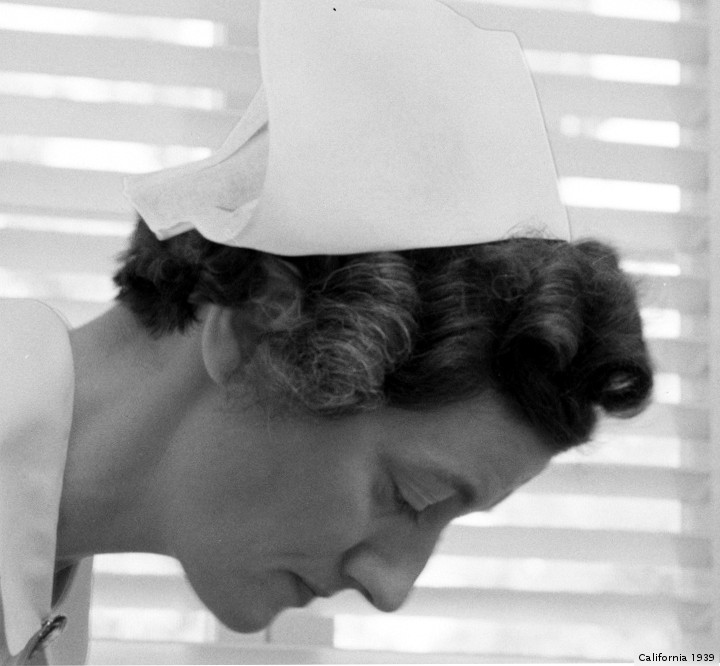


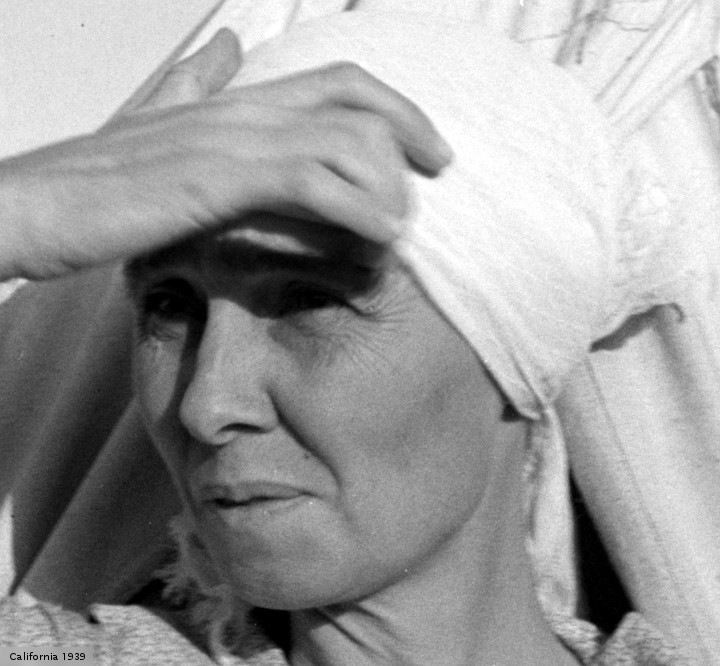


leave a comment