Never Doubt


“Never doubt that a small group of thoughtful, committed citizens can change the world; indeed, it’s the only thing that ever has.” This chestnut appeared in an email, promoting an event. I heard a podcast last year, about another Margaret Mead story. Readers of this blog know where this is going.
@anthroreviewed “Did Margaret Mead really say that thing about broken femurs and civilization that is (once again) making the rounds online? Also, are healed femurs a marker of civilization? No. And no. As explore in the second half of this episode… “ A blog post, That Margaret Mead quote, goes into more detail about both stories.
“It’s interesting the quotes that are attributed to Margaret Mead – another is “Never doubt that a small group of people can change the world – indeed, it is the only thing that ever has.” … Both are things she could have said, given her personality, but neither is fully attributed – the first instance of the story above is in Dr. Ira Byock’s 2012 book on palliative care, and the above quote only attributed to her, four years after her death, by the author of a fairly hippie-ish book on paths to world peace.”
“This quote (about the femur) has been going around Facebook since mid-March, probably encouraged by this Twitter thread, this FB post, and this article in Forbes, none of which are by archaeologists/anthropologists.”
When the bs detector started dinging, results are just a few clicks away. Highlight the suspicious quote. Right click, choose “Search Google for …,” and wait 0.51 seconds. When one of the results is a story at Quote Investigator®, you have a winner.
When people get caught peddling bogus quotes, they often say that even if the attribution is false, the words are true. What about the featured quote today? It sounds good, and is great for promoting attendance at an event. But is it the truth?
Look at the 9/11 attacks. They did change the world. While it is true that nineteen men pulled off the caper, they had a lot of help. Somebody financed the operation. Other people built the airliners, and the airports where they took off. Somebody dug an oil well, pumped the crude oil, shipped the crude oil to a refinery, and produced the explosive jet fuel that propelled the attacks. In fact, it was the profits from pumping that oil that financed the attacks. “A small group of thoughtful, committed citizens” flew a plane, that someone else built, into the World Trade Center. They were not “the only thing that ever has.” This is a repost. Pictures today are from The Library of Congress.


Whitman To Ginsberg

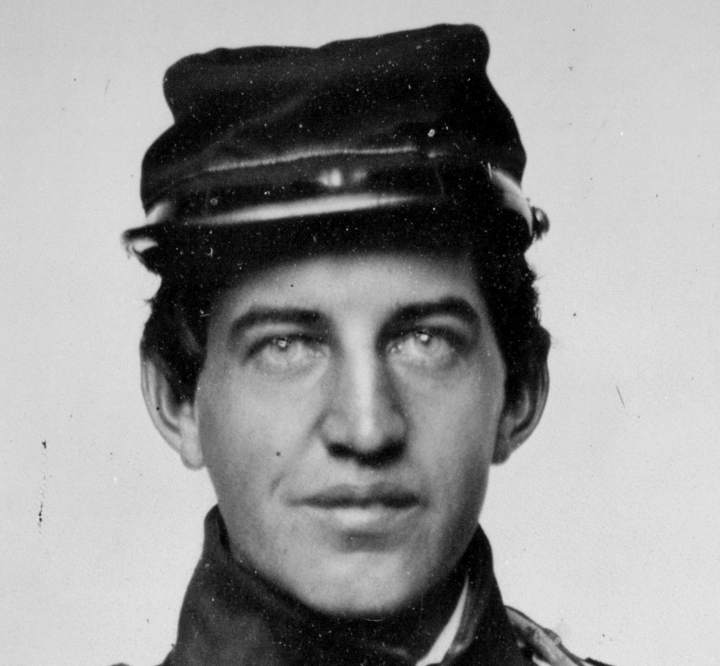
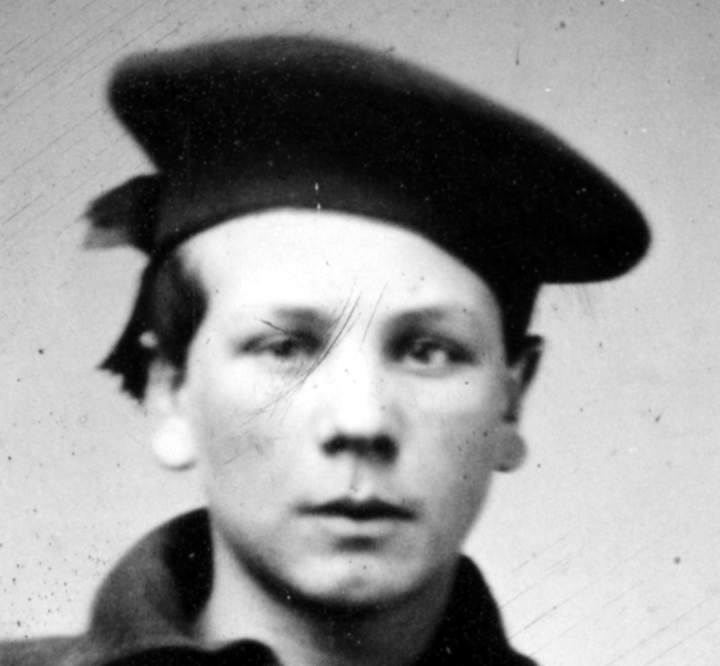
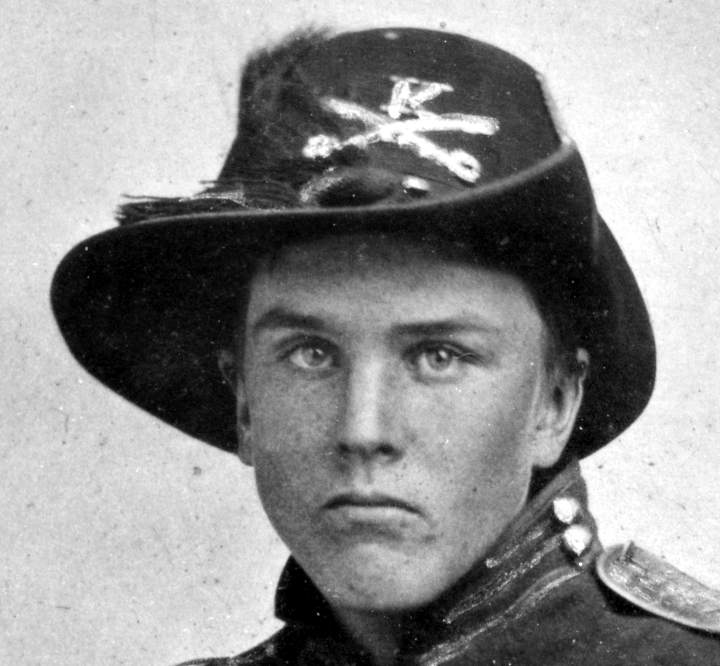

“… I’ve slept with Neal Cassady who slept with Gavin Arthur who slept with Edward Carpenter who described sleeping with Whitman to Gavin Arthur. [The “Gay Succession”]” Allen Ginsberg was fond of his place in a line of gay succession. This is a repost.
A 1974 interview makes the same point about Whitman-Carpenter-Arthur, but does not mention Cassady-Ginsberg. Could anyone be telling stories? The Carpenter-Arthur connection happened in 1924, but is described in wonderful detail by Mr. Arthur in 1967. There are few details about the Arthur-Cassady link in the chain. As a BBC interviewer said to Mr. Ginsberg in 1994 “Both Bob Dylan and Jack Kerouac, I think, described you as a “con-man extraordinaire”. What did they mean?” AG: “Oh, maybe they were projecting their own goofiness on me.”
“Edward Carpenter (1844-1929) was a writer and gay mystic and lived in England all his life. Although ordained an Anglican priest in 1869 he soon renounced religion and became a Fabian socialist. Among his works on social reform is Towards Democracy (1883-1902), a long, un- rhymed poem revealing the influence of his friend Walt Whitman. He edited the first gay literary collection, Iolaus: An Anthology of Friendship”
Mr. Carpenter exchanged letters with Mr. Whitman. “Although Whitman was not a socialist, his writing had a profound effect on Carpenter, who made the long trip to America primarily as a pilgrimage to his literary and spiritual inspiration. He visited the poet for several weeks in 1877 and again in 1884. In 1906 he published an account of his visits to America, Days with Walt Whitman, writing a respectful, even somewhat glorified, portrait of his idol.”
“It was not until the 1966 publication of a memoir by Gavin Arthur entitled The Circle Of Sex that the intimate details of Carpenter’s visits were revealed. Arthur slept in bed with Carpenter … leaving us with our only description of Whitman’s sexual behavior, an area otherwise shrouded in mystery and controversy.” In later years, we learned that Mr. Whitman possibly spent a happy afternoon with Oscar Wilde. Mr. Whitman was also fond of cruising the Brooklyn Waterfront.
Gavin Arthur (born Chester Alan Arthur III; March 21, 1901 – April 28, 1972) is a key link in this chain. As often noted, he was the grandson of Chester Arthur. The elder Mr. Arthur was elected Vice President in 1880, and promoted after the death of James Garfield.
The younger Mr. Arthur was a piece of work. In the early 1920’s, Mr. Arthur dropped out of Columbia, got married, and moved to Ireland. Mr. Arthur somehow got to meet his idol, Edward Carpenter. At the time of this meeting, Mr. Arthur was 23, and Mr. Carpenter was 80.
THE GAY SUCCESSION “… is a document given me by Gavin Arthur in 1967.” The story goes into extravagant detail about the meeting between Mr. Arthur and Mr. Carpenter. One wonders how the elderly Mr. Arthur remembers all this 43 years later.
EC – “No, Walt was ambigenic,” he said. “His contact with women was far less than his contact with men. But he did engender several children and his greatest female contact was that Creole in New Orleans. I don’t think he ever loved any of them as much as he loved Peter Doyle.”
GA – “I suppose you slept with him?” I blurted out half scared to ask.”
EC – “Oh yes–once in a while–he regarded it as the best way to get together with another man. He thought that people should ‘know’ each other on the physical and emotional plane as well as the mental. … the best part of comrade love was that there was no limit to the number of comrades”
GA – “How did he make love?” I forced myself to ask.”
EC – “I will show you,” he smiled. “Let us go to bed.”
Mr. Arthur spares few details in what happens next.
Chester III renamed himself Gavin. After losing the financial support of his family, Mr. Arthur moved to San Francisco. For a while, he sold newspapers on the street. “And he delved deep into both astrology and sexology. Gavin took his star charts very seriously: When one self-administered reading told him he was heading to prison soon, he immediately drove to San Quentin and took a job as a teacher, the better to prevent going in as an inmate.”
“By the 1960s, Gavin Arthur had become a well-known and respected astrologer. In 1966, some Bay Area activists, cultural and political, began to plan a transformative event. They wanted to unite the cultural radicals of the Haight, and the political radicals of Berkeley. Those plans led to the Human Be-In. In order to have maximum astrological impact, its organizers asked Arthur to determine the most auspicious date. Arthur determined that January 14, 1967, would have the greatest impact.”
“I had a flashback to the time I spent with Ginsberg in Cambridge, MA, in 1982, when he told me that I was part of an erotic lineage that connected me to Whitman … a quick Google search identifies Arthur as ”a certain astrologer and San Francisco character, Gavin Arthur … gave lectures at San Quentin while Neal was a prisoner.” Another entry reports that he studied astrology with Ronald Reagan before Reagan started his political career.”
“In 1958, he (Neal Cassady) was arrested after being caught using marijuana at a San Francisco nightclub. He was sentenced for two years at San Quentin State Prison.” This was when Mr. Arthur was teaching at San Quentin. Mr. Cassady mentions him in two letters to his wife Carolyn. (For those who just got here, Neal Cassady was the model for Dean Moriarty in On The Road. Mr. Cassady also drove the bus “Further,” for the Merry Pranksters.)
August 13, 1959 from San Quentin to Carolyn Cassady “Last Saturday, “Uncle Gavin” Arthur, grandson of our twenty-first President who, Republican though he was, could hardly have been more conservative than is Gain underneath all his Occult Astrology, failed to show (again, for the third time in six weeks) to teach our class in Comparative Religion and Philosophy, about three dozen regularly in attendance, on account of a death in his group at the Global House, which he bought by selling papers on Market Street for ten years; so again it was my pleasurable duty to instruct the boys in Cayce-hood [Edgar Cayce]”
Septetmber 22 1959 from San Quentin to Carolyn Cassady “Uncle” worry-wart [Gavin Arthur] missed showing up for the class again last week and I hear, probably unfounded, rumors that it is to be discontinued, too bad if true, because it was fun to hear the old geezer expound, without at all remembering he had, on the very same things week after week. I mean his examples, and their wording were always so alike one could not only anticipate, but, with any memory at all, give in advance the exact sentence he would be about to pronounce: it was sort of a game.” Eight years later, the “old geezer” described a 1924 tryst in clinical detail.
San Quentin broke Neal Cassady. The railroad would not take him back, and Carolyn divorced him. “He, however, felt now he had utterly failed in his mission, and he knew he could never go back. He died inside; only his body survived. This he did his best to destroy. He no longer believed in suicide, but he did all he could to be killed. … He told me he swallowed handfuls of pills anyone offered, even not knowing what they were. Is this not an obvious death-wish? He admitted it was.”
During this down and out time of his life, Neal Cassady apparently connected with Gavin Arthur. In a 1974 radio interview, Allen Ginsberg recalls “That was already the ’60’s, but there was that atmosphere back in San Francisco, around Gavin Arthur, particularly. Arthur was a great friend of Neal Cassady, slept with him all the time, or whenever Neal had nowhere to go he’d wind up in Gavin’s house, sort of falling asleep, exhausted, in his bed.”
The Neal Cassady to Allen Ginsberg connection is well documented.
“A second, serendipitous event further spurred (Joey) Cain’s interest in researching Gavin Arthur. Cain found a used copy of Carpenter’s “Towards Democracy” in a used bookstore for $3.00. It had a lot of writing in it. Cain noticed the following lament among the notes in the book, “This is one of my Bibles, please return. This volume is the third I have had to buy, people being so dishonest about books.” Then he looked below and saw Gavin Arthur’s signature and address. The writing belonged to Arthur. The book in his hand had once belonged to Gavin Arthur. He went up to the cashier who said, “It’s a shame about all this writing in it.” Cain replied, “Let me pay for it first, and then I’ll tell you about this writing.” Pictures today are from The Library of Congress.
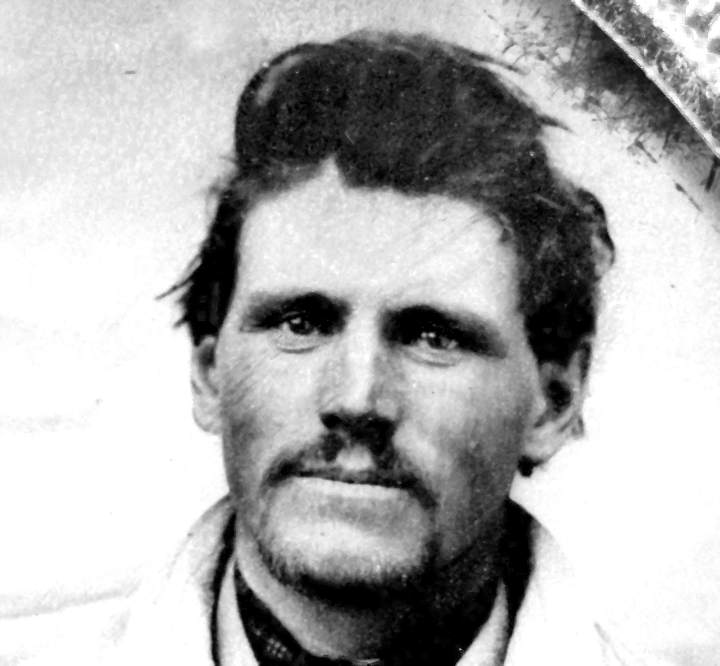
Walt Whitman And The War
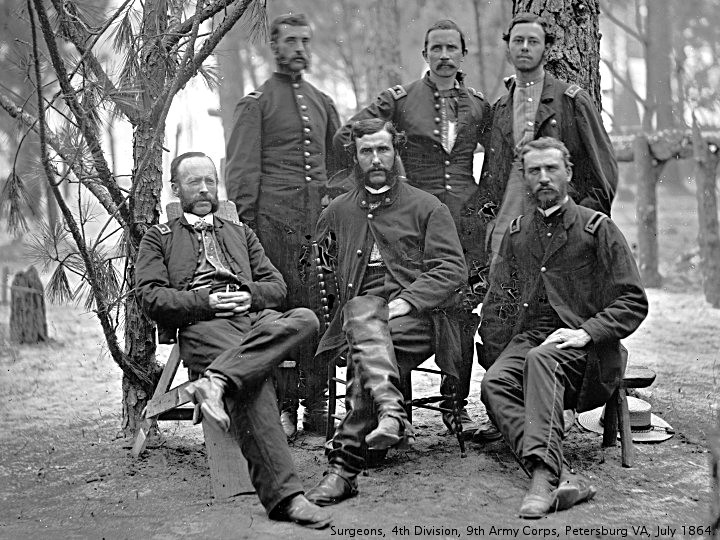

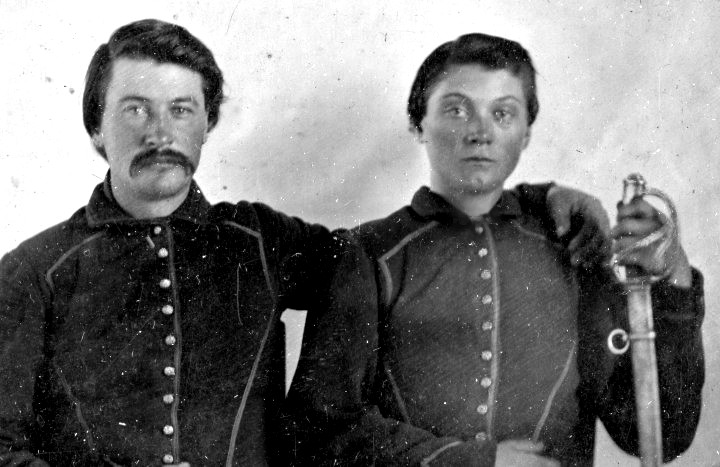


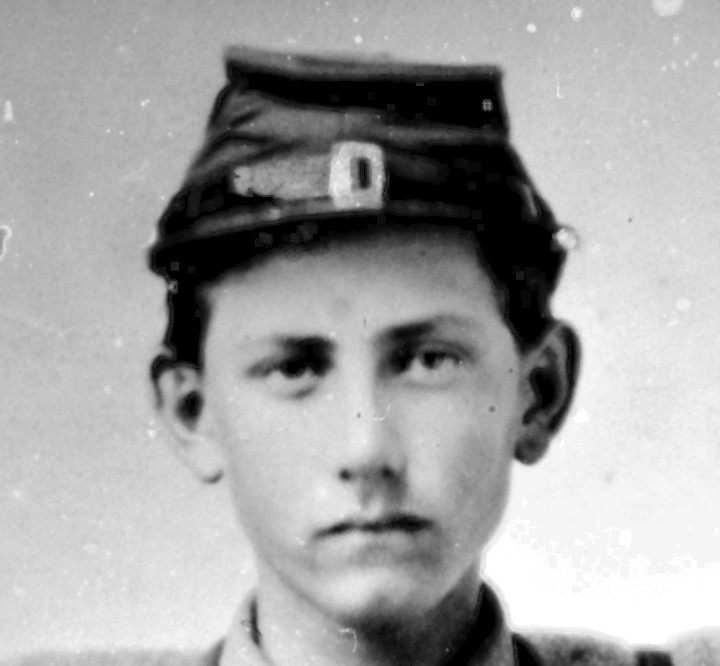
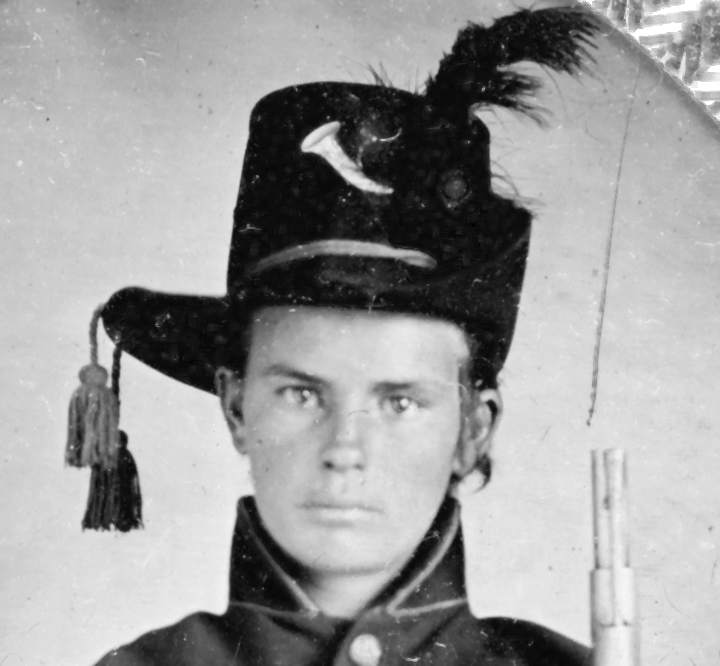
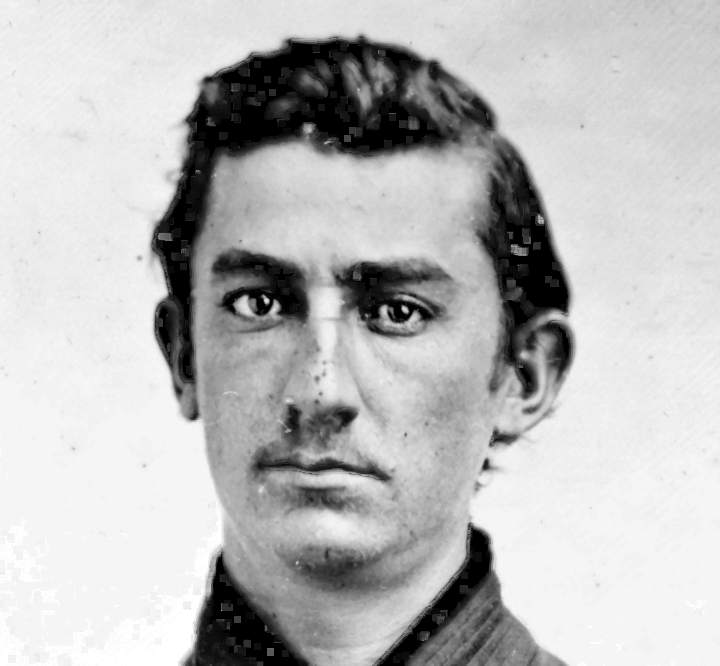
Every night for a thousand years is a story about Walt Whitman’s time as a caregiver during the War Between the States. It appears this month on The New Yorker fiction podcast. ENFATY was written in the voice of Mr. Whitman by Chris Adrian, and read for the podcast by @NathanEnglander.
After looking for his wounded brother, Mr. Whitman was struck by the plight of wounded soldiers. He started to visit the soldiers, giving them candy and food, writing letters for them, and giving what comfort he could. ENFATY focuses on one soldier, Hank Smith. Doctors wanted to amputate his leg. Hank had a pistol, and would not let them. By the time Hank was tricked into allowing an amputation, it was too late.
Not everyone approved of Mr. Whitman. “One disapproving commissioner, Harriet Hawley, complained to her husband: “Here comes that odious Walt Whitman to talk evil and unbelief to my boys. I think I would rather see the evil one himself—at least if he had horns and hooves.”
Others saw things differently. “Union Colonel Richard Hinton met Whitman at Armory Square Hospital while recovering from a bullet wound suffered at Antietam … “When this old heathen came and gave me a pipe and tobacco, it was about the most joyous moment of my life. Walt Whitman’s funny stories, and his pipes and tobacco were worth more than all the preachers and tracts in Christendom. A wounded soldier don’t like to be reminded of his God more than twenty times a day. Walt Whitman didn’t bring any tracts or bibles; he didn’t ask if you loved the Lord, and didn’t seem to care whether you did nor not.”
Conditions conditions in the hospitals were beyond horrible. This was an era when many people said “I do not need to wash my hands every day!” One nurse asked Mr. Whitman if he had a Bible. She wanted to cheer up, by reading the Book of Job.
“These hospitals, ranging in size from converted private mansions to filthy, mud-encrusted tents in contraband camps, were places to be feared by any thinking person. The great European medical advances in bacteriology and antisepsis were still tragically a few years in the future … the overworked and understaffed physicians continued to ascribe the soldiers’ ills to such fantastical causes as “malarial miasms, mephitic effluvia, … sewer emanations, and poisonous fungi in the atmosphere.” …
The predictable result of such hurried and horrific operations was postoperative infection. Pyemia, septicemia, erysipelas, osteomyelitis, tetanus, and gangrene were grouped together as “surgical fevers.” Pyemia, literally “pus in the blood,” was the most dreaded of all, with a mortality rate of 97.4 percent, but the other surgical fevers also claimed their deadly share of victims. Not without reason did Civil War soldiers fear doctors much more intensely than they feared the enemy. They had a greater chance of dying in the hospital than in the field.
“That whole damned war business is about 999 parts diarrhea to one part glory.” The quote is on page 187 of Intimate with Walt – Selections from Whitman’s Conversations with Horace Traubel, 1882-1892. Pictures today are from The Library of Congress
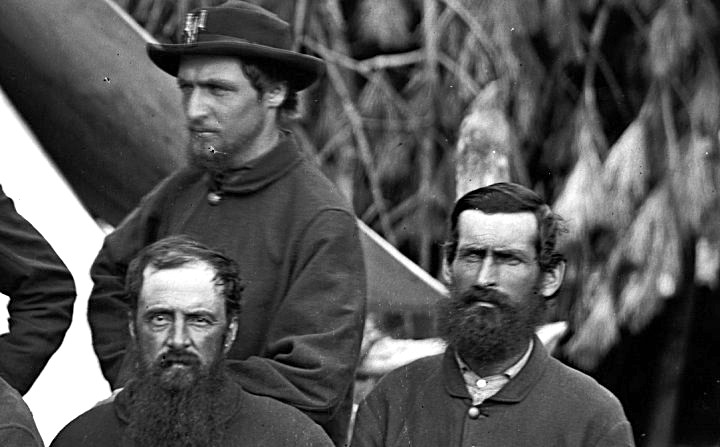


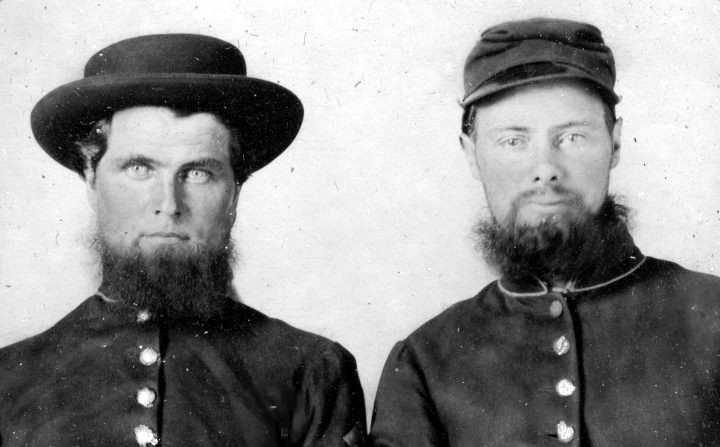
July 3, 1981


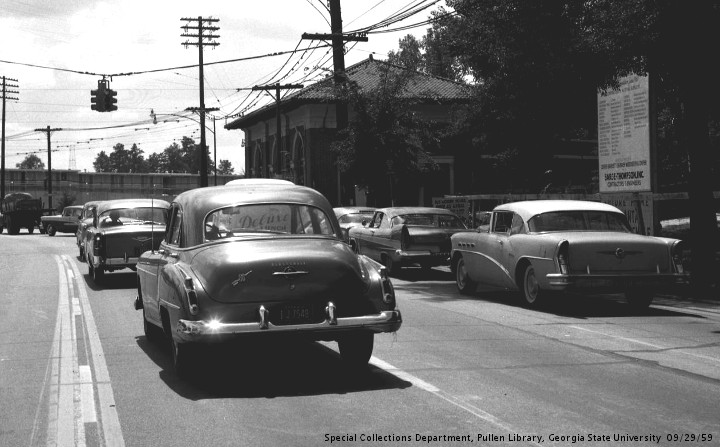



July 3, 1981, was another day before a holiday. The new President, Ronald Reagan, was recovering from gunshot wounds. There was talk of an era of conservatism, with possibly severe repression.
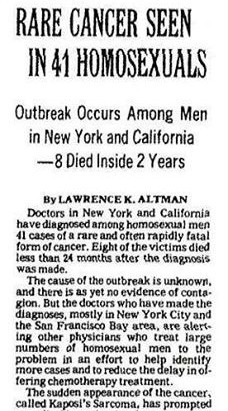
There was an article in the New York Times. RARE CANCER SEEN IN 41 HOMOSEXUALS. “Doctors in New York and California have diagnosed among homosexual men 41 cases of a rare and often rapidly fatal form of cancer. Eight of the victims died less than 24 months after the diagnosis…”
This was the media debut of AIDS. It would not have that name for a while. Almost nobody thought, on that summer day, just how bad AIDS would be. In five years it was obvious how serious AIDS was.
 I was on another trip to the west coast. It was becoming obvious that this would be a vacation, rather than a relocation. He was riding a bicycle, with a milk carton overloaded with camping gear. Some kids told him to get saddle bags, and carry the weight lower. If you have the weight on top, you would lose control coming down a big hill. I did not listen to the kids.
On July 4, I left Patrick’s Point state park, about 300 miles north of San Francisco. Coming down the first hill on highway 101, the bike shook, shook harder, and flipped on its side. I was thrown off. The front wheel was bent beyond repair. I gathered my gear, left the bike behind, and got a ride into the nearest town.
I got a bus ticket to Seattle. That city was in an economic downturn, with less than half a page of help wanted ads. I found a auto delivery service, and got a VW bug going to Oak Ridge, TN. In a few days he was in Atlanta. A few days later, a temp agency came up with a job as a driver for a blueprint company. I worked for that company, in one form or another, for the next 24 years.
As for the gay men with Kaposi’s Sarcoma … in all probability, the patients mentioned in that article were all dead within a year. AIDS has become a dominating story in our time. At its worst, it was claiming 50,000 lives a year. With the advent of wonder drugs, the death toll has been greatly reduced. The impact of AIDS on American life cannot be adequately described. This is a repost.
Pictures today are from “The Special Collections and Archives, Georgia State University Library”. Lawrence K. Altman, M.D. had an NYT byline on Feb. 16, 2023.


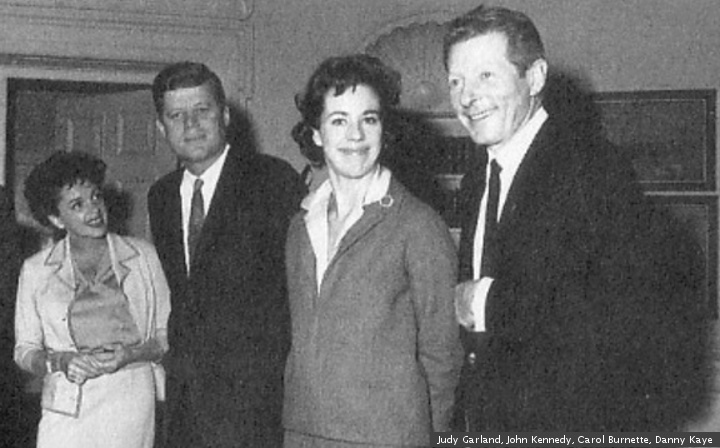
The Last Night Of Judy Garland
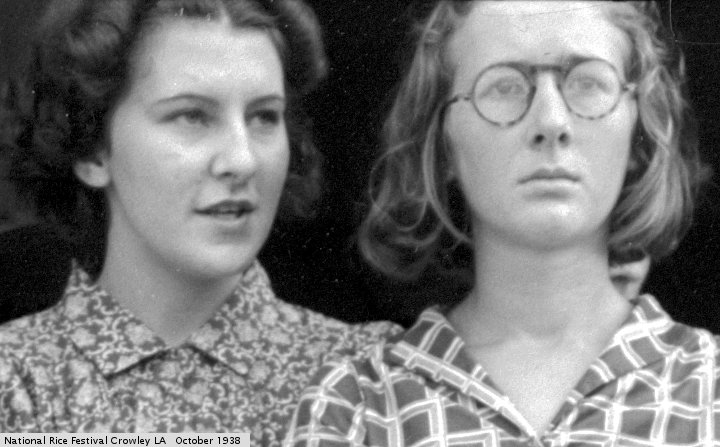


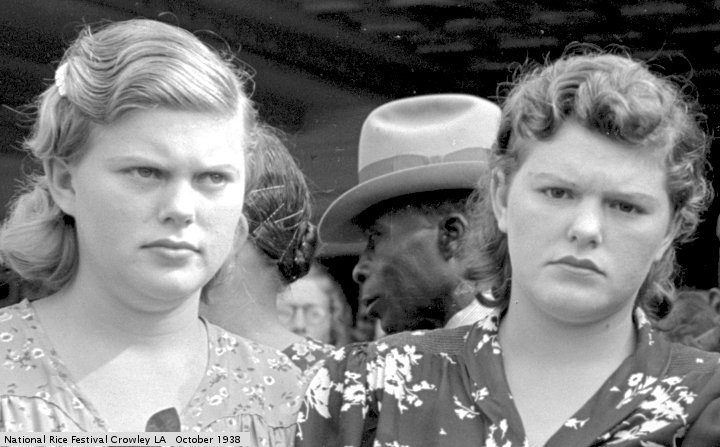

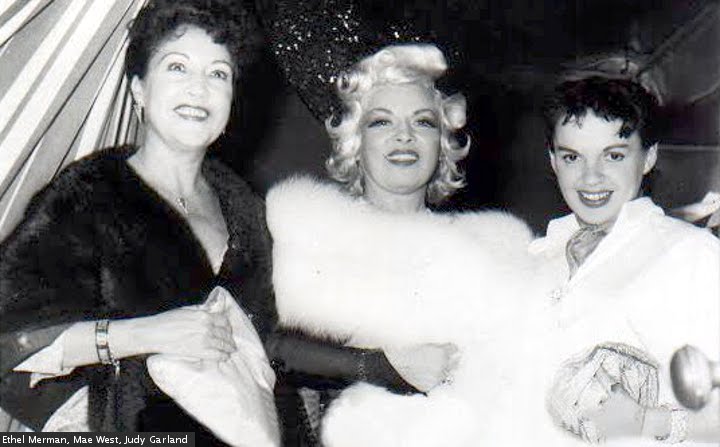
“In march of 1969, Judy married her fifth husband, Mickey Devinko, better known as Mickey Deans, a gay night-club promoter. Judy had an unfortunate habit of marrying gay men. They lived together in a tiny mews house in Chelsea, London. The evening of Saturday June 21 1969, Judy and Mickey were watching a documentary, The Royal Family, on television, when they had an argument. Judy ran out the door screaming into the street, waking the neighbors.
Several versions of what happened next exist, but the fact remains that a phone call for Judy woke him at 10:40 the next morning, and she was not sleeping in the bed. He searched for her, only to find the bathroom door locked. After no response, he climbed outside to the bathroom window and entered to find Judy, sitting on the toilet. Rigor Mortis had set in. Judy Garland, 47, was dead.
The press was already aware of the news before the body could be removed. In an effort to prevent pictures being taken of the corpse, she was apparently draped over someone’s arm like a folded coat, covered with a blanket, and removed from the house with the photographers left none the wiser.
The day Judy died there was a tornado in Kansas…. in Saline County,KS, a rather large F3 tornado (injuring 60, but causing no deaths) did hit at 10:40 pm on June 21st, that would be 4:40 am, June 22nd, London time, the morning she died. I know the time of death has never been firmly established, but since Rigor Mortis had already set in, I think this tornado may very much be in the ballpark in terms of coinciding with time of death…. Other news articles suggest the tornado struck Salina “late at night” which could certainly also mean after midnight on June 22, or roughly 6:00 am London time…
The Toledo Blade for June 24th, also in an article located right next to a picture of Garland, in a write-up on the Salina tornado noted that “Late Saturday [June 21] and early Sunday [June 22, another batch of tornadoes struck in central Kansas.” So it seems the legend seems confirmed.”
The text for this story comes from Findadeath. You can spend hours at this site. This is a repost. Pictures are from The Library of Congress.


Donald Trump, The Son Of Christ


Donald John Trump is the son of Frederick Christ Trump Sr. The elder’s middle name is his mother’s maiden name. Elizabeth Christ Trump was born in Germany, and took over her husband’s business affairs when he died in the 1918 Spanish Flu Pandemic. Mrs. Trump later founded E. Trump & Son, the start of the Trump empire.
I learned this by googling “Christtrump.” A facebook friend posted a cover picture of CHRISTRUMP: Persecution of a Man by Christopher John Molluso. The cover shows a red necktie on the cross. The rood is lit by a shaft of sunlight, breaking through the storm clouds.
The self published book has this description: “… I suggest, in this exploration, a different Christ: by age 40, a Marine major, a fit Apollonion warrior, seen lean and sinewy in Michelangelo’s Last Judgment; at age 55, a scientist, analyst, and doctor, who never jumps to rash conclusions, hoodwinked by tendentious data sets from government labs, he’d solve all worldly woe by the application of crystalline thought; and finally, by age 70, a wizened, oracular leader, who commands all matters and the moment for the common betterment.” This person has little in common with Donald J. Trump, a detail that does not deter the pearl-clutching/eye-rolling public.
The book jacket has more information about the author. “Chris is a retired licensed psychologist and former government sex offender recidivism prevention specialist. He was a staunch libertarian and Ralph Nader supporter, to boot, until he felt a calling to help rescue this once free nation from seeming wicked onslaught and higher calling still to be closer to the redeemer, savior, and warrior Jesus Christ. Who knows where and when calling strikes? Maybe this book will inspire you to your calling.” Pictures today are from The Library of Congress


Luther C Mckinnon
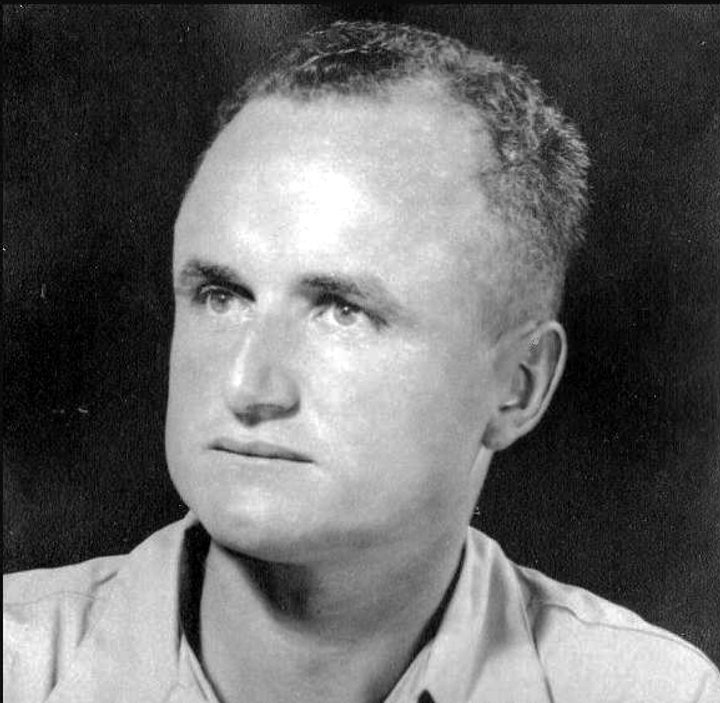

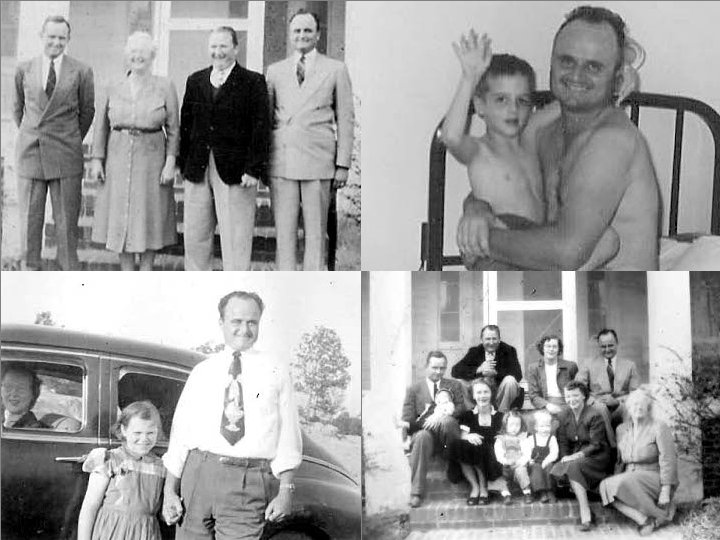
Luther Campbell McKinnon Sr. was born February 22, 1916, on a farm in Rowland, North Carolina. Europe was stuck in a war that would change the world, and not until The United States got involved. This didn’t happen for another year.
Luke was the youngest of four children. After life as a farm boy, he went to Wake Forest University, and then came back when his Daddy died. He ran a family dairy for a few years, and went to live in New Jersey. He lived near a prison, and saw the lights dim when the electric chair was used.
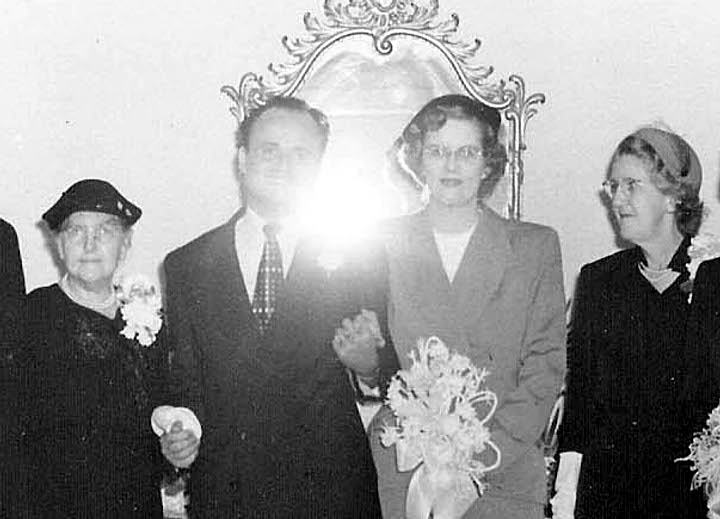
In the early fifties, he came to Atlanta to live. This was where his sister Sarah stayed, with her husband and two daughters. One day he went into the C&S bank on 10th street, and took notice of one of the tellers. On October 6, 1951, he married Jean Dunaway. She was with him the rest of his life.
At some point in this era he started selling shoes. He would go to warehouses, gas stations, and wherever barefoot men needed shoes. He was “The Shoe Man” .
Before long there were two boys, and he bought a house, then another. The second house is the current residence of my brother and myself, and is probably worth 15 times what he paid for it. He had the good fortune to not buy in an area that was “blockbusted,’ as many neighborhoods were.
And this was his life. He tended a garden, went to the gym, and was in the Lions Club for many years. When he met Mom, she let him know that going to church with her was part of the deal. They found a church that was good for their needs, and made many friends there. The Pastor at Briarcliff Baptist, Glen Waldrop, was his friend.
When I think of the character of this man, there is one night, which stands out. My brother was away at the time. The day before, Mom had discovered she had a detached retina, and was in the hospital awaiting surgery. Her job had arranged a “leaf tour” by train in North Georgia, and she got one of her friends at work to take me. There was some mechanical trouble on the train, and it did not get back into town until 3am Monday morning. And yet, Daddy stayed at home, did not panic, and had faith that all of us would be back soon, which we were.
Through all the struggles of his life, Dad was cheerful, laughed a lot, and was good company. He left me with a rich repertoire of country sayings, and had many stories to tell. He was surprising mellow about black people, if a bit old fashioned. (In the south when I grew up, this was highly unusual).
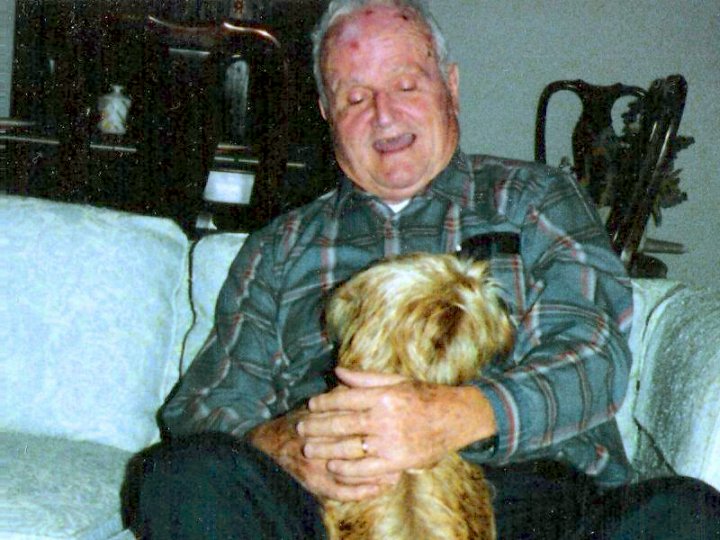
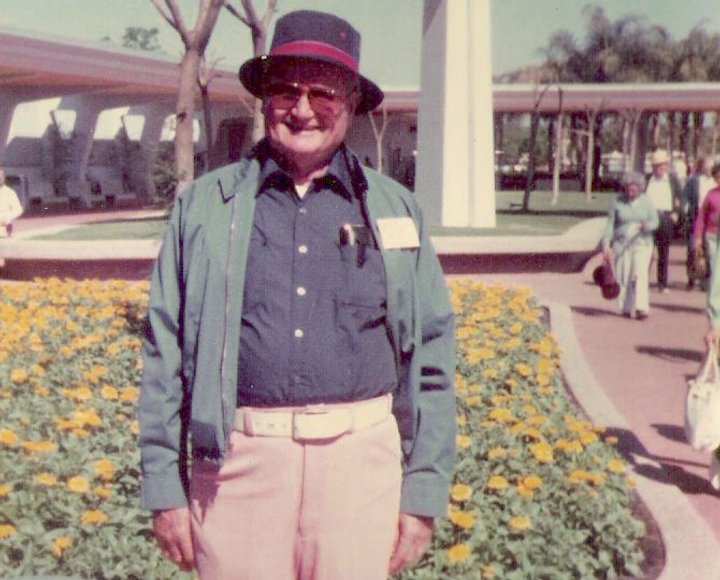
Dad was always in good, vigorous health, and I thought he would be with us for a long time. Well, that is not how things work. A cancer developed in his liver, and spread to his lungs (he did not smoke). After a mercifully brief illness, we lost him on February 7, 1992. This is a repost.


Bob Dylan Is 83

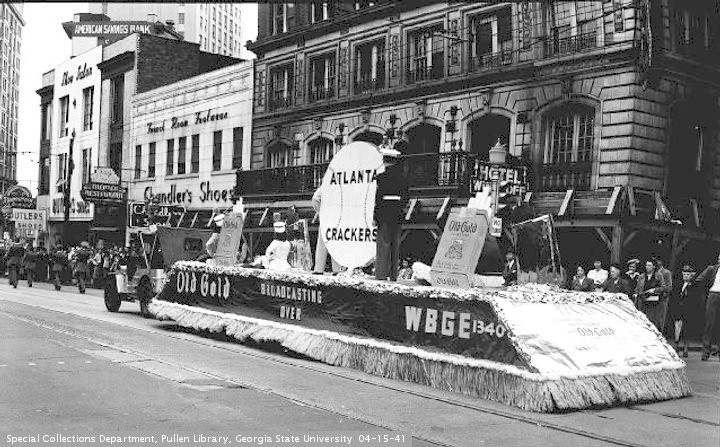

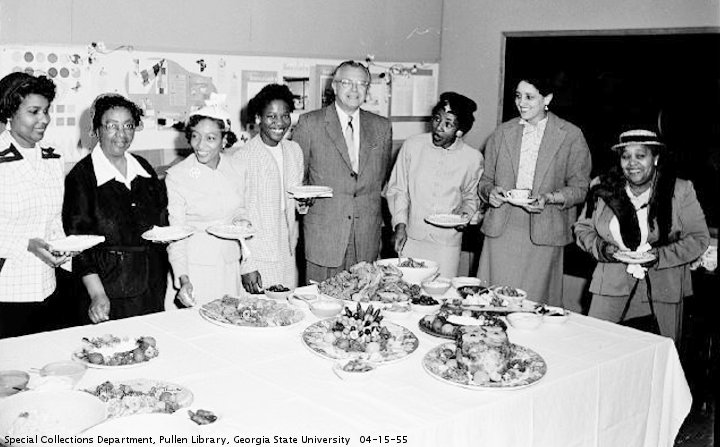


Today is Bob Dylan’s eighty third birthday. This tribute is composed primarily of two previously published pieces of work. Some people think Bob Dylan is a piece of work. Pictures are from Special Collections and Archives, Georgia State University Library
Hibbing MN is a cold place. At least it can claim to be the birthplace of Robert Allen Zimmerman. That’s Allen, with an e, and double L, just like hell. The original initials were RAZ, which might be a good trivia question, or, with a silent W in front, radio station call letters. The problem is, he legally changed his name to Bob Dylan, with no known middle name. Those initial are BD.
On May 24, 1941, the curly haired wonder boi arrived. The world was a different place. Europe was in flames, and eyeing the young men of America as fresh cannon fodder. This was twelve years, eleven months, and eighteen days before I graced the planet. A twelve year old in Hibbing MN would have no reason to think of a newborn baby in Atlanta GA.
The first time I heard of Bob Dylan was probably at the record rack of Zippy’s dime store in Cherokee Plaza. There was an album of his greatest hits, and it came with a poster. The poster had a drawing of the man, with psychedelic waves of hair cascading in multi colored glory to the edges.
As I got older and stupider, I heard more and more Bob Dylan music. At the start of 1974, a tour was announced. The Band was to be the backing group. The circus came to the Omni, and was nothing special. Bob Dylan excels at writing, is ok in the studio, and blah on stage. Georgia Governor Jimmy Carter was at the show, and was said to look bored. Mr. Dylan was invited to the Governor’s mansion after the show, and talked to the Governor. A lot of people in Georgia were surprised that Jimmy would want to run for President.
As the Seventies went me-me-me-ing into sex and drugs oblivion, Bob Dylan regained both his writing touch, and love of the spotlight. The Rolling Thunder tour happened, he got back together with Joan Baez, divorced his wife, became born again, became more Jewish, counted money, and generally lived the life. I did my version of all that, without Joan Baez.
In the winter of 1991, America was consumed by war fever. Saddam Hussein had been elevated to next Hitler status, and had to be taught a lesson. One night, Bob Dylan played on a music awards show, and performed “Masters of War”. He played a discordant version of that ditty, with the result that few understood what he had said. By this time, Mr. Dylan had assembled a band, and gone out on the “Never Ending Tour”. A Bob Dylan concert had gone from being a special event, to being another name on the festival roster. Overexposure will do that.
On the last night of the Olympics in 1996, Bob Dylan played the House of Blues downtown. I won a pair of tickets in a radio station contest. The show was competent…they impressed me as being like a bar band that did a lot of Dylan songs, with a strangely authentic lead vocalist. The only song I recognized was “All along the Watchtower”, the Jimi Hendrix classic. Mr. Dylan got a cheer when he put his harmonica appliance on.
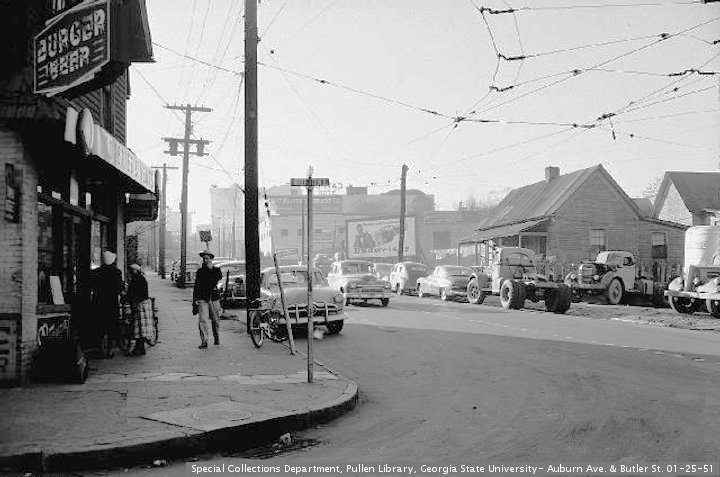
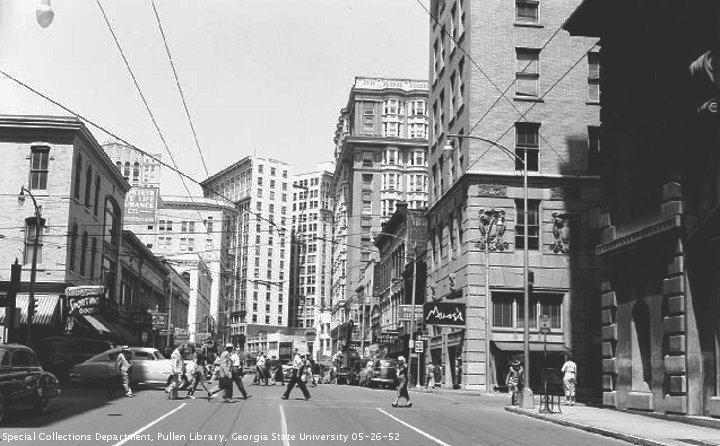

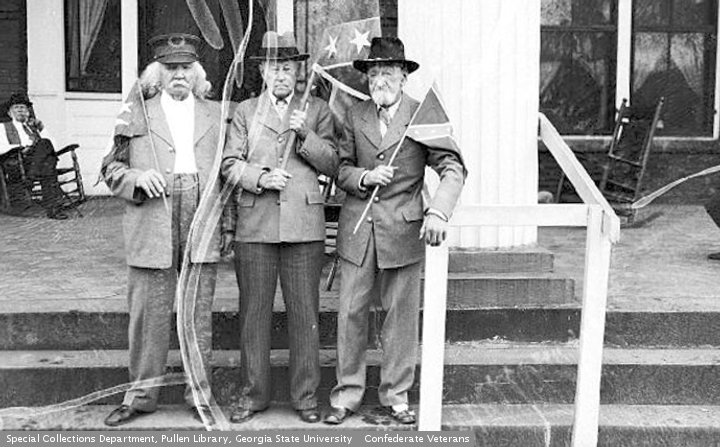


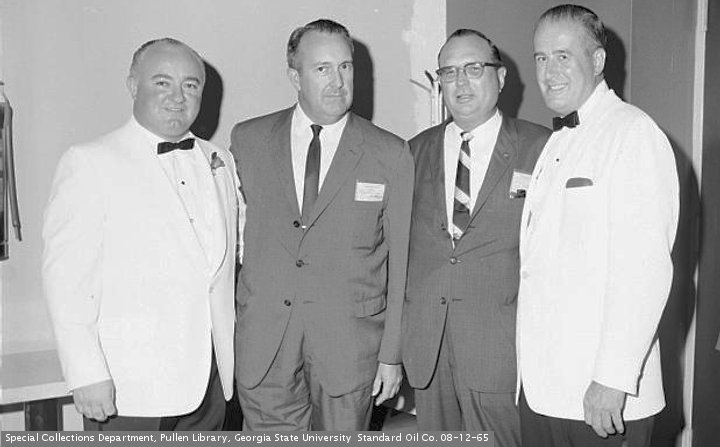


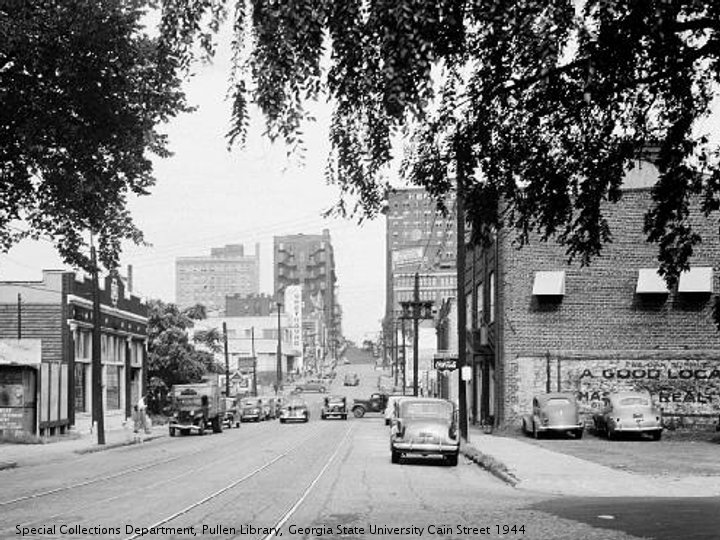
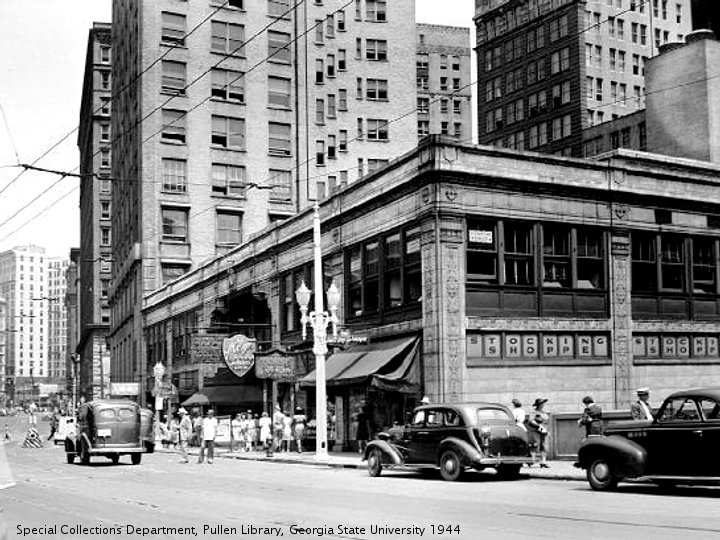


The aptly named dangerousminds has a link to a story about the recording of Blonde on Blonde. Bob Dylan was 24 years old, newly married, and had “sold out” i.e. started to play electric guitar. A bunch of Canadians known as The Hawks (later The Band) was touring with him. Barely a month after the release of “Highway 61 Revisited”, sessions started at a New York studio.
The New York sessions did not work, so a decision was made to go to Nashville. Al Kooper played organ, and served as a music director. A crew of Nashville players was recruited. A bass player named Joseph Souter, Jr. would become famous a few years later using the name Joe South. Kris Kristofferson was the janitor at the studio.
Most studios have bafflers, or sound proof room dividers, splitting the studio into cubicles. For these sessions, the bafflers were taken down, and the band played together as a unit.
The second session in Nashville started at 6pm and lasted until 530 the next morning. Mr. Dylan was working on the lyrics to “Sad eyed lady of the lowlands”, and the recording could not start until he was ready. The musicians played ping pong and waited. At 4am, the song was ready, and the record was finished in two takes.
I had marginal encounters with two of the players on this album. He met a lady once, who worked in an insurance office. One of the customers was Joe South. His driving record file was an inch thick.
Al Kooper had a prosperous career after his association with Bob Dylan. The former Alan Peter Kuperschmidt produced the first three Lynyrd Skynyrd albums, sold that contract for a nice piece of change, and lived happily ever after.
One night, Mr. Kooper was playing a show at the Great Southeast Music Hall, and PG sat in front of the stage. During a break between songs, PG asked his friend “what time is it?”. Mr. Kooper heard him on stage, and said it was 11:30.



Why The War Between The States Was Fought
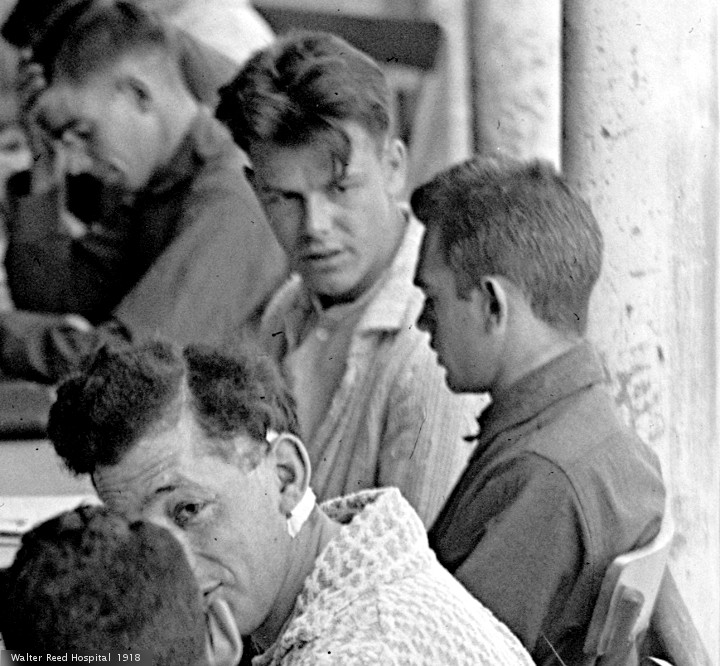

This was a repost from 2017. … Recently, Mr. Trump said something stupid about the War Between the States. After his comments began to filter into the marketplace of ideas, people began to react. There was a good bit of self righteous talk about how bad the Confederacy was. Maybe it is time for another point of view. This feature will have minimal research. Mistakes will be made. The reader is encouraged to do their own research.
When the colonies declared independence in 1776, nobody knew how things would turn out. First, Great Britain needed to be defeated. After that, the Articles of Confederation went into effect. “Under these articles, the states remained sovereign and independent, with Congress serving as the last resort on appeal of disputes. Congress was also given the authority to make treaties and alliances, maintain armed forces and coin money. However, the central government lacked the ability to levy taxes and regulate commerce…”
This arrangement was not working, and the Constitutional Convention was called. Originally, the CC was going to revise the Articles of Confederation, but wound up throwing the whole thing out, and creating the Constitution. This document called for greater federal authority. The issue of what powers to give to the states, and what powers to give to the central government, was contentious. It remains controversial to this day.
Had any group of autonomous states formed a federal union before? Usually, such a union is the result of a conquest, with one of the states ruling the others. It is unclear whether such a union had been attempted before, or how successful it was. When the “founding fathers” created the constitution, they probably did not foresee how it would play out. The current system, with a massive central government cat-herding the 50 states, would have been laughed off as a dangerous fantasy.
So the states start to have disagreements. One of the things they disagreed over was slavery. Yes, this was an important factor in the unpleasantness to come. Slavery also influenced a lot of the economic conflicts. The North wanted high tariffs to protect industry. The South wanted low tariffs, so they could sell cotton to Europe. There were many other ways for the states to not get along.
Finally, in 1861, the disagreements became too big to ignore. The south seceded, and the War Between The States began. The Confederate States of America was a looser union than the United States. The thought was that the states were more important than the federal union. Mr. Lincoln disagreed. (One popular name for the conflict was Mr. Lincoln’s war.) Many people say that Mr. Lincoln was not especially concerned about the slaves, but wanted to keep the union together.
How does slavery enter into this? Imagine the conflict over states rights vs federalism to be an open tank of gasoline. The lit match that was thrown into that tank was slavery. When the winners wrote the war history, it sounded better to say that the war was fought to free the slaves. Pictures today are from The Library of Congress.


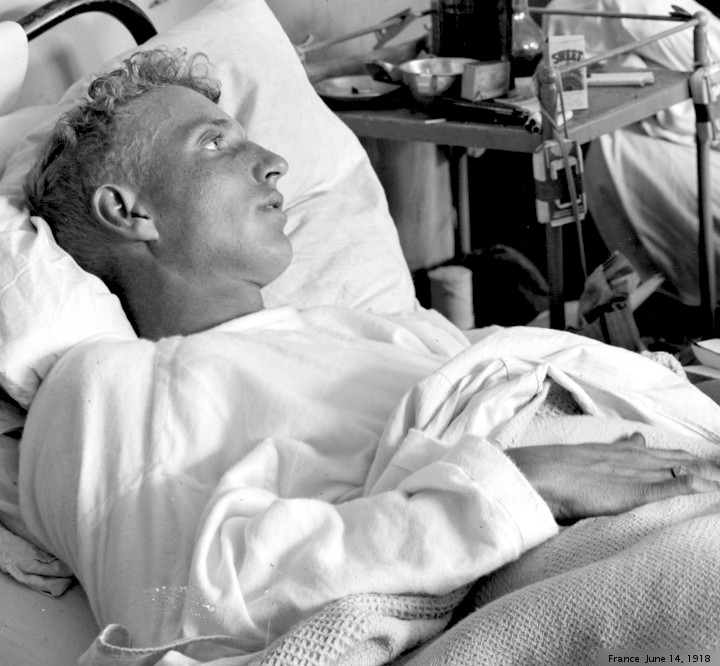

Mark Twain Double Feature

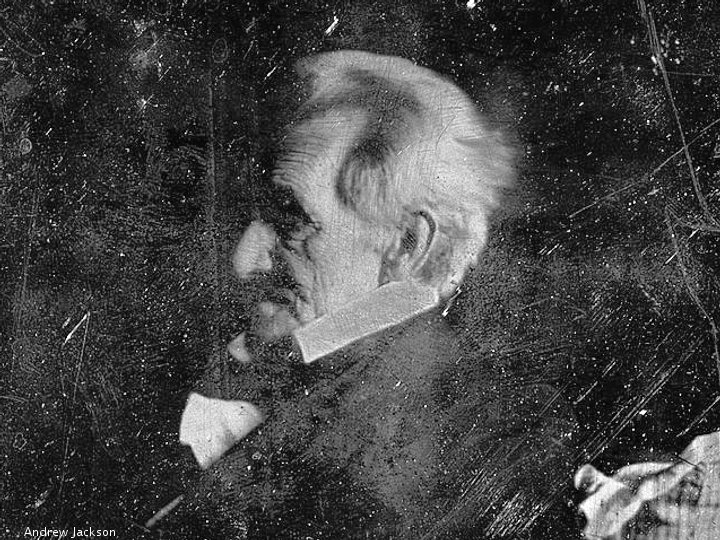

One hundred and twenty five years ago, the United States was involved in a war, that did not want to end. This conflict was in the Philippines. Although there had been an official end to the war, guerrillas continued to fight the Americans. The war was a nasty affair, with many atrocities.
The War against the Philippine people was a souvenir of the Spanish American War. There had been a rebellion against Spanish rule in the islands. After the American forces routed the Spanish, the rebellion shifted to the American occupiers. It was a war stumbled into, and difficult to end.
Mark Twain was horrified. He wrote a story, The War Prayer. As Lew Rockwell tells the tale: “Twain wrote The War Prayer during the US war on the Philippines. It was submitted for publication, but on March 22, 1905, Harper’s Bazaar rejected it as “not quite suited to a woman’s magazine.” Eight days later, Twain wrote to his friend Dan Beard, to whom he had read the story, “I don’t think the prayer will be published in my time. None but the dead are permitted to tell the truth.” Because he had an exclusive contract with Harper & Brothers, Mark Twain could not publish “The War Prayer” elsewhere and it remained unpublished until 1923.”
The story starts in a church. A war has started, and is popular. The troops leave for glory the next day. The preacher has an emotional prayer to send them on their way. Unknown to the minister, there is a visitor. “An aged stranger entered and moved with slow and noiseless step up the main aisle, his eyes fixed upon the minister, his long body clothed in a robe that reached to his feet, his head bare, his white hair descending in a frothy cataract to his shoulders, his seamy face unnaturally pale, pale even to ghastliness. With all eyes following him and wondering, he made his silent way; without pausing, he ascended to the preacher’s side and stood there, waiting.
With shut lids the preacher, unconscious of his presence, continued his moving prayer, and at last finished it with the words, uttered in fervent appeal,” Bless our arms, grant us the victory, O Lord our God, Father and Protector of our land and flag!”
The stranger motioned to the preacher to step aside. The stranger stepped into the pulpit, and claimed to have a message for the worshipers, sent directly from God. The preacher’s message was for support in time of war, and implied that God and the preacher support the same side in this conflict. There is an unspoken part to a prayer like this. This unspoken part was what the stranger was going to put into words.
“”O Lord our Father, our young patriots, idols of our hearts, go forth to battle – be Thou near them! With them, in spirit, we also go forth from the sweet peace of our beloved firesides to smite the foe.
O Lord our God, help us to tear their soldiers to bloody shreds with our shells; help us to cover their smiling fields with the pale forms of their patriot dead; help us to drown the thunder of the guns with the shrieks of their wounded, writhing in pain; help us to lay waste their humble homes with a hurricane of fire; help us to wring the hearts of their unoffending widows with unavailing grief; help us to turn them out roofless with their little children to wander unfriended the wastes of their desolated land in rags and hunger and thirst, sports of the sun flames of summer and the icy winds of winter, broken in spirit, worn with travail, imploring Thee for the refuge of the grave and denied it-
for our sakes who adore Thee, Lord, blast their hopes, blight their lives, protract their bitter pilgrimage, make heavy their steps, water their way with their tears, stain the white snow with the blood of their wounded feet!
We ask it, in the spirit of love, of Him Who is the Source of Love, and Who is ever-faithful refuge and friend of all that are sore beset and seek His aid with humble and contrite hearts. Amen.”
This is a double repost. Pictures are from The Library of Congress.
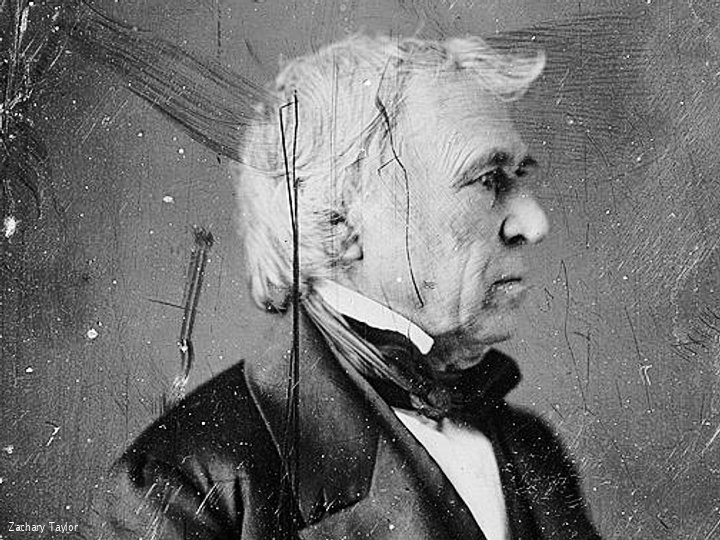

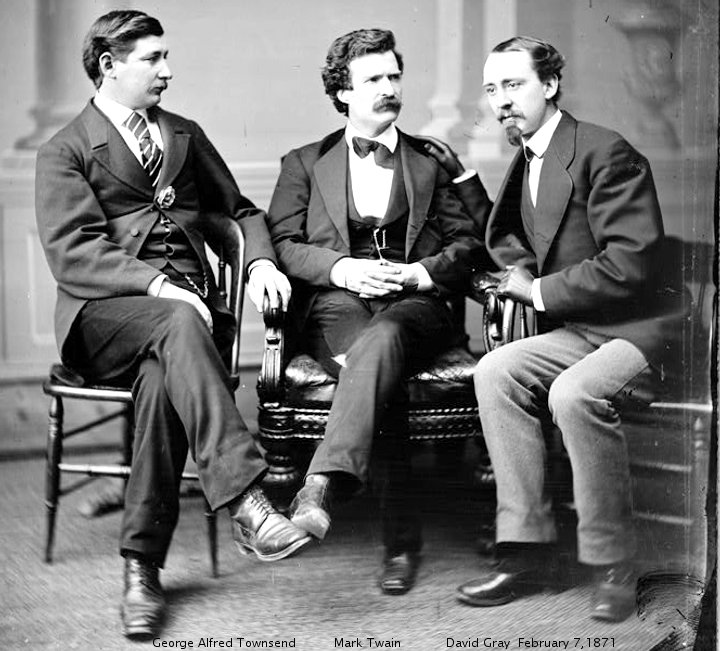
Mark Twain wrote a lot during the American Genocide in the Philippines. Many of his words could apply today. War has gotten more high tech…for our side…, but the bottom line is the same. No matter how fancy the weapons get, the casualties are just as dead. And the investors make money.
Mine eyes have seen the orgy of the launching of the Sword;
He is searching out the hoardings where the stranger’s wealth is stored;
He hath loosed his fateful lightnings, and with woe and death has scored;
His lust is marching on.
I have seen him in the watch-fires of a hundred circling camps;
They have builded him an altar in the Eastern dews and damps;
I have read his doomful mission by the dim and flaring lamps —
His night is marching on.
I have read his bandit gospel writ in burnished rows of steel:
“As ye deal with my pretensions, so with you my wrath shall deal;
Let the faithless son of Freedom crush the patriot with his heel;
Lo, Greed is marching on!”
We have legalized the strumpet and are guarding her retreat;
Greed is seeking out commercial souls before his judgement seat;
O, be swift, ye clods, to answer him! be jubilant my feet!
Our g-d is marching on!
In a sordid slime harmonious Greed was born in yonder ditch,
With a longing in his bosom — and for others’ goods an itch.
As Christ died to make men holy, let men die to make us rich —
Our g-d is marching on.

POTUS Jokes

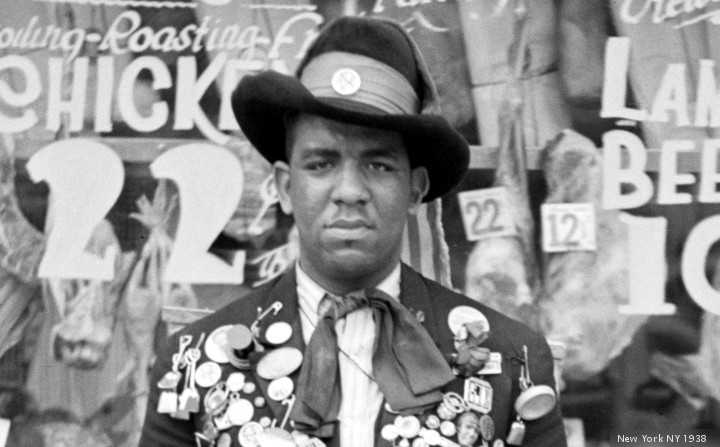
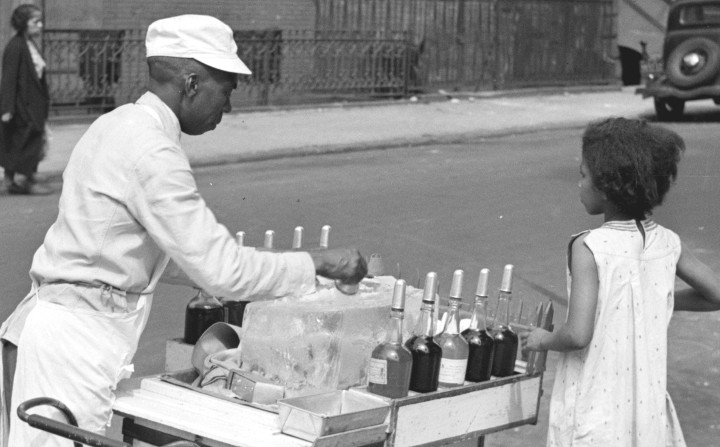
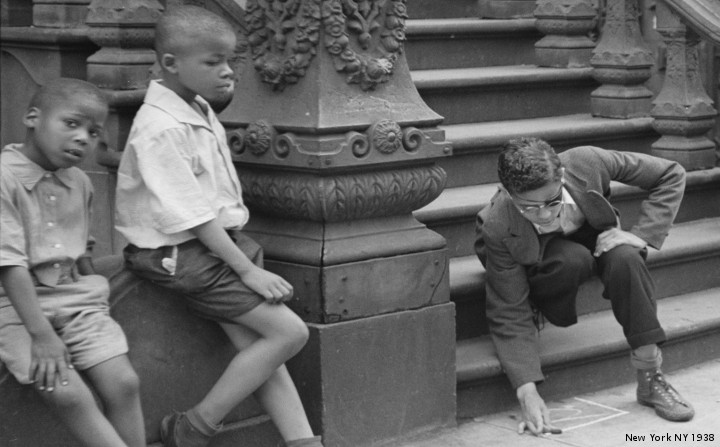
After a ADHD WHCD, the Washington Post published The single best joke told by every president, from Obama to Washington. It was easier than finding anything funny said by Larry Wilmore Michelle Wolf. Pictures today are from The Library of Congress. This is a repost.
The pickins are surprisingly slim, especially for the modern era. When everything you do is recorded, something has to be funny. Three recent Republicans show a liberal capacity for humor.
George H.W. Bush, 1989 Gridiron Club: “People say I’m indecisive, but I don’t know about that.”
Richard Nixon, in Ms. magazine, 1971: “Let me make one thing perfectly clear. I wouldn’t want to wake up next to a lady pipefitter.”
Herbert Hoover “Blessed are the young, for they shall inherit the national debt.”
Warren Harding was a dog. … “referring to his penis, which he named Jerry, in a 1915 love letter to his mistress Carrie Fulton Phillips: “Jerry — you recall Jerry, whose cards I once sent you to Europe — came in while I was pondering your notes in glad reflection, and we talked about it.”
You have to go back over a hundred fifty years to get a serious laugh.
Andrew Johnson “Washington, D.C., is twelve square miles bordered by reality.”
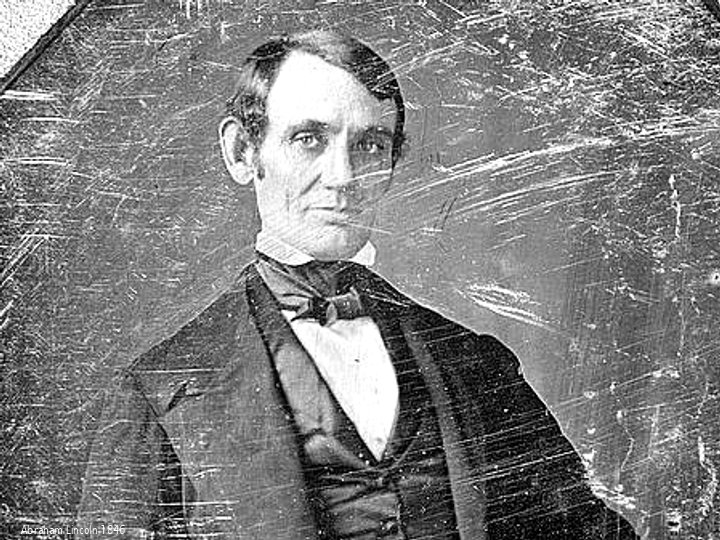
Abraham Lincoln “If I were two-faced, would I be wearing this one?”
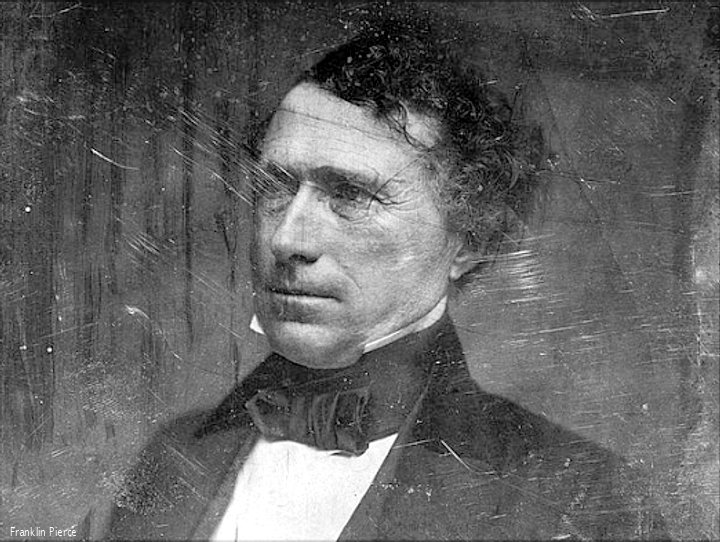
Franklin Pierce about duties after leaving office: “There’s nothing left. . . but to get drunk.”
Zachary Taylor when suggested that he run: “Stop your nonsense and drink your whiskey!”
John Tyler on his death bed: “Doctor, I am going. Perhaps it is best.”
James Madison on his death bed: “I always talk better lying down.”
PG found a quote once about Alexander Hamilton, by John Adams. “His ambition, his restlessness and all his grandiose schemes come, I’m convinced, from a superabundance of secretions, which he couldn’t find enough whores to absorb!” A google search for verification led to a reddit page, Fake Founder Quotes, starring John Adams. Apparently, Mr. Adams said something similar to that in a letter to Dr. Benjamin Rush, sent January 25, 1806. According to this source, the letter was a satire of Jonathan Swift’s Tale of a Tub
George Washington in a 1788 letter congratulating the Marquis de Chastellux on his recent marriage: “Now you are well served for coming to fight in favour of the American Rebels, all the way across the Atlantic Ocean, by catching that terrible Contagion — domestic felicity — which like the small pox or the plague, a man can have only once in his life: because it commonly lasts him (at least with us in America — I don’t know how you manage these matters in France) for his whole life time.”
Anglo Persian Oil Company



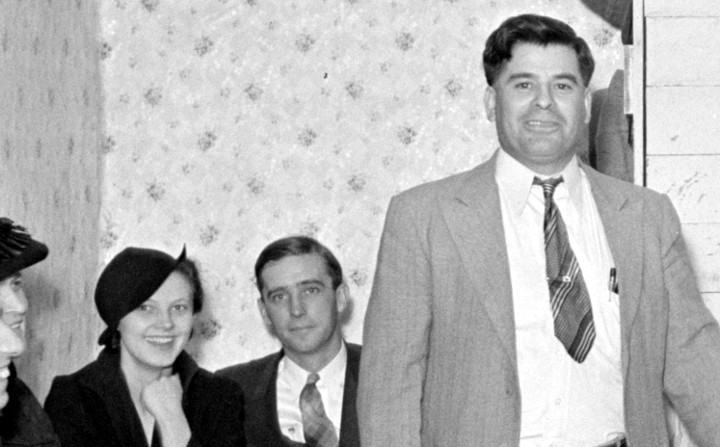
This is a repost from 2010. People are saying more and more about the oil disaster in the Gulf of Mexico. TomDispatch has a fascinating paragraph about one of the key players, British Petroleum (BP): “Originally known as the Anglo-Persian Oil Company (later the Anglo-Iranian Oil Company, still later British Petroleum), BP got its start in southwestern Iran, where it once enjoyed a monopoly on the production of crude petroleum. In 1951, its Iranian holdings were nationalized by the government of Mohammed Mossadeq. The company returned to Iran in 1953, following a coup that put the Shah in power. It was finally expelled again in 1979, following the Islamic Revolution.”
If you look at the problems of the world in the last forty years, so many are affected by Iran. The 1953 revolution left great resentment, which became manifest in the 1979 revolution. Soon Iraq…whose border with Iran was clumsily drawn by the British…decides to attack Iran. A gruesome eight year war is the result, with the USA supporting both sides (as well as possibly encouraging Iraq to attack Iran). The idea was, if they are fighting each other, they will leave Israel alone.
After this war is over, Iraq has a problem with Kuwait over it’s war debt. Another war is the result, with the USA involved. Iraq is vanquished, but some in the USA are not satisfied, and after a few years the USA invades Iraq again. That war is still raging.
The biggest winner of the US-Iraq war (aka World War W) is Iran. This new influence in Persia is very troubling to Israel, which is loudly rattling it’s nuclear saber. When Israel makes noise about Iran, it takes attention away from the Palestinian tragedy.
Pictures are from The Library of Congress. Remarkably, Tom Dispatch is still publishing content. The situation with the countries-that-start-with-I is worse than ever.


 Chamblee54
leave a comment