Memorial Day





There is a bit of polemic on the internet now, The revolutionary origins of Memorial Day and its political hijacking. It tells the story of an incident in Charleston SC, where newly freed slaves buried some Union soldiers who died in a prison camp. The incident is described as the first Decoration Day, which later evolved into Memorial Day. As the article tells it, this Holiday was intended as a revolutionary statement about Black freedom, and was whitewashed into an all caucasian affair. This is not a good summary of the article, but should do for now. You can read it for yourself.
PG read the article, and started to get a headache. While researching a Memorial Day. post, he came across the Charleston incident. Apparently, it did happen. There were also numerous other remembrances of the fallen soldiers. The War Between the States was an incredibly bloody affair, with many families losing someone. The urge to remember these fallen soldiers was overwhelming. The custom of Decoration Day would probably have happened with, or without, the Charleston incident. It is incorrect to say that those former slaves invented Decoration Day.
There was an exchange of messages. PG left a comment, “That article is not completely true.”
Lendon Sadler Thank you for your comment concerning the historical roots of Memorial day, but could you be so kind as to explain a bit more the inaccuracy contained in the posting.For my sake, and that of my friends, it would be greatly appreciated. Thanks. And please feel comfortable saying whatever is on your mind in my pages. Sincere regards, Lendon
Luther Mckinnon I will have to think about it some. Also, I am not sure that I have an interest in exploring this issue. I did some research about the celebration in Charleston. It apparently did take place. However, there were other people decorating graves before that. After the carnage of the War Between the States, there seemed to be a lot of activity towards remembering the dead. The slaves in Charleston definitely did not “invent” decoration day. That they had one of the earliest celebrations is notable, but they should not take sole credit. As to the rest of the article… i would have to think about it some, and to tell you the truth I don’t know if I am particularly interested. One of the pieces I read about the evolution of Memorial Day mentioned World War One, which was the next major war the US was involved in after WBTS. Here again, there was a lot of dead soldiers to remember. This was when the holiday evolved into a remembrance of soldiers from all wars. Anyway, I hope this is helpful, and maybe we can explore some of the other issues of that article.
The article in question is at a site called Liberation, “Newspaper of the Party for Socialism and Liberation at LiberationNews.org.” There is a some historic revisionism, with statements like this. “In 1877, the Northern capitalist establishment decisively turned their backs on Reconstruction, striking a deal with the old slavocracy to return the South to white supremacist rule in exchange for the South’s acceptance of capitalist expansion.” Whatever, dude.
The custom of Decoration/Memorial Day is pretty much what it says it is… to remember the fallen soldiers of our wars, especially the ones with lots of casualties. According to this source, it was World War I that facilitated the transition from Decoration Day, focused on WBTS, to a Memorial Day that honored the dead of all wars. It almost certainly was not done as a gesture of white supremacy.
The so-called lessons of history are very versatile. You can find whatever facts are convenient for your agenda, and if you don’t get what you need you can make some up. After all, there is nobody alive today that can remember 1877. We have to take the word of whoever tells the tale of a “deal with the old slavocracy”. Sometimes, these stories are more plausible than others.
Sometimes, things just don’t ring true. “The concept that the population must “remember the sacrifice” of U.S. service members, without a critical reflection on the wars themselves, did not emerge by accident. It came about in the Jim Crow period as the Northern and Southern ruling classes sought to reunite the country around apolitical mourning, which required erasing the “divisive” issues of slavery and Black citizenship.”
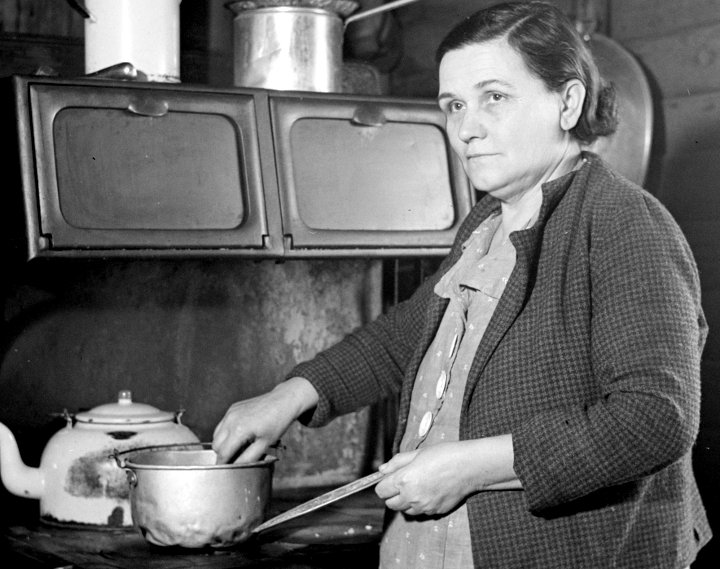
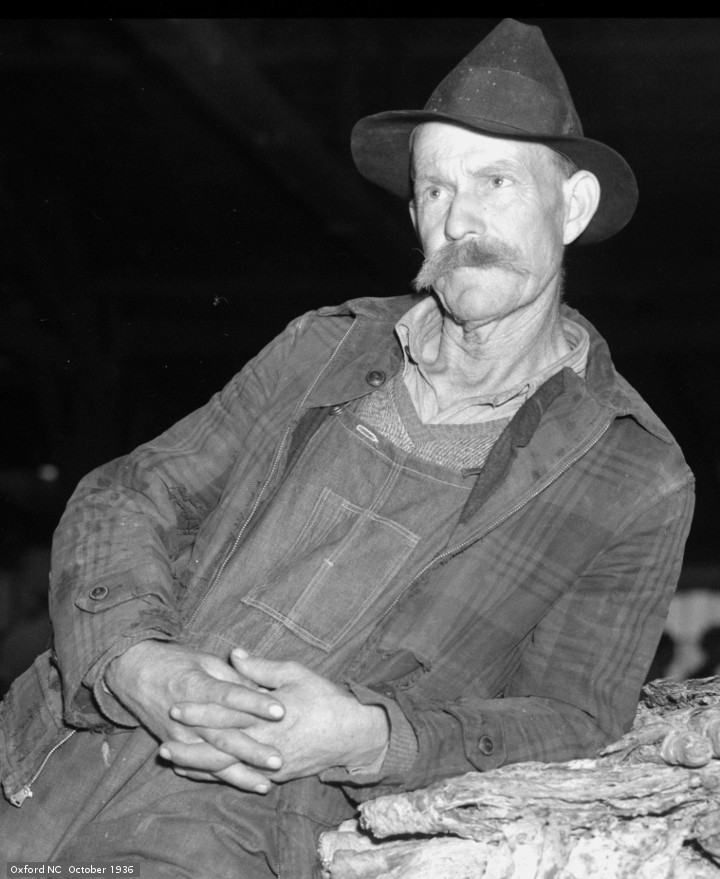
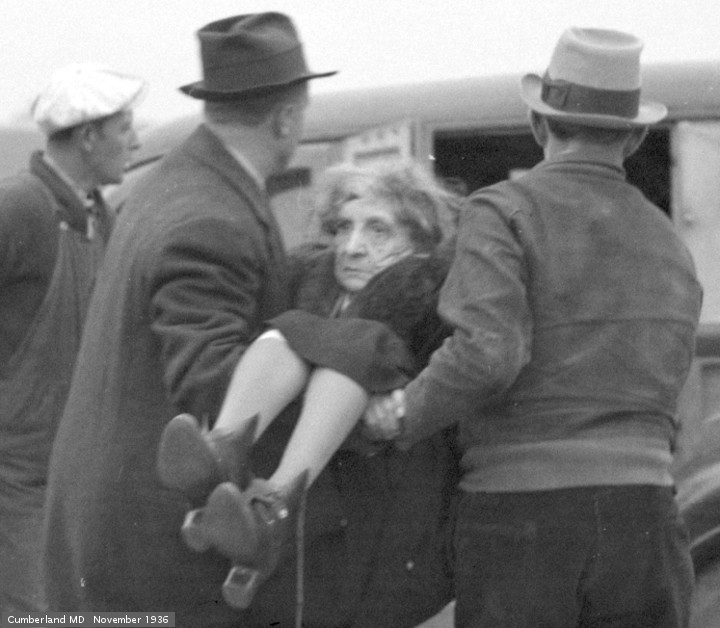
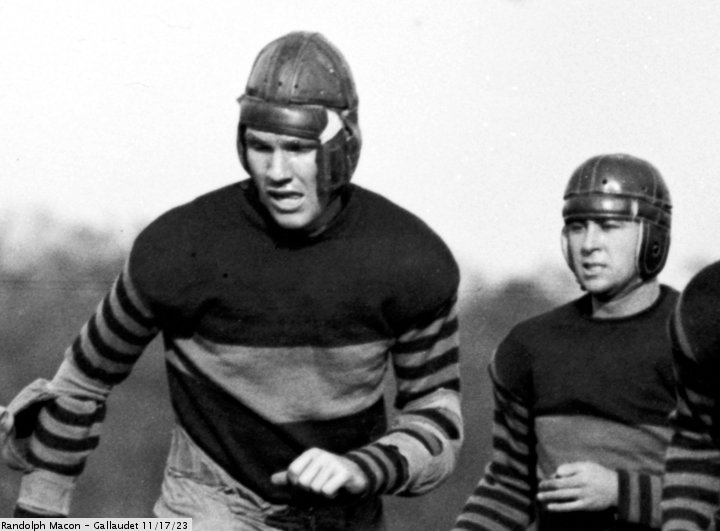
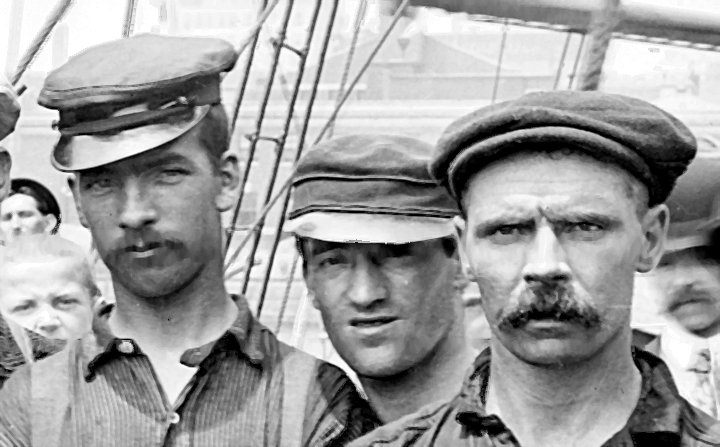
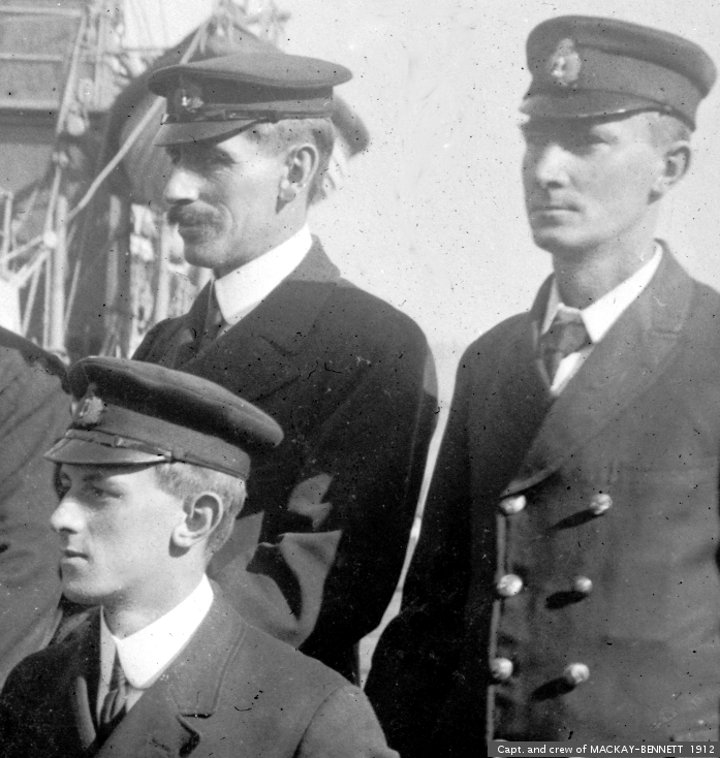
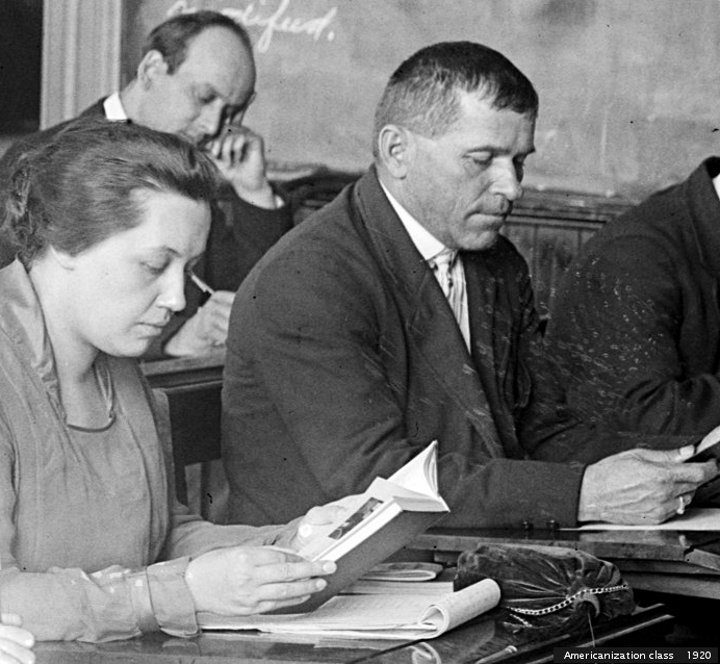
This is a double repost. Notes about the Charleston parade are showing up on facebook. This incident almost certainly took place, and is worth noting. However, it was not the “invention” of Memorial Day. Gentlemen, start your engines. Pictures are from The Library of Congress.

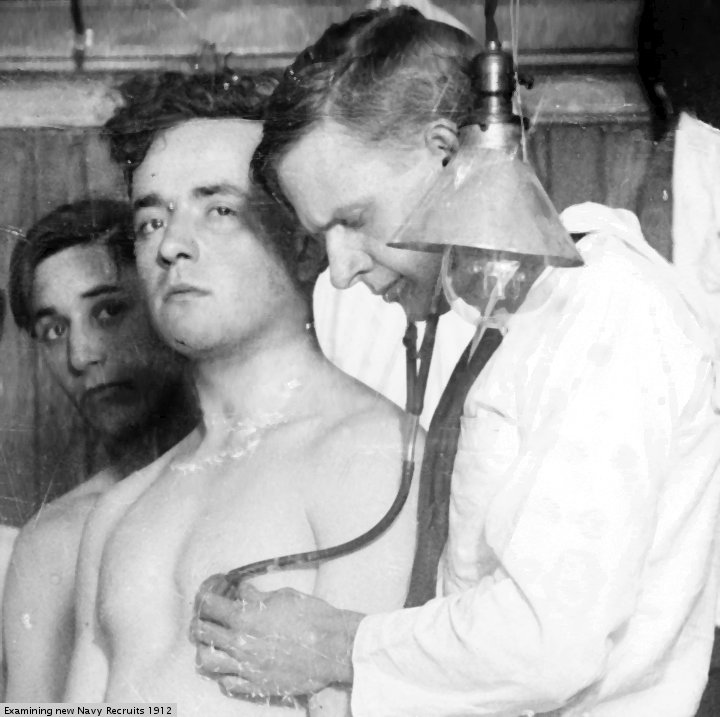


Memorial Day started as Decoration Day. During the War Between the States, people started to go out to graveyards, and put flowers on the soldiers. It is tough to say whether the custom started in the south. or the north. Waterloo NY is considered the official birthplace of Memorial Day. This is not what Abba was singing about.
WBTS was by far the most costly war in American history. There were more casualties in WBTS than in World Wars I, II, Korea, and Vietnam combined. Americans were not used to this carnage on this scale. Decoration Day was one of the results.
It was also, literally, a divisive war. The causes of the conflict are debated to this day. More men died of disease than in combat. Shitting yourself to death is not glory.
An important cause of the war was the desire, of some, to maintain their investment in slaves. In other words, the hundreds of thousands of Southern deaths were to insure that African Americans cannot be free. The lofty rhetoric of Memorial Day does not always reflect the squalid reality.
The legend is that May 30 was chosen because it was not the anniversary of any major battles. For many years after WBTS, the southern states had a separate day of remembrance. Confederate Memorial Day is still observed, though not on as large a scale as before.
The next major killing session for the United States was World War I. After this conflict, May 30 evolved into a day to remember all soldiers who died. The south began to embrace the unified holiday.
The United States lost at least 116,516 men in World War I. Almost all of these casualties were in 1918, the last year of the war. The other countries lost far more men. Not one person in a thousand can tell you today why World War I was fought. All it did was provide the causes of World War II, which was even more costly.


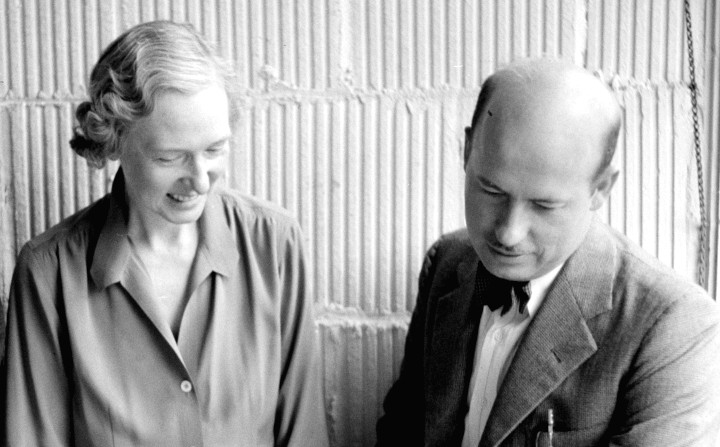
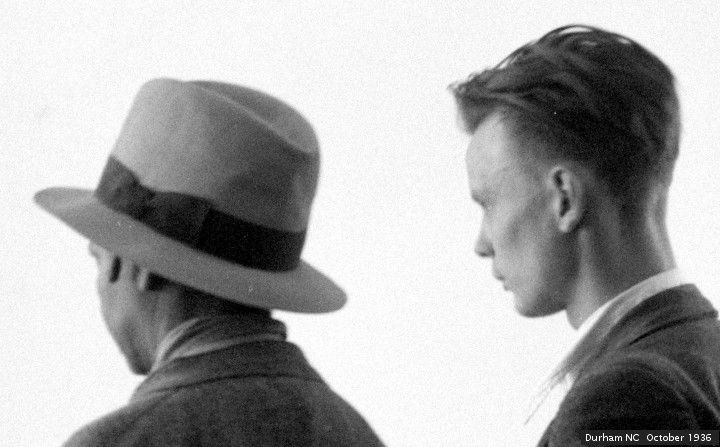

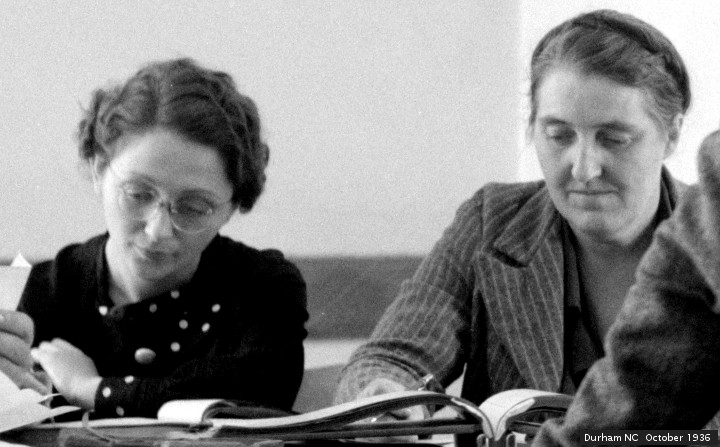
Untalented Unprincipled Bewildered


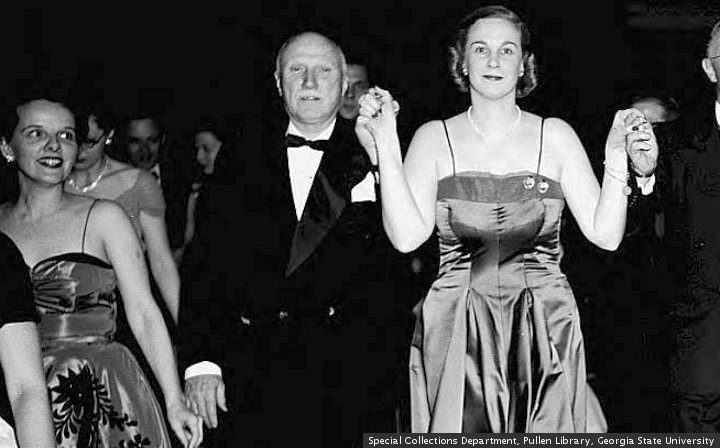
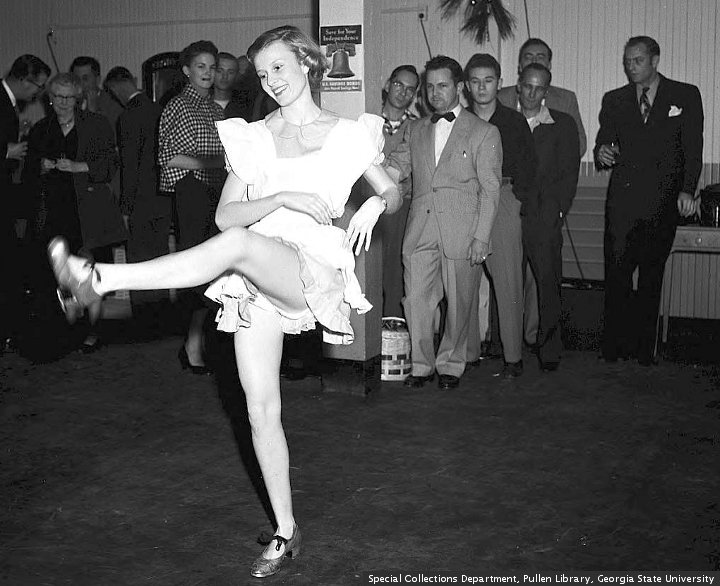
There is a quote by Al Capp, the creator of the comic strip “Li’l Abner.” “Abstract art? A product of the untalented, sold by the unprincipled to the utterly bewildered.” This tidbit originally appeared in The National Observer, July 1, 1963.
Al Capp, born Alfred Gerald Caplin, was a piece of work. Mr. Capp did not keep his opinions to himself. When PG was a kid, he heard Mr. Capp appearing on an NBC radio show, Monitor. This was about the time he called Joan Baez “Joanie Phonie,” and got some bad press.
At the age of nine, a trolly accident cost Mr. troll Capp his left leg. Years later, an urban legend arose. “in a televised face-off, either Capp (on the Dick Cavett Show) or (more commonly) conservative talk show host Joe Pyne (on his own show) is supposed to have taunted iconoclastic musician Frank Zappa about his long hair, asking Zappa if he thought he was a girl. Zappa is said to have replied, “You have a wooden leg; does that make you a table?” (Both Capp and Pyne had wooden legs.)
Maybe Mr. Zappa was inspired by Mr. Capp in other ways. In an 1977 interview with a staff writer for the Toronto Star newspaper named Bruce Kirkland,. Mr. Zappa got quotable. “Most rock journalism is people who can’t write interviewing people who can’t talk for people who can’t read,”
There are other quotes in this style. These are taken from this article. PG is tired of looking for attribution. If you are interested in the veracity of these quotes, Mr. Google is ready when you are. “The successful author is the one who can write for the ones who can’t read.” Will Rogers “Time and Newsweek are made for people who can’t think, Life is made for people who can’t read, and the Saturday Evening Post is made for people who can’t read or think.” George Wallace
There was a saying during the Vietnam War. “The unwilling, led by the incompetent, to do the unnecessary, for the ungrateful.” The credit/blame for this is assigned to Mother Theresa, Konstantin Josef Jireček, and an anonymous American soldier.
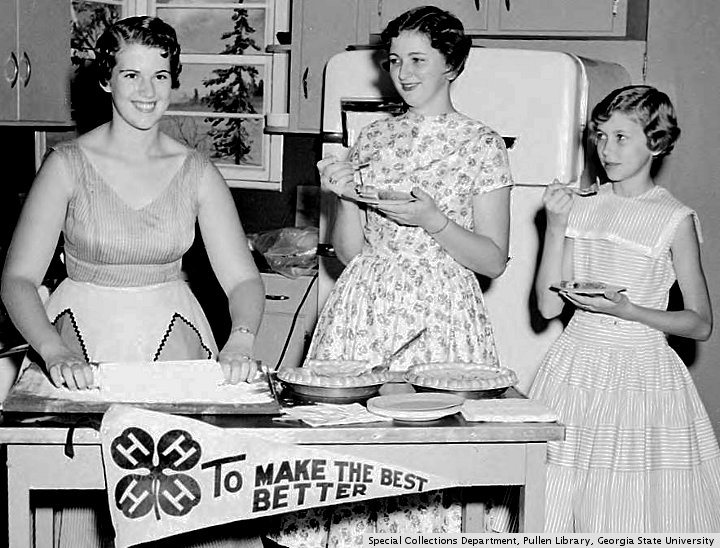
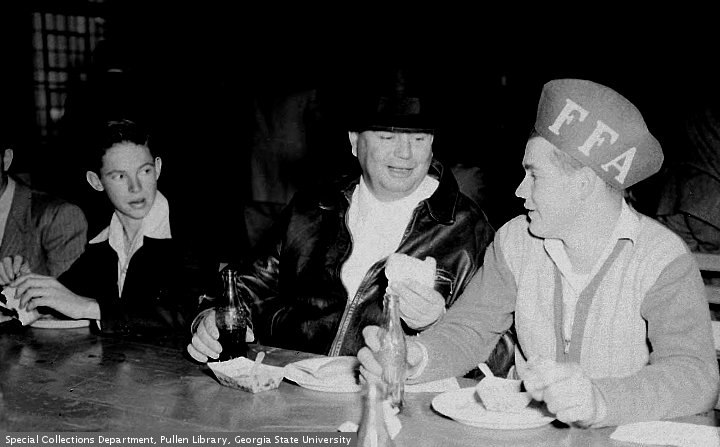
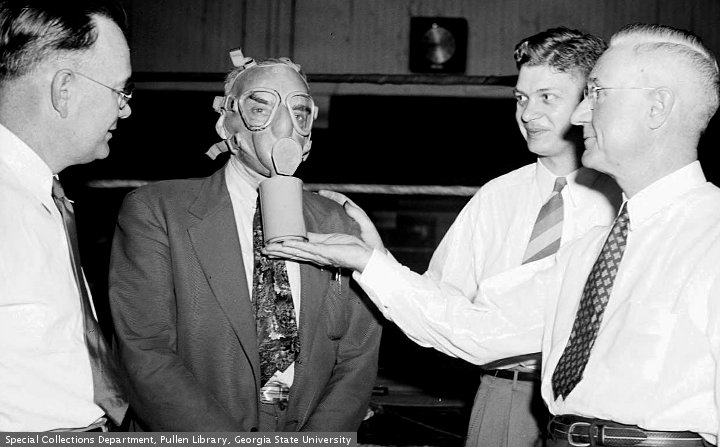
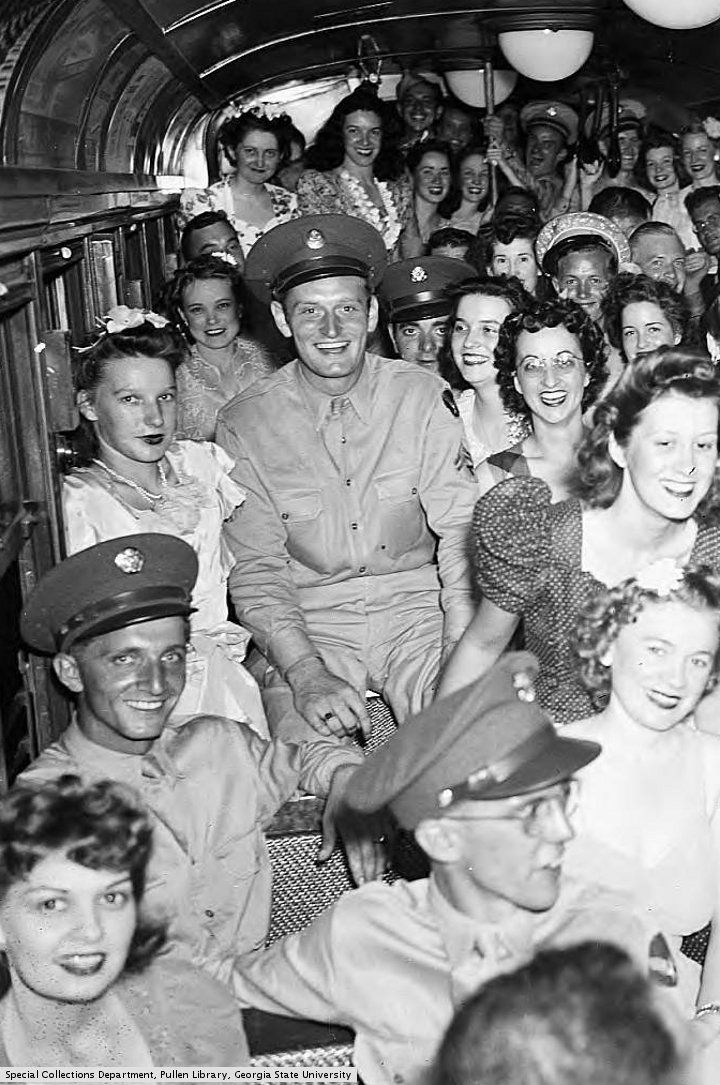
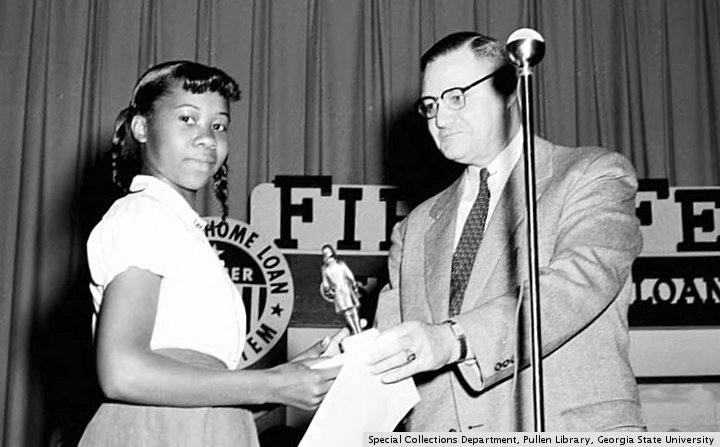
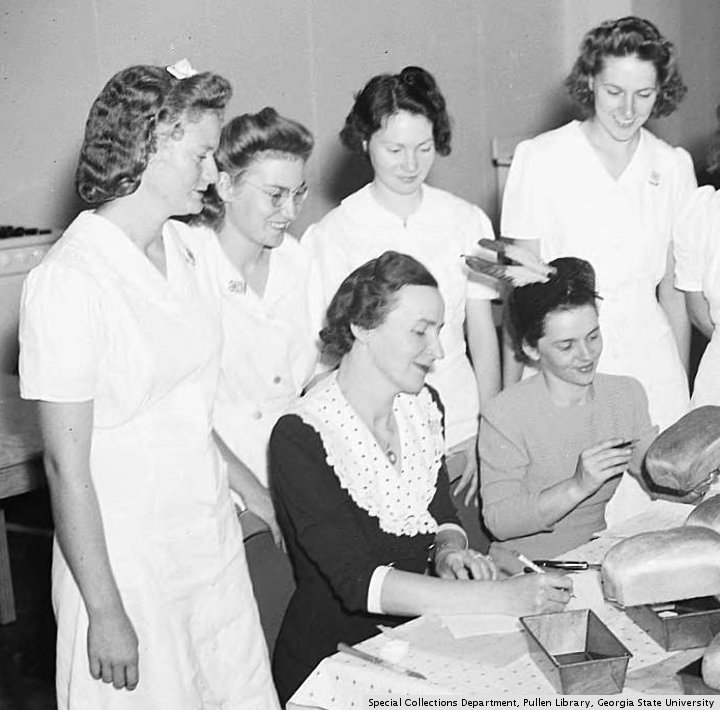
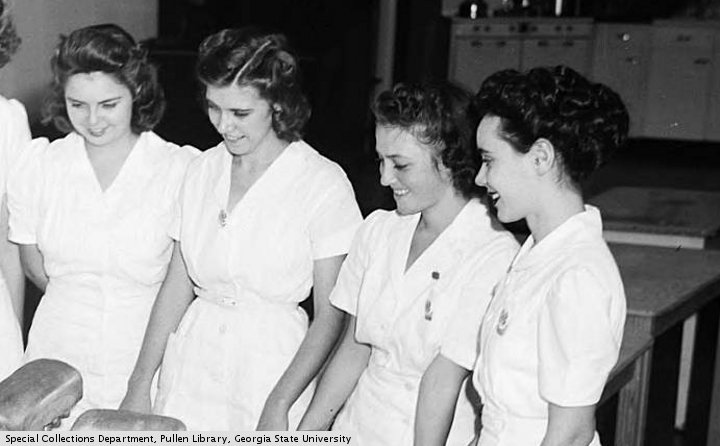
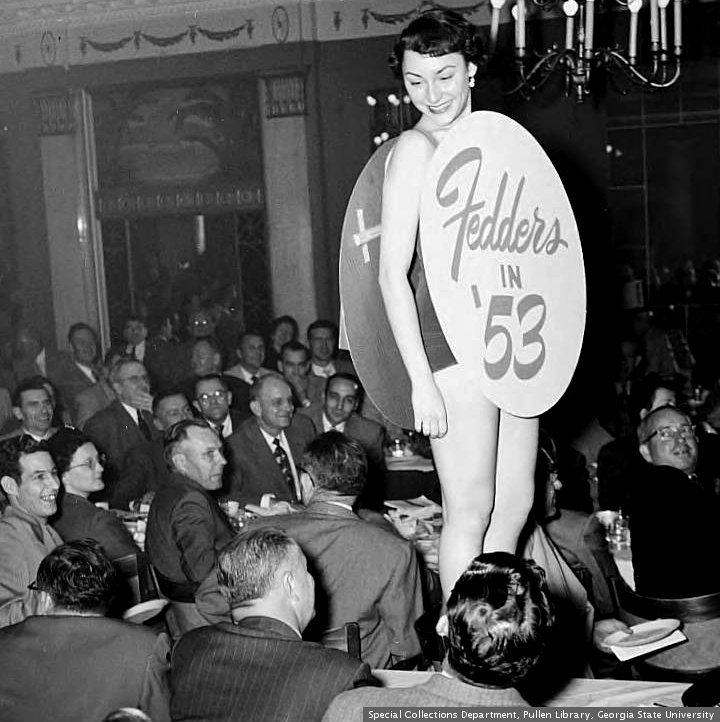
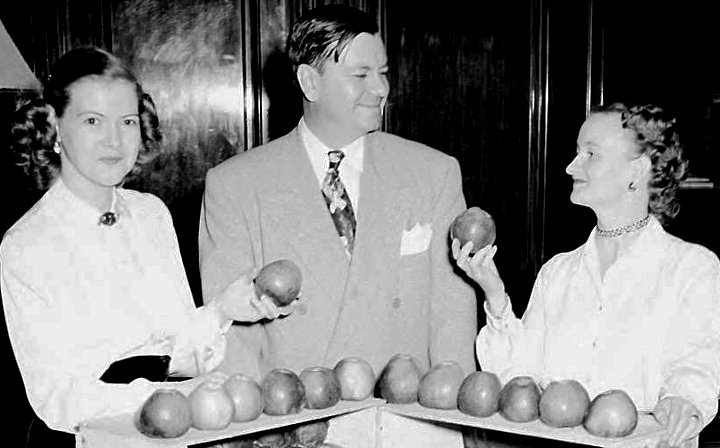
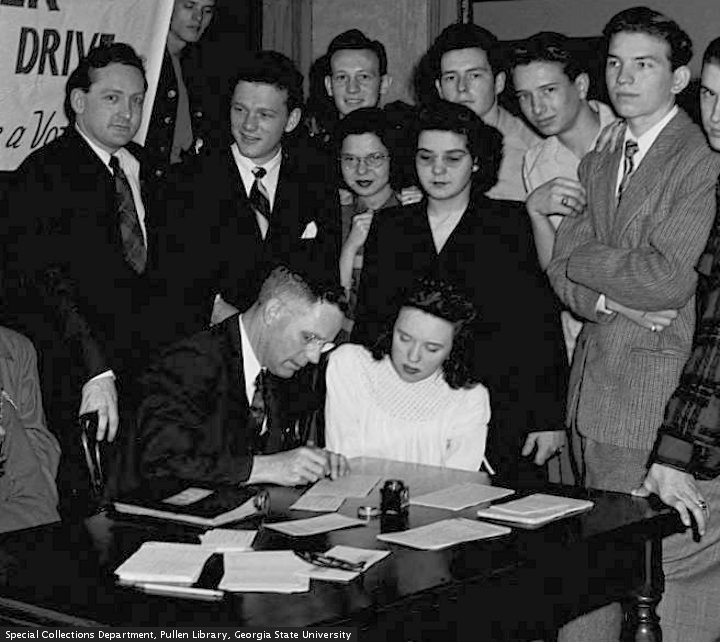
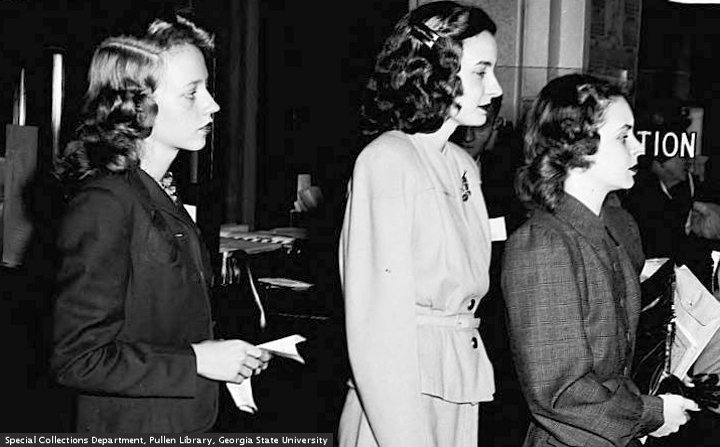
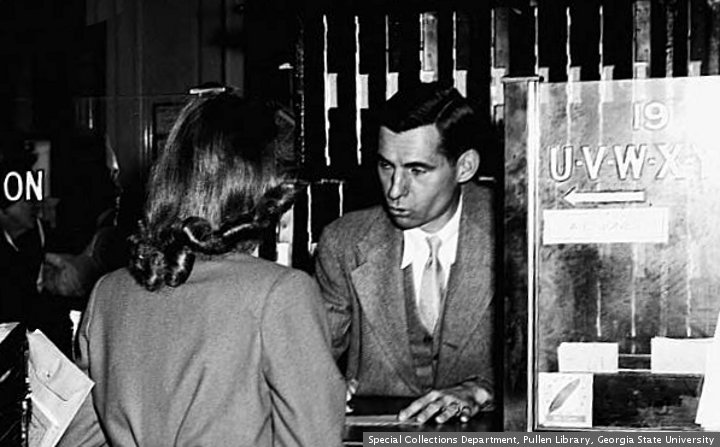
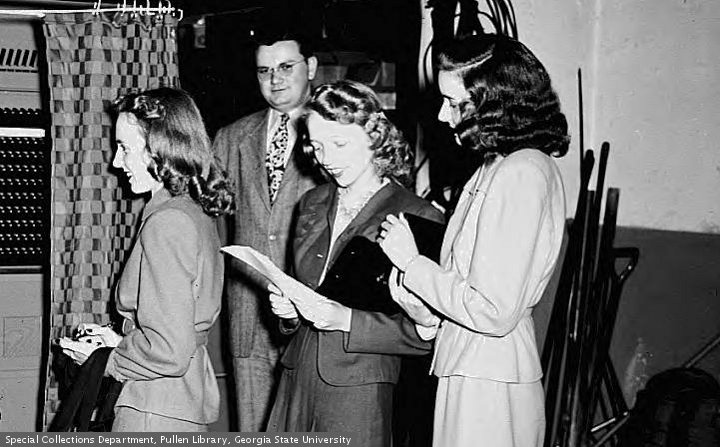
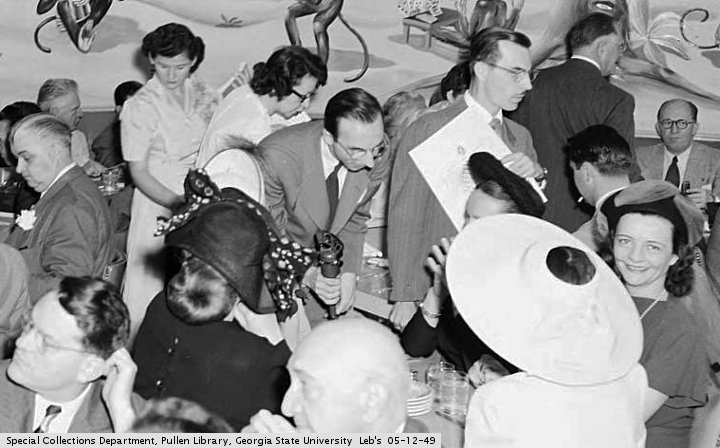
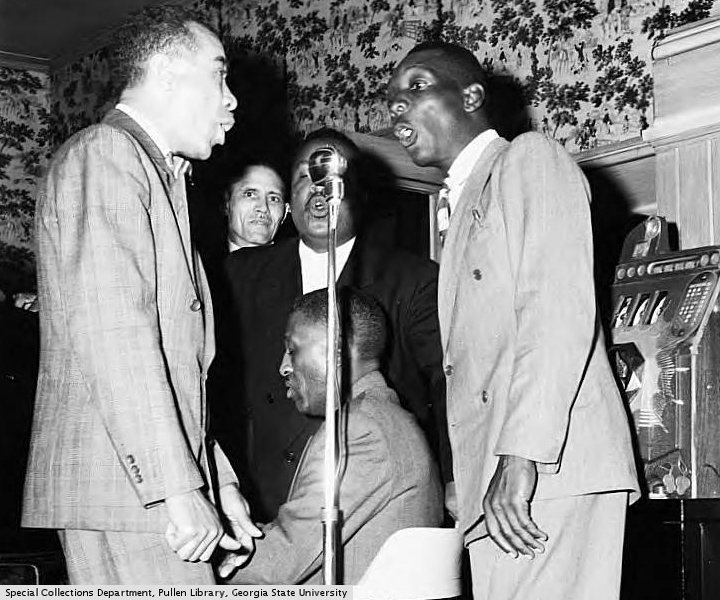
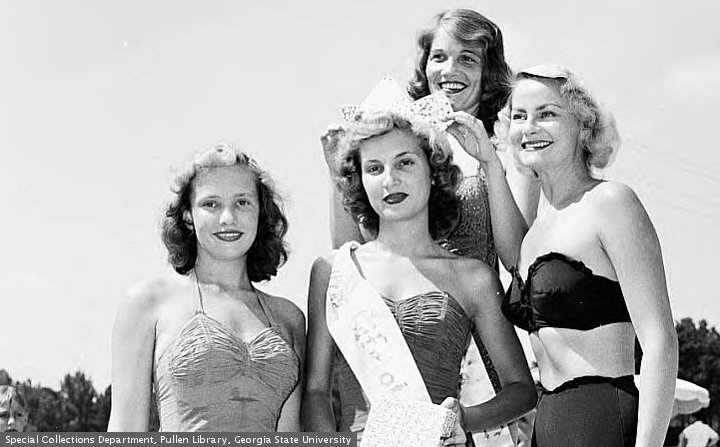
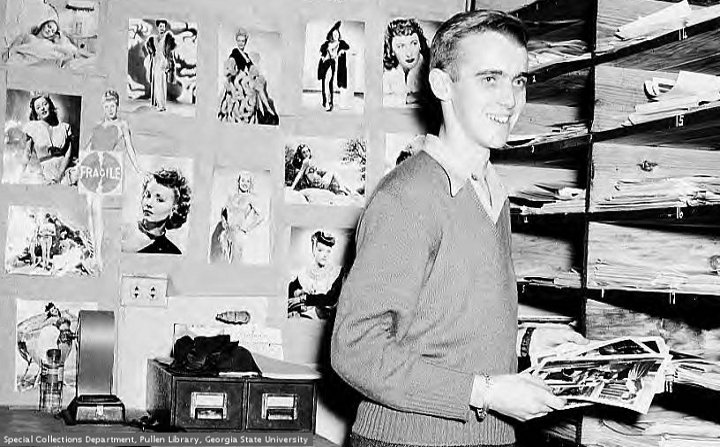
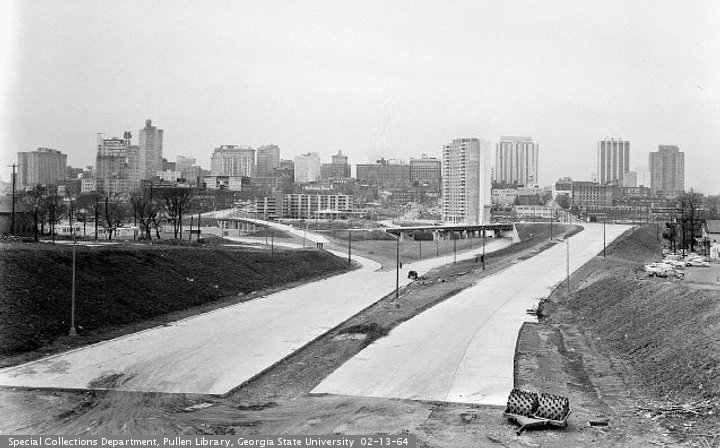
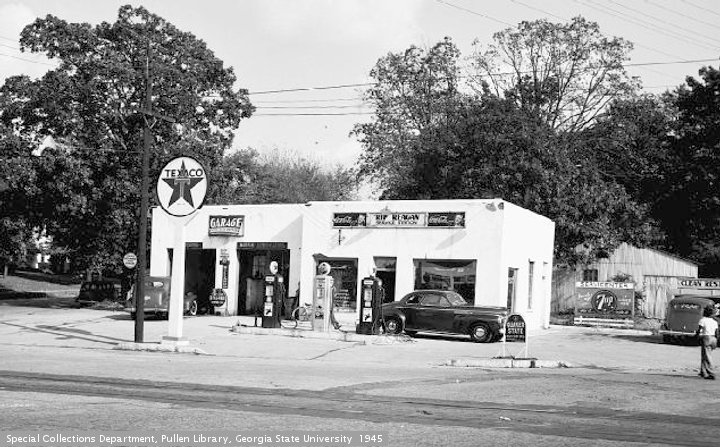
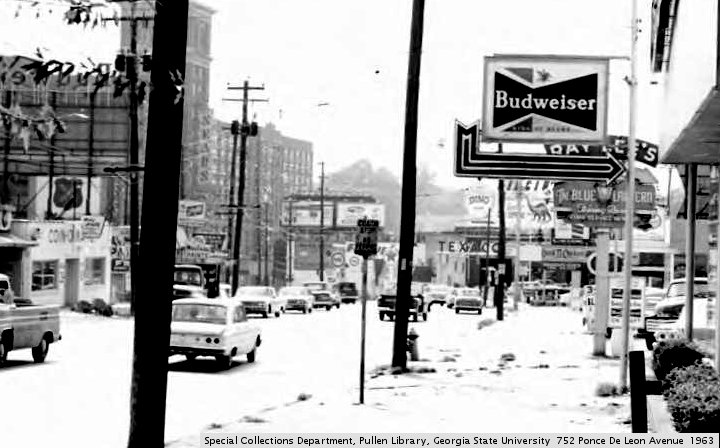
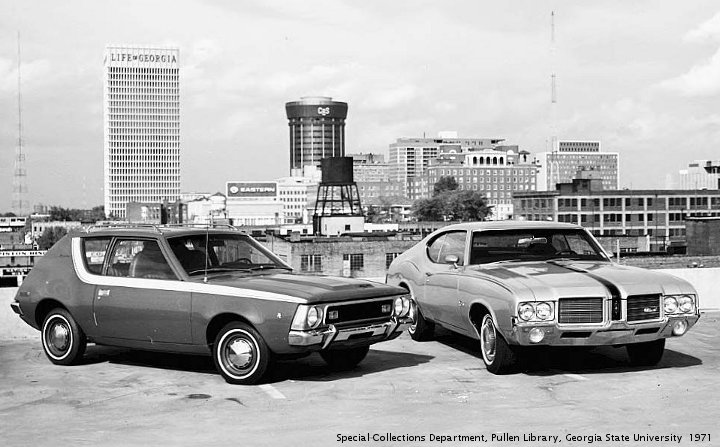
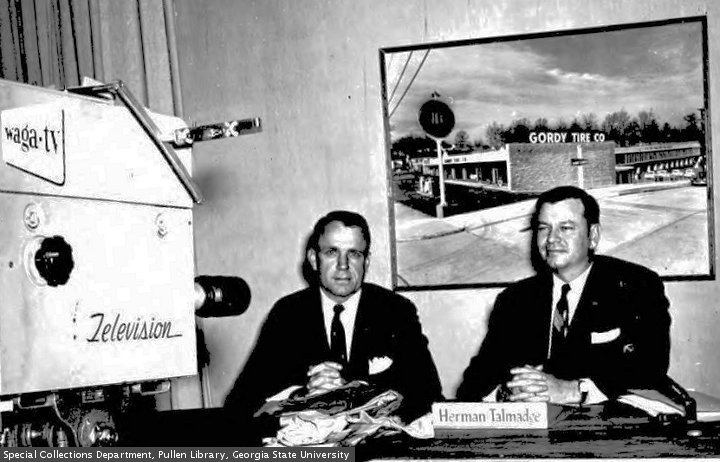
Pictures today are from “The Special Collections and Archives, Georgia State University Library”. The last picture features Georgia Governor Herman Talmadge. He is the possible inspiration for some of these quotes. The Al Capp quote that started it all was posted by WIST. The acronym represents Wish I’d Said That. They post quotes. Unlike most quotemongers, they provide a source.
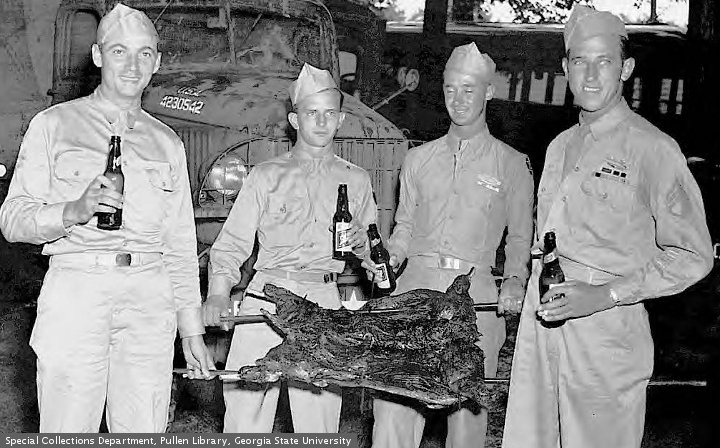
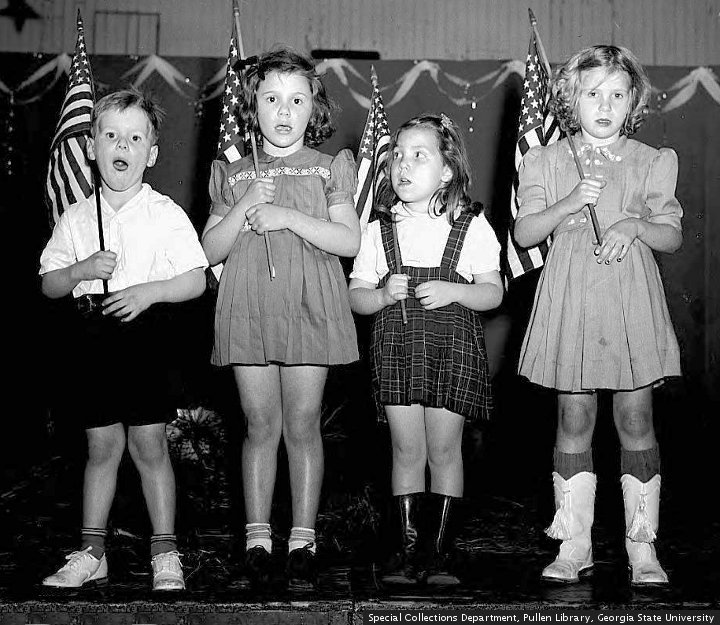




The Poetry He Invented
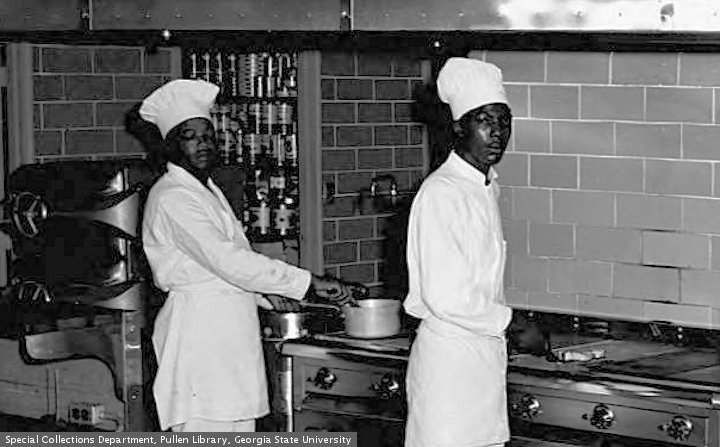
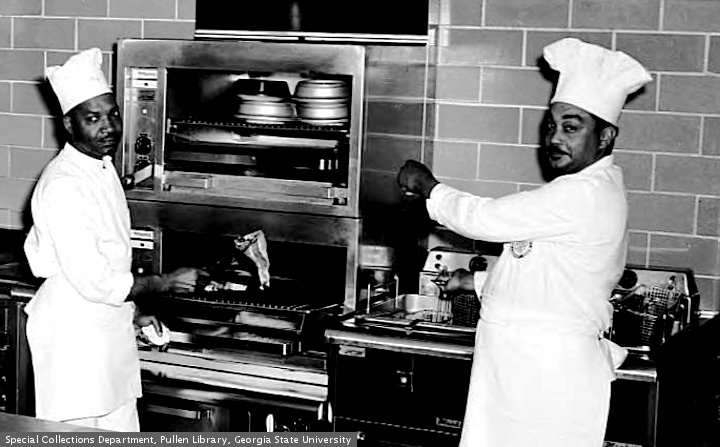

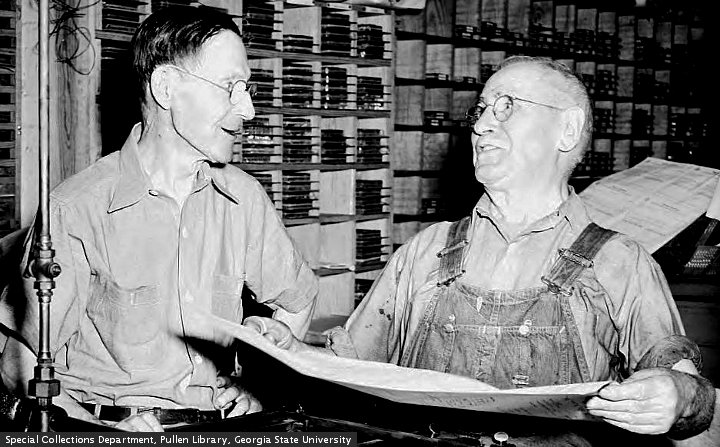
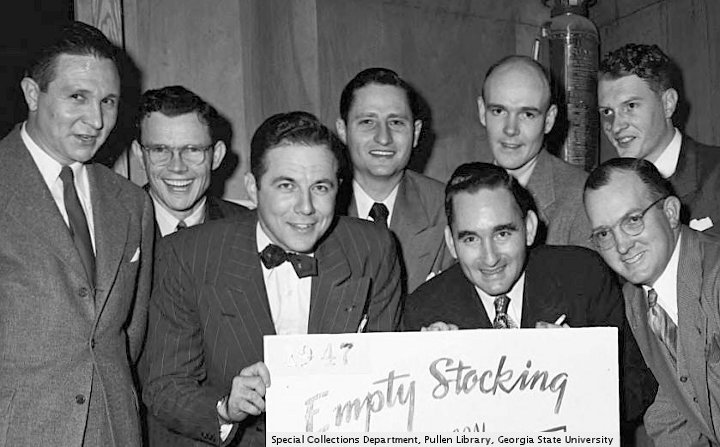
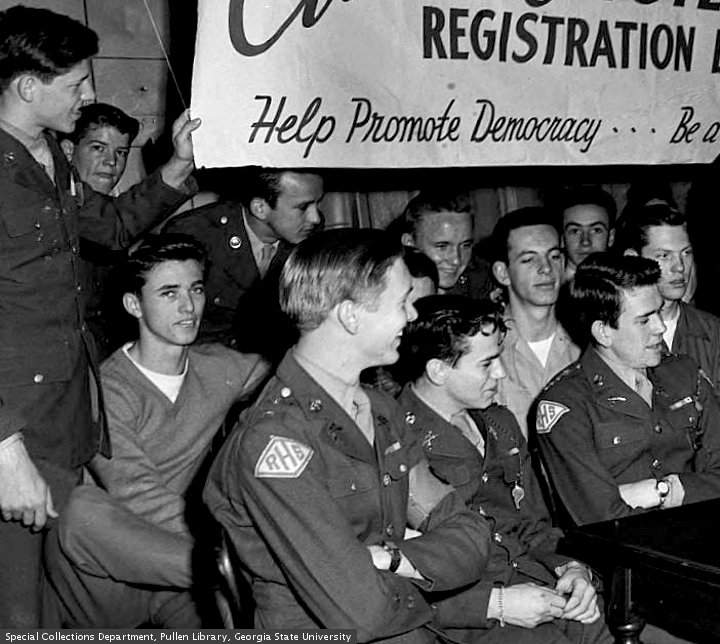
In the past year, PG has learned that two poems he enjoyed were “borrowed.” One was in Mad Magazine. It was a poem about baseball. “Tigers Tigers, burning bright, in the ballparks, of the night, your pitching’s fair, your fields adroit, so why no pennant for Detroit.” Not only was this a memorable rhyme, but it has the word adroit. While this is a wonderful addition to a vocabulary, in forty eight years PG has never used it. Maybe the only thing it is good for is rhyming with Detroit.
PG is not terribly well educated when it comes to poetry. A lot of things slip by him. He did develop an admiration for Allen Ginsberg, which led to William Blake. One night, with the World Series in the background, PG found a poem by Mr. Blake, The Tyger.
“Tyger Tyger, burning bright, In the forests of the night; What immortal hand or eye, Could frame thy fearful symmetry?” Could it be that Mad was more fun to read? A more adroit turn of phrase? Or less prophetic… The Tigers won the World Series before the sixties were over.
In a few years, PG moved byond Mad Magazine. He read about these albums being sold by Warner Brothers. They were collections of songs from different artists, designed to make you want to buy more. “The Big Ball” cost two dollars by mail order. Side four was devoted to weird stuff. Captain Beefheart, The Mothers of Invention, The GTO’s, and Pearls Before Swine. The last band had a song, “Footnote,” which is embedded with this post.
“Footnote” is a quiet song, with easy to remember words. PG listened many, many times, and thought he had it figured out. It was about an arms dealer. Of course, most think the Pearls Before Swine is something in the Bible. Another version is when Clare Boothe Luce went into a room ahead of Dorothy Parker. “Age before beauty” “Pearls before swine”.
So anyway, there was an article about something, somewhere. It was quoting Wyston Hugh Auden, known mercifully by his initials W.H. This is another famous person that PG knew little about, other than his friendship with Christopher Isherwood. The quote was familiar. Then it hit… this was that song by Pearls Before Swine. It seems like the performer borrowed the lyrics from a copyrighted poem, Epitaph on a Tyrant.
Pictures for this entertainment are from “The Special Collections and Archives, Georgia State University Library”. The second embedded video is from side four of “The Big Ball.” PG does not know if a famous poet was copied, or if this piece is original.

Thomas Jefferson Said What?


PG was wasting time with facebook when he saw a friend say “Damn I love this quote”. The passage being praised was “If you are neutral in situations of injustice, you have chosen the side of the oppressor.” Desmond Tutu.
The rhetoric alert started to flash. These days, the wolf and the sheep buy their clothes at the same Walmart. To hear some oppressors talk the talk, they are the ones under attack. It is tough to tell the good guys from the bad guys. Also, as the Kony fiasco showed, often you can make things worse by getting mixed up. Sometimes the best thing to do is mind your own business.
Ok, now that is out of the way. Some lines sound good, but don’t hold up to a bit of thinking. As for the veracity of the quote, Desmond Tutu may very well have said it. (or maybe one of his rivals said it, and Mr. Tutu copied it.) The quote has been attributed to Thomas Jefferson, Edmund Burke, Patrick Henry, and probably others. Almost no one has a source, for the quote, from the dead white guys.
There was a discussion in Prison Planet Forum about BHO, and his alleged good buddy Larry Sinclair. The signature line for one of the posts was that crowd pleaser, “All tyranny needs to gain a foothold is for people of good conscience to remain silent.” Thomas Jefferson. All that needed to happen to get the party started was to highlight the quote, right click, and ask Mr. Google to help.
A post called MISQUOTING THE FOUNDERS did not mince words. “The only problem with this scene that has been repeated many times across the country is that Thomas Jefferson never said that, never wrote that, and quite possibly never thought it. Our aspiring politician had fallen victim to the perils of popular misattribution. You could fill a book with misquotes and misattributed quotes we hear repeated regularly today. Right now if I Google “All tyranny needs to gain a foothold is for people of good conscience to remain silent” the entire first page of results wrongly attribute it to Thomas Jefferson. The quote and its many variants have been attributed in the past to Thomas Paine and Edmund Burke, but no record exists of the quote in any of their writings or contemporary accounts.”
On November 13, 1787, Mr. Jefferson wrote a letter to William Smith. The letter is full of zesty quotes. “What country before ever existed a century & a half without a rebellion? & what country can preserve it’s liberties if their rulers are not warned from time to time that their people preserve the spirit of resistance? Let them take arms. The remedy is to set them right as to facts, pardon & pacify them. What signify a few lives lost in a century or two? The tree of liberty must be refreshed from time to time with the blood of patriots & tyrants. It is it’s natural manure.”
A few lines above that, Mr. Jefferson said “God forbid we should ever be 20 years without such a rebellion.” Twenty years after he wrote this, Mr. Jefferson was President. He probably did not want to deal with a revolution when he was President.
Getting back to the quote about tyranny, Martin Porter wrote an entertaining essay, A study of a Web quotation. He gives credit, or blame, to Edmund Burke. First, a list of different versions is presented. This is a clue that something is awry. The conclusion: “There is no original. The quote is bogus, and Burke never said it. It is a pseudo-quote, and corresponds to real quotes in the same way that urban legends about the ghost hitch-hiker vanishing in the back of the car and alligators in the sewers correspond to true news stories.”
Mr. Porter wrote a follow up essay, Four Principles of Quotation. These principles are:
Principle 1 (for readers) Whenever you see a quotation given with an author but no source assume that it is probably bogus.
Principle 2 (for readers) Whenever you see a quotation given with a full source assume that it is probably being misused, unless you find good evidence that the quoter has read it in the source.
Principle 3 (for quoters) Whenever you make a quotation, give the exact source.
Principle 4 (for quoters) Only quote from works that you have read.
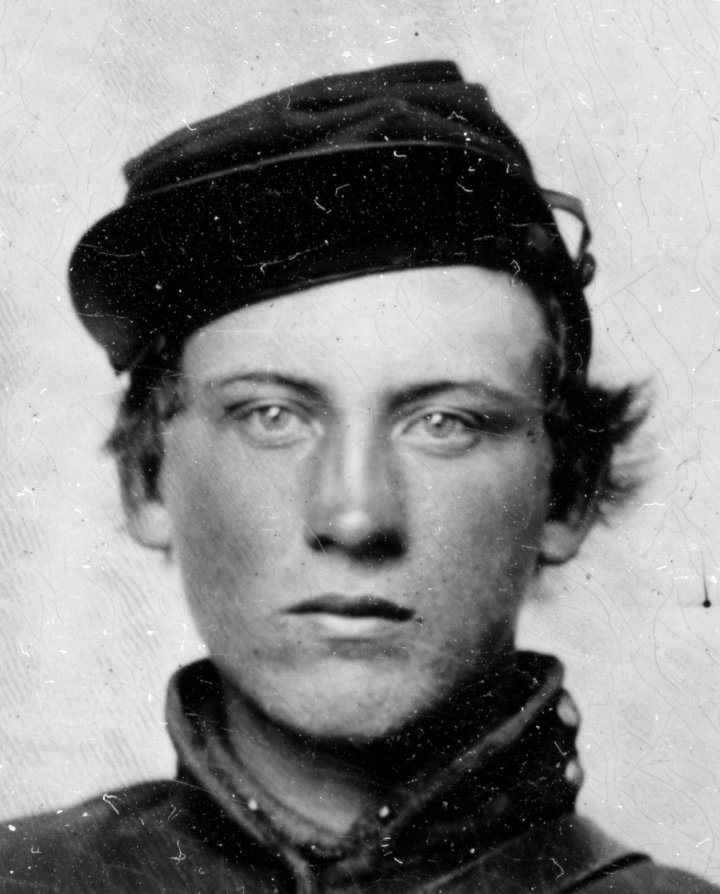
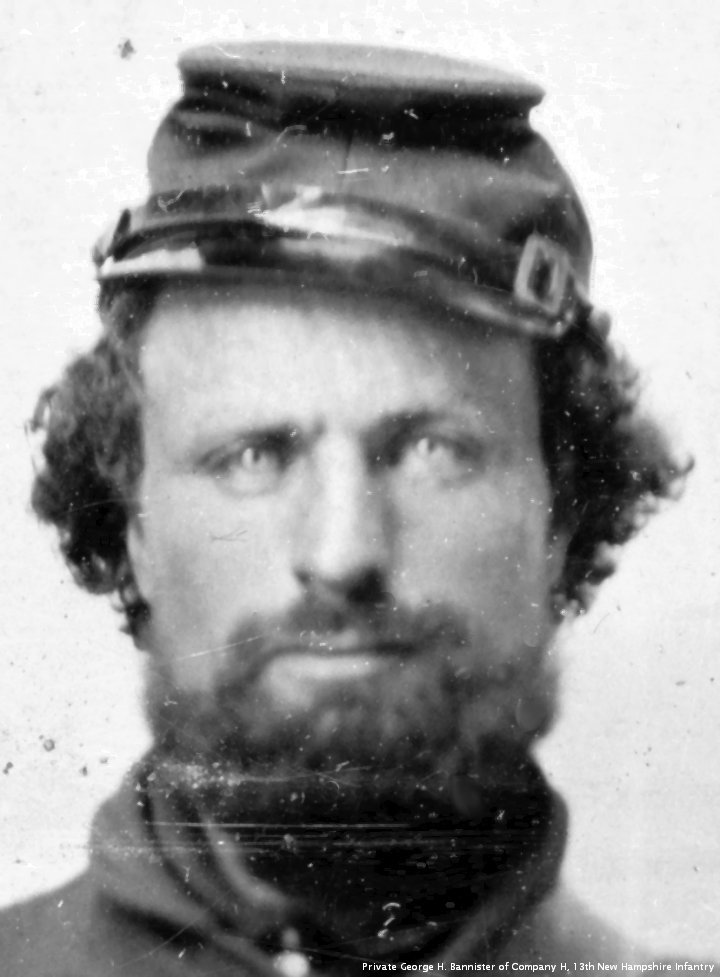
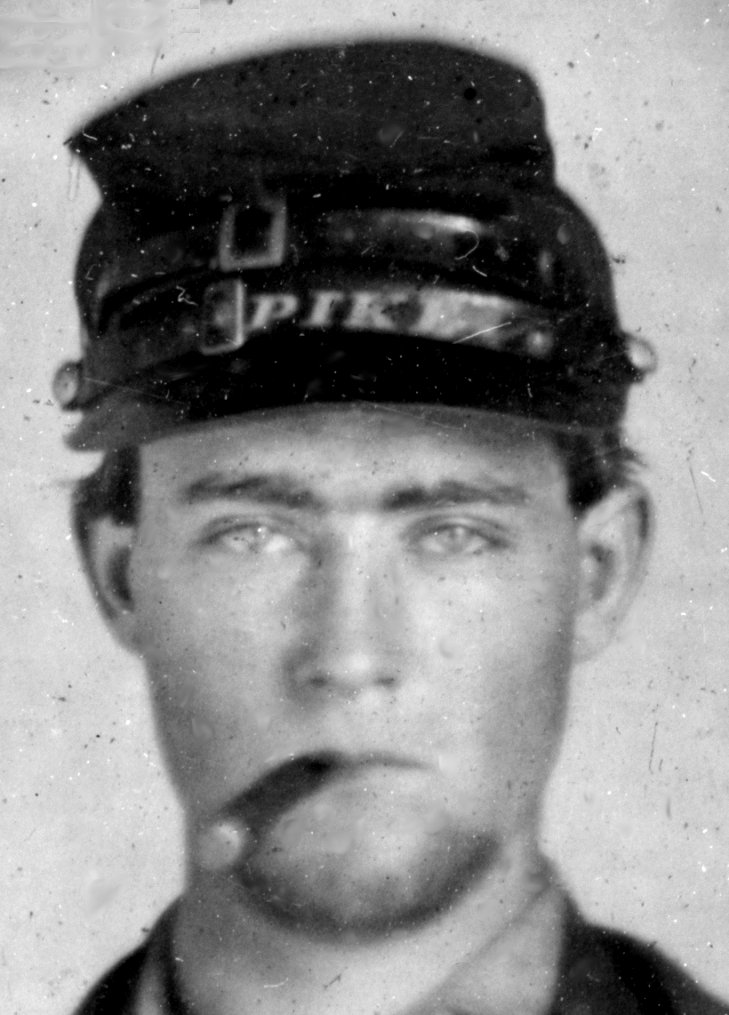
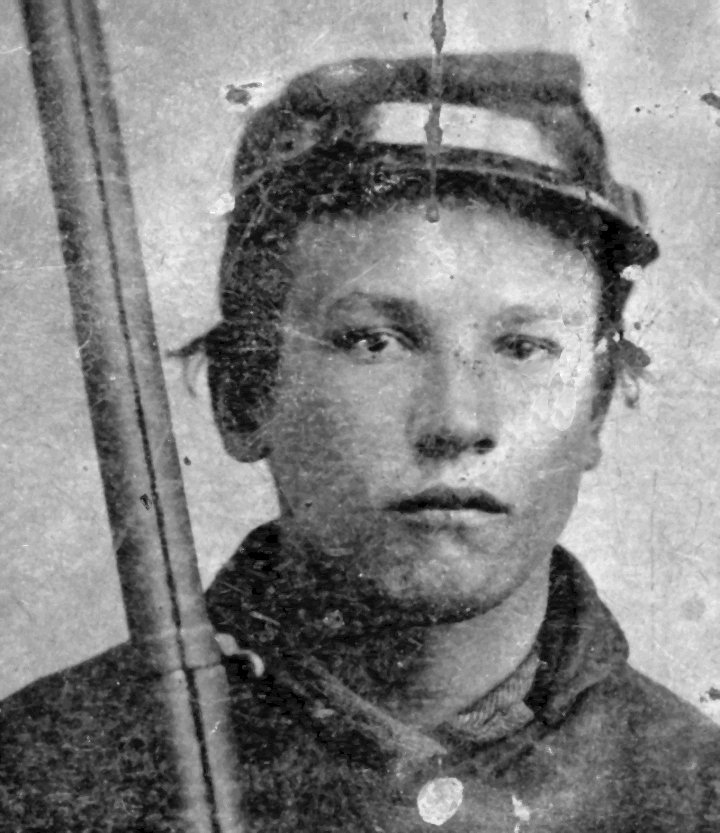
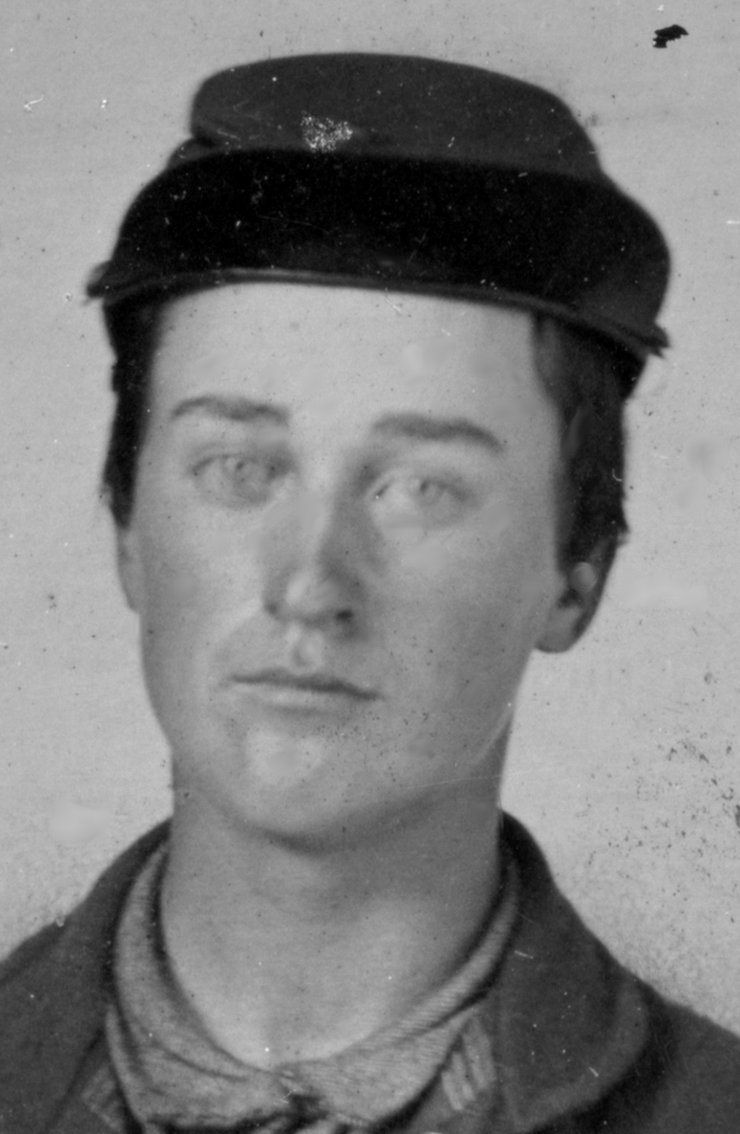
If these principles were to be used, then there would be a lot less hotheaded talking on the intercom. Those who are trying to influence you to the justice of their cause will not want you to read this. Pictures for this feature are from The Library of Congress. These pictures are Union soldiers, from the War Between the States. When war is discussed, all inspiring quotes are in doubt.
This is a repost. It is written like James Joyce. In the past year, doing due diligence on alleged quotes has become a hobby. Many people don’t care who said it, if they agree with the thoughts expressed. The prevailing thought is that an idea becomes more true with a famous name at the end. If the famous person is deceased, and cannot defend his/her reputation, that is not a problem. People do not like being told that Santa Claus does not exist.
Watering Hole Story
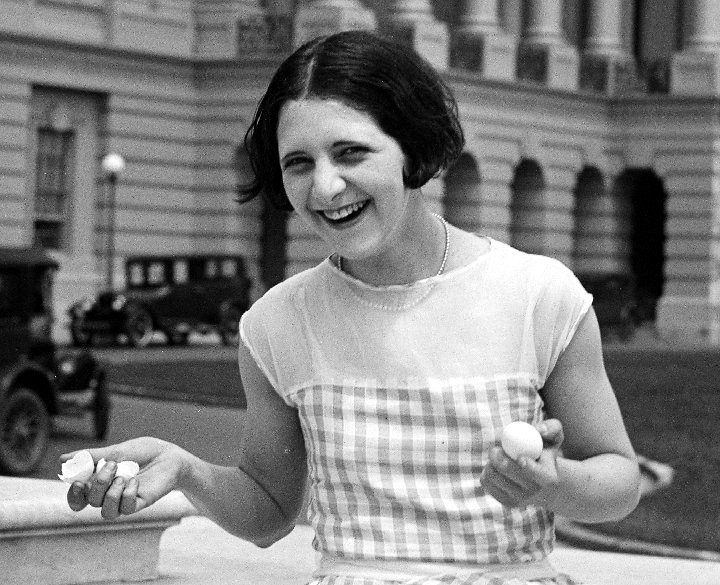



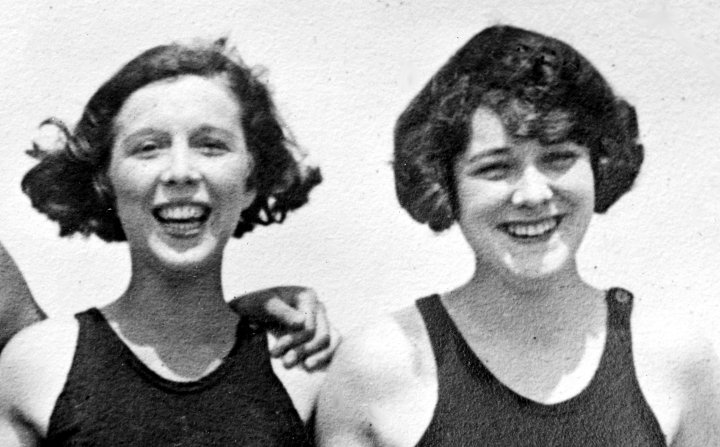
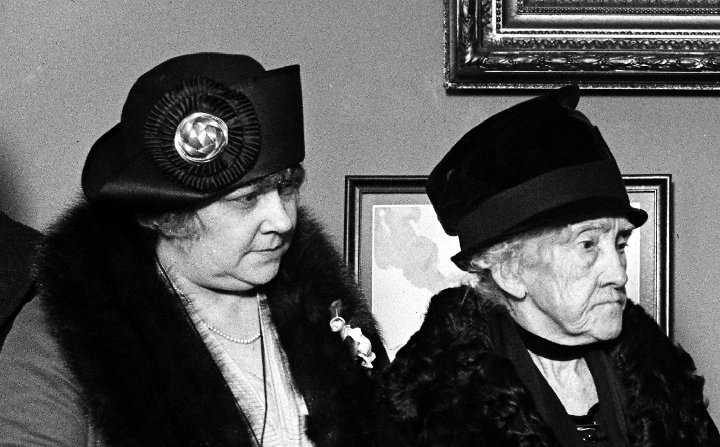
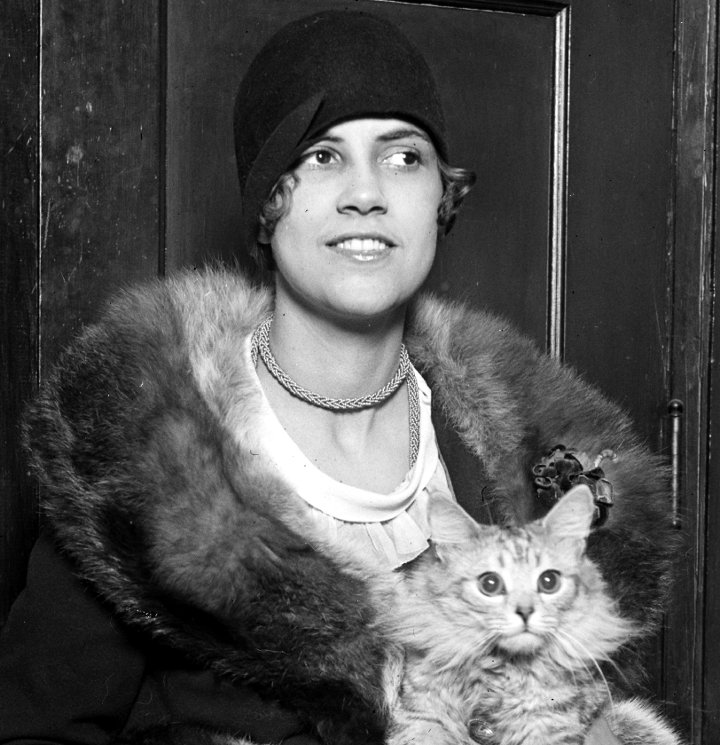
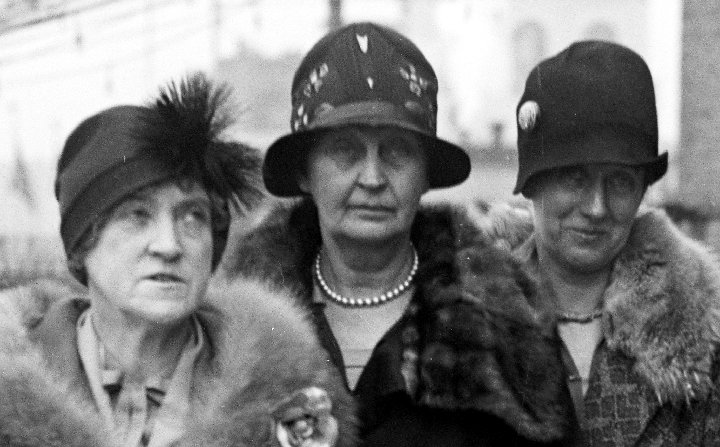
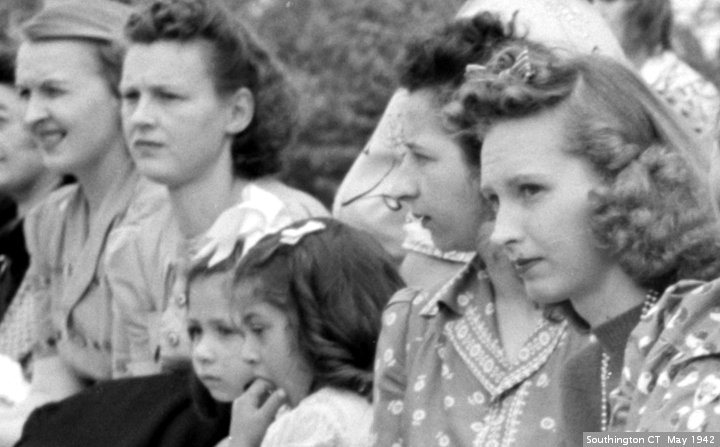
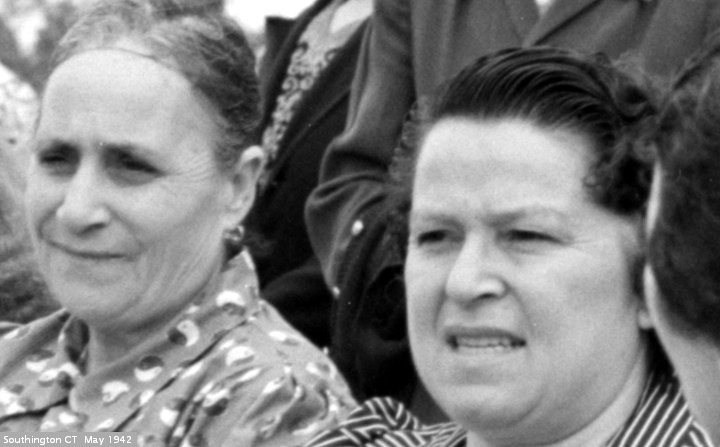
PG and his neighbor DA went out to drink beer and shoot pool. The destination was a place called the Watering Hole. The Watering Hole used to be a VFW. There was a TV repair store next door. When the county legalized bars, the VFW went somewhere else. The TV repair store became the game room. You could see on the floor where the counter used to be.
This was a weeknight. The other customer was past his limit. The drunk was fussing at the bartender when PG and DA walked in.
PG got lucky and hit a good shot on the pool table. He got a bit cocky, and said “and now for my next trick”. The drunk staggered into the game room, and lay down on an empty pool table. DA replied, “Is that your next trick?”
Before long, it was time to go home. As PG and DA were leaving, the drunk was arguing with the bartender. He wanted to buy a twelve pack to take home. The drunk won the argument, and started walking up Clairmont Road with his prize.
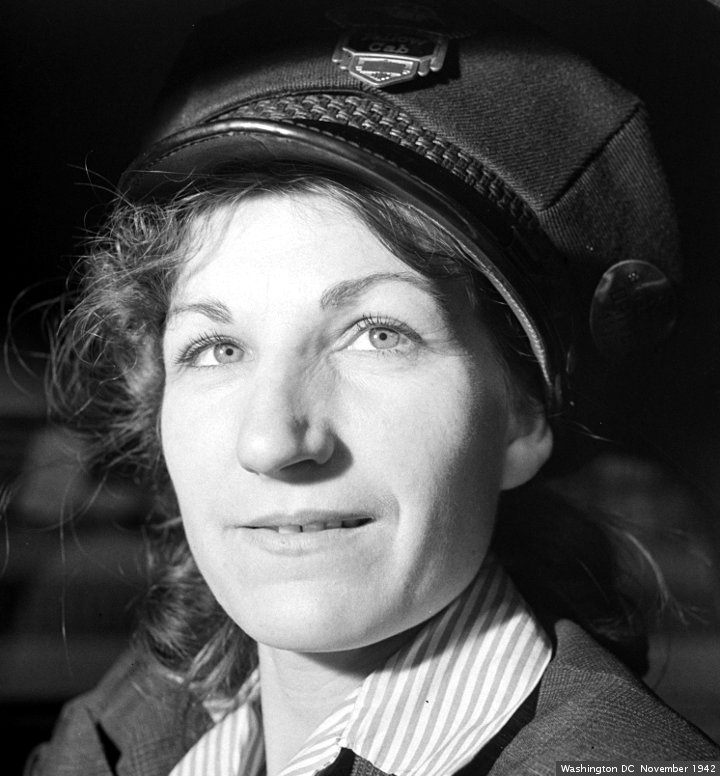
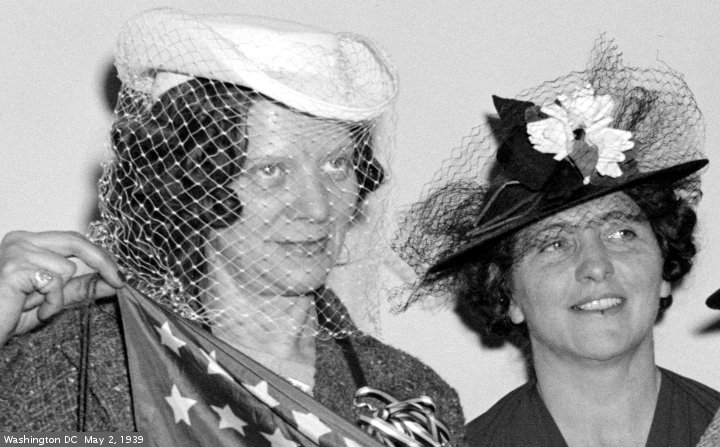
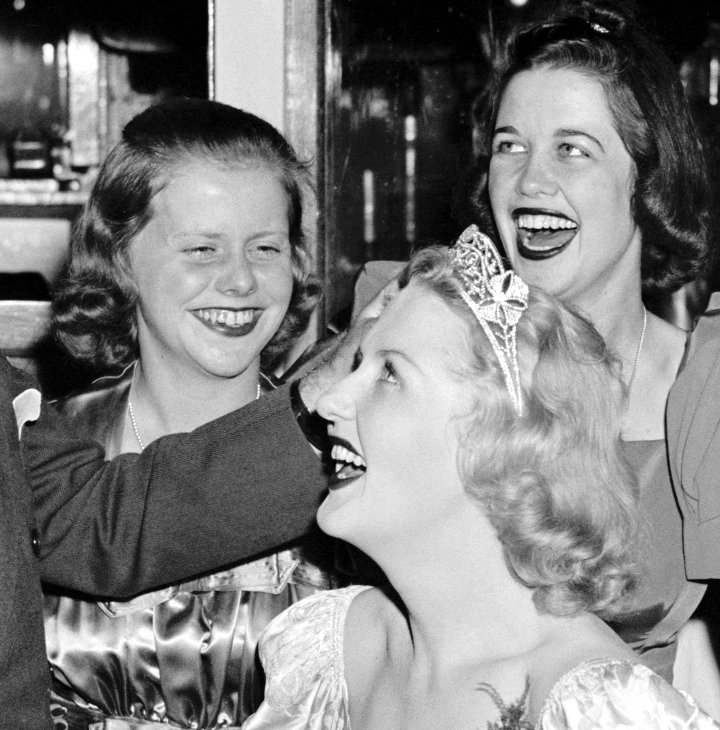
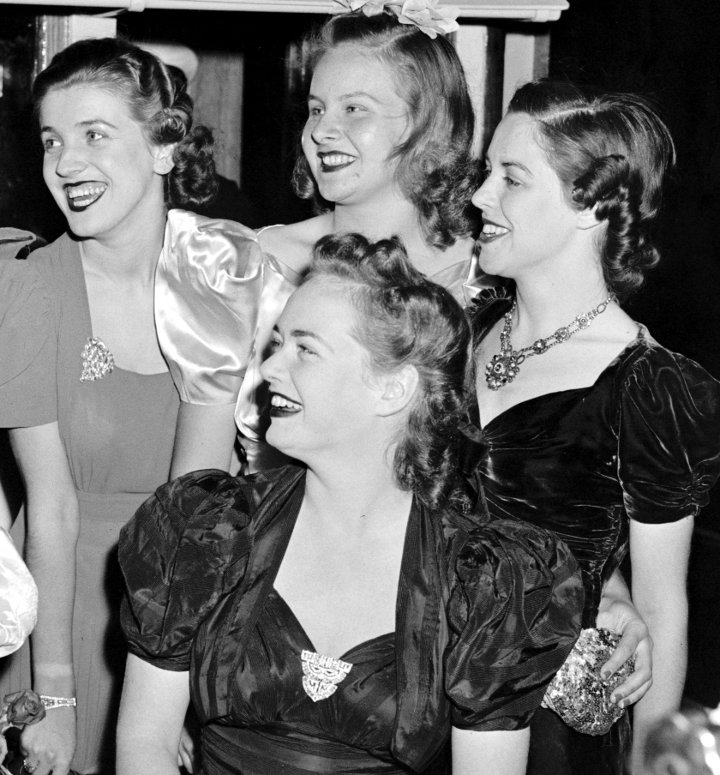
PG got a block or so away from the Watering Hole. He saw the drunk sitting in front of a seven eleven store. The drunk was sitting on the curb, drinking a beer. PG drove in front of him, and stopped the car. DA got out, and walked over to the curb. She picked up the eleven pack, and walked over to the car. Her pace was deliberate. The drunk stood up and yelled obscenities. The car drove away. off. This is a repost. Pictures are from The Library of Congress.



A Rainbow Prayer


The National Day of Prayer was last week. This is a repost.
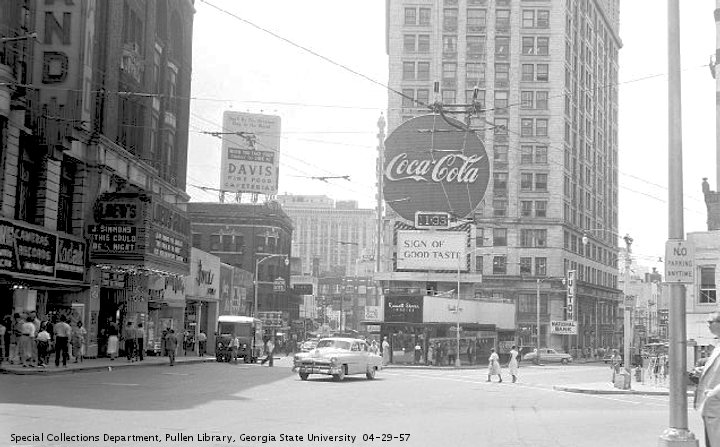
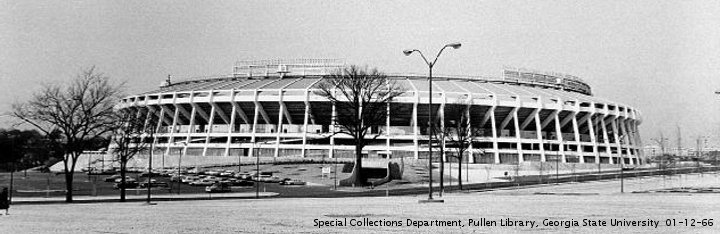
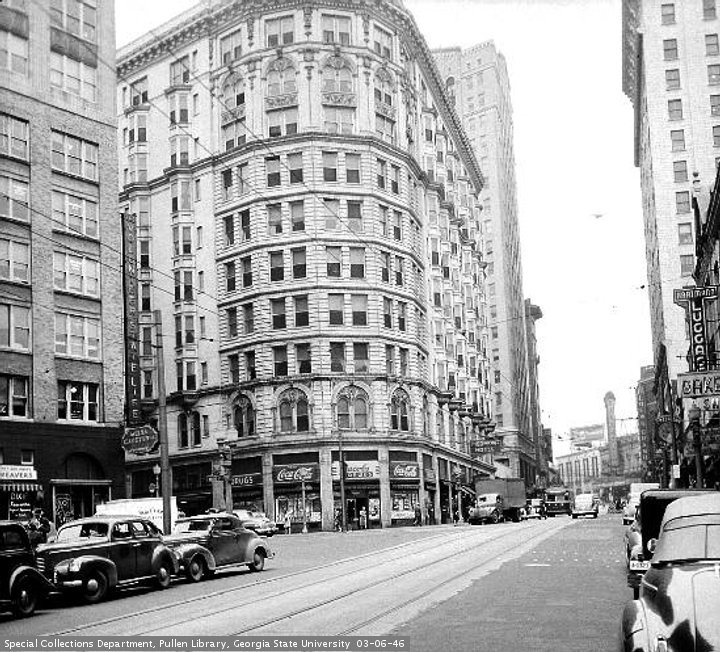
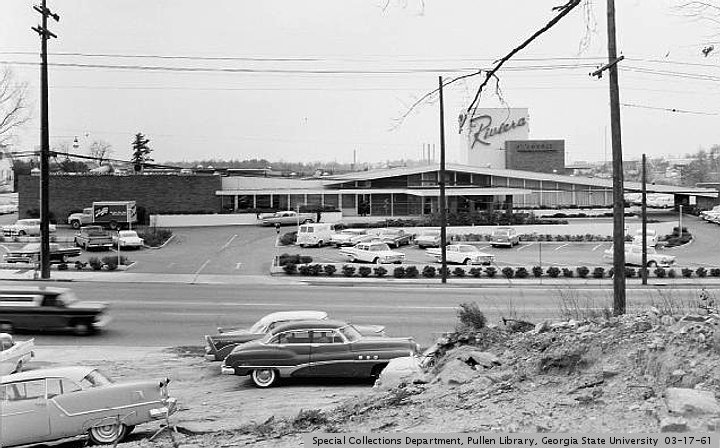
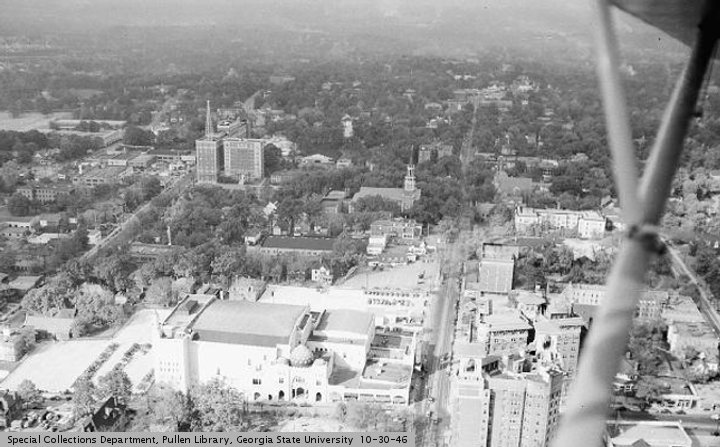
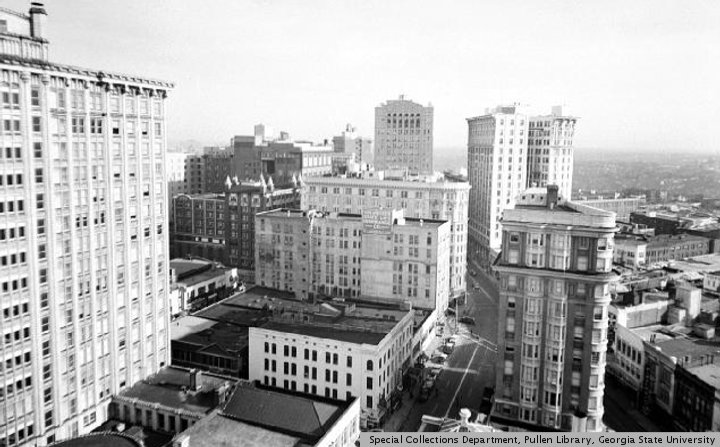
Pictures are from “The Special Collections and Archives,Georgia State University Library”.
Good Morning G-d. Please give me the slack I need to make it through this busy life. I have a birthday today, and am getting older. Please give me less pain, both above and below the neck. Thank you for letting me get this far. Thank you for the gift of sobriety, and the memory of inebrience. The gift of moderation would have been appreciated. Help me to overcome body chemistry telling me to be unhappy. If this doesn’t work, help me hide it better.
Please tell the Jesus Worshipers to shut up. They make too much noise. Help me to forgive them. Give Jesus Worshipers a bit more humility. Help Jesus Worshipers to get over their confusion, and quit hating gay people. Let people know that G-d does not write books. Let men know that A REAL MAN KEEPS CONTROL OF HIS TEMPER. Please tell the proud people praying today that it is better to listen than to talk, and that louder does not mean more true.
Please find a happy medium for Atlanta water. Let us have neither drought nor flood. It would help if the developers would move to North Carolina, and the politicians would grow a conscience.
G-d, please try to get along better with Allah. This is important. Maybe if you and her got along better, then all those religious crazies would hate each other less. Help white people and black people get along better. Please be good to the people who have already lived, and are now deceased. Please understand that I am not in a hurry to join them.
Help Mr. Obama with the mess this country is in. Help Israel get along with her neighbors, and live within her borders. Help the world solve the carbon dioxide problem.
Thank you for the birds that sing. Thank you for dogs, and dog owners who clean up. Thank you for earth, air, fire, and water. Thank you for the people who enjoy this prayer. Help those who are offended to get over it. Namaste, amen, all my relations, Good Bye.




Jesus And Mr. Gandhi


One day, PG is going to learn not to read facebook first thing in the morning. He was scrolling along, minding his own business, when he found this comment: “Are you kidding me. Judge NOT least you are JUDGE. You have NO right nor do I as a Christain to interpet one man’s thought or opinion or idea of whom our CHRIST is to HIM (Ghandi) or to you or myself. Self judging of other people or life styles was one the things that really ticked Christ off. Til we accept that and stop be so judgmental we are no better than the Devil himself.” PG had a reply: “1-When you have religion shoved in your face, you need to make a judgement… do I agree with this, or not agree? If the religion was not forced upon us, we would not have to make this judgement. 2- When you say I am the devil, you say more about yourself than you do about me.”
The first comment was made by a former supervisor of PG. “Wildman” was the store manager when PG was tormented by the Professional Jesus Worshiper (PJW). During this crucible, PG was forced to re-examine his opinions about Jesus. This was not easy for PG, as Jesus had long been a painful presence in his life.
PG decided that there were two forces known as Jesus. One was the historic figure, whose life was partially recorded in the bible. The second Jesus was a spirit, living in the hearts of those who believe in him. The present day spirit Jesus has little in common with the historic Jesus, other than the name. The best way to know Jesus is through the words and deeds of his believers.
The initial comment was made to a post at Christianity.com. Apparently, the comment was automatically posted to facebook. The post, Gandhi Doesn’t Like Us, was written by Tim Challies. He is a popular Jesus worship blogger, and is much admired at blogs where PG is banned from commenting. The page is sponsored by Christians United For Israel. They are distributing a free ebook, Israel 101, with the slogan “Defend the land Jesus walked.”
Mr. Challies is a competent writer. He crafts an opening to the post which states the points he is going to make. “How many times have you come across this quote attributed to Mahatma Gandhi? “I like your Christ. I do not like your Christians. Your Christians are so unlike your Christ.” I must have read it a hundred times in books, magazines, articles, tweets. It is used by believers and unbelievers to point to the hypocrisy of Christians and to call us to more and to better. Our inability to live what we preach is driving the multitudes away. Or so we are told. After all, that’s what Gandhi said.
We need to stop using this quote and I’m going to give you two good reasons to do so. In the first place, Gandhi was hardly an authority on Jesus. When he says, “I like your Christ” he is referring to a Jesus of his own making, a Jesus plucked haphazardly from the pages of Scripture, a Jeffersonian kind of Jesus, picked and chosen from the accounts of his life. “
PG agrees with Mr. Challies, but for different reasons. To begin with, no one seems to have a source for this quote. What was the context? What language was it said in? This quote is the best answer Mr. Google can supply:
“A 1926 review by the Reverend W.P. King (then pastor of the First Methodist Church of Gainesville, Georgia) of E. Stanley Jones’s The Christ of the Indian Road (published in 1925 by The Abington Press, New York City) includes the following: Dr. Jones says that the greatest hindrance to the Christian gospel in India is a dislike for western domination, western snobbery, the western theological system, western militarism and western race prejudice. Gandhi, the great prophet of India, said, “I love your Christ, but I dislike your Christianity.” The embarrassing fact is that India judges us by our own professed standard. In reply to a question of Dr. Jones as to how it would be possible to bring India to Christ, Gandhi replied: First, I would suggest that all of you Christians live more like Jesus Christ. Second, I would suggest that you practice your Christianity without adulterating it. The anomalous situation is that most of us would be equally shocked to see Christianity doubted or put into practice. Third, I would suggest that you put more emphasis on love, for love is the soul and center of Christianity. Fourth, I would suggest that you study the non-Christian religions more sympathetically in order to find the good that is in them.”
The quote is less than 100 years old, and it is disputed. The reputed words of Jesus were said in Aramaic. They were quoted, after his death, by scribes who never met Jesus, in Greek. These texts were copied by hand and compiled into a canon for the Catholic church. This canon was translated into contemporary languages. And yet, this record of the teachings of Jesus is regarded as the verbatim, inerrant truth.
Another problem with the quote is the use of the word “Christ”. This was an honorific title, and not the name of Jesus. (Some say that the name was closer to Joshua. It was probably an Aramaic name that we would find difficult to pronounce.) There are many people who say that Jesus might not be the Christ.The two names are not synonymous, nor is Christ the last name of Jesus.
Mr. Gandhi had some name issues as well. His birth name was Mohandas Karamchand Gandhi. Many today refer to him as Mahatma Gandhi. “The word Mahatma, while often mistaken for Gandhi’s given name in the West, is taken from the Sanskrit words maha (meaning Great) and atma (meaning Soul). Rabindranath Tagore is said to have accorded the title to Gandhi. In his autobiography, Gandhi nevertheless explains that he never valued the title, and was often pained by it.”
Mr. Gandhi went to school in England, and worked as a barrister in South Africa. He was a smart man. If you want to put a quote from Mr. Gandhi on your vehicle, here are a few options:
“G-d has no religion”
“Be the change you want to see in the world.”
“Nobody can hurt me without my permission.”
“The weak can never forgive. Forgiveness is the attribute of the strong.”
“Whenever you are confronted with an opponent. Conquer him with love.”
“The best way to find yourself is to lose yourself in the service of others.”
“The weak can never forgive. Forgiveness is the attribute of the strong.”
“Live as if you were to die tomorrow. Learn as if you were to live forever.”
“One who has any faith in G-d should be ashamed to worry about anything ”
As we said earlier, Gandhi Doesn’t Like Us offers two reasons to not use the quote by Mr. Gandhi. Lets take a look. “Whatever Jesus Gandhi liked was certainly not the Jesus of the Bible. Why then should we care if we do not attain to this falsified version of Jesus? I would be ashamed to have any appearance to the kind of Jesus that Gandhi would deem good and acceptable and worthy of emulation. That Jesus would, of course, have to look an awful lot like Gandhi. So there is one good reason to stop using this quote: because Gandhi fabricated a Jesus of his own making and declared his affection only for this fictional character. He never liked the real thing”.
Arguably, this is what the contemporary church does. The light skinned Jesus of velvet paintings looks little like the real thing. Even critics of the church, who like to talk about what “Jesus really taught”, are relying on the product of a Catholic committee. The truth is, we don’t know very much about the historic Jesus. We fill in the blanks to suit whatever the current agenda is. What you think about Jesus says more about you than it does about Jesus.
Here’s a second reason. Gandhi had a fundamental misunderstanding of himself and of the rest of humanity. Gandhi no doubt loved the way that Jesus related to the downtrodden and disadvantages and assumed that he himself was a leper or Samaritan, when really he was a Pharisee. … Perhaps he might even have deigned to put himself in the place of the Prodigal Son, a man who had gone astray but then found hope and redemption. Whatever the case, the Jesus he liked must have been a Jesus who would love and accept him just as he was and not a Jesus who declared that even a man as good as he was an enemy of G-d.
Jesus spoke kind words and did great deeds; he comforted and healed and gave hope and a future. But not to everyone. Jesus reserved the harshest of words for the religious elite, those who declared that they were holy, that they understood the nature of G-d, that they had achieved some kind of enlightenment. Jesus had no love for such people. It was such people who received the sharpest of his rebukes and the most brutal of his “Woes!” They were the whitewashed tombs, the broods of vipers, the blind guides. Such men did not love Jesus. They may have loved Gandhi’s fabricated Christ but they hated the real one.
Who is the “religious elite” elite of today? Perhaps it is someone who publishes on a slick website, with an ad supporting the abuse of the Palestinian people. Perhaps it is the preacher in Lithonia who uses Jesus to lure teenage boys into his bedroom. Perhaps it is the PJW who conducted a vulgar ministry while working on the clock for redo blue. This PJW ended a tirade with the words, What you see is Jesus changing my life. Perhaps it is those who use Jesus to hurt people. The list goes on and on.
This Jesus, the Jesus of the Bible, would have rebuked Gandhi as he rebuked the Jewish leaders of his day, the people who led people walking behind them on the road to hell. Like them, he was convinced of his own goodness, his own worthiness. There are two good reasons to stop using this quote: Gandhi liked only the Christ of his own making and he believed that he was worthy of the favor of this Christ. On both accounts he was wrong; dead wrong.
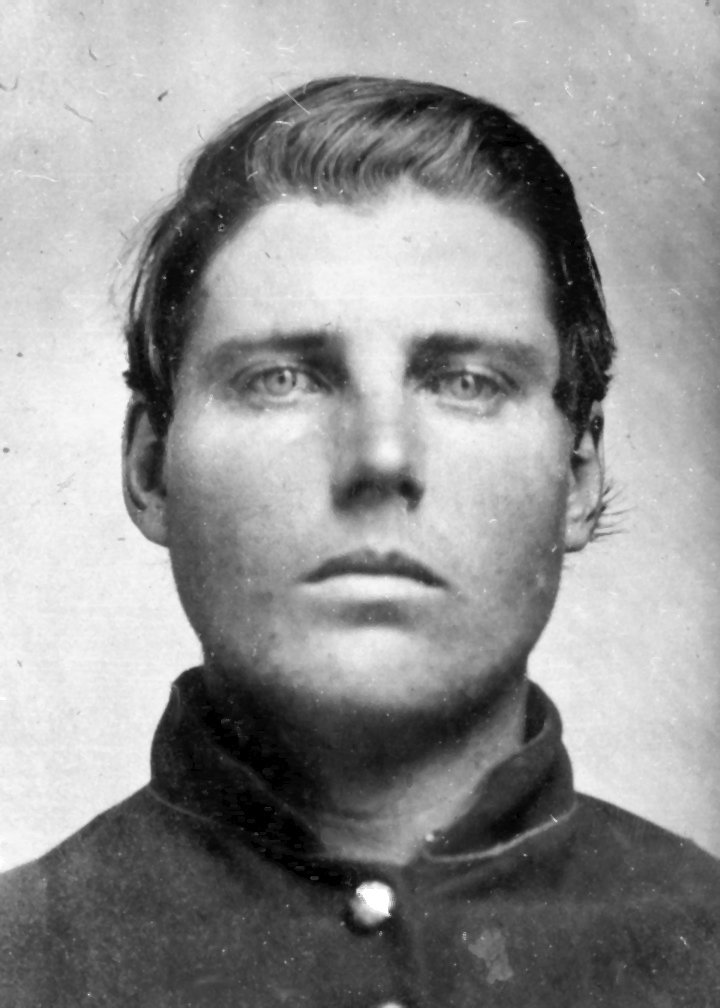
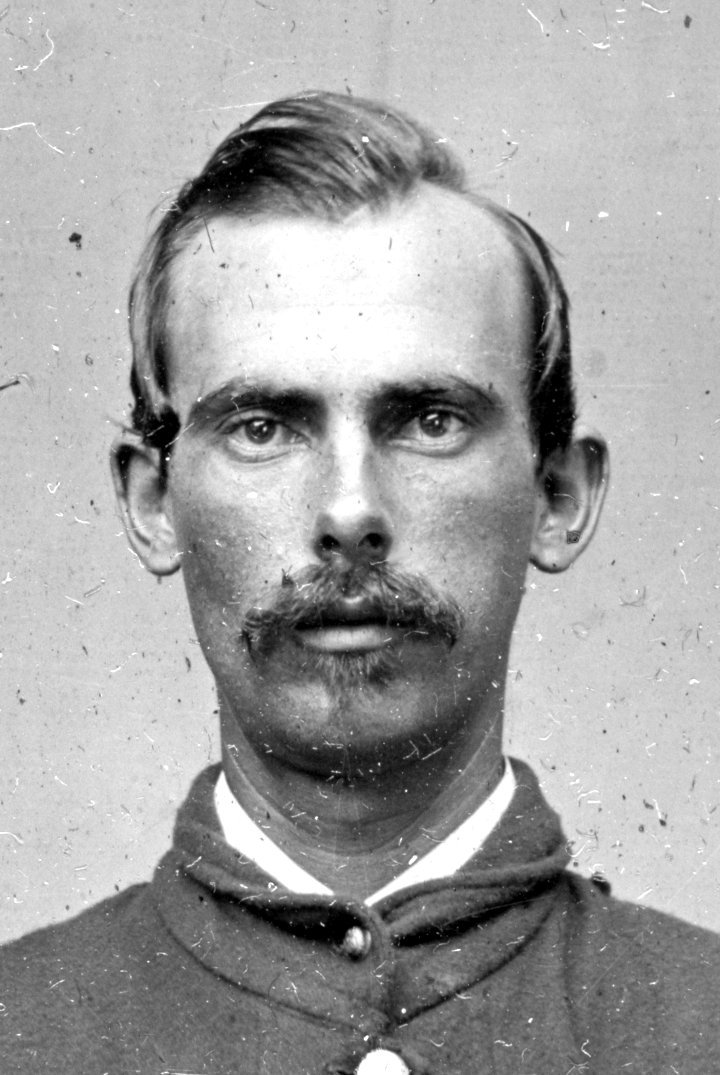
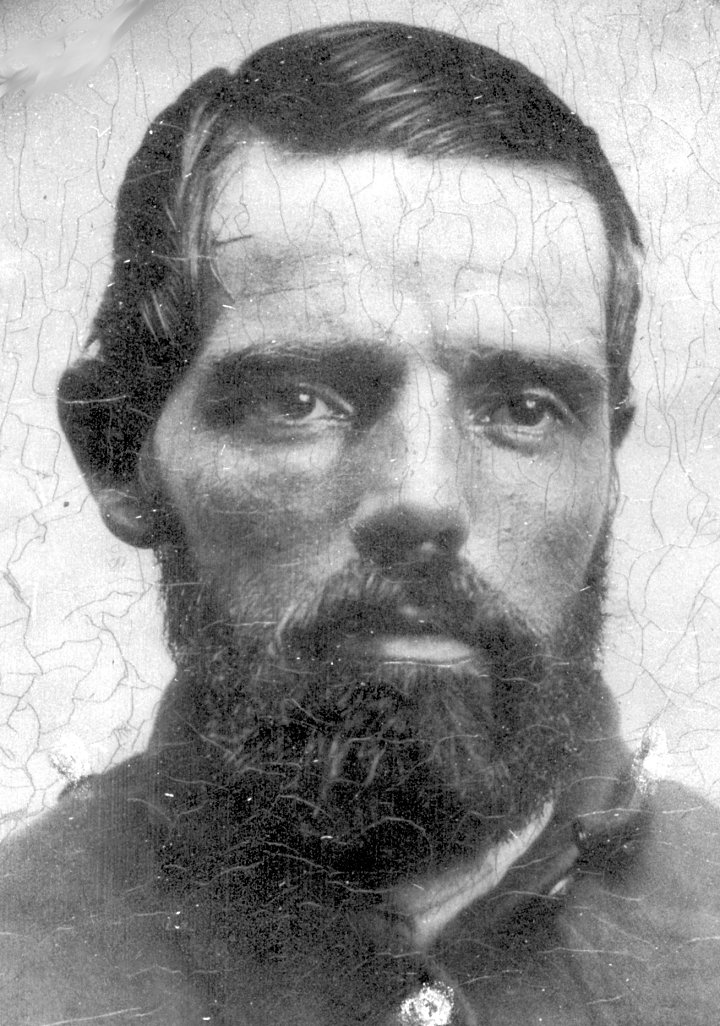
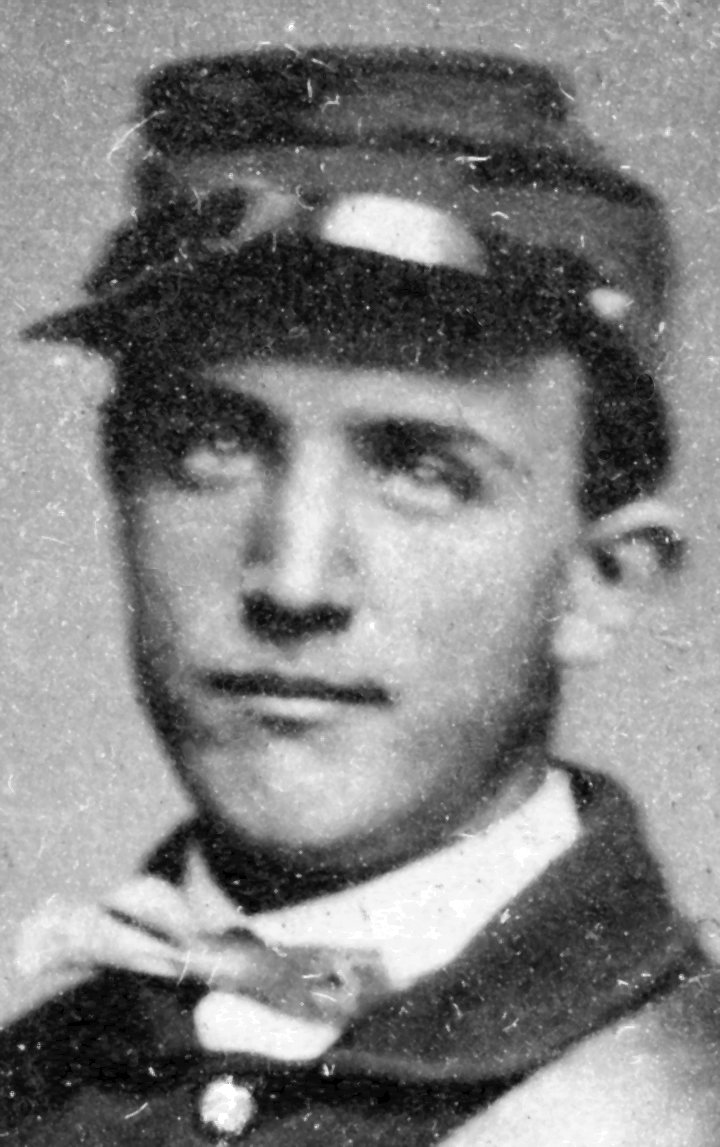
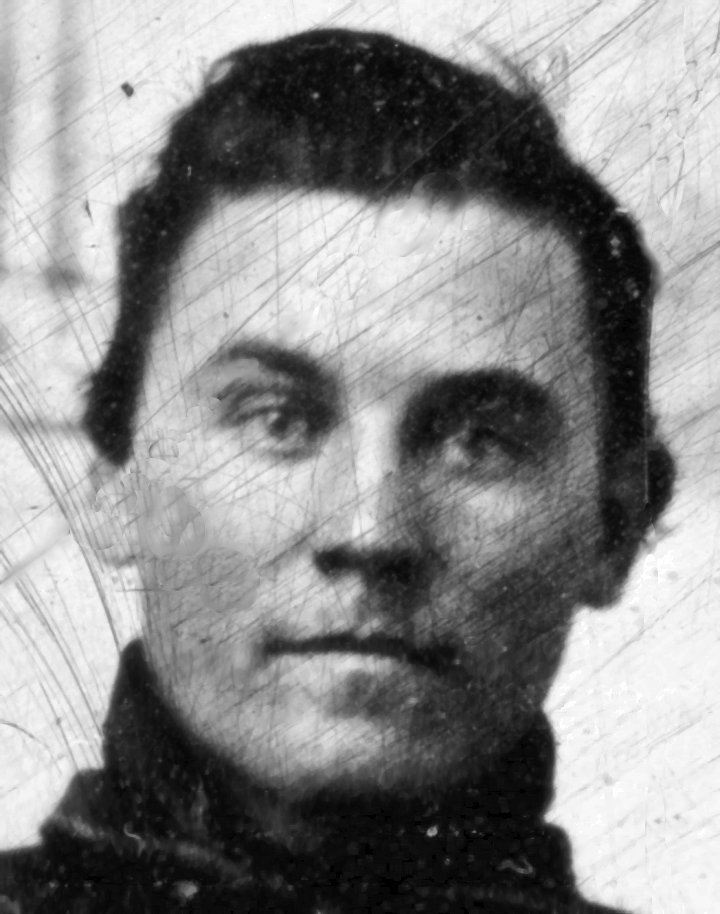
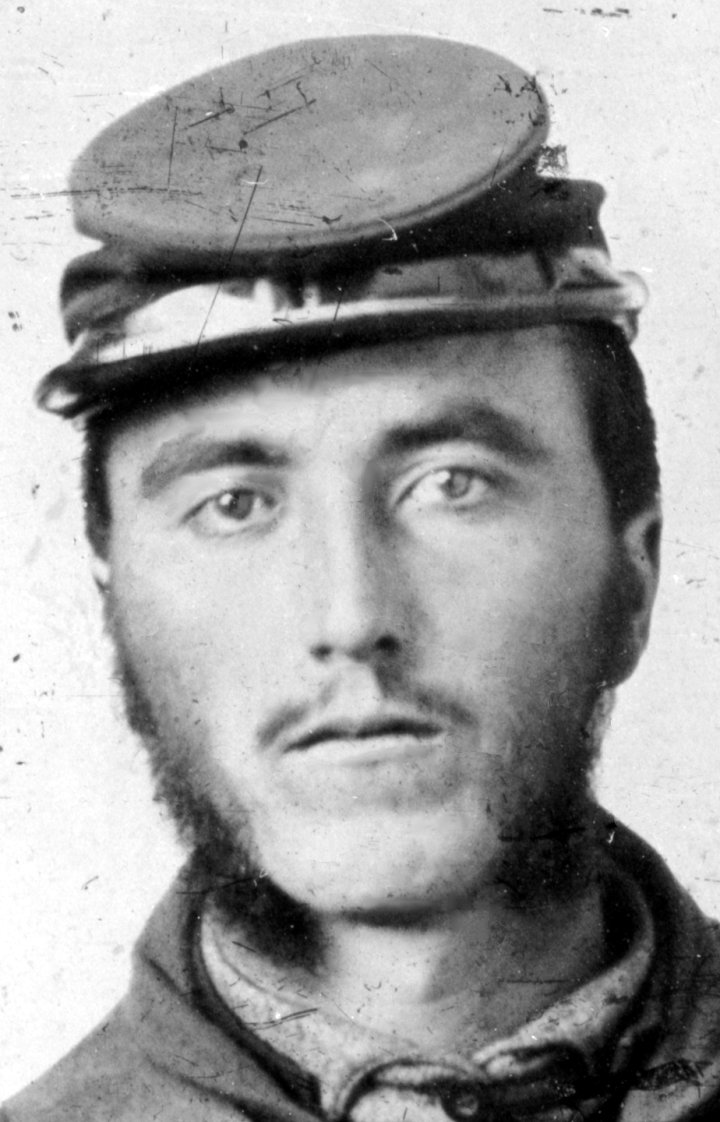
Pictures today are from The Library of Congress. They are Union soldiers, from the War Between the States. Both sides in this conflict believed that Jesus supported them. This is a repost.


Atlanta Rising
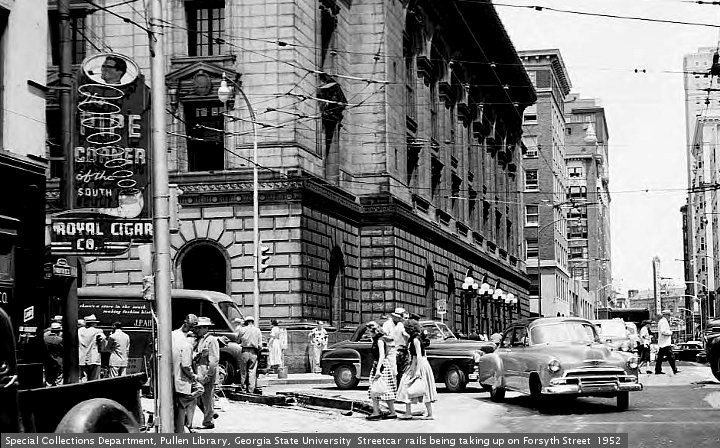


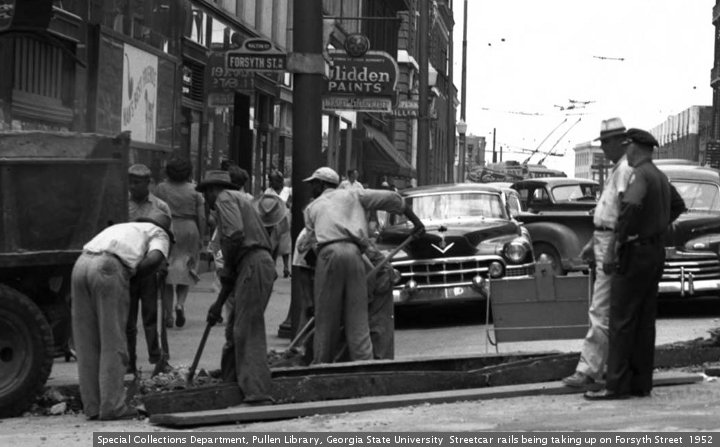
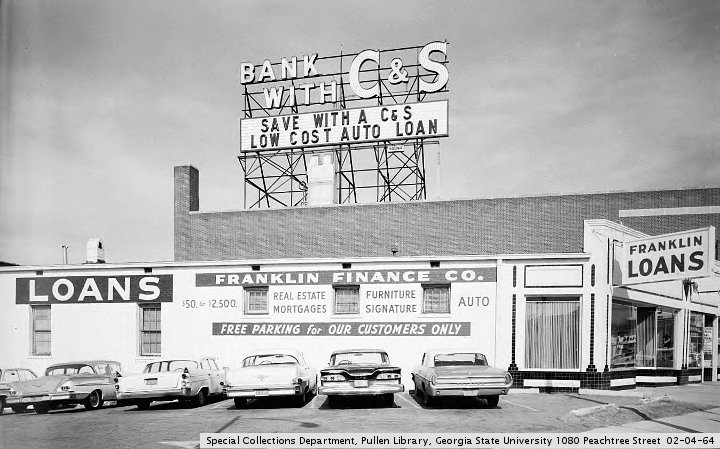
Atlanta Rising: The Invention of an International City 1946-1996 is on the shelf at the Chamblee library. This book is a history of Atlanta in the modern era, written by former fishwrapper scribe Frederick Allen. This is a repost.
The story begins in 1948. AR is weighted more to the older part of the story. The main text is 248 pages. On page 124, Ivan Allen has just built a controversial roadblock on Peyton Road, which would be in 1962. The further along in the story, the fewer details are included. The first big story is when Georgia had two governors. This is one of the best descriptions of the two Governors controversy around, and does not mention Ben Fortson’s wheelchair cushion.
The mayor at the start of the story is William B. Hartsfield. “Willie B” was a leader in creating the Atlanta Airport, and in building it into the powerhouse it is today. He was mayor until 1961, when Ivan Allen Jr. moved into the office.
AR has many moments of unintentional irony. When you read a book 18 years after it was written, and fifty years after the events in the book, you see things that could not have been imagined before. In 1960, many of the political-business elite thought it was time for Mr. Hartsfield to retire. Among his shortcomings was an indifference to sports. Mr. Hartsfield thought that a new stadium would be too great a drain on the city’s taxpayers. Fifty four years, and three stadiums, later, the power elite is going to build another stadium. Atlanta Stadium cost eighteen million dollars. The Blank bowl will cost over a billion. (In the past year, a plan to move the Braves to Smyrna was announced.)
One of the big stories here is civil rights. Atlanta came out of that struggle looking pretty good. It was a combination of image conscious businessmen, enlightened black leadership, and a huge helping of dumb luck. In 1961, the city was under federal pressure to integrate the schools. The state was firm in opposition, and the city wasn’t crazy about the idea anyway. Then, another federal court ordered the integration of the University of Georgia. Since the people would not stand for messing with their beloved University, the state laws forbidding integration were quietly repealed. The city schools were integrated with a minimum of fuss. (The book tells this story much better than a slack blogger.)
The controversy about the 1956 model state flag was going full steam when AR was written. The book has some legislative records, which for some reason never made it into the fishwrapper. There is no clear cut answer as to why the legislature changed the state flag. It was mentioned that at the national political conventions, you could not have a written sign, but you could wave a state flag. This controversy provided a diversion from gold dome crookedness, and hopefully has been laid to rest.
A man named Lester Maddox sold fried chicken, and ran for public office. AR describes Lester as looking a bit like an angry chicken. Through a series of constitutional convulsions, Lester was elected Governor in 1966. The state survived his tenure. In the seventies, when Jimmy Carter was running for President, Lester said a lot of rude things about Jimmy, helping the smiling peanut farmer get elected. In another turn of fate, Lester Maddox died June 25, 2003. This was two days after the eternal departure of Maynard Jackson, the first black Mayor of Atlanta.
The book ends with the 1996 Olympics looming over the city. Billy Payne led a smart campaign to secure the games for Atlanta. One of his moves was to keep Jimmy Carter and Ted Turner out of the action. After the 1980 boycott, and the Goodwill Games, neither person was popular with the I.O.C. The book was published before 1996. The Olympics were a blast.
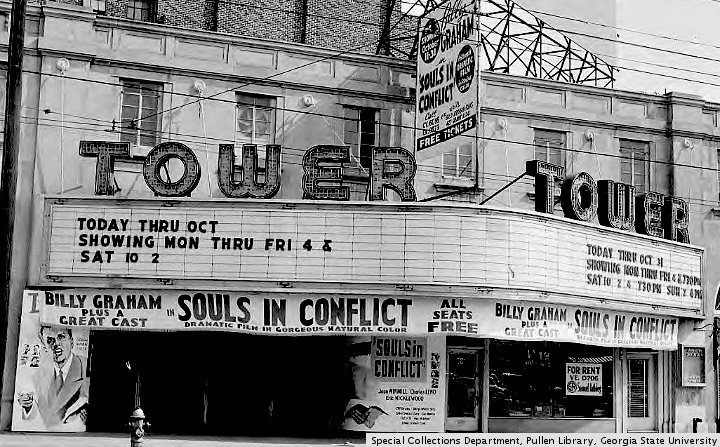
Pictures are from “The Special Collections and Archives,Georgia State University Library”.




Confederate Memorial Day
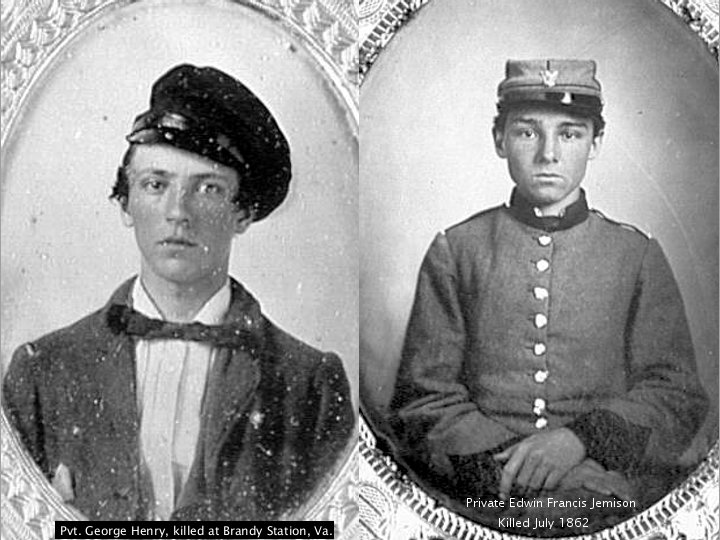

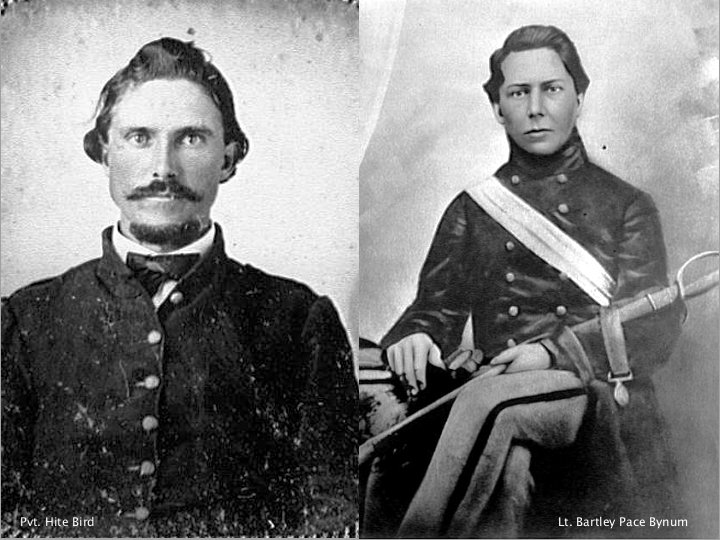
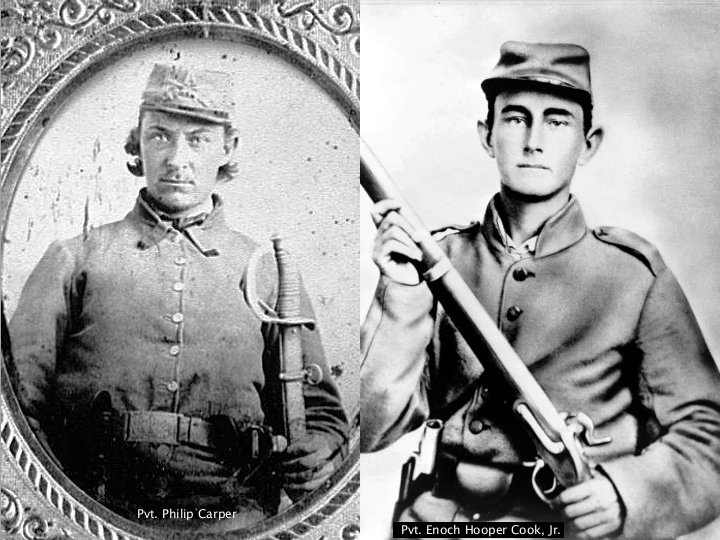
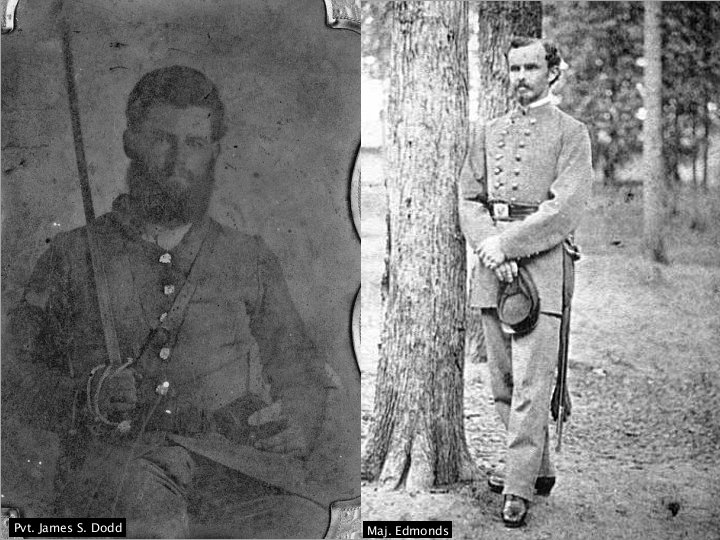

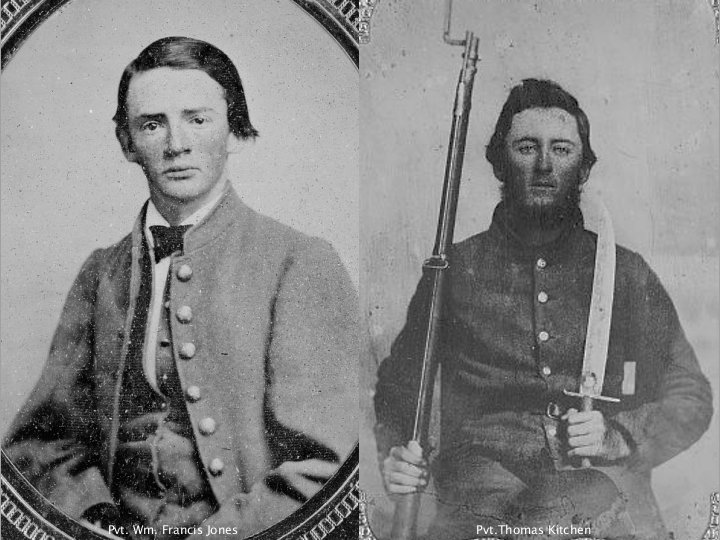
Today is Confederate Memorial Day in Georgia. It is an ancient question…how to honor the soldiers from the side that lost. They were just as valiant as the Union Soldiers. Considering the shortages of the Confederate Armies, the Rebels may have been just a bit braver.
The issue of Federalism is a defining conflict of the American experience. What powers do we give the Federal Government, and what powers do we cede to the States? The Confederacy was the product of this conflict. The Confederate States were a collection of individual states, with separate armies. This is one reason why the war turned out the way it did.
This is not a defense for slavery. The “Peculiar institution” was a moral horror. The after effects of slavery affect us today. Any remembrance of the Confederacy should know that. This does not make the men who fought any less brave.
It is tough to see the War Between the States through the modern eye. It was a different time, before many of the modern conveniences that are now considered necessities. Many say that the United States were divided from the start, and the fact the union lasted as long as it did was remarkable. When a conflict becomes us against them, the “causes” become unimportant.
The War was a horror, with no pain medicine, and little that could be done for the wounded. It took the south many, many years to recover. The healing continues in many ways today. Remembering the sacrifices made by our ancestors helps.
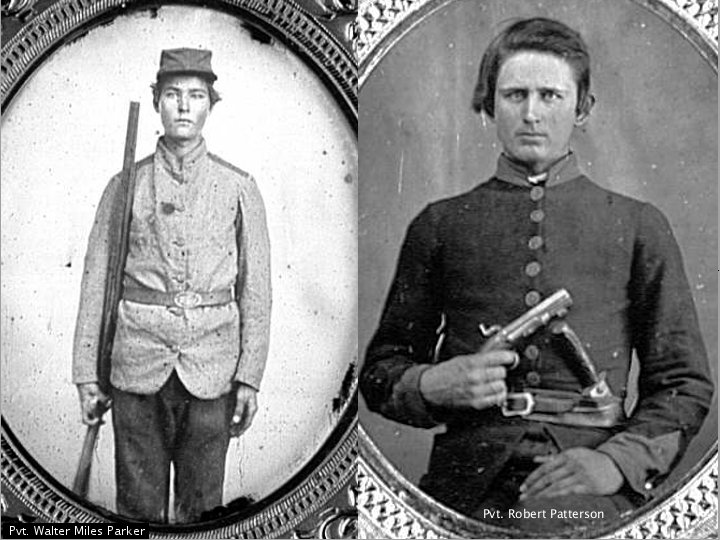
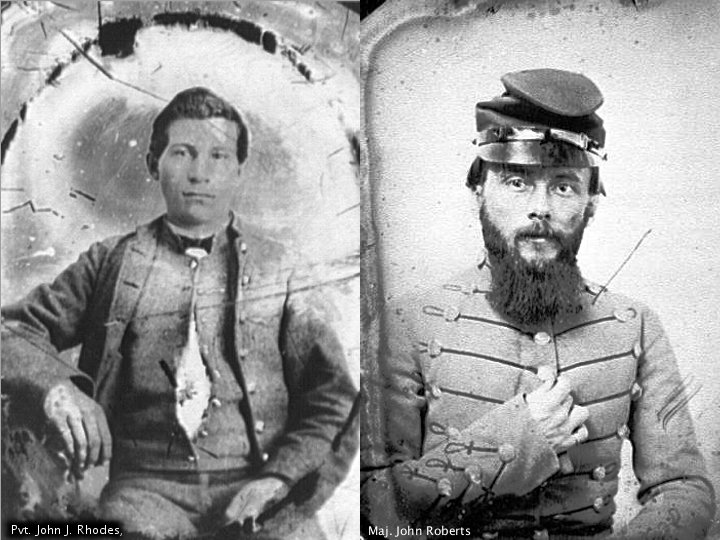
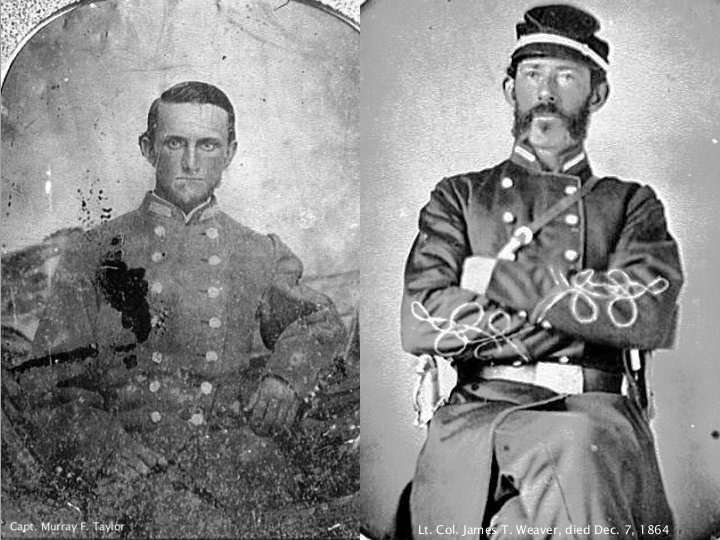
This is a repost from CMD 2010. Pictures are from the Library of Congress.


Anzac Day


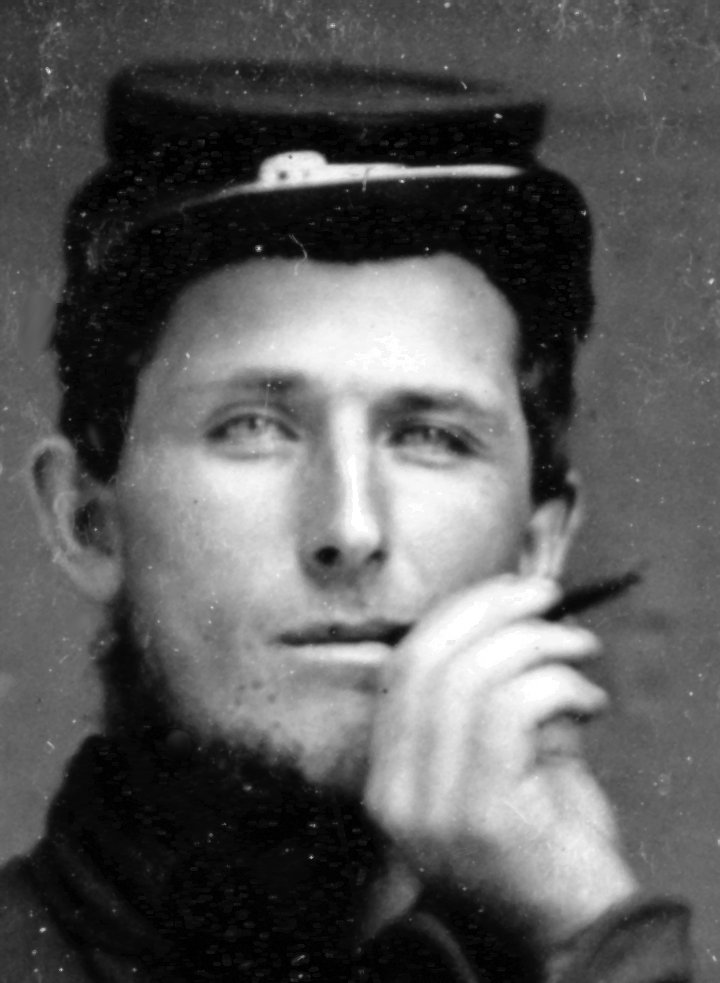
Today is Anzac day. Tomorrow is Confederate Memorial Day. Not all soldiers win.
On this day, ninety nine years ago, the troops from the British Empire landed on Gallipoli. The Great War had started a few months ago. The British were allied with the French, and the Russians, against the Germans, the Turks, and others. The War started in West Europe. The British decided to invade Turkey as a strategic move. It was a disaster.
Ninety Nine years later, Americans know little about Gallipoli. There have many other wars since then. Some of them have been more gruesome, or more useless. Millions of men died in “The Great War.” Today, not one person in ten thousand can tell you what they died for.
There was a movie made about Gallipoli. Mel Gibson was one of the players. Someone said, of the Turks and Australians, that we should fight them there, so we won’t have to fight them here. Australia, and New Zealand, were not fighting in self defense. Ninety years later, that same phrase was used to justify the slaughter in Babylon.
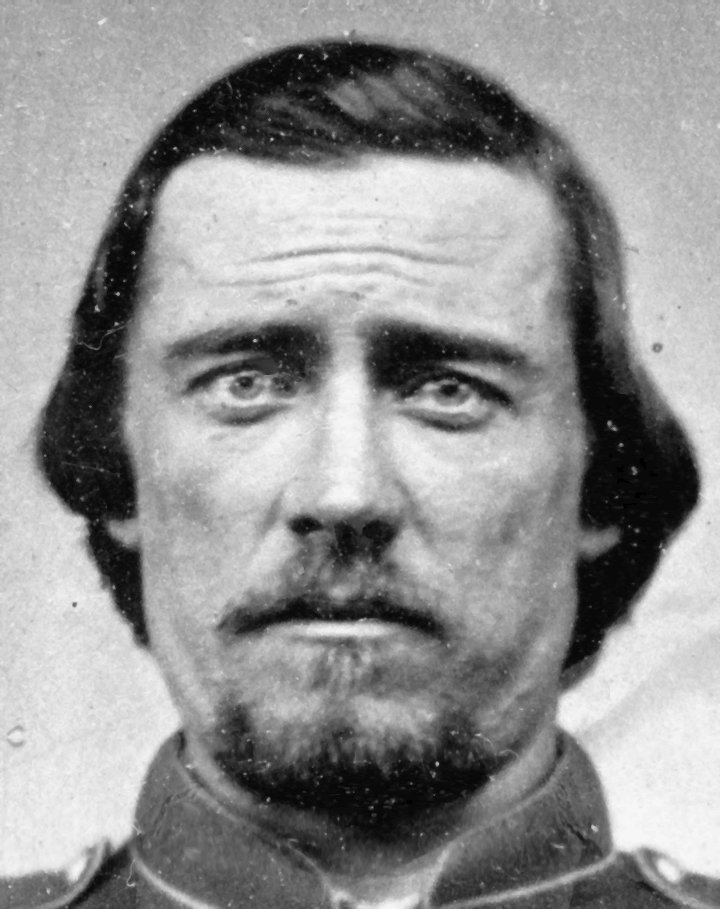
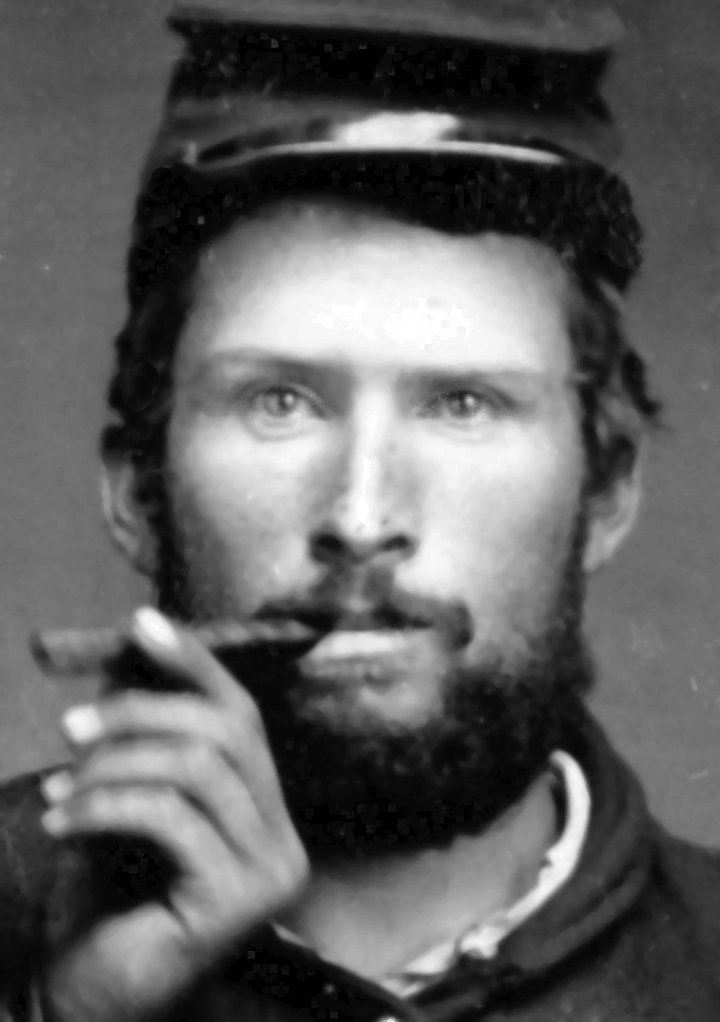
Pictures are from The Library of Congress. They fought in the War Between the States.


1941



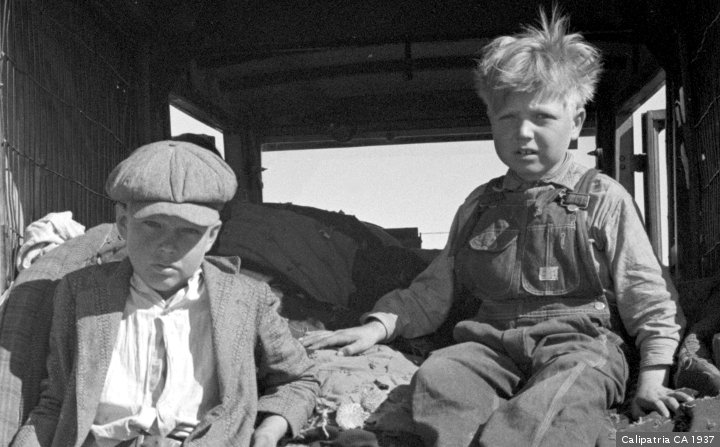

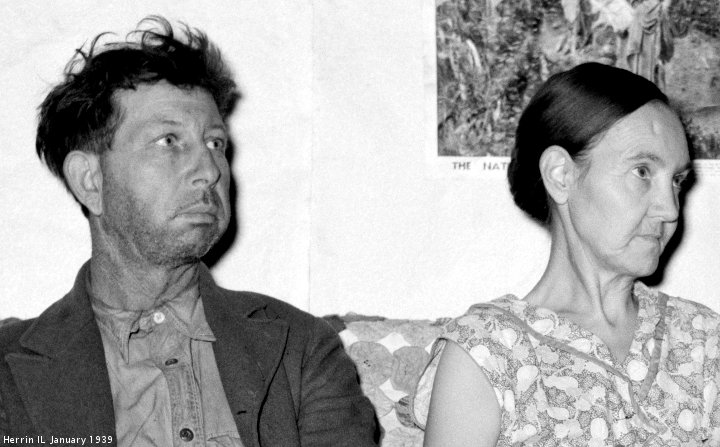
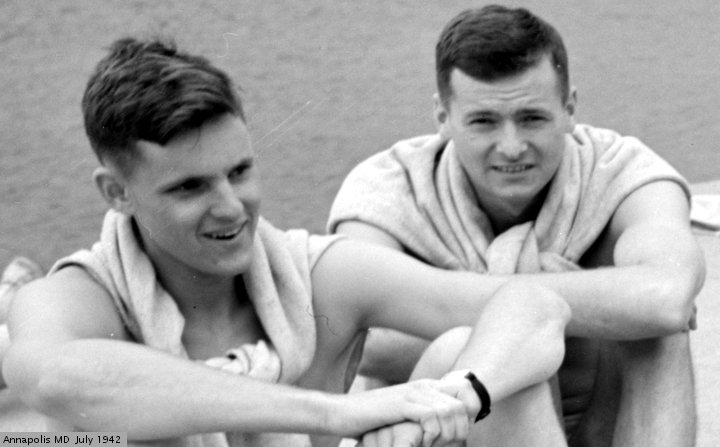


A few weeks ago, PG was riding his bike on a sunday afternoon, and found the remains of a yard sale. The items which had not sold were left behind. PG scored a few books. Outside of the library, and the dumpster behind a used book store, this is the best way to get reading material. The first book to go before eyes (or be read by four eyes) was 1941 — The Greatest Year In Sports: Two Baseball Legends, Two Boxing Champs, and the Unstoppable Thoroughbred Who Made History in the Shadow of War. What are publishers thinking of with these eternal titles? For purposes of this book report, the book will be known as 1941.
There are five stories in this book. The background tale is the world going over the edge with World War II. A horse, Whirlaway, won the triple crown. Two boxers, Joe Louis and Billy Conn, had a fight. Joe Joe DiMaggio hit safely in fifty six consecutive games. And Ted Williams hit .406.
This was thirteen years before PG was born. It seems like more than that. People took trains to travel. When a major event took place, you went to a neighbor who had a radio, and you listened. When you got in a war, you drafted men, and they died. (On PG’s birthday minus thirteen, Hank Greenberg went into the army. Athletes served in the military.) The internet, unmanned aircraft, and millionaire ballplayers would be considered science fiction.
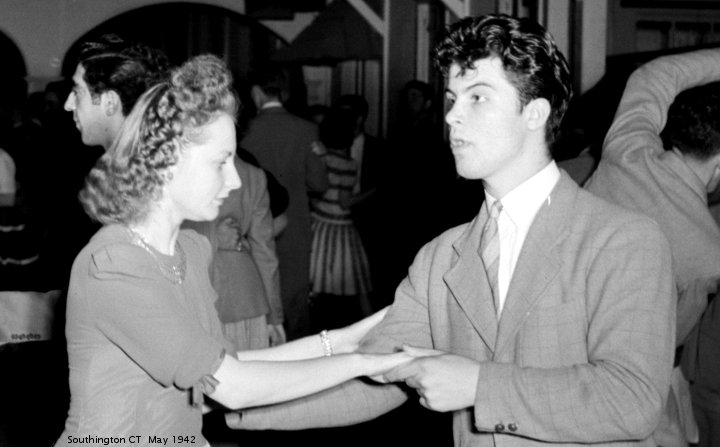
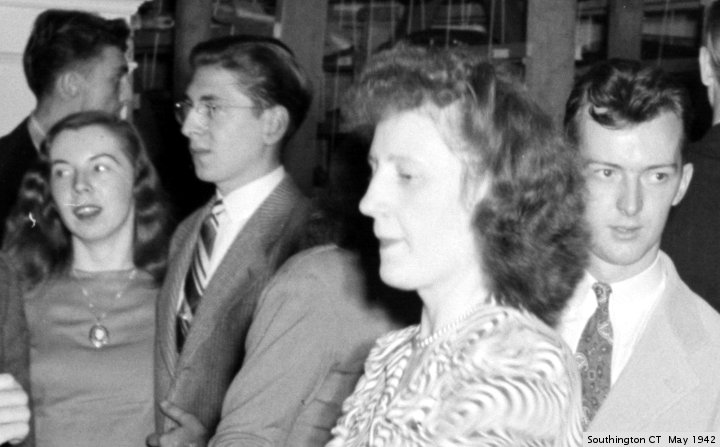
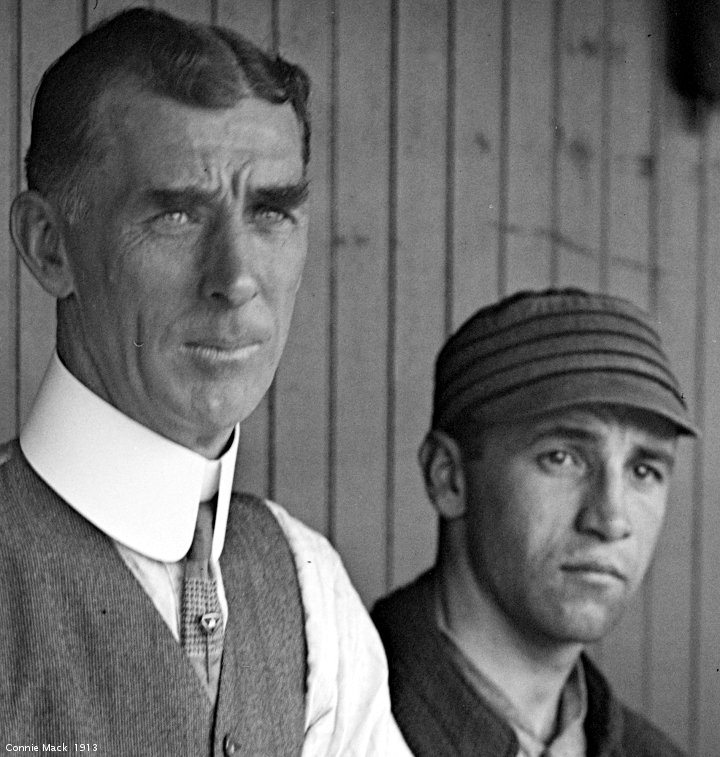
PG has been an off, and on, sports fan for a while. It has been mostly off. With ball games, it is easy to pick up where you left off. You can watch a few minutes of a game, and know what is going on. 1941 was easy to follow, and a fun story. It was like being a twelve year old reading Sports Illustrated. Pictures today are from The Library of Congress.




Lewis Grizzard



In the time between 1980 and 1994, if you lived in Atlanta you heard about Lewis Grizzard. Some people loved him. Some did not. He told good old boy stories about growing up in rural Georgia. Many of them were enjoyable. He also made social and political commentaries, which upset a few people.
PG had mixed feelings about Lewis. The stories about Kathy Sue Loudermilk and Catfish were funny. His opinions about gays, feminists, and anything non redneck could get on your nerves. His column for the fishwrapper upset PG at least twice a week.
In 1982, Lewis (he reached the level of celebrity where he was known by his first name only) wrote a column about John Lennon. Lewis did not understand why Mr. Ono was such a big deal. PG cut the column out of the fishwrapper, and put it in a box. Every few years, PG would be looking for something, find that column, and get mad all over again.
The New Georgia Encyclopedia has a page about Lewis, which expresses some of these contradictions. If Grizzard’s humor revealed the ambivalence amid affluence of the Sunbelt South, it reflected its conservative and increasingly angry politics as well. He was fond of reminding fault-finding Yankee immigrants that “Delta is ready when you are,” and, tired of assaults on the Confederate flag, he suggested sarcastically that white southerners should destroy every relic and reminder of the Civil War (1861-65), swear off molasses and grits, drop all references to the South, and begin instead to refer to their region as the “Lower East.” Grizzard also wore his homophobia and hatred for feminists on his sleeve, and one of the last of his books summed up his reaction to contemporary trends in its title, Haven’t Understood Anything since 1962 and Other Nekkid Truths (1992).
In the end, which came in 1994, when he was only forty-seven, the lonely, insecure, oft-divorced, hard-drinking Grizzard proved to be the archetypal comic who could make everyone laugh but himself. He chronicled this decline and his various heart surgeries in I Took a Lickin’ and Kept on Tickin’, and Now I Believe in Miracles (1993), published just before his final, fatal heart failure.
As you may have discerned, Lewis McDonald Grizzard Jr. met his maker on March 20, 1994. He was 47. There was a valve in his heart that wasn’t right. The good news is that he stayed out of the army. At the time, Vietnam was the destination for most enlistees. The bad news is that his heart problems got worse and worse, until it finally killed him.
Sixteen years later, PG found a website, Wired for Books. It is a collection of author interviews by Don Swaim, who ran many of them on a CBS radio show called Book Beat. There are two interviews with Lewis Grizzard. The first one was done to promote My Daddy Was a Pistol and I’m a Son of A Gun. This was the story of Lewis Grizzard Senior, who was another mixed bag.
PG found himself listening to this chat, and wondered what he had been missing all those years. The stories and one liners came flowing out like the Chattahoochee going under the perimeter highway. Daddy Grizzard was a soldier, who went to war in Europe and Korea. The second one did something to his mind, and he took to drinking. He was never quite right the rest of his life. His son from adored him anyway. When you put yourself in those loafers for a while, you began to taste the ingredients in that stew we called Lewis Grizzard.
PG still remembers the anger that those columns caused … he has his own story, and knows when his toes are stepped on. The thing is, after listening to this show, PG has an idea of why Lewis Grizzard wrote the things that he did. Maybe PG and Lewis aren’t all that different after all.
The pictures for this feature are from The Library of Congress. While picking out the pictures, PG listened to the other Lewis Grizzard show with Don Swaim. They both have last names that are often mispronounced. When Lewis wondered where Klansmen get those pointy hats… at the KKK mart, perhaps… PG had to stop the broadcast and write a postscript. This is a repost.




 Chamblee54
1 comment