Founding Babydaddies




People often try to justify their opinions by saying that the “founding fathers” agree with them. They often are guilty of selective use of history. A good place to start would be to define what we mean by the phrase founding fathers. This is a repost
The FF word was not used before 1916. A senator from Ohio named Warren Harding used the phrase in the keynote address of the 1916 Republican convention. Mr. Harding was elected President in 1920, and is regarded as perhaps the most corrupt man to ever hold the office.
There are two groups of men who could be considered the founding fathers. (The fathers part is correct. Both groups are 100% white male.) The Continental Congress issued the Declaration of Independence, which cut the ties to England. Eleven years later, the Constitutional Convention wrote the Constitution that governs America today. While the Continental Congress was braver, the Constitution is the document that tells our government how to function. For the purposes of this feature, the men of the Constitutional Convention are the founding fathers.
Before moving on, we should remember eight men who signed the Declaration of Independence, and later attended the Constitutional Convention. Both documents were signed by George Clymer, Benjamin Franklin, Robert Morris, George Read, Roger Sherman, and James Wilson. George Wythe left the Convention without signing the new document. Elbridge Gerry (the namesake of gerrymandering) refused to sign the Constitution because it did not have a Bill of Rights.
The original topic of this discussion was about whether the founding fathers owned slaves. Many people wonder about this. If you go to google, and type in “did the founding fathers”, the first four answers are owned slaves, believed in G-d, have a death wish, and smoke weed.
The answer, to the obvious question, is an obvious answer. Yes, many of the founding fathers owned slaves. A name by name rundown of the 39 signatories of the Constitution was not done for this blogpost. There is this revealing comment at wiki answers about the prevalence of slave ownership. “John Adams, his second cousin Samuel Adams, Alexander Hamilton, and Thomas Paine were the only men who are traditionally known as founding fathers who did not own slaves.
Benjamin Franklin was indeed a founder of the Abolitionist Society, but he owned two slaves, named King and George. Franklin’s newspaper, the Pennsylvania Gazette routinely ran ads for sale or purchase of slaves.
Patrick Henry is another founding father who owned slaves, although his speeches would make one think otherwise. Despite his “Give Me Liberty or Give Me Death” speech, he had up to 70 slaves at a time. He did apologize from time to time. He knew it was wrong, he was accountable to his God, and bemoaned the “general inconvenience of living without them.”
Patrick Henry was a star of the Revolution, but not present at the Constitutional Convention. The author of the Declaration of Independence, Thomas Jefferson, was in Europe during the convention. Mr. Jefferson not only owned slaves, he took one to be his mistress, and kidsmama.
One of the more controversial features of the Constitution is the 3/5 rule. Here are the original words “Representatives and direct Taxes shall be apportioned among the several States which may be included within this Union, according to their respective Numbers, which shall be determined by adding to the whole Number of free Persons, including those bound to Service for a Term of Years, and excluding Indians not taxed, three fifths of all other Persons.” In other words, a slave was only considered to be 60% of a person.
This is offensive to people today. It was a compromise. The agricultural southern states did not want to give up their slaves. The northern states did not want to give up Congressional representation. This was the first of many compromises made about slavery, ending with the War between the States. This webpage goes into more detail about the nature of slavery.
The research for this feature turned up a rather cynical document called The myth of the “Founding Fathers” . It is written by Adolph Nixon. He asks : “most rational persons realize that such political mythology is sheer nonsense, but it begs the question, who were the Founding Fathers and what makes them so great that they’re wiser than you are?” (The link for this information keeps changing. Here is the latest source. This is not a totally reliable source.)
Mr. Nixon reviews the 39 white men who signed the Constitution. He does not follow the rule, if you can’t say anything nice about someone, then don’t say anything at all. Of the 39, 12 were specified as slave owners, with many tagged as “slave breeders”.
The Constitution, and the Bill of Rights, have served America well. However it was intended, it was written so that it could be amended, and to grow with the young republic. It has on occasion been ignored (when was the last time Congress declared war?). However fine a document it is, it was created by men. These were men of their time, who could not have foreseen the changes that America has gone through. Those who talk the most about the founding fathers know the least about them.




The Kinks


Dangerousminds brings the sad news that Pete Quaife, the original bass player for The Kinks , passed away yesterday. He was 66, and had been in dialysis for several years. Maybe it is time for Chamblee54 to do a post about The Kinks. This is a repost.
Battling brothers Ray and Dave Davies are the core of The Kinks. (The name is pronounced like the american Davis, as though the e did not exist). Ray was the vocalist, writer, and rhythm guitar player. Dave was the lead guitarist, and sparring partner for his brother. The fisticuffs were not restricted to the brothers. This led to the band being barred from performing in the United States between 1965 and 1969. The sixties happened anyway.
There were several hits in the early days, most notably “You really got me”. (This later became a signature tune for Van Halen). The band had numerous adventures, but never became the superstars that other British bands of that era did. Ray Davies developed as a songwriter, with many witty tunes, full of social commentary and britishness.(spell check suggestion:brutishness)
In the seventies The Kinks kept trooping on. They did an album called Preservation Act, which became the basis of a theatrical presentation. The next album was called Soap Opera, with a theater like production. This is where PG got to see The Kinks.


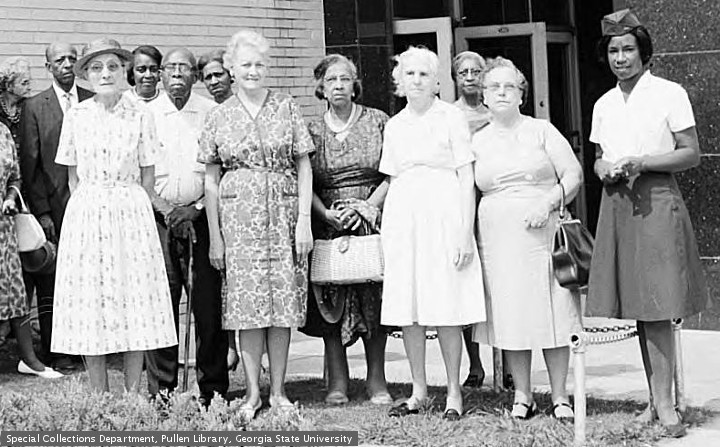
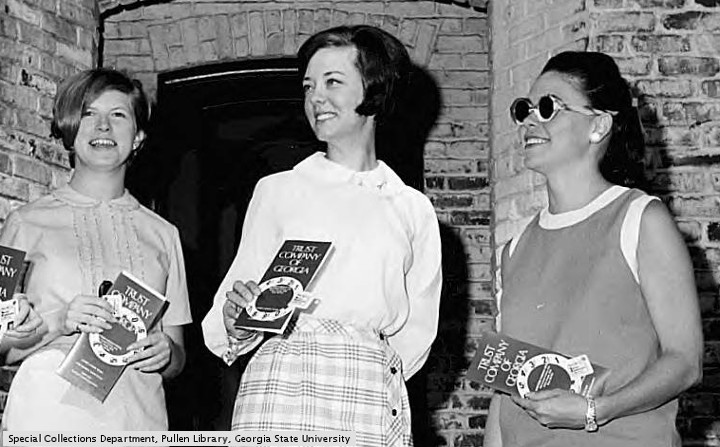
It was sometime in the spring of 1975, at the Atlanta Municipal Auditorium. Elvin Bishop was the opening act. The Kinks had started when PG arrived, buying a $4.00 balcony seat. Alex Cooley was in the box office counting money, and broke open a roll of quarters to make change for a five.
The band was playing “Celluloid Heroes” when PG walked into the auditorium. There was no one on the door checking tickets, so PG walked onto the floor and found an empty seat on the 13th row. The next number was “Lola”.
Ray Davies introduced the song by saying ” If you are a man, sing LO. If you are a woman, sing LA. If you are not sure, clap your hands”. The next number was about demon alcohol. There were lights shining on the crowd during this number, as Ray Davies asked if there were any sinners in the audience. The band did several more songs, ending the first half of the evening with “You really got me”. Dave Davies got some spotlight time with a rave up intro to this number.
The second part of the show was a theatrical presentation of “Soap Opera”. The band wore rainbow colored wigs, and stood at the back of the stage while Ray Davies told the tale. “Soap Opera” was about a rock star who traded places with Norman, who lived a boring life. The flat Norman lived in has pictures of ducks on the wall, which drove Ray/Norman to scream “I can’t stand those f*****g ducks”. This led into a rocking ditty called, predictably, “Ducks on the Wall”.
As the show dragged on, Ray/Norman was embarrassed by the mess he was in. “You can’t say that in front of The Kinks, they are my band, and that is my audience.” The audience lights were turned on again, and the band played a medley of hits from 1964.
Finally, the real Norman came back to reclaim his wife, put the ducks back on the wall, and kick out The Kinks. The band gave up on theater before much longer, and were popular for the rest of the concert happy seventies. Ray Davies was the babydaddy for Chrissie Hynde . Eventually, the band quit performing, and continued to cash royalty checks.
Pictures are from the “The Special Collections and Archives, Georgia State University Library”.

The Last Night Of Judy Garland




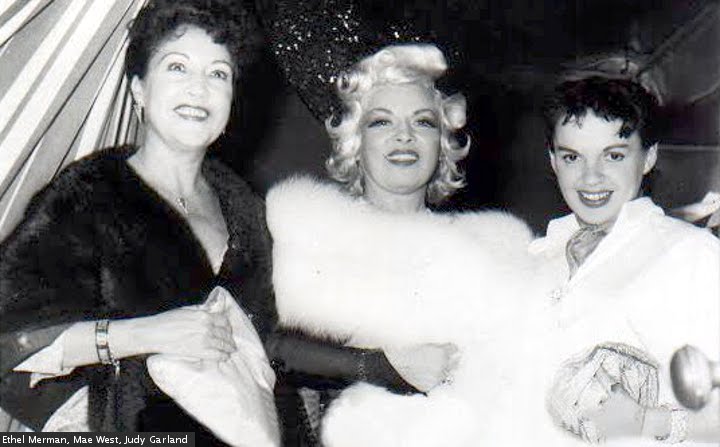
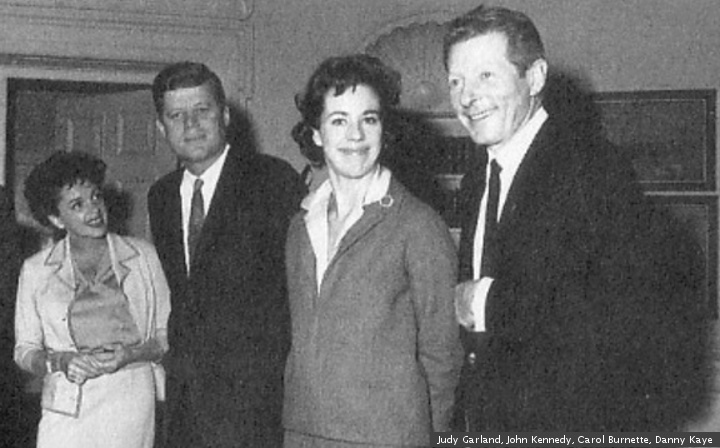
In march of 1969, Judy married her fifth husband, Mickey Devinko, better known as Mickey Deans, a gay night-club promoter. Judy had an unfortunate habit of marrying gay men. They lived together in a tiny mews house in Chelsea, London. The evening of Saturday June 21 1969, Judy and Mickey were watching a documentary, The Royal Family, on television, when they had an argument. Judy ran out the door screaming into the street, waking the neighbors.
Several versions of what happened next exist, but the fact remains that a phone call for Judy woke him at 10:40 the next morning, and she was not sleeping in the bed. He searched for her, only to find the bathroom door locked. After no response, he climbed outside to the bathroom window and entered to find Judy, sitting on the toilet. Rigor Mortis had set in. Judy Garland, 47, was dead.
The press was already aware of the news before the body could be removed. In an effort to prevent pictures being taken of the corpse, she was apparently draped over someone’s arm like a folded coat, covered with a blanket, and removed from the house with the photographers left none the wiser.
The day Judy died there was a tornado in Kansas…. in Saline County,KS, a rather large F3 tornado (injuring 60, but causing no deaths) did hit at 10:40 pm on June 21st, that would be 4:40 am, June 22nd, London time, the morning she died. I know the time of death has never been firmly established, but since Rigor Mortis had already set in, I think this tornado may very much be in the ballpark in terms of coinciding with time of death…. Other news articles suggest the tornado struck Salina “late at night” which could certainly also mean after midnight on June 22, or roughly 6:00 am London time.
The Toledo Blade for June 24th, also in an article located right next to a picture of Garland, in a write-up on the Salina tornado noted that “Late Saturday [June 21] and early Sunday [June 22, another batch of tornadoes struck in central Kansas.” So it seems the legend seems confirmed.
The text for this story comes from Findadeath. You can spend hours at this site. This is a repost. Pictures are from The Library of Congress.




Luther C. McKinnon
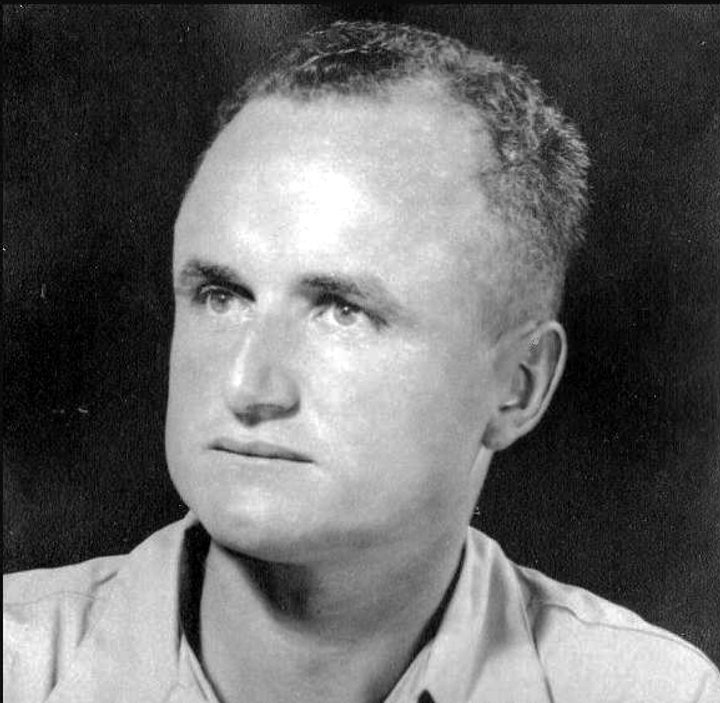

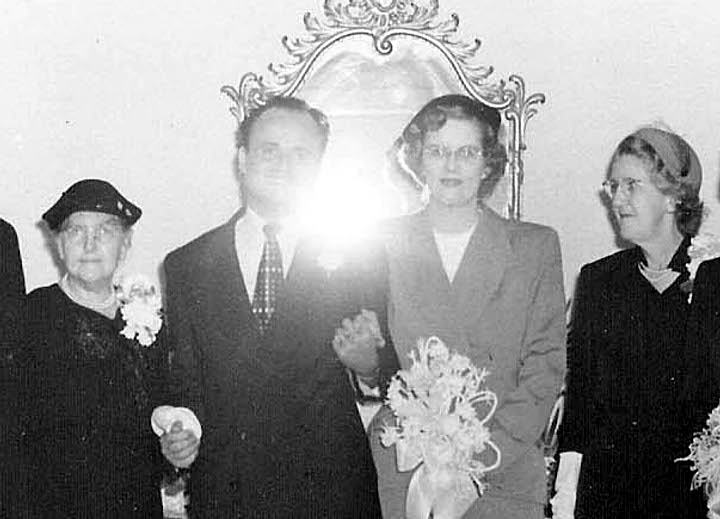
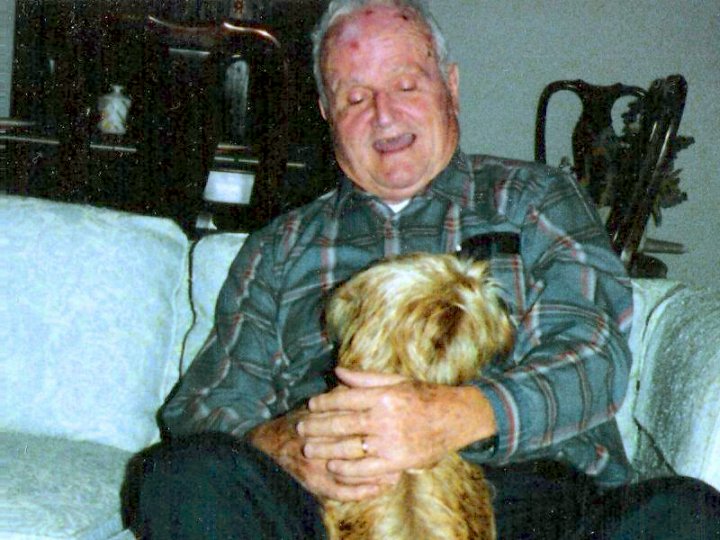
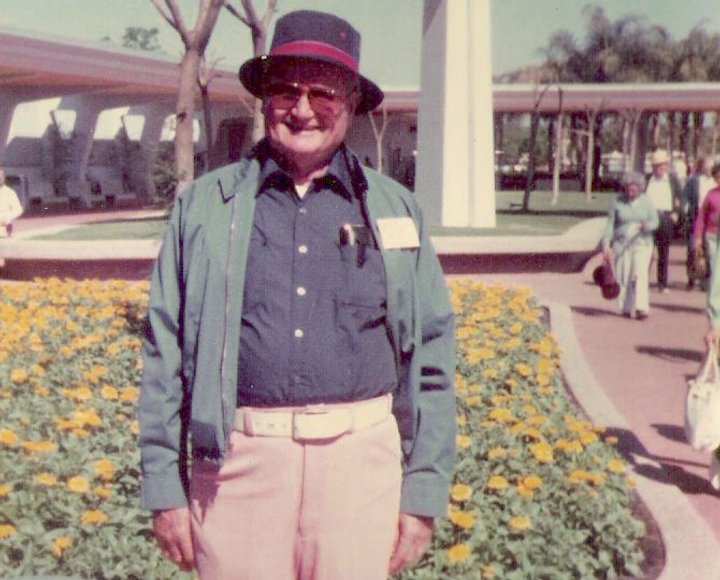
Luther Campbell McKinnon Sr. was born February 22, 1916, on a farm in Rowland, North Carolina. Europe was stuck in a war that would change the world, and not until The United States got involved. This didn’t happen for another year.
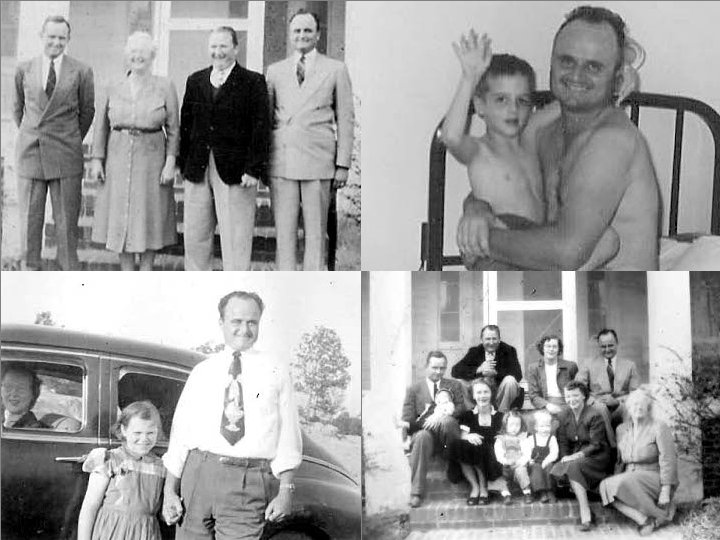
Luke was the youngest of four children. After life as a farm boy, he went to Wake Forest University, and then came back when his Daddy died. He ran a family dairy for a few years, and went to live in New Jersey. He lived near a prison, and saw the lights dim when the electric chair was used.
In the early fifties, he came to Atlanta to live. This was where his sister Sarah stayed, with her husband and two daughters. One day he went into the C&S bank on 10th street, and took notice of one of the tellers. On October 6, 1951, he married Jean Dunaway. She was with him the rest of his life.
At some point in this era he started selling shoes. He would go to warehouses, gas stations, and wherever barefoot men needed shoes. He was “The Shoe Man” .
Before long there were two boys, and he bought a house, then another. The second house is the current residence of my brother and myself, and is probably worth 15 times what he paid for it. He had the good fortune to not buy in an area that was “blockbusted,’ as many neighborhoods were.
And this was his life. He tended a garden, went to the gym, and was in the Lions Club for many years. When he met Mom, she let him know that going to church with her was part of the deal. They found a church that was good for their needs, and made many friends there. The Pastor at Briarcliff Baptist, Glen Waldrop, was his friend.
When I think of the character of this man, there is one night, which stands out. My brother was away at the time. The day before, Mom had discovered she had a detached retina, and was in the hospital awaiting surgery. Her job had arranged a “leaf tour” by train in North Georgia, and she got one of her friends at work to take me. There was some mechanical trouble on the train, and it did not get back into town until 3am Monday morning. And yet, Daddy stayed at home, did not panic, and had faith that all of us would be back soon, which we were.
Through all the struggles of his life, Dad was cheerful, laughed a lot, and was good company. He left me with a rich repertoire of country sayings, and had many stories to tell. He was surprising mellow about black people, if a bit old fashioned. (In the south when I grew up, this was highly unusual).
Dad was always in good, vigorous health, and I thought he would be with us for a long time. Well, that is not how things work. A cancer developed in his liver, and spread to his lungs (he did not smoke). After a mercifully brief illness, we lost him on February 7, 1992. This is a repost.


35 Broad Street
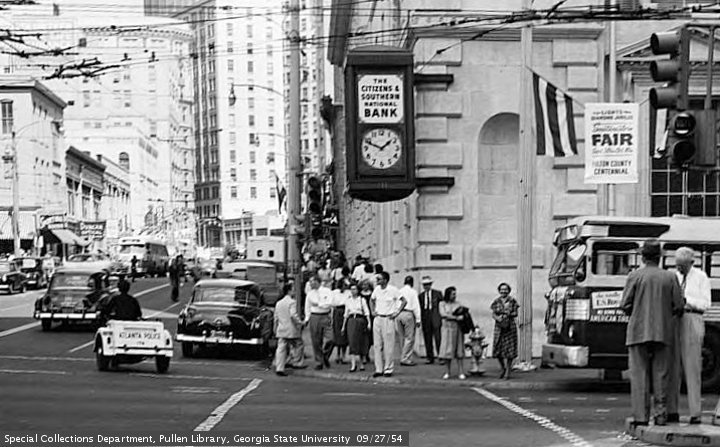
PG was having a delightfully slack afternoon, The one productive activity was editing pictures from “The Special Collections and Archives, Georgia State University Library”. In box seventy two of “corporate bodies”, in the Lane Brothers archive, there was a picture commissioned by King Road Marker Company. It displayed a brand new crosswalk, over Marietta Street at the intersection of Broad Street. The picture was taken at 1:51 p.m. September 27, 1954. This is a repost.
The time caught PG’s eye. 1:51 is one of the times used to display clocks and watches in advertising. Most ads use 10:09. This arrangement of the hour and minute hands makes a welcoming gesture. This allows the logo of the watch to be visible, and is thought to encourage the viewer to purchase the timepiece. The shadows on the buildings indicate that the picture was shot in early afternoon.
The clock with the magic time advertised the C&S national bank. The building behind the clock was the headquarters of that bank. In 1954, Citizens and Southern bank was a prime player in the Atlanta market. (PG’s dad said that C&S stood for choke’m and squeez’m.) At some point, C&S merged with NCNB to become Nationsbank, which was later absorbed by Bank Of America.
C&S kept it’s headquarters at 35 Broad Street for many years after competitors built trophy buildings. Their were constant rumors about where the C&S highrise was going to go. Finally, C&S Plaza was built at Peachtree and North Avenue, a mile north of five points. The building was to become the tallest building in America outside of New York and Chicago. During the construction of this building, C&S became part of Nationsbank.
The picture is featured in Atlanta Time Machine. The building is now owned by Georgia State University, with a BOA branch on the first floor. The banking hall is spectacular. It was designed by Philip Shutze, before the great depression. Here is more information.
Nations Bank Building (Citizens and Southern National Bank Building, Empire Building)
35 Broad Street, NW 1901: Bruce and Morgan, Architects, NR.
Remodeling of Lower Floors and Interiors 1929:
Hentz, Adler and Shutze, Architects; Philip Shutze, Designer
Fourteen stories high, the Nations Bank Building was the first steel-frame structure to be built in Atlanta. Its clear-cut silhouette, simple fenestration, and heavily decorated terra-cotta top bear the influence of the Chicago School. In 1929 the building became the headquarters of the Citizens and Southern National Bank, which asked Philip Shutze to redesign its three lower floors. Because the impression of load-bearing masonry was regarded as better suited for a banking establishment than large glass panes were, the original display windows were replaces by classical motifs apparently “carved out” of Indiana limestone.
Philip Shutze was inspired by Italian Mannerism, and especially by the city gates of Verona by Michele Sanmichelo (1484-1559) … Reached from Marietta and Walton streets through lofty arcaded entryways and a more intimate elevator lobby in the early Renaissance style on Broad Street, the banking hall is a long nave articulated by colossal Corinthian pilasters. While its walls and floors feature several kinds of Georgia, Tennessee, and European marbles in a warm gold-brown color scheme, the ceiling, from which hang gigantic chandeliers, is left bare. The Pantheon, which Shutze had measured during his internship at the American Academy in Rome, served as direct source for the pedimented niches, and for the floors with alternate square and circular patterns. Also, of Roman inspiration are the bronze desks and the eagle motif found throughout the design.


Mrs. Dora Stainers
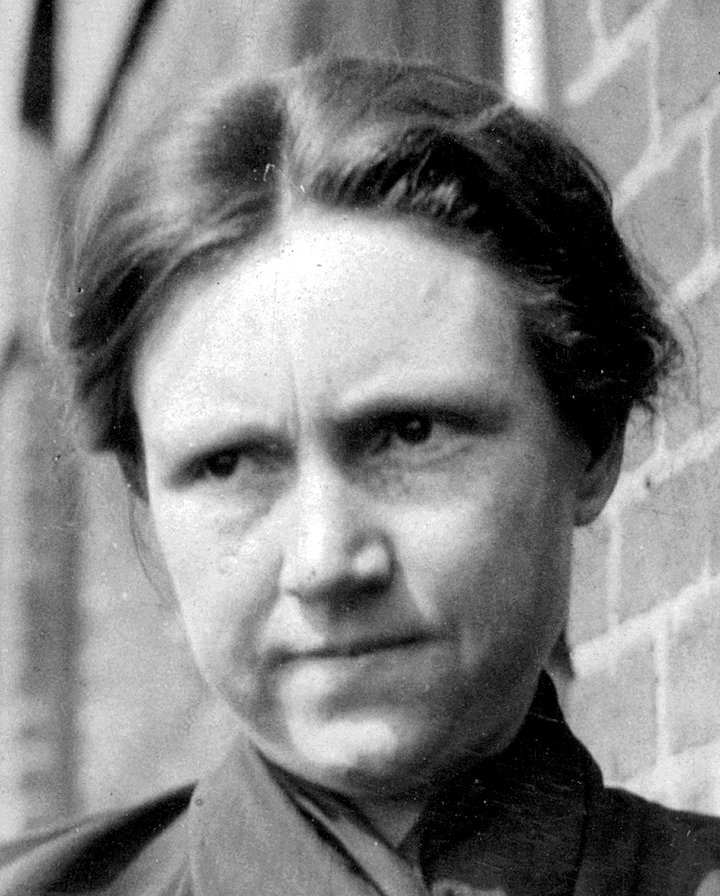



Some pictures have longer captions than others. Shorpy published one with a mouthful.
Mrs. Dora Stainers, 562 1/2 Decatur St. 39 years old. Began spinning in an Atlanta mill at 7 years, and is in this mill work for 32 years. Only 4 days of schooling in her life. Began at 20 cents a day. The most she ever made was $1.75 a day & now she is earning $1 a day when she works. She is looking for a job. Her little girl Lilie is the same age she was when she started work, but the mother says, “I ain’t goin to put her to work if I can help it. I’m goin’ to give her as much education as I can so she can do better than I did.” Mrs. Stainers is a woman of exceptional ability considering her training. In contrast to her is another woman (this name was withheld) who has been working in Atlanta mills for 10 yrs. She began at 10 yrs. of age, married at 12, broke down, and may never be able to work again. Her mother went to work in the cotton mill very young. Location: Atlanta, Georgia.
The photographs of Mrs. Stainers were made in March, 1915. The photographer was Lewis Wickes Hine. “Working as an investigative photographer for the National Child Labor Committee (NCLC), Lewis Hine (1874-1940) documented working and living conditions of children in the United States between 1908 and 1924.” “In 1954 the Library received the records of the National Child Labor Committee, including approximately 5,000 photographs and 350 negatives by Lewis Hine. In giving the collection to the Library, the NCLC stipulated that “There will be no restrictions of any kind on your use of the Hine photographic material.”
The house that Mrs. Stainer lived in is long gone. 562 1/2 Decatur Street is across the railroad tracks from the Fulton Cotton Mill. With real estate agents demanding names for all neighborhoods, the area is known as the Old Fourth Ward. At 552 Decatur Street is A & R Welding.
Pictures are from The Library of Congress. This is a repost.







Howard Zinn
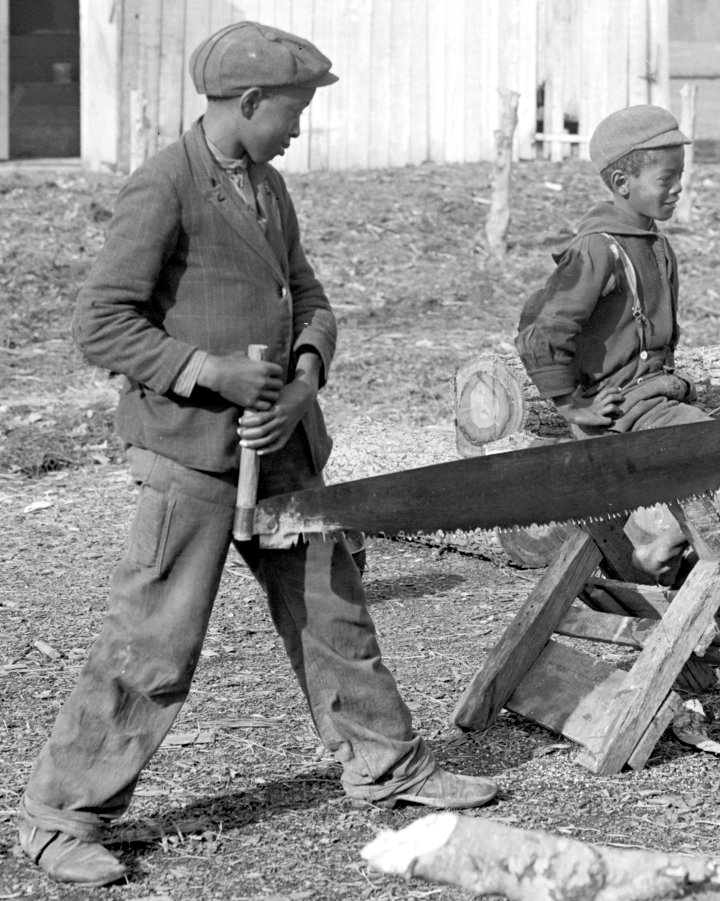


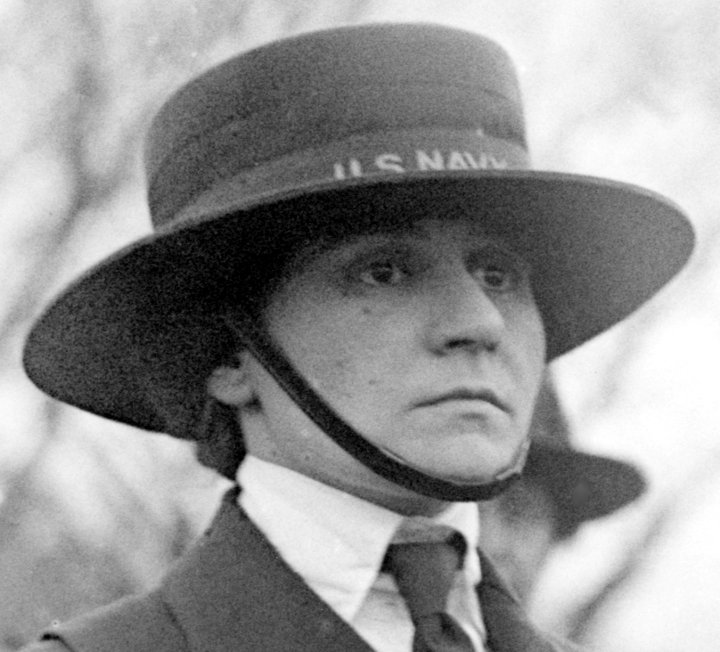


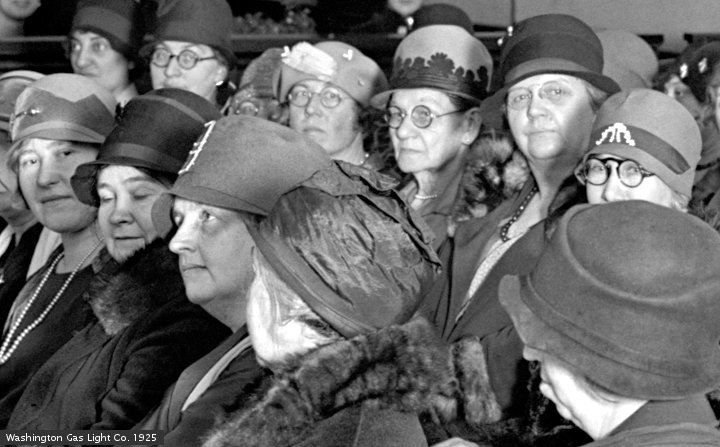


Howard Zinn, author of A People’s History of the United States: 1492 to Present, spent an hour talking on Booknotes. This is a C-SPAN show, with author interviews. The show aired March 12, 2000. Later that night was a show about the 2000 election, featuring Green Party candidate Ralph Nader. The role Mr. Nader would play in the November election was unimaginable in March.
The first serious job Mr. Zinn had was World War II. He served in the Air Force. Towards the end of the war, “we bombed a little French town on the Atlantic coast called Royon… `We’re not going to use regular demolition bombs. We have something new. We w–you’re going–instead of dropping our usual 12 500-pound demolition bombs, you’re going to drop 30 100-pound canisters of jel—jellied gasoline.’ It was napalm–the first use of napalm in the European theater.”
Later, Mr. Zinn thought about it all. “And it didn’t s–the–the thing is you’d bomb from 30,000 feet. You don’t see what’s happening down there. You don’t see people suffering. You don’t see people burning. You don’t see limbs falling. You–you just see little flashes in the–in the d–in the dark, you know. And—and you go back, and you’re debriefed and you don’t think about it. And it’s horrifying.
Later–only later did I begin to think about it, and I was horrified by what I had done, and I’m still horrified by what I did. But I think that had an effect on my thinking about war, because here I was in the best of wars. And I believed it was the best of wars because I volunteered for it. A war against fascism? I mean, how could you find a more bestial enemy? And yet it’s a–it complicated the war for me. It complicated the morality of the war, and it made me begin to think that war itself is evil. Even when it starts with good cause, even when the enemy is horrible, that there’s something about war, especially in our time when war inevitably involves indiscriminate killing … war simply cannot be accepted morally as a solution for whatever problems are in the world.
Whatever tyranny, whatever borders are crossed, whatever problems there are, somehow human ingenuity has to find a way to deal with that without the indiscriminate killing that war involves.”
Brian Lamb is the host of Booknotes. He speaks non theatrically, often with questions that are very different from the narrative presented by the author. After this talk about war, the question was “LAMB: What would you have done had you been president and those bombs were dropped on Pearl Harbor? Mr. ZINN: That’s the toughest question I’ve ever faced. I … And–and I confess, I–I–I haven’t worked out an alternative scenario.
PHOTUS is known for taking a non-heroic view of our history. Regarding the US Constitution, “When they set up the new government, when they set up the new Constitution, I mean, they set up a strong, central government which will be able to legislate on behalf of bondholders and slaveholders and manufacturers and Western land speculators.”
Mr. Zinn does not discuss The War Between The States on this show. (PG has not read PHOTUS, and does not know how WBTS is treated.) This was a case where the central government was favoring the industrial interests, at the expense of the agricultural interests. How much of that conflict was economic, with abolition serving as a moral fig leaf?
After the war, Mr. Zinn went back to school. A job appeared at Spelman College, and he worked there seven years. After that, he taught at Boston University for 24 years. His next door neighbor was five year old Matt Damon, who later read the audiobook version of PHOTUS.
There is one more bit of amusement from the transcript. Mr. ZINN:`For the United States to step forward as a defender of helpless countries matched its image in American high school history books but not its record in world affairs. It had opposed the Haitian revolution for independence from France at the start of the 19th century. It had instituted a war with Mexico and taken half the country. It had pretended to help Cuba win freedom from Spain and then planted itself in Cuba with a military base, investments and rights of intervention. It had seized Hawaii, Puerto Rico, Guam and fought a brutal war to subjugate the Filipinos. It had opened Japan to its trade with gunboats and threats. It had declared an open-door policy in China as a means of assuring the United States would have opportunities equal to other imperial powers in exploiting China. It had sent troops to Peking with other nations to assert Western supremacy in China and kept them from–kept them for over 30 years.’ LAMB: There’s a lot more in here about Colombia and Haiti and Nicaragua. Is this country at–this sounds like I’m–I’m arguing here, but has this country done anything right?
This is a repost. Pictures today are from The Library of Congress
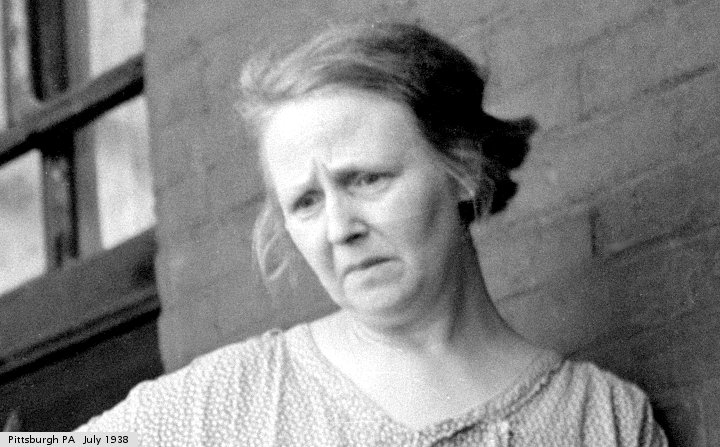


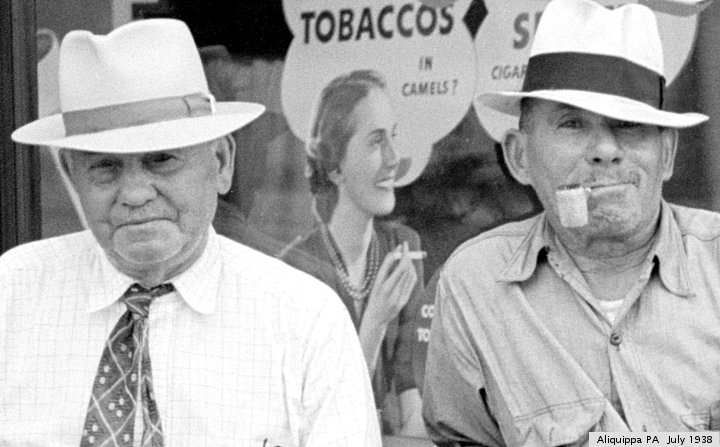


Author Insults

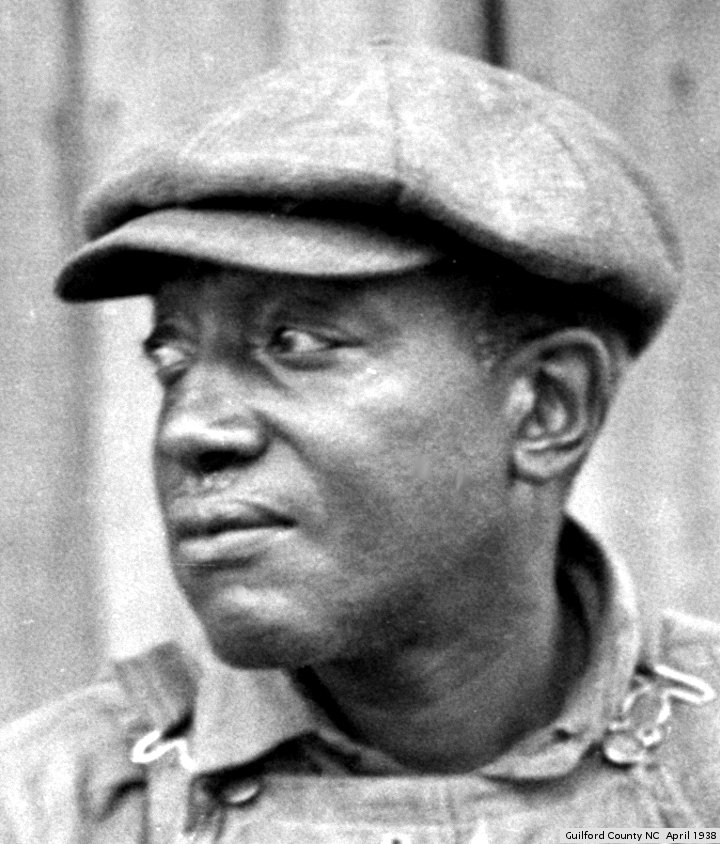

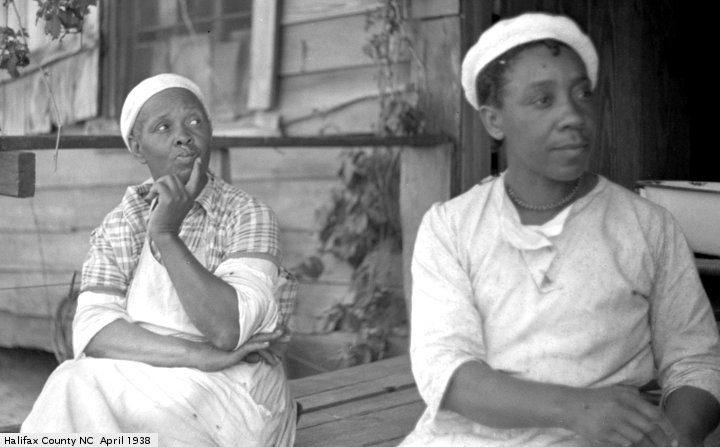



These author insults were borrowed from flavorwire. HT to Andrew Sullivan The pictures are from The Library of Congress This is a repost.
25. Gertrude Stein on Ezra Pound “A village explainer. Excellent if you were a village, but if you were not, not.”
24. Virginia Woolf on Aldous Huxley “All raw, uncooked, protesting.”
23. H. G. Wells on George Bernard Shaw “An idiot child screaming in a hospital.”
22. Joseph Conrad on D.H. Lawrence “Filth. Nothing but obscenities.”
21. Lord Byron on John Keats (1820) “Here are Johnny Keats’ piss-a-bed poetry, and three novels by God knows whom… No more Keats, I entreat: flay him alive; if some of you don’t I must skin him myself: there is no bearing the drivelling idiotism of the Mankin.”
20. Vladimir Nabokov on Joseph Conrad “I cannot abide Conrad’s souvenir shop style and bottled ships and shell necklaces of romanticist cliches.”
19. Dylan Thomas on Rudyard Kipling “Mr Kipling … stands for everything in this cankered world which I would wish were otherwise.”
18. Ralph Waldo Emerson on Jane Austen “Miss Austen’s novels . . . seem to me vulgar in tone, sterile in artistic invention, imprisoned in the wretched conventions of English society, without genius, wit, or knowledge of the world. Never was life so pinched and narrow. The one problem in the mind of the writer . . . is marriageableness.”
17. Martin Amis on Miguel Cervantes “Reading Don Quixote can be compared to an indefinite visit from your most impossible senior relative, with all his pranks, dirty habits, unstoppable reminiscences, and terrible cronies. When the experience is over, and the old boy checks out at last (on page 846 — the prose wedged tight, with no breaks for dialogue), you will shed tears all right; not tears of relief or regret but tears of pride. You made it, despite all that ‘Don Quixote’ could do.”
16. Charles Baudelaire on Voltaire (1864) “I grow bored in France — and the main reason is that everybody here resembles Voltaire…the king of nincompoops, the prince of the superficial, the anti-artist, the spokesman of janitresses, the Father Gigone of the editors of Siecle.”
15. William Faulkner on Ernest Hemingway “He has never been known to use a word that might send a reader to the dictionary.”
14. Ernest Hemingway on William Faulkner “Poor Faulkner. Does he really think big emotions come from big words?”
13. Gore Vidal on Truman Capote “He’s a full-fledged housewife from Kansas with all the prejudices.”
12. Oscar Wilde on Alexander Pope “There are two ways of disliking poetry; one way is to dislike it, the other is to read Pope.”
11. Vladimir Nabokov on Ernest Hemingway (1972) “As to Hemingway, I read him for the first time in the early ‘forties, something about bells, balls and bulls, and loathed it.”
10. Henry James on Edgar Allan Poe (1876) “An enthusiasm for Poe is the mark of a decidedly primitive stage of reflection.”
09. Truman Capote on Jack Kerouac “That’s not writing, that’s typing.”
08. Elizabeth Bishop on J.D. Salinger “I HATED [Catcher in the Rye]. It took me days to go through it, gingerly, a page at a time, and blushing with embarrassment for him every ridiculous sentence of the way. How can they let him do it?”
07. D.H. Lawrence on Herman Melville (1923) “Nobody can be more clownish, more clumsy and sententiously in bad taste, than Herman Melville, even in a great book like ‘Moby Dick’…. One wearies of the grand serieux. There’s something false about it. And that’s Melville. Oh dear, when the solemn ass brays! brays! brays!”
06. W. H. Auden on Robert Browning “I don’t think Robert Browning was very good in bed. His wife probably didn’t care for him very much. He snored and had fantasies about twelve-year-old girls.”
05. Evelyn Waugh on Marcel Proust (1948) “I am reading Proust for the first time. Very poor stuff. I think he was mentally defective.”
04. Mark Twain on Jane Austen (1898) “I haven’t any right to criticize books, and I don’t do it except when I hate them. I often want to criticize Jane Austen, but her books madden me so that I can’t conceal my frenzy from the reader; and therefore I have to stop every time I begin. Every time I read ‘Pride and Prejudice,’ I want to dig her up and hit her over the skull with her own shin-bone.”
03. Virginia Woolf on James Joyce “the work of a queasy undergraduate scratching his pimples.”
02. William Faulkner on Mark Twain (1922) “A hack writer who would not have been considered fourth rate in Europe, who tricked out a few of the old proven sure fire literary skeletons with sufficient local color to intrigue the superficial and the lazy.”
01. D.H. Lawrence on James Joyce (1928) “My God, what a clumsy olla putrida James Joyce is! Nothing but old fags and cabbage stumps of quotations from the Bible and the rest stewed in the juice of deliberate, journalistic dirty-mindedness.”
Bonus. Mary McCarthy on Lillian Hellman “Every word she writes is a lie, including and and the.”
Bonus two, a comment to the original post.: RomanHans Re “The Cardinal’s Mistress” by Benito Mussolini, Dorothy Parker wrote one of my favorite bon mots: “This is not a book to be tossed aside lightly. It should be thrown with great force.”
Bonus Three, from Flannery O’Connor “I hope you don’t have friends who recommend Ayn Rand to you. The fiction of Ayn Rand is as low as you can get re fiction. I hope you picked it up off the floor of the subway and threw it in the nearest garbage pail. She makes Mickey Spillane look like Dostoevsky.”




I Sing The Body Electric

1
I sing the body electric,
The armies of those I love engirth me and I engirth them,
They will not let me off till I go with them, respond to them,
And discorrupt them, and charge them full with the charge of the soul.
Was it doubted that those who corrupt their own bodies conceal themselves?
And if those who defile the living are as bad as they who defile the dead?
And if the body does not do fully as much as the soul?
And if the body were not the soul, what is the soul?
2
The love of the body of man or woman balks account,
the body itself balks account,
That of the male is perfect, and that of the female is perfect.
The expression of the face balks account,
But the expression of a well-made man appears not only in his face,
It is in his limbs and joints also, it is curiously in the joints of his hips and wrists,
It is in his walk, the carriage of his neck, the flex of his waist and knees,
dress does not hide him,
The strong sweet quality he has strikes through the cotton and broadcloth,
To see him pass conveys as much as the best poem, perhaps more,
You linger to see his back, and the back of his neck and shoulder-side.
The sprawl and fulness of babes, the bosoms and heads of women,
the folds of their dress, their style as we pass in the street,
the contour of their shape downwards,
The swimmer naked in the swimming-bath, seen as he swims through
the transparent green-shine, or lies with his face up and rolls
silently to and from the heave of the water,
The bending forward and backward of rowers in row-boats,
the horse-man in his saddle,
Girls, mothers, house-keepers, in all their performances,
The group of laborers seated at noon-time with their open dinner-kettles,
and their wives waiting,
The female soothing a child, the farmer’s daughter in the garden or cow-yard,
The young fellow hosing corn, the sleigh-driver driving his six horses
through the crowd,
The wrestle of wrestlers, two apprentice-boys, quite grown, lusty,
good-natured, native-born, out on the vacant lot at sundown after work,
The coats and caps thrown down, the embrace of love and resistance,
The upper-hold and under-hold, the hair rumpled over and blinding the eyes;
The march of firemen in their own costumes, the play of masculine muscle
through clean-setting trowsers and waist-straps,
The slow return from the fire, the pause when the bell strikes suddenly again,
and the listening on the alert,
The natural, perfect, varied attitudes, the bent head, the curv’d neck
and the counting;
Such-like I love—I loosen myself, pass freely, am at the mother’s breast
with the little child,
Swim with the swimmers, wrestle with wrestlers, march in line
with the firemen, and pause, listen, count.
3
I knew a man, a common farmer, the father of five sons,
And in them the fathers of sons, and in them the fathers of sons.
This man was a wonderful vigor, calmness, beauty of person,
The shape of his head, the pale yellow and white of his hair and beard,
the immeasurable meaning of his black eyes,
the richness and breadth of his manners,
These I used to go and visit him to see, he was wise also,
He was six feet tall, he was over eighty years old, his sons were massive,
clean, bearded, tan-faced, handsome,
They and his daughters loved him, all who saw him loved him,
They did not love him by allowance, they loved him with personal love,
He drank water only, the blood show’d like scarlet
through the clear-brown skin of his face,
He was a frequent gunner and fisher, he sail’d his boat himself,
he had a fine one presented to him by a ship-joiner,
he had fowling-pieces presented to him by men that loved him,
When he went with his five sons and many grand-sons to hunt or fish,
you would pick him out as the most beautiful and vigorous of the gang,
You would wish long and long to be with him, you would wish to sit by him
in the boat that you and he might touch each other.
4
I have perceiv’d that to be with those I like is enough,
To stop in company with the rest at evening is enough,
To be surrounded by beautiful, curious, breathing, laughing flesh is enough,
To pass among them or touch any one, or rest my arm ever so lightly
round his or her neck for a moment, what is this then?
I do not ask any more delight, I swim in it as in a sea.
There is something in staying close to men and women and looking on them,
and in the contact and odor of them, that pleases the soul well,
All things please the soul, but these please the soul well.
5
This is the female form,
A divine nimbus exhales from it from head to foot,
It attracts with fierce undeniable attraction,
I am drawn by its breath as if I were no more than a helpless vapor,
all falls aside but myself and it,
Books, art, religion, time, the visible and solid earth,
and what was expected of heaven or fear’d of hell, are now consumed,
Mad filaments, ungovernable shoots play out of it,
the response likewise ungovernable,
Hair, bosom, hips, bend of legs, negligent falling hands all diffused,
mine too diffused,
Ebb stung by the flow and flow stung by the ebb, love-flesh swelling
and deliciously aching,
Limitless limpid jets of love hot and enormous, quivering jelly of love,
white-blow and delirious juice,
Bridegroom night of love working surely and softly into the prostrate dawn,
Undulating into the willing and yielding day,
Lost in the cleave of the clasping and sweet-flesh’d day.
This the nucleus—after the child is born of woman, man is born of woman,
This the bath of birth, this the merge of small and large, and the outlet again.
Be not ashamed women, your privilege encloses the rest,
and is the exit of the rest,
You are the gates of the body, and you are the gates of the soul.
The female contains all qualities and tempers them,
She is in her place and moves with perfect balance,
She is all things duly veil’d, she is both passive and active,
She is to conceive daughters as well as sons, and sons as well as daughters.
As I see my soul reflected in Nature,
As I see through a mist, One with inexpressible completeness,
sanity, beauty,
See the bent head and arms folded over the breast, the Female I see.
6
The male is not less the soul nor more, he too is in his place,
He too is all qualities, he is action and power,
The flush of the known universe is in him,
Scorn becomes him well, and appetite and defiance become him well,
The wildest largest passions, bliss that is utmost, sorrow that is utmost
become him well, pride is for him,
The full-spread pride of man is calming and excellent to the soul,
Knowledge becomes him, he likes it always, he brings every thing
to the test of himself,
Whatever the survey, whatever the sea and the sail
he strikes soundings at last only here,
(Where else does he strike soundings except here?)
The man’s body is sacred and the woman’s body is sacred,
No matter who it is, it is sacred—is it the meanest one in the laborers’ gang?
Is it one of the dull-faced immigrants just landed on the wharf?
Each belongs here or anywhere just as much as the well-off, just as much as you,
Each has his or her place in the procession.
(All is a procession,
The universe is a procession with measured and perfect motion.)
Do you know so much yourself that you call the meanest ignorant?
Do you suppose you have a right to a good sight,
and he or she has no right to a sight?
Do you think matter has cohered together from its diffuse float,
and the soil is on the surface, and water runs and vegetation sprouts,
For you only, and not for him and her?
7
A man’s body at auction,
(For before the war I often go to the slave-mart and watch the sale,)
I help the auctioneer, the sloven does not half know his business.
Gentlemen look on this wonder,
Whatever the bids of the bidders they cannot be high enough for it,
For it the globe lay preparing quintillions of years without one animal or plant,
For it the revolving cycles truly and steadily roll’d.
In this head the all-baffling brain,
In it and below it the makings of heroes.
Examine these limbs, red, black, or white, they are cunning in tendon and nerve,
They shall be stript that you may see them.
Exquisite senses, life-lit eyes, pluck, volition,
Flakes of breast-muscle, pliant backbone and neck, flesh not flabby,
good-sized arms and legs,
And wonders within there yet.
Within there runs blood,
The same old blood! the same red-running blood!
There swells and jets a heart, there all passions, desires, reachings, aspirations,
(Do you think they are not there because they are not express’d
in parlors and lecture-rooms?)
This is not only one man, this the father of those who shall be fathers
in their turns,
In him the start of populous states and rich republics,
Of him countless immortal lives with countless embodiments and enjoyments.
How do you know who shall come from the offspring of his offspring
through the centuries?
(Who might you find you have come from yourself,
if you could trace back through the centuries?)
8
A woman’s body at auction,
She too is not only herself, she is the teeming mother of mothers,
She is the bearer of them that shall grow and be mates to the mothers.
Have you ever loved the body of a woman?
Have you ever loved the body of a man?
Do you not see that these are exactly the same to all in all nations
and times all over the earth?
If anything is sacred the human body is sacred,
And the glory and sweet of a man is the token of manhood untainted,
And in man or woman a clean, strong, firm-fibred body, is more beautiful
than the most beautiful face.
Have you seen the fool that corrupted his own live body?
or the fool that corrupted her own live body?
For they do not conceal themselves, and cannot conceal themselves.
9
O my body! I dare not desert the likes of you in other men and women,
nor the likes of the parts of you,
I believe the likes of you are to stand or fall with the likes of the soul,
(and that they are the soul,)
I believe the likes of you shall stand or fall with my poems,
and that they are my poems,
Man’s, woman’s, child, youth’s, wife’s, husband’s, mother’s, father’s,
young man’s, young woman’s poems,
Head, neck, hair, ears, drop and tympan of the ears,
Eyes, eye-fringes, iris of the eye, eyebrows, and the waking
or sleeping of the lids,
Mouth, tongue, lips, teeth, roof of the mouth, jaws, and the jaw-hinges,
Nose, nostrils of the nose, and the partition,
Cheeks, temples, forehead, chin, throat, back of the neck, neck-slue,
Strong shoulders, manly beard, scapula, hind-shoulders,
and the ample side-round of the chest,
Upper-arm, armpit, elbow-socket, lower-arm, arm-sinews, arm-bones,
Wrist and wrist-joints, hand, palm, knuckles, thumb, forefinger,
finger-joints, finger-nails,
Broad breast-front, curling hair of the breast, breast-bone, breast-side,
Ribs, belly, backbone, joints of the backbone,
Hips, hip-sockets, hip-strength, inward and outward round,
man-balls, man-root,
Strong set of thighs, well carrying the trunk above,
Leg-fibres, knee, knee-pan, upper-leg, under-leg,
Ankles, instep, foot-ball, toes, toe-joints, the heel;
All attitudes, all the shapeliness, all the belongings of my or your body
or of any one’s body, male or female,
The lung-sponges, the stomach-sac, the bowels sweet and clean,
The brain in its folds inside the skull-frame,
Sympathies, heart-valves, palate-valves, sexuality, maternity,
Womanhood, and all that is a woman, and the man that comes from woman,
The womb, the teats, nipples, breast-milk, tears, laughter, weeping,
love-looks, love-perturbations and risings,
The voice, articulation, language, whispering, shouting aloud,
Food, drink, pulse, digestion, sweat, sleep, walking, swimming,
Poise on the hips, leaping, reclining, embracing, arm-curving and tightening,
The continual changes of the flex of the mouth, and around the eyes,
The skin, the sunburnt shade, freckles, hair,
The curious sympathy one feels when feeling with the hand
the naked meat of the body,
The circling rivers the breath, and breathing it in and out,
The beauty of the waist, and thence of the hips,
and thence downward toward the knees,
The thin red jellies within you or within me, the bones and the marrow
in the bones,
The exquisite realization of health;
O I say these are not the parts and poems of the body only, but of the soul,
O I say now these are the soul!
Text for this adventure is from the Project Gutenberg.
The text was reformatted by Chamblee54.
“I sing the Body Electric” was written by Walt Whitman.
An audio version of this poem is available from Librivox.
Reposted May 31,2015, Walt Whitman’s 196th Birthday. Pictures from “The Special Collections and Archives, Georgia State University Library”.



Thomas Jefferson Said What?


PG was wasting time with facebook when he saw a friend say “Damn I love this quote”. The passage being praised was “If you are neutral in situations of injustice, you have chosen the side of the oppressor.” Desmond Tutu. The rhetoric alert started to flash. These days, the wolf and the sheep buy their clothes at the same Walmart. To hear some oppressors talk, they are the ones under attack. It is tough to tell the good guys from the bad guys. Often you can make things worse by getting mixed up. Sometimes the best thing to do is mind your own business.
Ok, now that is out of the way. Some lines sound good, but don’t hold up to a bit of thinking. As for the veracity of the quote, Desmond Tutu may very well have said it. (or maybe one of his rivals said it, and Mr. Tutu copied it.) The quote has been attributed to Thomas Jefferson, Edmund Burke, Patrick Henry, and probably others. Almost no one has a source, for the quote, from the dead white guys.
A post called MISQUOTING THE FOUNDERS did not mince words. “The only problem with this scene that has been repeated many times across the country is that Thomas Jefferson never said that, never wrote that, and quite possibly never thought it. Our aspiring politician had fallen victim to the perils of popular misattribution. You could fill a book with misquotes and misattributed quotes we hear repeated regularly today. Right now if I Google “All tyranny needs to gain a foothold is for people of good conscience to remain silent” the entire first page of results wrongly attribute it to Thomas Jefferson. The quote and its many variants have been attributed in the past to Thomas Paine and Edmund Burke, but no record exists of the quote in any of their writings or contemporary accounts.”
On November 13, 1787, Mr. Jefferson wrote a letter to William Smith. The letter is full of zesty quotes. “What country before ever existed a century & a half without a rebellion? & what country can preserve it’s liberties if their rulers are not warned from time to time that their people preserve the spirit of resistance? Let them take arms. The remedy is to set them right as to facts, pardon & pacify them. What signify a few lives lost in a century or two? The tree of liberty must be refreshed from time to time with the blood of patriots & tyrants. It is it’s natural manure.”
A few lines above that, Mr. Jefferson said “God forbid we should ever be 20 years without such a rebellion.” Twenty years after he wrote this, Mr. Jefferson was President. He probably did not want to deal with a revolution when he was President.
Getting back to the quote about tyranny, Martin Porter wrote an entertaining essay, A study of a Web quotation. He gives credit, or blame, to Edmund Burke. First, a list of different versions is presented. This is a clue that something is awry. The conclusion: “There is no original. The quote is bogus, and Burke never said it. It is a pseudo-quote, and corresponds to real quotes in the same way that urban legends about the ghost hitch-hiker vanishing in the back of the car and alligators in the sewers correspond to true news stories.”
Mr. Porter wrote a follow up essay, Four Principles of Quotation. These principles are: Principle 1 (for readers) Whenever you see a quotation given with an author but no source assume that it is probably bogus. Principle 2 (for readers) Whenever you see a quotation given with a full source assume that it is probably being misused, unless you find good evidence that the quoter has read it in the source. Principle 3 (for quoters) Whenever you make a quotation, give the exact source. Principle 4 (for quoters) Only quote from works that you have read.
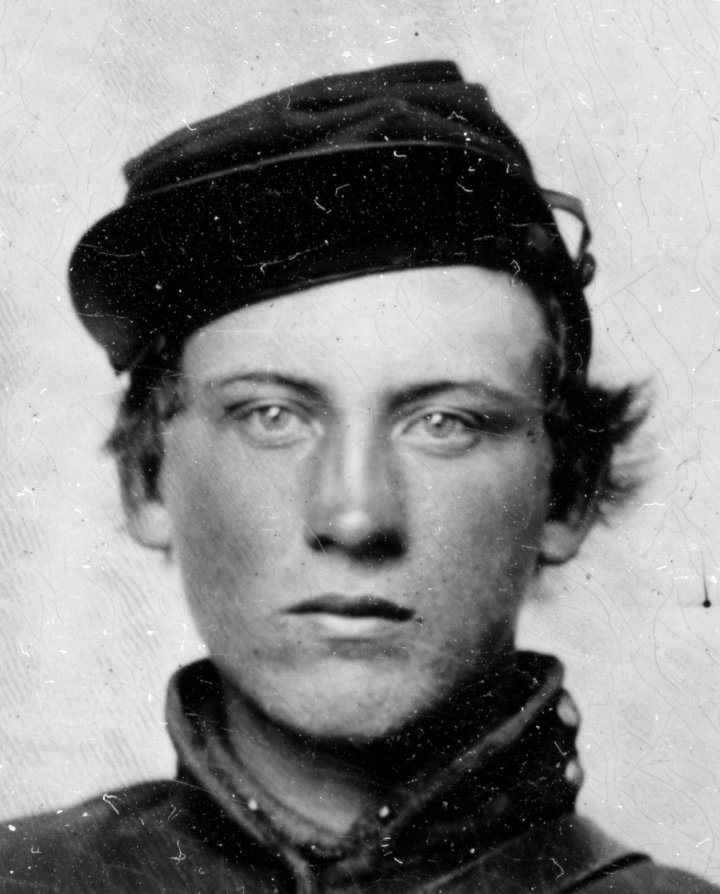
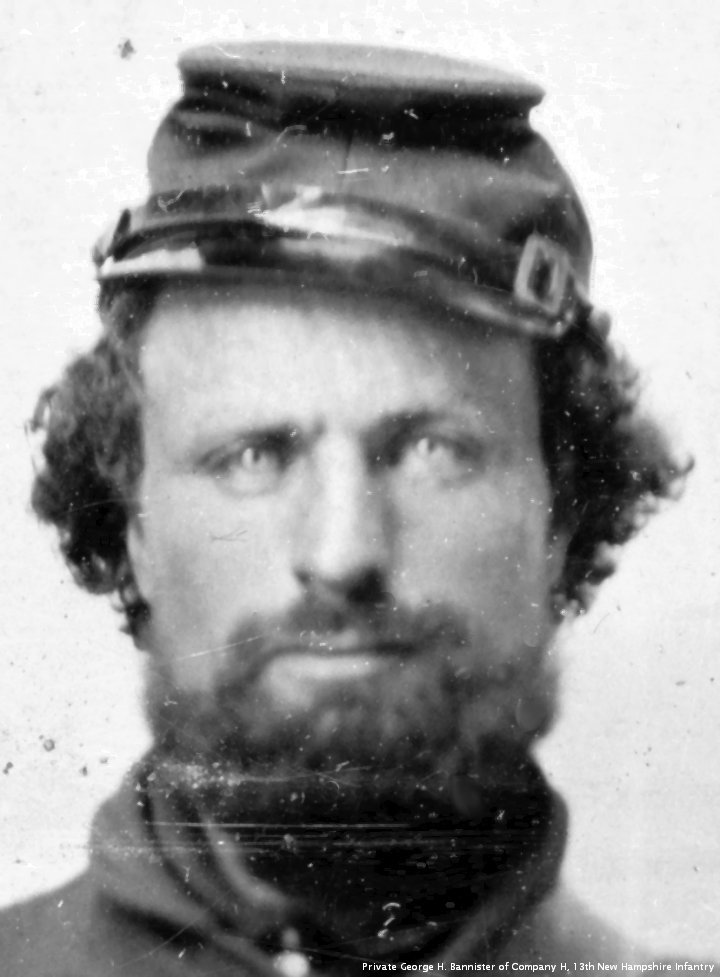
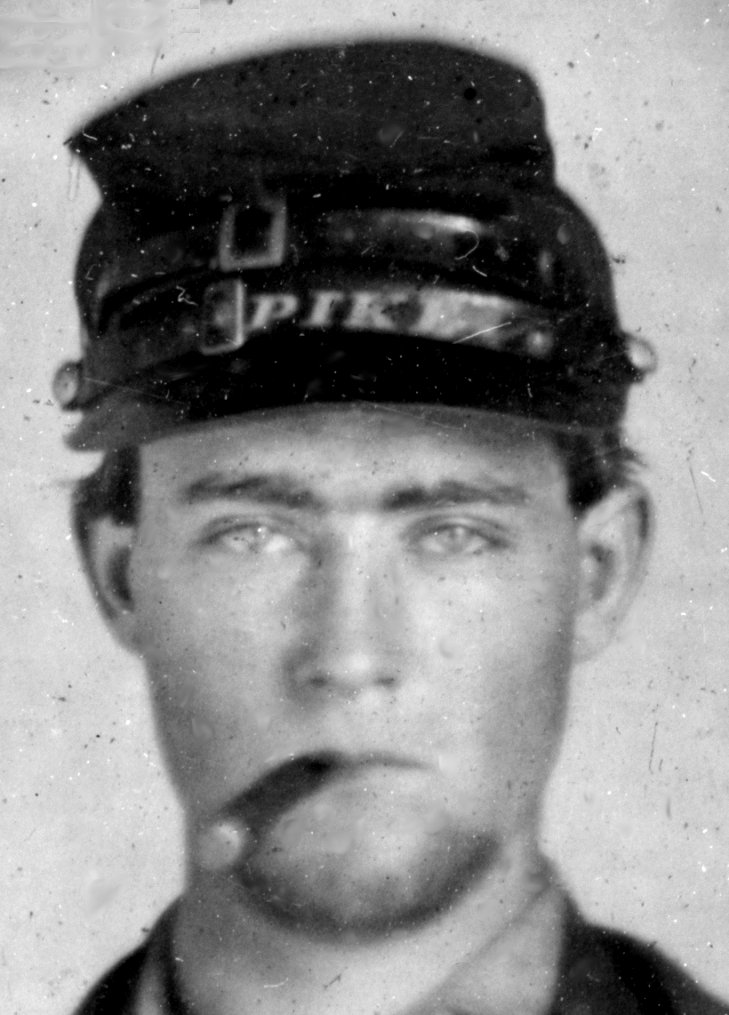
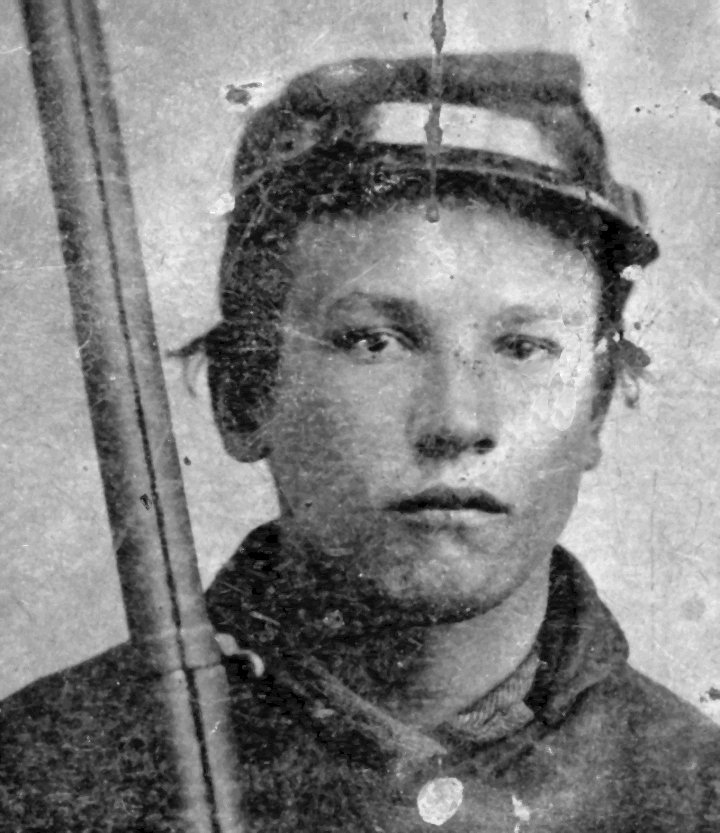
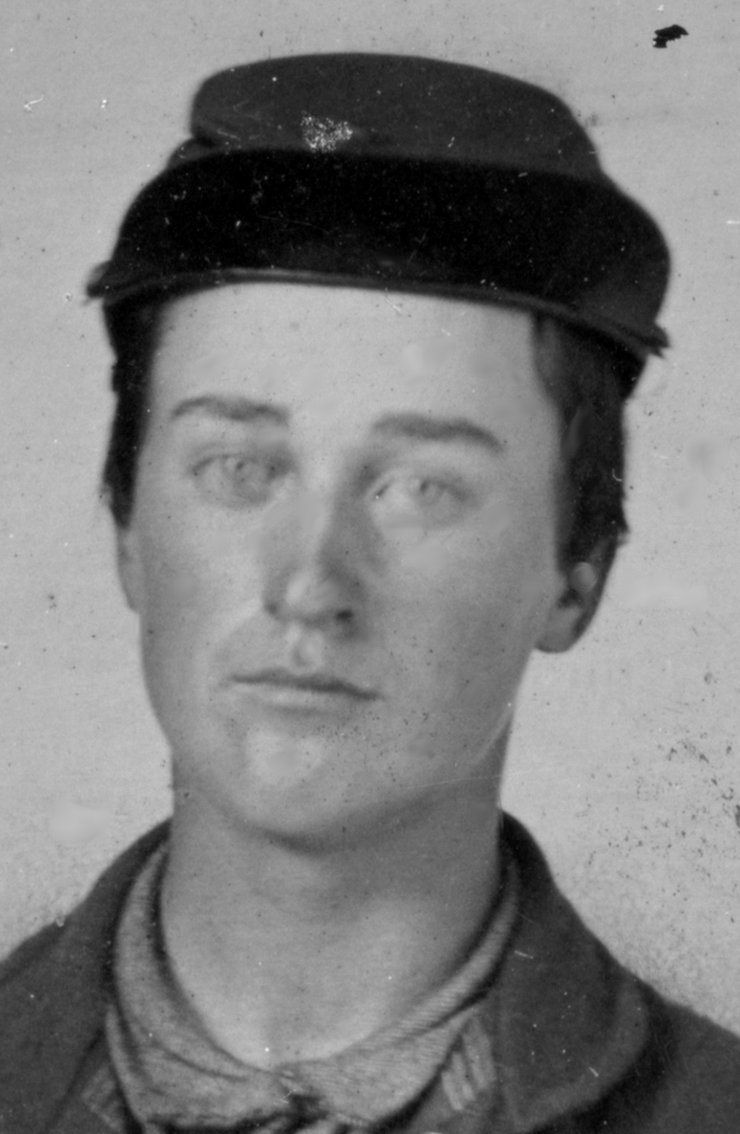
If these principles were to be used, then there would be a lot less hotheaded talking on the intercom. Those who are trying to influence you to the justice of their cause will not want you to read this. Pictures for this feature are from The Library of Congress. These pictures are Union soldiers, from the War Between the States. When war is discussed, all inspiring quotes are in doubt.
This is a repost. It is written like James Joyce. In the past year, doing due diligence on alleged quotes has become a hobby. Many people don’t care who said it, if they agree with the thoughts expressed. The prevailing thought is that an idea becomes more true with a famous name at the end. If the famous person is deceased, and cannot defend his/her reputation, that is not a problem. People do not like being told that Santa Claus does not exist.
Ira Hayes



The post before this is about Arizona SB1070, a controversial measure dealing with illegal immigration. One of the men quoted is the Sheriff of Pima County, which lies on the border.
Pima County is named for the Pima Tribe, whose land was in Arizona and Sonora, Mexico. Their name for the “river people” is Akimel O’odham. According to Wikipedia, “The short name, “Pima” is believed to have come from the phrase pi ‘añi mac or pi mac, meaning “I don’t know,” used repeatedly in their initial meeting with Europeans.”
Many of the Mexicans crossing the border are Native Americans. They did not agree to the Gadsden Purchase, or the Treaty of Guadalupe Hidalgo. In other words, they were here first, and the white man (and black associates) are the uninvited guests.
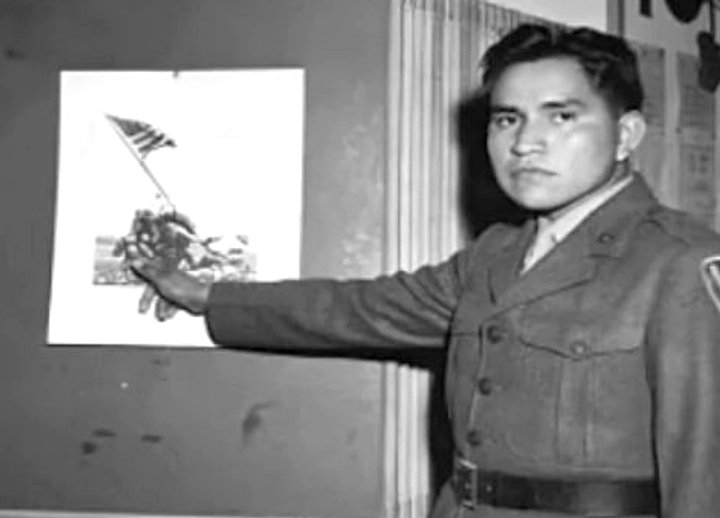
The second part of this feature is a repost. One of the best known Pimas was Ira Hayes. He was one of the Marines who raised the flag on Iwo Jima.
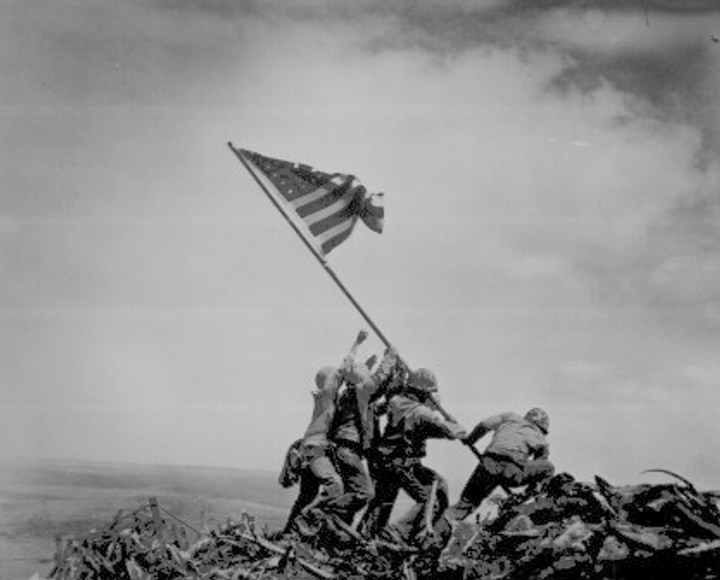
One of the enduring images of World War II was raising the flag on Iwo Jima. Three of the six men raising the flag died on the island. A fourth, Ira Hayes, became a casualty after the war.
The story of Ira Hayes is well known, but needs to be told again. A member of the Akimel O’odham (Pima) nation, his people had not been treated well by the conquerors. Nonetheless, when the War against Japan started, men were needed for the struggle, and Ira Hayes joined the Marines.
Iwo Jima was a steppingstone to the main island of Japan. After Iwo Jima and Okinawa were in Yankee hands, preparations could be made for the invasion of the main island. However, the stepping stone islands proved to be incredibly tough to secure. There were more American casualties on Iwo Jima than on D Day.
On the fourth day of the battle, a picture was made of six marines raising the flag on top of Mount Suribachi. A month of sticky, treacherous fighting was ahead for the fighting men. Of 21,000 Japanese soldiers, 20,000 died.
The flag was raised on February 23, 1945. Germany was all but defeated. The “explosive lens” for the atom bomb had been successfully tested. Viewed from the standpoint of 1945, it seems inevitable that the costly island hopping needed to continue, to be followed by an invasion of the Japanese mainland. From the view of 2009, one wonders if the fight for Iwo Jima, in retrospect, was really needed. War is fought in the present tense.
Two of the twelve hands holding the flagpole belonged to Ira Hayes. Ira Hayes did not adjust to peacetime well. He became a drunkard. On January 24, 1955, he passed away.
Ira Hayes was a native American. Thousands of African Americans have returned from foreign wars, to be treated poorly. Until a few months ago, if a man, or woman, is accused of being gay, the service is forgotten. On Memorial Day, we should struggle to ensure that all future veterans are treated with respect, all year long. This is a repost. Pictures are from The Library of Congress and “The Special Collections and Archives, Georgia State University Library”.






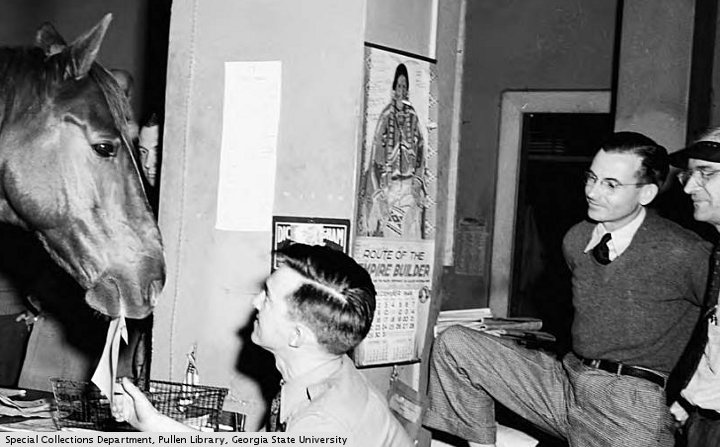
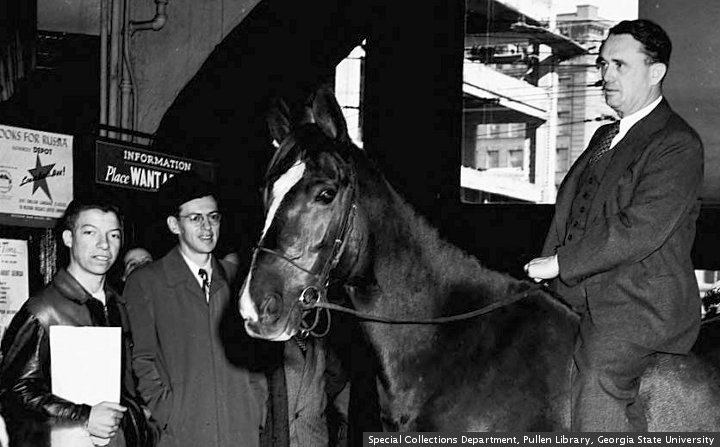
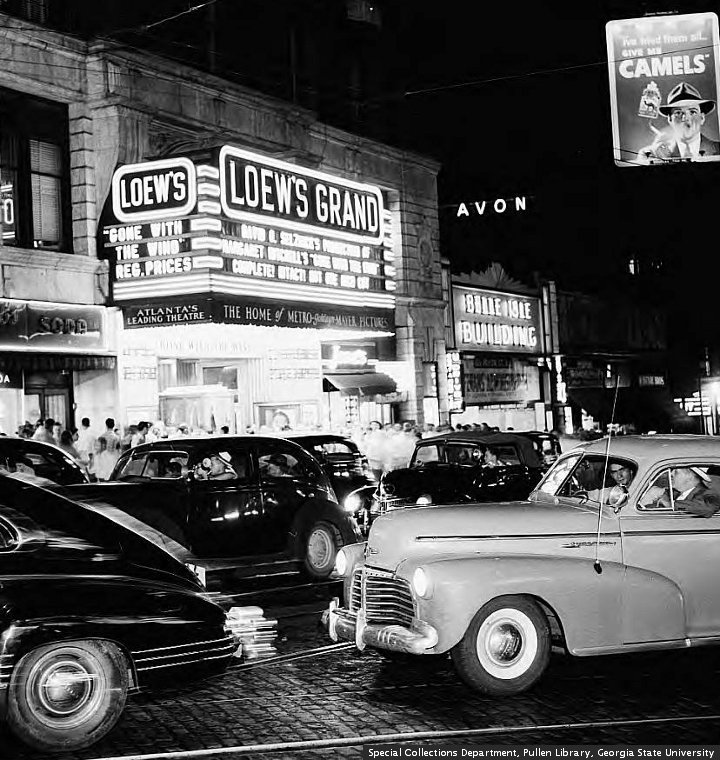
HBDBD
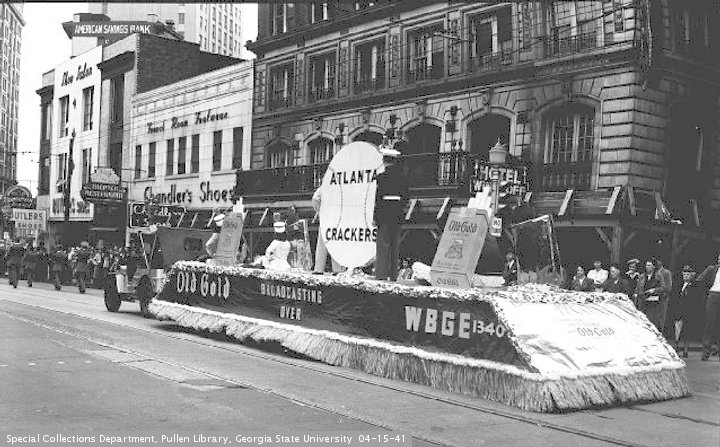



This is a repost. Pictures are from “The Special Collections and Archives, Georgia State University Library”. By the time this is posted, it will be Bob Dylan’s seventy fourth birthday. This chamblee 54 birthday tribute is composed primarily of three previously published pieces of work.
It was a late may morning in Atlanta GA, and a slack blogger was searching his archives. Yes, Issac Asinov never got writers block, and when he wasn’t going to the bathroom he was typing, but that is a lifestyle choice. Easy writing makes tough reading. So, anyway, in the may archive for 2011 there was a post about Bob Dylan’s seventieth birthday. People were taking bets on whether he would make it to thirty, and here he is at seventy four.
Hibbing MN is a cold place. At least it can claim to be the birthplace of Robert Allen Zimmerman. That’s Allen ,with an e, and double L, just like hell. The original initials were RAZ, which might be a good trivia question, or, with a silent W in front, radio station call letters. The problem is, he legally changed his name to Bob Dylan, with no known middle name. Those initial are BD.
On May 24, 1941, the curly haired wonder boi arrived. The world was a different place. Europe was in flames, and eyeing the young men of America as fresh cannon fodder. This was twelve years, eleven months, and eighteen days before PG graced the planet. A twelve year old in Hibbing MN would have no reason to think of a newborn baby in Atlanta GA.
These days, not everyone knows who Bob Dylan is. Auto tuned automated canned music is the next big thing. If auto tune had been around in 1963, we would never had known how badly Mr. Dylan sings. In an age where rappers pay ghost writers to compose their tweets, being able to write songs is not valued. There is just no telling. And so it goes.
A.J. Weberman has made a life out of going through Bob Dylan’s garbage. He wrote a book, “The Devil and Bob Dylan”. “THIS BOOK CHALLENGES ALL PREVIOUS CONVENTIONAL THINKING ABOUT BOB DYLAN. DYLAN IS JUST THE OPPOSITE OF WHAT YOU BELIEVE HIM TO BE. BUT WHAT PURPOSE DOES IT SERVE EXPOSING HIM AS A RACIST, HIV POSITIVE EX-JUNKIE AND HOLOCAUST DENIER? NONE EXCEPT THAT OF TRUTH, AND THE TRUTH WILL SET YOU FREE. $17 INCLUDING POSTAGE! THE BOOK IS 500 PAGES AND FULLY ILLUSTRATED.
There was a comment on the Bob Dylan webpage… Everybody knows by now that there’s a gazillion books on me either out or coming out in the near future. So I’m encouraging anybody who’s ever met me, heard me or even seen me, to get in on the action and scribble their own book. You never know, somebody might have a great book in them. PG doesn’t write books. He did grow up in America, and has a few opinions about Bob Dylan. It ought to be good for a few hundred words here. (HT to dangerous minds ) (Chamblee54 has posted about Mr. Dylan before.)
The first time PG heard of Bob Dylan was probably at the record rack of Zippy’s dime store in Cherokee Plaza. There was an album of his greatest hits, and it came with a poster. The poster had a drawing of the man, with psychedelic waves of hair cascading in multi colored glory to the edges. PG never did buy the LP.
The former Mr. Zimmerman was never big on top 40 am radio. Somebody somewhere was getting a headache over those lyrics, but Atlanta GA was not somewhere in those days. By this time, Mr. Dylan had crashed his motorcycle, and gone into hiding. As the counter culture exploded (if only someone had disinfected that counter) the curly haired poet was in hiding, the subject of much speculation. At one point, people were stealing his garbage, and claiming to find evidence of investment in munitions firms. The neoscience of Dylanology continues to this day.
As PG got older and stupider, he heard more and more Bob Dylan music. In the summer of 1972, there was a performance at the Concert for Bangladesh. A couple of albums released during this era sucked, and some people stopped caring about Bob Dylan.
At the start of 1974, a tour was announced. The Band was to be the backing group. The circus came to the Omni, and PG got some of the mail order tickets. He couldn’t find anyone to use the second ticket, and sold it to a stranger outside the arena.
The show was nothing special. Bob Dylan excels at writing, is ok in the studio, and blah on stage. Georgia Governor Jimmy Carter was at the show, and was said to look bored. Mr. Dylan was invited to the Governor’s mansion after the show, and talked to the Governor. A lot of people in Georgia were surprised that Jimmy would want to run for President.
As the Seventies went me me meing into sex and drugs oblivion, Bob Dylan regained both his writing touch, and love of the spotlight. The Rolling Thunder tour happened, he got back together with Joan Baez, divorced his wife, became born again, became more Jewish, counted money, and generally lived the life. PG did his own version of all that, without Joan Baez or being circumcised again.
In the winter of 1991, America was consumed by war fever. Saddam Hussein had been elevated to next Hitler status, and had to be taught a lesson. One night, Bob Dylan played on a music awards show, and performed “Masters of War”. He played a discordant version of that ditty, with the result that few understood what he had said. By this time, Mr. Dylan had assembled a band, and gone out on the “Never Ending Tour”. A Bob Dylan concert had gone from being a special event, to being another name on the festival roster. Overexposure will do that.
On the last night of the Olympics in 1996, Bob Dylan played the House of Blues downtown. PG won a pair of the $80 tickets in a radio station contest. It was his only trip downtown during the games, and had to wait in a security line to get into Centennial Olympic Park.
The only celebrity, other than Mr. Dylan, seen at the House of Blues that night was Bill Walton. The band was competent…they impressed PG as being like a bar band that did a lot of Dylan songs, with a strangely authentic lead vocalist. The sound in the room was not good, at least in the spot where PG stood. The only song he recognized was “All along the Watchtower”, the Jimi Hendrix classic. Mr. Dylan got a cheer when he put his harmonica appliance on.



The aptly named dangerousminds has a link to a story about the recording of Blonde on Blonde, by Bob Dylan. It only happened once.
Bob Dylan was 24 years old, newly married, and had “sold out” i.e. started to play electric guitar. A bunch of Canadians known as The Hawks (later The Band) was touring with him. Barely a month after the release of “Highway 61 Revisited”, sessions started at a New York studio.
The New York sessions did not work, so a decision was made to go to Nashville. Al Kooper played organ, and served as a music director. A crew of Nashville players was recruited. A bass player named Joseph Souter, Jr. would become famous a few years later using the name Joe South. Kris Kristofferson was the janitor at the studio.
Most studios have bafflers, or sound proof room dividers, splitting the studio into cubicles. For these sessions, the bafflers were taken down, and the band played together as a unit.
The second session in Nashville started at 6pm and lasted until 530 the next morning. Mr. Dylan was working on the lyrics to “Sad eyed lady of the lowlands”, and the recording could not start until he was ready. The musicians played ping pong and waited. At 4am, the song was ready, and the record was finished in two takes.
PG had marginal encounters with two of the players on this album. He met a lady once, who worked in an insurance office. One of the customers was Joe South. His driving record file was an inch thick.
Al Kooper had a prosperous career after his association with Bob Dylan. The former Alan Peter Kuperschmidt produced the first three Lynyrd Skynyrd albums, sold that contract for a nice piece of change, and lived happily ever after.
One night, Mr. Kooper was playing a show at the Great Southeast Music Hall, and PG sat in front of the stage. During a break between songs, PG asked his friend “what time is it?”. Mr. Kooper heard him on stage, and said it was 11:30.
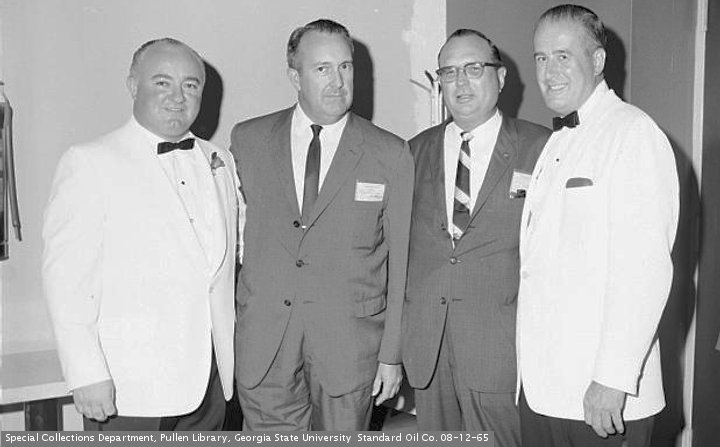


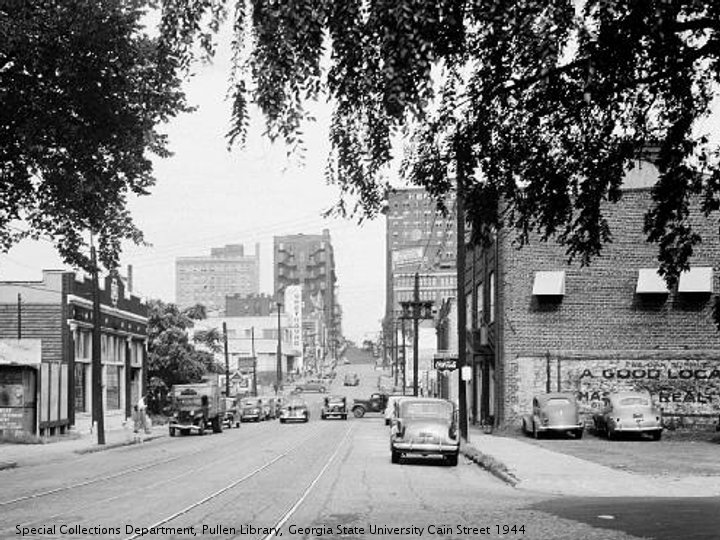
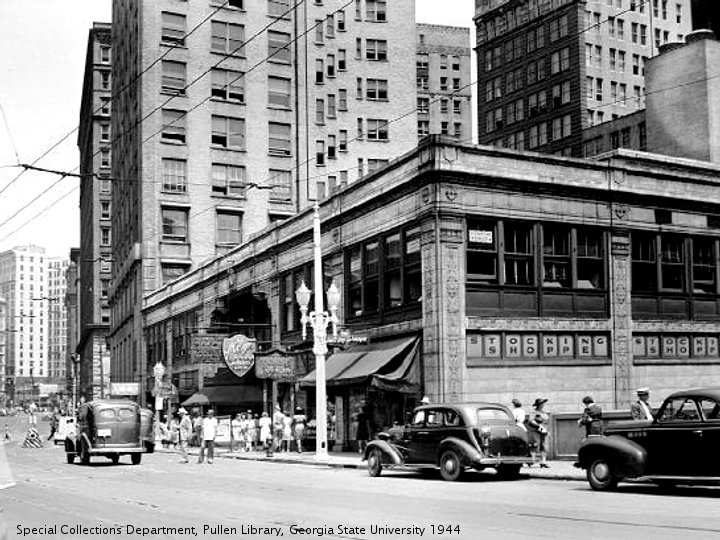


If it ever quits raining, PG is going to walk to the Chamblee library and return a book, and a cd. The cd is by Bob Dylan, and is a work of genius. The book is about the former Mr. Zimmerman, and is a piece of garbage. (BTW, Dylan is not the only Zimmerman to hit the big time. Ethel Merman was born Ethel Agnes Zimmerman.The Zimmerman telegram got us into World War I.)
When returning cd’s to a library, you need to get a check in receipt. Once, PG returned a stack of cd’s to the Brookhaven library. When checking them in, one was missed by the scanner. A few days later, there was a note in the mail about an overdue cd.
The good news was, the cd was on the shelf when PG went back to investigate, and the matter was quickly settled. It did not help that the cd was a collection of disco music called “Shake your booty”.
“The freewheelin’ Bob Dylan” was released in the early sixties, when the man was barely old enough to buy a drink. There is not a bad song on it, and several are classic rock staples. At a time when mindless pop dominated pop music, here were thoughtful, moving lyrics.
In 1991, with America in a war frenzy, Mr. Dylan appeared on a music awards show. He performed “Masters of War”, at a time when the majority would be appalled if they could understand what he was singing. Mr. Dylan has been reinvented many times, and often the lyrics get gargled.
Five years later, PG won tickets to a Bob Dylan concert. It was the last night of the Olympics, and the man was appearing at the House of Blues. (Tickets were $80, so the radio contest is the only reason PG went). It was like hearing a good bar band, that did nothing but Dylan songs, with the man as the vocalist. Due to the mix of the sound, PG could not recognize many of the songs.
The book is Bob Dylan: Prophet, Mystic, Poet by Seth Rogovoy. It tells the Dylan tale as a story of Jewish prophecy. PG got to page 16, where the author claims that “Like a Rolling Stone” “almost single handedly revolutionized rock’n roll music”. Huh?
PG was eating dinner, and did not have anything else to read. He got to page 38. Nothing in the next 22 pages changed his mind away from ditching the book. How does nonsense like this get published?



 Chamblee54
leave a comment