Thomas Jefferson Said What?


PG was wasting time with facebook when he saw a friend say “Damn I love this quote”. The passage being praised was “If you are neutral in situations of injustice, you have chosen the side of the oppressor.” Desmond Tutu. The rhetoric alert started to flash. These days, the wolf and the sheep buy their clothes at the same Walmart. To hear some oppressors talk, they are the ones under attack. It is tough to tell the good guys from the bad guys. Often you can make things worse by getting mixed up. Sometimes the best thing to do is mind your own business.
Ok, now that is out of the way. Some lines sound good, but don’t hold up to a bit of thinking. As for the veracity of the quote, Desmond Tutu may very well have said it. (or maybe one of his rivals said it, and Mr. Tutu copied it.) The quote has been attributed to Thomas Jefferson, Edmund Burke, Patrick Henry, and probably others. Almost no one has a source, for the quote, from the dead white guys.
A post called MISQUOTING THE FOUNDERS did not mince words. “The only problem with this scene that has been repeated many times across the country is that Thomas Jefferson never said that, never wrote that, and quite possibly never thought it. Our aspiring politician had fallen victim to the perils of popular misattribution. You could fill a book with misquotes and misattributed quotes we hear repeated regularly today. Right now if I Google “All tyranny needs to gain a foothold is for people of good conscience to remain silent” the entire first page of results wrongly attribute it to Thomas Jefferson. The quote and its many variants have been attributed in the past to Thomas Paine and Edmund Burke, but no record exists of the quote in any of their writings or contemporary accounts.”
On November 13, 1787, Mr. Jefferson wrote a letter to William Smith. The letter is full of zesty quotes. “What country before ever existed a century & a half without a rebellion? & what country can preserve it’s liberties if their rulers are not warned from time to time that their people preserve the spirit of resistance? Let them take arms. The remedy is to set them right as to facts, pardon & pacify them. What signify a few lives lost in a century or two? The tree of liberty must be refreshed from time to time with the blood of patriots & tyrants. It is it’s natural manure.”
A few lines above that, Mr. Jefferson said “God forbid we should ever be 20 years without such a rebellion.” Twenty years after he wrote this, Mr. Jefferson was President. He probably did not want to deal with a revolution when he was President.
Getting back to the quote about tyranny, Martin Porter wrote an entertaining essay, A study of a Web quotation. He gives credit, or blame, to Edmund Burke. First, a list of different versions is presented. This is a clue that something is awry. The conclusion: “There is no original. The quote is bogus, and Burke never said it. It is a pseudo-quote, and corresponds to real quotes in the same way that urban legends about the ghost hitch-hiker vanishing in the back of the car and alligators in the sewers correspond to true news stories.”
Mr. Porter wrote a follow up essay, Four Principles of Quotation. These principles are: Principle 1 (for readers) Whenever you see a quotation given with an author but no source assume that it is probably bogus. Principle 2 (for readers) Whenever you see a quotation given with a full source assume that it is probably being misused, unless you find good evidence that the quoter has read it in the source. Principle 3 (for quoters) Whenever you make a quotation, give the exact source. Principle 4 (for quoters) Only quote from works that you have read.
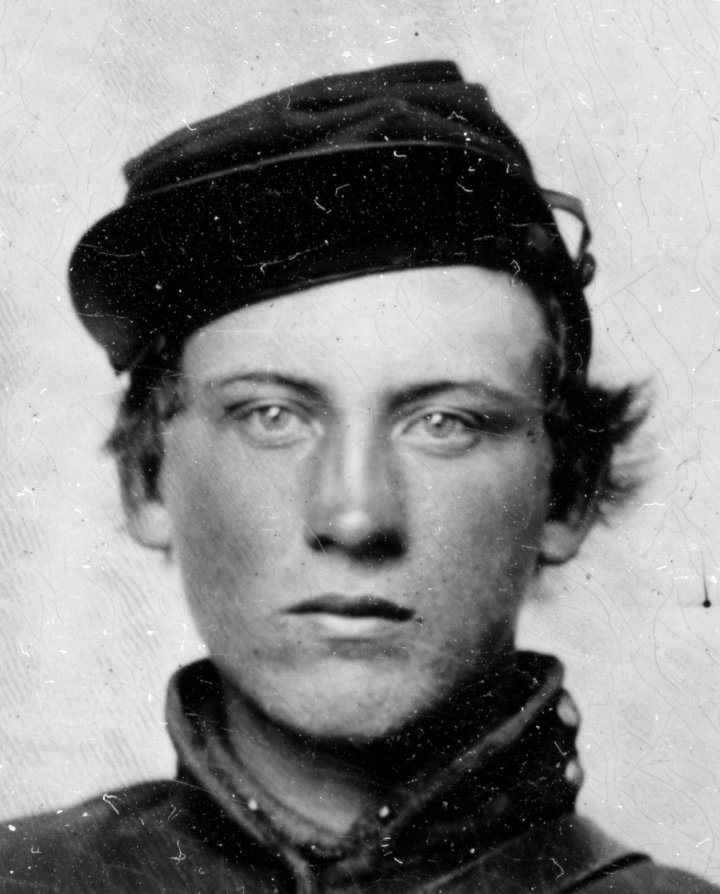
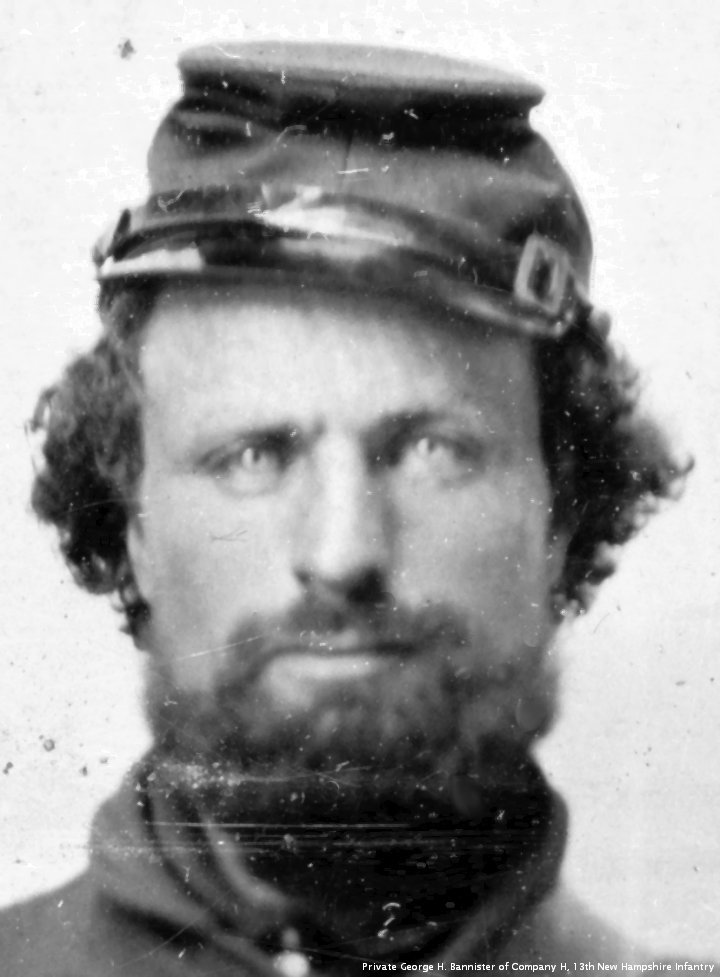
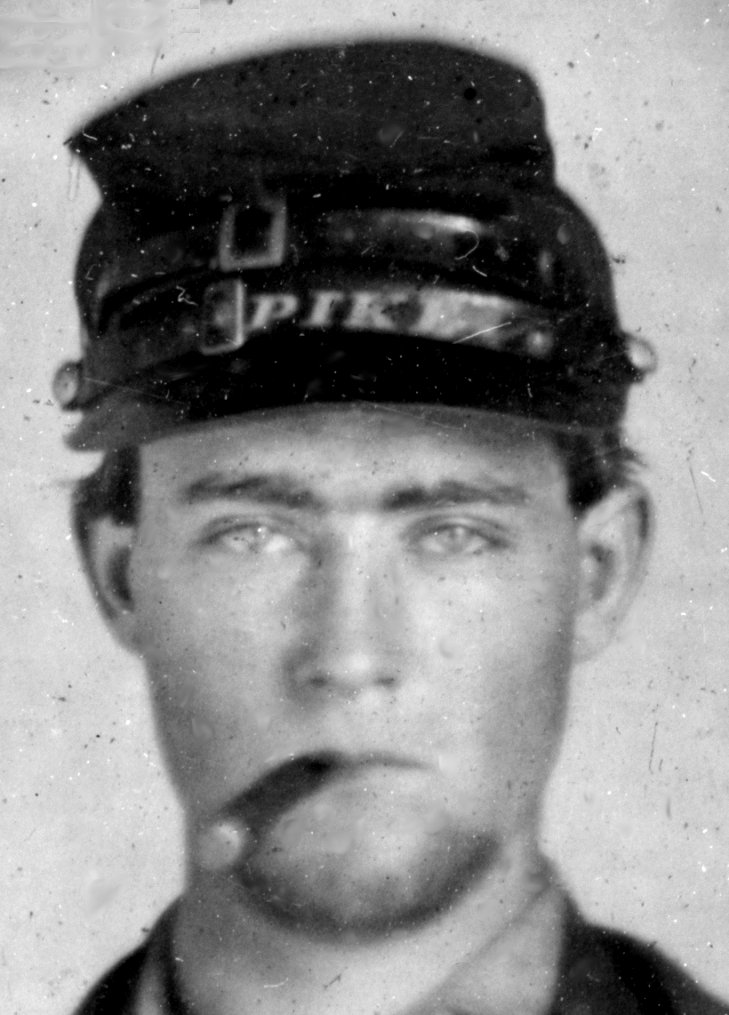
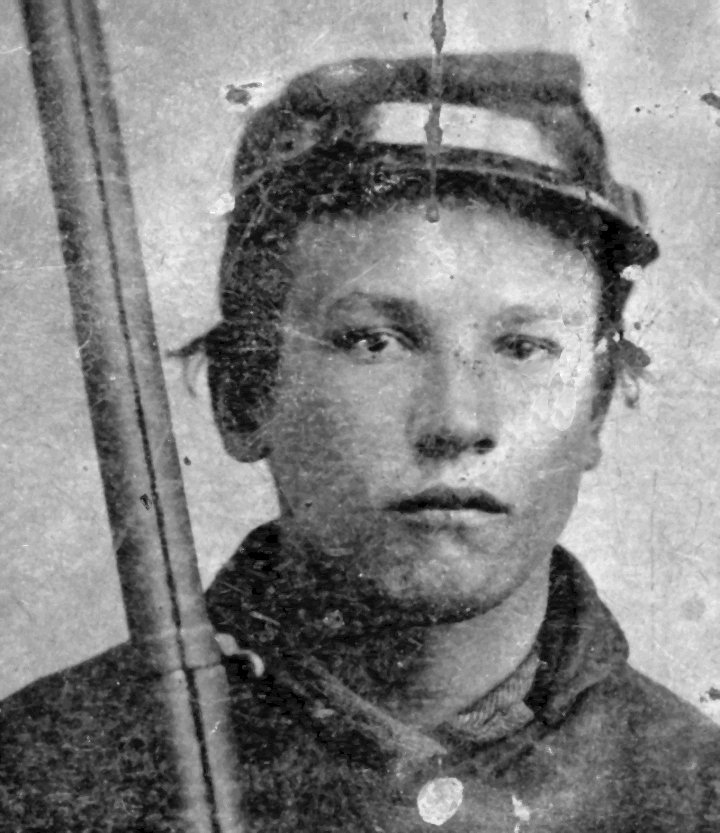
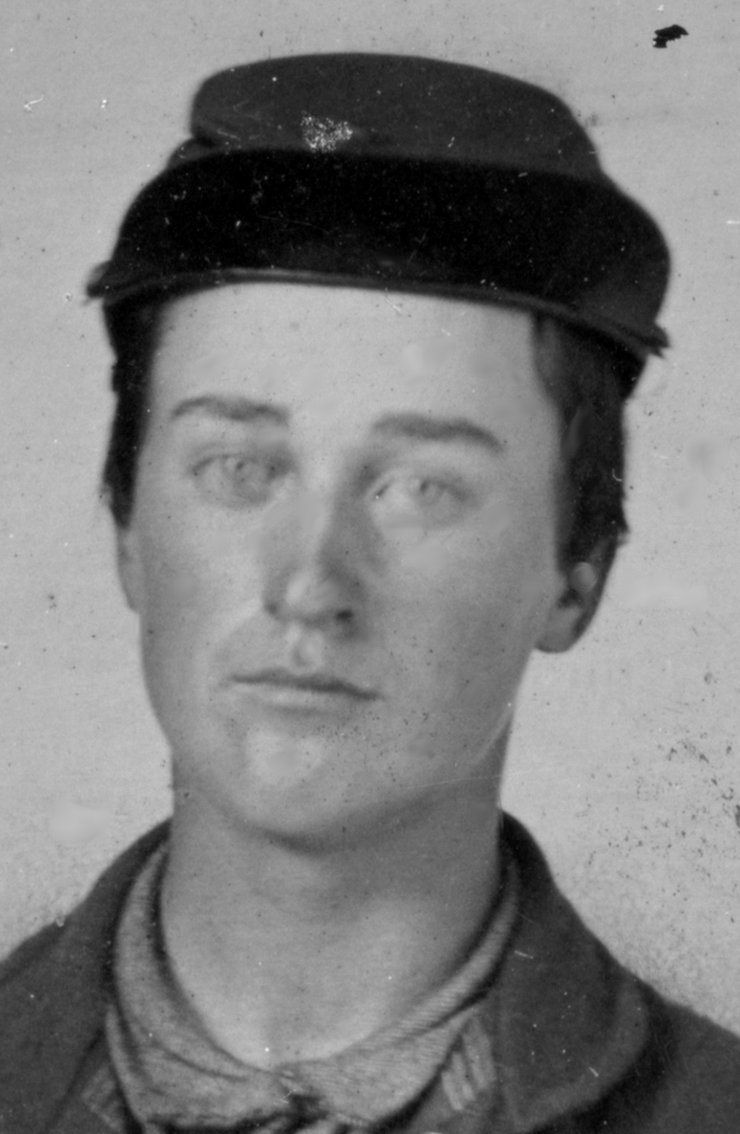
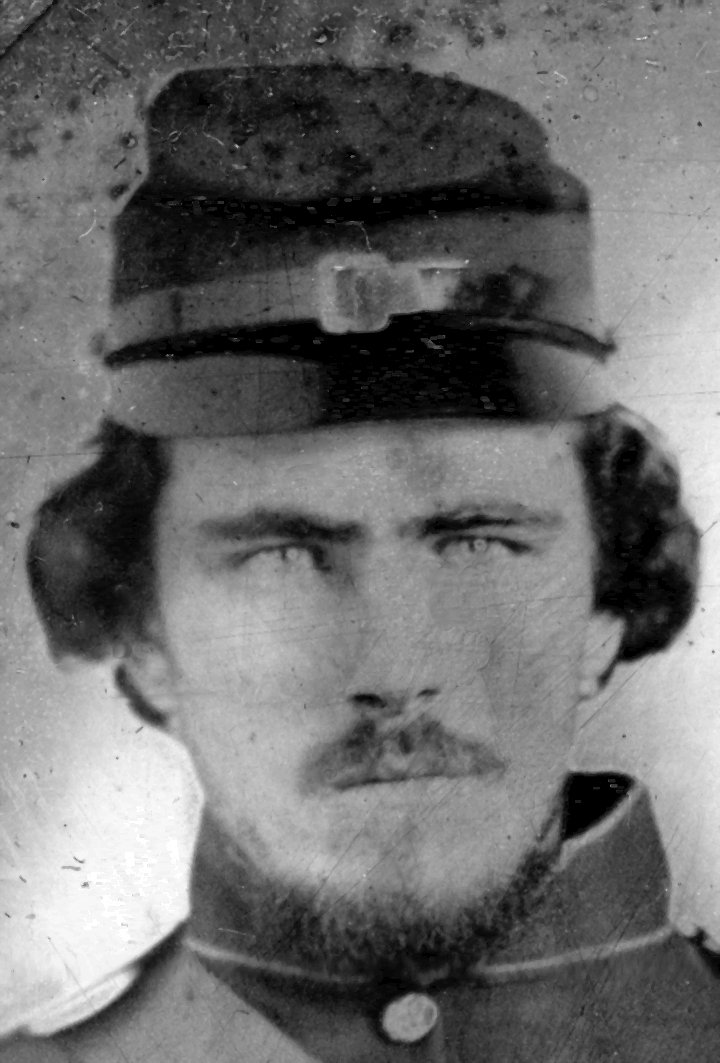
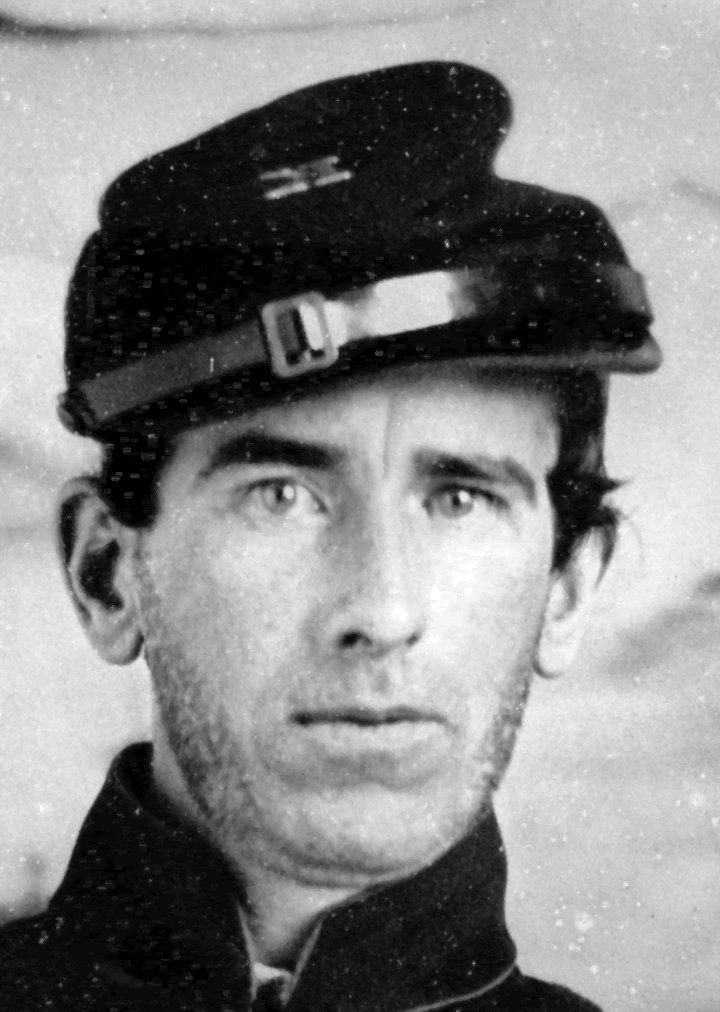
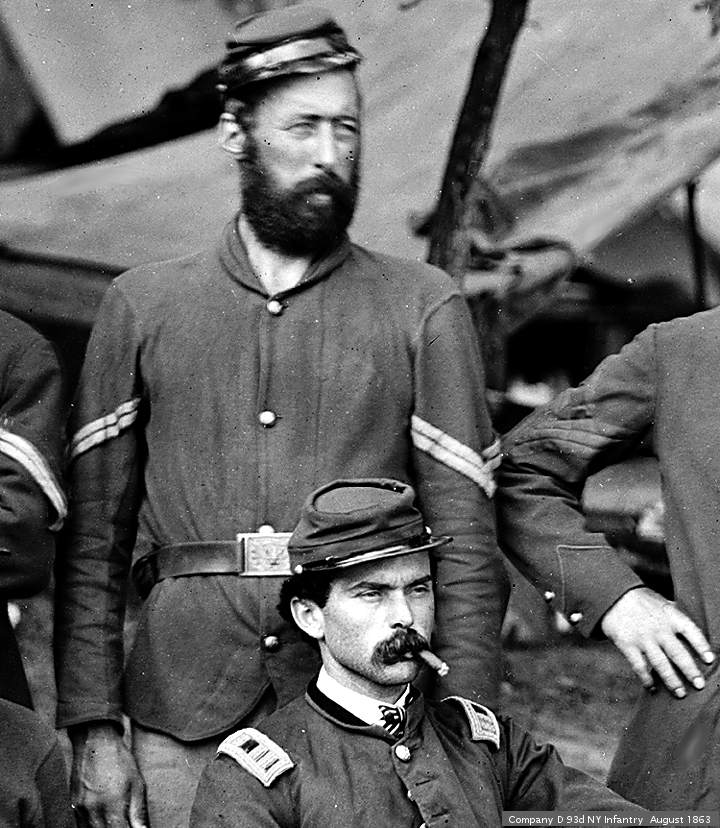
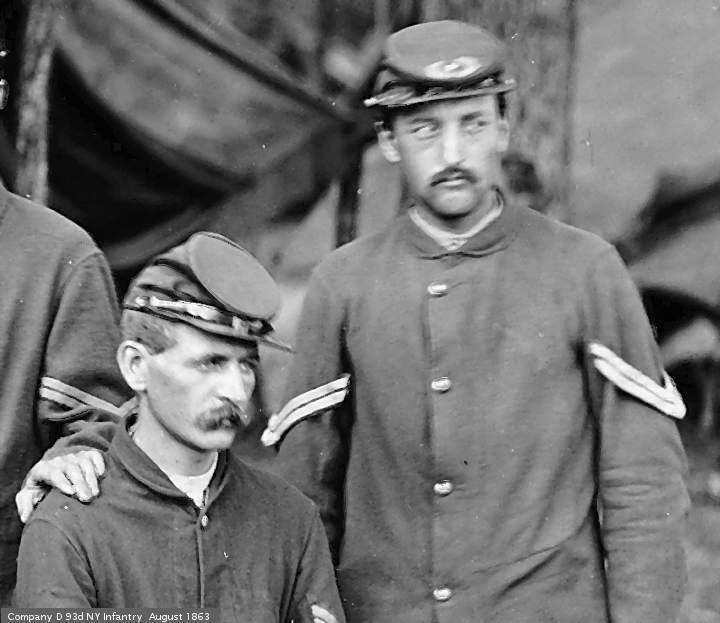
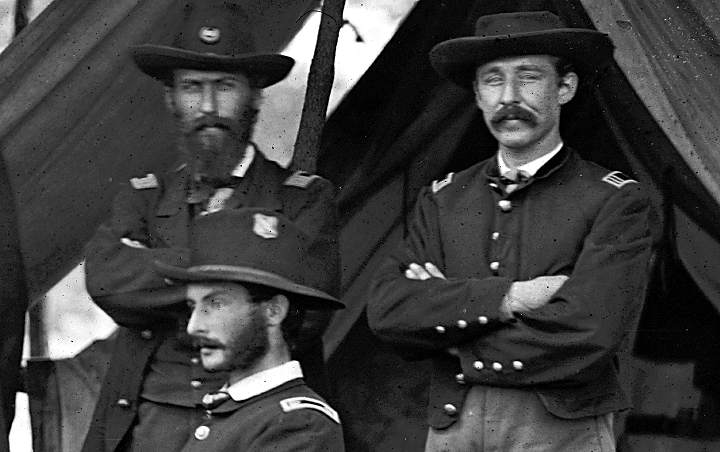
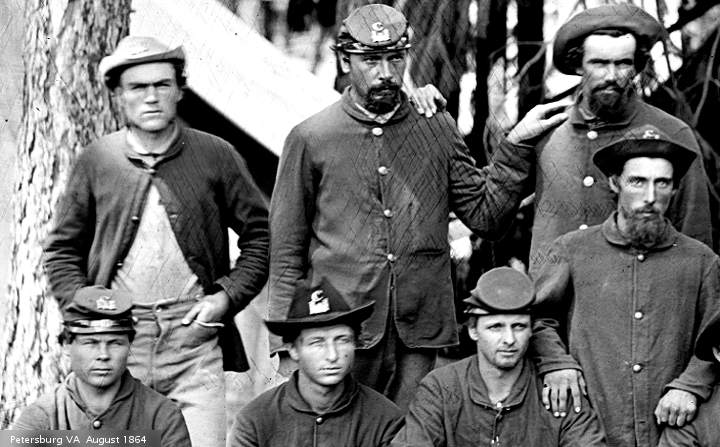
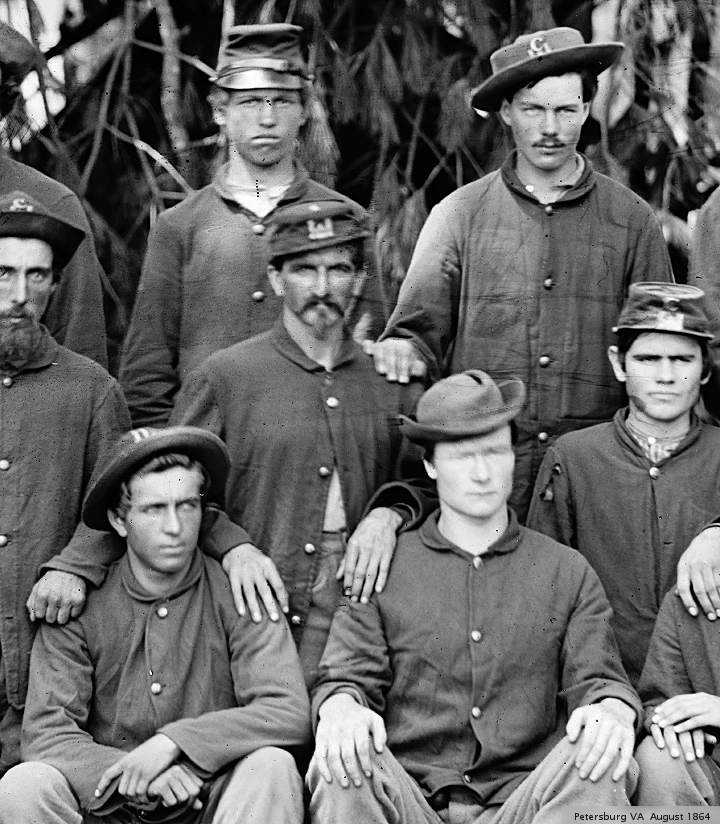
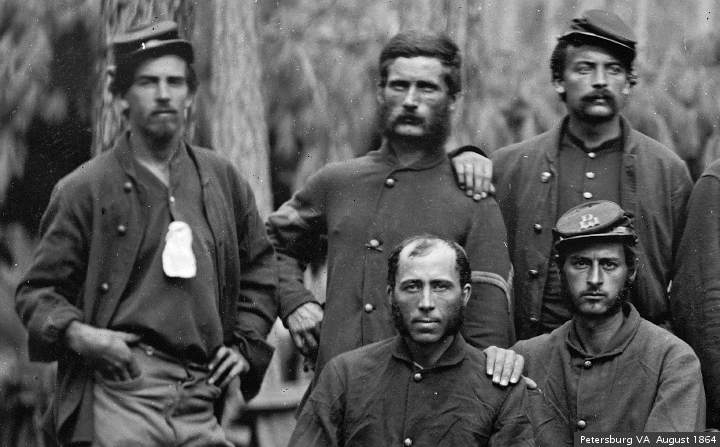
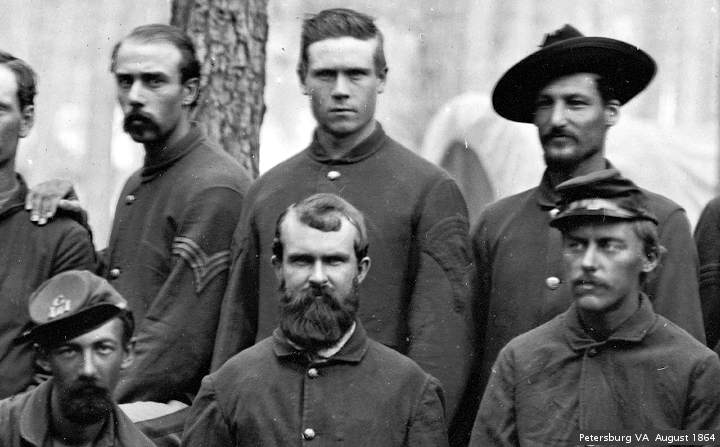
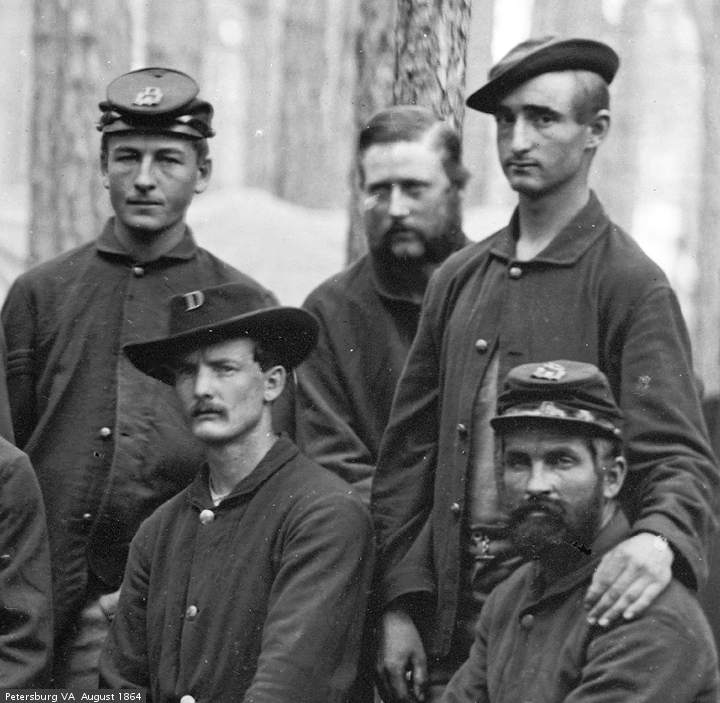
If these principles were to be used, then there would be a lot less hotheaded talking on the intercom. Those who are trying to influence you to the justice of their cause will not want you to read this. Pictures for this feature are from The Library of Congress. These pictures are Union soldiers, from the War Between the States. When war is discussed, all inspiring quotes are in doubt.
This is a repost. It is written like James Joyce. In the past year, doing due diligence on alleged quotes has become a hobby. Many people don’t care who said it, if they agree with the thoughts expressed. The prevailing thought is that an idea becomes more true with a famous name at the end. If the famous person is deceased, and cannot defend his/her reputation, that is not a problem. People do not like being told that Santa Claus does not exist.
Slavery And Global Warming

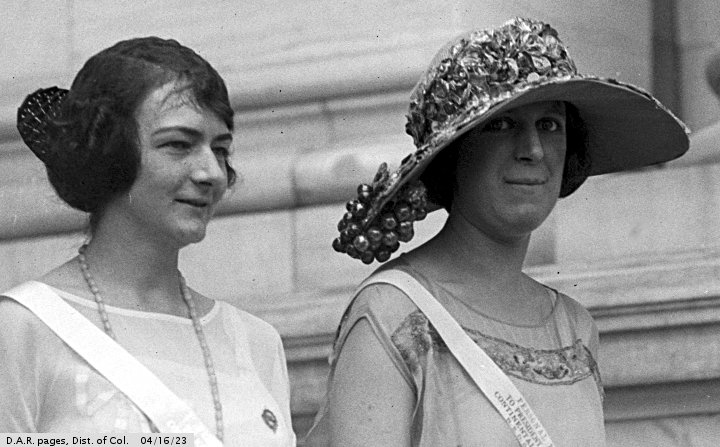

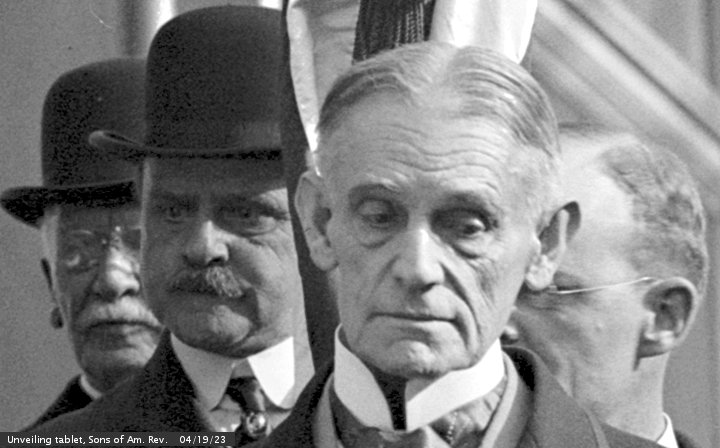
Have you ever wondered why your ancestors owned other human beings? How can you justify something this cruel? In an NPR interview to promote a new book, 1861: The Civil War Awakening, Adam Goodheart has an answer.
It was economics. “But I think we think of it differently when we realize that the value of slave property, some $4 billion, enormous amount of money in 1861, represented actually more money than the value of all of the industry and all of the railroads in the entire United States combined. So for Southern planters to simply one day liberate all of that property would have been like asking people today to simply overnight give up their stock portfolios, give up their IRAs.”
Mr. Goodheart compares it to the situation today with fossil fuels. “many of us recognize that in burning fossil fuels we’re doing something terrible for the planet, we’re doing something terrible for future generations. And yet in order to give this up would mean sort of unraveling so much of the fabric of our daily lives, sacrificing so much, becoming these sort of radical eccentrics riding bicycles everywhere, that we continue somewhat guiltily to participate in the system. And that’s something that I use as a comparison to slavery, that many Americans in the North, and even I believe sort of secretly in the South, felt a sense of guilt, felt a sense of shame, that knew that the slave system was wrong but were simply addicted to slavery and couldn’t give it up. “
When the economic pressure is there, people will find a way to justify their actions. Slavery was justified in a number of ways. Today, there are people who deny the ill effects of using fossil fuels, and they have an eager audience. The payback for the environmental horror is in the future. This is similar to the way people today are paying … with racial turmoil … for slavery.
Pictures today are from The Library of Congress. This is a repost.

Shock And Awe Day

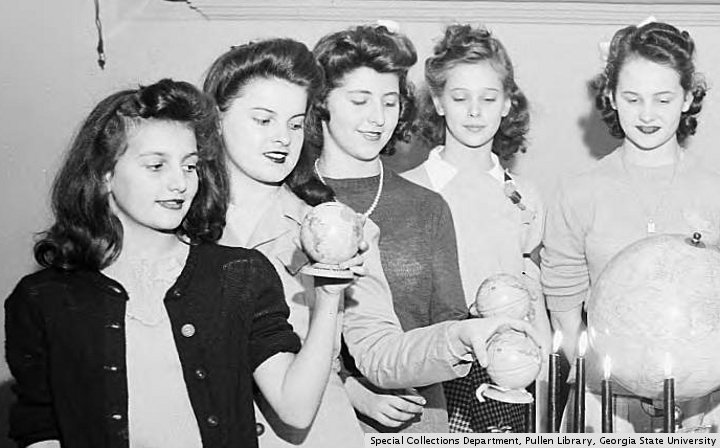
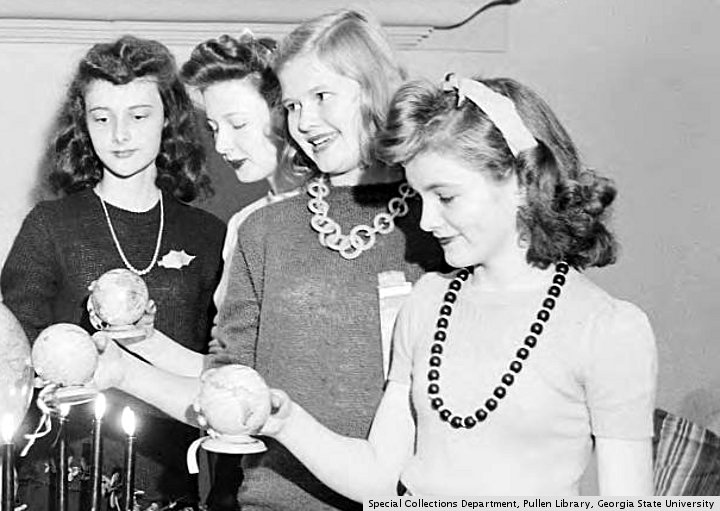
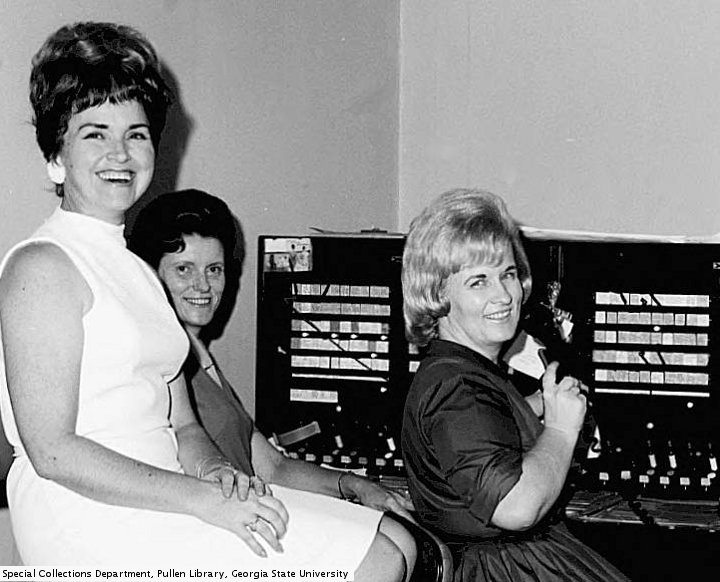
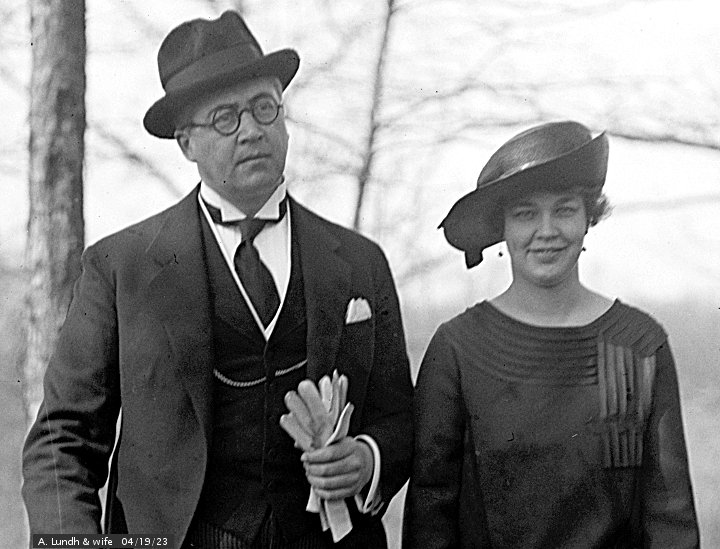
Thirteen years ago, Iraq teetered on the edge of regime change. It was obvious what was going to happen, at least at first. Amerika was going to storm in, kill a bunch of people, and take over.
In post 911 Amerika, the military industrial complex saw an opportunity for plunder, unrivaled since the fall of the Soviet Union. The stories of WMD would infect the body politic with fear of a mesopotamian madman. Saddam Hussein wanted Iran to think he has wonder weapons, and did not think Amerika was serious about regime change. We all make mistakes.
In the twelve years since the time of shock and awe, trillions of dollars have gone down the drain, dragging the mighty Amerikan economy along into the sewers of bankruptcy. One of the oldest civilizations of mankind was reduced to hiding, from neighbors, behind concrete barricades. They fought the conquerors with bombs triggered by garage door openers. Thousands of women and children have been murdered. The WMD were never found. This is a repost.
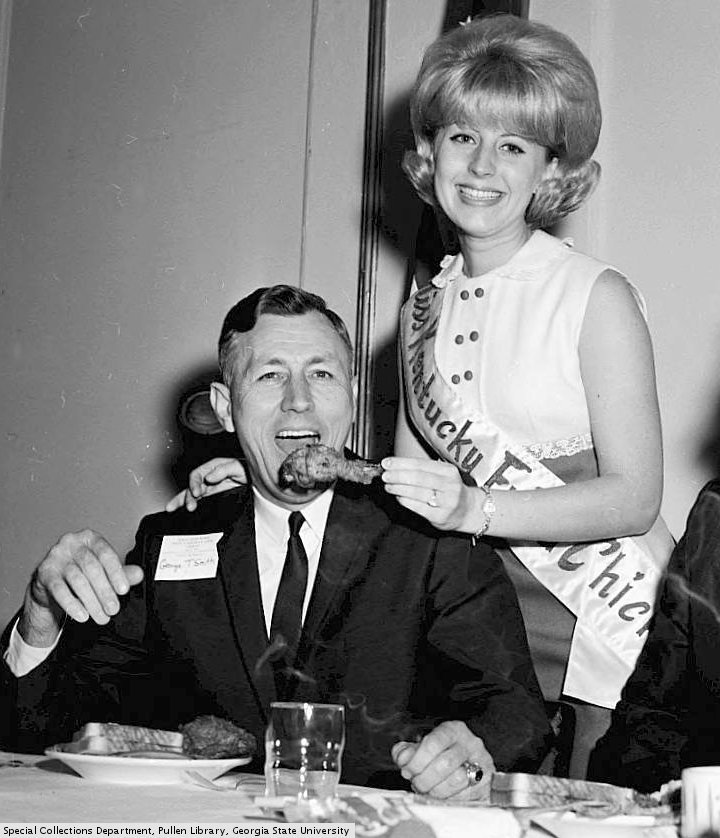
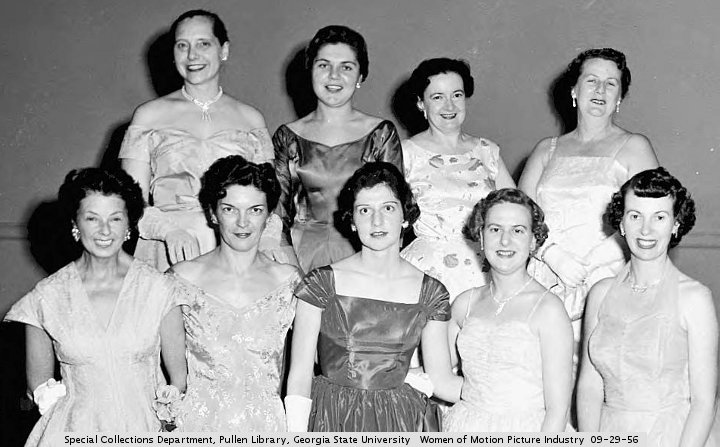
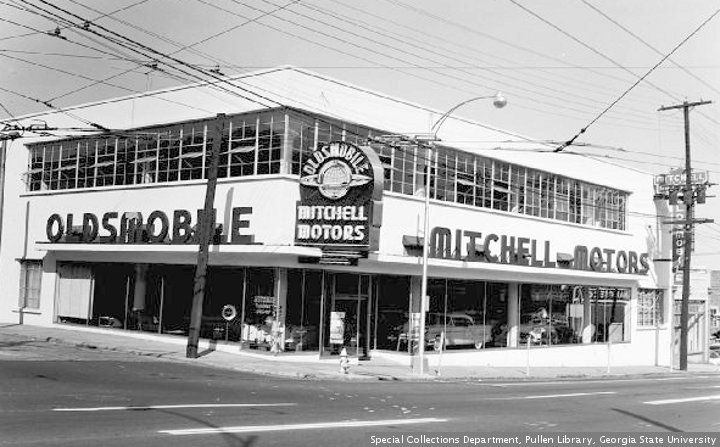
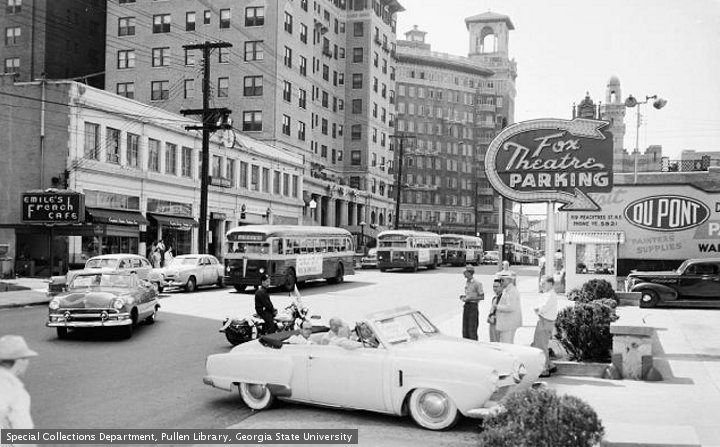
Pictures are from “The Special Collections and Archives, Georgia State University Library”.





Did Joseph Think It Was His Kid?


NOTE: This feature was originally published in March 26, 2013…. As you may have heard, SCOTUS is hearing oral, and possibly anal, arguments about gay marriage today. In a stroke of irony, this is day after March 25, nine months before Christmas. In other words, a crucial day, in the most famous unconsummated marriage in history.
PG began to ponder the traditional marriage of Joseph and Mary. Apparently, Joseph’s last name is lost to history. The question of the day is “when did Joseph and Mary get married?”. Facilities such as Liberty Gospel Tracts and Fish Eaters Traditional Catholic Forum have answers.
LGT (the B got kicked out for some reason) contributes a bible passage, Matthew 1:18-19. 18 Now the birth of Jesus Christ was on this wise: When as his mother Mary was espoused to Joseph, before they came together, she was found with child of the Holy Ghost. 19 Then Joseph her husband, being a just man, and not willing to make her a public example, was minded to put her away privily.
Put her away in the privy? That is some kinky business there. Maybe the Christians and Jews have it all wrong. The thirds Abrahamic religion, Islam, might have the answer. A site, TurnToIslam, has another point of view about the traditional definition of marriage.
What about Mary, Jesus’ Mother peace be upon both of them? How old was she when she got pregnant? Not only was it a custom in the Arab society to Engage/Marry a young girl it was also common in the Jewish society. The case of Mary the mother of Jesus comes to mind, in non biblical sources she was between 11-14 years old when she conceived Jesus. Mary had already been “BETROTHED” to Joseph before conceiving Jesus. Joseph was a much older man. therefore Mary was younger than 11-14 years of age when she was “BETHROED” to Joseph. We Muslims would never call Joseph a Child Molester, nor would we refer to the “Holy Ghost” of the Bible, that “Impregnated” Mary as a “Rapist” or “Adulterer”.
“….it is possible that Mary gave birth to her Son when she was about thirteen or fourteen years of age….”Mary was approximately 14 years old when she got pregnant with Jesus. Joseph, Mary’s Husband is believed to be around 36. Mary was only 13 when she married Joseph. When she first was arranged with Joseph she was between 7 to 9 years old.”
According to the “Oxford Dictionary Bible” commentary, Mary (peace be upon her) was was 12 years old when she became impregnated. So if I want to be as silly and ridiculous as many of the Christians, I would respond to them by saying that Mary was psychologically and emotionally devastated for getting pregnant at a very young age. And speaking of “child molesting”, since most Christians believe that Jesus is the Creator of this universe, then why did G-D allow himself to enter life through a 12-year old young girl’s vagina? Please note that we Muslims love and respect Allah Almighty, Mary, Jesus and Allah’s Message to the People of the Book (The Jews and Christians). In other words, we Muslims would never make fun of Christianity through such childish topic like this one as many ridiculous Christians do make fun of Islam through our Prophet’s (peace be upon him) marriage.
Pictures are from The Library of Congress.


Millard Fillmore And Oscar Wilde In Atlanta



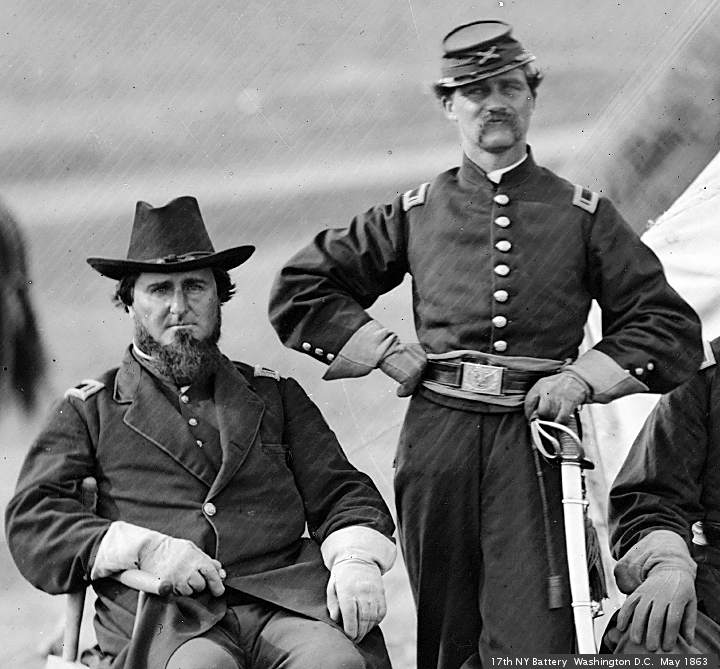
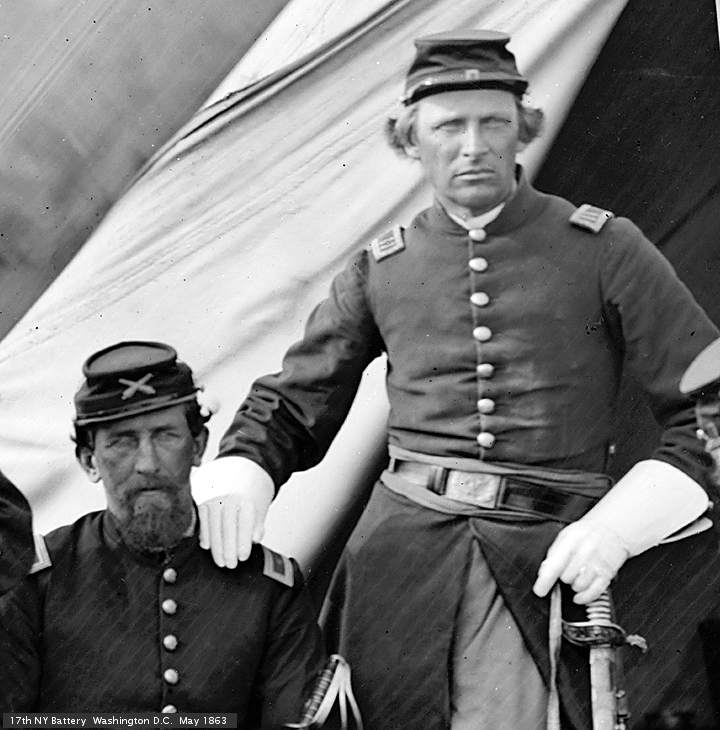
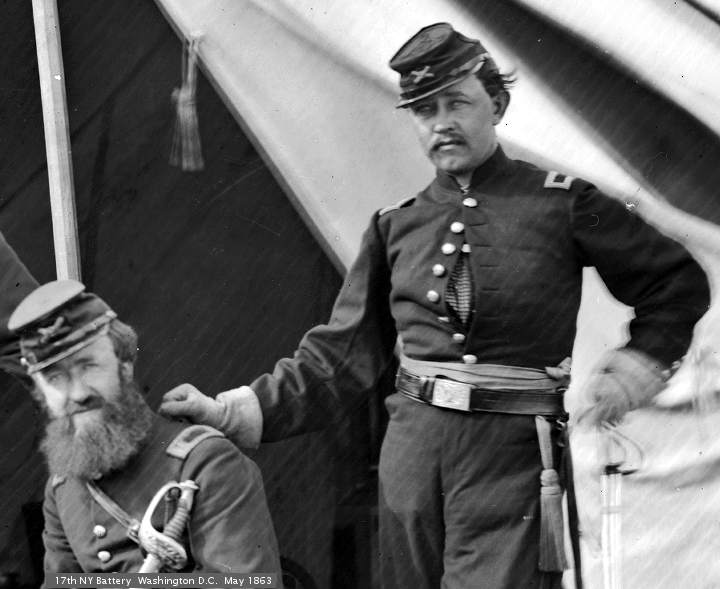
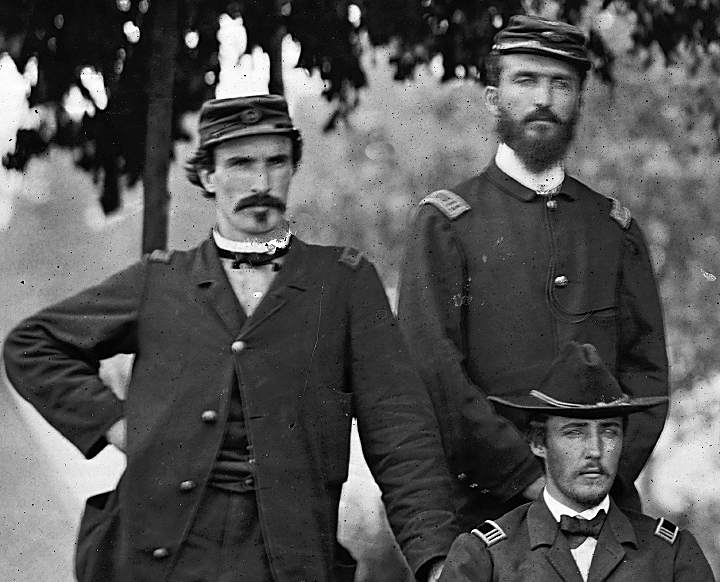

This afternoon’s post at chamblee54 noted an 1854 visit by former President Millard Fillmore. This was brought to the attention of another history minded blog, Millard Fillmore’s Bathtub. The result was some details about the visit, Millard Fillmore, live on Peachtree Street, 1854. The material below is borrowed from that post.
Two years after the Whigs refused to nominate Fillmore for a term of his own, he was out touring the country? Several accounts explain that Fillmore and his wife Abigail wanted to tour the U.S. after his presidency. Unfortunately, she died shortly after he left office. He pined through the rest of 1853, but by February 1854 had decided to tour by himself, without his children, accompanied by friends he could persuade to join him.
That same month, Fillmore decided to take the trip southward that he and Abigail had not been able to take. Given the timing, some observers believed that Fillmore had a political motive in making the journey. They suspected that he might be planning to speak out against the Nebraska Bill [proposed by Illinois’s U.S. Senator Stephen A. Douglas]. Others were convinced that it was a leisure tour. But whatever Fillmore’s intentions may have been, his speeches to southern audiences were relatively neutral. He restated his faith in the [Missouri] Compromise, but he spent most of his time enjoying a series of receptions, dinners, and parades in his honor throughout the region. A marching band escorted him through the streets of Louisville, Kentucky. Girls scattered his path with flowers in Montgomery, Alabama. A row of trains blew their whistles in greeting in Atlanta, Georgia. Fillmore returned home refreshed and with renewed faith in his fellow Americans. (This paragraph is from Alison Behnke, Millard Fillmore (a child’s history of the man), 2005, page 92.)
By late February 1854 Fillmore had resumed his plans to travel. He perceived that a southern trip would do him good and that the journey would divert his mind from the loss of Abigail. … Fillmore hoped Francis Granger, John P. Kennedy, and Washington Irving would go with him on the trip. Granger lost interest, and Irving was in no mood for politics. …
En route to Atlanta from Augusta on the Georgia Railroad, they stopped at Greensboro where a large crowd of teachers and students of the Female College greeted Fillmore and Kennedy. They dined at Madison. At Stone Mountain an escort committee from Atlanta met them.
At the Atlanta Depot a novel reception welcomed them. A large number of locomotives were present with their steam up. When the Augusta engineer signaled their arrival they all opened up their valves and whistled out a welcome the like of which, reported a newspaper, “no mortal man had heard before.” The shouts from the crowd and locomotive whistles were deafening to one reporter. By carriage the party went from the depot to the Atlanta Hotel where a reception was held.
Fillmore had become hoarse. Nonetheless, he managed to say that he was impressed by the large population and that he had heard that it was a beautiful village in the center of the state. He also admonished the state legislature to to take note “of the array of female loveliness before me” seated at the reception. If they did so, he joked, they wouldn’t hesitate to locate the state capital at Atlanta. At that time the capital was at Milledgeville. Atlanta became the capital in 1877. (This section is from Robert J. Scarry, Millard Fillmore, 1982, pages 247-252 variously.)
A few months later, on October 16, 1854, Oscar Fingal O’Flahertie Wills Wilde was born in Dublin, Ireland. On July 4, 1882, Mr. Wilde gave a talk at De Give’s Opera House in Atlanta GA. What happened next is described on page 201 of Oscar Wilde by Richard Ellmann.
Mr. Wilde was accompanied by his agent, J.S. Vail, and a valet, W.M. Traquair. Mr. Vail bought three train tickets for Savannah, the next stop on the tour. The Pullman agent told Mr. Wilde that black people were not allowed to ride in sleeper car berths. Mr. Wilde said that Mr. Traquair had traveled with him throughout the South without incident. The Pullman agent said the next stop was in Jonesboro GA. If people in Jonesboro saw a black man in the car, then they would attack the train. Mr. Wilde gave in, and Mr. Traquair traveled in another part of the train.
This is a repost. Pictures today are from The Library of Congress.



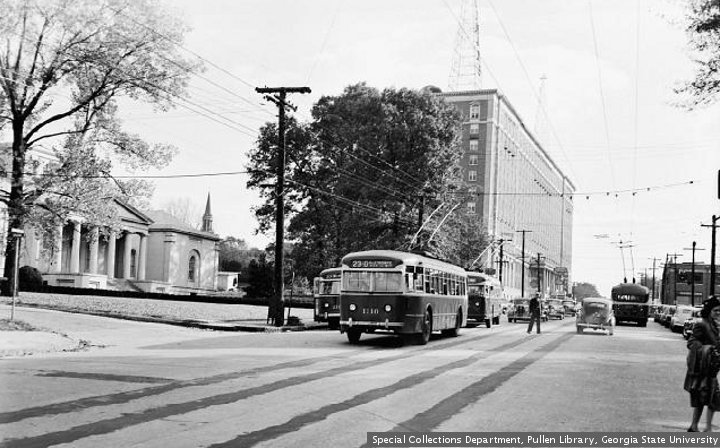
Downtown’s Modern Architectural Heritage



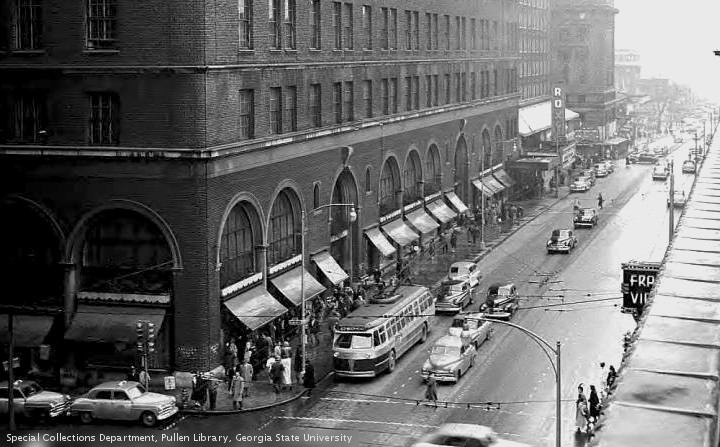
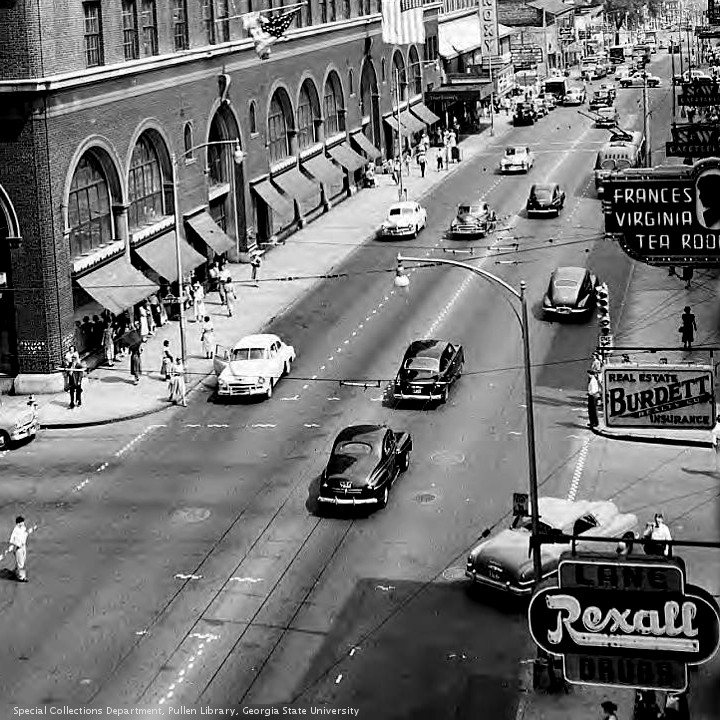
The tour began at the Commerce Club, It is a glorified parking deck, with a dining club on the top two floors. It was started as a place that would allow Jews. In the early sixties, the Commerce Club was the site of a secret meeting between Atlanta City officials, and Civil Rights demonstrators. Since it was mostly parking, the activists drove in and parked unannounced.
In 1992, PG saw Dan Quayle arrive to give a speech at the Commerce Club. A couple of hours later, PG was crossing Walton Street, when the Vice President’s limousine drove by. PG waved at the vehicle, only using one finger.
The next stop was the Fulton National Bank building. It was the first high rise built after the depression. For many years it was red brick, until some idiot had the idea of painting it beige. Across the street is 2 Peachtree. At 41 stories, it was the tallest building in town for a while. Some say it was the ugliest building downtown, although that is tough to quantify. An 8 story brick building in front was retrofitted with black panels, so that it would look like its tall neighbor. These panels are falling off, and may eventually be taken down.
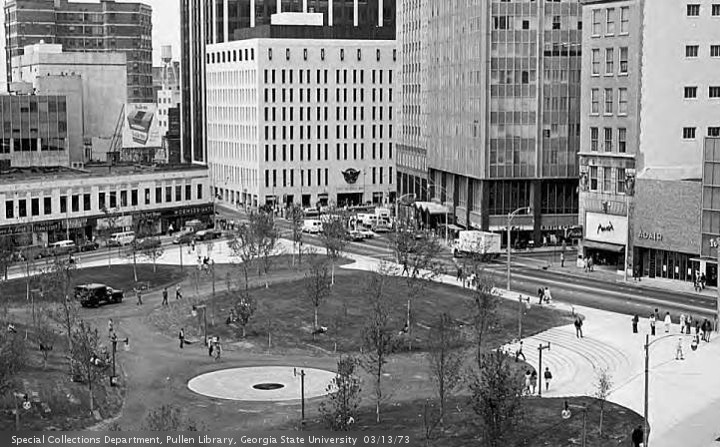
Woodruff Park is across Five Points from 2 Peachtree. The legendary head of Coca Cola, Robert Woodruff, bought several blocks of aging buildings, and tore them down to create the park. Some say he wanted the open space in front of the Trust Company building, so it could face Peachtree. The Trust Company was Coca Cola’s bank. For years, the formula for Coca Cola was held in their vault.
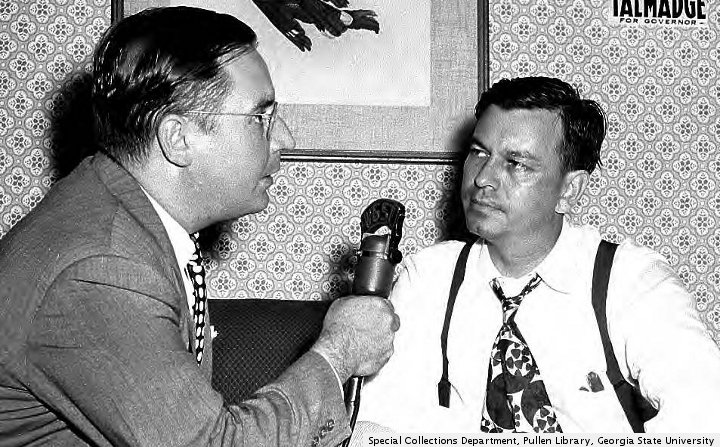
In one legend, Governor Gene Talmadge went into the Trust Company lobby. This would be in the old building on Pryor Street. (Now Park Place) The Governor had enjoyed a happy lunch, and was being held up by two of his aides. Soon, Governor Talmadge felt the need to use the restroom, which he did in the corner of the lobby.
Gracing the North end of Woodruff Park, at 100 Peachtree, is the Equitable Building. It, and the adjacent Georgia Pacific building, were designed by Skidmore, Owings, and Merrill, or SOM. No, that is not short for SOM-bitch. These two buildings were more modern, and are sometimes called glass boxes. At least the GP building has some variation in the back.
Georgia Pacific was built on the site of the Loews Grand Theater. Across the street was a giant Coca Cola sign. GP did not think that sign fit in with their new building. Coca Cola was tired of making repairs to the sign, and was happy for an excuse to take it down.
Behind GP, on John Wesley Dobbs (formerly Houston Street, pronounced HOUSE ton) was the Belle Isle Garage. This was the original Merchandise Mart. At some point, the present Merchandise Mart was built on Peachtree. The people going to shows needed a place to stay, and John Portman started building hotels.
A few spots north, past the site of the Paramount Theater, is 191 Peachtree. John Portman had wanted to build there for years, but was never able to pull it off. Finally, the property was taken over by someone else, the S&W cafeteria was torn down, and Philip Johnson and John Burgee designed the high rise that sits there now.
PG asked if that building was still mostly unoccupied. The guide said that you read the AJC too much. After King & Spalding moved out, the building began a comeback, and is mostly occupied today. The parking garage, with faux columns outside, is a favorite.
Across the street, on the site of the Henry Grady Hotel and Roxy Theater, is the Peachtree Plaza hotel. There is a duplicate of this building in Detroit, that is 4 feet higher, but that doesn’t stop people from calling the Atlanta version the world’s tallest hotel. A few spaces north on Peachtree are the original Peachtree Center buildings.
One of the PC buildings is different from the rest. Mr. Portman was not able to buy the land for one building, but merely lease it. The lenders wanted to be able to tear the building down easily if land lease problems developed. This building has a steel frame, and is bolted together.
Another one of these buildings was all electric. This was a sixties concept, that is not much seen today. Across the street, a major tenant was the Atlanta Gas Light Company. An all electric building would not do. Natural Gas heating was installed. This building is not on the grid, but has a generator in the basement that supplies their electricity.
The tour ends with three hotels in a row. The Regency Hyatt House was revolutionary. It was the first modern hotel with a large atrium. Mr. Portman had lunch with Conrad Hilton, and described his plan. Mr. Hilton said it would not work. The management contract for the new hotel went to the Hyatt company, which was then little known outside California. The Regency has been renovated in the last few years, and does not have much of its old character.
A short walk over a sky bridge takes you to the Marriott Marquis. This is the Regency on steroids. The last time PG saw this building was during Dragon Con, when it was different. Across the street is the Hilton. It is another atrium building, with mini lobbies every few floors blocking the open space. The Hilton is built on the site of the Heart of Atlanta Motel, which is another story.
The last stop on the tour was One Peachtree Center. This was intended to be the crown jewel of John Portman’s empire, but it almost brought it down. An economic downturn hit during construction, and Mr. Portman’s lenders got nervous. John Portman went for being known as a baroque modernist, to just plain broke. He managed to survive, and is still in action at 92 years old. As for One Peachtree Center, Sun Trust Bank moved their major offices there a few years ago, and the building is mostly occupied today.
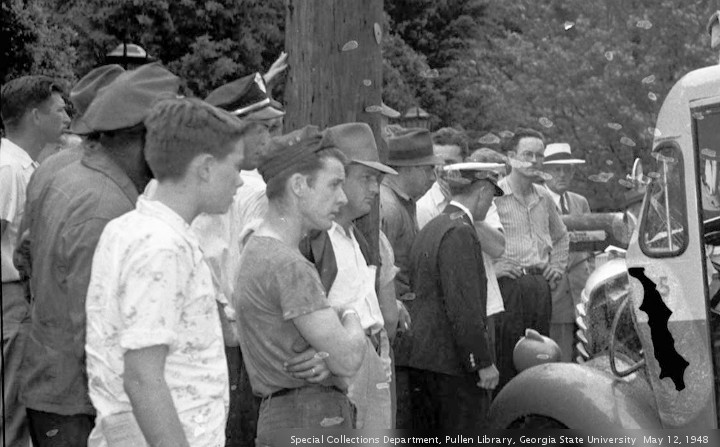
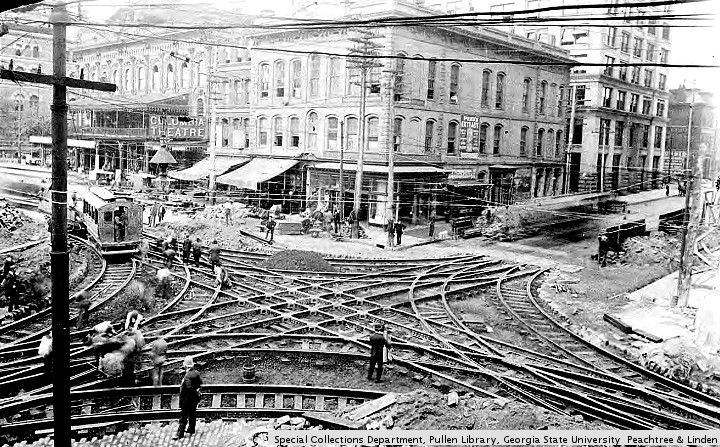
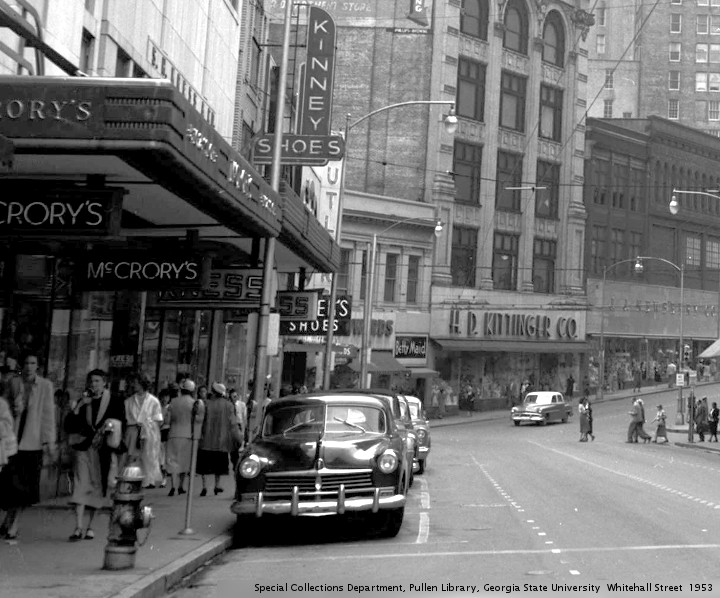
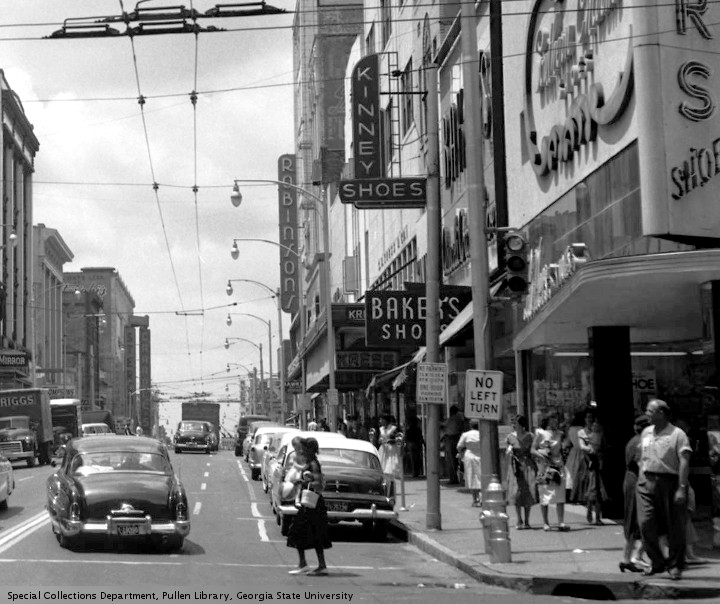
Pictures today are from “The Special Collections and Archives, Georgia State University Library”.





Poetry Saves Time


There is another Marilyn Monroe story floating around. “Someone told me that Marilyn Monroe once remarked that she enjoyed reading poetry “because it saves time.” I like this quotation so much that I’ve never dared to confirm it; I’d feel disenchanted to learn it was bogus.”
Poetry Daily seems to think the quote is legitimate. “That great aesthete and reader Marilyn Monroe once said: “I read poetry because it saves time.” In the age of Twitter, and other tweet-like utterances from all sorts of birdies, not to mention attention deficit disorder on an epidemic national scale, it’s refreshing to find poetry that both saves time and enlarges it. “
PG applied the wikiquotes test. Miss Monroe said in Look Magazine, March 5, 1957, “I’ve been on a calendar, but never on time.” Many people who worked with her agree.
Wikiquots also has a telegram, sent to Bobby and Ethel Kennedy. Marilyn was widely rumored to be seeing Bobby. This was a few weeks before her untimely death. “”I am involved in a freedom ride protesting the loss of the minority rights belonging to the few remaining earthbound stars. All we demanded was our right to twinkle.” (Telegram from Marilyn Monroe declining a party invitation from Bobby and Ethel Kennedy. June 13, 1962.)
A google investigation into the poetry quote led to Did Marilyn Monroe really say all those philosophical quotes? This is in DataLounge, where you “… get your fix of gay gossip, news and pointless bitchery.” The question on top of the thread was “I notice that the must fucked up of my female friends absolutely worship Marilyn Monroe, and are forever quoting her. What’s up with that, and are all those quotes real?? by: Mrs. Johnstone”
There are 148 comments in the thread. Some say Marilyn was an airhead, and some say she was bright. There are some quotes, many of which are probably made up. There is a letter, supposedly written to Albert Einstein. Shelly Winters says the two might have had a special relationship.
“Were I to pursue physics instead of my first love, acting, I would attempt to solve these problems by understanding the reason for these discrete energy states, which are probably due to the fact that standing waves only exist at discrete frequencies. My theory would predict that energy exchanges will be discrete, as observed;… But as I said, I want to be an actress.”
Once, on the set of Gentlemen Prefer Blondes, Marilyn Monroe and Jane Russell discussed embryological parallelism. Marilyn Monroe: Ontogeny recapitulates phylogeny. Jane Russell: I was about to say the same thing.
One of the comments had a link to a fun story. Film legend Marilyn Monroe went to bed with fellow actress Joan Crawford – but the lesbian sexual experience only reaffirmed her attraction to men. Monroe left Joan gasping for more liaisons, much to Marilyn’s chagrin. Monroe described the encounter herself in conversations taped by her psychiatrist Dr. Ralph Greeson, recordings which were obtained by the Los Angeles Times newspaper from former prosecutor John Miner, who helped investigate her death. Monroe said, “We went to Joan’s bedroom… Crawford had a gigantic orgasm and shrieked like a maniac. “Next time I saw Crawford she wanted another round. I told her straight I didn’t much enjoy doing it with a woman.”
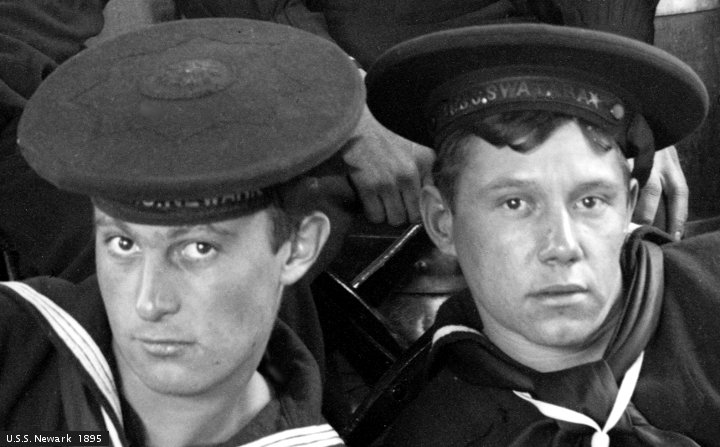
This is a repost. Pictures are from The Library of Congress. HT to Andrew Sullivan.



The Henry Ford Meme

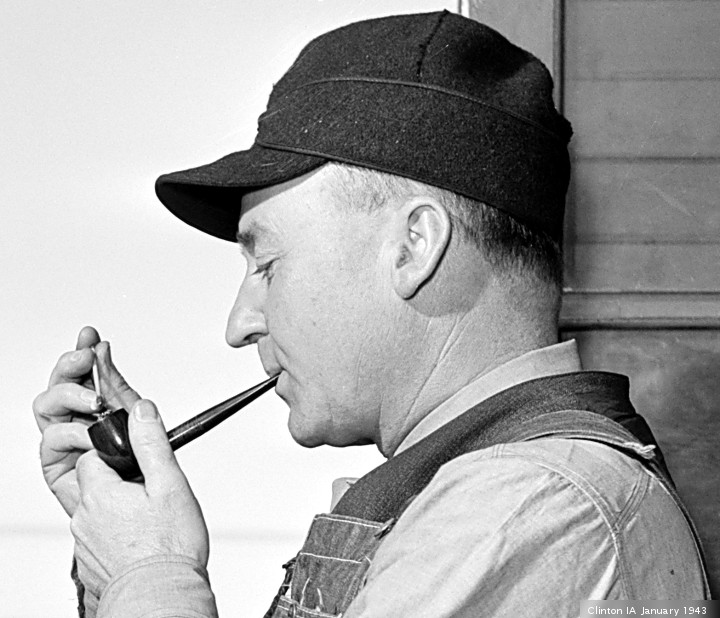


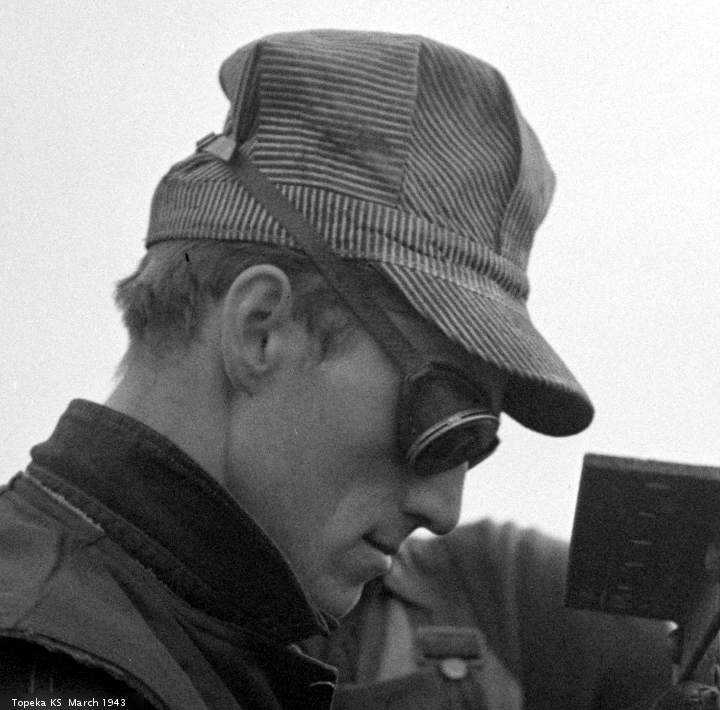
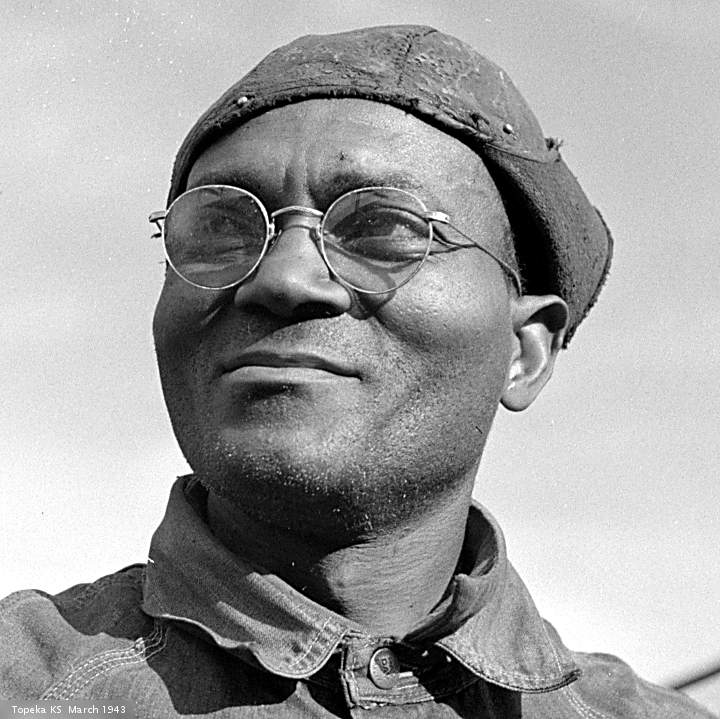

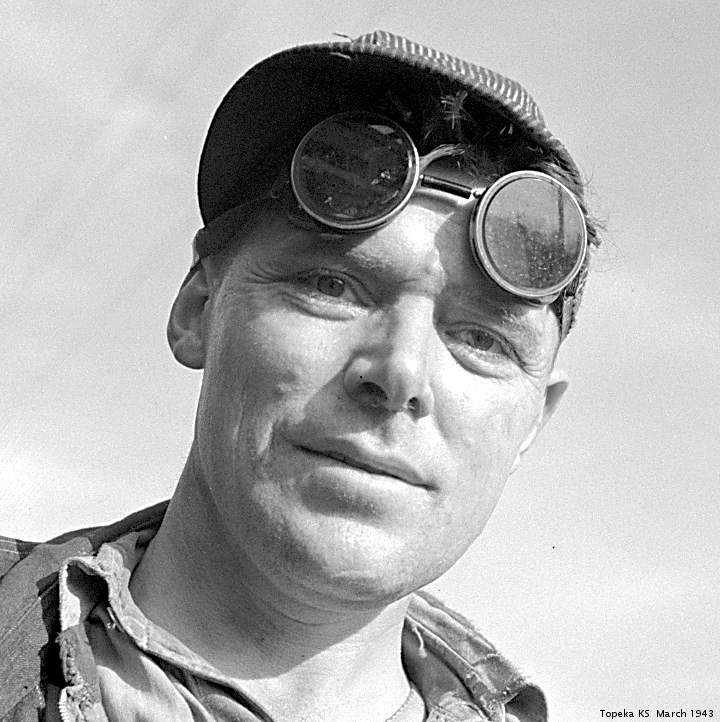

There is a meme going around. It has a quote, “Any man who thinks he can be happy and prosperous by letting the government take care of him, better take a closer look at the American Indian.” The credit/blame for the quote is given to Henry Ford. There are so many things to say.
You might ask if the quote is genuine. A bit of research leads to a foundation that studies the life of Henry Ford. They have a spreadsheet of his quotes. A search for the words happy, Indian, and prosperous do not show this quote.
The second comment is about what might be termed political correctness. The term American Indian is now considered offensive. If you consider the historic relationship between Native Americans, and the European conquerers, you see a history of land theft, treaty violation, and genocide. That this could be considered “letting the government take care of him” is a sick joke.
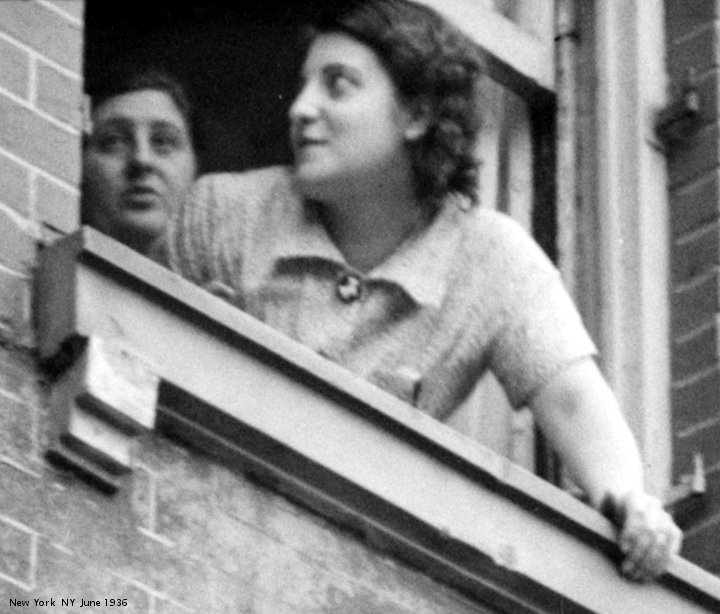
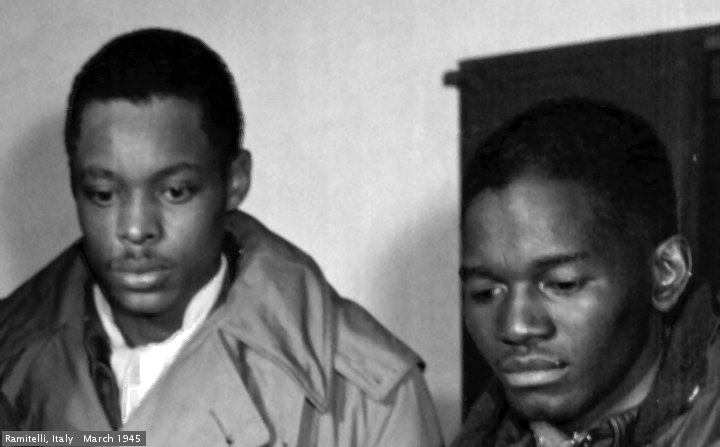
Ad hominem comments are just too easy to make. Henry Ford had a reputation for extreme anti-semitism. Mr. Ford was no fan of labor unions, and fought them fiercely. There are many other stories about what a horrible man Henry Ford was. Pictures today are from The Library of Congress.




Gloomy Sunday
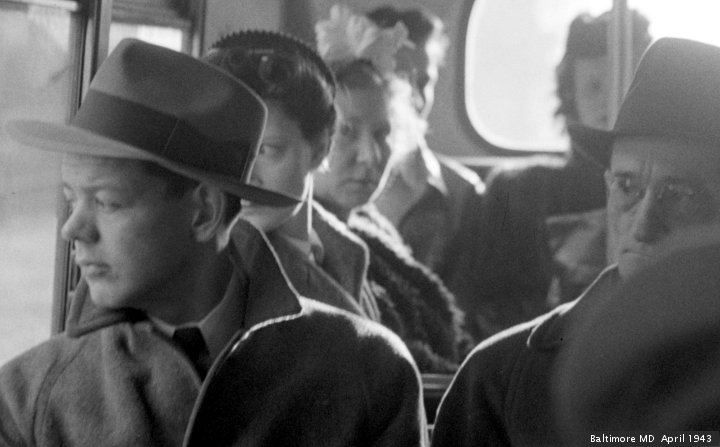

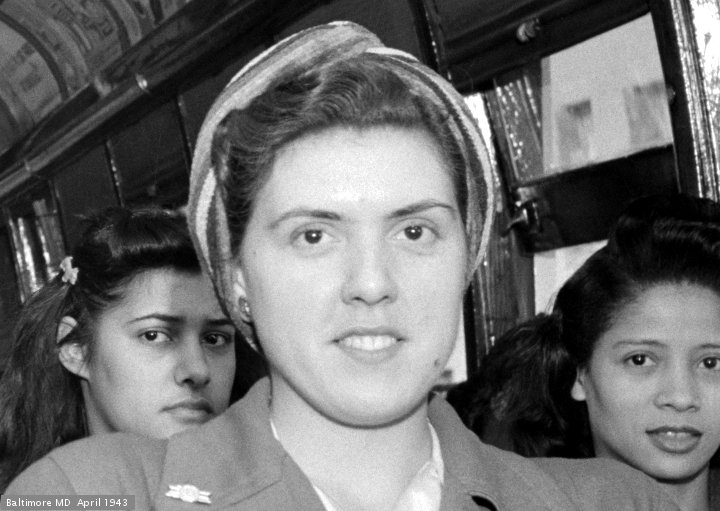

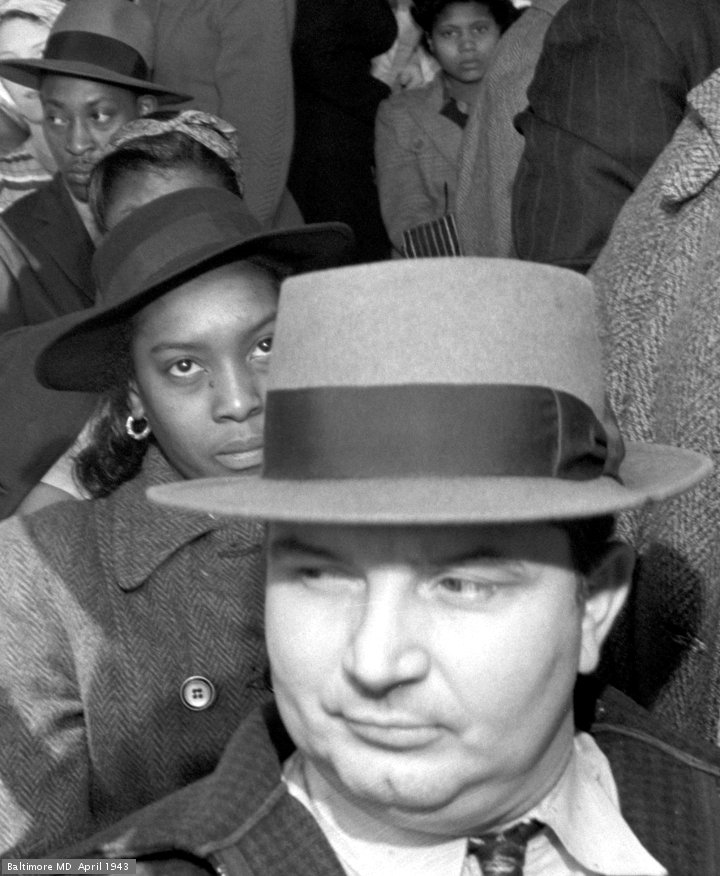
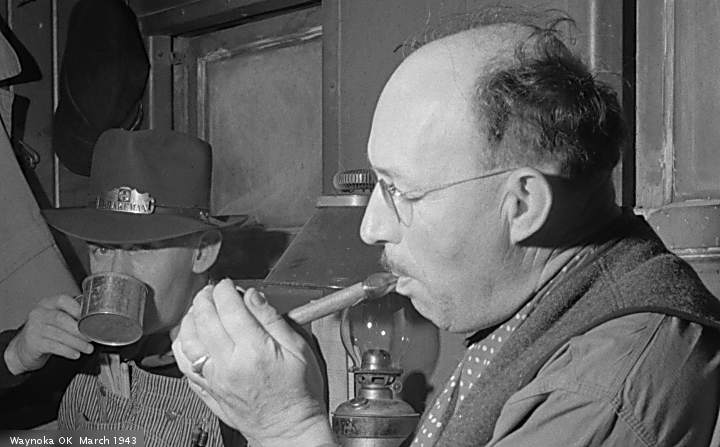
Billie Holiday had a hit with Gloomy Sunday in 1941. The legend is that people would listen to the song, and kill themselves. As a result, the song was banned from the radio. Or was it?
Gloomy Sunday was written in 1933 by Rezső Seress. Additional lyrics were later written by László Jávor. It became known as the “Hungarian Suicide Song”, and was reportedly banned in Hungary. An English translation (which is said to not do justice to the original Hungarian) was rendered.
Gloomy Sunday has a melancholy sound, even as an instrumental. The story is about a person…it is not gender specific…who decides to join a loved one who has died. A third verse was added, to the english version, where the singer says it was all a dream.
Gloomy Sunday became popular in the United States. And the suicide stories started to spread, along with rumors that the song had been banned from the radio. (It was indeed banned by the BBC.) There are indications that these rumors were part of a publicity campaign.
The urban legend busters snopes. calls the story “undetermined”. Legends like this get a life of their own. A grieving person hearing this song on a dreary Sunday is not going to be uplifted. One thing is known for sure…the original composer did take his own life.Rezső Seress jumped off a tall building in Budapest in 1968. The legend is he had never had another hit song after writing “Gloomy Sunday”. This repost has pictures from The Library of Congress.

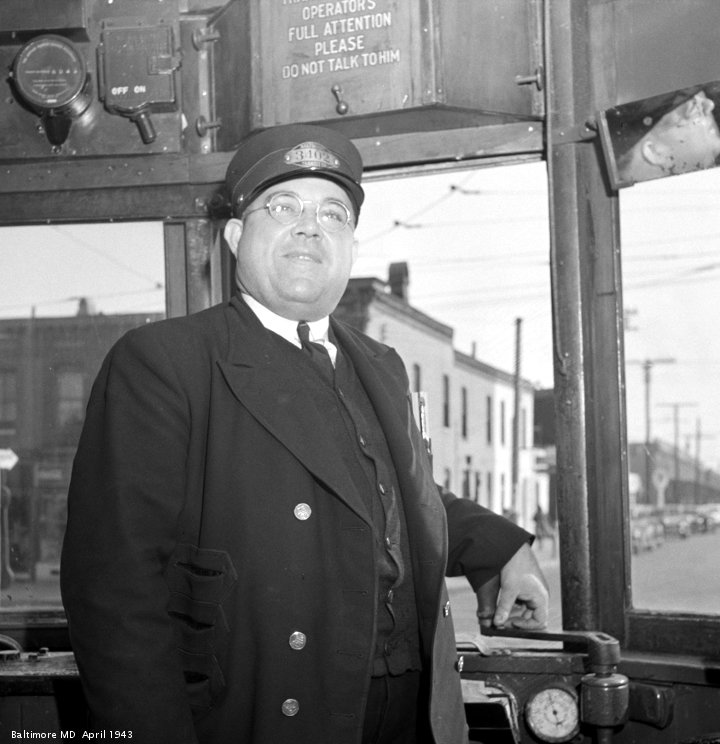


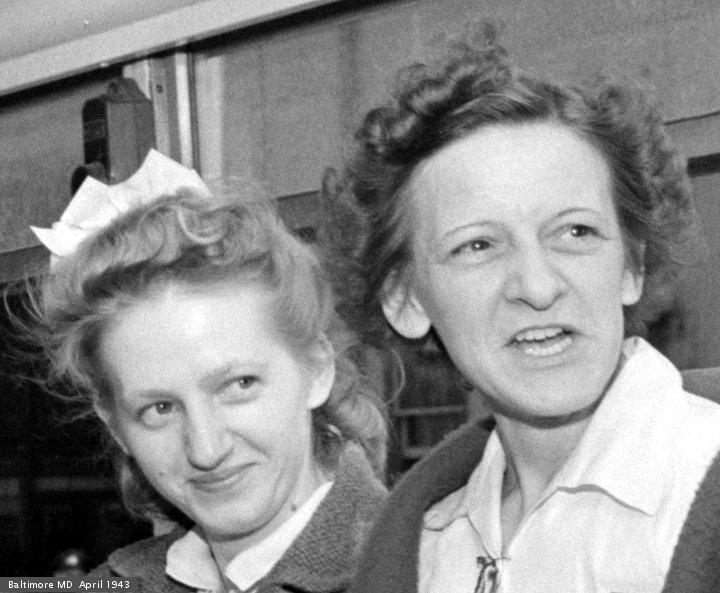

The Georgian Terrace Ballroom
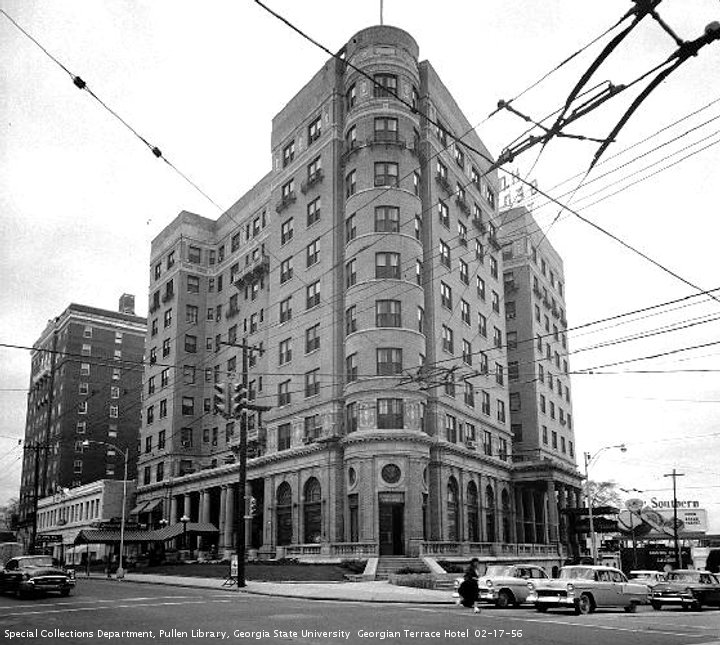

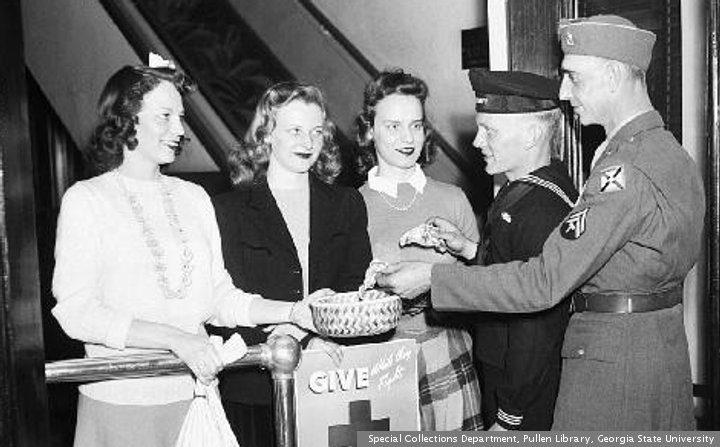


The Georgian Terrace hotel used to have an adjacent ballroom. The building opened as the “Lucky Strike”, featuring “Duck Pin” bowling. At some time, it became a 1300 seat ballroom. It was not the grand ballroom, where events for the premiere of “Gone With The Wind” were held. As time moved on, the ballroom became a music performance hall. PG saw shows there under four different business names. After the Agora Ballroom closed, the building was vacant, until a fire August 30, 1987. The site of the ballroom is now occupied by an annex of the Georgian Terrace Hotel.
The first show PG saw at this facility was in 1972. The name of the business is forgotten, as is the act that performed. A band, comprised of people PG went to high school with, played before he got there.
In 1974, “Big Time” promoter Alex Cooley opened “Alex Cooley’s Electric Ballroom”. (Alex Cooley died December 1, 2015.) The first show that PG saw was Dr. John The Night Tripper. A few months later, Capricorn artists Cowboy played, with a vulgar New York band named Mercury opening. Gato Barbieri played at the Ballroom, with PG wondering how people could dance to that type of music.
Several major acts appeared at the Ballroom, mostly without PG in the audience. KISS played there in 1974, and photographs from backstage are in the embedded video. In April of 1974, Steely Dan was across from the Fox. In the summer of 1974, The Tubes played a week at the ballroom, with another heavily hyped show. On January 23, 1976, The Patti Smith Group played at the ballroom.
In 1975, Bruce Springsteen was on the covers of Time and Newsweek, and was recieving a promotional push unlike anything seen before. He played a show at the ballroom that summer, with a generous press party in the balcony. (At one unforgettable show Alex was caught off guard by a Bruce Springsteen request. “He asked if we could shut down the cash registers because they were making too much noise!… That’s the only time I ever did that.” Alex admits.)
PG attended two shows in 1975. Mckendree Spring opened for Fanny, while PG drank too many bourbon and cokes. In November of 1975, Juice Newton opened for Hot Tuna. Miss Newton seemed to be a bit pale, and performed “Get drunk and screw”. Hot Tuna was amazing. They went on stage at 10:55, and played, without a break, until 2:50. The drummer wore a shirt, mother fucking hot tuna. Few would argue that night.
In autumn of 1977, some brave soul opened a place called “The Ballroom” in the space on Peachtree Street. One night, PG went with some friends to see an act, Happy the Man. There seemed to be a bit of chaos in the management of the facility. The Great Southeast Music Hall loaned a few microphones for the show. When the show was over, PG walked out to a car, whose motor was running, with the driver asleep inside.
In the summer of 1978, the ballroom opened as The Agora Ballroom. Apparently, there is a music hall in Cleveland with that name, and they opened branch facilities around the country. There were some shows that PG did not attend. Todd Rundgren opened the facility August 19, 1978. On October 2, 1979, The Clash played. Pictures from the crowd appeared on an album by the band. On December 2, 1981, U2 made their Atlanta debut.
A few weeks after the opening, PG won tickets to an all Texas show. Marcia Ball opened, and a bored PG went to a neighborhood bar to drink beer. PG returned later, and stayed long enough for the singer with Asleep at the Wheel to ask the crowd, Are you stoned?
In November of 1978, PG called a radio station, and asked to be put on the guest list for Talking Heads . (For Talking Heads, and three links in the following paragraphs, the link is for a previous Chamblee 54 post about the show.) The first six people he called were busy, but the last one agreed to go. On the bus going home, a group of black men started to make unfriendly comments. At the next stop, a black friend of PG got on the bus, and went to talk to him.
A few weeks later, Tim Curry made his United States debut. Some record company invested a lot of money in him, and supplied him with an outstanding band. PG was wandering around the balcony after the first show, and saw Tom Waits sitting at a table. The bodyguard said no, that’s not Tom Waits, it is just someone that looks like him. At a bar, after the show, PG was raving about what he had seen, when a lady came up to him. What color are your eyes? They are brown, because you are full of shit. Soon, the 23 Oglethorpe was taking him home.
Somewhere in the haze of 78 and 79, Ultravox brought their synthetics to the Agora. A local band, First Blood, was more entertaining as the opener. PG drank a very large can of Foster’s beer, and floated through the proceedings. After the show, PG was invited to a party in Candler Park. On the way there, there was a horrific car crash on Ponce de Leon. At the party, friends of First Blood dissected their performance, between lines of coke.
One night, PG was enjoying drink specials at a neighborhood bar. He took a break, walked over to the Agora, and saw a few minutes of a show by Freddie Hubbard.
In early 1979, the B 52s were on the verge of stardom. (Here is a nifty feature about the Atlanta local music scene in those days.) The opener for the 52s was The Brains , yet another talented band that never made it big. At the table next to PG, a lady wore a dynamite World War Two army uniform.
Later in 1979, Ted Turner had an idea for a TV show, “Live at the Agora”. The first show was filmed in Atlanta, and featured Graham Parker and the Rumor. If they ever show that film again, and you see a crowd shot, that is PG wearing a white T shirt, with a white Agora iron on logo. Parker was a great musician, who had the misfortune to look like Big Bird’s nerdy little brother. If Graham Parker had looked like Bruce Springsteen, he would have been a superstar.
In March of 1980, Lene Lovich came to the Agora. About a year later, Spirit played on Peachtree Street. The show was sponsored by a radio station, and tickets were $2.96. Despite the low price, and high musical quality, the balcony was closed, and only about a hundred people were at the show. PG thought this was odd, but little surprised him by this time.
The last show that PG caught at the Agora was The Ramones. Joey and the pinheads were past their prime, with only two original members playing. It was an all ages show, with alcohol served in the balcony. Downstairs was a festive party, with costumes and enthusiastic high school kids. The balcony was the same rock and roll drunks you had seen for years. The Ramones would have made a great oldies band, if they could have quit dying. This is a repost, with pictures from “The Special Collections and Archives, Georgia State University Library”.


Bernienomics



@BernieSanders “I got into politics not to figure out how to become President. I got into politics because I give a damn.” The old tweeter sent this message December 11, 2015, at 4:42 pm Sanders Standard Time. At last glance, it was retweeted 25,901 times, and liked 44,263 times.
What exactly is a damn? When you give one, do you gift wrap it? The dictionary says that damn is a verb, meaning “condemn to a punishment or fate; especially : to condemn to hell.” Giving a verb is not good grammar. Damn is considered a mild profanity, which adds polemic punch.
History gives us a second opinion. “In 1665, Aurangzeb, or Abul Muzaffar Muhi-ud-Din Mohammad Aurangzeb. (A real mouthful of a name!) was the emperor of the Mughal empire. He ruled from 1658 until his death in 1707. Aurangzeb had coins minted in precious metals as well as copper. The copper denominations were one Dam and one half Dam.”
At some point after the invention of the copper dam, Great Britain conquered the Mughal empire. By this time, the dam was not worth twice as much as a half dam, but not much otherwise. According to some unverified sources, British soldiers would say that something was not worth a dam. Or maybe, they said they would not give a dam. Somehow, the profaning n was added, and a saying for apathy entered the english language.
How much is a dam/damn worth? To people living downhill from the lake, a dam is valuable. As for the numismatic value of an ancient copper coin:“By looking at both catalog values for copper Dams minted in the Mughal calendar year of 1075 (Western date 1665) … we can provide the following very approximate values for copper half-Dams and Dams minted in the name of Aurangzeb: worn: $4, average circulated: $7, well preserved: $30.”
Getting back to BS, he probably used the conventional meaning of GAD, which is that he cares. Or maybe, he meant that he gives a dollar. If current economic trends hold up, the dollar might not be worth a dam. The welfare state proposals of BS, according to the admittedly biased Wall Street Journal, would cost $18 Trillion. This would effectively double the national debt. If we get mixed up in another war, or if a nuclear power plant blows up, another few trillion might go down the tubes.
Only the most deluded Bernoids expect college tuition to be free in 2018. BS is talking a good game, but most people know his pants are on fire. One person who is offended because BS won’t step up the lies is Ta-Nehisi Coates. If reparations are added onto free college tuition, then the value of the dollar might go below a half dam. Pictures for snowstorm Saturday are from “The Special Collections and Archives, Georgia State University Library”.


One Diamond Two Believers Four Monkees



JoemyG-d has been running videos of number one hits lately. Today, the numero uno is from 1966. It is by the Monkees, called “I’m a Believer”.
PG always liked the Monkees. They were the twelve year old’s band when he was twelve years old. There was an article in the Saturday Evening Post about the “Pre Fab Four”, and a classmate of PG said that he was disillusioned. Certainly no one was confused about the made for tv nature of the band. The rumors…which turned out to be true…said that the Monkees did not play the instruments on their debut album. Still, a seventh grader is easily amused, and the show was fun to watch.
“I’m a Believer” was written by Neil Diamond, aka the Jewish Elvis. Mr. Diamond played guitar on the Monkees version of IAB. (Michael Nesmith does a convincing imitation in the video. It is not known if he was wearing the green hat.)
IAB is part of the rock tradition of misunderstood lyrics. PG thought that Mickey said he “needed sunshine on my brain”. PG did not learn the truth for many years. One afternoon, he heard a band on the radio do IAB, and the lyrics were understood. What the song really said was, “when I needed sunshine I got rain. “
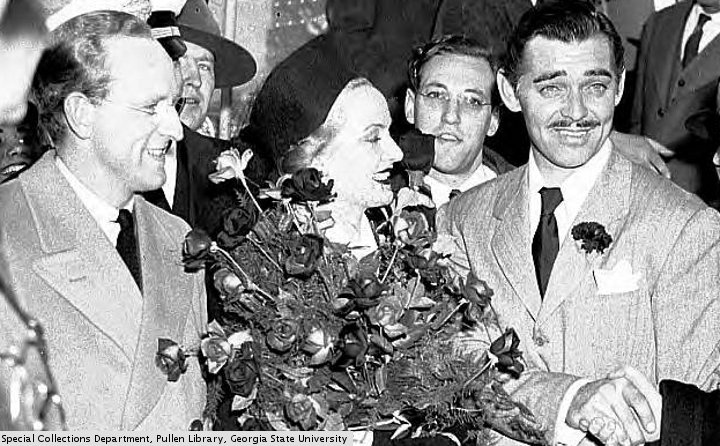
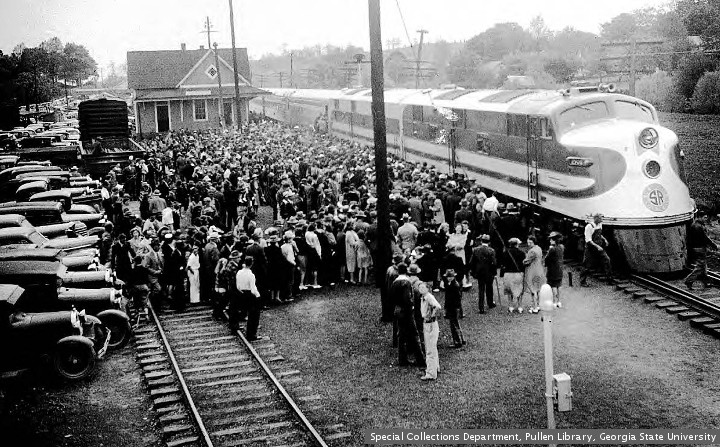
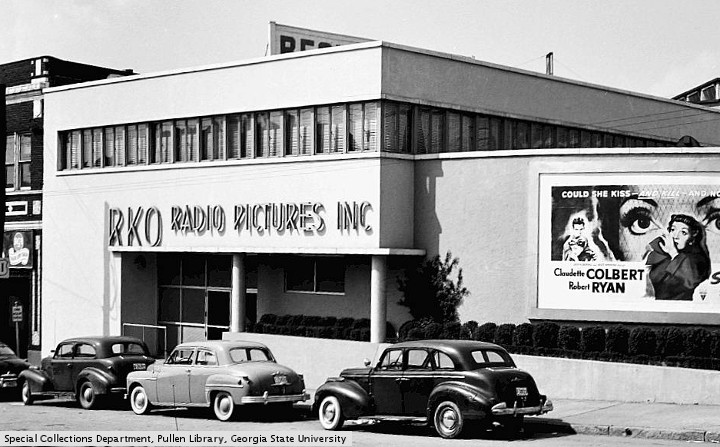
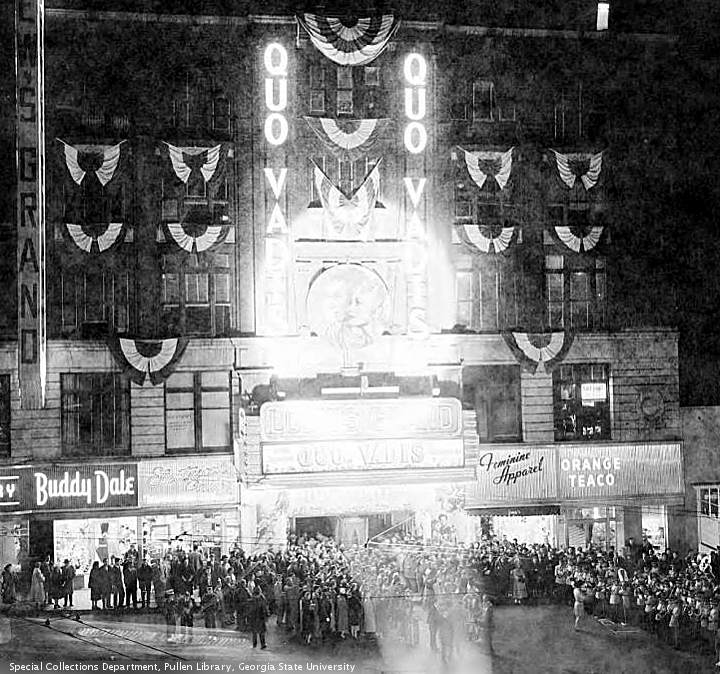
This is a repost, with pictures from “The Special Collections and Archives, Georgia State University Library”. The video in the original post is no longer on youtube, but there was no shortage of replacements. The video used today is one PG remembers from the TV show.
The other video, with unfortunate sound, is from the second year of “The Monkees”. PG did not like Mickey Dolenz with frizzy hair, and quit watching the show. 13 is a year older than 12. The fall of 1967 found PG as an eighth grader, or “subbie”, at a grungy high school. This was the first year after Lynwood Park High School closed. A few people were not happy about integration.
The other video has the word believer in the title. (The middle of the word believer is LIE.) One afternoon, the disc jockey at WQXI said he was tired of playing that stupid song by the Monkees. Before long, the Monkees were replaced by the Partridge Family.


 Chamblee54
leave a comment