Anglo Persian Oil Company



People are saying more and more about the oil disaster in the Gulf of Mexico. TomDispatch has a fascinating paragraph about one of the key players, British Petroleum (BP): “Originally known as the Anglo-Persian Oil Company (later the Anglo-Iranian Oil Company, still later British Petroleum), BP got its start in southwestern Iran, where it once enjoyed a monopoly on the production of crude petroleum. In 1951, its Iranian holdings were nationalized by the democratic government of Mohammed Mossadeq. The company returned to Iran in 1953, following a U.S.-backed coup that put the Shah in power, and was finally expelled again in 1979 following the Islamic Revolution.”
If you look at the problems of the world in the last forty years, so many are affected by Iran. The 1953 revolution left great resentment, which became manifest in the 1979 revolution. Soon Iraq…whose border with Iran was clumsily drawn by the British…decides to attack Iran. A gruesome eight year war is the result, with the USA supporting both sides (as well as possibly encouraging Iraq to attack Iran). The idea was, if they are fighting each other, they will leave Israel alone.
After this war is over, Iraq has a problem with Kuwait over it’s war debt. Another war is the result, with the USA involved. Iraq is vanquished, but some in the USA are not satisfied, and after a few years the USA invades Iraq again. That war is still raging.
The biggest winner of the US-Iraq war (aka World War W) is Iran. This new influence in Persia is very troubling to Israel, which is loudly rattling it’s nuclear saber. While Israel is making noise about Iran, it takes attention away from the Palestinian tragedy.
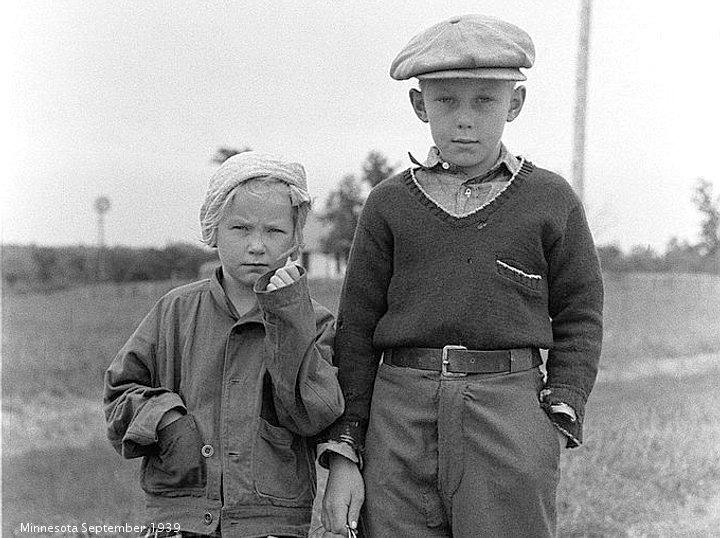
Pictures are from The Library of Congress. This is a repost from 2010. TomDispatch is still open. The feature today, Beating the War Drums… Again, is about Saudi Arabia and Iran.


Sixty Four Years Twelve Presidents
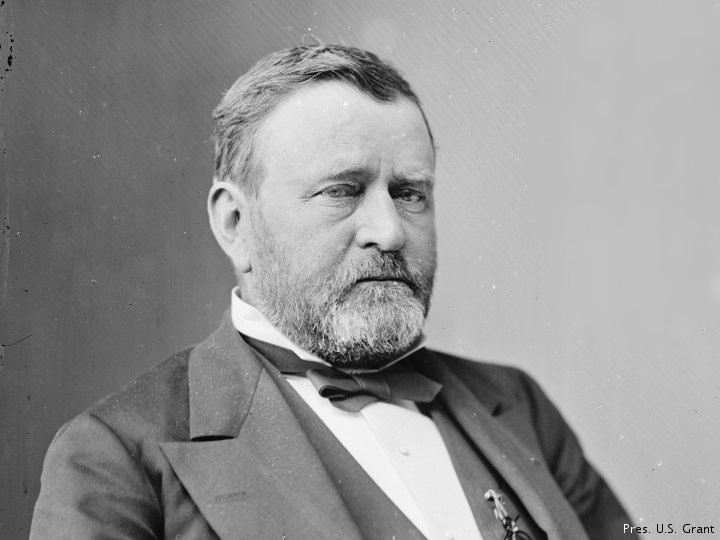

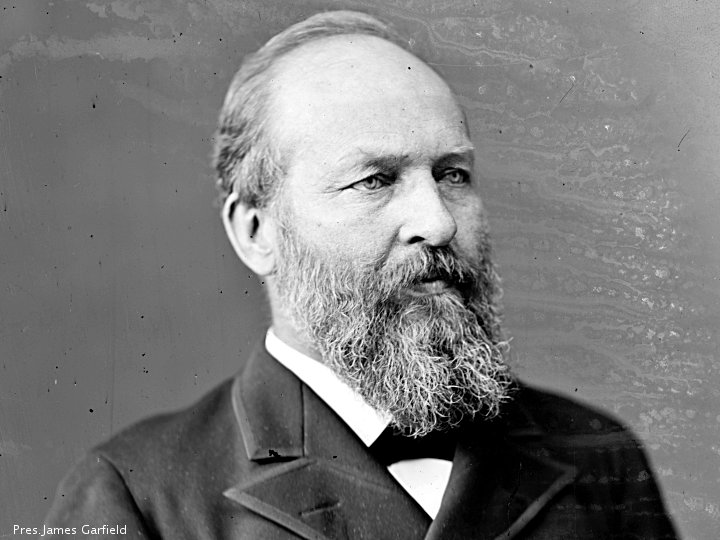
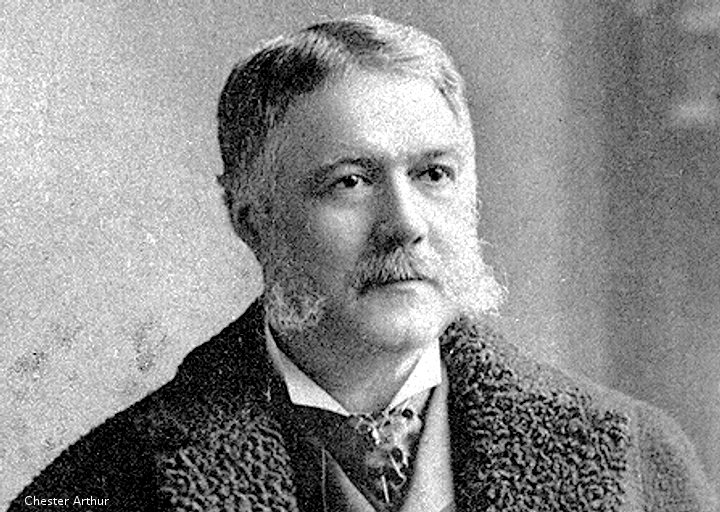
This is a repost from 2010 and 2016. It is about the twelve Presidents, one fourth of the total, who have helped themselves served over the last sixty two years. Barack Obama got re-elected, and killed lots of people. The less said about Donald J. Trump, the better.
Every four years, someone will say this is the worst choice ever. Every four years, someone will say this is the most important election ever. They are always correct. The choice in 2016 was between Donald John Trump and Hillary Diane Rodham Clinton. Choosing between those two idiots was challenging. The good news is that most people live in states where the electoral votes are conceded to one of the duopoly parties. These voters can focus on local elections.
Listening to the news shows that came on before the cartoons, PG heard the phrase “President Eisenhower”. As a friends explained to him, G-d made everything, but the President is Eisenhower.
When he was six, PG moved to a new house, and started first grade. There was an election that fall, and someone named Kennedy became President. PG wasn’t old enough to pay attention to the news yet, except when it looked like the Russians were going to kill us all in 1962.
The first news story that PG clearly remembers was the day when his fourth grade teacher, Miss McKenzie, told the class that President Kennedy had been shot. One of the worst moments that weekend was the moment when a plane landed in Washington, and the new President spoke on television. THAT was the new President? Yuck.
Lyndon Johnson was a larger than life figure, and was hated by millions of Amuricuns. While there was some good done by LBJ, it was overshadowed by the War in Vietnam. When he left office in 1968, the voters had a horrible choice …Hubert Humphrey, Richard Nixon, or George Wallace.
Tricky Dick Nixon is another larger than life figure, with millions of Americans screaming for his impeachment. For some reason, there were others who passionately admired the man.
In 1973, the oil companies tried to say there was an oil shortage. Later that year, Egypt, Syria, and Jordan attacked Israel, and the Arab oil producers cut oil to the USA. After this embargo, OPEC was in charge of the oil supply, and the price of gasoline increased 200%. The era of big money oil was on. What a convenient war.
After the ethical shortcomings of Mr. Nixon became too obnoxious to ignore, Gerald Ford became President. On a policy level, Ford was like all the other Presidents…some things he got right, some things he got wrong. On a personality level…the show business part…Ford excelled. His family provided harmless fodder for the gossipmongers. He was a likable man, a welcome break from the meanness of Richard Nixon and Lyndon Johnson.
When PG was a kid at Ashford Park School, there had never been a President from Georgia. It seemed impossible. When Georgia Governor Jimmy Carter announced he was running, it seemed like another ego tripper running for President. The funny thing is, he won. It still seems a bit unreal, like having the Olympics in Atlanta.
Jimmy was a Democrat, with attack Republicans fighting him every step of the way. This is a problem later Democrats in the Oval Office will have. On the policy level, he did better than many realize. Many of his achievements only bore fruit after he left office. On the show biz front, his down home Georgia routine did not appeal to many Yankees. In 1980, he was defeated by an actor.
PG was worried when Ronald Reagan took office. With America’s nuclear arsenal, and the Soviet Union wheezing it’s threat, many thought that Ronnie would start the war to kill us all. The good news is, this war never happened. Whatever tough talk came out of Washington was not matched by military adventurism abroad.
Reagan was the master of show business. He was an actor, playing the greatest role of his career. It was said that if America had a figure head monarch, Reagan would have been terrific. On the policy front, taxes were cut, and the budget increased. The national debt went over a trillion dollars, which was seen as a horrible moment. (The annual budget deficit is now over a trillion dollars.)
When Mr. Reagan’s two terms were over, George H.W. Bush took over. This was an era where the Democrats could not do anything right on a national level. Bush presided over a war, and brought the troops home when the mission was over. His image never appealed, and the whiners were not pleased. A computer salesman named Ross Perot decided to run as a third party candidate.
In the winter of 1992, PG had a little job downtown. One day, there was a rally at the CNN center for a little known Presidential candidate. PG went, and said to a friend, If this guy gets elected, you are going to regret not going to see him. At the time, War Winner Bush seemed unbeatable, and PG said that with high sarcasm.
When he got to CNN center, it was obvious that a big money event was unfolding. The place was packed, with school children bussed in to fill all the seats. Finally, the speakers blared “Twist and Shout” at top volume, and Bill Clinton walked on the stage. PG was not especially impressed.
Clinton inspired toxic hatred, but managed to keep the boat floating. He won reelection, with the Republicans seeming to self destruct. The economy was going good, the budget was balanced, and the haters went wild. After a entertaining sex scandal, the Clinton years were over.
A couple of weeks before the 2000 election, PG liked neither candidate, and did not think it made much difference. (With Georgia’s electoral votes certain to go Republican, PG did not have a vote.) He listened to someone talking, who thought that it was important that Gore won. PG remembered that conversation often during the next eight years.
George W. Bush was a disaster. It is possible that 911 was a personal vendetta against the Bush family, and would not have happened if Gore was President. The reaction of Bush to this tragedy was to start two wars that we have not been able to finish. In 2016, we are still in Afghanistan.
Next was Barack Obama, the first dark skinned President. He continued the war happy ways of the Bush regime. BHO was reelected in 2012, and given four more years to wage war. He managed to avoid the second term scandals that crippled Mr. Nixon and Mr. Clinton.
In the next election, the democrats decided that calling people racist was a good campaign strategy. As a result, Donald J. Trump was elected. America is more racially divided than ever, which the election of Mr. Obama was supposed to remedy. With the nation distracted by screaming racism, the congress has cut taxes, and produced a multi-trillion dollar budget deficit. America might survive. Pictures for this feature are from the The Library of Congress.
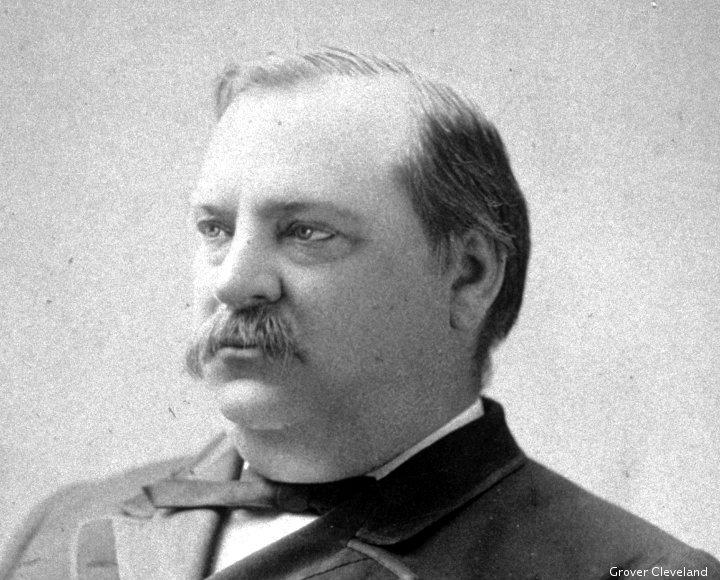

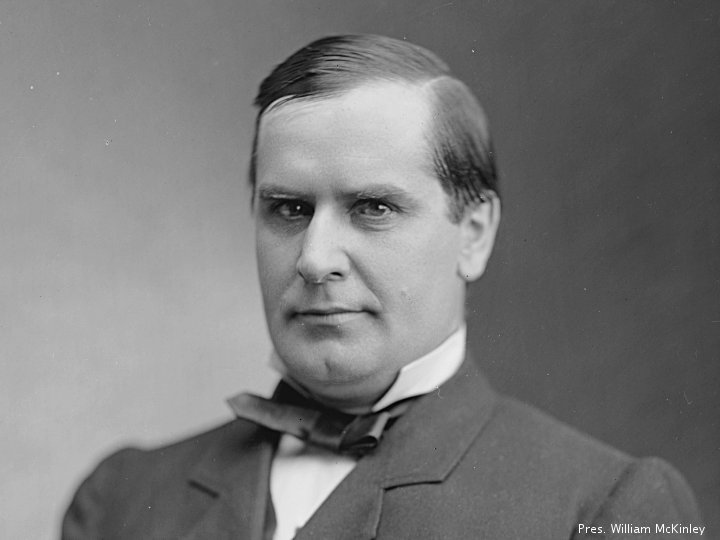

POTUS Jokes




After a ADHD WHCD, the Washington Post published The single best joke told by every president, from Obama to Washington. It was easier than finding anything funny said by Larry Wilmore Michelle Wolf. Pictures today are from The Library of Congress. This is a repost.
The pickins are surprisingly slim, especially for the modern era. When everything you do is recorded, something has to be funny. Three recent Republicans show a liberal capacity for humor.
George H.W. Bush, 1989 Gridiron Club: “People say I’m indecisive, but I don’t know about that.”
Richard Nixon, in Ms. magazine, 1971: “Let me make one thing perfectly clear. I wouldn’t want to wake up next to a lady pipefitter.”
Herbert Hoover “Blessed are the young, for they shall inherit the national debt.”
Warren Harding was a dog. … “referring to his penis, which he named Jerry, in a 1915 love letter to his mistress Carrie Fulton Phillips: “Jerry — you recall Jerry, whose cards I once sent you to Europe — came in while I was pondering your notes in glad reflection, and we talked about it.”
You have to go back over a hundred fifty years to get a serious laugh.
Andrew Johnson “Washington, D.C., is twelve square miles bordered by reality.”
Abraham Lincoln “If I were two-faced, would I be wearing this one?”
Franklin Pierce about duties after leaving office: “There’s nothing left. . . but to get drunk.”
Zachary Taylor when suggested that he run: “Stop your nonsense and drink your whiskey!”
John Tyler on his death bed: “Doctor, I am going. Perhaps it is best.”
James Madison on his death bed: “I always talk better lying down.”
PG found a quote once about Alexander Hamilton, by John Adams. “His ambition, his restlessness and all his grandiose schemes come, I’m convinced, from a superabundance of secretions, which he couldn’t find enough whores to absorb!” A google search for verification led to a reddit page, Fake Founder Quotes, starring John Adams. Apparently, Mr. Adams said something similar to that in a letter to Dr. Benjamin Rush, sent January 25, 1806. According to this source, the letter was a satire of Jonathan Swift’s Tale of a Tub
George Washington in a 1788 letter congratulating the Marquis de Chastellux on his recent marriage: “Now you are well served for coming to fight in favour of the American Rebels, all the way across the Atlantic Ocean, by catching that terrible Contagion — domestic felicity — which like the small pox or the plague, a man can have only once in his life: because it commonly lasts him (at least with us in America — I don’t know how you manage these matters in France) for his whole life time.”





Confederate Memorial Day

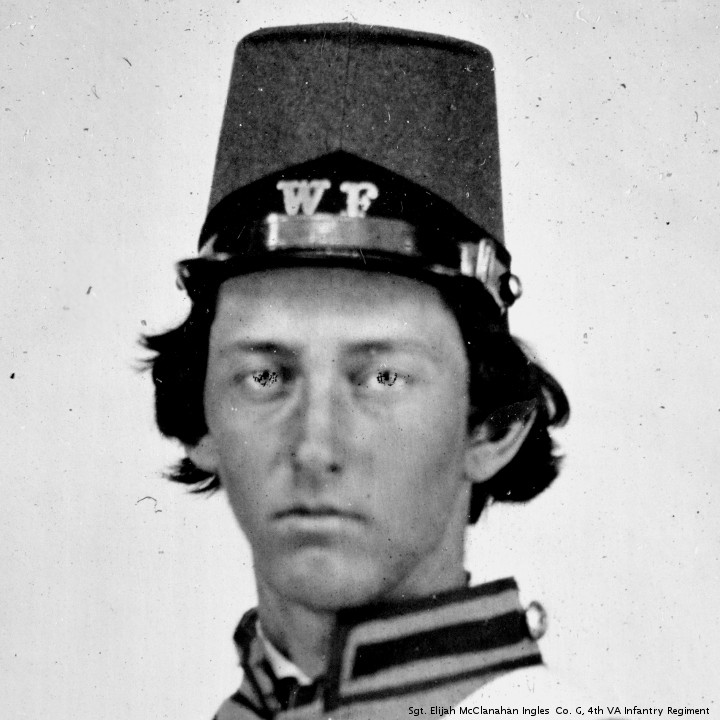

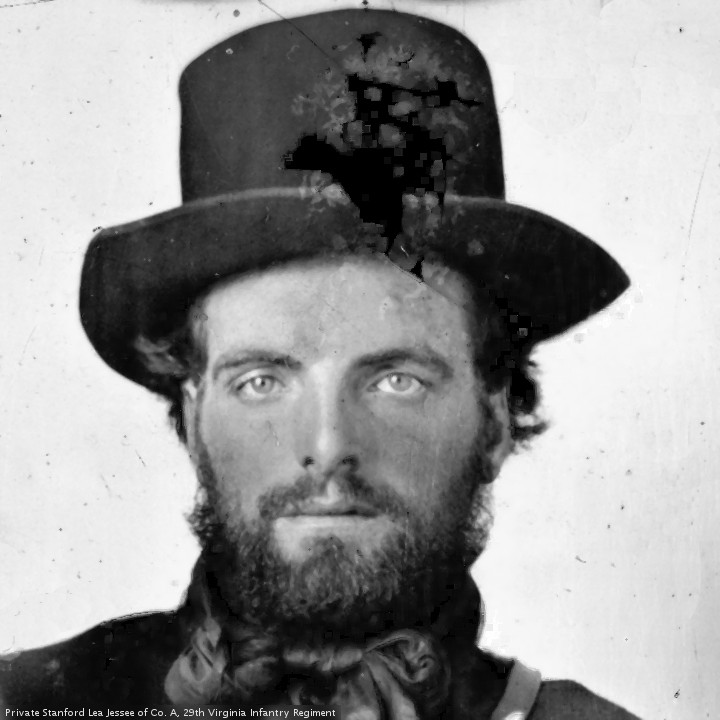


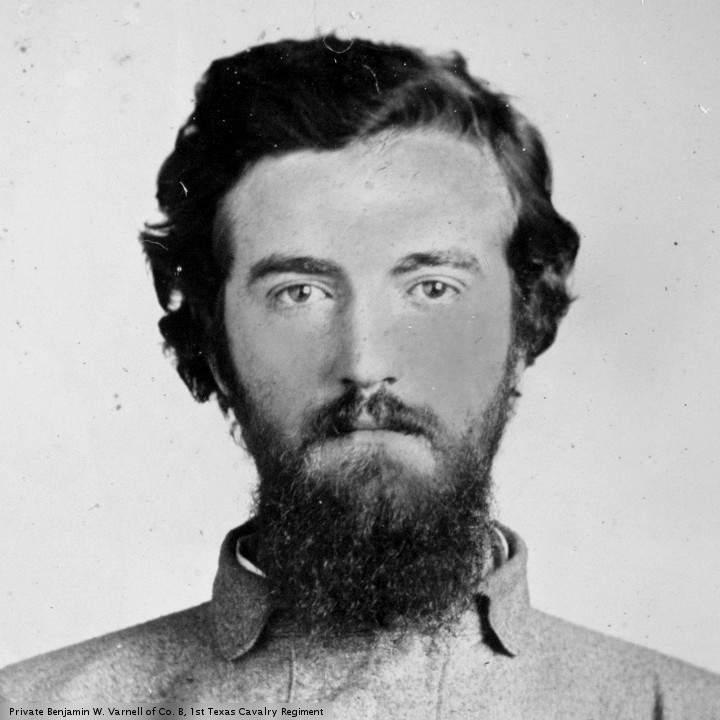
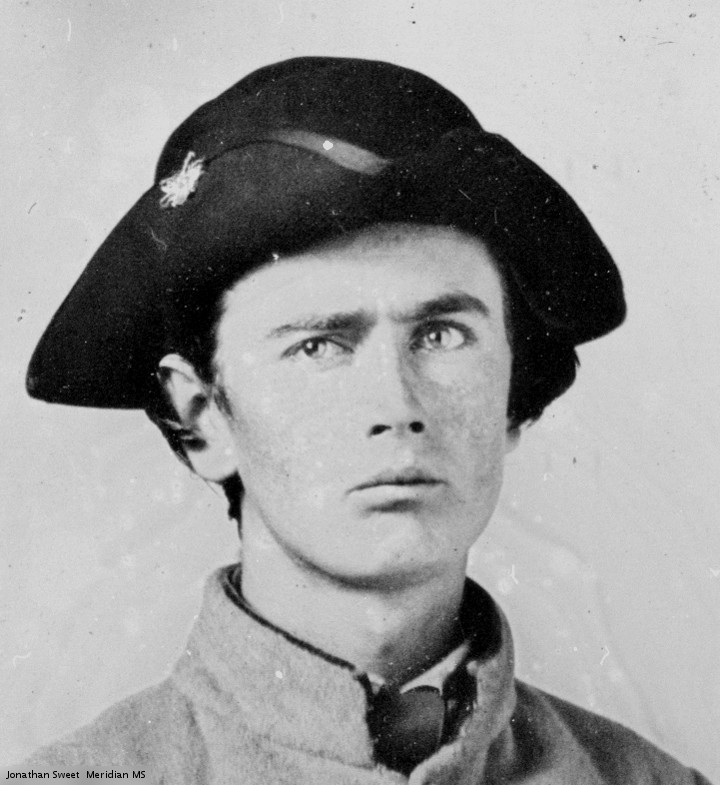
Today is Confederate Memorial Day in Georgia. It is an ancient question…how to honor the soldiers from the side that lost. They were just as valiant as the Union Soldiers. Considering the shortages of the Confederate Armies, the Rebels may have been just a bit braver.
The issue of Federalism is a defining conflict of the American experience. What powers do we give the Federal Government, and what powers do we cede to the States? The Confederacy was the product of this conflict. The Confederate States were a collection of individual states, with separate armies. This is one reason why the war turned out the way it did.
This is not a defense for slavery. The “Peculiar institution” was a moral horror. The after effects of slavery affect us today. Any remembrance of the Confederacy should know that. This does not make the men who fought any less brave.
It is tough to see the War Between the States through the modern eye. It was a different time, before many of the modern conveniences that are now considered necessities. Many say that the United States were divided from the start, and the fact the union lasted as long as it did was remarkable. When a conflict becomes us against them, the “causes” become unimportant.
The War was a horror, with no pain medicine, and little that could be done for the wounded. It took the south many, many years to recover. The healing continues in many ways today. Remembering the sacrifices made by our ancestors helps.
This is a repost from CMD 2010. Pictures are from the The Library of Congress.




Thomas Jefferson Said What?


PG was wasting time with facebook when he saw a friend say “Damn I love this quote”. The passage being praised was “If you are neutral in situations of injustice, you have chosen the side of the oppressor.” Desmond Tutu. The rhetoric alert started to flash. These days, the wolf and the sheep buy their clothes at the same Walmart. To hear some oppressors talk, they are the ones under attack. It is tough to tell the good guys from the bad guys. Often you can make things worse by getting mixed up. Sometimes the best thing to do is mind your own business.
Ok, now that is out of the way. Some lines sound good, but don’t hold up to a bit of thinking. As for the veracity of the quote, Desmond Tutu may very well have said it. (or maybe one of his rivals said it, and Mr. Tutu copied it.) The quote has been attributed to Thomas Jefferson, Edmund Burke, Patrick Henry, and probably others. Almost no one has a source, for the quote, from the dead white guys.
A post called MISQUOTING THE FOUNDERS did not mince words. “The only problem with this scene that has been repeated many times across the country is that Thomas Jefferson never said that, never wrote that, and quite possibly never thought it. Our aspiring politician had fallen victim to the perils of popular misattribution. You could fill a book with misquotes and misattributed quotes we hear repeated regularly today. Right now if I Google “All tyranny needs to gain a foothold is for people of good conscience to remain silent” the entire first page of results wrongly attribute it to Thomas Jefferson. The quote and its many variants have been attributed in the past to Thomas Paine and Edmund Burke, but no record exists of the quote in any of their writings or contemporary accounts.”
On November 13, 1787, Mr. Jefferson wrote a letter to William Smith. The letter is full of zesty quotes. “What country before ever existed a century & a half without a rebellion? & what country can preserve it’s liberties if their rulers are not warned from time to time that their people preserve the spirit of resistance? Let them take arms. The remedy is to set them right as to facts, pardon & pacify them. What signify a few lives lost in a century or two? The tree of liberty must be refreshed from time to time with the blood of patriots & tyrants. It is it’s natural manure.”
A few lines above that, Mr. Jefferson said “God forbid we should ever be 20 years without such a rebellion.” Twenty years after he wrote this, Mr. Jefferson was President. He probably did not want to deal with a revolution when he was President.
Getting back to the quote about tyranny, Martin Porter wrote an entertaining essay, A study of a Web quotation. He gives credit, or blame, to Edmund Burke. First, a list of different versions is presented. This is a clue that something is awry. The conclusion: “There is no original. The quote is bogus, and Burke never said it. It is a pseudo-quote, and corresponds to real quotes in the same way that urban legends about the ghost hitch-hiker vanishing in the back of the car and alligators in the sewers correspond to true news stories.”
Mr. Porter wrote a follow up essay, Four Principles of Quotation. These principles are: Principle 1 (for readers) Whenever you see a quotation given with an author but no source assume that it is probably bogus. Principle 2 (for readers) Whenever you see a quotation given with a full source assume that it is probably being misused, unless you find good evidence that the quoter has read it in the source. Principle 3 (for quoters) Whenever you make a quotation, give the exact source. Principle 4 (for quoters) Only quote from works that you have read.
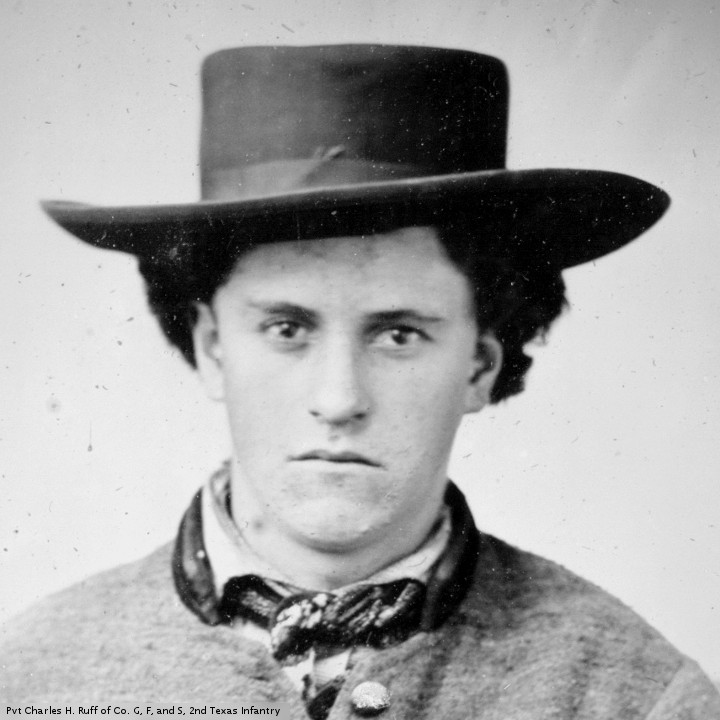
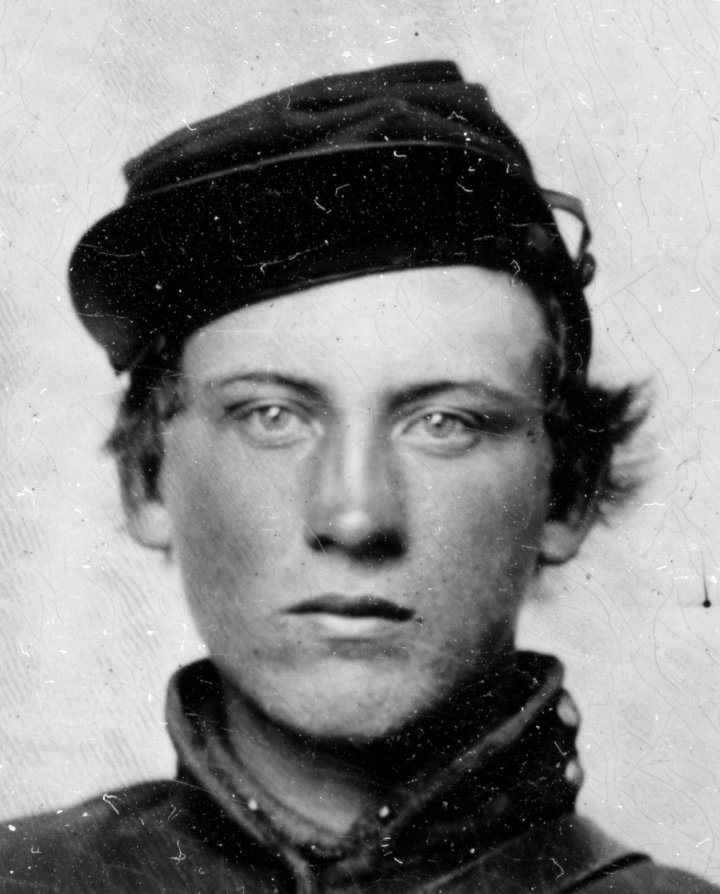
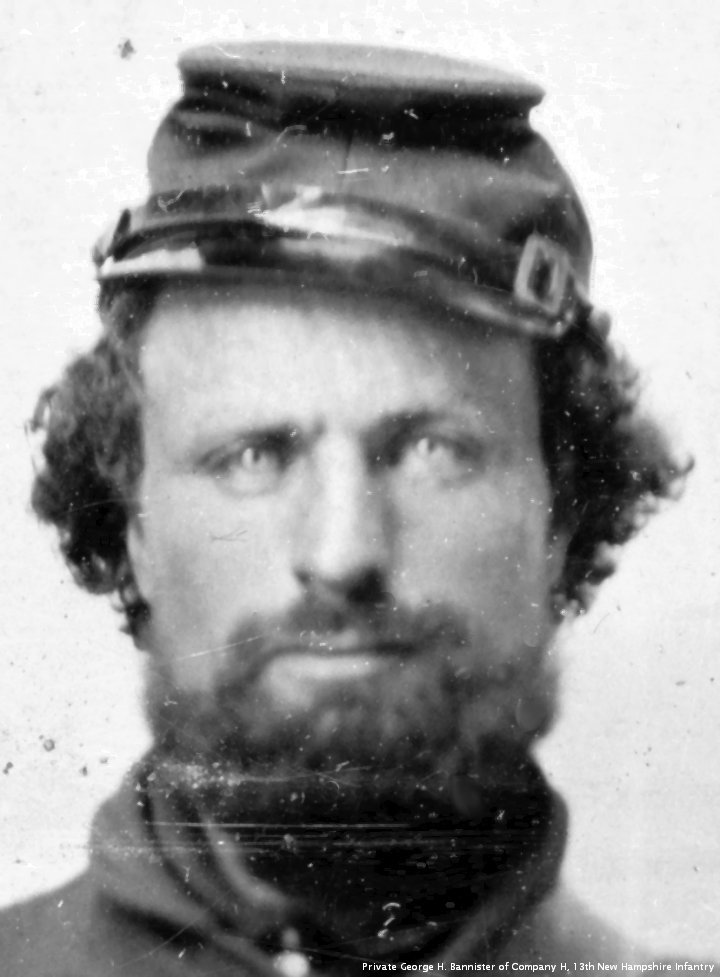
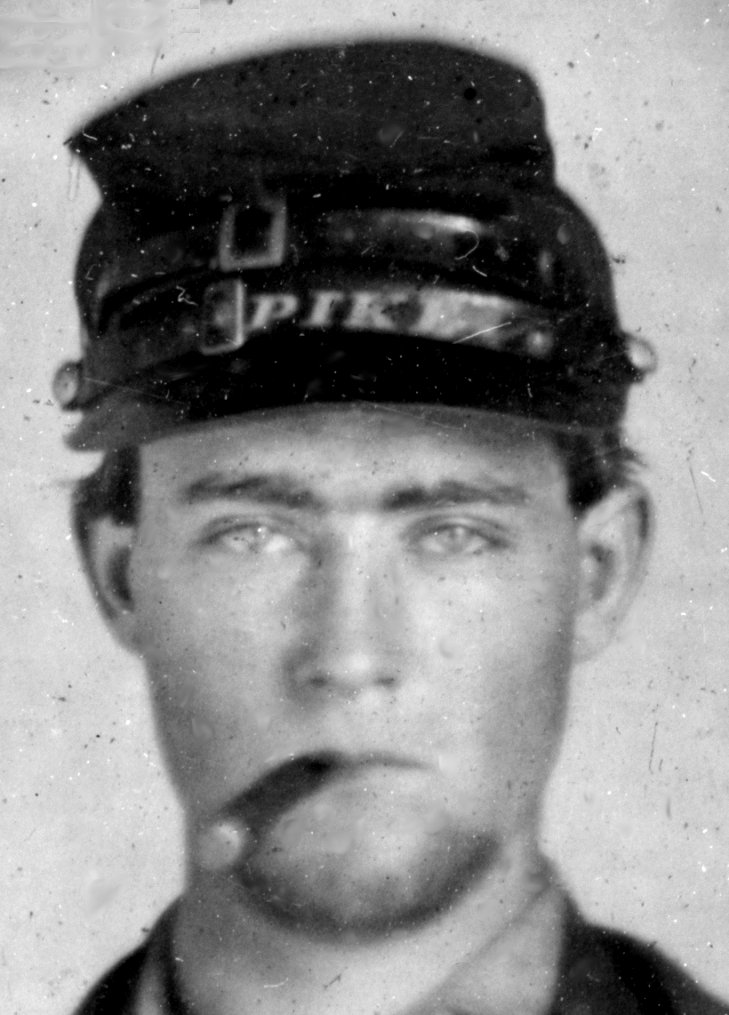
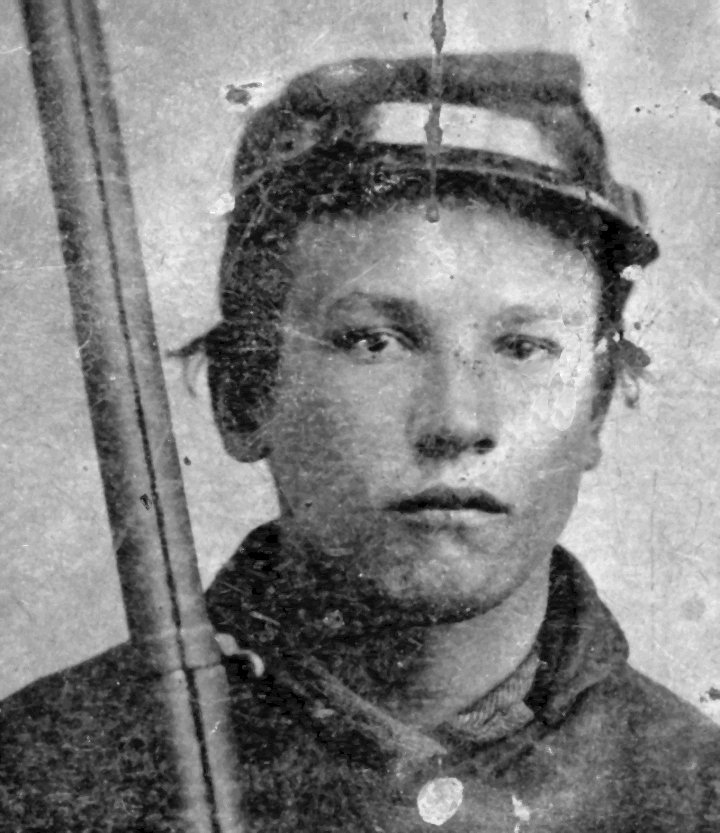
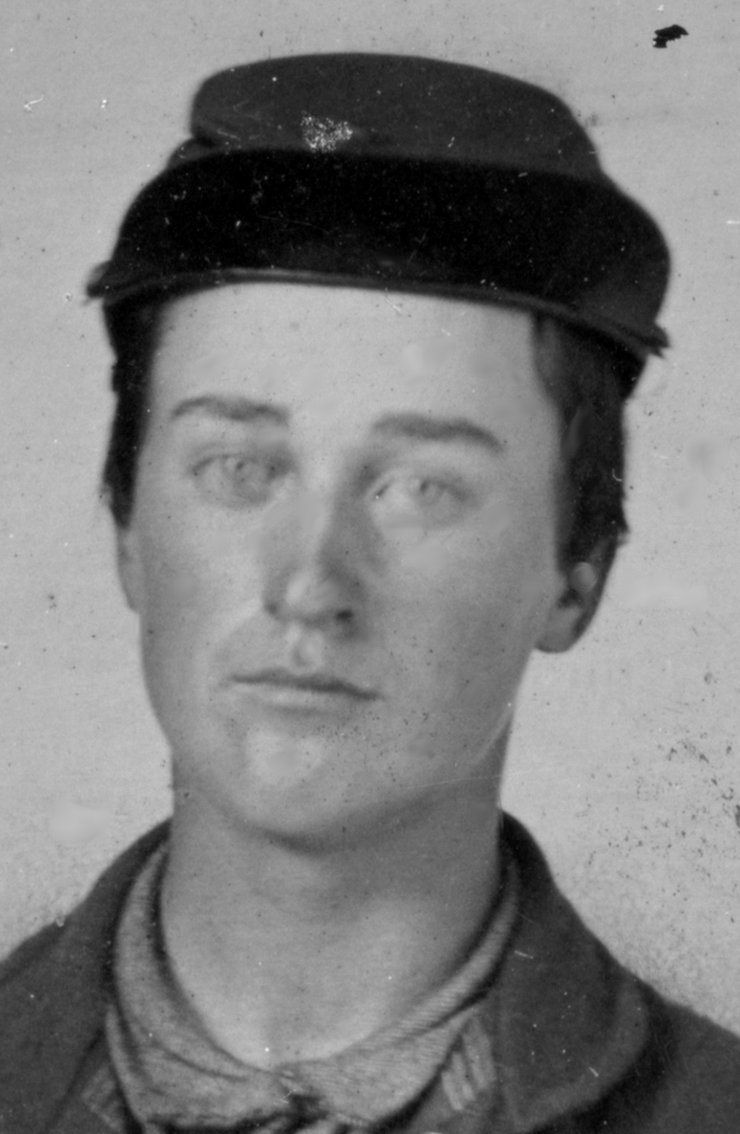
If these principles were to be used, then there would be a lot less hotheaded talking on the intercom. Those who are trying to influence you to the justice of their cause will not want you to read this. Pictures for this feature are from The Library of Congress. These pictures are Union soldiers, from the War Between the States. When war is discussed, all inspiring quotes are in doubt.
This is a repost. It is written like James Joyce. In the past year, doing due diligence on alleged quotes has become a hobby. Many people don’t care who said it, if they agree with the thoughts expressed. The prevailing thought is that an idea becomes more true with a famous name at the end. If the famous person is deceased, and cannot defend his/her reputation, that is not a problem. People do not like being told that Santa Claus does not exist.
Dr. King And Mr. King




PG stumbled onto a blog post about a speech. It was delivered August 28, 1963, by Doctor Martin Luther King, Jr. You have probably heard the money quote many times, but how many have heard the entire 881 words. PG had not, and decided to take a look.
The speech is really a sermon. It is delivered with the cadence, and rhetorical flourishes, of the church. Dr. King was a minister. The Jesus worship church is a huge player in African America. The fact that slaves were introduced to this religion, by their owners, seems to be forgotten.
The term used is Negro. This was the polite word in 1963. The custom of saying Black started in the late sixties, at least partially inspired by James Brown. Negro began to be seen as an insult, along with the infamous N-word … which is really just a lazy way of saying Negro.
As the speech is working up to the climax, there is a line “But not only there; let freedom ring from the Stone Mountain of Georgia!” Today, Stone Mountain is a middle class black community. DeKalb County is mostly black, and the political leadership is African American. This was a long way from happening in 1963.
Twelve weeks after Dr. King gave his speech, President John Kennedy was killed. Part of the reaction to this tragedy was the passage of the Civil Rights Act of 1964.
The next year saw the Voting Rights Act, and escalation of the war in Vietnam. It seemed that for every step forward, there was a half step back. People lost patience with non violence. America did not implode, but somehow survived. It is now fifty four years later.



The other day PG stumbled onto a blog post, about a speech given by Dr. Martin Luther King Jr. This address was deemed “the singularly most-important speech on race in the history of this country.”
PG admires Dr. King. He is also suspicious of superlatives. There were some comments made by Rodney Glen King III. The comments by Mr King were briefer, and tougher to live up to.
While thinking of things to write about, PG realized that he had never seen the actual quote by Mr. King. It is embedded above. When you see this video, you might realize that Mr. King has been misquoted. The popular version has him saying “Can’t we all just get along.” He did not say just.
Mr. King was known to America as Rodney King. His friends called him Glen. His comments, at 7:01, May 1, 1992, went like this: ““People, I just want to say, you know, can we all get along? Can we get along? Can we stop making it, making it horrible for the older people and the kids? . . . Please, we can get along here. We all can get along. I mean, we’re all stuck here for a while. Let’s try to work it out. Let’s try to beat it. Let’s try to beat it.”
The circumstances of the two comments could not be more different. Dr. King was giving the sermon of his life. There was an enormous crowd, both in person and on TV. His comments were scripted, rehearsed, and delivered with the style that he was famous for.
Mr. King, by contrast, had just seen the officers who beat him acquitted. Cities from coast to coast were in violent upheaval. Mr. King was speaking to reporters without benefit of a speech writer. What he said might be more important. This double repost has pictures from The Library of Congress.


War Stories


Recently, when I went to McDonald’s I saw on the menu that you could have an order of 6, 9 or 12 Chicken McNuggets. I asked for a half dozen nuggets. ‘We don’t have half dozen nuggets,’ said the teenager at the counter. ‘You don’t?’ I replied. ‘We only have six, nine, or twelve,’ was the reply. ‘So I can’t order a half dozen nuggets, but I can order six?’ ‘That’s right.’ So I shook my head and ordered six McNuggets. (Once, I asked for sweetener, and she said they only had Splenda and sugar.)
Several years ago, we had an Intern who was none too swift. One day she was typing and turned to a secretary and said, ‘I’m almost out of typing paper. What do I do?’ ‘Just use paper from the photocopier’, the secretary told her. With that, the intern took her last remaining blank piece of paper, put it on the photocopier and proceeded to make five ‘blank’ copies.
A mother calls 911 very worried asking the dispatcher if she needs to take her kid to the emergency room, the kid had eaten ants. The dispatcher tells her to give the kid some Benadryl and he should be fine. Mother:’I just gave him some ant killer……’ Dispatcher: ‘Rush him in to emergency right away’
I was checking out at the local Wal-Mart with just a few items and the lady behind me put her things on the belt close to mine. I picked up one of those ‘dividers’ that they keep by the cash register and placed it between our things so they wouldn’t get mixed. After the girl had scanned all of my items, she picked up the ‘divider’, looking it all over for the bar code so she could scan it. Not finding the bar code, she said to me, ‘Do you know how much this is?’ I said to her ‘I’ve changed my mind; I don’t think I’ll buy that today.’ She said ‘OK,’ and I paid her and left.
A woman at work was seen putting a credit card into her floppy drive and pulling it out very quickly. When I inquired as to what she was doing, she said she was shopping on the Internet and they kept asking for a credit card number, so she was using the ATM ‘thingy.’
I recently saw a distraught young lady weeping beside her car. ‘Do you need some help?’ I asked. She replied, ‘I knew I should have replaced the battery to this remote door unlocker. Now I can’t get into my car. Do you think they (pointing to a distant convenience store) would have a battery to fit this?’ ‘Hmmm, I don’t know. Do you have an alarm, too?’ I asked. ‘No, just this remote thingy,’ she answered, handing it and the car keys to me. As I took the key and manually unlocked the door, I replied, ‘Why don’t you drive over there and check about the batteries. It’s a long walk….’
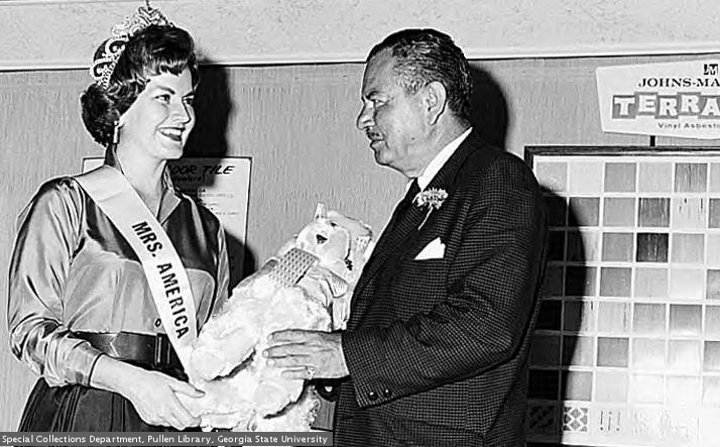
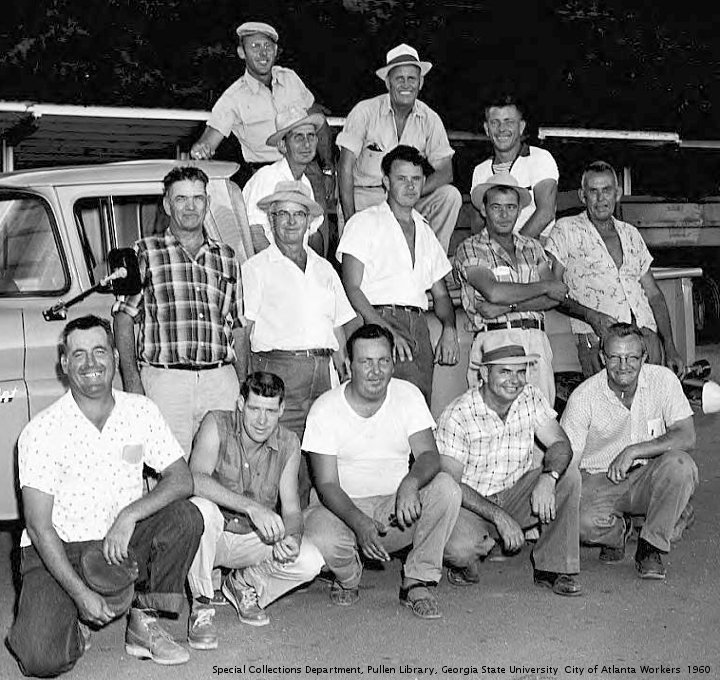
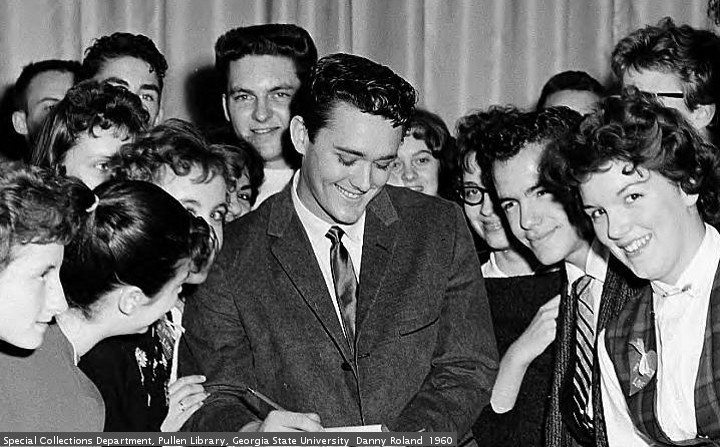
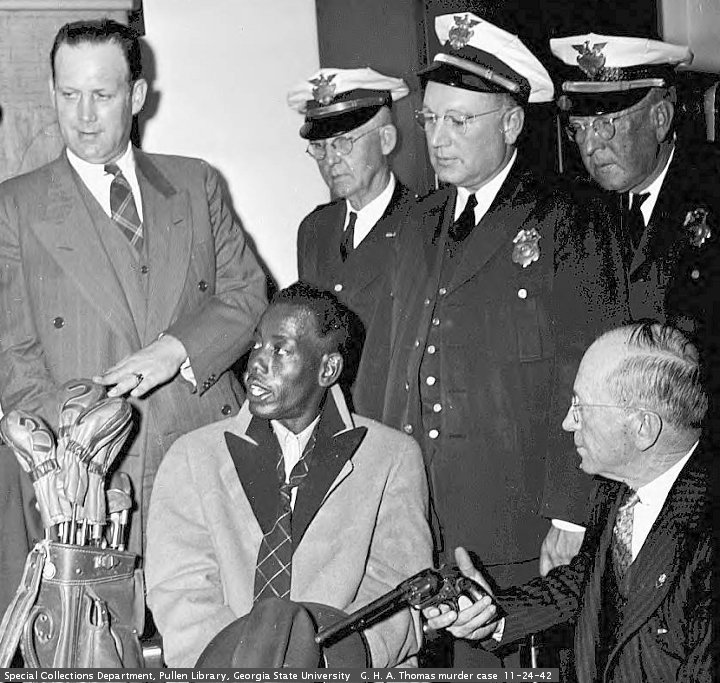
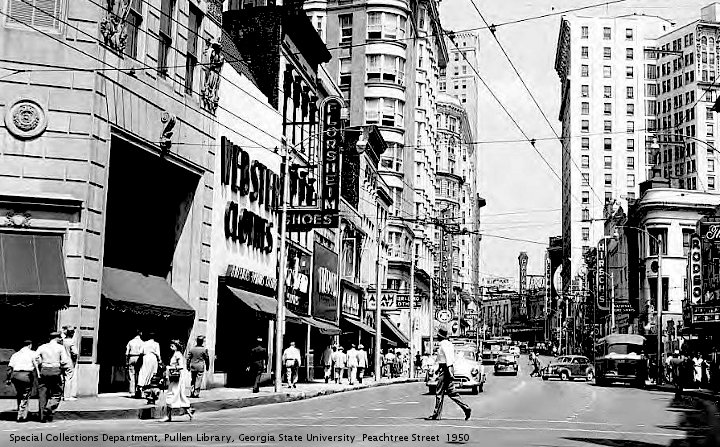
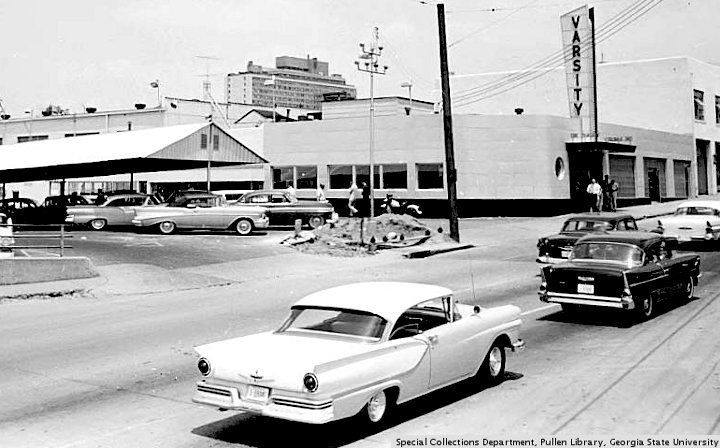
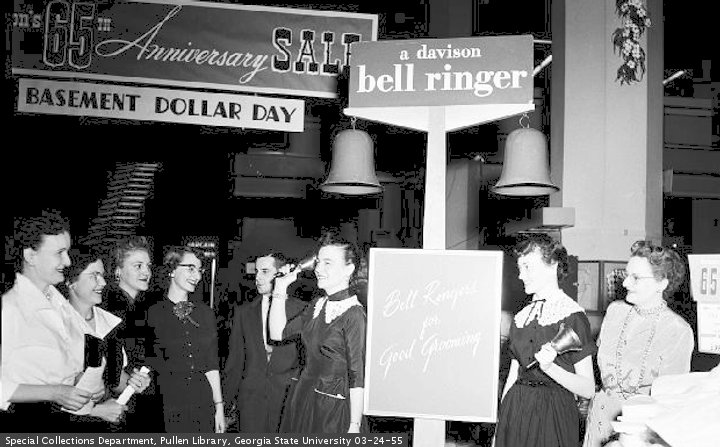
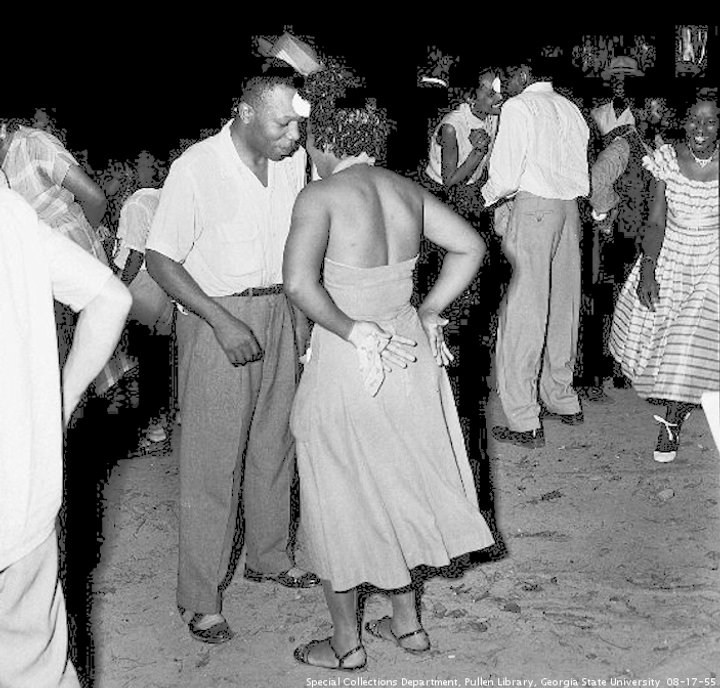
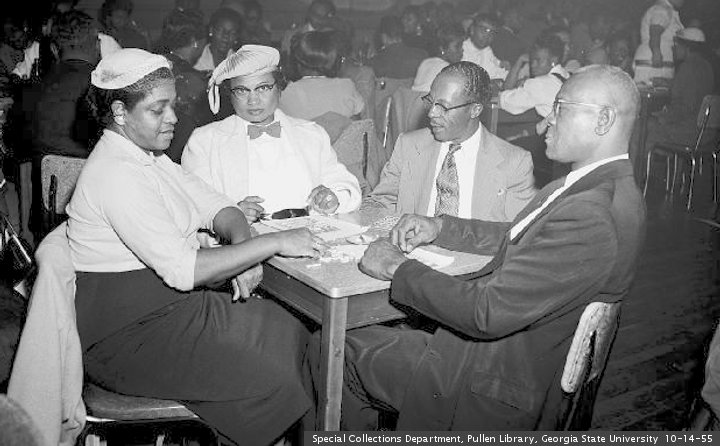
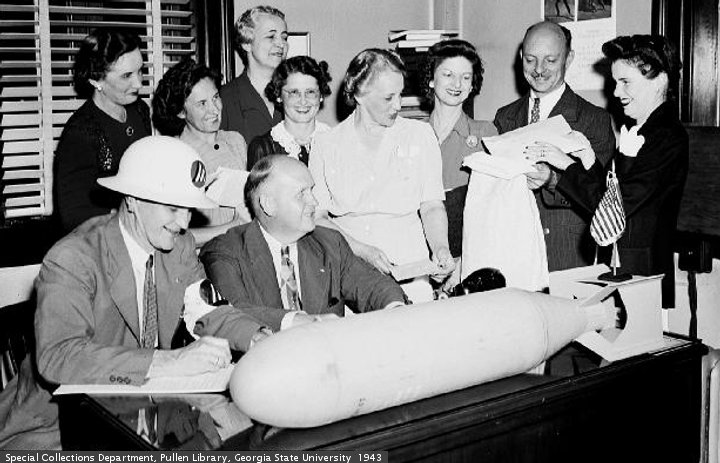
Pictures are from “The Special Collections and Archives, Georgia State University Library”.




Dead Saturday

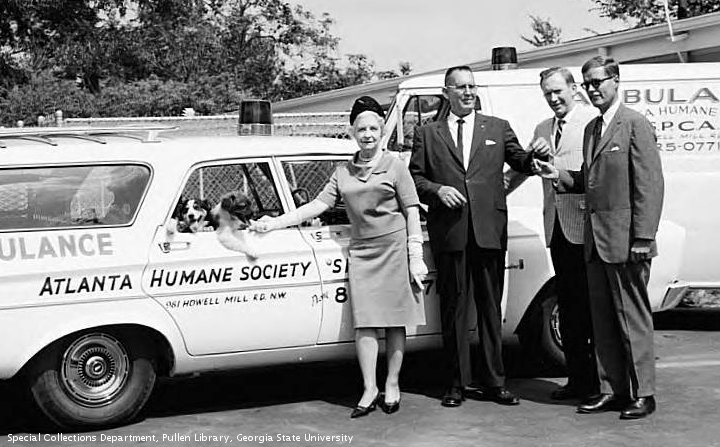

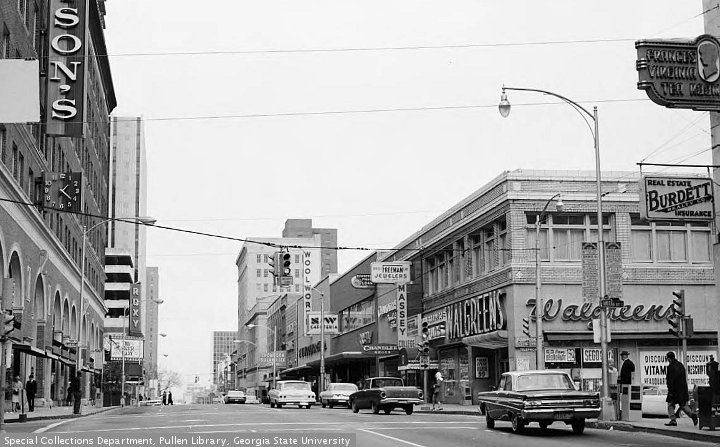


It is easter season. Once, it was a day to celebrate springtime, the renewal of life after the chilly winter. Then, some people who take their myths literally came into control. The story of the day is of an avatar (G-d become man), who died, and then rose from the grave. This is a repost.
Not only do they believe the story, but they also believe that this belief allows them to live forever. PG does not agree, and would appreciate the Jesus Worshipers a lot more if they kept their ideas to themselves. Sad to say, the believers like to talk about their beliefs. Many seem to think that the louder the talk, the more true the belief.
In the 2100 years since his life and reputed rebirth, Jesus has become quite the cult of personality. Many feel that the current Jesus has almost nothing to do with the historic Jesus. Popular Jesus is a modern day golden calf, a idol created by man. The best way to learn about Jesus is through the words and deeds of his believers. It is not always pretty.
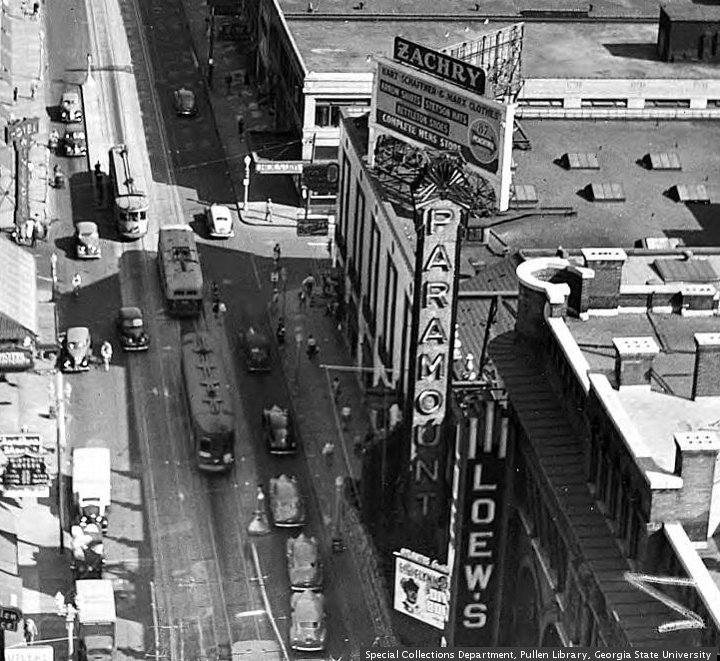
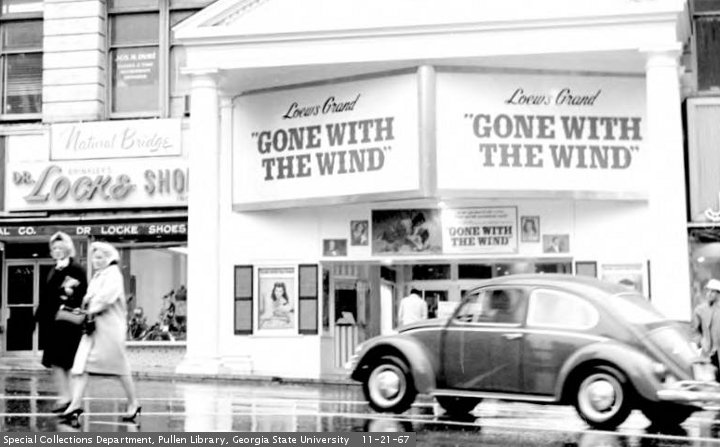
Pictures are from “The Special Collections and Archives, Georgia State University Library”.
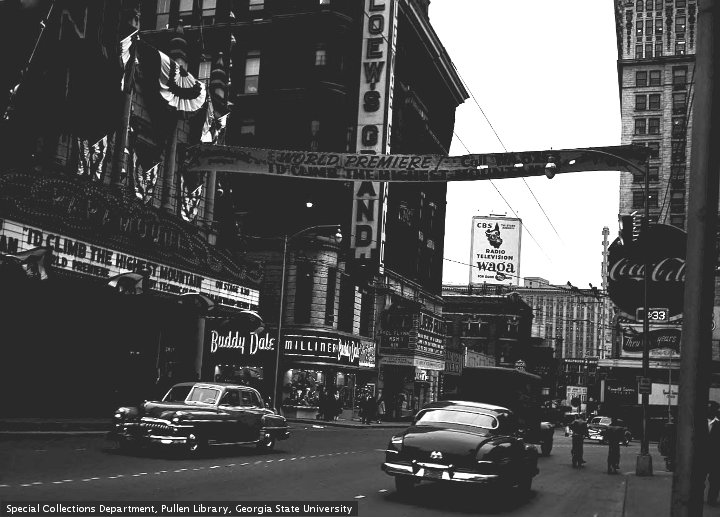

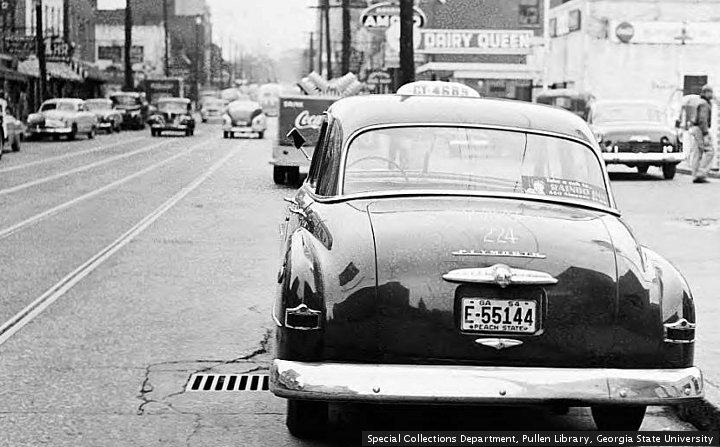
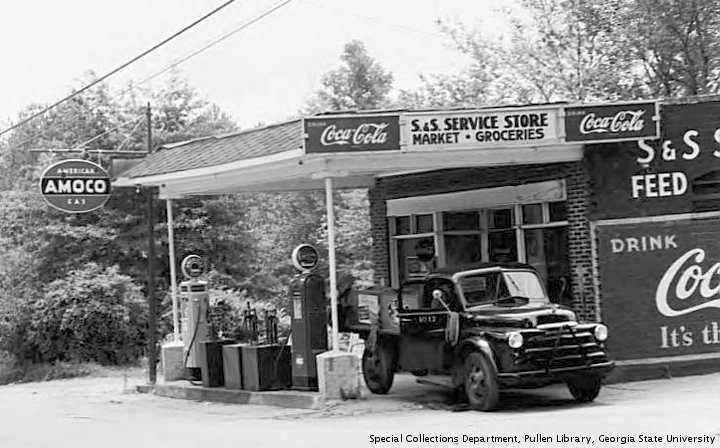


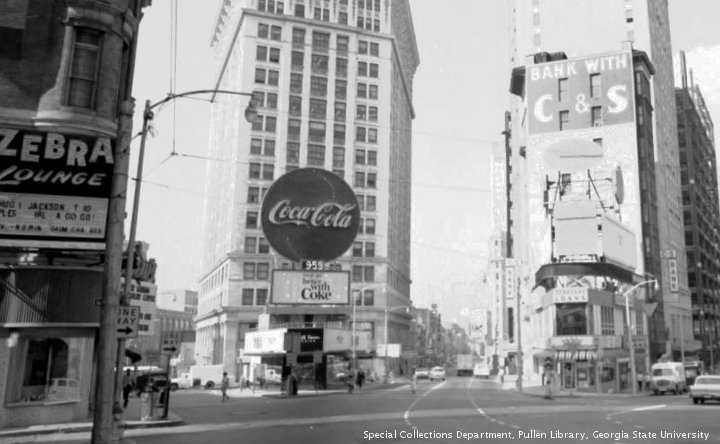
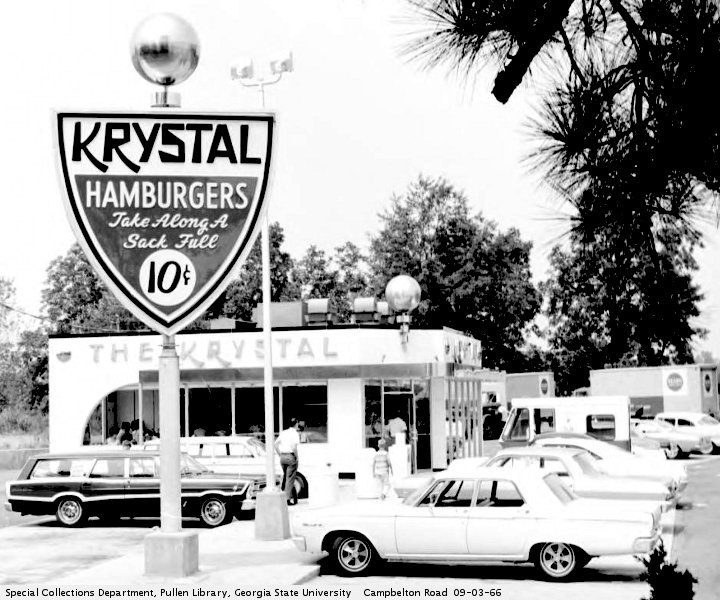
It was dead saturday 1973, the day between good friday and easter. PG and his friend Gibson have traveled from Athens GA to Charlotte NC to see a rock concert. The plan was eight bands in a crowded football stadium. Jesus did not attend. This is a repost.
PG had never been to an outdoor concert, and had some ideas about how it would be. They were in the house early, and set up a blanket about thirty feet in front of the stage. For the first part of the day, the crowd stayed off their turf.
The first electric act was Brownsville Station. The first thing they did was encourage the audience to crowd in front of the stage, resulting in a mob scene for the rest of the day. BS played loud heavy metal, with a guitar/vocals guy painted like a clown. They were a three piece band that day, as their bass player had gotten a job selling furniture in Kansas. “Smokin in the Boys Room” was a hit for this trendy ensemble later that year.
The concept of multiple stages had not hit North Carolina, and there was a long wait between acts. The next band was Mason Profit. “you are talking about boogie, you don’t know shit about boogie. By this time, the crowd was getting off on their downers, the sun was shining, and PG was out of water. It only got better as the day went on. The scheduled next act was Captain Beyond, but they canceled. The replacement was Marshall Tucker. They were good, but not really memorable.
The afternoon went on and on. Goose Creek Symphony came and went, followed by Wet Willie. WW had a routine where this pretty girl was walking down ___ street, which in Charlotte was Independence Boulevard. Eventually, the sun went down, and ZZ Top came on stage.
ZZ Top was the high point of the day. The beards were only about four inches long. They introduced one song, saying “this is something you might know about, song called beer drinkers and hell raisers”. They were the only band to do an encore, with “Francine”.
The next act was Mahavishnu Orchestra, which PG was convinced was the greatest band that ever lived. The stadium crowd was not conducive to their style, but they delivered a good show. John McLaughlin played a twin necked guitar, which PG found a bit disconcerting. The electric violin player, Jerry Goodman, was a stand out.
By the time MO finished, PG wanted to get away from the front of the stage. He took to wandering around the back of the stadium while the Allman Brothers played. The back of the house was full, although there was room to walk around. Before long, it was time to hit the road back to Georgia.


Lady Sings The Blues
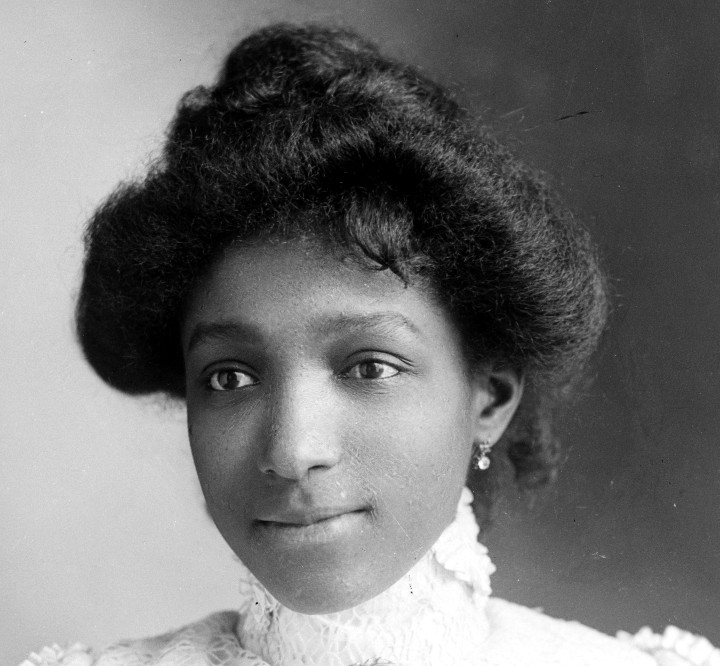
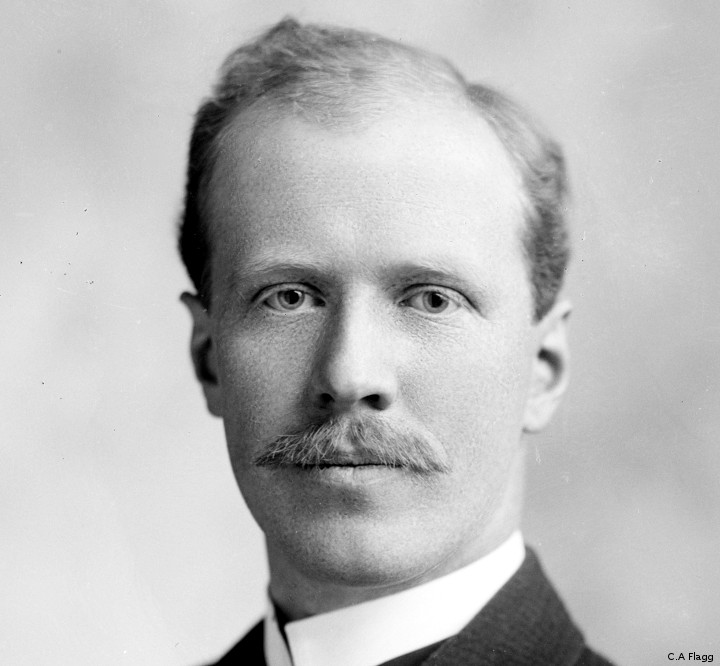

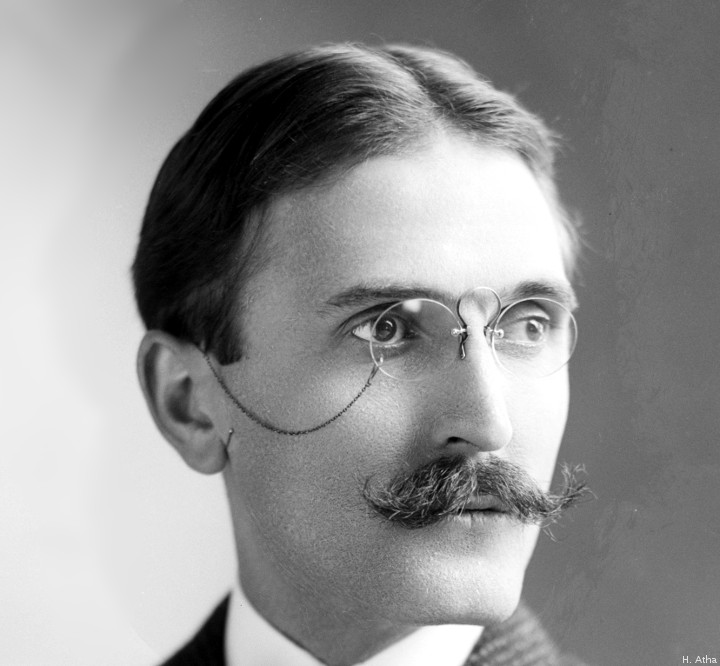
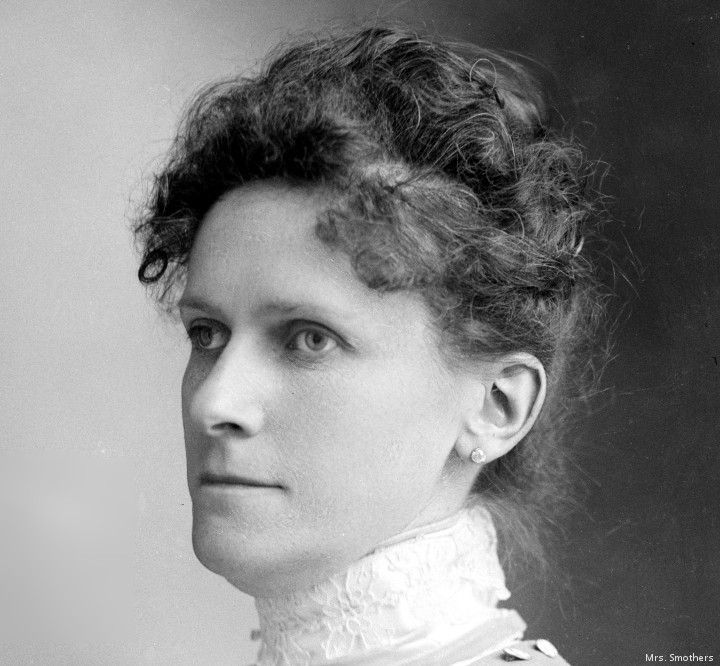

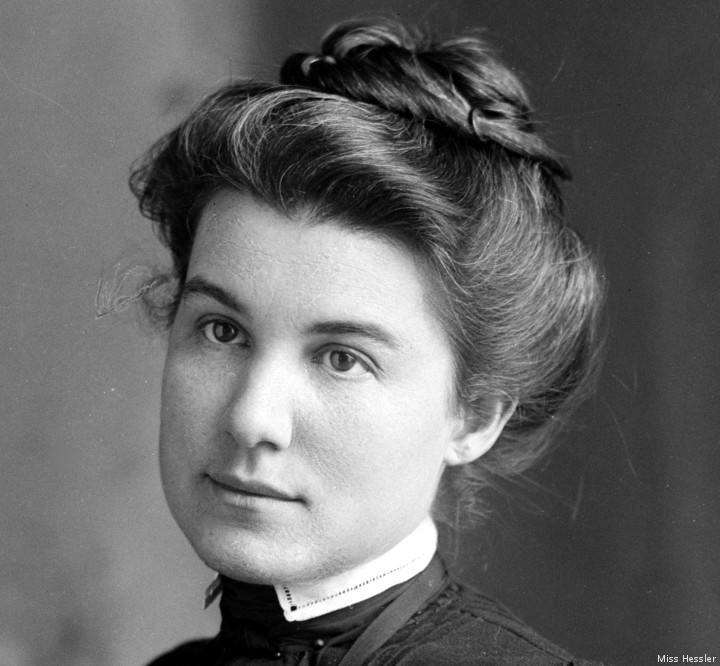
Lady Sings The Blues is the autobiography of Billie Holiday. PG read it in 1978, and pulled it off the shelf recently. The copy he has is was a 1972 paperback, issued in conjunction with the movie. A picture of Diana Ross is on the cover, as well as a price sticker from Woolco. The book sold for $1.25. Pictures today are from The Library of Congress. The spell check suggestion for Woolco is Cool.
William Dufty was the ghost writer. His prose is easy to read, with the story flowing out like a Lester Young solo. The 1956 copyright is assigned to “Eleanora Fagan and William Dufty,” using the birth name of the singer. Mr. Dufty was a newspaper writer. “Dufty had one son, Bevan Dufty, with first wife Maely Bartholomew, who had arrived in New York City during World War II after losing most of her family in the Nazi concentration camps. She settled near Harlem where she met her best friend and Bevan’s godmother, Billie Holiday.”
“Bevan Dufty would agree. He’s one of the childless singer’s two godchildren. … “Holiday said motherf — all the time, in her gravelly elegant way,” recalled Dufty, sitting in his City Hall office. His mother, a Czech Jewish immigrant who loved jazz, was close to many musicians and even managed the unmanageable Charlie Parker for a spell, learned to curse from Holiday. But with a European accent. Much of what Dufty knows of Holiday comes from his late mother, who was married to actor Freddie Bartholomew before her brief marriage to William Dufty, one of her seven husbands. Maely, who took her infant son by train to Philadelphia every day to attend yet another of Holiday’s drug trials, was so distraught by the singer’s death that she dedicated herself to helping recovering addicts. A number of musicians lived at the Duftys’ place while kicking the habit (William and Maely Dufty divorced not long after Holiday’s death, and he later married actress Gloria Swanson, who inspired him to write the book “Sugar Blues” about the dangers of processed sugar).”
Billie Holiday’s bio, ‘Lady Sings the Blues,’ may be full of lies, but it gets at jazz great’s core Autobiographies are, by their nature, self serving. This one has a great opening line… ” “Mom and Pop were just a couple of kids when they got married. He was eighteen, she was sixteen, and I was three.” (“Her parents were never married. When she was born, her mother was 19, her father was 17 and they never lived under the same roof.”) Another source adds: “Some of the material in the book, however, must be taken with a grain of salt. Holiday was in rough shape when she worked with Dufty on the project, and she claimed to have never read the book after it was finished. Around this time, Holiday became involved with Louis McKay. The two were arrested for narcotics in 1956, and they married in Mexico the following year. (March 28, 1957) Like many other men in her life, McKay used Holiday’s name and money to advance himself.”
Louis McKay is at the center of another misunderstanding of facts. The Hunting of Billie Holiday claimed that Mr. McKay narked out Miss Holiday in 1947, and set up her first drug bust. LSTB tells a different story. Here, Miss Holiday meets Mr. McKay very briefly in 1931. Someone was trying to rob Mr. McKay. Miss Holiday said “He’s my old man,” and chased off the robber.
Fast forward twenty five years, and Miss Holiday connects with Mr. McKay. “I hadn’t seen him since I was sixteen and he wasn’t much older and I was singing at the Hotcha in Harlem.” The two were married in 1957. They got busted as LSTB ends. Either Politico is wrong about the 1947 bust, or Miss Holiday did not tell the whole story. Either way, Harry Anslinger is not mentioned in LSTB.
Tallulah Bankhead is another missing piece of the puzzle. Reportedly, Miss Bankhead and Miss Holiday were close friends, and possibly lovers. That was over by the time LSTB was written. “When “Lady Sings the Blues” was being prepared, Miss Bankhead got an advance copy, and was horrified by what she saw. A fierce note was sent to the book’s publisher, and scenes were edited out. Miss Holiday was outraged. The letter that resulted is a poison pen classic. “My maid who was with me at the Strand isn’t dead either. There are plenty of others around who remember how you carried on so you almost got me fired out of the place. And if you want to get shitty, we can make it a big shitty party. We can all get funky together!”
Miss Bankhead does make an appearance in LSTB. On page 117, Miss Holiday is describing playing a maid, in a movie. She was not pleased at the typecasting. “Don’t get me wrong. I’ve got nothing against maids – or whores – whether they’re black or white. My mother was a maid, a good one, one of the greatest. My stepmother is Tallulah Bankhead’s maid right now, and that’s a part I’d even consider when they do her life story.” (Miss Bankhead had her own domestic help problems. In 1951, Evyleen Cronin, Tallulah’s maid and secretary, was accused of stealing $10,000-30,000 from Tallulah during her employment. … The case went to trial (much to Tallulah’s embarrassment) and Cronin was convicted.” Many embarrassing details about Miss Bankhead’s life came to light during this trial. Fanny Holiday, the stepmother, is probably a different person than Evyleen Cronin.)
Whatever it’s factual challenges, Lady Sings the Blues is a powerful book. Miss Holiday had a tough life, to say the least. As the singer for Artie Shaw’s big band, Miss Holiday was an integration pioneer, and every two bit cracker wanted to make trouble. Later, she was addicted to heroin, got busted, served time in prison, only to get out and suffer some more.
Three years after LSTB came out, things went from bad to horrible. “In early 1959 she found out that she had cirrhosis of the liver. The doctor told her to stop drinking, which she did for a short time, but soon returned to heavy drinking. … On May 31, 1959, Holiday was taken to Metropolitan Hospital in New York suffering from liver and heart disease. She was arrested for drug possession as she lay dying, and her hospital room was raided by authorities. Police officers were stationed at the door to her room. Holiday remained under police guard at the hospital until she died from pulmonary edema and heart failure caused by cirrhosis of the liver on July 17, 1959.”

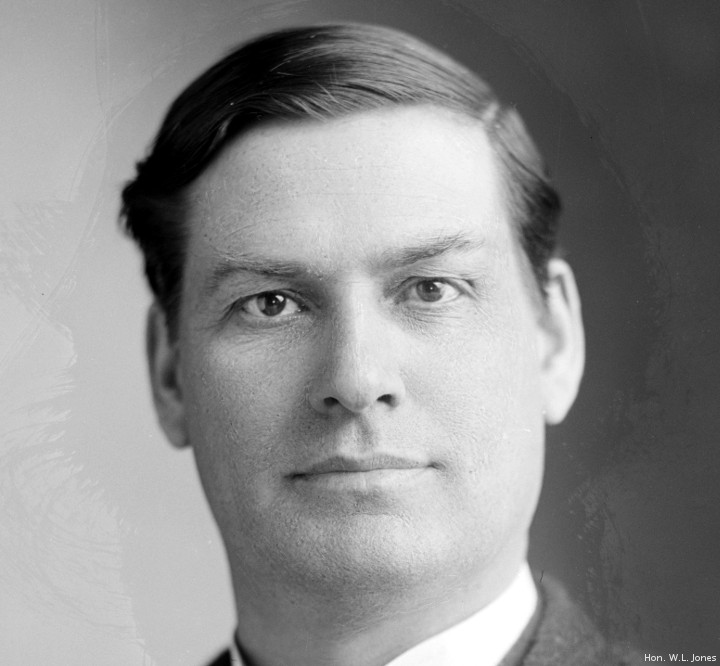
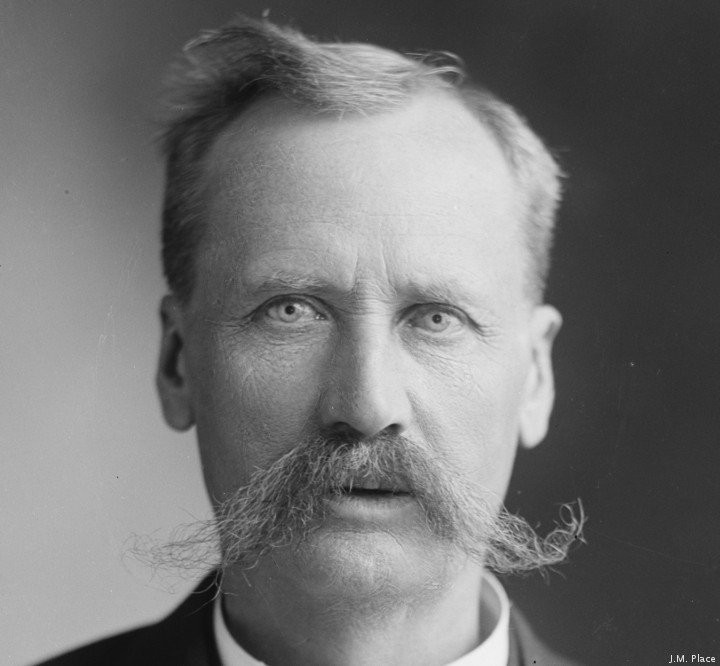
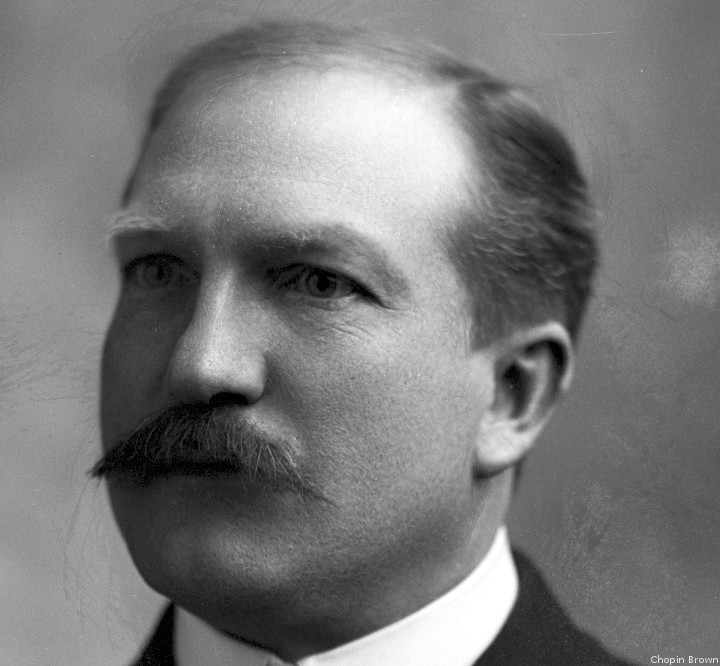
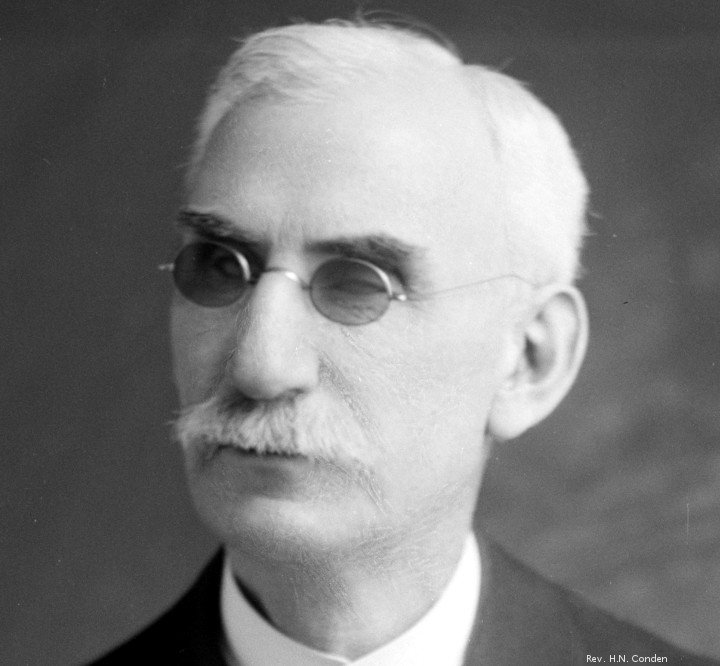
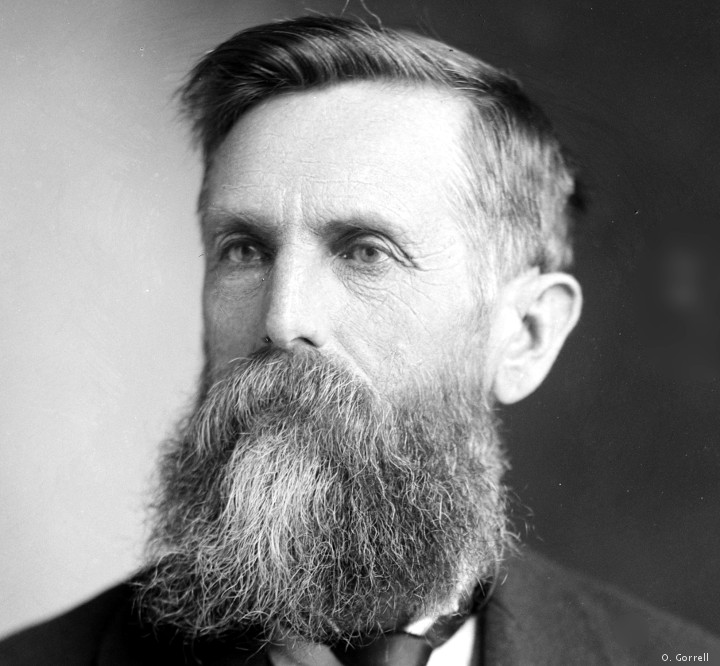
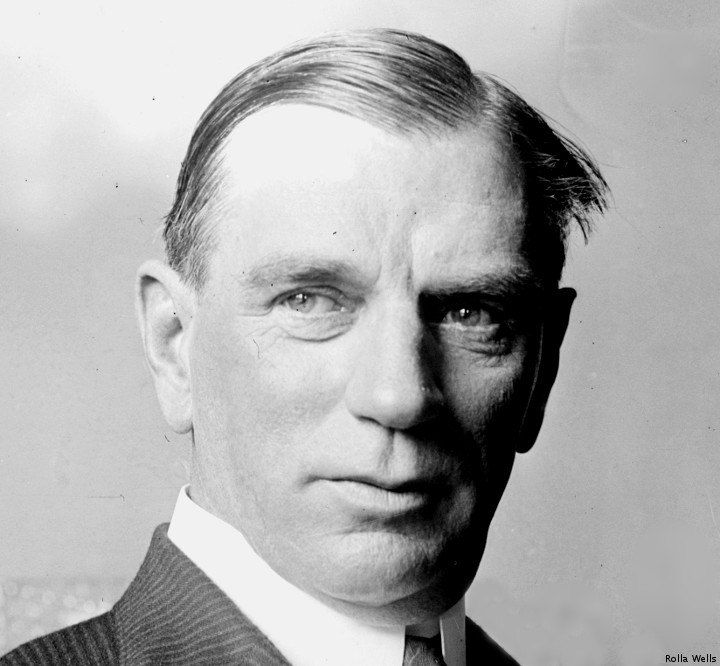
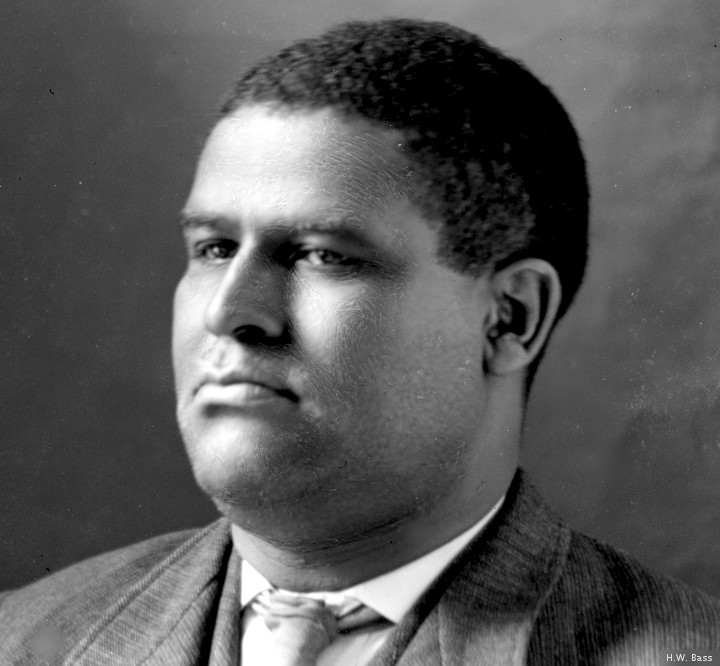
Anita Aretha and Elton


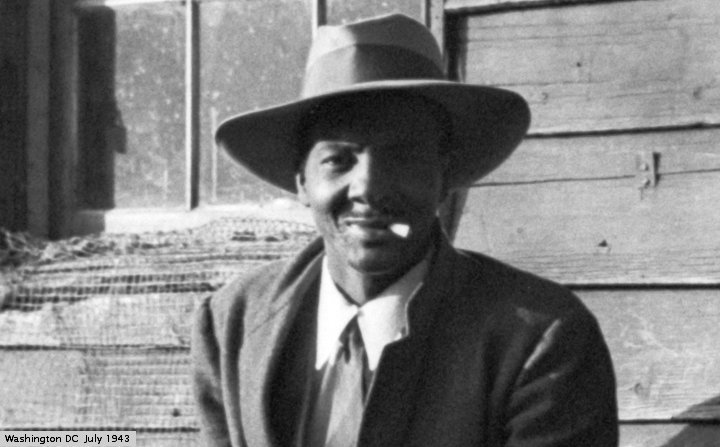





In the early nineties, PG had too much free time. On March 25 of one year, he looked in the fishwrapper, and found a list of famous people with birthdays.
There was an unlikely trio celebrating that day. This would be (in order of appearance) Anita Bryant (1940), Aretha Franklin (1942), and Elton John (1947). All three have been paid for singing. The three have a total of five husbands, with Miss Bryant and Mr. John currently attached (Not to each other). Miss Franklin has good taste in hats.
Several other people have arrived on planet earth on March 25. They include , in 1911, Jack Ruby, the killer of Lee Harvey Oswald (d. 1967) (They don’t say alleged when it was on live TV). 1918 produced Howard Cosell, American sports reporter (d. 1995). Flannery O’Connor (d. 1964) arrived in 1925. 1934 gave us Gloria Steinem. To make room for all this talent, Buck Owens died March 25, 2006.
March 25 is after the spring equinox, and has been Easter. A few noteworthy events have gone down on this day. In 1894, Coxey’s Army departed Massillon, Ohio for Washington D.C. In 1911, the Triangle Shirtwaist Factory fire killed 146 garment workers in New York City. In 1939 Cardinal Eugenio Pacelli becomes Pope Pius XII, to the delight of Adolph Hitler. 1955 saw the United States Customs seizes copies of Allen Ginsberg’s poem “Howl” as obscene. In 1969, John Lennon and Yoko Ono began their first Bed-In for Peace at the Amsterdam Hilton Hotel.
HT and applause to wikipedia. This is a repost. Pictures are from The Library of Congress.




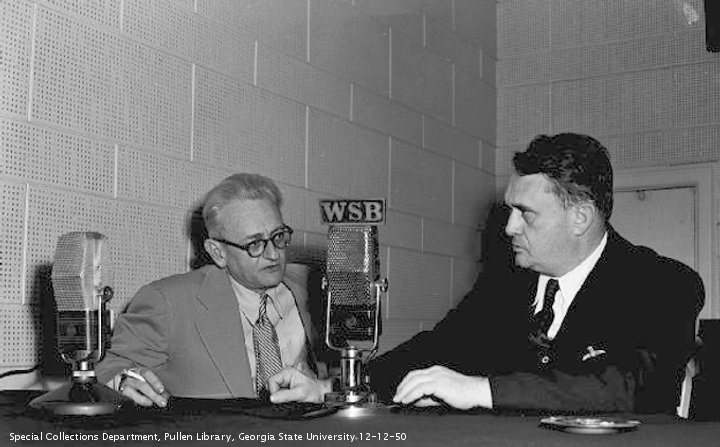
WSB


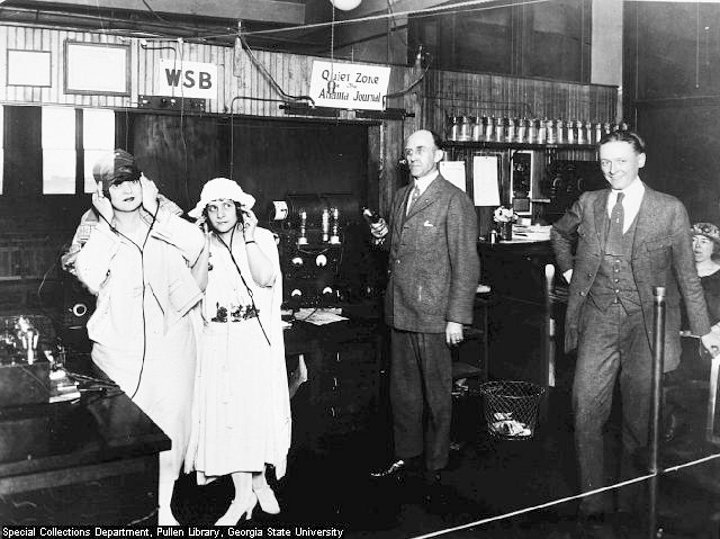
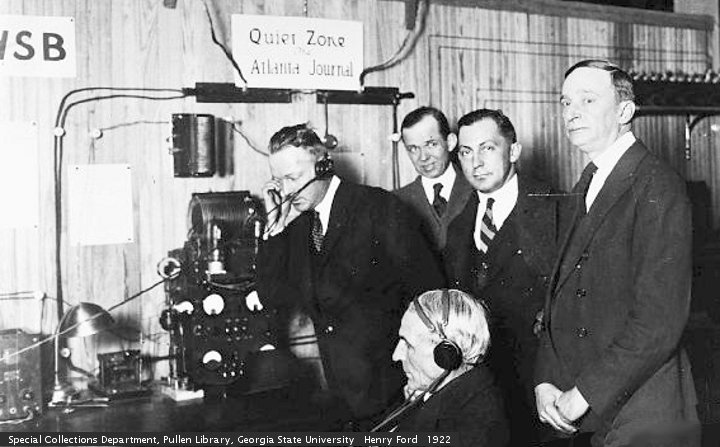
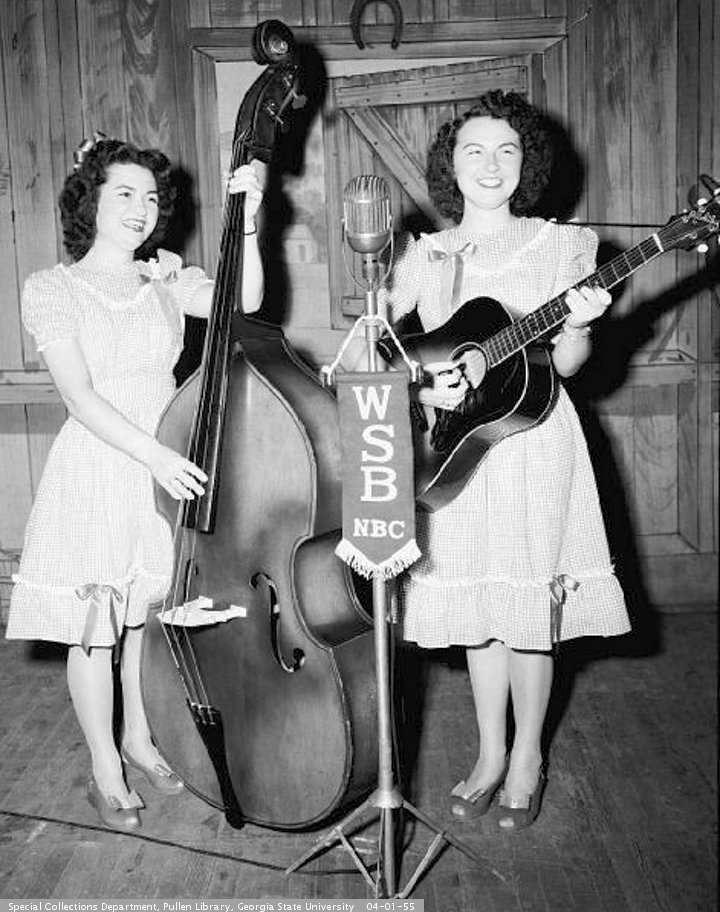
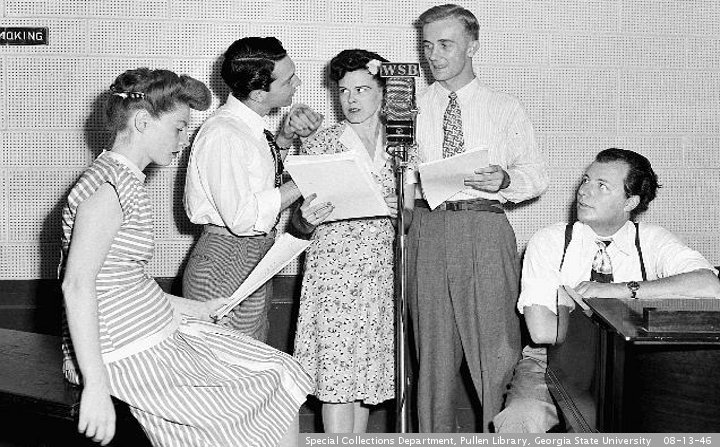

WSB radio is 96 years old. On March 15, 1922, The Atlanta Journal received a telegram authorizing it to broadcast weather bulletins. The telegram instructed the station to use the call letters WSB. (Later, a station in Nashville was named WSM.) While the letters were later said to stand for Welcome South Brother (as well as World Series Baseball, and We’re So Boring), they appear to have been randomly assigned at first.
WSB is a 50,000 watt, clear channel station. At night, it can be heard for hundreds of miles around. It’s transmission tower is on LaVista Road, across the street from Northlake Mall. In the seventies, you could hear broadcasts on pay phones in the area.
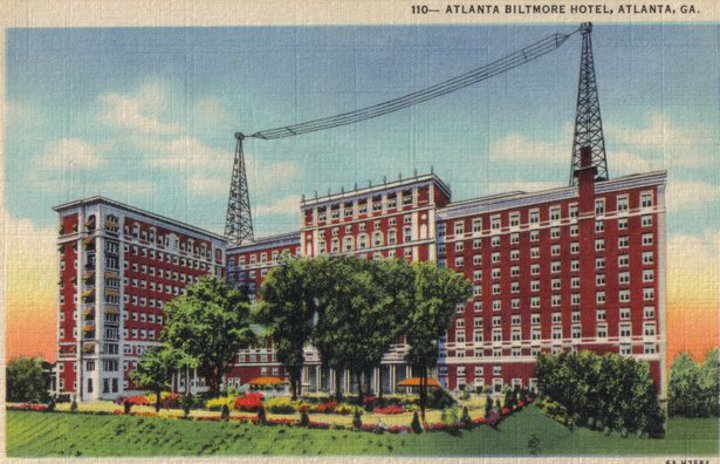
WSB was owned by the Atlanta Journal, and had it’s first studio in their building downtown. The radio station moved to the Biltmore Hotel when it opened in 1926. In 1926, WSB joined the NBC radio network. (Station logs show a broadcast of the inaugural NBC broadcast in November, 1926.) In 1939, the Journal, and WSB, were sold to James Middleton Cox, who founded Cox Enterprises. In 1950, Mr. Cox bought the Atlanta Constitution.
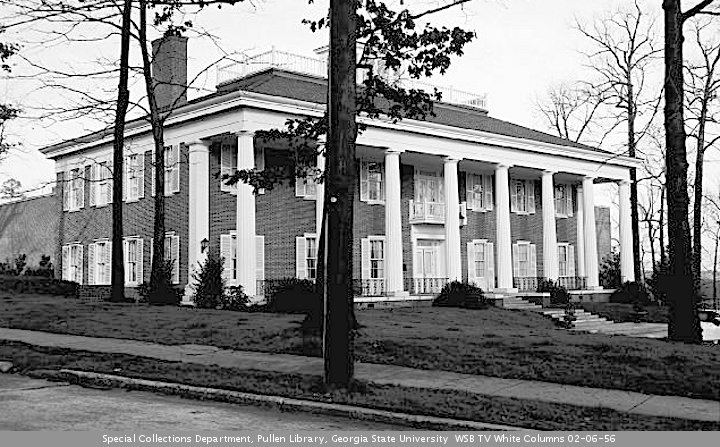
The thirties and forties were the glory days for radio. In the fifties, television started to move in. WSB-TV started to broadcast on Channel 2. A studio known as “White Columns on Peachtree” was built in 1955, and was the home WSB, radio and TV.
When PG was old enough to listen, WSB had a format which is no longer in use. It played “middle of the road” music, and had lots of news broadcasting. As FM radio began to dominate music broadcasting, (including WSB FM), the venerable AM station evolved (devolved) into a news-talk format. This is what you hear today.
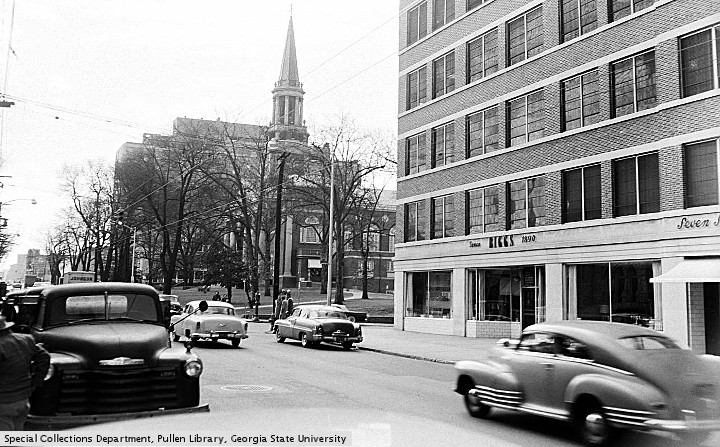
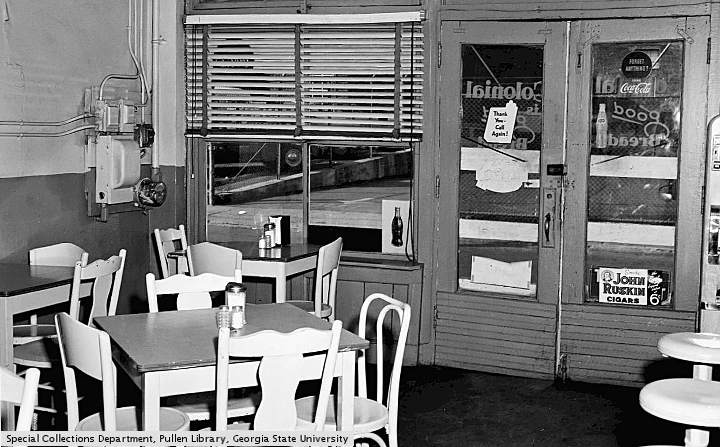
HT to Peach Pundit. This is a repost, with pictures from “The Special Collections and Archives, Georgia State University Library” and WSB.






Lose The Ability To Remember





PG heard a nifty quote once. “When we begin to write, we will lost the ability to remember.” It was credited to Homer, the Greek poet. The only problem is, PG could never find a source.
Katherine Mangu-Ward is a lady writer. She appeared on a podcast recently, and talked about the symbiotic relationship between conservative trolling, and liberal smugness. PG stumbled onto her twitter account, @kmanguward, and found this: 370 BC: Is Writing Making Us Stupid?
Plato, Phaedrus was the link attached to the tweet. Here is what it said: “Now the king of all Egypt at that time was the god Thamus, who lived in the great city of the upper region, which the Greeks call the Egyptian Thebes, and they call the god himself Ammon. To him came Theuth to show his inventions, saying that they ought to be imparted to the other Egyptians. But Thamus asked what use there was in each, and as Theuth enumerated their uses, expressed praise or blame, according as he approved or disapproved. The story goes that Thamus said many things to Theuth in praise or blame of the various arts, which it would take too long to repeat; but when they came to the letters, “This invention, O king,” said Theuth, “will make the Egyptians wiser and will improve their memories; for it is an elixir of memory and wisdom that I have discovered.”
But Thamus replied, “Most ingenious Theuth, one man has the ability to beget arts, but the ability to judge of their usefulness or harmfulness to their users belongs to another; and now you, who are the father of letters, have been led by your affection to ascribe to them a power the opposite of that which they really possess. For this invention will produce forgetfulness in the minds of those who learn to use it, because they will not practice their memory. Their trust in writing, produced by external characters which are no part of themselves, will discourage the use of their own memory within them. You have invented an elixir not of memory, but of reminding; and you offer your pupils the appearance of wisdom, not true wisdom, for they will read many things without instruction and will therefore seem to know many things, when they are for the most part ignorant and hard to get along with, since they are not wise, but only appear wise.”
Don’t be afraid of a block of text. We will break this down in a minute. The text is from Phaedrus, by Plato. As the ierrant wikipedia says, “The Phaedrus (/ˈfiːdrəs/; Ancient Greek: Φαῖδρος, lit. ‘Phaidros’), written by Plato, is a dialogue between Plato’s protagonist, Socrates, and Phaedrus, an interlocutor in several dialogues. The Phaedrus was presumably composed around 370 BC…” According to this timeline, 370 B.C. is 3200 years after man started to write, and 400 years after the invention of the Greek alphabet. So much for Homer’s word of caution.
We don’t know how widespread writing was in Plato’s time. Presumably, many of the old tales were transmitted by word of mouth, from one generation to the next. This involves memory. “For this invention will produce forgetfulness in the minds of those who learn to use it, because they will not practice their memory.”
There is one more quote worth musing over. Since the invention of the first mediums, new methods have been denounced by traditionalists. Today, we live in an era of constant change. This feature will appear in a blog… state of the art in 2004, and considered obsolete in 2018. Every new medium is greeted with hand wringing over the bad effects it will have on society. Some of these misgivings have been proven false. This *text* goes into more detail about this.
Homer may, or may not, have existed. Since this was 2800 years ago, we may never know. The stories of “The Iliad” and “The Odyssey” may have been told from one generation, to the next. Maybe Homer really did say that, and was merely afraid of competition.
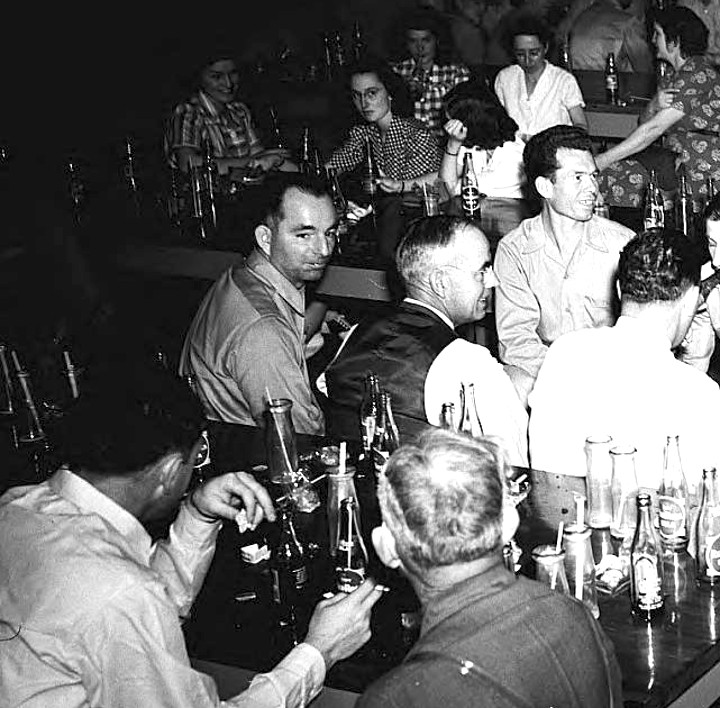
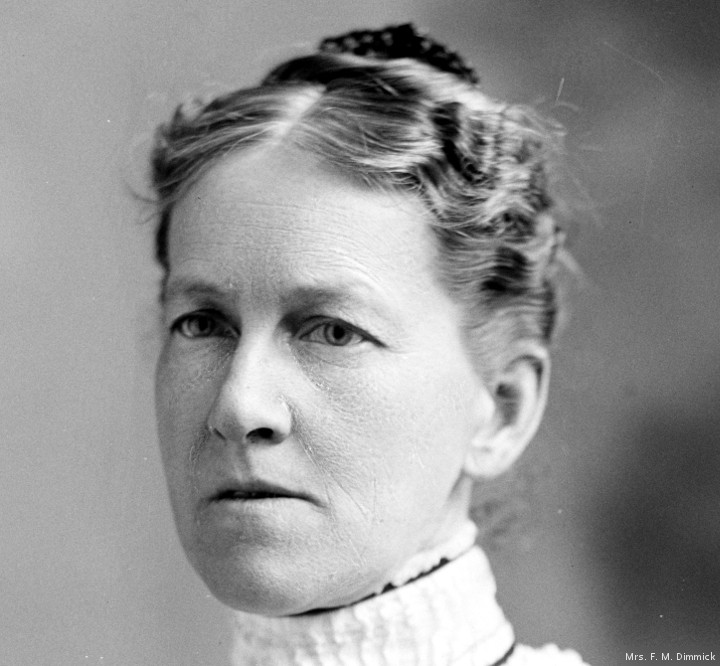
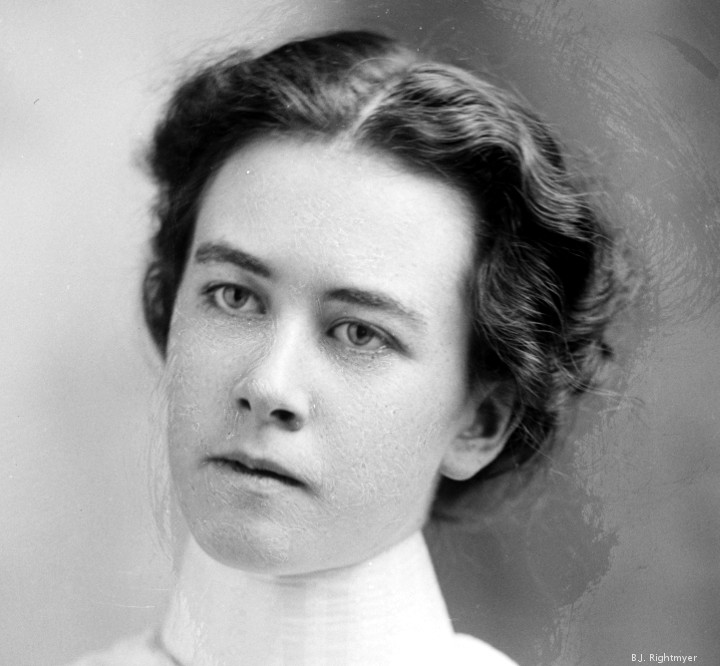
“You have invented an elixir not of memory, but of reminding; and you offer your pupils the appearance of wisdom, not true wisdom, for they will read many things without instruction and will therefore seem to know many things, when they are for the most part ignorant and hard to get along with, since they are not wise, but only appear wise.” . In todays culture, the display of apparent wisdom is more impressive than actual knowledge. These things too shall pass away. Pictures are from The Library of Congress.





 Chamblee54
leave a comment