Oscar Wilde


October 16 is Oscar Wilde’s birthday. On that day in 1854, he appeared in Dublin, Ireland. He is one of the most widely quoted people in the english language. Some of those quotes are real. Since he was a published author, it should be easy to verify what he really said. This birthday celebration is a repost, with pictures from The Library of Congress.
One night in 1974, PG was talking to someone, and did not know who Oscar Wilde was. The conversational partner was horrified. PG became educated, and learned about a misunderstanding with the Marquess of Queensberry. Soon the “Avenge Oscar Wilde” signs made sense.
Mr. Wilde once made a speaking tour in the United States. One afternoon, in Washington D.C., the playwright met Walt Whitman. Thee and thou reportedly did the “Wilde thing”.
The tour then went to Georgia. A young black man had been hired as a valet for Mr. Wilde on this tour. On the train ride from Atlanta to Augusta, some people told Mr. Wilde that he could not ride in the same car as the valet. This was very confusing.
After his various legal difficulties, Oscar Wilde moved to Paris. He took ill, while staying in a tacky hotel. He looked up, and said “either that wallpaper goes, or I do”. Soon, Oscar Wilde passed away.




William McKinley


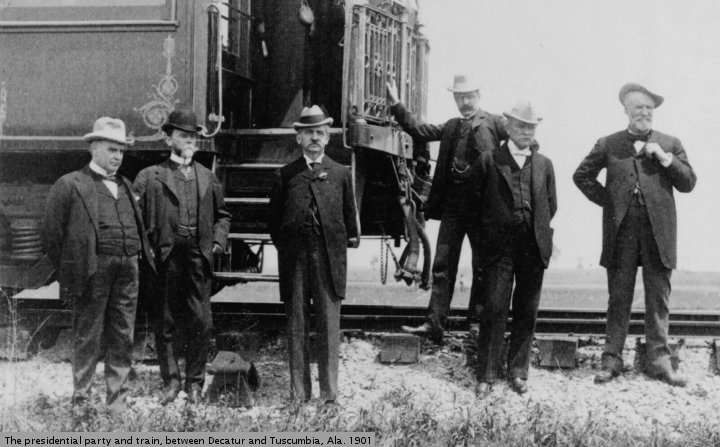
One hundred years before nine eleven, President William McKinley was near death. He had been shot September 6, 1901. Medicine at this time was primitive compared to today. During surgery after the shooting, the bullet was not removed. The University of Buffalo makes this comment: “Dr. Mann and the others were neither trained trauma surgeons nor did they bother with disinfection, not even wearing gloves. The first bullet had done little harm; the second entered McKinley’s abdomen. The physicians used improperly sanitized probes and when Mann could not find the bullet, he closed the incision without draining the wound. It was a fateful decision.”
After surgery, the President was taken to the home of John Milburn. He seemed to be recovering, but took a turn for the worse and died September 14, 2001.
President McKinley had been shaking hands at a reception. The meet and greet was at the Academy of Music, as part of the Pan American Expostion in Buffalo, New York. A letter to “The Nation” has this viewpoint. ” Whatever other results may flow from the assassination of President McKinley, let us hope that that object-lesson may be sufficient to put an end to our national habit of promiscuous handshaking in public. It is hard to conceive of a spectacle more fatuous and less edifying than that of a horde of country bumpkins, criminals, cranks, idlers, and curiosity-mongers standing in line waiting for a chance to grab and squeeze the hand of the unhappy Chief Executive of this country.”
 There were anarchists in 1901, who had murdered several European leaders. Several of McKinley’s advisors did not think the reception was a good idea, and forced him to have extra security. A writer in the Buffalo Courier observed on September 5 “The surrounding of President McKinley by a body-guard of detectives when he appears in public, is probably as distasteful to himself as it is to abstract American sentiment, but as long as the earth is infested by malevolent cranks and unreasoning Anarchists, the precaution is entirely proper.”
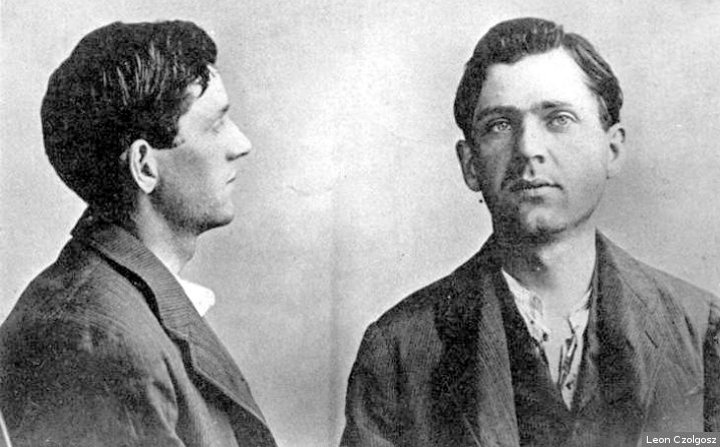
A young man named Leon Czolgosz (pronounced CHOL gosh) managed to wait in line with a concealed weapon. He was seen to shoot President McKinley. He was immediately captured, and executed October 29, 1901.
Lew Rockwell speaks of a rivalry between John Rockefeller and J.P. Morgan. Rockefeller man McKinley was replaced by Morgan supporter Roosevelt, who promptly began to break up the trusts. Another historian, connected to Lyndon LaRouche , speaks of British interests, and the rise of Confederate power. McKinley was a target of media superstar William Randolph Hearst. An editorial printed in the April 10, 1901 Journal asserted that “If bad institutions and bad men can be got rid of only by killing, then the killing must be done.”
Some say that a murder one hundred fifteen years ago does not affect us today. However, an argument could be made that the death of McKinley set in motion events that led to the establishment of the Federal Reserve System, and American participation in World War I. Both of those events have had effects lasting until today.
It is curious how President McKinley is mostly forgotten today. Some say he was most popular President since Lincoln . McKinley had been a wartime President, who won. His successor, Teddy Roosevelt, is on Mount Rushmore, and is a superstar President. Mr. Roosevelt also ran as a third party candidate in 1912, and helped to elect Woodrow Wilson. (Mr. Wilson was alleged to be a member of the “Omega Group,”rumored to be behind a McKinley conspiracy.) Mr. Roosevelt’s popularity is very different from the other three Vice Presidents who were promoted by the murder of the President. He was good at dealing with the press.
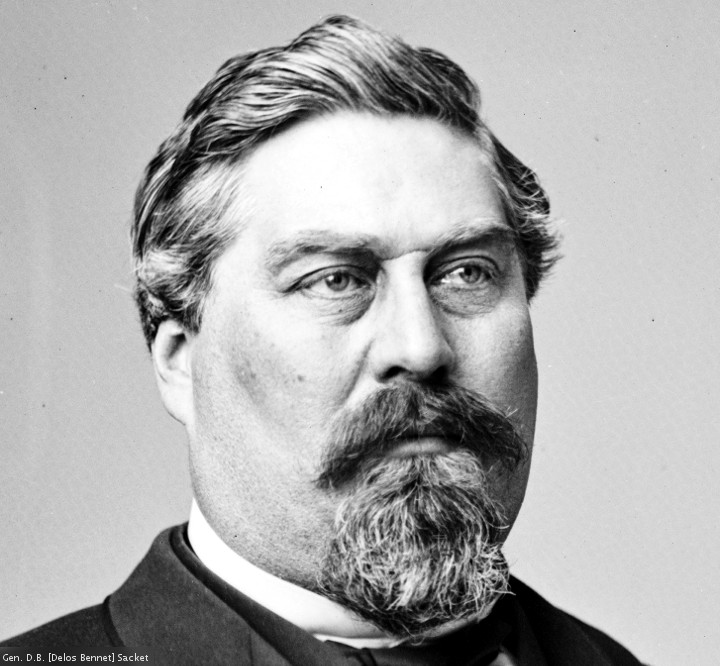
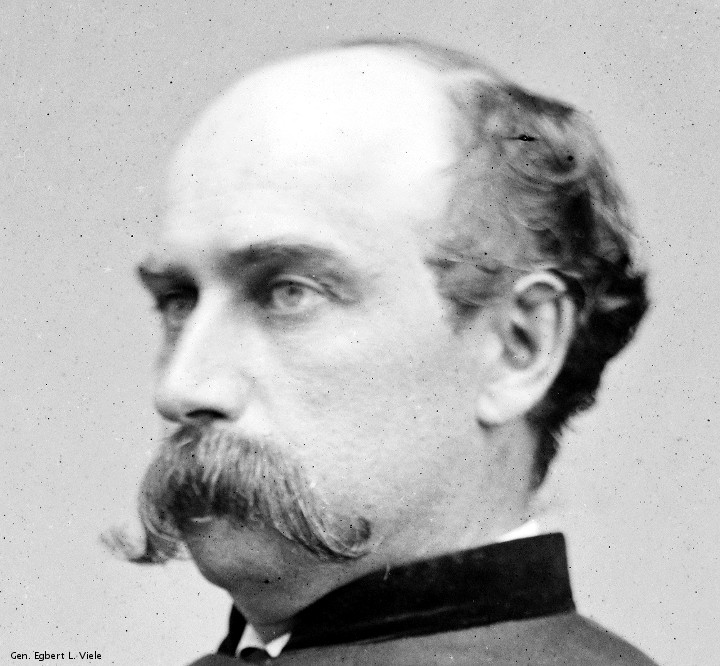
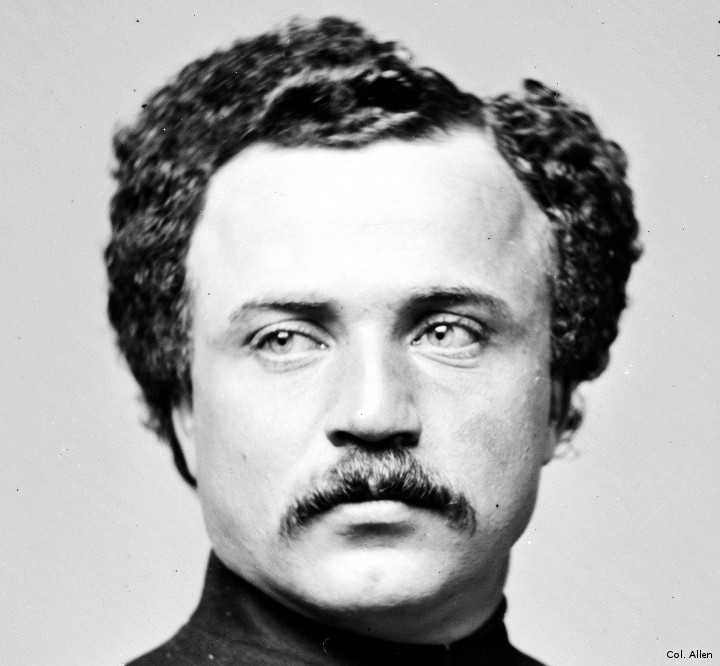
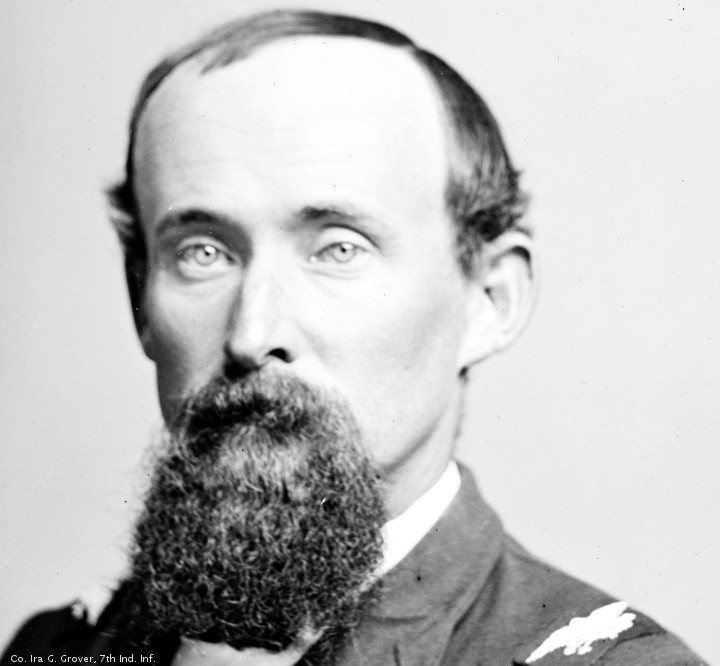
Pictures today are from The Library of Congress. This is a repost.




Was Mae West A Real Girl?
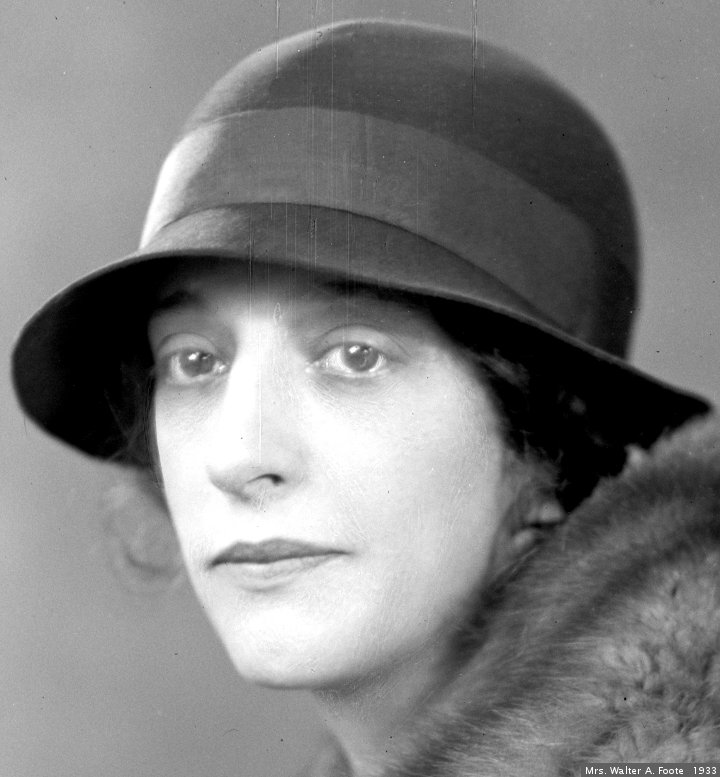



August 17 is birthday 124 for Mary Jane “Mae” West. Of course, she died in 1980, so the party is off. PG saw a note on facebook, and made the comment “She was rumored to be a man.” One right click google search later, this post started to take shape. This is a repost.
There is a blogspot site, maewest.blogspot.com. It is still published, with a birthday post today. Five years ago there was a post, Mae West: Penis Rumors. It seems as though Miss West liked to say, to the press, “When I die, you are going to be very surprised!”
A hollywood gossipmonger had a story, Was Mae West…A Man?! Much of her information comes from the tasteful findadeath site. The story here is that Mae West died in 1950, and the death was kept quiet. Her brother made appearances in her place, until the final death in 1980. This would have been quite a feat, considering that John Edwin West died in 1964. That doesn’t stop people from talking.
“…the real Mae West died somewhere around 1950, give or take a couple years, and rather than let the show stop, it was announced that not Mae, but her brother, died. Of course, the brother then became Mae West and carried on until November 1980. If you look carefully at photos from around 1950 on it definitely looks like a different person not to mention the big hands and masculine features, bone structure, etc. I may not have all the details 100% correct but I would almost put money on the fact that the ‘Mae West’ ‘who died in 1980 had a weenie!!”
The hands were mentioned by Raquel Welch. The two were in Myra Breckinridge, the first movie Miss West had made in 27 years. (Miss West appeared on Mr. Ed in 1964.) Miss Welch appeared at a film festival in 2012, and had stories to tell.
“When I went over to say hello to her (one day) I said, ‘Hi, it’s Raquel, remember?’ She sort of extended her hand to me and I went to kiss the ring and one false fingernail painted silver fell to the floor. I looked at the hand and I thought, ‘Oh, I’m getting a vibe.’ I really think she’s a man! At this point in her life all bets are off and you’re not going to be able to doll it up that much. I would say it’s pretty accurate that she resembled a dock worker in drag.” …
“I had this beautiful dress and it was black with a big white ruffle around the neck and a black velvet hat … Apparently Mae got wind of the fact that I was wearing this exquisite dress and I went to the studio that day for our scene together. I got coiffed, got my hair done and went to the closet to get the dress and it wasn’t there. I asked my dresser what happened to the dress and she said, ‘It’s been confiscated. Mae does not want you to wear that dress. You can wear the red dress that you wore in the last scene!’ … Welch was so outraged that she stormed off the set and refused to return until the dress was back in her closet. … “For the scene, we never appeared in a two-shot together. She left after she did her lines and I had someone off-camera reading her lines and I had to pretend she was there.”
Pictures are from The Library of Congress.



White House Drug Party


On July 30, 2009, President BHO had a white man and a black man over to take drugs. They had a rather public disagreement, and BHO stupidly poured gasoline on the fire. Drugs were the answer. This is a repost.
There are those who will immediately scream that beer is legal. Yes, alcohol is legal, advertised on television, and served in the White House. It is also an addictive drug. If you take too much, it will kill you. It is easier to die using hard liquor, but the concept is the same.
There are a lot of people in the legal machinery because of drugs. Some of these drugs are legal, some are not. Your liver is not amused to hear that the alcohol it is processing is legal. Your lungs don’t care if cigarettes are legal. The worst thing about some drugs is the fact that there is a law against them.
In Dekalb County, there is something called drug court. If you are on this program, you go to endless meetings, and get screened for drugs. Every time a person is screened for drugs, a lab charges the county money to process the test. This money could be used to give school teachers a raise, or to repair the roads. Instead, it goes to testing the urine of people who got caught smoking pot.
Thursday, drug court was meeting at the same time as the White House drug party. PG attended as part of “Friends and Family” night. The alcohol industrial complex was not affected.


091118




This is my 911 story. I repeat it every year at this time. If you saw it last year, it has not changed. Every year I say this will be the last time. The wars started after 911 are still going on.
I was at work, and someone called out that someone had run a plane into the World Trade Center. I didn’t think much of it, until I heard that the second tower had been hit, then the Pentagon, then the towers collapsed, then a plane crashed in Pennsylvania.
I focused on my job most of the day. There was always drama at that facility, and concentrating on my production duties helped to keep me saner. This was roughly the halfway point of my seven year tenure at this place.
One of the other workers was a bully for Jesus. He was a hateful loudmouth. After the extent of the damage became known, he shouted “They are doing this for Allah,” and prayed at his desk. The spectacle of the BFJ praying made me want to puke.
I became alienated from Jesus during these years. Once, I had once been tolerant of Christians and Jesus, as one would be with an eccentric relative. I began to loath the entire affair. I hear of others who found comfort in religion during this difficult time. That option simply was not available for me.
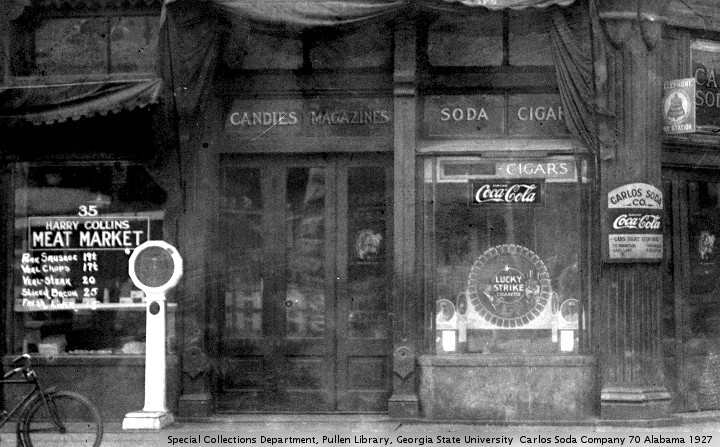
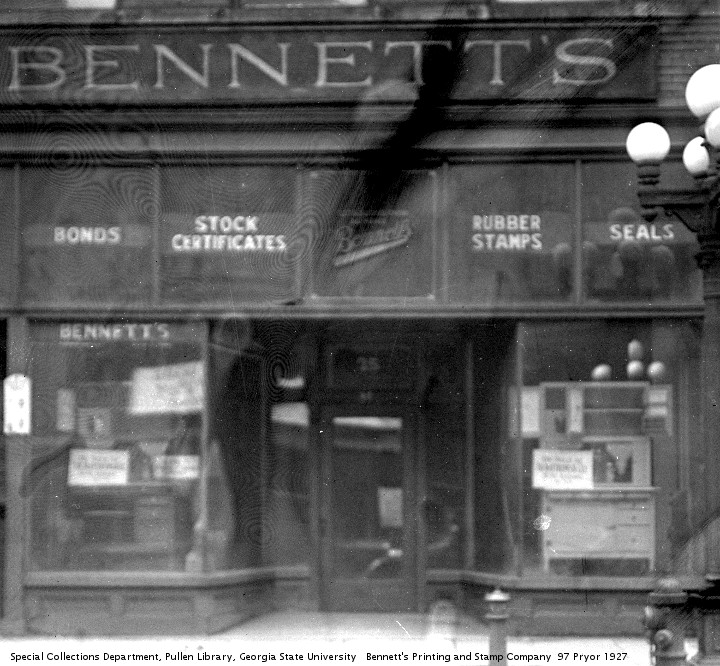
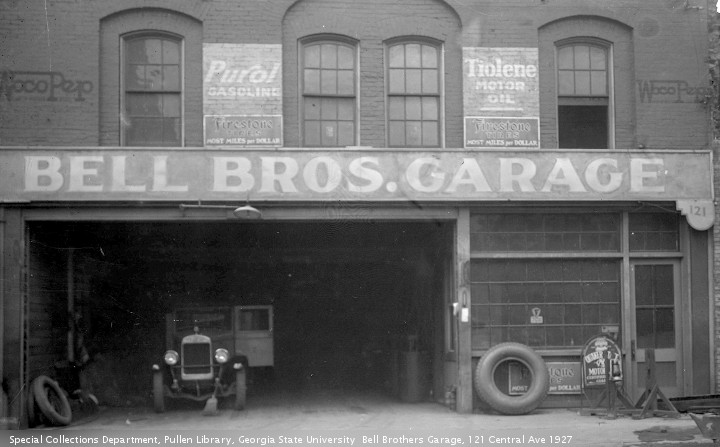
Pictures from “The Special Collections and Archives, Georgia State University Library”. “This item is part of a collection of images of downtown Atlanta streets that were taken before the viaduct construction of 1927 – 1929. Some of the covered streets became part of Underground Atlanta.”

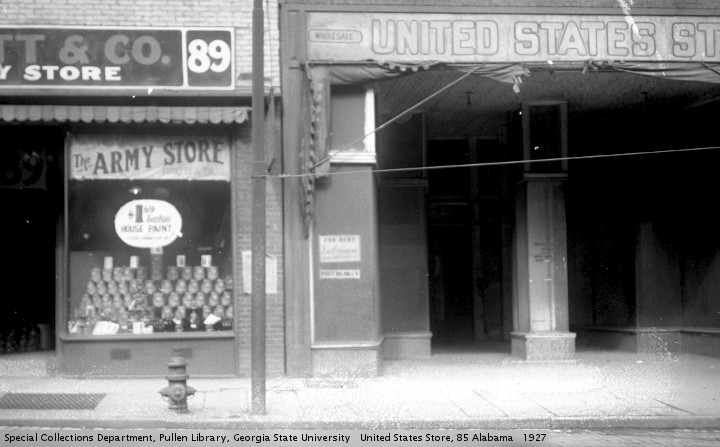
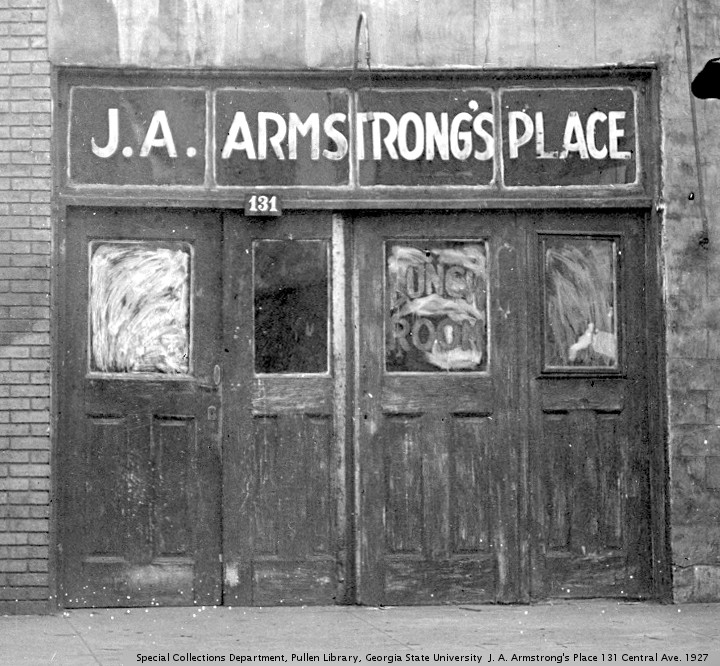
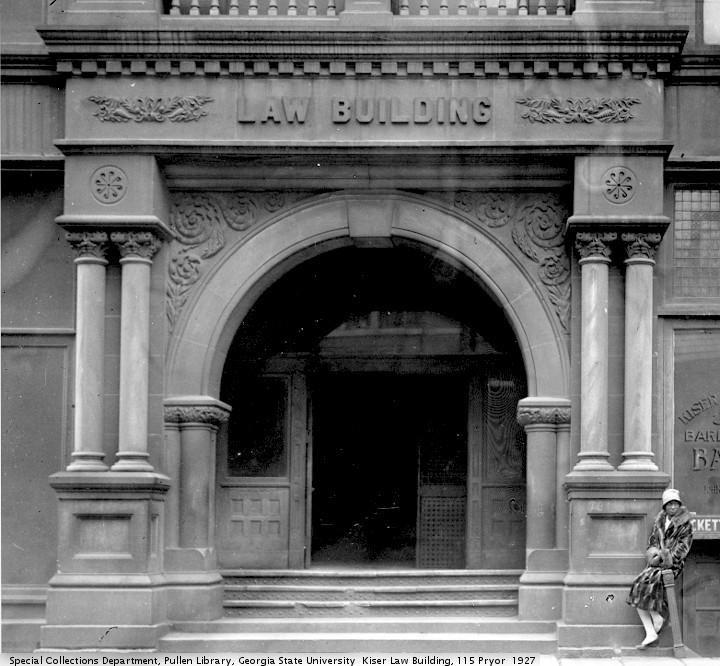

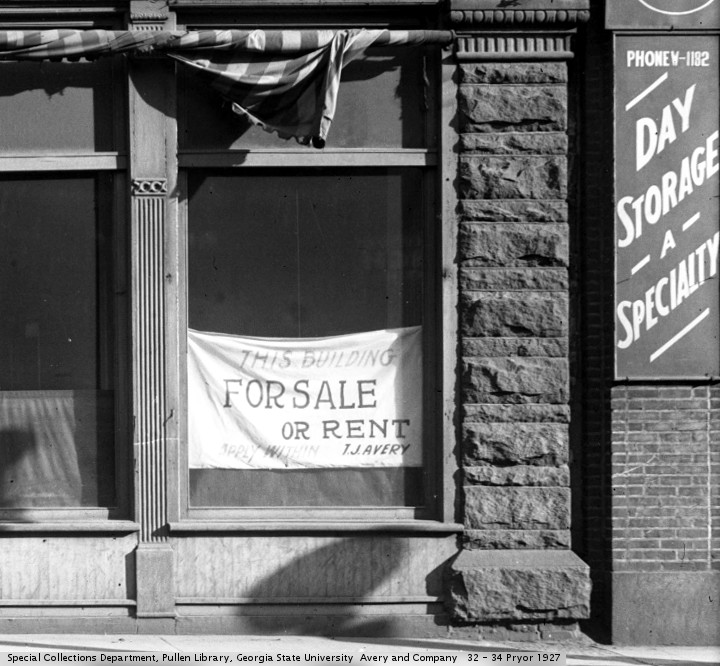


Wonderful Tonight





Wonderful Tonight: George Harrison, Eric Clapton, and Me is the book for Pattie Boyd. Ms. Boyd has the copyright to herself, with presumed ghostwriter Penny Junor given *with* credit. The former Patricia Anne Boyd has had quite a life.
Ms. Boyd was born at a young age. Her family moved to Kenya, where they had many cool adventures. Her parents split up, her mother remarried, and her stepfather was a horrible man. The Boyds, who by now included several more children, moved back to England. Pattie went to convent school, then went to live in London. She got a job in a beauty salon, when one day someone suggested she try modelling. At times, this story sounds like a movie.
Pattie was working as a model, including some TV commercials. Richard Lester noticed her, and hired her as a school girl in “A Hard Days Night.” George Harrison noticed her, and they were soon an item. Meanwhile, swinging sixties London was in fast forward mode. Pattie Boyd plugged herself into the sex, drugs, and rock and roll lifestyle, and had her share of good times.
George wrote “Something” about his glamorous young bride. His pal Eric Clapton took note, and wrote “Layla.” Eric was in pursuit for many years, writing many beautiful love letters. Finally, as her marriage to George was winding down, Pattie took up with Eric. It was great fun for a while, until Eric’s alcoholism spoiled things. Pattie left Eric, came back, got married to him, and stuck around until Eric got another lady pregnant. (Conor Clapton died tragically in 1991.) The story goes on, and on, until the book was written in 2008. According to wikipedia, Pattie is going strong in 2018. She married Rod Weston, husband number three, in 2015.
Wonderful Tonight is a fun book to read. Penny Junor knows how to tell a story. The life of Pattie Boyd is full of struggle, as well as glamour. Many of the people, including Pattie’s sisters, struggle with addiction. One gets the sense that this, like many autobiographies, puts the subject in the most flattering light possible. There is probably another side to many of these stories. If they can be told as skillfully as this one is, these stories would be worth reading.
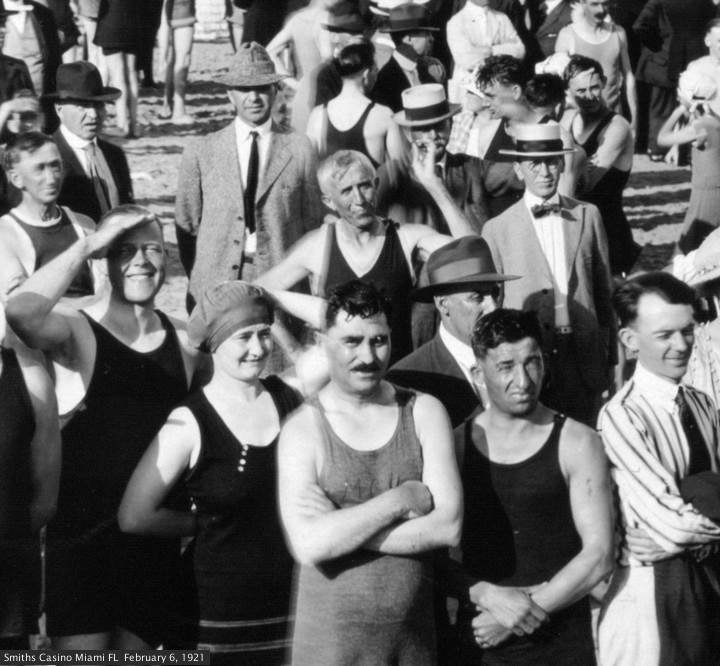
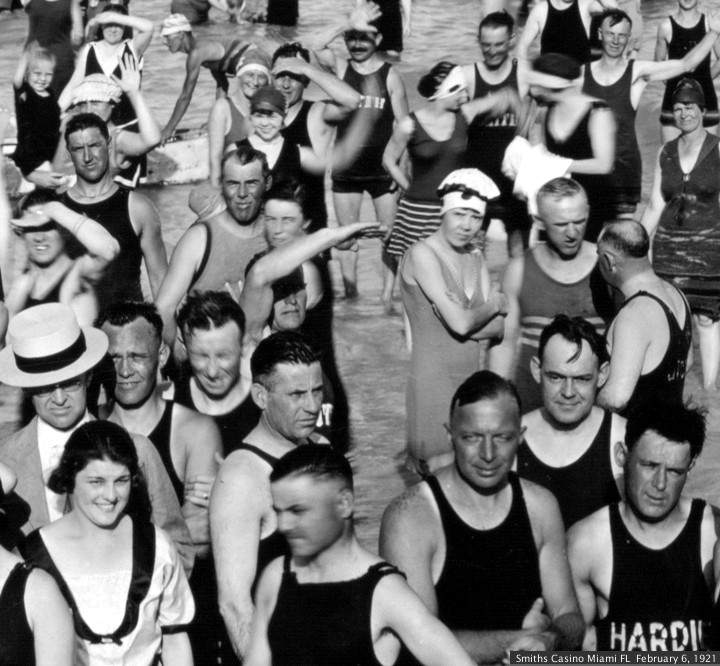
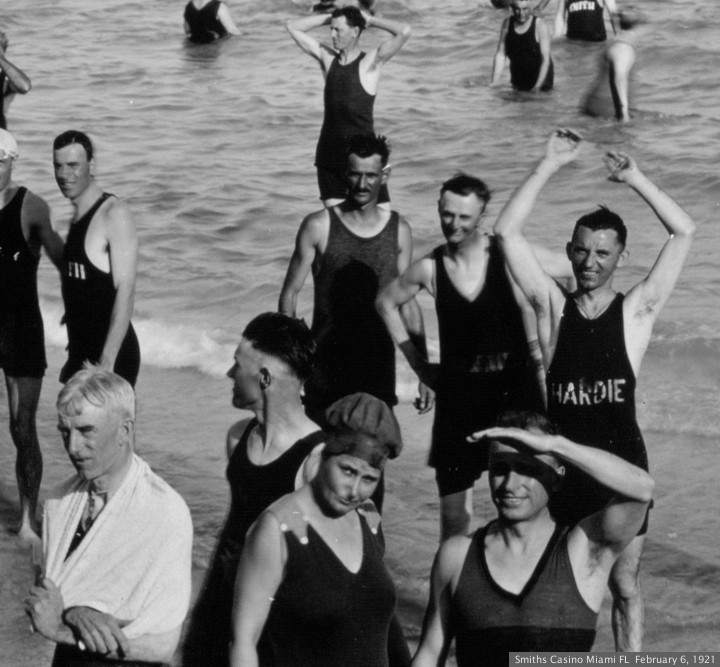
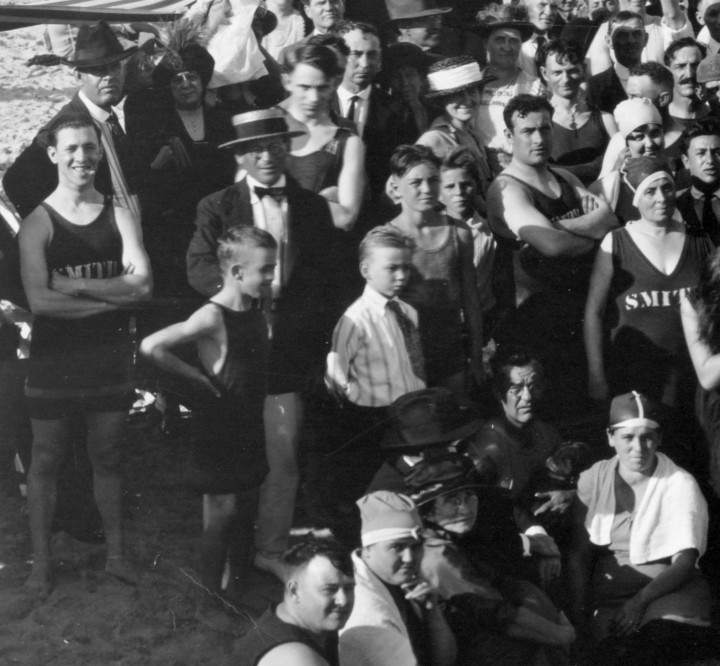
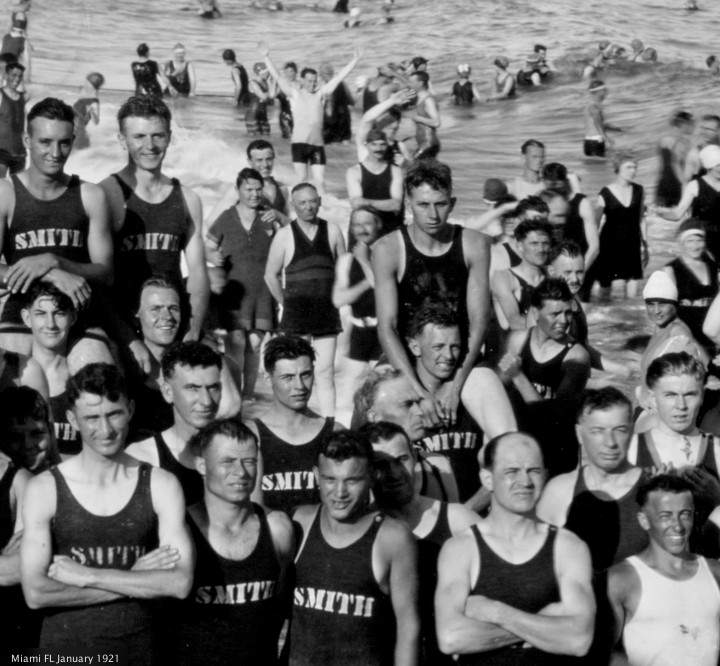
Pictures today are from The Library of Congress. “Winter bathing, Smiths Casino, Miami, Feb. 6, 1921″ W. A. (William A.) Fishbaugh, copyright claimant … No renewal found in Copyright Office.







Julian Carr And Silent Sam
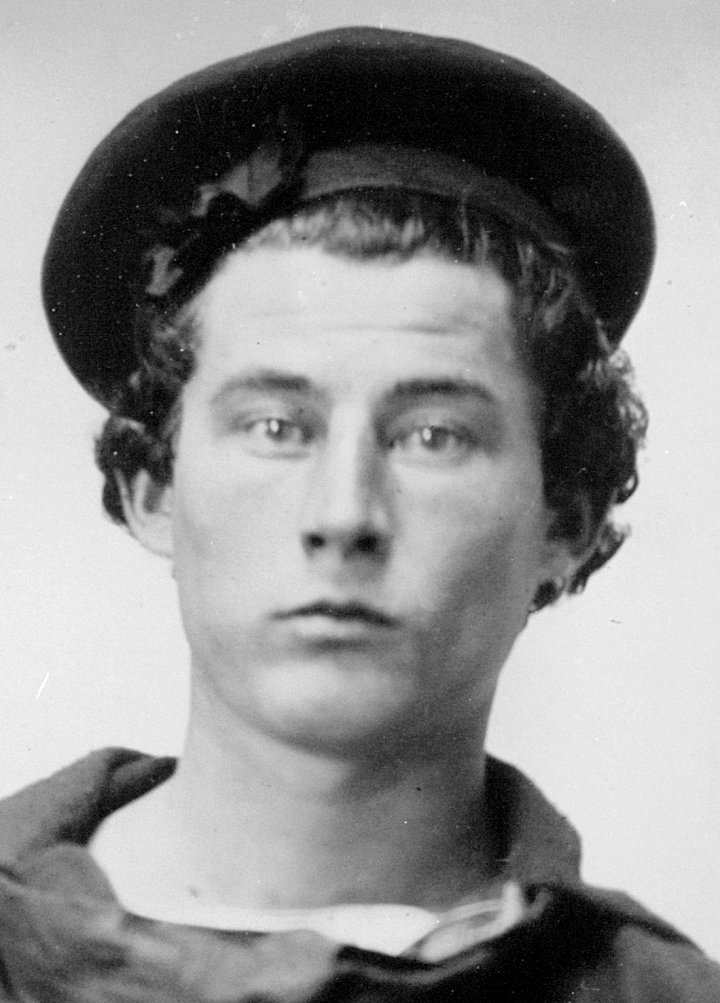
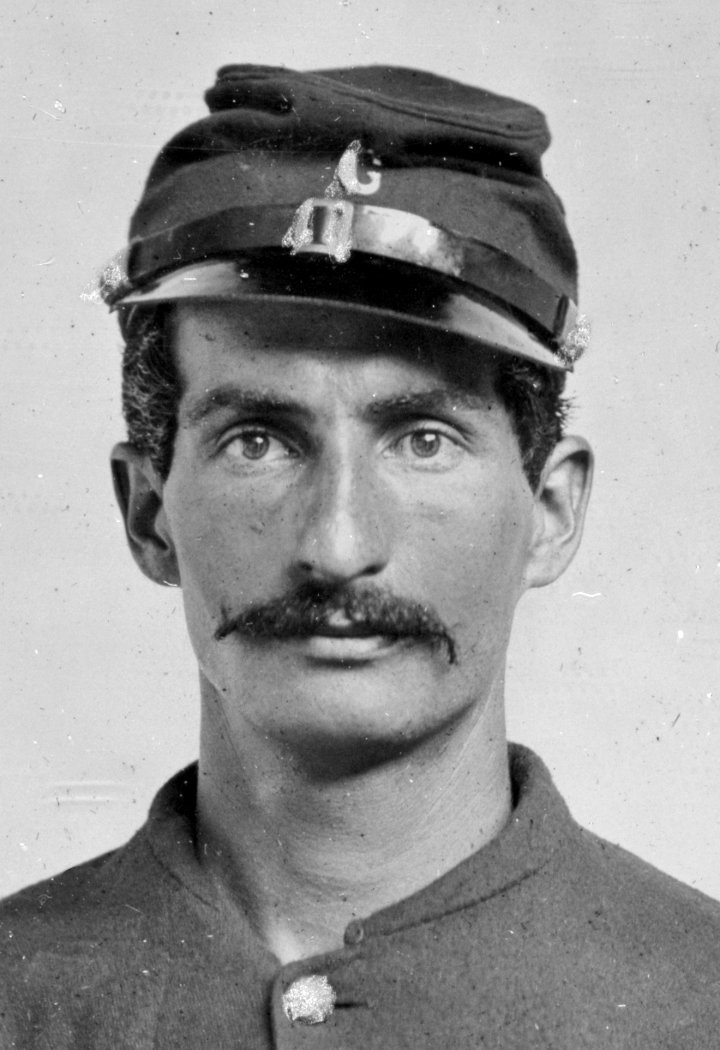

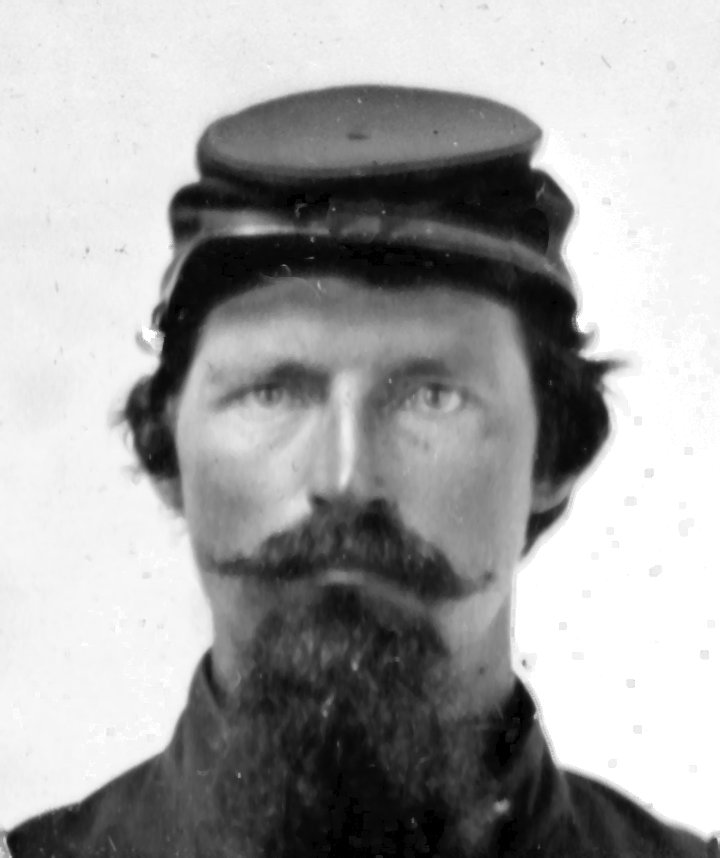
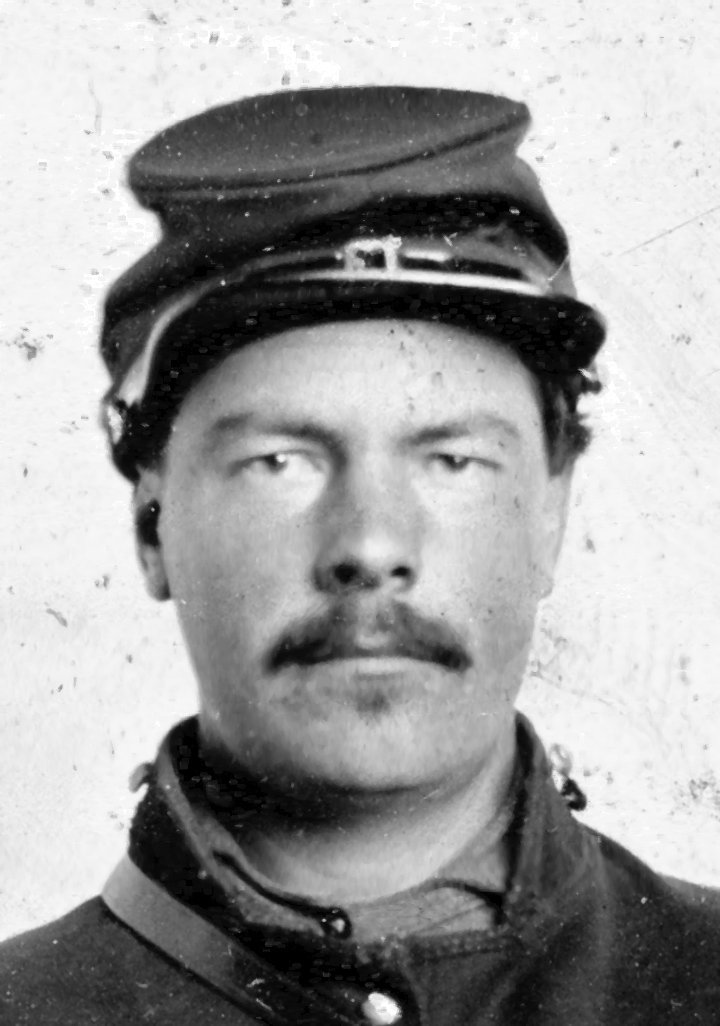
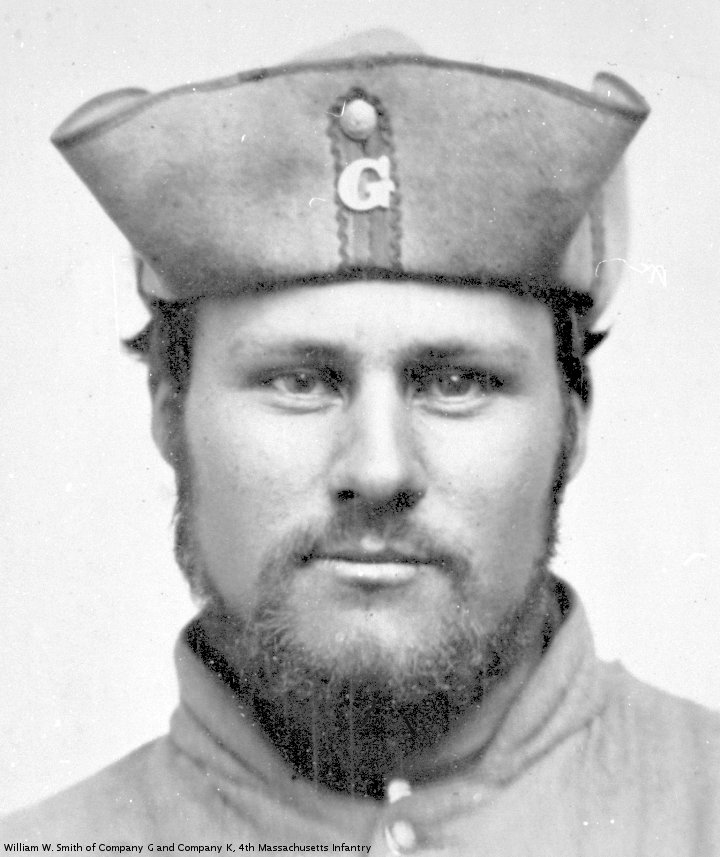
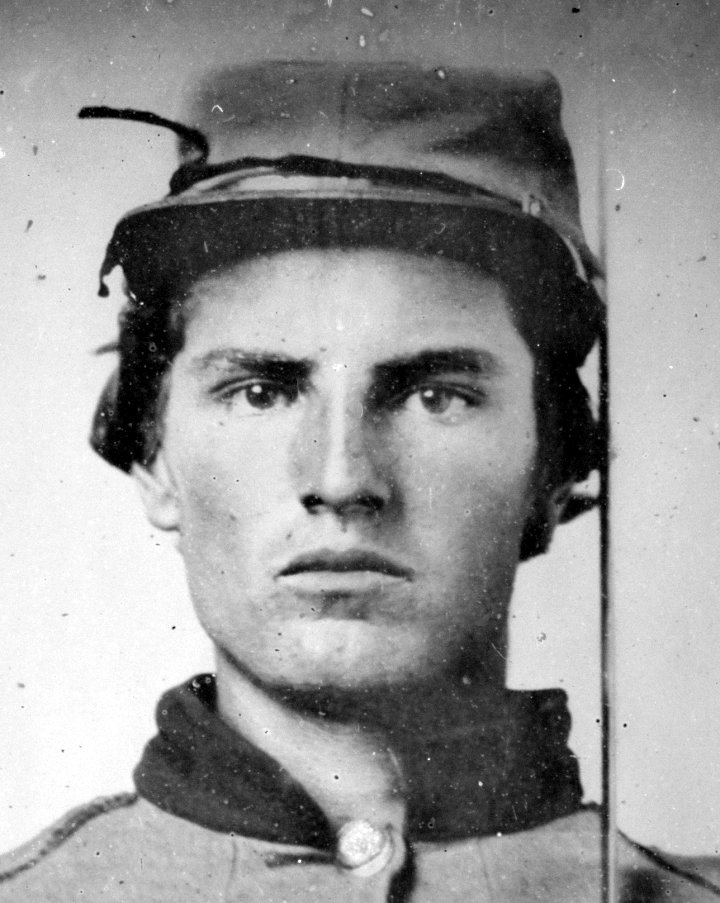
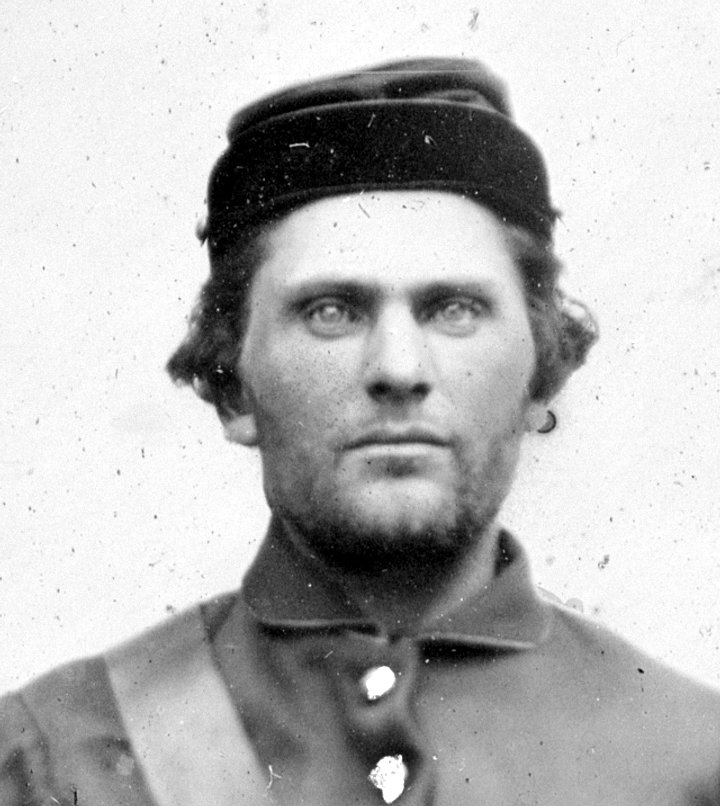

A Confederate monument was torn down last night in Chapel Hill NC. The statue, known as “Silent Sam,” was intended as a monument to students who left school to fight in the War Between the States. “In 1913, the Daughters of Confederacy, after four years of fundraising, paid sculptor John Wilson, a Canadian, $7500 for the statue. Wilson used a Boston-man, Harold Langlois, as the model. It’s unclear, however, if those attending Silent Sam’s dedication knew they were celebrating a Yankee’s profile. Silent Sam was among many “Silent Sentinels,” – statues of soldiers without cartridge box, soldiers who could no longer fire a shot – that were manufactured and bronzed in the North and then sent down south for public display. Many of these statues look remarkably similar. Like Silent Sam, they also face north, toward the Union.”
Many of the comments today quote a speech made at the 1913 unveiling. The speech was by Julian Carr, a prominent businessman and philanthropist. Mr. Carr is considered, with some justification, to have been a white supremacist. A Confederate veteran, Mr. Carr appears to have been a complex man, who did both good and harm.
This tweet is typical of today’s discourse. @jjones9 “From white supremacist Julian Carr’s speech at the dedication of Silent Sam in 1913.” The tweet features a screen shot, of a quote from the 1913 speech. “I trust I may be pardoned for one allusion, howbeit it is rather personal. One hundred yards from where we stand, less than ninety days perhaps after my return from Appomattox, I horse-whipped a negro wench until her skirts hung in shreds, because upon the streets of this quiet village she had publicly insulted and maligned a Southern lady, and then rushed for protection to these University buildings where was stationed a garrison of 100 Federal soldiers. I performed the pleasing duty in the immediate presence of the entire garrison, and for thirty nights afterwards slept with a double-barrel shot gun under my head.”
What was the rest of the speech? A bit of research turned up a transcript, Julian S. Carr, “Unveiling of Confederate Monument at University. June 2, 1913.” The rest of the speech has little in common with the “one allusion.” The speech sounded like the memorials to fallen soldiers in many other wars. “They served, they suffered, they endured, they fought, [and died – crossed out] for their childhood homes, their firesides, the honor of their ancestors, their loved ones, their own native land.”
Mr. Carr’s theme is defense of a the homeland. When the War broke out, the concept of a United States, ruled by a strong federal government, was less accepted than it is today. Many people in the South saw it as a failed experiment. Slavery was an important issue in the decision to secede, along with economic matters that do not get twenty first century people worked up. Slavery is not mentioned in the 1913 speech.
“Of the students and alumni of the University of North Carolina, about 1800 entered the Confederate army … . The University had in the service 1 lieutenant-general, 4 major-generals, 13 brigadier-[page break 8] generals, 71 colonels, 30 lieutenant-colonels, 65 majors, 46 adjutants, 71 surgeons, 254 captains, 161 lieutenants, 38 non-commissioned officers and about 1000 privates. I regard it as eminently appropriate to refer briefly at his point to the magnificent showing made by our state in the military service of the Confederacy. … The entire Confederate loss on the battlefield was 74,524, of which North Carolina’s share was 19,673, or more than one-fourth; 59, 297 died of disease, and of these, 20,602 were North Carolinians.”
“And I dare to affirm this day, that if every State of the South had done what North Carolina did without a murmer [sic], always faithful to its duty whatever the groans of the victims, there never would have been an Appomatox[sic]; Grant would have followed Meade and Pope; Burnside, Hooker, McDowell and McClellan, and the political geography of America would have been re-written.”
There are three other noteworthy quotes in the speech. “Even the great Northern universities – Harvard, Yale and Princeton – furnished quotas of soldiers for the Confederate ranks. From Harvard came 257, of whom 58 were killed in battle and 12 died in the service, and in this large list appear 8 brigadier-generals and 5 major-generals. Of the graduates and students of Yale, 48 entered the Confederate service, and of these 8 were killed in battle or succumbed to disease. At Princeton 55 men left the University, early in 1861, to enter the Confederate service, and from the somewhat incomplete records of that University it appears that a considerable percentage of these young men were killed in battle, or died from disease.”
“Permit me to refer at this point to a pleasing incident in which that distinguished son of the South, Woodrow Wilson, President of the United States, had the leading part. A year or two ago diplomas were given by our University to all the students who had interrupted their studies to enter the military service of the Confederacy. Mr. Wilson, then President of Princeton University delivered these diplomas. One man only of the Class [handwritten – that Matriculated in 1862] wearing the Confederate uniform, came forward to receive that highly prized token. It was the humble individual who now addresses you. At the dinner, later in the day, Professor Wilson greeted me with the remark that in many years nothing had so much touched and warmed his heart as the sight of that Confederate uniform.”
The speech went on and on, and sounded much like any other memorial. Once again, it should be noted that defense of the homeland received much more notice than a defense of slavery. The speech ended with these words: “In the knowledge of subsequent developments, the progress, peace and prosperity of our united, common country, victor and vanquished now alike believe that in the Providence of God it was right and well that the issue was determined as it was. And the people of all sections of our great Republic, moved by the impulse of sincere and zealous loyalty, of fervent and exalted patriotism may say: “All is well that ends well.”
“Again, dear Daughters of the Confederacy, I thank you in the name of the eighteen hundred brave, loyal, patriotic, home-loving young student soldiers who went out from this grand old University to battle for our Southern rights and Southern liberties, five hundred of whom never came back. God bless every one of you, and every Daughter of the Confederacy in our dear Southland.”
Pictures today are from The Library of Congress.




Coat Of Many Colors



PG saw a story, and thought about the song, “Coat of many colors”. The b side was by Porter Wagoner, “Coat of many sequins”. COMC is about a woman who is too poor to buy her little girl a coat at the store, so she makes a quilt. The other kids make fun of her, but little Dolly knows that the coat is really made of love.
The song talks about a story in the Bible. PG had heard about the story, but didn’t remember the details. He must have been daydreaming in Sunday School when that story was taught. With the help of google, Genesis 37 appears, as if by magic. Pass the popcorn.
2 These are the generations of Jacob. Joseph, being seventeen years old, was feeding the flock with his brethren; and the lad was with the sons of Bilhah, and with the sons of Zilpah, his father’s wives: and Joseph brought unto his father their evil report.
3 Now Israel loved Joseph more than all his children, because he was the son of his old age:
and he made him a coat of many colours.
4 And when his brethren saw that their father loved him more than all his brethren, they hated him, and could not speak peaceably unto him.
Ok, hold on for a minute. Israel had at least two wives. The Biblical definition of marriage must be between a man and two women.
The story gets a bit weird here. Joseph has this dream, where he becomes the boss hog brother. The other brothers decide something needs to be done, that Joseph needs to die. Reuben tries to help Joseph, and has a plan to save him. Joseph is stripped of the coat of many colors, and placed in a pit, with no water. Before Reuben can sneak Joseph out of the pit, a camel caravan comes by. Twenty pieces of silver change hands, and Joseph is sold into slavery. The brothers decide to pull a cover up, and make it look like Joseph was dead. Reuben made another sandwich.
31 And they took Joseph’s coat, and killed a kid of the goats, and dipped the coat in the blood;
32 And they sent the coat of many colours, and they brought it to their father; and said,
This have we found: know now whether it be thy son’s coat or no.
33 And he knew it, and said, It is my son’s coat; an evil beast hath devoured him;
Joseph is without doubt rent in pieces.
34 And Jacob rent his clothes, and put sackcloth upon his loins, and mourned for his son many days.
35 And all his sons and all his daughters rose up to comfort him; but he refused to be comforted;
and he said, For I will go down into the grave unto my son mourning. Thus his father wept for him.
This feature was originally posted in 2012. The pictures, from The Library of Congress, are 6 years older. Dolly Parton is 6 years younger.


August 16






This morning brought the sad news about Aretha Franklin. The lady was a national treasure. It is tough to imagine the United States without the Queen of Soul. Rest in Peace.
August 16 has been a busy day for the grim reaper. In 1977, Elvis Presley met his maker August 16, 1977. Other famous people to die on August 16 include Robert Johnson, 1938, Babe Ruth, 1948, Margaret Mitchell, 1949, Bela Lugosi, 1956, and Idi Amin, 2003.
As a partial replacement for Elvis and Aretha, Madonna was born August 16, 1958. Other births on August 16 include T. E. Lawrence, 1988, Charles Bukowski, 1920, Fess Parker, 1924, Eydie Gormé, 1928, and Julie Newmar, 1933
August 16 “is the 228th day of the year (229th in leap years) in the Gregorian calendar.” On August 16, 1858, “U.S. President James Buchanan inaugurates the new transatlantic telegraph cable by exchanging greetings with Queen Victoria of the United Kingdom. However, a weak signal forces a shutdown of the service in a few weeks.” Pictures today are from The Library of Congress.


Hiroshima 73 Years Later




At 8:15 am, August 6, 1945, Hiroshima got nuked. It was the start of a new era. Since Japan is 13 hours ahead of Georgia, and standard time was used, the literal anniversary is 8:15 pm, August 5.
Tsutomu Yamaguchi was working in Hiroshima when the bomb hit. He survived, and found a train to take hime to his home town, Nagasaki.
The device dropped on Hiroshima, the Little Boy, had an estimated force of 13 kilotons of Trinitrotoluene, or TNT. A kiloton of TNT is roughly a cube whose sides are ten meters. This device is fairly tiny compared to many of the warheads developed since. Many of the modern appliances are measured in megatons, or millions of tons of TNT. The Soviet Union had a bomb with a capacity of 50 megatons, or 4,000 times the size of the Little Boy.
The largest weapon tested by The United States is the Castle Bravo. This device destroyed Bikini Atoll in the Pacific. The two piece swimsuit was named for this island. The Castle Bravo device had a yield of 15 megatons of TNT. This is roughly 1,000 times the power of the Little Boy.
The decision to drop the bomb has long been controversial. There are a lot of factors and gray areas, and the issue does not lend itself to sound bite solutions. The conventional wisdom is that Japan surrendered because of the nuclear attack. This meant the war was shortened by at least a year, there was no invasion of Japan, and many lives were saved. PG is scared by the moral calculus involved in a decision like this….do 100,000 civilian deaths prevent the deaths of 500,000 soldiers? PG suspects that even G-d herself would lose sleep over that one.
There is also evidence that the bomb was not needed. Japan was whipped in August 1945. The air raids were conducted in daylight with little resistance. A debate was going on in the Japanese government on whether to continue the fight.
An event happened the day between Hiroshima, and Nagasaki, which influenced the Japanese decision to surrender. The Soviet Union had agreed to help the United States with the war against Japan. On August 8, The Soviet Union invaded Japanese occupied Manchuria. There are indications that Japan knew the fight was hopeless at this point, and would rather surrender to The United States than The Soviet Union. This is one of the gray areas that never seems to be mentioned.
The United States wanted the war to end quickly for obvious reasons, and a few subtle ones. America did not want to share the spoils of Japanese war with The Soviet Union. There were already tensions between the two allies, and the cold war was not far off. Many felt The United States used the Little Boy as a warning to The Soviet Union.
When you get your moral software out, you might want to figure in the effect of opening the nuclear Pandora’s box. Would the nuclear bomb have been developed by other countries if America had not led the way? The science is not that complicated…after all, America hit paydirt with the Manhattan Project fairly quickly. Nonetheless, there is karma involved in using a terrible new device on a civilian population. The United States started the wind of the arms race, and has yet to feel the whirlwind.
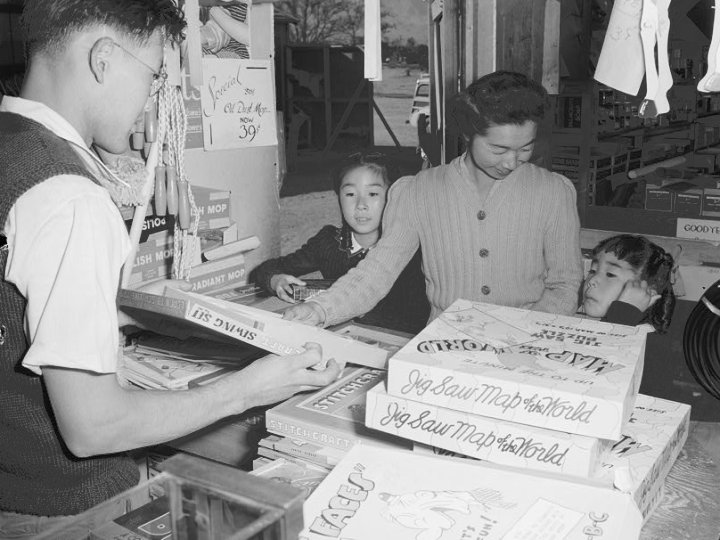
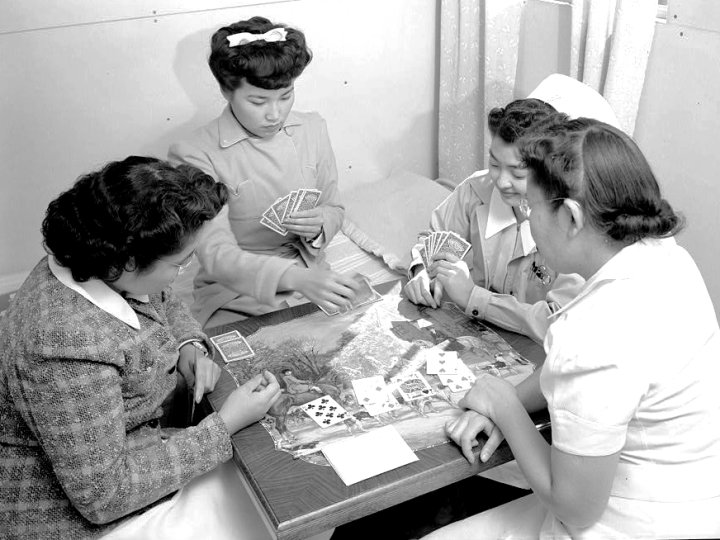
This is a repost. The pictures are from The Library of Congress. Ansel Adams took pictures of Japanese Americans, in a World War Two internment camp. The ladies in the bridge game are Aiko Hamaguchi, Chiye Yamanaki, Catherine Yamaguchi, and Kazoko Nagahama.


The Worst Vice Presidents Of The United States


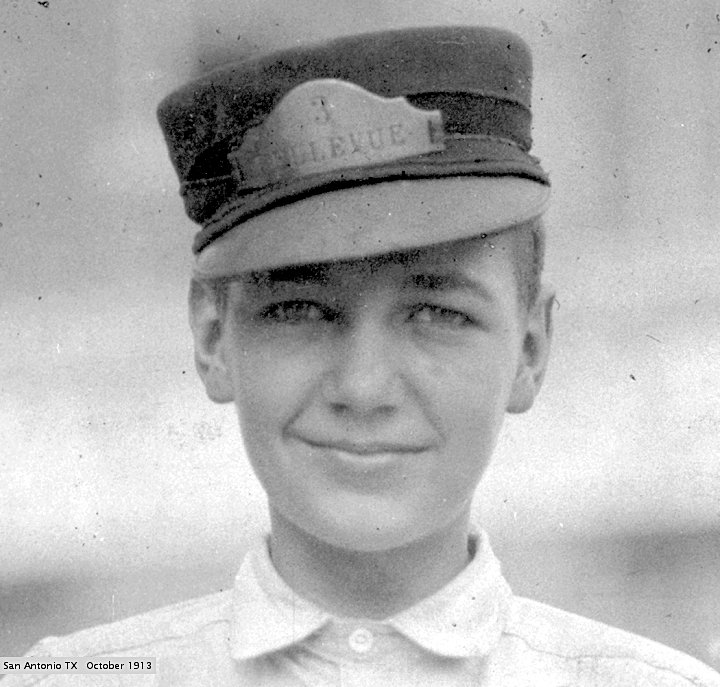
PG wrote a post yesterday. One of the topics was the “Siamese Twins”, James Buchanan and William Rufus King. (The article is reposted below.) While researching the feature, PG googled his way to a Time magazine article about the Worst Vice Presidents in American History. PG is well known for his negative attitude, and writing about the worst things in life always appeals to him. This is a repost, with pictures from The Library of Congress
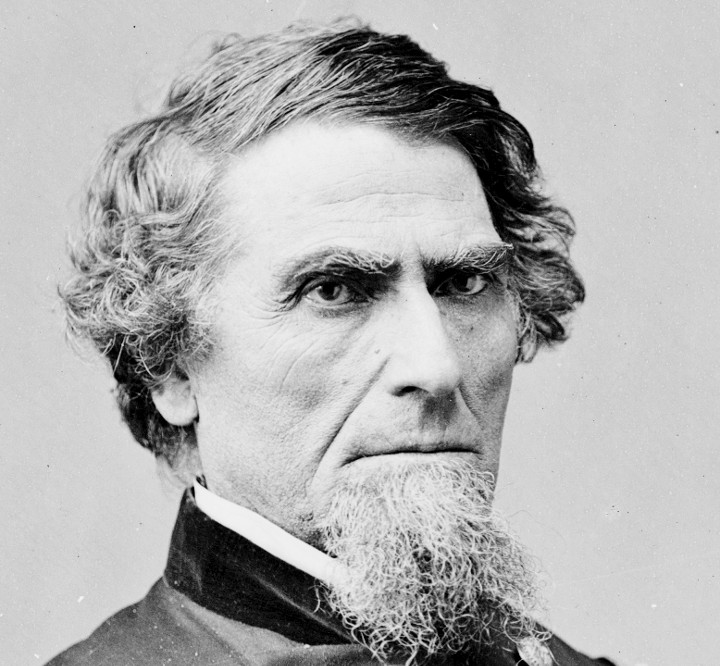
The first name on the list is Aaron Burr. He had a problem with Alexander Hamilton, and shot him dead in a duel. Elbridge Gerry (the namesake of Gerrymandering) served under James Madison for twenty months, and died. John C. Calhoun served under John Quincy Adams and Andrew Jackson, and managed to get Mr. Jackson so upset that Mr. Calhoun was fired.
Richard M. Johnson served under Martin Van Buren, and was bad at PR. “Johnson scandalized his colleagues by taking one of his slaves as his common-law wife; as a result, he barely garnered enough support to serve in Martin van Buren’s administration. While in office, he proposed an expedition to the North Pole so Americans could drill to the center of the Earth, believing the planet was hollow (his resolution was defeated). Evidently van Buren’s experience with Johnson soured him on vice presidents altogether — when he ran for re-election he dropped Johnson from his ticket and didn’t bother replacing him. Instead, he ran alone.”
William Rufus King was VP under Franklin Pierce a mere six weeks before he died. There is no word on the status of his relationship with James Buchanan at the time. The Time magazine article has a picture of Fernando Wood , which was mistakenly thought to be of Mr. King. (Wikipedia uses the same picture to illustrate an article about Mr. King.)
The VP under James Buchanan (there is no word on who was top or bottom in the Buchanan-King household) was John Breckinridge. During the War Between the States, he left the Union to fight for the Confederacy. Mr. Breckinridge was charged with treason after the war. “The town of Breckenridge, Colorado is named in his honor — although it altered the spelling of its name after the Civil War, so as not to be associated with a traitor.”
Andrew Johnson did not make the list, but maybe should have. He was drunk at his inauguration, and made a fool of himself. Mr. Lincoln had nothing to do with him, until a meeting on April 14. This was Good Friday. Mr. Lincoln went to the theater that night.
Johnson had been marked for death by the conspiracy, but Wilkes Booth had little confidence in the man assigned to kill Mr. Johnson. The afternoon of the assassination, Mr. Booth was at the Kirkwood House, where Mr. Johnson stayed. Mr. Booth left a note for Mr. Johnson at the desk of the hotel… “Don’t wish to disturb you. Are you at home. J. Wilkes Booth”. The idea was for the police to find the note, and implicate Mr. Johnson in the killing of Mr. Lincoln. This mini plot was spoiled by the secretary for the Vice President, who collected the mail that afternoon. He took the card with him. The secretary had met Mr. Booth a few years earlier, and thought the note was for him.
The other three Vice Presidents who took office after the boss was murdered… Chester Arthur, Theodore Roosevelt, and Lyndon Johnson… were not mentioned in the Time article. All three are mentioned in conspiracy theories about the killings that promoted them into office.
When Theodore Roosevelt was elected to a full term as President, his VP was Charles Fairbanks. “Teddy once ordered a noisy and distracting crystal chandelier removed from his office because it disturbed him. He ordered it to be installed in the office of the Vice President to keep him awake.”
Getting back to Time’s honor roll, Hannibal Hamlin was Lincoln’s first VP. Thomas A. Hendricks survived nine months under Grover Cleveland, before passing away. Thomas Marshall served two terms with Woodrow Wilson, and refused to take over the office when Mr. Wilson had a stroke. Calvin Coolidge did little while waiting for Warren Harding to die. Henry Wallace was, and will be, the only third term VP in our history. He acquired a few enemies, and was replaced by Harry Truman.
Richard Nixon was ok once he got elected, but almost managed to blow that. There were charges of financial shenanigans, and some thought he should be kicked off the ticket. After the Checkers Speech he was on his way to stardom. (After Mr. Nixon died, PG saw a large flag flying at half staff. The flag belonged to a hamburger chain called Checkers.) When Mr. Nixon became President, his VP was Spiro Agnew. Once again, there were charges of financial shenanigans, and much, much more. While the nation wallowed in Watergate, Mr. Nixon needed a diversion. It was suddenly discovered that Mr. Agnew had taken bribes. He was pressured into resigning.
Dan Quayle was VP for George H.W. Bush. He was widely regarded as an idiot, although his damage as VP was minimal. The last VPOTUS on the list is Dick Chaney. For some reason, he was regarded as having more power than the President, George W. Bush. Mr. Chaney was said to be one of the major promoters of the wars which have damaged America so much during the last ten years.
2018 UPDATE: Joe Biden said the F word at a press conference, and did not run for President when Barry retired. The jury is still out on Mike Pence.


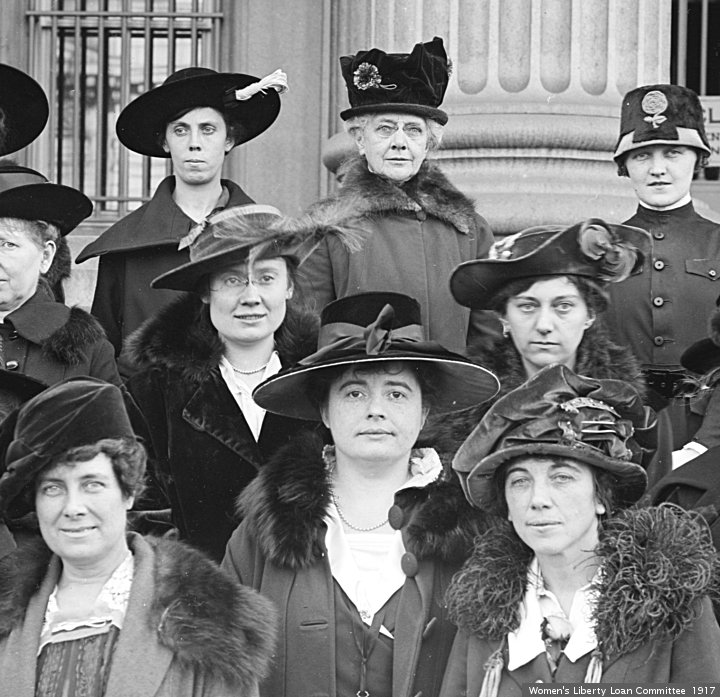
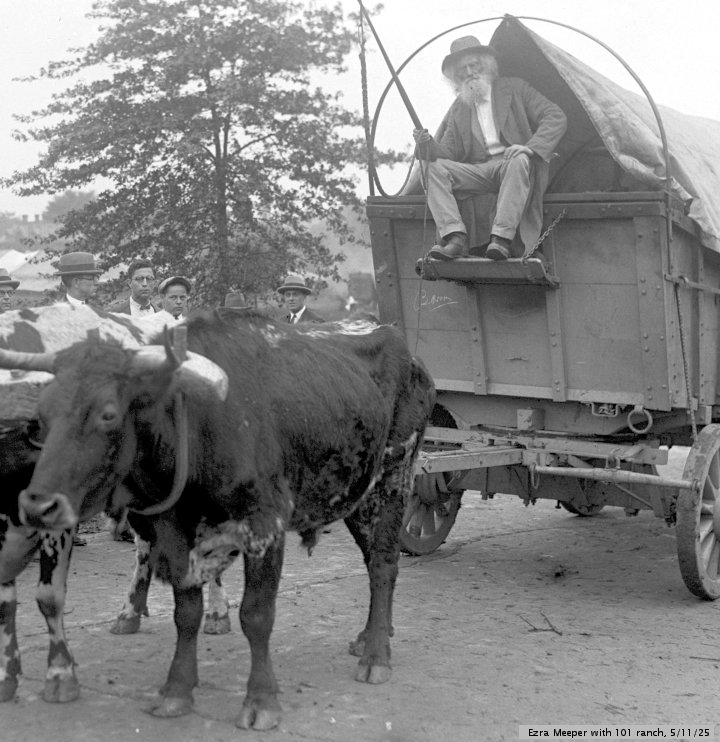
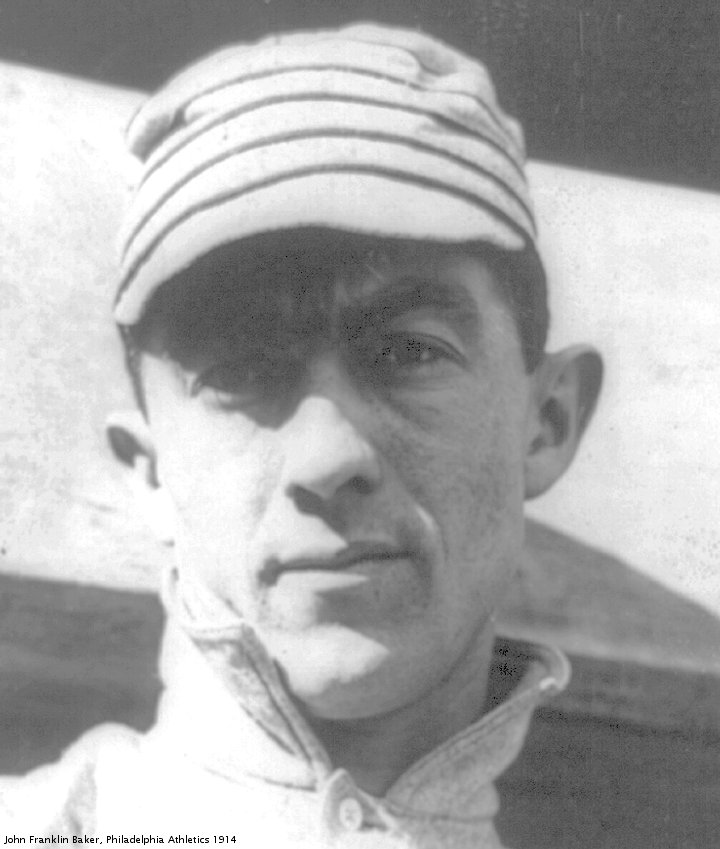
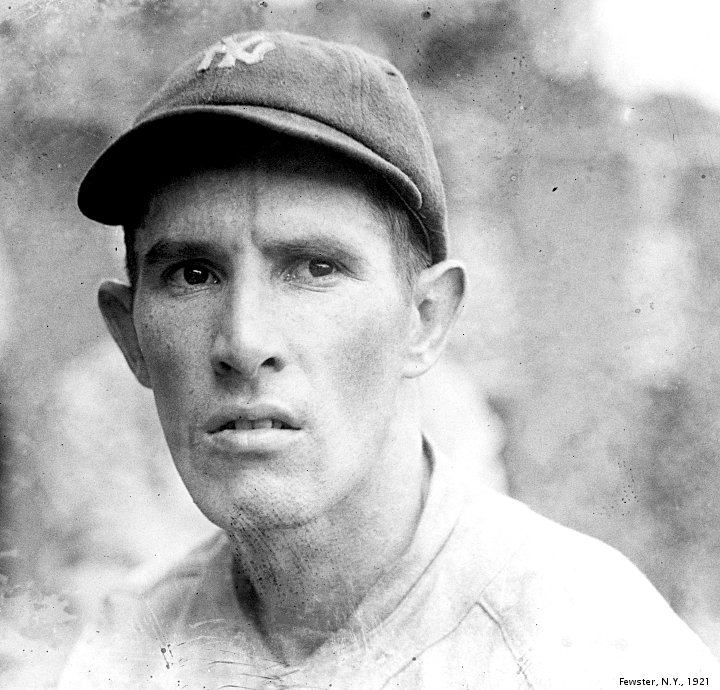
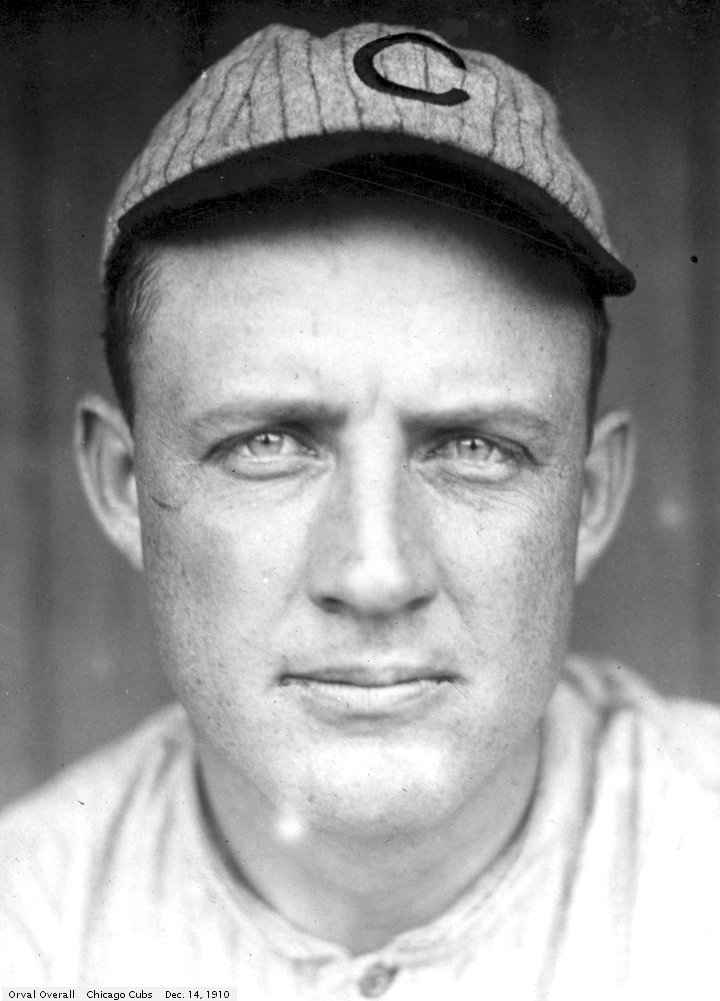


Fun loving Dick Yarbrough is up to his old tricks. The neighbor newspaper nabbler penned a post about California education. . It seems there is a new law, in the falling into the ocean state, “that will require schools to teach at all grade levels about the historical contributions of gay, lesbian, bisexual and transgender people.” Our buddy does not think this is a good idea.
The story goes on to say “Our children will find out that President James Buchanan and Vice President William R. King were more than, shall we say, good friends,” she said coyly. I didn’t want to tell Gay that the first thing the teachers need to do is tell the students who James Buchanan is before they talk about what he did. Not many people have ever heard of him. That is because he didn’t do anything while president.” Holy historic revisionism.
To start off, The Vice Prez under Mr. Buchanan was John C. Breckinridge. Mr. King was elected to back up Franklin Pierce. Mr. King died after six weeks in office. If a President has ever bumped gooberheads with his Vice President, the walls of the White House have kept quiet about it. Those rumors about John Kennedy and Lyndon Johnson are too gruesome to contemplate.
Mr. King and Mr. Buchanan lived together for a number of years. Neither was married to a female, although Mr. Buchanan had been engaged. (There is speculation that his fiance’, Ann Caroline Coleman, died of an overdose of laudanum.) There are numerous indications that Mr. King and Mr. Buchanan were *good buddies*.
Mr. Buchanan was the last President before the War Between the States. It is possible that he could not have done much to prevent that unpleasantness. Historians are not kind when talking about the man, and rank him as one of the worst Presidents. Perhaps Mr. King could have helped.
The newspaper that Mr. Yarbrough opines for is delivered, free of charge, on Wednesday. (This weeks edition has not arrived. Any connection between this late delivery and the opinions of Mr. Yarbrough, is uncertain.) Some of these free papers are not taken inside by the resident. Often, a driveway will have several weeks of free adrags left behind. Soon, the rain soaks these newsprint droppings. Some are washed into the street and run over. The result is an ugly mess.
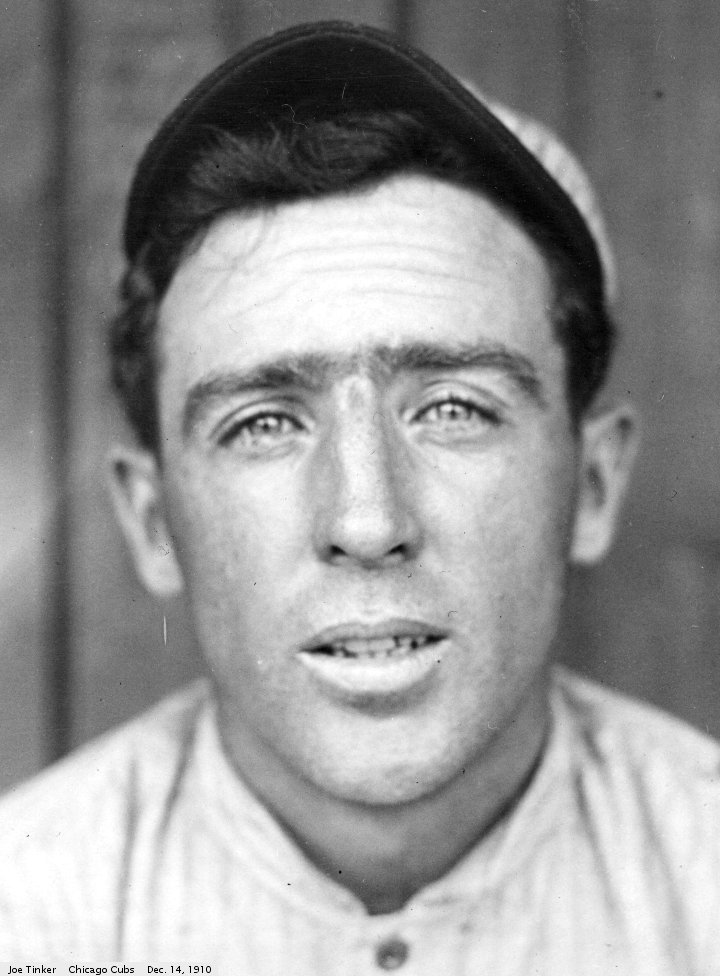
Chamblee54 had a previous discussion with Dick Yarbrough. Mr. Yarbrough is still publishing columns in 2018. Pictures are from The Library of Congress.




Reckless Daughter: A Portrait of Joni Mitchell

A few weeks ago, PG was at the library. He had a story to take home, before going over to the biography section. There he found Reckless Daughter: A Portrait of Joni Mitchell. At least with fiction, you know you are dealing with a made up story. With biography, you have to use judgment.
It is a familiar story. Joni was born in the frozen north, was a rebellious girl, and got pregnant. She gave up the daughter for adoption, only to be reunited many years later. Joan Anderson gets married to, and divorces, Chuck Mitchell. Joni sings, writes, tunes her guitar funny, becomes a star, gets too weird to be popular, makes and loses money, smokes millions of cigarettes, and becomes an angry old lady. There is a bit more to the story than that. Reckless Daughter fills in a few of the blank spots.
Millions of cigarettes might be an exaggeration. Joni started smoking when she was nine. When she was a star, she was almost as well known for her constant puffing as her pretty songs. When Joni was in a Reagan era slump, she was going through four packs a day. Just for the sake of statistics, lets call it two packs, or forty fags, a day. Multiply forty by 365 and you get 14,600. If she started at 9, and had her aneurysm at 72, that gives you 63 years of nicotine abuse. If you assume that there were forty fags a day for 63 years, that gives you 919,800 smokes. IOW, while seven figures is not out of reach, it is rather unlikely that Joni smoked more than 2,000,000 cancer sticks.
The author of Reckless Daughter, David Yaffe, is a problem. He talks about the mood of America in 1969, four years before he was born. Mr. Yaffe goes to great lengths to show us that he knows about making music. Some readers will be impressed. There are mini-essays on Joni songs from her golden years, the time between “Ladies of the Canyon” and “Hejira.” And gossip, gossip, and more gossip. Joni is well known for her celebrity lovers.
We should make the point that PG enjoyed Reckless Daughter. The inside stories are fun, and pages turn over without too much head scratching. Maybe this is a statement about the career of Joni Mitchell. You enjoy the music for many years, and then complain about the details. Reckless Daughter follows the trajectory of other celebrity biographies. The star is born, takes up a craft, gets a break, becomes successful, goes over the mountaintop into a long decline. With Joni, nothing after “Mingus” was well received. The chanteuse was broker, and angrier, by the minute.
On page 13, Joni hears Rhapsody on a Theme of Paganini by Sergei Rachmaninoff. This is the piece that makes her want to be a musician. One page 129, we learn the story of A&M studios in Hollywood. At one time, The Carpenters were in studio A, while Carole King was recording “Tapestry” in studio B. Joni was recording “Blue” in studio C, which had a magic piano. One time, Carole King learned of a break in the studio C booking, and ran in. Three hours later, “I feel the earth move” was recorded.
A few years later, Joni was on the Rolling Thunder tour with Bob Dylan. One of the concepts was support for Rubin “Hurricane” Carter, whose story can be found elsewhere. Joni became disillusioned with Mr. Carter. When Joan Baez asked Joni to speak at a benefit concert, Joni said she would say that Mr. Carter was a jive ass N-person, who never would have been champion of the world. Joni later got in SJW trouble for posing in blackface, for the cover to “Don Juan’s Reckless Daughter.”
On page 251, we learn that Bob Dylan does not dance. Other items include “Free man in Paris” being written about David Geffen, and Jackson Browne writing “Fountain of Sorrow” about Joni. Mr. Brown is a not-well-thought-of ex of Joni. As for Mr. Geffen…. Joni stayed at his house for a while, at a time when Mr. Geffen was in, and out, of the closet. Did they make sweet music together?
So this book report comes to an end. Joni is recovering from a brain aneurysm, and will probably not produce anything else. The book is going back to the library, and PG will move on to something else. Pictures today are from The Library of Congress.


 Chamblee54
leave a comment