Joyce Kilmer


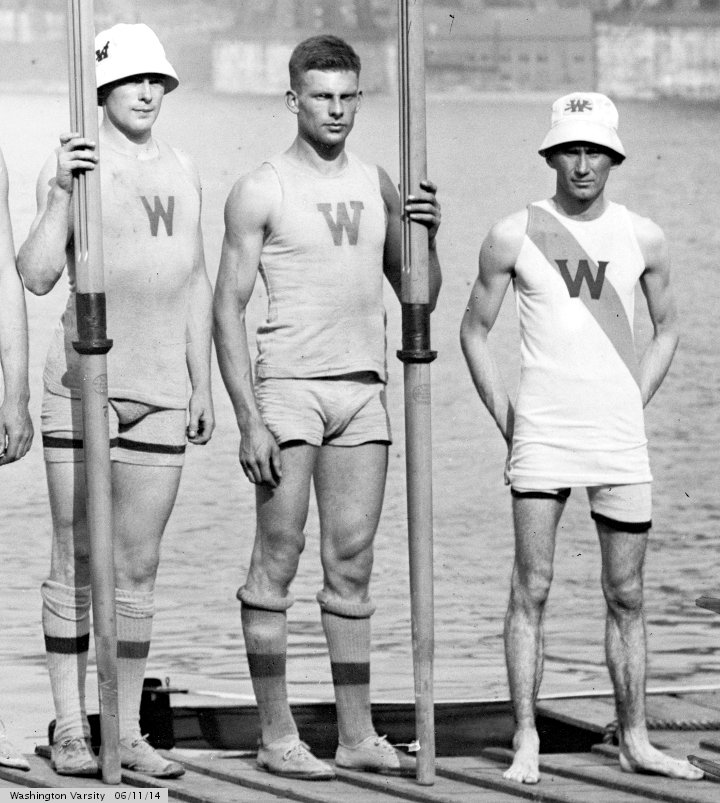
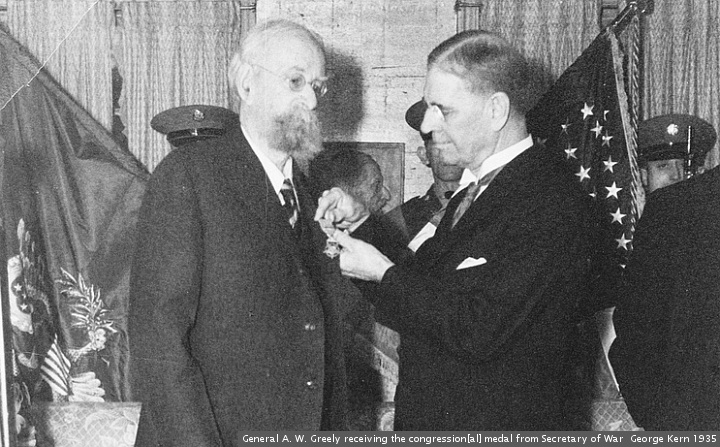
Some say …It’s the Soldier, not the poet, Who has given us the freedom of speech. There is also the story of Joyce Kilmer. This is a repost. Pictures are from The Library of Congress.
Alfred Joyce Kilmer was born December 6, 1886, in East Brunswick NJ. He grew up to be a teacher, and wrote poems on the side. After teaching, he worked for Funk and Wagnall, defining words for five cents each. Mr. Kilmer continued to write, and became a popular lecturer.
In 1913, “Trees” was published. Your english teacher probably made fun of it. Many satires have been written. It was at the end of an era in poetry, when that *simple* style was popular. In the era after World War 1, poetry went crazy. Joyce Kilmer didn’t live to see it.
A few days after the United States entered World War 1, Joyce Kilmer left his wife, and five children, and went to war. Originally he was a statistician in the 69th Infantry Regiment, but wanted action. He was promoted to Sergeant, and sent to the Regimental Intelligence Section.
On July 30, 1918, Sgt. Kilmer was scouting the location of a German machine gun. A bullet to the head ended his war.
World War 1 was a ghastly bloodbath. It set the stage for World War 2, which was even bloodier. Not one person in a thousand today can tell you why World War 1 was fought, or how the United States got drawn into it. It is tough to see how World War 1 gave us freedom of speech.

PG stumbled onto a blog called Vast Public Indifference. The feature being utilized today is Urban Legend Names. The blogwriter is a historian in training, and became fascinated by name stories. She did some research. The names are in bold below, with the “status” underlined.
Clitoris: Unconfirmed. Variant forms can be confirmed, viz. Clitty Jones of Somers, OH (b. 1895, married to Walter, confirmed in 1920 and 1930 census). The name “Clit” appears in several census records, but cannot be independently confirmed (ex: Clit Mangum, Commerce, GA, 1930 census).
Eczema: Possible. Three women show up in the census records as “Eczema”: Eczema Wright of Indiana, Eczema Hugey of Missouri, and Eczema James of Texas.
Male: Confirmed David Male Tiumalu (b. 8/1/1953, Alameda Co., CA), Linda Male Osmer (b. 5/8/1952, Texas), Male Joseph Cotton (b. 3/29/1974).
Latrine: Confirmed. Latrine seems to be a legitimate name. Examples: Latrine Sharmine Olive (b. 11/24/1979, Sacramento, CA), Quiana Latrine Phillips (b. 4/1/1988, Los Angeles, CA), Latrine Nicole Cook (b. 1/21/1976, Dallas, TX), Charlotte Latrine Martin (b. 2/8/1971, Wichita, TX). A variant form, Latrina, is actually quite popular, even cracking the top 1000 baby names in America for six years running during the 1970s. There are nearly 500 girls named Latrina in the Texas and California birth records alone. One unfortunate example of this name is Latrina Pickens-Brown of Nevada.
No Smoking: Confirmed. Nosmo King Cheatam (b. 11/26/1918 d. 11/10/1997). Mr. Cheatam was a veteran of the United States Navy and is buried in Texarkana, TX.
Pajama: Possible. I found several people named “Pajama” in the public phone/address records, including Pajama Ngongba of Alexandria, VA and Pajama Howanitz of Alabaster, AL, but was not able to confirm their names independently.
Placenta: Confirmed. Placenta Ann Woodard (b. 8/7/1953, Freestone Co., TX, married Rahman Hassan 11/10/1986 in Tarrant, TX), Placenta Ayala (b. 10/5/1951, Howard Co., TX), Placenta Theresa Bennett (b. 7/21/1958, Caldwell Co., TX). Others show up in the census — the picture at right is of the entry for Placenta M. Duncan of Green Bay, Iowa in the 1860 census.
Urea: Confirmed. Urea Pyle of Delaware Co., PA (married to Reece Pyle, confirmed in 1900, 1910, and 1920 census records), Elton Urea Juniel of California (married in Las Vegas 3 times: married Tish Denise Harris 6/27/1981, married Beverly Jean Mills, 8/17/1991, married Julie Marie Bossin 9/23/2003), Sophia Urea Nelson of Los Angeles, CA (b. 1/11/1991). The Texas birth records contain information for six babies named Urea:
Urine: Confirmed. Nora Urine Workman (b. 10/13/1940, Lamar Co., TX), Jonathan Urine Smith (b. 12/3/1996, Denton Co., TX), Urine Adkins of Coeburn, VA (b. 6/15/1896, d. March 1972). Urine Thibideoux, Louisiana.
Vagina: Confirmed. Vagina Ann Williams (b. 3/18/1934, Hall Co., TX), Ellen Vagina Goode (b. 9/13/1918 Lee Co., TX), Lorene Vagina Cranfield (b. 7/26/1938 Rowan Co., NC), Vagina Harper Bland (b. 1/19/1842 in Virginia, d. 5/4/1927 in Kentucky). One that caught my eye was “Vagina Glasscock” who lived in Somerville, Alabama in 1910.
Pictures are from The Library of Congress. This is written like James Joyce.


Slavery And Global Warming


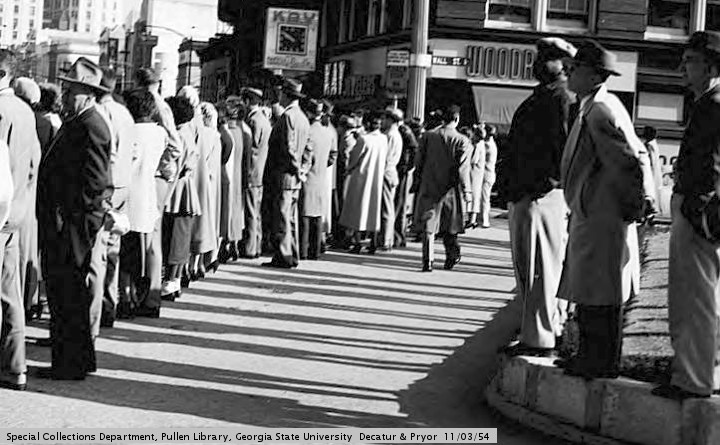
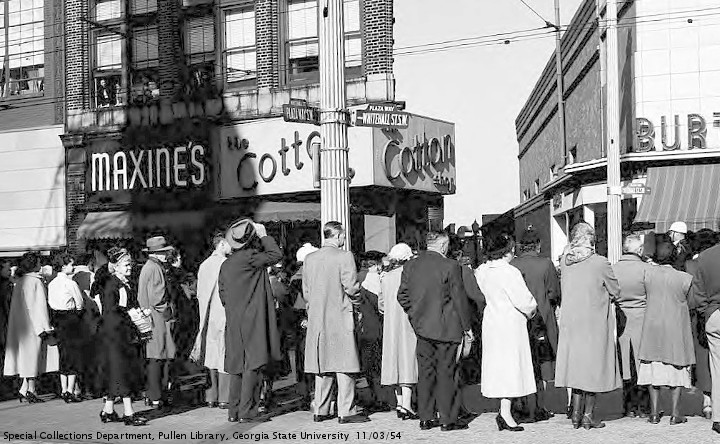
Have you ever wondered why your ancestors owned other human beings? How can you justify something this cruel? In an NPR interview to promote a new book, 1861: The Civil War Awakening, Adam Goodheart has an answer. This is a repost.
It was economics. “But I think we think of it differently when we realize that the value of slave property, some $4 billion, enormous amount of money in 1861, represented actually more money than the value of all of the industry and all of the railroads in the entire United States combined. So for Southern planters to simply one day liberate all of that property would have been like asking people today to simply overnight give up their stock portfolios, give up their IRAs.”
Mr. Goodheart compares it to the situation today with fossil fuels. “many of us recognize that in burning fossil fuels we’re doing something terrible for the planet, we’re doing something terrible for future generations. And yet in order to give this up would mean sort of unraveling so much of the fabric of our daily lives, sacrificing so much, becoming these sort of radical eccentrics riding bicycles everywhere, that we continue somewhat guiltily to participate in the system. And that’s something that I use as a comparison to slavery, that many Americans in the North, and even I believe sort of secretly in the South, felt a sense of guilt, felt a sense of shame, that knew that the slave system was wrong but were simply addicted to slavery and couldn’t give it up. “
When the economic pressure is there, people will find a way to justify their actions. Slavery was justified in a number of ways. Today, there are people who deny the ill effects of using fossil fuels, and they have an eager audience. The payback for the environmental horror is in the future. This is similar to the way people today are paying … with racial turmoil … for slavery.
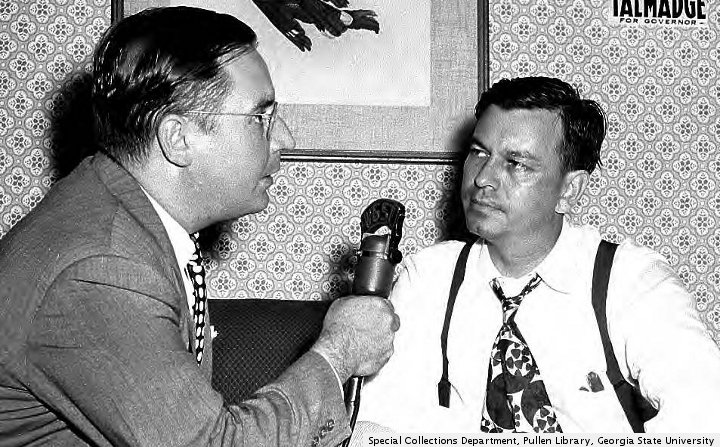
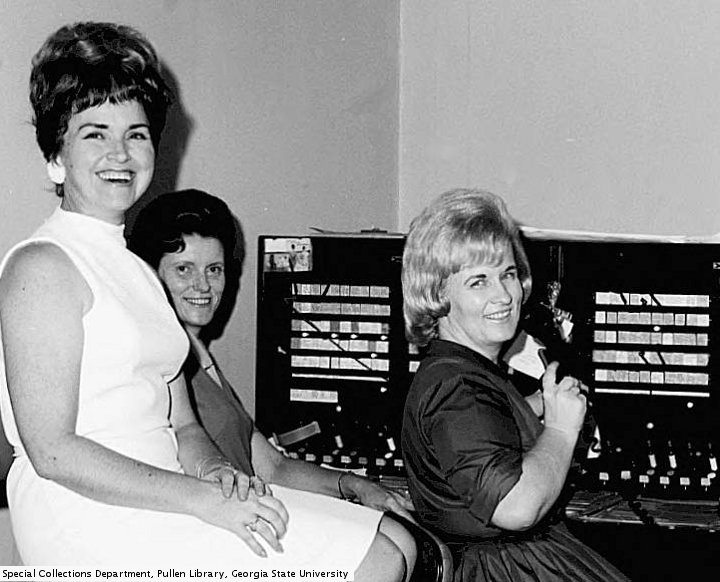
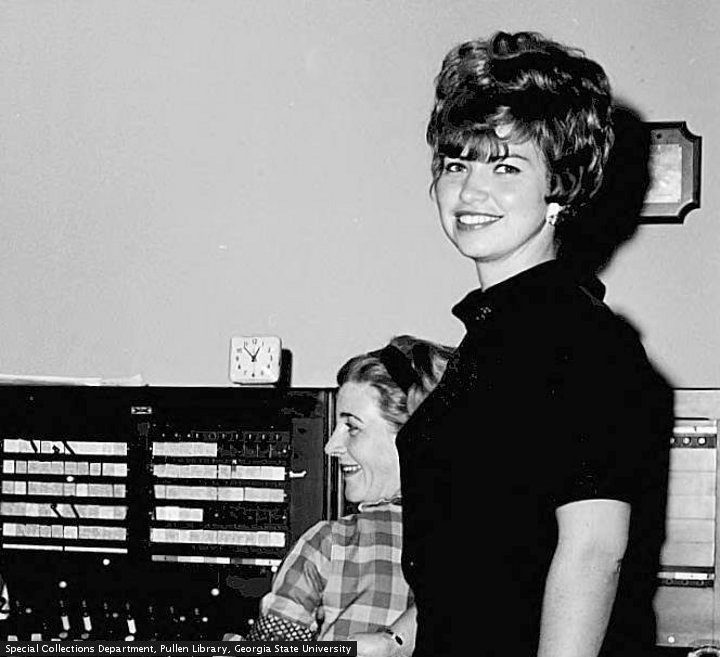
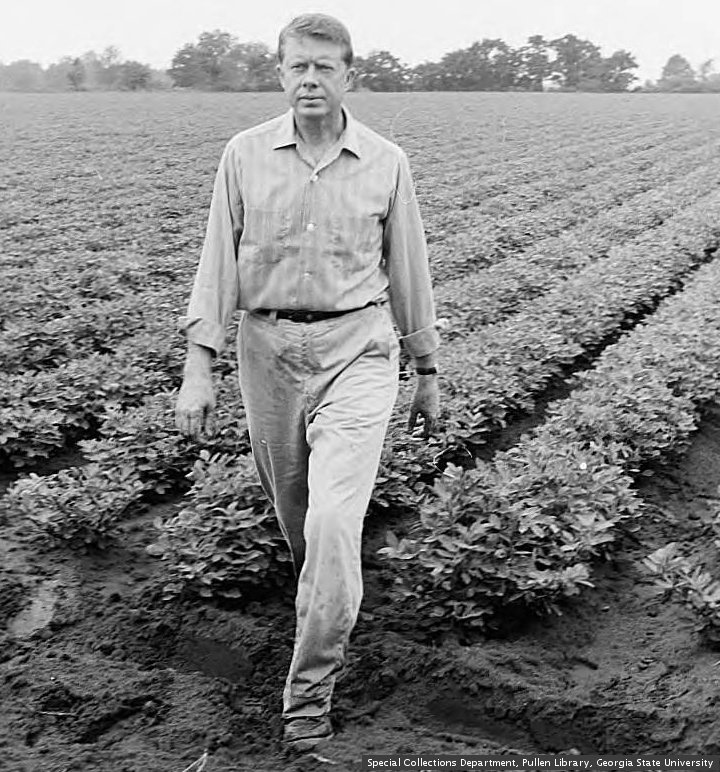
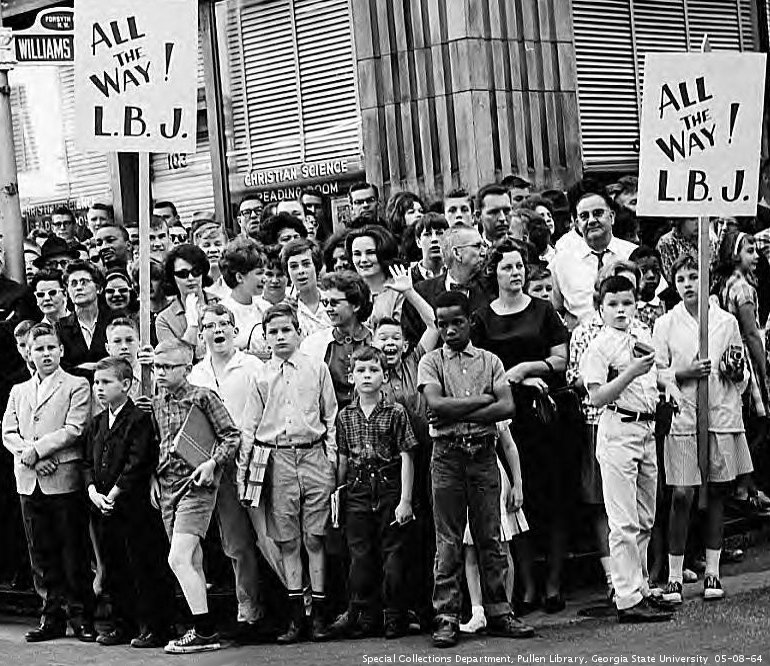
Pictures today are from “The Special Collections and Archives, Georgia State University Library”.


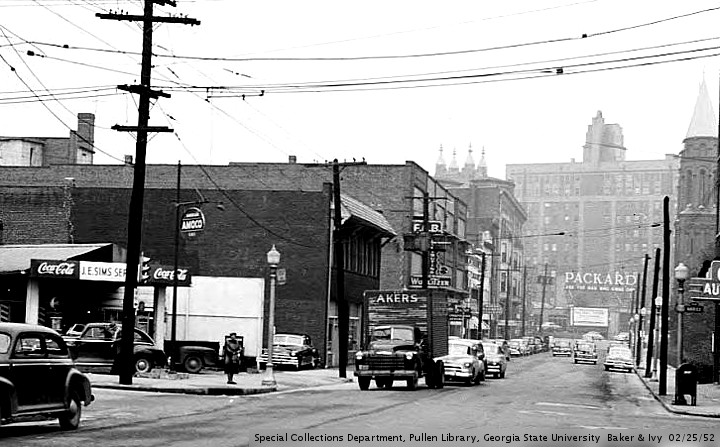
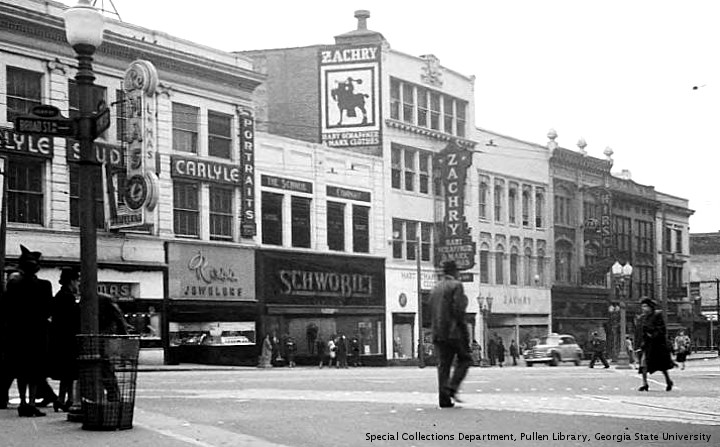
Shock And Awe Day

Sixteen years ago, Iraq teetered on the edge of regime change. It was obvious what was going to happen, at least at first. America was going to storm in, kill a bunch of people, and take over.
In post 911 America, the military industrial complex saw an opportunity for plunder, unrivaled since the fall of the Soviet Union. The stories of WMD would infect the body politic with fear of a mesopotamian madman. Saddam Hussein wanted Iran to think he has wonder weapons, and did not think America was serious about regime change. We all make mistakes.
In the sixteen years since the time of shock and awe, trillions of dollars have gone down the drain, dragging the mighty American economy along into the sewers of bankruptcy. One of the oldest civilizations of mankind was reduced to hiding, from neighbors, behind concrete barricades. They fought the conquerors with bombs triggered by garage door openers. Thousands of women and children have been murdered. The WMD were never found. This is a repost.
Pictures are from “The Special Collections and Archives, Georgia State University Library”.




Did Joseph Think It Was His Kid?


NOTE: This feature was originally published in March 26, 2013. This is the day after March 25, nine months before Christmas. IOW, a crucial day in the most famous unconsummated marriage in history. PG began to ponder the traditional marriage of Joseph and Mary. The question of the day is “when did Joseph and Mary get married?” Facilities such as Liberty Gospel Tracts and Fish Eaters Traditional Catholic Forum have answers.
LGT (the B got kicked out for some reason) contributes a bible passage, Matthew 1:18-19. 18 Now the birth of Jesus Christ was on this wise: When as his mother Mary was espoused to Joseph, before they came together, she was found with child of the Holy Ghost. 19 Then Joseph her husband, being a just man, and not willing to make her a public example, was minded to put her away privily.
Put her away in the privy? That is some kinky business there. Maybe the Christians and Jews have it all wrong. The thirds Abrahamic religion, Islam, might have the answer. A site, TurnToIslam, has another point of view about the traditional definition of marriage.
What about Mary, Jesus’ Mother peace be upon both of them? How old was she when she got pregnant? Not only was it a custom in the Arab society to Engage/Marry a young girl it was also common in the Jewish society. The case of Mary the mother of Jesus comes to mind, in non biblical sources she was between 11-14 years old when she conceived Jesus. Mary had already been “BETROTHED” to Joseph before conceiving Jesus. Joseph was a much older man. therefore Mary was younger than 11-14 years of age when she was “BETHROED” to Joseph. We Muslims would never call Joseph a Child Molester, nor would we refer to the “Holy Ghost” of the Bible, that “Impregnated” Mary as a “Rapist” or “Adulterer”.
“….it is possible that Mary gave birth to her Son when she was about thirteen or fourteen years of age….”Mary was approximately 14 years old when she got pregnant with Jesus. Joseph, Mary’s Husband is believed to be around 36. Mary was only 13 when she married Joseph. When she first was arranged with Joseph she was between 7 to 9 years old.”
According to the “Oxford Dictionary Bible” commentary, Mary (peace be upon her) was was 12 years old when she became impregnated. So if I want to be as silly and ridiculous as many of the Christians, I would respond to them by saying that Mary was psychologically and emotionally devastated for getting pregnant at a very young age. And speaking of “child molesting”, since most Christians believe that Jesus is the Creator of this universe, then why did G-D allow himself to enter life through a 12-year old young girl’s vagina? Please note that we Muslims love and respect Allah Almighty, Mary, Jesus and Allah’s Message to the People of the Book (The Jews and Christians). In other words, we Muslims would never make fun of Christianity through such childish topic like this one as many ridiculous Christians do make fun of Islam through our Prophet’s (peace be upon him) marriage.
Pictures are from The Library of Congress.


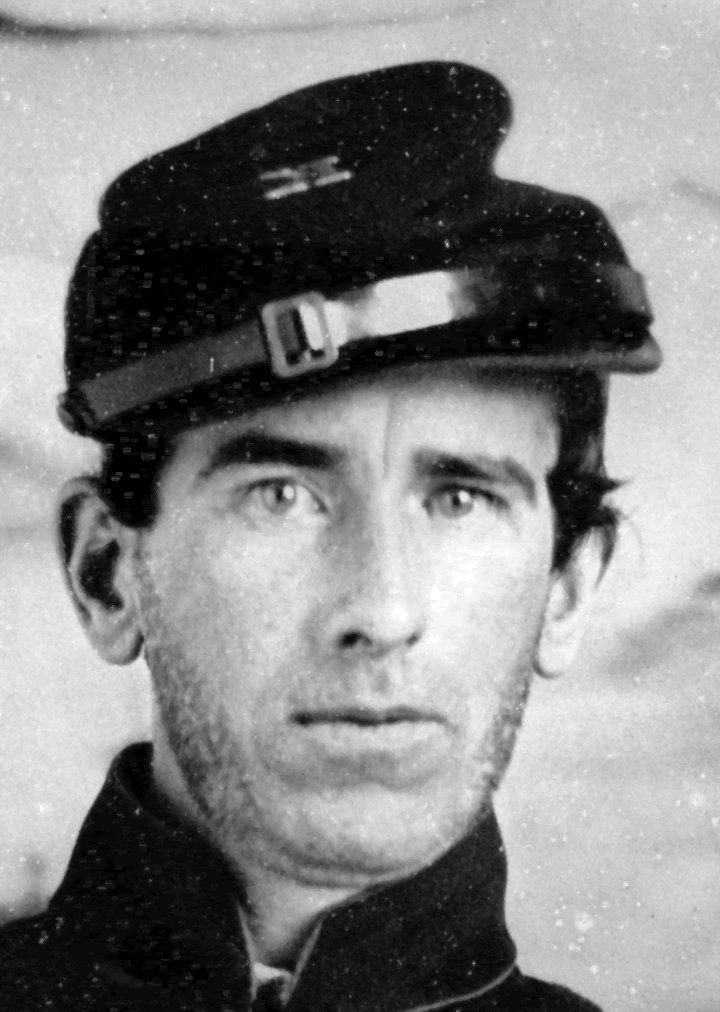
Millard Fillmore And Oscar Wilde In Atlanta

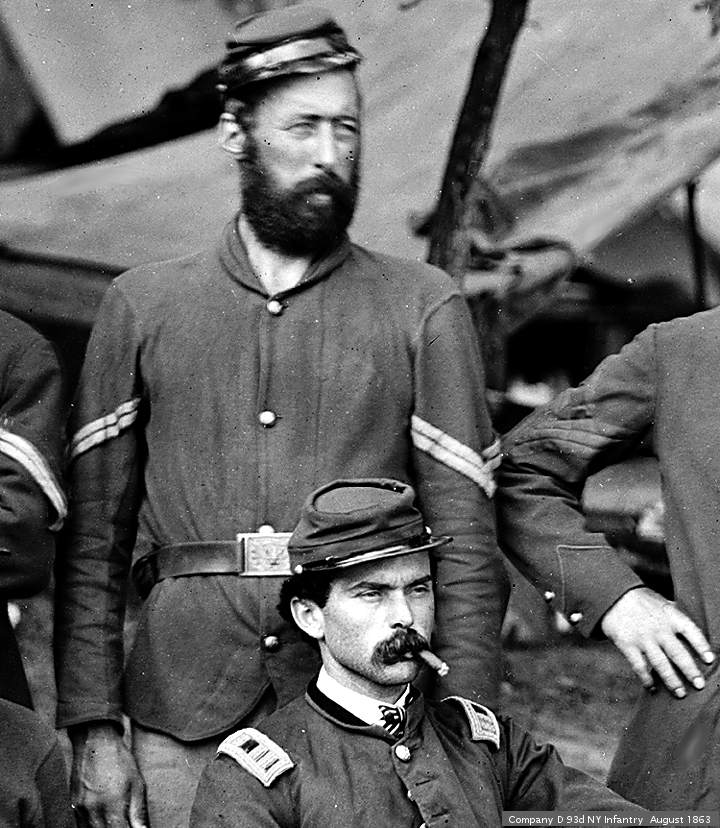

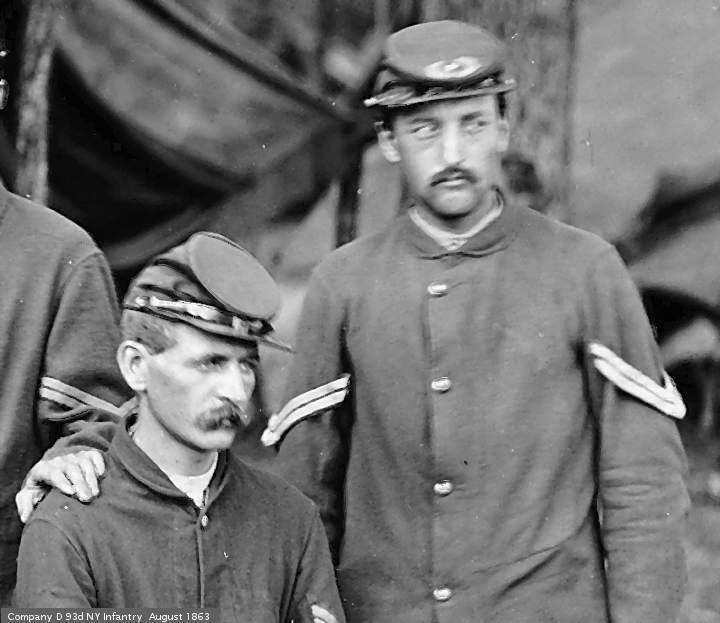

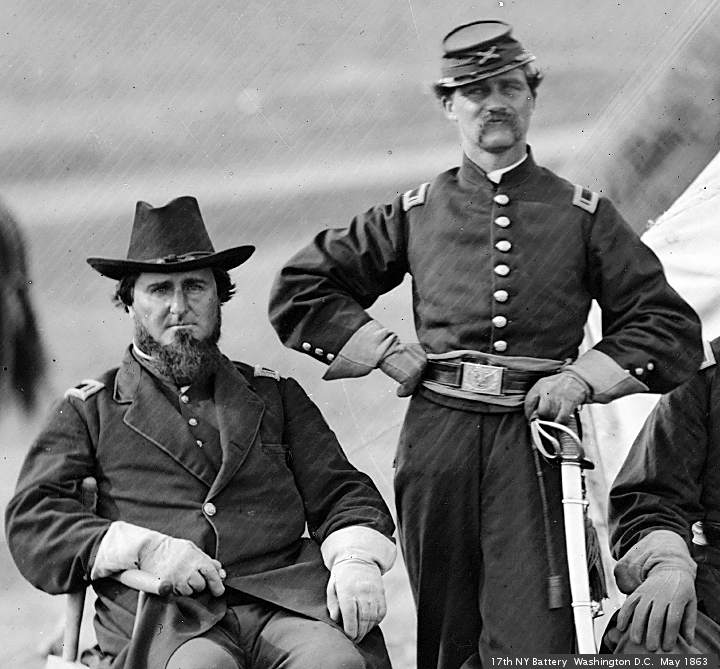

This afternoon’s post at chamblee54 noted an 1854 visit by former President Millard Fillmore. This was brought to the attention of another history minded blog, Millard Fillmore’s Bathtub. The result was some details about the visit, Millard Fillmore, live on Peachtree Street, 1854. The material below is borrowed from that post.
Two years after the Whigs refused to nominate Fillmore for a term of his own, he was out touring the country? Several accounts explain that Fillmore and his wife Abigail wanted to tour the U.S. after his presidency. Unfortunately, she died shortly after he left office. He pined through the rest of 1853, but by February 1854 had decided to tour by himself, without his children, accompanied by friends he could persuade to join him.
That same month, Fillmore decided to take the trip southward that he and Abigail had not been able to take. Given the timing, some observers believed that Fillmore had a political motive in making the journey. They suspected that he might be planning to speak out against the Nebraska Bill [proposed by Illinois’s U.S. Senator Stephen A. Douglas]. Others were convinced that it was a leisure tour. But whatever Fillmore’s intentions may have been, his speeches to southern audiences were relatively neutral. He restated his faith in the [Missouri] Compromise, but he spent most of his time enjoying a series of receptions, dinners, and parades in his honor throughout the region. A marching band escorted him through the streets of Louisville, Kentucky. Girls scattered his path with flowers in Montgomery, Alabama. A row of trains blew their whistles in greeting in Atlanta, Georgia. Fillmore returned home refreshed and with renewed faith in his fellow Americans. (This paragraph is from Alison Behnke, Millard Fillmore (a child’s history of the man), 2005, page 92.)
By late February 1854 Fillmore had resumed his plans to travel. He perceived that a southern trip would do him good and that the journey would divert his mind from the loss of Abigail. … Fillmore hoped Francis Granger, John P. Kennedy, and Washington Irving would go with him on the trip. Granger lost interest, and Irving was in no mood for politics. …
En route to Atlanta from Augusta on the Georgia Railroad, they stopped at Greensboro where a large crowd of teachers and students of the Female College greeted Fillmore and Kennedy. They dined at Madison. At Stone Mountain an escort committee from Atlanta met them.
At the Atlanta Depot a novel reception welcomed them. A large number of locomotives were present with their steam up. When the Augusta engineer signaled their arrival they all opened up their valves and whistled out a welcome the like of which, reported a newspaper, “no mortal man had heard before.” The shouts from the crowd and locomotive whistles were deafening to one reporter. By carriage the party went from the depot to the Atlanta Hotel where a reception was held.
Fillmore had become hoarse. Nonetheless, he managed to say that he was impressed by the large population and that he had heard that it was a beautiful village in the center of the state. He also admonished the state legislature to to take note “of the array of female loveliness before me” seated at the reception. If they did so, he joked, they wouldn’t hesitate to locate the state capital at Atlanta. At that time the capital was at Milledgeville. Atlanta became the capital in 1877. (This section is from Robert J. Scarry, Millard Fillmore, 1982, pages 247-252 variously.)
A few months later, on October 16, 1854, Oscar Fingal O’Flahertie Wills Wilde was born in Dublin, Ireland. On July 4, 1882, Mr. Wilde gave a talk at De Give’s Opera House in Atlanta GA. What happened next is described on page 201 of Oscar Wilde by Richard Ellmann.
Mr. Wilde was accompanied by his agent, J.S. Vail, and a valet, W.M. Traquair. Mr. Vail bought three train tickets for Savannah, the next stop on the tour. The Pullman agent told Mr. Wilde that black people were not allowed to ride in sleeper car berths. Mr. Wilde said that Mr. Traquair had traveled with him throughout the South without incident. The Pullman agent said the next stop was in Jonesboro GA. If people in Jonesboro saw a black man in the car, then they would attack the train. Mr. Wilde gave in, and Mr. Traquair traveled in another part of the train.
This is a repost. Pictures today are from The Library of Congress.



The Trial Of Lenny Bruce



Towards the end of his Booknotes chat, Nat Hentoff talked about censorship. As a journalist, his views were predictable.
Mr. HENTOFF: Any words at all. Words are–I mean, there is a great–there was a great scene in New York once when Lenny Bruce, who was a friend of mine, was on trial for his words. And Richard Cue, the assistant district attorney, was making a name for himself trying to blast all of the witnesses for the defense. And he got Dorothy Kilgallen, who was a very famous then syndicated columnist, a devout Catholic, a conservative and a great admirer of Lenny Bruce. And he con–he strung together, Cue did, all of the words in Lenny’s monologues that could be considered terribly offensive, and he hit her with them. It was a barrage. `What do you think then, Ms. Kilgallen?’ `Well,’ she said, `they’re words. They’re words. That’s all. Words.’ That’s the way I feel.
When PG heard this, he remembered reading about this trial. With the aid of Mr. Google, a transcript turned up. If you like to read about lawyers saying dirty words, this is the place for you.
Dorothy Kilgallen was, to put it mildly, a piece of work. She wrote for the N. Y. Journal American, and stepped on more than a few toes. A biography, Kilgallen, tells a few of the tales. Today, Miss Kilgallen is best known as one of the original panelists on “Whats My Line?”
The People v Lenny Bruce (Cafe Au Go Go Trial) was tried June 16, 1964 to July 28, 1964 in New York City. The Per Curium Opinion of Judge John Murtagh sets the tone. “All three performances of the defendant, Lenny Bruce, were obscene, indecent, immoral and impure within the meaning of Section 1l40-a of the Penal Law. While no tape is available as to the first performance [past midnight, March 31-April 1], this monologue, according to the testimony, was essentially the same as that of the second [April 1, after 10:00 p.m.] and third [April 7, after 10:00 p.m.] performances. In the latter two performances, words such as “ass,” “balls,” “cock-sucker,” “cunt,” “fuck,” “mother-fucker,” “piss,” “screw,” “shit,” and “tits” were used about one hundred times in utter obscenity. The monologues also contained anecdotes and reflections that were similarly obscene.
Dorothy Kilgallen was called as an “expert witness”. In lawyerly fashion, the prosecutor claimed she was not a genuine expert. After her credentials were established, there were questions like “Will you tell us what the artistry, or the social value, or the merit, or the good is, in the Bruce story of sexual intercourse with a chicken?” After the testimony described by Mr. Hentoff, Miss Kilgallen talks about something that does offend her.
Q. I wouldn’t take much time, but we did discuss before Lenny Bruce’s use of the words ‘mother fucker’ at his audience. Can you tell me when James Jones or Norman Mailer or Arthur Miller has called his audience ‘mother fucker?’
Mr. Garbus: Your Honor, may I object? We are talking about books against monologue. It’s completely an irrelevant question.
Judge Murtagh: We will allow it. Objection overruled.
A. I can’t tell you anything verbatim from the books, because I read them a couple of years ago or more. I would imagine–this would be my best guess–that they did not call their audiences anything. There’s another book called The Naked Lunch which I couldn’t even finish reading, but it’s published, and I think the author should be in jail and he used–
Q. Unfortunately we can’t do everything at once, Miss Kilgallen. Are you judging the non-obscene quality and the artistic quality of Bruce by the fact that The Naked Lunch is a book which, as of this date, is sold in the community?
A. No, I’m not. I just mentioned it because you asked me for some books.
Q. And The Naked Lunch is a book you found impossible to read, is that correct?
A. Yes, I found it revolting.
Q. What was revolting about it?
A. Just the way it was written.
Mr.Garbus: Objection, your Honor.
Judge Murtagh: Objection overruled.
A. It seemed to use words for shock value, not for any valid reason, and I object to that.
Q. And when Lenny Bruce–I ask you to turn to the April 1st tape . . . and read the portion starting–‘tits and ass, that’s what is the attraction, is just tits and ass and tits and ass’–and goes on all through the page, and ask you if you find some shock value in that?
A. No, I don’t think it’s particularly shocking, it’s just a word.. . .
Q.. Do you, in your column, use the words tits and ass?
A. Never.
Q. You know exactly what Lenny Bruce was talking about?
A. Yes. . . . I think there he’s being critical of the monotony of what is on view in Las Vegas.
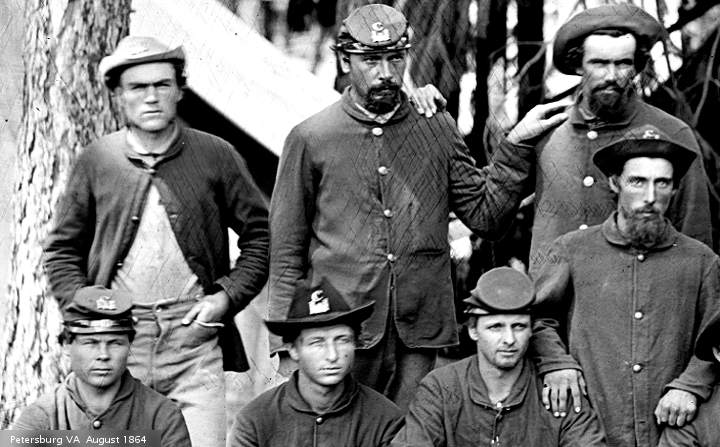
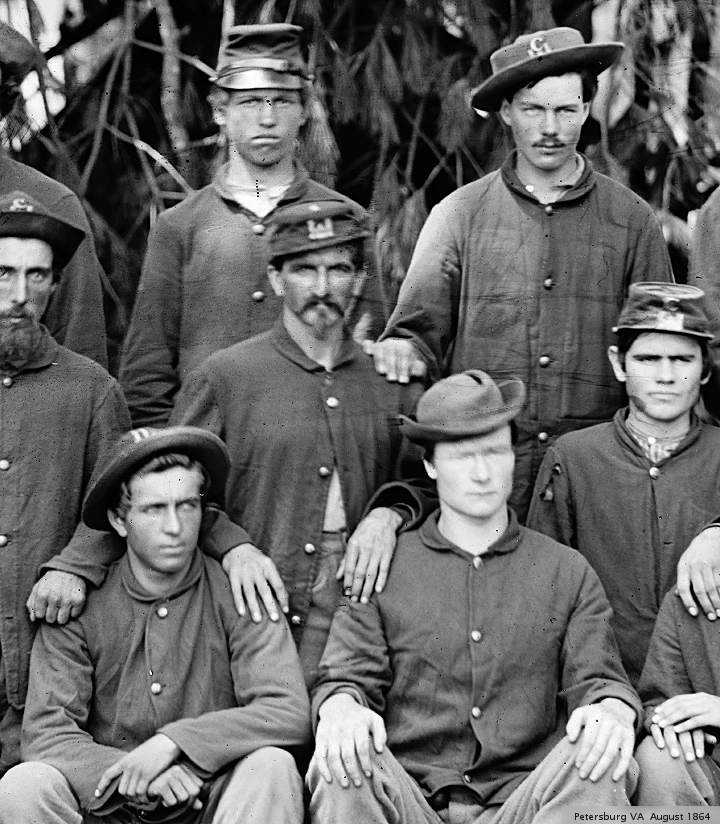
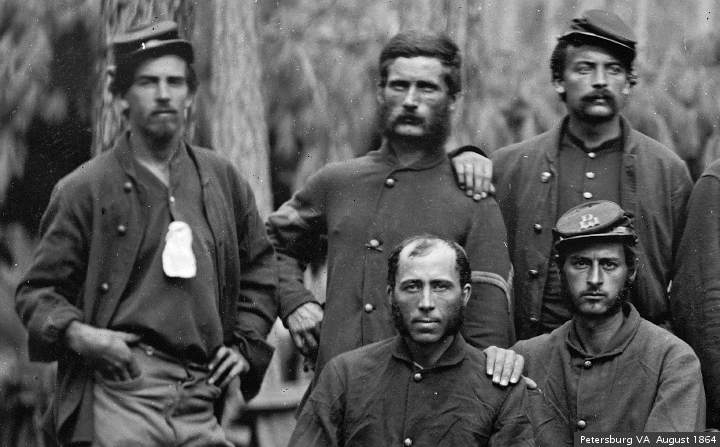
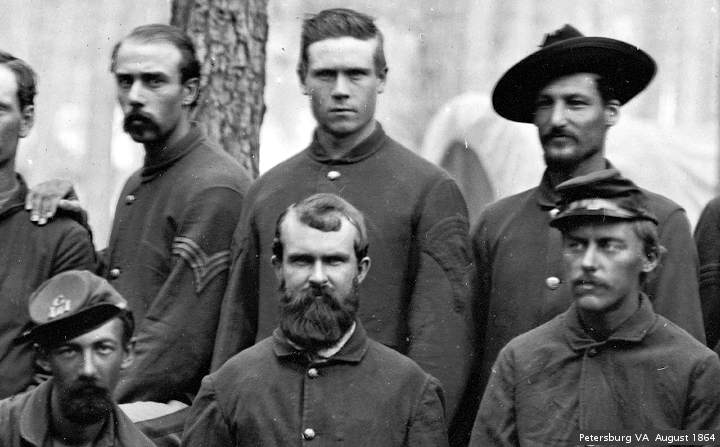
Dorothy Kilgallen died November 8, 1965. Lenny Bruce died August 3, 1966. Kilgallen biographer Lee Israel was convicted of selling forged celebrity letters. Nat Hentoff died January 7, 2017. This is a repost. Pictures today are from The Library of Congress. These images are Union soldiers from the War Between the States. The spell check suggestion for Kilgallen: Millennial.



Was Mohandas Gandhi A Racist?





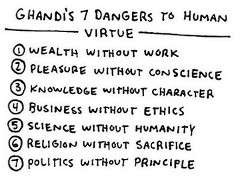
A meme appeared on facebook, “GHANDI’S 7 DANGERS TO HUMAN VIRTUE.” Below the misspelled name were seven concepts, written in all caps. This got PG thinking.
Mohandas Karamchand Gandhi (M.K. Gandhi) “was born was born on October 2, 1869, at Porbandar, a small town on the western coast of India.” At some point the title Mahatma was applied, and is often used as though it was his name. Exact transliterations between languages using different alphabets is tricky. What is the “correct” spelling of this man’s last name? Most sources today use Gandhi.
Another term, Gandhiji, turns up in the research. “‘Ji’ in Hindi or Urdu is a suffix used after the names of respectable persons and elders like father and mother. It is used every day by millions of Indians to address their elders. Hence Gandhiji is but Mahatma Gandhi,father of our nation,addressed reverently and respectfully. We call mother mataji. Mata means mother.”
The quote in the meme is real. It is found on page 135 of Collected Works of Mahatma Gandhi Vol. 33. It was in an article found in Young India on October 22, 1925.
“SEVEN SOCIAL SIN The same fair friend wants readers of Young India to know, if they do not already, the following seven social sins: Politics without principles, Wealth without work, Pleasure without conscience, Knowledge without character, Commerce without morality, Science without humanity, Worship without sacrifice. Naturally, the friend does not want the readers to know these things merely through the intellect but to know them through the heart so as to avoid them.”
The next entry in the collected works is interesting. “79. THAT ETERNAL QUESTION However much I may wish to avoid it, the Hindu-Muslim question will not avoid me. Muslim friends insist upon my intervention to solve it. The Hindu friends would have me discuss it with them and some of them say I have sown the wind and must reap the whirlwind.”
The meme had comments. Lloyd Lachow Gandhi was intensely racist. Joanne Gibson Gandhi was not intensely racist. Fighting racism was his first cause. John Janiga Gandhi racist??? John Taylor Lloyd, were you born an idiot, or did you have to work at it?
This looks like a job for Mr. Google. When you type the phrase “Is Gandhi,” suggested searches include “sill alive” and “on netflix.” This does not help if you want to know if someone is racist.
Mr. Gandhi lived in South Africa from 1893-1915. During this time he was offended at the treatment of Indian nationals, which led to a decision to fight for Indian rights. Unfortunately, these rights were not to be extended to the native South Africans.
 … there’s no doubting that Gandhi had little time for black people. During his 21 years in South Africa, he repeatedly expressed contempt for the native population, claiming they were no better than the “untouchables” of Indian society. One speech in particular stands out. In 1896, he was quoted as referring to black South Africans as the “raw kaffir, whose occupation is hunting and whose sole ambition is to collect a certain number of cattle to buy a wife with, and then pass his life in indolence and nakedness.” For those of you who aren’t up on your South African slang, “kaffir” is a direct equivalent of our N-word. Another time, he complained about finding himself in a “kaffir” prison, claiming Indians were “above” natives, who “are troublesome, very dirty and live like animals.”
There is the story of the Durban Post Office. “The first major accomplishment of the Natal Indian Congress was to further entrench racial segregation into South African society during a time of massive racial strife. At the time, the Durban, South Africa post office had two doors. One was for whites and the other for Indians and black natives. Gandhi was so disgusted at having to share a door with blacks that he initiated a campaign for the creation of a third door. … A year later, after the issue had already been resolved, Gandhi chose to expound upon his reasons for raising it in the first place. In his August 14, 1896 letter, “The Grievances of the British Indians in South Africa: An Appeal to the Indian Public,” he called being “put on the same level with the native” a “disability.”
This is a repost. Pictures are from The Library of Congress.




The Boston Tea Party Story


For better or worse (it’s ok to curse), the tea party is a part of the scene. The seminal event was the Boston Tea Party in 1775. The first post below is a look at what really happened in Boston harbor. It is tough to discern truth from fable at a distance of 244 years, but we will try. The tea party metaphor gets worked over in another post. Would you like a refill?
The second part is a look at the phrase “founding fathers”. This phrase is “liberally” sprinkled into rhetoric of all persuasions. This author sees a square peg being forced into round holes.
In the first year of the Obama regime, America saw the rise of the “Tea Party”. These affairs were usually right wing, and had lots of clever signs. The general idea: taxes are too high, government is too big, and that the people need to do something.
The namesake event was the Boston Tea Party. On December 16, 1773, crowds of people (some dressed as Mohawks) went on board the Dartmouth, the Eleanor, and the Beaver. The crowds threw overboard 342 chests, containing 90,000 pounds of tea. The crowds were unhappy because the East India Company was importing the tea into America, with a 3 pence per pound tax.
A website called listverse plays the contrarian. (spell check suggestions: contraction, contraption) According to them : “American colonists did not protest the Tea Tax with the Boston Tea Party because it raised the price of tea. The American colonists preferred Dutch tea to English tea. The English Parliament placed an embargo on Dutch tea in the colonies, so a huge smuggling profession developed. To combat this, the English government LOWERED the tax on tea so that the English tea would be price competitive with Dutch teas. The colonists (actually some colonists led by the chief smugglers) protested by dumping the tea into Boston Harbor.”
According to Wikipedia, the Dutch tea had been smuggled into the colonies for some time. The Dutch government had given their companies a tax advantage, which allowed them to sell their product cheaper. Finally, the British government cut their taxes, but kept a tax in place. The “Townsend Tax” was to be used to pay governing colonial officials, and make them less dependent on the colonists.
In Charleston, New York, and Philadelphia, the tea boats were turned around, and returned to England with their merchandise. In Massachusetts, Governor Thomas Hutchinson insisted that the tea be unloaded. Two of the Governor’s sons were tea dealers, and stood to make a profit from the taxed tea. There are also reports that the smugglers were in the crowd dumping tea into the harbor.
The photogenic tea party movement seems to be destined to stay a while. The question remains, how much does it have to do with the namesake event?


People often try to justify their opinions by saying that the “founding fathers” agree with them. They often are guilty of selective use of history. A good place to start would be to define what we mean by the phrase founding fathers.
The FF word was not used before 1916. A senator from Ohio named Warren Harding used the phrase in the keynote address of the 1916 Republican convention. Mr. Harding was elected President in 1920, and is regarded as perhaps the most corrupt man to ever hold the office.
There are two groups of men who could be considered the founding fathers. (The fathers part is correct. Both groups are 100% male.) The Continental Congress issued the Declaration of Independence, which cut the ties to England. Eleven years later, the Constitutional Convention wrote the Constitution that governs America today. While the Continental Congress was braver than the Constitution writers (We must hang together, or we will hang separately), the Constitution is the document that tells our government how to function. For the purposes of this feature, the men of the Constitutional Convention are the founding fathers.
Before moving on, we should remember eight men who signed the Declaration of Independence, and later attended the Constitutional Convention. Both documents were signed by George Clymer, Benjamin Franklin, Robert Morris, George Read, Roger Sherman, and James Wilson. George Wythe left the Constitutional Convention without signing the new document. (He needed to take care of his sick wife. Mr. Wythe later supported ratification.) Elbridge Gerry (the namesake of gerrymandering) refused to sign the Constitution because it did not have a Bill of Rights. Both Mr. Wythe, and Mr. Gerry signed the Declaration of Independence.
The original topic of this discussion was about whether the founding fathers owned slaves. Apparently, PG is not the only person to wonder about this. If you go to google, and type in “did the founding fathers”, the first four answers are owned slaves, believed in G-d, have a death wish, and smoke weed.
The answer, to the obvious question, is an obvious answer. Yes, many of the founding fathers owned slaves. A name by name rundown of the 39 signatories of the Constitution was not done for this blogpost. There is this revealing comment at wiki answers about the prevalence of slave ownership. “John Adams, his second cousin Samuel Adams, Alexander Hamilton, and Thomas Paine were the only men who are traditionally known as founding fathers who did not own slaves. Benjamin Franklin was indeed a founder of the Abolitionist Society, but he owned two slaves, named King and George. Franklin’s newspaper, the Pennsylvania Gazette routinely ran ads for sale or purchase of slaves.
Patrick Henry is another founding father who owned slaves, although his speeches would make one think otherwise. Despite his “Give Me Liberty or Give Me Death” speech, he had up to 70 slaves at a time, apologizing a few times along the way, saying he knew it was wrong, that he was accountable to his God, and citing the “general inconvenience of living without them.”
Patrick Henry was a star of the Revolution, but not present at the Constitutional Convention. The author of the Declaration of Independence, Thomas Jefferson, was in Europe during the convention. Mr. Jefferson not only owned slaves, he took one to be his mistress and kidsmama.
One of the more controversial features of the Constitution is the 3/5 rule. Here are the original words “Representatives and direct Taxes shall be apportioned among the several States which may be included within this Union, according to their respective Numbers, which shall be determined by adding to the whole Number of free Persons, including those bound to Service for a Term of Years, and excluding Indians not taxed, three fifths of all other Persons.” In other words, a slave was only considered to be 60% of a person.
That seems rather harsh. The truth is, it was a compromise. The agricultural southern states did not want to give up their slaves. The northern states did not want to give up Congressional representation. This was the first of many compromises made about slavery, ending with the War between the States. This webpage goes into more detail about the nature of slavery at the start of the U.S.A.
The research for this feature turned up a rather cynical document called The myth of the “Founding Fathers” It is written by Adolph Nixon. He asks : “most rational persons realize that such political mythology is sheer nonsense, but it begs the question, who were the Founding Fathers and what makes them so great that they’re wiser than you are?”
Mr. Nixon reviews the 39 white men who signed the Constitution. He does not follow the rule, if you can’t say anything nice about someone, then don’t say anything at all. Of the 39, 12 were specified as slave owners, with many tagged as “slave breeders”.
The Constitution, and the Bill of Rights, have served America well. However it was intended, it was written so that it could be amended, and to grow with the young republic. It has on occasion been ignored (when was the last time Congress declared war?). However fine a document it is, it was created by men. These were men of their time, who could not have foreseen what America would become. Those who talk the most about the founding fathers often know the least about them.
A big thank you goes to wikipedia Pictures are from “The Special Collections and Archives, Georgia State University Library”. This repost was written like H. P. Lovecraft.


Abraham And Charles
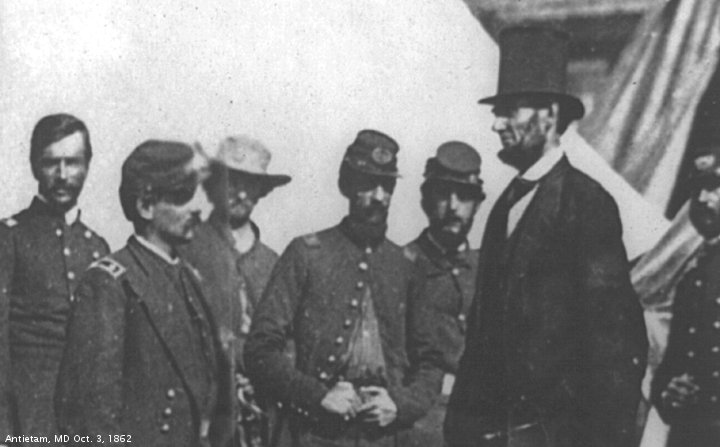


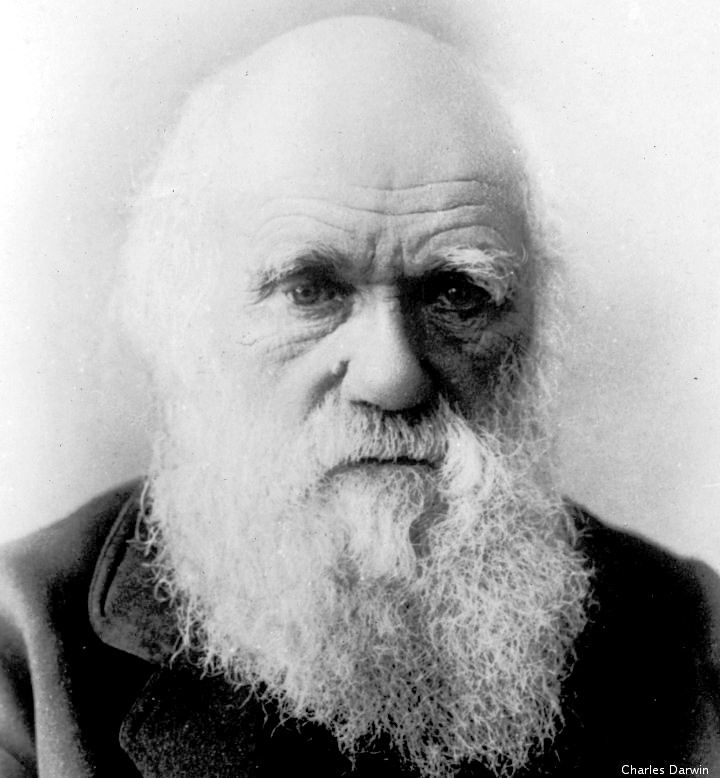
Today is the 210th birthday of Abraham Lincoln and Charles Darwin. This used to be a holiday in the US, along with Washington’s BD on February 22. The two were combined into President’s Day.
It is unlikely that the two met, or knew much about the other. “On the origin of species” was published in 1859, as the United States teetered on the brink of catastrophe. There is a certain “Darwinism” in the way the unpleasantness of the eighteen sixties went down. The northeast quadrant of the United States gained dominance over a large chunk of North America, at a horrible cost. The concept that a human being could literally own another human being was banished.
There are two other anniversaries of note today. On February 12, 1733, James Oglethorpe landed a boatload of debtors on the future site of Savannah. This was the start of the Colony/State of Georgia.
There is another that continues the symmetry of Darwin/Lincoln, and was exactly 100 years later. On February 12, 1909, the NAACP was founded. On February 12 1904, Ted Mack, host of the Original Amateur Hour, was born. To make room for all this talent, on February 12, 1942, Grant Wood (painter of “American Gothic”) went to that village in the sky. He left the pitchfork behind.
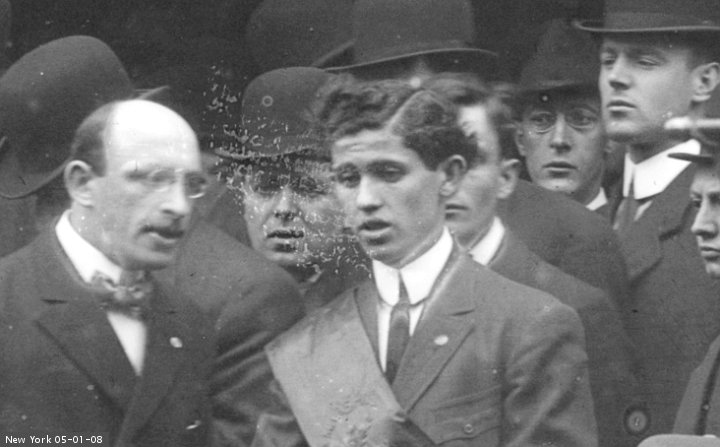
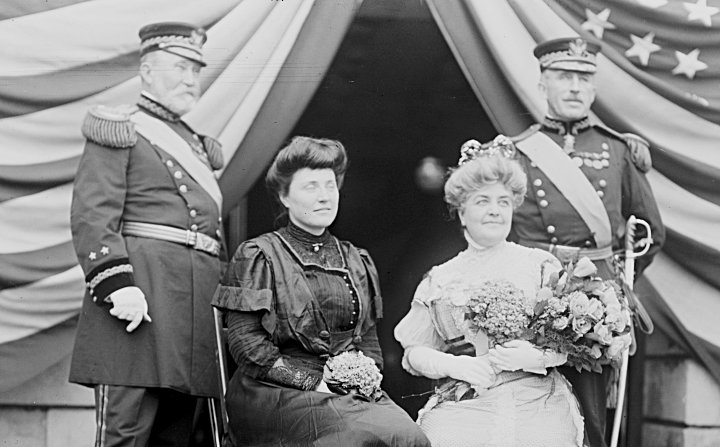
This is a repost. Pictures are from The Library of Congress
Gloomy Sunday


Billie Holiday had a hit with Gloomy Sunday in 1941. The legend is that people would listen to the song, and kill themselves. As a result, the song was banned from the radio. Or was it?
Gloomy Sunday was written in 1933 by Rezső Seress. Additional lyrics were later written by László Jávor. It became known as the “Hungarian Suicide Song”, and was reportedly banned in Hungary. An English translation (which is said to not do justice to the original Hungarian) was rendered.
Gloomy Sunday has a melancholy sound, even as an instrumental. The story is about a person…it is not gender specific…who decides to join a loved one who has died. A third verse was added, to the english version, where the singer says it was all a dream.
Gloomy Sunday became popular in the United States. And the suicide stories started to spread, along with rumors that the song had been banned from the radio. (It was indeed banned by the BBC.) There are indications that these rumors were part of a publicity campaign.
The urban legend busters snopes. calls the story “undetermined”. Legends like this get a life of their own. A grieving person hearing this song on a dreary Sunday is not going to be uplifted. One thing is known for sure…the original composer did take his own life. Rezső Seress jumped off a tall building in Budapest in 1968. The legend is he had never had another hit song after writing “Gloomy Sunday”. This repost has pictures from The Library of Congress.




Was Warren Harding A Bad President?


It is a cliche of history classes that Warren Harding was one of the worst men to occupy the oval office. (Richard Nixon was the POTUS the last time PG studied history. This cliche does not consider the last forty years.) PG is a fair minded person, who is always looking for something to write about. The question for Mr. Google was “was warren harding a terrible president?”. Answers dot com has a generous helping of biographical sketches. Some of the links used in this article no longer work.
Warren Gamaliel Harding was born Nov. 2, 1865, Caledonia OH, and died Aug. 2, 1923, San Francisco CA. (His birthplace is also cited as Blooming Grove OH, and Corsica OH.) He published a newspaper, got into politics, and was elected to the US Senate. In 1920, he was a compromise candidate, on the tenth ballot of the Republican convention. He clobbered James Cox, (His family firm, Cox Enterprises, owns Channel 2 and the fishwrapper.) and became President March 4, 1921.
The United States was in an economic downturn in 1921. The War in Europe ended in 1918, and a postwar depression was on. The last two years of the Wilson administration had been chaotic, with the President suffering a debilitating stroke. In a few years, the roaring twenties were on, and America was prosperous for a few years.
Mr. Harding was reputed to be a womanizer, gambler, and heavy drinker. He was not an activist President, but allowed his cronies to do what they wanted to do. This proved to be his downfall. “I have no trouble with my enemies. I can take care of my enemies all right. But my damn friends. They’re the ones that keep me walking the floor nights!”
There was a major scandal involving oil reserves. It centered around a place in Wyoming called Teapot Dome. The details of this affair mostly came to light after the death of President Harding. Albert B. Fall, the secretary of the interior, was convicted of a felony for his role in the affair… the first cabinet officer to become a felon while in office.
Mr. Harding went on a trip to the west, to make speeches and deals. He was the first President to go to Alaska. While in Alaska, he read some documents about the crooked dealings of his friends. In a few days, he was in San Francisco. He had been in ill health during the trip.
“On Thursday, the President’s health appeared to be improving, so his doctors went to dinner. Harding’s pulse was normal and his lung infection had subsided. Unexpectedly, during the evening, Harding shuddered and died suddenly in the middle of conversation with his wife in the hotel’s presidential suite, at 7:35 pm on August 2, 1923. Dr. Sawyer (a homeopath, and friend of the Harding family), opined that Harding had succumbed to a stroke, but doctors there disagreed. … After some discussion, the doctors issued a release indicating the cause of death to be “some brain evolvement, probably an apoplexy”. Mrs. Harding refused to allow an autopsy. In retrospect, scholars speculate that Harding had shown physical signs of cardiac insufficiency with congestive heart failure in the preceding weeks. Naval medical consultants who examined the president in San Francisco concluded he had suffered a heart attack. “
The sudden and mysterious death of a President, with reports of a scandal surfacing, is fertile ground for conspiracy theorists. Mr. Harding did appear to be in poor health, so this may have been a natural occurrence. The truth will never be completely known.
One aspect of the Harding administration that is not well known is his attitude about race. In the years after World War I, America was engulfed in race hatred. The Ku Klux Klan had a revival. “In a speech on October 26, 1921, given in segregated Birmingham, Alabama Harding advocated civil rights for African Americans; the first President to openly advocate black political, educational, and economic equality during the 20th century.” Mr. Harding supported an anti lynching bill, which a Democratic filibuster kept from passing.
Jimmysnax brings the Internet tradition of snarky commentary to the legacy of Warren Harding. Apparently, former newspaperman Harding could not write his way out of a paper bag. (In 1923, radio was a novelty. The printed word was the primary means of communication.)
Run your eyes over one of the best known examples of his waterboarding of the English tongue: “I would like the government to do all it can to mitigate, then, in understanding, in mutuality of interest, in concern for the common good, our tasks will be solved.”
Here’s what H. L. Mencken said about Harding’s speech writing and speech making: “He writes the worst English that I have ever encountered. It reminds me of a string of wet sponges; it reminds me of tattered washing on the line; it reminds me of stale bean soup, of college yells, of dogs barking idiotically through endless nights. It is so bad that a sort of grandeur creeps into it. It drags itself out of the dark abysm of pish, and crawls insanely up the topmost pinnacle of posh. It is rumble and bumble. It is flap and doodle. It is balder and dash.” The 20’s were a wonderful time for language!
Or as E.E. Cummings put it, announcing Harding’s death: “The only man, woman or child who wrote a simple declarative sentence with seven grammatical errors is dead.”
Pictures are from The Library of Congress. This repost is written like Kurt Vonnegut.


Tallulah Bankhead And Billie Holiday
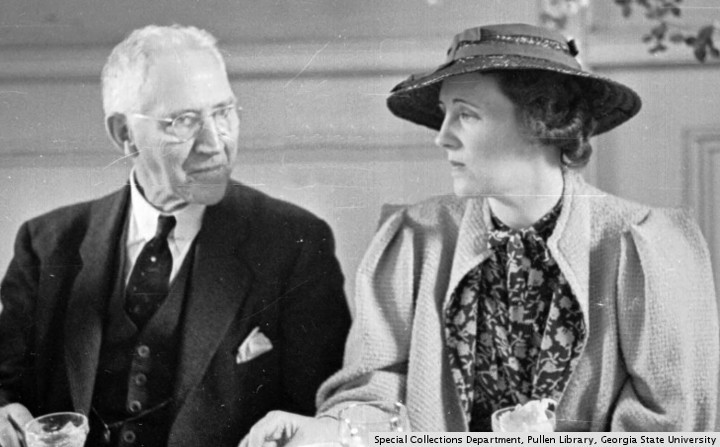


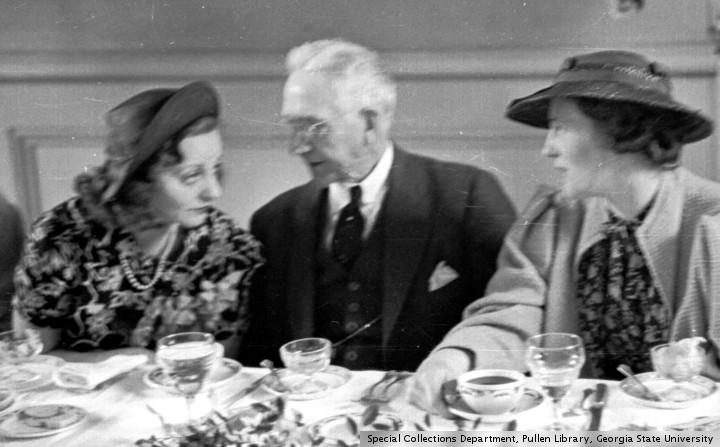
Tallulah Bankhead was born January 31, 1902 in Huntsville AL. She had a year-older sister, Eugenia. Their mother died February 23, 1902. Legend has it her last words were “Take care of baby Eugenia. Tallulah can take care of herself.” This is a repost.
The father of the actress was Will Bankhead. He was a prominent politician, who served as Speaker of the House of Representatives in Washington. Mr. Bankhead was on the short list of Vice Presidential candidates for Franklin Roosevelt, but was passed over. The Bankhead national forest and the Bankhead Highway are both named for Will Bankhead.
Tallulah Bankhead was an actress, radio show hostess, and personality. She went to London in the early twenties and became a stage sensation. Returning home, she became a Broadway star with “The Little Foxes.” She made movies, but saved her best public performances for the stage.
Miss Bankhead was known for being sexually active, with both men and women. Hattie McDaniel, who played Mammie in Gone With The Wind, was rumored to be one of her “friends”. Her introduction to Chico Marx went like this “Miss Bankhead.” “Mr. Marx.” “You know, I really want to fuck you.”. “And so you shall, you old-fashioned boy.”
One legend has Miss Bankhead at a dinner party with Dorothy Parker and Montgomery Clift. As might have been expected, the cocktail hour went on most of the evening. At one point, Mister Clift had his head in Miss Parker’s lap. “oh you sweet man, it’s too bad that you’re a cocksucker. He is a cocksucker, isn’t he?” Miss Bankhead replied “I don’t know, he never sucked my cock.”
Her most famous movie role was in “Lifeboat”, directed by Alfred Hitchcock. Her co stars complained that she was not wearing panties under her dress. Mr. Hitchcock posed the question, is this a matter for wardrobe or for hairdressing?
In the fading days of radio, Tallulah was the host of “The Big Show”. She became known for her deep voice, and for saying “Dah-ling”. More than one guest got big laughs by calling her Mister Bankhead. After “The Big Show” ended, Miss Bankhead remained active on stage and television. She died December 12, 1968.
Miss Bankhead was a staunch Democrat, as is fitting for the political family she was raised in. During the McCarthy era, an actress friend of hers was accused of being a communist. Miss Bankhead made a statement of support for the actress on the radio, and then asked her, are you a communist? The actress said that her daddy was a republican, and so she guessed that was what she was. Miss Bankhead was horrified. “A republican! That’s worse than being a goddamn communist.”
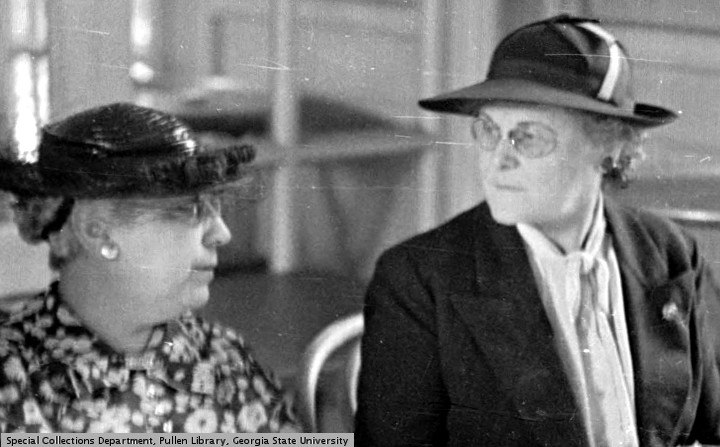

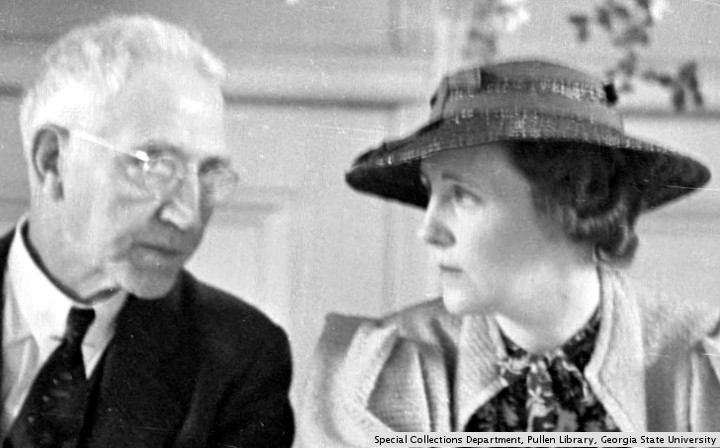

One of Miss Bankhead’s more explosive friendships was with Billie Holliday. “The truth of the matter is that the evidence strongly suggests they probably first met in the early 1930’s during Bankhead’s Harlem rent party and nightclub-slumming days, well before Holiday ever became famous. What is known is that by 1948 they were bosom buddies. A year earlier, Holiday entered the Alderson Federal Reformatory for Women to serve her famous “one day and a year” sentence after being found guilty on dope charges. Four months after her release in 1948, Holiday was appearing at New York’s Strand Theater with Count Basie on the first leg of a cross-country tour. At the same time, Tallulah Bankhead was nearby on Broadway starring in her hit play, Private Lives. Bankhead caused quite a commotion every night thundering late down the ailse during Billie’s show to sit in her special seat to stare in amazement at the gifted & stunningly beautiful Lady Day. Because Holiday’s license to perform in nightclubs where liquor was being served had been revoked (and not renewed) she was forced to earn her living in gruelling tours on the road. For months after the Strand performance, Bankhead traveled with her whenever she could. Also on the tour was dancer/comedian James “Stump Daddy” Cross – nicknamed after his wooden leg, who joined the two famous ladies to make a treacherous threesome.”
“…it appears that during the late 1940s she and Holiday were also lovers. Perhaps they had been all along. Holiday later told William Dufty, who ghostwrote her autobiography, that when Tallulah visited backstage at the Strand Theatre, the thrill she took in exhibitionistic sex made her insist on keeping Holiday’s dressing room door open. Holiday later claimed that Tallulah’s brazen show of affection almost cost her her job at the Strand.”
Before long, Miss Holiday got busted again. Apparently, Miss Bankhead made a phone call to FBI director J. Edgar Hoover, asking for leniency. There is a remarkable thank you – you’re welcome correspondence between Miss Bankhead and Mr. Hoover. “As my Negro Mammy used to say ‘When you pray, you pray to God don’t you……I had only met Billie Holiday twice in my life….and feel the most profound compassion for her…she is essentially a child at heart whose troubles have made her psychologically unable to cope with the world in which she finds herself…poor thing, you know I did everything within the law to lighten her burden”. “A giddy and twitterpated Hoover wrote back , “Your comments are greatly appreciated, and I trust that you will no hesitate to call on me at any time you think I might be of assistance to you.”
At some point, the two became less intimate. Miss Bankhead had her own legal headaches, and put some distance between her and Miss Holiday. (Eleanora Fagan was the birth name of the chanteuse. Tallulah Brockman Bankhead was the real name of the thespian.) When “Lady Sings the Blues” was being prepared, Miss Bankhead got an advance copy, and was horrified by what she saw. A fierce note was sent to the book’s publisher, and scenes were edited out. Miss Holiday was outraged. The letter that resulted is a poison pen classic. “My maid who was with me at the Strand isn’t dead either. There are plenty of others around who remember how you carried on so you almost got me fired out of the place. And if you want to get shitty, we can make it a big shitty party. We can all get funky together!”
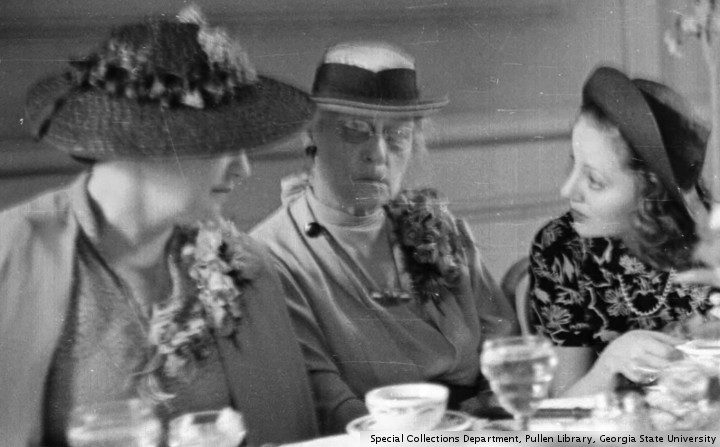
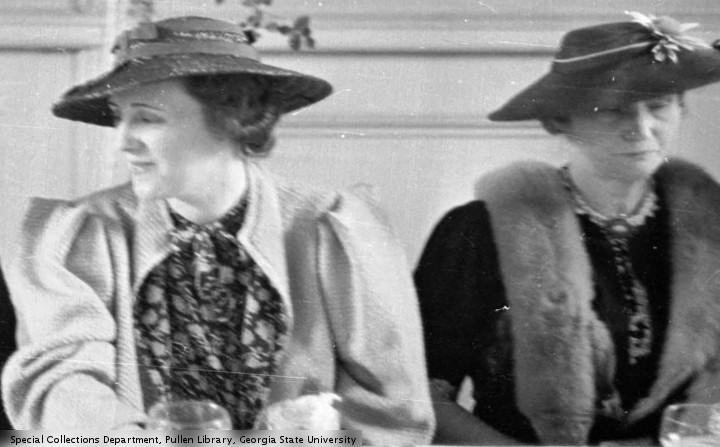
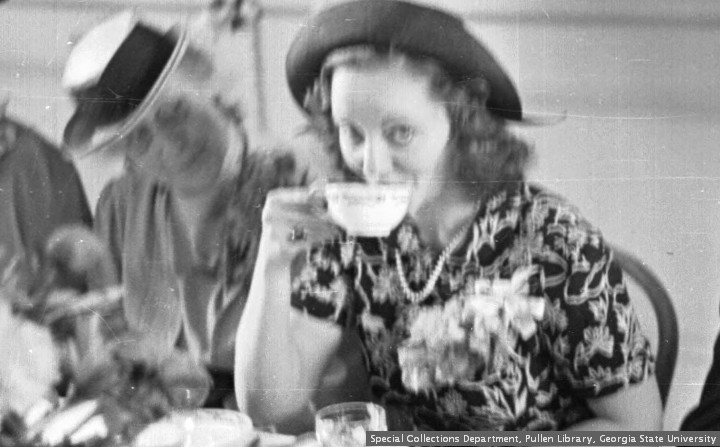
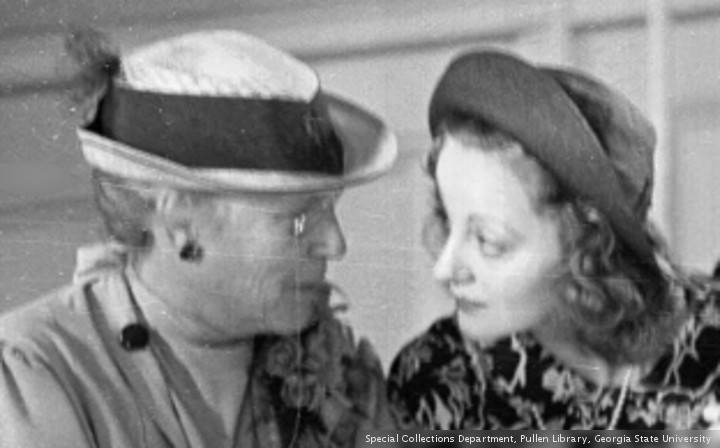
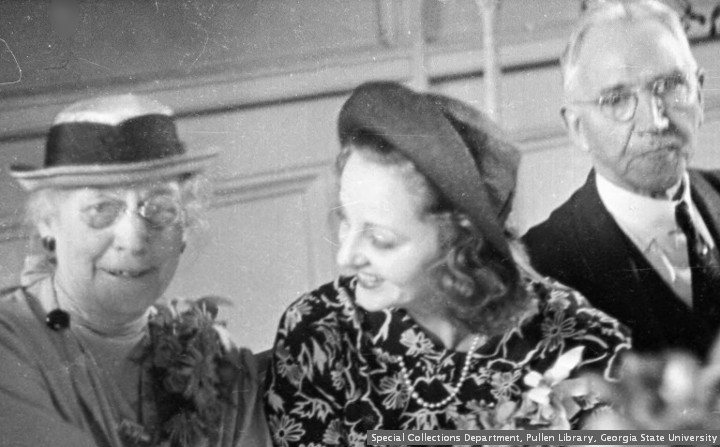
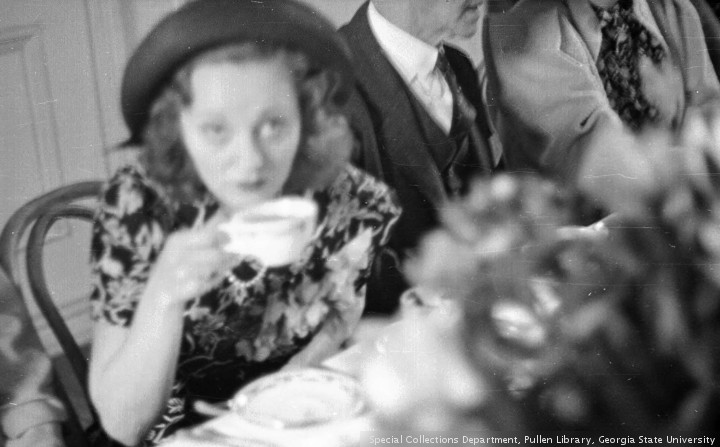
The first part of this story is a repost. Pictures today are from “The Special Collections and Archives, Georgia State University Library”. “Members of the Atlanta Woman’s Club, during a luncheon for retiring president W.F. Milton, in the AWC banquet hall, in Atlanta, Georgia, March 5, 1937.” Picture of Billie Holiday from The Library of Congress.


leave a comment