Hiroshima 74 Years Later




At 8:15 am, August 6, 1945, Hiroshima got nuked. It was the start of a new era. Since Japan is 13 hours ahead of Georgia, and standard time was used, the literal anniversary is 8:15 pm, August 5.
Tsutomu Yamaguchi was working in Hiroshima when the bomb hit. He survived, and found a train to take hime to his home town, Nagasaki.
The device dropped on Hiroshima, the Little Boy, had an estimated force of 13 kilotons of Trinitrotoluene, or TNT. A kiloton of TNT is roughly a cube whose sides are ten meters. This device is fairly tiny compared to many of the warheads developed since. Many of the modern appliances are measured in megatons, or millions of tons of TNT. The Soviet Union had a bomb with a capacity of 50 megatons, or 4,000 times the size of the Little Boy.
The largest weapon tested by The United States is the Castle Bravo. This device destroyed Bikini Atoll in the Pacific. The two piece swimsuit was named for this island. The Castle Bravo device had a yield of 15 megatons of TNT. This is roughly 1,000 times the power of the Little Boy.
The decision to drop the bomb has long been controversial. There are a lot of factors and gray areas, and the issue does not lend itself to sound bite solutions. The conventional wisdom is that Japan surrendered because of the nuclear attack. This meant the war was shortened by at least a year, there was no invasion of Japan, and many lives were saved. PG is scared by the moral calculus involved in a decision like this….do 100,000 civilian deaths prevent the deaths of 500,000 soldiers? PG suspects that even G-d herself would lose sleep over that one.
There is also evidence that the bomb was not needed. Japan was whipped in August 1945. The air raids were conducted in daylight with little resistance. A debate was going on in the Japanese government on whether to continue the fight.
An event happened the day between Hiroshima, and Nagasaki, which influenced the Japanese decision to surrender. The Soviet Union had agreed to help the United States with the war against Japan. On August 8, The Soviet Union invaded Japanese occupied Manchuria. There are indications that Japan knew the fight was hopeless at this point, and would rather surrender to The United States than The Soviet Union. This is one of the gray areas that never seems to be mentioned.
The United States wanted the war to end quickly for obvious reasons, and a few subtle ones. America did not want to share the spoils of Japanese war with The Soviet Union. There were already tensions between the two allies, and the cold war was not far off. Many felt The United States used the Little Boy as a warning to The Soviet Union.
When you get your moral software out, you might want to figure in the effect of opening the nuclear Pandora’s box. Would the nuclear bomb have been developed by other countries if America had not led the way? The science is not that complicated…after all, America hit paydirt with the Manhattan Project fairly quickly. Nonetheless, there is karma involved in using a terrible new device on a civilian population. The United States started the wind of the arms race, and has yet to feel the whirlwind.
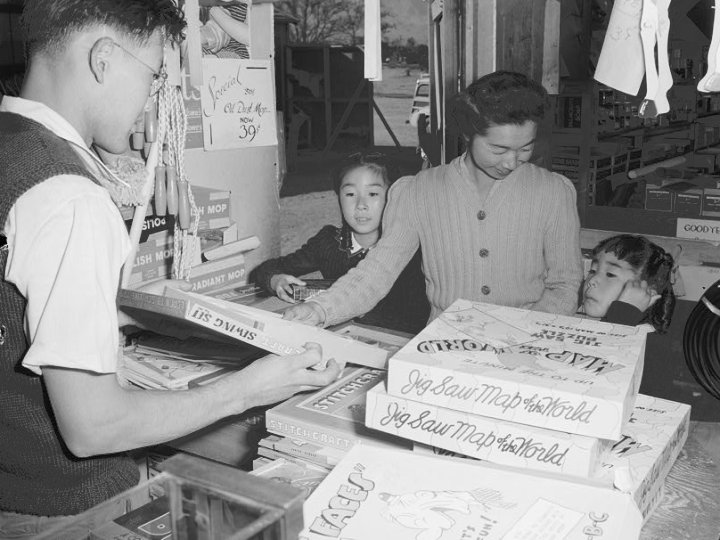
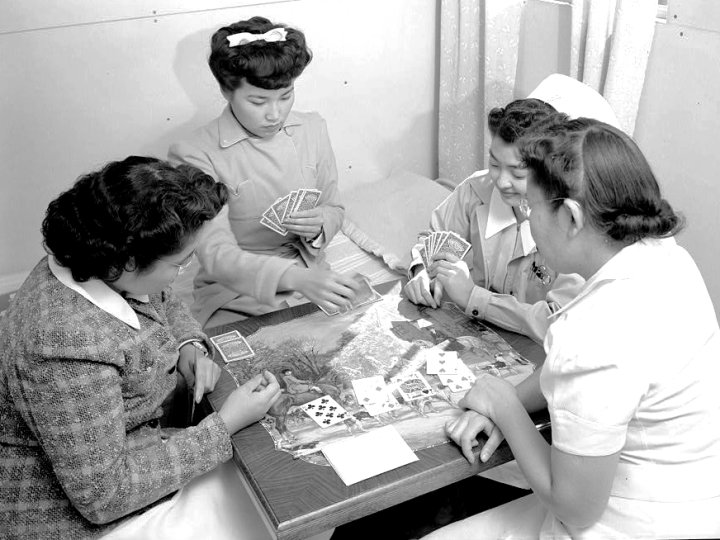
This is a repost. The pictures are from The Library of Congress. Ansel Adams took pictures of Japanese Americans, in a World War Two internment camp. The ladies in the bridge game are Aiko Hamaguchi, Chiye Yamanaki, Catherine Yamaguchi, and Kazoko Nagahama.


August 4



August 4 is just another day. Summer is roughly halfway over, if you talk about the time between the solstice and the equinox. Schools are starting, and football teams are tackling, so autumn is not far away. One advertising medium says August 4 is National Friendship Day, National Sisters Day, National Chocolate Chip Cookie Day, National Family Day, and National Coast Guard Day.
A few interesting people were born on August 4. 1792 – Percy Bysshe Shelley, 1821 – Louis Vuitton, 1901 – Louis Armstrong, 1961 – Barack Obama, 1971 – Jeff Gordon.
Important events took place on August 4. Wikipedia will be quoted, with a few tasteful edits. 1693 – “Date traditionally ascribed to Dom Perignon’s invention of champagne.” 1892 – “The father and stepmother of Lizzie Borden are found murdered in their Fall River, MA, home.” 1914 – “In response to the German invasion of Belgium, the British Empire declares war on Germany.” 1944 – “A tip from a Dutch informer leads the Gestapo to an area in Amsterdam, where they arrest Anne Frank.” 1964 – “Civil rights workers Michael Schwerner, Andrew Goodman and James Chaney are found dead in Mississippi after disappearing on June 21.” 1964 – “U.S. destroyers USS Maddox and USS Turner Joy report coming under attack in the Gulf of Tonkin.”
On August 4, 1964, I spent the day with my Grandmother. Her favorite soap opera, “As The World Turns,” was interrupted by a news bulletin announcing the Gulf of Tonkin incident. Later that day, we walked to the clubhouse of the Piedmont Park golf course. A friend of Gran’s worked there. The golf course lady could not wait to tell me that she did not like the Beatles. “If the Beatles were playing, for free, across the street, I would not waste the energy to walk over there and see them.”
Pictures today are from The Library of Congress.

The Whitman To Ginsberg Express



“… I’ve slept with Neal Cassady who slept with Gavin Arthur who slept with Edward Carpenter who described sleeping with Whitman to Gavin Arthur. [The “Gay Succession”]” Allen Ginsberg was fond of his place in a line of gay succession.
A 1974 interview makes the same point about Whitman-Carpenter-Arthur, but does not mention Cassady-Ginsberg. Could anyone be telling stories? The Carpenter-Arthur connection happened in 1924, but is described in wonderful detail by Mr. Arthur in 1967. There are few details about the Arthur-Cassady link in the chain. As a BBC interviewer said to Mr. Ginsberg in 1994 “Both Bob Dylan and Jack Kerouac, I think, described you as a “con-man extraordinaire”. What did they mean?” AG: “Oh, maybe they were projecting their own goofiness on me.”
“Edward Carpenter (1844-1929) was a writer and gay mystic and lived in England all his life. Although ordained an Anglican priest in 1869 he soon renounced religion and became a Fabian socialist. Among his works on social reform is Towards Democracy (1883-1902), a long, un- rhymed poem revealing the influence of his friend Walt Whitman. He edited the first gay literary collection, Iolaus: An Anthology of Friendship”
Mr. Carpenter exchanged letters with Mr. Whitman. “Although Whitman was not a socialist, his writing had a profound effect on Carpenter, who made the long trip to America primarily as a pilgrimage to his literary and spiritual inspiration. He visited the poet for several weeks in 1877 and again in 1884. In 1906 he published an account of his visits to America, Days with Walt Whitman, writing a respectful, even somewhat glorified, portrait of his idol.”
“It was not until the 1966 publication of a memoir by Gavin Arthur entitled The Circle Of Sex that the intimate details of Carpenter’s visits were revealed. Arthur slept in bed with Carpenter … leaving us with our only description of Whitman’s sexual behavior, an area otherwise shrouded in mystery and controversy.” In later years, we learned that Mr. Whitman possibly spent a happy afternoon with Oscar Wilde. Mr. Whitman was also fond of cruising the Brooklyn Waterfront.
Gavin Arthur (born Chester Alan Arthur III; March 21, 1901 – April 28, 1972) is a key link in this chain. As often noted, he was the grandson of Chester Arthur. The elder Mr. Arthur was elected Vice President in 1880, and promoted after the death of James Garfield.
The younger Mr. Arthur was a piece of work. In the early 1920’s, Mr. Arthur dropped out of Columbia, got married, and moved to Ireland. Mr. Arthur somehow got to meet his idol, Edward Carpenter. At the time of this meeting, Mr. Arthur was 23, and Mr. Carpenter was 80.
THE GAY SUCCESSION “… is a document given me by Gavin Arthur in 1967.” The story goes into extravagant detail about the meeting between Mr. Arthur and Mr. Carpenter. One wonders how the elderly Mr. Arthur remembers all this 43 years later.
EC – “No, Walt was ambigenic,” he said. “His contact with women was far less than his contact with men. But he did engender several children and his greatest female contact was that Creole in New Orleans. I don’t think he ever loved any of them as much as he loved Peter Doyle.”
GA – “I suppose you slept with him?” I blurted out half scared to ask.”
EC – “Oh yes–once in a while–he regarded it as the best way to get together with another man. He thought that people should ‘know’ each other on the physical and emotional plane as well as the mental. … the best part of comrade love was that there was no limit to the number of comrades”
GA – “How did he make love?” I forced myself to ask.”
EC – “I will show you,” he smiled. “Let us go to bed.”
Mr. Arthur spares few details in what happens next.
Chester III renamed himself Gavin. After losing the financial support of his family, Mr. Arthur moved to San Francisco. For a while, he sold newspapers on the street. “And he delved deep into both astrology and sexology. Gavin took his star charts very seriously: When one self-administered reading told him he was heading to prison soon, he immediately drove to San Quentin and took a job as a teacher, the better to prevent going in as an inmate.”
“By the 1960s, Gavin Arthur had become a well-known and respected astrologer. In 1966, some Bay Area activists, cultural and political, began to plan a transformative event. They wanted to unite the cultural radicals of the Haight, and the political radicals of Berkeley. Those plans led to the Human Be-In. In order to have maximum astrological impact, its organizers asked Arthur to determine the most auspicious date. Arthur determined that January 14, 1967, would have the greatest impact.”
“I had a flashback to the time I spent with Ginsberg in Cambridge, MA, in 1982, when he told me that I was part of an erotic lineage that connected me to Whitman … a quick Google search identifies Arthur as ”a certain astrologer and San Francisco character, Gavin Arthur … gave lectures at San Quentin while Neal was a prisoner.” Another entry reports that he studied astrology with Ronald Reagan before Reagan started his political career.”
“In 1958, he (Neal Cassady) was arrested after being caught using marijuana at a San Francisco nightclub. He was sentenced for two years at San Quentin State Prison.” This was when Mr. Arthur was teaching at San Quentin. Mr. Cassady mentions him in two letters to his wife Carolyn. (For those who just got here, Neal Cassady was the model for Dean Moriarty in On The Road. Mr. Cassady also drove the bus “Further,” for the Merry Pranksters.)
August 13, 1959 from San Quentin to Carolyn Cassady “Last Saturday, “Uncle Gavin” Arthur, grandson of our twenty-first President who, Republican though he was, could hardly have been more conservative than is Gain underneath all his Occult Astrology, failed to show (again, for the third time in six weeks) to teach our class in Comparative Religion and Philosophy, about three dozen regularly in attendance, on account of a death in his group at the Global House, which he bought by selling papers on Market Street for ten years; so again it was my pleasurable duty to instruct the boys in Cayce-hood [Edgar Cayce]”
Septetmber 22 1959 from San Quentin to Carolyn Cassady “Uncle” worry-wart [Gavin Arthur] missed showing up for the class again last week and I hear, probably unfounded, rumors that it is to be discontinued, too bad if true, because it was fun to hear the old geezer expound, without at all remembering he had, on the very same things week after week. I mean his examples, and their wording were always so alike one could not only anticipate, but, with any memory at all, give in advance the exact sentence he would be about to pronounce: it was sort of a game.” Eight years later, the “old geezer” described a 1924 tryst in clinical detail.
San Quentin broke Neal Cassady. The railroad would not take him back, and Carolyn divorced him. “He, however, felt now he had utterly failed in his mission, and he knew he could never go back. He died inside; only his body survived. This he did his best to destroy. He no longer believed in suicide, but he did all he could to be killed. … He told me he swallowed handfuls of pills anyone offered, even not knowing what they were. Is this not an obvious death-wish? He admitted it was.”
During this down and out time of his life, Neal Cassady apparently connected with Gavin Arthur. In a 1974 radio interview, Allen Ginsberg recalls “That was already the ’60’s, but there was that atmosphere back in San Francisco, around Gavin Arthur, particularly. Arthur was a great friend of Neal Cassady, slept with him all the time, or whenever Neal had nowhere to go he’d wind up in Gavin’s house, sort of falling asleep, exhausted, in his bed.”
The Neal Cassady to Allen Ginsberg connection is well documented.
“A second, serendipitous event further spurred (Joey) Cain’s interest in researching Gavin Arthur. Cain found a used copy of Carpenter’s “Towards Democracy” in a used bookstore for $3.00. It had a lot of writing in it. Cain noticed the following lament among the notes in the book, “This is one of my Bibles, please return. This volume is the third I have had to buy, people being so dishonest about books.” Then he looked below and saw Gavin Arthur’s signature and address. The writing belonged to Arthur. The book in his hand had once belonged to Gavin Arthur. He went up to the cashier who said, “It’s a shame about all this writing in it.” Cain replied, “Let me pay for it first, and then I’ll tell you about this writing.” Pictures today are from The Library of Congress.


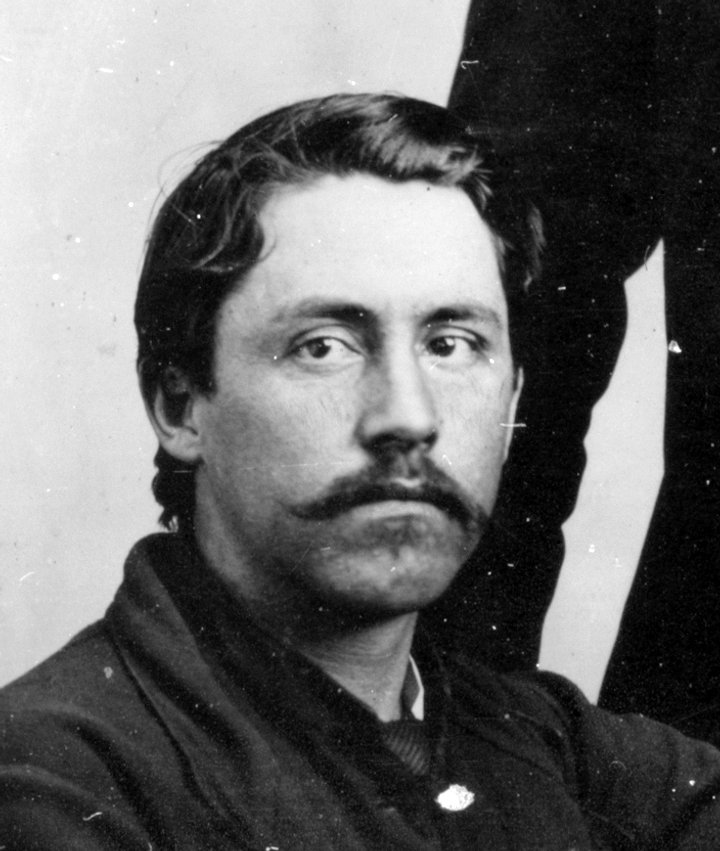


Paul Krassner

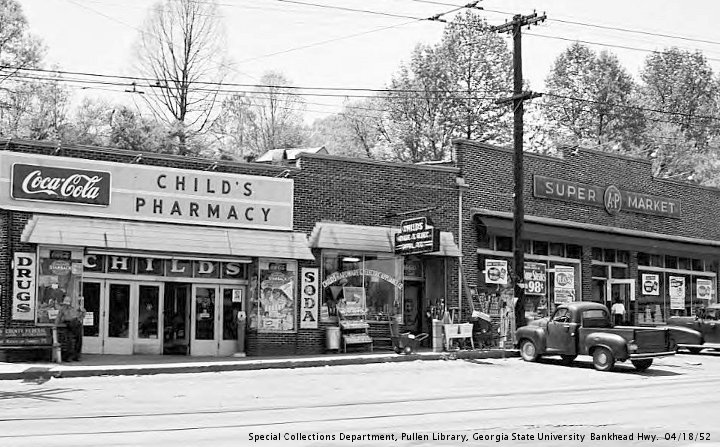
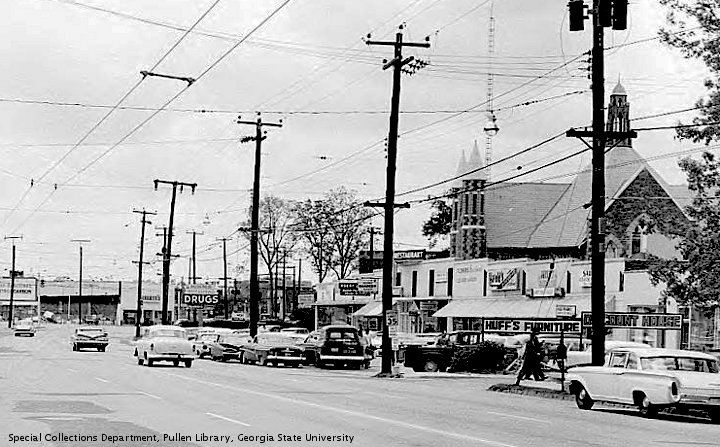


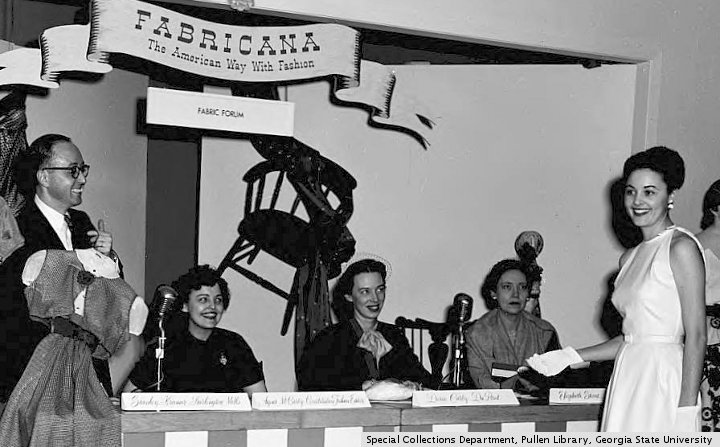

Paul Krassner died July 21, 2019. He outlived Lenny Bruce, Abbie Hoffman, Groucho Marx, and Lyndon Johnson. His magazine, The The Realist, is now available as an online archive.
PG was recently looking for background noise to compliment his photomongering. Somewhere along the way, he found episodes of WTF podcast to be available on Youtube. He made a list of shows he wanted to see, including Paul Krassner. When Mr. Google was recruited to find the show, other things floated to the surface. This is how Mr. Google operates.
An onion is more than an internet namesake. It lends a lively flavor, both cooked and raw. The onion consists of many layers of thin skin. These can be peeled off, as you get deeper and deeper into the root. A thin skinned root that gives you bad breath…. an aromatic symbol for the sixties.
When you go looking for WTF/Krassner, you are directed to issue 74 of The Realist. The feature story is the missing segments of a John Kennedy biography. On page 18, Jackie Kennedy saw more of Lyndon Johnson than she needed to see.
“That man was crouching over the corpse, no longer chuckling but breathing hard and moving his body rhythmically. … And then I realized – there is only one way to say this – he was literally fucking my husband in the throat. In the bullet wound in front of the throat. He reached a climax, and dismounted. I froze. The next thing I remember, he was being sworn in as the new President.”
Page two of issue 74 is the letters to the editor. The featured scribe is John L. Timmons, Secretary, Mattachine Society of N.Y. He wrote “Letter From A Homosexual,” in response to a cartoon page in issue 69, fag battalion. Using KY to lubricate a rifle is not a good idea.
At the time, America was fighting a war in Vietnam. Young men were given the choice of go in the army, or go to prison. It was ugly. There was a group, “The committee to fight the exclusion of homosexuals from the armed forces.”
The Mattachine Society was neutral. Some members supported the war, and some were opposed. It distracted from the overall agenda to take sides in other disputes. The editors at The Realist agreed. “… homosexuals who don’t want to be drafted will no longer be able to exploit their deviation rather than face the consequences of conscientious objection.”
When issue 74 was published, Walt Disney was still alive. This may account for the action on page 12. Maybe Uncle Walt did not want his animated actors to be drafted for active duty. The activities on page 12 might not be sufficient to have the players excused from active duty, however. By this stage of the war, the local draft boards were not accepting excuses.
Getting back to Paul Krassner… he founded the YIPPIES with Abbie Hoffman, took LSD with Groucho Marx, and published a satiric magazine without advertising. Only the last part can be confirmed. After the description of Lyndon Johnson’s post mortem dentistry, who knows what is real, and what is fake. Pictures today are from “The Special Collections and Archives, Georgia State University Library”. The opinions expressed in this repost are in no way, shape, or form connected to that fine institution.




Blue Tail Fly




Q: What does “Jimmy crack corn” mean, and why does he not care?—Matt, Columbus, Ohio
PG was trolling stupidquestion.net when there was a convergence of stupidity. (The site does not exist in 2012.) All his life he had heard “Blue Tail Fly”, and been embarrassed. And there, in (pardon the expression) black and white, was someone who wondered the same thing.
It seems as though “Blue Tail Fly” started out as a minstrel song. For those who don’t know, minstrel shows were white people putting on black makeup, and imitating African Americans. Minstrel shows are not well thought of these days.
The story of BTF involves a man named Jimmy. A fly bit the pony the old massa was riding, the pony was offended, and threw the old massa off. He was hurt landing, and died. Jimmy still has to crack corn, but he doesn’t care, because old massa has gone away.
Dave Barry took a poll once to find out the stupidest song of all time. The overwhelming winner/loser was “MacArthur Park”. The combination of over the top show stopping, while singing about a cake left out in the rain, makes this ditty a duh classic.
In the spirit of corny convergence, the video is a karaoke version featuring Donna Summer. Miss Summer is a talented singer, who happened to connect with Giorgio Moroder. Lots of singers could have hit the big time by fronting those records. Donna Summer hit the jackpot.
For a proper post, there needs to be a third stupid song. This is not about stupid bands, singing about being D U M B. Even though they totally don’t belong, there is a video of the Ramones included. PG saw the Ramones at the Agora Ballroom in 1983. This was after their prime, and before a homeless man caught the Ballroom on fire.
We still need a third stupid song, and PG wants to get this posted with as little research as possible. Just like some writer was once given twenty minutes to write a song, and he decided to do the worst song he could think of. The result was “Wild Thing”. PG used to have a 45 of someone who sounded like Bobby Kennedy singing “Wild Thing”. This video (of the Troggs performing “Wild Thing”) has the late Casey Kasem, and Portuguese subtitles. Let the good times roll.
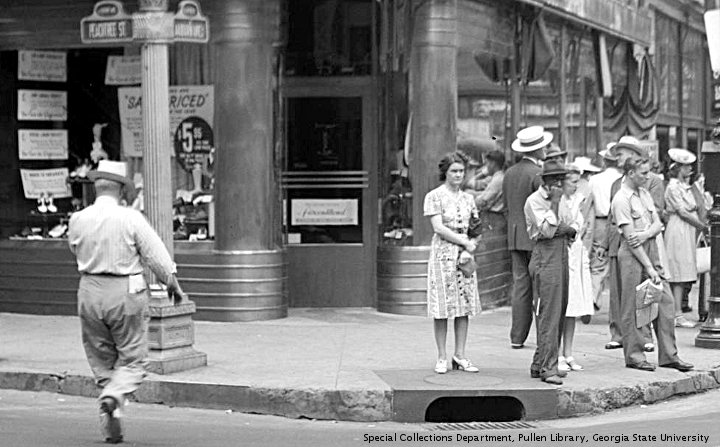
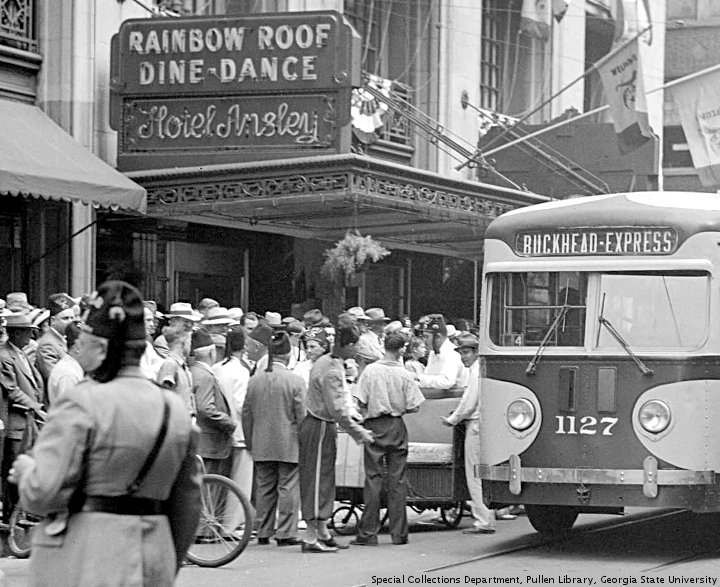
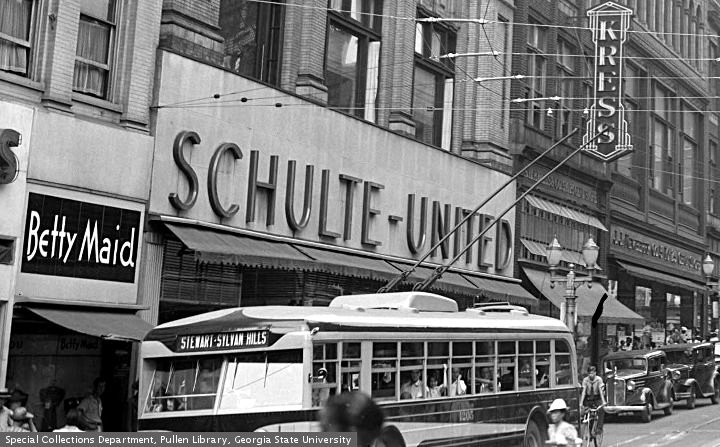
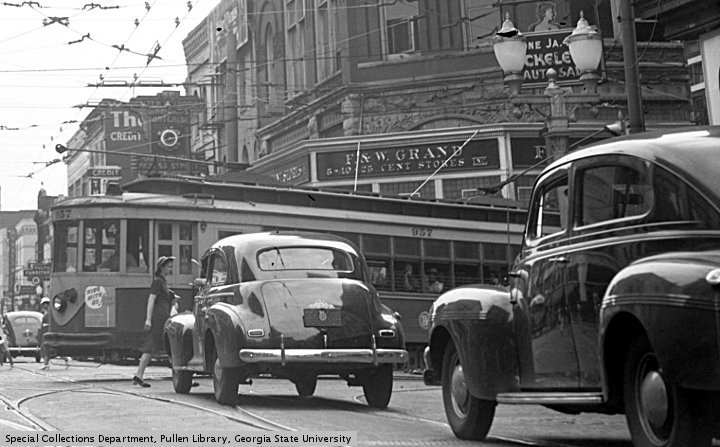
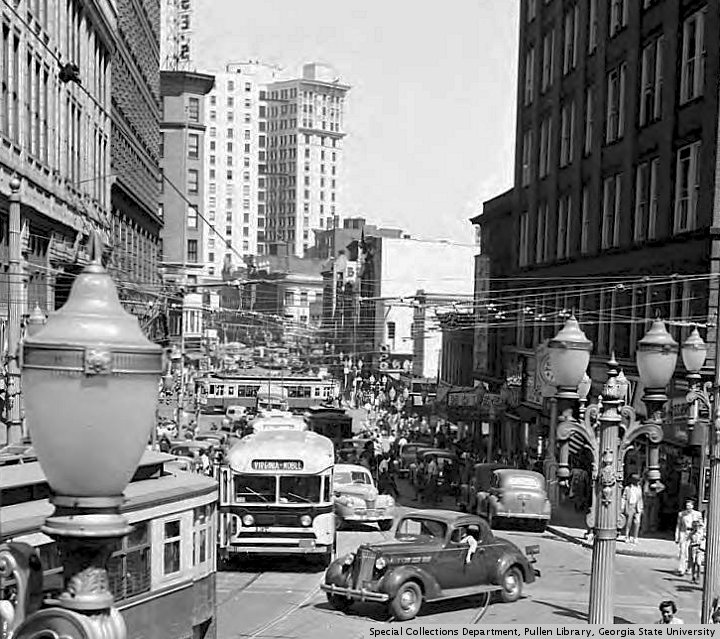
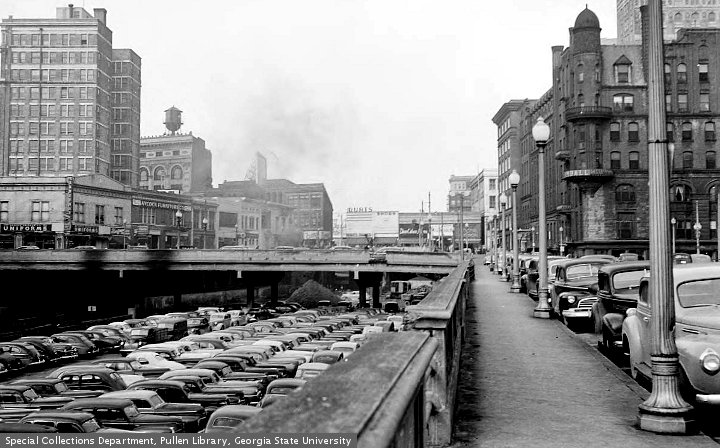
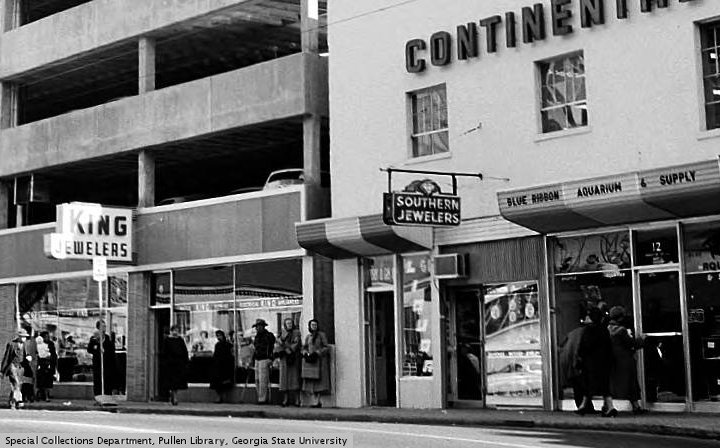
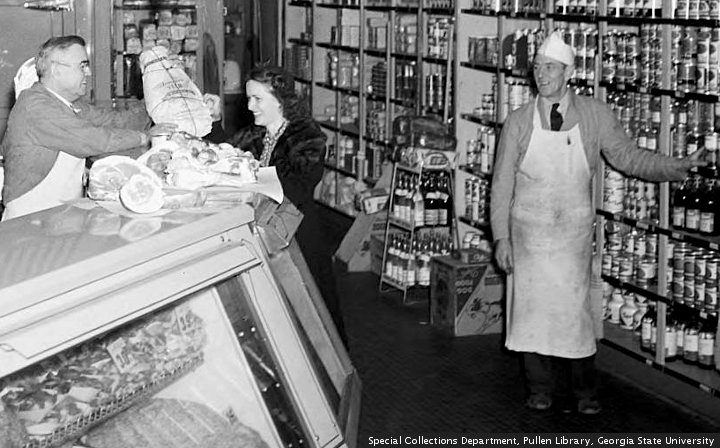
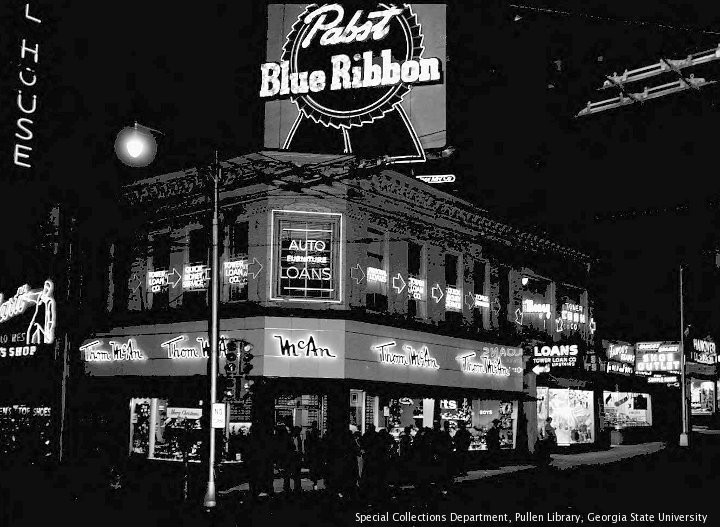
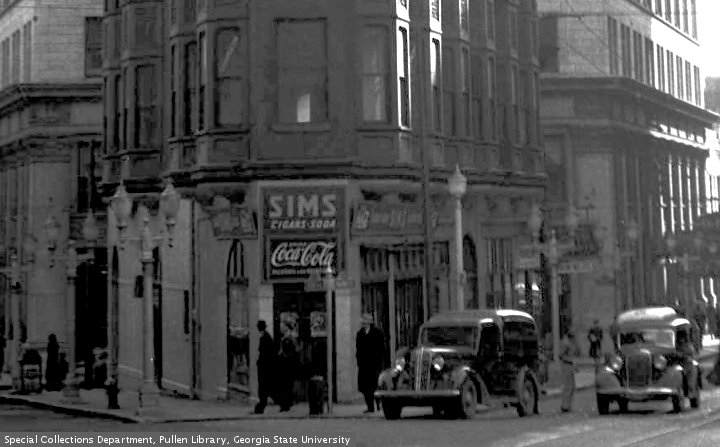
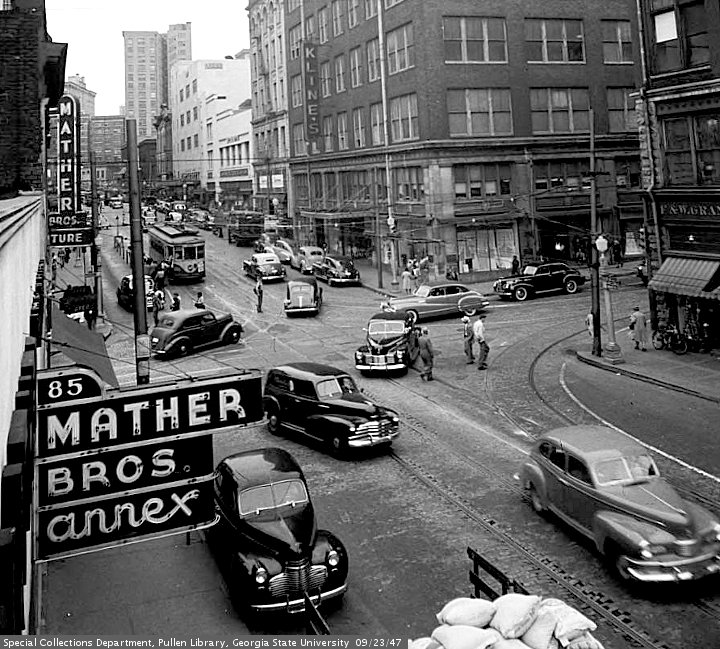
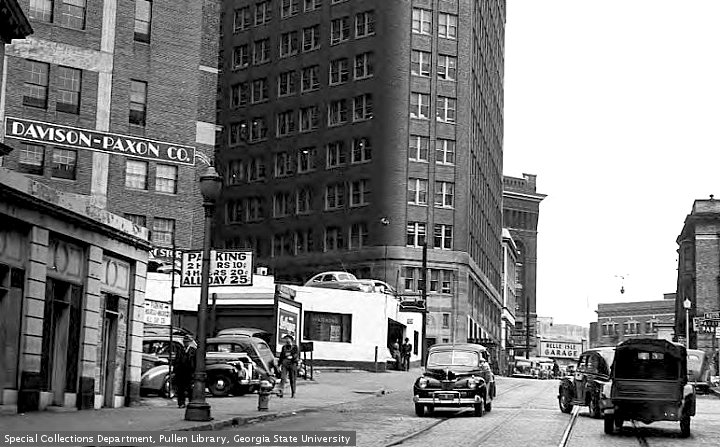
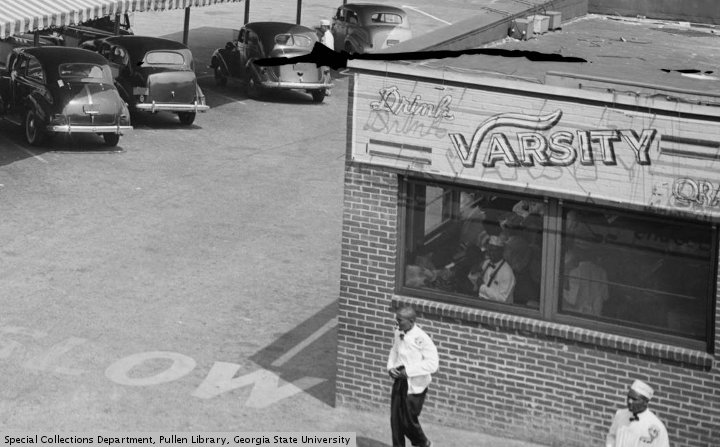
These four hundred and twenty hastily chosen words are a repost. Pictures are from “The Special Collections and Archives, Georgia State University Library”. This was downtown Atlanta in 1941.



Babe, Hank, Barry, And Joe
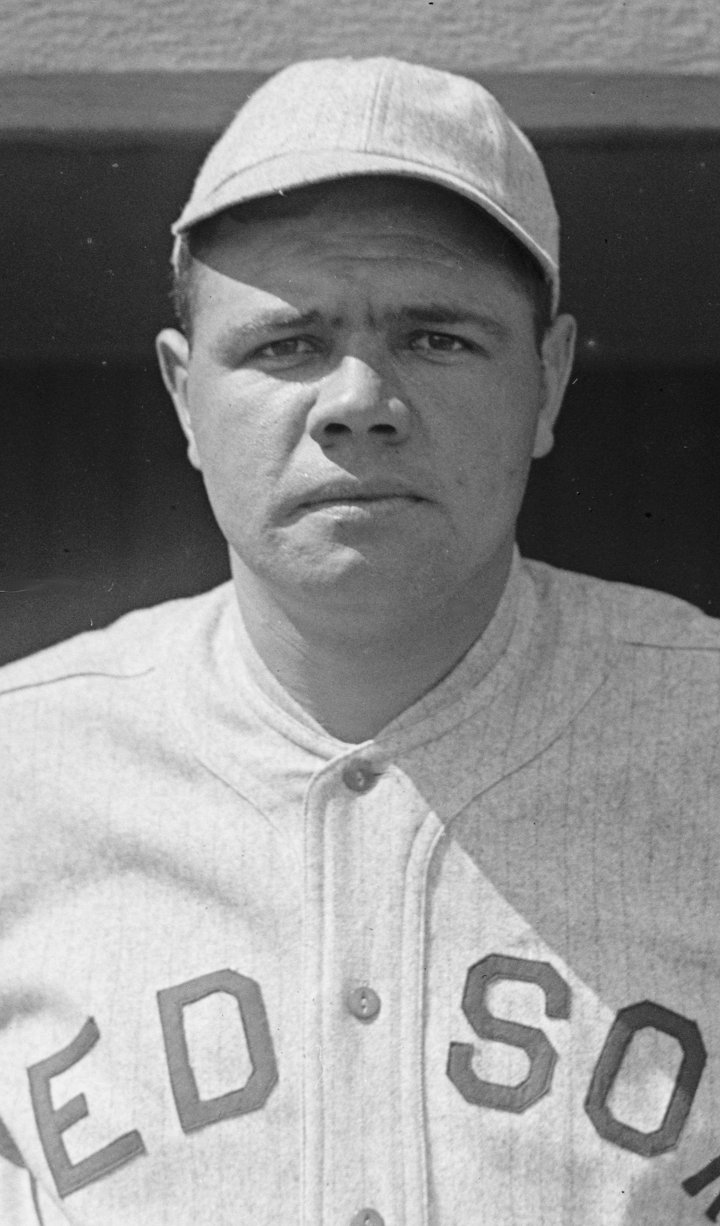
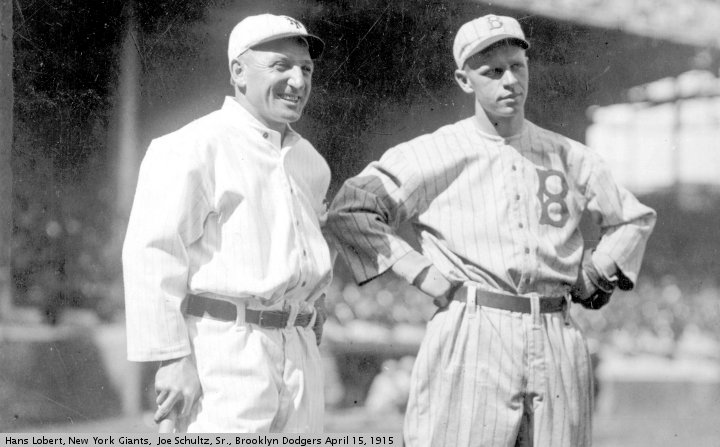


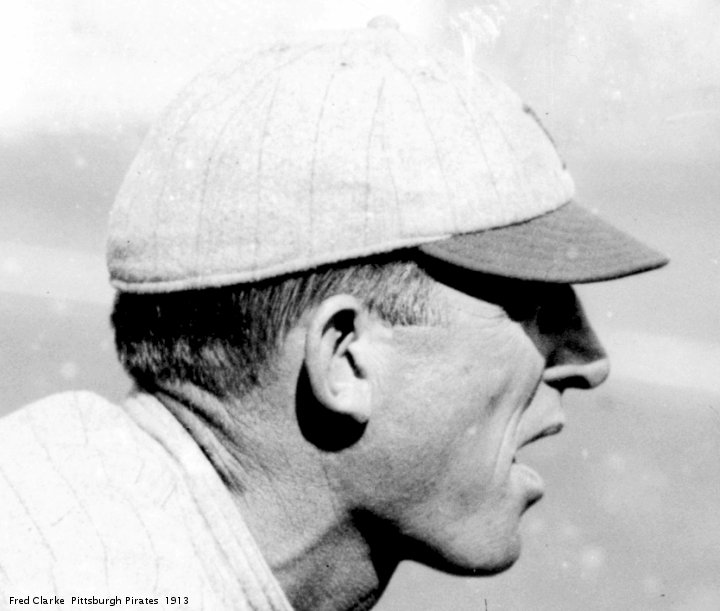

In 2007, Barry Bonds was about to break the lifetime record for home runs. Folks said the record was tainted because of steroid use, and because Mr. Bonds was not a nice man. There were calls for an asterisk in the record book. This was odd to PG, who was in Georgia when Hank Aaron broke the home run record in 1974. Back then, the line was that Babe Ruth had fewer at bats than Mr. Aaron. A lot of hateful things were said about Mr. Aaron before home run 714.
PG decided to take a look at the metrics. This post is the result. As a bonus to the reader(s), Joe Torre and Hank Aaron gets a summer rerun. It is based on a column by Furman Bisher, who went to the press box in the sky March 18, 2012. Pictures are from The Library of Congress. This is a repost.
There is a certain controversy these days about the eminent breaking of the lifetime home run record. Currently held by Hank Aaron, the record is threatened by Barry Bonds. Before Mr. Aaron held the title, Babe Ruth was the owner.
Controversy about the lifetime home run record is nothing new. In 1974, when Hank Aaron was about to break the record, the admirers of Babe Ruth said that Mr. Ruth had fewer at bats than Mr. Aaron did. Many attributed this criticism to racism, with a black man besting a white man’s record. The current controversy is two fold. There are allegations that Mr. Bonds took steroids to make him stronger, and that he “cheated”. There are also concerns about the personality of Mr. Bonds.
PG does not think steroid use is a big deal. Ballplayers are abusing their bodies to perform, and if they take the risk of using steroids, that is their business. Many people disagree.
A good question to ask is, would Babe Ruth and Hank Aaron have used steroids if they had the chance? Mr. Ruth was a wildman, who drank during prohibition, and was known for undisciplined behavior. Mr. Aaron played in an era where steroid use was not as common as it is today. The answer to the first question is (Mr. Ruth) probably and (Mr. Aaron) who knows.
While you are keeping hypocrisy statistics, Mr. Aaron and Mr. Bonds played on television, where beer commercials were constant. While alcohol is *now* legal, it is a very damaging drug. Any ballplayer who plays on television promotes its use. This is both steroid users, and non users.
As for personalities, there is the widely circulated story about the college team that Mr. Bonds played on voting 22-3 to kick him off the team. At the very least, he does not charm sportswriters.
In 1917, Babe Ruth was suspended for hitting an umpire. He was known for his outlandish behavior throughout his career. It should also be noted that he played in an era when the press did not scrutinize the behavior of players. How would today’s media treat Babe Ruth?
PG once heard a radio show caller say that Hank Aaron was a mean racist, who would just as soon cut your throat as look at you. He had never heard this said out loud before, but had heard hints about Mr. Aaron’s personality over the years. People who achieve great things are not always friendly.
Mr. Aaron is the only one of the three that PG met, however briefly. In July of 1965, the Milwaukee Braves came to Atlanta to play an exhibition game in Atlanta Stadium. After the game, PG was allowed to wait outside the clubhouse, to get autographs from the players as they left. Joe Torre saw the crowd, hid behind a truck, and made a quick getaway. Hank Aaron came out, patiently signing every autograph, while smoking a cigarette.
The fact is, all three men played in different eras. Babe Ruth never played at night, never flew to California, and only played against white players…many of the most talented players of his era were in the Negro League. Hank Aaron played before free agency, interleague play, the DH, and widespread use of steroids. The only way to determine who is the home run champion is to count how many homers are hit, and award the prize to the man who hits the most.
Which of the three made the most money? Barry Bonds, by a wide margin. He played in the free agent era. Babe Ruth had the best line about his salary. In 1930 Ruth was asked by a reporter what he thought of his yearly salary of $80,000 being more than President Hoover’s $75,000. He replied “yea, but I had a better year than he did.”
Who played on the most teams to win a World Series? Babe Ruth 7, Hank Aaron 1, Barry Bonds 0.
The career of Babe Ruth was a long time ago. He made a greater impact on America that the other two combined. He was one of the first sports superstars, as America emerged from the carnage of World War One. Mr. Ruth broke the single season home run record, he hit 29 homers. The next year, he hit 54. There is a possibility of a livelier baseball.
Babe Ruth captured the imagination of America like few personalities ever have. Playing in New York (which dominated the press) did not hurt. He was a man of his times…it is unlikely than anyone could have that kind of impact on today’s superstar saturated America. While his record has been broken, his place in the history of baseball is the same.
UPDATE: As of July, 2016, the lifetime home run leaders were: Barry Bonds, 762, Hank Aaron, 755, Babe Ruth, 714, Alex Rodriguez, 696. Mr. Rodriguez is said to have used steroids.


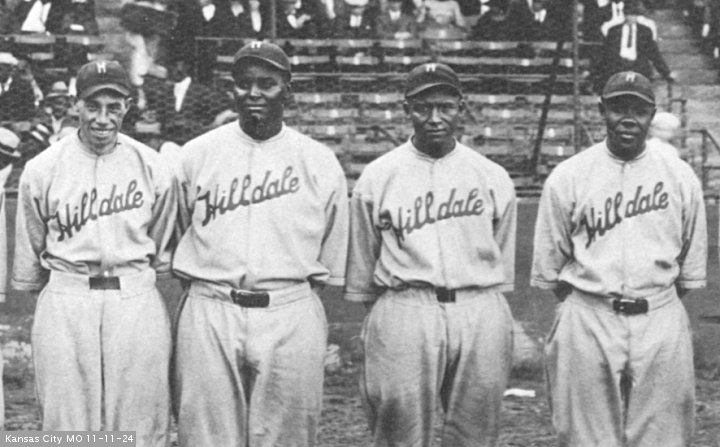
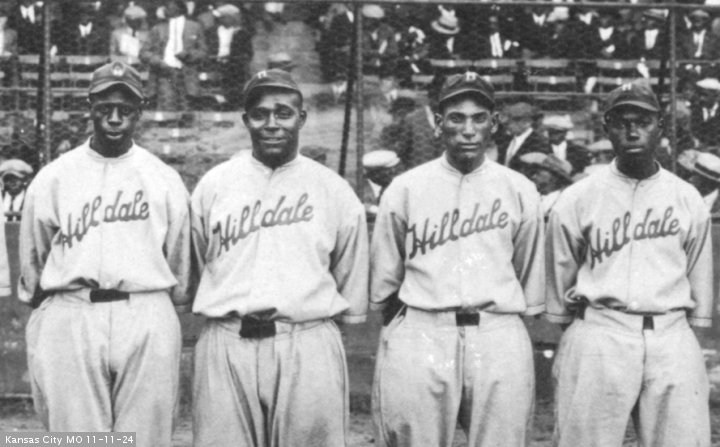

Furman Bisher has a piece at the fishwrapper site about Joe Torre. (The link no longer works.) The punch line is that Mr. Torre “grew up” when the Braves traded him to St. Louis. PG was a kid when this was going on, and did not hear a lot of what went on.
In 1965, the Braves played a lame duck year in Milwaukee before moving to Atlanta. One night, there was an exhibition game at Atlanta Stadium, the Braves against the Yankees. PG got his oh so patient dad to take him to the clubhouse after the game, to get autographs. In those days, you could go into the bowels of the stadium and wait outside the locker room. Hank Aaron signed dozens of autographs while smoking a cigarette. Joe Torre came out, hid behind a truck, and took off running.
Mr. Torre was a raccoon eyed catcher for the Braves. In the first regular season game in 1966, he hit two home runs, in a thirteen inning loss. Soon, the novelty of big league baseball in a toilet shaped stadium wore off. Mr. Torre got at least one DUI, and a reputation as a barroom brawler. He was traded to St. Louis in 1968. Mr. Torre hit .373, and won the national league MVP in 1971.
The comments to the feature by Furman Bisher were interesting. Cecil 34 contributes “The reason that Torre was traded is because on the team’s charter flight back to Atlanta back in 68, a drunken Torre got into a fistfight with Aaron. Aaron popped off to Torre, and thus the fight was on, broken up by the other players. Since Aaron was the face of the franchise at the time, Torre was traded. There had been bad blood between them for years before this incident anyway. Reasons vary. But the final nail in the coffin was this fistfight. I was told Torre could pack a punch and Aaron came out on the worse end of it.”
There has been whispering for years about Hank Aaron and his attitude. Furman Bisher made hints once or twice, but there was never anything of substance. It seems that Mr. Aaron does not lack for self confidence. Mr. Aaron was the subject of much racially based abuse while chasing the home run record in 1973, and some anger is justified.
Hank Aaron was known to not get along with Rico Carty. Mr. Carty is a dark skinned man from the Dominican Republic, who was popular with fans. Mr. Carty was eventually traded. Rico Carty had a barbecue restaurant on Peachtree Road in Chamblee, next door to the Park and Shop.
Joe Torre was the manager of the Braves in the early eighties. The team won a divisional title in 1982, but lost the NLCS. This was after Ted Turner bought the team. Mr. Turner fired Mr. Torre in 1984.
Getting back to the comment thread, Misterwax contributes “Turner cut Joe Torre loose because Ted was in love with Henry Aaron and Aaron thought Joe Torre was a white supremacist….A hangover from the clubhouse days when they were teammates…still does today. And THAT is the only reason he was cut…because Hank Aaron said so.”
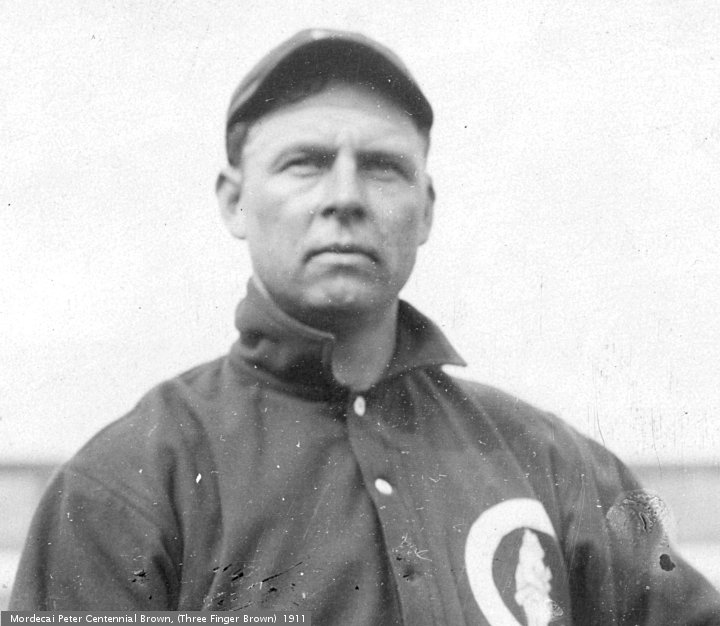
Hank Aaron was recently quoted on Barry Bonds and Steroids. Joe Torre retired as manager of the Los Angeles Dodgers in 2010. He won four World Series as manager of the New York Yankees. Furman Bisher outlived Bear Bryant by 26 years, passing away March 18, 2012. Selah.



7 O’Clock News/Silent Night




Parsley, Sage, Rosemary and Thyme was on the car stereo yesterday. PG thought about the first time he heard PSRT. It was 52 years ago, in a basement down the street. Then it was a monural record player, with kids playing songs over and over to write down the lyrics. It is a stretch to go from that, to a thumb drive on a car stereo. Almost as far as Art Garfunkel’s hair has gone … from luxurious blonde afro, to bald as an egg.
The last song on that album was quite the statement. It starts off with Simon and Garfunkel, who are both Jewish, singing “Silent Night.” In the background is a newscast. The news is soft at first, and gets louder, and louder. What happened to the stories in that newscast?
“In Los Angeles today comedian Lenny Bruce died of what was believed to be an overdose of narcotics. Bruce was 42 years old.” This is the first item that can be clearly heard. It helps to establish the date of the broadcast… August 3, 1966. PG had never heard of Lenny Bruce. The comic has gone on to be an icon of American entertainment. Most of the people who feverishly admire Lenny have never read Ladies and Gentlemen, Lenny Bruce!! While he was a talented comedian, Lenny was also a serious heroin addict. He was not a nice person. PG later wrote The Trial Of Lenny Bruce. This post is about one of his obscenity trials.
“Dr. Martin Luther King says he does not intend to cancel plans for an open housing march Sunday into the Chicago suburb of Cicero. Cook County Sheriff Richard Ogleby asked King to call off the march and the police in Cicero said they would ask the National Guard to be called out if it is held. King, now in Atlanta, Georgia, plans to return to Chicago Tuesday.”
It is hard to imagine in 2019, but Dr. King used to be referred to in present tense. Twenty months after this newscast, Dr. King was killed. “On 4 April 1967,” (exactly one year before he died) “Martin Luther King delivered his seminal speech at Riverside Church condemning the Vietnam War.” Opposition to a wretched war played a large part in his last year.
“In Washington the atmosphere was tense today as a special subcommittee of the House Committee on Un-American Activities continued its probe into anti-Vietnam war protests. Demonstrators were forcibly evicted from the hearings when they began chanting anti-war slogans. Former Vice-President Richard Nixon says that unless there is a substantial increase in the present war effort in Viet nam, the U.S. should look forward to five more years of war. In a speech before the Convention of the Veterans of Foreign Wars in New York Nixon also said opposition to the war in this country is the greatest single weapon working against the U.S.”
This is one of the saddest paragraphs ever. In 1968, Richard Nixon ran for President, again. All the players (except third party candidate George Wallace) were manipulating events in Vietnam to manufacture an “October Surprise.” Tricky Dick somehow won, and kept American forces in Vietnam until 1973 … six years after the seven o”clock news.
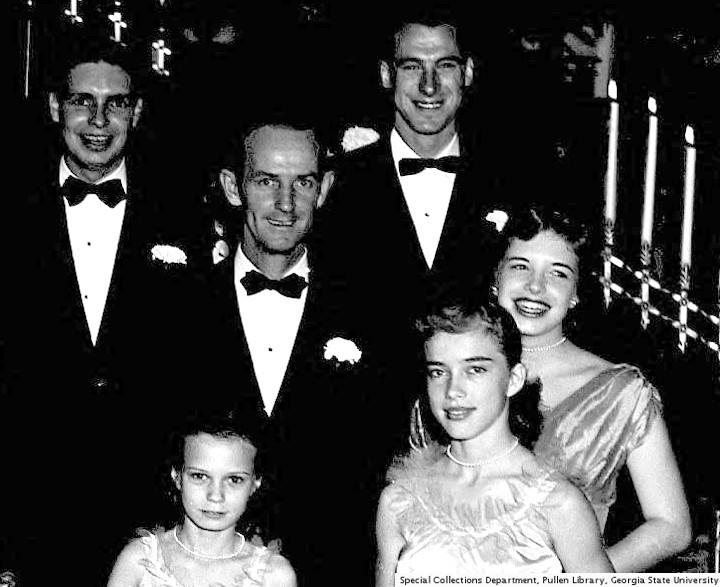
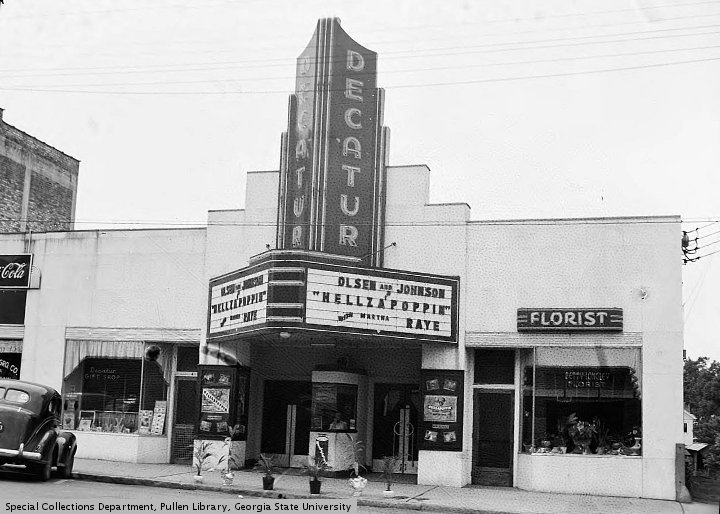
Pictures today are from “The Special Collections and Archives, Georgia State University Library”.



Founding Babydaddies




People often try to justify their opinions by saying that the “founding fathers” agree with them. They often are guilty of selective use of history. A good place to start would be to define what we mean by the phrase founding fathers. This is a repost
The FF word was not used before 1916. A senator from Ohio named Warren Harding used the phrase in the keynote address of the 1916 Republican convention. Mr. Harding was elected President in 1920, and is regarded as perhaps the most corrupt man to ever hold the office.
There are two groups of men who could be considered the founding fathers. (The fathers part is correct. Both groups are 100% white male.) The Continental Congress issued the Declaration of Independence, which cut the ties to England. Eleven years later, the Constitutional Convention wrote the Constitution that governs America today. While the Continental Congress was braver, the Constitution is the document that tells our government how to function. For the purposes of this feature, the men of the Constitutional Convention are the founding fathers.
Before moving on, we should remember eight men who signed the Declaration of Independence, and later attended the Constitutional Convention. Both documents were signed by George Clymer, Benjamin Franklin, Robert Morris, George Read, Roger Sherman, and James Wilson. George Wythe left the Convention without signing the new document. Elbridge Gerry (the namesake of gerrymandering) refused to sign the Constitution because it did not have a Bill of Rights.
The original topic of this discussion was about whether the founding fathers owned slaves. Many people wonder about this. If you go to google, and type in “did the founding fathers”, the first four answers are owned slaves, believed in G-d, have a death wish, and smoke weed.
The answer, to the obvious question, is an obvious answer. Yes, many of the founding fathers owned slaves. A name by name rundown of the 39 signatories of the Constitution was not done for this blogpost. There is this revealing comment at wiki answers about the prevalence of slave ownership. “John Adams, his second cousin Samuel Adams, Alexander Hamilton, and Thomas Paine were the only men who are traditionally known as founding fathers who did not own slaves.
Benjamin Franklin was indeed a founder of the Abolitionist Society, but he owned two slaves, named King and George. Franklin’s newspaper, the Pennsylvania Gazette routinely ran ads for sale or purchase of slaves.
Patrick Henry is another founding father who owned slaves, although his speeches would make one think otherwise. Despite his “Give Me Liberty or Give Me Death” speech, he had up to 70 slaves at a time. He did apologize from time to time. He knew it was wrong, he was accountable to his God, and bemoaned the “general inconvenience of living without them.”
Patrick Henry was a star of the Revolution, but not present at the Constitutional Convention. The author of the Declaration of Independence, Thomas Jefferson, was in Europe during the convention. Mr. Jefferson not only owned slaves, he took one to be his mistress, and kidsmama.
One of the more controversial features of the Constitution is the 3/5 rule. Here are the original words “Representatives and direct Taxes shall be apportioned among the several States which may be included within this Union, according to their respective Numbers, which shall be determined by adding to the whole Number of free Persons, including those bound to Service for a Term of Years, and excluding Indians not taxed, three fifths of all other Persons.” In other words, a slave was only considered to be 60% of a person.
This is offensive to people today. It was a compromise. The agricultural southern states did not want to give up their slaves. The northern states did not want to give up Congressional representation. This was the first of many compromises made about slavery, ending with the War between the States. This webpage goes into more detail about the nature of slavery.
The research for this feature turned up a rather cynical document called The myth of the “Founding Fathers” . It is written by Adolph Nixon. He asks : “most rational persons realize that such political mythology is sheer nonsense, but it begs the question, who were the Founding Fathers and what makes them so great that they’re wiser than you are?” (The link for this information keeps changing. Here is the latest source. This is not a totally reliable source.)
Mr. Nixon reviews the 39 white men who signed the Constitution. He does not follow the rule, if you can’t say anything nice about someone, then don’t say anything at all. Of the 39, 12 were specified as slave owners, with many tagged as “slave breeders”.
The Constitution, and the Bill of Rights, have served America well. However it was intended, it was written so that it could be amended, and to grow with the young republic. It has on occasion been ignored (when was the last time Congress declared war?). However fine a document it is, it was created by men. These were men of their time, who could not have foreseen the changes that America has gone through. Those who talk the most about the founding fathers know the least about them.




July 3, 1981


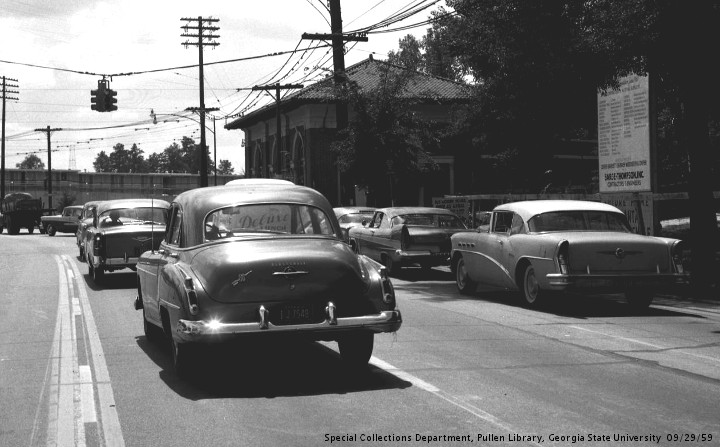

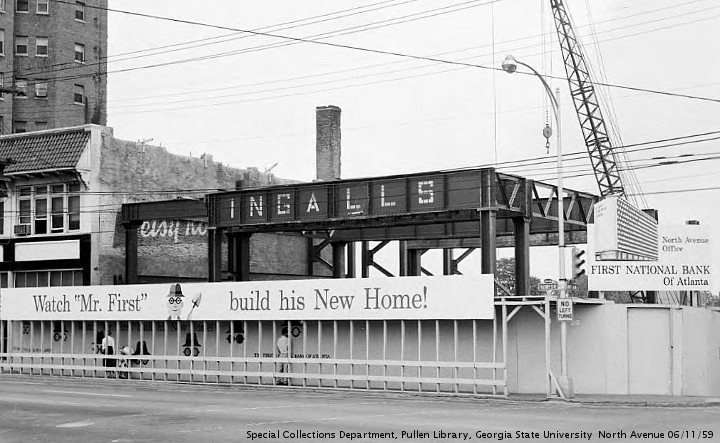

July 3, 1981, was another day before a holiday. The new President, Ronald Reagan, was recovering from gunshot wounds. There was talk of an era of conservatism, with possibly severe repression.
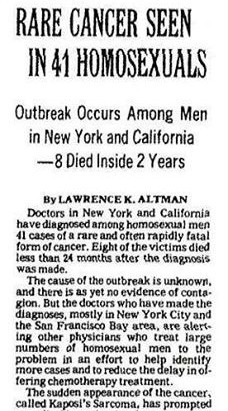
There was an article in the New York Times. RARE CANCER SEEN IN 41 HOMOSEXUALS. “Doctors in New York and California have diagnosed among homosexual men 41 cases of a rare and often rapidly fatal form of cancer. Eight of the victims died less than 24 months after the diagnosis…”
This was the media debut of AIDS. It would not have that name for a while. Almost nobody thought, on that summer day, just how bad AIDS would be. In five years it was obvious how serious AIDS was.
 PG was on another trip to the west coast. It was becoming obvious that this would be a vacation, rather than a relocation. He was riding a bicycle, with a milk carton overloaded with camping gear. Some kids told him to get saddle bags, and carry the weight lower. If you have the weight on top, you would lose control coming down a big hill. PG did not listen to the kids.
On July 4, PG left Patrick’s Point state park, about 300 miles north of San Francisco. Coming down the first hill on highway 101, the bike shook, shook harder, and flipped on its side. PG was thrown off. The front wheel was bent beyond repair. PG gathered his gear, left the bike behind, and got a ride into the nearest town.
PG got a bus ticket to Seattle. That city was in an economic downturn, with less than half a page of help wanted ads. PG found a auto delivery service, and got a VW bug going to Oak Ridge, TN. In a few days he was in Atlanta. A few days later, a temp agency came up with a job as a driver for a blueprint company. PG worked for that company, in one form or another, for the next 24 years.
As for the gay men with Kaposi’s Sarcoma … in all probability, the patients mentioned in that article were all dead within a year. AIDS has become a dominating story in our time. At its worst, it was claiming 50,000 lives a year. With the advent of wonder drugs, the death toll has been greatly reduced. The impact of AIDS on American life cannot be adequately described. This is a repost.
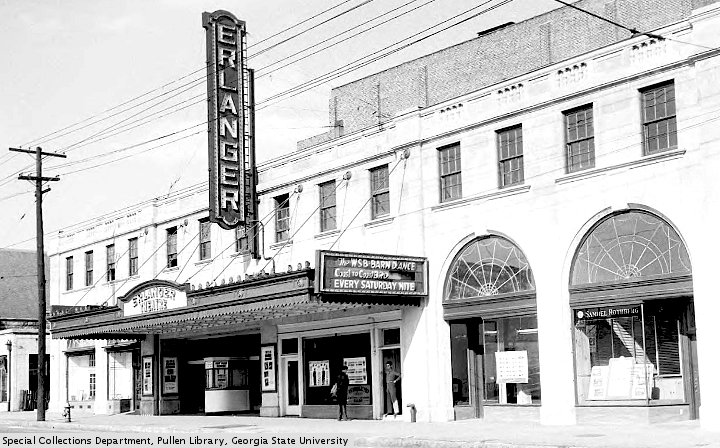
Pictures today are from “The Special Collections and Archives, Georgia State University Library”. Lawrence K. Altman is still writing articles for the New York Times.


The Last Night Of Judy Garland
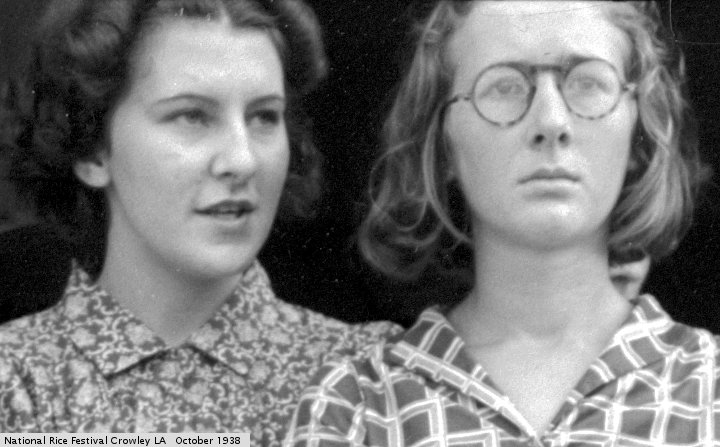



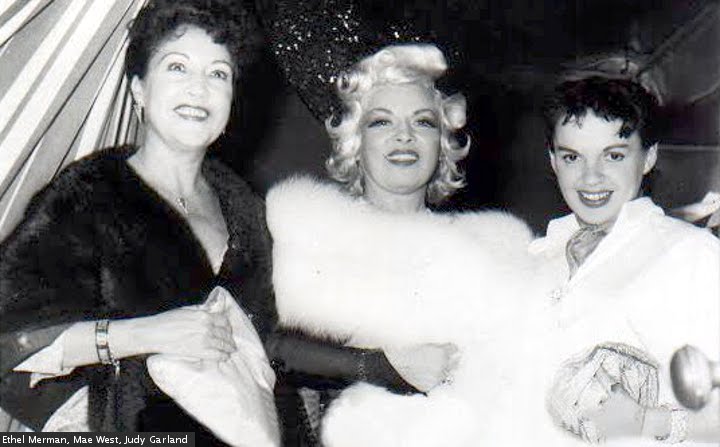
“In march of 1969, Judy married her fifth husband, Mickey Devinko, better known as Mickey Deans, a gay night-club promoter. Judy had an unfortunate habit of marrying gay men. They lived together in a tiny mews house in Chelsea, London. The evening of Saturday June 21 1969, Judy and Mickey were watching a documentary, The Royal Family, on television, when they had an argument. Judy ran out the door screaming into the street, waking the neighbors.
Several versions of what happened next exist, but the fact remains that a phone call for Judy woke him at 10:40 the next morning, and she was not sleeping in the bed. He searched for her, only to find the bathroom door locked. After no response, he climbed outside to the bathroom window and entered to find Judy, sitting on the toilet. Rigor Mortis had set in. Judy Garland, 47, was dead.
The press was already aware of the news before the body could be removed. In an effort to prevent pictures being taken of the corpse, she was apparently draped over someone’s arm like a folded coat, covered with a blanket, and removed from the house with the photographers left none the wiser.
The day Judy died there was a tornado in Kansas…. in Saline County,KS, a rather large F3 tornado (injuring 60, but causing no deaths) did hit at 10:40 pm on June 21st, that would be 4:40 am, June 22nd, London time, the morning she died. I know the time of death has never been firmly established, but since Rigor Mortis had already set in, I think this tornado may very much be in the ballpark in terms of coinciding with time of death…. Other news articles suggest the tornado struck Salina “late at night” which could certainly also mean after midnight on June 22, or roughly 6:00 am London time…
The Toledo Blade for June 24th, also in an article located right next to a picture of Garland, in a write-up on the Salina tornado noted that “Late Saturday [June 21] and early Sunday [June 22, another batch of tornadoes struck in central Kansas.” So it seems the legend seems confirmed.”
The text for this story comes from Findadeath. You can spend hours at this site. This is a repost. Pictures are from The Library of Congress.


Dorothy Parker




PG first heard of Dorothy Parker in tenth grade. His friend Bob Gibson cut the poem Resume out of the literature text book, and carried it in his wallet. Mrs. Parker had been dead for two years at the time, with her ashes resting in her attorney’s filing cabinet. As the years rolled on, there were stories about the round table at the Algonquin hotel, and a poem about W.R. Hearst … “Upon my honor, I saw the madonna, by the door, in a niche, of a well known whore, and a prominent son of a bitch.” There was another famous comment: Re “The Cardinal’s Mistress” by Benito Mussolini, Dorothy Parker wrote one of my favorite bon mots: “This is not a book to be tossed aside lightly. It should be thrown with great force.” Wikiquotes lists both of these items as “misattributed.”
It is now 2019, several years after the first DP post. Born Dorothy Rothschild, on August 22, 1893, Miss Parker did nicely without a middle name. Chamblee54 has featured Miss Parker several times (one, two, three, four.) Today, these four posts will be combined into one. Pictures are from “The Special Collections and Archives, Georgia State University Library” and The Library of Congress. If you want a list of clever sayings, google is your friend. The quote investigator has five pages of the alleged sayings of Miss Parker.




It was 5:25 pm. PG had not heard from either person who was supposed to be at his house at 5:30. While muttering things about unreliable people, he started to look at a writing contest. The idea was to write 100 words or less. The challenge was to produce a “a quick, honest and heartfelt response” to an image. The meme is seen below the fold.
The image has a quote. “I hate writing. I love having written. Dorothy Parker.” When PG sees words of wisdom, with a famous name at the end, his impulse is to check it out. When you search the wikiquote page on Miss Parker, and look for hate, love, and writing, you will not see the quote. 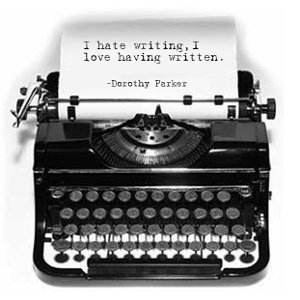
There was one item in wikiquotes that made PG laugh. It was in the “Misattributed” section. “Upon my honor, I saw a Madonna. Standing in a niche, Over the door, Of the glamorous whore, Of a prominent son of a bitch.” Said to have been written in the guest-book of Hearst Castle, referring to the room occupied by Hearst’s mistress, Marion Davies. Parker always denied it, pointing out that she would never have rhymed “honor” with “Madonna”.” Nor would the entertainer.
When PG saw that quote, he knew that this piece would be longer than 100 words. Inserting quotes into a piece will bloat the word count every time. About this time the phone rang. His friends were in the front yard, being eaten by mosquitoes. PG put on a white shirt, and left.
Later that night, 99 sick well chosen words fell out of the fingers, and into the ether.
The quote is suspect. Wikiquotes does not show it, after a search for love, hate, and written. The image is probably manufactured. The image is a piece of paper, coming out of a vintage manual typewriter. The main text is one size. The author credit is another size. Vintage manual typewriters only produced one size of product. This one size is considerably smaller than either size in this image. The text in this image was produced elsewhere. This rendering of a bogus quote is then pasted onto a blank sheet of paper, seen merging from a vintage manual typewriter.





The other day there was a post here on the dotty subject of Dorothy Parker quotes. The departed dipsomaniac would seem to be a quote magnet.
One quote, that appears to be genuine, is about another quote magnet, Oscar Wilde. “A Pig’s-Eye View of Literature: Oscar Wilde If with the literate I am, Impelled to try an epigram, I never seek to take the credit, We all assume that Oscar said it.” (First printed in Life, (2 June 1927) p. 13 When you can give a source for a quote, the chances of it’s legitimacy go up tremendously.)
The original plan for this post was to do a wikiquotes search of the quotes in this post. This concept very quickly turned out to be too much work. The first paragraph of the original post has a clue.
PG first heard of Dorothy Parker in tenth grade. His friend, Bob Gibson, cut the poem Resume out of the literature text book, and carried it in his wallet. Mrs. Parker had been dead for two years at the time, with the ashes resting in her attorney’s filing cabinet. … there was another comment : Re “The Cardinal’s Mistress” by Benito Mussolini, Dorothy Parker wrote one of my favorite bon mots: “This is not a book to be tossed aside lightly. It should be thrown with great force.”
In the post the other day, it was discovered that the poem about W.R. Hearst was written by someone else. Which brings us to “The Cardinal”s Mistress”. Yes, that was written by Hitler’s BFF, Benito Mussolini. When he wasn’t making the trains run on time, he wrote a sappy novel. And the comment by Miss Parker is great. But did she really say it?
A blogspot facility called Heavens to Mergatroyd has the text from a New Yorker review of TCM. It is a delightful read. However, the landmark quote is not there. The spell check suggestion for mergatroyd is derogatory.
Wikiquotes calls the comment “misattributed”. “Quoted in The Algonquin Wits (1968) edited by Robert E. Drennan, and Try and Stop Me. As noted at Snopes, Drennan’s source seems to be a Parker review which does not seem to contain this quote. If Parker wrote this statement anywhere the primary source seems to have gone missing.”
Try and Stop Me is a newspaper column by Bennett Cerf. The link is to The Dispatch, Lexington N.C., October 12, 1962. Next to the column is The Dispatch Religious Activities, Directory of Churches. The pastor of First Baptist is David Hoke Coon, Jr.
While preparing this commentary, an effort was made to find the text for “Resume”. It is a bona fide quote, first printed in New York World August 16, 1925. While looking for the text, Google suggested a search for “resume dorothy parker analysis.” One result was sponsored by a politician, Michelle Nunn. Another had this to say. “We know that we’re being a bit obvious here. But check it out: almost every single line in this poem offers an idea for a different way to die. When it comes to wordplay, Parker’s not messi…” Maybe she meant to say messy.





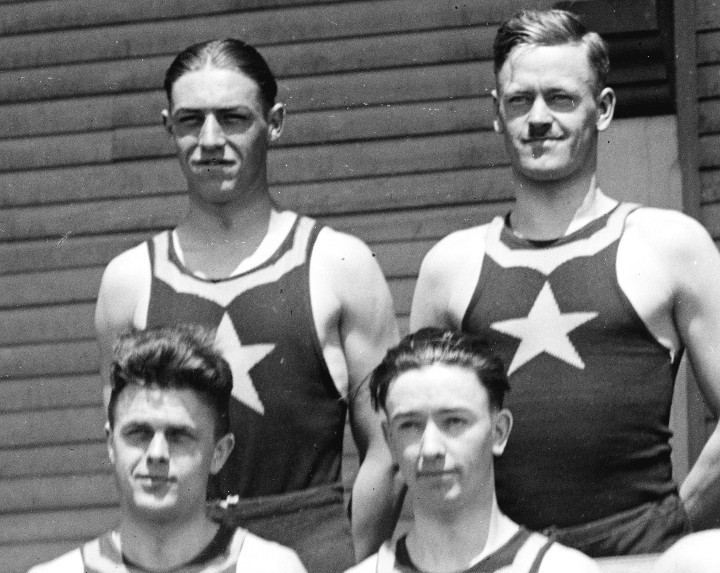




BigO is a site with mp3 downloads. Most of them are concerts. PG found one exception. It was a 1960 interview, STUDS TERKEL WITH DOROTHY PARKER/BOB NEWHART – CHICAGO 1959/1960. Pictures today are from The Library of Congress. This is a repost.
Dorothy Parker is somewhat of a legend. There were the funny sayings, a few poems and stories, and her life. Mrs. Parker was well known as a witty person during the twenties. She drank, a lot, and talked often of suicide. It was surprising to find a 1960 interview.
In fact, Dorothy Parker died in 1967, at the age of 73. By 1960, she was in decline, living at the Manhattan’s Volney Hotel. “Edmund Wilson … paid occasional painful visits to her at the Volney. (“She lives with a small and nervous bad-smelling poodle bitch, drinks a lot, and does not care to go out.”) … She was still revered, a legend, but she had also become a pathetic relic. Yes, “you might as well live,” but for what? And on what? Not only was she running out of old friends, she was running out of money, though uncashed checks, some quite large, were strewn around her apartment (along with the empty bottles), not helping with unpaid bills.”
There were some zesty quotes in the interview with Mr. Terkel. “I can’t call myself a critic. Honestly. I can only put down what I think and pray there isn’t a libel suit.” “I’m not a poet, you know, I just write verse” “The beat boys aren’t saying anything except look at us aren’t we great … I don’t think the beat generation is much worth worrying about. Very soon, in the very near future, they will be as forgotten as mah jongg.”
Towards the end of the interview, Mr. Terkel said “i know some people would want me to ask, did she really say all those things that she was quoted as saying” “… no, no, and it was a curse on me, it was simply awful the things that were attributed to me. I wouldn’t have minded if they had been good. I was, in effect, the shaggy dog of my time.”
Another quote magnet for the meme generation is Thomas Jefferson. PG saw yet another inspiring quote on facebook today. Mr. Google was consulted. It turns out the quote is real.
Thomas Jefferson to William Hamilton, 22 April 1800 is the source. Vice President Jefferson was going to be elected President later that year. It is not known what effect that had on the quote in the meme. “I never considered a difference of opinion in politics, in religion, in philosophy, as cause for withdrawing from a friend.” It is not known whether a twenty first century Jefferson would unfriends anyone who says anything unappealing.



Walt Whitman 2019
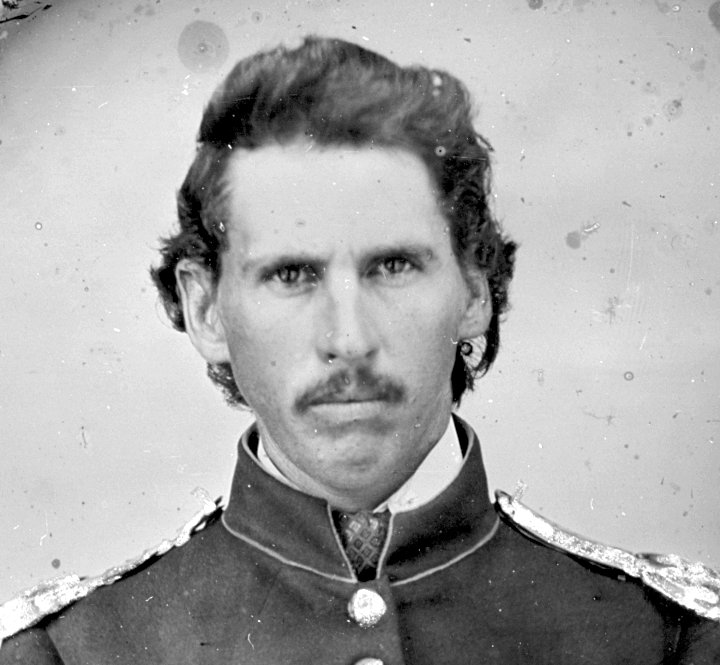

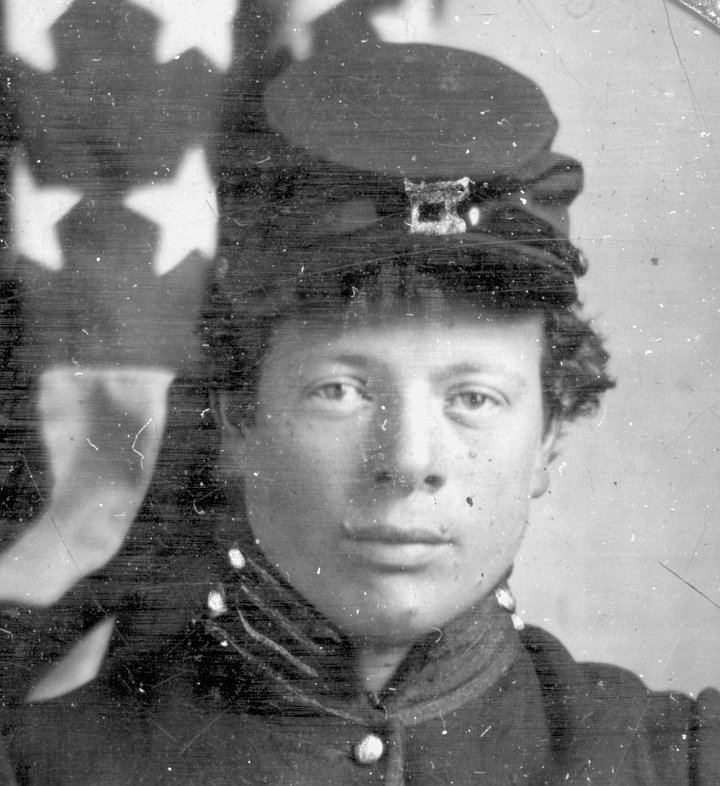


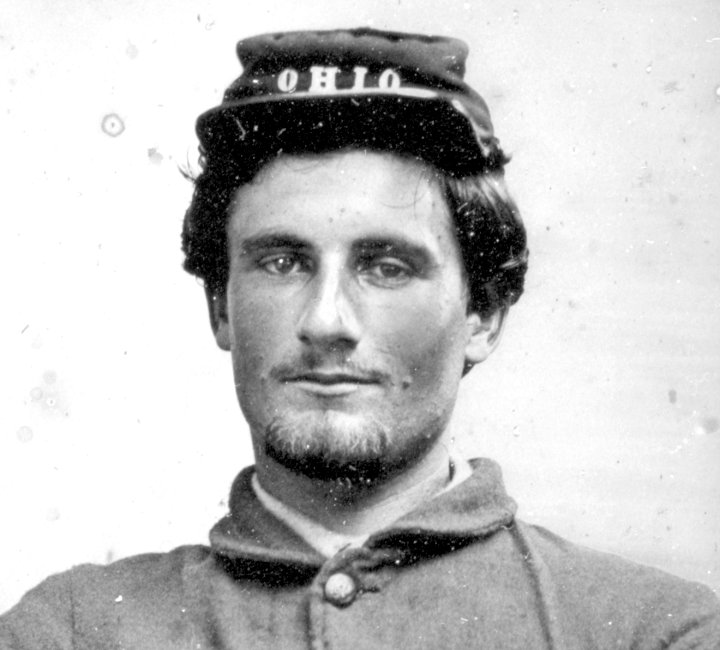

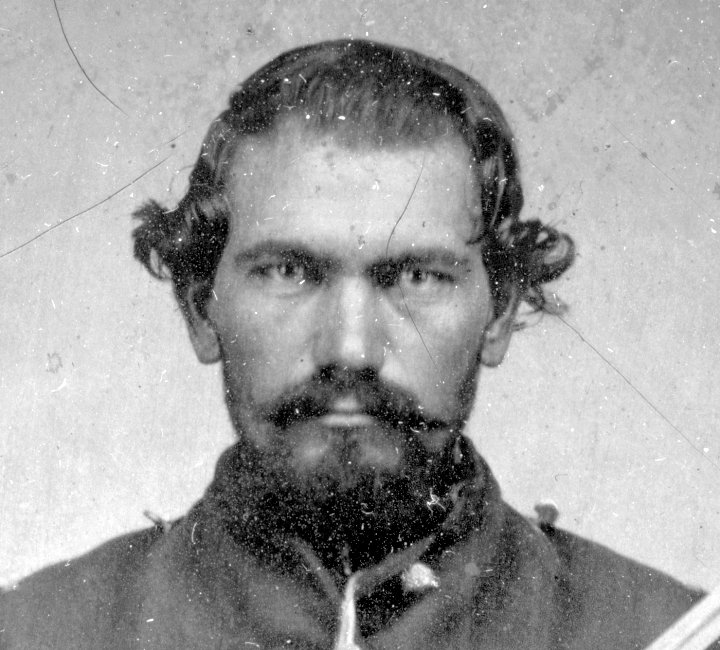

WORD over all, beautiful as the sky!
Beautiful that war, and all its deeds of carnage, must in time be utterly lost;
That the hands of the sisters Death and Night,
incessantly softly wash again, and ever again, this soil’d world:
…For my enemy is dead—a man divine as myself is dead;
I look where he lies, white-faced and still, in the coffin—I draw near;
I bend down and touch lightly with my lips the white face in the coffin.
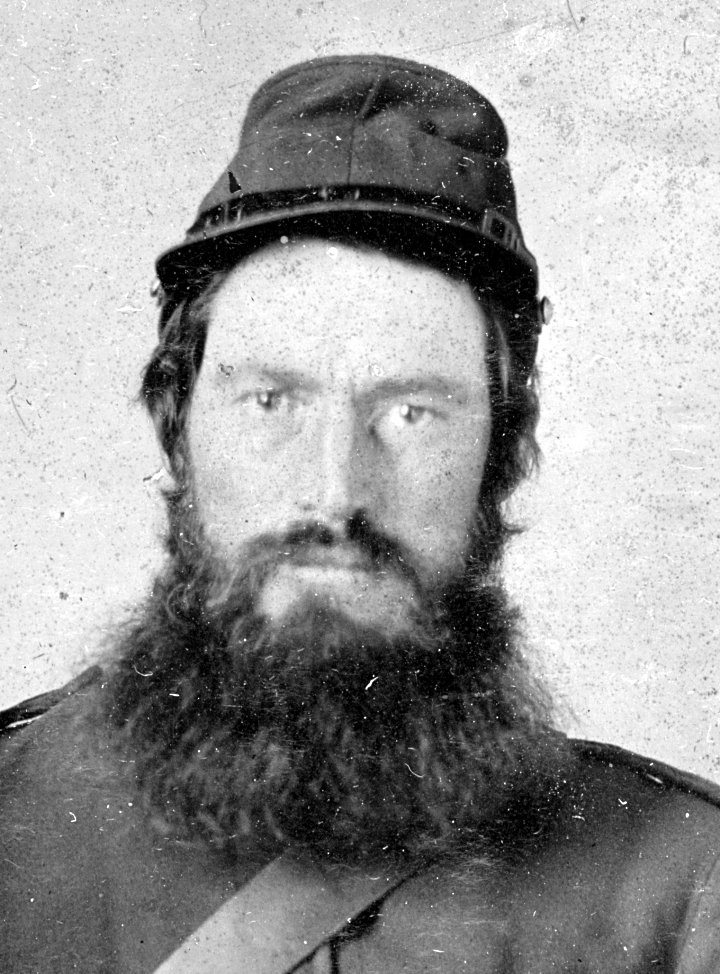
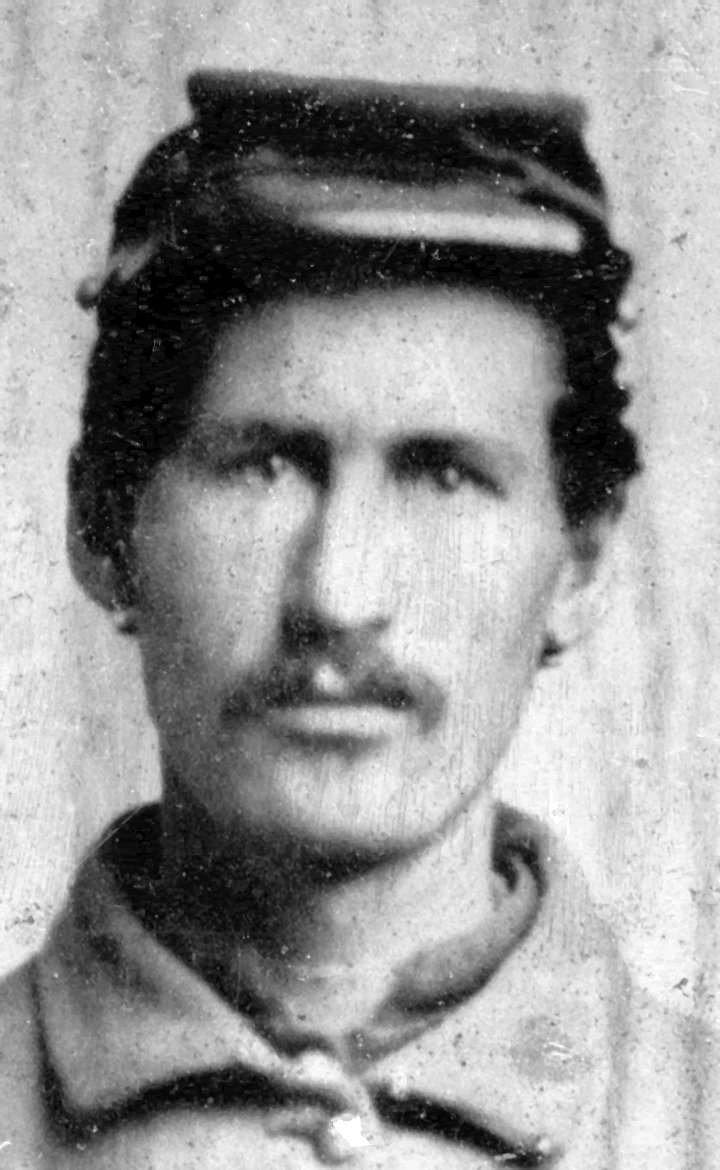
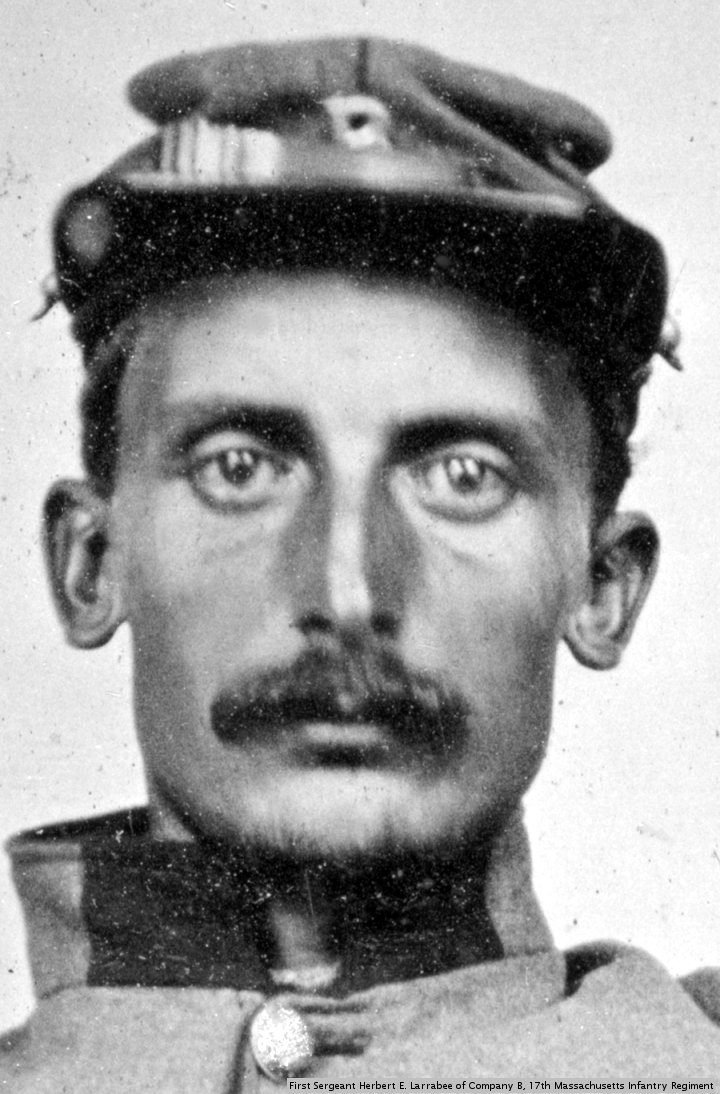
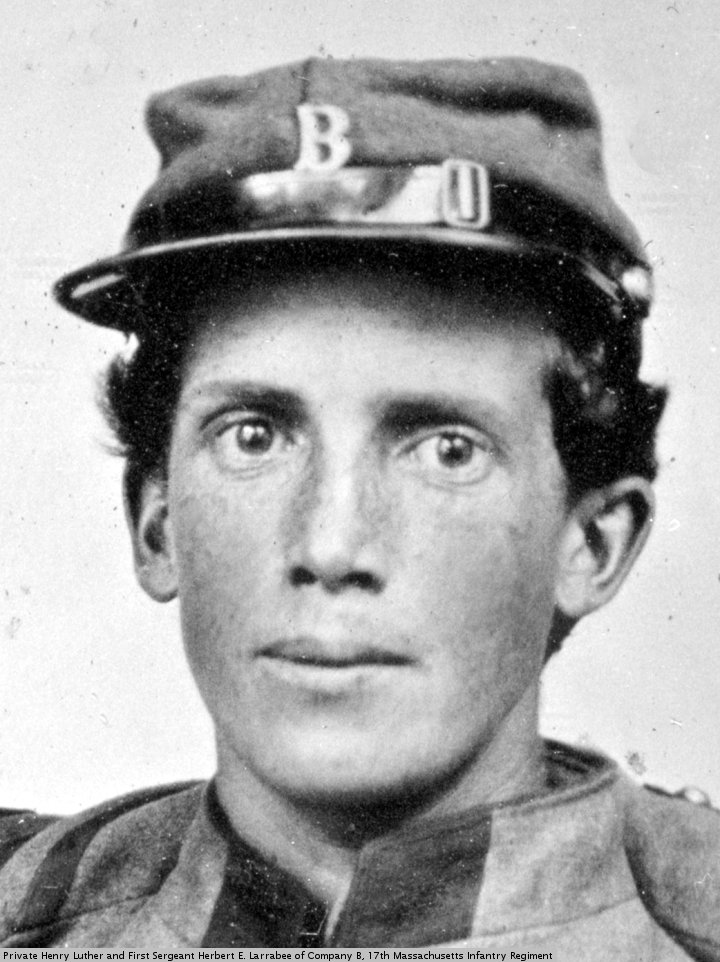
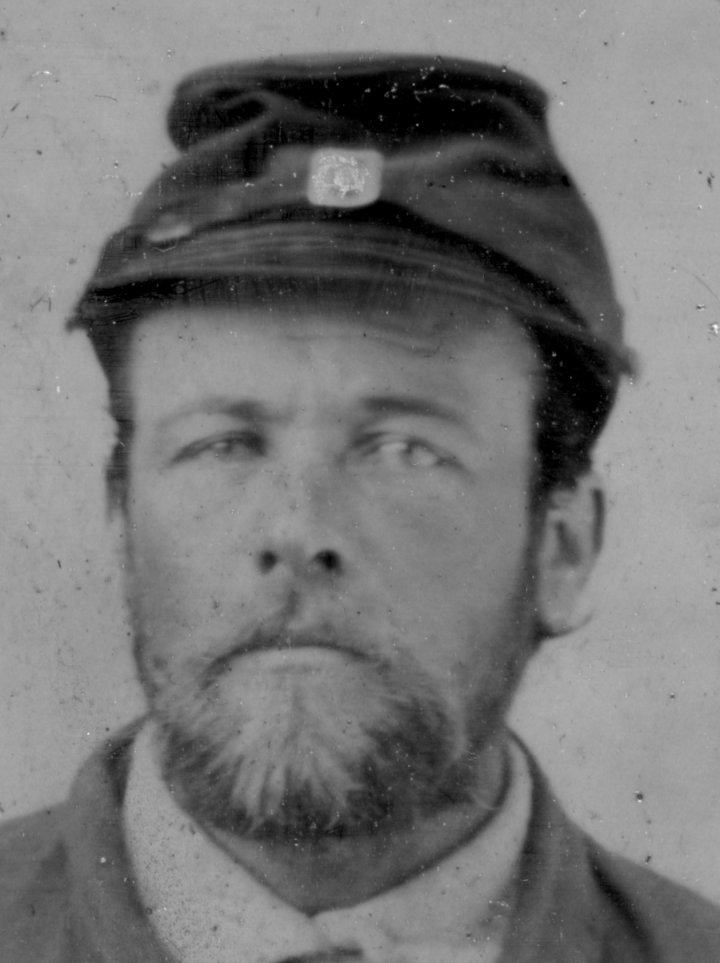
Reconciliation was written by Walt Whitman. During the War Between the States, Mr. Whitman served as a volunteer nurse in Washington DC hospitals. That hospital was full of the human cost of war. Mr. Whitman looked past the so-called causes … slavery, states rights, banker profits … and saw the price paid, by the men who fought.
“In 1862, Whitman received word that his brother George had been wounded at the Battle of Fredericksburg. During the worst, he traveled down to the Virginia battle site. Much to Whitman’s relief, he found that his brother had sustained only minor injuries. While he was there, Whitman was moved by an especially brutal scene. … He records a dramatic moment where he’s standing in front of this field hospital and sees at the foot of two trees a pile of amputated limbs. He says, “A full load for a one horse cart.” And these are limbs that had been thrown out the windows of the surgery in the haste of the battle and the emergencies.”
It is now 2019. The 200th birthday of Mr. Whitman was a few days ago. In recent years, the conflict of 1861-1865 has been opened up to another round of debate. Mr. Whitman, and Reconciliation, have not been left out. “Here, Whitman suggests the reunion of the nation, men on opposite sides of the war drawn together beneath the banner of reconciliation. However, in the final image of the dead, “white-faced” in the coffin, Whitman leaves out the reality of so many dead soldiers whose faces were not white. And further, according to historian David Blight, the poem highlights—in the “kinship” of the dead white brothers—“the ultimate betrayal of the dark-faced folk whom the dead had shared in liberating.” This kind of erasure would continue to dominate Civil War memory as monuments to only part of the story inscribed a narrative on the American landscape—particularly in the South.”
Walt Whitman has emerged as a type of Jesus figure. His words are analyzed 150 years later, looking to find a meaning that pleases 2019 America. At least Mr. Whitman left a written record, in english. As we will see in a few paragraphs, this does not prevent him from being misrepresented.
“Song of Ourselves? Walt Whitman and the American Imagination” is a podcast, and the primary inspiration for this post. The show talks about Mr. Whitman living in Brooklyn before the War, and how he came to be involved in that conflict. It also tries to be “woke”.
“We know in recent years, people have criticized the Confederate memorials as a kind of false attempt at reconciliation, as a kind of shallow reconciliation over the lives of African American people. How would Whitman’s ideas of reconciliation differ from those ideas of reconciliation we see in the Lost Cause?” The answers are not as obvious as some would hope.
“He was an anti-extentionist. He opposed the extension of slavery into the western territories. But he was more concerned about preventing the spread of slavery than really getting rid of it. … He denounced the proslavery southern fire eaters, but he also called abolitionists red hot fanatics. They were the angry voiced silly set, he described them. And at the same time, right, so he took that kind of stance at the time and he did not believe that African Americans were capable of exercising the vote, right? So that’s part of his story.”
Later on in the show, the hosts talk about walking into a hotel room, and seeing a framed quote, “Be curious, not judgmental.” I was curious about the context, and did a little digging. There are plenty of meme-mongers merchandising this quote in four-color glory. This does not answer the question … how did Walt Whitman come to say this?
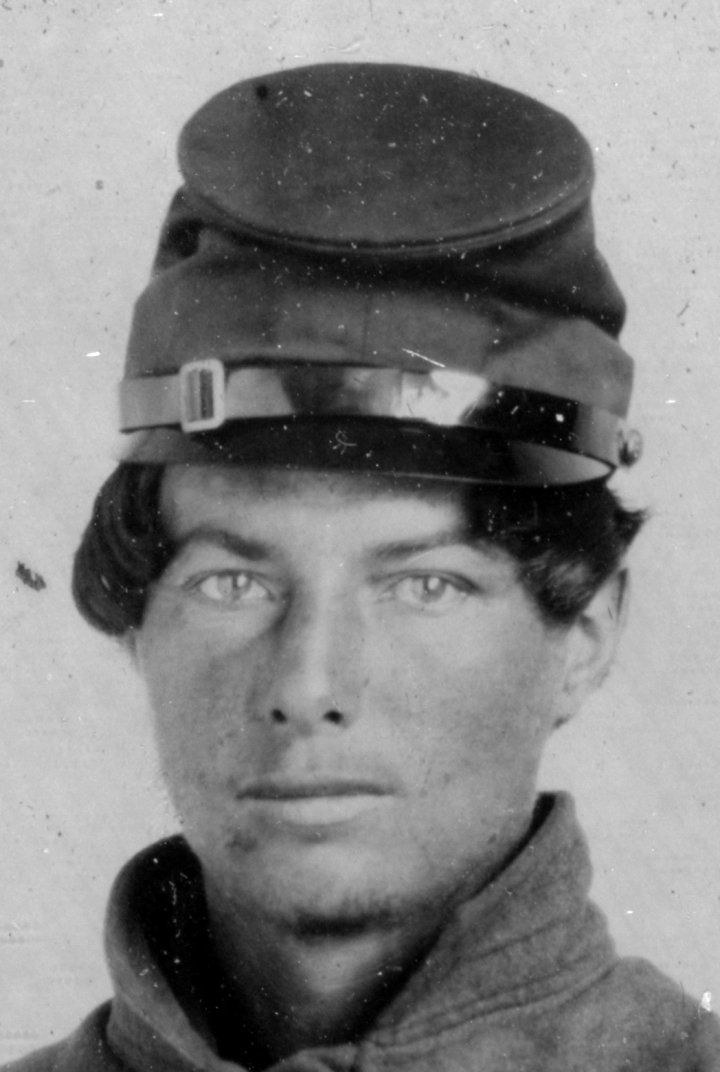
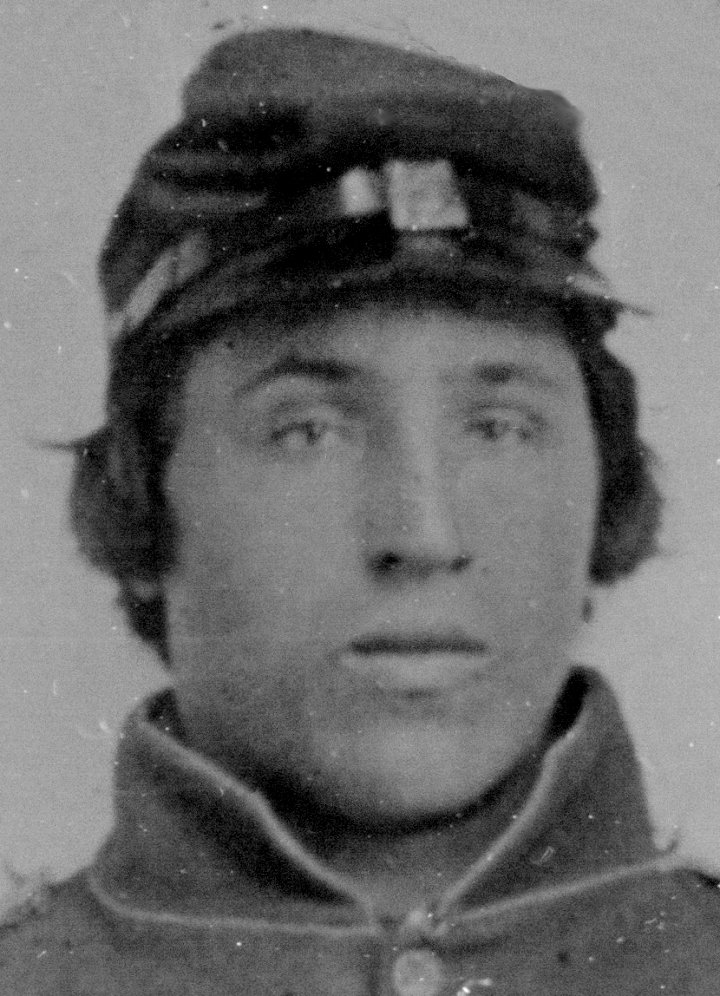
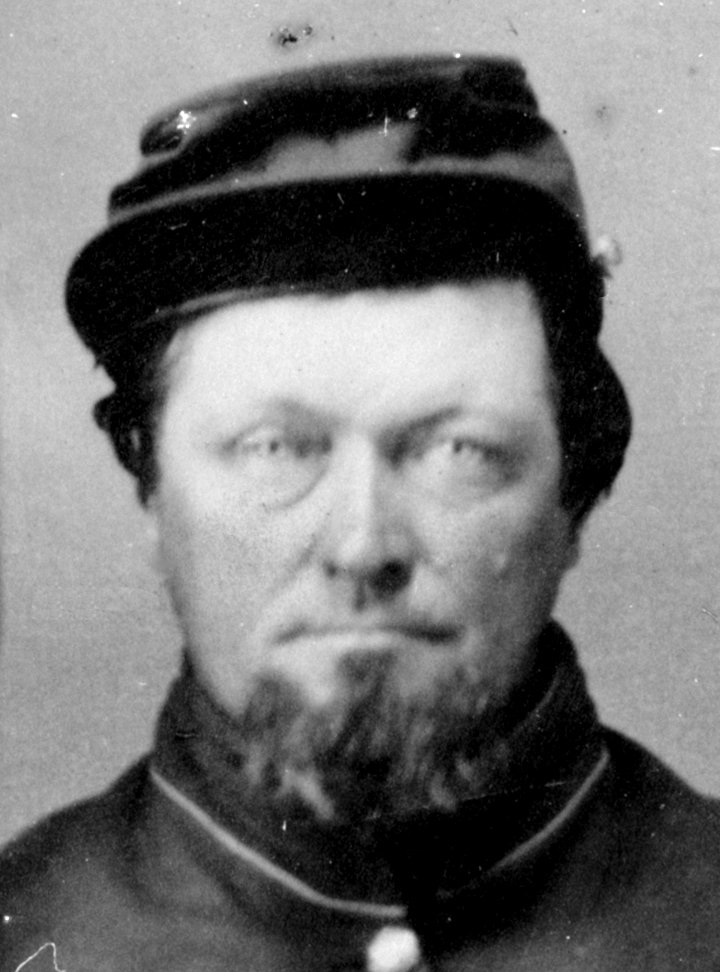
Wikiquotes lists “Be curious not judgemental” as Disputed. “While consistently attributed to Whitman, this popular motivational quote has no source. It is occasionally listed as occurring in Leaves of Grass, but the closest phrase found in that collection is “Be not curious about God.” Pictures today are from The Library of Congress.





leave a comment