What Is A Cynic?



“A cynic is a man who knows the price of everything, and the value of nothing.” ― Oscar Wilde. This quote is one of Oscar’s greatest hits. If you think about it for a minute, it is not totally accurate. You are not supposed to think. Quoting Oscar Fingal O’Flahertie Wills Wilde is about sounding clever, not making sense. Did he really create that definition of a cynic?
Oscar Wilde is a quote magnet. This is more than something you put on your refrigerator. When people hear something clever, odds are good that Oscar will get the blame. As Dorothy Parker wrote: “If, with the literate, I am, Impelled to try an epigram, I never seek to take the credit; We all assume that Oscar said it. [Life Magazine, June 2, 1927]”
Wikiquote says this line is from Act III of Lady Windermere’s Fan. It was spoken by Lord Darlington. Did the play write intend for the line to be taken seriously, or was he making the character look foolish by saying it? With Oscar Wilde, it could be both of these things at the same time.
Principle Four, of the four principles of quotations, reads “Only quote from works that you have read.” In the case of Lady Windemere’s Fan, this would mean a youtube video of the play. There is a posh BBC production available. You don’t have to watch the cell phone recording of high school players.
Lady Windemere’s Fan is a production where upper class Brits say clever things in glorious costumes. Nobody ever goes to the bathroom, or looks less than perfect. Lady Windemere’s six month old child is neither seen, nor heard. Lady Windemere finds out her husband, Lord Windemere, is having an affair with a Mrs. Erlynne. The Lord proceeds to invite the floozy to Lady Windemere’s birthday party.
After the party, the men go to their club, then to Lord Darlington’s room. There are five men in the conversation, beginning with Lord Windemere. Lord Darlington has just told Lady Windemere that he loves her, and wants her to run off with him. Lady Windemere said no. Lord Augustus is a suitor of Mrs. Erlynne, and is begging her to marry him. Cecil Graham, and Mr. Dumby, wear their splendid costumes with conviction.
The scene starts with the men saying clever things, most of them insulting to someone. Lord Augustus, or Tuppy, is the butt of many jokes. Before long, we get this exchange:
Dumby. I don’t think we are bad. I think we are all good, except Tuppy.
Lord Darlington. No, we are all in the gutter, but some of us are looking at the stars.
Dumby. We are all in the gutter, but some of us are looking at the stars? Upon my word, you are very romantic to-night, Darlington.
Cecil Graham. Too romantic! You must be in love. Who is the girl?
Lord Darlington. The woman I love is not free, or thinks she isn’t. [Glances instinctively at Lord Windermere while he speaks.]
A few minutes later, we hear another famous Oscarism.
Lord Darlington. What cynics you fellows are!
Cecil Graham. What is a cynic? [Sitting on the back of the sofa.]
Lord Darlington. A man who knows the price of everything and the value of nothing.
Cecil Graham. And a sentimentalist, my dear Darlington, is a man who sees an absurd value in everything, and doesn’t know the market price of any single thing.
Pictures today are from The Library of Congress.




Judy Roasting On An Open Fire


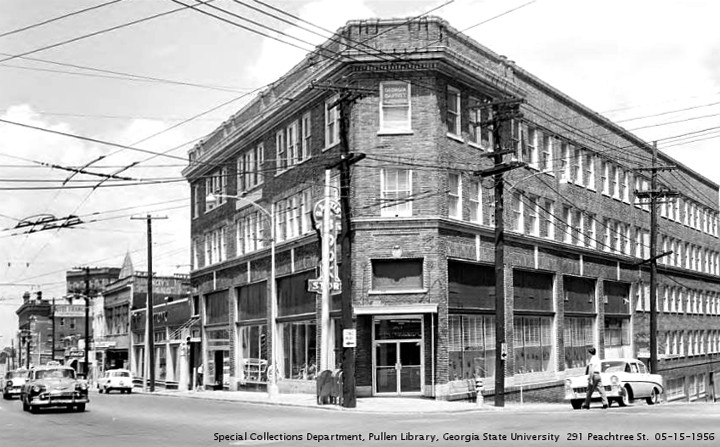
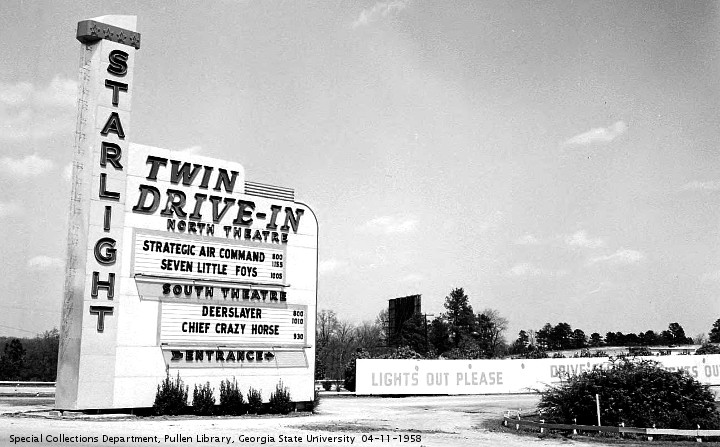
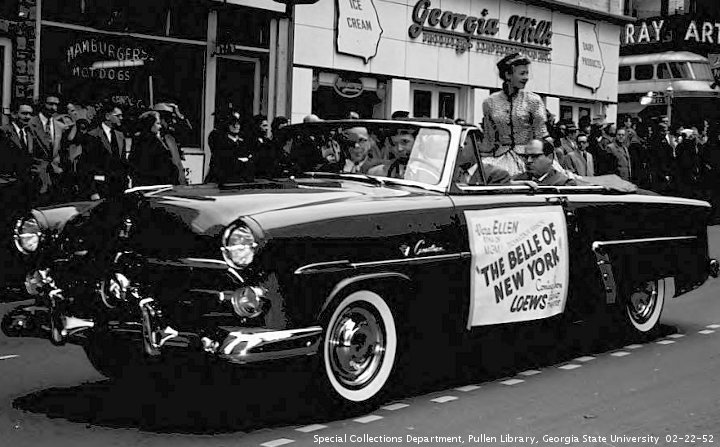
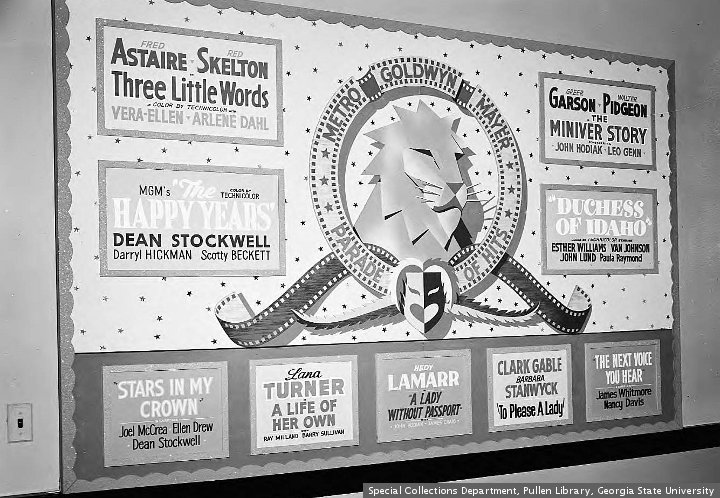
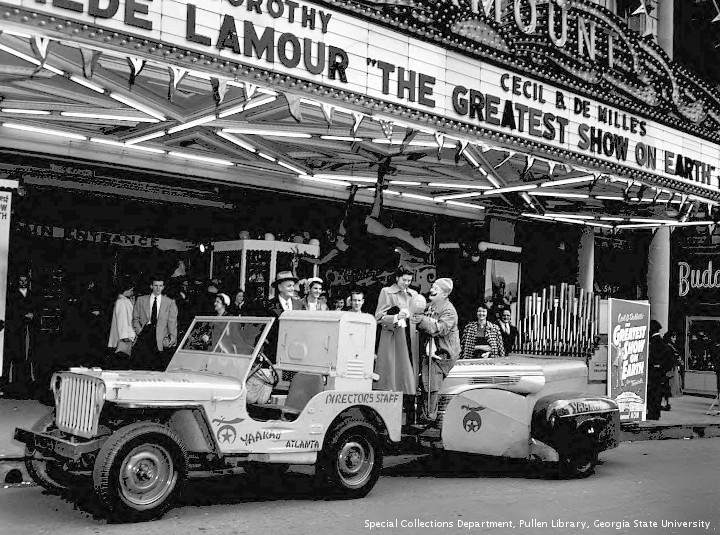
SFFILK (Not his real name) passes along a story about Mel Tormé. It seems like Mr.Tormé was eating a leisurely breakfast at a food court in Los Angeles, and a quartet appeared singing Christmas songs. They wound up performing “The Christmas Song” for co- author Tormé … and the singers had no idea who he was. It is a good story, better told in the link. This is a repost, with pictures from “The Special Collections and Archives, Georgia State University Library”.
According to the inerrant Wikipedia, Mr. Tormé collaborated with Robert Wells, until they had a falling out. One afternoon, on the hottest day of July in 1945, Mr.Tormé went to visit Mr.Wells, and saw the first four lines of “The Christmas Song” (including “Chestnuts roasting on an open fire, Jack Frost nipping at your nose”). The lines were on a note pad, and the two agreed to beat the heat of summer by completing the song. Supposedly, Mr. Tormé did not like the song very much. After three divorces, he probably didn’t see many of the royalties.
Mel Tormé was the music director of the ill fated “Judy Garland Show” in the early sixties. He wrote a book about it… The Other Side of the Rainbow: With Judy Garland on the Dawn Patrol . The story is that Miss Garland would get blasted, call Mr.Tormé in the middle of the night, and pour out her troubles. (This review is much less sympathetic towards Mr. Tormé.) While the show did not last longer, there are some great youtube clips left over.


War Between The States

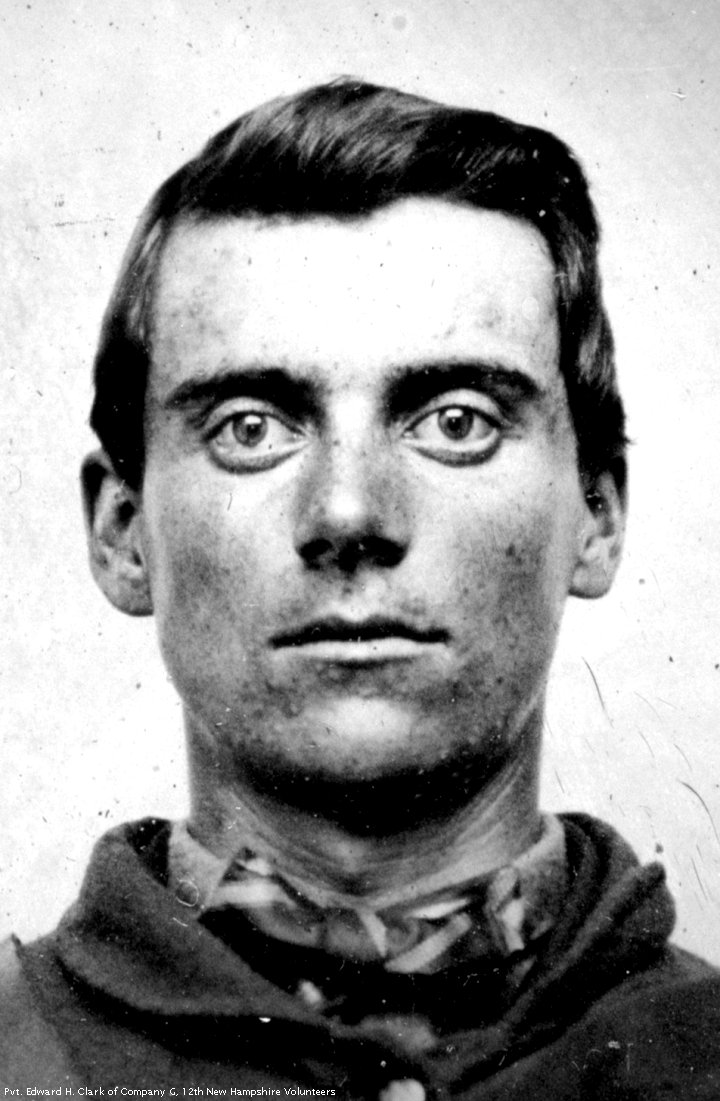


It is a truism that history is written by the winner of the war. This seems to apply to the naming of the conflict. There was a horrific armed struggle in North America between 1861 and 1865. The name used most often is Civil War. To many in the South, it is the War Between The States. In PG’s humble opinion, WBTS is a better name.
In fifth grade, PG had to write an essay about the Battle of Atlanta. The essay was a device for teaching grammar, utilized by the english teacher, Miss McKenzie. The contest was sponsored by the Daughters of the Confederacy . The expression “Civil War” was not permitted. The proper name for this conflict was War Between the States.
In many ways, this conflict started as soon as the United States became independent from Great Britain. The South was an agrarian society, with slaves to work the fields. The north was becoming an industrial society, with a need for an independent work force. The north wanted high tariffs to protect her industries, while the south wanted to sell it’s cotton to Europe. There were plenty of ways for this conflict to manifest.
Slavery was a very important factor. The south wanted to keep “the peculiar institution” intact, while many in the north were horrified. There were numerous compromises over the years, as Congress struggled to keep the Union intact. This ties in with a central dilemma of the american experience … how much power to give to the states, and how much power to give to the federal government.
The phrase civil war is defined as “A war fought between factions of the inhabitants of a single country, or the citizens of a single republic”. By the time the shooting started, the southern states had left the union. They formed a confederacy of independent states, rather than one monolithic union. It was, indeed, a war between the states.
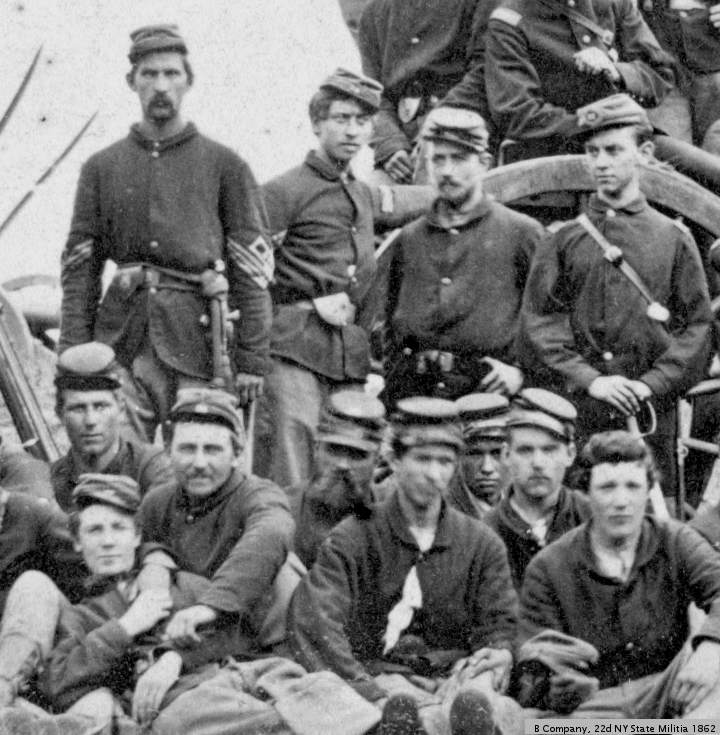
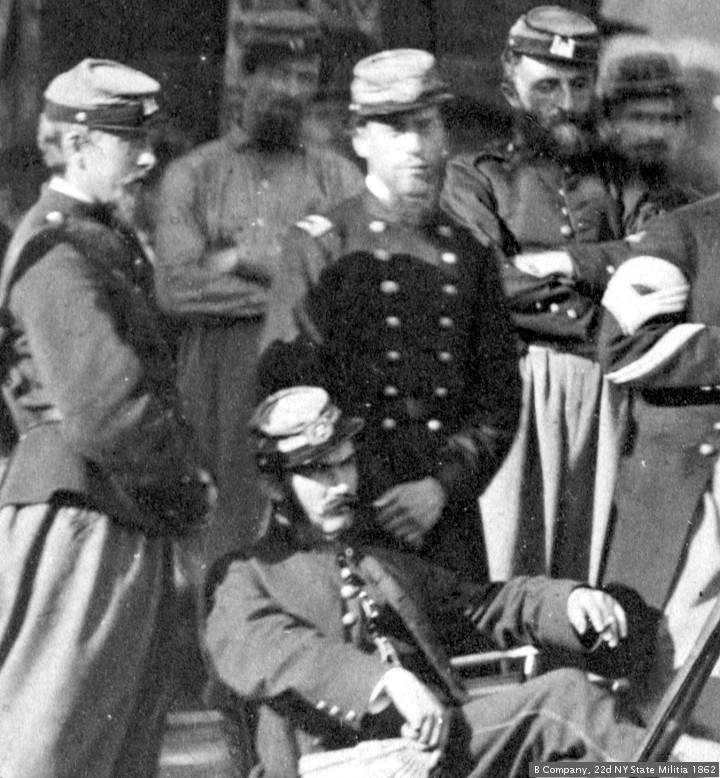
This is a repost. Pictures, of Union soldiers, are from The Library of Congress.
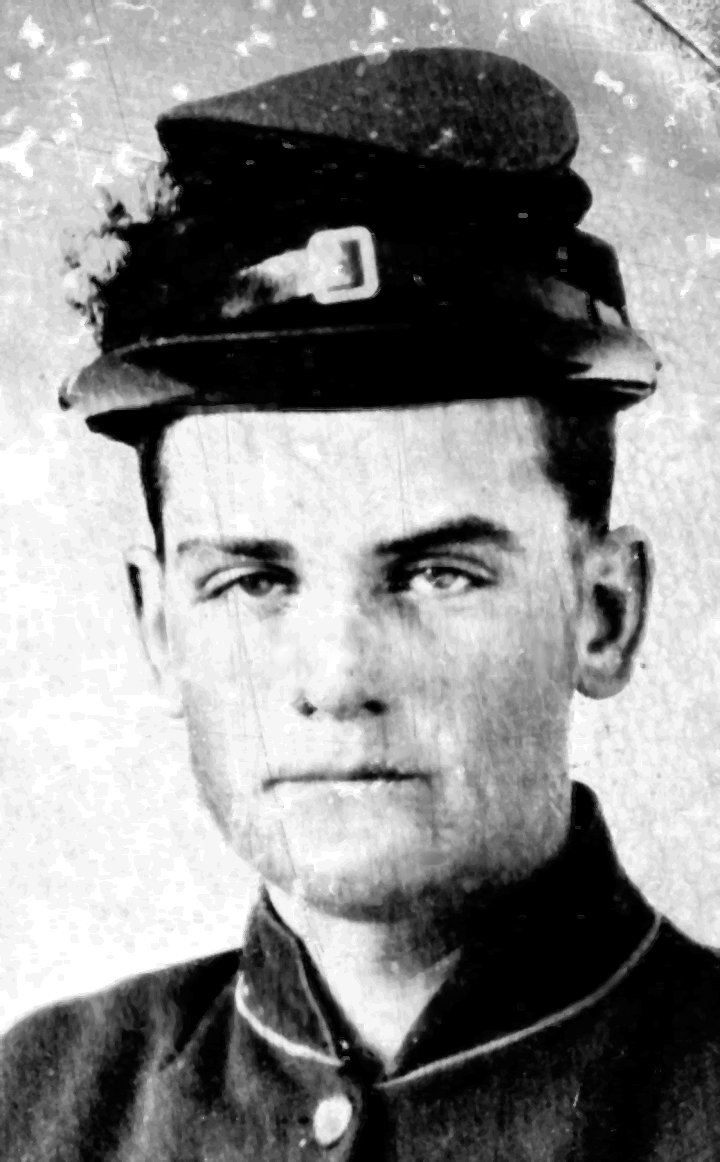
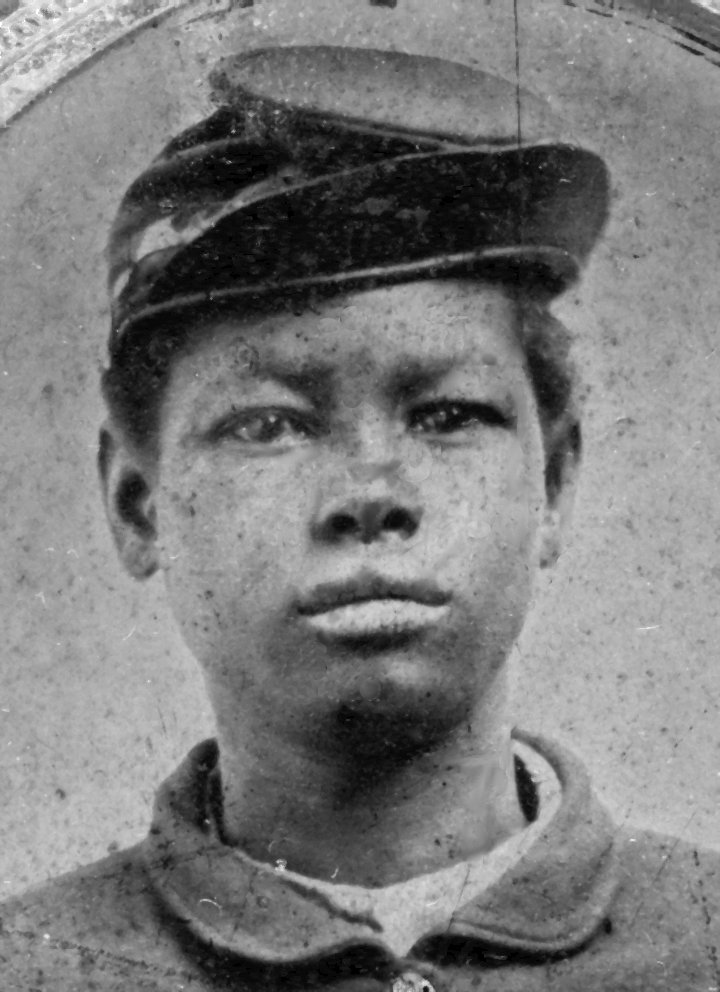

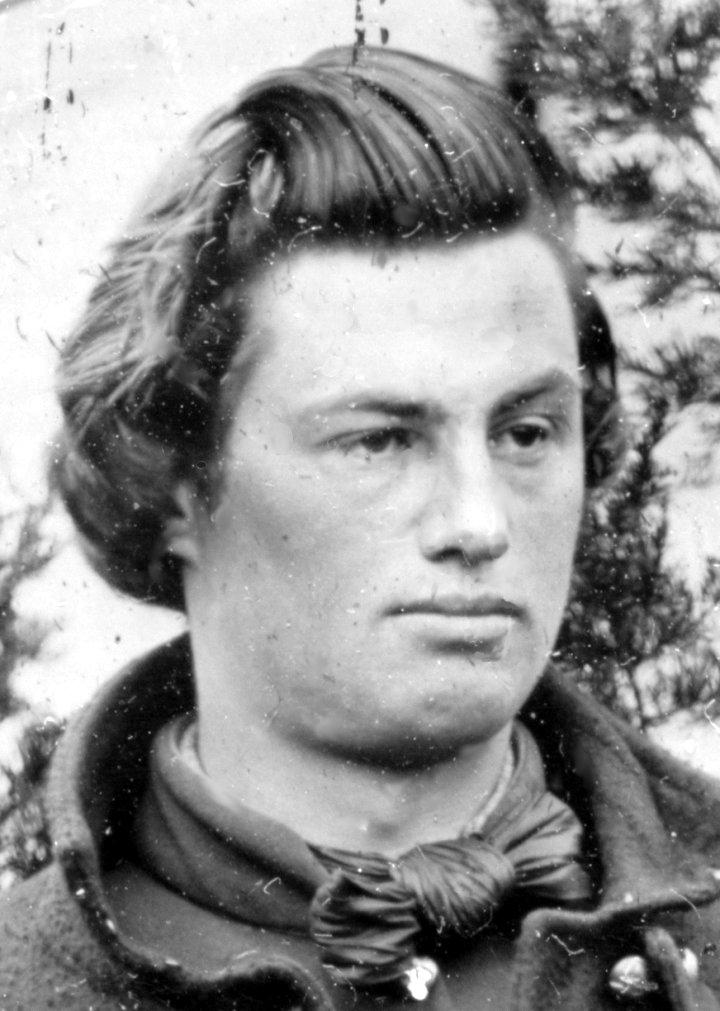


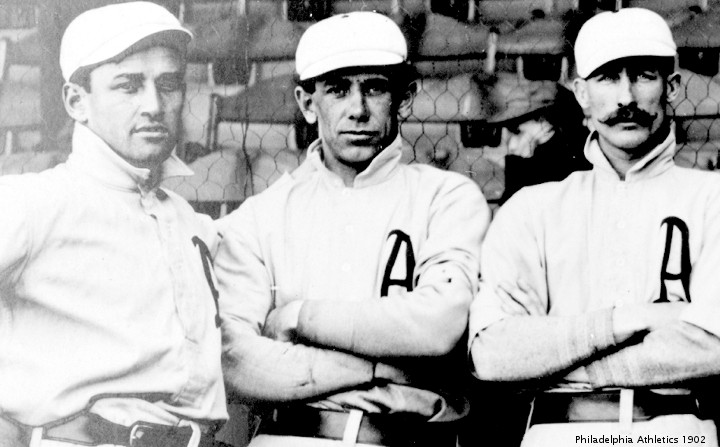


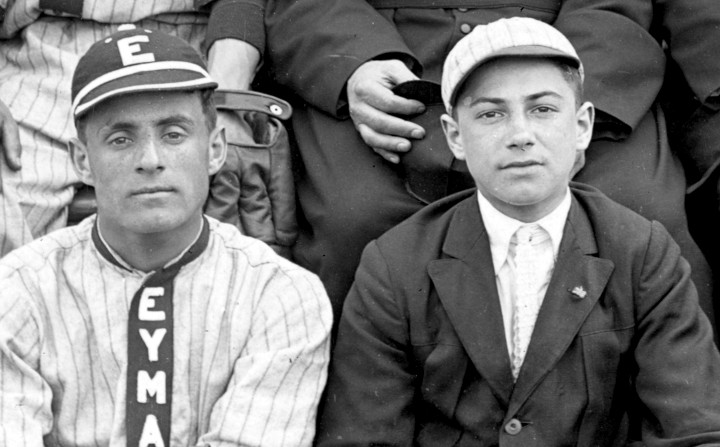

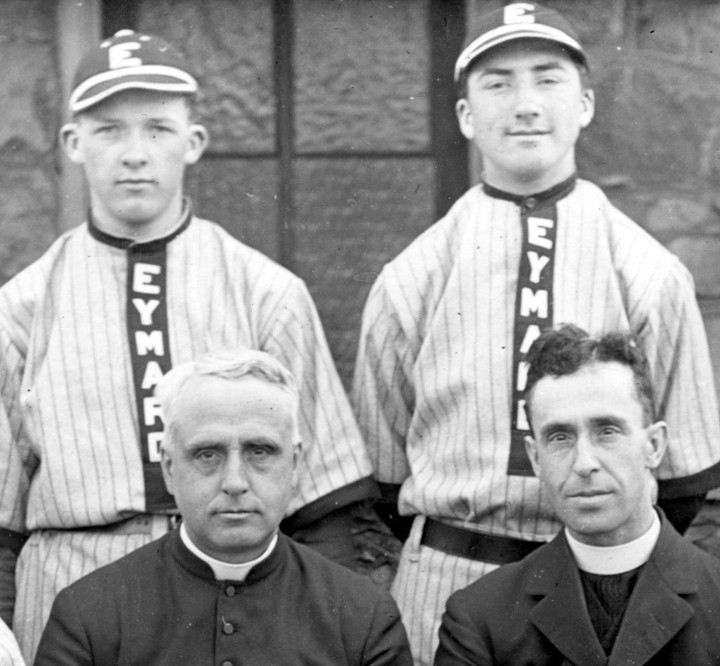

The recent destruction of #SilentSam, was defended by a quote from the 1913 dedication speech. Here is something else that Julian Carr said that day: “In the knowledge of subsequent developments, the progress, peace and prosperity of our united, common country, victor and vanquished now alike believe that in the Providence of God it was right and well that the issue was determined as it was. And the people of all sections of our great Republic, moved by the impulse of sincere and zealous loyalty, of fervent and exalted patriotism may say: “All is well that ends well.”
The demonization of the Confederacy has intensified lately. Yes, slavery was a wretched institution. However, much of the rhetoric today does not take into account many of the other causes of that war. And it forgets that *the war is over.* The early twentieth century was a time of reconciliation between the north and the south. Yes, there was Jim Crow, and white supremacy. People of color (both black and non black, both north and south) were treated horribly. Creating a more perfect union is a slow, and uneven, process.
Part two of today’s feature is a double repost. Part one is based on an interview with Shelby Foote, where he goes into some of the points made above. If you get a chance to listen to the link, you can hear Mr. Foote talk for an hour in a luxurious Mississippi accent. The second part of today’s feature goes into some of the financial causes of the War Between The States. It is an old truism that all wars are about money. The causes people are told about, both at the time of the conflict and historically, are not always the real reason for the war. Look at how WMD was used to justify “Operation Iraqi Freedom.” WMD was the excuse for the conflict, not the reason.
PG spent a pleasant Saturday afternoon editing pictures from The Library of Congress (which illustrate this post) and listening to a 1994 interview with Shelby Foote. There was a book to be sold, and Mr. Foote made the necessary appearances to sell the product. The gentleman has a handsome Mississippi accent, and is a delight to listen to. There is a transcript, aka the lazy bloggers friend.
A few of the things he said are timely. When this show was taped in 1994, Mr. Foote spoke of healing from the War Between the States. Today, we seem to be regressing. Trash talk about the Confederacy is back in fashion. It is a good time to revisit these comments. Shelby Foote died in 2005, and can no longer comment.
“Slavery is a huge stain on us. We all carry it. I carry it deep in my bones, the consequences of slavery. But emancipation comes pretty close to being as heavy a sin. They told — what is its million or 7 million people, “You’re now free. Hit the road,” and there was a Freedman’s Bureau, which was a sort of joke. There were people down here exploiting them. Three-quarters of them couldn’t read or write, had no job, no hope of a job, no way to learn a new job even, and they drifted back into this peon age system under sharecropping, which was about all they could do.
To this day, we are paying and they are paying for this kind of treatment. I don’t mean there should have been a gradual emancipation. I mean there should have been true preparation to get this people ready for living a kind of life. They were free and should have been free all along, but they were not prepared for living in the world. They’d been living under conditions of slavery, which kept them from living in the world…..”
“The Civil War, there’s a great compromise, as it’s called. It consists of Southerners admitting freely that it’s probably best that the Union wasn’t divided, and the North admits rather freely that the South fought bravely for a cause in which it believed. That is a great compromise and we live with that and that works for us. We are now able to look at the war with some coolness, which we couldn’t do before now, and, incidentally, I very much doubt whether a history such as mine could have been written much before 100 years had elapsed. It took all that time for things to cool down….”
(Booknotes host Brian) LAMB: “Was the Civil War inevitable? FOOTE: I think that it was necessary. I do not believe that those differences could have been settled without bloodshed. The question is the horrendous amount of bloodshed. That was not necessary. That could have been stopped at some point. God knows. But there apparently were differences so profound between the abolitionists in New England and the fire-eaters of South Carolina that dragged the rest of the country into this conflict that I’m inclined to agree with Seward, who called it an irrepressible conflict….” (Chamblee54 recently published a post, Why Was The War Fought?. about the financial aspects of the War. Follow the money, and find the truth. The post is seen below.)
LAMB: “From what you know now and your own political philosophy, if you had a voice and you lived back there, which side would you have been on? FOOTE: There’s absolutely no doubt. I’m from Mississippi. I would have been on the Confederate side. Right or wrong, I would have fought with my people. LAMB: Why? FOOTE: Because they’re my people. It would have meant the end of my life as I had known it if I fought on the other side. It would have been a falsification of everything I’d lived by, even if I opposed it. No matter how much I was opposed to slavery, I still would have fought for the Confederacy — not for slavery, but for other things, such as freedom to secede from the Union.”






Last week, this slack blogger found a tweet. The tweet said that Abraham Lincoln and John Kennedy fought the Federal Reserve, and both were killed. I did a little research, and found something that questions the conventional wisdom about the War Between the States.
Before getting to the quote, a disclaimer is in order. 100777.com is a sketchy website. What is says cannot be taken as literal truth. However, the statement about WBTS does raise some questions.
“One point should be made here: The Rothschild bank financed the North and the Paris branch of the same bank financed the South, which is the real reason the Civil War was ignited and allowed to follow its long, and bloody course.”
Maybe it was not the Rothschild Bank that financed WBTS. Somebody did. War is a profitable enterprise. People are going to egg on the combatants, knowing that there is money to be made. Someone encouraged the southern states to secede. Others encouraged the north to take a hard line on slavery, knowing that it would lead to a profitable war. Was slavery the reason for this war, or the excuse? Follow the money.
Rhett Butler was a central character in Gone With The Wind. He was a blockade runner, bringing in supplies to the south. He said this: “I told you once before that there were two times for making big money, one in the up-building of a country and the other in its destruction. Slow money on the up-building, fast money in the crack-up. Remember my words.”
It should be noted that slavery was a big money operation. “But I think we think of it differently when we realize that the value of slave property, some $4 billion, enormous amount of money in 1861, represented actually more money than the value of all of the industry and all of the railroads in the entire United States combined. So for Southern planters to simply one day liberate all of that property would have been like asking people today to simply overnight give up their stock portfolios.”
When the thirteen colonies declared independence, they were not creating a union. The idea was to kick out the British. The concept of a federal union, made up of more-or-less independent states, was fairly new. States had conquered other states, and formed empires, for a long time. A federal union of states was a new, and controversial, idea. Many European states wanted to see this federal union fail. These states encouraged the south to secede. Some people say the War Between the States began the day the British left.
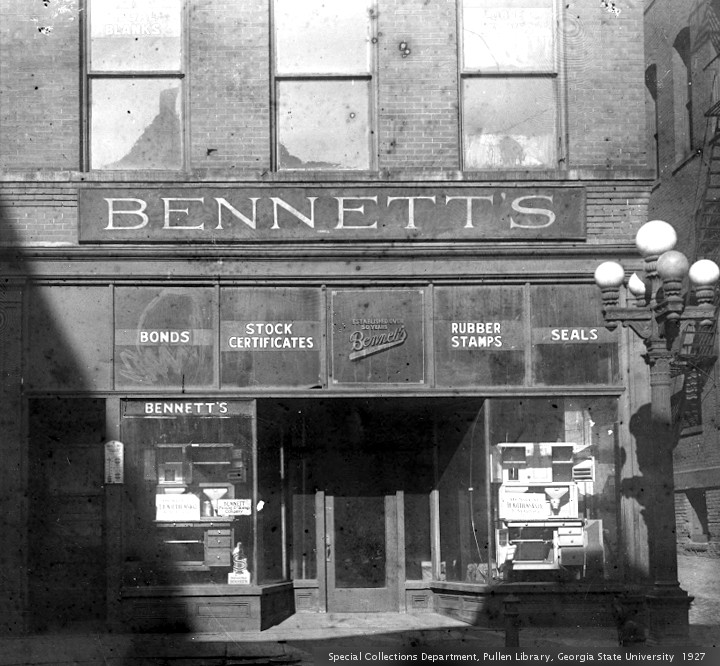
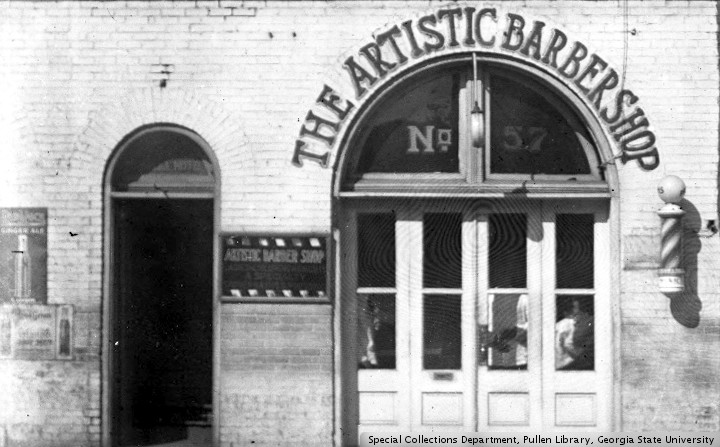
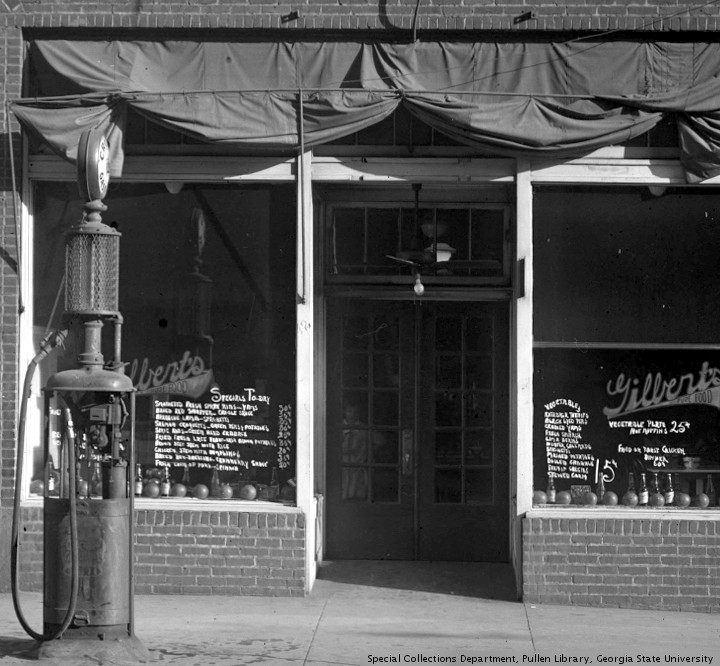
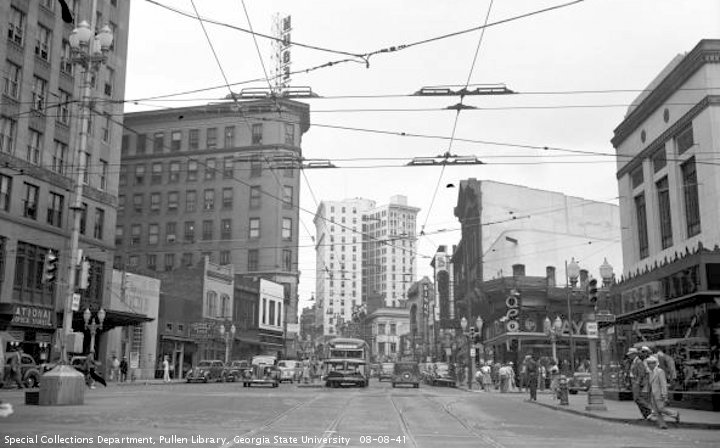
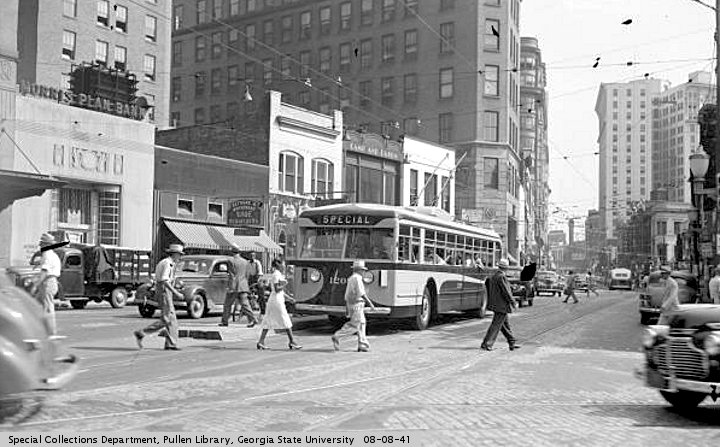
Pictures from “The Special Collections and Archives, Georgia State University Library “… a collection of images of downtown Atlanta streets that were taken before the viaduct construction of 1927 – 1929. Later, some of the covered streets became part of Underground Atlanta.”



Henry Woodfin Grady

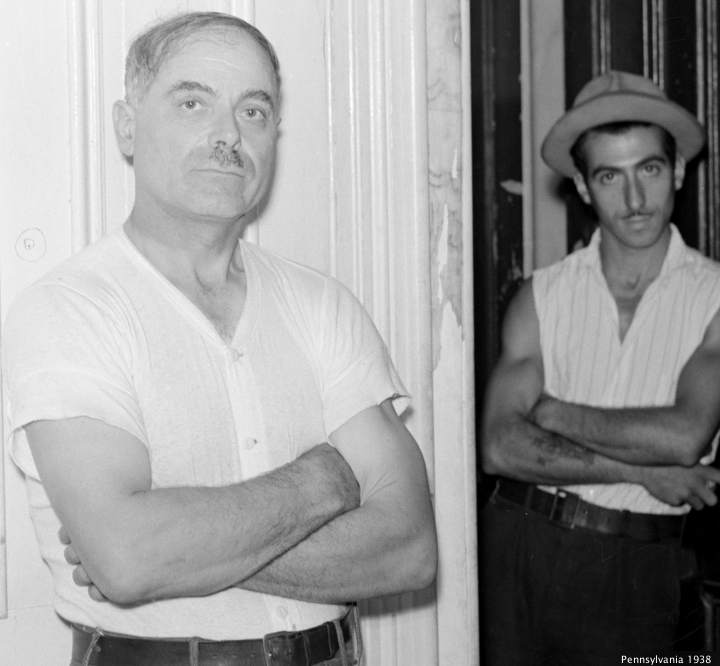
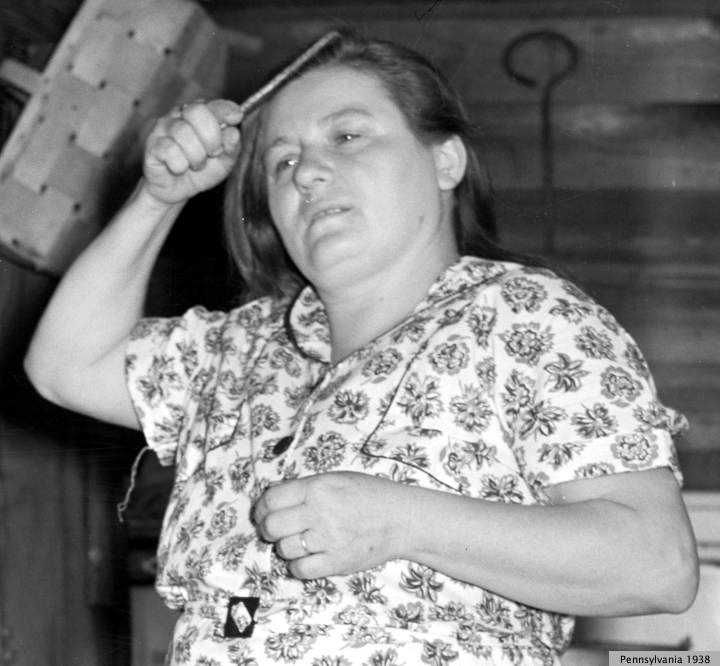


Before yesterday, PG did not know much about Henry Woodfin Grady. He saw the statue downtown, and visited people in the namesake hospital. PG knew Mr. Grady was a newspaper man, and a pioneer salesman of Atlanta, Inc. There was something called The New South Address.
That all changed Wednesday morning. Editorial: Mayor Bottoms, tear down this statue! was the headline at the Signal, Georgia State University’s student newspaper. Someone at the University of Massachusetts read the New South Address, and found some amusing quotes.
“What of the negro? This of him. I want no better friend than the black boy who was raised by my side, and who is now trudging patiently with downcast eyes and shambling figure through his lowly way in life. I want no sweeter music than the crooning of my old “mammy,” now dead and gone to rest, as I heard it when she held me in her loving arms, and bending her old black face above me stole the cares from my brain, and led me smiling into sleep. I want no truer soul than that which moved the trusty slave, who for four years while my father fought with the armies that barred his freedom, slept every night at my mother’s chamber door, holding her and her children as safe as if her husband stood guard, and ready to lay down his humble life on her threshold. History has no parallel to the faith kept by the negro in the South during the war.”
This is one of the nicer parts. About half the speech is about the Negro, and what the White man should do about him. When PG finally read the speech itself, he was amazed. The rhetoric was much worse than PG expected. If you want to get your woke knickers thoroughly twisted, read between page 23 and page 33. (The speech starts on page 21.)
The well meaning GSU students printed a dose of contemporary rhetoric, about a speech given October 26, 1887. PG summarized this on Facebook. Editorial: Mayor Bottoms, tear down this statue! The GSU Signal cranked up the purple prose machine for an attack on Henry W. Grady. “A monument to Henry Grady and his accomplishments on Marietta and Forsyth streets — also named Henry Grady Square — still stands today. Etched into his plaque are three celebratory words: “Journalist, Orator, Patriot.” Let us be clear in recognizing that Grady, as a journalist, promoted racism. Grady, as an orator, promoted racism. And Grady was certainly no patriot — he was simply a racist.”
A facebook friend, who we will call Macon, asked “What part of it do you disagree with?” 28 comments later, PG got on his digital horse, and rode into the sunset.
The initial response was about the the comment “Grady was certainly no patriot — he was simply a racist.” The New South Address was in 1887, 22 years after the War ended. Before that hideous conflict, the states were seen as separate entities, with helpful guidance from the Federal government. When the Confederate states left this union, a ghastly was ensued.
After the south was conquered by the north, there was little doubt. The states were governing districts, under the control of the mighty federal government. Most people today take this arrangement for granted. The truth is, it has been controversial over the years. In his landmark address, Henry W. Grady was calling for an economic union of the south and north, to go along with a militarily-enforced political union. 22 years after a horrific war over secession, a southerner was calling for a stronger union with the north. To PG, this is patriotism. The fact that Mr. Grady said impolite things does not change this.
Macon responded “… but he was a racist …” A few comments were exchanged. Macon said what Macon wanted to say. PG said what PG wanted to say. PG was ready to walk away, and go to the gym. Before leaving, PG said: “I note that you have not addressed the patriotism issue. You asked me what I disagree with, in this assessment of Henry Grady. I replied that working for a strong Federal Union, less than a generation after the War Between the States, was an act of patriotism. You have not responded to this.”
When PG got back, he saw where Macon had posted a series of lurid quotes from the NSA. What PG missed, at first, was the comment “I agree it was patriotic.” Since PG had missed this comment, he continued to hammer away at the patriotism issue. Finally, Macon said “Yes, was Sen. Joe McCarthy a patriot? Was Hitler? … ” Godwin’s Law is now in effect. Adult conversation has left the building.
What to make of all this? It is apparent that Mr. Grady said some unfortunate things. Does this negate all the good that he did? Looking back, it seems that the main contribution made by Henry W. Grady was as a salesman for the south. In Atlanta, a town built on marketing, this makes him a publicity patron saint. Now we are learning about exactly what Henry W. Grady said. G-d is in the details. Pictures today are from The Library of Congress.
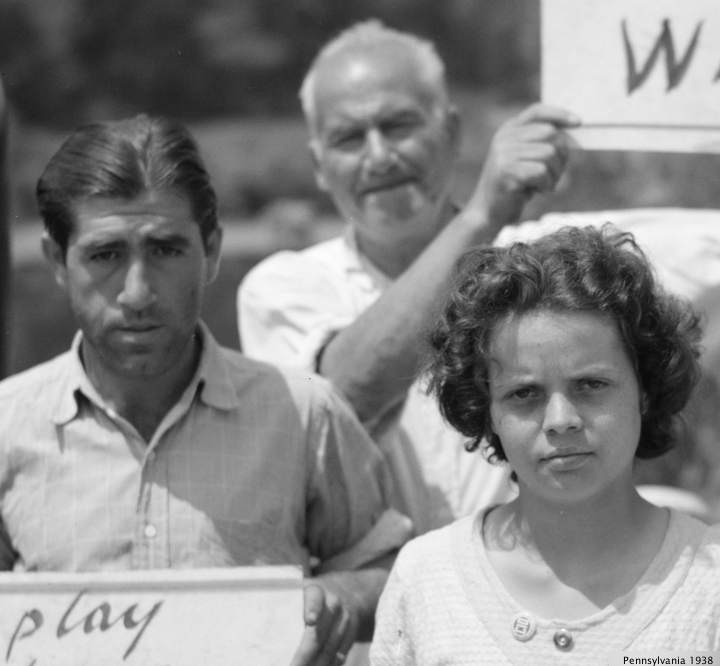
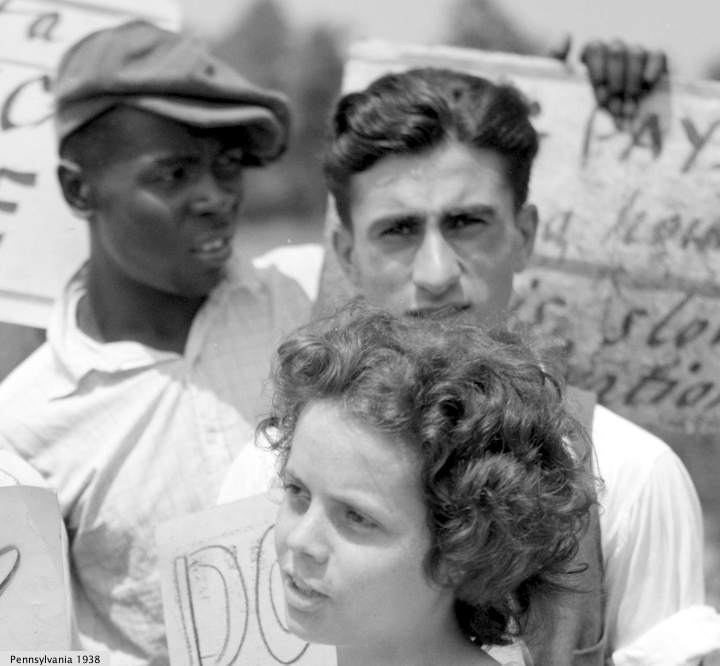


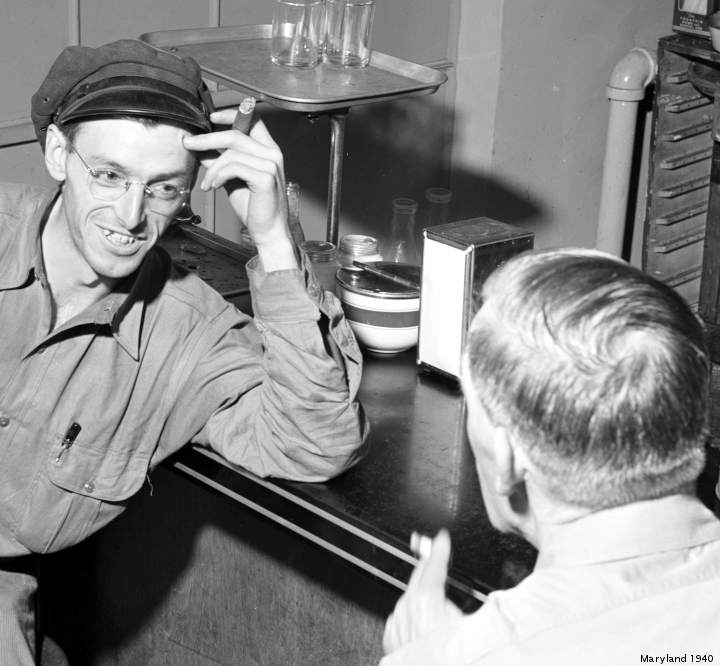
German Pastry Christmas



PG got an email today from Allen Hunt a radio announcer. The letter had a Christmas message. PG read the story, and heard the ding ding ding of his BS detector. Here is the story.
Merry Christmas! As the wars about the public celebration of Christmas become filled with pettiness and hostility on all sides, be not dismayed. Your celebration of Christmas depends solely on you and nobody else. I heard the story of Oswald Goulter years ago and it reminds me of that simple fact. I am responsible for how I embrace the gift of Christmas.
Oswald Goulter served as an agri-missionary to China. On his way back to the USA for furlough during World War II. His sponsor mission agency gave him a ticket to get home by boat. When Oswald arrived in the port of India, New Delhi, he found boats filled with Jews, housed there to protect their lives from Nazi Germany. The Jewish boats couldn’t land anywhere. They were not accepted or welcome anywhere at the time
Oswald went to see them and said, “Merry Christmas!”
“We’re Jewish,” they responded.
“I know, I know. But what would you like for Christmas. Merry Christmas!”
“Don’t you understand? We are JEWISH.”
“Merry Christmas. What do you want?”
To get rid of this nuisance, they said, “How about some German pastry? That sure would be grand.”
Oswald scoured the city until he found a bakery that made German pastry. Oswald sold his ticket for home to get money to purchase some pastry. He went back to the boat and shared it with them.
As he spoke about this experience later in one of his supporting churches, a very prim member of the congregation stood and asked, “Why did you do that? They were Jewish. They don’t even believe in Jesus.””I know,” Oswald replied, “but I do.”
PG sent a reply to the original email. This post is being written an hour later, so it is not unreasonable that Mr. Hunt has not replied.
Allen do you have any proof that Oswald Goulter existed? This story seems a bit far fetched. I googled Oswald Goulter, and all I see is the same story told over and over.
Why did he go to India? This is over the Himalayan mountains, or around Vietnam. Couldn’t he do just as well in North Asia, or even Russia?
When did this incident happen? There are mixed indications in the versions I read, and no exact dates. If this was after WW2, then restrictions about admitting Jews would start to loosen up.
Why German pastries? After all that the German people had done to them, this seems a bit strange.
There are hundreds of real, verifiable Christmas stories out there. This one seems a bit fishy.
After sending the email, PG hunkered down in the google.(Snopes never heard of Oswald Goulter) It seems that Oswald John Goulter was born June 22, 1890 in Oklahoma. He died in March 1985, in Santa Clara California. He was interviewed in 1971 as part of a project involving missionaries to China. “This interview supplements the account of Goulter’s life in Wilfred Powell’s Scattered Seed. Mr. Goulter portrays the disruption in Chinese life in the area of Lu-chou (Hofei) in Anhwei province during the years 1922 to 1951. He tells how the Communists were able to take advantage of the disorder caused by warlords and bandits and the Japanese invasion to drive the nationalists from power. He also discusses his conception of practical Christianity and its applicability in China.”
There is another story about Mr. Goulter. After the communist takeover, Mr. Goulter and his wife, Irene, were taken into custody. Mr. Goulter was beaten repeatedly, but refused to renounce his faith. Finally he was released (or, in some versions, escaped). This imprisonment is generally agreed to for three years. If he left in 1951, that would be consistent with the time line of the communist takeover.
In the Hunt version of the story, Oswald Goulter left during World War 2.
This does not answer the question of why Mr. Goulter would go to India, before America. It also does not account for the appearance of the Jews in India, six years after the end of World War 2. It should also be noted that India was in chaos, with the advent of Independence and the partition. Would they have Jews hiding in the city?
There is a book, Scattered Seed: The Story of the Oswald Goulters, Missionaries in China 1922-51. PG does not know if it discusses German pastries.


This is a repost, with pictures from “The Special Collections and Archives, Georgia State University Library”. The original had several comments about Mr. Goulter, which we will share below. Allen Hunt sent a reply, which was lost in a hard drive crash. It was rather snide. Dr. Hunt has quit sending emails to PG. His radio show is no longer being broadcast.
Lindsay goulter said, on February 26, 2010 at 3:26 am Hi oswald goulter was my great uncle.Born in Auss. If you would like to know more about him please reply to my e/mail. lindsay g
Teena Anderson said, on October 30, 2010 at 10:02 pm
Oswald Goulter is my grandfather. He was a missionary to China for 30 years. His story is told in the book Scattered Seed by Wilfred Powell. Oswald and Irene had 3 daughters, Lovena, Doris ( who is still living!) and Jean. Doris and Jean were born in China. Jean was my mother-she spoke excellent chinese with a Hefei accent. I am the eldest grandchild. They lost a baby boy born in China and buried him in the mountains of Kuling, where the missionaries would go for the summer.
My husband, Hugh Anderson (Presbyterian minister) and I have taught in China with the Amity Foundation. Our first summer of teaching we traveled to Hefei and met Rev. Zhu who helped Oswald after he had been confined in the internment camps. They were great friends. Rev. Zhu’s son is now a Disciple of Christ minister here in the United States. Teena Anderson, Medford, Oregon.
chamblee54 said, on October 30, 2010 at 10:09 pm
Thanks for stopping by. Do you know if the story about the German Pastries was true? It is an inspiring story, but as I noted in my post, there are a few issues with it.
Miaohua Jiang said, on January 19, 2011 at 11:06 pm
The book by Wilfred E. Powell titled Scattered Seed came in mail yesterday. I searched in the book for any evidence that this story might actually happened. Unfortunately, the story as it is stated never happened. At least it did not happen in India.
The sabbatical year was between 1936 and 1937. The family did take the western route going through Europe to return to US. They arrived in US in September 1936. Christmas of 1936 was their first Christmas in US in many many years. They were not able to return to China because of Japenese invasion until late 1937. Mr. Goulter did help refugees in Shanghai around Christmas time 1937. The book did mention that Shanghai also had ships with Jewish refugees. So, the story could have happened in Shanghai, China, instead of India. It did not involve boat tickets. Mr. Goulter had clothings shipped from Los Angeles to Shanghai. Also Mr. Goulter was interned by Japenese for many years, not communists.
chamblee54 said, on January 20, 2011 at 12:02 am
Thank you for following through. That is an inspiring story, too bad it can’t be proven to be true.
Miaohua Jiang said, on January 1, 2011 at 10:13 pm
Doris is visting us this new year’s day of 2011!
Miaohua Jiang said, on January 4, 2011 at 2:23 pm
This is what I got from my conversation with Doris, O.J.’s second daughter. According to Doris, Mr. Goulter did not like his first name. Chinese people would simply call him Gou Shee-Sang (Mr. Gou). Doris was born in Hefei in 1924. Her mother homeschooled the girls. By the time she was 10, they felt it was time for girls to have a more formal education in Shanghai. Before they left for Shanghai, they travelled for a year to Europe, going through possibly the Hongkong – India route. So, it was around 1934 – a time Jews were forced to escape Germany. So, the story is credible. The girls stayed in Shanghai until 3 month before Pearl Harbor was attacked when American government ordered evacuation of women and children. Mr. Goulter stayed behind and was imprisoned by invading Japenese because of his British citizenship. I am ordering this book and hopefully when Doris visits again next time I will have a chance to verify a few more details with her. Amazingly, after leaving Hefei for more than 75 years, she can still speak the local dialect and sing local children songs forgotten even by the local people.
Teena Anderson said, on October 30, 2010 at 10:09 pm
Oswald Goulter was my grandfather. He was born in Australia. He heard about the Boxer rebellion and felt called to go to China. He came to the U. S. to get more education. He married Irene Goucher (my grandmother) in Oklahoma and they spent 30 years together in China. They had 3 daughters, 2 of whom were born in China. My mother was born in Tsingtao but spent 10 years in Hefei (Lu Chow Fu). She had a great Hefei accent. They also had a baby boy that died and was buried in the Kuling mountains. (Lu Shan) Oswald Goulters life was written by Wildfred Powell in the book Scattered Seed. Our family still have ties to Chinese that were ministered by my grandfather. There are many more accounts of what my grandfather accomplished in China. He loved the Chinese and they loved him. Teena Anderson of Medford, Or.
Lauri Penry said, on March 25, 2012 at 8:27 am
My grandparents (Dr. and Mrs. Paul R. Slater) served as medical missionaries in China with the Goulters. I have heard the story many times of how my grandfather met up with Mr. Goulter, and he wasn’t wearing shoes. So my grandfather gave him his. The next time they crossed each other’s paths, Mr. Goulter was again without shoes. He told my grandfather that he found someone who needed them more than he did.
I was just going through some pictures at my parents’ house this weekend, and found one with Mr. Goulter in it. I am in the process of reading Scattered Seed now. My parents were attending Phillips University when Mr. Goulter was a member of the faculty. From what I have always heard about this man, he was exceptional, and a true servant!
John McBride said, on May 10, 2012 at 10:10 am
Oswald Goulter is my grand uncle and he was born in Australia. I had the pleasure of meeting him and Irene in in either 1973/4 when they visited Australia and later in San Jose in 1981. He was quite some bloke who’s achievements were quite incrediable. My grand father was a potato farmer at a place called Irrewillipe, about 100 miles west of Melbourne. One year my brother and I spent our Easter weekend (4 days in Australia) helping dig up the crop. At night, my grandfather read Oswald’s letters to us by kerosene lamp beside the wood stove in the kitchen. As a ten year old, those letters were more exciting to listen to than reading my Superman comics.
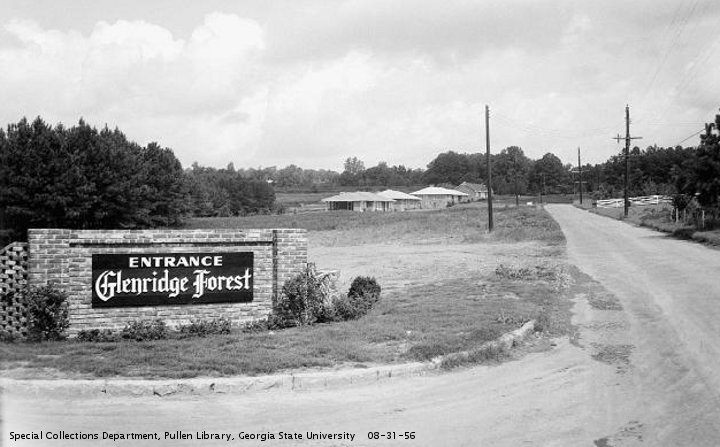

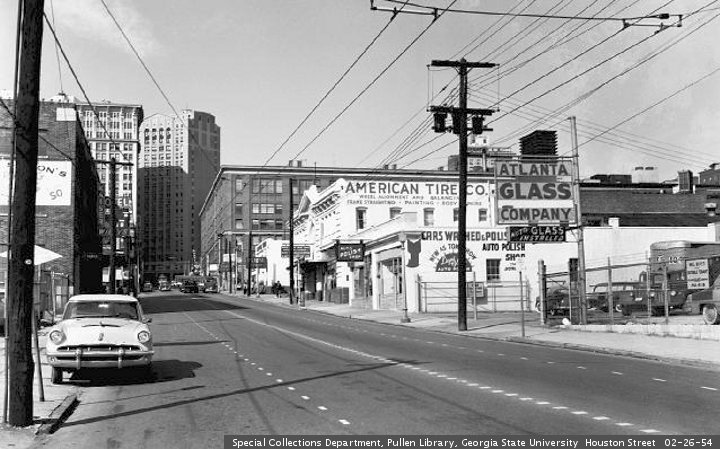

Names





Alan Burnett~Bill Gaddy~Bill Medlock~Bill Meneely~Blaze Mills~Buddy Conine
Calvin Bunn~Danny Fields~David Chewning~David Hadden~Charlie Hall~Dwight Dunaway
Freeman Waldrop~Gary Hunton~Gene Haynes~Gene Holloway~Gibson Higgins~Glenn Krause
Greg Scott~Harold King~Hawk~Jerry Pyschka~Jim Anderson~Jim Woodward~Joe Kenney
Joe Vickery~John Harllee~Jon Gordon~King Thackston~Larry Jackson~Layton Gregory
Lee Mullis~Les Friessen~Mac Wilson~Manfred Ibis~Mark Keenum~Mark Rosen
Martin Isganitus~Michael Dollins~Micheal Mason~Moon Moore~O’Gene Donohue
Purl Sudds~Ron Davis~Sam Mitchell~Skeeter Smith~Steve Bedworth~Stuart Davis
Ti Barfield~Tom Aderhold~Tom Selman~Tom Williams~Trion~Winston Morriss









Fifty Six Years

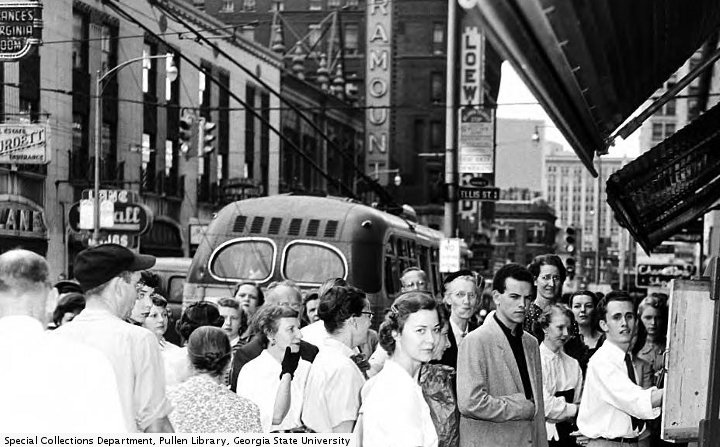


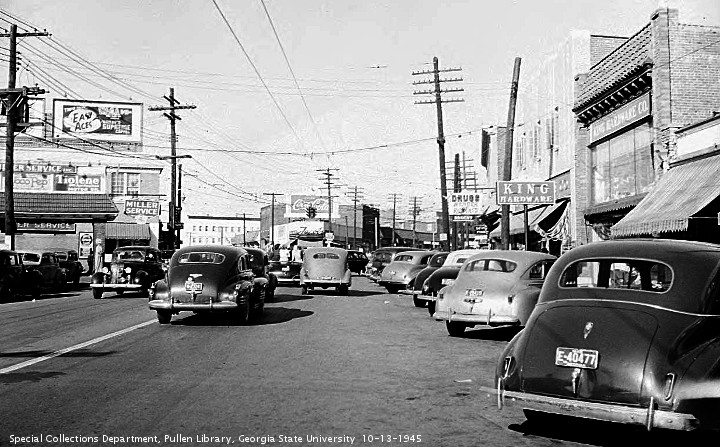
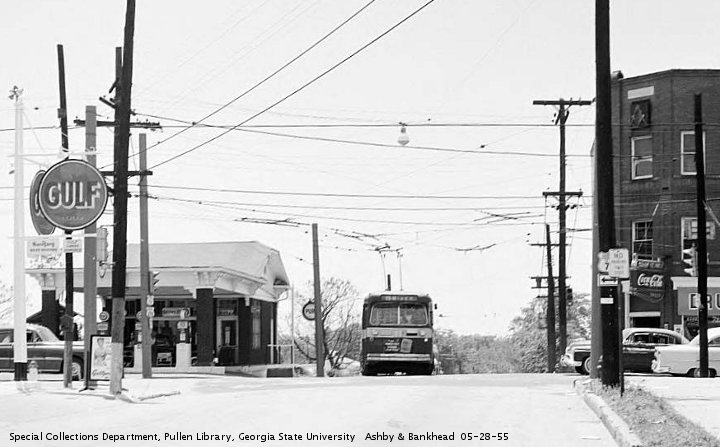
Fifty six years ago, John Kennedy went to the oval office in the sky. The bullets hit Mr.Kennedy at 12:30 pm, CST. He arrived at the hospital at 12:37. He had a faint heartbeat on arrival, but quickly succumbed to his wounds.
In Georgia, PG was nine years old. He was in Miss Mckenzie’s fourth grade class. There was going to be an assembly soon, and the class was going to perform. There was a rehearsal in the cafetorium, and some of the kids were acting up. They went back to the class, and PG thought they were going to be chewed out about the misbehavior in the cafetorium. Instead, Miss Mckenzie came into the room, and told the kids that President Kennedy had been shot during a parade in Dallas Texas. She did not say anything about his condition. One kid cheered the news.
School let out at the regular time, and PG walked home. His mother and brother were crying. He was told that the president had died. The cub scouts meeting that afternoon was canceled.
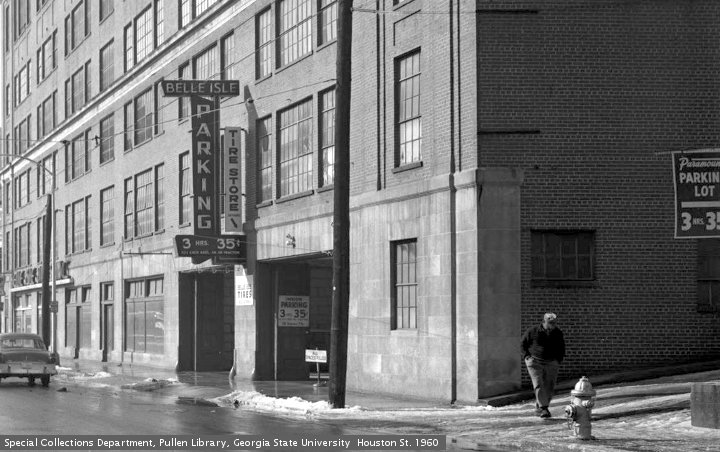
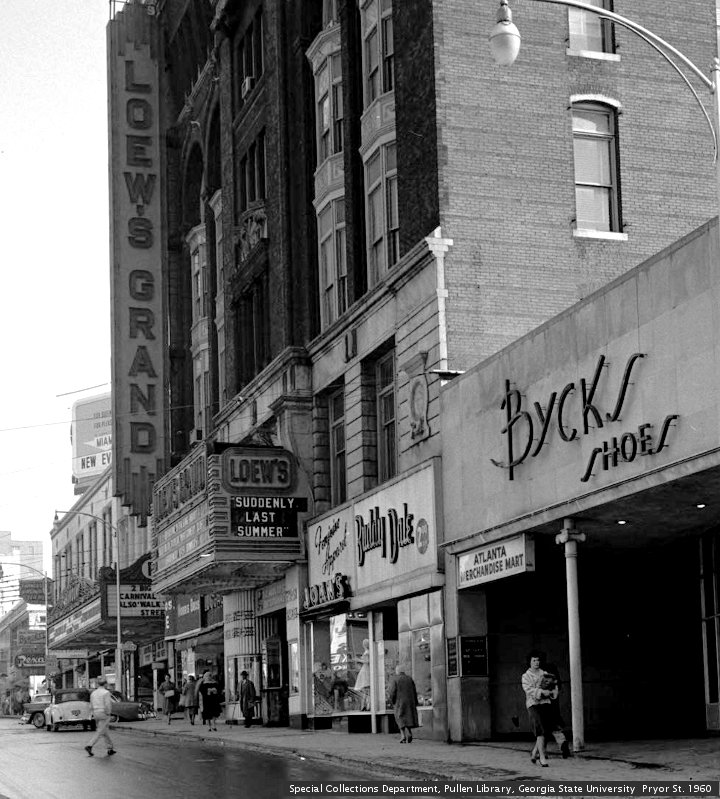
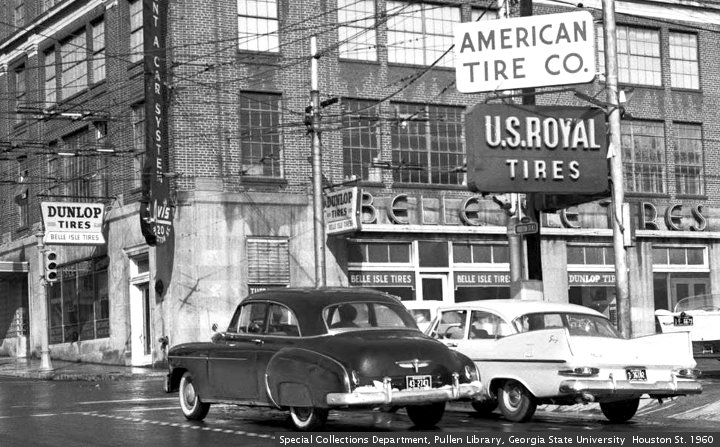
Later that night, a plane arrived in Washington. The tv cameras showed a gruesome looking man walk up to a microphone. He was introduced as President Lyndon Johnson. This may have been the worst moment of that day. Photographs for this repost today are from “Special Collections and Archives, Georgia State University Library”.
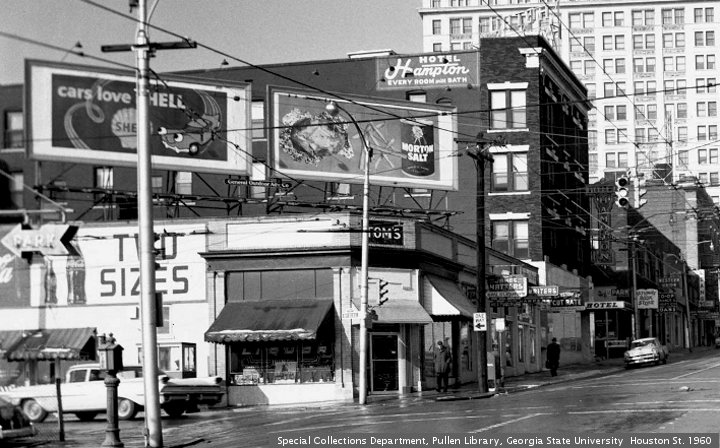
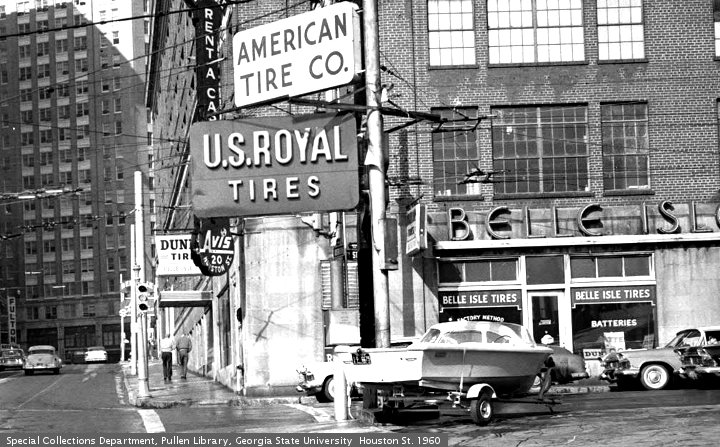
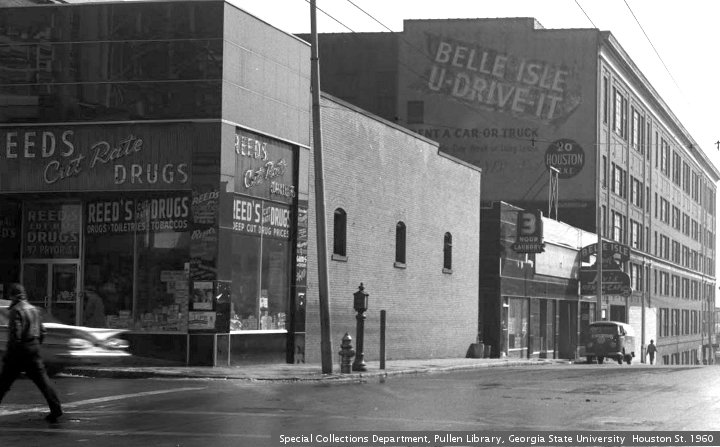





Seven Score And Sixteen Years Ago


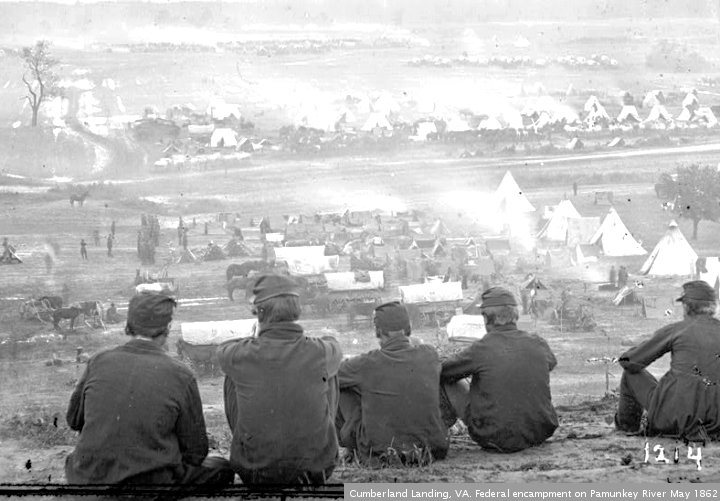
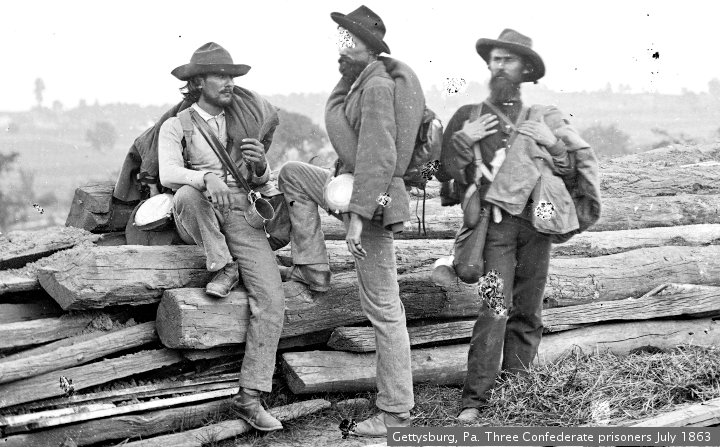


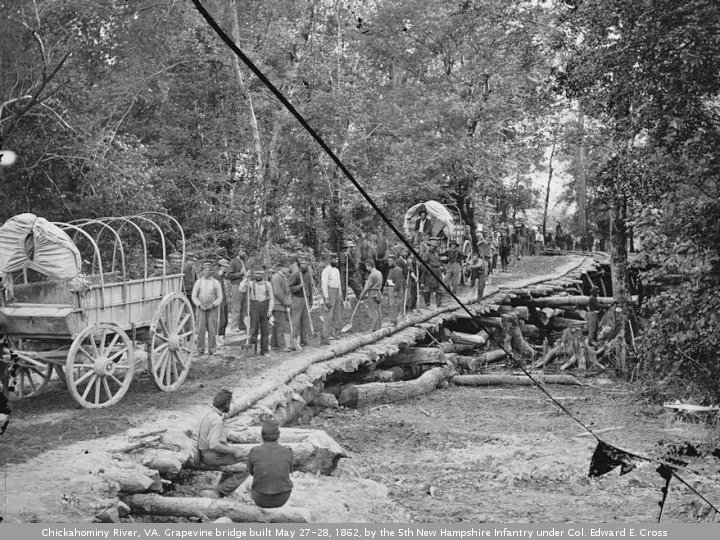

A vicious battle had been fought near Gettysburg, PA. It is widely considered the turning point of “Mr. Lincoln”s War,” the moment when the Union took the upper hand. It came at a horrible price, and a cemetery was built to hold this price.
The ceremony to dedicate the cemetery was held November 19, 1863. The headline speaker was Senator Edward Everett. The President was an afterthought. After it was over, Mr. Everett reportedly told the President that he said more in two minutes than he did in two hours.
The speech by Mr. Lincoln is an American classic. Schoolchildren are forced to memorize it. There are a few legends, many of which are not true. According to The Lincoln Museum , the speech was written on White House stationary, not the back of an envelope. The train ride would have been too bumpy to write. There is also confusion about what happened to the original text that the President read from.
HT to Millard Fillmore’s Bathtub. Pictures are from The Library of Congress. Measured in pixels, the picture of George Custer is 720×666. This is a repost.
Four score and seven years ago our fathers brought forth on this continent a new nation, conceived in liberty, and dedicated to the proposition that all men are created equal.Now we are engaged in a great civil war, testing whether that nation, or any nation, so conceived and so dedicated, can long endure. We are met on a great battle-field of that war. We have come to dedicate a portion of that field, as a final resting place for those who here gave their lives that that nation might live. It is altogether fitting and proper that we should do this. But, in a larger sense, we can not dedicate, we can not consecrate, we can not hallow this ground. The brave men, living and dead, who struggled here, have consecrated it, far above our poor power to add or detract. The world will little note, nor long remember what we say here, but it can never forget what they did here. It is for us the living, rather, to be dedicated here to the unfinished work which they who fought here have thus far so nobly advanced. It is rather for us to be here dedicated to the great task remaining before us—that from these honored dead we take increased devotion to that cause for which they gave the last full measure of devotion—that we here highly resolve that these dead shall not have died in vain—that this nation, under God, shall have a new birth of freedom—and that government of the people, by the people, for the people, shall not perish from the earth.


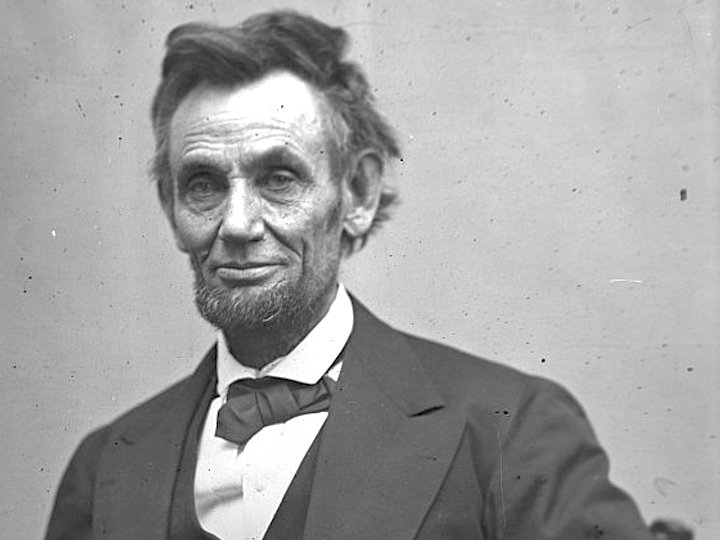
Did Socrates Read And Write?


This story starts with a facebook meme. A fbf posted a picture of a thoughtful statue. The text read ‘When the debate is lost, slander becomes the tool of the loser.’ -Socrates. PG thought that Socrates never wrote anything that survived. All of what we attribute to Socrates was written by Plato. People reading this blog should know what happened next.
Did Socrates Say Slander Is ‘The Tool of the Losers”? is one of several results. They all said the same thing … the quote is bogus. A tweet from Eric Trump is not evidence of authenticity.
PG began to think, which is never a good sign. Was Socrates able to read and write? was on the screen a few minutes later. The speculation is mixed. Some say that that Socrates was stone illiterate.
Thomas Musselman “Socrates served in the government on juries. Historians now know that legal proceedings were common over business matters of great sophistication and the the juries were well-educated concerning such matters. General literacy existed by the late 400s BC for the general pubic in primary school. Upper class males even in Socrates’ day would have been literate and there was an active book-seller market. To function in the world that Socrates functioned in required literacy.”
The google search turned up a curious document. It is a passage written by Plato,“Phaedrus.” Pp. 551-552 in Compete Works. An Egyptian G-d is talking to a King, about his invention … writing.
“In fact, it (writing) will introduce forgetfulness into the soul of those who learn it: they will not practice using their memory because they will put their trust in writing, which is external and depends on signs that belong to others, instead of trying to remember from the inside, completely on their own. You have not discovered a potion for remembering, but for reminding; you provide your students with the appearance of wisdom, not with its reality. Your invention will enable them to hear many things without being properly taught, and they will imagine that they have come to know much while for the most part they will know nothing. And they will be difficult to get along with, since they will merely appear to be wise instead of really being so.”
Pictures today are from The Library of Congress. Part two is after the break.
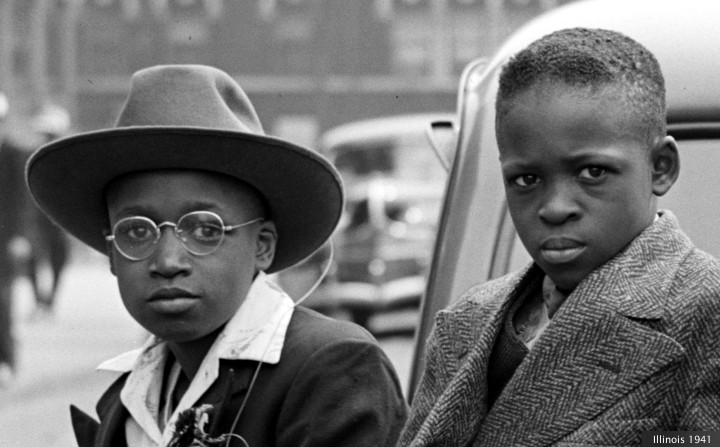





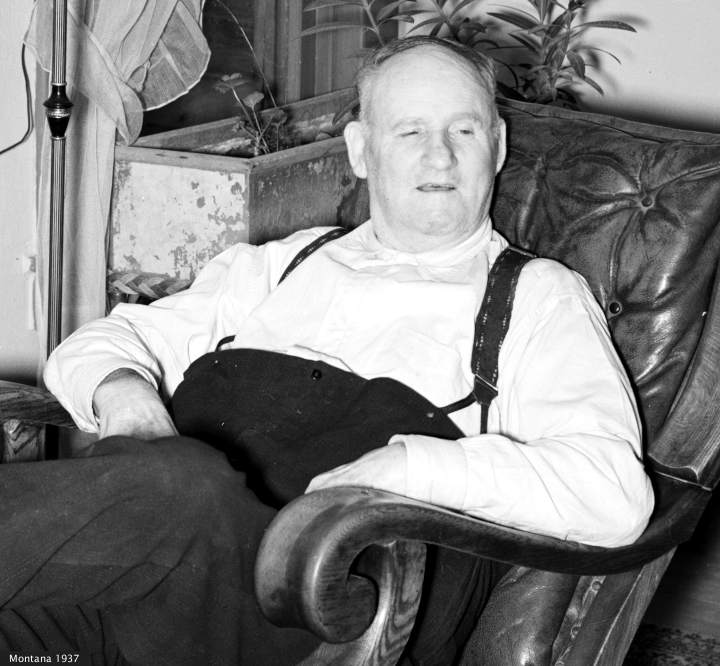


A facebook friend posted a meme. It had an picture of Bertrand Russell, quoted as saying “If fifty million people say a foolish thing, it is still a foolish thing.” PG consulted with Mr. Google, and had his answer in seconds.
“From the wikiquotes page of Anatole France “Si 50 millions de personnes disent une bêtise, c’est quand même une bêtise. If fifty million people say a foolish thing, it is still a foolish thing. As quoted in Listening and Speaking : A Guide to Effective Oral Communication (1954) by Ralph G. Nichols and Thomas R. Lewis, p. 74. Misattributed to Bertrand Russell, by Laurence J. Peter, in The Peter Prescription : How To Make Things Go Right (1976), but he subsequently attributed to France in Peter’s Quotations: Ideas for Our Time (1977).”
“As I’ve said on many occasions, I don’t care who a quote is (mis)attributed to. I share a meme because its message resonates for me.” PG “If a million facebook users post a misattributed quote, it is still a misattributed quote … I have this vague sense that it does make a difference, but I can’t find the words to say why. Maybe google will have a snappy quote, preferably in English, that will give me a reason why correct attribution matters.”
“With google available, it is so, so easy to verify a quote before you post it. Often, the context of the quote puts a different shade on the meaning. Like the quote above. I have no idea why Mr. France said that, or what he meant. Sometimes, the words come from a foolish character in a story, and the author is making fun of them. Since I do not read French, I do not know how accurate the translation is.” (Google translate says “If 50 million people say stupidity, it’s still a stupidity.”)
“There is a famous quote from Ben Franklin about security and liberty. The quote is totally legitimate. It is taken from an Editorial Mr. Franklin was paid to write. The editorial supported the colonial government, in their efforts to levy a tax on farmers.”
The Ben Franklin post linked above has a useful link. “‘Contextomy’ refers to the selective excerpting of words from their original linguistic context in a way that distorts the source’s intended meaning, also known as ‘quoting out of context’. Contextomy is employed in contemporary mass media to promote products, defame public figures and misappropriate rhetoric. A contextomized quotation not only prompts audiences to form a false impression of the source’s intentions, but can contaminate subsequent interpretation of the quote when it is restored to its original context.”
Another chamblee54 post, about a dubious quote, refers to the Four Principles of Quotation. Principle 1 Whenever you see a quotation given with an author but no source assume that it is probably bogus. Principle 2 Whenever you see a quotation given with a full source assume that it is probably being misused, unless you find good evidence that the quoter has read it in the source. Principle 3 Whenever you make a quotation, give the exact source. Principle 4 Only quote from works that you have read.
This does not answer the question… is it WRONG to put the incorrect name at the bottom of a quote? Sharing a meme on facebook is not the same as putting a goofy quote in a term paper. While this is something that PG is loath to do, is it really that bad for someone else? Certainly there are concerns about context. Memes often do not use the quote as the author would have intended.
After a few frustrating search terms, PG decided to google “I don’t care who a quote is (mis)attributed to. I share a meme because its message resonates for me.” Google replied “Did you mean: I don’t care who a quote is (mis)attributed to. I share a meme because it’s message resonates for me” Apparently, Google does not know that the possesive form of its does not have an apostrophe. It’s is short for it is.
There were some lively results, though few answered the key question. “Furthermore, and this does bear mentioning, Andy Rooney did not write this. He died in 2011 so the words in the post, “let’s make 2019/2020 the year the silent majority is heard,” is ridiculous.” “Ever since the quote’s real author emerged, there’s been a lively discussion on Facebook about whether it even matters who said it – as long as someone said it.”
One result typifies the entire commodity wisdom catalog. Best Inspirational Quotes For Killer Social Media Posts There is a pop-up ad that will not go away. “149 Inspirational Quotes: Free PDF! Want to inspire your friends and followers with uplifting words? Grab my collection of 149 short quotes that are just the right length for social media posts, PLUS tips on how to make and post them! Sign up now and you’ll have the free PDF in a flash” Pictures today are from The Library of Congress.


The Burning Of Atlanta


Around this time 155 years ago, Atlanta was on fire. General Sherman was preparing for his March to the sea, and wanted to destroy anything of value in the city. The fire is reported as being on 11-15 of November, depending on what source you use.
The November fire was the second great fire in Atlanta that year. On September 2, the city was conquered by the Union Army. The fleeing Confederates blew up a munitions depot, and set a large part of the city on fire. This is the fire Scarlet O’Hara flees, in “Gone With The Wind”.
After a series of bloody battles, the city was shelled by Yankee forces for forty days. There were many civilian casualties. General Sherman was tired of the war, angry at Atlanta, and ready for action. This is despite the fact that many in Atlanta were opposed to secession.
Click here to hear a lecture by Marc Wortman at the Atlanta History Center. Mr Wortman is the author of “The Bonfire: The Siege and Burning of Atlanta”. The hour of talk is fascinating. This is a repost. The pictures are from The Library of Congress


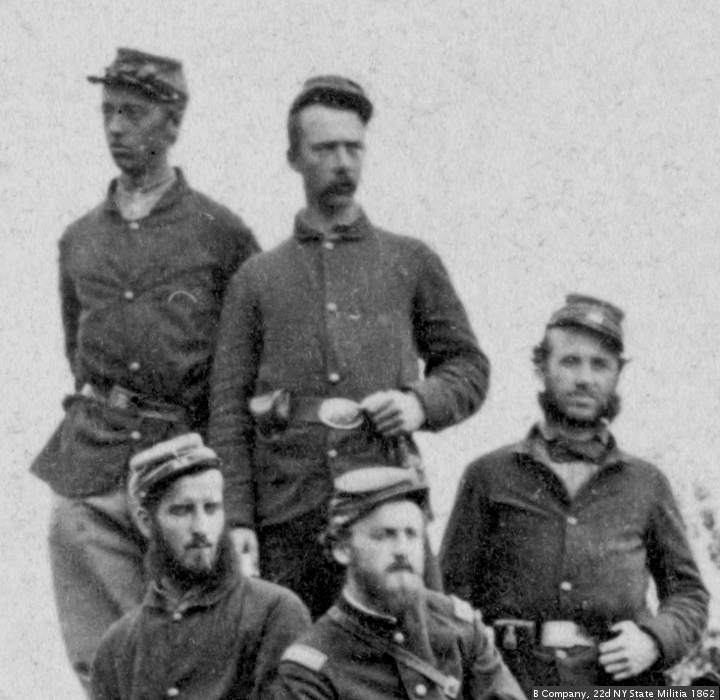


About this time every year, there is a post about the burning of Atlanta. One of the sources is a lecture by Marc Wortman. If you have an hour to spare, this talk is worth your time. One of the stories told is the tale of Mr. Luckie.
“According to folklore, two stories abound as to how Luckie Street was named. The first is that its moniker came from one of Atlanta’s oldest families. The other, probably closer to the truth, regales the life of Solomon “Sam” Luckie. Luckie, as it turns out, wasn’t so lucky after all. When General William Tecumseh Sherman first came marching through Atlanta in 1864, Luckie, a free Black man who made his living as a barber, was leaning against a gas lamp post in downtown talking to a group of businessmen. A burst from a cannon shell wounded him; he survived, but later died from his injuries. Folklore suggests that he may have been one of the first casualties of the assault on Atlanta. Luckie Street, an extension of Auburn Avenue, was later named in his memory.”
Marc Wortman wrote a book, The Bonfire: The Siege and Burning of Atlanta. The one star review, and comments to that review, are unusually detailed. Here is a selection.
“…People forget – or were never taught in school – that most Confederate soldiers descended from Revolutionary War patriots or were up-country poor sons of farmers. Many Confederate soldiers were relatively recent new arrivals to the U.S., semi-literate dirt poor immigrants from Ireland and Scotland who’d never had the chance to own even an acre of their own land in Europe. In the mix were well-educated, elite merchant business owning French Huguenot refugees of the Catholic Bourbon genocide of Protestants. These immigrants had nowhere else to go, 9 times out of 10 never owned a slave, and fought for the CSA to keep what little they’d hardscrabble carved out over a decade of arrival into the U.S.”
The War Between The States continues to be a source of controversy. After the Charleston church killings, many comments were made about the Confederate battle flag. (If you can’t talk about gun control or mental health, you talk about a symbol.) This led to discussions about the war itself. There were ritual denunciations of slavery, assumed to be the sole cause of the conflict.
The notion of autonomous states in a federal union was novel when the United States Constitution was written. The debate over federalism versus states rights continues to this day. States that want to legalize marijuana may be the next battleground. (Few are expecting secession over bong rights.) Many in the CSA saw the Union as being a conquering army, and fought to defend their homes. While slavery was certainly a factor in the creation of the CSA, it was not the only Casus belli. Pictures today are from The Library of Congress.



Turn Turn Turn





The word Ecclesiastes has a poetic tingle. It’s place in the Old Testament is between the poetry of Proverbs, and the enticements of the Song of Soloman. Richard Brautigan counted the punctuation marks in Ecclesiastes, and found no errors. Ecclesiastes 3 was even the lyrics for a top forty song.
Turn Turn Turn is taken almost verbatim from the book of Ecclesiastes. Pete Seeger wrote a melody, and added a line. “There is a time for peace, I swear its not too late”. TTT became a hit for the Byrds in 1965, as the escalation of the Vietnam war was in full bloom.
TTT is about the dualities of life, and how there is a place for all these things. When PG was collecting rocks from destroyed houses, it was a time to gather stones together. TTT can serve as a companion to the vibrations of day to day living.
Pete Seeger died January 27, 2014. PG first heard of him when he was on the Smothers Brothers Comedy Hour. It was during Vietnam, and Mr. Seeger did a song…”Waist deep in the big muddy”… about how “The big fool said to push on, push on”. The CBS censors did not allow this the first time he appeared. Many thought he was talking about Lyndon Johnson.
“Pete Bowers” was a stage name for a young Pete Seeger. This was to avoid making trouble for his father. The band he played in, the Weavers, popularized a gullah spiritual, “Kumbaya”. This is a repost. Pictures are from The Library of Congress.





November 11
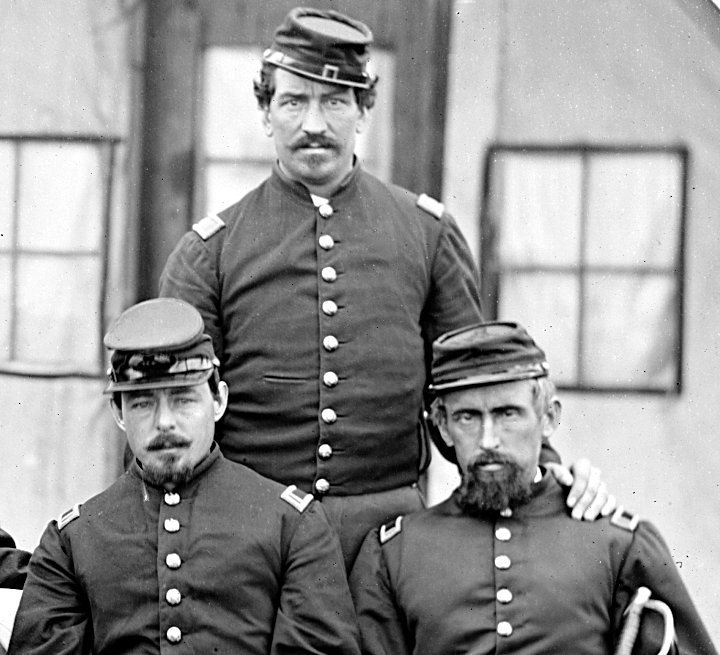


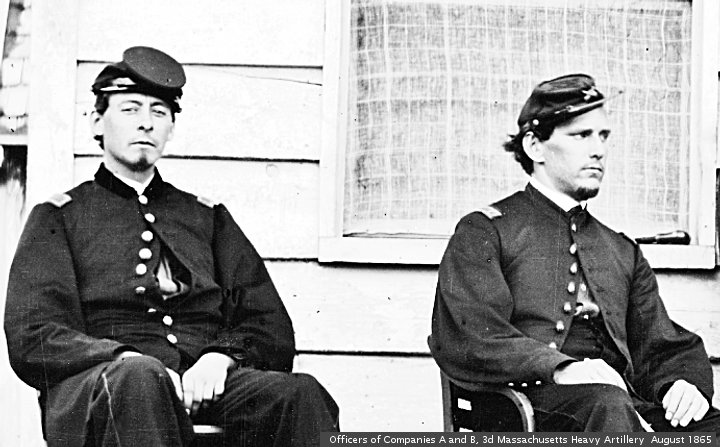
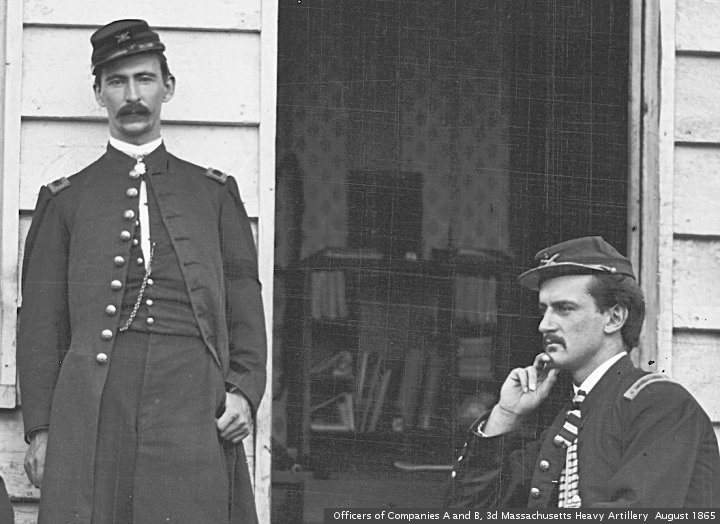
Veterans day was originally Armistice Day. On November 11, 1918, at 11 am (the eleventh hour of the eleventh day of the eleventh month) a cease fire went into effect for “The great war”. Officials of the major armies agreed to the ceasefire at 5 am (European time). There were an estimated 11,000 casualties in the last six hours of the war.
At 11:59 am, U.S. army private Henry Gunther became the last soldier to die in World War I. “According to the Globe and Mail this is the story of the last soldier killed in WW1: On Nov.11, 1918, U.S. army private Henry Gunther stood up during a lull in the machine gun fire and charged the enemy. “The Germans stared in disbelief,” says the Daily Express. “They had been told that morning that the fighting was about to stop; in a few minutes they would stop firing and go home. So why was this American charging at them with his bayonet drawn? They shouted at him to stop and frantically tried to wave him back but… he hadn’t heard anything of the ceasefire.” A German gunner released a five-round burst and the soldier lay dead, at 10:59 a.m. In his recently published Eleventh Month, Eleventh Day, Eleventh Hour, U.S. Military Historian Joseph Persico notes that Private Gunther had previously been a sergeant but was demoted after an Army censor read his letter to a friend back home, urging him to steer clear of the war at all costs. Gunther, who was in no-man’s land when the ceasefire news arrived, had been trying to prove himself worthy of his original rank.”
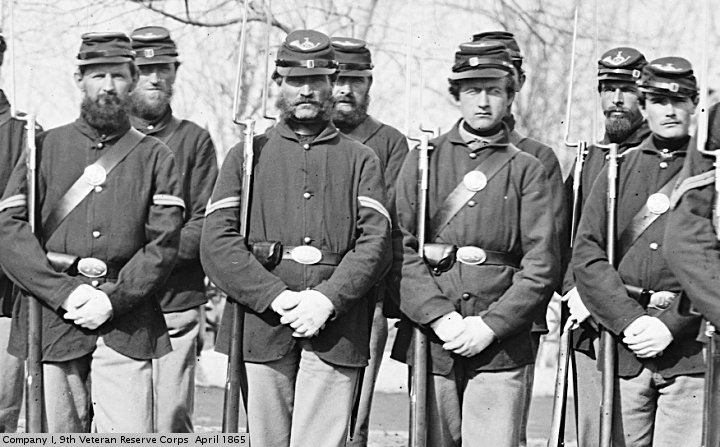
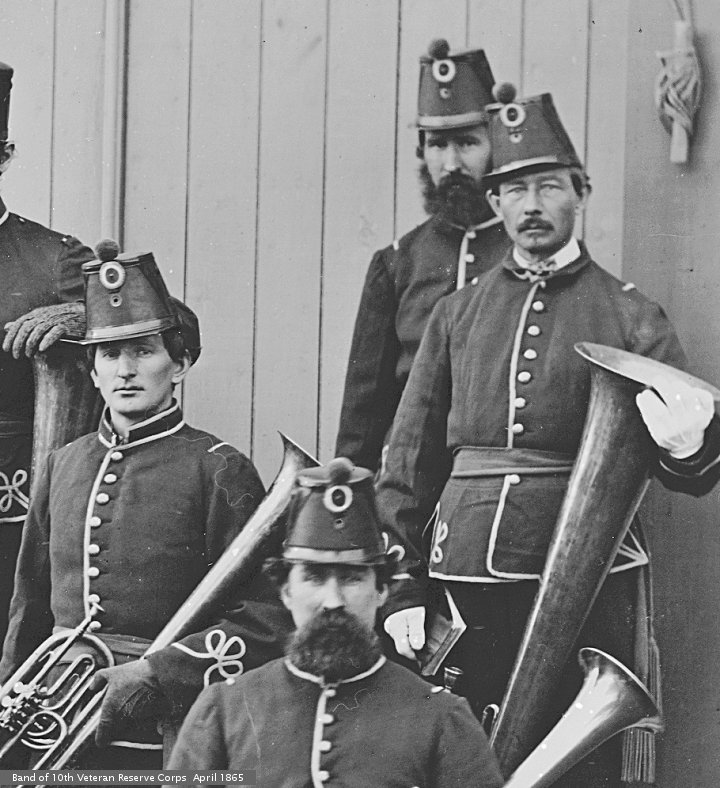
This is a repost. Pictures are from The Library of Congress.
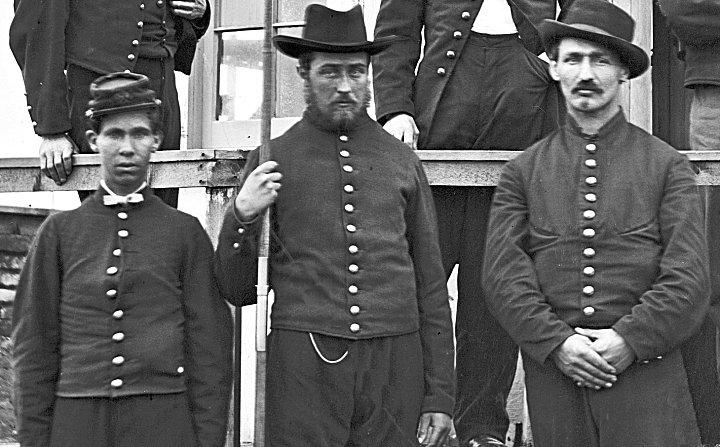

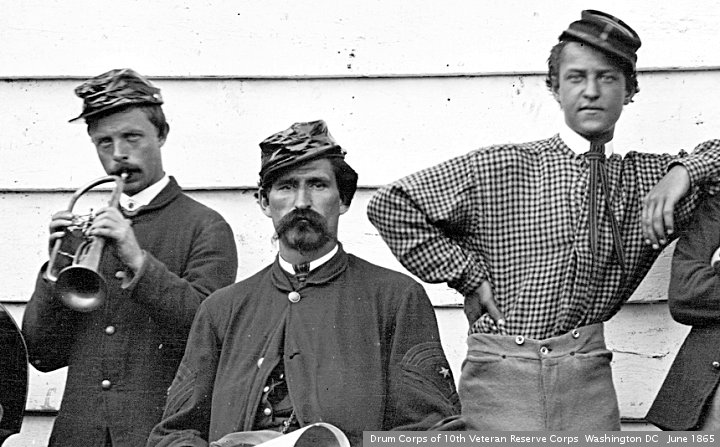
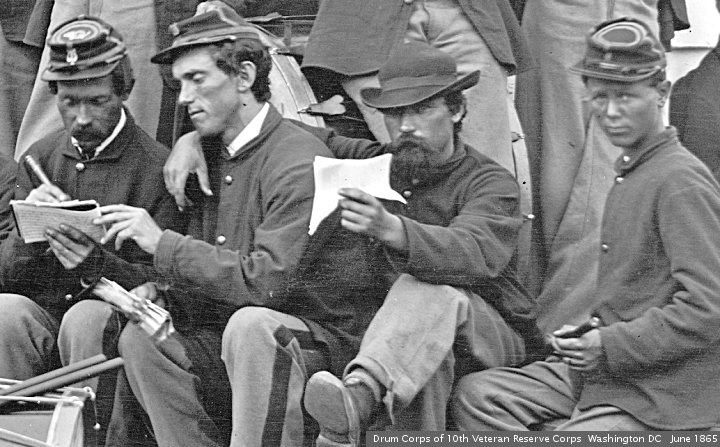
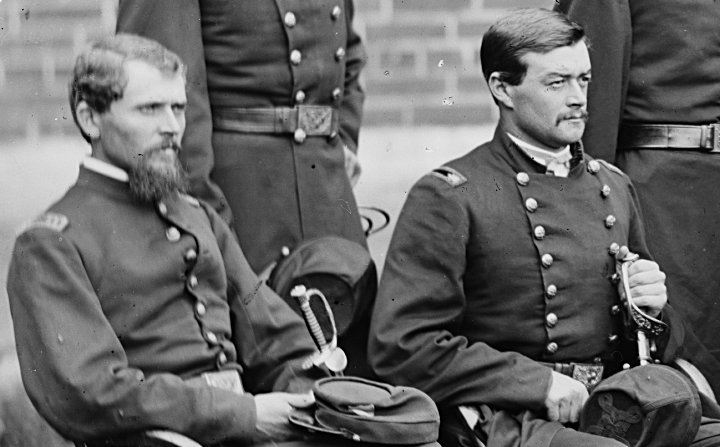
Veteran’s Day is a bad day for a cynic. I appreciate living in The United States. Even with all of her flaws, I have a good life here. The role that Veterans have played should be honored. On the other hand, those who profit from war often exploit Veterans, for political mojo. Many of these people did not serve. Those who profit from war, without serving, deserve our scorn.
Veterans are often not treated well after their service. It is estimated that a quarter of the homeless are veterans. The services offered to wounded veterans are shamefully lacking.
Hugh Pharr Quin CSA was my great grandfather. He served with the Georgia State Troops, in the War Between the States. I prefer the USA to the CSA, or whatever would have followed a Confederate victory. The Union army had to prevail, over the various Confederate Armies, for this to happen. Do I dishonor my great grandfather by saying, we are better off that the other side won?
Veterans Day was originally Armistice Day. This was the day, 101 years ago, when the War to End All Wars ended. World War I was a ghastly bloodbath, in which millions died. It affected many of the problems that plague us today. I would be willing to bet that not one person, in ten thousand, knows what World War I was about. And yet, the men who fought in that conflict (I don’t think they had women soldiers then) deserve the same gratitude as those who fought in any other conflict.
The soldier…many of whom are drafted…doesn’t get to choose which war to fight in. The sacrifice of the World War II soldier was just as great as the Vietnam fighter, but the appreciation given was much greater. I grew up during Vietnam, and saw the national mood go from patriotic fight, to dismayed resistance. By the time I was old enough to get drafted, the Paris accords had been signed. For better or worse, there went my chance.




2 comments