Mithras Is Born



Until 2009, PG had never heard of Mithras.
Mithras is a Persian deity, from the Zoroaster tradition.(That is pronounced Zor uh THRUS ta.) Not much is known about Mithras … did he really exist, or was he a legend? There was a cult of Mithras in the first century Roman empire.
There are supposed to be similarities between Mithras and Jesus. These include the virgin birth, the birth on December 25, and rising from the dead after three days. Some spoilsports say the early christians grafted Jesus onto the legend of Mithras.
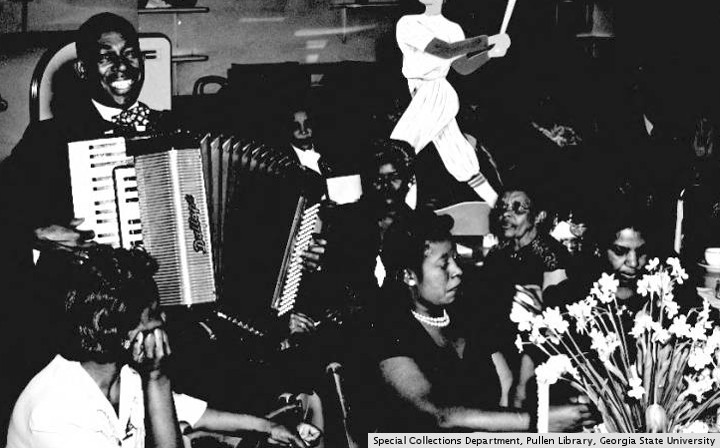
One indication that this might be true is The Catholic Encyclopedia. “Some apparent similarities exist; but … it is quite probable that Mithraism was the borrower from Christianity.” This repost has pictures from “The Special Collections and Archives, Georgia State University Library”.



War On Christmas




Merry Christmas used to be a greeting of good will. It meant, I am happy that you survived the year, have a nice holiday. It was not an in your face gesture, designed to express a religious opinion.
Christmas used to be a time of peace on earth and good will towards men. There were parties, gift giving, and holiday time from school and work. The religious part has always been there, but if you wanted to ignore it you could.
Jesus Worshipers want it all. The fact that our culture is dominated by Jesus worship is not good enough, they want it all. And they don’t care if it offends you. Peace on earth, and good will towards men, is an obsolete concept.
We don’t know when Jesus was born. Some scholars say he was born in the spring, but it was a long, long time ago. When the early Christians were trying to convert the Romans, they decided to have a birthday celebration for Jesus at the time of a pagan holiday. It is the winter solstice, the time of renewal at the end of the year. It is an ideal time for a religious feast.
Many people, PG included, have been hurt by Jesus. Christianism is an aggressive religion, and if you don’t agree, you can expect to be insulted and humiliated. As society becomes more and more secular, the Jesus worshipers get more aggressive. Many people have come to see the birth of Jesus as something to be mourned, rather than celebrated.
PG used to enjoy saying Merry Christmas. To him, it was a greeting of good will. Now, it is taking sides in a nasty fight. Maybe the proper thing to say is have a nice day.
And now for something completely different. PG found this recently, and it is not original to him. If you really need a link to the original, we will look harder.
When I was young and impressionable, I heard the Co-Adjutor Archbishop of Bombay preach on the subject of Christmas. He made the point that the adjective “merry” actually means “to be showing the influence of alcohol”, that is to be at least partially drunk. So to wish someone a Merry Christmas is really to wish them a Drunken Christmas. Moreover, drunkenness is a sin, and it is illegal to ply an infant with alcohol. A “merry Christmas” not only treats the birth of Christ as an occasion for sin, it also excludes the guest of honour Himself from the celebration.
That is a perversion of the meaning of Christmas — yet how often do we hear “true Christians” insist on saying “merry Christmas”? Why don’t they just wish the world happiness and joy?
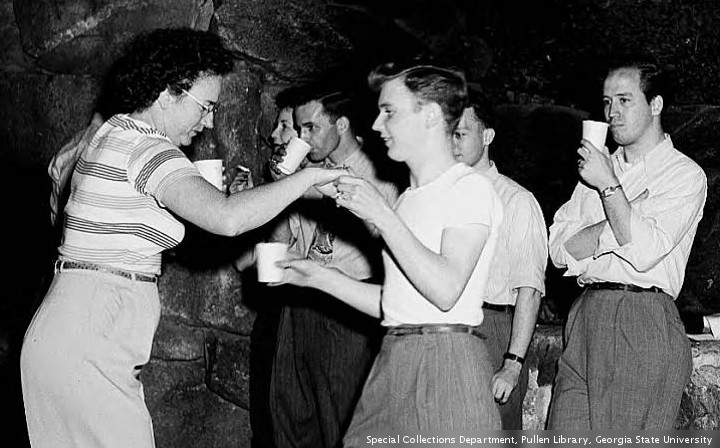
This holiday feature is a repost, with pictures from “The Special Collections and Archives, Georgia State University Library”.




Flannery O’Connor
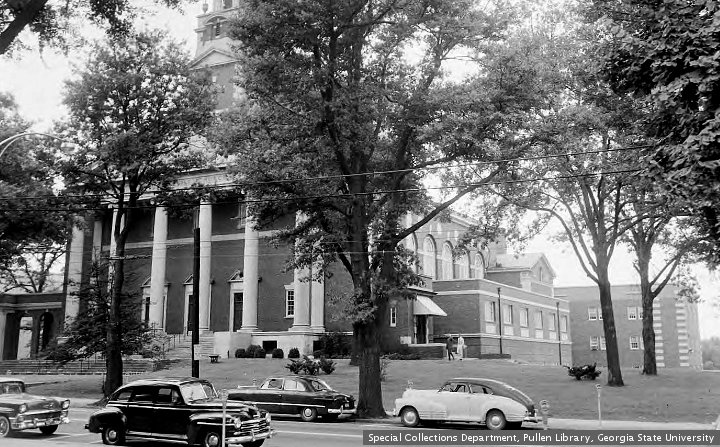




With one day before it was due, PG finished reading Flannery: A Life of Flannery O’Connor , by Brad Gooch. The author is a professor of English at William Patterson University in New Jersey. He spares no citations. You can see where he gets his information. This is a repost.
Chamblee54 has written before about Miss O’Connor , and repeated the post a year later. There is a radio broadcast of a Flannery O’Connor lecture. (The Georgia accent of Miss O’Connor is much commented on in the book. To PG, it is just another lady speaking.)
Mary Flannery O’Connor was born March 25, 1925 in Savannah GA. The local legend is that she was conceived in the shadow of St. John the Baptist Cathedral, a massive facility on Lafayette Square. Her family did leave nearby, and her first school was just a few steps away. This is also a metaphor for the role of the Catholic Church in her life. Mary Flannery was intensely Catholic, and immersed in the scholarship of the church. This learning was a large part of her life. How she got from daily mass, to writing stories about Southern Grotesque, is one mystery at the heart of Flannery O’Connor.
Ed O’Connor doted on his daughter, but had to take a job in Atlanta to earn a living. His wife Regina and daughter Mary Flannery moved with him, to a house behind Christ The King Cathedral. Mr. O’Connor’s health was already fading, and Mother and Daughter moved in with family in Milledgeville. Ed O’Connor died, of Lupus Erythematosus, on February 1, 1941.
Mary Flannery went to college in Milledgeville, and on to the Iowa Writer’s Workshop. She dealt with cold weather, went to Mass every day, and wrote. She was invited to live at an artists colony called Yaddo, in upstate New York. She lived for a while with Robert and Sally Fitzgerald in Connecticut, all while working on her first novel, “Wise Blood”. In 1950, she was going home to Milledgeville for Christmas, and had been feeling poorly. She went to the hometown doctor, who thought at first that the problem was rheumatoid arthritis. The illness of Flannery O’Connor was Lupus Erythematosus.
Miss O’Connor spent much of that winter in hospitals, until drugs were found that could help. She moved, with her mother, to a family farm outside Milledgeville, which she renamed Andalusia. She entered a phase of her life, with the Lupus in relative remission, and the drugs firing her creative fires, where she wrote the short stories that made her famous.
Another thing happened when she was recuperating. Flannery was reading the Florida “Market Bulletin”, and saw an ad for “peafowl”, at sixty five dollars a pair. She ordered a pair, and they soon arrived via Railway Express. This was the start of the peacocks at Andalusia, a part of the legend.
During this period of farm life and writing, Flannery had several friends and correspondents. There was the “Bible Salesmen”, Erik Langkjaer, who was probably the closest thing Flannery had to a boyfriend. Another was Betty Hester, who exchanged hundreds of letters with Miss O’Connor. This took place under the stern eye of Regina O’Connor, the no nonsense mother-caregiver of Flannery. (Mr. Gooch says that Betty Hester committed suicide in 1998. That would be consistent with PG stumbling onto an estate sale of Miss Hester in that time frame.)
The book of short stories came out, and Flannery O’Connor became famous. She was also dependent on crutches, and living with a stern mother. There were lectures out of town, and a few diverse personalities who became her friends. She went to Mass every day, and collected books by Catholic scholars. Flannery was excited by the changes in the church started by Pope John XXIII, and in some ways could be considered a liberal. (She supported Civil Rights, in severe contrast to her mother.)
In 1958, Flannery O’Connor went to Europe, including a trip to the Springs at Lourdes. Her cousin Katie Semmes (the daughter of Captain John Flannery, CSA) pushed Flannery hard to go to the springs, to see if it would help the Lupus. Flannery was reluctant…” I am one of those people who could die for his religion sooner than take a bath for it“. When the day for the visit came, Flannery took a token dip in the waters. Her condition did improve, briefly. (It is worth speculating here about the nature of Flannery’s belief, which was apparently more intellectual than emotional. Could it be that, if she was more persuaded by the mystical, emotional side of the church, and taken the healing waters more seriously, that she might have been cured?)
At some point in this story, her second novel came out, and the illness blossomed. Much of 1964 was spent in hospitals, and she got worse and worse. On August 3, 1964, Mary Flannery O’Connor died.

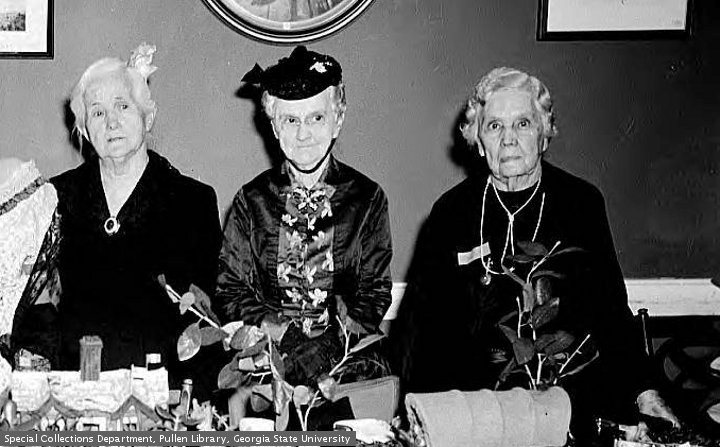


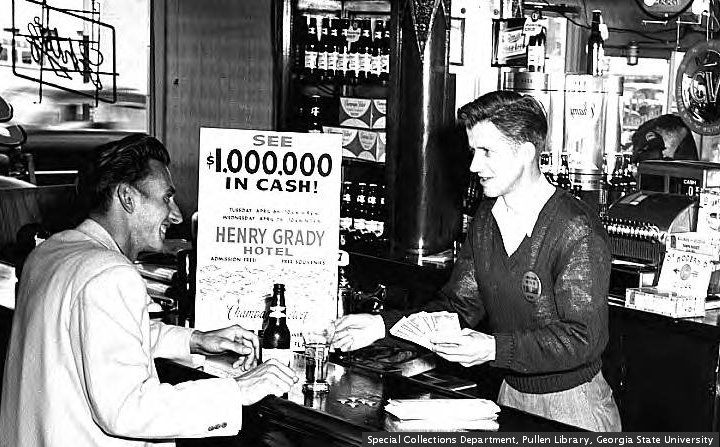
PG remembers the first time the name Flannery O’Connor sank in. He was visiting some friends, in a little house across from the federal prison.
Rick(?) was the buddy of a character known as Harry Bowers. PG was never sure what Harry’s real name was. One night, Rick was talking about Southern Gothic writers, and he said that Flannery O’Connor was just plain weird. ”Who else would have a bible salesman show up at a farm, take the girl up into a hayloft, unscrew her wooden leg and leave her there? Weird.”
Flannery O’Connor was recently the subject of a biography written by Brad Gooch. The book is getting a bit of publicity. Apparently, the Milledgeville resident was a piece of work.
PG read some reviews of this biography, and found a collection of short stories at the library. The book included ” Good Country People”, the tale about the bible salesman. Apparently, this story was inspired by a real life incident. (Miss O’Connor had lupus the last fifteen years of her life. She used crutches.) And yes, it is weird. Not like hollywood , but in the way of rural Georgia.
Some of the reviews try to deal with her attitudes about Black people. On a certain level, she is a racist. She uses the n word freely, and her black characters are not inspiring people. The thing is, the white characters are hardly any better, and in some cases much worse. In one story, “Everything That Rises Must Converge,” a black lady is the hero.
The stories are well crafted, with vivid descriptions of people and places. The reader floats along with the flow of the story, until he realizes that Grandma has made a mistake on a road trip. The house she got her son to look for is in Tennessee, not Georgia. She makes him drive the family car into a ditch. Some drifting killers come by. Grandma asks one if he prays, while his partner is shooting her grandchildren. Weird.
In another story, a drifter happens upon a pair of women in the country. The daughter is thirty years old, is deaf, and has never spoken a word. The drifter teaches her to say bird and sugarpie. The mother gives him fifteen dollars for a honeymoon, if he will marry her. He takes the fifteen dollars and leaves her asleep in a roadside diner.
There was a yard sale one Saturday afternoon. It was in a house off Lavista Road, between Briarcliff and Cheshire Bridge. The house had apparently not been painted in the last forty years. Thousands and thousands of paperback books were on the shelves. The lady taking the money said that the lady who lived there was the friend, and correspondent of, the “Milledgeville writer” Flannery O’Connor. This is apparently Betty Hester, who is mentioned in many of the biography reviews.
PG told the estate sale lady that she should be careful how she said that. There used to be a large mental hospital in Milledgeville, and the name is synonymous in Georgia with mental illness. The estate sale lady had never heard that.
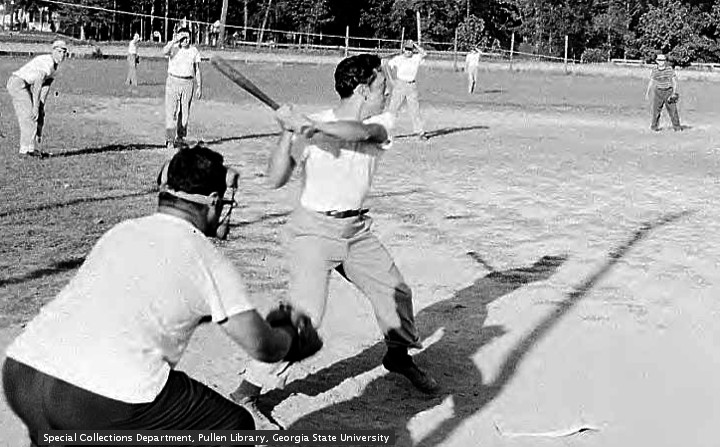
UPDATE: PG sometimes reads poems at an open mic event. His stage name is Manly Pointer. This is the bible salesman in “Good Country People.” This is a repost. Pictures are from “The Special Collections and Archives, Georgia State University Library.” It was written like James Joyce. An earlier edition of this post had comments.
Fr. J. December 10, 2009 at 3:00 pm I am glad you take an interest in Flannery, but to say baldly that she is a racist is to very much misunderstand her. For another view on Flannery and race, you might want to read her short story, “Everything that Rises Must Converge.”
chamblee54 December 10, 2009 at 3:17 pm “On a certain level, she is a racist.” That is not the same as “baldly” labeling her a racist. (And I have a full head of hair, thank you). As a native Georgian, I am aware of the many layers of nuance in race relations. I feel that the paragraph on race in the above feature is accurate.



Georgia On My Mind






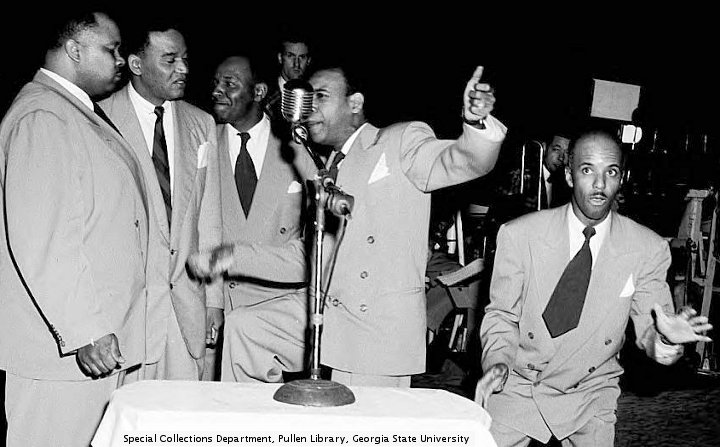
Rock the Runoff: Broadway for Georgia performs “Georgia On My Mind” turned up of facebook this morning. This video got PG thinking about GOOM. Pictures today are from “The Special Collections and Archives, Georgia State University Library”.
Youtube turned up the original “© Written in 1930 by Hoagy Carmichael (music) and Stuart Gorrell (lyrics) © Gorrell wrote the lyrics for Hoagy’s sister, Georgia Carmichael. However, the lyrics of the song are ambiguous enough to refer either to the state or to a woman named “Georgia”. Carmichael’s 1965 autobiography, “Sometimes I Wonder”, records the origin: a friend, saxophonist and bandleader Frankie Trumbauer, suggested: “Why don’t you write a song called ‘Georgia’? Nobody lost much writing about the South.” Thus, the song is universally believed to have been written about the state.”
National Anthems has a story about GOOM. (The 90’s website has a retro-illustration.) “STUART GRAHAM STEVEN GORRELL (1901-1963) and HOAGLAND HOWARD CARMICHAEL (1899-1981), wrote the song in 1930 almost as a lark … Hoagy Carmichael went to Indiana University, and one of his best college chums was Stuart Gorrell. Hoagy Carmichael was going to be a lawyer and Stuart Gorrell, when not hanging around the local “jazz joint” (called The Book Nook!) had promised someone that he would eventually be a success in the world of business.”
“The two of them were together at a party in New York and Hoagy Carmichael played what he had of the “Georgia” music line for Stuart Gorrell and some friends. After the party broke up, the two of them went back to a friend’s apartment and worked on the tune throughout the night. Stuart Gorrell wrote what he thought would be a good lyric line on the back of a post card, (now displayed in the Carmichael Room at Indiana University) and showed it to Hoagy Carmichael. One can still plainly see the few, but important, changes that Hoagy Carmichael made on that small piece of cardboard to Stuart Gorrell’s lyrical scratchings. The song was improved upon, and the lyrics written, in that boozy early morning, and recorded in September 1930 by a band that included Hoagy Carmichael’s great friend, Bix Beiderbecke – a recording session that proved to be Bix’s last.”
“Hoagy Carmichael went on to write many more songs, some of them hits, and Stuart Gorrell kept his promise and became a Vice President at Chase Bank. Stuart Gorrell never tried to write another song lyric, but ‘Georgia on my Mind’ became a hit after World War II and Hoagy Carmichael, true to his word – although Stuart Gorrell was not legally credited as the lyricist by the music publisher – always sent Stuart Gorrell a cheque for what would have been his share of royalty. The royalty income from that song is substantial and, after Stuart Gorrell died, the income put his daughter through college.”
Mr. Gorrell wrote a letter to the Bremen (Indiana) Enquirer, August 3, 1961. “This accompanied his response to his home town’s Teen Hop patrons choosing the song as their theme song. … “Georgia on my mind” was composed more than a quarter of a century ago on a cold and stormy evening in 1930 in New York City. Hoagy Carmichael and I, in a third floor apartment overlooking 52nd street, with cold feet and warm hearts, looked out the window and, not liking what we saw, turned our thoughts to the pleasant southland. Thus was born a hauntingly sweet song. My mother, who died in Bremen in 1942, once asked a very penetrating question about the song. I had sent her a copy of the sheet music and, after reading the words over several times, she wondered aloud: “What is Georgia? A girl—or state? What do you think? Hoagy and I just love every one of you Bremen Teen Hoppers for honoring out tune by making it your theme song. Sincerely, Stuart Gorrell”









The Civil War On PBS
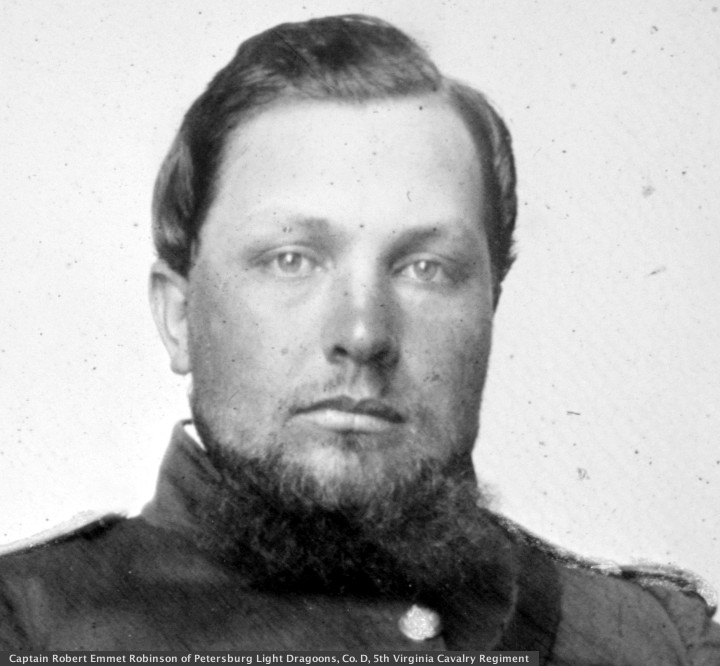
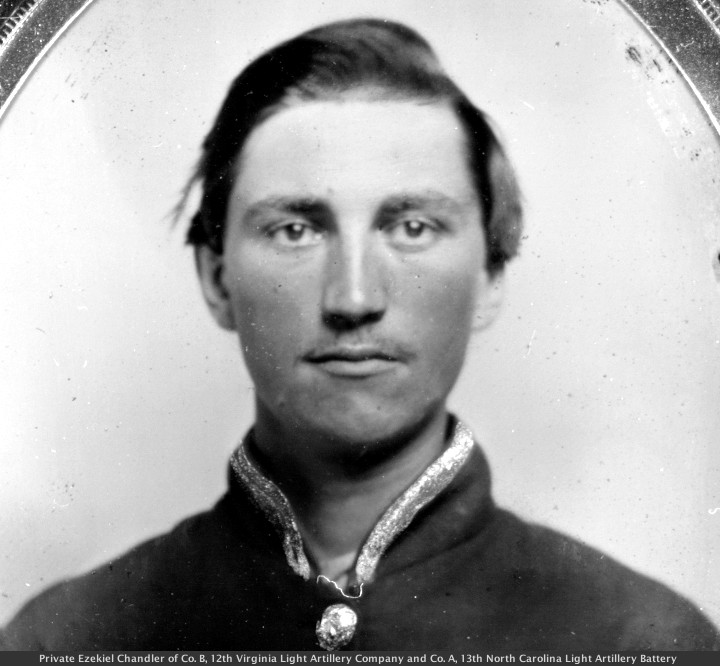




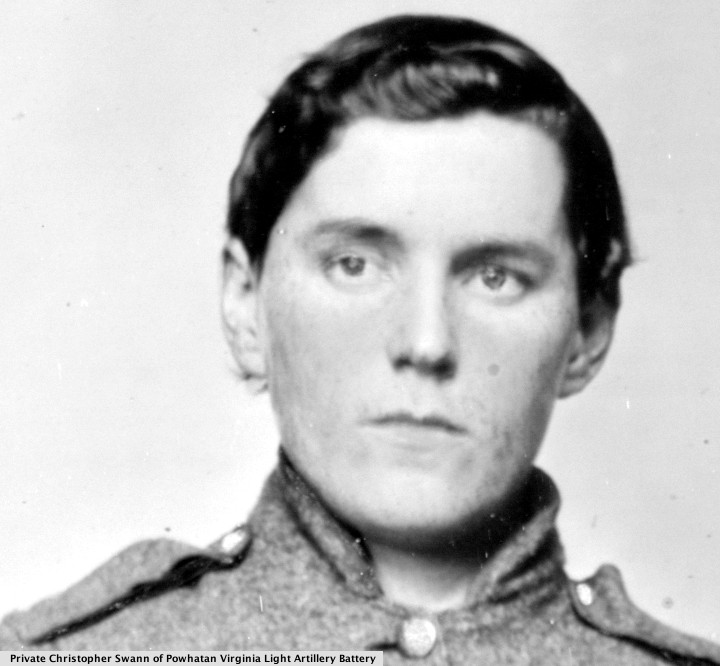


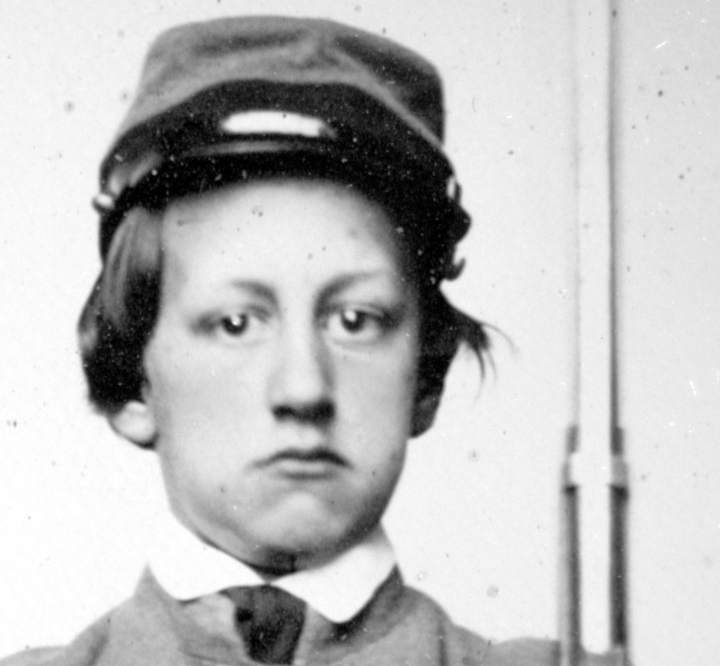
I have binge listened to a public television series, The Civil War. This youtube edition has subtitles in Portuguese, adding a Brazilian touch. I feel obligated to make a blog post. When writing about a topic of this size, I typically start by finding as many sources as possible. I have written about “the recent unpleasantness” several times, and will link to these when it is appropriate. The only way to start this project is to open a word document. This is a repost.
What did I learn? There was widespread opposition to emancipation in the north. I had never thought about this. The popular narrative is that the war was fought to free the slaves. While I knew that there were other reasons for the conflict, I assumed that the north wanted to free the slaves. As it turns out, the decision to free the slaves was controversial in the north. I will leave speculation about the reason for this to other armchair historians.
The show made me cry twice. The first time was after the Gettysburg Address. The address was made at the dedication of a cemetery, on the site of the Battle of Gettysburg. After two and a half years of horrendous carnage, the war was going good for the Union. However, 1864 was to have an election. Mr. Lincoln’s chances did not look good. If he lost, the Democrats would probably negotiate a peace, and the Confederacy would endure.
The Gettysburg Address is one of the most moving two minutes in our history. It was printed in newspapers across the land, which is the reason it is known today. “We are met on a great battle-field of that war. We have come to dedicate a portion of that field, as a final resting place for those who here gave their lives that that nation might live.”
The second tearjerker moment was also set at Gettysburg. It was the fiftieth anniversary of the battle. War veterans, from both sides, came to celebrate the occasion. There was a reenactment of Pickett’s charge. When the Rebels got to the fortifications, the Union soldiers came out and hugged them. They were greeted as brothers in arms, who had somehow survived a horrible conflict.
The fighting ended, and life in the, unquestionably, United States continued. There came to be what Shelby Foote calls “a great compromise … It consists of Southerners admitting freely that it’s probably best that the Union wasn’t divided, and the North admits rather freely that the South fought bravely for a cause in which it believed. That is a great compromise and we live with that …”
In recent years, this arrangement seems to be breaking down. It is now the fashion to view anything short of total vilification of the Confederacy as treasonous. There is sneering talk of the “Cult of the Lost Cause.” This is a lamentable way to look at this transformative part of our history. Maybe this too shall pass, and we will see the Confederacy in a different light in a few years.
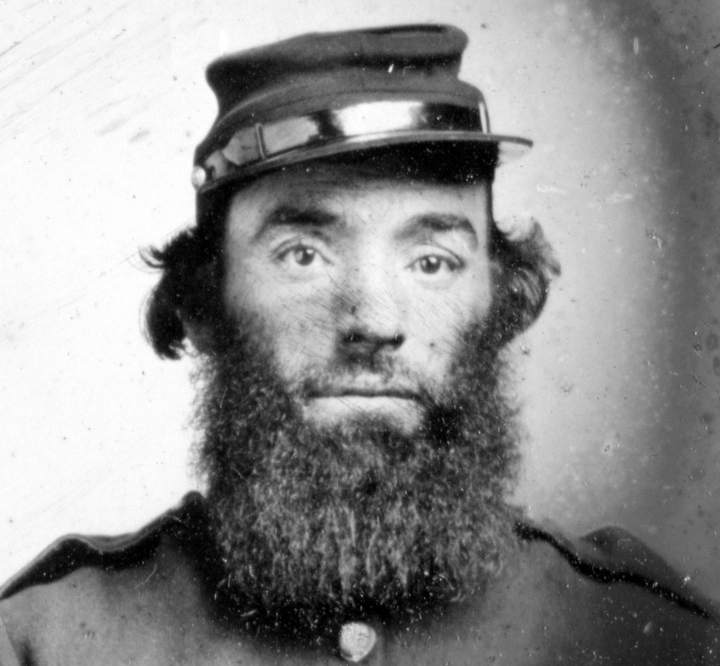
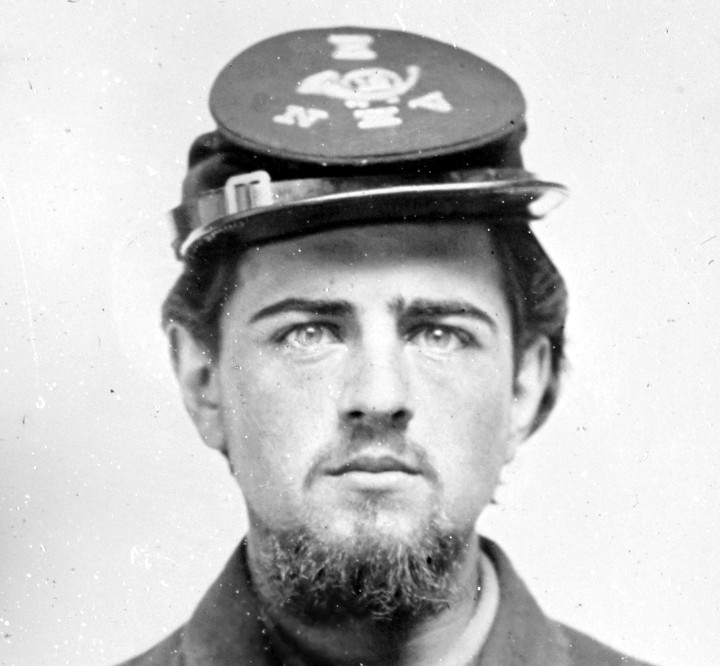
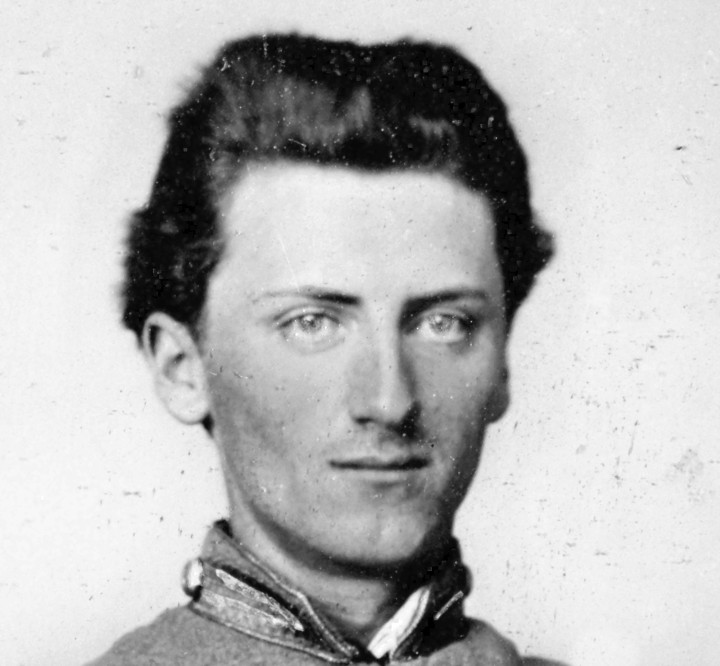
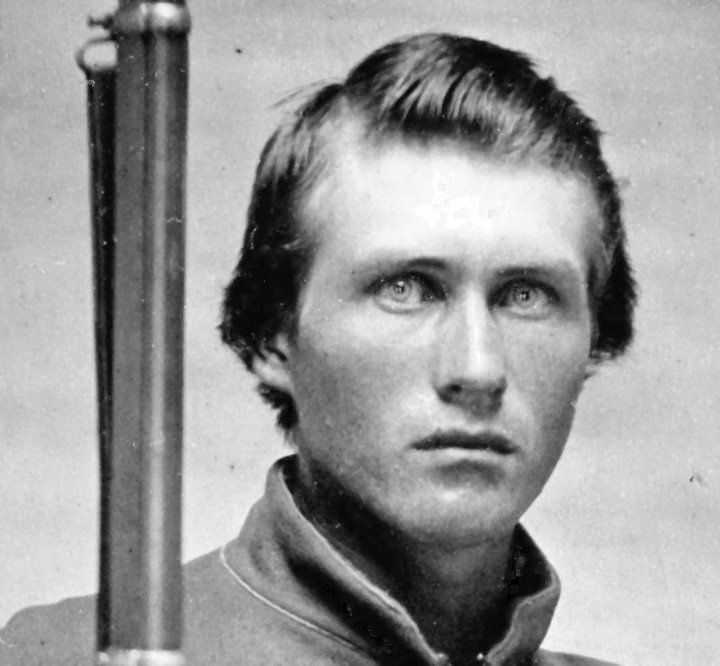
Pictures today are from The Library of Congress. The men before the text are Confederate soldiers, and after the text we have Union soldiers. These pictures are from Liljenquist Family Collection of Civil War Photographs.




Rudolph




Someone posted a bit of revisionism about a holiday classic. As he sees it, “Rudolph the Red Nosed Reindeer” is about racism.
In a bit of yuletime synchronicity, the urban mythbusters at Snopes posted a piece about Rudolph the same day. It seems as though the Rudolph story was originally written for the Montgomery Ward Stores. The idea was to print a Christmas booklet to give to customers. A staff writer named Robert L. May was picked for the job.
Originally, there were concerns about the red nose, and the connection to heavy drinking. At the time, the original meaning of “merry christmas” had been forgotten. Merry meant intoxicated, and a merry christmas was a drunken one. The booklet was released. It was a big hit with shoppers.
Mr. May had a brother in law named Johnny Marks, who was musically gifted. Mr. Marks wrote the song, and somehow or another Gene Autry came to sing it. A story (which PG heard once, but cannot find a source for) had Mr. Autry doing a recording session. The session went very smoothly, and the sides scheduled to be recorded were finished early. There was a half hour of studio time paid for. Someone produced copies of “Rudolph”, gave them to the musicians, and the recording was knocked out. It became a very big hit.
“Rudolph the Red Nosed Reindeer” has become a beloved standard, without the troubling religious implications of many holiday songs. It is the second biggest selling record of all time. The only song to sell more is “White Christmas”.
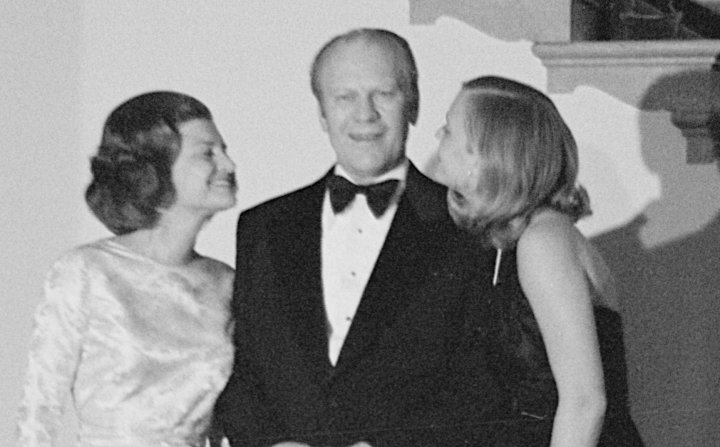
The story above is a repost. Pictures are from The Library of Congress. There is an appearance by Gerald Rudolph Ford, and his women. Betty was a merry soul.




Judy Roasting On An Open Fire


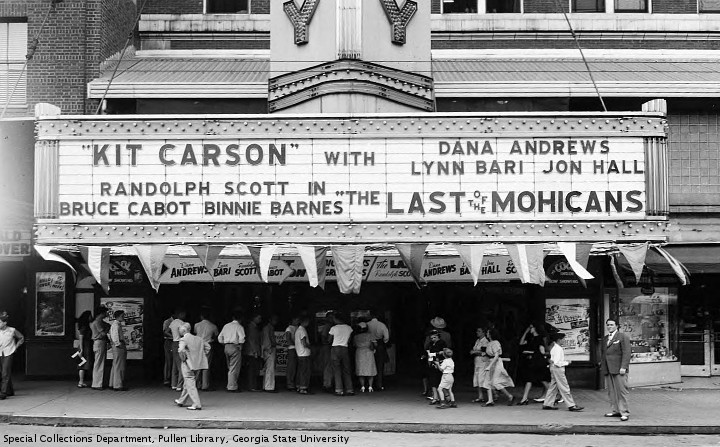

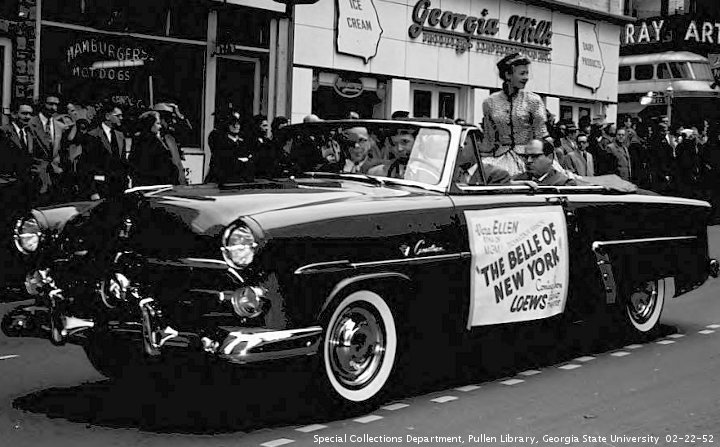
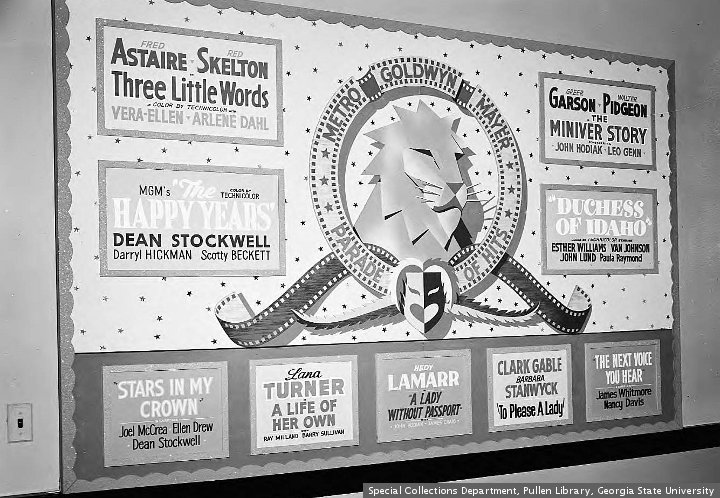

SFFILK (Not his real name) passes along a story about Mel Tormé. It seems like Mr.Tormé was eating a leisurely breakfast at a food court in Los Angeles, and a quartet appeared singing Christmas songs. They wound up performing “The Christmas Song” for co- author Tormé … and the singers had no idea who he was. It is a good story, better told in the link. This is a repost, with pictures from “The Special Collections and Archives, Georgia State University Library”.
According to the inerrant Wikipedia, Mr. Tormé collaborated with Robert Wells, until they had a falling out. One afternoon, on the hottest day of July in 1945, Mr.Tormé went to visit Mr.Wells, and saw the first four lines of “The Christmas Song” (including “Chestnuts roasting on an open fire, Jack Frost nipping at your nose”). The lines were on a note pad, and the two agreed to beat the heat of summer by completing the song. Supposedly, Mr. Tormé did not like the song very much. After three divorces, he probably didn’t see many of the royalties.
Mel Tormé was the music director of the ill fated “Judy Garland Show” in the early sixties. He wrote a book about it… The Other Side of the Rainbow: With Judy Garland on the Dawn Patrol . The story is that Miss Garland would get blasted, call Mr.Tormé in the middle of the night, and pour out her troubles. (This review is much less sympathetic towards Mr. Tormé.) While the show did not last longer, there are some great youtube clips left over.


German Pastry Christmas


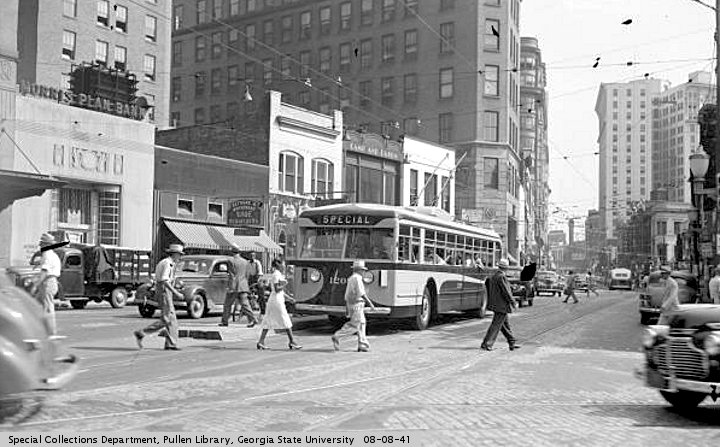


PG got an email today from Allen Hunt, a radio announcer. The letter had a Christmas message. PG read the story, and heard the ding ding ding of his BS detector. Here is the story.
Merry Christmas! As the wars about the public celebration of Christmas become filled with pettiness and hostility on all sides, be not dismayed. Your celebration of Christmas depends solely on you and nobody else. I heard the story of Oswald Goulter years ago and it reminds me of that simple fact. I am responsible for how I embrace the gift of Christmas.
Oswald Goulter served as an agri-missionary to China. On his way back to the USA for furlough during World War II. His sponsor mission agency gave him a ticket to get home by boat. When Oswald arrived in the port of India, New Delhi, he found boats filled with Jews, housed there to protect their lives from Nazi Germany. The Jewish boats couldn’t land anywhere. They were not accepted or welcome anywhere at the time
Oswald went to see them and said, “Merry Christmas!”
“We’re Jewish,” they responded.
“I know, I know. But what would you like for Christmas. Merry Christmas!”
“Don’t you understand? We are JEWISH.”
“Merry Christmas. What do you want?”
To get rid of this nuisance, they said, “How about some German pastry? That sure would be grand.”
Oswald scoured the city until he found a bakery that made German pastry. Oswald sold his ticket for home to get money to purchase some pastry. He went back to the boat and shared it with them.
As he spoke about this experience later in one of his supporting churches, a very prim member of the congregation stood and asked, “Why did you do that? They were Jewish. They don’t even believe in Jesus.””I know,” Oswald replied, “but I do.”
PG sent a reply to the original email. This post is being written an hour later, so it is not unreasonable that Mr. Hunt has not replied.
Allen do you have any proof that Oswald Goulter existed? This story seems a bit far fetched. I googled Oswald Goulter, and all I see is the same story told over and over.
Why did he go to India? This is over the Himalayan mountains, or around Vietnam. Couldn’t he do just as well in North Asia, or even Russia?
When did this incident happen? There are mixed indications in the versions I read, and no exact dates. If this was after WW2, then restrictions about admitting Jews would start to loosen up.
Why German pastries? After all that the German people had done to them, this seems a bit strange.
There are hundreds of real, verifiable Christmas stories out there. This one seems a bit fishy.
After sending the email, PG hunkered down in the google.(Snopes never heard of Oswald Goulter) It seems that Oswald John Goulter was born June 22, 1890 in Oklahoma. (His nickname was O.J.) He died in March, 1985, in Santa Clara, California. He was interviewed in 1971 as part of a project involving missionaries to China. “This interview supplements the account of Goulter’s life in Wilfred Powell’s Scattered Seed. Mr. Goulter portrays the disruption in Chinese life in the area of Lu-chou (Hofei) in Anhwei province during the years 1922 to 1951. He tells how the Communists were able to take advantage of the disorder caused by warlords and bandits and the Japanese invasion to drive the nationalists from power. He also discusses … practical Christianity and its applicability in China.”
There is another story about Mr. Goulter. After the communist takeover, Mr. Goulter and his wife, Irene, were taken into custody. Mr. Goulter was beaten repeatedly, but refused to renounce his faith. Finally he was released (or, in some versions, escaped). This imprisonment is generally agreed to for three years. If he left in 1951, that would be consistent with the time line of the communist takeover.
In the Hunt version of the story, Oswald Goulter left during World War 2.
This does not answer the question of why Mr. Goulter would go to India, before America. It also does not account for the appearance of the Jews in India, six years after the end of World War 2. It should also be noted that India was in chaos, with the advent of Independence and the partition. Would they have Jews hiding in the city?
There is a book, Scattered Seed: The Story of the Oswald Goulters, Missionaries in China 1922-51. PG does not know if it discusses German pastries.


This is a repost, with pictures from “The Special Collections and Archives, Georgia State University Library”. The original had several comments about Mr. Goulter, which we will share below. Allen Hunt sent a reply, which was lost in a hard drive crash. It was rather snide. Dr. Hunt has quit sending emails to PG. His radio show is no longer being broadcast.
Lindsay goulter said, on February 26, 2010 at 3:26 am Hi oswald goulter was my great uncle.Born in Auss. If you would like to know more about him please reply to my e/mail. lindsay g
Teena Anderson said, on October 30, 2010 at 10:02 pm
Oswald Goulter is my grandfather. He was a missionary to China for 30 years. His story is told in the book Scattered Seed by Wilfred Powell. Oswald and Irene had 3 daughters, Lovena, Doris ( who is still living!) and Jean. Doris and Jean were born in China. Jean was my mother-she spoke excellent chinese with a Hefei accent. I am the eldest grandchild. They lost a baby boy born in China and buried him in the mountains of Kuling, where the missionaries would go for the summer.
My husband, Hugh Anderson (Presbyterian minister) and I have taught in China with the Amity Foundation. Our first summer of teaching we traveled to Hefei and met Rev. Zhu who helped Oswald after he had been confined in the internment camps. They were great friends. Rev. Zhu’s son is now a Disciple of Christ minister here in the United States. Teena Anderson, Medford, Oregon.
chamblee54 said, on October 30, 2010 at 10:09 pm
Thanks for stopping by. Do you know if the story about the German Pastries was true? It is an inspiring story, but as I noted in my post, there are a few issues with it.
Miaohua Jiang said, on January 19, 2011 at 11:06 pm
The book by Wilfred E. Powell titled Scattered Seed came in mail yesterday. I searched in the book for any evidence that this story might actually happened. Unfortunately, the story as it is stated never happened. At least it did not happen in India.
The sabbatical year was between 1936 and 1937. The family did take the western route going through Europe to return to US. They arrived in US in September 1936. Christmas of 1936 was their first Christmas in US in many many years. They were not able to return to China because of Japenese invasion until late 1937. Mr. Goulter did help refugees in Shanghai around Christmas time 1937. The book did mention that Shanghai also had ships with Jewish refugees. So, the story could have happened in Shanghai, China, instead of India. It did not involve boat tickets. Mr. Goulter had clothings shipped from Los Angeles to Shanghai. Also Mr. Goulter was interned by Japenese for many years, not communists.
chamblee54 said, on January 20, 2011 at 12:02 am
Thank you for following through. That is an inspiring story, too bad it can’t be proven to be true.
Miaohua Jiang said, on January 1, 2011 at 10:13 pm
Doris is visting us this new year’s day of 2011!
Miaohua Jiang said, on January 4, 2011 at 2:23 pm
This is what I got from my conversation with Doris, O.J.’s second daughter. According to Doris, Mr. Goulter did not like his first name. Chinese people would simply call him Gou Shee-Sang (Mr. Gou). Doris was born in Hefei in 1924. Her mother homeschooled the girls. By the time she was 10, they felt it was time for girls to have a more formal education in Shanghai. Before they left for Shanghai, they travelled for a year to Europe, going through possibly the Hongkong – India route. So, it was around 1934 – a time Jews were forced to escape Germany. So, the story is credible. The girls stayed in Shanghai until 3 month before Pearl Harbor was attacked when American government ordered evacuation of women and children. Mr. Goulter stayed behind and was imprisoned by invading Japenese because of his British citizenship. I am ordering this book and hopefully when Doris visits again next time I will have a chance to verify a few more details with her. Amazingly, after leaving Hefei for more than 75 years, she can still speak the local dialect and sing local children songs forgotten even by the local people.
Teena Anderson said, on October 30, 2010 at 10:09 pm
Oswald Goulter was my grandfather. He was born in Australia. He heard about the Boxer rebellion and felt called to go to China. He came to the U. S. to get more education. He married Irene Goucher (my grandmother) in Oklahoma and they spent 30 years together in China. They had 3 daughters, 2 of whom were born in China. My mother was born in Tsingtao but spent 10 years in Hefei (Lu Chow Fu). She had a great Hefei accent. They also had a baby boy that died and was buried in the Kuling mountains. (Lu Shan) Oswald Goulters life was written by Wildfred Powell in the book Scattered Seed. Our family still have ties to Chinese that were ministered by my grandfather. There are many more accounts of what my grandfather accomplished in China. He loved the Chinese and they loved him. Teena Anderson of Medford, Or.
Lauri Penry said, on March 25, 2012 at 8:27 am
My grandparents (Dr. and Mrs. Paul R. Slater) served as medical missionaries in China with the Goulters. I have heard the story many times of how my grandfather met up with Mr. Goulter, and he wasn’t wearing shoes. So my grandfather gave him his. The next time they crossed each other’s paths, Mr. Goulter was again without shoes. He told my grandfather that he found someone who needed them more than he did.
I was just going through some pictures at my parents’ house this weekend, and found one with Mr. Goulter in it. I am in the process of reading Scattered Seed now. My parents were attending Phillips University when Mr. Goulter was a member of the faculty. From what I have always heard about this man, he was exceptional, and a true servant!
John McBride said, on May 10, 2012 at 10:10 am
Oswald Goulter is my grand uncle and he was born in Australia. I had the pleasure of meeting him and Irene in in either 1973/4 when they visited Australia and later in San Jose in 1981. He was quite some bloke who’s achievements were quite incrediable. My grand father was a potato farmer at a place called Irrewillipe, about 100 miles west of Melbourne. One year my brother and I spent our Easter weekend (4 days in Australia) helping dig up the crop. At night, my grandfather read Oswald’s letters to us by kerosene lamp beside the wood stove in the kitchen. As a ten year old, those letters were more exciting to listen to than reading my Superman comics.




Teachable Moment



PG was invited to view a zoom reading. A group of people submitted poems for an anthology. Some of the poems were selected for publication. Wednesday night, some of these poets read their work.
Before the linked video, a man spoke. He said that racism would not be tolerated. If you said anything racist, you would be kicked out of the presentation. PG found this a bit odd. Poets tend to be painfully woke. Telling poets not to say anything racist is like telling preachers not to worship Satan.
The poets spoke. There was one Latino, no African Americans, and White People. Anything they read had been chosen for publication. Did the editors include a racist poem in the anthology?
Facebook had another well intended meme. It was about a teacher, telling her class about the Salem witch trials. PG does not know the full story of the SWT. He suspects the legend does not accurately describe the real event. However, the SWT story provides a “teachable moment.” It is easy to substitute “racist” for “witch”.
“One of my friends told me about a powerful lesson in her daughter’s high school class this winter. They’re learning about the Salem Witch Trials, and their teacher told them they were going to play a game. “I’m going to come around and whisper to each of you whether you’re a racist or a normal person. Your goal is to build the largest group possible that does NOT have a racist in it. At the end, any group found to include a racist gets a failing grade.”
The teens dove into grilling each other. One fairly large group formed, but most of the students broke into small, exclusive groups, turning away anyone they thought gave off even a hint of guilt.
“Okay,” the teacher said. “You’ve got your groups. Time to find out which ones fail. All racists, please raise your hands.” No one raised a hand. The kids said the teacher had messed up the game.
“Did I? Was anyone in Salem an actual racist? Or did everyone just believe what they’d been told?” And that is how you teach kids how easy it is to divide a community. Keep being welcoming, beautiful people. Shunning, scapegoating and dividing destroy far more than they protect. We’re all in this together.” Pictures today are from The Library of Congress.



Milo Gets Edited








This is a repost from 2017. Milo Yiannopoulos is getting attention again. It seems as though the the editor’s notes for his book have been leaked to the press. Many of the comments are unkind. If you have ever wanted to see bad writing dissected and disemboweled, this is the time. PuffHo, which knows a thing or two about recycling free product, has a helpful list of some of the zingers. “Can you really prove a causality between [Black Lives Matter] and crime rate?” “DELETE UGH.”
Milo did not actually write Dangerous. Miloproduct is produced by a crew of interns. One of these drones got in trouble: Milo Yiannopoulos Speaks Out About ‘Bonkers’ Former Intern Arrested for Murdering Dad. Who gets the copyright credit for Dangerous? It might be a good trivia question.
@DALIAMALEK “… Look at the witty editor that worked to normalize white supremacy” Some people think Milo’s book was cancelled for being politically incorrect. Actually, the deal was trashed after Milo opened his mouth once too often, and became too controversial.
Simon & Schuster is not opposed to selling bad books to make money. In 1981, S&S published HOW TO STAND UP FOR YOUR RIGHTS— AND WIN! This tome was written by Roy Cohn. The NYT review notes “Despite his reputation as a playboy bachelor, Mr. Cohn believes that a marriage should be ”kept intact” if there are children.”
Chamblee54 has written about whatshisname one two three four five six seven times. The pictures are usually better than the text. In one episode, Bill Maher said “Stop looking at the distractions and the clown show and look at what matters.” Then, without a trace of embarrassment, Mr. Maher introduced Milo, who is both distraction, and clown show.
The first time chamblee54 wrote about Milo had a prophetic quote. “This is the first time many have heard of Milo Yiannopoulos. Unfortunately, it probably will not be the last. He authored a piece at Breitbart, where he said “… Only by totally ignoring people’s feelings can we end the left’s culture of grievance, offense, and victimhood. …”
Many of the naysayers are calling Milo, and his product, racist. This is a reflex action to many SJW, who seldom miss an opportunity to scream racism. The ironic thing is that Milo talks loudly, and often, about his fondness for black men. On page 96, Milo says “”I love black people. Indeed, I love black people so much that my Grindr profile once said “No Whites.” I’d considered “Coloreds Only Served in Rear,” but that was a little too edgy, and Grindr once deleted my profile once for writing: “Don’t contact me if you’re under seven inches or you know who your dad is.”
Hopefully, Milo’s fifteen minutes will be over soon. There will always someone else to call racist. Pictures today are from “The Special Collections and Archives, Georgia State University Library”.







Names





Alan Burnett~Bill Gaddy~Bill Medlock~Bill Meneely~Blaze Mills~Buddy Conine
Calvin Bunn~Danny Fields~David Chewning~David Hadden~Charlie Hall~Dwight Dunaway
Freeman Waldrop~Gary Hunton~Gene Haynes~Gene Holloway~Gibson Higgins~Glenn Krause
Greg Scott~Harold King~Hawk~Jerry Pyschka~Jim Anderson~Jim Woodward~Joe Kenney
Joe Vickery~John Harllee~Jon Gordon~King Thackston~Larry Jackson~Layton Gregory
Lee Mullis~Les Friessen~Mac Wilson~Manfred Ibis~Mark Keenum~Mark Rosen
Martin Isganitus~Michael Dollins~Micheal Mason~Moon Moore~O’Gene Donohue
Purl Sudds~Ron Davis~Sam Mitchell~Skeeter Smith~Steve Bedworth~Stuart Davis
Ti Barfield~Tom Aderhold~Tom Selman~Tom Williams~Trion~Winston Morriss









Letters To Myself








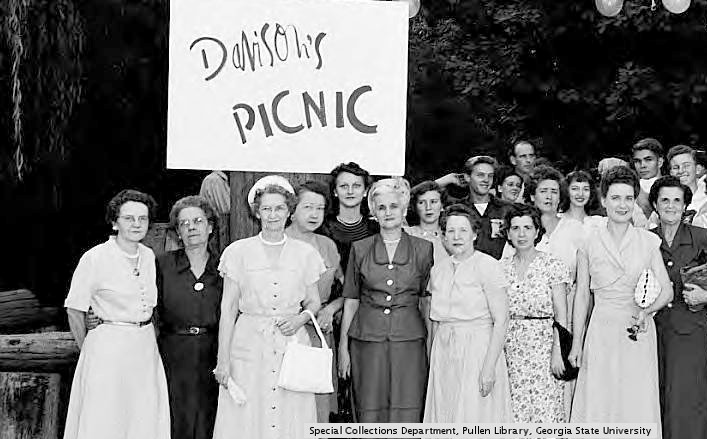
Three years ago, PG saw a writers prompt. The suggestion was to write a letter to yourself when you were fourteen years old. A few days later, another one said to write a letter to yourself in twenty years. The result was Letter To Fourteen Year Old PG , and Letter To Seventy Eight Year Old PG. These two letters are reproduced here. They still read as though it were 2012, and an election is eminent. Out of a spirit of doing things the unconventional way, the letter to the seventy eight year old will come first. Pictures are from “The Special Collections and Archives, Georgia State University Library”.
There was a suggestion at WordPress to write a letter to yourself as a fourteen year old, and another letter to yourself in twenty years. PG thought this was a cool idea. If the trackback went up on the WordPress site, then it might generate some traffic for this blog. It might even get the attention of Freshly Pressed , which has never featured Chamblee54.
It is like General Halftrack and the Pentagon. The Daily Post did not post a link to friday’s letter. The traffic went below one hundred hits on saturday. Now it is sunday, the clocks are set back an hour, and it is trying to rain. The letter to a seventy eight year old PG is a good idea, so here it goes. Once again, it is in first person.
Ok, so you are twenty years older. Or maybe you are not. The three main older people in this life were Mom, Dad, and Gran. They all died when they were seventy five, except for Mom, who made it to seventy six. Seventy eight might be pushing things a bit, considering the way things sometimes feel at fifty eight. The idea is to write this letter, and not worry about whether the destination will have an internet connection. You will change planes in Atlanta either way.
This is the sunday before the Presidential election, aka the day when a dictatorship doesn’t sound so bad. People in Georgia have their votes stolen from them by the electoral college, so we don’t have to choose between a war criminal and a liar.
There is a saying about holding your nose when you vote. The neighborhood precinct is the cafetorium of a school. Unless you are blocking the memory, you might recall going to classes in that building. Tuesday will not be the first time I have held my nose in that cafetorium.
This is the first year of the City of Brookhaven. I find myself choosing people on the basis of personalities, rather than issues. When it comes to the so called issues, the candidates seem to say the same things. This is true for the State House race, which is the other choice I will have. The repub is just plain gross. Mr. Bahhumbug has a bright future if he doesn’t get caught again.
There is no telling what the election choices will be in 2032. Assuming that the electoral college continues to facilitate the two party duopoly, you probably won’t have much of a choice. The takeover by the moneylenders should be complete by that point.
Since we are doing this in twenty year cycles, lets look back to some other elections. The first time I got to vote was 1972. Tricky Dick was a thief, and a war criminal, but George McGovern was a dummy. The problem for Tricky Dick was the second term syndrome. Most Presidents who are reelected for a second full term have horrible problems. While Mr. Nixon’s second term was not as bad as those of Abraham Lincoln or William McKinley, he did have his problems.
In 1992, it looked like Daddy Bush was sailing to victory. He won a war, and the Democratic candidate was Slick Willie Clinton. (From Tricky Dick to Slick Willie, Bebe Rebozo to Monica Lewinsky.) Ross Perot threw a monkey wrench in the electoral works by running as a third party candidate. This is a feature of the duopoly… when one party wins too many times, something strange happens.
It happened in 1912, when Theodore Roosevelt ran as a third party candidate, and Woodrow Wilson got elected. Within a year, the Federal Reserve Bank was set up. After the re-election of Mr. Wilson, we got mixed up in World War One. We can ignore the elections of 1932 and 1952.
There is one more election that should be discussed here, even though it is not part of the twenty year cycle. I was listening to a chat before the 2000 election. One person thought it was important to vote for Al Gore. This had been a dull election. George W. Bush was sort of an unknown quality, while Al Gore was not a terribly inspiring figure.
That is not how things turned out. W was allowed to serve, after Mr. Gore won the popular vote. Seven months after the inauguration, 911 kick started the twenty first century. The response of W was to start two self destructive wars. With the help of the demoze, there was a tax cut before the start of the second war. The economy may never recover.
So, it is good form to write a last paragraph to these things. It is an act of optimism to assume you will be here in twenty years. Living in the WMD age, the idea of thermonuclear catastrophe has always been present. The possibility of man making the planet unlivable is also very real. Maybe a dependable source of non destructive energy will be found in the next twenty years, to go with a dependable source of water for Atlanta. The future has always been dim, but continues to happen.


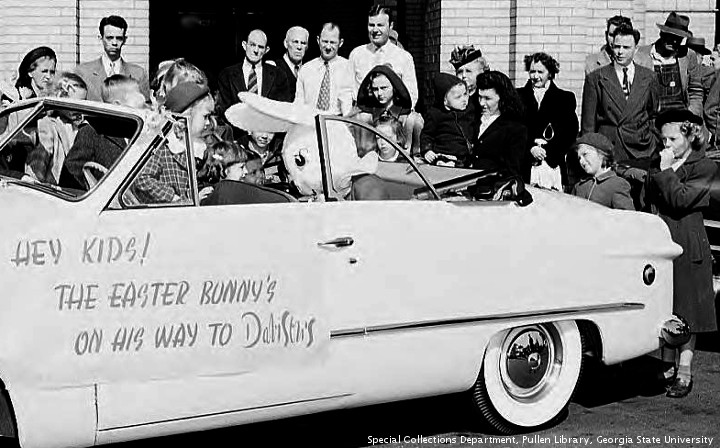



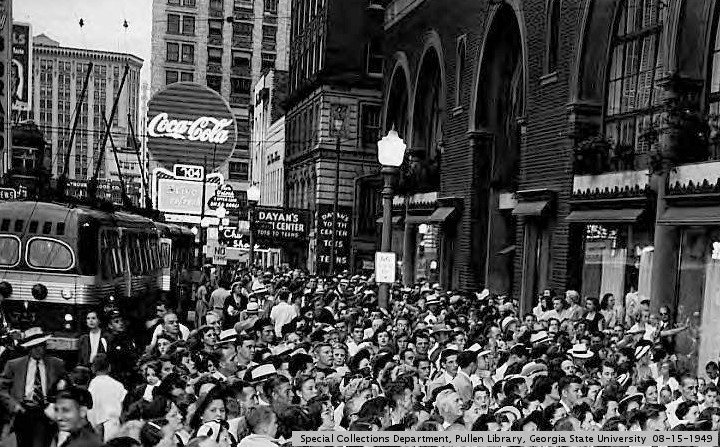


WordPress has this feature, the Daily Post. The idea is to get people to post more to their blog. PG already puts up material almost every day, but is generally open to new ideas. Today, the “daily prompt” is “Write a letter to your 14-year-old self.” It doesn’t say what part of your fifteenth year this should be, so PG is going for the weekend before the Presidential election. Yes, Forty Four years ago PG was fourteen. This will be written in first person.
Hey. It was suggested that I write a letter to myself when I was fourteen. The idea was to get people to write more. The thing is, I am already writing all the time. I post something to my “blog” every day. This can be suggestion number one… you don’t have to be part of a group effort to achieve something. Sometimes, you can do very well on your own. For a socially retarded person like me/you, that is not always an option.
December 31, 1988, was my last day as a beer drinker. Growing up in a teetotaling Baptist household, I never learned how to drink in good taste. When I did pick up the habit, I drank more than I should. After a while, I decided it was time to quit. I did it on my own, without going to AA. I never made a promise not to drink, I just did. That may be the one thing I have gotten right in my life. If I had not quit drinking when I did, there is a good chance I would not be here today.
I mentioned writing a blog. This is a one man operation, putting up stories and pictures in a magazine format. People look at it on machines that run through phone lines. There is more to it than that, but you will see this in about thirty years.
The 1968 Presidential election is on tuesday. This was between Hubert Humphrey, Richard Nixon, and George Wallace. People said it was the worst choice they could remember. You will hear that phrase every four years, and it is always the truth. It is more truth than either candidate says. Every four years, the choices get worse. This year, the incumbent President was half white, half African, and that the Republican challenger is a Mormon. Neither one is very impressive.
There was a state senator running for Governor two years ago named Jimmy Carter. You voted for him in the seventh grade straw poll. Well, smiling Jimmy was elected Governor in 1970. When his four years was over, he ran for President, and won.
You are in ninth grade now, and it is a bit better than eighth. Cross Keys is a stinky, dangerous place. They closed down Lynwood Park High before you were in the eighth grade, and the first year was wild. This is the first time you have to deal with Black people, but it will not be the last. Sometimes you get along with them, and sometimes you don’t. It is a part of life.
Puberty has not kicked in yet, and you are wondering if it ever will. Eventually, your body will grow some hair, but not nearly as much as most other men. After a while, you will learn to enjoy your body.
It is difficult to make and keep friends. It was true in 1968, and it is true forty four years later. After a while, you get used to being by yourself, but do wish you could have more close relationships. Well, it is better than having no friends at all, and there are people in that boat.
There is a war going on, and you think it is going to go on until you are old enough to fight. The good news is that the troops will come home from Vietnam in 1973. President Nixon dragged the war out as long as he could, and finally made a deal with the communists.
Advice from an old person is usually ignored by the young, so I will not even try. Even with all the disappointments, it is good to be alive in 2012. There were a few close calls. I somehow wonder how, and why, I made it this far. Some would not be happy with this life, and there are days when I am not. This is the only choice. There is speculation about other lives, but this is the only one to be certain of. Even though it might not be what some would want, this is a good life.
One more thing about living and dying before we go. You are still going to church. That lasts a couple of more years, and then you have the rest of your life. Don’t worry about the stuff they teach at church about life after death. It isn’t the truth. People will use religion as another reason to hate you. Deal with it as best you can. Just try to make yourself happier, don’t hurt anyone unless you have to, and things will be either all right, or not all right.





 Chamblee54
leave a comment