Sixty Seven Years Thirteen Presidents
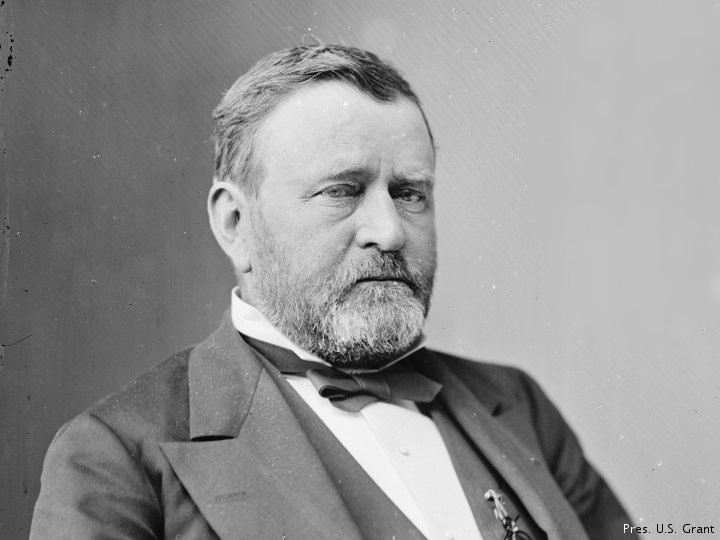

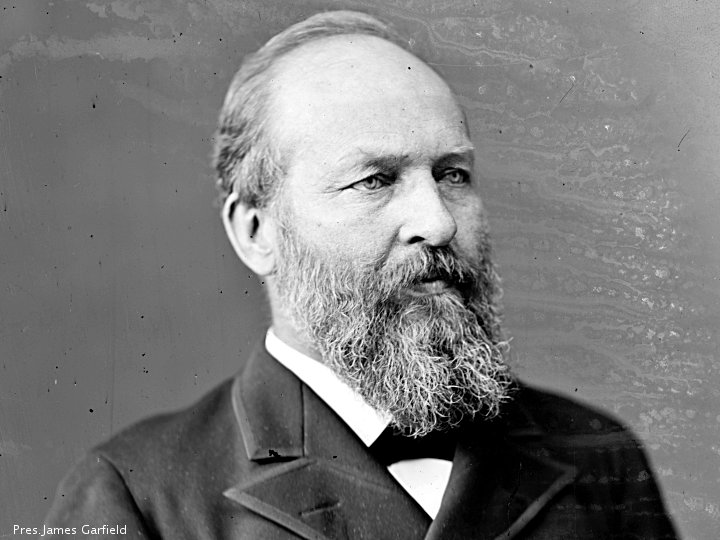
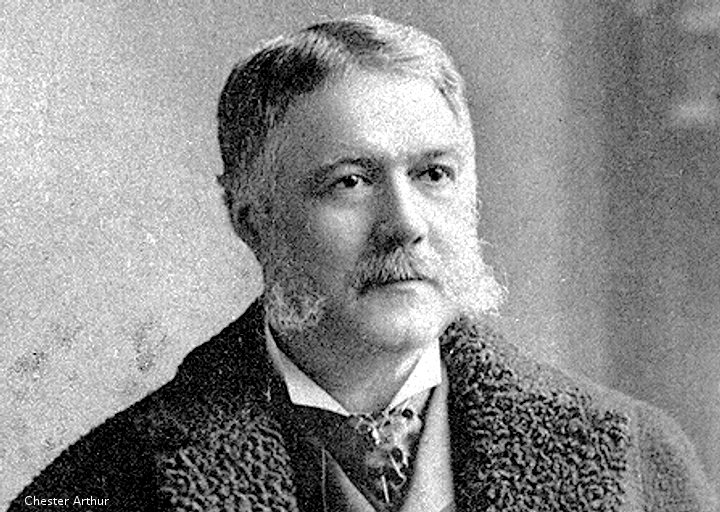
Every four years, someone will say this is the worst choice ever. Every four years, someone will say this is the most important election ever. They are always correct. The choice in 2020 was between Donald John Trump and Joseph Robinette Biden Jr. Choosing between those two idiots was challenging. The good news is that most people live in states where the electoral votes are conceded to one of the duopoly parties. These voters can focus on local elections.
Listening to the news shows that came on before the cartoons, PG heard the phrase “President Eisenhower”. As a friend explained to him, G-d made everything, but the President is Eisenhower.
When he was six, PG moved to a new house, and started first grade. There was an election that fall, and someone named Kennedy became President. PG wasn’t old enough to pay attention to the news yet, except when it looked like the Russians were going to kill us all in 1962.
The first news story that PG clearly remembers was the day when his fourth grade teacher, Miss McKenzie, told the class that President Kennedy had been shot. One of the worst moments that weekend was the moment when a plane landed in Washington, and the new President spoke on television. THAT was the new President? Yuck.
Lyndon Johnson was a larger than life figure, and was hated by millions of Amuricuns. While there was some good done by LBJ, it was overshadowed by the War in Vietnam. When he left office in 1968, the voters had a horrible choice …Hubert Humphrey, Richard Nixon, or George Wallace.
Tricky Dick Nixon is another larger than life figure, with millions of Americans screaming for his impeachment. For some reason, there were others who passionately admired the man.
In 1973, the oil companies tried to say there was an oil shortage. Later that year, Egypt, Syria, and Jordan attacked Israel, and the Arab oil producers cut oil to the USA. After this embargo, OPEC was in charge of the oil supply, and the price of gasoline increased 200%. The era of big money oil was on. What a convenient war.
After the ethical shortcomings of Mr. Nixon became too obnoxious to ignore, Gerald Ford became President. On a policy level, Mr. Ford was like all the other Presidents…some things he got right, some things he got wrong. On a personality level…the show business part … Mr. Ford excelled. His family provided harmless fodder for the gossipmongers. He was a likable man, a welcome break from the meanness of Richard Nixon and Lyndon Johnson.
When PG was a kid, there had never been a President from Georgia. It seemed impossible. When Georgia Governor Jimmy Carter announced he was running, it seemed like another ego tripper running for President. The funny thing is, Jimmy won. It still seems a bit unreal.
Jimmy was a Democrat, with attack Republicans fighting him every step of the way. This is a problem later Democrats in the Oval Office will have. On the policy level, Jimmy did better than many realize. Many of his achievements only bore fruit after he left office. On the show biz front, his down home Georgia routine did not appeal to many Yankees. In 1980, Jimmy was defeated by an actor.
PG was worried when Ronald Reagan took office. With America’s nuclear arsenal, and the Soviet Union wheezing it’s threat, many thought that Ronnie would start the war to kill us all. The good news is, this war never happened. Whatever tough talk came out of Washington was not matched by military adventurism abroad.
Mr. Reagan was the master of show business. He was an actor, playing the greatest role of his career. It was said that if America had a figure head monarch, Mr. Reagan would have been terrific. On the policy front, taxes were cut, and the budget increased. The national debt went over a trillion dollars. This was seen as a historic moment.
When Mr. Reagan’s two terms were over, George H.W. Bush took over. This was an era where the Democrats could not do anything right on a national level. Mr. Bush presided over a war, and brought the troops home when the mission was over. His image never appealed, and the whiners were not pleased. A computer salesman named Ross Perot decided to run as a third party candidate.
In the winter of 1992, PG had a little job downtown. One day, there was a rally at the CNN center for a little known Presidential candidate. PG went, and said to a friend, If this guy gets elected, you are going to regret not going to see him. At the time, War Winner Bush seemed unbeatable, and PG said that with high sarcasm.
When he got to CNN center, it was obvious that a big money event was unfolding. The place was packed, with school children bused in to fill all the seats. Finally, the speakers blared “Twist and Shout” at top volume, and Bill Clinton walked on the stage. PG was not especially impressed.
Mr. Clinton inspired toxic hatred, but managed to keep the boat floating. He won reelection, with the Republicans seeming to self destruct. The economy was going good, the budget was balanced, and the haters went wild. After a entertaining sex scandal, the Clinton years were over.
A couple of weeks before the 2000 election, PG liked neither candidate, and did not think it made much difference. (With Georgia’s electoral votes certain to go Republican, PG did not have a vote.) He listened to someone talking, who thought that it was important that Mr. Gore won. PG remembered that conversation often during the next eight years.
George W. Bush was a disaster. It is possible that 911 was a personal vendetta against the Bush family, and would not have happened if Mr. Gore was President. The reaction of Mr. Bush to this tragedy was to start two wars that we have not been able to finish. In 2021, we are still in Afghanistan.
Barack Obama was next, the first dark skinned President. He continued the war happy ways of the Bush regime. BHO was reelected in 2012, and given four more years to wage war. He managed to avoid the second term scandals that crippled Mr. Nixon and Mr. Clinton.
In the next election, the democrats decided that calling people racist was a good campaign strategy. As a result, Donald J. Trump was elected. America is more racially divided than ever, something the election of Mr. Obama was supposed to remedy. With the nation distracted by screaming racism, the congress has cut taxes, and produced a multi-trillion dollar budget deficit.
Joe Biden is now in the oval orifice. Mr. Trump, while not as bad as anticipated, was awful. Covid-19 hit, and Mr. Trump did not stop it. The national debt went through the roof. OTOH, Mr. Trump did not start any new major wars. Mr. Biden will struggle to keep his cognitive decline within Presidential levels. America might survive. Pictures for this feature are from the The Library of Congress.
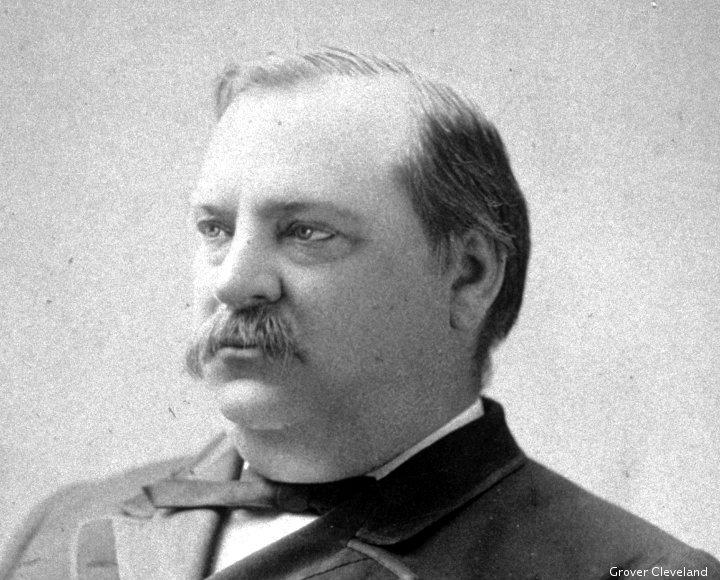

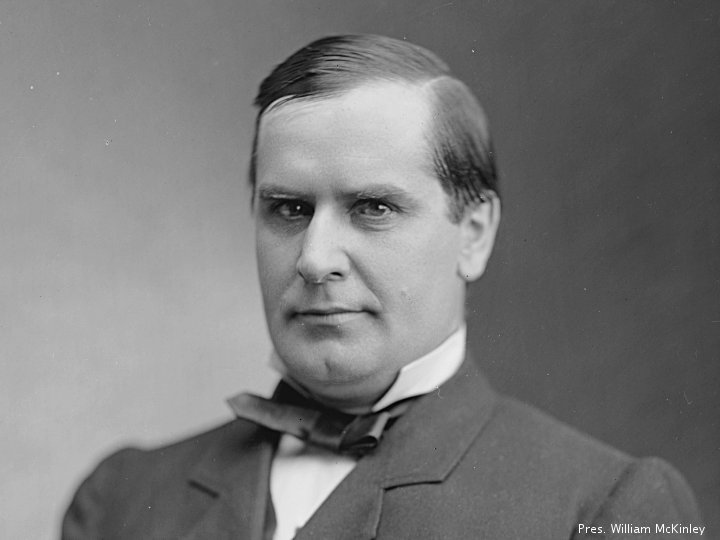

Jean D. McKinnon

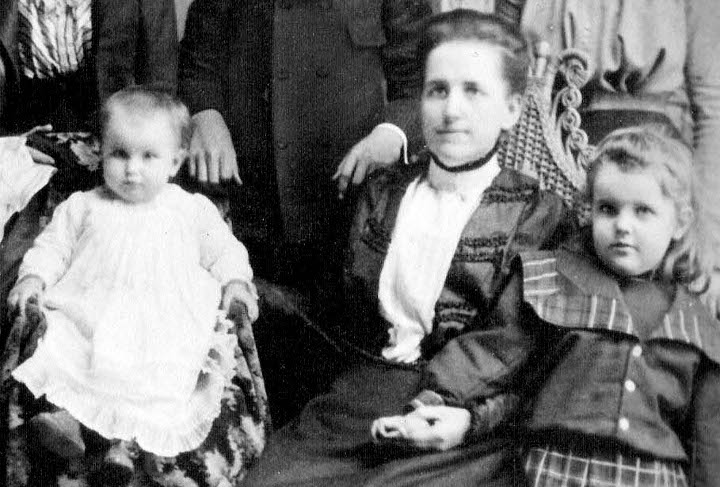

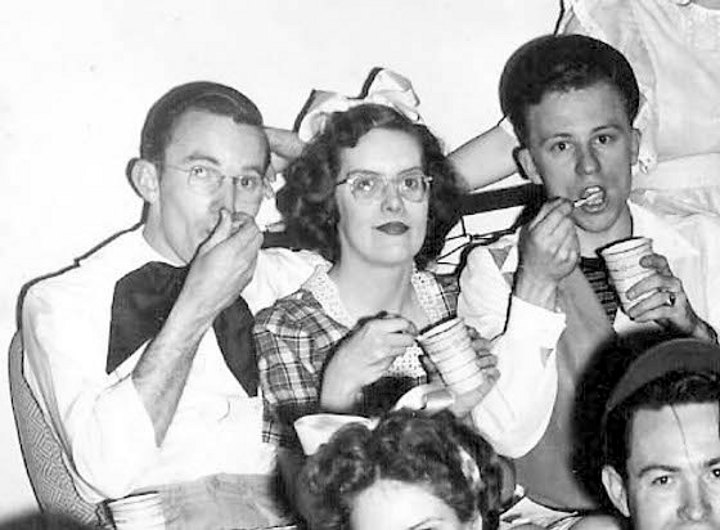
The first picture in this episode is a family portrait of the Quin family in Washington Georgia. The nine surviving children of Hugh Pharr Quin are sitting for the camera. Mr. Quin had joined the Georgia State Troops of the Army of the Confederacy at the age of 16, and after the war went to Washington to live with his sister. Mr. Quin was in the church choir of the First Methodist Church when he met the organist, Betty Lou DuBose. They were married January 22, 1879.
The original name of Mrs. Quin was Louisa Toombs DuBose. She was the daughter of James Rembert DuBose. His brother in law was Robert Toombs, the Secretary of State of the Confederacy, and a man of whom many stories are told.
In this picture, Mrs. Quin is holding the hand of her second youngest daughter so she will not run away. This is Martha (Mattie) Vance Quin. She is my grandmother.
After the Great War, Mattie Quin was living in Memphis Tennessee, where she met Arthur Dunaway. Mr. Dunaway was a veteran of the war, and was from Paragould, Arkansas. On July 23, 1922 her first Daughter, Jean, was born. This is my mother.
Mr. Dunaway died in 1930, shortly after the birth of his son Arthur. There were hard times and upheaval after this, with the family settling in Atlanta. There her third child Helen Ann Moffat was born on December 12, 1933. This is my Aunt Helen and my mother’s best friend.


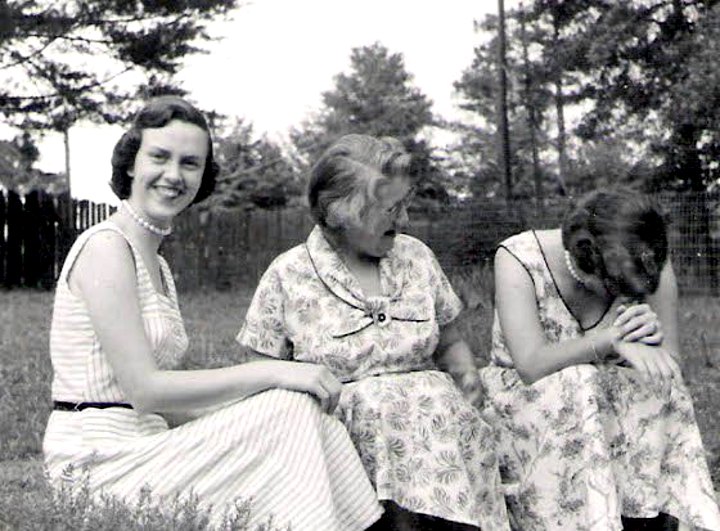
Jean lived for many years with her mother and sister at 939 Piedmont, among other locations. She joined the First Baptist Church and sang in the choir. She got a job with the C&S bank, and was working at the Tenth Street Branch when she met Luther McKinnon. He was a native of Rowland, North Carolina. They were married October 6, 1951.
They moved into the Skyland Apartments, which in those days was out in the country. Mom told a story about Dad taking her home from Choir practice, and going home on the two lane Buford Hiway. There was a man who went to the restaurants to get scraps to feed his pigs, and his truck was always in front of them. This was a serious matter in the summer without air conditioning.
Soon, they moved into a house, and Luther junior was born on May 6, 1954. This is me. Malcolm was born May 10, 1956, which did it for the children.
The fifties were spent on Wimberly Road, a street of always pregnant women just outside Brookhaven. It was a great place to be a little kid.
In 1960, we moved to Parkridge Drive, to the house where my brother and I stay today. The note payment was $88 a month. Ashford Park School is a short walk away…the lady who sold us the house said “you slap you kid on the fanny and he is at school”.
In 1962, our family followed the choir director from First Baptist to Briarcliff Baptist, which is where my parents remained.
In 1964, Mom went back to work. She ran the drive in window at Lenox Square for the Trust Company of Georgia until it was time to retire. She became a talk radio fan when RING radio started, and was a friend of her customer Ludlow Porch. She gave dog biscuits to customers with dogs.
During this era of change, Mom taught me that all people were good people, be they black or white. This was rare in the south. She later became disgusted with the War in Vietnam, and liked to quote a man she heard on the radio. “How will we get out of Vietnam?””By ship and by plane”.
Eventually, it was time to retire. Her and Dad did the requisite traveling, until Dad got sick and passed away February 7, 1992. Mom stuck around for a few more years, until her time came December 18, 1998. This is a repost.


Winston Churchill Said What



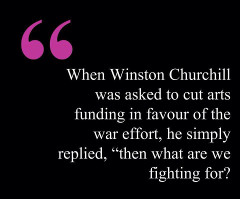
Another ghastly meme has surfaced on facebook. It has a large fuchsia quote mark for illustration. There is a quote from a famous man. The left side has a quote mark. The right side has a question mark, but no quote mark. The margins are much larger on the top, and left side, than on the right side, and the bottom. That this visual atrocity supports funding for the arts is a cruel irony.
Perhaps instead of the arts, the government funding should go for fact checking. The quote is generally considered to be bogus. For the record, here is the quote. “When Winston Churchill was asked to cut arts funding in favour of the war effort, he simply replied, “then what are we fighting for?” The quote is not in the Churchill archive, which is either fifteen million documents, or fifteen million words. The authorities use the figures interchangeably.
The Telegraph has an article debunking the meme. It has a splendid sentence: “But that anecdote does not so easily play into the screeching rhetoric of today’s 140-character political ding-dongs.” There are also some lovely quotes from Mr. Churchill.
 In 1937, Mr. Churchill spoke before the Peel Commission It was discussing “partitioning British mandated Palestine into Arab and Jewish states.” At the time, Mr. Churchill was a minor figure in British politics, disgraced by his blundering in the Great War. The quote: “I do not agree that the dog in a manger has the final right to the manger even though he may have lain there for a very long time. I do not admit that right. I do not admit for instance, that a great wrong has been done to the Red Indians of America or the black people of Australia. I do not admit that a wrong has been done to these people by the fact that a stronger race, a higher-grade race, a more worldly wise race to put it that way, has come in and taken their place.”
Winston Churchill is quite the quote magnet. This is somehow fitting for a man whose most famous speech was read, on the radio, by an actor. There is a page on the internet devoted to times when he was falsely accused of saying something inspiring.
One of these stories is notable. “The only traditions of the Royal Navy are rum, sodomy and the lash… Churchill’s assistant, Anthony Montague-Browne said that although Churchill had not uttered these words, he wished he had.” This is a repost, with pictures from The Library of Congress.



I’m Here To Help
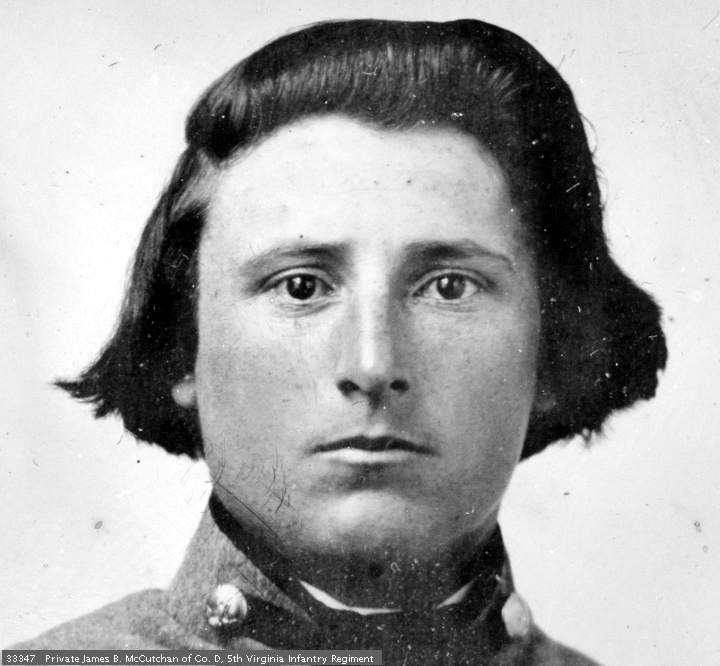
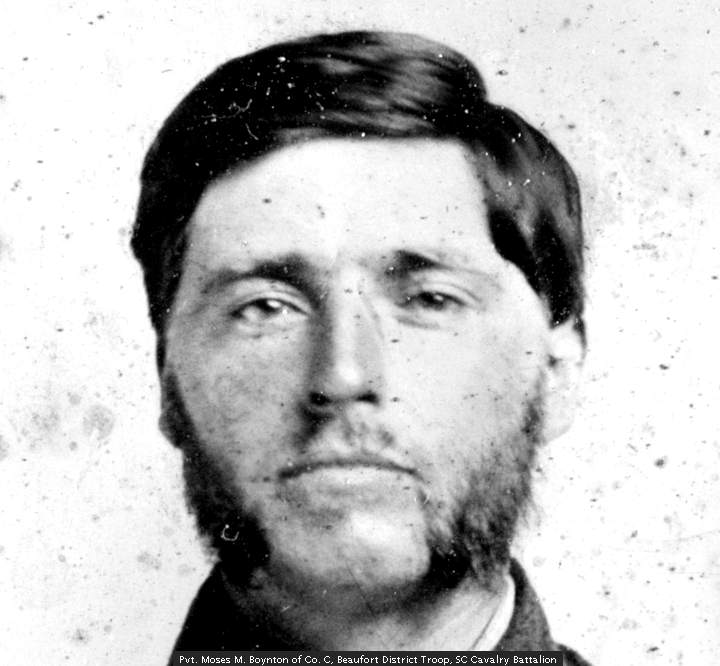
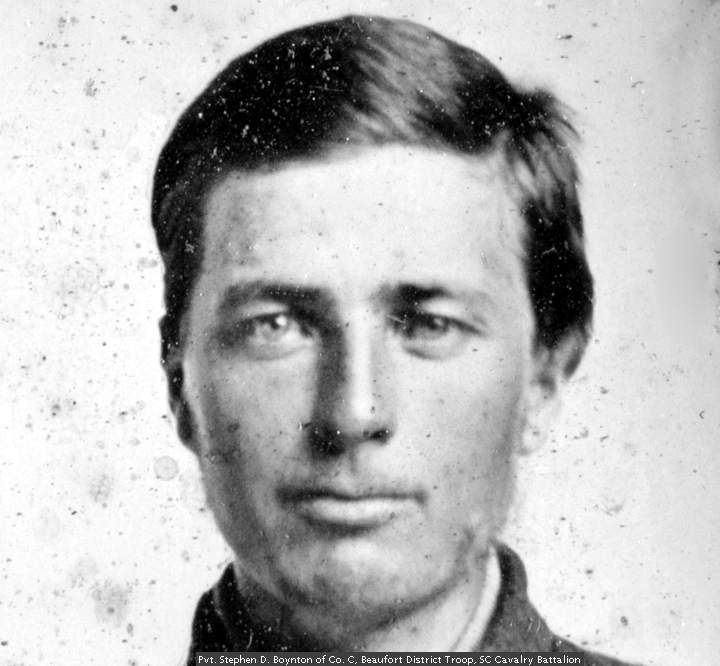
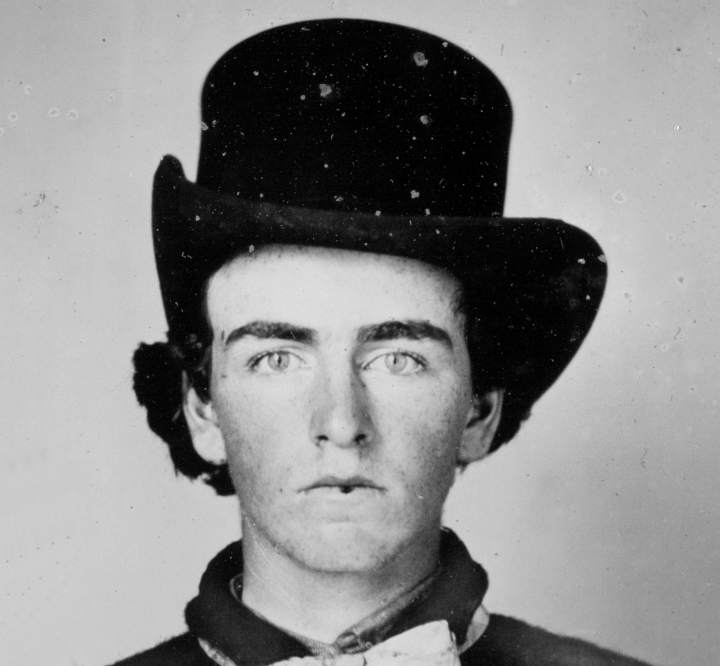
Two popular quotes have surprising back stories. One is by President Ronald W. Reagan: “The nine most terrifying words in the English language are: I’m from the government and I’m here to help.” The other is from Supreme Court Justice Oliver Wendell Holmes Jr.: “The most stringent protection of free speech would not protect a man in falsely shouting fire in a theatre and causing a panic.”
@HayesBrown “the funny thing about this quote: Reagan said it during a press conference where he was calling for more federal funding to help out struggling farmers” @HayesBrown “Reagan giving that quote was literally him going “okay, yeah, i’m for smaller govt, but until we get my ideas passed, we are gonna spend SO MUCH MONEY helping out farmers” and now it gets trotted out… to argue against federal aid, period”
“Some sectors of our farm economy are hurting … Our ultimate goal, of course, is economic independence for agriculture and, through steps like the tax-reform bill, we seek to return farming to real farmers. But until we make that transition, the government must act compassionately and responsibly. … In order to see farmers through these tough times, our administration has committed record amounts of assistance, spending more in this year alone than any previous administration spent during its entire tenure. … The message in all this is very simple: America’s farmers should know that our commitment to helping them is unshakable. As long as I’m in Washington, their concerns are going to be heard and acted upon.”
The rest of the prepared statement features a fun quote. “One other brief point: tomorrow, the Senate will cast a crucial vote. The question is that of assistance to the freedom fighters, who are trying to bring democracy to Nicaragua where a communist regime, a client state of the Soviet Union, has taken over. The question before the Senate is: Will it vote for democracy in Central America and the security of our own borders, or will it vote to passively sit by while the Soviets make permanent their military beachhead on the mainland of North America?”
The press conference took place August 12, 1986, in Chicago IL. On November 3, 1986, “the Lebanese magazine Ash-Shiraa … reported that the United States had been secretly selling arms to Iran … in a bid to secure the release of seven American hostages being held by pro-Iranian groups in Lebanon.” On November 25, 1986, “Attorney General Edwin Meese revealed that, on White House orders, the proceeds of secret arms sales to Iran were illegally diverted to fund the Contras — Nicaraguan rebels waging a guerrilla war to overthrow that country’s elected leftist regime.” The resulting Iran-Contra scandal dominated the Reagan administration for the next few months.
@ggreenwald The pro-censorship cliché “can’t yell fire in a crowded theater” comes from a now-discredited 1919 SupCt case upholding Woodrow Wilson prosecution of socialists under *The Espionage Act* for the “crime” of opposing a US role WW1. Why would you want to attach yourself to that? @ggreenwald The set of cases from which that cliché emerged is one of the most shameful in US Supreme Court history, designed to criminalize dissent. For that reason, it’s embarrassing but revealing when censors invoke it because that’s their real mentality.
SCHENCK v. UNITED STATES was the case. “During World War I, socialists Charles Schenck and Elizabeth Baer distributed leaflets declaring that the draft violated the Thirteenth Amendment prohibition against involuntary servitude. The leaflets urged the public to disobey the draft, but advised only peaceful action. Schenck was charged with conspiracy to violate the Espionage Act of 1917 by attempting to cause insubordination in the military and to obstruct recruitment. Schenck and Baer were convicted of violating this law and appealed …
The Court held that the Espionage Act did not violate the First Amendment and was an appropriate exercise of Congress’ wartime authority. Writing for a unanimous Court, Justice Oliver Wendell Holmes concluded that courts owed greater deference to the government during wartime, even when constitutional rights were at stake. … Holmes reasoned that the widespread dissemination of the leaflets was sufficiently likely to disrupt the conscription process. Famously, he compared the leaflets to falsely shouting “Fire!” in a crowded theatre, which is not permitted under the First Amendment.”
There were a couple of other cases. If you have a lot of free time, you can read about it here. Included is one charming quote: “Famed socialist Eugene V. Debs was sentenced to ten years in prison for a speech that Holmes summarized at length (are there any short socialist speeches?) in support of the basis for Debs’ conviction.”
Pictures, of soldiers in the War Between the States, are from The Library of Congress. On April 2, 2021, Radiolab presented What Up Holmes, about free speech opinions written by Justice Holmes. The show did not mention “falsely shouting fire in a theatre.”


The First One Hundred Days

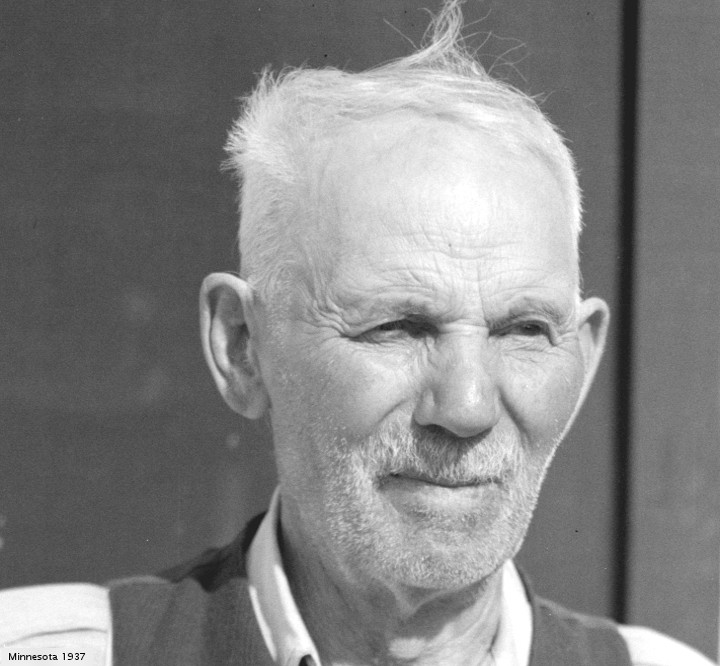
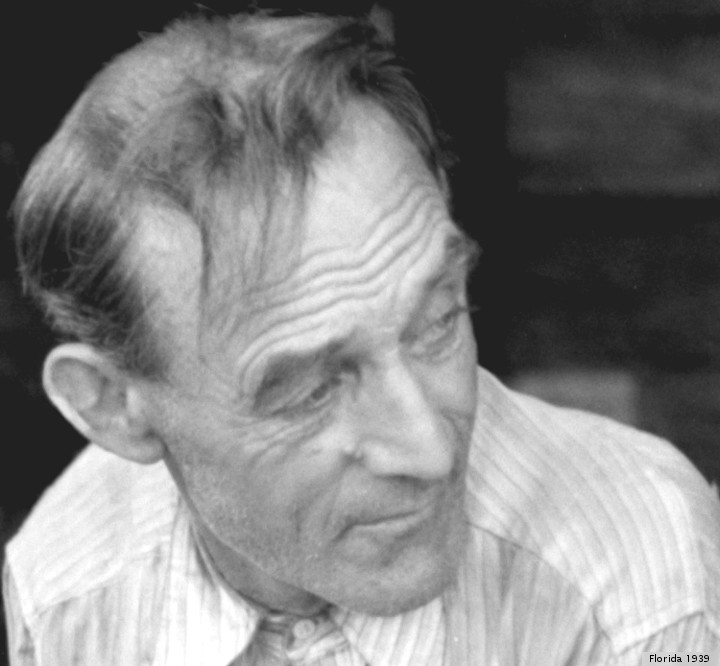
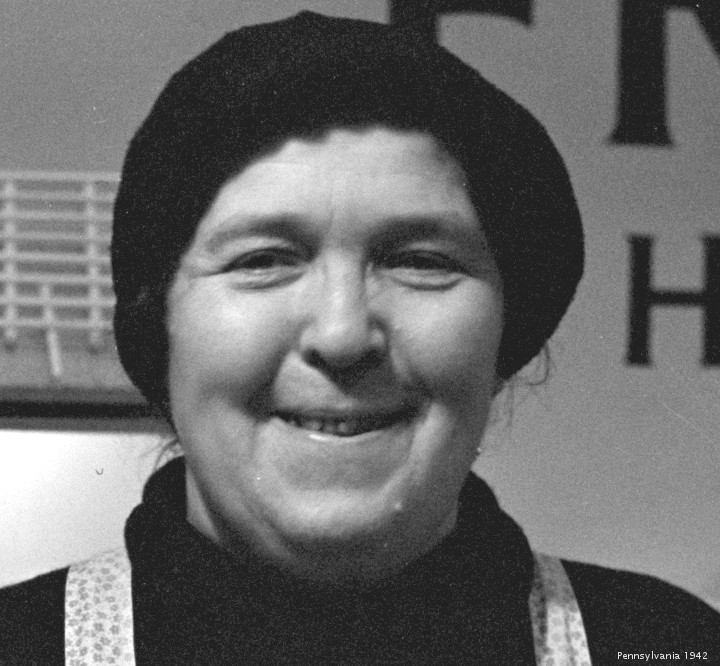


Chamblee54 started in 2005, about halfway through the reign of W. 2009 saw The First Hundred Days, a tasteful piece about the start of the Obama drama.
The first hundred days of a presidency is a landmark. At this point, POTUS gets a report card. JRB is approaching this point. The grades he gets at this point depend on the scorekeeper. A look at the last few presidents is instructive.
John Kennedy tried to invade Cuba in his first hundred days, with disastrous results. Lyndon Johnson watched The Beatles on the Ed Sullivan Show. Richard Nixon moved into the White House. Gerald Ford gave a pardon to Mr. Nixon. Jimmy Carter was portrayed by Dan Aykroyd .
Moving into the eighties, Ronald Reagan got shot in his first hundred days. George HW Bush talked to a rehab center about his son. Bill Clinton tried to get gay people accepted for military duty. George W Bush ignored reports about Saudi students in pilot schools.
PG did not have an opinion about BHO, at this point in 2009. The first dog, Bo, made an impressive debut, as did wife Michelle. BHO arguably has worse problems than any of the eight prezzes listed above. He, and the country, survived. Nobody seems to know what happened to Bo.
Pundits were puzzled by the first hundred days of Donald J. Trump. There was talk about draining a swamp. Outside the rhetoric, and the nervous nellie opposition, there was relatively little action.
April 29, 2021, is day 99 of the Biden presidency. Sleepy Joe is a welcome change, after four years of toxic resistance. With the covid vaccinations, Mr. Biden continues the presidential tradition of getting credit for his predecessor’s work. Pictures are from The Library of Congress.

The Buddha
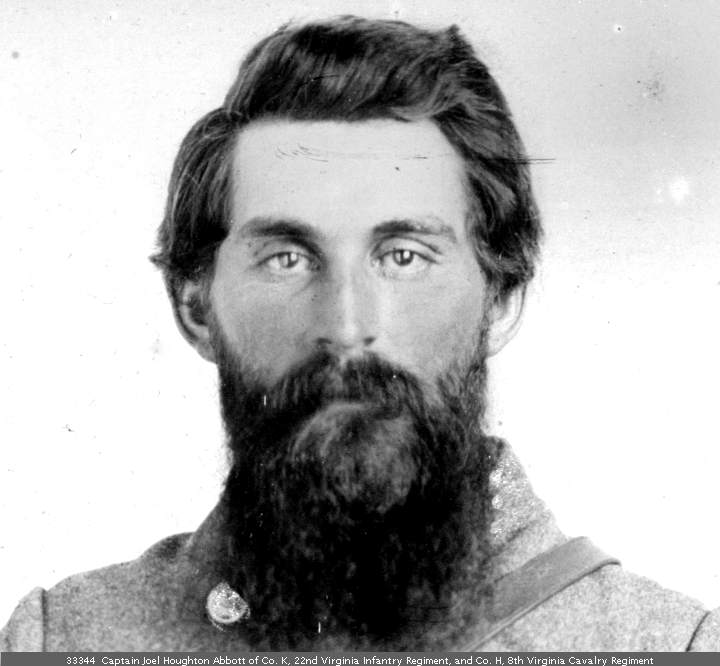
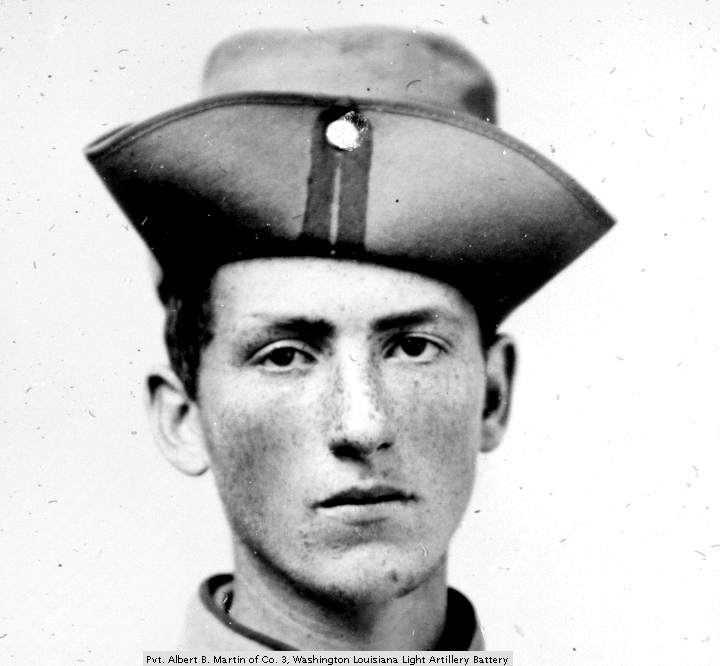
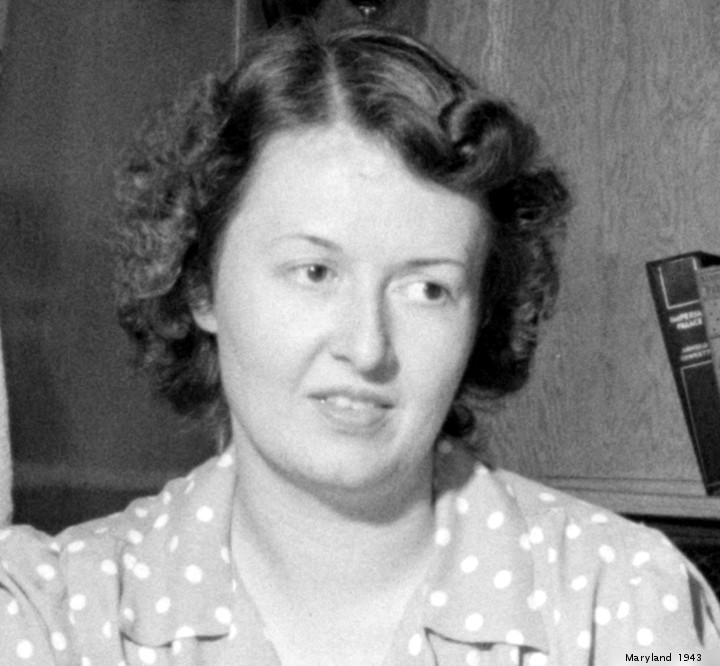
“The Buddha” is available for online viewing. 43 minutes into the PBS production, Gautama Siddhartha (pronounced sid HART ha) turned away from asceticism. He accepted a bowl of rice pudding from a lady, and was a step farther on the path to enlightenment.
Buddhism has always seemed “too asian” for PG, or perhaps he is too western/christian to follow. There are some things, confirmed by this video, that PG finds appealing. The stories of Buddha are understood to be legends, with no one (that we know of) claiming them to be literal history. This is not like the book worship of Christians. Stories about Jesus are said to be literal truth. The ideas that Buddha taught are not changed by “mistakes” in telling his life story.
There is a story about Buddha seeing his ascetic buddies, after he ate the bowl of rice pudding. He got the ascetics to listen to him, until he won them over. From what PG has seen of humans, especially spiritually charged ones, he finds it tough to imagine these people listening that long. The average Jesus worshiper cannot be quiet long enough for you to finish a single sentence.
Christianity is obsessed with life after death. The Buddha of this show takes a different approach: “There are stories of people coming to the Buddha, and saying, “I am leaving your teaching because you have not told me about whether there is a life after death, or whether there is another world. And the Buddha says, ‘Did I ever say that I would give you the answers to these things?’ ‘No, Lord, you didn’t.’ ‘Why do you think that I ever said that I would give you the answer to these things? Because these are not the things that you need to know. The thing that you need to know is how to deal with suffering, because at this very moment, what made you ask that question was suffering.”
The focus is on the life of Buddha, not his death. The focus is on this life, not on life after death. Buddha lived to an old age, teaching up until his departure. Maybe if Jesus had been better at human relationships, he would not have been executed.
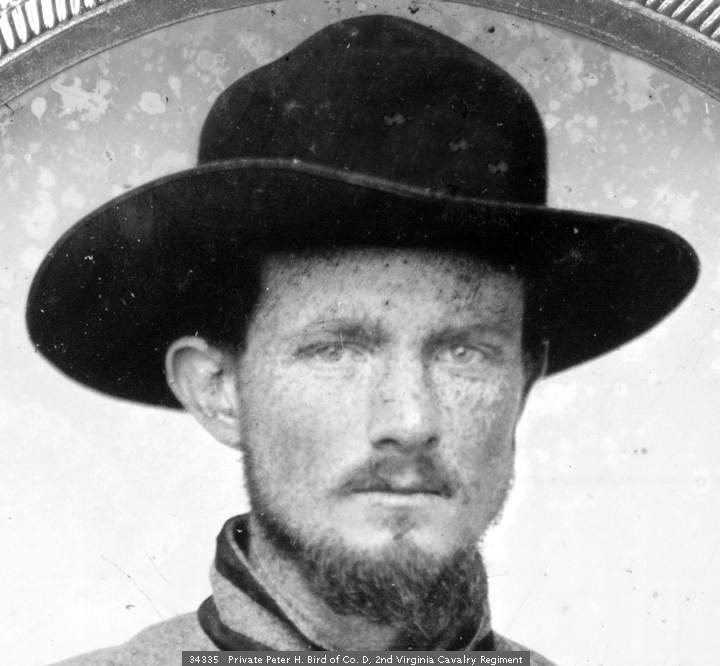
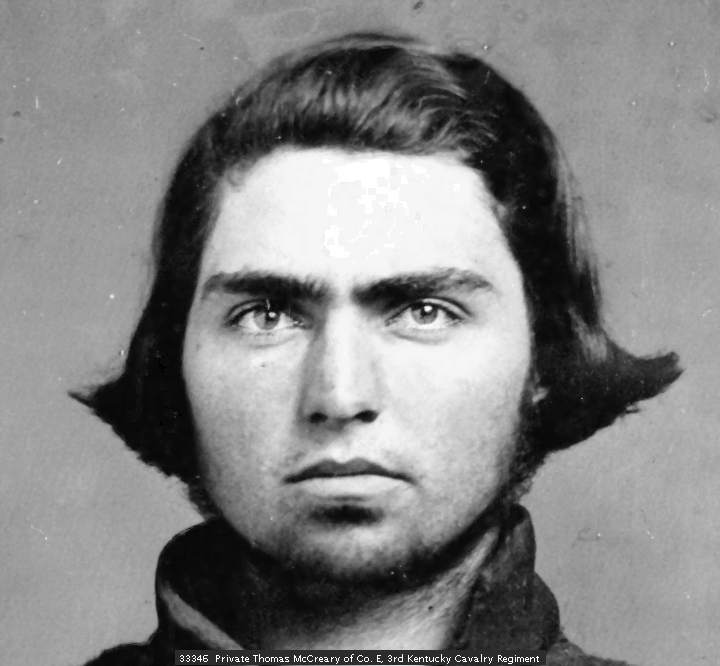
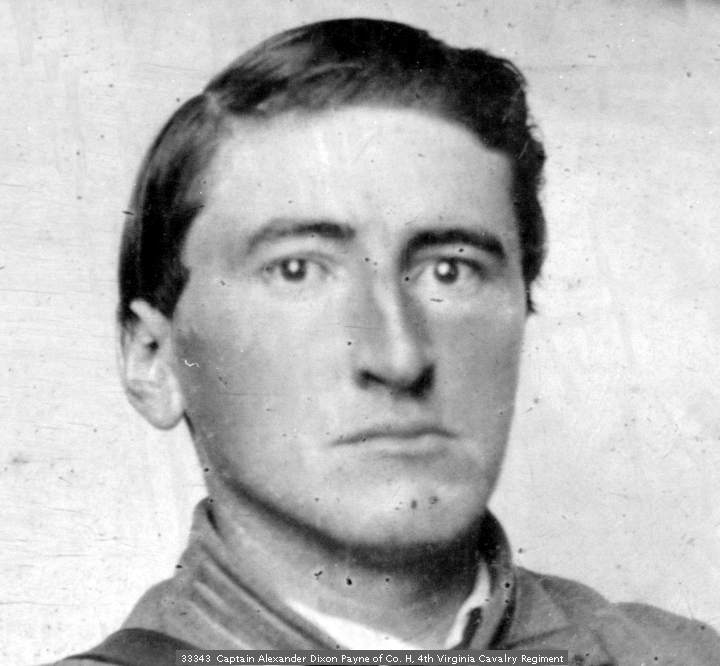
Maybe PG is so scarred by Jesus that he cannot benefit from any other source of wisdom. This is a repost. Pictures are from The Library of Congress. The men are Confederate soldiers from the War Between the States. Many resources are available for those who wish to learn more.

Confederate Memorial Day


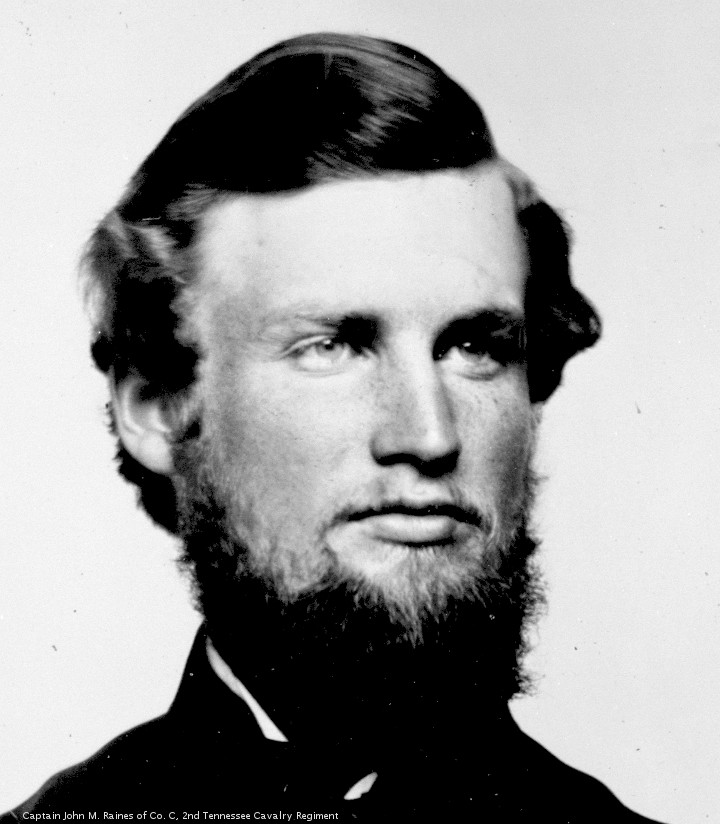
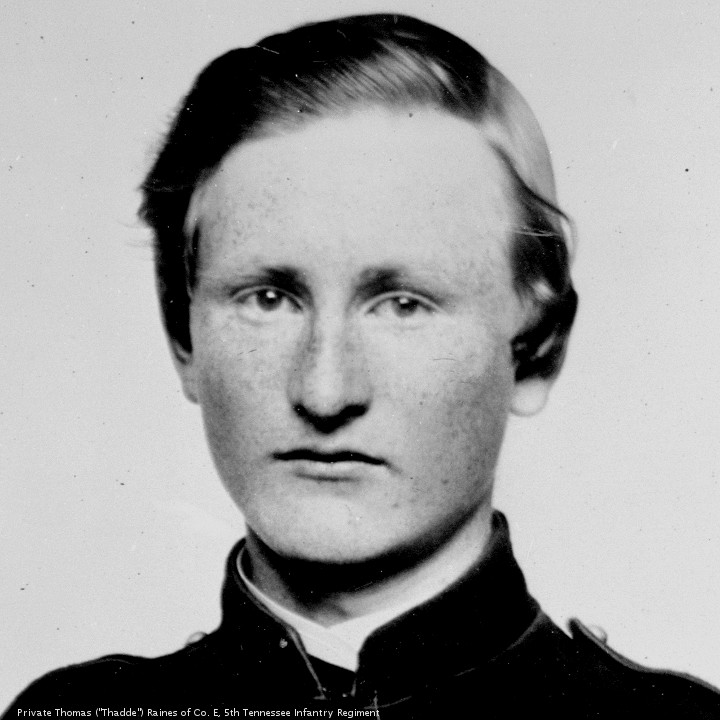


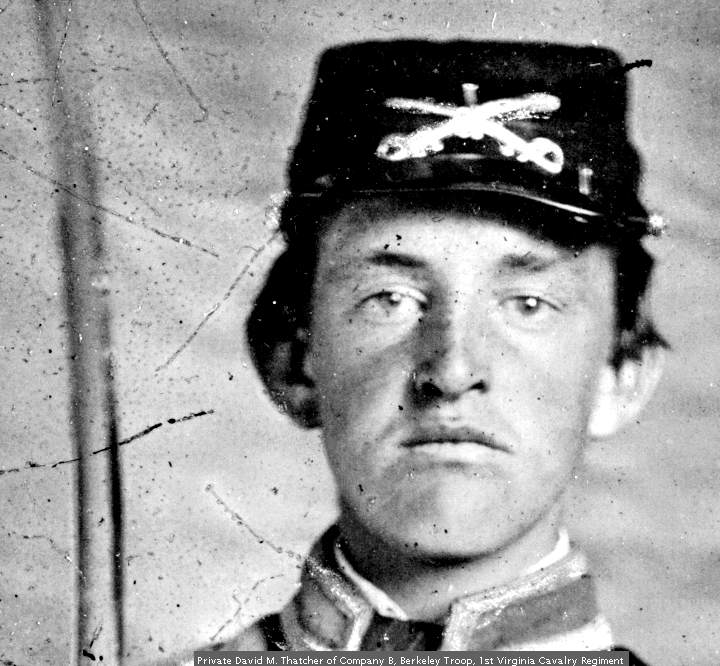
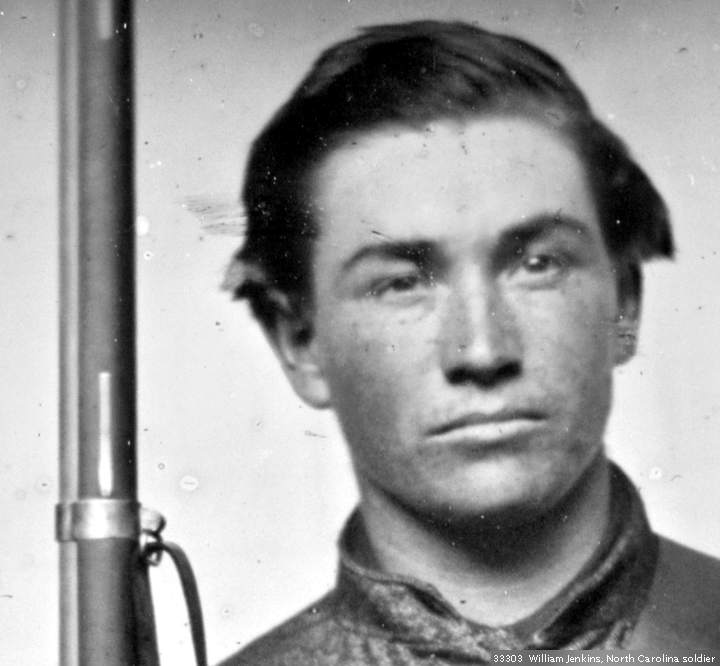
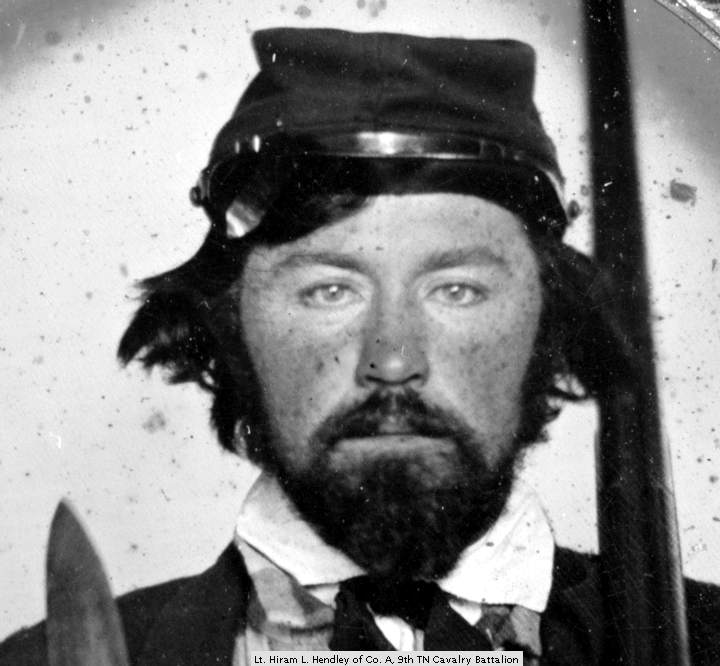
Today is Confederate Memorial Day in Georgia. It is an ancient question…how to honor the soldiers from the side that lost. They were just as valiant as the Union Soldiers. Considering the shortages of the Confederate Armies, the Rebels may have been just a bit braver.
The issue of Federalism is a defining conflict of the American experience. What powers do we give the Federal Government, and what powers do we cede to the States? The Confederacy was the product of this conflict. The Confederate States were a collection of individual states, with separate armies. This is one reason why the war turned out the way it did.
This is not a defense for slavery. The “Peculiar institution” was a moral horror. The after effects of slavery affect us today. Any remembrance of the Confederacy should know that. This does not make the men who fought any less brave.
It is tough to see the War Between the States through the modern eye. It was a different time, before many of the modern conveniences that are now considered necessities. Many say that the United States were divided from the start, and the fact the union lasted as long as it did was remarkable. When a conflict becomes us against them, the “causes” become unimportant.
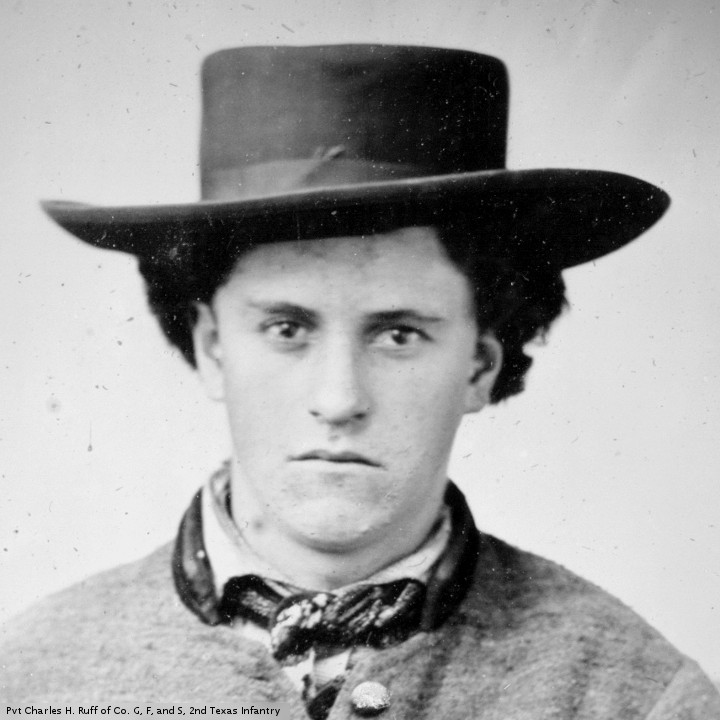
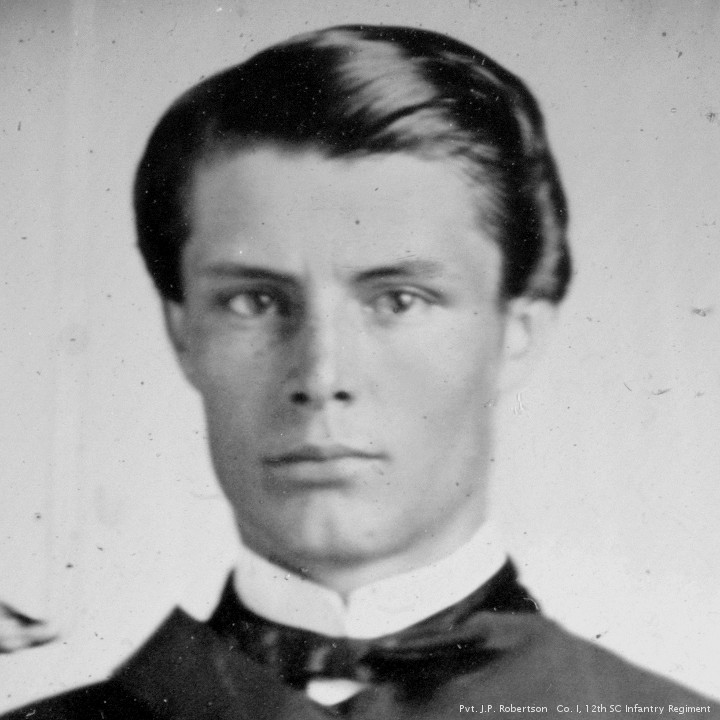
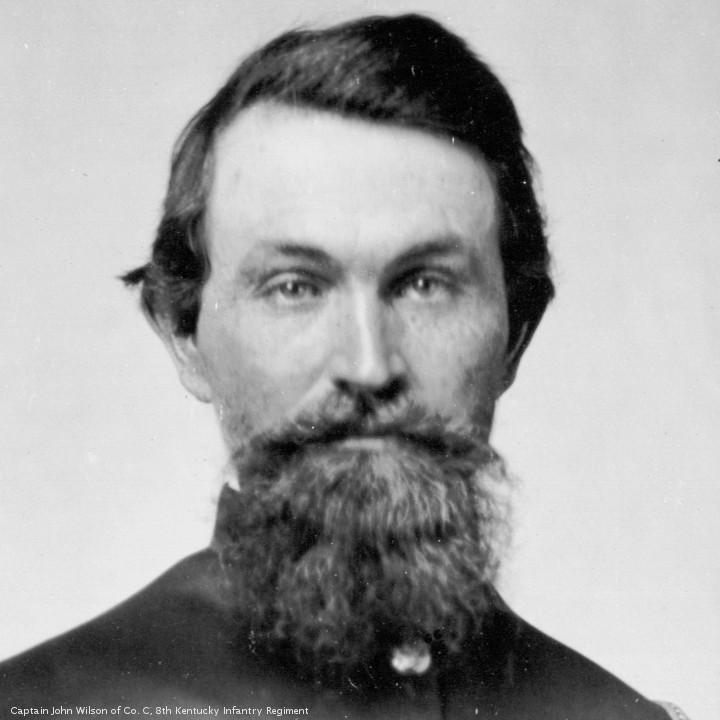
The War was a horror, with no pain medicine. Little could be done for the wounded. It took the south many, many years to recover. This healing continues today. Remembering the sacrifices made by our ancestors helps. This is a repost. Pictures are from the The Library of Congress.



Cary Grant Took LSD


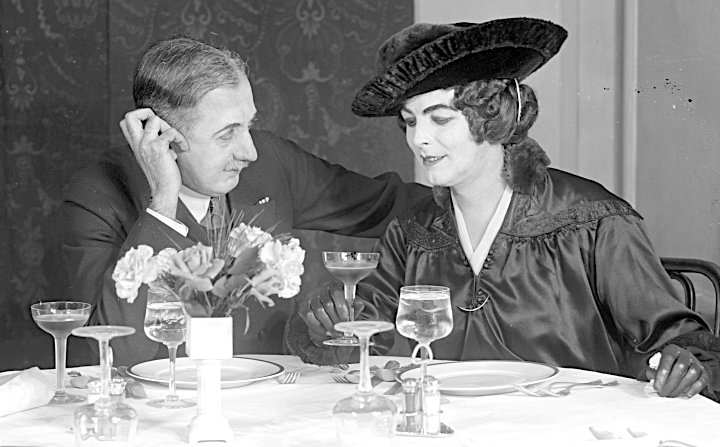

There is a nifty article about Cary Grant and LSD on the web now. It seems Mr. Grant, the onetime Archibald Leach, had a few issues. Duh. Married five times. Widely rumored to the the bf of Randolph Scott. A talented actor, but a mess in the real world.
In 1956, Mr. Grant was with third wife Betsy Drake, who had a tough summer. “It was an open secret between cast and crew alike that the married Cary Grant was sleeping with Sophia Loren during their filming of The Pride and The Passion. Drake had flown to Italy to be by her husband’s side during the shoot only to find Grant ignoring her. Distraught, she fled on what was to be a quiet voyage on the SS Andrea Doria. On July 25, 1956 her quiescent journey turned into a nightmare. The ship collided with a Swedish ocean liner off the coast of Nantucket, Massachusetts, sinking to the bottom of the Sea and claiming fifty-one lives.2 Betsy survived but was traumatized. The incident, coupled with the estrangement of her husband, haunted her in her sleep.”
Betsy Drake had a friend named Sally Brophy, an actress. Miss Brophy also received help from a psychiatrist, which included taking LSD. Eventually, Cary Grant started to go see this doctor.
Taking a legal trip, in a Hollywood doctor’s office, is not like going to a rave. It was seen as therapy, a way of learning how to deal with your problems. According to Cary Grant, it worked very well. He talked about it to a reporter, and then confirmed that he wanted this to go out to the public.
“The shock of each revelation brings with it an anguish of sadness for what was not known before … I learned many things in the quiet of that room … In one LSD dream I shit all over the rug and shit all over the floor. Another time I imagined myself as a giant penis launching off from earth like a spaceship … As a philosopher once said, you cannot judge the day until the night ..”
The only problem was, Mr. Grant had a movie coming out, “Operation Petticoat”. The studio “tripped out” when it heard the star of the show was praising LSD in the press. Mr. Grant had a share in the profits of the film, and was persuaded to call the reporter and recant on the interview.
Not everyone was impressed by the doctors that Mr. Grant used. “Aldous Huxley had encountered the clinic prior to his death, but had sought his LSD experiences from the parallel practice of Dr. Oscar Janiger, the other acid doctor to the stars. Huxley witnessed Chandler and Hartman’s work and was unnerved by their approach. “We met two Beverly Hills psychiatrists the other day,” he wrote, “who specialise in LSD therapy at $100 a shot – and, really, I have seldom met people of lower sensitivity, more vulgar mind! To think of people made vulnerable by LSD being exposed to such people is profoundly disturbing.”
In any event, LSD became criminalized, Doctors Chandler and Hartman got in trouble, and Cary Grant got married two more times. While Grant never renounced LSD, he refused to use any other illegal drug, even marijuana. He was a conservative old fogey.
Maureen Donaldson was the lover of Cary Grant in the seventies, and was a friend of Alice Cooper. She finally persuaded Mr. Grant to go to an Alice Cooper concert with her. He wore sunglasses, gold chains, and dressed like a “seedy agent”. He sat through the entire show, wearing earplugs, hating every minute of it.
As Miss Donaldson recalled the evening “Driving back to Los Angeles, I congratulated Cary for being such a good sport … He’d made an extraordinary effort to please me … [I asked him] ‘You really hated it, didn’t you?’ ‘It’s…’ he said, struggling for words, ‘you know what it’s like? Remember I told you about the time I took LSD in my doctor’s office and shat all over his rug and floor?’ ‘Yes,’ I said. ‘Well now I know how that poor doctor felt.”
This is a repost. Pictures are from The Library of Congress.




Dr. King And Mr. King


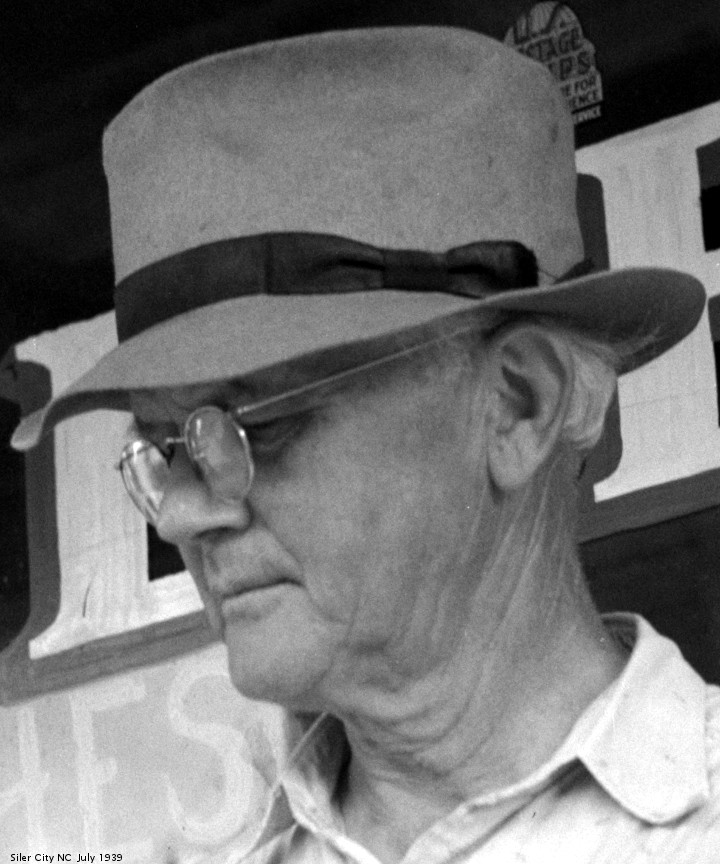

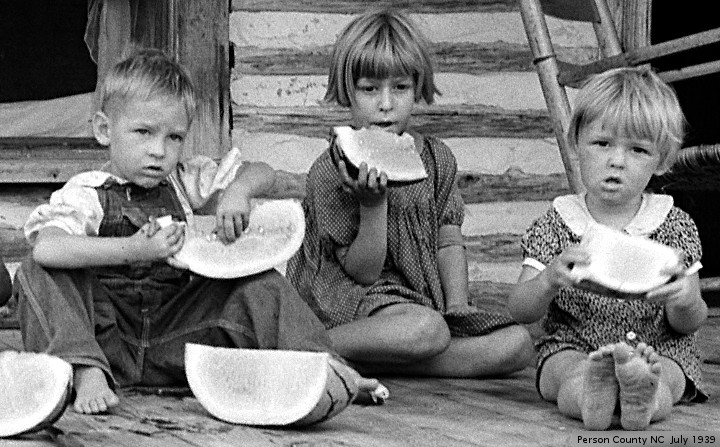
PG stumbled onto a blog post about a speech. It was delivered August 28, 1963, by Doctor Martin Luther King, Jr. You have probably heard the money quote many times, but how many have heard the entire 881 words. PG had not, and decided to take a look.
The speech is really a sermon. It is delivered with the cadence, and rhetorical flourishes, of the church. Dr. King was a minister. The Jesus worship church is a huge player in African America. The fact that slaves were introduced to this religion, by their owners, seems to be forgotten.
The term used is Negro. This was the polite word in 1963. The custom of saying Black started in the late sixties, at least partially inspired by James Brown. Negro began to be seen as an insult.
As the speech is working up to the climax, there is a line “But not only there; let freedom ring from the Stone Mountain of Georgia!” Today, Stone Mountain is a middle class black community. DeKalb County is mostly black, and the political leadership is African American. This was a long way from happening in 1963.
Twelve weeks after Dr. King gave his speech, President John Kennedy was killed. Part of the reaction to this tragedy was the passage of the Civil Rights Act of 1964.
The next year saw the Voting Rights Act, and escalation of the war in Vietnam. It seemed that for every step forward, there was a half step back. People lost patience with non violence. America did not implode, but somehow survived. It is now fifty seven years later.
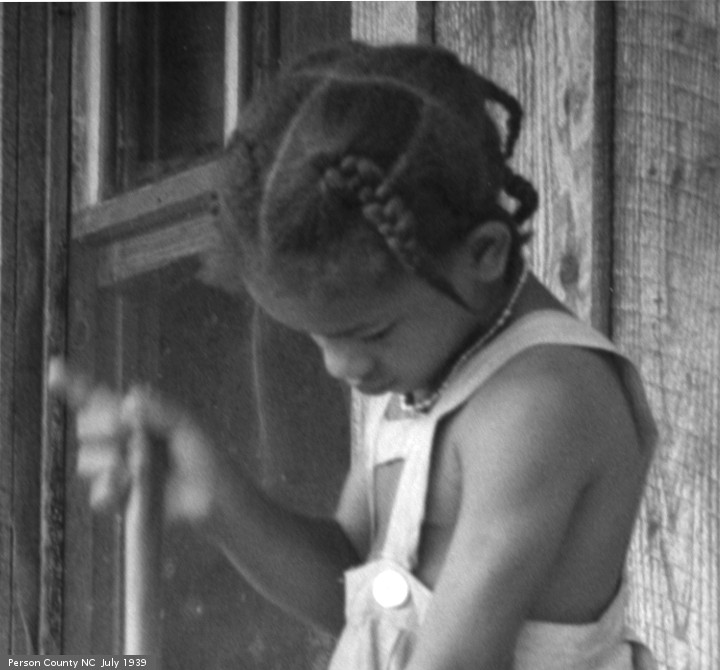


The other day PG stumbled onto a blog post, about a speech given by Dr. Martin Luther King Jr. This address was deemed “the singularly most-important speech on race in the history of this country.”
PG admires Dr. King. He is also suspicious of superlatives. There were some comments made by Rodney Glen King III. The comments by Mr King were briefer, and tougher to live up to.
While thinking of things to write about, PG realized that he had never seen the actual quote by Mr. King. It is embedded above. When you see this video, you might realize that Mr. King has been misquoted. The popular version has him saying “Can’t we all just get along.” He did not say just.
Mr. King was known to America as Rodney King. His friends called him Glen. His comments, at 7:01, May 1, 1992, went like this: ““People, I just want to say, you know, can we all get along? Can we get along? Can we stop making it, making it horrible for the older people and the kids? . . . Please, we can get along here. We all can get along. I mean, we’re all stuck here for a while. Let’s try to work it out. Let’s try to beat it. Let’s try to beat it.”
The circumstances of the two comments could not be more different. Dr. King was giving the sermon of his life. There was an enormous crowd, both in person and on TV. His comments were scripted, rehearsed, and delivered with the style he was famous for.
Mr. King, by contrast, had just seen the officers who beat him acquitted. Cities from coast to coast were in violent upheaval. Mr. King was speaking to reporters, without benefit of a speech writer. What he said might be more important. This double repost has pictures from The Library of Congress.


Tim Curry


Tim Curry was born seventy two years ago today. It would be quite a while before April 19 was known as got a minute day. Mr. Curry is an actor, singer, and all around phenomenon. The role that made him a star was Frank-n-Furter in ” The Rocky Horror Show”.
Mr. Curry is best known for playing a flamboyant transvestite. His wikipedia page does not discuss his personal life. If you go to google, and type “is tim curry” the top five results are gay, married, dead, alive, died. A visit to some of the sites listed gave no definite answers. One of the sites tried to slip a *trojan horse* into this machine. Some things are better left a mystery.
After Dr. Furter went back to Transylvania, Mr. Curry made rock and roll albums. In 1978, a tour was put together to promote his vinyl debut. The first show in the United States was at the Agora Ballroom in Atlanta GA. PG was in the audience.
Riding into town on the 23 Ogelthorpe bus, PG got to talk to some ladies who were in town for a conference. They were worried about the crime. PG tried to reassure them by telling a recent news story. This lady was having breakfast in a downtown hotel, when she put her purse down on the floor. A handgun her husband had given her went off when the handbag hit the ground. The ladies breakfast companion was hit and killed.
Mr. Curry walked onstage eating a banana, grabbed a stool and turned it upside down. He appeared to be a bit tipsy. This did not affect his performance. Mr. Curry did most of the songs on his album, along with “Celluoid Heroes” by the Kinks. The latter song featured a Garbo impersonation.
Whoever put the band together for this tour had a lot of money. The guitar player played with Lou Reed on “Rock and Roll Animal”. The keyboard player, and musical director, was Micheal Kamen, formerly of the New York Rock and Roll Ensemble. (A song on the Curry album, “Sloe Gin”, was a NYRRE song, “Fields of Joy”, with new lyrics.)
The only song from “Rocky Horror” that Mr. Curry did was “I’m Going Home”. A few people were upset that he did not do “Sweet Transvestite.” He played another Agora show a couple of years later, and reportedly did perform “Sweet Transvestite.”
Tom Waits was scheduled to perform at the Agora the next night. PG was wandering through the balcony between shows, and saw Mr. Waits sitting at a table. A bodyguard was standing by, who said that it was just someone who looked like Tom Waits.
After the show was over, PG went to a nearby bar, and was talking to a friend about the show. A lady who was with the friend stood in front of him and screamed “What color are your eyes? They are brown, because you are so full of shit”.
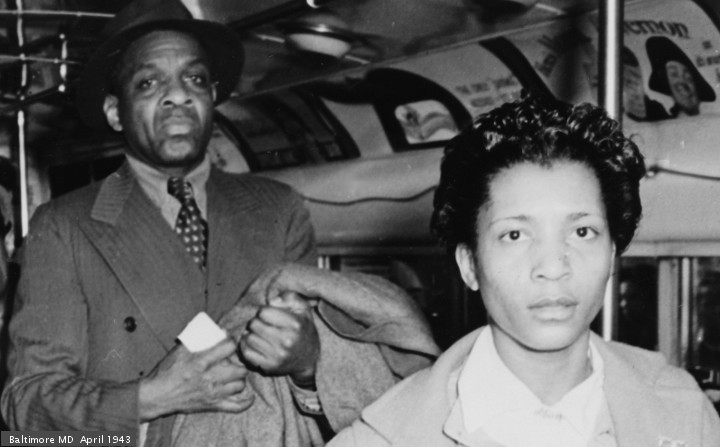
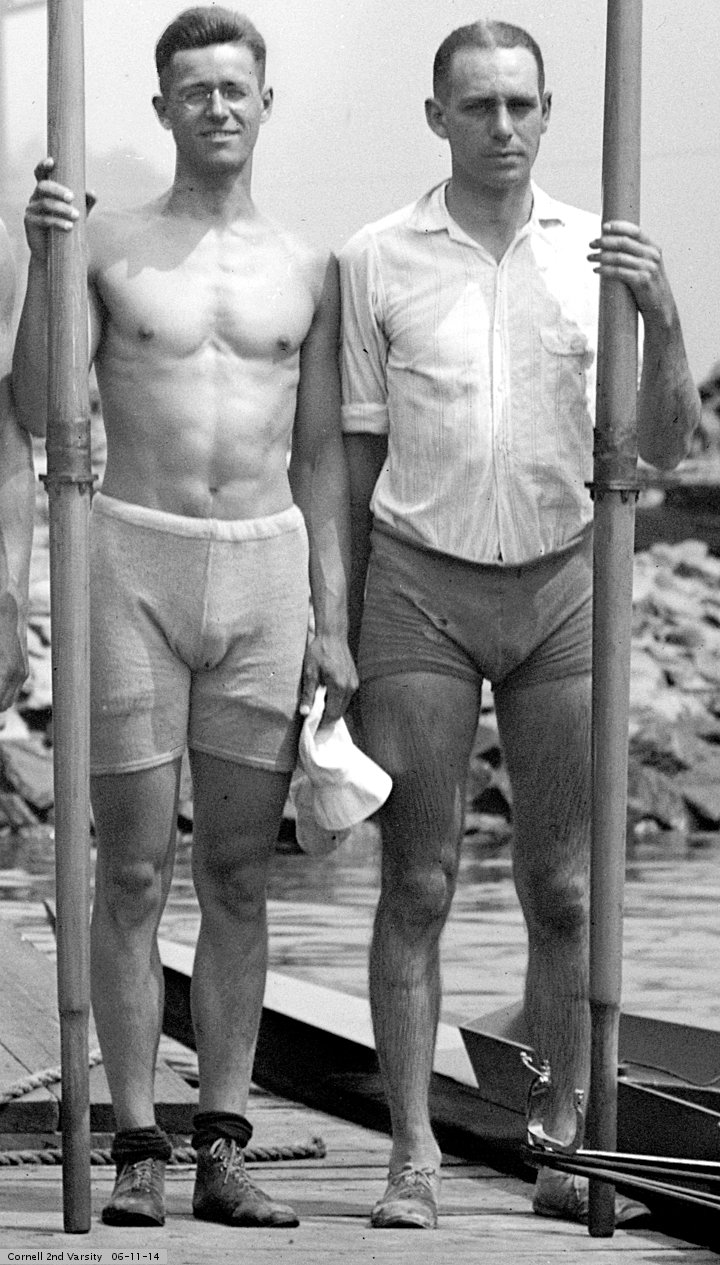
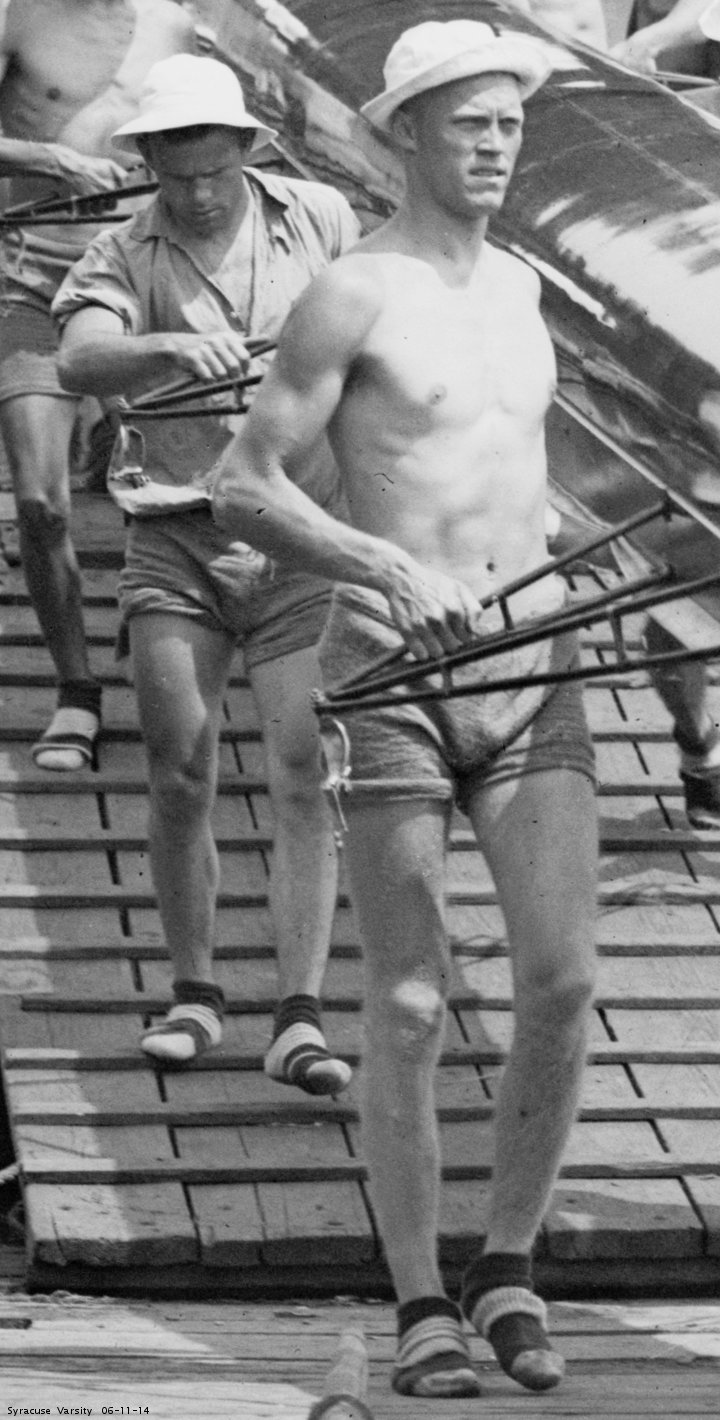
Pictures for this repost are from The Library of Congress. Photographs of Cornell Fresh. 8 and Cornell 2d Varsity, 1914 are from the George Grantham Bain Collection


Thomas Jefferson Said What?


“If you are neutral in situations of injustice, you have chosen the side of the oppressor.” Desmond Tutu. Some lines sound good, but don’t hold up to a bit of thinking. Desmond Tutu may very well have said it. (or maybe one of his rivals said it, and Mr. Tutu copied it.) The quote has been attributed to Thomas Jefferson, Edmund Burke, Patrick Henry, and probably others. Almost no one has a source, for the quote, from the dead white guys.
A post called MISQUOTING THE FOUNDERS did not mince words. “The only problem … is that Thomas Jefferson never said that, never wrote that, and quite possibly never thought it. … Right now if I Google “All tyranny needs to gain a foothold is for people of good conscience to remain silent” the entire first page of results wrongly attribute it to Thomas Jefferson. The quote and its many variants have been attributed in the past to Thomas Paine and Edmund Burke, but no record exists of the quote in any of their writings or contemporary accounts.”
On November 13, 1787, Mr. Jefferson wrote a letter to William Smith. The letter is full of zesty quotes. “The tree of liberty must be refreshed from time to time with the blood of patriots & tyrants. It is it’s natural manure.”
A few lines above that, Mr. Jefferson said “God forbid we should ever be 20 years without such a rebellion.” Twenty years after he wrote this, Mr. Jefferson was President. He probably did not want to deal with a revolution when he was President.
Getting back to the quote about tyranny, Martin Porter wrote an entertaining essay, A study of a Web quotation. He gives credit, or blame, to Edmund Burke. First, a list of different versions is presented. This is a clue that something is awry. The conclusion: “There is no original. The quote is bogus, and Burke never said it. It is a pseudo-quote, and corresponds to real quotes in the same way that urban legends about … alligators in the sewers correspond to true news stories.”
Mr. Porter wrote a follow up essay, Four Principles of Quotation. These principles are: Principle 1 (for readers) Whenever you see a quotation given with an author but no source assume that it is probably bogus. Principle 2 (for readers) Whenever you see a quotation given with a full source assume that it is probably being misused, unless you find good evidence that the quoter has read it in the source. Principle 3 (for quoters) Whenever you make a quotation, give the exact source. Principle 4 (for quoters) Only quote from works that you have read.
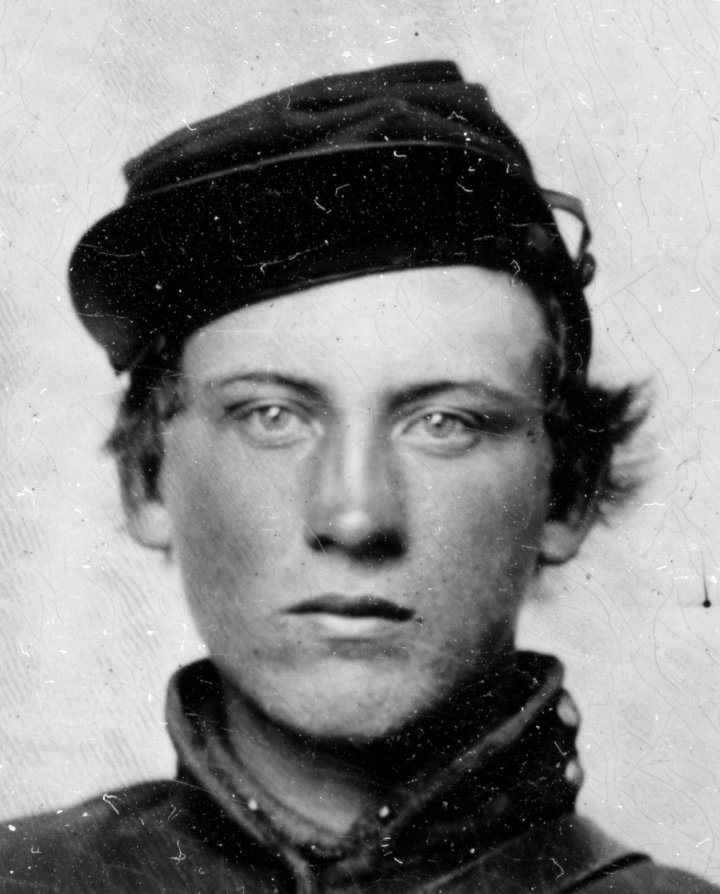
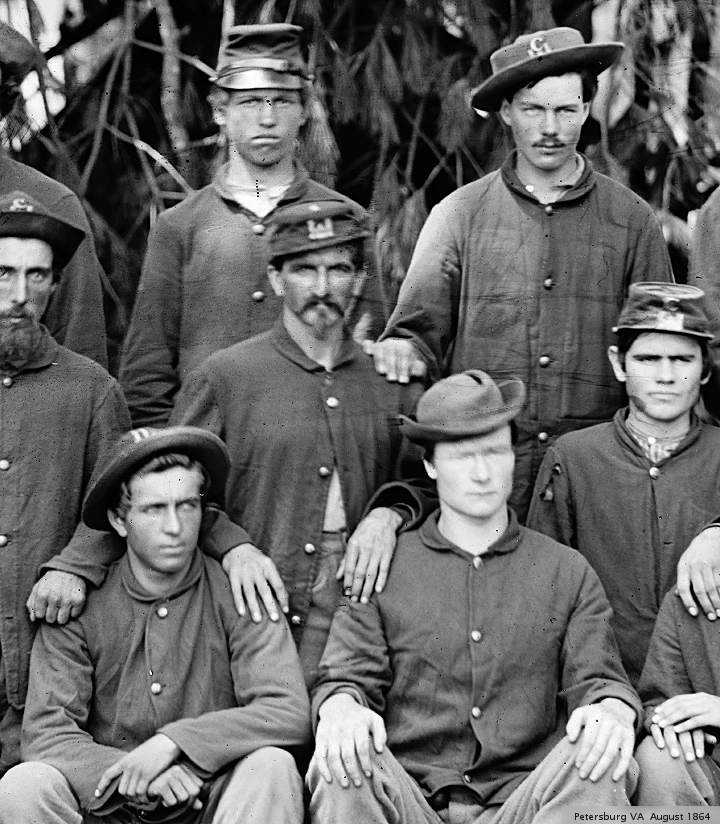
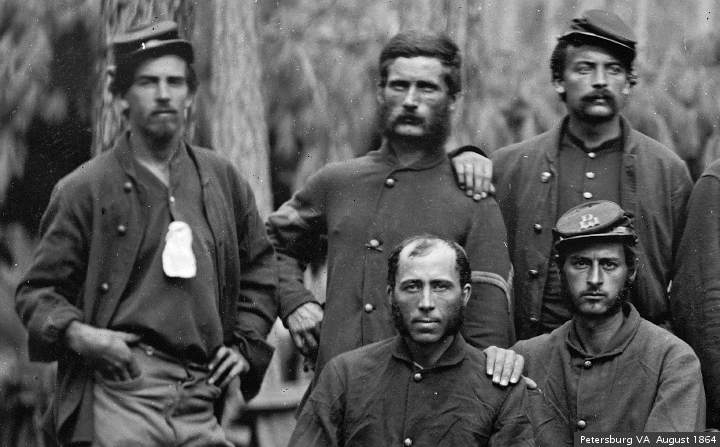
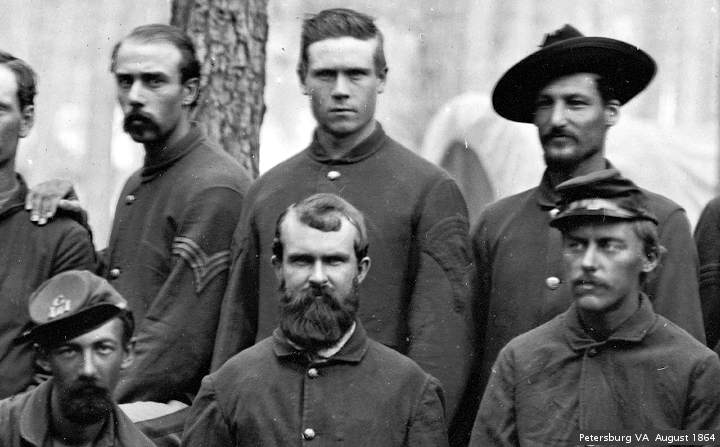
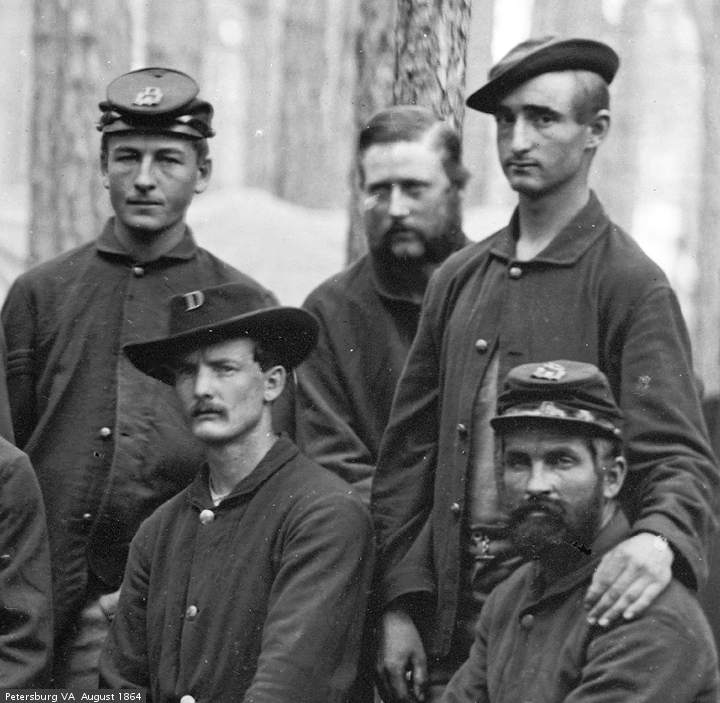
If these principles were to be used, then there would be a lot less hotheaded talking on the intercom. Pictures for this feature are from The Library of Congress. These pictures are Union soldiers, from the War Between the States. When war is discussed, all inspiring quotes are in doubt.
This is a repost. It is written like James Joyce. In the past year, doing due diligence on alleged quotes has become a hobby. Many people don’t care who said it, if they agree with the thoughts expressed. The prevailing thought is that an idea becomes more true with a famous name at the end. If the famous person is deceased, and cannot defend his/her reputation, that is not a problem. People do not like being told that Santa Claus does not exist.
Millard Fillmore And Oscar Wilde In Atlanta

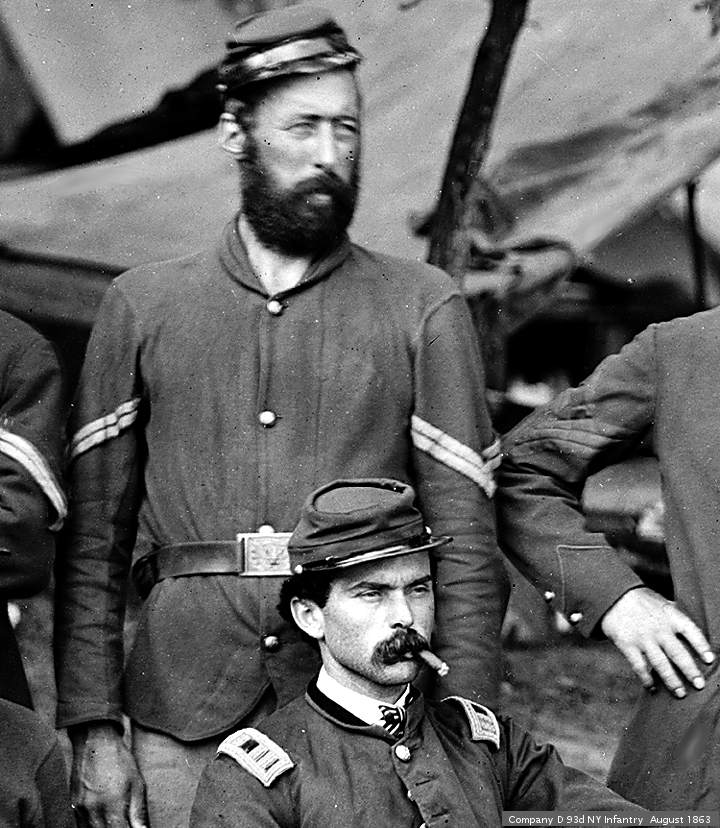

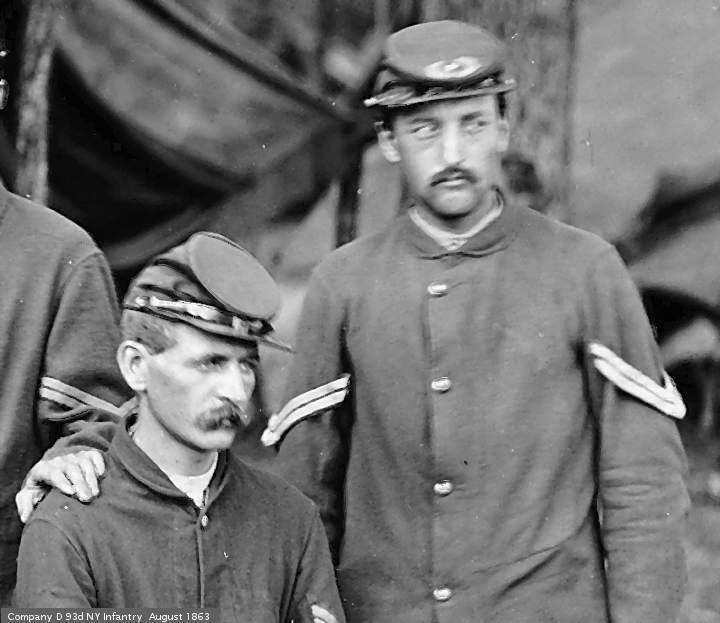

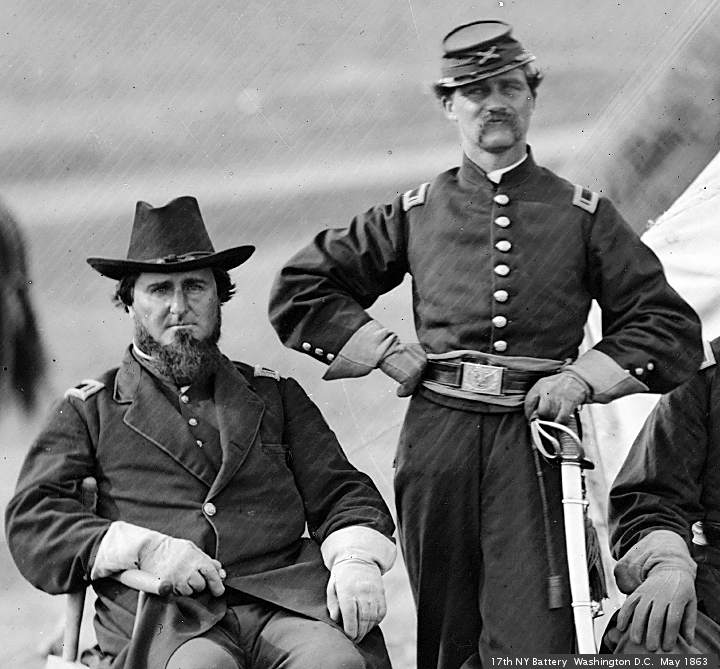
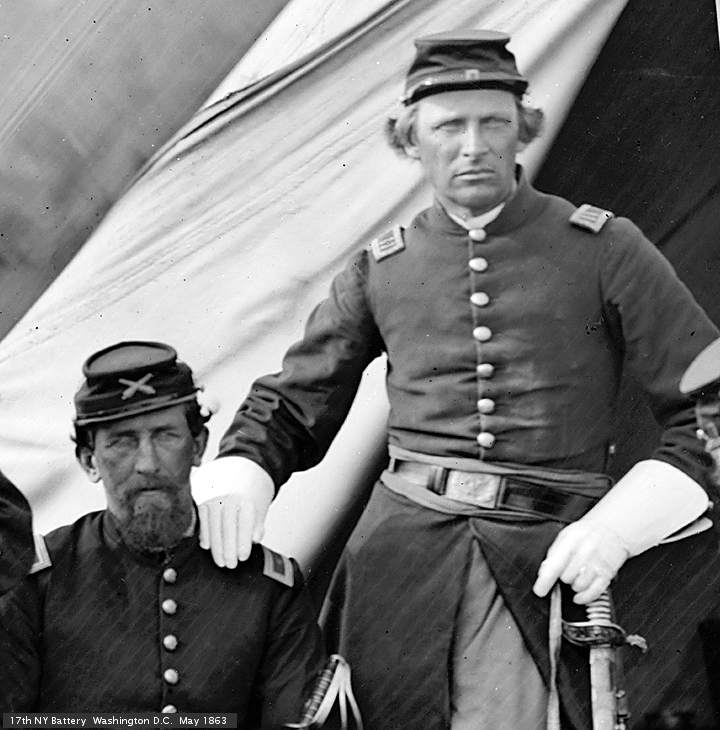

This afternoon’s post at chamblee54 noted an 1854 visit by former President Millard Fillmore. This was brought to the attention of another history minded blog, Millard Fillmore’s Bathtub. The result was some details about the visit, Millard Fillmore, live on Peachtree Street, 1854. The material below is borrowed from that post.
Two years after the Whigs refused to nominate Fillmore for a term of his own, he was out touring the country? Several accounts explain that Fillmore and his wife Abigail wanted to tour the U.S. after his presidency. Unfortunately, she died shortly after he left office. He pined through the rest of 1853, but by February 1854 had decided to tour by himself, without his children, accompanied by friends he could persuade to join him.
That same month, Fillmore decided to take the trip southward that he and Abigail had not been able to take. Given the timing, some observers believed that Fillmore had a political motive in making the journey. They suspected that he might be planning to speak out against the Nebraska Bill [proposed by Illinois’s U.S. Senator Stephen A. Douglas]. Others were convinced that it was a leisure tour. But whatever Fillmore’s intentions may have been, his speeches to southern audiences were relatively neutral. He restated his faith in the [Missouri] Compromise, but he spent most of his time enjoying a series of receptions, dinners, and parades in his honor throughout the region. A marching band escorted him through the streets of Louisville, Kentucky. Girls scattered his path with flowers in Montgomery, Alabama. A row of trains blew their whistles in greeting in Atlanta, Georgia. Fillmore returned home refreshed and with renewed faith in his fellow Americans. (This paragraph is from Alison Behnke, Millard Fillmore (a child’s history of the man), 2005, page 92.)
By late February 1854 Fillmore had resumed his plans to travel. He perceived that a southern trip would do him good and that the journey would divert his mind from the loss of Abigail. … Fillmore hoped Francis Granger, John P. Kennedy, and Washington Irving would go with him on the trip. Granger lost interest, and Irving was in no mood for politics. …
En route to Atlanta from Augusta on the Georgia Railroad, they stopped at Greensboro where a large crowd of teachers and students of the Female College greeted Fillmore and Kennedy. They dined at Madison. At Stone Mountain an escort committee from Atlanta met them.
At the Atlanta Depot a novel reception welcomed them. A large number of locomotives were present with their steam up. When the Augusta engineer signaled their arrival they all opened up their valves and whistled out a welcome the like of which, reported a newspaper, “no mortal man had heard before.” The shouts from the crowd and locomotive whistles were deafening to one reporter. By carriage the party went from the depot to the Atlanta Hotel where a reception was held.
Fillmore had become hoarse. Nonetheless, he managed to say that he was impressed by the large population and that he had heard that it was a beautiful village in the center of the state. He also admonished the state legislature to to take note “of the array of female loveliness before me” seated at the reception. If they did so, he joked, they wouldn’t hesitate to locate the state capital at Atlanta. At that time the capital was at Milledgeville. Atlanta became the capital in 1877. (This section is from Robert J. Scarry, Millard Fillmore, 1982, pages 247-252 variously.)
A few months later, on October 16, 1854, Oscar Fingal O’Flahertie Wills Wilde was born in Dublin, Ireland. On July 4, 1882, Mr. Wilde gave a talk at De Give’s Opera House in Atlanta GA. What happened next is described on page 201 of Oscar Wilde by Richard Ellmann.
Mr. Wilde was accompanied by his agent, J.S. Vail, and a valet, W.M. Traquair. Mr. Vail bought three train tickets for Savannah, the next stop on the tour. The Pullman agent told Mr. Wilde that black people were not allowed to ride in sleeper car berths. Mr. Wilde said that Mr. Traquair had traveled with him throughout the South without incident. The Pullman agent said the next stop was in Jonesboro GA. If people in Jonesboro saw a black man in the car, then they would attack the train. Mr. Wilde gave in, and Mr. Traquair traveled in another part of the train.
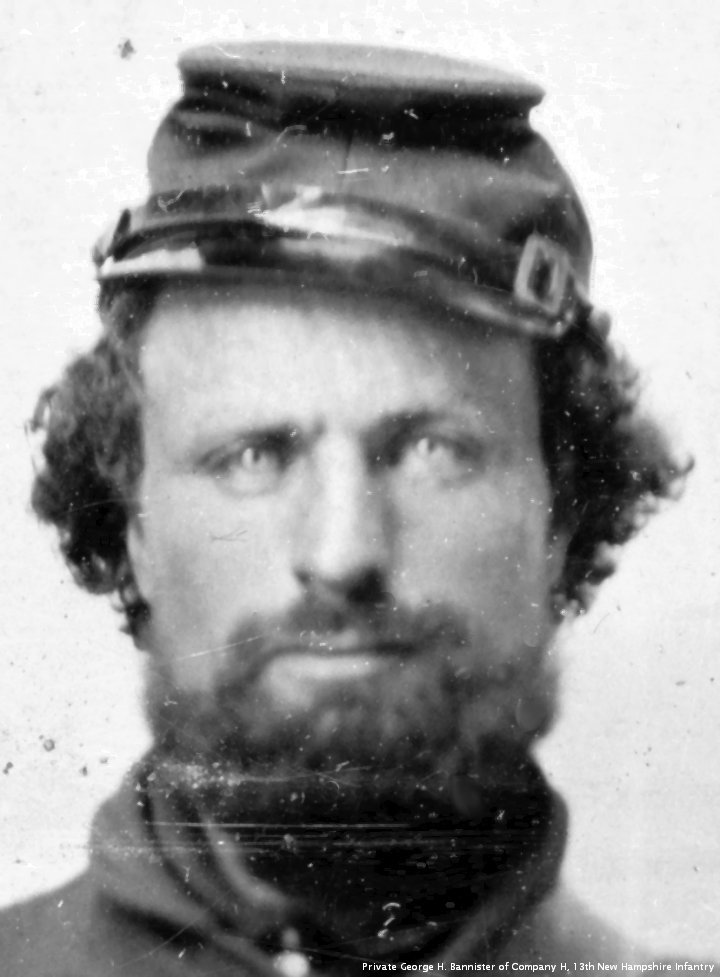
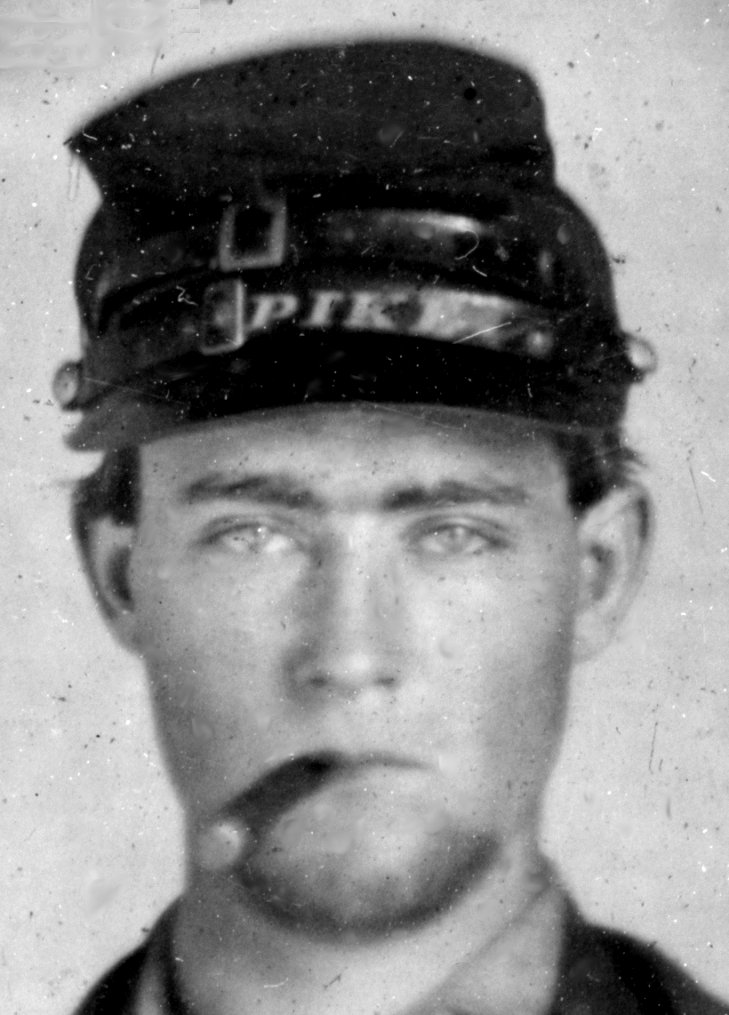
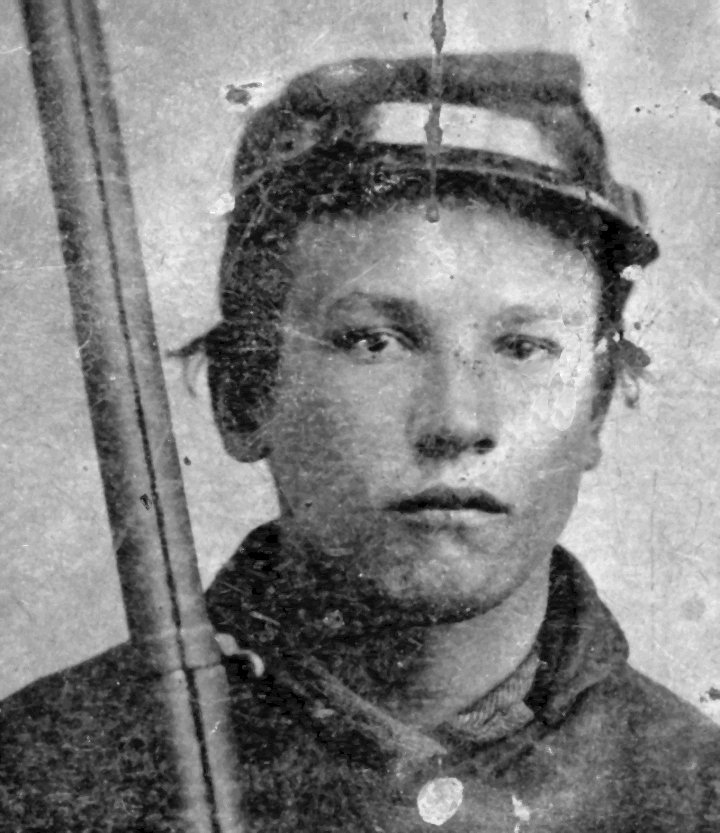
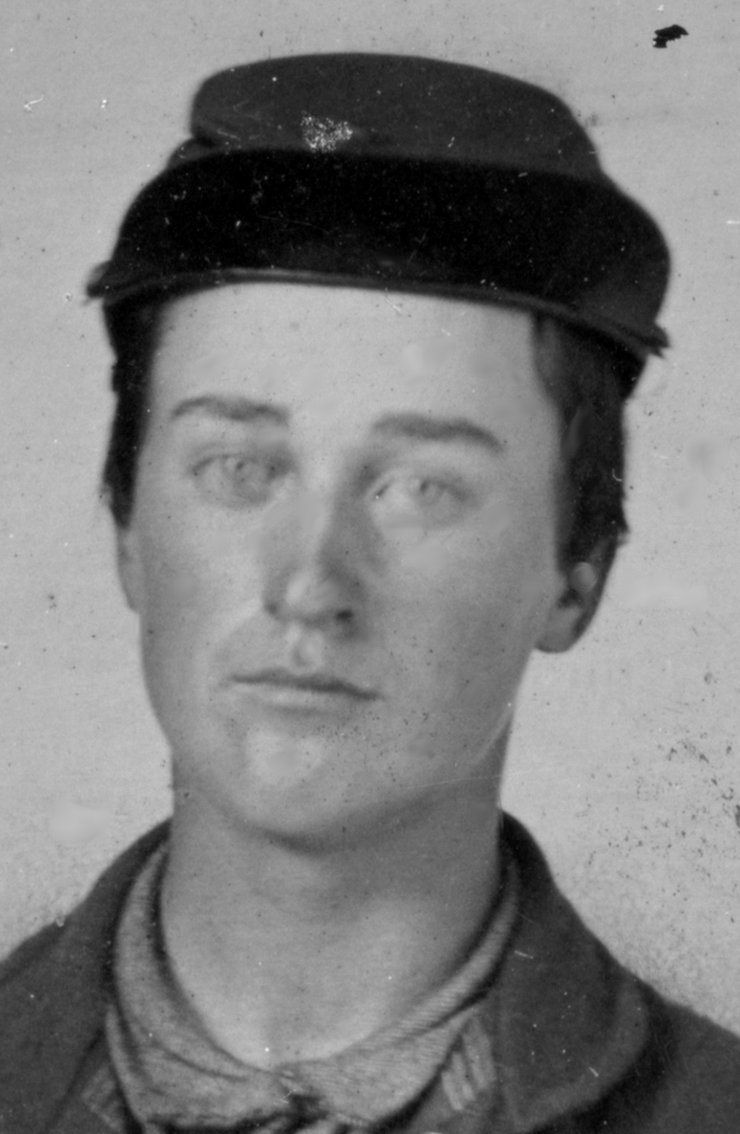
This is a repost. Pictures today are from The Library of Congress.





leave a comment