Slavery And Global Warming


Have you ever wondered why your ancestors owned other human beings? How can you justify something this cruel? In an NPR interview to promote a new book, 1861: The Civil War Awakening, Adam Goodheart has an answer. This is a repost.
It was economics. “But I think we think of it differently when we realize that the value of slave property, some $4 billion, enormous amount of money in 1861, represented actually more money than the value of all of the industry and all of the railroads in the entire United States combined. So for Southern planters to simply one day liberate all of that property would have been like asking people today to simply overnight give up their stock portfolios, give up their IRAs.”
Mr. Goodheart compares it to the situation today with fossil fuels. “many of us recognize that in burning fossil fuels we’re doing something terrible for the planet, we’re doing something terrible for future generations. And yet in order to give this up would mean sort of unraveling so much of the fabric of our daily lives, sacrificing so much, becoming these sort of radical eccentrics riding bicycles everywhere, that we continue somewhat guiltily to participate in the system. And that’s something that I use as a comparison to slavery, that many Americans in the North, and even I believe sort of secretly in the South, felt a sense of guilt, felt a sense of shame, that knew that the slave system was wrong but were simply addicted to slavery and couldn’t give it up. “
When the economic pressure is there, people will find a way to justify their actions. Slavery was justified in a number of ways. Today, there are people who deny the ill effects of using fossil fuels, and they have an eager audience. The payback for the environmental horror is in the future. This is similar to the way people today are paying … with racial turmoil … for slavery.
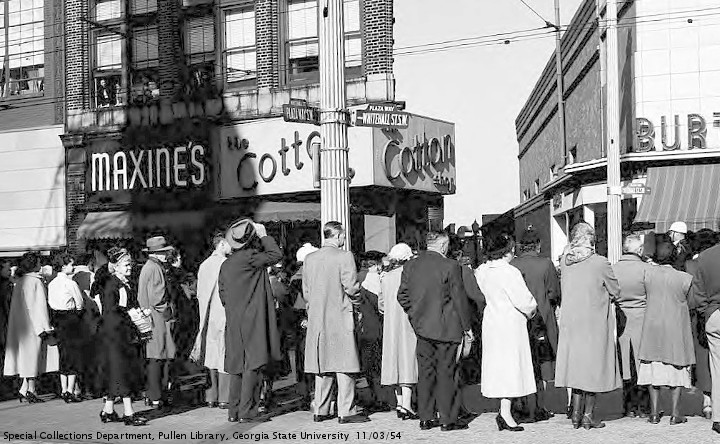
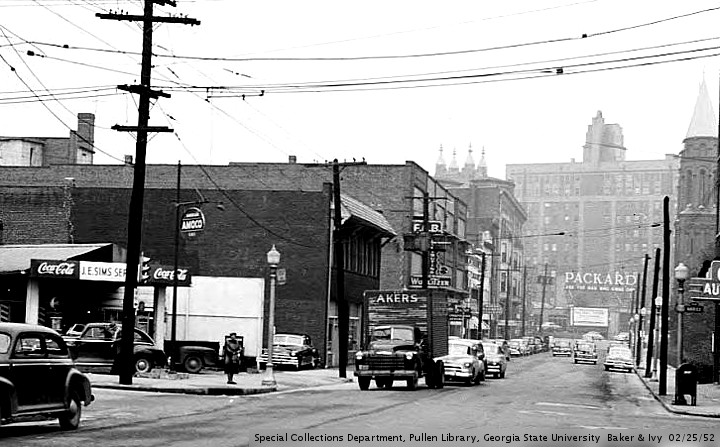
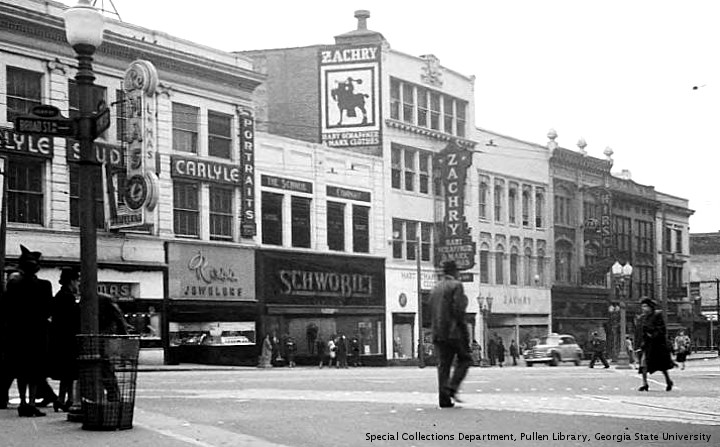
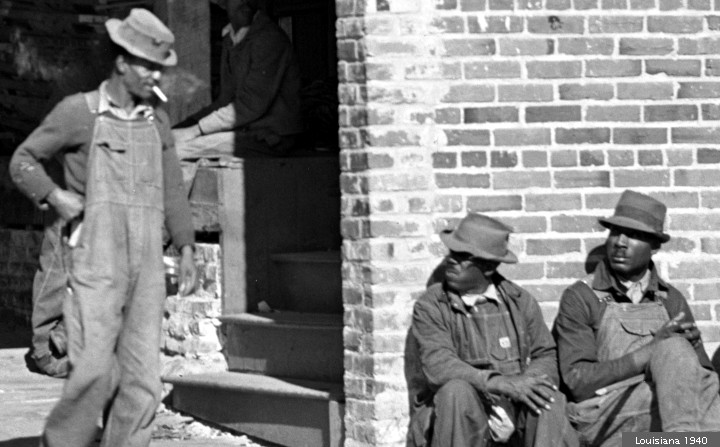
Pictures today are from “The Special Collections and Archives, Georgia State University Library”.


Who Invented The Word Racism? Part Two

Last week this blog ran a story about the word racism. The story stated that the earliest use of the r-word was 1932. A comment led to The Ugly, Fascinating History Of The Word ‘Racism.’ Apparently, Col. Richard Henry Pratt used the word in 1902.
“The Oxford English Dictionary’s first recorded utterance of the word racism was by a man named Richard Henry Pratt in 1902. “Segregating any class or race of people apart from the rest of the people kills the progress of the segregated people or makes their growth very slow. Association of races and classes is necessary to destroy racism and classism.” Col. Pratt was speaking at the Lake Mohonk Conference of Friends of the American Indian.
It is always good to check out the context. Col. Pratt spoke at the Fourth session, Thursday Night, October 23, 1902. The event was well documented. There are some other noteworthy quotes.
“We have brought into our national life nearly forty times as many negroes as there are Indians in the United States. They are not all together citizen and equal yet, but they are with us and of us; distributed among us, coming in contact with us constantly, they have lost their many languages and their old life, and have accepted our language and our life and become a valuable part of our industrial forces.” The text capitalizes Indian, and presents Negro in lower case.
“It is the greatest possible wrong to prolong their Indianism, whether we do it for humanitarian or so-called scientific reasons. … The ethnologists prefer the Indian kept in his original paint and feathers, and as part and parcel of every exposition on that line. … It will be a happy day for the Indians when their ethnological value is of no greater importance than that of the negro and other races which go to make up our population.”
Col. Pratt “is best known as the founder and longtime superintendent of the Carlisle Indian Industrial School at Carlisle, PA.” While progressive for the times, many of the school’s policies were harsh.
“He pushed for the total erasure of Native cultures among his students. … The students’ native tongues were strictly forbidden — a rule that was enforced through beating. Since they were rounded up from different tribes, the only way they could communicate with each other at the schools was in English. … “In Indian civilization I am a Baptist,” Pratt once told a convention of Baptist ministers, “because I believe in immersing the Indians in our civilization and when we get them under, holding them there until they are thoroughly soaked.” … Pratt also saw to it that his charges were Christianized. Carlisle students had to attend church each Sunday, although he allowed each student to choose the denomination to which she would belong.” Carlisle closed in 1918.
“In 1875, Captain Richard Pratt escorted 72 Indian warriors suspected of murdering white settlers to Fort Marion in St. Augustine, FL. Once there, Pratt began an ambitious experiment which involved teaching the Indians to read and write English, putting them in uniforms and drilling them like soldiers. … News of Pratt’s experiment spread. With the blessing of Congress, Pratt expanded his program by establishing the Carlisle School for Indian Students to continue his “civilizing” mission. Although liberal policy for the times, Pratt’s school was a form of cultural genocide. The schools continued into the ’30s until administrators saw that the promised opportunities for Indian students would not materialize, theat they would not become “imitation white men.”
“Beginning in 1887, the federal government attempted to “Americanize” Native Americans, largely through the education of Native youth. By 1900 thousands of Native Americans were studying at almost 150 boarding schools around the United States. The U.S. Training and Industrial School, founded in 1879 at Carlisle Barracks, was the model for most of these schools. Boarding schools like Carlisle provided vocational and manual training and sought to systematically strip away tribal culture. They insisted that students drop their Indian names, forbade the speaking of native languages, and cut off their long hair.” As Col. Pratt said at the LMCFAI, “I also endorse the Commissioner’s short hair order. It is good because it disturbs old savage conditions.”
Col. Pratt was known for saying “Kill the Indian, and Save the Man” He probably meant that you should destroy the native culture, so the man inside could flourish. It is easy to misunderstand this type of rhetoric. The source of this phrase: “Official Report of the Nineteenth Annual Conference of Charities and Correction (1892), 46–59. Reprinted in Richard H. Pratt, “The Advantages of Mingling Indians with Whites,” Americanizing the American Indians: Writings by the “Friends of the Indian” 1880–1900 (Harvard University Press, 1973), 260–271.” There are some tasteful quotes.
“Inscrutable are the ways of Providence. Horrible as were the experiences of its introduction, and of slavery itself, there was concealed in them the greatest blessing that ever came to the Negro race—seven millions of blacks from cannibalism in darkest Africa to citizenship in free and enlightened America; not full, not complete citizenship, but possible—probable—citizenship.” Col. Pratt used African Americans as an example of how to assimilate Native Americans.
“The five civilized tribes of the Indian Territory—Cherokees, Choctaws, Chickasaws, Creeks, and Seminoles—have had tribal schools until it is asserted that they are civilized; yet they have no notion of joining us and becoming a part of the United States. Their whole disposition is to prey upon and hatch up claims against the government, and have the same lands purchased and repurchased and purchased again, to meet the recurring wants growing out of their neglect and inability to make use of their large and rich estate.”
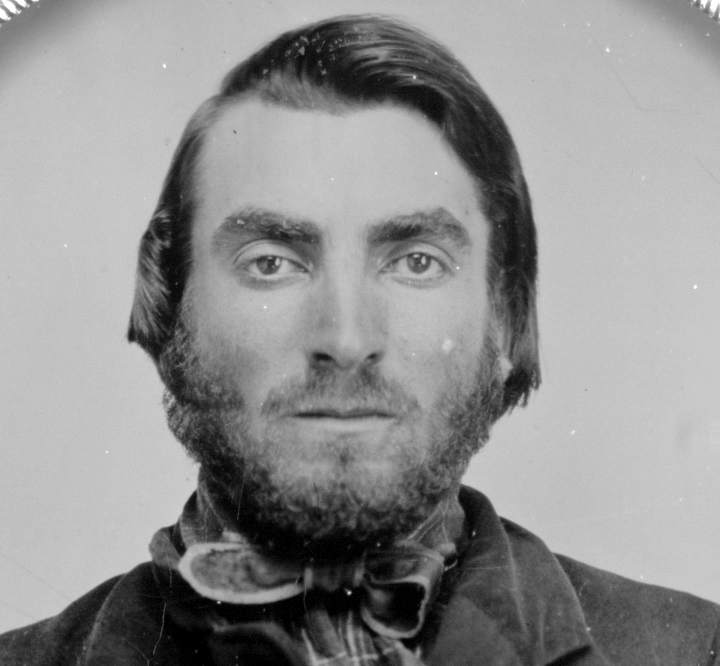
The best known student at the Carlisle School was Jim Thorpe, coached by Pop Warner. Wa-thohuck was born May 28, 1888, near Prague OK, into the Sauk and Fox Nation. He won gold medals in the pentathlon, and decathlon, at the 1912 Olympic Games in Stockholm, Sweden. It later came out that he had been paid to play semi-pro baseball, and was not an amateur. The gold medals had to be forfeited. Pictures today are from The Library of Congress.
Peachtree Street


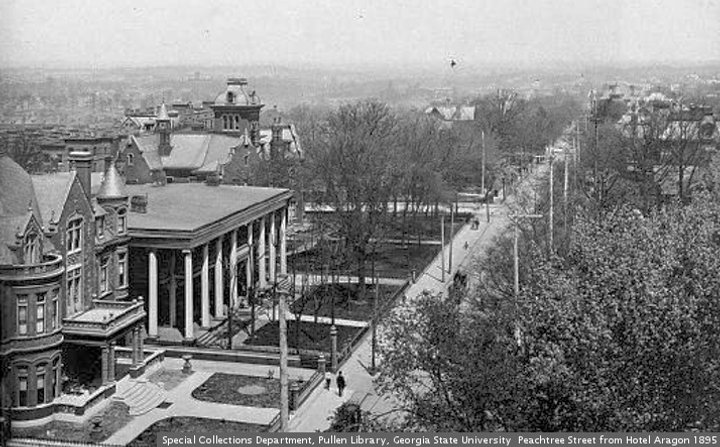

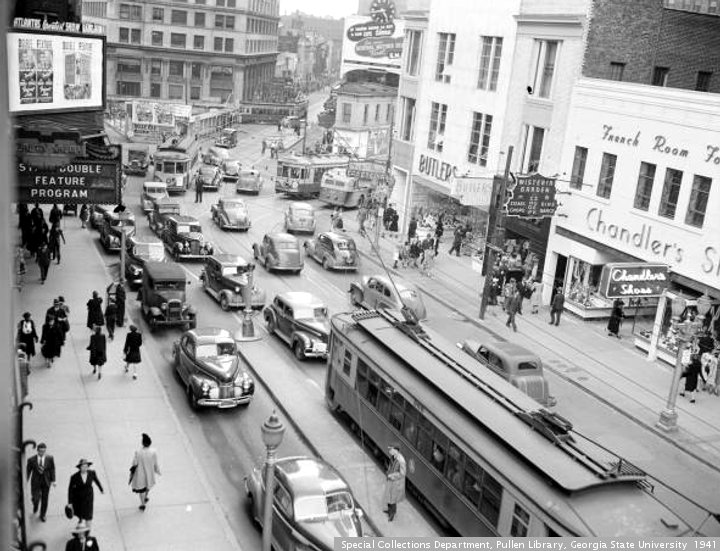
PG finished a book, Peachtree Street-Atlanta. The author is William Bailey Williford, and it was published by the University of Georgia Press in 1962. PG found this at the Chamblee library, and this is probably the best way to find this book today. (Reissued by UGA Press.)
How this road got the name Peachtree is a good question. Most peaches grow south of the fall line. The story goes that there was a Creek Indian village called Standing Peachtree, located where Peachtree Creek runs into the Chattahoochee. During the war of 1812 Fort Peachtree stood there.
There was a trail that ran from Buckhead to an intersection with the Sandtown Trail, at what is now Five Points. A short distance south of this intersection was a settlement known as White Hall. For many years, Peachtree Street south of Five Points was known as Whitehall Road. At some point in the last thirty years, a decision was made to change Whitehall to Peachtree. It did not help the rundown condition of Whitehall Street.
In 1835 Governor Wilson Lumpkin decided that a railroad that would be centered near the junction of Peachtree Trail and Sandtown Trail. The new town was named “Marthasville”, after the daughter of the Governor. Martha Lumpkin resides in Oakland Cemetery today.
The village was soon renamed Atlanta, which was a feminine form of Atlantic. Houses, churches, and businesses were soon built on Peachtree Road. In 1856, Richard Peters built a flour mill. To insure a steady supply of firewood, he bought four hundred acres of land, for five dollars an acre. The land was between Eighth Street, North Avenue, Argonne Avenue, and Atlantic Drive.
Another pioneer citizen with a large landholding was George Washington (Wash) Collier. Mr. Collier bought 202 acres for $150 in 1847. The land was between West Peachtree, Fourteenth Street, Piedmont Road, Montgomery Ferry Road, and the Rhodes Center. Much of the land was used for the development of Ansley Park.
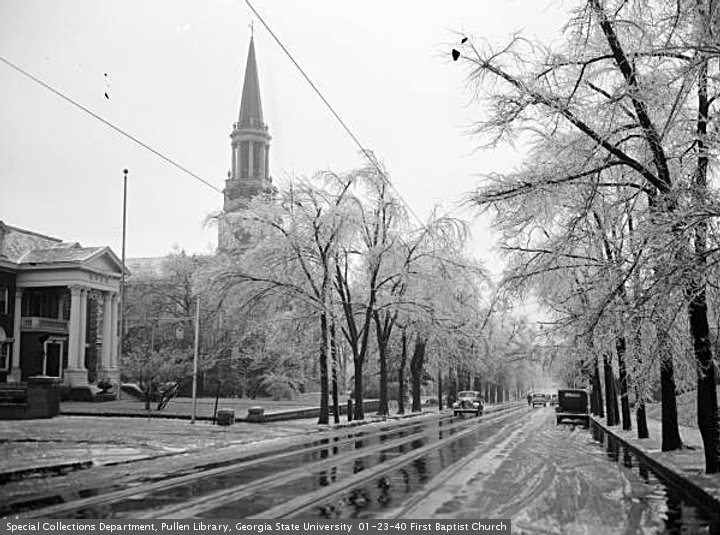

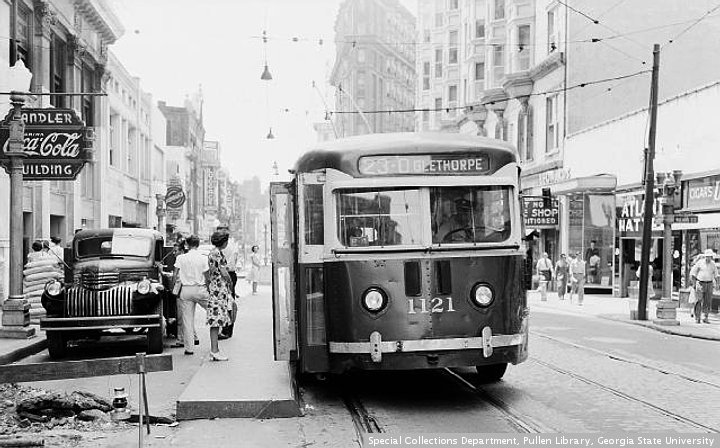
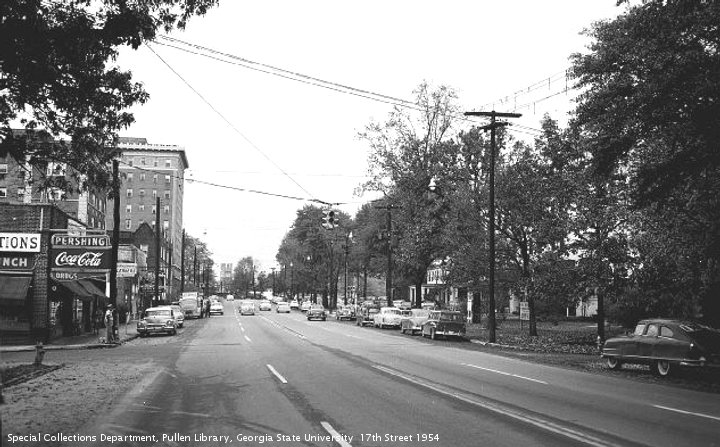
In 1854, Atlanta entertained, for the first time, a man who had been President. On May 2, Millard Fillmore arrived from Augusta on a private rail car.
There was some unpleasantness in 1864, which we will not concern ourselves with.
In 1866, there was a shocking murder. John Plaster was found dead, in an area known as “tight squeeze”. This was an area of shanties, at the present location of Crescent Avenue and Tenth Street. A hundred years later, this was near “the strip”, Atlanta’s hippie district, also called “Tight Squeeze”.
As the nineteenth century rolled along, many mansions were built on Peachtree Street. The road was paved, and streetcars ran up and down. Automobiles came, and came, and came. An expressway was built in the 1950’s, and quickly became obsolete. One by one, the mansions were torn down and replaced with businesses and churches.
The book was written in 1962, when the party was just getting started. The High Museum was known then as the Atlanta Art Association. In June of 1962, a plane full of prominent Atlanta residents crashed in Paris, killing all on board. As a memorial to those people, the Memorial Arts Center on Peachtree, at Fifteenth Street, was built.
Another phenomenon which is not explained by the book is the custom of naming everything here Peachtree. There are countless streets and institutions named for a fruit tree that likes warmer climates. Atlanta has a one street skyline, that stretches from Five Points to Peachtree Dunwoody Road, almost at the city limits. PG lives a quarter mile off Peachtree, in Dekalb County, and has no idea why Peachtree is a magic word.
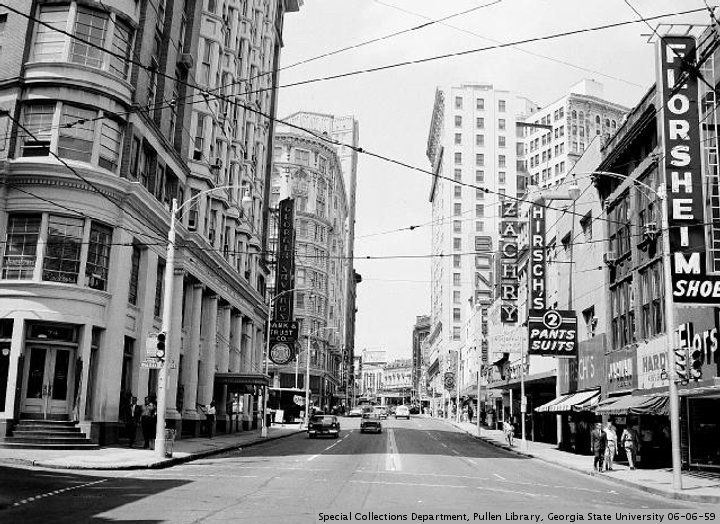
Pictures are from “The Special Collections and Archives, Georgia State University Library”. and The Library of Congress. This is the annual repost.



Billie Holiday Stories

How ‘Strange Fruit’ Killed Billie Holiday turned up in a facebook feed yesterday. The article states that Harry Jacob Anslinger “the first commissioner of the U.S. Treasury Department’s Federal Bureau of Narcotics,” ordered Billie Holiday to quit performing “Strange Fruit.” When the chanteuse declined, Mr. Anslinger had her arrested for heroin possession. Later, Mr. Anslinger was allegedly responsible for busting Miss Holiday on her deathbed.
The Hunting of Billie Holiday was the source given for the claim about Mr. Anslinger and “Strange Fruit.” The Politico article does not say that Mr. Anslinger ordered Miss Holiday to quit singing “Strange Fruit.” It does say that Louis McKay, one of the many no-good men in Miss Holiday’s life, narked her out. The bust was in 1947, after she had been performing “Strange Fruit” for several years. (Lady Sings The Blues says that Louis McKay was not in Miss Holiday’s life in 1947.)
Politico had one comment that set off the bs detector. “One day, Harry Anslinger was told that there were also white women, just as famous as Billie, who had drug problems—but he responded to them rather differently. He called Judy Garland, another heroin addict, in to see him.” Frances Gumm was well known for having substance abuse issues. The heroin business was news to a lot of people.
Johann Hari was the author of the politico article. At the time, he was promoting a book, Chasing the Scream, about the war on drugs. Johann Hari has a spotted reputation. “The author used to be the Independent’s star columnist, a prolific polemicist and darling of the left, until his career imploded in disgrace when it emerged in 2011 that many of his articles contained quotes apparently said to him but in fact lifted from his interviewees’ books, or from previous interviews by other journalists.”
The final bust, as Miss Holiday lay dying in the hospital, is part of the legend. A google search does not show what agency was responsible. Harry Anslinger may have been involved, and it may have been someone else. By this time, Elanora Fagan was in bad, bad shape. Years of drinking, and hard drugs, had worn her out. While the hospital bust may have hastened her demise, it is a bit of a stretch to say the Harry Anslinger killed Billie Holiday, because she sang “Strange Fruit.”
This is a repost. Pictures today are from The Library of Congress.

Lady Sings The Blues is the autobiography of Billie Holiday. PG read it in 1978, and pulled it off the shelf recently. The copy he has is was a 1972 paperback, issued in conjunction with the movie. A picture of Diana Ross is on the cover, as well as a price sticker from Woolco. The book sold for $1.25. Pictures today are from The Library of Congress. The spell check suggestion for Woolco is Cool.
William Dufty was the ghost writer. His prose is easy to read, with the story flowing out like a Lester Young solo. The 1956 copyright is assigned to “Eleanora Fagan and William Dufty,” using the birth name of the singer. Mr. Dufty was a newspaper writer. “Dufty had one son, Bevan Dufty, with first wife Maely Bartholomew, who had arrived in New York City during World War II after losing most of her family in the Nazi concentration camps. She settled near Harlem where she met her best friend and Bevan’s godmother, Billie Holiday.”
“Bevan Dufty would agree. He’s one of the childless singer’s two godchildren. … “Holiday said motherf — all the time, in her gravelly elegant way,” recalled Dufty, sitting in his City Hall office. His mother, Maely, a Czech Jewish immigrant who loved jazz, was close to many musicians and even managed the unmanageable Charlie Parker for a spell, learned to curse from Holiday. But with a European accent. Much of what Dufty knows of Holiday comes from his late mother, who was married to actor Freddie Bartholomew before her brief marriage to William Dufty, one of her seven husbands. Maely, who took her infant son by train to Philadelphia every day to attend yet another of Holiday’s drug trials, was so distraught by the singer’s death that she dedicated herself to helping recovering addicts. A number of musicians lived at the Duftys’ place while kicking the habit (William and Maely Dufty divorced not long after Holiday’s death, and he later married actress Gloria Swanson, who inspired him to write the book “Sugar Blues” about the dangers of processed sugar).”
Billie Holiday’s bio, ‘Lady Sings the Blues,’ may be full of lies, but it gets at jazz great’s core Autobiographies are, by their nature, self serving. This one has a great opening line… ” “Mom and Pop were just a couple of kids when they got married. He was eighteen, she was sixteen, and I was three.” (“Her parents were never married. When she was born, her mother was 19, her father was 17 and they never lived under the same roof.”) Another source adds: “Some of the material in the book, however, must be taken with a grain of salt. Holiday was in rough shape when she worked with Dufty on the project, and she claimed to have never read the book after it was finished. Around this time, Holiday became involved with Louis McKay. The two were arrested for narcotics in 1956, and they married in Mexico the following year. (March 28, 1957) Like many other men in her life, McKay used Holiday’s name and money to advance himself.”
Louis McKay is at the center of another misunderstanding of facts. The Hunting of Billie Holiday claimed that Mr. McKay narked out Miss Holiday in 1947, and set up her first drug bust. LSTB tells a different story. Here, Miss Holiday meets Mr. McKay very briefly in 1931. Someone was trying to rob Mr. McKay. Miss Holiday said “He’s my old man,” and chased off the robber.
Fast forward twenty five years, and Miss Holiday connects with Mr. McKay. “I hadn’t seen him since I was sixteen and he wasn’t much older and I was singing at the Hotcha in Harlem.” The two were married in 1957. They got busted as LSTB ends. Either Politico is wrong about the 1947 bust, or Miss Holiday did not tell the whole story. Either way, Harry Anslinger is not mentioned in LSTB.
Tallulah Bankhead is another missing piece of the puzzle. Reportedly, Miss Bankhead and Miss Holiday were close friends, and possibly lovers. That was over by the time LSTB was written. “When “Lady Sings the Blues” was being prepared, Miss Bankhead got an advance copy, and was horrified by what she saw. A fierce note was sent to the book’s publisher, and scenes were edited out. Miss Holiday was outraged. The letter that resulted is a poison pen classic. “My maid who was with me at the Strand isn’t dead either. There are plenty of others around who remember how you carried on so you almost got me fired out of the place. And if you want to get shitty, we can make it a big shitty party. We can all get funky together!”
Miss Bankhead does make an appearance in LSTB. On page 117, Miss Holiday is describing playing a maid, in a movie. She was not pleased at the typecasting. “Don’t get me wrong. I’ve got nothing against maids – or whores – whether they’re black or white. My mother was a maid, a good one, one of the greatest. My stepmother is Tallulah Bankhead’s maid right now, and that’s a part I’d even consider when they do her life story.” (Miss Bankhead had her own domestic help problems. In 1951, Evyleen Cronin, Tallulah’s maid and secretary, was accused of stealing $10,000-30,000 from Tallulah during her employment. … The case went to trial (much to Tallulah’s embarrassment) and Cronin was convicted.” Many embarrassing details about Miss Bankhead’s life came to light during this trial. Fanny Holiday, the stepmother, is probably a different person than Evyleen Cronin.)
Whatever it’s factual challenges, Lady Sings the Blues is a powerful book. Miss Holiday had a tough life, to say the least. As the singer for Artie Shaw’s big band, Miss Holiday was an integration pioneer, and every two bit cracker wanted to make trouble. Later, she was addicted to heroin, got busted, served time in prison, only to get out and suffer some more.
Three years after LSTB came out, things went from bad to horrible. “In early 1959 she found out that she had cirrhosis of the liver. The doctor told her to stop drinking, which she did for a short time, but soon returned to heavy drinking. … On May 31, 1959, Holiday was taken to Metropolitan Hospital in New York suffering from liver and heart disease. She was arrested for drug possession as she lay dying, and her hospital room was raided by authorities. Police officers were stationed at the door to her room. Holiday remained under police guard at the hospital until she died from pulmonary edema and heart failure caused by cirrhosis of the liver on July 17, 1959.” This is a repost.


Gloomy Sunday
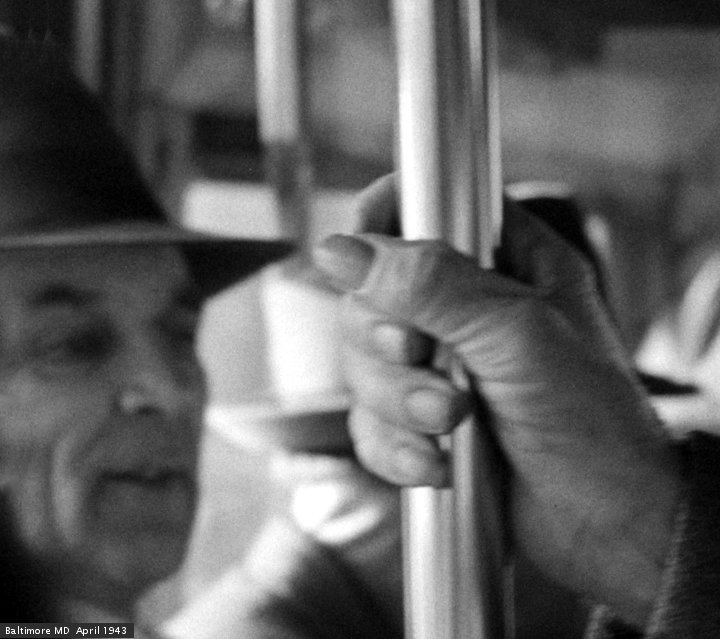
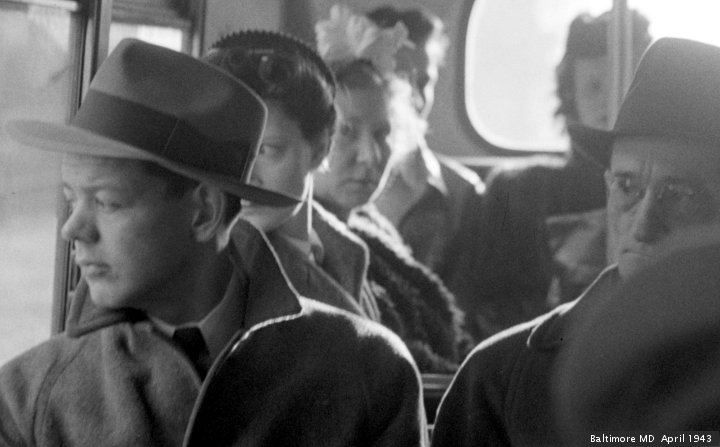

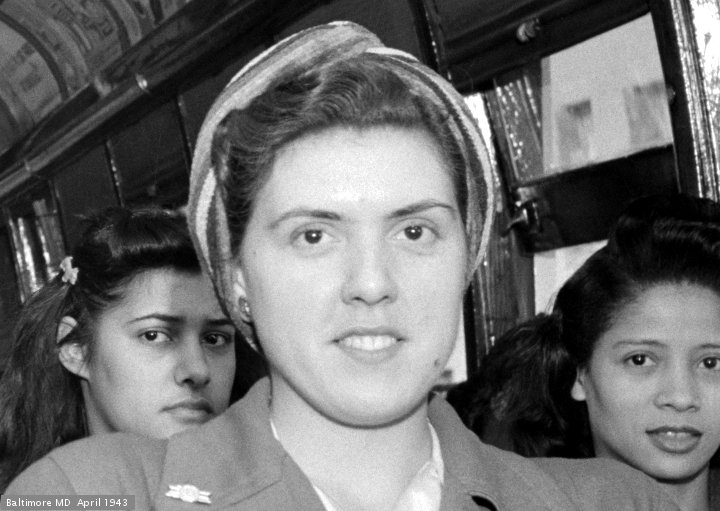

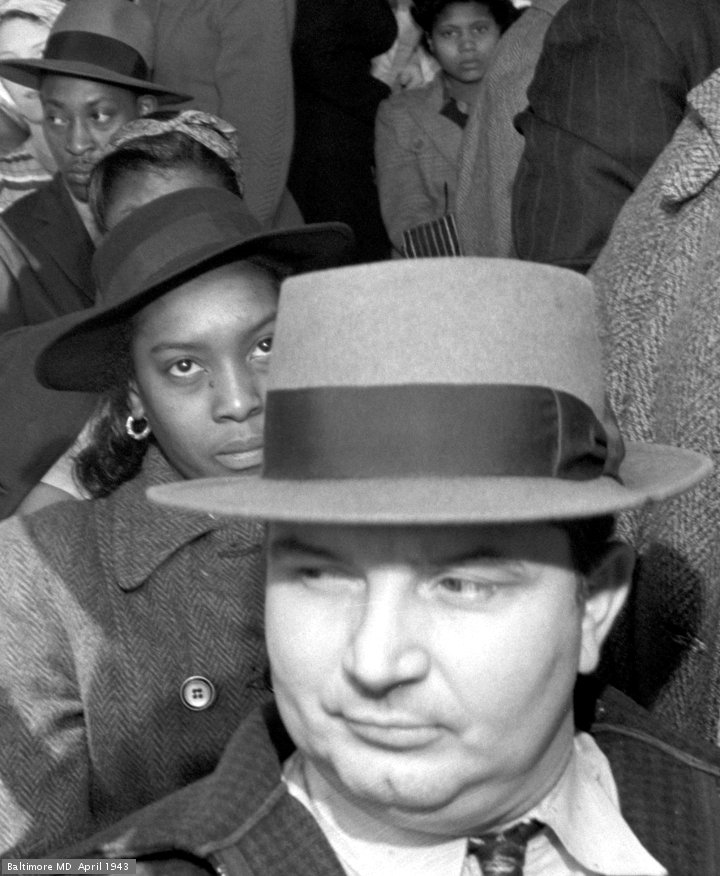
Billie Holiday had a hit with Gloomy Sunday in 1941. The legend is that people would listen to the song, and kill themselves. As a result, the song was banned from the radio. Or was it?
Gloomy Sunday was written in 1933 by Rezső Seress. Additional lyrics were later written by László Jávor. It became known as the “Hungarian Suicide Song”, and was reportedly banned in Hungary. An english translation (which is said to not do justice to the original Hungarian) was rendered.
Gloomy Sunday has a melancholy sound, even as an instrumental. The story is about a person…it is not gender specific…who decides to join a loved one who has died. A third verse was added, to the english version, where the singer says it was all a dream.
Gloomy Sunday became popular in the United States. And the suicide stories started to spread, along with rumors that the song had been banned from the radio. (It was indeed banned by the BBC.) There are indications that these rumors were part of a publicity campaign.
The urban legend busters snopes. calls the story “undetermined”. Legends like this get a life of their own. A grieving person hearing this song on a dreary Sunday is not going to be uplifted. One thing is known for sure…the original composer did take his own life. Rezső Seress jumped off a tall building in Budapest in 1968. The legend is he had never had another hit song after writing “Gloomy Sunday”. This repost has pictures from The Library of Congress.




Abraham Lincoln and Charles Darwin
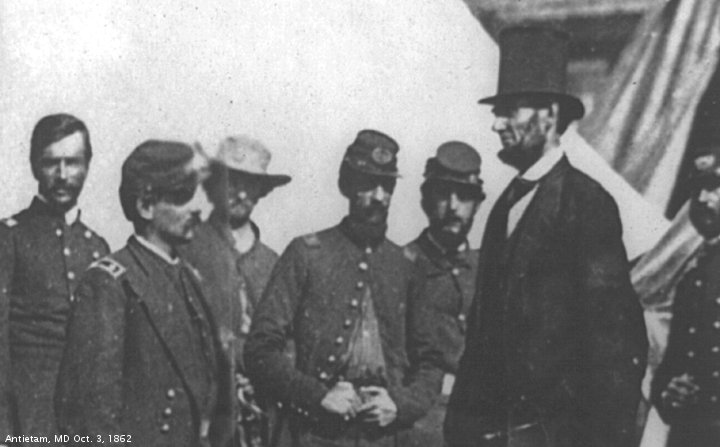


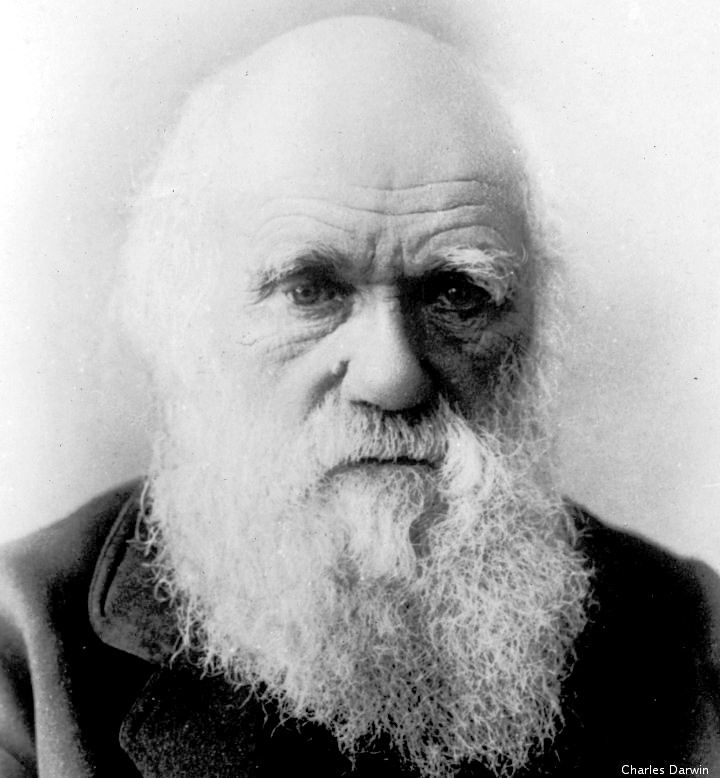
Today is the 212th birthday of Abraham Lincoln and Charles Darwin. This used to be a holiday in the US, along with Washington’s BD on February 22. The two were combined into President’s Day.
It is unlikely that the two met, or knew much about the other. “On the origin of species” was published in 1859, as the United States teetered on the brink of catastrophe. There is a certain “Darwinism” in the way the unpleasantness of the eighteen sixties went down. The northeast quadrant of the United States gained dominance over a large chunk of North America, at a horrible cost. The concept that a human being could literally own another human being was banished.
There are two other anniversaries of note today. On February 12, 1733, James Oglethorpe landed a boatload of debtors on the future site of Savannah. This was the start of the Colony/State of Georgia.
There is another that continues the symmetry of Darwin/Lincoln, and was exactly 100 years later. On February 12, 1909, the NAACP was founded. On February 12 1904, Ted Mack, host of the Original Amateur Hour, was born. To make room for all this talent, on February 12, 1942, Grant Wood (painter of “American Gothic”) went to that village in the sky. He left the pitchfork behind.
This is a repost. Pictures are from The Library of Congress
What Is Dirty About Louie Louie?


The sixties were a great time to be a kid. As long as you were too young for a Vietnam Vacation, there were kicks to be had.
One of the more enduring legends was the dirty lyrics to “Louie Louie”. Recorded by an obscure band called the Kingsmen, the song was a massive hit in 1963 (It never was Number One). When WQXI put out lists of the greatest songs of all time, “Louie Louie” was at the top of the list. This is despite, or because of, the raucous sound. The song was recorded in one take, when the band thought they were playing a rehearsal. The vocals are difficult to make sense of, and rumored to be obscene. No one was ever quite sure why. With the garbled sound on the record, the listener could hear almost anything they wanted to.
The Governor of Indiana, Matthew Welsh, banned radio stations from playing the song in that state. On February 7, 1964, Attorney General Robert Kennedy got a letter from an outraged parent about the lyrics to “Louie Louie”. An F.B.I. investigation followed. After thirty months of investigation, the Bureau concluded that they could not make sense of the lyrics.
PG had a neighbor named Carol. A tomboy who could whip most of the boys, she had a pet skunk named Napoleon. Carol claimed to have heard a band at Lenox Square play “Louie Louie”. “He said the words real slow so you could understand them. I can’t repeat what he said, but it was dirty”.
Louie, Louie Oh no, me gotta go.
Yeah, yeah, yeah, yeah, yeah, said, ah
Louie, Louie Oh, baby, me gotta go
A fine little girl she waits for me Me
catch a ship for cross the sea.
Me sail that ship all alone Me never think how I make it home.
Ah, Louie, Louie No, no, no, no, me gotta go.
Oh, no. Said, Louie, Louie Oh, baby, said we gotta go.
Three nights and days I sail the sea Think of girl, oh, constantly.
Ah, on that ship I dream she there
I smell the rose, ah, in her hair.
Ah, Louie, Louie Oh, no, sayin’ we gotta go.
Yeah, yeah, yeah, yeah, yeah,
but, ah, Louie, Louie Oh, baby, said, we gotta go.
[Yelled] Okay, let’s give it to ‘em right now! [instrumental]
Me see Jamaica, ah, moon above.
It won’t be long, me see me love.
Take her in my arms again, I got her; I’ll never leave again.
Ah, Louie, Louie Oh, no, sayin’ me gotta go.
Yeah, yeah, yeah, yeah, yeah
But, ah, Louie, Louie Oh, baby, said, ah, we gotta go.
I said we gotta go now, Let’s get on outta here.
[Yelled] Let’s go.
Transcribed by David Spector Sept. 2000 Public Domain. If anyone reading this can explain what was so dirty about this song, please leave a comment. Thank you Wikipedia for your help in assembling this. This is a repost. Pictures by The Library of Congress



Tallulah Bankhead And Billie Holiday
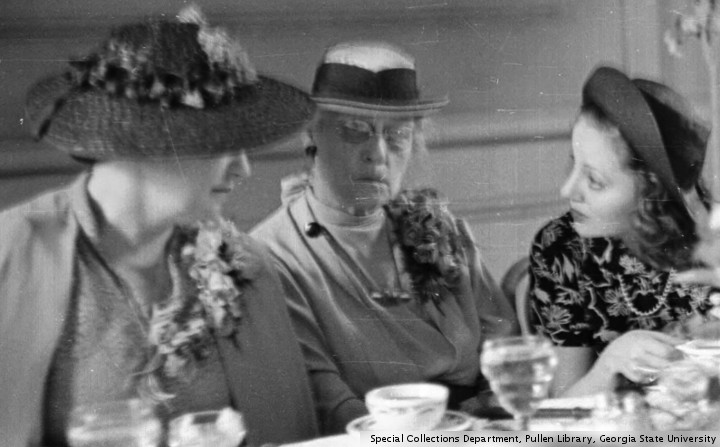

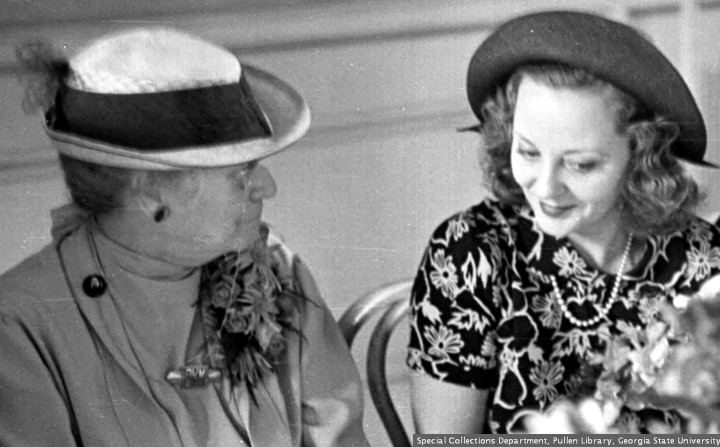
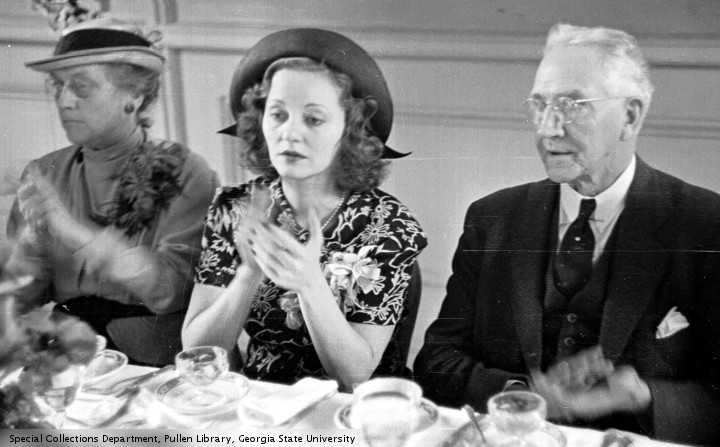
Tallulah Brockman Bankhead was born January 31, 1902 in Huntsville AL. She had a year-older sister, Eugenia. Their mother died February 23, 1902. Legend has it her last words were “Take care of baby Eugenia. Tallulah can take care of herself.” This is a repost.
The father of the actress was Will Bankhead. He was a prominent politician, who served as Speaker of the House of Representatives in Washington. Mr. Bankhead was on the short list of Vice Presidential candidates for Franklin Roosevelt, but was passed over. The Bankhead national forest, and the Bankhead Highway, are both named for Will Bankhead.
Tallulah Bankhead was an actress, radio show hostess, and personality. She went to London in the early twenties and became a stage sensation. Returning home, she became a Broadway star with “The Little Foxes.” She made movies, but saved her best public performances for the stage.
Miss Bankhead was known for being sexually active, with both men and women. Hattie McDaniel, who played Mammie in Gone With The Wind, was rumored to be one of her “friends”. Her introduction to Chico Marx went like this: “Miss Bankhead.” “Mr. Marx.” “You know, I really want to fuck you.”. “And so you shall, you old-fashioned boy.”
One legend has Miss Bankhead at a dinner party with Dorothy Parker and Montgomery Clift. As might have been expected, the cocktail hour went on most of the evening. At one point, Mister Clift had his head in Miss Parker’s lap. “oh you sweet man, it’s too bad that you’re a cocksucker. He is a cocksucker, isn’t he?” Miss Bankhead replied “I don’t know, he never sucked my cock.”
Her most famous movie role was in “Lifeboat”, directed by Alfred Hitchcock. Her co stars complained that she was not wearing panties under her dress. Mr. Hitchcock posed the question, is this a matter for wardrobe, or for hairdressing?
In the fading days of radio, Tallulah was the host of “The Big Show”. She became known for her deep voice, and for saying “Dah-ling”. More than one guest got big laughs by calling her Mister Bankhead. After “The Big Show” ended, Miss Bankhead remained active on stage and television. She died December 12, 1968.
Miss Bankhead was a staunch Democrat, as is fitting for the political family she was raised in. During the McCarthy era, an actress friend of hers was accused of being a communist. Miss Bankhead made a statement of support for the actress on the radio, and then asked her, are you a communist? The actress said that her daddy was a republican, and so she guessed that was what she was. Miss Bankhead was horrified. “A republican! That’s worse than being a goddamn communist.”

One of Miss Bankhead’s more explosive friendships was with Billie Holliday. “The truth of the matter suggests they probably first met in the early 1930’s, well before Holiday ever became famous. What is known is that by 1948 they were bosom buddies. A year earlier, Holiday entered the Alderson Federal Reformatory for Women to serve her famous “one day and a year” sentence, after being found guilty on dope charges. Four months after her release in 1948, Holiday was appearing at New York’s Strand Theater with Count Basie on the first leg of a cross-country tour. At the same time, Tallulah Bankhead was nearby on Broadway starring in her hit play, Private Lives. Bankhead caused quite a commotion every night thundering late down the aisle during Billie’s show to sit in her special seat to stare in amazement at the gifted & stunningly beautiful Lady Day. Because Holiday’s license to perform in nightclubs had been revoked, and she was forced to earn her living in grueling tours on the road. For months after the Strand performance, Bankhead traveled with her whenever she could. Also on the tour was dancer/comedian James “Stump Daddy” Cross – nicknamed after his wooden leg, who joined the two famous ladies to make a treacherous threesome.”
“…it appears that during the late 1940s she and Holiday were also lovers. Perhaps they had been all along. Holiday later told William Dufty, who ghostwrote her autobiography, that when Tallulah visited backstage at the Strand Theatre, the thrill she took in exhibitionistic sex made her insist on keeping Holiday’s dressing room door open. Holiday later claimed that Tallulah’s brazen show of affection almost cost her her job at the Strand.”
Before long, Miss Holiday got busted again. Apparently, Miss Bankhead made a phone call to FBI director J. Edgar Hoover, asking for leniency. There is a remarkable thank you – you’re welcome correspondence between Miss Bankhead and Mr. Hoover. “As my Negro Mammy used to say ‘When you pray, you pray to God don’t you……I had only met Billie Holiday twice in my life….and feel the most profound compassion for her…she is essentially a child at heart whose troubles have made her psychologically unable to cope with the world in which she finds herself…poor thing, you know I did everything within the law to lighten her burden”. “A giddy and twitterpated Hoover wrote back , “Your comments are greatly appreciated, and I trust that you will no hesitate to call on me at any time you think I might be of assistance to you.”
At some point, the two became less intimate. Miss Bankhead had her own legal headaches, and put some distance between her and Miss Holiday. When “Lady Sings the Blues” was being prepared, Miss Bankhead got an advance copy, and was horrified by what she saw. A fierce note was sent to the book’s publisher, and scenes were edited out. Miss Holiday was outraged. The letter that resulted is a poison pen classic. “My maid who was with me at the Strand isn’t dead either. There are plenty of others around who remember how you carried on so you almost got me fired out of the place. And if you want to get shitty, we can make it a big shitty party. We can all get funky together!”
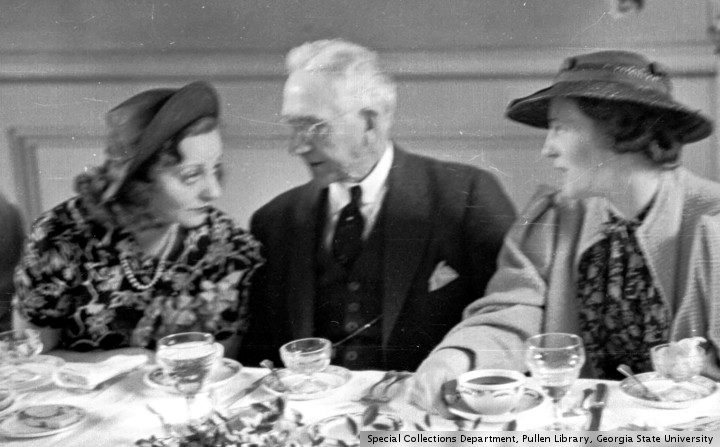
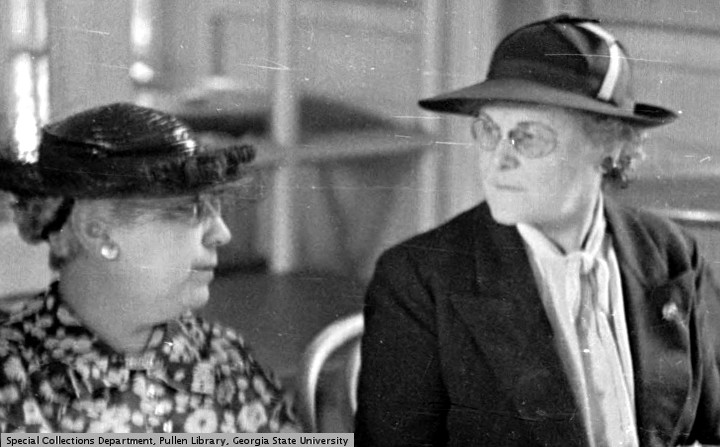
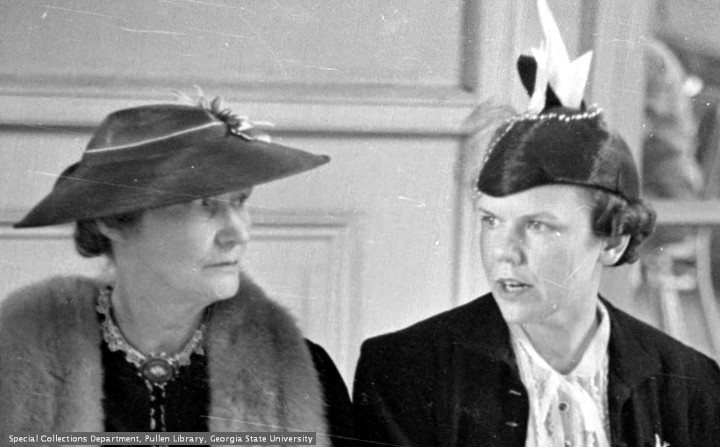
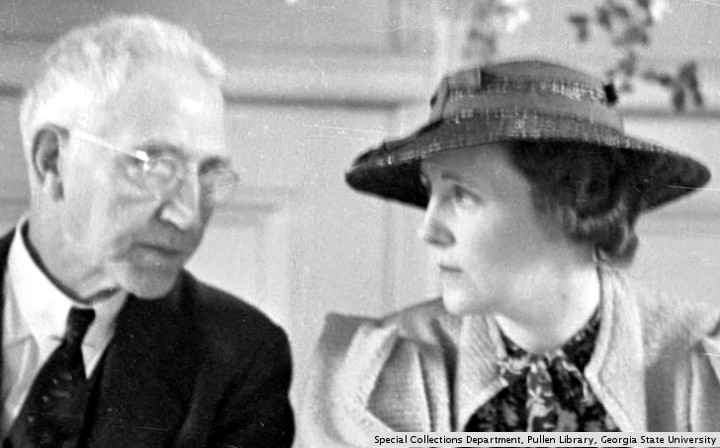
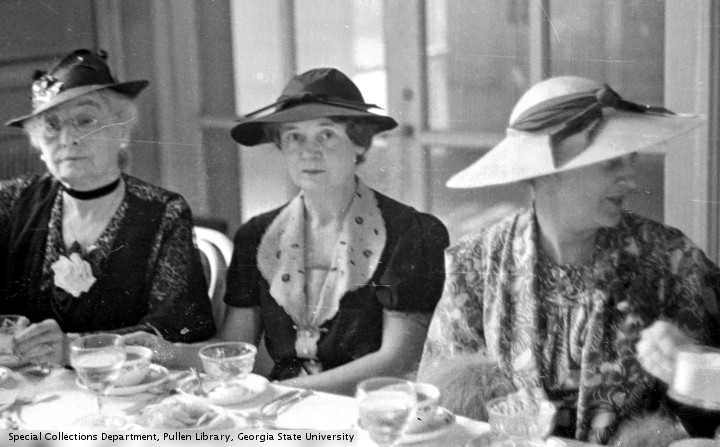
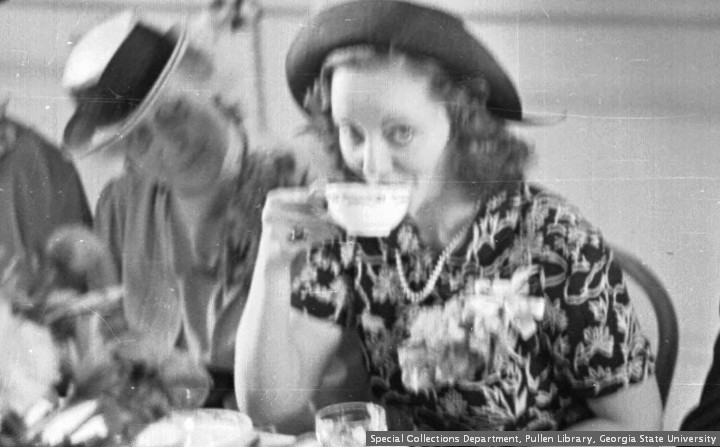
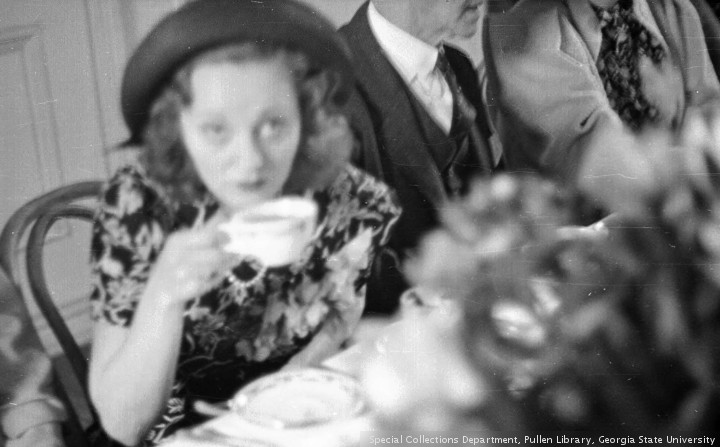
This is a repost. Pictures today are from “The Special Collections and Archives, Georgia State University Library”. “Members of the Atlanta Woman’s Club, during a luncheon for retiring president W.F. Milton, in the AWC banquet hall, in Atlanta, Georgia, March 5, 1937.” Picture of Billie Holiday from The Library of Congress.




Inaugurations
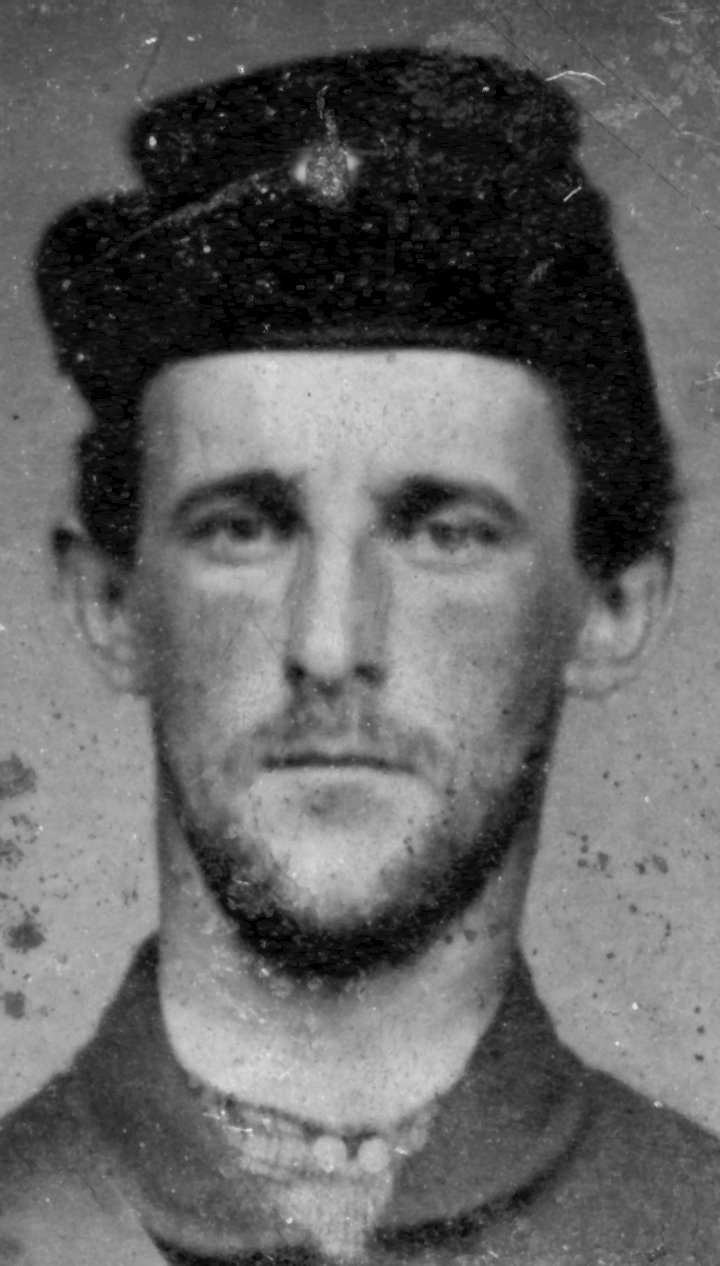

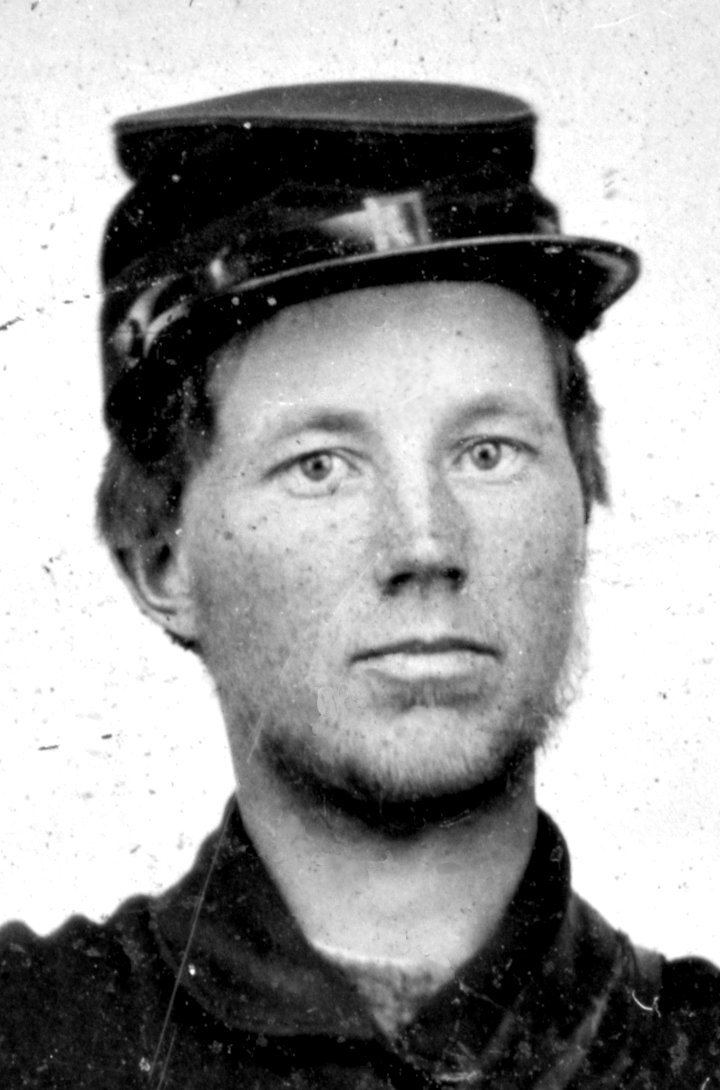
The happy historians at backstory have a timely feature, Four More Years – Presidential Inaugurations. There are a few stories.
George Washington was afraid of acting like a king. No one knew just how the office of President would turn out. Honest George stood on a New York balcony, took the oath, and gave a tasteful speech. The wooden teeth worked well.
Probably the most exciting inaugural was in 1876. The country had endured eight years of Ulysses Grant, and was ready to elect a Democrat. The Republicans were good at dirty tricks, and got Rutherford Hayes elected, despite losing the popular vote. The Democrat, Samuel Tilden, had a power base in New York, and was rumored to have an army. The possibility of an armed fight over the election was real. Cooler heads prevailed. Mr. Hayes was allowed to take his ZZ Top beard into the oval office. Four years later James Garfield was sworn in, not knowing what was in store.
In 1865, the country had endured four brutal years of internal war. Abraham Lincoln wanted to start the recovery process. His speech is regarded as the best inaugural speech ever.
Backstory makes a point that few have thought about. They said that Mr. Lincoln was a lousy public speaker. The reason his inaugural speech is famous today is because copies of the text were printed in newspapers. This makes sense, as less than an hundred people probably heard his unamplified, unrecorded, address. This would also account for the popularity of the Gettysburg Address.
Today, it is the medium, rather than the message. We are inundated with clever words, designed to uplift, improve, educate, and motivate. With everyone screaming, no one is heard. It is tough to imagine an inaugural today having the impact of the ones in history.
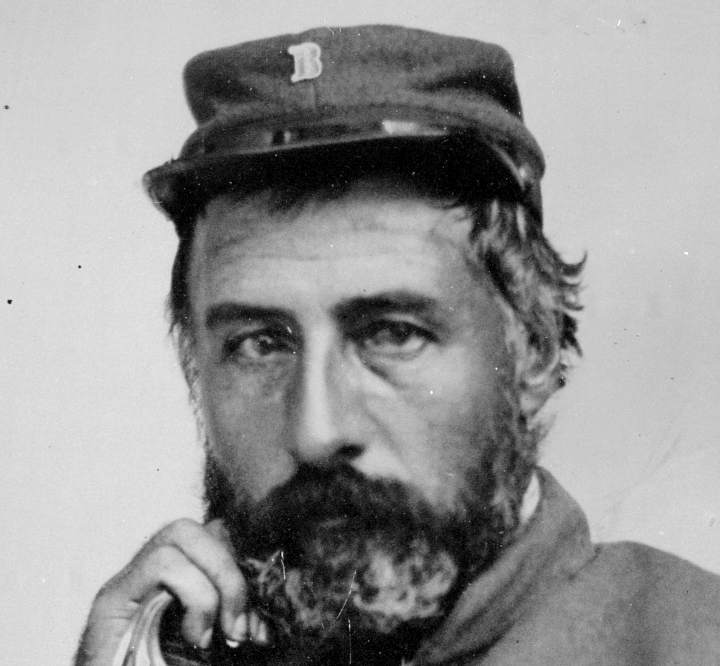
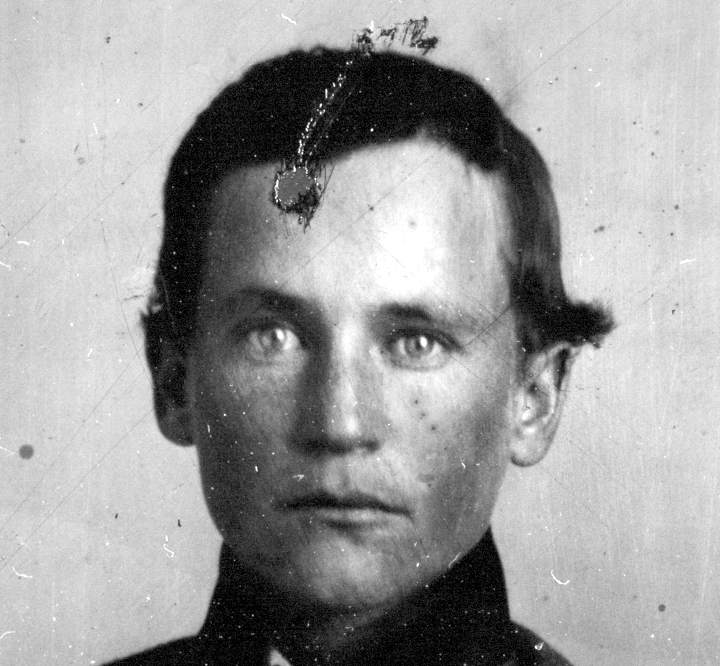
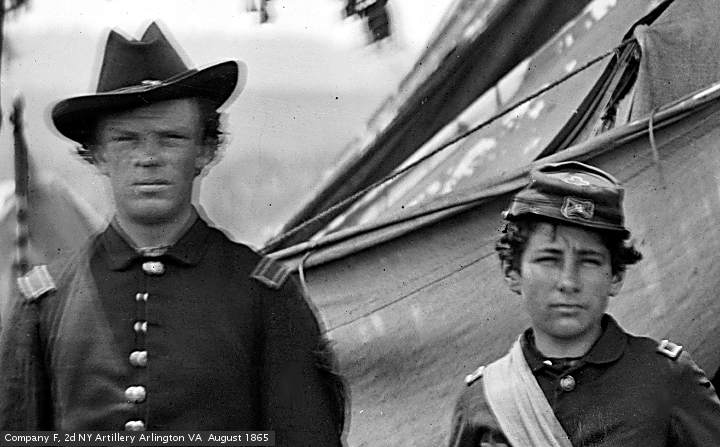
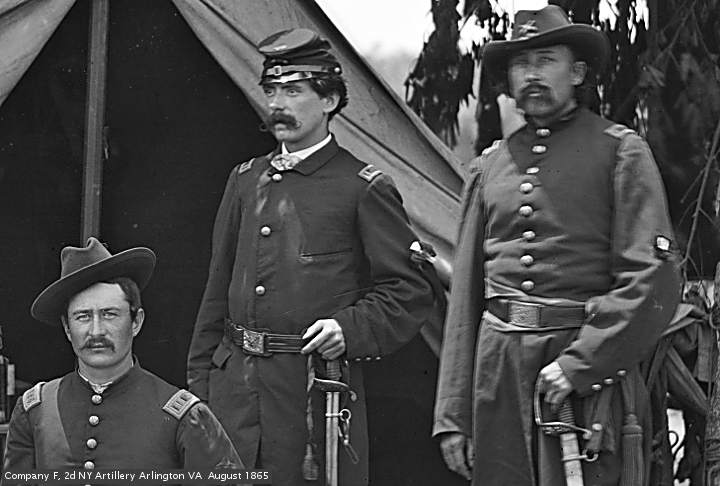
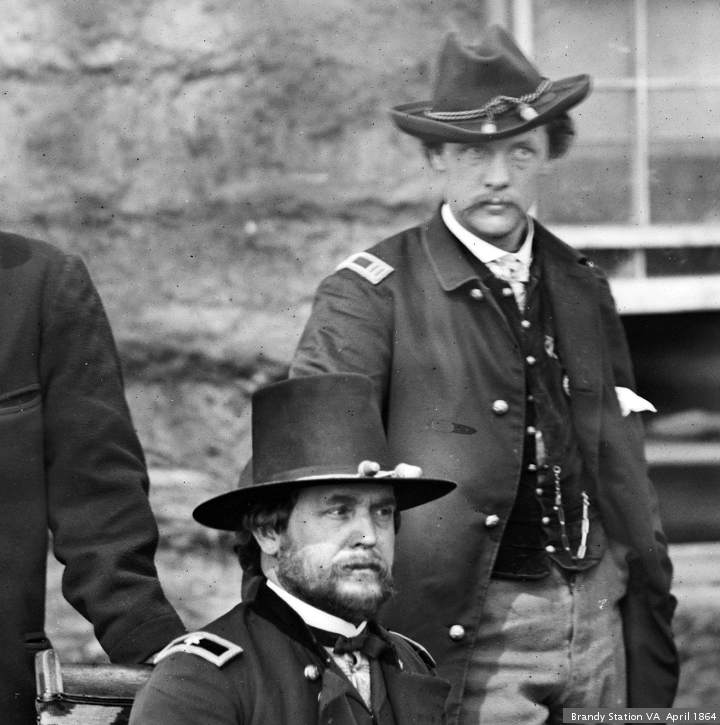
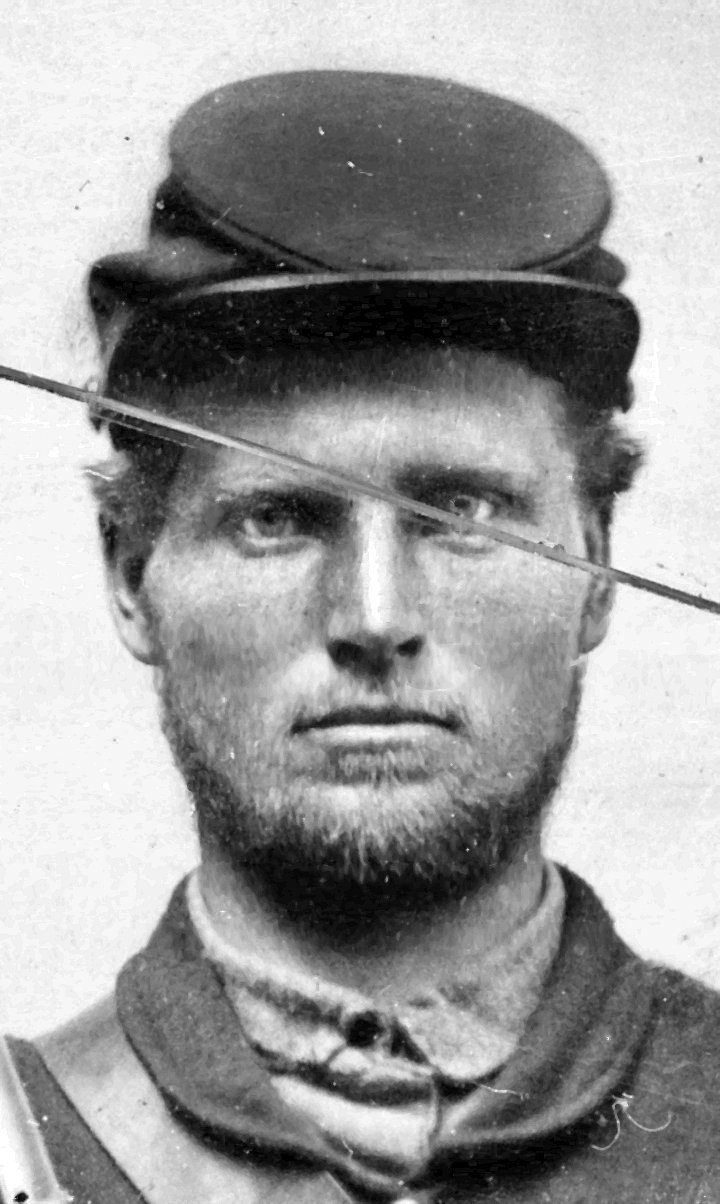
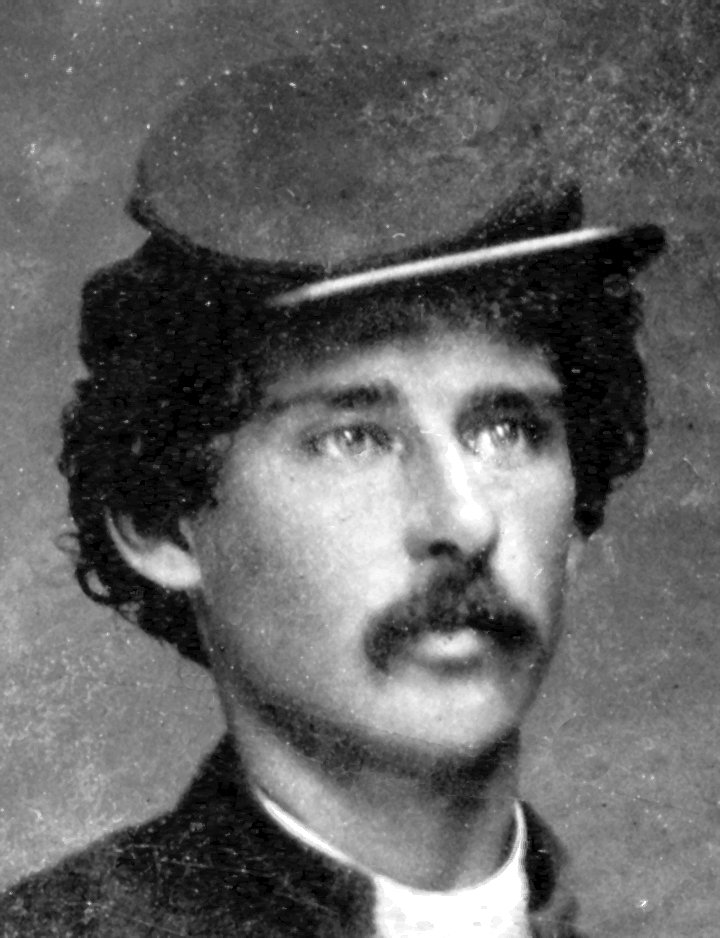
This repost feature was written like H. P. Lovecraft. The pictures are from The Library of Congress. The images are Union soldiers, from the War Between the States.



Dolly Parton And Paula Deen


Dolly Parton celebrates a birthday today. The internet is a love fest for her, and deservedly so. Miss Parton has given joy to millions, with her singing and acting.
Paula Deen was born on the same day, one year later. While her star did not shine quite as bright as Miss Parton, Mrs. Deen made her contribution to american life. The only problem was a bad boss lawsuit against a company Mrs. Deen invested in. A lawyer got Mrs. Deen to admit, under oath, the she had said the n-word. Paula Deen became a pariah.
Dolly Parton and Paula Deen have a few things in common. Miss Parton is married to Carl Thomas Dean, and her legal name is Mrs. Dean. Both ladies are from the south, the hills of East Tennessee, and the flatland of Albany, Georgia. Both grew up in an era where the n-word was what white people called black people.
What if the story had been different. What if it was a restaurant at Dollywood where the manager was not happy? What if this white woman, who was treated better because she was a white woman, decided to claim racial discrimination in her bad boss lawsuit? (Page 153 of deposition.) What if the disgruntled employee’s lawyer was smarter than Dolly Parton’s lawyer? We might have had tabloids screaming nonstop that Dolly Parton said the n-word.
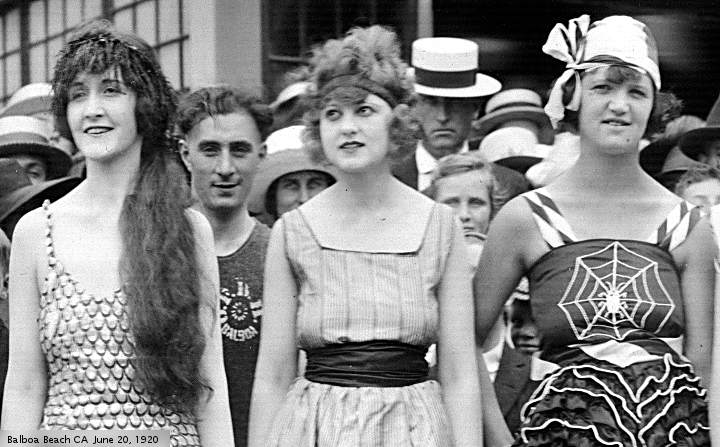
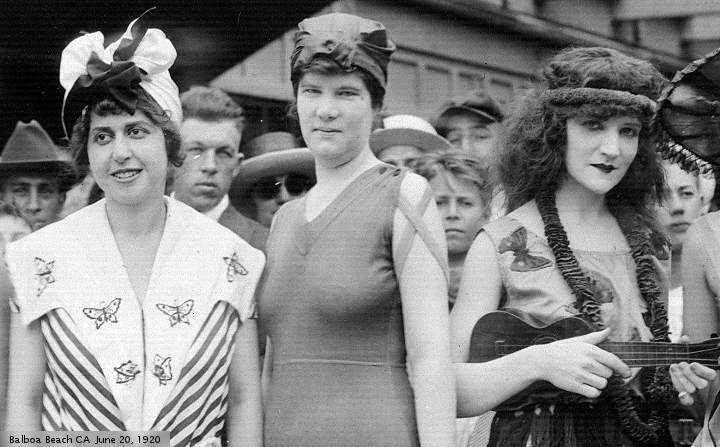
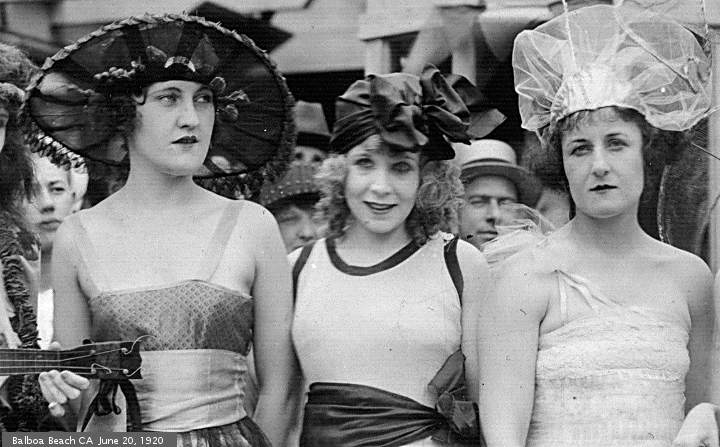
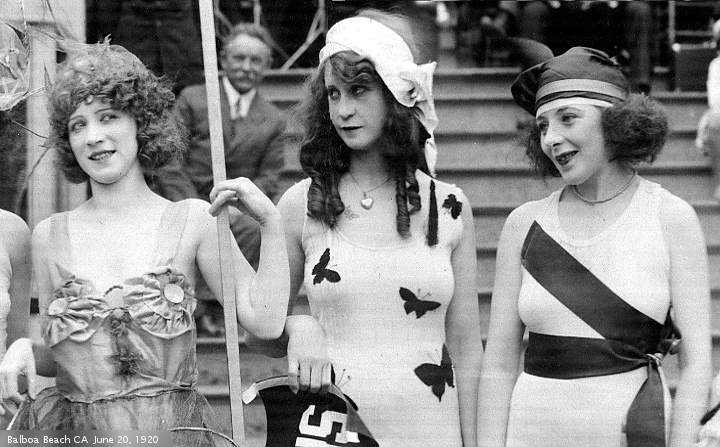
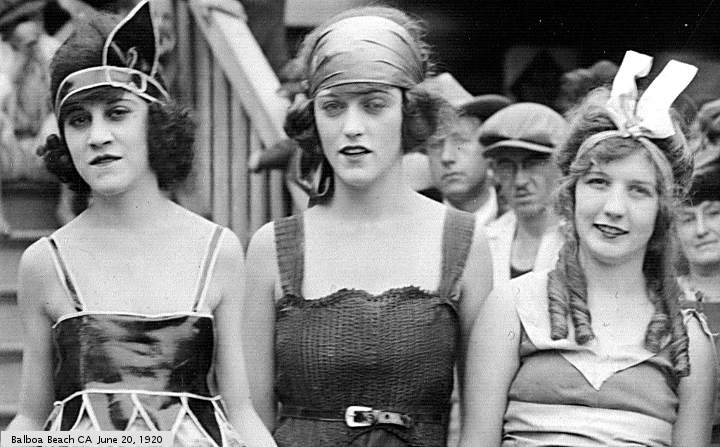
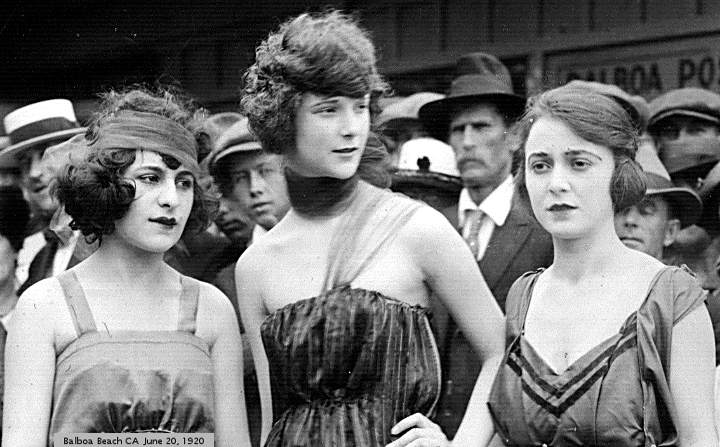
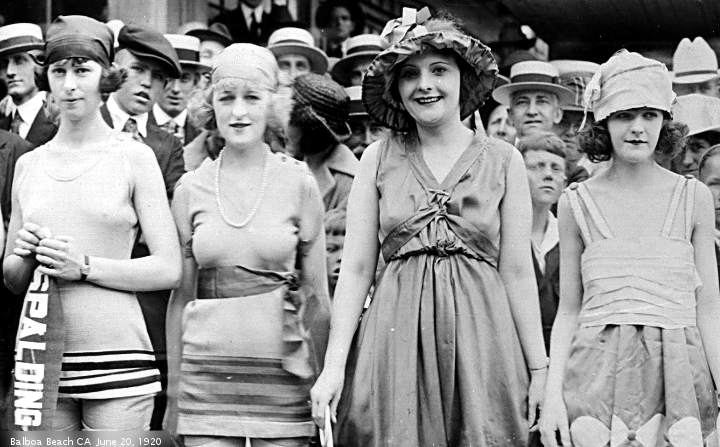
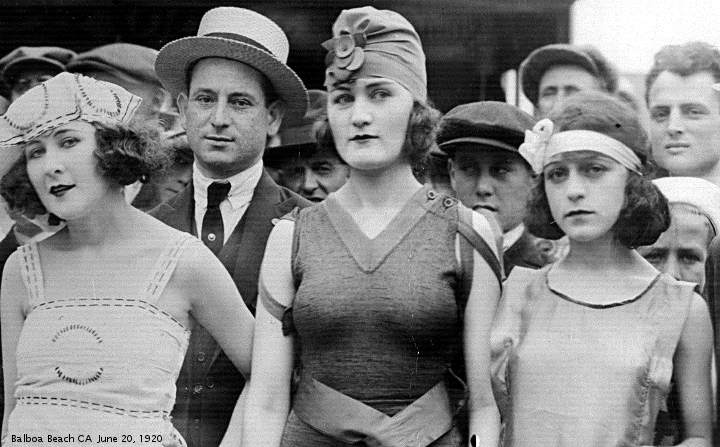
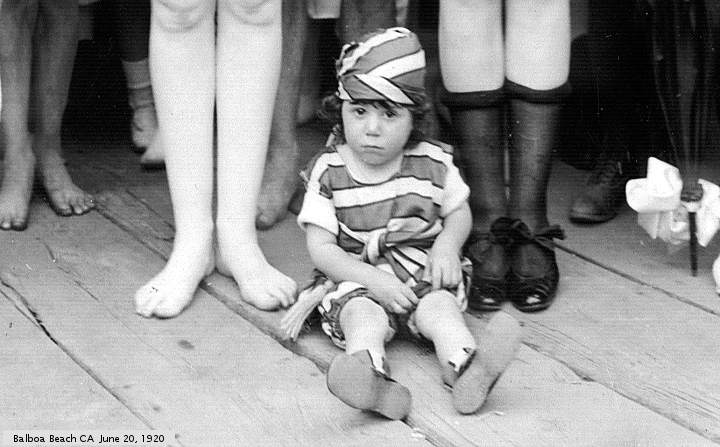
Pictures are from The Library of Congress, taken at “Annual “Bathing Girl Parade”, Balboa Beach, CA, June 20, 1920.” No one asked these ladies if they ever said the n-word. This is a repost. Other celebrities born on January 19: Robert E. Lee (1807), Edgar Allan Poe (1809), Jean Stapleton (1923), Janis Joplin (1943), and Desi Arnaz Jr.(1953.)
The Sausage Vat Murder
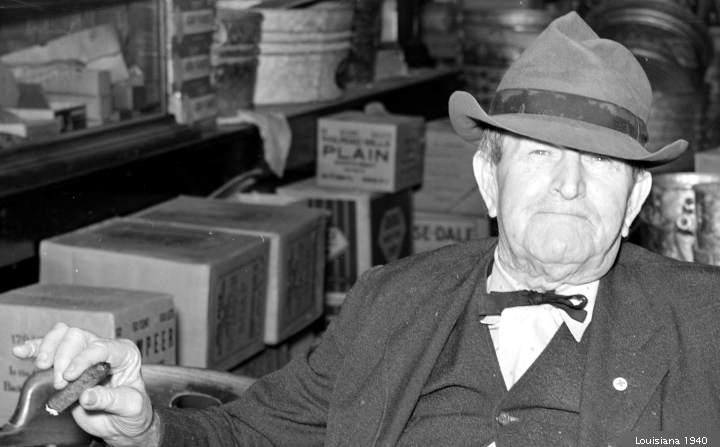

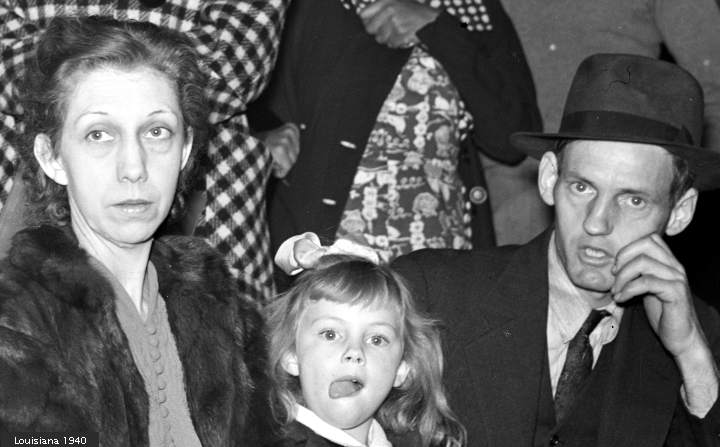
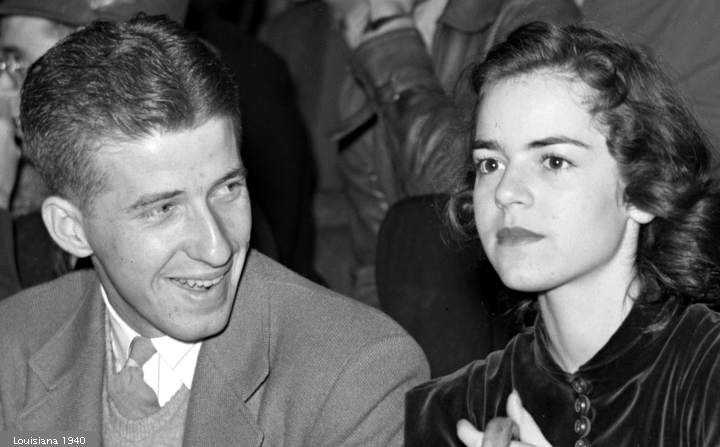

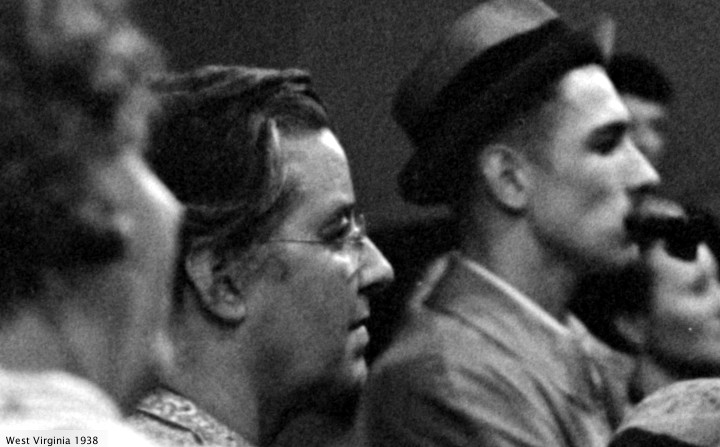

The case of Adolph Luetgert is mostly forgotten today. In its day, the story was a sensation. “Adolph Louis Luetgert (December 27, 1845-July 7, 1899) was a German-American charged with murdering his wife and dissolving her body in acid in one of his sausage vats at the A.L. Luetgert Sausage & Packing Company in 1897. … After the news of the trial became public, rumors spread that Luetgert had actually turned his wife into sausage and sold the “sausage” to unknowing consumers.”
Is it possible to explain what is in sausages without making it erotic? A twitter thread got PG thinking about a sausage story he read in 1989. The Fairy was in Gaily, Gaily, by Ben Hecht. The story originally appeared in Playboy. “In a 1962 article for Playboy collected in his rollicking 1963 memoir Gaily, Gaily — the legendary Chicago reporter Ben Hecht recalls a murder case that sounds suspiciously similar to the Adolph Luetgert case. Hecht describes an story that apparently occurred sometime during the five years after he began working as a reporter in Chicago in 1910. He writes: “Fred Ludwig, a popular North Shore butcher, went on trial before Judge Sabath for the murder of his wife. The wedding band with its romantic inscription had turned up in one of the sausages manufactured by Ludwig and sold to one of his customers, Claude Charlus, a well-known financier and epicure.” In the Hecht story, Mr. Charlus was the bf of Mr. Ludwig. When it was time to execute Mr. Ludwig, young Mr. Hecht went to a whorehouse, to borrow a makeup kit. Mr. Ludwig painted his face before he went to the gallows.
“Adolph Luetgert (originally Adolph Ludwig Lütgert ) came to New York in around 1865 or 1866 when he was about twenty years old.” … “He married his first wife, Caroline Roepke, sometime between 1870 and 1872. She died on November 17, 1877. He married his second wife Louise Bicknese, two months after Caroline’s death, on January 18, 1878. Luetgert had six children—two with Caroline and four with Louise. Only three of his children survived past the age of 2.”
“Louisa Bicknese was an attractive young woman who was ten years younger than her husband. She was a former servant from the Fox River Valley who met her new husband by chance. He was immediately taken with her, entranced by her diminutive stature and tiny frame. She was less than five feet tall and looked almost child-like next to her burly husband. … As a wedding gift, he gave her a unique, heavy gold ring. Inside of it, he had gotten her new initials inscribed, reading “L.L.”. Little did he know at the time that this ring would prove to be his undoing.”
After a while , the couple started to bicker. “Despite his coarse appearance (one writer vividly describes him as a “Falstaffian” figure with “a face of suet, pig eyes, and a large untidy moustache that was a perfect host for beer foam”), Adolph was something of an womanizer. … Claiming that he needed to keep a round-the-clock eye on his factory, he had taken to spending his nights in a little room beside his office, equipped with a bed that he frequently shared with his twenty-two-year-old housemaid, Mary Siemering, Louisa’s own cousin. … He was also conducting a surreptitious courtship of a wealthy widow, Mrs. Christina Feld, sending her amorous letters in which he rhapsodized about their rosy future.” (During the murder trial, “Mrs. Christina Feldt, … testified that Luetgert often expressed his hatred for his wife and intimated that he would get rid of her.”)
“At around 10:15 on the evening of Saturday, May 1, Louisa was seated in the kitchen, chatting with her twelve-year-old son Louis, who had attended the circus that evening. The boy was excitedly describing some of the wonders he had seen—a giant named “Monsieur Goliath” and a strongman who juggled cannon balls—when Luetgert appeared and told his son to go bed. Precisely what happened between the two adults after Louis retired to his room is unclear. Only one fact is beyond dispute. After the boy bid goodnight to his mother at about 10:30 P.M., she was left alone in the company of her husband.” … “Mrs. Luetgert wore only a light house wrapper and slippers, although the night was cold and rainy. It never was shown that she had taken with her any of her belongings.”
“When questioned by his sons, Luetgert told them that their mother had gone out the previous evening to visit her sister. After several days though, she did not come back. Finally, Diedrich Bicknese, Louisa’s brother, went to the police. The investigation fell on Captain Herman Schuettler, … “an honest but occasionally brutal detective”.
“Frank Bialk, a night watchman at the plant … saw both Luetgert and Louisa at the plant together. Apparently, Luetgert sent him out on an errand that evening and gave him the rest of the night off.” There is another version of the Bialk story. “Frank Bialk … testified … Luetgert instructed him to bring down two barrels of caustic potash and place them in the boiler room, and that Luetgert then poured the contents of both barrels in one of the vats. The watchman was instructed to keep up steam all night and at 10 p. m. he was sent by Luetgert to the drug store after some nerve medicine.”
“The police also made a shocking discovery; they came across bills that stated that Luetgert bought arsenic and potash the day before the murder. … the detective was convinced that Luetgert had killed his wife, boiled her in acid and then disposed of her in a factory furnace.”
“… Luetgert’s night watchman, Frank Bialk, approached the police and told them that, on the night Mrs. Luetgert disappeared, his boss had been acting suspiciously, busying himself with one of the large steam-vats down in the factory basement. Following up on this tip, investigators checked out the vat, which—despite having been cleaned two weeks earlier—still contained a residue of a thick, greasy fluid, reddish-brown in color and giving off a nauseous stink. When the fetid slime was drained from the vat, the detectives discovered tiny pieces of bone along with two gold rings, one of them a wedding band engraved with the initials “L. L.” More bone fragments, as well as a false tooth, a hairpin, a charred corset stay, and various scraps of cloth turned up in a nearby ash heap.”
Luetgert was arrested, and charged with the crime. “On October 18, the case was submitted to the jury and after deliberating for sixty-six hours they failed to agree, nine favoring a conviction and three voting in favor of an acquittal. On November 29, 1897, the second trial began. … The trial resulted in a conviction and on May 5 Luetgert was sent to the Joliet State prison for life.”
“July 27, 1899, Luetgert left his cell and returned shortly afterward with his breakfast in a pail, but just as he was about to eat it, he dropped dead from heart disease.”
“… Frank Pratt … asked Luetgert if he wanted his “hand read.” The latter consented and Pratt told Luetgert that he possessed a violent temper and at times was not responsible for his actions. Pratt stated that Luetgert then virtually admitted that he killed his wife when he was possessed of the devil. … It is said that Luetgert also made similar admissions to a fellow prisoner.” Pictures for this true crime story are from The Library of Congress. This is a repost.




Ansel Adams And Dorothea Lange




The facebook feed has recently had links to a story, Dorothea Lange’s Censored Photographs of FDR’s Japanese Concentration Camps. Miss Lange was the photographer of the iconic Migrant Mother. After Pearl Harbor, Miss Lange took a job with the War Relocation Authority, documenting the “relocation” of Japanese-Americans to interment camps. The photographs did not please the authorities. They were censored, and only appeared recently. This is a repost.
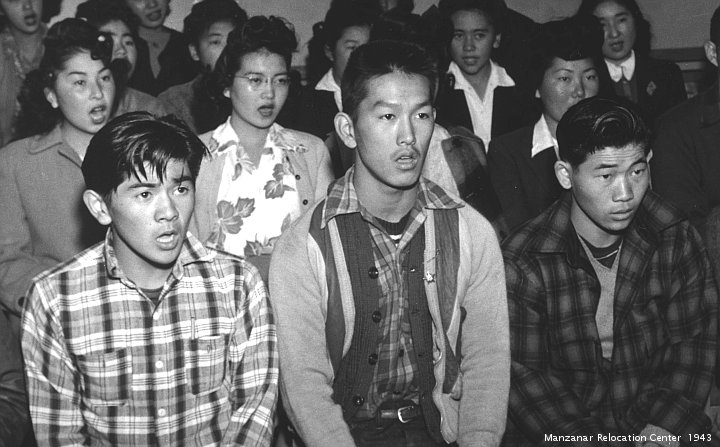
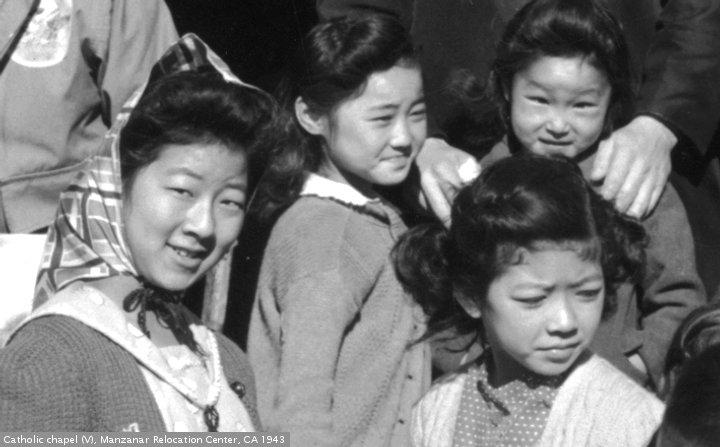
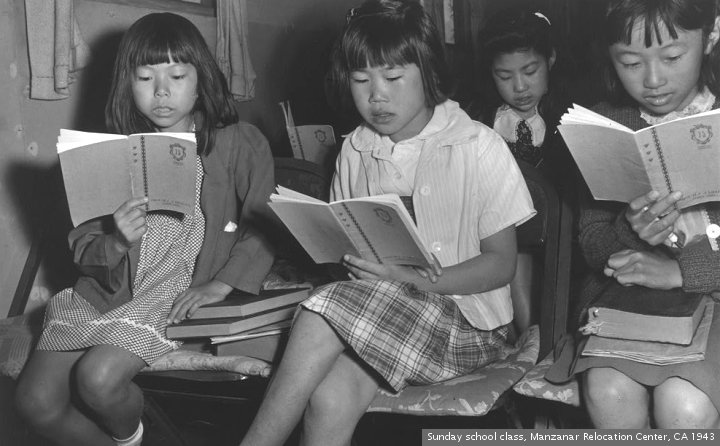
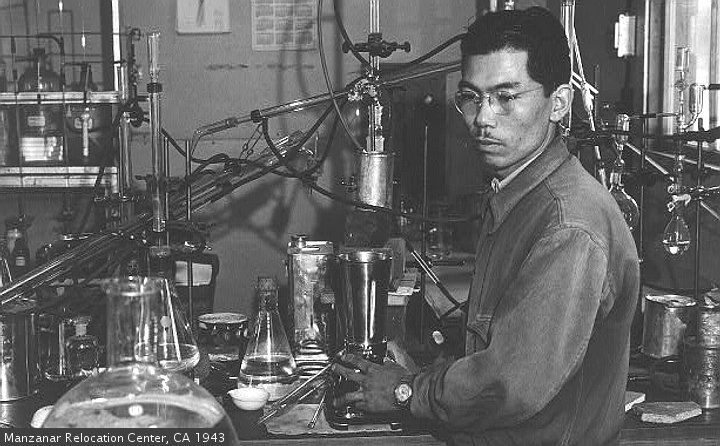
Ansel Adams also took photographs at the Manzanar, California, camp. In the current stories, he is literally a footnote: quotes were used from a book about his photography. Why is Dorothea Lange receiving attention, while Ansel Adams is ignored?
One answer is that Miss Lange was hired early on, and shows the harsh reality of relocation. “On July 30, 1942, the WRA laid her off “without prejudice,” adding that the cause was “completion of work…. the WRA impounded the majority of her photographs of Manzanar and the forced detentions, and later deposited 800 image from the series in the National Archives without announcement.”
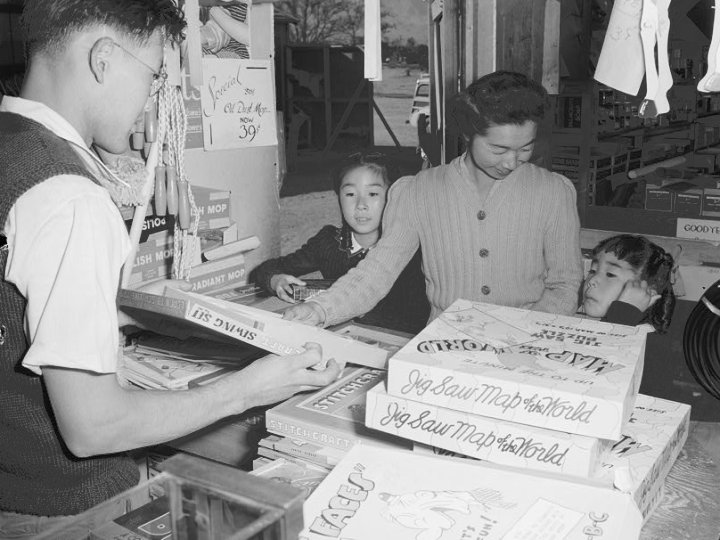
“After Lange’s departure, Manzanar’s director Ralph Merritt visited renowned environmentalist and landscape photographer Ansel Adams and suggested he document the camp — Merritt and Adams were friends from the Sierra Club. Lange, also friends with Adams, encouraged him to take the job. (Coincidentally Adams printed “Migrant Mother” for her ) …Ansel Adams made several trips to Manzanar between October 1943 and July 1944 for this new personal project, and, as Alinder writes, he was primed to try the kind of documentary photography regularly practiced by Dorothea Lange and the Farm Security Administration that he had earlier shunned. Unlike Lange, a white woman who had been viewed with suspicion by her subjects, Adams was welcomed by the incarcerees, even greeted as a celebrity in a cultural community that had a deep appreciation of nature — many incarcerees at Manzanar literally opened their doors to him dressed in their finest clothes. … By 1943, Manzanar’s incarcarees had had time to settle in and enjoy the fruits of their collective work. In less than ideal surroundings, they had collectively built their own post office, town hall, library, auditorium, co-op store system, police station, jail, cemetery with memorial, published their own newspaper (the ironically named the Manzanar Free Press, which was regularly censored by the military), and even their own YMCA.”
“As for Lange, looking at the historical record, it appears that she was treated differently from the other WRA photographers. She was discouraged from talking to the incarcerees, was constantly followed by a censor, and faced harassment. She was refused access to areas after being given clearance, and she was often hounded over phone charges and receipts. … After being discharged, Lange expressed in letters her dismay that her work was ineffective in helping the people she documented. Her assistant Christina Clausen later noted the ferocity of this body of work also marked the beginning of the photographer’s bleeding gastric ulcers. Lange was unable to work for a number of years after her harrowing experience at Manzanar. She died from esophageal cancer in 1965.”
“In 1944, Adams’s photographs were published as a book, “Born Free and Equal: The Story of Loyal Japanese Americans,” and shown at New York’s Museum of Modern Art. Nativists took offense. They saw Adams’s work as a slur on the war effort. He was a “Jap lover.” This quote is from a 2016 article, Let’s be honest, Ansel Adams’s images of a WWII internment camp are propaganda
“Adams visited Manzanar to take photos in 1943 at the request of camp director Ralph Merritt, who was a personal friend. “They don’t look quite as dusty and quite as forbidding as Dorothea Lange’s photos … Indeed, the place that looks barren and depressing in Lange’s pictures manages to look beautiful in Adams’. You get little sense that it was even a detention center, in part because Adams, like other photographers, was not allowed to shoot the guard towers or barbed wire…
There are scenes from a baseball game, kids walking to school, a gathering outside a chapel. Lots of smiles, too, and portraits of camp residents cropped so close, you can see every blemish and stray hair. In Adams’ vision, Manzanar comes off as a place where Japanese-Americans, dignified, resilient and optimistic in spite of their circumstances, built a temporary community in the desert.
(Skirball Cultural Center director Robert) Kirschner said that if Adams’ photos appear to sugarcoat the indignities of life in an internment camp, it is because he did not see himself as a social activist the way Lange did. Still, Kirscher says, Adams was challenging internment in his own way, by depicting its victims as patriotic, law-abiding Americans. Unlike Lange, Adams was given permission to publish his photos. Before the war ended, he did so in a book called “Born Free and Equal: The Story of Loyal Japanese Americans,” in which he warned about the dangers of letting wartime hysteria justify depriving U.S. citizens of their freedom.”
The NPR article mentions a third Manzanar photographer. “Before World War II, Toyo Miyatake had a photo studio in Los Angeles’ Little Tokyo. When he learned he would be interned at Manzanar, he asked a carpenter to build him a wooden box with a hole carved out at one end to accommodate a lens. He turned this box into a makeshift camera that he snuck around the camp, as his grandson Alan Miyatake explains in the video below, which is featured in the exhibit.
Fearful of being discovered, Miyatake at first only took pictures at dusk or dawn, usually without people in them. Camp director Merritt eventually caught Miyatake, but instead of punishing him, allowed him to take pictures openly. Miyatake later became the camp’s official photographer.”
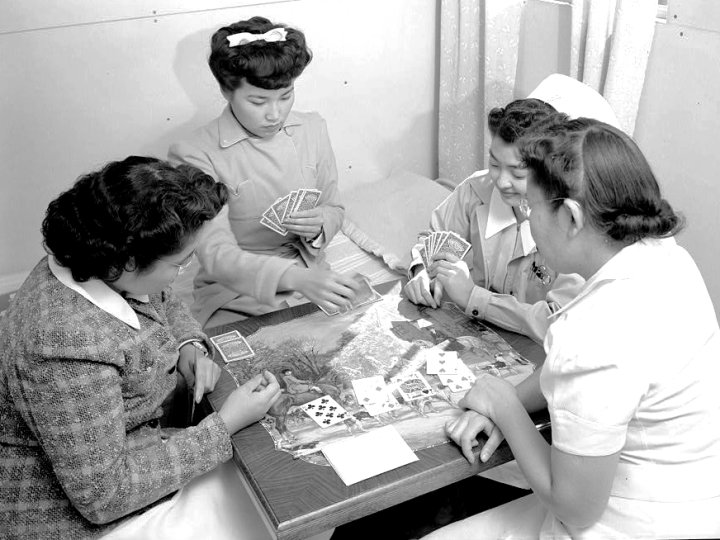
Pictures for today’s feature are from The Library of Congress. These are pictures that Ansel Adams took at Manzanar. They have been posted at chamblee54 before. The ladies in the bridge game are Aiko Hamaguchi, Chiye Yamanaki, Catherine Yamaguchi, and Kazoko Nagahama.






 Chamblee54
leave a comment