Tomorrow Is Another Day



PG managed to miss the Decatur Book Festival this year. One friend made it. This is a repost.
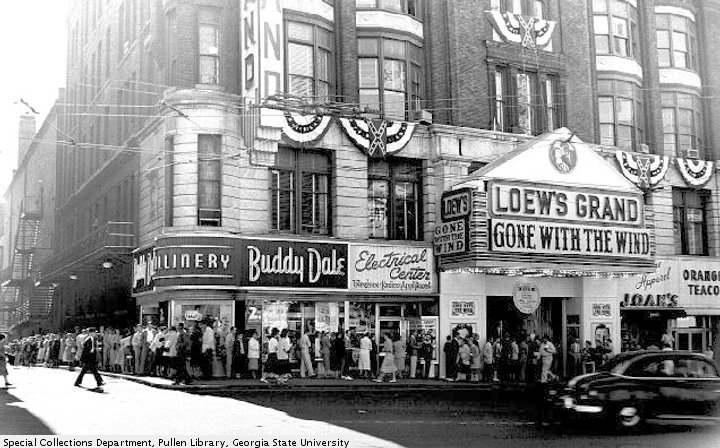
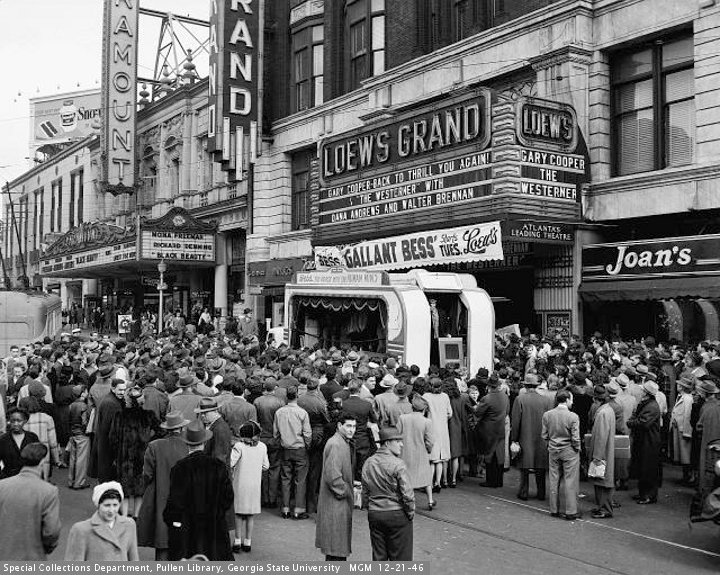
“This program was followed, after another walk through the vendor area back to the public library’s auditorium, by a staged reading of a short play, Tommorrow Is Another Day. The setting: the apartment of Atlanta novelist Margaret Mitchell and her husband John Marsh, on a morning in December 1939, two days before the movie version of Mitchell’s famous book premiers in Atlanta’s Lowe’s Theater. Mitchell’s African-American housekeeper of many years has almost finished reading Mitchell’s book, and Mitchell asks for her housekeeper’s opinion of it. What the Mitchell’s housekeeper tells Mitchell and her husband made for compelling theater!”
The play is fiction. From what this slack blogger has read about Peggy Marsh, she probably did not give books to her household help. It is possible that the cleaning lady did not know how to read. The playwrite, Addae Moon, had to use dramatic license to tell his side of the story.
“…the 43-year-old black writer found he liked some things about the 79-year-old novel. Not everything, of course. “I got frustrated with it. I had to put it down because I got angry.” But he’d pick it up later and keep going. “I totally understand Margaret’s desire to tell your point of view and your truth, but I also can understand what it feels like to be the victim of someone else’s truth…. It’s easy to be critical of the movie, which is more cartoonish, but, to me, the book is so much more complex.”
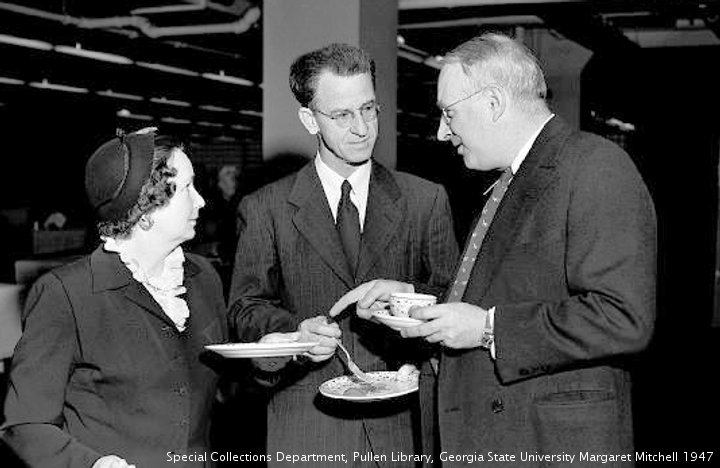
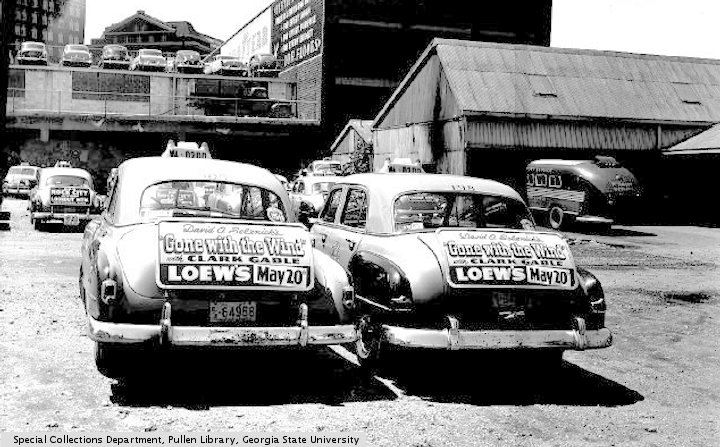
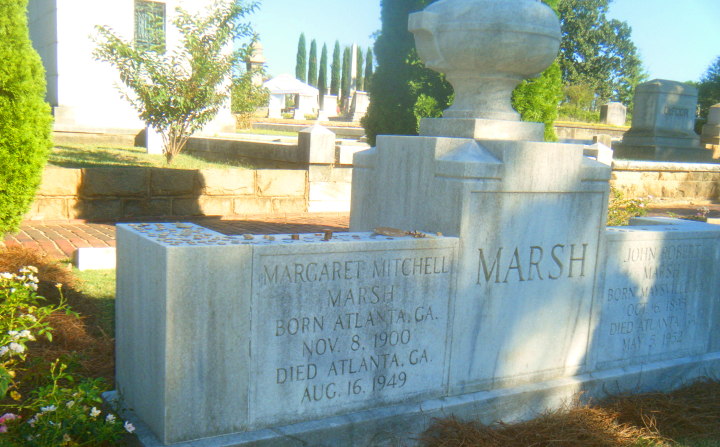
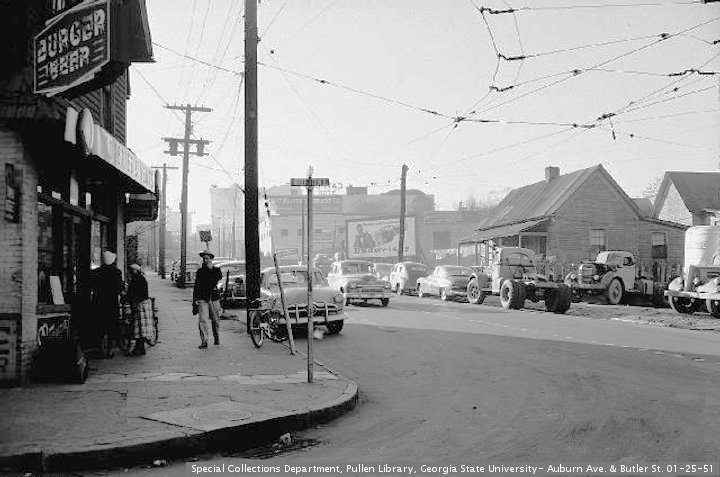
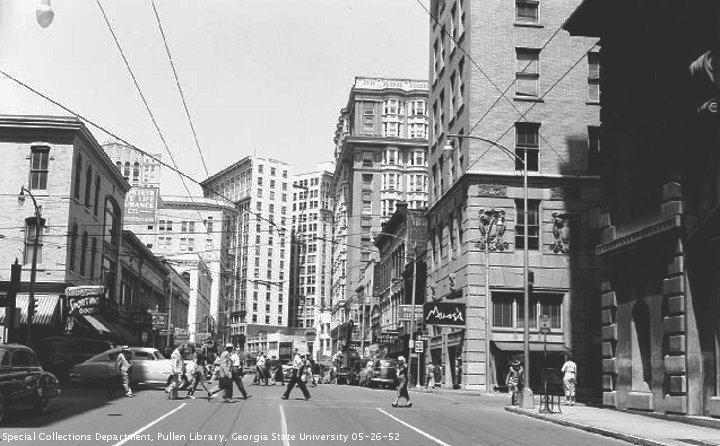
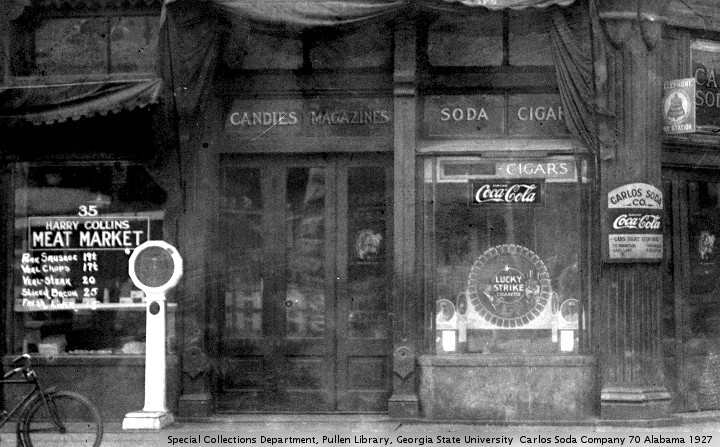
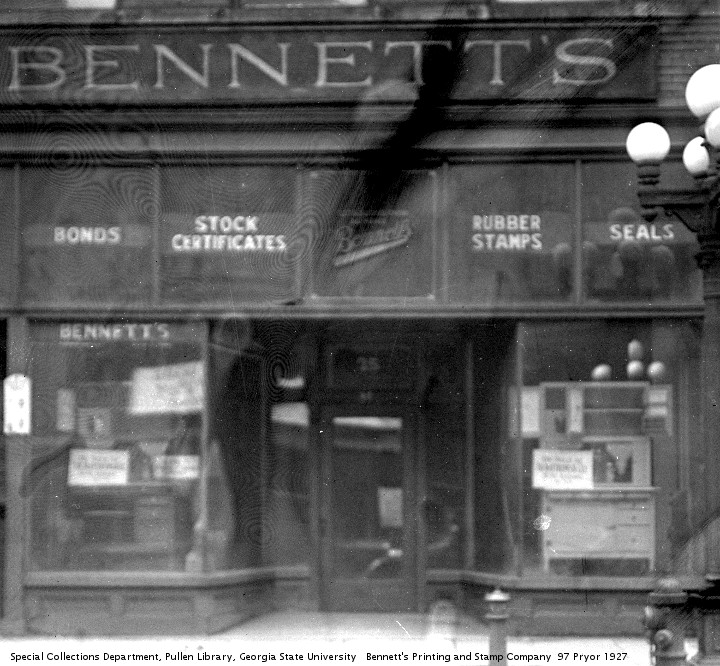
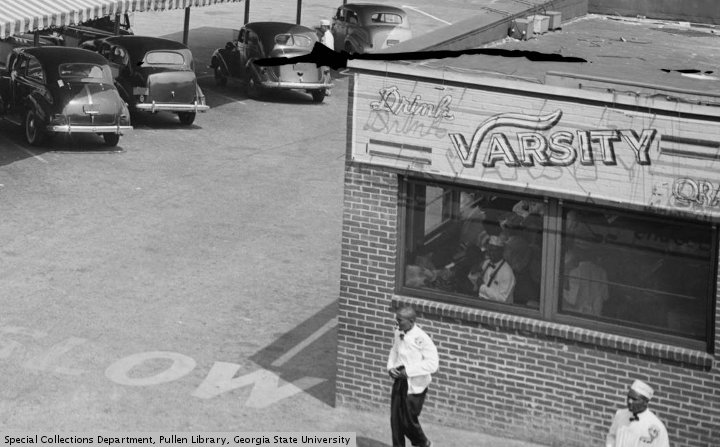
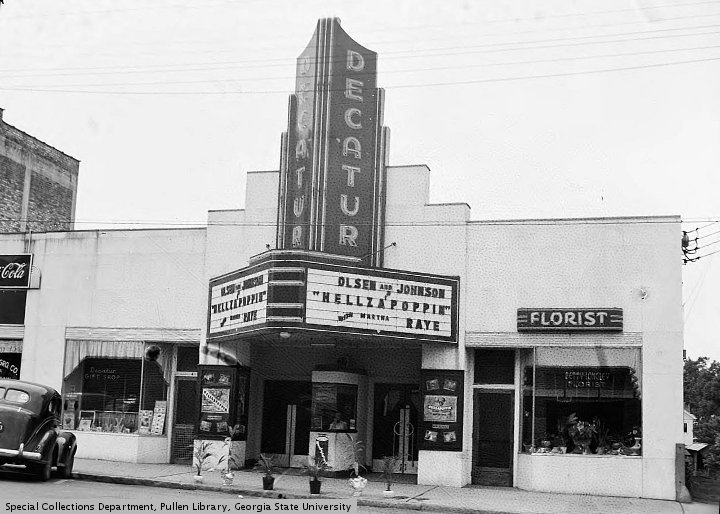
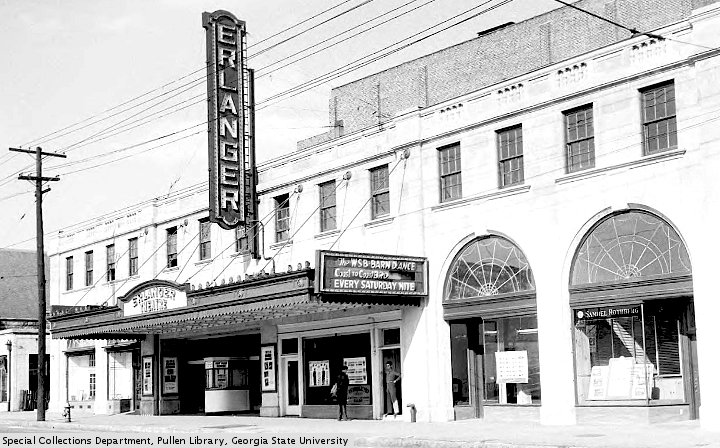
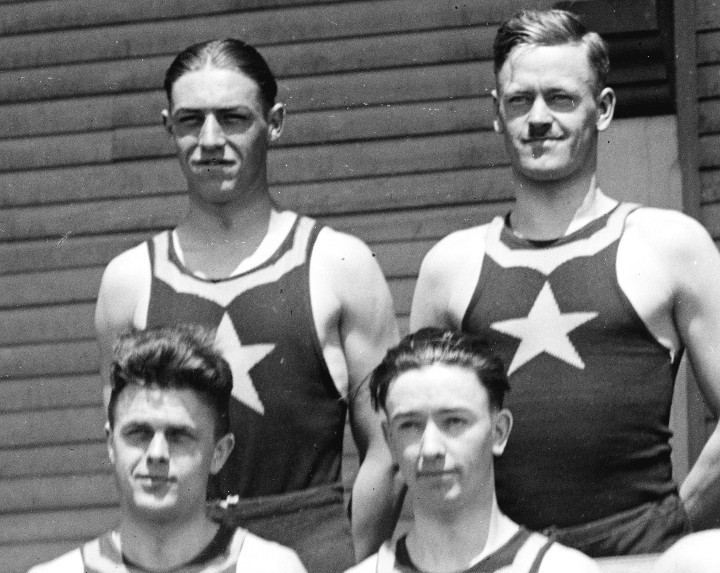
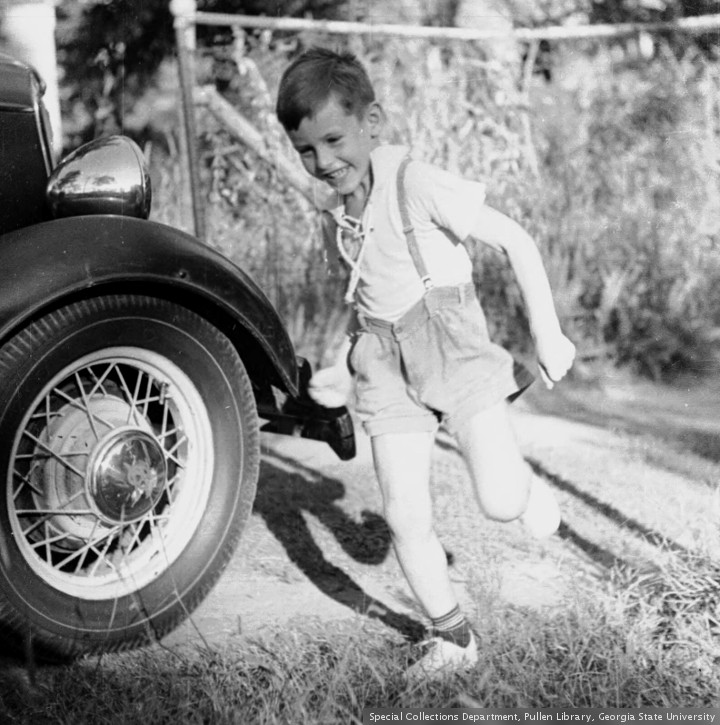
It has been a long time since PG read GWTW. It is tough to imagine it from the perspective of a contemporary Black man. GWTW was written by a White woman, of a byegone era. There are many sides to the story. This post will try to tell a few. The rest of it is a double repost from a few years ago. If that does not satisfy your lust for trivia, you can check out the Margaret Mitchell page at find-a-death.com. (It is full of errors, like calling her “Maggie”.) Pictures are from “The Special Collections and Archives, Georgia State University Library”.
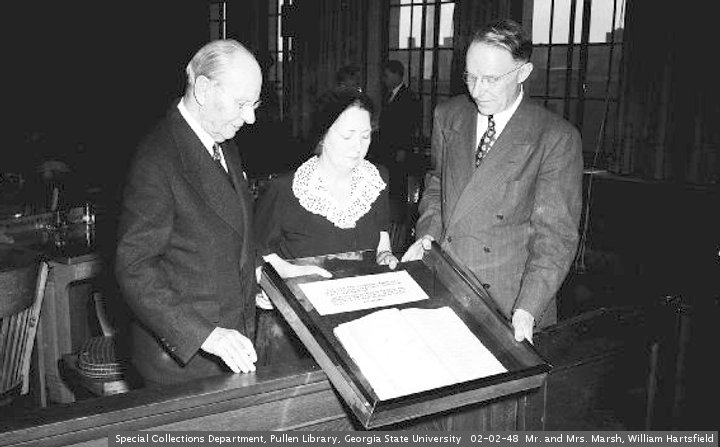
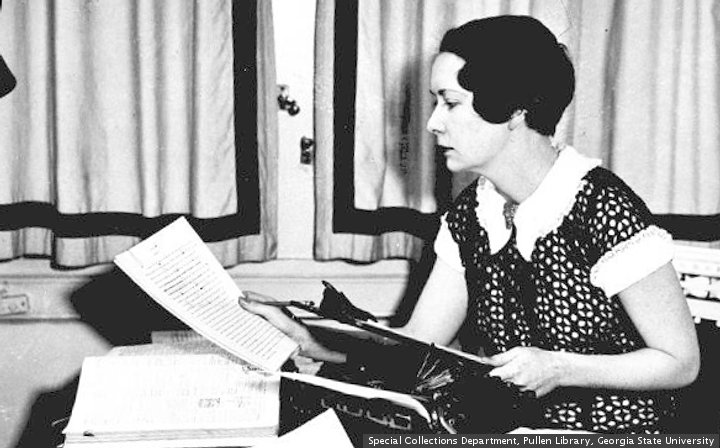

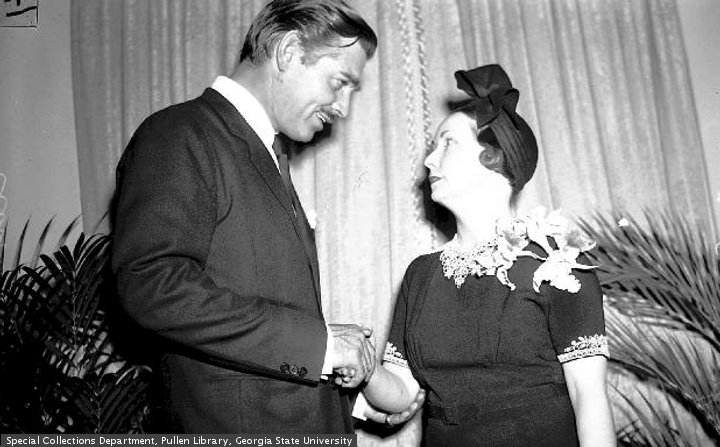

As we started to discuss the other day, PG is reading I Remember Margaret Mitchell by Yolande Gwin. It starts with August 11, 1949. Margaret Mitchell, known to her friends as Peggy Marsh, went to to see “A Canterbury Tale” at the Peachtree Art Theater. She left her apartment on Piedmont Avenue, accompanied by her husband John. They parked across the street, and Mrs. Marsh was struck by a taxi, driven by Hugh D. Gravitt. She died August 16, 1949.
This story contradicts what PG heard about the accident. The other story is that Mrs. Marsh had been at the Atlanta Women’s Club, having cocktails, where her husband met her. In this account, Mrs. Marsh was bombed, and never knew what hit her. (One mile south west, and fifty five years later, PG had an encounter with a speeding taxi.)
On page 23, another myth is challenged. The traditional story is that if you asked Margaret Mitchell if she based Scarlet O’Hara on herself, she would look horrified. “Scarlet O’Hara was a hussy”. This view is challenged by an Atlanta native, who went to a party, and saw that Margaret Mitchell was the life of the party. “Scarlet O’Hara is certainly the personification of Margaret Mitchell”.
Margaret Mitchell was a reporter for the Atlanta Journal. She married John Marsh on July 4, 1925, and injured her ankle in 1926. Every day Mr. Marsh brought home books to his bedridden wife. One day, he brought home a writing pad, and said “You have read everything I’ve brought you so now you write a book.”
The couple lived in a small apartment on Crescent Avenue, across from a mural of a southern colonel. (I would even go north for Southern Bread) They moved out of “the dump”, in 1932, to an apartment at 4 17th Street. When Peggy sold a few books, and John’s career at Georgia Power prospered, they moved to the Della Manta. This was at the corner of Piedmont and South Prado, across from her beloved Piedmont Driving Club.
Mrs. Marsh wrote and wrote, preferring a typewriter to a writing pad. Each chapter was kept in a manila envelope, which were piled up all over the place. Some chapters were re written sixty times. In 1935, Harold Latham, of MacMillan Publishers, was in the south looking for talent. He persuaded Mrs. Marsh to let him look at her book, and would not give it back to her.
The title of her book was borrowed from a poem by Ernest Dawson, Non Sum Qualis Eram Bonae Sub Regno Cynarae . The line of the poem was “I have been faithful to thee, Cynara, (spell check suggestion: Canary) in my fashion; I forgot much Cynara, Gone With The Wind!”
The book became a runaway best seller. Macy’s of New York helped by ordering 50,000 copies. The idea was to offer GWTW as a loss leader, as Gimbels was doing. Federal price controls ruled this to be illegal, and Macy’s returned 35,000 copies to the publisher.
The first printing of GWTW has a mistake on the back page. The book was published June 30, 1936. The first edition says, on back of the title page, “Published May 1939”.
David Selznick bought the rights to GWTW, and you probably know the rest of that story. Shortly before the premiere of GWTW, someone at the Piedmont Driving Club pulled a chair out from under Mrs. Marsh. She had not started to stand up. Mrs. Marsh crashed hard on the floor, and hurt her back. This would require two rounds of back surgery.
Celestine Sibley tells a story about the Atlanta Women’s Press Club. Miss Sibley moved to Atlanta in 1941, and went to her first AWPC meeting, at the Henry Grady Hotel. “A plump little woman in a funny Carmen Miranda style hat” noticed the newcomer, and started to talk to her. In the early days of the war, there were blackouts, to save the city from German bombers. The plump little woman was an air raid warden in the area around Piedmont Park. Finally, Miss Sibley said she had to go catch the Piedmont-Morningside bus. Peggy Marsh said she had a car, and could take her home.

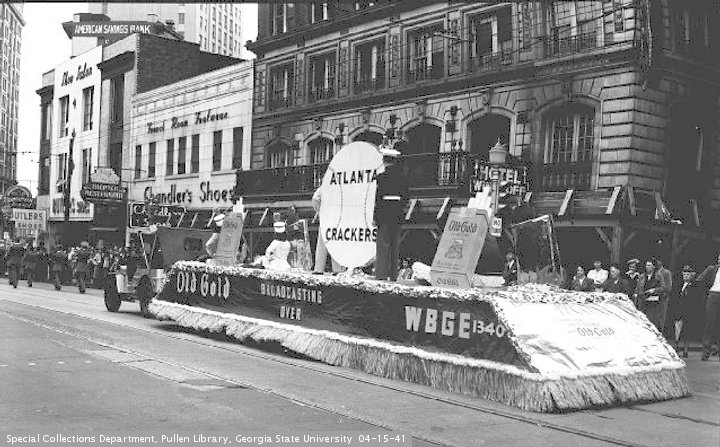


PG is reading I Remember Margaret Mitchell by Yolande Gwin. It is a collection of memories of Peggy Marsh, who wrote “Gone with the Wind”. ( If you didn’t know that, just close this window, and go look for your “friends” on facebook.)
Yolande Gwin was for many years the society editor of the Atlanta Constitution. She wrote a review of GWTW in 1936, before it’s publication. Mrs. Marsh sent her a letter of appreciation… “I never dreamed you were going to give me so much space. I thought, as the resume of the story was so long. that you’d just give an introductory paragraph and let me ride. And I’d have ridden, just as happy as a n—-r at a hog killing. But all that space, so long a story. so completely flattering a story – well. I’m still blushing about the ankles, as Jurgen once remarked … And oh, Yolande. how nice of you to refer to me as a “young author!” Me, who have passed the broiling stage and the frying stage and am rapidly approaching the roasting and baking stage. “
There is probably going to be a second post about I Remember Margaret Mitchell. Chamblee54 is not responsible for GWTW junkies who overdose on Margaret Mitchell trivia. This post is about fact checking, google, and how a couple of simple questions can turn into an all afternoon goose chase.
There are two basic questions: Was Yolande Gwin married, and did she work for the Journal or the Constitution? As for the first, the expression Ms. sounds like a mosquito with a speech impediment, and is not appropriate for use with an society page writer. The trouble is, Miss or Mrs. depends on the marital status of the woman. After an hour or so of looking up google results, PG cannot find out whether or not Yolande Gwin was married. Sometimes, the correct answer is “I don’t know”.
As for the second, an obituary for the lady says that she wrote for the Journal-Constitution for fifty years. The fact is, the Journal and Constitution were separate papers until they were combined in 1982. (Cox Enterprises bought the Constitution in 1950. This made the Journal and the Constitution sister papers, rather than competitors.) As for who Yolande Gwin wrote for, there are contradictory stories on the internet. A google book about rural electrification says that Yolande Gwin wrote for the Constitution. The Atlanta History Center says the Yolande Gwin wrote for the Journal. They have a picture of the lady, with a ghastly AHC watermark across her face.
Another google book, The last linotype: the story of Georgia and its newspapers since World War II By Millard B. Grimes confirms that Yolande Gwin worked for the Constitution. “”One day I was sitting there looking at a blank sheet of paper; I didn’t have any news. And that’s when I happened to remember kidding Peggy (Margaret Mitchell) about writing the “Great American Novel.” so I called her up and said, ‘How about that Great American Novel. have you ever finished it? I need some news.’ She said, ‘You won’t believe it, but Macmillan has taken it.’ And I said, ‘Goody, goody. Grand.’ And I put a piece in the column (written under the name Sally Forth) about it, never expecting it to be what it was, you know.” The dale was February 9, 1936.”



091122




This is my 911 story. I repeat it every year at this time. Every year I say this will be the last time. This year is a mess. We are destroying the village to save it. The action part of 091101 was over by 11 am. This quagmire drags on and on. Nobody knows how things will turn out.
I was at work, and someone called out that someone had run a plane into the World Trade Center. I didn’t think much of it, until I heard that the second tower had been hit, then the Pentagon, then the towers collapsed, then a plane crashed in Pennsylvania.
I focused on my job most of the day. There was always drama at that facility, and concentrating on my production duties helped to keep me saner. This was roughly the halfway point of my seven year tenure at this place.
One of the other workers was a bully for Jesus. He was a hateful loudmouth. After the extent of the damage became known, he shouted “They are doing this for Allah,” and prayed at his desk. The spectacle of the BFJ praying made me want to puke.
I became alienated from Jesus during these years. Once, I had once been tolerant of Christians and Jesus, as one would be with an eccentric relative. I began to loath the entire affair. I hear of others who found comfort in religion during this difficult time. That option simply was not available for me.
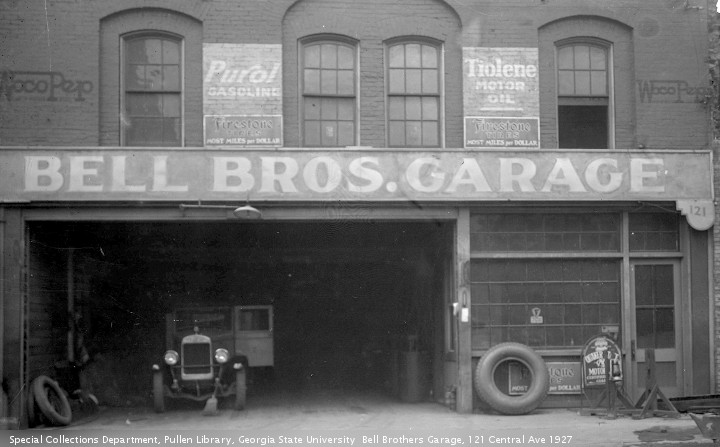
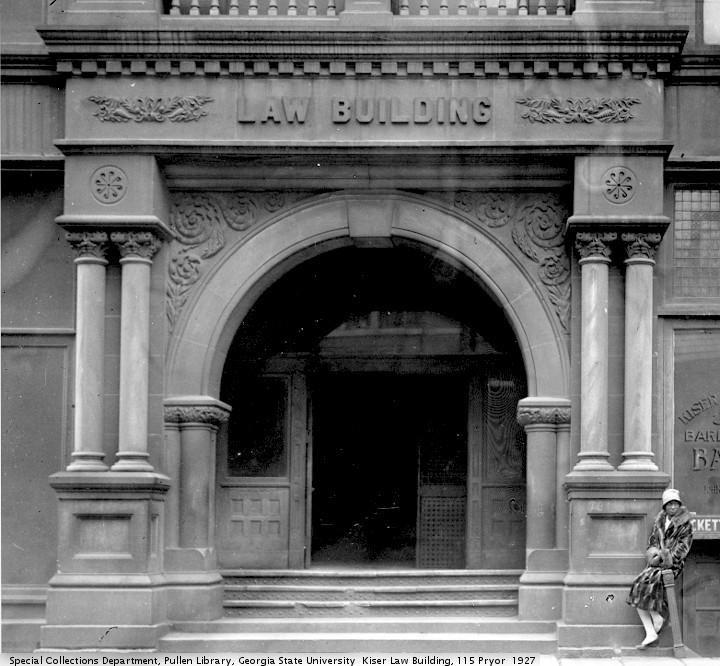
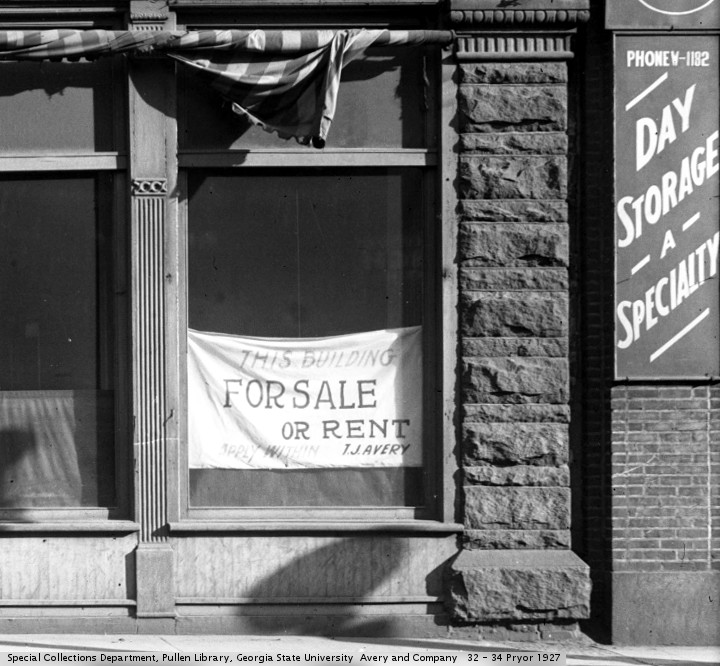
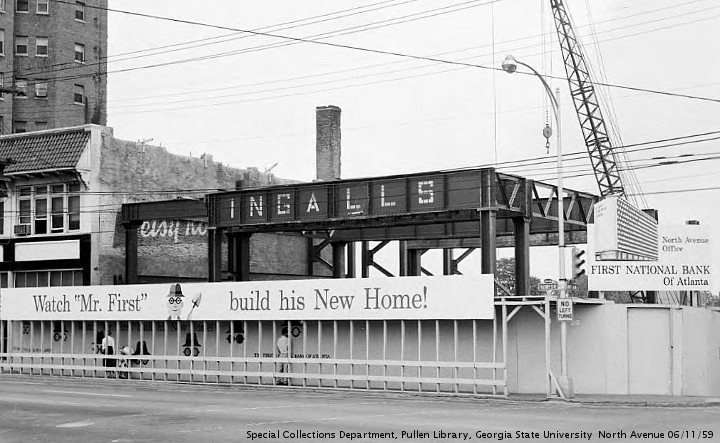
Pictures from “The Special Collections and Archives, Georgia State University Library”. “This item is part of a collection of images of downtown Atlanta streets that were taken before the viaduct construction of 1927 – 1929. Some of the covered streets became part of Underground Atlanta.”

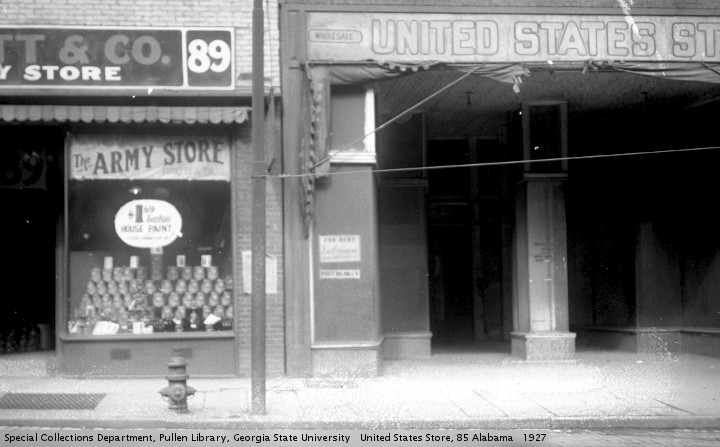
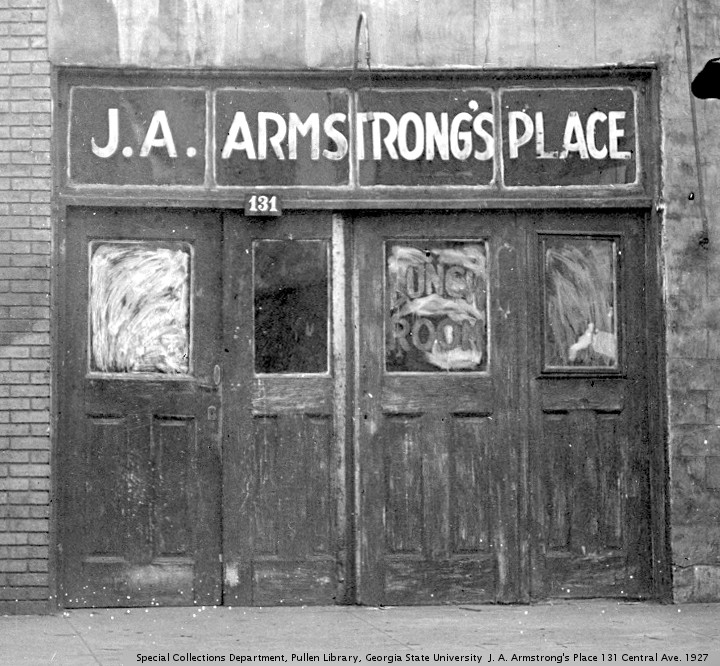



Dump



You have probably heard Donald Trump quoted as saying the White House is a dump. The quote was in a Sports Illustrated article, First Golfer: Donald Trump’s relationship with golf has never been more complicated. This comment is one of many unflattering comments about DJT in the article. Once the dump comment got publicity, it was *officially* denied. @realDonaldTrump “I love the White House, one of the most beautiful buildings (homes) I have ever seen. But Fake News said I called it a dump – TOTALLY UNTRUE” This is a repost.
Facebook jumped into the matter with a tasteful meme. The top part is the TrumpDump comment. The bottom part is a picture of BHO, with a quote: “In the evening, when Michelle and the girls have gone to bed, I sometimes walk down the hall to a room Abraham Lincoln used as his office. It contains an original copy of the Gettysburg Address, written in Lincoln’s own hand. …”
Most BHO quotes are legitimate. He is still a celebrity, and a record of his every word exists. It is not like historic quote magnets like Marilyn Monroe and Mark Twain. When you see a beautifully illustrated quote, with a famous dead person at the bottom, the odds are very good that the famous dead person did not say it.
This does not stop a skeptic like PG. Once you get started investigating, there is no telling what you are going to find. The BHO quote is documented by Huffington Post, Obama Pens Letter Commemorating Gettysburg Address On 150th Anniversary Of Remarks. The Lincoln bedroom at the White House does have one of the Copies of the Gettysburg Address.
The comments by BHO were originally posted at WhiteHouse.gov. When you follow the HuffPo link, you see this: “Thank you for your interest in this subject. Stay tuned as we continue to update whitehouse.gov.” The letter from BHO is no longer on WhiteHouse.gov. A cached copy is available.
Pictures are from “The Special Collections and Archives, Georgia State University Library”.




The Funeral Of Elvis


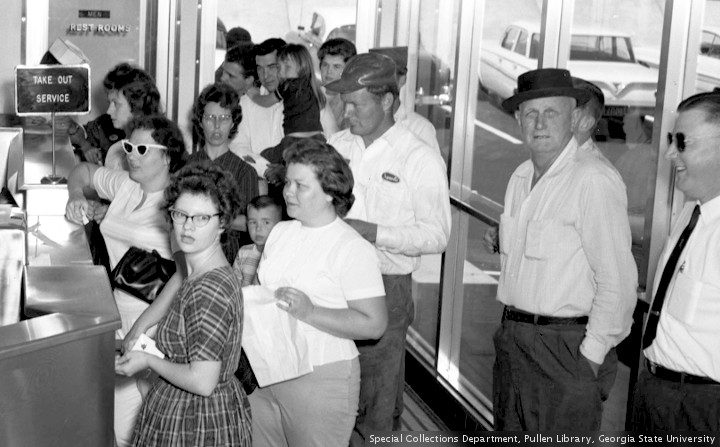
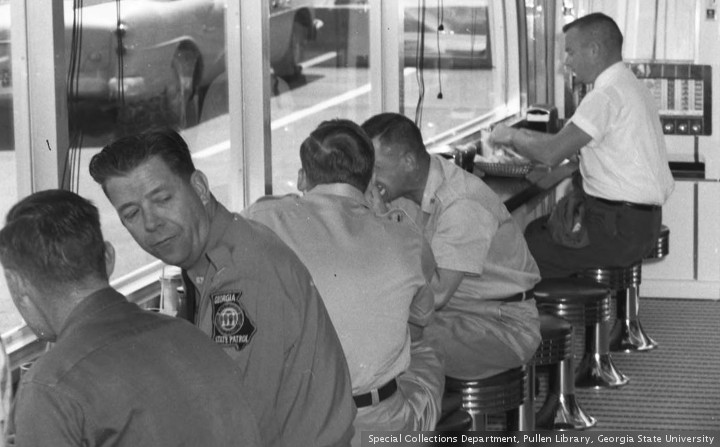
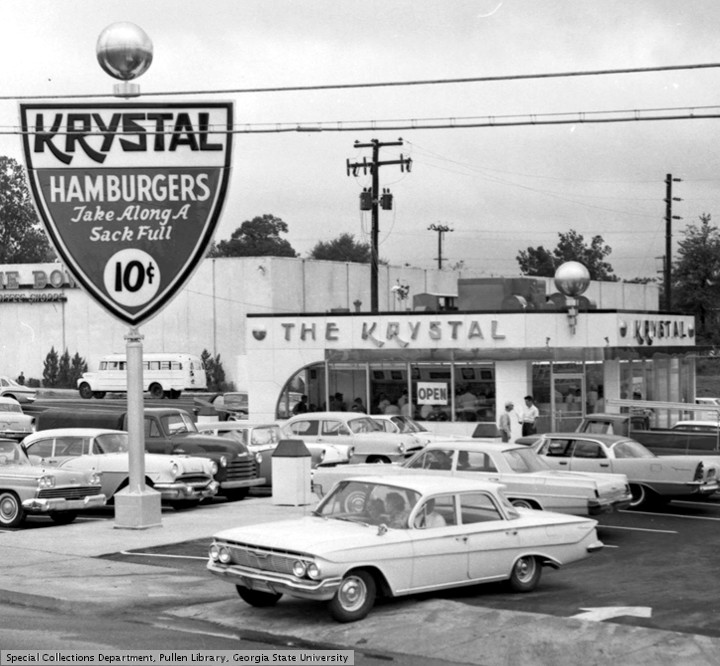
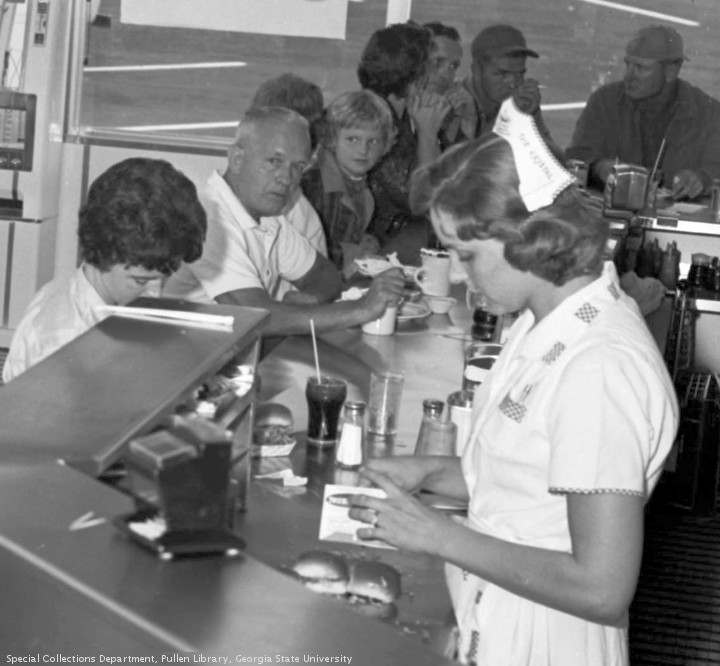
This is a repost. PG was going to write about some depressing subject. People that are not kind to each other. People in Israel and people in Gaza just don’t seem to get along. Somebody driving a “faded red F-150 pickup truck” in Livonia MI was mean to a little girl. (HT to Neo Prodigy.) Pictures are from “The Special Collections and Archives, Georgia State University Library”.
There is a saying, “if a story seems too bad to be true, it probably isn’t”. PG tried to google that phrase, and got confused. Then he seemed to remember reading it in a column by Molly Ivins. Another google adventure, and there was this video. Miss Ivins, who met her maker January 31, 2007, was promoting a book. She sat down with a bald headed man to talk about it. PG could only listen to 24:30 of this video before being seized with the urge to write a story. There is a transcript, which makes “borrowing” so much easier. This film has 34 minutes to go, which just might yield another story.
Molly Ivins was a Texas woman. These days there is a lot of talk about Texas, with Governor Big Hair aiming to be the next POTUS under indictment. Mr. Perry claims that his record as Texas Governor qualifies him to have his finger on the nuclear trigger. Miss Ivins repeats something that PG has heard before… “in our state we have the weak governor system, so that really not a great deal is required of the governor, not necessarily to know much or do much. And we’ve had a lot of governors who did neither. “ It makes you wonder how much of that “economic miracle” is because of hair spray.
Texas politics makes about as much sense as Georgia politics. For a lady, with a way with words, it is a gold mine. “the need you have for descriptive terms for stupid when you write about Texas politics is practically infinite. Now I’m not claiming that our state Legislature is dumber than the average state Legislature, but it tends to be dumb in such an outstanding way. It’s, again, that Texas quality of exaggeration and being slightly larger than life. And there are a fair number of people in the Texas Legislature of whom it could fairly be said, `If dumb was dirt, they would cover about an acre.’ And I’m not necessarily opposed to that. I’m–agree with an old state senator who always said that, `If you took all the fools out of the Legislature, it would not be a representative body anymore.'”
We could go through this conversation for a long time, but you probably want to skip ahead and look at pictures. There is one story in this transcript that is too good not to borrow. For some reason, Molly Ivins went to work for The New York Times, aka the gray lady. In August of 1977, she was in the right place at the right time.
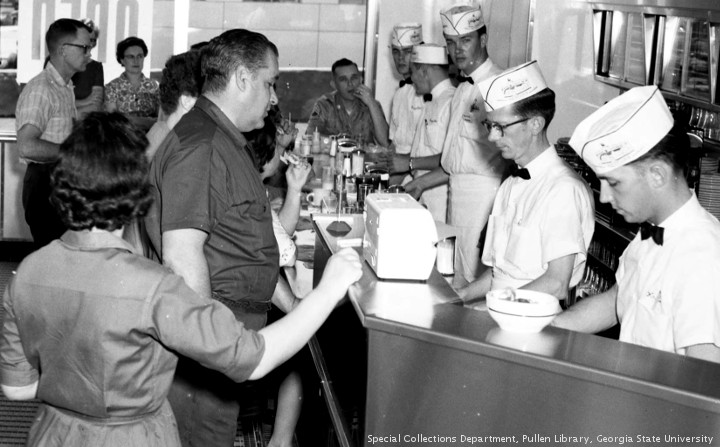

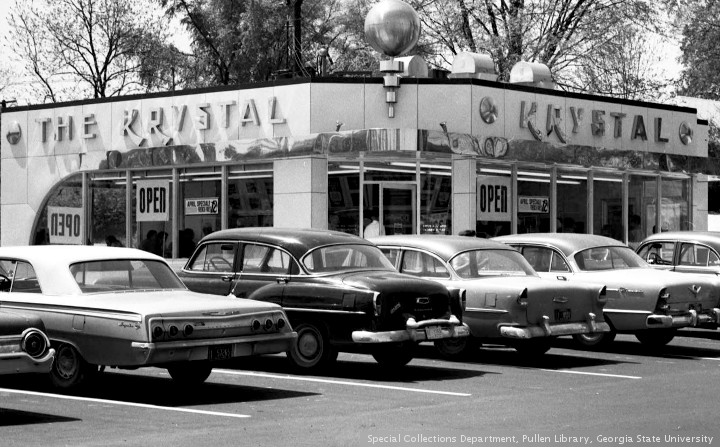


Mr. LAMB: And how long did you spend with The New York Times as a reporter?
Ms. IVINS: Six years with The New York Times. Some of it in New York as a political reporter at City Hall in Albany and then later as bureau chief out in the Rocky Mountains.
Mr. LAMB: Would you take a little time and tell us about reporting on the funeral of Elvis Presley?
Ms. IVINS: Oh, now there is something that when I’ve been standing in the checkout line at the grocery store and if I really need to impress people, I just let fall that I covered Elvis’ funeral. And, boy, people just practically draw back with awe. It may yet turn out to be my greatest claim to fame.
I was sitting in The New York City Times one day when I noticed a whole no–knot of editors up around the desk having a–a great scrum of concern, you could tell. It looked sort of like an anthill that had just been stepped on. And it turns out–The New York Times has a large obituary desk, and they prepare obituaries for anybody of prominence who might croak. But it turns out–you may recall that Elvis Presley died untimely and they were completely unprepared.
Now this is an enormous news organization. They have rock music critics and classical music critics and opera critics, but they didn’t have anybody who knew about Elvis Presley’s kind of music. So they’re lookin’ across a whole acre of reporters, and you could see them decide, `Ah-ha, Ivins. She talks funny. She’ll know about Mr. Presley.’
So I wound up writing Elvis’ obituary for The New York Times. I had to refer to him throughout as Mr. Presley. It was agonizing. That’s the style at The New York Times–Mr. Presley. Give me a break. And the next day they sold more newspapers than they did after John Kennedy was assassinated, so that even the editors of The New York Times, who had not quite, you know, been culturally aton–tuned to Elvis, decided that we should send someone to report on the funeral. And I drew that assignment. What a scene it was.
Mr. LAMB: You–you say in the book that you got in the cab and you said, `Take me to Graceland.’ The cabbie peels out of the airport doing 80 and then turns full around to the backseat and drawls, `Ain’t it a shame Elvis had to die while the Shriners are in town?’
Ms. IVINS: That’s exactly what he said. `Shame Elvis had to die while the Shriners are in town.’ And I kind of raised by eyebrows. And sure enough, I realized what he–what he meant after I had been there for awhile because, you know, Shriners in convention–I don’t know if you’ve ever seen a whole lot of Shriners in convention, but they were having a huge national convention that very week in Memphis. And they tend to wear their little red fezzes, and sometimes they drink too much and they march around the hotel hallways tooting on New Year’s Eve horns and riding those funny little tricycles and generally cutting up and having a good time. That’s your Shriners in convention, always something very edifying and enjoyable to watch. But they–every–every hotel room in Memphis was occupied with celebrating Shriners, and then Elvis dies and all these tens of thousands of grieving, hysterical Elvis Presley fans descend on the town.
So you got a whole bunch of sobbing, hysterical Elvis fans, you got a whole bunch of cavorting Shriners. And on top of that they were holding a cheerleading camp. And the cheerleading camp–I don’t know if your memory–with the ethos of the cheerleading camp, but the deal is that every school sends its team–team of cheerleaders to cheerleading camp.
And your effort there at the camp is to win the spirit stick, which looks, to the uninitiated eye, a whole lot like a broom handle painted red, white and blue. But it is the spirit stick. And should your team win it for three days running, you get to keep it. But that has never happened. And the way you earn the spirit stick is you show most spirit. You cheer for breakfast, lunch and dinner. You cheer when the pizza man brings the pizza. You do handsprings end over end down the hallway to the bathroom. I tell you, those young people will throw–show an amount of spirit that would just astonish you in an effort to win that stick.
So here I was for an entire week, dealing with these three groups of people: the young cheerleaders trying to win the spirit stick, the cavorting Shriners and the grieving, hysterical Elvis fans. And I want to assure you that The New York Times is not the kind of newspaper that will let you write about that kind of rich human comedy.
Mr. LAMB: Why?
Ms. IVINS: Because The New York Times, at least in my day, was a very stuffy, pompous newspaper.
Mr. LAMB: What about today?
Ms. IVINS: A little bit better, little bit better than it was.
Mr. LAMB: And…
Ms. IVINS: Has–has–it has a tendency, recidivist tendencies, though. You–you will notice if you read The Times, it–it collapses into pomposity and stuffiness with some regularity.
Mr. LAMB: Why did you leave it?
Ms. IVINS: Well, I–I actually got into trouble at The New York City Times for describing a community chu–chicken killing out West as a gang pluck. Abe Rosenthal was then the editor of the Times and he was not amused.
Mr. LAMB: Did–but did they let it go? Did they let it…
Ms. IVINS: Oh, no. It never made it in the paper. Good heavens, no. Such a thing would never get in The Times in my day.
POSTSCRIPT PG found some pictures, marked up the text, and was ready to post the story. He decided to listen to a bit more of the discussion between Molly Ivins and the bald headed man. When he got to this point, it became apparent that he could listen to Molly Ivins talk, or he could post his story, but he could not do both at the same time.
Ms. IVINS: Oh, well, of course, I’m gonna make fun of it. I mean, Berkeley, California, if you are from Texas, is just hilarious.
Mr. LAMB: Why?
Ms. IVINS: Well, of course, it is just the absolute center of liberalism and political correctness. And it is a veritable hotbed of people, of–bless their hearts, who all think alike, in a liberal way. And, of course, I’m sometimes called a liberal myself, and you would think I would have felt right at home there. But I just am so used to–I’m so used to Texas that I found the culture at Berkeley hysterical.


Whitman To Ginsberg


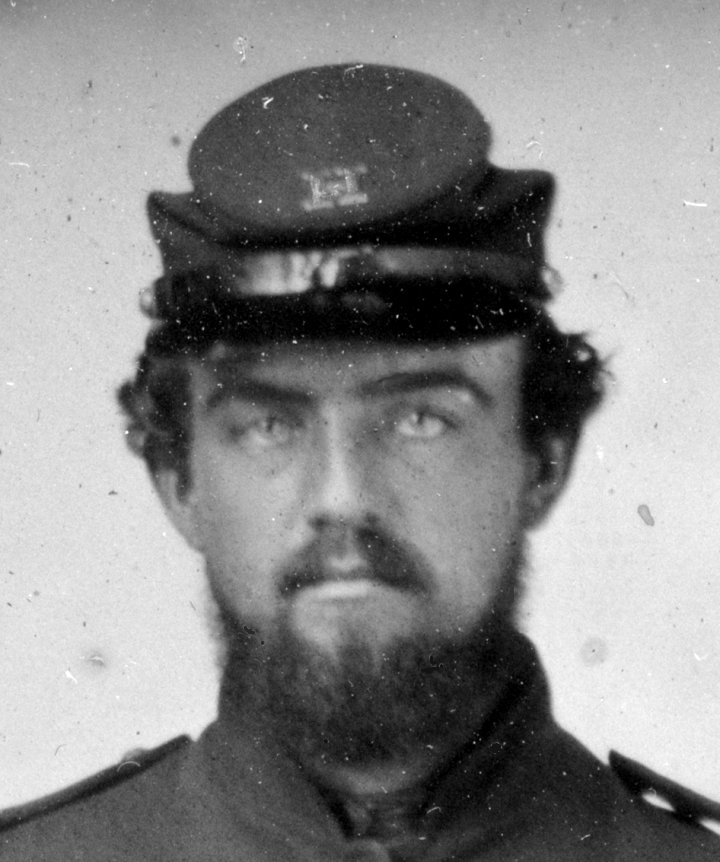
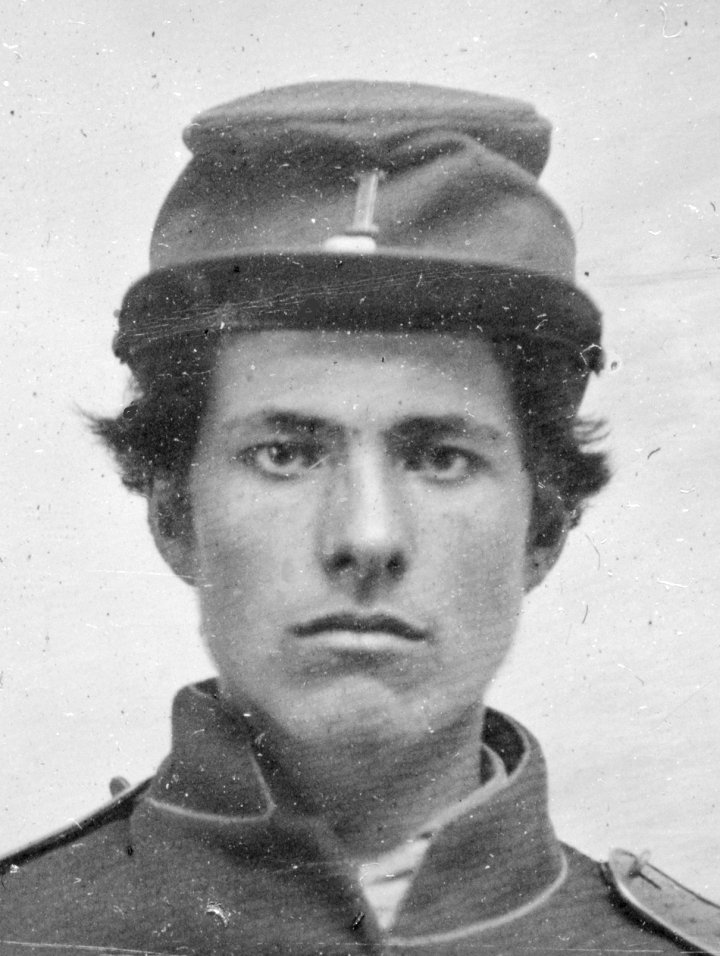

“… I’ve slept with Neal Cassady who slept with Gavin Arthur who slept with Edward Carpenter who described sleeping with Whitman to Gavin Arthur. [The “Gay Succession”]” Allen Ginsberg was fond of his place in a line of gay succession. This is a repost.
A 1974 interview makes the same point about Whitman-Carpenter-Arthur, but does not mention Cassady-Ginsberg. Could anyone be telling stories? The Carpenter-Arthur connection happened in 1924, but is described in wonderful detail by Mr. Arthur in 1967. There are few details about the Arthur-Cassady link in the chain. As a BBC interviewer said to Mr. Ginsberg in 1994 “Both Bob Dylan and Jack Kerouac, I think, described you as a “con-man extraordinaire”. What did they mean?” AG: “Oh, maybe they were projecting their own goofiness on me.”
“Edward Carpenter (1844-1929) was a writer and gay mystic and lived in England all his life. Although ordained an Anglican priest in 1869 he soon renounced religion and became a Fabian socialist. Among his works on social reform is Towards Democracy (1883-1902), a long, un- rhymed poem revealing the influence of his friend Walt Whitman. He edited the first gay literary collection, Iolaus: An Anthology of Friendship”
Mr. Carpenter exchanged letters with Mr. Whitman. “Although Whitman was not a socialist, his writing had a profound effect on Carpenter, who made the long trip to America primarily as a pilgrimage to his literary and spiritual inspiration. He visited the poet for several weeks in 1877 and again in 1884. In 1906 he published an account of his visits to America, Days with Walt Whitman, writing a respectful, even somewhat glorified, portrait of his idol.”
“It was not until the 1966 publication of a memoir by Gavin Arthur entitled The Circle Of Sex that the intimate details of Carpenter’s visits were revealed. Arthur slept in bed with Carpenter … leaving us with our only description of Whitman’s sexual behavior, an area otherwise shrouded in mystery and controversy.” In later years, we learned that Mr. Whitman possibly spent a happy afternoon with Oscar Wilde. Mr. Whitman was also fond of cruising the Brooklyn Waterfront.
Gavin Arthur (born Chester Alan Arthur III; March 21, 1901 – April 28, 1972) is a key link in this chain. As often noted, he was the grandson of Chester Arthur. The elder Mr. Arthur was elected Vice President in 1880, and promoted after the death of James Garfield.
The younger Mr. Arthur was a piece of work. In the early 1920’s, Mr. Arthur dropped out of Columbia, got married, and moved to Ireland. Mr. Arthur somehow got to meet his idol, Edward Carpenter. At the time of this meeting, Mr. Arthur was 23, and Mr. Carpenter was 80.
THE GAY SUCCESSION “… is a document given me by Gavin Arthur in 1967.” The story goes into extravagant detail about the meeting between Mr. Arthur and Mr. Carpenter. One wonders how the elderly Mr. Arthur remembers all this 43 years later.
EC – “No, Walt was ambigenic,” he said. “His contact with women was far less than his contact with men. But he did engender several children and his greatest female contact was that Creole in New Orleans. I don’t think he ever loved any of them as much as he loved Peter Doyle.”
GA – “I suppose you slept with him?” I blurted out half scared to ask.”
EC – “Oh yes–once in a while–he regarded it as the best way to get together with another man. He thought that people should ‘know’ each other on the physical and emotional plane as well as the mental. … the best part of comrade love was that there was no limit to the number of comrades”
GA – “How did he make love?” I forced myself to ask.”
EC – “I will show you,” he smiled. “Let us go to bed.”
Mr. Arthur spares few details in what happens next.
Chester III renamed himself Gavin. After losing the financial support of his family, Mr. Arthur moved to San Francisco. For a while, he sold newspapers on the street. “And he delved deep into both astrology and sexology. Gavin took his star charts very seriously: When one self-administered reading told him he was heading to prison soon, he immediately drove to San Quentin and took a job as a teacher, the better to prevent going in as an inmate.”
“By the 1960s, Gavin Arthur had become a well-known and respected astrologer. In 1966, some Bay Area activists, cultural and political, began to plan a transformative event. They wanted to unite the cultural radicals of the Haight, and the political radicals of Berkeley. Those plans led to the Human Be-In. In order to have maximum astrological impact, its organizers asked Arthur to determine the most auspicious date. Arthur determined that January 14, 1967, would have the greatest impact.”
“I had a flashback to the time I spent with Ginsberg in Cambridge, MA, in 1982, when he told me that I was part of an erotic lineage that connected me to Whitman … a quick Google search identifies Arthur as ”a certain astrologer and San Francisco character, Gavin Arthur … gave lectures at San Quentin while Neal was a prisoner.” Another entry reports that he studied astrology with Ronald Reagan before Reagan started his political career.”
“In 1958, he (Neal Cassady) was arrested after being caught using marijuana at a San Francisco nightclub. He was sentenced for two years at San Quentin State Prison.” This was when Mr. Arthur was teaching at San Quentin. Mr. Cassady mentions him in two letters to his wife Carolyn. (For those who just got here, Neal Cassady was the model for Dean Moriarty in On The Road. Mr. Cassady also drove the bus “Further,” for the Merry Pranksters.)
August 13, 1959 from San Quentin to Carolyn Cassady “Last Saturday, “Uncle Gavin” Arthur, grandson of our twenty-first President who, Republican though he was, could hardly have been more conservative than is Gain underneath all his Occult Astrology, failed to show (again, for the third time in six weeks) to teach our class in Comparative Religion and Philosophy, about three dozen regularly in attendance, on account of a death in his group at the Global House, which he bought by selling papers on Market Street for ten years; so again it was my pleasurable duty to instruct the boys in Cayce-hood [Edgar Cayce]”
Septetmber 22 1959 from San Quentin to Carolyn Cassady “Uncle” worry-wart [Gavin Arthur] missed showing up for the class again last week and I hear, probably unfounded, rumors that it is to be discontinued, too bad if true, because it was fun to hear the old geezer expound, without at all remembering he had, on the very same things week after week. I mean his examples, and their wording were always so alike one could not only anticipate, but, with any memory at all, give in advance the exact sentence he would be about to pronounce: it was sort of a game.” Eight years later, the “old geezer” described a 1924 tryst in clinical detail.
San Quentin broke Neal Cassady. The railroad would not take him back, and Carolyn divorced him. “He, however, felt now he had utterly failed in his mission, and he knew he could never go back. He died inside; only his body survived. This he did his best to destroy. He no longer believed in suicide, but he did all he could to be killed. … He told me he swallowed handfuls of pills anyone offered, even not knowing what they were. Is this not an obvious death-wish? He admitted it was.”
During this down and out time of his life, Neal Cassady apparently connected with Gavin Arthur. In a 1974 radio interview, Allen Ginsberg recalls “That was already the ’60’s, but there was that atmosphere back in San Francisco, around Gavin Arthur, particularly. Arthur was a great friend of Neal Cassady, slept with him all the time, or whenever Neal had nowhere to go he’d wind up in Gavin’s house, sort of falling asleep, exhausted, in his bed.”
The Neal Cassady to Allen Ginsberg connection is well documented.
“A second, serendipitous event further spurred (Joey) Cain’s interest in researching Gavin Arthur. Cain found a used copy of Carpenter’s “Towards Democracy” in a used bookstore for $3.00. It had a lot of writing in it. Cain noticed the following lament among the notes in the book, “This is one of my Bibles, please return. This volume is the third I have had to buy, people being so dishonest about books.” Then he looked below and saw Gavin Arthur’s signature and address. The writing belonged to Arthur. The book in his hand had once belonged to Gavin Arthur. He went up to the cashier who said, “It’s a shame about all this writing in it.” Cain replied, “Let me pay for it first, and then I’ll tell you about this writing.” Pictures today are from The Library of Congress.




Worst Vice Presidents Of The United States


PG wrote a post yesterday. One of the topics was the “Siamese Twins”, James Buchanan and William Rufus King. (The article is reposted below.) While researching the feature, PG googled his way to a Time magazine article about the Worst Vice Presidents in American History. PG is well known for his negative attitude, and writing about the worst things in life always appeals to him. This is a repost, with pictures from The Library of Congress
The first name on the list is Aaron Burr. He had a problem with Alexander Hamilton, and shot him dead in a duel. Elbridge Gerry (the namesake of Gerrymandering) served under James Madison for twenty months, and died. John C. Calhoun served under John Quincy Adams and Andrew Jackson, and managed to get Mr. Jackson so upset that Mr. Calhoun was fired.
Richard M. Johnson served under Martin Van Buren, and was bad at PR. “Johnson scandalized his colleagues by taking one of his slaves as his common-law wife; as a result, he barely garnered enough support to serve in Martin van Buren’s administration. While in office, he proposed an expedition to the North Pole so Americans could drill to the center of the Earth, believing the planet was hollow (his resolution was defeated). Evidently van Buren’s experience with Johnson soured him on vice presidents altogether — when he ran for re-election he dropped Johnson from his ticket and didn’t bother replacing him. Instead, he ran alone.”
William Rufus King was VP under Franklin Pierce a mere six weeks before he died. There is no word on the status of his relationship with James Buchanan at the time. The Time magazine article has a picture of Fernando Wood , which was mistakenly thought to be of Mr. King. (Wikipedia uses the same picture to illustrate an article about Mr. King.)
The VP under James Buchanan (there is no word on who was top or bottom in the Buchanan-King household) was John Breckinridge. During the War Between the States, he left the Union to fight for the Confederacy. Mr. Breckinridge was charged with treason after the war. “The town of Breckenridge, Colorado is named in his honor — although it altered the spelling of its name after the Civil War, so as not to be associated with a traitor.”
Andrew Johnson did not make the list, but maybe should have. He was drunk at his inauguration, and made a fool of himself. Mr. Lincoln had nothing to do with him, until a meeting on April 14. This was Good Friday. Mr. Lincoln went to the theater that night.
Johnson had been marked for death by the conspiracy, but Wilkes Booth had little confidence in the man assigned to kill Mr. Johnson. The afternoon of the assassination, Mr. Booth was at the Kirkwood House, where Mr. Johnson stayed. Mr. Booth left a note for Mr. Johnson at the desk of the hotel… “Don’t wish to disturb you. Are you at home. J. Wilkes Booth”. The idea was for the police to find the note, and implicate Mr. Johnson in the killing of Mr. Lincoln. This mini plot was spoiled by the secretary for the Vice President, who collected the mail that afternoon. He took the card with him. The secretary had met Mr. Booth a few years earlier, and thought the note was for him.
The other three Vice Presidents who took office after the boss was murdered… Chester Arthur, Theodore Roosevelt, and Lyndon Johnson… were not mentioned in the Time article. All three are mentioned in conspiracy theories about the killings that promoted them into office.
When Theodore Roosevelt was elected to a full term as President, his VP was Charles Fairbanks. “Teddy once ordered a noisy and distracting crystal chandelier removed from his office because it disturbed him. He ordered it to be installed in the office of the Vice President to keep him awake.”
Getting back to Time’s honor roll, Hannibal Hamlin was Lincoln’s first VP. Thomas A. Hendricks survived nine months under Grover Cleveland, before passing away. Thomas Marshall served two terms with Woodrow Wilson, and refused to take over the office when Mr. Wilson had a stroke. Calvin Coolidge did little while waiting for Warren Harding to die. Henry Wallace was, and will be, the only third term VP in our history. He acquired a few enemies, and was replaced by Harry Truman.
Richard Nixon was ok once he got elected, but almost managed to blow that. There were charges of financial shenanigans, and some thought he should be kicked off the ticket. After the Checkers Speech he was on his way to stardom. (After Mr. Nixon died, PG saw a large flag flying at half staff. The flag belonged to a hamburger chain called Checkers.) When Mr. Nixon became President, his VP was Spiro Agnew. Once again, there were charges of financial shenanigans, and much, much more. While the nation wallowed in Watergate, Mr. Nixon needed a diversion. It was suddenly discovered that Mr. Agnew had taken bribes. He was pressured into resigning.
Dan Quayle was VP for George H.W. Bush. He was widely regarded as an idiot, although his damage as VP was minimal. The last VPOTUS on the list is Dick Chaney. For some reason, he was regarded as having more power than the President, George W. Bush. Mr. Chaney was said to be one of the major promoters of the wars which have damaged America so much during the last ten years.
2020 UPDATE: Joe Biden said the F word at a press conference. He is currently running for President. The jury is still out on Mike Pence. 2022 UPDATE: Sleepy Joe is reported to have won the 2020 election. In the post-election confusion, Mike Pence asked Dan Quayle for advice. Current VPOTUS Kamala Harris looks good when she wears a mask.




Fun loving Dick Yarbrough is up to his old tricks. The neighbor newspaper nabbler penned a post about California education. It seems there is a new law, in the falling into the ocean state, “that will require schools to teach at all grade levels about the historical contributions of gay, lesbian, bisexual and transgender people.” Our buddy does not think this is a good idea.
The story goes on to say “Our children will find out that President James Buchanan and Vice President William R. King were more than, shall we say, good friends,” she said coyly. I didn’t want to tell Gay that the first thing the teachers need to do is tell the students who James Buchanan is before they talk about what he did. Not many people have ever heard of him. That is because he didn’t do anything while president.” Holy historic revisionism.
To start off, The Vice Prez under Mr. Buchanan was John C. Breckinridge. Mr. King was elected to back up Franklin Pierce. Mr. King died after six weeks in office. If a President has ever bumped gooberheads with his Vice President, the walls of the White House have kept quiet about it. Those rumors about John Kennedy and Lyndon Johnson are too gruesome to contemplate.
Mr. King and Mr. Buchanan lived together for a number of years. Neither was married to a female, although Mr. Buchanan had been engaged. (There is speculation that his fiance’, Ann Caroline Coleman, died of an overdose of laudanum.) There are numerous indications that Mr. King and Mr. Buchanan were *good buddies*.
Mr. Buchanan was the last President before the War Between the States. It is possible that he could not have done much to prevent that unpleasantness. Historians are not kind when talking about the man, and rank him as one of the worst Presidents. Perhaps Mr. King could have helped.
The newspaper that Mr. Yarbrough opines for is delivered, free of charge, on Wednesday. (This weeks edition has not arrived. Any connection between this late delivery and the opinions of Mr. Yarbrough, is uncertain.) Some of these free papers are not taken inside by the resident. Often, a driveway will have several weeks of free adrags left behind. Soon, the rain soaks these newsprint droppings. Some are washed into the street and run over. The result is an ugly mess.
Chamblee54 had a previous discussion with Dick Yarbrough. Mr. Yarbrough is still publishing columns in 2020. Pictures are from The Library of Congress.




Middle Names


This is a double repost, about the custom of middle names. It was published in this format in 2011. Today, a middle name is like a body part or an excuse.. everyone has one. It has not always been that way. The part about Presidential middle names was written during the 2008 campaign. Pictures are from The Library of Congress, taken by Carl Van Vechten.
With the commentary about the middle name of Barack Hussein Obama, perhaps it is time for a look at the lessons of history. George Washington did not have a middle name. Nor the rest of the early Presidents. The first one to have a middle name (or initial) is John Quincy Adams. J.Q. Adams is the first son of a president to hold the office. The second one proved to be unfortunate.
The next POTUS to show a middle initial was William Henry Harrison. He was the first victim of the Zero Factor, in which Presidents elected in years ending in zero died in office. This tradition was ended by Ronald Wilson Reagan.
Another Zero Factor President, Abraham Lincoln, did not have a middle name. Ulysses S. Grant was born Hiram Ulysses Grant. One legend has a mistake on a school application giving him the middle name Simpson, after his mother’s maiden name. Moving into the twentieth century, William Howard Taft was referred to by all three names.
In many ways, Franklin Delano Roosevelt was the first president of the modern age. For some reason, his middle name was frequently used, and the initials FDR became popular. Presidential initials did not become popular again until JFK and LBJ. After FDR went to the fireside chat in the sky, Harry S. Truman became president. The S stood for nothing.
The next president whose middle name was frequently used was John Fitzgerald Kennedy. Could this be a subtle dig at his Irish background, much as the current noise about Barack Hussein Obama? As for Baines and Milhous, those middle names both seemed to fit the personality of the man.
After Lightbulb Lyndon, the use of Presidential middle names went into decline. Gerald Rudolph Ford would be a good trivia question. George Herbert Walker Bush downplayed his quadruple initials, perhaps knowing that many people don’t trust a man with two middle names. George Walker Bush is frequently referred to by his middle initial.
In the 2008 election, we had a dark skinned man with a Muslim middle name. We had a white haired republican with the middle name of Sidney. And we had a married woman, who uses her maiden name as a middle name. Her original middle name is Diane. 2012 saw Willard Mitt Romney try to get elected. In 2016, Bernard Sanders was a Democratic challenger. Mr. Sanders does not have a middle name, leading to an unflattering set of initials. UPDATE: After the original apperance of this feature, America elected Donald John Trump and Joseph Robinette Biden Jr.

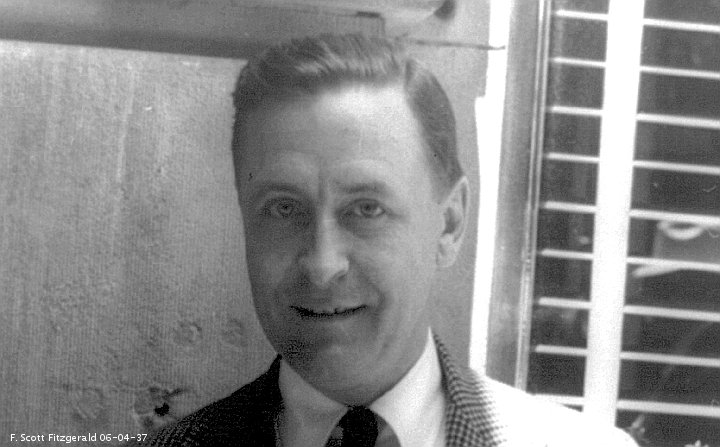
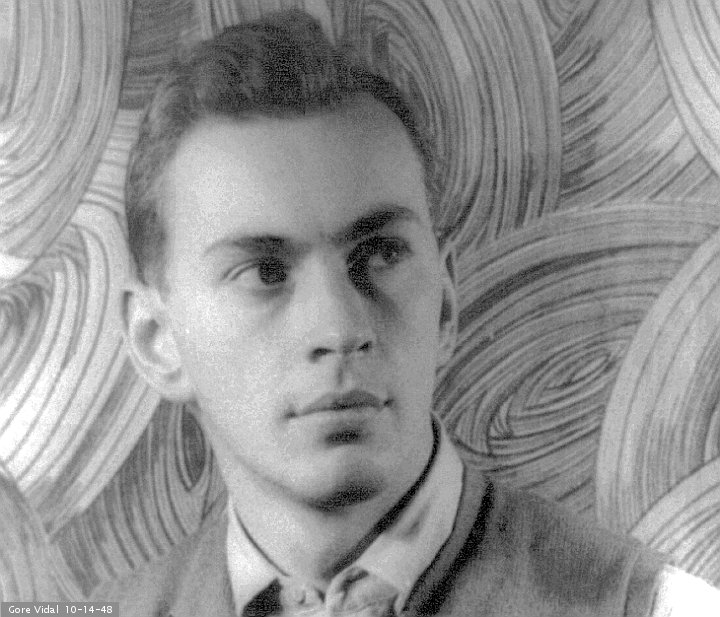


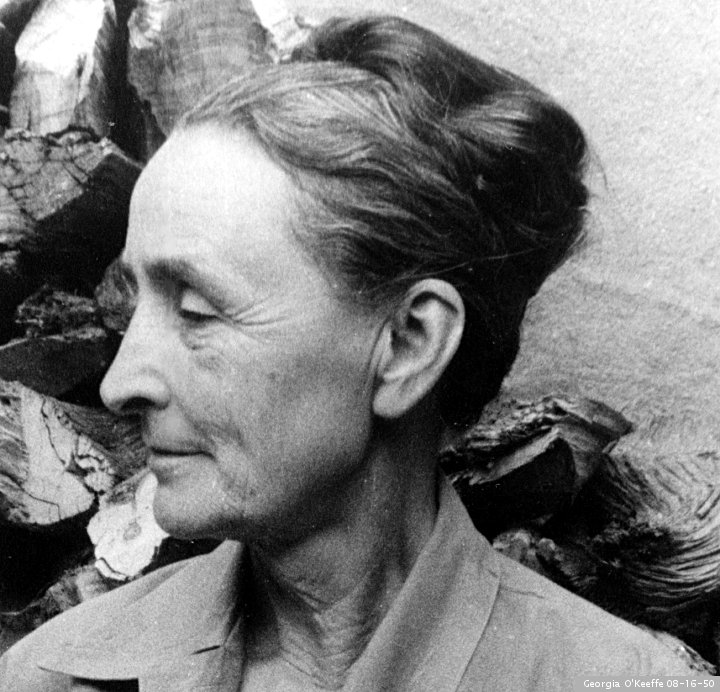
While researching this feature, PG noticed that many of the early presidents did not have middle names . Apparently, before the American Revolution, middle names were seldom given. For some reason the custom caught on during the 19th century. When America started to draft men for World War I, the draft papers included a space for the middle name.
One possible reason for middle names was population density and increased family size. Many people began to have the same first name (or Christian name) and last name (Surname). Middle names were a way to distinguish between Jimmy Bob Jones and Jimmy Joe Jones. There was possibly a bit of status involved in having more than one name.
Women have long used the maiden name as a middle name after marriage. Girls were often not given middle names for this reason. The hyphenated Maiden-Married name is a fairly recent custom (Which this author hopes is a fad that will go away).
While middle names were originally a decoration, many are now used as a primary identification. PG is referred to as a diminutive of his middle name, which can be confusing when authorities insist on using his first name. The middle name is also a handy alternative for someone who gets tired of the name they are called by. There is also this thought …”I think parents give kids middle names so the kids will know when they are really p****d at them.”




July 3, 1981


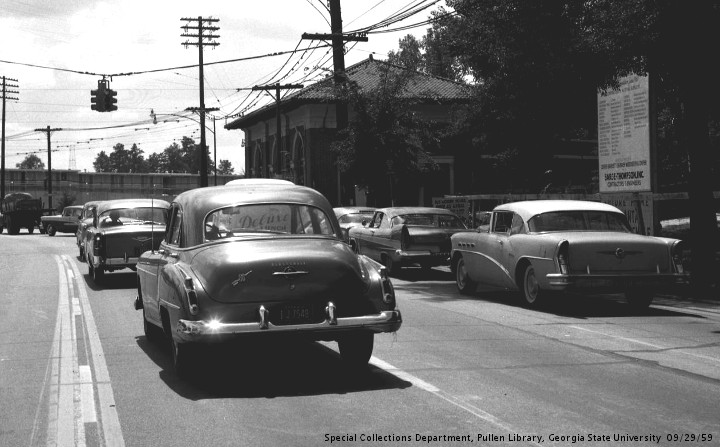


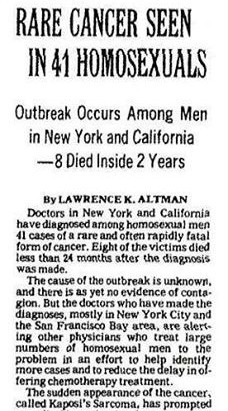
July 3, 1981, was another day before a holiday. The new President, Ronald Reagan, was recovering from gunshot wounds. There was talk of an era of conservatism, with possibly severe repression.
There was an article in the New York Times. RARE CANCER SEEN IN 41 HOMOSEXUALS. “Doctors in New York and California have diagnosed among homosexual men 41 cases of a rare and often rapidly fatal form of cancer. Eight of the victims died less than 24 months after the diagnosis…”
This was the media debut of AIDS. It would not have that name for a while. Almost nobody thought, on that summer day, just how bad AIDS would be. In five years it was obvious how serious AIDS was.
 PG was on another trip to the west coast. It was becoming obvious that this would be a vacation, rather than a relocation. He was riding a bicycle, with a milk carton overloaded with camping gear. Some kids told him to get saddle bags, and carry the weight lower. If you have the weight on top, you would lose control coming down a big hill. PG did not listen to the kids.
On July 4, PG left Patrick’s Point state park, about 300 miles north of San Francisco. Coming down the first hill on highway 101, the bike shook, shook harder, and flipped on its side. PG was thrown off. The front wheel was bent beyond repair. PG gathered his gear, left the bike behind, and got a ride into the nearest town.
PG got a bus ticket to Seattle. That city was in an economic downturn, with less than half a page of help wanted ads. PG found a auto delivery service, and got a VW bug going to Oak Ridge, TN. In a few days he was in Atlanta. A few days later, a temp agency came up with a job as a driver for a blueprint company. PG worked for that company, in one form or another, for the next 24 years.
As for the gay men with Kaposi’s Sarcoma … in all probability, the patients mentioned in that article were all dead within a year. AIDS has become a dominating story in our time. At its worst, it was claiming 50,000 lives a year. With the advent of wonder drugs, the death toll has been greatly reduced. The impact of AIDS on American life cannot be adequately described. This is a repost.
Pictures today are from “The Special Collections and Archives, Georgia State University Library”. Lawrence K. Altman, M.D. is still writing articles for the New York Times.


Dorothy Parker




PG first heard of Dorothy Parker in tenth grade. His friend Bob Gibson cut the poem Resume out of the literature text book, and carried it in his wallet. Mrs. Parker had been dead for two years at the time, with her ashes resting in her attorney’s filing cabinet. As the years rolled on, there were stories about the round table at the Algonquin hotel, and a poem about W.R. Hearst … “Upon my honor, I saw the madonna, by the door, in a niche, of a well known whore, and a prominent son of a bitch.” There was another famous comment: Re “The Cardinal’s Mistress” by Benito Mussolini, Dorothy Parker wrote one of my favorite bon mots: “This is not a book to be tossed aside lightly. It should be thrown with great force.” Wikiquotes lists both of these items as “misattributed.”
It is now 2019, several years after the first DP post. Born Dorothy Rothschild, on August 22, 1893, Miss Parker did nicely without a middle name. Chamblee54 has featured Miss Parker several times (one, two, three, four.) Today, these four posts will be combined into one. Pictures are from “The Special Collections and Archives, Georgia State University Library” and The Library of Congress. If you want a list of clever sayings, google is your friend. The quote investigator has five pages of the alleged sayings of Miss Parker.




It was 5:25 pm. PG had not heard from either person who was supposed to be at his house at 5:30. While muttering things about unreliable people, he started to look at a writing contest. The idea was to write 100 words or less. The challenge was to produce a “a quick, honest and heartfelt response” to an image. The meme is seen below the fold.
The image has a quote. “I hate writing. I love having written. Dorothy Parker.” When PG sees words of wisdom, with a famous name at the end, his impulse is to check it out. When you search the wikiquote page on Miss Parker, and look for hate, love, and writing, you will not see the quote. 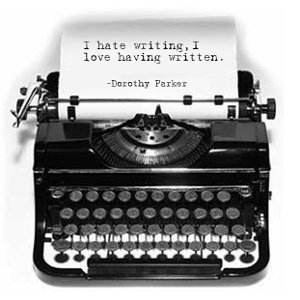
There was one item in wikiquotes that made PG laugh. It was in the “Misattributed” section. “Upon my honor, I saw a Madonna. Standing in a niche, Over the door, Of the glamorous whore, Of a prominent son of a bitch.” Said to have been written in the guest-book of Hearst Castle, referring to the room occupied by Hearst’s mistress, Marion Davies. Parker always denied it, pointing out that she would never have rhymed “honor” with “Madonna”.” Nor would the entertainer.
When PG saw that quote, he knew that this piece would be longer than 100 words. Inserting quotes into a piece will bloat the word count every time. About this time the phone rang. His friends were in the front yard, being eaten by mosquitoes. PG put on a white shirt, and left.
Later that night, 99 sick well chosen words fell out of the fingers, and into the ether.
The quote is suspect. Wikiquotes does not show it, after a search for love, hate, and written. The image is probably manufactured. The image is a piece of paper, coming out of a vintage manual typewriter. The main text is one size. The author credit is another size. Vintage manual typewriters only produced one size of product. This one size is considerably smaller than either size in this image. The text in this image was produced elsewhere. This rendering of a bogus quote is then pasted onto a blank sheet of paper, seen merging from a vintage manual typewriter.





The other day there was a post here on the dotty subject of Dorothy Parker quotes. The departed dipsomaniac would seem to be a quote magnet.
One quote, that appears to be genuine, is about another quote magnet, Oscar Wilde. “A Pig’s-Eye View of Literature: Oscar Wilde If with the literate I am, Impelled to try an epigram, I never seek to take the credit, We all assume that Oscar said it.” (First printed in Life, (2 June 1927) p. 13 When you can give a source for a quote, the chances of it’s legitimacy go up tremendously.)
The original plan for this post was to do a wikiquotes search of the quotes in this post. This concept very quickly turned out to be too much work. The first paragraph of the original post has a clue.
PG first heard of Dorothy Parker in tenth grade. His friend, Bob Gibson, cut the poem Resume out of the literature text book, and carried it in his wallet. Mrs. Parker had been dead for two years at the time, with the ashes resting in her attorney’s filing cabinet. … there was another comment : Re “The Cardinal’s Mistress” by Benito Mussolini, Dorothy Parker wrote one of my favorite bon mots: “This is not a book to be tossed aside lightly. It should be thrown with great force.”
In the post the other day, it was discovered that the poem about W.R. Hearst was written by someone else. Which brings us to “The Cardinal”s Mistress”. Yes, that was written by Hitler’s BFF, Benito Mussolini. When he wasn’t making the trains run on time, he wrote a sappy novel. And the comment by Miss Parker is great. But did she really say it?
A blogspot facility called Heavens to Mergatroyd has the text from a New Yorker review of TCM. It is a delightful read. However, the landmark quote is not there. The spell check suggestion for mergatroyd is derogatory.
Wikiquotes calls the comment “misattributed”. “Quoted in The Algonquin Wits (1968) edited by Robert E. Drennan, and Try and Stop Me. As noted at Snopes, Drennan’s source seems to be a Parker review which does not seem to contain this quote. If Parker wrote this statement anywhere the primary source seems to have gone missing.”
Try and Stop Me is a newspaper column by Bennett Cerf. The link is to The Dispatch, Lexington N.C., October 12, 1962. Next to the column is The Dispatch Religious Activities, Directory of Churches. The pastor of First Baptist is David Hoke Coon, Jr.
While preparing this commentary, an effort was made to find the text for “Resume”. It is a bona fide quote, first printed in New York World August 16, 1925. While looking for the text, Google suggested a search for “resume dorothy parker analysis.” One result was sponsored by a politician, Michelle Nunn. Another had this to say. “We know that we’re being a bit obvious here. But check it out: almost every single line in this poem offers an idea for a different way to die. When it comes to wordplay, Parker’s not messi…” Maybe she meant to say messy.









BigO is a site with mp3 downloads. Most of them are concerts. PG found one exception. It was a 1960 interview, STUDS TERKEL WITH DOROTHY PARKER/BOB NEWHART – CHICAGO 1959/1960. Pictures today are from The Library of Congress. This is a repost.
Dorothy Parker is somewhat of a legend. There were the funny sayings, a few poems and stories, and her life. Mrs. Parker was well known as a witty person during the twenties. She drank, a lot, and talked often of suicide. It was surprising to find a 1960 interview.
In fact, Dorothy Parker died in 1967, at the age of 73. By 1960, she was in decline, living at the Manhattan’s Volney Hotel. “Edmund Wilson … paid occasional painful visits to her at the Volney. (“She lives with a small and nervous bad-smelling poodle bitch, drinks a lot, and does not care to go out.”) … She was still revered, a legend, but she had also become a pathetic relic. Yes, “you might as well live,” but for what? And on what? Not only was she running out of old friends, she was running out of money, though uncashed checks, some quite large, were strewn around her apartment (along with the empty bottles), not helping with unpaid bills.”
There were some zesty quotes in the interview with Mr. Terkel. “I can’t call myself a critic. Honestly. I can only put down what I think and pray there isn’t a libel suit.” “I’m not a poet, you know, I just write verse” “The beat boys aren’t saying anything except look at us aren’t we great … I don’t think the beat generation is much worth worrying about. Very soon, in the very near future, they will be as forgotten as mah jongg.”
Towards the end of the interview, Mr. Terkel said “i know some people would want me to ask, did she really say all those things that she was quoted as saying” “… no, no, and it was a curse on me, it was simply awful the things that were attributed to me. I wouldn’t have minded if they had been good. I was, in effect, the shaggy dog of my time.”
Another quote magnet for the meme generation is Thomas Jefferson. PG saw yet another inspiring quote on facebook today. Mr. Google was consulted. It turns out the quote is real.
Thomas Jefferson to William Hamilton, 22 April 1800 is the source. Vice President Jefferson was going to be elected President later that year. It is not known what effect that had on the quote in the meme. “I never considered a difference of opinion in politics, in religion, in philosophy, as cause for withdrawing from a friend.” It is not known whether a twenty first century Jefferson would unfriends anyone who says anything unappealing.



Bad Gays



Bad Gays “A podcast about evil and complicated queers in history, hosted by Huw Lemmey and Ben Miller.” The first episode I listened to was Jeffrey Dahmer. I soon learned that BG is uber-woke. Think Robin DiAngelo on steroids, with better hair. I find this sort of talk to be rather dreary.
As it turned out, I had downloaded a show about Truman Capote. While racism did exist in Monroeville Alabama, and was deplorable, Truman is a hoot. We learn that Miss Capote wanted Marilyn Monroe to play Holly Golightly in Breakfast at Tiffany’s.
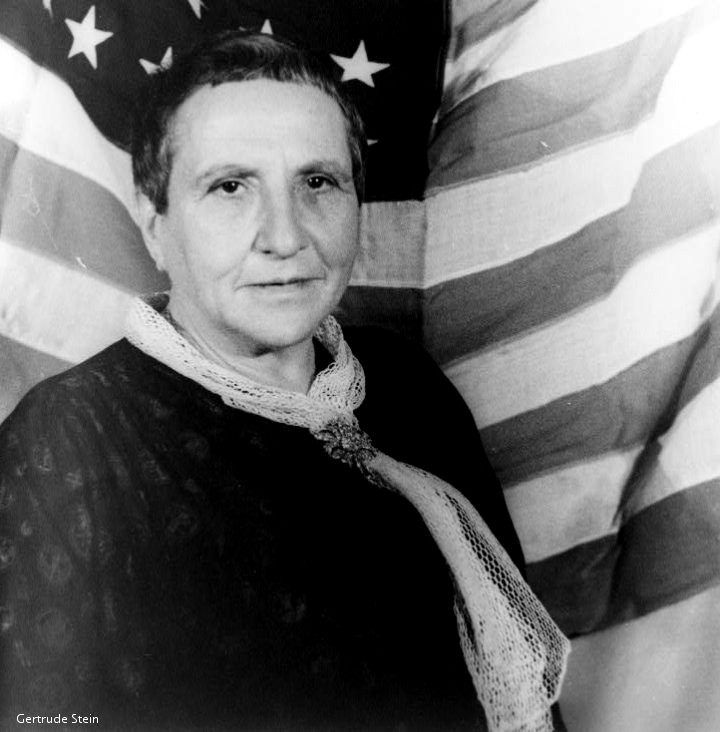
Which brings us to thursday morning. “I am sitting on the front porch. I am listening to a podcast about Gertrude Stein It is not kind to the lady. I thought of my friend, who lives in Mexico. He gave me a copy of The Alice B. Toklas Cook Book. I sent him a link to the podcast on facebook. Life is good.” There was a lovely reply: “She and Gertrude Stein are buried in Paris in Père Lachaise cemetery. Their names are on each side of the tombstone. So sweet.”
I don’t know much about Gertrude Stein. It seems like she had a brother named Leo, that she was close to. Leo and Gertrude lived together in Paris. Leo then said rude things about Alice B., and Gertrude kicked him out of her life. While writing this piece, I tried to find more information about Leo/Gertrude/Alice. Google is not always the answer.
Gertrude apparently was fond of the Germans, and the Vichy regime in occupied France. This is curious for a Jew. Somehow, Gertrude and Alice managed to stay in France throughout the war.
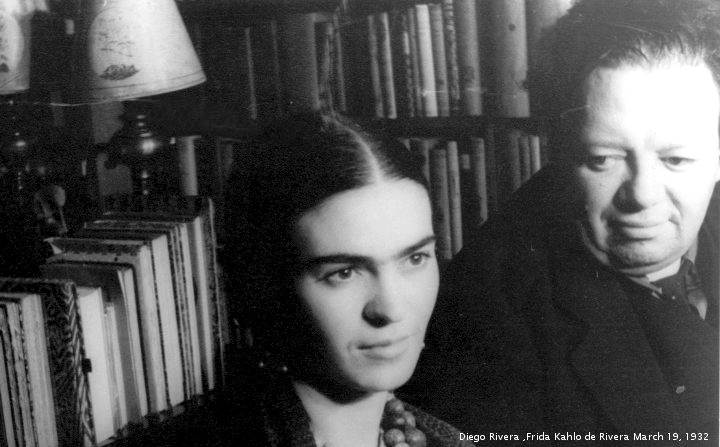
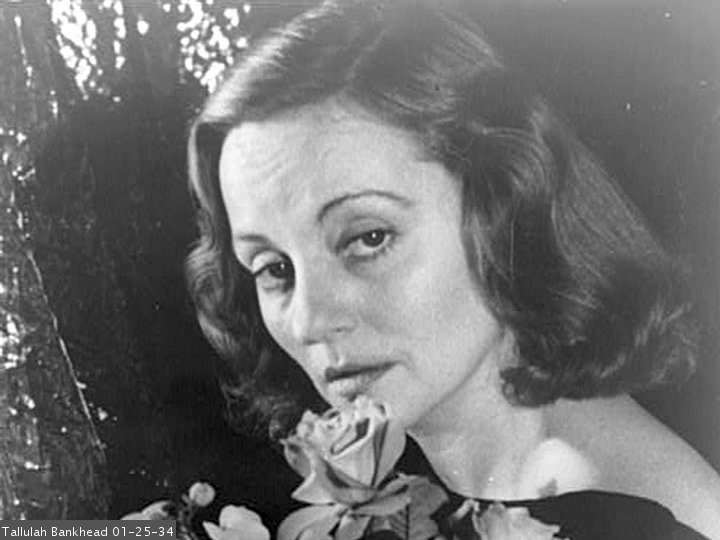
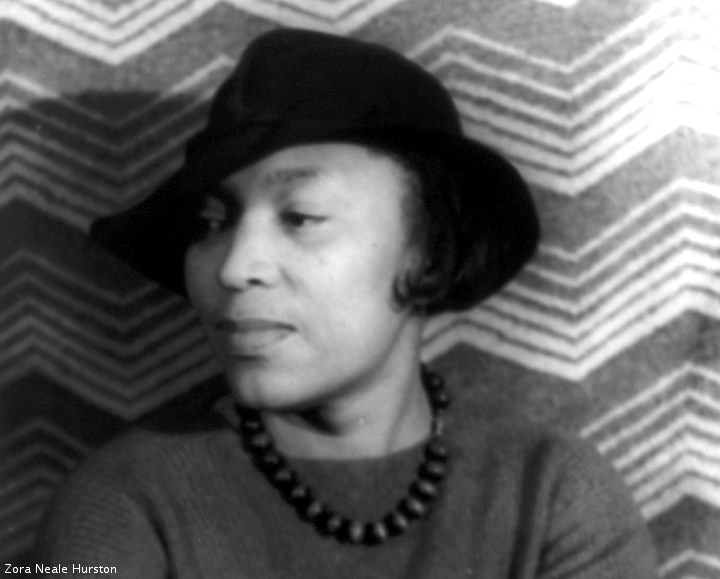
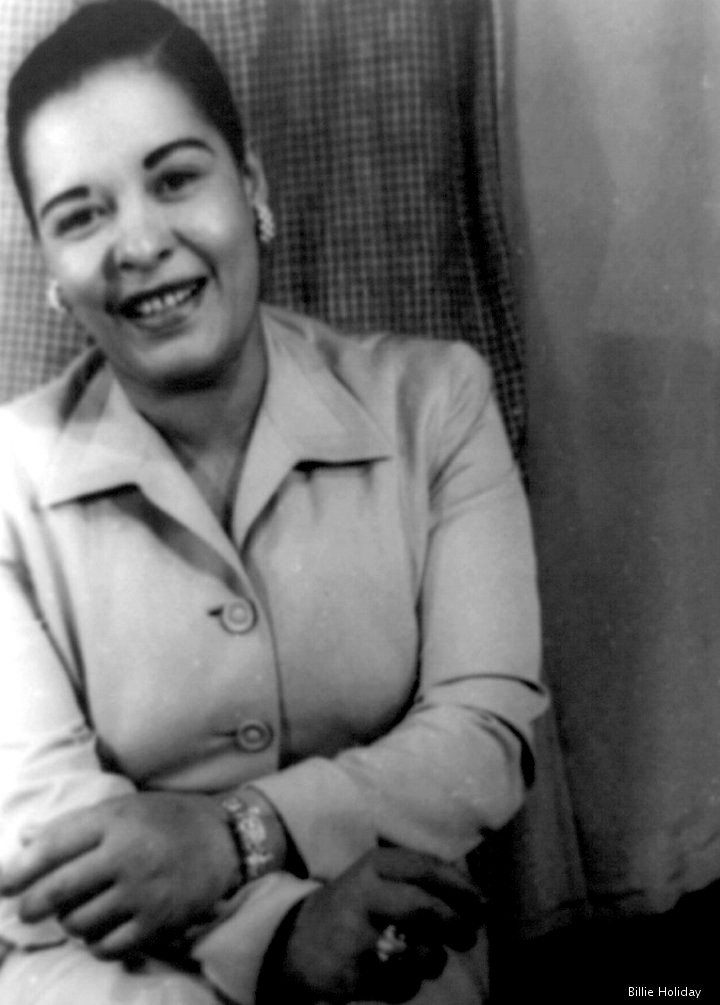
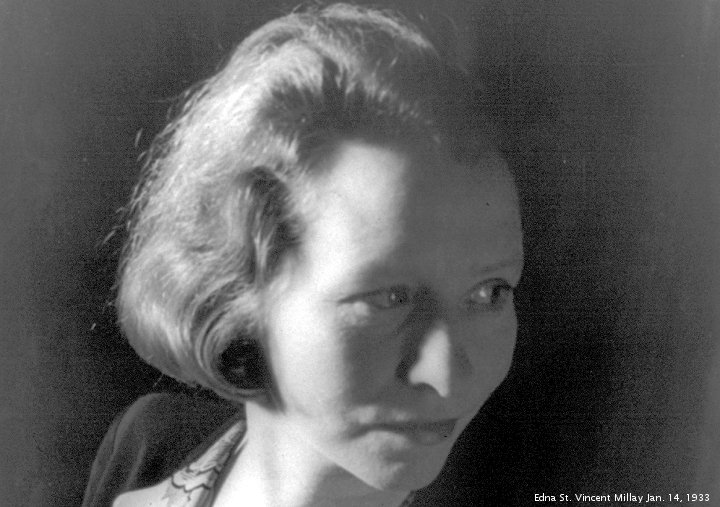
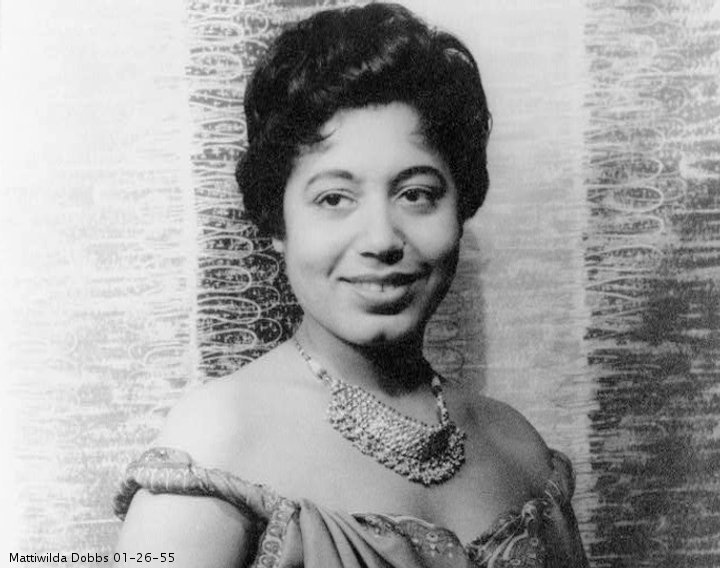
Carl Van Vechten was the next episode in the que. CVV was the literary executor for Gertrude Stein, and an all around piece of work. All I knew about CVV was a collection of photographs in the Library of Congress. Some of these portraits are displayed with this post.
Mr. Van Vechten was connected to something called the Harlem Renaissance, a flowering of music, art, and literature in upper Manhattan. As you might imagine, BG had a lot to say about the lives of Black people in the rural south. It is not tough to imagine a person of color, in 1921 Georgia, thinking they would be better off in New York City. BG played this for all it is worth.
I got curious about CVV, and googled him. In addition to the birth/death information (June 17, 1880 – December 21, 1964), there was one delicious item. In 1926, CVV published a book, N____ Heaven. At 14 minute into the podcast, BG discussed this book. I wish I could have seen their faces.
FWIW, the titular phrase was uttered by a character in the novel. It seems as though “Some churches had separate balconies that black and white alike called “n____ heaven”” The book was a sensation, with both admirers and detractors. “This reissue is based on the seventh printing, which included poetry composed by Langston Hughes especially for the book. Kathleen Pfeiffer’s introduction investigates the controversy surrounding the shocking title and shows how the novel functioned in its time as a site to contest racial violence.”
“The one violent protest which has come to my ears was that of a certain Negro whose conversation is heavily sprinkled with the words “darky” and “n___.” When I suggested to him that he eliminate from his own conversation words which he objected to from he lips of others, a deathly silence came over him and our conversation abruptly died. Soon afterward he remembered that he was already late for an important engagement downtown.”
After acknowledging the existence of NH, BG had a pearl-clutching meltdown. One wonders if they actually read the book they were denouncing so fervently. If one is so inclined, NH is available for download here. The end of the book features a “Glossary of Negro Words and Phrases.” Pictures today are from The Library of Congress.
The Origin Of Barbie



PG found a copy of Snuff at a yard sale. The story was written by Chuck Palahniuk, pronounced paula nick. This book report may have spoilers. This is a repost.
The 197 pages recount an attempt to break a world record. Aging porn star Cassie Wright is trying to take on 600 men in one session. The plan is to die, in a blaze of gooey glory. The story is told by four characters: Mr. 72, Mr. 137, Mr. 600, and Sheila. Each of the four feels a connection to Miss Wright. It is a case of four wrongs making one Wright.
The story gets weirder and weirder. Mr. 72 is convinced that he is the son of Cassie Wright. Mr. 137 became an Okla-homo after being diddled by daddy. Mr. 600 is said to be Miss Wright’s baby daddy. Sheila, original name Zelda Zonk, was another possible Wright baby. After a while, the reader just plows ahead. When PG pays a dollar for a book, he wants his money shot money’s worth.
Snuff has a couple of gimmicks that are repeated to the point of no return. The talent is known by a variety of names, like pud puller, wiener wrangler, page paster, fist flogger, white washer, and sherbet shooter. The movies made by Cassie Wright all had satirical titles, like World Whore One, and The Asshole Jungle. It was funny the first twenty times.
Another gimmick Mr. Nick works us with is the “true fact.” Someone will throw out a chestnut, and say “true fact.” Many of them are Hollywood beauty secrets, like Lauren Becall, and Tallulah Bankhead, drinking eggshell tea. Here is an example.
“… Hitler … was disgusted by seeing his fellow soldiers visit French brothels. To keep the Aryan bloodlines pure, and prevent the spread of venereal disease, he commissioned an inflatable doll that Nazi troops could take into battle. Hitler himself designed the dolls to have blond hair and large breasts. The Allied firebombing of Dresden destroyed the factory … “
Mr. Google has more. “But in 1942 the project was halted when German soldiers refused to carry the dolls because of the potential embarrassment if they were captured by the enemy. Author Graeme Donald uncovered Hitler’s secretive “Borghild Project” while researching the history of Barbie, which was based on a postwar German sex doll.”
“I was actually researching the history of the Barbie doll that was based on a German sex doll of the 1950s. Ruth and Elliot Handler from America visited Germany in 1956 and saw the Lilli dolls that were sold in barbers’ shops and nightclubs – and were not for children Ruth didn’t realise this and bought one and realised later they were not toys. But Ruth and her husband used the doll as a foundation for what became Barbie.”
Pictures are from “The Special Collections and Archives, Georgia State University Library”.


The Last Night Of Judy Garland



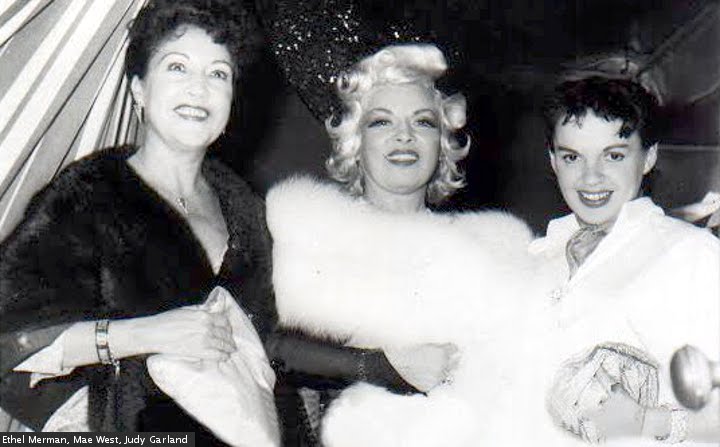
“In march of 1969, Judy married her fifth husband, Mickey Devinko, better known as Mickey Deans, a gay night-club promoter. Judy had an unfortunate habit of marrying gay men. They lived together in a tiny mews house in Chelsea, London. The evening of Saturday June 21 1969, Judy and Mickey were watching a documentary, The Royal Family, on television, when they had an argument. Judy ran out the door screaming into the street, waking the neighbors.
Several versions of what happened next exist, but the fact remains that a phone call for Judy woke him at 10:40 the next morning, and she was not sleeping in the bed. He searched for her, only to find the bathroom door locked. After no response, he climbed outside to the bathroom window and entered to find Judy, sitting on the toilet. Rigor Mortis had set in. Judy Garland, 47, was dead.
The press was already aware of the news before the body could be removed. In an effort to prevent pictures being taken of the corpse, she was apparently draped over someone’s arm like a folded coat, covered with a blanket, and removed from the house with the photographers left none the wiser.
The day Judy died there was a tornado in Kansas…. in Saline County,KS, a rather large F3 tornado (injuring 60, but causing no deaths) did hit at 10:40 pm on June 21st, that would be 4:40 am, June 22nd, London time, the morning she died. I know the time of death has never been firmly established, but since Rigor Mortis had already set in, I think this tornado may very much be in the ballpark in terms of coinciding with time of death…. Other news articles suggest the tornado struck Salina “late at night” which could certainly also mean after midnight on June 22, or roughly 6:00 am London time…
The Toledo Blade for June 24th, also in an article located right next to a picture of Garland, in a write-up on the Salina tornado noted that “Late Saturday [June 21] and early Sunday [June 22, another batch of tornadoes struck in central Kansas.” So it seems the legend seems confirmed.”
The text for this story comes from Findadeath. You can spend hours at this site. This is a repost. Pictures are from The Library of Congress.




leave a comment