Howard Zinn






Howard Zinn, author of A People’s History of the United States: 1492 to Present, spent an hour talking on Booknotes. This is a C-SPAN show, with author interviews. The show aired March 12, 2000. Later that night was a show about the 2000 election, featuring Green Party candidate Ralph Nader. The role Mr. Nader would play in the November election was unimaginable in March.
The first serious job Mr. Zinn had was World War II. He served in the Air Force. Towards the end of the war, “we bombed a little French town on the Atlantic coast called Royon… `We’re not going to use regular demolition bombs. We have something new. We w–you’re going–instead of dropping our usual 12 500-pound demolition bombs, you’re going to drop 30 100-pound canisters of jel—jellied gasoline.’ It was napalm–the first use of napalm in the European theater.”
Later, Mr. Zinn thought about it all. “And it didn’t s–the–the thing is you’d bomb from 30,000 feet. You don’t see what’s happening down there. You don’t see people suffering. You don’t see people burning. You don’t see limbs falling. You–you just see little flashes in the–in the d–in the dark, you know. And—and you go back, and you’re debriefed and you don’t think about it. And it’s horrifying.
Later–only later did I begin to think about it, and I was horrified by what I had done, and I’m still horrified by what I did. But I think that had an effect on my thinking about war, because here I was in the best of wars. And I believed it was the best of wars because I volunteered for it. A war against fascism? I mean, how could you find a more bestial enemy? And yet it’s a–it complicated the war for me. It complicated the morality of the war, and it made me begin to think that war itself is evil. Even when it starts with good cause, even when the enemy is horrible, that there’s something about war, especially in our time when war inevitably involves indiscriminate killing … war simply cannot be accepted morally as a solution for whatever problems are in the world.
Whatever tyranny, whatever borders are crossed, whatever problems there are, somehow human ingenuity has to find a way to deal with that without the indiscriminate killing that war involves.”
Brian Lamb is the host of Booknotes. He speaks non theatrically, often with questions that are very different from the narrative presented by the author. After this talk about war, the question was “LAMB: What would you have done had you been president and those bombs were dropped on Pearl Harbor? Mr. ZINN: That’s the toughest question I’ve ever faced. I … And–and I confess, I–I–I haven’t worked out an alternative scenario.
PHOTUS is known for taking a non-heroic view of our history. Regarding the US Constitution, “When they set up the new government, when they set up the new Constitution, I mean, they set up a strong, central government which will be able to legislate on behalf of bondholders and slaveholders and manufacturers and Western land speculators.”
Mr. Zinn does not discuss The War Between The States on this show. (PG has not read PHOTUS, and does not know how WBTS is treated.) This was a case where the central government was favoring the industrial interests, at the expense of the agricultural interests. How much of that conflict was economic, with abolition serving as a moral fig leaf?
After the war, Mr. Zinn went back to school. A job appeared at Spelman College, and he worked there seven years. After that, he taught at Boston University for 24 years. His next door neighbor was five year old Matt Damon, who later read the audiobook version of PHOTUS.
There is one more bit of amusement from the transcript. Mr. ZINN:`For the United States to step forward as a defender of helpless countries matched its image in American high school history books but not its record in world affairs. It had opposed the Haitian revolution for independence from France at the start of the 19th century. It had instituted a war with Mexico and taken half the country. It had pretended to help Cuba win freedom from Spain and then planted itself in Cuba with a military base, investments and rights of intervention. It had seized Hawaii, Puerto Rico, Guam and fought a brutal war to subjugate the Filipinos. It had opened Japan to its trade with gunboats and threats. It had declared an open-door policy in China as a means of assuring the United States would have opportunities equal to other imperial powers in exploiting China. It had sent troops to Peking with other nations to assert Western supremacy in China and kept them from–kept them for over 30 years.’ LAMB: There’s a lot more in here about Colombia and Haiti and Nicaragua. Is this country at–this sounds like I’m–I’m arguing here, but has this country done anything right?
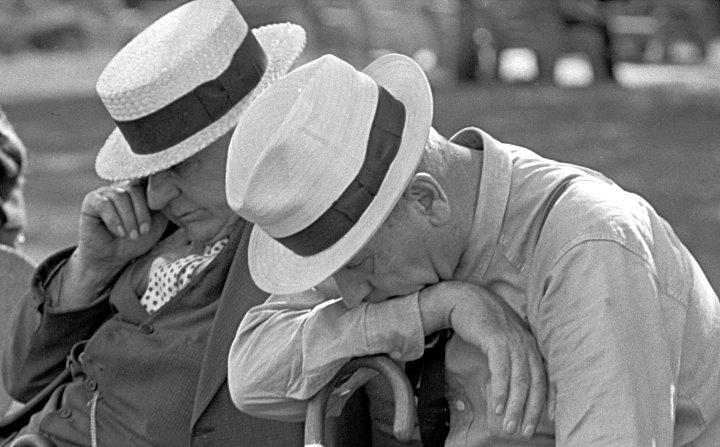
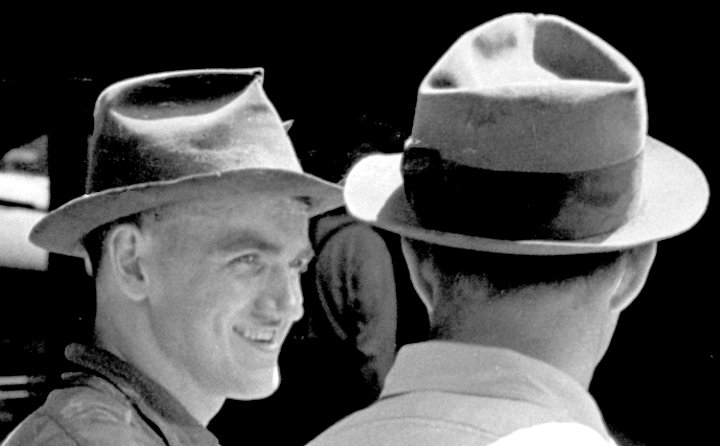
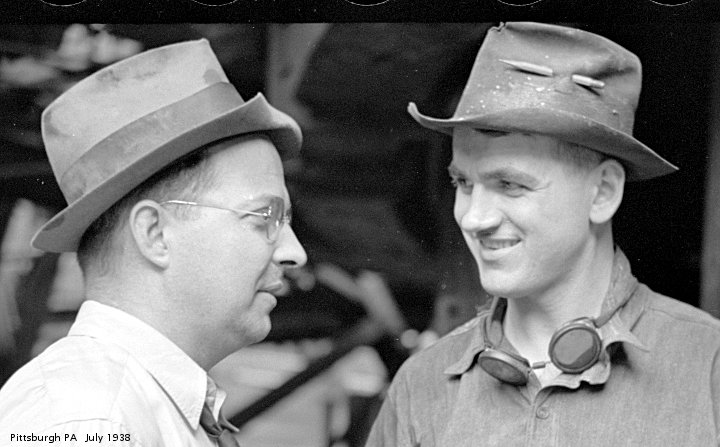
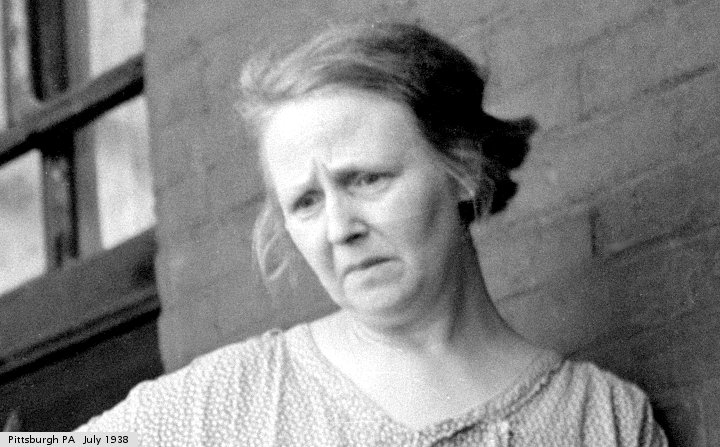
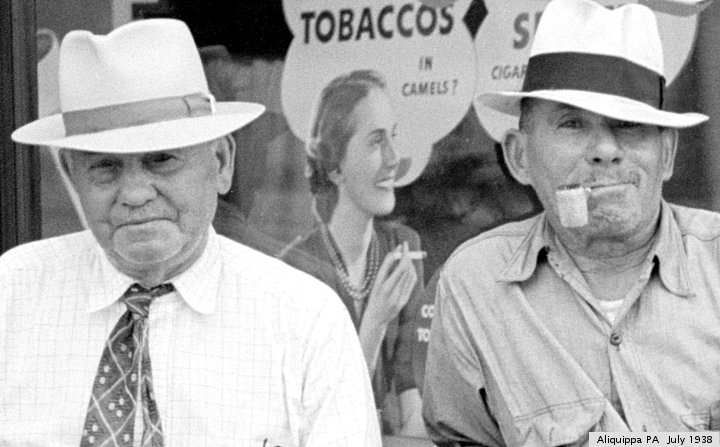
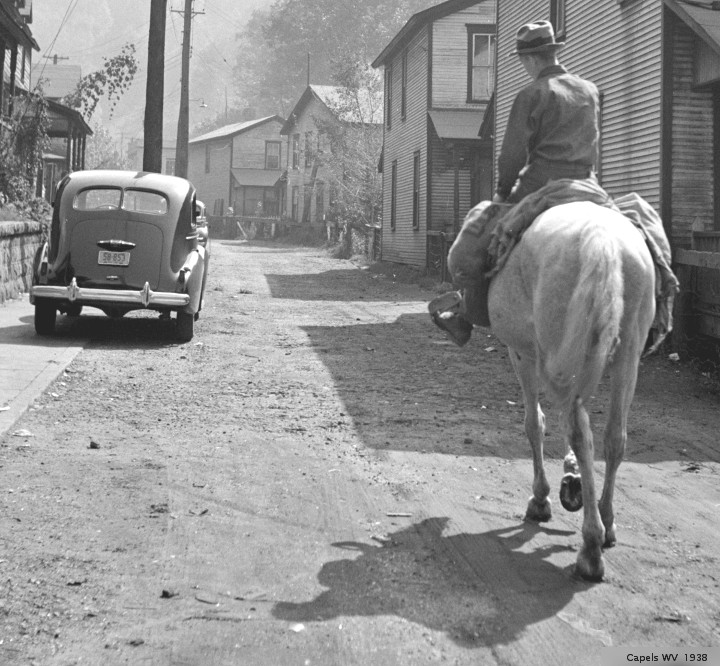
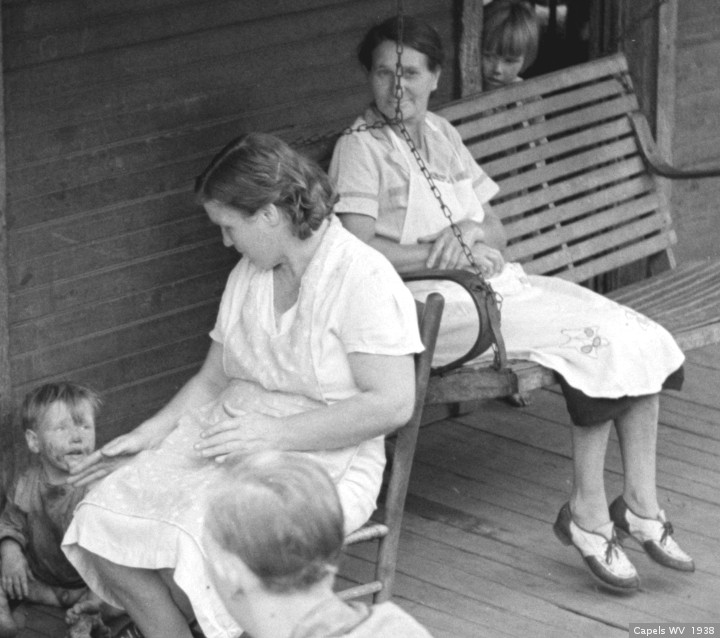
This is a repost. Pictures today are from The Library of Congress




I Sing The Body Electric




1
I sing the body electric,
The armies of those I love engirth me and I engirth them,
They will not let me off till I go with them, respond to them,
And discorrupt them, and charge them full with the charge of the soul.
Was it doubted that those who corrupt their own bodies conceal themselves?
And if those who defile the living are as bad as they who defile the dead?
And if the body does not do fully as much as the soul?
And if the body were not the soul, what is the soul?
2
The love of the body of man or woman balks account,
the body itself balks account,
That of the male is perfect, and that of the female is perfect.
The expression of the face balks account,
But the expression of a well-made man appears not only in his face,
It is in his limbs and joints also, it is curiously in the joints of his hips and wrists,
It is in his walk, the carriage of his neck, the flex of his waist and knees,
dress does not hide him,
The strong sweet quality he has strikes through the cotton and broadcloth,
To see him pass conveys as much as the best poem, perhaps more,
You linger to see his back, and the back of his neck and shoulder-side.
The sprawl and fulness of babes, the bosoms and heads of women,
the folds of their dress, their style as we pass in the street,
the contour of their shape downwards,
The swimmer naked in the swimming-bath, seen as he swims through
the transparent green-shine, or lies with his face up and rolls
silently to and from the heave of the water,
The bending forward and backward of rowers in row-boats,
the horse-man in his saddle,
Girls, mothers, house-keepers, in all their performances,
The group of laborers seated at noon-time with their open dinner-kettles,
and their wives waiting,
The female soothing a child, the farmer’s daughter in the garden or cow-yard,
The young fellow hosing corn, the sleigh-driver driving his six horses
through the crowd,
The wrestle of wrestlers, two apprentice-boys, quite grown, lusty,
good-natured, native-born, out on the vacant lot at sundown after work,
The coats and caps thrown down, the embrace of love and resistance,
The upper-hold and under-hold, the hair rumpled over and blinding the eyes;
The march of firemen in their own costumes, the play of masculine muscle
through clean-setting trowsers and waist-straps,
The slow return from the fire, the pause when the bell strikes suddenly again,
and the listening on the alert,
The natural, perfect, varied attitudes, the bent head, the curv’d neck
and the counting;
Such-like I love—I loosen myself, pass freely, am at the mother’s breast
with the little child,
Swim with the swimmers, wrestle with wrestlers, march in line
with the firemen, and pause, listen, count.
3
I knew a man, a common farmer, the father of five sons,
And in them the fathers of sons, and in them the fathers of sons.
This man was a wonderful vigor, calmness, beauty of person,
The shape of his head, the pale yellow and white of his hair and beard,
the immeasurable meaning of his black eyes,
the richness and breadth of his manners,
These I used to go and visit him to see, he was wise also,
He was six feet tall, he was over eighty years old, his sons were massive,
clean, bearded, tan-faced, handsome,
They and his daughters loved him, all who saw him loved him,
They did not love him by allowance, they loved him with personal love,
He drank water only, the blood show’d like scarlet
through the clear-brown skin of his face,
He was a frequent gunner and fisher, he sail’d his boat himself,
he had a fine one presented to him by a ship-joiner,
he had fowling-pieces presented to him by men that loved him,
When he went with his five sons and many grand-sons to hunt or fish,
you would pick him out as the most beautiful and vigorous of the gang,
You would wish long and long to be with him, you would wish to sit by him
in the boat that you and he might touch each other.
4
I have perceiv’d that to be with those I like is enough,
To stop in company with the rest at evening is enough,
To be surrounded by beautiful, curious, breathing, laughing flesh is enough,
To pass among them or touch any one, or rest my arm ever so lightly
round his or her neck for a moment, what is this then?
I do not ask any more delight, I swim in it as in a sea.
There is something in staying close to men and women and looking on them,
and in the contact and odor of them, that pleases the soul well,
All things please the soul, but these please the soul well.
5
This is the female form,
A divine nimbus exhales from it from head to foot,
It attracts with fierce undeniable attraction,
I am drawn by its breath as if I were no more than a helpless vapor,
all falls aside but myself and it,
Books, art, religion, time, the visible and solid earth,
and what was expected of heaven or fear’d of hell, are now consumed,
Mad filaments, ungovernable shoots play out of it,
the response likewise ungovernable,
Hair, bosom, hips, bend of legs, negligent falling hands all diffused,
mine too diffused,
Ebb stung by the flow and flow stung by the ebb, love-flesh swelling
and deliciously aching,
Limitless limpid jets of love hot and enormous, quivering jelly of love,
white-blow and delirious juice,
Bridegroom night of love working surely and softly into the prostrate dawn,
Undulating into the willing and yielding day,
Lost in the cleave of the clasping and sweet-flesh’d day.
This the nucleus—after the child is born of woman, man is born of woman,
This the bath of birth, this the merge of small and large, and the outlet again.
Be not ashamed women, your privilege encloses the rest,
and is the exit of the rest,
You are the gates of the body, and you are the gates of the soul.
The female contains all qualities and tempers them,
She is in her place and moves with perfect balance,
She is all things duly veil’d, she is both passive and active,
She is to conceive daughters as well as sons, and sons as well as daughters.
As I see my soul reflected in Nature,
As I see through a mist, One with inexpressible completeness,
sanity, beauty,
See the bent head and arms folded over the breast, the Female I see.
6
The male is not less the soul nor more, he too is in his place,
He too is all qualities, he is action and power,
The flush of the known universe is in him,
Scorn becomes him well, and appetite and defiance become him well,
The wildest largest passions, bliss that is utmost, sorrow that is utmost
become him well, pride is for him,
The full-spread pride of man is calming and excellent to the soul,
Knowledge becomes him, he likes it always, he brings every thing
to the test of himself,
Whatever the survey, whatever the sea and the sail
he strikes soundings at last only here,
(Where else does he strike soundings except here?)
The man’s body is sacred and the woman’s body is sacred,
No matter who it is, it is sacred—is it the meanest one in the laborers’ gang?
Is it one of the dull-faced immigrants just landed on the wharf?
Each belongs here or anywhere just as much as the well-off, just as much as you,
Each has his or her place in the procession.
(All is a procession,
The universe is a procession with measured and perfect motion.)
Do you know so much yourself that you call the meanest ignorant?
Do you suppose you have a right to a good sight,
and he or she has no right to a sight?
Do you think matter has cohered together from its diffuse float,
and the soil is on the surface, and water runs and vegetation sprouts,
For you only, and not for him and her?
7
A man’s body at auction,
(For before the war I often go to the slave-mart and watch the sale,)
I help the auctioneer, the sloven does not half know his business.
Gentlemen look on this wonder,
Whatever the bids of the bidders they cannot be high enough for it,
For it the globe lay preparing quintillions of years without one animal or plant,
For it the revolving cycles truly and steadily roll’d.
In this head the all-baffling brain,
In it and below it the makings of heroes.
Examine these limbs, red, black, or white, they are cunning in tendon and nerve,
They shall be stript that you may see them.
Exquisite senses, life-lit eyes, pluck, volition,
Flakes of breast-muscle, pliant backbone and neck, flesh not flabby,
good-sized arms and legs,
And wonders within there yet.
Within there runs blood,
The same old blood! the same red-running blood!
There swells and jets a heart, there all passions, desires, reachings, aspirations,
(Do you think they are not there because they are not express’d
in parlors and lecture-rooms?)
This is not only one man, this the father of those who shall be fathers
in their turns,
In him the start of populous states and rich republics,
Of him countless immortal lives with countless embodiments and enjoyments.
How do you know who shall come from the offspring of his offspring
through the centuries?
(Who might you find you have come from yourself,
if you could trace back through the centuries?)
8
A woman’s body at auction,
She too is not only herself, she is the teeming mother of mothers,
She is the bearer of them that shall grow and be mates to the mothers.
Have you ever loved the body of a woman?
Have you ever loved the body of a man?
Do you not see that these are exactly the same to all in all nations
and times all over the earth?
If anything is sacred the human body is sacred,
And the glory and sweet of a man is the token of manhood untainted,
And in man or woman a clean, strong, firm-fibred body, is more beautiful
than the most beautiful face.
Have you seen the fool that corrupted his own live body?
or the fool that corrupted her own live body?
For they do not conceal themselves, and cannot conceal themselves.
9
O my body! I dare not desert the likes of you in other men and women,
nor the likes of the parts of you,
I believe the likes of you are to stand or fall with the likes of the soul,
(and that they are the soul,)
I believe the likes of you shall stand or fall with my poems,
and that they are my poems,
Man’s, woman’s, child, youth’s, wife’s, husband’s, mother’s, father’s,
young man’s, young woman’s poems,
Head, neck, hair, ears, drop and tympan of the ears,
Eyes, eye-fringes, iris of the eye, eyebrows, and the waking
or sleeping of the lids,
Mouth, tongue, lips, teeth, roof of the mouth, jaws, and the jaw-hinges,
Nose, nostrils of the nose, and the partition,
Cheeks, temples, forehead, chin, throat, back of the neck, neck-slue,
Strong shoulders, manly beard, scapula, hind-shoulders,
and the ample side-round of the chest,
Upper-arm, armpit, elbow-socket, lower-arm, arm-sinews, arm-bones,
Wrist and wrist-joints, hand, palm, knuckles, thumb, forefinger,
finger-joints, finger-nails,
Broad breast-front, curling hair of the breast, breast-bone, breast-side,
Ribs, belly, backbone, joints of the backbone,
Hips, hip-sockets, hip-strength, inward and outward round,
man-balls, man-root,
Strong set of thighs, well carrying the trunk above,
Leg-fibres, knee, knee-pan, upper-leg, under-leg,
Ankles, instep, foot-ball, toes, toe-joints, the heel;
All attitudes, all the shapeliness, all the belongings of my or your body
or of any one’s body, male or female,
The lung-sponges, the stomach-sac, the bowels sweet and clean,
The brain in its folds inside the skull-frame,
Sympathies, heart-valves, palate-valves, sexuality, maternity,
Womanhood, and all that is a woman, and the man that comes from woman,
The womb, the teats, nipples, breast-milk, tears, laughter, weeping,
love-looks, love-perturbations and risings,
The voice, articulation, language, whispering, shouting aloud,
Food, drink, pulse, digestion, sweat, sleep, walking, swimming,
Poise on the hips, leaping, reclining, embracing, arm-curving and tightening,
The continual changes of the flex of the mouth, and around the eyes,
The skin, the sunburnt shade, freckles, hair,
The curious sympathy one feels when feeling with the hand
the naked meat of the body,
The circling rivers the breath, and breathing it in and out,
The beauty of the waist, and thence of the hips,
and thence downward toward the knees,
The thin red jellies within you or within me, the bones and the marrow
in the bones,
The exquisite realization of health;
O I say these are not the parts and poems of the body only, but of the soul,
O I say now these are the soul!
Text for this adventure is from the Project Gutenberg.
The text was reformatted by Chamblee54.
“I sing the Body Electric” was written by Walt Whitman.
An audio version of this poem is available from Librivox.
Pictures from The Library of Congress.



Bob Dylan

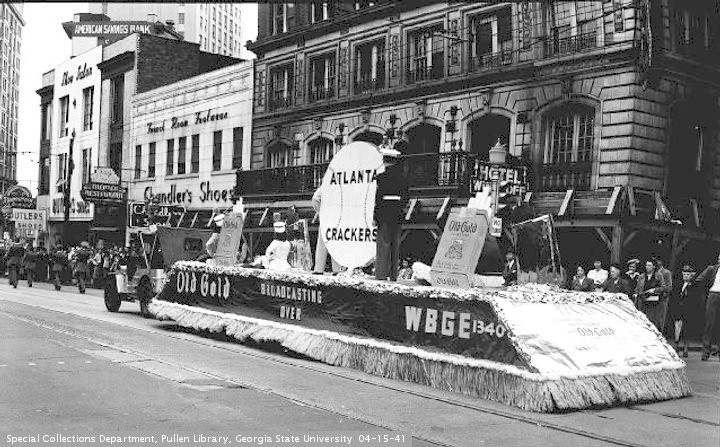

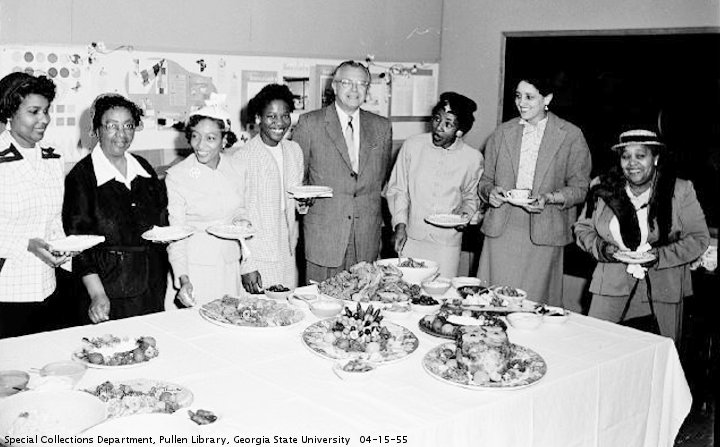


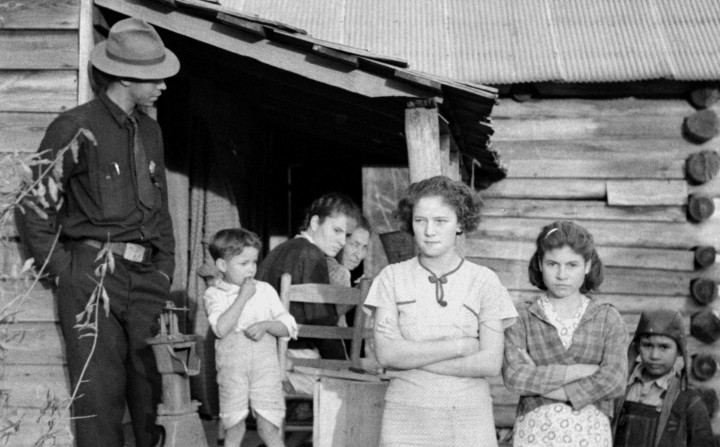
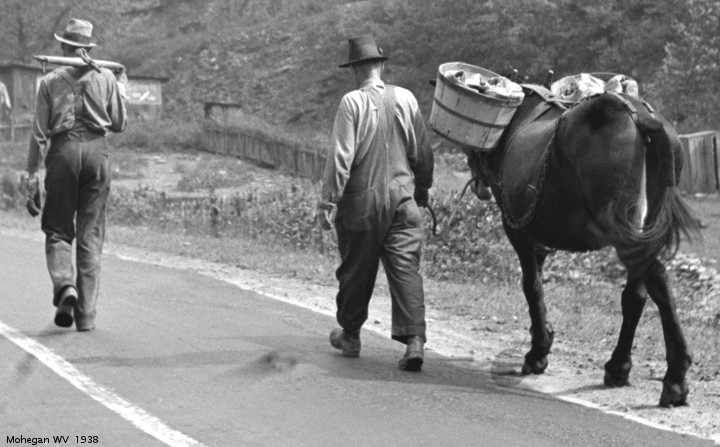
This is a repost. Pictures are from “The Special Collections and Archives, Georgia State University Library”. Today is Bob Dylan’s eighty first birthday. This tribute is composed primarily of three previously published pieces of work. Some people think Bob Dylan is a piece of work.
This compendium was assembled in 2016. On David Bowie’s in 2016, PG created a computer playlist, and assembled a few blog posts into a birthday celebration. Three days later, David Bowie was dead. PG decided to do the same thing to Bob Dylan on his birthday. Instead of dying, Bob Dylan won the Nobel prize. A similar effort on RuPaul’s birthday had no effect on the performer.
It was a late may morning in Atlanta GA, and a slack blogger was searching his archives. Yes, Issac Asinov never got writers block, and when he wasn’t going to the bathroom he was typing, but that is a lifestyle choice. Easy writing makes tough reading. So, anyway, in the may archive for 2011 there was a post about Bob Dylan’s seventieth birthday. People were taking bets on whether he would make it to thirty, and here he is at seventy nine.
Hibbing MN is a cold place. At least it can claim to be the birthplace of Robert Allen Zimmerman. That’s Allen, with an e, and double L, just like hell. The original initials were RAZ, which might be a good trivia question, or, with a silent W in front, radio station call letters. The problem is, he legally changed his name to Bob Dylan, with no known middle name. Those initial are BD.
On May 24, 1941, the curly haired wonder boi arrived. The world was a different place. Europe was in flames, and eyeing the young men of America as fresh cannon fodder. This was twelve years, eleven months, and eighteen days before PG graced the planet. A twelve year old in Hibbing MN would have no reason to think of a newborn baby in Atlanta GA.
The first time PG heard of Bob Dylan was probably at the record rack of Zippy’s dime store in Cherokee Plaza. There was an album of his greatest hits, and it came with a poster. The poster had a drawing of the man, with psychedelic waves of hair cascading in multi colored glory to the edges. PG never did buy the LP.
The former Mr. Zimmerman was never big on top 40 am radio. Somebody somewhere was getting a headache over those lyrics, but Atlanta GA was not somewhere in those days. By this time, Mr. Dylan had crashed his motorcycle, and gone into hiding. As the counter culture exploded (if only someone had disinfected that counter) the curly haired poet was in hiding, the subject of much speculation. At one point, people were stealing his garbage, and claiming to find evidence of investment in munitions firms. The neoscience of Dylanology continues to this day.
As PG got older and stupider, he heard more and more Bob Dylan music. In the summer of 1972, there was a performance at the Concert for Bangladesh. A couple of albums released during this era sucked, and some people stopped caring about Bob Dylan.
At the start of 1974, a tour was announced. The Band was to be the backing group. The circus came to the Omni, and PG got some of the mail order tickets. He couldn’t find anyone to use the second ticket, and sold it to a stranger outside the arena.
The show was nothing special. Bob Dylan excels at writing, is ok in the studio, and blah on stage. Georgia Governor Jimmy Carter was at the show, and was said to look bored. Mr. Dylan was invited to the Governor’s mansion after the show, and talked to the Governor. A lot of people in Georgia were surprised that Jimmy would want to run for President.
As the Seventies went me me meing into sex and drugs oblivion, Bob Dylan regained both his writing touch, and love of the spotlight. The Rolling Thunder tour happened, he got back together with Joan Baez, divorced his wife, became born again, became more Jewish, counted money, and generally lived the life. PG did his own version of all that, without Joan Baez or being circumcised again.
In the winter of 1991, America was consumed by war fever. Saddam Hussein had been elevated to next Hitler status, and had to be taught a lesson. One night, Bob Dylan played on a music awards show, and performed “Masters of War”. He played a discordant version of that ditty, with the result that few understood what he had said. By this time, Mr. Dylan had assembled a band, and gone out on the “Never Ending Tour”. A Bob Dylan concert had gone from being a special event, to being another name on the festival roster. Overexposure will do that.
On the last night of the Olympics in 1996, Bob Dylan played the House of Blues downtown. PG won a pair of the $80 tickets in a radio station contest. It was his only trip downtown during the games, and had to wait in a security line to get into Centennial Olympic Park.
The only celebrity, other than Mr. Dylan, seen at the House of Blues that night was Bill Walton. The band was competent…they impressed PG as being like a bar band that did a lot of Dylan songs, with a strangely authentic lead vocalist. The sound in the room was not good, at least in the spot where PG stood. The only song he recognized was “All along the Watchtower”, the Jimi Hendrix classic. Mr. Dylan got a cheer when he put his harmonica appliance on.



The aptly named dangerousminds has a link to a story about the recording of Blonde on Blonde, by Bob Dylan. It only happened once.
Bob Dylan was 24 years old, newly married, and had “sold out” i.e. started to play electric guitar. A bunch of Canadians known as The Hawks (later The Band) was touring with him. Barely a month after the release of “Highway 61 Revisited”, sessions started at a New York studio.
The New York sessions did not work, so a decision was made to go to Nashville. Al Kooper played organ, and served as a music director. A crew of Nashville players was recruited. A bass player named Joseph Souter, Jr. would become famous a few years later using the name Joe South. Kris Kristofferson was the janitor at the studio.
Most studios have bafflers, or sound proof room dividers, splitting the studio into cubicles. For these sessions, the bafflers were taken down, and the band played together as a unit.
The second session in Nashville started at 6pm and lasted until 530 the next morning. Mr. Dylan was working on the lyrics to “Sad eyed lady of the lowlands”, and the recording could not start until he was ready. The musicians played ping pong and waited. At 4am, the song was ready, and the record was finished in two takes.
PG had marginal encounters with two of the players on this album. He met a lady once, who worked in an insurance office. One of the customers was Joe South. His driving record file was an inch thick.
Al Kooper had a prosperous career after his association with Bob Dylan. The former Alan Peter Kuperschmidt produced the first three Lynyrd Skynyrd albums, sold that contract for a nice piece of change, and lived happily ever after.
One night, Mr. Kooper was playing a show at the Great Southeast Music Hall, and PG sat in front of the stage. During a break between songs, PG asked his friend “what time is it?”. Mr. Kooper heard him on stage, and said it was 11:30.




If it ever quits raining, PG is going to walk to the Chamblee library and return a book, and a cd. The cd is by Bob Dylan, and is a work of genius. The book is about the former Mr. Zimmerman, and is a piece of garbage. (BTW, Dylan is not the only Zimmerman to hit the big time. Ethel Merman was born Ethel Agnes Zimmerman.The Zimmerman telegram got us into World War I. The less said about George Zimmerman, the better)
When returning cd’s to a library, you need to get a check in receipt. Once, PG returned a stack of cd’s to the Brookhaven library. When checking them in, one was missed by the scanner. A few days later, there was a note in the mail about an overdue cd.
The good news was, the cd was on the shelf when PG went back to investigate, and the matter was quickly settled. It did not help that the cd was a collection of disco music called “Shake your booty”.
“The freewheelin’ Bob Dylan” was released in the early sixties, when the man was barely old enough to buy a drink. There is not a bad song on it, and several are classic rock staples. At a time when mindless pop dominated pop music, here were thoughtful, moving lyrics.
In 1991, with America in a war frenzy, Mr. Dylan appeared on a music awards show. He performed “Masters of War”, at a time when the majority would be appalled if they could understand what he was singing. Mr. Dylan has been reinvented many times, and often the lyrics get gargled.
Five years later, PG won tickets to a Bob Dylan concert. It was the last night of the Olympics, and the man was appearing at the House of Blues. (Tickets were $80, so the radio contest is the only reason PG went). It was like hearing a good bar band, that did nothing but Dylan songs, with the man as the vocalist. Due to the mix of the sound, PG could not recognize many of the songs.
The book is Bob Dylan: Prophet, Mystic, Poet by Seth Rogovoy. It tells the Dylan tale as a story of Jewish prophecy. PG got to page 16, where the author claims that “Like a Rolling Stone” “almost single handedly revolutionized rock’n roll music”. Huh?
PG was eating dinner, and did not have anything else to read. He got to page 38. Nothing in the next 22 pages changed his mind away from ditching the book. How does nonsense like this get published?



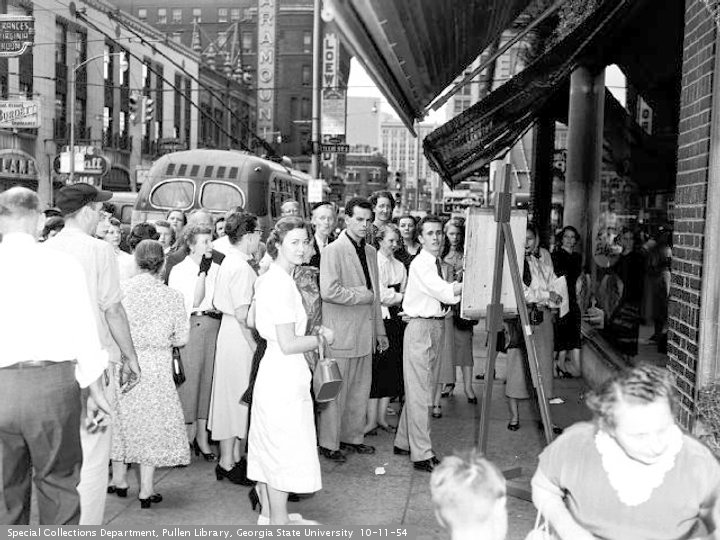
Destroy The Village To Save It




“It became necessary to destroy the town to save it.” This is one of the most familiar lines about the Vietnam War. It is often cited today, when discussing the response to COVID-19. Who said this?
It was “originally reported by Peter Arnett of the Associated Press, who quoted an unidentified American officer on why the village of Ben Tre was leveled during the Tet Offensive in early 1968. … A two-paragraph version of the AP dispatch was buried on page 14 of The New York Times, with no byline,” on Feb. 8, 1968. … “BENTRE, Feb. 7 (AP) It became necessary to destroy the town to save it,” a United States major said today. He was talking about the decision by allied commanders to bomb and shell the town regardless of civilian casualties, to rout the Vietcong.”
“Almost instantly, however, the line was being misquoted everywhere. On Feb. 10, an Oregon newspaper rendered it “We had to destroy the village in order to save it.” Two weeks later the St. Louis Post-Dispatch reported on a group of protesters carrying a banner that read, “It Was Necessary to Destroy the Village in Order to Save It.” In whatever form, the words had become a mantra of the anti-war movement, a … summary of what was wrong with the entire Vietnam adventure.”
“The day before Arnett’s story ran, the Times’s James Reston had asked in his column, “How do we win by military force without destroying what we are trying to save?” … Associated Press itself had used a similar phrase almost exactly a year before Arnett’s dispatch. In late Jan. 1967, the AP distributed a wire photo of a different village with a caption that read in part: “The Americans meantime had started to destroy the village to deny it to the Viet Cong.” The photograph was published across the country. One wonders whether the officer Arnett was quoting had come across the caption the previous year.”
“But the actual father of the metaphor — the man who put it into roughly the form we know today — seems to have been Justice Edward White of the U.S. Supreme Court. In a 1908 decision known as the Employers’ Liability Cases, the justices were asked to give a narrow reading to a congressional enactment concerning common carriers in the District of Columbia. The court refused. The requested reading, according to White’s opinion for the majority, would in effect add a new clause to the statute. He then explained why doing so would be wrong: “To write into the act the qualifying words therefore would be but adding to its provisions in order to save it in one aspect, and thereby to destroy it in another — that is, to destroy in order to save, and to save in order to destroy.””
The fighting in Ben Tre took place during the Tet Offensive. This is widely seen as a turning point in America’s involvement in that conflict. “On January 30 1968 … the North Vietnamese and the Vietcong launched a massive military offensive that proved the battle raging in Southeast Asia was far from over, and that President Lyndon B. Johnson’s administration had grossly oversold American progress to the public. Although U.S. troops ultimately ended the offensive successfully, and the North Vietnamese and the Vietcong suffered brutal loses, these bloody weeks triggered a series of events that continue to undermine Americans’ confidence in their government.”
“Cronkite was so shocked at the devastation of the communists’ Tet offensive that he went over to see for himself what was really going on.” On February 27, 1968, “he concluded the war was a stalemate, probably unwinnable. … Lyndon Johnson was said to have watched the broadcast and exclaimed to his press secretary, George Christian, “If I have lost Walter Cronkite, I’ve lost Middle America.” Pictures today are from The Library of Congress. This is a repost.




I’m Here To Help
Two popular quotes have surprising back stories. One is by President Ronald W. Reagan: “The nine most terrifying words in the English language are: I’m from the government and I’m here to help.” The other is from Supreme Court Justice Oliver Wendell Holmes Jr.: “The most stringent protection of free speech would not protect a man in falsely shouting fire in a theatre and causing a panic.”
@HayesBrown “the funny thing about this quote: Reagan said it during a press conference where he was calling for more federal funding to help out struggling farmers” @HayesBrown “Reagan giving that quote was literally him going “okay, yeah, i’m for smaller govt, but until we get my ideas passed, we are gonna spend SO MUCH MONEY helping out farmers” and now it gets trotted out… to argue against federal aid, period”
“Some sectors of our farm economy are hurting … Our ultimate goal, of course, is economic independence for agriculture and, through steps like the tax-reform bill, we seek to return farming to real farmers. But until we make that transition, the government must act compassionately and responsibly. … In order to see farmers through these tough times, our administration has committed record amounts of assistance, spending more in this year alone than any previous administration spent during its entire tenure. … The message in all this is very simple: America’s farmers should know that our commitment to helping them is unshakable. As long as I’m in Washington, their concerns are going to be heard and acted upon.”
The rest of the prepared statement features a fun quote. “One other brief point: tomorrow, the Senate will cast a crucial vote. The question is that of assistance to the freedom fighters, who are trying to bring democracy to Nicaragua where a communist regime, a client state of the Soviet Union, has taken over. The question before the Senate is: Will it vote for democracy in Central America and the security of our own borders, or will it vote to passively sit by while the Soviets make permanent their military beachhead on the mainland of North America?”
The press conference took place August 12, 1986, in Chicago IL. On November 3, 1986, “the Lebanese magazine Ash-Shiraa … reported that the United States had been secretly selling arms to Iran … in a bid to secure the release of seven American hostages being held by pro-Iranian groups in Lebanon.” On November 25, 1986, “Attorney General Edwin Meese revealed that, on White House orders, the proceeds of secret arms sales to Iran were illegally diverted to fund the Contras — Nicaraguan rebels waging a guerrilla war to overthrow that country’s elected leftist regime.” The resulting Iran-Contra scandal dominated the Reagan administration for the next few months.
@ggreenwald The pro-censorship cliché “can’t yell fire in a crowded theater” comes from a now-discredited 1919 SupCt case upholding Woodrow Wilson prosecution of socialists under *The Espionage Act* for the “crime” of opposing a US role WW1. Why would you want to attach yourself to that? @ggreenwald The set of cases from which that cliché emerged is one of the most shameful in US Supreme Court history, designed to criminalize dissent. For that reason, it’s embarrassing but revealing when censors invoke it because that’s their real mentality.
SCHENCK v. UNITED STATES was the case. “During World War I, socialists Charles Schenck and Elizabeth Baer distributed leaflets declaring that the draft violated the Thirteenth Amendment prohibition against involuntary servitude. The leaflets urged the public to disobey the draft, but advised only peaceful action. Schenck was charged with conspiracy to violate the Espionage Act of 1917 by attempting to cause insubordination in the military and to obstruct recruitment. Schenck and Baer were convicted of violating this law and appealed …
The Court held that the Espionage Act did not violate the First Amendment and was an appropriate exercise of Congress’ wartime authority. Writing for a unanimous Court, Justice Oliver Wendell Holmes concluded that courts owed greater deference to the government during wartime, even when constitutional rights were at stake. … Holmes reasoned that the widespread dissemination of the leaflets was sufficiently likely to disrupt the conscription process. Famously, he compared the leaflets to falsely shouting “Fire!” in a crowded theatre, which is not permitted under the First Amendment.”
There were a couple of other cases. If you have a lot of free time, you can read about it here. Included is one charming quote: “Famed socialist Eugene V. Debs was sentenced to ten years in prison for a speech that Holmes summarized at length (are there any short socialist speeches?) in support of the basis for Debs’ conviction.”
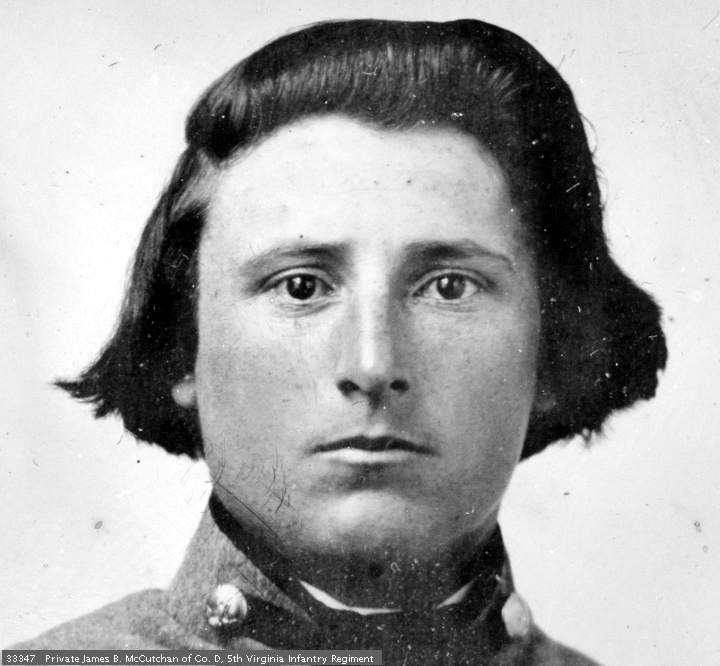
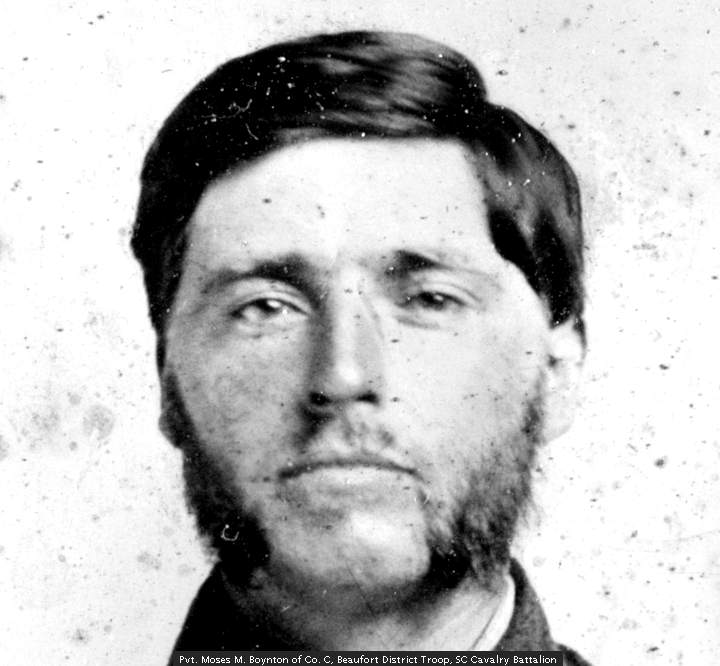
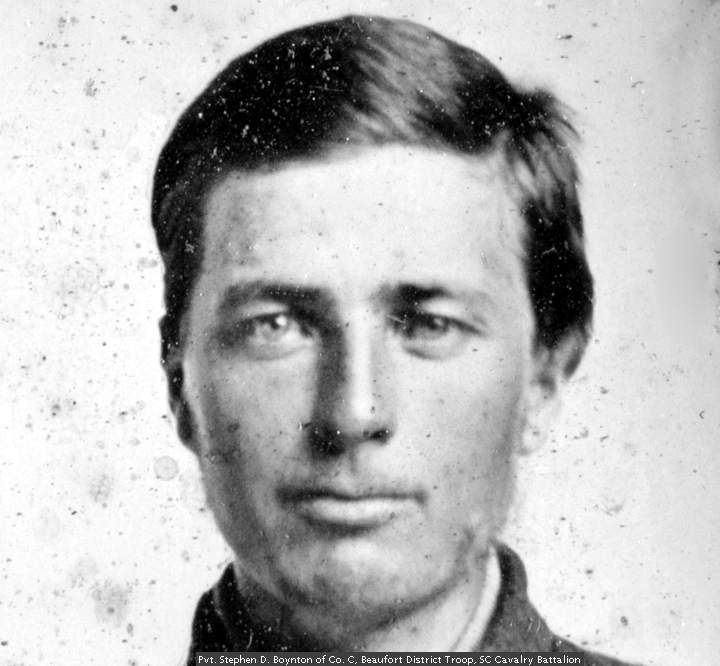
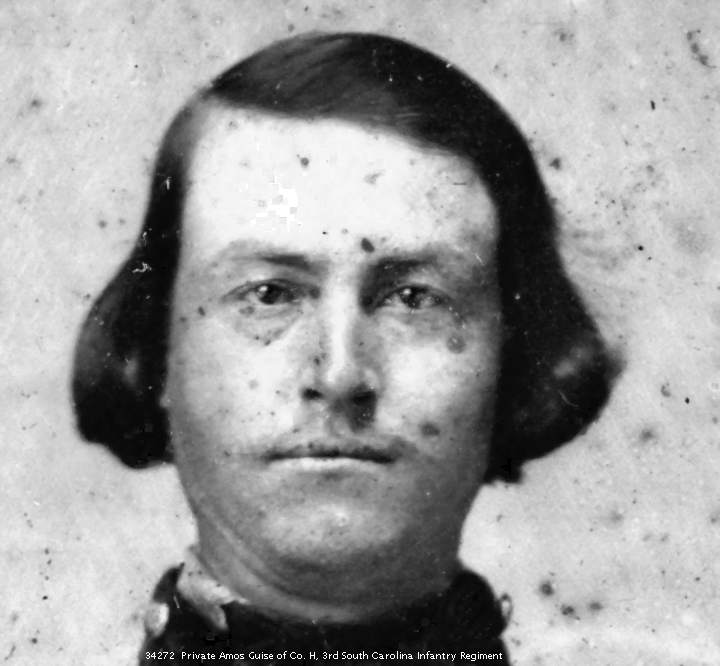
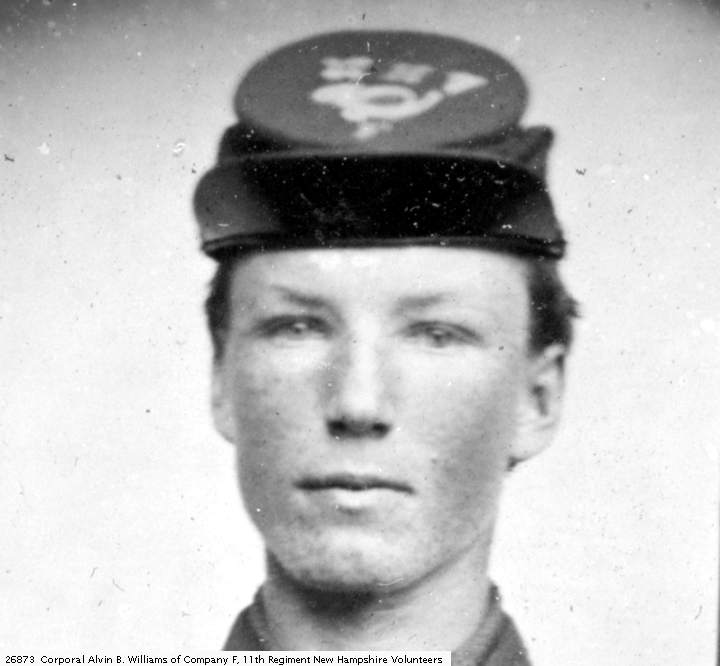
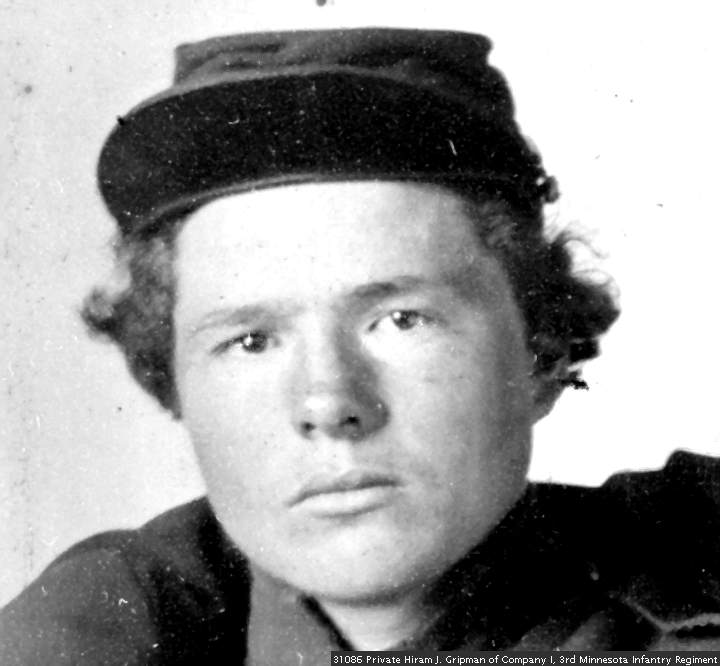
Pictures, of soldiers in the War Between the States, are from The Library of Congress. On April 2, 2021, Radiolab presented What Up Holmes, about free speech opinions written by Justice Holmes. The show did not mention “falsely shouting fire in a theatre.” This is a repost.


Jean D. McKinnon

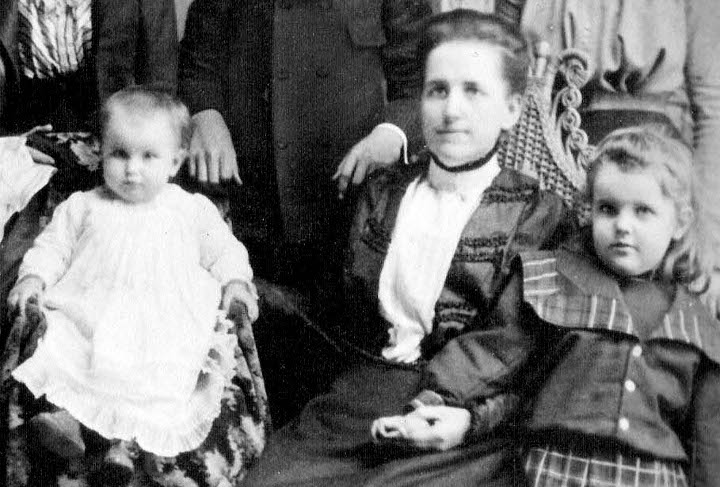

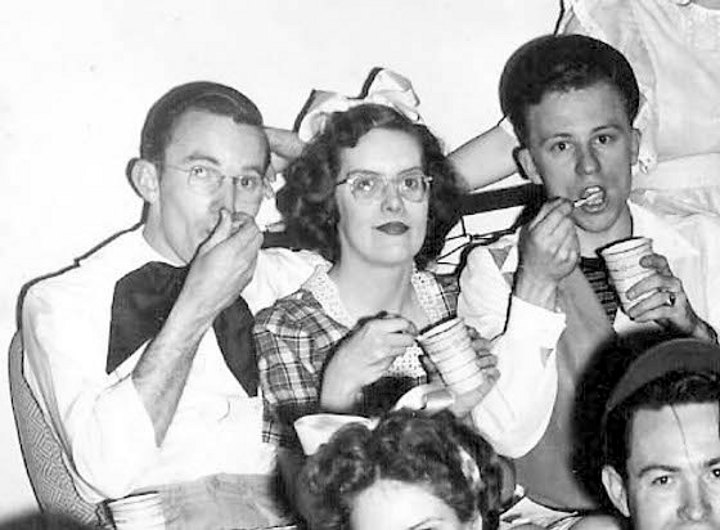
The first picture in this episode is a family portrait of the Quin family in Washington Georgia. The nine surviving children of Hugh Pharr Quin are sitting for the camera. Mr. Quin had joined the Georgia State Troops of the Army of the Confederacy at the age of 16, and after the war went to Washington to live with his sister. Mr. Quin was in the church choir of the First Methodist Church when he met the organist, Betty Lou DuBose. They were married January 22, 1879.
The original name of Mrs. Quin was Louisa Toombs DuBose. She was the daughter of James Rembert DuBose. His brother in law was Robert Toombs, the Secretary of State of the Confederacy, and a man of whom many stories are told.
In this picture, Mrs. Quin is holding the hand of her second youngest daughter so she will not run away. This is Martha (Mattie) Vance Quin. She is my grandmother.
After the Great War, Mattie Quin was living in Memphis Tennessee, where she met Arthur Dunaway. Mr. Dunaway was a veteran of the war, and was from Paragould, Arkansas. On July 23, 1922 her first Daughter, Jean, was born. This is my mother.
Mr. Dunaway died in 1930, shortly after the birth of his son Arthur. There were hard times and upheaval after this, with the family settling in Atlanta. There her third child Helen Ann Moffat was born on December 12, 1933. This is my Aunt Helen and my mother’s best friend.



Jean lived for many years with her mother and sister at 939 Piedmont, among other locations. She joined the First Baptist Church and sang in the choir. She got a job with the C&S bank, and was working at the Tenth Street Branch when she met Luther McKinnon. He was a native of Rowland, North Carolina. They were married October 6, 1951.
They moved into the Skyland Apartments, which in those days was out in the country. Mom told a story about Dad taking her home from Choir practice, and going home on the two lane Buford Hiway. There was a man who went to the restaurants to get scraps to feed his pigs, and his truck was always in front of them. This was a serious matter in the summer without air conditioning.
Soon, they moved into a house, and Luther junior was born on May 6, 1954. This is me. Malcolm was born May 10, 1956, which did it for the children.
The fifties were spent on Wimberly Road, a street of always pregnant women just outside Brookhaven. It was a great place to be a little kid.
In 1960, we moved to Parkridge Drive, to the house where my brother and I stay today. The note payment was $88 a month. Ashford Park School is a short walk away…the lady who sold us the house said “you slap you kid on the fanny and he is at school”.
In 1962, our family followed the choir director from First Baptist to Briarcliff Baptist, which is where my parents remained.
In 1964, Mom went back to work. She ran the drive in window at Lenox Square for the Trust Company of Georgia until it was time to retire. She became a talk radio fan when RING radio started, and was a friend of her customer Ludlow Porch. She gave dog biscuits to customers with dogs.
During this era of change, Mom taught me that all people were good people, be they black or white. This was rare in the south. She later became disgusted with the War in Vietnam, and liked to quote a man she heard on the radio. “How will we get out of Vietnam?””By ship and by plane”.
Eventually, it was time to retire. Her and Dad did the requisite traveling, until Dad got sick and passed away February 7, 1992. Mom stuck around for a few more years, until her time came December 18, 1998. This is a repost.




I Used To Be Charming Part Three
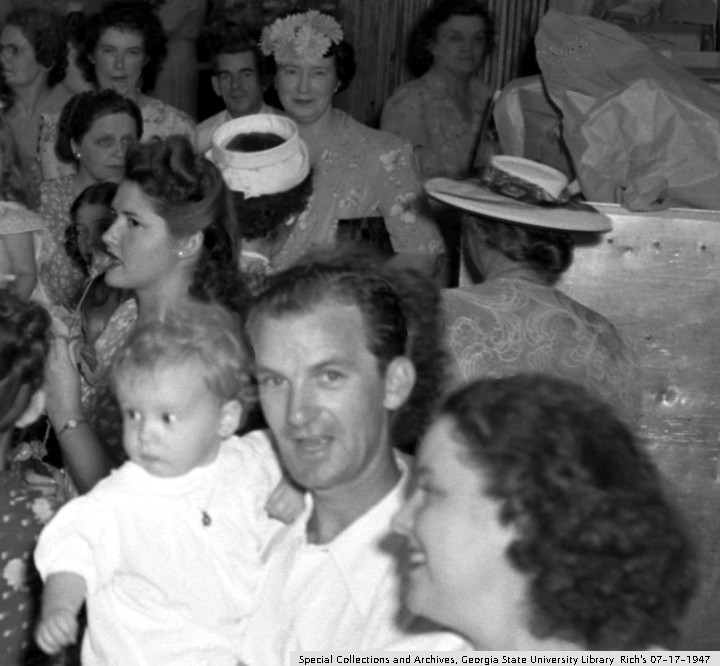
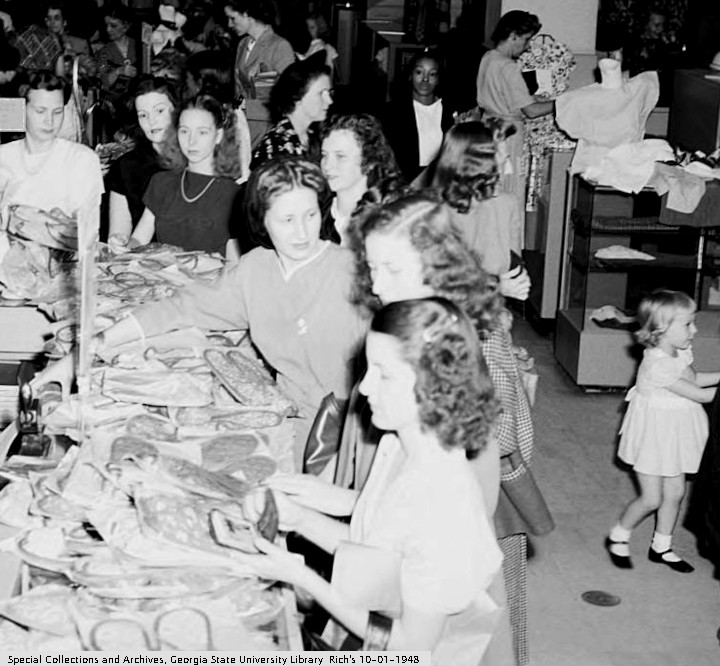
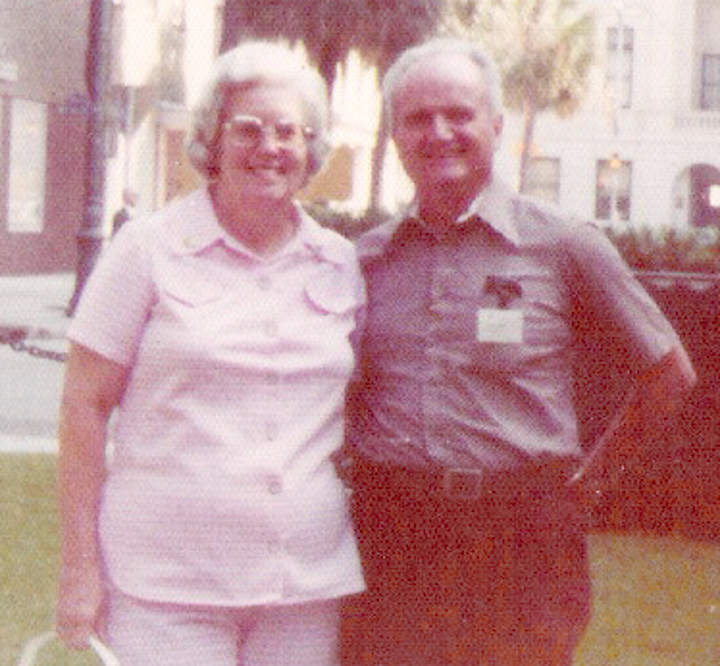
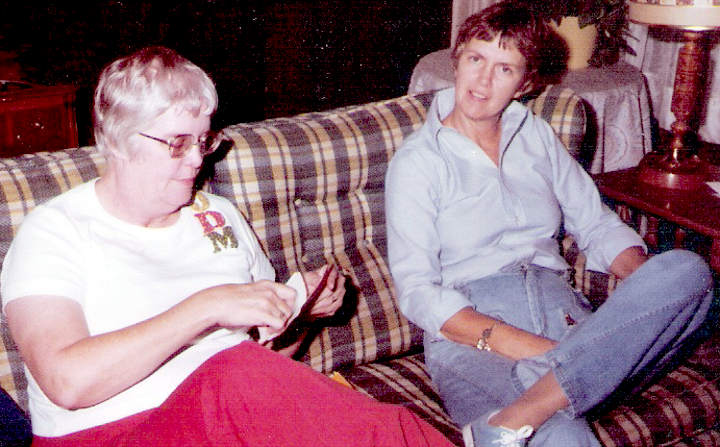
This is the latest edition of the chamblee54 book report on I Used to Be Charming, by Eve Babitz. This feature is a bit different. Instead of focusing on IUTBC, we will look at some of the key players in the story. A catalyst for today is a 2019 episode of the Bret Easton Ellis Podcast. The guest is Lili Anolik, promoting a book, Hollywood’s Eve: Eve Babitz and the Secret History of L.A.
One important name is Earl McGrath. Bret had never heard of him. A friend of many influential people, McGrath had many careers. Apparently, his main skill was a talent for being fabulous. As David Bowie said, “It’s not really work, it’s just the power to charm.”
“McGrath’s story began in Superior WI. The son of an itinerant short-order cook, it wasn’t long before the teenage Earl began to display a wanderlust of his own, dropping out of high school and leaving home, ‘hanging out with Aldous Huxley in Los Angeles and going to see Henry Miller in Big Sur’, according to Vanity Fair. In the late 1950s he served with the Merchant Marine in Africa and the Middle East, and in Italy, in 1958, he met the woman he would later marry, Camilla Pecci-Blunt — a glamorous countess, and a descendant of Pope Leo XIII … McGrath was working for 20th Century Fox in the early 1960s when he met perhaps the other most influential person in his life, the legendary co-founder and president of Atlantic Records, Ahmet Ertegun.”
“Maybe that’s why Eve fell in “friend love” with a gay man, the cattiest breed of all, if we want to be cuntily honest as well. Specifically, Earl McGrath … As any gay man not fully out would be, McGrath was married to an Italian countess. He never had an official title, per se, though, in death, he would be credited as a “writer, music executive, art collector, and gallery owner.” In short, a jack-of-no-trades. Other than knowing how to be at the right place at the right time, and network with the right people. This is how he came into Eve’s orbit in the late 60s. The two grew Siamese twin close until McGrath’s venom reared its ugly head with the line … “Is that the blue you’re using?” As Anolik interprets the phrase, it’s an easy way to make an artist (of any kind) doubt themselves and their vision.”
Eve met Earl McGrath when Eve, and possibly McGrath, was dating Peter Pilafian, the electric violin player with The Mamas and The Papas. Peter Pilafian is one of those players that is unknown today. He does not have a wikipedia page, and we do not know if he is alive. Apparently, Eve would spend the night with Pilafian, and McGrath would show up at 7am the next day.
Somehow, Eve and McGrath connected. McGrath makes a spectacle of himself in Slow Days Fast Company. McGrath also gets credit/blame for the line you always seem to hear about Eve. “In every young man’s life, there is an Eve Babitz. It is usually Eve Babitz.”
lilianolikwriter has a tasteful picture, with this caption: “Eve Babitz with frenemy, Earl McGrath, at the opening of the Black Rabbit restaurant on Melrose, at the tail-end of the 60s. Earl is in the cowboy mustache, Eve in the glasses, which she was normally too vain to wear in photographs. The brunette with the pixie hair is Diane Gardiner, Doors publicist and long-time squeeze of Chuck Berry. (Says Eve, “Diane was a mean monster but everything she said was funny so I forgave her.”) … The woman in the floppy hat and sunglasses, says Eve, doesn’t ring a bell, not even a faint one.”
Allegedly, the Eve-McGrath falling out came when Eve was dating Harrison Ford, who also caught McGrath’s eye. A posthumous article about McGrath mentions “His great friend Harrison Ford — three of whose children were among McGrath’s two-dozen godchildren — saluted him as, ‘The last of a breed, one of the last great gentlemen and bohemians.’”
Lili Anolik tells an amusing story about Mr. Ford. “I remember one of our first conversations Eve told me about Harrison Ford dealing dope out of a bass fiddle at Barney’s Beanery”…. Michelle Phillips talks about seeing Star Wars when it first came out. When Harrison Ford appeared on the screen, Michelle said “whats he doing there, that’s my dope dealer.” A less reliable source chimes in: “Harrison Ford was her weed dealer, and, briefly, her lover: “The thing about Harrison was, Harrison could fuck. Nine people a day. It’s a talent, loving nine different people in one day. Warren [Beatty] could only do six.”
Part of the Eve legend is the photograph of Eve playing chess with Marcel Duchamp. “What happened was, my boyfriend at the time, Walter Hopps [director of the Pasadena Art Museum, 31, married], had scored this great coup. He’d convinced Duchamp, who’d given up art for chess back in the 1920s, to do a retrospective with him. He threw a party for the private opening, and L.A. had never seen anything like it. Everyone, everyone, was there—Duchamp, naturally, and Andy Warhol and Claes Oldenburg and Dennis Hopper and, oh, just everyone. I wasn’t, though, because I wasn’t invited. I guess Walter was afraid I’d make a scene in front of his wife. I was mad, which is why when Julian asked me at the public opening to take off my clothes and pose for him, I said sure. I mean, my breasts were normally something to behold, but birth control had made them even bigger, so they were really something to behold at that particular moment. …”
The photographer, Julian Wasser, was dating Eve’s sister Mirandi. Wasser had an exhibit in 2019, so apparently he was alive 3 years ago. Wasser took his most famous picture a few years later.“One August day in 1969, I was listening to a police radio when I heard all this strange talk about something going on in this residential area next to Beverly Hills. It was the kind of neighbourhood where people would … put pillows over their heads if murders were going on.”
“That was how I first heard that Roman Polanski’s wife, Sharon Tate, had been killed, along with four others. When I went up there shortly afterwards for Life magazine, Roman asked me to take Polaroid shots of the scene as well – and give them to a psychic who could study them and find out who the killers were. You can see my Polaroid on the chair beside Roman. …”
“When I was 14, I used to steal my dad’s car and drive all over Washington listening to police radio. There was segregation then and all the best murders, robberies and bloody events were in the black part of town. I’d photograph them and give the shots to the Washington Post. I was so naïve. Of course they wouldn’t run them – it was black people. … It’s a rough world now. I think Manson started it and 9/11 finished it. Reality has fallen on us like a ton of bricks.”
Ed Ruscha and brother Paul Ruscha were longtime *friends* of Eve. After Eve died, they had a paywall protected chat. Ed Ruscha: “Oh, it was the early ’60s, but she was a great part of my growing up. I know I was with her when Jack Ruby shot Lee Harvey Oswald. I was in bed with Eve and we were watching this on live TV, a little black-and-white set. … she lived in this house behind her parents’ house. She kept a sloppy quarters because she had a lot of cats who had their way. Her parents lived up at the front house on Bronson near Franklin. And I knew her parents well. Mae was a beautiful, sweet Texan who was an artist, and she drew pictures of the gingerbread houses on Bunker Hill. And Sol was the musician, violinist. They were very sweet people.”
Paul Ruscha: “I came to L.A. in 1973. We met at Jack’s Catch All; it was this great thrift store. I was a veteran thrift shopper and so was Danna [Ed Ruscha’s wife]. She introduced me to Eve, who said, “I’d like to have you over for dinner.” Danna said, “I think she likes you.” Eve knew that Ed and I were friends with [fashion model] Leon Bing. So she called Leon, who told Eve, “Well, no matter what you make for him, be sure that it’s loaded with cilantro because he’s just crazy about cilantro.” Eve put it in the salad and the soup, and I hate cilantro and I couldn’t eat it. All I could do is laugh. … If I spent the night with her, she’d wake up before I did and then want me to leave. So she’d throw coffee into a pot of boiling water and bang on it to make the grounds go down and to wake me up and say, “OK, here’s your coffee. Now get out of here.” And I’d laugh and then she’d say, “I think I’ve got something I’d like you to read.” Then I’d read whatever she’d written the day before. I gave her my critique, and if she liked it, she let me stay, and if she didn’t, she’d throw me out. … She just couldn’t go anywhere without ruining something. She’d knock something over or break something, and the same thing at her house. I remember a couple of fur coats I gave her, and one of them she threw over this little space heater that she had. It caught on fire and it burned up her garage.”
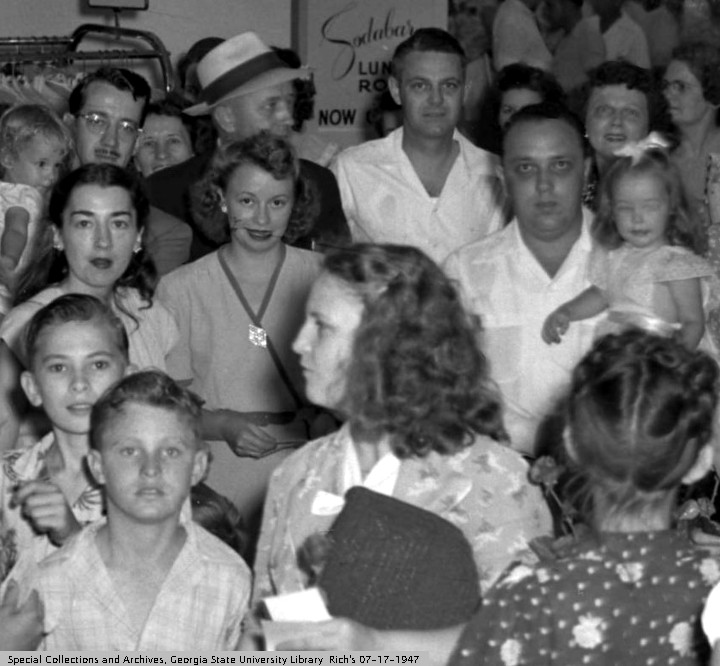
Since this is Hollywood, a certain amount of skepticism is appropriate. Lili says in the BEE appearance “the modern way of being objective is a kind of hyper objectivity, it’s a reconstituted objectivity, is objectivity that acknowledges the inevitability of subjectivity.” Pictures today are from “The Special Collections and Archives, Georgia State University Library.” More episodes of this series are available. one two four five


Richie Havens





Richie Havens died April 22, 2013. He was 72 years old. In 1969, he was the first performer at Woodstock. Mr. Havens was featured in the movie, and became very popular. The promoters asked him to play longer, while backstage chaos played out. “Freedom” was improvised to fill this need.
In 1974, PG had the privilege of seeing Richie Havens. He was playing at Richards, a club on Monroe Drive. It was the 2am show, on a weeknight. There was not a large crowd. What crowd there was kept yelling for “Freedom”, as if Mr. Havens had an obligation to play it.
Mr. Havens played a Guild guitar. He strummed it hard, with his pick dragging down over the body past the air hole. It looked like a guitar would only last a show, or two, before he would wear scratch marks in the body. Indeed, he did change guitars in mid show that night.
Pictures are from The Library of Congress. This is a repost.



Harvey Fierstein


@HarveyFierstein wrote a book, I Was Better Last Night: A Memoir. Harvey Forbes Fierstein is selling his book, and saying festive things in the process. This will probably not influence one star commenter amazon customer. “This story seemed disjointed and superficial.”
Free Library of Philadelphia begins the discussion. The lady began with the traditional question about how Popeye Harvey got started. “I never wanted to be a writer. I never wanted to be an actor. I wanted to be an artist, but artist is is the 1950s word for gay.”
The chat turned onto the topic of sobriety. “By the time I stopped drinking I was drinking half a gallon of southern comfort a day, of 100 proof. So you’ve got to work your way up to that, because that will kill you if you try doing that on one day’s notice.”
“I think we’re almost gonna head to the Q&A, but I’m curious.” (Harvey puts the Q back in Q&A) “What advice do you have for young artists starting out in the world right now?” “Go get a real job.”
Barbara Walters interviewed Harvey in 1983. 39 years later, it is a cringefest. “His name is Harvey Fierstein, and with this success, he’s become Broadway’s newest celebrity. He is, to say the least, an unlikely celebrity. Harvey Fierstein, 29 year old homosexual playwright, actor, two-time Tony winner, and, just until a few years ago, earning his living as a drag queen … a man dressed up as a woman. At the age of 13 his middle-class parents from Brooklyn knew for certain that he was a homosexual, and by the time he was 15, he was performing as a transvestite.”
The 20/20 appearance is remarkable in many ways. Baba Wawa was known as a close friend, and possible beard, of Roy Cohn. She knew a lot more homosexuals than she acknowledged that night. Ms. Walters was roasted in a 2013 article about her retirement. “She’s old friends with make-believe TV tycoon Donald Trump.”
The WTF podcast, with Marc Maron, made this feature necessary. There was the time Harvey’s mother took his grandmother to see Torch Song Trilogy, when it was on Broadway. “She’s watching the show, and she’s hard of hearing, and in the loudest voice that has ever been projected in in a Broadway theater, she says “So Harvey’s a homosexual,” and my mother, in a voice loud enough for my grandmother to hear her, said “how should I know I don’t sleep with him.”
“No one knew who gay people were. We were something they talked about. We were vampires that only appeared at night. We weren’t normal people. Then aids hit … and suddenly we were everywhere. We’re doctors and teachers and lawyers and priests and mothers and babies. Now they see us everywhere, hospitals, classrooms, obituaries. We were gay, and now we’re human, that was a huge change. All of a sudden we existed. Now did they run away from us, did they turn their back on us, did they wish we did all die, maybe, but we were no longer deniable. We existed, and that changed everything. We’ve now got this war we’re fighting for our lives, because because of aids, and out come these young people screaming for marriage equality, and I’m saying what the [ __ ] is wrong with you people. We have we have so much other work to do. We’ve got all this crap going on to take care of, and you care about a [ __ ] wedding cake. Where are your values? Then I stopped myself. I said, you know, these are younger people than you, and don’t they have the right to define what the revolution should be? So I shut my mouth, and I went to work for them, and they turned out to be right.”
“Now this generation, coming back to where we started this whole conversation, has brought up gender, said, we’re now going to show you about gender, or at least question all of the roles of gender once again. I don’t understand it but I have lived enough history now to know, follow the young people, it’s their world, it’s not our world. We should shut the [ __ ] up. The role of an elder is not to tell you what to do, even though people think that’s what an elder is supposed to do. The role of an elder is to facilitate what young people want to do. That’s the best thing we can do.”
Marc Maron: “That whole world of gay sex that you write about it, to me it’s just like, oh my god, I mean like it was just you just walking around [ __ ] wherever you wanted, and just like kind of the insane electricity of that world, I can’t even imagine it.” Harvey: “Mark, my love, do you really think we aren’t still doing that? You really think i can’t take you to Central Park now, and show you people
[ __ ] in the rambles, are they yeah of course they are … it’s boys yeah what do boys need to have sex a finger that can pull down a zipper.”
“I never had children, believe me, raising Matthew Broderick was enough.” Pictures for this unpaid exercise in book promotion are from The Library of Congress.



Siddhartha Gautama
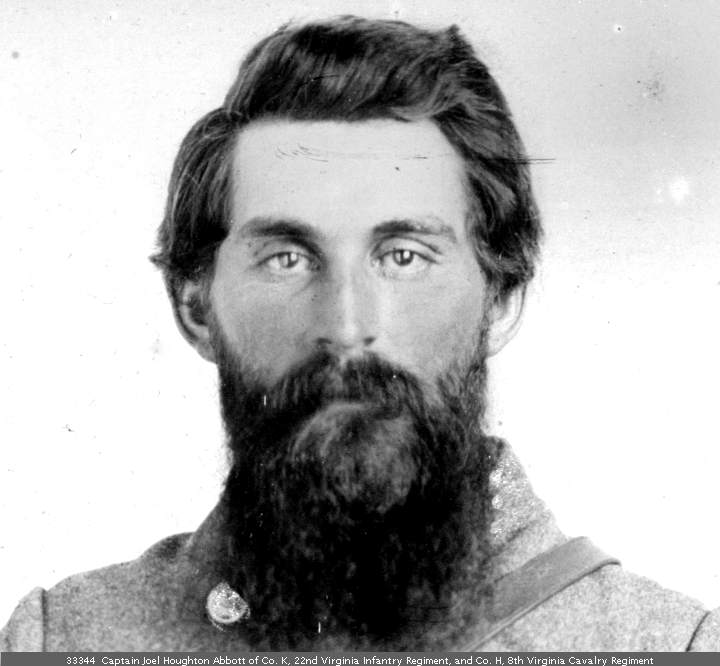
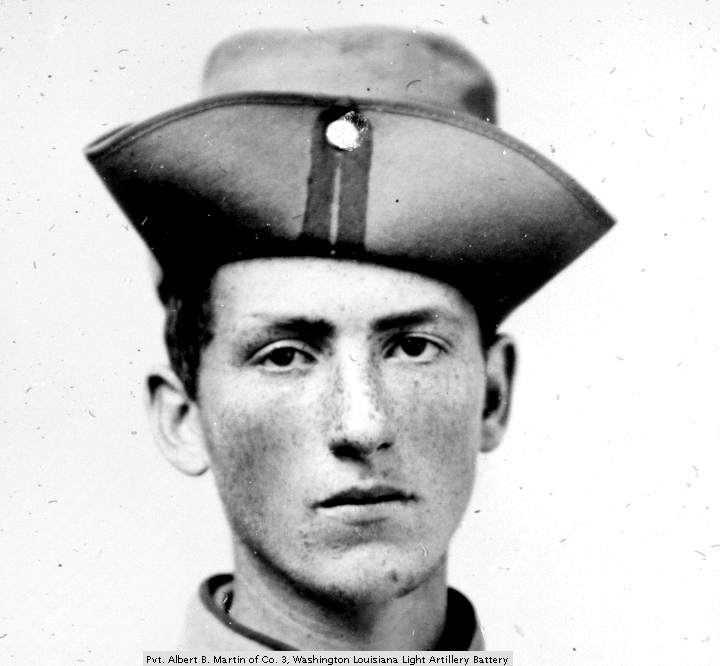
“The Buddha” is available for online viewing. 43 minutes into the PBS production, Gautama Siddhartha (pronounced sid HART ha) turned away from asceticism. He accepted a bowl of rice pudding from a lady, and was a step farther on the path to enlightenment.
Buddhism has always seemed “too asian” for an occidental to follow. There are some things, confirmed by this video, that PG finds appealing. The stories of Buddha are understood to be legends, with no one (that we know of) claiming them to be literal history. This is not like the book worship of Christians. Stories about Jesus are said to be literal truth. The ideas that Buddha taught are not changed by “mistakes” in telling his life story.
There is a story about Buddha seeing his ascetic buddies, after he ate the bowl of rice pudding. He got the ascetics to listen to him, until he won them over. From what PG has seen of humans, especially spiritually charged ones, he finds it tough to imagine these people listening that long. The average Jesus worshiper cannot be quiet long enough for you to finish a single sentence.
Christianity is obsessed with life after death. The Buddha of this show takes a different approach: “There are stories of people coming to the Buddha, and saying, “I am leaving your teaching because you have not told me about whether there is a life after death, or whether there is another world. And the Buddha says, ‘Did I ever say that I would give you the answers to these things?’ ‘No, Lord, you didn’t.’ ‘Why do you think that I ever said that I would give you the answer to these things? Because these are not the things that you need to know. The thing that you need to know is how to deal with suffering, because at this very moment, what made you ask that question was suffering.”
The focus is on the life of Buddha, not his death. The focus is on this life, not on life after death. Buddha lived to an old age, teaching up until his departure. Maybe if Jesus had been better at human relationships, he would not have been executed.
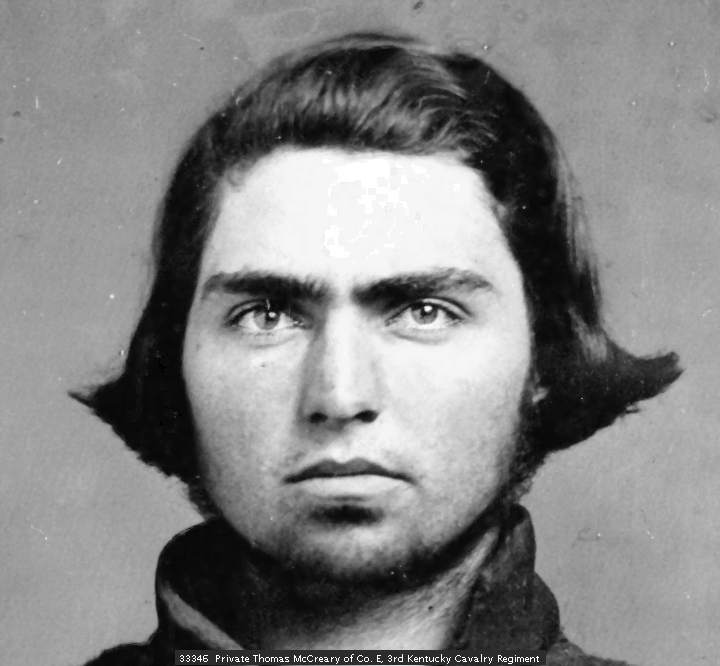
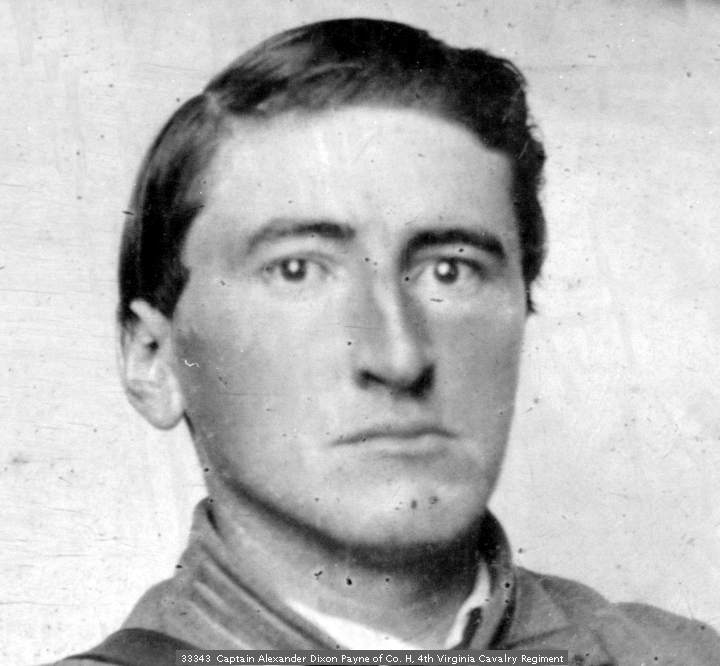
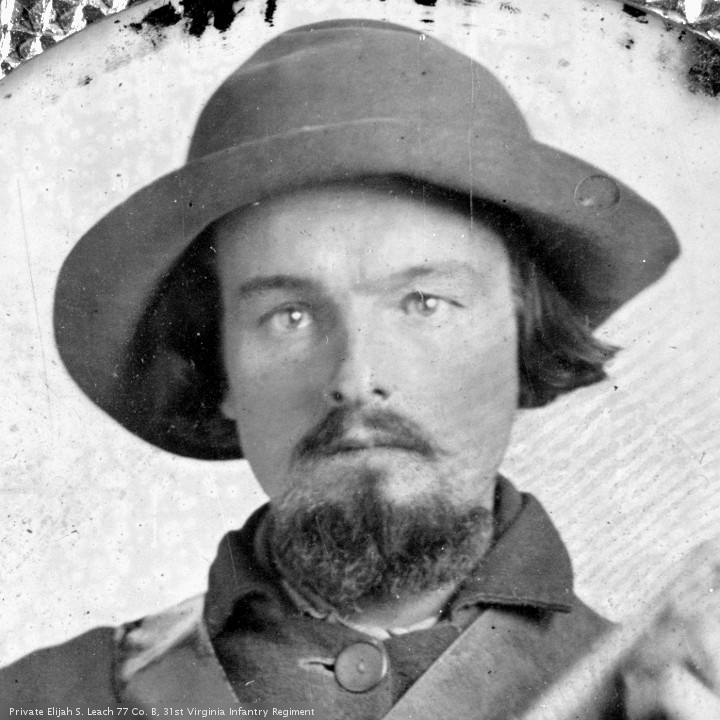
Maybe PG is so scarred by Jesus that he cannot benefit from any other source of wisdom. This is a repost. Pictures are from The Library of Congress. The men are Confederate soldiers from the War Between the States. Many resources are available for those who wish to learn more.
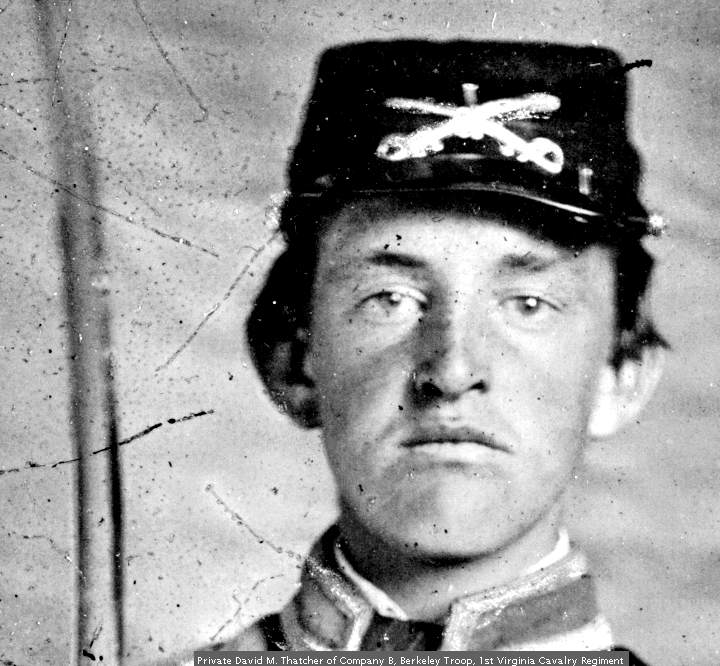

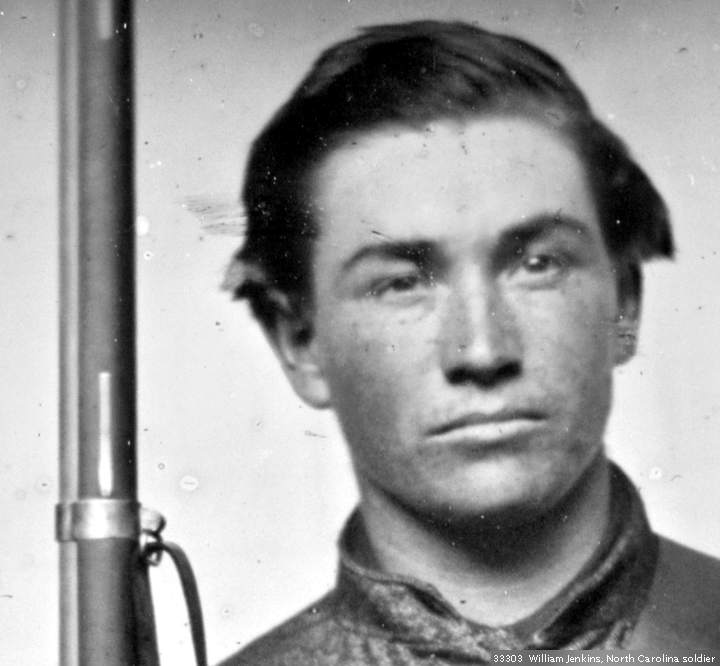
Confederate Memorial Day


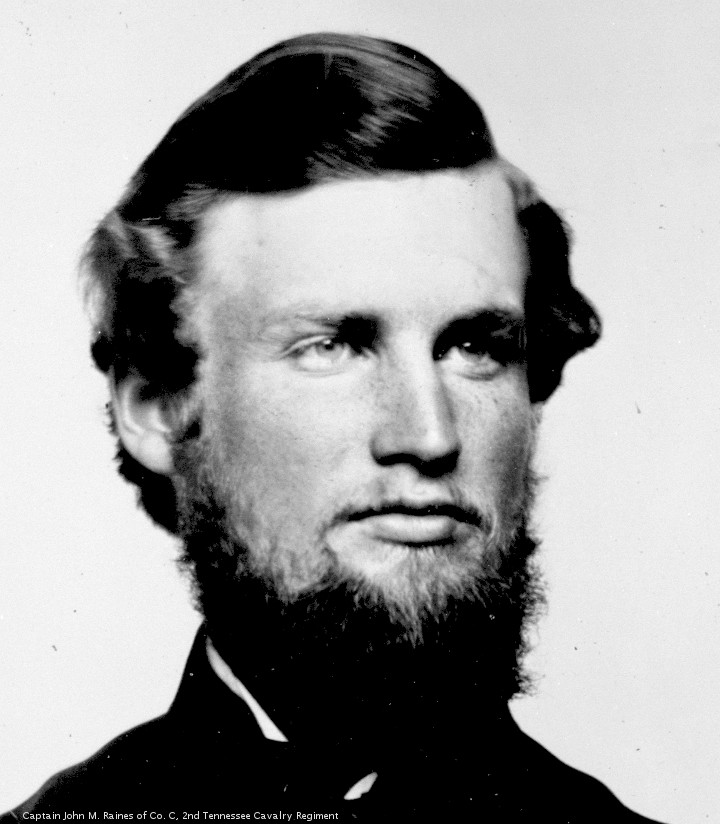
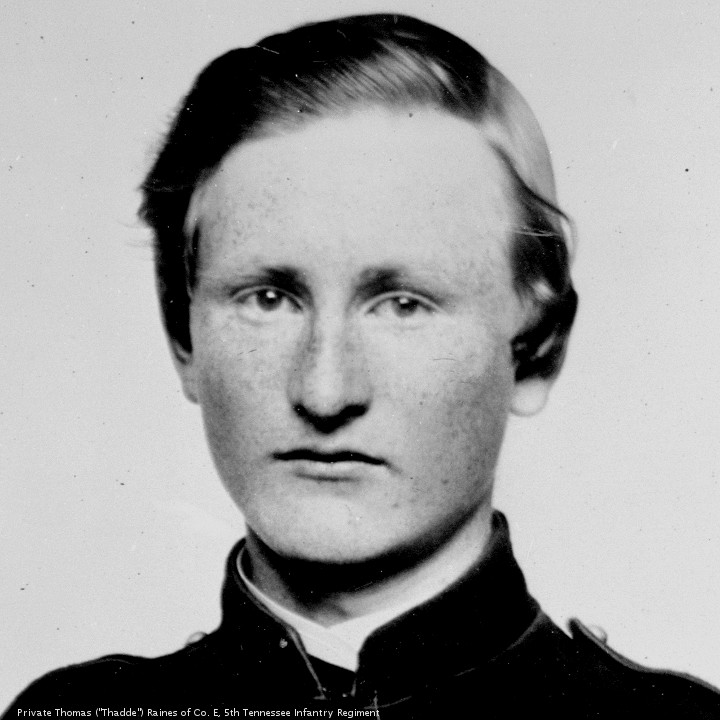


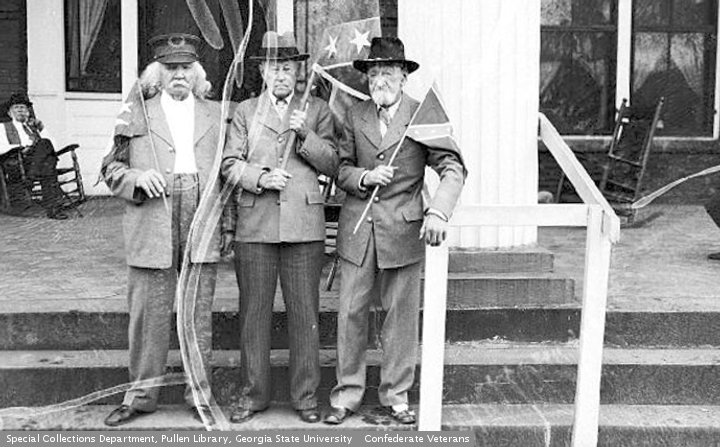
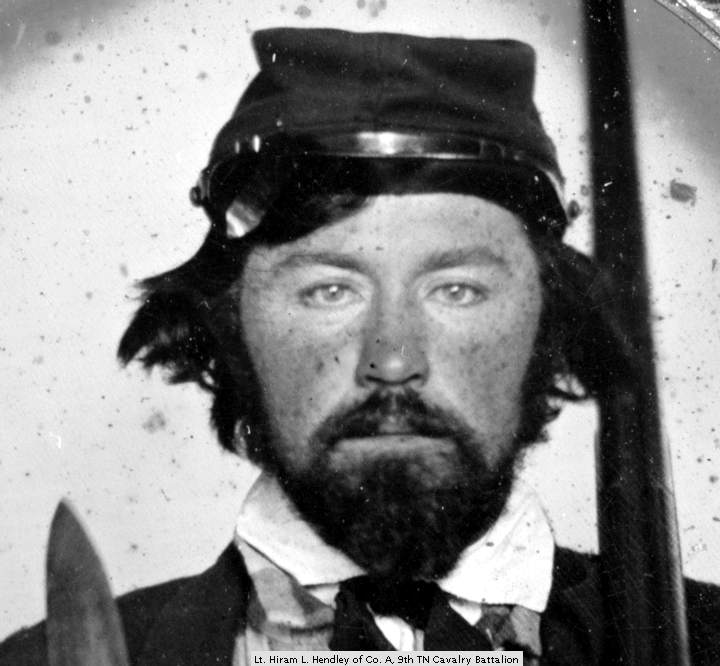
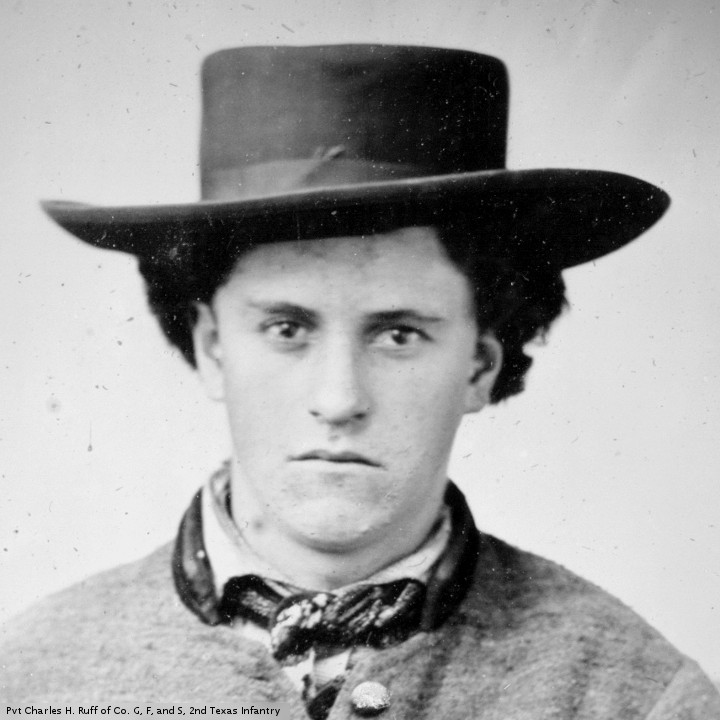
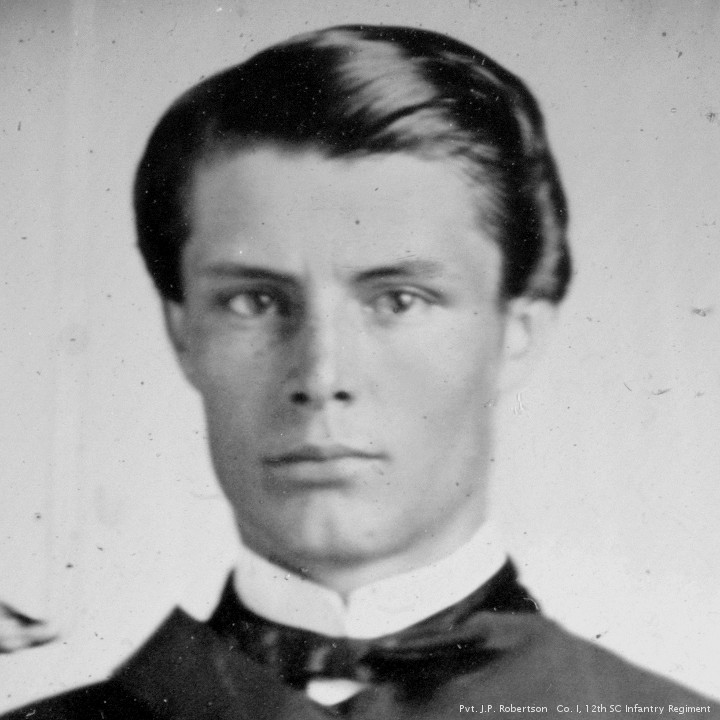
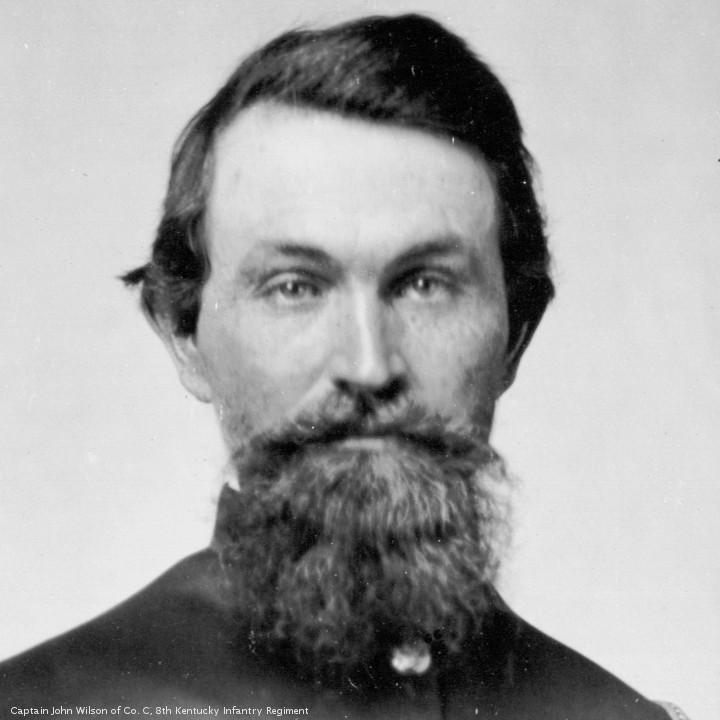
Today is Confederate Memorial Day in Georgia. It is an ancient question…how to honor the soldiers from the side that lost. They were just as valiant as the Union Soldiers. Considering the shortages of the Confederate Armies, the Rebels may have been just a bit braver.
The issue of Federalism is a defining conflict of the American experience. What powers do we give the Federal Government, and what powers do we cede to the States? The Confederacy was the product of this conflict. The Confederate States were a collection of individual states, with separate armies. This is one reason why the war turned out the way it did.
This is not a defense for slavery. The “Peculiar institution” was a moral horror. The after effects of slavery affect us today. Any remembrance of the Confederacy should know that. This does not make the men who fought any less brave.
It is tough to see the War Between the States through the modern eye. It was a different time, before many of the modern conveniences that are now considered necessities. Many say that the United States were divided from the start, and the fact the union lasted as long as it did was remarkable. When a conflict becomes us against them, the “causes” become unimportant.
The War was a horror, with no pain medicine. Little could be done for the wounded. It took the south many, many years to recover. This healing continues today. Remembering the sacrifices made by our ancestors helps. This is a repost. Pictures are from the The Library of Congress.



Mohandas Or Mahatma


Mahatma Gandhi – dying for freedom drops a curious tidbit 164 seconds in. “in the Indian capital Delhi there are several sites dedicated to the memory of the man to whom the poet Tagore gave the name Mahatma, great soul.” PG had always been annoyed by the custom of referring to Mohandas Karamchand Gandhi as Mahatma. It was time to learn more.
“The honorific Mahātmā (Sanskrit: “great-souled”) was first applied to Mr. Gandhi in 1914, in South Africa.” (Earlier wikipedias said that Mr. Gandhi was “pained” by the title.) A footnote has a googlebooks reference. “… Addresses in Durban and Verulam referred to Gandhi as a ‘Mahatma’, ‘great soul’. He was seen as a great soul because he had taken up the poor’s cause. The whites too said good things about Gandhi, who predicted a future for the Empire if it respected justice.”
“Rabindranath Tagore (1861 – 1941) is best known as a poet, and in 1913 was the first non-European writer to be awarded the Nobel Prize for Literature.” Mr. Tagore was a big deal in India. “Despite formal address till 1919 (“Dear Mr. Gandhi”) Tagore refers to Gandhi as the ‘Mahatma’ as early as February 1915. “… in April of 1919, Tagore had for the first time addressed Gandhiji as “Mahatma”, even though it wasn’t Tagore who was the first to use the honorific.”
Mr. Tagore and Mr. Gandhi differed sharply. Many of these conflicts were about tactics Mr. Gandhi was using against British rule. “Some of us are reported to be of the opinion that it is mass animosity against the British that will unify India… So this anti-British animus, they say, must be our chief weapon… if that is true, then once the cause of the animosity is gone, in other words when the British leave the country, that artificial bond of unity will snap in a moment. Where, then, shall we find a second target of animosity? We shall not need to travel far. We shall find it here, in our country, where we shall mangle each other in mutual antagonism, a thirst for each other’s blood.”
The matter of who first used the M-word has been the subject of a court case. “The Gujarat High Court on Friday declared that Rabindranath Tagore gave the title to “Mahatma” to Mohandas Karamchand Gandhi, reported India Today. The court was hearing a petition filed by one Sandhya Maru challenging the answer key of an examination held by a Rajkot local body, which said an “unknown journalist” came up with the title. … Maru said she lost marks because of the ambiguity about who gave the title to Gandhi … An RTI activist from Hyderabad had filed a query with the Prime Minister’s Office in 2012 seeking to know how, when and why Gandhi was given the title of Mahatma. The PMO had forwarded the request to the Indian Council of Historical Research … However, the ICHR informed RTI activist Raju Malthumkar in a letter that neither the NAI nor the Council had any documentary information on the subject.”
“A controversy broke out over a claim that a journalist – whose name remains unknown – first called Gandhi Mahatma. Tagore scholar and poet Sankha Ghosh made it clear that the Nobel Laureate was indeed not the first person to use the title. Gandhiji was first addressed as Mahatma at a reception at the Durban Town Hall in South Africa on July 12th 1914.”
A comment to this story has another take. “Nagar sheth of Jetpur Shri Nautamlal B. Mehta (Kamdar) was the first to use and bestow “Mahatma” for Shri Mohandas Karamchand Gandhi on January 21, 1915, at Kamri Bai School, Jetpur, India. From then on, Gandhiji was known as Mahatma Gandhi.”
We do not know who first called Mohandas Gandhi “Mahatma.” We also do not know why the M-word is so widely used. Many people think that Mahatma is Mr. Gandhi’s first name. Is Mr. Gandhi more inspiring with an honorific title, rather than the name his parents gave him?
Chamblee54 has written about M.K. Gandhi before. one two. Was Mohandas Gandhi A Racist? looks at Mr. Gandhi’s time in South Africa. Pictures today are from The Library of Congress.

 Chamblee54
leave a comment