Desiderata




 .
.







A poem, of unknown origin, was found in a Baltimore church. It was revived by a Lawyer, who lived in Terre Haute, IN. He liked to read it his friends, and his lips were moving. The attorney, Max Ehrmann, copyrighted this poem in 1927. Rumor has it that the manuscript was in an ambulance Mr. Ehrmann was following. How the accident victim came to possess this document is a mystery.
Mr. Ehrmann, the poet laureate of Terre Haute, wrote in his diary “I should like, if I could, to leave a humble gift — a bit of chaste prose that had caught up some noble moods”. The poem is Desiderata and is a favorite of gift shops the world over.
In 1956, Rev. Frederick Kates became the rector of St. Paul’s Episcopal Church in Baltimore, MD. He had found a copy of “Desiderata”, without the copyright notice. He printed a handout for his congregation on church stationary. At the top of the page was the notation “Old St. Paul’s Church, Baltimore A.C. 1692.” As the sixties devolved, the poem became famous.
Desiderata was the text of a recording. The entertainer, Les Crane, found a poster, in a Baltimore church gift shop. He thought the text was in the public domain, when in fact it is copyrighted. Mr. Crane was taken to court, and forced to pay the owners of the copyright. It seems that Mr. Ehrmann used “Desiderata” in a Christmas greeting, without citing the copyright. Later,during World War II, Ehrmann allowed a friend – Army psychiatrist Dr. Merrill Moore – to hand out more than 1,000 copies of the poem to his soldier-patients, without the copyright.
Don’t copyrights expire, get renewed, and then expire again? If a work was written in 1927, doesn’t it go into the public domain 83 years later. Fleurdelis says the copywright question depends on your point of view, and place of residence. Robinsweb tells of being forced to remove “Desiderata” from her site, because of a complaint by the copyright owner. Remember, we are dealing with a legal concept, as it relates to a poem, allegedly written by a lawyer.
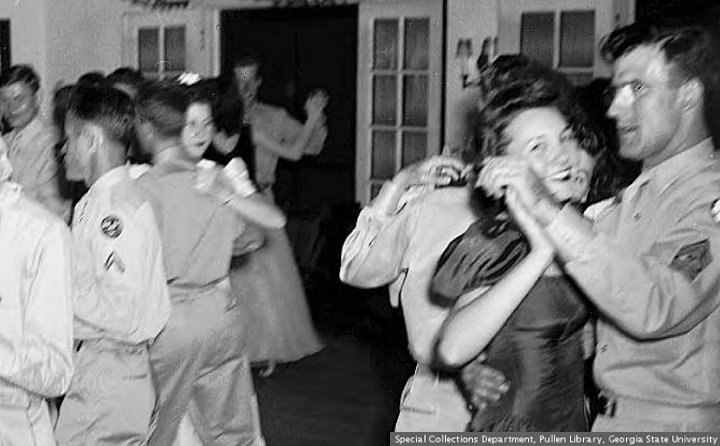
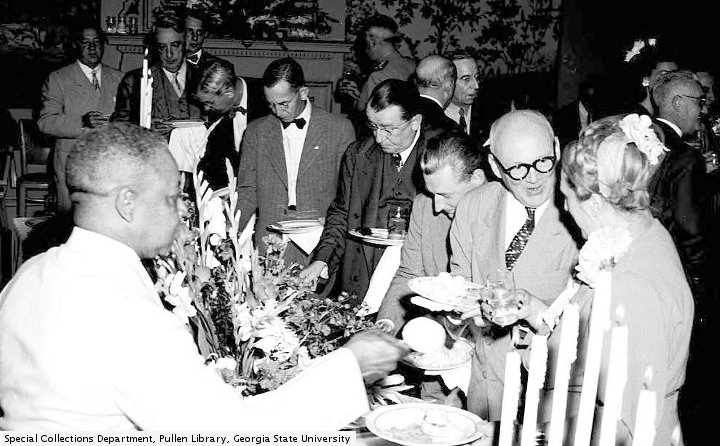
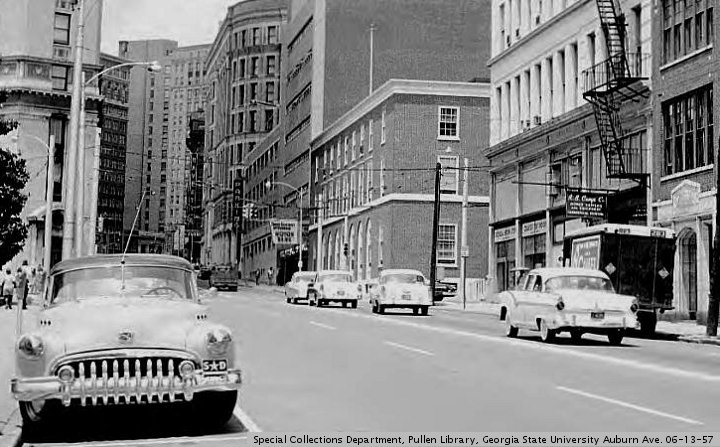
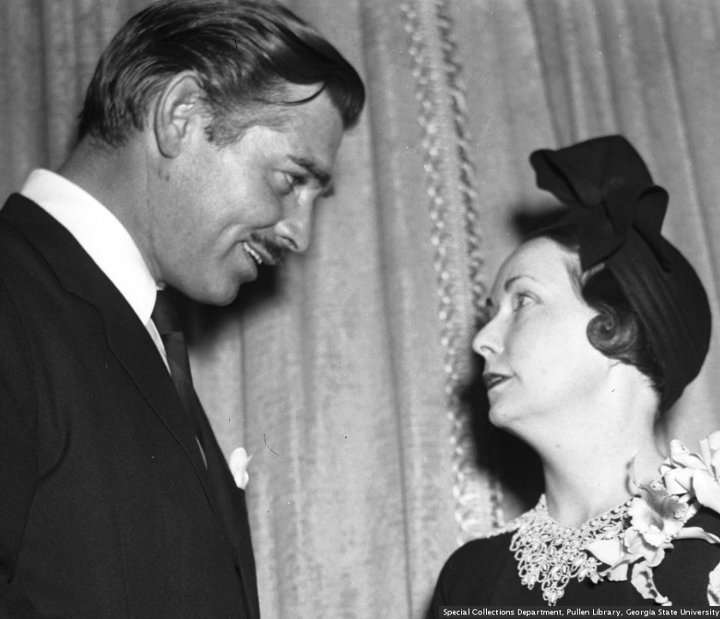
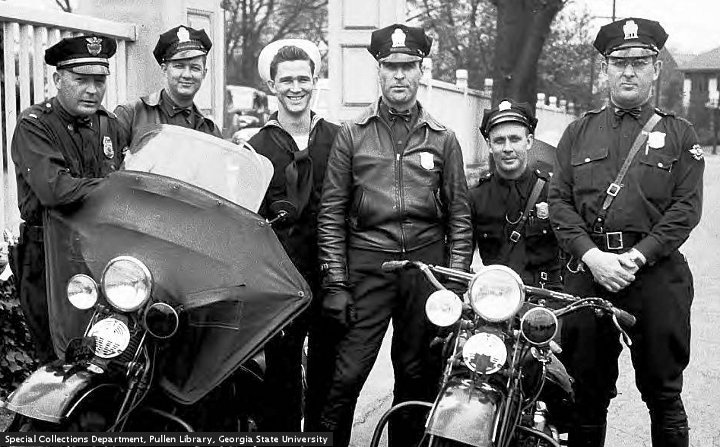
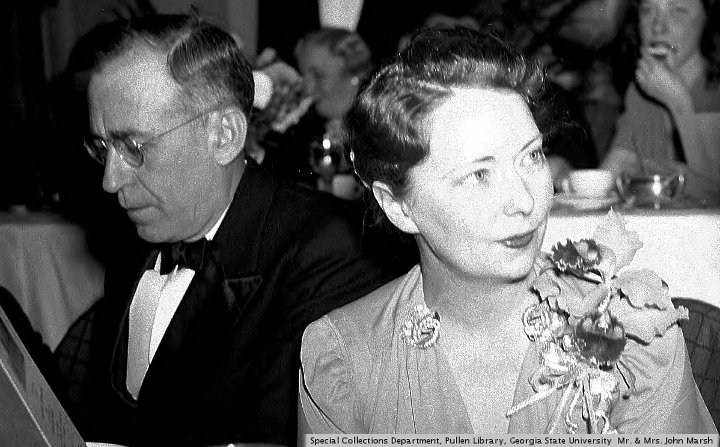
National Lampoon produced a new translation, Deteriorata. This is a repost. Pictures are from Special Collections and Archives, Georgia State University Library
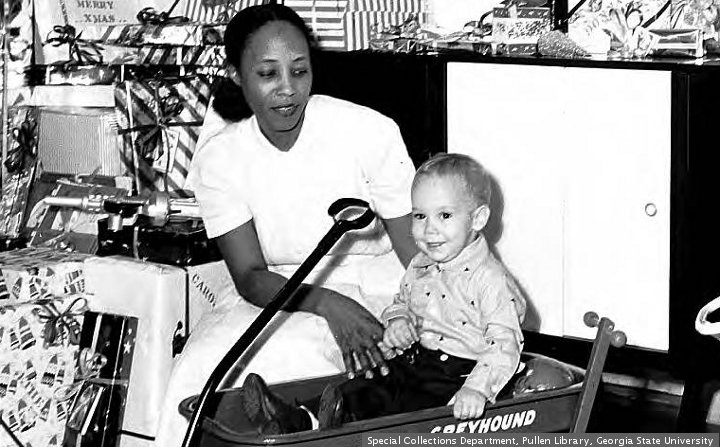
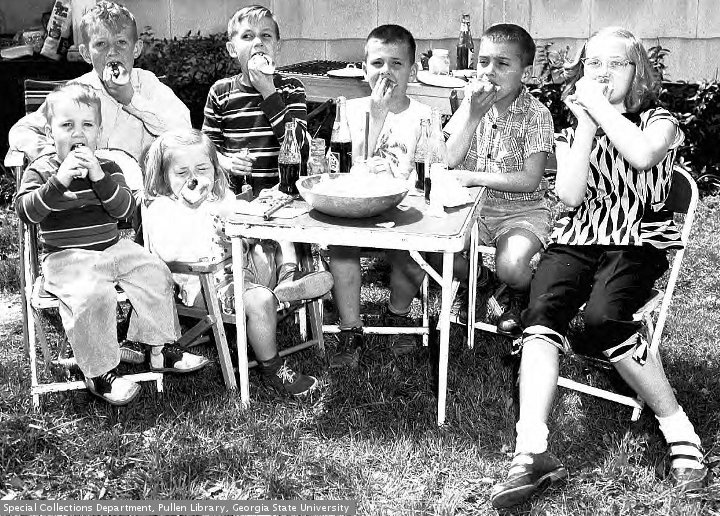


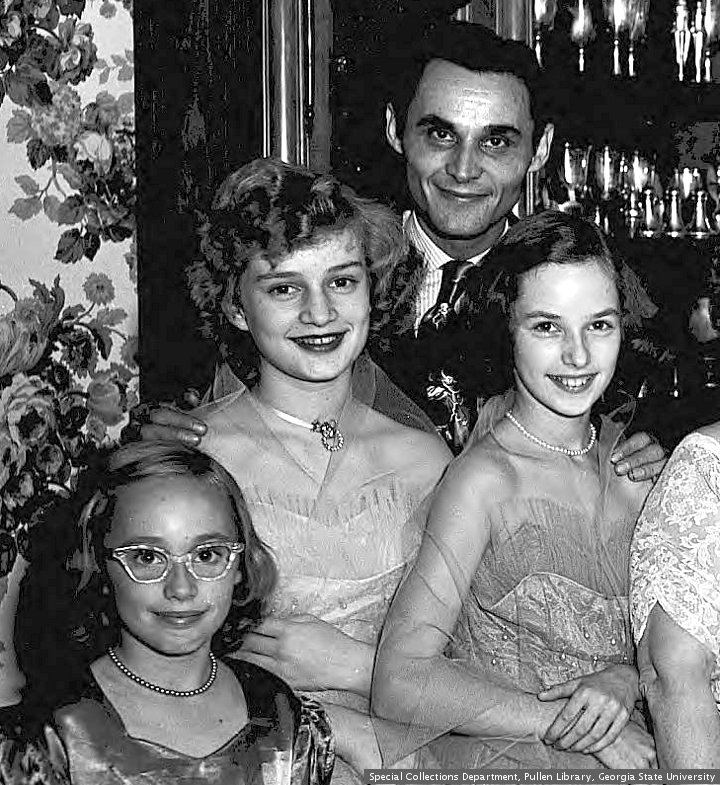

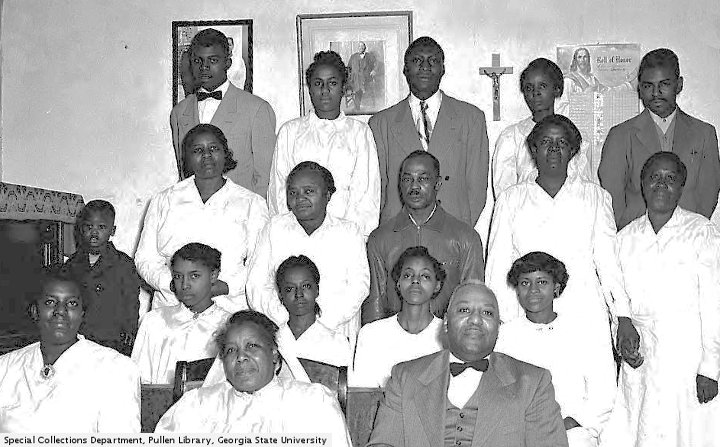



November 11


Veterans day was originally Armistice Day. On November 11, 1918, at 11 am, Paris time (the eleventh hour of the eleventh day of the eleventh month) a cease fire went into effect for “The great war”. Officials of the major armies agreed to the ceasefire at 5 am (European time). There were an estimated 11,000 casualties in the last six hours of the war.
At 11:59 am, U.S. army private Henry Gunther became the last soldier to die in World War I. “According to the Globe and Mail this is the story of the last soldier killed in WW1: On Nov.11, 1918, U.S. army private Henry Gunther stood up during a lull in the machine gun fire and charged the enemy. “The Germans stared in disbelief,” says the Daily Express. “They had been told that morning that the fighting was about to stop; in a few minutes they would stop firing and go home. So why was this American charging at them with his bayonet drawn? They shouted at him to stop and frantically tried to wave him back but… he hadn’t heard anything of the ceasefire.” A German gunner released a five-round burst and the soldier lay dead, at 10:59 a.m. In his recently published Eleventh Month, Eleventh Day, Eleventh Hour, U.S. Military Historian Joseph Persico notes that Private Gunther had previously been a sergeant but was demoted after an Army censor read his letter to a friend back home, urging him to steer clear of the war at all costs. Gunther, who was in no-man’s land when the ceasefire news arrived, had been trying to prove himself worthy of his original rank.”
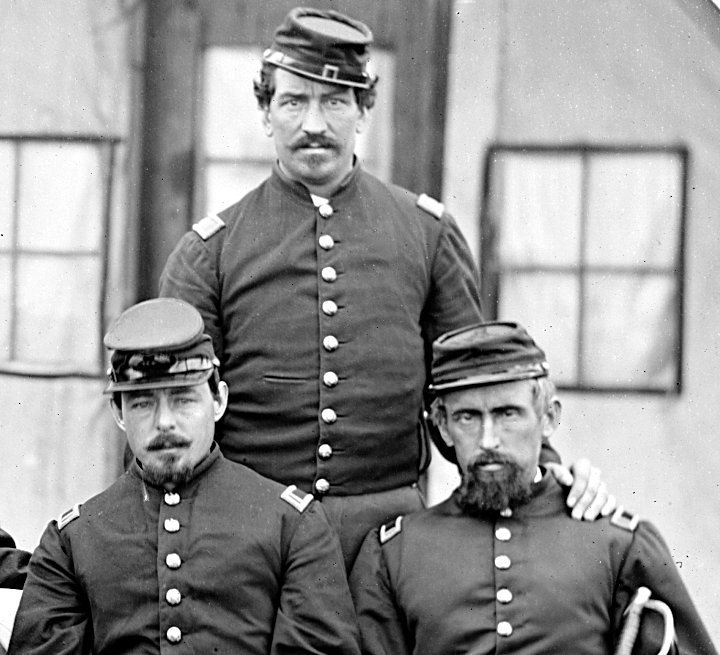
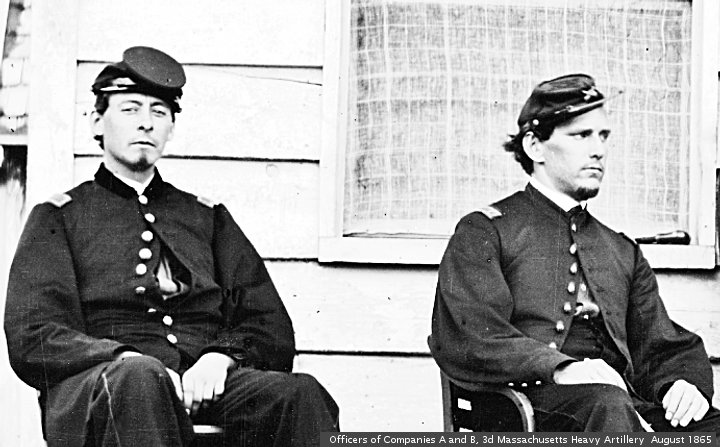
This is a repost. Pictures are from The Library of Congress.

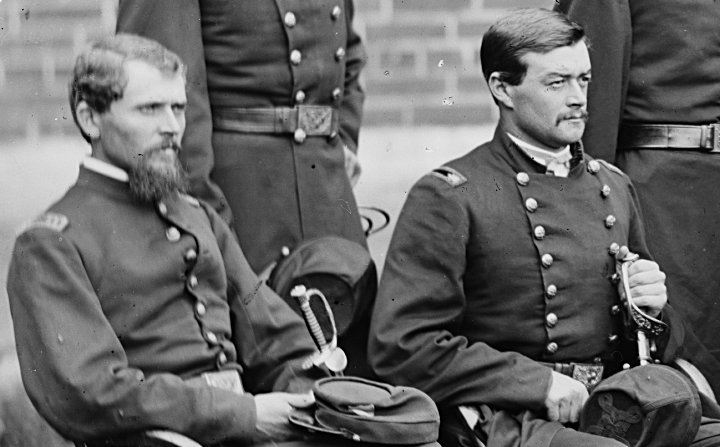
Veteran’s Day is a bad day for a cynic. I appreciate living in The United States. Even with all of her flaws, I have a good life here. The role that Veterans have played should be honored. On the other hand, those who profit from war often exploit Veterans, for political mojo. Many of these people did not serve. Those who profit from war, without serving, deserve our scorn.
Veterans are often not treated well after their service. It is estimated that a quarter of the homeless are veterans. The services offered to wounded veterans are shamefully lacking.
Hugh Pharr Quin CSA was my great grandfather. He served with the Georgia State Troops, in the War Between the States. I prefer the USA to the CSA, or whatever would have followed a Confederate victory. The Union army had to prevail, over the various Confederate Armies, for this to happen. Do I dishonor my great grandfather by saying, we are better off that the other side won?
Veterans Day was originally Armistice Day. This was the day, 105 years ago, when the War to End All Wars ended. World War I was a ghastly bloodbath, in which millions died. It affected many of the problems that plague us today. I would be willing to bet that not one person, in ten thousand, knows what World War I was about. And yet, the men who fought in that conflict (I don’t think they had women soldiers then) deserve the same gratitude as those who fought in any other conflict.
The soldier…many of whom are drafted…doesn’t get to choose which war to fight in. The sacrifice of the World War II soldier was just as great as the Vietnam fighter, but the appreciation given was much greater. I grew up during Vietnam, and saw the national mood go from patriotic fight, to dismayed resistance. By the time I was old enough to get drafted, the Paris accords had been signed. For better or worse, there went my chance.
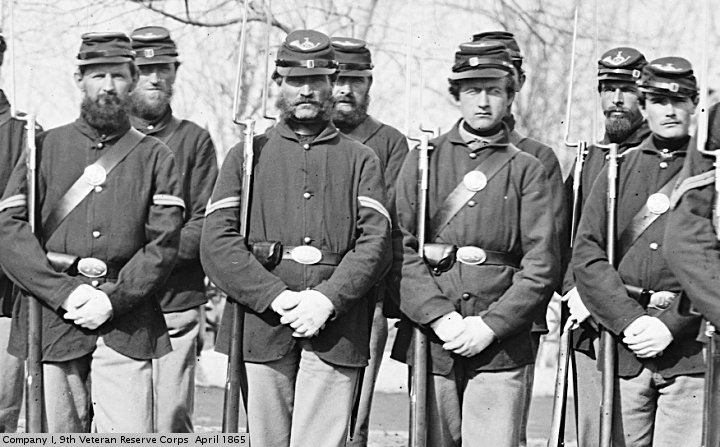


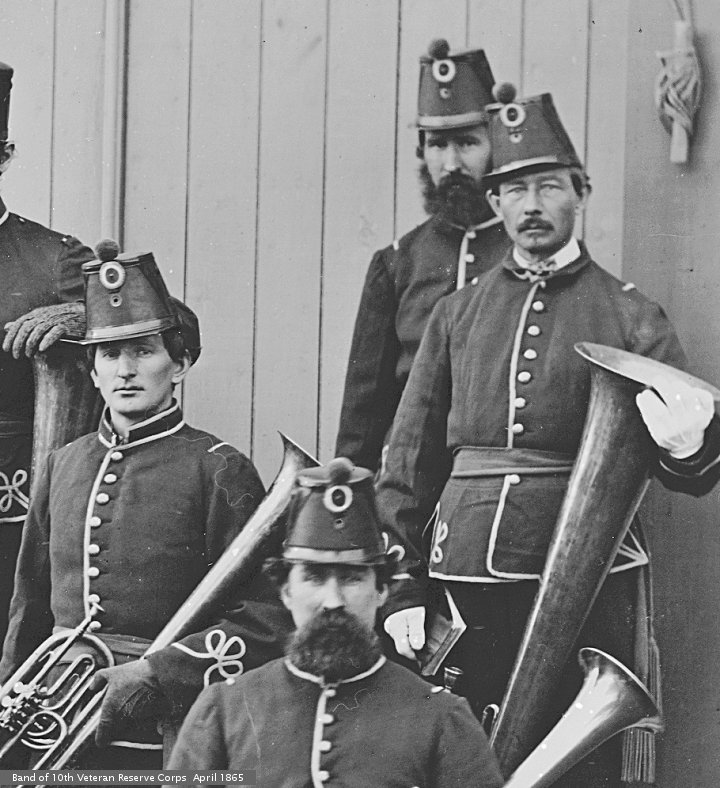

Arlo Guthrie




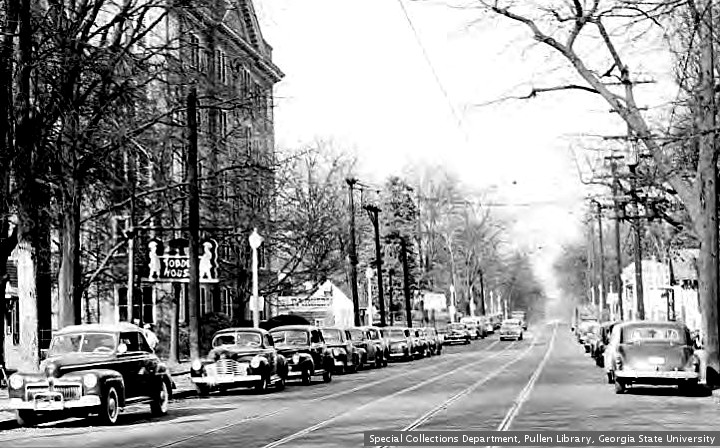
This is a rerun post, with pictures from “The Special Collections and Archives, Georgia State University Library”. The original post was half about Arlo Guthrie, and half about Ralph Reed. Today, only the part about Arlo Guthrie will be shown. If you absolutely must read about Ralph Reed, you can follow the link above, or read Lisa Baron And Ralph Reed TMI.
The entertainment today is about Arlo Guthrie . Thanksgiving is intimately connected to Mr. Guthrie. Unlike the turkey, Mr. Guthrie has gone on to have a flourishing career. He probably will not come down with Huntington’s Disease, which killed his father, Woody Guthrie.
This video was the first time I saw Arlo Guthrie. This was broadcast January 21, 1970. I was an unhip fifteen year old, who had not heard Alice’s Restaurant, seen the movie, or been to Woodstock. He did see the Johnny Cash show this night, or at least the part where Arlo Guthrie did Ride My Motorcycle.
Per wikipedia: “Born Arlo Davy Guthrie on July 10, 1947, in New York, NY; son of Woody (a folksinger) and Marjorie Mazia (a dancer; maiden name, Greenblatt) Guthrie; married Jacklyn Hyde, October 9, 1969; children: Abraham, Cathyalicia, Annie Hays, Sarah Lee.”
The Alice’s Restaurant Masacree is a part of Americana now. There are two bits of knowledge, that are as true as anything told to a Persian king. When trying to dispose of some garbage, and finding the city dump closed, Arlo found some litter by the roadside, and made a value judgment … One big pile of garbage is better than two little piles.
The second is about the draft, and the business of choosing people to fight our wars. In 1967, there was a draft. Thousands of young men were coming home in boxes. Many people did not think this was a good idea. The bottom line: Mr. Guthrie is confused about not being considered moral enough to kill people, because he was a litterbug.
A few years into his career, Arlo Guthrie had a hit record called “City of New Orleans”. It was about a train, and said “Good Morning America”. “City of New Orleans” was written by Steve Goodman, who is no longer with us. Mr. Goodman also wrote the perfect country and western song.
Steve Goodman gave a show at the Last Resort, in Athens GA. He told a story about performing on a train, during a series of concerts supporting Hubert Humphrey. Mr. Goodman had to use the restroom on the train. In those days, the trains did not use holding tanks, but just ejected the matter by the tracks as they rode by. Mr. Goodman was told, do not flush the commode while the train is in the station. Mr. Goodman forgot the instructions. Mr. Humphrey said ”I am going to give the people of this country what they deserve”, Mr. Goodman flushed the commode, and sprayed the crowd. I am is not sure I believe this, but it is a good story. (A biographer of Mr. Goodman said the candidate was Edmund Muskie. He also says David Allen Coe had nothing to do with the last verse of the perfect country and western song.) Steven Benjamin Goodman died September 20, 1984.
This story was originally posted in 2010. Vietnam is a peaceful country, and enjoys economic good times. The draft is something old fogies remember. The current fashion is to support war by demanding a tax cut. Unfortunately, two major wars … that we know of … have broken out since 2021, when this feature last appeared. “And ye shall hear of wars and rumours of wars.”
Arlo put up the Gone Fishin sign in 2020. He has a twitter account, @folkslinger, and a full head of white hair. His wife of 43 years, Jackie Guthrie, died Oct. 14, 2012. Arlo married Matri Ladd on December 8, 2021. The Lenox Square theater was torn down to make way for a food court.


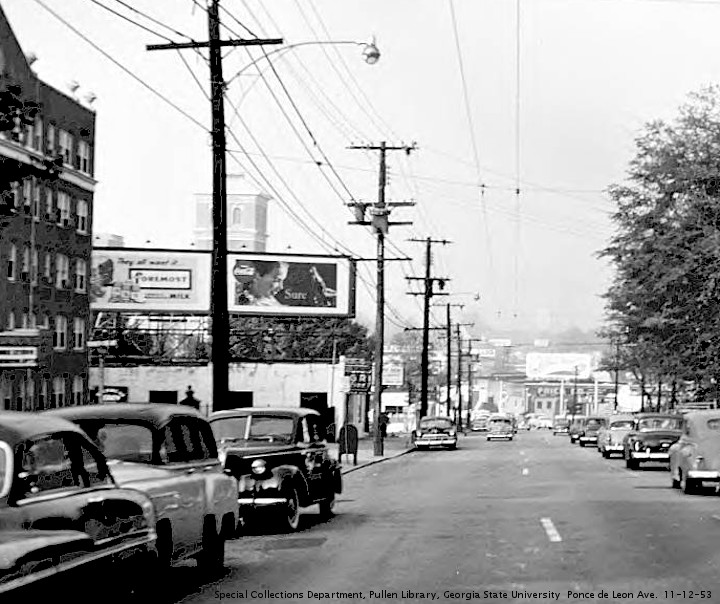



Joni Mitchell

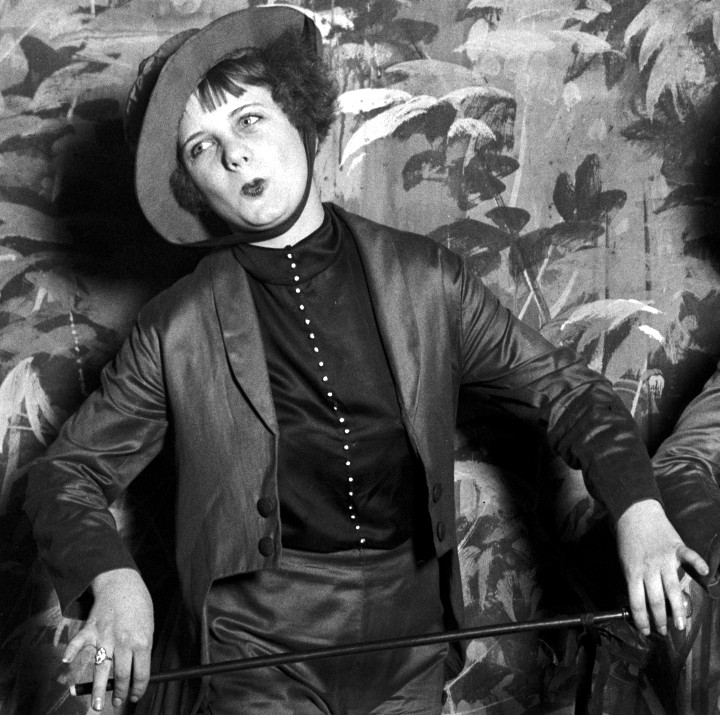


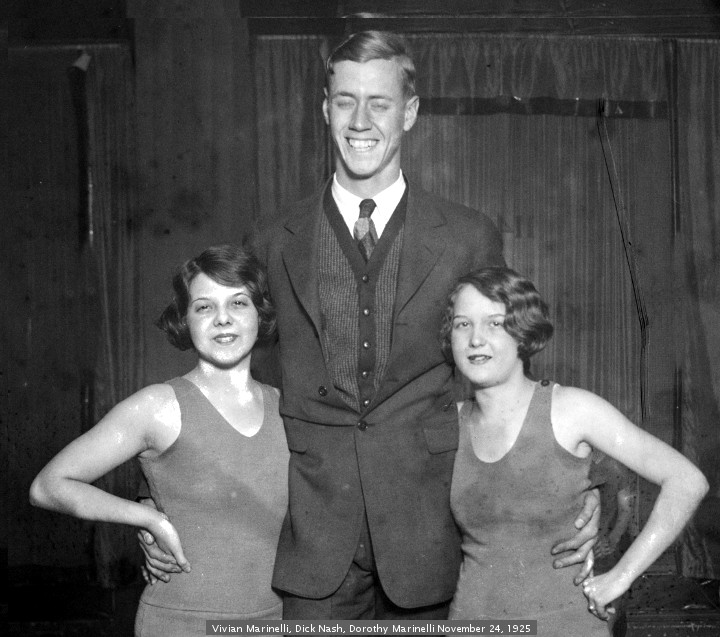
Tuesday is Joni Mitchell’s 80th birthday. Roberta Joan Anderson was born November 7, 1943, in Fort Macleod, Alberta. For this birthday tribute we will revisit four previous posts. one two three four Pictures are from The Library of Congress. … A facebook friend went on a Joni Mitchell kick. First it was a link to an interview. Then it was a quote from The Last Time I Saw Richard. A lady said Blue was her favorite album all all time, and a man enthusiastically agreed.
Given the apples and oranges quality of her catalog, it would be tough to pick one album as a favorite. PG then realized that fbf was going to be thirty soon. PG is sixty. These are two different perspectives on the craft of Joni Mitchell. One has driven through the storm, not knowing what was next. The other is presented with an almost complete body of recorded work.
PG has known about Joni since high school, and been a devoted fan since 1976. Joni’s most popular album, Court And Spark, came out in 1974, eleven years before fbf was born. Who would be the equivalent female musical force from 1943, when PG was minus eleven? The answer is nobody. (Coincidentally Roberta Joan Anderson was born on November 7, 1943.)
 After the comment about Blue, PG listened to For The Roses. Joni’s craft is like a cluster bomb… there are lines that you never fully felt, bomblets waiting to explode in your gut. Let The Wind Carry Me has one of those hidden threats. Mama thinks she spoilt me, Papa knows somehow he set me free, Mama thinks she spoilt me rotten, She blames herself, But papa he blesses me.
The first thing PG heard by Joni was Big Yellow Taxi. It was on The Big Ball, a 1970 mail order sampler from Warner Brothers. This was when Joni shacked up with Graham Nash. The next year saw Blue, followed by For The Roses, and Court And Spark. PG always thought Joni was someone he should like, but somehow didn’t. It wasn’t until 1976 that PG broke through the barrier, and became a Joni Mitchell fan. Seeing her in concert did not hurt.
On February 3, 1976, PG took a study break. (He scored 100 on the test the next day) Joni Mitchell was playing at the UGA coliseum a few blocks away, and the door was not watched after the show started. PG found a place to stand, on the first level of the stands. The LA express was her band that night, and created a tight, jazzy sound, even in the UGA coliseum. Tom Scott pointed at Joni, said she was crazy, and drew circles around his left ear. The one line PG remembers is “chicken scratching my way to immortality” from Hejira.
The Hissing of Summer Lawns might not be her best album, but it is certainly her bravest. Court And Spark was a commercial success. Instead of producing a bestselling followup, Joni took a ninety degree turn. Summer Lawns, for all its eccentric sparkle, confused the record buying public. The gravy train took off in another direction.
In those days, 96rock played a new album at midnight, which people were known to tape. On the night of the Lynyrd Skynyrd plane crash, the album was Hejira. This was followed by Mingus, another curve ball. Finally, Don Juan’s Reckless Daughter appeared, and did not make a good impression.
The eighties, nineties, and aughts appeared. PG, and Joni, lived their lives. 1996 saw a frightening interview in Details magazine. It was startling to see that for all her granola glory, Joni Mitchell might not be a very nice person. In a pot and kettle moment, David Crosby said “Joni’s about as humble as Mussolini.” Music is a tough way to make easy money.
More recently, there was a long interview on Canadian television. She is not mellowing with age. The cigarettes have not killed her, even if her voice is not what it once was. The recent albums that PG heard are strong. There seem to be more on the way. Maybe the facebook friend will have have the “what is she going to do next” experience after all.




A few weeks ago, PG was at the library. He had a story to take home, before going over to the biography section. There he found Reckless Daughter: A Portrait of Joni Mitchell. At least with fiction, you know you are dealing with a made up story. With biography, you have to use judgment.
It is a familiar story. Joni was born in the frozen north, was a rebellious girl, and got pregnant. She gave up the daughter for adoption, only to be reunited many years later. Joan Anderson gets married to, and divorces, Chuck Mitchell. Joni sings, writes, tunes her guitar funny, becomes a star, gets too weird to be popular, makes and loses money, smokes millions of cigarettes, and becomes an angry old lady. There is a bit more to the story than that. Reckless Daughter fills in a few of the blank spots.
Millions of cigarettes might be an exaggeration. Joni started smoking when she was nine. When she was a star, she was almost as well known for her constant puffing as her pretty songs. When Joni was in a Reagan era slump, she was going through four packs a day. Just for the sake of statistics, lets call it two packs, or forty fags, a day. Multiply forty by 365 and you get 14,600. If she started at 9, and had her aneurysm at 72, that gives you 63 years of nicotine abuse. If you assume that there were forty fags a day for 63 years, that gives you 919,800 smokes. IOW, while seven figures is not out of reach, it is rather unlikely that Joni smoked more than 2,000,000 cancer sticks.
The author of Reckless Daughter, David Yaffe, is a problem. He talks about the mood of America in 1969, four years before he was born. Mr. Yaffe goes to great lengths to show us that he knows about making music. Some readers will be impressed. There are mini-essays on Joni songs from her golden years, the time between “Ladies of the Canyon” and “Hejira.” And gossip, gossip, and more gossip. Joni is well known for her celebrity lovers.
We should make the point that PG enjoyed Reckless Daughter. The inside stories are fun, and pages turn over without too much head scratching. Maybe this is a statement about the career of Joni Mitchell. You enjoy the music for many years, and then complain about the details. Reckless Daughter follows the trajectory of other celebrity biographies. The star is born, takes up a craft, gets a break, becomes successful, goes over the mountaintop into a long decline. With Joni, nothing after “Mingus” was well received. The chanteuse was broker, and angrier, by the minute.
On page 13, Joni hears Rhapsody on a Theme of Paganini by Sergei Rachmaninoff. This is the piece that makes her want to be a musician. One page 129, we learn the story of A&M studios in Hollywood. At one time, The Carpenters were in studio A, while Carole King was recording “Tapestry” in studio B. Joni was recording “Blue” in studio C, which had a magic piano. One time, Carole King learned of a break in the studio C booking, and ran in. Three hours later, “I feel the earth move” was recorded.
A few years later, Joni was on the Rolling Thunder tour with Bob Dylan. One of the concepts was support for Rubin “Hurricane” Carter, whose story can be found elsewhere. Joni became disillusioned with Mr. Carter. When Joan Baez asked Joni to speak at a benefit concert, Joni said she would say that Mr. Carter was a jive ass N-person, who never would have been champion of the world. Joni later got in SJW trouble for posing in blackface, for the cover to “Don Juan’s Reckless Daughter.”
On page 251, we learn that Bob Dylan does not dance. Other items include “Free man in Paris” being written about David Geffen, and Jackson Browne writing “Fountain of Sorrow” about Joni. Mr. Brown is a not-well-thought-of ex of Joni. As for Mr. Geffen…. Joni stayed at his house for a while, at a time when Mr. Geffen was in, and out, of the closet. Did they make sweet music together?
So this book report comes to an end. Joni is recovering from a brain aneurysm, and will probably not produce anything else. The book is going back to the library, and PG will move on.


Joni Mitchell has product to promote. She gave an interview to New York magazine, where she smoked a few cigarettes and expressed a few opinions. There were enough attention getting comments to make the news.
“When I see black men sitting, I have a tendency to go — like I nod like I’m a brother. I really feel an affinity because I have experienced being a black guy on several occasions.” She proceeds to tell a story about dressing like a down and out black man as a way of dealing with an obnoxious photographer. “I just stood there till they noticed me. I walked really showily, going, Heh heh heh. It was a great revenge. That was all to get his ass. To freak him out. I had to keep him on the defensive.”
Gay-mafia-made-man David Geffen was a target. “I ask her about a painting, visible in a vestibule, on the way to her laundry room, of a curly-haired man with a banana lodged vertically in his mouth; turns out it’s Geffen, and she painted it. “Before he came out. He’s never seen it,” she says, before explaining: “He was using me as a beard. We were living together, and he’d go cruising at night. He was very ambitious to be big and powerful, and he didn’t think he would be [if he was openly gay].” By 1994, the two had fallen out over her insistence that he didn’t pay her enough in royalties.”
The product is a four cd boxed set, Love Has Many Faces: A Quartet, A Ballet, Waiting To Be Danced. There was a single one star comment about the joniproduct. Al Norman Seems like a collection of Joni’s forgettable tunes February 3, 2015 ~ “My wife loves Joni Mitchell, and never listens to this set. Seems like a collection of Joni’s forgettable tunes.” This comment was sponsored by Head and Shoulders. “100% flake free hair & A GREAT SCENT”
You just can’t get away from capitalism. Ms. Mitchell heard “… on the radio, a record executive “saying quite confidently, ‘We’re no longer looking for talent. We’re looking for a look and a willingness to cooperate.” As interviewer Carl Swanson notes, “For now, she’s hoping that people buy her boxed set, with her self-portrait on the cover. To that end, she gives me a Joni Mitchell tote bag with one of her paintings on it to carry my things home in. Get the word out.”


Joni Mitchell gave am interview recently to a Canadian Broadcaster. She is famously Canadian. The chat was in her California living room, which is littered with her paintings. Many of the paintings are things like Saskatchewan at forty below. Mrs. Mitchell alternates between painting and music, which tend to balance her cigarette fueled mind.
The CBC interview is paired with a more formal chat in Toronto. She could not smoke during the Toronto interview. The Toronto interviewer is just a bit smarter than Jian Ghomeshi, who endured the second hand smoke in California. Mr. Ghomeshi said things like “The song “Woodstock” defined a generation.” Mrs. Mitchell was in a New York City hotel room that famous weekend.(Spell check suggestion for Jian Ghomeshi: Joan Shoeshine)
There are some juicy quotes. Art is short for artificial. When listening to Joni songs, you should look at yourself, and not at her. Free love was just a gimmick for the men to get laid. False modesty is pointless. Sylvia Plath was a liar, or maybe it was Anne Sexton. (James Dickey said that Sylvia Plath was the Judy Garland of American letters.)
A fearsome foursome gets in the game. Someone screamed, on a live album. “Joni, you have more flash than Mick Jagger, Richard Nixon, or Gomer Pyle combined!.” Years later, the fan introduced himself to Mrs. Mitchell.
The conversation mentioned Bob Dylan. He is from Northern Minnesota, and not quite Canadian. Apparently, Mrs. Mitchell kicked up a fuss with some comments in 2010. ” Bob is not authentic at all. He’s a plagiarist, and his name and voice are fake. Everything about Bob is a deception. We are like night and day, he and I. … Grace [Slick] and Janis Joplin were [sleeping with] their whole bands and falling down drunk, and nobody came after them!”
Did Bob Dylan and Joni Mitchell ever tune up together? Joan Baez, a similarly named contemporary, is well known for dating Mr. Zimmerman. Ms. Baez did sing at Woodstock.
Mrs. Mitchell doesn’t exactly take back her comments about Bob Dylan. ““I like a lot of Bob’s songs, though musically he’s not very gifted. He’s borrowed his voice from old hillbillies. He’s got a lot of borrowed things. He’s not a great guitar player. He’s invented a character to deliver his songs. Sometimes I wish that I could have that character — because you can do things with that character. It’s a mask of sorts.”
In a kill the messenger moment, Mrs. Mitchell lashed out at the interviewer from the 2010 piece. It is odd, since he didn’t ask any trick questions. Black and white transcripts are tough to deny. “The interviewer was an asshole.” (The body part is bleeped.) “I hate doing interviews with stupid people, and this guy’s a moron” “His IQ is somewhere between his shoe size and (unintelligible)”.
The troublesome 2010 interview was conducted with John Kelly, a Joni Mitchell tribute artist. “JK: Drag does have a power, though — that netherworld of a thing you can’t quite know, which makes people nervous. JM: Drag wasn’t always counterculture. In his memoirs, Nixon talked about the Harvard and Yale men in power who would put on these plays where they dress like women, and Milton Berle did a kind of “hairy drag.” Becoming a gay thing made drag go underground.” Did Mick Jagger and Gomer Pyle ever do drag with Richard Nixon?

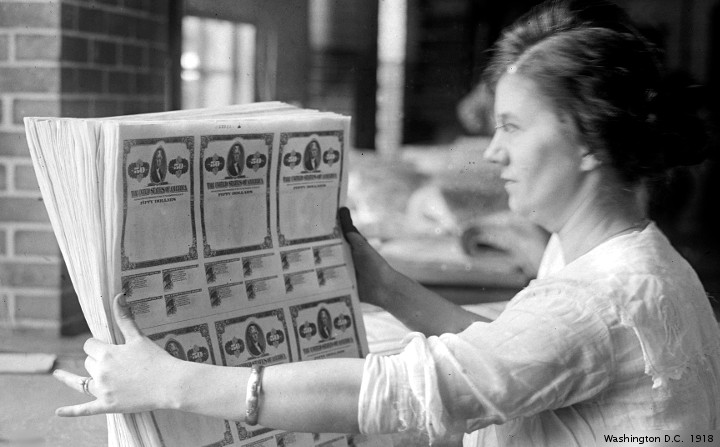
Strategy Of Causing Atrocities

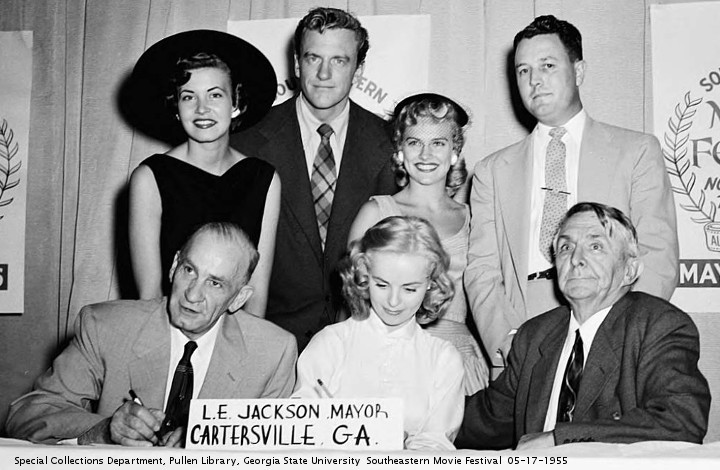

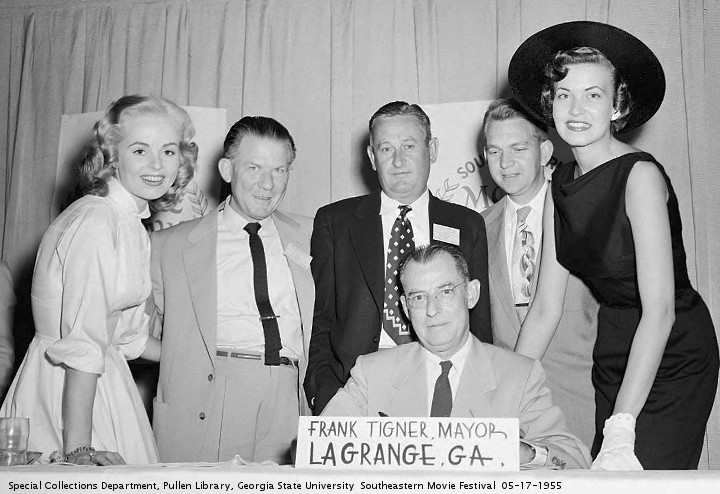


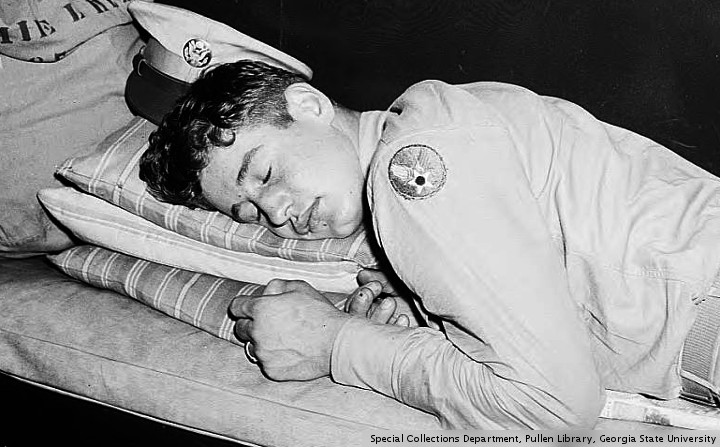
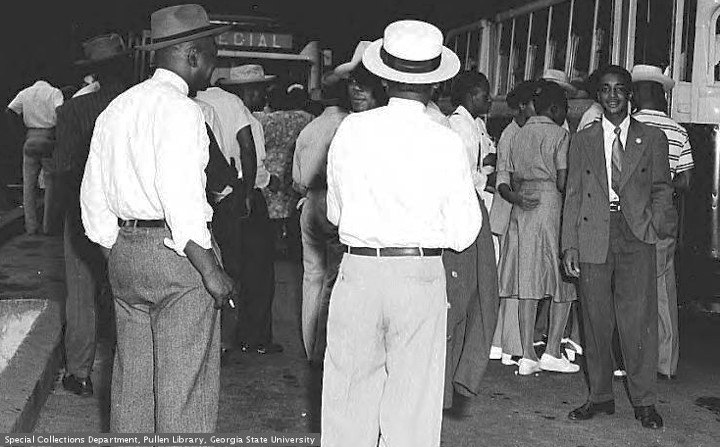
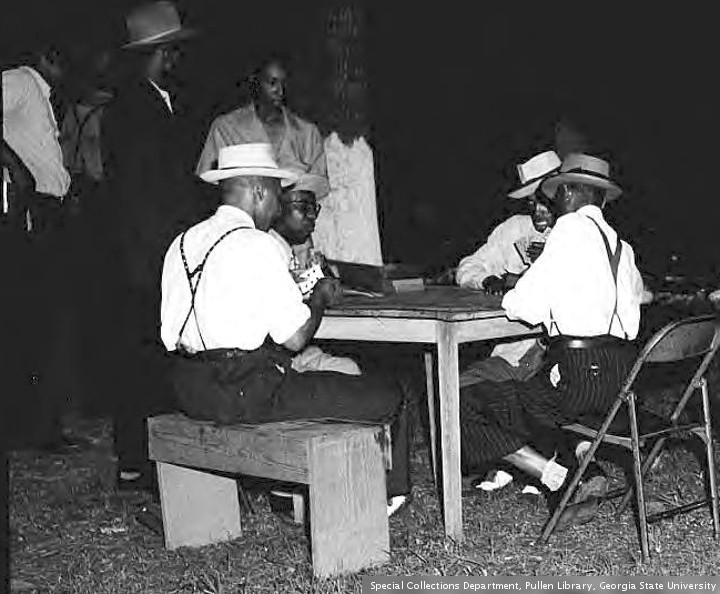
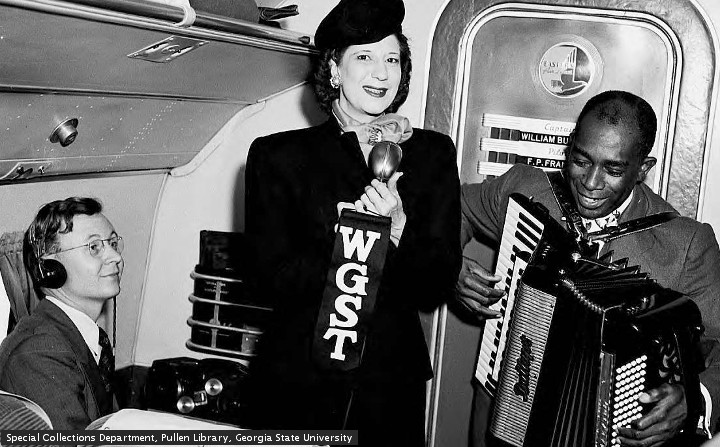
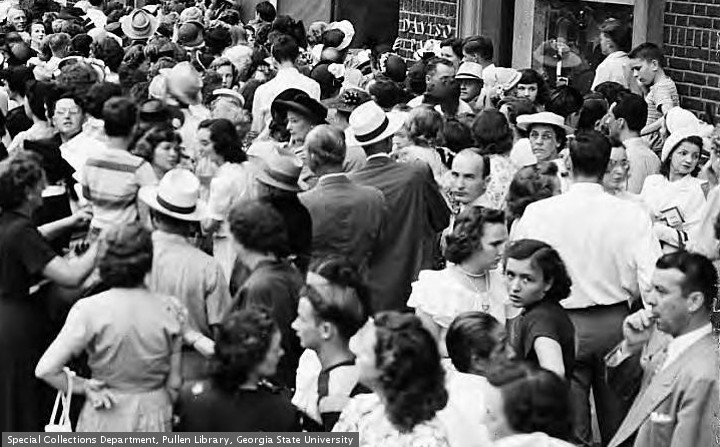
As you may have heard, there is a very nasty conflict between Israel and Gaza. What follows is a few thoughts on this dreadful affair. I possibly do not know what I am talking about. If you like, you can skip over the text, and look at the pictures. These pictures are from Special Collections and Archives, Georgia State University Library
Around 1987, I was working with Steve. He was the son of holocaust survivors, and an ardent supporter of Israel. We were discussing the war between Iran and Iraq. The I-I was a long bloody affair. The United States supported Iraq, led by Saddam Hussein. The United States, with help from Israel, was also selling weapons to Iran. It was a confusing time.
I mentioned to Steve the notion that the US wanted to keep the I-I war going, because it would keep those two countries from fighting Israel. Steve started to get angry. “Yes, and it’s for your benefit. We have to fight terrorism.”
The I-I war continued for a while. In 1990, Iraq invaded Kuwait, partially in a dispute over war debt from the I-I war. Saddam Hussein went from being an American ally to the next Hitler.
Today is October 27, 2023, 35 years after my conversation with Steve. The world is a different place. The last 35 years have been full of wars, and rumors of war. The Internet is a routine part of life. Unfortunately, Steve is not with us. Cancer claimed him in 2001, 9 days after 9-11.
A few days ago, Bob Wright had a conversation with Eli Lake. Mr. Lake is an ardent supporter of Israel. After 69 minutes, Mr. Lake said this: “because the Palestinians continue to think that a strategy of causing atrocities will eventually convince Jews to leave a country.”
Lets focus on this comment. It is unique, in part because it dispenses with the niceties that one normally sees. Most Israel supporters say “Hamas,” when they probably mean “Palestinians” (or Muslims.) Likewise, others say “Israel,” when they mean “Jews.” If you were to put blanks in the statement … “because the ______ continue to think that a strategy of causing atrocities will eventually convince _____ to leave a country” … you could create a statement said by either side. On a certain level, both sides would be telling the truth.
There are reports that Israel created, and supported, Hamas. The idea was to create divisions in among her enemies, in the same way that a bloody war between Iran and Iraq was facilitated 35 years ago. When Hamas is fighting Fatah/PLO, neither side is fighting Israel. Some say this strategy motivated Israel’s involvement in Syria. Thousands of unarmed women and children die as a result.

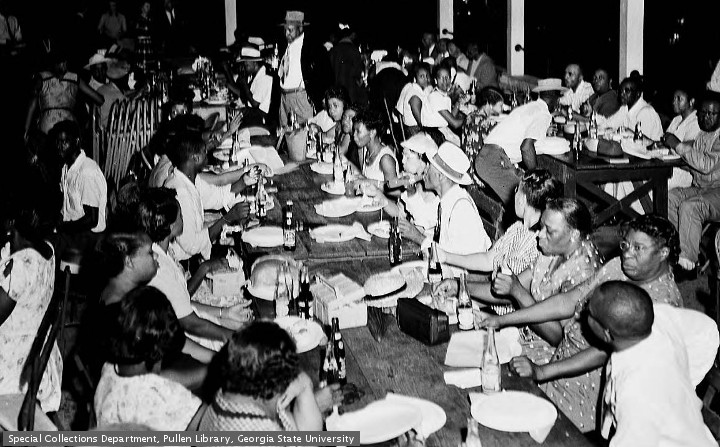
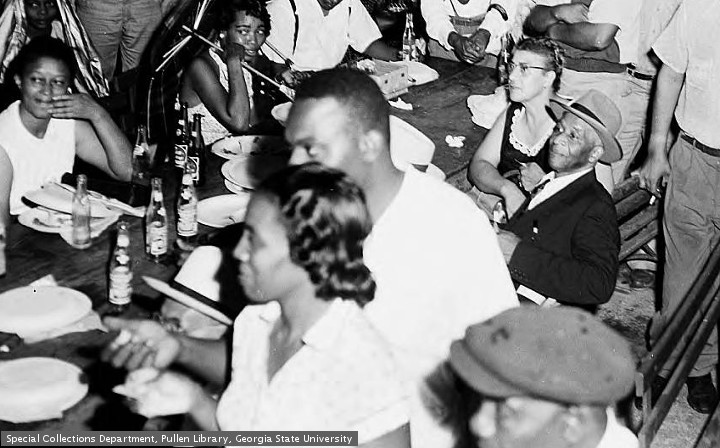


Mick Jagger
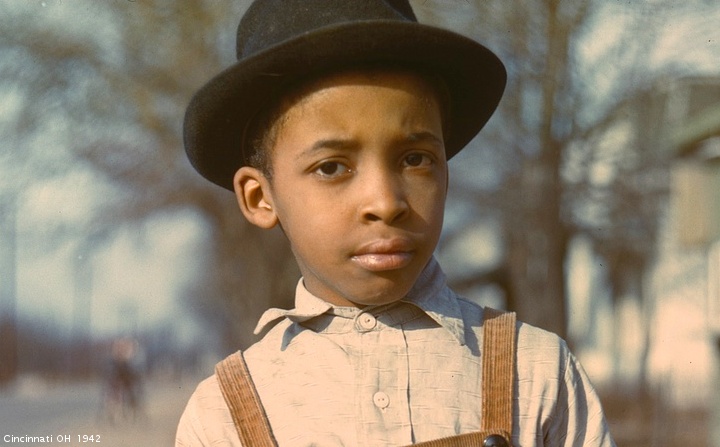
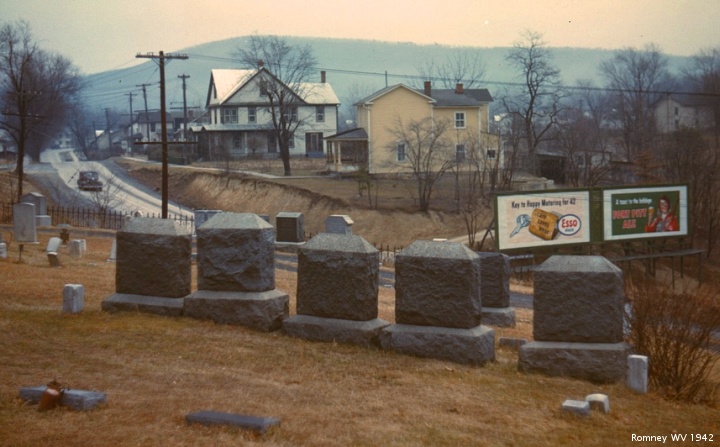


This is a repost from October 2012. It was a simpler time. Barry was about to be re-elected. Facebook was festive. There were problems in the world, but rock and roll was more fun than social justice jihad. … There was a book at the Chamblee Library, Mick: The Wild Life and Mad Genius of Jagger. The work is credited to a man named Christopher Anderson, who has a slew of best sellers to his credit. The copyright was issued to “Anderson Productions.”
When you write about Mickie, you have to post a few videos. One of the first to come up is “Waiting on a friend.” This was the first video that PG saw on MTV. One night in early 1982, PG rode his bike to an apartment on Buford Hiway. While he was there, someone said hey watch this, music television. The video was a favorite that first winter of MTV, even though it wasn’t really that good.
Mick Jagger has been a part of many lives the last fifty years. The stones were conceded to be number two to the beatles, but stayed together longer. The era of rock concert as megaevent coincided with the reinvention of the stones, after the demise of Brian Jones. He did after all start the band. Mr. Jones had become too much of a druggie to be relied on, and was fired. The book says that Mr. Jones was drowned, by a construction worker.
Ok, we are three paragraphs in, and we have not discussed Mr. Jagger’s pecker. Most of the book is about this instrument of undetermined size. The book says Mick stuffed a sock in his pants before shows. Mick has screwed thousands of women, and more than a few men. Whether Mick is a top, or a bottom, is left to the imagination.
The phrase “fuck Mick Jagger” is seminal. One night, the B52s were playing at a toilet on Ponce De Leon Avenue called the Big Dipper. The venue was later torn down, the ground decontaminated, and an animal clinic built on it’s site. After the show, one of the girls (either Kate or Cindy, or maybe neither, since this story is possibly probably an urban legend) was hanging out in the parking lot. “Beulah” was running his mouth, as he liked to do, talking about his hero Mick Jagger. Finally, the 52-girl had heard enough. “Fuck Mick Jagger, one day Mick Jagger will come see me me me.”
The book goes into excruciating detail about the stones story. Mick grew up middle class, and was close to his parents. He bit the end of his lip playing basketball, and sounded different. While going to the London School of Economics, he connected with Keith Richard, and found that they both liked Chuck Berry. The Glimmer Twins started to hang out together, and played a few gigs at a nightclub owned by Alexis Korner. (Mr. Korner opened for Humble Pie and Edgar Winter at the Atlanta Municipal Auditorium in 1972. He was ignored by the festive crowd.)
At this time, Mick had been introduced to sex by the other boys at his school. The first time with a woman was when Mick was an orderly at Bexley Mental Hospital. A nurse “yanked him into the linen closet where, surrounded by sheets, mops, and bedpans, Mick lost his virginity standing up”.
At some point Brian Jones came into the picture. Mick moved into a flat with Brian and Keith, and lived in picturesque squalor. At some point Mick and Brian bumped gooberheads, which left Mick confused. It is not known whether the lads could afford drugs at this point.
The story goes on and on. There are ugly moments, pretty moments, good songs written, lots of drugs, lots of sex. As Mick said in “Shattered,” “sex and sex and sex and sex and sex and sex and sex.” A few begin to wonder if he is capable of a one on one relationship, but those opinions don’t count.
One afternoon in 1978, PG was driving a truck in Decatur. He worked for a lady who did sampling projects, which means giving out samples to consumers. The product this time was Playtex Plus deodorant tampons. The truck was the rag wagon. There was an announcement on the last am rock and roll station in Atlanta. The stones were going to play the Fox Theater, and tickets were on sale now. The signal of the am station faded out at this point, with a gospel station preacher blocking out the rock and roll announcement. PG did not hear the location of the ticket sales. It turns out the tickets went on sale at the box office of the Municipal Auditorium, which was two blocks away from the rental facility of the rag wagon. Such is life.
In 1991, PG was walking to work and noticed an army of movie trucks. Mr. Jagger was appearing in a film, “Free Jack.” PG saw a scene filmed from his perch in the Healey Building, and stood behind a chair with the name “Mick Jagger” stenciled on. There were reports of a van rocking in Cabbagetown. On January 12, 1992, Georgia May Ayeesha Jagger was born.
Mick: The Wild Life and Mad Genius of Jagger is not a bad book. It is easy to read, and does not skimp on slime. The phrase “cringe inducing” is used several times, which may be the result of a focus group. It is not worth $27.00, or $29.99 Canadian. The publisher is Simon&Schuster. The dalliance between Mr. Jagger and Carly Simon is dutifully noted. Pictures are from The Library of Congress.



 </
</Migrant Mother


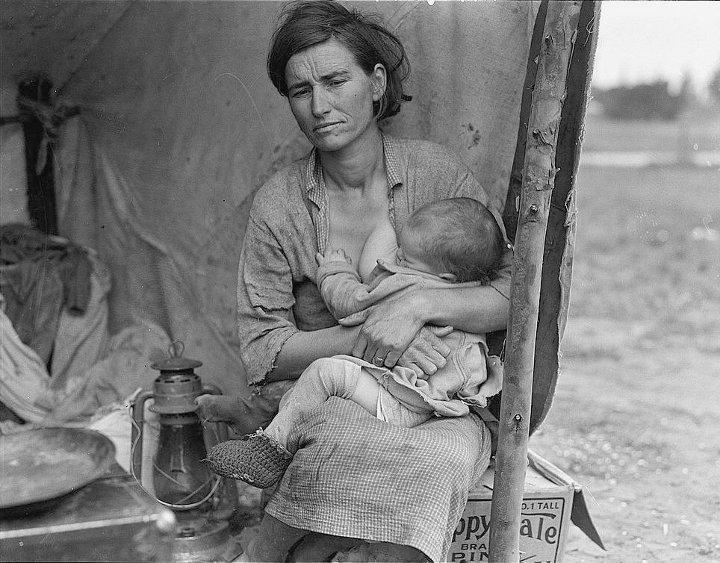


It is perhaps the most famous photograph from the depression. The semi official title is Migrant Mother. The Library of Congress says “Destitute pea pickers in California. Mother of seven children. Age thirty-two. Nipomo, California.” The exact date is unknown, and was either February or March of 1936. The photographer was Dorothea Lange (pronounced dore-THEE-ah lang). The model was Florence Owens Thompson .
Ms. Lange was born Dorothea Margaretta Nutzhorn May 26, 1895 in Hoboken, N.J. When she was seven she had polio, and when she was twelve her father left. Both events affected her deeply. (Lange is her mother’s maiden name, chosen for use after the father left.) She became a photographer, and had a successful studio in San Francisco. By 1936 she was with her second husband, her sons were in boarding school, and she went to work for the Farm Security Administration.
The Farm Security Administration hired a number of photographers to document the lives of Americans between 1934 and 1944. (During part of this time, it was connected to the Office of War Information, and the Resettlement Administration.) Since they were working for the government, the photographers were not entitled to copyright protection. The majority of these pictures are in the public domain, including the famous pictures of Florence Thompson.
This feature started with a google search for the correct way to pronounce Dorothea Lange. (Readers of this blog have seen the fondness for Library of Congress historic pictures. Ms. Lange is one of their stars.) This search led to a teacher’s guide from Yale University. This guide is about Dorothea Lange and the Migrant Mother. It tells the story as well as PG could. Bless his pea picking heart.
The day that Dorothea Lange photographed what would become her most famous photograph, Migrant Mother, has been retold by Lange in numerous sources. She was on her way home from a trip documenting the living and working conditions of the migrants to California. She followed their schedules, getting up at sunup and working until sundown, which made for long, sixteen-hour days. She was tired, and she was ready to see her family.
With about seven hours of driving left ahead of her, she passed a homemade sign that said Pea Pickers’ Camp. She knew that a late frost had ruined the pea crop, and was concerned about the people who might be at the camp. It nagged at her to turn around, to go back and visit the camp, another opportunity to document. About 15 minutes (20 miles) later, Lange did turn around.
Right away she saw the woman who would be the subject of Migrant Mother. Some sources say she took 5 shots, but she really took 6; in any case each shot focuses in on the woman a little more, and the final shot is the one that would become the “timeless and universal symbol of suffering in the face of adversity “ (The Library of Congress only has five of the shots.)
Early the morning after she got home, instead of spending time with her family Lange rushed to develop the photographs and submit them to the FSA and The San Francisco News. She thought that these photographs could help bring attention to the plight of these American migrant farmers. She was right; the story was printed in newspapers around the country, and the federal government immediately sent 20,000 pounds of food…. (The Thompson family had left for Watsonville by the time the food arrived)
The Dust Bowl refugees were of European descent, and were migrating to California because they were displaced from their farmland by drought. Florence Owens Thompson, though from Oklahoma, was a full-blooded Native American, and her family had been displaced from tribal lands by the U.S. government. (By 1930, Native Americans had lost more than 80% of their lands this way).
The day Lange photographed Thompson, she and her family were driving towards Watsonville, hoping to pick lettuce in the Pajaro Valley. The timing chain on their car broke just outside Nipomo, and so they pulled into the pea -pickers camp to fix it. While fixing the chain, the radiator was punctured; Thompson’s two boys (and likely her male companion) (Wikipedia says it was husband Jim Hill) brought the radiator into town to be fixed. While they were gone, Lange arrived…
The choices Lange made in terms of shooting the scene are very telling in light of our discussion about documentary photography. Most strikingly, the woman’s teenaged daughter is purposefully excluded from the photograph. She appears in the first two photographs of the series, but Lange thought that including her would cause the viewer to speculate about how old the mother was when she began having children (Curtis p. 55). At the time, the ideal family contained no more than three children; this woman’s family of seven could have detracted from the matter at hand, and maybe caused people to feel less sympathetic towards her (Curtis p. 52).
In the third shot, all you see is the mother nursing her youngest child. Migrant Mother is often referred to as Migrant Madonna… Lange thought that her subject looked too anxious and uncomfortable with the camera, as Lange seemed to have triggered in her what she called “that self-protective thing” (Curtis p. 57). So, despite being uncomfortable with how unpredictable children were to photograph, to calm the mother she added one of the children back into the frame for the fourth shot. She had the child rest her chin on her mother’s shoulder, which, though somewhat unnatural, served the purpose of anchoring the child still. She was also asked to remove her hat, which would have obscured her facial features. This resulted in a good photograph. Lange “thought she could do better.”
The fifth shot was the same, but from a different angle, which illuminates an empty pie tin, heavily symbolic of the hunger the family was facing. It also highlighted a warm and loving relationship between mother and child, as the child is leaning lovingly on the mother’s shoulder, which is comforting to the child.
For the sixth and final shot, (the one which became famous) Lange brought another child in, but she had both children face away from the camera, so that her shot would not be jeopardized by their unpredictability, and they would serve as a loving frame for the mother. Lange asked the mother to bring her right hand up to her face, and that resulted in exactly what Lange wanted and knew was there (Curtis p. 65). It softened her anxiety about the camera into a mother’s concern for the welfare of her family. The mother was worried about letting her sleeping child slip, so in the original sixth shot you could see her thumb grasped around the pole for support. In her excitement Lange did not see it. She eventually altered the original photonegative because she “did not want a small detail to mar the accomplishment (of overcoming her subject’s defensiveness) (Curtis p. 67).”
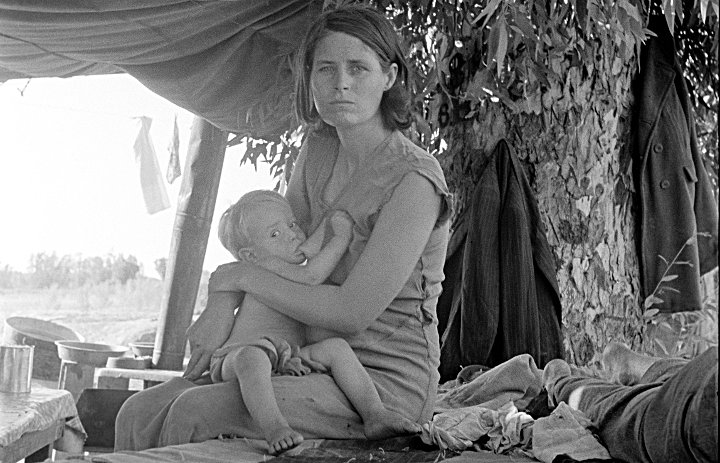
In this feature, the second image from the session is missing. The pictures in this feature are as follows. 1- The famous picture, cropped. 2- The first shot from the session. 3- A detail from the first shot. 4- The Migrant Madonna. 5- Child on the shoulder. 6- Child on the shoulder #2. 7. The full length famous picture. 8- A portrait of Dorothea Lange. 9- Another photograph by Ms. Lange, taken on the California-Arizona border in the summer of 1936. 10- The information from the famous picture. 11- The famous picture with the thumb included.
2012 Repost Notes This was on a list of posts that could be repeated. Of course, there are usually improvements to be made. Youtube was searched, and some videos were found. One of them mispronounces Dorothea. A search for the correct pronunciation of that first name was how this post got started in 2010.
Looking at the pictures reveals a glitch in the famous picture. If you look in the part of her hair, you will see a gray stripe. This is a bit of damage to the negative, and is common to old photographs. Ordinarily, PG would paste over a spot like that, but this is a sacred photograph.
The files of the LOC were consulted, and a 115mg original was downloaded. The grey stripe was still in the part, which is where it will stay. The original has the thumb, which was taken out of the famous prints. It is included in this post, along with the information typed into the side.
A look at some of the other pictures taken that day show a grey spot in the part. Maybe it wasn’t a photo glitch. Raising seven children can give any woman a few gray hairs.
Another question is about Florence Thompson, the “Migrant Mother”. It was noted that she was a Native American. PG has decided that the expression “Native American” is the invention of European Import Americans, and is only marginally less offensive than Indian. There are hundreds of tribes in the Americas. A person is a member of a tribal nation. What tribe was Florence Thompson?
Mr. Google points us to this answer. “Thompson, a “full-blooded” Cherokee, was born Florence Leona Christie on September 1, 1903, on the Cherokee Nation in Oklahoma. Her father, Jackson Christie, was an ex-convict who had abandoned the family before her birth. Her mother, Mary Jane Cobb, married Charles Akman, a Choctaw, in 1905, with whom she raised Thompson near Tahlequah OK”
At the start of World War II, Dorothea Lange went to a Japanese internment camp, . The experience nearly destroyed her. This is a repost. Pictures are from The Library of Congress.




The Velvet Warlocks




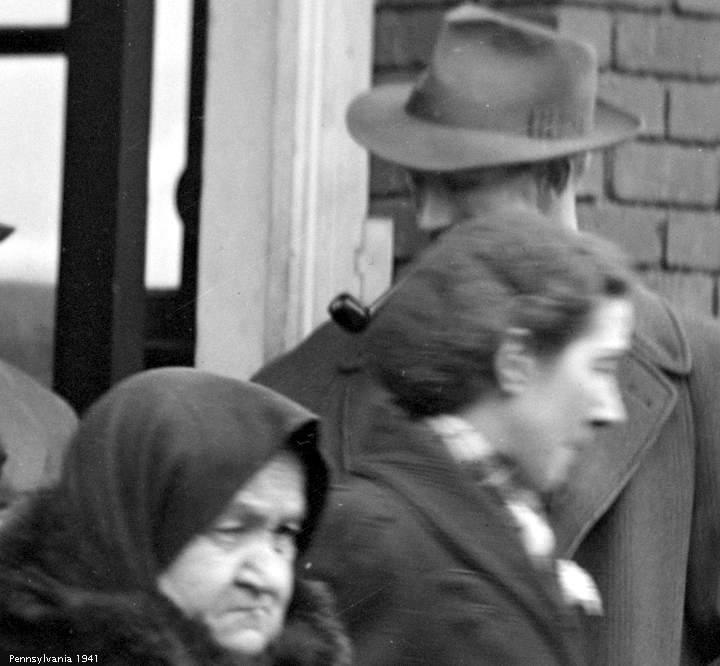
PG was listening to disgraceland episode#64, about the grateful dead. He was at a stopping point with multi tasking, and decided to look something up. The show mentioned the first show by the warlocks, later known as the grateful dead. This was 50 years before “dead name” was a dirty word.
“On May 5, 1965 ‘The Warlocks’ … played their first show, at Magoo’s Pizza Parlor in Menlo Park, California.” This was the day before PG turned 11. Lyndon Johnson was settling in for his elected term as President. The Braves were playing their lame duck season in Milwaukee. Combat troops had been in Vietnam for a little over two months. This was the start of the escalation. “By the end of 1965, more than 184,000 American troops were in Vietnam.”
At 27:44, dg-gd dropped an item that could not be ignored. The warlocks had to find a new name. Someone else was called the warlocks, and there were complications. It seems as though the warlocks … a pretty obvious name … was also an early name of the velvet underground. Other early vu names included the primitives and the falling spikes.
“When they (vu) finally did come across a name which stuck, it was thanks to a contemporary paperback novel about the secret sexual underworld of the 1960s that Tony Conrad, a friend of John Cale, happened across and showed to the group. The novel, written by Michael Leigh, remains in print most likely thanks to the band which appropriated its title.”… “Had Lou Reed and John Cale not seen a copy of this book in a New York City gutter (fittingly) and decided to use its name for their group, this little volume would have been justly forgotten. Written in a style which titilates while decrying the scene it describes, it’s a piece of blue-nosed junk.”
The rest of the show rolled on. Jerry stuck his finger in a dictionary at random, and found grateful dead. It was the name of a story. The band played at the acid tests, which mostly went well, until they did not. Pigpen drank rotgut to excess, until it killed him.
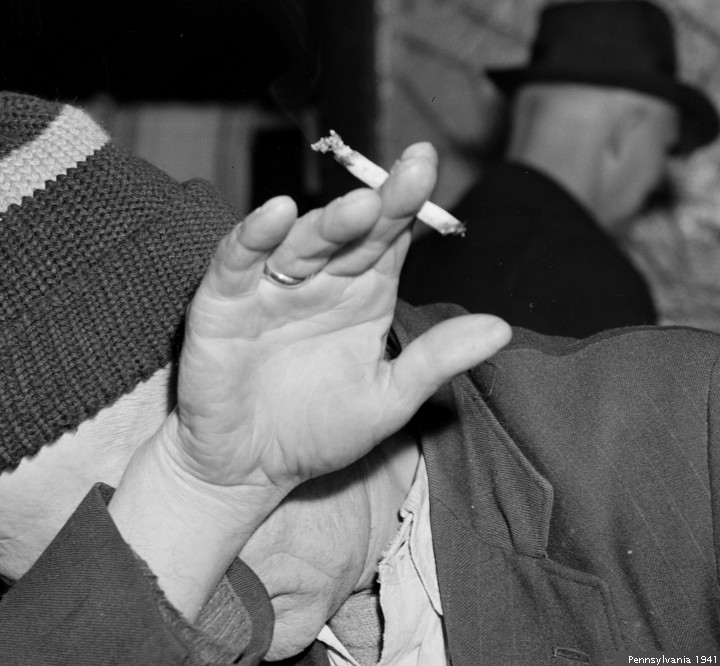
PG was editing pictures out of a folder labeled pa41. The images were shot by John Vachon,in June 1941. The last picture, while the 27 club end of Pigpen played over the speakers, was Women washing clothes in utility building at FSA (Farm Security Administration) trailer camp. Erie, Pennsylvania. Another picture, from January 1941, is Pinochle game in Czecho-Slovak Dramatic Club. Ambridge, Pennsylvania. Both pictures are included in this feature. This is a repost from 2020.







Oscar Wilde
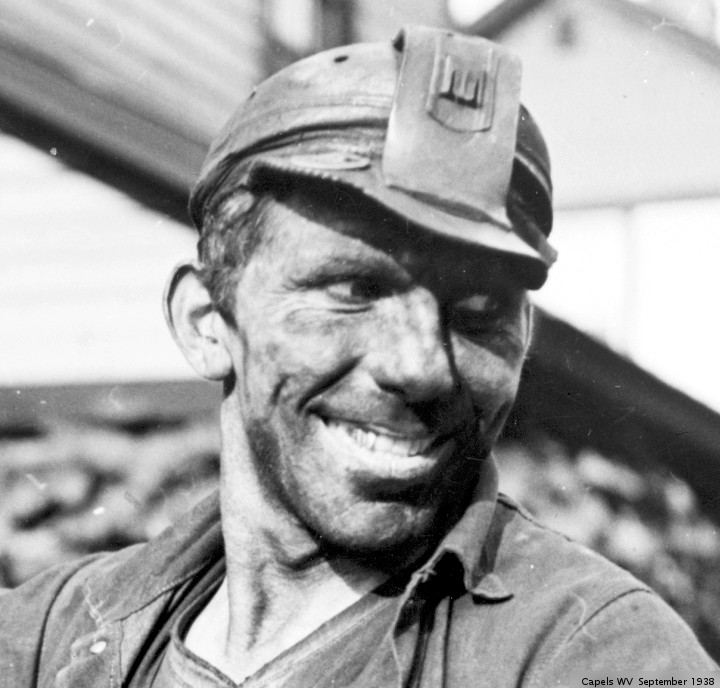


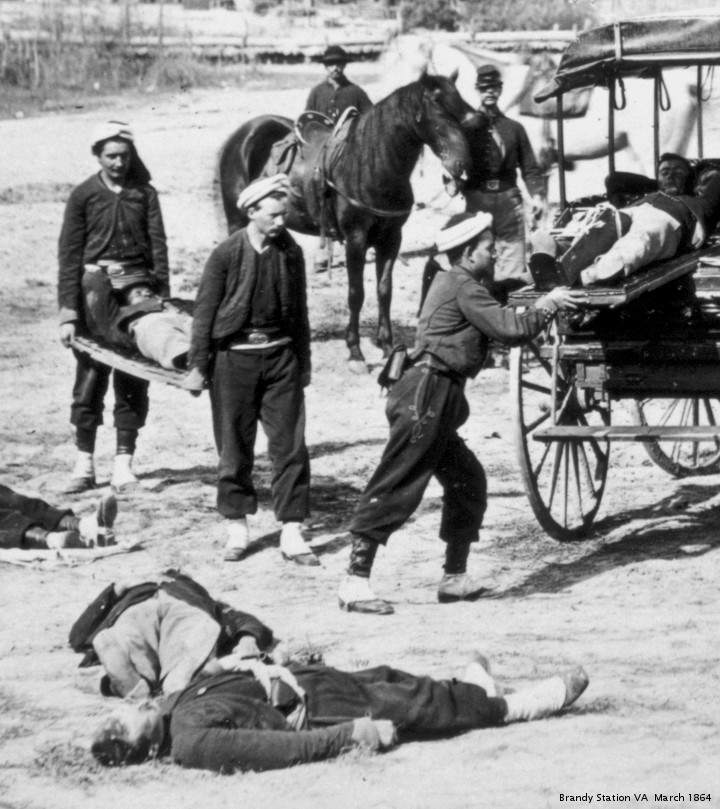
October 16 is Oscar Wilde’s birthday. On that day in 1854, he appeared in Dublin, Ireland. He is one of the most widely quoted people in the english language. Some of those quotes are real. Since he was a published author, it should be easy to verify what he really said. This birthday celebration is a repost, with pictures from The Library of Congress.
One night in 1974, PG was talking to someone, and did not know who Oscar Wilde was. The conversational partner was horrified. PG became educated, and learned about a misunderstanding with the Marquess of Queensberry. Soon the “Avenge Oscar Wilde” signs made sense.
Mr. Wilde once made a speaking tour in the United States. One afternoon, in Washington D.C., the playwright met Walt Whitman. Thee and thou reportedly did the “Wilde thing”.
The tour then went to Georgia. A young black man had been hired as a valet for Mr. Wilde on this tour. On the train ride from Atlanta to Columbus, some people told Mr. Wilde that he could not ride in the same car as the valet. This was very confusing.
After his various legal difficulties, Oscar Wilde moved to Paris. He took ill, while staying in a tacky hotel. He looked up, and said “either that wallpaper goes, or I do”. Soon, Oscar Wilde passed away.



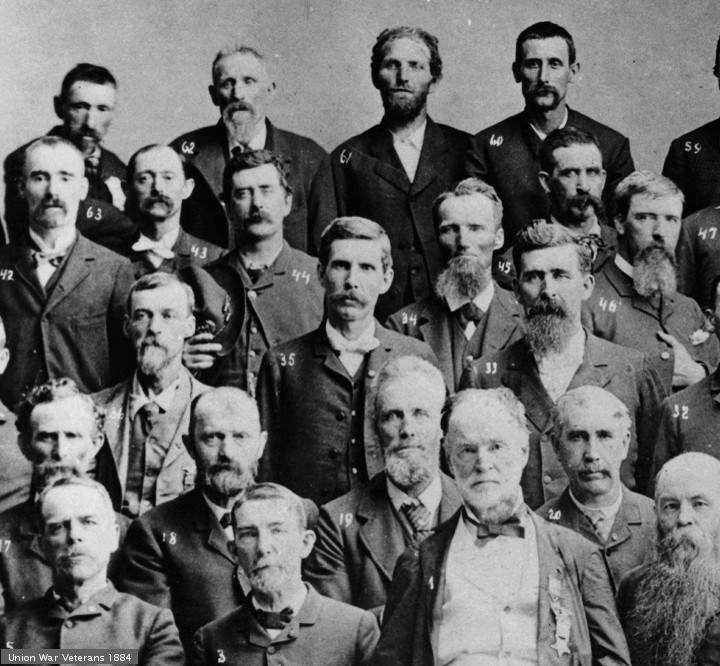

Pauline Kael, Gina James, And James Broughton
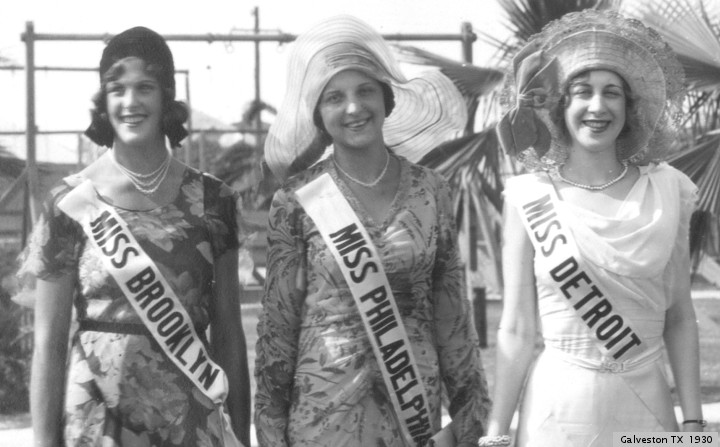
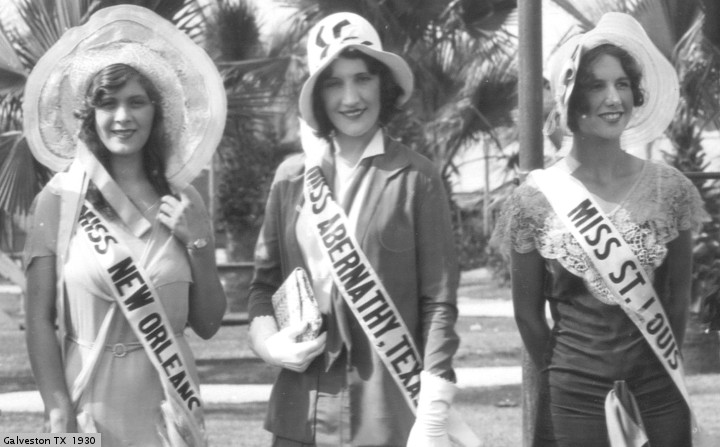



Pauline Kael was the rockstar film critic. James Broughton was the radical faerie poet laureate. They were lovers, and had a daughter, Gina James. Pauline and James were not married, contrary to what some naysayers would tell you. This is a repost.
Much of the information in this feature is taken from online reviews of Pauline Kael: A Life in the Dark, a 2012 biography written by Brian Kellow. Gina James, also known as Gina Broughton, was not interviewed for the book. Neither did she participate in the making of Big Joy, a movie about James Broughton. (A wig store, Gina Beauty Supply is located at 25 W Broughton St, Savannah, GA 31401.)
Pauline Kael was born June 19, 1919, Petaluma, CA, died September 3, 2001, Great Barrington, MA, and stood 4 feet 9 inches tall. James Broughton was born November 10, 1913, Modesto, CA, and died May 17, 1999, Port Townsend, WA. Neither one had a middle name. Both used their birth name throughout life. Both had lives, before meeting in the late forties.
When she met James Broughton, Miss Kael was living what would later be called the bohemian life. After moving to New York, and being dumped for composer Samuel Barber, Miss Kael moved back to California. “Returning to the Bay Area with her tail between her legs in 1945, Pauline became involved with the incredibly effeminate avant-garde filmmaker James Broughton. He managed to impregnate Pauline but threw her out as soon as she told him, whereupon she moved to Santa Barbara to give birth to her daughter, Gina, in 1948.”
“Like her early career, Kael’s personal life was also fraught with failures. Kellow says “she had a habit of falling for gay men” earlier in her life because “they tended to share her passions and enthusiasms.” She had a daughter … with one of them, experimental filmmaker James Broughton.”
“For a time, during the 1940s, he lived with future film critic Pauline Kael. She encouraged his filmmaking endeavors but their relationship ended after she got pregnant. … Pauline Kael thought that Broughton made the biggest mistake of his life when he turned down a studio film after winning the prize at Cannes.” (Apparently Mr. Broughton was from a wealthy family, and could afford this attitude. Regarding his movie The Bed, Mr. Broughton said “It was the only film I created that ever made any money.”)
“Which brings us to the strange tale of Pauline’s only child, Gina James. … In 1948, at age 29, Kael got pregnant after she “talked her way into moving in” with James Broughton, a bisexual poet living in Sausalito. By Kellow’s account, Broughton was furious at the news of Kael’s pregnancy; he felt trapped and tricked by her. One of Broughton’s friends reported that he kicked Kael out of his house. She moved to Santa Barbara to have the baby. The birth certificate listed the father as “Lionel James, a writer”. It is one of the disappointments of the book that Kellow shines little light on Kael’s passion — or whatever it was — for Broughton, on how she processed that cruel rejection and on whether Broughton ever recognized Gina as his daughter.”
James Broughton moved on with his life. He made experimental films, got married, and fathered two more children. At some point he met Joel Singer, and began the romance that would last the rest of his life. It is tough to say whether he was genuinely bisexual, or whether he was playing the role society expected of him.
This review of Big Joy continues: “But interviews with Singer, waxing poetic about his years with the artist, are balanced by reminiscences from Broughton’s ex-wife and his abandoned son. Rather than only celebrating silliness, I found it admirable that the directors didn’t gloss over the pain he caused his wife and children. After all, when you think about it, he spent all of his life unable to decide if he was gay or straight; leaving a lot of broken hearts in his wake.
We learn from Kael that he flirted with everyone he met. “He rode off into the sunset with some guy,” his wife, Suzanna Hart tells us. “That was very sad for me, but not for him, which was…very irritating.” In her segments, Hart keeps her emotions in check but you can clearly read the sadness and anger in her face. The son doesn’t have much good to say about his absent father and the two daughters (the first by Kael and the second by Hart) both refused to be interviewed for the film. Singer has a lot to say about their blissful decades together, but he also comes off a bit heartless when he shows no guilt over breaking up what he calls Broughton’s “loveless” marriage.”
The baby daddy leaves, and the struggling writer becomes a single mom. “… Kael’s relationship with her actual daughter was something out of a Tennessee Williams play, and not in a good way. Kael home-schooled Gina and, as the girl grew up, kept her close, as a typist, projectionist, driver and right-hand man, and she banished any friend who actively encouraged the young woman to break out on her own. Though she was in many ways a loving and committed mother, helping to raise Gina’s son and always living nearby, one senses a Gothic selfishness in her mothering.”
Gina James declined to talk with Kellow for his book, but the author says Kael and her daughter had a sort of symbiotic relationship. “Pauline did not type, Pauline did not drive — Gina performed both those functions for her. And Gina was a very good critic of Pauline. She got to see Pauline’s copy before anyone else did and she often had very, very important and influential things to say. But Pauline really wasn’t wild about the idea of Gina breaking away and having her own life apart from her, and she didn’t do anything really to encourage her in that direction as far as I can see.”
Amazon one star comment: And her poor daughter – what a fate – TYPING all that. Poor Gina, — I can see her – Kellow described sitting silently in some coffee shop while her mother raved on and ON with her pet directors.
An affair with the experimental filmmaker James Broughton produced a child, Gina, whom Kael raised by herself, Mildred Pierce–like, heroically supporting them with a number of odd jobs, including running a laundry. Gina’s heart condition required expensive surgery, and Kael ended up enticing Edward Landberg, the owner of a local art-house theater, Berkeley Cinema Guild. They had begun as co-programmers. As Landberg tells it: “One day, when I was over at her place, I happened to graze her breast with my hand, and she kind of looked up and said, ‘What have you got to lose?’” Their marriage proved a fiasco, but Landberg agreed to pay for Gina’s operation, which Kellow suspects had been Kael’s motive all along…. Kellow shows more independence in assessing Kael’s treatment of her daughter Gina, whose ambitions to become a dancer or a painter she did little to encourage, preferring to keep her on “a silver cord . . . she had also grown accustomed to the steady, dependable role that Gina played—as secretary, driver, reader, sounding board—and she was loath to give her up.” Gina, for her part, was mistrustful of the dynamic she witnessed between Kael and her acolytes.“
“The closest and longest-lasting partnership of her life was with her daughter, Gina James … James considered speaking to Kellow, but finally declined, leaving a blank space at the center of this otherwise vividly detailed biography. Gina lived with her mother till she was over 30, typed up her reviews after Pauline stayed up all night writing them in longhand, and gave up both college and a shot at a dance career to serve as her mother’s caretaker, companion, and driver….
Kellow cites the text of the breathtakingly passive-aggressive eulogy that Gina delivered at her mother’s funeral in 2001: “My mother had tremendous empathy and compassion, though how to comfort, soothe or console was a mystery that eluded her … . Pauline’s greatest weakness, her failure as a person, became her great strength, her liberation as a writer and critic . … she turned her lack of self-awareness into a triumph.”
One more chapter remains. “Gina lived with Kael well into her thirties … That she married and had a child, Will, seemed to catch Kael by surprise, though she ended up adoring her only grandchild, someone with whom she could watch action movies with.
Kael died in 2001, when Will was about 19. Unfortunately, and Kellow made no mention of this in his book whatsoever, there’s a horrible postscript, one that may well have been the reason for why Gina declined to be interviewed for the book. On October 6, 2007, Will, then 25, went hiking in the East Mountain State Forest in the Berkshires. He was an avid hiker, not to mention a devoted martial artist. He had a girlfriend. He never came back. Gina reported him missing, but his body wasn’t found for more than week, on October 15. … “authorities found camping equipment nearby and while cause of death has not been determined, foul play is not suspected.”
Pictures today are from The Library of Congress. UPDATE These two comments were made to the original post. Anonymous said, on June 16, 2017 at 9:18 pm Your piece on Kael and Broughton is rife with misinformation and judgements galore and unbelievably badly written. Get a life and stop spreading falsehoods. And next time you put your fingers to a keyboard do your due diligence! James’ son was NOT ABANDONED! He lived happily with the two of us after the divorce. You fail to recognize that James’ ex-wife was a classic fag hag who had been married to another gay man before her relationship with James. She had been in psychotherapy for years before they got together and for many years after they split up. James certainly did not spend the rest of his life uncertain about his sexuality. Read his autobiography COMING UNBUTTONED and you’ll discover how misinformed your take on him is. You have done a great disservice to your readers by publishing such homophobic nonsense. Joel Singer ~ Sterling Wilson said, on August 19, 2017 at 1:40 pm Curious about this autobiography, I found the following from a Publishers Weekly review “Broughton forsakes introspection for literary gossip and name-dropping: Kenneth Rexroth, Pauline Kael, Dylan Thomas, Anais Nin. The birth of a daughter is dispensed with in two sentences. Broughton’s insistence on making himself the center of attention increasingly intrudes.”
UPDATE A journey down an internet rabbit hole uncovered this item. It is from “Remembering Harry and John”, by Mark Thompson on the occasion of Harry’s 100th anniversary “I remember the night we were socializing at the San Francisco Art Institute at a gala tribute for James Broughton. Harry (Hay) and James had sparked briefly as Stanford University undergraduates, but didn’t meet again until fifty years later at a faerie gathering. Few people knew that James had fathered a daughter with esteemed film critic Pauline Kael during their bohemian Berkeley days, but Harry was alert to the fact. Kael and Broughton were having their own reunion at the moment when, with typical impudence, Harry interrupted the conversation by loudly asking, “So, who was the mother and who was the father?” The stunned silence was punctured only by the whoosh of Kael’s furious departure.”





What Ben Franklin Really Said

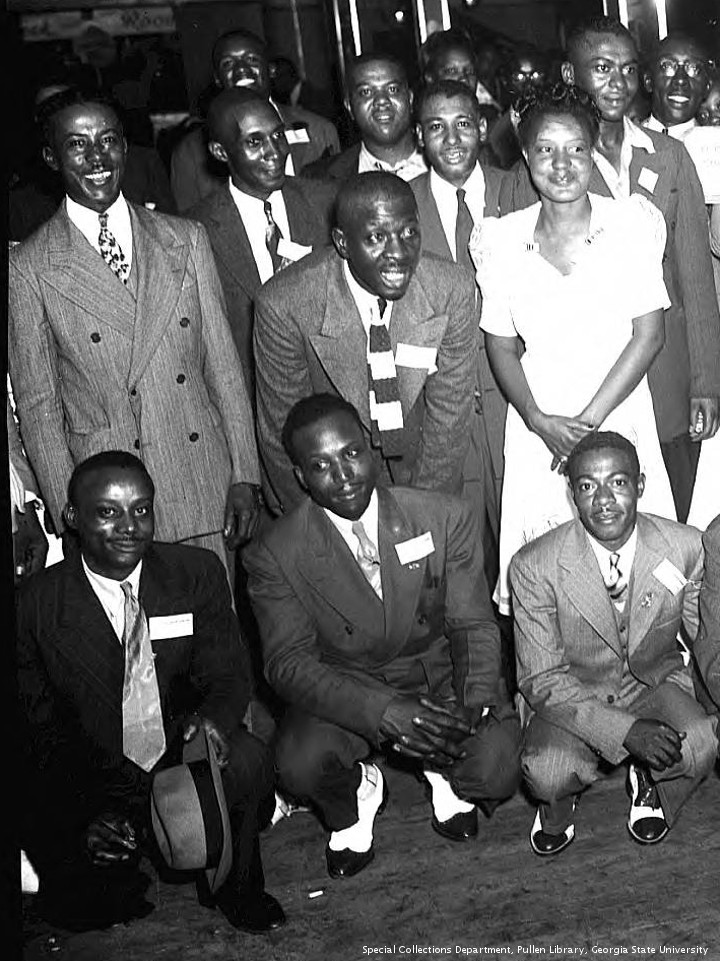
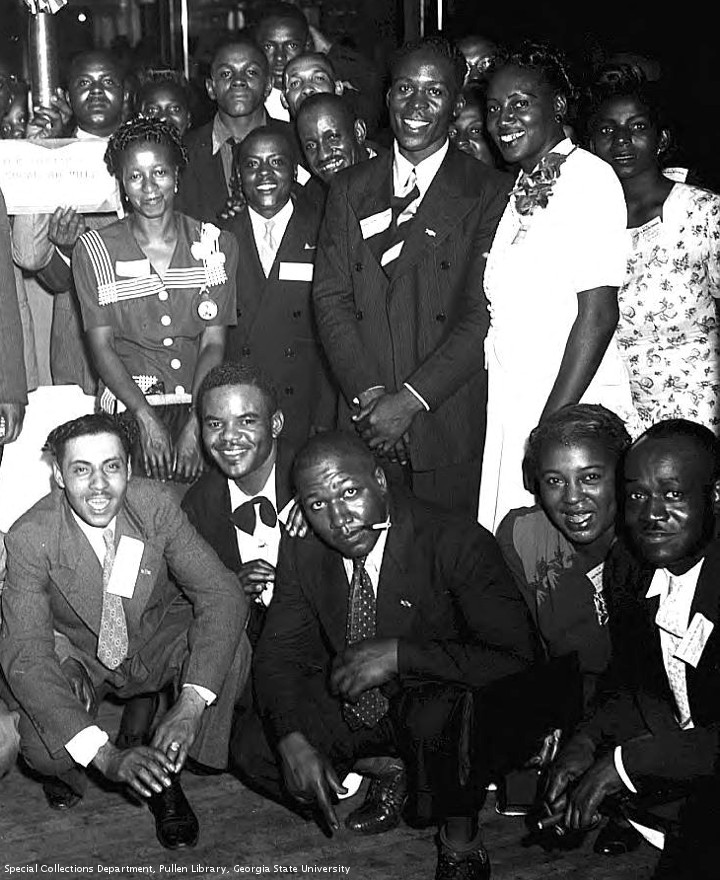
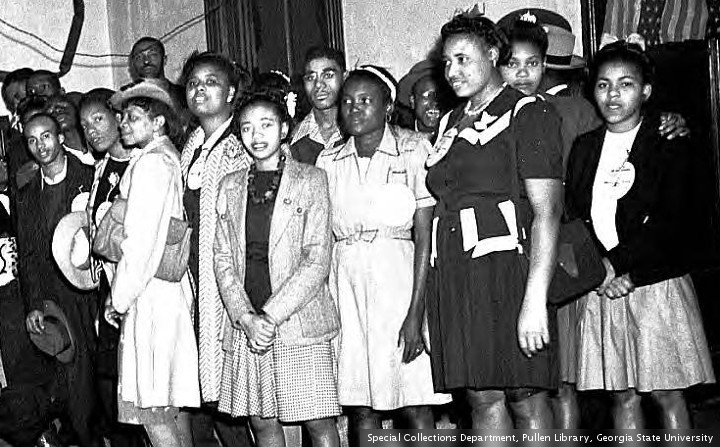
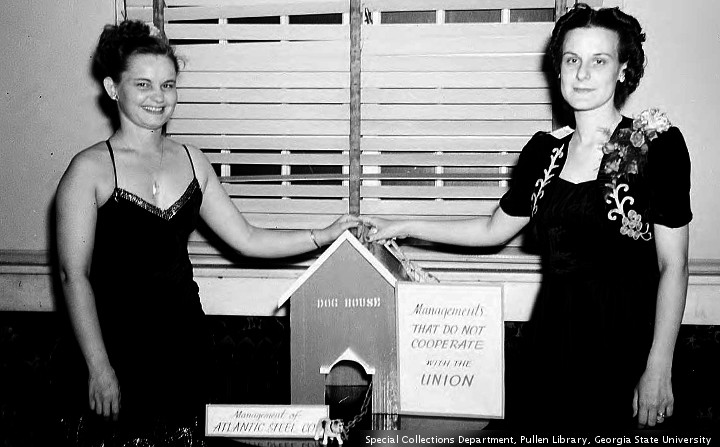
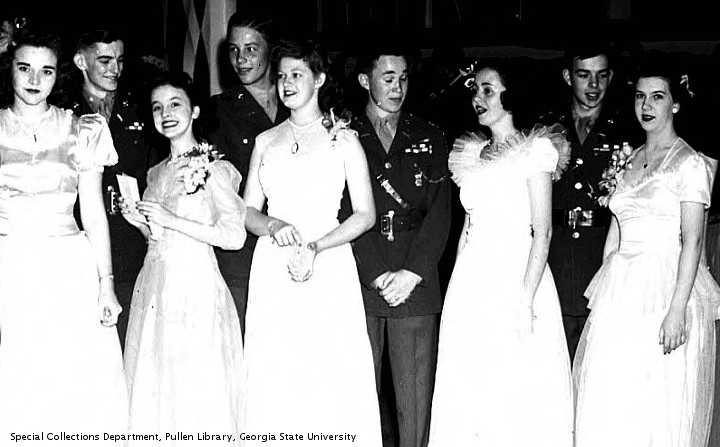


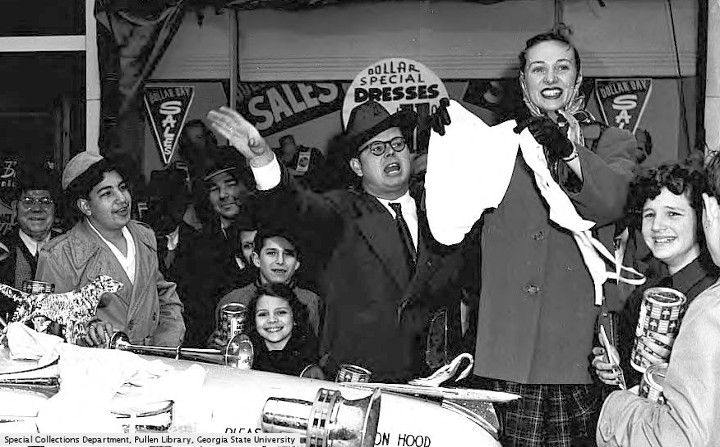
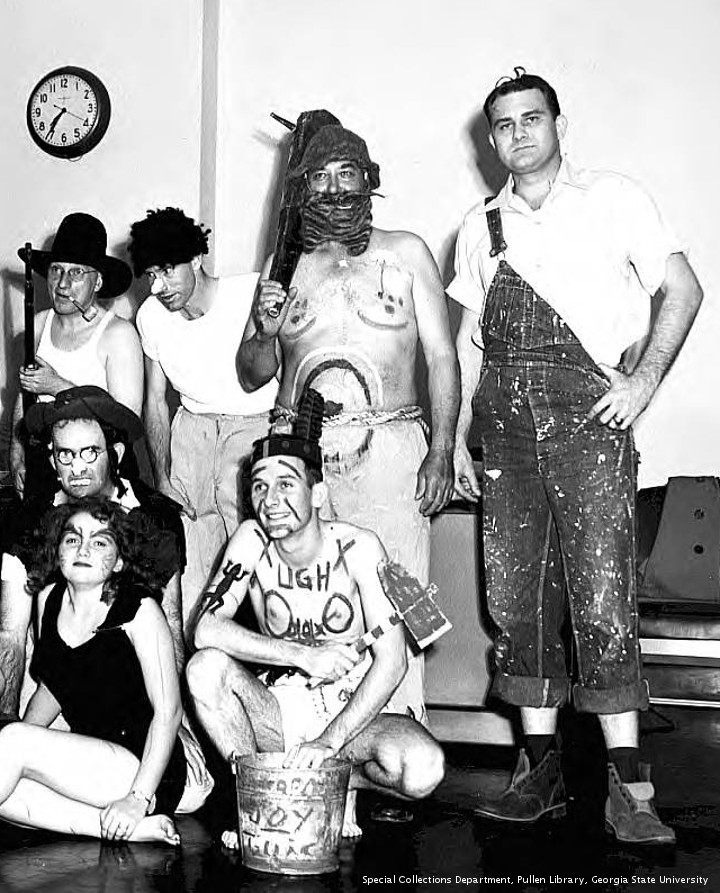
It is a popular line. “They who can give up essential liberty to obtain a little temporary safety deserve neither liberty nor safety.” The credit, or blame, for this gem is assigned to Ben Franklin. Did he really say it? What was he talking about?
The good news is that Mr. Franklin did say these words. (Here is the text.) What follows was written by a lawyer. Prepare to be confused.
“The words appear originally in a 1755 letter that Franklin is presumed to have written on behalf of the Pennsylvania Assembly to the colonial governor during the French and Indian War. The letter was a salvo in a power struggle between the governor and the Assembly over funding for security on the frontier, one in which the Assembly wished to tax the lands of the Penn family, which ruled Pennsylvania from afar, to raise money for defense against French and Indian attacks. The governor kept vetoing the Assembly’s efforts at the behest of the family, which had appointed him. So to start matters, Franklin was writing not as a subject being asked to cede his liberty to government, but in his capacity as a legislator being asked to renounce his power to tax lands notionally under his jurisdiction. In other words, the “essential liberty” to which Franklin referred was thus not what we would think of today as civil liberties but, rather, the right of self-governance of a legislature in the interests of collective security.”
Mr. Franklin was writing on behalf of legislators who wanted to assess a tax. The quote is used by tax hating conservatives. The modern conservative wants to send a hundred thousand troops to a conflict eight time zones away, and pay for it with tax cuts.
Another article tells much the same story, but with a couple of twists. There is a google gimmick that shows how often a quote is used. The BF quote was little known until the twentieth century.
The techcrunch article introduces a dandy word for the rampant misuse of quotes. The word is contextomy. This explanation is from Matthew McGlone of the University of Texas at Austin.
“‘Contextomy’ refers to the selective excerpting of words from their original linguistic context in a way that distorts the source’s intended meaning, a practice commonly referred to as ‘quoting out of context’. Contextomy is employed in contemporary mass media to promote products, defame public figures and misappropriate rhetoric. A contextomized quotation not only prompts audiences to form a false impression of the source’s intentions, but can contaminate subsequent interpretation of the quote when it is restored to its original context. …”
The spell check suggestion for contextomy is contentment. This is a repost. Pictures today are from “The Special Collections and Archives, Georgia State University Library.”




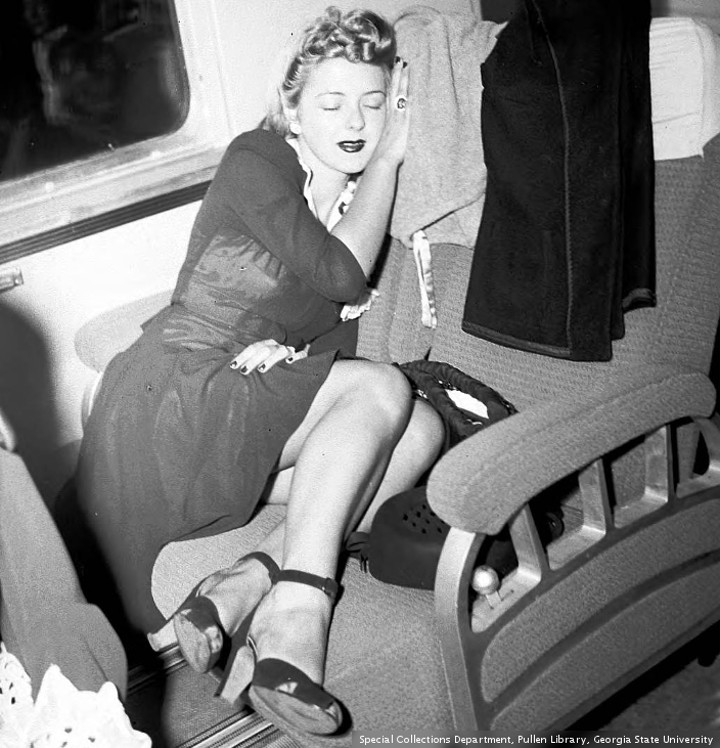

Tom Paine



There is a meme floating through the innertubes. “To argue with a person who has renounced the use of reason is like administering medicine to the dead.” Thomas Paine English-American political activist, writer and revolutionary. A drawing of Mr. Paine lurks to the left of the text.
The quote is from the first paragraph of a pamphlet written by Mr. Paine, The American Crisis: LANCASTER, March 21, 1778, TO GENERAL SIR WILLIAM HOWE. It was part five of a series, The American Crisis. The tract was intended to inspire the war effort against the British. The full sentence: “To argue with a man who has renounced the use and authority of reason, and whose philosophy consists in holding humanity in contempt, is like administering medicine to the dead, or endeavoring to convert an atheist by scripture.”
Four Principles of Quotation was written in 2002, before the rise of meme culture. The salient principle for today is number four, “Only quote from works that you have read.” The tract by Mr. Paine is 6956 words of revolutionary era purple prose. Today’s facebook expressionist does not want to go to that much trouble.
The American Crisis V has some interesting passages. It would be considered politically incorrect today. The British labelled is “the encourager of Indian cruelties,” and accused of “the unchangeable name of meanness.”… “The particular act of meanness which I allude to in this description, is forgery. You, sir, have abetted and patronized the forging and uttering counterfeit continental bills. … shows an inbred wretchedness of heart made up between the venomous malignity of a serpent and the spiteful imbecility of an inferior reptile.”
The text is directed at General William Howe. The war was not going well for the British… “They resemble the labors of a puppy pursuing his tail; the end is still at the same distance, and all the turnings round must be done over again.” General Howe resigned April 4, 1778, fifteen days after The American Crisis V was written. The purple prose might have been a factor.
“Your master’s speech at the opening of Parliament, is like … daily decaying into the grave with constitutional rottenness. … If there is a sin superior to every other, it is that of wilful and offensive war. … We leave it to England and Indians to boast of these honors; …”
Mr. Paine has a good reputation today. This was not universal during the revolution. “In 1777, Congress named Paine secretary to the Committee for Foreign Affairs. The following year, however, Paine accused a member of the Continental Congress of trying to profit personally from French aid given to the United States. In revealing the scandal, Paine quoted from secret documents that he had accessed through his position at Foreign Affairs. Also around this time, in his pamphlets, Paine alluded to secret negotiations with France that were not fit for public consumption. These missteps eventually led to Paine’s expulsion from the committee in 1779.”
After the war, Mr. Paine went back to England. He soon got involved in the French Revolution, and was imprisoned. He continued to write, and get in trouble. Mr. Paine was invited back to the United States by Thomas Jefferson. He “died in June 1809, and to drive home the point of his tarnished image, the New York Citizen printed the following line in Paine’s obituary: “He had lived long, did some good and much harm.” Pictures are from The Library of Congress. This is a repost.




 Chamblee54
leave a comment