Peachtree Street


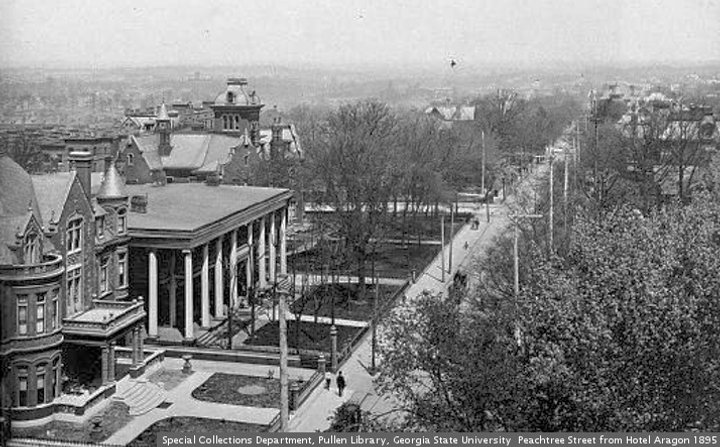

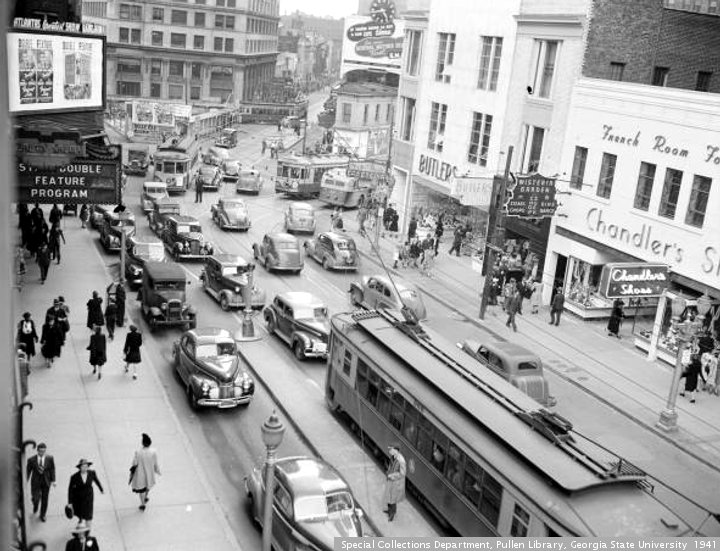
PG finished a book, Peachtree Street-Atlanta. The author is William Bailey Williford, and it was published by the University of Georgia Press in 1962. PG found this at the Chamblee library, and this is probably the best way to find this book today. (Reissued by UGA Press.)
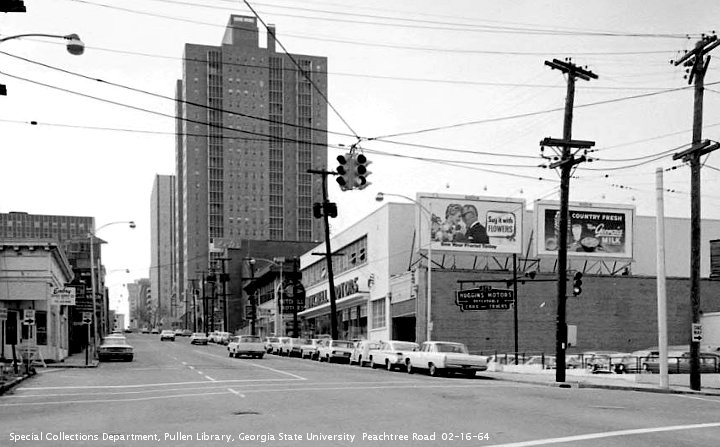
How this road got the name Peachtree is a good question. Most peaches grow south of the fall line. The story goes that there was a Creek Indian village called Standing Peachtree, located where Peachtree Creek runs into the Chattahoochee. During the war of 1812 Fort Peachtree stood there.
There was a trail that ran from Buckhead to an intersection with the Sandtown Trail, at what is now Five Points. A short distance south of this intersection was a settlement known as White Hall. For many years, Peachtree Street south of Five Points was known as Whitehall Road. At some point in the last thirty years, a decision was made to change Whitehall to Peachtree. It did not help the rundown condition of Whitehall Street.
In 1835 Governor Wilson Lumpkin decided that a railroad that would be centered near the junction of Peachtree Trail and Sandtown Trail. The new town was named “Marthasville”, after the daughter of the Governor. Martha Lumpkin resides in Oakland Cemetery today.
The village was soon renamed Atlanta, which was a feminine form of Atlantic. Houses, churches, and businesses were soon built on Peachtree Road. In 1856, Richard Peters built a flour mill. To insure a steady supply of firewood, he bought four hundred acres of land, for five dollars an acre. The land was between Eighth Street, North Avenue, Argonne Avenue, and Atlantic Drive.
Another pioneer citizen with a large landholding was George Washington (Wash) Collier. Mr. Collier bought 202 acres for $150 in 1847. The land was between West Peachtree, Fourteenth Street, Piedmont Road, Montgomery Ferry Road, and the Rhodes Center. Much of the land was used for the development of Ansley Park.
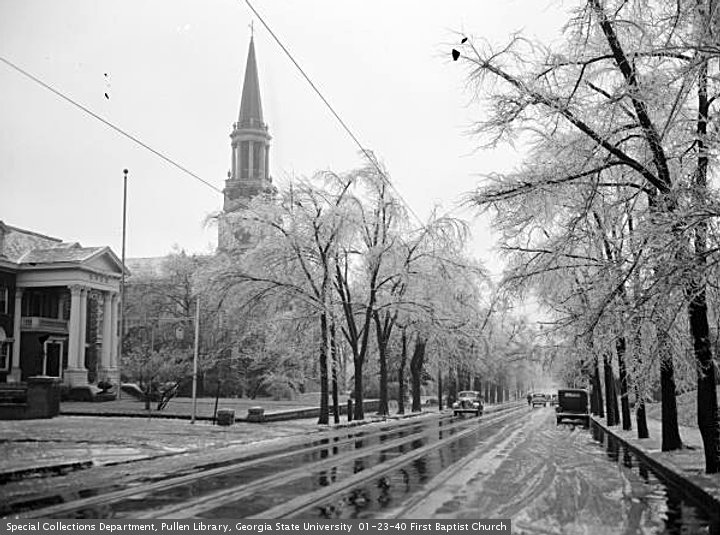

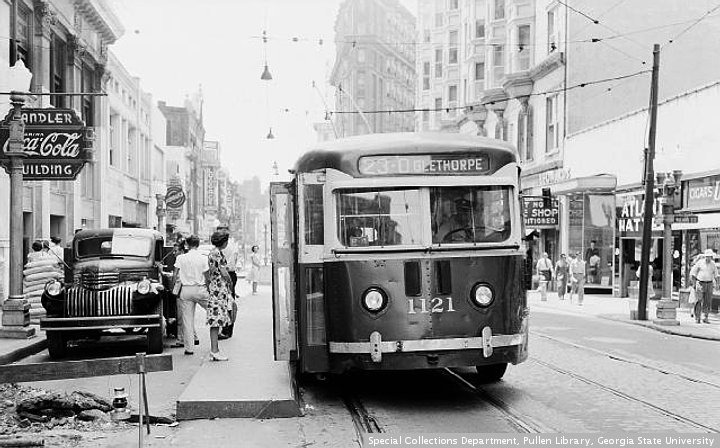
In 1854, Atlanta entertained, for the first time, a man who had been President. On May 2, Millard Fillmore arrived from Augusta on a private rail car.
There was some unpleasantness in 1864, which we will not concern ourselves with.
In 1866, there was a shocking murder. John Plaster was found dead, in an area known as “tight squeeze”. This was an area of shanties, at the present location of Crescent Avenue and Tenth Street. A hundred years later, this was near “the strip”, Atlanta’s hippie district, also called “Tight Squeeze”.
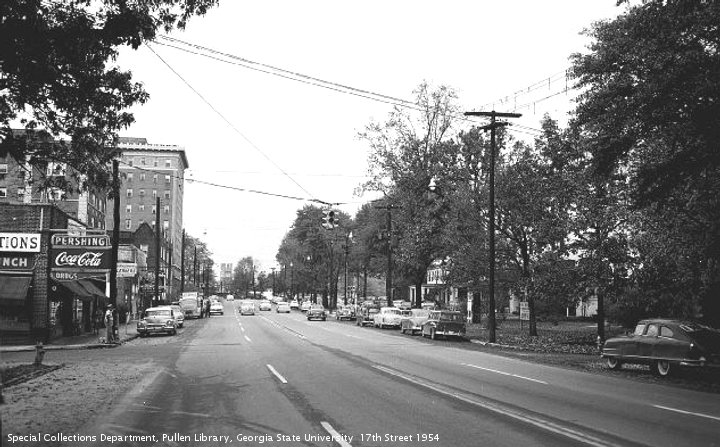
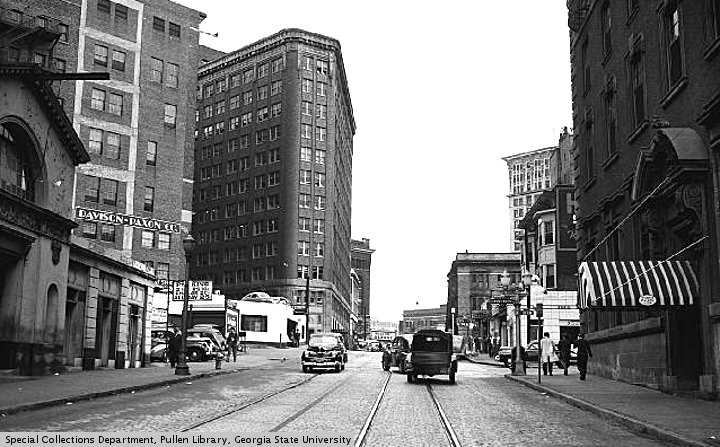
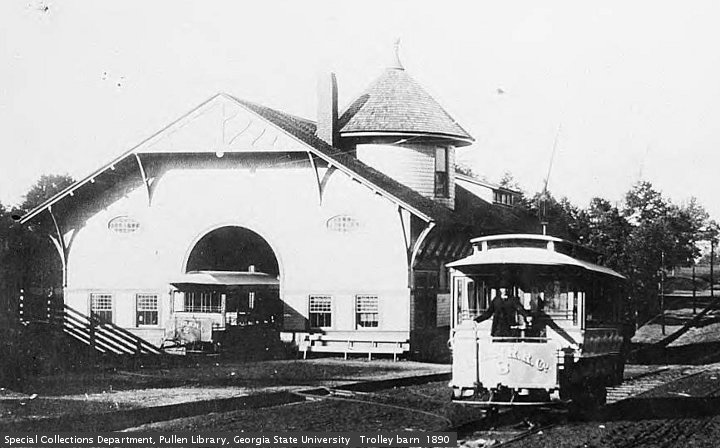
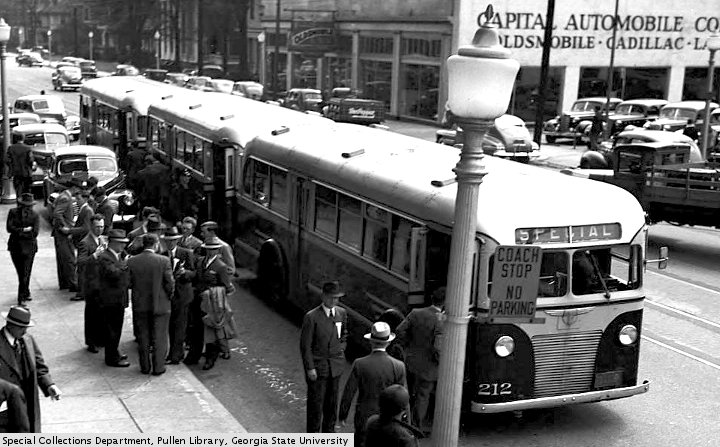
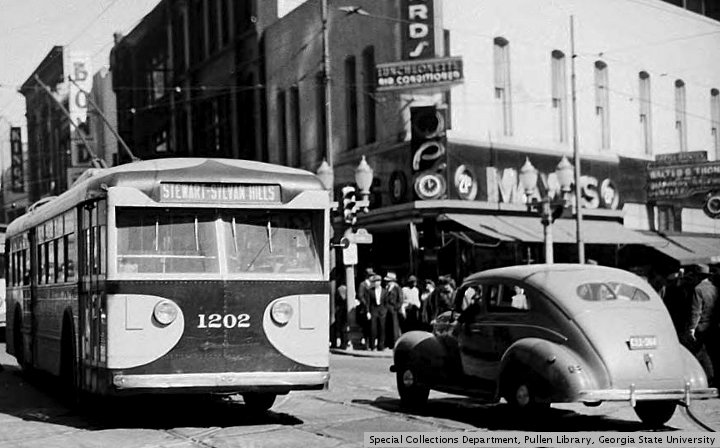
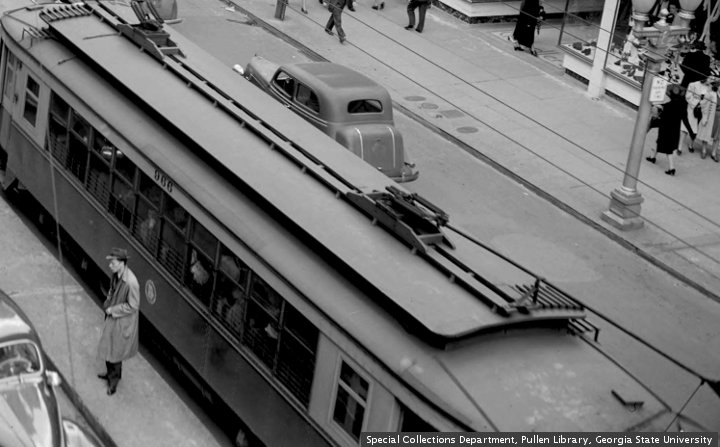
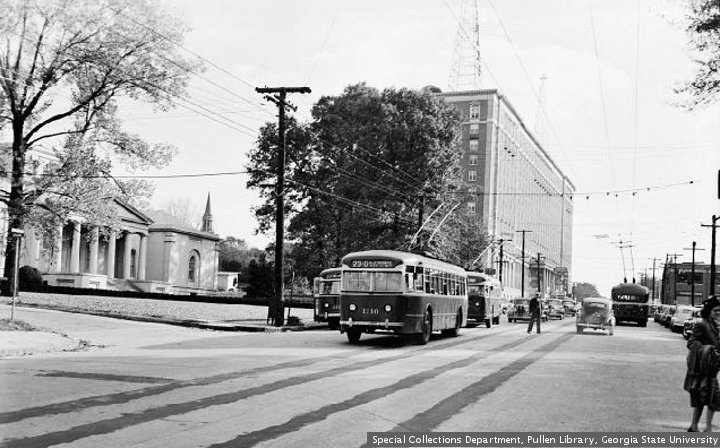
As the nineteenth century rolled along, many mansions were built on Peachtree Street. The road was paved, and streetcars ran up and down. Automobiles came, and came, and came. An expressway was built in the 1950’s, and quickly became obsolete. One by one, the mansions were torn down and replaced with businesses and churches.
The book was written in 1962, when the party was just getting started. The High Museum was known then as the Atlanta Art Association. In June of 1962, a plane full of prominent Atlanta residents crashed in Paris, killing all on board. As a memorial to those people, the Memorial Arts Center on Peachtree, at Fifteenth Street, was built.
Another phenomenon which is not explained by the book is the custom of naming everything here Peachtree. There are countless streets and institutions named for a fruit tree that likes warmer climates. Atlanta has a one street skyline, that stretches from Five Points to Peachtree Dunwoody Road, almost at the city limits. PG lives a quarter mile off Peachtree, in Dekalb County, and has no idea why Peachtree is a magic word.
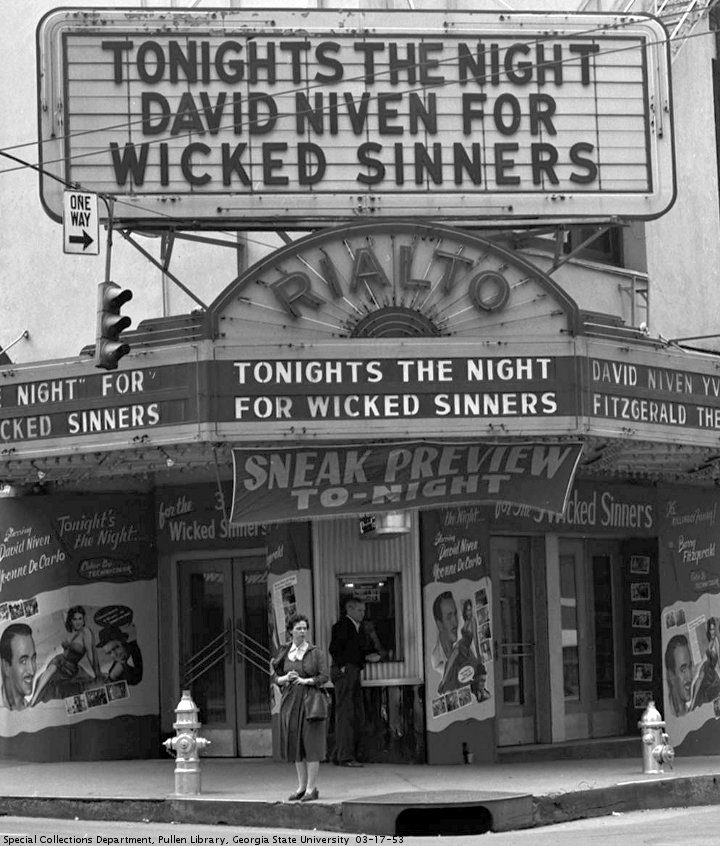
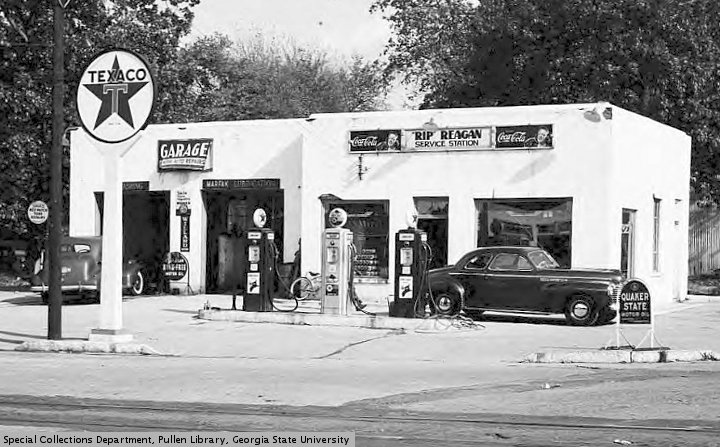
Pictures are from “The Special Collections and Archives, Georgia State University Library”. and The Library of Congress. This is the annual repost.


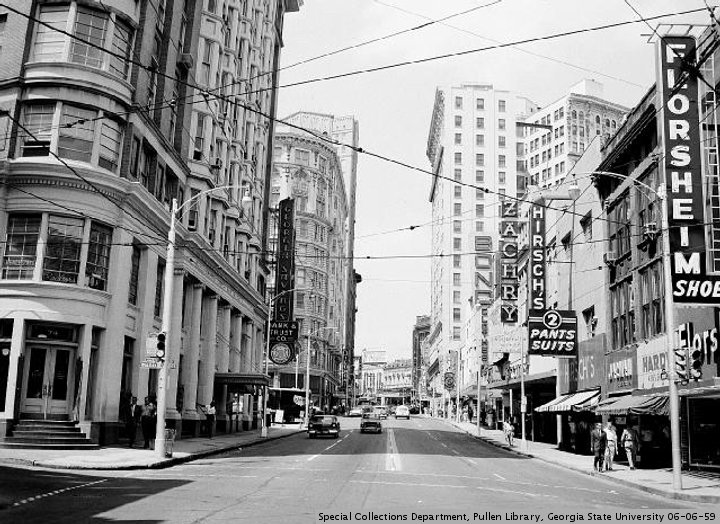

The Georgian Terrace Ballroom
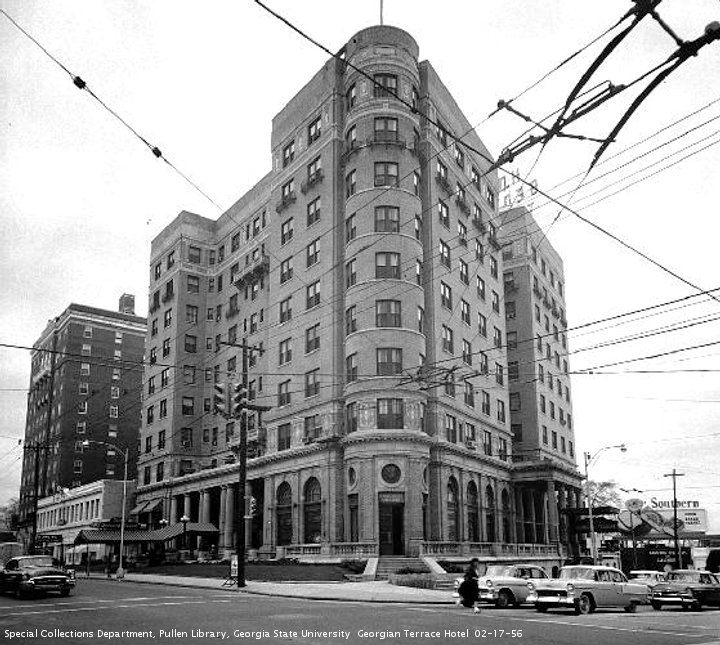



The Georgian Terrace hotel used to have an adjacent ballroom. The building opened as the “Lucky Strike”, featuring “Duck Pin” bowling. At some time, it became a 1300 seat ballroom. It was not the grand ballroom, where events for the premiere of “Gone With The Wind” were held. As time moved on, the ballroom became a music performance hall. PG saw shows there under four different business names. After the Agora Ballroom closed, the building was vacant, until a fire August 30, 1987. The site of the ballroom is now occupied by an annex of the Georgian Terrace Hotel.
The first show PG saw at this facility was in 1972. The name of the business is forgotten, as is the act that performed. A band, comprised of people PG went to high school with, played before he got there.
In 1974, “Big Time” promoter Alex Cooley opened “Alex Cooley’s Electric Ballroom”. (Alex Cooley died December 1, 2015.) The first show that PG saw was Dr. John The Night Tripper. A few months later, Capricorn artists Cowboy played, with a vulgar New York band named Mercury opening. Gato Barbieri played, with PG wondering how people could dance to that type of music.
Several major acts appeared at the Ballroom, mostly without PG in the audience. KISS played there in 1974, and photographs from backstage are in the embedded video. In April of 1974, Steely Dan was across from the Fox. In the summer of 1974, The Tubes played a week at the ballroom, with another heavily hyped show. On January 23, 1976, The Patti Smith Group played at the ballroom.
In 1975, Bruce Springsteen was on the covers of Time and Newsweek, and was receiving a promotional push unlike anything seen before. He played a show at the ballroom that summer, with a generous press party in the balcony. (At one unforgettable show Alex was caught off guard by a Bruce Springsteen request. “He asked if we could shut down the cash registers because they were making too much noise!… That’s the only time I ever did that.” Alex admits.)
PG attended two shows in 1975. Mckendree Spring opened for Fanny, while PG drank too many bourbon and cokes. In November of 1975, Juice Newton opened for Hot Tuna. Miss Newton seemed to be a bit pale, and performed “Get drunk and screw”. Hot Tuna was amazing. They went on stage at 10:55, and played, without a break, until 2:50. The drummer wore a shirt, mother fucking hot tuna. Few would argue that night.
In autumn of 1977, some brave soul opened a place called “The Ballroom” in the space on Peachtree Street. One night, PG went with some friends to see an act, Happy the Man. There seemed to be a bit of chaos in the management of the facility. The Great Southeast Music Hall loaned a few microphones for the show. When the show was over, PG walked out to a car, whose motor was running, with the driver asleep inside.
In the summer of 1978, the ballroom opened as The Agora Ballroom. Apparently, there is a music hall in Cleveland with that name, and they opened branch facilities around the country. There were some shows that PG did not attend. Todd Rundgren opened the facility August 19, 1978. On October 2, 1979, The Clash played. Pictures from the crowd appeared on an album by the band. On December 2, 1981, U2 made their Atlanta debut.
A few weeks after the opening, PG won tickets to an all Texas show. Marcia Ball opened, and a bored PG went to a neighborhood bar to drink beer. PG returned later, and stayed long enough for the singer with Asleep at the Wheel to ask the crowd, Are you stoned?
In November of 1978, PG called a radio station, and asked to be put on the guest list for Talking Heads . (For Talking Heads, and three links in the following paragraphs, the link is for a previous Chamblee 54 post about the show.) The first six people he called were busy, but the last one agreed to go. On the bus going home, a group of black men started to make unfriendly comments. At the next stop, a black friend of PG got on the bus, and went to talk to him.
A few weeks later, Tim Curry made his United States debut. Some record company invested a lot of money in him, and supplied him with an outstanding band. PG was wandering around the balcony after the first show, and saw Tom Waits sitting at a table. The bodyguard said no, that’s not Tom Waits, it is just someone that looks like him. At a bar, after the show, PG was raving about what he had seen, when a lady came up to him. What color are your eyes? They are brown, because you are full of shit. Soon, the 23 Oglethorpe was taking him home.
Somewhere in the haze of 78 and 79, Ultravox brought their synthetics to the Agora. A local band, First Blood, was more entertaining as the opener. PG drank a very large can of Foster’s beer, and floated through the proceedings. After the show, PG was invited to a party in Candler Park. On the way there, there was a horrific car crash on Ponce de Leon. At the party, friends of First Blood dissected their performance, between lines of coke.
One night, PG was enjoying drink specials at a neighborhood bar. He took a break, walked over to the Agora, and saw a few minutes of a show by Freddie Hubbard.
In early 1979, the B 52s were on the verge of stardom. (Here is a nifty feature about the Atlanta local music scene in those days.) The opener for the 52s was The Brains , yet another talented band that never made it big. At the table next to PG, a lady wore a dynamite World War Two army uniform.
Later in 1979, Ted Turner had an idea for a TV show, “Live at the Agora”. The first show was filmed in Atlanta, and featured Graham Parker and the Rumor. If they ever show that film again, and you see a crowd shot, that is PG wearing a white T shirt, with a white Agora iron on logo. Parker was a great musician, who had the misfortune to look like Big Bird’s nerdy little brother. If Graham Parker looked like Bruce Springsteen, he would have been a superstar.
In March of 1980, Lene Lovich came to the Agora. About a year later, Spirit played on Peachtree Street. The show was sponsored by a radio station, and tickets were $2.96. Despite the low price, and high musical quality, the balcony was closed, and only about a hundred people were at the show. PG thought this was odd, but little surprised him by this time.
The last show that PG caught at the Agora was The Ramones. Joey and the pinheads were past their prime, with only two original members playing. It was an all ages show, with alcohol served in the balcony. Downstairs was a festive party, with costumes and enthusiastic high school kids. The balcony was the same rock and roll drunks you had seen for years. The Ramones would have made a great oldies band, if they could have quit dying. This is a repost, with pictures from “The Special Collections and Archives, Georgia State University Library”.


Mardi Gras


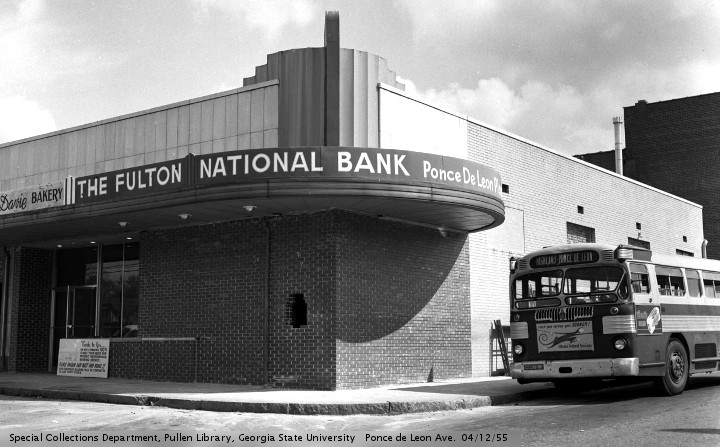
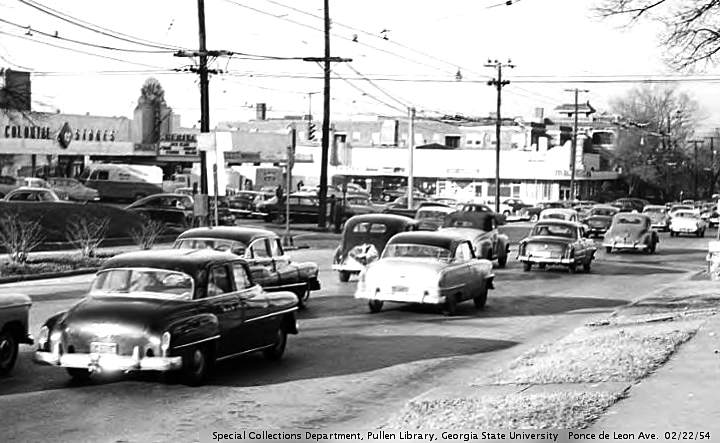

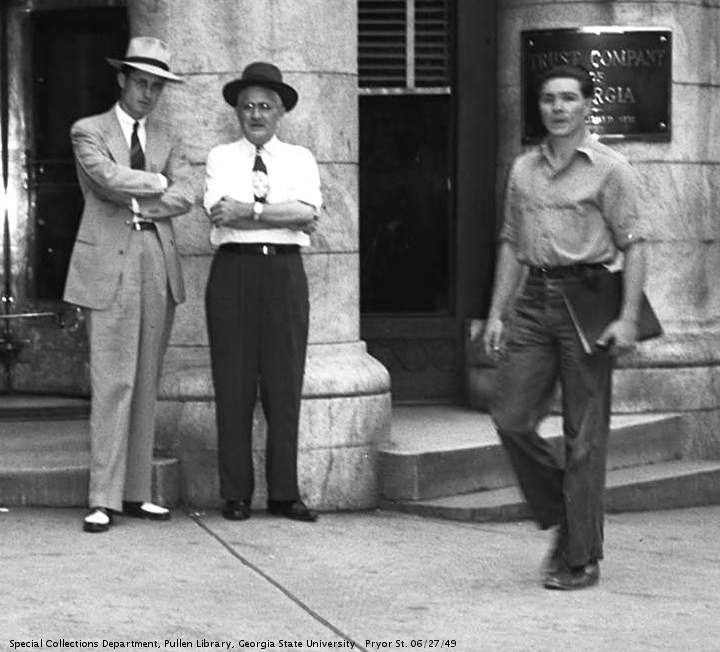


It is fat tuesday again. For someone who lived most of his life in Georgia, it is just another day.
In 1990, PG went to carnival. He rented sleeping bag space in a house on Marigny Street, just outside the quarter. It was like nothing he had ever seen.
This was 14 months after PG quit drinking. If he had life to do over, he would have gone to Mardi Gras first. He did feel good about going through that much drinking without being tempted to participate.
By the end of the Rex Parade, PG was getting tired of the whole shebang, Mob scenes of drunks, in costume, can get old. PG has not been back.
Two years later, the Grateful Dead was playing at the Omni, and the camp followers were in the parking lot. PG would go on his lunch hour and observe. A young lady walked by, and PG said Happy Mardi Gras. She gave him a string of beads.
Five years after that, PG had a boss from New Orleans. He looked like the Grinch who stole Christmas. He also hated Mardi Gras. PG did not know this, and greeted him Tuesday morning with a cheerful Happy Mardi Gras. If looks could kill, PG would have dropped dead. This is a repost, with pictures from “The Special Collections and Archives, Georgia State University Library”.




The Narco State Rag


This feature was written July 13, 2010. The situation in Afghanistan is little better. If we leave, the country falls into chaos. If we stay, we spend money we don’t have. It is a bitch.
Some people euphemize bitch by saying that something is a bear. Across the frontier from Afghanistan, the Russian bear is dealing with a heroin epidemic. Some say the United States suckered the Soviet Union into invading Afghanistan in 1979. The disastrous war that followed led to the fall of the Soviet Union. We are still dealing with the karma.
Tom Dispatch has an audio feature about Afghanistan, and the many unanswered questions about our war there. We invaded Afghanistan to get revenge for 911, and looked for a reason later.
At the 3:06 mark on the tape, when Tom makes a comment Afghanistan being a narco state. PG had a flash of understanding about the reason behind this war. This may even have been powerful enough to ignore the reports about a terror strike in September 2001, and let 911 happen.
The rumors of CIA involvement in drug trafficking are wide spread and long term. When planes went to Central America in the eighties to bring arms to the contras, they came back to the United States loaded with cocaine. There are stories of collusion with the government in Cuba. There are many, many more stories about connections between the US government and the drug trade.
When the Taliban took over Afghanistan, they cracked down on the poppy farmers. Much of the raw opium for heroin/morphine/opium is grown in Afghanistan. This was not a pleasing for the CIA.
Could it be that the real reason for our involvement in Afghanistan is to ensure the flow of narcotics into the hungry world? This would be a big cash cow for the CIA, although not enough to justify the amounts of money being spent on the conflict.
Pictures are from “The Special Collections and Archives, Georgia State University Library”.



KKK Klickbait


The Washington Post (Paywall alert) enjoys KKK Klickbait. A recent example is Yesterday’s Ku Klux Klan members are today’s police officers, councilwoman says. Under the headline is a picture of some very fine people wearing squeaky clean bedsheets. The caption for the picture reads “A member of the Ku Klux Klan adjusts his hood during a 1998 rally in Texas. (David J. Phillip/AP)” Pictures for this repost are from “The Special Collections and Archives, Georgia State University Library”.
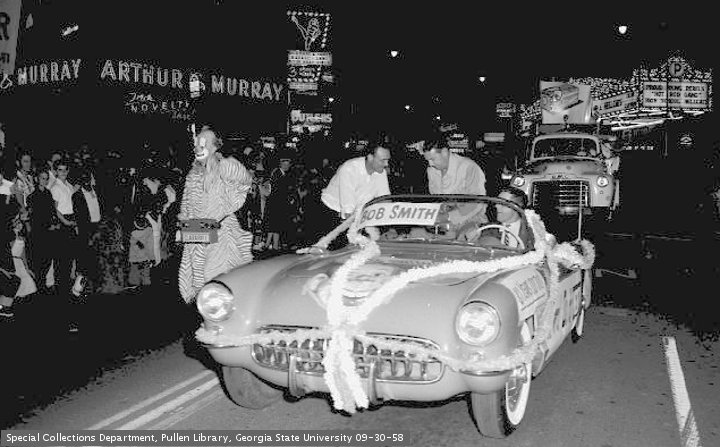
Stock photographs are widely used to illustrate stories. The photo in question was used in this story: Swiss police investigate KKK carnival costumes “The 12 people who dressed in Ku Klux Klan costumes during carnival celebrations in canton Schwyz are not guilty of racial discrimination, local justice officials say. The central Schwyz public prosecutor’s office said on Friday that the men had overstepped the mark on what was allowed at carnival celebrations and that common decency had been grossly violated. But the men’s behavior did not constitute the offence of racial discrimination, because they did not intend to convert people to the KKK, judicial officials added.” Video zeigt, wie Ku-Klux-Klan in Schwyz marschiert Wir benutzen Cookies und andere Technologien.
This is not the first time photos from European carnivals are used to illustrate American stories. The picture in the RNS story has this caption: :Supporters dressed as members of the Ku Klux Klan, using the occasion of Halloween to mask their faces from the police, express anti-Semitic views in Lviv (Ukraine) on October 31, 2009. Photo courtesy of REUTERS/Vasily Fedosenko”
“Students be careful, there’s someone walking around in KKK gear with a whip’: Indiana University student triggers scare after mistaking priest for KKK man. Dominican friar was spotted waiting for frozen yogurt at Indiana University. Students thought his long white robe meant he was a member of the KKK. Residential officer issued a warning telling students to be careful on campus. But it was later withdrawn when it transpired the man was in fact a priest.”


Tallulah Bankhead And Billie Holiday


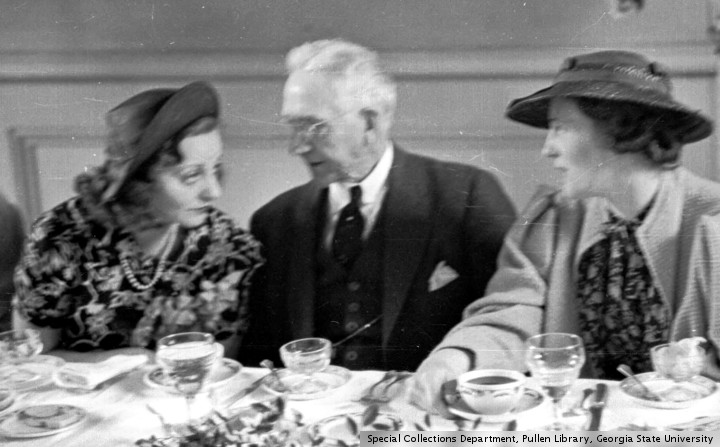
Tallulah Brockman Bankhead was born January 31, 1902 in Huntsville AL. She had a year-older sister, Eugenia. Their mother died February 23, 1902. Legend has it her last words were “Take care of baby Eugenia. Tallulah can take care of herself.” This is a repost.
The father of the actress was Will Bankhead. He was a prominent politician, who served as Speaker of the House of Representatives in Washington. Mr. Bankhead was on the short list of Vice Presidential candidates for Franklin Roosevelt, but was passed over. The Bankhead national forest, and the Bankhead Highway, are both named for Will Bankhead.
Tallulah Bankhead was an actress, radio show hostess, and personality. She went to London in the early twenties and became a stage sensation. Returning home, she became a Broadway star with “The Little Foxes.” She made movies, but saved her best public performances for the stage.
Miss Bankhead was known for being sexually active, with both men and women. Hattie McDaniel, who played Mammie in Gone With The Wind, was rumored to be one of her “friends”. Her introduction to Chico Marx went like this: “Miss Bankhead.” “Mr. Marx.” “You know, I really want to fuck you.”. “And so you shall, you old-fashioned boy.”
One legend has Miss Bankhead at a dinner party with Dorothy Parker and Montgomery Clift. As might have been expected, the cocktail hour went on most of the evening. At one point, Mister Clift had his head in Miss Parker’s lap. “oh you sweet man, it’s too bad that you’re a cocksucker. He is a cocksucker, isn’t he?” Miss Bankhead replied “I don’t know, he never sucked my cock.”
Her most famous movie role was in “Lifeboat”, directed by Alfred Hitchcock. Her co stars complained that she was not wearing panties under her dress. Mr. Hitchcock posed the question, is this a matter for wardrobe, or for hairdressing?
In the fading days of radio, Tallulah was the host of “The Big Show”. She became known for her deep voice, and for saying “Dah-ling”. More than one guest got big laughs by calling her Mister Bankhead. After “The Big Show” ended, Miss Bankhead remained active on stage and television. She died December 12, 1968.
Miss Bankhead was a staunch Democrat, as is fitting for the political family she was raised in. During the McCarthy era, an actress friend of hers was accused of being a communist. Miss Bankhead made a statement of support for the actress on the radio, and then asked her, are you a communist? The actress said that her daddy was a republican, and so she guessed that was what she was. Miss Bankhead was horrified. “A republican! That’s worse than being a goddamn communist.”


One of Miss Bankhead’s more explosive friendships was with Billie Holliday. “The truth of the matter suggests they probably first met in the early 1930’s, well before Holiday ever became famous. What is known is that by 1948 they were bosom buddies. A year earlier, Holiday entered the Alderson Federal Reformatory for Women to serve her famous “one day and a year” sentence, after being found guilty on dope charges. Four months after her release in 1948, Holiday was appearing at New York’s Strand Theater with Count Basie on the first leg of a cross-country tour. At the same time, Tallulah Bankhead was nearby on Broadway starring in her hit play, Private Lives. Bankhead caused quite a commotion every night thundering late down the aisle during Billie’s show to sit in her special seat to stare in amazement at the gifted & stunningly beautiful Lady Day. Because Holiday’s license to perform in nightclubs had been revoked, and she was forced to earn her living in grueling tours on the road. For months after the Strand performance, Bankhead traveled with her whenever she could. Also on the tour was dancer/comedian James “Stump Daddy” Cross – nicknamed after his wooden leg, who joined the two famous ladies to make a treacherous threesome.”
“…it appears that during the late 1940s she and Holiday were also lovers. Perhaps they had been all along. Holiday later told William Dufty, who ghostwrote her autobiography, that when Tallulah visited backstage at the Strand Theatre, the thrill she took in exhibitionistic sex made her insist on keeping Holiday’s dressing room door open. Holiday later claimed that Tallulah’s brazen show of affection almost cost her her job at the Strand.”
Before long, Miss Holiday got busted again. Apparently, Miss Bankhead made a phone call to FBI director J. Edgar Hoover, asking for leniency. There is a remarkable thank you – you’re welcome correspondence between Miss Bankhead and Mr. Hoover. “As my Negro Mammy used to say ‘When you pray, you pray to God don’t you……I had only met Billie Holiday twice in my life….and feel the most profound compassion for her…she is essentially a child at heart whose troubles have made her psychologically unable to cope with the world in which she finds herself…poor thing, you know I did everything within the law to lighten her burden”. “A giddy and twitterpated Hoover wrote back , “Your comments are greatly appreciated, and I trust that you will no hesitate to call on me at any time you think I might be of assistance to you.”
At some point, the two became less intimate. Miss Bankhead had her own legal headaches, and put some distance between her and Miss Holiday. When “Lady Sings the Blues” was being prepared, Miss Bankhead got an advance copy, and was horrified by what she saw. A fierce note was sent to the book’s publisher, and scenes were edited out. Miss Holiday was outraged. The letter that resulted is a poison pen classic. “My maid who was with me at the Strand isn’t dead either. There are plenty of others around who remember how you carried on so you almost got me fired out of the place. And if you want to get shitty, we can make it a big shitty party. We can all get funky together!”
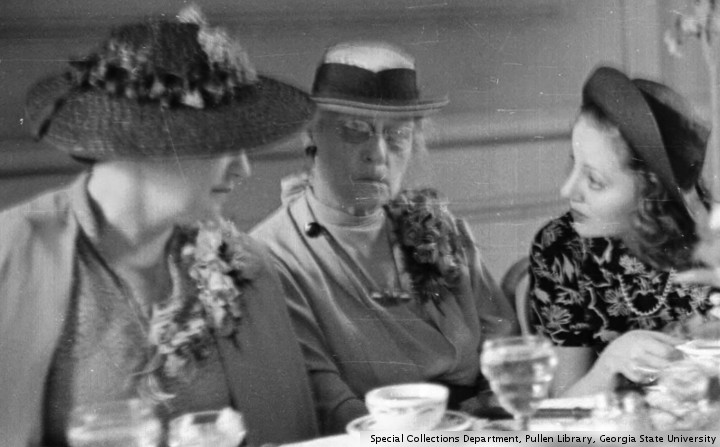
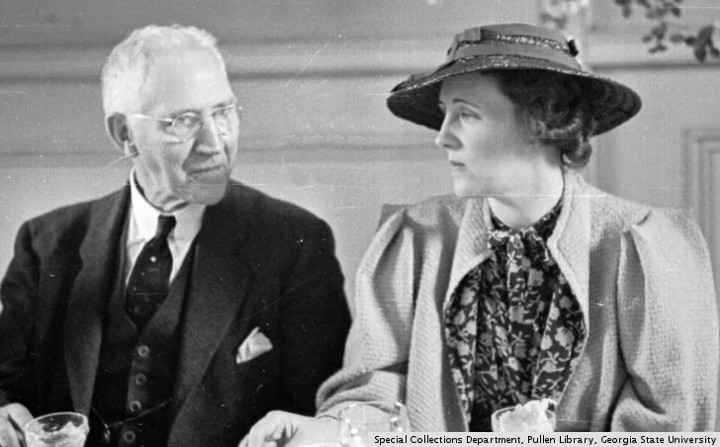
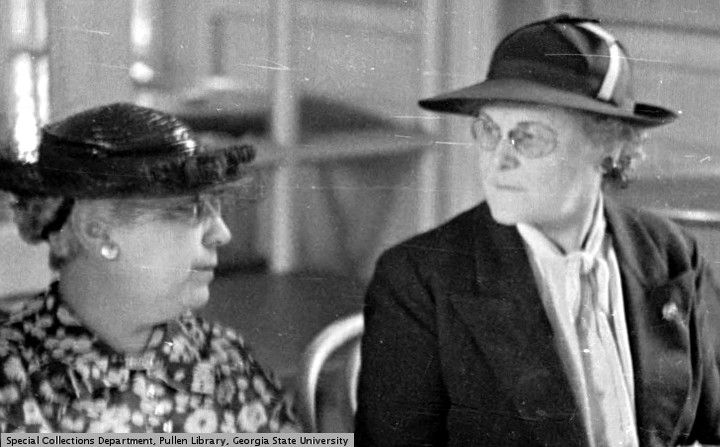
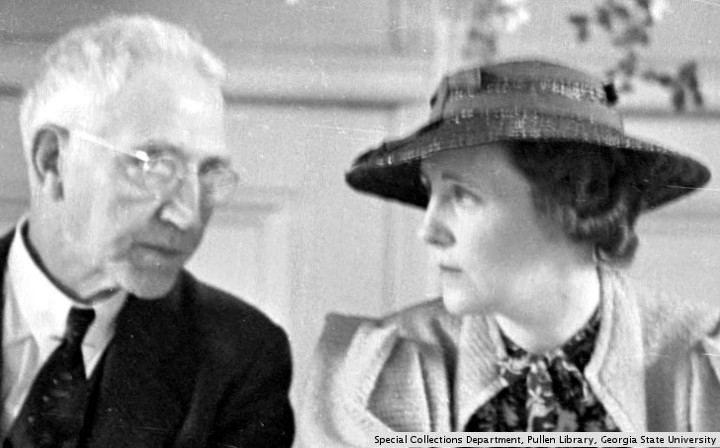
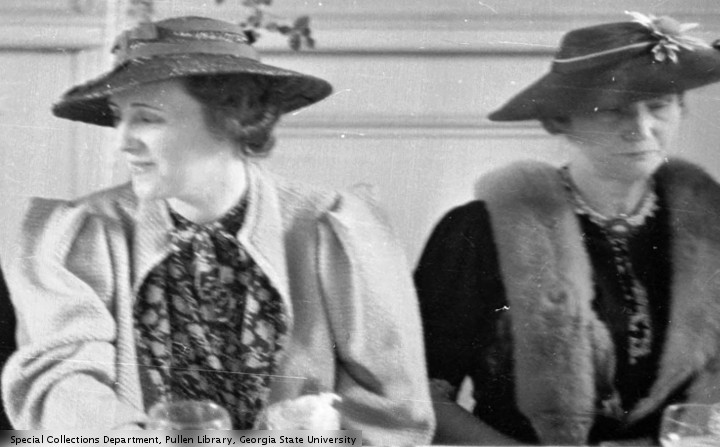
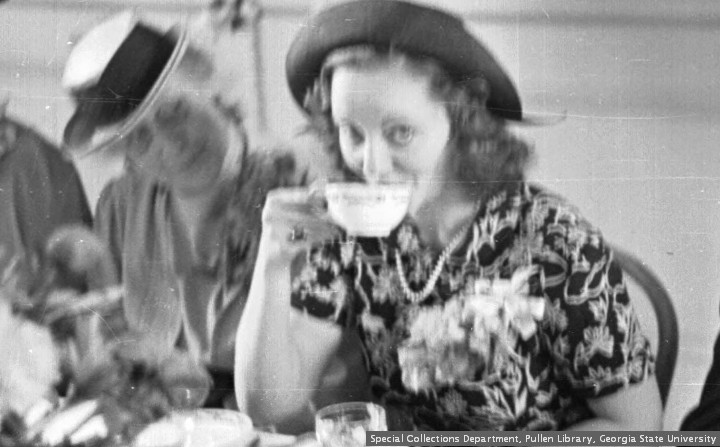
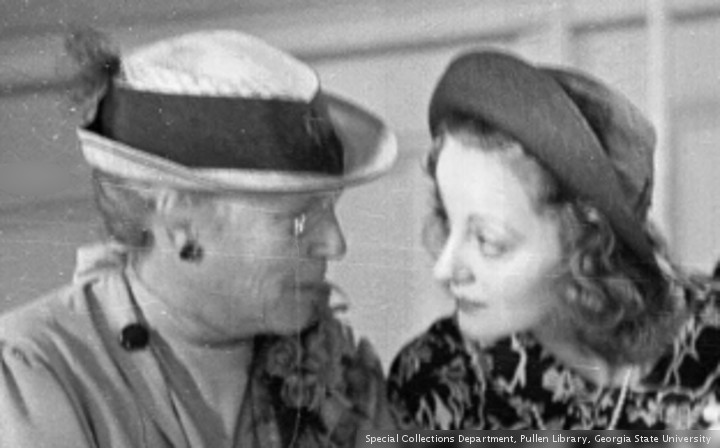
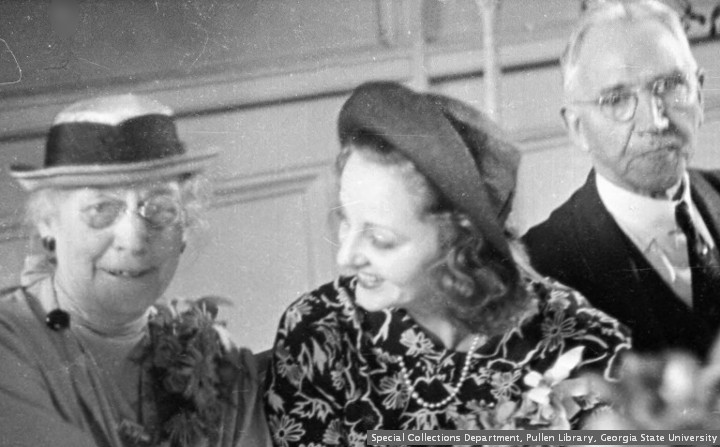
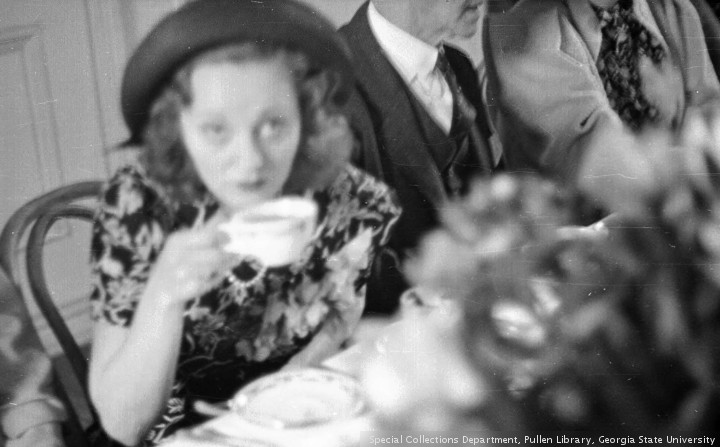
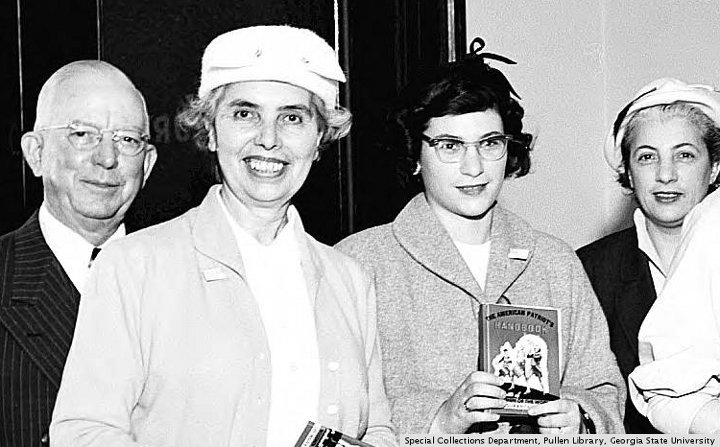
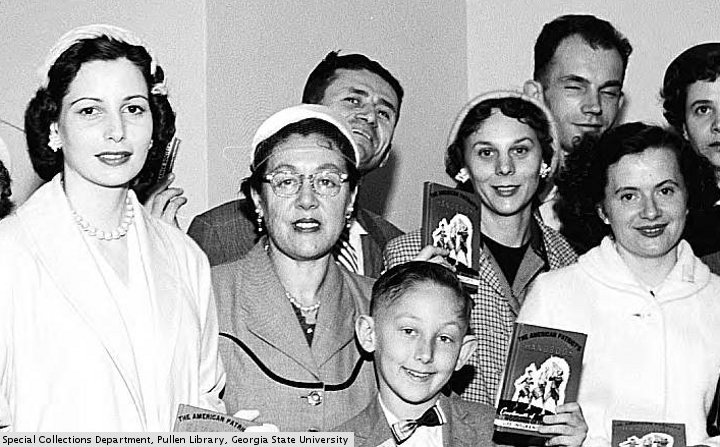
This is a repost. Pictures today are from “The Special Collections and Archives, Georgia State University Library”. “Members of the Atlanta Woman’s Club, during a luncheon for retiring president W.F. Milton, in the AWC banquet hall, in Atlanta, Georgia, March 5, 1937.” Picture of Billie Holiday from The Library of Congress.


War Letters

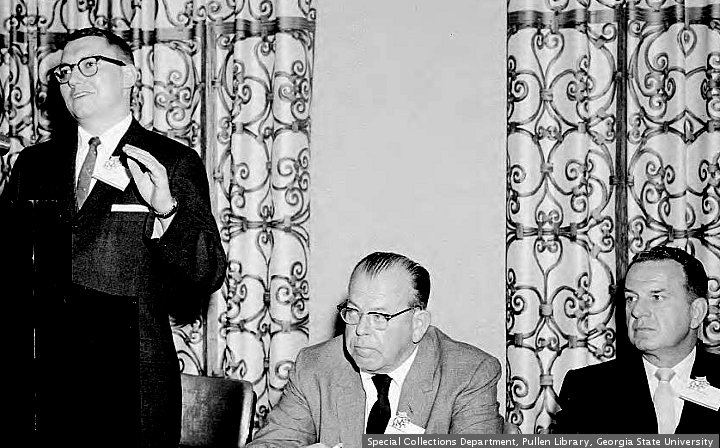

In the winter of 2003, it was obvious that America was going to war. Congress had voted approval, the modern version of a declaration of war. The troops. and supplies, were on the borders of Iraq, waiting for the order to go in.
PG felt the need to make a statement. There was no illusion that it would affect the overall decision to invade Iraq. However, PG wanted to go on record as being opposed to the folly to come.
It was a low risk act. In America, we have freedom of expression. This does not mean that the powers that be listen to the people. The only expression that matters is by people who pay the authorities. The people can say anything, but nobody in charge listens.
There were three representatives in Congress to contact. The two Senators were Saxby Chambliss and Zell Miller. The 4th district was represented in the House of Representatives by Denise Majette. She was new to Congress, having defeated Cynthia McKinney in the 2002 election.
The area that PG lives in is gerrymandered into different districts every ten years by the Georgia legislature. Today, PG is in the 6th district, represented by Democrat Lucy McBath.
The letters are lost in hard drive crash fog. It started out with the phrase “you were elected to represent me.” Apparently, this left Zell Miller out. He has been appointed to finish the term of Paul Coverdell. Democrat Zell Miller was appointed by Democrat Governor Roy Barnes to complete the term of Republican Paul Coverdell. After this, Zell Miller gave the keynote address at the 2004 Republican Convention. This is what Georgia has come to expect from Zig Zag Zell.
The anti war letter was not great writing. It basically said that the invasion of Iraq was not a good idea. The letter did not address the tax cut. In a bizarre move, Congress approved a tax cut, with an economically ruinous war on the horizon.
The responses to the letter are attached here. Denise Majette gave a thoughtful reply. She did not say “I agree with you” in so many words, but it is clear she is not gung ho about killing Iraqis. Miss Majette said, and PG agrees, that once the war begins, the debate should cease.
Saxby Chambliss sent two replies. Both talked about how well the war was going, and how wonderful it was to be killing people in Iraq. It is a good question whether his staff read the original letter from PG, which opposed the war.
In the 2004 election, Denise Majette ran for the Senate. Zell Miller chose to retire, and his seat was up for grabs. Republican Johnny Isakson won the Senate seat. Cynthia McKinney made a comeback, and won the fourth district House seat.
Saxby Chambliss was re-elected in 2008, and retired in 2014. The conflict in Iraq continues to this day. It is a disaster. The withdrawal of American combat troops did not end the civil war. Currently, Iraq is the scene for combat operations from the Islamic State military force.
The financial burden of the war has been immense. The military depends on contractors for many basic services, at increased cost to the Asian war financiers. The National debt has been increasing by a trillion dollars a year. Revenge for nine eleven, directed at a marginally responsible country, has been horribly expensive. Pictures for today’s entertainment message are from “The Special Collections and Archives, Georgia State University Library”. This is a repost.


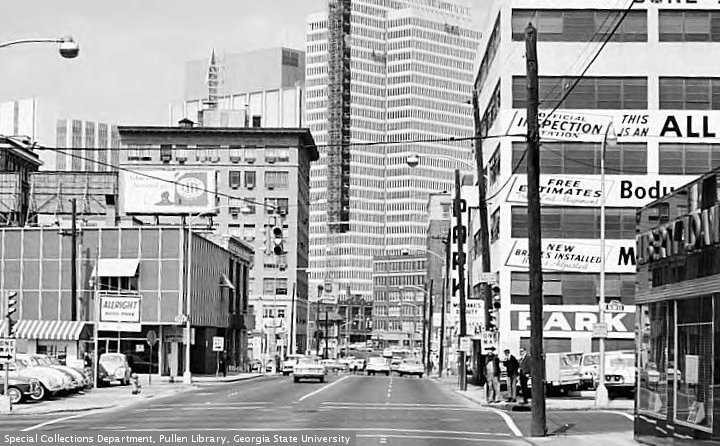

The Great Speckled Bird




One day in the eighth grade, PG had a sore spot in his eye. They called it a stye. One afternoon, he got out of school, walked to Lenox Square, saw a doctor, and got some eye drops.
When he left the doctor’s office, there was a man, standing in front of Rich’s on the sidewalk, selling a newspaper. He had blond hair down past his shoulders. PG asked what the newspaper was. Mostly politics, he said. PG gave him fifteen cents for a copy of “The Great Speckled Bird”.
The Bird was an underground newspaper. It was so bad, it needed to be buried. If you are under fifty, you have probably never seen one. These papers flourished for a while. The Bird was published from 1968 to 1976. The April 26, 1968 edition was volume one, number four. This was what PG bought that day.
The GSU Library has a digital collection. Included in it are copies of The Great Speckled Bird. Included in this collection is edition number four. PG went looking for that first copy. He needed to be patient, for the GSU server took it’s time. Finally, the copy he asked for came up. It was mostly politics.
When PG saw page four, he knew it was the edition from 1968. “Sergeant Pepper’s Vietnam Report” was the story of a young man sent to Nam. It had a paragraph that impressed young PG, and is reproduced here. The rest of the article is not that great, which is typical of most underground newspaper writing.
A couple of years later, PG spent the summer working at the Lenox Square Theater. The number two screen was a long skinny room. If you stood in the right place, you could hear the electric door openers of the Colonial Grocery store upstairs. The Bird salesmen were a feature at the mall that summer, which not everyone appreciated. This was the year of the second, and last, Atlanta Pop Festival. PG was not quite hip enough to make it. He was back in the city, taking tickets for “Fellini Satyricon”. The Bird was printing 26 pages an issue, with lots of ads, pictures, and the distinctive graphics of the era.

Vol.3 no 26 June 29, 1970 was especially memorable. On page 17, there was a bit of eyeroll inducing polemic. PG was easy to impress. The first paragraph is the one that matters. “What is Gay Liberation? It is people telling the truth; it is me telling you the truth NOW, homosexuality is the CAPACITY to love someone of the same sex. Forget all the crap about causes (no one knows and we don’t care), “cures” (there aren’t any, thank god), and “problems.”The only problem is society’s anti-homosexual propaganda and the oppression it has produced.”
Stories about hippies, and the Bird, can be found at The Strip Project. This repost has pictures from “The Special Collections and Archives, Georgia State University Library”.


Rahsaan Roland Kirk




There have been eleven presidential transfers of power in PG’s life. Nine of them were in January. PG typically ignores them. He goes out with Mr. Crook in office, and comes home to President Thief.
The best exception was in August, 1974. Richard Nixon was finally undone and forced to resign. After watching Tricky Dick’s next to last television speech, PG got in his Datsun and drove to the Great Southeast Music Hall. The entertainment that night was Rahsaan Roland Kirk.
The Music Hall was the sort of place we don’t seem to have anymore. The auditorium was a bunch of bench backs on ground level, with pillows everywhere. It was a space in a shopping center, occupied by an office depot in later years. To get there from Brookhaven, you drove on a dirt road, where Sidney Marcus Boulevard is today.
Rahsaan Roland Kirk was not modest. He was the modern miracle of the tenor saxophone. He would play three saxophones at once, getting sounds that you do not get from a single instrument. At one point, the band had been playing for five minutes. Rahsaan had been holding the same note the entire time, without stopping to breathe.
Mr. Kirk played two ninety minute sets that night. He talked about twenty minutes out of every set. Of that twenty minutes, maybe thirty seconds would be fit for family broadcasting. Mr. Kirk…who was blind…said he did not want to see us anyway, because we were too ugly. He said that Stevie Wonder wanted to make a lot of money, so he could have an operation and see again.
The next day, Mr. Nixon got in a helicopter and left Washington. The Music Hall stayed open a few more years, and Sidney Marcus Boulevard was paved. Rahsaan Roland Kirk had a stroke in 1975. He struggled to be able to perform again. On December 5, 1977, a second stroke ended his career. He was 41 years old. This feature is an encore presentation. The pictures used today are from “The Special Collections and Archives, Georgia State University Library”.



I’m A Believer



JoemyG-d has been running videos of number one hits lately. Today, the numero uno is from 1966. It is by the Monkees, called “I’m a Believer”.
PG always liked the Monkees. They were the twelve year old’s band when he was twelve years old. There was an article in the Saturday Evening Post about the “Pre Fab Four”, and a classmate of PG said that he was disillusioned. Certainly no one was confused about the made for tv nature of the band. The rumors…which turned out to be true…said that the Monkees did not play the instruments on their debut album. Still, a seventh grader is easily amused, and the show was fun to watch.
“I’m a Believer” was written by Neil Diamond, aka the Jewish Elvis. Mr. Diamond played guitar on the Monkees version of IAB. (Michael Nesmith does a convincing imitation in the video. It is not known if he was wearing the green hat.)
IAB is part of the rock tradition of misunderstood lyrics. PG thought that Mickey said he “needed sunshine on my brain”. PG did not learn the truth for many years. One afternoon, he heard a band on the radio do IAB, and the lyrics were understood. What the song really said was, “when I needed sunshine I got rain. “
This is a repost, with pictures from “The Special Collections and Archives, Georgia State University Library”. The video in the original post is no longer on youtube, but there was no shortage of replacements. The video used today is one PG remembers from the TV show.
The other video, with unfortunate sound, is from the second year of “The Monkees”. PG did not like Mickey Dolenz with frizzy hair, and quit watching the show. 13 is a year older than 12. The fall of 1967 found PG as an eighth grader, or “subbie”, at a grungy high school.
The other video has the word believer in the title. (The middle of the word believer is LIE.) One afternoon, the disc jockey at WQXI said he was tired of playing that stupid song by the Monkees. Before long, the Monkees were replaced by the Partridge Family.


Fruitcake




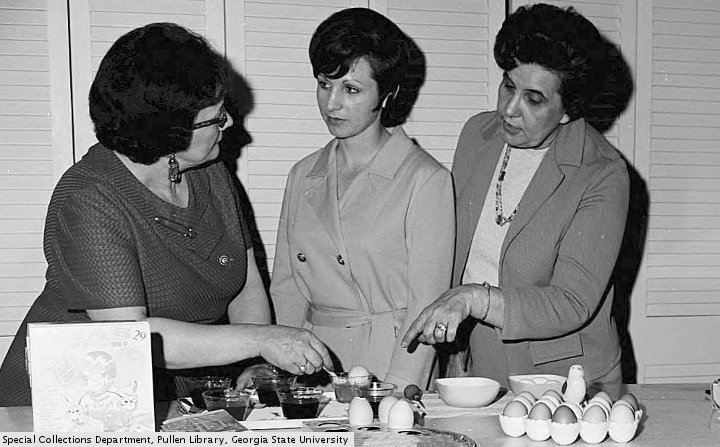
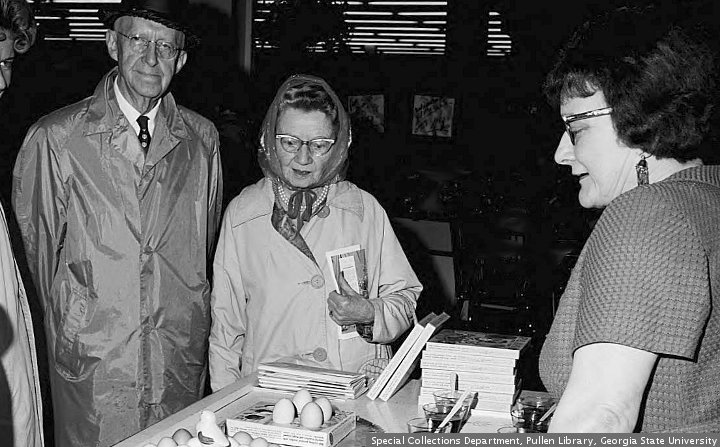
December 27 is National Fruitcake Day PG sees a chance for some text to put between pictures. He would be nutty as a fruitcake to turn down this chance. This is a repost.
Fruitcakes were buried with the dead in Ancient Egypt. It’s true. Ancient Egyptians used to fill the tombs of the dead with all the supplies that they would need to enjoy the afterlife, including food and water. Fruitcake was often put into the tomb of a deceased person because a fruitcake soaked in a natural preservative like alcohol or fruit juice would last a long time. It was thought that the preserved fruitcake would not spoil on the journey to the afterlife. Fruitcake was a staple food of other ancient Middle Eastern, Southeast Asian and Mediterranean cultures as well
Candied fruits are used in fruitcake because using sugar was the only way to preserve the fruit long enough to get it back to Europe from the Middle East. When the Crusaders began carrying exotic fruits back to their European home the fresh fruit would spoil long before they were able to get it home. Ingenious traders began drying the fruits by candying them with sugar which made them an even more delicious treat and preserved them indefinitely. Once the candied fruits were sent to Europe and to other parts of the world they were baked into cakes so that they could be shared with family and friends on special occasions.
Fruitcakes will last for years without spoiling. It’s true. A fruitcake that is properly preserved with an alcohol soaked cheesecloth that is then wrapped in plastic wrap or foil can be kept unrefrigerated for years without spoiling. In the past, before refrigerators came along, families would make fruitcake for holidays and special occasions months in advance of the actual event and then let the covered fruitcakes sit wrapped in an alcohol soaked cloth until the event happened. As long as the cloth was remoistened with alcohol occasionally the cakes not only didn’t spoil, they actually tasted richer and sweeter because they had been soaking in brandy and rum for a couple of months.
To millions of fruitcake consumers, the town of Claxton GA is very special. This south Georgia town, just down the road from Reidsville, is home to Claxton Fruit Cake . The story of the Claxton Fruit Cake company is a sweet one. Savino Tos founded the Claxton Bakery in 1910. He hired Albert Parker in 1927, and sold him the business in 1945. Mr. Parker decided to sell Fruit Cake to America.
No story about fruitcake is complete without mentioning the “Fruitcake Lady.” Marie Rudisill , an aunt of Truman Capote, wrote a book of fruitcake recipes. She became a tv celebrity, before going to the bakery in the sky November 3, 2006.
The urban dictionary has nine listings for fruit cake. The ones for homosexuals and crazy people are there. UD gets creative with this selection: “The act of releasing green chunky diarrhea onto your partners face then, ejaculating on it, then punching him/her in the nose causing the colors to mix together to form a fruit cake like color.”
If you tire of jokes about fruitcake, you can go to The society for the protection and preservation of fruitcake . (If you click on the “new URL”, you will be invited to join in the green card lottery.) There used to be a link on the society page that enables you to buy Fruitcake Mints. “Keep your breath fruitcake fresh with these festive mints!”
Pictures are from “The Special Collections and Archives, Georgia State University Library”.


When You Can’t Say Anything Good
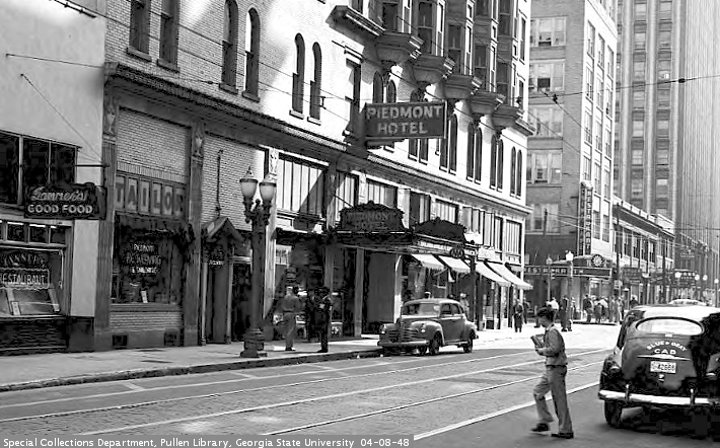



Writers block is real. You have all of modern media at your beck and call, and yet you don’t have a message. TwentyTwoWords posts the story of a medical study into writers block. The study wastes no words in it a pithy treatment of this issue. It is an unspoken masterpiece, the treatment that dare not speak it’s name. The research was financed by a block grant.
The findings of this study were replicated in 2007. The report is included here, in it’s entirety. The editor noted “I did not change one word, and this is a first in my tenure as editor.” There is no word on whether the report was submitted before the deadline.
Ben Hecht tells a story in his autobiography “Child of the Century”. As a young, underpaid newspaper writer in Chicago, Mr. Hecht was hired to participate in literary debates. In the era before movies and radio, these were considered after dinner entertainment. One night, Mr. Hecht got together with his opponent, and hatched a plan. The topic of the debate was “People who attend literary debates are idiots”. The first speaker did not say a word, but gestured towards the crowd. The second speaker said, “you win.”
“Child of the Century” is now out of print. In 1994, PG thought he was going to have to move, and the first step was to throw away things. His copy of “Child of the Century” was one thing he pitched.
The sound that you hear is one hand clapping. Those reading with one hand can join in with the other one. Appreciation is always welcome. Vintage pictures are from “The Special Collections and Archives, Georgia State University Library”.
This is a repost. PG thinks writer’s block should be called writer’s tackle, but few agree.



leave a comment