RuPaul




RuPaul Andre Charles was born on November 17. He or she? Ally or enemy? Racist or whatever? Labels are part of the packaging, and have little to do with the product inside the box.
A facebook friend put up a link to a RuPaul interview, Real Talk With RuPaul. The FBF is over RuPaul. PG read the interview, and found many things that he agreed with. Is it possible to be a conservative because you like RuPaul?
The Vulture feature is similar to the WTF podcast that RuPaul did. Chamblee54 wrote about that interview. The Vulture chat is better for bloggers, since it is a copy friendly text affair. When you see quotes, you can include them verbatim.
RuPaul has a talent for snappy sayings, to be remembered for later use. An example would be “I’d rather have an enema than have an Emmy.” Some unkind people say that if you were to give RuPaul an enema, you could bury him in a shoebox.
A persistent theme of RuPaul’s moving lips is “the matrix.” “Because you get to a point where if you’re smart and you’re sensitive, you see how this all works on this planet. It’s like when Dorothy looks behind the curtain. Like, “Wait a minute. You’re the wizard?” And you figure out the hoax. That this is all an illusion. There’s only a few areas you can go. First, you get angry that you’ve been hoaxed and you get bitter. But then, take more steps beyond the bitterness and you realize, “Oh, I get it. Let’s have fun with it. It’s all a joke.”
The Bosslady of “RuPaul’s Drag Race’ is an African American. Duh. In the Vulture piece, there are 4355 words. Racism/racist is not included. Could it be that America’s obsession with other people’s racial attitudes is part of the illusion? “Derogatory slurs are ALWAYS an outward projection of a person’s own poisonous self-loathing.”
RuPaul is not always politically correct. She supports Shirley Q. Liquor. RPDR was instrumental in the rise to fame/descent into the abyss of Sharon Needles. “But if you are trigger-happy and you’re looking for a reason to reinforce your own victimhood, your own perception of yourself as a victim, you’ll look for anything that will reinforce that.”









Years ago, PG worked with someone who liked to say “and a ru hu hu.” This was shortened to ru, and was usually said very loud. Ru became a greeting.
About this time, RuPaul was living in Atlanta. Many people remember a spectacular self promoter. RuPaul would sit in an apartment balcony, and wave at cars passing by. Posters for his band, Wee Wee Pole, were on telephone poles up and down Ponce de Leon Avenue.
One night, Ru Paul was working as a gogo dancer in a club called Weekends. During a break, PG went over to talk to him. The use of ru as a greeting was mentioned. Soon, people came over, and PG started to leave. Before PG could get away, RuPaul turned to PG, lifted an index finger, and said “Keep on saying my name.”
RuPaul went on to become famous. Weekends was torn down, and is the site of the Federal Reserve Bank. PG does not watch much TV, and has never seen an episode of “RuPaul’s Drag Race.” This is a TV show about a TV.
There is a recent controversy about RPDR. It seems that the phrase shemale has been used. Some people are offended by this. The expression is no longer used on the show. Holly/Diane/Sashia, a transcritter, introduced PG to the term “shemale” in 1998.
The use of offensive language is to be avoided. If you know something is going to hurt people, then you should avoid saying it. There is a good possibility that Ru Paul knew what she was doing, and just didn’t care. The problem comes when you haven’t received the latest update from the language authorities. Keeping up with what is cool to say can be a full time job. Is it still ok to say ru?






RuPaul is no stranger to attention being thought strange. The latest bit of publicity… there is no bad publicity, and they spell the name right … is an article in the eyeball grabbing HuffPo, RuPaul Responds To Controversy Over The Word ‘Tranny’. (Spell check suggestion: Granny) PG gave into temptation, and clicked on the link. It seems as though there was an appearance on the WTF podcast. Why settle for a sensational sample, when you can hear the entire show?
If you have an hour and twenty four minutes to spare, listen to this show. If you like, you can skip the first thirteen minutes, which is host Mark Maron talking about himself. The show is highly entertaining. A theme is that the world is the matrix, a fake construction. Some people look behind the curtain and see the wizard. Some people believe the matrix is reality. You should already know which side RuPaul takes. He was not born blonde.
The quote about the T-word comes toward the end of the show. PG has mixed feelings about the whole affair, and does not completely agree with RuPaul. However, this human being is entitled to an opinion. He is going to share it anyway. RuPaul does not suffer from false modesty.
For a show that gets attention about language, it is a bit strange at times. While describing his career trajectory, RuPaul says he went through a phase of “gender f-word.” The show is called WTF. Twice a week, the host says fuck a dozen times in the first sixty seconds. And RuPaul said “gender f-word.”
Even more amazingly, RuPaul said that things were “n-word rigged”. RuPaul did break down and say the ultimate dirty word. When his mother saw his act on television, she said “N****** you crazy.”
RuPaul has had quite a career. He mentions that he has been sober for fifteen years, and had some therapy to get there. This was not the case when he lived in Atlanta. Many stories from those days are in the show. The bs detector went off a couple of times. PG saw the Now Explosion, and did not remember seeing a tall black guy.
This is a rich seventy five minutes. Like saying that Madonna is a curator, that most fashion designers don’t know how to sew. The part that is getting the attention is towards the end of the show, and is just a small part. It is all part of the matrix.
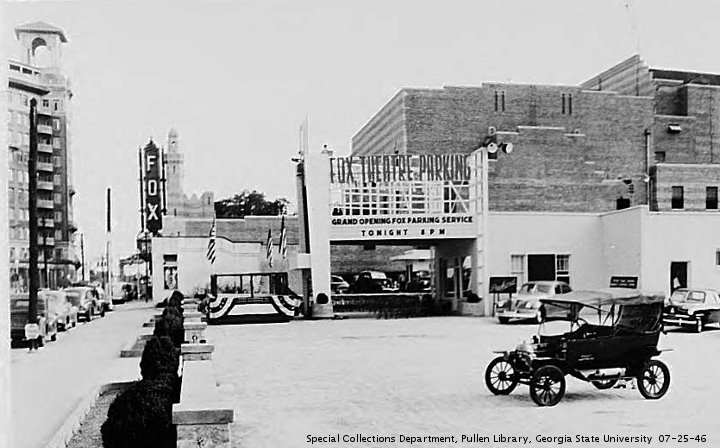
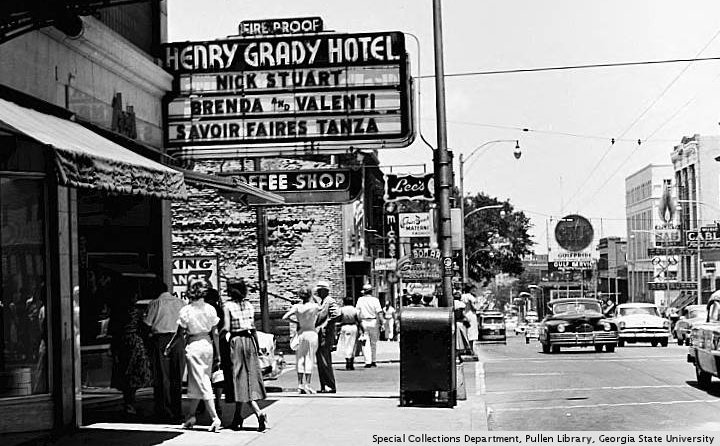
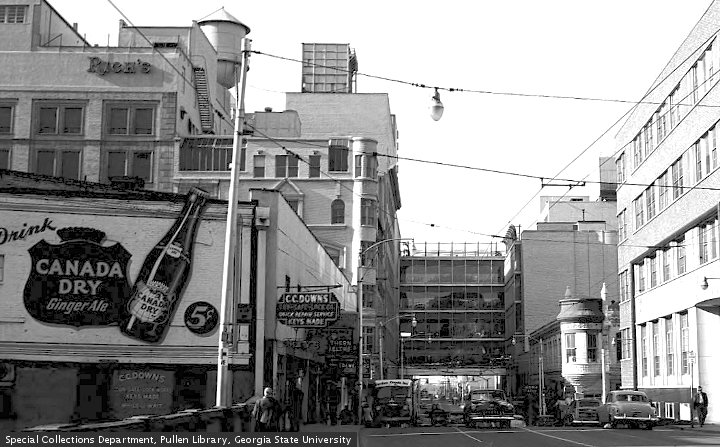
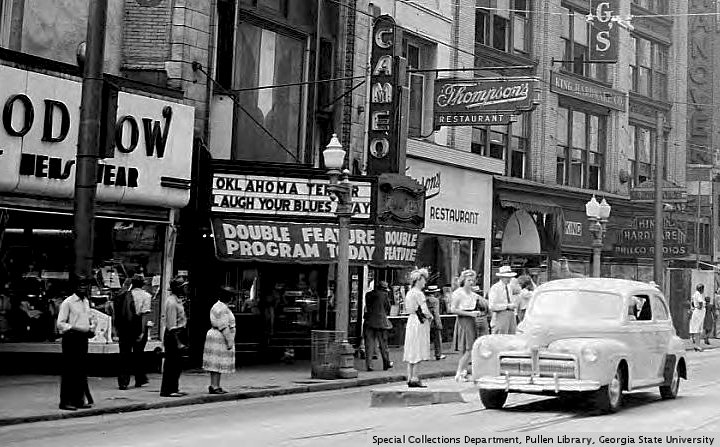
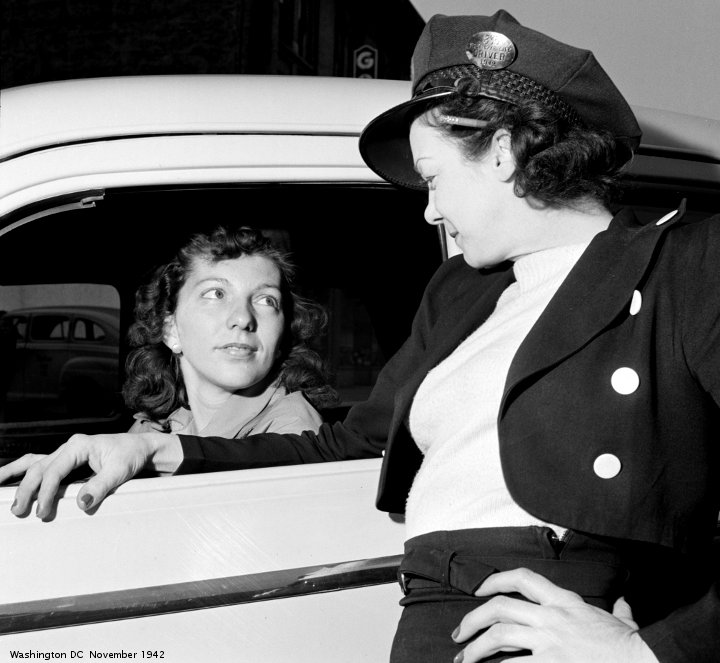
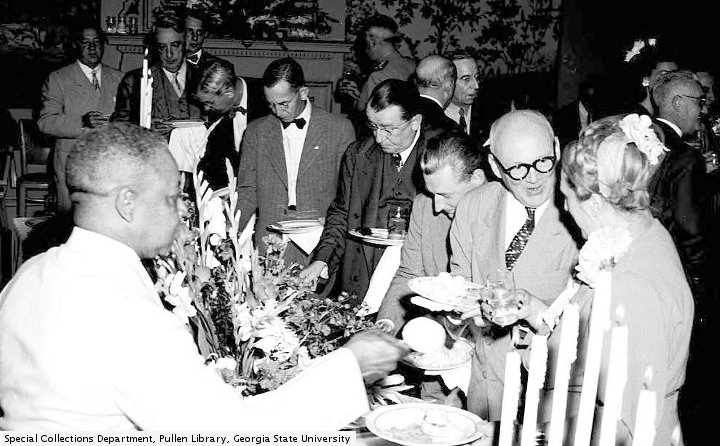
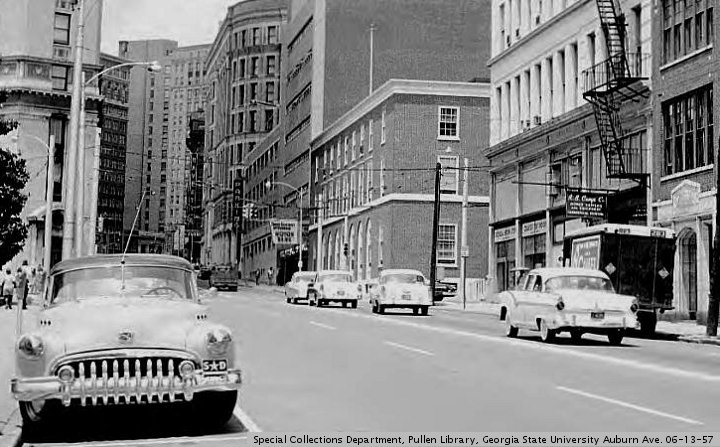
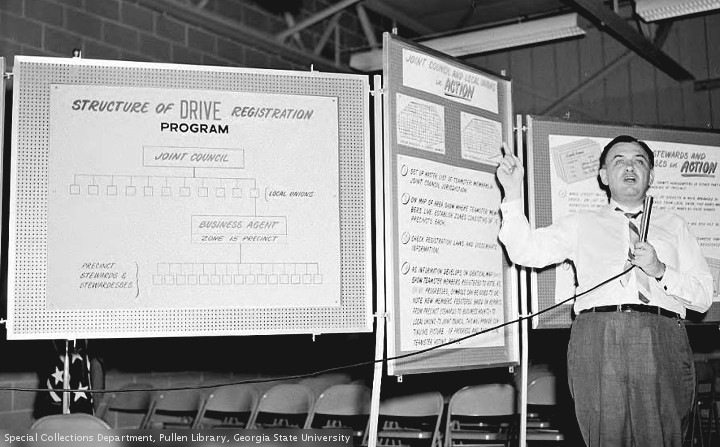
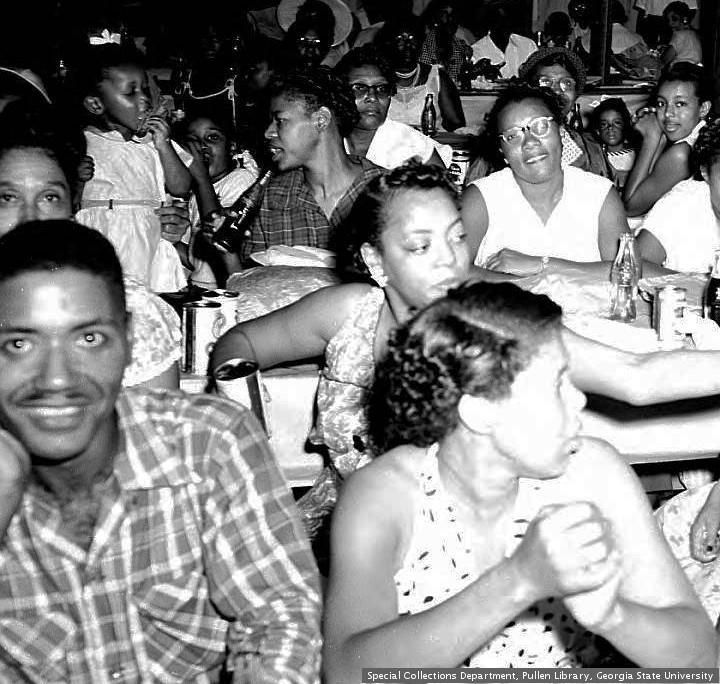
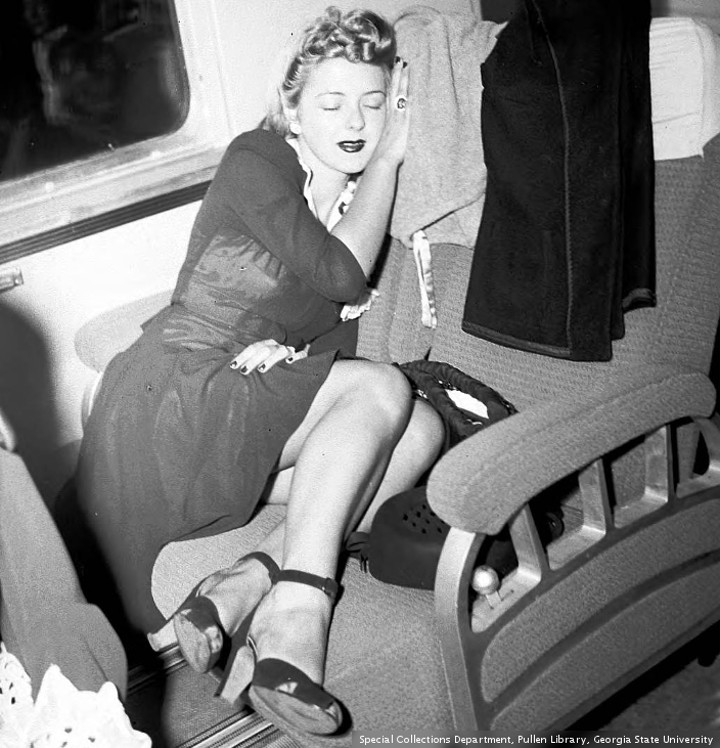
This feature is a repost. Some of the pictures are from “The Special Collections and Archives, Georgia State University Library”. Other pictures are from The Library of Congress. The images are of women, training to be bus drivers and taxi drivers. This was in Washington DC, November 1942. The photographer was Andreas Feininger, working for the Office of War Information. The picture of a dipstick demonstration is #8d36666.




Desiderata




 .
.







A poem, of unknown origin, was found in a Baltimore church. It was revived by a Lawyer, who lived in Terre Haute, IN. He liked to read it his friends, and his lips were moving. The attorney, Max Ehrmann, copyrighted this poem in 1927. Rumor has it that the manuscript was in an ambulance Mr. Ehrmann was following. How the accident victim came to possess this document is a mystery.
Mr. Ehrmann, the poet laureate of Terre Haute, wrote in his diary “I should like, if I could, to leave a humble gift — a bit of chaste prose that had caught up some noble moods”. The poem is Desiderata and is a favorite of gift shops the world over.
In 1956, Rev. Frederick Kates became the rector of St. Paul’s Episcopal Church in Baltimore, MD. He had found a copy of “Desiderata”, without the copyright notice. He printed a handout for his congregation on church stationary. At the top of the page was the notation “Old St. Paul’s Church, Baltimore A.C. 1692.” As the sixties devolved, the poem became famous.
Desiderata was the text of a recording. The entertainer, Les Crane, found a poster, in a Baltimore church gift shop. He thought the text was in the public domain, when in fact it is copyrighted. Mr. Crane was taken to court, and forced to pay the owners of the copyright. It seems that Mr. Ehrmann used “Desiderata” in a Christmas greeting, without citing the copyright. Later,during World War II, Ehrmann allowed a friend – Army psychiatrist Dr. Merrill Moore – to hand out more than 1,000 copies of the poem to his soldier-patients, without the copyright.
Don’t copyrights expire, get renewed, and then expire again? If a work was written in 1927, doesn’t it go into the public domain 83 years later. Fleurdelis says the copywright question depends on your point of view, and place of residence. Robinsweb tells of being forced to remove “Desiderata” from her site, because of a complaint by the copyright owner. Remember, we are dealing with a legal concept, as it relates to a poem, allegedly written by a lawyer.
National Lampoon produced a new translation, Deteriorata. This is a repost. Pictures are from Special Collections and Archives, Georgia State University Library







Arlo Guthrie


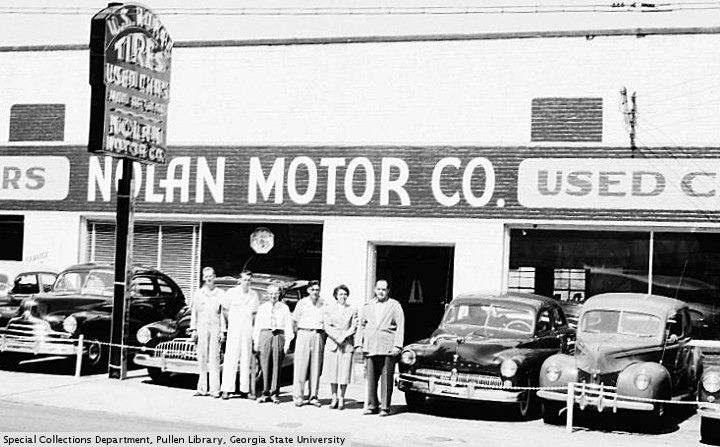


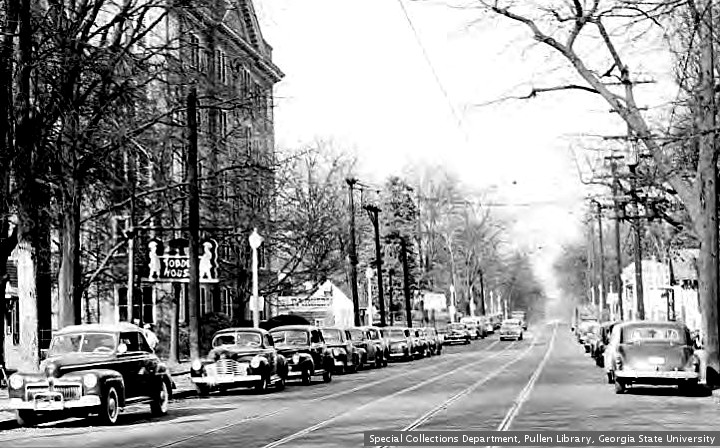
This is a rerun post, with pictures from “The Special Collections and Archives, Georgia State University Library”. The original post was half about Arlo Guthrie, and half about Ralph Reed. Today, only the part about Arlo Guthrie will be shown. If you absolutely must read about Ralph Reed, you can follow the link above, or read Lisa Baron And Ralph Reed TMI.
The entertainment today is about Arlo Guthrie . Thanksgiving is intimately connected to Mr. Guthrie. Unlike the turkey, Mr. Guthrie has gone on to have a flourishing career. He probably will not come down with Huntington’s Disease, which killed his father, Woody Guthrie.
This video was the first time I saw Arlo Guthrie. This was broadcast January 21, 1970. I was an unhip fifteen year old, who had not heard Alice’s Restaurant, seen the movie, or been to Woodstock. He did see the Johnny Cash show this night, or at least the part where Arlo Guthrie did Ride My Motorcycle.
Per wikipedia: “Born Arlo Davy Guthrie on July 10, 1947, in New York, NY; son of Woody (a folksinger) and Marjorie Mazia (a dancer; maiden name, Greenblatt) Guthrie; married Jacklyn Hyde, October 9, 1969; children: Abraham, Cathyalicia, Annie Hays, Sarah Lee.”
The Alice’s Restaurant Masacree is a part of Americana now. There are two bits of knowledge, that are as true as anything told to a Persian king. When trying to dispose of some garbage, and finding the city dump closed, Arlo found some litter by the roadside, and made a value judgment … One big pile of garbage is better than two little piles.
The second is about the draft, and the business of choosing people to fight our wars. In 1967, there was a draft. Thousands of young men were coming home in boxes. Many people did not think this was a good idea. The bottom line: Mr. Guthrie is confused about not being considered moral enough to kill people, because he was a litterbug.
A few years into his career, Arlo Guthrie had a hit record called “City of New Orleans”. It was about a train, and said “Good Morning America”. “City of New Orleans” was written by Steve Goodman, who is no longer with us. Mr. Goodman also wrote the perfect country and western song.
Steve Goodman gave a show at the Last Resort, in Athens GA. He told a story about performing on a train, during a series of concerts supporting Hubert Humphrey. Mr. Goodman had to use the restroom on the train. In those days, the trains did not use holding tanks, but just ejected the matter by the tracks as they rode by. Mr. Goodman was told, do not flush the commode while the train is in the station. Mr. Goodman forgot the instructions. Mr. Humphrey said ”I am going to give the people of this country what they deserve”, Mr. Goodman flushed the commode, and sprayed the crowd. I am is not sure I believe this, but it is a good story. (A biographer of Mr. Goodman said the candidate was Edmund Muskie. He also says David Allen Coe had nothing to do with the last verse of the perfect country and western song.) Steven Benjamin Goodman died September 20, 1984.
This story was originally posted in 2010. Vietnam is a peaceful country, and enjoys economic good times. The draft is something old fogies remember. The current fashion is to support war by demanding a tax cut. Unfortunately, two major wars … that we know of … have broken out since 2021, when this feature last appeared. “And ye shall hear of wars and rumours of wars.”
Arlo put up the Gone Fishin sign in 2020. He has a twitter account, @folkslinger, and a full head of white hair. His wife of 43 years, Jackie Guthrie, died Oct. 14, 2012. Arlo married Matri Ladd on December 8, 2021. The Lenox Square theater was torn down to make way for a food court.


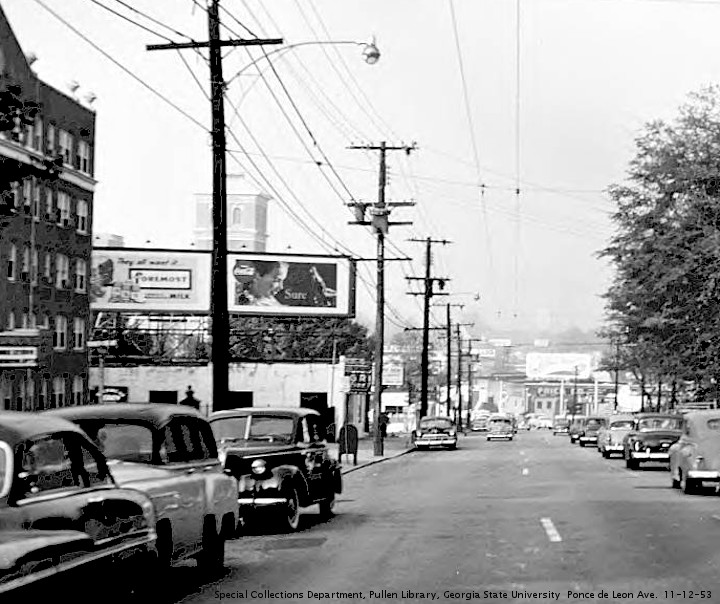



Words To Ban In 2015

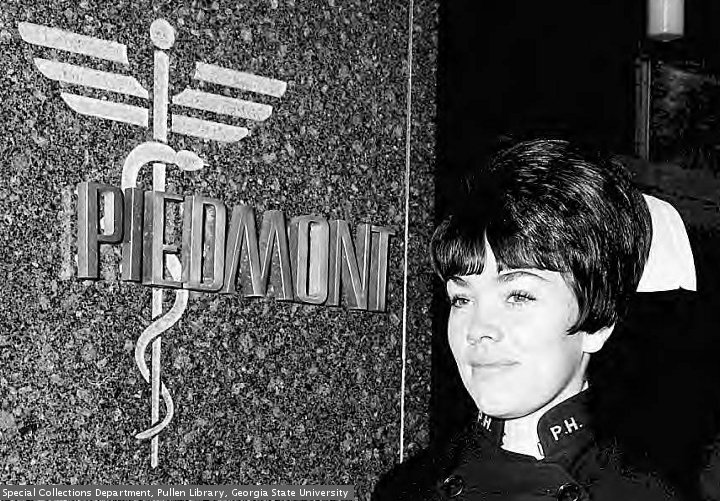



TIME magazine has been around a while. It issues product every week, hopefully accompanied by paid advertising. When they run out of news to report, it is time to get creative. This is the spirit of Which Word Should Be Banned in 2015? This is a repost.
This is the fourth time for the contest. The previous winners are OMG, YOLO and twerk. These expressions are still with us. TIME magazine readers voting to ban a word does not mean very much.
This reality is lost on Blogher. Infuriating: TIME Puts ‘Feminist’ on List of Words to Ban in 2015. There was a tweet, alerting chamblee54 to the situation. @lanceburson Let’s ban @TIME instead RT @BlogHer: Infuriating: TIME Puts ‘Feminist’ on List of Words to Ban in 2015
“ARE. YOU. KIDDING. ME? … I’ll stop “throwing this label around” when the pay gap disappears, when mothers aren’t systematically punished in the workplace for caring for children, when men can access paternity leave freely, when women aren’t asked what they were wearing before getting raped.”
The first quoted sentence is in all caps. There are four words, three periods, and one question mark. Maybe this will help eliminate rape culture and the pay gap.
So, TIME is voting on what words to ban in 2015. The contestants are bae, basic, bossy, disrupt, feminist, I can’t even, influencer, kale, literally, om nom nom nom, obvi, said no one ever, sorry not sorry, turnt, yaaasssss. The terms are helpfully provided in alphabetical order.
According to the Urban Dictionary, bae is a Danish word for feces. Feminist is the only word ending in ist, to the relief of the ban-worthy racist and terrorist. Kale is literally om nom nom nom. Pictures today are from “The Special Collections and Archives, Georgia State University Library”.






Letters To Myself




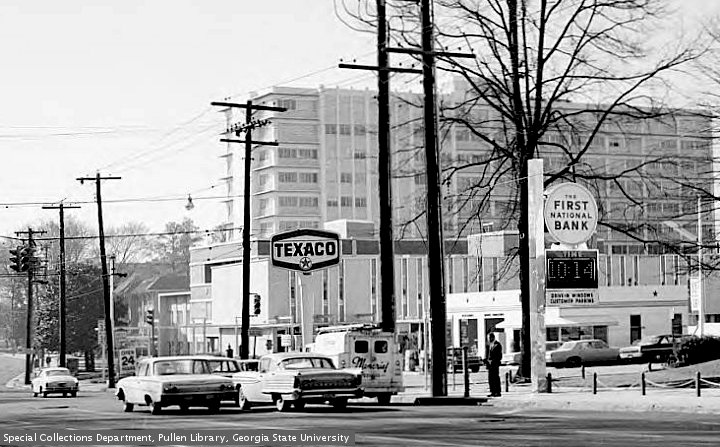


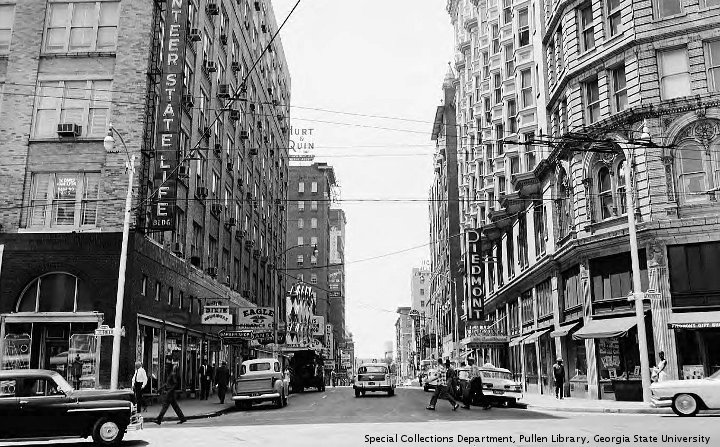

A few days before the 2012 election, I saw a writing prompt. Write a letter to your 14 year old self, and another one to yourself in 2032. … It is now 2013. The only good thing to say about the 2016/2020 elections is that they are over, and are probably less toxic than 2024/2028/2032 will be. These letters are being recycled today. Pictures are from Georgia State University Library
Letter to 1932 Ok, so you are twenty years older. Or maybe you are not. The three main older people in this life were Mom, Dad, and Gran. They all died when they were seventy five, except for Mom, who made it to seventy six. Seventy eight might be pushing things a bit, considering the way things sometimes feel at fifty eight. The idea is to write this letter, and not worry about whether the destination will have an internet connection. You will change planes in Atlanta either way.
This is the sunday before the Presidential election, aka the day when a dictatorship doesn’t sound so bad. People in Georgia have their votes stolen from them by the electoral college, so we don’t have to choose between a war criminal and a liar.
Lets look back to some other elections. The first time I got to vote was 1972. Tricky Dick was a thief, and a war criminal, but George McGovern was a dummy. The problem for Tricky Dick was the second term syndrome. Most Presidents who are reelected for a second full term have horrible problems. While Mr. Nixon’s second term was not as bad as those of Abraham Lincoln or William McKinley, he did have his problems.
In 1992, it looked like Daddy Bush was sailing to victory. He won a war, and the Democratic candidate was Slick Willie Clinton. (From Tricky Dick to Slick Willie, Bebe Rebozo to Monica Lewinsky.) Ross Perot threw a monkey wrench in the electoral works by running as a third party candidate. This is a feature of the duopoly… when one party wins too many times, something strange happens. It happened in 1912, when Theodore Roosevelt ran as a third party candidate, and Woodrow Wilson got elected. Within a year, the Federal Reserve Bank was set up. After the re-election of Mr. Wilson, we got mixed up in World War One. We can ignore the elections of 1932 and 1952.
There is one more election that should be discussed here, even though it is not part of the twenty year cycle. I was listening to a chat before the 2000 election. One person thought it was important to vote for Al Gore. This had been a dull election. George W. Bush was sort of an unknown quality, while Al Gore was not a terribly inspiring figure. That is not how things turned out. W was allowed to serve, after Mr. Gore won the popular vote. Seven months after the inauguration, 911 kickstarted the twenty first century. The response of W was to start two self destructive wars. With the help of the demoze, there was a tax cut before the start of the second war. The economy may never recover.
So, it is good form to write a last paragraph to these things. It is an act of optimism to assume you will be here in twenty years. Living in the WMD age, the idea of thermonuclear catastrophe has always been present. The possibility of man making the planet unlivable is also very real. Maybe a dependable source of non destructive energy will be found in the next twenty years, to go with a dependable source of water for Atlanta. The future has always been dim, but continues to happen.


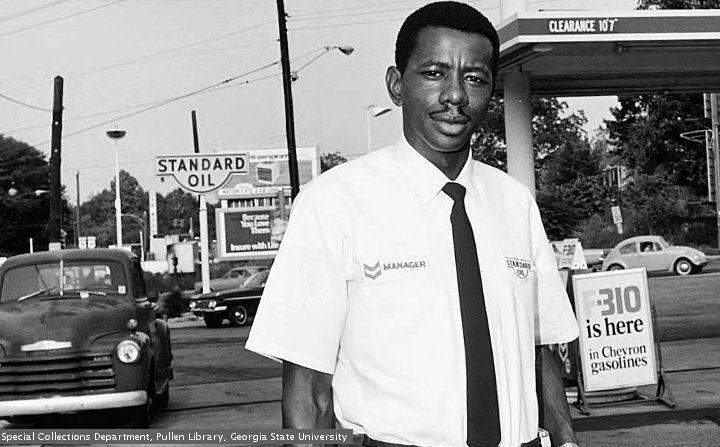
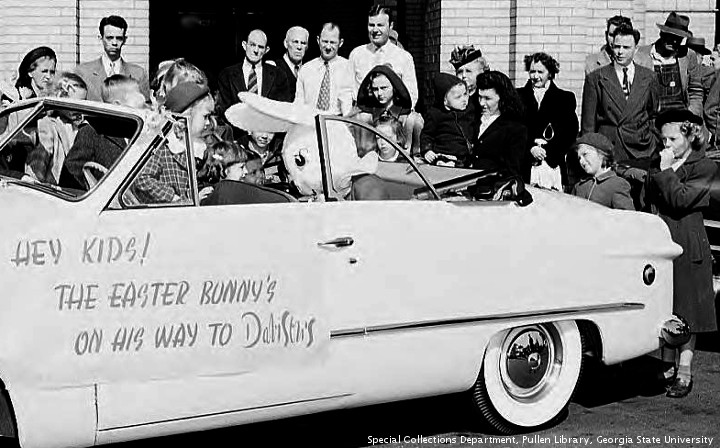






Letter to 1968 The 1968 Presidential election is on tuesday. This was between Hubert Humphrey, Richard Nixon, and George Wallace. People said it was the worst choice they could remember. You will hear that phrase every four years, and it is always the truth. It is more truth than either candidate says. Every four years, the choices get worse. This year, the incumbent President was half white, half African, and that the Republican challenger is a Mormon. Neither one is very impressive.
There was a state senator running for Governor two years ago named Jimmy Carter. You voted for him in the seventh grade straw poll. Well, smiling Jimmy was elected Governor in 1970. When his four years was over, he ran for President, and won.
You are in ninth grade now, and it is a bit better than eighth. Cross Keys is a stinky, dangerous place. They closed down Lynwood Park High before you were in the eighth grade, and the first year was wild. This is the first time you have to deal with Black people, but it will not be the last. Sometimes you get along with them, and sometimes you don’t. It is a part of life.
It is difficult to make and keep friends. It was true in 1968, and it is true forty four years later. After a while, you get used to being by yourself, but do wish you could have more close relationships. Well, it is better than having no friends at all, and there are people in that boat.
There is a war going on, and you think it is going to go on until you are old enough to fight. The good news is that the troops will come home from Vietnam in 1973. President Nixon dragged the war out as long as he could, and finally made a deal with the communists.
Advice from an old person is usually ignored by the young, so I will not even try. Even with all the disappointments, it is good to be alive in 2012. There were a few close calls. I somehow wonder how, and why, I made it this far. Some would not be happy with this life, and there are days when I am not. This is the only choice. There is speculation about other lives, but this is the only one to be certain of. Even though it might not be what some would want, this is a good life.
One more thing about living and dying before we go. You are still going to church. That lasts a couple of more years, and then you have the rest of your life. Don’t worry about the stuff they teach at church about life after death. It isn’t the truth. People will use religion as another reason to hate you. Deal with it as best you can. Just try to make yourself happier, don’t hurt anyone unless you have to, and things will be either all right, or not all right.

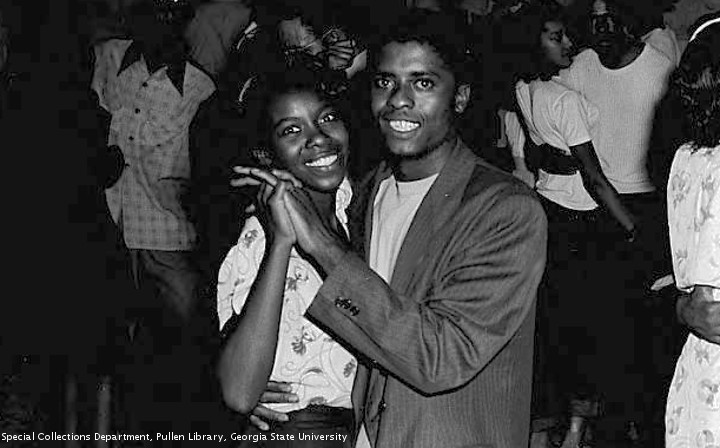


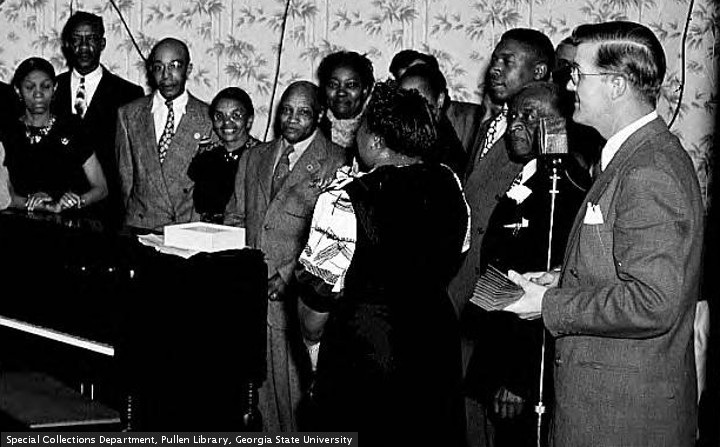
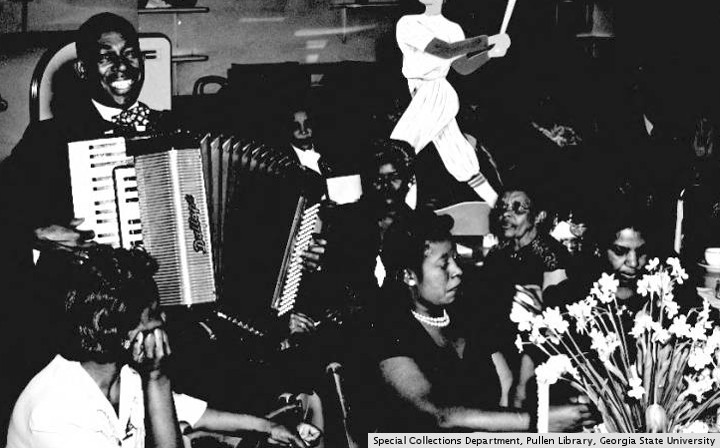

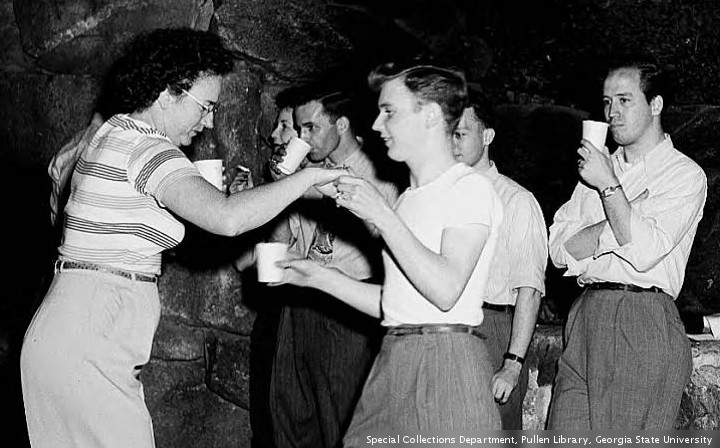

Strategy Of Causing Atrocities

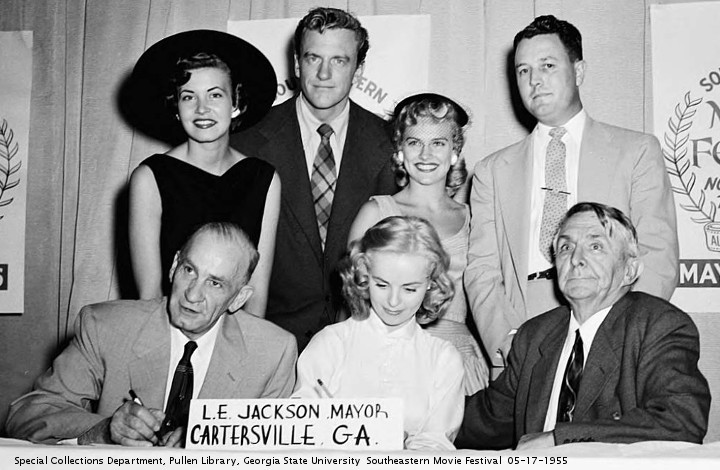

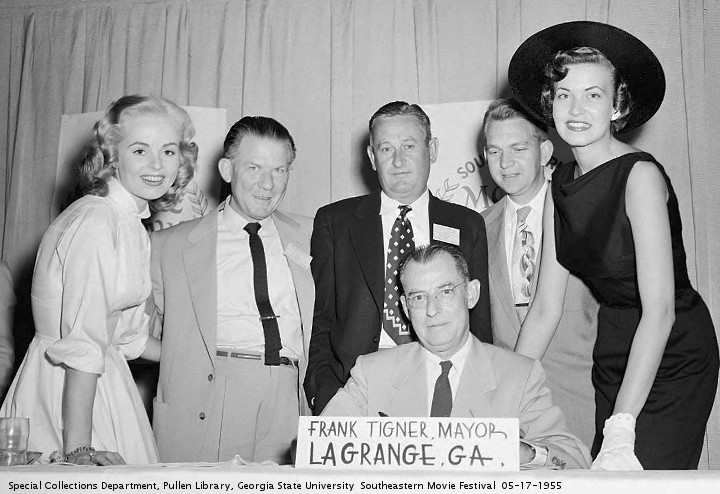


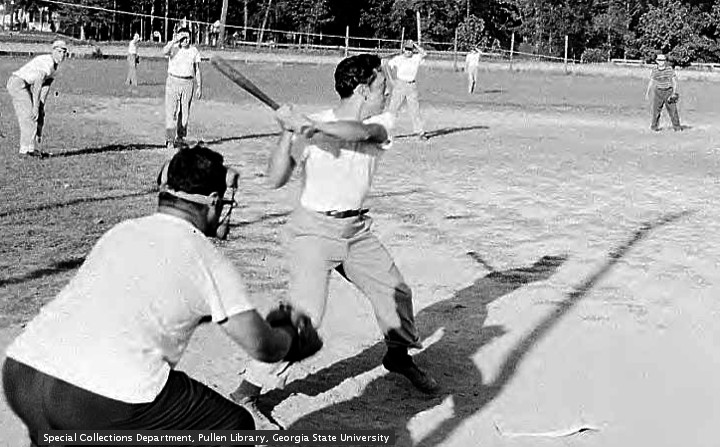
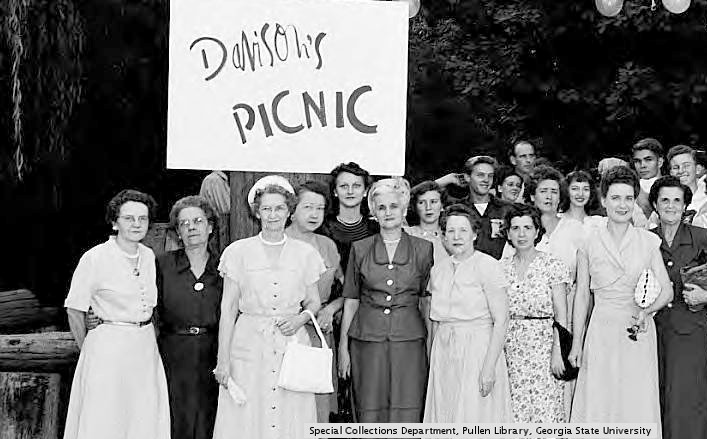
As you may have heard, there is a very nasty conflict between Israel and Gaza. What follows is a few thoughts on this dreadful affair. I possibly do not know what I am talking about. If you like, you can skip over the text, and look at the pictures. These pictures are from Special Collections and Archives, Georgia State University Library
Around 1987, I was working with Steve. He was the son of holocaust survivors, and an ardent supporter of Israel. We were discussing the war between Iran and Iraq. The I-I was a long bloody affair. The United States supported Iraq, led by Saddam Hussein. The United States, with help from Israel, was also selling weapons to Iran. It was a confusing time.
I mentioned to Steve the notion that the US wanted to keep the I-I war going, because it would keep those two countries from fighting Israel. Steve started to get angry. “Yes, and it’s for your benefit. We have to fight terrorism.”
The I-I war continued for a while. In 1990, Iraq invaded Kuwait, partially in a dispute over war debt from the I-I war. Saddam Hussein went from being an American ally to the next Hitler.
Today is October 27, 2023, 35 years after my conversation with Steve. The world is a different place. The last 35 years have been full of wars, and rumors of war. The Internet is a routine part of life. Unfortunately, Steve is not with us. Cancer claimed him in 2001, 9 days after 9-11.
A few days ago, Bob Wright had a conversation with Eli Lake. Mr. Lake is an ardent supporter of Israel. After 69 minutes, Mr. Lake said this: “because the Palestinians continue to think that a strategy of causing atrocities will eventually convince Jews to leave a country.”
Lets focus on this comment. It is unique, in part because it dispenses with the niceties that one normally sees. Most Israel supporters say “Hamas,” when they probably mean “Palestinians” (or Muslims.) Likewise, others say “Israel,” when they mean “Jews.” If you were to put blanks in the statement … “because the ______ continue to think that a strategy of causing atrocities will eventually convince _____ to leave a country” … you could create a statement said by either side. On a certain level, both sides would be telling the truth.
There are reports that Israel created, and supported, Hamas. The idea was to create divisions in among her enemies, in the same way that a bloody war between Iran and Iraq was facilitated 35 years ago. When Hamas is fighting Fatah/PLO, neither side is fighting Israel. Some say this strategy motivated Israel’s involvement in Syria. Thousands of unarmed women and children die as a result.




Be Kind To Your Enemy




Did Jesus say to “Love your enemy”? Some believe this, and do it. Some claim to believe this, and practice the opposite. There are others who claim to love their enemies, but you have to understand what they mean by it. It can be very confusing. This is a repost.
PG went to a source for documentation. Oh, the blessed conjunction of copy paste with public domain. When PG entered enemy (singular) in the search engine, 100 verses came up. When the request was made plural (enemies), 237 entries popped up. The last mention of enemies is Revelation 11:12 “And they heard a great voice from heaven saying unto them, Come up hither. And they ascended up to heaven in a cloud; and their enemies beheld them.” Loving your enemies does not include bringing them to heaven with you. There is also the star of the show.
Matthew 5:44 “But I say unto you, Love your enemies, bless them that curse you, do good to them that hate you, and pray for them which despitefully use you, and persecute you.”
There is scholarly debate about what Jesus did, or did not, say. The words available to modern man have been copied by hand, edited, translated, and interpreted. PG does not know Aramaic from Alabama. Like anyone else, PG can only read and listen, and think for himself.
In a sense it does not matter what Jesus “really” said. The cult of Jesus Worship is going to believe what it wants. More important, it is going to practice what it wants. As far as the difference between what Jesus “really” said, and what his believers say and do…they can explain.
What follows is a humble suggestion. Did the translators and scribes get it wrong? Maybe Jesus did not say to love your enemy. Maybe what Jesus said was to show kindness to everyone. This is a practice thing, rather than a belief thing.
It is not as much fun to be nice to someone, as it is to scream about life after death. Kindness does not need to be justified by a quote from a magic book. You just need to do it.
Pictures are from “The Special Collections and Archives, Georgia State University Library”.





25 Things About Georgia

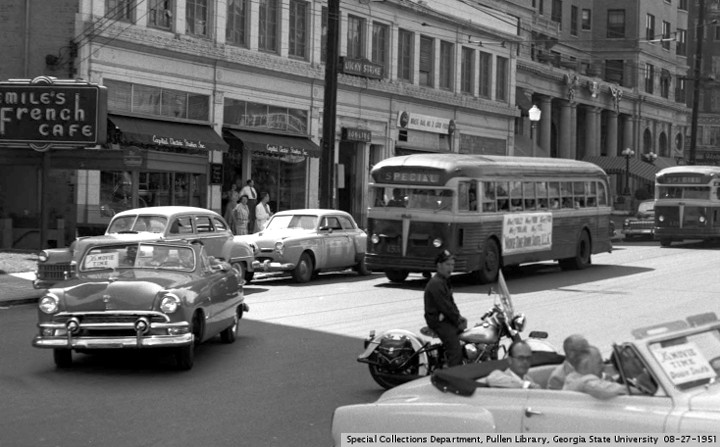


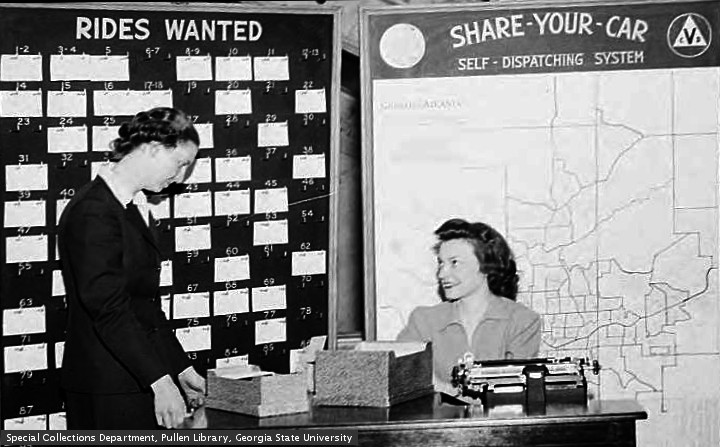

These daze, there is more media than messages. People need things to write about. One popular theme, at least in itp/otp, is lists about life in Georgia. A web facility that should know better, thought catalog, recently put out 25 Things You Need To Know About Georgia.
25TYNTKAG was written by Jeremy Populus Jones. He seems to be the CEO of something called GAFollowers. (@GAFollowers on twitter) From the fine print: “GAFollowers was created on a “strength in numbers” foundation, finding a creative way to use free online social networking sites to strengthen the “bond” between people in Georgia to help better form this state. … GAFollowers is one of the largest twitter accounts in the state of Georgia that spans nearly every corner of the region.”
These lists about Georgia life usually have a few common comments. There is the heat, the bugs, the traffic, the multiple Peachtrees, and southern accents. They seldom mention the shameless corruption, religious mental illness, rampant obesity, or racial pandemonium. Lets take a look at 25TYNTKAG. Mr. Jones will be in blue, and Chamblee54 in green. This is a repost, with pictures from “The Special Collections and Archives, Georgia State University Library”.
1. The weather here is just as inconsistent as your ex-girlfriend. Not really. It gets cold in January, hot in July. Your ex-girlfriend is staying out of this.
2. We call all interstates in Georgia, “The Highway”. Most people use the number.
3. Only in Atlanta is everything named “Peachtree” without a single tree with peaches around. Peachtree is all over OTP.
4. Terio and Honey Boo Boo were born and raised here. You couldn’t do this without google. Terio is a chubby kid who dances. Sometimes ignorance is bliss.
5. “Knuck if you Buck” is the song we will always get hype to no matter the age. Yuck.
6. White girls wear Nike shorts with big t-shirts covering their shorts. (How many can you spot?) Maybe there was a sale on big t-shirts at Walmart.
7. Zaxbys is what you eat. The TC comments said this is not accurate. They mentioned a certain spelling challenged company, that specializes in overpriced chicken sandwiches. At least the son of Mr. Zaxby doesn’t run off potential customers with his big mouth.
8. We call it a “rag” not a “washcloth”. Do people up north say a woman is on the washcloth?
9. Going outside at anytime during the summer instantly guarantees a minimum a 7 bug bites. This is mostly true. Who is counting?
10. In Georgia when someone ask, “Where you from?”, people usually reply with a county not a city. In Atlanta, when you say “Where are you from?” it is almost always somewhere outside of Georgia.
11. The speed limit is 65 mph but if you’re not going at least 80 mph you’ll be ran off the road. This is also true on surface roads. In hilly Atlanta, there are few places to pass on two lane roads.
12. In Georgia it’s not a shopping cart, it’s a buggy. Do people really say shopping cart? At Kroger it is a bascart. The stores have a bascart corral.
13. We get more inches of pollen in a week than inches of snow in a full year. Pollen season hits in early spring. It is rough for many people. The rest of the year gets relatively little pollen. There is a good ice/snow storm every ten years or so. This one is probably true.
14. You say Georgia, we say Jawja. Others say George-ah. To untrained ears they sound the same.
15. Sweet tea is our water. Very few people wash cars with sweet tea.
16. The night has been a success if you ended up at Waffle House. This is especially true if you are scattered, smothered, and covered.
17. In Georgia it’s necessary to look at the weather before picking out an outfit. A reason not to do numbered lists. Just think of what you have to say, write it down, and hope it is not copyrighted.
18. We pray that we get snow during the winters. The people who pray for winter storms are merchants. They have an inventory of batteries, milk, ice, and eggs to sell.
19. We are the creators of, “Turn Up”. You can’t squeeze blood from a turnip.
20. Here in Georgia white girls can twerk. No Miley Cyrus. Ditto reaction to number 17. What was PG thinking of when he decided to do this post?
21. You will usually be 30 minutes away from just about every destination that you’re heading to. 22. There’s a Waffle House in walking distance of every Waffle House. These two have been combined, for obvious reasons. Do people proofread these lists before sending them out?
23. Any dark soda is simply called “Coke”. Many say Cocola, without the second syllable.
24. We pronounce it “Atlanna”. Whatever. Sometimes the second t is audible, sometimes not. It definitely is not the ATL, except to radio shouters.
25. Braves, Falcons & UGA are the teams we really care about. Tech fans may disagree. Ditto taxpayers, who don’t care if Rankin Blank gets a new stadium.





We’re All God’s Children


It was September, 1976, in Athens, Georgia. Someone decided to open a disco downtown. On opening night, there was a crowd. People wanted to know, would men be able to dance with men?
The owner was said to be a redneck, who would not allow such things. Finally, the party got started. At some point, same sex couples started to dance together. The owner shut down the music, and stood in front of the crowd with a microphone. He said a few words that did not please anyone, and there was an uneasy silence. Then, out of the back, came one voice.
We’re all God’s children.
47 years later, we are still struggling. People try to solve problems, big and small, with name calling. If you don’t have the correct opinion about this or that, then you are a terrible person. We seem to forget the one basic truth: We’re all God’s children.
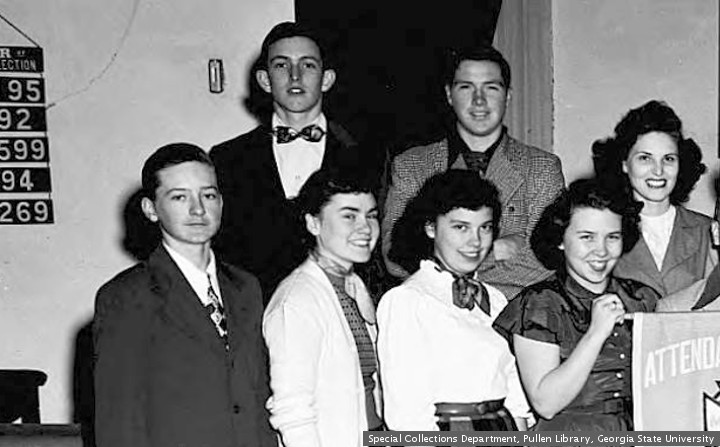
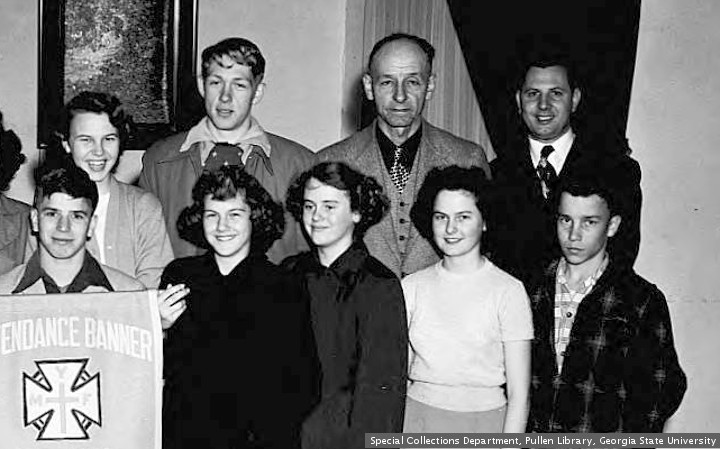
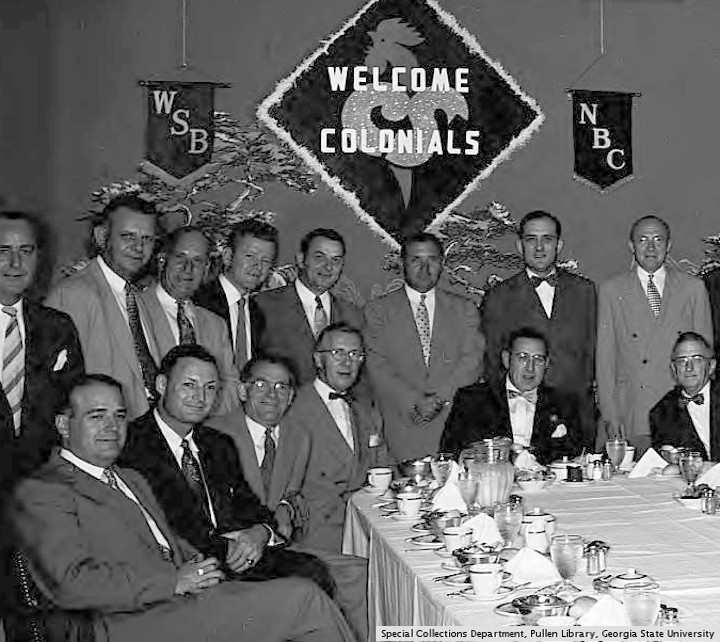
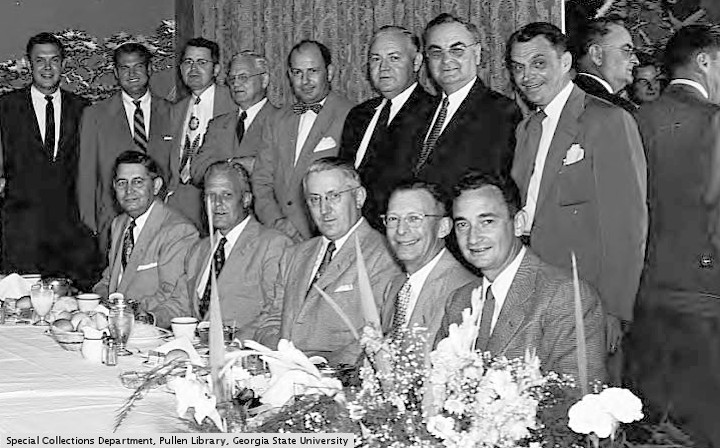
We don’t know who said WAGC that night, 47 years ago. If I had to guess, I would say that it was an African-American. Much of the name-calling today is about skin color. If you do not say what people want to hear, you will get called racist. You are deemed worthy of hatred and abuse. Your humanity is taken away from you. You are no longer one of God’s children. Pictures are from Special Collections and Archives, Georgia State University Library. This is a repost.







Four Rules



This is a double repost. Historic pictures today are from “The Special Collections and Archives, Georgia State University Library”. This was written like David Foster Wallace.
“The Four-Way Test of the things we think, say or do” features the logo of the Rotary Club. The four rules are simple, on the surface. Is it the TRUTH? Is it FAIR to all Concerned? Will it build GOODWILL and BETTER FRIENDSHIPS? Will it be BENEFICIAL to all concerned?
The Four Way Test was written by Herbert J. Taylor. In 1932, Mr.Taylor took over the bankrupt Club Aluminum Company of Chicago. Trying to revive the company during the depression, Mr. Taylor wrote a code of ethics, that would be the basis for the company’s actions.
Many said that the four way test was not practical for the business world. The balancing of integrity and ambition can be daunting. It was said that “This emphasis on truth, fairness and consideration provide a moral diet so rich that it gives some people “ethical indigestion.”
PG maintains that fair is a baseball hit between first and third base. Sometimes, the umpire makes the wrong call. In the “real world”, the different points of view in a dispute make rendering a fair judgment a difficult task, if not an impossible one.
There is a story about the revival of Club Aluminum. “One day, the sales manager announced a possible order for 50,000 utensils. Sales were low and the company was still struggling at the bankruptcy level. The senior managers certainly needed and wanted that sale, but there was a hitch. The sales manager learned that the potential customer intended to sell the products at cut-rate prices. “That wouldn’t be fair to our regular dealers who have been advertising and promoting our product consistently,” he said. In one of the toughest decisions the company made that year, the order was turned down. There was no question this transaction would have made a mockery out of The Four-Way Test the company professed to live by.”
How did the sales manager learn of the intentions of this buyer? Was he tipped off by one of the “regular customers” who feared competition? Was this “regular customer” lying? Many inspirational stories leave out crucial details.
As it turns out, Club Aluminum did sell enough product to emerge from bankruptcy. “By 1937, Club Aluminum’s indebtedness was paid off and during the next 15 years, the firm distributed more than $1 million in dividends to its stockholders. Its net worth climbed to more than $2 million.”
Club Aluminum cookware was cast, not spun. It is heavy, and is a prized collectors item today. As for the Club Aluminum company “Standard International Corporation bought it in 1968. Regalware made and marketed Club Aluminum for a while, but went out of business in the mid-1980s. The brand name was eventually obtained by the Mirro Company.”
This is a repost. Philosophy and rules for living is always a crowd pleaser. Whether or not you practice what you preach is beside the point.
There is a story above. A company, facing bankruptcy, turned down a huge order because of concerns about how the product would be resold. Today, this seems quaint. Today, the moral thing to do would be to take the order, keep your factory busy, and not worry how it was going to be resold. While some pretend that moral rules are unchanging, the truth is that they do change with the times.
This reminds PG of a story from his days as a blueprinter. With ammonia developed prints, every print is fed by hand, and you have the option to adjust the speed of the machine. Slower prints mean less background, which to some is a higher quality print. (This is not an issue with digital printing. Some change is indeed progress.)
The company PG worked for was affiliated with a small, family run company in a neighboring city. This company was run by an old fashioned lady, who insisted on adjusting every print to get the perfect background. This was different from the company PG worked for, which ran large jobs for the big city market. To his customers, quality meant getting an acceptable print, DELIVERED ON TIME. Who had the higher standards? Maybe that is a question for the customer to judge.


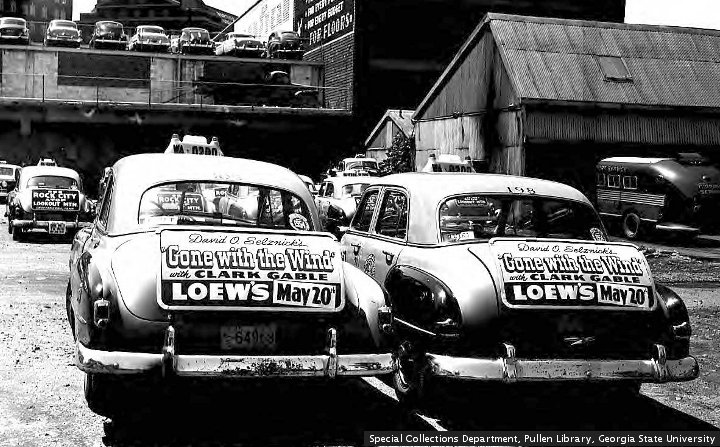
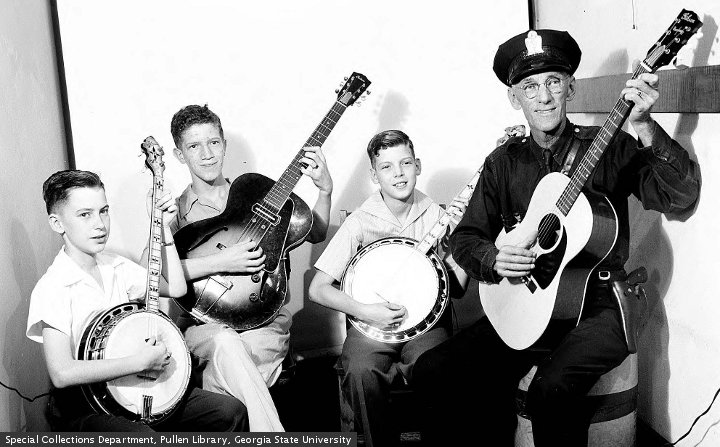

These thoughts are for you to use. They were articulated by a man named Don Miguel Ruiz. They are called the The Four Agreements .
PG does not claim to live up to these ideals. Number two is especially tough for him. The main thing is to try, and to always do your best. This is not about what you believe or think, it is about what you do. This is about you. If you fall short in some way, work on improving yourself, instead of looking at someone else. This is about you.
agreement 1–Be impeccable with your word – Speak with integrity. Say only what you mean. Avoid using the word to speak against yourself or to gossip about others. Use the power of your word in the direction of truth and love.
agreement 2–Don’t take anything personally – Nothing others do is because of you. What others say and do is a projection of their own reality, their own dream. When you are immune to the opinions and actions of others, you won’t be the victim of needless suffering.
agreement 3–Don’t make assumptions – Find the courage to ask questions and to express what you really want. Communicate with others as clearly as you can to avoid misunderstandings, sadness and drama. With just this one agreement, you can completely transform your life.
agreement 4–Always do your best – Your best is going to change from moment to moment; it will be different when you are healthy as opposed to sick. Under any circumstance, simply do your best, and you will avoid self-judgment, self-abuse and regret.
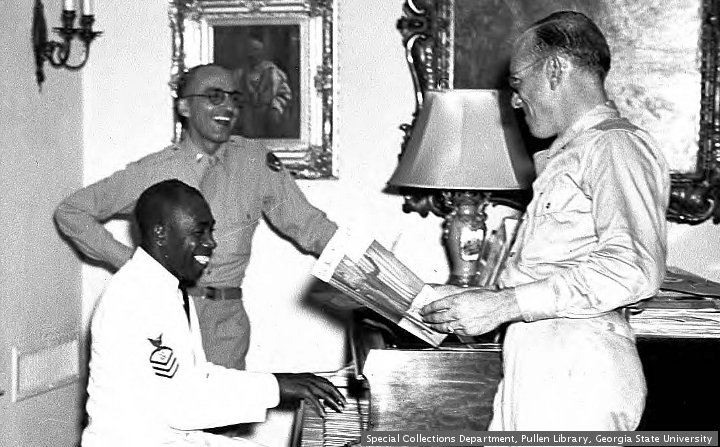
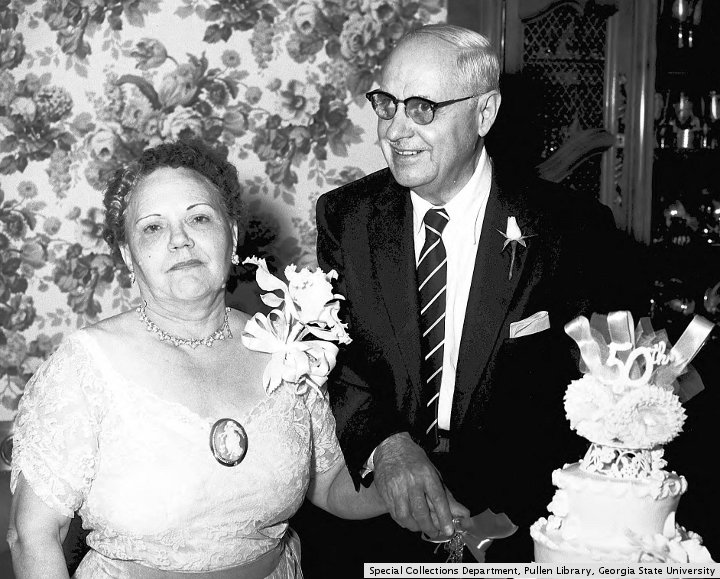


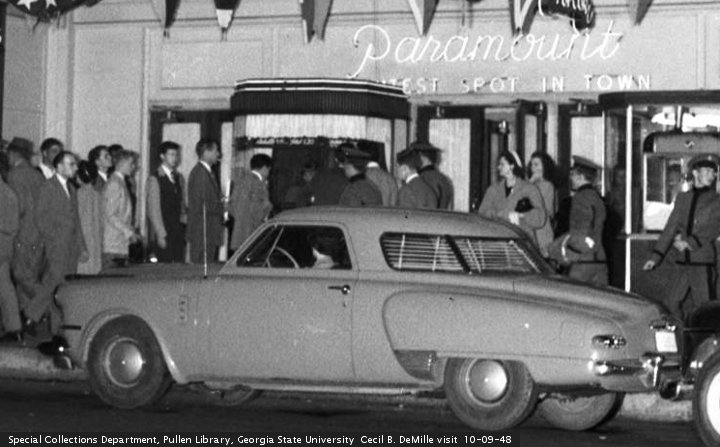
What Ben Franklin Really Said

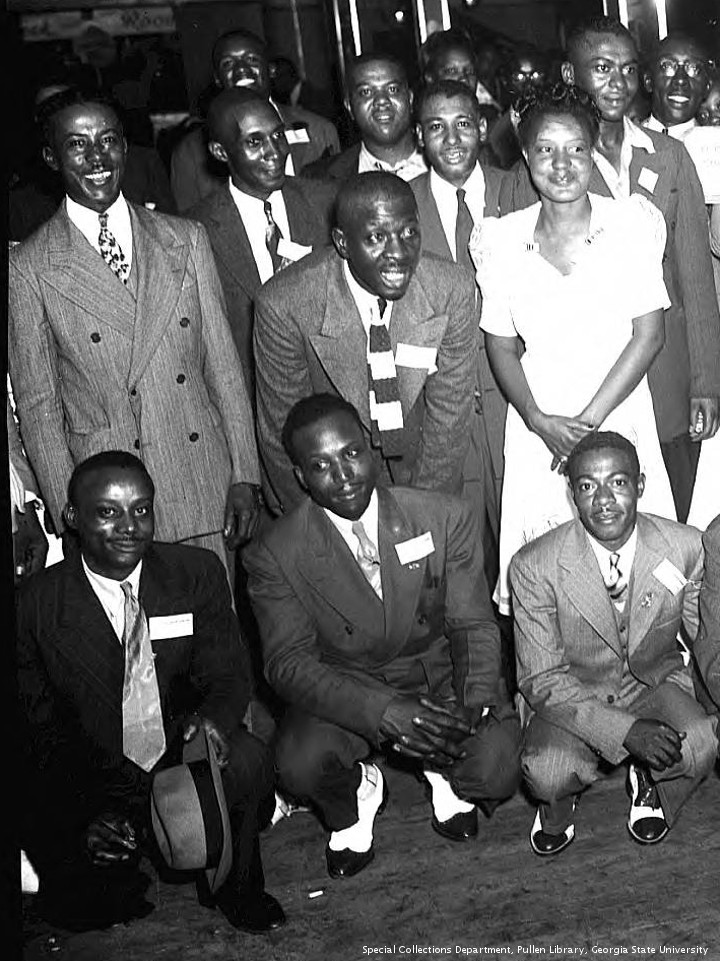
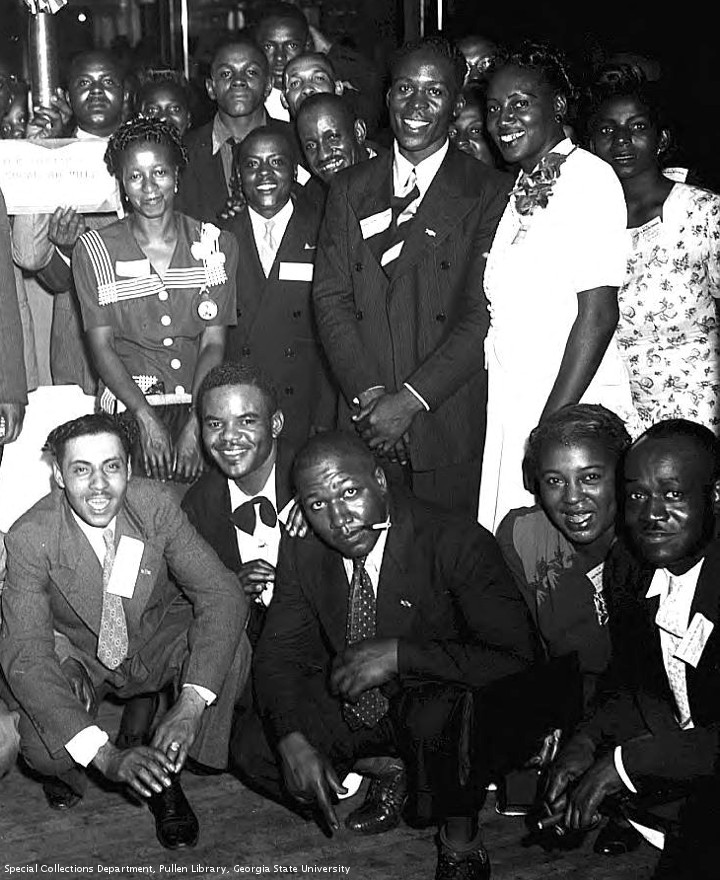
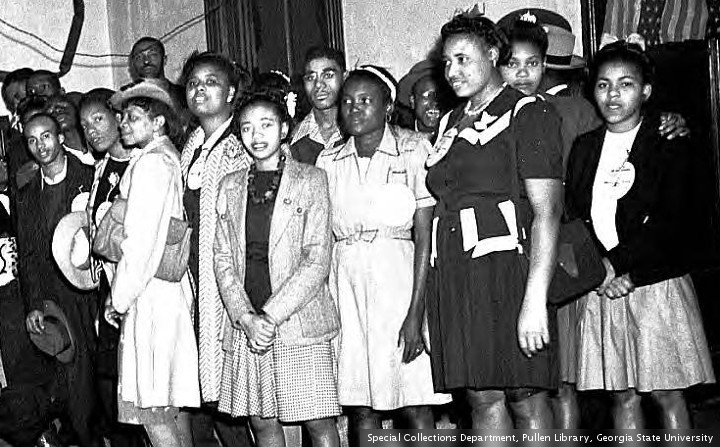
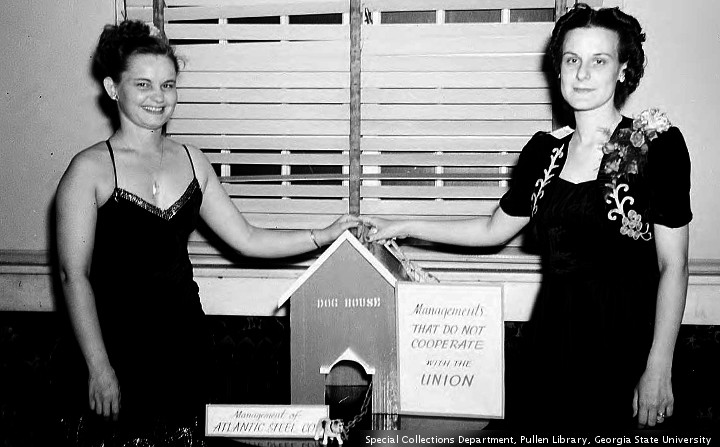


It is a popular line. “They who can give up essential liberty to obtain a little temporary safety deserve neither liberty nor safety.” The credit, or blame, for this gem is assigned to Ben Franklin. Did he really say it? What was he talking about?
The good news is that Mr. Franklin did say these words. (Here is the text.) What follows was written by a lawyer. Prepare to be confused.
“The words appear originally in a 1755 letter that Franklin is presumed to have written on behalf of the Pennsylvania Assembly to the colonial governor during the French and Indian War. The letter was a salvo in a power struggle between the governor and the Assembly over funding for security on the frontier, one in which the Assembly wished to tax the lands of the Penn family, which ruled Pennsylvania from afar, to raise money for defense against French and Indian attacks. The governor kept vetoing the Assembly’s efforts at the behest of the family, which had appointed him. So to start matters, Franklin was writing not as a subject being asked to cede his liberty to government, but in his capacity as a legislator being asked to renounce his power to tax lands notionally under his jurisdiction. In other words, the “essential liberty” to which Franklin referred was thus not what we would think of today as civil liberties but, rather, the right of self-governance of a legislature in the interests of collective security.”
Mr. Franklin was writing on behalf of legislators who wanted to assess a tax. The quote is used by tax hating conservatives. The modern conservative wants to send a hundred thousand troops to a conflict eight time zones away, and pay for it with tax cuts.
Another article tells much the same story, but with a couple of twists. There is a google gimmick that shows how often a quote is used. The BF quote was little known until the twentieth century.
The techcrunch article introduces a dandy word for the rampant misuse of quotes. The word is contextomy. This explanation is from Matthew McGlone of the University of Texas at Austin.
“‘Contextomy’ refers to the selective excerpting of words from their original linguistic context in a way that distorts the source’s intended meaning, a practice commonly referred to as ‘quoting out of context’. Contextomy is employed in contemporary mass media to promote products, defame public figures and misappropriate rhetoric. A contextomized quotation not only prompts audiences to form a false impression of the source’s intentions, but can contaminate subsequent interpretation of the quote when it is restored to its original context. …”
The spell check suggestion for contextomy is contentment. This is a repost. Pictures today are from “The Special Collections and Archives, Georgia State University Library.”




Quoting James Baldwin


James Arthur Baldwin has become a star on facebook, thirty five years after his death. People love to quote him, and post artsy pictures of his face. Over the past year I have seen three Baldwin memes that required action. Once you start to research, there is no telling what you are going to find.
“I can’t believe what you say because I see what you do.” This item is from a 1966 article that Mr. Baldwin wrote for The Nation. “One is in the impossible position of being unable to believe a word one’s countrymen say. “I can’t believe what you say,” the song goes, “because I see what you do”—and one is also under the necessity of escaping the jungle …”
“The song goes” is what the memes leave out. Ike Turner wrote the song. The Ikettes sing “I can’t believe…”, while Tina goes “agh, agh, agh, agh, agh, agh, agh, agh, agh.” Ike knew about being a no-good man. Tina looks a lot better in a short skirt than Mr. Baldwin did.
“I’d like to leave you with one more short quote from James Baldwin, “Whoever debases others is debasing himself.” This is from a June, 2020 video about racism. This quote is from Letter from a Region in My Mind, a 1962 essay in The New Yorker. “Letter…” clocks in at 22,114 words. Mr. Baldwin could crank out the word count.
“Letter…” covers a lot of ground. The “debase” quote comes in after Mr. Baldwin describes a visit to Elijah Muhammad, leader of the Nation of Islam. Soon, Mr. Baldwin starts talking about race in the United States. One quote stood out: “But white Americans do not believe in death, and this is why the darkness of my skin so intimidates them.”
“By this time, I was in a high school that was predominantly Jewish. This meant that I was surrounded by people who were, by definition, beyond any hope of salvation, who laughed at the tracts and leaflets I brought to school, and who pointed out that the Gospels had been written long after the death of Christ. … My best friend in high school was a Jew. He came to our house once, and afterward my father asked, as he asked about everyone, “Is he a Christian?”—by which he meant “Is he saved?” I really do not know whether my answer came out of innocence or venom, but I said, coldly, “No. He’s Jewish.” My father slammed me across the face with his great palm, and in that moment everything flooded back—all the hatred and all the fear, and the depth of a merciless resolve to kill my father rather than allow my father to kill me—and I knew that all those sermons and tears and all that repentance and rejoicing had changed nothing.”
“The place in which I’ll fit will not exist until I make it.” This quote proved more difficult to chase down. It does not appear in any of Mr. Baldwin’s work. The earliest mention appears to be behind The New Yorker paywall. “During his wanderings, Baldwin warned a friend who had urged him to settle down that “the place in which I’ll fit will not exist until I make it.” There is no link to a source.
The New Yorker article is cited by Lithub, which is then cited by New Transcendentalist. “These Timely James Baldwin Quotes … ,” from Bustle, credits the quote to “a 1957 letter to Sol Stein.”
Sol Stein “attended DeWitt Clinton High School, where he served on the Magpie literary magazine with Richard Avedon and James Baldwin.” We don’t know if Mr. Stein was the one who made David Baldwin slap his step-son. A paywalled article, about the correspondence between Mr. Stein and “Jimmy,” does not mention the “place in which I’ll fit” quote.
The WaPo article did have a mind-blowing quote. “In the introduction to the book, Baldwin would ponder his influences: “When one begins looking for influences, one finds them by the score. … the King James Bible, the rhetoric of the store-front church, something ironic and violent and perpetually understated in Negro speech…” I saw this quote in 1976, in a college textbook. At the time, I thought this was an amazing quote. It stayed in my mind until the next life changing detail came along, not to be thought of again for forty six years.
Chamblee54 has written about Mr. Baldwin before. Pictures today are from “The Special Collections and Archives, Georgia State University Library.” UPDATE: @QuoteResearch Replying to @chamblee54 @HilalIsler @lithub “It appeared in a 1957 letter from James Baldwin and Sol Stein reprinted in “Native Sons” (2004) edited by Sol Stein. I am planning to create a QI article on this topic” @QuoteResearch “Please get over the notion, Sol, that there’s some place I’ll fit when I’ve made some ‘real peace’ with myself : the place in which I’ll fit will not exist until I make it. You know and I know that the ‘peace’ of most people is nothing but torpor” … James Baldwin to Sol Stein UPDATE: I was writing a story about Flannery O’Connor. I wanted to quote this post, but could not find the link. Neither google nor duckduckgo would show me this post. I had to go to the chamblee54 archive, and scroll through October 2022 until I found the post. This is a repost from 2022.



 Chamblee54
leave a comment