Joshua Bishop And Leverett Morrison






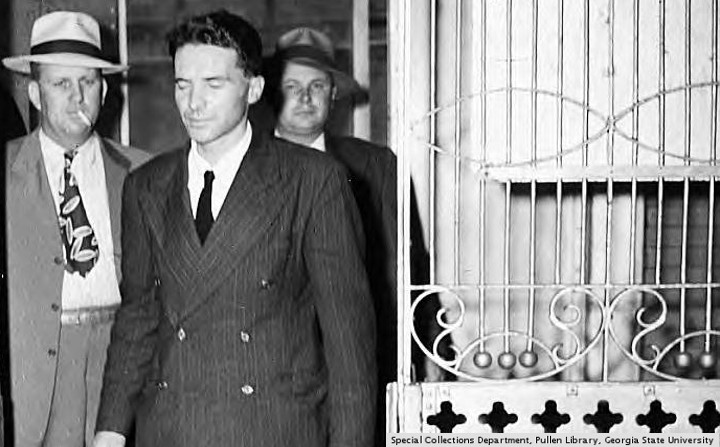
The State of Georgia is planning to execute Joshua Bishop tonight. Mr. Bishop was convicted of beating Leverett Morrison to death June 25, 1994. A co-defendant, Mark Braxley, is currently serving a life sentence in Reidsville. There is a possibility that Mr. Morrison was the father of Mr. Bishop
A press advisory from the State Attorney General tells the story as well as anyone. Further details will be supplied in parentheses, with a link to the source.
“[Leverett] Morrison drove Bishop and Bishop’s co-indictee, Mark Braxley, to a bar. Bishop and Braxley decided to steal Morrison’s car. The three left the bar around 11:00 p.m., June 24, 1994, and drove to Braxley’s trailer. (192 Linton Road) Bishop reached into the sleeping Morrison’s pocket for the car keys, but Morrison awoke and sat up. Bishop began to beat Morrison about the head and face with a blunt object. When Morrison was unconscious, Bishop took the car keys. Eventually realizing that Morrison was dead, Bishop and Braxley wrapped and then loaded the body into the back seat of Morrison’s car. They drove to a dumpster which was located a short distance from Braxley’s trailer. After unsuccessfully attempting to toss Morrison’s body into the dumpster, Bishop and Braxley left the body on the ground where it was discovered several hours later. They drove Morrison’s car into the nearby woods, set it on fire, and then walked back to Braxley’s trailer to dispose of evidence of their crimes. (No murder weapon was ever recovered.) After his arrest, Bishop made a statement in which he admitted delivering the blows with a wooden rod until Morrison stopped breathing, and described how he and Braxley disposed of the body and burned the car. Bishop subsequently confessed that, some two weeks prior to the murder of Morrison, he participated in the murder of Ricky Lee Wills and that he buried Wills’ body in the woods near Braxley’s trailer. (…then-district attorney Fred Bright said Willis died June 9, 1994. He was beaten with a blunt object, had eight deep lacerations on his head and face, had four broken ribs and his throat was cut with a knife. Bright told jurors Bishop and Braxley buried Willis in the woods behind Braxley’s father’s trailer and had to break the man’s legs to get him into the shallow grave.) After investigators recovered Wills’ body, a grand jury indicted Bishop and Braxley for that murder as well. The trial court admitted evidence regarding Bishop’s participation in Wills’ murder in aggravation of punishment during the penalty phase of this trial for Morrison’s murder. (Bishop said he killed Wills because Wills boasted about sexually assaulting Bishop’s mother.)
Although both Bishop and Braxley initially denied any involvement in the murder of Morrison, Bishop later confessed in a statement given to Detective Ricky Horn. In his statement, which was audiotaped and played by the State for the jury, Bishop explained at considerable length the events culminating in the beating and murder of Morrison.(Bishop urges that his inculpatory in-custody statement should not have been admitted because, as the result of antecedent drinking and smoking crack cocaine, he was unable to make a knowing waiver of his rights.)
Bishop, Braxley, and Morrison had been drinking through the afternoon and had smoked crack later that evening. That night, Braxley suggested that Bishop take the keys to Morrison’s Jeep; Morrison was lying in bed at the time. According to Bishop, when he reached into Morrison’s pocket, Morrison “popped [him] and asked [him] what [he] was doing.” Bishop then hit Morrison with a wooden stick that “was like a closet rod.” In Bishop’s words, he used “[o]ne of them big heavy closet rods.” Bishop explained, “I hit him too hard, I reckon, and he didn’t say anything. He just wouldn’t breathe.” At one point in his statement Bishop said that he hit Morrison on the backside of his head “about twice” and Braxley hit him “about three times.” “I hit [Morrison] like three times in the head with that stick, just to see the first time if I could knock him out where I could get his keys. But he wouldn’t knock out. I hit him one more time and finally, he looked like he was knocked out.”
According to Bishop, he then exited the room, but left the key to Morrison’s Jeep on a coffee table. Bishop added that, while he was outside the room, he “heard something loud.” He elaborated: “When I went back in there after I left the key on the coffee table, I walked back there and saw that [Morrison] was dead. I saw we were messing up pretty bad. He wasn’t breathing. I checked him out and he wasn’t breathing. He was dead.” Bishop explained that he and Braxley then wrapped Morrison in a comforter and placed his body in the back seat of the Jeep, and that they tried unsuccessfully to put Morrison’s body in a dumpster but ended up leaving the body between two dumpsters. At Braxley’s suggestion, Bishop took the Jeep to a nearby pond, poured gasoline all over it, and lit it on fire, destroying all but the frame of the vehicle. ( Prior to Bishop’s arrest, the officers had the following reasonably trustworthy information: Morrison was last seen alive leaving the bar with Bishop and Braxley around 11:00 p.m. Although Bishop and Braxley claimed Morrison left the trailer in his car about 2:00 or 2:30 a.m., they were seen driving Morrison’s car after 3:00 a.m. Morrison’s body was found several hours later, less than a mile away from Braxley’s trailer. These facts were sufficient to give the officers a particularized and objective basis for believing that Bishop murdered Morrison. … The singed hair on his hands indicated that Bishop set fire to Morrison’s car.)
Dr. James Dawson testified regarding Morrison’s injuries and cause of death. He determined that Morrison died in the early morning hours of June 25, 1994, as a result of inner cranial bleeding, with contributing factors of a cerebral contusion and aspiration of blood, all caused by blunt force trauma to the head. Dr. Dawson confirmed that Morrison was beaten to death. Several of Morrison’s seven significant head wounds appeared to have been caused by a cylindrical, circular, or tubular object, while other wounds appeared to have been caused by a flat object. Dr. Dawson could not state the order in which the seven injuries took place, nor could he state whether the first blow, the seventh blow, any of the blows in between, or any combination of the blows caused the cerebral contusion (bruising of the brain) or the hemorrhage resulting in inner cranial bleeding and ultimately death; finally, the medical examiner confirmed that all seven injuries occurred while Morrison was alive.” (Leverett Morrison is buried at Baldwin Memorial Gardens, Milledgeville GA)
The fishwrapper published a story the other day, Violent childhood put Georgia killer on sure path to Death Row. It is a doozie. Here are excerpts.
“When Morrison and Wills were murdered, Bishop had been living under a bridge with his mother, an alcoholic and drug addict who sometimes prostituted herself. She was heard telling her son that men show their love with punches, slaps and verbal assaults. She knew a man loved her, she told her son, if he beat her. … Bishop’s mother treated her two sons like “drinking buddies,” wrote Barbara Cheeley, the boys’ aunt. “This seemed to be the way she dealt with them best.” …
Carolyn Bishop was 17 when she gave birth to Joshua Bishop’s older brother, Michael. Michael Bishop’s father, Mike, was 14 years old when he married Carolyn. Joshua Bishop, however, never knew for certain who his father was. “Josh was almost obsessed with finding out who his daddy was,” the brother wrote in an affidavit. “It was sad for me to hear Josh ask so many people while he was growing up who his daddy was. The answer was usually ‘I don’t know.’”
Carolyn Bishop told her younger son that one of three men could be his father, most likely Albert Ray Morrison, who was Leverette Morrison’s brother. “Many people say Josh is my son but I don’t really know for sure,” Albert Morrison wrote. “His mama, Carolyn, went with a lot of men, including me and Leverette.” … his dead brother had “problems with drugs as far back as I can remember…. I know Josh was charged with killing Leverette and received a death sentence for it. But Josh is the same people as me and Leverette. With all the drinking and crack going on, it could just as easily have been Josh who was killed as my brother.” …
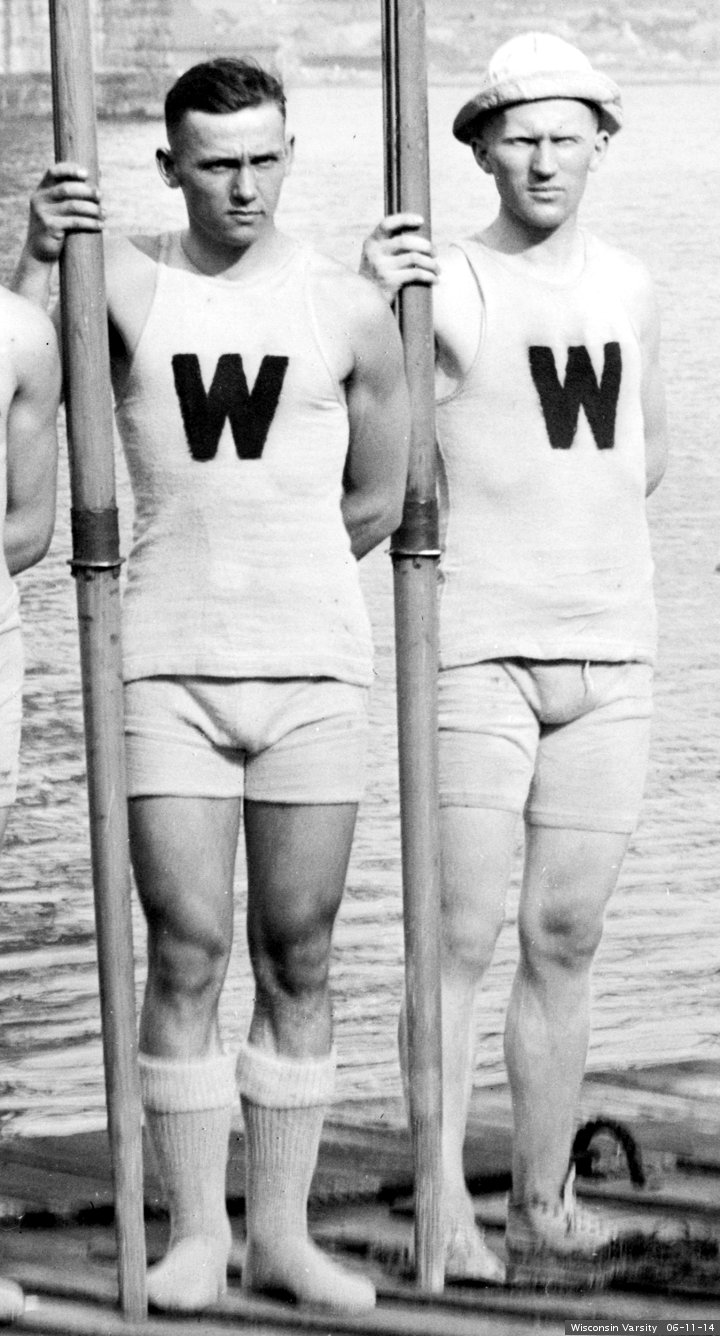
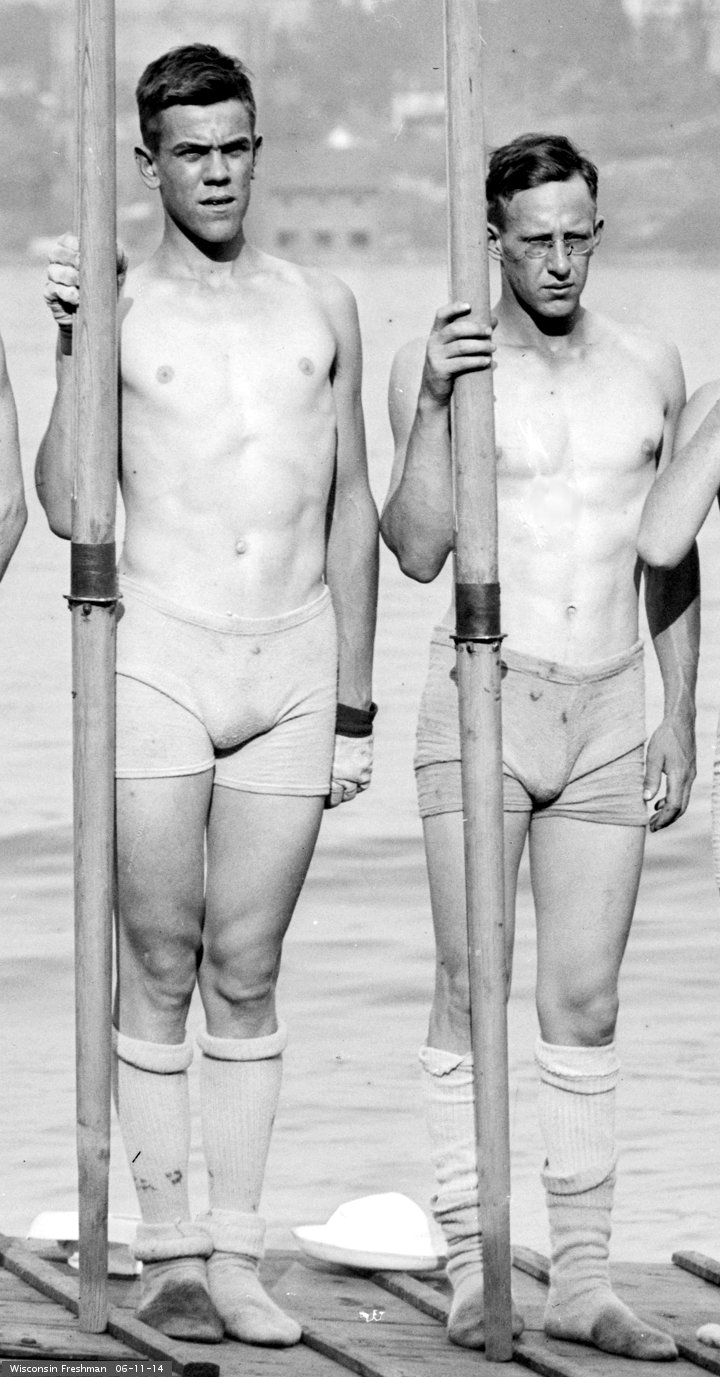
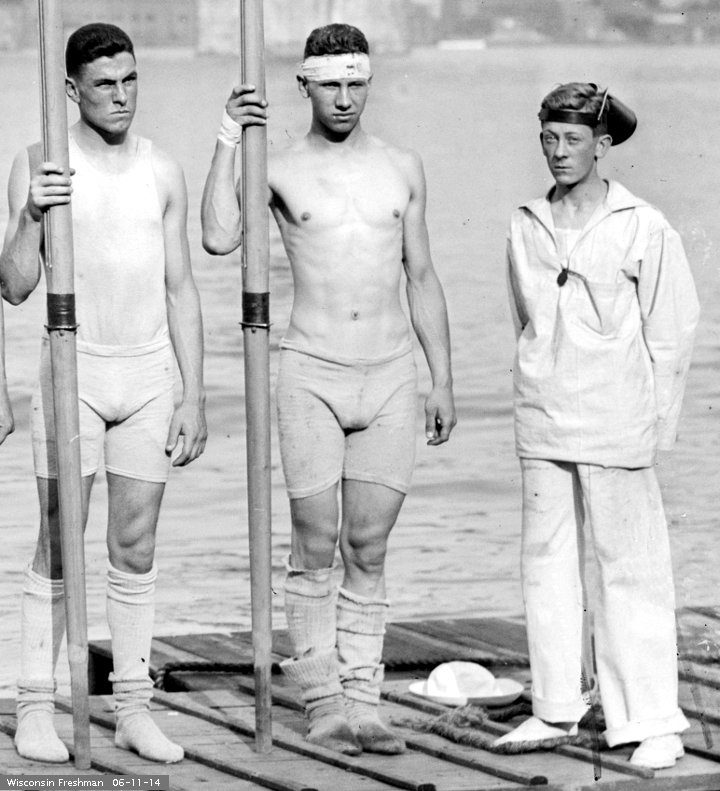
Joshua Bishop first tasted alcohol at 4 and in just a few years was “huffing” chemicals like gasoline. Eventually, he was using cocaine and drinking with his mother. ” His last meal request is a barbecue sandwich, Brunswick stew, potato chips, coleslaw, lemonade and purple candy. Pictures today are from The Library of Congress. UPDATE: Joshua Bishop died at 9:27 pm, March 31, 2016.




#NationalWaterDay


Yesterday was #NationalWaterDay. PG celebrated by going to Decatur to talk about his water bill with the county. Water is taken for granted. You turn on the faucet, and (reasonably) clean, safe water comes out. It is only when the bill is too high that you think there is a problem.
Currently, Atlanta is getting plenty of rain. There is no immediate danger of running out of water. In 2007, there was a drought. There was speculation about running out of water. In the eight years since the drought, little has been done to prevent a future calamity. Atlanta is one sustained drought from becoming a ghost town. PG has written about this before.
#7gallonchallange was one of yesterday’s gimmicks. “For one day, attempt to limit water your usage to seven gallons a day, which is a high estimate of how much the average African uses.” There was a chart, showing how much water is used by typical activities. There were helpful suggestions, like “Don’t take a bath.” (The current custom of bathing everyday is fairly recent in western society.)
The “average African” (a strange concept for a diverse continent) does not just turn on a faucet to get water. In Kibera, an “informal settlement in Nairobi, Kenya, getting water is a chore. “Very few of the residents have running water. Every day, people have to carry a 20 liter jerrycan to a water vendor. Often, there are shortages, and the price goes up. The water is often contaminated. There are water mafias, which create artificial shortages to boost the price.”
“If the root of water problems in Kibera centered on price and supply it may be more manageable, but issues of water quality substantially complicate clean water delivery systems. Most water pipes in Kibera run above ground and are made of plastic (due to issues with theft of steel pipes), which are highly fragile and easily manipulated. These pipes will often crack or break (either accidentally due to traffic or intentionally by competitors), allowing sewage to seep into drinking water. Indeed, water sources that are generally clean can easily become contaminated without notice. This is reflected in public health data—infant mortality rates and bloody diarrheal infection rates in Kibera are more than three times the average of Nairobi as a whole (UNDP 2006).”
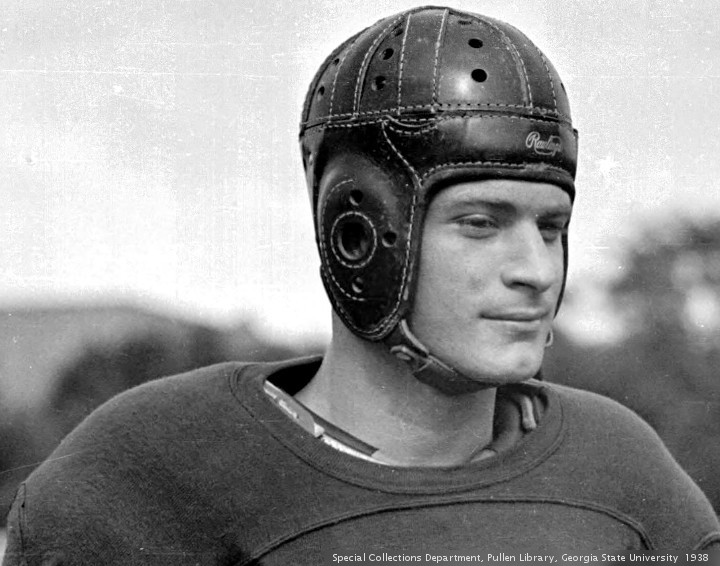
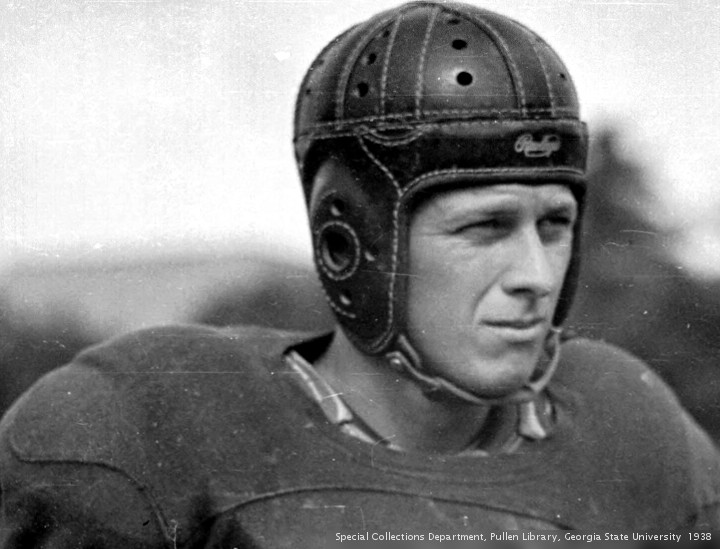
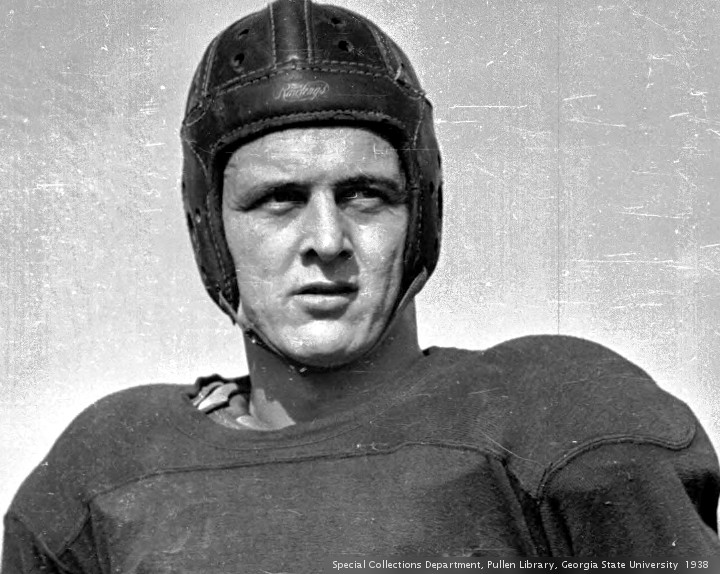
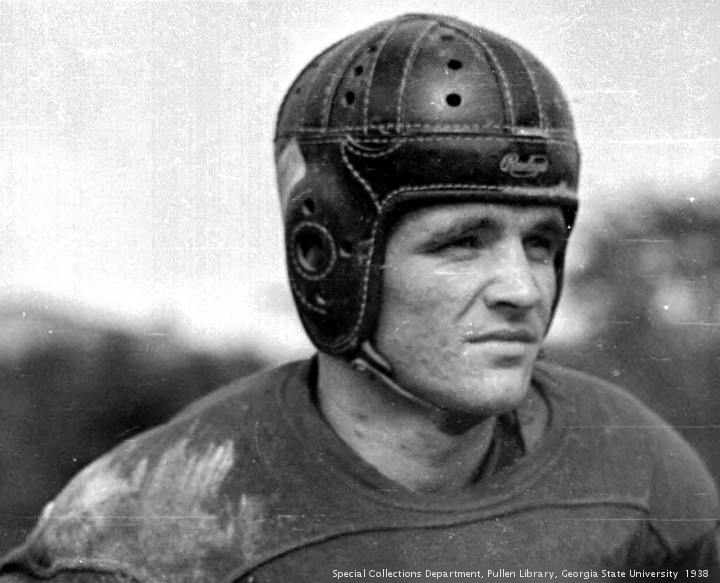
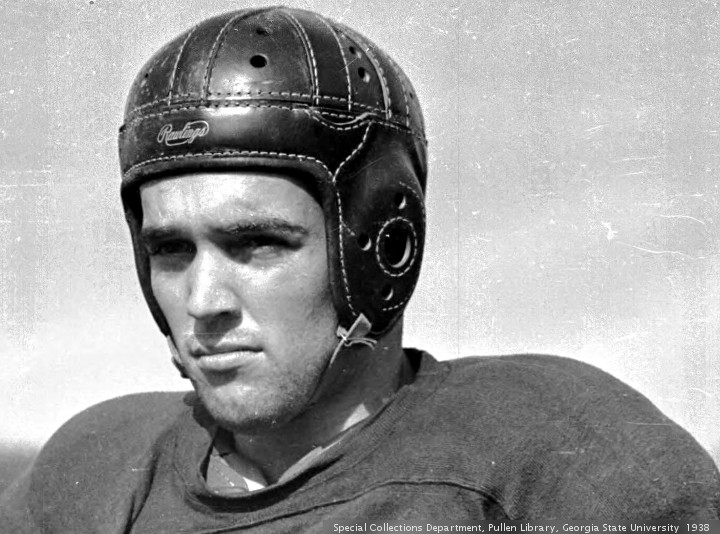
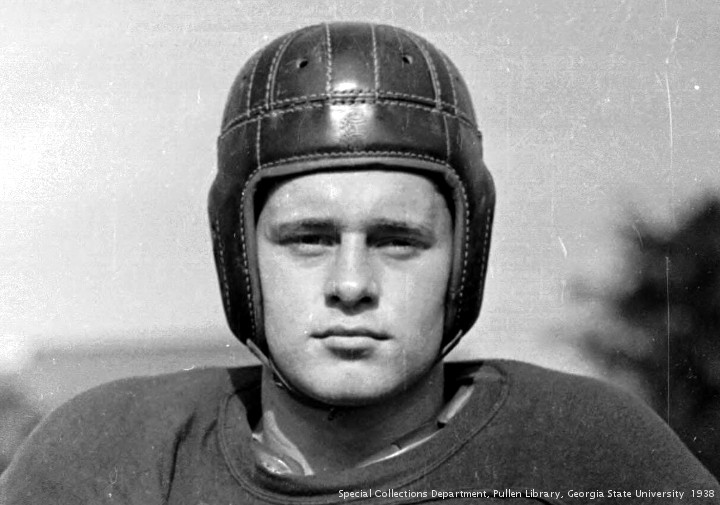
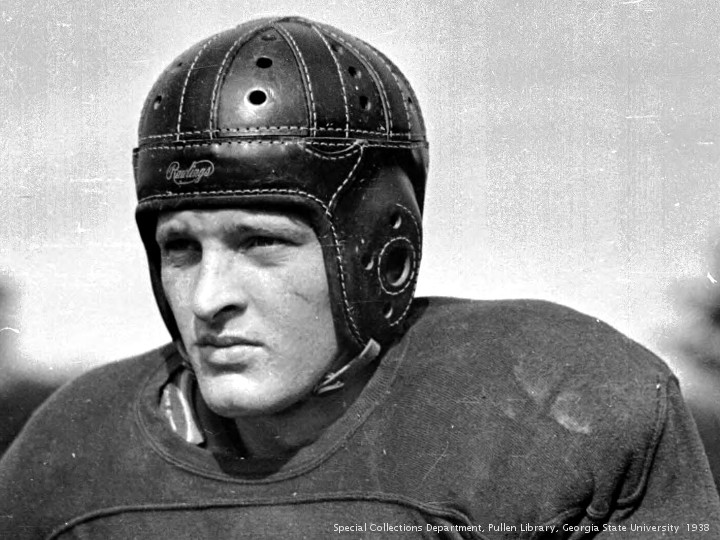
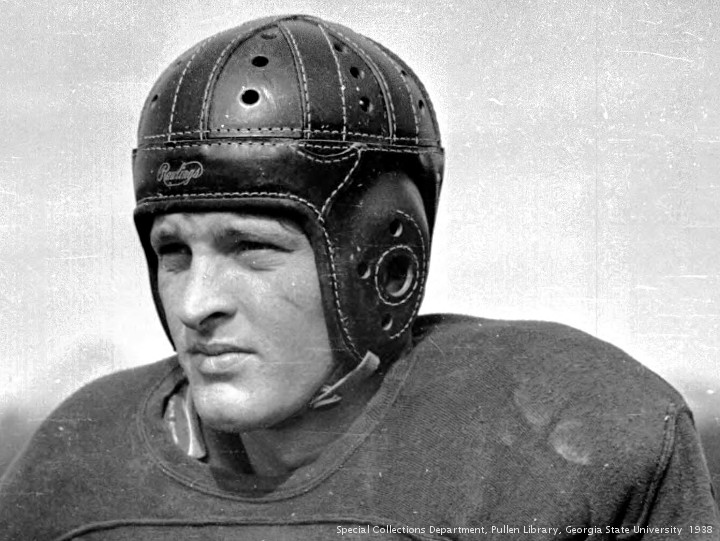
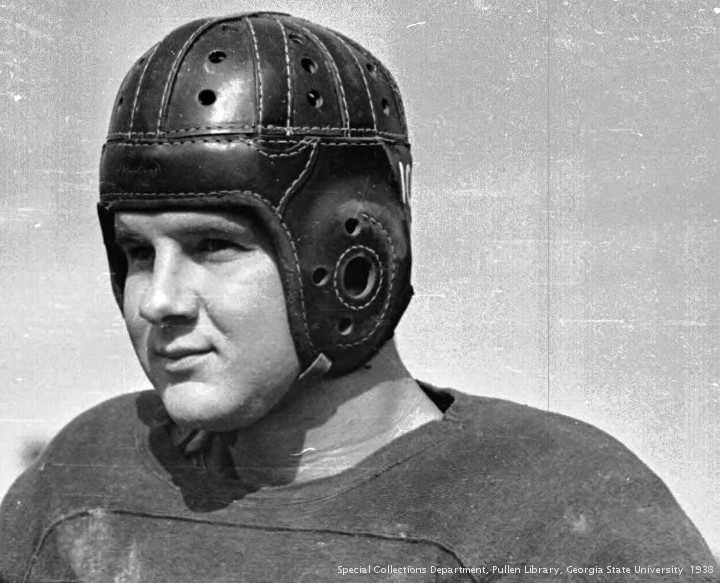
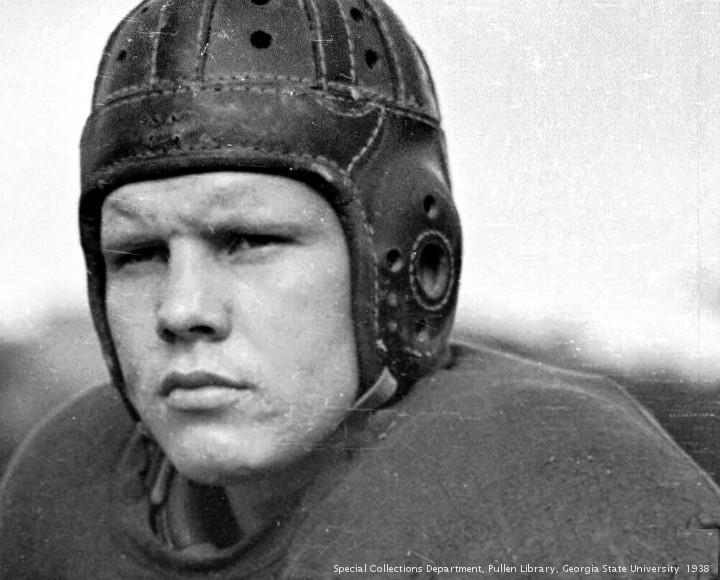
The feature below is a repost. Pictures are from “The Special Collections and Archives, Georgia State University Library”. “Unidentified Georgia Tech football player, Atlanta, Georgia, April 1938.”


Some people think that the drought is over, and we can go back to wasting water. They are wrong.
From a water supply point of view, Atlanta is a terrible place for a city. 4 million people depend on the Chattahoochee River, an overgrown trout stream. If you look at a map of Georgia watersheds, you see what a small area is covered by the Chattahoochee.
As if that isn’t bad enough, the water is also claimed by Alabama and Florida. A nuclear power plant in Alabama uses enormous amounts of river water. The three states have been arguing in the courts over the water rights for years, and the courts have ruled against Georgia.
For decayeds decades, the developers in Metro Atlanta have built as though having a water supply was not an issue. With dozens of governments to choose from, if the developers are turned down in one jurisdiction, they merely go to another…or make another bribe campaign contribution, and another forest bites the dust.
 In an era of tea parties and calls for small government, few have a plan for the water crisis. There are going to be no cheap solutions. Even if we were to have access to the Tennessee River (a very big if), a pipeline to carry the water through the mountains to Lake Lanier is going to be very expensive. We will not get this money by cutting taxes to stimulate the economy.
Even without a water sharing agreement, we almost ran out in 2007. A severe drought cannot be predicted, and another one may start today. The nuclear plant in Alabama requires tremendous amounts of water, and was close to having to shut down.
Much of the rain in Georgia comes from the Gulf of Mexico. This Gulf is currently becoming an open air reservoir for crude oil. What will happen when the remaining sea water evaporates, and becomes rain? Will the water have a helping of crude oil derivatives? At least this water can be used in a nuclear power plant.
Rain water is held in a reservoir until it is needed. For metro Atlanta, this is Lake Lanier. A water reservoir is not like a bank account, where the money earns interest. Water in a reservoir shrinks over time…water on the surface evaporates. When there is a drought in August, with 100 degree temperatures every day, water usage increases, evaporation increases, and there is no fresh rainwater going into the lake. This is how a water problem becomes a crisis.
There are a few, common sense, ways to save water now. Just because we are not in a drought does not mean we need to start wasting water. The water we save now will (mostly) be waiting for us when (not if) another drought starts.
When you brush your teeth, fill a cup of water up first. Use part of this to rinse your mouth, and use the rest to clean your brush.
If it’s yellow let it mellow, if it’s brown flush it down.
Get a stopper for the bathroom sink. If you shave, save water in the sink to clean your razor.
Keep a jug of water in the fridge if you like cold water. Don’t let the water run until it gets cold.
Take a “navy shower”. Get wet, turn the water off , lather up, turn the water back on, rinse.
Only run dishwashers and washing machines when they are full.
There are many, many more ways to save water. The less we use now, the longer our reserves will last. The water shortage will never be over in Atlanta.

Georgia Primary



The New York Times had a feature the other day, Detailed Maps of Where Trump, Cruz, Clinton and Sanders Have Won. It showed the results of presidential primaries in the states that had voted up until that time. It shows the results on a county by county basis.
The results shown on the map had little to do with who won delegates. In Georgia, that was decided on a percentage basis. In the Republican race, Donald Trump got 40 delegates, Marco Rubio got 14, and Ted Cruz got 18. Democrat Hillary Clinton got 73 delegates, while Bernie Sanders got 29.
The county story is different. In Republican land, Donald Trump won 155 out of 159 Georgia counties. Many of these county victories were by substantial margins. Four counties went for went to Marco Rubio: Clarke, Cobb, Dekalb, Fulton.
On the Democratic side, Hillary Clinton won 158 out of 159 counties. The only county to go for Bernie Sanders is Echols. The Florida border hugging Echols was the least populated county in Georgia for many years. Today, it is ranked 153, with Taliaferro County at 159. The final tally in Echols county was Bernie Sanders 36, Hillary Clinton 32. Pictures today are from “The Special Collections and Archives, Georgia State University Library”.



Loudon Wainwright III


The New Yorker has a website, with some cool stuff. One of them is a video of Loudon Wainwright III, singing a song about some guy named Krugman. It seems to PG that Mr. Wainwright might be a good subject for a tribute.
Loudon Wainwright III is the son of a man who wrote for Life magazine, who was known as Loudon Wainwright Jr. The son of III is named Rufus, which is Albanian for Fifth. Either he skipped a level, likes to drink, or this is a coincidence. Rufus Wainwright is a musician also, with lots of units sold, and a stay or two in rehab.
The official LWIII website has a biography page, so if you care about such things you can go there. He writes little acoustic songs, many of which are hilarious. Early in his career, “Dead Skunk” became a hit. It became the song he was known for, but it was far from the best thing he did.
In addition to the Krugman song, there are three you tubes of Wainwright songs. A 95 year old lady dances to “Dead Skunk”. Johnny Cash does “The man who could not cry”, showing a bit of Grecian Formula. (This video is no longer available, and is replaced by the poet himself. Mr. Wainwright is growing old and bald in honest fashion, even after shaving the puppy beard of his younger days.) There is a performance of “Motel Blues”, by the man. A fourth video, about climate change, is included at the end for those in the audience with entirely too much free time.
PG has seen Loudon Wainwright III in concert twice. In December of 1973, LWIII played at the Great Southeast Music Hall. He had a backup band, for some reason, and PG was not overwhelmed. After the show, PG talked to a high school classmate, and they went riding on the dirt roads behind the music hall smoking reefer.
In May of 1982, LWIII played a show by himself at a concert hall on North Decatur Road, which was formerly a Colonial grocery store, and the Texas Tea Room. A friend of PG’s had a story to tell about the TTR. “Maybe, the venue was called the Texas Tea Room—or the Texas something-or-another. I recall that I heard some male duo there. When I heard them, they were past their prime in terms of popularity, but perhaps they were making some sort of comeback. I keep trying to remember who I heard. I also remember going in there one time with short-shorts on. The shorts were totally inappropriate for the setting, but I had been somewhere else and just stopped by the hall (we’ll continue to call it the Texas Tea Room) on a whim. I vaguely remember some guy giving me grief about my attire. I don’t think I went home with him, and I’m sure that was an excellent decision.”
On that May evening 34 years ago, LWIII was spectacular. He had done a lot of shows in the previous 9 years, and had learned a few things about performing. The lines that got a good response were repeated, and played slow enough to understand the lyrics. This is a problem for many lyric based performers…if you don’t know their music, you will not enjoy the show. With Wainwright, he sang slow and loud, and you could hear all the words. You knew why the crowd was laughing.
It is now 2016, and LWIII has not gone away. His records never did sell very well, and he sells his own product over the internet now. His hair is turning gray and falling out. The skunk has dried up, his bones crushed into powder by eighteen wheelers. The motel was shut down by the health department. A luxury condo building was built on the site.
This is a repost, with pictures from “The Special Collections and Archives, Georgia State University Library”. The last picture is the Colonial store that became the Texas Tea Room. It is now a discount mattress store, and has not been torn down.


Millard Fillmore And Oscar Wilde In Atlanta



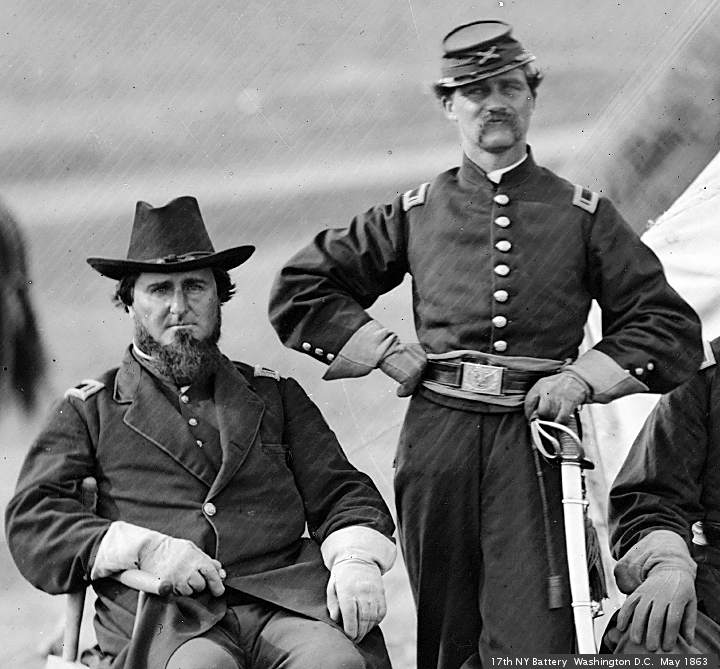
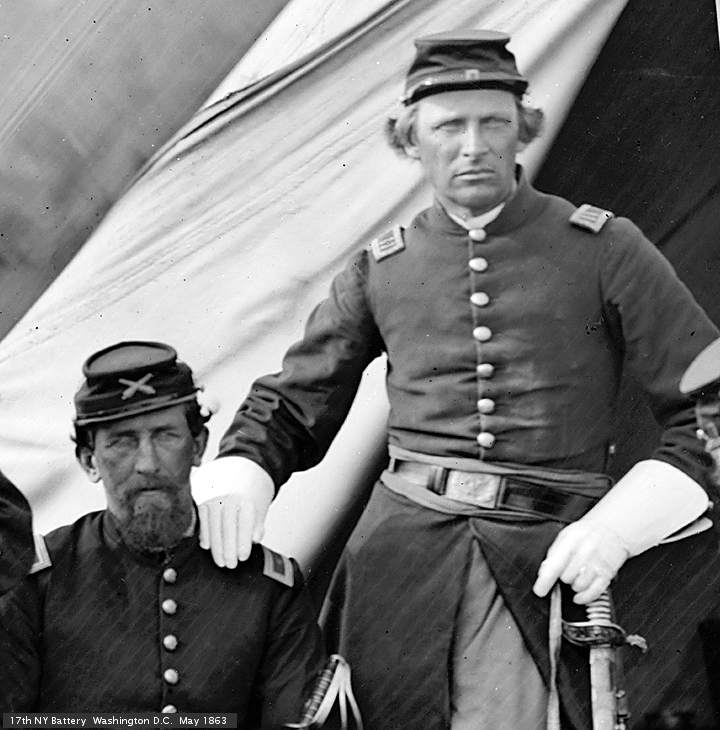
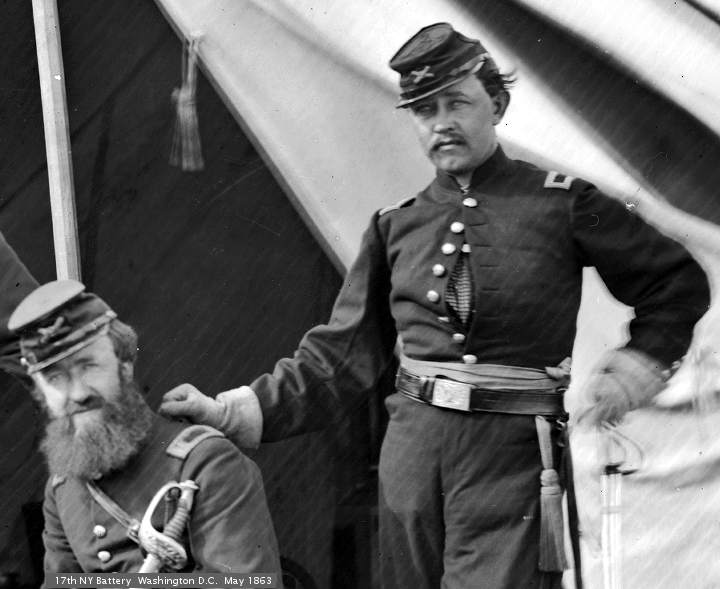
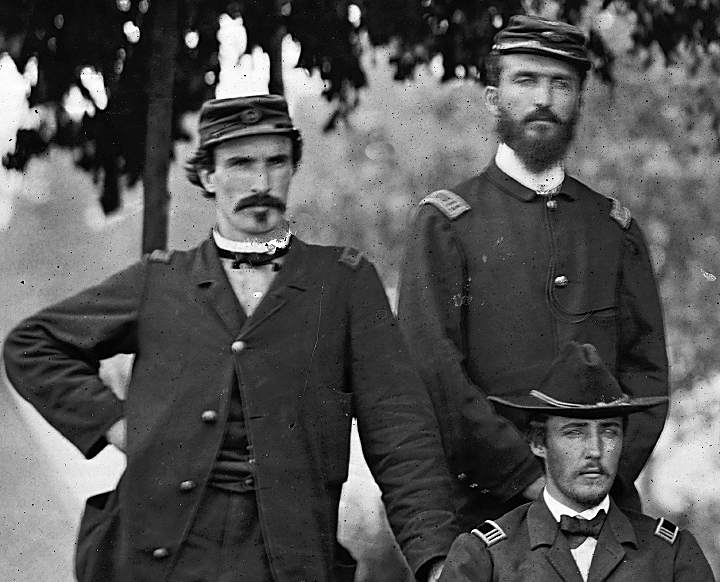

This afternoon’s post at chamblee54 noted an 1854 visit by former President Millard Fillmore. This was brought to the attention of another history minded blog, Millard Fillmore’s Bathtub. The result was some details about the visit, Millard Fillmore, live on Peachtree Street, 1854. The material below is borrowed from that post.
Two years after the Whigs refused to nominate Fillmore for a term of his own, he was out touring the country? Several accounts explain that Fillmore and his wife Abigail wanted to tour the U.S. after his presidency. Unfortunately, she died shortly after he left office. He pined through the rest of 1853, but by February 1854 had decided to tour by himself, without his children, accompanied by friends he could persuade to join him.
That same month, Fillmore decided to take the trip southward that he and Abigail had not been able to take. Given the timing, some observers believed that Fillmore had a political motive in making the journey. They suspected that he might be planning to speak out against the Nebraska Bill [proposed by Illinois’s U.S. Senator Stephen A. Douglas]. Others were convinced that it was a leisure tour. But whatever Fillmore’s intentions may have been, his speeches to southern audiences were relatively neutral. He restated his faith in the [Missouri] Compromise, but he spent most of his time enjoying a series of receptions, dinners, and parades in his honor throughout the region. A marching band escorted him through the streets of Louisville, Kentucky. Girls scattered his path with flowers in Montgomery, Alabama. A row of trains blew their whistles in greeting in Atlanta, Georgia. Fillmore returned home refreshed and with renewed faith in his fellow Americans. (This paragraph is from Alison Behnke, Millard Fillmore (a child’s history of the man), 2005, page 92.)
By late February 1854 Fillmore had resumed his plans to travel. He perceived that a southern trip would do him good and that the journey would divert his mind from the loss of Abigail. … Fillmore hoped Francis Granger, John P. Kennedy, and Washington Irving would go with him on the trip. Granger lost interest, and Irving was in no mood for politics. …
En route to Atlanta from Augusta on the Georgia Railroad, they stopped at Greensboro where a large crowd of teachers and students of the Female College greeted Fillmore and Kennedy. They dined at Madison. At Stone Mountain an escort committee from Atlanta met them.
At the Atlanta Depot a novel reception welcomed them. A large number of locomotives were present with their steam up. When the Augusta engineer signaled their arrival they all opened up their valves and whistled out a welcome the like of which, reported a newspaper, “no mortal man had heard before.” The shouts from the crowd and locomotive whistles were deafening to one reporter. By carriage the party went from the depot to the Atlanta Hotel where a reception was held.
Fillmore had become hoarse. Nonetheless, he managed to say that he was impressed by the large population and that he had heard that it was a beautiful village in the center of the state. He also admonished the state legislature to to take note “of the array of female loveliness before me” seated at the reception. If they did so, he joked, they wouldn’t hesitate to locate the state capital at Atlanta. At that time the capital was at Milledgeville. Atlanta became the capital in 1877. (This section is from Robert J. Scarry, Millard Fillmore, 1982, pages 247-252 variously.)
A few months later, on October 16, 1854, Oscar Fingal O’Flahertie Wills Wilde was born in Dublin, Ireland. On July 4, 1882, Mr. Wilde gave a talk at De Give’s Opera House in Atlanta GA. What happened next is described on page 201 of Oscar Wilde by Richard Ellmann.
Mr. Wilde was accompanied by his agent, J.S. Vail, and a valet, W.M. Traquair. Mr. Vail bought three train tickets for Savannah, the next stop on the tour. The Pullman agent told Mr. Wilde that black people were not allowed to ride in sleeper car berths. Mr. Wilde said that Mr. Traquair had traveled with him throughout the South without incident. The Pullman agent said the next stop was in Jonesboro GA. If people in Jonesboro saw a black man in the car, then they would attack the train. Mr. Wilde gave in, and Mr. Traquair traveled in another part of the train.
This is a repost. Pictures today are from The Library of Congress.



Downtown’s Modern Architectural Heritage



The tour began at the Commerce Club, It is a glorified parking deck, with a dining club on the top two floors. It was started as a place that would allow Jews. In the early sixties, the Commerce Club was the site of a secret meeting between Atlanta City officials, and Civil Rights demonstrators. Since it was mostly parking, the activists drove in and parked unannounced.
In 1992, PG saw Dan Quayle arrive to give a speech at the Commerce Club. A couple of hours later, PG was crossing Walton Street, when the Vice President’s limousine drove by. PG waved at the vehicle, only using one finger.
The next stop was the Fulton National Bank building. It was the first high rise built after the depression. For many years it was red brick, until some idiot had the idea of painting it beige. Across the street is 2 Peachtree. At 41 stories, it was the tallest building in town for a while. Some say it was the ugliest building downtown, although that is tough to quantify. An 8 story brick building in front was retrofitted with black panels, so that it would look like its tall neighbor. These panels are falling off, and may eventually be taken down.
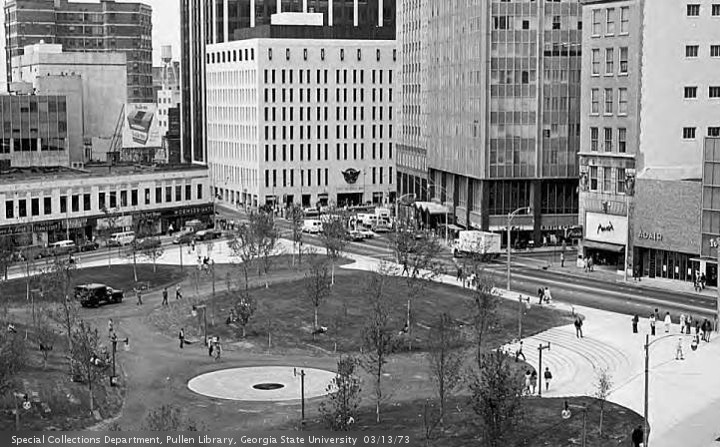
Woodruff Park is across Five Points from 2 Peachtree. The legendary head of Coca Cola, Robert Woodruff, bought several blocks of aging buildings, and tore them down to create the park. Some say he wanted the open space in front of the Trust Company building, so it could face Peachtree. The Trust Company was Coca Cola’s bank. For years, the formula for Coca Cola was held in their vault.
In one legend, Governor Gene Talmadge went into the Trust Company lobby. This would be in the old building on Pryor Street. (Now Park Place) The Governor had enjoyed a happy lunch, and was being held up by two of his aides. Soon, Governor Talmadge felt the need to use the restroom, which he did in the corner of the lobby.
Gracing the North end of Woodruff Park, at 100 Peachtree, is the Equitable Building. It, and the adjacent Georgia Pacific building, were designed by Skidmore, Owings, and Merrill, or SOM. No, that is not short for SOM-bitch. These two buildings were more modern, and are sometimes called glass boxes. At least the GP building has some variation in the back.
Georgia Pacific was built on the site of the Loews Grand Theater. Across the street was a giant Coca Cola sign. GP did not think that sign fit in with their new building. Coca Cola was tired of making repairs to the sign, and was happy for an excuse to take it down.
Behind GP, on John Wesley Dobbs (formerly Houston Street, pronounced HOUSE ton) was the Belle Isle Garage. This was the original Merchandise Mart. At some point, the present Merchandise Mart was built on Peachtree. The people going to shows needed a place to stay, and John Portman started building hotels.
A few spots north, past the site of the Paramount Theater, is 191 Peachtree. John Portman had wanted to build there for years, but was never able to pull it off. Finally, the property was taken over by someone else, the S&W cafeteria was torn down, and Philip Johnson and John Burgee designed the high rise that sits there now.
PG asked if that building was still mostly unoccupied. The guide said that you read the AJC too much. After King & Spalding moved out, the building began a comeback, and is mostly occupied today. The parking garage, with faux columns outside, is a favorite.
Across the street, on the site of the Henry Grady Hotel and Roxy Theater, is the Peachtree Plaza hotel. There is a duplicate of this building in Detroit, that is 4 feet higher, but that doesn’t stop people from calling the Atlanta version the world’s tallest hotel. A few spaces north on Peachtree are the original Peachtree Center buildings.
One of the PC buildings is different from the rest. Mr. Portman was not able to buy the land for one building, but merely lease it. The lenders wanted to be able to tear the building down easily if land lease problems developed. This building has a steel frame, and is bolted together.
Another one of these buildings was all electric. This was a sixties concept, that is not much seen today. Across the street, a major tenant was the Atlanta Gas Light Company. An all electric building would not do. Natural Gas heating was installed. This building is not on the grid, but has a generator in the basement that supplies their electricity.
The tour ends with three hotels in a row. The Regency Hyatt House was revolutionary. It was the first modern hotel with a large atrium. Mr. Portman had lunch with Conrad Hilton, and described his plan. Mr. Hilton said it would not work. The management contract for the new hotel went to the Hyatt company, which was then little known outside California. The Regency has been renovated in the last few years, and does not have much of its old character.
A short walk over a sky bridge takes you to the Marriott Marquis. This is the Regency on steroids. The last time PG saw this building was during Dragon Con, when it was different. Across the street is the Hilton. It is another atrium building, with mini lobbies every few floors blocking the open space. The Hilton is built on the site of the Heart of Atlanta Motel, which is another story.
The last stop on the tour was One Peachtree Center. This was intended to be the crown jewel of John Portman’s empire, but it almost brought it down. An economic downturn hit during construction, and Mr. Portman’s lenders got nervous. John Portman went for being known as a baroque modernist, to just plain broke. He managed to survive, and is still in action at 92 years old. As for One Peachtree Center, Sun Trust Bank moved their major offices there a few years ago, and the building is mostly occupied today.
Pictures today are from “The Special Collections and Archives, Georgia State University Library”.




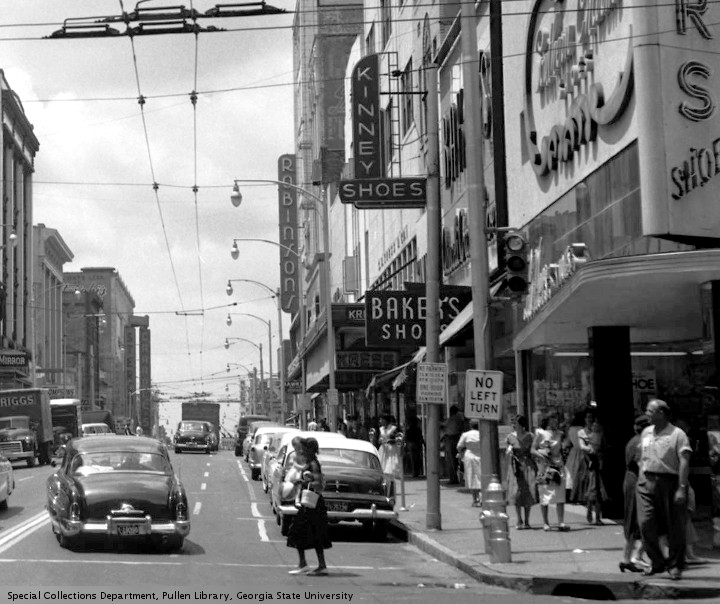

Stupor Tuesday
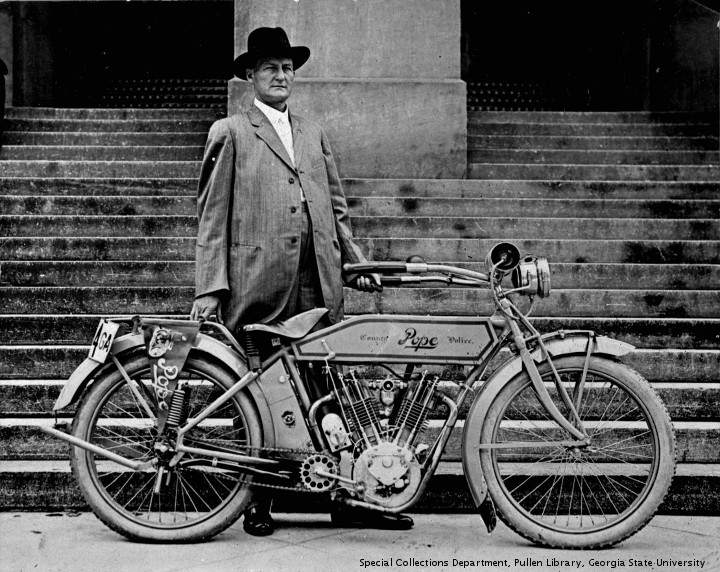
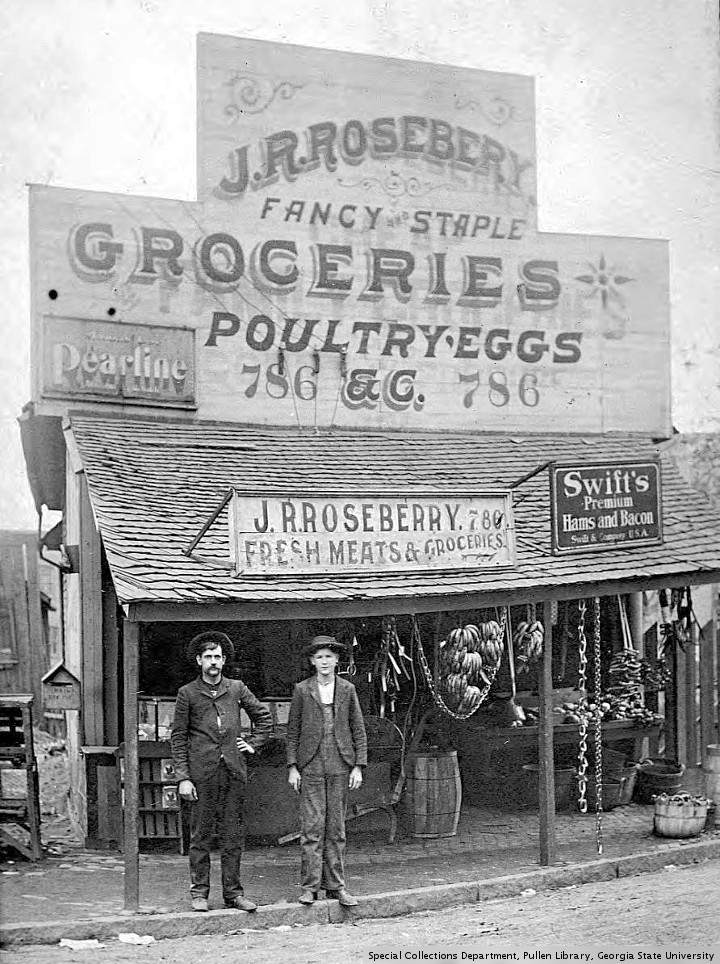
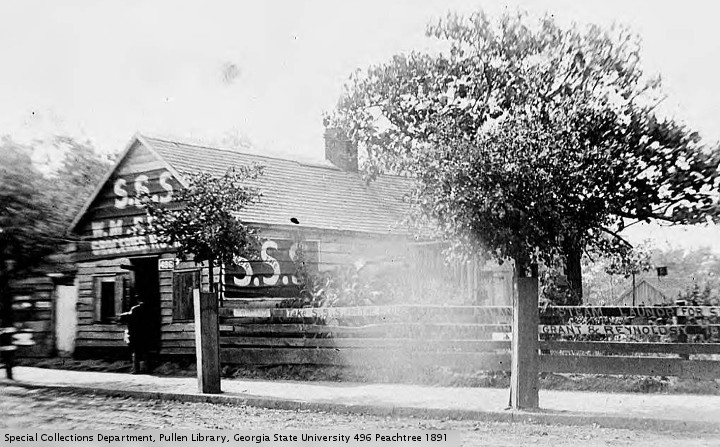


It is March 1, 2016. A hundred years ago, the Germans were trying to kill all the French so they could win. That didn’t work, so they tried again twenty five years later. Now Germany has a woman President, or whatever they call their showcase government official, and is trying to take over Europe economically. They might succeed.
Here in Georgia, it is the Presidential primary. This is the only time we get to make a choice. In the November election, Georgia’s electoral votes are all but conceded to the Republicans. There will be local races, and constitutional amendments, but POTUS will be out of our hands. If you are going to make a choice, you need to do it today.
Officially, there are seven choices. Nominally, they are in two races, and there will be two winners. Each voter gets to choose one person. …. We interrupt this election day commentary to answer the phone. It is a robo call from Ted Cruz. This is the second such call from this person, in addition to an automated survey, and a live interviewer survey. All of these home invasions were in support of Ted Cruz. This is a good reason not to vote for the goofy bastard, as if that were an option to begin with. … Ok, now there are only six candidates to choose from. Making robo calls automatically disqualifies anyone from serious consideration.
You probably know who the six candidates are. None of the sorry six are worth voting for. Ben Carson and John Kasich should have dropped out a while back, but that donations accepted candidate lifestyle is tough to give up. Marco Rubio has personality control issues, and is from Florida.
Americans love to elect dynamic cartoon characters. Ronald Reagan, Bill Clinton, and Barack Obama are two term examples. The showman in this election is Donald Trump. Nothing Mr. Trump says should be taken seriously. America would survive a Trump presidency, but do we want to?
The other charismatic dynamo is Bernie Sanders. Here again, the man has personality out the wazoo, but you can’t believe a word coming out of his New York mouth. He is also butt ugly. The concept of BS in the oval orifice is illegal, immoral, and bad for digestion. If eight years of national halitosis is your idea of morning in america, feel the bern.
Which leaves us with Hillary Clinton. She is well known because she is married to Slick Willie, the most unfaithful husband this side of Donald Trump. Hitlery is much loved by the financial elite, and will probably make them a lot of money. Her public personality sucks. In all fairness, it should be noted that former employee Heather Hurlburt says that Hillary Clinton is not an asshole.
Which brings us to our next point. If you go on facebook today, lots of people are sharing their wonderful opinions with you. At some point, you need to tune out all this noise, and think for yourself. You can do it. It might make your head hurt for a little while, but you will be just fine. And while you are at it, never forget that racism is between rabbit and radical in the dictionary.
If you have read this far, you might have notice that there are no endorsements. All seven candidates would be a disgrace to a third world country, much less the vainglorious United States. Unless you are going to write in Willie B, or Alfred E. Nueman, you have to choose one of the stupid seven. There is one way to make this choice. You can choose the best looking person in the race. This would be Marco Rubio. A vote for Mr. Rubio is also a vote against Ted Cruz and Donald Trump. Pictures today are from “The Special Collections and Archives, Georgia State University Library”.
Open Mic

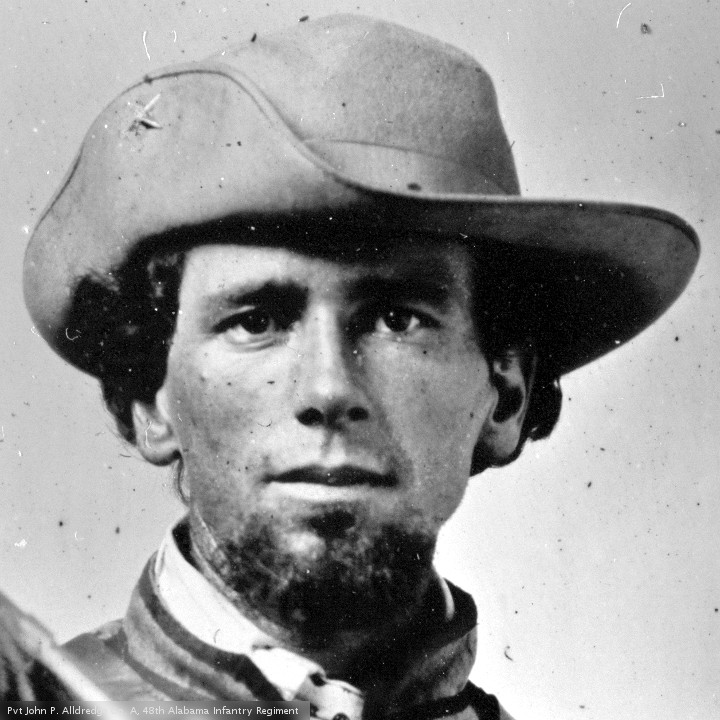
Last fall, PG read poems at a family gathering in Tennessee. There was a great response. PG decided to look for a performance outlet in Atlanta. On Oscar night, five months later, PG went to his first open mic. Pictures are from The Library of Congress.
Java Monkey is a coffee house. It is across the street from the Dickhater marta station. PG had been reluctant to go there, for a number of reasons. Dickhater is a long drive down skinny, four lane Clairmont Road. Red lights fester impatient drivers. Once you get to the end, there was the question of where to park.
Last week, PG got some good information about where to park. This week, when Sunday evening arrived, PG decided to take the plunge. The idea was to go one week, and see how this open mic thing works. Be an observer first, before participating. Before walking out the door, PG found some poems he had printed out, and put them in his back pocket.
The show was about to start when PG arrived. He got a cup of the basic house coffee, which is the reason this report is being written after midnight the same night. The performance room is an indoor space, with an open fourth wall leading outdoors. There was an empty seat. The mild late February night was just right, neither too hot nor too cold.
People who think poetry is boring should go see it performed. The readers were a mix of black and white. Everyone was supported, and got a healthy round of applause. Some people performed from memory, while others read. The stage was well lit, unlike some stages that PG has seen. While some people did read from telephones, it was not necessary.
After a while there was a break. The MC said that the sign up list would be closed after the break. PG decided to add his name to the list. Piers Gaveston was about to make his Atlanta debut. After the featured performer, and a few more open mic peeps, Piers Gaveston was the last person to perform. The MC pronounced Piers Gaveston correctly.
The audience applauded, and several people said they enjoyed it. PG did not feel the magic that he felt in Tennessee, but was pleased overall. Next week, a carefully selected piece can be rehearsed. There is no where to go but up, unless the parking lot is full.

Dolly Parton And Paula Deen


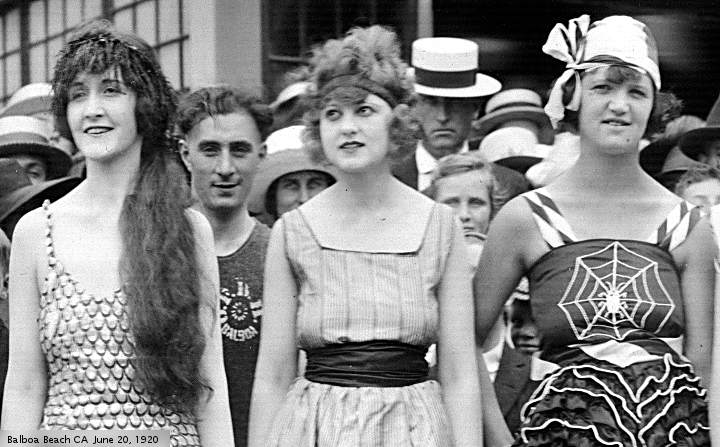
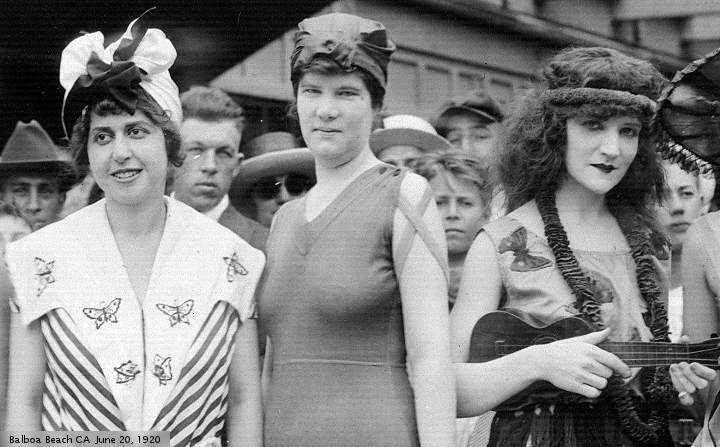
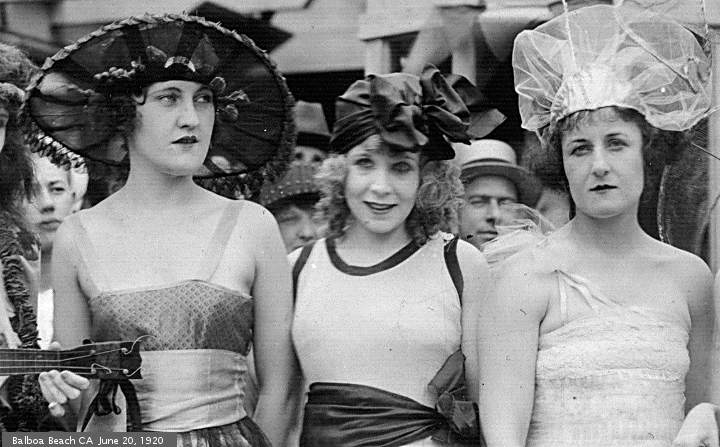
Last month, on January 19, Dolly Parton turned 70. The internet was a love fest for her, and deservedly so. Miss Parton has given joy to millions with her singing and acting.
Paula Deen was born on the same day, one year later. While her star did not shine quite as bright as Miss Parton, Mrs. Deen made her contribution to american life. The only problem was a bad boss lawsuit against a company Mrs. Deen invested in. A lawyer got Mrs. Deen to admit, under oath, the she had said the n-word. Paula Deen became a pariah.
Dolly Parton and Paula Deen have a few things in common. Miss Parton is married to Carl Thomas Dean, and her legal name is Mrs. Dean. While both ladies are from the south, the hills of East Tennessee and the flatland of Albany, Georgia. Both grew up in an era where the n-word was what white people called black people.
What if the story had been different. What if it was a restaurant at Dollywood where the manager was not happy? What if this white woman, who was treated better because she was a white woman, decided to claim racial discrimination in her bad boss lawsuit? (Page 153 of deposition.) What if the disgruntled employee’s lawyer was smarter than Dolly Parton’s lawyer. We might have had tabloids screaming nonstop that Dolly Parton said the n-word.
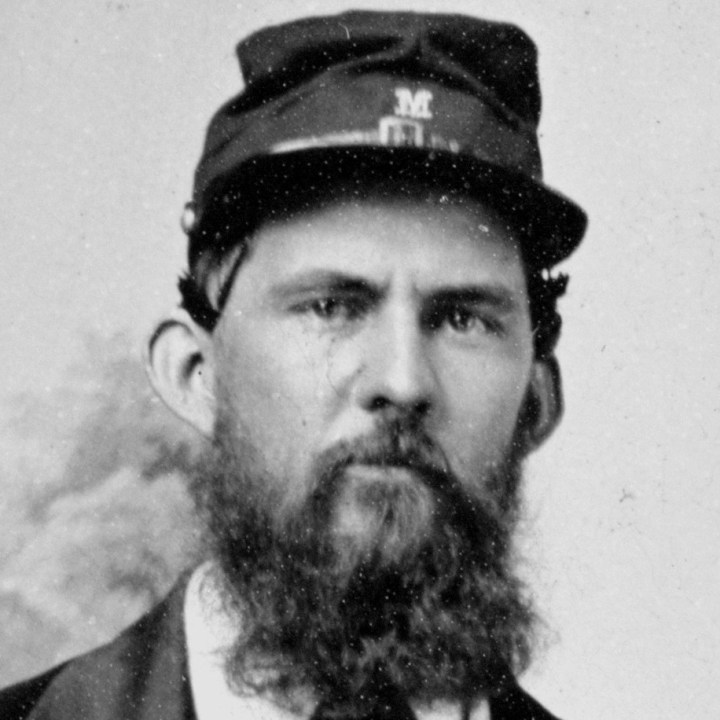
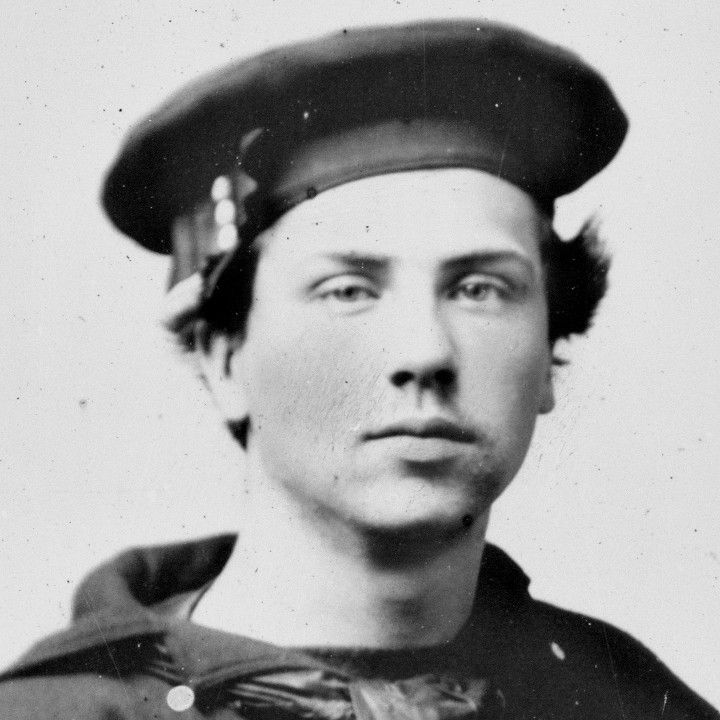
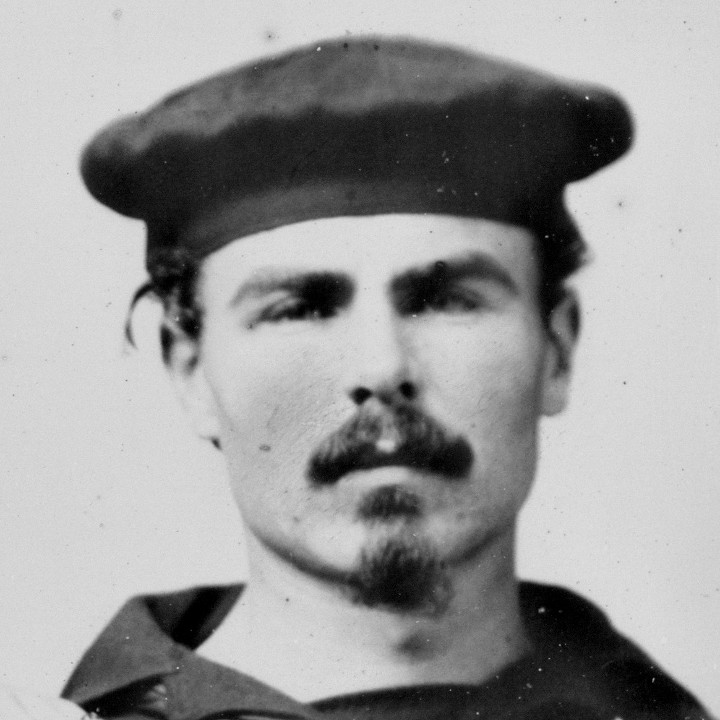
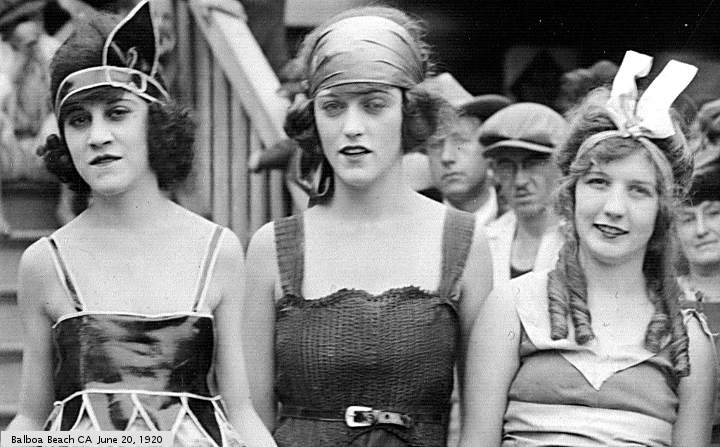
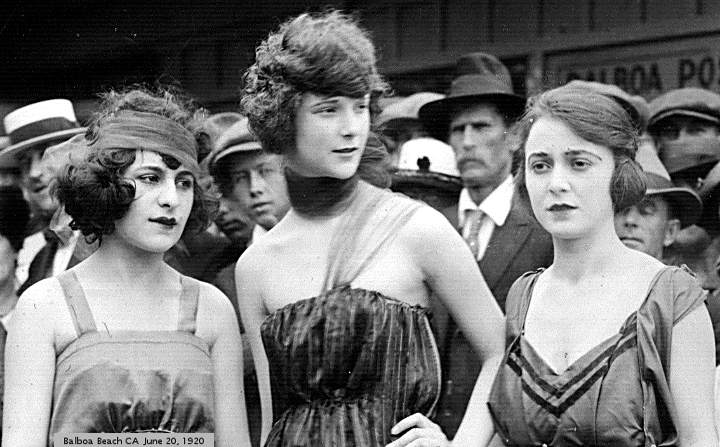
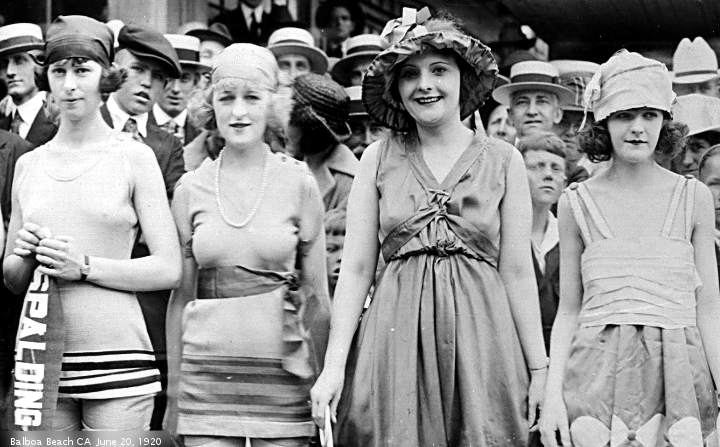
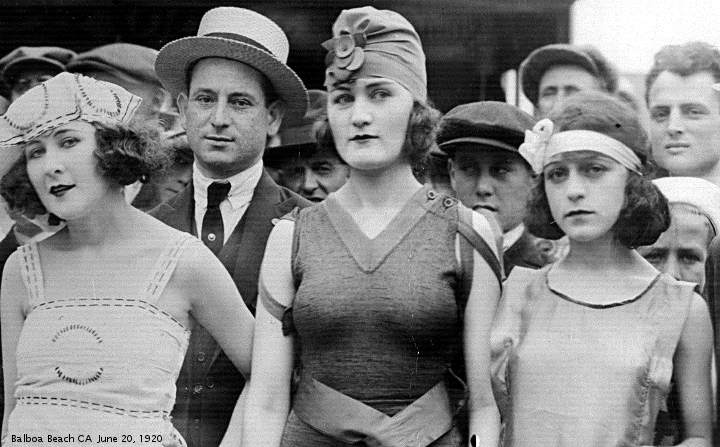
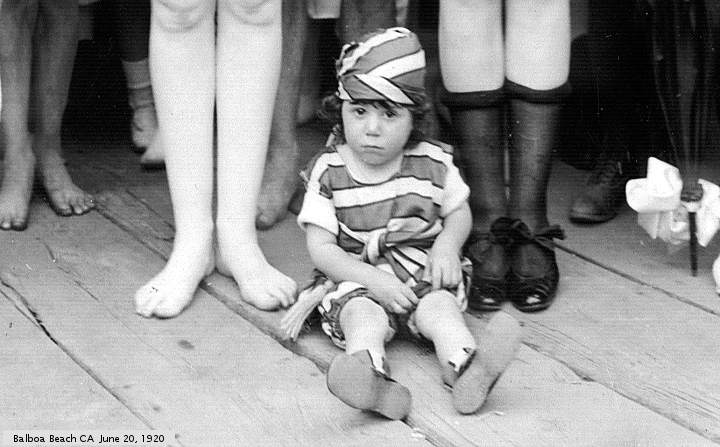
Pictures are from The Library of Congress, taken at “Annual “Bathing Girl Parade”, Balboa Beach, CA, June 20, 1920.” No one asked these ladies if they ever said the n-word.
The Georgian Terrace Ballroom
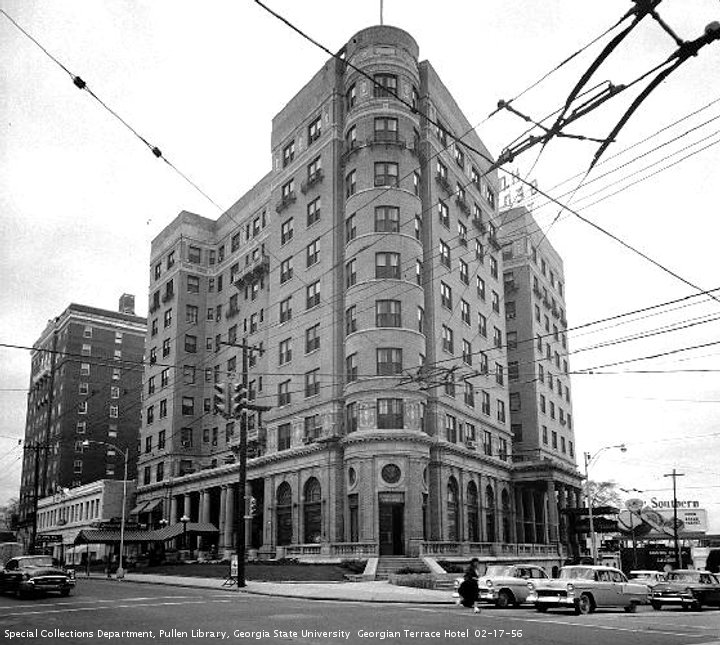

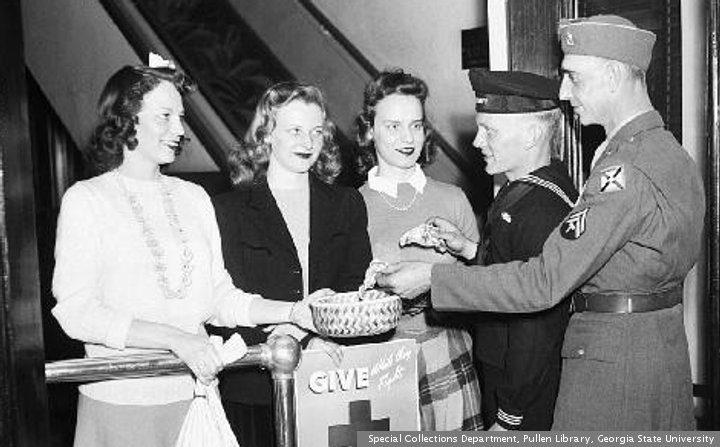


The Georgian Terrace hotel used to have an adjacent ballroom. The building opened as the “Lucky Strike”, featuring “Duck Pin” bowling. At some time, it became a 1300 seat ballroom. It was not the grand ballroom, where events for the premiere of “Gone With The Wind” were held. As time moved on, the ballroom became a music performance hall. PG saw shows there under four different business names. After the Agora Ballroom closed, the building was vacant, until a fire August 30, 1987. The site of the ballroom is now occupied by an annex of the Georgian Terrace Hotel.
The first show PG saw at this facility was in 1972. The name of the business is forgotten, as is the act that performed. A band, comprised of people PG went to high school with, played before he got there.
In 1974, “Big Time” promoter Alex Cooley opened “Alex Cooley’s Electric Ballroom”. (Alex Cooley died December 1, 2015.) The first show that PG saw was Dr. John The Night Tripper. A few months later, Capricorn artists Cowboy played, with a vulgar New York band named Mercury opening. Gato Barbieri played at the Ballroom, with PG wondering how people could dance to that type of music.
Several major acts appeared at the Ballroom, mostly without PG in the audience. KISS played there in 1974, and photographs from backstage are in the embedded video. In April of 1974, Steely Dan was across from the Fox. In the summer of 1974, The Tubes played a week at the ballroom, with another heavily hyped show. On January 23, 1976, The Patti Smith Group played at the ballroom.
In 1975, Bruce Springsteen was on the covers of Time and Newsweek, and was recieving a promotional push unlike anything seen before. He played a show at the ballroom that summer, with a generous press party in the balcony. (At one unforgettable show Alex was caught off guard by a Bruce Springsteen request. “He asked if we could shut down the cash registers because they were making too much noise!… That’s the only time I ever did that.” Alex admits.)
PG attended two shows in 1975. Mckendree Spring opened for Fanny, while PG drank too many bourbon and cokes. In November of 1975, Juice Newton opened for Hot Tuna. Miss Newton seemed to be a bit pale, and performed “Get drunk and screw”. Hot Tuna was amazing. They went on stage at 10:55, and played, without a break, until 2:50. The drummer wore a shirt, mother fucking hot tuna. Few would argue that night.
In autumn of 1977, some brave soul opened a place called “The Ballroom” in the space on Peachtree Street. One night, PG went with some friends to see an act, Happy the Man. There seemed to be a bit of chaos in the management of the facility. The Great Southeast Music Hall loaned a few microphones for the show. When the show was over, PG walked out to a car, whose motor was running, with the driver asleep inside.
In the summer of 1978, the ballroom opened as The Agora Ballroom. Apparently, there is a music hall in Cleveland with that name, and they opened branch facilities around the country. There were some shows that PG did not attend. Todd Rundgren opened the facility August 19, 1978. On October 2, 1979, The Clash played. Pictures from the crowd appeared on an album by the band. On December 2, 1981, U2 made their Atlanta debut.
A few weeks after the opening, PG won tickets to an all Texas show. Marcia Ball opened, and a bored PG went to a neighborhood bar to drink beer. PG returned later, and stayed long enough for the singer with Asleep at the Wheel to ask the crowd, Are you stoned?
In November of 1978, PG called a radio station, and asked to be put on the guest list for Talking Heads . (For Talking Heads, and three links in the following paragraphs, the link is for a previous Chamblee 54 post about the show.) The first six people he called were busy, but the last one agreed to go. On the bus going home, a group of black men started to make unfriendly comments. At the next stop, a black friend of PG got on the bus, and went to talk to him.
A few weeks later, Tim Curry made his United States debut. Some record company invested a lot of money in him, and supplied him with an outstanding band. PG was wandering around the balcony after the first show, and saw Tom Waits sitting at a table. The bodyguard said no, that’s not Tom Waits, it is just someone that looks like him. At a bar, after the show, PG was raving about what he had seen, when a lady came up to him. What color are your eyes? They are brown, because you are full of shit. Soon, the 23 Oglethorpe was taking him home.
Somewhere in the haze of 78 and 79, Ultravox brought their synthetics to the Agora. A local band, First Blood, was more entertaining as the opener. PG drank a very large can of Foster’s beer, and floated through the proceedings. After the show, PG was invited to a party in Candler Park. On the way there, there was a horrific car crash on Ponce de Leon. At the party, friends of First Blood dissected their performance, between lines of coke.
One night, PG was enjoying drink specials at a neighborhood bar. He took a break, walked over to the Agora, and saw a few minutes of a show by Freddie Hubbard.
In early 1979, the B 52s were on the verge of stardom. (Here is a nifty feature about the Atlanta local music scene in those days.) The opener for the 52s was The Brains , yet another talented band that never made it big. At the table next to PG, a lady wore a dynamite World War Two army uniform.
Later in 1979, Ted Turner had an idea for a TV show, “Live at the Agora”. The first show was filmed in Atlanta, and featured Graham Parker and the Rumor. If they ever show that film again, and you see a crowd shot, that is PG wearing a white T shirt, with a white Agora iron on logo. Parker was a great musician, who had the misfortune to look like Big Bird’s nerdy little brother. If Graham Parker had looked like Bruce Springsteen, he would have been a superstar.
In March of 1980, Lene Lovich came to the Agora. About a year later, Spirit played on Peachtree Street. The show was sponsored by a radio station, and tickets were $2.96. Despite the low price, and high musical quality, the balcony was closed, and only about a hundred people were at the show. PG thought this was odd, but little surprised him by this time.
The last show that PG caught at the Agora was The Ramones. Joey and the pinheads were past their prime, with only two original members playing. It was an all ages show, with alcohol served in the balcony. Downstairs was a festive party, with costumes and enthusiastic high school kids. The balcony was the same rock and roll drunks you had seen for years. The Ramones would have made a great oldies band, if they could have quit dying. This is a repost, with pictures from “The Special Collections and Archives, Georgia State University Library”.


Blogroll
Back when “vanity website” weblogs were devolving into blogs, the blogroll was part of the show. You would list other blogs. Sometimes they would return the favor. If you were stuck on a strange machine, the blogroll helped you find familiar sites. You could support people starting new ventures. It was very cool, until the gift (google I facebook twitter) changed everything. People got tired of reading >140 characters. But the blogroll remained. Every now and then, it needs to be cleaned out.
So it is today. Before we got started, there were 64 names on the blogroll. 21 will be taken off this afternoon. The first casualty, and perhaps the most important, is Andrew Sullivan. His blog was a powerhouse. It had a series of high power hosts, then went on to self maintain through paid subscriptions. Mr. Sullivan, who does not suffer from false modesty, published a piece, Why I Blog. Supposedly, the worst thing you can do to a blogger is ignore them.
The next notable casualty is Blog for Democracy. BFD had a recent post, to dissect the fall of Peach Pundit. Started by certified poopyhead Erick Erickson, Peach Pundit evolved into an inclusive source of news, and commentary, about Georgia politics. It is uncertain what happened, except that most of the staff quit at once. The BFD piece, Who Lives, Who Dies, Who Tells Your Story?*, is a bit of blog history. In this telling, the rise of facebook spoiled everything.
Two sites that deserve comment are Iraq Body Count and Palestinian Pundit. (The site that hosted Angry Arab now has hoverboard reviews.) To date in Iraq, there are “Documented civilian deaths from violence 152,037 – 171,952, Total violent deaths including combatants 242,000.” This was not from greeting the American forces as liberators. And the struggle goes on. Iraq: Authorities turn blind eye to Shi’a militia vicious reprisal killings.
There are some little stories. Two of the best names, Awkward Boners and Glitter for Brains, are no longer in business. The owner of Atlanta Time Machine was in a horrible bicycle crash, and has been in a struggle to recover. One other facility says “This blog is open to invited readers only.” PG thought he was on good terms with the owner. The PG noticed that the invited-readers-dude had blocked PG on twitter. Sometimes you just have to wonder.
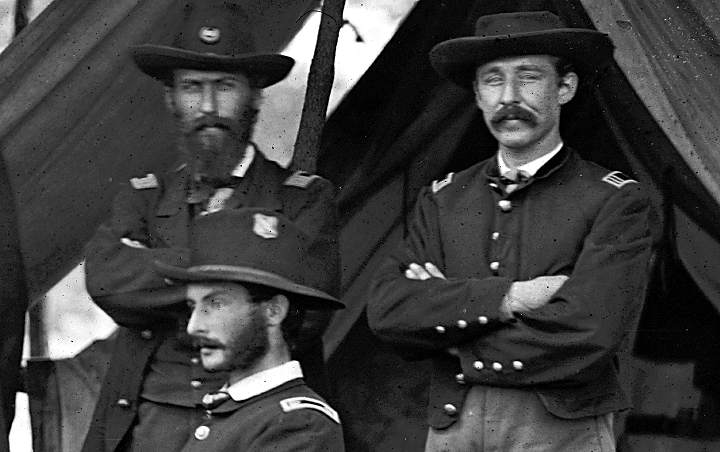
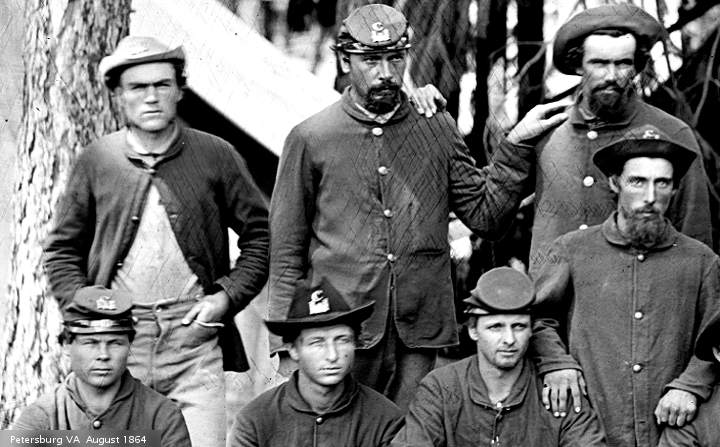
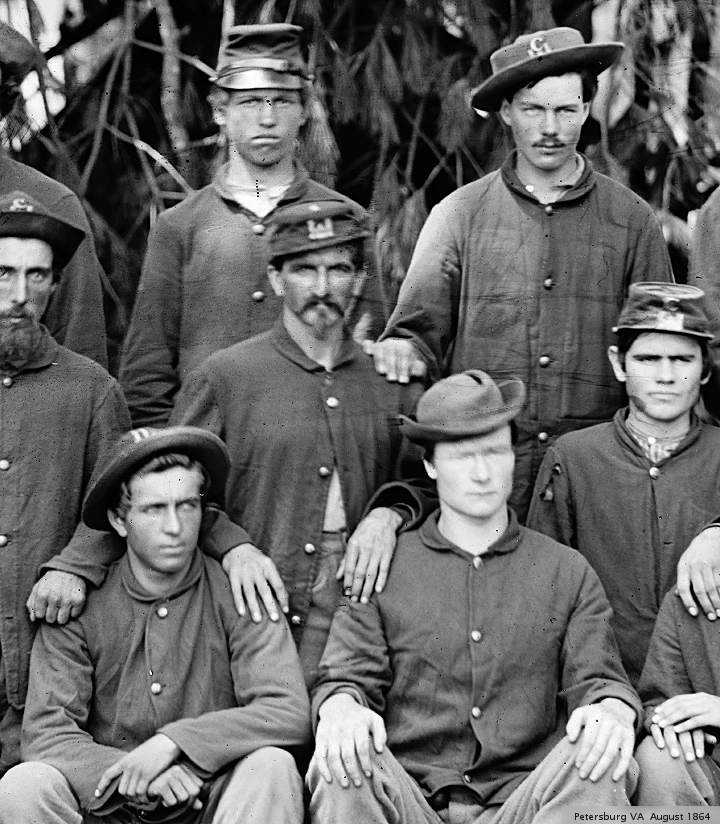
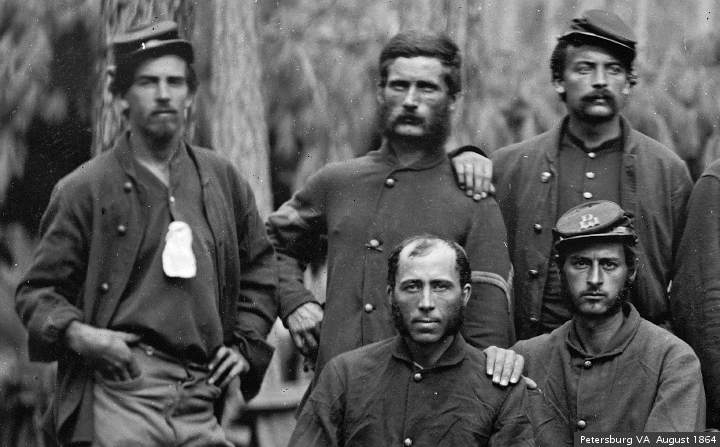
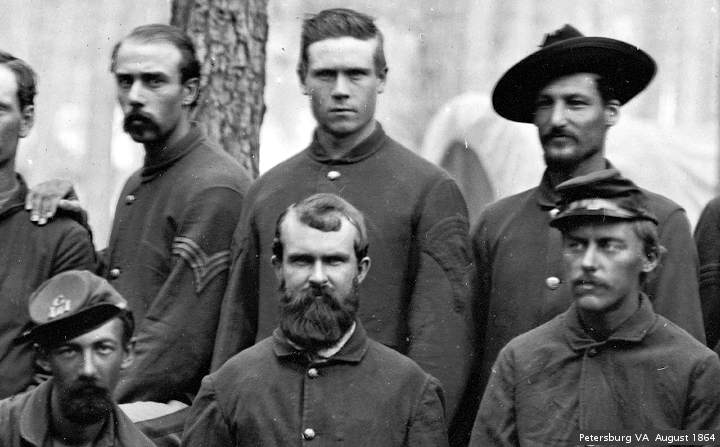
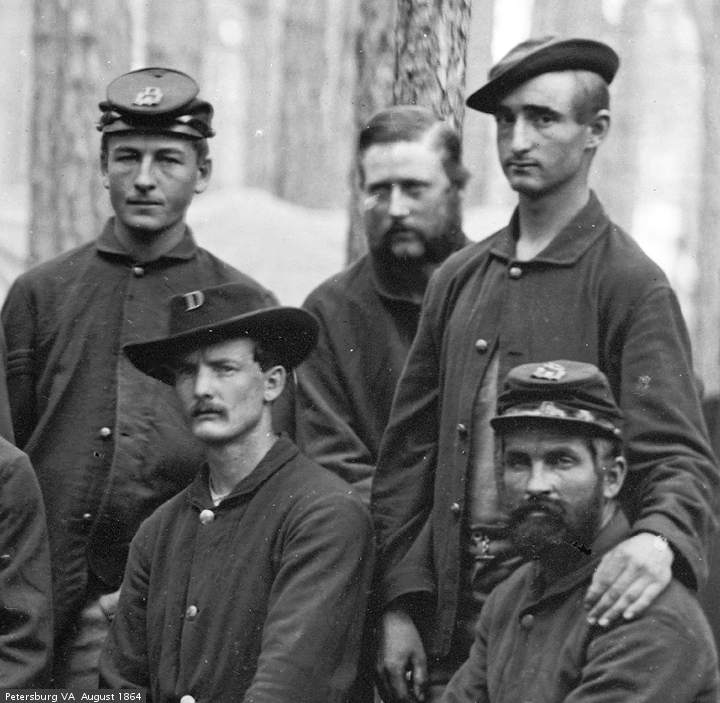
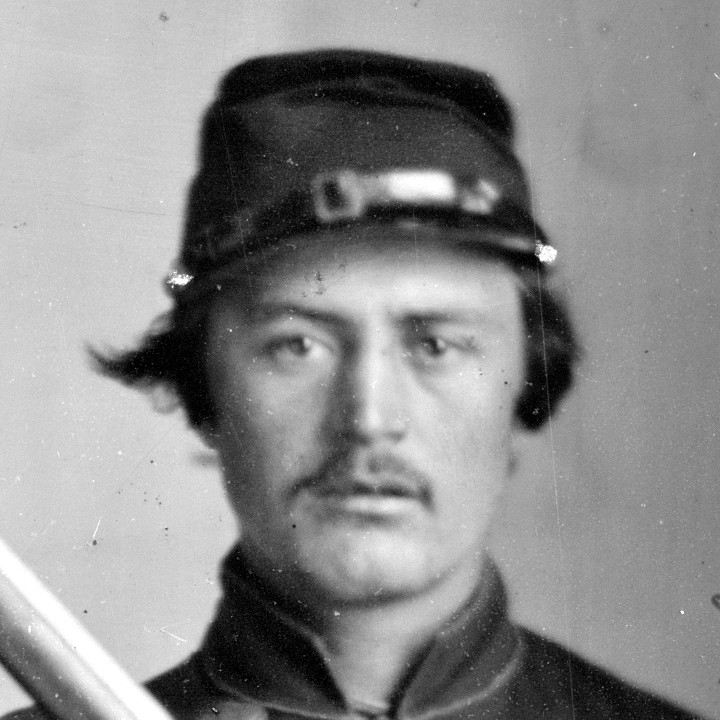
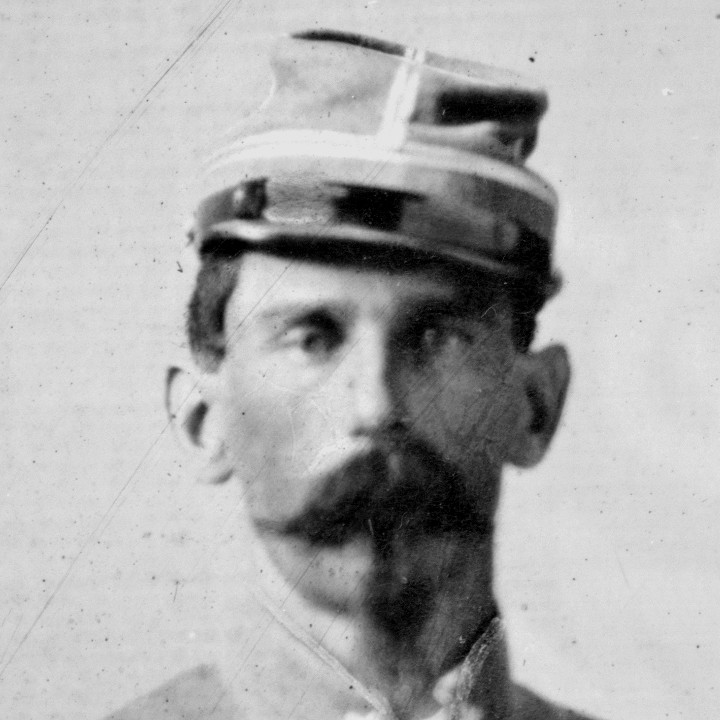
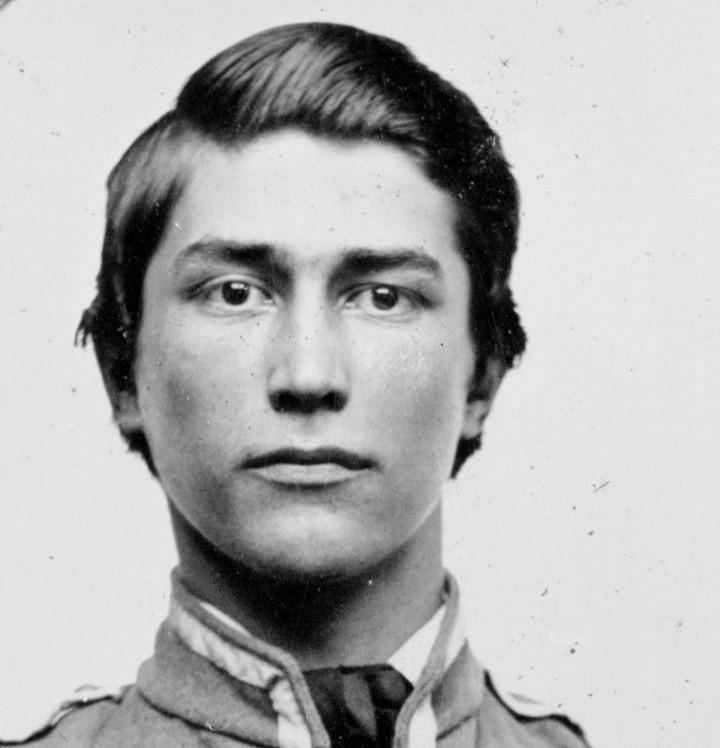
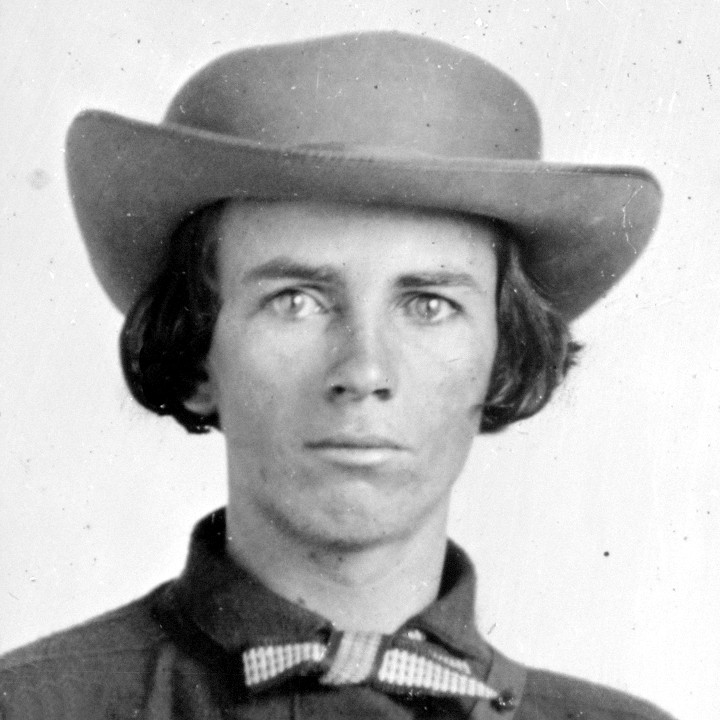
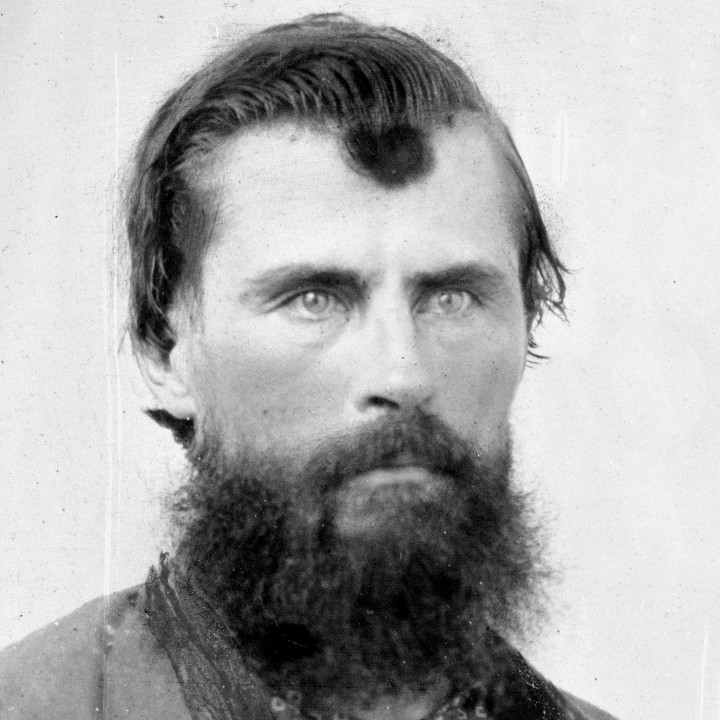
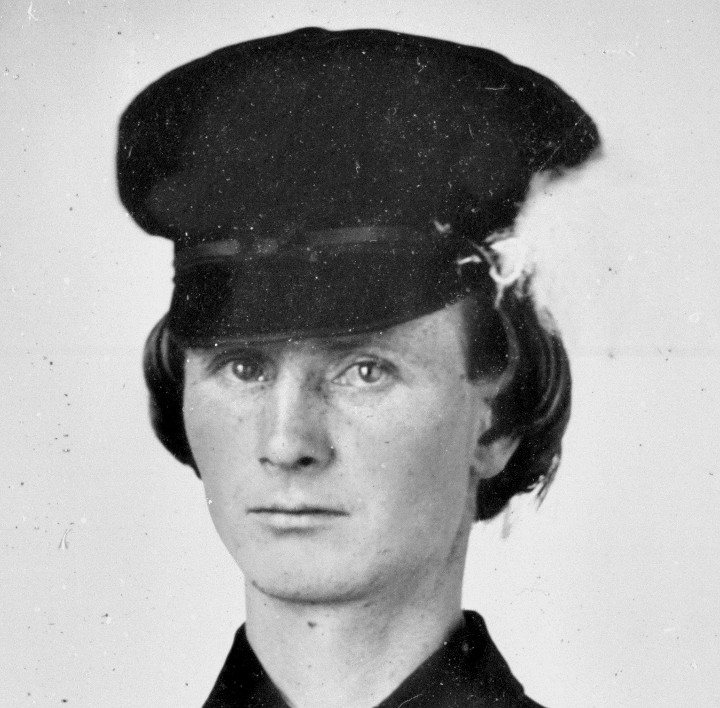
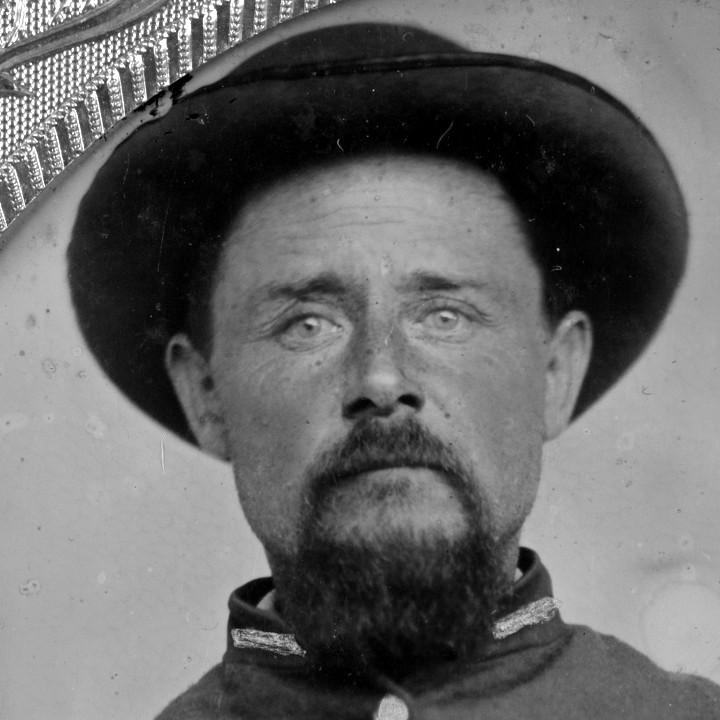
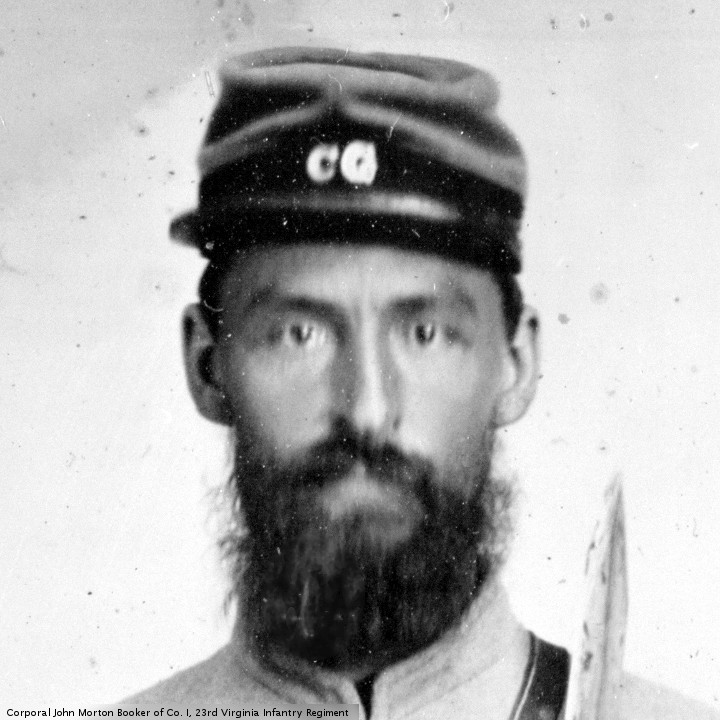
Chamblee54 is here to stay. It would be fun if a few more readers discovered this site. Last year there were 39,000 visitors, or about one day of traffic at Joe.My.God. Pictures today are from The Library of Congress. Editing pictures from this fine resource is a great hobby, and a blog is a fine place to put them. These men were soldiers in the War Between the States.

The Great Speckled Bird




One day in the eighth grade, PG had a sore spot in his eye. They called it a stye. One afternoon, he got out of school, walked to Lenox Square, saw a doctor, and got some eye drops.
When he left the doctor’s office, there was a man, standing in front of Rich’s on the sidewalk, selling a newspaper. He had blond hair down past his shoulders. PG asked what the newspaper was. Mostly politics, he said. PG gave him fifteen cents for a copy of “The Great Speckled Bird”.
The Bird was an underground newspaper. It was so bad, it needed to be buried. If you are under fifty, you have probably never seen one. These papers flourished for a while. The Bird was published from 1968 to 1976. The April 26, 1968 edition was volume one, number four. This was what PG bought that day.
The Georgia State University Library has a digital collection. Included in it are copies of The Great Speckled Bird. Included in this collection is edition Number Four. PG went looking for that first copy. He needed to be patient, for the GSU server took it’s time. Finally, the copy he asked for came up. It was mostly politics.
When PG saw page four, he knew it was the edition from forty eight years ago. “Sergeant Pepper’s Vietnam Report” was the story of a young man sent to Nam. It had a paragraph that impressed young PG, and is reproduced here. The rest of the article is not that great, which is typical of most underground newspaper writing.
A couple of years later, PG spent the summer working at the Lenox Square Theater. The number two screen was a long skinny room. If you stood in the right place, you could hear the electric door openers of the Colonial Grocery store upstairs. The Bird salesmen were a feature at the mall that summer, which not everyone appreciated. This was the year of the second, and last, Atlanta Pop Festival. PG was not quite hip enough to make it. He was back in the city, taking tickets for “Fellini Satyricon”. The Bird was printing 26 pages an issue, with lots of ads, pictures, and the distinctive graphics of the era.
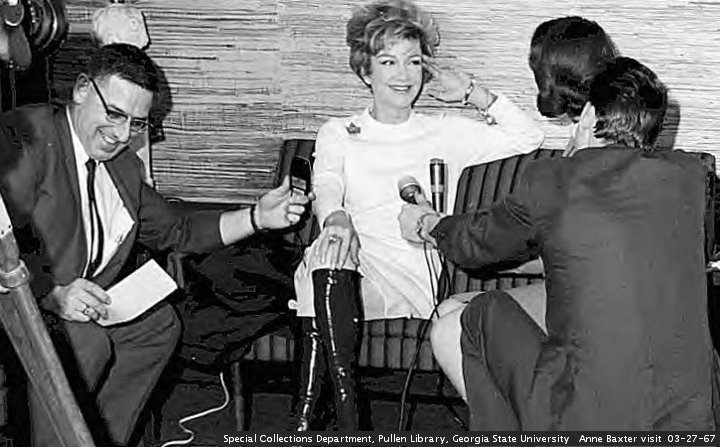
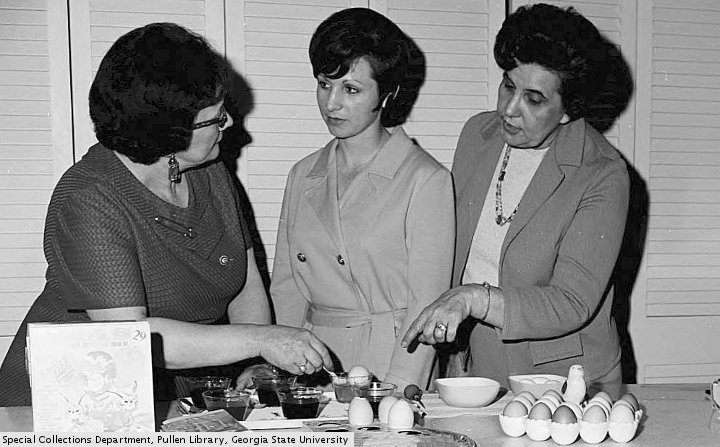
Stories about hippies, and the Bird, can be found at The Strip Project. This repost has pictures from “The Special Collections and Archives, Georgia State University Library”.


 Chamblee54
leave a comment