Joni Mitchell




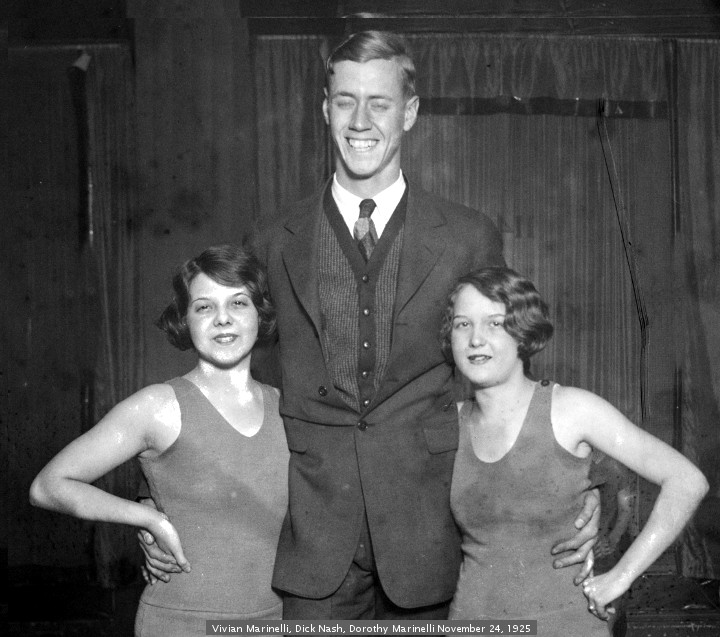
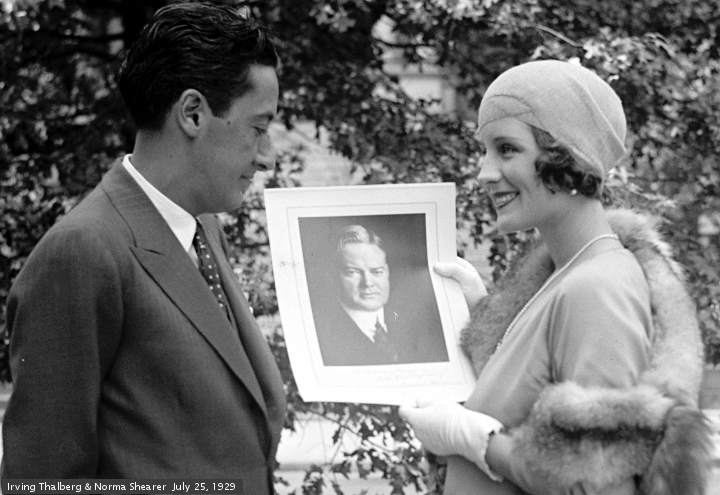
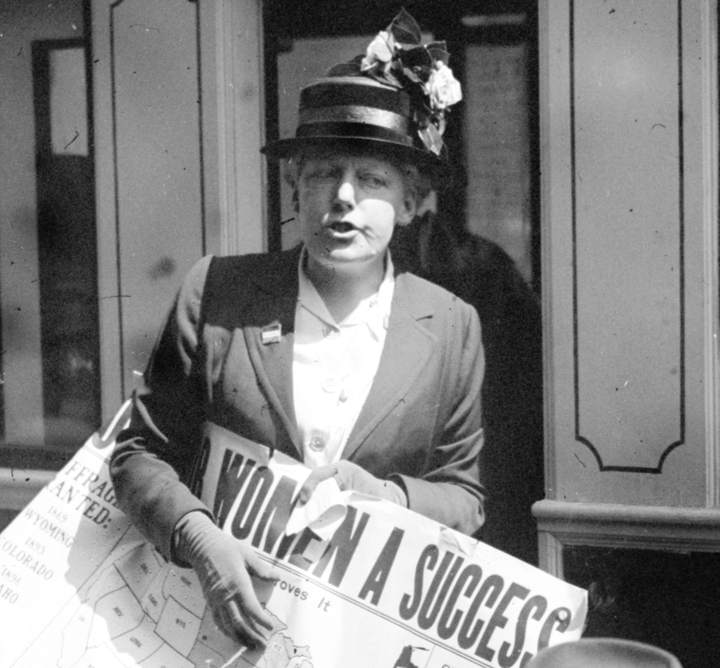
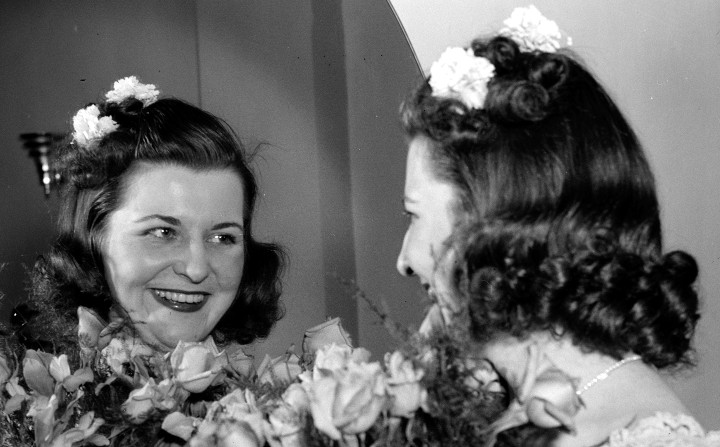
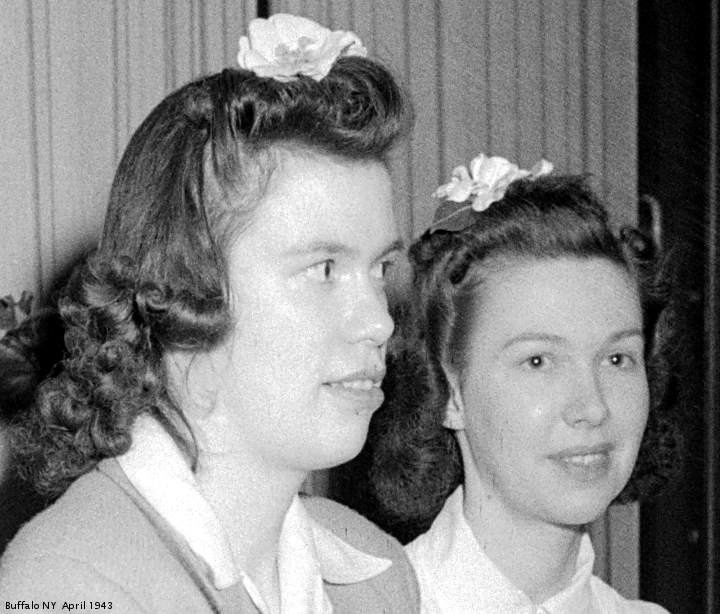
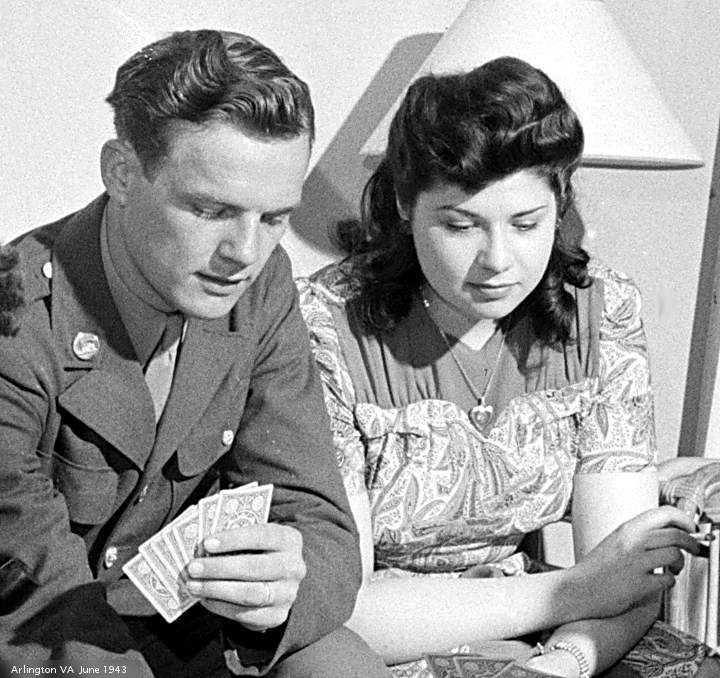
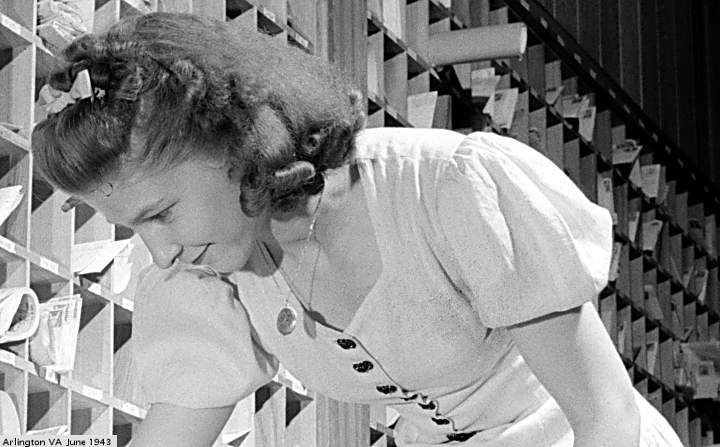
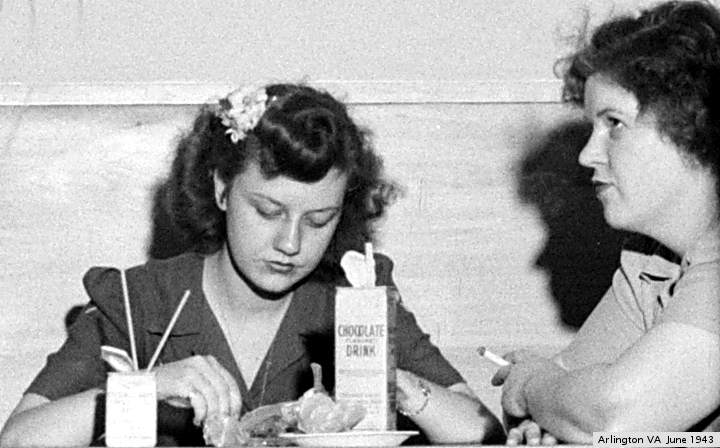
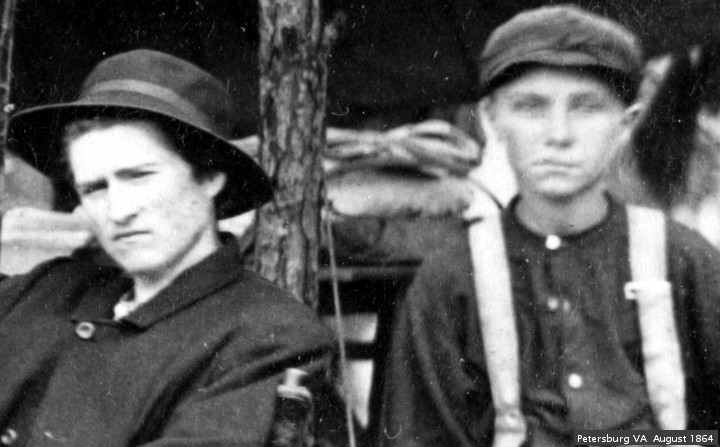
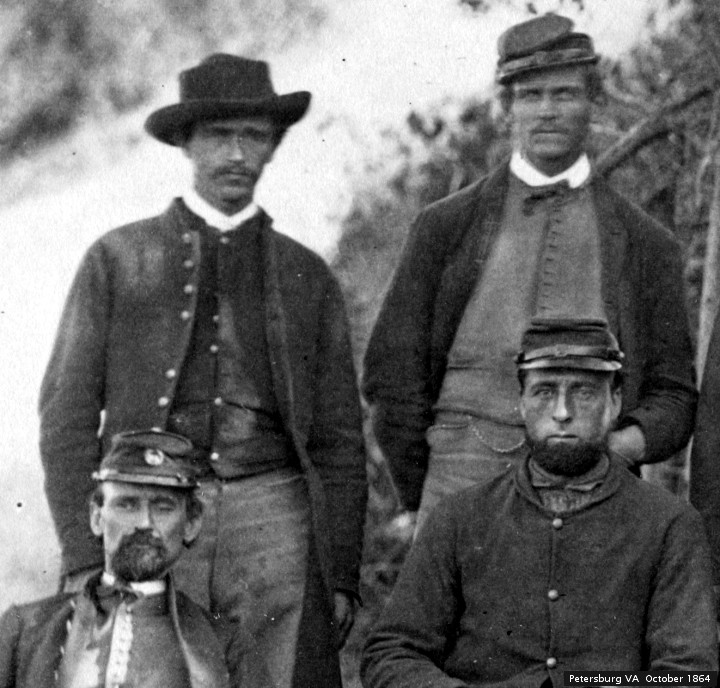
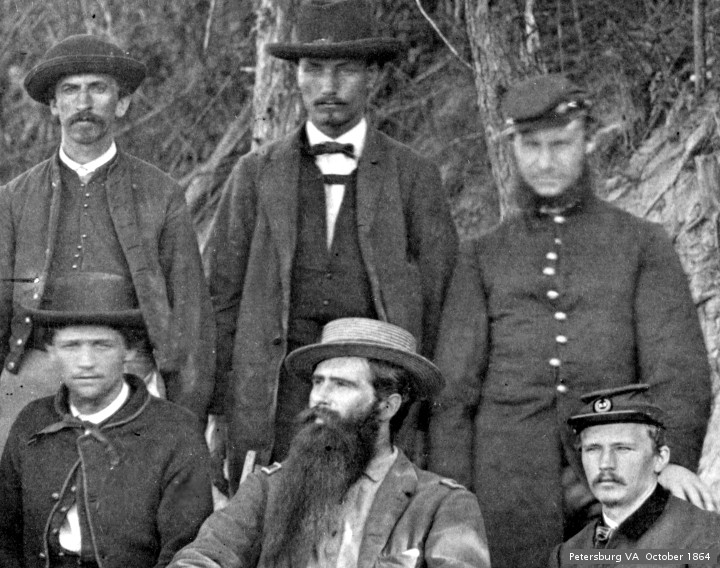
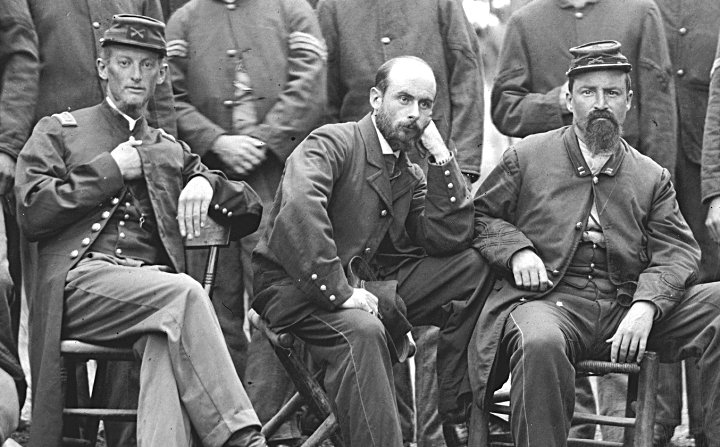
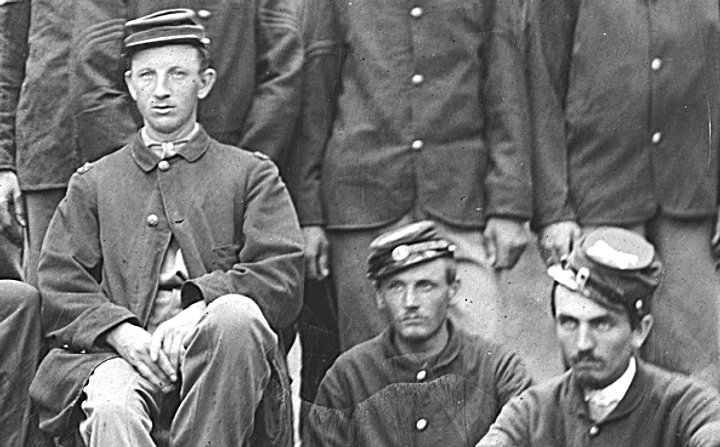
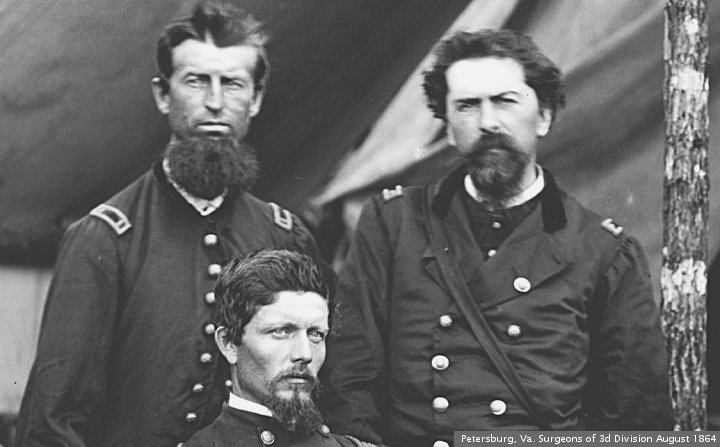
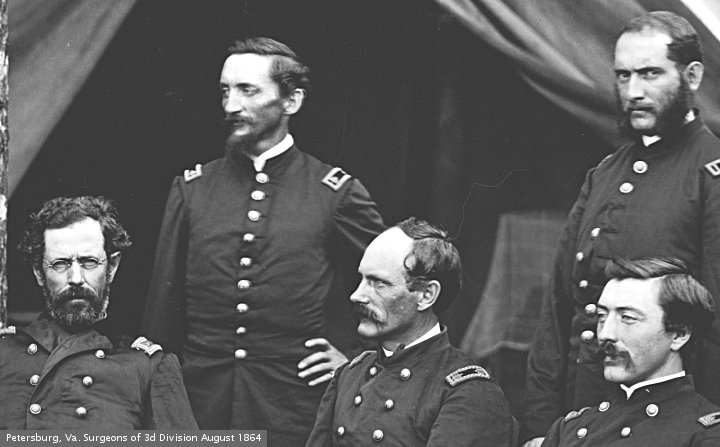
Monday is Joni Mitchell’s 79th birthday. Roberta Joan Anderson was born November 7, 1943, in Fort Macleod, Alberta. For this birthday tribute we will revisit four previous posts. one two three four Pictures are from The Library of Congress. … A facebook friend went on a Joni Mitchell kick. First it was a link to an interview. Then it was a quote from The Last Time I Saw Richard. A lady said Blue was her favorite album all all time, and a man enthusiastically agreed.
Given the apples and oranges quality of her catalog, it would be tough to pick one album as a favorite. PG then realized that fbf was going to be thirty soon. PG is sixty. These are two different perspectives on the craft of Joni Mitchell. One has driven through the storm, not knowing what was next. The other is presented with an almost complete body of recorded work.
PG has known about Joni since high school, and been a devoted fan since 1976. Joni’s most popular album, Court And Spark, came out in 1974, eleven years before fbf was born. Who would be the equivalent female musical force from 1943, when PG was minus eleven? The answer is nobody. (Coincidentally Roberta Joan Anderson was born on November 7, 1943.)
 After the comment about Blue, PG listened to For The Roses. Joni’s craft is like a cluster bomb… there are lines that you never fully felt, bomblets waiting to explode in your gut. Let The Wind Carry Me has one of those hidden threats. Mama thinks she spoilt me, Papa knows somehow he set me free, Mama thinks she spoilt me rotten, She blames herself, But papa he blesses me.
The first thing PG heard by Joni was Big Yellow Taxi. It was on The Big Ball, a 1970 mail order sampler from Warner Brothers. This was when Joni shacked up with Graham Nash. The next year saw Blue, followed by For The Roses, and Court And Spark. PG always thought Joni was someone he should like, but somehow didn’t. It wasn’t until 1976 that PG broke through the barrier, and became a Joni Mitchell fan. Seeing her in concert did not hurt.
On February 3, 1976, PG took a study break. (He scored 100 on the test the next day) Joni Mitchell was playing at the UGA coliseum a few blocks away, and the door was not watched after the show started. PG found a place to stand, on the first level of the stands. The LA express was her band that night, and created a tight, jazzy sound, even in the UGA coliseum. Tom Scott pointed at Joni, said she was crazy, and drew circles around his left ear. The one line PG remembers is “chicken scratching my way to immortality” from Hejira.
The Hissing of Summer Lawns might not be her best album, but it is certainly her bravest. Court And Spark was a commercial success. Instead of producing a bestselling followup, Joni took a ninety degree turn. Summer Lawns, for all its eccentric sparkle, confused the record buying public. The gravy train took off in another direction.
In those days, 96rock played a new album at midnight, which people were known to tape. On the night of the Lynyrd Skynyrd plane crash, the album was Hejira. This was followed by Mingus, another curve ball. Finally, Don Juan’s Reckless Daughter appeared, and did not make a good impression.
The eighties, nineties, and aughts appeared. PG, and Joni, lived their lives. 1996 saw a frightening interview in Details magazine. It was startling to see that for all her granola glory, Joni Mitchell might not be a very nice person. In a pot and kettle moment, David Crosby said “Joni’s about as humble as Mussolini.” Music is a tough way to make easy money.
More recently, there was a long interview on Canadian television. She is not mellowing with age. The cigarettes have not killed her, even if her voice is not what it once was. The recent albums that PG heard are strong. There seem to be more on the way. Maybe the facebook friend will have have the “what is she going to do next” experience after all.




A few weeks ago, PG was at the library. He had a story to take home, before going over to the biography section. There he found Reckless Daughter: A Portrait of Joni Mitchell. At least with fiction, you know you are dealing with a made up story. With biography, you have to use judgment.
It is a familiar story. Joni was born in the frozen north, was a rebellious girl, and got pregnant. She gave up the daughter for adoption, only to be reunited many years later. Joan Anderson gets married to, and divorces, Chuck Mitchell. Joni sings, writes, tunes her guitar funny, becomes a star, gets too weird to be popular, makes and loses money, smokes millions of cigarettes, and becomes an angry old lady. There is a bit more to the story than that. Reckless Daughter fills in a few of the blank spots.
Millions of cigarettes might be an exaggeration. Joni started smoking when she was nine. When she was a star, she was almost as well known for her constant puffing as her pretty songs. When Joni was in a Reagan era slump, she was going through four packs a day. Just for the sake of statistics, lets call it two packs, or forty fags, a day. Multiply forty by 365 and you get 14,600. If she started at 9, and had her aneurysm at 72, that gives you 63 years of nicotine abuse. If you assume that there were forty fags a day for 63 years, that gives you 919,800 smokes. IOW, while seven figures is not out of reach, it is rather unlikely that Joni smoked more than 2,000,000 cancer sticks.
The author of Reckless Daughter, David Yaffe, is a problem. He talks about the mood of America in 1969, four years before he was born. Mr. Yaffe goes to great lengths to show us that he knows about making music. Some readers will be impressed. There are mini-essays on Joni songs from her golden years, the time between “Ladies of the Canyon” and “Hejira.” And gossip, gossip, and more gossip. Joni is well known for her celebrity lovers.
We should make the point that PG enjoyed Reckless Daughter. The inside stories are fun, and pages turn over without too much head scratching. Maybe this is a statement about the career of Joni Mitchell. You enjoy the music for many years, and then complain about the details. Reckless Daughter follows the trajectory of other celebrity biographies. The star is born, takes up a craft, gets a break, becomes successful, goes over the mountaintop into a long decline. With Joni, nothing after “Mingus” was well received. The chanteuse was broker, and angrier, by the minute.
On page 13, Joni hears Rhapsody on a Theme of Paganini by Sergei Rachmaninoff. This is the piece that makes her want to be a musician. One page 129, we learn the story of A&M studios in Hollywood. At one time, The Carpenters were in studio A, while Carole King was recording “Tapestry” in studio B. Joni was recording “Blue” in studio C, which had a magic piano. One time, Carole King learned of a break in the studio C booking, and ran in. Three hours later, “I feel the earth move” was recorded.
A few years later, Joni was on the Rolling Thunder tour with Bob Dylan. One of the concepts was support for Rubin “Hurricane” Carter, whose story can be found elsewhere. Joni became disillusioned with Mr. Carter. When Joan Baez asked Joni to speak at a benefit concert, Joni said she would say that Mr. Carter was a jive ass N-person, who never would have been champion of the world. Joni later got in SJW trouble for posing in blackface, for the cover to “Don Juan’s Reckless Daughter.”
On page 251, we learn that Bob Dylan does not dance. Other items include “Free man in Paris” being written about David Geffen, and Jackson Browne writing “Fountain of Sorrow” about Joni. Mr. Brown is a not-well-thought-of ex of Joni. As for Mr. Geffen…. Joni stayed at his house for a while, at a time when Mr. Geffen was in, and out, of the closet. Did they make sweet music together?
So this book report comes to an end. Joni is recovering from a brain aneurysm, and will probably not produce anything else. The book is going back to the library, and PG will move on.


Joni Mitchell has product to promote. She gave an interview to New York magazine, where she smoked a few cigarettes and expressed a few opinions. There were enough attention getting comments to make the news.
“When I see black men sitting, I have a tendency to go — like I nod like I’m a brother. I really feel an affinity because I have experienced being a black guy on several occasions.” She proceeds to tell a story about dressing like a down and out black man as a way of dealing with an obnoxious photographer. “I just stood there till they noticed me. I walked really showily, going, Heh heh heh. It was a great revenge. That was all to get his ass. To freak him out. I had to keep him on the defensive.”
Gay-mafia-made-man David Geffen was a target. “I ask her about a painting, visible in a vestibule, on the way to her laundry room, of a curly-haired man with a banana lodged vertically in his mouth; turns out it’s Geffen, and she painted it. “Before he came out. He’s never seen it,” she says, before explaining: “He was using me as a beard. We were living together, and he’d go cruising at night. He was very ambitious to be big and powerful, and he didn’t think he would be [if he was openly gay].” By 1994, the two had fallen out over her insistence that he didn’t pay her enough in royalties.”
The product is a four cd boxed set, Love Has Many Faces: A Quartet, A Ballet, Waiting To Be Danced. There was a single one star comment about the joniproduct. Al Norman Seems like a collection of Joni’s forgettable tunes February 3, 2015 ~ “My wife loves Joni Mitchell, and never listens to this set. Seems like a collection of Joni’s forgettable tunes.” This comment was sponsored by Head and Shoulders. “100% flake free hair & A GREAT SCENT”
You just can’t get away from capitalism. Ms. Mitchell heard “… on the radio, a record executive “saying quite confidently, ‘We’re no longer looking for talent. We’re looking for a look and a willingness to cooperate.” As interviewer Carl Swanson notes, “For now, she’s hoping that people buy her boxed set, with her self-portrait on the cover. To that end, she gives me a Joni Mitchell tote bag with one of her paintings on it to carry my things home in. Get the word out.”


Joni Mitchell gave am interview recently to a Canadian Broadcaster. She is famously Canadian. The chat was in her California living room, which is littered with her paintings. Many of the paintings are things like Saskatchewan at forty below. Mrs. Mitchell alternates between painting and music, which tend to balance her cigarette fueled mind.
The CBC interview is paired with a more formal chat in Toronto. She could not smoke during the Toronto interview. The Toronto interviewer is just a bit smarter than Jian Ghomeshi, who endured the second hand smoke in California. Mr. Ghomeshi said things like “The song “Woodstock” defined a generation.” Mrs. Mitchell was in a New York City hotel room that famous weekend.(Spell check suggestion for Jian Ghomeshi: Joan Shoeshine)
There are some juicy quotes. Art is short for artificial. When listening to Joni songs, you should look at yourself, and not at her. Free love was just a gimmick for the men to get laid. False modesty is pointless. Sylvia Plath was a liar, or maybe it was Anne Sexton. (James Dickey said that Sylvia Plath was the Judy Garland of American letters.)
A fearsome foursome gets in the game. Someone screamed, on a live album. “Joni, you have more flash than Mick Jagger, Richard Nixon, or Gomer Pyle combined!.” Years later, the fan introduced himself to Mrs. Mitchell.
The conversation mentioned Bob Dylan. He is from Northern Minnesota, and not quite Canadian. Apparently, Mrs. Mitchell kicked up a fuss with some comments in 2010. ” Bob is not authentic at all. He’s a plagiarist, and his name and voice are fake. Everything about Bob is a deception. We are like night and day, he and I. … Grace [Slick] and Janis Joplin were [sleeping with] their whole bands and falling down drunk, and nobody came after them!”
Did Bob Dylan and Joni Mitchell ever tune up together? Joan Baez, a similarly named contemporary, is well known for dating Mr. Zimmerman. Ms. Baez did sing at Woodstock.
Mrs. Mitchell doesn’t exactly take back her comments about Bob Dylan. ““I like a lot of Bob’s songs, though musically he’s not very gifted. He’s borrowed his voice from old hillbillies. He’s got a lot of borrowed things. He’s not a great guitar player. He’s invented a character to deliver his songs. Sometimes I wish that I could have that character — because you can do things with that character. It’s a mask of sorts.”
In a kill the messenger moment, Mrs. Mitchell lashed out at the interviewer from the 2010 piece. It is odd, since he didn’t ask any trick questions. Black and white transcripts are tough to deny. “The interviewer was an asshole.” (The body part is bleeped.) “I hate doing interviews with stupid people, and this guy’s a moron” “His IQ is somewhere between his shoe size and (unintelligible)”.
The troublesome 2010 interview was conducted with John Kelly, a Joni Mitchell tribute artist. “JK: Drag does have a power, though — that netherworld of a thing you can’t quite know, which makes people nervous. JM: Drag wasn’t always counterculture. In his memoirs, Nixon talked about the Harvard and Yale men in power who would put on these plays where they dress like women, and Milton Berle did a kind of “hairy drag.” Becoming a gay thing made drag go underground.” Did Mick Jagger and Gomer Pyle ever do drag with Richard Nixon?



The Deadliest Interstate In America
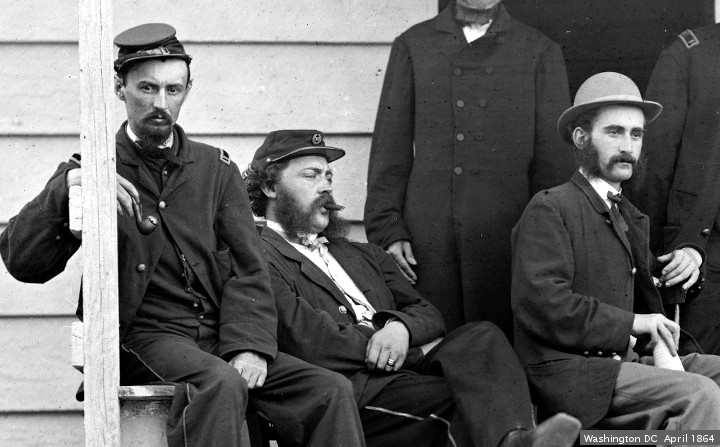
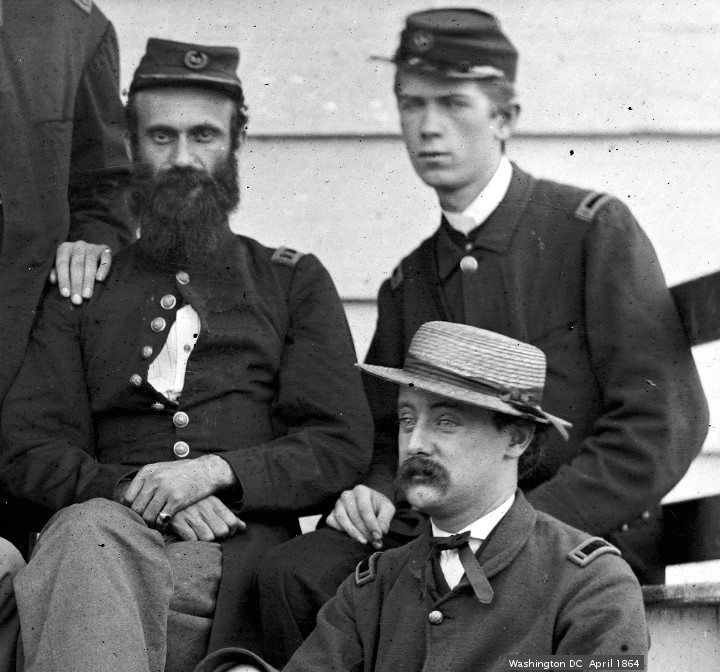
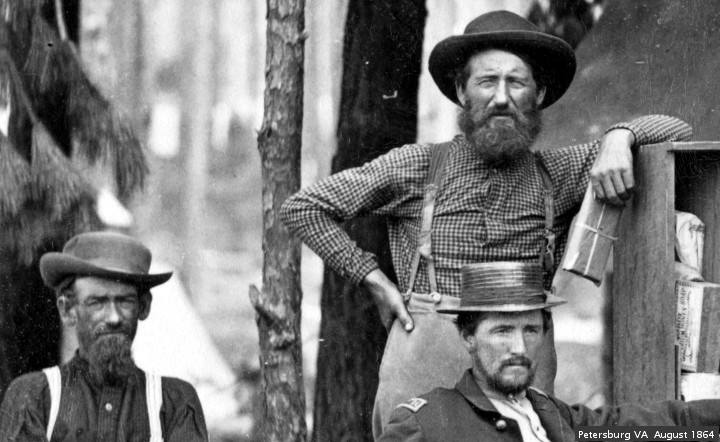
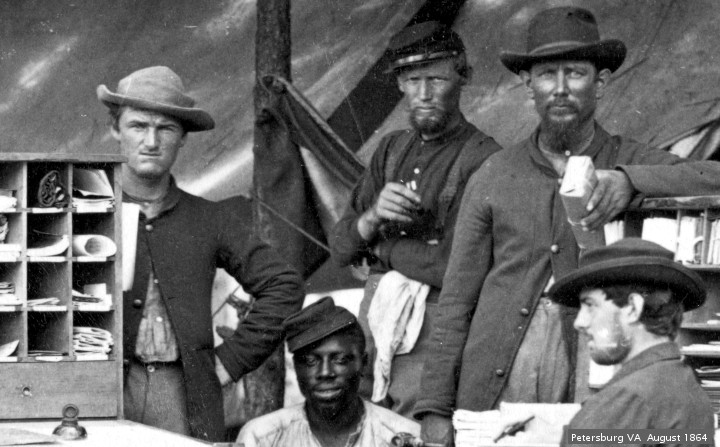

This is a repost from 2015. Someone has put together an internet feature, The 10 deadliest interstates in America, mapped. To the surprise of nobody, either ITP or OTP, the winner is I-285. “Stretching a little under 75 miles in Georgia, I-285 had 26 fatal accidents in 2013.” Actually, the Perimeter Highway runs 62 miles, so the margin of victory may be even greater.
The study was based on fatal accidents in 2013. 32,719 people met their maker in automobile accidents that year. The majority was on surface roads. For the sake of handy analysis, Interstates were chosen for this study. The rankings were based on the number of accidents per mile. Most of the roads in the top ten were “beltways” and spur roads. I-4 in Florida is the only state wide freeway to make the honor roll. The report is based on information from Fatality Analysis Reporting System (FARS.) Statistic geeks should exercise caution when accessing this site.
Here is the top ten. 1. I-285, Georgia, 2. I-710, California, 3. I-240, Oklahoma, 4. I-495, Delaware, 5. I-240, Tennessee, 6. I-295, Florida, 7. I-410, Texas, 8. I-610, Texas, 9. I-4, Florida, 10. I-215, California. Texas, California, and Florida were the three bloodiest states.
There is a graphic, showing where the I-285 accidents occurred. Some hot spots include the areas around I-20 west, Hwy 400, and Hartsfield-Jackson Airport. Despite the bad reputation of Cobb County drivers, relatively few fatal Perimeter accidents occurred in the Big Chicken county.
The award winning performance by I-285 comes as little surprise to many in the metro area. It was originally intended to be a low traffic bypass for people going to Florida. As the metro area has grown, the Perimeter highway has become a heavily used thoroughfare. Interstate trucks are required to use the Perimeter when they go through the area. Several of the interchanges have been upgraded, with the infamous Spaghetti Junction taking a prize. You are known to be taking your life in your hands when you travel on I-285. However, it is essentially the only way to navigate many journeys.
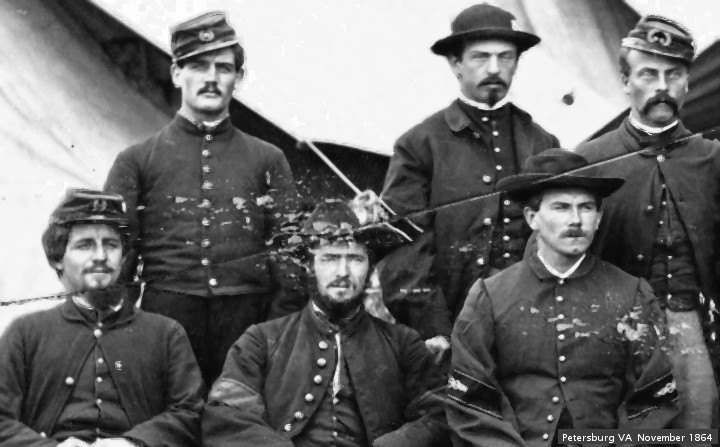
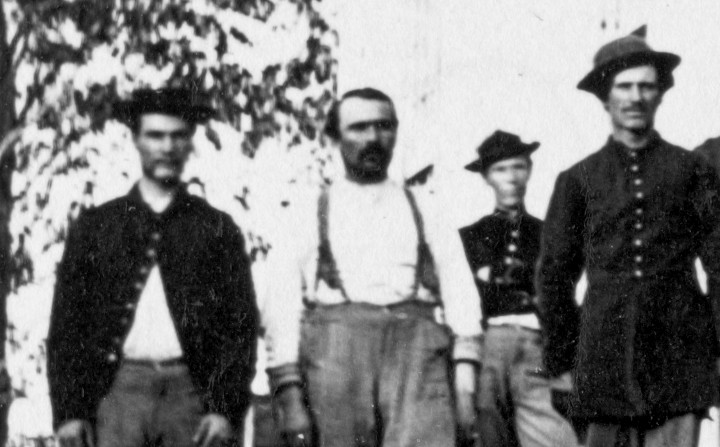
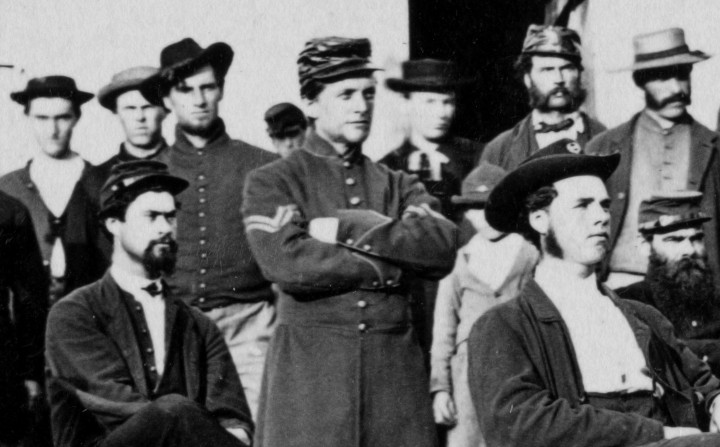
Pictures today are from The Library of Congress.




Terrible Family Vacation




@howboutyouwrite “what if the collapse of the world trade center took place during a terrible family vacation” … Most americans were at at either work, or school, on the morning of September 11, 2001. For many people, these institutions provide a family of sorts. Highly dysfunctional in many cases, full of people that you cannot get away from fast enough when you can. You can learn something, or make money, or take up space.
For me, nine-eleven was a blueprint shop on West Peachtree Street. The man across the room was the worst co-worker in my experience. An loud, aggressive Jesus worshiper, who used his religion as a weapon to fight his battles. The whole business gave me a PTSD of sorts, and it makes me unhappy to talk about today … just like a terrible family vacation (TFV).
A vacation is either too short, or too long. It is defined by time off from your everyday assignment. You either go somewhere, or remain in place … a “staycation.” In a sense, America was the TFV. Mom and dad were perpetually on the verge of divorce. Big brother was on dope, with a looming court date. Sister was on dope, terminally depressed, and spent her days watching soap operas. You were newly sober, and not sure how you fit in to all of this.
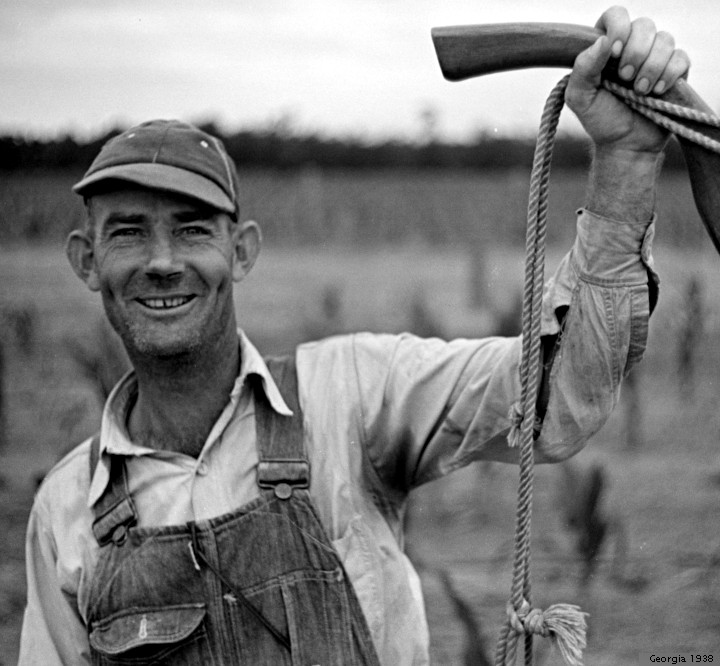
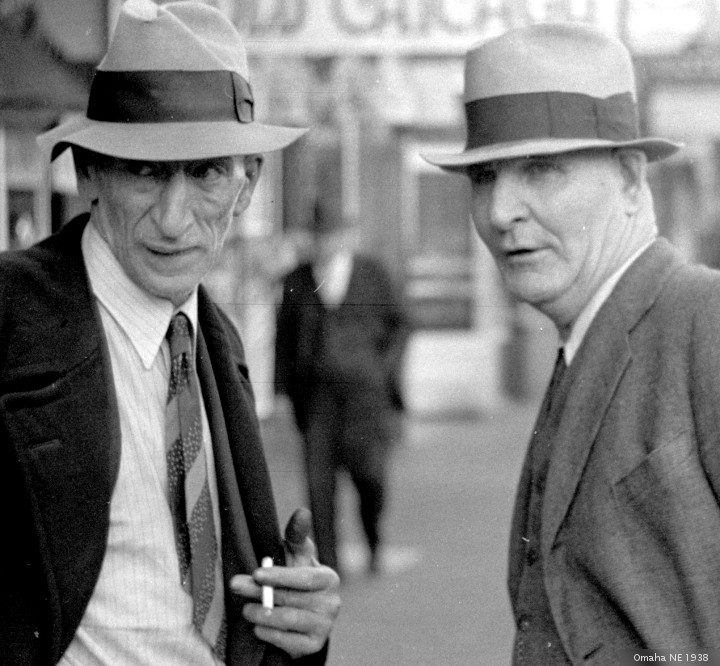
In a writing prompt, you have the option of saying it does not work, and moving on. This was not the case on nine-eleven. In the case of TFV, mom can threaten to call off the trip if you two don’t quit fighting. Maybe that is the best alternative. Pictures today are from The Library of Congress. They were taken at Irwinville Farms, Georgia, May 1938. The photographer was John Vachon.



Pass The Popcorn

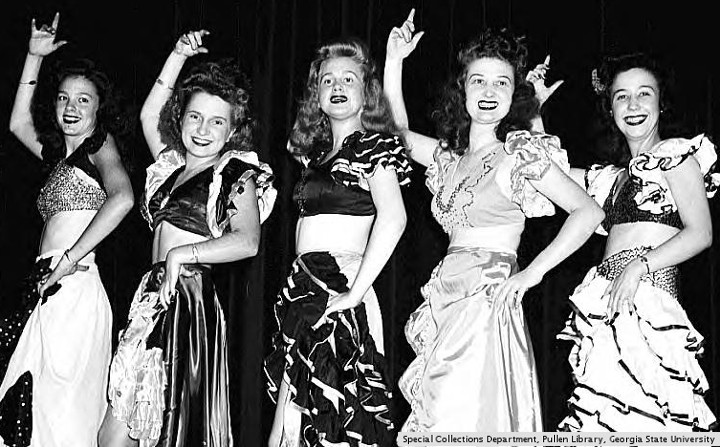

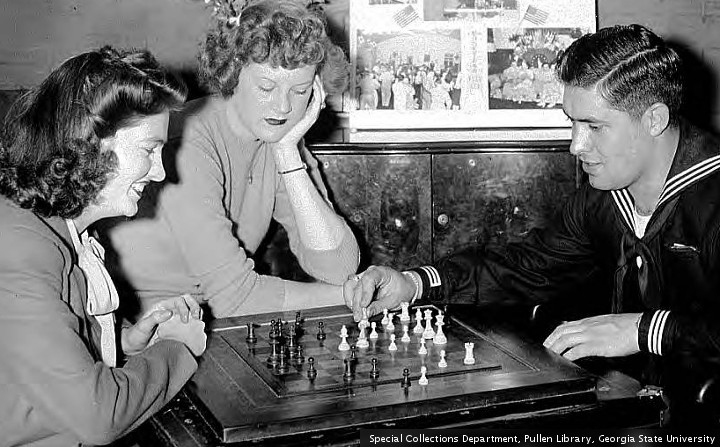


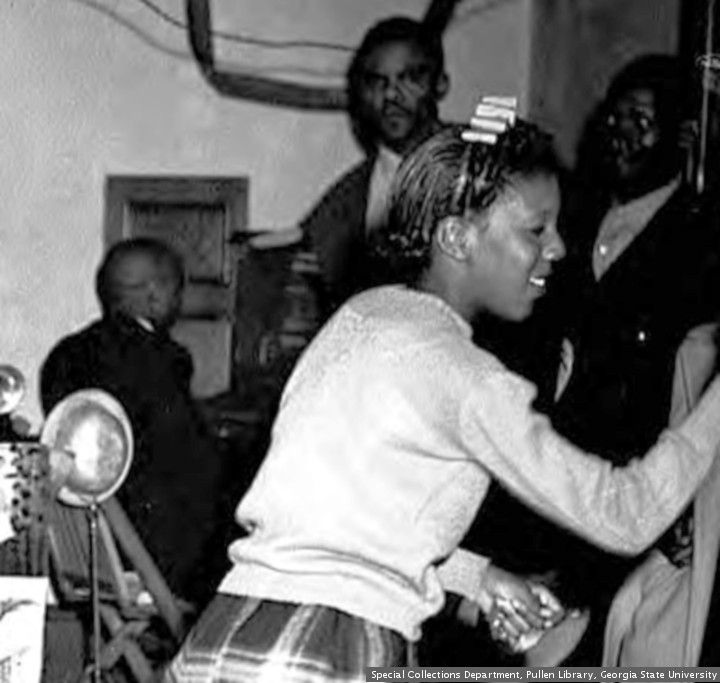
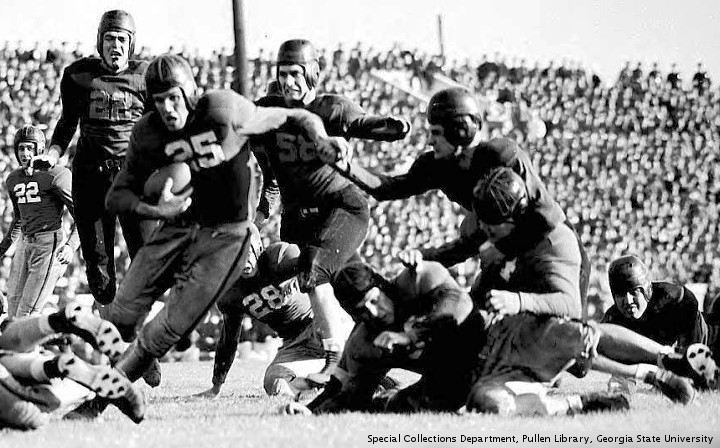

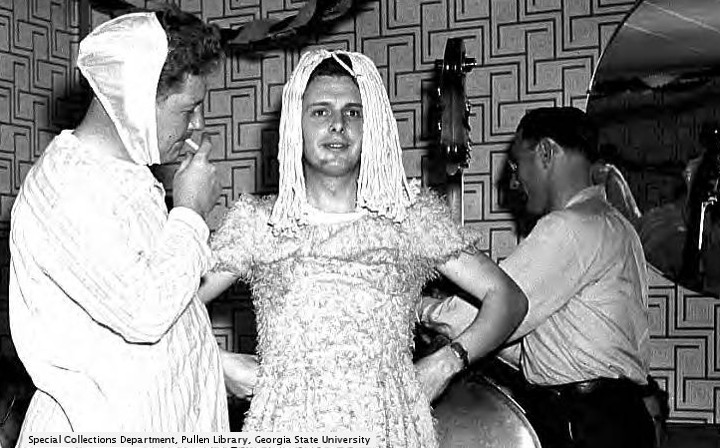
This is a repost from 2014. PG was editing pictures from “The Special Collections and Archives, Georgia State University Library”. Some of these images decorate this post. He had been working on a batch of pictures. It was time to blow through the remaining 200 images, and get them out of the way. Focus on what you are doing, and ignore the distractions.
Sometimes, the old fashioned interruptions intrude. At one point, the telephone rang. The recorded voice of Pat Boone (?) urged PG to vote for David Perdue in the coming election. Did you know that Obamacare is causing cutbacks in Social Security? Did you know that the Republicans think you are a total idiot for believing this nonsense?.
One status provoked 139 comments. PG ran out of popcorn. “White queers should really check themselves when you think it’s okay to show up to a party in blackface. Whether or not you think it’s artsy there is a history of racial oppression that goes with blackface. You’re not being cool, you look foolish, you should edit yourself and check your fucking privilege.”
Someone in New York had a Rocky Horror Show party. A person paid homage to the opening number, which features a pair of lips against a black background. This detail did not come out until 45 comments had hit the innertubes.
It was a lively discussion. PG is a known caucasian. He does not know what it is like to live as a POC. PG does suspect that some incidents do not merit high octane rhetoric. In this virtual town hall meeting, an party costume became a chance to opine about “the relationship between systemic racism and oppression.” So many big words, so little time.
“… epic insensitivity to the experiences People of Color face in our white supremacist society, which is totally uncool, and an example of implicit racism. The fact that Cher would not even consider that painting her face and body could be offensive is blatant proof of her privilege. … To dismiss someone’s comments and to challenge the fact that Cher’s look resembles blackface and could offend someone is the exactly a page from the playbook of white supremacy. The very act of saying this isn’t racist is you forcing your asinine opinion on people. … We can only move forward with open dialogue and not by dismissing people’s feelings.”. … “I mean for real. No shade let’s talk about trauma and white supremacy. … The reality that white supremacy is a constant trauma white folks can choose to pay attention to is real. The fact that “lifetime minority status” for people of color shortens the lifespan is fact. Any ou going to tell my home girl that she is out of line for developing community, decolonizing and coping strategies smash that system girl it’s tired and dying out anyways. I’ll be dat black supremacist for you any day of the week.”
“We can only move forward with open dialogue and not by dismissing people’s feelings.” Holy hypocrisy, Batman. Have you ever tried to offer a non-compliant opinion? Unless you are an emotional masochist, or have very thick skin, *stay in your lane*.
Eventually, PG ran out of steam, and went to sleep. The next morning saw the end of the pictures, while listening to Peggy Caserta talk about Jania Joplin. Miss Caserta wrote a book, Going Down With Janis The opening line: “I was stark naked, stoned out of my mind on heroin, and between my legs giving me head was Janis Joplin.”
UPDATE: This is a repost from October 28, 2014. This whimsical post serves as a time capsule to a simpler, more innocent time. Many of the traumas that have obsessed us in the last eight years … The Trump Presidency, COVID … would have been dismissed as bad fiction in 2014. Meanwhile, seven time zones away, the Euromaidan revolution was going on. It was little noticed in the United States, which was more interested in racist halloween costumes. Ukraine has had severe complications for the world, and might lead to nuclear disaster. Cher’s halloween costume will not be very important when the nuclear fallout falls, or any of the other looming disasters hit.

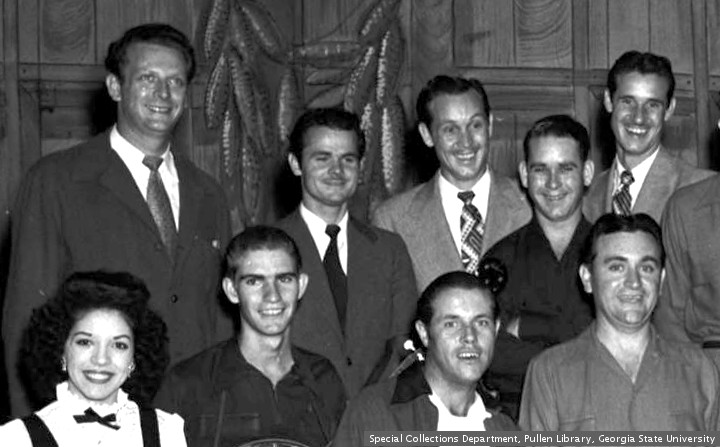


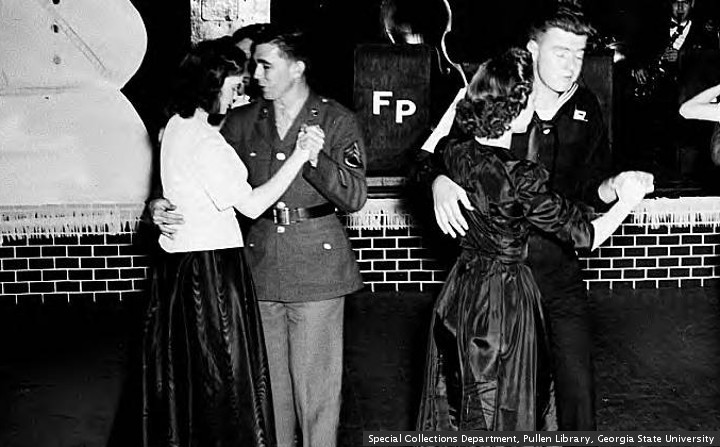
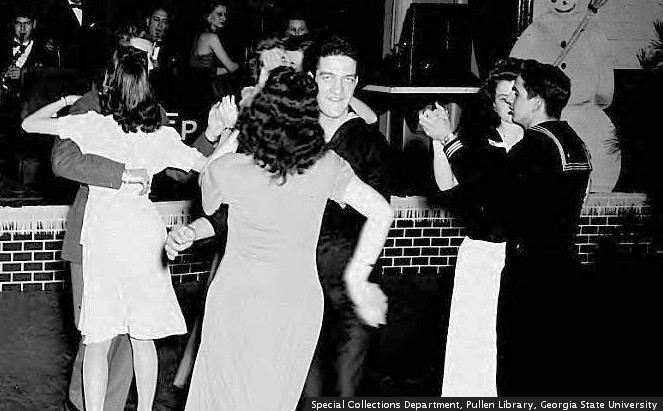
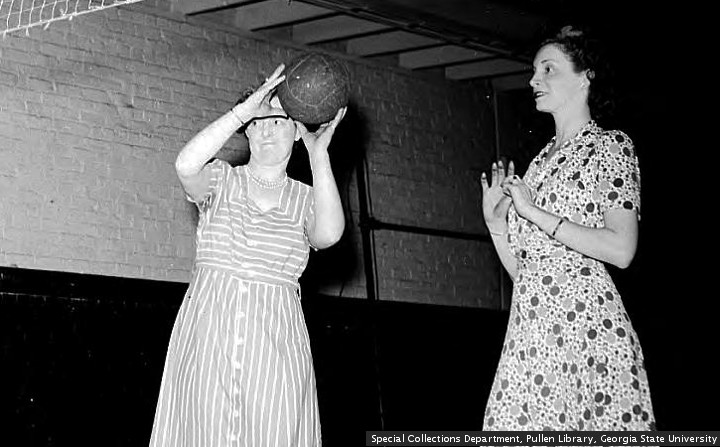
Talking Warrior Pigeons


@howboutyouwrite “what if the only thing that could stop a poltergeist attack were a plucky team of talking warrior pigeons” Writing prompts should always be in quotes.
Poltergeist attack could come at any moment. It would be a stroke of extreme good fortune to have a team of warrior pigeons at your beck and call … peck and call … in the event of such a catastrophe.
There was a movie called Poltergeist. As usual, I did not see it in a theater. I did get to see it one night, at the Peachtree Garden Apartments. The townhome was filled with all of the things boyfriend bought, while the vidiot stayed home and drank.
My friend had Poltergeist playing on his luxury tv. I went there with a co-worker, and was dutifully scared. There were no talking warrior pigeons, which may account for the next thirty nine years.
Not much is left from that evening. PGA has gone the way of all Atlanta brick and mortar, and is now a super center. The LA fitness that I haunt is there, with a team of talking warrior pigeons in the Costco parking lot. There have been no reported poltergeist attacks.
The PGA resident got aids, and succumbed in 1992. The co-worker had a heart attack in 1998. I stumble on from day-to-day. The talking warrior pigeons work for a movie company in Fayette County. Pictures today are from “Special Collections and Archives, Georgia State University Library.”


Stacey Abrams And Raphael Warnock




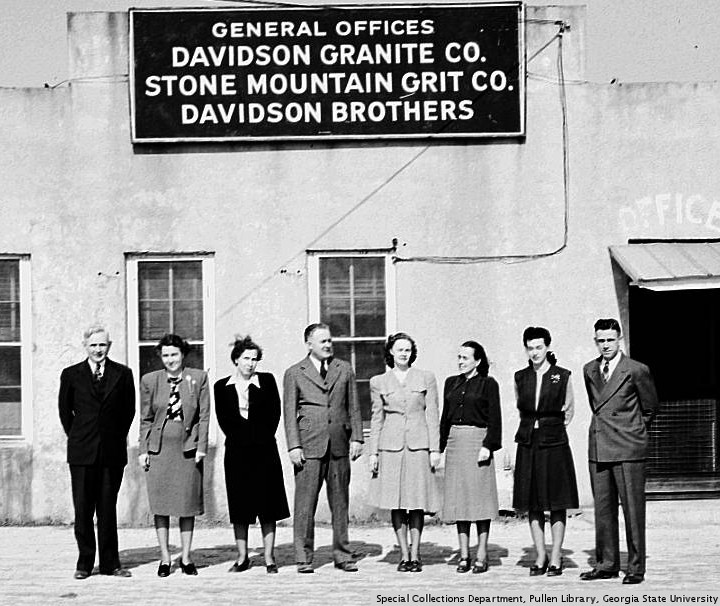
While not as toxic as the last three major elections, there is plenty of nastiness in 2022. Stacey Abrams (D) will probably lose to Incumbent Governor Brian Kemp (R.) Incumbent Senator Raphael Warnock (D) is favored against Herschel Walker (R.) There is a connection between Abrams and Warnock, dating back to 2014.
In 2014, Ms. Abrams was an ambitious state representative. She led the New Georgia Project, an effort to register minority voters. NGP had some serious issues, and failed to deliver results.
“Interviews with more than a dozen Democratic lawmakers, strategists, staffers, and voter registration activists suggest that something isn’t right with the numbers and the narrative behind the initiative’s massive efforts. … numerous sources, some requesting anonymity due to employment concerns, question how many of NGP’s allegedly missing voter registration applications actually existed. If the applications existed, Abrams raised millions from donors but failed to register 120,000 minority residents as she had pledged. If the unprocessed applications never existed, then Abrams, perhaps in an attempt to distract from her group’s failures, sued an official with a reputation for voter suppression, potentially knowing the case was unlikely to be won …”
“At Abrams’ behest, NGP staffers first met with (Secretary of State Brian) Kemp’s office in early June. During the meeting SOS chief investigator, Chris Harvey, suggested NGP could improve its protocols. … Formal NGP complaints subsided for two months. Around the last month of NGP’s voter registration drive, which ended Sept. 15, six different election registrars filed complaints relating to 29 applications. Kemp’s office received reports detailing forgeries and canvassers telling residents about voter re-registration requirements — both of which are illegal and can artificially inflate new registrant figures. Fulton County Registration Chief Shauna Dozier, whose office didn’t file an NGP complaint, found forms with missing names, missing signatures, and illegible handwriting. … On Aug. 22, NGP leaders briefly met again with the secretary of state’s office, but complaints continued to trickle in from across the state. …”
“Harvey says something had changed, however. He wasn’t just seeing isolated problems in different counties. Multiple reports were emerging out of the same election offices — a sign of a larger problem. “It reached a tipping point in my mind. We got enough complaints from enough counties of confirmed forgeries. This was something that we needed to look at on a much larger level.”
”Rev. Dr. Raphael Warnock, the senior pastor at First Ebenezer Baptist Church in Atlanta and a spokesperson for NGP, said that many people of color in Georgia saw the tactics as part of a long history of voter suppression. “This narrative of voter suppression is one that communities of color understand and understand deeply, and it will backfire on those trying to suppress votes.”
“But there is an aggressive subpoena that, Abrams says, “essentially demands every document we have ever produced.” She calls it a “fishing expedition” meant to “suppress our efforts.” A spokesperson for the New Georgia Project, the Rev. Dr. Raphael Warnock of Ebenezer Baptist Church, was a little more explicit. “I see this move by the secretary of state as the latest effort in voter suppression in the state of Georgia.”
This was eight years ago. Ms. Abrams made Voter Suppression® the central issue of her 2018 run for Governor. Four years later, she is making another bid for Governor, in a different political environment. The unpopular POTUS is a Democrat. Many voters do not believe the rhetoric about Voter Suppression®. The polls are not looking good for Stacey Abrams.
Raphael Warnock is another story. He has been blessed with some of the weakest opposition anyone running for the senate has encountered. In 2020, with an Anti-Christ POTUS, he defeated Kelly Loeffler, aka Senator Barbie. In 2022, Rev. Warnock faces Herschel Walker, in a squalid mudslinging exhibition. This election cannot be over soon enough.
The New Georgia Problem was written in 2015, and is a key source today. This article has many details missing from this post. Pictures today are from “The Special Collections and Archives, Georgia State University Library.” The spell check suggestion for Warnock is Warlock.


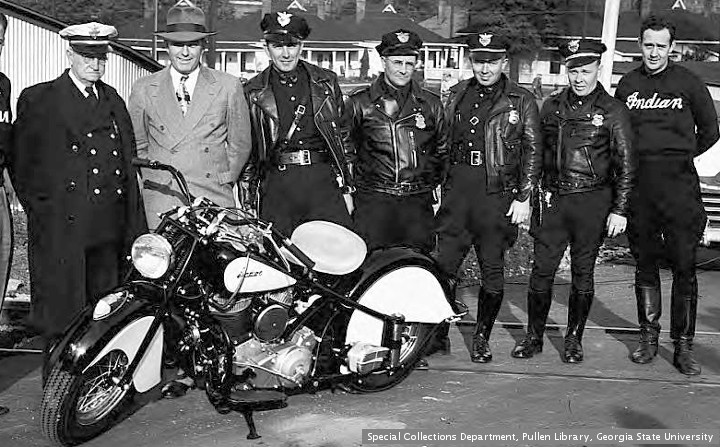

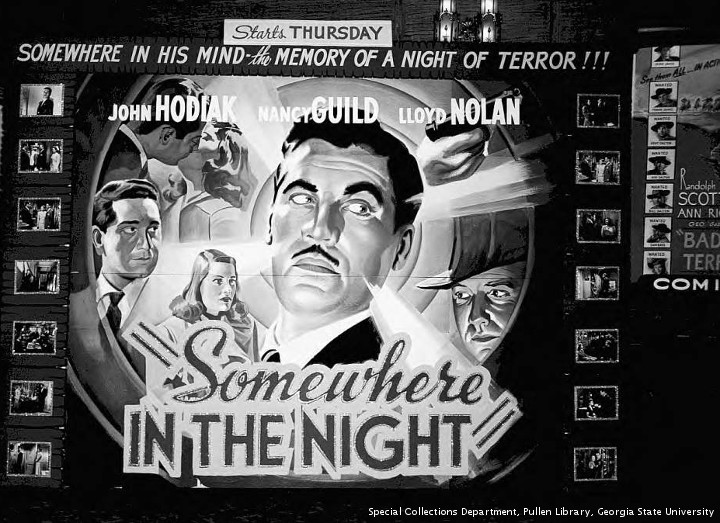


Where Is That Place
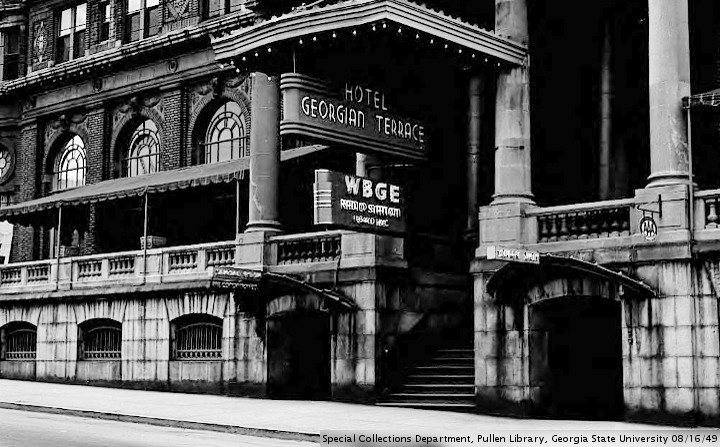

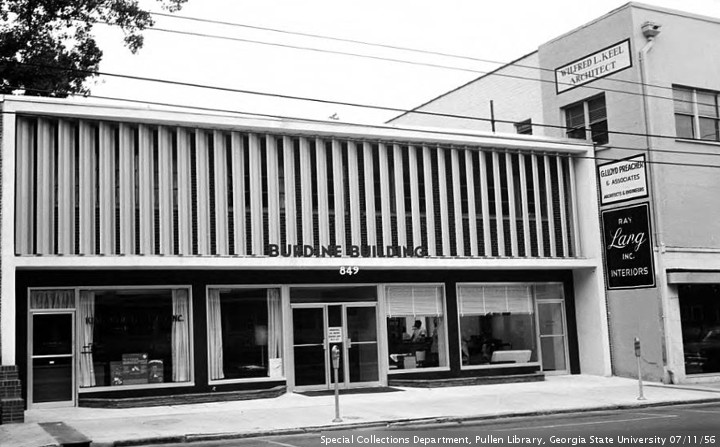
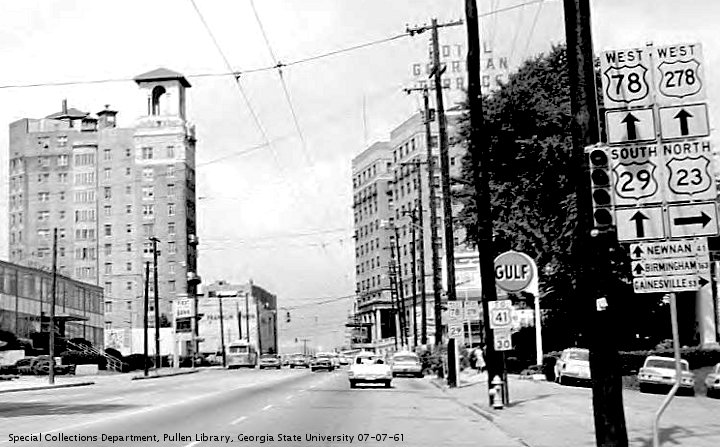
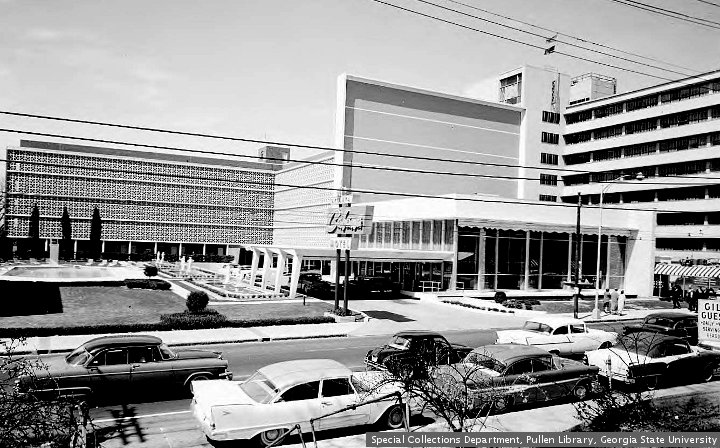

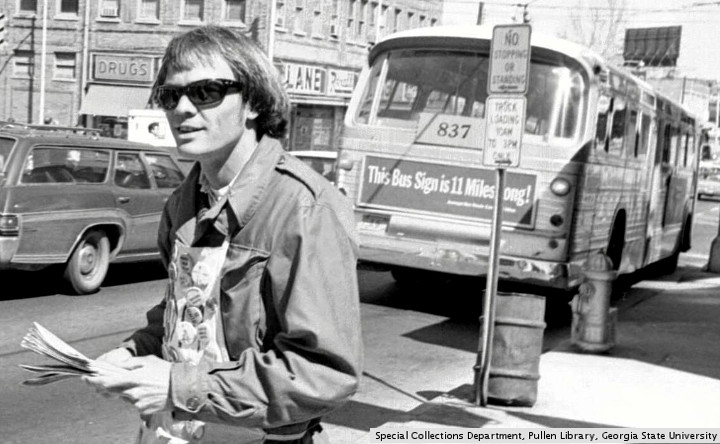
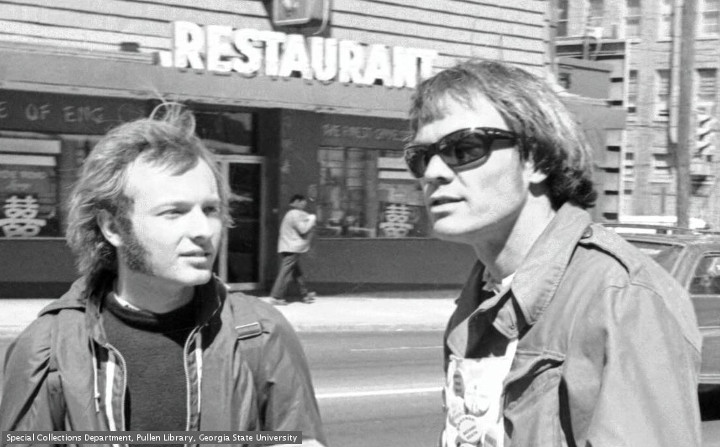
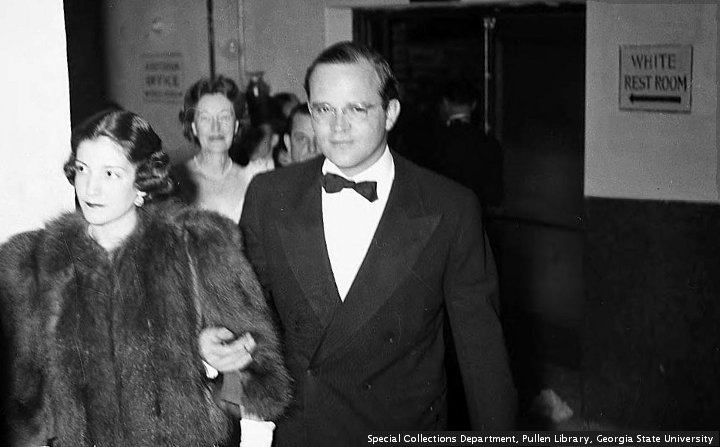
This blog has an email address listed. It is seldom used. The host is a faded internet company that rhymes with booboo. Once proud email has become a spam magnet. The email address there is checked every once in a great while. Yesterday was one of those times. There was a surprise.
Friday, June 5, 2015, 2:52 PM
Do you know exactly where the Agora Ballroom was in the Georgia Terrace Hotel Also I am trying to locate photos of the following locations – Does you any that we can use? Please let me know ASAP – I am on an extremely tight deadline need photos by Monday morning if possible. Exteriors or interiors are great. Please let me know if you have any.
12th Gate Coffee House (located on 10th street in Midtown,) Club 112 (located at Lavista and Cheshire Bridge,) Lenny’s (either or both of their two locations in the Old Fourth Ward,) Great Southeast Music Hall (either or both of their two locations Lindberg Plaza or Cherokee Plaza,) Echo Lounge (located in East Atlanta,) Hedgens (located in Buckhead,) Agora Ballroom (located in Georgia Terrace hotel,) Muelenbrink’s Salon (located at the Underground.) Joeff Davis Photo Editor Creative Loafing
Thursday, July 9, 2015 11:12 PM
Hey I apologize for the tardy answer. I don’t use this email very often
The Agora was at the end of an alley off Peachtree. It was next door to the Ga Terrace Hotel, though not in the Hotel building itself. The ballroom was in a fire in the early eighties, and was torn down. I don’t have any of the pictures that you needed a month ago.
Friday, July 10, 2015, 11:49 AM
Thanks here is the piece we did: That was then, this is now.
Friday, July 10, 2015, 1:21 PM
Hey thanks for getting back to me. The article was cool, even without my contribution. This seems like a good excuse for a blog post. I have a some comments about some of the locations listed. For instance, my mother bought groceries at the Cherokee Plaza A&P every thursday for 37 years.. I would like to use your letters, and link to your article, in my post.
Chamblee54 has had posts about four notable Atlanta performance venues: 688 Spring Street, Georgian Terrace Ballroom, The Great Southeast Music Hall, and Richards. Two were on the list of requests. As for the other two, 688 Spring Street, home of Rose’s Cantina and 688, is now a doc-in-a-box facility, Concentra Urgent Care. The site of Richards, across from Grady stadium on Monroe Drive, is now the meat department at Trader Joe’s.
The CL article, That was then, this is now, is fun to look at. There are some good pictures. There are a couple of mistakes in the piece, which this post will try correct.
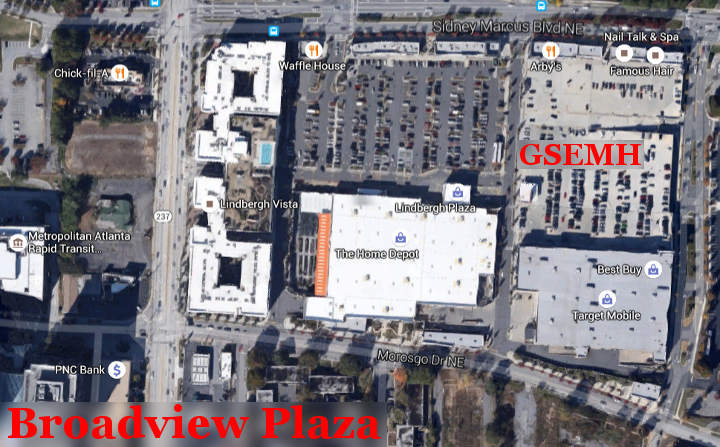
The Great Southeast Music Hall is the scene of many cherished memories for those of a certain age. The post linked here has more comments than any other Chamblee54 post. There are two google earth images, one for Broadview Plaza, and one for Cherokee Plaza.
In Broadview, (now known as Lindbergh something or another,) the Music Hall was in the corner of an L shaped building. The space is currently a part of the parking deck for Target. According to google earth, the Home Depot takes up almost the entire parking lot of the old shopping center.
In Cherokee Plaza, the space where the Music Hall was is the south part of a Kroger. CL says it was in the parking lot, which simply is not so. This parking lot is too small, which is one reason the Music Hall failed there. In the nineties, the A&P expanded, and took over the space occupied by the theater. In 1998, A&P closed their Atlanta operations. The stores were taken over by Kroger.
The third google earth image is for the intersection of Peachtree Street and Ponce De Leon Avenue. This is the location of the Georgian Terrace Ballroom. This was the setting of Alex Cooley’s Electric Ballroom and The Agora Ballroom. This facility was in a fire, and torn down. An annex to the Georgian Terrace Hotel was built. This annex is roughly where the Ballroom was.
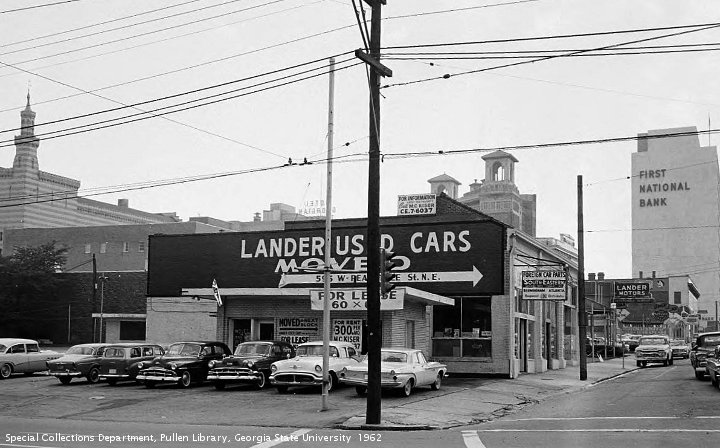
One of the places CL mentions was Backstreet. A picture of Lang Interiors, on Peachtree Street at Sixth Street, is included today.This is the building that became Backstreet. This building was a series of nightclubs in the early seventies. Backstreet opened in late 1974. It was the premier chacha palace in Atlanta for many years. When the property became valuable enough to attract the money of developers, the city discovered enough violations to shut down the party. (1974 was somewhat of a golden age for Atlanta nightlife. The Great Southeast Music Hall, Richards, and Alex Cooley’s Electric Ballroom were all in operation in 1974.)
Club 112 catered to an African American clientele. The space had been many businesses over the years, with a Fred Astaire dance studio next door. Around the time Backstreet was getting started, the space was called the Locker Room. A drag show, featuring the Hollywood Hots, performed there. The Locker Room was a “private club,” and was able to stay open on Sunday night. It was the only place open on Sunday, and was packed. The Locker Room was owned by Robert E. Llewellyn, who was later convicted of having a business rival murdered.
The 12th gate was in the middle of the block, somewhere on tenth street. It was not on the corner of Spring Street. A seedy Jim Wallace gas station was nearby. This place was mostly before PG went out much. There is a hazy memory of seeing the Hampton Grease Band there. After the show, Mr. Hampton walked up to PG, holding a thumb and finger making a circle in front of one eye. Mr. Hampton asked PG what sign he was.
By the time Lenny’s was in business, PG was a retired drunk. He seldom went downtown after dark. Somehow, the party went on without him. Pictures today are from “The Special Collections and Archives, Georgia State University Library”. This is a repost.



The Juror Who Said The N-Word



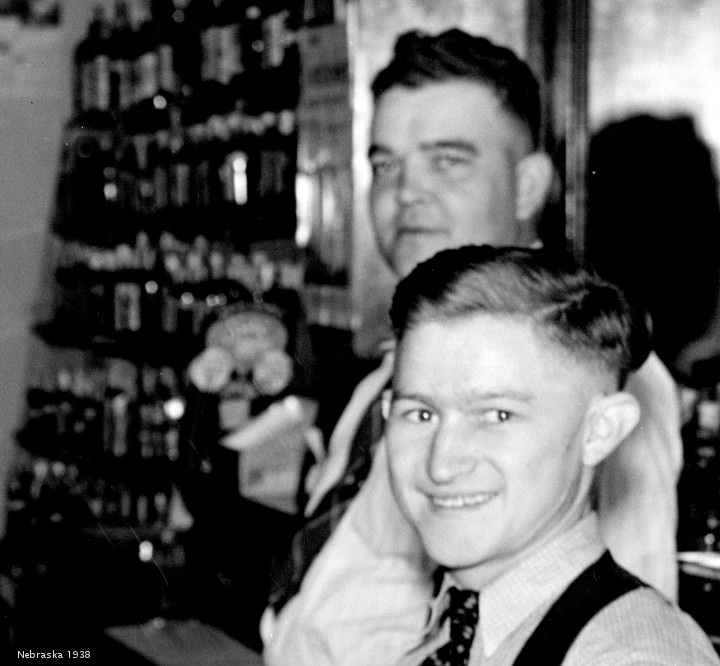
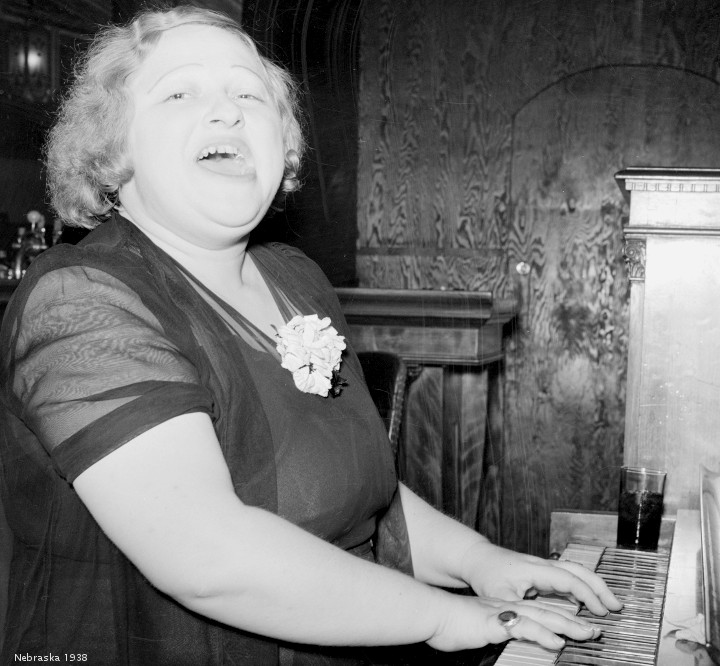


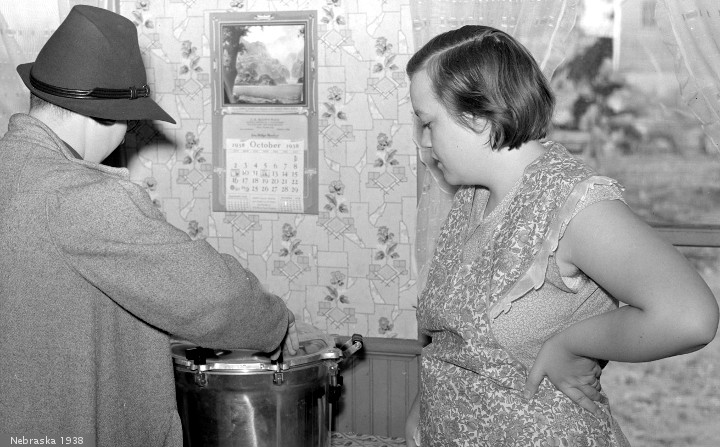
This is a repost from 2017. Keith Tharpe is scheduled to die Tuesday night. There is little doubt that he is guilty. One problem are some *intemperate* comments by a juror, Barnie Gattie. Keith Tharpe died of natural causes January 26, 2020.
“The crime occurred on September 25, 1990. Tharpe was arrested the same day. He was tried on January 2 through January 10, 1991.” Mr. Gattie was interviewed by attorneys in 1998.
Mr. Gattie was interviewed by attorneys during the appeals process. He made some comments that featured the *n word*. (This word will be spelled out when quoting court documents. If you don’t like this, you are encouraged to skip over the text, and look at the pictures.) The corporate media has responded with sensational headlines, like A Black Man Convicted By a Racist Juror Is About to Be Executed. You should never neglect an opportunity to call Georgia racist.
When looking at these articles, PG noted different versions of what Mr. Gattie said. He tried to find a copy of the original statement. It was on page fifteen of this court document.
“At the May 28, 1998 state habeas evidentiary hearing, Tharpe tendered affidavits from several jurors, including Barney Gattie. In his affidavit, Gattie stated: “I . . . knew the girl who was killed, Mrs. Freeman. Her husband and his family have lived in Jones [C]ounty a long time. The Freemans are what I would call a nice Black family. In my experience I have observed that there are two types of black people. 1. Black folks and 2. Niggers. For example, some of them who hang around our little store act up and carry on. I tell them, “nigger, you better straighten up or get out of here fast.” My wife tells me I am going to be shot by one of them one day if I don’t quit saying that. I am an upfront, plainspoken man, though. Like I said, the Freemans were nice black folks. If they had been the type Tharpe is, then picking between life or death for Tharpe wouldn’t have mattered so much. My feeling is, what would be the difference. As it was, because I knew the victim and her husband’s family and knew them all to be good black folks, I felt Tharpe, who wasn’t in the “good” black folks category in my book, should get the electric chair for what he did. Some of the jurors voted for death because they felt that Tharpe should be an example to other blacks who kill blacks, but that wasn’t my reason. The others wanted blacks to know they weren’t going to get away with killing each other. After studying the Bible, I have wondered if black people even have souls. Integration started in Genesis. I think they were wrong. For example, look at O.J. Simpson. That white woman wouldn’t have been killed if she hadn’t have married that black man.”
Subsequently, the state habeas court allowed the parties to depose eleven of the jurors who still lived in Georgia. The depositions were taken over a two day period (October 1 and 2, 1998) in the presence of the court. At his deposition, Gattie testified that he consumed alcohol every weekend. He stated that he had been drinking alcohol on the Saturday he first spoke with representatives from the Georgia Resource Center. When they returned on Memorial Day with the affidavit for him to sign, he had again been drinking. He testified that he had consumed a twelve pack of beer and a few drinks of whiskey before signing the affidavit. Gattie stated he was not told what the affidavit was going to be used for, he did not read the affidavit, and when the affidavit was read to him, he did not pay attention. He complained that the affidavit was “taken all out of proportion,” or taken “[o]ut of context” and “was misconstrued.” (According to the Georgia Resource Center representatives who interviewed him, they informed Gattie who they were and the reason for their visit, and Gattie did not appear alcohol impaired.)
Gattie testified that he is not “against integration” or “against blacks.” He claimed to think African Americans “are hardworking people” and no more violent than other groups of individuals. Gattie stated that he used the term “nigger,” but not as a racial slur. Instead, he used it describe both white and black people who are “no good,” who do not work, or who commit crimes. Gattie also testified that race was not an issue at deliberations and he never used the term “nigger” during deliberations. In addition to Gattie, the other ten jurors who were deposed testified that Tharpe’s race was not discussed during deliberations, race played no part in their deliberations, no one used racial slurs during deliberations, and racial animus or bias was not a part of the deliberations. Tharpe tendered an affidavit from Tracy Simmons, the only juror who was not deposed, and he did not allege that race played any part in their deliberations or that anyone expressed racial animus or bias during deliberations. Respondent also submitted an affidavit from Gattie in which he stated he did not vote to impose the death penalty because of Tharpe’s race. Instead, he stated he voted for a death sentence because of “the evidence presented” and Tharpe’s lack of “remorse.” In this affidavit, Gattie again distanced himself from the statements shown in the affidavit he signed for Tharpe’s state habeas counsel. He claimed “parts of what he said [were] left out of the statement and other parts were written out of context.”
One thing not mentioned by the corporate media was the fact that Mr. Gattie was drunk when he made the statement. Why would the attorney’s continue with the interview if they knew Mr. Gattie was intoxicated? Did the attorneys lead on Mr. Gattie, and put words in his mouth? How was the affadavit presented to Mr. Gattie for his approval? Mr. Gattie later claimed he “… didn’t pay much attention when the affidavit was read to him. He said many of his statements “were taken out of context and simply not accurate.” He signed the defense affidavit because he “just wanted to get rid of them.” Were these attorneys looking for the truth, or trying to get a drunken old man to say something inappropriate, so they could get Mr. Tharpe’s sentence commuted?
There is no way to know what went on in the jury room twenty six years ago. The guilt of Mr. Tharpe was evident. Some would say the murder was not heinous enough to justify the death penalty. The jury was ten white people, and two black people. Murderpedia has details on the selection of the jury. As in most death penalty cases, there is talk about jury selection during the appeals. There was no way to know, when selecting Barney Gattie, that he would drunkenly use the n-word while talking to an attorney, seven years after the trial.
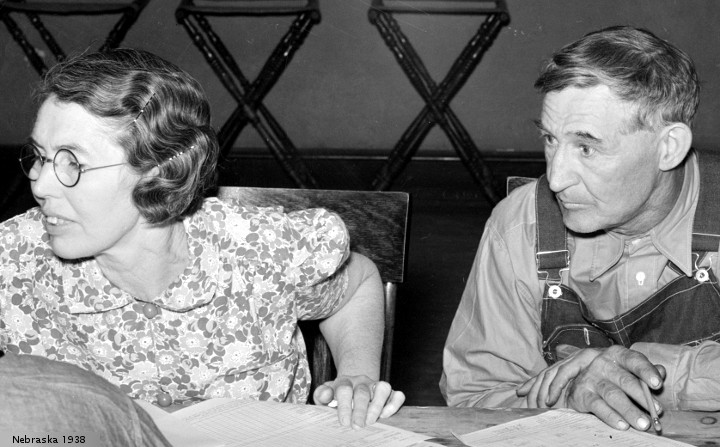
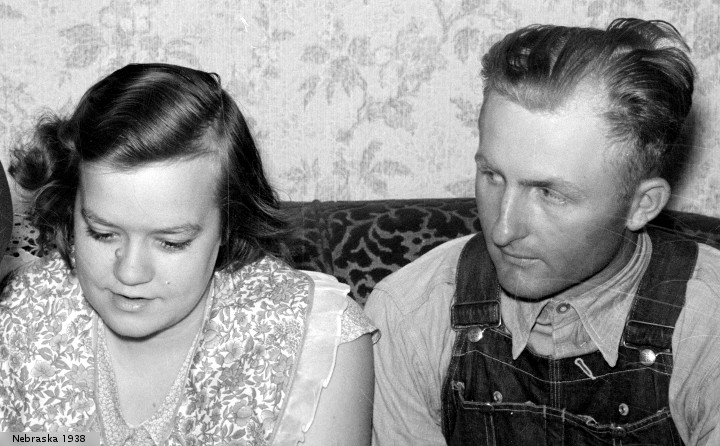
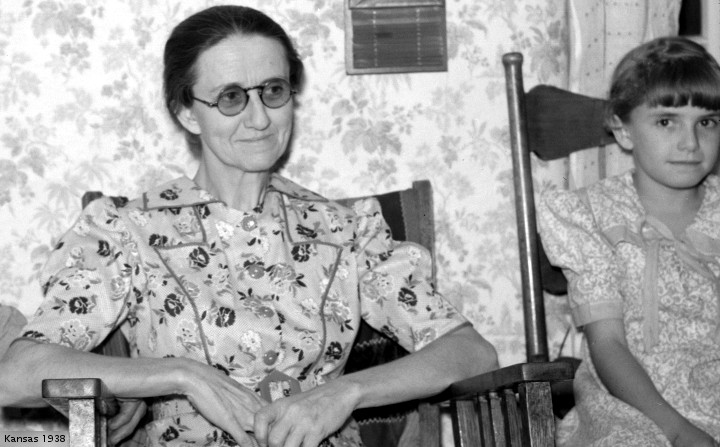
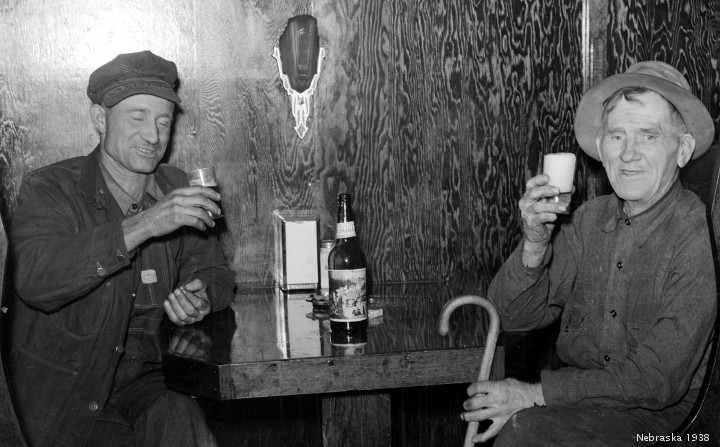
Pictures today are from The Library of Congress. Many of the photographs were taken in North Platte, Nebraska. John Vachon took the pictures in October, 1938. UPDATE SCOTUS issued a ruling on the case January 8, 2018, with a dissent from Justice Clarence Thomas.




These Are The 10 Most

PG saw a facebook post from his cousin. It was about the town he lives in: Wilton Named 83rd Drunkest Place to Live in Connecticut: Report It was based on a bit of creative clickbait, These Are The 10 Drunkest Places In Connecticut. This is a repost.
The distibutor of this information is RoadSnacks. “RoadSnacks is based in Durham, NC. We aim to deliver infotainment about where you live that your real estate agent won’t tell you. We use data, analytics, and a sense of humor to determine the dirt on places across the country.” Other information opportunities include: “TAT10 Poorest Places In Kentucky”, “TAT10 Drunkest Places In Pennsylvania”, “TAT10 Dumbest Cities In Illinois”, “TAT10 Cities In New Jersey With The Most Ashley Madison Accounts”, “TAT10 Snobbiest Places In Louisiana.”
When PG saw the initial TAT10, he wondered about Georgia. A google search was made for “TAT10 drunkest places in Georgia.” Apparently, RoadSnacks is still crunching the numbers on that one. Three enlightening features were available: TAT10 Most Dangerous Places In Georgia, TAT10 Most Ghetto Cities In Georgia, TAT10 Most Redneck Cities In Georgia.
TAT10 lists are not scientific. The criteria varies from study to study. (For more information, be sure to check the actual post.) In dangerous places, “If any places tied, we used the violent crime rank as a tiebreaker.” In ghetto and redneck, it seems to come down to the number of retail outlets. Ghetto was ranked by convenience stores, drug stores, beauty supply stores, and discount stores. Redneck is determined by dive bars, mobile home parks, tobacco stores, guns and ammo stores, Walmarts, Bass Pro Shops, Dollar Generals and Piggly Wigglys.
In OTP Atlanta, many areas change names at the county line. When you leave Dekalb County for Gwinnett, you go from Doraville into Norcross. One road you can do this on is Buford Hiway, which is lined with Asian businesses like My Dung video. This area is home to one of the metro area international communities, and is well known for ultra authentic restaurants. Well known by everyone except RoadSnacks.
According to the TAT10 body of knowledge, Doraville is the 5th most redneck city in Georgia. When you cross the county line, Norcross is the most ghetto city in Georgia. People who are familiar with this area are probably laughing right now. Especially when they see that most ghetto Norcross is also 15th most redneck. Doraville did not make the 90 spot list for most ghetto.
The most dangerous city in Georgia is College Park, with East Point in second place. Neither city was on the redneck list. On the ghetto list, College Park is 67, and East Point is 72.
The city of Brookhaven evidently has not been in existence long enough to be rated. The only list that included Chamblee was ghetto, at 55. Pictures today are from The Library of Congress.



Tomorrow Is Another Day



PG managed to miss the Decatur Book Festival this year. One friend made it. This is a repost.
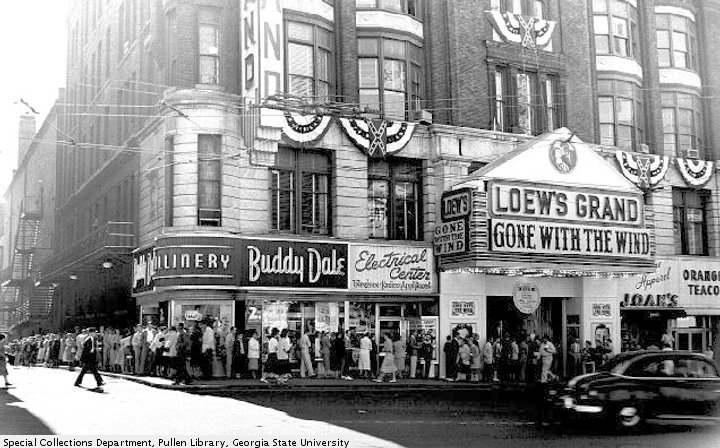
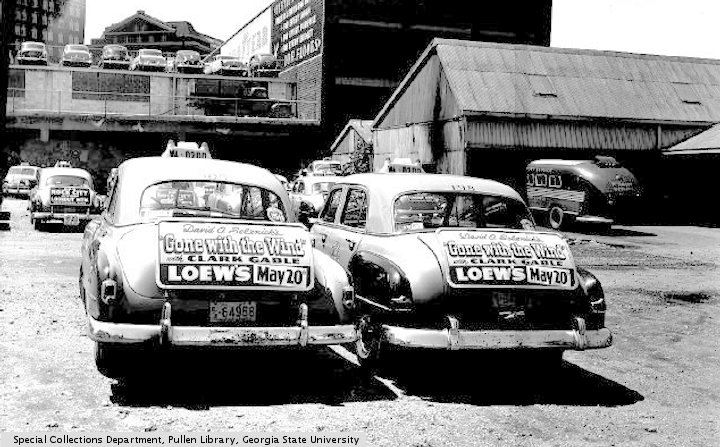
“This program was followed, after another walk through the vendor area back to the public library’s auditorium, by a staged reading of a short play, Tommorrow Is Another Day. The setting: the apartment of Atlanta novelist Margaret Mitchell and her husband John Marsh, on a morning in December 1939, two days before the movie version of Mitchell’s famous book premiers in Atlanta’s Lowe’s Theater. Mitchell’s African-American housekeeper of many years has almost finished reading Mitchell’s book, and Mitchell asks for her housekeeper’s opinion of it. What the Mitchell’s housekeeper tells Mitchell and her husband made for compelling theater!”
The play is fiction. From what this slack blogger has read about Peggy Marsh, she probably did not give books to her household help. It is possible that the cleaning lady did not know how to read. The playwrite, Addae Moon, had to use dramatic license to tell his side of the story.
“…the 43-year-old black writer found he liked some things about the 79-year-old novel. Not everything, of course. “I got frustrated with it. I had to put it down because I got angry.” But he’d pick it up later and keep going. “I totally understand Margaret’s desire to tell your point of view and your truth, but I also can understand what it feels like to be the victim of someone else’s truth…. It’s easy to be critical of the movie, which is more cartoonish, but, to me, the book is so much more complex.”
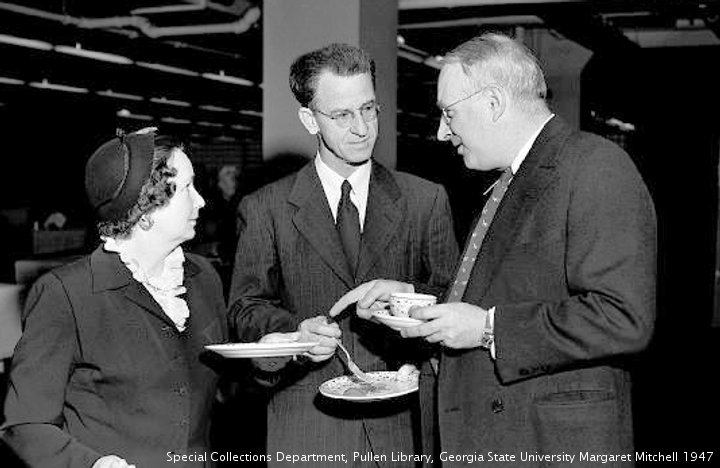
It has been a long time since PG read GWTW. It is tough to imagine it from the perspective of a contemporary Black man. GWTW was written by a White woman, of a byegone era. There are many sides to the story. This post will try to tell a few. The rest of it is a double repost from a few years ago. If that does not satisfy your lust for trivia, you can check out the Margaret Mitchell page at find-a-death.com. (It is full of errors, like calling her “Maggie”.) Pictures are from “The Special Collections and Archives, Georgia State University Library”.
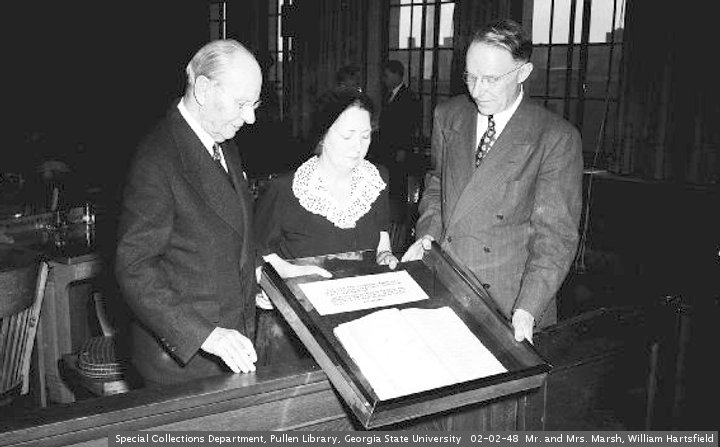
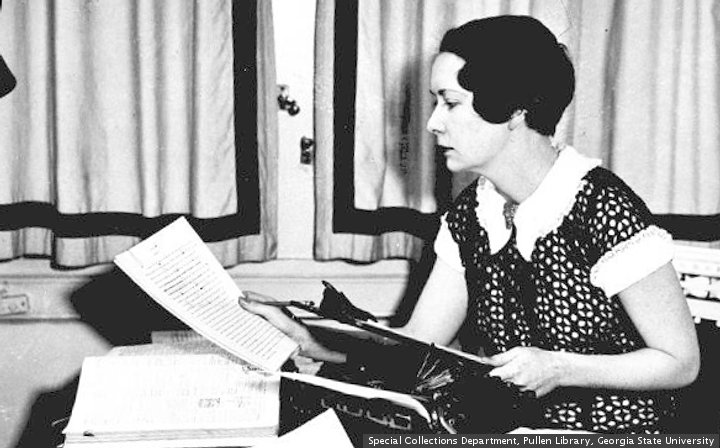

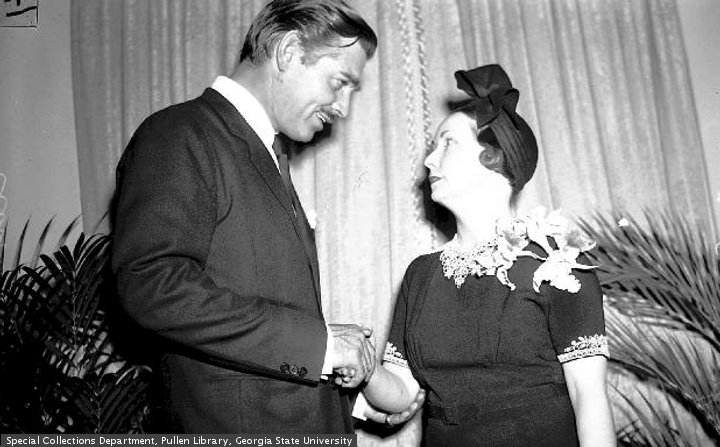

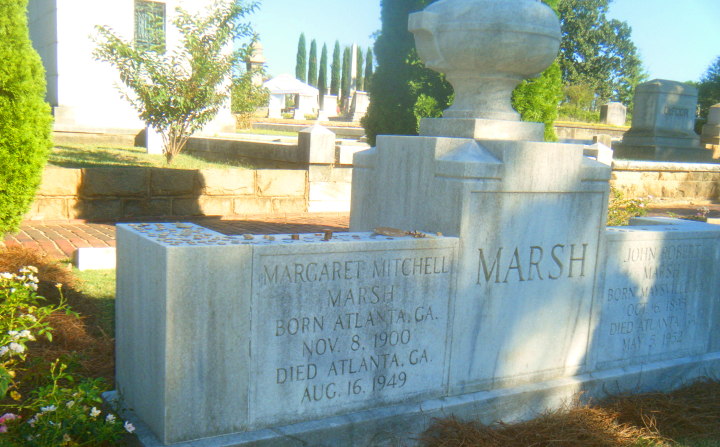
As we started to discuss the other day, PG is reading I Remember Margaret Mitchell by Yolande Gwin. It starts with August 11, 1949. Margaret Mitchell, known to her friends as Peggy Marsh, went to to see “A Canterbury Tale” at the Peachtree Art Theater. She left her apartment on Piedmont Avenue, accompanied by her husband John. They parked across the street, and Mrs. Marsh was struck by a taxi, driven by Hugh D. Gravitt. She died August 16, 1949.
This story contradicts what PG heard about the accident. The other story is that Mrs. Marsh had been at the Atlanta Women’s Club, having cocktails, where her husband met her. In this account, Mrs. Marsh was bombed, and never knew what hit her. (One mile south west, and fifty five years later, PG had an encounter with a speeding taxi.)
On page 23, another myth is challenged. The traditional story is that if you asked Margaret Mitchell if she based Scarlet O’Hara on herself, she would look horrified. “Scarlet O’Hara was a hussy”. This view is challenged by an Atlanta native, who went to a party, and saw that Margaret Mitchell was the life of the party. “Scarlet O’Hara is certainly the personification of Margaret Mitchell”.
Margaret Mitchell was a reporter for the Atlanta Journal. She married John Marsh on July 4, 1925, and injured her ankle in 1926. Every day Mr. Marsh brought home books to his bedridden wife. One day, he brought home a writing pad, and said “You have read everything I’ve brought you so now you write a book.”
The couple lived in a small apartment on Crescent Avenue, across from a mural of a southern colonel. (I would even go north for Southern Bread) They moved out of “the dump”, in 1932, to an apartment at 4 17th Street. When Peggy sold a few books, and John’s career at Georgia Power prospered, they moved to the Della Manta. This was at the corner of Piedmont and South Prado, across from her beloved Piedmont Driving Club.
Mrs. Marsh wrote and wrote, preferring a typewriter to a writing pad. Each chapter was kept in a manila envelope, which were piled up all over the place. Some chapters were re written sixty times. In 1935, Harold Latham, of MacMillan Publishers, was in the south looking for talent. He persuaded Mrs. Marsh to let him look at her book, and would not give it back to her.
The title of her book was borrowed from a poem by Ernest Dawson, Non Sum Qualis Eram Bonae Sub Regno Cynarae . The line of the poem was “I have been faithful to thee, Cynara, (spell check suggestion: Canary) in my fashion; I forgot much Cynara, Gone With The Wind!”
The book became a runaway best seller. Macy’s of New York helped by ordering 50,000 copies. The idea was to offer GWTW as a loss leader, as Gimbels was doing. Federal price controls ruled this to be illegal, and Macy’s returned 35,000 copies to the publisher.
The first printing of GWTW has a mistake on the back page. The book was published June 30, 1936. The first edition says, on back of the title page, “Published May 1939”.
David Selznick bought the rights to GWTW, and you probably know the rest of that story. Shortly before the premiere of GWTW, someone at the Piedmont Driving Club pulled a chair out from under Mrs. Marsh. She had not started to stand up. Mrs. Marsh crashed hard on the floor, and hurt her back. This would require two rounds of back surgery.
Celestine Sibley tells a story about the Atlanta Women’s Press Club. Miss Sibley moved to Atlanta in 1941, and went to her first AWPC meeting, at the Henry Grady Hotel. “A plump little woman in a funny Carmen Miranda style hat” noticed the newcomer, and started to talk to her. In the early days of the war, there were blackouts, to save the city from German bombers. The plump little woman was an air raid warden in the area around Piedmont Park. Finally, Miss Sibley said she had to go catch the Piedmont-Morningside bus. Peggy Marsh said she had a car, and could take her home.

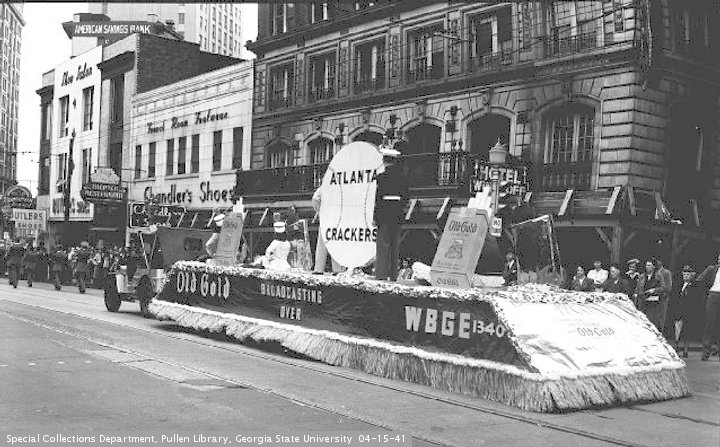

PG is reading I Remember Margaret Mitchell by Yolande Gwin. It is a collection of memories of Peggy Marsh, who wrote “Gone with the Wind”. ( If you didn’t know that, just close this window, and go look for your “friends” on facebook.)
Yolande Gwin was for many years the society editor of the Atlanta Constitution. She wrote a review of GWTW in 1936, before it’s publication. Mrs. Marsh sent her a letter of appreciation… “I never dreamed you were going to give me so much space. I thought, as the resume of the story was so long. that you’d just give an introductory paragraph and let me ride. And I’d have ridden, just as happy as a n—-r at a hog killing. But all that space, so long a story. so completely flattering a story – well. I’m still blushing about the ankles, as Jurgen once remarked … And oh, Yolande. how nice of you to refer to me as a “young author!” Me, who have passed the broiling stage and the frying stage and am rapidly approaching the roasting and baking stage. “
There is probably going to be a second post about I Remember Margaret Mitchell. Chamblee54 is not responsible for GWTW junkies who overdose on Margaret Mitchell trivia. This post is about fact checking, google, and how a couple of simple questions can turn into an all afternoon goose chase.
There are two basic questions: Was Yolande Gwin married, and did she work for the Journal or the Constitution? As for the first, the expression Ms. sounds like a mosquito with a speech impediment, and is not appropriate for use with an society page writer. The trouble is, Miss or Mrs. depends on the marital status of the woman. After an hour or so of looking up google results, PG cannot find out whether or not Yolande Gwin was married. Sometimes, the correct answer is “I don’t know”.
As for the second, an obituary for the lady says that she wrote for the Journal-Constitution for fifty years. The fact is, the Journal and Constitution were separate papers until they were combined in 1982. (Cox Enterprises bought the Constitution in 1950. This made the Journal and the Constitution sister papers, rather than competitors.) As for who Yolande Gwin wrote for, there are contradictory stories on the internet. A google book about rural electrification says that Yolande Gwin wrote for the Constitution. The Atlanta History Center says the Yolande Gwin wrote for the Journal. They have a picture of the lady, with a ghastly AHC watermark across her face.
Another google book, The last linotype: the story of Georgia and its newspapers since World War II By Millard B. Grimes confirms that Yolande Gwin worked for the Constitution. “”One day I was sitting there looking at a blank sheet of paper; I didn’t have any news. And that’s when I happened to remember kidding Peggy (Margaret Mitchell) about writing the “Great American Novel.” so I called her up and said, ‘How about that Great American Novel. have you ever finished it? I need some news.’ She said, ‘You won’t believe it, but Macmillan has taken it.’ And I said, ‘Goody, goody. Grand.’ And I put a piece in the column (written under the name Sally Forth) about it, never expecting it to be what it was, you know.” The dale was February 9, 1936.”




091122

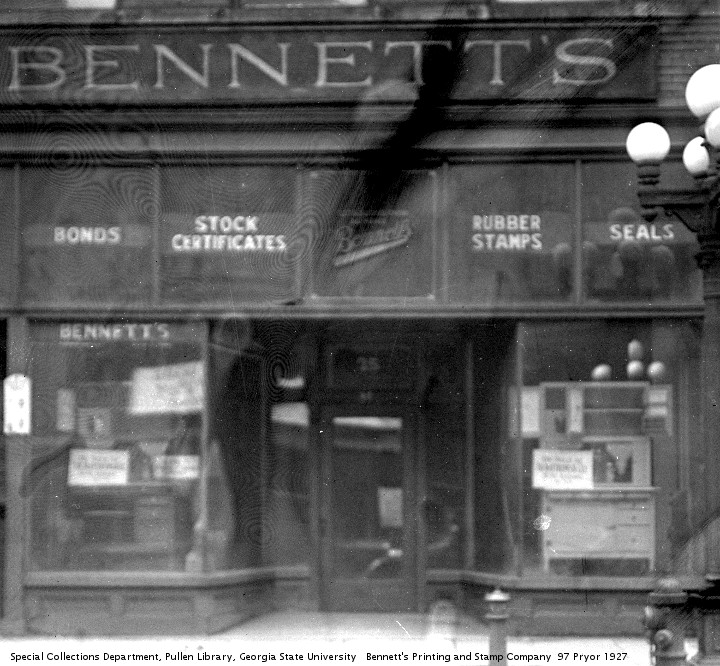




This is my 911 story. I repeat it every year at this time. Every year I say this will be the last time. This year is a mess. We are destroying the village to save it. The action part of 091101 was over by 11 am. This quagmire drags on and on. Nobody knows how things will turn out.
I was at work, and someone called out that someone had run a plane into the World Trade Center. I didn’t think much of it, until I heard that the second tower had been hit, then the Pentagon, then the towers collapsed, then a plane crashed in Pennsylvania.
I focused on my job most of the day. There was always drama at that facility, and concentrating on my production duties helped to keep me saner. This was roughly the halfway point of my seven year tenure at this place.
One of the other workers was a bully for Jesus. He was a hateful loudmouth. After the extent of the damage became known, he shouted “They are doing this for Allah,” and prayed at his desk. The spectacle of the BFJ praying made me want to puke.
I became alienated from Jesus during these years. Once, I had once been tolerant of Christians and Jesus, as one would be with an eccentric relative. I began to loath the entire affair. I hear of others who found comfort in religion during this difficult time. That option simply was not available for me.
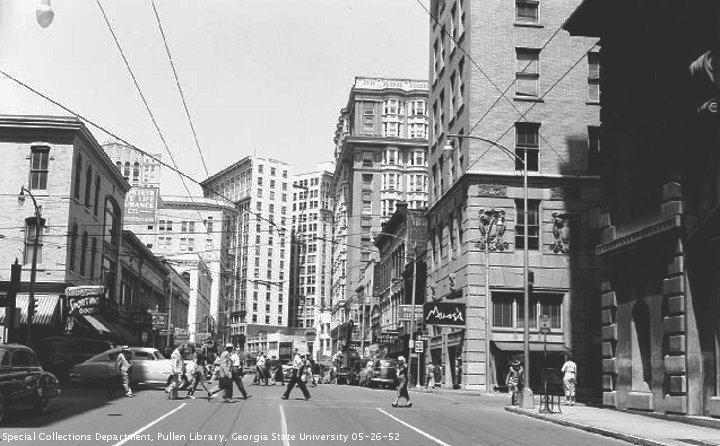
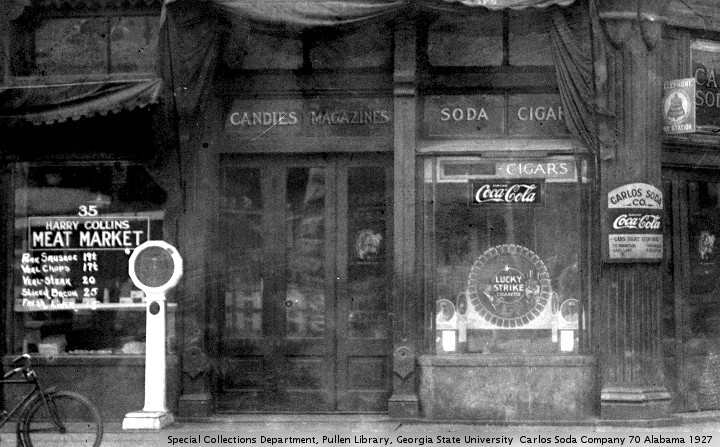
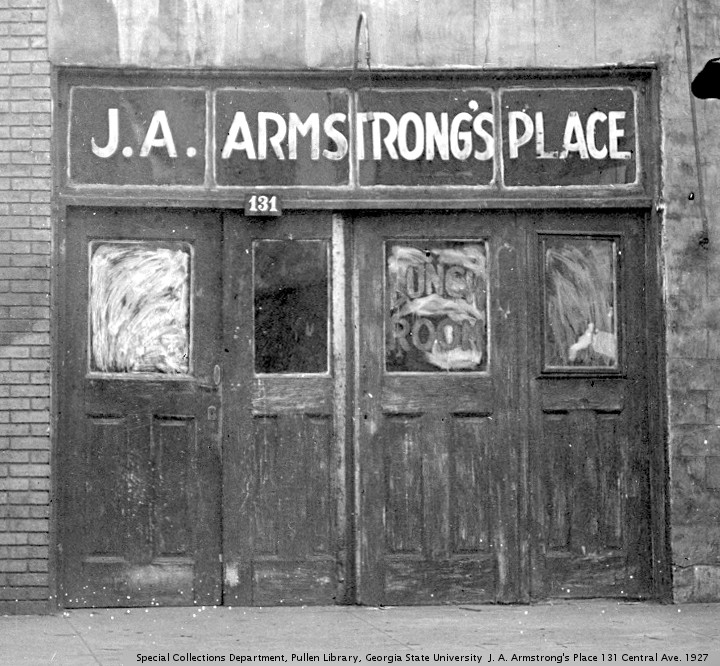
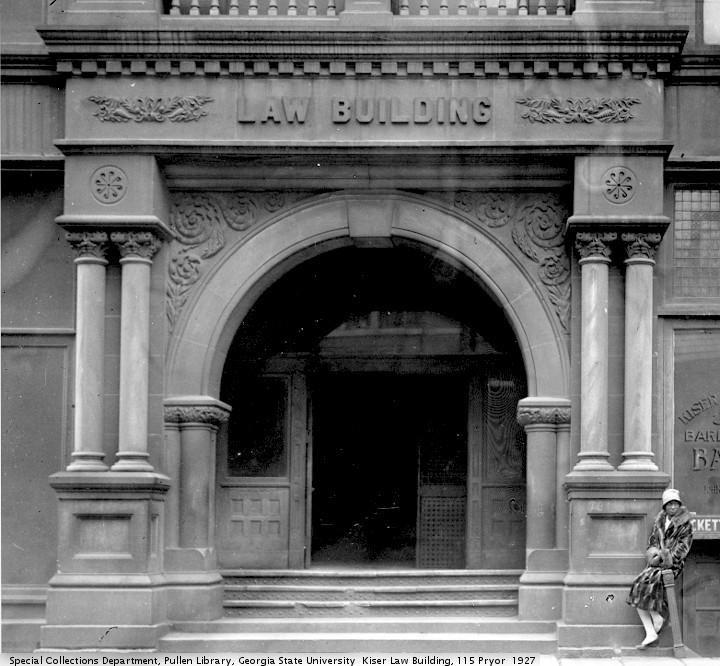
Pictures from “The Special Collections and Archives, Georgia State University Library”. “This item is part of a collection of images of downtown Atlanta streets that were taken before the viaduct construction of 1927 – 1929. Some of the covered streets became part of Underground Atlanta.”






Intellectual Bulimia


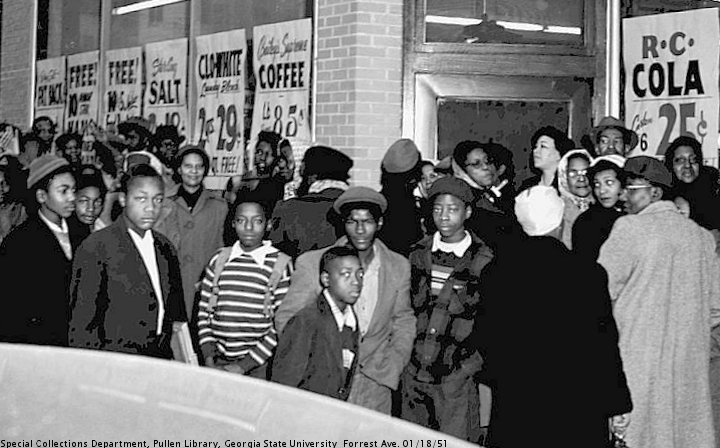
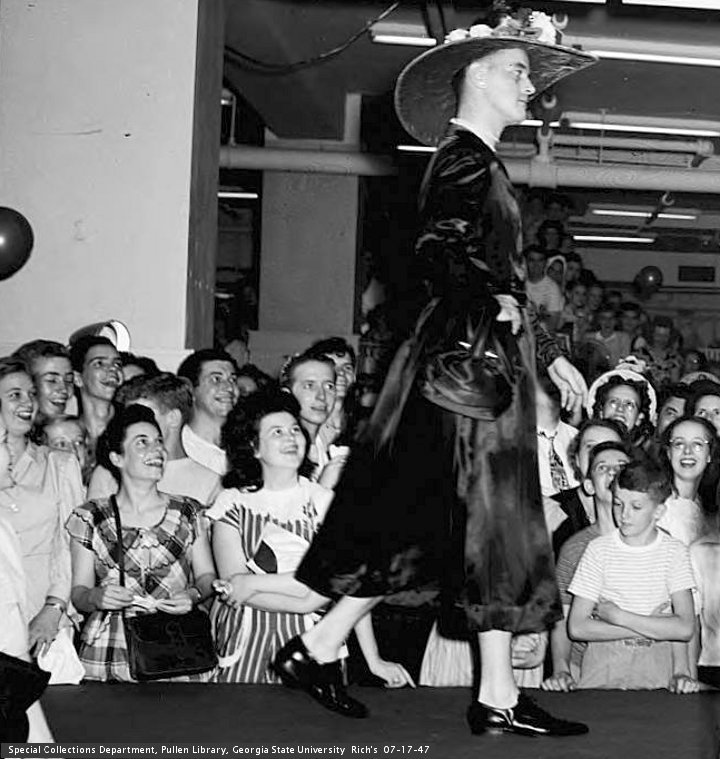
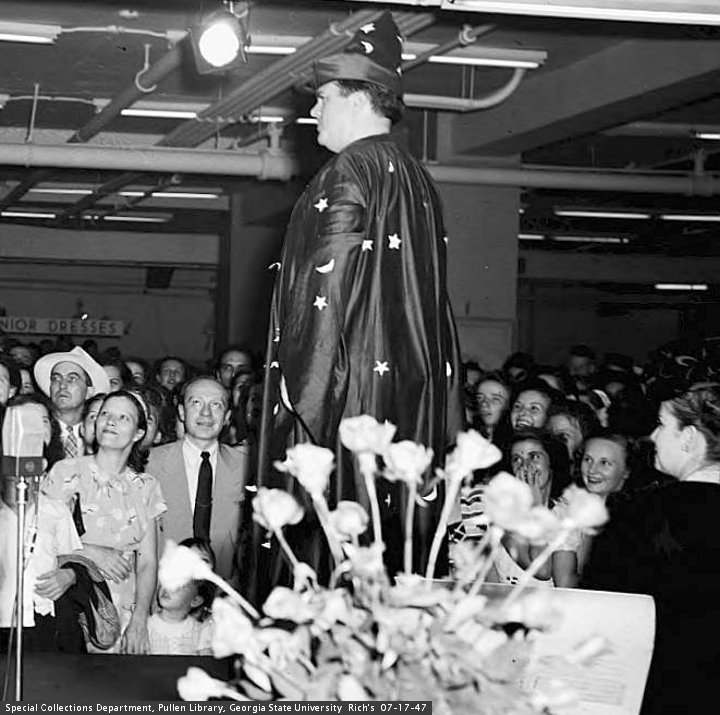

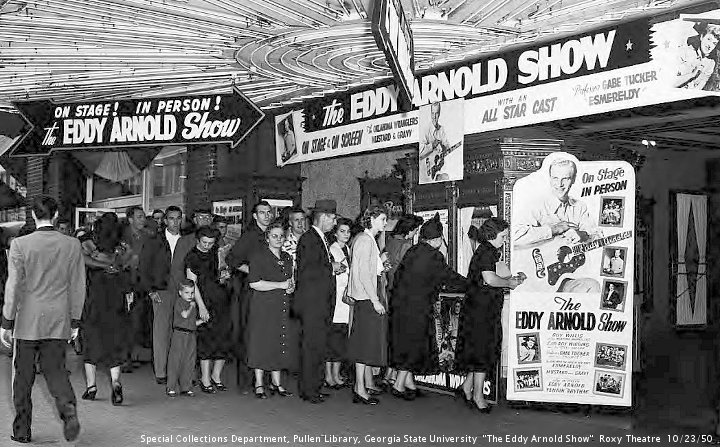
One of the touted TED talks in the weekly email is Color blind or color brave? It is by Mellody Hobson, a POC in the investment business. It is the standard call to talk more about race. Talk, talk, talk, and talk some more. The word listen is not used.
At the 3:13 mark, Mrs. Hobson makes a remarkable statement. “Now I know there are people out there who will say that the election of Barack Obama meant that it was the end of racial discrimination for all eternity, right?” (Yes, this is a TED talk.) It is possible that someone has said that. There are also people who say the earth is flat.
PG asked Mr. Google about this. The top two results are about the TED talk. The third result is an article in Forbes magazine, Racism In America Is Over. It is written by John McWhorter, one of the “black guys at Bloggingheads.tv.” Dr. McWhorter does say racism is over, sort of. The problems that remain are a lot worse. Too much food for thought, for a population with intellectual bulimia.
There is a quote in the Forbes article that is pure gold. “When decrying racism opens no door and teaches no skill, it becomes a schoolroom tattletale affair. It is unworthy of all of us: “He’s just a racist” intoned like “nyah nyah nyah nyah nyah!””
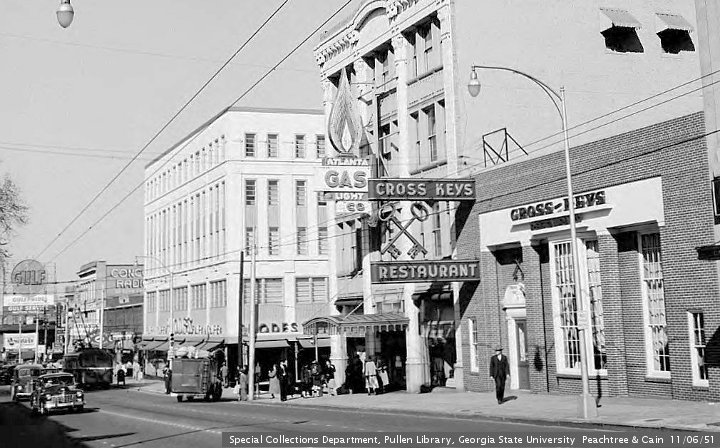
There are a lot more results. PG is getting tired of looking. If you want to see for yourself, google “the election of Barack Obama meant that it was the end of racial discrimination for all eternity.” Except for a rogue title editor at Forbes, almost nobody has said that. This is a repost. Pictures today are from “The Special Collections and Archives, Georgia State University Library”.





 Chamblee54
leave a comment