Don’t Try This At Home

This has been a lively week in the real world. It started last Sunday, when I decided to clean the laptop. I turned off the power, sprayed some cleaner on it … bad move … and wiped it down with a rag. Then, I sprayed some cleaner on the keyboard … worse move … and worked between the keys with a toothbrush. Then, instead of leaving it open overnight, I closed it.
The next morning, I was typing something, and I noticed that it was all caps. When I tried to change it to regular letters, it went blank. I booted it, and could not type in the password. This is not a good situation. As soon as the computer place opened, I went over there.
Delta computers is a building on Tilly Mill Road, next door to Home Depot. It has the same two men who are always there … probably Indian, although I have never discussed it. They provide fabulous, quick service every time.
I go in the shop. Zefir plugs a keyboard in, and tells me the keyboard is shorted out. Basically, I need a new laptop. The next day, I get a new machine, with much more RAM and Windows 11. After two days of brain damage, the device is running well.
All this time, the sore spot on my foot was getting worse. A few weeks ago, I stepped on something in the back yard. A splinter/thorn became part of my anatomy. A tweezer procedure left enough of the foreign object to cause problems. Finally, the swelling and tenderness became impossible to ignore. It was time to see someone. It was going to get worse otherwise.
Piedmont Urgent Care in Chamblee Plaza, where the Walgreens was sixty years ago. The granite wall in back is still there, where the site was blasted out of the Stone Mountain spillover. The only problem with the waiting room is the direct sunlight, but I don’t have to stay there very long. They seem to be happy with my Medicare.
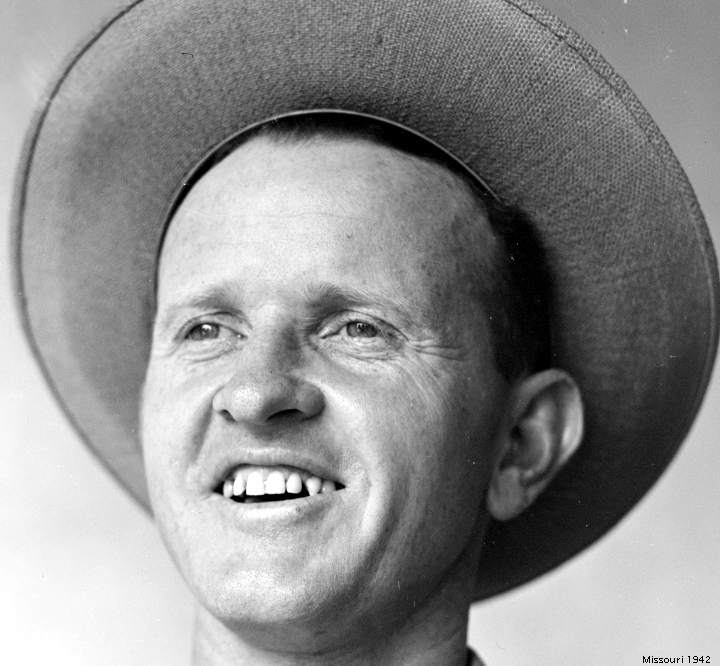
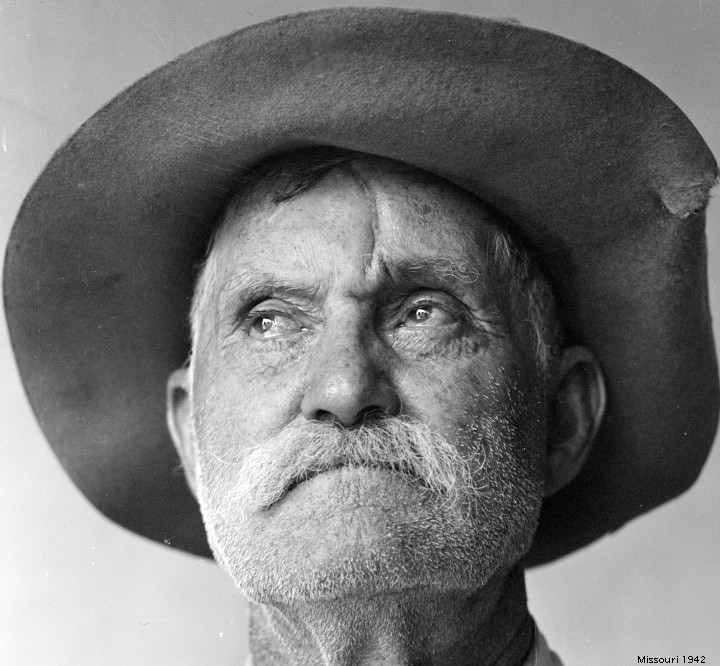
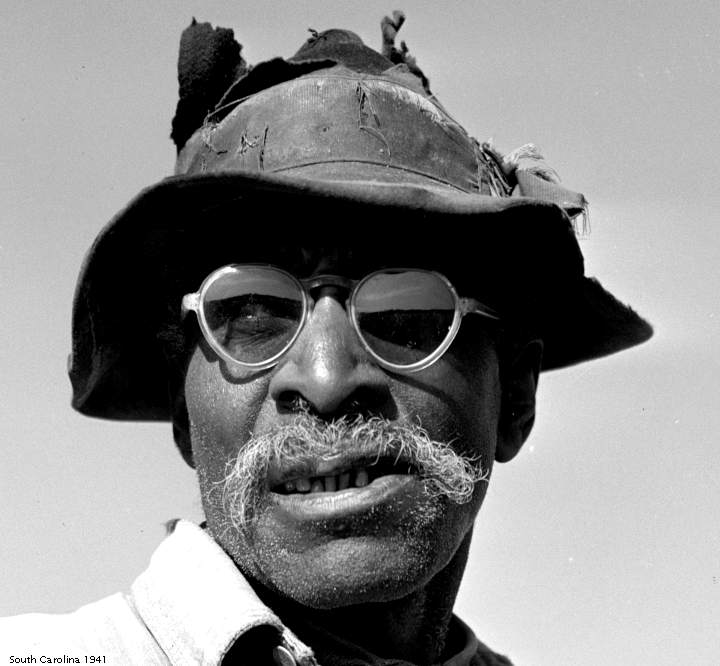
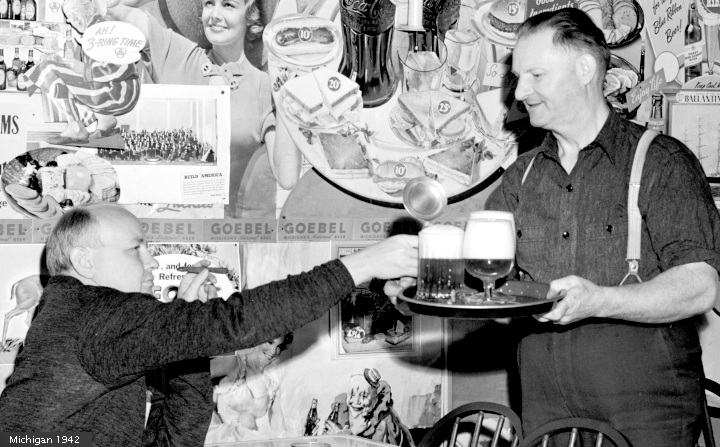
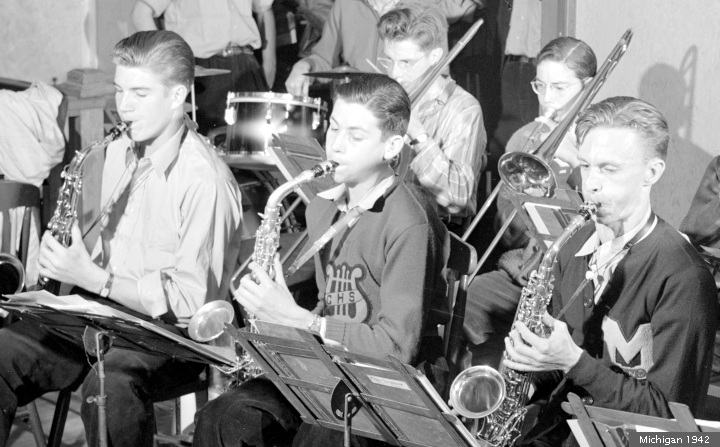
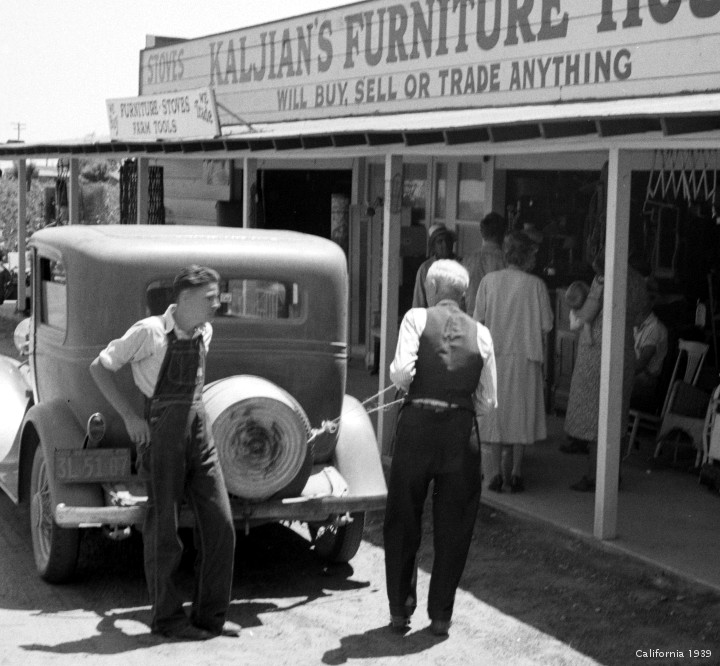
The PA cleans it out, which was not terribly pleasant. The nurse bandages me up, and gives me a script for antibiotics. There are instructions for care, and a trip to the modern Walgreens … on the other side of Peachtree Industrial … for drugs and supplies. The rest of the day was spent staying out of the rain. Pictures today are from The Library of Congress.
UPDATE: The original title of this episode was Tussit Chronicles 072024. When I was posting the link on facebook, I clicked in the add photo spot. When I pasted the link in the place, FB put it up without the picture. I quickly realized my mistake, and deleted the entry. When I returned, I posted the link in the proper manner. Before I could see the post, FB sent word that my post violated a rule, and was deleted. I appealed the deletion. When I closed that window, the second entry was still up, with the picture intact. Nonetheless, I decided to err on the side of caution. The post was deleted, and reposted under the title Don’t Try This At Home.
Where Is That Place



This blog has an email address listed. It is seldom used. The host is a faded internet company that rhymes with booboo. Once proud email has become a spam magnet. The email address there is checked every once in a great while. Yesterday was one of those times. There was a surprise.
Friday, June 5, 2015, 2:52 PM
Do you know exactly where the Agora Ballroom was in the Georgia Terrace Hotel Also I am trying to locate photos of the following locations – Does you any that we can use? Please let me know ASAP – I am on an extremely tight deadline need photos by Monday morning if possible. Exteriors or interiors are great. Please let me know if you have any.
12th Gate Coffee House (located on 10th street in Midtown,) Club 112 (located at Lavista and Cheshire Bridge,) Lenny’s (either or both of their two locations in the Old Fourth Ward,) Great Southeast Music Hall (either or both of their two locations Lindberg Plaza or Cherokee Plaza,) Echo Lounge (located in East Atlanta,) Hedgens (located in Buckhead,) Agora Ballroom (located in Georgia Terrace hotel,) Muelenbrink’s Salon (located at the Underground.) Joeff Davis Photo Editor Creative Loafing
Thursday, July 9, 2015 11:12 PM
Hey I apologize for the tardy answer. I don’t use this email very often
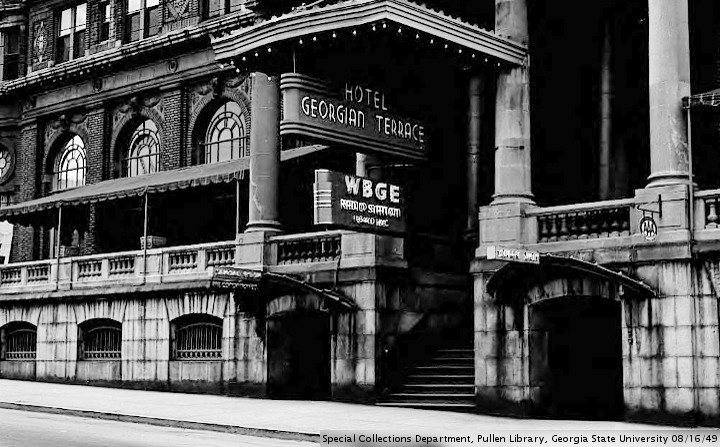
The Agora was at the end of an alley off Peachtree. It was next door to the Ga Terrace Hotel, though not in the Hotel building itself. The ballroom was in a fire in the early eighties, and was torn down. I don’t have any of the pictures that you needed a month ago.
Friday, July 10, 2015, 11:49 AM
Thanks here is the piece we did: That was then, this is now.
Friday, July 10, 2015, 1:21 PM
Hey thanks for getting back to me. The article was cool, even without my contribution. This seems like a good excuse for a blog post. I have a some comments about some of the locations listed. For instance, my mother bought groceries at the Cherokee Plaza A&P every thursday for 37 years.. I would like to use your letters, and link to your article, in my post.
Chamblee54 has had posts about four notable Atlanta performance venues: 688 Spring Street, Georgian Terrace Ballroom, The Great Southeast Music Hall, and Richards. Two were on the list of requests. As for the other two, 688 Spring Street, home of Rose’s Cantina and 688, is now a doc-in-a-box facility, Concentra Urgent Care. The site of Richards, across from Grady stadium on Monroe Drive, is now the meat department at Trader Joe’s.
The CL article, That was then, this is now, is fun to look at. There are some good pictures. There are a couple of mistakes in the piece, which this post will try correct.
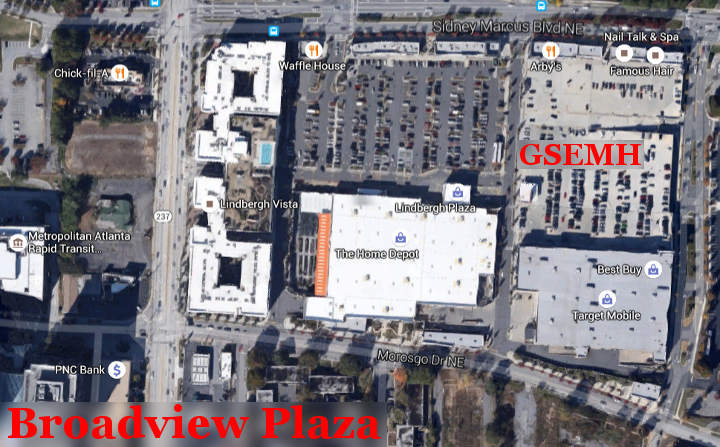
The Great Southeast Music Hall is the scene of many cherished memories for those of a certain age. The post linked here has more comments than any other Chamblee54 post. There are two google earth images, one for Broadview Plaza, and one for Cherokee Plaza.
In Broadview, (now known as Lindbergh something or another,) the Music Hall was in the corner of an L shaped building. The space is currently a part of the parking deck for Target. According to google earth, the Home Depot takes up almost the entire parking lot of the old shopping center.
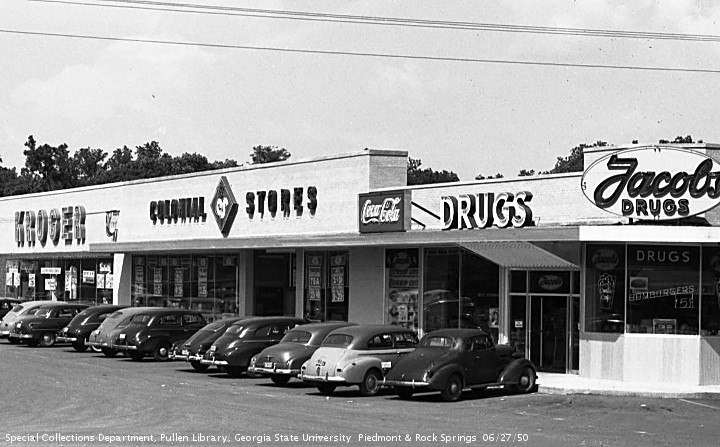
In Cherokee Plaza, the space where the Music Hall was is the south part of a Kroger. CL says it was in the parking lot, which simply is not so. This parking lot is too small, which is one reason the Music Hall failed there. In the nineties, the A&P expanded, and took over the space occupied by the theater. In 1998, A&P closed their Atlanta operations. The stores were taken over by Kroger.
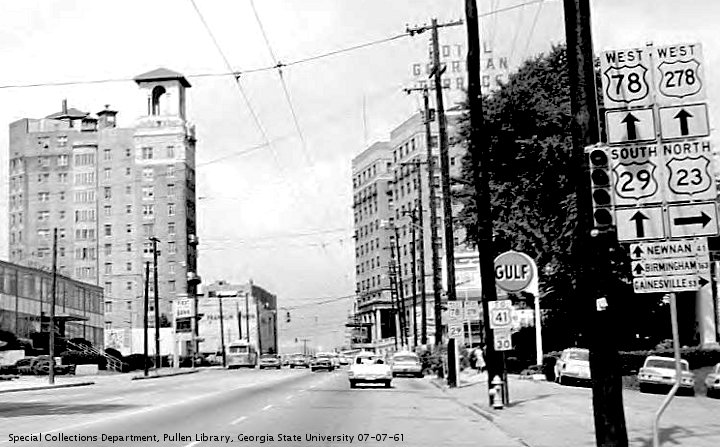
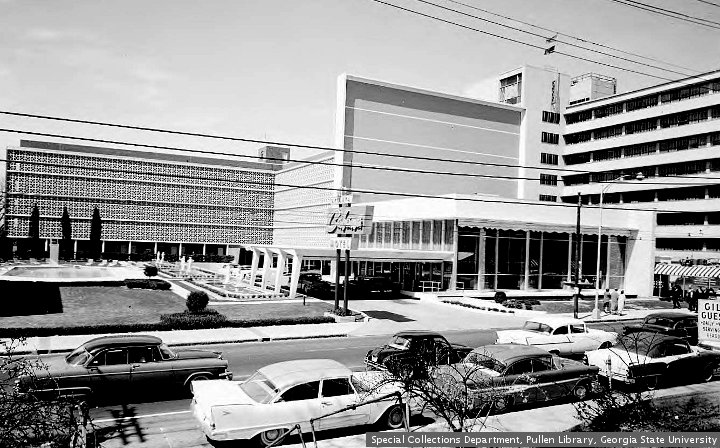
The third google earth image is for the intersection of Peachtree Street and Ponce De Leon Avenue. This is the location of the Georgian Terrace Ballroom. This was the setting of Alex Cooley’s Electric Ballroom and The Agora Ballroom. This facility was in a fire, and torn down. An annex to the Georgian Terrace Hotel was built. This annex is roughly where the Ballroom was.
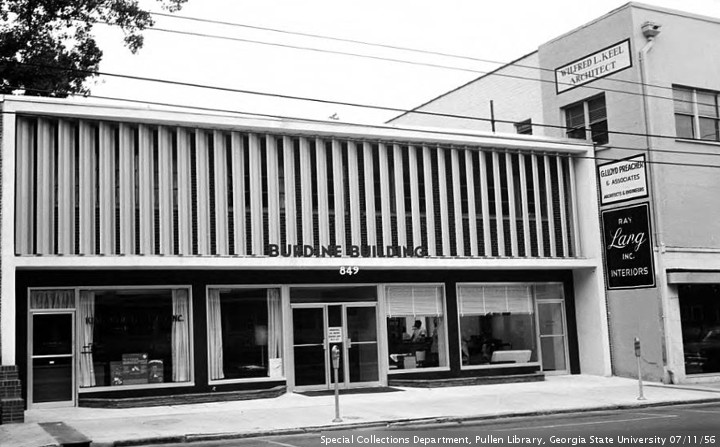
One of the places CL mentions was Backstreet. A picture of Lang Interiors, on Peachtree Street at Sixth Street, is included today.This is the building that became Backstreet. This building was a series of nightclubs in the early seventies. Backstreet opened in late 1974. It was the premier chacha palace in Atlanta for many years. When the property became valuable enough to attract the money of developers, the city discovered enough violations to shut down the party. (1974 was somewhat of a golden age for Atlanta nightlife. The Great Southeast Music Hall, Richards, and Alex Cooley’s Electric Ballroom were all in operation in 1974.)
Club 112 catered to an African American clientele. The space had been many businesses over the years, with a Fred Astaire dance studio next door. Around the time Backstreet was getting started, the space was called the Locker Room. A drag show, featuring the Hollywood Hots, performed there. The Locker Room was a “private club,” and was able to stay open on Sunday night. It was the only place open on Sunday, and was packed. The Locker Room was owned by Robert E. Llewellyn, who was later convicted of having a business rival murdered.
The 12th gate was in the middle of the block, somewhere on tenth street. It was not on the corner of Spring Street. A seedy Jim Wallace gas station was nearby. This place was mostly before I went out much. There is a hazy memory of seeing the Hampton Grease Band there. After the show, Mr. Hampton walked up to me, holding a thumb and finger making a circle in front of one eye. Mr. Hampton asked me what sign I was.
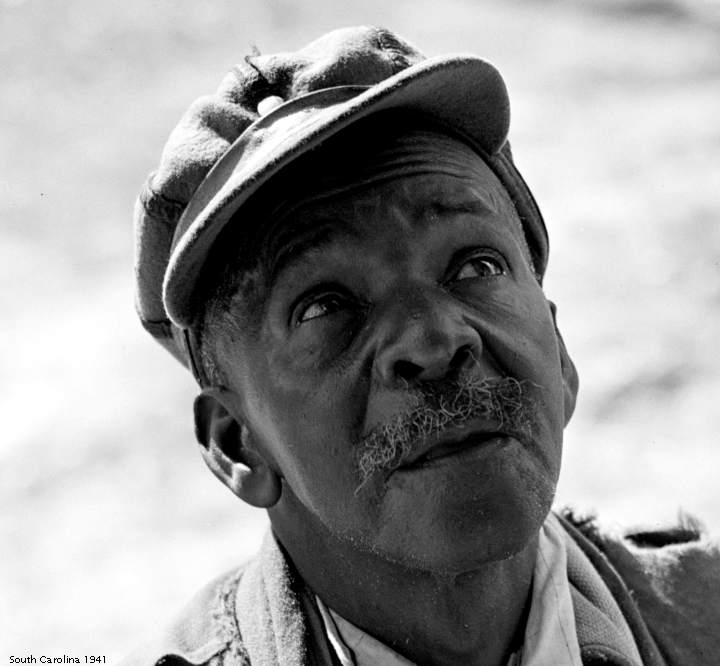
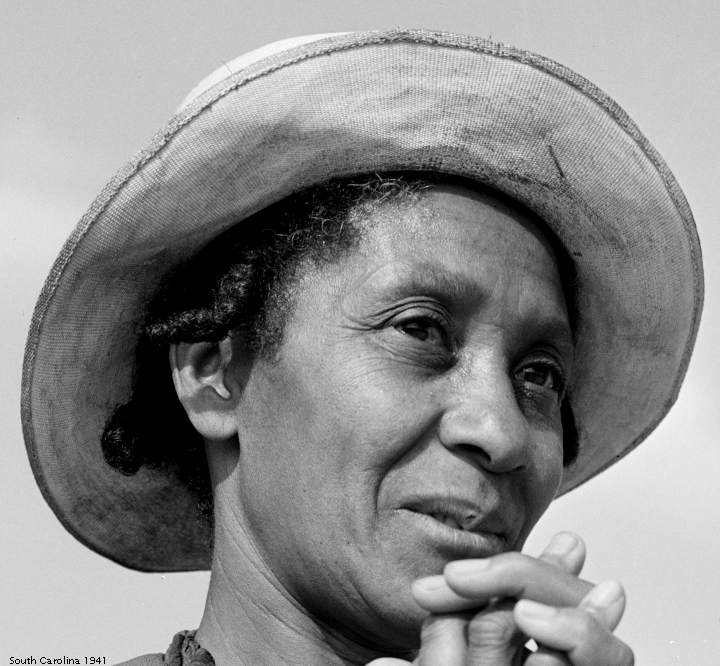
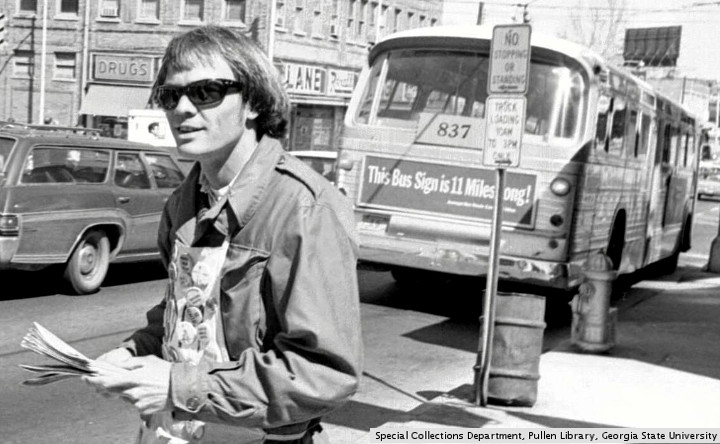
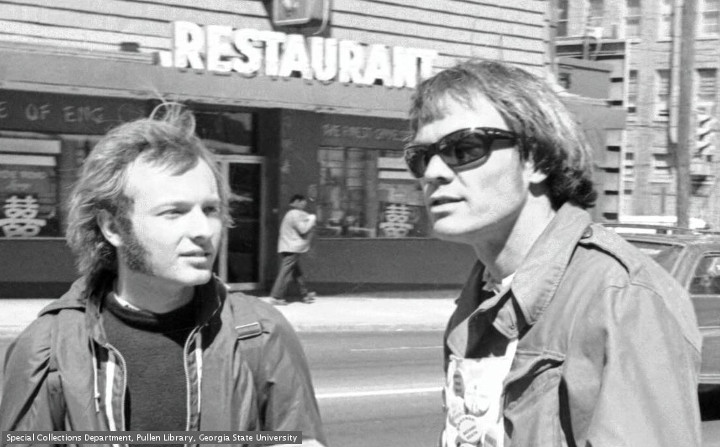
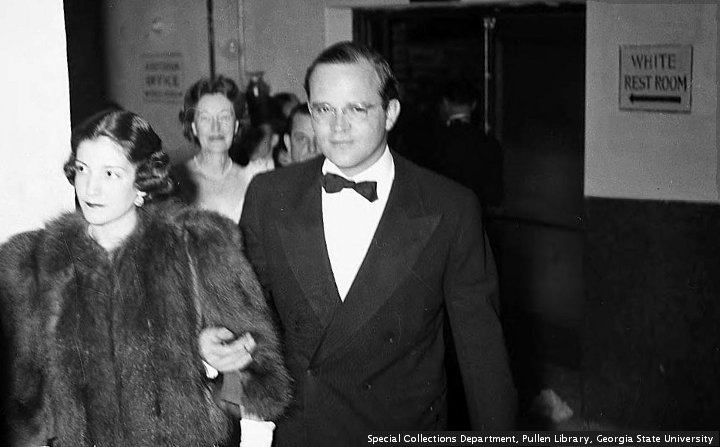
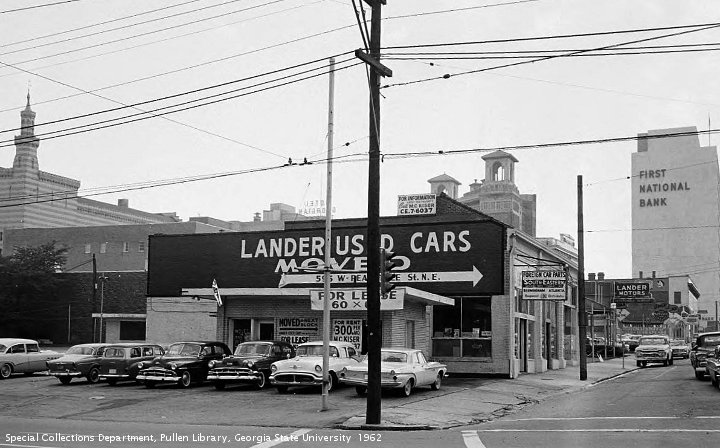
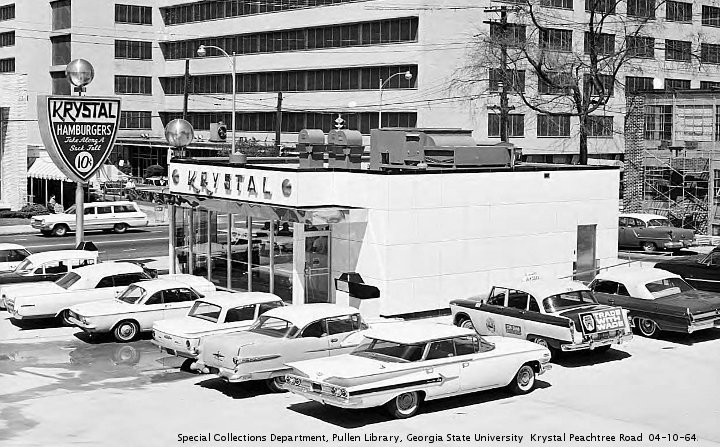
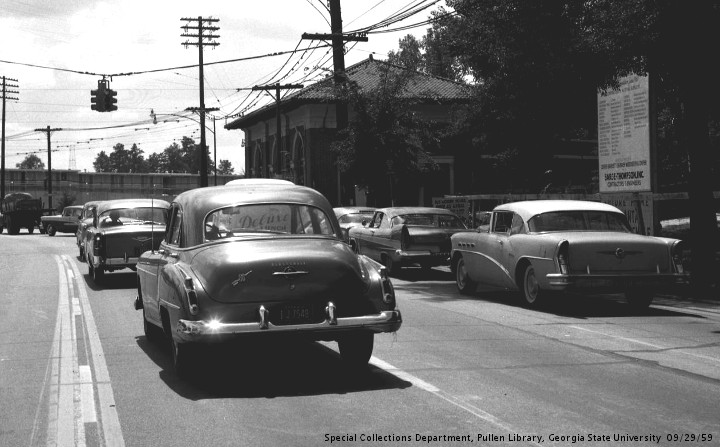
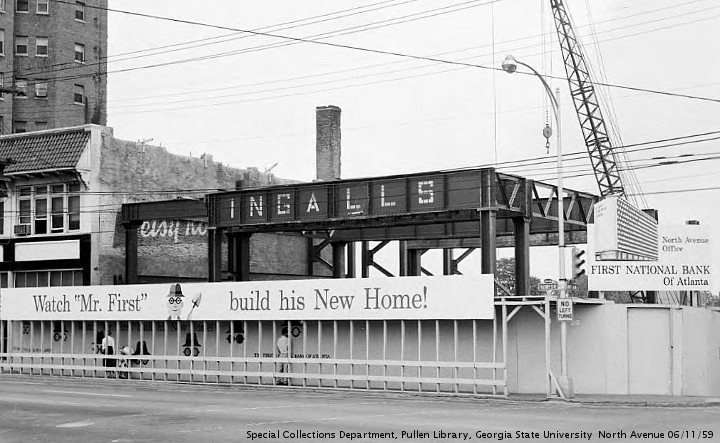
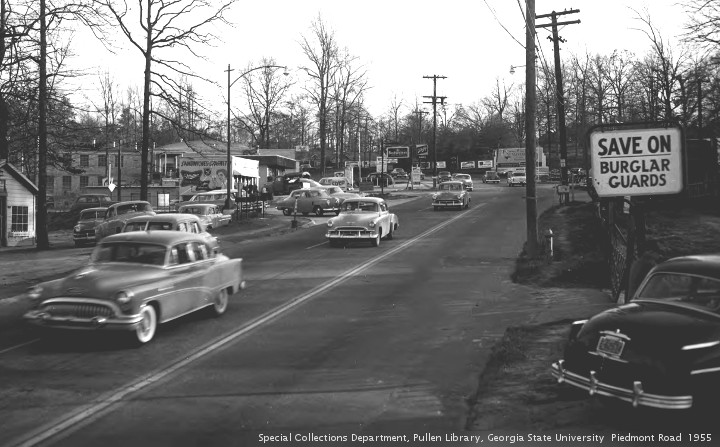
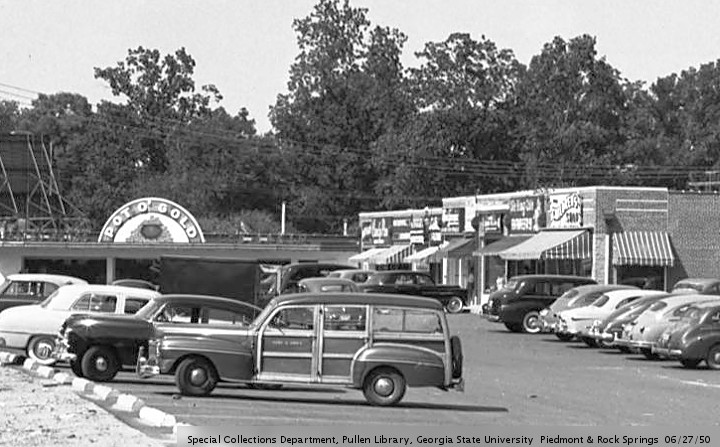
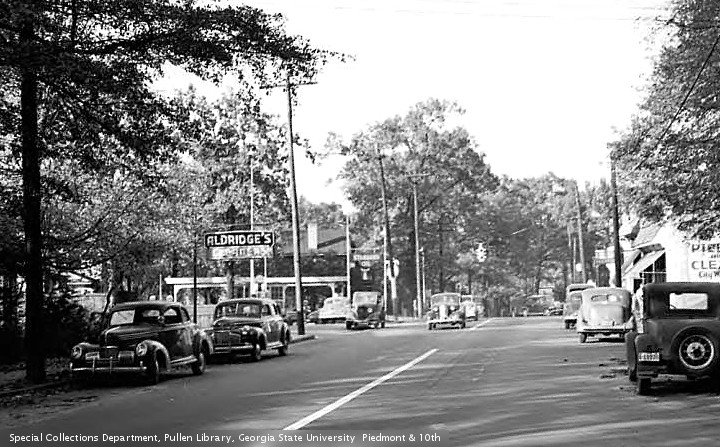
By the time Lenny’s was in business, I was a retired drunk. I seldom went downtown after dark. Somehow, the party went on without me. Pictures today are from “The Special Collections and Archives, Georgia State University Library”. This is a repost.



Electric Toothbrush


It was a hot July morning. Manley Pointer noticed a yard sale, and decided to go. After going up the path, and past the school, he came to the sale.
Most yard sales have a table with arcane electronic gear. There was something there called a router refresher. You plug it in, and the wifi is stronger throughout the house. Two electric toothbrushes were on another table. MP’s dentist has been harassing him for years about getting one. The sign said $5, quickly negotiated down to $3.
Walking home on the path, MP thought about the issues of the day. Today it was the stylistic similarities of hasbara to wokeness. The overblown rhetoric. The hypocrisy. The name calling. The flaky logic. The tendency to cut off people in the middle of a sentence, and start ranting. None of this leads to peace on earth, and good will towards men.
Getting home, MP took out the electric toothbrush. The bathroom was too small to have a convenient place to plug it in. There had been another electric toothbrush, which appeared to have a wall mount. MP walked back up the path, to see if he could exchange the non-mounting toothbrush for the mounting toothbrush.
Alas, the second toothbrush did not have a wall mount. What looked like a wall mount was another mysterious electronic device. MP went home, and put a brick on top of a cabinet to make the charger more accessible. The ET was not comfortable to use the first time. There will be other attempts. Pictures today are from The Library of Congress.

The Uterus Collector Part Two

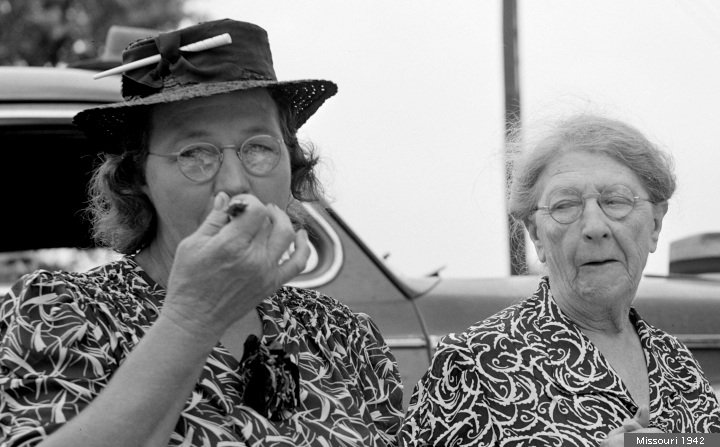
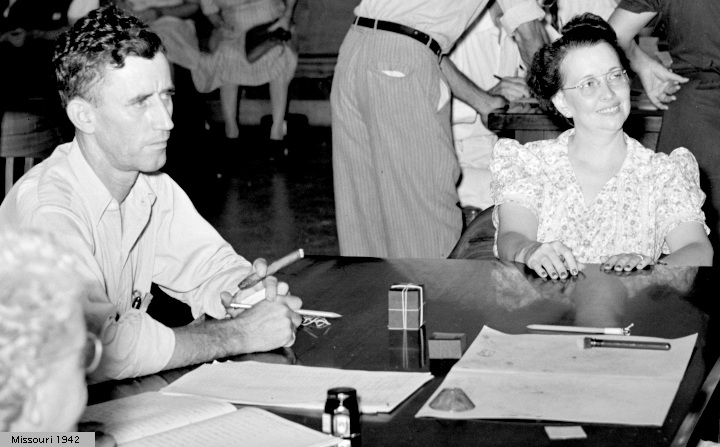
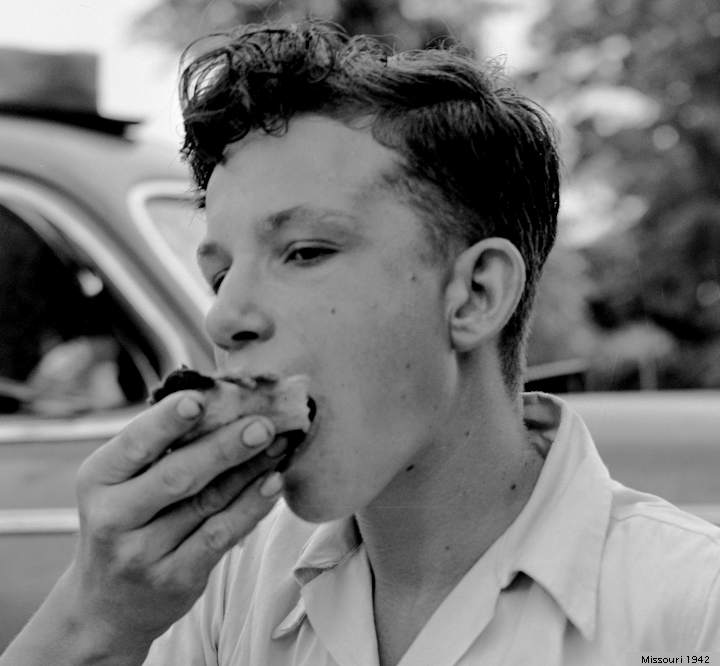
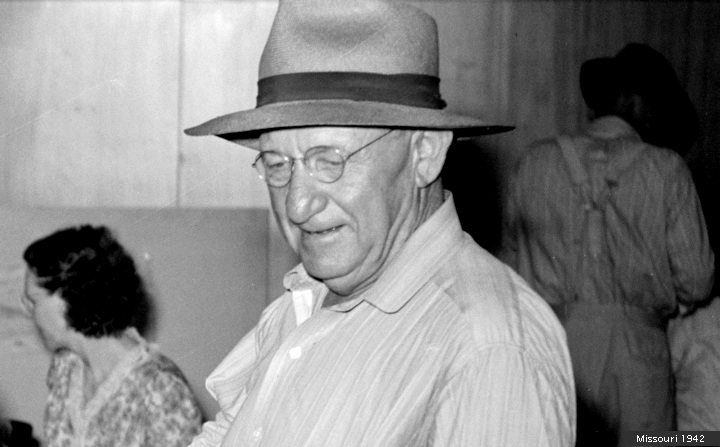
Judge says Maddow, other MSNBC hosts made ‘verifiably false’ statements about doctor suing for defamation. This is how one outlet covered the latest Maddow-pants-on-fire story. At first glance, this is not newsworthy. However, curiosity got the best of me, and I looked into the story. I soon realized that I had written a blog post about the story.
When I hear that something I wrote four years ago might be relevant, my instinct is to look for it. Unfortunately, Google advanced search was not helpful. Even a post titled The Uterus Collector is missed by the algorithm, when searching for “uterus” at chamblee54.wordpress. It is almost as if someone did not want me to find it. Fortunately, I have other methods for finding old posts. Here is what the chamblee54 post found.
“The story broke with a report from Project South. The whistle blower was Dawn Wooten. video video Ms. Wooten, a single mother of five, worked at ICDC (Irwin County Detention Center) until her hours were cut, after a dispute about Covid-19 infection. As is the case with many workplace stories, there are conflicting accounts.” …
“The focus of the complaint is inadequate safety measures, taken with regard to Covid-19. “Priyanka Bhatt, staff attorney at … Project South, told The Washington Post that she included the hysterectomy allegations because she wanted to trigger an investigation. …”
“If ICDC did not have the resources to provide adequate safeguards against Covid-19 infection, how are they going to have the resources to provide hysterectomies? … a hysterectomy can cost thousands of dollars and both ICE and the private companies that contract with the agency to oversee its detention centers notoriously provide dangerous and substandard medical care to cut costs and maximize profits.”
There are more problems with TUC narrative, which you can see at the post. This post was thrown together by an old white guy with too much free time. Why was he able to see this better than a major news organization? Pictures today are from The Library of Congress.
July 3, 1981




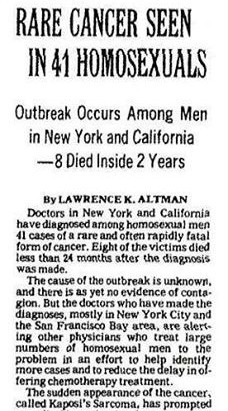
July 3, 1981, was another day before a holiday. The new President, Ronald Reagan, was recovering from gunshot wounds. There was talk of an era of conservatism, with possibly severe repression.
There was an article in the New York Times. RARE CANCER SEEN IN 41 HOMOSEXUALS. “Doctors in New York and California have diagnosed among homosexual men 41 cases of a rare and often rapidly fatal form of cancer. Eight of the victims died less than 24 months after the diagnosis…”
This was the media debut of AIDS. It would not have that name for a while. Almost nobody thought, on that summer day, just how bad AIDS would be. In five years it was obvious how serious AIDS was.
 I was on another trip to the west coast. It was becoming obvious that this would be a vacation, rather than a relocation. He was riding a bicycle, with a milk carton overloaded with camping gear. Some kids told him to get saddle bags, and carry the weight lower. If you have the weight on top, you would lose control coming down a big hill. I did not listen to the kids.
On July 4, I left Patrick’s Point state park, about 300 miles north of San Francisco. Coming down the first hill on highway 101, the bike shook, shook harder, and flipped on its side. I was thrown off. The front wheel was bent beyond repair. I gathered my gear, left the bike behind, and got a ride into the nearest town.
I got a bus ticket to Seattle. That city was in an economic downturn, with less than half a page of help wanted ads. I found a auto delivery service, and got a VW bug going to Oak Ridge, TN. In a few days he was in Atlanta. A few days later, a temp agency came up with a job as a driver for a blueprint company. I worked for that company, in one form or another, for the next 24 years.
As for the gay men with Kaposi’s Sarcoma … in all probability, the patients mentioned in that article were all dead within a year. AIDS has become a dominating story in our time. At its worst, it was claiming 50,000 lives a year. With the advent of wonder drugs, the death toll has been greatly reduced. The impact of AIDS on American life cannot be adequately described. This is a repost.
Pictures today are from “The Special Collections and Archives, Georgia State University Library”. Lawrence K. Altman, M.D. had an NYT byline on Feb. 16, 2023.


On The Road Part Two


One moment in the integration of On The Road into my Mcmansionville life in was the washing machine incident. I was doing the clothes. When the machine gets to the spin dry cycle, the clothes settle unevenly in the spin basket. The machine starts to rock on its feet, and make machine noise music of Lou Reed proportions. I will rest my butt against the side of the machine, and read OTR.
Meanwhile, OTR is sitting there, patiently waiting on the slack blogger to write yet another chapter. Sal Paradise (Jack Kerouac) is back in Frisco. As soon as Dean (Neal Cassady) gets there, he takes off in search of pussy. … “‘Oh I love, love, love women! I think women are wonderful! I love women!’ He spat out the window; he groaned; he clutched his head. Great beads of sweat fell from his forehead from pure excitement and exhaustion.”… Marylou, the Dean-babe they went cross country with, has run off with some rich people she knows. Sal is broke, starving, and dreaming of food. “There were places where hamburgs sizzled on grills and coffee was just a nickel.” Sal was in the pre-beatnik San Francisco of 1948, 71 years before I rode the washing machine in summertime Brookhaven. The culture may be internet processed, but the fridge has food, and the clothes are going to be clean in a little while.
Part Two of OTR starts with Sal back in New Jersey. He takes his aunt down to Virginia for a family holiday. Who should show up but Dean Moriarty, first wife Marylou, and Ed Dunkel … “ready to do anything Dean asked him, and at this time Dean was too busy for scruples.” Sal’s aunt has furniture to take back to New Jersey, which Dean winds up taking in his ’49 Hudson. There is an extended New Years Eve party in New York. Before long, Dean needs to get back to Frisco, and he talks Sal into going along. … “… but now the bug as one me again, and the bug’s name was Dean Moriarty and I was off on another spurt around the road.” … They go through Washington as Harry Truman is being sworn in for a full term as POTUS. Around that time, they got a costly speeding ticket in Virginia. They paid that off, leaving them very little money to get to California. (Ed Dunkel, aka Al Hinkle, was the “sole survivor” of the OTR characters. He died December 26, 2018.)
The first stop is New Orleans. Old Bull Lee (William S. Burroughs) is there, along with Galatea, the wife of Ed Dunkel. The cadaverous OBL is leading the opiated life described in Junky. Galatea is one of the more curious side stories of OTR. Ed meets her out west. “These two mindless cads decided to bring the girl along to the east and have her foot the bill … By the time they got to Tucson she was broke. Dean and Ed gave her the slip in a hotel lobby and resumed the voyage alone …”
Galatea made it to New Orleans, and Old Bull Lee. Galatea was reunited with Ed, and began their life together. 46 years later, Galatea … whose real name was Helen … was still with Al Hinkle. Here is the honeymoon story. Better Homes and Gardens chose not to publish this tale.
“… the Burroughses weren’t all too happy to have had Helen ‘dumped’ on them. As a matter of fact, when Helen first got there, Bill wasn’t happy and began writing letters to Allen (Ginsberg) in New York telling him to tell me to come and get her out of his house, it’s not a hotel! When we finally got to their house, which was actually in Algiers, LA (across the Mississippi River from New Orleans), Bill and Joan welcomed us. Helen had made herself indispensible in the three weeks she had been there, caring for both the Burroughs children (Joan’s three year old daughter Julie and William Jr., who was an infant at that time); she bathed them, fed them, and generally kept them out of their parents’ way. Bill and Joan actually asked Helen and I if we would stay with them – he had a room all ready to fix up for us! But Helen wanted out – she couldn’t believe how they lived, how little care they took of their children; never mind the house, which was dirty, with lizards running around everywhere.”
Helen was appalled by Joan’s use of the Benzedrine inhalers – she would open them up and swallow the cotton. Joan would send Helen to buy an inhaler almost every day. Once Helen mentioned to Joan that the pharmacist told her he would happily sell her ten inhalers at a time because he knew she was not the type to abuse them, to which Joan replied, “So, where are they?” And Helen never figured out that Bill was using heroin – she just thought he was stoned on marijuana all the time (which he was, on top of the heroin). It was all just a little too crazy for Helen, and she was glad when we turned down their offer of a room and found ourselves a room in New Orleans, where we stayed for about six weeks. It was a low-budget adventure, but we did get our honeymoon and we enjoyed it immensely.”
Sal and OBL went to the racetrack. Sal had a vision about his father, and told OBL to bet on a horse because of it. OBL ignored Sal. The horse won, and paid fifty to one. Soon after that, OBL kicked the bunch out. They headed to Frisco without any money. They stole food and gasoline. They picked up hitchhikers, who promised money from a rich aunt down the road, who sometimes existed. Dean cut off the gas while going downhill and coasted. Sal did not like to drive … “I had nothing to offer anybody except my own confusion.” … took up space and grooved on the goneness of it all.” … “And for just a moment I had reached the point of ecstasy I had always wanted to reach, which was the complete step across chronological time into timeless shadows, and wonderment in the bleakness of the mortal realm, and the sensation of death kicking at my heels to move one, with a phantom dogging its own heels, and myself hurrying to a plank where all the angels dove off and flew into the holy void of uncreated emptiness, the potent and inconceivable radiances shining in bright Mind Essence, innumerable lotus-lands falling open in the magic mothswarm of heaven.”
After much hunger and grooviness, Dean, Sal, and Marylou made it to Frisco. Dean promptly dumped Marylou to take up with kids-mama Camille. “You see what a bastard he is?… Dean will leave you out in the cold anytime it’s in his interest.” Sal wanders the city dreaming of food, until he gets his GI bill money, and decides to go back to New Jersey. “What I accomplished by going to Frisco I don’t know. Camille wanted me to leave; Dean didn’t care one way or the other. I bought a loaf of bread and meats and made myself ten sandwiches to cross the country with again; they were all going to go rotten on me by the time I got to Dakota. … We were all thinking we’d never see one another again and we didn’t care.” The beatnik lifestyle had a downside.
The first draft of this piece is done. I get more coffee, and goes to work on another project. He is producing a sticker picture based on Lizard (No. 56) by M.C. Escher. Today is the day to start cutting out lizards. These pieces are larger, and more complicated, than what I usually cut out. The Grateful Dead is goofing on “China Cat Sunflower” in the background. Jerry would have made a lousy headlight on a northbound train.
Pictures today are from The Library of Congress. This is a repost from 2019. The chamblee54 On The Road series is complete. part one part two part three part four part five part six part seven

The KKK In Atlanta


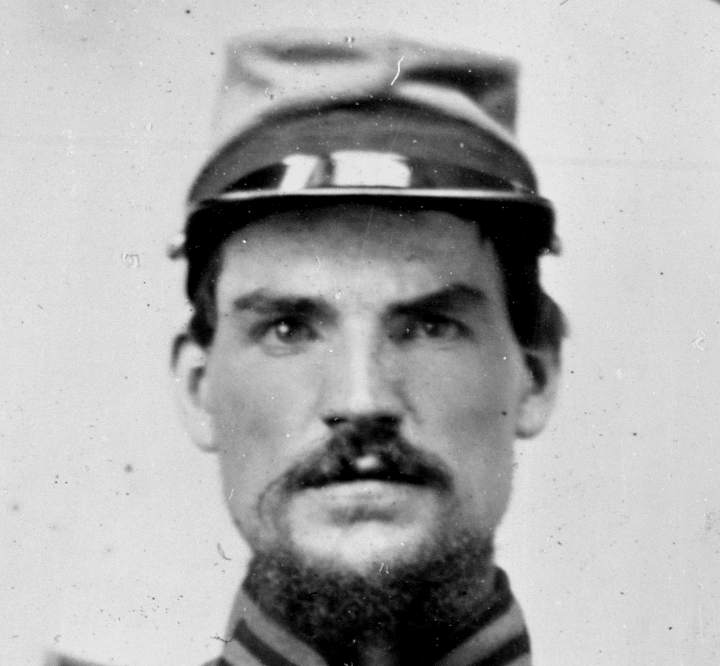
@SpaceyG “Buckhead hasn’t been considered an Atlanta suburb since the head of the ATL Klan developed the Peachtree Battle-Peachtree Rd. area as one. When he sold some land to the Catholic Church (for Christ the King) he was relieved of his top Klansman duties.” This was news to me, though not terribly shocking. My google habit kicked in, and soon there was a handful of articles. There was a lot of disagreement over the specifics.
There was also a lot of oh-how-terrible posturing. This will be held to a minimum in this post. We are talking about the Ku Klux Klan. If you don’t know by now, they were horrible, horrible people. If you want to get worked up about it, go watch tv.
The KKK was revived in 1915. Birth of a Nation was one inspiration. Another catalyst was the Leo Frank affair. He was convicted of the murder of Mary Phagan, despite substantial evidence of his innocence. Mr. Frank was Jewish. The trial was the occasion for anti-Semitic hate speech.
Gov. John Slaton commuted the death sentence of Mr. Frank to life imprisonment, along with suggestions that the verdict would be overturned. A group called “The Knights of Mary Phagan” broke into the state prison, and took Leo Frank out. On August 17, 1915, he was taken to Marietta, and lynched. This happened where I-75 crosses Hwy 120 today, downhill from the Big Chicken.
“An itinerant Methodist preacher named William Joseph Simmons started up the Klan again in Atlanta in 1915. … On Thanksgiving Eve 1915, Simmons took 15 friends to the top of Stone Mountain, built an altar on which he placed an American flag, a Bible and an unsheathed sword, set fire to a crude wooden cross, muttered a few incantations about a “practical fraternity among men,” and declared himself Imperial Wizard of the Invisible Empire of the Knights of the Ku Klux Klan.”
The Klan initially did not do very well, until I.W. Simmons met Edward Young Clarke and Mary Elizabeth (Bessie) Tyler, a pair of promoters. They rebranded the Klan to fight against Jews, Catholics, and anything else people did not like. Clarke and Tyler had a knack for publicity, and got a lot of new members. The recruits paid a $10 initiation fee, with a substantial cut of that going to Clarke and Tyler. Soon, the money began to pour in.
These recruits were going to need pointed hoods. “Although it’s little morethan an unassuming office structure today, the Cotton Exchange Building on bustling Roswell Road has something of a haunted past. In the early 1920s, the Ku Klux Klan bought and used it as a manufacturing and distribution center for the group’s propaganda. Additionally, the Klan produced its robes, hoods and gloves there.” The Cotton Exchange building still stands today, a block north of the Buckhead triangle.
“On October 11, 1921, Elizabeth Tyler was entertaining a few friends in her elegant Atlanta home. … At 9:45 p.m., five gunshots rang out. Half an hour later, the telephone rang at the Atlanta Constitution. “I want to talk to a reporter … I just want to tell you that we got Mrs. Tyler tonight.” The assailants, who were never identified, hadn’t gotten anyone. All five bullets had missed.”
That was not the only trouble in paradise. The Klan leadership began to quarrel. I.W. Simmons was pushed out, replaced by Hiram Evans. Soon, Clarke and Evans were out. Imperial Kleagle Clarke was convicted of violating the Mann Act. Bessie Tyledr moved to California, and died in 1924.
The sources I found are unclear about a KKK real estate business. I.W. Simmons had plans for a University, and began to purchase property for it. There was also the Imperial Palace, at the corner of Peachtree and West Wesley. Here is what the Catholic church says:
“In 1916, an elegant white-columned, Greek revival-style mansion was built by Edward M Durant on the site of the Cathedral. In 1921, the house was bought by the Ku Klux Klan. The group met mostly in secret in the home with the intention of transforming it into their “Imperial Palace,” but by the 1930s had begun to unravel with the onset of the Great Depression. After the property went into foreclosure, the Church was able to purchase the land from the mortgage holder. The cost of the 4 acres of land and mansion was $35,000, quite a sum at that time but was chosen over other available locations due to the fact it was on public transportation. … On the Feast of Christ the King on October 31, 1937, the cornerstone for the Church was blessed and the dedication took place on January 18, 1939.” Pictures today are from The Library of Congress. This is a repost.


Gatorade Baptism



Manley Pointer was looking at X, trying to stay out of trouble. He found this item from @catholiccom. “What, you thought we weren’t gonna talk about baptizing with Gatorade?” A praying man was about to be hit with an onslaught of brightly colored liquid, coming out of a Gatorade cooler in the sky.
To a Catholic, baptize means to sprinkle a few drops of sacred fluid on the forehead. To a Baptist, baptize means filling a tub with water, and dunking the recently-saved sinner. To fill that tub with Gatorade would require at least 100 gallons. You can’t drink Baptismal fluid after it has been dunked in. All that lovely Gatorade would have to be poured down the drain. Baptists know that baptizing with Gatorade is a dumb idea, even by Catholic standards.
@catholiccom has a link to a story, Gatorade: A Sin-Quencher? You can’t baptize with Gatorade! Right? It might not be so simple. After you click through the request for donations, you get to the story. It seems like the Church built an AI priest, Father Justin. Someone asked FJ if it was ok to Baptize an infant with Gatorade. People have serious discussions about this. You will be forgiven if you do not participate.


The Nightclub
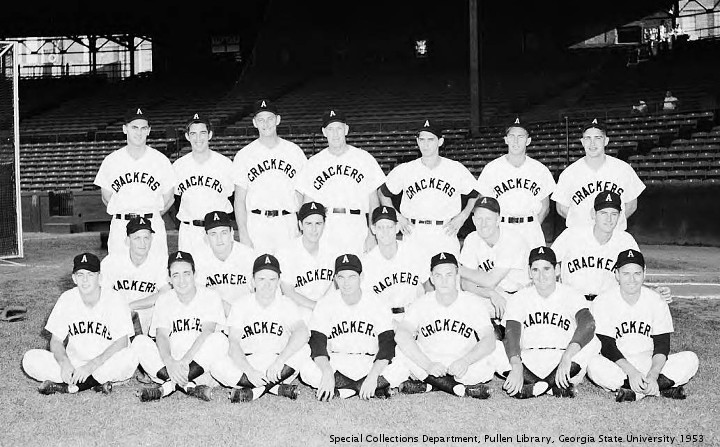


A picture turned up on facebook the other day. It was a flyer for a rock club at 2581 Piedmont Road called The Nightclub. The facebooker said “Found on the Strip Project’s page! I THINK the year is 1975…but…T Wesley Dean, can you help with this? Thermos played there”
Broadview Plaza had a strange design. It was at the corner of Piedmont Road and Lindbergh Drive, about a mile north of the park. BP was one of the first shopping centers built in Atlanta. BP was built on the site of Mooney’s Lake … “a summer swimming hole off of Morosgo Drive in Buckhead that was in business from 1920-58.” The design was unusual, having a row of stores facing Morosgo Drive, connected to a larger group of stores by an escalator. The downstairs portion was home to the Great Southeast Music Hall. The Nightclub was in the upstairs part, next to the escalator.
Peaches Records and Tapes was just getting going in 1975. PRT was a huge facility at the base of heartbreak hill on Peachtree. Rock stars put hand prints in cement in front of the store. One of the hand prints proclaimed DARRYL RHOADES IS GOD. Mr. Rhoades, backed by the Hahavishnu Orchestra, performed at PRT Halloween 1975. Mr. Rhoades had a big time playing his shit hits. (fecal dyslexia is rough) Shoplifters had a productive evening.
What does this have to do with The Nightclub? One afternoon, Peaches had a flyer on the checkout counter. The handbill had a coupon for free admission to the Roger McGuinn show. I went to this show. Jim McGuinn was the front man for the Byrds, before he changed his name to Roger. The show was fun to watch, with “Chestnut Mare” and “Lover of the Bayou” remembered 44 years later. Before doing “Eight Miles High,” Mr. McGuinn strapped on a guitar with christmas tree lights in the body. The lights flashed when the corresponding string was picked.
A few days later, Miles Davis was scheduled to play. Someone was going to take his parents to see the show. When they heard that Miles had gone electric, they decided not to go. I wound up with one of the extra tickets. Then Miles Davis decided not to perform that night. The substitute was Thermos Greenwood and the Colored People. Yes, that was the name of the band. The players, all white men, painted their faces different colors. The guitar player was green, the drummer was silver, and the bass player was red. TGATCP played what they called “cigar music.”
The Nightclub soldiered on for a while, and went out of business. This is what bars do. I did see one more show upstairs. Spirit played there Halloween 1977. One celebrant wore a Richard Nixon mask, with prison stripes. I improvised a beekeeper costume. A drunken young lady asked me what my costume was. “Are you going to catch bees in the men’s room, you freak? Before Spirit came on stage, someone sitting near me, said that the band was demanding their money before they went onstage. Spirit put on a rousing show. They’ve got a line on you. Pictures for today are from “The Special Collections and Archives, Georgia State University Library”. This is a repost.



Muhammad Ali vs Jerry Quarry




Many have noted that Muhammad Ali lit the Olympic torch in 1996. Few seem to remember another Atlanta appearance from the former Cassius Clay. It happened October 26, 1970, at the Municipal Auditorium. To get to this point, lets borrow a few lines from a Courier-Journal Ali Timeline.
1960 – “Clay defeats Zbigniew Pietrzykowski of Poland on Sept. 5 to win the light-heavyweight boxing gold medal at the Olympics in Rome…”
1962 – “Clay hears Elijah Muhammad speak for the first time. He meets another Nation of Islam leader, Malcolm X, who becomes a friend and adviser. – On March 9, the military draft board classifies Clay 1-A, meaning he is fit and available to be called into the Army…”
1964 -” Because of a low score on the Army intelligence test, Clay is reclassified 1-Y, not qualified for military service, in January. “I said I was The Greatest,” he explains. “I never said I was the smartest.” – Clay scores a stunning seventh-round technical knockout over 7-1 favorite Sonny Liston on Feb. 25 at the Miami Convention Center, winning the world heavyweight championship at age 22. – In response to a reporter’s question the day after the fight, Clay confirms he is a member of the Nation of Islam, saying: “I believe in Allah and in peace. … I’m not a Christian anymore. … Followers of Allah are the sweetest people in the world. They don’t tote weapons. They pray five times a day.” – A rift grows between Elijah Muhammad and Malcolm X. Ali sides with Elijah, causing grief for Malcolm. – Casting off his “slave name,” Clay adopts the temporary name Cassius X. Later he announces that Elijah has bestowed on him the name Muhammad Ali. The name means “Praiseworthy One.”…”
1965 – “Ali knocks out Liston in the first round of their rematch, before only 4,280 fans in Lewiston, Maine, on May 25. Liston falls under a “phantom” punch that apparently few people see, giving rise to suspicions that he threw the fight. Former champion Joe Louis eventually declares Ali “unfit” to hold the title. – In October, former champion Floyd Patterson says: “Cassius Clay is disgracing himself and the Negro race.” On Nov. 22, Ali delivers a punishing defeat to Patterson, in part, he says, because Patterson refuses to call him Ali….”
1966 – “With the Vietnam War heating up, the Army lowers test-score standards, reclassifying Ali 1-A — fit for service. – “Man, I ain’t got no quarrel with them Viet Cong,” he says to reporters who call him at home in Miami. He later explains that “no Viet Cong ever called me n*****.” – Ali asks to be reclassified a conscientious objector to military service. A hearing officer sides with him, but the draft board keeps him 1-A, armed with a U.S. Justice Department opinion that Ali’s objections to military service are political not religious….”
1967 – “On April 28, Ali refuses induction into the Army in Houston.” “It is the light of my consciousness as a Muslim minister and my own personal convictions that I take my stand in rejecting the call to be inducted in the armed services,” Ali stated after refusing induction on April 28, 1967. “I have searched my conscience and I find I cannot be true to my belief in my religion by accepting such a call.” He was convicted of draft evasion on June 20, 1967. Ali was sentenced to five years in prison and fined $10,000, the maximum penalty for the offense. He remained free on a $5,000 bond while he appealed his conviction. Ali was also stripped of the World Heavyweight Championship by the New York State Athletic Commission and the World Boxing Association, systematically denied a boxing license in every state and stripped of his passport. “
For three and a half years, Mr. Ali was unable to fight in the ring. The WBA had a tournament, and installed their own champion. People tried to set up a fight for Mr. Ali, but were blocked by politicians, and state boxing authorities. California Governor Ronald Reagan said “That draft dodger will never fight in my state, period.” Then someone had the idea to have the fight in Atlanta.
Atlanta has never been a boxing town. There was no boxing commission. The Municipal Auditorium, the only venue that could host, was a dump. As Ring magazine tells the story: “So it was the height of irony that it was Atlanta, a city that occupied the heart of the Deep South, that provided the breakthrough. State Senator Leroy Johnson and Governor Lester Maddox helped pave the way for a most improbable return by persuading the City of Atlanta Athletic Commission to grant Ali a boxing license on Aug. 12, 1970. Shortly thereafter, it was announced Ali would fight Jerry Quarry on Oct. 26 at the City Auditorium in Atlanta. The bout was scheduled for 15 rounds, probably in recognition of Ali’s status as lineal heavyweight champion.” (Other sources say that Governor Maddox was opposed to hosting the fight, but was powerless to stop it.)
The opponent was Jerry Quarry, whose white skin was apparent that night. His obituary notes: :His most famous night was in Atlanta, Georgia, in October 1970, when he was the “fall-guy” for Ali’s comeback from his three- year exile. Quarry was stopped because of a badly cut eye in the third round. It brought him his biggest payday, $338,000. … By 1995 he was in the care of his brother James, and was suffering from severe pugilistic dementia.” Jerry Quarry died January 3, 1999.
The fight was not much of a contest. It lasted three rounds, before the referee stopped the match. Mr. Ali fought for ten more years, and regained the Heavyweight Championship twice. “On June 28, 1971, the Supreme Court unanimously overturns Ali’s 4-year-old draft conviction, saying that his claims as a conscientious objector were based on religion and were sincere.”
The fight was the occasion for a display of black pride, and black money. The New Yorker essayist George Plimpton remembered that invasion of the Harlem peacocks in their enormous purple Cadillacs: “I’d never seen crowds as fancy, especially the men – felt hatbands and feathered capes, and the stilted shoes, the heels like polished ebony, and many smoking stuff in odd meerschaum pipes.”
“The times reported that the bout was like “a page out of the roaring twenties. … The ladies had beads down to the hem of their maxi-skirts. One man wore an ankle length mink coat, with a high hat of mink to match. … Diana Ross sat in the forth row, ringside, with a bouffant, Afro-American hair-do that stretched out 10 inches on each side.” Many of those in attendance were invited to a party.
“Engraved invitations to one party in particular had been passed around to the hustlers in New York a week earlier and in Atlanta in the days leading up to the fight. The invitations announced that “Fireball” was throwing a party at 2819 Handy Drive, in Collier Heights.
The Handy Drive house happened to be one of several properties that “Chicken Man” Williams owned. He’d given a friend, an Atlantan-turned-New-Yorker known as “Fireball,” permission to use the house. He’d even helped build a craps table the week before so all the big-time gamblers who were sure to show up could “roll the bones.”
Williams’ girlfriend, Barbara Smith, skipped the fight to help prepare for the party. She and two girlfriends were busy in the kitchen when they heard the front door open. The fight was still going on, so Smith went to the front, expecting to meet an early bird. She was greeted by three men in ski masks standing in the hallway. All were armed; one was pointing a shotgun at her face. …
An estimated 80 to 200 people had arrived at the house expecting to party, only to be fleeced by masked men with shotguns. According to news accounts, the victims were led to the basement, then ordered to strip to their underwear, throw all their valuables in a pile and lay on the floor…
As more victims arrived, floor space in the basement became scarce, so the gunmen ordered the victims to lie on top of each other. Cash and jewelry was swept into pillowcases. That went on for hours as more and more people kept showing up. By 3 a.m., the half-naked victims were stacked like cordwood on top of each other.
Not one shot was fired. But as they left, the gunmen took Smith and one of her friends hostage and told everyone else to stay put. Three hours later, they dropped the women off on the other side of town and gave them $10 each for cab fare. By that time, the investigation was underway.
Creative Loafing has a terrific story about the party at Chicken Man’s house. If you have a few minutes, it is worth your time. Ditto for this newspaper story, in the sucky google books format.
A key person in the story is J.D. Hudson. One of the first eight black Atlanta policemen, Lt. Hudson was Mr. Ali’s bodyguard the night of the fight. Lt. Hudson wound up conducting the investigation of the party at Chicken Man’s house. Lt. Hudson met Gordon “Chicken Man” Williams, under rather unpleasant circumstances, in 1949.
Lt. Hudson never suspected Chicken Man of being part of the robbery. “From the time he took over the case, Hudson says, he knew Williams wasn’t responsible — even though other investigators already had pinned the crime on him. For one thing, Hudson could place Williams at the fight at the time the gunmen were at the house setting up the crime.
For another, Hudson says, “I knew [Williams] wasn’t dumb enough to pull a stunt like that. This was a man who ran [a] million-dollar operation from a pay phone on a street corner. He was smart. He could’ve run IBM or Coke. There’s no way he would’ve risked all that to pay somebody off. This was pulled off by a bunch of young thugs who were trying to knock over a party, and when they got there and saw how big it was, they improvised.”
Chicken Man went to prison in the seventies, and became a minister. He served as the Pastor of the Salem Baptist Church. Gordon Williams died December 6, 2014. J.D.Hudson died June 4, 2009. The men who robbed the party goers were killed a few months after the fight.
Pictures today are from The Library of Congress. This is a repost.



Luther C Mckinnon
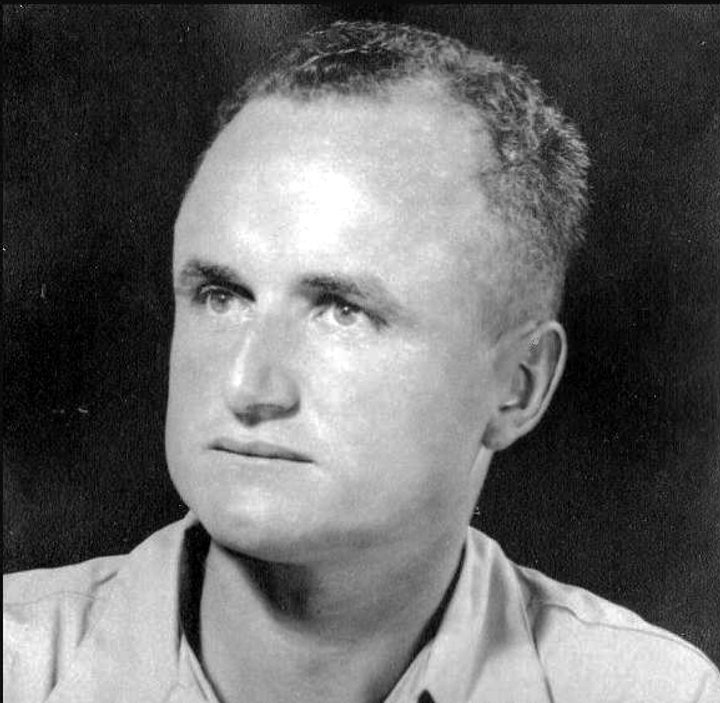

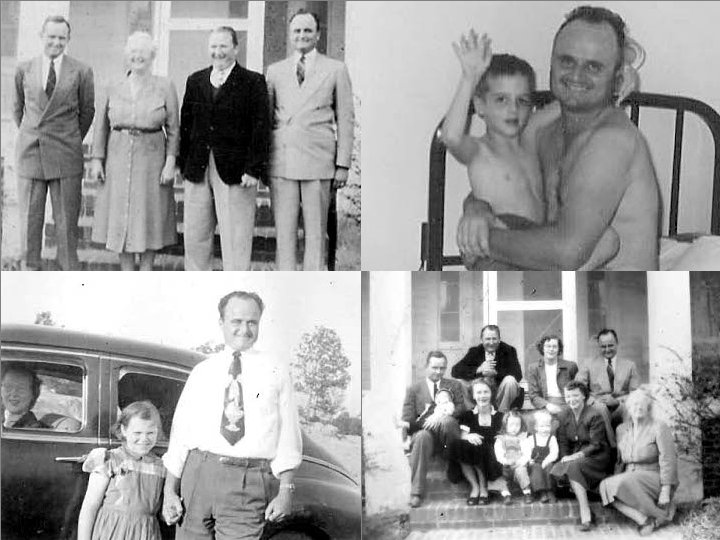
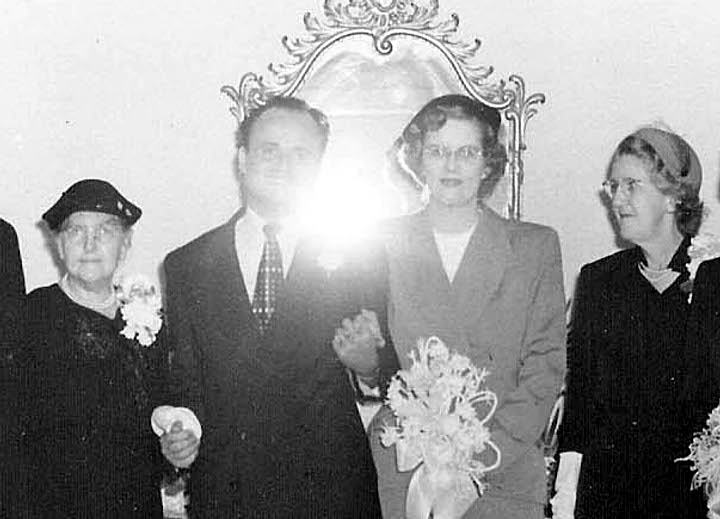
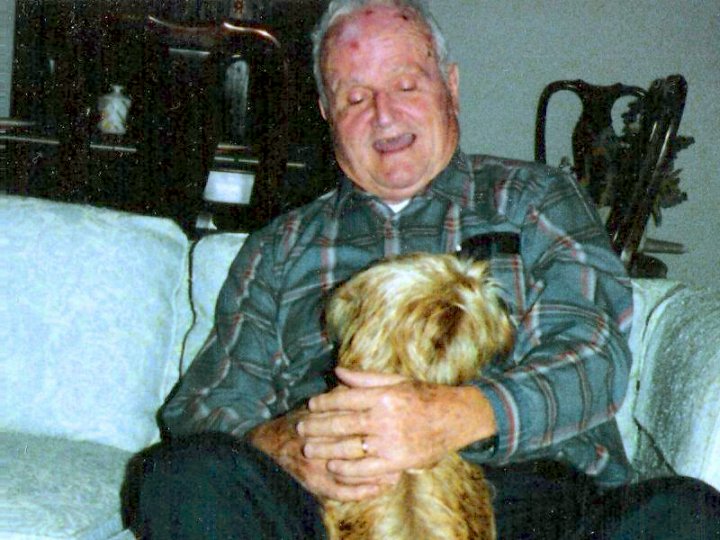
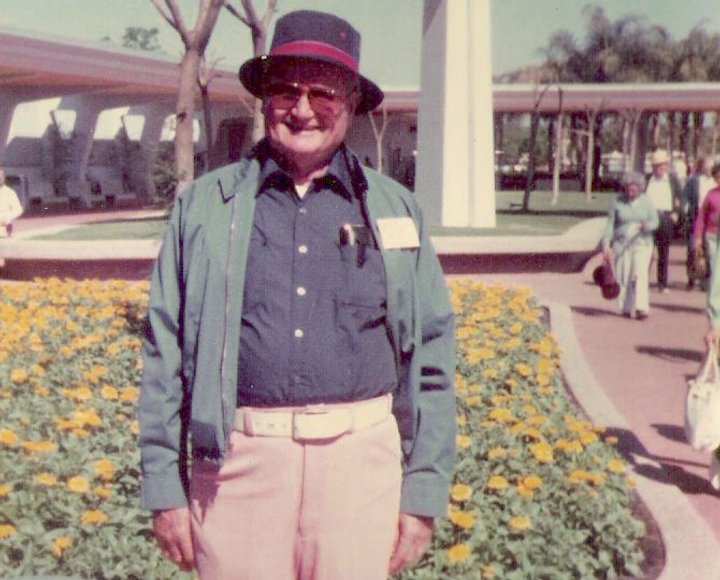
Luther Campbell McKinnon Sr. was born February 22, 1916, on a farm in Rowland, North Carolina. Europe was stuck in a war that would change the world, and not until The United States got involved. This didn’t happen for another year.
Luke was the youngest of four children. After life as a farm boy, he went to Wake Forest University, and then came back when his Daddy died. He ran a family dairy for a few years, and went to live in New Jersey. He lived near a prison, and saw the lights dim when the electric chair was used.
In the early fifties, he came to Atlanta to live. This was where his sister Sarah stayed, with her husband and two daughters. One day he went into the C&S bank on 10th street, and took notice of one of the tellers. On October 6, 1951, he married Jean Dunaway. She was with him the rest of his life.
At some point in this era he started selling shoes. He would go to warehouses, gas stations, and wherever barefoot men needed shoes. He was “The Shoe Man” .
Before long there were two boys, and he bought a house, then another. The second house is the current residence of my brother and myself, and is probably worth 15 times what he paid for it. He had the good fortune to not buy in an area that was “blockbusted,’ as many neighborhoods were.
And this was his life. He tended a garden, went to the gym, and was in the Lions Club for many years. When he met Mom, she let him know that going to church with her was part of the deal. They found a church that was good for their needs, and made many friends there. The Pastor at Briarcliff Baptist, Glen Waldrop, was his friend.
When I think of the character of this man, there is one night, which stands out. My brother was away at the time. The day before, Mom had discovered she had a detached retina, and was in the hospital awaiting surgery. Her job had arranged a “leaf tour” by train in North Georgia, and she got one of her friends at work to take me. There was some mechanical trouble on the train, and it did not get back into town until 3am Monday morning. And yet, Daddy stayed at home, did not panic, and had faith that all of us would be back soon, which we were.
Through all the struggles of his life, Dad was cheerful, laughed a lot, and was good company. He left me with a rich repertoire of country sayings, and had many stories to tell. He was surprising mellow about black people, if a bit old fashioned. (In the south when I grew up, this was highly unusual).
Dad was always in good, vigorous health, and I thought he would be with us for a long time. Well, that is not how things work. A cancer developed in his liver, and spread to his lungs (he did not smoke). After a mercifully brief illness, we lost him on February 7, 1992. This is a repost.


On The Road Part One


This is a repost from 2019. PG has been home a few days. It is time to proceed with this book report of On The Road, the typing exercise of noted dipsomaniac Jack Kerouac. At the end of Road Trip, Sal Paradise (Jack Kerouac) is in a Colorado ghost town. This was chapter 9 of OTR.
There are a couple of changes. The keyboard, connected to PG’s machine, died. It no longer typed o. Further investigation revealed it would not type q or t. Some numbers went missing. It is possible that other keys were not working. PG found a replacement keyboard. Unfortunately, the backspace key … an essential tool for a slack blogger … was just a regular single wide key, instead of the double wide backspace of the old keyboard. When the right pinkie instinctively strokes the backspace, \ is what shows up. This is going to take some lifestyle adjustment.
A book that PG wanted to talk about was in the vehicle. When he looked for the car key, it was not on the desk. The key was not in the pants PG had on, or the pants he had on the last night. The keys were not in the car. When he came back in the house last night, PG put the book down on the dining room table. That was where the car key was.
Back to the changes in the OTR narrative. PG ordered a better copy of OTR from the library. When it arrived, it was a deluxe paperback, printed in 1999, with a sticker price of $16.00. The 1970? edition, that PG was using, retailed for $1.25. PG got the arrival notice from the library June 4. Before he could go to the library, PG took his brother, GP, grocery shopping. While sitting in the Aldi parking lot, PG read page 62. Sal is in *Frisco*. “There were plenty of queers.” When PG put the book down to ponder that, he saw GP leaving Aldi’s.
This is chapter 11. Sal is living in a trailer outside the city. “the only community in America where whites and Negroes lived together voluntarily; and that was so, and so wild and joyous a place I’ve never seen since.” He is staying with Remi Boncoeur, an old friend. Remi argues with his wife, when he is not working as a security guard. Sal starts to work as a guard. Once Sal is called to a trailer. Some men are drinking, and behaving badly. “This is the story of America. Everybody’s doing what they think they’re supposed to do. So what if a bunch of men talk in loud voices and drink the night? But Sledge wanted to prove something.” Sal accepts their offer of a drink. It goes downhill from there. Eventually, some alcohol related nonsense estranges Sal and Remi.
On the bus to LA, Sal meets a Mexican lady named Terry. “I saw her poor belly where there was a Caesarean scar; her hips were so narrow she couldn’t bear a child without getting gashed open… I made love to her in the sweetness of the weary morning. Then, like two tired angels of some kind, hung-up forlornly in an L.A. shelf, having found the closest and most delicious thing in life together, we fell asleep and slept till late afternoon.” Money becomes an issue, and Sal/Terry go out to the San Joaquin Valley. Some friend of Terry’s brother has a business selling manure to farmers. Mostly gets drunk, with Sal’s eager assistance. Finally, Sal gets his aunt to send money, buys a bus ticket to New York, and leaves a heartbroken Terry in California.
At the end of chapter 14, Sal is in New York, broke, and trying to get to his aunt’s house in New Jersey. This is the end of part one. OTR is divided into five parts, each divided into a collection of short chapters. The rest of this series will deal with the parts, one at a time, along with whatever stories from 2019 are entertaining enough to include.
“I was going home in October. everybody goes home in October.” PG likes to compare his life to the story of Sal. PG has had a comparatively tame existence. The only time he ever came home in October was when he was at a faerie-do in Tennessee. In 1989, PG got home to hear about an earthquake in San Francisco. A week later, PG got through fixing a flat tire, and went up to his apartment to see the light flashing on the message machine. “Michael Mason died last night.”
A quote by Truman Capote comes up, when Jack Kerouac is mentioned. “Thats not writing, thats typing.” PG did a google search of the phrase in 2011. “Kerouac survives because he (allegedly) wrote great works; the insufferable logorrhea the Beats inspired biodegrades in niche bookstores because, sensibly, nobody reads it.” Google also found a book review of “Going Rogue,” by Sarah Palin … That’s not writing, that’s someone else typing.
Whenever PG hears a quote these days, he goes into fact checker mode. Did Mr. Capote really say TNWTT? Quote Investigator comes to the rescue. The phrase first came up in Paris Review: Truman Capote, The Art of Fiction No. 17. “The topic was writing style, and Capote responded by passing judgment … “But yes, there is such an animal as a nonstylist. Only they’re not writers. They’re typists. Sweaty typists blacking up pounds of Bond with formless, eyeless, earless messages.” Mr. Kerouac was not mentioned by name.
The next appearance of TNWTT was on the David Susskind show. The guests were Truman Capote, Norman Mailer, and Dorothy Parker … who paid the bar tab when that was over? “Truman Capote agreed to appear on David Susskind’s “Open End” show, with Norman Mailer — who kept praising the Beat-Generation writers. Capote thought their product worthless. “It’s nothing,” he said. “That’s not writing; that’s just typewriting.” Again, this appears to be about the beats in generally, and not specifically about Mr. Kerouac. The quote lives on, long after Mr. Capote and Mr. Kerouac moved on to the cocktail party in the sky.
Pictures today are from The Library of Congress. The chamblee54 On The Road series is complete. part one part two part three part four part five part six part seven


 Chamblee54
leave a comment