Summer Rental

Ellis Sullivan is in a world of trouble. She loses her job. The plan to rent a beach house with life long friends is intact, and Elly Belly drives down to Nags Head in the middle of the night. She arrives early, and goes to check out the house. It is not ready for the girls, and won’t be for a few hours. Ellis goes for a walk on the beach, and sees a man standing on the porch of a garage apartment. The man takes a leak. It is the first exposed man Ellis has seen in eleven years.
(Spoiler Paragraph) Romance story veterans should not be surprised at what happens four hundred pages later. The garage dude begs Ellis to move in with him. After a gunfight, the story concludes. With a couple of exceptions, most people in the story have happy endings.
This is the world of Summer Rental. by Mary Kay Andrews. If nothing else, Summer Rental is a delightful waste of time. There was a surge of excitement when PG found a new Mary Kay Andrews book at the Chamblee library.
Summer Rental does have a few flaws in logic. Ellis and her bf only have a handful of dates before he decides it is true love. There is a subplot, involving a New Jersey lady on the lam from her killer husband. Dorie, one of the lifelong pals, invites Jersey girl to stay at the house. Julia, the third lifelong pal, is suspicious, and breaks into Jersey girl’s room. While Julia is in the room, she discovers a cash stash, and a pistol. Julia takes the pistol. Jersey girl does not miss the pistol, until killer hubby comes looking for her. This does not add up.
Mary Kay Andrews always seems to have a gay man in her books. He is usually an antique dealer, with flawless taste. In Summer Rental, Dorie is married to Stephen. It turns out that Stephen left Dorie for Matthew. The new bf has a fabulous house. Dorie,the discarded wife, has a baby on the way.
Despite the holes in the plot, Summer Rental is tons of fun. Most of the one star people at Amazon talk about wasting money by buying the book. The library copy is just as good as a bought copy, and they will find a place to keep it when you are through. Buying a book is always a waste of money, especially at retail price.
Mary Kay Andrews is in good shape, and should be producing fun books for at least twenty more years. The same cannot be said for Ferrol Sams. Sambo met his maker Tuesday, at the age of ninety.
Dr. Sams grew up on a farm in Fayette county, and went to Emory Medical School. He took a break in his education for World War II. Sambo finished his Doctor training, took a wife, and practiced medicine in Fayetteville for many years. After having four children, Sambo had an emergency vasectomy.
When he was in his fifties, Sambo decided to start writing books. A trilogy followed. Run With The Horsemen is about growing up on the farm. The Whisper Of The River is about college at Mercer University. When All The World Was Young is about World War II.
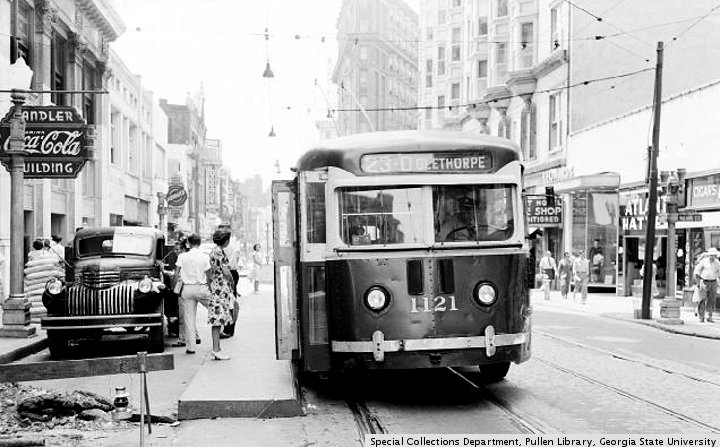
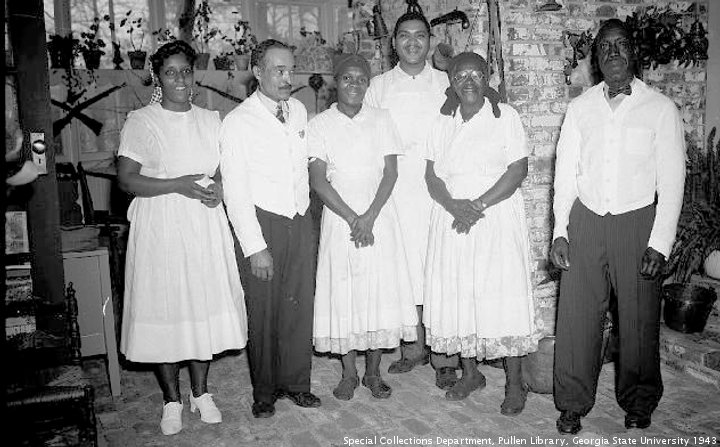
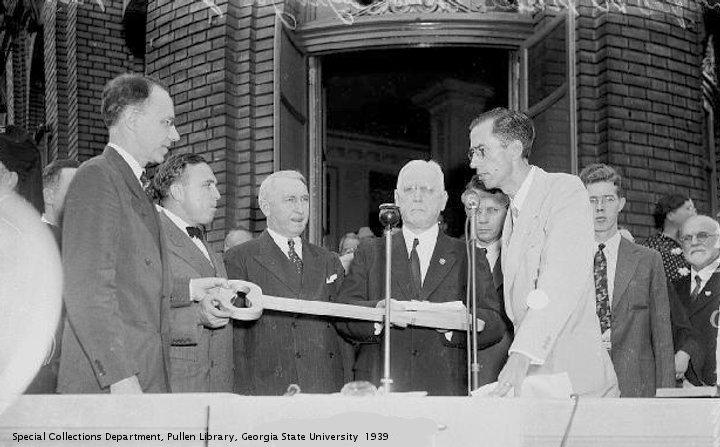
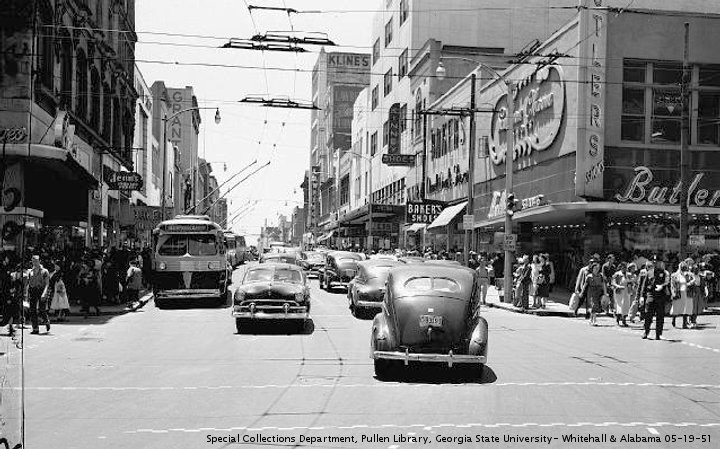
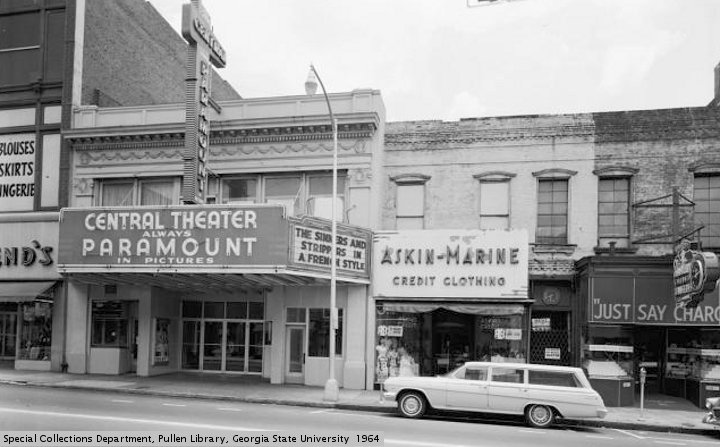
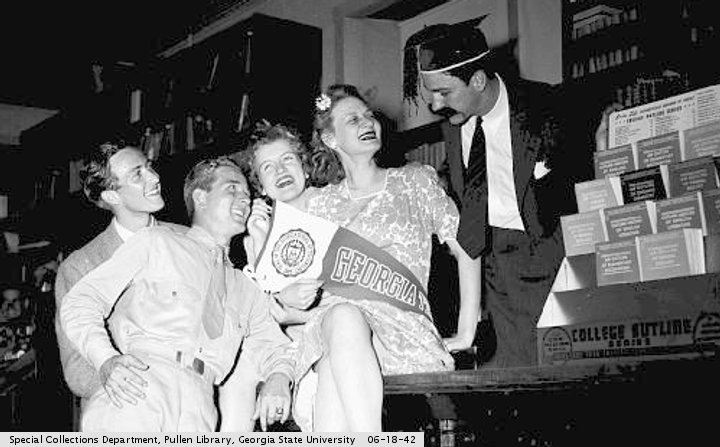
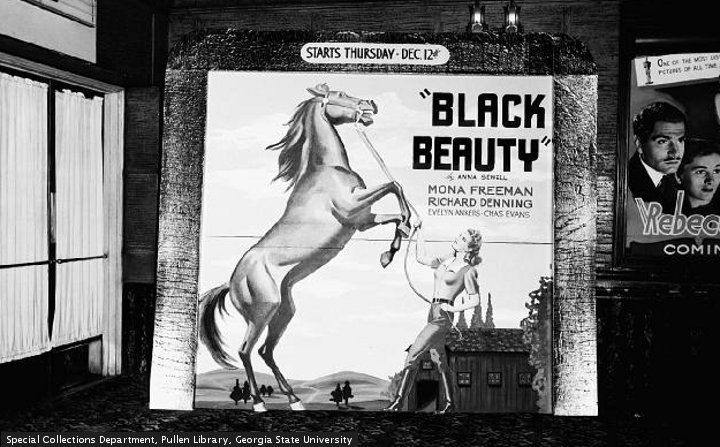
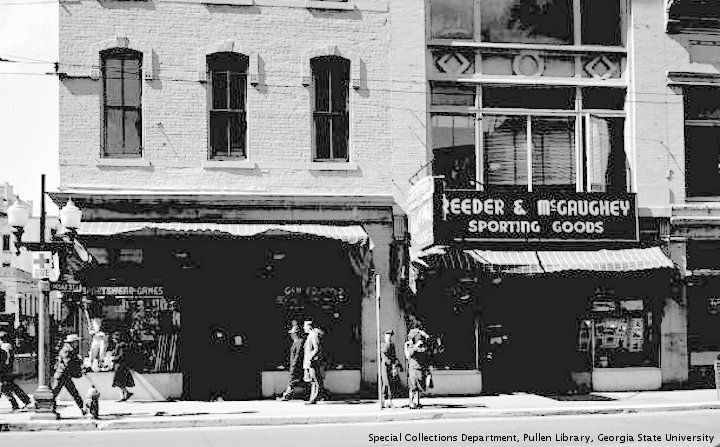
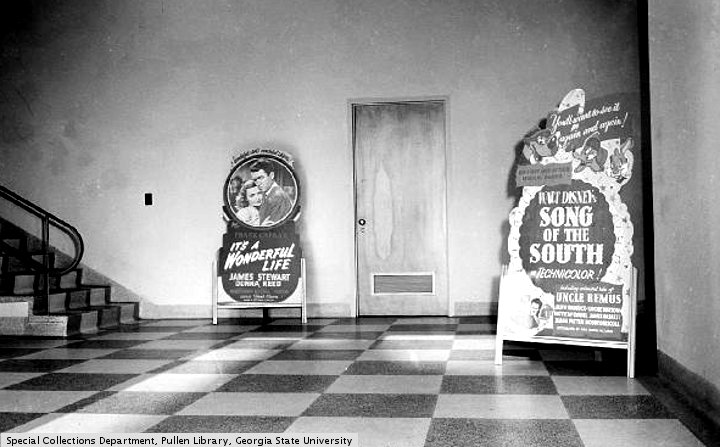
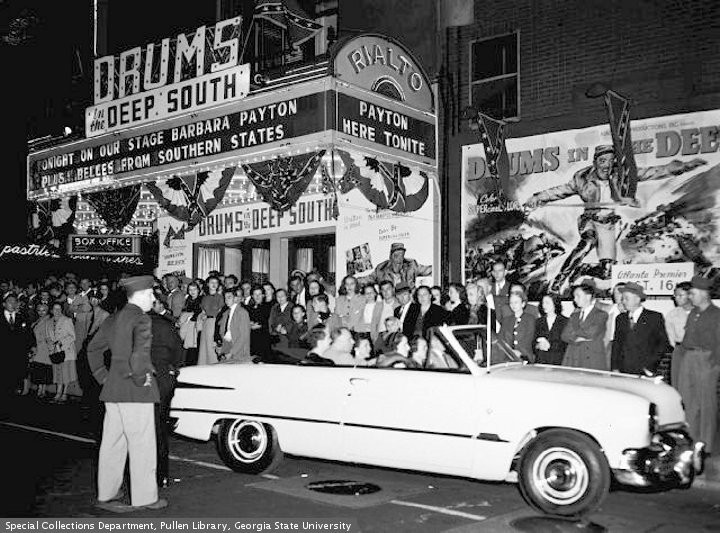
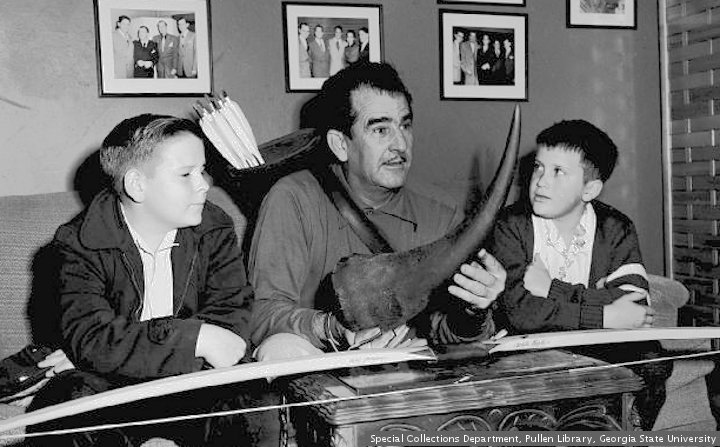
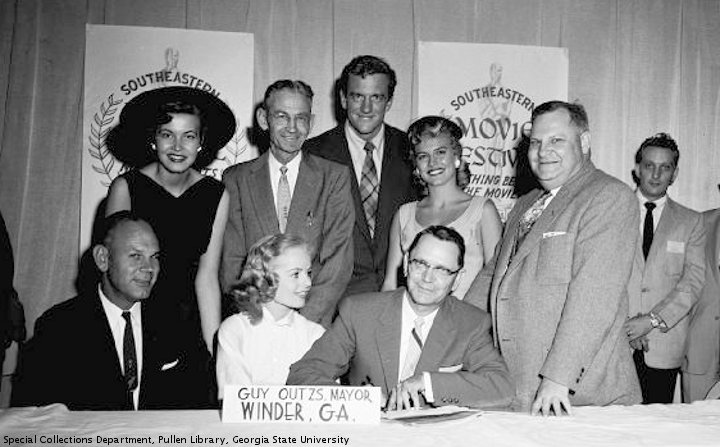
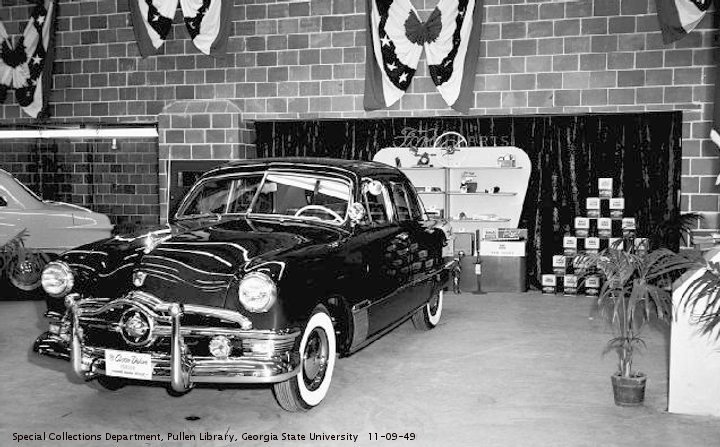
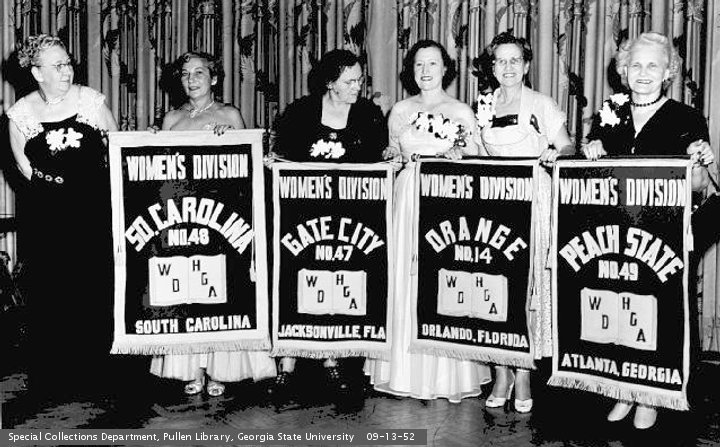
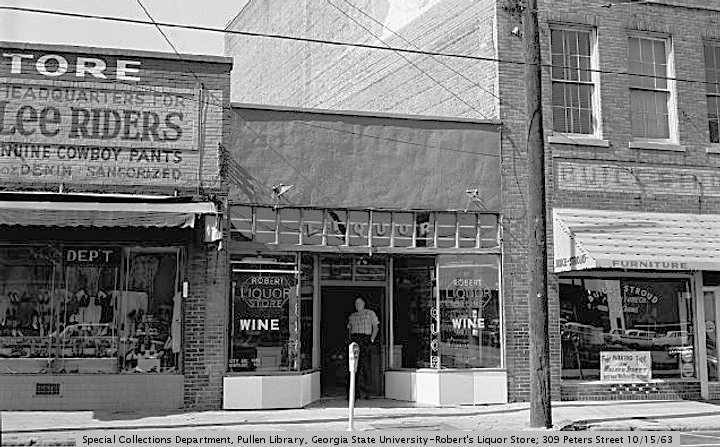
The earth does not own people like Ferrol Sams. Humanity rented him for a month in the summertime. Pictures today are from “The Special Collections and Archives,Georgia State University Library”.
The movie is courtesy of The Atlantic. This was written like James Joyce.
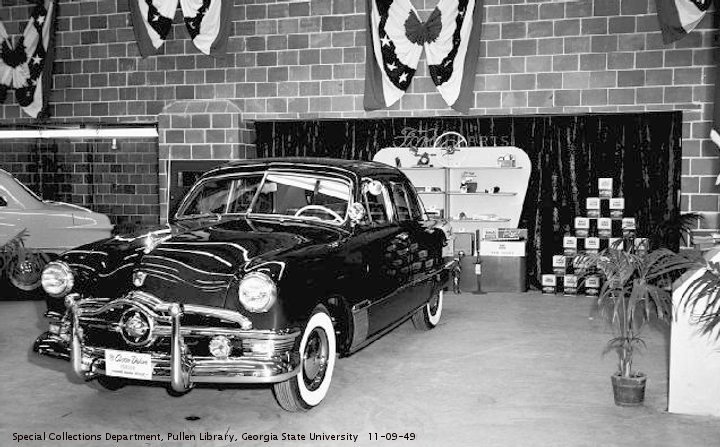
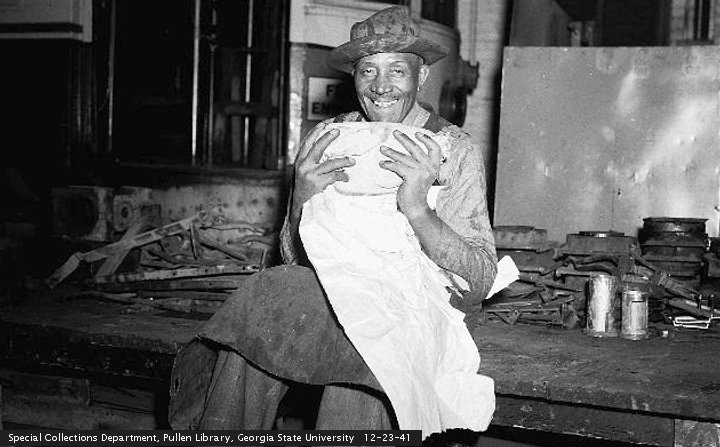
Boiler Room





The house dick at the Carson Hotel did not like the boiler room.
“It smells like the smelliest hobo to ever stink up G-ds green earth died there,
And rotted right into the concrete floor. The lighting is bad too.”





Horses On Drugs



This episode started out as a repost. Google and reality got in the way, and there is no telling where we will wind up. Pictures (except for the divas) are from The Library of Congress. Ansel Adams took these pictures at the Japanese Internment Camp, in Manzanar CA, in 1943.
Awful library books is one of the actors in this drama. It is a good waste of your time. (The link in the repost does not work, because Awful library books has a new web address.) On top of the shelf today is Lee the Rabbit with Epilepsy. Other uplifting volumes on the front page include Isn’t One Wife Enough?: the Story of Mormon Polygamy and When Cavemen Go Bowling.
The book that Awful Library Books chose to “weed” was Latawnya, the Naughty Horse, Learns to Say “No” to Drugs. The links in the original post no longer work, so google was enlisted to find a replacement. Believe it or not, this galloping tale has a wikipedia page.
The original book was targeted at African American youth. The author has daughters named Latawnya and Chrystal. The author has sued amazon, wikipedia, and urban dictionary.
A possibly illegal reproduction is found using the link. One of the comments tells a cautionary tale: ” It seems that many of these comments are viciously lampooning the work of a genius. I, however, see the visionary work of Mrs. Gibson. This insightful masterpiece presents the very real dangers of horse peer pressure. Just last week my daughter, Amber, was walking to school on a normal, idyllic day in suburbia. Then out of nowhere a Clydesdale galloped brazenly over to my precious princess and offered her a 40 oz bottle of Olde English 800 and a marijuana cigarette.”
Clydesdales have long been used to promote the products of the Anheuser-Busch company. When PG was younger, he worked on the mall maintenance crew at Northlake Mall. One day, the Budweiser Clydesdales made a visit. PG was given a shovel and bucket, and told to walk behind the horses.
One of the reasons for the drug problem is drug education. Many of these programs, while well intentioned, make the problem worse.
Courtesy of Awfullibrarybooks, we can see today “LATAWNYA, the Naughty Horse, Learns to say “No” to Drugs“. This uplifting story is about the afternoon when Latawnya goes out to play with her sisters Daisy and LaToya. Suddenly they meet four strange horses, Connie, Chrystal, Jackie, and Angie. They like to drink and smoke drugs.
The author of this tale was born in Mississippi, and lives in California. She says “Thank you, G-d”.
In 1986, there was an oversupply of cocaine coming into America, and new ways of using the product were needed. Someone had the idea of making crack. The media did its part, by running scare stories about the new drug sensation. “One puff makes your head feel like it is exploding”. The stories had the combined effect of scaring parents, and making crack cocaine irresistible to certain people. Crack became a part of the life.
The first time PG heard about oxycontin was a drug education flyer at work. It promised an overwhelming rush to the user who injected the substance. PG imagined the reaction of some of the druggies he had known to this promise…where can I get some?
PG is in the detoxed, old fogey stage of his life. Millions of others are not. When they read stories about horses who drink and smoke drugs, they learn to believe the opposite of what the drug educators tell them. Many will not live to be detoxed old fogeys.




The Book


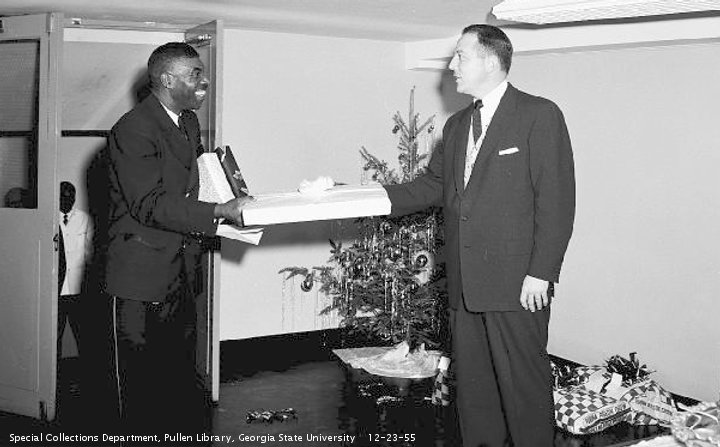
Irving Stone was promoting Depths of Glory,
a book about Camille Pissarro.
Mr. Stone said:
“The book is the great creation of man. It is greater than cement, the wheel, or running water.”
He died four years later.
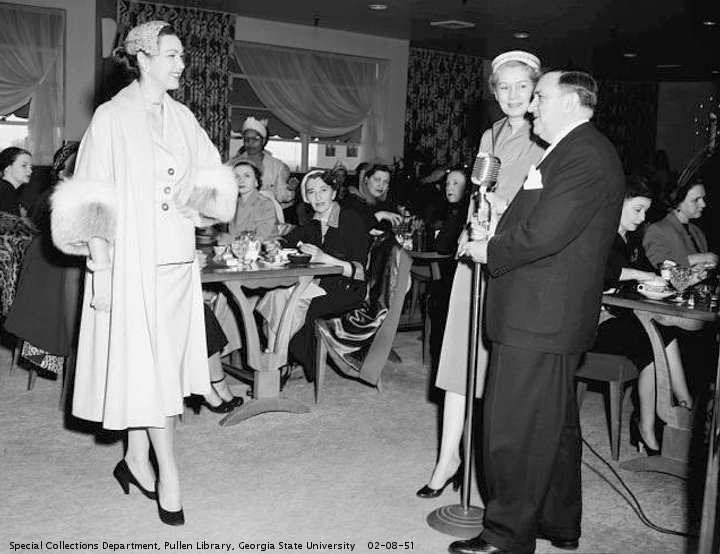
Pictures: “The Georgia State University Library”.



Still Life With Woodpecker



The last paragraph of Still Life With Woodpecker begins “Even with aids, their hearing was only partially restored”. This refers to hearing aids, not HIV.
SLWW was written during the Carter administration, and yet talks about the last quarter of the twentieth century. PG recently re read SLWW. With the exception of the Tea Party, we are thirteen percent into the twenty first century. The book, however visionary, wrote about the last quarter, etc, while discos were considered the latest innovation in entertainment. The eighties and nineties had a few surprises. AIDS was science fiction when SLWW was written.
One is cocaine. In SLWW, many of the leading characters thought tootski was great fun. A few years later, a Republican administration pulled a double whammy on the patriotic public. On the one hand a war on drugs was trumpeted, with many liberties counted as casualties. While this was going on, another branch of big government was using cocaine importers to take guns to terrorists in Central America. PG remembers those days as the time when he quit trying to make sense of current events.
Another theme of this book… despite it’s flaws, it is still tons of fun to read … are the hidden messages embedded in the package for Camel Cigarettes. This package was introduced in 1913, according to SLWW. This was the same year as the start of the Federal Reserve Bank. In 1914, a horrendous war started in Europe. American managed to get dragged into this conflict, and the modern era started.
1913 was the first year of Woodrow Wilson as POTUS. His election was facilitated by a third party run by Teddy Roosevelt. He had previously been promoted to POTUS by the suspicious murder of William McKinley. This was followed shortly by the mysterious Camel package, and the Federal Reserve Bank.
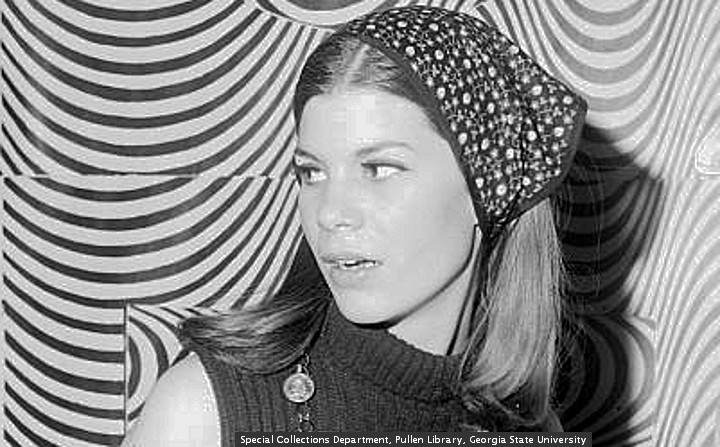
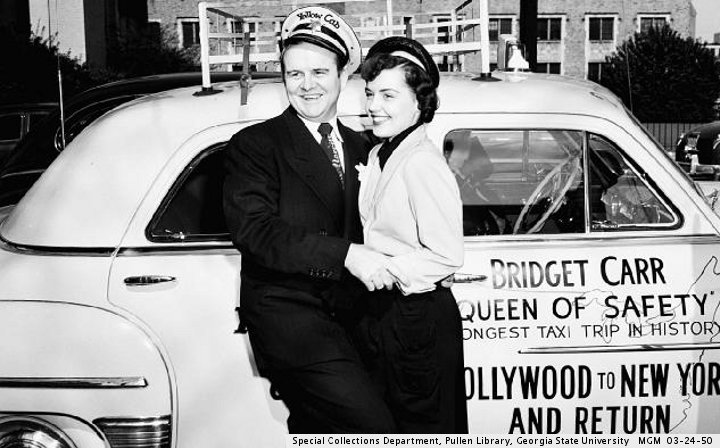
The 1992 election also featured a third party helping to elect a Democrat. Bill Clinton balanced the budget, and got impeached over a blow job. You can’t make this stuff up. It is understandable that SLWW did not see it coming. This was written like David Foster Wallace. Pictures are from “The Special Collections and Archives,Georgia State University Library”.





Chapter 39






Chapter 39 is a turning point of Still Life With Woodpecker. Many stories have a moment like this, where the lead actor, and the lead actress, become *buddies*. In this case, Princess Leigh-Cheri was going to turn Bernard into the police. He had set off dynamite at a do gooders conference, and caused mayhem. However, the two took legal drugs , went to a boat, and did what men and women usually do at this point of the story.
When she is leaving the boat, Princess Leigh-Cheri looks for her panties. It seems as though a mongoose found them, and ate them. This happens in Tom Robbins books. In Even Cowgirls Get the Blues, a foundation garment becomes a nylon flavored cookie, from the oven of a goat.
One of the spotlight speakers at the do gooders conference, and the hero of Princess Leigh-Cheri, is Ralph Nader. He was speaking at the conference while PL-C was falling in love on the boat. Yes, a few drinks, and a night in bed, and the young lady was in love. Meanwhile, Ralph Nader steps in the mongoose-produced panty pudding. He did not see it coming.
This is in tune with the Ralph Nader story of 2000, 20 years after the publication of Still Life With Woodpecker. By then, RN (wikipedia shows no middle name) was reduced to running for President. Few took him seriously, but lots of people didn’t take Albert Arnold Gore, or George Walker Bush, seriously. In Florida, the race between the mainstream candidates was wallpaper close. It went into legal limbo. The voters who voted for RN made the difference, and helped put an idiot in the White House.







Remington SL3




In 1978, Tom Robbins had a problem. Another Roadside Attraction and Even Cowgirls Get the Blues had gone commercial, and the unwashed public demanded product. It is not known what was on his mind, but there was a need for another Tom Robbins novel. The result, Still Life With Woodpecker, has a gee whiz typewriter as a character.
The device is the Remington SL3. It is possibly the love child of the Remington Rand. That name was borrowed by Alisa Zinov’yevna Rosenbaum, more profitably known as Ayn Rand. This is the last gasp of the typewriter, before the species qwertioped into word processed obsolescence. Today, writing devices are a computer staple. Gimmicks like cut/copy/paste are assumed to have been around forever, but were startling innovations when SLWW was being whipped into shape.
So Tom claims that the Remington SL3 was the progenitor, or maybe the janitor, of SLWW. A blogspot writer, there is a girl in new york city, says I WANT A REMINGTON SL3. …aka, the greatest prologue ever, written by Tom Robbins for “Still Life with Woodpecker”: “If this typewriter can’t do it, then fuck it, it can’t be done.
This is the all-new Remington SL3, the machine that answers the question, “Which is harder, trying to read The Brothers Karamazov while listening to Stevie Wonder records or hunting easter eggs on a typewriter keyboard?” This is the cherry on top of the cowgirl. The burger served by the genius waitress. The Empress card.
I sense that the novel of my dreams is in the Remington SL3–although it writes much faster than I can spell. And no matter that my typing finger was pinched last week by a giant land crab. This baby speaks electric Shakespeare at the slightest provocation and will rap out a page and a half if you just look at it hard.” Seriously. Early Christmas present? Marriage proposal? Just wanna get me on your good side in case you ever need me down the line? Remington SL3. Circa 1980.
PG is getting the unsettling thought that the Remington SL3 is the product of an overactive imagination. There is a tumblrblog, a youtube channel, and a soundcloud song all named Remington SL3. The name is not taken yet for twitter, although that can change at any instant. Did REM write a song, “ington SL3”? Is this a carrot topped put on?
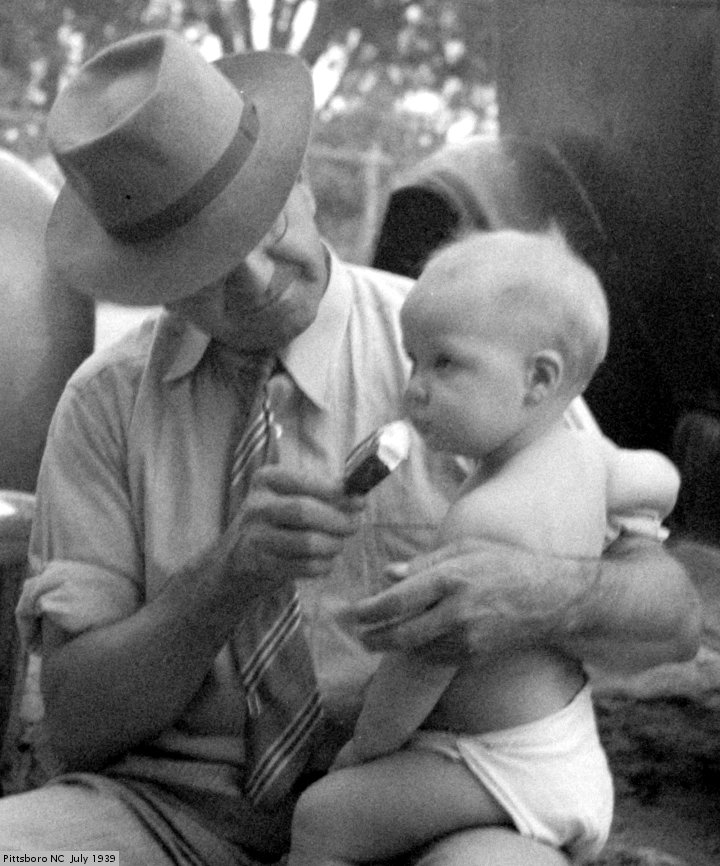
This was written like David Foster Wallace. Pictures are from The Library of Congress.



Flannery O’Connor





With one day before it was due, PG finished reading Flannery: A Life of Flannery O’Connor , by Brad Gooch. The author is a professor of English at William Patterson University in New Jersey. He spares no citations, to show where he gets his information.
Chamblee54 has written before about Miss O’Connor , and repeated the post a year later. There is a radio broadcast of a Flannery O’Connor lecture. (The Georgia accent of Miss O’Connor is much commented on in the book. To PG, it is just another lady speaking.)
Mary Flannery O’Connor was born March 25, 1925 in Savannah GA. The local legend is that she was conceived in the shadow of St. John the Baptist Cathedral, a massive facility on Lafayette Square. Her family did leave nearby, and her first school was just a few steps away. This is also a metaphor for the role of the Catholic Church in her life. Mary Flannery was intensely Catholic, and immersed in the scholarship of the church. This learning was a large part of her life. How she got from daily mass, to writing stories about Southern Grotesque, is one mystery at the heart of Flannery O’Connor.
Ed O’Connor doted on his daughter, but had to take a job in Atlanta to earn a living. His wife Regina and daughter Mary Flannery moved with him, to a house behind Christ The King Cathedral. Mr. O’Connor’s health was already fading, and Mother and Daughter moved in with family in Milledgeville. Ed O’Connor died, of Lupus Erythematosus, on February 1, 1941.
Mary Flannery went to college in Milledgeville, and on to the Iowa Writer’s Workshop. She dealt with cold weather, went to Mass every day, and wrote. She was invited to live at an artists colony called Yaddo, in upstate New York. She lived for a while with Robert and Sally Fitzgerald in Connecticut, all while working on her first novel, “Wise Blood”. In 1950, she was going home to Milledgeville for Christmas, and had been feeling poorly. She went to the hometown doctor, who thought at first that the problem was rheumatoid arthritis. The illness of Flannery O’Connor was Lupus Erythematosus.
Miss O’Connor spent much of that winter in hospitals, until drugs were found that could help. She moved, with her mother, to a family farm outside Milledgeville, which she renamed Andalusia. She entered a phase of her life, with the Lupus in relative remission, and the drugs firing her creative fires, where she wrote the short stories that made her famous.
Another thing happened when she was recuperating. Flannery was reading the Florida “Market Bulletin”, and saw an ad for “peafowl”, at sixty five dollars a pair. She ordered a pair, and they soon arrived via Railway Express. This was the start of the peacocks at Andalusia, a part of the legend.
During this period of farm life and writing, Flannery had several friends and correspondents. There was the “Bible Salesmen”, Erik Langkjaer, who was probably the closest thing Flannery had to a boyfriend. Another was Betty Hester, who exchanged hundreds of letters with Miss O’Connor. This took place under the stern eye of Regina O’Connor, the no nonsense mother-caregiver of Flannery. (Mr. Gooch says that Betty Hester committed suicide in 1998. That would be consistent with PG stumbling onto an estate sale of Miss Hester in that time frame.)
The book of short stories came out, and Flannery O’Connor became famous. She was also dependent on crutches, and living with a stern mother. There were lectures out of town, and a few diverse personalities who became her friend. She went to Mass every day, and collected books by Catholic scholars. Flannery was excited by the changes in the church started by Pope John XXIII, and in some ways could be considered a liberal. (She supported Civil Rights, in severe contrast to her mother.)
In 1958, Flannery O’Connor went to Europe, including a trip to the Springs at Lourdes. Her cousin Katie Semmes (the daughter of Captain John Flannery, CSA) pushed Flannery hard to go to the springs, to see if it would help the Lupus. Flannery was reluctant…” I am one of those people who could die for his religion sooner than take a bath for it“. When the day for the visit came, Flannery took a token dip in the waters. Her condition did improve, briefly. (It is worth speculating here about the nature of Flannery’s belief, which was apparently more intellectual than emotional. Could it be that, if she was more persuaded by the mystical, emotional side of the church, and taken the healing waters more seriously, that she might have been cured?)
At some point in this story, her second novel came out, and the illness blossomed. Much of 1964 was spent in hospitals, and she got worse and worse. On August 3, 1964, Mary Flannery O’Connor died,




PG remembers the first time the name Flannery O’Connor sank in. He was visiting some friends, in a little house across from the federal prison.
Rick(?) was the buddy of a character known as Harry Bowers. PG was never sure what Harry’s real name was. One night, Rick was talking about Southern Gothic writers, and he said that Flannery O’Connor was just plain weird ” Who else would have a bible salesman show up at a farm, take the girl up into a hayloft, unscrew her wooden leg and leave her there? Weird”
Flannery O’Connor was recently the subject of a biography written by Brad Gooch. The book is getting a bit of publicity. Apparently, the Milledgeville resident was a piece of work.
PG read some reviews of this biography, and found a collection of short stories at the library. The book included ” Good Country People”, the tale about the bible salesman. Apparently, this story was inspired by a real life incident. (Miss O’Connor had lupus the last fifteen years of her life. She used crutches.) And yes, it is weird. Not like hollywood , but in the way of rural, post world war two Georgia.
Some of the reviews try to deal with her attitudes about Black people. On a certain level, she is a racist. She uses the n word freely, and her black characters are not inspiring people. The thing is, the white characters are hardly any better, and in some cases much worse.
The stories are well crafted, with vivid descriptions of people and places. The reader floats along with the flow of the story, until he realizes that Grandma has made a mistake on a road trip. The house she got her son to look for is in Tennessee, not Georgia. She makes him drive the family car into a ditch. Some drifting killers come by. Grandma asks one if he prays, while his partner is shooting her grandchildren. Weird.
In another story, a drifter happens upon a pair of women in the country. The daughter is thirty years old, is deaf, and has never spoken a word. The drifter teaches her to say bird and sugarpie. The mother gives him fifteen dollars for a honeymoon, if he will marry her. He takes the fifteen dollars and leaves her asleep in a roadside diner.
There was a yard sale one Saturday afternoon. It was in a house off Lavista Road, between Briarcliff and Cheshire Bridge. The house had apparently not been painted in the last forty years. Thousands and thousands of paperback books were on the shelves. The lady taking the money said that the lady who lived there was the friend, and correspondent of, the “Milledgeville writer” Flannery O’Connor. This is apparently Betty Hester, who is mentioned in many of the biography reviews.
PG told the estate sale lady that she should be careful how she said that. There used to be a large mental hospital in Milledgeville, and the name is synonymous in Georgia with mental illness. The estate sale lady had never heard that.
This double repost was written like James Joyce.





A Rumor Of War



PG was in a break room in Smyrna GA, reading A Rumor of War. On page 196, a sentence made him put the book down. “There were three corpses, but only five boots”.
There was a newspaper insert for J.C. Penney on the table. PG picked it up, began to study the picture on the front page. A woman was pushing a man back, with her finger over her mouth saying shhh. The man pushed back, with five boxes wrapped in red paper. The woman wore a man’s watch, which page had displayed for sale. Every element of every picture was gauged to sell merchandise.
Before long, PG was back to AROW. Lieutenant Caputo was working in an office. One of his jobs was the write reports on the casualties, American and Vietnamese. If there were more of their guys than our guys, we were winning.
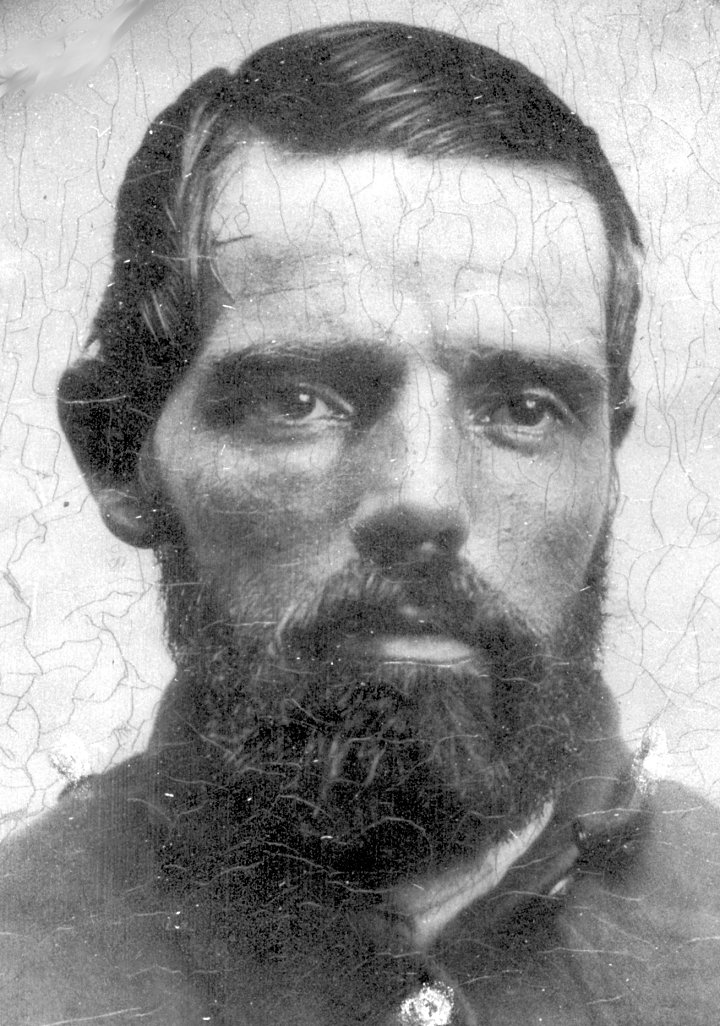
Lieutenant Philip Caputo lived, and later wrote, A Rumor of War. He signed up to join the Marines when he was in college, when Vietnam was a trivia question. On March 8, 1965, he arrived in South Vietnam, near DaNang. Originally, his unit was supposed to guard the air base from a rumored Viet Cong attack. After a while, he was sent into action.
The second part of his Vietnam experience was when he was sent to work in a base office, away from the fighting. This ceased to be enjoyable when he knew one of the dead soldiers he wrote a report for. He requested a transfer back into the fighting, and got it. There were scenes of fighting the enemy, the jungle, and the weather. Caputo broke under pressure, and ordered a raid into a village. When some people in the village were killed, there was trouble, and Caputo was facing murder charges. That was cleared up, and Caputo was sent home.
War looks different to the men who are fighting. Vietnam was controversial while it was going on, and only slightly less so today. It is likely that all wars are as full of misunderstanding as this one.
Musings on Iraq has a quote about war. “Saddam Hussein looked down upon the United States’ military might, seeing it as a paper tiger. He saw the American defeat in Vietnam as a sign of its weakness. Saddam pointed out that the U.S. lost 58,000 soldiers in that war, and then gave up, while Iraq lost 51,000 in just one battle for the Fao Peninsula in the Iran-Iraq War.” This is from a country with 27 million people, fighting a land war with a next door neighbor.
Pictures are from The Library of Congress.


Someday Soon







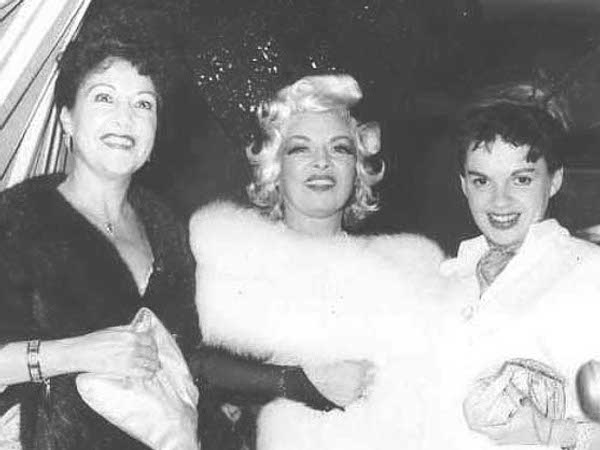
When a blogger can’t get a song out of his head, he should write about it. Find a youtube video of the song, both lipsynced in 1969, and repeated on later tv shows. When you have more media than message, you recycle the past. The singer probably has a book , which means interviews to sell the book. The song is Someday Soon, and the artist is Judy Collins.
PG first heard “Someday Soon” on WPLO-FM. There was a little black radio, which had AM, FM, and a few short wave bands. It ran on D size batteries, and was the first FM radio that PG owned. WPLO-FM was the hippie station, the first FM station to play rock music in Atlanta. “Someday Soon” was a shocker, with it’s lyric “damned old rodeo”. 1969 was a more innocent time.
Judith Marjorie Collins was the gf of Stephen Stills around that time. He wrote Suite Judy Blue Eyes about her. Mr. Stills was helping Ms. Collins with and album, and they heard “Someday Soon” on the radio. The song was written by Ian Tyson. The song was included on the album, and was somewhat of a hit. (Here are TV performances with Ian Tyson, Stephen Stills and Graham Nash.)
The Daily Beast article, written to promote the book, is Judy Collins’s New Book: Suicide, Alcoholism, Nude Photos, and More. Judy Collins has had an interesting life, sometimes in the sense of the Chinese curse. The eldest daughter of an abusive alcoholic, she became a severe drunk herself. Somehow, she came out of everything ok.
Along with alcoholism, suicide has been a problem. The son of Judy Collins, Chuck Taylor, took his life in 1992. He had struggled with depression and substance abuse. Judy attempted suicide when she was 14. This is roughly the same age as PG, when he heard that song where the lady says damned. Ms. Collins has worked to help others avoid taking their life.
One Judy Collins hit is “Chelsea Morning”, written by Joni Mitchell. Bill Clinton was inspired to name his daughter Chelsea. Unfortunately, Judy Collins and Joni Mitchell are not friends. Both women are known to have attitudes, so there is no telling what the problem is.
As for another famous sixties singer, with a J name, the DB article has this postscript. Editor’s Note: This interview incorrectly stated that Judy Collins had a “love affair” with singer Joan Baez. Today Judy Collins wrote the following in an email to correct the record: “Joan and I both agree that we wouldn’t mind it if people thought so—she has been very open about her sexuality too, and that’s where the lines might have crossed—but I wanted to get the facts straight anyway.”





Treatment



Dangerousminds , which is seldom at a loss for words, posted the video of Bob Dylan seen above. The young Mr. Zimmerman is in angry young man mode, and discusses the concept of an all picture Time magazine. All pictures, no words. This may be where this blog is headed.
Writers block is real. You have all of modern media at your beck and call, and yet you don’t have a message. TwentyTwoWords posts the story of a medical study into writers block. The study wastes no words in it a pithy treatment of this issue. It is an unspoken masterpiece, the treatment that dare not speak it’s name. The research was financed by a block grant.
The findings of this study were replicated in 2007. The report is included here, in it’s entirety. The editor noted ” I did not change one word, and this is a first in my tenure as editor.” There is no word on whether the report was submitted before the deadline.
Ben Hecht tells a story in his autobiography “Child of the Century”. As a young, underpaid newspaper writer in Chicago, Mr. Hecht was hired to participate in literary debates. In the era before movies and radio, these were considered after dinner entertainment. One night, Mr. Hecht got together with his opponent, and hatched a plan. The topic of the debate was ” People who attend literary debates are idiots.” The first speaker did not say a word, but gestured towards the crowd. The second speaker said, you win.
“Child of the Century” is now out of print. In 1994, PG thought he was going to have to move, and the first step was to throw away things. His copy of “Child of the Century” was one thing he pitched.
The idea that less is more has spread. Fun loving Jesus Worshiper Frank Turk had a post titled: “I got nothin” The text elaborated on this theme: “Not even a “best of”. He got 114 comments..
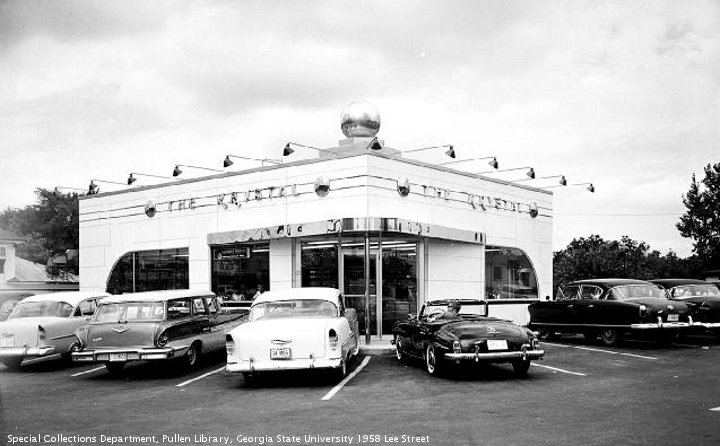
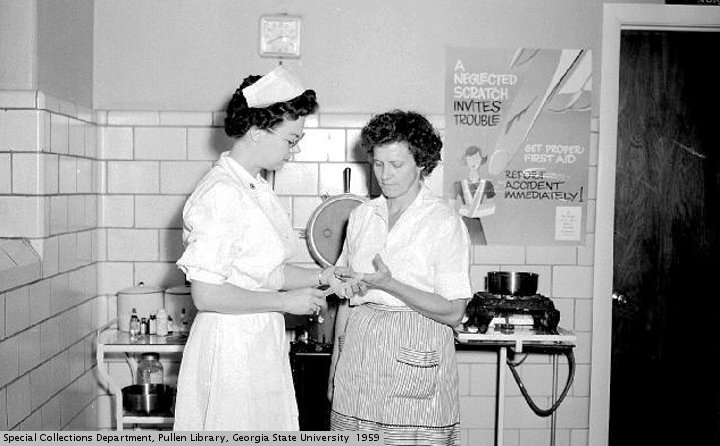
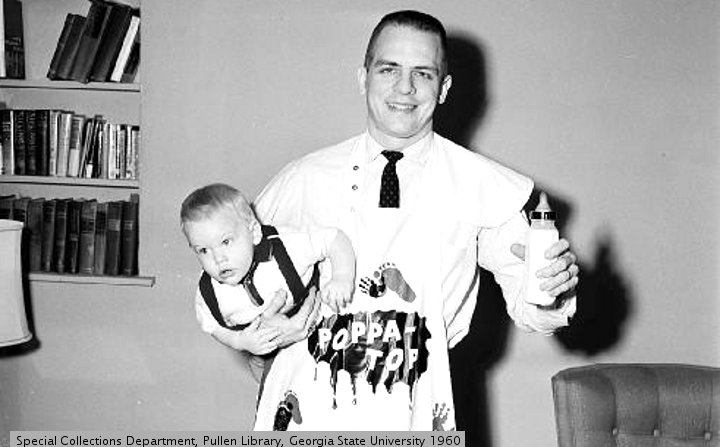
The sound that you hear is one hand clapping. Those reading with one hand can join in with the other one. Appreciation is always welcome. Vintage pictures are from “The Special Collections and Archives,Georgia State University Library” .
This is a repost. PG thinks writer’s block should be called writer’s tackle, but few agree. The owner of this blog has stumbled into a session of contract employment, and does not have as much free time as before. The internet will survive.



A Million Little Pieces


Daily Prompt: Connect the Dots: “Open your nearest book to page 82. Take the third full sentence on the page, and work it into a post somehow.” The nearest book to the desk is A Million Little Pieces. This is a good excuse to finally write the book report on AMLP.
“I wish I could sit next to her, or call her, or pass her a note.” James Frey is talking about “Michelle”. In the story, she is the only person in a small town who is not repulsed by James. She becomes his friend. One night, she has a date with an older boy, and tells her parents she is going to a movie with James. During the date, “Michelle” is killed by a freight train. The parents blame James, who becomes a drunken pariah.
As you may know, AMLP is a controversial book. It became an Oprah fueled sensation. Next, The Smoking Gun published an expose, A Million Little Lies. The story about “Michelle” was one of many instances where TSG called BS on James Frey.
The first time PG heard of TSG was about their collection of Celebrity Mug Shots.
This was also the link between TSG and AMLP. “It was after the Oprah show aired that TSG first took a look at Frey. We had simply planned to track down one of his many mug shots, and add it to our site’s large collection. While Frey offers no specific details about when and where he was collared, the book does mention three states where he ran into trouble: Ohio, Michigan, and North Carolina. While nine of Frey’s 14 reported arrests would have occurred when he was a minor, there still remained five cases for which a booking photo (not to mention police and court records) should have existed. When we asked Frey if his reporting of the laundry list of juvenile crimes and arrests was accurate, he answered, “Yeah, some of ’em are, some of ’em aren’t. I mean I just sorta tried to play off memory for that stuff.”
By the time PG found A Million Little Pieces at a yard sale, the controversy had become a trivia question. It had to be worth twenty cents. The question might be, is this book worth the time out of your life?
There are a lot of angles to AMLP, though probably not a million. There are some interviews with Mr. Frey on youtube. He seems to have a healthy ego. In AMLP, James comes across as being a very unlikeable person. For some mysterious reason, some people take a special interest in James, and he is rescued from his chemical addictions. Or so he says.
The story starts out strong. James is on an airplane. He has been beaten up, and does not know where he is going. It seems like he is going to rehab, specifically Hazelden in Minnesota. (This facility is never named in the book.) James is in bad, bad shape. If he doesn’t quit drinking and using, he is going to die. One thing he has going for him is wealthy parents. His father is a businessman working in Toyko. Apparently, this is where the bills will go.
James needs dental work, and has a root canal done without pain medication. Next, he wants to leave the program, but is talked out of it. The dude is a total jerk at this point, and the reader wonders why anyone would care about him. Also, there is little in his background that would lead him to being a horrific druggie. These are a few of the pieces that don’t fit into the puzzle.
PG was about a third through AMLP when he read the Smoking Gun hit piece. There were also a few video interviews to listen to. The picture of James Frey as an egomaniac jerk starts to come out, in addition to the numerous lies in the book.
James has some interesting ideas about addiction and recovery. He disagrees with the concept of addiction as a disease. James does not buy the idea of 12 step programs being the ultimate recovery device. PG is a retired drunk, and has never been to an AA meeting. From what PG has heard about the program, it would incline the 12 stepper to start drinking again. While AA does help some people, it is not the only game in town.
AMLP is well written, and fun to read. Maybe fun is not the correct word for having root canal without Novocaine, but AMLP does keep your attention. If you can suspend your critical thinking long enough, you can easily get through this book. James Frey has a book about religion, The Final Testament of the Holy Bible. He is quoted as saying that people accept the Bible as inerrant truth, despite many who dispute this claim. He says that one day AMLP will be seen as the truth. (This last statement was in one of the video interviews. It may not be totally accurate. Listening to all those interviews again, to confirm or disprove this memory, is too much work for this book report.)
Pictures are from The Library of Congress.


 Chamblee54
1 comment