Life



PG found a copy of Life, the autobiography of Keith Richards, at the Chamblee library. It is due back today. Whatever virtues this book may have, it is not worth an overdue fine.
The first chapter is about a bust. During the 1975 tour, Keith and Ron Wood go to a diner in backwoods Arkansas. They stay in the men’s room for forty minutes, and someone calls the cops. The vehicle is pulled over, and the crew is busted. With the help of a politically connected lawyer, they get out of jail, and the tour continues.
Keith is not a very nice man. When the stones are in France, making “Exile on Main Street”, Keith goes into town with his bodyguards, and gets into fights. He says when you see trouble starting, to be sure to land the first blow.
This is when he cops some pure heroin, and learns to mix it himself. The formula is 97 parts cut, to 3 parts smack. If you go 96 to 4, you might die. There are lots of drug stories in this book. Keith finally quits sometime in the late seventies, about when Mick is the darling of Studio 54. Mick and Keith are sometimes pals, sometimes enemies, but always counting the money as it rains in. The music industry is corrupt and cutthroat, and Keith fits right in.
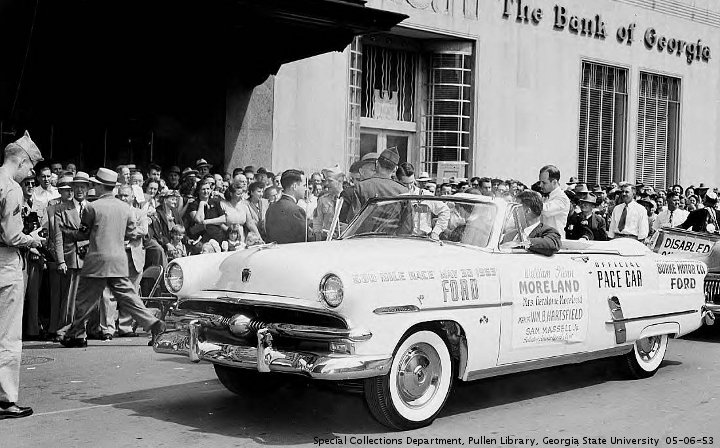
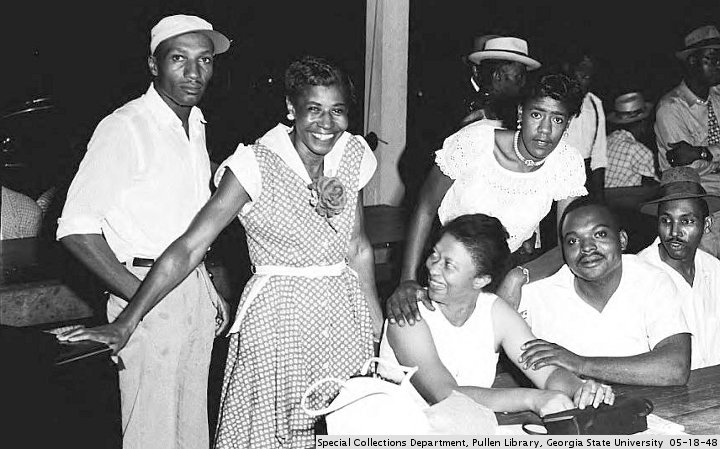
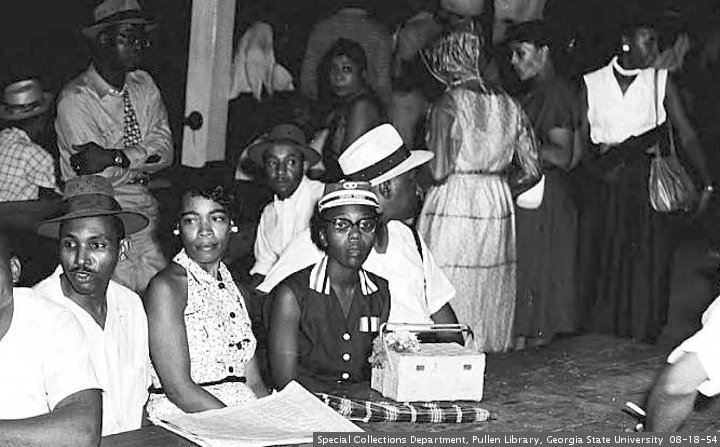
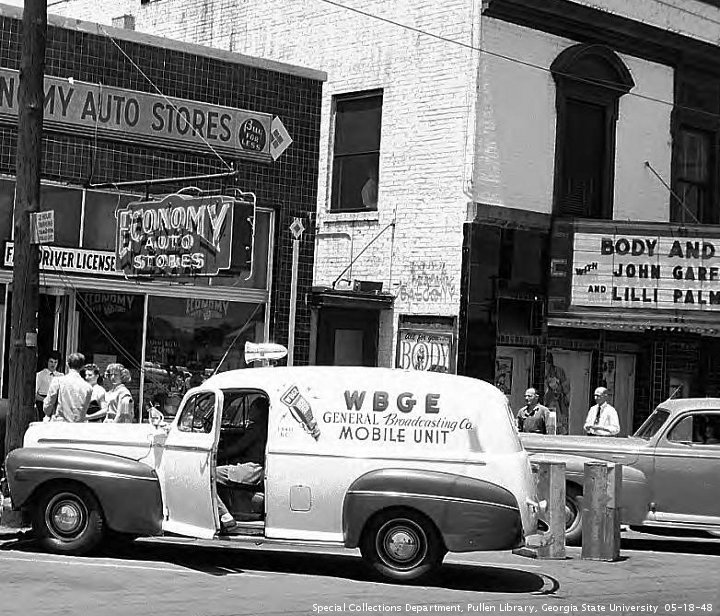
The ghost writer is James Fox, and he does a good job of channeling Keith. The copyright is assigned to something called “Mindless Records”. The bonus cd was stolen by someone at the library. The pictures are safe for work. Pictures for today are from “The Special Collections and Archives,Georgia State University Library”. This is written like David Foster Wallace. This book does not include the meaning of life.
A True Natural Look
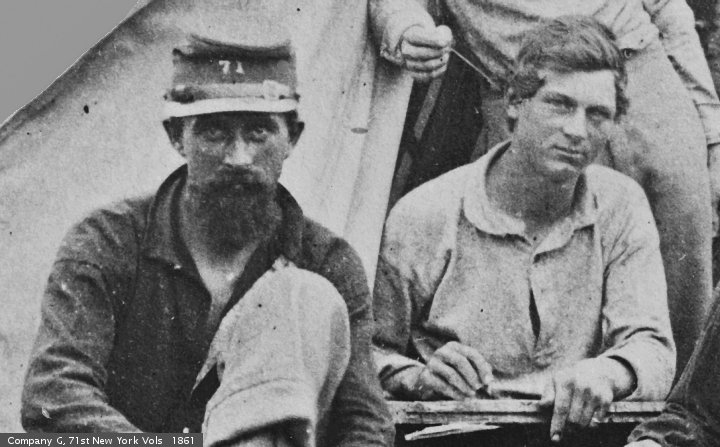




This feature is about what happens to a person in the time between death and funeralization. Some people might find this feature to be in bad taste. If you are one of these people, you are encouraged to skip the text, and enjoy the pictures from The Library of Congress. This is a repost.
Funeral homes like to talk about service to the community. In Toledo OH recently, a funeral home greeter went a bit further. This is not one of the 13 Things the Funeral Director Won’t Tell You.
British writer Jessica Mitford went into more detail in her essay, Behind the Formaldehyde Curtain. “Embalming is routinely performed on the recently departed, even though it is not required by law or religious custom. “The author concludes that unless the family specifies otherwise, the act of entrusting the body to the care of a funeral establishment carries with it an implied permission to go ahead and embalm.”
The copy of the Formaldehyde Curtain used today is from Hartland High School . In the study notes, it says “First, in Mitford’s piece, carefully focus on allusion, verbs, irony, direct address, and tone. Second, reflect on your notes and thoughts; think aloud on paper; reconsider your notes; ask questions; and think about your thinking.” This essay is possibly an excerpt from Ms. Mitford’s underground classic, The American Way of Death
The essay gets off to a rip roaring start. “The drama begins to unfold with the arrival of the corpse at the mortuary. Alas, poor Yorick! How surprised he would be to see how his counterpart of today is whisked off to a funeral parlor and is in short order sprayed, sliced, pierced, pickled, trussed, trimmed, creamed, waxed, painted, rouged, and neatly dressed-transformed from a common corpse into a Beautiful Memory Picture.”
The first step is no surprise. Mr. John H. Eckels, president of the Eckels College of Mortuary Science, thus describes the first part of the embalming procedure: “In the hands of a skilled practitioner, this work may be done in a comparatively short time and without mutilating the body other than by slight incision-so slight that it scarcely would cause serious inconvenience if made upon a living person. It is necessary to remove the blood, and doing this not only helps in the disinfecting, but removes the principal cause of disfigurements due to discoloration.” In olden times, many people feared premature burial … being lowered into the ground without first expiring. With the removal of blood, and other soft tissue, this possibility is eliminated.
Once the blood has been drained, embalming fluid is pumped into the arteries and veins. One supplier is Hydrol Funeral Supply Company. Their catalog offers Co/Preinjection Fluids, Arterial Fluids, Cavity Fluids, Specialty Fluids, and Embalming Fluid Dyes.
One arterial fluid is Velva Glo. “Velva-Glo offers the maximum of perfection in cosmetic and preserving results. It is formulated to give a flexible body with minimum rigidity. Velva-Glo is not a non-hardening fluid, but so designed that minimum firmness and maximum preservation is obtained. Velva-Glo’s slow action permits full distribution of the fluid before the tissues are set, insuring thorough saturation. Velva-Glo is absolutely non-coagulating. An interesting feature of this fluid is its action on the blood. Harsh, quick-acting fluids lose their potency or power after contact with the blood for several hours. This is because the formaldehyde is consumed. With Velva-Glo, tests which we have made show the formaldehyde maintains its full power after days of contact with blood, while such tests made with harsh, quick-acting fluids show the formaldehyde entirely disappears. Velva-Glo is a non-desiccating, non-burning fluid which offers the utmost in perfect embalming. While Velva-Glo is desirable for all cases, it produces exceptional results when used for women and children.”
Ms. Mitford mentions a dye, Lyf-Lyk tint. “Lyf-Lyk Tint is easily applied with a brush. It spreads evenly and dries quickly, leaving a natural, porous, velvety appearance. Seven specially developed shades enable you to provide the proper complexion for each individual case. Lyf-Lyk Tint leaves a permanent finish that is an ideal base for powder or rouge. It is not affected by weather and will not streak or fade. It may be applied over wax or face covering. The tint is resistant to handling, but may be removed if necessary with a soft damp cloth.”
“The next step is to have at Mr. Jones with a thing called a trocar. This is a long, hollow needle attached to a tube. It is jabbed into the abdomen, poked around the entrails and chest cavity, the contents of which are pumped out and replaced with “cavity fluid.” This done, and the hole in the abdomen sewn up, Mr. Jones’s face is heavily creamed (to protect the skin from burns which may be caused by leakage of the chemicals), and he is covered with a sheet and left unmolested for a while. But not for long-there is more, much more, in store for him. He has been embalmed, but not yet restored, and the best time to start the restorative work is eight to ten hours after embalming, when the tissues have become firm and dry.”
Some of the cavity fluids are HYPOST, CAVAMINE, NITROL, SUPER-50, CAVICEL, HYTEK, THOROL, and TISS-U-TONE. Of the latter, the catalog says “Tiss-U-Tone humectant is an accessory embalming chemical which modifies or softens the action of embalming fluid, acts as an internal tissue filler in emaciated cases and, when used externally as a massage, prevents excessive dehydration of the skin. …Tiss-U-Tone will build up the average body but where sunken spots appear around eyes and temples, HYDROL TISSUE BUILDER, injected hypodermically, should be used after embalming is completed. Tiss-U-Tone contains no formaldehyde. Tiss-U-Tone, because of its wide external use, has been made with a delightful odor which imparts a pleasing scent to the embalming room. “
Eight to ten hours after embalming, the staff prepares “Mr. Jones” for viewing. Again, a variety of chemicals and tools are available to help. An example would be HY-GLO MORTUARY COSMETICS Hy-Glo Base Cream – Blush.
“Here is a line of mortuary cosmetics unsurpassed for their NATURAL LOOK. With Hy-Glo Cosmetics, there is no need for powders, paints, special lighting or last minute touch-ups. Hy-Glo Cosmetics dry instantly, do not rub off on white shirts, dresses or casket-liners yet are water soluble and easily removed. They do not distort skin texture, but do give it the full color of life. This dramatically effective cosmetic result is achieved by first using Hy-Glo Sealer Cream. When lightly applied, the cream leaves a flexible microfilm on the skin which positively prevents the passage of air through the skin tissue, and maintains skin texture in a natural permanent state without dehydration.
One of the Hy-Glo base colors is then selected and if necessary blended with the #4 Hy-Glo tints to achieve a perfect color match. The cosmetic is applied evenly and sparingly with a short bristle brush and dries instantly. The result is a clear microscopic film which is permanent and undetectable. A small amount of #5 Hy-Glo Hilite brushed on the chin, cheeks, ears, nose and eyelids completes the job. The Hy-Glo Kit also contains shaving cream which utilizes the same microfilm principle to allow the razor to glide over the skin, eliminating razor burn entirely. No powders are necessary because the amazing Hy-Glo Cosmetics leave a true NATURAL LOOK.”

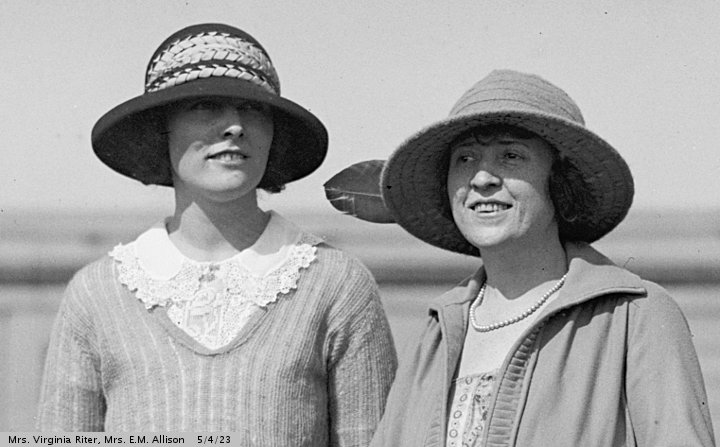


C.S. Lewis






There was a facebook link to a feature, Ayn Rand Really, Really Hated C.S. Lewis. It turns out to be verbatim droppings from Ayn Rand’s Marginalia : Her Critical Comments on the Writings of over Twenty Authors. If you are interested in details, there are the links.
Miss Rand has read more C.S. Lewis than PG. There was a copy of a CSL work at a yard sale once, which PG invested a quarter in. He read as far as the appearance of a pig named trufflehunter. Maybe it was a bad day for books, but PG put CSL down, never to make another attempt.
There was a sixth grade english teacher at Ashford Park named Mrs. Ruff. Lots of people talked about how sweet she was, but PG was not impressed. One day, between handing out mimeographed copies of poems to be memorized, Mrs. Ruff started to talk about Narnia. It was a fantastic and amazing story. With a hint of primness, she told the class that Narnia was really about Jesus.






The Correct Spelling Of Friedrich Nietzsche




In late 1968, Georgia Governor Lester Maddox faced a question about prison reform. He gave what many feel is a common sense answer. “We’re doing the best we can, and before we do much better, we’re going to have to get a better grade of prisoners.”
Before we break down that gubernatorial wisdom, a note on google is appropriate. The only source on the front result page, with the verbatim quote, was Art Buchwald. He is a humor columnist. The piece was in the Toledo Blade, December 2, 1968. The column above is from Drew Pearson, and employs the phrase President Johnson and President elect Nixon. Those were scary times.
Moving along on this wet sunday, someone made an all caps comment on facebook: “NOW HOW REAL IS THAT!!!!” The quote displyed a graphic, based on an alleged saying of Friedrich Nietzsche. “People don’t want to hear the truth because they don’t want their illusions destroyed.” Readers of this blog should know what comes next. Posting a quote, and saying it is real, is begging for an investigation.
Wikiquotes does not show that quote. The search words used were truth, and illusions. Mr. Nietzsche wrote in German, which PG does not read. He did write some things similar to the poster.
Are designations congruent with things? Is language the adequate expression of all realities? It is only by means of forgetfulness that man can ever reach the point of fancying himself to possess a “truth” of the grade just indicated. If he will not be satisfied with truth in the form of tautology, that is to say, if he will not be content with empty husks, then he will always exchange truths for illusions.
Truths are illusions which we have forgotten are illusions — they are metaphors that have become worn out and have been drained of sensuous force, coins which have lost their embossing and are now considered as metal and no longer as coins.
It should be noted that the wikis sometimes contain mistakes. Since Mr. Nietzsche wrote books, it would seem that a source could be found for this quote, if it is indeed accurate. When you type the phrase “Did Friedrich Nietzsche…” into google, the automated search possibilities are believe in G-d, have children, how did Friedrich Nietzsche die, what did Friedrich Nietzsche believe.
Quote Fail says “This quote appears to have been created within the Tumblr-verse.” They don’t think it is genuine. QF has a coupon for endless enchiladas at a restaurant called on the border.
If you are not too picky, quote factory has posters, available for sale, in eleven different designs. This is a responsible site. “Add corrections to the Quote – Is the Quote wrong? Or the author? Help us making this the most accurate and complete Quote site on the planet!
Today’s exercise is the story of a quote about truth. The quote was presented, with the phrase “NOW HOW REAL IS THAT!!!!” The quote, about truth and illusion, is essentially the truth. However, it is credited to Friedrich Nietzsche, without any more information. There is no comment about context, the original language used, or where this quote is to be found. As it turns out, Mr. Nietzsche probably did not include this quote in his books. This does not make the quote less accurate. The concept of mythos over logos is “real”. However, this does give a twist to this pretzel…if a quote about truth is erroneously credited, is the quote less “real”? Whether the reality of the question is affected by the use of all caps is a question for mighty minds to ponder. Pictures are courtesy of Gwinnett County.




Neil Sheehan

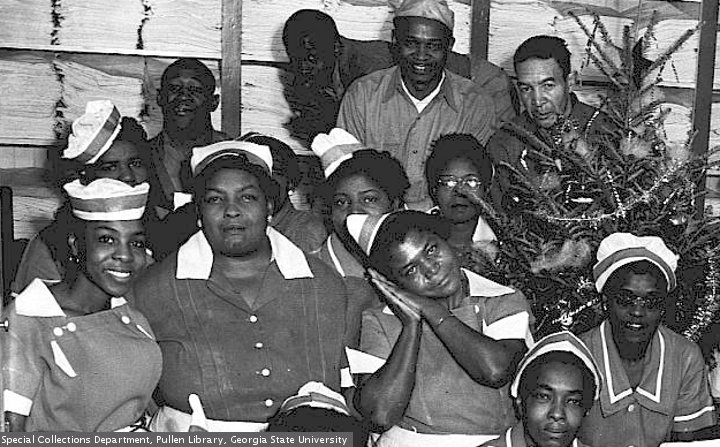


In 1988, C-SPAN presented a five part interview with Neil Sheehan. He was promoting a book, A Bright Shining Lie: John Paul Vann and America in Vietnam. Mr. Sheehan was a reporter in Vietnam during the early years of the war. Here are some highlights.
LAMB:(Brian Lamb, host of Booknotes) Neil Sheehan, author of “A Bright Shining Lie: John Paul Vann and America in Vietnam.” What role did the press play in the war? Mr. SHEEHAN: At the beginning, I suspect the press helped us to go to war in Vietnam. The the press was in gen the the the the news media of this country, in my opinion, tend to be quite conventional. They reflect conventional ideas. They are not the cabal of liberal plotters that the right wing would have us believe, at least, that thus that thesis doesn’t stand up to reality in my experience.
Mr. SHEEHAN: Let me back up for one moment. There’s a considerable misimpression about the role of the press in Vietnam all along and particularly in this early period. The reporters who went to Vietnam early on, like myself, were not anti war dissenters. We were very much in favor of American intervention in Vietnam. We had the same set of illusions everyone else did. What we wanted to what we felt was our well, was our duty excuse me we felt our duty was to report the truth, so that the president would know what was happening in Vietnam the president and the rest of the leadership and win the war. And the advisers in the field, like John Vann, told us, `Look, this isn’t working. The policy isn’t working. We’re losing. And here’s why.’ And we were writing these stories and and they were being denounced.
Mr. SHEEHAN:… the South Vietnamese army wouldn’t fight, that the Diem regime (Ngo Dinh Diem, President of South Vietnam before November 2, 1963) was deliberately holding deliberately holding it back from fighting, that they wouldn’t take on the Communist guerrillas. Because Diem wanted to preserve his army as a force in being to to preserve his regime. The Americans thought of the army, the South Vietnamese army, as a force with which to fight the Communists. Diem saw it as a force to keep him in power. And so he had a he had a secret order out to his commanders not to take casualties. And the advisers couldn’t get them to tangle with the with the guerrillas, and they would tell us this.
Mr. SHEEHAN: .. it was stupid to be shelling and bombing civilian hamlets, that we were just killing women and kids and we were turning the population against us. He (John Paul Vann) showed us the extent to which the ARVN, the Regular South Vietnamese Army, was avoiding contact with the enemy and would not fight the Viet Cong, would not take them on. He showed us the extent to which we were arming the guerillas through these outposts. Again, John would gather the data, precisely how many American arms were going to precisely how many outposts and we ended up – as I said in the book, we ended up arming the Viet Cong in South Vietnam with American weapons because the American generals were pouring weapons into the South Vietnamese Militia and the Viet Cong were collecting them from these outposts. And so, you were giving a communist guerilla who had a bolt action French rifle a fast firing semiautomatic M1 Garand, which was a World War II weapon, but which was a very good weapon in the mid – in the early 60s. This was prior to the fully automatic weapons, the M16, et cetera. The Garand was a fine weapon and we were arming our enemy. … the United States of America, are arming our enemy and giving them far better weapons than with than they already have and we’re going to change the whole the whole kind of wa we’re going to change the war we’re fighting. We’re we’re creating a a monster here.’
LAMB: Given your experience, and this book and other books, could a Vietnam ever happen again to the United States? Mr. SHEEHAN: No. Well, not in the foreseeable future. I think Vietnam has changed this country, for the foreseeable future, at least. I an event like Vietnam is unique in the history of a country. Vietnam was our first bad war …. And it was the first it was the first war in which Americans could get could and did get killed for nothing. Now the Europeans had learned that you could go to war and get killed for nothing, that you could go to war and and your in which you could get involved in a war in which your le leadership was was was driven by illusions rather than reality. We had never learned that as a nation. … And so I think the impact of that on us has been so profound, because the war was so divisive that it remains with us today and you ca the president of the United States cannot so blithely send Americans off to war as he does not have the power to do it that Kennedy and Johnson had, because the public doesn’t give him the credibility that it gave them those presidents.
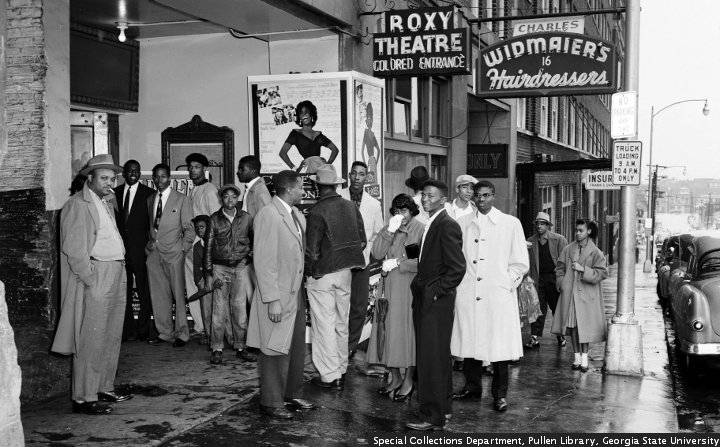
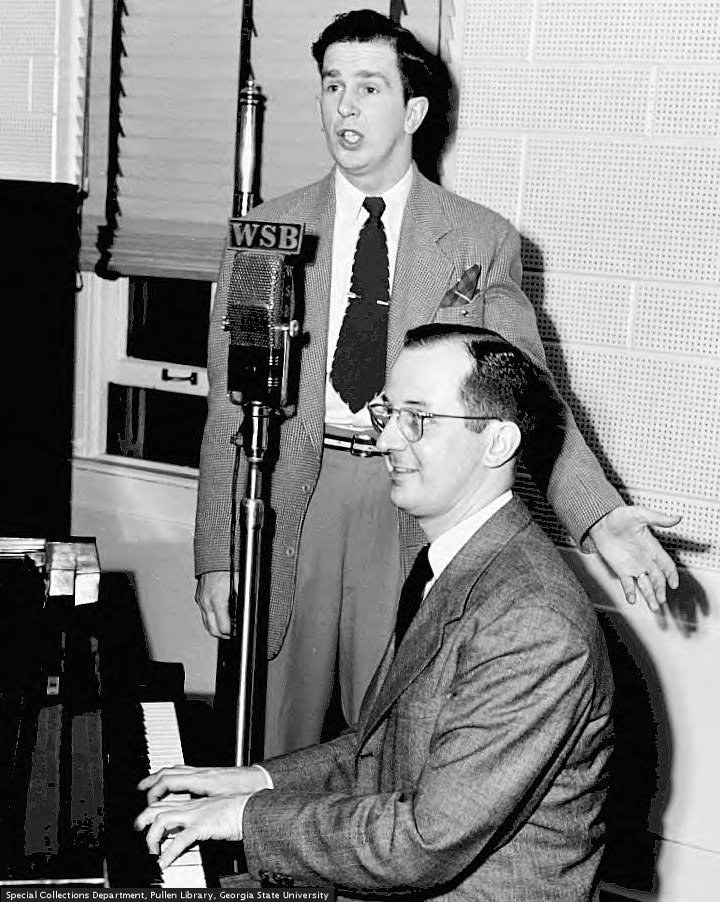
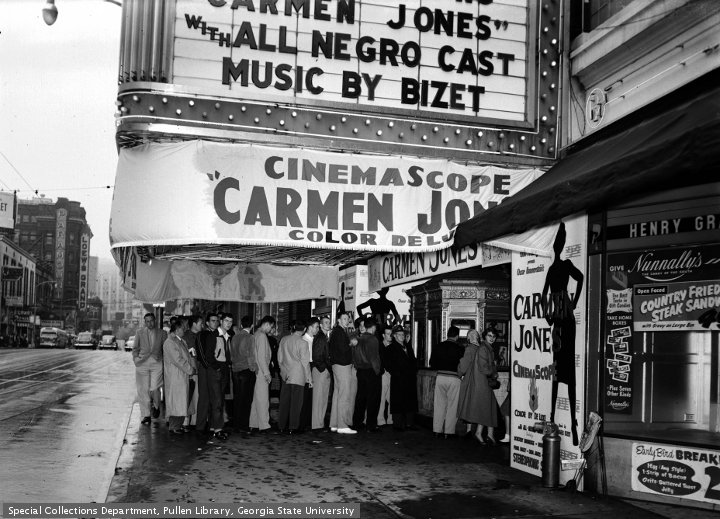
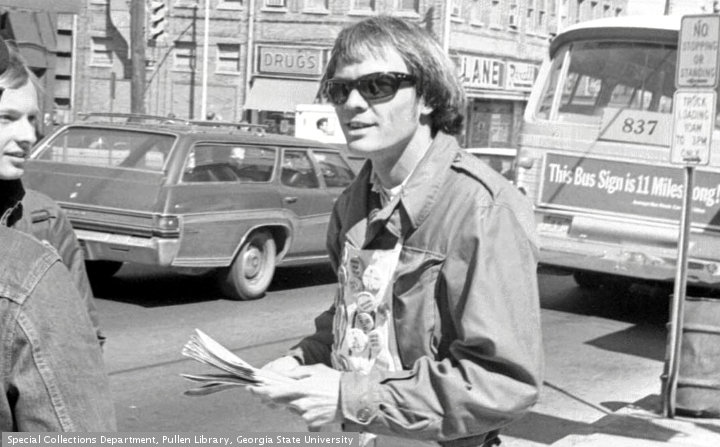
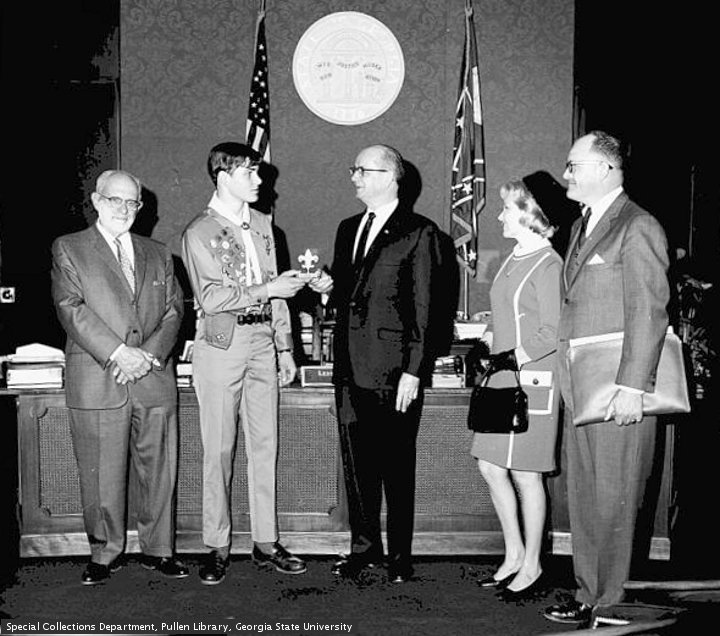
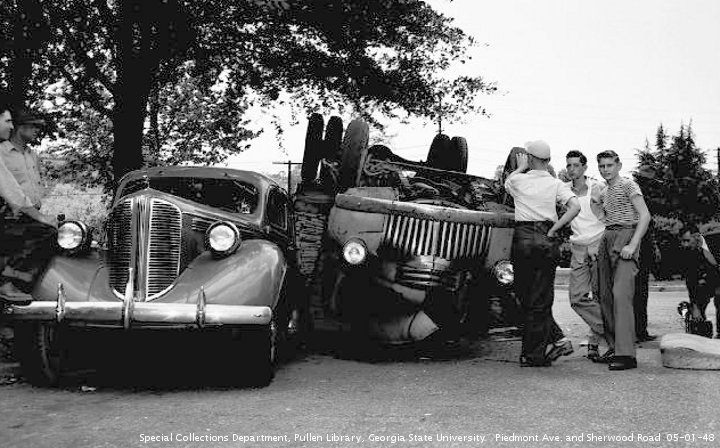
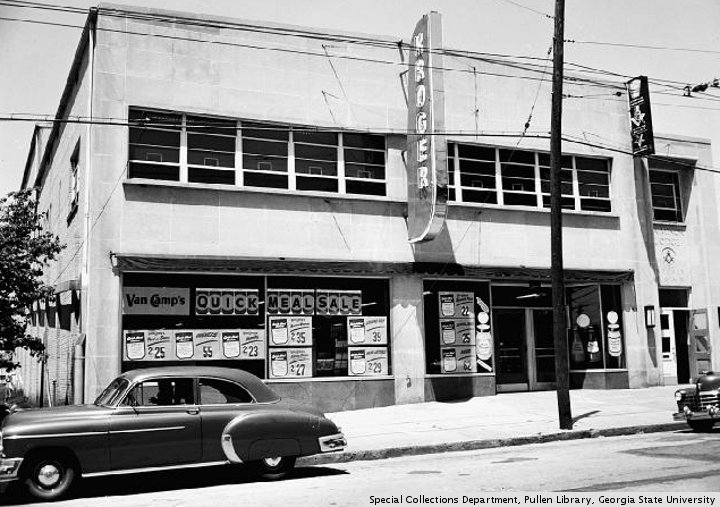
Pictures are from “The Special Collections and Archives,Georgia State University Library”.




The Girls’ Guide To Hunting And Fishing




PG was riding his bike one afternoon. He rode by a house with trash at the curb. Part of the loot was paperback books. A few months later, the time to read had come. The amazon one stars would say not to buy The Girls’ Guide to Hunting and Fishing, that it was not worth the hype. When you find a book that is thrown away, this is not a factor. PG had never even heard the phrase “chick lit”.
GGTHF got off to a slow start. The hero, Jane, goes to the beach with her parents, and meets her brother’s gf. PG was about to put the story down, until dad said, “Hair is the roof of the soul”.
There are seven sections to this book. They are loosely connected by the participation of Jane Rosenal, the daughter of a Philadelphia doctor. In one chapter, her only participation is living in an apartment upstairs from the action. This chapter is confusing. Someone’s son shows up for dinner with a new gf. The son announces that the gf is pregnant, as is his ex wife, and he is the daddy for both babies.
The author of this tale is Melissa Bank. The book is copyrighted 1999, and took twelve years to write. Ms. Bank is still alive, and stays in East Hampton, NY. At the 96 minute mark of this video, she explains why her continued existence is remarkable. While riding a bike home from radiation treatment, Ms. Bank was hit by a car. She landed on her head, and forgot vocabulary. This is a problem for a writer.
The last two chapters of GGTHF have a different feel from the first five. PG speculated they were written by a another person. After hearing about the bike wreck, this different style makes a bit of sense.
The last chapter is puzzling. Jane gets a book on manipulating men, and talks to the authors. In the end, she ignores the book, and gets kissed.





KIDS WITH SPECIAL NEEDS




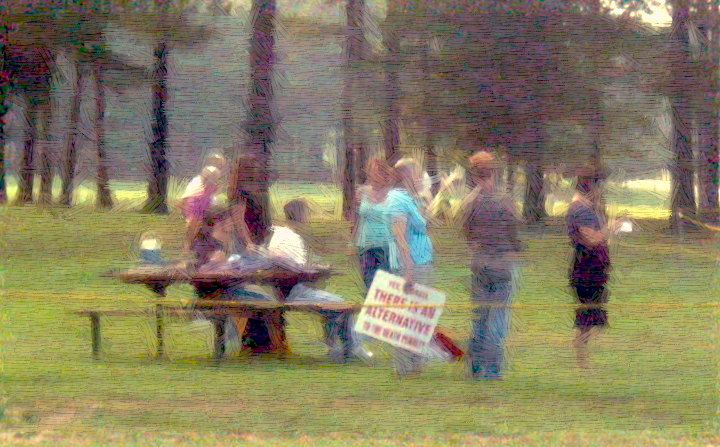


I saw the sign about
KIDS WITH SPECIAL NEEDS.
The sign said to repost in honor of KWSN.
I felt ill.
I doctored the sign.
I no longer felt ill.
I felt accepted.






The Trial Of Lenny Bruce



Towards the end of his Booknotes chat, Nat Hentoff talked about censorship. As a journalist, his views were predictable.
Mr. HENTOFF: Any words at all. Words are–I mean, there is a great–there was a great scene in New York once when Lenny Bruce, who was a friend of mine, was on trial for his words. And Richard Cue, the assistant district attorney, was making a name for himself trying to blast all of the witnesses for the defense. And he got Dorothy Kilgallen, who was a very famous then syndicated columnist, a devout Catholic, a conservative and a great admirer of Lenny Bruce. And he con–he strung together, Cue did, all of the words in Lenny’s monologues that could be considered terribly offensive, and he hit her with them. It was a barrage. `What do you think then, Ms. Kilgallen?’ `Well,’ she said, `they’re words. They’re words. That’s all. Words.’ That’s the way I feel.
When PG heard this, he remembered reading about this trial. With the aid of Mr. Google, a transcript turned up. If you like to read about lawyers saying dirty words, this is the place for you.
Dorothy Kilgallen was, to put it mildly, a piece of work. She wrote for the N. Y. Journal American, and stepped on more than a few toes. A biography, Kilgallen, tells a few of the tales. Today, Miss Kilgallen is best known as one of the original panelists on “Whats My Line?”
The People v Lenny Bruce (Cafe Au Go Go Trial) was tried June 16, 1964 to July 28, 1964 in New York City. The Per Curium Opinion of Judge John Murtagh sets the tone. “All three performances of the defendant, Lenny Bruce, were obscene, indecent, immoral and impure within the meaning of Section 1l40-a of the Penal Law. While no tape is available as to the first performance [past midnight, March 31-April 1], this monologue, according to the testimony, was essentially the same as that of the second [April 1, after 10:00 p.m.] and third [April 7, after 10:00 p.m.] performances. In the latter two performances, words such as “ass,” “balls,” “cock-sucker,” “cunt,” “fuck,” “mother-fucker,” “piss,” “screw,” “shit,” and “tits” were used about one hundred times in utter obscenity. The monologues also contained anecdotes and reflections that were similarly obscene.
Dorothy Kilgallen was called as an “expert witness”. In lawyerly fashion, the prosecutor claimed she was not a genuine expert. After her credentials were established, there were questions like “Will you tell us what the artistry, or the social value, or the merit, or the good is, in the Bruce story of sexual intercourse with a chicken?” After the testimony described by Mr. Hentoff, Miss Kilgallen talks about something that does offend her.
Q. I wouldn’t take much time, but we did discuss before Lenny Bruce’s use of the words ‘mother fucker’ at his audience. Can you tell me when James Jones or Norman Mailer or Arthur Miller has called his audience ‘mother fucker?’
Mr. Garbus: Your Honor, may I object? We are talking about books against monologue. It’s completely an irrelevant question.
Judge Murtagh: We will allow it. Objection overruled.
A. I can’t tell you anything verbatim from the books, because I read them a couple of years ago or more. I would imagine–this would be my best guess–that they did not call their audiences anything. There’s another book called The Naked Lunch which I couldn’t even finish reading, but it’s published, and I think the author should be in jail and he used–
Q. Unfortunately we can’t do everything at once, Miss Kilgallen. Are you judging the non-obscene quality and the artistic quality of Bruce by the fact that The Naked Lunch is a book which, as of this date, is sold in the community?
A. No, I’m not. I just mentioned it because you asked me for some books.
Q. And The Naked Lunch is a book you found impossible to read, is that correct?
A. Yes, I found it revolting.
Q. What was revolting about it?
A. Just the way it was written.
Mr.Garbus: Objection, your Honor.
Judge Murtagh: Objection overruled.
A. It seemed to use words for shock value, not for any valid reason, and I object to that.
Q. And when Lenny Bruce–I ask you to turn to the April 1st tape . . . and read the portion starting–‘tits and ass, that’s what is the attraction, is just tits and ass and tits and ass’–and goes on all through the page, and ask you if you find some shock value in that?
A. No, I don’t think it’s particularly shocking, it’s just a word.. . .
Q.. Do you, in your column, use the words tits and ass?
A. Never.
Q. You know exactly what Lenny Bruce was talking about?
A. Yes. . . . I think there he’s being critical of the monotony of what is on view in Las Vegas.
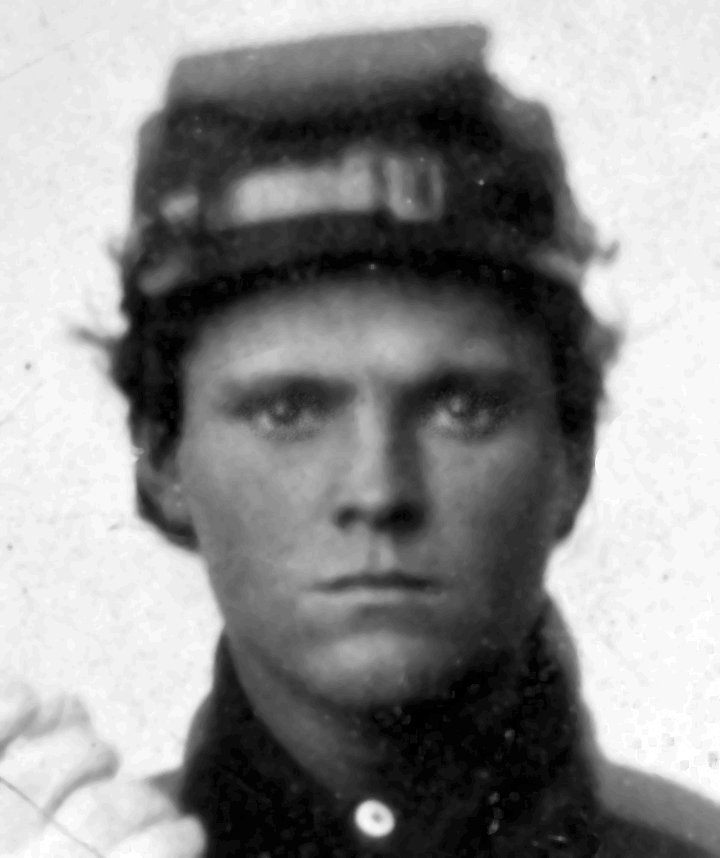
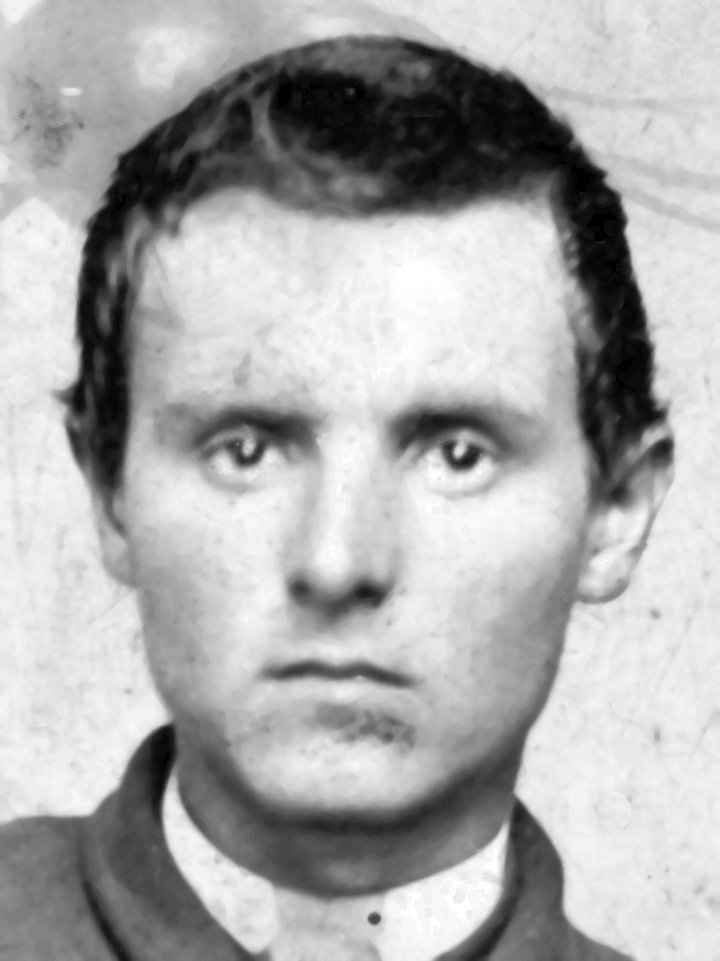
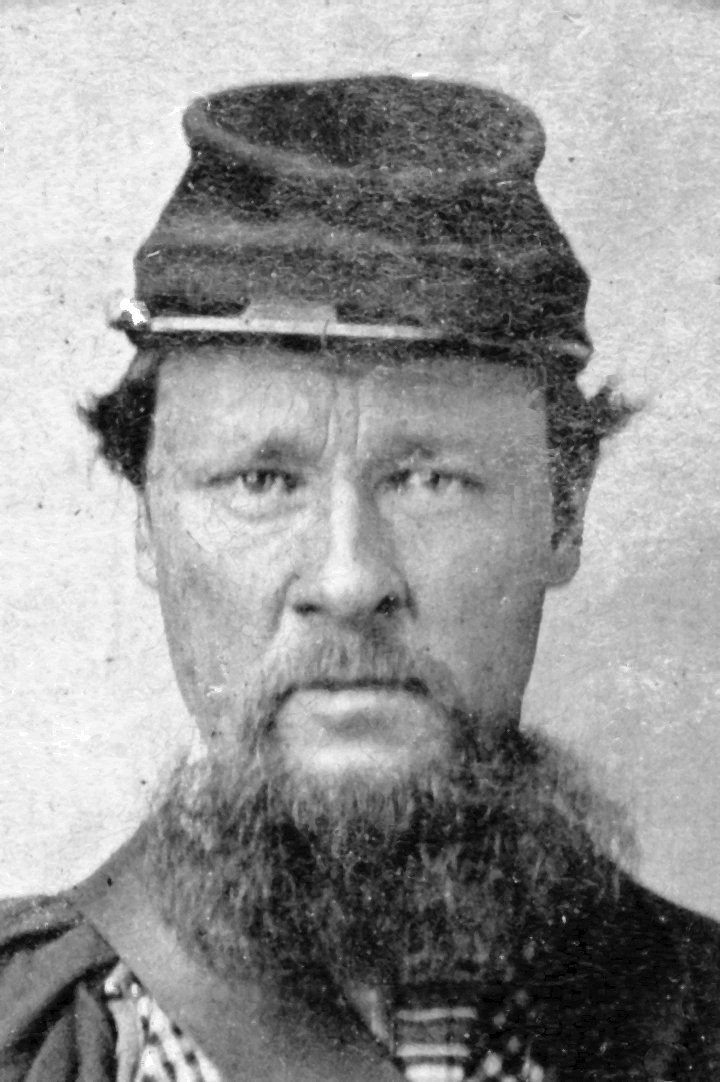
Dorothy Kilgallen died November 8, 1965. Lenny Bruce died August 3, 1966. Kilgallen biographer Lee Israel was convicted of selling forged celebrity letters. Nat Hentoff was laid off from the Village Voice. Pictures today are from The Library of Congress. These images are Union soldiers from the War Between the States. The spell check suggestion for Kilgallen is Millennial.



Nat Hentoff




PG saw a talk with Nat Hentoff on Booknotes. A series of stories about jazz musicians was expected. That is not what the talk was about. The first topic of the conversation was abortion.
LAMB: (Brian Lamb, host of Booknotes) “When has a liberal been the most upset with you to your face?”
Mr. HENTOFF: “Oh, well, the most controversial subject-issue I’ve ever gotten involved in to this day was when I became pro-life. And liberals are very–many liberals are very angry at me because of that. In part, because–they could understand it, they say, if I came to it from a religious kin–a Catholic perspective. But I’m still a Jewish atheist, and that really bothers them.”
Later in the interview, Mr. Hentoff commented on atheism.
LAMB: “What does it mean to you to be an atheist?”
Mr. HENTOFF: “It means that I was never able–I mean, I really envy, in some respects, some of the people of faith I’ve known–A.J., for example.”
LAMB: “What was his religion?”
Mr. HENTOFF: “He was–he–I don’t know what he finally came out believing in, but it was some kind of higher being. But Kierkegaard said it for me a long time ago. He said, `You can’t really think yourself into a faith, into a religion. It’s something you have to make a leap into faith.’ And I’ve never been able to do that. I wish I could. Then maybe I could believe in an afterlife.”
Being an atheist did not keep Mr. Hentoff from befriending religious bigshots.
“My favorite story about O’Connor (John Cardinal O’Connor) –one of them–is I was in Toronto at a pro-life conference. And I was … explaining … that the best way to not have unwanted abortions was to have much more research on contraception. And two very large, true-faith people came out of the audience, wrested the microphone out of my hand and said, `That is inappropriate, improper. Pro-lifers do not believe in contraception.’ And O’Connor’s watching this. I get up again and introduce him, and O’Connor said, `I want to tell you I’m delighted that Nat is not a member of the Catholic Church. We have enough trouble as it is.'”
Mr. Hentoff may be the one “pro life” advocate who is also opposed to war and capital punishment. The interview was broadcast October 19, 1997, when his political passion was a distaste for Bill Clinton.
Mr. HENTOFF: “Oh, I think–I don’t think he does anything–I don’t think it’s ill will. I don’t think he’s evil in the sense that he hates the Bill of Rights. He does what he figures will help him politically. It’s like when he was running for president. I’ll never forget this one. He was running in New Hampshire. He was not doing well. And he suddenly, over a weekend, rushed back to Little Rock to execute a guy who had killed a cop, but in the process, the policeman had shot him in the head and he was out of it. He didn’t know today from tomorrow, good, evil, whatever. His lawyer begged–his lawyer was an old friend of Clinton. He begged Clinton not to have this guy executed. It was absurd. But he did it anyway.”
When you say anti war to people of a certain age, they mean Vietnam.
Mr. HENTOFF: … “I got fired from The Reporter. Max Askeli was a very courageous, principled man up to a point. He had left Italy before he was thrown in jail by Mussolini. And he started this very good magazine…. I was in the back of the book doing music. I once did a–the first piece on Malcolm X that anyone had ever seen in the– white press.
But I was very much against the Vietnam War, and Max Askeli was visiting Lyndon Johnson in the White House cheering him on, writing editorials. And in The Voice one day I once referred to him as Commander Askeli. And I called in to The Reporter to go over the galleys of a music piece I had written, and the editor whispered to me, `It’s not gonna run. You’re not gonna run. Max Askeli has fired you because of what you said about him.’ You see, the person who has the strong ownership of free speech is the one who owns the press.”
Some of these opinions got the FBI interested in Mr. Hentoff. Years later, Mr. Hentoff filed a FOIA suit, and got to see his FBI files.
LAMB: “You also once decided you wanted to look at your FBI file.”
Mr. HENTOFF: “Yeah. I was writing–at least beginning to write Boston Boy and there were a lot of holes in my so-called research. I didn’t know the towns my mother and father came from in Russia. I didn’t know the name of the clothing store I went to work for when I was 11 years old. I didn’t know a lot of things. So I called for my FBI files, not expecting to have that stuff there, but I wanted to know what they had on me. And–but they did have the towns my mother and father lived in in Russia. They had the grocery store I worked in when I was 11 years old.
Then they had a lot of clippings, a lot of articles I’d written. And to me the–the funniest one was–I had done a piece for Playboy about J. Edgar Hoover. I had not been very kind to J. Edgar Hoover. And the field agent had written on –it was sent directly to Hoover–that–the director should see this–`And, besides, Hentoff is a lousy writer.’ And I thought that went a bit far.”
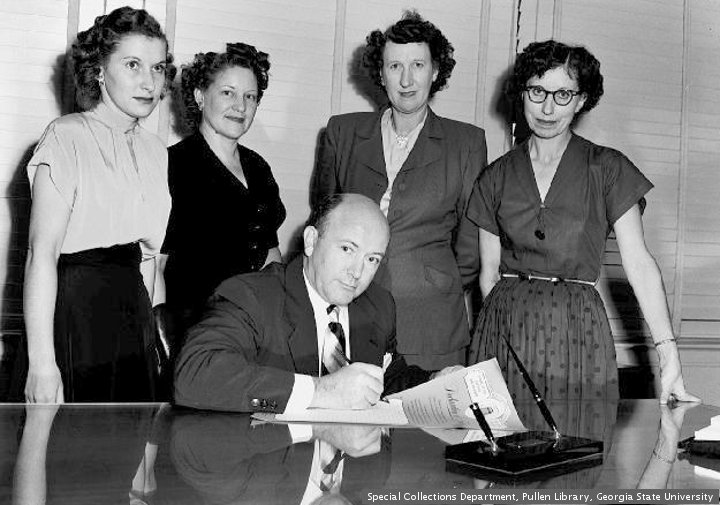
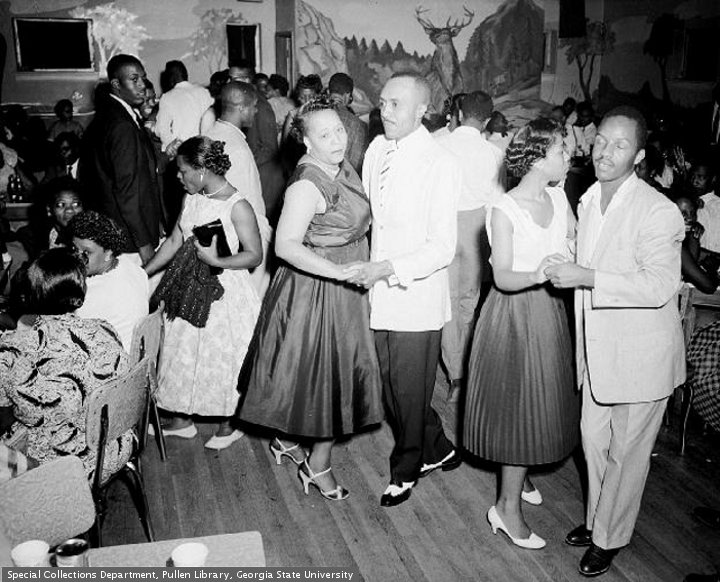
The Booknotes talk aired October 19, 1997. Mr. Hentoff was promoting a book, Speaking Freely: A Memoir. He is still alive. Pictures today are from “The Special Collections and Archives,Georgia State University Library”. This was written like James Joyce.




Hastings

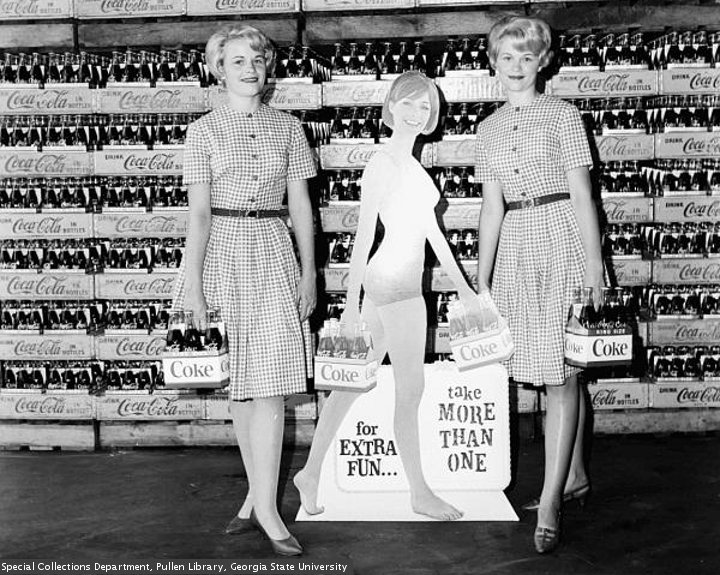
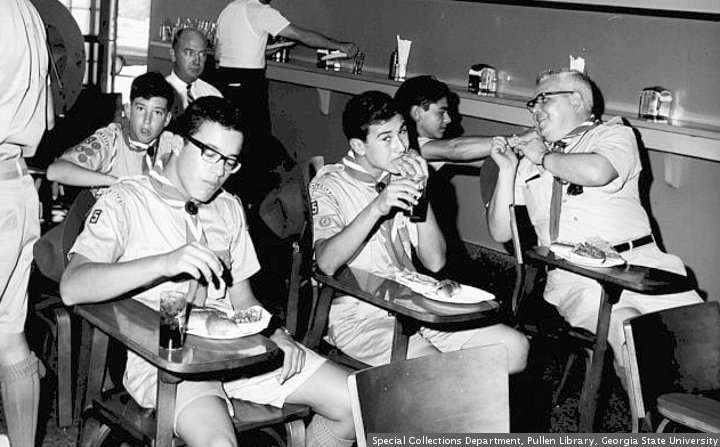

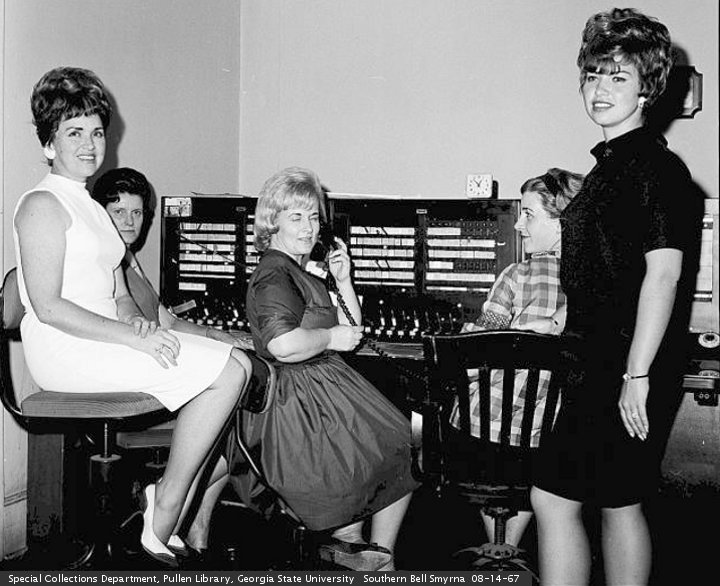
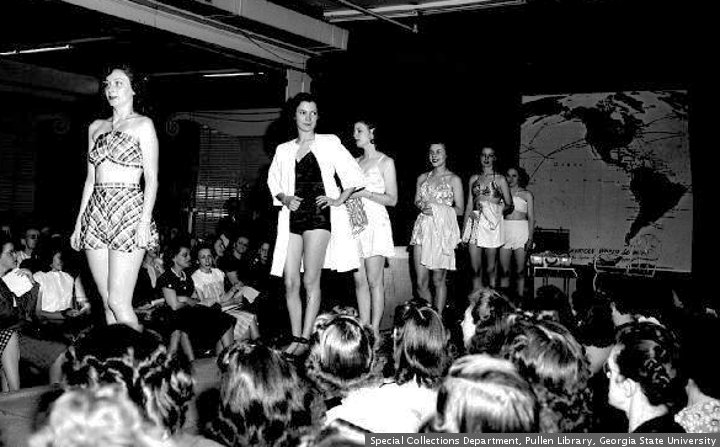
Jimmy Breslin is a New York journalist. He was on BookNotes, promoting something he had written about Damon Runyan. At some point, he had a few things to say about handguns.
BRESLIN: I was thinking of that with the guns. We’ve got an enormous amount of empty hands in the city of New York — poor people with empty hands — and there is a whole lot of guns coming in and those empty hands pick them up. Now, we’ve been saying just a tiny, stupid, little thing. I never understood the argument. How can you have a semi-automatic weapon, period. I mean, what are they for? … Now, I’m thinking of that this morning when they hear this gun they used in Killeen, Texas. What did he kill — 22 — with a gun?
… What reason is there for a gun — a handgun? I mean, he gets it to kill somebody with, that’s all. There’s no other reason. I don’t know why they make them. They make them to kill people with.
We just lost that guy Hastings. There was bartender, a fellow by the name of Hastings, in the city of New York. He fought at Guadalcanal and Okinawa as a Marine. Pretty good. Been around a little action, I’d say, right? He did 20 years as a New York City policeman and a detective. The day he left the job he turned in all his guns and said, “I never want to look at one of them again. I know exactly what they are. I don’t like them. Goodbye.” He was tending bar the other night in the Garden Grove, which is one of those neighborhood places that generations of working people have known in the Woodside neighborhood of Queens, and he walks out at 3 in the morning carrying some Chinese food, no gun — gave those things up, hates them — and a guy thought it was the receipts from the bar and shot him in the head with a gun. Now, if Hastings, who was around guns at Guadalcanal, doesn’t like them, what are we doing making them today so somebody can walk up and shoot him in the head? We lost a magnificent human being that way. I think that that’s politics, and I think that’s where I would write quite a bit of politics. For anybody that doesn’t vote to stop the manufacture of guns, well, he’s just contributing to murder. That’s all there is to it. I think that’s political now.
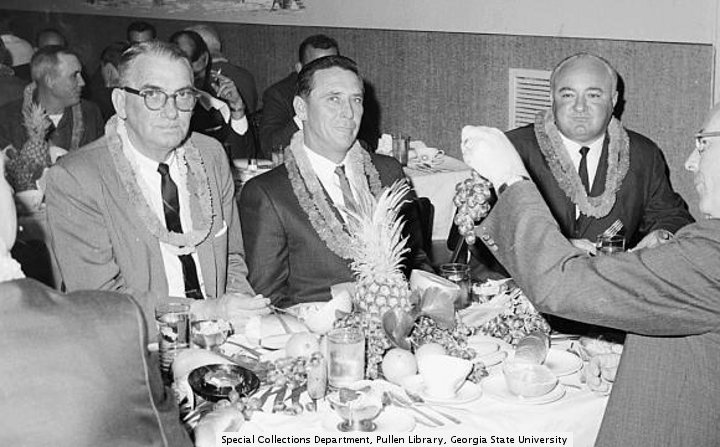
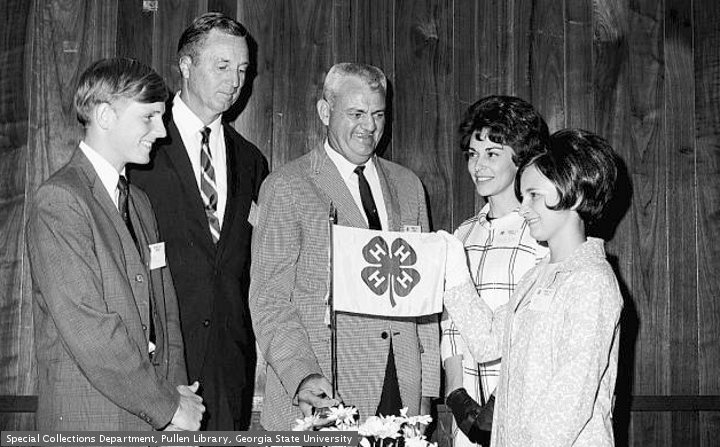
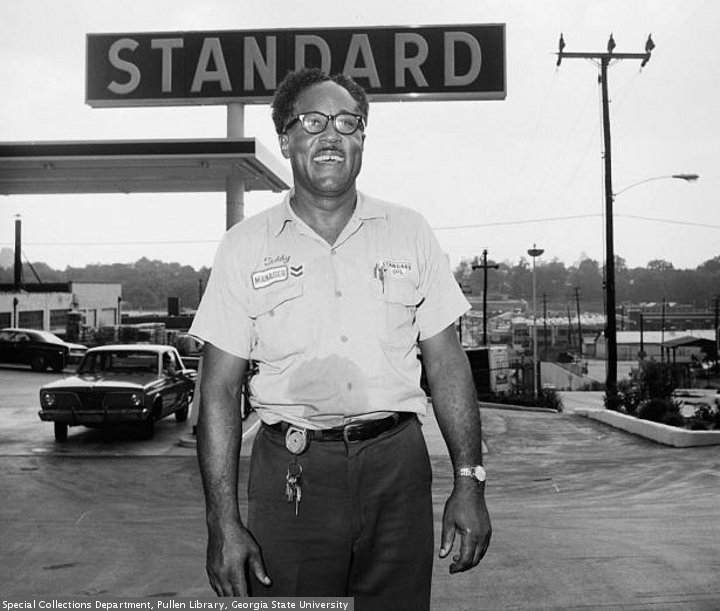
Later in the chat, there was this exchange with interviewer Brian Lamb. LAMB: When are you absolutely the happiest? BRESLIN: You’re not put on this earth to be happy. You’re really not. Now you laugh — you’ll find that’s true before we’re through. The pictures today are from “The Special Collections and Archives,Georgia State University Library”. The spell check suggestion for Breslin is Breadline.

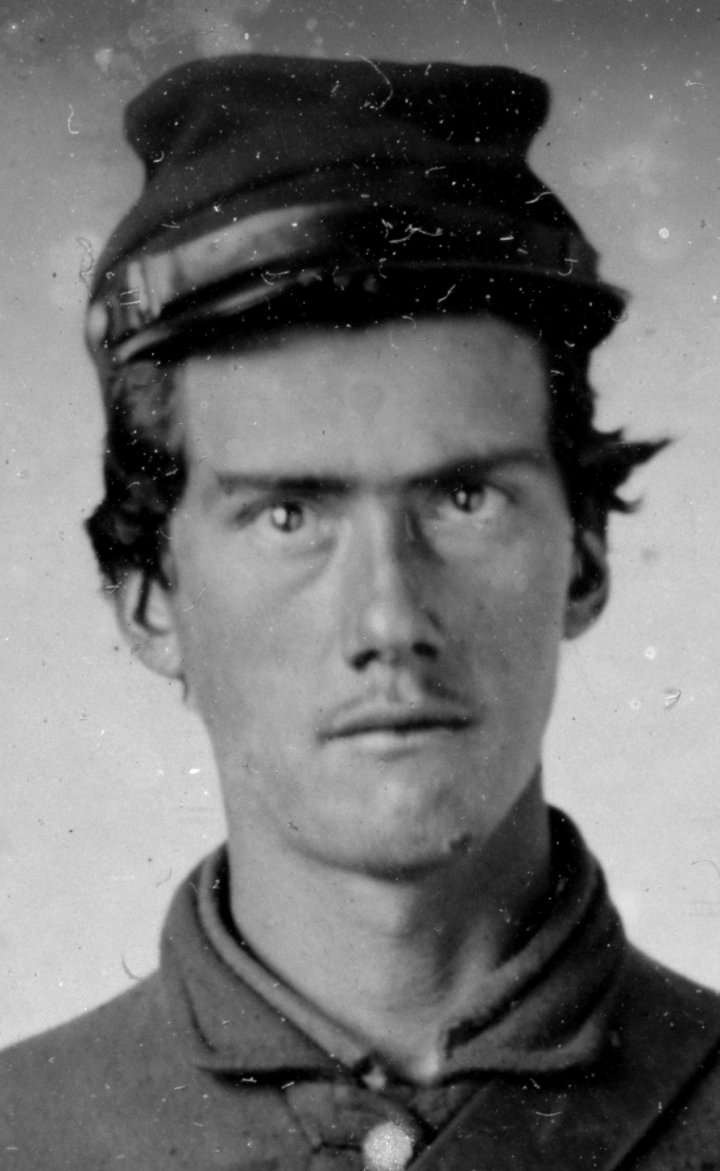
Dear Old Basil






much less than a friend.
A sort of brother, I suppose?
Oh, brothers! I don’t care for brothers.
My elder brother won’t die,
and my younger brothers seem never to do anything else.
These 33 words are from “The Portrait of Dorian Gray” by Oscar Wilde.
The text is from The Gutenberg Project.
The pasting project is facilitated by Trifecta.
This selection is written like Kurt Vonnegut.





Hurry Up
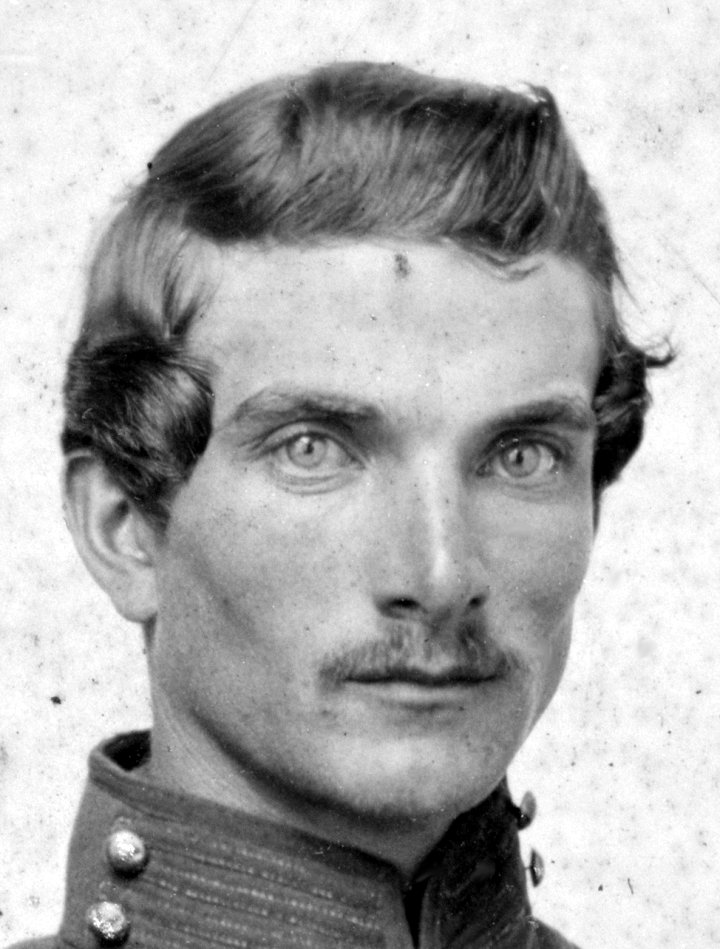

I don’t know how to use a word processor
And I’ve never even used an electric typewriter
Because when you turn it on,
It starts humming and seems to me to be saying,
`Hurry up. Let’s get going.’
Herbert Block
Pictures: Library of Congress
 Chamblee54
8 comments