Hocus Pocus Part Two



A few minutes ago, this second, and final, section of the book report on Hocus Pocus, by Kurt Vonnegut, was moving along. The formula for the magic number was being calculated. Then a power surge hit, and the unsaved product went to the digital graveyard, never to be seen again. If this had been Slaughterhouse Five, someone would say “so it goes.” However, this is Hocus Pocus, and SIG had been worn out by then.
The number in question relates to the protagonist, Eugene Debs Hartke. The number represents the number of women Mr. Hartke fucked, and the number of Asians killed by Mr. Hartke. A philosophical connection between the two acts is implied. One gets the impression that Mr. Hartke is a fantasy character for KV, whose life and death stats are not as impressive. The number is 82.
HP is, sad to say, not very good. It has the feel of contractual obligation. The satire is forced, and in some cases badly dated. When HP was written, smart people said a new ice age was coming. Today, the smart people are saying the opposite, except for the really smart people, who are on the oil industry payroll and poo poo global warming.
KV is one of those writers who like to throw “facts” in the fiction. The inside front cover of HP has a list of pages, where PG will stick his curmudgeonly nose. The first one is on page 92. (Page numbers in the section are from the peedeeff.) “Do I resent rich people? No. The best or worst I can do is notice them. I agree with the great Socialist writer George Orwell, who felt that rich people were poor people with money.” When a google search shows HP, and a meme, as the source of a quote, then you suspect hogwash. Does hogwash produce clean bacon?
Wikiquotes does not have this quote. The search words used were money, poor, and rich. FWIW, “In a time of universal deceit, telling the truth is a revolutionary act” is “disputed.”
There is a lovely quote about Mr. Orwell. “He could not blow his nose without moralising on conditions in the handkerchief industry.” Cyril Connolly, The Evening Colonnade (1973), in John Rodden, Every Intellectual’s Big Brother: George Orwell’s Literary Siblings (2006)
This quote is not in HP, but it is a fun story. @SlavojTweezek “”Communism doesn’t work,” Frank Zappa said, “because people like to own stuff.” Idiot. What do people’s likes have to do with communism?” This quote is plausible. Frank Zappa was a capitalist. He liked owning stuff, especially his own music. It should be easy to find a source. However, the best google can come up with is a compilation, “Quotes of Zappa,” in W. C. Privy’s Original Bathroom Companion. “
KV has become somewhat of a liberal icon, a Pall Mall smoking gargoyle of grooviness. Sometimes things that are written in 1989 are not as appealing in 2015. One example is using “oriental” to describe people of Asian origin. Another is this tidbit(p. 95): “She discovered in midlife that she was a lesbian, and ran off with the high school’s girls’ gym teacher to Bermuda, where they gave and probably still give sailing lessons. I made a pass at her one time at an Annual Townand-Gown Mixer up on the hill. I knew she was a lesbian before she did.”
Central to the action in HP is a prison outbreak. In the aftermath of this, the liberated prisoners crucified people they found in town. KV describes nails being driven into hands, which is not how the Romans did it. (p. 83) In Roman/Jewish crucifixions, the nail… really more like a spike, pulled out and used over and over … was driven into the wrist, into a space between two bones. These bones keep the arm securely attached to the cross. KV says (p. 103) “Crucifixion as a mode of execution for the very worst criminals was outlawed by the first Christian Roman Emperor, who was Constantine the Great.” Mr. Google seems to confirm this.
The rest of the cover notes are not as interesting now. It is ironic that a book, published in 1990, would have the main drag, in a key location, called Clinton Street. The only other thing to mention is the book mark that PG used on this book. It is from DeKalb county, and is designed to promote efficient water use. When you look at the corrugated plastic from one angle, the blue hippo says “you will save tens of gallons of water.” When viewed from another angle, the plastic says “take short showers, or half full baths,” while the blue hippo works out with a shower brush.
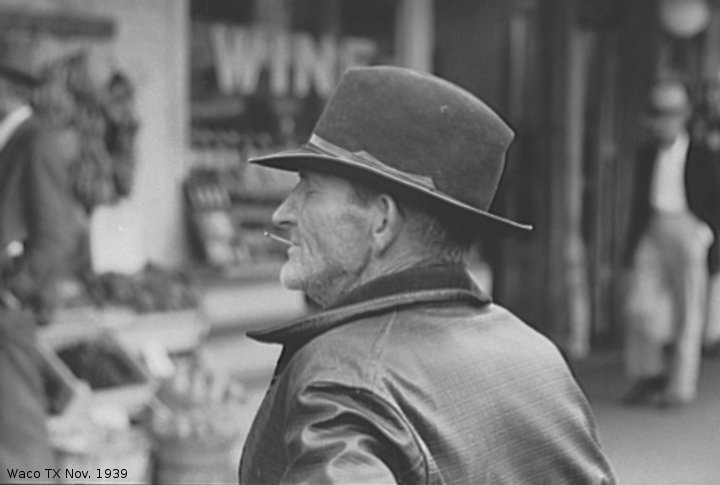
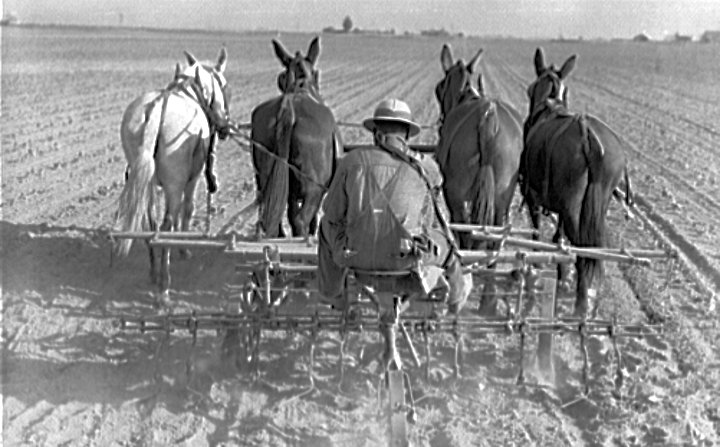
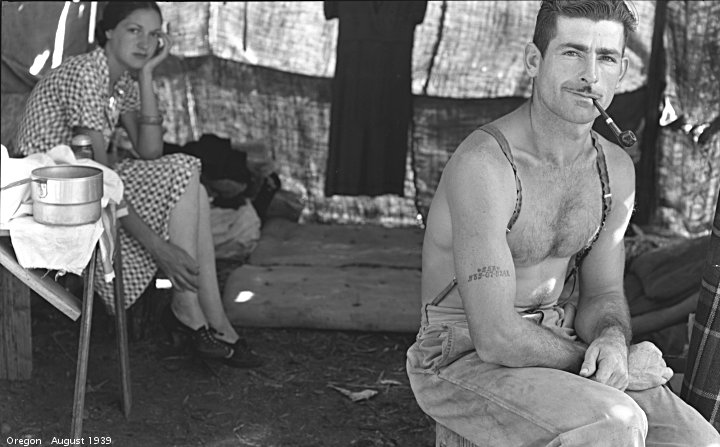
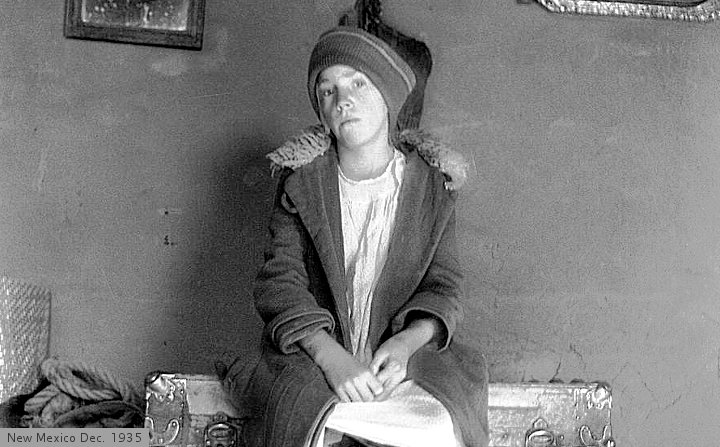
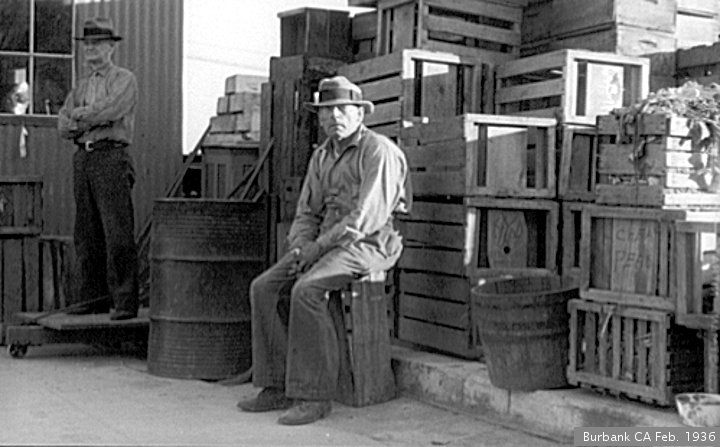
Pictures today are from The Library of Congress.




Duane Allman And The Coricidin Bottle


Gregg Allman appeared on Live Talks LA, selling a book, My Cross to Bear. Yes, he was coherent. Mr.Allman says something about going through rehab seventeen times. No one argues disputes that he has had an interesting life.
The chat has a few parts left out. Dicky Betts and Cher are not mentioned. The title of “strangest dude I ever met” goes to Jai Johanny “Jaimoe” Johanson, aka the black guy in the group. Gregg says he used to listen to stuff by Roland Kirk.
The story of Duane Allman learning to play slide guitar is good. Duane was sick. Gregg came to see his brother, who was playing the guitar in a new way. It seems the doctor had given him some pills called Coricidin. You take the pills out of the glass bottle, soak the label off, and you have a guitar slider.
When PG was a kid, his uncle was a representative for the company that sold Coriciden. There were boxes of samples in the house, which all came in the glass bottle. PG had not heard that name for forty eight years. The spell check suggestion is Coincidence.
Not everyone at amazon was impressed by the book. “the book was so damged the binding and jacket were ripped that a did not read the book and will not buy an more nick malick.”
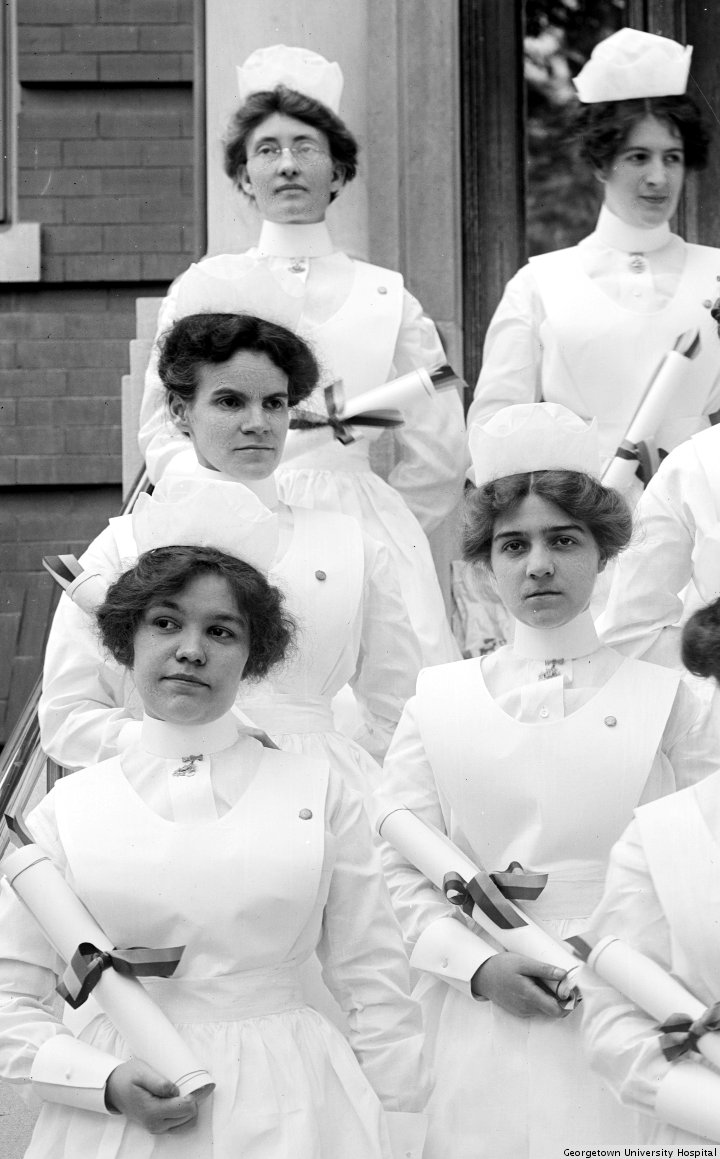
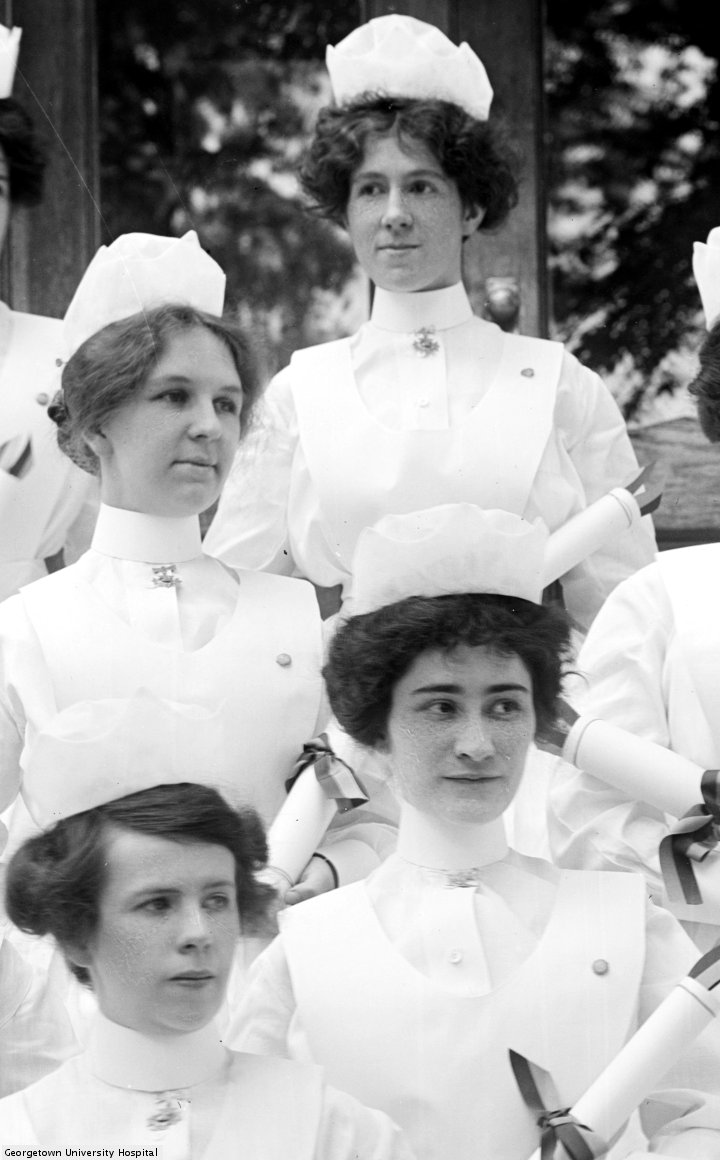
This is a repost, with pictures from The Library of Congress. There are two group shots, broken down into smaller images. One is a graduating class of a nursing school at Georgetown University. The photographer lists the date as between 1905 and 1945.
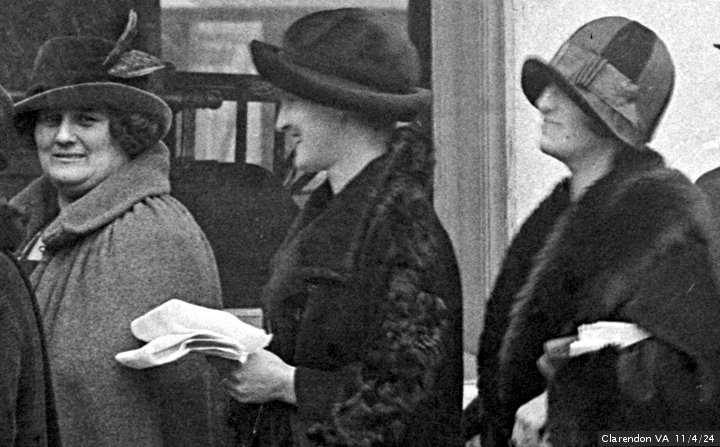
The other image is a line of people waiting to vote. The well dressed citizens are in Clarenden VA. The date is November 4, 1924. The democratic presidential candidate, John W. Davis, was nominated on the 103rd ballot of the democratic convention. He lost to Calvin Coolidge.




Junky Part Two





Sometimes, you do something that is so stupid. When preparing this text for publication, PG accidentally clicked in the wrong place, and started to close the file. The machine asked PG if he wanted to save the changes. He clicked on the middle option, which was to not save the changes. A split second later, PG realized what a bad mistake this was. It was too late. This story will be re-created, but might not be as good as the first one. Pictures will be from “The Special Collections and Archives, Georgia State University Library”.
This is part two of the chamblee54 reconfiguration of Junky, by William S. Burroughs, aka William Lee. (part one) The original exposure to this material was from an audiobook, with selections borrowed from the peedeeff. Some of the best writing is in the parts of the manuscript that were edited out. The limited attention span of audiobook listeners must be considered.
The story begins with WSB leaving the north, and arriving in New Orleans. Before you can say Harrison Narcotics Act, (passed in 1914, after the third party manipulated election of 1912,) WSB is using junk. There are some wild and crazy junkies in New Orleans at this time.
“Another occasional was Lonny the Pimp, who had grown up in his mother’s whorehouse. Lonny tried to space his shots so he wouldn’t get a habit. … Lonny was pure pimp. He was skinny and nervous. He couldn’t sit still and he couldn’t shut up. As he talked, he moved his thin hands which were covered on the backs with long, greasy, black hairs. You could tell by looking at him that he had a big penis. Pimps always do. Lonny was a sharp dresser and he drove a Buick convertible. But he wouldn’t hesitate to hang us up for credit on a two-dollar cap.”
Before too much longer, WSB is busted. “We’re going out and search your house, ” the frog-faced cop said. “If we find anything, your wife will be put in jail, too. I don’t know what will happen to your children.” This is the first time the word wife is used. This probably refers to Joan Vollmer, who had her own set of issues. Her fondness for playing William Tell had unfortunate results.
A lawyer gets WSB out of jail. For legal reasons, WSB goes to a facility, and is to receive a cure. One doctor thinks WSB is there for a “marijuana habit.” Another doctor has a familiar conversation. “”Why do you feel that you need narcotics, Mr. Lee?” When you hear this question you can be sure that the man who asks it knows nothing about junk. “I need it to get out of bed in the morning, to shave and eat breakfast.””
After some legal shenanigans. WSB goes to Texas. There is a place on the border called the Valley. It used to be desert, until it was irrigated with water from the Rio Grande. “When I arrived in the Valley, I was still in the post-cure drag. I had no appetite and no energy. All I wanted to do was sleep, and I slept twelve to fourteen hours a day. Occasionally I bought two ounces of paregoric, drank it with two goof balls and felt normal for several hours. You have to sign for P. G. when you buy it, and I did not want to burn down the drugstores. You can only buy P. G. so often, or the druggist gets wise. Then he packs in, or ups the price.”
For the last few years, PG has been the extra name of the slack blogger. It originally stood for Piers Gaveston, a romantic figure in English history. Other uses of PG include parental guidance, pretty good, and passing gas. The two initializing periods were considered unnecessary. To have an retro narcotic preparation referred to as P.G. is a bright moment, in an otherwise dreary text.


Junky





It started out slowly. PG saw a tweet. It was a promotion for a blog post, featuring William Seward Burroughs reading The Masque of the Red Death, by Edgar Allan Poe. WSB has a great voice. The wealthy Missouri background, filtered through years of high class schooling, and low class abuse, comes through whenever WSB spoke. In the helpful links, there was an opportunity to hear an audiobook of WSB reading Junky. As with other addictions, you begin slowly, and do not realize you have a problem until you are helpless to deal with it.
Junky is the first book that WSB published, using the pseudonym William Lee. It is reputed to be semi autobiographical. In Junky, WSB wallows in the gutters of New York, New Orleans, and Mexico City. For this armchair degenerate, whose severest vice is peanut butter sandwiches, Junky is a glimpse into a picturesque alternate reality. With the aid of copy friendly peedeeoueff edition, we can enjoy samples of the nightmare.
Perhaps the best review of Junky is this Amazon One Star comment. Dissapointing Tanya N. Miller March 22, 2014 “This is a book that goes nowhere. It ends up right where it started. Every line in the book is about getting drugs and doing drugs then getting off drugs and back on drugs again with some sex thrown in. The only reason why I finished this book is because of my compulsion to finish books that I start and the only reason why I picked it up in the first place is because I wanted to know just who William S. Borroughs was and what he wrote. What a dissapointment and what a total waste of talent.” The spell check suggestions for junky:hunky, junk, gunky, funky.
The story begins with a semi normal childhood. It gets interesting in New York, during the war. A person named Norton (“a hard-working thief … did not feel right unless he stole something every day from the shipyard where he worked) has a tommy gun he wants Bill to sell. When Norton arrives, he has “a flat yellow box with five one-half grain syrettes of morphine tartrate.”
The story mozies on. Bill tries one of the syrettes, then another, then another. Then there is an episode which is in the book, but not the video. “Ronnie’s was a spot near 52nd and Sixth where musicians came for fried chicken and coffee after one p.m. We sat down in a booth and ordered coffee. Mary cracked a benzedrine tube expertly, extracting the folded paper, and handed me three strips. “Roll it up into a pill and wash it down with coffee.” The paper gave off a sickening odor of menthol. Several people sitting nearby sniffed and smiled. I nearly gagged on the wad of paper…. Mary selected some gone numbers and beat on the table with the expression of a masturbating idiot.”
The video picks up with Bill trying to sell marijuana. “Pushing weed looks good on paper, like fur fanning or raising frogs.” Tea heads turn out to be too much trouble. Bill swears to never sell pot again, but not before ranting about the drug laws.
Bill has a habit now, working mostly with prescribed medication. Doctors are known as croakers. Soon the croakers quit writing scripts, and Bill gets busted. Some technicality about giving the wrong address. The case drew a four month suspended sentence. After a few weird scenes involving robbing drunks on the subway. Bill starts to sell junk. His partner is a piece of work. “One of Bill’s most distasteful conversation routines consisted of detailed bulletins on the state of his bowels. “Sometimes it gets so I have to reach my fingers in and pull it out. Hard as porcelain, you understand. The pain is terrible.” This might be a by product of opiate consumption.
Before long, Bill thinks he is about to get busted, and leaves for Texas. By the time he gets near Lexington, he has junk sickness. He checks into an institution to receive the cure. We learn a new word… shmecker is a user of heroin. Bill leaves the Lexington facility without completing the cure. The next stop is New Orleans .
“New Orleans was a strange town to me and I had no way of making a junk connection. Walking around the city, I spotted several junk neighborhoods: St. Charles and Poydras, the area around and above Lee Circle, Canal and Exchange Place. I don’t spot junk neighborhoods by the way they look, but by the feel, somewhat the same process by which a dowser locates hidden water. I am walking along and suddenly the junk in my cells moves and twitches like the dowser’s wand: “Junk here!”
WSB co wrote a musical, “The Black Rider.” The performer is Tom Waits, whose voice sounds like WSB. There is a song, Crossroads. This is probably not about Robert Johnson. In this song, we learn about a gun with magic bullets. In the moment of aiming, the gun turns into a dowser’s wand. The bullet goes where the bullet wants to go. Some say the magic bullet is a stand in for junk. When Junky was written, junk was not used as slang for peckers.
It has been noted that WSB is as queer as a crochet bathtub. This circumstance is not noted in Junky. But then, WSB does not speak well of drug addicts either.
“In the French Quarter there are several queer bars so full every night the fags spill out on to the sidewalk. A room full of fags gives me the horrors. They jerk around like puppets on invisible strings, galvanized into hideous activity that is the negation of everything living and spontaneous. The live human being has moved out of these bodies long ago. But something moved in when the original tenant moved out. Fags are ventriloquists’ dummies who have moved in and taken over the ventriloquist. The dummy sits in a queer bar nursing his beer, and uncontrollably yapping out of a rigid doll face. Occasionally, you find intact personalities in a queer bar, but fags set the tone of these joints, and it always brings me down to go into a queer bar. The bring-down piles up. After my first week in a new town I have had about all I can take of these joints, so my bar business goes somewhere else, generally to a bar in or near Skid Row.”
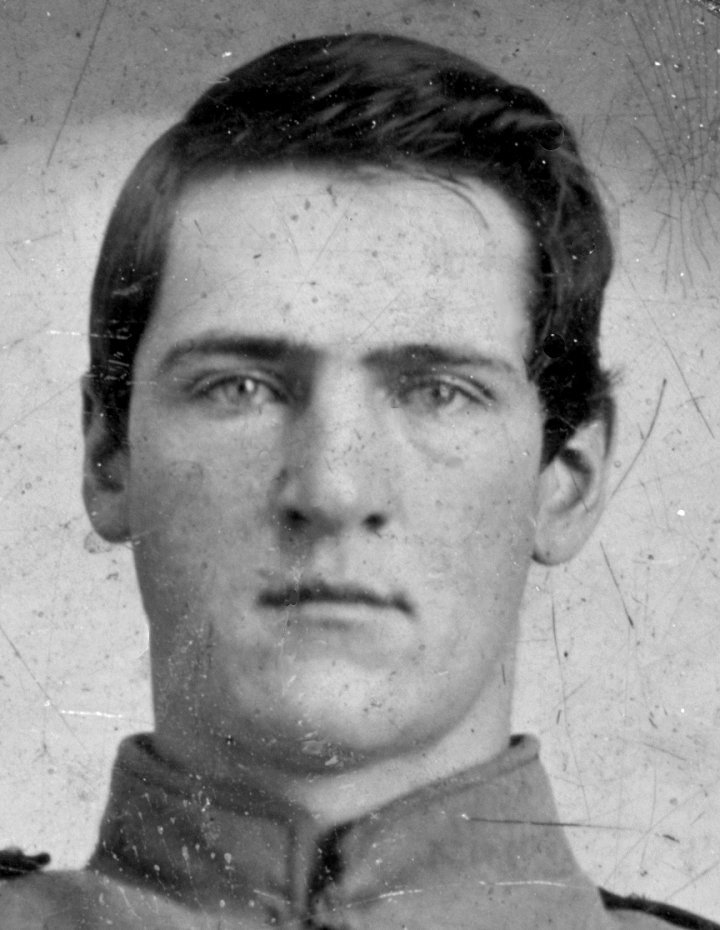
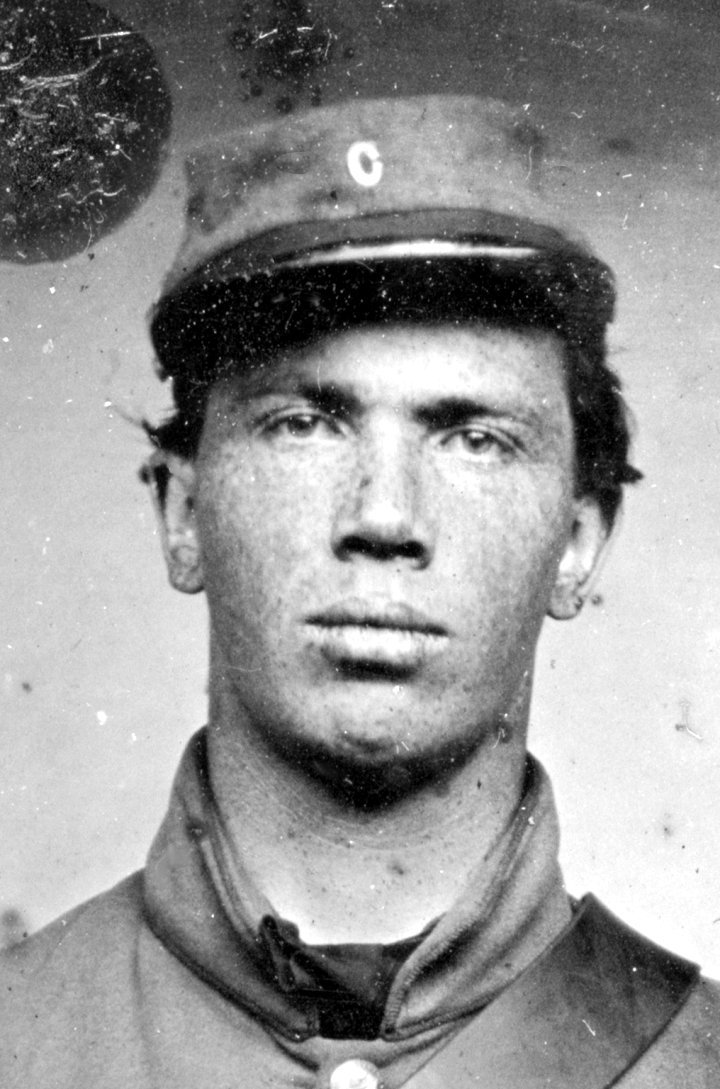
Before long, Bill goes into a queer bar, and gets in trouble. It seems to be a way of life, for someone who says that junk is a way of life. Maybe the magic bullet was aimed at him all along. At this point, we are roughly half way through Junky. The attention span of both reader, and writing, is maxxing out. In case we get druggie withdrawal, a podcast with Keith Richards is freshly downloaded. Pictures today are from The Library of Congress. These pictures are Union soldiers from The War Between The States. Much of the action in Junky takes place in wartime.




Tomorrow Is Another Day

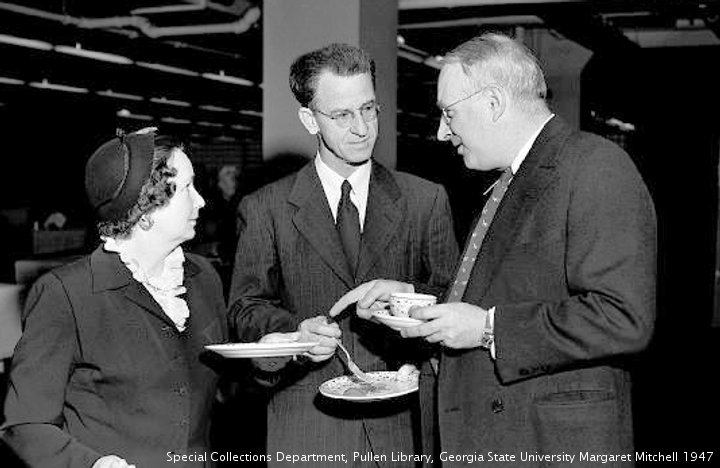

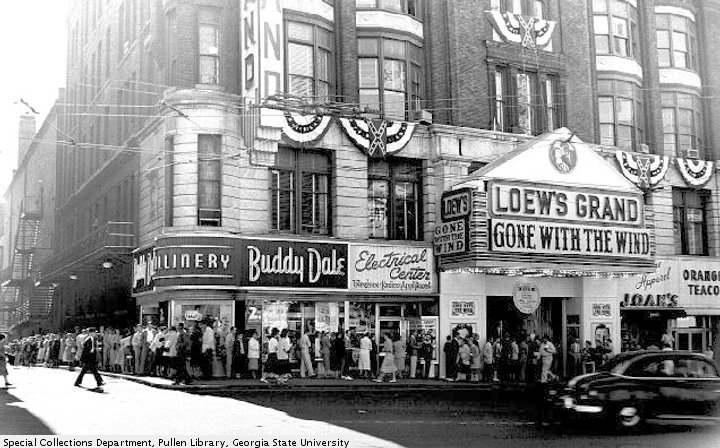
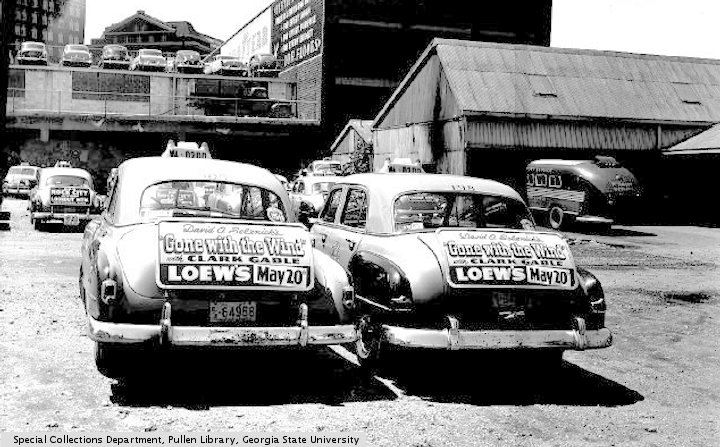

PG managed to miss the Decatur Book Festival this year. One friend made it.
“This program was followed, after another walk through the vendor area back to the public library’s auditorium, by a staged reading of a short play, Tommorrow Is Another Day. The setting: the apartment of Atlanta novelist Margaret Mitchell and her husband John Marsh, on a morning in December 1939, two days before the movie version of Mitchell’s famous book premiers in Atlanta’s Lowe’s Theater. Mitchell’s African-American housekeeper of many years has almost finished reading Mitchell’s book, and Mitchell asks for her housekeeper’s opinion of it. What the Mitchell’s housekeeper tells Mitchell and her husband made for compelling theater!”
The play is fiction. From what this slack blogger has read about Peggy Marsh, she probably did not give books to her household help. It is possible that the cleaning lady did not know how to read. The playwrite, Addae Moon, had to use dramatic license to tell his side of the story.
“…the 43-year-old black writer found he liked some things about the 79-year-old novel. Not everything, of course. “I got frustrated with it. I had to put it down because I got angry.” But he’d pick it up later and keep going. “I totally understand Margaret’s desire to tell your point of view and your truth, but I also can understand what it feels like to be the victim of someone else’s truth…. It’s easy to be critical of the movie, which is more cartoonish, but, to me, the book is so much more complex.”
It has been a long time since PG read GWTW. It is tough to imagine it from the perspective of a contemporary Black man. GWTW was written by a White woman, of a byegone era. There are many sides to the story. This post will try to tell a few. The rest of it is a double repost from a few years ago. If that does not satisfy your lust for trivia, you can check out the Margaret Mitchell page at find-a-death.com. (It is full of errors, like calling her “Maggie”.) Pictures are from “The Special Collections and Archives, Georgia State University Library”.

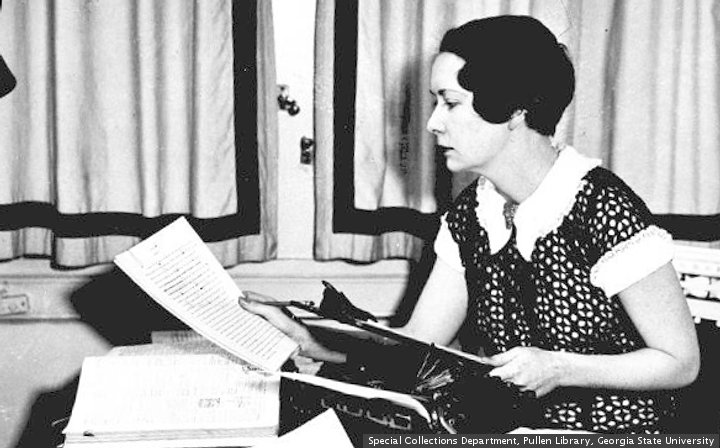

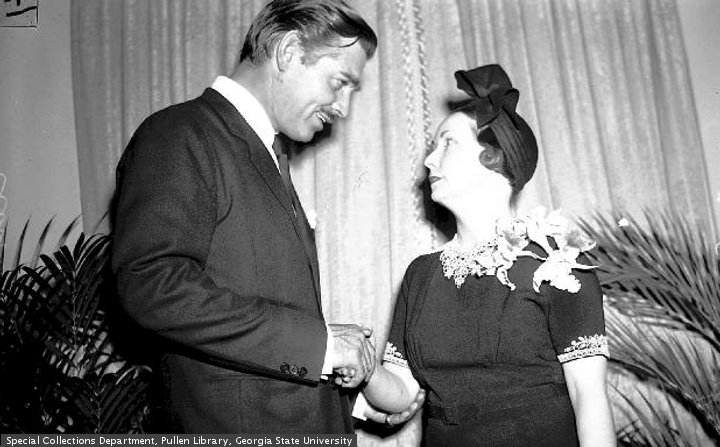

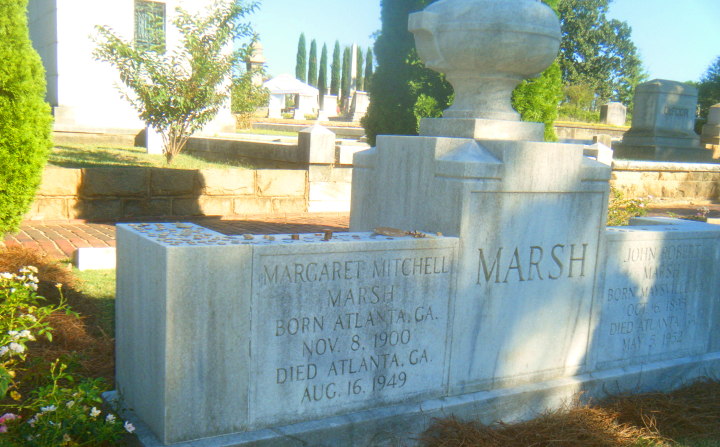
As we started to discuss the other day, PG is reading I Remember Margaret Mitchell by Yolande Gwin. It starts with August 11, 1949. Margaret Mitchell, known to her friends as Peggy Marsh, went to to see “A Canterbury Tale” at the Peachtree Art Theater. She left her apartment on Piedmont Avenue, accompanied by her husband John. They parked across the street, and Mrs. Marsh was struck by a taxi, driven by Hugh D. Gravitt. She died August 16, 1949.
This story contradicts what PG heard about the accident. The other story is that Mrs. Marsh had been at the Atlanta Women’s Club, having cocktails, where her husband met her. In this account, Mrs. Marsh was bombed, and never knew what hit her. (One mile south west, and fifty five years later, PG had an encounter with a speeding taxi.)
On page 23, another myth is challenged. The traditional story is that if you asked Margaret Mitchell if she based Scarlet O’Hara on herself, she would look horrified. “Scarlet O’Hara was a hussy”. This view is challenged by an Atlanta native, who went to a party, and saw that Margaret Mitchell was the life of the party. “Scarlet O’Hara is certainly the personification of Margaret Mitchell”.
Margaret Mitchell was a reporter for the Atlanta Journal. She married John Marsh on July 4, 1925, and injured her ankle in 1926. Every day Mr. Marsh brought home books to his bedridden wife. One day, he brought home a writing pad, and said “You have read everything I’ve brought you so now you write a book.”
The couple lived in a small apartment on Crescent Avenue, across from a mural of a southern colonel. (I would even go north for Southern Bread) They moved out of “the dump”, in 1932, to an apartment at 4 17th Street. When Peggy sold a few books, and John’s career at Georgia Power prospered, they moved to the Della Manta. This was at the corner of Piedmont and South Prado, across from her beloved Piedmont Driving Club.
Mrs. Marsh wrote and wrote, preferring a typewriter to a writing pad. Each chapter was kept in a manila envelope, which were piled up all over the place. Some chapters were re written sixty times. In 1935, Harold Latham, of MacMillan Publishers, was in the south looking for talent. He persuaded Mrs. Marsh to let him look at her book, and would not give it back to her.
The title of her book was borrowed from a poem by Ernest Dawson, Non Sum Qualis Eram Bonae Sub Regno Cynarae . The line of the poem was “I have been faithful to thee, Cynara, (spell check suggestion: Canary) in my fashion; I forgot much Cynara, Gone With The Wind!”
The book became a runaway best seller. Macy’s of New York helped by ordering 50,000 copies. The idea was to offer GWTW as a loss leader, as Gimbels was doing. Federal price controls ruled this to be illegal, and Macy’s returned 35,000 copies to the publisher.
The first printing of GWTW has a mistake on the back page. The book was published June 30, 1936. The first edition says, on back of the title page, “Published May 1939”.
David Selznick bought the rights to GWTW, and you probably know the rest of that story. Shortly before the premiere of GWTW, someone at the Piedmont Driving Club pulled a chair out from under Mrs. Marsh. She had not started to stand up. Mrs. Marsh crashed hard on the floor, and hurt her back. This would require two rounds of back surgery.
Celestine Sibley tells a story about the Atlanta Women’s Press Club. Miss Sibley moved to Atlanta in 1941, and went to her first AWPC meeting, at the Henry Grady Hotel. “A plump little woman in a funny Carmen Miranda style hat” noticed the newcomer, and started to talk to her. In the early days of the war, there were blackouts, to save the city from German bombers. The plump little woman was an air raid warden in the area around Piedmont Park. Finally, Miss Sibley said she had to go catch the Piedmont-Morningside bus. Peggy Marsh said she had a car, and could take her home.



PG is reading I Remember Margaret Mitchell by Yolande Gwin. It is a collection of memories of Peggy Marsh, who wrote “Gone with the Wind”. ( If you didn’t know that, just close this window, and go look for your “friends” on facebook.)
Yolande Gwin was for many years the society editor of the Atlanta Constitution. She wrote a review of GWTW in 1936, before it’s publication. Mrs. Marsh sent her a letter of appreciation… “I never dreamed you were going to give me so much space. I thought, as the resume of the story was so long. that you’d just give an introductory paragraph and let me ride. And I’d have ridden, just as happy as a n—-r at a hog killing. But all that space, so long a story. so completely flattering a story – well. I’m still blushing about the ankles, as Jurgen once remarked … And oh, Yolande. how nice of you to refer to me as a “young author!” Me, who have passed the broiling stage and the frying stage and am rapidly approaching the roasting and baking stage. “
There is probably going to be a second post about I Remember Margaret Mitchell. Chamblee54 is not responsible for GWTW junkies who overdose on Margaret Mitchell trivia. This post is about fact checking, google, and how a couple of simple questions can turn into an all afternoon goose chase.
There are two basic questions: Was Yolande Gwin married, and did she work for the Journal or the Constitution? As for the first, the expression Ms. sounds like a mosquito with a speech impediment, and is not appropriate for use with an society page writer. The trouble is, Miss or Mrs. depends on the marital status of the woman. After an hour or so of looking up google results, PG cannot find out whether or not Yolande Gwin was married. Sometimes, the correct answer is “I don’t know”.
As for the second, an obituary for the lady says that she wrote for the Journal-Constitution for fifty years. The fact is, the Journal and Constitution were separate papers until they were combined in 1982. (Cox Enterprises bought the Constitution in 1950. This made the Journal and the Constitution sister papers, rather than competitors.) As for who Yolande Gwin wrote for, there are contradictory stories on the internet. A google book about rural electrification says that Yolande Gwin wrote for the Constitution. The Atlanta History Center says the Yolande Gwin wrote for the Journal. They have a picture of the lady, with a ghastly AHC watermark across her face.
Another google book, The last linotype: the story of Georgia and its newspapers since World War II By Millard B. Grimes confirms that Yolande Gwin worked for the Constitution. “”One day I was sitting there looking at a blank sheet of paper; I didn’t have any news. And that’s when I happened to remember kidding Peggy (Margaret Mitchell) about writing the “Great American Novel.” so I called her up and said, ‘How about that Great American Novel. have you ever finished it? I need some news.’ She said, ‘You won’t believe it, but Macmillan has taken it.’ And I said, ‘Goody, goody. Grand.’ And I put a piece in the column (written under the name Sally Forth) about it, never expecting it to be what it was, you know.” The dale was February 9, 1936.”




Hocus Pocus Part One


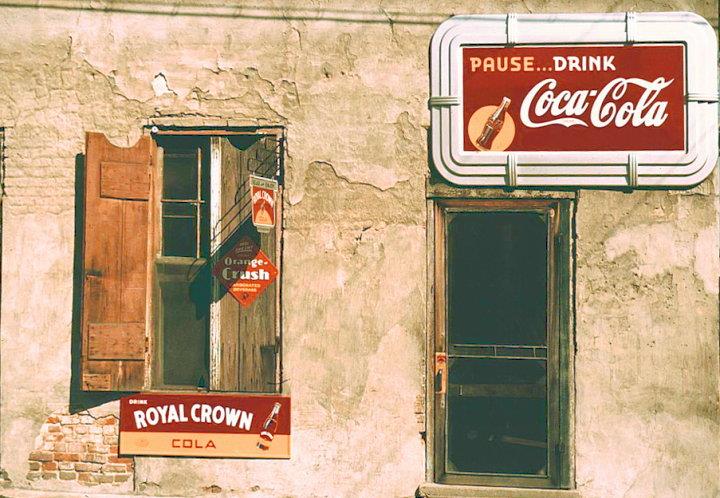




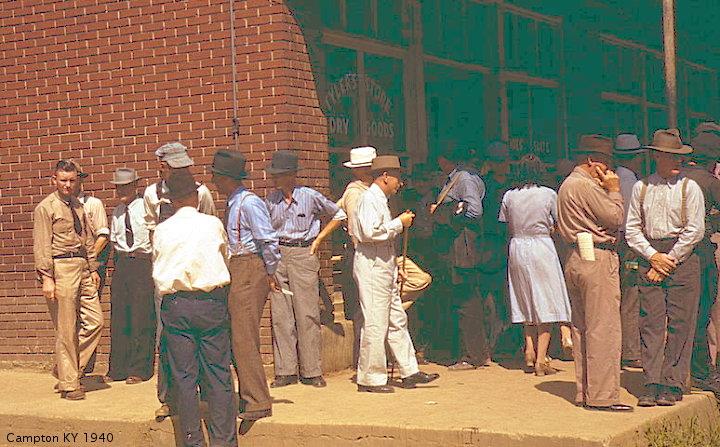
There was a copy of Hocus Pocus on the shelf. It had been there a while. The fancy, cut out cover was half torn off. The Book Nook stamp, from the old location, said it been a while since it was purchased. The old Book Nook is a McDonalds now. The gentrification of the neighborhood marches on.
PG was not sure if he had read HP. He decided to start, and read until he was either bored, or saw that he had already read HP. It is about half way through now. The only familiar joke is prisoners calling AIDS the pb, or parole board. Since Kurt Vonnegut recycles his jokes, that may be in another book.
KV likes to refer to his other books. There is a text in HP, “The protocol of the elders of Tralfamadore.” At the point of HP where this book report is written (p.159 paperback, p.71 .pdf ) there has been no appearance by Kilgore Trout. The three word mantra, “so it goes,” does not appear. The paperback has 165 pages to go.
HP does not have much of a plot. The central character is Eugene Debs Hartke. Gene was born in 1940, which was fourteen years after the politician Eugene Debs died. PG was born in 1954, or fourteen years after Gene Hartke was born. Of course, PG is writing this book report, so he is probably a legitimate human being, whereas Gene Hartke is almost certainly a fiction.
Gene Hartke is not covered in glory. He stumbles into West Point. During his post academy military service, Mr. Hartke (his military rank is not easily available) goes to Vietnam, and kills a bunch of people. After leaving Saigon in a helicopter, with the American adventure crashing around him, Mr. Hartke gets a job at Tarkington College, in Scipio NY. Any relation to Fran Tarkington is ignored.
The college professor thing works well for a while. Unfortunately, Mr. Hartke enjoys adultery, and people want to get even with him. Mr. Hartke is fired by Tarkington College, and takes a job at a prison nearby. (The prison is called Athena, which sounds like Attica.) After a breakout, Mr. Hartke is accused of being a ring leader, and becomes an inmate. This is where the book stands now.
HP was copyrighted in 1990. (The mandatory New York Times promotional piece, written by Jay McInerney, is dated 09/09/1990.) The firing of Mr. Hartke takes place in 1991, and the book is set in 2001. HP was written during the last days of the cold war, and set at the start of the war on terror. This turn of events was not predicted by KV.
The late eighties were interesting times. There are lots of jokes about that era in HP, some of which will seem mysterious to younger readers. At the time HP was written, Japanese interests were buying large chunks of the world. In HP, they own the prison. Local debts are paid with yen, and fellatio.
The Reagan-with-Alzheimers era was also the time of leveraged buyouts, and hostile takeovers. The concept of buying stock in a company, in hopes of selling out for huge profits in a hostile takeover, was known as arbitrage. In HP, many rich people lost their money by investing in a flimsy company, Microsecond Arbitrage. This probably is not a joke about Microsoft.
As always, KV is up to his clever wordplay, and humanistic outlook. A devious conservative media star “gave him his supercilious, vulpine, patronizing, silky debater’s grin.” The recipient of this grin wanted to carve, on the walls of the Grand Canyon, “WE COULD HAVE SAVED IT, BUT WE WERE TOO DOGGONE CHEAP.” This was during a debate about the environment. When HP was written, there was concern about nuclear winter, and a coming ice age.
There are lots of factoids in HP, many of which check out. Napalm was, indeed, invented by Harvard researchers. Later,a minor character said the battle of the Alamo was about slavery. A google search was ordered. When you type in “the Alamo was abo” the two choices are “the Alamo was about slavery” and “Alamo abortion clinic.” It turns out that Mexico did not like slavery, while Texas did.
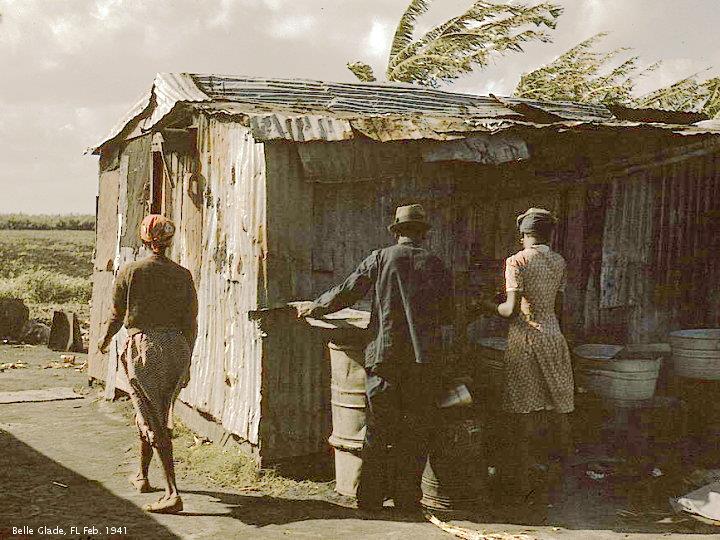
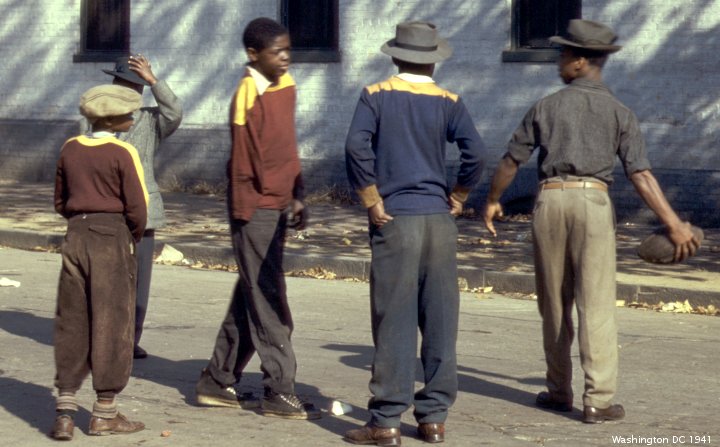
At the half way point of Hocus Pocus, it is still entertaining. PG will probably finish it, unless the Chamblee library has something entertaining. Pictures today are from The Library of Congress.







Poetry Questionnaire

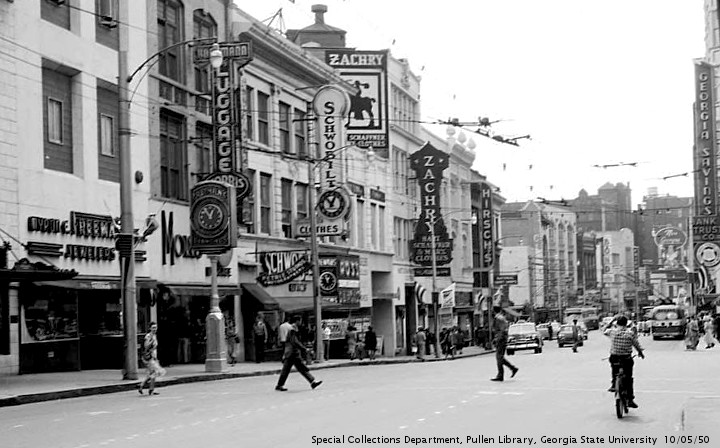
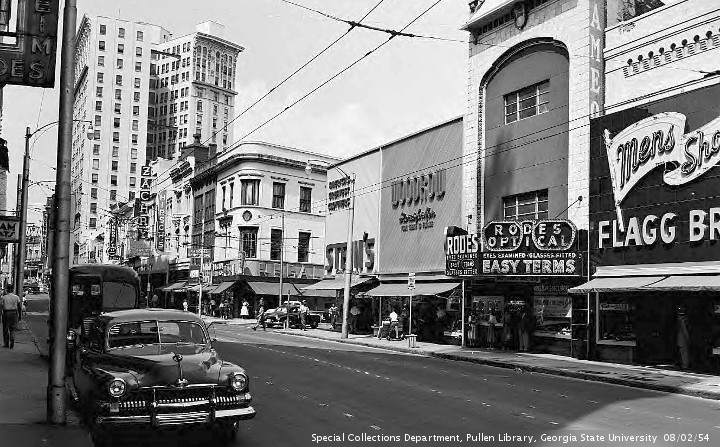
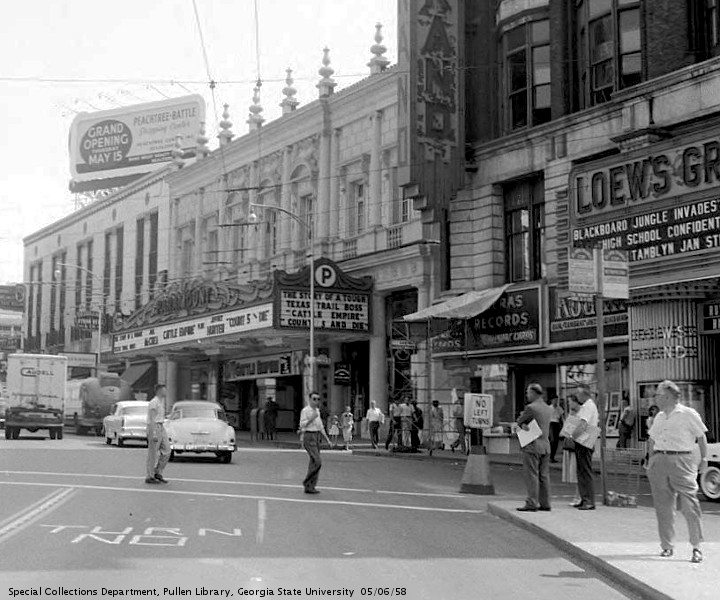



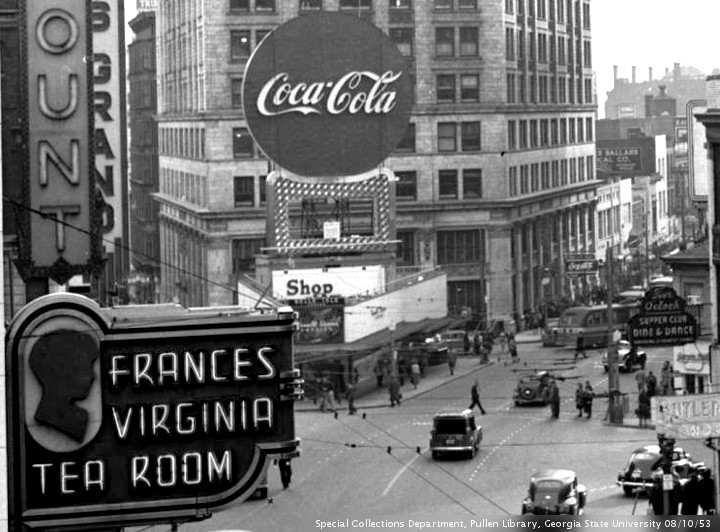
This just turned up on facebook. “just sent my students their first assignment for “introduction to poetry writing” !!!! it’s a “poetry questionnaire” smile emoticon” Pictures are from “The Special Collections and Archives, Georgia State University Library”.
01. What shape, color and smell is poetry? Bakery exhaust clouds
02. You’re sitting next to poetry on an airplane. How do you start the conversation? Please turn down the noise on your device. Those drum beats sound like marching ants.
03. What is poetry’s nickname? Fossil fuel
04. What does poetry sound like? Houseplants gossiping about last nights disaster in the kitchen.
05. What room in your house is poetry? Crawl space
06. How does poetry move in its body? Does it walk, gallop, stumble, dance? Slither
07. What are poetry’s five favorite words? Listen stupid help hamburger cow
08. Use those words in a sentence. Listen to grinder/scruff turn my stupid cow into hamburger help.
09. Poetry, music, art and science are high school classmates. Do they get along? During football season, if the team is winning. Otherwise, things change from day to day.
10. What are the politics of poetry? Poetry yearns for return of whig party, and does not see Donald Trump’s hairpiece as qualified. Sarah Palin’s wigs are more historically geographical.
11. Who does poetry follow on twitter? @whiteliesmatter
12. Earth, water, fire or air? Mud
13. “Doth Poets rime, and doth this Line / align, or just lay plain?” Plain does not hook up.
14. Who is the least poetic person you know, and why? Jesus He is boring and pretentious.
15. Surprise! They’re a poet. Ignore his followers when they ask for money.
16. *gargles water while juggling 6 chainsaws, slips on banana peel and falls into enormous banana cream pie, survives unscathed and wins the Pulitzer Prize for poetry* Secret is to use electric chainsaw cords for leverage. Try to fall into a chocolate cake.
17. “As yet, in Time, ye Poets may / forsake the Forms and never rime again.” That’s my story and i’m sticking to it. Don’t believe any of the other stories going around.
18. Are you enjoying this questionnaire? [HR requires me to ask] HR is the hamburger cow.
19. What question do you wish I’d asked? What do you have to do to get a sexual harassment complaint? It is an important item on my bucket list.
20. Answer it. Show up, stay awake, don’t kill anyone.







Bulwer-Lytton Fiction Contest 2015








It is August. Tomorrow is the anniversary of the day Elvis allegedly died, and the day Madonna was allegedly born. But that is tomorrow. Today is part one of the annual chamblee54 celebration of the Bulwer-Lytton Fiction Contest. This is a celebration of bad writing, coordinated through the English department at San Jose State University, San Jose, CA 95192-0090.
BLFC is named for Edward George Bulwer-Lytton, a 19th century perpetrator of bad fiction. Mr. Bulwer-Lytton is blamed for starting a novel with the phrase “It was a dark and stormy night; the rain fell in torrents.” As an added bonus, there is a quiz, Dickens or Bulwer? People with too much free time can read a quote, and choose to blame it on either Mr. Bulwer-Lytton or Charles Dickens.
Here are the funny names for 2015. No winners will be chosen. They are presented in the order in which they appeared in the BLFC post. Laura Ruth Loomis, Pittsburg, CA, gets special notice for being having two entries in the swinging 74. The 11 funny names: David Laatsch, Baton Rouge, LA, Myriam Nys, Mechelen, Belgium, Hwei Oh, Sydney, Australia, Rahul Kak, Ann Arbor, MI, Yap Tee Giut, Ipoh, Perak, Malaysia, Austin Stollhaus, Louisville, KY, James Pokines, Boston, MA, Kathy Minicozzi, Bronx, NYC, Anna Sagstetter, Fort Wayne, IN, Laura Ruth Loomis, Pittsburg, CA, Joseph Pramuk, Napa, CA, Susie Gawriluk, Presque Isle, WI, Clark Snodgrass, Huntington Beach, CA.
One of the value added features of this report is the list of funny names. Many of the contestants have names that make you wonder what their parents were thinking. Surprisingly, many of these odd names produced really bad prose. One of the chamblee54 value added services is to read all 74 entries (4137 words) in the 2015 “winners.” Out of all that punctuation, 26 entries, and a list of names, were chosen. Here is the first installment of the chosen entries. The first one recieves special notice for using the name Caitlin, and spelling it the same way as Miss Teenage South Carolina. The other Caitlyn receives enough publicity. Pictures today are from The Library of Congress.
Caitlin was a Pop Tart kind of girl, but Kyle always ate four Aunt Jemima pancakes with Land o’ Lakes unsalted butter and Mrs. Butterworth’s maple syrup, so they knew they would never marry because of their differences, but they could still fool around. — Kathy Minicozzi, Bronx, NYC
After weeks at sea, Captain Fetherstonhaugh and his hardy crew had at last crossed the halfway point, and he mused that the closest dry land now lay in the Americas, assuming of course that it was not raining there. — David Laatsch, Baton Rouge, LA
Walking through the northernmost souk of Marrakech, that storied and cosmopolitan city so beloved of voyagers wishing to shake the desert dust off their feet, Peter bought a French-language newspaper and realized, with dizzying dismay, that “Camille” can be a man’s name.
Myriam Nys, Mechelen, Belgium
The doctors all agreed the inside of Charlie’s intestinal tract looked like some dark, dank subway system in a decaying inner city, blackened polyps hanging from every corner like tiny ticking terrorist time bombs, waiting to burst forth in cancerous activity; however, to Timmy the Tapeworm this was home. — E. David Moulton, Summerville, SC
Shortly after that interfering do-gooder Snow White had introduced Sneezy to non-drowsy antihistamines, he had to change his name to Brian, where he then left the mines with Ray (formerly Sleepy) who was now a caffeine addict and Bob (formerly Grumpy) who was on 100 milligrams of Prozac a day, and Doc whom Snow pointed out had never actually graduated from medical school and was being sued for malpractice–oh how he despised that high and mighty ho.
Hwei Oh, Sydney, Australia
As Granny sewed the bloody wolf pelt onto the stained red cape, Little Red downed another shot, reminding herself that even alcohol has a better taste than the gastric acid of a wolf.
Rahul Kak, Ann Arbor, MI
When the corpse showed up in the swimming pool, her dead bosoms bobbing up and down like twin poached eggs in hollandaise sauce, Randy decided to call the police as soon as he finished taking pictures of his breakfast and posting them to his Facebook wall. — Laura Ruth Loomis, Pittsburg, CA
When private detective Flip Merlot spotted the statuesque brunette seated at the bar of his favorite watering hole, he was drawn to her like a yellow cat to navy blue pants, and when he sidled up next to her he felt fuzzy all over, kind of like dark blue corduroys get when they’re matted with yellow cat hair.
James M. Vanes, La Porte, IN
With his lamp giving off a dull yellow glow General Washington sat up late into the night contemplating his problems: Not enough food, not enough clothing, not enough men, and that idiot Private Doodle who kept putting feathers in his cap and calling it macaroni.
Dan Leyde, Shoreline, WA
If Vicky Walters had known that ordering an extra shot of espresso in her grande non-fat sugar free one pump raspberry syrup two pumps vanilla syrup soy latte that Wednesday would lead to her death and subsequent rebirth as a vampire, she probably would have at least gotten whipped cream.
Margo Coffman, Corinth MS
He typed like a ninja with no arms, and the text flowed like a drop of blood down a katana blade sharpened with one of those automatic kitchen things you can buy on late-night television when you’re drunk but not too drunk to read off your 16-digit credit card number and security code.
Alex Dering, Brooklyn, NY
I never did see the last thing I saw, the truck and the red light, the last thing I saw was a plus-size girl in a petite ensemble, giving her the appearance of a marshmallow tightly wrapped in dental floss.
Ted Wise, Hanover, PA








Two Podcasts On Selected Tweets





PG likes to listen to things while working on pictures. Last night, the entertainment included an episode of Bookworm. This is a public radio show, hosted by agreeable fuddy duddy Michael Silverblatt. The show has run for years, and has accumulated an enviable archive. The current show features Mira Gonzalez and Tao Lin, talking about a book they produced, Selected Tweets. It is what it says it is, a collection of twitter product, without all the >140 character paraphernalia about favorites and retweets. Here is a brief sample.
The girl I babysit is telling me about her friend Emma who is 55, has blue hair and owns a dragon farm. She has one tentacle and one real arm. ~ This car drives like the baby I aborted. ~ Saw a guy sucking his own dick on Chat Roulette. ~ I wanna tweet something I’m gonna regret in the morning. ~ I’ve created a mess. There is paint everywhere, cupcakes are in the oven and I’m teaching myself chinese embroidery. ~ Generously applying chapstick to my nostrils.
Miss Gonzalez and Mr. Lin, who apparently are not a romantic couple, say strange things about themselves. They both admit to lots of drug use. Someone published a book about people who might be dead before forty. Miss Gonzalez said that might be her, and it might not be a bad thing if she were to die before forty. This is one thing many people change their mind about.
PG was working on Grievance Indication Industry while listening to the show. There were a lot of interruptions, and a few times when PG did not pay close attention. Mr. Silverblatt was good natured about the shenanigans of Miss Gonzalez and Mr. Lin. After you interview David Foster Wallace, it is all downhill. Mr. Silverblatt does not list a twitter handle on the Bookworm site, and may not be familiar with the >140 character lifestyle.
There was a tweet later. @otherppl “I want someone to write an essay/review comparing/contrasting my interview w/ @tao_lin & @miragonz and the Bookworm interview w Tao & Mira.” You are reading the result. PG will not listen to Bookworm a second time.
The host of otherppl, Brad Listi, is hipper than Mr. Silverblatt. Mr. Listi asks Miss Gonzalez and Mr. Lin if they are sober… Mr. Lin took a hit of weed in the car. Miss Gonzalez doesn’t like to get high during the day, or maybe that is during this day. Tomorrow is another day, as Margaret Mitchell observed. (Sunday, August 16, is the anniversary of the death of Margaret Mitchell. It is also the anniversary of Elvis Presley’s last trip to the bathroom. August 16 is the birthday of Madonna. That does not seem like a fair trade.)
Miss Gonzalez has quite the internet presence. She posts revealing pictures of herself, and then is offended when male strangers send her dick pics. Later she says that Jonathan Franzen famously hates twitter, but probably has a secret account. Miss Gonzalez says that she would like to get a dick pic from Jonathan Franzen, who is not Jewish.
There is a one star review at amazon. About as Good as Excrement on Paper for $16.10 At this point I think if I put excrement on paper in the shape of the letters that create “Worthless Dribble” (which would be quite the feat, more so than Lin’s attempt at prose) I could get it published by whoever it is that keeps promoting trash literature such as this, and anything else these two have ever done.
Mr. Lin became notorious a while back. He was in a relationship with a young girl. The couple went out stealing batteries together. After breaking up with Mr. Lin, the young girl became a young man. They is the preferred pronoun.
Some stories got out about this in the tabloid internet. The notoriety cost Mr. Lin considerable peace of mind. There is a statement, from Mr. Lin, at the otherppl site. It has links to all the sensational stories, and tells his side of the story. The tabloid internet moved on to other click bait. This unpleasantness was not mentioned by Mr. Silverblatt, while Mr. Listi did broach the subject.
@mirage (spell check suggestion:mirage) has a lively twitter account. Here are some recent entries. “i need a breakfast sandwich and a quick painless death ~ i used to smoke actual crack and feel fine the next day but now if i drink 2 glasses of wine i wake up all headache-y and complain-y ~ every time something good happens to me i’m just like ‘i hope this makes my ex upset’ then i go back to hating myself ~ i dyed my hair the same color as my bong ~ its really confusing for me to try to make a family tree because i come from a long line of extremely slutty people ~ young, wild and heavily medicated ~ straight outta reasons to stay alive ~ ‘my daily life is probably about as painful as that’ is something i thought while watching a person burn alive in game of thrones.”
Brad Listi paid Miss Gonzalez, and Mr. Lin, a sincere compliment. He left a copy of the book on the commode in the studio bathroom. A collection of tweets would seem to be a good compliment for bowel movements. There is none of the messy complications of a whodunit, nor the bodice ripping drama of romance novel heartbreak. It was noted in both shows that tweets, with the 140 character limit, is structurally similar to haiku. The evolution of social media zuckerbergs on to its lmao limit.




Slaughterhouse-Five Part Seven






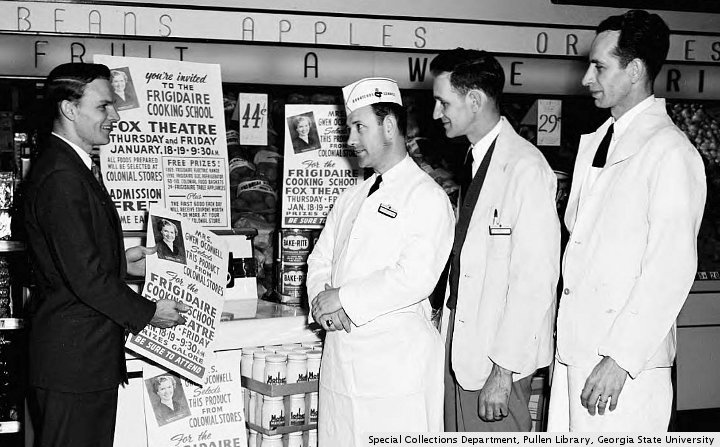
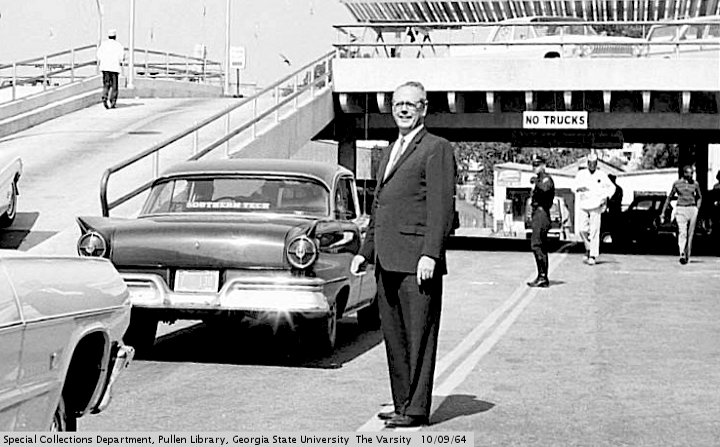
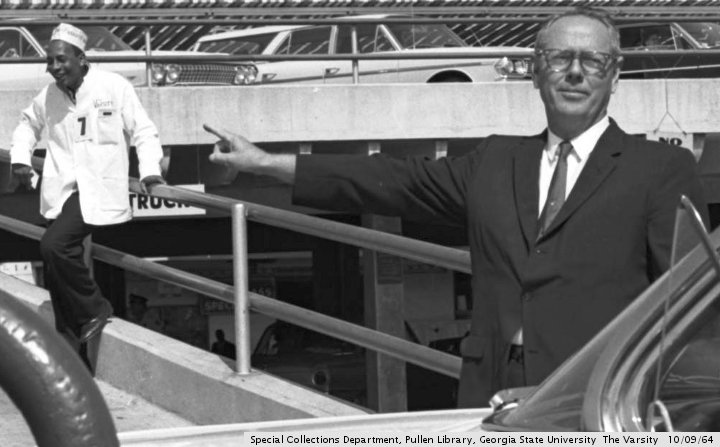
This is part seven of the chamblee54 circumnavigational retrospective of Kurt Vonnegut’s anti glacier classic, Slaughterhouse-Five. Parts one, two, three, four, five, and six have already seen the light of day. This installment will cover chapters nine and ten, and will probably be the end. Pictures today are from “The Special Collections and Archives, Georgia State University Library”. The man in the last three pictures was Frank Gordy, the owner of The Varsity.
At the start of chapter nine, Billy Pilgrim has been in a plane crash. His wife, Valencia, is trying to get to the hospital. While en route, there is an accident. The Cadillac Valencia is driving is rear ended by a Mercedes. The trunk of the Caddy looked like ” the mouth of a village idiot who was explaining that he didn’t know anything about anything”.
The Caddy had bumper stickers, given to BP by someone in the John Birch Society. One said “Reagan for President.” In 1968, Ronnie had been Governor of California for less than two years. The idea of the former actor as POTUS was a conservative fantasy. Did KV have the imagination to see the future? In 12 years, Ronald Reagan would run for POTUS, against the former Governor of Georgia. Ronnie would win, and be re-elected in 1984. In 2015, Nancy’s husband would be revered as Saint Ronnie by the Republican party. The future is a strange place, if you haven’t time traveled through it.
Back in 1968, Valencia Pilgrim was in a hurry to get to the hospital. She continued to drive the Cadillac, even though the exhaust system was wasted. Valencia made it to the hospital, and collapsed in the parking lot. She died of carbon monoxide poisoning. This is the first time KV says “So it goes” in chapter nine. SIG081. It is not the last.
BP is, physically, in a hospital bed while all this is going on. His roommate is a dreadful fellow named Bertram Copeland Rumfoord. Dr. Rumfoord is a history professor, who is fascinated by war. Any actual combat service is not mentioned. Dr. Rumfoord does not suffer from false modesty. Nor is he impressed by BP … “I could carve a better man out of a banana.”
Dr. Rumfoord is researching a history of World War II. He has his wife read papers to him, while BP passively listens behind a white screen. The foreword to a book about the Dresden raid is read. The author laments the lives lost that night, but reminds us that two wrongs make a right, and that Germany killed a lot of the good guys. SIG082.
Another author compared the deaths in Dresden to Hiroshima and Toyko. SIG083. Comparing casualty statistics of the combatants in a war can give you a headache. The USA lost 415,000, mostly soldiers, which is nothing to be happy about. However, the Amerikan losses were a rounding error when considering the 25,000,000 men, women, and children believed lost by the Soviet Union.
Meanwhile, Barbara, the daughter of BP, is visiting her father in the hospital. She is not in good shape, which can be expected under the circumstances. Some doctor gave her medication, and she has a glassy eyed look. SIG084. Soon Robert Pilgrim, without the nacreous pink guitar, is back from Vietnam. This scene was in the movie. Robert Pilgrim says he is sorry about what happened in the graveyard. That incident was mentioned in the book one time.
Dr. Rumfoord is going to include Dresden in his book. The raid was little known in Amerika. According to Dr. Rumfoord, the military did not want to upset the bleeding hearts. At this point, BP speaks up. “I was there.” Dr. Rumfoord does not believe BP, and feels euthanasia is appropriate.
At some point in the proceedings BP is back in Dresden, on the morning after. He finds a horse cart, and then goes for a ride. Soon, an elderly German couple sees BP. The elderly Germans talk to BP in tones that might have been spoken to Jesus, as he was taken down from the cross. SIG085. The elderly Germans made BP aware of the wretched condition of the horses. When BP sees this, he cries for the only time during the war.
In a few days, BP is on his way back to Amerika. He is on board a freighter, Lucretia A. Mott. Miss Mott was a famous suffragette, who was dead. SIG086. Before long, BP is home from the hospital. We don’t know what vehicle took him there. BP sneaks out of the house, and goes to New York City. BP wants to find a tv show, that will have him as a guest. BP wants to share what he learned on Tralfamadore. When he starts to look at New York television, all the shows were about silliness and murder. SIG087. BP was used to having only 3 channels, and was perplexed by the abundance of choice in New York. He might have missed the good stuff.
BP goes out for a walk. There is a sign, with the news displayed in a streaming marquee. SIG088. There is a dirty book store, with Kilgore Trout novels in the window. This is another theme of KV…Kilgore Trout novels in front of dirty bookstores, to lend redeeming social value to the smut.
One of these novels is about a planet called Zircon-212. This was a few years before Frank Zappa recorded the dental floss anthem “Montana,” with the invitation to purchase zircon encrusted tweezers. This is possibly connected to a house PG once stayed in. The house was on Zircon Place, in a neighborhood was called Diamond Heights.
Another novel by Mr. Trout returned to the Jesus theme. It involves a 12 year old boy, who is being taught carpentry by his dad. Roman soldiers come in. They want a cross built, for an emergency crucifixion the next day. The carpenter is happy to get the work. SIG089. Another Jesus book involves a time traveler named Lance Corwin. He takes a stethoscope back to Cavalry, to see if Jesus was really dead on that not so good Friday. The heart was still, and Jesus was certifiably deceased. SIG090. One fact in this story corresponds to the information on the Shroud of Turin. Jesus was 5″3″ tall. The Shroud also suggests that Jesus did not have a navel.
Soon, the porn clerks wonder why BP is reading the redeeming social value books. They steer him to a magazine, with the lurid cover “Whatever happened to Montana Wildhack?” BP knows, but also knows enough to keep this knowledge to himself. The magazine says Montana Wildhack was killed by Lenny Bruce. He caught her stepping out one too many times. SIG091.
BP soon tires of the dirty bookstore. He finds a radio show that will have him as a guest. The question of the evening is whether, or not, the novel is dead. SIG092. BP tries to say that the novel was never alive on Tralfamadore, and is ushered off the show. To confirm this, BP time travels back to Tralfamadore. Montana Wildhack who is nursing their baby, is tired of BP.
That is the end of chapter nine. In the first part of chapter ten, KV mentions Robert Kennedy, Martin Luther King, Jr., Vietnam, KV Sr., and Charles Darwin. SIG093. SIG094. SIG095. SIG096. SIG097. Another Kilgore Trout story comes up. The aliens ask the earth people about golf.
The story ends where it started, with KV going to German with war buddy Bernard O’Hare. Mr. O’Hare was not mentioned in the rest of the book. There is a passage from a book, that KV shows to the reader. So many babies are born every day. SIG098. So many people die every day. SIG099. The population of the world will be 7 billion in 2000. This speculation was before the internet. The current story estimates the number of earthlings at 7,359,240,848.
The story is almost over. BP makes one final trip to Dresden. It is after the raid, and BP is working with a Maori POW, helping to clean up. They find a hole, with a lot of dead Germans. The dead Germans stink. The Maori POW dies of the dry heaves. Edgar Derby steals something from the ruins, and is shot by a German. SIG100. SIG101. SIG102. SIG103. There are supposed to be 106 SIG in this text, which means that PG missed 3. Any reader worried about this can get over it.





Slaughterhouse-Five Part Six
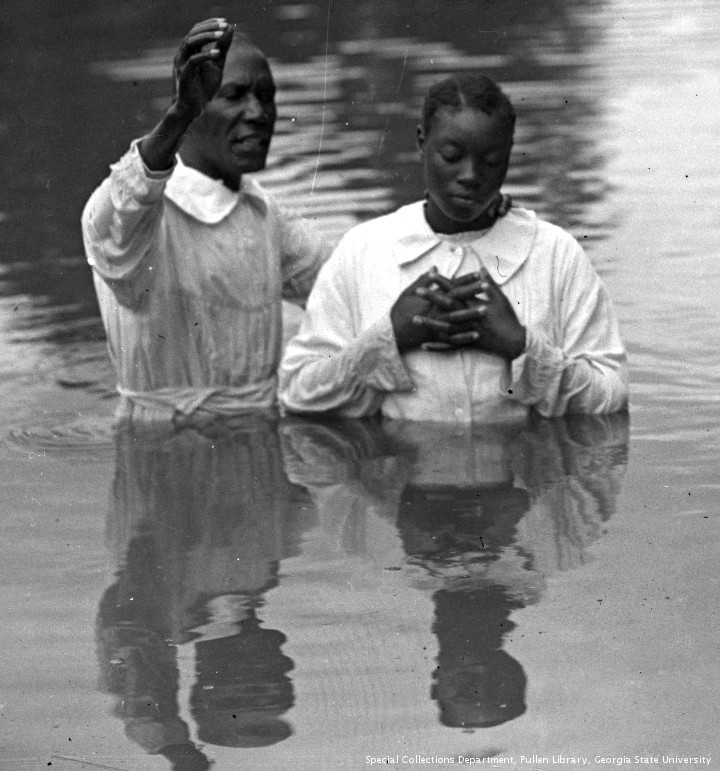
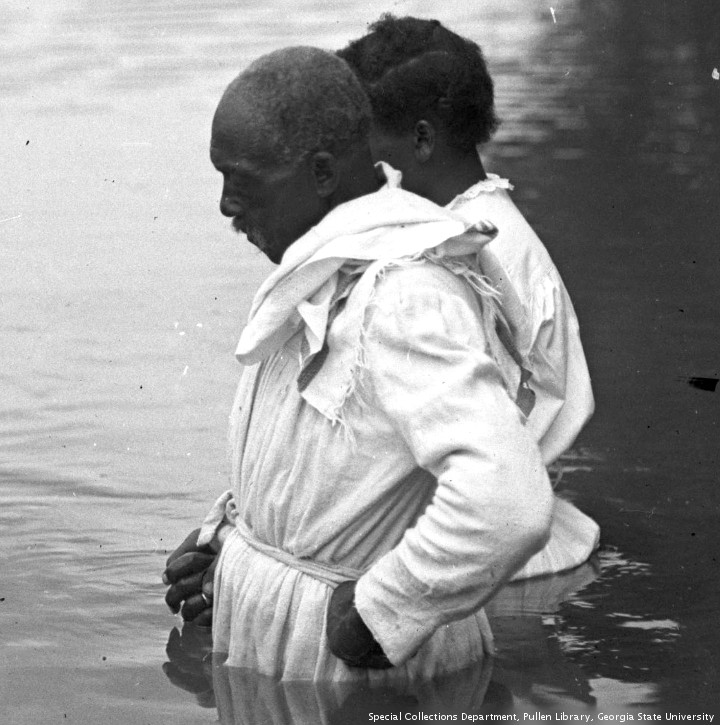
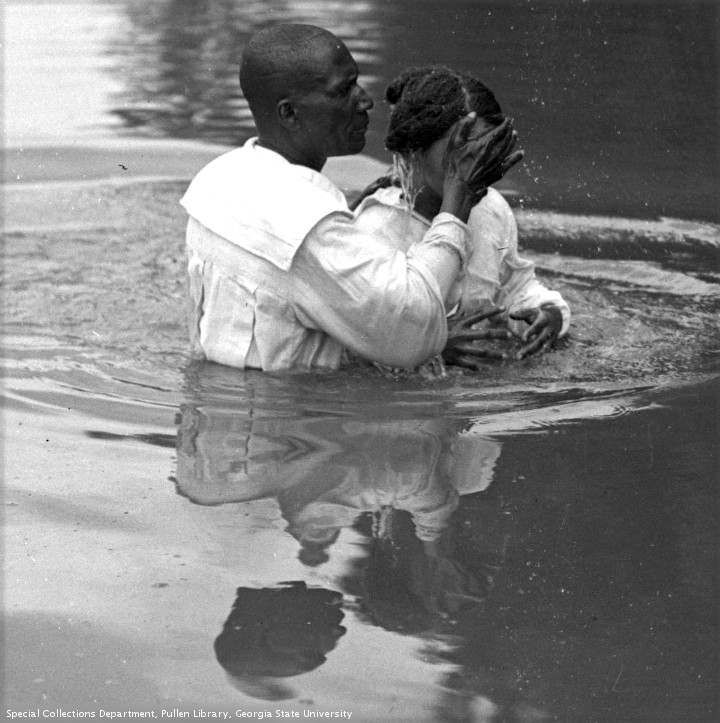
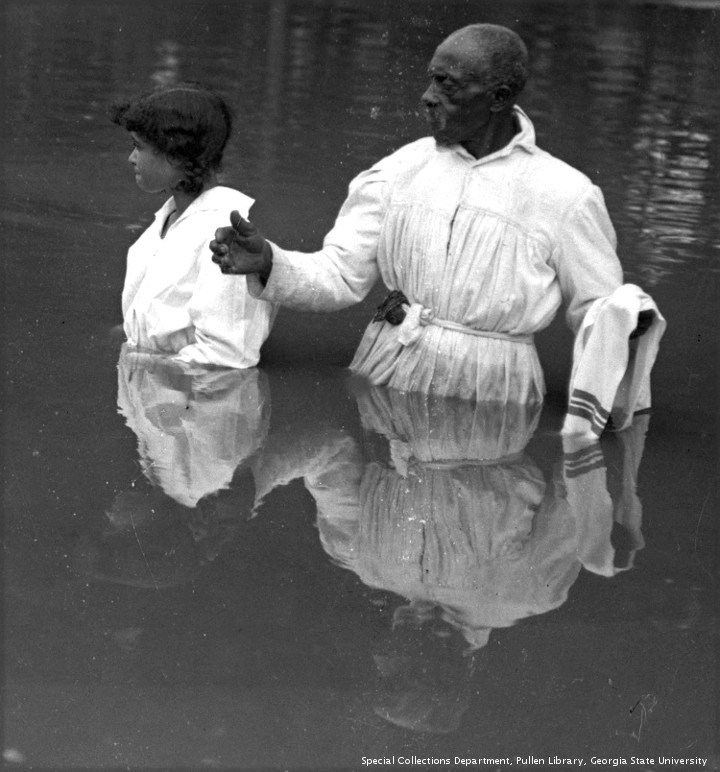
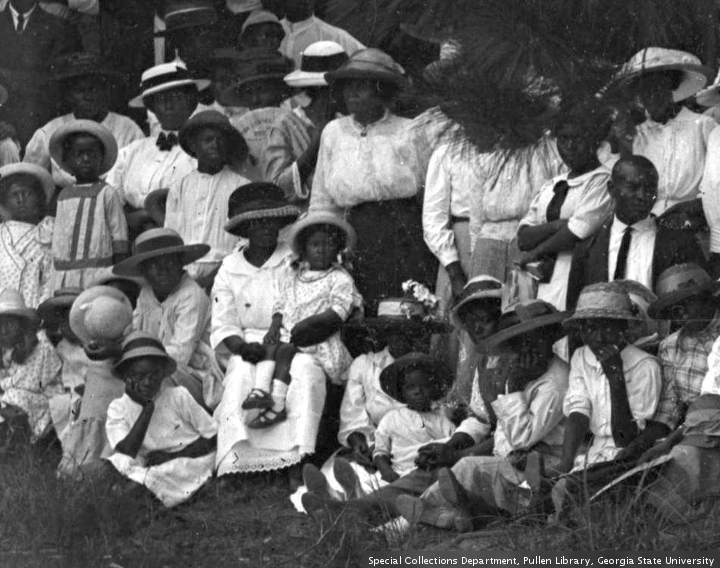

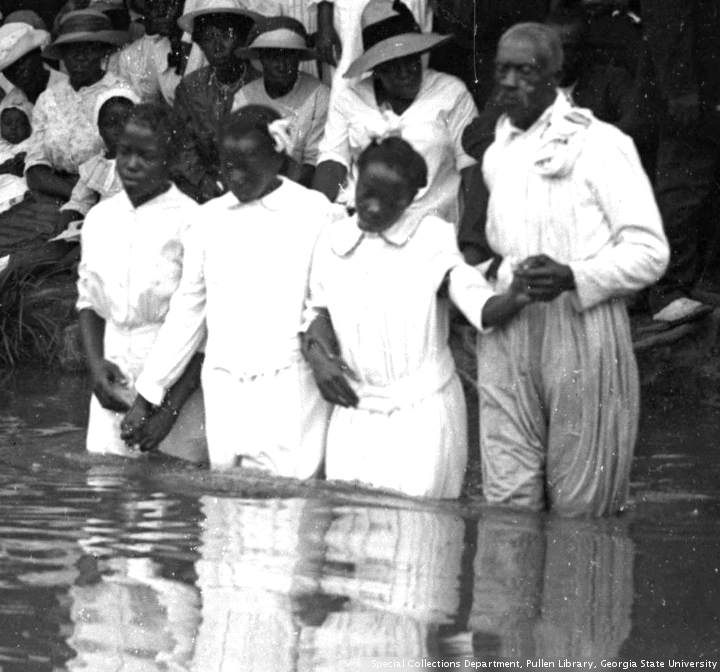
This is part six of the chamblee54 disposable dissertation on Slaughterhouse-Five, a novel by Kurt Vonnegut. Parts one, two, three, four, and five are available for viewing, and gentle criticism. Pictures today are from “The Special Collections and Archives, Georgia State University Library”.
This is a sunday morning in August. The sun is out, and the heat will be tough to take soon. PG is not in a good mood, which should surprise nobody. He realizes, on some level, that he should be grateful for a chore to give him something to do. The notes indicate that the first “so it goes” to be recorded in this segment will provide the opportunity to make cheap, smutty jokes.
Billy Pilgrim is on a plane that is going to crash. He knows the plane is going into the ski resort, but is helpless to do anything about it. A barbershop quartet is entertaining the optometrists, which should not be confused with optimism. The quartet is singing cheerful songs that are insulting to Polacks. This is another word that was popular in 1968, that is considered politically incorrect today.
Three days after arriving in Dresden, BP saw the public execution of a Pole. He was hanged for the crime of fucking a German woman. SIG067. The German lady was not inclined to disclose whether the Polish gentleman was, in fact, hung. Polack jokes were popular in 1968, when SF was written. PG did not know any Polish people, but thought the jokes were pretty funny.
The barbershop quartet is singing “Wait till the sun shines Nellie” when the airplane crashes into the side of a Vermont mountain. Everyone is killed, except for BP and the co-pilot. SIG068. The barbershop quartet performs at a party BP gave, which upsets BP. Time travel will do that to you. Especially when you are having brain surgery to save your life, and you go, uncontrollably, back to Schlachthöf-funf. The cart you are pushing is greased with the fat of dead animals. SIG069.
A young German named Werner Gluck was in charge of the POW. They were looking for the kitchen, and stumbled into a strange room. It was a communal shower, and was filled with naked German girls. They didn’t know to be wary when a Nazi said anything about taking a shower. The sight of these naked girls was educational for BP and Werner Gluck. Soon, the men found the kitchen. An old woman worked there. She was a war widow. SIG070. The old woman thought it peculiar that armies had young men, like BP and Werner Gluck, and old fogies like Edgar Derby. But she made sense of it all. “All the real soldiers are dead.” SIG071.
When BP was in pre-fire Dresden, he helped out in a factory that made malt syrup. BP helped himself to spoonfuls. His digestive system did not like malt syrup. This is the end of chapter seven.
At the start of chapter eight, the POW are entertained by Howard Campbell. He was discussed in a previous installment of this series, and in a later book by KV. In this scene, Mr. Campbell is recruiting American soldiers to go fight the Russians. A lot of people, including General George Patton, wanted to have it out with the Russkies after the Germans were dealt with. General Patton was in a convenient auto accident a few months after the war ended.
At some point during the remarks by Mr. Campbell, the air raid siren went off. Even though Dresden was thought to be unworthy of Allied attack, the POW went into an underground meat locker. A few dead horses were hanging from metal hooks. SIG072. Meanwhile, Howard Campbell stays upstairs, talking to the guards. It turns out he speaks excellent German, and was married to a German actress. The actress was killed, entertaining troops in the Crimea. SIG073.
The next night was the Allied bombing raid on Dresden. It is much discussed elsewhere. A lot of people were killed. SIG074. While hiding in a subterranean meat locker, BP time travels to his home in 1968. He is arguing with his well meaning daughter, who would like to murder Kilgore Trout.
This is when the reader gets to know the man behind the books. Kilgore Trout lives in Ilium NY. A horrible man, he makes money by supervising boys who deliver newspapers on bicycle. This is another concept that will seem novel to some… the custom of teenage boys having a paper route.
Kilgore Trout write a lot of books. BP is one of the few people who read them. One of these books was about a money tree. Twenty dollar bills grew on its branches. People would kill each other fighting over these twenties, and their blood would fertilize the tree. SIG075.
On November 13, 1787, Thomas Jefferson wrote a letter to William Smith. The letter is full of zesty quotes. “What signify a few lives lost in a century or two? The tree of liberty must be refreshed from time to time with the blood of patriots & tyrants. It is it’s natural manure.” A few lines above that, Mr. Jefferson said “God forbid we should ever be 20 years without such a rebellion.” Twenty years after he wrote this, Mr. Jefferson was President. He probably did not want to deal with a revolution.
BP met Kilgore Trout in 1964. This was around the time of the 18th anniversary of BP and Valencia Merble. The times are getting a bit fuzzy, which, acording to Tralfamadorian logic, is rational. The date of birth is anywhere from 1922 to 1925. BP was in the nuthouse in 1946, and somehow got married at the same time. At any rate, there was a big party for the anniversary, with Kilgore Trout invited. The other guests were charmed to have an author in their midst. One lady heard about a French chef that died. At the funeral they sprinkled herbs on his body. SIG076.
The barbershop quarter performed at the party, making BP physically ill. There are several possible reasons. Bad singing is must be considered. BP knew about the plane crash performance. Their were four guards in the meat locker during the Dresden raid. There were four Beatles, four horsemen of the apocalypse, four tops, and the four seasons. The barbershop quarter did a four seasons song, Sheeree, Sherree bayabee, Sher Sher Sherree, Sherree baby. It sounded better on the radio.
The next stop on the time travel was the meat locker in Dresden. A horrendous overbombing went on overhead, on the city with no war industries to bother. The fire storm was so intense that it ran out of oxygen. The German guards, except for the fab four in the meat locker, died. The German girls that BP saw naked in the shower died. Just about everyone in Dresden died. SIG077. SIG078. SIG079. The next day, Amerika sent planes to fly over the city, and shoot at people. They missed BP. SIG080. There was an inn outside of town, which somehow survived the raid. The inn took the guards and POW in, and gave them food. This is the end of chapter eight.
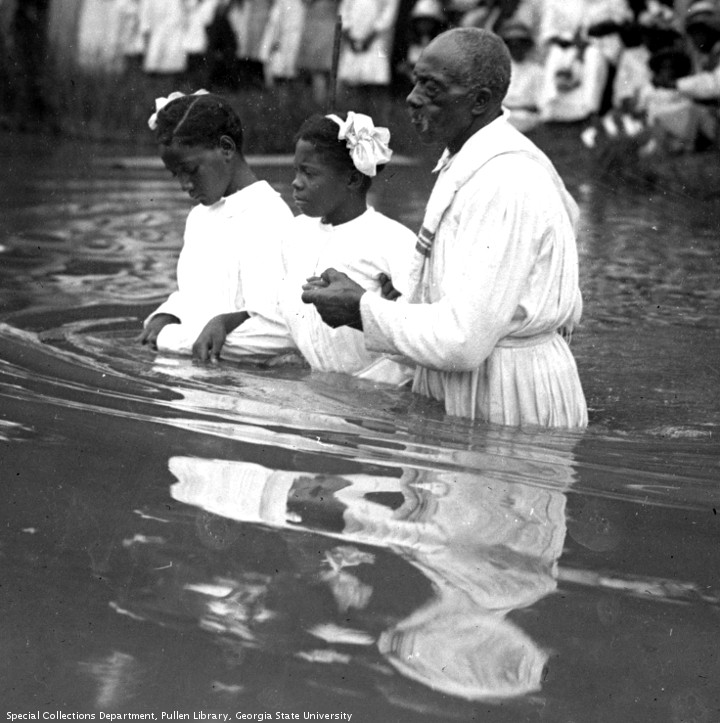

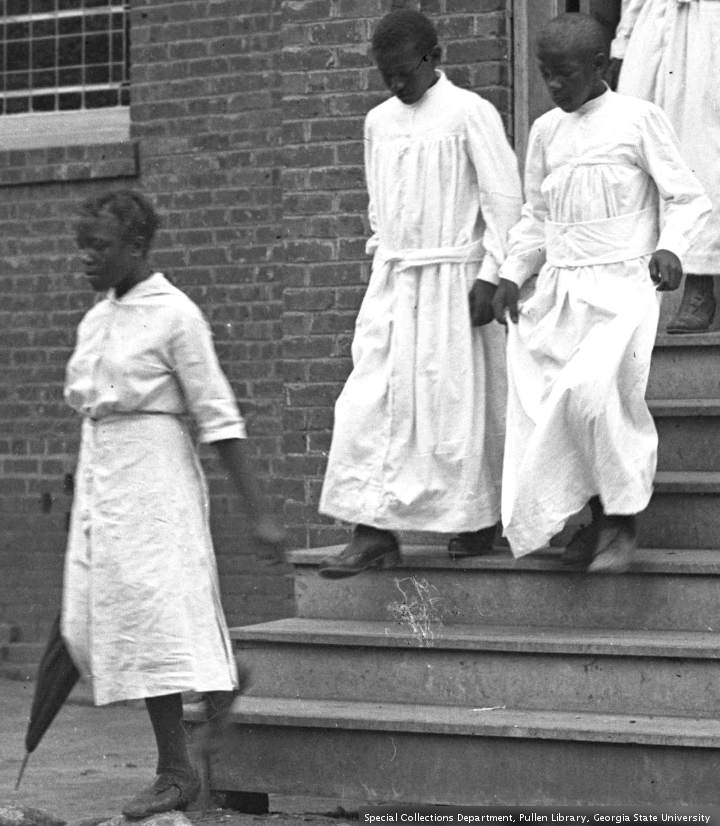


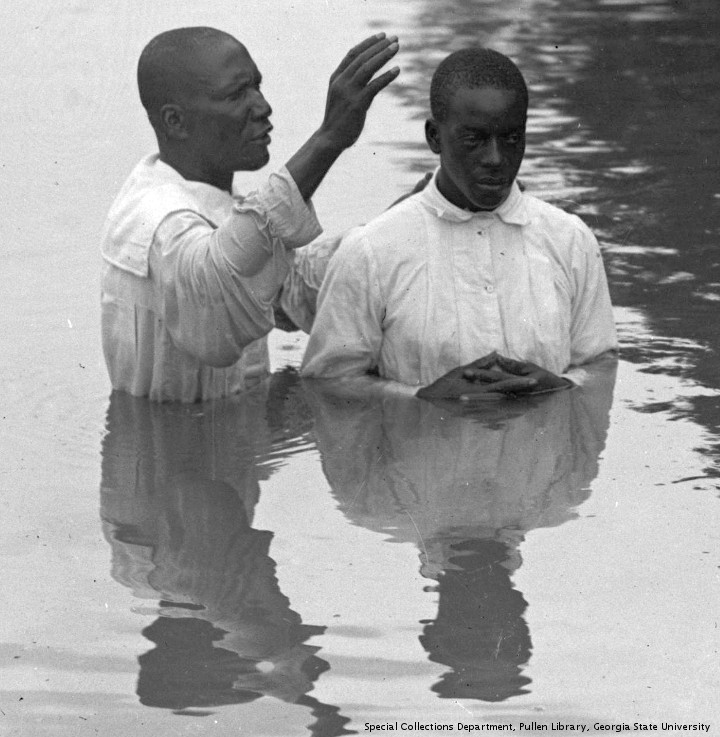
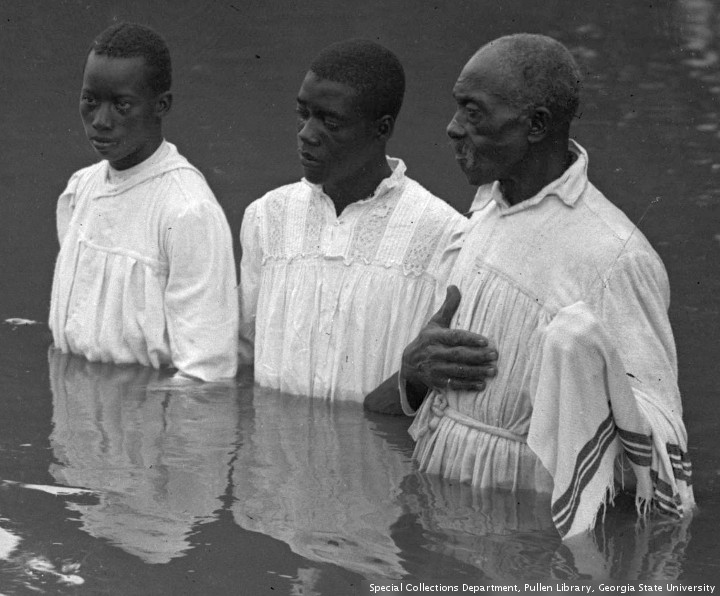

Slaughterhouse-Five Part Five



This is part five of the chamblee54 modification and reconstruction of Slaughterhouse-Five, by Kurt Vonnegut. Parts one, two, three, and four have already been published. Pictures are from “The Special Collections and Archives, Georgia State University Library”.
Chapter six begins with Paul Lazzaro making a spectacle of himself. He is mad about something, as usual. The English POW, known here as the Blue Fairy Godmother, says something. Mr. Lazzaro says to go fuck yourself. The English POW says that he has tried. Being in captivity four years has it’s downside. Mr. Lazzaro goes into detail about the revenge awaiting the English POW. This inspires KV to say “so it goes.” SIG 057. There is no connection to Heinz 57 steak sauce.
Paul Lazzaro made friends with Roland Weary on the POW train. Mr.Weary and Mr. Lazzaro had a similar approach to etiquette, before Mr. Weary died. SIG058. Roland Weary is not related to Roland Kirk, aka Rahsaan, aka the modern miracle of the tenor saxophone. PG saw Roland Kirk the night Richard Nixon resigned. Roland Kirk played three saxophones at the same time, and talked a lot. Roland Kirk was blind, and said the audience was too ugly to look at. Roland Kirk said Stevie Wonder wanted to make a lot of money, so he could have an operation and see.
Billy Pilgrim, the protagonist of SF, is also on the Paul Lazarro’s hit list. BP can time travel, and has memories of the future. BP knows how BP is going to die. It will be February 13, 1976. BP will be a celebrity, and give a speech, in Chicago, before a large crowd. The USA will have been divided into 20 smaller nations. Chicago has been nuked by “angry Chinamen,” to use a phrase considered politically incorrect in 2015. SIG059.
As some of you may know, this was not an accurate prediction of life in 1976. This was the bi-centennial year. On February 13, people were just starting to take Jimmy Carter seriously as a Presidential candidate. It is probably just as well that Amerika was not divided into 20 countries. We once had the United States, and a Confederation of 11 states that did not get along very well. That did not work out very well, at least for the Confederate states.
After BP is finished with his speech, a crazy person shoots him with a high powered laser gun. SIG060. BP is dead for a little while, and then timewarps back to 1945. Even Jesus, when he made his much ballyhooed emergence from the cave, returned to 33A.D. Billy goes back to wartime Germany. The food was better than what was available on Tralfamadore, except for Montana Wildhack.
In 1945, the Amerikans are about to be shipped out of the intermediate POW care facility. The British are overjoyed at their departure. Paul Lazzaro is running his foul mouth, like a dog that will not quit barking. If Mr. Lazzaro was a dog, a policeman would kill him, and check for rabies. SIG061.
Maybe it was the British officer. Not the Blue Fairy Godmother, but the one who gave the POW a lecture on hygiene while in captivity. It is said that men, who lose pride in their appearance, soon die. SIG062. The British officer says that the men are going to Dresden, which will never be bombed. We will hear those famous last words a few more times.
The Amerikans go to the train. The dead hobo is beside the tracks, unmoved. SIG063. The trip to Dresden takes two hours. When they get there, the narrator says it is “Oz.” Another comment is made about the safety Dresden enjoys. SIG064. The POW are paraded through the town, to the amusement of the residents. These residents will be dead soon. SIG065.
The men are taken to Schlachthöf-funf. The english version of that should be obvious. The cattle killing place was mostly empty. Most of the livestock had been eaten, digested, and excreted by this time. SIG066. The umlaut was copied into this text from the online .pdf. Accuracy in media is not just for wingnuts and moonbats. Spell check accepts wingnuts as being a real word.
This is the last SIG of chapter six. It is SIG066, which contains 2, out of 3, of the digits in 666. It appears on page 144 in the dead tree SF used for this report. The number 144 also means gross, as a unit of measure. 144 is 12 times 12, or 6+6×6+6. If you add 1+4+4, you get 9, so 6 does turn out to be 9. Jimi Hendrix don’t mind.
OK. There are only 11 paragraphs here. If we are going to do the rainbow text thing, we need to have at least 12. If there are 13 or 14, that is even better. We can throw in the turquoise layer between the green and blue, which is pretty groovy. Originally, this filler was going to be from another blog. However, the blogger said “I’d appreciate it if you take out your reference to my blog since it’s a bit negative.” It its place we will have one star reviews from Amazon.
This was a book club selection, but always had thought of this as a classic anti-war book that I’ve heard throughout my adult life. I kept reading this hoping there would be some sort of plot line or hidden message, but didn’t seem to uncover it after reading the entire book. The end of the book was slightly easier to understand, however there didn’t seem to be a coherent paragraph in the book.
First off, in order not to offend anyone who loves this book and will rave about it at gallery openings and trendy wine book clubs, I do understand its place with readers as a literary classic. As an avid reader who cares more about quality writing, themes, plot, character development, etc this book was awful. Everything that can be complained about is why this book is acclaimed, but if you hate an incomplete story with no beginning or end, or just comprehensive storytelling, this book will make you wonder about the sanity and sobriety of its fans.




 Chamblee54
3 comments