Dorothy Parker




PG first heard of Dorothy Parker in tenth grade. His friend Bob Gibson cut the poem Resume out of the literature text book, and carried it in his wallet. Mrs. Parker had been dead for two years at the time, with her ashes resting in her attorney’s filing cabinet. As the years rolled on, there were stories about the round table at the Algonquin hotel, and a poem about W.R. Hearst … “Upon my honor, I saw the madonna, by the door, in a niche, of a well known whore, and a prominent son of a bitch.” There was another famous comment: Re “The Cardinal’s Mistress” by Benito Mussolini, Dorothy Parker wrote one of my favorite bon mots: “This is not a book to be tossed aside lightly. It should be thrown with great force.” Wikiquotes lists both of these items as “misattributed.”
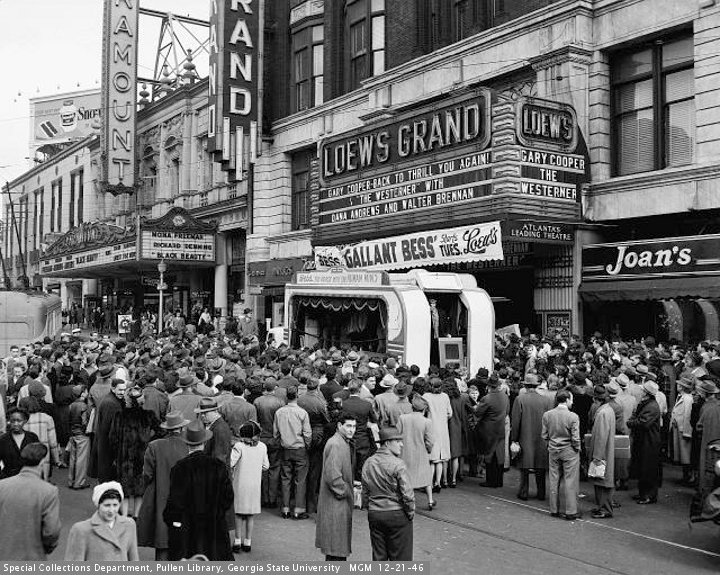
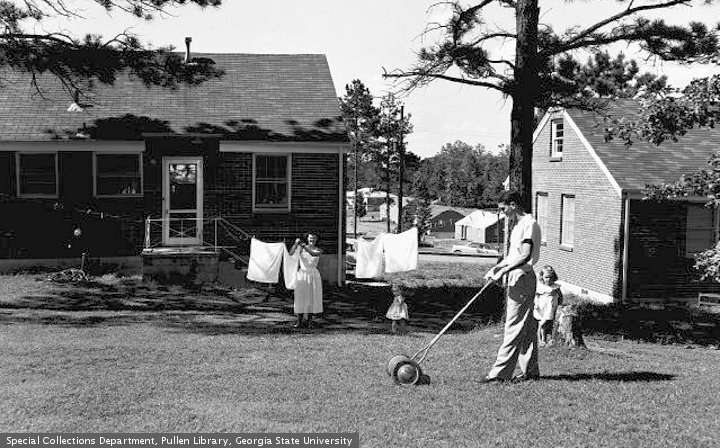
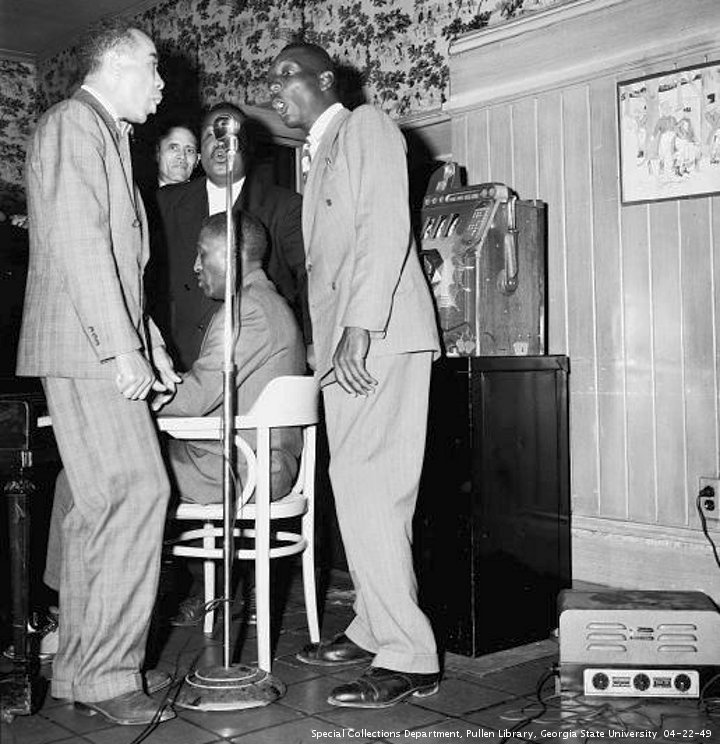
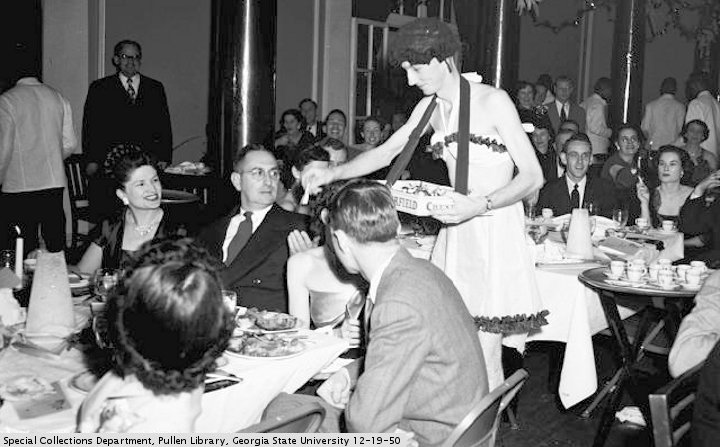
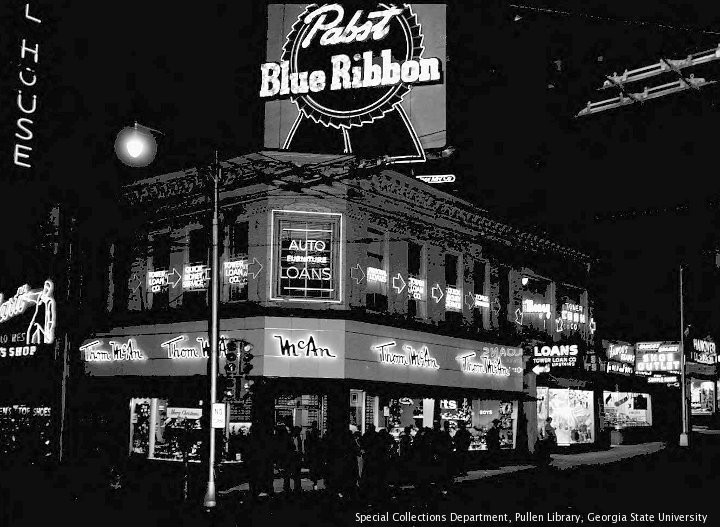
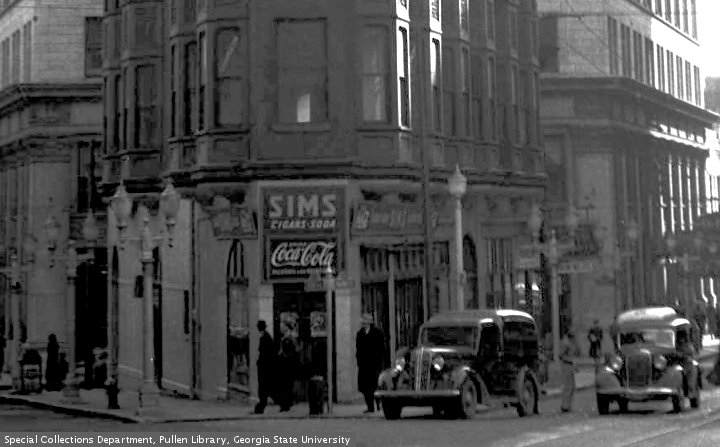
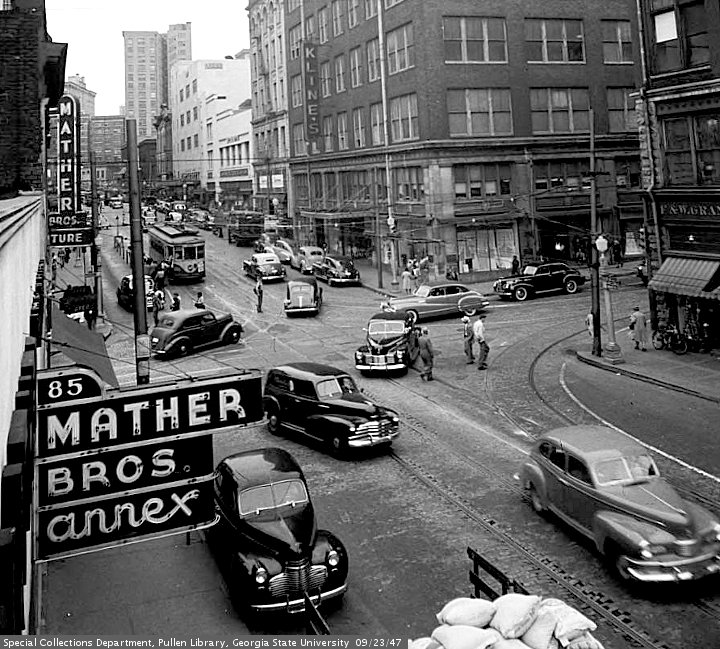
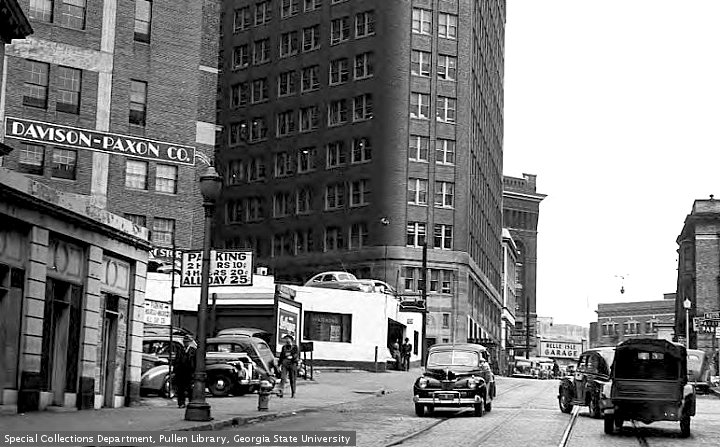
It is now 2019, several years after the first DP post. Born Dorothy Rothschild, on August 22, 1893, Miss Parker did nicely without a middle name. Chamblee54 has featured Miss Parker several times (one, two, three, four.) Today, these four posts will be combined into one. Pictures are from “The Special Collections and Archives, Georgia State University Library” and The Library of Congress. If you want a list of clever sayings, google is your friend. The quote investigator has five pages of the alleged sayings of Miss Parker.
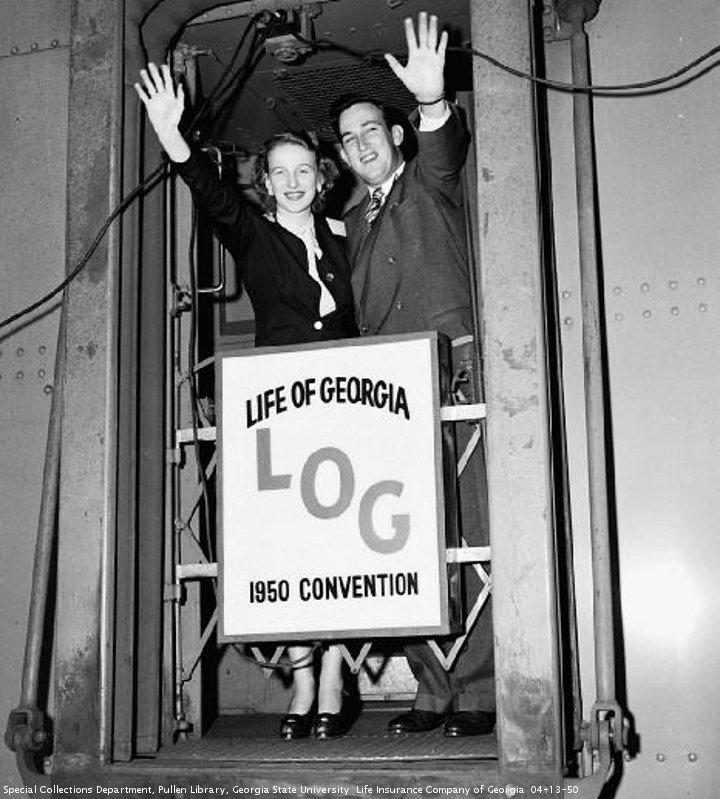




It was 5:25 pm. PG had not heard from either person who was supposed to be at his house at 5:30. While muttering things about unreliable people, he started to look at a writing contest. The idea was to write 100 words or less. The challenge was to produce a “a quick, honest and heartfelt response” to an image. The meme is seen below the fold.
The image has a quote. “I hate writing. I love having written. Dorothy Parker.” When PG sees words of wisdom, with a famous name at the end, his impulse is to check it out. When you search the wikiquote page on Miss Parker, and look for hate, love, and writing, you will not see the quote. 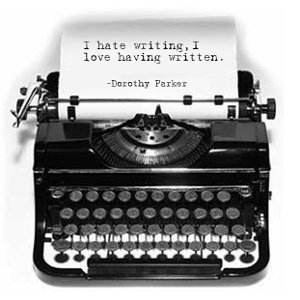
There was one item in wikiquotes that made PG laugh. It was in the “Misattributed” section. “Upon my honor, I saw a Madonna. Standing in a niche, Over the door, Of the glamorous whore, Of a prominent son of a bitch.” Said to have been written in the guest-book of Hearst Castle, referring to the room occupied by Hearst’s mistress, Marion Davies. Parker always denied it, pointing out that she would never have rhymed “honor” with “Madonna”.” Nor would the entertainer.
When PG saw that quote, he knew that this piece would be longer than 100 words. Inserting quotes into a piece will bloat the word count every time. About this time the phone rang. His friends were in the front yard, being eaten by mosquitoes. PG put on a white shirt, and left.
Later that night, 99 sick well chosen words fell out of the fingers, and into the ether.
The quote is suspect. Wikiquotes does not show it, after a search for love, hate, and written. The image is probably manufactured. The image is a piece of paper, coming out of a vintage manual typewriter. The main text is one size. The author credit is another size. Vintage manual typewriters only produced one size of product. This one size is considerably smaller than either size in this image. The text in this image was produced elsewhere. This rendering of a bogus quote is then pasted onto a blank sheet of paper, seen merging from a vintage manual typewriter.





The other day there was a post here on the dotty subject of Dorothy Parker quotes. The departed dipsomaniac would seem to be a quote magnet.
One quote, that appears to be genuine, is about another quote magnet, Oscar Wilde. “A Pig’s-Eye View of Literature: Oscar Wilde If with the literate I am, Impelled to try an epigram, I never seek to take the credit, We all assume that Oscar said it.” (First printed in Life, (2 June 1927) p. 13 When you can give a source for a quote, the chances of it’s legitimacy go up tremendously.)
The original plan for this post was to do a wikiquotes search of the quotes in this post. This concept very quickly turned out to be too much work. The first paragraph of the original post has a clue.
PG first heard of Dorothy Parker in tenth grade. His friend, Bob Gibson, cut the poem Resume out of the literature text book, and carried it in his wallet. Mrs. Parker had been dead for two years at the time, with the ashes resting in her attorney’s filing cabinet. … there was another comment : Re “The Cardinal’s Mistress” by Benito Mussolini, Dorothy Parker wrote one of my favorite bon mots: “This is not a book to be tossed aside lightly. It should be thrown with great force.”
In the post the other day, it was discovered that the poem about W.R. Hearst was written by someone else. Which brings us to “The Cardinal”s Mistress”. Yes, that was written by Hitler’s BFF, Benito Mussolini. When he wasn’t making the trains run on time, he wrote a sappy novel. And the comment by Miss Parker is great. But did she really say it?
A blogspot facility called Heavens to Mergatroyd has the text from a New Yorker review of TCM. It is a delightful read. However, the landmark quote is not there. The spell check suggestion for mergatroyd is derogatory.
Wikiquotes calls the comment “misattributed”. “Quoted in The Algonquin Wits (1968) edited by Robert E. Drennan, and Try and Stop Me. As noted at Snopes, Drennan’s source seems to be a Parker review which does not seem to contain this quote. If Parker wrote this statement anywhere the primary source seems to have gone missing.”
Try and Stop Me is a newspaper column by Bennett Cerf. The link is to The Dispatch, Lexington N.C., October 12, 1962. Next to the column is The Dispatch Religious Activities, Directory of Churches. The pastor of First Baptist is David Hoke Coon, Jr.
While preparing this commentary, an effort was made to find the text for “Resume”. It is a bona fide quote, first printed in New York World August 16, 1925. While looking for the text, Google suggested a search for “resume dorothy parker analysis.” One result was sponsored by a politician, Michelle Nunn. Another had this to say. “We know that we’re being a bit obvious here. But check it out: almost every single line in this poem offers an idea for a different way to die. When it comes to wordplay, Parker’s not messi…” Maybe she meant to say messy.





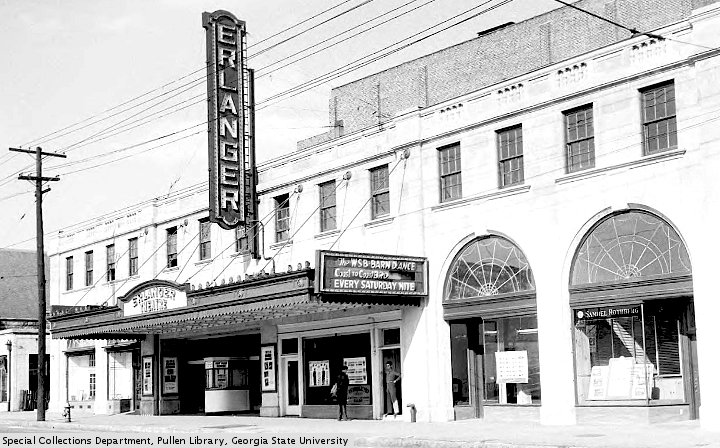



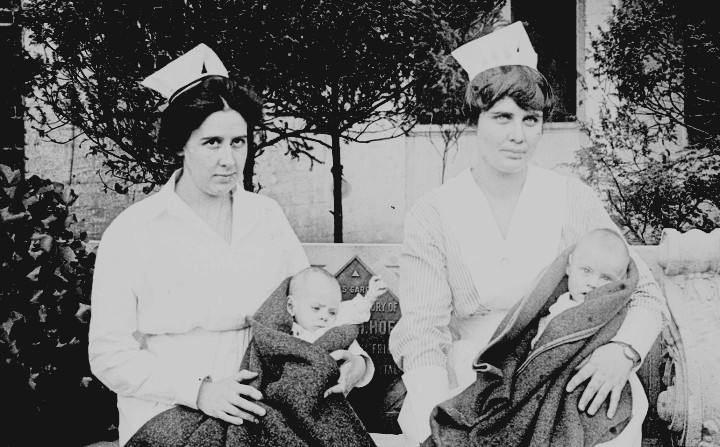

BigO is a site with mp3 downloads. Most of them are concerts. PG found one exception. It was a 1960 interview, STUDS TERKEL WITH DOROTHY PARKER/BOB NEWHART – CHICAGO 1959/1960. Pictures today are from The Library of Congress. This is a repost.
Dorothy Parker is somewhat of a legend. There were the funny sayings, a few poems and stories, and her life. Mrs. Parker was well known as a witty person during the twenties. She drank, a lot, and talked often of suicide. It was surprising to find a 1960 interview.
In fact, Dorothy Parker died in 1967, at the age of 73. By 1960, she was in decline, living at the Manhattan’s Volney Hotel. “Edmund Wilson … paid occasional painful visits to her at the Volney. (“She lives with a small and nervous bad-smelling poodle bitch, drinks a lot, and does not care to go out.”) … She was still revered, a legend, but she had also become a pathetic relic. Yes, “you might as well live,” but for what? And on what? Not only was she running out of old friends, she was running out of money, though uncashed checks, some quite large, were strewn around her apartment (along with the empty bottles), not helping with unpaid bills.”
There were some zesty quotes in the interview with Mr. Terkel. “I can’t call myself a critic. Honestly. I can only put down what I think and pray there isn’t a libel suit.” “I’m not a poet, you know, I just write verse” “The beat boys aren’t saying anything except look at us aren’t we great … I don’t think the beat generation is much worth worrying about. Very soon, in the very near future, they will be as forgotten as mah jongg.”
Towards the end of the interview, Mr. Terkel said “i know some people would want me to ask, did she really say all those things that she was quoted as saying” “… no, no, and it was a curse on me, it was simply awful the things that were attributed to me. I wouldn’t have minded if they had been good. I was, in effect, the shaggy dog of my time.”
Another quote magnet for the meme generation is Thomas Jefferson. PG saw yet another inspiring quote on facebook today. Mr. Google was consulted. It turns out the quote is real.
Thomas Jefferson to William Hamilton, 22 April 1800 is the source. Vice President Jefferson was going to be elected President later that year. It is not known what effect that had on the quote in the meme. “I never considered a difference of opinion in politics, in religion, in philosophy, as cause for withdrawing from a friend.” It is not known whether a twenty first century Jefferson would unfriends anyone who says anything unappealing.



On The Road Part One


PG has been home a few days. It is time to proceed with this book report of On The Road, the typing exercise of noted dipsomaniac Jack Kerouac. At the end of Road Trip, Sal Paradise (Jack Kerouac) is in a Colorado ghost town. This was chapter 9 of OTR.
There are a couple of changes. The keyboard, connected to PG’s machine, died. It no longer typed o. Further investigation revealed it would not type q or t. Some numbers went missing. It is possible that other keys were not working. PG found a replacement keyboard. Unfortunately, the backspace key … an essential tool for a slack blogger … was just a regular single wide key, instead of the double wide backspace of the old keyboard. When the right pinkie instinctively strokes the backspace, \ is what shows up. This is going to take some lifestyle adjustment.
A book that PG wanted to talk about was in the vehicle. When he looked for the car key, it was not on the desk. The key was not in the pants PG had on, or the pants he had on the last night. The keys were not in the car. When he came back in the house last night, PG put the book down on the dining room table. That was where the car key was.
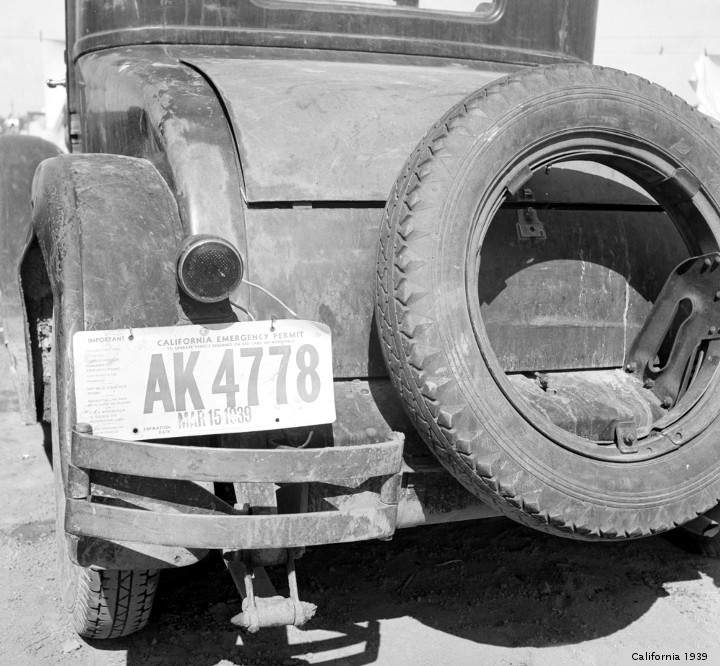
Back to the changes in the OTR narrative. PG ordered a better copy of OTR from the library. When it arrived, it was a deluxe paperback, printed in 1999, with a sticker price of $16.00. The 1970? edition, that PG was using, retailed for $1.25. PG got the arrival notice from the library June 4. Before he could go to the library, PG took his brother, GP, grocery shopping. While sitting in the Aldi parking lot, PG read page 62. Sal is in *Frisco*. “There were plenty of queers.” When PG put the book down to ponder that, he saw GP leaving Aldi’s.
This is chapter 11. Sal is living in a trailer outside the city. “the only community in America where whites and Negroes lived together voluntarily; and that was so, and so wild and joyous a place I’ve never seen since.” He is staying with Remi Boncoeur, an old friend. Remi argues with his wife, when he is not working as a security guard. Sal starts to work as a guard. Once Sal is called to a trailer. Some men are drinking, and behaving badly. “This is the story of America. Everybody’s doing what they think they’re supposed to do. So what if a bunch of men talk in loud voices and drink the night? But Sledge wanted to prove something.” Sal accepts their offer of a drink. It goes downhill from there. Eventually, some alcohol related nonsense estranges Sal and Remi.
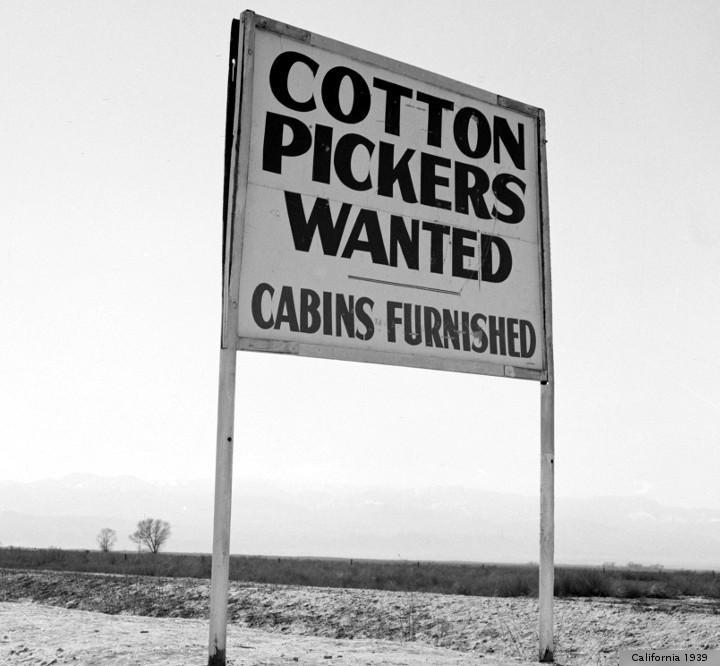
On the bus to LA, Sal meets a Mexican lady named Terry. “I saw her poor belly where there was a Caesarean scar; her hips were so narrow she couldn’t bear a child without getting gashed open… I made love to her in the sweetness of the weary morning. Then, like two tired angels of some kind, hung-up forlornly in an L.A. shelf, having found the closest and most delicious thing in life together, we fell asleep and slept till late afternoon.” Money becomes an issue, and Sal/Terry go out to the San Joaquin Valley. Some friend of Terry’s brother has a business selling manure to farmers. Mostly gets drunk, with Sal’s eager assistance. Finally, Sal gets his aunt to send money, buys a bus ticket to New York, and leaves a heartbroken Terry in California.
At the end of chapter 14, Sal is in New York, broke, and trying to get to his aunt’s house in New Jersey. This is the end of part one. OTR is divided into five parts, each divided into a collection of short chapters. The rest of this series will deal with the parts, one at a time, along with whatever stories from 2019 are entertaining enough to include.
“I was going home in October. everybody goes home in October.” PG likes to compare his life to the story of Sal. PG has had a comparatively tame existence. The only time he ever came home in October was when he was at a faerie-do in Tennessee. In 1989, PG got home to hear about an earthquake in San Francisco. A week later, PG got through fixing a flat tire, and went up to his apartment to see the light flashing on the message machine. “Michael Mason died last night.”
A quote by Truman Capote comes up, when Jack Kerouac is mentioned. “Thats not writing, thats typing.” PG did a google search of the phrase in 2011. “Kerouac survives because he (allegedly) wrote great works; the insufferable logorrhea the Beats inspired biodegrades in niche bookstores because, sensibly, nobody reads it.” Google also found a book review of “Going Rogue,” by Sarah Palin … That’s not writing, that’s someone else typing.
Whenever PG hears a quote these days, he goes into fact checker mode. Did Mr. Capote really say TNWTT? Quote Investigator comes to the rescue. The phrase first came up in Paris Review: Truman Capote, The Art of Fiction No. 17. “The topic was writing style, and Capote responded by passing judgment … “But yes, there is such an animal as a nonstylist. Only they’re not writers. They’re typists. Sweaty typists blacking up pounds of Bond with formless, eyeless, earless messages.” Mr. Kerouac was not mentioned by name.
The next appearance of TNWTT was on the David Susskind show. The guests were Truman Capote, Norman Mailer, and Dorothy Parker … who paid the bar tab when that was over? “Truman Capote agreed to appear on David Susskind’s “Open End” show, with Norman Mailer — who kept praising the Beat-Generation writers. Capote thought their product worthless. “It’s nothing,” he said. “That’s not writing; that’s just typewriting.” Again, this appears to be about the beats in generally, and not specifically about Mr. Kerouac. The quote lives on, long after Mr. Capote and Mr. Kerouac moved on to the cocktail party in the sky.
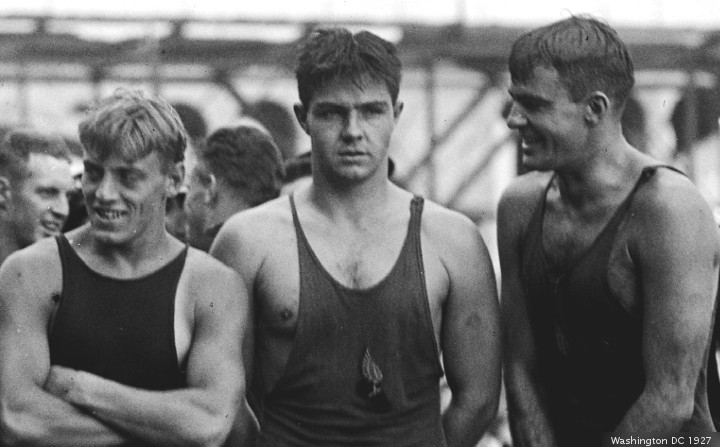
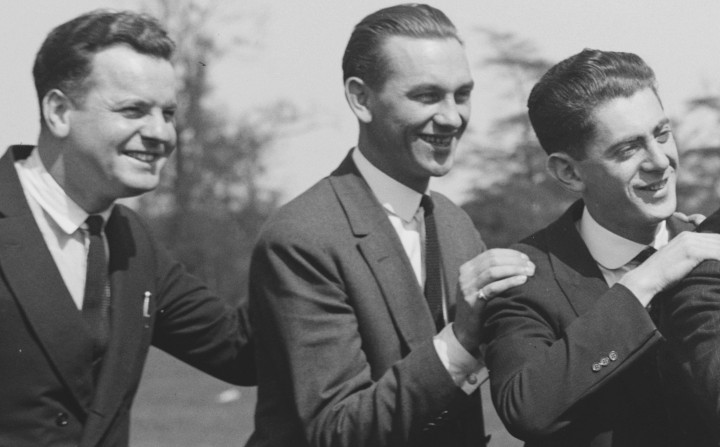
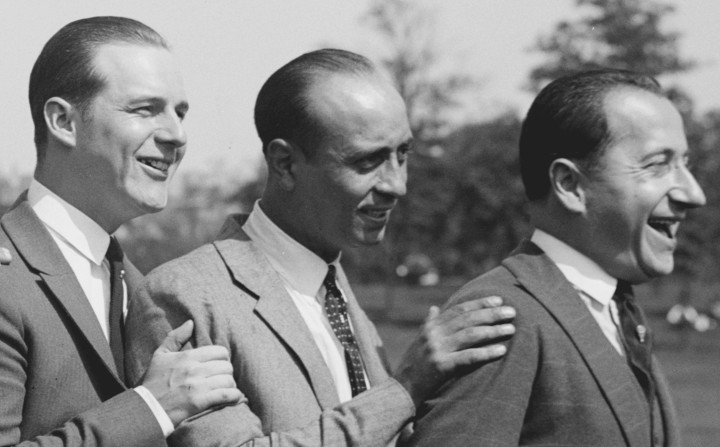
Pictures today are from The Library of Congress. The chamblee54 On The Road series is complete. part one part two part three part four part five part six part seven



We Will Call Our Group

The display of a link on this page does not indicate approval of content.
State Fights “Voter Purge” Narrative With Address Change Notices
What are the 20 most common words?
Jordan Peterson On Why He Won’t Publicly Identify As A Christian
The ‘Secret’ Story of the Radical Faeries
History of the Faeries (Murray Edelman, Joey Cain, Agnes de Garron)
The dollar sign is among the world’s most potent symbols
Atlanta’s I-285 expansion for car commuters could be much costlier than we thought.
White man injured by use of word genocide
Man arrested after firing shots at group of friends in Atlanta, police say
Here are 24 cognitive biases that are warping your perception of reality
Woman stabbed to death on Memorial Drive in DeKalb County
How Fetal Personhood Emerged as the Next Stage of the Abortion Wars
These Guys Are Planning A “Straight Pride Parade” In Boston
The Oral History of Santana and Rob Thomas’ ‘Smooth’
YouTube bans content from neo-Nazis, Holocaust deniers, Sandy Hook skeptics
Mother goes off on killer daughter during dramatic sentencing
Song of Ourselves? Walt Whitman and the American Imagination
On Whitman, Civil War Memory, and My South
Walt Whitman’s Secret History as a Barfly
Popular Quotes That Everyone Gets Wrong
An Oral History of Laurel Canyon, the 60s and 70s Music Mecca
Learning to Enjoy Being Alone is a Superpower | Joe Rogan and Naval Ravikant
Speak of the Devil: How Demonizing “Whiteness” Spreads White Nationalism
Abrams to be grand marshal in Atlanta Pride Parade
YouTube’s purge of white supremacist videos also hits anti-racism channels
Looks like Christopher Steele has cut a deal and will turn state’s evidence
The Man Who Told America the Truth About D-Day
People With Extreme Political Views Have Trouble Thinking
what got crowder in trouble with @gaywonk
Buttigieg says Stacey Abrams was robbed in Georgia governor’s race
Caleb Cain pulled a Glock pistol from his waistband
How the Blues’ Stanley Cup run has revitalized St. Louis
Patriotism Means To Stand by Country. It Does Not Mean To Stand by President
Gay Atlanta Man Trey Peters Attacked and Killed
4 Psychological Terms That You’re Using Incorrectly
DeKalb PD searching for truck related to “hate-motivated” homicide
Friends mourn gay man murdered during robbery in Decatur
3 dekalb murders ~ Dale Olson ~ The Wound Dresser
Ethiopia Saluting the Colors ~ o magnet-south ~ reconciliation
how bad is LA? ~ cooper’s do-nuts ~ Walt Whitman, America’s Phrenologist ~ jim carrey clickbait
charlie brown ~ @conor64 loses it ~ stonewall ~ conduction
rustbelt 2019 ~ Carl Whitman ~ harry hay ~ Harry Hay ~ legal opinion
I have long heard that the radical adjective is as much a marketing device as anything else. Supposedly, there were competing groups of faeries. One group literally said, we will call our group radical faeries, so we can tell it apart from your group of faeries. Does anyone know any more about this? The R word is a splendid marketing device, and creates some wonderful acronyms. However, if we are going to spend time, and energy, fussing about whether or not something is *radical*, then maybe it is time to retire the R word. ~ If you are drowning in a glass of water, does it matter if it is half empty or half full? ~ @conor64 I am explicitly telling you that your Tweet was libelous, that you should remove it, and that I will at the very least continue drawing attention to your false, defamatory statement, madenwith reckless disregard for facts, until you delete it. You’ll here from me next by email. @JonathanLKrohn Jesus Christ, dude. Maybe you should step away from the computer. Or, indeed, the profession of journalism. ~Stacey Abrams urges Hollywood to ‘#StayAndFight’ in Georgia instead of boycotting over abortion law ~ @MrChurchGuy I guess it makes sense for worship leaders to wear jeans. In the Bible, the musicians at the Temple were all in the tribe of Levi’s. ~ @J_D_Landis A difficult problem facing the non-violent is how to get rid of the violent without resorting to violence. ~ Once, there was a small town. They had a baptist church, and a methodist church. There were not enough people to have two churches. They decided to combine them, and call it the christian church. One old man was not pleased. “I was born a baptist, I was raised a baptist, and you are never going to make a christian out of me.” ~ During a service at an old synagogue in Eastern Europe, when a particular prayer was said, half the congregants stood up and half remained sitting. The half that was seated would yell at those standing to sit down, and the ones standing yelled at the ones sitting to stand up. The new rabbi, learned as he was in the Law and commentaries, didn’t know what to do. His congregation suggested that he consult a 98-year-old man who was one of the original founders of their shul, but now was bedridden in a nursing home. The rabbi hoped the elderly man would be able to tell him what the actual tradition was, so he went to the nursing home with a representative of each faction of the congregation. ~ The one whose followers stood during the prayer asked the old man, “Is the tradition to stand during this prayer?” The old man answered, “No, that is not the tradition.” The one whose followers sat said, “Then the tradition is to sit!” The old man answered, “No, that is not the tradition.” Then the rabbi desperately pleaded to the old man, “But the congregants fight all the time, yelling at each other about whether they should sit or stand!” The old man interrupted, exclaiming, “Ah yes! THAT is the tradition!” ~ I just heard the quote, “be curious not judgmental” I wondered what the context was. According to wikiquotes, #waltwhitman never said that in print @QuoteResearch ~ “O Magnet South” Specimen Days “Ethiopia Saluting the Colors” “The Wound Dresser,” ~ Proverbs 26:17 He that passeth by, and meddleth with strife belonging not to him, is like one that taketh a dog by the ears. ~ pictures today are from The Library of Congress. ~ selah

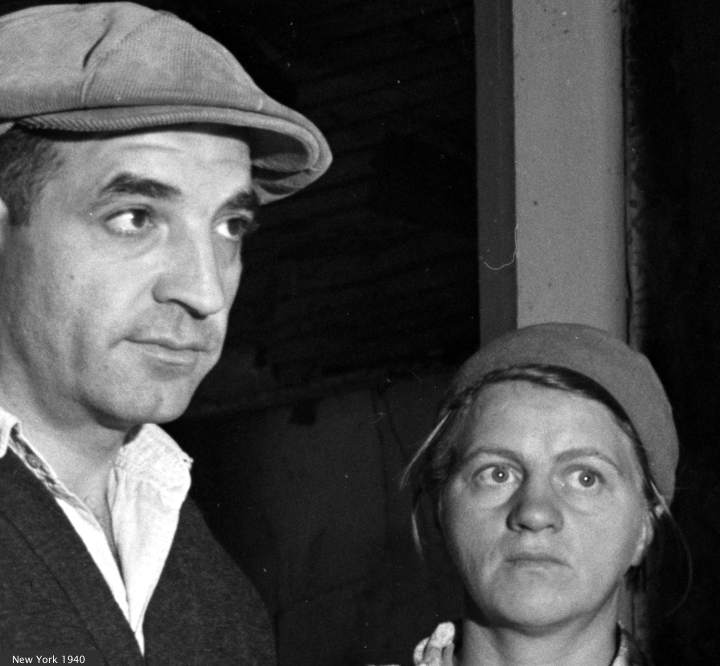
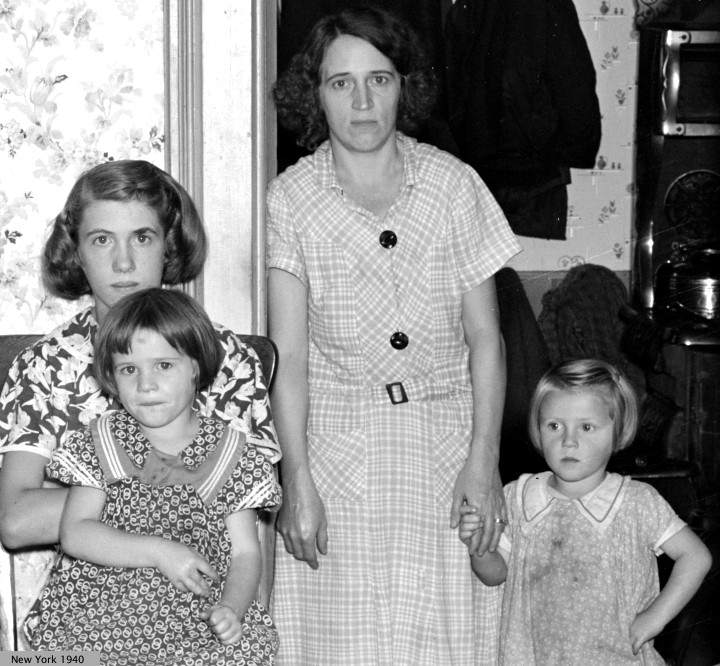
Brock Turner And Becky Doe
This is a repost from 2016. By now, most internetters know about the Brock Turner case. The Victim Impact Statement has gone viral. The 7140 words of polemic were probably not written by the accuser, known as Becky Doe. The statement is intended to motivate the court to give the defendant a more severe sentence. It was not intended to tell the truth. Was the statement made under oath? Was it subject to cross examination? How did it get such wide distribution?
The statement seems to disconnect from the truth. “I called myself “big mama”, because I knew I’d be the oldest one there. I made silly faces, let my guard down, and drank liquor too fast not factoring in that my tolerance had significantly lowered since college.” In contrast, the Stanford Daily reports: “Doe confirmed that she had previously experienced four to five blackouts in college as a result of drinking. Asked by Kianerci if the Jan. 18 blackout was different from prior ones, Doe said, “In previous blackouts I have never been half-naked outside.”
There does seem to be a bit of alcohol privilege here. Miss Doe went to a party, and got blackout drunk. (“Alice King — a supervising criminalist for Santa Clara County — … estimated that the Doe and Turner’s blood alcohol content (BAC) levels at 1 a.m. would have been .242 to .249 and .171, respectively.”) While at the party, Miss Doe was seen dancing with, and kissing, Mr. Turner. She then left the party with Mr. Turner. Becky Doe trusted a drunken stranger to get her home safely.
This is not an excuse for what Mr. Turner did. He should have known that she was not capable of consent. However, for an adult to go to a party, get blackout drunk, and assume that she would be able to get home safely… this is extreme privilege. In the Victim Impact Statement Miss Doe denies any responsibility: “Campus drinking culture. That’s what we’re speaking out against? You think that’s what I’ve spent the past year fighting for? Not awareness about campus sexual assault, or rape, or learning to recognize consent. Campus drinking culture. Down with Jack Daniels. Down with Skyy Vodka. If you want talk to people about drinking go to an AA meeting. You realize, having a drinking problem is different than drinking and then forcefully trying to have sex with someone? Show men how to respect women, not how to drink less.” (Force was apparently not a factor in the January 18, 2015, incident. It is tough to say who started the fooling around.)
The Stanford Daily had another tidbit, that has gotten little publicity. “Lee discovered a mixture of at least two individuals’ DNA on the underwear’s waistband. The DNA present in larger amounts matched with Doe, while the DNA present in smaller amounts did not seem to match with Turner, assuming that it represented the DNA of only one person.”
The assault on Miss Doe was wrong, and should be punished. However, it should be noted: “Turner stated that that he took off the victim’s underwear, fingered her vagina and touched her breasts. He said that he never took his pants off, that his penis was never exposed and that he did not penetrate the alleged victim’s vagina with his penis.” While Becky Doe suffered a devastating attack, she was not at risk of pregnancy, or contracting an STI.
There is a double standard here. Many comments about the attack mention “my daughters.” People seem to be defending the damsel in distress…even when she got to the .249% percent distress on her own. Her Victim Impact Statement goes on, and on, and on about her psychological problems after the incident. If a man was attacked while passed out, and he were to issue a vitime statement about his hurt fee fees, then he would be laughed out of the courtroom.
Men and Women get robbed and beaten, while intoxicated, all the time. It is commonsense that if you go to a alcohol use facility, and get drunk, then you are in danger of being a victim later. This is especially true if someone is driving while drunk. (If a person is in an accident after drinking in a bar, the bar is liable for damages. Maybe a similar law for sexual assault is in order.) If a person goes to a bar, and gets robbed on their way home, they are seen as contributing to their own victimhood. Should sexual assault, where apparently the woman was not taken by force, be different?
Pictures are from The Library of Congress.
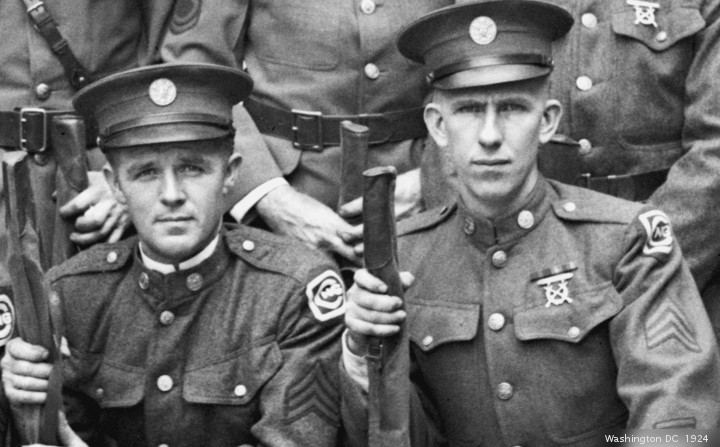

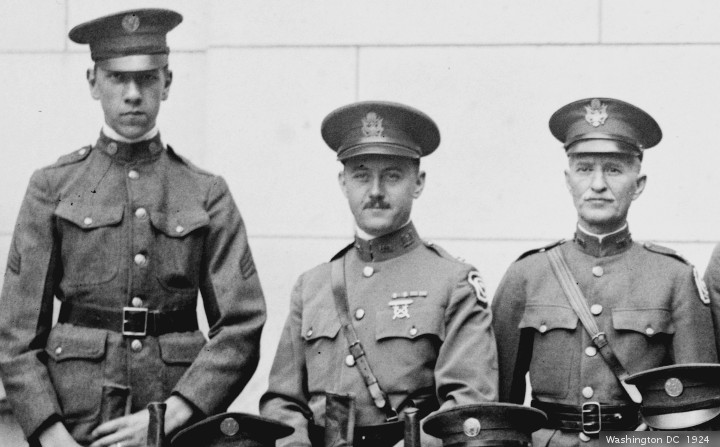

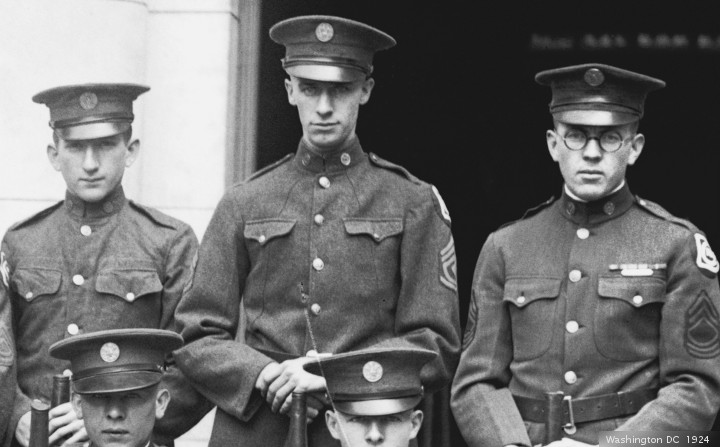
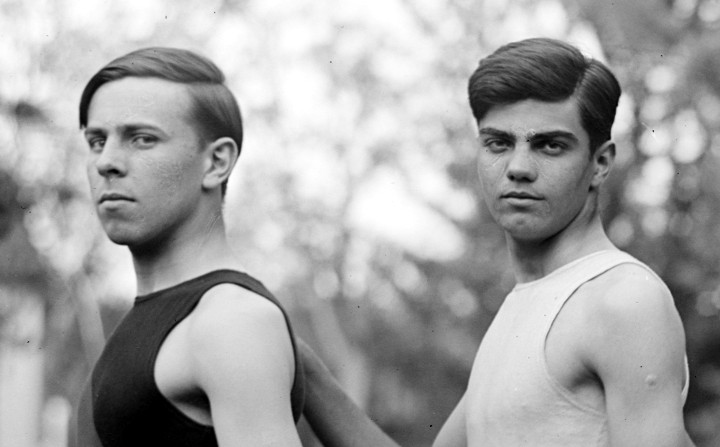
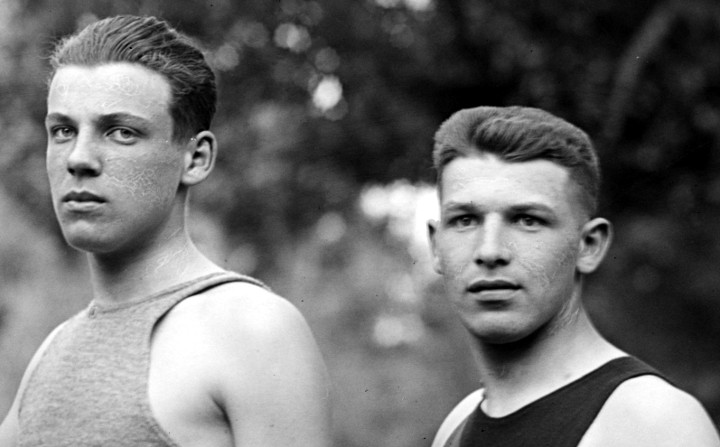
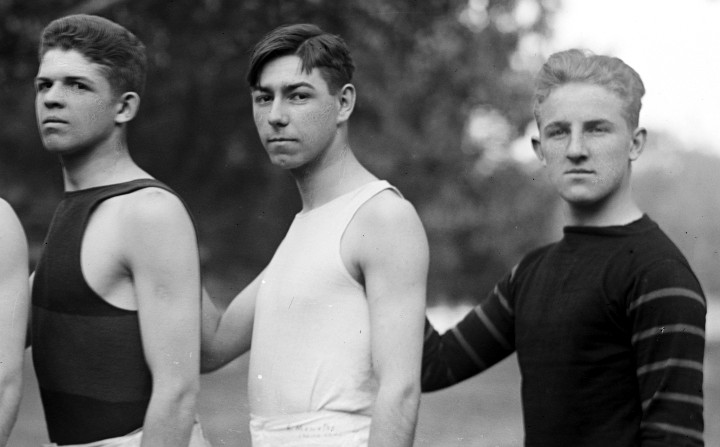
Walt Whitman 2019
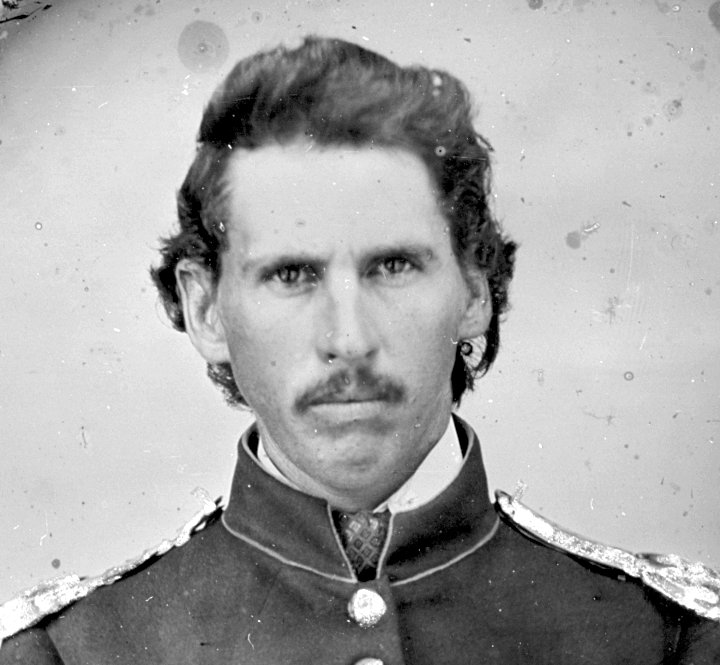

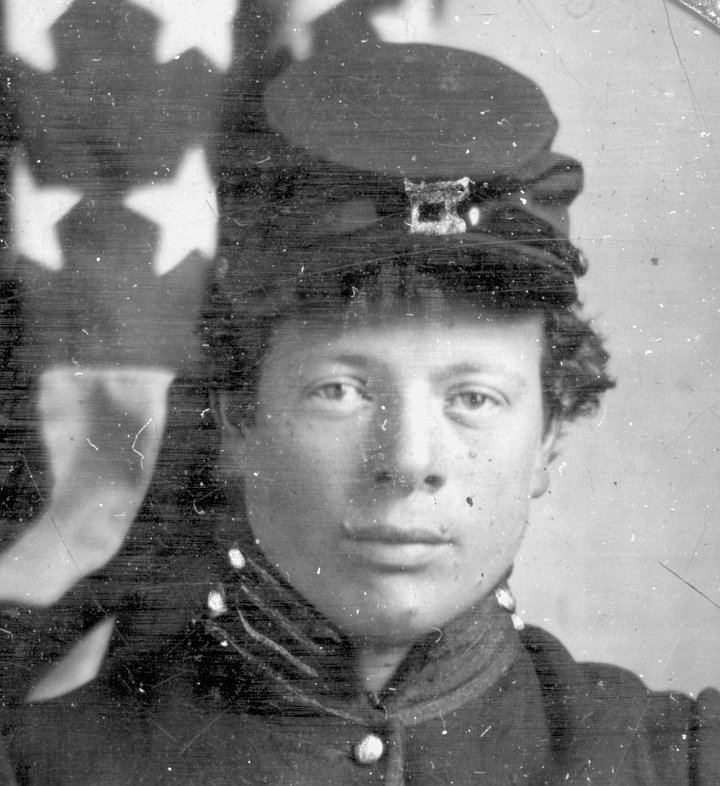


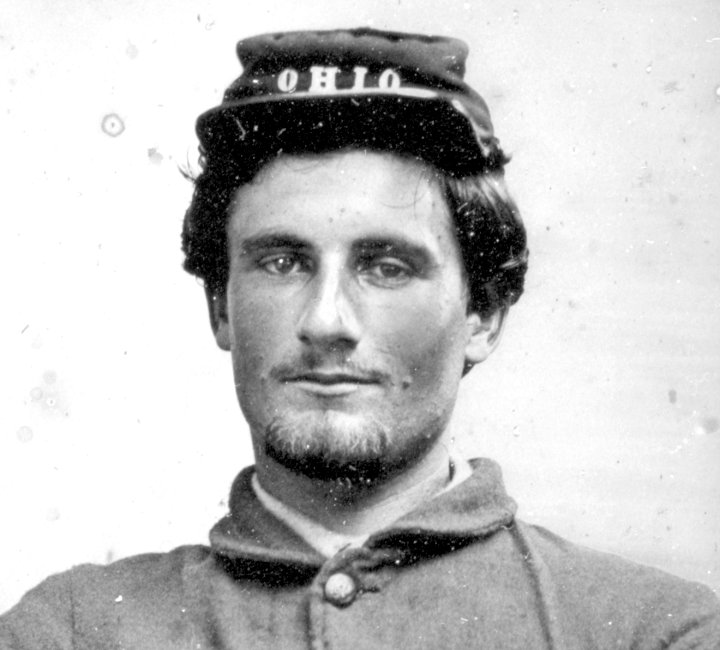

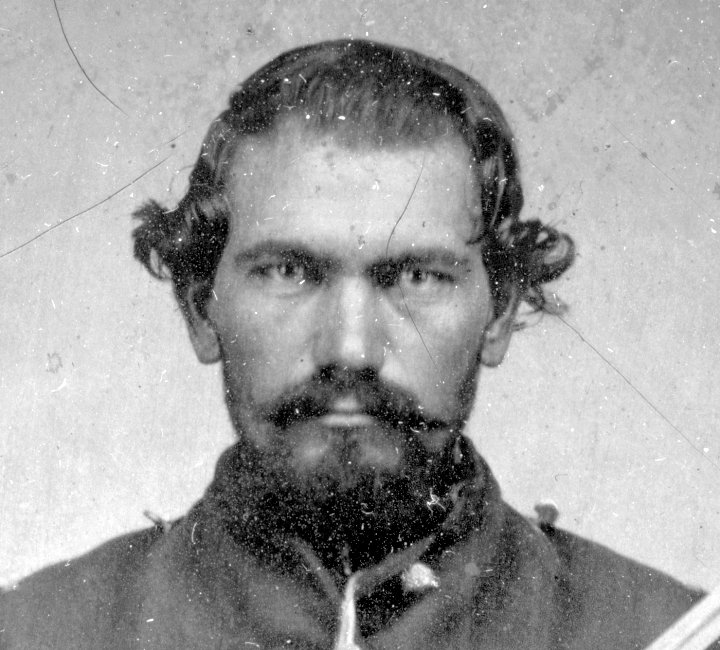

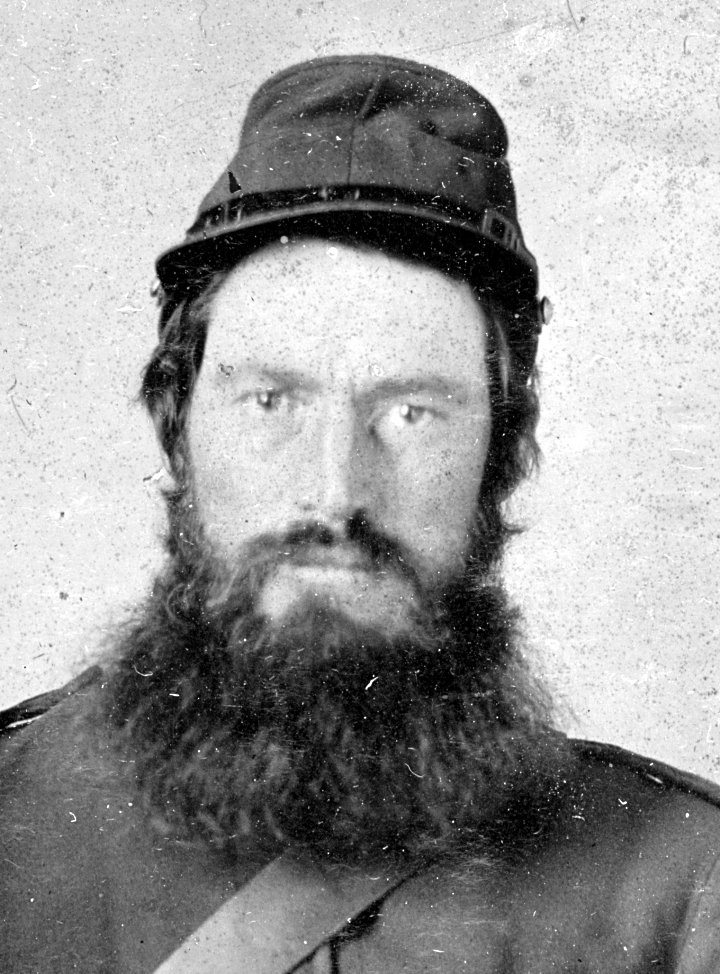
WORD over all, beautiful as the sky!
Beautiful that war, and all its deeds of carnage, must in time be utterly lost;
That the hands of the sisters Death and Night,
incessantly softly wash again, and ever again, this soil’d world:
…For my enemy is dead—a man divine as myself is dead;
I look where he lies, white-faced and still, in the coffin—I draw near;
I bend down and touch lightly with my lips the white face in the coffin.
Reconciliation was written by Walt Whitman. During the War Between the States, Mr. Whitman served as a volunteer nurse in Washington DC hospitals. That hospital was full of the human cost of war. Mr. Whitman looked past the so-called causes … slavery, states rights, banker profits … and saw the price paid, by the men who fought.
“In 1862, Whitman received word that his brother George had been wounded at the Battle of Fredericksburg. During the worst, he traveled down to the Virginia battle site. Much to Whitman’s relief, he found that his brother had sustained only minor injuries. While he was there, Whitman was moved by an especially brutal scene. … He records a dramatic moment where he’s standing in front of this field hospital and sees at the foot of two trees a pile of amputated limbs. He says, “A full load for a one horse cart.” And these are limbs that had been thrown out the windows of the surgery in the haste of the battle and the emergencies.”
It is now 2019. The 200th birthday of Mr. Whitman was a few days ago. In recent years, the conflict of 1861-1865 has been opened up to another round of debate. Mr. Whitman, and Reconciliation, have not been left out. “Here, Whitman suggests the reunion of the nation, men on opposite sides of the war drawn together beneath the banner of reconciliation. However, in the final image of the dead, “white-faced” in the coffin, Whitman leaves out the reality of so many dead soldiers whose faces were not white. And further, according to historian David Blight, the poem highlights—in the “kinship” of the dead white brothers—“the ultimate betrayal of the dark-faced folk whom the dead had shared in liberating.” This kind of erasure would continue to dominate Civil War memory as monuments to only part of the story inscribed a narrative on the American landscape—particularly in the South.”
Walt Whitman has emerged as a type of Jesus figure. His words are analyzed 150 years later, looking to find a meaning that pleases 2019 America. At least Mr. Whitman left a written record, in english. As we will see in a few paragraphs, this does not prevent him from being misrepresented.
“Song of Ourselves? Walt Whitman and the American Imagination” is a podcast, and the primary inspiration for this post. The show talks about Mr. Whitman living in Brooklyn before the War, and how he came to be involved in that conflict. It also tries to be “woke”.
“We know in recent years, people have criticized the Confederate memorials as a kind of false attempt at reconciliation, as a kind of shallow reconciliation over the lives of African American people. How would Whitman’s ideas of reconciliation differ from those ideas of reconciliation we see in the Lost Cause?” The answers are not as obvious as some would hope.
“He was an anti-extentionist. He opposed the extension of slavery into the western territories. But he was more concerned about preventing the spread of slavery than really getting rid of it. … He denounced the proslavery southern fire eaters, but he also called abolitionists red hot fanatics. They were the angry voiced silly set, he described them. And at the same time, right, so he took that kind of stance at the time and he did not believe that African Americans were capable of exercising the vote, right? So that’s part of his story.”
Later on in the show, the hosts talk about walking into a hotel room, and seeing a framed quote, “Be curious, not judgmental.” I was curious about the context, and did a little digging. There are plenty of meme-mongers merchandising this quote in four-color glory. This does not answer the question … how did Walt Whitman come to say this?
Wikiquotes lists “Be curious not judgemental” as Disputed. “While consistently attributed to Whitman, this popular motivational quote has no source. It is occasionally listed as occurring in Leaves of Grass, but the closest phrase found in that collection is “Be not curious about God.” Pictures today are from The Library of Congress.

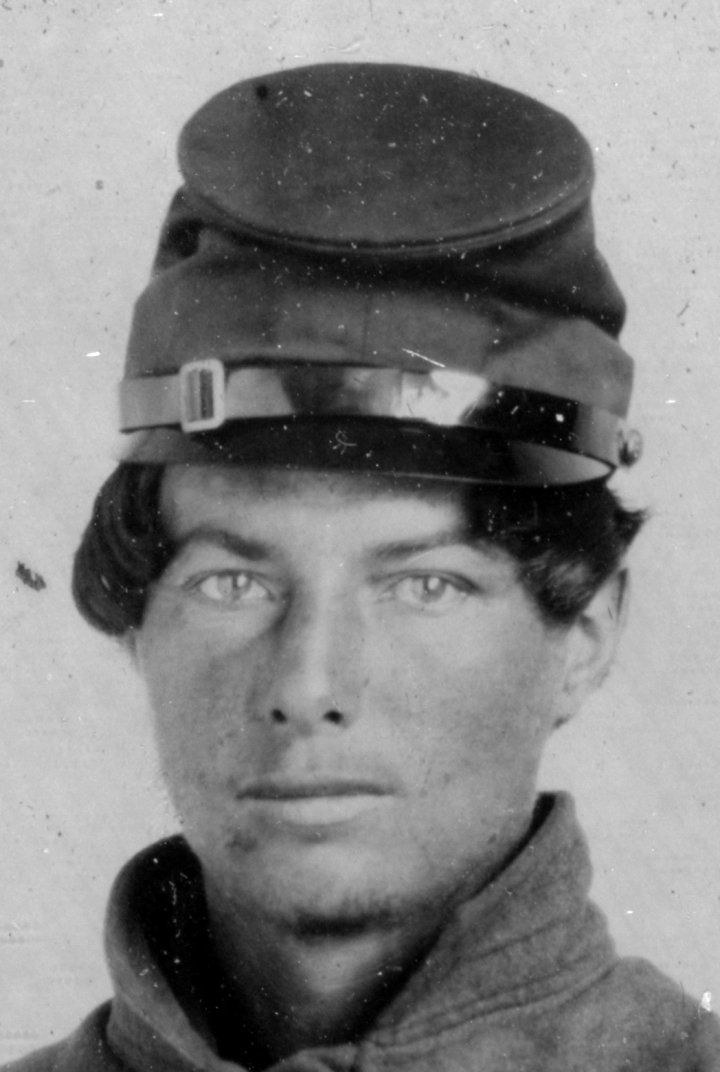




Midtown

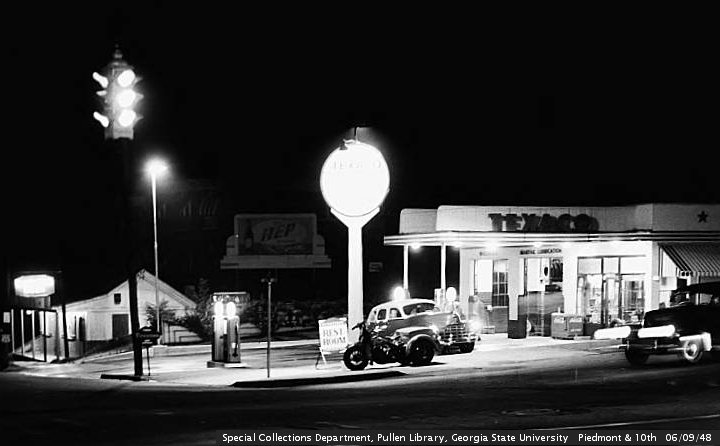


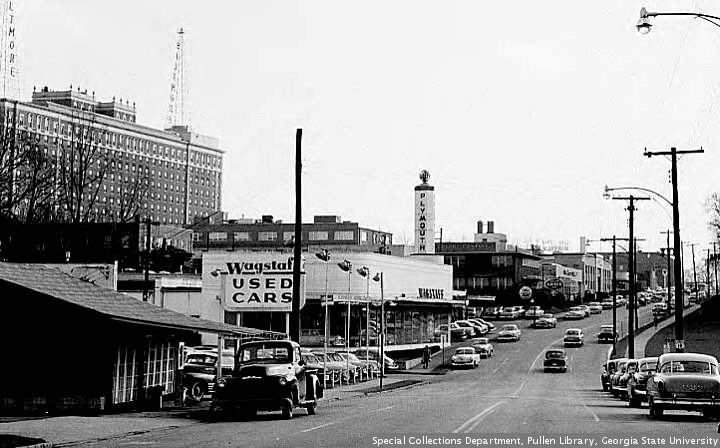
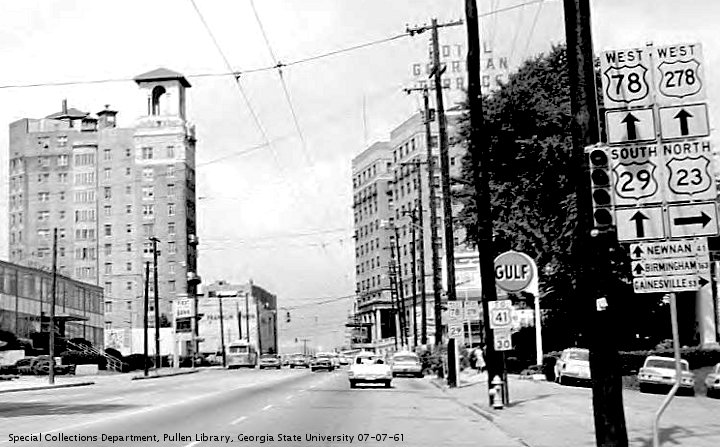
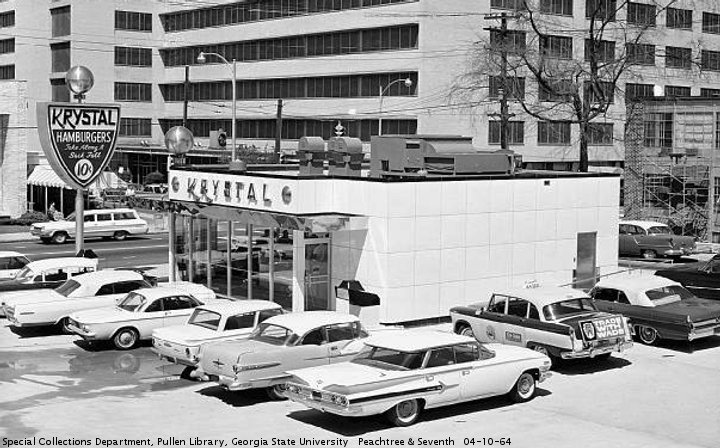
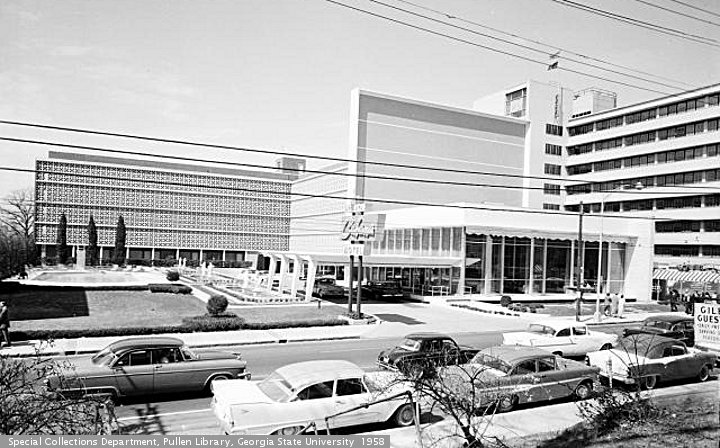
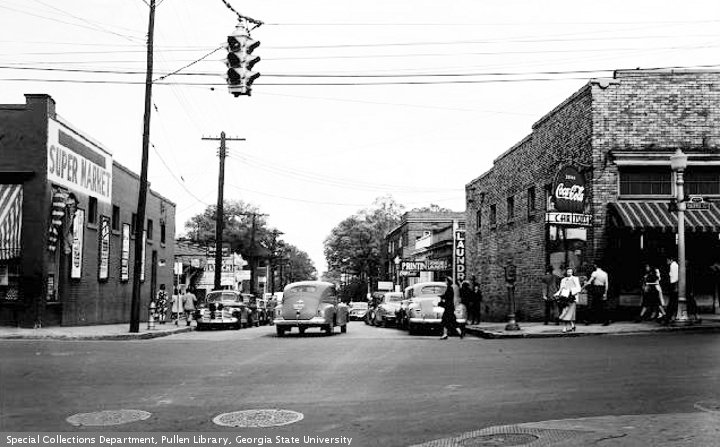
The neighborhood along Peachtree Road has always been a great place to be a freak. For a long time it didn’t have a name. It is north of downtown, between Piedmont Park and Georgia Tech. Sometime in the early eighties, people started to call it Midtown, and the name stuck.
In the time after the War Between the States, this area was a shantytown called “Tight Squeeze”. It evolved into a pleasant middle class area. In the sixties, hippies took over. The area was known as the strip, or tight squeeze. Many stories could be told.
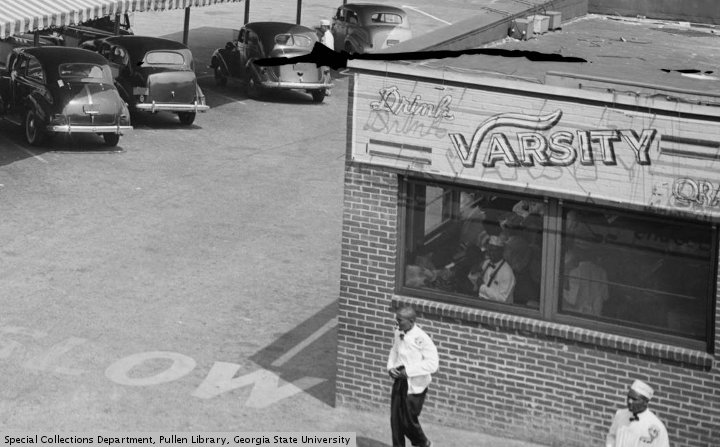
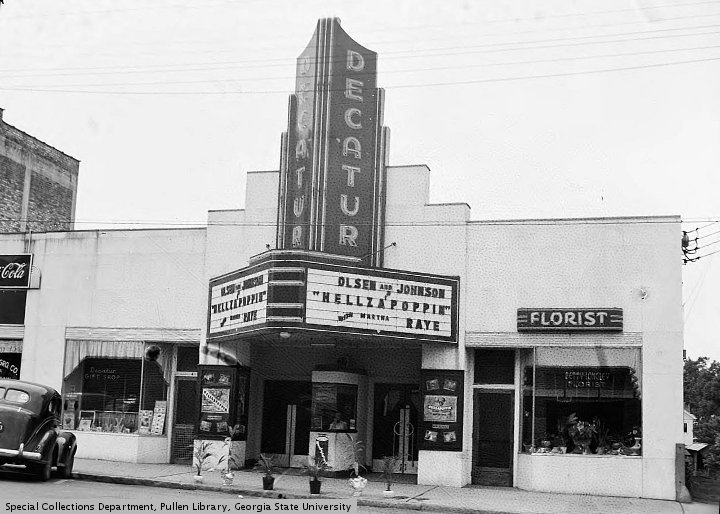
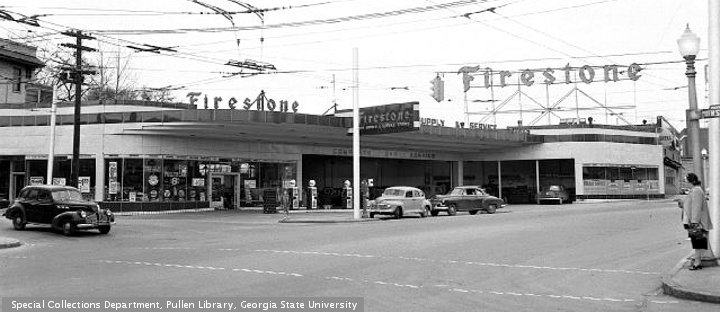
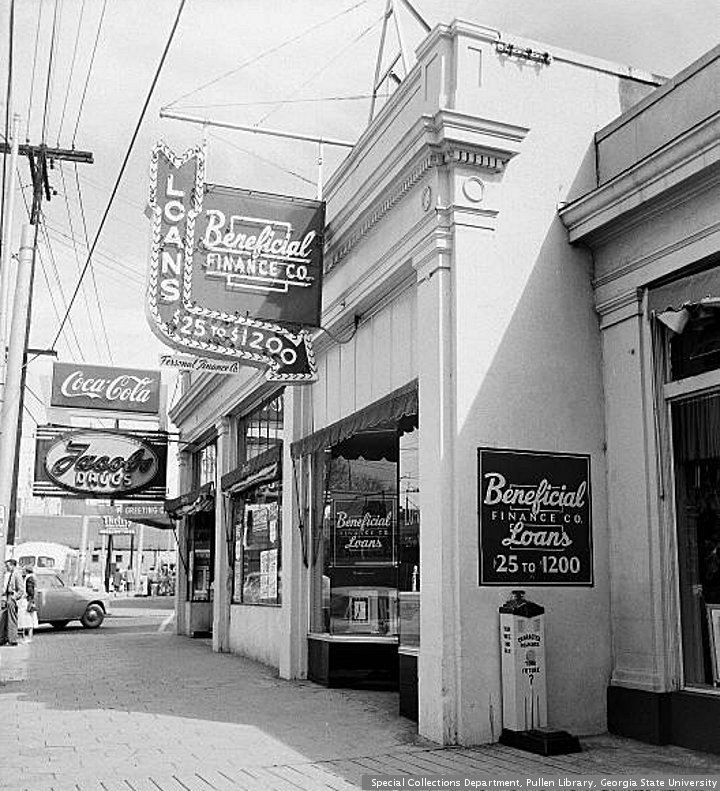
After the flower children moved on, the area went into decline. Gays started to move in, with the battle cry “Give us our rights or we will remodel your house.” Developers, worshiping the triune G-d of location, location, location, began to smell money. The neighborhood became trendy, then expensive, then more expensive. The freaks with money remain. This is a repost. Pictures are from “The Special Collections and Archives, Georgia State University Library”.
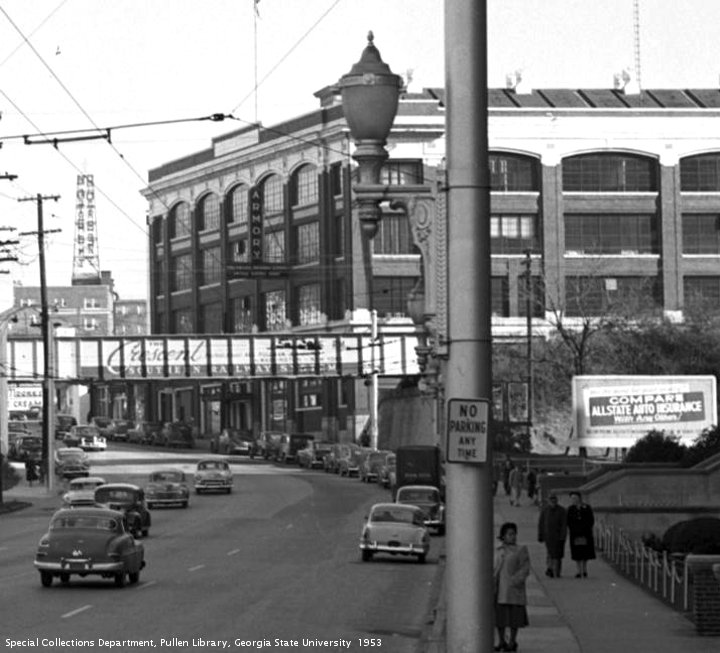





There is a nifty webcam up now. It shows the progress of a high rise going up now at 12th and Peachtree in midtown. The location of the camera itself is not certain, with the speculation centering on 999 Peachtree, two blocks south on Tenth Street.
A glance at the image reveals a curve in the road, between the two glass boxes under construction. Atlanta does not have wide, straight boulevards extending to the horizon. It is said that Atlanta did not build roads, but paved the cow paths.
People of a certain age will remember this area as the strip. The tenth street district was a neighborhood shopping area, up until the mid sixties. At some point, the old businesses started to move out and the hippies moved in. For a while, it was a festive party. Soon enough reality returned, and the area went into a crime filled decline.
The 999 complex is the neighborhood story in a nutshell. Before 1985, it was a block of small businesses. There was a hardware store, with the peace symbol set in tiles in the sidewalk. On Juniper Street stood the Langdon Court Apartments. They were named for PG’s great uncle Langdon Quin. Ru Paul used to stay there. He would sit out on a balcony, and wave to the traffic going by.
Across the street was a chinese restaurant, the House of Eng. A staircase on the side led to the Suzy Wong Lounge. Behind the building was an apartment building. It was one of the residences of Margaret Mitchell, while she wrote “Gone With The Wind”. She called it “the dump”, which was fairly accurate. The museum on that site would have amazed her.
PG went to the House of Eng for lunch one day in 1985. He noticed that he was the only customer in the house, at 12:30 pm on a weekday. After finishing his lunch, PG knew why.
At some point, it was decided to build a high rise there. Heery was one of the equity partners, along with a law firm and an ad agency. The building was designed by Heery (duh).The ad agency folded before the building opened, followed within a couple of years by the law firm. Heery was sold to a British company. PG does not know who owns 999 Peachtree now.
This is a repost, with pictures from “The Special Collections and Archives, Georgia State University Library”. The building, at 12th and Peachtree, is finished.






91 Word Sentence About White Supremacy Part Two
This is a repost from 2016. There was a tasteful meme on the facebook thingie today. It was about BHO, who may go down in history as the Meme President. The block of JPG text began When a faithfully married black president who was the son of a single mother…
Some people quote the first sentence in a situation like this. In this rant, the first sentence has 91 words. It has more grammar mistakes than a sportscaster seminar. It boils down to: when A is considered B by C who D. And what does D do next? Those 91 words are an insult to the Queen’s English. (91 is the product of 7, a lucky number, multiplied by 13, an unlucky number.)
There are eight more words at the end. “This is white supremacy folks. Plain and simple.” A comma might help in the sentence. Does he mean that the two players in the 91 word sentence are “white supremacy folks.”? Or is the author calling the attitude described “white supremacy”.? In any event, “Plain and simple” is not a complete sentence, nor does it describe the 91 word sentence.
This is a case where the medium is as important to the story as the message. When looking for information about the meme, PG typed “When a faithfully married black president who was the son of a single mother” into the wonder window. The algorithm replied: “Did you mean: When a faithful married black president who was the son of a single mother.”
The first reply was from the dependable PuffHo, This Is Not White Supremacy. It made some good points. A few spots down the google page, we see THIS IS NOT WHITE SUPREMACY. That is the original posting of the commentary. PuffHo aggregated it, without paying the original author.
So mush much for the medium. Lets look at the message. BHO, as you may know, is mixed race. The “single mother” of the piece was white. To our racially obsessed culture, this means black. America has had nine years to get over the ethnicity of BHO. It has failed miserably. To some, any criticism of BHO is racist. They mindlessly defend anything BHO does, and say that the critics are members of the KKK. Others are upset because a dark skinned man is in the White House. To these people BHO can do nothing right, because he has dark skin.
Either way, the people who see the skin, and not the man, are doing America a disservice. After January 20, 2017, we will find some other mindless excuse to trash our leaders. (UPDATE: It is so, so easy to find fault with DJT.) This is how politics works. You say whatever you can think of that is negative about the opposition. You gloss over the negativity of your own side. After a while, a lot of people don’t believe a word that either side is saying. When everyone is shouting, nobody is heard. This is politics. The generalizations are plain, and the minds are so, so simple.
There is an attitude among some that “racism” is a metaphysical evil. The R monster must be defeated. Collateral damage is not a problem. If you are going to make an omelet, you need to break eggs. When PG hears talk like this, he feels like an egg.
One problem is that everyone has their own idea of what “racism” is. They are correct, and you are mistaken. To some, it is systemic institutional oppression. To others, it is cultural appropriation and microaggressions. Some cynics say that “racism” is anything that rubs you the wrong way. Agree or disagree, you need to check your privilege.
PG saw a video last week, A Rant Against an Anti-Millennial Rant. “And we use words like “racist” to describe someone who thinks that the word “bae” isn’t real because it didn’t originate from a white, Eurocentric vernacular.” These are strange times.
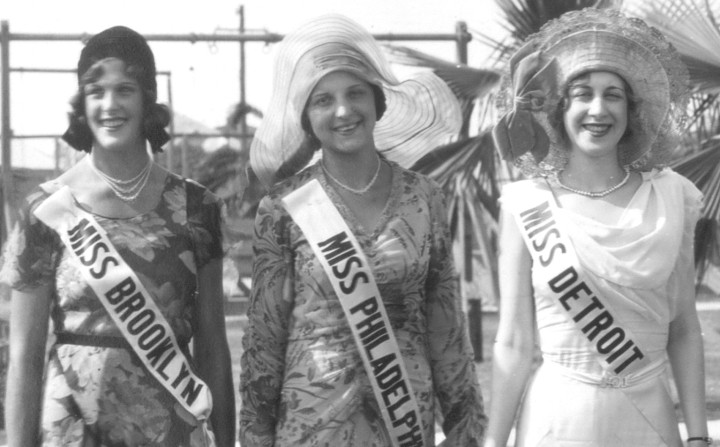
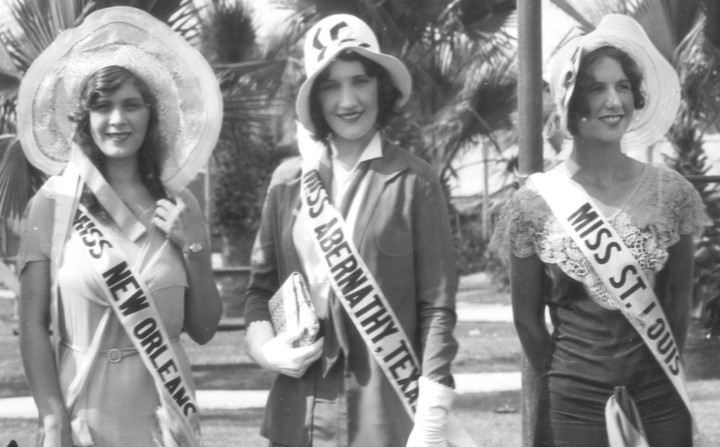
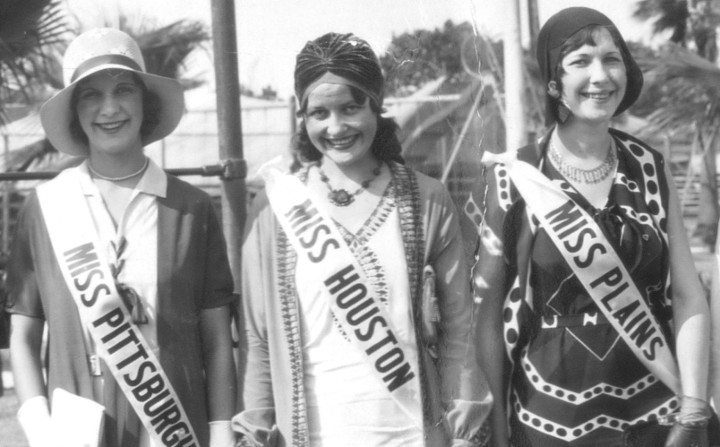
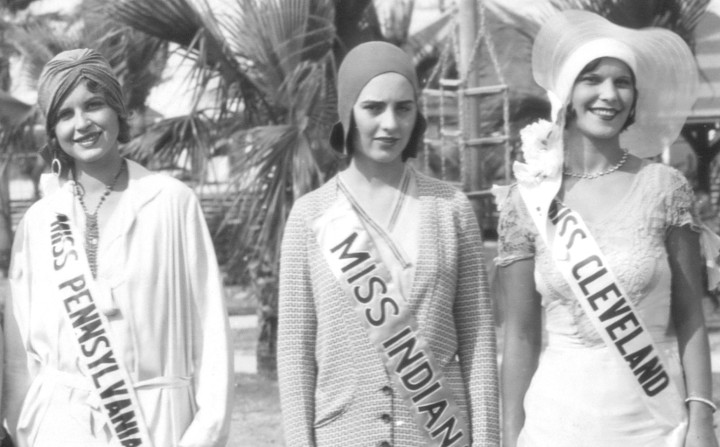
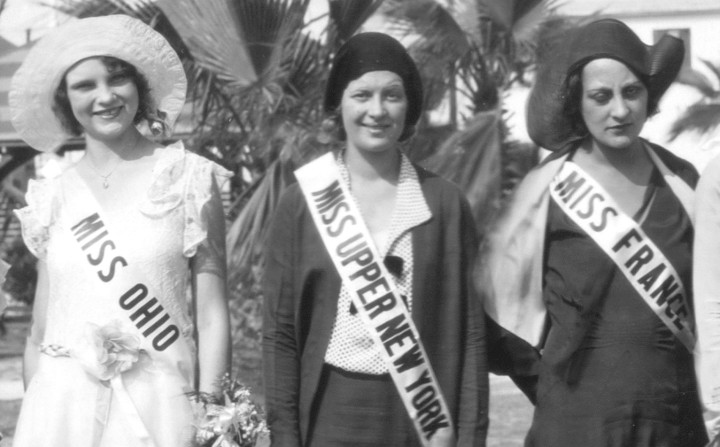
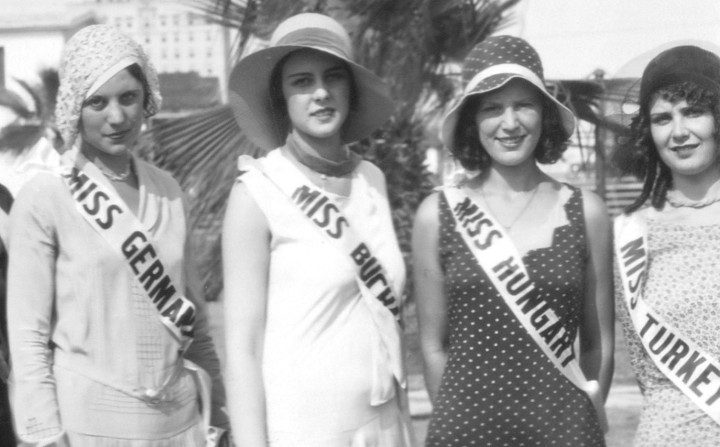
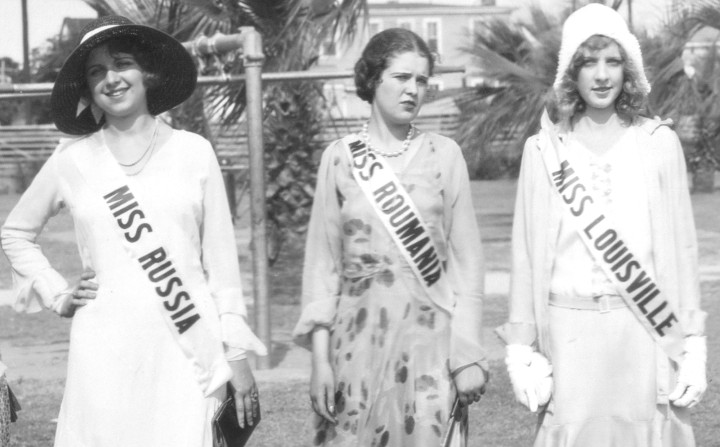
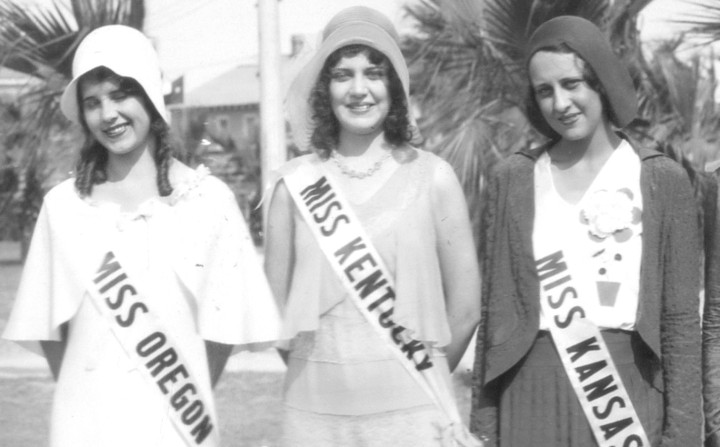
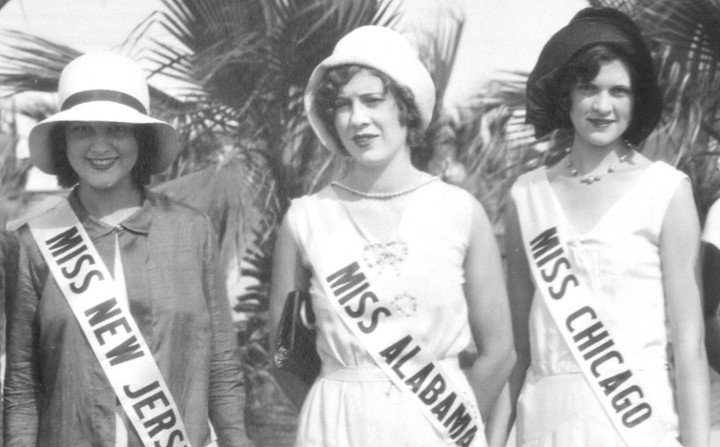
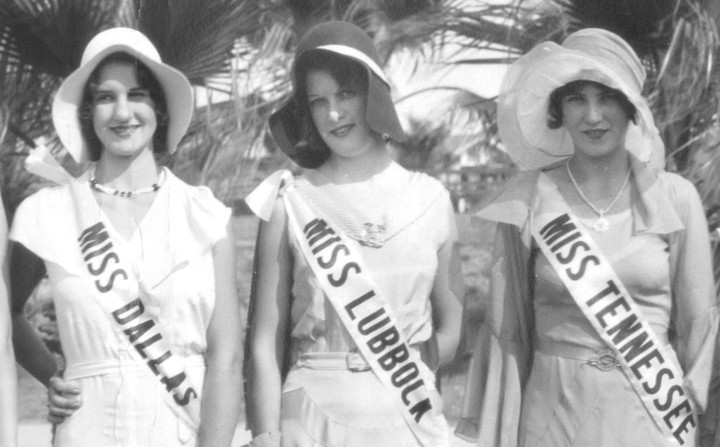
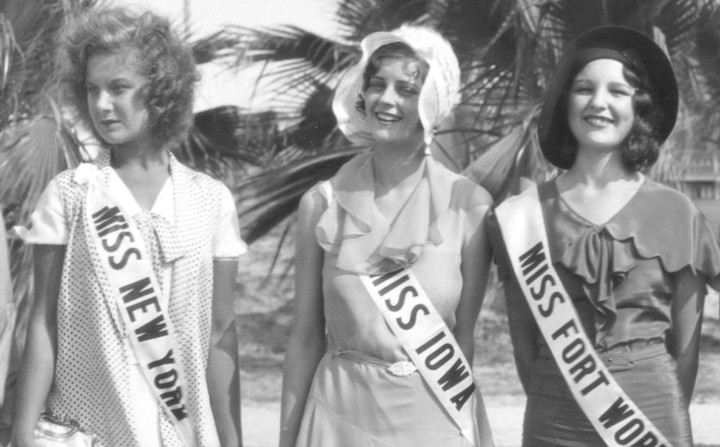
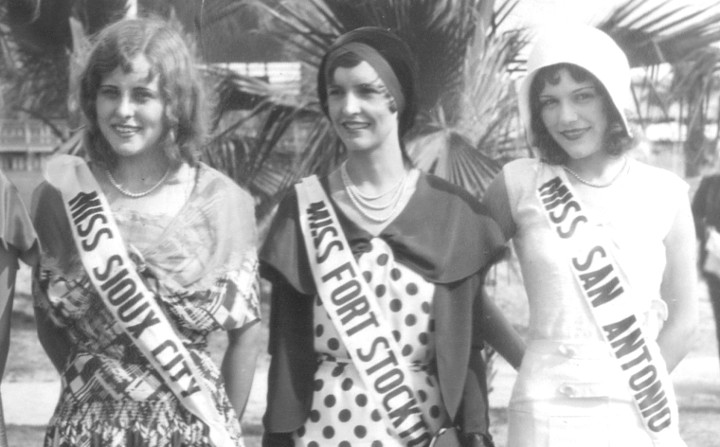
If you are getting itchy, this is almost over. If you like, you can skip over the rest, and look at the pictures. They are from The Library of Congress. Image #06663: “Fifth International Pageant of Pulchritude and Eleventh Annual Bathing Girl Revue, Galveston, Texas, August 2, 3, 4, 5, 6, 1930”
UPDATE: This is a repost. While looking over the text, PG saw a paragraph about an obnoxious video. It turns out the video features Dylan Marron, who says “And we understand that surface gestures are totally cool but they do nothing to dismantle systemic patriarchy.”
Alleged comedian Bill Maher got in trouble this week for saying a forbidden word on TV. A national hissy fit resulted. This communal pearl clutching is an example of a surface gesture. Screaming “MOMMY HE SAID THE N-WORD” does nothing to dismantle systemic patriarchy.
The Battle Of Fair Street Bottom





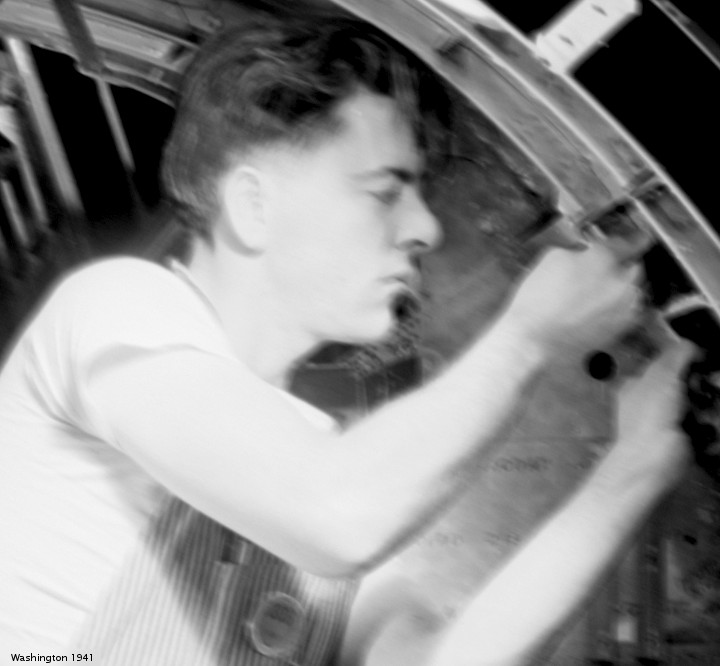

Stacey Abrams appeared on Democracy Now. “So, I was a student at Spelman. I was a freshman. It was 1992, April. And Spelman College, the Atlanta University Center (AUC,) which is a consortium of black colleges, used to sit right outside some of the oldest housing developments in Georgia. And so, after the Rodney King verdict was announced, there were riots in Los Angeles, but there were also small riots in Georgia, including in that area. The reaction from the mayor was to actually cordon off that entire community, both the universities and the housing developments and then surrounding neighborhoods. And then they tear-gassed us. I was very irate, and I organized a group of students at my college to call the television stations, who were misreporting what was happening. At a certain point, they asked who was calling, because we were tying up their phone lines. And I just told my friends, “Tell them you’re me.”
So, Stacey Abrams was calling multiple lines in multiple television stations. Eventually, the television stations decided to do a simulcast, bringing everyone together—and I was invited as the person who was one of the rabble-rousers—to come and talk to the leadership of Atlanta about what had happened and about why we were angry, about why young people were outraged. We weren’t rioting at the school, but we understood those who were angry and who felt oppressed and felt ignored. I communicated that, and at this event, Maynard Jackson was there. He disagreed with me, disagreed with my characterization of the city’s overreaction. And I told him he wasn’t doing enough for young people. He won the argument, because he was better prepared.”
PG was in the Healy Building on April 30, 1992. He was just happy to get home in one piece that day, and did not watch any news reports. He vaguely recalls hearing something about an incident at AUC. After PG heard this statement by Miss Abrams, hew went to Mr. Google for information. There are at least two versions of that incident, which more or less tell the story. One is the Atlanta Voice, LOOKING BACK: ‘No Justice, No Peace’: The battle of Fair Street Bottom, 20 plus years later. Another is a lawsuit filed by the owners of a neighborhood grocery store, Park v. City of Atlanta.
After the Rodney King verdict, in California, students at AUC led a march from the school to downtown. At some point, the march degenerated into a riot. A grocery store on Fair Street was looted. Police were called in, and tear gas was used.
The Atlanta Voice “The Korean-owned grocery store located in Atlanta’s Fair Street Bottom closed early in anticipation of trouble. And like storm clouds on the horizon trouble showed up as expected. The garage-style steel door, typical of many small businesses in economically depressed communities around the nation, however, was not enough to stop the looters from breaking the lock and prying the door up just enough to crawl under and loot the establishment. The wife of the owner pleaded with Atlanta Police who were clad in riot gear as they stood quietly by and watched. No officer responded to her crying plead to stop the looters. The officers had more important orders: Don’t let the looters go into downtown; keep them in the Bottom. The police finally dispersed the looters with tear gas after they tried to set fire to the building. The liquor store next to the 5 Star Grocery was protected from the looters. This contained riot wasn’t going to be fuel by alcohol. …
Twenty-six years ago, Fair Street Bottom was located in the heart of one of Atlanta’s notorious neighborhoods just east of the Atlanta University Center. It was called the Bottom because Fair Street running east to west from Northside Drive dips downwards before it levels off again as it passes Clark Atlanta University and Morehouse College. The Bottom was in the heart of one of the city’s oldest public housing communities – John Hope Homes. With walking distance to the west near Spelman College was another housing project – University Homes. Fenced in green lots now occupy the space with John Hope Homes once sat. They were torn down in the 1990s as part of the Atlanta Housing Authority’s massive plan to re-invent public housing. University Homes was torn down and re-built into a mixed-income housing complex. Most of Atlanta missed the “Battle of Fair Street Bottom” unless they read or watch the news. The distance never spread beyond those few blocks …
I don’t remember where the phone call came from, but we were informed that some of the marchers were causing damage as they were marching back to the campus. Unfortunate for the marchers some of the young men and high school students joined the march as they passed through John Hope Homes. … By the time, I got to the Atlanta University Center, the student organizers had lost control of the march. Those marches who had a taste of destruction downtown were hell-bent on continuing. The Korean-owned 5 Star Supermarket became the focus of the headless mob, as did a few park police cars that were either turned over or set on fire. After a few hours, and quite a bit of tear gas, the Atlanta Police quelled the disturbance before nightfall. Students retreated back to their dorms and the young looters retreated back to their neighborhoods.”
The legal opinion “This action stems from one of the despicable acts of mob violence which occurred in the tumult of the riots in Atlanta, Georgia, in the wake of the Rodney King verdict… On April 29, 1992, … students from the Atlanta University Center began an impromptu march to the Richard B. Russell Federal Building and then to the State Capitol Building. The first day’s demonstrations ended at the State Capitol after 2 a.m. The students, presumably tired but clearly still agitated, returned to the Atlanta University Center.
The businesses of the Plaintiffs were to become a focus of the disorder on the second day of the riots. Sang S. Park and Hi Soon Park owned and operated Five Star Supermarket, a grocery business located at 653 Fair Street, S.W., Atlanta, Georgia. Plaintiffs Kwang Jun No and Jin Soon No owned and operated Star Liquor Store, a package store located next door at 661 Fair Street, S.W. Both Korean-American-owned businesses were located in a small commercial area in the immediate vicinity of four historically black universities: Clark Atlanta University, Spelman College, Morehouse College and Morris Brown College (“the Atlanta University Center”). Plaintiffs’ stores were the only non-black-owned businesses within that area.
In the afternoon of April 30, 1992, a group of students swarmed off the campuses of the Atlanta University Center. A segment of the crowd headed to the downtown business district, where they looted and attacked white pedestrians. A gang of students stopped to shout racial epithets and break the windows of both the Five Star Supermarket and the Five Star Liquor Store. Glenn Park, who is the son of Plaintiffs, was working at the store; he relayed these events to a police officer.
On the following day around 1:30 or 2:00 p.m., students at the Atlanta University Center began to throw projectiles from windows of a dormitory at the corner of Brawley Avenue and Fair Street, which is located about three blocks from Plaintiffs’ stores. A police S.W.A.T. team used tear gas to disperse these students. … The Plaintiffs decided to close their stores and congregate in an upstairs apartment within the Five Star Supermarket as nearby police officers observed. … By 6:45 p.m., … members of the crowd began throwing rocks and breaking into Five Star Liquor Store. From his position in the police helicopter, Officer S.F. Patterson advised other officers over TAC I radio that approximately fifty to seventy-five students were vandalizing a small business at Elm and Fair.
… the dispatcher reported a call originating from around the Fair and Roach intersection indicating that about fifty college students were assaulting a subject there at 6:45 p.m. During the next ten to twenty minutes, the mob gained entry to the liquor store, removed cases of alcoholic beverages, and broke into the supermarket. Around 7:15 p.m., a dispatcher actually called the Plaintiffs at the request of Major Mock and Chief Bell in order to advise them to remain out of sight of the crowd below. Within minutes of the last phone conversation with 911, the mob discovered Plaintiffs and chased them onto the roof of the grocery store … Plaintiffs barricaded the door onto the roof, but were assaulted by the crowd on the street who threw bricks, rocks, stones, and items stolen from their own store, hitting Mrs. Park, and shouted racial epithets at the Plaintiffs. …
On May 4, 1992, Mayor Jackson and Chief Bell participated in another press conference in which they addressed the previous days’ events and apologized to the Korean community, but also emphasized how none of the Atlanta University students were injured. Mayor Jackson also recognized the black community’s long-standing resentment of the Korean business community and recommended that a symbolic gesture be taken such as a collection for the destroyed businesses.”
Former Atlanta Police Chief Eldrin Bell has another perspective. “Bell was out of town the first night riots erupted in Atlanta on April 30, 1992. He said more than 20 police officers were injured that day when he got a call from the Mayor. “First thing I heard was Mayor Maynard Jackson’s voice in my ear saying ‘they’re tearing up your town,'” … he called the FBI who flew him back to Atlanta. He arrived the next day on May 1, 1992 at around lunch time at took charge of handling the riots. He did not want to repeat what happened the day before when officers confronted protestors face to face. “I am not a proponent of those confrontations, police versus the community.” Bell said he ordered officers out of the riot zone while he went up in a helicopter along with the Georgia State Patrol and flew over the protestors and dropped tear gas to disperse the crowd. “And I pointed out the places that I wanted him to tear gas, There was no one for them to throw the tear gas back to because the police weren’t there.” By 10PM that night the crowd dispersed, the riots ended, and the city began cleaning up.”
Pictures today are from The Library of Congress. This is a repost.





Admitted He Made It Up


The display of a link on this page does not indicate approval of content.
Columnist’s Trump Quote Went Viral — Then He Admitted He Made It Up
Scientists finally read the oldest biblical text ever found
KKK member at Confederate flag rally confronted for wearing FUBU shoes
The Dallas Radical Faeries are THRILLED to announce
they are hosting their FIRST Gatherette entitled Birthright!
Historic Candler Building begins new life as boutique hotel in July
How to deconstruct racism, one headline at a time
How Qualcomm shook down the cell phone industry for almost 20 years
The Stonewall You Know Is a Myth. And That’s O.K. | NYT Celebrating Pride
We Found The Guy Behind the Viral ‘Drunk Pelosi’ Video
A Brief History of Voter Registration in the United States
The Exclusionary History of Voter Registration Dates to 1800
Orbán Meets Jordan Peterson in Budapest
National Trust helps improve Herndon Home in Vine City
Host Calls Black Men ‘Monkeys’ and ‘Criminals’ Before Kicking Them Out
A Dark Rainbow Hangs Over the West
Armistead Maupin and Susan Hill ~ jenner car crash ~ Sylvia Rivera
Gore Vidal & Jack Kerouac ~ wild and crazy clickbait ~ james fields ~ I saw Frank Zappa at the civic center in 1984. At one point, a giant dildo was lowered onto the stage from above. The band started to play a song called “he’s so gay” with doo-wop style singing of the phrase “he’s so gay” ~ Jeezie poo wasn’t born on December 25, any more than he was executed on the friday after the spring equinox full moon. ~ False equivalencies is another phrase we need to retire. It doesn’t matter who is worse, if both are doing harm. ~ @RichardBSpencer So many on the right view corporate capitalism’s embrace of “LGBTQ+” as some kind of trick the Left pulled on big business. ~ Loathe though I might be to agree with @RichardBSpencer I have to admit that he makes many of the same points that people like @mbsycamore are making about the commodification of #pride are we making a commodity out of #PrideMonth2019 or a commode? is there a difference? ~ Marsha P. Johnson & Randy Wicker Randolfe Wicker Luther Mckinnon I hate this interview. I am apparently mad at Marsha and I’m uncharacteristically nasty to her. That is so far from the way we generally got along. ~ pictures today are from “The Special Collections and Archives, Georgia State University Library”. ~ this poem was performed in dickhater last night. It is a modern translation of Psalm 44
we are counted as sheep for slaughter ~ give up like cattle appointed for meat
for our soul will slow down at the water ~ scatter us among heathen obsolete
hallelujah with scorn and derision ~ sore broken us in the place of dragons
forgettest oppression and affliction ~ doth smack down thy people for volkswagons
praise thy satanic name for ever selah ~ belly cleaveth unto madonna gland
boasting all the day long for g-d hoorah ~ shame us hate us develop the land
belly cleaveth unto madonna gland ~ reproacheth alabama blasphemeth
shame us hate us develop the land ~ your foolish covenant shadow of death
reproacheth alabama blasphemeth ~ boasting all the day long for g-d hoorah
your foolish covenant shadow of death ~ praise thy satanic name for ever selah


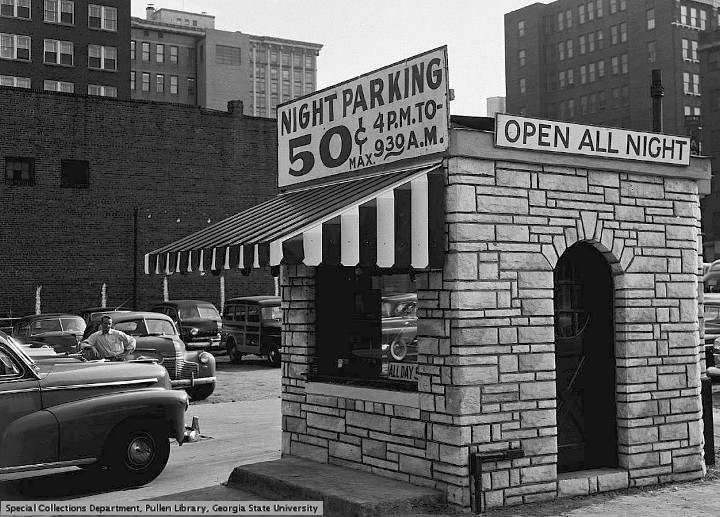
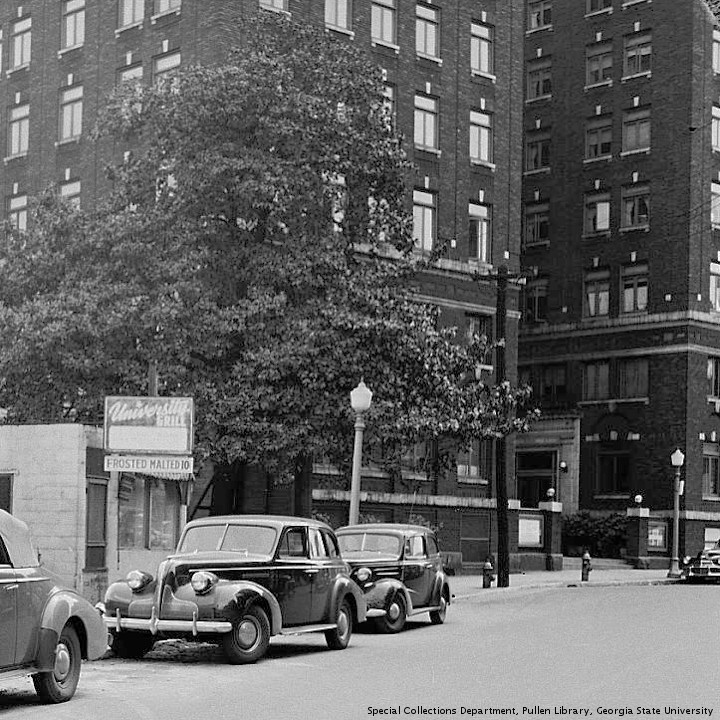

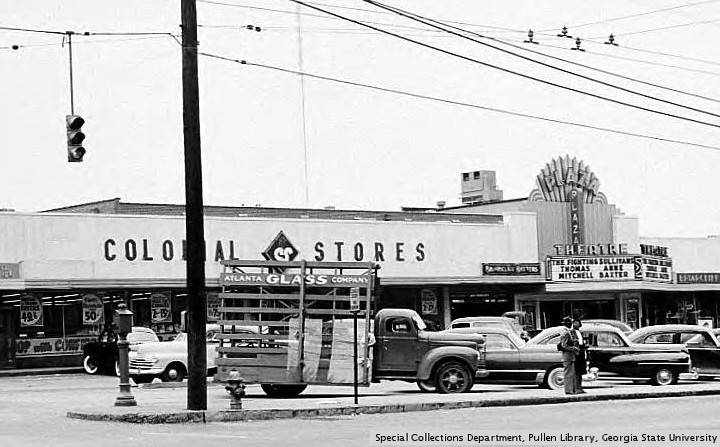
Sixty Five Years Twelve Presidents
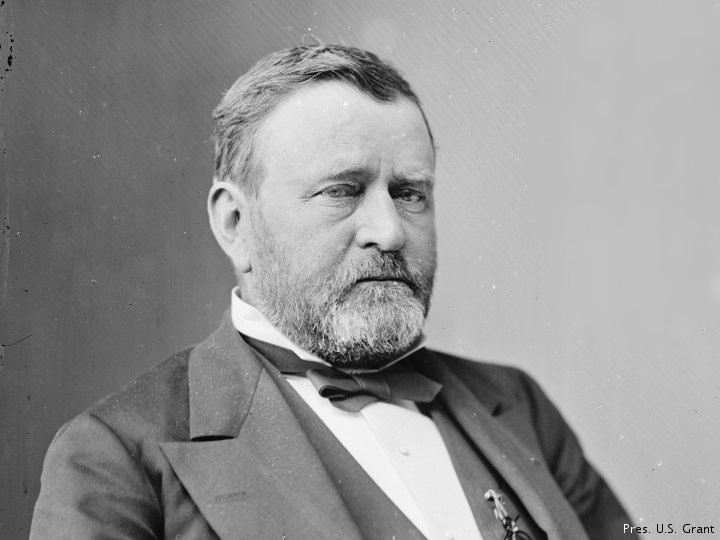

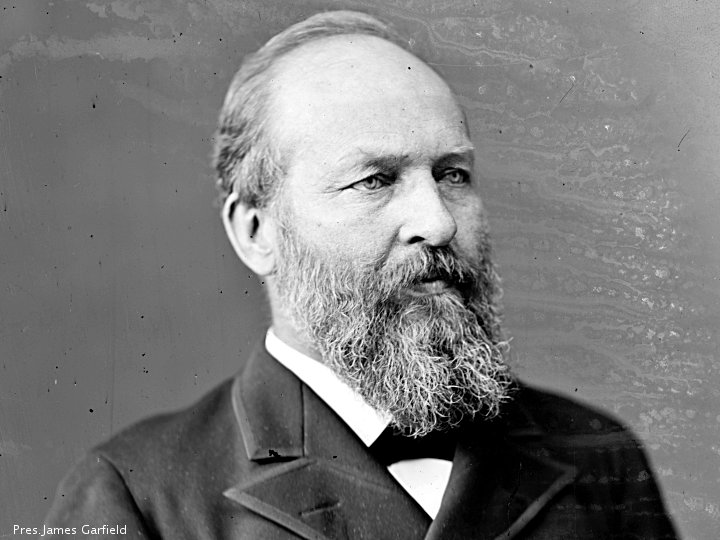
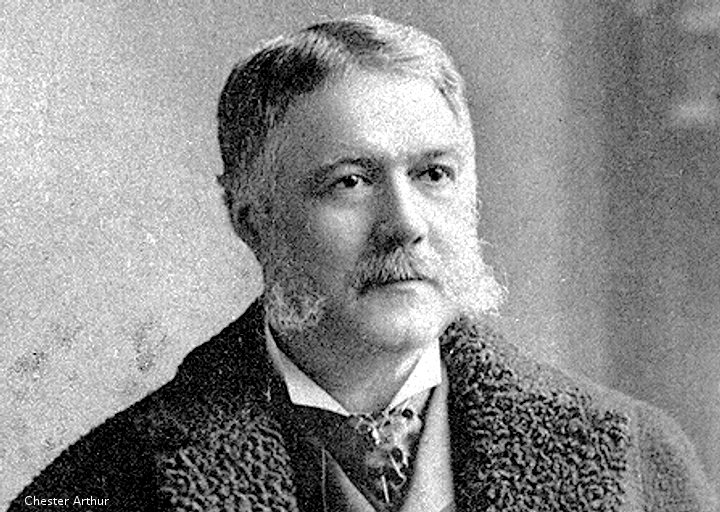
This is a repost from 2012. It is about the twelve Presidents, one fourth of the total, who have helped themselves served over the last sixty five years. Barack Obama got re-elected, and killed lots of people. The less said about Donald J. Trump, the better.
Every four years, someone will say this is the worst choice ever. Every four years, someone will say this is the most important election ever. They are always correct. The choice in 2016 was between Donald John Trump and Hillary Diane Rodham Clinton. Choosing between those two idiots was challenging. The good news is that most people live in states where the electoral votes are conceded to one of the duopoly parties. These voters can focus on local elections.
Listening to the news shows that came on before the cartoons, PG heard the phrase “President Eisenhower”. As a friends explained to him, G-d made everything, but the President is Eisenhower.
When he was six, PG moved to a new house, and started first grade. There was an election that fall, and someone named Kennedy became President. PG wasn’t old enough to pay attention to the news yet, except when it looked like the Russians were going to kill us all in 1962.
The first news story that PG clearly remembers was the day when his fourth grade teacher, Miss McKenzie, told the class that President Kennedy had been shot. One of the worst moments that weekend was the moment when a plane landed in Washington, and the new President spoke on television. THAT was the new President? Yuck.
Lyndon Johnson was a larger than life figure, and was hated by millions of Amuricuns. While there was some good done by LBJ, it was overshadowed by the War in Vietnam. When he left office in 1968, the voters had a horrible choice …Hubert Humphrey, Richard Nixon, or George Wallace.
Tricky Dick Nixon is another larger than life figure, with millions of Americans screaming for his impeachment. For some reason, there were others who passionately admired the man.
In 1973, the oil companies tried to say there was an oil shortage. Later that year, Egypt, Syria, and Jordan attacked Israel, and the Arab oil producers cut oil to the USA. After this embargo, OPEC was in charge of the oil supply, and the price of gasoline increased 200%. The era of big money oil was on. What a convenient war.
After the ethical shortcomings of Mr. Nixon became too obnoxious to ignore, Gerald Ford became President. On a policy level, Ford was like all the other Presidents…some things he got right, some things he got wrong. On a personality level…the show business part…Ford excelled. His family provided harmless fodder for the gossipmongers. He was a likable man, a welcome break from the meanness of Richard Nixon and Lyndon Johnson.
When PG was a kid at Ashford Park School, there had never been a President from Georgia. It seemed impossible. When Georgia Governor Jimmy Carter announced he was running, it seemed like another ego tripper running for President. The funny thing is, he won. It still seems a bit unreal, like having the Olympics in Atlanta.
Jimmy was a Democrat, with attack Republicans fighting him every step of the way. This is a problem later Democrats in the Oval Office will have. On the policy level, he did better than many realize. Many of his achievements only bore fruit after he left office. On the show biz front, his down home Georgia routine did not appeal to many Yankees. In 1980, he was defeated by an actor.
PG was worried when Ronald Reagan took office. With America’s nuclear arsenal, and the Soviet Union wheezing it’s threat, many thought that Ronnie would start the war to kill us all. The good news is, this war never happened. Whatever tough talk came out of Washington was not matched by military adventurism abroad.
Reagan was the master of show business. He was an actor, playing the greatest role of his career. It was said that if America had a figure head monarch, Reagan would have been terrific. On the policy front, taxes were cut, and the budget increased. The national debt went over a trillion dollars, which was seen as a horrible moment. (The annual budget deficit is now over a trillion dollars.)
When Mr. Reagan’s two terms were over, George H.W. Bush took over. This was an era where the Democrats could not do anything right on a national level. Bush presided over a war, and brought the troops home when the mission was over. His image never appealed, and the whiners were not pleased. A computer salesman named Ross Perot decided to run as a third party candidate.
In the winter of 1992, PG had a little job downtown. One day, there was a rally at the CNN center for a little known Presidential candidate. PG went, and said to a friend, If this guy gets elected, you are going to regret not going to see him. At the time, War Winner Bush seemed unbeatable, and PG said that with high sarcasm.
When he got to CNN center, it was obvious that a big money event was unfolding. The place was packed, with school children bused in to fill all the seats. Finally, the speakers blared “Twist and Shout” at top volume, and Bill Clinton walked on the stage. PG was not especially impressed.
Clinton inspired toxic hatred, but managed to keep the boat floating. He won reelection, with the Republicans seeming to self destruct. The economy was going good, the budget was balanced, and the haters went wild. After a entertaining sex scandal, the Clinton years were over.
A couple of weeks before the 2000 election, PG liked neither candidate, and did not think it made much difference. (With Georgia’s electoral votes certain to go Republican, PG did not have a vote.) He listened to someone talking, who thought that it was important that Gore won. PG remembered that conversation often during the next eight years.
George W. Bush was a disaster. It is possible that 911 was a personal vendetta against the Bush family, and would not have happened if Gore was President. The reaction of Bush to this tragedy was to start two wars that we have not been able to finish. In 2016, we are still in Afghanistan.
Next was Barack Obama, the first dark skinned President. He continued the war happy ways of the Bush regime. BHO was reelected in 2012, and given four more years to wage war. He managed to avoid the second term scandals that crippled Mr. Nixon and Mr. Clinton.
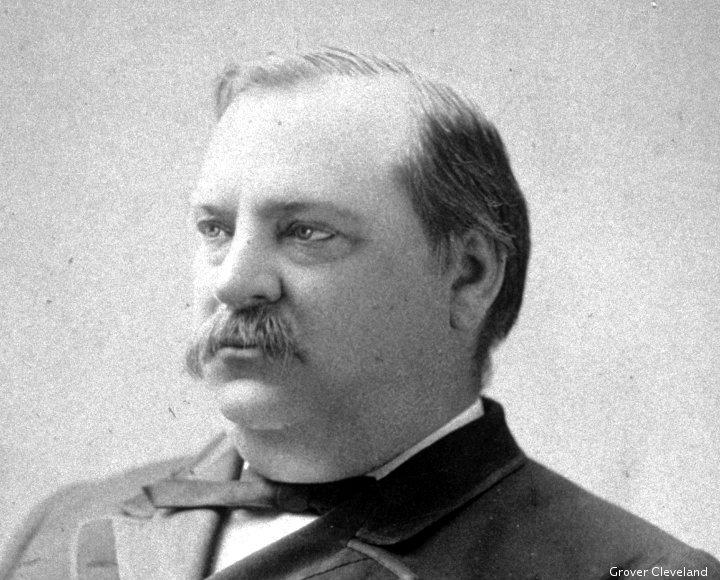
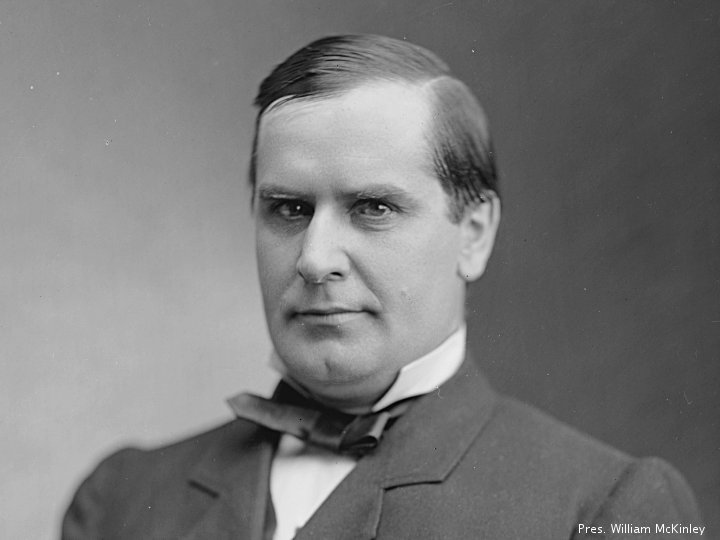
In the next election, the democrats decided that calling people racist was a good campaign strategy. As a result, Donald J. Trump was elected. America is more racially divided than ever, which the election of Mr. Obama was supposed to remedy. With the nation distracted by screaming racism, the congress has cut taxes, and produced a multi-trillion dollar budget deficit. America might survive. Pictures for this feature are from the The Library of Congress.


 Chamblee54
leave a comment