Bernie



The facebook comment was “Get to know Bernie Sanders.” There was a video attached. It was from the debate, held on Tuesday the 13th. With the help of the rush transcript, lets see what was said.
(Moderator Anderson) COOPER: … How can any kind of socialist win a general election in the United States? (Senator Bernie) SANDERS: Well, we’re going to win because first, we’re going to explain what democratic socialism is. … I think we should look to countries like Denmark, like Sweden and Norway, and learn from what they have accomplished for their working people.
AC asked BS a question. The response was to make a speech, which did not answer the question. Or maybe he did. Apparently, a democratic socialist is someone who makes nonsense speeches that fire up the base, but do nothing to solve the problem. Or maybe the plan is to compare the United States to a Scandinavian Country with as many people as Metro Atlanta. A country that does not have a 1989 mile border with a poor country.
COOPER: Denmark is a country that has a population — Denmark is a country that has a population of 5.6 million people. The question is really about electability here, and that’s what I’m trying to get at. … SANDERS: Well, first of all, let’s look at the facts. The facts that are very simple. Republicans win when there is a low voter turnout, and that is what happened last November. Sixty-three percent of the American people didn’t vote, Anderson. Eighty percent of young people didn’t vote. We are bringing out huge turnouts, and creating excitement all over this country. Democrats at the White House on down will win, when there is excitement and a large voter turnout, and that is what this campaign is doing.
Typically, the November election comes down to a handful of “swing states.” This is because the electoral college has stolen the presidential vote from the majority of Americans. If you have any questions, ask Al Gore how important it is to win the popular vote.
This was the first time PG had seen BS in a debate. It did not look good. To begin with, BS is an elderly man, who was probably ugly when he was younger. The years have not been kind to BS, or HDRC. There were three other men on the stage, but they don’t count.
BS comes across as a rather unpleasant person. He shouts a lot. BS comes across as a crusty old relative who is always right. After a while, you just want to ignore the old coot.
There were a few gems that are not getting attention. Like this, from a rant about gun control: “I believe that everybody in this country who has a mental crisis has got to get mental health counseling immediately.” Who will assign this counselor? What if the help makes the problem worse? Mental health is not an exact science. Is this going to be part of the overall government health care program, paid for “through a tax on Wall Street speculation.” This TOWSS is also going to provide tuition free college, and whatever wars the military industrial complex thinks are important.
SANDERS: “I am not a pacifist, Anderson. I supported the war in Afghanistan. I supported President Clinton’s effort to deal with ethnic cleansing in Kosovo. I support air strikes in Syria and what the president is trying to do.”
The military industrial complex is spending America into oblivion. The war in Afghanistan has helped nobody except the heroin dealers. The air war in Syria has the potential to drag America into a confrontation with Russia, while Israel sits next door eating popcorn. Is this what a “Democrat Socialist” does? Especially one know to be a supporter of Israel.
Bernie has a vision about how these utopian programs are going to happen. “…But the only way we can get things done is by having millions of people coming together. If we want free tuition at public colleges and universities, millions of young people are going to have to demand it, and give the Republicans an offer they can’t refuse. If we want to raise the minimum wage to $15 bucks an hour, workers are going to have to come together and look the Republicans in the eye, and say, “We know what’s going on. You vote against us, you are out of your job.”
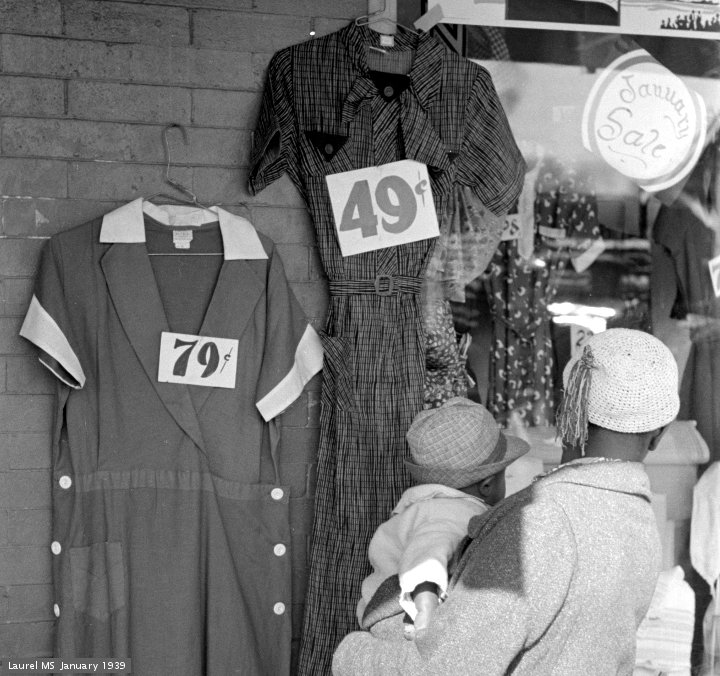
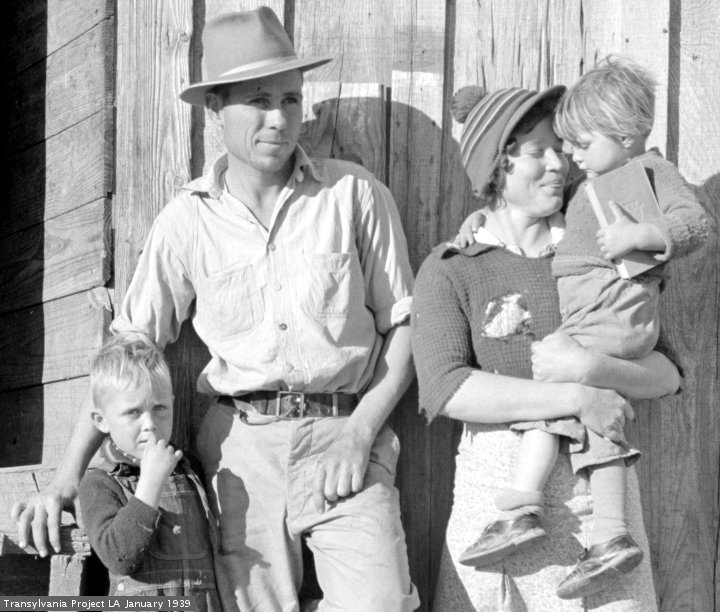
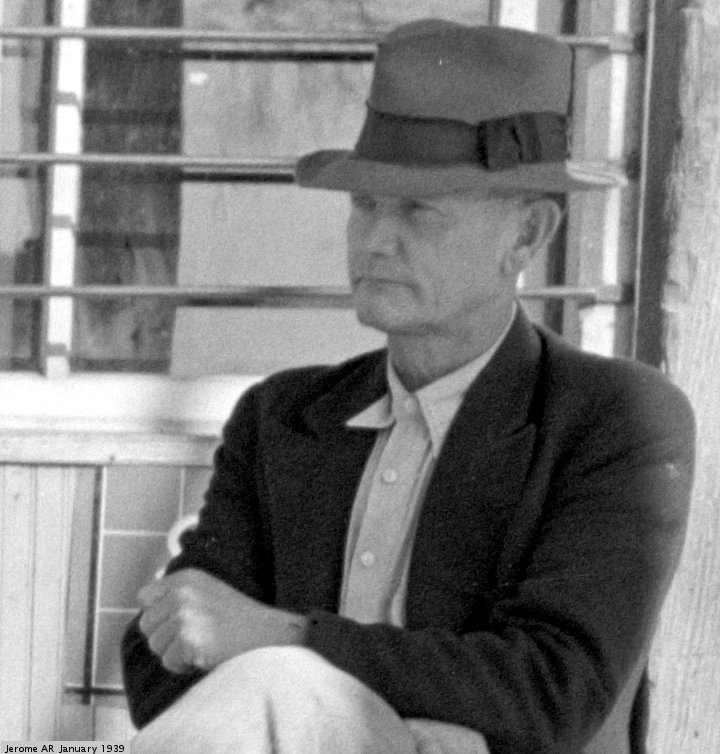
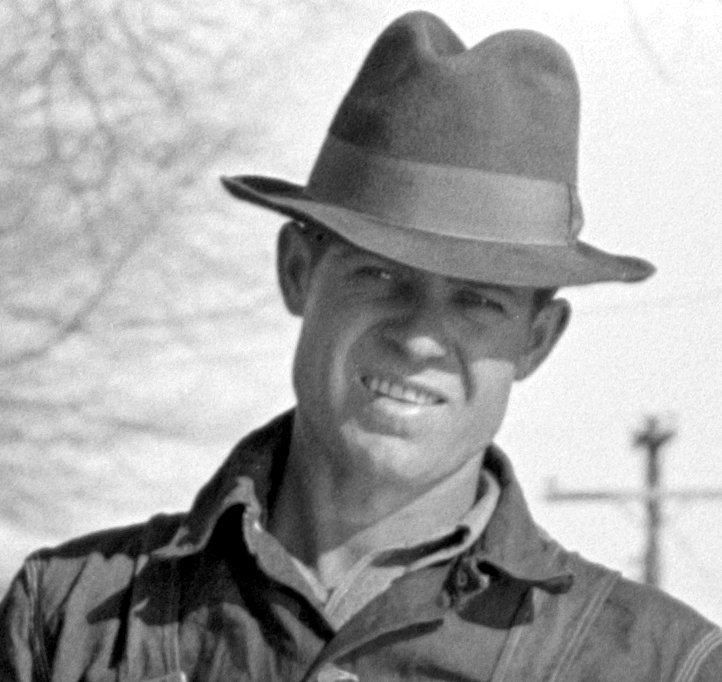
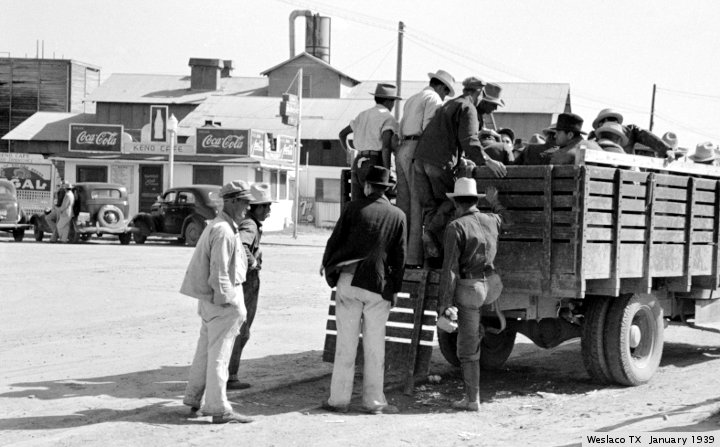
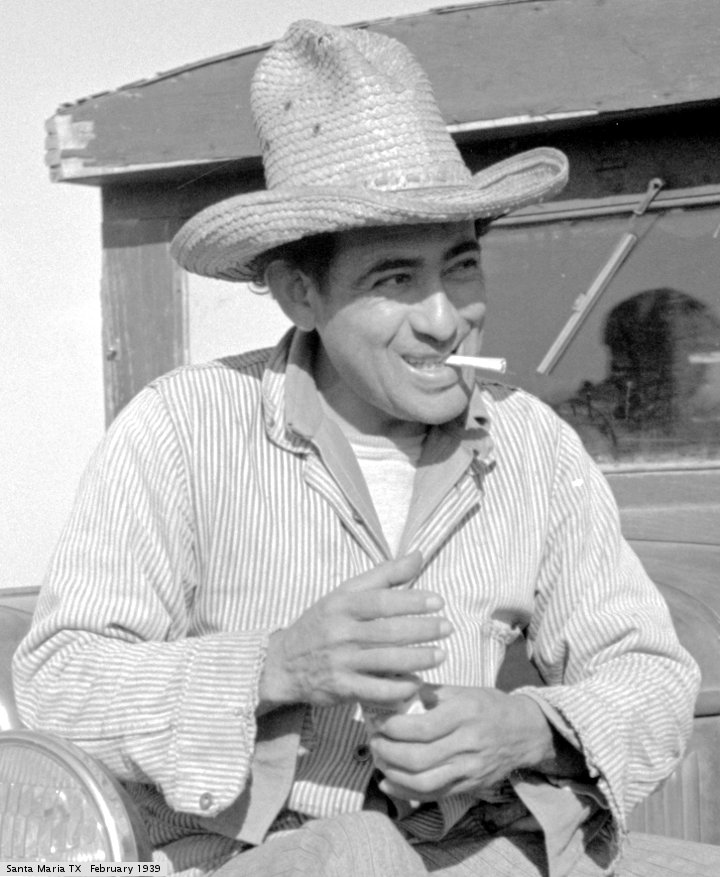
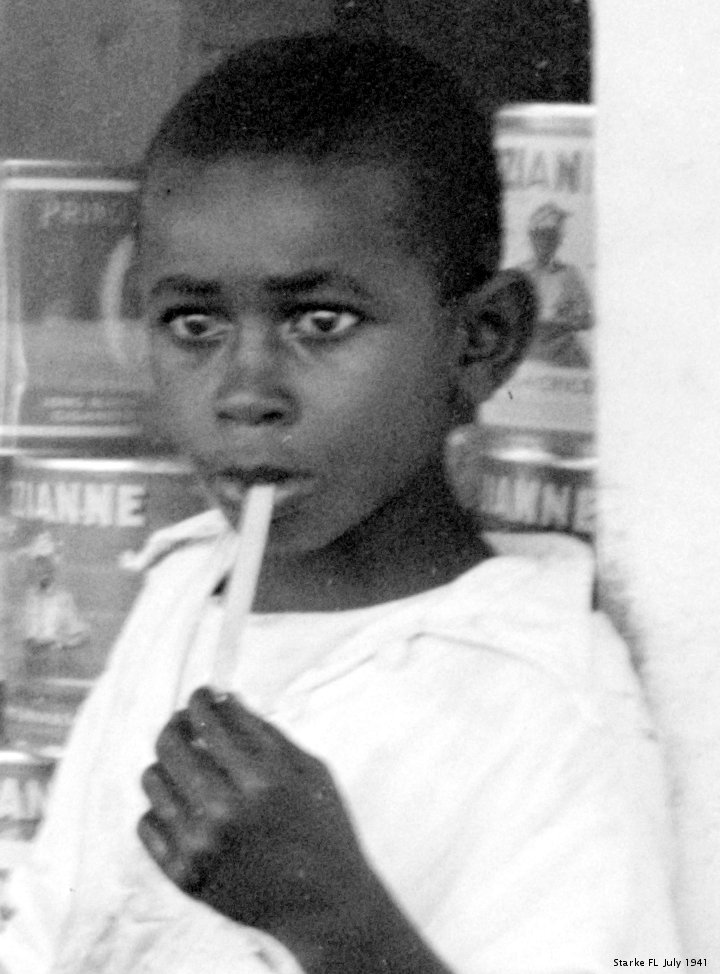
Semantics were central to the entertainment. BS was going to “explain what democratic socialism is.” And a facebookker had a question about the dueling hashtags.. “do black lives matter, or do all lives matter?” Does it have to be an either-or choice? Is the hashtag employed really that important? BS was quick to say that “black lives matter,” and had a wonderful speech memorized for “the reason those words matter.” Maybe this is another matter for the Tax on Wall Street Speculation. Pictures today are from The Library of Congress.












Hocus Pocus Part Two


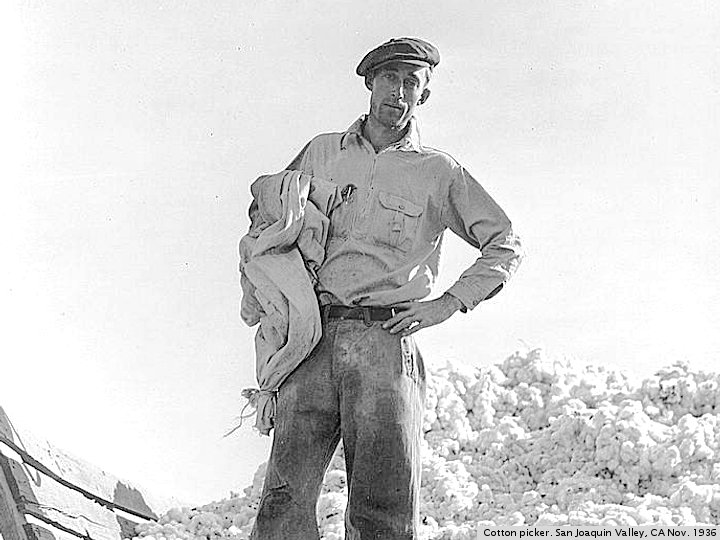
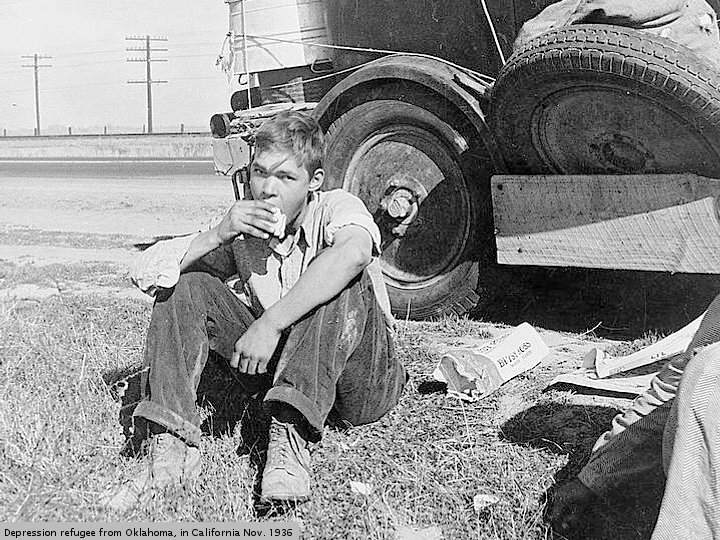

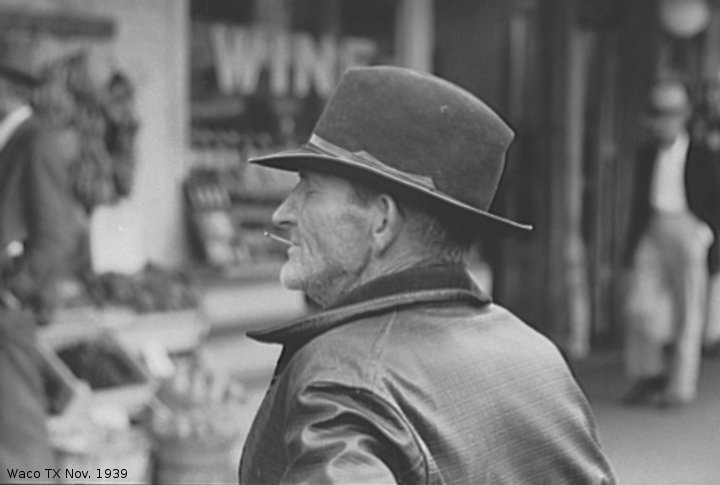

A few minutes ago, this second, and final, section of the book report on Hocus Pocus, by Kurt Vonnegut, was moving along. The formula for the magic number was being calculated. Then a power surge hit, and the unsaved product went to the digital graveyard, never to be seen again. If this had been Slaughterhouse Five, someone would say “so it goes.” However, this is Hocus Pocus, and SIG had been worn out by then.
The number in question relates to the protagonist, Eugene Debs Hartke. The number represents the number of women Mr. Hartke fucked, and the number of Asians killed by Mr. Hartke. A philosophical connection between the two acts is implied. One gets the impression that Mr. Hartke is a fantasy character for KV, whose life and death stats are not as impressive. The number is 82.
HP is, sad to say, not very good. It has the feel of contractual obligation. The satire is forced, and in some cases badly dated. When HP was written, smart people said a new ice age was coming. Today, the smart people are saying the opposite, except for the really smart people, who are on the oil industry payroll and poo poo global warming.
KV is one of those writers who like to throw “facts” in the fiction. The inside front cover of HP has a list of pages, where PG will stick his curmudgeonly nose. The first one is on page 92. (Page numbers in the section are from the peedeeff.) “Do I resent rich people? No. The best or worst I can do is notice them. I agree with the great Socialist writer George Orwell, who felt that rich people were poor people with money.” When a google search shows HP, and a meme, as the source of a quote, then you suspect hogwash. Does hogwash produce clean bacon?
Wikiquotes does not have this quote. The search words used were money, poor, and rich. FWIW, “In a time of universal deceit, telling the truth is a revolutionary act” is “disputed.”
There is a lovely quote about Mr. Orwell. “He could not blow his nose without moralising on conditions in the handkerchief industry.” Cyril Connolly, The Evening Colonnade (1973), in John Rodden, Every Intellectual’s Big Brother: George Orwell’s Literary Siblings (2006)
This quote is not in HP, but it is a fun story. @SlavojTweezek “”Communism doesn’t work,” Frank Zappa said, “because people like to own stuff.” Idiot. What do people’s likes have to do with communism?” This quote is plausible. Frank Zappa was a capitalist. He liked owning stuff, especially his own music. It should be easy to find a source. However, the best google can come up with is a compilation, “Quotes of Zappa,” in W. C. Privy’s Original Bathroom Companion. “
KV has become somewhat of a liberal icon, a Pall Mall smoking gargoyle of grooviness. Sometimes things that are written in 1989 are not as appealing in 2015. One example is using “oriental” to describe people of Asian origin. Another is this tidbit(p. 95): “She discovered in midlife that she was a lesbian, and ran off with the high school’s girls’ gym teacher to Bermuda, where they gave and probably still give sailing lessons. I made a pass at her one time at an Annual Townand-Gown Mixer up on the hill. I knew she was a lesbian before she did.”
Central to the action in HP is a prison outbreak. In the aftermath of this, the liberated prisoners crucified people they found in town. KV describes nails being driven into hands, which is not how the Romans did it. (p. 83) In Roman/Jewish crucifixions, the nail… really more like a spike, pulled out and used over and over … was driven into the wrist, into a space between two bones. These bones keep the arm securely attached to the cross. KV says (p. 103) “Crucifixion as a mode of execution for the very worst criminals was outlawed by the first Christian Roman Emperor, who was Constantine the Great.” Mr. Google seems to confirm this.
The rest of the cover notes are not as interesting now. It is ironic that a book, published in 1990, would have the main drag, in a key location, called Clinton Street. The only other thing to mention is the book mark that PG used on this book. It is from DeKalb county, and is designed to promote efficient water use. When you look at the corrugated plastic from one angle, the blue hippo says “you will save tens of gallons of water.” When viewed from another angle, the plastic says “take short showers, or half full baths,” while the blue hippo works out with a shower brush.
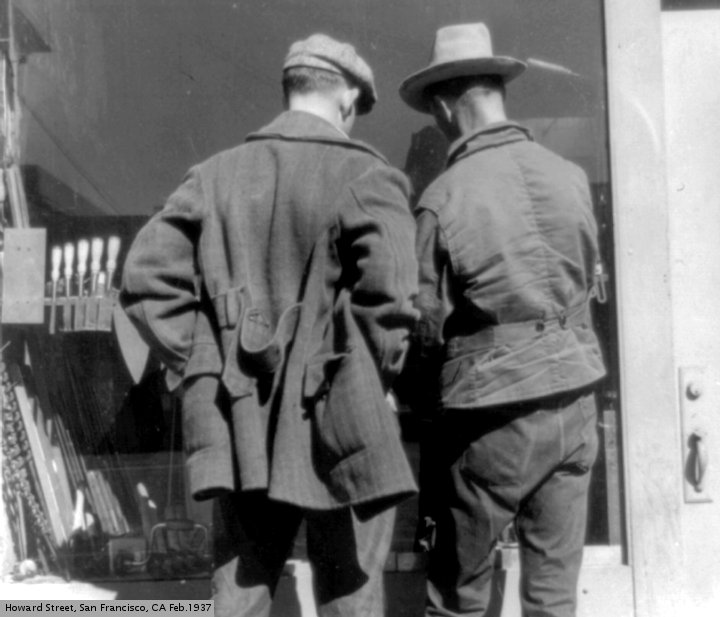
Pictures today are from The Library of Congress.
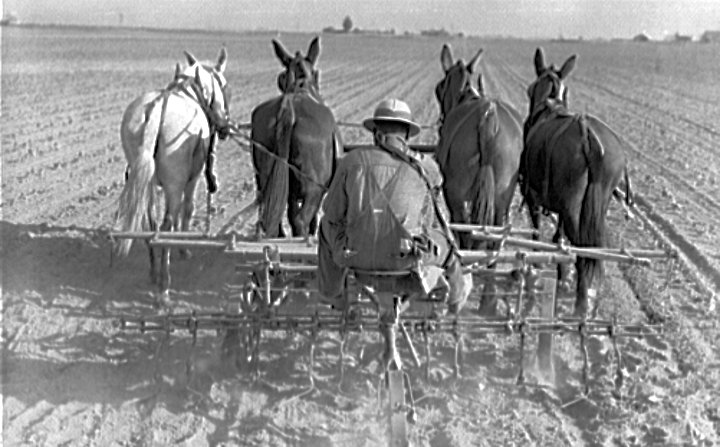
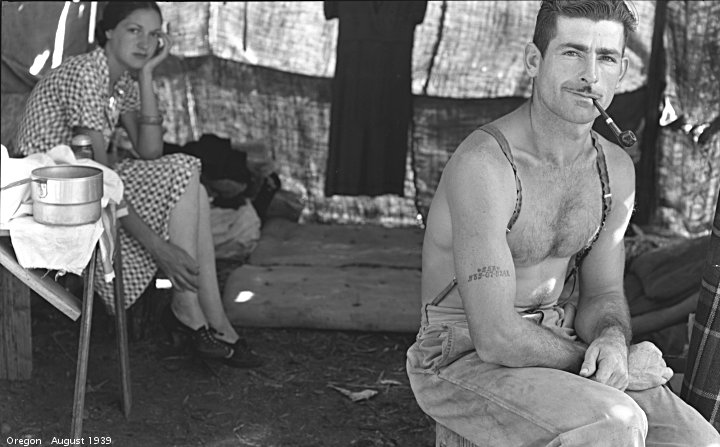
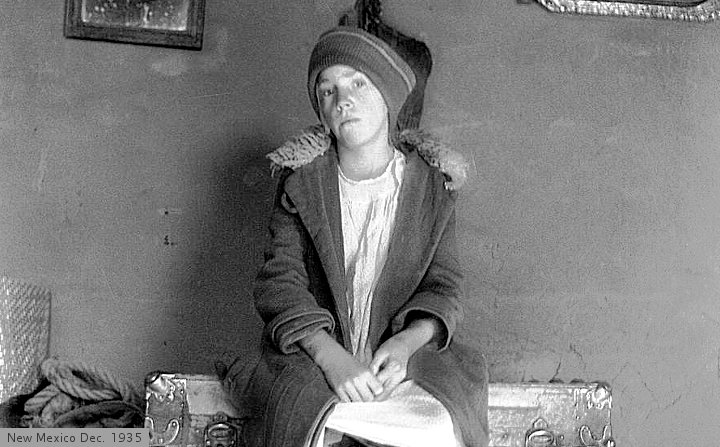
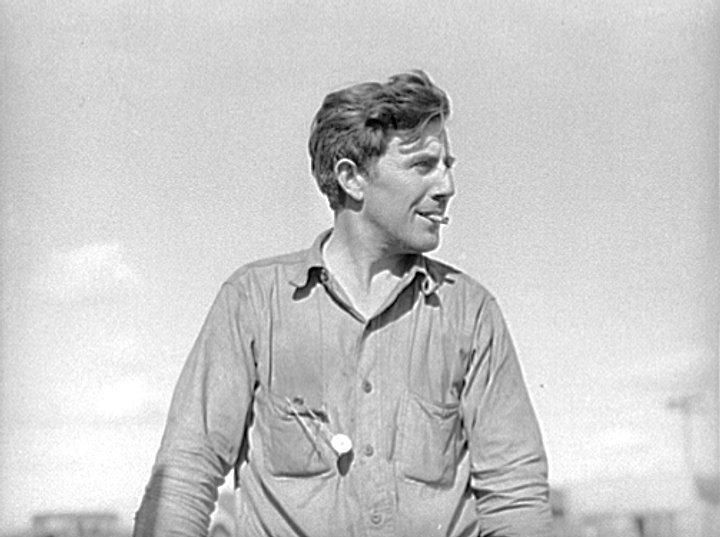
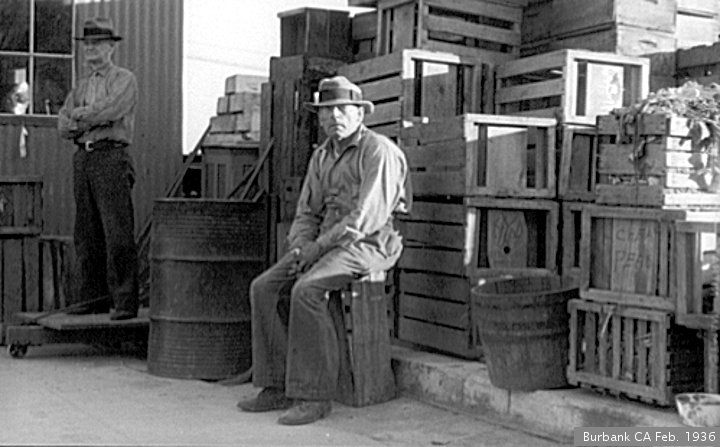


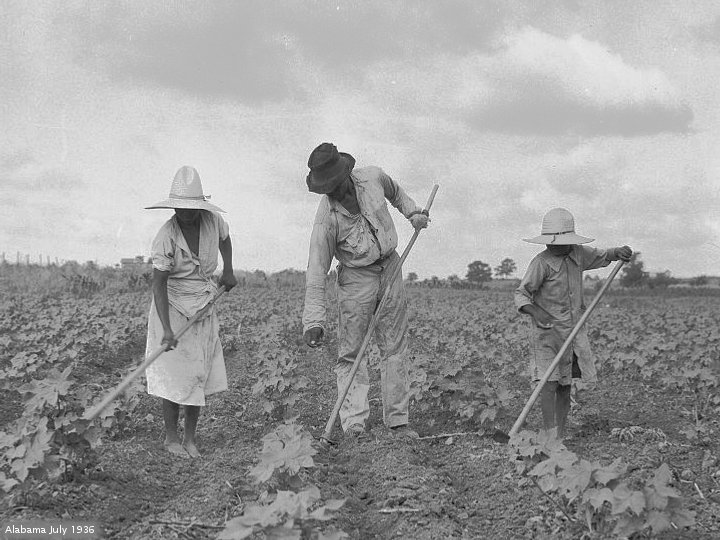
Roll Model







another monday morning collections of facebook comments i was too discreet to publish, links to things i never wrote about, disclaimers, boilerplate, and pictures of country roads going nowhere ~ @postcrunk the cultural fetishization of virginity and the economic fetishization of brand new products are the same thing ~ #Junky is a book where you appreciate the privilege of leaving the story for your own life ~ @SlavojTweezek @WernerTwertzog The hole, of course, is god. !~ sticks and stones may break my bones but words can also hurt me compliments make me uncomfortable i have social anxiety resting bitch face negative attitude jesus hates me i don’t believe you i am a wreck just go ~ I thought it was legal for two fruit crates to get married. ~ I don’t know if involving police is a good idea. Snitch is a worse insult than faggot. ~ Roseanne Barr? ~ are we keeping #carlyfiorina alive so we can harvest her brain? ~ foreplay ~ So far, Brookhaven government has been bad. Maybe Lysol could be our City Symbol. In no particular order, here is what I want to see: 1. Leave Pink Pony alone. 2. Secure the Greenspace at PDK. It would be OK to give the county a couple of acres on Clairmont to park their work vehicles. The rest of that lands needs to be a permanent passive green space. This is an opportunity that will not come back. Once this space is lost, it is lost forever. 3. Use vision and common sense while redeveloping the land around the Marta station. This is another one time opportunity that needs to be done carefully. I don’t have any thoughts on how to do this, except that we should be skeptical of the claims of developers. 4. The less commercial development the better. 5. Discourage the building of McMansions. Encourage the renovation of the existing houses. 6. Encourage the Police to be aggressive against bad drivers from outside the city. ~ @whitman632 The sheer magnitude of human insignificance is incomprehensible. ~ I hope no one takes their life after reading this post. Good intentions do not always lead to good results. ~ @BurnBrigettes @RISKshow @TheKevinAllison Why did the dead baby cross the road? he was trying to get to the post office use stamps dot com ~ I heard a teacher say that the best way to win an argument was to use statistics. The best way to get statistics is to make them up. ~ @ChrchCurmudgeon Hashtag unto others as you would have them hashtag unto you. ~ This is on top of my facebook feed right now.~ We never had any goals in Afghanistan. Our invasion was a knee jerk reaction to 911. The only other possible goal was to protect the heroin merchants, which has also been achieved. ~ @sullydish @robertwrighter ~ I believe a literary classic was written in Tennessee: 200 Yards to the Outhouse, by Willie Makeit and Betty Wont ~ In the immortal song “Hello Muddah Hello Faddah”, there is a scary line. “You remember Leonard Skinner He got ptomaine poisoning last night after dinner” Just Gimme Three Steps. ~ said it much better ~ libruls ~ what he said ~ @miragonz imagine how hard life is gonna be for the children of youtube celebrities ~ @AdviceToWriters Mere literary talent is common; what is rare is endurance, the continuing desire 2 work hard at writing. DONALD HALL ~ Maybe it is time to just admit that racism is anything that you don’t like, and is a meaningless all purpose insult. ~ @postcrunk thank god we’re the least religious generation ~ You’d rather pursue science than waste time contemplating metaphysics? That’s sad. Perhaps you knew that Newton was an alchemist, a philosopher, a historian, a theologian, and a warden of of the mint… and, in his spare time, a physicist and a mathematician. ~ 14 words: Candied lemon roasted brussel sprout and caramelized onion white pizza with roasted garlic sauce. ~ 33 characters left if you put this on twitter ~ the power went out and the machine opens in safe mode this is not the same as the old sm, where you could play games the only thing you can do in this sm is write there probably are other things to do but i am not going to look for them now ~ Eʟɛʍɛռtaʟ ɛaʀtɦ, tɦɛʀɛ’s օռʟʏ օռɛ ɖɨʀɛċtɨօռ , up ~ australian rupert murdoch is top trending topic he did not die he said usa needs a “real black” potus ~ The domain Whiteprivilege.com is listed for sale. Click here to inquire about this domain name. ~ Sedo LogoThis page provided to the domain owner free by Sedo’s Domain Parking. Disclaimer: Domain owner and Sedo maintain no relationship with third party advertisers. Reference to any specific service or trade mark is not controlled by Sedo or domain owner and does not constitute or imply its association, endorsement or recommendation. ~ Is Benghazi the best scandal the Repubs can dig up? ~ Maybe it is time for a discussion of how visible we want to be. Do you want to tell the commercial media that you are a “radical faerie,” with all the opportunities for misunderstanding that would involve? Or do we want to be a bit more opaque about it? Bear in mind, we don’t have memberships. You don’t join the faeries. (or not join, because someone said something you do not like) Anyone can call them self a “radical faerie.” Is it appropriate to call yourself a “radical faerie” when listing your qualifications? Maybe a “secret society” is more of the way to go.~ “He ain’t even from ATL! He just moved here and he just played y’all like sheep and pocketed sooooo much of your money.” That narrows it down to about 100,000 people. ~ @JamilSmith That Raven-Symoné used “Watermelonisha” as an example of a “black name” shows you how deep the internalized racism and self-hatred goes. ~ is “Black as a dice game at a church fish fry” racist? #Ebony magazine said it about #RavenSymone ~ Franklin Graham is the poster child for the dangers of nepotism ~ Quote Investigator has found no substantive linkage to Dorothy Parker. ~ I do not recommend Ian Curtis as a role model. ~ @SlavojTweezek You have no more right to demand that I be consistent than I have to demand that you be interesting. ~ PROTESTER ~ Let me just be candid: My party is full of racists. ~ @ListofX Arguing which politician is more authentic is like arguing which lion is more of a vegetarian. #Clinton vs #Biden ~ I thought entitlement was a type of chewing gum. ~ publix takedown ~ White Women, Please Don’t Expect Me to Wipe Away Your Tears ~ 9 Ways We Can Make Social Justice Movements Less Elitist and More Accessible ~ EVERYDAY SELF-LOVE COURSE ~ synchronicity ~ Davis: What Hurts Me Most Is ‘When Someone Tells Me My God Doesn’t Love Me’ ~ pictures from “The Special Collections and Archives, Georgia State University Library”. ~ selah













Page 43

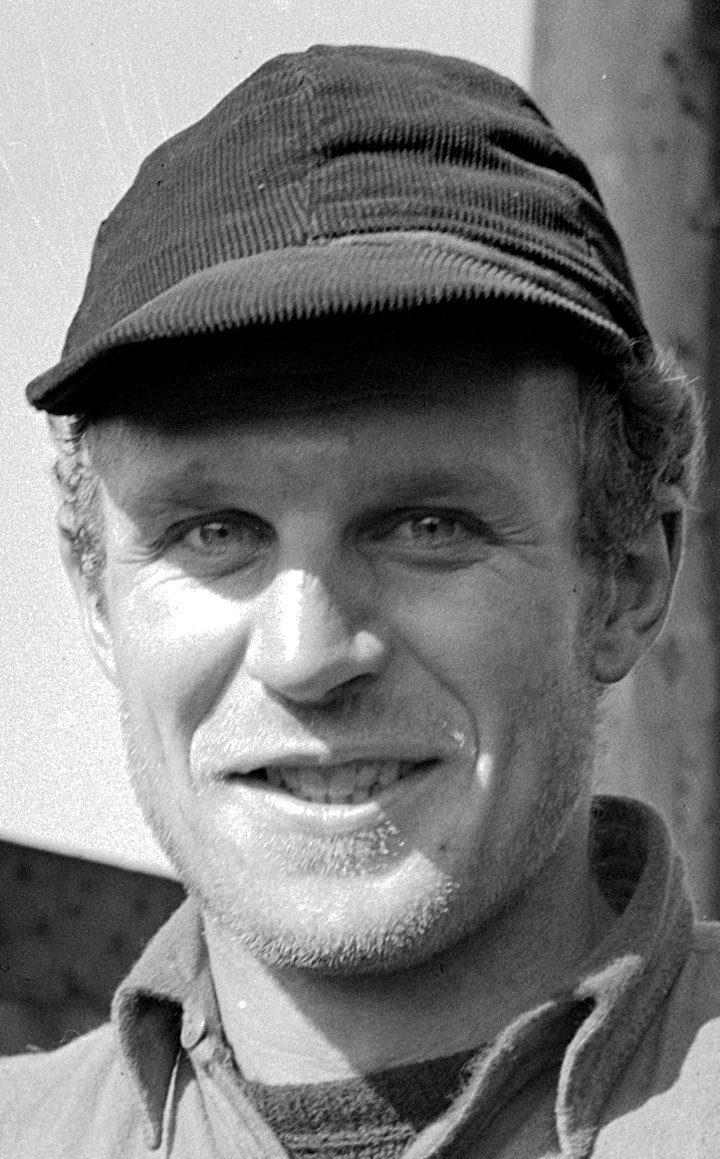


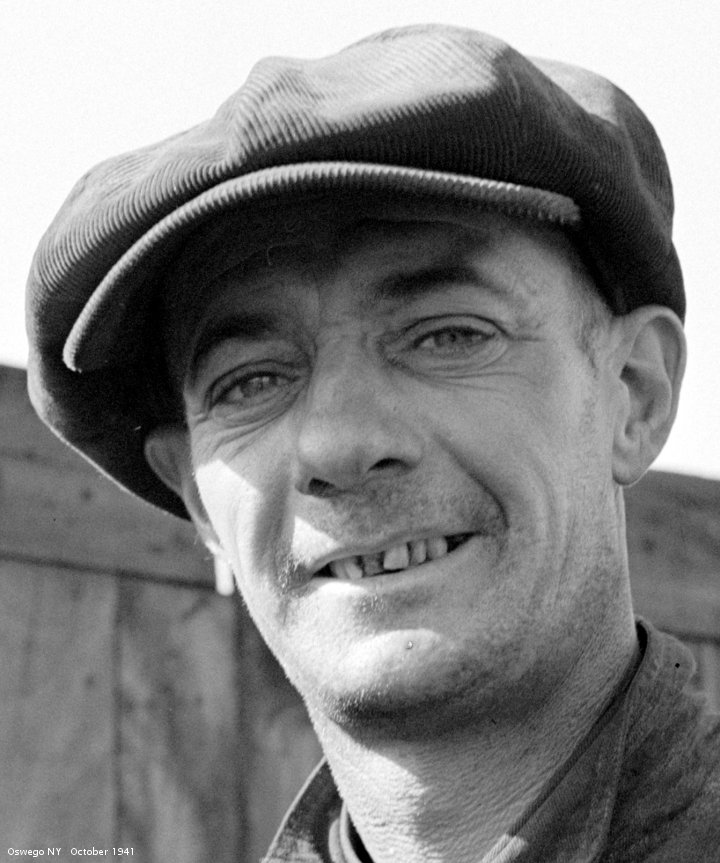
There is an audio file available called Water Brothers. It is a benefit concert performed by David Crosby, Graham Nash, and Neil Young. After performing “Almost Cut My Hair”, Mr. Crosby starts to talk. “I’m going to sing the most positive song that I’ve written recently For a long time I didn’t write any positive songs, my friends used to puke when they saw me coming.” The song was Page 43.
Look around again It’s the same old circle
You see,it’s got to be It says right here on page 43
That you should grab a hold of it Else you’ll find It’s passed you by
Rainbows all around Can you find the silver and gold?
It’ll make you old The river can be hot or cold
And you should dive right into ‘It Else you’ll find It’s passed you by
Pass it ’round one more time I think I’ll have a swallow of wine
Life is fine Even with the ups and downs
And you should have a sip of it Else you’ll find It’s passed you by
These lyrics are courtesy of Lyrics007. The page is sponsored by McDonald’s Dollar Menu University.
Snopes has a piece about Page 43, sponsored by KIA and Maytag. It seems that some people think the song title refers to a page in the Old Testament. PG thinks it was chosen because it rhymes with “got to be.” There was a spot in the song for those three beats.
To pad out this post a bit, a visit to page 43 of the Old Testament will be made. The Bible used was given to PG by his parents on his birthday in 1962. It was published by The World Publishing Company, 2231 West 110 Street, Cleveland 2, Ohio.
Page 43 is verses 4 through 36 of Genesis 41. “4 And the cows that were ugly and gaunt ate up the seven sleek, fat cows. Then Pharaoh woke up.” The Pharaoh had a dream that troubled him. A wise man was consulted, who told of seven years of famine to come. A portion of the crops, from the prosperous years, was to be held in reserve, for the years of famine. “36 This food should be held in reserve for the country, to be used during the seven years of famine that will come upon Egypt, so that the country may not be ruined by the famine.”
There is one part of the song that PG has doubts about. The third part is about drinking. Those gifted with moderation can swim in this river. Others need to get to the shore before they drown. There is a time to enjoy your life, and there is also a time to lay off the jug. If you don’t keep a portion of your good harvest in reserve, life will run over you while it is passing you by.
This repost was written like Kurt Vonnegut.
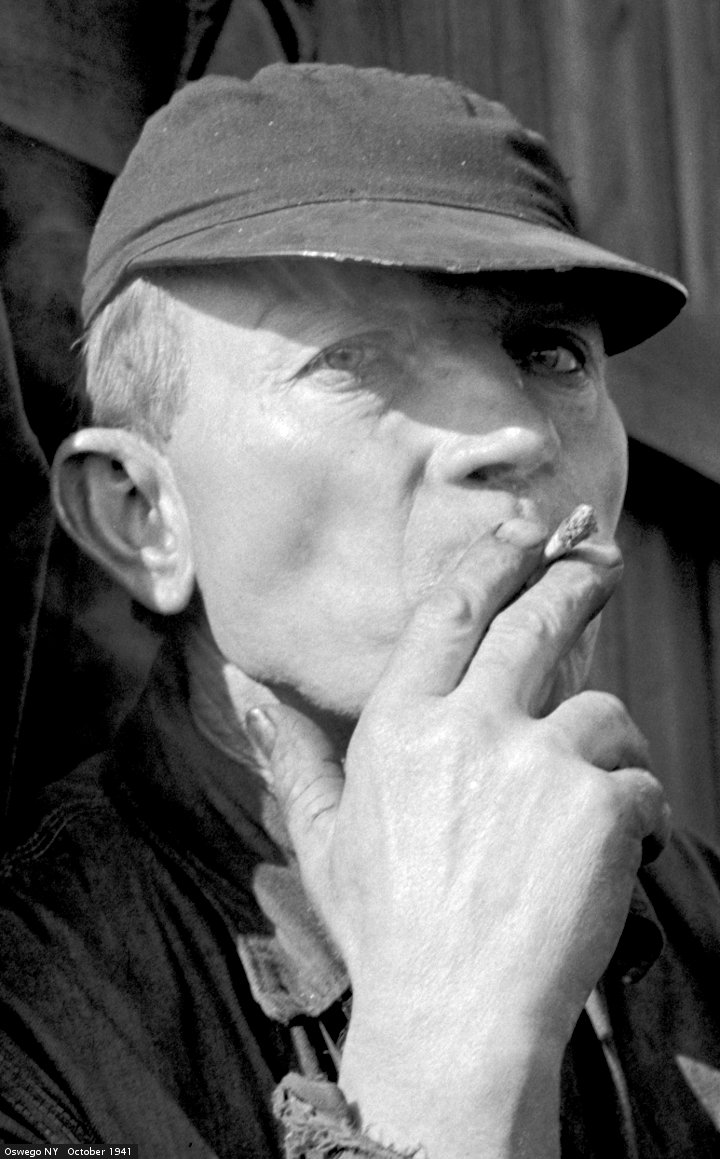
Pictures are from The Library of Congress.



Duane Allman And The Coricidin Bottle



Gregg Allman appeared on Live Talks LA, selling a book, My Cross to Bear. Yes, he was coherent. Mr.Allman says something about going through rehab seventeen times. No one argues disputes that he has had an interesting life.
The chat has a few parts left out. Dicky Betts and Cher are not mentioned. The title of “strangest dude I ever met” goes to Jai Johanny “Jaimoe” Johanson, aka the black guy in the group. Gregg says he used to listen to stuff by Roland Kirk.
The story of Duane Allman learning to play slide guitar is good. Duane was sick. Gregg came to see his brother, who was playing the guitar in a new way. It seems the doctor had given him some pills called Coricidin. You take the pills out of the glass bottle, soak the label off, and you have a guitar slider.
When PG was a kid, his uncle was a representative for the company that sold Coriciden. There were boxes of samples in the house, which all came in the glass bottle. PG had not heard that name for forty eight years. The spell check suggestion is Coincidence.
Not everyone at amazon was impressed by the book. “the book was so damged the binding and jacket were ripped that a did not read the book and will not buy an more nick malick.”
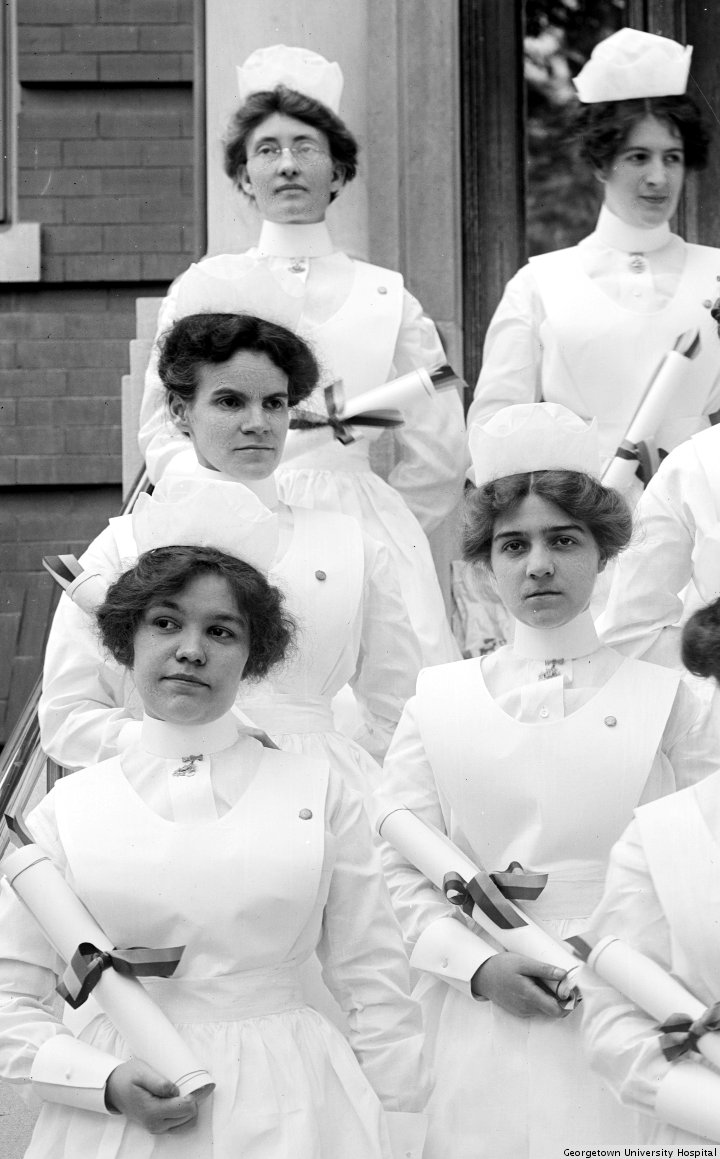
This is a repost, with pictures from The Library of Congress. There are two group shots, broken down into smaller images. One is a graduating class of a nursing school at Georgetown University. The photographer lists the date as between 1905 and 1945.
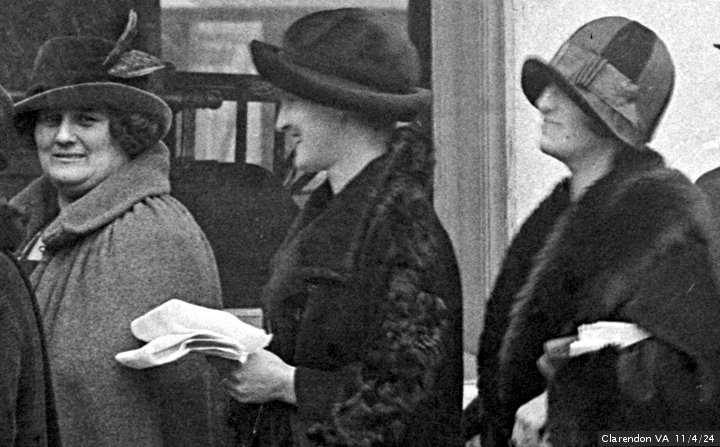
The other image is a line of people waiting to vote. The well dressed citizens are in Clarenden VA. The date is November 4, 1924. The democratic presidential candidate, John W. Davis, was nominated on the 103rd ballot of the democratic convention. He lost to Calvin Coolidge.














Migrant Mother


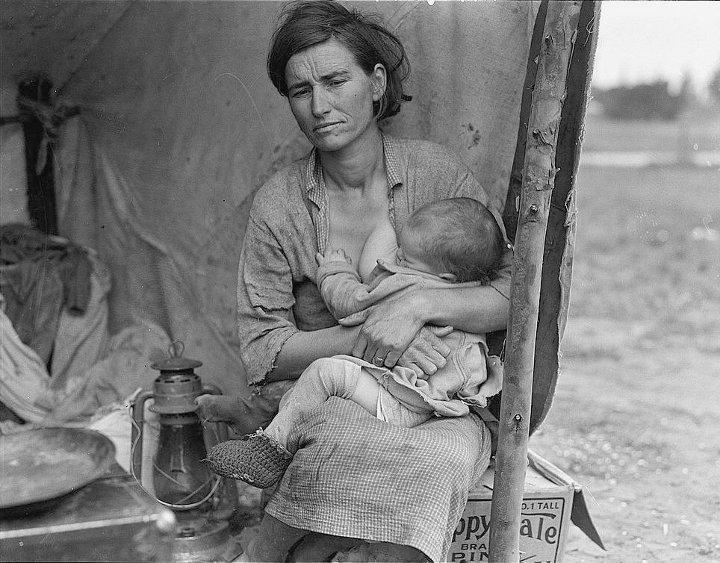


It is perhaps the most famous photograph from the depression. . The semi official title is Migrant Mother. The Library of Congress says “Destitute pea pickers in California. Mother of seven children. Age thirty-two. Nipomo, California.” The exact date is unknown, and was either February or March of 1936. The photographer was Dorothea Lange (pronounced dore-THEE-ah lang). The model was Florence Owens Thompson .
Ms. Lange was born Dorothea Margaretta Nutzhorn May 26, 1895 in Hoboken, N.J. When she was seven she had polio, and when she was twelve her father left. Both events affected her deeply. (Lange is her mother’s maiden name, chosen for use after the father left.) She became a photographer, and had a successful studio in San Francisco. By 1936 she was with her second husband, her sons were in boarding school, and she went to work for the Farm Security Administration.
The Farm Security Administration hired a number of photographers to document the lives of Americans between 1934 and 1944. (During part of this time, it was connected to the Office of War Information, and the Resettlement Administration.) Since they were working for the government, the photographers were not entitled to copyright protection. The majority of these pictures are in the public domain, including the famous pictures of Florence Thompson.
This feature started with a google search for the correct way to pronounce Dorothea Lange. (Readers of this blog have seen the fondness for Library of Congress historic pictures. Ms. Lange is one of their stars.) This search led to a teacher’s guide from Yale University. This guide is about Dorothea Lange and the Migrant Mother. It tells the story as well as PG could. Bless his pea picking heart.
The day that Dorothea Lange photographed what would become her most famous photograph, Migrant Mother, has been retold by Lange in numerous sources. She was on her way home from a trip documenting the living and working conditions of the migrants to California. She followed their schedules, getting up at sunup and working until sundown, which made for long, sixteen-hour days. She was tired, and she was ready to see her family.
With about seven hours of driving left ahead of her, she passed a homemade sign that said Pea Pickers’ Camp. She knew that a late frost had ruined the pea crop, and was concerned about the people who might be at the camp. It nagged at her to turn around, to go back and visit the camp, another opportunity to document. About 15 minutes (20 miles) later, Lange did turn around.
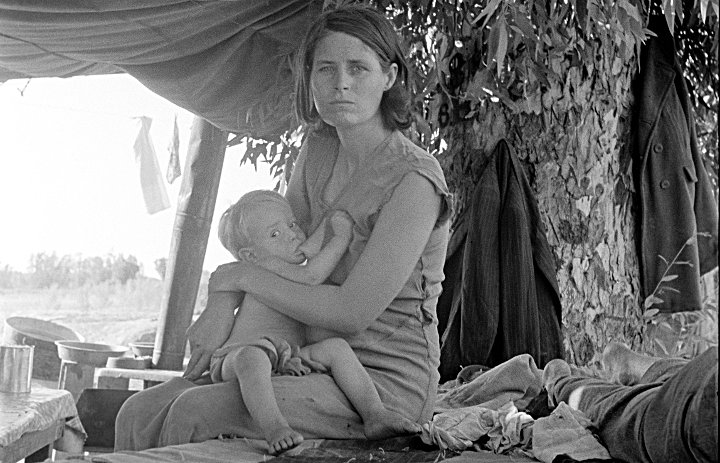
Right away she saw the woman who would be the subject of Migrant Mother. Some sources say she took 5 shots, but she really took 6; in any case each shot focuses in on the woman a little more, and the final shot is the one that would become the “timeless and universal symbol of suffering in the face of adversity “ (The Library of Congress only has five of the shots.)
Early the morning after she got home, instead of spending time with her family Lange rushed to develop the photographs and submit them to the FSA and The San Francisco News. She thought that these photographs could help bring attention to the plight of these American migrant farmers. She was right; the story was printed in newspapers around the country, and the federal government immediately sent 20,000 pounds of food…. (The Thompson family had left for Watsonville by the time the food arrived)
The Dust Bowl refugees were of European descent, and were migrating to California because they were displaced from their farmland by drought. Florence Owens Thompson, though from Oklahoma, was a full-blooded Native American, and her family had been displaced from tribal lands by the U.S. government. (By 1930, Native Americans had lost more than 80% of their lands this way).
The day Lange photographed Thompson, she and her family were driving towards Watsonville, hoping to pick lettuce in the Pajaro Valley. The timing chain on their car broke just outside Nipomo, and so they pulled into the pea -pickers camp to fix it. While fixing the chain, the radiator was punctured; Thompson’s two boys (and likely her male companion) (Wikipedia says it was husband Jim Hill) brought the radiator into town to be fixed. While they were gone, Lange arrived…
The choices Lange made in terms of shooting the scene are very telling in light of our discussion about documentary photography. Most strikingly, the woman’s teenaged daughter is purposefully excluded from the photograph. She appears in the first two photographs of the series, but Lange thought that including her would cause the viewer to speculate about how old the mother was when she began having children (Curtis p. 55). At the time, the ideal family contained no more than three children; this woman’s family of seven could have detracted from the matter at hand, and maybe caused people to feel less sympathetic towards her (Curtis p. 52).
In the third shot, all you see is the mother nursing her youngest child. Migrant Mother is often referred to as Migrant Madonna… Lange thought that her subject looked too anxious and uncomfortable with the camera, as Lange seemed to have triggered in her what she called “that self-protective thing” (Curtis p. 57). So, despite being uncomfortable with how unpredictable children were to photograph, to calm the mother she added one of the children back into the frame for the fourth shot. She had the child rest her chin on her mother’s shoulder, which, though somewhat unnatural, served the purpose of anchoring the child still. She was also asked to remove her hat, which would have obscured her facial features. This resulted in a good photograph. Lange “thought she could do better.”
The fifth shot was the same, but from a different angle, which illuminates an empty pie tin, heavily symbolic of the hunger the family was facing. It also highlighted a warm and loving relationship between mother and child, as the child is leaning lovingly on the mother’s shoulder, which is comforting to the child.
For the sixth and final shot, (the one which became famous) Lange brought another child in, but she had both children face away from the camera, so that her shot would not be jeopardized by their unpredictability, and they would serve as a loving frame for the mother. Lange asked the mother to bring her right hand up to her face, and that resulted in exactly what Lange wanted and knew was there (Curtis p. 65). It softened her anxiety about the camera into a mother’s concern for the welfare of her family. The mother was worried about letting her sleeping child slip, so in the original sixth shot you could see her thumb grasped around the pole for support. In her excitement Lange did not see it. She eventually altered the original photonegative because she “did not want a small detail to mar the accomplishment (of overcoming her subject’s defensiveness) (Curtis p. 67).”
In this feature, the second image from the session is missing. The pictures in this feature are as follows. 1- The famous picture, cropped. 2- The first shot from the session. 3- A detail from the first shot. 4- The Migrant Madonna. 5- Child on the shoulder. 6- Child on the shoulder #2. 7. The full length famous picture. 8- A portrait of Dorothea Lange. 9- Another photograph by Ms. Lange, taken on the California-Arizona border in the summer of 1936. 10- The information from the famous picture. 11- The famous picture with the thumb included.
2012 Repost Notes This was on a list of posts that could be repeated. Of course, there are usually improvements to be made. Youtube was searched, and some videos were found. One of them mispronounces Dorothea. A search for the correct pronunciation of that first name was how this post got started in 2010.
Looking at the pictures reveals a glitch in the famous picture. If you look in the part of her hair, you will see a gray stripe. This is a bit of damage to the negative, and is common to old photographs. Ordinarily, PG would paste over a spot like that, but this is a sacred photograph.
The files of the LOC were consulted, and a 115mg original was downloaded. The grey stripe was still in the part, which is where it will stay. The original has the thumb, which was taken out of the famous prints. It is included in this post, along with the information typed into the side.
A look at some of the other pictures taken that day show a grey spot in the part. Maybe it wasn’t a photo glitch. Raising seven children can give any woman a few gray hairs.
Another question is about Florence Thompson, the “Migrant Mother”. It was noted that she was a Native American. PG has decided that the expression “Native American” is the invention of European Import Americans, and is only marginally less offensive than Indian. There are hundreds of tribes in the Americas. A person is a member of a tribal nation. What tribe was Florence Thompson?
Mr. Google points us to this answer. “Thompson, a “full-blooded” Cherokee, was born Florence Leona Christie on September 1, 1903, on the Cherokee Nation in Oklahoma. Her father, Jackson Christie, was an ex-convict who had abandoned the family before her birth. Her mother,Mary Jane Cobb, married Charles Akman, a Choctaw, in 1905, with whom she raised Thompson near Tahlequah OK”
This is a repost. Pictures are from The Library of Congress.




Cemetery Blues



PG and Uzi had their usual Sunday phone call, and agreed to go to “Sunday in the Park”. It is a festival in Oakland Cemetery, with live music, people in costumes, open mausoleums, and lots of good clean fun. It wasn’t until that evening that PG learned that today is Dead Poets Remembrance Day. Edgar Allan Poe met his maker on this day in 1849. This is a repost.
There was a Chamblee54 post about DPRD two years ago. The idea is to go to a cemetery and read a poem. An effort will be made to do that tonight, although promises about dead poets are notoriously unreliable. The 2010 post is included as part two of this feature.
The first poem read that afternoon was “Looking for the Buckhead Boys” by James Dickey. In the intervening two years, PG listened to a podcast with Christopher Dickey, the son of the writer. Sometimes bard is short for bastard.
So PG, Uzi, and Hazmat went to a festival in Oakland Cemetery. Like everything else, it is more popular and expensive. You had to pay to park, which Uzi generously took care of. The brick walls around the boneyard have been repaired, and no longer look like they are going to fall down. Those walls are important, because people are dying to get inside. This is the second time that PG and Uzi have attended the October festival in Oakland Cemetery.
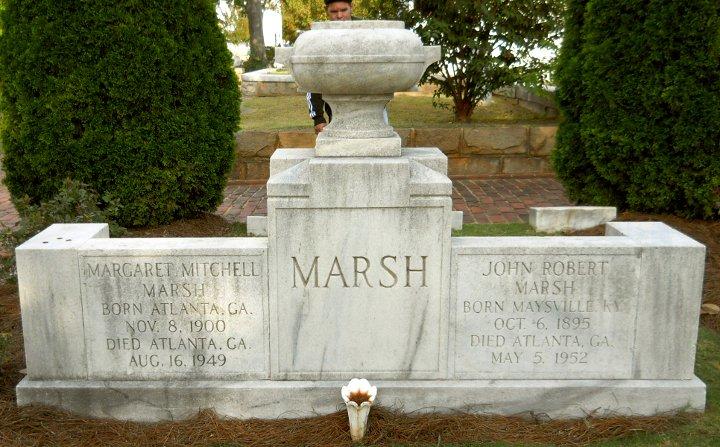
There are always things that you need to see at Oakland. Margaret Mitchell, the Lion Statue, and the mausoleums are important stops. PG followed the signs to the grave of Bobby Jones. It had golf balls and a putter, which was not necessary.
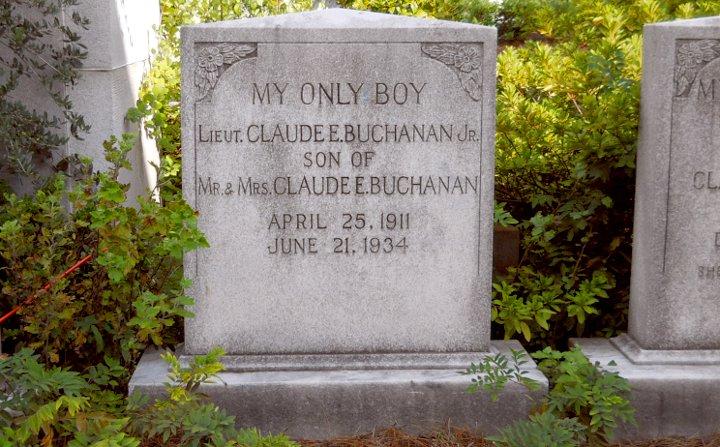
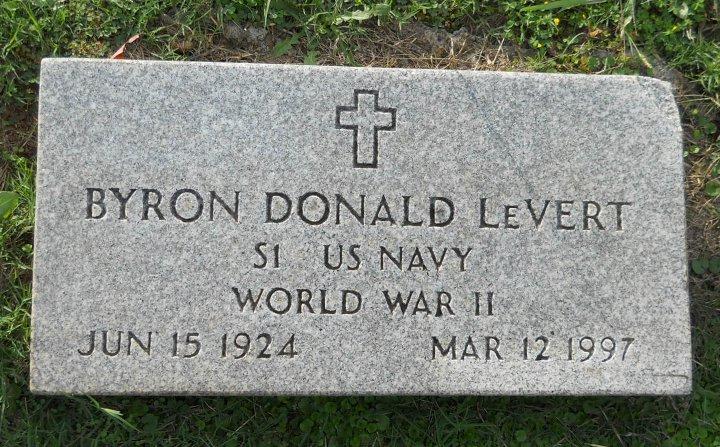
Don LeVert was a member of the Atlanta Sky Hi Club for many, many years before his departure in 1997. PG and Uzi always seek him out, and it is usually a bit of an adventure finding him.
After visiting Don, PG found the marker for “Brother John Wade”. His time on earth was September 23, 1865 to January 15, 1916. This was from the autumn just after the War Between the States, until 37 days before PG’s father was born in Rowland, North Carolina. There was a renewed sense of connection to the stone monuments.
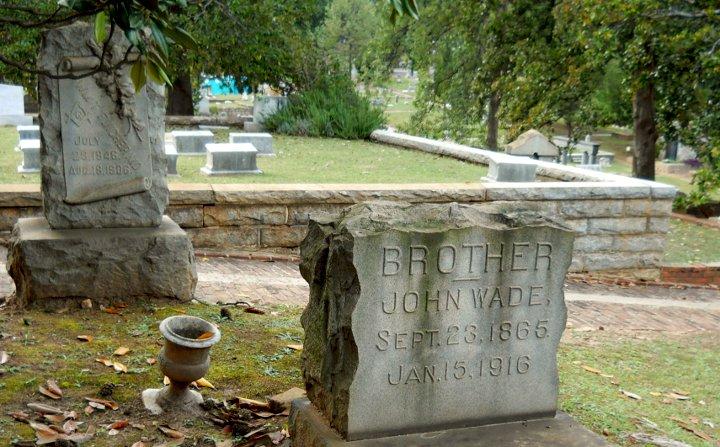


The facebook friend said “Today is Dead Poets Remembrance Day, Oct. 7th, the day Edgar Allan Poe died. Be sure to visit a graveyard and read some poetry today”. PG didn’t have anything better to do.
The first obstacle was finding a book of poetry. PG is not a poetry person. A look at the shelf turned up a paperback, “125 years of Atlantic “. Poetry was to be found between those covers.
The book had two stickers, both saying 69 cents. At the old Book Nook, this meant that the book was half the price on the sticker. With tax, that would be 38 cents.
125YOA had stayed in PG’s car for a few years. Whenever he was stuck somewhere with time to kill, this book was waiting. One afternoon in 1998, there was a slow day at work. PG read a remembrance by Gertrude Stein, about life in France at the start of World War II.
The cemetery of choice was connected to the Nancy Creek Primitive Baptist Church. PG has driven by this facility thousands of times. He walked past the graves until he found a fallen tree to sit down on.
The first poem was “Looking for the Buckhead Boys” by James Dickey. PG began to read out loud, and soon could smell the drug store air of Wender and Roberts. The author bought fifty cents worth of gas at a Gulf station. Today, fifty cents might buy a tablespoon of gas, and Gulf was long ago bought out by BP. Wender and Roberts became a bar, which was torn down, to make way for a shopping destination. One day the money lenders will allow construction.
Buckhead is not what it used to be. When Mr. Dickey was the bravest man in Buckhead (he took a shit in the toilet at Tyree’s pool hall), PG was not even thought of. The traffic jams on Peachtree Street are still there, as the blue haired ladies follow poets into the ground.
When PG finished reading Mr. Dickey, he put a teal postit in the book, where the poem stood. PG looked up, and the graveyard seemed different. Maybe the sun had sank a bit in the sky, and maybe the poem had changed PG in a way he could not put into words. Maybe another poem was the answer. Take the glasses off, open the book at random, and turn the pages until a poem shows up.
On page 404…the historic Atlanta area code…was “The Wartime Journey” by Jan Struther. The 1944 work was unknown territory. A group of people are traveling on a train. The wounded vet, the untried recruit, the salesmen shared the space with a lady, taking a baby for her soldier husband to meet. The theme of the rhymes was that America was totally at war, and that war is different from peacetime. Today’s war in Babylon is not like that.
Halfway through the reading, a freight train pulled by. Today, passenger trains are a novelty, and freight rules the rails. The shipment today was double decked containers, ready to pull off and slap on an eighteen wheeler.
Deaths are said to come in threes, and reading poetry in a graveyard should be the same. PG went on a random search for a Moe, to go with the Curley and Larry already digested. A page of poems by Emily Dickinson was the result. These pages left PG unmoved. It was as if he was back in the sixth grade, with a horrible English teacher forcing him to memorize Hiawatha. It was time to go home.












You Said It Much Better





There was a video posted last week. It featured a dialog between Glenn Loury and John McWhorter. Their discussions are frustrating for people who like to multitask. You inevitably hear something interesting, and need to go back and make a video clip.
This conversation has some amusing technical issues. “Because of technical problems, Glenn’s video image is frozen and his audio occasionally sounds like it is “fast forwarding” in the middle third of the conversation. We apologize.” At one point, Dr. Loury spews out some gibberish, and Dr. McWhorter notes “you said it much better than I could.”
One commenter notes “This technical problem brought a smile to my face at the moment when Glenn says, “If [Ta-Nehisi Coates] were here, I think what he might say is XKQOWDQ. Dr. Loury says that Mr. Coates has been invited to appear on “The Glenn Show” many times.
Frozen faced Dr. Loury makes a point about libruls. (spell check suggestion: Libras) He says the “patronizing liberal” folks accept anything certain POC say without scrutiny. SJW are more interested in signalling support of a cause, than in critical examination of the issues. PG agrees enthusiastically.
It was a busy video week for Dr. Loury. He had a conversation about the “meaning of life” with Robert Wright. Dr. Loury recalls the funeral of a friend who died horribly. Many of the people present said that it was a happy time, because the young lady was in heaven.
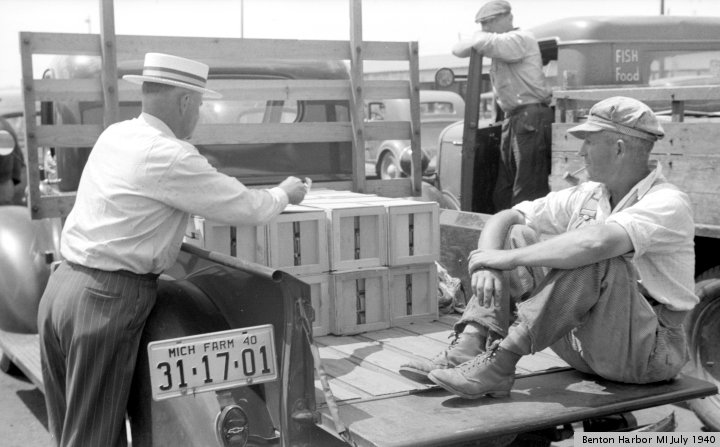
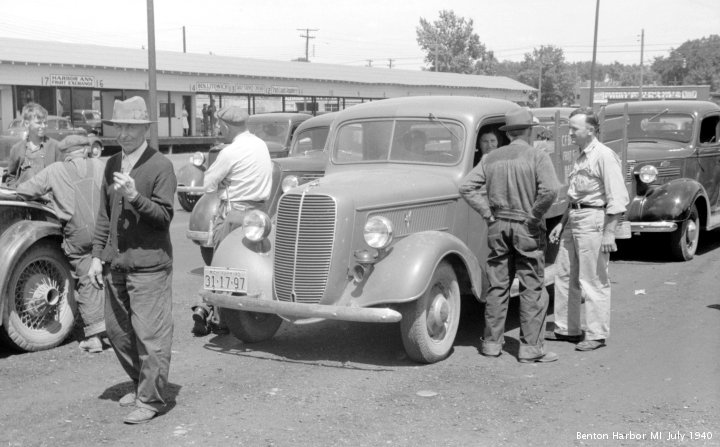
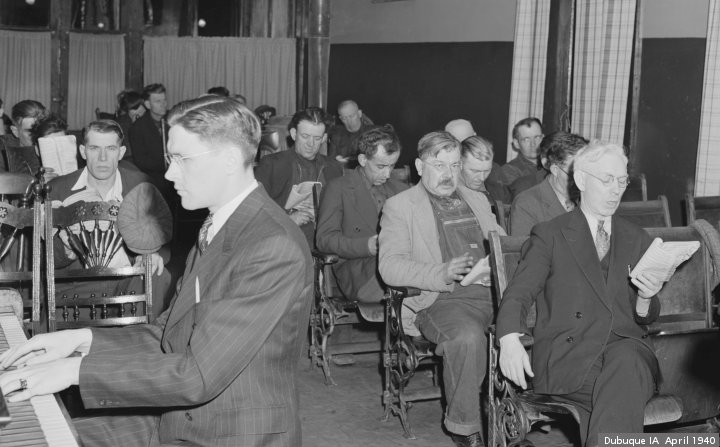
PG has long been appalled by the Christian obsession with life after death. While those ideas may bring comfort to believers, they can be infuriating to grieving people. It was interesting to hear from another man with a similar outlook. Pictures today are from The Library of Congress.






 Chamblee54
2 comments