Murder Kroger




There was an interesting item in this report on the killing at Murder Kroger. Before we proceed with this story, it should be noted that this is a tragedy. A man with four children was killed. While jokes about the rebranding of Murder Kroger as Beltline Kroger have their place, the fact is that a family in Alabama is going to miss daddy.
“Richey (Joshua R. Richey, 38, of Hayden, AL) and Jason Shelton, from RG Williams Construction in Covington, were working at the store Tuesday afternoon, Shelton said, when Richey saw an unknown man inside their pickup truck. Shelton said Richey went up to the truck and hit the window of the cab, and the man inside shot through the window killing him. …
The Kroger where the shooting occurred is infamously known as the ‘“Murder Kroger” even as store officials are trying to have it rebranded in the minds of the public as “Beltline Kroger.” Shelton said the area’s old reputation had put him on guard and he recently asked his supervisor if he could borrow his handgun while working on the site. “He said, ‘(Richey) has a weapon so there should be nothing to worry about,” Shelton said. “Look what happened.” Shelton, who said he assumed the men were just trying to steal the truck, said he wasn’t sure whether Richey had his pistol on him or had left it in the truck. Hampton (Lt. Charles Hampton, Atlanta police homicide unit) could not confirm whether a handgun was found on Richey or in the truck.”
It is unlikely that a construction worker is going to take a handgun onto the jobsite. The weapon was probably in the truck. If you have a weapon in your vehicle, you want to have quick access to it. This means that a person breaking into your vehicle is likely to find it. And, when you come and slap your hand against the window, this person is likely to use the weapon to kill you.
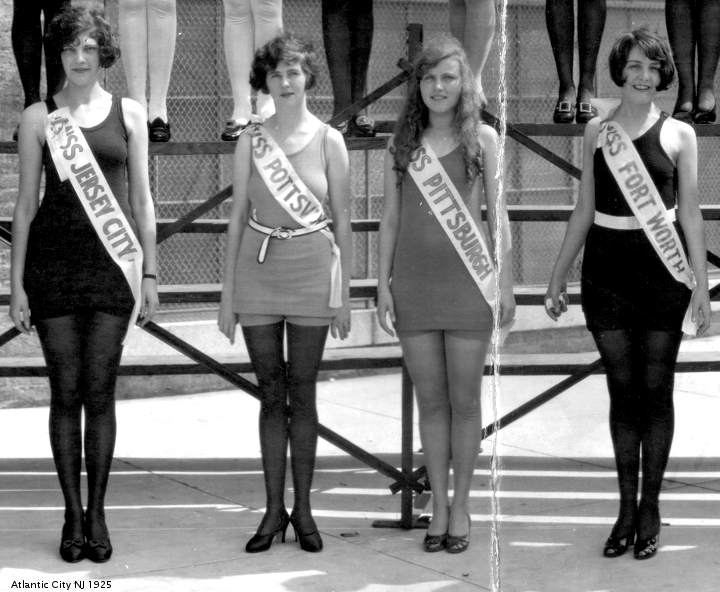
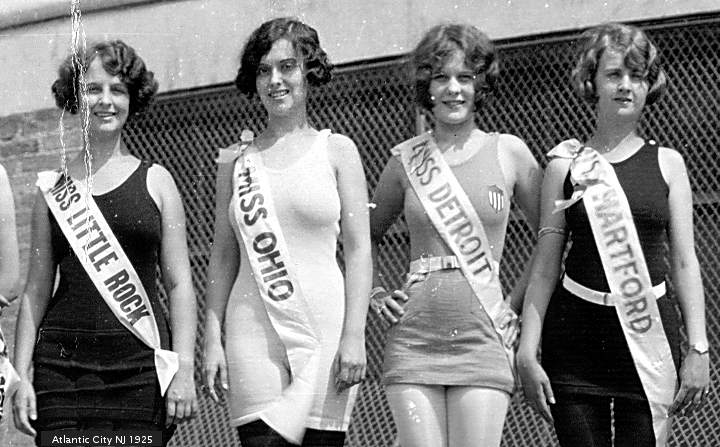
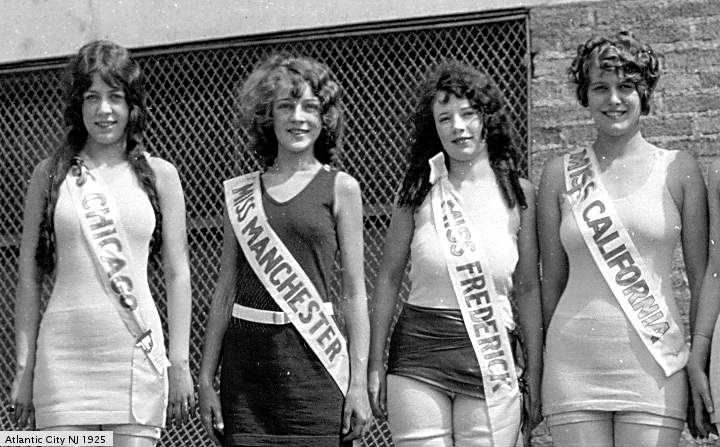
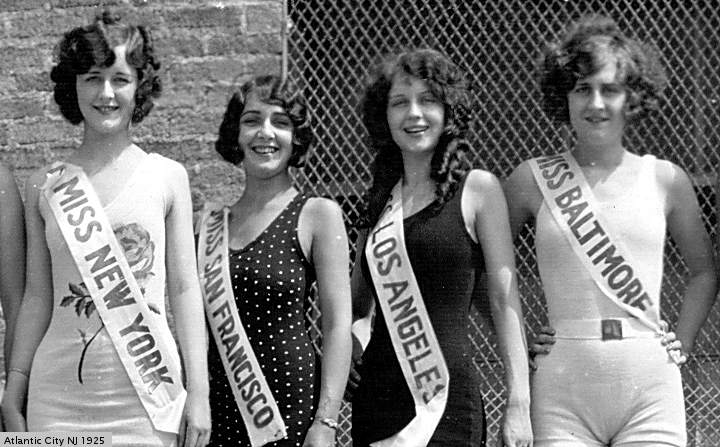
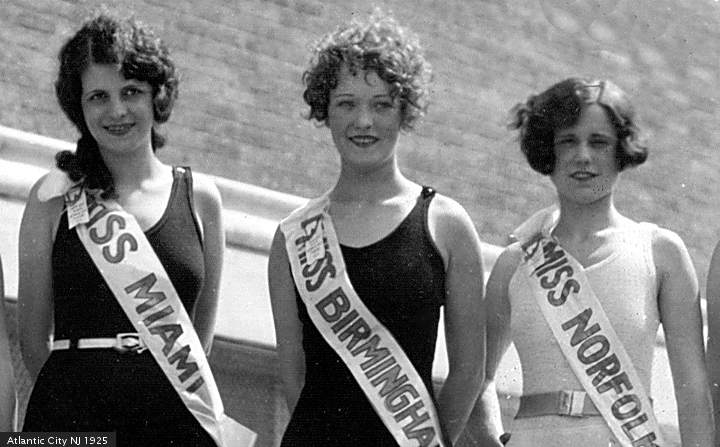
The man who was killed at Murder Kroger might have been killed by his own gun. If he had not kept an easily accessible weapon in his vehicle, he would be alive today. While having a gun will make you more secure in some situations, it can have the opposite effect in others. Pictures today are from The Library of Congress. Pictures were made at “Inter city beauties, Atlantic City Pageant, 1925”










Poetry Saves Time


There is another Marilyn Monroe story floating around. “Someone told me that Marilyn Monroe once remarked that she enjoyed reading poetry “because it saves time.” I like this quotation so much that I’ve never dared to confirm it; I’d feel disenchanted to learn it was bogus.”
Poetry Daily seems to think the quote is legitimate. “That great aesthete and reader Marilyn Monroe once said: “I read poetry because it saves time.” In the age of Twitter, and other tweet-like utterances from all sorts of birdies, not to mention attention deficit disorder on an epidemic national scale, it’s refreshing to find poetry that both saves time and enlarges it. “
PG applied the wikiquotes test. Miss Monroe said in Look Magazine, March 5, 1957, “I’ve been on a calendar, but never on time.” Many people who worked with her agree.
Wikiquots also has a telegram, sent to Bobby and Ethel Kennedy. Marilyn was widely rumored to be seeing Bobby. This was a few weeks before her untimely death. “”I am involved in a freedom ride protesting the loss of the minority rights belonging to the few remaining earthbound stars. All we demanded was our right to twinkle.” (Telegram from Marilyn Monroe declining a party invitation from Bobby and Ethel Kennedy. June 13, 1962.)
A google investigation into the poetry quote led to Did Marilyn Monroe really say all those philosophical quotes? This is in DataLounge, where you “… get your fix of gay gossip, news and pointless bitchery.” The question on top of the thread was “I notice that the must fucked up of my female friends absolutely worship Marilyn Monroe, and are forever quoting her. What’s up with that, and are all those quotes real?? by: Mrs. Johnstone”
There are 148 comments in the thread. Some say Marilyn was an airhead, and some say she was bright. There are some quotes, many of which are probably made up. There is a letter, supposedly written to Albert Einstein. Shelly Winters says the two might have had a special relationship.
“Were I to pursue physics instead of my first love, acting, I would attempt to solve these problems by understanding the reason for these discrete energy states, which are probably due to the fact that standing waves only exist at discrete frequencies. My theory would predict that energy exchanges will be discrete, as observed;… But as I said, I want to be an actress.”
Once, on the set of Gentlemen Prefer Blondes, Marilyn Monroe and Jane Russell discussed embryological parallelism. Marilyn Monroe: Ontogeny recapitulates phylogeny. Jane Russell: I was about to say the same thing.
One of the comments had a link to a fun story. Film legend Marilyn Monroe went to bed with fellow actress Joan Crawford – but the lesbian sexual experience only reaffirmed her attraction to men. Monroe left Joan gasping for more liaisons, much to Marilyn’s chagrin. Monroe described the encounter herself in conversations taped by her psychiatrist Dr. Ralph Greeson, recordings which were obtained by the Los Angeles Times newspaper from former prosecutor John Miner, who helped investigate her death. Monroe said, “We went to Joan’s bedroom… Crawford had a gigantic orgasm and shrieked like a maniac. “Next time I saw Crawford she wanted another round. I told her straight I didn’t much enjoy doing it with a woman.”
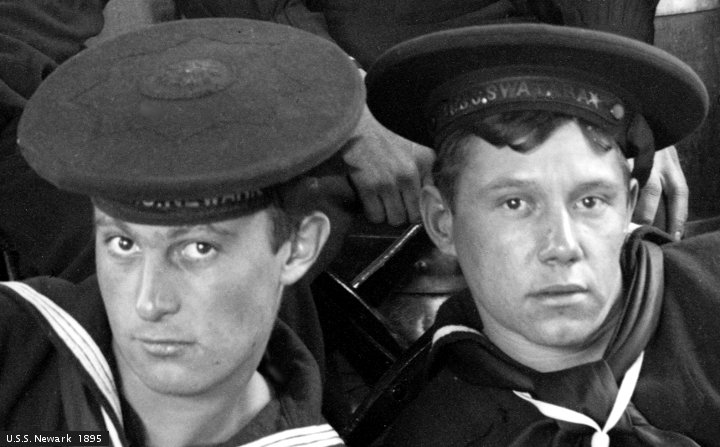
This is a repost. Pictures are from The Library of Congress. HT to Andrew Sullivan.



Douche



Backstory recently presented a feature, Rinse and Repeat: Cleanliness in America. As the title might suggest, it is about cleanliness. The location of this concept with regard to G-dliness was not discussed. While researching this story, a listener named Micheal Gambil sent a letter to the studio. This letter was read as part of the broadcast.
“This one is going to be great! My comment/suggestion may sound a little strange, but I was having a talk with my 70 year old aunt regarding female hygiene recently. She is still a believer in what is known as doucheing. YUCK! It got awkward…but it really made me think about the history of “lady products”. Flower scented sprays etc…I think there has been change on this issue. Or not…maybe it is just me and my quasi-hippy friends!”
Douching became popular in the nineteenth century. It was originally thought to be useful as contraception. As other methods of controlling fertility became available, douching became more of a cosmetic item. The corporate marketers are good at creating demand for a product.
More recently, the dangers of using this product have come to light. This awareness came into public consciousness at roughly the same time that douche started to be used as an insult. No one knows if the two developments are connected.
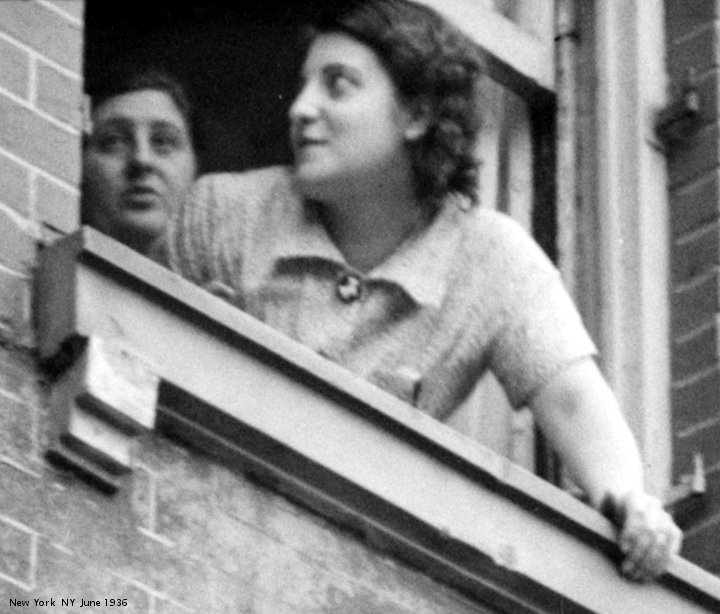
This is a repost. Pictures are from The Library of Congress. This is written like David Foster Wallace.
















What Song Sums Up Your Entire Life




Roman Hans, the maestro behind World Class Stupid, liked a couple of chamblee54 pictures on facebook. PG thought it was good manners to go by WCS and like something. PG tries to have manners, even if they are obsolete.
The first post was a screen shot of something called “what song sums up your entire life.” The picture did not have a link, so Mr. Google was consulted. The intertubes like to put up quiz thingies. Apparently the ideas are not subject to copyrights, so the copycats post another version within milliseconds. You can get a second opinion, a third, and a fourth.
A “bitecharge” quiz, What song sums up your entire life?, was the screen shot at WCS. The front page has a picture of Kelvin Cochran, with the all caps question “DO YOU THINK CHRISTIANS CAN BE FIREFIGHTERS? CLICK HERE TO SAY YES! Did you know that the 3 wise men were firemen? The Bible said they came from a far. If you are not a southerner, you might not think that was funny.
The bitecharge test is eight multiple choice questions. Number eight is typical. “Which exercise would you prefer? Running, Yoga, Bicycling, Ball sports, Swimming” “Your song is: “Like a Rolling Stone”” There is an ad, under the “Tweet this” badge. “Is He Cheating On You? Enter His Email Address. Find Pics & Profiles From 70+ Social Networks”
The Quibblo version was created by Call_Me_Kira , whose location is L’s closet, Kanto region of Japan, AU. The show has six multiple choice questions. Number six: Which of these choices best describes you? I need to go to school and get my degree, Make a lot of money working from home, I would love to find a new game to play, I’d like to earn extra money by taking surveys online. Actually, that is number infinity sign. When you click on a choice, you go to a page telling you how to make money working at home. The real number six has about a dozen options for “What song do you THINK sums up your love life?” Maybe the singalong by Marcel Marceau. The answer, once you get past the auto start news story about the Kardashians, is “Love the way you lie- Rhianna”
GoToQuiz features unabashed datamining, with some exceptions. “8. Where do you live? In the country, In the city, In a cave, Homeless. 9. Have you ever been bullied? Yes, No, I am a bully.’ The answer is “Perfect”, by Pink.
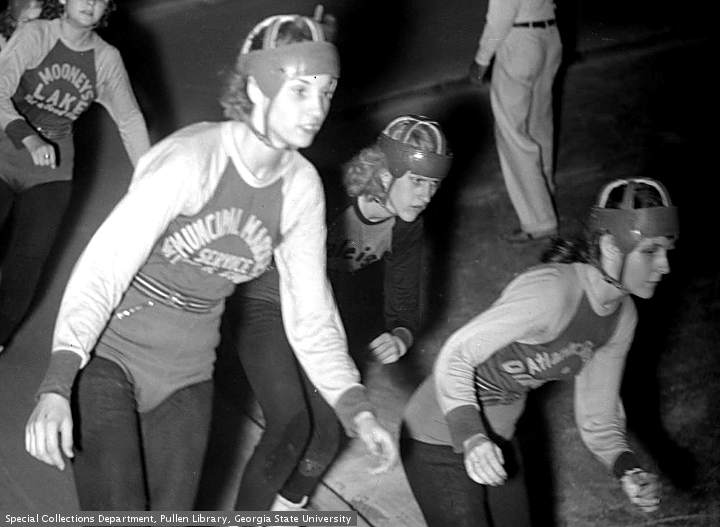
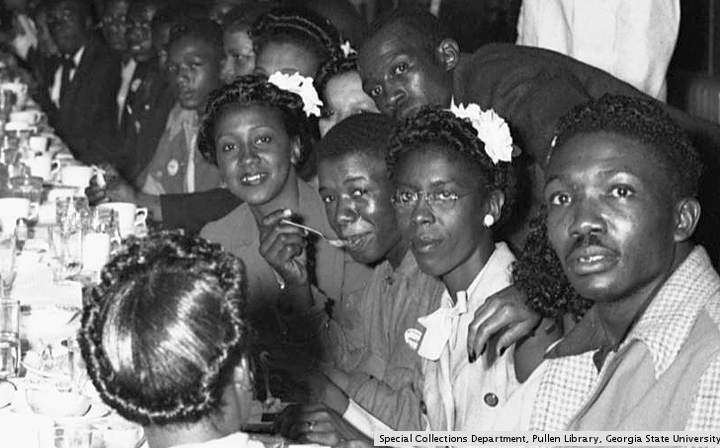
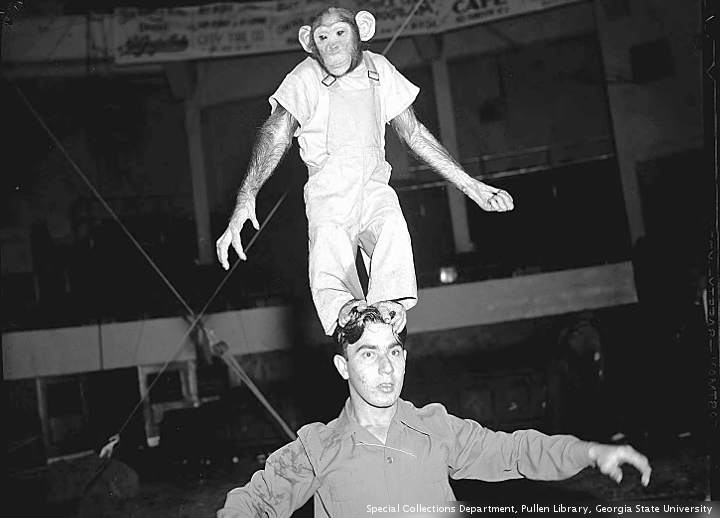
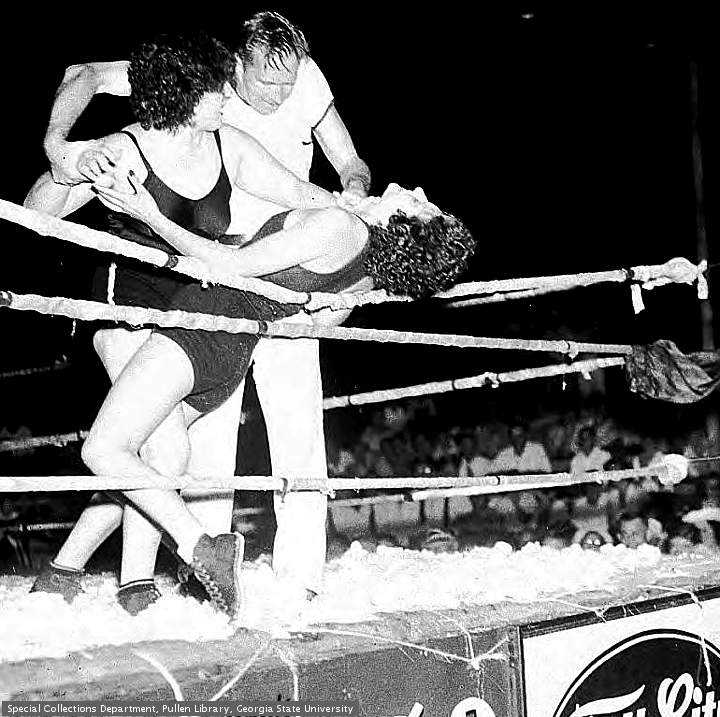
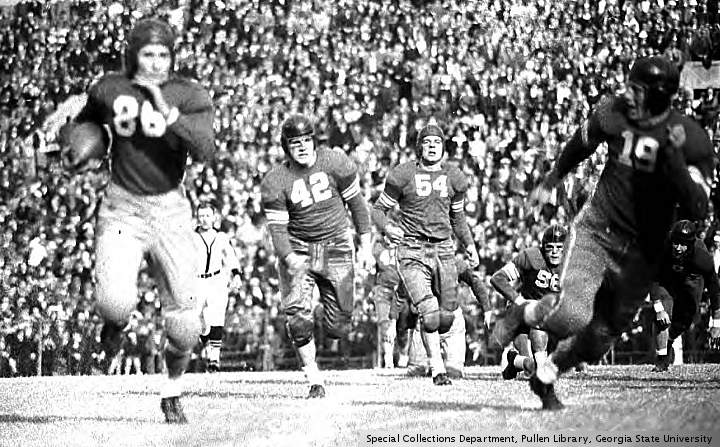
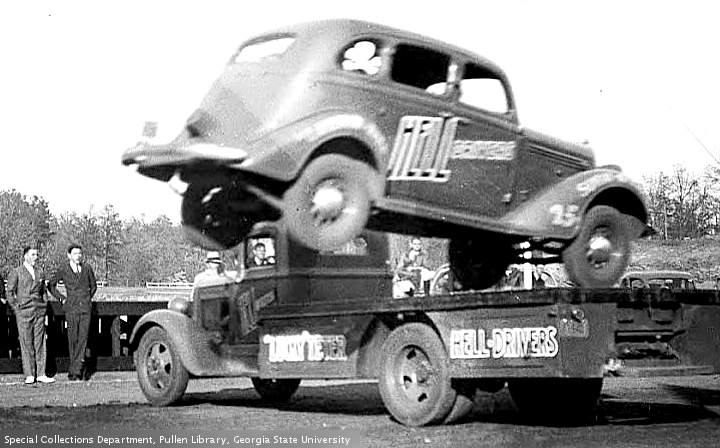
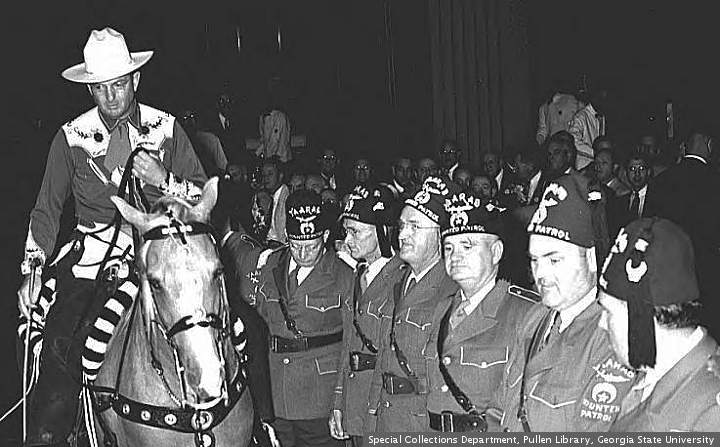
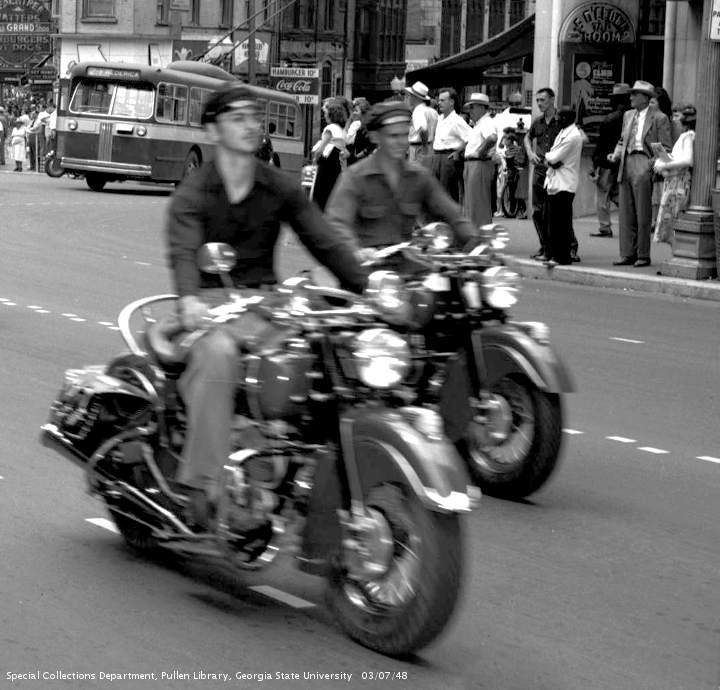
The last one of these is by quotev. The advertising is from Southwest Airlines, and American Express, which is an improvement over Kelvin Cochran. The result is “New Perspective-Panic! at the Disco.” Pictures are from “The Special Collections and Archives, Georgia State University Library”.













The Privilege Of Joyce Carol Oates

Joyce Carol Oates recently appeared on Bookworm. She was promoting The Sacrifice: A Novel. TSAN is a work of fiction, based on the Tawana Brawley rape allegations. Here is what the show says:
“In The Sacrifice (Ecco), a novel drawn from a notorious racially-steeped case of the late eighties, Joyce Carol Oates speaks of the domino-effect that started with one sacrifice and led to another and another, eventually eviscerating an entire town. By inhabiting her characters from the marginal to the central, Joyce Carol Oates asks herself “what would I do?” In this way she brings emotional clarity to the chaos of public experience.”
As you might recall, Tawana Brawly accused men of raping her. This created a firestorm of controversy. As the book sales pitch says, ” domino-effect … eventually eviscerating an entire town.” When the authorities investigated, the story by Miss Brawley was seen to be a lie.
At the 7:30 mark in the show, JCO said “The tremendous impact of Ferguson MO and the aftermath of the Eric Garner case in New York City are relatively recent and this has a snowballing or avalanche effect on the protests across the nation have been very exhilarating and very wonderful and I’m completely on the side of the protesters”
There are things you can say about the protests over Eric Garner and Michael Brown. There is a lot of turmoil. People saying hateful things about their neighbor. Relations between black people and white people have suffered. This is what JCO calls exhilarating and wonderful.
Many people feel caught in the middle. Yes, there probably is a problem with the way some policemen treat black people. There is also a lot of heated misinformation being generously distributed. If you don’t believe everything you are told, you might be called a racist. This is what JCO calls exhilarating and wonderful. JCO clearly has a certain amount of privilege.
Typical of the Ferguson rhetoric is a piece in PuffHo, The 10 Kinds of Trolls You Will Encounter When Talking About Mike Brown. Number two, after “The Full-Blown Racist Troll,” is “The “Wait for Evidence” Troll.” No matter how many times you are lied to, if you don’t believe what you hear, you are a troll and a racist.
This blog posted a poem in November, when the Missouri grand jury released a decision. This decision was recently confirmed by the Department of Justice, albeit accompanied by stories of police misconduct. The poem said that justice should not be a popularity contest. The men Tawana Brawly accused might agree. O.J. Simpson probably has a few thoughts on the subject as well.
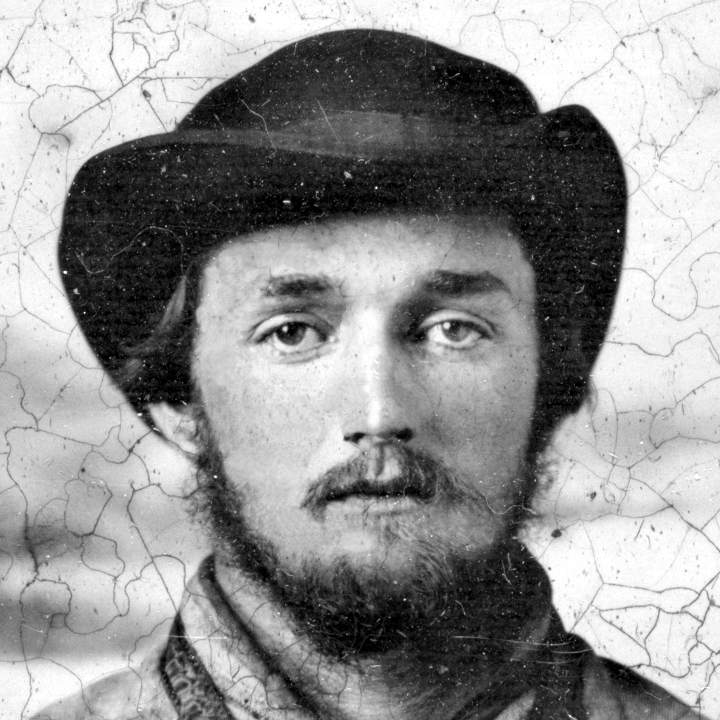
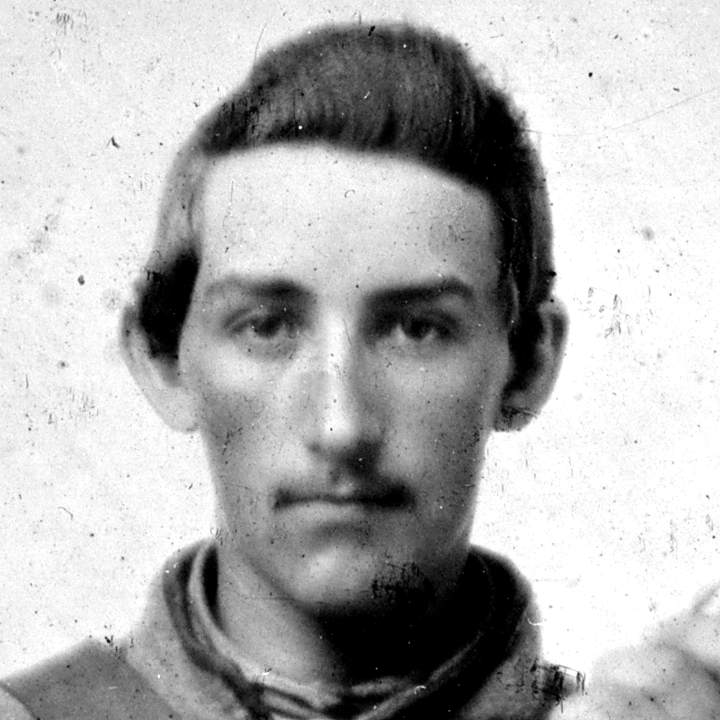
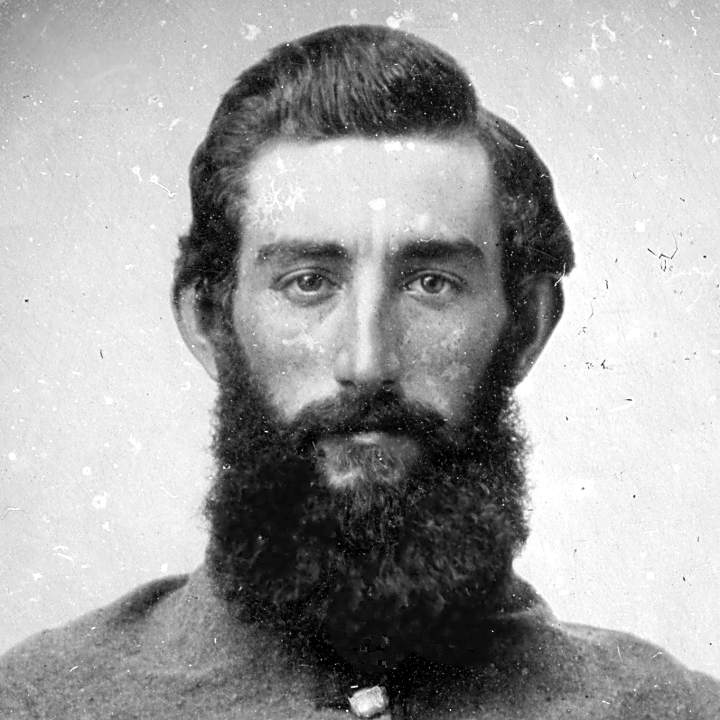
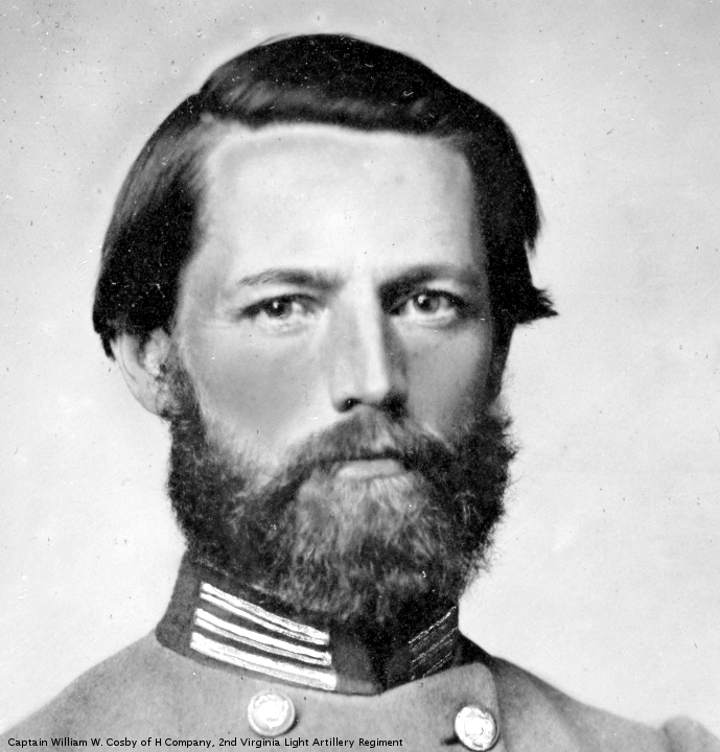
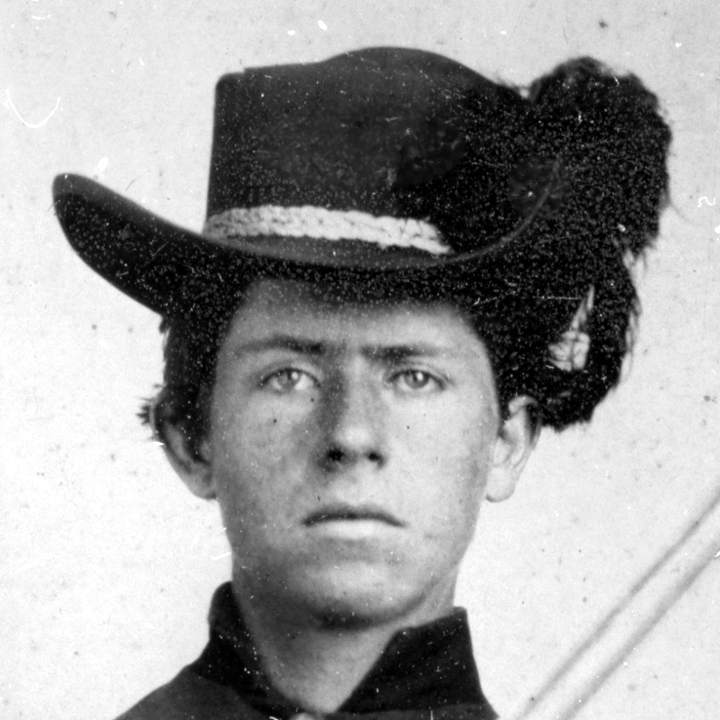
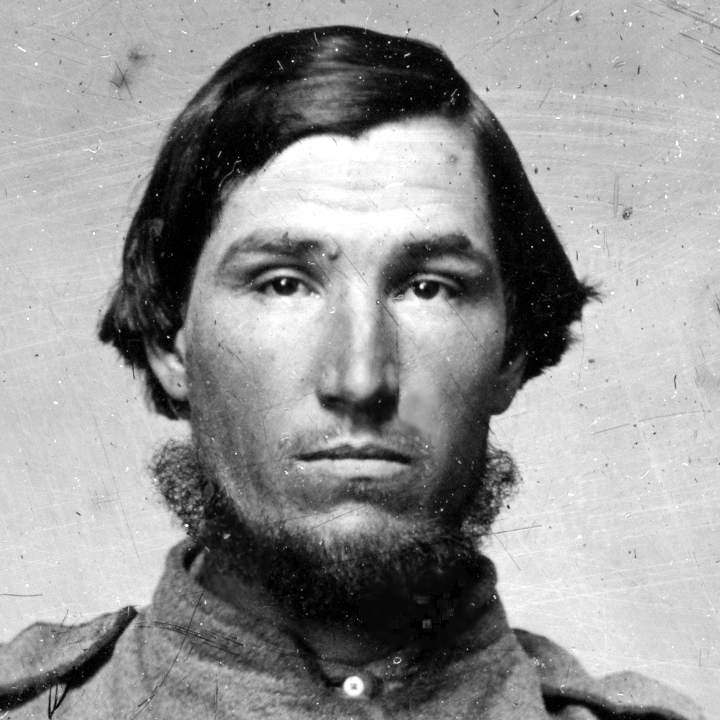
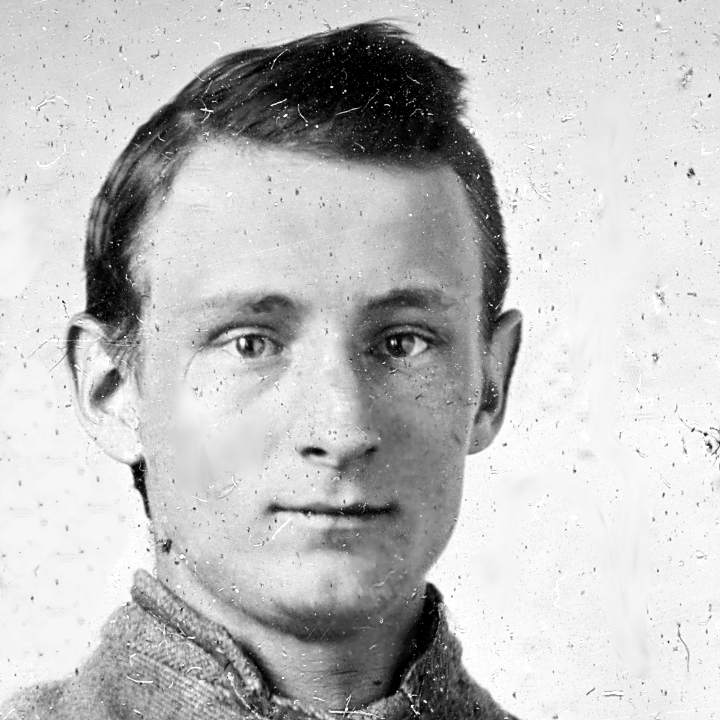
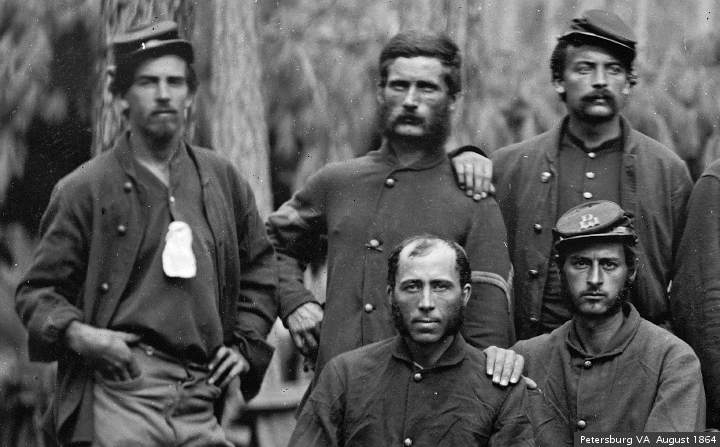
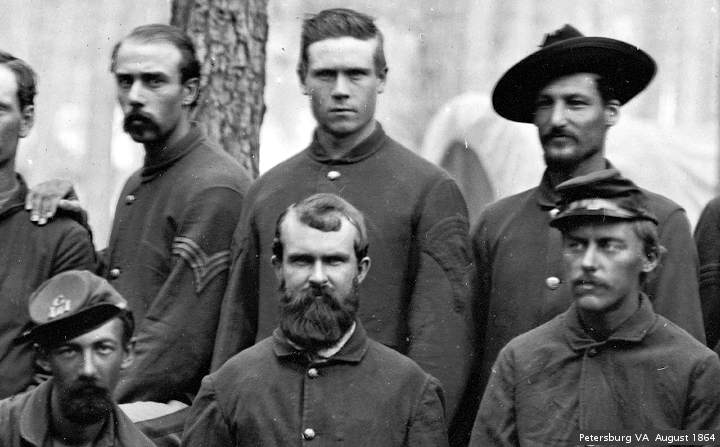
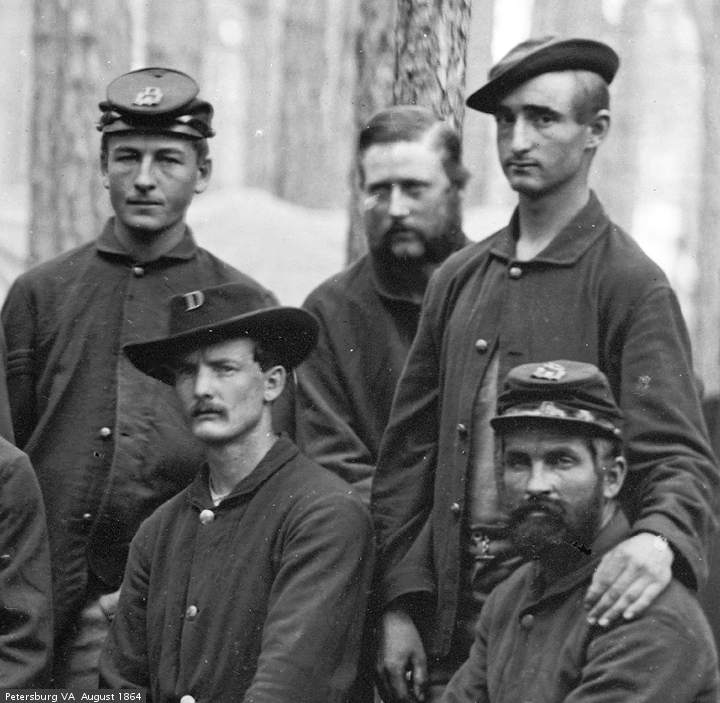
The next day, there was an anonymous comment at chamblee54. “Thanks Luthor, your racism never disappoints.” This is what JCO calls exhilarating and wonderful. Pictures today are from The Library of Congress. These are Confederate soldiers from the War Between the States.
Millard Fillmore And Oscar Wilde In Atlanta


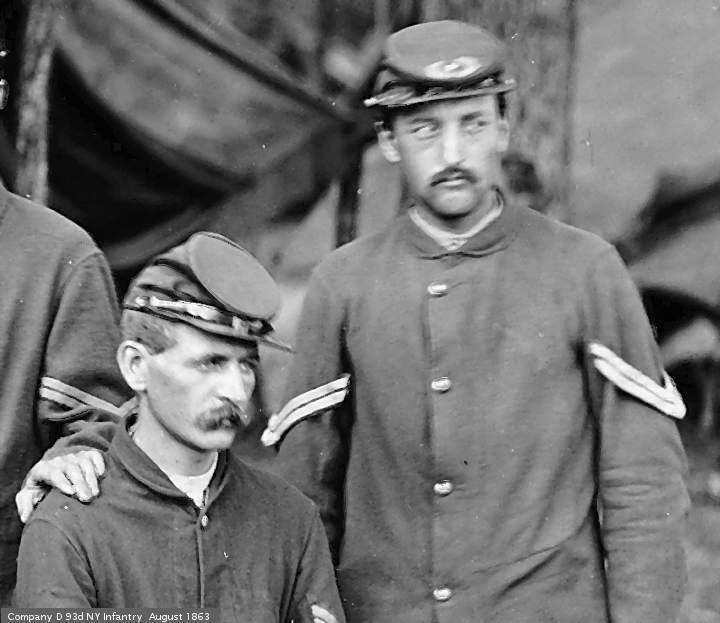

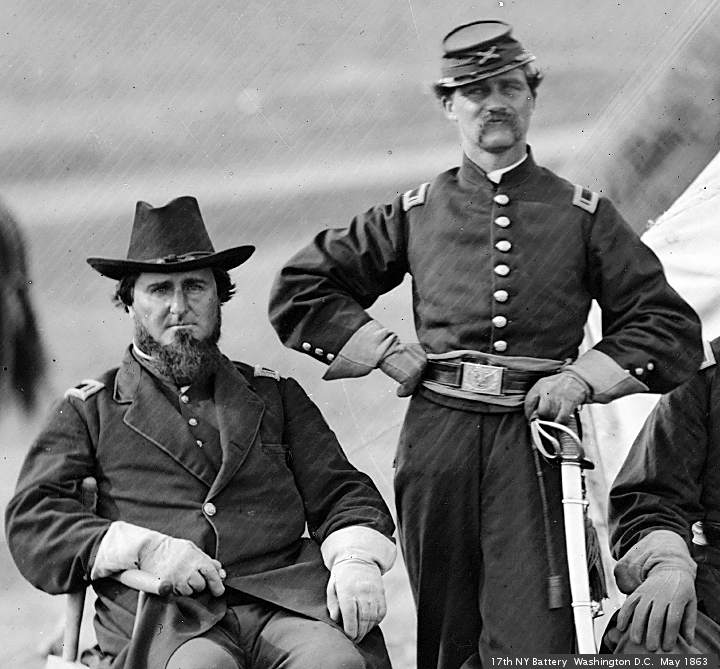
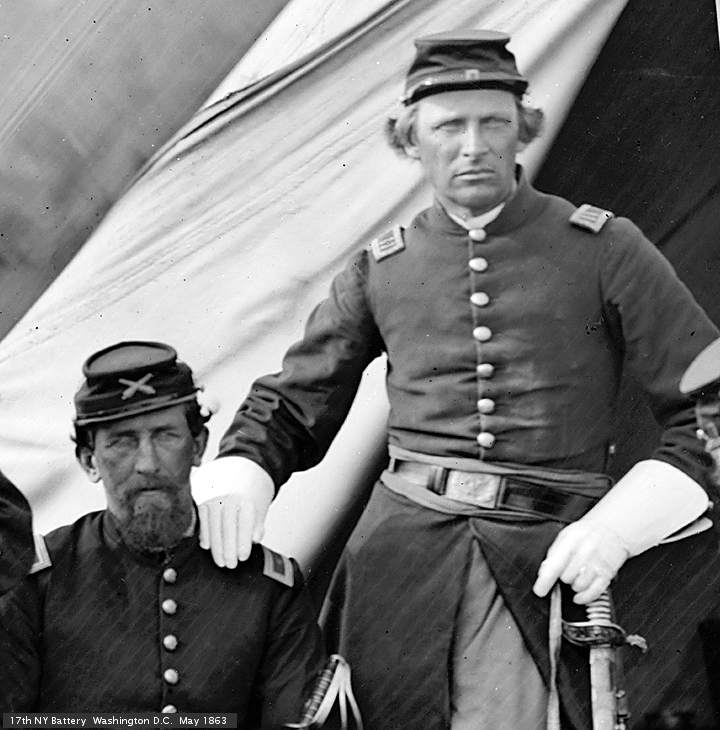
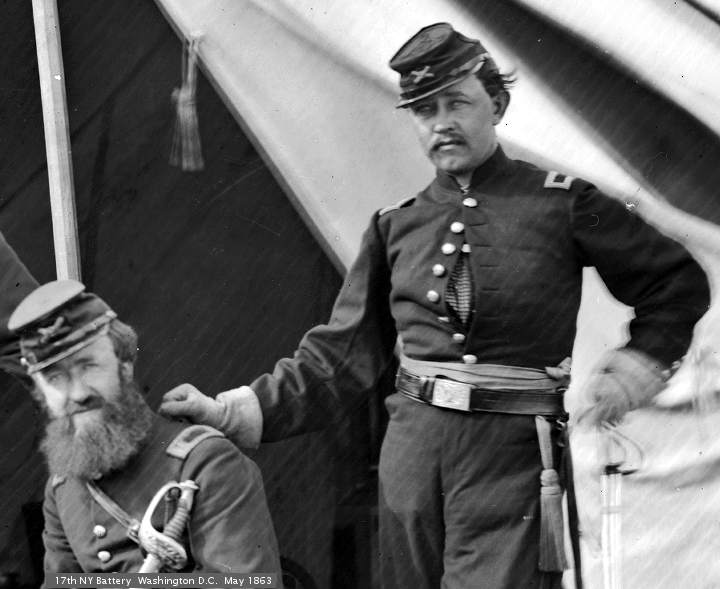
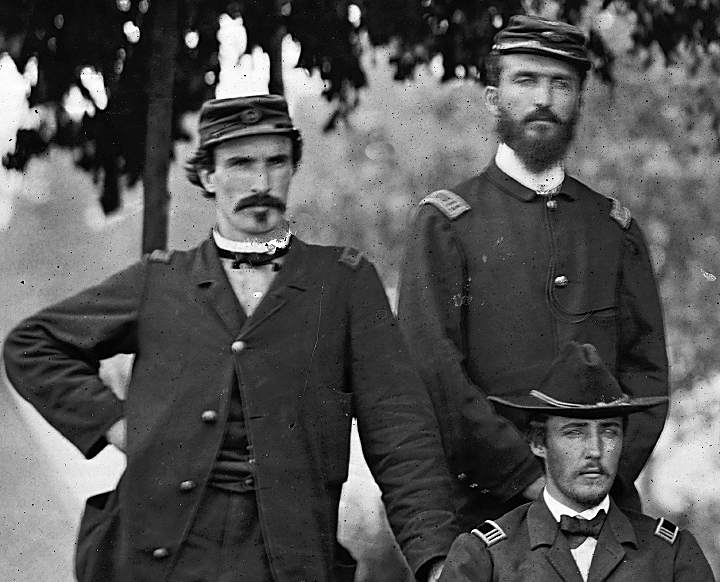

This afternoon’s post at chamblee54 noted an 1854 visit by former President Millard Fillmore. This was brought to the attention of another history minded blog, Millard Fillmore’s Bathtub. The result was some details about the visit, Millard Fillmore, live on Peachtree Street, 1854. The material below is borrowed from that post.
Two years after the Whigs refused to nominate Fillmore for a term of his own, he was out touring the country? Several accounts explain that Fillmore and his wife Abigail wanted to tour the U.S. after his presidency. Unfortunately, she died shortly after he left office. He pined through the rest of 1853, but by February 1854 had decided to tour by himself, without his children, accompanied by friends he could persuade to join him.
That same month, Fillmore decided to take the trip southward that he and Abigail had not been able to take. Given the timing, some observers believed that Fillmore had a political motive in making the journey. They suspected that he might be planning to speak out against the Nebraska Bill [proposed by Illinois’s U.S. Senator Stephen A. Douglas]. Others were convinced that it was a leisure tour. But whatever Fillmore’s intentions may have been, his speeches to southern audiences were relatively neutral. He restated his faith in the [Missouri] Compromise, but he spent mos tof his time enjoying a series of receptions, dinners, and parades in his honor throughout the region. A marching band escorted him through the streets of Louisville, Kentucky. Girls scattered his path with flowers in Montgomery, Alabama. A row of trains blew their whistles in greeting in Atlanta, Georgia. Fillmore returned home refreshed and with renewed faith in his fellow Americans. (This paragraph is from Alison Behnke, Millard Fillmore (a child’s history of the man), 2005, page 92.)
By late February 1854 Fillmore had resumed his plans to travel. He perceived that a southern trip would do him good and that the journey would divert his mind from the loss of Abigail. … Fillmore hoped Francis Granger, John P. Kennedy, and Washington Irving would go with him on the trip. Granger lost interest, and Irving was in no mood for politics. …
En route to Atlanta from Augusta on the Georgia Railroad, they stopped at Greensboro where a large crowd of teachers and students of the Female College greeted Fillmore and Kennedy. They dined at Madison. At Stone Mountain an escort committee from Atlanta met them.
At the Atlanta Depot a novel reception welcomed them. A large number of locomotives were present with their steam up. When the Augusta engineer signalled their arrival they all opened up their valves and whistled out a welcome the like of which, reported a newspaper, “no mortal man had heard before.” The shouts from the crowd and locomotive whistles were deafening to one reporter. By carriage the party went from the depot to the Atlanta Hotel where a reception was held.
Fillmore had become hoarse. Nonetheless, he managed to say that he was impressed by the large population and that he had heard that it was a beautiful village in the center of the state. He also admonished the state legislature to to take note “of the array of female loveliness before me” seated at the reception. If they did so, he joked, they wouldn’t hesitate to locate the state capital at Atlanta. At that time the capital was at Milledgeville. Atlanta became the capital in 1877. (This section is from Robert J. Scarry, Millard Fillmore, 1982, pages 247-252 variously.)
A few months later, on October 16, 1854, Oscar Fingal O’Flahertie Wills Wilde was born in Dublin, Ireland. On July 4, 1882, Mr. Wilde gave a talk at De Give’s Opera House in Atlanta GA. What happened next is described on page 201 of Oscar Wilde by Richard Ellmann.
Mr. Wilde was accompanied by his agent, J.S. Vail, and a valet, W.M. Traquair. Mr. Vail bought three train tickets for Savannah, the next stop on the tour. The Pullman agent told Mr. Wilde that black people were not allowed to ride in sleeper car berths. Mr. Wilde said that Mr. Traquair had traveled with him throughout the South without incident. The Pullman agent said the next stop was in Jonesboro GA. If people in Jonesboro saw a black man in the car, then they would attack the train. Mr. Wilde gave in, and Mr. Traquair traveled inanother part of the train.
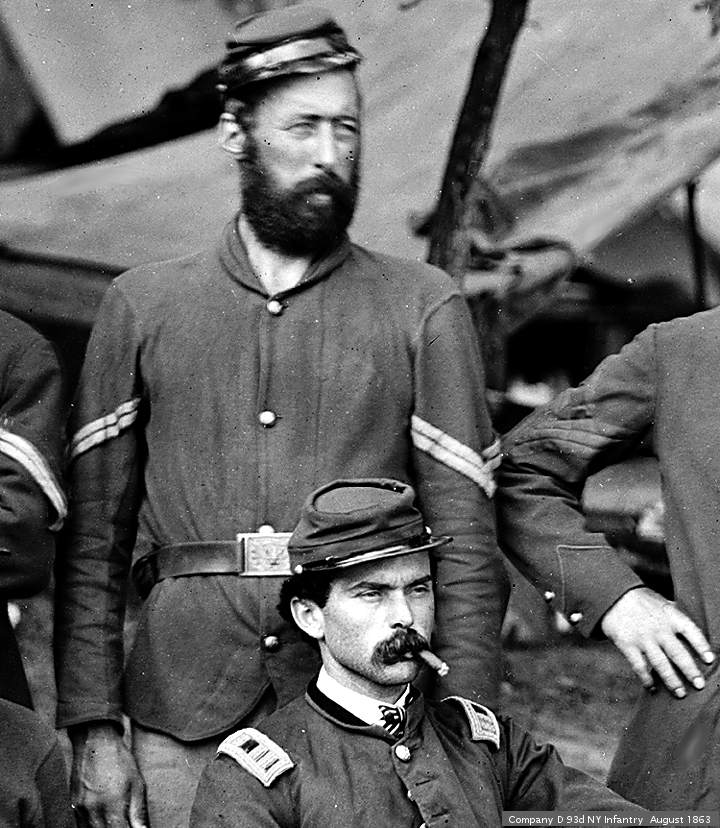
Pictures today are from The Library of Congress.
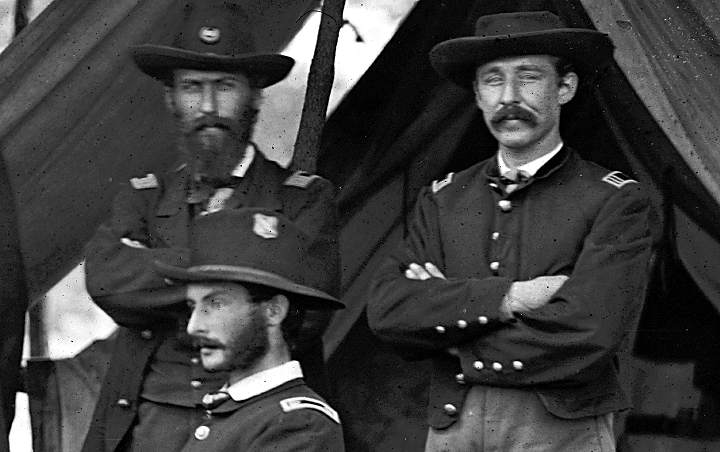
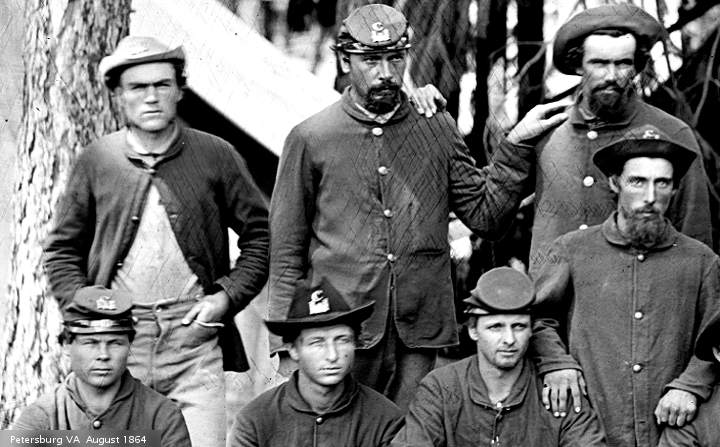
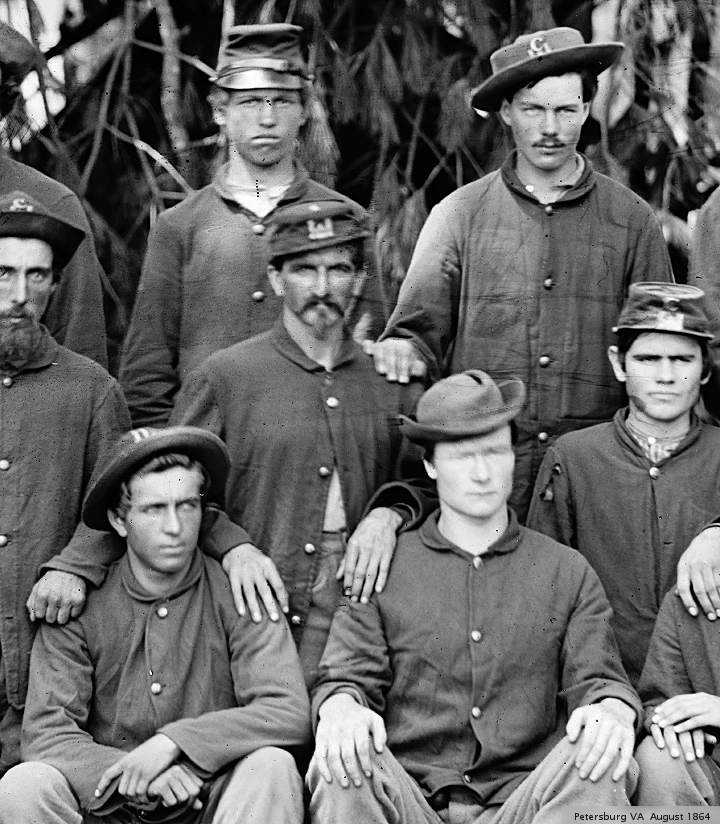



Peachtree Street 2015


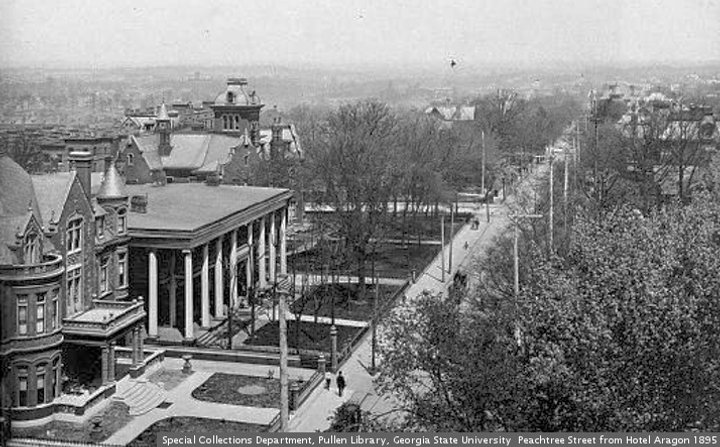

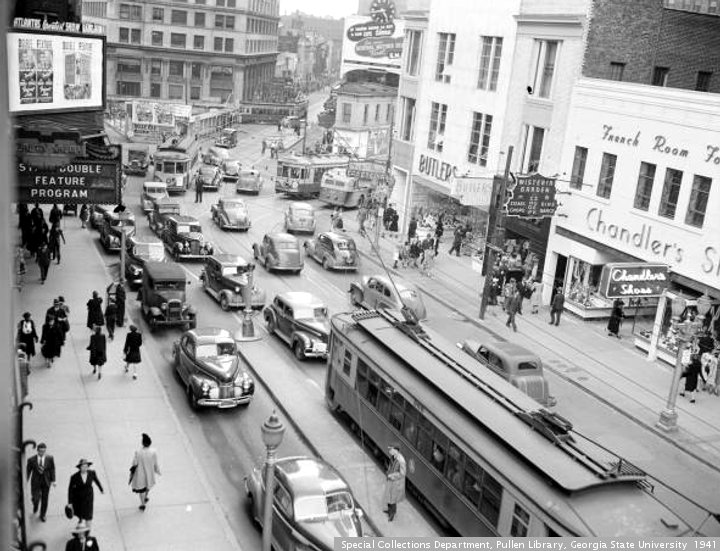
PG finished a book, Peachtree Street-Atlanta. The author is William Bailey Williford, and it was published by the University of Georgia Press in 1962. PG found this at the Chamblee library, and this is probably the best way to find this book today. (Reissued by UGA Press.)
How this road got the name Peachtree is a good question. Most peaches grow south of the fall line. The story goes that there was a Creek Indian village called Standing Peachtree, located where Peachtree Creek runs into the Chattahoochee. During the war of 1812 Fort Peachtree stood there.
There was a trail that ran from Buckhead to an intersection with the Sandtown Trail, at what is now Five Points. A short distance south of this intersection was a settlement known as White Hall. For many years, Peachtree Street south of Five Points was known as Whitehall Road. At some point in the last thirty years, a decision was made to change Whitehall to Peachtree. It did not help the rundown condition of Whitehall Street.
In 1835 Governor Wilson Lumpkin decided that a railroad that would be centered near the junction of Peachtree Trail and Sandtown Trail. The new town was named “Marthasville”, after the daughter of the Governor. Martha Lumpkin resides in Oakland Cemetery today.
The village was soon renamed Atlanta, which was a feminine form of Atlantic. Houses, churches, and businesses were soon built on Peachtree Road. In 1856, Richard Peters built a flour mill. To insure a steady supply of firewood, he bought four hundred acres of land, for five dollars an acre. The land was between Eighth Street, North Avenue, Argonne Avenue, and Atlantic Drive.
Another pioneer citizen with a large landholding was George Washington (Wash) Collier. Mr. Collier bought 202 acres for $150 in 1847. The land was between West Peachtree, Fourteenth Street, Piedmont Road, Montgomery Ferry Road, and the Rhodes Center. Much of the land was used for the development of Ansley Park.
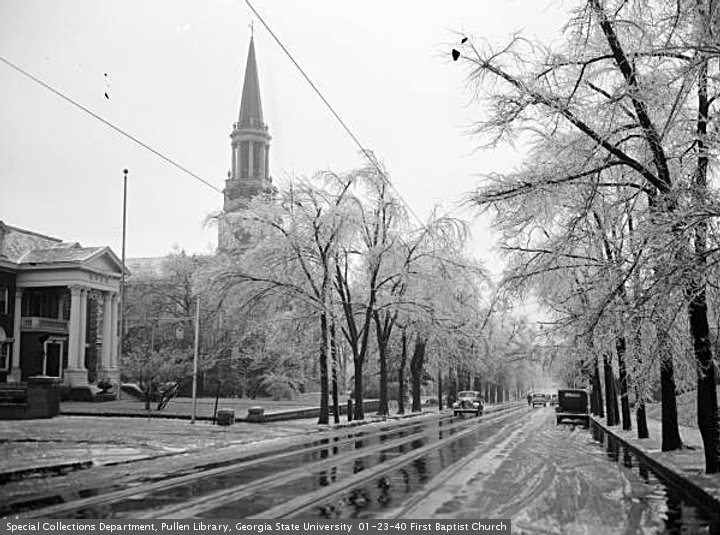

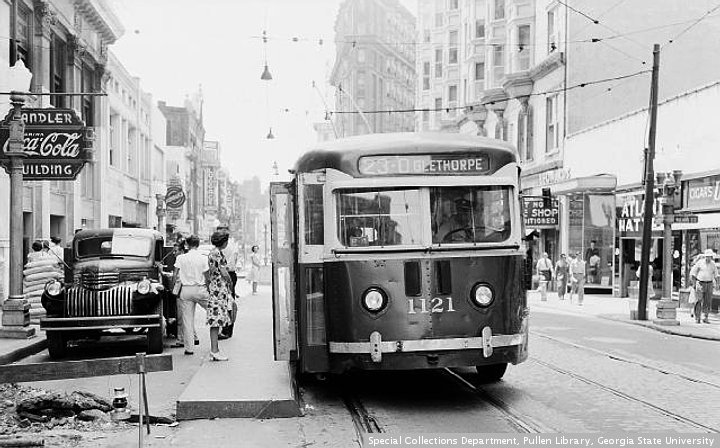
In 1854, Atlanta entertained, for the first time, a man who had been President. On May 2, Millard Fillmore arrived from Augusta on a private rail car.
There was some unpleasantness in 1864, which we will not concern ourselves with.
In 1866, there was a shocking murder. John Plaster was found dead, in an area known as “tight squeeze”. This was an area of shanties, at the present location of Crescent Avenue and Tenth Street. A hundred years later, this was near “the strip”, Atlanta’s hippie district, also called “Tight Squeeze”.
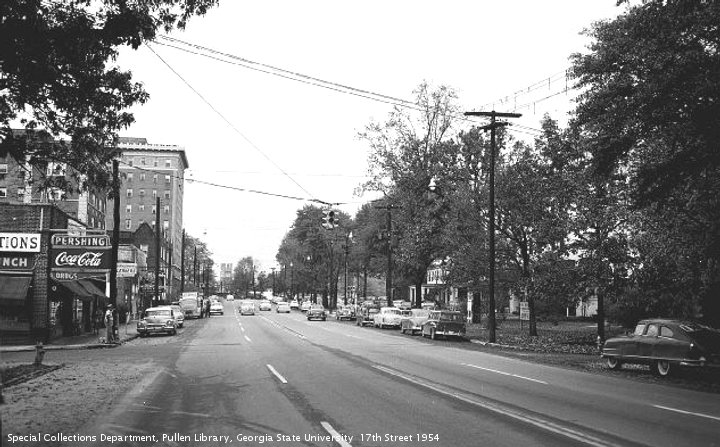
As the nineteenth century rolled along, many mansions were built on Peachtree Street. The road was paved, and streetcars ran up and down. Automobiles came, and came, and came. An expressway was built in the 1950’s, and quickly became obsolete. One by one, the mansions were torn down and replaced with businesses and churches.
The book was written in 1962, when the party was just getting started. The High Museum was known then as the Atlanta Art Association. In June of 1962, a plane full of prominent Atlanta residents crashed in Paris, killing all on board. As a memorial to those people, the Memorial Arts Center on Peachtree, at Fifteenth Street, was built.
Another phenomenon which is not explained by the book is the custom of naming everything here Peachtree. There are countless streets and institutions named for a fruit tree that likes warmer climates. Atlanta has a one street skyline, that stretches from Five Points to Peachtree Dunwoody Road, almost at the city limits. PG lives a quarter mile off Peachtree, in Dekalb County, and has no idea why Peachtree is a magic word.
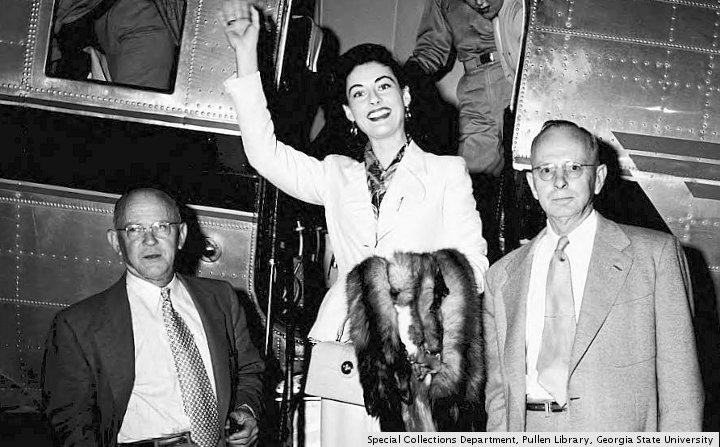
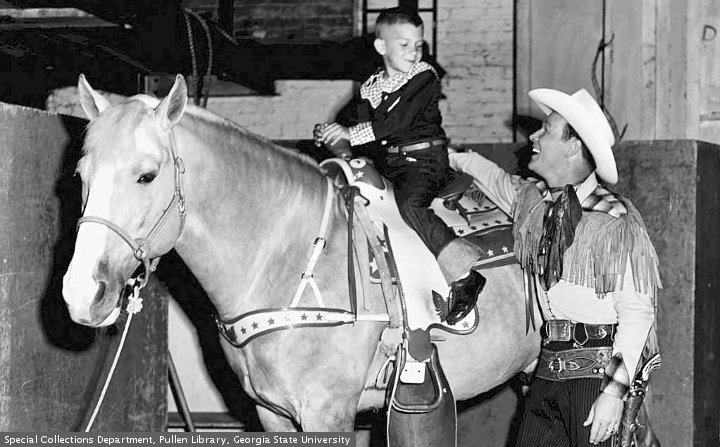
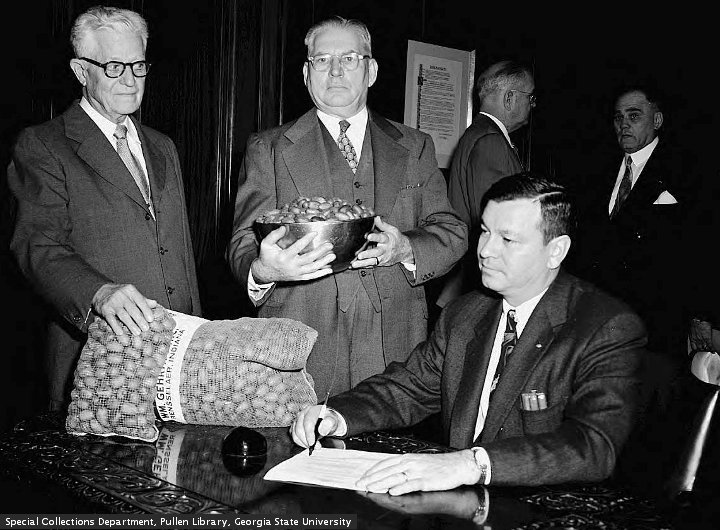
Pictures are from “The Special Collections and Archives, Georgia State University Library”. and The Library of Congress. This is the annual repost.








Who Invented The Word Racism?




Writers tackle was rampaging through Brookhaven. PG looked in a list of old product, and found a feature built on the output of Teju Cole. He has a dandy article, at the New Yorker, about what is antiseptically called drone warfare. It is the twitter feed that gets attention. This is a repost.
@tejucole George Carlin’s original seven dirty words can all be said freely now. The one word you can’t say, and must never print, is “racist.”
The quote marks lend mystery to the tweet. Does he mean the dreaded “n word”? Or does he mean that other six letter slur? There is no shortage of people screaming racist in Georgia, often at the slightest provocation. There is an attitude that racism is the worst thing you can be accused of, and that, once accused, you are guilty until proven innocent. If you do a bit of research into racism, the word, you will see some interesting things.
The concept of groups of people not liking each other is as old as mankind. The word racism apparently did not exist before 1933 (merriam webster), or 1936 (dictionary dot com).
Something called the Vanguard News Network had a forum once, What is the true origin of the term racism? This forum is problematic, as VNN seems to be a white supremacist affair. One of the reputed coiners of the R word was Leon Trotsky, also referred to as Jew Communist. Another Non English speaker who is given “credit” for originating the phrase is Magnus Hirschfeld. As for English, the word here is: “American author Lawrence Dennis was the first to use the word, in English, in his 1936 book “The coming American fascism”.”
The terms racist and racism seem to be used interchangeably in these discussions. This is in keeping with the modern discussion. As Jesus worshipers like to say, hate the sin, love the sinner.
The Online Etymology Dictionary has this to add: “racist 1932 as a noun, 1938 as an adjective, from race (n.2); racism is first attested 1936 (from French racisme, 1935), originally in the context of Nazi theories. But they replaced earlier words, racialism (1871) and racialist (1917), both often used early 20c. in a British or South African context.”
Pictures are from “The Special Collections and Archives,Georgia State University Library”.


 Chamblee54
leave a comment