Gloomy Sunday Number Thirteen
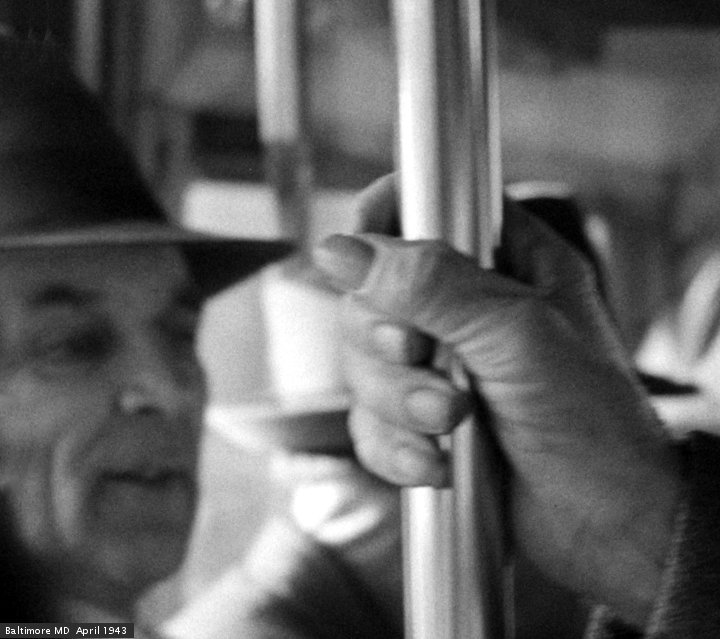
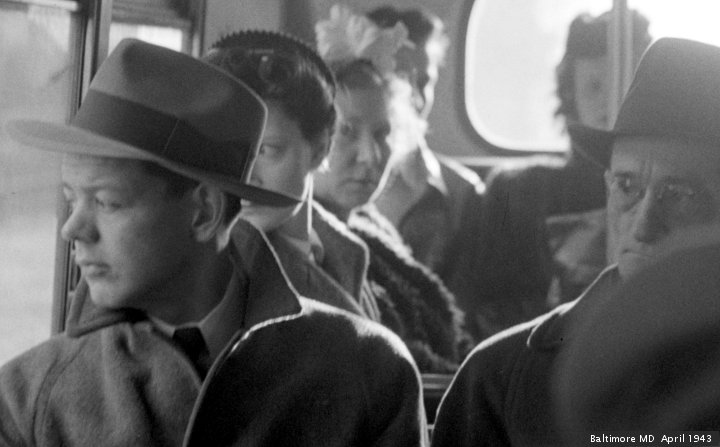

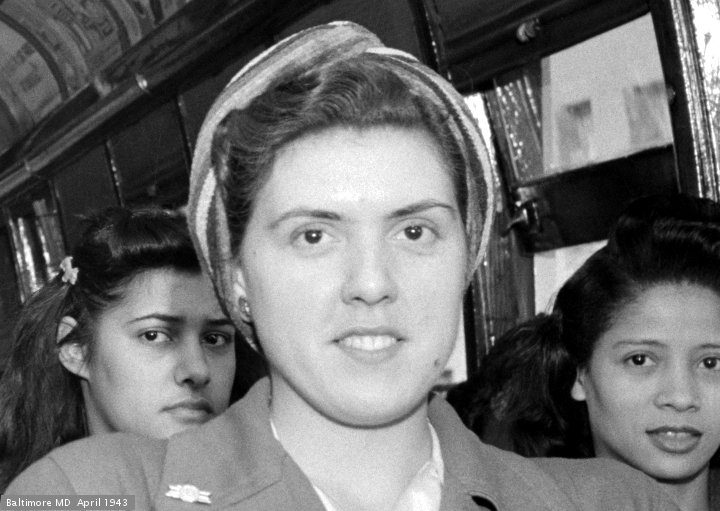

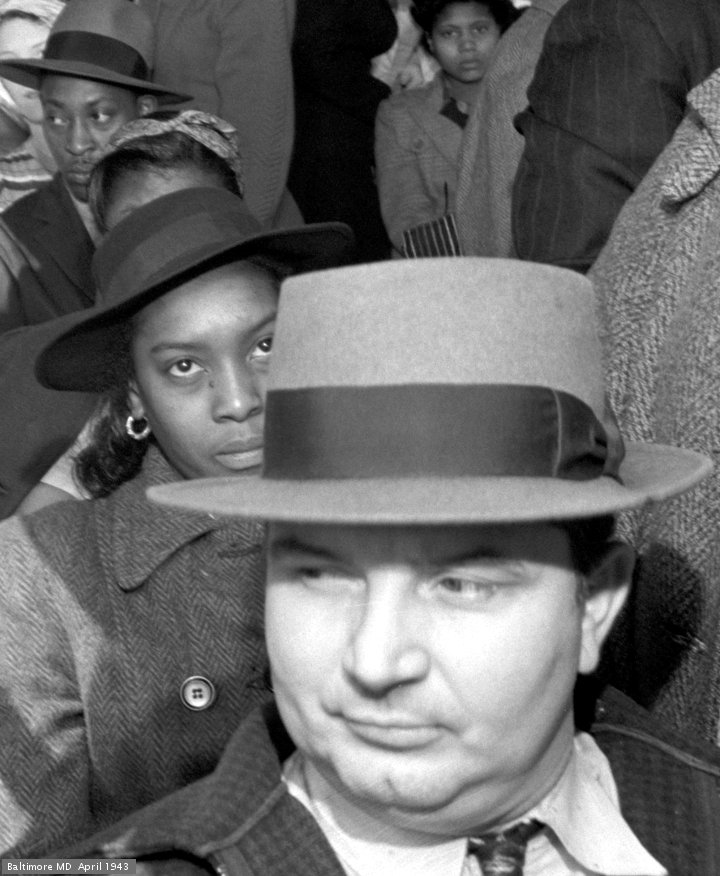
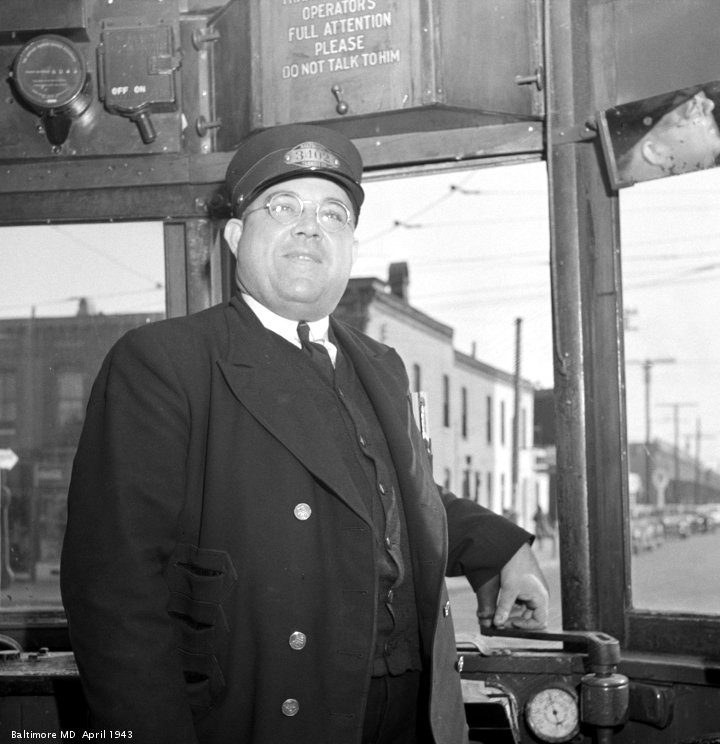
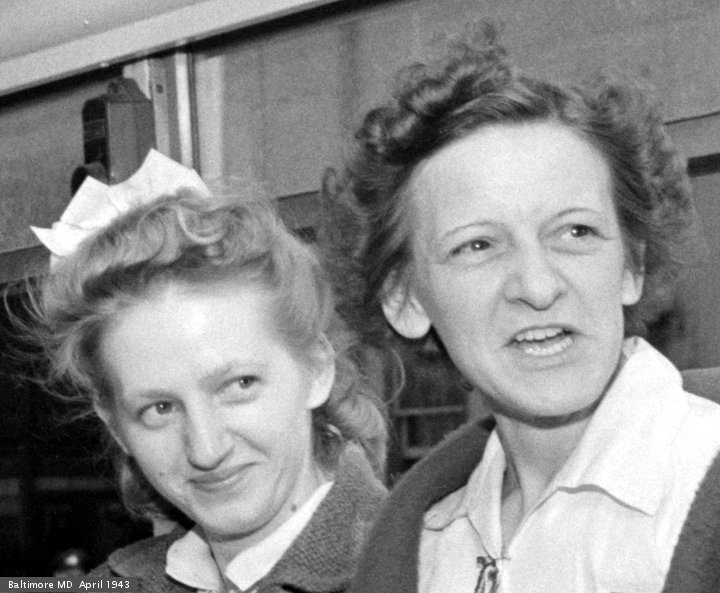
PG stared out at the gray sky. He thought that the first sunday in march might be the most depressing day of the year. The ever cheerful blogger had an idea for a repost. Pictures today are from The Library of Congress. The people on a Baltimore streetcar seem to be happy.
Billie Holiday had a hit with”Gloomy Sunday”in 1941. The legend is that people would listen to the song, and kill themselves. As a result, the song was banned from the radio. Or was it?
“Gloomy Sunday” was written in 1933 by Rezső Seress. Additional lyrics were later written by László Jávor. It became known as the ” Hungarian Suicide Song”, and was reportedly banned in Hungary. An English translation (which is said to not do justice to the original Hungarian) was rendered.
The song has a melancholy sound, even as an instrumental. The story is about a person…it is not gender specific…who decides to join a loved one who has died. A third verse was added, to the english version, where the singer says it was all a dream.
The song became popular in the United States. And the suicide stories started to spread, along with rumors that the song had been banned from the radio. (It was indeed banned by the BBC.) There are indications that these rumors were part of a publicity campaign.
The urban legend busters snopes. calls the story “undetermined”. Legends like this get a life of their own. A grieving person hearing this song on a dreary Sunday is not going to be uplifted. One thing is known for sure…the original composer did take his own life. Rezső Seress jumped off a tall building in Budapest in 1968. The legend is he had never had another hit song after writing “Gloomy Sunday”.




Graphic Number Four
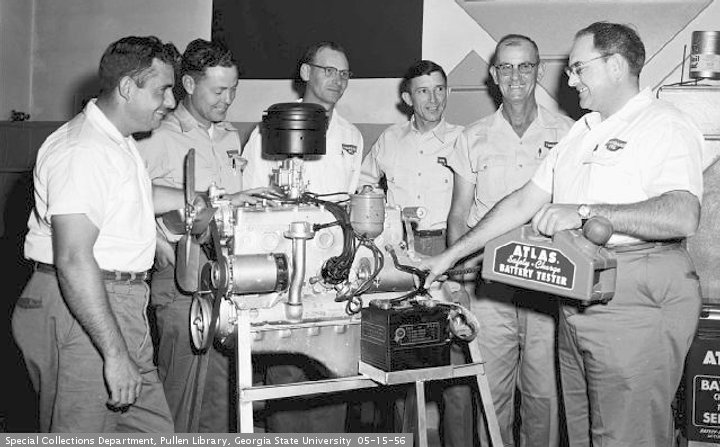

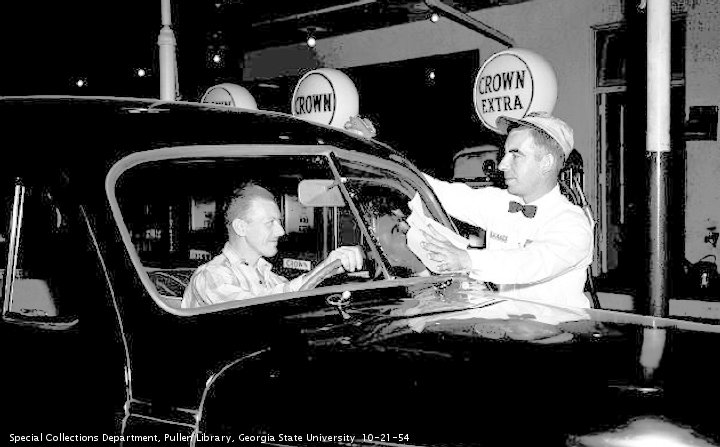
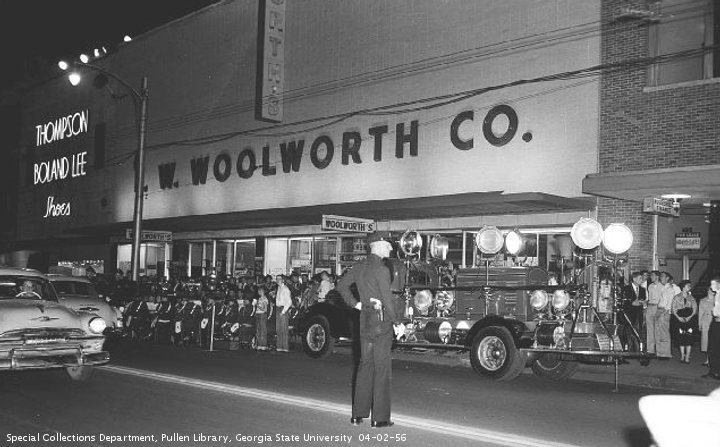
One saturday morning, PG listened to as much as he could take of an online discussion. It was two Ivy League psychology types, discussing something called the Implicit Association Test. This gimmick shows you pictures, and tests your subliminal reaction. The test unit completed by PG said “Your data suggest a moderate automatic preference for Straight People compared to Gay People.”
So the frizzy haired psych talker… or maybe it was the other one … said that the tests would not have predicted that America would elect a black man POTUS. Since BHO has a white mother, some people do not see him as being black. If you say this out loud the ism police will come for you. PG decided that he would be happier if he did not listen to the rest of the discussion.
Facebook is not always an improvement. A fbf, who PG has not seen in eleven years, posted graphic number four. This is the fourth in a series of motivational graphics, where the reader is guilt tripped into reposting the image as a gesture of solidarity. On top of that passive aggressive nonsense, it was a lousy graphic. PG decided to simply retype the message.
Its been said that everlasting friends go long periods of time without speaking and never question their friendship. These friends pick up phones like they spoke yesterday, regardless of how long it has been or how far away they live, and they don’t hold grudges. They understand that life if busy and you will always love them.
The grammar police have been notified. This was written like H. P. Lovecraft.
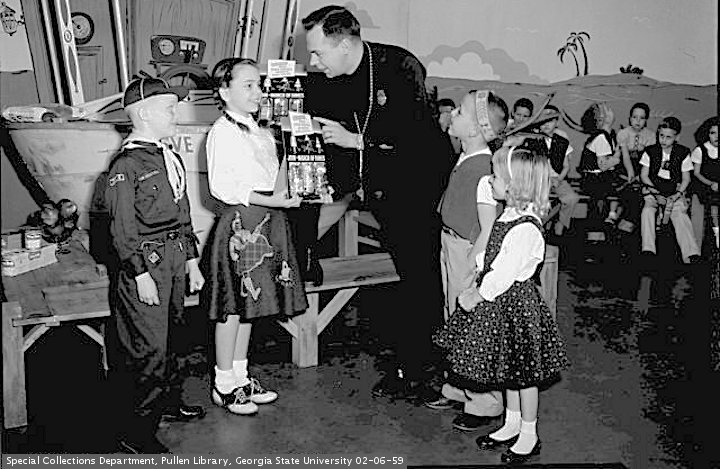
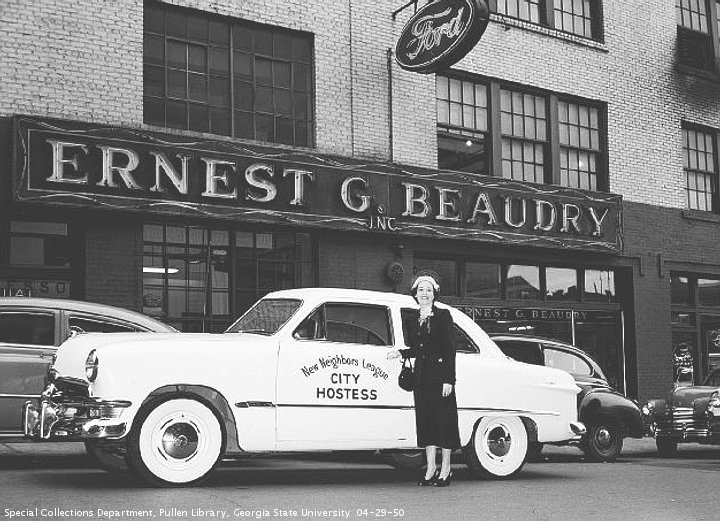
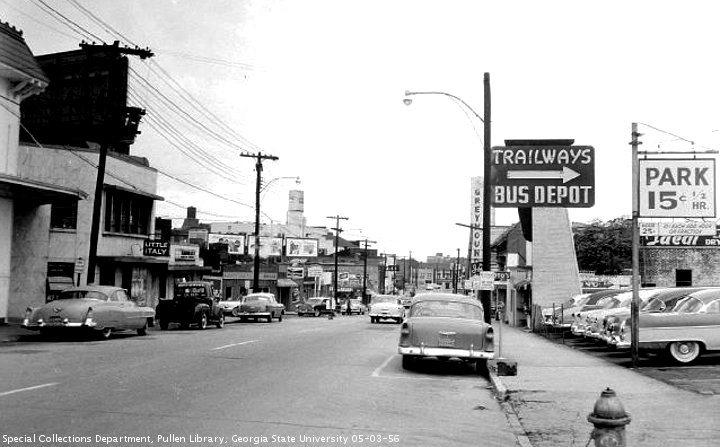
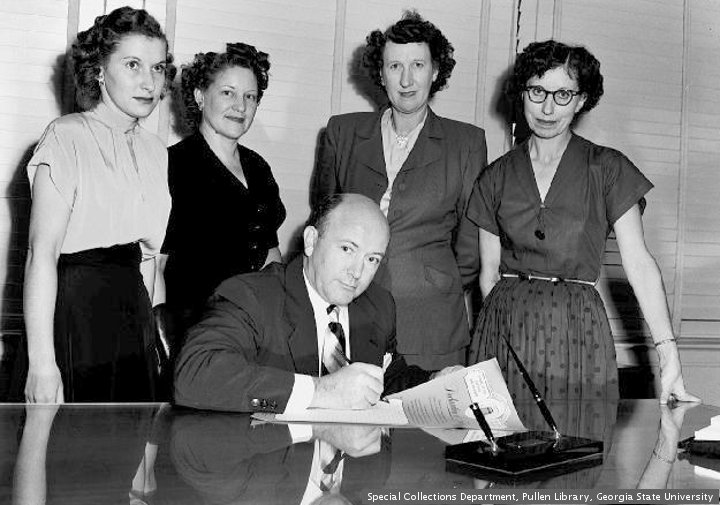
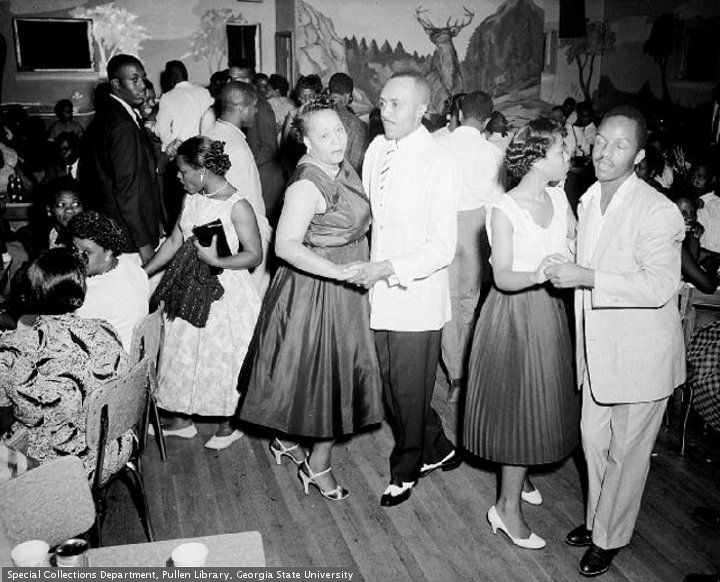
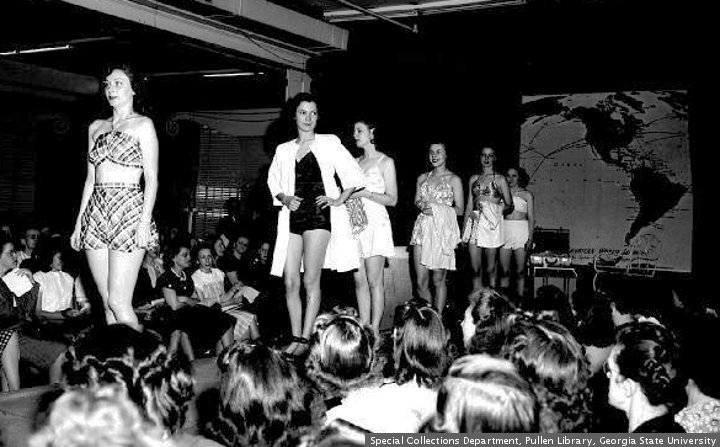
Pictures are from “The Special Collections and Archives,Georgia State University Library”.
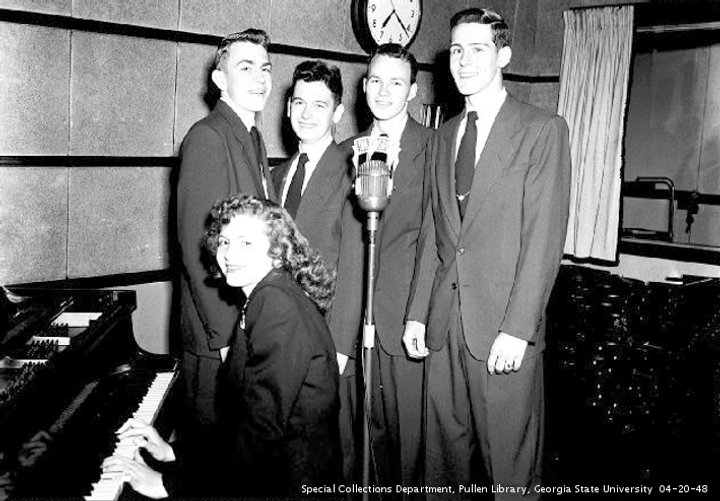


Up To Speed


PG went to get his drivers license renewed.
The State of Georgia had a program to encourage the drug free workplace.
A sign said that the program will help get your employees off drugs.
The phrase used was get you up to speed.


KIDS WITH SPECIAL NEEDS




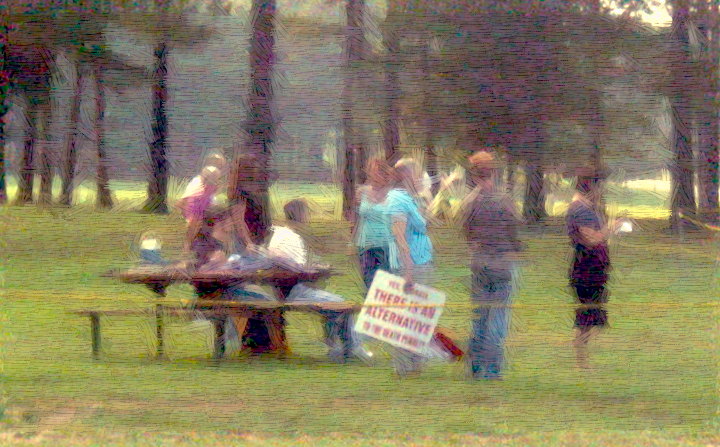

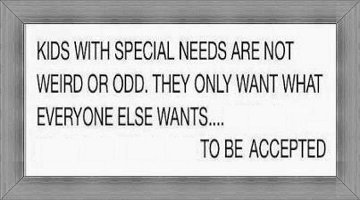
I saw the sign about
KIDS WITH SPECIAL NEEDS.
The sign said to repost in honor of KWSN.
I felt ill.
I doctored the sign.
I no longer felt ill.
I felt accepted.






Douche
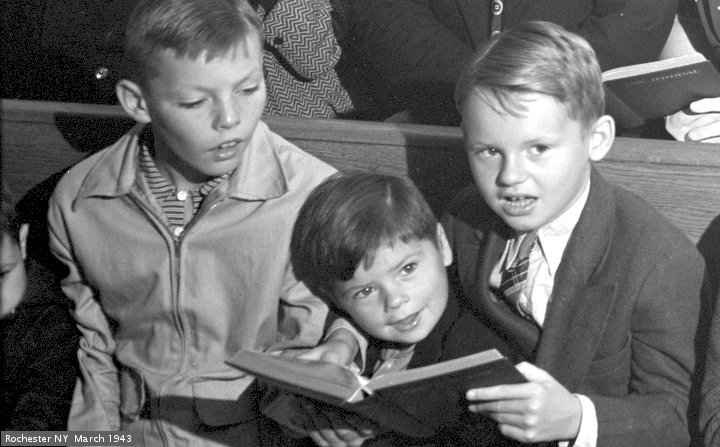

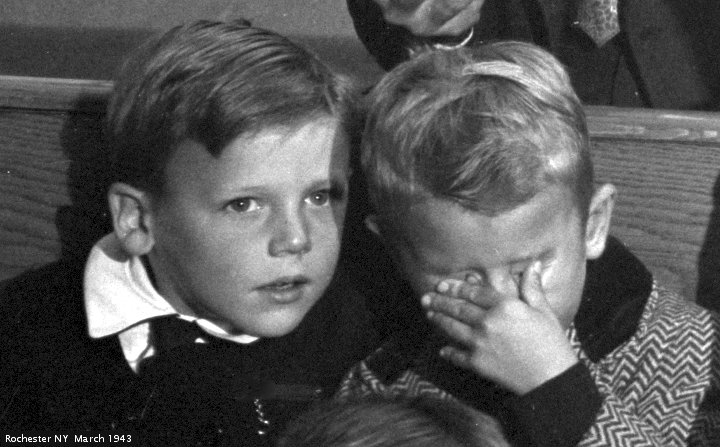
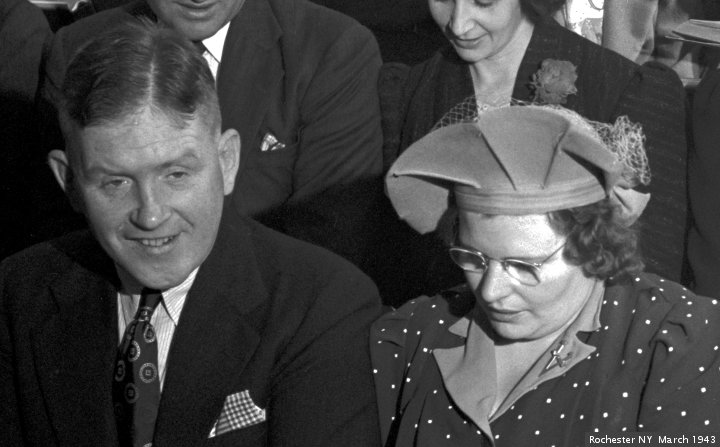


Backstory recently presented a feature, Rinse and Repeat: Cleanliness in America. As the title might suggest, it is about cleanliness. The location of this concept with regard to G-dliness was not discussed. While researching this story, a listener named Micheal Gambil sent a letter to the studio. This letter was read as part of the broadcast.
“This one is going to be great! My comment/suggestion may sound a little strange, but I was having a talk with my 70 year old aunt regarding female hygiene recently. She is still a believer in what is known as doucheing. YUCK! It got awkward…but it really made me think about the history of “lady products”. Flower scented sprays etc…I think there has been change on this issue. Or not…maybe it is just me and my quasi-hippy friends!”
Douching became popular in the nineteenth century. It was originally thought to be useful as contraception. As other methods of controlling fertility became available, douching became more of a cosmetic item. The corporate marketers are good at creating demand for a product.
More recently, the dangers of using this product have come to light. This awareness came into public consciousness at roughly the same time that douche started to be used as an insult. No one knows if the two developments are connected.
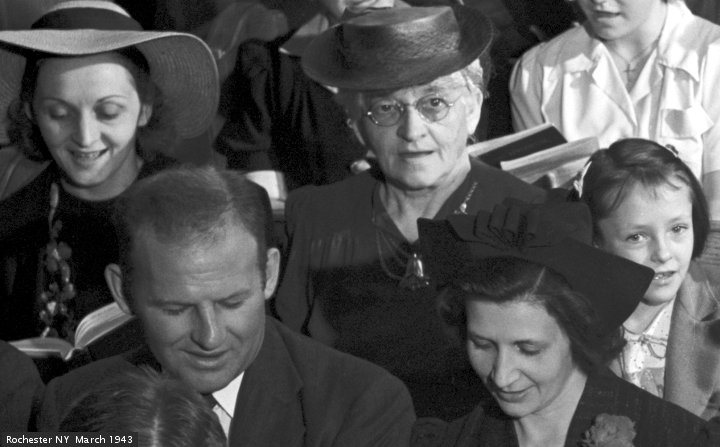
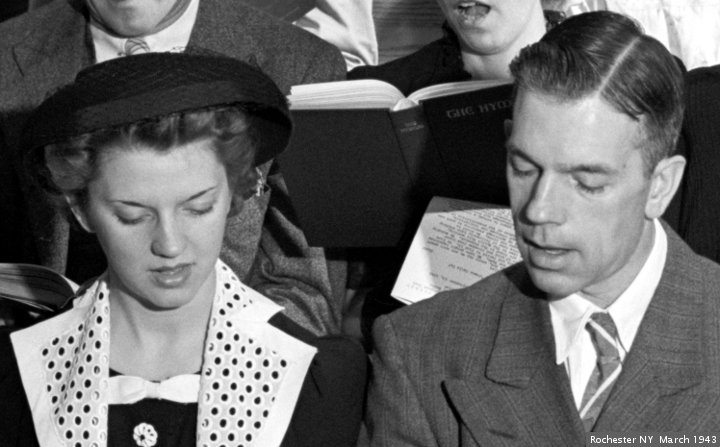
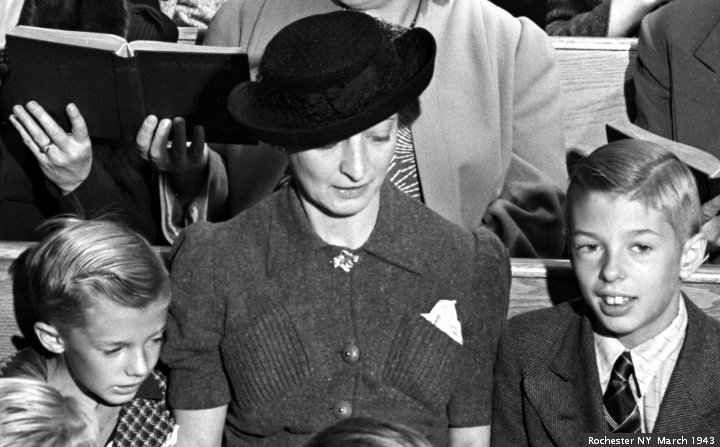
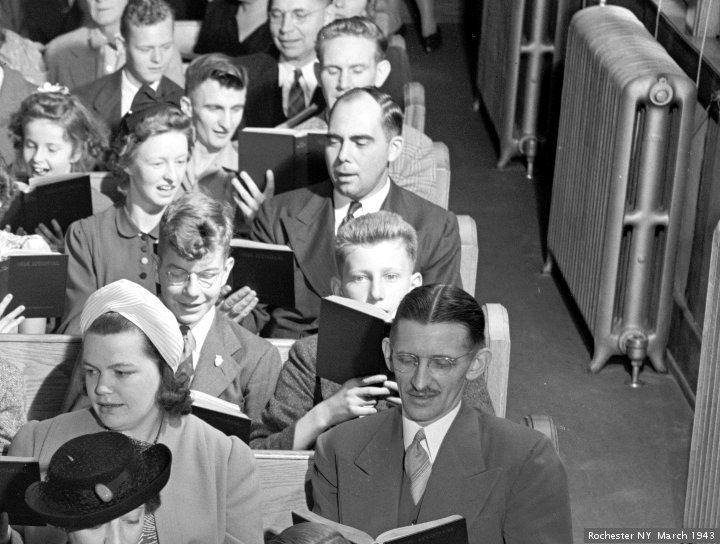
Pictures are from The Library of Congress. This is written like David Foster Wallace.


What American Accent Do You Have?


One of those quiz websites has a feature, What American accent do you have? The page is sponsored by Delta and Georgia Natural Gas. There is something icky about those two sharing a link.
The quiz is 13 questions. Most of them give you two words, like cot/caught and don/dawn. You are asked in they sound the same, different, and “Same, no wait I mean different, well, I don’t know…” Other pairs include stock/stalk, collar/caller, pen/pin, and feel/fill.
The result was the South. “That’s a Southern accent you’ve got there. You may love it, you may hate it, you may swear you don’t have it, but whatever the case, we can hear it.” The answers matched 84%.
Curiously, the answers given today were an 81% match for Philadelphia and The Midland. The biggest difference was with Boston (26%) and North Central(20%).
That was so much fun, PG decided to take another one. Youthink has “version 4 of the famous quiz that tells you what accent you have. But it still won`t tell you if you have a Pittsburgh or Vermont accent (sorry).” This one is also sponsored by the gruesome twosome, Delta and Georgia Natural Gas.
The second result was Neutral. You`re not Northern, Southern, or Western, you`re just plain -American-. Your national identity is more important than your local identity, because you don`t really have a local identity. You might be from the region in that map, which is defined by this kind of accent, but you could easily not be. Or maybe you just moved around a lot growing up."
A third alternative is What Kind of American English Do You Speak? This is sponsored by Methproject.org, which should get you up to speed. This is 20 multiple choice questions, like “You call sweetened, carbonated beverages: Coke Soda Pop.”
This quiz said that the tongue spoken here is General American English. This was a 55% match. Other scores include: 30% Dixie, 10% Yankee, 5% Upper Midwestern, 0% Midwestern. These results are followed by a link: “God chose your birthday for a reason. Instantly learn 12 shocking secrets your birthday reveals about your future!”
Pictures today are from The Library of Congress. This is written like Dan Brown.


Make The Cuts


Today is number two in the chamblee54 series of edited facebook graphics. Here is the original. The sanitized version is below. A spelling error was corrected, and the picture is now in grayscale. 
The salary that elected officials is a tiny part of their income. The real money in public service comes from other sources. The “johns” supporting BHO invested a billion dollars into his reelection. The pension noted on the sign is .022% of that. The same dynamic applies to the other officials on that graphic.
The salary of a soldier in Afghanistan is likewise a small percentage of the total cost. Having a war of choice, paid for with a tax cut, has had a devastating impact on the economy.
This is the first place a cut should be made. This soldier needs to come home. With the money that will be needed for his/her medical care, there will likely be little money saved.
Pictures are from The Library of Congress.


Having An Unusual Name


PG would rather work on his computer than watch the oscars. This is a choice. It is made less dangerous by facebook, which can alert PG to every twitch of the ism police. It seems like some racist, sexist, misogynist, and ablist things were said Sunday night. PG would be a terrible person if he were not offended by this behavior.
One of the players is Quvenzhané Wallis, who is getting scads of career boost at the moment. Some speakers did not want to pronounce her name, and got in trouble as a result.
An observer throws this opinion out there: “Give your daughters difficult names. Give your daughters names that command the full use of tongue. My name makes you want to tell me the truth. My name doesn’t allow me to trust anyone that cannot pronounce it right … Give your children difficult names, so the world may learn how to unfurl its tongue in the direction of our stolen languages.”
PG was known for most of his life as Cam. This is short for Campbell, his middle name. Whenever he was introduced to someone, he had to explain this name. Yes, it is just like a car cam, whatever that is. No, it is not Cal or Kim. It is Cam, C A M. After a while, it became a giant pain in the ass.
The parents responsible for this are kind, loving people. People make mistakes. Who knows what they were thinking when they decided to name their firstborn after an automobive part.
So, go ahead and give your baby an “unusual” name. They might like it. It may also be a source of embarrassment. Being a living human being is tough business. Giving an kid a weird name just might make it a bit tougher. It might be a very selfish thing to do.
Pictures are from The Library of Congress.


Lie About Jesus


Jamie Foxx sang a few words
Supposedly to the parents of Trayvon Martin
No weapon formed against you shall prosper.
This is a lie.
Kel Tec does very nicely.
Jesus is used to hurt people.
Gun owners
And bible owners
Like to have fun.


The Trial Of Lenny Bruce



Towards the end of his Booknotes chat, Nat Hentoff talked about censorship. As a journalist, his views were predictable.
Mr. HENTOFF: Any words at all. Words are–I mean, there is a great–there was a great scene in New York once when Lenny Bruce, who was a friend of mine, was on trial for his words. And Richard Cue, the assistant district attorney, was making a name for himself trying to blast all of the witnesses for the defense. And he got Dorothy Kilgallen, who was a very famous then syndicated columnist, a devout Catholic, a conservative and a great admirer of Lenny Bruce. And he con–he strung together, Cue did, all of the words in Lenny’s monologues that could be considered terribly offensive, and he hit her with them. It was a barrage. `What do you think then, Ms. Kilgallen?’ `Well,’ she said, `they’re words. They’re words. That’s all. Words.’ That’s the way I feel.
When PG heard this, he remembered reading about this trial. With the aid of Mr. Google, a transcript turned up. If you like to read about lawyers saying dirty words, this is the place for you.
Dorothy Kilgallen was, to put it mildly, a piece of work. She wrote for the N. Y. Journal American, and stepped on more than a few toes. A biography, Kilgallen, tells a few of the tales. Today, Miss Kilgallen is best known as one of the original panelists on “Whats My Line?”
The People v Lenny Bruce (Cafe Au Go Go Trial) was tried June 16, 1964 to July 28, 1964 in New York City. The Per Curium Opinion of Judge John Murtagh sets the tone. “All three performances of the defendant, Lenny Bruce, were obscene, indecent, immoral and impure within the meaning of Section 1l40-a of the Penal Law. While no tape is available as to the first performance [past midnight, March 31-April 1], this monologue, according to the testimony, was essentially the same as that of the second [April 1, after 10:00 p.m.] and third [April 7, after 10:00 p.m.] performances. In the latter two performances, words such as “ass,” “balls,” “cock-sucker,” “cunt,” “fuck,” “mother-fucker,” “piss,” “screw,” “shit,” and “tits” were used about one hundred times in utter obscenity. The monologues also contained anecdotes and reflections that were similarly obscene.
Dorothy Kilgallen was called as an “expert witness”. In lawyerly fashion, the prosecutor claimed she was not a genuine expert. After her credentials were established, there were questions like “Will you tell us what the artistry, or the social value, or the merit, or the good is, in the Bruce story of sexual intercourse with a chicken?” After the testimony described by Mr. Hentoff, Miss Kilgallen talks about something that does offend her.
Q. I wouldn’t take much time, but we did discuss before Lenny Bruce’s use of the words ‘mother fucker’ at his audience. Can you tell me when James Jones or Norman Mailer or Arthur Miller has called his audience ‘mother fucker?’
Mr. Garbus: Your Honor, may I object? We are talking about books against monologue. It’s completely an irrelevant question.
Judge Murtagh: We will allow it. Objection overruled.
A. I can’t tell you anything verbatim from the books, because I read them a couple of years ago or more. I would imagine–this would be my best guess–that they did not call their audiences anything. There’s another book called The Naked Lunch which I couldn’t even finish reading, but it’s published, and I think the author should be in jail and he used–
Q. Unfortunately we can’t do everything at once, Miss Kilgallen. Are you judging the non-obscene quality and the artistic quality of Bruce by the fact that The Naked Lunch is a book which, as of this date, is sold in the community?
A. No, I’m not. I just mentioned it because you asked me for some books.
Q. And The Naked Lunch is a book you found impossible to read, is that correct?
A. Yes, I found it revolting.
Q. What was revolting about it?
A. Just the way it was written.
Mr.Garbus: Objection, your Honor.
Judge Murtagh: Objection overruled.
A. It seemed to use words for shock value, not for any valid reason, and I object to that.
Q. And when Lenny Bruce–I ask you to turn to the April 1st tape . . . and read the portion starting–‘tits and ass, that’s what is the attraction, is just tits and ass and tits and ass’–and goes on all through the page, and ask you if you find some shock value in that?
A. No, I don’t think it’s particularly shocking, it’s just a word.. . .
Q.. Do you, in your column, use the words tits and ass?
A. Never.
Q. You know exactly what Lenny Bruce was talking about?
A. Yes. . . . I think there he’s being critical of the monotony of what is on view in Las Vegas.
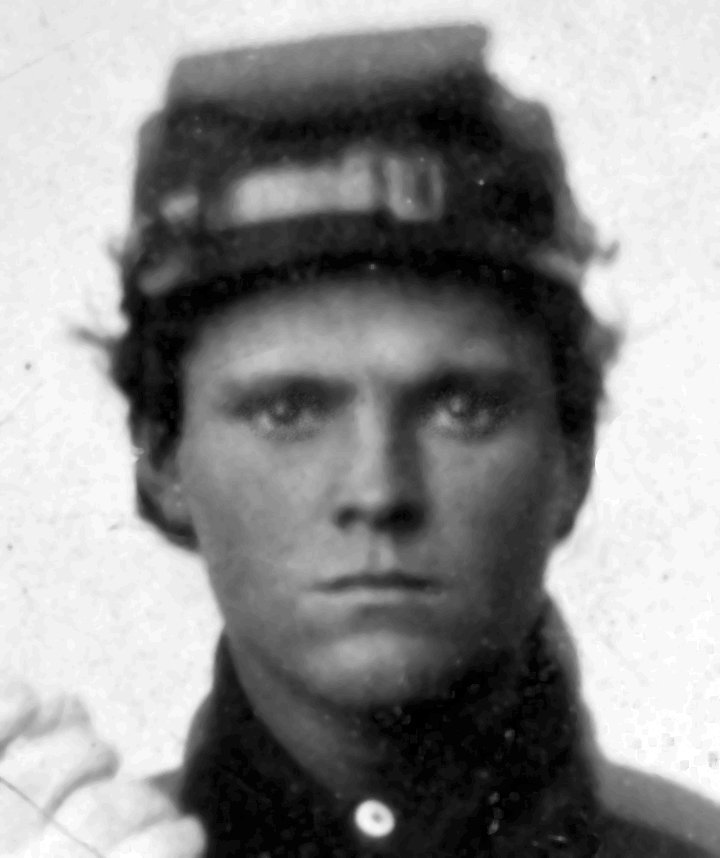
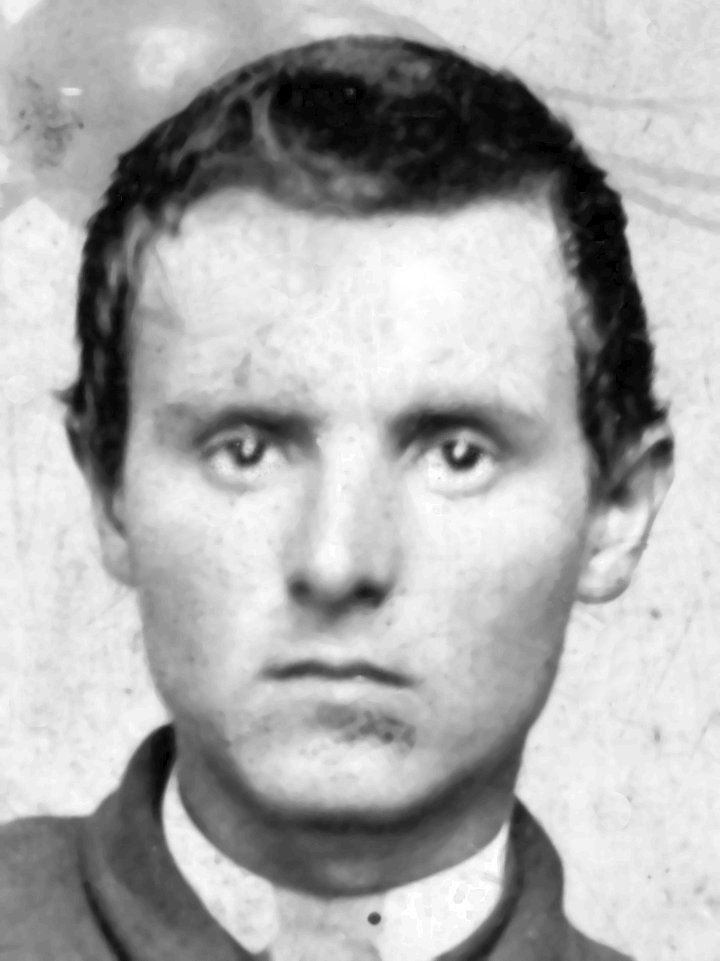
Dorothy Kilgallen died November 8, 1965. Lenny Bruce died August 3, 1966. Kilgallen biographer Lee Israel was convicted of selling forged celebrity letters. Nat Hentoff was laid off from the Village Voice. Pictures today are from The Library of Congress. These images are Union soldiers from the War Between the States. The spell check suggestion for Kilgallen is Millennial.



Nat Hentoff




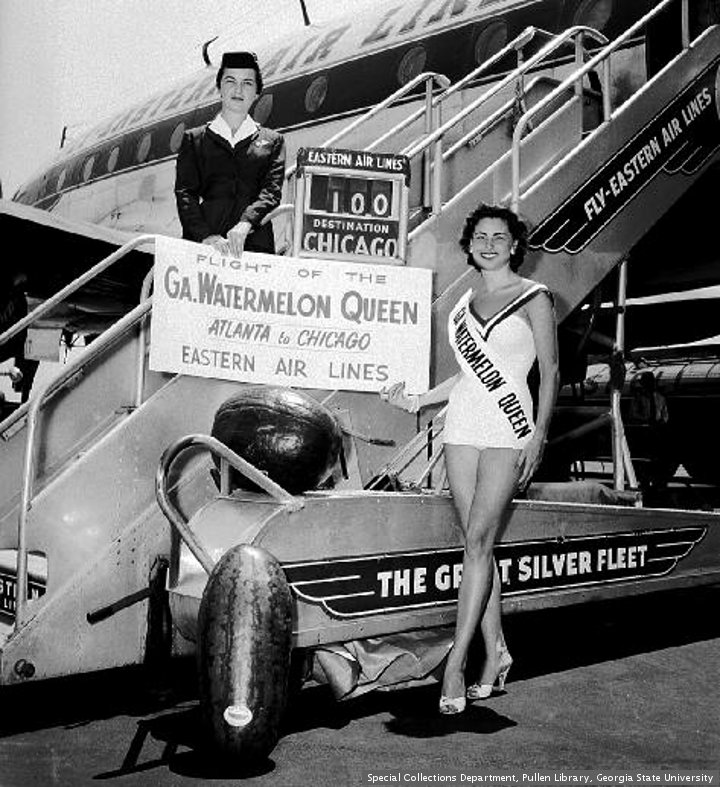
PG saw a talk with Nat Hentoff on Booknotes. A series of stories about jazz musicians was expected. That is not what the talk was about. The first topic of the conversation was abortion.
LAMB: (Brian Lamb, host of Booknotes) “When has a liberal been the most upset with you to your face?”
Mr. HENTOFF: “Oh, well, the most controversial subject-issue I’ve ever gotten involved in to this day was when I became pro-life. And liberals are very–many liberals are very angry at me because of that. In part, because–they could understand it, they say, if I came to it from a religious kin–a Catholic perspective. But I’m still a Jewish atheist, and that really bothers them.”
Later in the interview, Mr. Hentoff commented on atheism.
LAMB: “What does it mean to you to be an atheist?”
Mr. HENTOFF: “It means that I was never able–I mean, I really envy, in some respects, some of the people of faith I’ve known–A.J., for example.”
LAMB: “What was his religion?”
Mr. HENTOFF: “He was–he–I don’t know what he finally came out believing in, but it was some kind of higher being. But Kierkegaard said it for me a long time ago. He said, `You can’t really think yourself into a faith, into a religion. It’s something you have to make a leap into faith.’ And I’ve never been able to do that. I wish I could. Then maybe I could believe in an afterlife.”
Being an atheist did not keep Mr. Hentoff from befriending religious bigshots.
“My favorite story about O’Connor (John Cardinal O’Connor) –one of them–is I was in Toronto at a pro-life conference. And I was … explaining … that the best way to not have unwanted abortions was to have much more research on contraception. And two very large, true-faith people came out of the audience, wrested the microphone out of my hand and said, `That is inappropriate, improper. Pro-lifers do not believe in contraception.’ And O’Connor’s watching this. I get up again and introduce him, and O’Connor said, `I want to tell you I’m delighted that Nat is not a member of the Catholic Church. We have enough trouble as it is.'”
Mr. Hentoff may be the one “pro life” advocate who is also opposed to war and capital punishment. The interview was broadcast October 19, 1997, when his political passion was a distaste for Bill Clinton.
Mr. HENTOFF: “Oh, I think–I don’t think he does anything–I don’t think it’s ill will. I don’t think he’s evil in the sense that he hates the Bill of Rights. He does what he figures will help him politically. It’s like when he was running for president. I’ll never forget this one. He was running in New Hampshire. He was not doing well. And he suddenly, over a weekend, rushed back to Little Rock to execute a guy who had killed a cop, but in the process, the policeman had shot him in the head and he was out of it. He didn’t know today from tomorrow, good, evil, whatever. His lawyer begged–his lawyer was an old friend of Clinton. He begged Clinton not to have this guy executed. It was absurd. But he did it anyway.”
When you say anti war to people of a certain age, they mean Vietnam.
Mr. HENTOFF: … “I got fired from The Reporter. Max Askeli was a very courageous, principled man up to a point. He had left Italy before he was thrown in jail by Mussolini. And he started this very good magazine…. I was in the back of the book doing music. I once did a–the first piece on Malcolm X that anyone had ever seen in the– white press.
But I was very much against the Vietnam War, and Max Askeli was visiting Lyndon Johnson in the White House cheering him on, writing editorials. And in The Voice one day I once referred to him as Commander Askeli. And I called in to The Reporter to go over the galleys of a music piece I had written, and the editor whispered to me, `It’s not gonna run. You’re not gonna run. Max Askeli has fired you because of what you said about him.’ You see, the person who has the strong ownership of free speech is the one who owns the press.”
Some of these opinions got the FBI interested in Mr. Hentoff. Years later, Mr. Hentoff filed a FOIA suit, and got to see his FBI files.
LAMB: “You also once decided you wanted to look at your FBI file.”
Mr. HENTOFF: “Yeah. I was writing–at least beginning to write Boston Boy and there were a lot of holes in my so-called research. I didn’t know the towns my mother and father came from in Russia. I didn’t know the name of the clothing store I went to work for when I was 11 years old. I didn’t know a lot of things. So I called for my FBI files, not expecting to have that stuff there, but I wanted to know what they had on me. And–but they did have the towns my mother and father lived in in Russia. They had the grocery store I worked in when I was 11 years old.
Then they had a lot of clippings, a lot of articles I’d written. And to me the–the funniest one was–I had done a piece for Playboy about J. Edgar Hoover. I had not been very kind to J. Edgar Hoover. And the field agent had written on –it was sent directly to Hoover–that–the director should see this–`And, besides, Hentoff is a lousy writer.’ And I thought that went a bit far.”
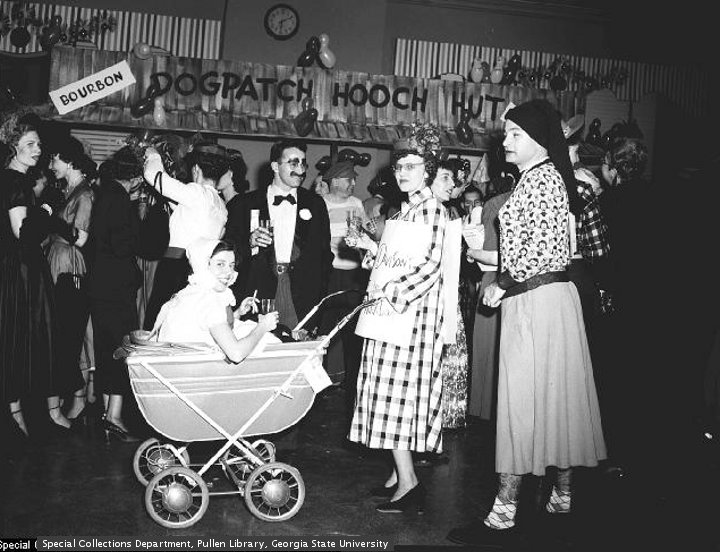
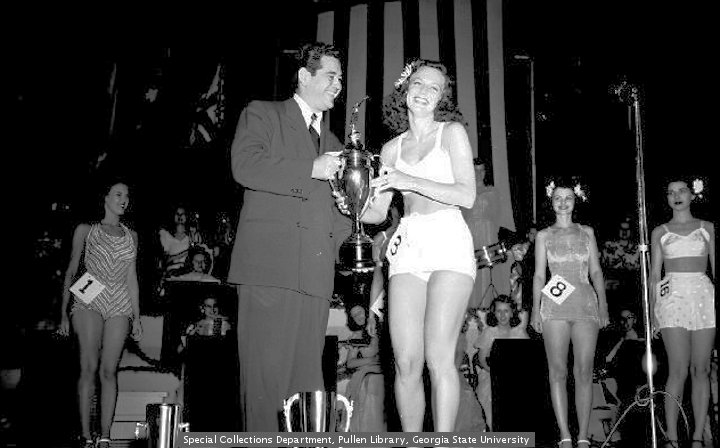
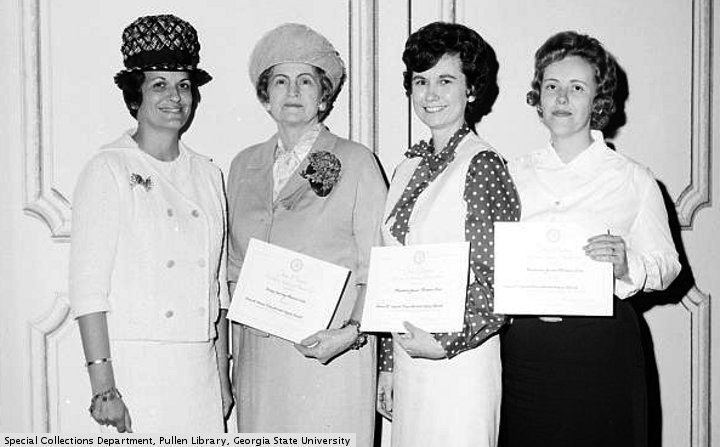
The Booknotes talk aired October 19, 1997. Mr. Hentoff was promoting a book, Speaking Freely: A Memoir. He is still alive. Pictures today are from “The Special Collections and Archives,Georgia State University Library”. This was written like James Joyce.




Small Minority


Maybe only a small minority of groups do terrible things. This is small comfort to those affected. Most muslims are not radicals did not help the people on flight 11. If pedofiles are a small percentage of priests, that does not heal those molested.


1 comment