Wrongly Attributed Statement
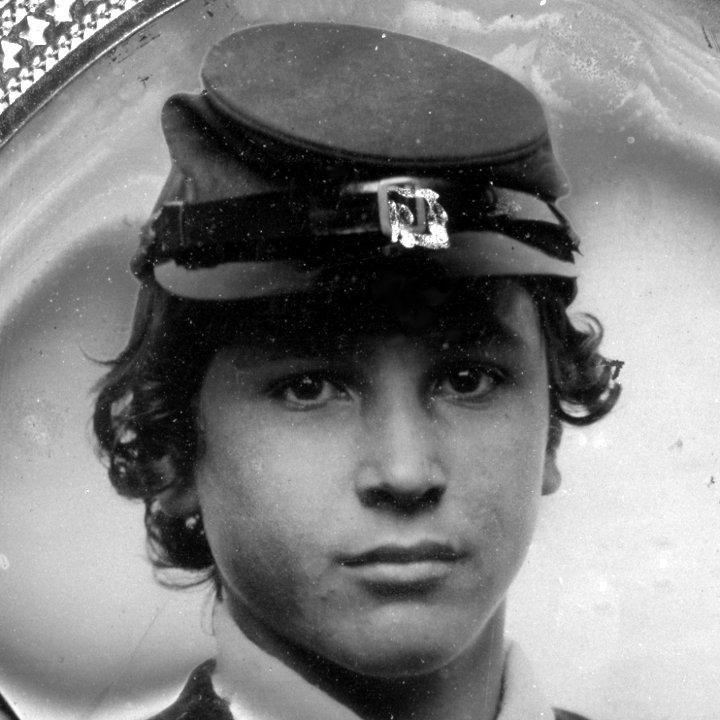
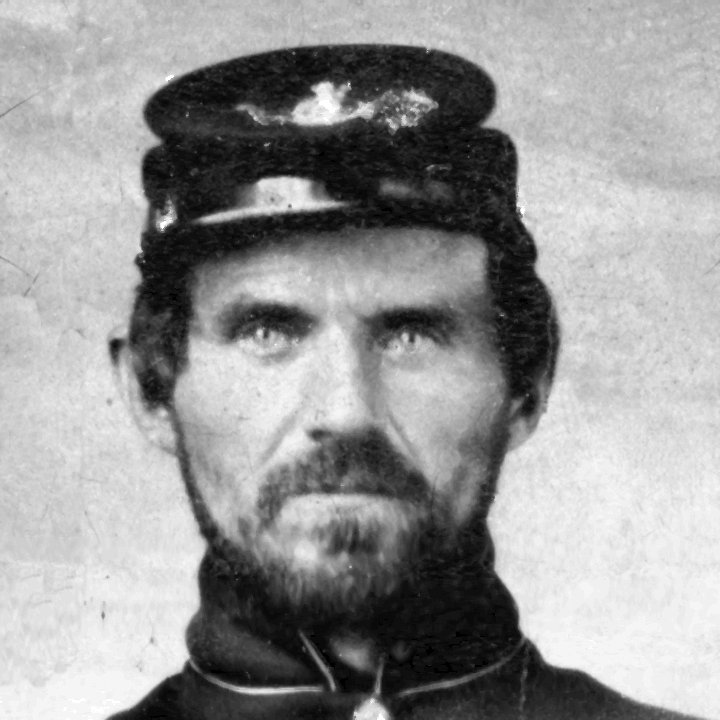

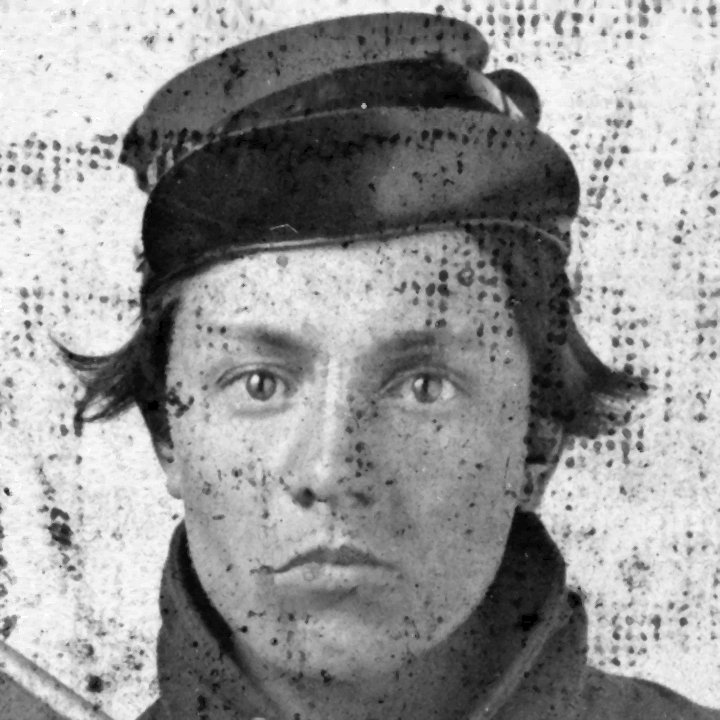
It was not the first pleasant morning spoiled by a visit to facebook. A well meaning friend posted this: “An interesting article, no doubt written with Luther Mckinnon in mind: Who Really Said That?” Apparently, someone has a reputation for poking *pin prick needles* in the hot air of quote balloons. A discussion of the article should make for a good excuse to post some pictures.
The feature was posted in The Chronicle of Higher Education. There are references to obscure trends, There are French words, in italics. It rambles when it should rambo. Worst of all, it refers to a facility for checking out quotes, Quote Investigator, without giving a link. This is tough to forgive. Links are so easy to put in an online article, and allow a reader to see the information without the filter of academia. It is the digital equivalent of a footnote, and much easier to install.
The operating acronym here is WAS, for Wrongly Attributed Statement. This has potential. You can have Wrongly Attributed Statement Ho, or WASH. You can have Wrongly Attributed Statement Perpetrator, or WASP. You can have Wrongly Attributed Statement Terror Export, or WASTE.
Corey Robin, the author of the skeptifest, says that trying to authenticate a WAS can be an all day affair. PG discovered that when writing about the Seven Brilliant Quotes. The wikiquote method emerged. You copy the wikiquote post about the source in question. You should save this document, because you will probably use it again. Take a key word from the quote in dispute, and search for it. Either the quote is real, almost real, or phony. If you can’t tell one way of another, just say that it cannot be attributed. Prove is a misleading word.
Does it matter? Some say it doesn’t, that even if the famous person did not mouth the magic words, then he probably said something similar. “It sounds like something she would have said.” Of course the context does matter. It is good to know why the famous person said what he did. And then there is the mythical tribute to authority. Some people seem to think that a saying is more true if a famous person said it. Mark Twain just wants his royalties.
Mr. Robin trots out the venerable chestnut, “The only thing necessary for the triumph of evil is that good men do nothing.” When PG took on this trojan horse, it was blamed on Thomas Jefferson If he had done nothing, Sally Hemmings would not be famous.
“The only thing…” is one of those sayings that sound good until you think about it. The good people in Germany tried in 1931, but Mr. Hitler was a bit meaner. It wouldn’t be surprising if mustache man used a German version of that saying in his speeches. Plenty of bad guys have the crowd convinced that they are good guys. Maybe the saying should go “The only thing necessary for the triumph of evil is that good men get confused by inspiring rhetoric”.
Telling the truth can be a lonely business. People don’t like to be told that Santa Claus does not exist. They want to believe in something. It makes them feel better if Albert Einstein agrees with them. PG used to let his BS detector run wild. He got tired of constantly buying batteries for it. These days, it is easier to let people have their heroes.
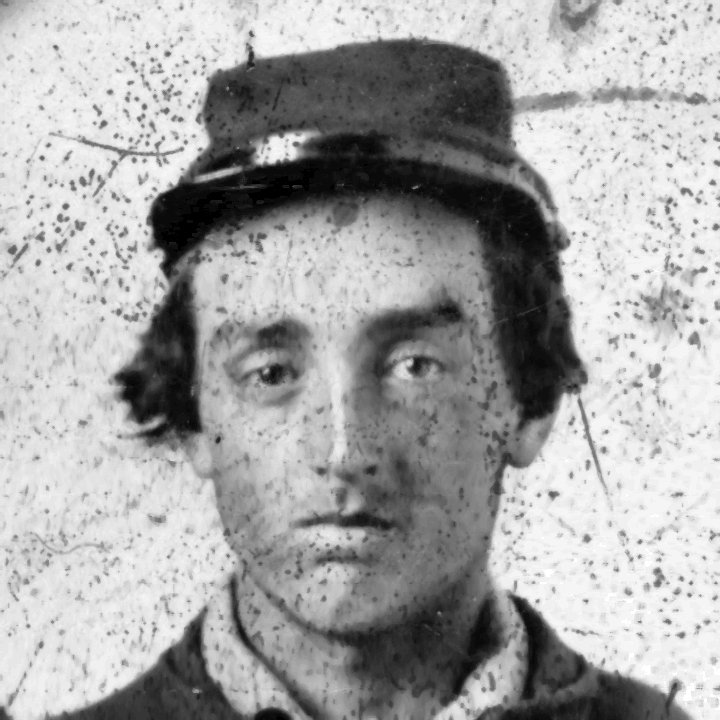
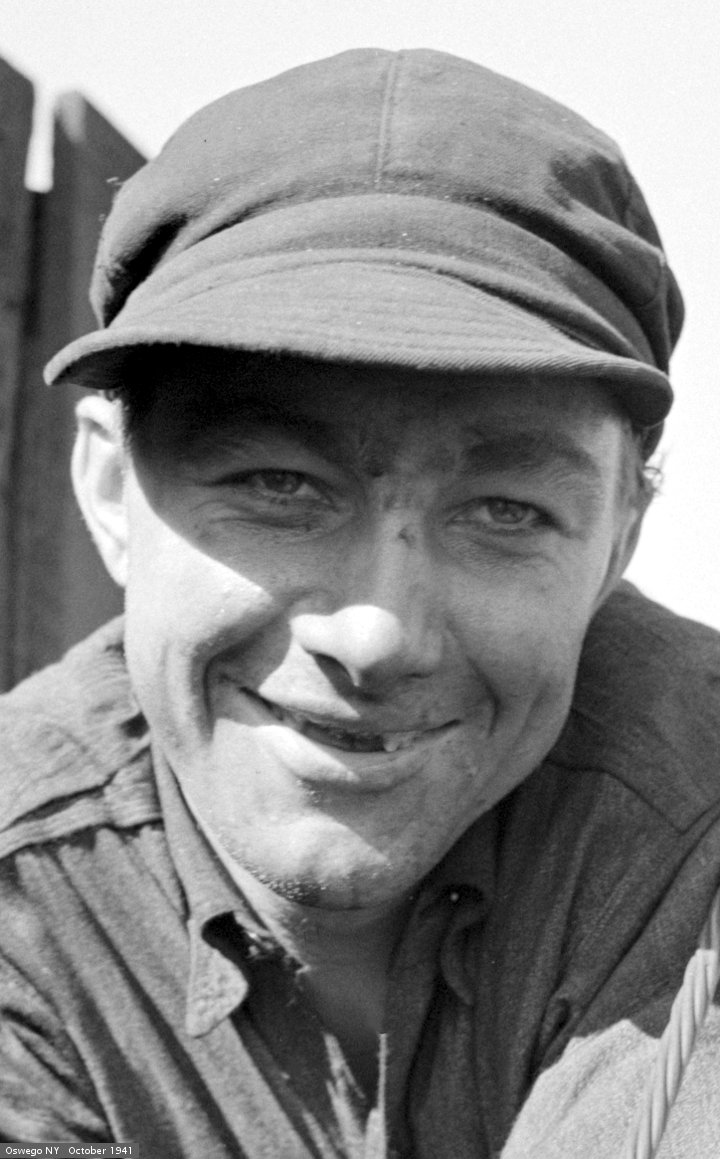
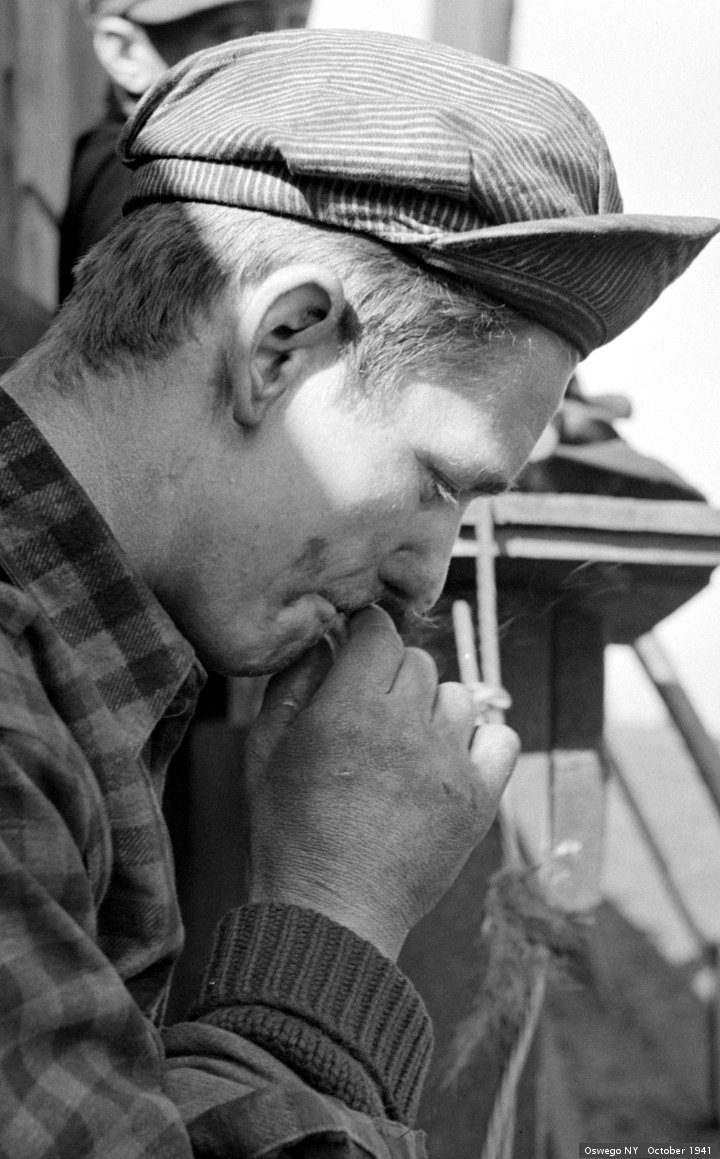
The Library of Congress supplied the pictures for today’s entertainment. These men were Union soldiers in the War Between the States. These men thought they were saving the Union.



Plastic Improvement
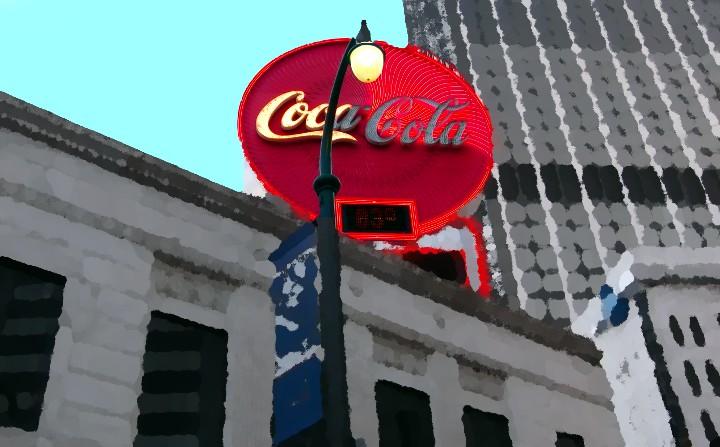


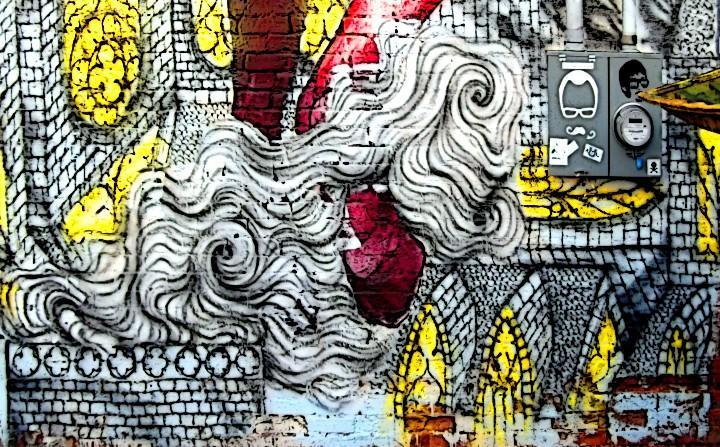


There was a trash can, full of yard waste. After the sunday night rainstorm, it would have water in it, and be heavy to pick up. PG went to the street, intending to tip it over. The water would drain out, and it would be easier to dispose of the yard waste.
When PG got to the can, there was a pink plastic bag on top. Inside the pink plastic bag was a selection of dog droppings. This is not proper disposal procedure.
Perhaps the distributor was going to come back for the product. There is an alcohol use device called zombie. Do you mix Rover residue with rainwater, soaked in strands of ivy? When you add some legal drugs, is that a zombie?





Atlanta Streets Alive!








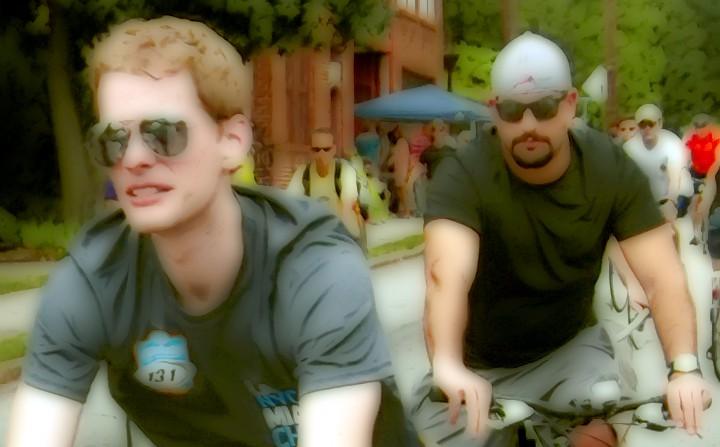
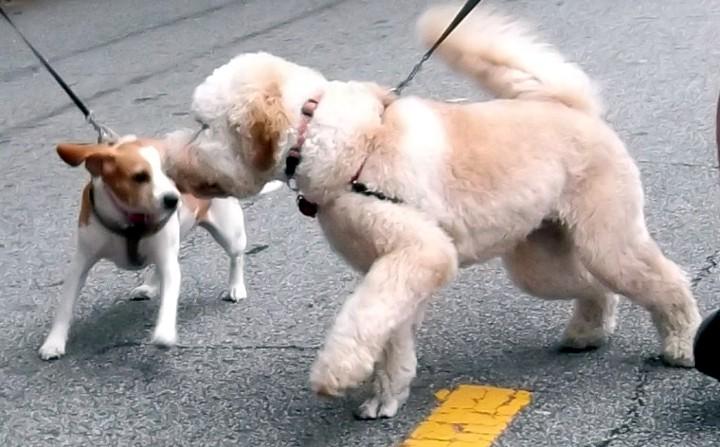
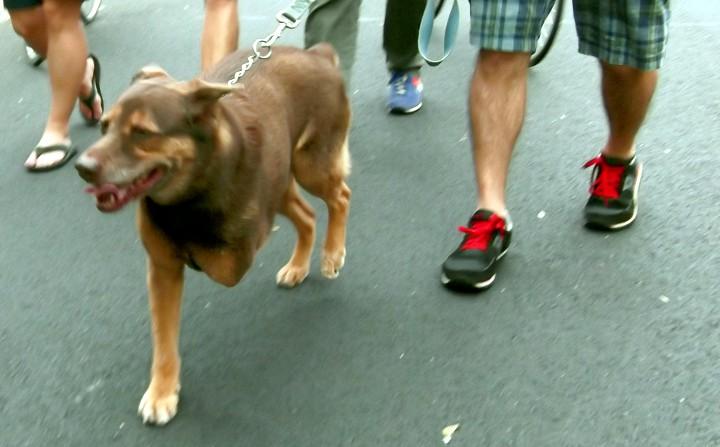
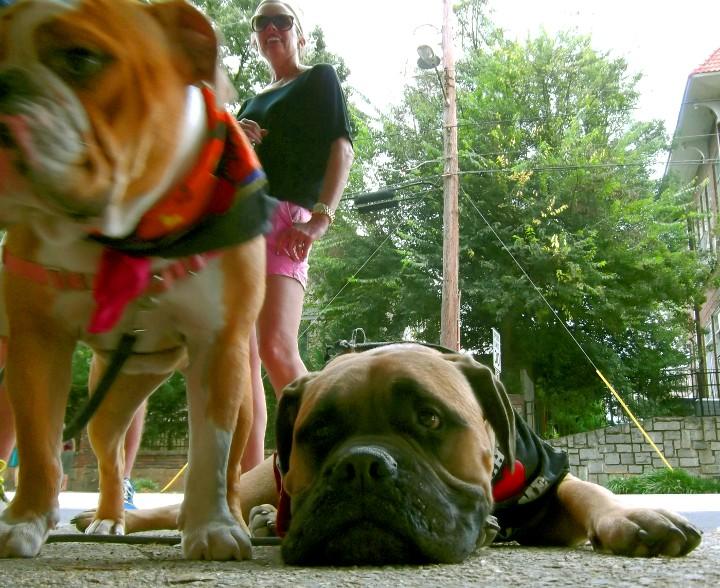
Atlanta Streets Alive! is an event where a street is closed to automobile traffic. The asphalt is taken over by people, dogs, and non motorized vehicles. Businesses along the way are open, and restaurants do a brisk trade. If you don’t get run over by a bike, you will probably have a good time.
The strategy was simple, Drive into town. Cruise around the hosting neighborhoods, one block away from the event. When you get a parking spot, take it. After avoiding a collision with a determined oncoming vehicle, PG made his way down Lanier Drive. A few feet away from Virginia Avenue, a prime parking spot appeared, as if by magic. It is almost like a reward for clean living.
The event was a quadrangular loop, going from North Highland, to Highland, to Boulevard, to Monroe, to Virginia Avenue. If one had a bicycle, the entire loop would have been easy to navigate. PG and Uzi were on foot. They made it as far as the de-Northification of Highland Avenue. When they got back to the car, they had gotten enough exercise.
SAA was a great counterpoint to the FLUX event, held the night before. PG saw one person that he knew at FLUX. At SAA, the one person he knew was Angel Poventud. While PG talked to Angel, four people that knew Mr. Poventud greeted him. Some people are more connected than others. While PG enjoys his quiet life in Brookhaven, he sometimes would like to know more people intown.
As the walk was going by the Plaza for the second time, a young man rolled by on a skateboard. His T shirt said, I know what I am doing. He had a beer in his left hand. He nearly fell off the skateboard. On the other side of Ponce de Leon Avenue, a three legged dog was in the parade.
After getting all that exercise, PG and Uzi were ready for dinner. The Piccadilly cafeteria is convenient and cheap, but there are issues. A few months ago, PG saw a server in the men’s room emerge from a stall after delivering a number two. He went back to the kitchen without washing his hands. On the way out to the parking lot, PG saw the report from the health department. The Piccadilly cafeteria, on North Druid Hills Road, got a score of 60.



Flux
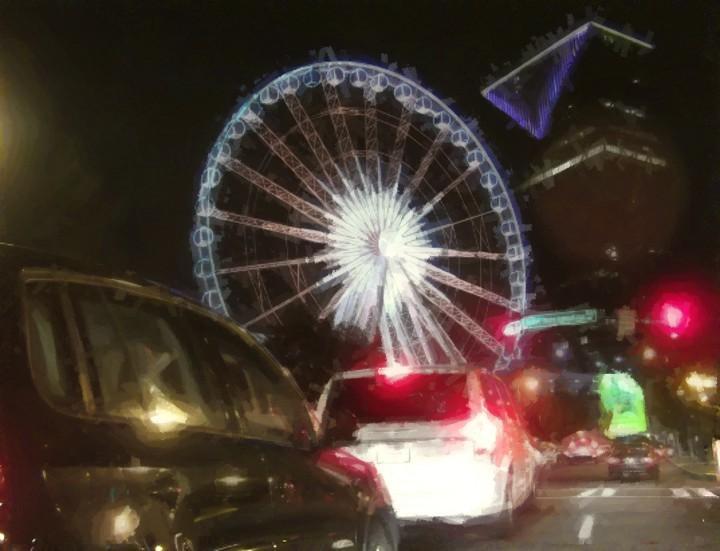





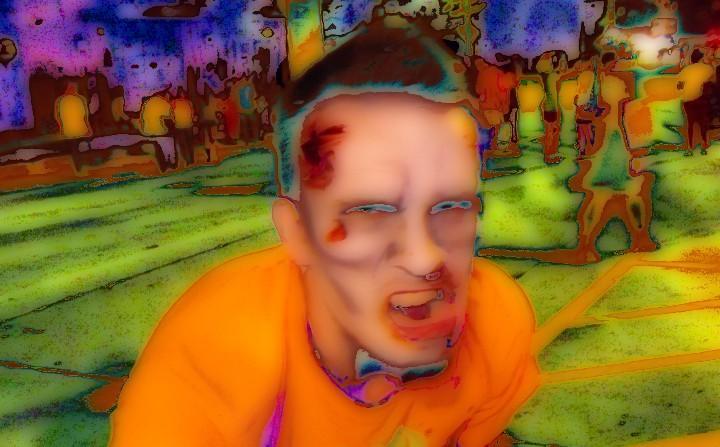
Mr. Lion posted a message on facebook about the Flux night event. He wanted to attend, but didn’t have anyone to go with. PG saw this, and realized that he needed to get out of Brookhaven. Messages were sent, phone calls made, and an agreement reached to meet at a midtown parking lot at 9:00 pm. In a bit of murphy’s law denial, a vehicle left Piedmont Avenue, heading south, at 9:15.
PG is a nervous suburbanite, and had no clue where to park. Turning past the dome, the barricades and crowds were evident, as were the lines of cars going nowhere. An illegal one eighty turn later, PG gave up, and parked at the dome.
The two men were soon in another world. Castleberry Hill is a downtown neighborhood, reclaimed by the trendy and prosperous. The old brick buildings were swarming with culture vultures of all persuasions. PG wondered more than once where these mobs of bug eyed youth came from.
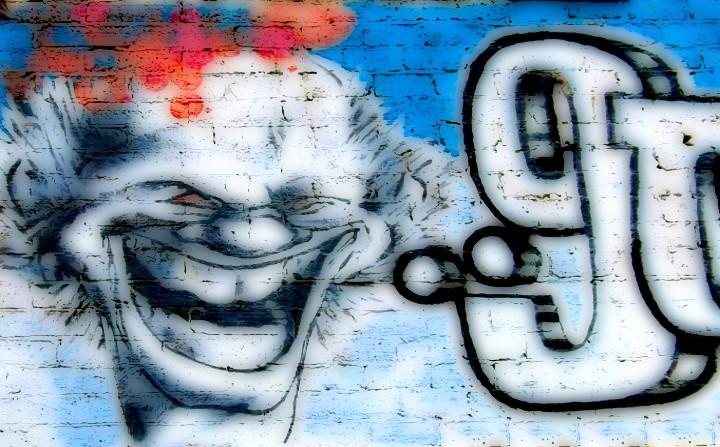
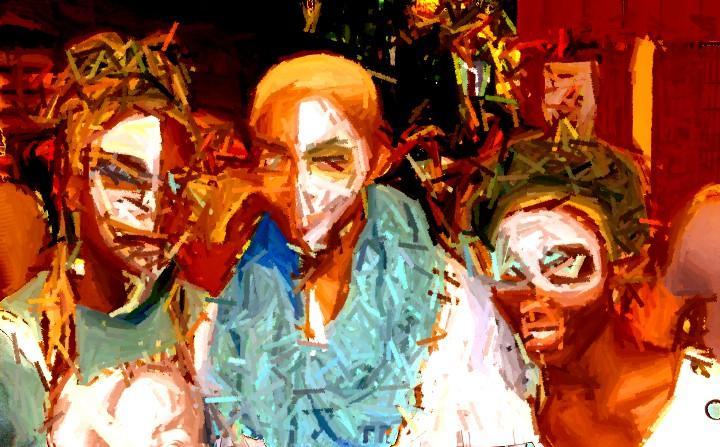
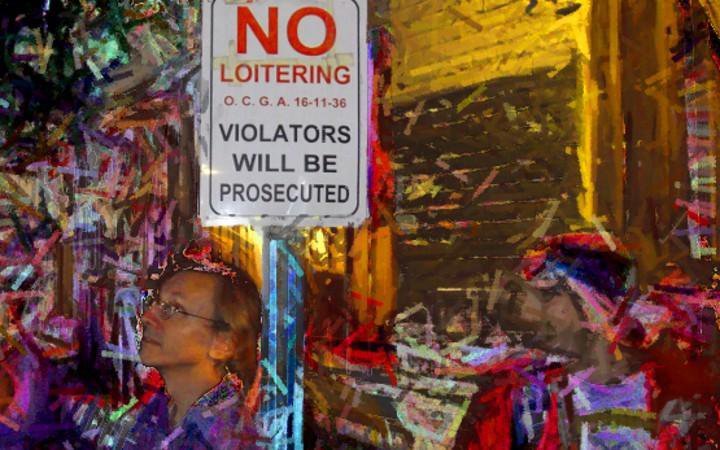
The first stop was an elderly brick building. For this night, it was crawling with murals, music, and machines that shot out cannonballs of smoke. People were posing in front of the well lit murals, which made it easy for PG to cop a leftover image or two. Mr. Lion got into a chat with a director of the collective, while PG dealt with the heat by photographing unsuspecting young ladies.
Mr. Lion is an elitist, but not a snob. PG is an anti semanticist, with an aversion to labelism. It was noted that calling yourself an non labelist was an act of labelism. But, as they say in Alabama, hypocrisy is usually the cheapest argument. Despite this existential eggshell walking, the Mr. Lion managed to keep up with PG, who was up to his usual mischief. With few dogs to photograph, the focus was on humans. There was lots of barking and tail wagging.
“Can I have a picture of your makeup” ” Sure” ” Can I have some attitude” ” What” “You call that attitude” “How can I have attitude if I am having a good time”
The streets were often crowded. In best Atlanta tradition, it was tough to know if you were going north, south, to heaven, or to hell. In an effort to not miss anything, several streets were covered twice. Finally, enough was enough. Mr. Lion managed to remember the side street that led back to the dome. It is part of elitism to always know where to go. A rat should always have a hole to crawl into.




Dick Nixon TV Critic

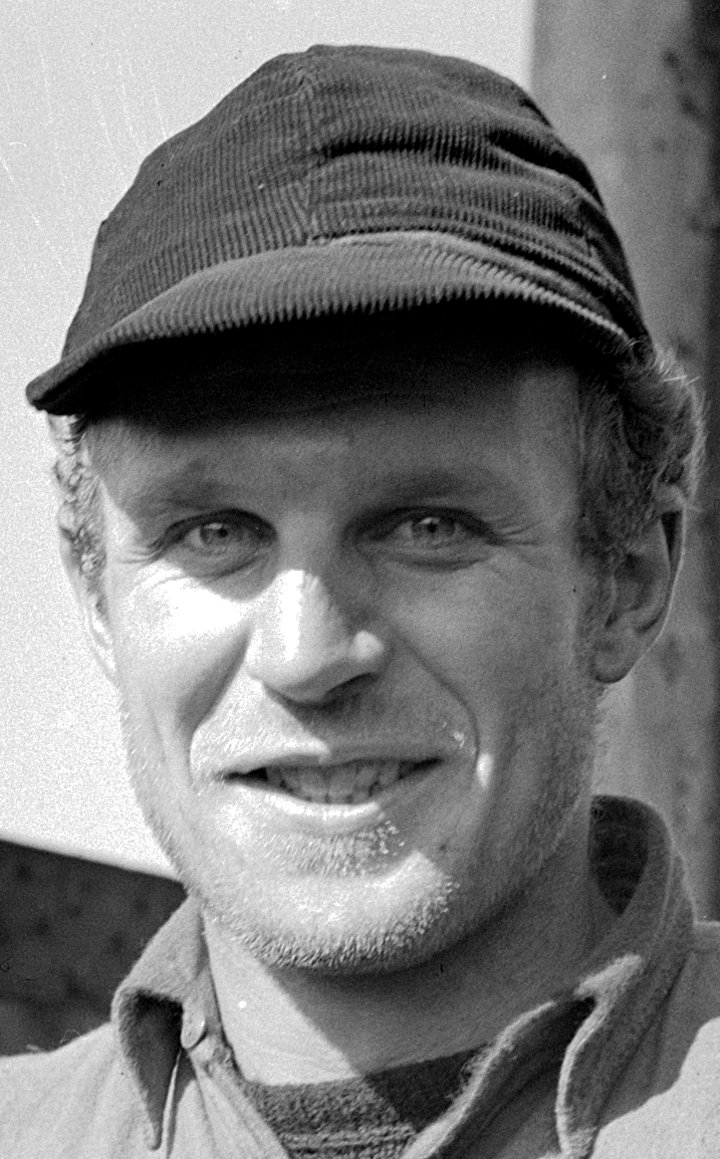

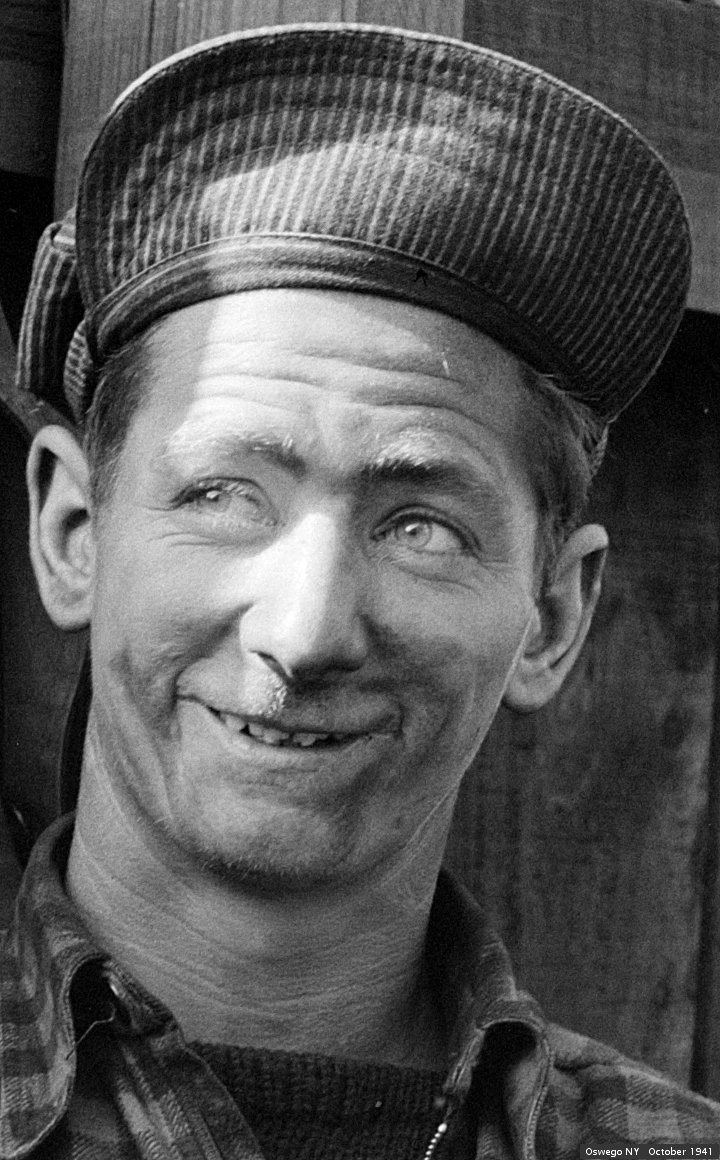
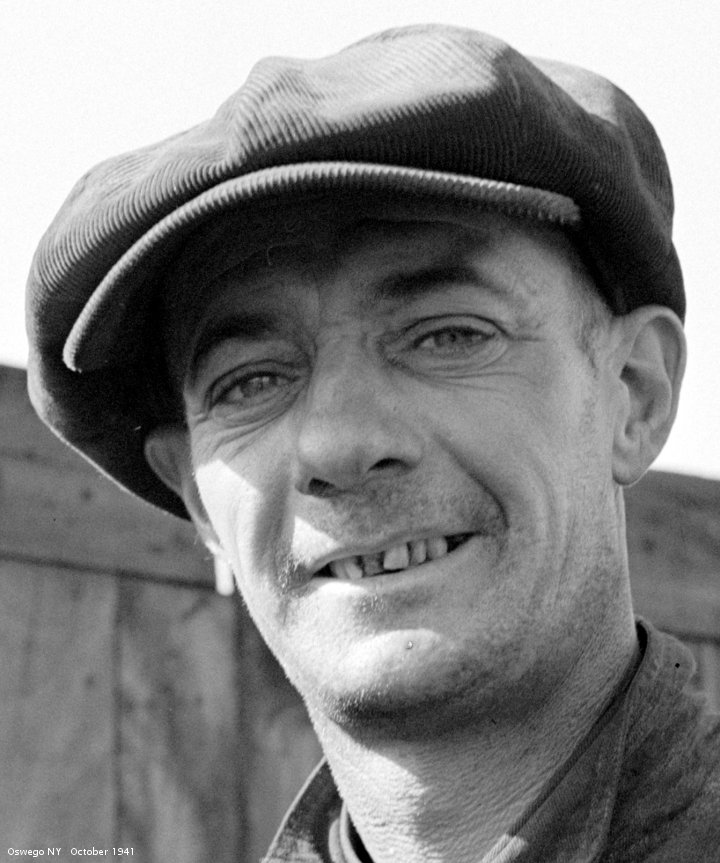
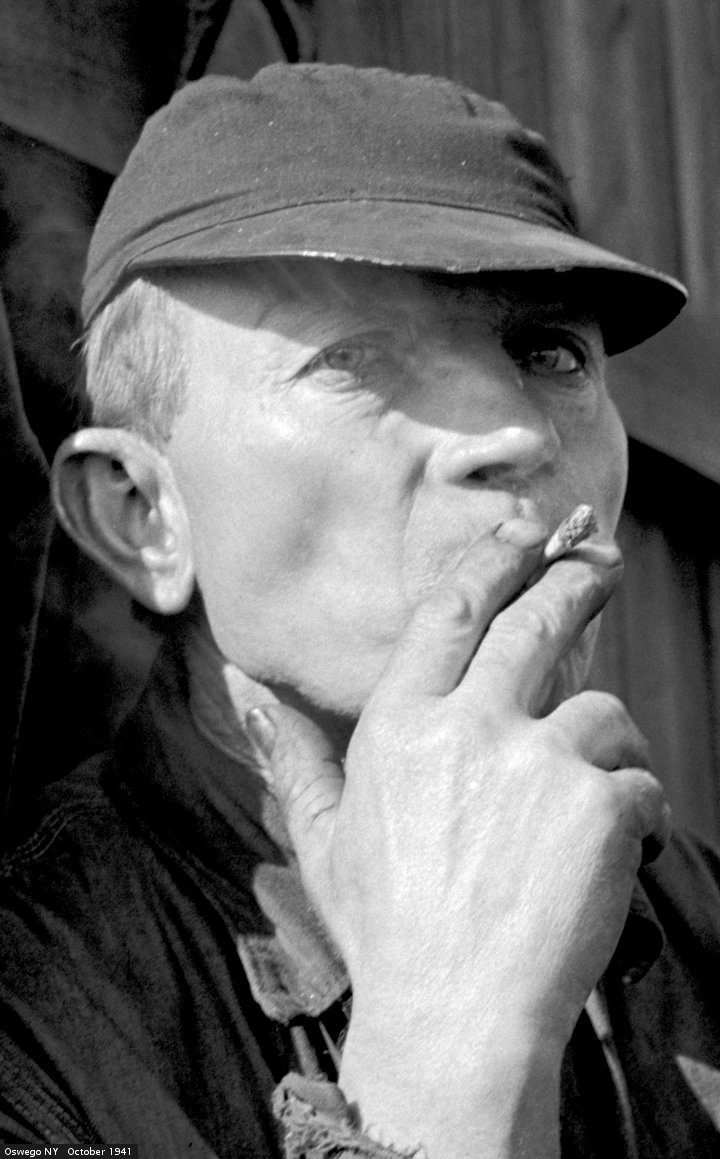
The text below is a conversation between Mr. Nixon, John D. Ehrlichman, and H. R. Haldeman. The tape was made May 13, 1971. This is a repost. Pictures are from The Library of Congress.
NIXON: … CBS … glorifying homosexuality.
EHRLICHMAN: A panel show?
H. R. HALDEMAN: No, it’s a regular show. It’s on every week. It’s usually just done in the guy’s home. It’s usually just that guy, who’s a hard hat.
NIXON: That’s right; he’s a hard hat.
EHRLICHMAN: He always looks like a slob.
NIXON: Looks like Jackie Gleason.
HALDEMAN: He has this hippie son-in-law, and usually the general trend is to downgrade him and upgrade the son-in-law–make the square hard hat out to be bad. But a few weeks ago, they had one in which the guy, the son-in-law, wrote a letter to you, President Nixon, to raise hell about something. And the guy said, “You will not write that letter from my home!” Then said, “I’m going to write President Nixon,” took off all those sloppy clothes, shaved, and went to his desk and got ready to write his letter to President Nixon. And apparently it was a good episode.
EHRLICHMAN: What’s it called?
NIXON: “Archie’s Guys.” Archie is sitting here with his hippie son-in-law, married to the screwball daughter. The son-in-law apparently goes both ways. This guy. He’s obviously queer–wears an ascot–but not offensively so. Very clever. Uses nice language. Shows pictures of his parents. And so Arch goes down to the bar. Sees his best friend, who used to play professional football. Virile, strong, this and that. Then the fairy comes into the bar. I don’t mind the homosexuality. I understand it. Nevertheless, goddamn, I don’t think you glorify it on public television, homosexuality, even more than you glorify whores. We all know we have weaknesses. But, goddammit, what do you think that does to kids? You know what happened to the Greeks! Homosexuality destroyed them. Sure, Aristotle was a homo. We all know that. So was Socrates.
EHRLICHMAN: But he never had the influence television had.
NIXON: You know what happened to the Romans? The last six Roman emperors were fags. Neither in a public way. You know what happened to the popes? They were layin’ the nuns; that’s been goin’ on for years, centuries. But the Catholic Church went to hell three or four centuries ago. It was homosexual, and it had to be cleaned out. That’s what’s happened to Britain. It happened earlier to France. Let’s look at the strong societies. The Russians. Goddamn, they root ’em out. They don’t let ’em around at all. I don’t know what they do with them. Look at this country. You think the Russians allow dope? Homosexuality, dope, immorality, are the enemies of strong societies. That’s why the Communists and left-wingers are clinging to one another. They’re trying to destroy us. I know Moynihan will disagree with this, and Mitchell will. But, goddamn, we have to stand up to this.
EHRLICHMAN: It’s fatal liberality.
NIXON: Huh?
EHRLICHMAN: It’s fatal liberality. And with its use on television, it has such leverage.
NIXON: You know what’s happened [in northern California]?
EHRLICHMAN: San Francisco has just gone clear over.
NIXON: But it’s not just the ratty part of town. The upper class in San Francisco is that way. The Bohemian Grove, which I attend from time to time–it is the most faggy goddamned thing you could ever imagine, with that San Francisco crowd. I can’t shake hands with anybody from San Francisco. … Decorators. They got to do something. But we don’t have to glorify it. You know one of the reasons fashions have made women look so terrible is because the designers hate women. Designers taking it out on the women. Now they’re trying to get some more sexy things coming on again.
EHRLICHMAN: Hot pants.
NIXON: Jesus Christ.








Four Part Rules

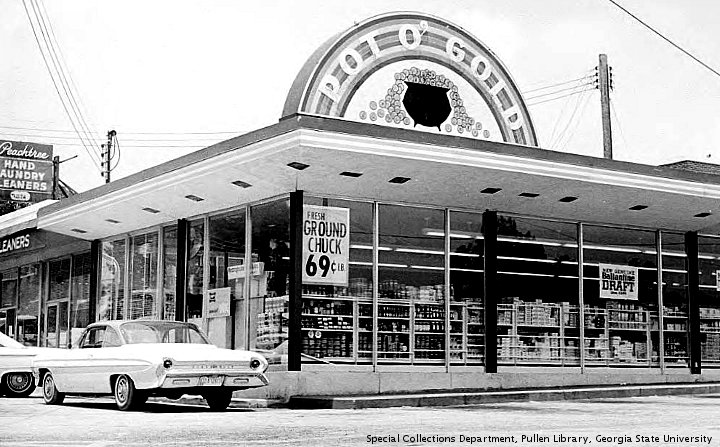
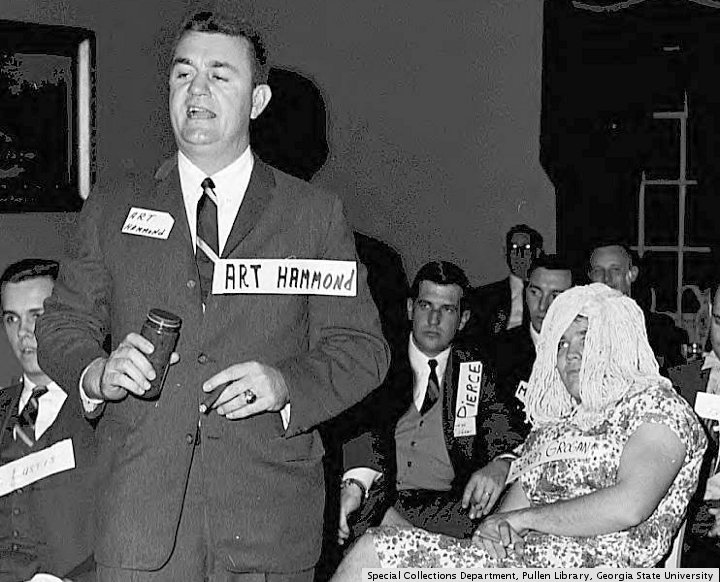

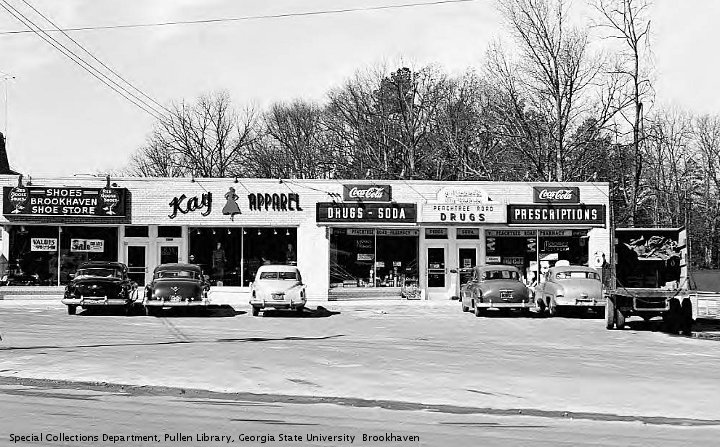
When PG was a kid, his grandmother lived in a side apartment, in a house on Virginia Avenue. The owner of the house was Mrs. Stuckey. (PG never learned her “real” name, and assumed that checks were made out to Mrs.) There was a framed piece of paper in Mrs. Stuckey’s hall. The top said “The Four-Way Test of the things we think, say or do” , and featured the logo of the Rotary Club. The four rules were simple, on the surface. Is it the TRUTH?//Is it FAIR to all Concerned?//Will it build GOODWILL and BETTER FRIENDSHIPS?//Will it be BENEFICIAL to all concerned?
The four way test was written by Herbert J. Taylor. In 1932, Mr.Taylor took over the bankrupt Club Aluminum Company of Chicago. Trying to revive the company during the depression, Mr. Taylor wrote a code of ethics, hoping that it would be the basis for the company’s actions.
Many said that the four way test was not practical for the business world. The balancing of integrity and ambition can be daunting. It was said that “This emphasis on truth, fairness and consideration provide a moral diet so rich that it gives some people “ethical indigestion.”


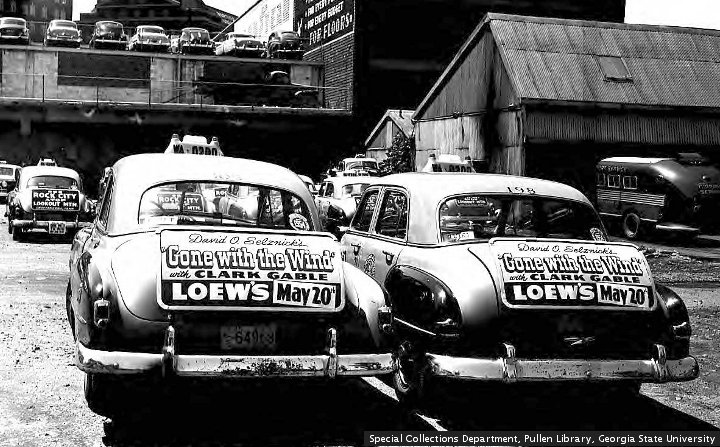

These thoughts are for you to use. They were articulated by a man named Don Miguel Ruiz. They are called the Four Agreements. . HT to activecitizen54..
PG does not claim to live up to these ideals. Number two is especially tough for him. The main thing is to try, and to always do your best. This is not about what you believe or think, it is about what you do.
agreement 1–Be impeccable with your word – Speak with integrity. Say only what you mean. Avoid using the word to speak against yourself or to gossip about others. Use the power of your word in the direction of truth and love.
agreement 2–Don’t take anything personally – Nothing others do is because of you. What others say and do is a projection of their own reality, their own dream. When you are immune to the opinions and actions of others, you won’t be the victim of needless suffering.
agreement 3–Don’t make assumptions – Find the courage to ask questions and to express what you really want. Communicate with others as clearly as you can to avoid misunderstandings, sadness and drama. With just this one agreement, you can completely transform your life.
agreement 4–Always do your best – Your best is going to change from moment to moment; it will be different when you are healthy as opposed to sick. Under any circumstance, simply do your best, and you will avoid self-judgment, self-abuse and regret.
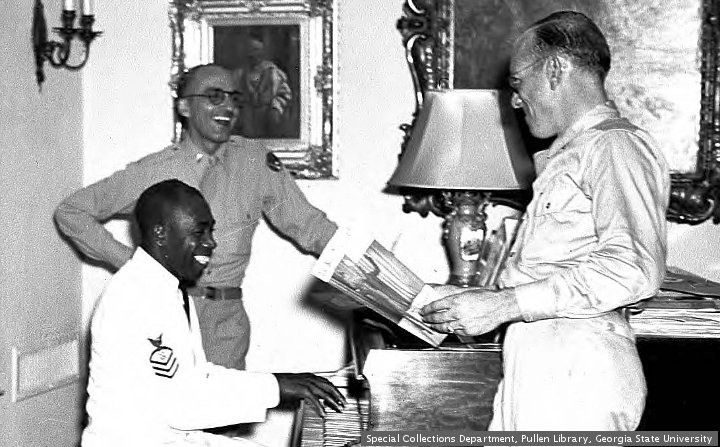
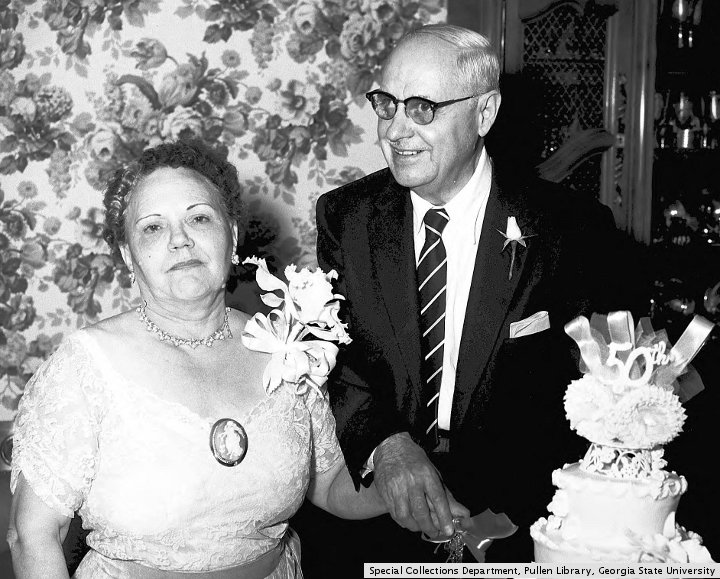
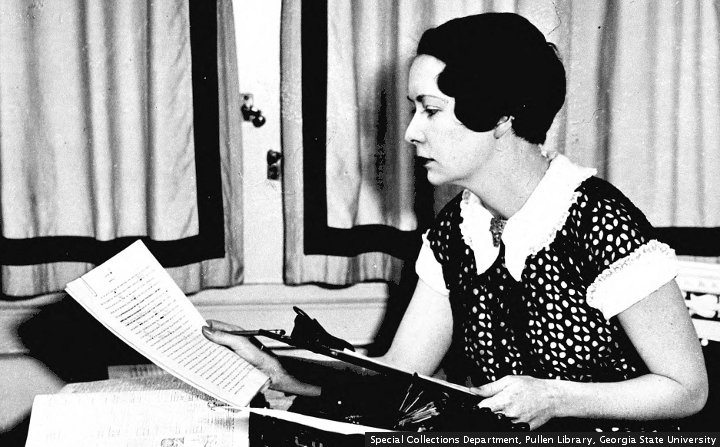
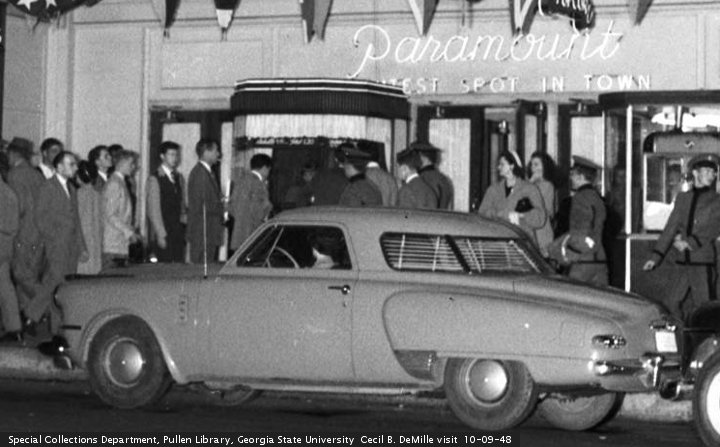
This is an edited repost. The original post has more information about the Rotary Club rules for living. Pictures today are from “The Special Collections and Archives, Georgia State University Library”.

Bret Easton Ellis Or Dr. Seuss?




@BretEastonEllis I failed this: Bret Easton Ellis—Or Dr. Seuss? The Quiz. You can find curious things while trolling twitter. There really is a test comparing quotes from Bret Easton Ellis and Dr. Seuss.
There are seventeen quotes. They include: “You have brains in your head.” “The better you look, the more you see.” “We buy balloons, we let them go.” “I speak for the trees, for the trees have no tongues.” “These things are fun.” “But this road doesn’t go anywhere.” “There’s no use in denying it: this has been a bad week. I’ve started drinking my own urine.”
PG got fifty three percent correct. The one about drinking urine was properly credited to Mr. Ellis. Was he eating green eggs and ham? We don’t know. Rumors of people scoring less than zero have not been confirmed. The spell check suggestion for BretEastonEllis: Breastbones.





Mr. Korda And Mr. Reagan


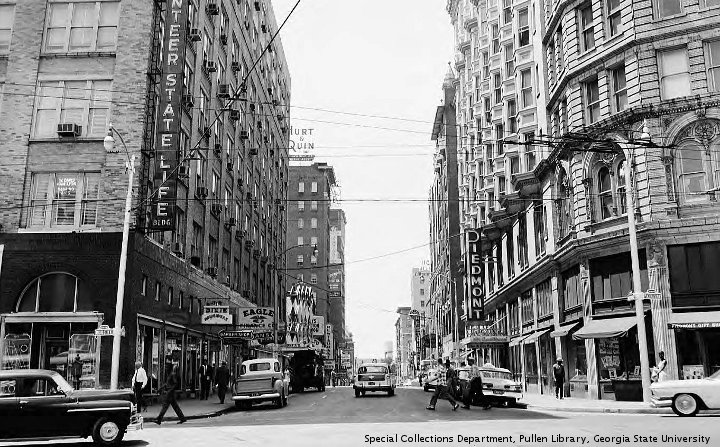


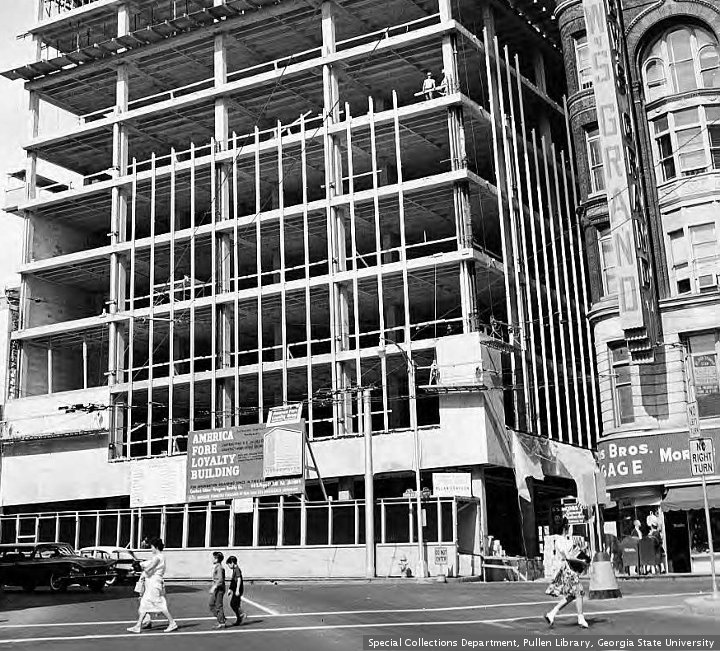
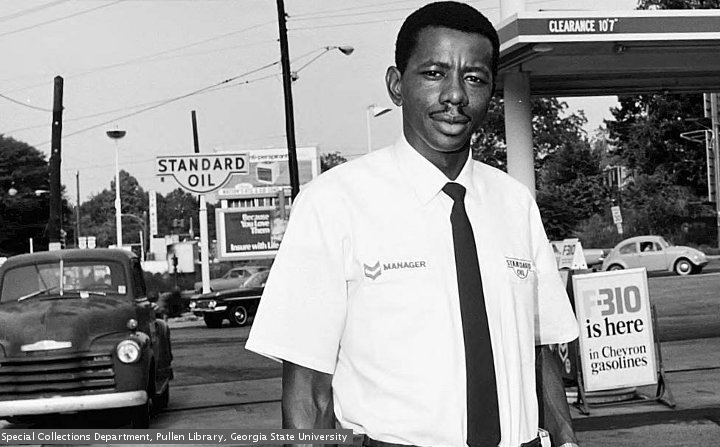
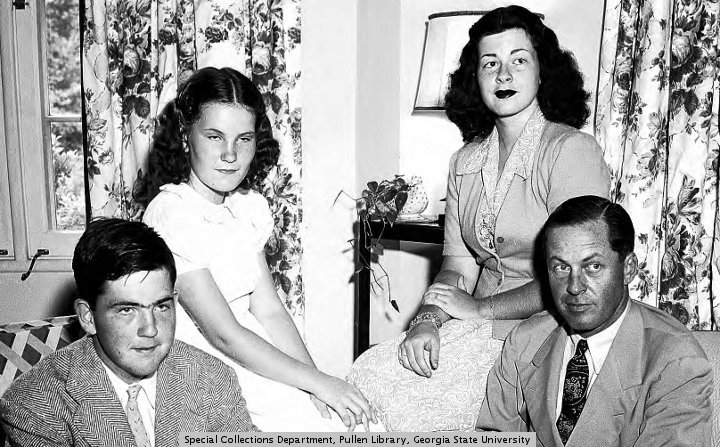
PG was listening to an internet show, while editing the last of some pictures from “The Special Collections and Archives, Georgia State University Library”. Typically, he works on a rotation. For a few weeks, it is GSU. Then, for a few weeks, it is The Library of Congress. The third part of the cycle is color pictures taken by himself. When the end of a batch is in sight, it is a time of happiness. As much fun as the pictures are, after a while PG gets tired of what he is working on, and is ready for a change. The pictures that go with this feature are the last ones of this GSU cycle.
The background entertainment was Booknotes, a C-Span show that ran a few years ago. It is hosted by Brian Lamb, the founder and CEO of C-Span. Mr. Lamb does not appear to have much of a personality. This means the show keeps the focus on the authors. Booknotes presents a transcript for the talks. Lazy bloggers enjoy this feature.
The author talking tonight is Michael Korda. When the show aired July 9, 1999, Mr. Korda was the Editor in Chief at Simon & Schuster. The house scored the Presidential memoirs of Ronald Reagan. Mr. Korda worked on the book. There were some good stories.
Mr. KORDA: … I then took on editing Ronald Reagan, which was sort of strange, because the president, of course, did not write his books. There was a ghostwriter, Bob Lindsey, whom we picked, and rather famously, at the end of the whole procedure, we had a press conference at which Ronald Reagan and I were photographed ostensibly editing his book. We were each–sat in front of the television cameras and given two sheafs of perfectly blank white paper, and a–and a ballpoint pen, and we sat there, the two of us together at this table, busily pretending to scribble editorial notes and things, and hand them back–on totally blank pieces of paper. I mean, not for nothing did the president come from the movies–and he was wonderful at it. Anybody watching this would–you know, the concentration, the firmness of his handwriting, his total immersion in what he was doing. But I mean, it was–it was the movies.
Anyway, I after this had taken place and this scene had been recorded for all the television shows, the president stood up, and he walked to the door and turned around–the cameras were still on him, of course, and still on–and turned around and waved, and he said, `I’m sure the book is great. I’m looking forward to reading it when I have the time.’ And it’s true. He had only the most tangential connection to this book. …
But he was always, when I–whenever I worked with him–the kindest and the nicest. He always brought his little bag of home-baked cookies to have with coffee in a paper bag in the morning, and he would put them on a plate and pass them around. … He said, `These are homemade chocolate chip cookies, made by Esmerelda, our maid, and I brought them in for us to have with our coffee.’ And we’d put them on a–but these weird look–because they looked like she was–I think she was Ecuadorian or In–Inc–South or Latin American–and they looked like, in fact, like chocolate chip cookies that had been made by somebody who’s never seen a chocolate chip cookie. You know, they were kind of too thick and too burned at the edges. Anyway–but he loved them, so we put them on the plate, and as we were having our coff–we’d pass them around the table. There were about six or seven of us around the table, all of us working on these proofs except for Ronald Reagan, who was kind of looking out the window, and wishing he were doing something else. And everybody has one of these chocolate chip cookies, and when the plate gets ’round to the end of the table, it’s put back in front of the president, and there’s one cookie left on the plate.
And about 15 or 20 minutes I realized that the president is paying no attention whatsoever to what we are saying, and that his mind is fixed on something else. And what it’s fixed on is this one remaining chocolate chip cookie, and it’s perfectly clear to me that he wants that second chocolate chocolate chip cookie with his coffee, but having been brought up in Dixon, Illinois, properly, he has been taught, as a maxim that cannot possibly be broken, that you do not take the last cookie on plate, particularly when you’re the host, so he can’t take it. So to break the spell, I said, `Mr. President, those chocolate chip cookies were delicious.’ And he holds up the plate and he said, `Oh, yes. Yeah, they–they’re good, weren’t they? They’re homemade,’ and he goes through the whole thing. He said, `Would anybody like the cookie?’ And he then passes the plate around the table, and it goes ’round everybody, gets to me, and I pass it on to Bob Lindsey, who’s sitting next to me and between me and the president, and you could see the relief on the president’s face, as this plate comes around with this one–and nobody’s touched this cookie. And just as it reaches Bob Lindsey, without even looking at it, Lindsey takes the cookie up and swallows it. And I looked, and Ronald Reagan’s face was such a picture of sadness that I–my heart went out to him, even though I don’t agree with him politically–I just felt for him. He could–you know, he almost had it, you know, he had that cookie in his hand. He was counting on it, and he didn’t get it.




Two More Years

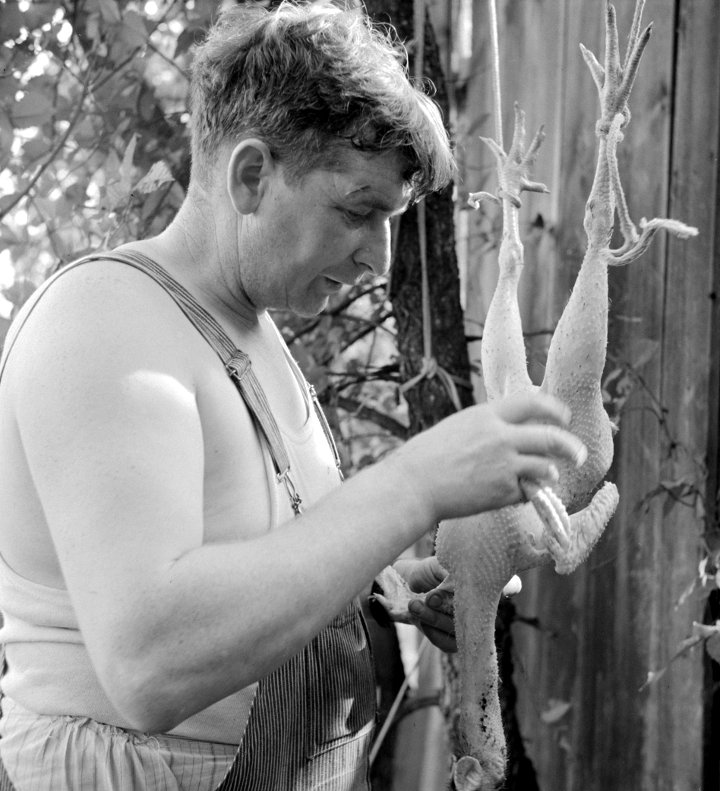
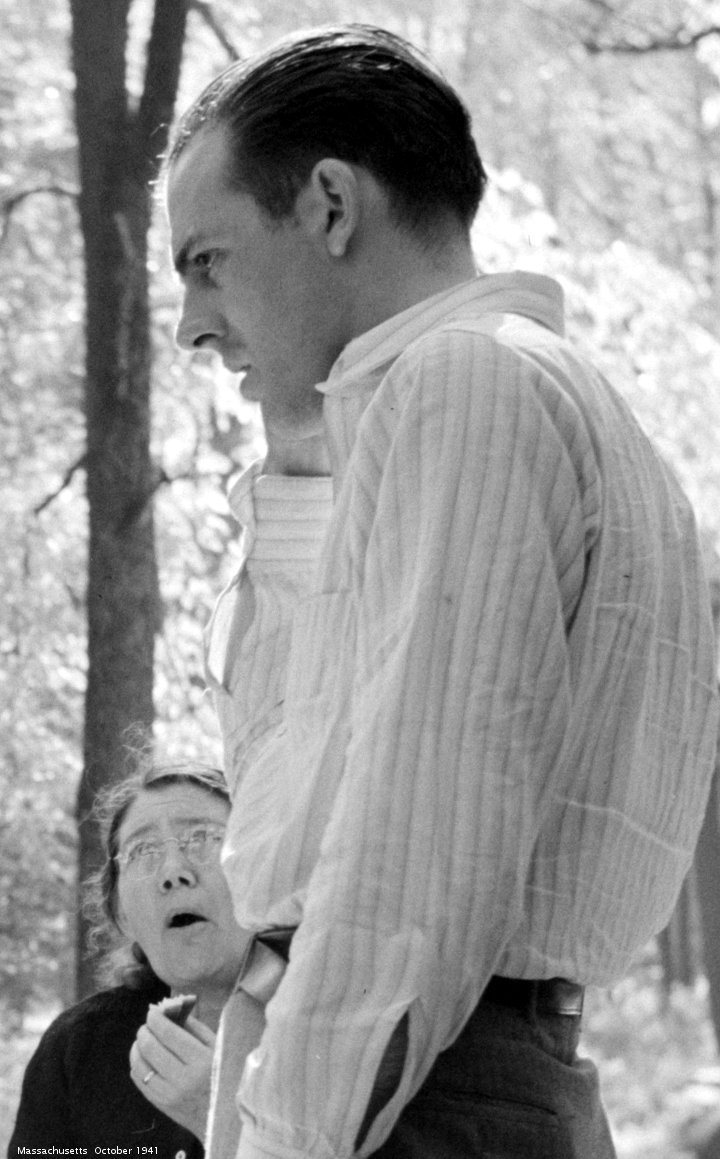
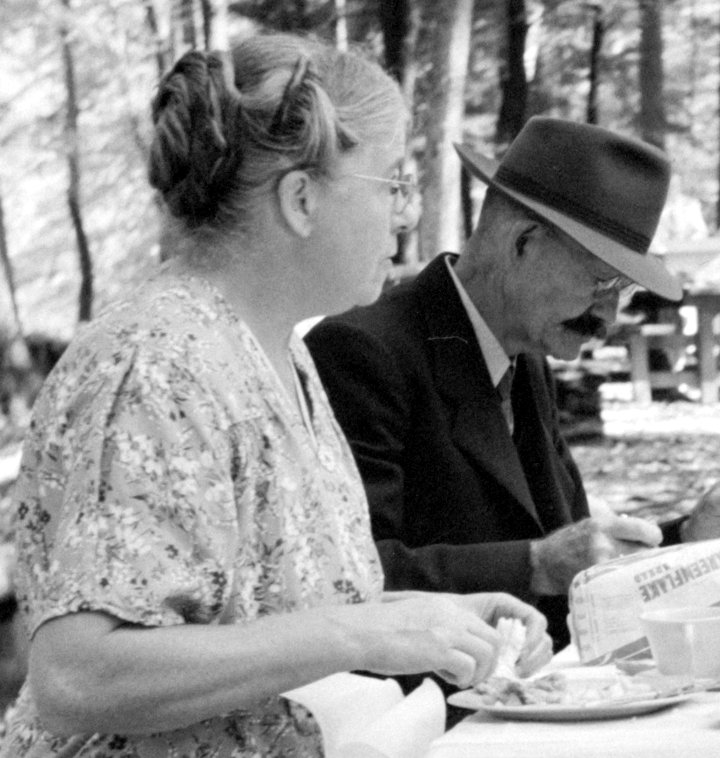

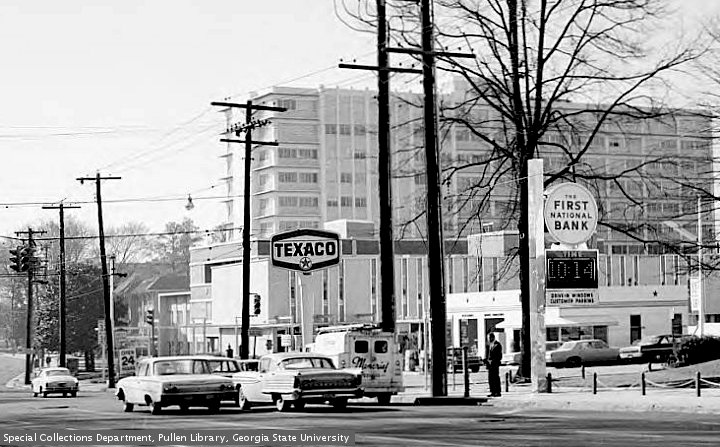
The United States is currently in the second longest streak of Presidents living to finish their term in office. The last POTUS to die in office was John F. Kennedy, who met his maker on November 22, 1963. In a few weeks, that will be 50 years ago.
The first President to not finish his term, for mortal reasons, was William Henry Harrison. He perished April 4, 1841. This was 52 years, and 24 days, after George Washington was sworn in, on April 30, 1789. If BHO can get through two more years without the cigarettes killing him, then America will have a new record. The target date is December 16, 2015.
On the other side of the Atlantic, a similar countdown is in progress. Victoria served as Queen of England from June 20, 1837 to January 22, 1901 In calenderese, this is 63 years and 216 days. The current monarch, Elizabeth II, began her reign February 6, 1952. In another two years, unless her purse explodes and kills her, Elizabeth will be the longest serving ruler of England. She recently passed George III, who served 59 years. Elizabeth did not have a revolution in the colonies to concern her. The target date is September 10, 2015. This is a repost. Pictures by The Library of Congress.


Special Postpositive Intensive Training


PG was reading facebook, minding his own business, when he saw the splashy title White Liberals Have White Privilege Too!. There is something about online discussions about privilege that make well meaning people want to type a lot of words into little boxes. PG usually avoids such a conversation, as if it were an amway pitch, but made an exception this ill fated afternoon.
The seminal article was written in 2007, and mentioned the media controversy of the day. It seemed as though Joe Biden said “I mean, you got the first mainstream African-American who is articulate and bright and clean and a nice-looking guy … I mean, that’s a storybook, man.” Mr. Biden is currently the Vice President, serving under the FMAA.
There was a link to “Black People Love Us!, which tells the story of Sally and Johnny… “We are well-liked by Black people so we’re psyched (since lots of Black people don’t like lots of White people!)” The fun starts when someone quotes a letter to BPLU.
“GET WITH THE PROGRAM!… If some of you would actually get your heads out of your asses for one second and read a f*cking book or get educated, you will see that this website is NOT trying to break down PEOPLE, but break down BARRIERS and erase STEREOTYPES… A Black University of Michigan Student with nappy-ass hair”.
The resulting visual ruined the day for PG. BUMS should keep his/her pants on, and not burden the world with the sight of nappy hair on his/her posterior. The same thing goes for any asian, latino, caucasian, native american, or zorlack with this problem.
The photgraphs today are from “Special Collections and Archives, Georgia State University Library”. This repost was modified, with politically incorrect editing, to satisfy an writing challenge word limit.


Duluth Fall Festival


PG and Uzi have been to a slew of neighborhood festivals. Dickhater, Candler Park, Sandy Springs, even south of I20 to Grant Park. It was starting to get a bit predictable. Then Uzi suggested a ride up Buford Hiway to the Duluth Fall Festival.
The first steps were uncertain. PG turned into a parking lot, and almost did not get out. Finally, a trip down a side road yielded a parking spot, with a manageable hike to the festival. The walk to the first tent was short, compared to the walks up and down aisles. The DFF is as big as Candler Park and Sandy Springs combined, with a yard of carnival rides as a bonus.
It was a people watchers delight. Uzi noticed that, for all the much touted diversity intown, that Duluth had a much wider selection of human kind. There were people of color in abundance, speaking a variety of languages. There were people without color, in all their waistline busting glory. Walmart hit the sidewalks, with funnel cakes for dessert.
Finally, after the last aisle of tents had been navigated, PG piloted the vehicle to the swallow and suffer cafeteria. After all that walking, dinner was a welcome sight. Soon it was off into the world for another week of reality.


leave a comment