Pauline Kael, Gina James, And James Broughton


Pauline Kael was the rockstar film critic. James Broughton was the radical faerie poet laureate. They were lovers, and had a daughter, Gina James. Pauline and James were not married, contrary to what some naysayers would tell you. This is a repost.
Much of the information in this feature is taken from online reviews of Pauline Kael: A Life in the Dark, a 2012 biography written by Brian Kellow. Gina James, also known as Gina Broughton, was not interviewed for the book. Neither did she participate in the making of Big Joy, a movie about James Broughton. (A wig store, Gina Beauty Supply is located at 25 W Broughton St, Savannah, GA 31401.)
Pauline Kael was born June 19, 1919, Petaluma, CA, died September 3, 2001, Great Barrington, MA, and stood 4 feet 9 inches tall. James Broughton was born November 10, 1913, Modesto, CA, and died May 17, 1999, Port Townsend, WA. Neither one had a middle name. Both used their birth name throughout life. Both had lives, before meeting in the late forties.
When she met James Broughton, Miss Kael was living what would later be called the bohemian life. After moving to New York, and being dumped for composer Samuel Barber, Miss Kael moved back to California. “Returning to the Bay Area with her tail between her legs in 1945, Pauline became involved with the incredibly effeminate avant-garde filmmaker James Broughton. He managed to impregnate Pauline but threw her out as soon as she told him, whereupon she moved to Santa Barbara to give birth to her daughter, Gina, in 1948″
“Like her early career, Kael’s personal life was also fraught with failures. Kellow says “she had a habit of falling for gay men” earlier in her life because “they tended to share her passions and enthusiasms.” She had a daughter … with one of them, experimental filmmaker James Broughton.”
“For a time, during the 1940s, he lived with future film critic Pauline Kael. She encouraged his filmmaking endeavors but their relationship ended after she got pregnant. … Pauline Kael thought that Broughton made the biggest mistake of his life when he turned down a studio film after winning the prize at Cannes.” (Apparently Mr. Broughton was from a wealthy family, and could afford this attitude. Regarding his movie The Bed, Mr. Broughton said “It was the only film I created that ever made any money.”)
“Which brings us to the strange tale of Pauline’s only child, Gina James. … In 1948, at age 29, Kael got pregnant after she “talked her way into moving in” with James Broughton, a bisexual poet living in Sausalito. By Kellow’s account, Broughton was furious at the news of Kael’s pregnancy; he felt trapped and tricked by her. One of Broughton’s friends reported that he kicked Kael out of his house. She moved to Santa Barbara to have the baby. The birth certificate listed the father as “Lionel James, a writer”. It is one of the disappointments of the book that Kellow shines little light on Kael’s passion — or whatever it was — for Broughton, on how she processed that cruel rejection and on whether Broughton ever recognized Gina as his daughter.”
James Broughton moved on with his life. He made experimental films, got married, and fathered two more children. At some point he met Joel Singer, and began the romance that would last the rest of his life. It is tough to say whether he was genuinely bisexual, or whether he was playing the role society expected of him.
This review of Big Joy continues: “But interviews with Singer, waxing poetic about his years with the artist, are balanced by reminiscences from Broughton’s ex-wife and his abandoned son. Rather than only celebrating silliness, I found it admirable that the directors didn’t gloss over the pain he caused his wife and children. After all, when you think about it, he spent all of his life unable to decide if he was gay or straight; leaving a lot of broken hearts in his wake.
We learn from Kael that he flirted with everyone he met. “He rode off into the sunset with some guy,” his wife, Suzanna Hart tells us. “That was very sad for me, but not for him, which was…very irritating.” In her segments, Hart keeps her emotions in check but you can clearly read the sadness and anger in her face. The son doesn’t have much good to say about his absent father and the two daughters (the first by Kael and the second by Hart) both refused to be interviewed for the film. Singer has a lot to say about their blissful decades together, but he also comes off a bit heartless when he shows no guilt over breaking up what he calls Broughton’s “loveless” marriage.”
The baby daddy leaves, and the struggling writer becomes a single mom. “… Kael’s relationship with her actual daughter was something out of a Tennessee Williams play, and not in a good way. Kael home-schooled Gina and, as the girl grew up, kept her close, as a typist, projectionist, driver and right-hand man, and she banished any friend who actively encouraged the young woman to break out on her own. Though she was in many ways a loving and committed mother, helping to raise Gina’s son and always living nearby, one senses a Gothic selfishness in her mothering.”
Gina James declined to talk with Kellow for his book, but the author says Kael and her daughter had a sort of symbiotic relationship. “Pauline did not type, Pauline did not drive — Gina performed both those functions for her. And Gina was a very good critic of Pauline. She got to see Pauline’s copy before anyone else did and she often had very, very important and influential things to say. But Pauline really wasn’t wild about the idea of Gina breaking away and having her own life apart from her, and she didn’t do anything really to encourage her in that direction as far as I can see.”
Amazon one star comment: And her poor daughter – what a fate – TYPING all that. Poor Gina, — I can see her – Kellow described sitting silently in some coffee shop while her mother raved on and ON with her pet directors.
An affair with the experimental filmmaker James Broughton produced a child, Gina, whom Kael raised by herself, Mildred Pierce–like, heroically supporting them with a number of odd jobs, including running a laundry. Gina’s heart condition required expensive surgery, and Kael ended up enticing Edward Landberg, the owner of a local art-house theater, Berkeley Cinema Guild. They had begun as co-programmers. As Landberg tells it: “One day, when I was over at her place, I happened to graze her breast with my hand, and she kind of looked up and said, ‘What have you got to lose?’” Their marriage proved a fiasco, but Landberg agreed to pay for Gina’s operation, which Kellow suspects had been Kael’s motive all along…. Kellow shows more independence in assessing Kael’s treatment of her daughter Gina, whose ambitions to become a dancer or a painter she did little to encourage, preferring to keep her on “a silver cord . . . she had also grown accustomed to the steady, dependable role that Gina played—as secretary, driver, reader, sounding board—and she was loath to give her up.” Gina, for her part, was mistrustful of the dynamic she witnessed between Kael and her acolytes.“
“The closest and longest-lasting partnership of her life was with her daughter, Gina James … James considered speaking to Kellow, but finally declined, leaving a blank space at the center of this otherwise vividly detailed biography. Gina lived with her mother till she was over 30, typed up her reviews after Pauline stayed up all night writing them in longhand, and gave up both college and a shot at a dance career to serve as her mother’s caretaker, companion, and driver….
Kellow cites the text of the breathtakingly passive-aggressive eulogy that Gina delivered at her mother’s funeral in 2001: “My mother had tremendous empathy and compassion, though how to comfort, soothe or console was a mystery that eluded her … . Pauline’s greatest weakness, her failure as a person, became her great strength, her liberation as a writer and critic . … she turned her lack of self-awareness into a triumph.”
One more chapter remains. “Gina lived with Kael well into her thirties … That she married and had a child, Will, seemed to catch Kael by surprise, though she ended up adoring her only grandchild, someone with whom she could watch action movies with.
Kael died in 2001, when Will was about 19. Unfortunately, and Kellow made no mention of this in his book whatsoever, there’s a horrible postscript, one that may well have been the reason for why Gina declined to be interviewed for the book. On October 6, 2007, Will, then 25, went hiking in the East Mountain State Forest in the Berkshires. He was an avid hiker, not to mention a devoted martial artist. He had a girlfriend. He never came back. Gina reported him missing, but his body wasn’t found for more than week, on October 15. … “authorities found camping equipment nearby and while cause of death has not been determined, foul play is not suspected.”
Pictures today are from The Library of Congress. UPDATE These two comments were made to the original post. Anonymous said, on June 16, 2017 at 9:18 pm Your piece on Kael and Broughton is rife with misinformation and judgements galore and unbelievably badly written. Get a life and stop spreading falsehoods. And next time you put your fingers to a keyboard do your due diligence! James’ son was NOT ABANDONED! He lived happily with the two of us after the divorce. You fail to recognize that James’ ex-wife was a classic fag hag who had been married to another gay man before her relationship with James. She had been in psychotherapy for years before they got together and for many years after they split up. James certainly did not spend the rest of his life uncertain about his sexuality. Read his autobiography COMING UNBUTTONED and you’ll discover how misinformed your take on him is. You have done a great disservice to your readers by publishing such homophobic nonsense. Joel Singer ~ Sterling Wilson said, on August 19, 2017 at 1:40 pm Curious about this autobiography, I found the following from a Publishers Weekly review “Broughton forsakes introspection for literary gossip and name-dropping: Kenneth Rexroth, Pauline Kael, Dylan Thomas, Anais Nin. The birth of a daughter is dispensed with in two sentences. Broughton’s insistence on making himself the center of attention increasingly intrudes.”





Thirteen Videos




YouTube is often playing in the background on this computer. The fifteen minutes of fame has been transformed into 15mb. YT always has a list of suggestions, which are sometimes worthwhile. PG seldom makes it through a video in one sitting. Either he needs more coffee, or is tired of listening. Often, when you pause the presentation, the vidiot has an amusing look on their face. What would happen if PG took a series of screen shots, and made insightful comments about the performances? The images in this feature appear in the same order as the corresponding text.
‘You’re a Race Pimp!’ Hannity, Guest Clash with Activist DeRay McKesson on McKinney It is tough to sympathize with Sean Hannity. In this episode, he is interviewing Deray McKesson. The blue vest had been to Baltimore MD, Ferguson MO, and was now in McKinney TX. At 1:30 in the video, Mr. Hannity asked Mr. McKesson if this was how he made his living. “Is this a question that you are asking me because I am a person of color?”
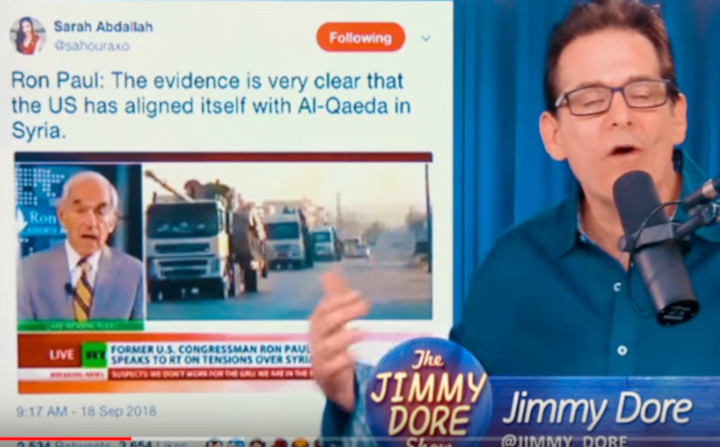
The truth about the fight… Deray is a tough act to follow, but Lil Tay is up to the challenge. Joe Rogan, who should know better, said something about Lil Tay, and PG fell into the trap. Ron Paul Tells Truth On Syria is a similar experience, without the nine year old girl. Corporate media does not tell you the truth about wars. Duh. Why would anyone pay attention to them anyway? Or the young lady who made Love the Art, Hate the Artist. She makes the shocking discovery that many artists are terrible people. This video was made at 1:25. We do not know if this is am or pm.
The Nonsense Politics of PragerU This is a response video to Dennis Prager, who is a public nuisance. The PU jeremiad is about the unfair historical treatment of robber barons. Specifically, PU talks about John Rockefeller, who made a lot of money in the early 20th century. The response video does something curious. To illustrate the poverty in rural america, *Big Joel* uses a Walker Evans photograph, “Sharecropper Bud Fields and his family at home. Hale County, Alabama.” The little girl is naked below the waist, and her lady parts are clearly seen. (This is censored in today’s post.) The picture was taken in 1936, 25 years after the Standard Oil Company was broken up.
What is Authoritarian about Social Justice? is a doozie. A youtuber, Po the Person, gets going about trans women, Jordan Peterson, and Soviet Gulags. It is tough to determine what the point of this piece is. The last thing PG heard was this exchange. This is not a verbatim rendering. An angry young woman said you can’t compare trans activists to Soviet meanies. Jordan Peterson replied, “Why not?” This was at 3:33 of the video, meaning it was half the antichrist.
Bloggingheadstv is where the custom of making screen shots got started. All that coffee starts to build up, and needs to be distributed. You click pause on the screen, and notice the funny expression on the vlogger’s face. While these images may appear to be altered, they are not. @robertwrighter really looks like that. This is what meditation will do for you.
Joe Rogan Experience #1041- Dan Carlin Joe Rogan (not Rogaine) is a youtube superstar. He has interesting people on his show for three hour conversations. Dan Carlin, pictured here, takes the in-depth approach to history, with Hardcore History. PG once listened to Mr. Carlin discuss World War One for 24 hours. PG forgives Mr. Rogan for telling him about Lil Tay.
The Kavanaugh Circus Is Collapsing … @Styx666Official is the stage name of Tarl Warwick. He is generous with his opinions. The drooping flag in the background gives him a set of viking horns.
I lost all my friends in the culture war. This young lady was originally conservative, went liberal, now she is going back to her conservative roots. Some of the people she met along they way are not happy about this turn of developments. Over a billion people in China do not care.
Believe All Women” vs. the Presumption of Innocence is another bloggingheads episode. Bill Scher and Matt Lewis are a liberal/conservative team. They get along just a bit too well. On the original Saturday Night Live, Jane Curtin would deliver an impassioned liberal speech. Dan Aykroyd would answer with “Jane, you ignorant slut.” The temptation to shout “you ignorant slut” at some uppity social justice wanker grows stronger every day.
BHTV has a feature for making video clips. It used to be called Dingle links. This is probably named after co-founder Greg Dingle, although dingleberries have been featured on the show from time to time. In this episode, Matt says “I’ve been told I interrupt too much.” Life imitates art.
Bette Midler ‘Women, are the Nword of the world’ Uncle Hotep performs several times a day, sometimes while driving, with his daughter in the back seat. Often, he wears a MAGA hat.
Bette Midler is the topic of today’s rant. The Divine Miss M made an unfortunate tweet recently… “’Women, are the n-word of the world.’ … They are the most disrespected creatures on earth.” After the usual suspects got offended, Miss M issued an apology. @BetteMidler “The too brief investigation of allegations against Kavanaugh infuriated me. Angrily I tweeted w/o thinking my choice of words would be enraging to black women who doubly suffer, both by being women and by being black. I am an ally and stand with you; always have. And I apologize.” To Uncle Hotep, the apology was worse than the n-word tweet.
A Prayer for the Men Shay Alexi & Christina Schmitt are regulars at Java Monkey speaks. PG has enjoyed many fine performances by these ladies. PG was happy to see that they had a new video. The ladies discuss cutting PG’s tongue out, so it will grow back better. Hopefully, this is poetic license. PG’s sense of aesthetics was annoyed by the steeple on the side of the set. A facebook conversation took place, and the presence of the steeple was defended.






Winching The Dead





A recent post included the phrase “getting severely overweight dead people out of an apartment building.” Those are googling words. Most of the results are hand wringing about the number of overweight people. A couple of the results were worth clicking out.
The headline result is from Merry Olde England, which is becoming known as the fattest country in Europe. Fire service called in 50 times to winch fat people out.
“Paramedics in the West Midlands have had to call on their heavy-lifting emergency service colleagues, despite having extra equipment to help move extremely heavy patients themselves. Over a three-year period they called in West Midlands Fire and Rescue Service on 50 occasions, so the patients could be winched out with apparatus designed for lifting car wrecks. Sometimes morbidly obese patients, … can only be extracted from their homes after a window is taken out, say firefighters.
… Nick Harrison, chairman of the West Midlands Fire Brigades Union, said: “In most cases these people are quite elderly and are suffering from serious medical issues which have left them bedridden for a long time, and they have put on a lot of weight. “Many times we have to remove the whole window frame and get them out that way. It’s a lot safer both for them and for the rescuers.”
… Official statistics show the West Midlands to be the fattest region in Britain, which is itself the fattest major country in Europe. According to the Association of Public Health Observatories, about 25 per cent of adults in Britain are now clinically obese. In the West Midlands, the figure is 29 per cent. By comparison, across the European Union as a whole it is just 14 per cent. “
One of the commenters had a constructive suggestion: “The ‘feeders’ should be brought to court and punished. For every obese person there is one or more ‘feeders’, who shop, supply the food, help the person eat it etc. Being a ‘feeder’ should be a criminal offense.”
This is a repost. Pictures are from The Library of Congress.




One More Chat About Racism

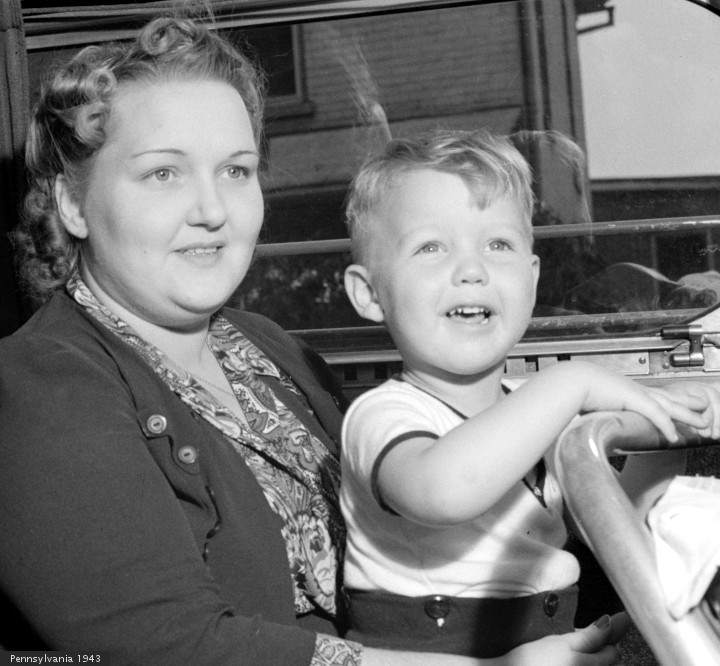

It was a typical morning. Work on a picture, and listen to audio entertainment product. PG was tired of youtube suggestions, and chose to listen to RISK. The first story is a South Asian lady, Nimisha, going to have lunch with her Jewish mother in law, Elaine. The two ladies have an uneasy relationship. Before the wedding, Elaine asked David, her son, if Nimisha was black. (Did David have a black girlfriend before this?) Nimisha was upset when she heard about this. Now Nimisha was going to have lunch with a RAY cisst. It is not known if Nimisha ever called Elaine a racist to her face.
PG, for various reasons, is tired of hearing people referred to as racist. Since there were plenty of other shows to listen to, he turned off the story. A few minutes later, he wondered what he was missing, and turned on the story again. Soon enough, Nimisha complained about going to lunch with a RAY cisst, again. PG pushed forward, and listened to the next story. It was about an experience at an AA meeting in Los Angeles. A good friend of PG is in the AA program. PG wanted to share the story. Here is the email PG sent with the link.
This is a link to a story. It is an AA war story. It starts at 20 minutes. There is another story here. The first story in this show is about an Indian lady, who does not like her Jewish mother in law. At ten minutes into the show, the bride says “I am going to have to spend the day with a racist.” At this point, I turned off the show in anger. I am sensitive to the term racist, for perfectly obvious reasons. I did not want to listen to the rest of the show. When I decided to send you the link, I had to listen to the part of the show around the 20 minute mark, so I could know when the war story started. I set the timer for 18 minutes, and listened to the end of the mother in law story. There is a twist in the story, and everyone is friends now. The bride says “I am ashamed of reducing her to her racism.”
David, Elaine, and Nimisha went to a deli in New York. Nimisha (who seems to have other entitlement issues) is militantly vegetarian, and not pleased with the deli. At one point, Elaine orders a sandwich “bigger than her fist,” and starts to, accidentally, spit bits of meat in Nimisha’s face. At this lowest part of the lunch, Nimisha looks at Elaine, who has tears in her eyes. Elaine thanks Nimisha for coming on the lunch. Nimisha looks at her hand, which has an engagement ring once owned by Elaine. Nimisha realizes that Elaine is more than her comment about race, and is actually a pretty good lady. End of story. Elaine is much more than a racist, she is the mother of David.
The real fun starts when PG posts the email to RISK! Podcast Fans Discussion Group on twitter. People are proud of calling *others* racist. When you suggest that this is not a good idea, they get angry. WAAAAA!!! He said I can’t say wassist!!! WAAAA!!! PG has heard the r-word many times. He was not in the mood to hear a vegetarian princess repeat that slur about her deceased elder.
For several of the nay sayers, PG asked the simple question “When was the last time you were called a racist?” There is a certain entitlement to casting this particular stone. People, who think it is beyond horrible to say the n-word, feel virtuous about calling a white person racist. You wonder if they have any clue to how people feel about this, or if they care. After all, if a person is a racist, they are a terrible, terrible person. Anything you say or do to them is justified. The racist is the other.
“I’ve literally never been called a racist because I’m not one. Not once in my life. Again I say, if you’re being called a racist on a regular basis, you need to evaluate yourself” ~ “…when was the last time you were called racist- my response would be- to my face? NEVER, not once. Behind my back-unsure, I sincerely hope NEVER. But one thing I DO know to be true is that if there was EVER a time I unintentionally made someone feel less than because of the color of their skin I would go to the ends of the earth to right that.” ~ “I see what you’re getting at, but I’m also from Atlanta and have lived in the south for almost my entire life. I’m a white male and I don’t recall having ever been referred to as a racist… Probably because I don’t say hurtful things to POC. I’m just saying, if you’re called a racist numerous times, there’s probably a reason and perhaps one should reflect on that.” ~ “A few years ago. (I wasn’t being racist. At all. But a woman thought I was treating her unfairly and wasn’t shy about letting everyone know.) I still don’t understand what that has to do with anything. Racism is definitely a thing that exists in the world. The behavior described in the story was racist. I don’t know you or your circumstances, but your words so far seem to imply that you’re more offended by the word “racist” than actual racism.”
“you’re more offended by the word “racist” than actual racism.” This is a common comment in social justice discussions. “Imagine it happening all the time, simply because of the color of your skin. What you’re experiencing right now is *nothing* compared to what people of color experience daily.” The simple truth is that two wrongs do not make a right. Insulting a white person, by calling them racist, will have little impact on creating economic opportunity, or curtailing police brutality. Saying racist is merely a couple of kids on the playground swapping insults. To pretend otherwise, to confuse name calling for effective social justice action, is an exercise in self delusion. “The word racist is NOT hateful. RACISM is hateful.”
After a while, someone asked PG “When was the last time you were called racist?” He recalled a facebook discussion last winter. “A bar employee was fired, and had dirt on the boss. He posted this dirt on facebook. I questioned the validity of this dirt. I was called racist as a result. This is the last time I was called racist.” This is similar to many episodes of racist citing. It was a white person who called PG, another white person, racist. PG said something that the other person did not like, and the knee jerk reaction was to say racist.
People in discussions about racist/racism often feel the need to demonstrate their distaste for racism. Usually it is without being asked. People just assume they need to virtue signal, and are offended if someone abstains. “Racists reduce people to their race, which is FAR worse than reducing someone to their hateful thoughts. Reducing her to her racism and not seeing the other aspects of her personality is also literally what that story was about. People of other races are also your fellow human being and racists often don’t treat them as such. I could be wrong but this seems to not bother you at all? People often say nothing when someone is called racist…because that person is being racist.Being racist is wrong. Full stop. I’m not sure if we’re on the same page about that, but in case my thoughts weren’t clear, there they are.”
When you challenge the performative nature of racist citing, you can expect feedback. “I don’t understand this post. But i fully support the continued and loud-mouthed calling out and labeling of racists wherever they be, regardless of some feathers getting ruffled. Had the protagonist of this story been correct in her assumption, i wouldn’t be holding it against her. In this case she made an assumption and was corrected by facts, but i certainly don’t hold the using of that term against her.” ” “ritual condemnation of racism” is a funny way to put it, as if condemning such is a kind of bigotry. It’s not a “performance” when I condemn it. Um… I MEAN it.”
There is something about racism-talk that triggers verbal diarrhea. People start talking/typing, and don’t know when to stop. You will hear many testimonials. Here is one. “When I was young, I defended myself. As I matured, I explained myself. Now, I do neither. I listen. I apologize. I was recently at an almost all-Black barbecue. I was asked if I play spades and I do – I love that game! I went to play, and they played with a lot of rules I have never heard of before. They claimed that everyone played this way. I assumed it was a racial difference. I casually said things like, “I don’t understand how to play black spades.“ I was mortified later when my friend told me that calling it “black spades“ was offensive. I was embarrassed, and uncomfortable. But I didn’t defend myself. And I didn’t even explain myself. What I said was, “Thank you so much for bringing that to my attention. I appreciate that you felt comfortable enough to let me know that what I was saying was offensive. I’ll try to do better in the future.” It didn’t matter that I wasn’t trying to be racist, or that I don’t feel like I am a racist. What matters is just to listen with compassion to those who experience things that you and I never will.”
Many comments seem to assume that the racist citer is an aggrieved poc. More often, it is a virtue signalling white person. Or, in the story that sparked this discussion, a vegetarian princess, non-black poc. Eventually, some commenters moved into the “trying to help you with your problem ” phase … as if objecting to a rude, racially motivated insult was a problem. “Honest question. Not looking for snark answers… “What should Luther do if he is called a racist for no other reason than his appearance? What can *he* do to combat the generalization that white men in the south are all that way?” “He could respond, “I am so sorry that you felt racially targeted by me. Can you please help me understand what I did to make you feel that way? How can I make this better in the future?” That does not seem like a good response to make to a white person on facebook.
Why are people, mostly white, so eager to demonstrate their distaste for what they perceive as racism? This virtue signalling is to be loud, and must be seen and heard by others. Maybe this virtue signalling is not done for the benefit of others. Maybe the white savior is trying to reassure them self that they are not racist. They are like the homophobe who badmouths gays to cover up for his own repressed homosexual desires. Is the white savior a closet racist?
The problem with anti-racism was published by chamblee54 a few years ago, when a dark skinned man was POTUS. It discusses the closet racist concept, and other ways in which anti-racism is detrimental to society. After a 2014 repost, chamblee54 received a remarkable bit of confirmation. An anonymous commenter, speaking from an .edu address, said “why don’t you get your white sheets and come out.” Since this comment was made by a white cis male (the last time PG had contact with them), it might not be appropriate to respond “I am so sorry that you felt racially targeted by me. Can you please help me understand what I did to make you feel that way?”
PG made one last comment in the facebook thread. It is unlikely that he changed any minds. The concept that the word racist is offensive to human beings, and should be used with caution, is alien to many people. It might be compared to telling a person sixty years ago that saying the n-word is a bad idea. Here is the closing comment. “There is going to be a blog post about this discussion, which will answer a few of those questions. Or, and this is more likely, merely raise more. I have known many, many poc. Friends, enemies, good people, terrible people, and a thousand levels in between. In the end, it is my experience. I don’t even understand it myself. I cannot expect someone who reads a facebook thread to understand my life. I just get tired of the promiscuous, boastful, performative use of the r words. Nothing good comes of it.”
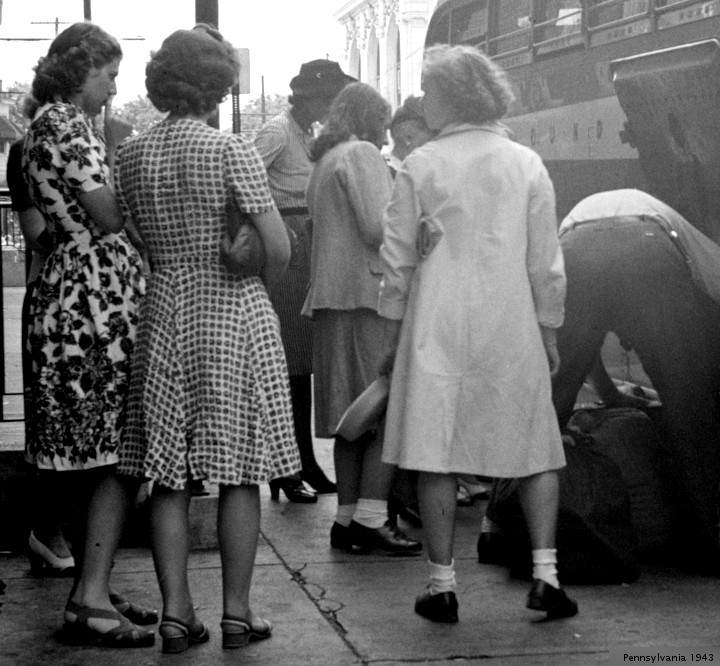
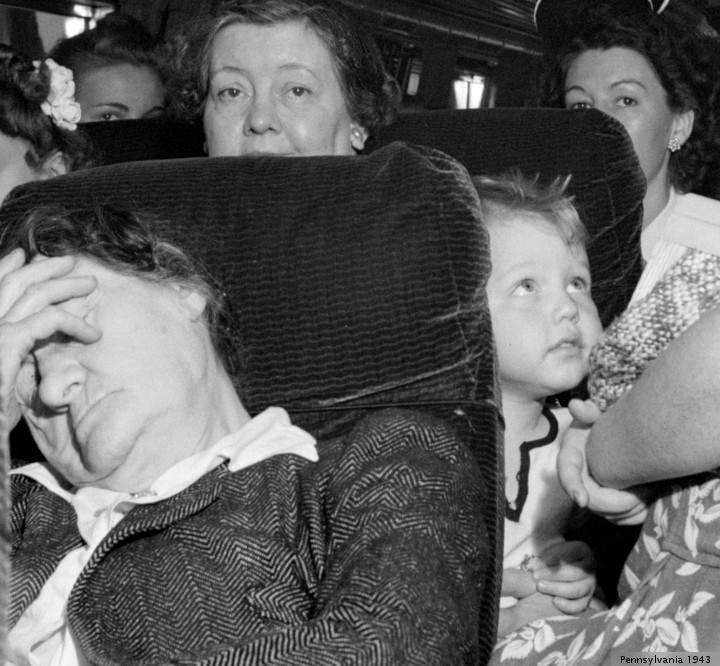
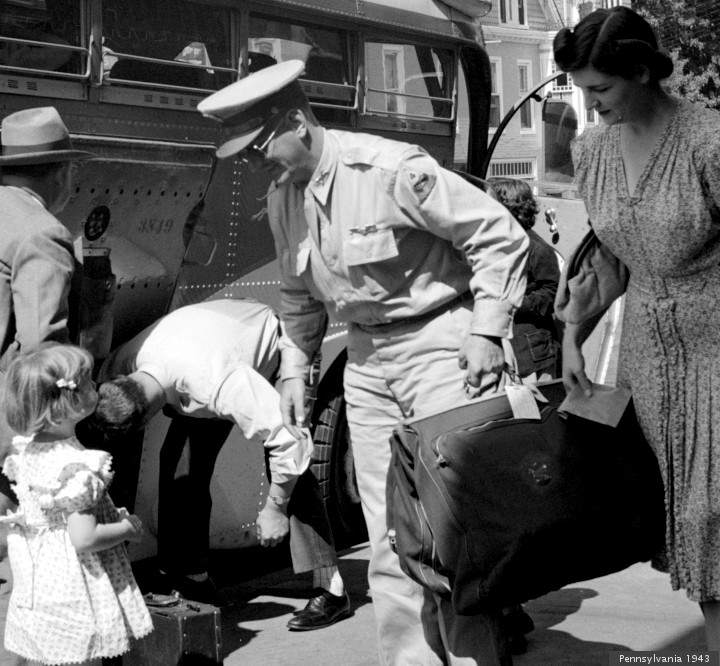
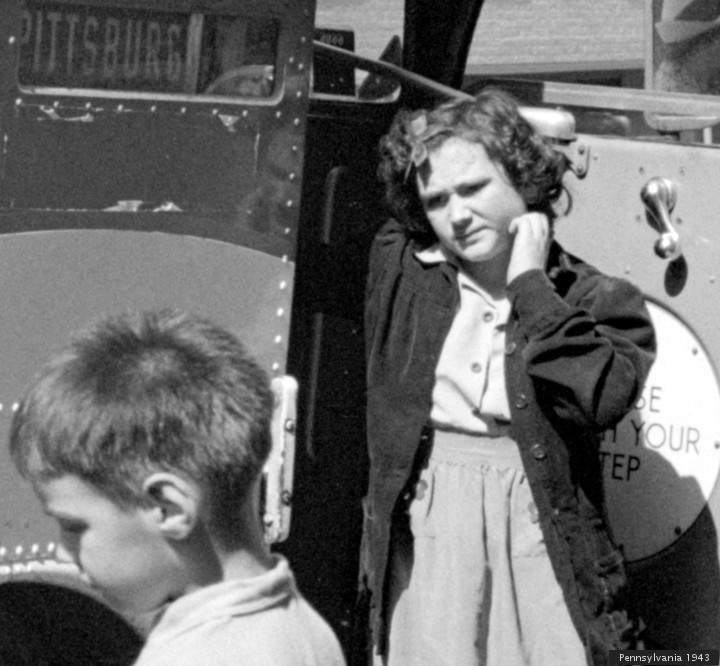
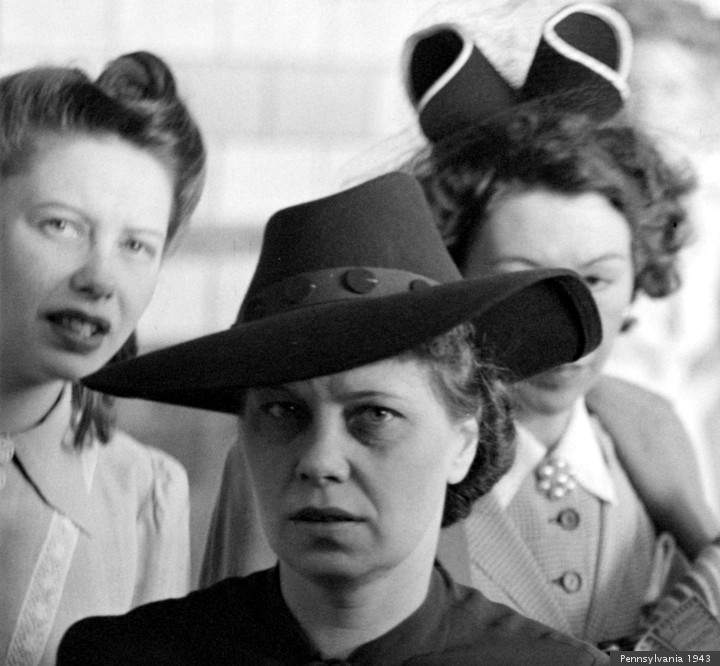
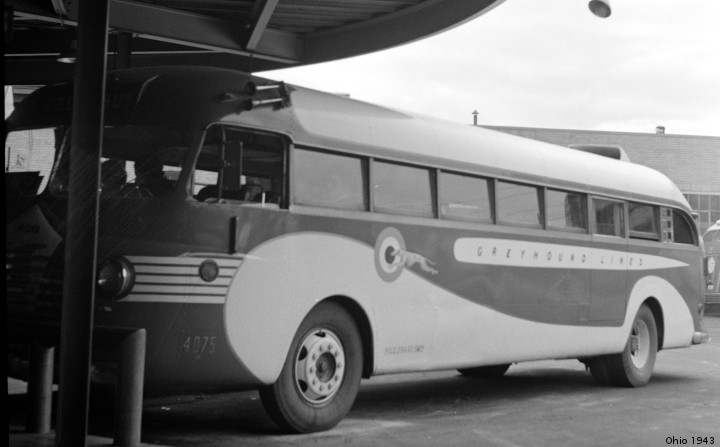
In typical blogger fashion, PG gave two links. “This post Are my attitudes about race any of your business, might help explain a bit of this.” “Here is another post that might help, James Baldwin and the six letter word. (This post makes an amusing connection between the n-word, and the r-word. The words of James Baldwin were used, perhaps in a way the author would not have intended.) Even if you don’t like the text, you can enjoy the pictures.” The pictures today are from The Library of Congress. Pittsburgh PA Passengers waiting for a bus at the Greyhound bus terminal. Esther Bubley, photographer September 1943. Chamblee54 wrote another post about this incident.
 </a
</a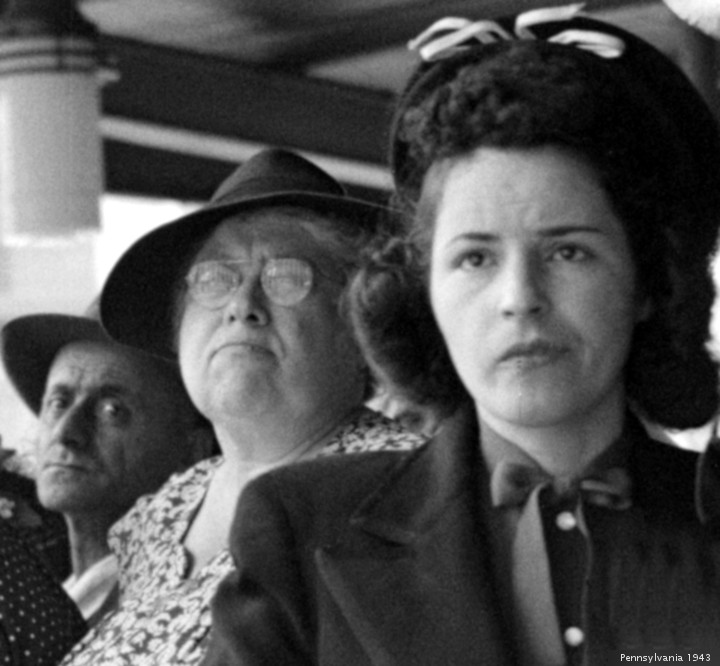




Mudville





As some of you know, I like to go to get-togethers in the woods. Since the location tries to be low visibility, I will call it Mudville. When Mighty Casey struck out, there was no joy in Mudville. The gathering is usually held at the end of September, and first part of October. This year, it was moved up a week, to accommodate the full moon. If the gathering had been held when it usually is, the weather would have been glorious. As it was, it rained, and rained, and rained some more. I went on Sunday, and planned to stay for a week. By Wednesday, I had enough, and went home, with my tail between my legs. This was not the intention.
I get into gathering mode, and nothing is going to stop me. Having two rides cancel did not stop me. Seeing the weather radar, with Mudville covered with precipitation, did not stop me. The trip up was fairly smooth. The clouds did not cover the sun until going through a scary mountain pass. By the time I got off the interstate, the mud puddles by the roadside were too numerous to ignore. If I can have a couple of hours to set up my tent, cover it with a tarp, take my car to the parking lot, hike back, then I should be ok. As it happened, it was drizzling by the time I started back from parking. There were huge mud puddles in the road, with a skinny strip of dirt to walk through on the side.
By the time I got back to my tent, I was dog tired. There was a dance party after dinner. I thought I would be far enough away to sleep through it. Unfortunately, some DJ decided to crank up the volume, and I was back to listening to the rain fall on the tarp. “Loving is really my game” was great when Brainstorm did it in 1978. Hearing the redo, while trying to sleep, is another story.
Monday, I got up and went to the kitchen. I tried to busy myself by taking out compost, and sorting recyclables. These are never quite done jobs, that don’t take much time commitment. Later, I was spreading wood chips over the path leading back to my tent. This helps a little bit, but turns into more mud before long. It was not all work… there were some lovely people to spend time with. The food was plentiful and tasty. The rain slacked off for a while Monday, and the tarp was keeping the tent dry. Maybe things were going to turn out ok.
The last entry in my journal was tuesday morning. *1) wake up early, go to kitchen, talk to Lady, hopefully rain is through.* The lady in the kitchen was a “big ole butch farm girl” who reads college dissertations for fun. Sitting down to talk with her was an unexpected treat. The sun came out for a while Tuesday, and things were looking good. Then a huge storm came through. There was enough water on the ground to get between my ground cover, and the floor of my tent. There was enough water in the tent to be thourourgly miserable. I thought that maybe it would clear up, and I could dry out the sleeping bag enough to hang in.
Wednesday morning it was raining fairly heavily. The reports were for rain all day, and into thursday. I took a bucket of compost out, and my shoe sank four inches into compost yard mud.
I went back to my tent, and took everything down. Just get it all into bags, and sorts things out when you get home. I went to the house, and found someone going to the parking lot. After getting back to Mudville, I saw another person who had been looking for a ride to parking. When I was taking him to parking, I went into a huge mud puddle on the raod, hit the gas at the wrong time, and came very close to spinning off the road. I got out of Mudville, put on the dry clothes I was keeping in the car, and got on the interstate going home. The rain went away for most of the trip home.
I usually have pictures from Mudville, but this time never took the camera out of the tent. It stayed relatively dry, and still functions. Pictures are from The Library of Congress.





Cemetery Blues
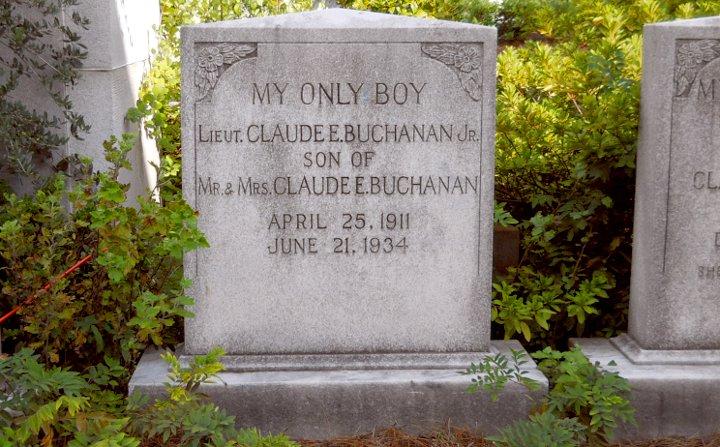
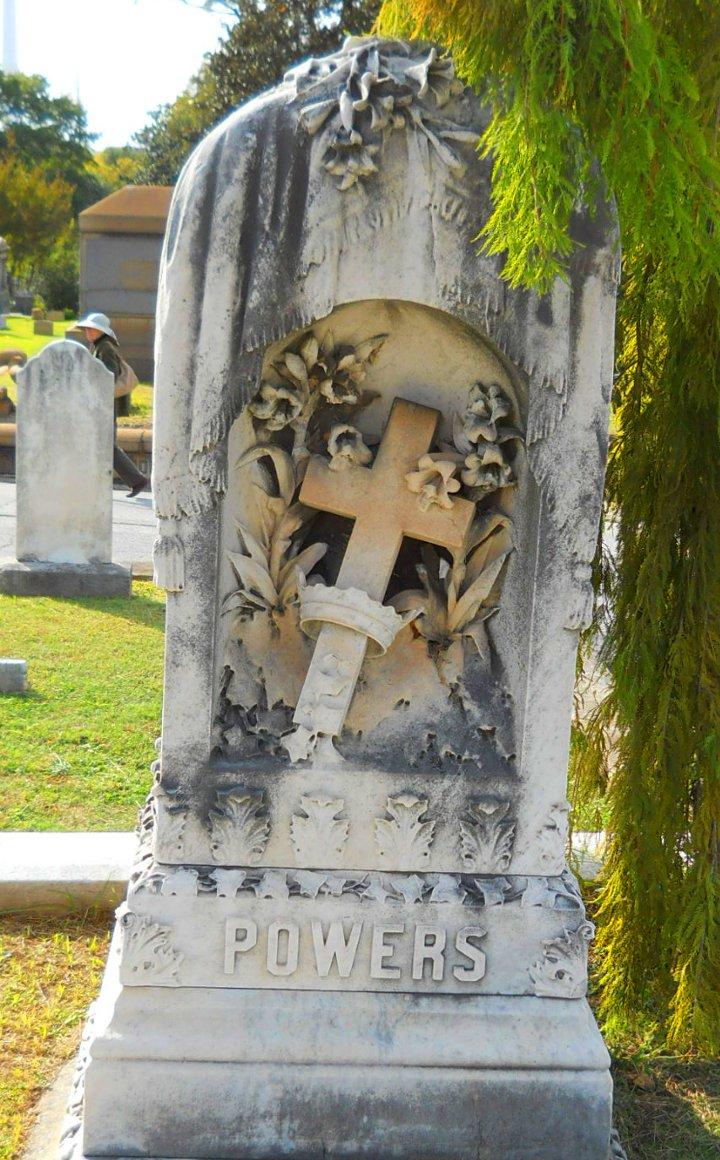


PG and Uzi had their usual Sunday phone call, and agreed to go to “Sunday in the Park”. It is a festival in Oakland Cemetery, with live music, people in costumes, open mausoleums, and lots of good clean fun. It wasn’t until that evening that PG learned that today is Dead Poets Remembrance Day. Edgar Allan Poe met his maker on this day in 1849.
There was a Chamblee54 post about DPRD two years ago. The idea is to go to a cemetery and read a poem. An effort will be made to do that tonight, although promises about dead poets are notoriously unreliable. The 2010 post is included as part two of this feature.
The first poem read that afternoon was “Looking for the Buckhead Boys” by James Dickey. In the intervening two years, PG listened to a podcast with Christopher Dickey, the son of the writer. Sometimes bard is short for bastard.
So PG, Uzi, and Hazmat went to a festival in Oakland Cemetery. Like everything else, it is more popular and expensive. You had to pay to park, which Uzi generously took care of. The brick walls around the boneyard have been repaired, and no longer look like they are going to fall down. Those walls are important, because people are dying to get inside. This is the second time that PG and Uzi have attended the October festival in Oakland Cemetery.
There are always things that you need to see at Oakland. Margaret Mitchell, the Lion Statue, and the mausoleums are important stops. PG followed the signs to the grave of Bobby Jones. It had golf balls and a putter, which was not necessary.
Don LeVert was a member of the Atlanta Sky Hi Club for many, many years before his departure in 1997. PG and Uzi always seek him out, and it is usually a bit of an adventure finding him.
After visiting Don, PG found the marker for “Brother John Wade”. His time on earth was September 23, 1865 to January 15, 1916. This was from the autumn just after the War Between the States until 37 days before PG’s father was born in Rowland, North Carolina. There was a renewed sense of connection to the stone monuments.
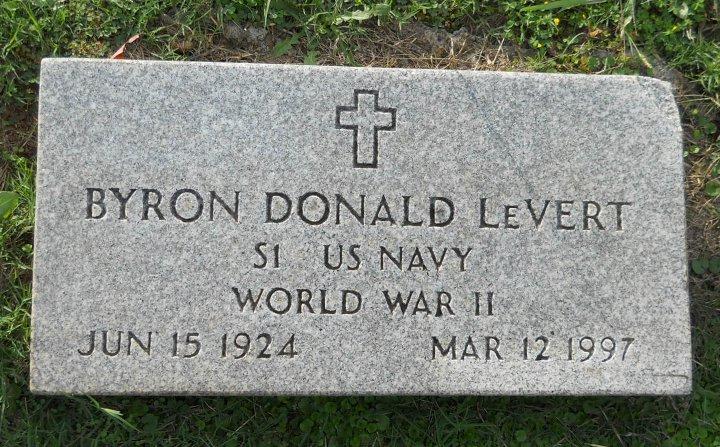
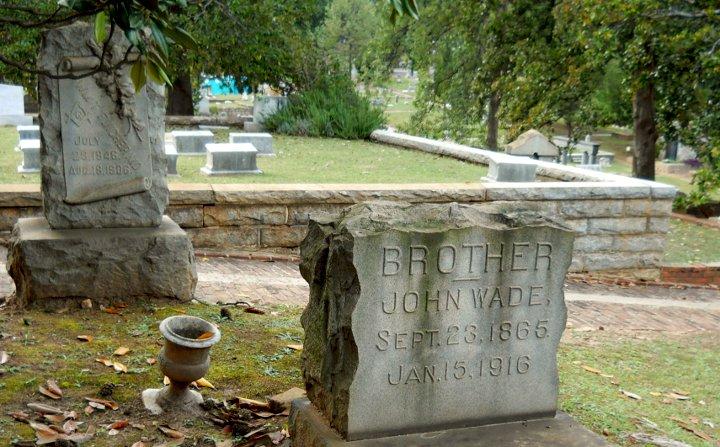


The facebook friend said “Today is Dead Poets Remembrance Day, Oct. 7th, the day Edgar Allan Poe died. Be sure to visit a graveyard and read some poetry today”. PG didn’t have anything better to do.
The first obstacle was finding a book of poetry. PG is not a poetry person. A look at the shelf turned up a paperback, “125 years of Atlantic “. Poetry was to be found between those covers.
The book had two stickers, both saying 69 cents. At the old Book Nook, this meant that the book was half the price on the sticker. With tax, that would be 38 cents.
125YOA had stayed in PG’s car for a few years. Whenever he was stuck somewhere with time to kill, this book was waiting. One afternoon in 1998, there was a slow day at work. PG read a remembrance by Gertrude Stein, about life in France at the start of World War II.
The cemetery of choice was connected to the Nancy Creek Primitive Baptist Church. PG has driven by this facility thousands of times. He walked past the graves until he found a fallen tree to sit down on.
The first poem was “Looking for the Buckhead Boys” by James Dickey. PG began to read out loud, and soon could smell the drug store air of Wender and Roberts. The author bought fifty cents worth of gas at a Gulf station. Today, fifty cents might buy a tablespoon of gas, and Gulf was long ago bought out by BP. Wender and Roberts became a bar, which was torn down, to make way for a shopping destination.
Buckhead is not what it used to be. When Mr. Dickey was the bravest man in Buckhead ( he took a shit in the toilet at Tyree’s pool hall), PG was not even thought of. The traffic jams on Peachtree Street are still there, as the blue haired ladies follow poets into the ground.
When PG finished reading Mr. Dickey, he put a teal postit in the book, where the poem stood. PG looked up, and the graveyard seemed different. Maybe the sun had sank a bit in the sky, and maybe the poem had changed PG in a way he could not put into words. Maybe another poem was the answer. Take the glasses off, open the book at random, and turn the pages until a poem shows up.
On page 404…the historic Atlanta area code…was “The Wartime Journey” by Jan Struther. The 1944 work was unknown territory. A group of people are traveling on a train. The wounded vet, the untried recruit, the salesmen shared the space with a lady, taking a baby for her soldier husband to meet. The theme of the rhymes was that America was totally at war, and that war is different from peacetime. Today’s war in Babylon is not like that.
Halfway through the reading, a freight train pulled by. Today, passenger trains are a novelty, and freight rules the rails. The shipment today was double decked containers, ready to pull off and slap on an eighteen wheeler.
Deaths are said to come in threes, and reading poetry in a graveyard should be the same. PG went on a random search for a Moe, to go with the Curley and Larry already digested. A page of poems by Emily Dickinson was the result. These pages left PG unmoved. It was as if he was back in the sixth grade, with a horrible English teacher forcing him to memorize Hiawatha. It was time to go home.
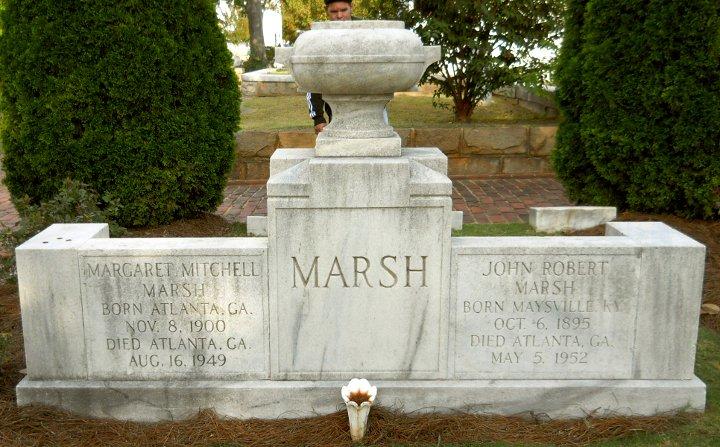
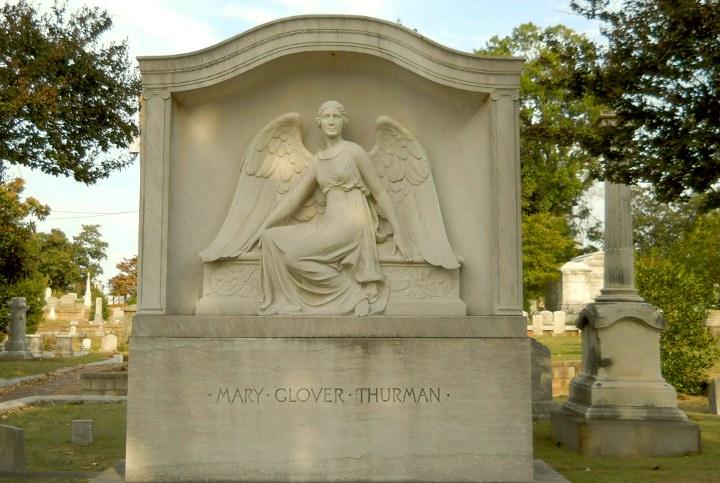


2017 Murder Statistics
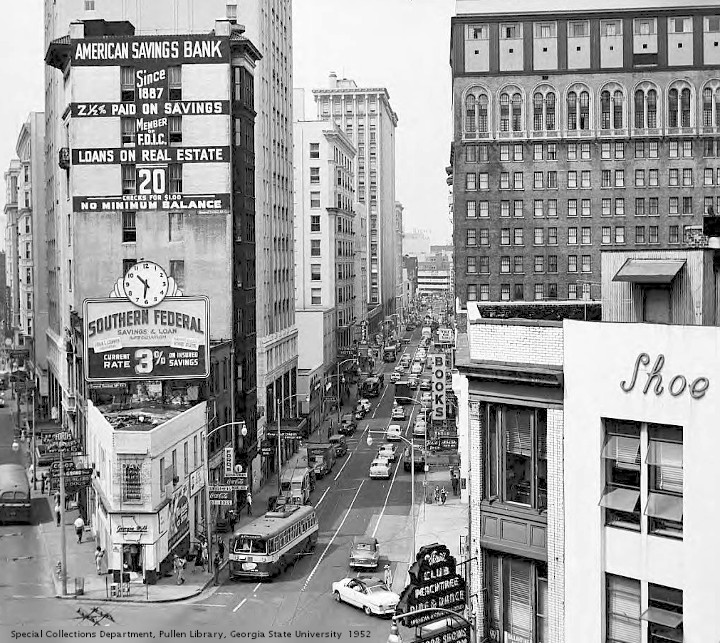


Crime in the U.S. 2017 has been issued. It is more statistics about crime than you could consume in a lifetime. This blog published reports on these numbers for 2015 and 2016. Pictures today are from “The Special Collections and Archives, Georgia State University Library”.
Expanded Homicide Data Table 1 is the source of murder statistics. These numbers are broken down by race, gender, ethnicity, and other factors. (Hispanic or latino (hereafter known as hispanic) is considered an ethnicity, rather than a race. Hispanic people are included in racial breakdowns according to their race.) In 2017, there were 15,070 murder victims. The gender breakdown is 11,821 male, 3,208 female, and 41 unknown.
Quick facts, from the U.S. Census Bureau, is the source of population numbers. On July 1, 2017, there were 325,719,178 people in the United States. White people were 76.6% (249,500,890), and black people were 13.4% (43,646,370). Hispanic people were 18.1% (58,955,171).
15,129 homicide victims breaks down into white 6,579, black 7,851, other race 456, and unknown race 243. (38 of the unknown race victims were also unknown gender.) Hispanics are counted separately, and had 2,354 victims. If you divide the number of murder victims by the population, you get the number of murder victims per million. The overall population lost 46.4 people per million. For white people, there were 26.3 murder victims per million. For black people, there were 179.8 murder victims per million. For hispanic people, there were 39.9 homicides per million.
50.8% of the population is female, according to the census bureau. We will use this 50.8/49.2 breakdown in this next section, even though there are indications that the percentage of females is higher for black people. The male/female ratio for homicides is, for white people, male 4,616 (70.1%), and female 1,958 (29.7%). For black people, it is male 6,789 (86.4%), and female 1,060 (13.5%). For hispanics, it is male 1,899 (80.6%), and female 454 (19.4%). On a per capita basis, white males had 37.6 homicide victims per million, with white females losing 15.4 per million. Black males had 316.1 homicide victims per million, with black females losing 47.8 per million. Hispanic males had 65.4 homicide victims per million, with hispanic females losing 15.1 per million.





Mansplain


There was a link on facebook to a rather wonky article, Mansplaining 101: How to Discuss Politics and Feminism Without Acting Like a Jackass. The concept is that men sometimes do not show women adequate respect when talking to them. The Urban Dictionary has entries for both mansplain and womansplain. Neither entry is complimentary. This is a repost. Many of the links no longer work. The pictures are more entertaining.
The policymic feature is a few months old, and apparently was the scene of a lively comment debate. Unfortunately, Some people flagged a bunch of the comments. Little is left. This is the top comment: “Feminism doesn’t need to make room for men, men need to make room for feminist ideas in their spaces.” In one sentence you managed to discredit your entire argument. Who wants to argue with someone who thinks any opinion from the opposite sex isn’t worthwhile? “
When you google mansplain you are referred to a tumblr, Academic Men Explain Things to Me. This is supposed to be an authority on mansplaining. As this post is written, the top three posts are a boss who mispronounces a name, a grandfather who tells girls how to shave their legs, and an eavesdropping customer who tells a woman how to get to sleep better. This is not especially helpful.
Blank splaining seems to be a versatile label. It seems to be a way of attacking the messenger, instead of dealing with the content of the comment. It is true that the tone of comments can be troublesome. People often come across as condescending, especially when they are. It just seems to this observer that little is gained by putting a label, like mansplaining, on this phenomenon.
PG has been in many discussions where he was spoken down to. Jesus worshipers are notorious for not respecting people who don’t agree with their ideas about religion. There is also the possibility that people use this attitude of superiority as a weapon to cover up uncertainties about their position. Human beings are funny animals. We are not always the fair, logical creatures we think we are.
Another label to be put in front of splaining is white. The urban dictionary says this about whitesplain: “The act of a caucasian person explaining to audiences of color the true nature of racism; a caucasian person explaining sociopolitical events and/or history to audiences of color as though they are ignorant children.” Contrast this to the word on blacksplain: “Explaining things pertaining to African American history and culture, to someone who is racist or racially ignorant.” The white person is always wrong in this scenario. Pictures today are from The Library of Congress.



Was Mae West A Real Girl?



August 17 is birthday 124 for Mary Jane “Mae” West. Of course, she died in 1980, so the party is off. PG saw a note on facebook, and made the comment “She was rumored to be a man.” One right click google search later, this post started to take shape. This is a repost.
There is a blogspot site, maewest.blogspot.com. It is still published, with a birthday post today. Five years ago there was a post, Mae West: Penis Rumors. It seems as though Miss West liked to say, to the press, “When I die, you are going to be very surprised!”
A hollywood gossipmonger had a story, Was Mae West…A Man?! Much of her information comes from the tasteful findadeath site. The story here is that Mae West died in 1950, and the death was kept quiet. Her brother made appearances in her place, until the final death in 1980. This would have been quite a feat, considering that John Edwin West died in 1964. That doesn’t stop people from talking.
“…the real Mae West died somewhere around 1950, give or take a couple years, and rather than let the show stop, it was announced that not Mae, but her brother, died. Of course, the brother then became Mae West and carried on until November 1980. If you look carefully at photos from around 1950 on it definitely looks like a different person not to mention the big hands and masculine features, bone structure, etc. I may not have all the details 100% correct but I would almost put money on the fact that the ‘Mae West’ ‘who died in 1980 had a weenie!!”
The hands were mentioned by Raquel Welch. The two were in Myra Breckinridge, the first movie Miss West had made in 27 years. (Miss West appeared on Mr. Ed in 1964.) Miss Welch appeared at a film festival in 2012, and had stories to tell.
“When I went over to say hello to her (one day) I said, ‘Hi, it’s Raquel, remember?’ She sort of extended her hand to me and I went to kiss the ring and one false fingernail painted silver fell to the floor. I looked at the hand and I thought, ‘Oh, I’m getting a vibe.’ I really think she’s a man! At this point in her life all bets are off and you’re not going to be able to doll it up that much. I would say it’s pretty accurate that she resembled a dock worker in drag.” …
“I had this beautiful dress and it was black with a big white ruffle around the neck and a black velvet hat … Apparently Mae got wind of the fact that I was wearing this exquisite dress and I went to the studio that day for our scene together. I got coiffed, got my hair done and went to the closet to get the dress and it wasn’t there. I asked my dresser what happened to the dress and she said, ‘It’s been confiscated. Mae does not want you to wear that dress. You can wear the red dress that you wore in the last scene!’ … Welch was so outraged that she stormed off the set and refused to return until the dress was back in her closet. … “For the scene, we never appeared in a two-shot together. She left after she did her lines and I had someone off-camera reading her lines and I had to pretend she was there.”
Pictures are from The Library of Congress.




Greeted As Liberators



One thing that PG likes to do is investigate “things he has always heard”. With google, you can often find the source, and a few things more. Some urban legends are tough to trace, often because they don’t exist. Others pop up 575k results is .49 seconds. This is a repost.
The myth PG was chasing was the notion that government officials said our army “will be greeted as liberators” in Iraq. On March 16, 2003, Vice President Dick Cheney was on Meet the Press.
MR. RUSSERT: If your analysis is not correct, and we’re not treated as liberators, but as conquerors, and the Iraqis begin to resist, particularly in Baghdad, do you think the American people are prepared for a long, costly, and bloody battle with significant American casualties?
VICE PRES. CHENEY: Well, I don’t think it’s likely to unfold that way, Tim, because I really do believe that we will be greeted as liberators. I’ve talked with a lot of Iraqis in the last several months myself, had them to the White House. The president and I have met with them, various groups and individuals, people who have devoted their lives from the outside to trying to change things inside Iraq. And like Kanan Makiya who’s a professor at Brandeis, but an Iraqi, he’s written great books about the subject, knows the country intimately,… The read we get on the people of Iraq is there is no question but what they want to the get rid of Saddam Hussein and they will welcome as liberators the United States when we come to do that.
There are a few things to say 15 years later. Why did the Vice President have this much power? The VP is supposed to dedicate buildings and go to funerals. Dick Cheney was clearly a very powerful man, and he was not elected to that job.
Mr. Russert, rest his soul, seems to have gotten one detail wrong. The conquest of Baghdad went smoothly, with relatively few American casualties. It was the occupation that would be “long, costly, and bloody… with significant American casualties.”
There probably were many Iraqis who welcomed the change, Clearly, Mr. Hussein had some enemies, and there were some who did see the invasion as liberation. There were others who did not. Players in other countries saw an opportunity to come to Iraq and make trouble. The regime that was changed had many employees, who were bumped out of jobs. “The people of Iraq” were no more a monolithic force, all acting the same way, as the people of America would be if they were invaded.
Even if the Americans were “greeted as liberators”, there would be many challenges. The country had no experience in dealing with democracy. The different ethnic groups did not like each other. Sunnis were seen as having been privileged, and many were looking to settle the score. It seems obvious that these problems were not anticipated.
There is a debate in The United States about the use of torture. It seems apparent that “enhanced interrogation” was used extensively in Iraq and elsewhere. The use of torture would seem to be an admission that we were not greeted as liberators.




White House Drug Party



On July 30, 2009, President BHO had a white man and a black man over to take drugs. They had a rather public disagreement, and BHO stupidly poured gasoline on the fire. Drugs were the answer. This is a repost.
There are those who will immediately scream that beer is legal. Yes, alcohol is legal, advertised on television, and served in the White House. It is also an addictive drug. If you take too much, it will kill you. It is easier to die using hard liquor, but the concept is the same.
There are a lot of people in the legal machinery because of drugs. Some of these drugs are legal, some are not. Your liver is not amused to hear that the alcohol it is processing is legal. Your lungs don’t care if cigarettes are legal. The worst thing about some drugs is the fact that there is a law against them.
In Dekalb County, there is something called drug court. If you are on this program, you go to endless meetings, and get screened for drugs. Every time a person is screened for drugs, a lab charges the county money to process the test. This money could be used to give school teachers a raise, or to repair the roads. Instead, it goes to testing the urine of people who got caught smoking pot.
Thursday, drug court was meeting at the same time as the White House drug party. PG attended as part of “Friends and Family” night. The alcohol industrial complex was not affected.




Hair


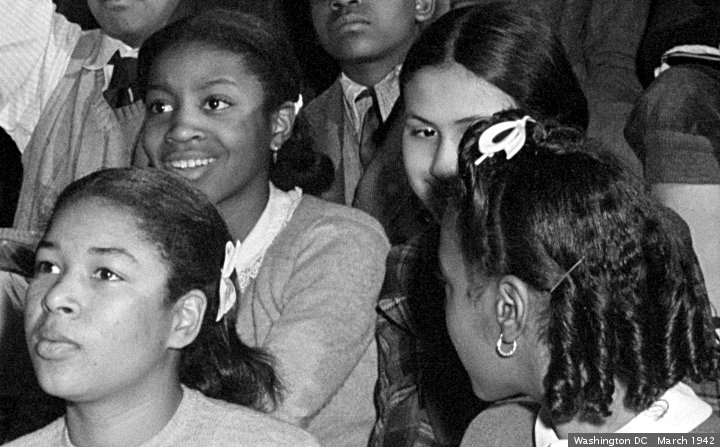
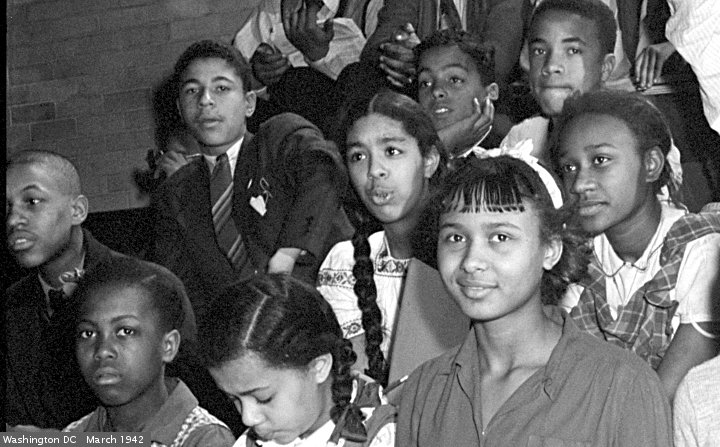


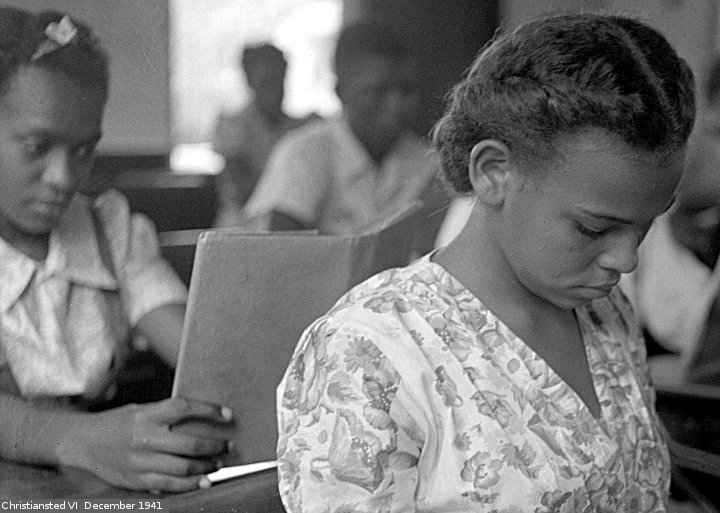


There is a tasteful feature on the innertubes now, A Few Good Reasons Why White People Should Not Wear “Mohawks” or Dreadlocks. Yes, this is another polemic about cultural appropriation. If you want to skip the text, and look at the pictures, no one will get mad. Or get even. If you read the text, you might get odd. It is your choice.
The gist of the tract is “When white people wear “Mohawks” or dreadlocks it twists those hairstyles into symbols of privilege rather than symbols of survival and resistance.” Little is known about why the Natives of Upstate New York wore their hair the way they did. Isn’t calling this hair choice “symbols of survival and resistance” playing into the game of misunderstanding non European cultures? Anthropology is not an exact science.
The tract is not well written. Maybe the author feels like using good grammar is appropriating someone else’s culture.
There is one part of the tract that had PG shaking his buzz cut head. This is a free country. Can’t I do whatever I want? This country has never been free for people of color/non-white people. Certainly, you can choose wear your hair however you want. Historically, however, people of color have not been able to make that choice. This is not why the Bronner Brothers are multi millionaires. Black Americans spend more on hair care products than the gross national product of many African countries.
Both mohawks and dreadlocks are high maintenance affairs. After his struggles with shoulder length redneck curls, PG is not about to shave the sides of a beaver tail every day. And dreadlocks have always seemed to be just a bit on the dirty side. The rastas are welcome to wear dreadlocks, as long as they pass the spliff.
One thing PG has wondered was answered as a result of this polemic. Did the Mohawk tribe really wear their hair that way? When you type “Did the Mohawk… ” into google, the rest of the phrase to pop up is “Did the Mohawk Indians have mohawks?” Someone else has wondered the same thing. Wikipedia has more information.
The mohawk (also referred to as a mohican in British English) is a hairstyle in which, in the most common variety, both sides of the head are shaven, leaving a strip of noticeably longer hair in the center. Though mohawk is associated mostly with punk rock subculture, today it has entered mainstream fashion. The mohawk is also sometimes referred to as an iro in reference to the Iroquois, from whom the hairstyle is derived – though historically the hair was plucked out rather than shaved. … The Mohawk and the rest of the Iroquois confederacy (Seneca, Cayuga, Onondaga, Tuscarora and Oneida) in fact wore a square of hair on the back of the crown of the head. The Mohawk did not shave their heads when creating this square of hair, but rather pulled the hair out, small tufts at a time. … Therefore a true hairstyle of the Mohawks was one of plucked-out hair, leaving a three-inch square of hair on the back crown of the head with three short braids of hair decorated.
They didn’t shave the sides of the head, they plucked the hair out. That does eliminate the need to shave the sides of your head every day. This is not the way the fashion conscious hair people do the modern mohawk. The question arises if this non authentic hairstyle is really cultural appropriation.
Part of the polemic took a question and answer format. “But, I wear my hair this way as a statement against oppressive cultures and governments. How is that racist?” “You can take a stand against oppression and dominant cultures without appropriating the cultures of the people being hurt by them. Appropriation actually enforces oppression, it does not stand against it. Appropriation is part of the problem, not part of the solution”
To paraphrase this, you can be anti racist without proudly avoiding high maintenance hairdoos. Especially one that bears little resemblance to the actual article.


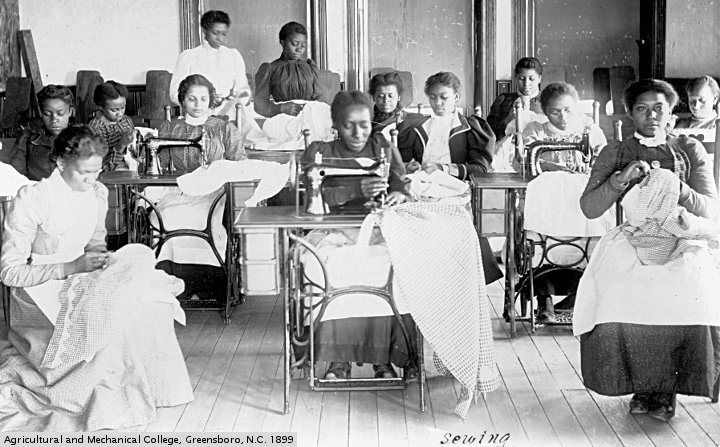
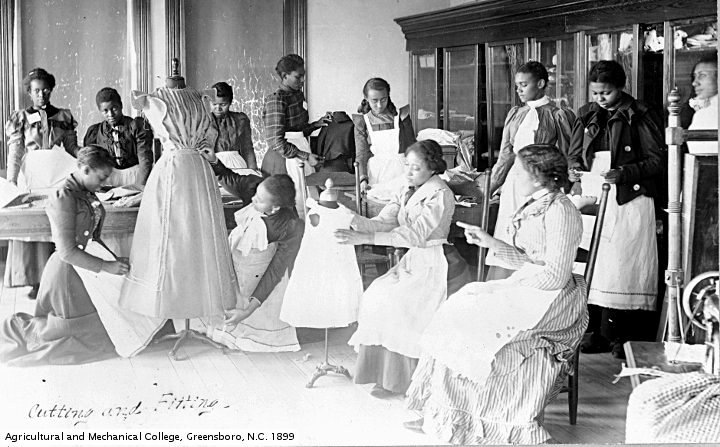


There was a statement in yesterday’s post . “Black Americans spend more on hair care products than the gross national product of many African countries.” This was tossed out in a careless moment, which is not a good thing to do. Today’s post is an investigation. For purposes of this report, America’s gross national product is the republican party.
Finding out how much African Americans spend on hair care is more google intensive than this slack reporter imagined. Madame Noire has a feature, Black Women Spend Half a Trillion Dollars on Haircare and Weaves! Why? “Black women spend half a trillion dollars to keep our hairstyles tight, our weaves looking good and our “kitchens” tamed. Why do we do this?” The $500 billion figure might include pain and suffering. Target Market News is more conservative, reporting “Personal Care Products and Services – $6.66 billion”.
In the chatter about a Chris Rock movie, Good Hair, the phrase “9 billion dollar hair trade industry” is used. The Magazine Publishers of America report that advertising spending on “Hair Products & Accessories” was $1,242,700 in 2007.
The short answers are “a lot”, and “we don’t know”. It is probably less that $500 Billion. For the purposes of this feature, we will go with a conservative estimate. This would be Target Market News. Since not all “Personal Care Products and Services” are hair related, we will call our number Five Billion. This is probably a conservative figure, but for our purposes it will do.
The second part of the statement was “Black Americans spend more on hair care products than the gross national product of many African countries.” The numbers come from Wikipedia and the International Money Fund. There are sixteen African countries with GNP less than $5 billion. They include: Mauritania, Swaziland, Togo, Eritrea, Lesotho, Burundi, Sierra Leone, Central African Republic, Cape Verde, Djibouti, Liberia, Seychelles, The Gambia, Guinea-Bissau, Comoros, and São Tomé and Príncipe. The last seven have a GNP less than the amount spent advertising hair products and accessories for Black Americans.
This is a repost. Pictures are from The Library of Congress.






1 comment