Dog Walking On Highway 400


I avoid going to Roswell, because it usually means getting on the dreaded Highway 400. Because of the reconstruction chaos at 285, I decided to get on the highway at Abernathy.
The soundtrack was the “punch and judy” podcast, blocked and reported. Today’s story was a subreddit called Auntie work r/antiwork. The mod, Doreen Ford, was interviewed by Fox news, with disastrous results. The mod is a dog-walker by trade, who someday wants to be a philosophy professor. Ms. Ford is a non-passing trans woman.
I get on 400 at Abernathy Road. There is a construction festival going on. You go through the intersection, and drive onto this two mile long driveway. One lane, one way, no other cars. I was convinced I was about to come to a dead end.
Meanwhile, the B&R story has gone from comedy to psycho-farce. The mod has offended people, who returned the favor. “Years before /r/antiwork rose to prominence, Doreen Ford, facing accusations of serial rape from a prior sexual partner, confessed to inebriated sex that the partner later stated was non-consensual. Soon after, Ford confessed to masturbating while lying next to “a person with whom [she] had an ongoing sexual relationship and living arrangement,” against the individual’s will, placing their hand over her boxers nonconsensually while in bed, and shutting off alarms the individual had set to avoid falling asleep together.”
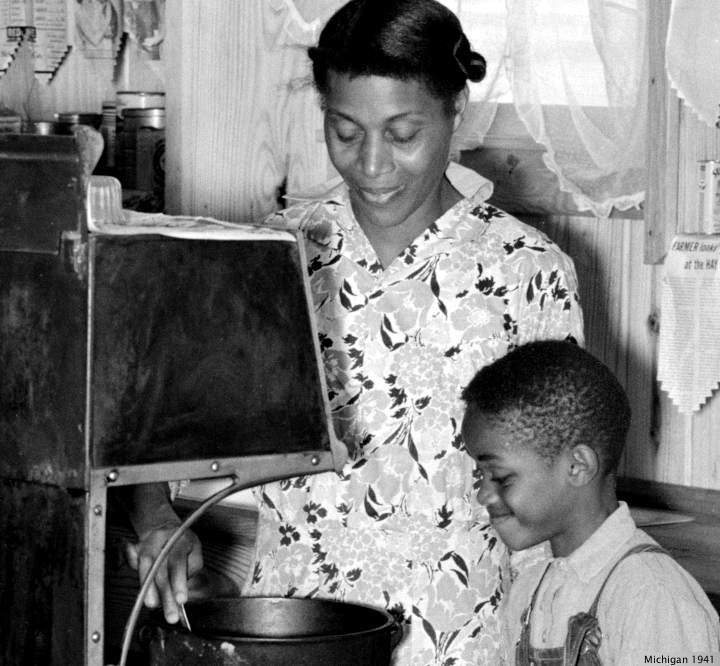
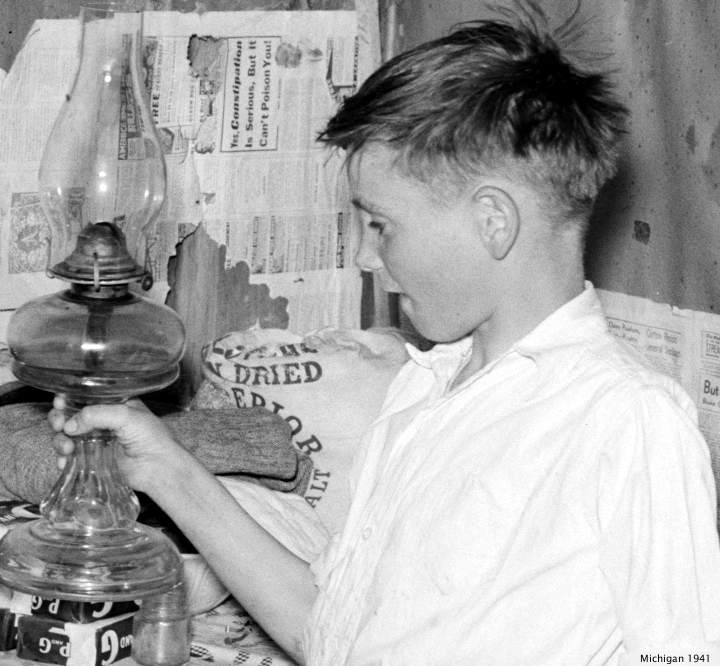
The cis/trans nature of the players was not specified. “placing their hand over her boxers nonconsensually.” Were the pronouns they/their, or was the author just playing it safe? This was all very disorienting to absorb while driving down a two mile long driveway, on a freeway in progress. Maybe this was all a simulation. Pictures today are from The Library of Congress.


Fifteen Minutes



Andy Warhol is quoted as saying that “in the future, everyone will be famous for fifteen minutes.” This has become a popular saying. If a celebrity is getting tiresome, people will wonder when their fifteen minutes will be up. After hearing about fifteen minutes his entire life, PG began to wonder if Drella really said that. If you can’t be cynical about Andy Warhol… This is a repost.
Wikipedia is a good place to start. “In the future, everyone will be world-famous for 15 minutes” … appeared in the program for a 1968 exhibition of his work at the Moderna Museet in Stockholm, Sweden. Photographer Nat Finkelstein claimed credit for the expression, stating that he was photographing Warhol in 1966 for a proposed book. A crowd gathered trying to get into the pictures and Warhol supposedly remarked that everyone wants to be famous, to which Finkelstein replied, “Yeah, for about fifteen minutes, Andy.” Nat Finkelstein was a sketchy character, in the Warhol tradition. His version is suspect. The Swedish museum part is real.
“Andy Warhol’s first European museum solo show took place at the Moderna Museet in Stockholm from February through March 1968. Pontus Hultén curated the exhibition together with Olle Granath. The exhibition came with a catalogue that was, like the show, named ‘Andy Warhol’. Kasper König, who worked for the Moderna Museet as an intern of sorts in New York, developed a basic concept for the book. … After Warhol had given his approval to this first proposal, König proceeded to create a dummy. … When König returned his dummy to the Factory, Warhol scrutinized it carefully but made only a small number of changes. Contrary to what Warhol wanted to be popular belief, those who produced input at the Factory were carefully monitored. … The final edits on the dummy were made in Stockholm by Olle Granath. He compiled a small selection of Warhol quotes and aphorisms from a stack of books and clippings collected by Hultén and placed them in the book as an introduction before the image sections.”
“Sometime in the autumn of 1967, Pontus Hultén called and asked me if I (Olle Granath) could help him and the Moderna Museet to organize an Andy Warhol exhibition that was due to open in February…. An important part of the exhibition was the production of a book. It was not supposed to be an analytical catalog of Warhol’s work, but a book that conveyed his aesthetics without heavy texts. … One day, Pontus brought me a box, almost the size of a Brillo box, and told me that it contained everything written by and about Andy Warhol (today the equivalent would probably be two truck loads). My job was to read it all and present a proposal for a manuscript with Swedish translations. After a couple of nights of reading and taking notes I delivered a script to Pontus and awaited his reaction with great anticipation. ‘Excellent,’ Pontus said when he called me, ‘but there is a quotation missing.’ ‘Which one?’ I said. ‘In the future, everyone will be world-famous for 15 minutes,’ Pontus replied. ‘If it is in the material I would have spotted it,’ I told him. The line went quiet for a moment, and then I heard Pontus say, ‘If he didn’t say it, he could very well have said it. Let’s put it in.’ So we did, and thus Warhol’s perhaps most famous quotation became a fact.”
“The exhibition in Stockholm attracted a relatively small number of visitors, due to the extremely cold winter, but also to the fact that leftist radicalization increasingly drove the Museets public to mistrust anything American or consumerist. There was no space yet for a more complex reading of Warhol’s relation to consumption. The book, however, became very popular: its enormous edition allowed it to be distributed in nightclubs and record stores, not only museums. A timeless update on the latest from New York, it first became a cult object, then a collectors item.”
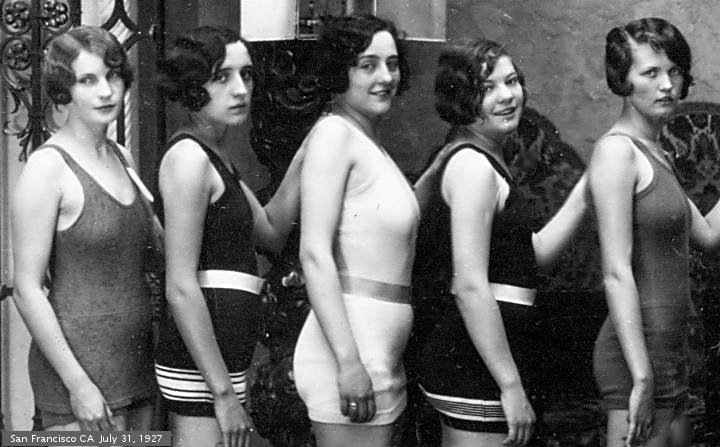
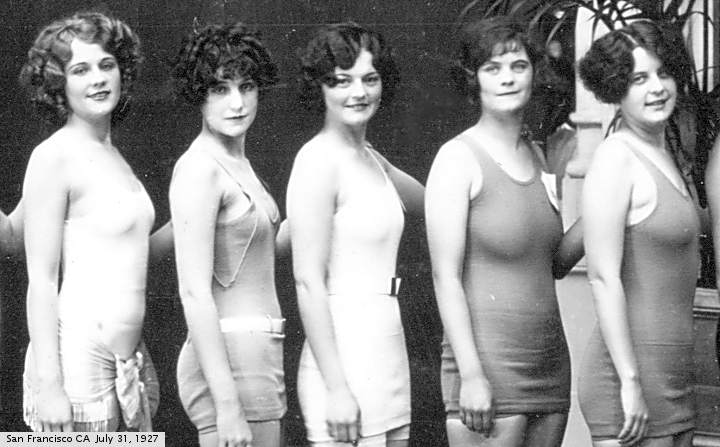
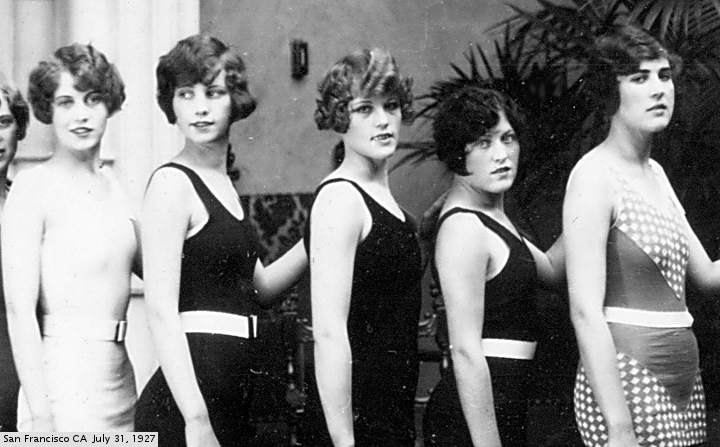
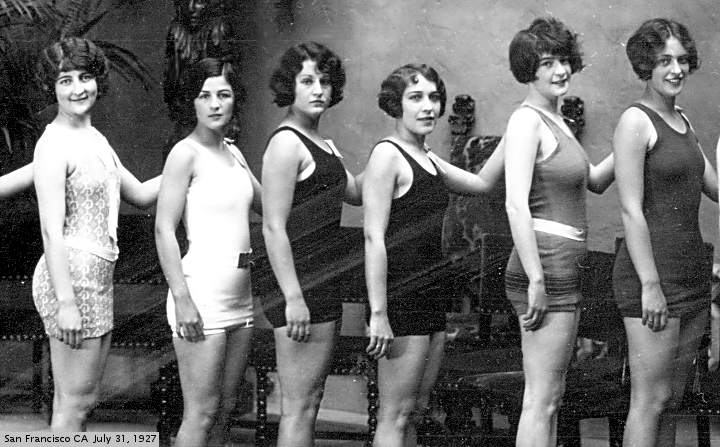
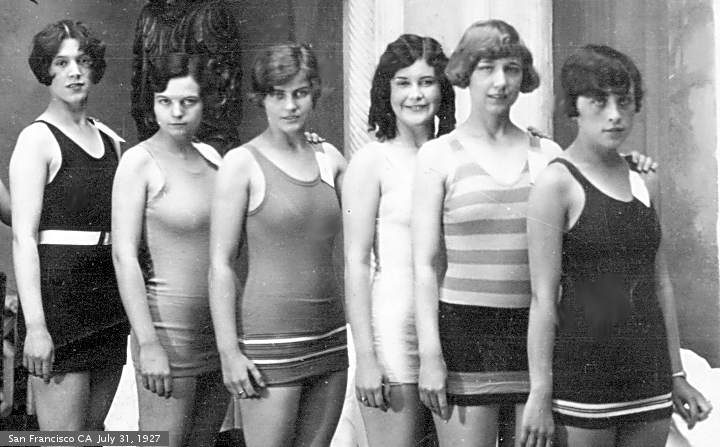
Did Andy say that? Probably, but not definitely. Andy was shot by Valerie Jean Solanas on June 3, 1968, a few months after the show in Sweden. Andy survived, and had fifteen more minutes. Pictures today are from Pictures are from The Library of Congress. The 1927 pictures were taken at “California Beauty Week, Mark Hopkins Hotel, July 28 to Aug. 2, auspices of San Francisco Chronicle.”


Hollywood Part Three



What follows is Part Three of a book report series. The topical text is Hollywood, by Charles Bukowski/Hank Chinaski. The book is a semi-fictional account of making Barfly. Other parts of this series are available. one two four five Pictures are from The Library of Congress.
22 – I finally broke down, and cheated. The Hollywood (Bukowski novel) wikipedia page is the decoder ring, to see who the fictional names are. The technical name is Roman-à-Clef, even when nom de guerre is more accurate. It turns out that the producers are not Harvey Weinstein/Orion. BF was produced by the Cannon Group. Cannon/Firepower seems to be as crooked and devious as Orion … an occupational hazard of show business.
23 – Hank and Sarah go back to the ghetto, to visit Jon and François. Life is lots of fun. People sneak into the crawl space. They will knock on the floor, and let the residents know they’re there. After a live demonstration for Hank and Sarah, François started cussing out the crawlers. François is a French actor named Steve Baës. He’s one of the best characters in the story, yet does not have a Wikipedia page. At the end of chapter 23, Jon Pinchot gets a phone call from the crooks. The picture has been cancelled again. All’s fair in hate and Hollywood.
24 – Pinchot decided on a plan. He’s gonna go see the producers. He will threaten to cut off his little finger if he doesn’t get his way. Hank doesn’t think this is a very good plan. You need your little finger for typing a. Pinchot says that he never types a. He may be a type a, but he never types a.
This reminds me of a story. Paul was on the payroll, allegedly as a salesman. Most of the time he was in the office, looking at the accountants. One day, our store manager wrote a message on the white board. “Clean the head, Jim.” Jim was a driver. I went to the white board, erased Jim, and wrote in Paul. When he saw this, Paul got mad. “I shouldn’t have to clean the bathroom, I never use it.”
I am moving this production into the living room. There’s a nice comfy chair here. Take the mouse, book, and pink glasses to the living room. Since cataract surgery, I’ve been dependent on reading glasses. Every time I go to the dollar store, I pick up another pair. Every pair that I get is a little bit tackier than the one before. The latest one is flamingo pink. It is going to be tough to get something tackier than flamingo pink. All things are possible in a world without God.
There was a twitter notification. I made a comment about the instability of calling human ivermectin “horse dewormer.” There was a reply. This is what you expect from the kool aid drinkers who believe everything that Rachel Maddow says. @chamblee54 What about corporate media labeling a safe drug like ivermectin as horse dewormer? ~ “safe drug” 1) with a common side effect of causing you to shed your intestines? 2) that is known to cause kidney failure? 3) that available data does not show is effective against COVID-19? They’re labeling it horse dewormer because that’s what too many idiots are ingesting ~ “context needed” ~ Context: If someone eats a product sold to deworm horses, calling it horse dewormer is accurate. If someone refuses to take a proven safe/effective vaccine, but willingly shits their intestines out after eating horse dewormer, they are in fact an idiot. Context supplied.
25 – Hank and Pinchot have a meeting with a lawyer named Zach Nick. Pinchot brought his Black and Decker saw, and he repeatedly threatens to cut his little finger off. The lawyer gives him the contract, then deletes one of the chapters. Pinchot says it has too many ambiguities. Hank asks Zach Nick if he’s read anything of his. His daughter read Cesspool Dreams. Surely that’s a fake name, even if Cesspool Dreams is tasteful by Hank Chinaski standards. The meeting finally ends. Zach Nick says the practice of law gets stranger all the time.
26 – Hank is in movie production hell, again. He’s going to work on “the poem” now. There isn’t much money in the poem, but it sure was a big playground to flounder around in. It seems like Hank signed a contract years ago. It gives somebody else the rights to the character of Hank Chinaski. Now, they can’t make this movie. Hank gets on the phone with his old buddy, who’s somehow connected to the guy that owns the rights to Hank. He gives Hank a release, and the movie is on again
27 – The movie is back with the Canon Group. Now they’re having problems with actors. Francine Bowers got sick, and it’s gonna have to be out for a couple of weeks. Mickey Rourke has to have a Rolls Royce limousine. Some of his buddies are gonna get up on the hood of the Rolls, and do shots, and pound all kinds of insecurities into the hood. They’re gonna be moving into a hotel, with a bunch of real barflies … is barf short for barflies? I always thought that barf was short for bar food, especially after eating some. Of course, some of the barflies are nasty to eat, so maybe barf does mean barflies. The Bay Area Radical Faeries should be ashamed.
I really do need to see this movie. I did a multi-part book report for Catch 22 a while back. I had seen the movie Catch 22, when it first came out. C22, a so-so flick, did not turn out to be a hit. I saw C22 in this old theater that smelled like a popcorn machine. Margaret Mitchell was trying to cross Peachtree Street, to get to this theater, when she was run over by a taxicab.
A facebook friend posted an item. ‘Let’s Go Brandon’ merchandise at Alaska exchange crossed AAFES’ line on vulgarity “In the days leading up to Christmas, a temporary vendor at the exchange … sold wooden bear figurines fashioned to resemble former President Donald Trump and holding signs reading, “Let’s Go Brandon.” … The foot-tall bears sported long red ties and slicked-back blond hair in Trump fashion. … “Let’s Go Brandon” serves as code for some who oppose Joe Biden’s presidency. Pro-Trump crowds routinely chant the phrase during rallies, and it now adorns T-shirts, hats, coffee mugs and a host of other merchandise popular with conservatives.”
28 – They’re starting on the movie. Filming is in this old beat up hotel in Los Angeles. One of the rooms they’re using, in the movie, is a room that Hank lived in. They’ve hired some of the degenerates living in the hotel, to work as extras on the movie. The hotel is gonna be torn down for some commercial venture. The residents don’t know where they will go.


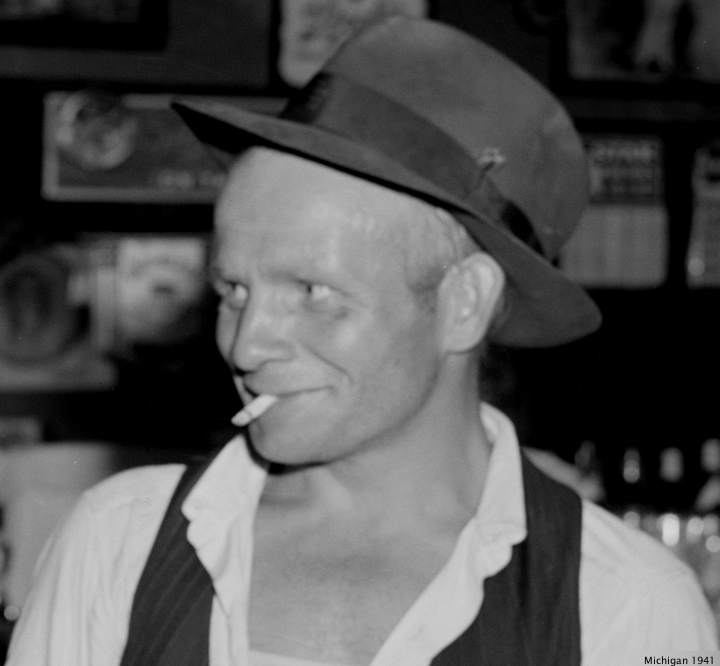

Faux Outrage
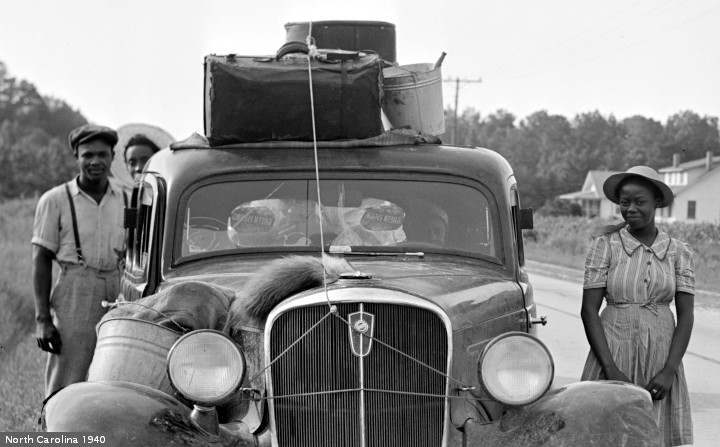



There was a notice, when I went on facebook. “You can’t post or comment for 24 hours. This is because you previously posted something that didn’t follow our Community Standards. … This post goes against our standards on dangerous individuals and organizations … ” The comment was made, by someone else, on twitter first. “Don’t invite Hitler to dinner. He adolph other people’s plates.”
Soon, I was on wordle. It was fun for a while, but starting to become dull. Wd is now owned by the paywall-happy New York Times. A google search, will wordle be paywalled, led to an article in The Irish Times. To get to this article, you have to click through a prophylactic screen: “We Value Your Privacy .. please read our cookie policy” The original name for “cookies” was cooties.
@nhannahjones “This is an important read. The faux outrage over Biden addiction policy focused on “crack pipes” for a reason: It’s a racist dog whistle.” The “important read” is a demonstration of doublespeak: “As more people who looked like them died of overdoses, Republicans and Democrats found themselves advocating for a “kinder, gentler” war on drugs, a stark departure from the racist coverage in the ’80s and ’90s that framed Black people who use drugs as a menace to society. … And crack isn’t uniquely harmful. In fact, according to an analysis of drug harms published in The Lancet, alcohol is more harmful than crack — especially when considering harm to others. Plus, if crack is so harmful, that’s all the more reason to target harm reduction around its use. The only reason not to? Because the people harmed by illicit crack use are mostly not white.”
Joe Rogan never left the ether. Yesterday’s clip discussed America’s shameful involvement in the Saudi-Yemen war. It is a dirty, ugly situation, and seldom discussed in corporate media. This is the sort of story that Mr. Rogan, and his guests, tell all the time. Is this why the powers that be want to silence Joe Rogan? Pictures today are from The Library of Congress.


Listening To Joe Rogan



“Your post has not received any views yet.” I posted a response to some negativity on facebook. The fbf deleted the link without comment. When you write something, and nobody reads it, the only logical thing to do is write more.
Part two is about why I listen to Joe Rogan Experience. In the 0204 post, I chose a bit of hilarious misinformation. I could have chosen any number of JRE guests. Bill Maher. Oliver Stone. Chuck Palahniuk. Bridget Phetasy. And a few hundred more. JRE is about the guests. Turn the microphone on, and get out of the way. The ability to listen is very disturbing to people who only know how to talk.
When you advanced google Rogan/chamblee54, one result is a video with Ted Nugent. Rogan asks Mr. Nugent which hand he uses on himself. Ted Nugent is an example of what some call the cafeteria approach. You take the songs. You do not choose the opinions.
Bari Weiss is another personality, where you choose your dishes carefully. When she was on JRE, the first hour was a delight. Then, Ms. Weiss started to express her true feelings about Palestinians.
JRE has some remarkable stories, many of which are true. JRE is the first time I ever heard anyone talking about Fentanyl. Former CIA Agent Mike Baker is just one of many mind-blowing intelligence/military figures. Some of the stories about Charles Manson, and the Kennedy assassination, are impossible to verify, but highly plausible. There are also some hilarious adventures, and some of the grossest things imaginable. OTOH, some guests are boring.
Unfortunately, Joe is impressed by bullshitters. People get to running over at the mouth. Joe sits back, and enjoys it. “#1209 – Anthony Cumia “This is so much more fun to listen to than Jordan Peterson. Peterson ran his mouth at meth warp, and eventually made me turn the thing off in self defense. I wonder if there is a hierarchy thing going on with Peterson and Curnia. With Peterson, Rogan just sat back in awe, with certain exceptions. With Curnia, Rogan was an active part of the show. Was their an unspoken hierarchy at play there?”
Daryl Davis says that Warren Harding was sworn into the KKK, in the White House. I don’t think so. Johann Hari says that Judy Garland was a heroin addict. Not everyone believes this.
One notorious example of rhetoric rampage involves Sam Harris. He was discussing civilian casualties in Iraq, with Abby Martin. One said it was 200k, the other said 2 m. Either figure is way too high. That doesn’t stop Sam Harris from saying “you are drinking from a firehose of bullshit.”
Bret Weinstein & Pierre Kory was when JRE started to talk about Ivermectin. This might be where his troubles began. There are some powerful, well funded, actors who do not want to have this conversation. It is like the suppression of medical marijuana. The powers-that-be decided that reefer was a dangerous drug, with no medical value. The only research that got funded was against using marijuana. Many people learned not to believe anything the authorities told them about drugs.
This erosion of trust is part of the problem. It does not help to have Rachel Maddow say things like “It has been promoted inexplicably by the popular podcaster Joe Rogan, for some reason. Okay? It has also been promoted by the snake oil online sales folks who brought you the threat of demon sperm and alien DNA, with the endorsement of then President Donald Trump.”
You have to pick what you believe, and what you enjoy. Nobody forces you to listen to anything, or to believe what you do hear. The cafeteria has a wide selection. Some of the items will nourish you, while some will make you fat. Some actors want you to eat only junk food.
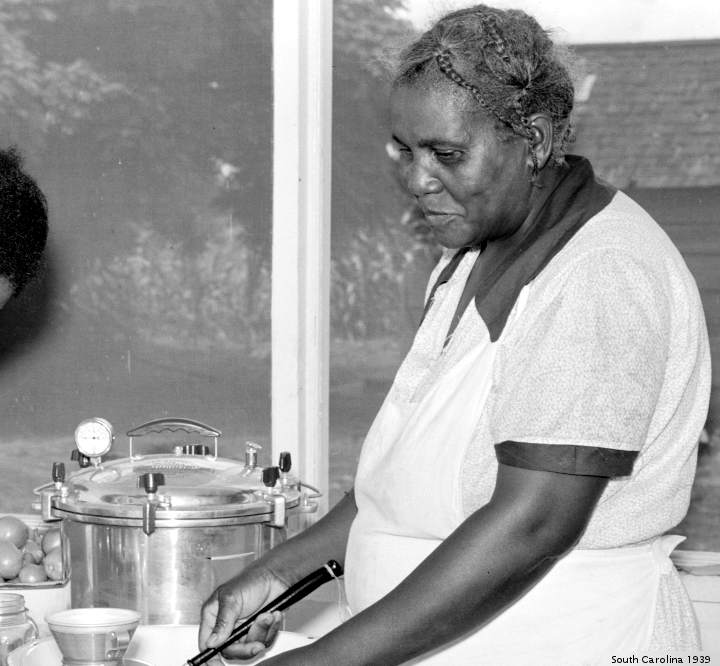
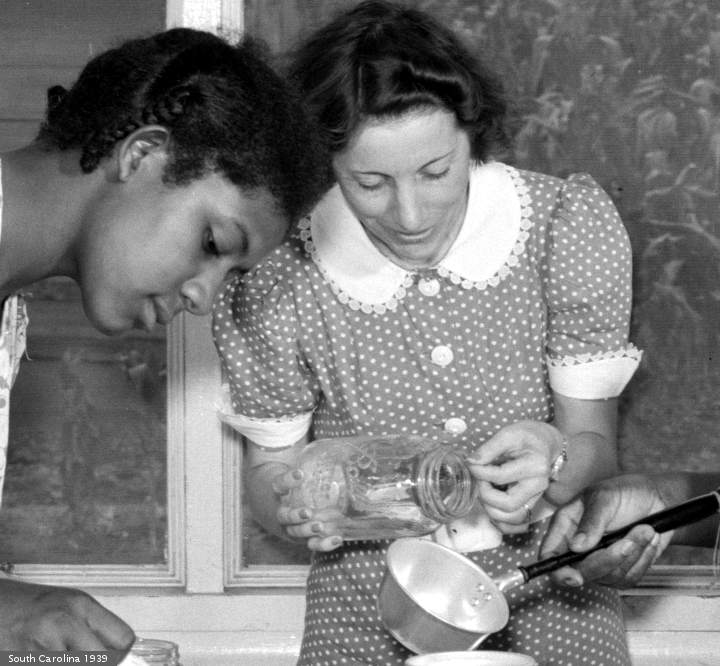
Pictures today are from The Library of Congress. “Pauline Clyburn, rehabilitation client, and her children going to chop cotton. Manning, Clarendon County, South Carolina. June 1939. Photographer: Marion Post Wolcott.”


Government Butter



“Joe Rogan’s skillset consists solely of arrogance and a big mouth.” ~ “It is human nature to follow the alpha male with the most bluster. At the onset of every catastrophic carnage throughout history there was a blustery alpha male on a soapbox. Works every time.” ~ “Who is this Joe Rogan person? I guess I’ll need to Google the guy, since I have never heard of him (except via Facebook posts written by people disgusted with whatever he’s been saying . . .) On the other hand, if I keep not knowing who he is, I can’t get all annoyed by whatever annoying things he’s been saying.” ~ “I had heard the name. Then saw enough about him on the news that I didn’t want to learn any more.”
I had heard enough. I decided to find something I enjoyed from Joe Rogan Experience, and post it as a response. “Black people didn’t know what plastic surgery was, so the deal was you take that government butter and you rub it on your titties on your ass and they said it’ll make it grow … that’s what we used to do back in the day.” Guests like Ms. Pat are the reason JRE is so much fun. Find stimulating guests, turn the microphone on, and get out of the way. The ability to sit back, and listen, is the opposite of “arrogance and a big mouth.”
“And at his worst, he’s dangerous.” ~ “How many people listened to this show, and then rubbed government butter on their titties?” ~ “Since his audience is predominantly straight white men, I’d say none.” ~ “He has a wide audience. How many women listened to this episode, and then used government butter on their titties?” ~ “You clearly don’t understand his demographic. And you’re creepily obsessed with government butter and titties, so this exchange is over.”
The exchange may be over, and the blog post will not take very long. If you want to skip over the next part, and look at the pictures, (from The Library of Congress,) you will be forgiven.
It is called critical thinking. People listening to Ms. Pat know she is an entertainer. You listen to her, get a good laugh, and go on with your life. The only thing dangerous is what your mama will do, when she finds out what you have been rubbing her government butter on your titties.
JRE does tackle serious issues. You should listen, and think for yourself. I heard about 45 minutes of the Robert Malone episode. A great deal of it was nonsense. One that rang true was the government prioritizing vaccines over treatment, with disastrous results. Typical is this story: Experts say monoclonal antibody treatment is not a substitute for COVID-19 vaccines.
The suspicion is that the covid industrial complex does not want you to think critically. The idea is to be good little sheep. Get the vaccine, wear a mask, and watch the government borrow $3t a year. Talk trash about anyone who does not salute the Pfizer-flag. When a popular entertainer questions the status quo, he must be ridiculed, along with anyone who listens. Part two is now availble.


Why Telephone Keypads Are Different From Computer Keypads




It is a question for the ages…why do telephones have 123 on the top row of the keypad, while computers have 789? The best answer is , we don’t know.
Calculator/computer keypads were an improvement on cash registers. These devices had a matrix of buttons, with the 9 row on top. The row at the far right had single digits, and the row next to them had digits ending in one zero. To ring up a sale for $1.95, you had to push 100, 90, and 5. This evolved into the adding machine configuration of three rows of three buttons, with 0 on the bottom row and 789 on the top row.
When we got started, the telephone used a dial. 1 was at the top, and 0 was at the bottom. The early phone systems used letters as part of the phone number. The first three letters of the seven digit code were two letters and five numbers. (This is what PG remembers from childhood. It may have been different before then).
The two letters referred to an exchange, or part of town where the number was located. The two letters referred to a word. An example would be PG’s grandmother. Her number was TR2 2345. The TR stood for Trinity. Many numbers in midtown Atlanta still start with 87.
In the sixties, ma bell started to develop a keypad to use for what were then called push button phones. In a break with the adding machine tradition, the numbers 123 went on the top row. There are a few ideas why this is, but nothing is certain.
In the early days, the phone switching equipment was not as fast as today. Some thought that by switching the numbers to the top of the keypad, people would have to slow down a bit to “dial” the number. This answer does not make sense to those of us who have grown up with these keypads, and who learned to punch in numbers fast, no matter what system is used. (Anyone using a rotary phone, after getting used to touch tone, is shocked at how slow it is.)
Another concept is the phone company wanting to model the new keypad after the dial phones. This would mean putting the 1 at the top, and 0 at the bottom. Also, with the letters assigned to each number, it would make a lot more sense to have 123/abc def ghi on the top row.
It was suggested that the calculator keypad was patented in the 789-on-top format. Western Electric did not want to pay royalties on this important piece of equipment, so it designed another one. There is also the thought that the calculator was on a desk shelf, where the lower numbers should be at the bottom of the keypad. At the same time, the telephone was on the lower part of the desk, and having 123 on top would be easier to use.
This is a repost. This comment was left on facebook, after the first post.
I won’t pretend to know exactly their reasons, but I will say that I can see some logic in doing it this way. In a numerical context (calculator/computer), you’d want zero next to one, which is where it is in the number sequence. However on… a telephone, 0 has a special meaning: call the operator (at least, it used to mean this).
The guys at Bell Labs took this into consideration when they implemented the “touch tone” or DTMF dialing system. Old style pulse dialing was annoying because it would literally send a pulse for each number (two pulses for two, nine pulses for nine, etc). I meant larger numbers took longer. To change this, and also in anticipation of the fact that eventually phones would be connected to computers, they instead put all the numbers on a grid with each row and column assigned a unique frequency. Each key on the pad combined the two frequencies to produce a tone. In order to accommodate ten numbers, you need a grid of at least 4X3, which they actually increased to 4×4 because they wanted some additional tones (A-D) for extra network functionality.
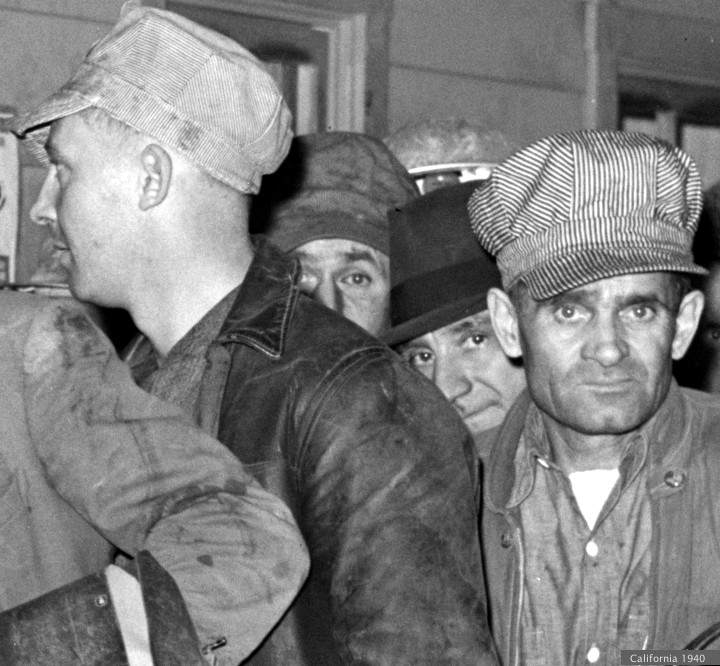
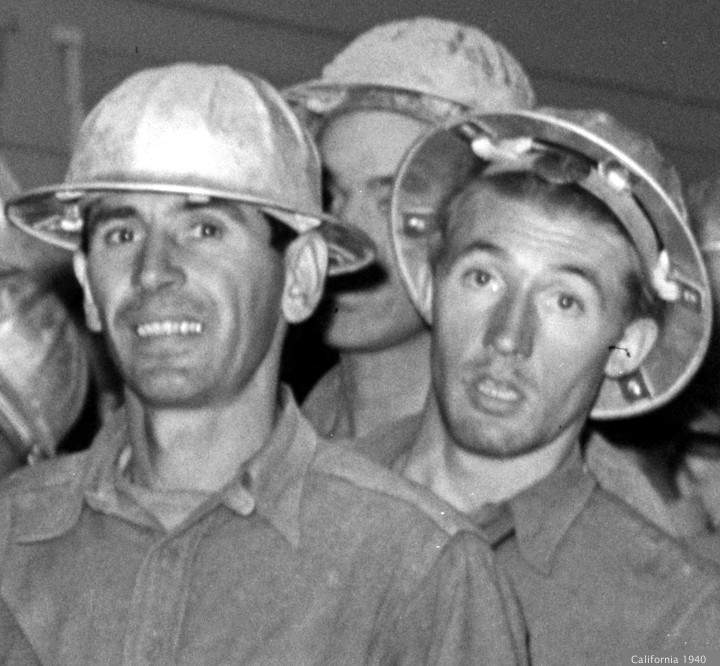
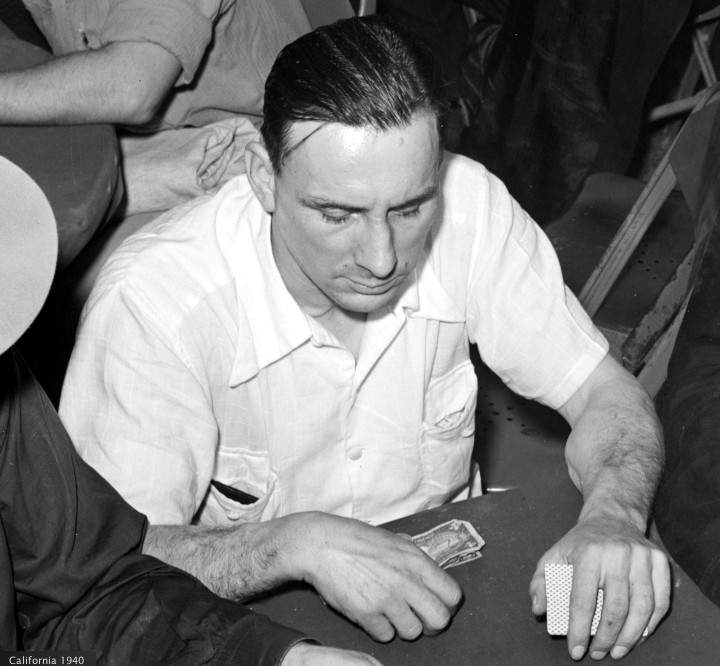
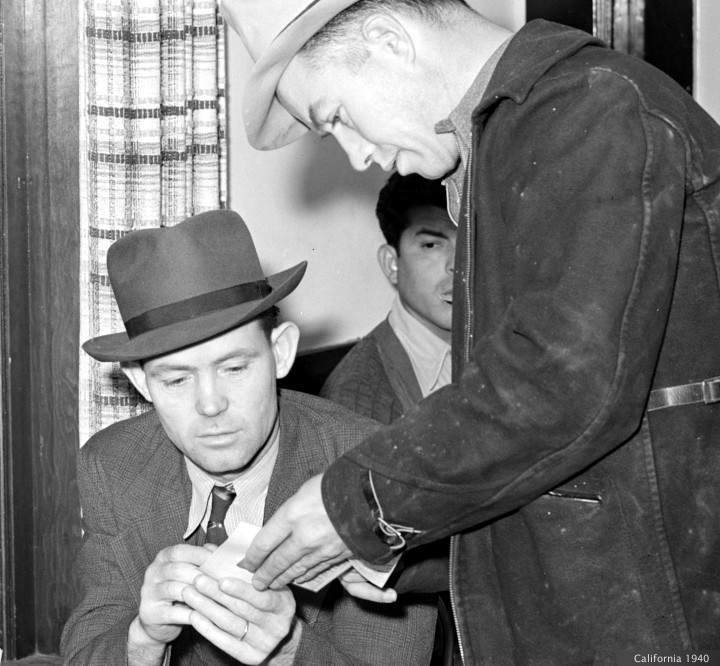
This is a repost. Pictures are from The Library of Congress.
Call Dan Quayle For Advice
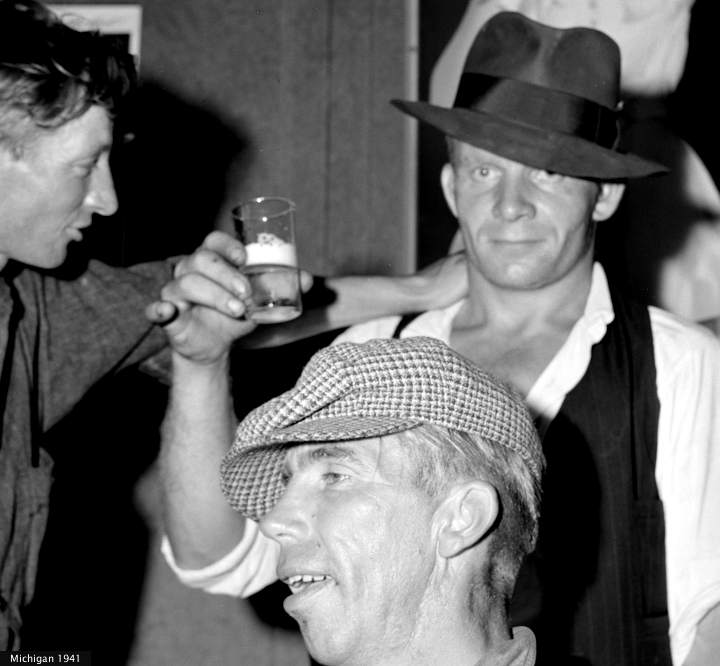
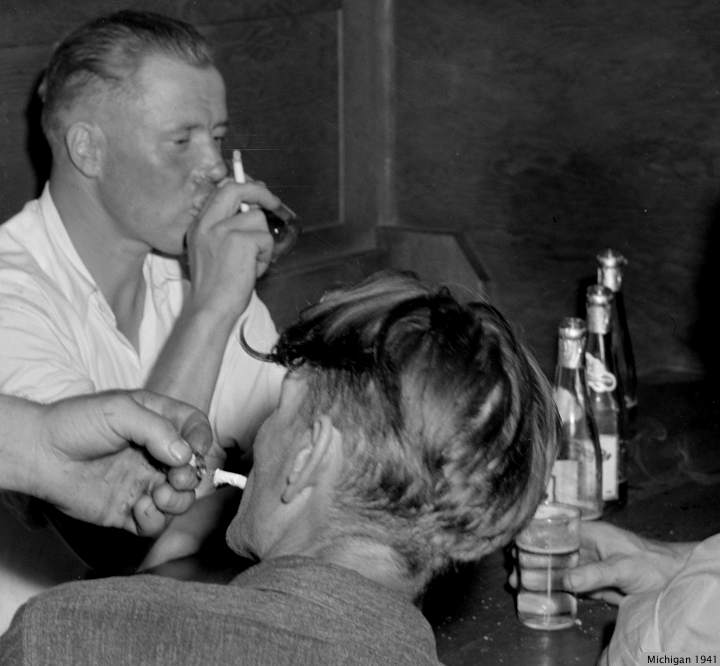


“It is part of my existence to be the insect of metaphors” I was listening to a story, while editing photographs from The Library of Congress. I was starting to get bored with the story. I made the conscious decision to turn the story off. This was the last line that I heard before I turned the story off.
I finished a folder of pictures. With the Internet there’s plenty of temptation, and rabbit holes to go down. I found this delightful tweet by Andy Sullivan. It was a link to a a story about how Donald Trump was still trying to steal the election. Here is the first money quote: “Trump was busier attempting to undo the election than he had ever been as president.”
The YouTube video I was listening to was an excerpt from a Dan Carlin show. He was talking about Douglas MacArthur, and the great man theory of history. I have the opinion that history is going to happen the way it happens, and the celebrity gets too much credit. This is the thing about Gen. MacArthur and President Trump. I consider Mr. trump to be a speedfreak, who, in a combination of luck, and pluck, got himself elected. If he had been moderately competent, and half as evil as the Democrats claim, America would have been in a world of trouble. And now, he is allegedly working harder to reverse an election, than he did when he was in office.
“And though Mike Pence, pressed hard by Trump for the last full measure of devotion, wavered (he phoned Dan Quayle for advice), in the end, he did what he knew was right.” Lord, you can’t make this stuff up. James Danforth Quayle is a major idiot, though probably not a dumb as many suspect. OTOH, Mike Pence … aka “Lester Maddox — without the spine” … is as worthless as people think.
The Bulwark article was written by Mona Charen. The scribe was a speech writer for Nancy Reagan, and was rumored to have been fired from that position. In the early nineties, Ms. Charen had a regular column in the fishwrapper. Once she said, regarding gay marriage, It is not marriage which civilizes people, but women. (Full disclosure: That quote is from memory, not a verified source.)
In 1992, when Ms. Charen had that column, I was working downtown. One afternoon, the Vice-Presidential debate was in Atlanta, and the candidates made appearances throughout the day. I stepped out of the office, to buy a bag of Fritos at a neighborhood store. I looked down the street to see the Vice President vehicle going down Forsyth Street. I waved at Dan Quayle. I only used one finger. This is a great country. Pictures today are from The Library of Congress.




News Of The Weird

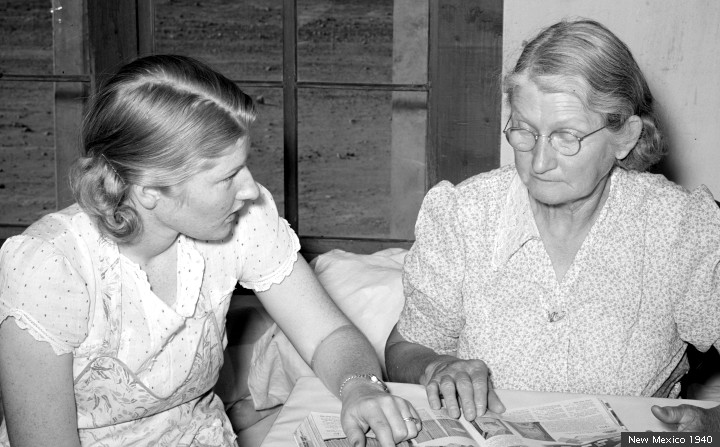
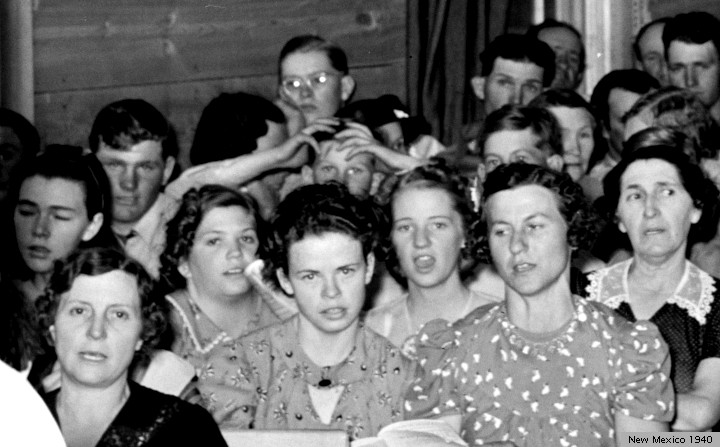

Today’s news of the weird began last night. This tweet had a picture of a swastika. The symbol came from an article, Swastikas displayed at Canadian ‘Freedom Convoy’ protests against mandates There is a photo credit for the picture. “A Nazi armband with a swastika displayed in the Deutsches Historisches Museum, Berlin, Germany (photo credit: Wikimedia Commons)”
There is a meme going around. “When an ox enters a palace, it does not become a king. Instead the palace turns into a barn.” (Bir öküz saraya girdiğinde kral olmaz. Bunun yerine saray bir ahıra dönüşür.) A journalist in Turkey was arrested for saying this.
Turkish journalist arrested for insulting President Erdogan “Fahrettin Altun, head of Turkey’s communications department, denounced the statement. “The honour of the presidency’s office is the honour of our country… I condemn the vulgar insults made against our president and his office,” Altun tweeted. Abdulhamit Gul, Turkey’s justice minister, also said on Twitter that Kabas will “get what she deserves” for her “unlawful” words.”
#JoeRogan “no hard feelings toward #JoniMitchell i love her music, “Chuck E’s In Love” is a great song” As you may have heard, Mr. Rogan is taking some heat for his shows about Covid. Most of the chatter is worthless. However, Bob Wright took an article out from behind the paywall.
Is Robert Malone crazy? deals with the Ivermectin issue. There is one passage that stands out. “There’s an interesting recent twist to the ivermectin story … One longstanding puzzle had been why studies of ivermectin’s efficacy in fighting Covid showed such wildly varying results. Well, it turns out that the studies that find ivermectin effective tend to be done in areas infested by parasitic worms. Apparently ivermectin’s anti-parasitic properties (the properties for which it was originally developed) help keep people from becoming so weakened by parasites as to be easy prey for Covid. … since some parts of India have lots of parasitic worms, this new finding could mean he’s right about ivermectin having helped fight Covid in Uttar Pradesh. … since America isn’t beset by parasitic worms, embracing this finding would mean letting go … “
This is highly inconvenient for a lot of people. To admit this is to admit that Ivermectin DOES have some benefits, for some people. If you are in the mood for medical data brain damage, this document has details. Do a ctrl+f search for “worms”. Otherwise, you will drown in numbers.
IVM deep dive has another festive quote. “… people even have a specific theory for why elites are covering up ivermectin, like that pharma companies want you to use more expensive patented drugs instead. This theory is extremely plausible.” Pictures today are from The Library of Congress.


Sapiosexual



Q: Why do they never serve beer at a math party?
A: Because you can’t drink and derive.
Q: Why won’t Goldilocks drink a glass of water with 8 pieces of ice in it?
A: It’s too cubed.
Q: What did Al Gore play on his guitar?
A: An Algorithm
Q: Why was the Calculus teacher bad at baseball?
A: He was better at fitting curves than hitting them.
Q: Why do you rarely find mathematicians spending time at the beach?
A: Because they have sine and cosine to get a tan and don’t need the sun.
Jokes are from facebook. Pictures are from “Georgia State University Library.” This is a repost. The spell check suggestion for Sapiosexual is Homosexual.
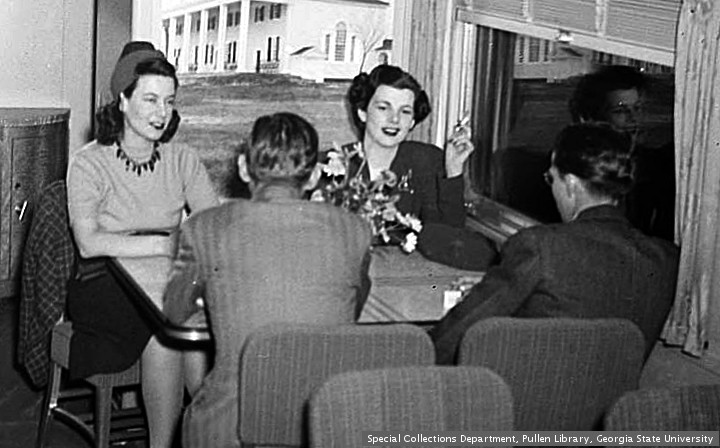




Booster
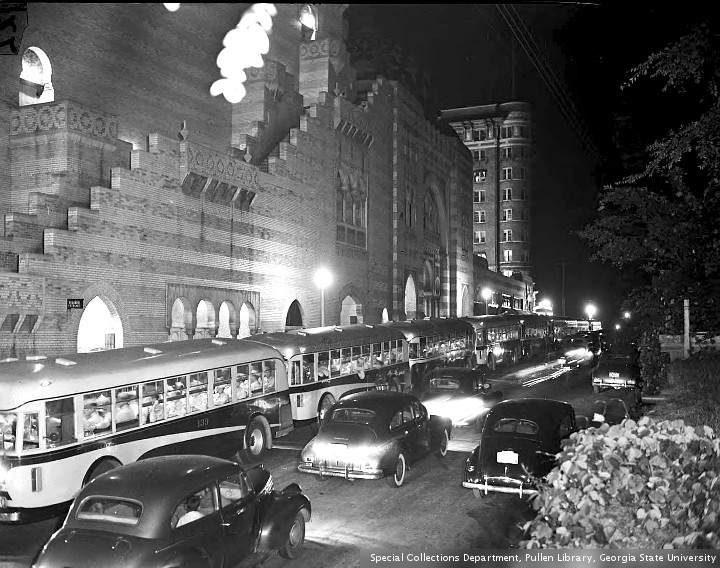






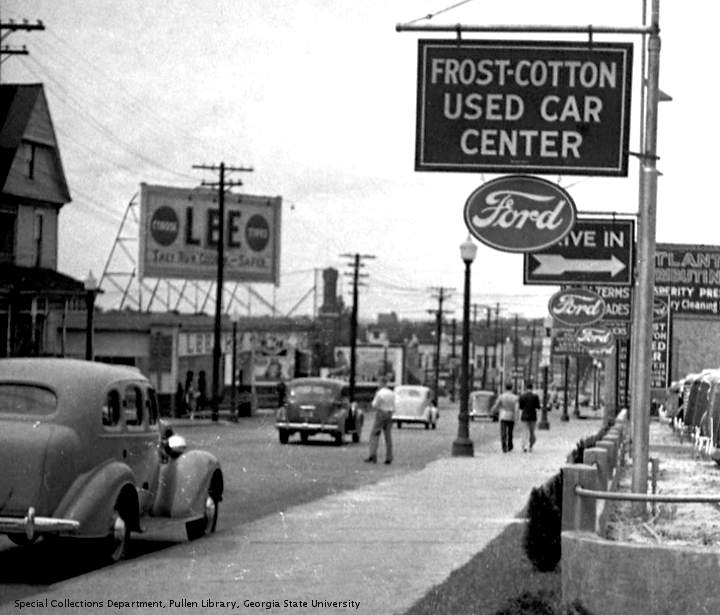
It started out as another slack sunday. Only problem is, things never did pick up. After a while, all I wanted to go was lie down. After a few hours of this, I took my temperature. It was 102.4. Getting tested for covid was one thing to do. As soon as I made the appointment, I began to feel better.
There was a long night of tossing, and turning, but never getting REM sleep. I called the periodontist, to cancel my appointment, and went to the testing site. I was done in under fifteen minutes. Meanwhile, my temperature was going down, and I had considerably more energy.
The email from the test-folks came at 11:35 am, Tuesday. I was negative. I was thinking how I would have felt if I had been poz, but had not had the booster. While I have numerous doubts regarding the efficiency of the pfizervax, it would be better for PR purposes to have had it. It is a game.
Today’s announcement on monoclonal antibodies is typical. The FDA is pulling a EUA on two MA treatments. When I asked google to find me that link, one of the results was this: “…COVID-19 patients … receive a monoclonal antibody treatment, which has been shown to reduce COVID-19-related hospitalization or deaths … However, UC Davis Health infectious disease experts are warning patients that the monoclonal antibody treatment is not a replacement for the COVID-19 vaccine.” I thought a vaccine was something you got when before you were infected. A vaccine is not a post-infection treatment, regardless of the medical advice available on twitter.
I find a Walgreens near me. The next appointment is in a half hour. The WG website wants you to set up an account for your reservation. When the registerbot asks me my race, I reply unknown. Non-compliance is often meaningless, but it helps me feel less ovine.
The book I am taking with me to WG is Hollywood, by Charles Bukowski. Hank Chinaski was a drunken rebel in his day, which ended in 1994. He would be 102 today. When you google his name, one of the suggested searches: “Was Charles Bukowski a nihilist?”
I get to WG, and my appointment is not on the list. A nice young man finds it in a computer. I return to my seat and my book. CB is negotiating a movie deal. He goes to a screening of somebody’s movie, and Werner Herzog is sitting at the bar. The fly on the wall got drunk from the fumes.
After a few minutes, I am called into a small room. The same helpful young man, who found my appointment in a computer, was to administer the dose. No, we do not aspirate. There is very little chance of the shot going into the blood stream. I did not taste anything metallic after the shot, so I suppose it went into the muscle, and not a vein.
After you get the shot, you are requested to sit down for fifteen minutes. It is bad manners to die on site. There is a sign on the pharmacy counter, “Select Narcotics in the Time Delay Safe.” Being a well-trained consumer, I look at all that merchandise, begging me to take it home. When I got the first two shots, it was in a sci-fi office building. They did not have merchandise to tempt you.
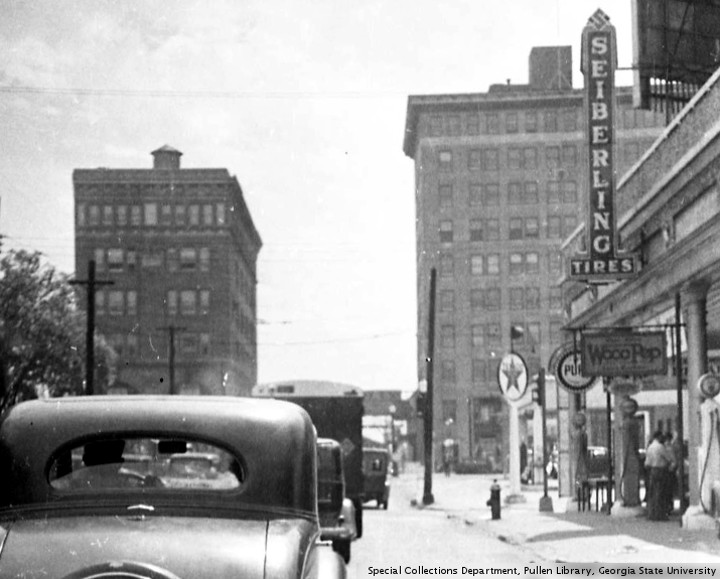
My supply of an OTC substance is running low. I find it at WG, but the price seems a bit steep. I decide to forego convenience, and make a trip to Walmart. The commodity was $20 cheaper at Walmart. Pictures today are from “The Georgia State University Library.”




 .
.
#1619Gate Part Five



This feature is the latest installment of the chamblee54 report on the antics of Nikole Hannah-Jones. (One Two Three Four) Part Four is about a speech given on Monday by Mrs. Hannah-Jones, and will help the reader understand this segment. Pictures today are from The Library of Congress.
@nhannahjones “Y’all are really scraping the barrel on the Nikole Hannah-Jones beat. Pray anyone ever cares as much about what you do and say as y’all seem to care about me.” The tweet has a screen shot of a tweet from @campusreform, promoting an article: Hannah-Jones brags about tricking audience into thinking MLK quotes were her words. The Hannah-Jones tweet had the effect of directing people to more information about her MLK day speech. If she does not want people to care about the event, why does she keep tweeting about it?
The campus reform article links to another article, Hannah-Jones as MLK Day speaker sows dissention at Union League Club of Chicago This article is dated January 7, 2022. Why do google searches not readily show this article?
Chicago City Wire quotes two people who wrote emails questioning the appearance by Mrs. Hannah-Jones. Brian Daley focuses on historic issues with The 1619 Project. Chris Robling looks at the message presented by Mrs. Hannah-Jones. To him, this message is not consistent with the message of Dr. Martin Luther King Jr. Chambee54 will not consider the overall message of Dr. King, and whether this legacy is honored by Mrs. Hannah-Jones. The reader is invited to look at the article, the work of Mrs. Hannah-Jones, and the work of Dr. King. You can decide for yourself.
Mr. Robling makes another point. “I understand Ms. Hannah-Jones is being paid. Generally, the club does not pay speakers, so her fee is being met privately. But it is offensive to me, as a member, that other members may ‘rent’ the lectern for their viewpoint to be draped with the club’s stature, when club practice would otherwise preclude the event. It’s a noxious precedent.” The reported fee for a speech at UW-Madison is $55,000.00. This is a nice payday for someone who says “… The evils of capitalism are as real as the evils of militarism and racism …”
“When the speech was over, Father Pfleger, who had been been cheering me on from the crowd, whispered in my ear: That’s what you call the “You Gone Learn Today” speech and I 💀. Because, yeah.” Father Pfleger first came into the public eye after some obnoxious comments about Hillary Clinton. “I’m Bill’s wife I’m white and this is mine … and then out of nowhere came hey I’m Barack Obama and she said damn where did you come from I’m white I’m entitled … she wasn’t the only one crying there was a whole lotta white people crying.” The remarks … which really need to be seen to be fully appreciated … were made in a church. The congregation enjoyed them enormously.


leave a comment