Racially Motivated



A post on chamblee54 examined the local custom of changing street names. Towards the end, there was this sentence: “Some of these changes are racially motivated, while others are not. Some make sense, while most do not.” If you were to say this out loud, chances are good that someone would interrupt you, and say “Why don’t you say racist?”
The AP style guide took up this issue earlier this year. Here is what they say: @APStylebook “Do not use racially charged or similar terms as euphemisms for racist or racism when the latter terms are truly applicable.” @APStylebook “The terms racism and racist can be used in broad references or in quotations to describe the hatred of a race, or assertion of the superiority of one race over others. Our new race-related coverage entry on Stylebook Online offers details on when and how to use the terms.” You have to pay for the Stylebook online. G-d is in the details, and hiding behind a paywall.
@AnApeInKhakis “Remove nuance from journalism. If water’s not frozen, it’s boiling.” @beautypill “Yes, for example “You’re missing the point” and “You should go fuck yourself” both apply here, but critical differences in tone guide which one I should use to address your tweet.”
@Zigmanfreud “Yeah, the HUGE problem with this AP stylebook decision is that the people making the judgment call on what is “racist or racism” are so liberal & so PC that anything short of a white person apologizing for being born white (especially if they are a conservative man) would qualify”
@EvanDonovan “Yes, but when are they truly acceptable? Increasingly, newsrooms want attribution when that word is used. “Xxxxx has been under fire since making controversial comments last week. Yyyyy called those comments racist….”
This quotefest could go on all day. If you want to explore the racially/racist rabbit hole, go to an internet near you. More to the point, is changing a street name racially motivated, or racist? This statement applied to multiple street name changes. Often, race was not an apparent factor. We don’t know when the changes took place, or what government body made the changes.
Is this institutional oppression, or just government nonsense? Changing the street name is typical of the petty, separate-water-fountains nature of Jim Crow. Is the water boiling, or is it not frozen? At some point, the writer needs to think for them self. Pictures today are from The Library of Congress.






Glenn And John



The Glenn Show on blogginheads.tv is fun to listen to, especially when co-blackguy John McWhorter is sitting in. The show has a way of producing quotes, which gets in the way of multi-tasking. You are cruising along, doing whatever, and someone says something that needs to be noted. You stop, find the text on youtube, go to bhtv, and make a video clip. 56822 had a bunch of these moments. Many of these incidents involve america’s favorite bad word. The substitute today will be donald.
John is some sort of academic, working at Columbia University. Part of the academy game is writing books. John is working on a history of the english language, and a book about profanity. “the chapter on fuck is frankly a lot of fun.”
Profanity is a social function, rather than a moral one. Like the rest of the language, it changes over time. “You know people have taboos and it’s reflected in language and ours used to be about damn and hell and fucking shit and now those taboos are about and get ready listeners this can be hard get ready you ready it’s about donald faggot and cunt.”
John later gave an example of usage. He was doing a radio show in Oakland. “We said donald … this n-word piety had not come in.” Later in the show, John returned to his academic roots. “that’s the way Myron would put it because he’s an asshole … yes I said it folks.”
Glenn is writing his memoirs. It has been a long, strange trip. From the south side of Chicago … “you know just a donald from the south side so to speak” … he got educated, and moved into academic life. Along the way, he became a Reagan conservative, and a coke freak, not necessarily in that order. He is in recovery, from both conservatism and cocaine. As one man said in a half way house, “okay you’re very smart professor Lowry I want you to ask me one question what were you doing in the streets of Boston showing your ass just like a donald from the project’s”
“It ain’t over til its over.” Years ago, the popular saying was “It ain’t over ’til the fat lady sings.” Apparently, fat ladies are now a protected class. This is progress. Pictures today are from The Library of Congress. Jack Delano took the pictures in Aliquippa, PA, in January 1941.




The Nanny State






From patriarchy to snowflake: five keywords you need to know Those naughty naysayers at the BBC had a five part series about trendy words. The fabulous five are Snowflake, The Nanny State, Patriarchy, Safe Space, Sovereignty. We learn that snowflake used to mean someone in Missouri who was opposed to abolition. Words do not always mean the same thing.
The Nanny State was the segment that sent PG scurrying to google. TNS was coined by Iain Macleod, who seems to have been quite the nuisance. Mr. Macleod wrote an article in The Spectator where he gifted us with the phrase. BBC says the article was about having speed limits on British roadways. Unfortunately, the article is behind a strict paywall, and you cannot tell for yourself. The paywall is a capitalist twist on TNS concept.
BBC also referenced an article by George Orwell. This is a splendid piece, where the former Eric Blair complains about what he calls “Pamphletese.” This is the style of writing used by communists in 1944. What does this have to do with TNS? Maybe the state’s nanny is big brother in drag.
The Orwell column is a splendid bit of writing. There is a list of words he would like to see banned: “Achilles’ heel, jackboot, hydra-headed, ride roughshod over, stab in the back, petty-bourgeois, stinking corpse, liquidate, iron heel, blood-stained oppressor, cynical betrayal, lackey, flunkey, mad dog, jackal, hyena, blood-bath.” Many of these are little used today. English cliches have a Darwinist quality, and only the strong survive. Unfortunately, the language is perpetually littered with questionable phrases. Anybody reading can think of a few dozen. These things too shall pass away.
“Yet they and other equally inappropriate words are dug up for pamphleteering purposes. The result is a style of writing that bears the same relation to writing real English as doing a jigsaw puzzle bears to painting a picture. It is just a question of fitting together a number of ready-made pieces. Just talk about hydra-headed jack-boots riding roughshod over blood-stained hyenas, and you are all right. For confirmation of which, see almost any pamphlet issued by the Communist Party—or by any other political party, for that matter.” Pictures today are from The Library of Congress.





Cisgress
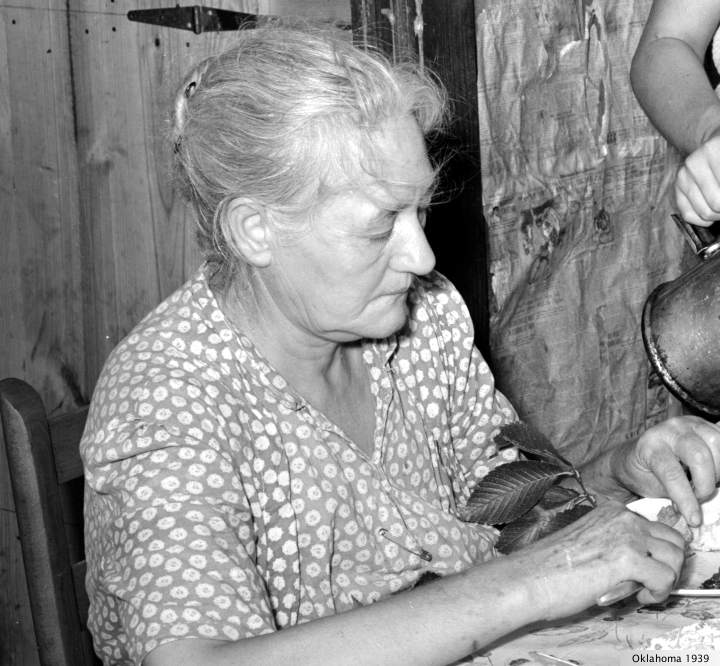
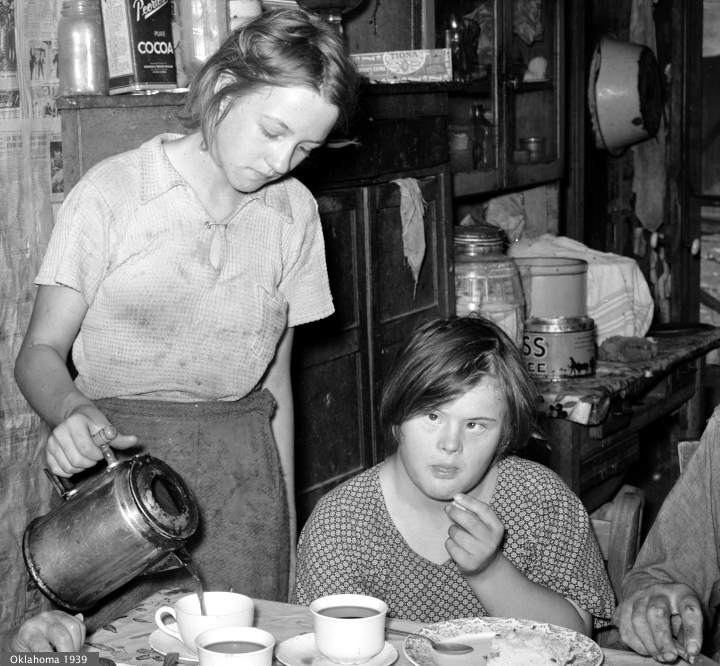

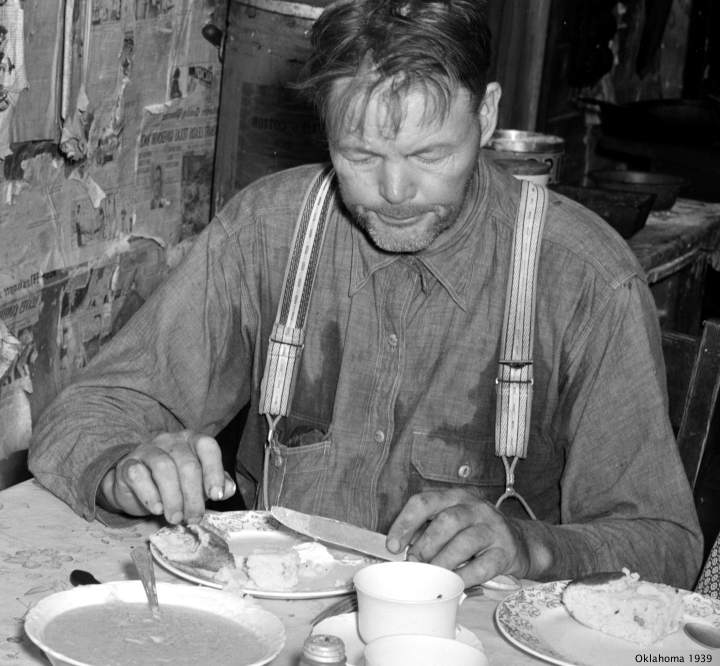

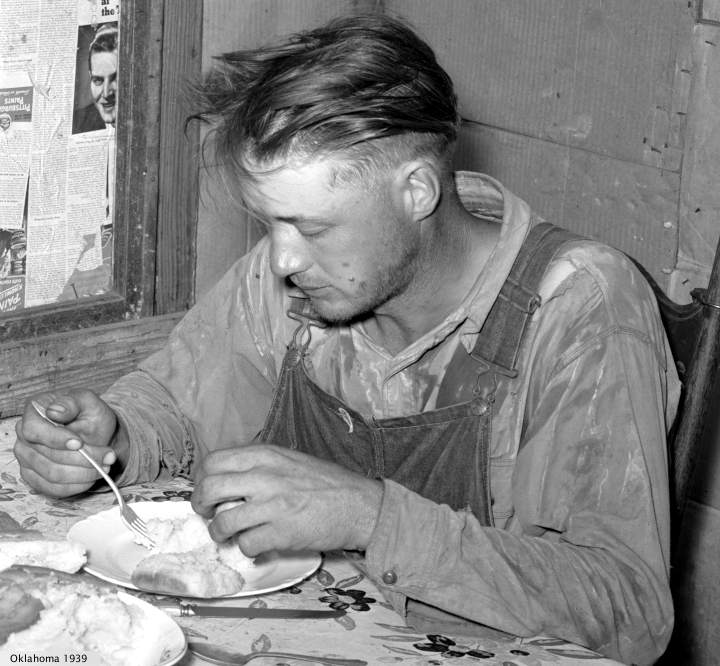
Transgress was the center of attention in a curious facebook meme. The ten letters were displayed in a festive font. Topside magenta fades into pink dust, inside a thin blue shell. These tasteful letters were displayed on a white-as-snow background. PG saw the T-meme, and felt moved to make a one word comment: cisgress. Using all lower case was intentional.
For those who are new here, cis is the opposite of trans. The contemporary usage generally refers to gender. Cis people live with the gender assigned at birth. Trans people make adjustments. There are a lot of options. Gender non-conformance is a sensitive, emotional issue. PG expressed concerns about the c-prefix at least twice. Once, he was told “Butch up Mary.”
Getting back to facebook, there was a bit of conversation. Someone said “Cisgreassing = privilege=oppression.” To which PG replied “actually, it was a joke. I took the word transgress. I substituted cis for trans. I came up with the nonsense word cisgress.” There was only one thing left to do: Google cisgress. There were 115 results for cisgress.
Linguistically correct “Simon Hoggart (Changing the gender agenda) asks who decides whether words like “cisgender” should enter the language. I do! English is scandalously lacking in politically and linguistically correct antonyms of this sort. The Queen can create the Duchess of Cambridge, so surely I can create the much-needed expressions “cisgress” (be a good boy), “cisvestite” (bloke wearing trousers), and “cisaction” (no deal). Anyone who doesn’t disagree is a transsy.” UPDATE: This letter was removed from a facebook thread. The note: “kindy do not use trans slurs in your posts”
CIS-GReS is the second google result. It is one s short of cisgress, but will have to do. “CIS-GReS is the official group supported by the School of Computing and Information Systems, University of Melbourne. It is also affiliated with the Graduate Student Association. … If you are a graduate research student with a supervisor from CIS, this is your group.”
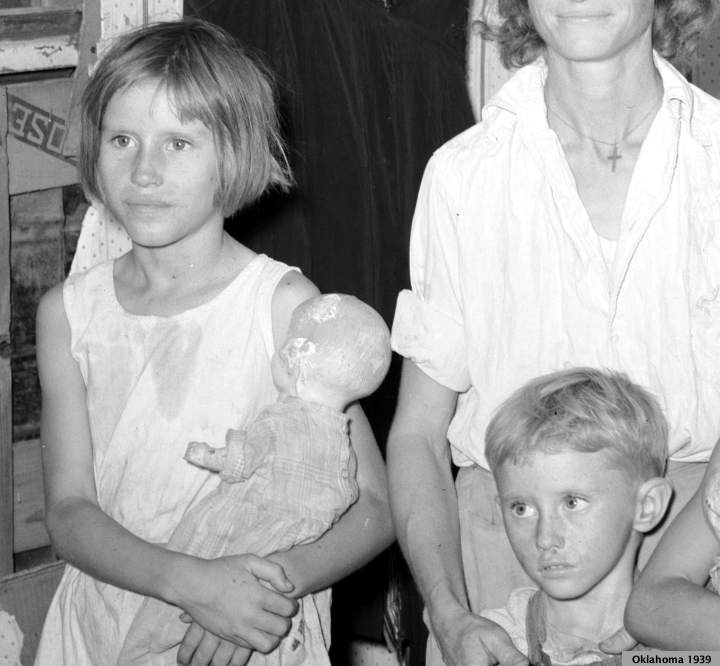
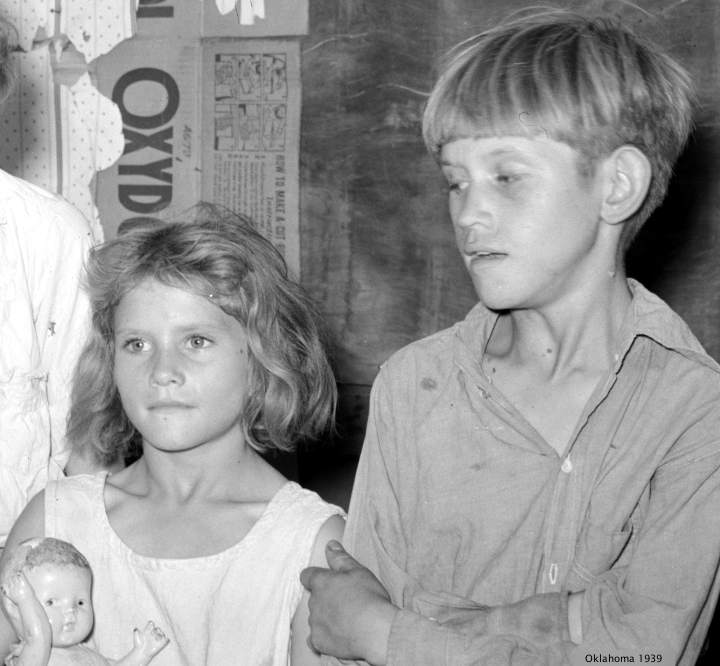
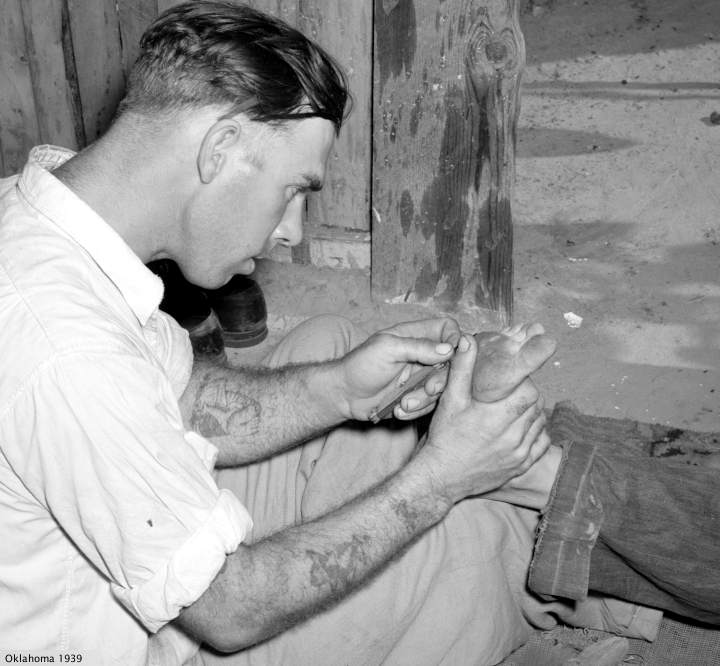
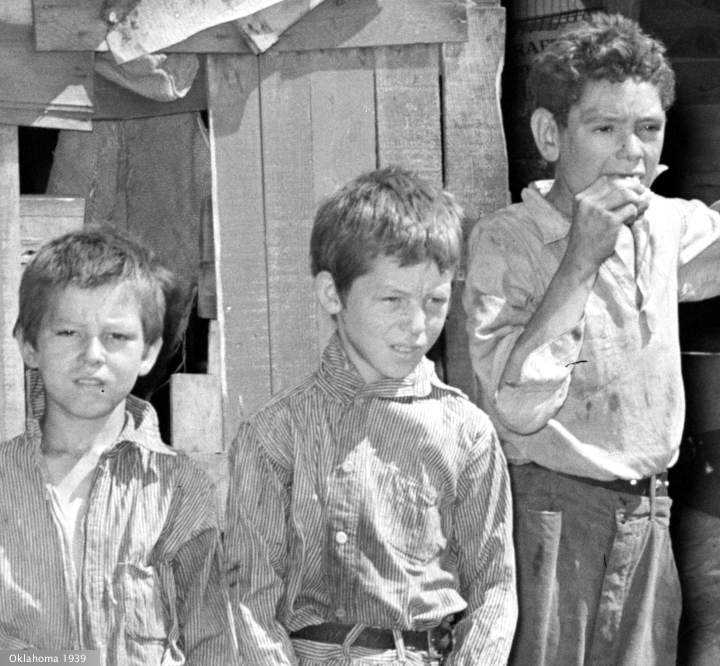
Pictures for today are from The Library of Congress. Russel Lee was the photographer. Tenant farmers in Oklahoma. June-July, 1939. Living conditions of tenant farmers in Oklahoma





Give A Damn



@BernieSanders “I got into politics not to figure out how to become President. I got into politics because I give a damn.” The old tweeter sent this message December 11, 2015, at 4:42 pm Sanders Standard Time. At last glance, it was retweeted 25,901 times, and liked 44,263 times.
What exactly is a damn? When you give one, do you gift wrap it? The dictionary says that damn is a verb, meaning “condemn to a punishment or fate; especially : to condemn to hell.” Giving a verb is not good grammar. Damn is considered a mild profanity, which adds polemic punch.
History gives us a second opinion. “In 1665, Aurangzeb, or Abul Muzaffar Muhi-ud-Din Mohammad Aurangzeb was the emperor of the Mughal empire. He ruled from 1658 until his death in 1707. Aurangzeb had coins minted in precious metals as well as copper. The copper denominations were one Dam and one half Dam.” (“Aurangzeb … eliminate the use of the kalima on the coinage, as he felt the sacred words would be defiled on coins as they were handled by infidels.”)
At some point after the invention of the copper dam, Great Britain conquered the Mughal empire. By this time, the dam was not worth twice as much as a half dam, but not much otherwise. According to some unverified sources, British soldiers would say that something was not worth a dam. Or maybe, they said they would not give a dam. Somehow, the profaning n was added, and a saying for apathy entered the english language.
How much is a dam/damn worth? To people living downhill from the lake, a dam is valuable. As for the numismatic value of an ancient copper coin: “By looking at both catalog values for copper Dams minted in the Mughal calendar year of 1075 (Western date 1665) … we can provide the following very approximate values for copper half-Dams and Dams minted in the name of Aurangzeb: worn: $4, average circulated: $7, well preserved: $30.”
Getting back to BS, he probably used the conventional meaning of GAD, which is that he cares. Or maybe, he meant that he gives a dollar. If current economic trends hold up, the dollar might not be worth a dam. The welfare state proposals of BS, according to the admittedly biased Wall Street Journal, would cost $18 Trillion. This would effectively double the national debt. If we get mixed up in another war, or if a nuclear power plant blows up, another few trillion might go down the tubes.
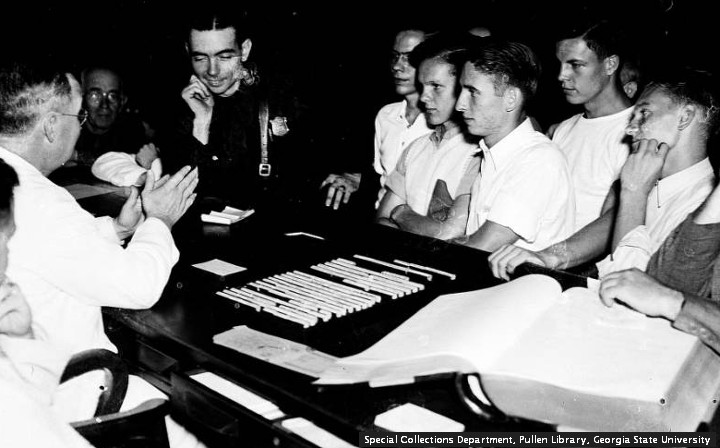
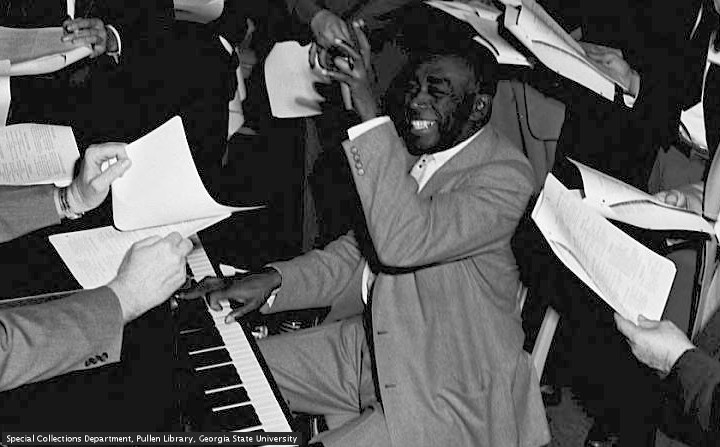
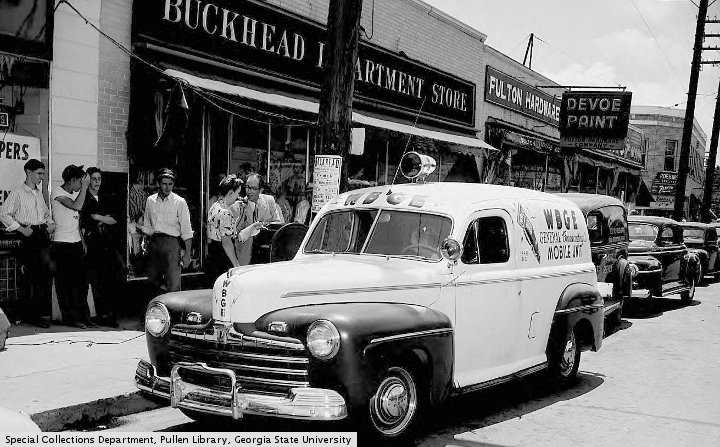
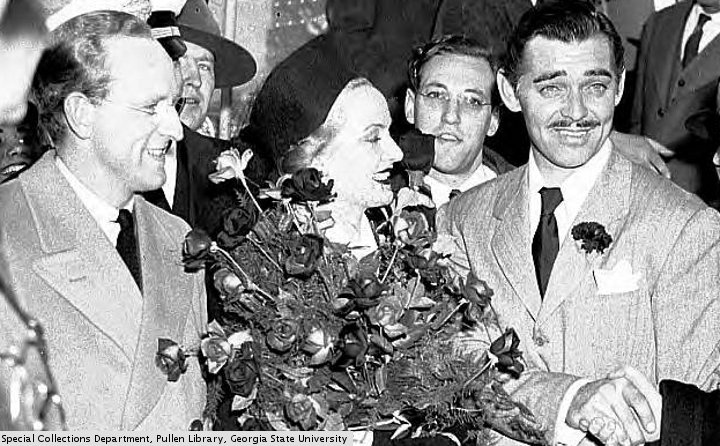
Only the most deluded Bernoids expect college tuition to be free in 2018. BS is talking a good game, but most people know his pants are on fire. One person who is offended because BS won’t step up the lies is Ta-Nehisi Coates. If reparations are added onto free college tuition, then the value of the dollar might go below a half dam. This is a repost. Pictures for snowstorm Saturday are from “The Special Collections and Archives, Georgia State University Library”.



Esoteric and Pedantic

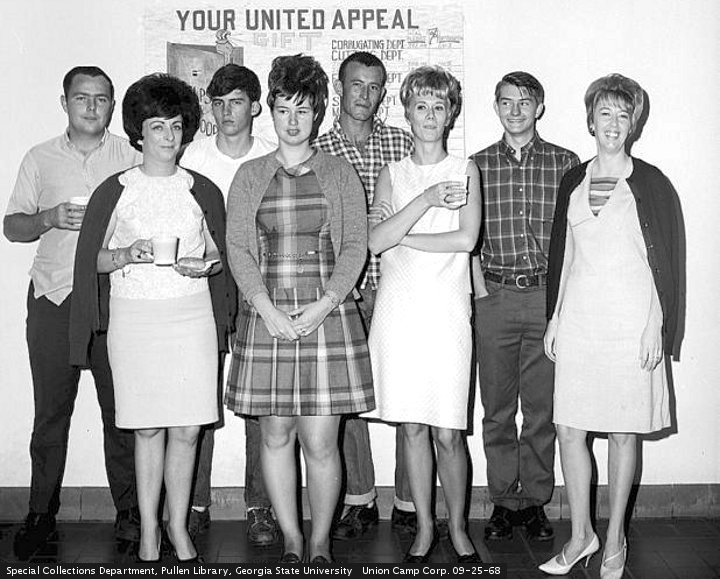


Obviously,there is something to be said for wanting to speak up, but not having anything to say. To prove that, I am going to talk about a word…esoteric. According to Wiktionary , esoteric is :”1. Having to do with concepts that are highly theoretical and without obvious practical application. 2. Understood only by a chosen few or an inner circle. 3. Confidential; private.”
The “E word” plays a role in a story from 10th grade English. We were discussing a story, “The Rocking Horse Winner”, by D.H. Lawrence. The story was, well, boring and obscure, just like most of what I have seen by Mr. Lawrence.
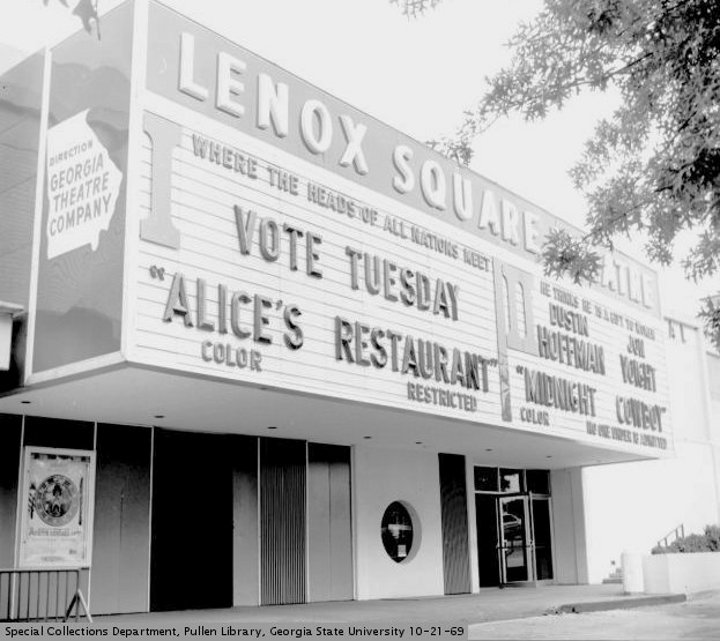
The summer after 10th grade I worked in a movie theater. The ushers wore ghastly yellow uniforms, and saw the movies over and over. When I started, the Lenox Square 2 theater was showing “Women in Love”, based on a novel my D.H. Lawrence. Glenda Jackson copped an oscar for her portrayal of Gudrun Brangwen, and young Larry Kramer was one of the screenwriters. It did not improve my opinion of D.H. Lawrence. If the censors had not touched “Lady Chatterly’s Lover” D.H. Lawrence would be forgotten today.
Back to 10th grade english. We were discussing this wretched story, and a girl raised her hand. Why would any author would write something so esoteric? The teacher had never heard of this word before, and was amazed to hear it.
The Lenox Square 2 theater was a long, slender thing with a small screen. This was in 1970. The multiplex concept had not matured. LS2 was under a grocery store. When their automatic door openers operated, you could hear the motors in the theater below. The movies the rest of the summer were Fellini Satyricon, The Christine Jorgenson Story, and The Landlord.
Back to esoteric…or did I ever go away? Before you can understand esoteric, you must plumb the depths of pedantic. “1. Like a pedant, overly concerned with formal rules and trivial points of learning. 2. Being showy of one’s knowledge, often in a boring manner. 3. Often used to describe a person who emphasizes his/her knowledge through the use of vocabulary; ostentatious in one’s learning. 4. Being finicky or picky with language.”
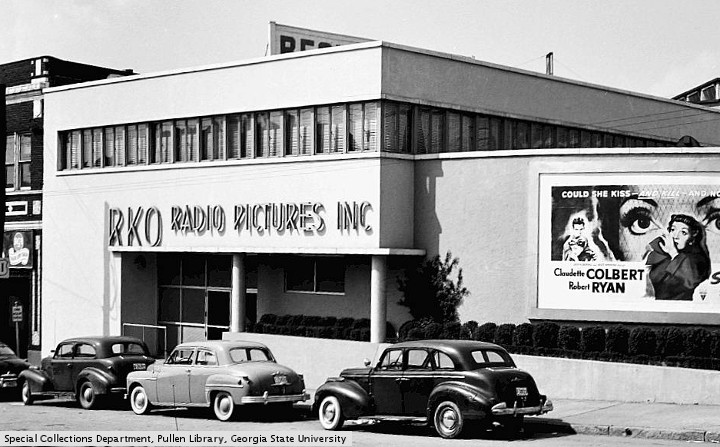
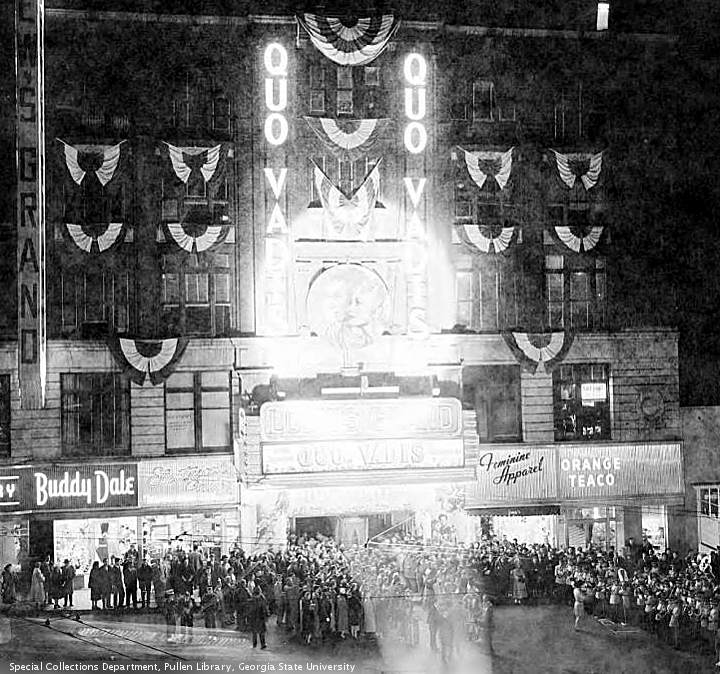
Pedantic is an adjective that describes itself. The technical term for this is autological. Here is a poem using autological words. This repost. Pictures for this visit to the Nixon era are from “The Special Collections and Archives Georgia State University Library”.



Citizen: An American Lyric Part Two




This is the part two in the chamblee54 look at Citizen: An American Lyric. There was little reaction to part one. The rest of the series will be aided and abetted by a pdf edition. PG might even fashion a mashup poem out of the text, to supplement these prose posts.
The pdf has a problem. For some reason, everything is fit into a narrow window. The result is going to be a lot of scrolling. Right now, PG is starting section IV. This is page 59 on the dead tree edition, and page 147 on the pdf. One solution is to copy the file into a word document, and move the text into a more agreeable format. PG can read the text while he is reformatting it.
PG questions the wisdom of tackling this project. We are talking about this author: Claudia Rankine: why I’m spending $625,000 to study whiteness. In a BBC radio show Dr. Rankine asks people if they think about whiteness when they become a blonde. This is not a blonde joke.
Whiteness is a mysterious concept to PG. The subject seems to keep coming up. Whiteness is good for bloggers with whiter’s writer’s block. Chamblee 54 whines whenever whiteness worries wypippo whizzing by. Testing Whiteness And Privilege Stop Getting Racisted At Examine Your Whiteness Examine Your Whiteness Part Two Examine Your Whiteness Part Three In the last part of the EYW trilogy, PG googled the phrase *examine your whiteness.* It comes down to hair. You have the horror movie frizz of Rachel Dolezal, or the soup bowl cut of Dylann Roof.
Study Whiteness was the title of a post at chamblee54. SW was the weekly notes for April 2, 2018. Usually, PG finds a catchy phrase in the text, and uses that for the title. There was an factoid at the end of SW. “In 2016, 574 white people were killed by police, while 266 black people were killed by police. source In 2016, there were 6,576 white homicide victims, and 7,881 black homicide victims. source If you divide the first number by the second number, you get the percent of homicides by police. For white people, it is 8.72% For black people, it is 3.32%.”
Citizen: An American Lyric is supposed to be the focus of this piece. Today we will focus on IV and V. In IV, Dr. Rankine seems to be having a headache. She pulls the blinds down, and tries to escape from the world. A tennis match is on TV, with the sound cut off. For PG, that would be a football game. There is a mirror behind the computer monitor, which points to a TV on the other side of the room. The black lady is watching tennis, while the white man watches football. Tennis is supposed to be a white sport, while football is driven by blackness. Maybe people just enjoy what they enjoy, and the racial labels are only important when it fits your agenda.
Part V continues down the same path as IV. “You hold everything black. You give yourself back until nothing’s left but the dissolving blues of metaphor.” PG notices metaphor more and more. Is PG missing something? Metaphor is a literary gimmick for making comparisons. Except for definition 3 at The urban dictionary: “Metaphor – The word that Christians use to describe contradictions and mistakes in the bible.” Chad went out with a girl named simile. He doesn’t know what he metaphor.
“Hecatomb” is a poem by Mia S. Willis, a Java Monkey regular. She is talking about life in Florida. At several points in the story, the poet shouts “Ain’t that a metaphor?” Does metaphor have another meaning? PG has met many fours. Maybe whiteness will deliver PG from metaphoric fury, into apathetic analogy. It is a parable, or three units of bull?
After a few pages, V recalls two episodes of recreational microaggression. A man cuts in front of someone in a line. A man shows someone a picture of his wife. “She is, he says, beautiful and black, like you.” Soon, the voice is at home. “You lean against the sink, a glass of red wine in your hand and then another, thinking in the morning you will go to the gym…”
The last drink for PG was on December 31, 1988. In a few weeks, it will be thirty years. There is privilege in being able to make that move, and to stick with it. Some people want you to die, so they can laugh at your dead face. When you are in a fight, being fair is a luxury you cannot afford.
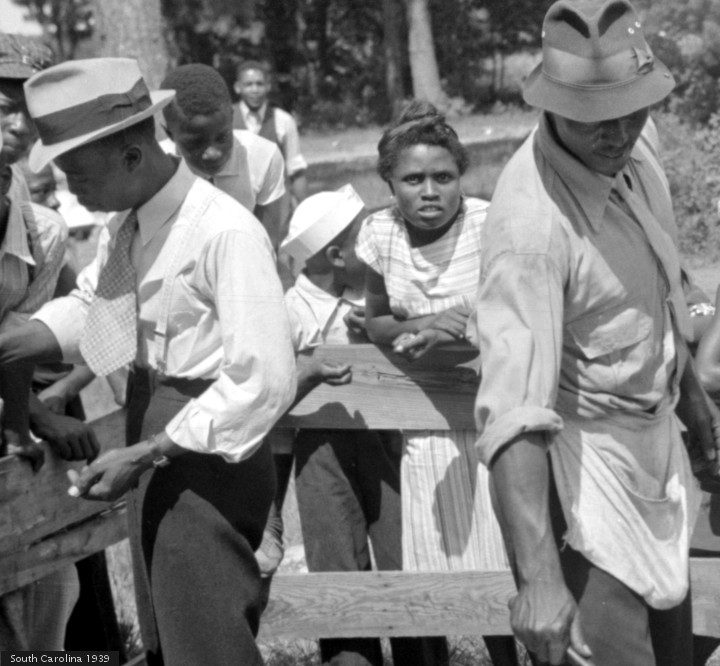
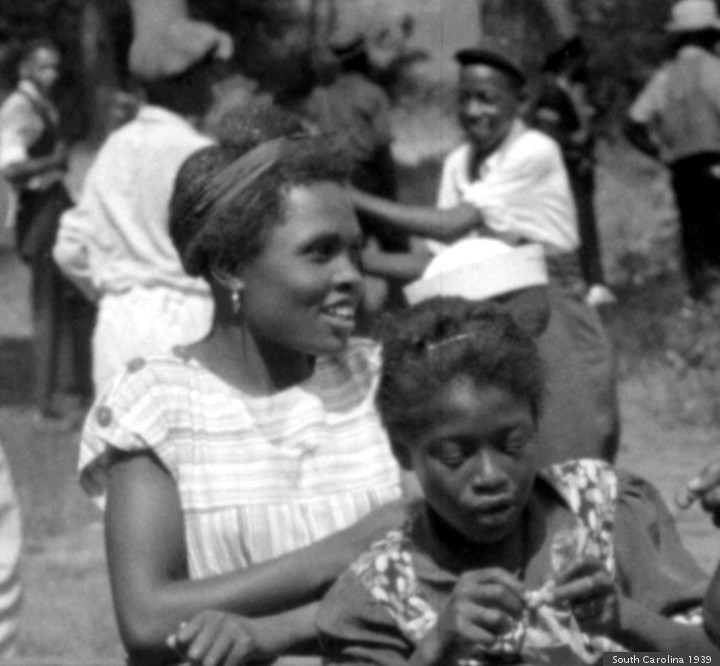
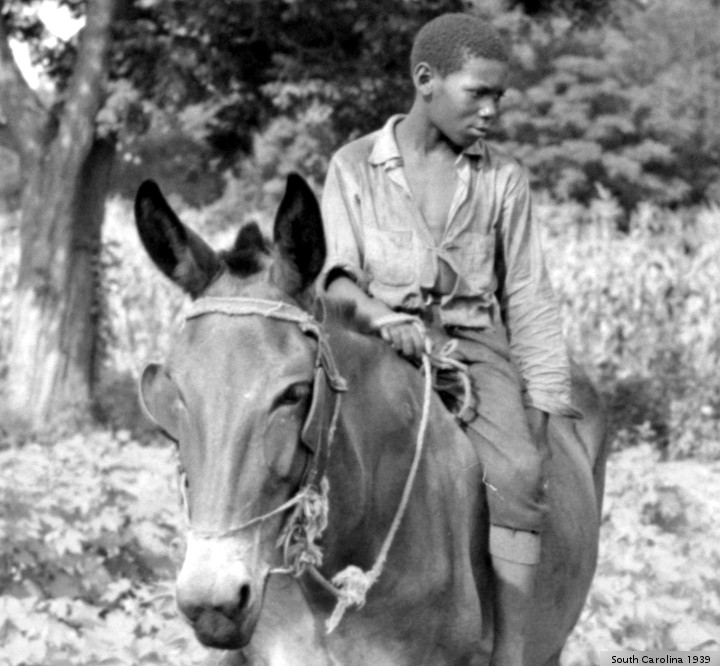
Pictures today are from The Library of Congress. Marion Post Wolcott, photographer “Watching a game at Fourth of July celebration, St. Helena Island, South Carolina” July 1939. Part one and part three of this series are now available for your viewing pleasure.


Mansplain


There was a link on facebook to a rather wonky article, Mansplaining 101: How to Discuss Politics and Feminism Without Acting Like a Jackass. The concept is that men sometimes do not show women adequate respect when talking to them. The Urban Dictionary has entries for both mansplain and womansplain. Neither entry is complimentary. This is a repost. Many of the links no longer work. The pictures are more entertaining.
The policymic feature is a few months old, and apparently was the scene of a lively comment debate. Unfortunately, Some people flagged a bunch of the comments. Little is left. This is the top comment: “Feminism doesn’t need to make room for men, men need to make room for feminist ideas in their spaces.” In one sentence you managed to discredit your entire argument. Who wants to argue with someone who thinks any opinion from the opposite sex isn’t worthwhile? “
When you google mansplain you are referred to a tumblr, Academic Men Explain Things to Me. This is supposed to be an authority on mansplaining. As this post is written, the top three posts are a boss who mispronounces a name, a grandfather who tells girls how to shave their legs, and an eavesdropping customer who tells a woman how to get to sleep better. This is not especially helpful.
Blank splaining seems to be a versatile label. It seems to be a way of attacking the messenger, instead of dealing with the content of the comment. It is true that the tone of comments can be troublesome. People often come across as condescending, especially when they are. It just seems to this observer that little is gained by putting a label, like mansplaining, on this phenomenon.
PG has been in many discussions where he was spoken down to. Jesus worshipers are notorious for not respecting people who don’t agree with their ideas about religion. There is also the possibility that people use this attitude of superiority as a weapon to cover up uncertainties about their position. Human beings are funny animals. We are not always the fair, logical creatures we think we are.
Another label to be put in front of splaining is white. The urban dictionary says this about whitesplain: “The act of a caucasian person explaining to audiences of color the true nature of racism; a caucasian person explaining sociopolitical events and/or history to audiences of color as though they are ignorant children.” Contrast this to the word on blacksplain: “Explaining things pertaining to African American history and culture, to someone who is racist or racially ignorant.” The white person is always wrong in this scenario. Pictures today are from The Library of Congress.



Acronyms


PG was cruising the internet, minding his own business, when he saw the initials HSAT. He was puzzled, but knew that uncle google could help. 0.28 seconds later, PG was looking at Healthy School Action Tools and Hazardous Substances Academic Training. Sensing that these were incorrect, politically and otherwise, our fearless scribe clicked on the third choice, Acronym Finder. One of the five options was Having Said All That , which fits the context of the inital HSAT.
About this time the idea light bulb went off over PG’s head…why not do a post about acronyms? With a tsunami of text flooding our capacity, acronyms help certain phrases to stand out. It can be a way to make a statement with ease, like saying TMI after hearing something you did not need to hear. Acronyms are short, and brevity is the soul of wit.
A popular misuse of acronyms is what wikipedia calls false etymology. A popular cussword does NOT mean “for unlawful carnal knowledge”. According to snopes , the urban mythbuster, acronyms are largely a twentieth century phenomenon.
Two military phrases from World War Two, snafu and fubar, are credited as being among the first acronyms to become popular. (The link for this detail no longer works.) They might be obsolete. DOD Dictionary of Military Terms does not include snafu and fubar.
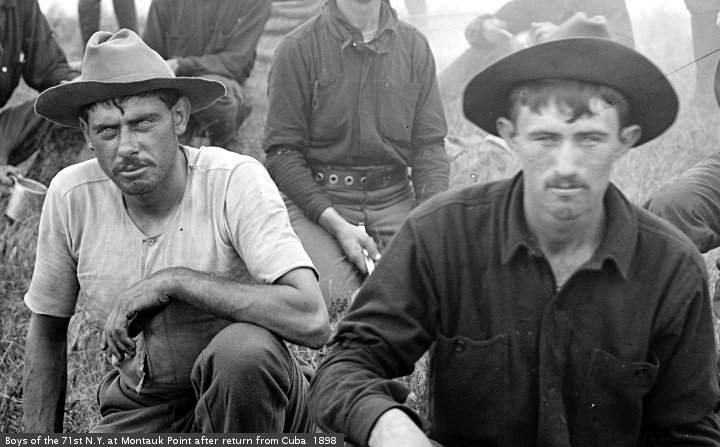
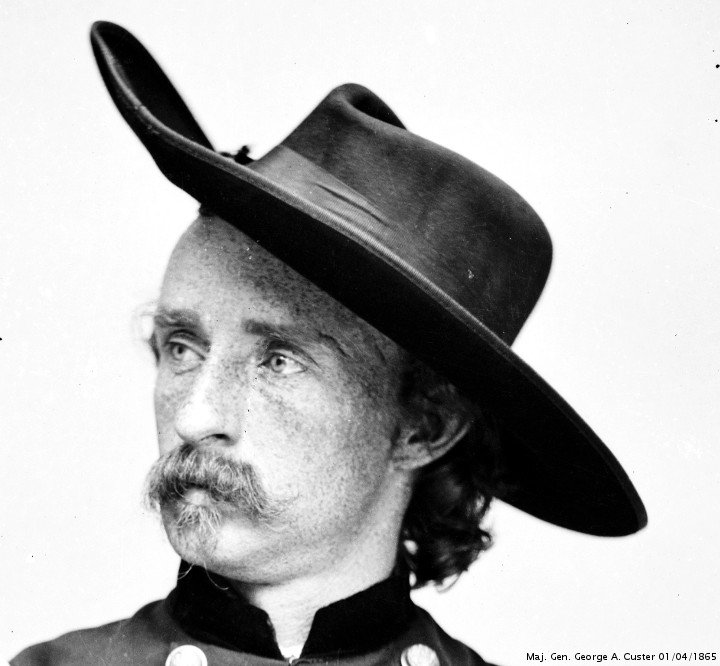
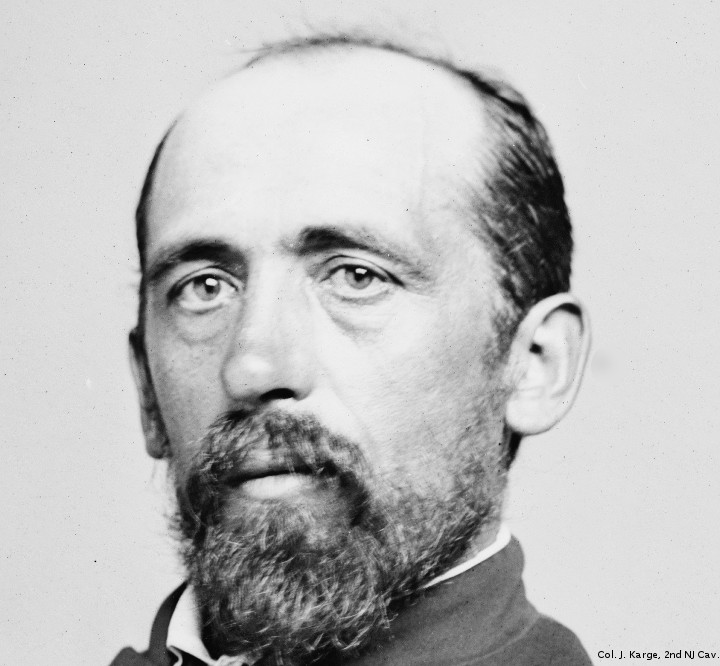
This is a repost, with pictures from The Library of Congress. When you recycle a post from 2011, most of the links have gone bad. Webster’s Dictionary is now Merriam-Webster. When you look up acronyms, you find this: What’s an Initialism? “‘UNICEF’ is an acronym. ‘ACLU’ is an initialism. Why?” This is getting to be complicated. If you want to know about initialisms and acronyms, follow the link. You are responsible for any brain damage.

Lose The Ability To Remember





PG heard a nifty quote once. “When we begin to write, we will lost the ability to remember.” It was credited to Homer, the Greek poet. The only problem is, PG could never find a source.
Katherine Mangu-Ward is a lady writer. She appeared on a podcast recently, and talked about the symbiotic relationship between conservative trolling, and liberal smugness. PG stumbled onto her twitter account, @kmanguward, and found this: 370 BC: Is Writing Making Us Stupid?
Plato, Phaedrus was the link attached to the tweet. Here is what it said: “Now the king of all Egypt at that time was the god Thamus, who lived in the great city of the upper region, which the Greeks call the Egyptian Thebes, and they call the god himself Ammon. To him came Theuth to show his inventions, saying that they ought to be imparted to the other Egyptians. But Thamus asked what use there was in each, and as Theuth enumerated their uses, expressed praise or blame, according as he approved or disapproved. The story goes that Thamus said many things to Theuth in praise or blame of the various arts, which it would take too long to repeat; but when they came to the letters, “This invention, O king,” said Theuth, “will make the Egyptians wiser and will improve their memories; for it is an elixir of memory and wisdom that I have discovered.”
But Thamus replied, “Most ingenious Theuth, one man has the ability to beget arts, but the ability to judge of their usefulness or harmfulness to their users belongs to another; and now you, who are the father of letters, have been led by your affection to ascribe to them a power the opposite of that which they really possess. For this invention will produce forgetfulness in the minds of those who learn to use it, because they will not practice their memory. Their trust in writing, produced by external characters which are no part of themselves, will discourage the use of their own memory within them. You have invented an elixir not of memory, but of reminding; and you offer your pupils the appearance of wisdom, not true wisdom, for they will read many things without instruction and will therefore seem to know many things, when they are for the most part ignorant and hard to get along with, since they are not wise, but only appear wise.”
Don’t be afraid of a block of text. We will break this down in a minute. The text is from Phaedrus, by Plato. As the ierrant wikipedia says, “The Phaedrus (/ˈfiːdrəs/; Ancient Greek: Φαῖδρος, lit. ‘Phaidros’), written by Plato, is a dialogue between Plato’s protagonist, Socrates, and Phaedrus, an interlocutor in several dialogues. The Phaedrus was presumably composed around 370 BC…” According to this timeline, 370 B.C. is 3200 years after man started to write, and 400 years after the invention of the Greek alphabet. So much for Homer’s word of caution.
We don’t know how widespread writing was in Plato’s time. Presumably, many of the old tales were transmitted by word of mouth, from one generation to the next. This involves memory. “For this invention will produce forgetfulness in the minds of those who learn to use it, because they will not practice their memory.”
There is one more quote worth musing over. Since the invention of the first mediums, new methods have been denounced by traditionalists. Today, we live in an era of constant change. This feature will appear in a blog… state of the art in 2004, and considered obsolete in 2018. Every new medium is greeted with hand wringing over the bad effects it will have on society. Some of these misgivings have been proven false. This *text* goes into more detail about this.
Homer may, or may not, have existed. Since this was 2800 years ago, we may never know. The stories of “The Iliad” and “The Odyssey” may have been told from one generation, to the next. Maybe Homer really did say that, and was merely afraid of competition.
“You have invented an elixir not of memory, but of reminding; and you offer your pupils the appearance of wisdom, not true wisdom, for they will read many things without instruction and will therefore seem to know many things, when they are for the most part ignorant and hard to get along with, since they are not wise, but only appear wise.” . In todays culture, the display of apparent wisdom is more impressive than actual knowledge. These things too shall pass away. Pictures are from The Library of Congress.





Ta-Nehisi Coates WTF


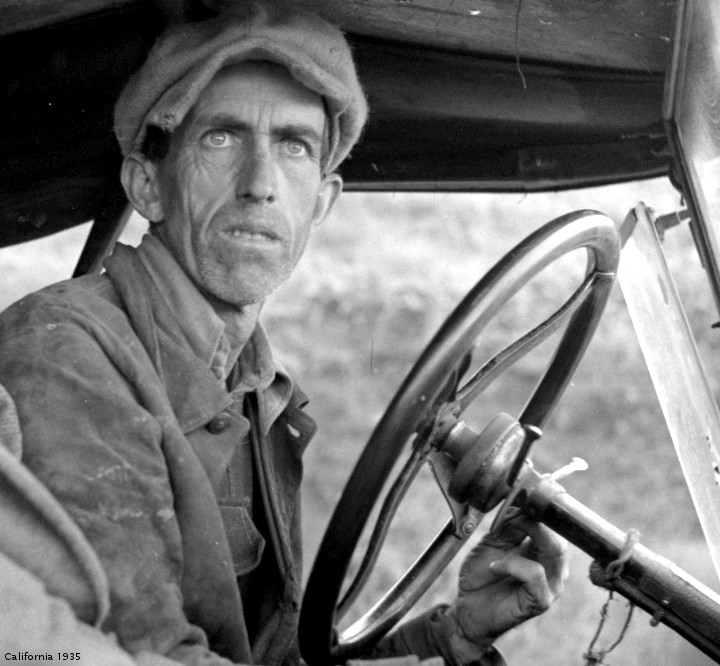




Episode 878 of Marc David Maron’s WTF podcast features Ta-Nehisi Paul Coates. Chamblee54 recently wrote about a video featuring Mr. Coates. This seems like a good day to listen to the show, and take notes. The spell check suggestion for Ta-Nehisi is Ta-Nemesis.
The show starts with TNPC and MDM (Is Ta-Nehisi two words?) discussing the business of writing books. The word black is not heard until 28:33 of the show. At 31 minutes in TNDC is talking about when he moved to New York, and struggled. He mentions that when you lie to other people, you begin to accept yourself as a liar. It occurs to PG that this is a problem with calling yourself n****r. You begin to accept yourself as this loathsome thing, and settle for being a n****r.
At 53 minutes, TNDC is talking about sexual harassment, and how he… a man … could never know what a woman experiences. MDM says that he … a white man … could never know what a black man feels, and how the books by TNDC made MDM realize this. You get the sense that this is what MDM wanted to talk about all along, and that TNDC is TIRED OF TALKING ABOUT RACE. In a sense, it is a moment of what you might call well meaning liberal racism. MDM had the prominent black intellectual on the show, and MDM was going to talk about race, whether PBI wanted to or not.
At 1:02 pm est, the show is over. PG has more respect for TNDC now. Most of the show was about fatherhood, writing, and the struggle to succeed. The expressions whiteness, and white supremacy, were not heard. Pictures today are from The Library of Congress. Many of them were edited while listening to this show. The depression was a different era.



Pauline Kael, Gina James, And James Broughton


Pauline Kael was the rockstar film critic. James Broughton was the radical faerie poet laureate. They were lovers, and had a daughter, Gina James. Pauline and James were not married, contrary to what some naysayers would tell you. This is a repost.
Much of the information in this feature is taken from online reviews of Pauline Kael: A Life in the Dark, a 2012 biography written by Brian Kellow. Gina James, also known as Gina Broughton, was not interviewed for the book. Neither did she participate in the making of Big Joy, a movie about James Broughton. (A wig store, Gina Beauty Supply is located at 25 W Broughton St, Savannah, GA 31401.)
Pauline Kael was born June 19, 1919, Petaluma, CA, died September 3, 2001, Great Barrington, MA, and stood 4 feet 9 inches tall. James Broughton was born November 10, 1913, Modesto, CA, and died May 17, 1999, Port Townsend, WA. Neither one had a middle name. Both used their birth name throughout life. Both had lives, before meeting in the late forties.
When she met James Broughton, Miss Kael was living what would later be called the bohemian life. After moving to New York, and being dumped for composer Samuel Barber, Miss Kael moved back to California. “Returning to the Bay Area with her tail between her legs in 1945, Pauline became involved with the incredibly effeminate avant-garde filmmaker James Broughton. He managed to impregnate Pauline but threw her out as soon as she told him, whereupon she moved to Santa Barbara to give birth to her daughter, Gina, in 1948″
“Like her early career, Kael’s personal life was also fraught with failures. Kellow says “she had a habit of falling for gay men” earlier in her life because “they tended to share her passions and enthusiasms.” She had a daughter … with one of them, experimental filmmaker James Broughton.”
“For a time, during the 1940s, he lived with future film critic Pauline Kael. She encouraged his filmmaking endeavors but their relationship ended after she got pregnant. … Pauline Kael thought that Broughton made the biggest mistake of his life when he turned down a studio film after winning the prize at Cannes.” (Apparently Mr. Broughton was from a wealthy family, and could afford this attitude. Regarding his movie The Bed, Mr. Broughton said “It was the only film I created that ever made any money.”)
“Which brings us to the strange tale of Pauline’s only child, Gina James. … In 1948, at age 29, Kael got pregnant after she “talked her way into moving in” with James Broughton, a bisexual poet living in Sausalito. By Kellow’s account, Broughton was furious at the news of Kael’s pregnancy; he felt trapped and tricked by her. One of Broughton’s friends reported that he kicked Kael out of his house. She moved to Santa Barbara to have the baby. The birth certificate listed the father as “Lionel James, a writer”. It is one of the disappointments of the book that Kellow shines little light on Kael’s passion — or whatever it was — for Broughton, on how she processed that cruel rejection and on whether Broughton ever recognized Gina as his daughter.”
James Broughton moved on with his life. He made experimental films, got married, and fathered two more children. At some point he met Joel Singer, and began the romance that would last the rest of his life. It is tough to say whether he was genuinely bisexual, or whether he was playing the role society expected of him.
This review of Big Joy continues: “But interviews with Singer, waxing poetic about his years with the artist, are balanced by reminiscences from Broughton’s ex-wife and his abandoned son. Rather than only celebrating silliness, I found it admirable that the directors didn’t gloss over the pain he caused his wife and children. After all, when you think about it, he spent all of his life unable to decide if he was gay or straight; leaving a lot of broken hearts in his wake.
We learn from Kael that he flirted with everyone he met. “He rode off into the sunset with some guy,” his wife, Suzanna Hart tells us. “That was very sad for me, but not for him, which was…very irritating.” In her segments, Hart keeps her emotions in check but you can clearly read the sadness and anger in her face. The son doesn’t have much good to say about his absent father and the two daughters (the first by Kael and the second by Hart) both refused to be interviewed for the film. Singer has a lot to say about their blissful decades together, but he also comes off a bit heartless when he shows no guilt over breaking up what he calls Broughton’s “loveless” marriage.”
The baby daddy leaves, and the struggling writer becomes a single mom. “… Kael’s relationship with her actual daughter was something out of a Tennessee Williams play, and not in a good way. Kael home-schooled Gina and, as the girl grew up, kept her close, as a typist, projectionist, driver and right-hand man, and she banished any friend who actively encouraged the young woman to break out on her own. Though she was in many ways a loving and committed mother, helping to raise Gina’s son and always living nearby, one senses a Gothic selfishness in her mothering.”
Gina James declined to talk with Kellow for his book, but the author says Kael and her daughter had a sort of symbiotic relationship. “Pauline did not type, Pauline did not drive — Gina performed both those functions for her. And Gina was a very good critic of Pauline. She got to see Pauline’s copy before anyone else did and she often had very, very important and influential things to say. But Pauline really wasn’t wild about the idea of Gina breaking away and having her own life apart from her, and she didn’t do anything really to encourage her in that direction as far as I can see.”
Amazon one star comment: And her poor daughter – what a fate – TYPING all that. Poor Gina, — I can see her – Kellow described sitting silently in some coffee shop while her mother raved on and ON with her pet directors.
An affair with the experimental filmmaker James Broughton produced a child, Gina, whom Kael raised by herself, Mildred Pierce–like, heroically supporting them with a number of odd jobs, including running a laundry. Gina’s heart condition required expensive surgery, and Kael ended up enticing Edward Landberg, the owner of a local art-house theater, Berkeley Cinema Guild. They had begun as co-programmers. As Landberg tells it: “One day, when I was over at her place, I happened to graze her breast with my hand, and she kind of looked up and said, ‘What have you got to lose?’” Their marriage proved a fiasco, but Landberg agreed to pay for Gina’s operation, which Kellow suspects had been Kael’s motive all along…. Kellow shows more independence in assessing Kael’s treatment of her daughter Gina, whose ambitions to become a dancer or a painter she did little to encourage, preferring to keep her on “a silver cord . . . she had also grown accustomed to the steady, dependable role that Gina played—as secretary, driver, reader, sounding board—and she was loath to give her up.” Gina, for her part, was mistrustful of the dynamic she witnessed between Kael and her acolytes.“
“The closest and longest-lasting partnership of her life was with her daughter, Gina James … James considered speaking to Kellow, but finally declined, leaving a blank space at the center of this otherwise vividly detailed biography. Gina lived with her mother till she was over 30, typed up her reviews after Pauline stayed up all night writing them in longhand, and gave up both college and a shot at a dance career to serve as her mother’s caretaker, companion, and driver….
Kellow cites the text of the breathtakingly passive-aggressive eulogy that Gina delivered at her mother’s funeral in 2001: “My mother had tremendous empathy and compassion, though how to comfort, soothe or console was a mystery that eluded her … . Pauline’s greatest weakness, her failure as a person, became her great strength, her liberation as a writer and critic . … she turned her lack of self-awareness into a triumph.”
One more chapter remains. “Gina lived with Kael well into her thirties … That she married and had a child, Will, seemed to catch Kael by surprise, though she ended up adoring her only grandchild, someone with whom she could watch action movies with.
Kael died in 2001, when Will was about 19. Unfortunately, and Kellow made no mention of this in his book whatsoever, there’s a horrible postscript, one that may well have been the reason for why Gina declined to be interviewed for the book. On October 6, 2007, Will, then 25, went hiking in the East Mountain State Forest in the Berkshires. He was an avid hiker, not to mention a devoted martial artist. He had a girlfriend. He never came back. Gina reported him missing, but his body wasn’t found for more than week, on October 15. … “authorities found camping equipment nearby and while cause of death has not been determined, foul play is not suspected.”
Pictures today are from The Library of Congress. UPDATE These two comments were made to the original post. Anonymous said, on June 16, 2017 at 9:18 pm Your piece on Kael and Broughton is rife with misinformation and judgements galore and unbelievably badly written. Get a life and stop spreading falsehoods. And next time you put your fingers to a keyboard do your due diligence! James’ son was NOT ABANDONED! He lived happily with the two of us after the divorce. You fail to recognize that James’ ex-wife was a classic fag hag who had been married to another gay man before her relationship with James. She had been in psychotherapy for years before they got together and for many years after they split up. James certainly did not spend the rest of his life uncertain about his sexuality. Read his autobiography COMING UNBUTTONED and you’ll discover how misinformed your take on him is. You have done a great disservice to your readers by publishing such homophobic nonsense. Joel Singer ~ Sterling Wilson said, on August 19, 2017 at 1:40 pm Curious about this autobiography, I found the following from a Publishers Weekly review “Broughton forsakes introspection for literary gossip and name-dropping: Kenneth Rexroth, Pauline Kael, Dylan Thomas, Anais Nin. The birth of a daughter is dispensed with in two sentences. Broughton’s insistence on making himself the center of attention increasingly intrudes.”




 Chamblee54
leave a comment