Harold Bloom
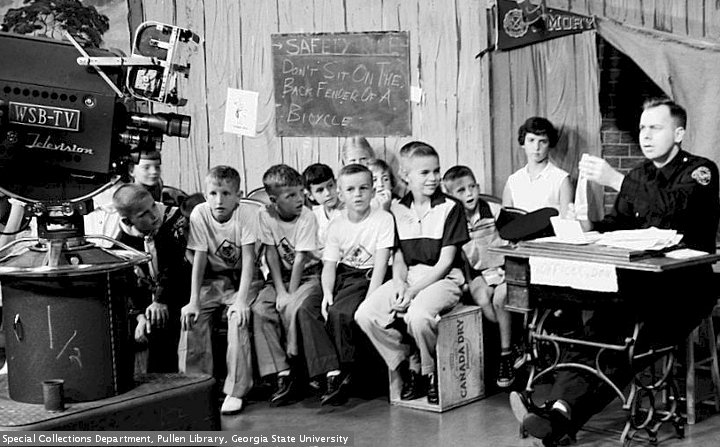




On September 3, 2000, Harold Bloom appeared on Booknotes to promote How to Read and Why. Other C-SPAN news that day involved Vice President Al Gore and Republican Presidential candidate George W. Bush. Mr. Bloom is a professor at Yale University. He has written many books, despite not knowing how to type. There is no false modesty on display.
A teacher is an entertainer, knowing the value of a good line. Over the years, platitudes pile up. Mr. Bloom has collects both books, and clever lines about books. “Oh, I read everything and anything. I’m a desperate reader. If I can’t find anything else, my wife is likely to find me obsessively re-reading cereal box tops in the morning. … I now call myself at times, partly in self-deprication, but partly, I suppose, with a certain fury Bloom brontosaurus bardolater; that is to say, not only a worshiper of Shakespeare, but a brontosaurus, a dinosaur. I’ve never learned how to type”
Fourteen years ago, the internet was still called the “World Wide Web.” It was very much a work in progress. Mr. Bloom viewed the information superhighway with horror. “But the Internet, which I acknowledge is an economic and commercial necessity–the Internet–and many people disagree with me on this, I know–the Internet, I think, is a terrible danger to the life of the mind. It’s a terrible danger to real reading because it’s a kind of great, gray ocean in which everything merges with everything else. And extremely difficult–it is extremely difficult for a young person to establish standards of reading or to find again what could be called intellectual and aesthetic standards of judgment in relation to what is available on it. There is no guidance.”
PG listened to the conversation with Mr. Bloom in the background. In the foreground, pictures were being edited.This is something you cannot do with a dead tree book. This went on happily until the shockwave player crashed, and the machine needed a reboot. This is something else that does not happen with traditional publishing.
“He got rather offended and explained to me, in rather hurt tones, that Sir So-and-so was the leading British authority on information retrieval. I told him honestly, and it’s still true, I did not know what information retrieval was, and I did not wish to find out, and I still don’t know what it is. I said, `Who is the other gentleman?’ And then he said, quite coldly, `He is our leading authority on software.’ I said, `I’ve never learned to type. I’m not at all sure what software is.’ He said, `It doesn’t matter.’ He said, `In any case, Professor Bloom, you ought to come. You will represent the book.’ I said, `This is ridiculous.’ I said, `You’re going to ask me to have a discussion with an authority on something called information retrieval and an authority on software, and I, wretched creature, am supposed to represent the book? I am highly inadequate to represent the book. Anybody would be. And I will not come. Goodbye, sir.’ But that is the British Library.”
Mr. Bloom tells of a visit to Stanford University. The only pleasant time he had was a conversation with the Provost, Condoleezza Rice. (spell check suggestion: Condolence) The rest of the time he decries the custom of teaching literature based on the ethnicity of the author. He tells the story of a desk, with the legs falling off. From clumsy carpentry, he moves onto brain surgery. “If you were being wheeled in for a brain operation, and you were told that the brain surgeon had been chosen on the basis of fairness, on the basis of universalism, on the basis of multiculturalism, you would jump right off the operating table. We do not enforce these things in the medical schools.”
This sounds nice in theory. In real life, the brain surgeon was determined by the willingness of a health insurance bully to pay. Reality is more frightening than fictitious furniture.
The Booknotes conversation took place during election season. The discussion of politicians was indicated. “Leon Trotsky, who was a great, though murderous, human being, but a remarkable writer. And in his own way, a remarkable literary critic.” “I find it powerfully offensive that one of the two major presidential candidates is perhaps the least distinguished graduate of the entire history of Yale University, and I’ve taught there for 46 years, though I never taught this gentleman. But he has boasted to the press, at least until his people told him to talk differently about it, but he began by boasting to the press that he had never read a book through since he left Yale. And indeed, he laughed, he hadn’t read many through there. And, of course, I believe him”
No discussion about Harold Bloom is complete without Naomi Wolf. “In the late fall of 1983, professor Harold Bloom did something banal, human, and destructive: He put his hand on a student’s inner thigh—a student whom he was tasked with teaching and grading. The student was me, a 20-year-old senior at Yale.” Is Bill Cosby going to be teaching at Yale?
The one star comments are festive. “His prose is at times crisp, yet his reasoning wanders about like somnambulist on a treadmill.” “Instead I found myself dragged into a solipsistic rant of Mr. Bloom’s favorite books.” “Please do not waste your money on this book. Each section is devoted ostensibly to a “critique” of a work that Mr. Bloom recommends to his unwashed readers.”
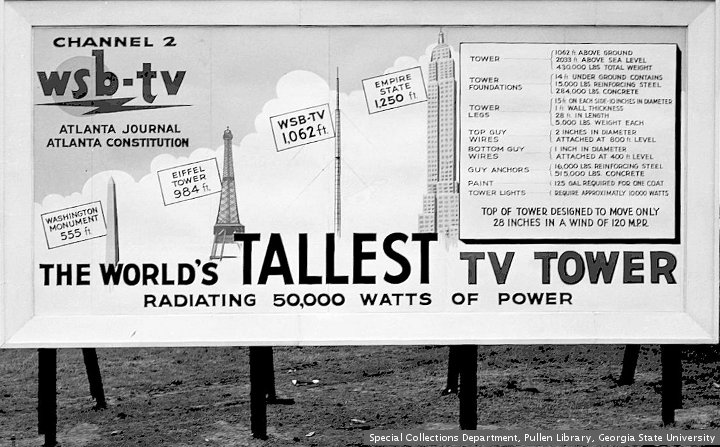
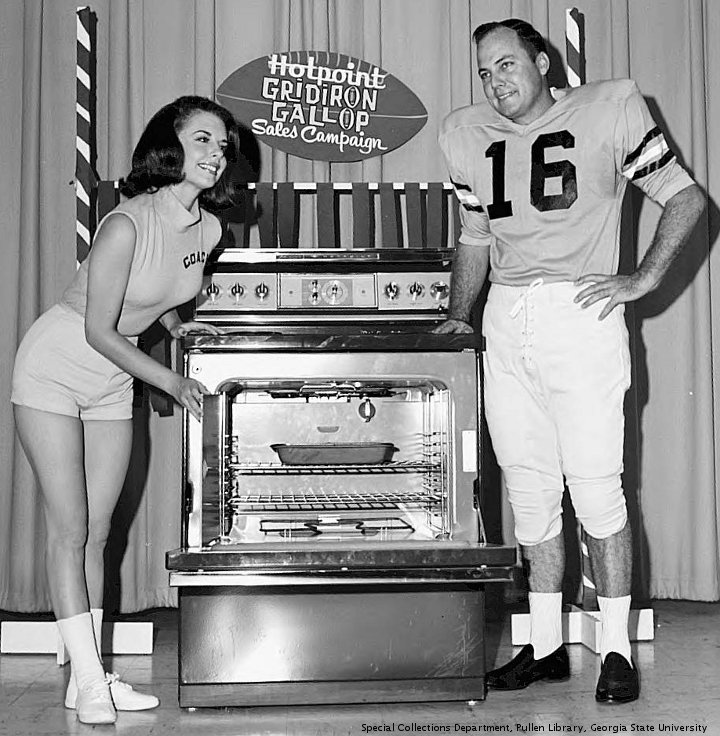
This is a repost. Harold Bloom went to the great library in the sky October 14, 2019. Pictures are from “The Special Collections and Archives, Georgia State University Library.”




The Cynic’s Word Book H – I
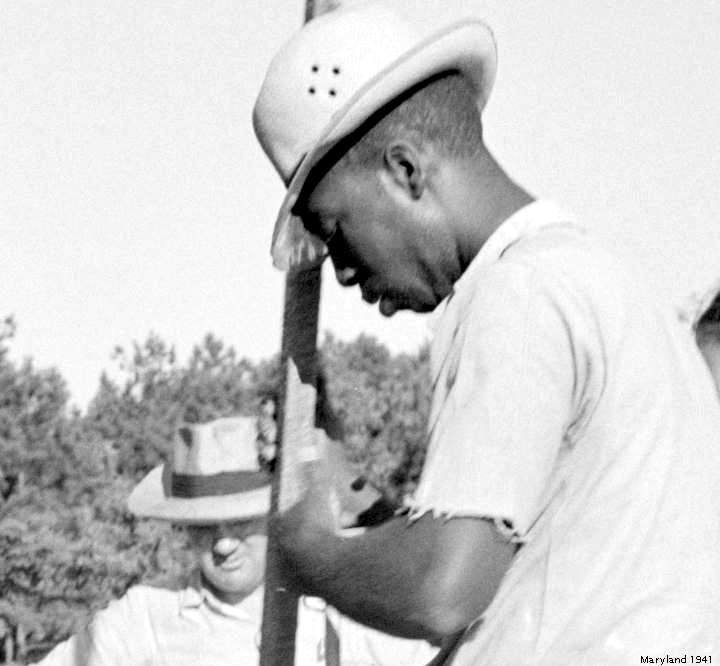

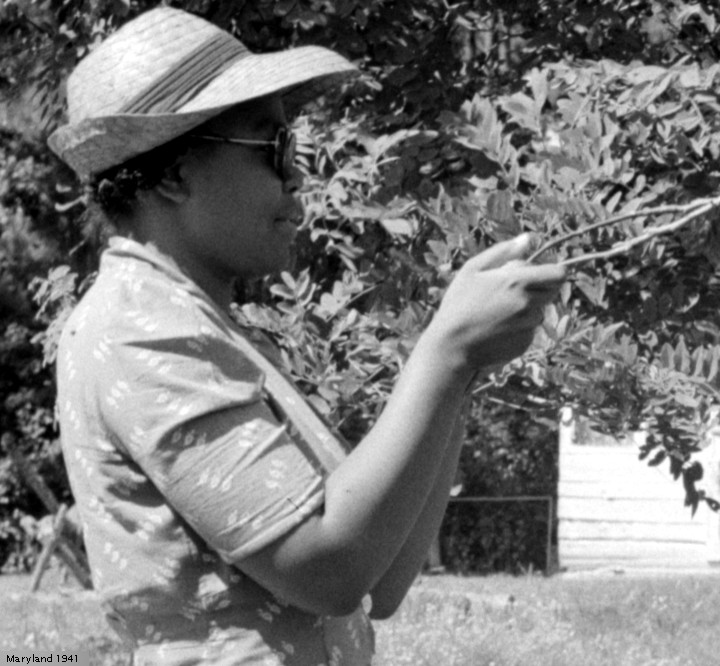
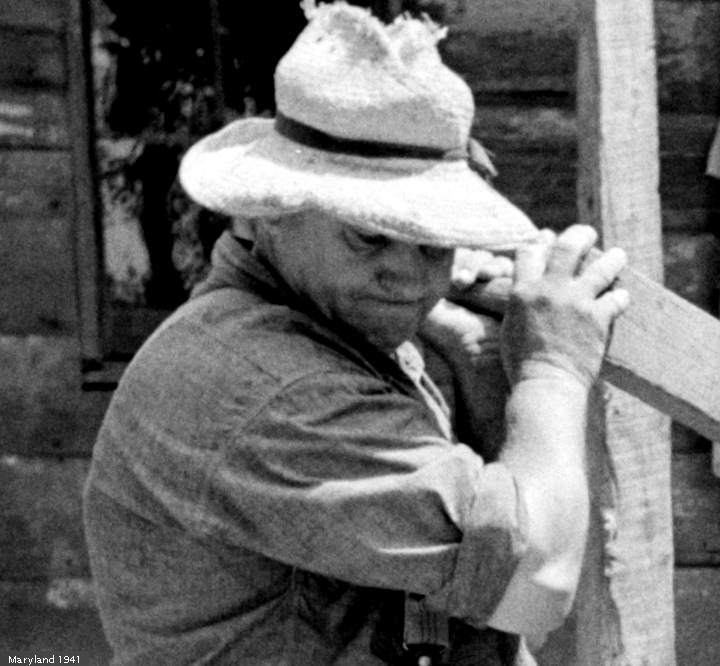
What follows are selections from The Devil’s Dictionary, by Ambrose Bierce. TDD began as a newspaper column, and was later published as The Cynic’s Word Book. TDD is in the public domain. TDD is a dictionary, going from A to Z. Today’s selection covers H to I. More selections are available. (A – D E – G ) Pictures today are from The Library of Congress.
HABIT A shackle for the free.
HAND A singular instrument worn at the end of the human arm,
and commonly thrust into somebody’s pocket.
HANDKERCHIEF A small square of silk or linen, used in various ignoble offices about the face and especially serviceable at funerals to conceal the lack of tears. The handkerchief is of recent invention; our ancestors knew nothing of it and intrusted its duties to the sleeve.
HAPPINESS An agreeable sensation arising from contemplating the misery of another.
HARANGUE A speech by an opponent, who is known as an harangue-outang.
HASH There is no definition for this word—nobody knows what hash is.
HATCHET A young axe, known among Indians as a Thomashawk.
“O bury the hatchet, irascible Red, For peace is a blessing,” the White Man said.
The Savage concurred, and that weapon interred, With imposing rites, in the White Man’s head.
HEART An automatic, muscular blood-pump. Figuratively, this useful organ is said to be the seat of emotions and sentiments—a very pretty fancy which, however, is nothing but a survival of a once universal belief. It is now known that the sentiments and emotions reside in the stomach, being evolved from food by chemical action of the gastric fluid.
HEATHEN A benighted creature who has the folly to worship something that he can see and feel. According to Professor Howison, of the California State University, Hebrews are heathens.
HEAVEN A place where the wicked cease from troubling you with talk of their personal affairs, and the good listen with attention while you expound your own.
HEBREW A male Jew, as distinguished from the Shebrew, an altogether superior creation.
HEMP A plant from whose fibrous bark is made an article of neckwear which is frequently put on after public speaking in the open air and prevents the wearer from taking cold.
HERMIT A person whose vices and follies are not sociable.
HOMICIDE The slaying of one human being by another. There are four kinds of homocide: felonious, excusable, justifiable, and praiseworthy, but it makes no great difference to the person slain whether he fell by one or another—the classification is for advantage of lawyers.
HOSPITALITY The virtue which induces us to feed and lodge
certain persons who are not in need of food and lodging.
HOUSE A hollow edifice erected for the habitation of man, rat, mouse, beetle, cockroach, fly, mosquito, flea, bacillus and microbe. House of Correction, a place of reward for political and personal service, and for the detention of offenders and appropriations. House of God, a building with a steeple and a mortgage on it. House-dog, a pestilent beast kept on domestic premises to insult persons passing by and appal the hardy visitor.
HUSBAND One who, having dined, is charged with the care of the plate.
HYPOCHONDRIASIS Depression of one’s own spirits.
Some heaps of trash upon a vacant lot Where long the village rubbish had been shot
Displayed a sign among the stuff and stumps— “Hypochondriasis.”It meant The Dumps.
IGNORAMUS A person unacquainted with certain kinds of knowledge familiar to yourself, and having certain other kinds that you know nothing about.
Dumble was an ignoramus, Mumble was for learning famous.
Mumble said one day to Dumble: “Ignorance should be more humble.
Not a spark have you of knowledge That was got in any college.”
Dumble said to Mumble:”Truly You’re self-satisfied unduly.
Of things in college I’m denied A knowledge—you of all beside.”
IMAGINATION A warehouse of facts, with poet and liar in joint ownership.
IMBECILITY A kind of divine inspiration,
or sacred fire affecting censorious critics of this dictionary.
IMMODEST Having a strong sense of one’s own merit,
coupled with a feeble conception of worth in others.
IMPARTIAL Unable to perceive any promise of personal advantage from
espousing either side of a controversy or adopting either of two conflicting opinions.
IMPIETY Your irreverence toward my deity.
IMPOSTOR A rival aspirant to public honors.
IMPROVIDENCE Provision for the needs of to-day from the revenues of to-morrow.
INCUMBENT A person of the liveliest interest to the outcumbents.
INDIFFERENT Imperfectly sensible to distinctions among things.
“You tiresome man!” cried Indolentio’s wife, “You’ve grown indifferent to all in life.”
“Indifferent?” he drawled with a slow smile; “I would be, dear, but it is not worth while.”
INDISCRETION The guilt of woman.
INEXPEDIENT Not calculated to advance one’s interests.
INFIDEL In New York, one who does not believe in the Christian religion;
in Constantinople, one who does.
INFLUENCE In politics, a visionary quo given in exchange for a substantial quid.
INGRATE One who receives a benefit from another, or is otherwise an object of charity.
“All men are ingrates,” sneered the cynic.”Nay,” The good philanthropist replied;
“I did great service to a man one day Who never since has cursed me to repay, Nor vilified.”
“Ho!” cried the cynic, “lead me to him straight—With veneration I am overcome,
And fain would have his blessing.””Sad your fate—
He cannot bless you, for I grieve to state This man is dumb.”
INJURY An offense next in degree of enormity to a slight.
INK A villainous compound of tannogallate of iron, gum-arabic and water, chiefly used to facilitate the infection of idiocy and promote intellectual crime.
INTIMACY A relation into which fools are providentially drawn for their mutual destruction.
ITCH The patriotism of a Scotchman.



Esoteric and Pedantic


Obviously,there is something to be said for wanting to speak up, but not having anything to say. To prove that, I am going to talk about a word…esoteric. According to Wiktionary , esoteric is :”1. Having to do with concepts that are highly theoretical and without obvious practical application. 2. Understood only by a chosen few or an inner circle. 3. Confidential; private.”
The “E word” plays a role in a story from 10th grade English. We were discussing a story, “The Rocking Horse Winner”, by D.H. Lawrence. The story was, well, boring and obscure, just like most of what I have seen by Mr. Lawrence.
The summer after 10th grade I worked in a movie theater. The ushers wore ghastly yellow uniforms, and saw the movies over and over. When I started, the Lenox Square 2 theater was showing “Women in Love”, based on a novel my D.H. Lawrence. Glenda Jackson copped an oscar for her portrayal of Gudrun Brangwen, and young Larry Kramer was one of the screenwriters. It did not improve my opinion of D.H. Lawrence. If the censors had not touched “Lady Chatterly’s Lover” D.H. Lawrence would be forgotten today.
Back to 10th grade english. We were discussing this wretched story, and a girl raised her hand. Why would any author would write something so esoteric? The teacher had never heard of this word before, and was amazed to hear it.
The Lenox Square 2 theater was a long, slender thing with a small screen. This was in 1970. The multiplex concept had not matured. LS2 was under a grocery store. When their automatic door openers operated, you could hear the motors in the theater below. The movies the rest of the summer were Fellini Satyricon, The Christine Jorgenson Story, and The Landlord.
Back to esoteric…or did I ever go away? Before you can understand esoteric, you must plumb the depths of pedantic. “1. Like a pedant, overly concerned with formal rules and trivial points of learning. 2. Being showy of one’s knowledge, often in a boring manner. 3. Often used to describe a person who emphasizes his/her knowledge through the use of vocabulary; ostentatious in one’s learning. 4. Being finicky or picky with language.”
Pedantic is an adjective that describes itself. The technical term for this is autological. Here is a poem using autological words. This repost. Pictures for this visit to the Nixon era are from “The Special Collections and Archives Georgia State University Library”.


The Cynic’s Word Book E – G




What follows are selections from The Devil’s Dictionary, by Ambrose Bierce. Many things could be said about Mr. Bierce. TDD began as a newspaper column, and was later published as The Cynic’s Word Book. TDD is in the public domain. TDD is a dictionary, going from A to Z. Today’s selection covers E – G. More selections are available. A – D Pictures today are from The Library of Congress.
EAT, v.i. To perform successively (and successfully)
the functions of mastication, humectation, and deglutition.
ECONOMY, n.
Purchasing barrel of whiskey that you do not need for price of cow that you cannot afford.
EDIBLE, adj. Good to eat, and wholesome to digest, as a worm to a toad,
a toad to a snake, a snake to a pig, a pig to a man, and a man to a worm.
EGOTIST, n. A person of low taste, more interested in himself than in me.
ELOQUENCE, n. The art of orally persuading fools that white is the color that it appears to be.
It includes the gift of making any color appear white.
EMOTION, n. A prostrating disease caused by a determination of the heart to the head.
It is sometimes accompanied by a copious discharge of hydrated chloride of sodium from the eyes.
EPICURE, n. An opponent of Epicurus, an abstemious philosopher who, holding that pleasure should be the chief aim of man, wasted no time in gratification from the senses.
EPITAPH, n. An inscription on a tomb, showing that virtues acquired by death
have a retroactive effect. Following is a touching example:
Here lie the bones of Parson Platt, Wise, pious, humble and all that,
Who showed us life as all should live it; Let that be said—and God forgive it!
ERUDITION, n. Dust shaken out of a book into an empty skull.
ETHNOLOGY, n. The science that treats of the various tribes of Man,
as robbers, thieves, swindlers, dunces, lunatics, idiots and ethnologists.
EULOGY, n. Praise of a person who has either the advantages of wealth and power,
or the consideration to be dead.
EVANGELIST, n. A bearer of good tidings, particularly (in a religious sense) such as assure us of our own salvation and the damnation of our neighbors.
EXCOMMUNICATION, n.
This “excommunication” is a word In speech ecclesiastical oft heard,
And means the damning, with bell, book and candle,
Some sinner whose opinions are a scandal—
A rite permitting Satan to enslave him Forever, and forbidding Christ to save him.
EXHORT, v.t. In religious affairs, to put the conscience of another upon the spit
and roast it to a nut-brown discomfort.
EXISTENCE, n.
A transient, horrible, fantastic dream, Wherein is nothing yet all things do seem:
From which we’re wakened by a friendly nudge Of our bedfellow Death, and cry:”O fudge!”
FASHION, n. A despot whom the wise ridicule and obey.
FEAST, n. A festival. A religious celebration usually signalized by gluttony and drunkenness, frequently in honor of some holy person distinguished for abstemiousness.
FIDDLE, n. An instrument to tickle human ears by friction of a horse’s tail on entrails of a cat.
FLOP, v. Suddenly to change one’s opinions and go over to another party.
The most notable flop on record was that of Saul of Tarsus,
who has been severely criticised as a turn-coat by some of our partisan journals.
FORK, n. An instrument used chiefly for the purpose of putting dead animals into the mouth. Formerly the knife was employed for this purpose, and by many worthy persons is still thought to have many advantages over the other tool, which, however, they do not altogether reject, but use to assist in charging the knife. The immunity of these persons from swift and awful death is one of the most striking proofs of God’s mercy to those that hate Him.
FRIENDLESS, adj. Having no favors to bestow. Destitute of fortune.
Addicted to utterance of truth and common sense.
FUNERAL, n.
A pageant whereby we attest our respect for the dead by enriching the undertaker,
and strengthen our grief by an expenditure that deepens our groans and doubles our tears.
GALLOWS, n. Whether on the gallows high Or where blood flows the reddest,
The noblest place for man to die— Is where he died the deadest.
GENTEEL, adj. Refined, after the fashion of a gent.
Observe with care, my son, the distinction I reveal: A gentleman is gentle and a gent genteel.
Heed not the definitions your “Unabridged” presents, For dictionary makers are generally gents.
GHOUL, n. A demon addicted to the reprehensible habit of devouring the dead. The existence of ghouls has been disputed by that class of controversialists who are more concerned to deprive the world of comforting beliefs than to give it anything good in their place.
GLUTTON, n. A person who escapes the evils of moderation by committing dyspepsia.
GOUT, n. A physician’s name for the rheumatism of a rich patient.
GRAVE, n. A place in which the dead are laid to await the coming of the medical student.
GUILLOTINE, n. A machine which makes a Frenchman shrug his shoulders with good reason.

The Cynic’s Word Book A – D


What follows are selections from The Devil’s Dictionary, by Ambrose Bierce. TDD began as a newspaper column, and was later published as The Cynic’s Word Book. TDD is in the public domain. TDD is a dictionary, going from A to Z. Today’s selection covers A to D. More selections are available. E – G Pictures today are from The Library of Congress.
ABDICATION, n. An act whereby a sovereign attests his sense of the high temperature of the throne.
Poor Isabella’s Dead, whose abdication, Set all tongues wagging in the Spanish nation.
For that performance ’twere unfair to scold her: She wisely left a throne too hot to hold her.
To History she’ll be no royal riddle—Merely a plain parched pea that jumped the griddle.
ABRIDGE, v.t. To shorten. When in the course of human events it becomes necessary for people to abridge their king, a decent respect for the opinions of mankind requires that they should declare the causes which impel them to the separation. Oliver Cromwell
ABSTAINER, n. A weak person who yields to the temptation of denying himself a pleasure.
A total abstainer is one who abstains from everything but abstention,
and especially from inactivity in the affairs of others.
Said a man to a crapulent youth: “I thought You a total abstainer, my son.”
“So I am, so I am,” said the scapegrace caught— “But not, sir, a bigoted one.”
ABSURDITY, n. A statement or belief manifestly inconsistent with one’s own opinion.
ALLIANCE, n. In international politics, the union of two thieves who have their hands so deeply inserted in each other’s pockets that they cannot separately plunder a third.
AMBIDEXTROUS, adj. Able to pick with equal skill a right-hand pocket or a left.
APHORISM, n. Predigested wisdom.
The flabby wine-skin of his brain, Yields to some pathologic strain,
And voids from its unstored abysm, The driblet of an aphorism.
APOLOGIZE, v.i. To lay the foundation for a future offence.
BACCHUS, n. A convenient deity invented by the ancients as an excuse for getting drunk.
Is public worship, then, a sin, That for devotions paid to Bacchus
The lictors dare to run us in, And resolutely thump and whack us?
BATH, n. A kind of mystic ceremony substituted for religious worship,
with what spiritual efficacy has not been determined.
The man who taketh a steam bath He loseth all the skin he hath,
And, for he’s boiled a brilliant red, Thinketh to cleanliness he’s wed,
Forgetting that his lungs he’s soiling With dirty vapors of the boiling. Richard Gwow
BLANK-VERSE, n. Unrhymed iambic pentameters—the most difficult kind of English verse to write acceptably; a kind, therefore, much affected by those who cannot acceptably write any kind.
BORE, n. A person who talks when you wish him to listen.
CANNIBAL, n. A gastronome of the old school who preserves the simple tastes and adheres to the natural diet of the pre-pork period.
CARTESIAN, adj. Relating to Descartes, a famous philosopher, author of the celebrated dictum, Cogito ergo sum—whereby he was pleased to suppose he demonstrated the reality of human existence. The dictum might be improved, however, thus: Cogito cogito ergo cogito sum— “I think that I think, therefore I think that I am.”
CAT, n. A soft, indestructible automaton provided by nature,
to be kicked when things go wrong in the domestic circle.
This is a dog, This is a cat. This is a frog, This is a rat. Run, dog, mew, cat. Jump, frog, gnaw, rat.
CHILDHOOD, n. The period of human life intermediate between the idiocy of infancy and the folly of youth—two removes from the sin of manhood and three from the remorse of age.
CHRISTIAN, n. One who believes that the New Testament is a divinely inspired book admirably suited to the spiritual needs of his neighbor. One who follows the teachings of Christ in so far as they are not inconsistent with a life of sin.
CIRCUS, n. A place where horses, ponies and elephants
are permitted to see men, women and children acting the fool.
CLERGYMAN, n. A man who undertakes the management of our spiritual affairs
as a method of bettering his temporal ones.
COMFORT, n. A state of mind produced by contemplation of a neighbor’s uneasiness.
CONSERVATIVE, n. A statesman who is enamored of existing evils,
as distinguished from the Liberal, who wishes to replace them with others.
DEAD, adj. Done with the work of breathing; done, With all the world; the mad race run
Through to the end; the golden goal, Attained and found to be a hole! Squatol Johnes
DECALOGUE, n. A series of commandments, ten in number—just enough to permit an intelligent selection for observance, but not enough to embarrass the choice. Following is the revised edition of the Decalogue, calculated for this meridian.
Thou shalt no God but me adore: ‘Twere too expensive to have more.
No images nor idols make, For Robert Ingersoll to break.
Take not God’s name in vain; select, A time when it will have effect.
Work not on Sabbath days at all, But go to see the teams play ball.
Honor thy parents. That creates, For life insurance lower rates.
Kill not, abet not those who kill; Thou shalt not pay thy butcher’s bill.
Kiss not thy neighbor’s wife, unless, Thine own thy neighbor doth caress
Don’t steal; thou’lt never thus compete, Successfully in business. Cheat.
Bear not false witness—that is low— But “hear ’tis rumored so and so.”
Covet thou naught that thou hast not, By hook or crook, or somehow, got.
DEFAME, v.t. To lie about another. To tell the truth about another.
DELIBERATION, n. The act of examining one’s bread to determine which side it is buttered on.
DENTIST, n. A prestidigitator who, putting metal into your mouth, pulls coins out of your pocket.
DESTINY, n. A tyrant’s authority for crime and fool’s excuse for failure.
DIAGNOSIS, n. A physician’s forecast of the disease by the patient’s pulse and purse.
DIE, n. The singular of “dice.” We seldom hear the word, because there is a prohibitory proverb, “Never say die.” At long intervals, however, some one says: “The die is cast,” which is not true, for it is cut. The word is found in an immortal couplet by that eminent poet and domestic economist, Senator Depew: A cube of cheese no larger than a die, May bait the trap to catch a nibbling mie.
DIPLOMACY, n. The patriotic art of lying for one’s country.



Facts About Words



Pneumonoultramicroscopicsilicovolcanoconiosis is the longest common word in english.
Strengths and screeched are the two longest one-syllable words in english.
Facetious, abstemious, annelidous, arsenious contain all five vowels in alphabetical order.
Uncopyrightable is the longest english word with no repeating letters.
Stewardesses is one of the longest words typeable on a normal keyboard with left hand.
Polyphony is one of the longest words typeable on a normal keyboard with right hand.
Quattuordecillion is a cardinal number represented in the U.S. by 1 followed by 45 zeros.
Deeded is the only word that is made using only two different letters, each used three times.
Queueing is the only word with five consecutive vowels.
The word with the most consonants in a row is latchstring.
The only words with three consecutive double letters are bookkeeping and bookkeeper.
Underground is the only word that begins and ends with “und.”
If you spell out every number from 0 to 999, you will find every vowel except for “a”.
You have to count to one thousand to find an a.
Q is the only letter that is not used in the name of any of the United States.
The only words with “uu” are vacuum, muumuu, residuum, and continuum.
Subcontinental is the only word that uses each vowel only once, in reverse alphabetical order.
More English words begin with the letter s than with any other letter.
The longest English word without a true vowel (a, e, i, o or u) is rhythm.
More English words begin with the letter “S” than any other letter of the alphabet.
“I am.” is the shortest two words sentence in the English language.
If you were to write out every number name in full (one, two, three, four…),
you wouldn’t use a single letter B until you reached one billion.
In written English, only one letter in every 510 is a Q.
The shortest -ology is oology, the scientific study of eggs.
11% of the entire English language is just the letter E.
Happy is used three times more often in English than Sad.
Approximately one new word is added to the English language every two hours,
and around 4,000 new words are added to the English dictionary every year.
Only two English words in current use end in “-gry”. They are angry and hungry.
A sentence that contains all 26 letters of the alphabet is called a pangram.
The dot over the letter i and the letter j is called a “superscript dot”.
In English, the @ symbol is usually called “the at sign” or “the at symbol”.
There are only 4 English words in common use ending in “-dous”:
hazardous, horrendous, stupendous, and tremendous.
Stewardesses is the longest word that can be typed with only the left hand.
“No.” is the shortest complete sentence in the English language.
What is the first four letter word in the National Anthem.
These facts originally appeared at definitions.net. Pictures are from The Library of Congress.



When In Doubt Shut Up





When in doubt, shut up.
A halo is best worn over one ear.
If you want to be forgiven, forgive. If you want to be understood, understand.
There are few situations that cannot be made worse with anger and loud talk.
You have two ears and one mouth. Listen twice as much as you talk.
A douche is a hygiene appliance. The verb form refers to using this device for cleaning purposes. Neither the noun, nor the verb, is appropriate as an insult.
A sentence has one period, placed at the end. Do not place a period after every word to make a point. You should find another way to show that you really, really mean it.
Not everyone enjoys the sound of your voice as much as you do.
Ass is a noun. It refers to either a donkey, or a butt. It is not an adverb, nor an adjective. Do not place ass between an adjective and a noun.
Before you “call out” somebody for “racism”, drape a towel over your mirror.
The third commandment says to not use the word G-d “in vain”. The G word should only be used for worship, and respectful discussion. Improper uses include expressing anger, selling life insurance, and pledging “allegiance” to a symbol of nationalism. Pictures are from The Library of Congress.





Fat Or Racist


@jimchines Could we just stop with the use of “fat” as an insult already? You’re trying to hit the person you’re insulting, but you’re hurting a lot of other people in the process. Grow the hell up. @jimchines Yeah, Shakespeare also made his share of fat jokes/insults too, unfortunately. Do better. Get creative, and scrub that particular tired, lazy insult from your repertoire.
@chamblee54 What about the use of anything as an insult. I would start with racist.
@jimchines Racism is something we can choose to support, or we can choose to push back against. Too many people simply choose to ignore it. Which means accepting it. Don’t want to be described as racist? Stop doing/supporting/accepting racist shit. Seems simple enough to me. @jimchines Usually when I see people saying “racist” is an insult, all they’re trying to do is shut down criticism and silence conversation about race and racism. It’s tiresome.
@chamblee54 “Don’t want to be described as racist? Stop doing/supporting/accepting racist shit.” That is a lie. Even if you do quit being racist, how will your haters know? That lie is used to justify prejudice. Out of respect for our mental health, this thread should end now.
@jimchines Consider it ended. But in the future, perhaps don’t stir up conversations you’re unable or unwilling to have.
@chamblee54 Point taken. That was not my intention, however. Unfortunately, that is how it turned out. Fat compares to racist, in the third party conception that it is something the insultee has control over. In the case of fat, the change is measurable and apparent.
As twitterspats go, this was mercifully brief. One could go on about the relative merits of using fat, or racist, as weapons of verbal destruction. Both epithets usually have elements of bullying, and hypocrisy, in their use. Many language custodians, who would be appalled by fat, feel virtuous in calling someone racist. It would be better to retire both insults. That probably is not going to happen.
What makes this episode noteworthy is the connection between @jimchines and @chamblee54. There is a third party, who we will call @duh. This is not his name, but does incorporate his initials.
@chamblee54 and @duh quit communicating in 2008, after quarreling at @duh’s LiveJournal. @chamblee54 developed a distaste for online combat, and has tried, with varying degrees of success, to stay out of trouble. @duh, otoh, seems to glory in digital feuds. If a person goes to his facebook feed, they will see many examples of this.
One of these disputes included @jimchines. If you have a lot of free time, you can read about it. (one two three four) The beginning, and end, of one @jimchines post says a great deal. “Well, this has been quite the week. … My thanks to everyone for their patience while I worked through this.”
What makes yesterday’s episode ironic is that @duh is an aggressive pro-black pundit. He will call someone RACIST at the slightest provocation. To see the target of white-shaming defend the use of racist is quite the spectacle.
FWIW, @chamblee54, who sports an old man”s pot-belly, has only seen face pictures of @jimchines. @duh is flamboyantly skinny. @chamblee54 has never met either gentleman irl. Judgements about waistlines, or racial attitudes, are not appropriate.
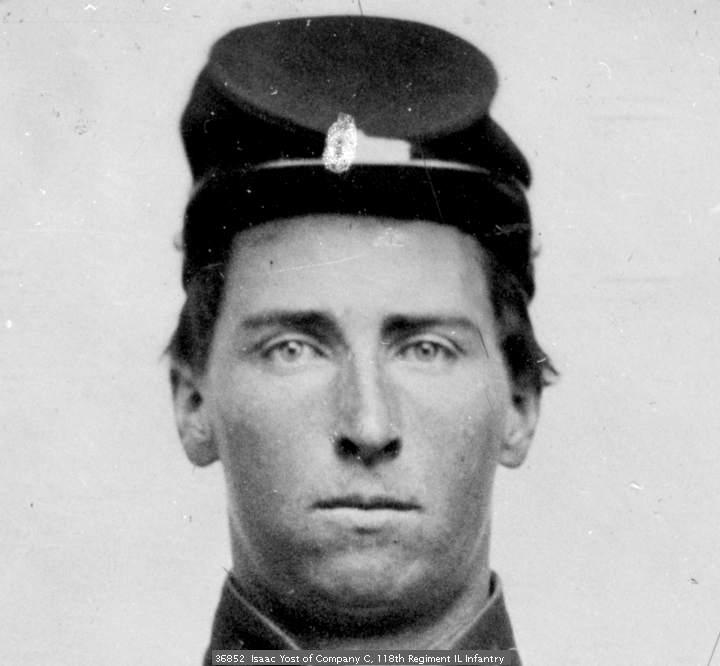
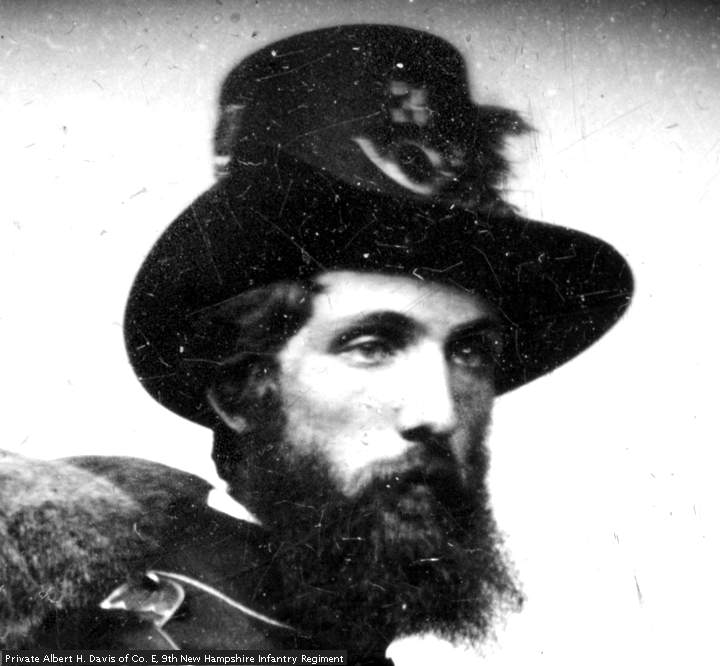
While finishing this post, a tweet turned up. @melaninbarbie “Ma’Khia Bryant being fat matters. The violence that young fat Black girls experience contributed to her death and if you don’t understand why, y’all need to start cracking open some fucking books on fatphobia.” Pictures are from The Library of Congress. The men are Union soldiers, from the War Between the States.


Eleanor Roosevelt Liberal

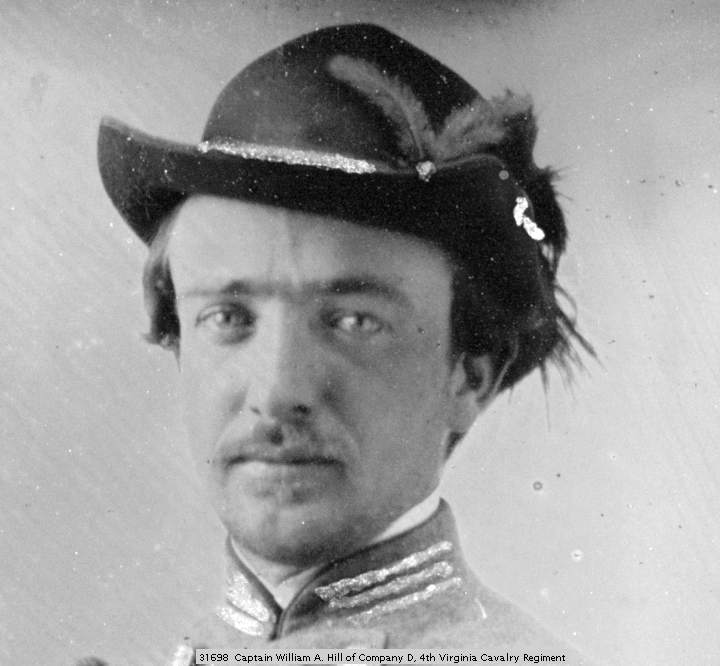
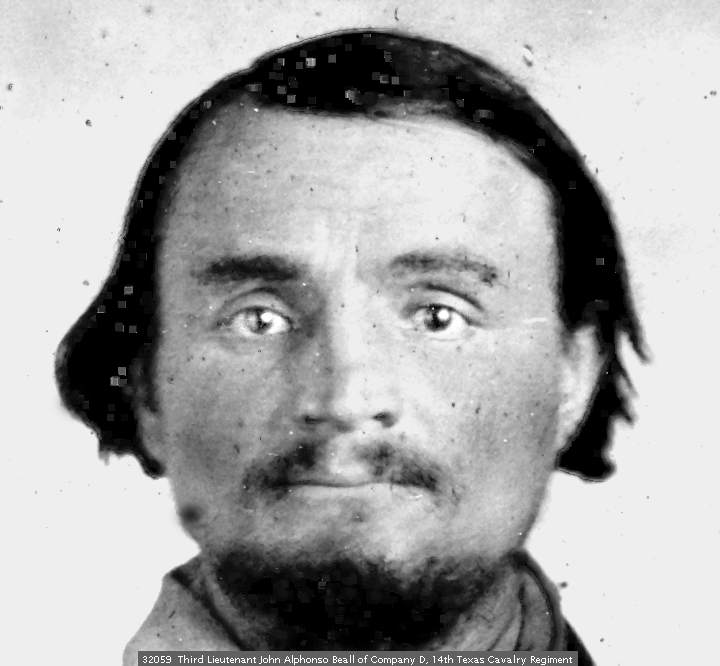
Eleanor Roosevelt has become the focus of a facebook meme. A flattering portrait illustrates a quote about “liberal.” Here is the text: “Long ago, there was a noble word, liberal, which derives from the word free. Now a strange thing happened to that word. A man named Hitler made it a term of abuse, a matter of suspicion, because those who were not with him were against him, and liberals had no use for Hitler. And then another man named McCarthy cast the same opprobrium on the word … We must cherish and honor the word free or it will cease to apply to us.”
“Did Eleanor Roosevelt Say This About the Word ‘Liberal’?” Apparently, she did. The text appears in Tomorrow Is Now. The book is the last word of Mrs. Roosevelt, who died November 7, 1962. Tomorrow Is Now was published in 1963.
The l-word has had a wild time in the last 58 years. In the sixties, it essentially meant someone who supported civil rights. Liberal came to be a favored insult of many conservatives, a role that continues to this day. As with many english words, liberal continues to evolve. Today a popular phrase is “classical liberal,” which means something to people who say it. It is safe to assume that Mrs. Roosevelt had a different concept of what liberal means, than many people today.
Merriam-Webster has several definitions for liberal, some of which are not related to political ideology. The etymology: “Middle English, from Anglo-French, from Latin liberalis suitable for a freeman, generous, from liber free; perhaps akin to Old English lēodan to grow, Greek eleutheros free.” This compares to the etymology for liberty: “Middle English, from Anglo-French liberté, from Latin libertat-, libertas, from liber free — more at liberal.” As for Mrs. Roosevelt’s claim that liberal is the same as free … she appears to be taking *liberties* in her use of language.
A red flag is dragging Adolph Hitler into the quarrel. Hitler comparisons are an easy gimmick for cheap rhetoric. Mr. Hitler spoke in German. Der Liberale probably has different implications than the American term liberal. A google search for “did Hitler say liberal” did not yield helpful results.
Wikiquotes did have 2 direct quotes of Hitler using the l-word. “… We might have called ourselves the Liberal Party. We chose to call ourselves the National Socialists. … ” Interview with George Sylvester Viereck, 1923 … “The main plank in the National Socialist program is to abolish the liberalistic concept of the individual and the Marxist concept of humanity and to substitute therefore the folk community.” Speech in the German Reichstag (January 30, 1937). Neither of these quotes is the type of Republican rhetoric so familiar to modern Americans.
Citing Joe McCarthy is ironic in 2021 America. Today, one danger to freedom is social justice jihad. An insistence on ideological purity is ever present in the “woke” landscape. Radical anti-racism is plausibly considered to be the new McCarthyism. A “classical liberal” is open to a discussion of ideas, rather that condemning people for having incorrect opinions. One wonders if Eleanor Roosevelt would be considered liberal today.
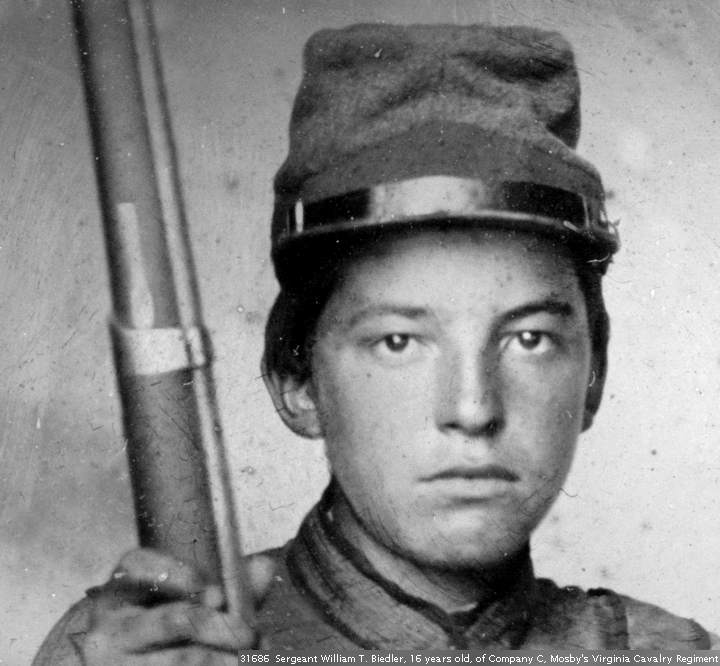
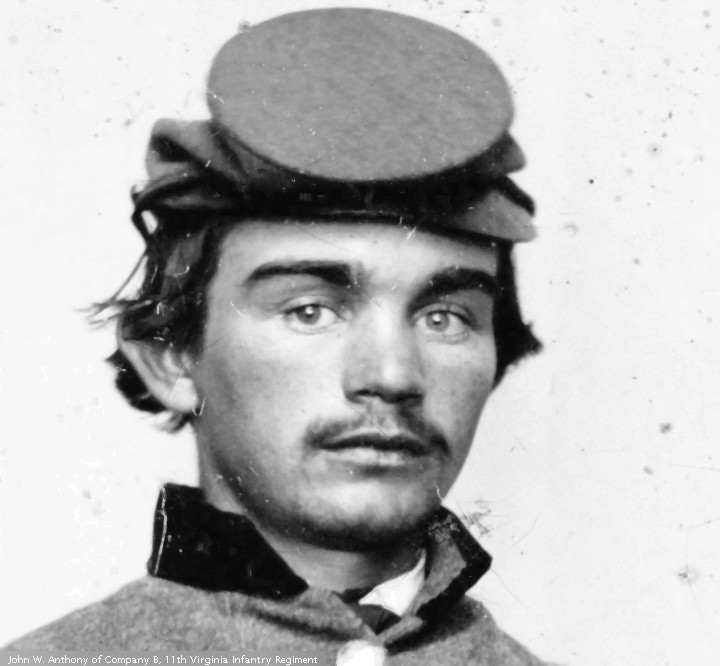
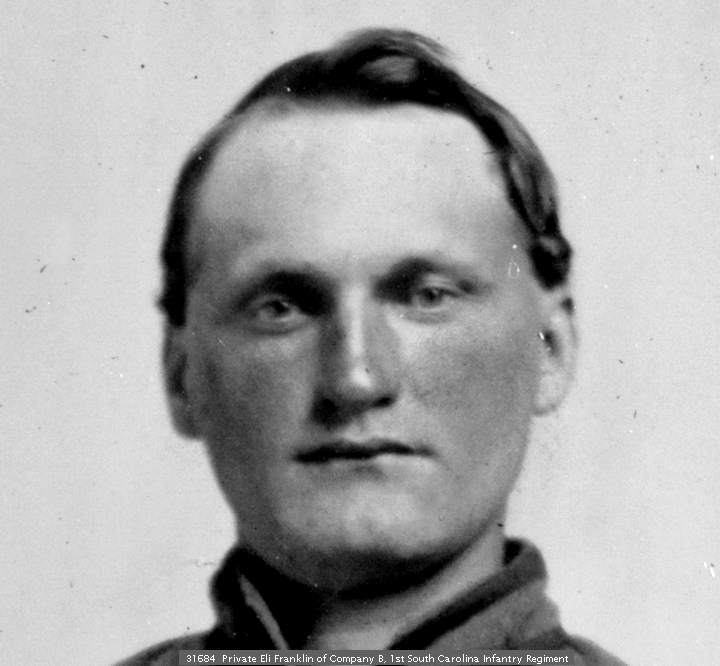
Pictures today are from The Library of Congress. The men pictured are Confederate soldiers, from The War Between the States.

Hawaiian Good Luck Sign

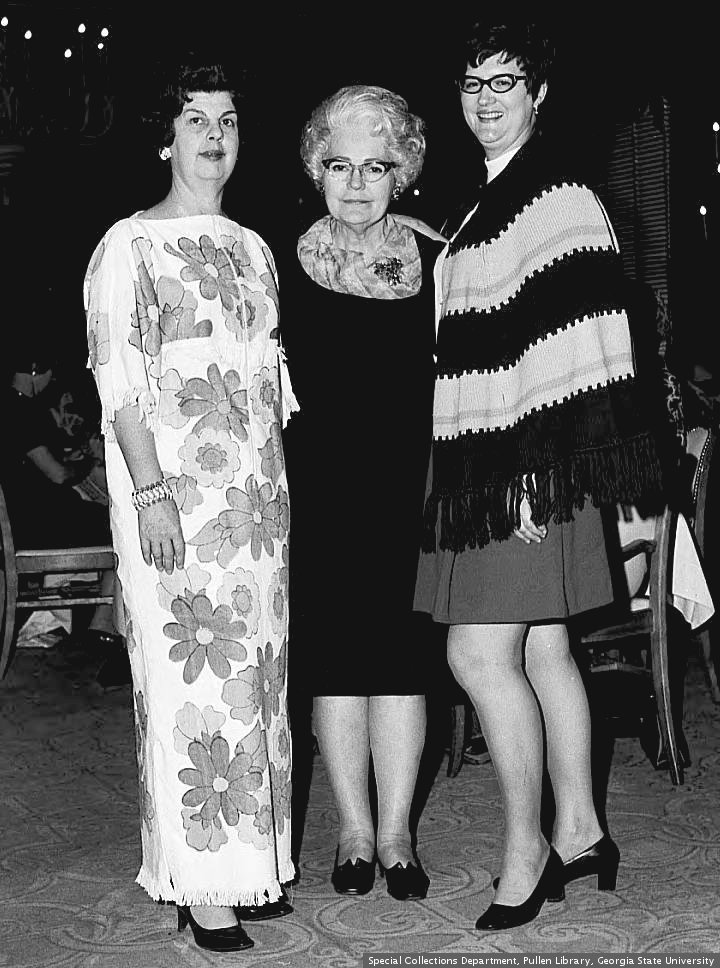

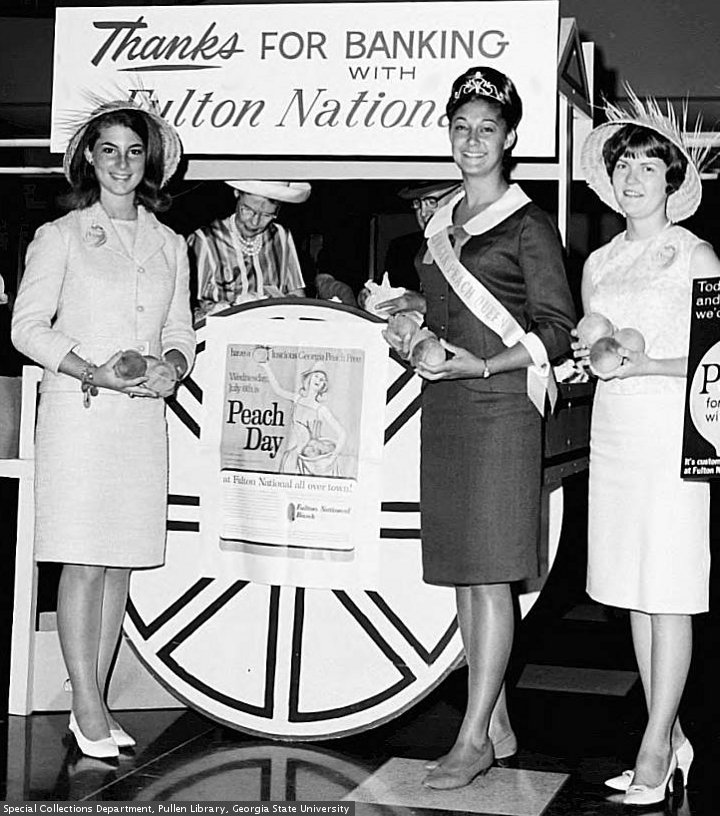

Dear Grand-daughter, The other day I went up to our local Christian book store and saw a ‘Honk if you love Jesus’ bumper sticker . I was feeling particularly sassy that day because I had just come from a thrilling choir performance, followed by a thunderous prayer meeting.
So, I bought the sticker and put it on my bumper. Boy, am I glad I did; what an uplifting experience that followed. I was stopped at a red light at a busy intersection, just lost in thought about the Lord and how good he is, and I didn’t notice that the light had changed. It is a good thing someone else loves Jesus because if he hadn’t honked, I’d never have noticed. I found that lots of people love Jesus!
While I was sitting there, the guy behind started honking like crazy, and then he leaned out of his window and screamed, ‘For the love of God!’ ‘Go! Go! Go! Jesus Christ, GO!’ What an exuberant cheerleader he was for Jesus! Everyone started honking! I just leaned out my window and started waving and smiling at all those loving people. I even honked my horn a few times to share in the love!
There must have been a man from Florida back there because I heard him yelling something about a sunny beach. I saw another guy waving in a funny way with only his middle finger stuck up in the air. I asked my young teenage grandson in the back seat what that meant. He said it was probably a Hawaiian good luck sign or something. Well, I have never met anyone from Hawaii , so I leaned out the window and gave him the good luck sign right back. My grandson burst out laughing. Why even he was enjoying this religious experience!! Praise the Lord!!!
A couple of the people were so caught up in the joy of the moment that they got out of their cars and started walking towards me. I bet they wanted to pray or ask what church I attended, but this is when I noticed the light had changed. So, grinning, I waved at all my brothers and sisters, and drove on through the intersection. I noticed that I was the only car that got through the intersection before the light changed again and felt kind of sad that I had to leave them after all the love we had shared.
So I slowed the car down, leaned out the window and gave them all the Hawaiian good luck sign one last time as I drove away. Praise the Lord for such wonderful folks!! Will write again soon, Love, Grandma. This repost is written like J. D. Salinger. Pictures are from “The Special Collections and Archives, Georgia State University Library”.



Who Invented The Word Racism? Part Two


Last week this blog ran a story about the word racism. The story stated that the earliest use of the r-word was 1932. A comment led to The Ugly, Fascinating History Of The Word ‘Racism.’ Apparently, Col. Richard Henry Pratt used the word in 1902.
“The Oxford English Dictionary’s first recorded utterance of the word racism was by a man named Richard Henry Pratt in 1902. “Segregating any class or race of people apart from the rest of the people kills the progress of the segregated people or makes their growth very slow. Association of races and classes is necessary to destroy racism and classism.” Col. Pratt was speaking at the Lake Mohonk Conference of Friends of the American Indian.
It is always good to check out the context. Col. Pratt spoke at the Fourth session, Thursday Night, October 23, 1902. The event was well documented. There are some other noteworthy quotes.
“We have brought into our national life nearly forty times as many negroes as there are Indians in the United States. They are not all together citizen and equal yet, but they are with us and of us; distributed among us, coming in contact with us constantly, they have lost their many languages and their old life, and have accepted our language and our life and become a valuable part of our industrial forces.” The text capitalizes Indian, and presents Negro in lower case.
“It is the greatest possible wrong to prolong their Indianism, whether we do it for humanitarian or so-called scientific reasons. … The ethnologists prefer the Indian kept in his original paint and feathers, and as part and parcel of every exposition on that line. … It will be a happy day for the Indians when their ethnological value is of no greater importance than that of the negro and other races which go to make up our population.”
Col. Pratt “is best known as the founder and longtime superintendent of the Carlisle Indian Industrial School at Carlisle, PA.” While progressive for the times, many of the school’s policies were harsh.
“He pushed for the total erasure of Native cultures among his students. … The students’ native tongues were strictly forbidden — a rule that was enforced through beating. Since they were rounded up from different tribes, the only way they could communicate with each other at the schools was in English. … “In Indian civilization I am a Baptist,” Pratt once told a convention of Baptist ministers, “because I believe in immersing the Indians in our civilization and when we get them under, holding them there until they are thoroughly soaked.” … Pratt also saw to it that his charges were Christianized. Carlisle students had to attend church each Sunday, although he allowed each student to choose the denomination to which she would belong.” Carlisle closed in 1918.
“In 1875, Captain Richard Pratt escorted 72 Indian warriors suspected of murdering white settlers to Fort Marion in St. Augustine, FL. Once there, Pratt began an ambitious experiment which involved teaching the Indians to read and write English, putting them in uniforms and drilling them like soldiers. … News of Pratt’s experiment spread. With the blessing of Congress, Pratt expanded his program by establishing the Carlisle School for Indian Students to continue his “civilizing” mission. Although liberal policy for the times, Pratt’s school was a form of cultural genocide. The schools continued into the ’30s until administrators saw that the promised opportunities for Indian students would not materialize, theat they would not become “imitation white men.”
“Beginning in 1887, the federal government attempted to “Americanize” Native Americans, largely through the education of Native youth. By 1900 thousands of Native Americans were studying at almost 150 boarding schools around the United States. The U.S. Training and Industrial School, founded in 1879 at Carlisle Barracks, was the model for most of these schools. Boarding schools like Carlisle provided vocational and manual training and sought to systematically strip away tribal culture. They insisted that students drop their Indian names, forbade the speaking of native languages, and cut off their long hair.” As Col. Pratt said at the LMCFAI, “I also endorse the Commissioner’s short hair order. It is good because it disturbs old savage conditions.”
Col. Pratt was known for saying “Kill the Indian, and Save the Man” He probably meant that you should destroy the native culture, so the man inside could flourish. It is easy to misunderstand this type of rhetoric. The source of this phrase: “Official Report of the Nineteenth Annual Conference of Charities and Correction (1892), 46–59. Reprinted in Richard H. Pratt, “The Advantages of Mingling Indians with Whites,” Americanizing the American Indians: Writings by the “Friends of the Indian” 1880–1900 (Harvard University Press, 1973), 260–271.” There are some tasteful quotes.
“Inscrutable are the ways of Providence. Horrible as were the experiences of its introduction, and of slavery itself, there was concealed in them the greatest blessing that ever came to the Negro race—seven millions of blacks from cannibalism in darkest Africa to citizenship in free and enlightened America; not full, not complete citizenship, but possible—probable—citizenship.” Col. Pratt used African Americans as an example of how to assimilate Native Americans.
“The five civilized tribes of the Indian Territory—Cherokees, Choctaws, Chickasaws, Creeks, and Seminoles—have had tribal schools until it is asserted that they are civilized; yet they have no notion of joining us and becoming a part of the United States. Their whole disposition is to prey upon and hatch up claims against the government, and have the same lands purchased and repurchased and purchased again, to meet the recurring wants growing out of their neglect and inability to make use of their large and rich estate.”
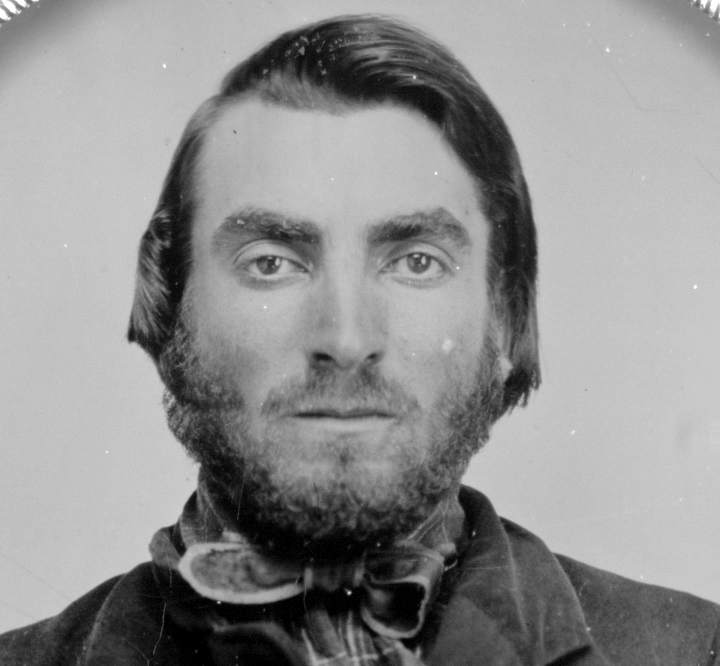
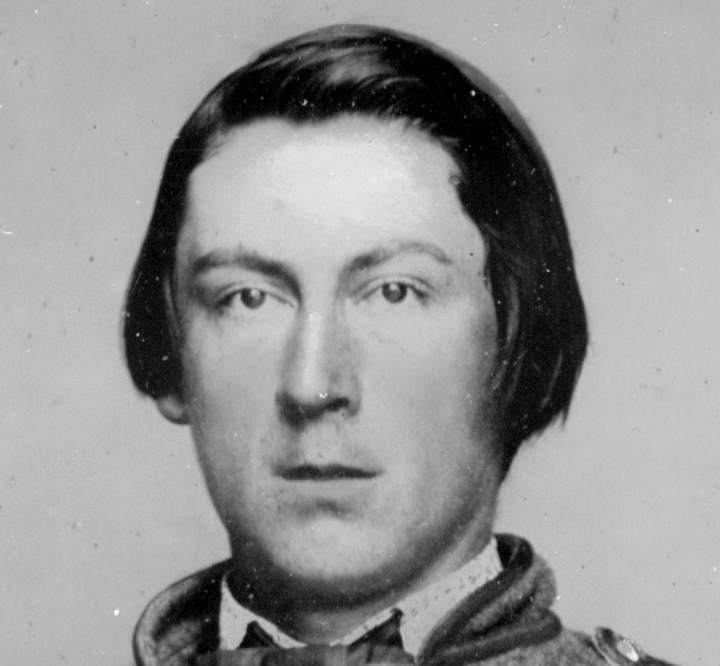
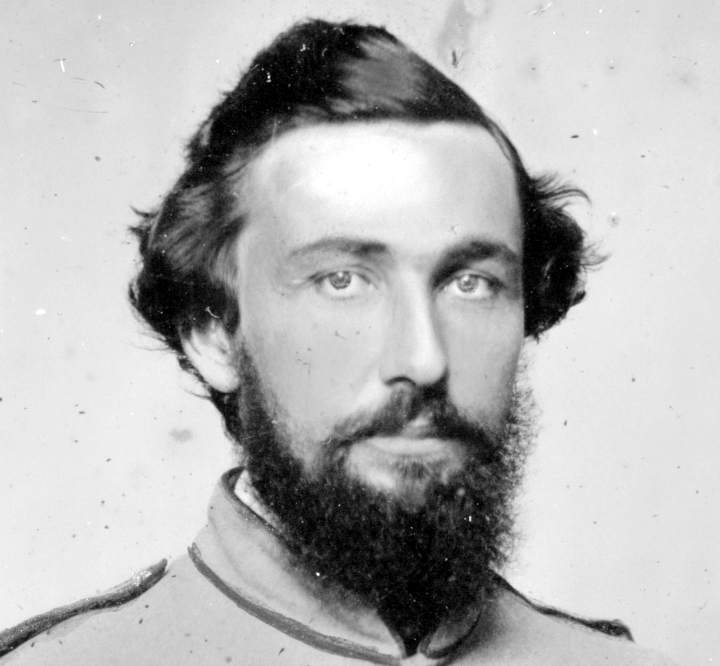
The best known student at the Carlisle School was Jim Thorpe, coached by Pop Warner. Wa-thohuck was born May 28, 1888, near Prague OK, into the Sauk and Fox Nation. He won gold medals in the pentathlon, and decathlon, at the 1912 Olympic Games in Stockholm, Sweden. It later came out that he had been paid to play semi-pro baseball, and was not an amateur. The gold medals had to be forfeited. Pictures today are from The Library of Congress.
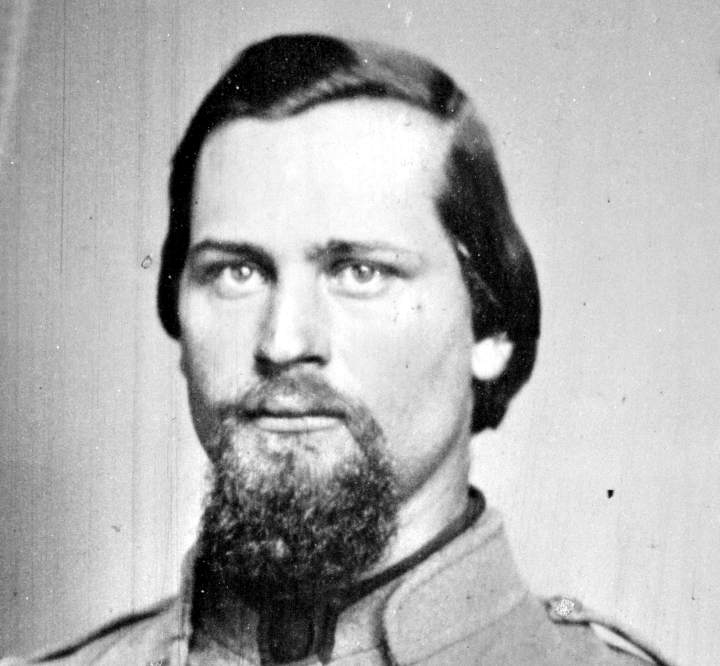
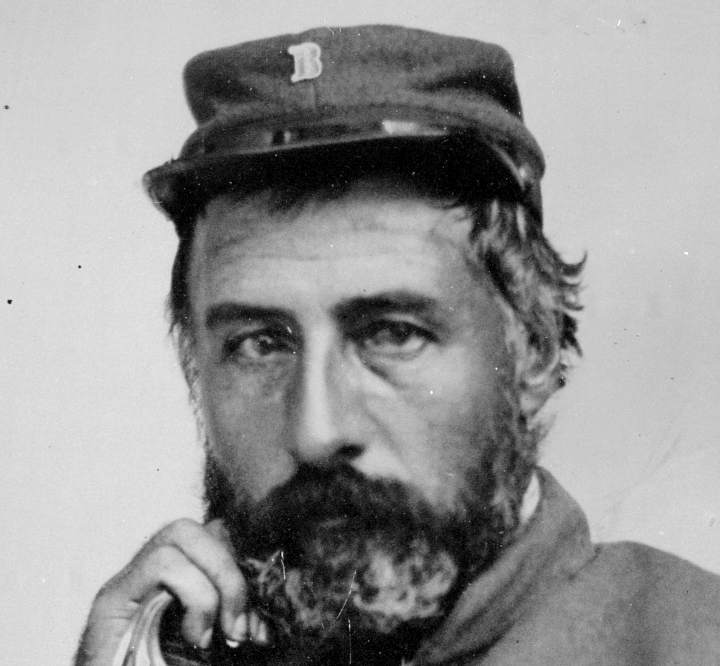

Who Invented The Word Racism?


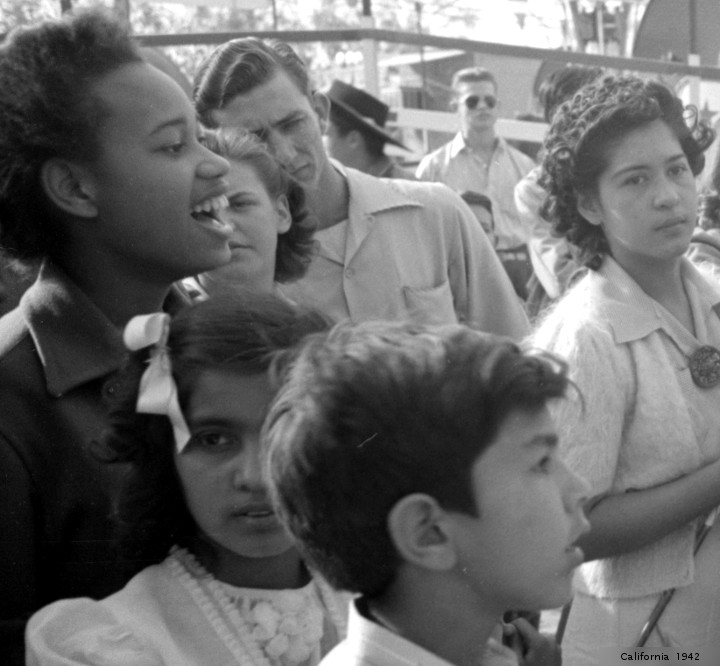



Writers tackle was rampaging through Brookhaven. PG looked in a list of old product, and found a feature built on the output of Teju Cole. He has a dandy article, at the New Yorker, about what is antiseptically called drone warfare. It is the twitter feed that gets attention. This is a repost.
@tejucole George Carlin’s original seven dirty words can all be said freely now. The one word you can’t say, and must never print, is “racist.”
The quote marks lend mystery to the tweet. Does he mean the dreaded “n word”? Or does he mean that other six letter slur? There is no shortage of people screaming racist in Georgia, often at the slightest provocation. There is an attitude that racism is the worst thing you can be accused of. Once accused, you are guilty until proven innocent. If you do a bit of research into racism, the word, you will see some interesting things.
The concept of populations not getting along is as old as mankind. The word racism apparently did not exist before 1933 (merriam webster), or 1936 (dictionary dot com). (In 2020, both of these sources have updated their notes, on the original use of the word “racism.”)
Something called the Vanguard News Network had a forum once, What is the true origin of the term racism? This forum is problematic, as VNN seems to be a white supremacist affair. One of the reputed coiners of the R word was Leon Trotsky, also referred to as Jew Communist. Another Non English speaker who is given “credit” for originating the phrase is Magnus Hirschfeld. As for English, the word here is: “American author Lawrence Dennis was the first to use the word, in English, in his 1936 book “The coming American fascism”.”
The terms racist and racism seem to be used interchangeably in these discussions. This is in keeping with the modern discussion. As Jesus worshipers like to say, hate the sin, love the sinner.
The Online Etymology Dictionary has this to add: “racist 1932 as a noun, 1938 as an adjective, from race (n.2); racism is first attested 1936 (from French racisme, 1935), originally in the context of Nazi theories. But they replaced earlier words, racialism (1871) and racialist (1917), both often used early 20c. in a British or South African context. In the U.S., race hatred, race prejudice had been used, and, especially in 19c. political contexts, negrophobia.”
Pictures are from The Library of Congress. Part two is now available.





 Chamblee54
leave a comment