If America Is So Racist


This is a repost from 2017. …. Lots of smart people have been writing about the 2016 election. One popular line of thought is that Donald Trump won the electoral vote because of racism. There are numerous studies that indicate this. This feature will not quote, or link to, these articles. The bottom line is that DJT was labeled racist, and enough voters either liked it to win the election.
There is a problem with this line of reasoning. In 2008 and 2012, the same population elected a dark skinned man. If America is so racist, why did Barack Obama win the Presidency twice? There is something not quite adding up here.
One possibility is show business. BHO was clearly a better performer than John McCain, or Mitt Romney. DJT is much more entertaining that Hillary Clinton. Some fuddy duddy purists talk about issues, when the voting public is clearly superficial.
Another option may be the way Democrats dealt with racial attitudes. HRC called DJT’s actions racist. If BHO did the same against his opponents, it did not get much attention. The supporters of HRC said repeatedly that anyone who votes for DJT is a racist. It is unlikely that anyone said that anyone voting for Mr. Romney, or Mr. McCain, was a racist.
There is an urban-rural divide in America. Many people face tough economic times, and resent what they perceive to be a liberal elite. The reaction of the liberal elite is to label this resentment as racism. While racial attitudes may be part of the problems in rural America, it is far from the entire story.
It would have been better for HRC to win ugly, than to allow DJT to win. She handed millions of votes to DJT by labeling people as deplorables. Barack Obama won the support of many deplorables. Maybe BHO is just a better politician than HRC.
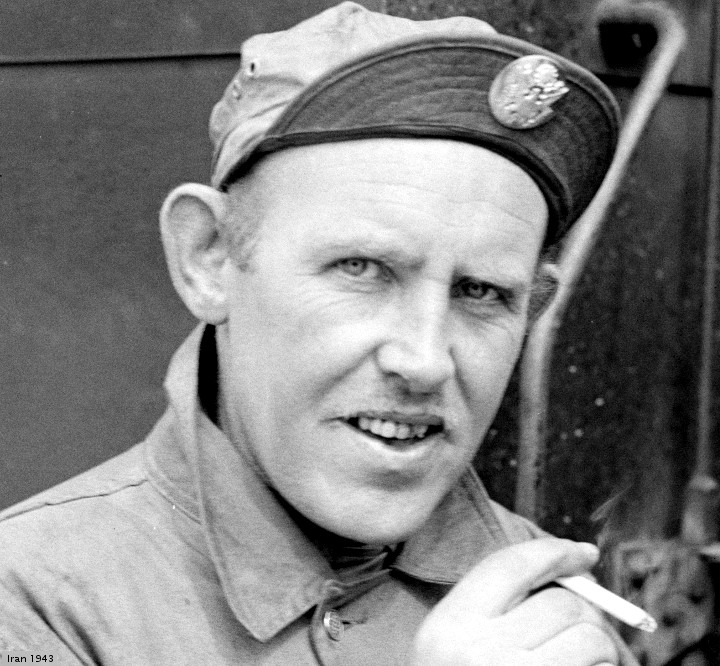
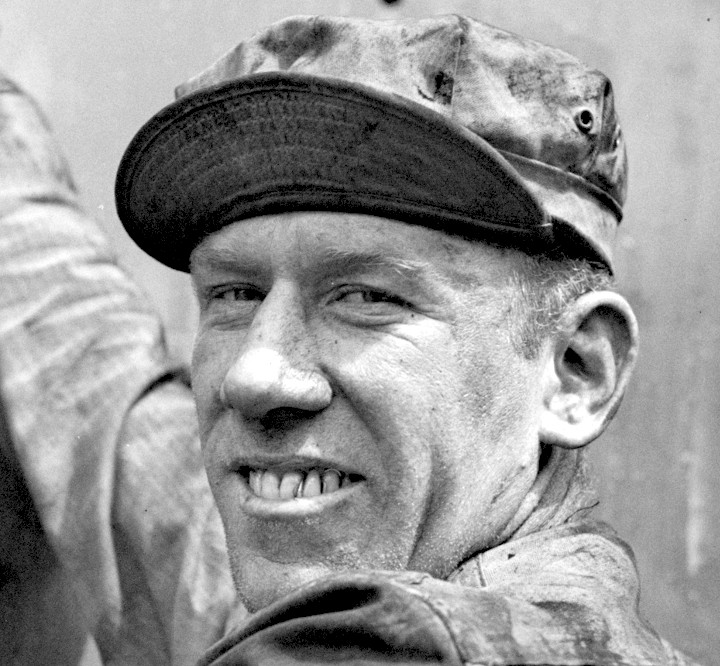
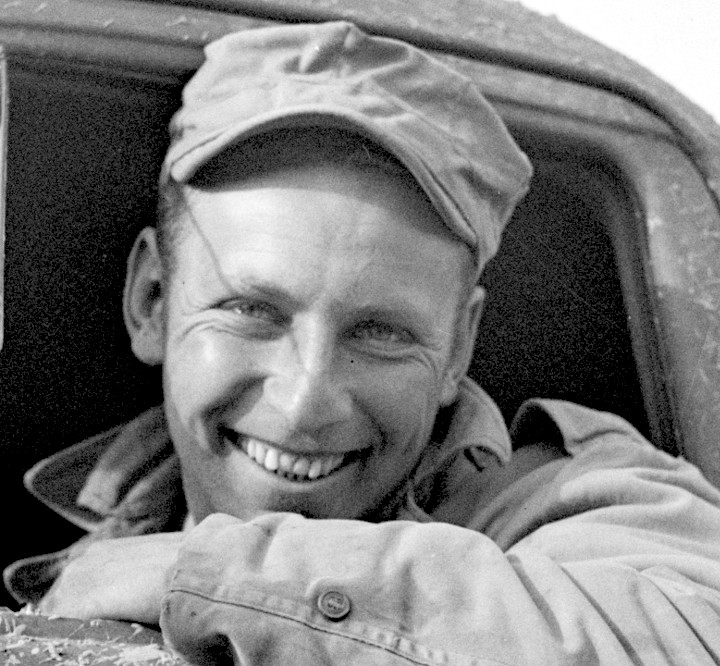
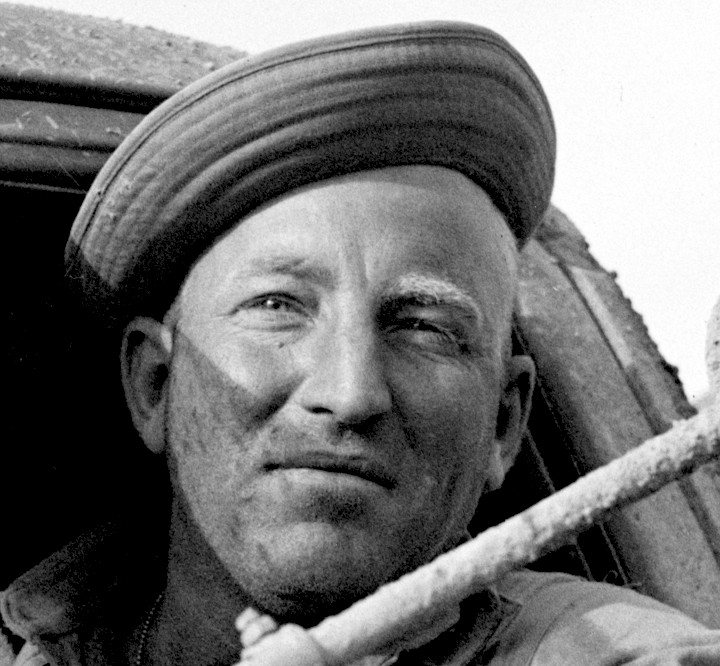
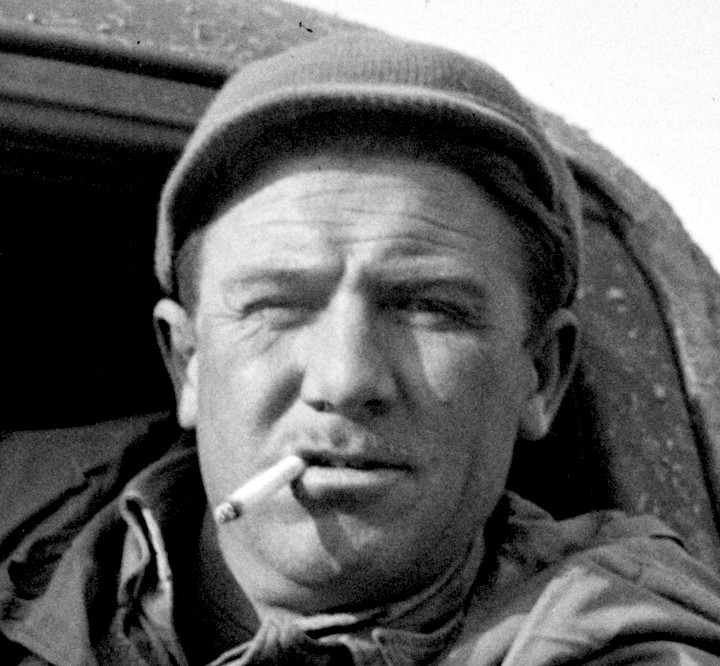
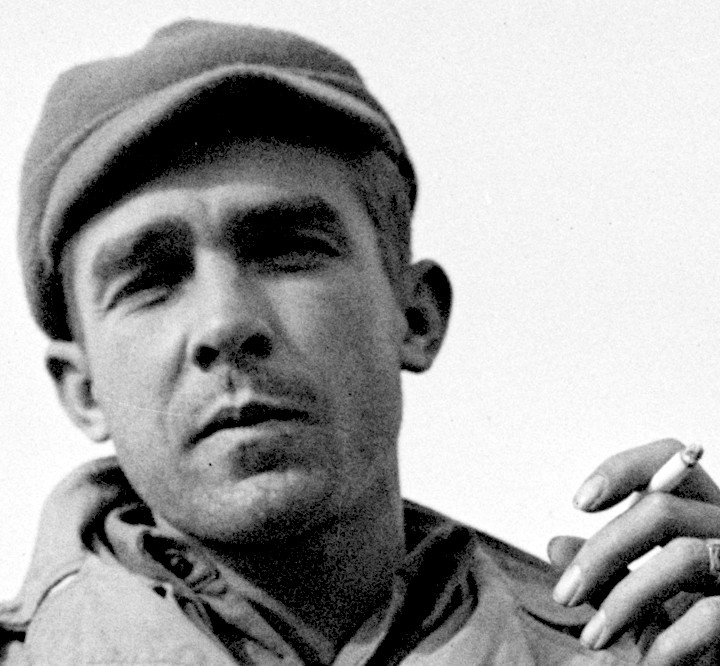
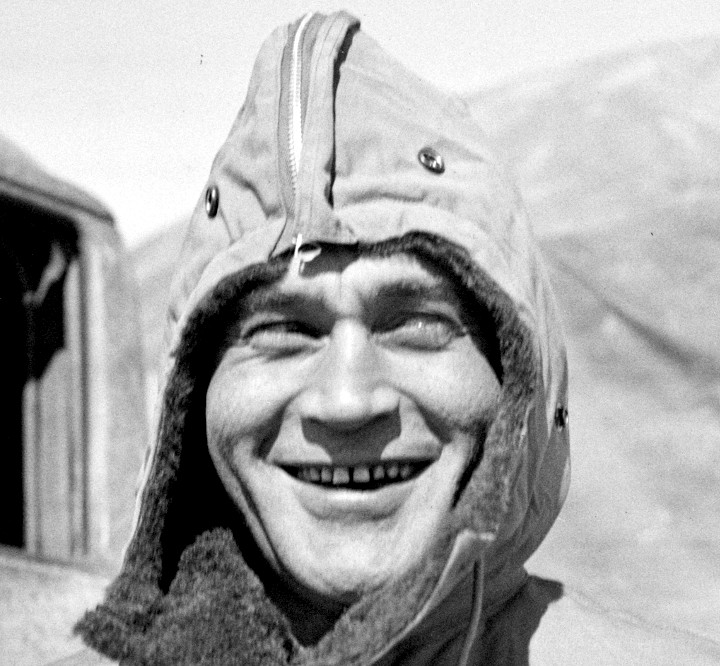
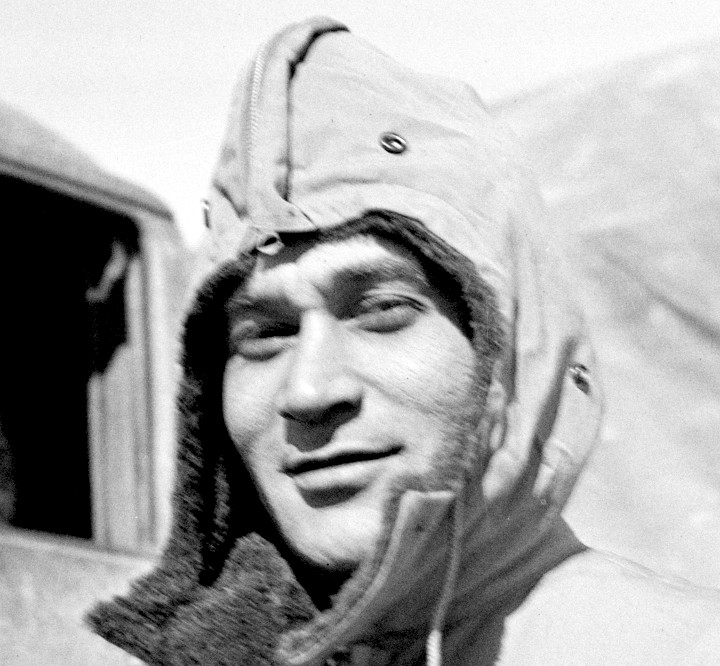
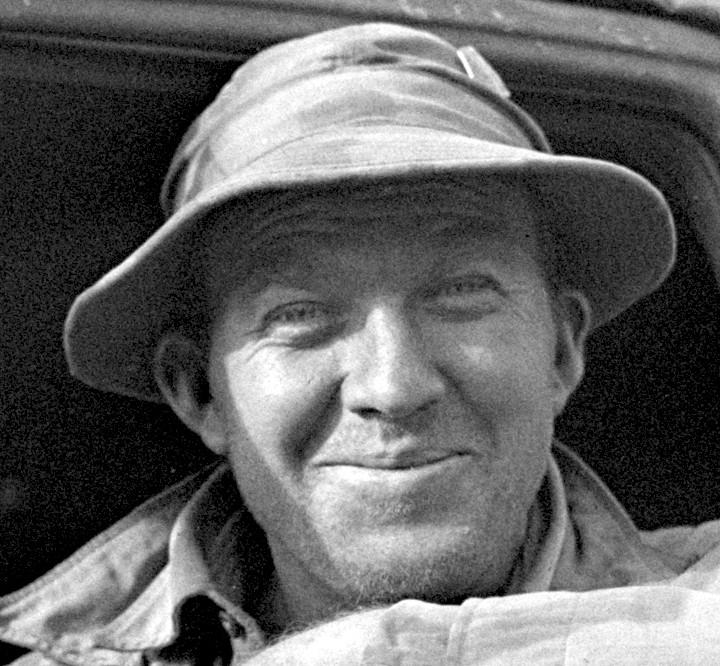
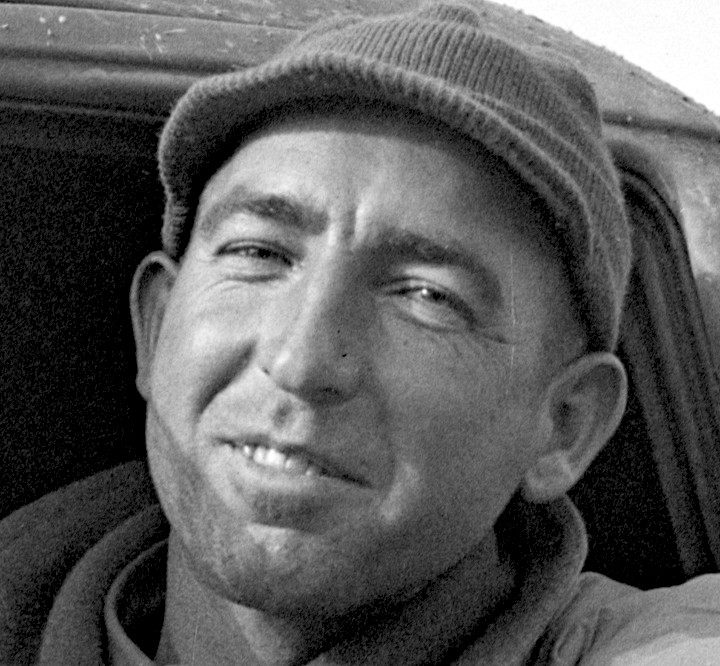
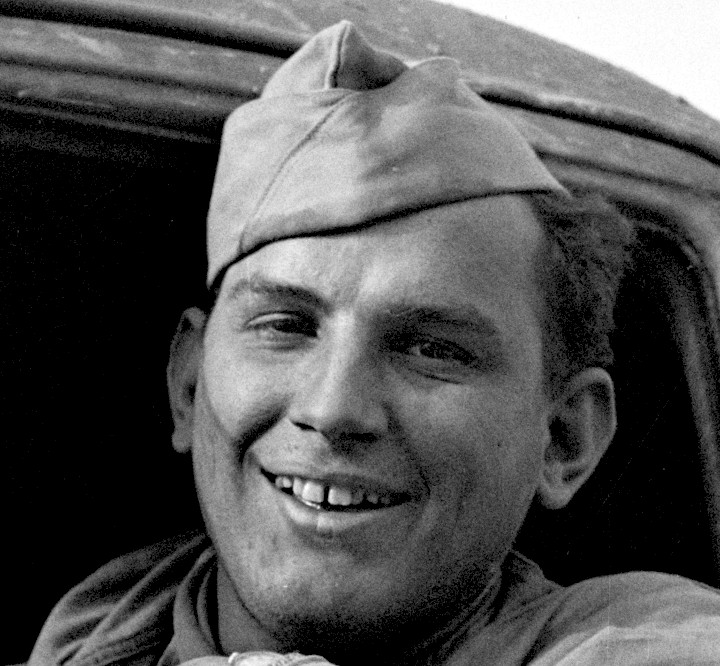
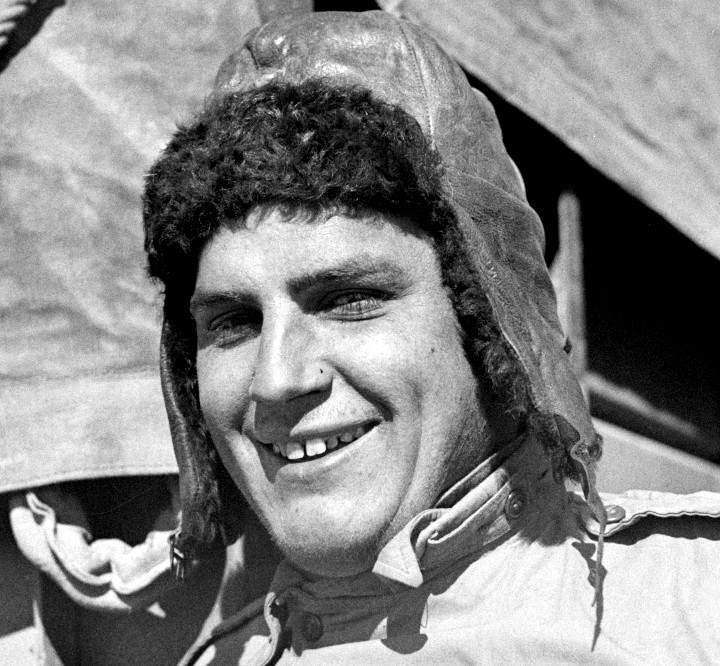
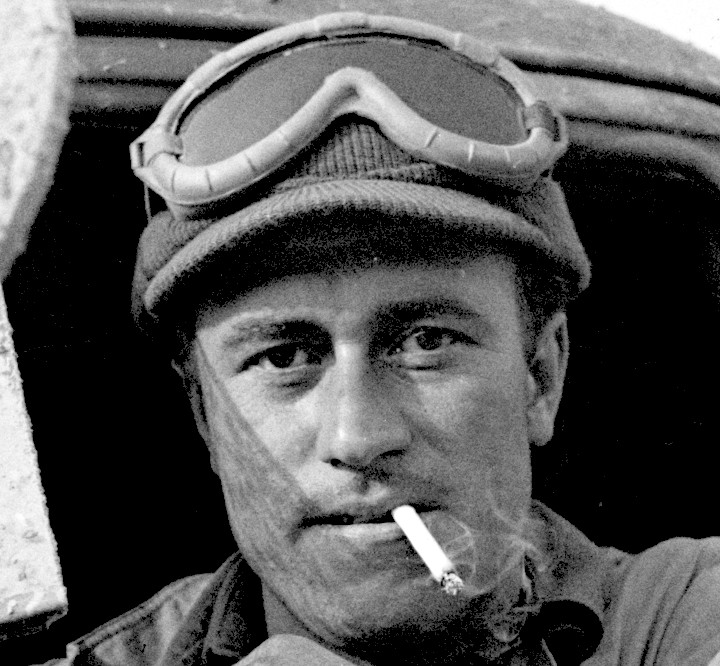
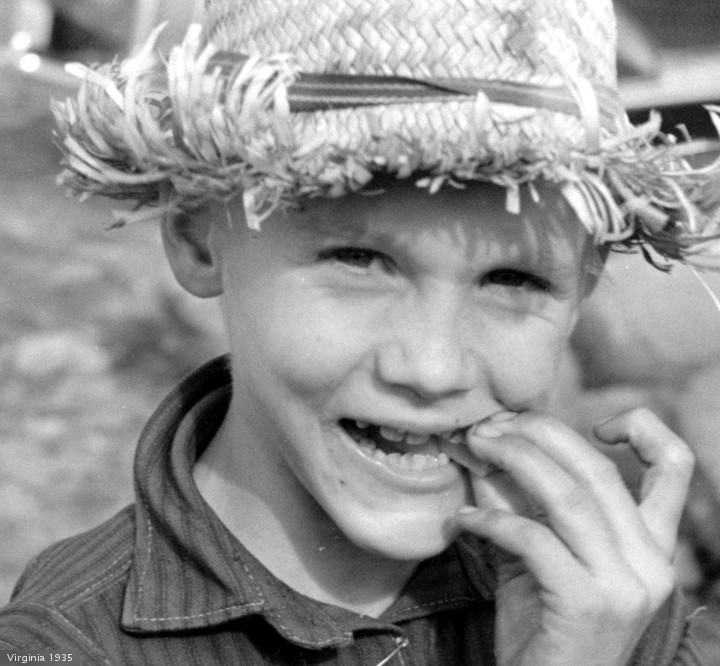
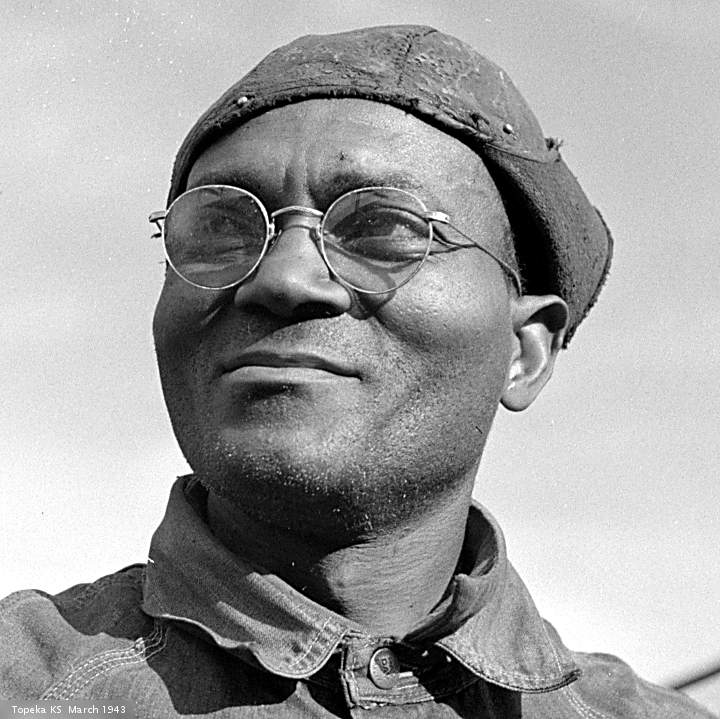
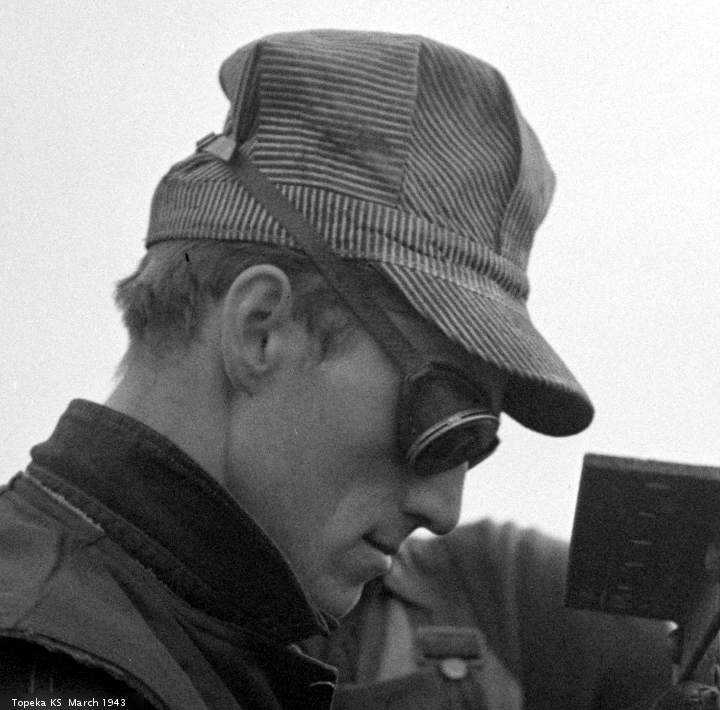
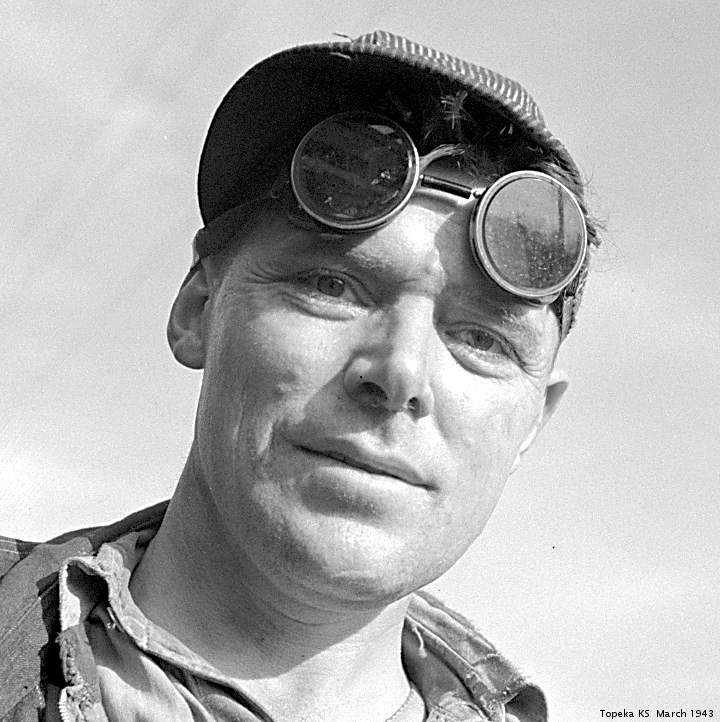
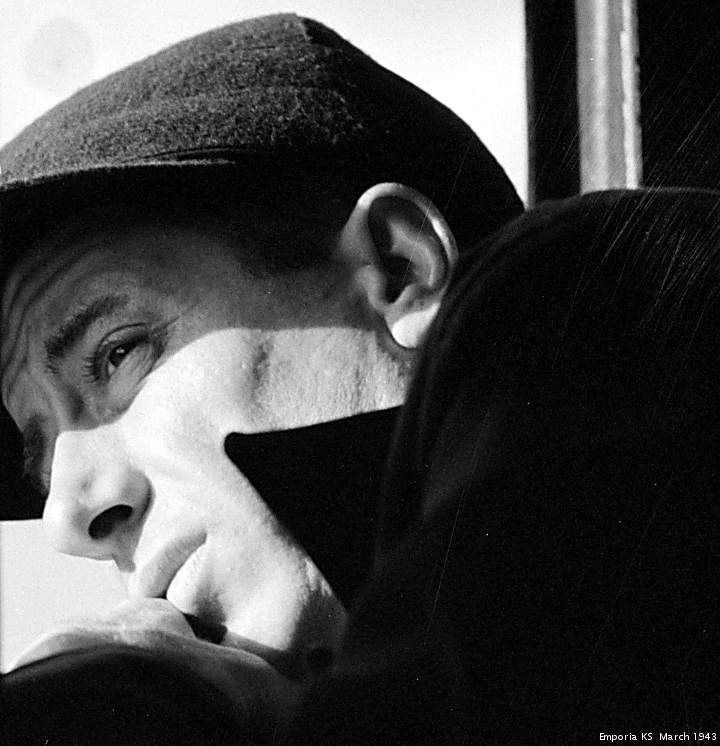
Pictures today are from The Library of Congress. Nick Parrino took the pictures in 1943. The men were Army truck drivers, many stationed “somewhere in Iran.”
Inventing The Word Racism




Writers tackle was rampaging through Brookhaven. PG looked in a list of old product, and found a feature built on the output of Teju Cole. He has a dandy article, at the New Yorker, about what is antiseptically called drone warfare. It is the twitter feed that gets attention. This is a repost.
@tejucole George Carlin’s original seven dirty words can all be said freely now. The one word you can’t say, and must never print, is “racist.”
The quote marks lend mystery to the tweet. Does he mean the dreaded “n word”? Or does he mean that other six letter slur? There is no shortage of people screaming racist in Georgia, often at the slightest provocation. There is an attitude that racism is the worst thing you can be accused of. Once accused, you are guilty until proven innocent. If you do a bit of research into racism, the word, you will see some interesting things.
The concept of populations not getting along is as old as mankind. The word racism apparently did not exist before 1933 (merriam webster), or 1936 (dictionary dot com). (In 2020, both of these sources have updated their notes, on the original use of the word “racism.”)
Something called the Vanguard News Network had a forum once, What is the true origin of the term racism? This forum is problematic, as VNN seems to be a white supremacist affair. One of the reputed coiners of the R word was Leon Trotsky, also referred to as Jew Communist. Another Non English speaker who is given “credit” for originating the phrase is Magnus Hirschfeld. As for English, the word here is: “American author Lawrence Dennis was the first to use the word, in English, in his 1936 book “The coming American fascism”.”
The terms racist and racism seem to be used interchangeably in these discussions. This is in keeping with the modern discussion. As Jesus worshipers like to say, hate the sin, love the sinner.
The Online Etymology Dictionary has this to add: “racist 1932 as a noun, 1938 as an adjective, from race (n.2); racism is first attested 1936 (from French racisme, 1935), originally in the context of Nazi theories. But they replaced earlier words, racialism (1871) and racialist (1917), both often used early 20c. in a British or South African context. In the U.S., race hatred, race prejudice had been used, and, especially in 19c. political contexts, negrophobia.”
Pictures are from The Library of Congress. Part two is now available.


Last week this blog ran a story about the word racism. The story stated that the earliest use of the r-word was 1932. A comment led to The Ugly, Fascinating History Of The Word ‘Racism.’ Apparently, Col. Richard Henry Pratt used the word in 1902.
“The Oxford English Dictionary’s first recorded utterance of the word racism was by a man named Richard Henry Pratt in 1902. “Segregating any class or race of people apart from the rest of the people kills the progress of the segregated people or makes their growth very slow. Association of races and classes is necessary to destroy racism and classism.” Col. Pratt was speaking at the Lake Mohonk Conference of Friends of the American Indian.
It is always good to check out the context. Col. Pratt spoke at the Fourth session, Thursday Night, October 23, 1902. The event was well documented. There are some other noteworthy quotes.
“We have brought into our national life nearly forty times as many negroes as there are Indians in the United States. They are not all together citizen and equal yet, but they are with us and of us; distributed among us, coming in contact with us constantly, they have lost their many languages and their old life, and have accepted our language and our life and become a valuable part of our industrial forces.” The text capitalizes Indian, and presents Negro in lower case.
“It is the greatest possible wrong to prolong their Indianism, whether we do it for humanitarian or so-called scientific reasons. … The ethnologists prefer the Indian kept in his original paint and feathers, and as part and parcel of every exposition on that line. … It will be a happy day for the Indians when their ethnological value is of no greater importance than that of the negro and other races which go to make up our population.”
Col. Pratt “is best known as the founder and longtime superintendent of the Carlisle Indian Industrial School at Carlisle, PA.” While progressive for the times, many of the school’s policies were harsh.
“He pushed for the total erasure of Native cultures among his students. … The students’ native tongues were strictly forbidden — a rule that was enforced through beating. Since they were rounded up from different tribes, the only way they could communicate with each other at the schools was in English. … “In Indian civilization I am a Baptist,” Pratt once told a convention of Baptist ministers, “because I believe in immersing the Indians in our civilization and when we get them under, holding them there until they are thoroughly soaked.” … Pratt also saw to it that his charges were Christianized. Carlisle students had to attend church each Sunday, although he allowed each student to choose the denomination to which she would belong.” Carlisle closed in 1918.
“In 1875, Captain Richard Pratt escorted 72 Indian warriors suspected of murdering white settlers to Fort Marion in St. Augustine, FL. Once there, Pratt began an ambitious experiment which involved teaching the Indians to read and write English, putting them in uniforms and drilling them like soldiers. … News of Pratt’s experiment spread. With the blessing of Congress, Pratt expanded his program by establishing the Carlisle School for Indian Students to continue his “civilizing” mission. Although liberal policy for the times, Pratt’s school was a form of cultural genocide. The schools continued into the ’30s until administrators saw that the promised opportunities for Indian students would not materialize, theat they would not become “imitation white men.”
“Beginning in 1887, the federal government attempted to “Americanize” Native Americans, largely through the education of Native youth. By 1900 thousands of Native Americans were studying at almost 150 boarding schools around the United States. The U.S. Training and Industrial School, founded in 1879 at Carlisle Barracks, was the model for most of these schools. Boarding schools like Carlisle provided vocational and manual training and sought to systematically strip away tribal culture. They insisted that students drop their Indian names, forbade the speaking of native languages, and cut off their long hair.” As Col. Pratt said at the LMCFAI, “I also endorse the Commissioner’s short hair order. It is good because it disturbs old savage conditions.”
Col. Pratt was known for saying “Kill the Indian, and Save the Man” He probably meant that you should destroy the native culture, so the man inside could flourish. It is easy to misunderstand this type of rhetoric. The source of this phrase: “Official Report of the Nineteenth Annual Conference of Charities and Correction (1892), 46–59. Reprinted in Richard H. Pratt, “The Advantages of Mingling Indians with Whites,” Americanizing the American Indians: Writings by the “Friends of the Indian” 1880–1900 (Harvard University Press, 1973), 260–271.” There are some tasteful quotes.
“Inscrutable are the ways of Providence. Horrible as were the experiences of its introduction, and of slavery itself, there was concealed in them the greatest blessing that ever came to the Negro race—seven millions of blacks from cannibalism in darkest Africa to citizenship in free and enlightened America; not full, not complete citizenship, but possible—probable—citizenship.” Col. Pratt used African Americans as an example of how to assimilate Native Americans.
“The five civilized tribes of the Indian Territory—Cherokees, Choctaws, Chickasaws, Creeks, and Seminoles—have had tribal schools until it is asserted that they are civilized; yet they have no notion of joining us and becoming a part of the United States. Their whole disposition is to prey upon and hatch up claims against the government, and have the same lands purchased and repurchased and purchased again, to meet the recurring wants growing out of their neglect and inability to make use of their large and rich estate.”
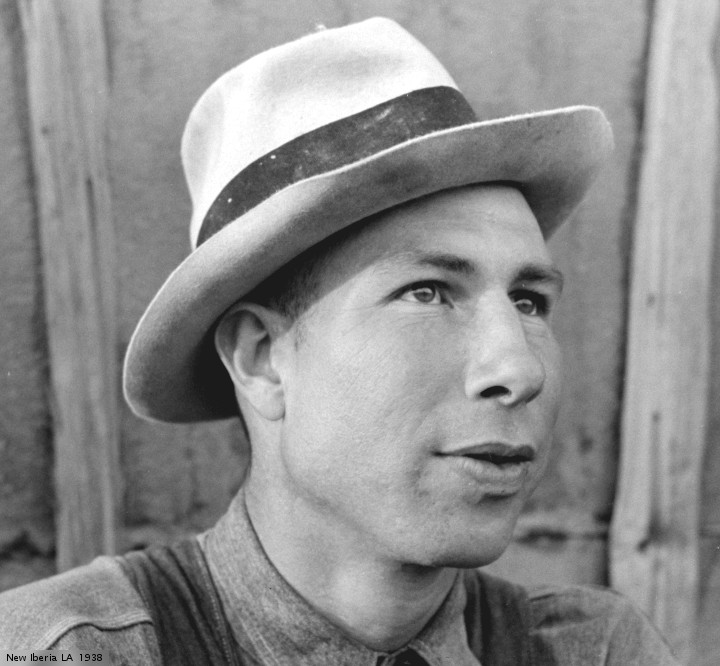
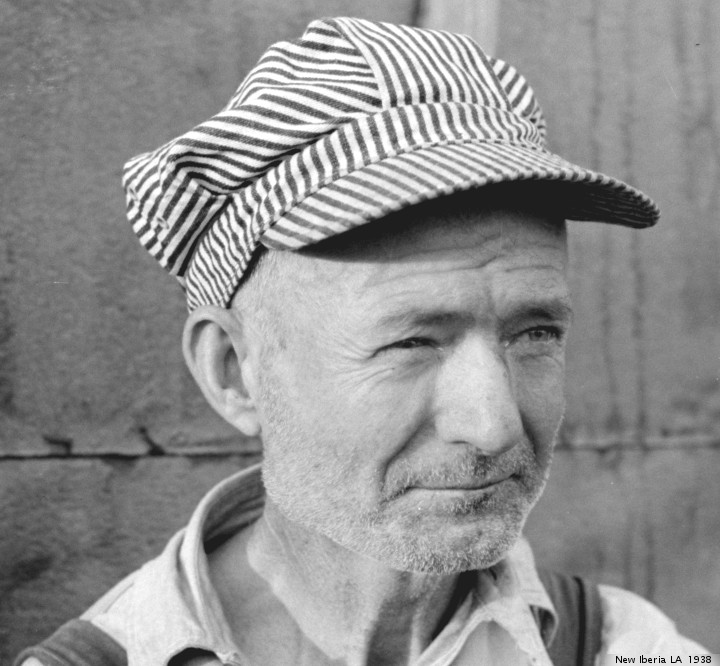
The best known student at the Carlisle School was Jim Thorpe, coached by Pop Warner. Wa-thohuck was born May 28, 1888, near Prague OK, into the Sauk and Fox Nation. He won gold medals in the pentathlon, and decathlon, at the 1912 Olympic Games in Stockholm, Sweden. It later came out that he had been paid to play semi-pro baseball, and was not an amateur. The gold medals had to be forfeited. Pictures today are from The Library of Congress.


Was Flannery O’Connor Racist?


How Racist Was Flannery O’Connor? appeared in The New Yorker on June 22, 2020. (Note the date) I had long been a fan of Mary Flannery O’Connor, and knew I could not un-read those stories. While researching a book report about a story collection, Everything That Rises Must Converge, I took another look at the cancellation.
The article begins by telling the Flannery story. Soon, a description of a movie, Flannery, yields a false note: “Erik Langkjær, a publishing sales rep O’Connor fell in love with, describes their drives in the country.” According to Flannery: A Life of Flannery O’Connor by Brad Gooch, Mr. Langkjær was far from a boyfriend. It is another piece of the puzzle.
“I was not really in love; I simply enjoyed the company of women during my lonely travels in the South. Although Flannery was both conventional and religious, we eventually became so close that she, while the car was parked, allowed me to kiss her. At that moment, her disease revealed itself in a new way: there was no strength in her lips. I hit her teeth with my kiss, and since then I’ve thought of it as a kiss of death. … When I later read one of Flannery’s short stories, ‘Good Country People,’ I noticed that the main character was a travelling Bible salesman. I didn’t sell bibles, but I used to call my binder with the records of the publishing firm ‘my bible.’ Also, the salesman in the story is named Manley Pointer, which has an obvious erotic connotation.”
Right after this paragraph, there is a break. “FEATURED VIDEO Protests of George Floyd’s Killing Transform Into a Global Movement” The article soon gets down with cancellation.
“Everything That Rises Must Converge was published in “Best American Short Stories” … O’Connor declared that it was all she had to say on “That Issue.” It wasn’t. In May, 1964, she wrote to her friend Maryat Lee, a playwright who … was ardent for civil rights.”
“About the Negroes, the kind I don’t like is the philosophizing prophesying pontificating kind, the James Baldwin kind. Very ignorant but never silent. Baldwin can tell us what it feels like to be a Negro in Harlem but he tries to tell us everything else too. M. L. King I dont think is the ages great saint but he’s at least doing what he can do & has to do. Don’t know anything about Ossie Davis except that you like him but you probably like them all. My question is usually would this person be endurable if white. If Baldwin were white nobody would stand him a minute. I prefer Cassius Clay. “If a tiger move into the room with you,” says Cassius, “and you leave, that dont mean you hate the tiger. Just means you know you and him can’t make out. Too much talk about hate.” Cassius is too good for the Moslems.” (James Baldwin probably agreed with MFO about “the Moslems.”)
“That passage, published in “The Habit of Being,” echoed a remark in a 1959 letter, also to Maryat Lee, who had suggested that Baldwin … could pay O’Connor a visit while on a subsequent reporting trip. O’Connor demurred: “No I can’t see James Baldwin in Georgia. It would cause the greatest trouble and disturbance and disunion. In New York it would be nice to meet him; here it would not. I observe the traditions of the society I feed on—it’s only fair. Might as well expect a mule to fly as me to see James Baldwin in Georgia. I have read one of his stories and it was a good one.” …
“After revising “Revelation” in early 1964, O’Connor wrote several letters to Maryat Lee. Many scholars maintain that their letters (often signed with nicknames) are a comic performance, with Lee playing the over-the-top liberal and O’Connor the dug-in gradualist, but O’Connor’s most significant remarks on race in her letters to Lee are plainly sincere. … May 3, 1964: “You know, I’m an integrationist by principle & a segregationist by taste anyway. I don’t like negroes. They all give me a pain and the more of them I see, the less and less I like them. Particularly the new kind.” Two weeks after that, she told Lee of her aversion to the “philosophizing prophesying pontificating kind.” Ravaged by lupus, she wrote Lee a note to say that she was checking in to the hospital, signing it “Mrs. Turpin.” She died at home ten weeks later.”
“Fordham University hosted a symposium on O’Connor and race, supported with a grant from the author’s estate.” (The panel discussion included Karin Coonrod.) “The organizer, Angela Alaimo O’Donnell” … (who wrote) “Radical Ambivalence: Race in Flannery O’Connor.” … takes up Flannery and That Issue. Proposing that O’Connor’s work is “race-haunted,” she applies techniques from whiteness studies and critical race theory …” In other words, The Flannery O’Connor Trust is financing a university to examine MFO, using “techniques from whiteness studies and critical race theory.” There is something deeply rotten about this.
Perhaps this cancellation business is what MFO foresaw in a 1963 letter to Betty Hester. MFO mentions her disdain for Eudora Welty’s “Where is the Voice Coming From?” … “What I hate most is its being in the New Yorker and all of the stupid Yankee liberals smacking their lips over typical life in the dear old dirty Southland.”
Eudora Welty is not the only author MFO did not like. MFO wrote to Maryat Lee on 31 May 60. “I hope you don’t have friends who recommend Ayn Rand to you. The fiction of Ayn Rand is as low as you can get re fiction. I hope you picked it up off the floor of the subway and threw it in the nearest garbage pail. She makes Mickey Spillane look like Dostoyevsky.”
“On July 28, 1964, Flannery wrote her last letter. This note to Maryat Lee, written in a “shaky, nearly illegible hand” … is in response to an anonymous crank call Lee received and reveals O’Connor’s deep concern for her friend’s well being: “Cowards can be just as vicious as those who declare themselves – more so. Dont take any romantic attitude toward that call. Be properly scared and go on doing what you have to do, but take the necessary precautions. And call the police. That might be a lead for them. Dont know when I’ll send those stories. I’ve felt too bad to type them. Cheers, Tarfunk” MFO died August 3, 1964 at Baldwin County Hospital.
We don’t know what MFO read by James Baldwin. It might include a 1962 piece in The New Yorker, Letter from a Region in My Mind. Included in those 22,147 words is this gem: “But white Americans do not believe in death, and this is why the darkness of my skin so intimidates them.” This might be a good time to remember the words of Alice Walker: “Take what you can use and let the rest rot.”
Ms. Walker is included in Flannery. “Alice Walker tells of living “across the way” from the farmhouse during her teens, not knowing that a writer lived there: “It was one of my brothers who took milk from her place to the creamery in town. When we drove into Milledgeville, the cows that we saw on the hillside going into town would have been the cows of the O’Connors.” Ms. Walker who was well aware of MFO’s racial attitudes, adds “She also cast spells and worked magic with the written word. The magic, the wit, and the mystery of Flannery O’Connor I know I will always love.”
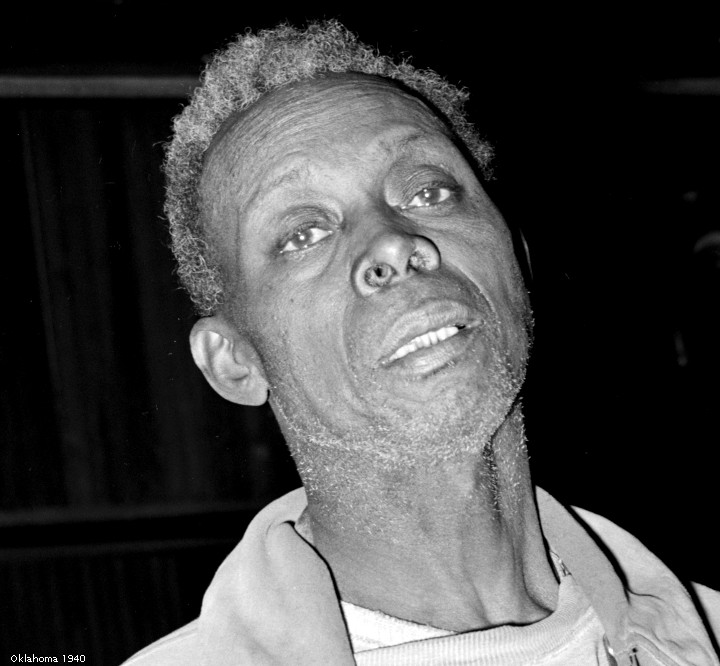
A lot of what is said here is taking MFO seriously, in spite of her racial attitudes. This is where I differ with The New Yorker. I am a cracker who likes to enjoy stories, not take them seriously. As a Georgia native, I am well aware of the many “shades of gray” produced by a black and white society. Racism is not a yes/no binary. MFO wrote great stories, in spite of, or maybe because of, her racial attitudes. To paraphrase Alice Walker, take what you need, and let whiteness studies and critical race theory rot. Pictures today are from The Library of Congress.


Loose Cannon





This is a repost from 2021. … Georgia Elections were thrown into chaos by covid 19. One of the results is SB 202. It makes changes in election law. This story details some of the changes. It appears that many of the hysterical “Jim Crow Voter Suppression” claims are exaggerated.
PG has his story from 2020. He applied for an absentee ballot in the July primary. An unsolicited AB was sent for the next three elections, along with dozens of unsolicited AB applications. SB 202 will prohibit this. How will not sending out unsolicited AB suppress the minority vote?
The NPR story does not mention AB applications requiring a copy of the voter’s ID. This requirement would impose a logistical burden on the counties, as well as inviting fraudulent ID copies. This requirement, if it is imposed, would be a mistake.
In some cases, voting is becoming easier. “Earlier law required three weeks of in-person early voting Monday through Friday, plus one Saturday, during “normal business hours. The new bill adds an extra Saturday, makes both Sundays optional for counties, and standardizes hours from 9 a.m. to 5 p.m. or as long as 7 a.m. to 7 p.m.”
Georgia being Georgia, SB 202 is getting screwed up. The Republicans are acting in a high-handed matter, and imposing foolish regulations. One of these is a ban on giving food and water to voters waiting in line. The Democrats are screaming RACISM at every opportunity. The public is being poorly served by the process. Many people are completely taken in by the RACISM rhetoric, and think anyone who does not drink the kool-aid is a RACIST.
SB 202 was passed, and the real fun begins. Usually, a bill being signed into law is a boring formality. Thursday was not. For some reason, Governor Brian Kemp signed SB 202 at the Capitol, immediately after passage. This may have been done as a gesture of disrespect to the race-baiting opposition.
State Representative Park Elizabeth Cannon decided to disrupt the bill signing. Rep. Cannon tried to get arrested February 26, but the State Patrol did not comply.
Rep. Cannon made a scene outside the bill-signing. We don’t know what the State Trooper said the her, or what happened before the video started. It is possible that Rep. Cannon had been threatening to disrupt the event. The unusual manner of the signing may have been a reaction to provocation by Rep. Cannon. This is not how government should be conducted.
The charges are on the Fulton County website. “EW-0324353 Willful Obstruction Of Law Enforcement Officers By Use Of Threats Or Violence – Felony … EW-0324354 Preventing Or Disrupting General Assembly Sessions Or Other Meetings Of Members; Etc. (3Rd Offense)” The site does not specify the first two offenses.
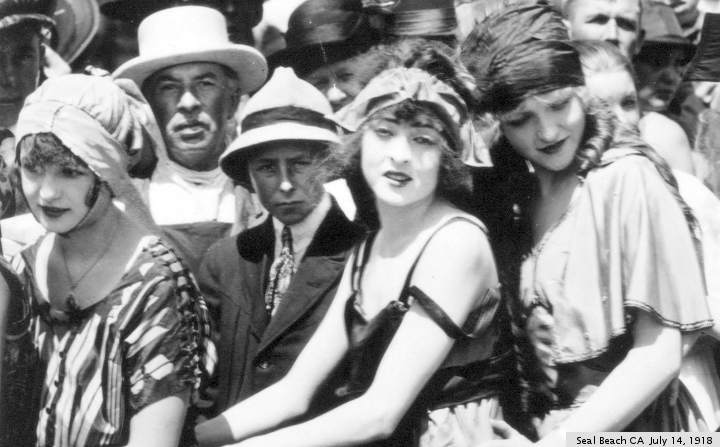
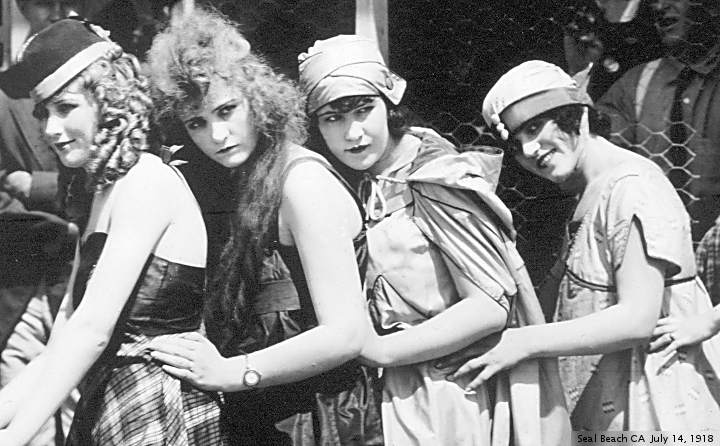
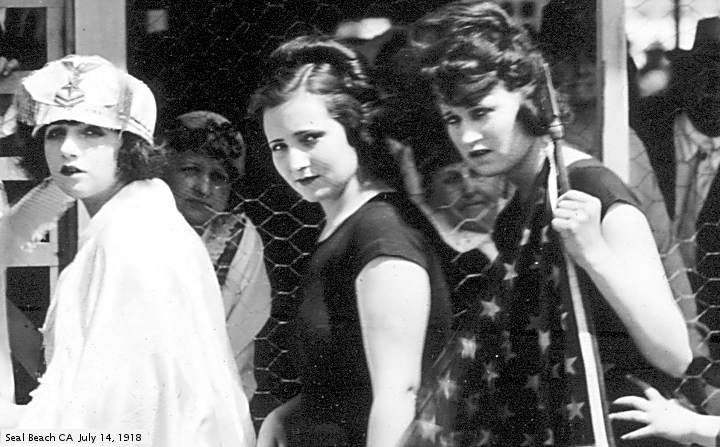
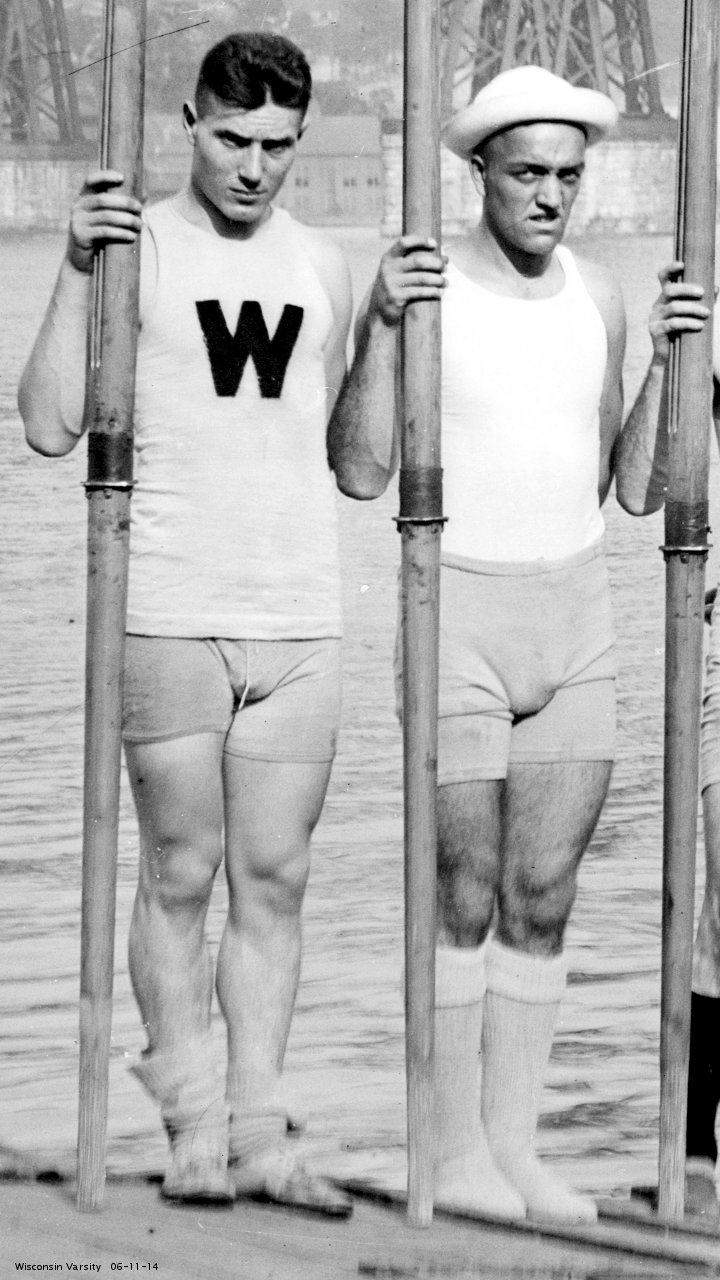
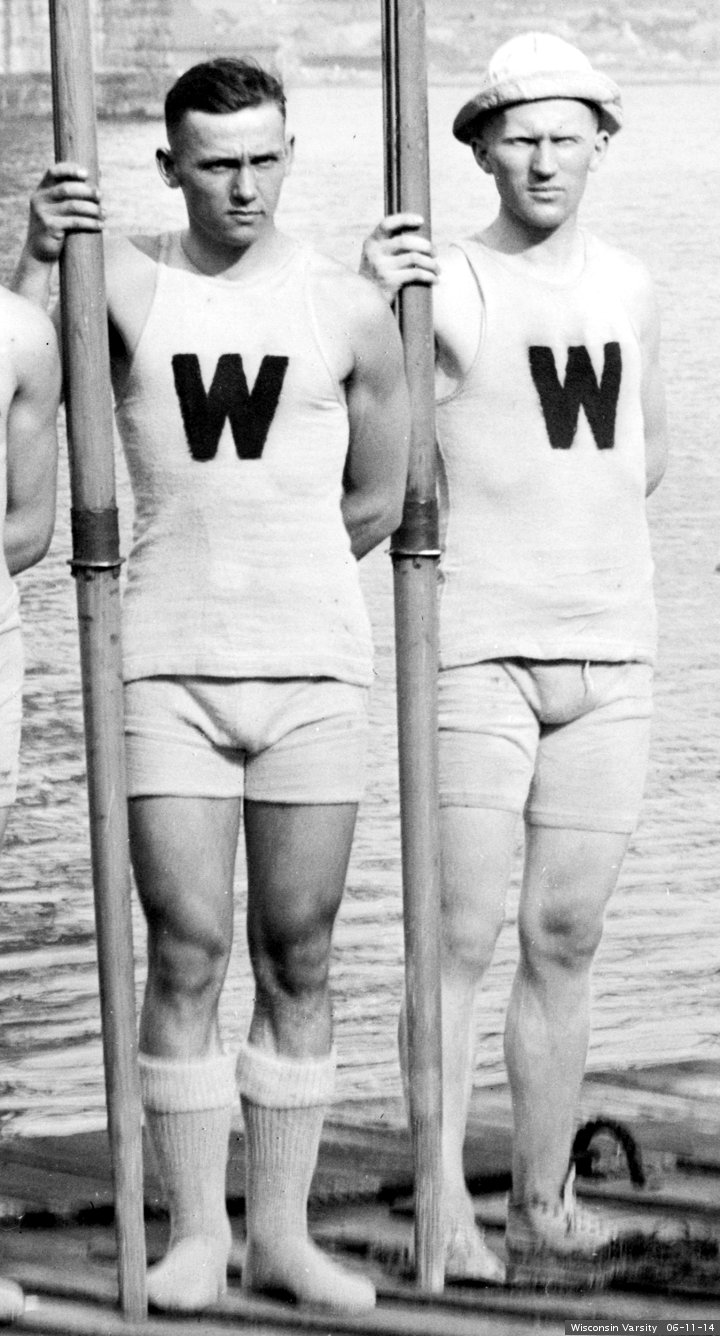
The matter is now in the courts … both the court of law, and the court of public opinion. Facebook has been full of nonsense, until the next media circus comes along. Pictures today are from The Library of Congress. Bath Suit Fashion Parade, Seal Beach, Cal., July 14, 1918, photographed by M.F. Weaver. WISC. Varsity, 1914, was photographed by Bain News Service.




Woke



@vanguard_pod “LOL: Briahna Joy Gray BREAKS the brain of Rising guest Bethany Mandel by asking her to define “wokeness”” Bethany Shondark Mandel (née Bethany Ann Horowitz) is promoting a book, Stolen Youth. “This book rides the wave of the “culture wars” to promote radical anti American ideals and facist propaganda. It is a sad commentary on the state of our civil discourse. Rather than reason the book uses fear to sell its nonsense. Just another right wing grift.”
Homeschool-six-kid-moms promote books on skype. Recently, this virtual book tour took BSM to Rising, a youtube show at The Hill tv. The full episode is tough to find. The bacterial clip starts with BSM saying “percent of Americans consider themselves very liberal probably fewer of them consider themselves to be woke.” (What is the source of “___ percent of Americans”?) At this point, host Briahna Joy Gray interrupts BSM, and asks her to define woke. BSM appears to be caught off guard, and stammers “this is going to be one of those moments that goes viral.” After a few moments, BSM says that woke is the effort to “redo society to create hierarchies of oppression.” We don’t know what happened after that, or who distributed the clip.
Was this an author melting down, or was it book publicity? It is tough to tell. What is clear is that people LOVE to talk about racism, at least more than they like to listen. The w-word is our current hot button expression, like CRT last year. “Woke” is an evolving term, which the user can define any way they like. Some take a pious view, and say that the w-word is a dog-whistle stand-in for the n-word. Others say that woke/wokeness is the negative aspects of anti-racism.
Social justice jihad clearly has a lot of issues. Rudeness, like Briahna Joy Gray interrupting her guest. Name calling. Flaky logic. The lack of concern for collateral damage. Eagerness to rant. Using “viral moments” to promote merchandise. Social justice advocates dismiss these concerns as racism. Other people disagree. Pictures today are from The Library of Congress


Google Searches And Black Mortality


This is a repost from 2015. PG was trolling twitter one day when an item caught his eye. @Flyswatter “There’s a correlation where racist Google searches and high black mortality rates occur.” The tweet linked to an article at HuffPo (the long winded sister of PoPo) with the disturbing title The Connection Between Racist Google Searches And Black Mortality Rates.
“A new study shows a chilling correlation between the number of racist Google searches in an area and the long-term mortality rates of the black people living there. … David Chae … an assistant professor of epidemiology and biostatistics at the University of Maryland School of Public Health, determined how racist a geographic area was by how frequently an epithet for African-Americans appeared in area Google searches. Internet searches are a good way of measuring societal attitudes, Chae said, because people don’t self-censor in their own homes. Areas with the most searches for the epithet “n*****” had the highest mortality rates among African-Americans, found the study, which Chae and seven coauthors published in the scientific journal PLOS ONE. “
The article refers to a serious scientific study, Association between an Internet-Based Measure of Area Racism and Black Mortality. Some people with degrees broke the country into 192 Designated Marketing Areas. In the DMA where people performed more Google searches for the “n-word,” Black people were more likely to die.
“In this study, we investigated the utility of a previously developed Internet search-based proxy of area racism as a predictor of Black mortality rates. Area racism was the proportion of Google searches containing the “N-word” in 196 designated market areas (DMAs). Negative binomial regression models were specified taking into account individual age, sex, year of death, and Census region and adjusted to the 2000 US standard population to examine the association between area racism and Black mortality rates, which were derived from death certificates and mid-year population counts collated by the National Center for Health Statistics (2004–2009) DMAs characterized by a one standard deviation greater level of area racism were associated with an 8.2% increase in the all-cause Black mortality rate, equivalent to over 30,000 deaths annually.”
“This previously developed variable was calculated as the proportion of total Internet search queries containing the “N-word” (singular or plural) using Google from 2004–2007. More colloquial forms of the “N-word” (i.e., ending in “-a” or “-as”) were not included given prior analysis of top searches revealing that these versions were used in different contexts compared to searches of the term ending in “-er” or “-ers” … Area racism was standardized so that a one-unit increase in area racism indicates a one standard deviation higher proportion of Google searches containing the “N-word.””
The study was inspired by a New York Times article, How Racist Are We? Ask Google. In this study, areas where people googled the “er” version of the “n-word” were less likely to vote for Barack Obama. “(I did not include searches that included the word “n**ga” because these searches were mostly for rap lyrics.)” LANGUAGE ALERT Use caution when reading this article. It uses the “n-word,” using all six letters without any euphemizing symbols.
The study claims to have been peer reviewed. It does not indicate the race of the people making google searches for the “n-word that ends in er.” This search statistic, which is not broken down on the internet, is the only measure of “racism” that is used. The mortality statistics for mixed race, and non black POC are not mentioned. Media coverage of sporting event riots was not discussed.
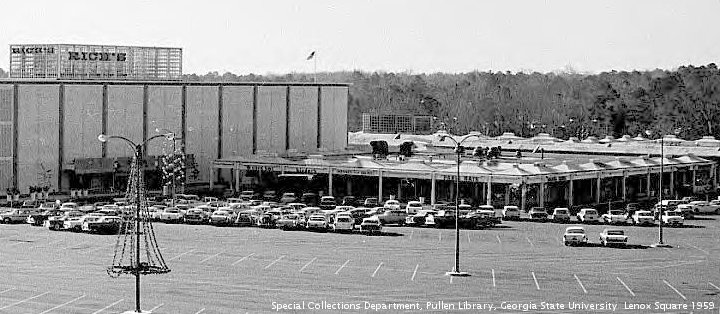
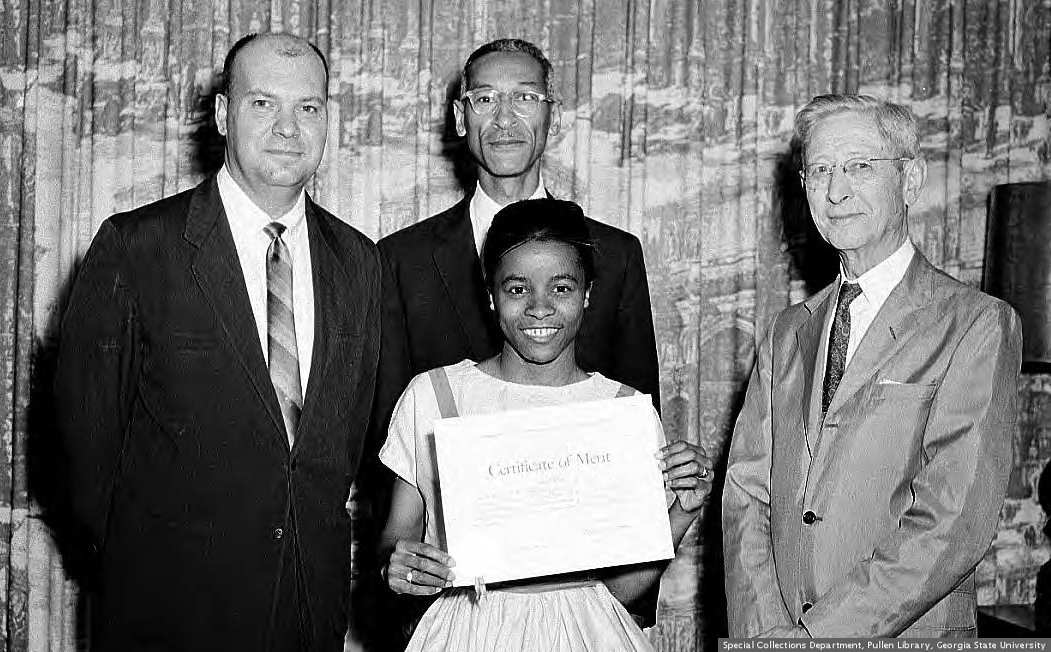
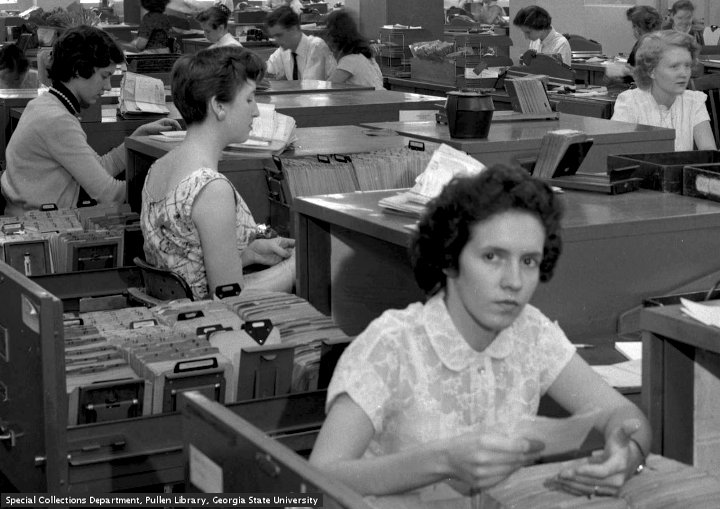
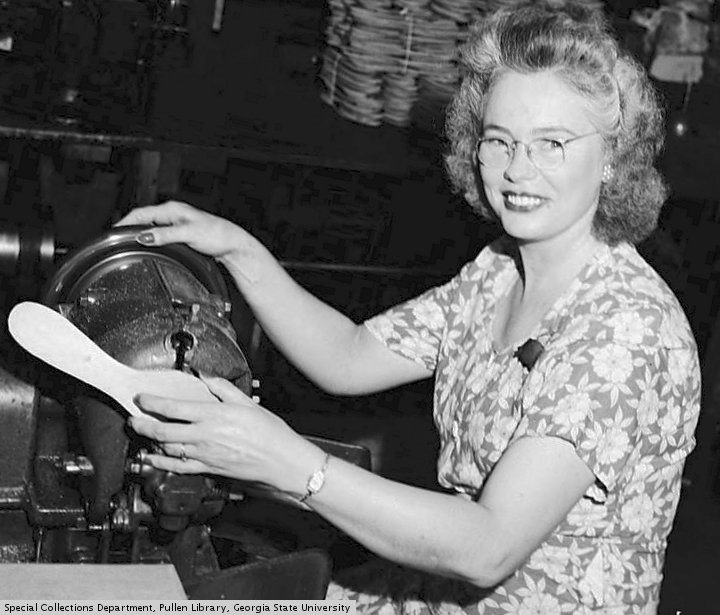
Pictures from “The Special Collections and Archives, Georgia State University Library”.




PRX Racism Scandal Part Three
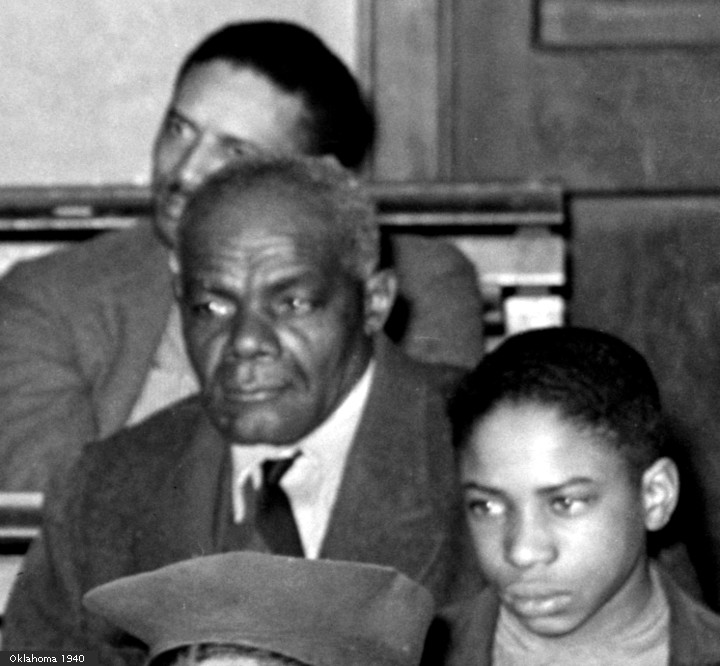

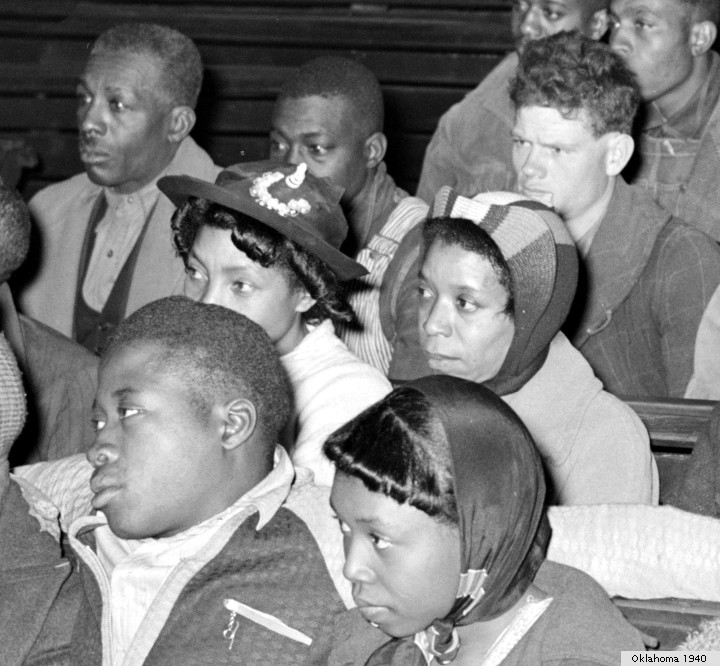
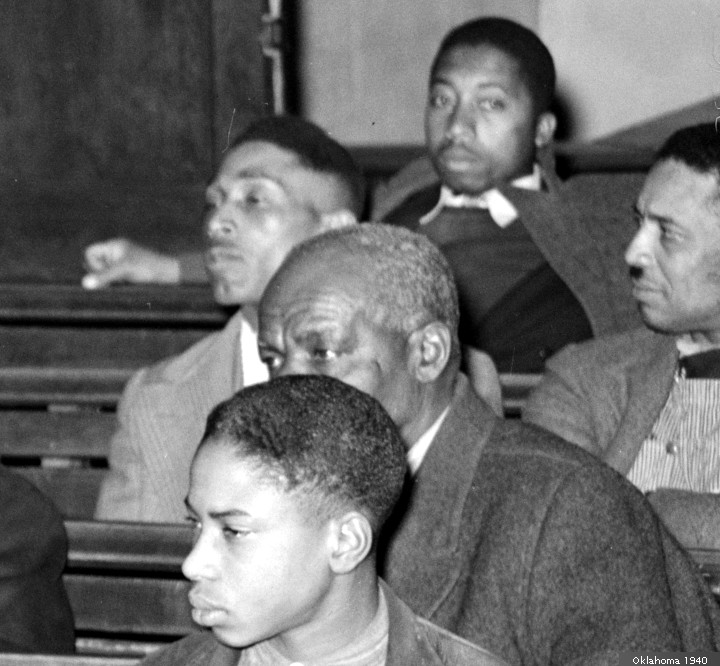
“Everyone at PRX should know that each characteristic on the list of White Supremacy Culture Characteristics is fully expressed in the workplace …” The first time I ever heard of WSC was a scandal at PRX. The story about WSC yesterday got me to take a look at PRX, and how they were doing, WSC wise, in the 30 months since the scandal broke.
When in doubt, have an outside study done. PRX hired Prince Lobel Tye LLP to investigate. “Palace Shaw, a Black woman and former employee of Public Radio Exchange, lnc. (“PRX”), sent an email to all staff in which she recounted what she described as the “systematic mistreatment” she experienced that prompted her to resign from her position. … The investigation did not uncover any evidence of unlawful discrimination or anything to suggest that any PRX policy was violated related to Ms. Shaw’s employment. However, there was some evidence that microaggressions and unconscious bias, while not unlawful, may have adversely affected Black, indigenous and People of Color (BIPOC) employees, including Ms. Shaw. … there is nothing to suggest that Ms. Shaw was ever treated adversely because of her race or gender, the touchstone of a cognizable discrimination complaint based on her being a
Black woman. No singular reason emerged as to why the Black women to whom Ms. Shaw alluded left PRX. They all did so for different reasons, and none of the three cited mistreatment because they were Black women as a motivating reason for leaving PRX. However, the investigation uncovered signs of what can be described as unconscious bias and “microaggressions” that tended to make the work experience for some BIPOC employees difficult. … These types of complaints were not universal among BIPOC, and some said they had never experienced unconscious bias or microaggressions.”
“In April 2021, PRX hired Byron Green as senior director of DEI.” Current: “A October 2020 investigation … did uncover what it called unconscious biases and microaggressions that made work difficult for BIPOC employees at PRX. How have you been working to address issues of inherent biases and microaggressions?” Green: “Straight on. Notably we’ve done emotional intelligence, identity development and unconscious bias training at large. …”
PRX CEO Kerri Hoffman, whose hair-touching sparked this drama, is still in charge at PRX. Aggrieved employee Palace Shaw has turned up at Ten Percent Happier. “The Dalai Lama’s GUIDE TO HAPPINESS. We went halfway around the world to find out what it actually takes to become happier. Journey with us and learn how to train your mind to be happier over time alongside the most qualified people on the planet—including the Dalai Lama.” TPH recently featured Ms. Shaw on a podcast episode, Why The Tears, about the difficulties some people have with crying. The transcript does not include the word “white.”
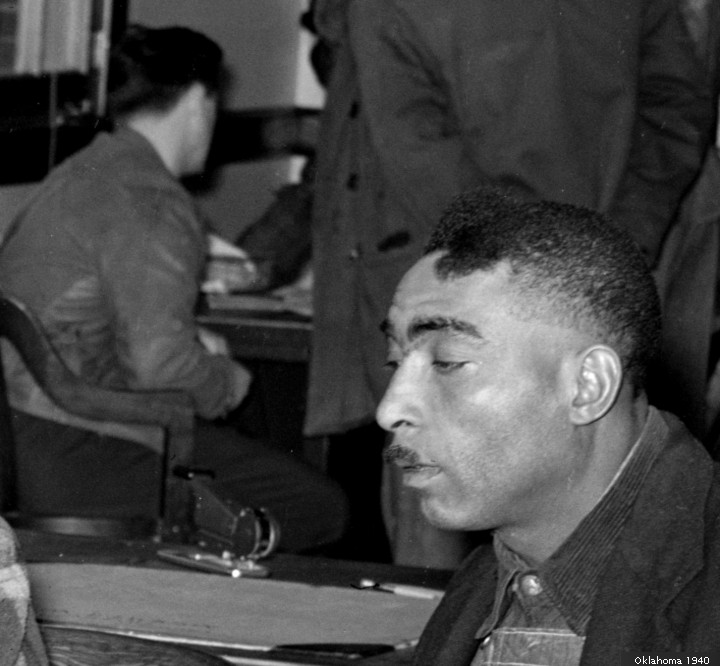
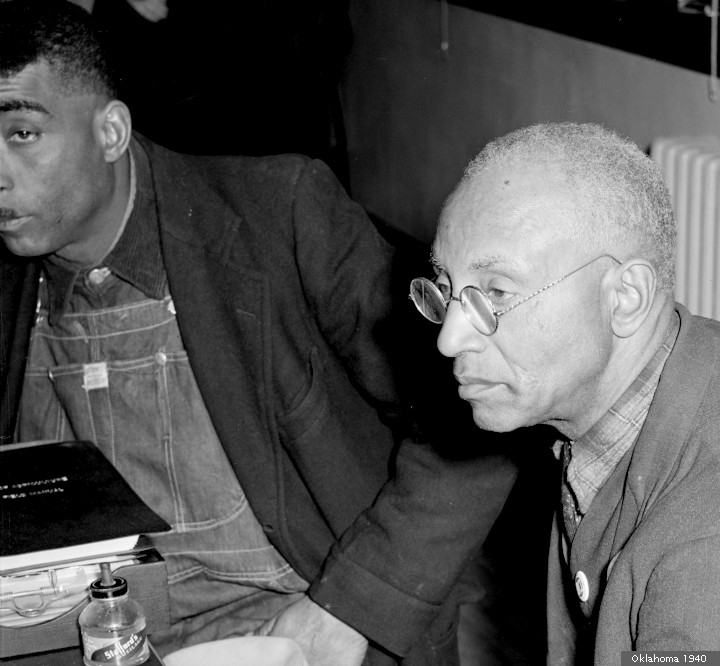
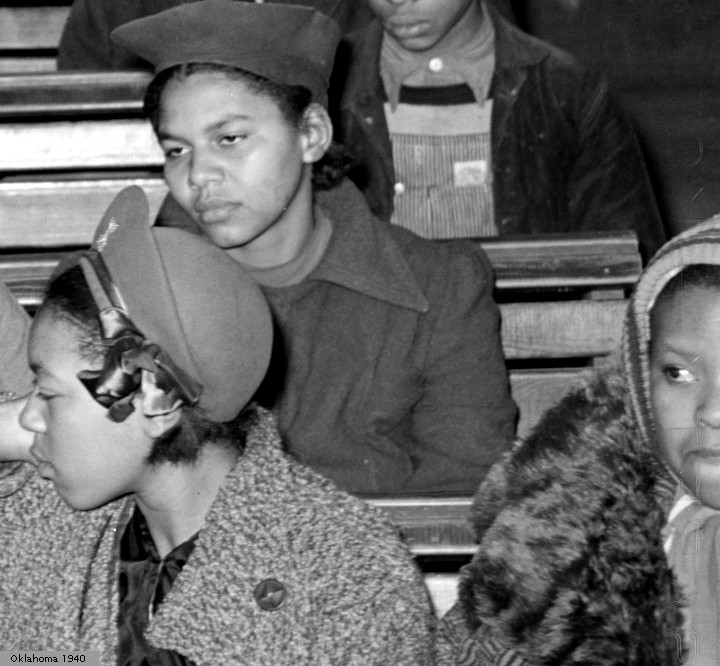
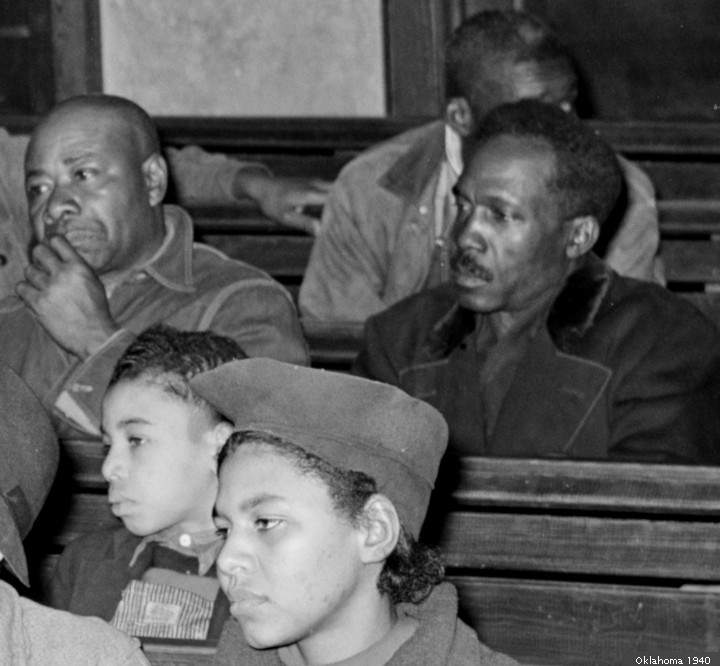
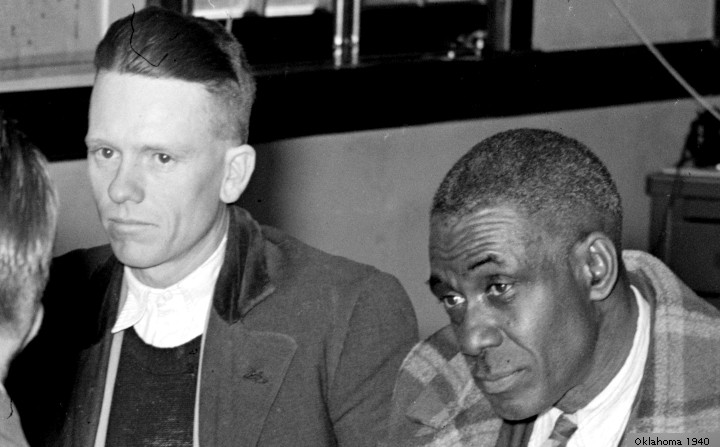
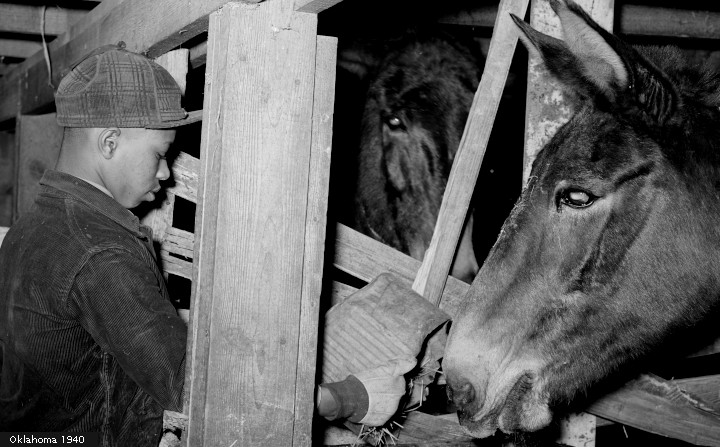
Pictures today are from The Library of Congress. “Meeting of UCAPAWA (United Cannery, Agricultural, Packing, and Allied Workers of America) in Bristow OK.” Russell Lee was the photographer, in February 1940.


White Supremacy Culture


@jessesingal “2/ It is genuinely bizarre. In the case of journalists, they are making these really intense accusations against other journalists and they get super pissed when you ask them for specific examples.” @chamblee54 “Asking for specific examples is white supremacy culture.”@NotaNeoLiberal1 “And most certainly a trait from someone imbued with colonizer ideology.” The @chamblee54 comment got 115 likes. @dcherring “lol.”
“White Supremacy Culture is a form of racism centered upon the belief that white people are superior to people of other racial backgrounds and that whites should politically, economically, and socially dominate non-whites. While often associated with violence perpetrated by the KKK and other white supremacist groups, it also describes a political ideology and systemic oppression that perpetuates and maintains the social, political, historical and/or industrial white domination.” This is a typical description of WSC. It does not make a lot of sense. WSC is connected to WS, which is essentially anything that you say it is.
Most WSC talk centers this list of characteristics. It is from “Dismantling Racism: A Workbook for Social Change Groups, by Kenneth Jones and Tema Okun, 2001.” There is a list of items that WSC embodies. “the belief that there is such a thing as being objective” “equating individual acts of unfairness against white people with systemic racism which daily targets people of color.”
@chamblee54 first became aware of WSC by reading about the PRX Racism Scandal. PRX is a foundation-funded organization that assists public radio endeavors. A young lady of color, Palace Shaw, quit her job at PRX, and issued a viral letter about her experience. PRX CEO Kerri Hoffman touching Palace Shaw’s hair was the first issue addressed in the viral letter. FWIW, this list of WSC characteristics does include hair-touching.
“Everyone at PRX should know that each characteristic on the list of White Supremacy Culture Characteristics is fully expressed in the workplace … For current donors/financial supporters: How much would you be willing to increase your current pledge if PRX makes necessary changes to address its white supremacy culture?” Pictures today are from The Library of Congress.


Was Mohandas Gandhi A Racist?


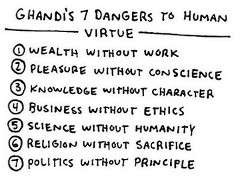
A meme appeared on facebook, “GHANDI’S 7 DANGERS TO HUMAN VIRTUE.” Below the misspelled name were seven concepts, written in all caps. This got PG thinking.
Mohandas Karamchand Gandhi (M.K. Gandhi) “was born was born on October 2, 1869, at Porbandar, a small town on the western coast of India.” At some point the title Mahatma was applied, and is often used as though it was his name. Exact transliterations between languages using different alphabets is tricky. What is the “correct” spelling of this man’s last name? Most sources today use Gandhi.
Another term, Gandhiji, turns up in the research. “‘Ji’ in Hindi or Urdu is a suffix used after the names of respectable persons and elders like father and mother. It is used every day by millions of Indians to address their elders. Hence Gandhiji is but Mahatma Gandhi, father of our nation, addressed reverently and respectfully. We call mother mataji. Mata means mother.”
The quote in the meme is real. It is found on page 135 of Collected Works of Mahatma Gandhi Vol. 33. It was in an article found in Young India on October 22, 1925.
“SEVEN SOCIAL SIN The same fair friend wants readers of Young India to know, if they do not already, the following seven social sins: Politics without principles, Wealth without work, Pleasure without conscience, Knowledge without character, Commerce without morality, Science without humanity, Worship without sacrifice. Naturally, the friend does not want the readers to know these things merely through the intellect but to know them through the heart so as to avoid them.”
The next entry in the collected works is interesting. “79. THAT ETERNAL QUESTION However much I may wish to avoid it, the Hindu-Muslim question will not avoid me. Muslim friends insist upon my intervention to solve it. The Hindu friends would have me discuss it with them and some of them say I have sown the wind and must reap the whirlwind.”
The meme had comments. Lloyd Lachow Gandhi was intensely racist. Joanne Gibson Gandhi was not intensely racist. Fighting racism was his first cause. John Janiga Gandhi racist??? John Taylor Lloyd, were you born an idiot, or did you have to work at it?
This looks like a job for Mr. Google. When you type the phrase “Is Gandhi,” suggested searches include “sill alive” and “on netflix.” This does not help if you want to know if someone is racist.
Mr. Gandhi lived in South Africa from 1893-1915. During this time he was offended at the treatment of Indian nationals, which led to a decision to fight for Indian rights. Unfortunately, these rights were not to be extended to the native South Africans.
 … there’s no doubting that Gandhi had little time for black people. During his 21 years in South Africa, he repeatedly expressed contempt for the native population, claiming they were no better than the “untouchables” of Indian society. One speech in particular stands out. In 1896, he was quoted as referring to black South Africans as the “raw kaffir, whose occupation is hunting and whose sole ambition is to collect a certain number of cattle to buy a wife with, and then pass his life in indolence and nakedness.” For those of you who aren’t up on your South African slang, “kaffir” is a direct equivalent of our N-word. Another time, he complained about finding himself in a “kaffir” prison, claiming Indians were “above” natives, who “are troublesome, very dirty and live like animals.”
There is the story of the Durban Post Office. “The first major accomplishment of the Natal Indian Congress was to further entrench racial segregation into South African society during a time of massive racial strife. At the time, the Durban, South Africa post office had two doors. One was for whites and the other for Indians and black natives. Gandhi was so disgusted at having to share a door with blacks that he initiated a campaign for the creation of a third door. … A year later, after the issue had already been resolved, Gandhi chose to expound upon his reasons for raising it in the first place. In his August 14, 1896 letter, “The Grievances of the British Indians in South Africa: An Appeal to the Indian Public,” he called being “put on the same level with the native” a “disability.”
This is a repost. Pictures are from The Library of Congress.


Jason Whitlock And Shaun King


This is a repost from 2016. There was a radio show yesterday. The actors were Jason Whitlock & Shaun King. It was tough to listen to. The two actors interrupted each other, and engaged in ad hominem arguments. At one point Mr. King, whose ethnicity is disputed, shouted “I’m blacker than you.” In twitter messages, Mr. King called Mr. Whitlock a “Tom ass bastard” who “will coon for cash.”
Carolina quarterback Cam Newton got media attention before Super Bowl 50. Mr. Newton had a spectacular season, leading the Carolina Cougers to SB50. On the other hand, Mr. Newton seems to be a bit of a “hot dog.” “I’ve said this since Day One, I’m an African-American quarterback that scares people because they haven’t seen nothing that they can compare me to.”
In SB50, Denver beat Carolina. It was an ugly, defense dominated game. A week later, Mr. King published a story with dirt on Denver quarterback Peyton Manning. As Mr. Whitlock sees it, trashing Mr. Manning was revenge for Denver beating Carolina in the SB50.
If true, this is ugly. The idea seems to be that a team with a black quarterback was whipped by a team with a white quarterback, so you get even by publishing dirt on the white quarterback. It is also stupid. Mr. Manning didn’t play that well in SB50. It was the Denver defense that shut down Cam Newton. If you are going to get revenge, it should be against the Denver defense. The only problem is that they are not well known names, and will not get the attention that bashing Mr. Manning will get. Nor will it fit the racial narrative … of eleven starters on the Denver defense, ten are black.
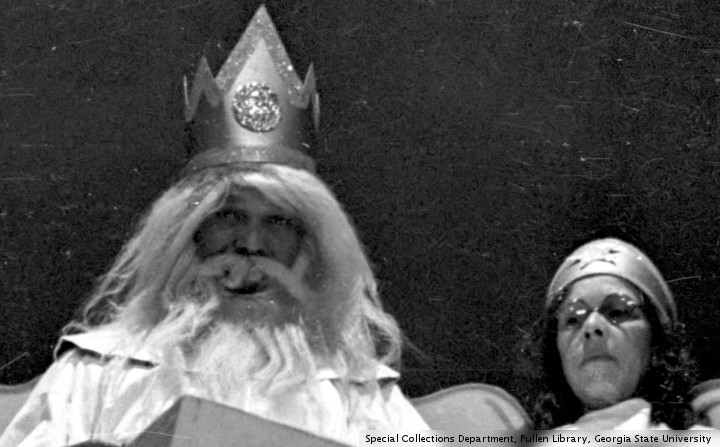
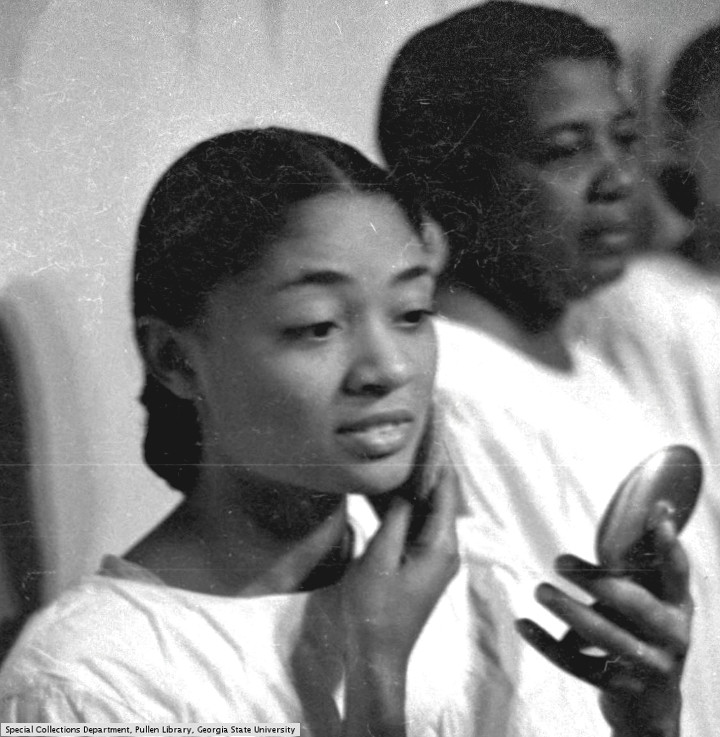
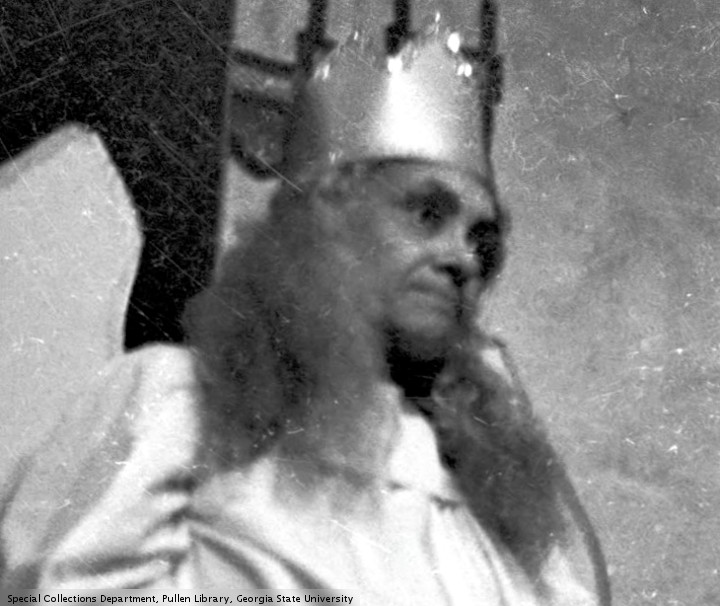
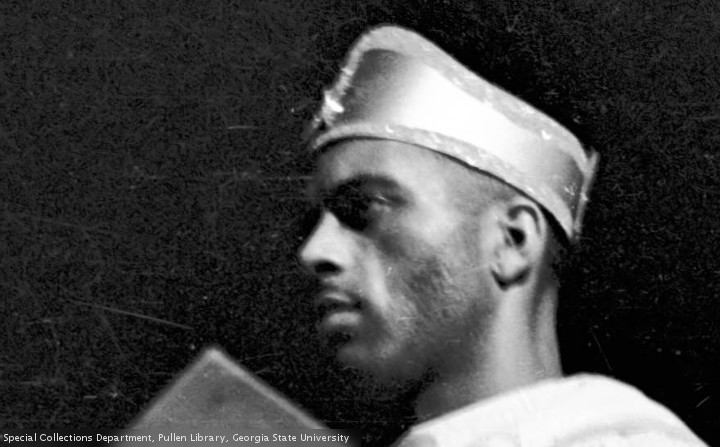
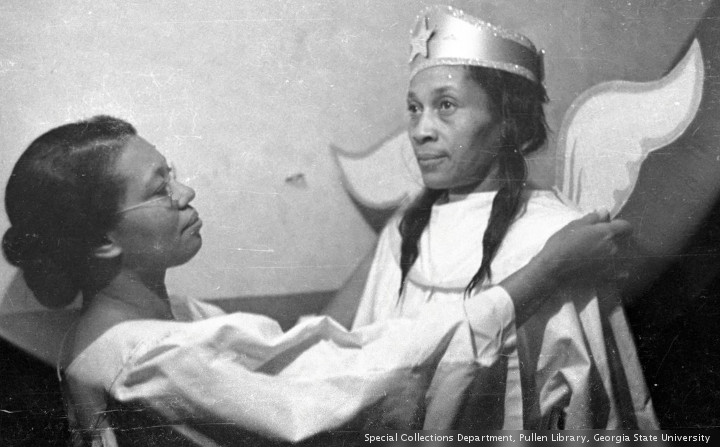
Pictures are from “The Special Collections and Archives, Georgia State University Library”. Some of the pictures are from “the morality play “Heaven Bound,” staged by the Big Bethel African Methodist Choir, at the Atlanta Theatre (23 Exchange Place), Atlanta, Georgia, August 1937.”


Six Letter Word
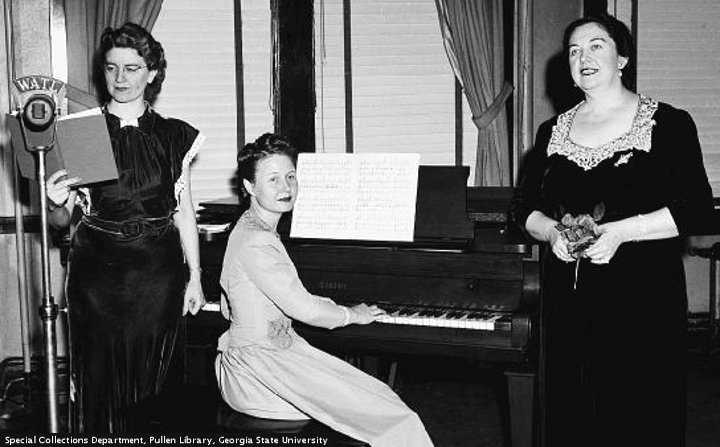


This is a repost from 2013. There is yet another blog post about Shirley Q. Liquor, I’m Tired of Explaining Why I’m Offended by a Racist Drag Queen. SQL is a comic character, a black woman played by Charles Knipp, a white man. The concept is not pleasing to many people.
There is a sentence in the post which needs to be broken down. “Here’s my question: When people like me say that something is potentially racist, why do we have to defend ourselves to White people who act as the final jurist of the opinion?”
To begin, people very seldom say anything as restrained as potentially racist. The judgment is made with great force and certainty. The accuser appoints herself judge, jury, and hangwoman. There is a rush to be seen denouncing the so called racist, usually at top volume.
Racist is a six letter words. It is a word that gets attention. Racist is casually tossed around, and is filtered out by many people. Maybe, just maybe, there are better ways to deal with situations without using this six letter epithet.
Last summer, PG received a mailer that had some questionable content. It discussed the creation of a city of Brookhaven. The mailer was displayed, and the racially obnoxious aspects of it were discussed.
On election day, the voters chose to create a new city. Protest did not do any good. Would using a six letter label have made any difference? Probably not. This blog does not have that large of a readership. Also, some people who were troubled by the mailer felt that a new city was the correct thing to do. PG just wanted to let people know he was not pleased.
PG is white, and can only speak for himself. When he hears the word racist, his BS detector kicks into action. These arguments are rather one sided, with white people usually the bad guys. If you want to influence behavior, you might think twice before tossing a six letter expression into your speech.
There is a logical fallacy in that sentence. You make a statement, go past considering whether or not it is true, and go directly to asking “why.” When is a person made to feel that “we have to defend ourselves to White people who act as the final jurist of the opinion?” Do these PWOC (People With Out Color) use a weapon to force this explanation? Why would you have to explain yourself anyway?
It is *racially specific* that she says white people in this sentence. Would it be better if a POC (Person of Color) didn’t automatically believe everything the author says? PWOC PG has observed POC acting as “the final jurist” on racial matters.
When you hyperdefine a concept like racism, you run the risk of defining racism so narrowly that offensive entertainers do not fit the definition. Shirley Q. Liquor talking about her nineteen babydaddies does not affect the larger issues of white privilege. Or maybe racism is anything that annoys a POC. At some point, the six letter word does not mean very much.
Pictures are from “The Special Collections and Archives,Georgia State University Library”.

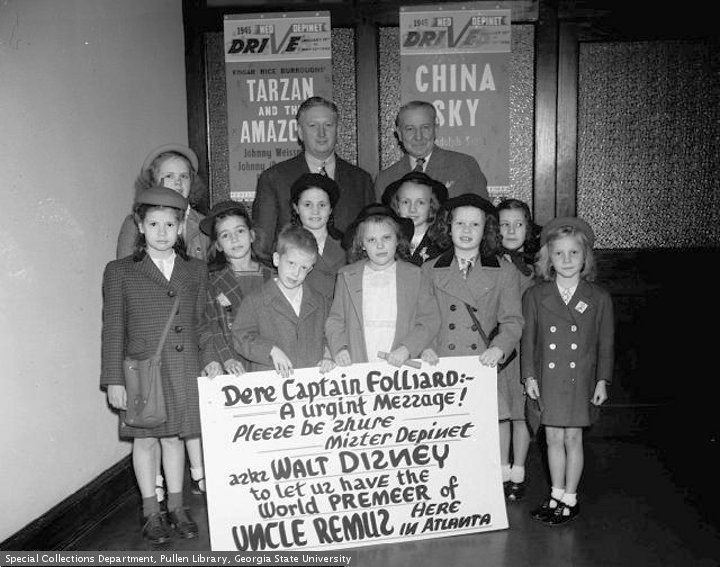

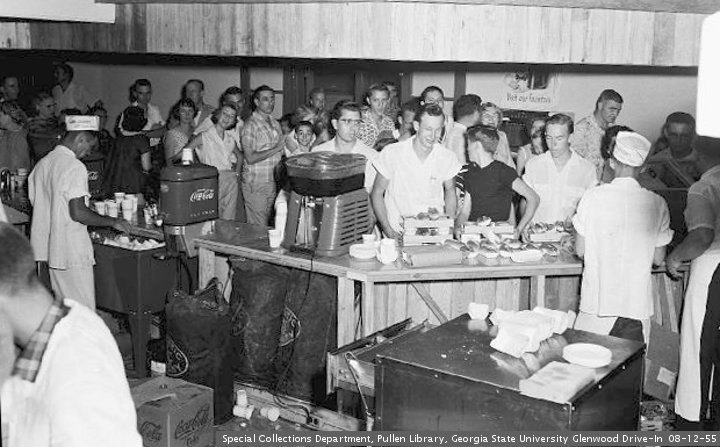


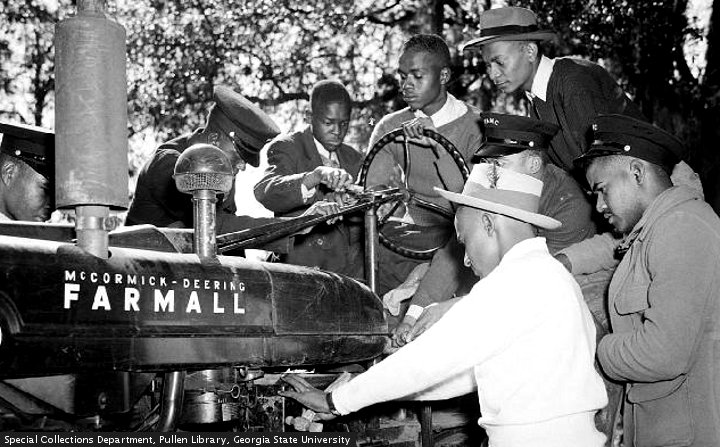
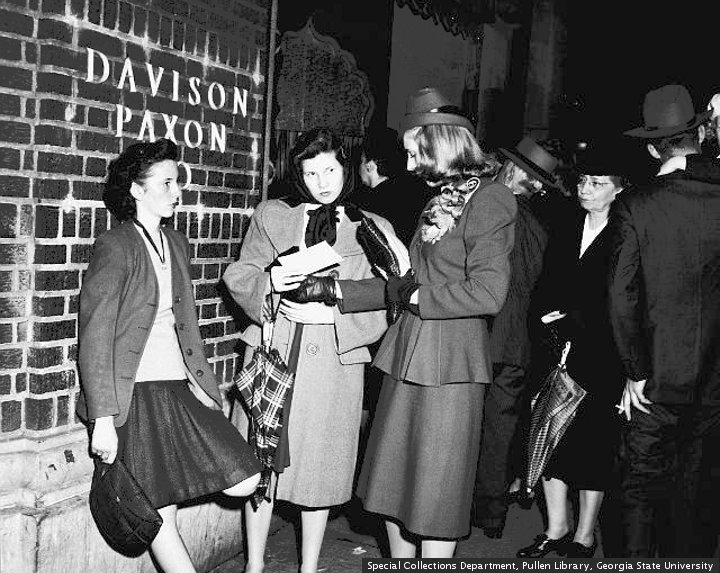
Racists Got Racist
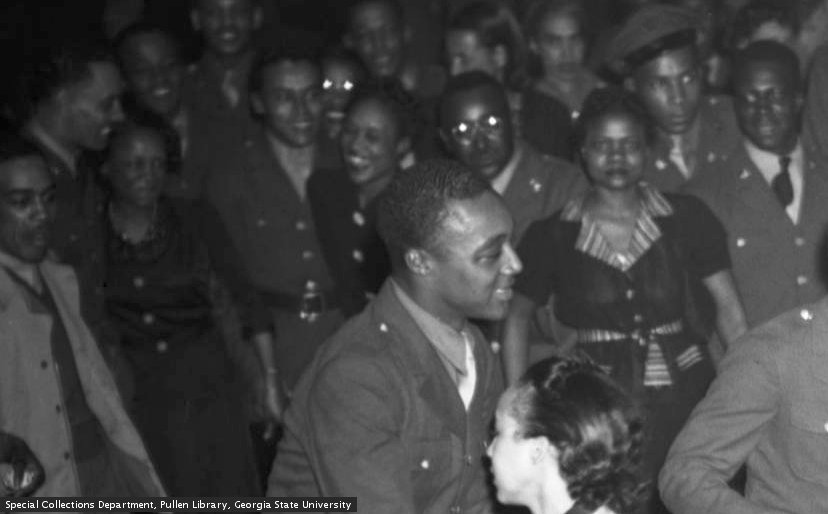


The story below is a repost from 2015. Looking back from 2023, this piece feels quaint. It appeared on Gawker. The G-blog has been through tough times, but continues to hang in there. Today’s headline: Drake Brags About Exclusive Toilet Access
“#blacklivesmatter took a dairy inclusive turn this weekend. New York City was the scene when #BlackLivesMatter Protesters Hit Whites Where It Truly Hurts: Brunch.”
“… a group of about three dozen demonstrators … hitting such quiche-and-mimosa joints … When they arrived, they began reading the names of black Americans killed by police to diners. … As is to be expected when such a sacred institution is so callously attacked, the protests sparked lots of fervent tweeting.” @genophilia “Racists got racist” gigantic pussy having top heavy slag @sheixx_ “It’s fine for blacks to loot, rob, rape and kill whites, but if whites complain about it, now that’s racist.” Lol
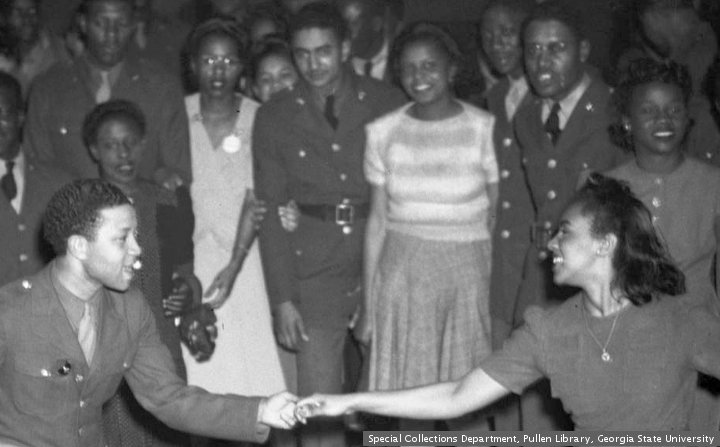
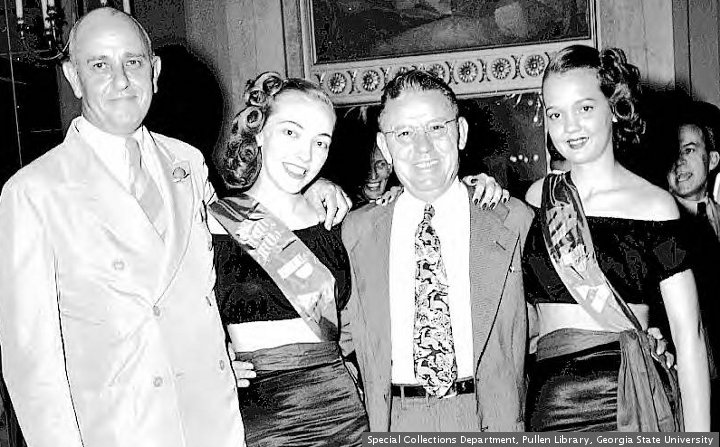
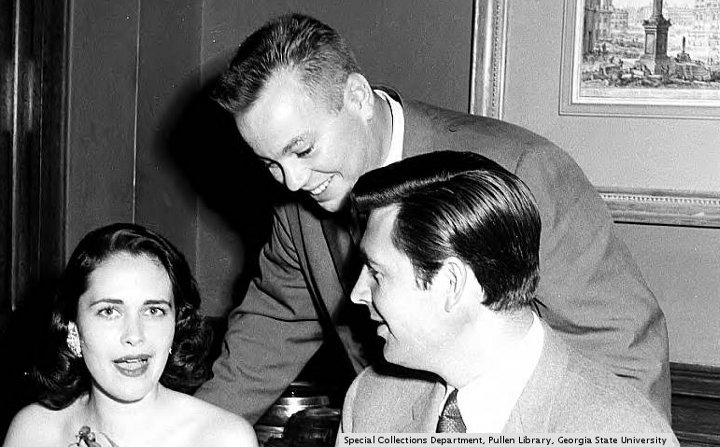
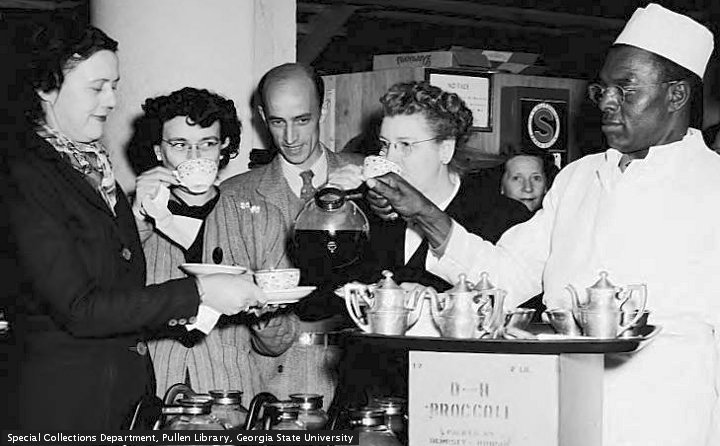
The original post has more text, which is not necessary for today’s edition. The gawker original features the type of purple prose that is less fashionable today: “It’s hard to imagine a funnier needling tactic. People are reacting viscerally to the idea that diners were targeted as racists simply for enjoying a Sunday morning meal—and if they had been subject to any discomfort beyond five awkward minutes, they’d have a legitimate complaint. But it’s just brunch, and as soon as you complain about it, you get to the heart of the issue: while some people are out there wondering whether a trigger-happy cop might decide to gun them down today, you just want to finish your capers and lox in peace.” Pictures for this bit of social justice nostalgia are from Special Collections and Archives, Georgia State University Library.




 Chamblee54
leave a comment