#OPKKK
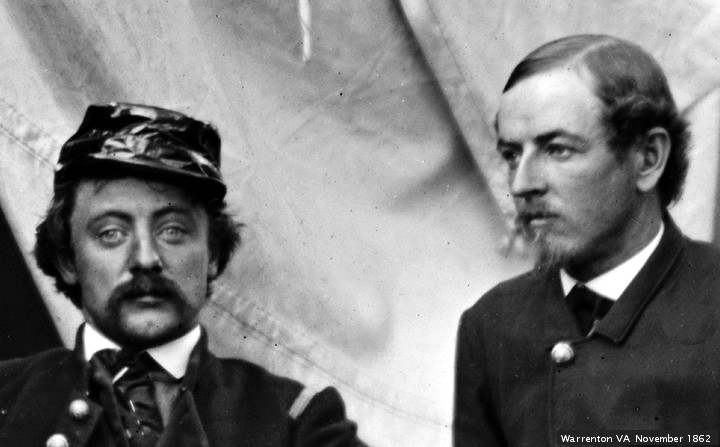


This is a repost from 2015. It was a simpler time. The worst problem we had was choosing a President. The options were a geriatric criminal, and an orange haired idiot. (Democrats still had to pick between BS and HRC, who are both geriatric criminals.) Most of the links in this post no longer work. One exception is Occupy Democrats, which has more toxic spam than ever before. … PG was minding his business when he stumbled onto a tweet. @neonflag “This number on Anonymous’ KKK data dump jumped out at me: 770-499-4633. That’s the Cobb County Sheriff. #gapol.”
There had been rumors. Anonymous was going to release the names of KKK members. The people wearing Guy Fawkes masks were going to expose the people wearing bedsheet hoods. Twitter nation was abuzz with excitement…lets expose the racists. PG was concerned about collateral damage, about innocent people being dragged into the mess. And now it was happening.
They’re publishing their data there. In addition to the phone numbers, there were email addresses, many with .ru addresses. There was also a list of politicians. There were lurid articles, like Racists Panic As Anonymous Starts Releasing Details Of KKK Members.
Included on this list was Georgia Senator Johnny Isakson. A conservative Republican that many would not want to defend, Sen. Isakson had been in real estate before he ran for election. This is an image conscious business, that would not lend itself to bedsheet wearing. Nonetheless, facebook was soon crowded with people calling for the resignation of Senator Isakson.
Before long, common sense began to creep in. If You Really Think Four Republican Senators Are in the KKK, You’re a Fool. Relax: #OpKKK Did Not Release Info Linking Elected Officials To The KKK. One division of the hydra headed anonymous tried to back away from another. @Operation_KKK This account has NOT YET released any information. We believe in due diligence and will NOT recklessly involve innocent individuals #OpKKK .
Several questions remain. How will we know who to believe? Was the preliminary *data dump* a false flag operation, designed to damage anonymous credibility? Why are they worried about the KKK? Is genuine evil flourishing while America chases bedsheets?
Despite it’s fierce reputation as a “racist terrorist” organization, the KKK is in bad shape. It has less credibility than the Westboro Baptist Church. The custom of wearing bedsheets makes them the easy target for jokes. The Anti-Defamation League and Southern Poverty Law Center say the membership of the KKK is dwindling.
A good argument could be made that anonymous publicity is helping the KKK. It makes bedsheets look dangerous. While the three digital stooges of anonymous/facebook/twitter are focused on bedsheets, more dangerous white (and other color) hate groups are operating in darkness. With people fascinated with who is under the bedsheets, people that can do damage are buying ammunition, and buying elections. Pictures today are from The Library of Congress.
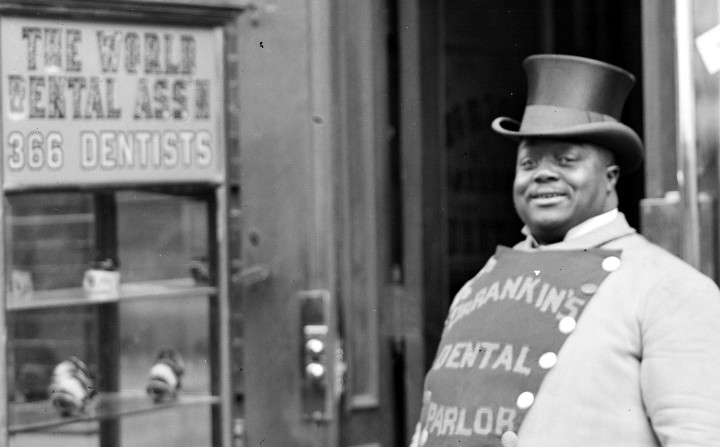

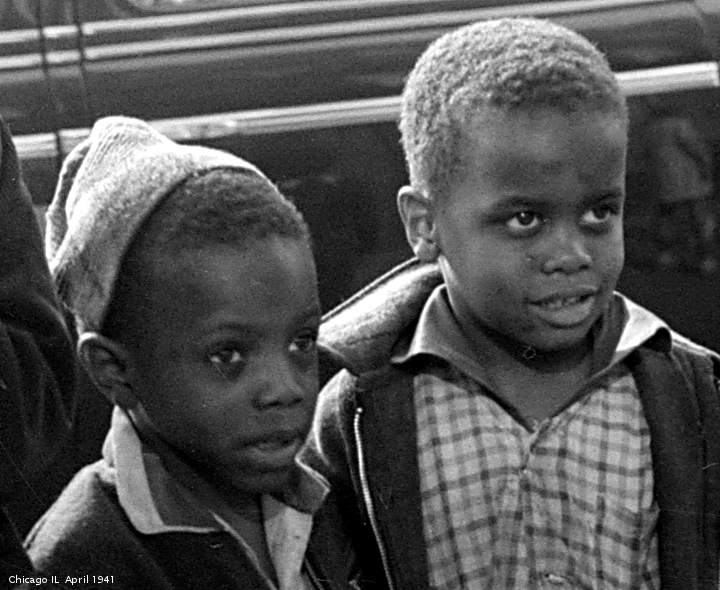

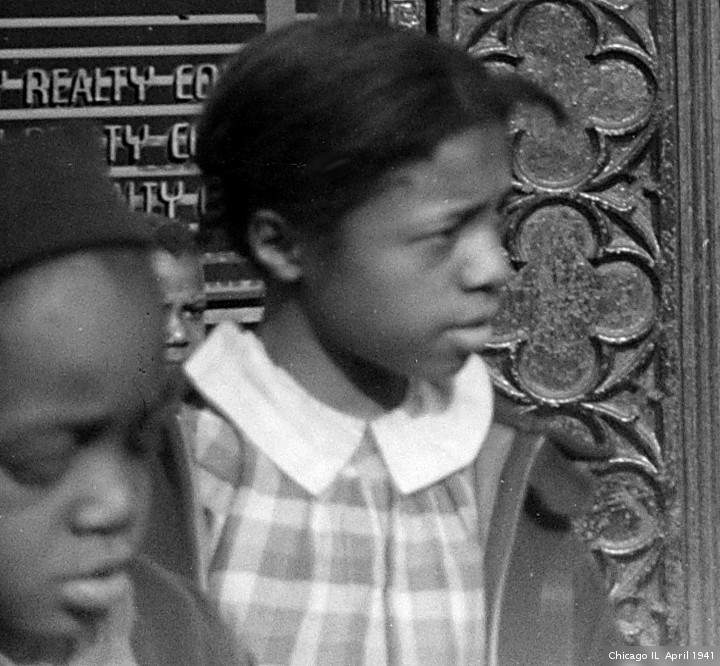
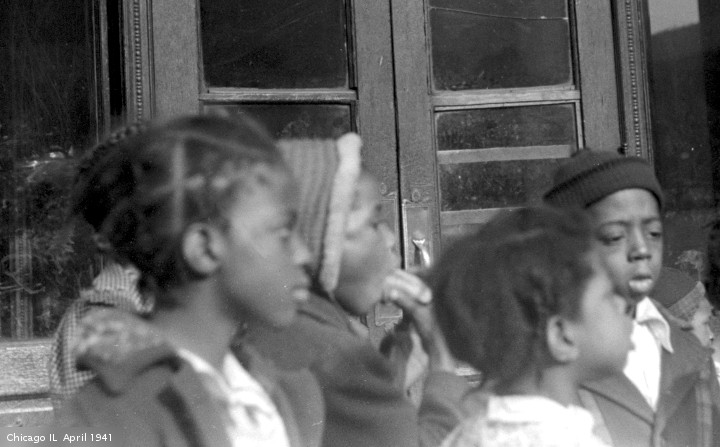
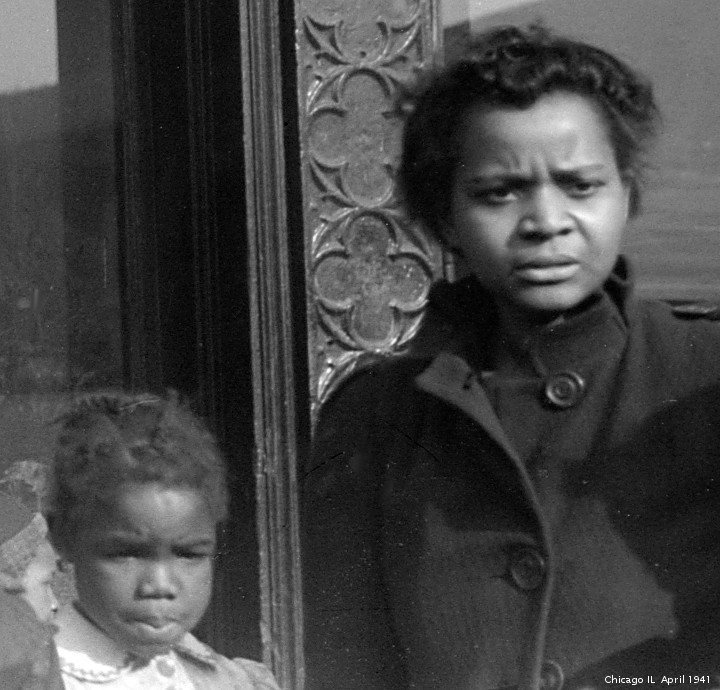
The “official” data dump on the KKK has hit the ether. Anonymous promised the material at 10 am CST Thursday. It was five and one half hours late, which led to speculation that @Operation_KKK’s #OpKKK Exposed: ‘Anonymous’ was Geraldo the Whole Time!.
In any event, it is here, and less sensational than the widely discredited politician breakdown earlier this week. There are some who still believe that the earlier data dump was real. Some people are very gullible when it comes to fighting racism. Anonymous does not help by including a famous grand dragon, Calvin Craig, who died in 1998. Louisiana celebrity David Duke is also on the list.
The information on the list seems to have been collected through common sense browsing. Many of the facebook peeps shown seem to be proud of being idiots. Others outed themselves in chat rooms and forums. As the report says, “You never know who you are talking to on the internet”.
PG has been clicking on some of the facebook pages. Some of them are amusing. Here are a few highlights. This digest will continue until it gets too long, which probably won’t take too long. (One hour later) This is not that much fun. The names are in alphabetical first name order. After going through the J names, these are the only text items. There are dozens of memes, many of which feature stars and bars, Jesus, Obama, expressions of white pride, and paranoia. It can be discouraging. If you want to look for yourself, there is a link above to the report.
woman Baby I love this picture of you you’re so sexy… man Lmwao woman Not funny!! And before you ask… No baby I have not smoked crack today! Lmmfao *wink emoticon* man Crack head. woman I am not!! man Lmwao
Arianna Wolfe I try to give some ppl the benefit of a doubt when I accept friend requests….. but when I look at what your about I see a lot of men are not true aryan but just womanizing druggies or drunks that act so much like our enemy’s that all that separates you from them is skin color
Chase N Graceland (from report) Buford Forest AKA Don Hall AKA Chase N Graceland East Coast Knights Elvis Impersonator (lulz) Says he does not have enough money to pay his klan dues so he is not a member (In the klan, you pay up or youre not a member) However, he may be a member of Confederate White Knights (out of Maryland) Interesting Fact: 3 or 4 different Elvis impersonators have tried to join the klan. Creepy. … Pictures are from The Library of Congress.


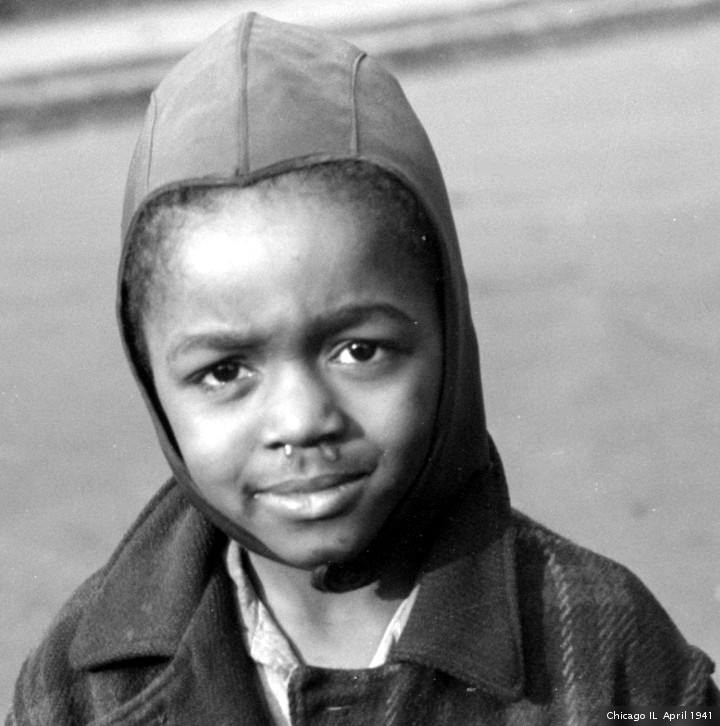


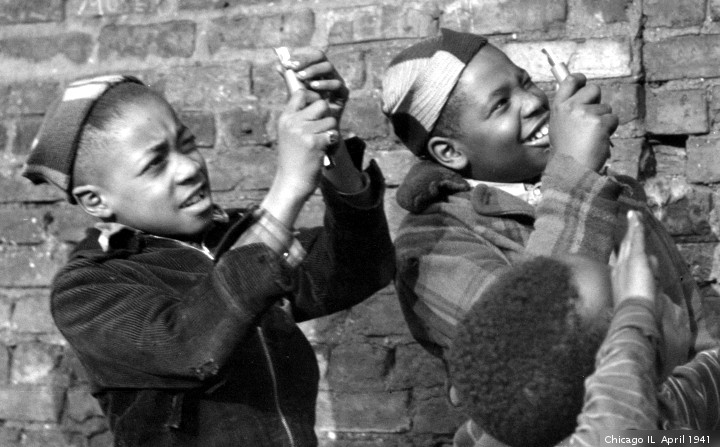
The Scarlet R


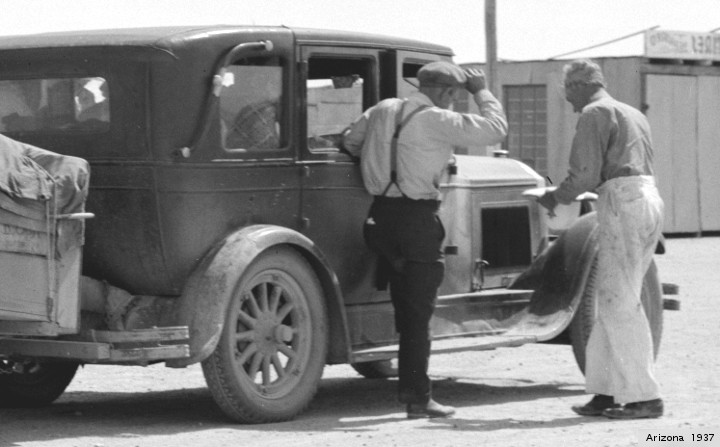
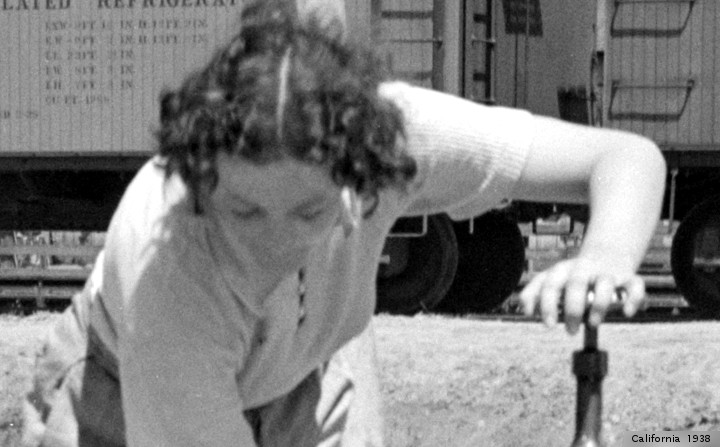
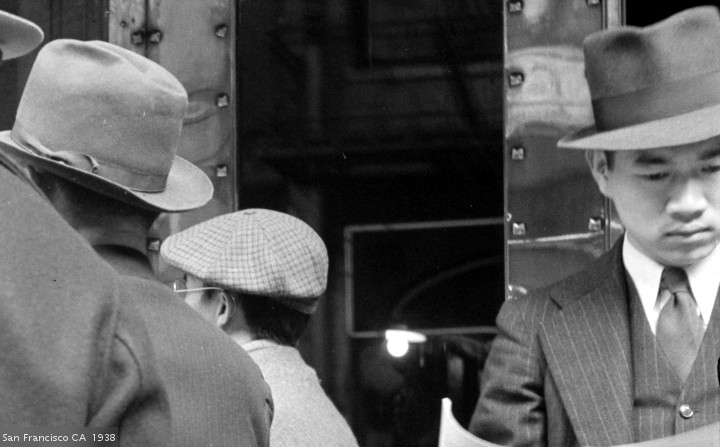

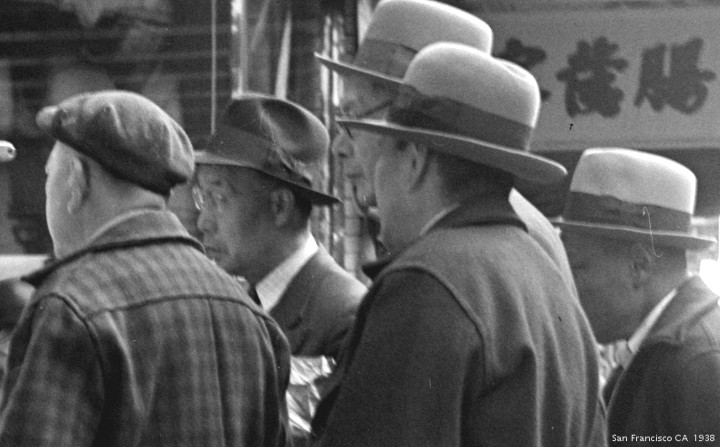

This is a repost from 2016, with horrible sound. … Bloggingheads.tv released a chat with Glenn Loury and John McWhorter. With election days 35 days away, there was lots of talk about Donald and Hillary. It only took 1:44, to learn what is expected. The assignment is to call DJT a racist, and lament what a terrible thing that is. This is political discourse in 2016.
At 3:28, there was an aha moment. The line was that DJT, instead of an orange haired ogre, was really just a seventh grade bully. When PG was in seventh grade, there was a mean person who gave him problems. This individual is now a facebook friend, and regularly posts memes supporting DJT. PG likes to know what the “other side” thinks. Ignoring the memes is always an option.
At 9:22, the importance of identifying racism in others is stressed. This is said to totally justify the appeal of DJT. Once you call someone a racist, you no longer have to work to understand their motives. When the scarlet R is super glued to somebody, that is all you need to know.
The Scarlet Letter is the rip roaring tale of Hester Prynne. She got caught fooling around, and had the scarlet A, for adultery, pinned to her chest. It was pinned to her chest, and she could see who did the pinning. In today’s “woke” world, the scarlet R, for racist, is super glued to the back of the terrible person. The person never knows who gave them this dreaded, irrevocable, label.
At 21:28, John tells an amusing story. He was talking to a well meaning white woman, said to be helpful in selling more books. At some point, the woman felt obligated to say that “we don’t like to talk about race.” John was too polite to laugh in her face.
The truth is that talking about race is the new national pastime. Does anyone listen? In all that talk, is anything worthwhile said? These questions are considered rude, and probably racist.
At 31:09, John said the n word. It is not known whether it ended with -er, or with -a. Pictures today are from The Library of Congress.
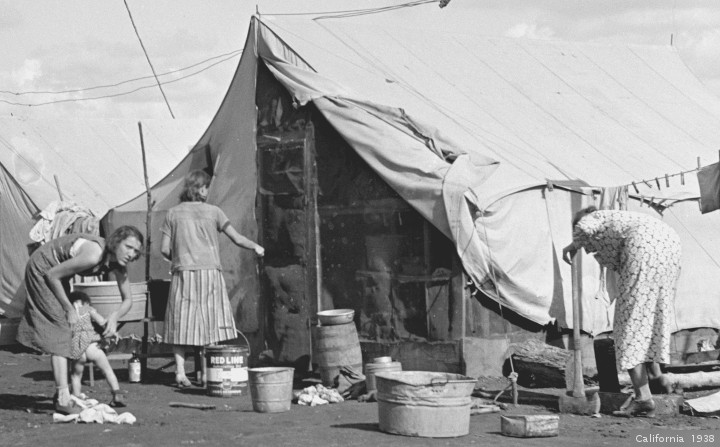


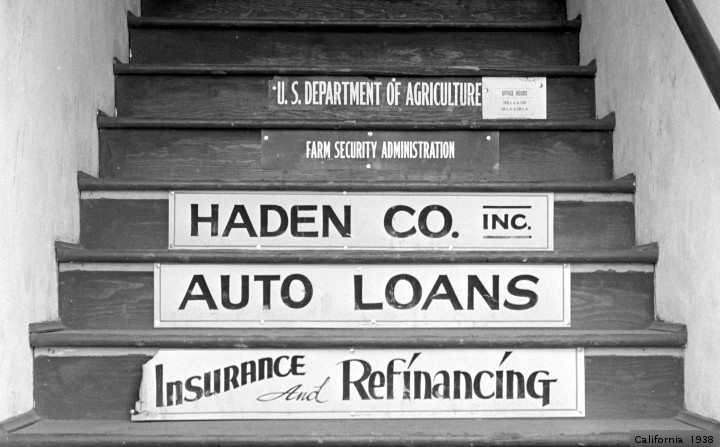

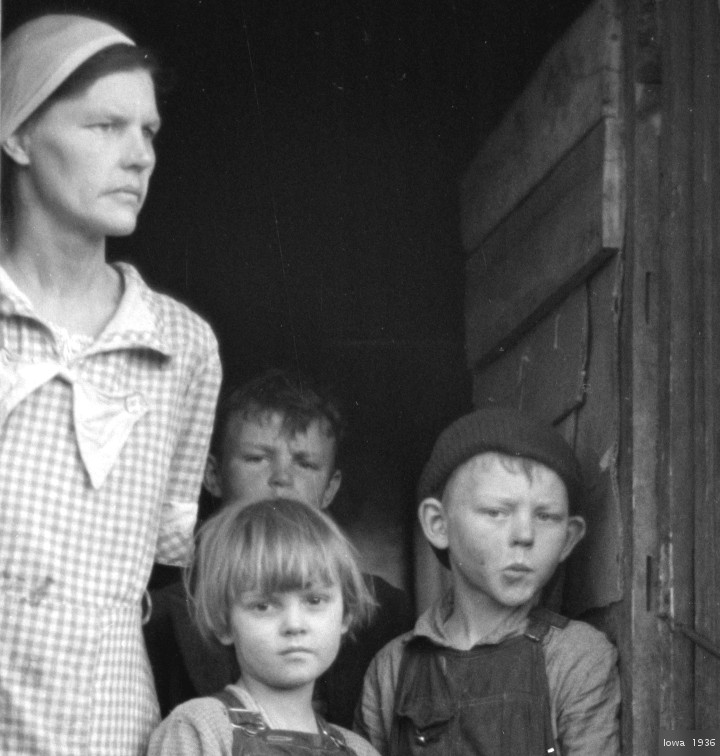

Quoting James Baldwin


James Arthur Baldwin has become a star on facebook, thirty five years after his death. People love to quote him, and post artsy pictures of his face. Over the past year I have seen three Baldwin memes that required action. Once you start to research, there is no telling what you are going to find.
“I can’t believe what you say because I see what you do.” This item is from a 1966 article that Mr. Baldwin wrote for The Nation. “One is in the impossible position of being unable to believe a word one’s countrymen say. “I can’t believe what you say,” the song goes, “because I see what you do”—and one is also under the necessity of escaping the jungle …”
“The song goes” is what the memes leave out. Ike Turner wrote the song. The Ikettes sing “I can’t believe…”, while Tina goes “agh, agh, agh, agh, agh, agh, agh, agh, agh.” Ike knew about being a no-good man. Tina looks a lot better in a short skirt than Mr. Baldwin did.
“I’d like to leave you with one more short quote from James Baldwin, “Whoever debases others is debasing himself.” This is from a June, 2020 video about racism. This quote is from Letter from a Region in My Mind, a 1962 essay in The New Yorker. “Letter…” clocks in at 22,114 words. Mr. Baldwin could crank out the word count.
“Letter…” covers a lot of ground. The “debase” quote comes in after Mr. Baldwin describes a visit to Elijah Muhammad, leader of the Nation of Islam. Soon, Mr. Baldwin starts talking about race in the United States. One quote stood out: “But white Americans do not believe in death, and this is why the darkness of my skin so intimidates them.”
“By this time, I was in a high school that was predominantly Jewish. This meant that I was surrounded by people who were, by definition, beyond any hope of salvation, who laughed at the tracts and leaflets I brought to school, and who pointed out that the Gospels had been written long after the death of Christ. … My best friend in high school was a Jew. He came to our house once, and afterward my father asked, as he asked about everyone, “Is he a Christian?”—by which he meant “Is he saved?” I really do not know whether my answer came out of innocence or venom, but I said, coldly, “No. He’s Jewish.” My father slammed me across the face with his great palm, and in that moment everything flooded back—all the hatred and all the fear, and the depth of a merciless resolve to kill my father rather than allow my father to kill me—and I knew that all those sermons and tears and all that repentance and rejoicing had changed nothing.”
“The place in which I’ll fit will not exist until I make it.” This quote proved more difficult to chase down. It does not appear in any of Mr. Baldwin’s work. The earliest mention appears to be behind The New Yorker paywall. “During his wanderings, Baldwin warned a friend who had urged him to settle down that “the place in which I’ll fit will not exist until I make it.” There is no link to a source.
The New Yorker article is cited by Lithub, which is then cited by New Transcendentalist. “These Timely James Baldwin Quotes … ,” from Bustle, credits the quote to “a 1957 letter to Sol Stein.”
Sol Stein “attended DeWitt Clinton High School, where he served on the Magpie literary magazine with Richard Avedon and James Baldwin.” We don’t know if Mr. Stein was the one who made David Baldwin slap his step-son. A paywalled article, about the correspondence between Mr. Stein and “Jimmy,” does not mention the “place in which I’ll fit” quote.
The WaPo article did have a mind-blowing quote. “In the introduction to the book, Baldwin would ponder his influences: “When one begins looking for influences, one finds them by the score. … the King James Bible, the rhetoric of the store-front church, something ironic and violent and perpetually understated in Negro speech…” I saw this quote in 1976, in a college textbook. At the time, I thought this was an amazing quote. It stayed in my mind until the next life changing detail came along, not to be thought of again for forty six years.
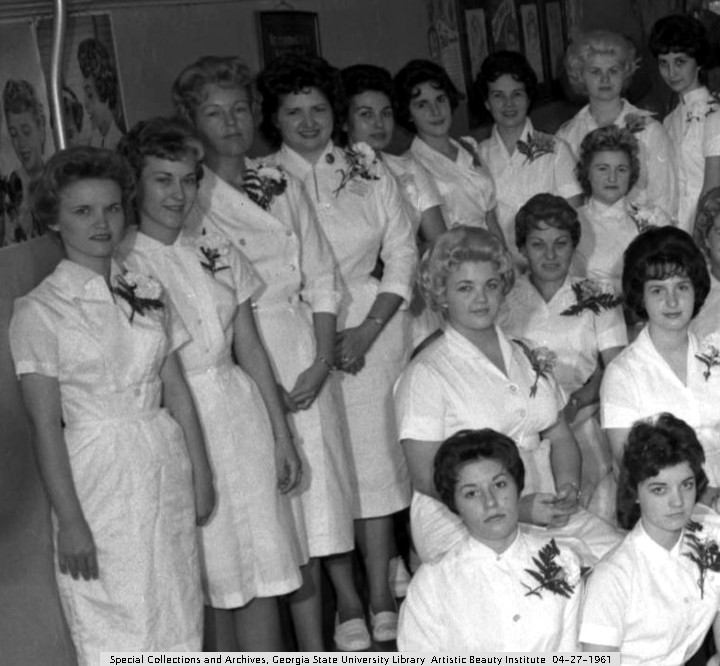
Chamblee54 has written about Mr. Baldwin before. Pictures today are from “The Special Collections and Archives, Georgia State University Library.” UPDATE: @QuoteResearch Replying to @chamblee54 @HilalIsler @lithub “It appeared in a 1957 letter from James Baldwin and Sol Stein reprinted in “Native Sons” (2004) edited by Sol Stein. I am planning to create a QI article on this topic” @QuoteResearch “Please get over the notion, Sol, that there’s some place I’ll fit when I’ve made some ‘real peace’ with myself : the place in which I’ll fit will not exist until I make it. You know and I know that the ‘peace’ of most people is nothing but torpor” … James Baldwin to Sol Stein UPDATE: I was writing a story about Flannery O’Connor. I wanted to quote this post, but could not find the link. Neither google nor duckduckgo would show me this post. I had to go to the chamblee54 archive, and scroll through October 2022 until I found the post. This is a repost from 2022.


A Volleyball Controversy


This is a repost from 2022. … I didn’t pay attention to the latest n-word controversy. Somebody screaming the magic word, at a women’s volleyball match in Utah, did not strike me as important. Why would a North Carolina school send a non-revenue producing team to Utah? Duke spent some major bucks on this match, at a time of rising college costs.
A few days later, YouTube directed me to a video by Brandon Tatum. Officer Tatum posited the thought that Rachel Richardson … the star of this latest drama … was a liar. This sent me down a rabbit hole, which I am slowly emerging from.
The narrative is well known by now. Andre’ Hutchens put together a thread, which details/documents many of the scenes in this drama. The short version: Rachel Richardson says that she heard someone shouting the magic word. BYU, the home team, sent four ushers into the student section, and had a policeman stand in front of the crowd. None of these people heard the magic word.
After the match, a young man went up to the Duke players, and said something. The Duke team said this was the person who was shouting the magic word. The accused n-word shouter was escorted off the premises, and banned from attending BYU events in the future.
At some point after the match, Miss Richardson made some phone calls. She called her father, who has told his story many times. Somebody … we don’t know if it is father or daughter … called Lesa Pamplin, Miss Richardson’s godmother. In this story, we will call her the devilmother.
“My Goddaughter is the only Black starter for Dukes volleyball team, While playing yesterday, she was called a n****r every time she served. She was threatened by a white male that told her to watch her back going to the team bus. A police officer had to be put by their bench.”
The tweet by devilmother got a lot of national attention. Why did a tweet from a Texas politician get this much attention? Who knows. What is certain is that devilmother does not like white people … she thinks it is clever to say “whypipoe.”
Why did this need to be a national scandal anyway? Lets say it was true. You find the culprit, punish him, and finish playing your match. It does not need to be a toxic sensation. A Utah volleyball fan shouting the magic word is not going to affect economic security, police brutality, or equitable access to housing and education. All it is going to do is get people upset.
“She was threatened by a white male that told her to watch her back going to the team bus.” This part of the drama which has received little scrutiny. The “white male” claimed that he knew some BYU players, and confused the Duke team for the BYU team. Who did he approach? Was it she white or black? What exactly did he say? How did “the Duke team” identify the “white male” as the person shouting the magic word? This part of the story does not add up.
Deseret News obtained a copy of the police report. “BYU Police Det. Sgt. Richard Laursen stood throughout the fourth set next to the man now indefinitely banned from BYU events after Duke players said he used racist language, according to a police report Laursen filed that night. … The officer said the man did not use any negative language toward the Duke players during the fourth set. Laursen also said he didn’t hear any racist language used by any fan during that set, when Duke player Rachel Richardson said the racist slurs intensified. … That’s when he met the young man … the man asked why the officer was there and if there was a problem. … “I told him I was there listening for inappropriate comments toward the Duke players and the fan told me that he hadn’t heard any inappropriate comments. He said he told the players that they shouldn’t hit the ball into the net, but that was the only comment he made to the Duke players.” … The fan, who Laursen said was wearing a dark yellow or almost tan shirt and jeans, said he was friends with four of the BYU players. “He seemed to be more interested in talking to me than cheering for BYU. It was evident based on the individual’s comments, stuttered speech and mannerisms that he has special needs. … he may have (A)sperger syndrome or could have autism. The individual was articulate, but socially awkward. The individual kept scrolling through his phone and didn’t seem too involved in the game.” … “I was told the Duke players and coaches were very upset with what happened during the game and that the racial comments toward the Duke players was still happening during the fourth set that that (sic) I didn’t do anything about the comments being made,” … “I told the (BYU) Athletic staff that I never heard one racial comment being made.”
So the story goes. It is already fading from view. Soon, there will be another “teaching moment.” If you google Rachet Rachel Richardson, you see @mikefreemanNFL doubling down, in an ad hominem spectacular. Corporate media players, eager to report the original accusation, have been silent during the “Jussie phase” of this story. While it is easy to criticize right wing media on most issues, they are getting this story right. Pictures today are from The Library of Congress.


Race-rot
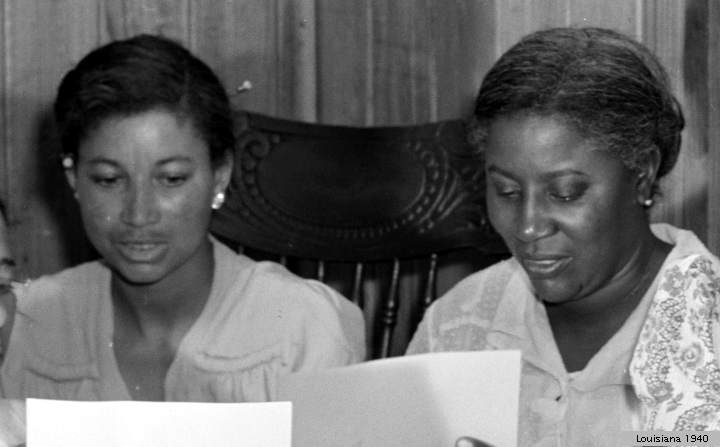


America clearly has a problem of color. One way view to this racial dysfunction is as a unified quagmire, rather than competitive hating of wokeness and racism. This approach does not offer any easy solutions. We need to treat people with kindness and respect, no matter what adjective you put in front of people. As a man named King said, “can we all get along?”
I recently wrote about Flannery O’Connor. She was a gifted storyteller, who posthumously run afoul of “whiteness studies and critical race theory.” (This was in 2020, when CRT was respectable. Today, CRT is demonized by some, while others say “thats-not-what-it-means.”) The story cited an interview with Alice Walker, who grew up in Eatonton GA, a few miles up hwy 441 from Andalusia. When discussing her former neighbor, Ms. Walker said “Take what you can use, and let the rest rot.” With that in mind, I am going to call this unified approach to racial dysfunction “race-rot.”
One of the nastier parts of race-rot is name calling. There are a pair of six-letter slurs. One starts with r, one ends in r. One I am forbidden to say, while the other I am forbidden to not say. The mentionable slur is racist. You know what the other one is. We would be better off not using either six-letter slur. People enjoy using six-letter slurs, so this is not going to happen anytime soon.
I am a certified white person, of Scottish and Irish descent. I am from Georgia. My great-grandfather fought for the Georgia State Troops, in the War Between the States. This affects the way in which I approach race-rot. I see that racism is a problem, and find the bungling efforts at fighting racism … aka wokeness … to be incredibly annoying.
The problems with racism affect millions of people every day. One could reasonably ask, what is wrong with being against racism? The problem is not that you are fighting racism, but the way you are doing it. The trouble with wokeness includes disrespect, fallacious logic, indifference to collateral damage, inflammatory rhetoric, hypocrisy, name calling, and a host of other micro/macro aggressions. The list could go on for a long time.
This is not a comprehensive look at race-rot. There are many layers to this onion. Racism and wokeness (RAW) are only part of the picture. The story of Black and White has many shades of gray. We could spend hours talking about race-rot, and only be more angry and confused when we are done. The best thing to do now is present some photographs, from The Library of Congress.
We are all God’s children, not a walking six-letter slur. Be kind to each one. Please don’t shout.



[ __ ] Head Rock

@GlennLoury and @JohnHMcWhorter are the “Black guys at Bloggingheads dot tv.” PG has been an enthusiastic fan for years, with several posts resulting. (051815 032016 091416 112018 101119) Lately, the show is not as much fun as it used to be. Wokeism is officially boring. There are endless examples of logical ineptitude in America’s racial rectuming. The face that PG largely agrees with BGAB does not make it any more interesting.
Episode 62569 was more engaging. Glenn and John said the magic word 9 times, between 5:08 and 20:17. Youtube’s transcribing bot rendered the phrase-that-pays as [ __ ]. John uttered the hard r eight times, while Glenn was content with one. (one – five six seven eight – nine)
[ __ ] has a special place in America’s problem of color. Glenn and John have the “right” to say the magic word, by virtue of their melanin content. PG’s caucasity forbids him to say, think about, or have opinions about [ __ ]. Many discussions of racism begin with soul stirring denunciations of systemic oppression, only to quickly devolve into “soandso said [ __ ].” Glenn and John have n-word privilege, so it is ok. [ __ ] puts the privy back in privilege.
PG has written two posts about the magic word, which sum up a lot of what he thinks. The Ta-Nehisi Coates Video deconstructs the “perfect answer” to why white people shouldn’t say you-know-what. In James Baldwin And The Word, there is a video. The author has a few common sense observations about the magic word. Later, PG substitutes “racist” for [ __ ], with amusing results.
The Racist Rock of Wisconsin is a key player in today’s drama. “The University of Wisconsin was removing a 70-ton boulder from its Madison campus on Friday at the request of minority students, who view the rock as a symbol of racism. Chamberlin Rock … was referred to as a derogatory name for Black people ([ __ ] head) in a Wisconsin State Journal story in 1925 … University Chancellor Rebecca Blank approved removing Chamberlin Rock in January but the Wisconsin Historical Society needed to sign off because the boulder was located within 15 feet of a Native American burial site”.
@JohnHMcWhorter wrote an opinion piece about the rock, for the paywall happy New York Times. He thought the students were a bunch of pathetic snowflakes. Why be triggered by a rock, which someone called [ __ ] head 96 years ago? Dr. McWhorter had a few choice words for the UW-Madison administration, which he saw giving into the demands of entitled children. To him, the decision to remove [ __ ] head rock was “racist.”
“… you use the r word in reference to her and i wanted to be clear I am not saying Rebecca Blank is a racist because one I don’t know and two she almost certainly is not under any sense of the word that makes sense …” John was careful to make the distinction between “doing something racist” and “racist.” This was generous of BGAB. In social justice jihad, you get called racist for any transgression, no matter how minor. You are guilty until proven innocent. If you don’t like being called racist, then quit being a racist. How hard is that?
Rebecca Blank is a professional acquaintance of Glenn’s. Throughout the discourse, BGAB took greats pains to says that they were not calling her a racist. As it turns out, her twitter handle is @BeckyBlank. Before Karen, Becky was America’s favorite racial slur for white women. Rebecca Blank may not be a racist, but she is a Becky.
This is a repost from 2021. Glenn and John continue to do bi-weekly shows, now hosted by glennloury.substack.com. Racism continues to be a convenient distraction, with numerous advantages to unscrupulous individuals. It gets more boring every day.

More Trump Talk




This is a repost from 2017. Little has changed since then. … There was a comment thread on facebook. Here is the comment that started it. “I have a Facebook friend, who is a black Trump supporter, who says he doesn’t care “if he’s racist or not.” I don’t know what to think about that. Maybe there are a few of my black friends who can help me with that?” There were a lot of comments, which is not surprising. Race, and not liking Donald Trump, are two popular topics of conversation.
The conversation started with a link to When Someone Says They Still Support Trump, I Instantly Know 6 Things About Them. The six items, with a parenthetical summary, are: 1. You want to be ruled, not governed (authoritarianism) 2. You are not someone I would trust to do business with (business ethics) 3. You’re either a racist or an enabler of racists (racism) 4. You have issues with women (misogyny) 5. You aren’t quite as “Christian” as you claim to be (religious exploitation) 6. You are anti-constitution (respect for rule of law)
While those six items are more or less true about Mr. Trump, it is a stretch to say they apply to anyone who supports the man. (Many of these character traits are present in people who don’t like Mr. Trump, especially authoritarianism.) What is disturbing to PG is the way that racial attitudes dominates the conversation. This is a problem in a lot of ways. The obsession with screaming racist helped Mr. Trump get elected. Insulting potential voters is not a good campaign strategy.
There seems to be a national verdict that Donald J. Trump is a racist. A non compliant racial attitude is worse than authoritarianism, crookedness, and mental instability. If you are white, and you question this orthodoxy, then you are a racist. If you are black, and don’t believe without question, then you are asking to be insulted.
The Trump-is-racist meme follows a cynical decision to make Mr. Trump’s racial attitudes a campaign issue. The best evidence cited is a 1973 complaint, involving discrimination in renting apartments. Other evidence… attacks on nationalities, attacks on religious groups, support of unseemly white people … utilize an elastic definition of racism. Others disagree.
There was a comment: Martin C Ezeonu “Lol… I don’t like Trump cuz he is an asshole. On the other hand we know exactly where there country stands now because of him. This country is still racist as hell. these past years nobody addressed is just politicians smartly covering it up. But now to move forward something has to give. And I like that. Let people stop being deceived. Don’t care if he is racist or not I like the fact that he is not a politician and couldn’t play the game. That’s why both parties want him out.”
Mr. Ezeonu is from Nigeria. He might have little in common with most African Americans, other that his skin tone. That is all many people see. People fail to appreciate the amazing diversity in today’s African America. In the comments, Mr. Exeonu was called an idiot, mentally ill, and many other things. Not agreeing with a national consensus is dangerous.
Mr. Trump has numerous problems. In the list of six things, we see authoritarian tendencies, and ethical shortcomings. Many feel the Democrats made a mistake by screaming racist, instead of focusing on his shady business practices. Many white people were alienated by this campaign tactic. After the Trump victory, many black people feel alienated by his election. The race situation gets worse and worse. Saying that Donald Trump is a racist does not help.
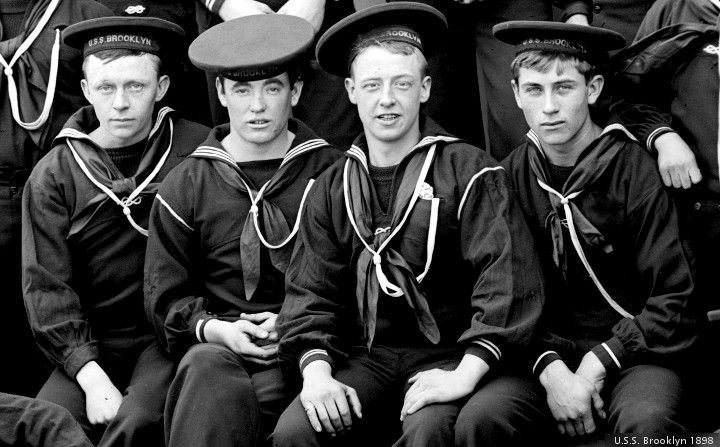
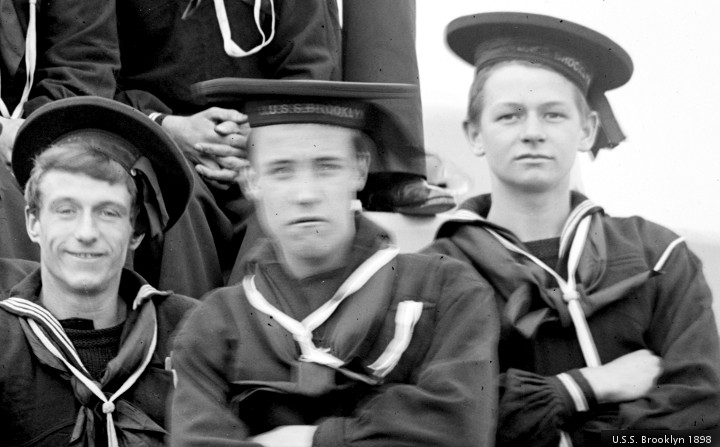
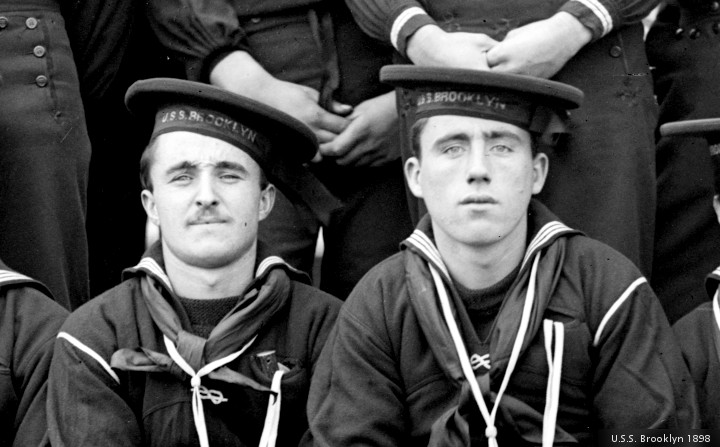
Pictures today are from The Library of Congress.




Grammar Oppression




An MF writer (Melissa A. Fabello) at Everyday Feminism chimes in today with Why Grammar Snobbery Has No Place in the Movement. She means a social justice movement, not a bowel movement. The two movements have a similar aroma. This is a repost.
With more and more people using written english, there are more grammar mistakes. Some people enjoy pointing these out. The EF post says that such behavior is elitist, privileged, and yes, racist. The distinction between written, and spoken, is not made.
“So, if a person wrote a Facebook comment that said “That their was an example of cissexism,” a prescriptive grammarian might comment back, “I think you mean ‘there,’” and a descriptive grammarian might respond, “You understood what they meant.” And while both schools are accepted forms of linguistic thought, it’s important to note that any time we create a hierarchy by positioning one thing as “better” than another, we’re being oppressive.” (“That there” sounds clumsy and ignorant, even using the correct “there.”)
“Ghanaian blogger Delalorm Semabia, in a conversation about the eradication of “the Queen’s English” in Ghana, explained, “The idea that intelligence is linked to English pronunciation is a legacy from colonial thinking.” And this is precisely where we need to start this conversation. As educated (and – okay – snarky) activists, we’re quick to respond to “According to the dictionary” arguments with “Who wrote the dictionary, though?” We understand that a reference guide created by a white supremacist, heteropatriarchal system does nothing but uphold that status quo. Similarly, we have to use that line of thinking when talking about the English language: Who created the rules? And who benefits from them? As per usual, what this comes down to is an issue of privilege (of course!). In fact, grammar snobbery comes down to an intersection of multiple privileges.
…You’ve probably never given much thought to this, aside perhaps from believing that you speak “correctly” and that everyone else who speaks a different type of English than you do speaks the language “wrong.” And perhaps you’ve noticed how often “those people” are people of color. And we (as a society) denounce any form of the language that isn’t “white” enough. Umm, that’s racist.”
English is a living, evolving language. Spoken english changes faster than written english. The written form, devoid of vocal inflection and facial expressions, is more dependent on rules of grammar to communicate.
As different people use english, they develop different ways of speaking. Many of the phrases that are common today began as slang in ethnic populations. As time goes on, these phrases become accepted as standard english. (Some see this use of “other culture’s expressions” as cultural appropriation. PG is neutral in that debate.)
The rules for written english are slower to change. At what point do we criticize the grammar of others? It can be a useful rhetorical tactic, along with ___splaining what the person really meant. Or do we just accept that some people are not privileged enough to use good grammar? (There is a certain condescension in excusing the bad grammar of others because of their background. “Oh, they can’t help not knowing that, because they is a poor oppressed POC.”)
In the list of grammar nazi privileges, MF quotes Kurt Vonnegut. PG likes to research quotes, and found a reddit page about the passage. The full quote (MF only used one sentence.) “First rule: Do not use semicolons. They are transvestite hermaphrodites representing absolutely nothing. All they do is show you’ve been to college. And I realize some of you may be having trouble deciding whether I am kidding or not. So from now on I will tell you when I’m kidding.” And yes, Kurt Vonnegut does use semicolons in his work.
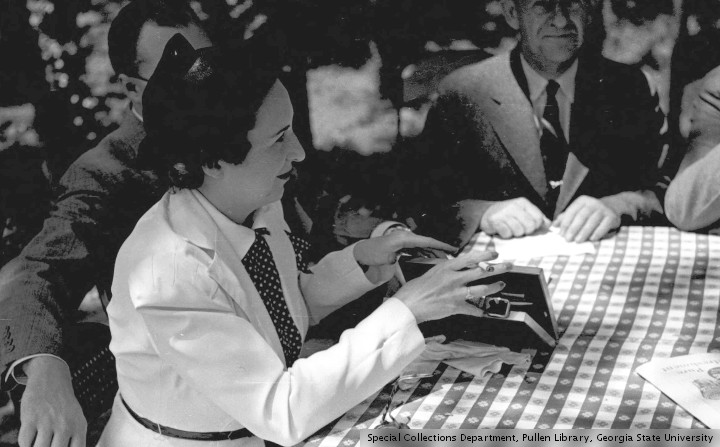
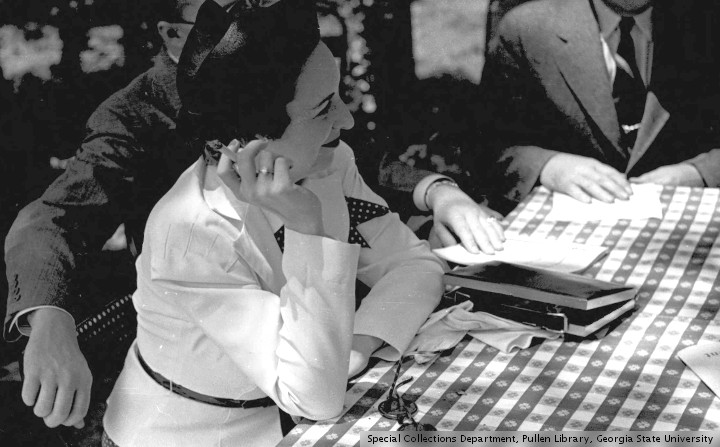
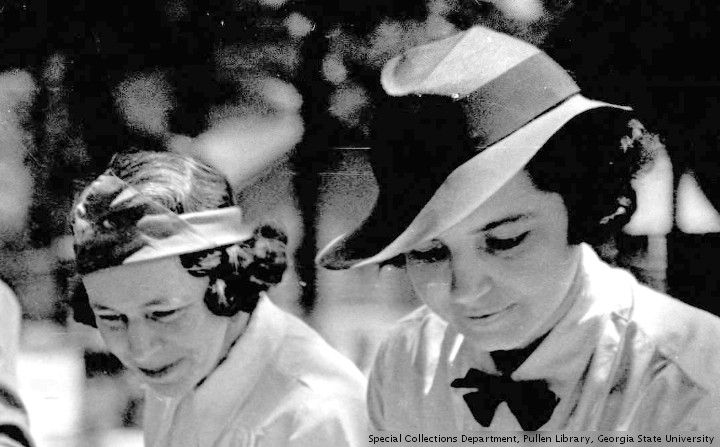
Pictures are from “The Special Collections and Archives, Georgia State University Library”. “Photographs taken at a horse show in Atlanta, Georgia, 1937.” UPDATE: There was an twitter exchange with the person who tweeted about the article: Knowing the difference between there and their is not oppression. ~ Not everyone has the luxury.




Carolyn Bryant Donham
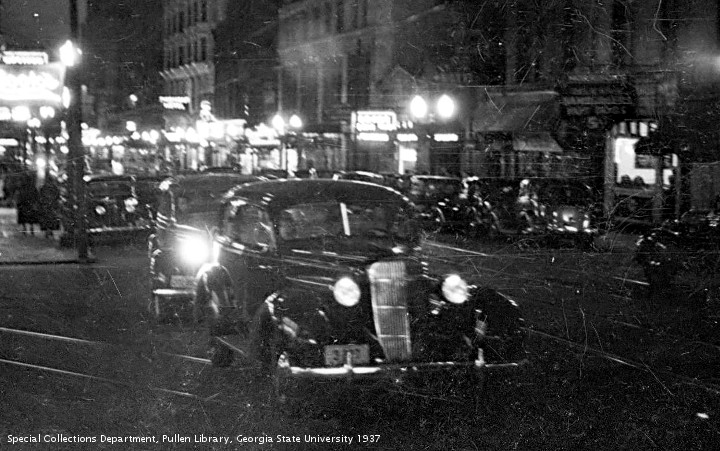
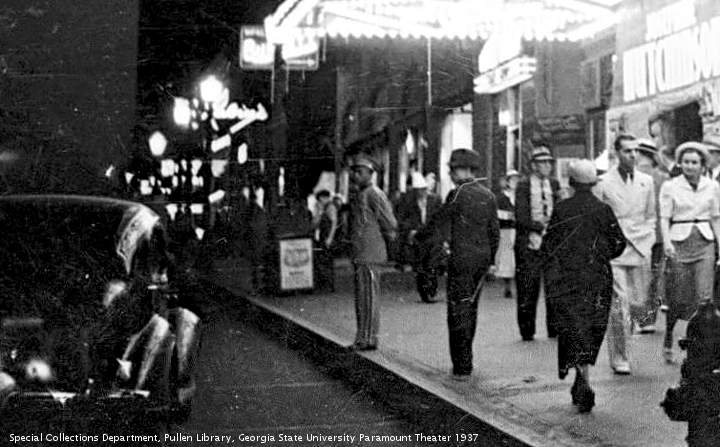

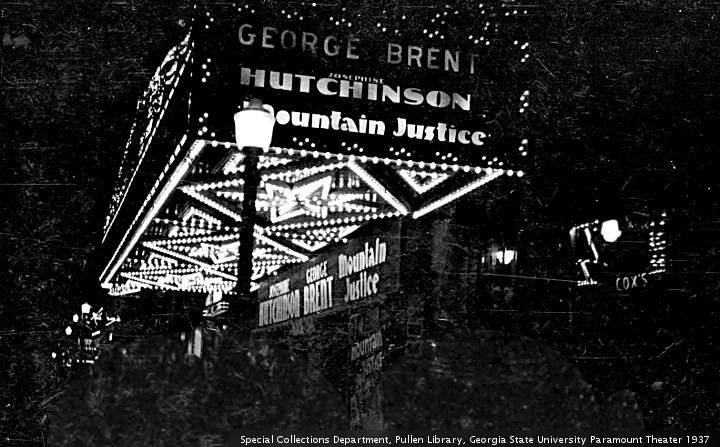
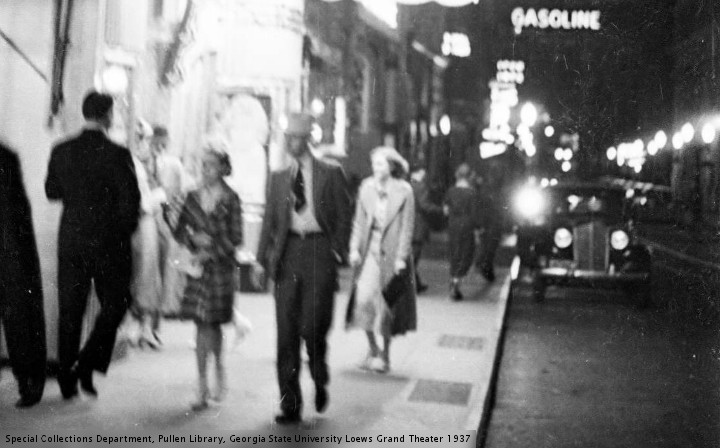
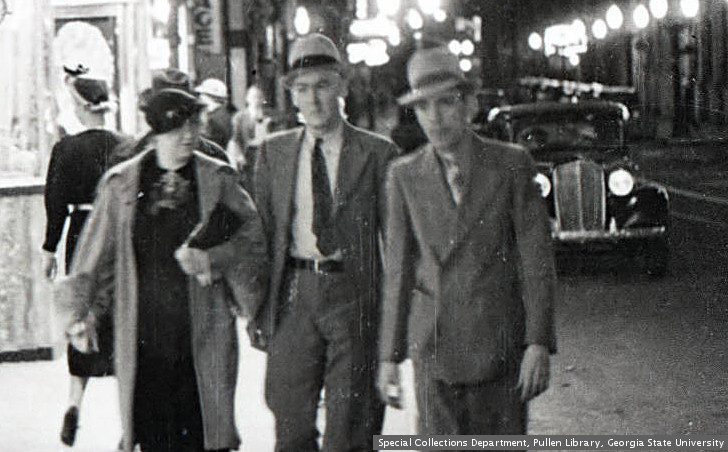
On August 24, 1955, Emmett Louis Till (ELT) went into Bryant’s Grocery & Meat Market, in Money MS. Later, the cashier, Carolyn Bryant Donham (CBD), falsely accused ELT of making improper advances. Four days later, fourteen year old ELT was brutally murdered by Roy Bryant, the husband of CBD, and JW Milam. This is the story I had always heard, and routinely accepted as the truth.
Recently, I saw a video that told a different story. In this version, a third party told Roy Bryant about the incident. More importantly, CBD never recanted her story. When The Blood of Emmett Till came out, news that CBD had recanted her story caused a sensation. The video had a screen shot of a newspaper article, with details about the non-confession.
“Timothy Tyson’s book on Emmett Till became a bestseller thanks to the bombshell quote he attributed to Carolyn Bryant Donham — that she lied when she testified about Till accosting her. Donham’s daughter-in-law, Marsha Bryant, who was present for the two tape-recorded interviews Tyson did with Donham, said her mother-in-law “never recanted. Adding to the intrigue is the fact the quote Tyson attributed to Donham isn’t on the recordings. … “It is true that that part is not on tape because I was setting up the tape recorder,” Tyson said.”
“Davis Houck, co-author of Emmett Till and the Mississippi Press, said if Donham is saying she didn’t recant in her interview with Tyson, “we’re left with a familiar story: a predatory black ‘man’ threatened to rape her on the evening of Aug. 24. “He sees two problems with that: Her court testimony differs greatly from her initial statement, where she said Till grabbed her hand, asked for a date, said goodbye and whistled. When Till’s killers arrived at Mose Wright’s house, (where Till was abducted) they asked for “the boy who did the talking at Money.” They didn’t ask for the one who touched Donham. If she indeed recanted, he said, “we are, at long last, asked to see her as a pawn in the defense attorneys’ strategy.”
A Justice Department investigation found no proof that CBD recanted her initial accusation. “Donham denied to federal investigators that she lied in her testimony, a source with knowledge of the case said, and there were inconsistencies with statements made by Tyson. … Tyson stood by his reporting, describing Donham as unreliable in an emailed statement.” It is possible that Timothy Tyson invented the story to sell books.
So what did happen at the store in Money, MS? “Emmett was left alone in the store for a minute or so with Carolyn Bryant, the white woman working the store’s cash register. … As Carolyn Bryant would later tell the story in a Tallahatchie County courthouse, Till asked her for some candy inside a candy counter. When Bryant placed the candy on top of the counter, Till grabbed her right hand tightly and asked, “How about a date, baby?” When Bryant pulled her hand free and started to walk away, Till grabbed her by the waist near the cash register and told her, “You needn’t be afraid of me, baby I’ve [slept] with white women before.”
“Till’s cousin, Simeon Wright, writing about the incident decades later, questioned Carolyn Bryant’s account. Entering the store “less than a minute” after Till was left inside alone with Bryant, Wright saw no inappropriate behavior and heard “no lecherous conversation.” Wright said Till “paid for his items and we left the store together.”
“There is, however, general agreement about what happened next outside the store. As Carolyn Bryant left the store and headed towards a car … Emmett whistled at her. Till’s cousin described it as “a loud wolf whistle, a big city ‘whee wheeeee!'” Till’s Mississippi cousins instantly knew that Till had broken a longstanding taboo relating to social conduct between blacks and whites, and that they were in grave danger. They quickly ran to their car and sped out of Money.”
The story about the *kid* from Chicago loudly whistling at CBD was a hot item in local conversations. Three days later,“Roy Bryant, Carolyn’s husband, returns to Mississippi after working on a shrimping boat in Texas. That afternoon, at the store, an African-American teenager tells Roy about the August 24 incident at the store involving Till and his wife. When he asks Carolyn about the incident, she urges her husband to forget about it. But he doesn’t. … To do nothing after hearing the story involving his wife, Bryant later told an interviewer, would have shown himself to be “a coward and a fool.”
“Sometime on Saturday August 27, plans fell into place to kidnap the offending black teenager and “teach him a lesson.” Bryant’s half-brother, John W. Milam, readily agreed to help. … According to historian Hugh Whitaker, who interviewed dozens of Mississippians who knew Bryant and Milam, the two “were invariably referred to as ‘peckerwoods,’ ‘white trash,’ and other terms of disappropriation.”
“Within the next few hours, Bryant and Milam somehow learned that the wolf-whistler was staying at the home of “Preacher” Moses Wright. At 2:30 a.m., a vehicle with headlights off pulled up in front of Wright’s home east of Money. … When Wright went to the door, the man identified himself as Roy Bryant and said that he wanted to talk to “a fat boy” from Chicago. Standing on the porch with Bryant were Milam and a black man, hiding his face, who (according to his own later admission) was Otha Johnson, Milam’s odd-job man. The men searched the occupied beds looking for Till. Coming to Till’s bed, Milam shined a flashlight in the boy’s face and asked, “You the niggah that did the talking down at Money?” When Till answered, “Yeah,” Milam said, “Don’t say ‘yeah’ to me, niggah. I’ll blow your head off. Get your clothes on.” Warning the Wrights they’d be killed if they told anyone they had come by, Milam and Wright ushered Till out of the house and to their parked vehicle. Standing on the porch looking out into the dark, Moses Wright heard a woman’s voice–possibly Carolyn Bryant’s–from inside the vehicle tell the abductors they had found the right boy. What happened over the next three or four hours is not known for certain.”
An FBI document has conflicting details. “After deciding to kill Till, they traveled to a cotton gin at Boyle MS and picked up a discarded gin fan there. Milam is quoted as saying “When we got to that gin, it was daylight, and I was worried for the first time. Someone might see us and accuse us of stealing the fan.” … “They took Till’s body to a bridge in a secluded area, affixed the gin fan to Till and threw him off the bridge, into the Tallahatchie River” … “Two blacks, who worked for the Milams, were part of the group that beat and killed Till. One of the blacks discovered Till wasn’t dead so the two blacks killed him and helped in the disposal of his body.” At any rate, ELT was murdered, the gin fan was tied to his body, and the body was dumped in the Tallahatchie River.
One surprising detail is the participation of Black men in the crime. “Two potential key witnesses, both blacks who allegedly assisted with the abduction and murder of Till, were unavailable to the prosecution. Both Leroy “Too Tight” Collins and Henry Loggins, who prosecutors assumed only to be missing, were actually being held under false identities in a jail in Charleston, Mississippi under orders of Sheriff H. C. Strider, who had thrown the full weight of his office behind the defense efforts.”
Today is the third of June. Did Billy Joe McCallister jump into the Tallahatchie River? “Ode to Billy Joe” is a made up story. Choctaw Ridge is nowhere near the Tallahatchie River. Wikipedia does have an interesting comment about the Tallahatchie Bridge. “The wooden bridge collapsed in 1972 after being set alight by vandals. It crossed the Tallahatchie River at Money, about ten miles north of Greenwood.” Money is where Bryant’s Grocery Store is. The name changed soon after the murder, and the store is now in dilapidated shape.
“To say that Bryant “made it all up” implies that she lied about the wolf-whistle, also. It is important to point out, however, that Till’s cousins — Maurice Wright, Simeon Wright, and Wheeler Parker — who witnessed the incident, were the ones who told the press about the whistle just days after it occurred. Bryant herself said nothing about the whistle publicly until the murder trial. Thus all news reports about the whistle up to the trial came directly from Till’s cousins.”
“But it was at the trial where Bryant added some sensational details that seemed to come out of nowhere, and this is where she lied. … Just five days after the murder, with her husband and brother-in-law sitting in jail, she told defense attorney Sidney Carlton a different story than the one she would tell in court three weeks later. Carlton’s hand-written notes make no mention of the more salacious parts. “Wednesday Aug. 24 about 7:30 or 8 P.M. (dark) boy came to candy counter & I waited on him & when I went to take money he grabbed my hand & said ‘how about a date’ and I walked away from him and he said ‘what’s the matter Baby can’t you take it?’ He went out door and said ‘goodbye’ and I went out to car & got pistol and when I came back he whistled at me—this whistle while I was going after pistol—didn’t do anything further after he saw pistol.’”
“Because Bryant’s story developed after Till’s death, it is clear the lies she told on the stand did not lead to murder but came later for the benefit of the jury in order to guarantee an acquittal. Also, Carolyn Bryant is not the one who told her husband about the store incident in the first place. He was out of town at the time but heard it three days after the fact from one of the young teens who was present at the store the night of the incident. … Carolyn only confirmed the incident to Roy after he confronted her. … Tyson told another detail about Bryant’s false story in a paper leaked online in 2014, saying it was concocted for her to use by defense attorneys and Bryant family members. For whatever reason, Tyson did not include this detail in his book. It is not on the notepad and presumably, is not on tape either.”
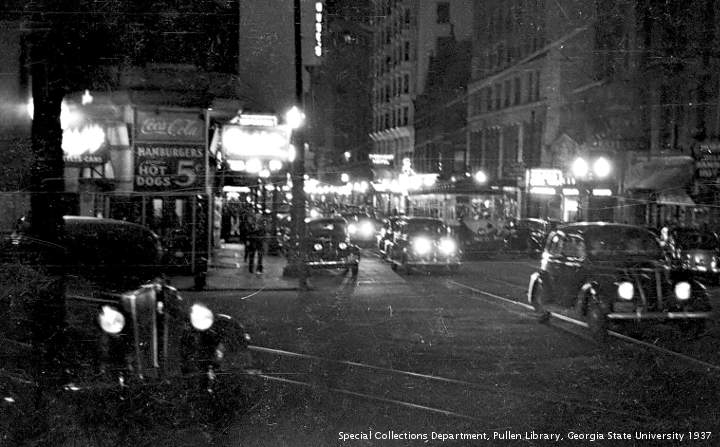
@GavinNewsom “His physical mannerisms are aggressive…I feel threatened by him.”-Marjorie Taylor Greene describing Rep. Bowman This is the kind of dangerous rhetoric that led to Emmett Till’s death. Everyone should call this out for what it is: blatant racism.” This type of overheated rhetoric is becoming common. It is based on a cynical version of a tragic history. It does not honor the memory of Emmett Till. “Everyone should call this out for what it is: blatant racism.” Pictures today are from Special Collections and Archives, Georgia State University Library
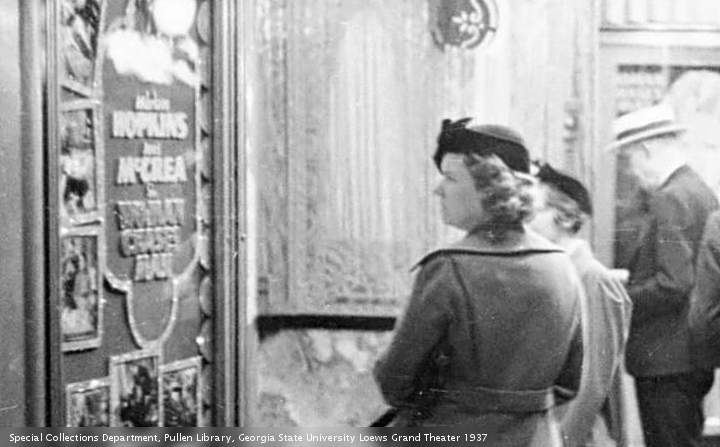


#CitiBikeLady
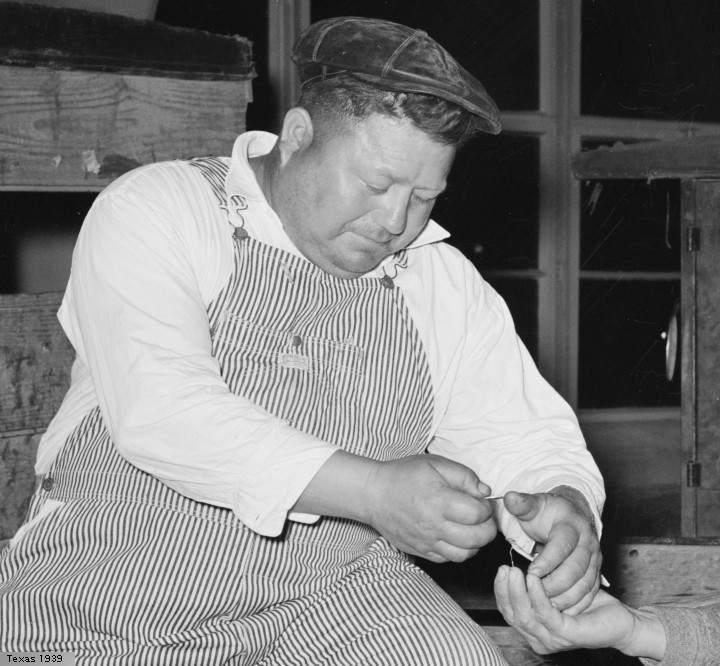


The story of the Citi Bike Lady (CBL) has been a guilty pleasure recently. What should be a minor NYC story is an obsession for many. This feature will not discuss who rented the bike at what time. Instead, it will make a few observations, and show a few insane quotes. If you are not familiar with CBL, you should be grateful. If you are interested, google has plenty of information.
#CitiBikeKaren is the popular hashtag here. The phrase will not be used in this feature. Using “Karen” as a slur for “some” White women is a problem. “Karen” is a racially specific term. (Is this racist? Misogynist? It depends on who is yelling.) In any event, “Karen” is a nasty term that degrades God’s children. Using “Karen” as a slur should be discontinued. @RuPaul “Derogatory slurs are ALWAYS an outward projection of a person’s own poisonous self-loathing.”
The CBL commentary reeks of misogyny. One quote stands out: “There’s good reason why “Karen” is a pejorative and not, say, “Chad.” The white man’s role in racism and supremacy is undefeated, but there’s something a bit more insidious about White women and racism: There’s an attached racist historical cultural view as humanity’s precious, delicate commodity whose sanctity forever needs to be protected against scary, unclean Black people.”
Some of the output continues down the misogyny/prejudice/insanity path. @thejournalista “It goes against their belief that they can take whatever they want whenever they want to.” … “Sarah Jane Comrie Is A 2023 Version Of Carolyn Bryant White women’s “tears” … “She should be tried for endangering her fetus her unborn fetus she put that child in danger because had that had that young man reacted in a different way” … “I think these black young men … was attacked by a pregnant girl let’s just let’s just call it what it is.”
@thejournalista, aka Monique Judge, is a CBL actor. Two of her other efforts: “Accountability is like kryptonite to whiteness” “White People Like Sarah Jane Comrie Always Get The Benefit Of The Doubt.” Ms. Judge got an interview with “Mike,” the young man in the video. He was accompanied by his Mother, and “Mary,” his sister (known on TikTok as maimounabands.) We have to take Ms. Judge’s word that the people she interviewed are who they claim to be.
Mother Of Teen In Video Speaks Out has a few lively quotes. “There have been a bunch of roadblocks to getting my brother’s story out there,” Mary said. “He’s only 17. He doesn’t deserve to be going through this. And this woman just comes up and starts harassing a bunch of teenagers.” … “Mary said her brother’s friend started recording because they wanted to stay safe.” … “So with a white woman standing right there and screaming for someone to help, if the police had come, and my son was standing there, they are going to shoot him. If he runs, they are going to shoot him.”
One quote is especially amusing. “She said she contacted a prominent civil rights attorney who initially tweeted about the video, but he advised her he doesn’t practice “that kind of law” and suggested she contact the New York State Bar Association for a referral.” @AttorneyCrump does not want to take on the CBL case. That should tell “Mary” something. (@maimounabands has other entertainments on CBL.)
Hopefully, I can put my CBL fascination behind me. @NatetheLawyer has an excellent video, if you are still interested. Pictures today are from The Library of Congress

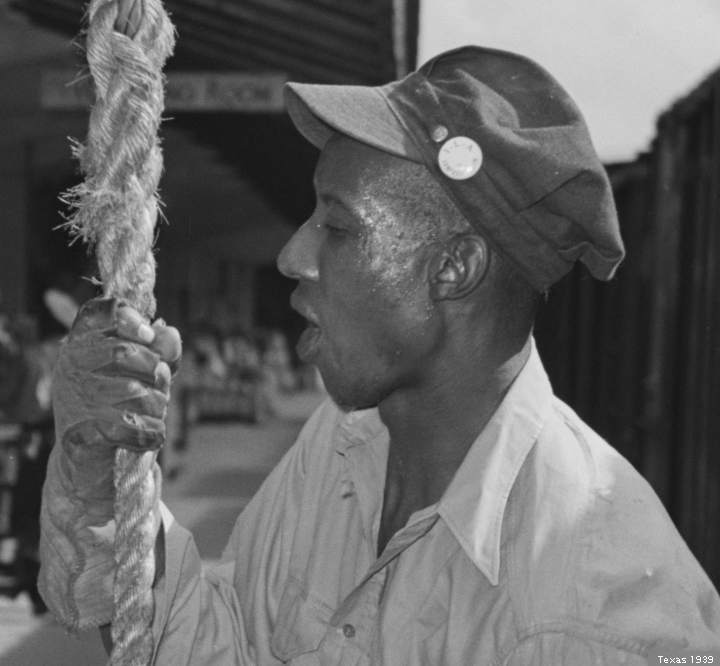


Judgement Day
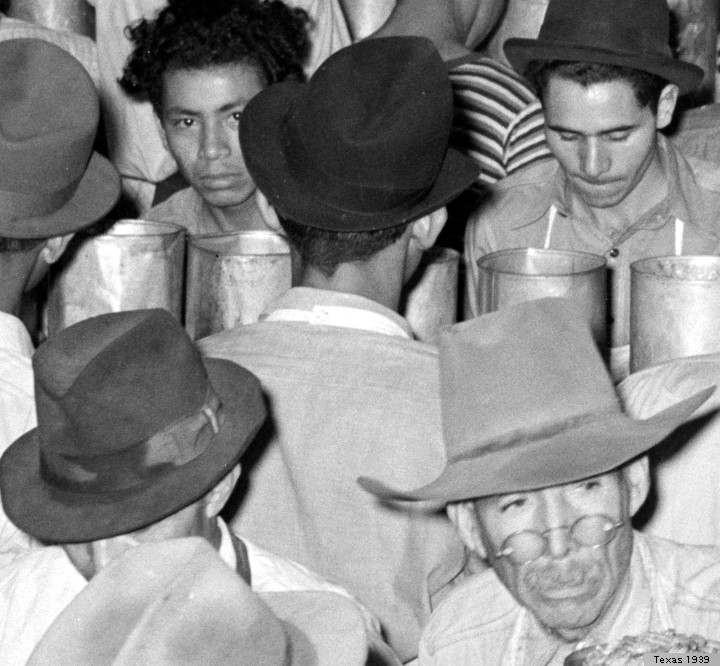


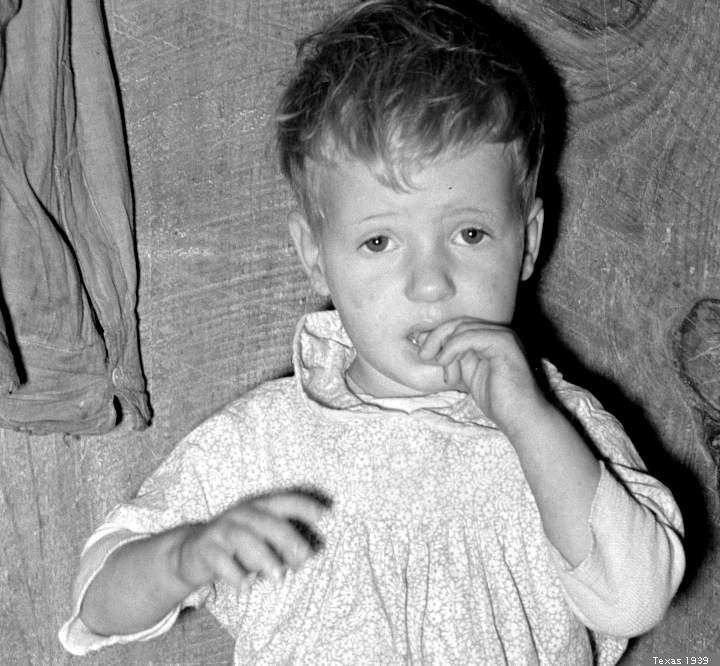
Judgement Day (with an e) is the story of Tanner. He is staying with his daughter in New York City, until his body can be shipped back to Corinth GA. JD is the last story in Everything That Rises Must Converge, a book of short stories by Mary Flannery O’Connor.
The modern reader does not appreciate MFO’s racial attitudes. She writes about what Lester Maddox called “little people.” Tanner is described, with some justification, as a “wool-hat red-neck son-of-a-bitch peckerwood old bastard.” Never mind that Tanner shares his Georgia shack with Coleman Parrum, a black man.
Tanner uses a 6 letter word (6LW) to describe Coleman, and people who look like him. 6LW appears 31 times in JD. In 2023, I am strongly encouraged to not see, hear, speak, smell, taste, or feel 6LW, and feel morbid shame if I do. Unfortunately, I wind up reading JD, where 6LW appears 31 times in 7852 words (.39%). After a while, 6LW becomes boring.
JD drags along at first. Many MFO stories take a while to get going. The fun starts when a black man moves into the apartment next door. Tanner decides to make friends with him.
“This time Tanner advanced squarely in his path. “Good morning, Preacher,” he said. It had been his experience that if a Negro tended to be sullen, this title usually cleared up his expression.
The Negro stopped abruptly.
“I seen you move in,” Tanner said. “I ain’t been up here long myself. It ain’t much of a place if you ask me. I reckon you wish you were back in South Alabama.”
The Negro did not take a step or answer. His eyes began to move. They moved from the top of the black hat, down to the collarless blue shirt, neatly buttoned at the neck, down the faded galluses to the gray trousers and the high-top shoes and up again, very slowly, while some unfathomable dead-cold rage seemed to stiffen and shrink him.
“I thought you might know somewhere around here we could find us a pond, Preacher,” Tanner said in a voice growing thinner but still with considerable hope in it.
A seething noise came out of the Negro before he spoke. “I’m not from South Alabama,” he said in a breathless wheezing voice. “I’m from New York City. And I’m not no preacher! I’m an actor.”
Tanner chortled. “It’s a little actor in most preachers, ain’t it?” he said and winked. “I reckon you just preach on the side.”
“I don’t preach!” the Negro cried and rushed past him as if a swarm of bees had suddenly come down on him out of nowhere. He dashed down the stairs and was gone.
Tanner stood here for some time before he went back in the apartment. The rest of the day he sat in his chair and debated whether he would have one more try at making friends with him. Every time he heard a noise on the stairs he went to the door and looked out, but the Negro did not return until late in the afternoon. Tanner was standing in the hall waiting for him when he reached the top of the stairs. “Good evening, preacher,” he said, forgetting that the Negro called himself an actor.
The Negro stopped and gripped the banister rail. A tremor racked him from his head to his crotch. Then he began to come forward slowly. When he was close enough he lunged and grasped Tanner by both shoulders. “I don’t take no crap,” he whispered, “off no wool-hat red-neck son-of-a-bitch peckerwood old bastard like you.” He caught his breath. And then his voice came out in the sound of an exasperation so profound that it rocked on the verge of a laugh. It was high and, piercing and weak, “And I’m not no preacher! I’m not even no Christian. I don’t believe that crap. There ain’t no Jesus and there ain’t no God.”
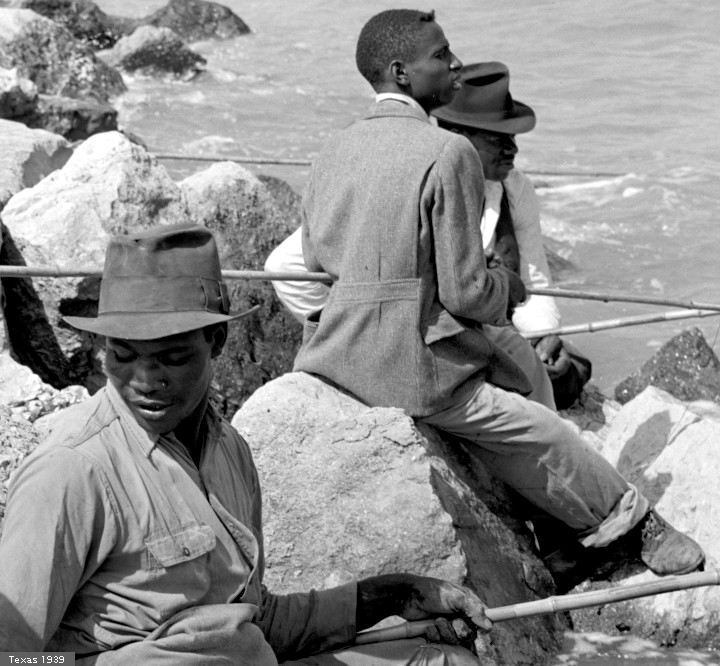
JD does not have a happy ending. Pictures today are from The Library of Congress.


Democrats Go Wild

This is a repost from 2018. The incident described here is the first time I was aware of Stacey Abrams. Many of the playground bully tactics employed by Democrats are seen here. The most recent example is the shameful antics of the #Tennessee3. … Until Thursday, PG had been in blissful denial of the Georgia Governor’s election. Except, that is, for the clown car antics of the republicans. The Democrats had Stacey Abrams, aka black Stacey, opposing Stacey Evans, aka white Stacey. The Republicans are almost certain to win in November, even with a certified idiot like Casey Cagle.
The happy ignorance was interrupted by facebook on thursday. A FBF posted a link to this article, Statement … on the vulgar hit piece against Anoa Changa. The vhp, posted by the notorious white supremacists at WABE, was titled Atlanta Activist Uses Russian-Backed Media To Spread Message. It seems as though a local activist, Anoa Changa, utilized a Russian owned broadcast outlet to spread her message. This was news to PG, as well as people who never listen to Sputnik.
PG did not see what was so horrible about the WABE piece, and was prepared to ignore it. Then he saw something in the article. “Changa helped lead a protest last year at the progressive Netroots Nation convention drowning out the speech of Stacey Evans, a Democratic candidate for governor in Georgia. Changa and the other protesters chanted “trust black women.” Evans is white, while her Democratic primary opponent Stacey Abrams is black. Changa supports Abrams.” A bit of research turned up a video, Protesters Harass Stacey Evans Candidate Gov. Georgia Aug 12, 2017.
This incident was noted on facebook. “Yup, don’t see what the problem is. Was Evans run out of town? Silenced? Is she still in the race?” “I fully support activists of color disrupting any centrist white person running for office. Stop ignoring the fundamental power dynamic in play because of white supremacist patriarchy.” “Good luck winning the election”
Others are grossed out by this type of behavior. Is this what happens to people running for public office? To be shouted down in public forums, and say “this is what democracy looks like.” Maybe smells like is more appropriate. Maybe we are not mature enough to allow the luxury of free speech. Maybe an election campaign is a time to shout down your opponent … and call those who do not applaud your playground bully tactics a racist.
Stacey Abrams And Stacey Evans had a discussion of the incident. Stacey Evans condemned the protest. Stacey Abrams did not. “I do not believe that you silence those who feel they are voiceless, because the minute we do that we are no better than those who tell people they can’t kneel in protest.”
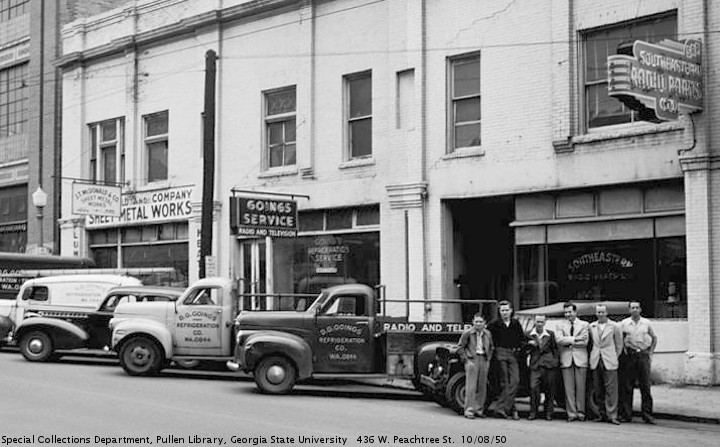
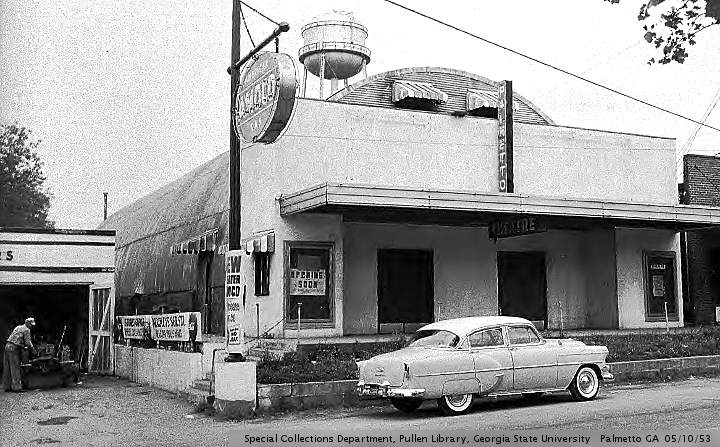
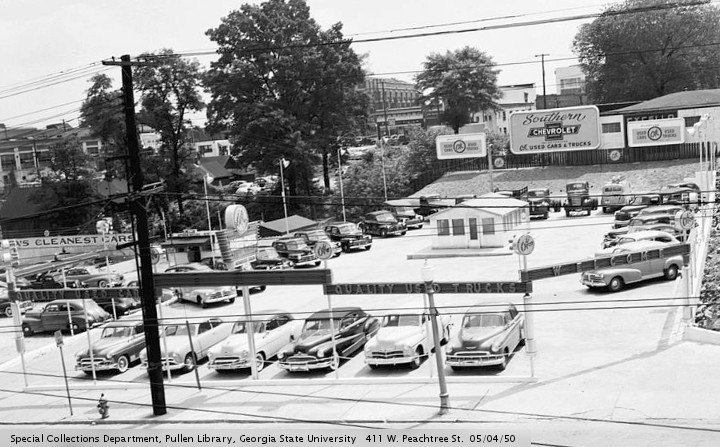
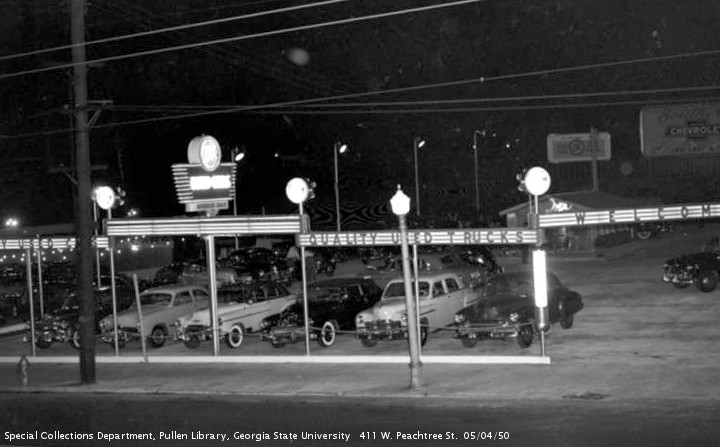
Anoa Changa is far from voiceless. She is not going to be silenced by waiting until someone else is through speaking. To compare this abusive protest, to pro football players and the national anthem, is ridiculous. Stacy Abrams has no business being Governor of Georgia. Pictures are from Special Collections and Archives, Georgia State University Library



 Chamblee54
leave a comment