Racist Romance Writer Smackdown


In twitterland, there is a list of trending topics. The other day, the top trend was #IStandWithCourtney. The trend topping #ISWC tweet: Jingle Elle Maruska (they/them) @ellle_em “#IStandWithCourtney Calling out racism is not being racist Pointing out someone’s unethical behavior is not being unethical I stand with Courtney because white feelings are in no way more important than fighting for marginalized people’s right to exist in any & all spaces.” If you think you know where this is headed, you are probably correct. This is a repost from 2019.
Perez Hilton puts it all in a nutshell. “What’s it all about? It’s about racism, injustice, and of course erotic tales of ribald fantasy. Yep, it’s drama in the world of romance novelists! This month the Romance Writers of America suspended author Courtney Milan (presumably asking her to turn in her badge and her quill) over what they called a violation of their code of ethics.”
“So what had Milan, the author of such historical Harlequins as A Kiss For Midwinter … done to deserve this literary excommunication? Apparently fellow novelists Suzan Tisdale (Secrets of the Heart) and Kathryn Lynn Davis (Too Deep For Tears) filed a formal complaint over a twitter thread … in which Milan — a Chinese American author — called out one of Davis’ books for being racist.”
Smart Bitches has more on this bodice-ripping badass, with documentation galore. Davis complaint, Tisdale complaint I, Tisdale complaint II RWA ethics committee report “whether it’s a publishing house deciding that a contract with a white supremacist is a good idea, or a writer’s organization deciding that white supremacy is the right decision ethically.”
The twitter thread is can’t-miss reading. @courtneymilan read a sample of Somewhere lies the moon. There was a twitter reaction, that will live in infamy. @courtneymilan “And we’ve been talking about Sue Grimshaw? Someone sent me a link to a book written by the other editor, Kathryn Lynn Davis, and is a fucking racist mess.”
The Davis complaint notes that the Milan opinion is based on reading a sample of SLTM. By her own admission, @courtneymilan did not finish the sample, much less read the book. @courtneymilan “Here’s the book. I didn’t finish the sample. I didn’t need to.”
Racism smackdown fans are probably asking, what was so fucking racist messy about SLTM? The accuser is Chinese-American, as is the racially besmirched character. No forbidden words, beginning with N, were used. It is not that type of racism.
The damning nanoagressions are documented in a series of tweets. Here are a few. The part following a link is by @courtneymilan. Transcribed screen shots are identified as (SS). If you click on the link, you can see the entire screen shot. This might help you understand the situation better.
@courtneymilan “This book is like a bingo card of OH GOD DID YOU REALLY. Start out with the heroine, who is the obligatory blue-eyed half-Chinese woman.” (SS) “Lian was twenty-five, tall and lithe, with the thick black hair and bronze skin of the Chinese”@courtneymilan “I mean…. that doesn’t really happen. (Genevra is half-Indian and also blue-eyed.) But also… like. Of course. This is like such a standard racist trope. WHY.”
@courtneymilan “Here is our half-Chinese woman remembering her past, where she is explicitly told that the future is the West, and that for Chinese women, compliance is the rule. SIGH.” (SS)”I am a captive of my own history, but I have raised you to be free, to move forward toward the future – and the future is the West.” “I was no’ askin’ what your parents wanted, but what ye want for yourself” “It is not important. It is not a question I ask myself. In China Shun, compliance, is the rule for women”
@courtneymilan “Here she is, meeting another Chinese family in London. I’m gonna be honest: I don’t know how I feel about “bronze” as the “standard” for Chinese skin (prior tweets), but I *do* know how I feel about “yellow.” And about almond eyes.” (SS) “…their thick blue-black hair and bronze faces, turned slightly yellow by the London climate, were unmistakably Chinese, as were their slanted almond eyes” @courtneymilan “Note that this in Lian’s point of view. She was raised in China. She only describes the Chinese people by skin color/eye slant, not the white people. She’s literally describing absolutely normal people to her as if she were a white woman talking about a foreigner.”
@courtneymilan “Oh, I was searching for something else and found this: In China, women didn’t learn anything.” (SS) “In China, no woman was taught much more than cooking and sewing and the graceful art of pleasing her husband.” Pictures today are from The Library of Congress.


The Ta-Nehisi Coates Video


This is a repost from 2017. Ta-Nehisi Paul Coates recently published The Message. One essay in TM described living conditions in the West Bank. The book was condemned as antisemitic. … There is a video, Ta-Nehisi Coates on words that don’t belong to everyone. It is being praised to high heaven. The transcript is from Vox. Pictures today are from The Library of Congress.
TPC gave an interview once, The Playboy Interview with Ta-Nehisi Coates. (The link no longer works.) “The n***** thing? I understand if you’re black and you say, “Man, I had white people call me this shit all my life. They called me this shit when they hit me upside the head, and I don’t want to hear it.” I understand that. But that ain’t everybody’s experience. I’ve never had a white person call me a n*****. I had somebody call me le négre here in France, but I was 38 years old and I couldn’t have cared less. It didn’t mean anything. So not all of us come out of that experience.”
The monolog starts off with a discussion about how some words are appropriate for some people to use, but others should not say them. “My wife, with her girl friend, will use the word bitch. I do not join in. You know what I’m saying? I don’t do that. I don’t do that. And perhaps more importantly, I don’t have a desire to do it.” The question arises: is his wife a four legged dog? Unless she is, then the b-word does not apply to her.
“Coates pointed to another example — of a white friend who used to have a cabin in upstate New York that he called “the white trash cabin.” “I would never refer to that cabin” in that way. I would never tell him, ‘I’m coming to your white trash cabin.’” Of course, a person with an upstate cabin is likely to be far removed from the trailer park. He is using *white trash* with irony, and would not be the least offended if TPC called it “the white trash cabin.”
“The question one must ask is why so many white people have difficulty extending things that are basic laws of how human beings interact to black people.” … “When you’re white in this country, you’re taught that everything belongs to you. You think you have a right to everything. … You’re conditioned this way. It’s not because your hair is a texture or your skin is light. It’s the fact that the laws and the culture tell you this. You have a right to go where you want to go, do what you want to do, be however — and people just got to accommodate themselves to you.”
At this point, I turned off the video in anger. I have never been taught that everything belongs to me. Nobody that I know has been taught that. I do not know anyone who teaches that message. This is a lie. It makes me not want to believe anything else that TPC says. Maybe there is some privilege/culture mumbo-jumbo that explains this, but I am not buying it.
Lets go back a minute to the white trash cabin. TPC does not want to use this phrase. And yet, he feels entitled to make a sweeping generalization like “When you’re white in this country, you’re taught that everything belongs to you.” It is wrong to say white trash, but ok to slander white people.
“So here comes this word that you feel like you invented, And now somebody will tell you how to use the word that you invented. ‘Why can’t I use it? Everyone else gets to use it. You know what? That’s racism that I don’t get to use it. You know, that’s racist against me. You know, I have to inconvenience myself and hear this song and I can’t sing along. How come I can’t sing along?’”
“The experience of being a hip-hop fan and not being able to use the word ‘ni**er’ is actually very, very insightful.” To begin with, why do you assume that I am a hip hop fan? Many people do not enjoy hip hop. And so, if you are forced to listen to music that you don’t like, how does that make you want to use a word that degrades the user? The logic of TPC is falling apart faster than the Falcons pass defense in the Super Bowl.
“It will give you just a little peek into the world of what it means to be black. Because to be black is to walk through the world and watch people doing things that you cannot do, that you can’t join in and do. So I think there’s actually a lot to be learned from refraining.”
If you are in the mood to get yelled at for a half hour, you can ask someone about “things that you cannot do, that you can’t join in and do.” There might be some. If you go along with the rhetoric so far, you will probably believe what you hear. You might even understand why not using a nasty word will give you “a little peek into the world of what it means to be black.” As for me, seriously doubts remain. I am not someone who says that this video is “an incredibly clear explanation for why white people shouldn’t use the n-word.”


Once upon a time, cigarettes were advertised on television. One new brand was a cigarette for women, Virginia Slims. The ability to kill yourself with tobacco was presented as being a privilege. Some wondered why women would want to take up this filthy habit. Today, African Americans have the privilege of using the n-word. What a deal. A nasty word, which degrades both the speaker, and the spoken of. Why would anyone want to use that word?
If you don’t have anything good to say, you can talk about the n-word. This *trigger* word is an aphrodisiac for the american body politic. Recently Ta-Nehisi Paul Coates performed in a video, Ta-Nehisi Coates on words that don’t belong to everyone There is much praise for this entertainment, like this: @SneakerWonk “#TaNehisiCoates has an incredibly clear #explanation for why #whitepeople shouldnt use the #nword.” I have a few paragraphs about this video, in the text above.
I have written about racism, anti-racism, and racial attitudes on many occasions. Sometime people get angry, and call me rude names. More often, I am ignored. Once, there was a double feature about James Baldwin. In the first half, Mr. Baldwin expresses a few opinions about those six letters. In the second half, I substitute racist for the magic word, with amusing results.
One item that keeps coming up is speculation about who invented the n-word. Negro means black in Spanish, and is derived from a latin word. The Oxford English Dictionary has some usages going back to 1577. “1577 E. Hellowes tr. A. de Guevara Familiar Epist. (new ed.) 389 The Massagetes bordering vpon the Indians, and the Nigers of Aethiop [Sp. los negros en Ethiopia], bearing witnesse. ~ 1584 R. Scot Discouerie Witchcraft vii. xv. 153 A skin like a Niger. ~ 1608 A. Marlowe Let. 22 June in E. India Co. Factory Rec. (1896) I. 10 The King and People [of ‘Serro Leona’] N*****, simple and harmless.
The TPC video is based on the concept that white people want to use the magic word, but should not. This assumes a great deal. Chamblee54 published a piece about the n-word, that spelled out why he does not like to use this noun/verb/adjective/adverb/interjection. Here are four reasons for a white person to refrain from saying america’s favorite dirty word.
1- The n-word hurts people’s feelings. I have known many fine Black people. I do not want to say anything that will hurt these people.
2- Being heard saying the n-word can cause all sorts of problems. This can include physical retribution, loss of employment, lawsuits, and having to listen to enough loud angry words to make you wish you had never learned how to talk.
3- It is not a fair fight. There is no equivalent phrase for a Black Person to say to a White person. Why give that power to another group of people … to turn you into a mass of incoherent rage, just for hearing a six letter word. The closest thing is “Cracker,” which I only recently found out was an insult. There used to be a minor league baseball team, the Atlanta Crackers.
4- The use of the n-word demeans the user. When you say an insulting word about another human being, you make yourself look bad. Many feel that using the n-word degrades the person who uses it. Why would a person would want to do that?


Your Racism
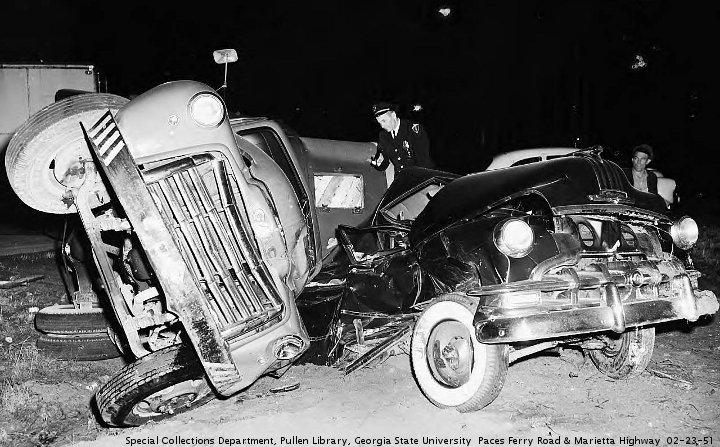
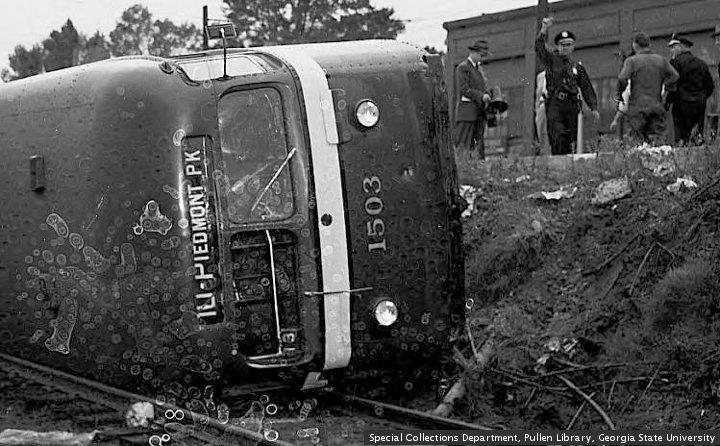


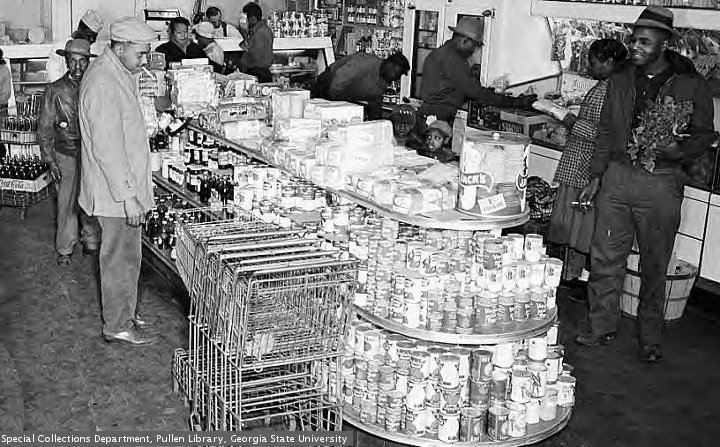
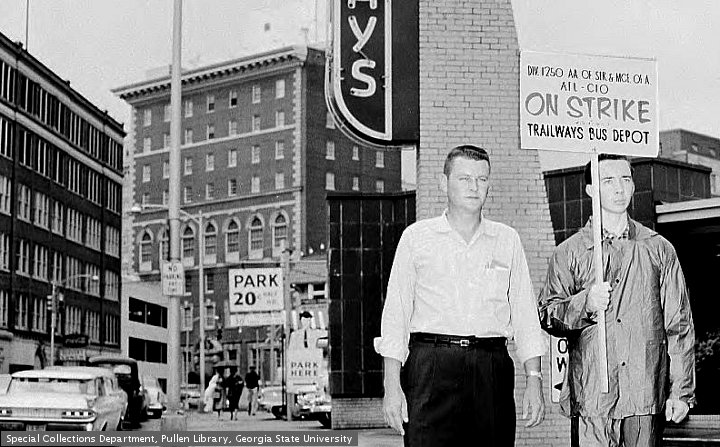

This is a repost from 2014, and the Mike Brown case. … Last night, in anticipation of the Grand Jury presentation, chamblee54 published Freedom Lies Bleeding. “grand jury renders opinion ~ national hissy fit begin again ~ when justice is popularity contest ~ freedom lies bleeding in street”
There was a comment. Anonymous said, on November 25, 2014 at 2:28 pm (Edit) “Thanks Luthor… you’re racism never disappoints!” The name was misspelled.
There is both style, and substance, to consider here. Is Freedom Lies Bleeding racist? Who knows? The definition of racism is growing, in carcinogenic fashion, as we speak. Some say it is systemic institutions of oppression. Some say it is jokes about toothpaste flavor. Maybe the best definition is that racism is anything that you do not like.
The poem was directed at the concept of mob rule. As President Obama said, “We are a nation built on the rule of law, so we have to accept this decision was the grand jury’s to make.”
A few years ago, O.J. Simpson was accused of murder. Many people thought he was guilty. After a long trial, he was found innocent. Should popular opinion have overruled the jury? No, it should not. The jury saw the evidence, and heard the arguments. The people can protest and debate, but they cannot take the place of a jury.
Is a dependence on a system of law and order racism? Anonymous seems to think so. Is they qualified to make this judgment? If racism is anything that you don’t like, then Anonymous is qualified to make the call. Maybe they knows something we don’t.
There is the style of the comment to consider. While Anonymous did not give their name, there was an I.P. address. The IPA is connected to a .edu server. Apparently, this is a workplace computer. Leaving insulting comments from your employer’s computer does not reflect well on the institution.
Anonymous is entitled to an opinion. However, leaving a name calling comment does not speak well for this individual. The six words say more about Anonymous than they do chamblee54. Pictures today are from “The Special Collections and Archives, Georgia State University Library”.



Ta-Nehisi Coates Again



The Message is a new book by Ta-Nehisi Paul Coates. The publishing game requires TPC to promote his book, which he is doing with gusto. It turns out this literary product is critical of Israel. Some things you are not allowed to say out loud.
One noteworthy appearance was on CBS Mornings. Tony Dokoupil gave TPC a rude greeting: “I have to say when I when I read the book I imagine if I took your name out of it took away the awards and the Acclaim took the cover off the book … the content of that section would not be out of place in the backpack of an extremist.” Later, Mr. Dokoupil inadvertently says something many of Israel’s neighbors might agree with: “Why does any of Israel exist? What a horrific place, committing horrific acts on a daily basis.”
Part of the problem is the high profile TPC has enjoyed as an anti-racist celebrity. Over the last few years, many “woke” people have heaped praise on the man. At the same time, more than a few people were annoyed with TPC. Saagar Enjeti had some strong comments about TPC on Breaking Points recently. What the star-making machine builds up, the star-making machine tears down.
Chamblee54 has written about TPC several times. one two three In a video about the six-letter word, TPC asserts “When you’re white in this country, you’re taught that everything belongs to you. You think you have a right to everything.”
The progressive movement in America has fought against racism, inequality, injustice, etc, for a long time. If you can look past the hypocrisy and vulgar noise, you can see some value in these efforts. Unfortunately, Israel violates many of these values in it’s dealings with Palestinians. This contradiction is difficult for the left to deal with.
TPC is saying things that make progressives nervous. Israel treats Palestinians horribly. The hypocrisy of the platitude spouting left is on display. Shooting the messenger is always a popular option. Pictures today are from The Library of Congress. Here is part two of this story.
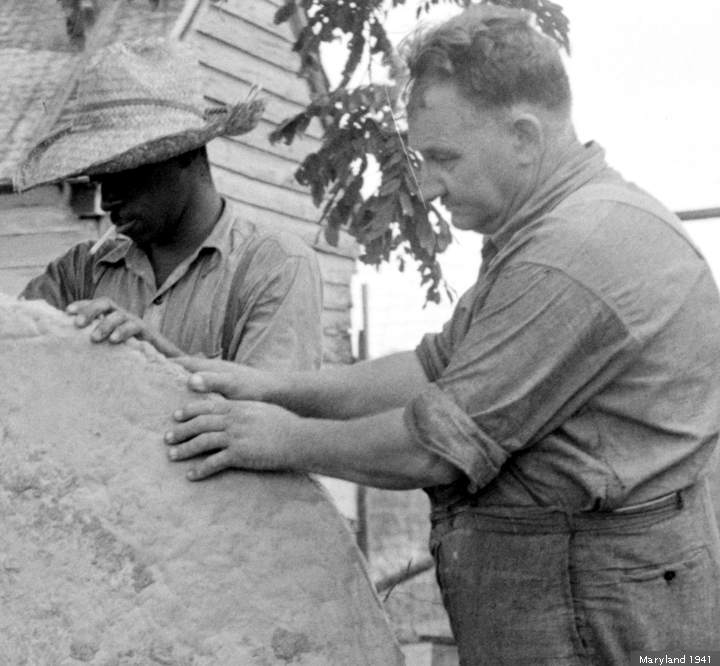

Quoting James Baldwin


James Arthur Baldwin has become a star on facebook, thirty five years after his death. People love to quote him, and post artsy pictures of his face. Over the past year I have seen three Baldwin memes that required action. Once you start to research, there is no telling what you are going to find.
“I can’t believe what you say because I see what you do.” This item is from a 1966 article that Mr. Baldwin wrote for The Nation. “One is in the impossible position of being unable to believe a word one’s countrymen say. “I can’t believe what you say,” the song goes, “because I see what you do”—and one is also under the necessity of escaping the jungle …”
“The song goes” is what the memes leave out. Ike Turner wrote the song. The Ikettes sing “I can’t believe…”, while Tina goes “agh, agh, agh, agh, agh, agh, agh, agh, agh.” Ike knew about being a no-good man. Tina looks a lot better in a short skirt than Mr. Baldwin did.
“I’d like to leave you with one more short quote from James Baldwin, “Whoever debases others is debasing himself.” This is from a June, 2020 video about racism. This quote is from Letter from a Region in My Mind, a 1962 essay in The New Yorker. “Letter…” clocks in at 22,114 words. Mr. Baldwin could crank out the word count.
“Letter…” covers a lot of ground. The “debase” quote comes in after Mr. Baldwin describes a visit to Elijah Muhammad, leader of the Nation of Islam. Soon, Mr. Baldwin starts talking about race in the United States. One quote stood out: “But white Americans do not believe in death, and this is why the darkness of my skin so intimidates them.”
“By this time, I was in a high school that was predominantly Jewish. This meant that I was surrounded by people who were, by definition, beyond any hope of salvation, who laughed at the tracts and leaflets I brought to school, and who pointed out that the Gospels had been written long after the death of Christ. … My best friend in high school was a Jew. He came to our house once, and afterward my father asked, as he asked about everyone, “Is he a Christian?”—by which he meant “Is he saved?” I really do not know whether my answer came out of innocence or venom, but I said, coldly, “No. He’s Jewish.” My father slammed me across the face with his great palm, and in that moment everything flooded back—all the hatred and all the fear, and the depth of a merciless resolve to kill my father rather than allow my father to kill me—and I knew that all those sermons and tears and all that repentance and rejoicing had changed nothing.”
“The place in which I’ll fit will not exist until I make it.” This quote proved more difficult to chase down. It does not appear in any of Mr. Baldwin’s work. The earliest mention appears to be behind The New Yorker paywall. “During his wanderings, Baldwin warned a friend who had urged him to settle down that “the place in which I’ll fit will not exist until I make it.” There is no link to a source.
The New Yorker article is cited by Lithub, which is then cited by New Transcendentalist. “These Timely James Baldwin Quotes … ,” from Bustle, credits the quote to “a 1957 letter to Sol Stein.”
Sol Stein “attended DeWitt Clinton High School, where he served on the Magpie literary magazine with Richard Avedon and James Baldwin.” We don’t know if Mr. Stein was the one who made David Baldwin slap his step-son. A paywalled article, about the correspondence between Mr. Stein and “Jimmy,” does not mention the “place in which I’ll fit” quote.
The WaPo article did have a mind-blowing quote. “In the introduction to the book, Baldwin would ponder his influences: “When one begins looking for influences, one finds them by the score. … the King James Bible, the rhetoric of the store-front church, something ironic and violent and perpetually understated in Negro speech…” I saw this quote in 1976, in a college textbook. At the time, I thought this was an amazing quote. It stayed in my mind until the next life changing detail came along, not to be thought of again for forty six years.
Chamblee54 has written about Mr. Baldwin before. Pictures today are from “The Special Collections and Archives, Georgia State University Library.” UPDATE: @QuoteResearch Replying to @chamblee54 @HilalIsler @lithub “It appeared in a 1957 letter from James Baldwin and Sol Stein reprinted in “Native Sons” (2004) edited by Sol Stein. I am planning to create a QI article on this topic” @QuoteResearch “Please get over the notion, Sol, that there’s some place I’ll fit when I’ve made some ‘real peace’ with myself : the place in which I’ll fit will not exist until I make it. You know and I know that the ‘peace’ of most people is nothing but torpor.” … James Baldwin to Sol Stein UPDATE: I was writing a story about Flannery O’Connor. I wanted to quote this post, but could not find the link. Neither google nor duckduckgo would show me this post. I had to go to the chamblee54 archive, and scroll through October 2022 until I found the post. This is a repost from 2022.


Race-Rot


America clearly has a problem of color. One way view to this racial dysfunction is as a unified quagmire, rather than competitive hating of wokeness and racism. This approach does not offer any easy solutions. We need to treat people with kindness and respect, no matter what adjective you put in front of people. As a man named King said, “can we all get along?” This is a repost.
I recently wrote about Flannery O’Connor. She was a gifted storyteller, who posthumously run afoul of “whiteness studies and critical race theory.” (This was in 2020, when CRT was respectable. Today, CRT is demonized by some, while others say “thats-not-what-it-means.”) The story cited an essay by Alice Walker, who grew up in Eatonton GA, a few miles up hwy 441 from Andalusia. “The magic, the wit, and the mystery of Flannery O’Connor I know I will always love. I also know the meaning of the expression “Take what you can use and let the rest rot.” If ever there was an expression designed to protect the health of the spirit, this is it.” We can call this dysfunction Race-Rot.
One of the nastier parts of Race-Rot is name calling. There are a pair of six-letter slurs. One starts with r, one ends in r. One I am forbidden to say, while the other I am forbidden to not say. The mentionable slur is racist. You know what the other one is. We would be better off not using either six-letter slur. People enjoy using six-letter slurs, so this is not going to happen anytime soon.
I am a certified white person, of Scottish and Irish descent. I am from Georgia. My great-grandfather fought for the Georgia State Troops, in the War Between the States. This affects the way in which I approach Race-Rot. I see that racism is a problem, and find the bungling efforts at fighting racism … aka wokeness … to be incredibly annoying.
The problems with racism affect millions of people every day. One could reasonably ask, what is wrong with being against racism? The problem is not that you are fighting racism, but the way you are doing it. The trouble with wokeness includes disrespect, fallacious logic, indifference to collateral damage, inflammatory rhetoric, hypocrisy, name calling, and a host of other micro/macro aggressions. The list could go on for a long time.
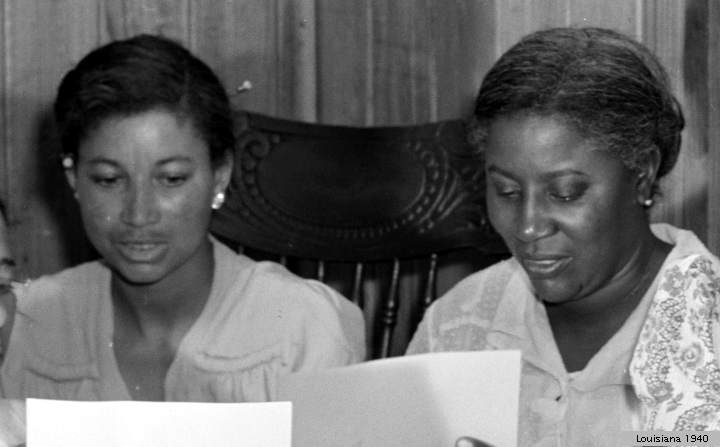
This is not a comprehensive look at Race-Rot. There are many layers to this onion. Racism and wokeness (RAW) are only part of the picture. The story of Black and White has many shades of gray. We could spend hours talking about Race-Rot, and only be more angry and confused when we are done. The best thing to do now is present some photographs, from The Library of Congress.
We are all God’s children, not a walking six-letter slur. Be kind to each one. Please don’t shout.



Notes on the State of Virginia



Notes on the State of Virginia is the only full length book written by Thomas Jefferson. Written while the Revolutionary War was still being fought, NOTSIV was not originally intended for publication. The following passage is on page 147.
“It will probably be asked, Why not retain and incorporate the blacks into the state, and thus save the expence of supplying, by importation of white settlers, the vacancies they will leave? Deep rooted prejudices entertained by the whites; ten thousand recollections, by the blacks, of the injuries they have sustained; new provocations; the real distinctions which nature has made; and many other circumstances, will divide us into parties, and produce convulsions which will probably never end but in the extermination of the one or the other race.”
“… Besides those of colour, figure, and hair, there are other physical distinctions proving a difference of race. They have less hair on the face and body. They secrete less by the kidnies, and more by the glands of the skin, which gives them a very strong and disagreeable odour. This greater degree of transpiration renders them more tolerant of heat, and less so of cold … They seem to require less sleep. A black after hard labour through the day, will be induced by the slightest amusemements to sit up till midnight, or later, though knowing he must be out with the first dawn of the morning.”
“They are at least as brave, and more adventuresome. But this may perhaps proceed from a want of fore-thought, which prevents their seeing a danger till it be present. When present, they do not go through it with more coolness or steadiness than the whites. They are more ardent after their female: but love seems with them to be more an eager desire, than a tender delicate mixture of sentiment and sensation. Their griefs are transient. Those numberless afflictions, which render it doubtful whether heaven has given life to us in mercy or in wrath, are less felt, and sooner forgotten with them. …”
Pictures are from The Library of Congress



Subtle Ways To Deal With R*****

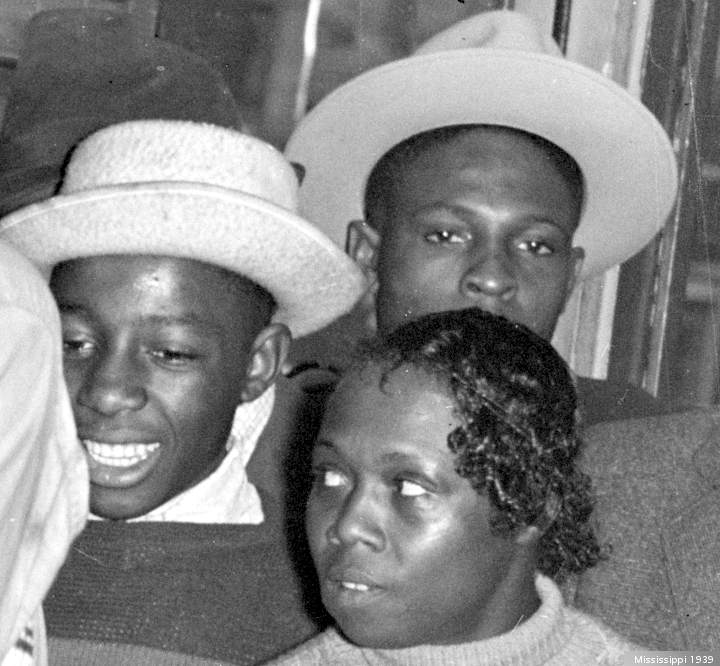
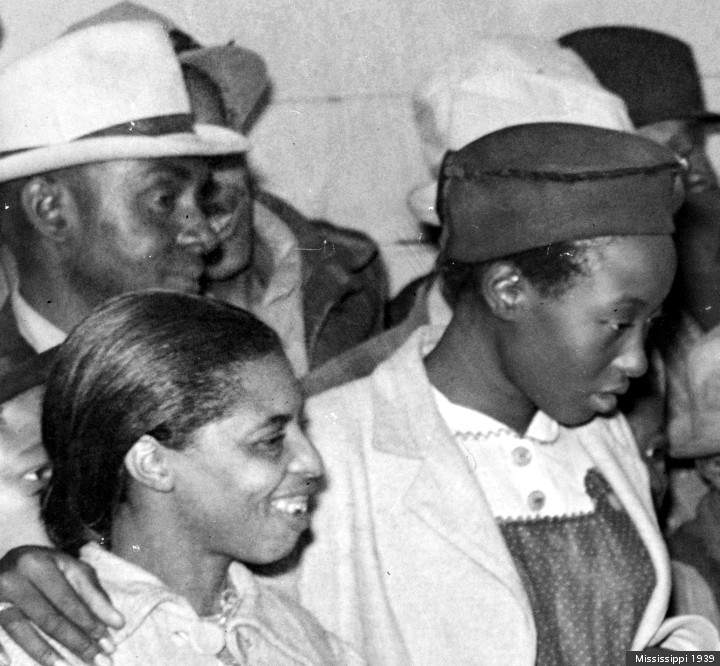


This is a repost from 2020. Facebook has a feature called “watch.” It is a symbol at the top of the page, which is sometimes advertised with a red marker. If you click on the symbol, you are encouraged to watch videos. This is not always a good move.
The Subtle Way to F**k with Racists – James Davis, with the uncensored f word, was the top video saturday. I consider the r word to be hate speech, and complained about the video. The evil empire soon replied that the video did not qualify as unsuitable.
The Subtle Way … is a comedy routine. It starts off with some commentary on riots. It is not until 2:26 that we get to the “Subtle Way.” Since copyright protection is real, this will be paraphrased.
After the rioters are finished looting, the comedian goes to the vehicles of “racist people.” He peels the sticker off the license plate. He is not going to (expletive) property, he is going to (expletive) you. You are going to go to the DMV, because Black Lives Matter. After you get back from the DMV, your vehicle gets keyed. The audience laughs repeatedly. They are not worried about their vehicles.
Having “your shit” keyed is not subtle. This is probably someone the performer has never met. The comedian does not say how he knows they are racist. Even if this is a “racist people,” that does not justify malicious damage to property. This is what Facebook is encouraging.
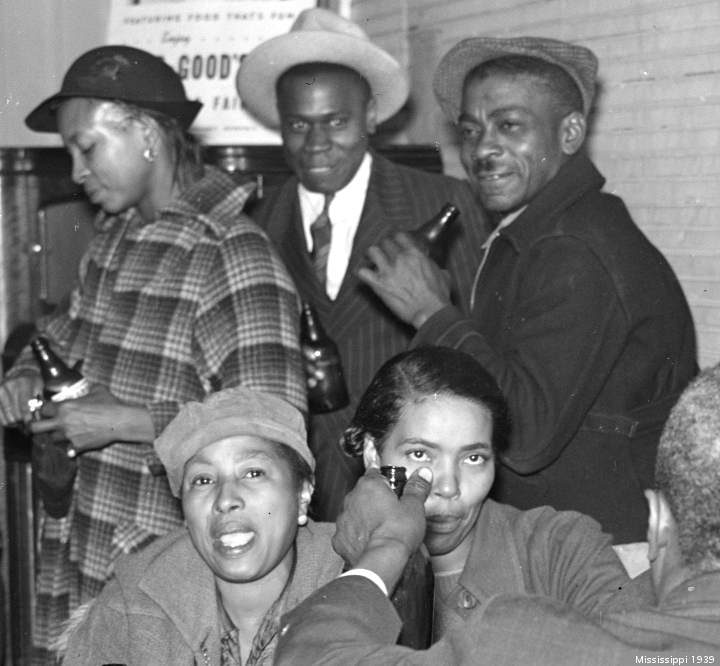
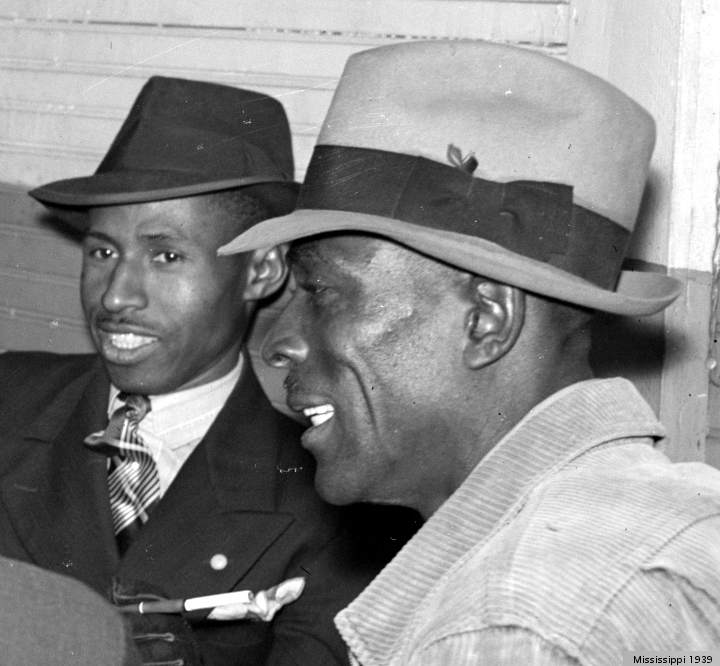
The next “Subtle Way” involves breaking and entering. The comedian is going to break into the house of the policeman. They will break in, take “they best wine,” and put it in the freezer. When the officers wife goes to get the wine, there will be an unpleasant surprise. Meanwhile, the comedian is going to hide in the bushes outside, and yell “N***a.” Facebook, and Comedy Central Stand-Up, think this is a good idea. Pictures today are from The Library of Congress.


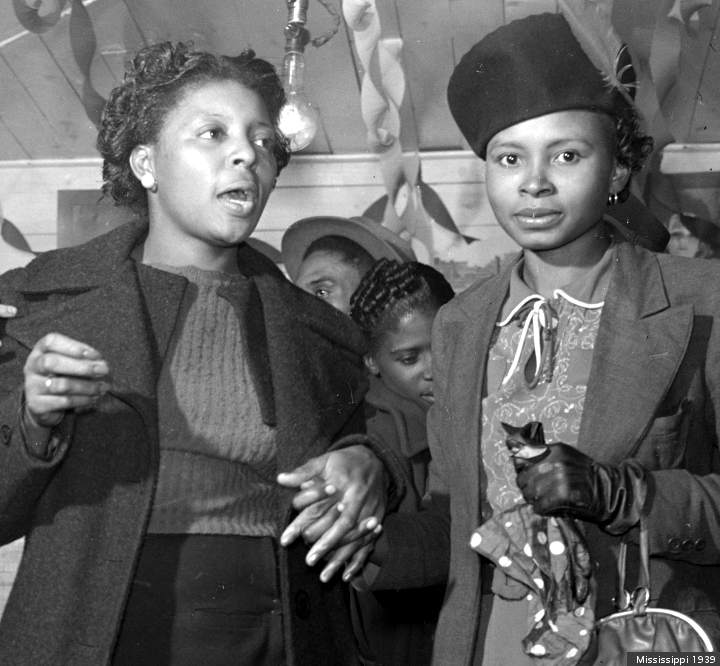

PRX Racism Scandal Part Three


PRX is a “nonprofit public media company” that promotes podcasting. In 2020, PRX had a festive racism scandal. I recently went to their staff page. CEO Kerri Hoffman, who was at the heart of the racism scandal, is still in the driver’s seat. A few pictures down is “Byron Green-Calisch Vice President of Inclusion, Diversity, Equity and Accessibility.”
In the past four years, DEI has become somewhat of a punch line. It is interesting to note the original acronym was DEIA. Maybe if this had been branded IDEA, things would have worked out better.
The earlier PRXRS centered around CEO Hoffman touching the hair of Palace Shaw, a PRX Community Manager. In the staff photo, Dr. Green-Calisch sports a healthy set of dreadlocks. One wonders if CEO Hoffman has ever touched them. Pictures today are from The Library of Congress.
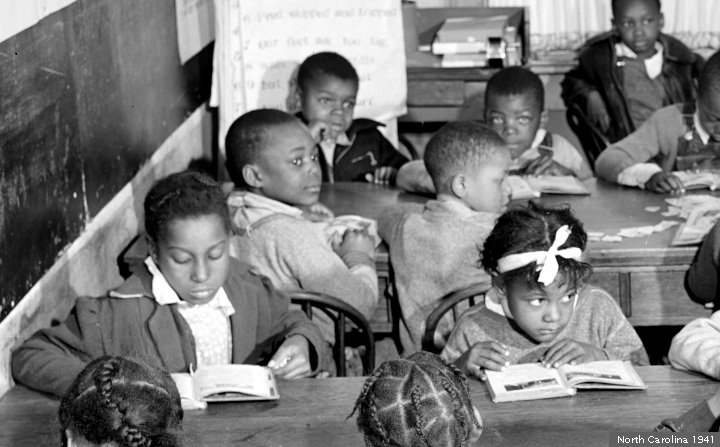
Fighting Racism With Clickbait

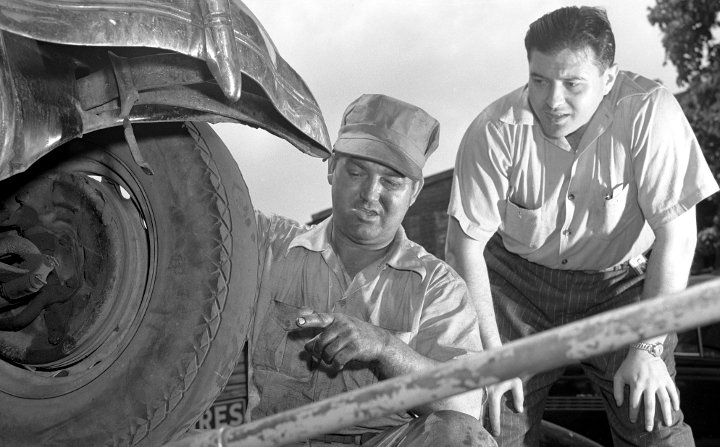


This feature was originally published in 2014. … A link keeps turning up on facebook. It is for an item, 18 Things White People Should Know/Do Before Discussing Racism. It was posted at The Frisky | Celebrity Gossip, Relationship Advice, Beauty and Fashion Tips. The facility has a series of suggested posts. The first one you see is BLOWJOB TECHNIQUES YOU NEED TO TRY.
18 Things is supposed to be educational. PG was encouraged to read the piece two weeks ago, and found it lacking. The link today was from a combination facebook friend/ facebook unfriend. Maybe 18 Things deserves another look.
18 Things is garbage. Take a look at number one. “1. It is uncomfortable to talk about racism. It is more uncomfortable to live it.” You would never know this from the number of people who seem to enjoy talking about racism. The louder you talk, the more passion you display, the more truth your words have. What is uncomfortable is to quit talking, and listen.
But then, maybe the idea is for everyone to talk at once. Here is item 16: “16. Silence does nothing. Blank stares and silence do not further this difficult but necessary conversation.” If you are going to listen to someone, it is very helpful to keep your mouth shut.
“2. “Colorblindness” is a cop-out. The statements “but I don’t see color” or “I never care about color” do not help to build a case against systemic racism. Try being the only White person in an environment. You will notice color then.” This is a curious paragraph. Sentence one has little to do with sentences two, three, and four.
Sentences three and four are connected. The author assumes that the PWOC reading this piece has never been the only pale face in an environment. Actually, it is probably more common to be the only white person in the room, than to be the only black person in a room full of whites.
“3. Oprah’s success does not mean the end of racism. The singular success of a Black man or woman (i.e. Oprah, or Tiger Woods, or President Obama) is never a valid argument against the existence of racism. By this logic, the success of Frederick Douglass or Amanda America Dickson during the 19th century would be grounds for disproving slavery.”
Has anyone ever said that the success of Oprah Winfrey is the end of racism? Do you have a link for that? Ok, and even if they did say that, it would be wildly untrue. But it gets better. If you agree with this statement that very few people have made, that is like saying that the success of Frederick Douglass disproves slavery. This is ridiculous.
The rest of the piece is little better. Items 4, 5, 9, 14, and 15, can be summed up with the five words … there is racism in America. You are encouraged to use google to educate yourself. This can go in different directions. Maybe you could google “logical fallacy,” or “critical thinking.”
This feature should not be taken as denying the existence of race problems in America. (The words racism/racist are problematic.) People should be treated with kindness and respect. Opportunities should be available to all people. The police should not target racially defined populations. Celebrities should not say tacky things.
The question arises, though. What value do articles like 18 Things have? Do they inform people who need to learn? Are they preaching to the choir? (Frisky has a header ad for Red Bull. Do articles like this sell power energy drinks?)
There are other possibilities. Do articles like 18 Things trivialize racial problems? Maybe the constant promotion of nonsense like 18 Things will lead people to believe that there really isn’t a race problem in America. People who uncritically praise articles like this are doing more harm than good. Those who claim to educate should be held to some sort of standard. Posting nonsense on the internet is not the same thing as working for equality and justice.
A website called The Frisky still exists, in a dramatically different form. @TheFrisky “Hi, former Frisky EIC Jessica here. The chop shop that bought our site never bothered to take the Twitter from me. Go figure. So sad about the loss of all the extremely good work, and also sad that i basically only got to come onboard to see the site ushered to its fall.” Pictures are from The Library of Congress.


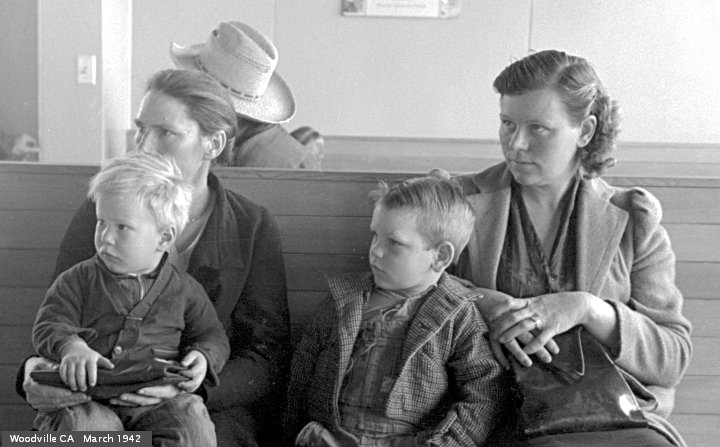
Racially Motivated


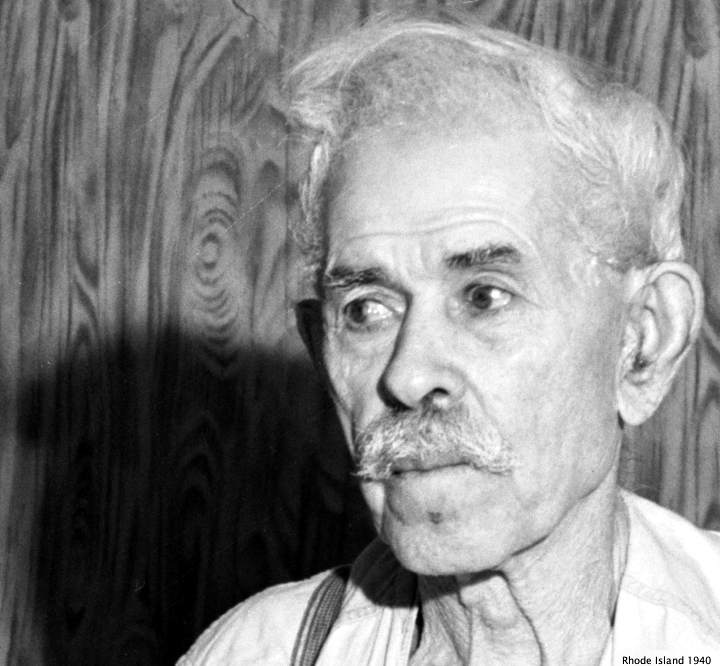

A post on chamblee54 examined the local custom of changing street names. Towards the end, there was this sentence: “Some of these changes are racially motivated, while others are not. Some make sense, while most do not.” If you were to say this out loud, chances are good that someone would interrupt you, and say “Why don’t you say racist?” This is a repost.
The AP style guide took up this issue earlier this year. Here is what they say: @APStylebook “Do not use racially charged or similar terms as euphemisms for racist or racism when the latter terms are truly applicable.” @APStylebook “The terms racism and racist can be used in broad references or in quotations to describe the hatred of a race, or assertion of the superiority of one race over others. Our new race-related coverage entry on Stylebook Online offers details on when and how to use the terms.” You have to pay for the Stylebook online. God is in the details, and hiding behind a paywall.
@AnApeInKhakis “Remove nuance from journalism. If water’s not frozen, it’s boiling.” @beautypill “Yes, for example “You’re missing the point” and “You should go fuck yourself” both apply here, but critical differences in tone guide which one I should use to address your tweet.”
@Zigmanfreud “Yeah, the HUGE problem with this AP stylebook decision is that the people making the judgment call on what is “racist or racism” are so liberal & so PC that anything short of a white person apologizing for being born white (especially if they are a conservative man) would qualify”
@EvanDonovan “Yes, but when are they truly acceptable? Increasingly, newsrooms want attribution when that word is used. “Xxxxx has been under fire since making controversial comments last week. Yyyyy called those comments racist….”
This quotefest could go on all day. If you want to explore the racially/racist rabbit hole, go to an internet near you. More to the point, is changing a street name racially motivated, or racist? This statement applied to multiple street name changes. Often, race was not an apparent factor. We don’t know when the changes took place, or what government body made the changes.
Is this institutional oppression, or just government nonsense? Changing the street name is typical of the petty, separate-water-fountains nature of Jim Crow. Is the water boiling, or is it not frozen? At some point, the writer needs to think for them self. Pictures today are from The Library of Congress.


Dr. King And Mr. King



PG stumbled onto a blog post about a speech. It was delivered August 28, 1963, by Doctor Martin Luther King, Jr. You have probably heard the money quote many times, but how many have heard the entire 881 words. PG had not, and decided to take a look.
The speech is really a sermon. It is delivered with the cadence, and rhetorical flourishes, of the church. Dr. King was a minister. The Church is a huge player in African America. The fact that slaves were introduced to this religion, by their owners, seems to be forgotten.
The term used is Negro. This was the polite word in 1963. The custom of saying Black started in the late sixties, at least partially inspired by James Brown. Negro began to be seen as an insult.
Twelve weeks after Dr. King gave his speech, President John Kennedy was killed. Part of the reaction to this tragedy was the passage of the Civil Rights Act of 1964.
The next year saw the Voting Rights Act, and escalation of the war in Vietnam. It seemed that for every step forward, there was a half step back. People lost patience with non violence. America did not implode, but somehow survived. It is now fifty nine years later.
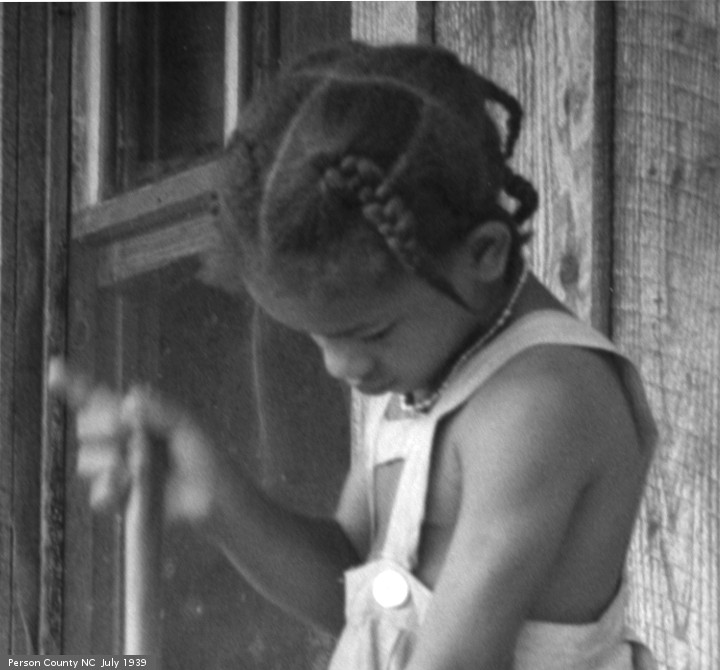
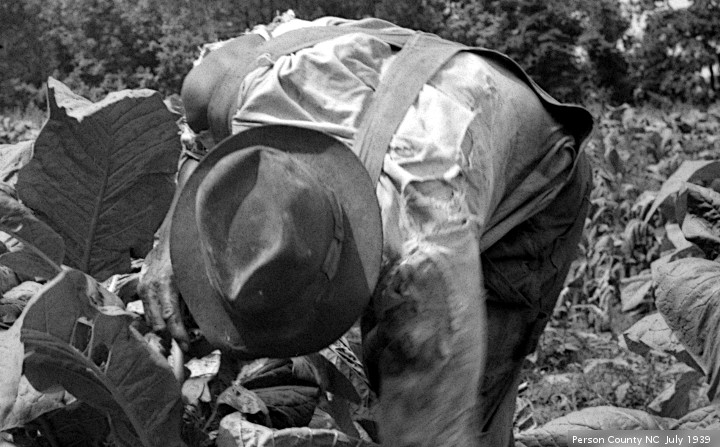

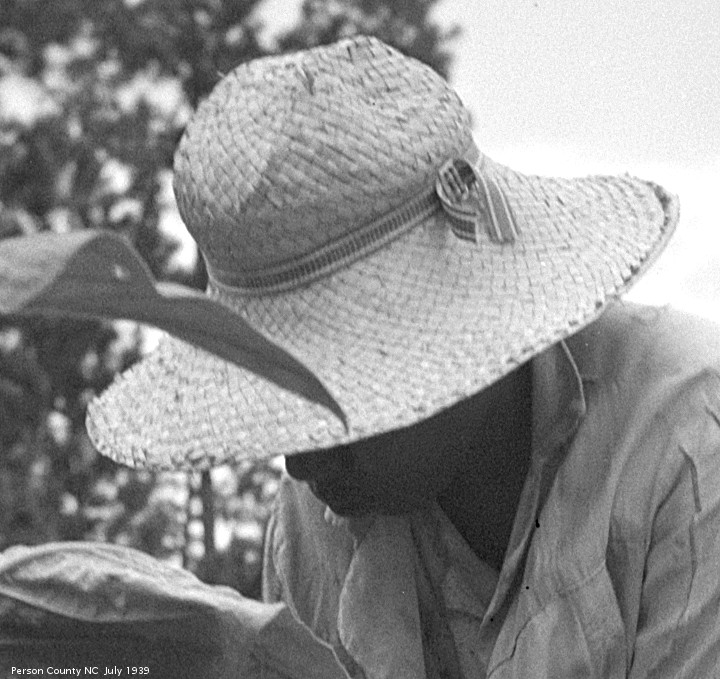

The other day PG stumbled onto a blog post, about a speech given by Dr. Martin Luther King Jr. This address was deemed “the singularly most-important speech on race in the history of this country.”
PG admires Dr. King. He is also suspicious of superlatives. There were some comments made by Rodney Glen King III. The comments by Mr King were briefer, and tougher to live up to.
While thinking of things to write about, PG realized that he had never seen the actual quote by Mr. King. When you see this video, you might realize that Mr. King has been misquoted. The popular version has him saying “Can’t we all just get along.” He did not say just.
Mr. King was known to America as Rodney King. His friends called him Glen. His comments, at 7:01, May 1, 1992, went like this: ““People, I just want to say, you know, can we all get along? Can we get along? Can we stop making it, making it horrible for the older people and the kids? . . . Please, we can get along here. We all can get along. I mean, we’re all stuck here for a while. Let’s try to work it out. Let’s try to beat it. Let’s try to beat it.”
The circumstances of the two comments could not be more different. Dr. King was giving the sermon of his life. There was an enormous crowd, both in person and on TV. His comments were scripted, rehearsed, and delivered with the style he was famous for.
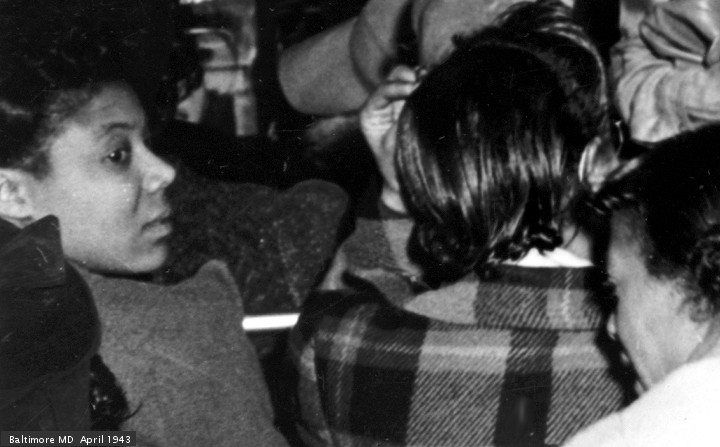
Mr. King, by contrast, had just seen the officers who beat him acquitted. Cities from coast to coast were in violent upheaval. Mr. King was speaking to reporters, without benefit of a speech writer. What he said might be more important. This double repost has pictures from The Library of Congress.


 Chamblee54
leave a comment