The Problem With Stacey 2015 Edition



The New Georgia Project was Stacey Abrams’s baby. She was going to register POC voters, and turn Georgia blue. It did not quite work out that way. “Of course, Abrams might be forgiven had the New Georgia Project met its goal of registering substantial numbers of new voters. Instead, there were fewer new voters registered in 2014 than there were in 2010, when there was no comparable registration drive. … there are rumblings that Abrams’ skills as an executive are lacking, as evidenced by her mismanagement of both the NGP project and the Democratic election effort.”
Some were suprised when Miss Abrams took up the voting rights fight. “Four years ago” (in 2011), “she voted with Republicans to reduce early voting from 45 days to 21 days, effectively breaking away from staunch voting rights supporters on the issue.” There were indications that “Abrams focused on fundraising and wasn’t typically involved with NGP’s daily operations.” “In an interview, Kemp said that investigators are working to track down canvassers and voters who appeared multiple times in the project’s applications. He attributed any issues with getting the project’s voters on the rolls to the “sloppiness” of canvassers and not a dark political motive.”
Miss Abrams was an effective fund raiser, and millions pored in. Not everyone thinks it was well spent. “State Sen. Vincent Fort, D-Atlanta, … says Abrams, as the initiative’s founder, ought to disclose NGP’s registration numbers and outline its operations. “We need to know how much money was spent, where the money came from, and what companies and individuals received the resources.” Sen Fort told Atlanta Magazine “She hasn’t been open and transparent. … Her funders don’t know where her money went. More importantly, the public doesn’t know where the money went.” “William Perry, founder of Georgia Ethics Watchdog, believes the lawmaker should make her financial records … public …It’s a glaring example of what makes people sick about politics.”
“In 2014, The Secretary of State office investigated The New Georgia Project. “The investigation started with a single complaint. A Butts County election official reported that some canvassers were illegally telling voters they were required to re-register for the election. The complaint was filed on May 5, six months before Election Day, and prompted Kemp’s office to launch a small-scale probe into NGP the following week.”
“The secretary of state’s office didn’t receive another formal complaint about NGP for months. But other problems, though officially unreported, continued elsewhere. Before the May primary, longtime Muscogee County Elections and Registration director Nancy Boren says two of her employees were asked at a Columbus, Ga. grocery store if they wanted to become paid canvassers for $11 per hour. The NGP workers were unaware they had approached election office staffers, Boren says. Her employees asked for more details about the gig.”
“Boren says, “[NGP employees] said, ‘You can make $11 per hour, but you have to turn in a certain number of voter registration forms each week. If you don’t turn in that number, you don’t get asked back. If you’re asked back the next week, and you meet your number again — I hate to use the word quota — maybe you’ll get a ride to work, too.'”
“Brad Jones, a Savannah State University student who worked as an NGP canvasser, expressed concerns to local TV reporters about the legitimacy of the initiative’s practices in late May. He said the operation had poorly trained canvassers, improperly collected people’s personal data, and instructed registrants to vote at a nonexistent polling precinct. The allegations prompted the NAACP’s Johnson to hold a press conference, where he reiterated the group’s protocols, effectively distancing his organization from NGP’s work.”
“On Tues., Sept. 9, Kemp slapped both NGP and TSD (Third Sector Development, an Abrams led non-profit) with a subpoena demanding that all of their documents be turned over in one week’s time. He also informed elections officials in Georgia’s 159 counties about the “significant illegal activities” found in the initial investigation — a message that initially raised eyebrows among his critics. Five more county election officials responded with new voter fraud complaints by the end of the next day.”
“As NGP wound down its voter registration efforts that same week, Abrams launched a public relations battle against the secretary of state’s office. … With supporters in tow at the Sept. 17 press conference, Abrams fought back. The state rep questioned Kemp’s motives for launching the probe. She also criticized his office’s “slow internal processes and a potentially flawed matching system.” During her remarks, she pointed to 13 stacked plastic boxes with white, pink, and turquoise lids, filled with more than 51,000 pieces of paper. Each one, she explained, represented a Georgia resident who wanted to vote, but potentially couldn’t because his or her application had gone unprocessed.”… “CL has made repeated requests to view the thousands of unprocessed applications to confirm their existence. NGP denied each request, citing rules from Georgia’s election code, specifically Section 183-1-6.02, protecting voter registrants’ personal information.”
“With no resolution in sight, the Lawyers’ Committee filed a lawsuit on behalf of New Georgia Project and the NAACP. The suit demanded that Kemp and Chatham, Clayton, DeKalb, Fulton, and Muscogee counties, all of which are strong Democratic bases where NGP says it collected the most applications, immediately add tens of thousands of voters onto the state’s rolls by any means necessary. … Throughout October Abrams made speeches, conducted interviews, and appeared on national television to discuss how unprocessed applications had fallen into a “black hole … The Lawyers’ Committee filed an open records request, and eight activists went to jail following a sit-in inside Kemp’s office. … NGP’s legal effort stalled during a two-hour hearing on Oct. 28. Fulton County Superior Court Judge Christopher Brasher … tossed out the petition because it was “entirely devoid” of evidence against the secretary of state or local county registrars.”
Brian Kemp does not look good here. “The voter suppression accusations are believable. Kemp has a track record of allegedly blocking access to the polls. … Kemp has also refused to comply with the National Voter Registration Act in the past. State agencies, which by law are required to offer residents who receive public benefits the opportunity to register to vote, weren’t doing so for years. The secretary of state’s office agreed to enforce that mandate only after the NAACP and the Coalition for the Peoples’ Agenda filed a lawsuit in 2011. … “We were criticized for being on a witch hunt, but we handled this case just like we do with any other complaint,” Kemp says. “People were calling me a racist and a vote suppressor — that bothered me a lot. That’s not the case. It’s very hypocritical for people to say that.”
There were numerous critics of Stacey Abrams in 2015. “NGP’s well-funded, high-profile initiative may not have performed better than past grassroots efforts to register minority voters. According to Democratic database VoteBuilder, 2014 showed little to no progress among potential minority voter registration compared to average annual gains in recent nonpresidential elections.”
“One Democratic strategist and former Abrams staffer says, “[New Georgia Project] under performed what was done in 2010. Absolutely nothing was done in 2010. It’s hard to grasp how unsuccessful her effort was, given the amount of money raised.”
“Another concern was about the Abrams lawsuit, in response to the investigation. “Multiple sources say that Abrams, in filing a lawsuit that potentially distracts from her voter registration numbers, could jeopardize voting rights advances. If the missing applications don’t exist, one state lawmaker says, Abrams will have undermined the very people her initiative sought to uplift. “This is something that I’ve been worried will break, because it completely substantiates the false, hyperbolic idea of rampant voter fraud that’s used, in my opinion to chill and suppress voter turnout.”
Stacey Abrams recently not-conceded the Governor’s race. Her high octane charges of voter suppression were accepted, without question, by the national media. Stacey Abrams is a charismatic figure, with a talent for grandstanding. As another snake oil salesman put it, “Stacey Abrams fought brilliantly and hard – she will have a terrific political future!” Pictures today are from The Library of Congress. A fine article in Creative Loafing, The New Georgia Problem, was used in this feature. Readers are encouraged to read the original for themselves.





Rally At The Capitol Turns Nasty

Georgia state senator, protesters arrested at Capitol while demanding ‘every vote count’ There was a protest at the Gold Dome today. The issue was voter suppression. This has been a prominent issue for Democrat Stacey Abrams. Republican opponent Brian Kemp is routinely accused of suppressing the vote, particularly among people of color. Many of the things Mr. Kemp is blamed for are done by the counties. This is not mentioned by the Democrats, who know a good issue when they see one.
Rallies at the Capitol are routine. A few years ago, Liberty Plaza was built across the street. This way, people can have their free speech, and the business of running the state can continue. For some reason, the protest today was inside the Capitol building. The crowd was shouting “no justice no peace,” among other things. The police told the crowd they needed to behave. The crowd did not. People were arrested. The election from hell continues.
Capitol and Grounds Exhibit and Event Guidelines is quite clear about this. “State law prohibits: Parading, demonstrating, or picketing within the state capitol building or any building housing committee offices, committee rooms, or offices of members, officials, or employees of the General Assembly or either house thereof with intent to disrupt the orderly conduct of official business or to utter loud, threatening or abusive language or engage in any disorderly or disruptive conduct in such buildings or areas. See O.C.G.A. 16-11-34.1 (g).”
State Sen. Nikema Williams was one of the people arrested. Some say that since she is a State Senator, she should not have been arrested. “Article III, Section 4, Paragraph IX of the Georgia Constitution, on the privilege of members, says “the members of both houses shall be free from arrest during sessions of the General Assembly, or committee meetings thereof, and in going thereto or returning therefrom, except for treason, felony, or breach of the peace. No member shall be liable to answer in any other place for anything spoken in either house or in any committee meeting of either house.” Does the protest today constitute a breach of the peace? That is a matter for lawyers to decide.
The followers of Stacey Abrams have played this game before. The rules don’t apply to them. During the Democratic primary, supporters of Miss Abrams shouted down her opponent, Stacey Evans. Miss Abrams defended the action. “I do not believe that you silence those who feel they are voiceless, because the minute we do that we are no better than those who tell people they can’t kneel in protest.” Miss Abrams was also involved in some protests in 1992, while a student at Spelman College.
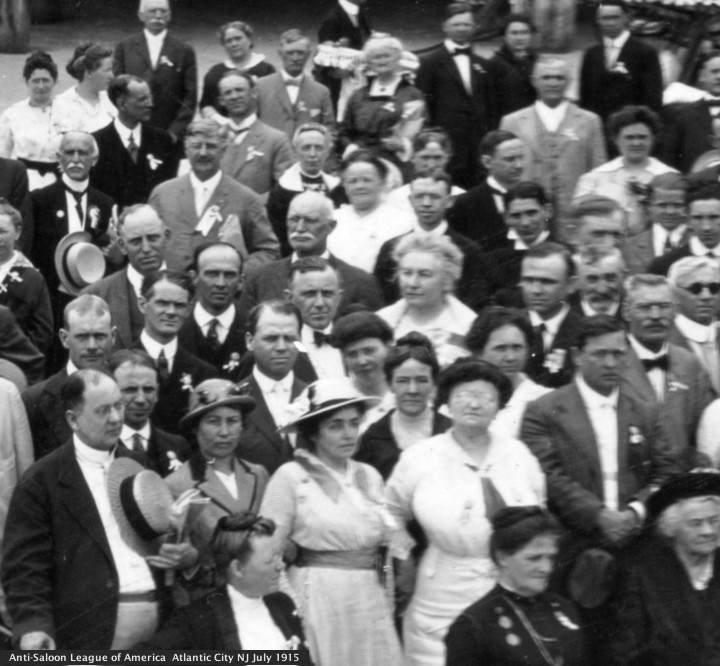
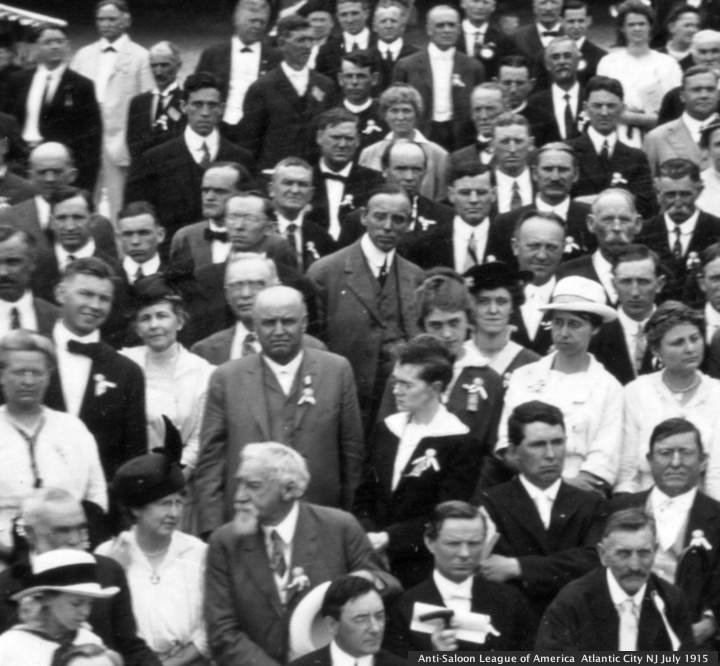
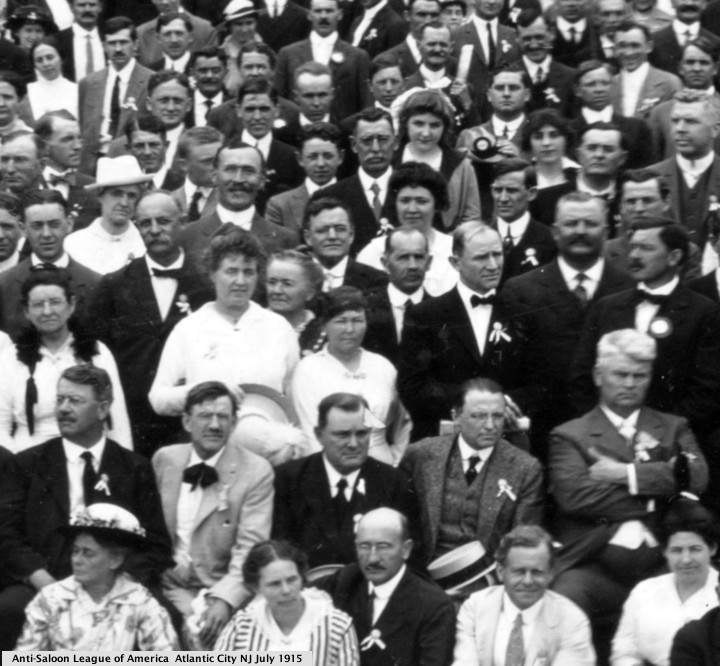
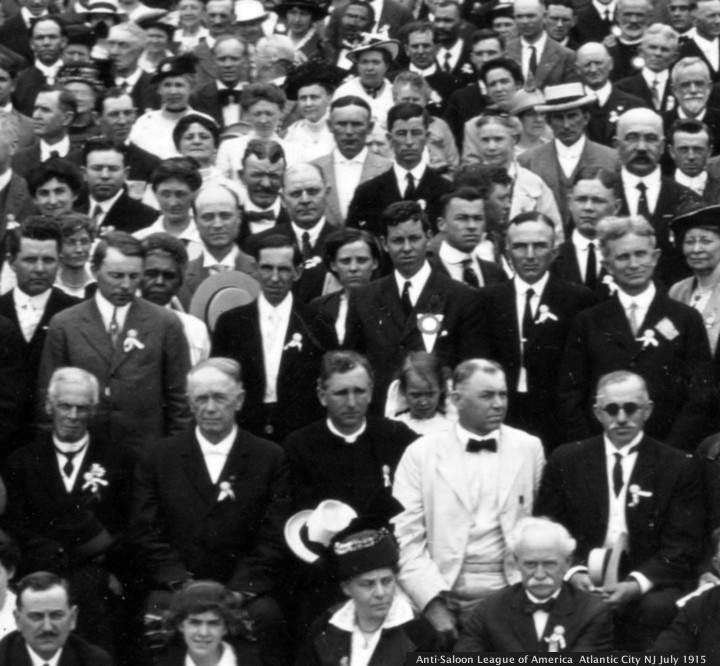
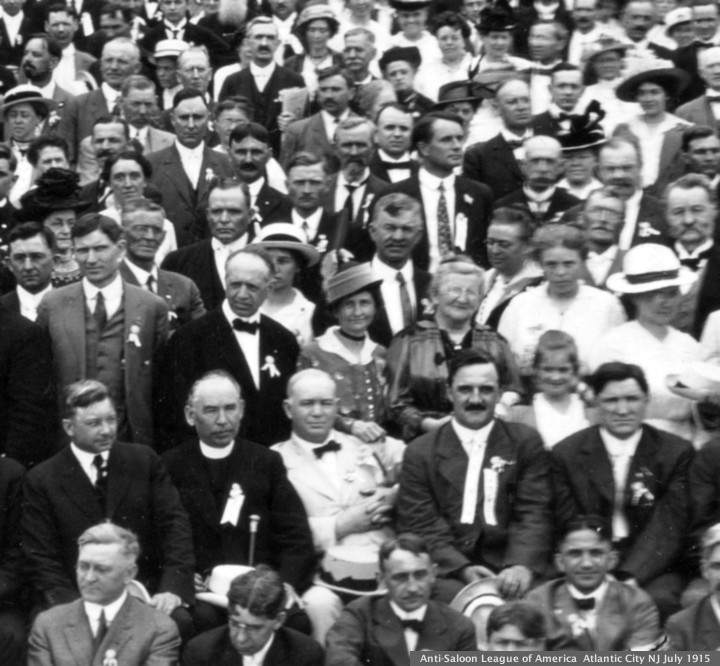
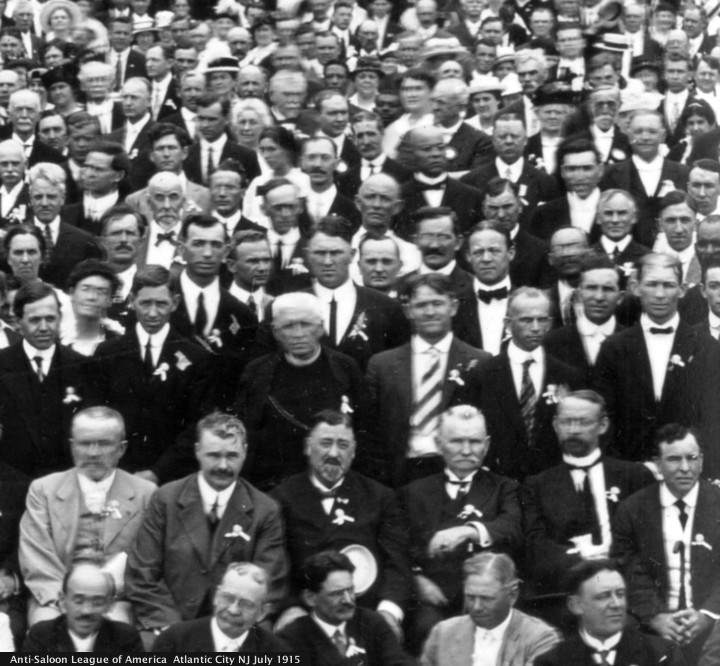
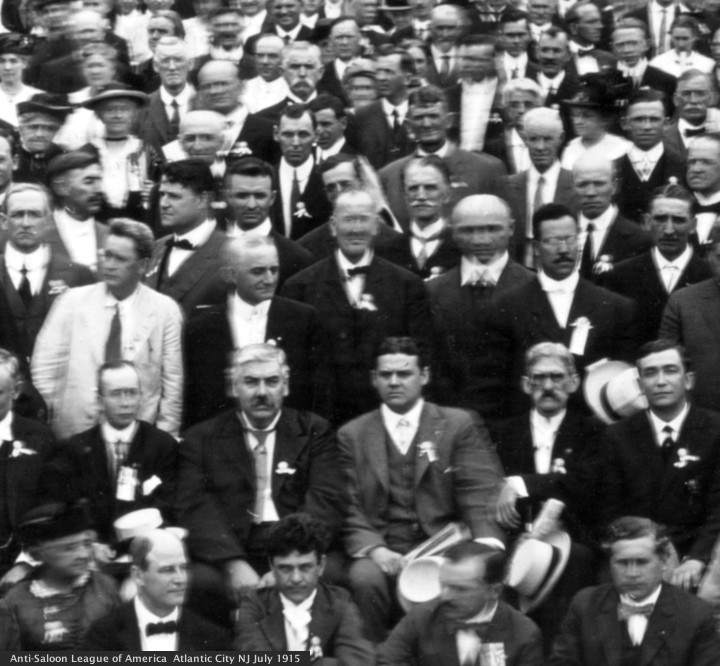
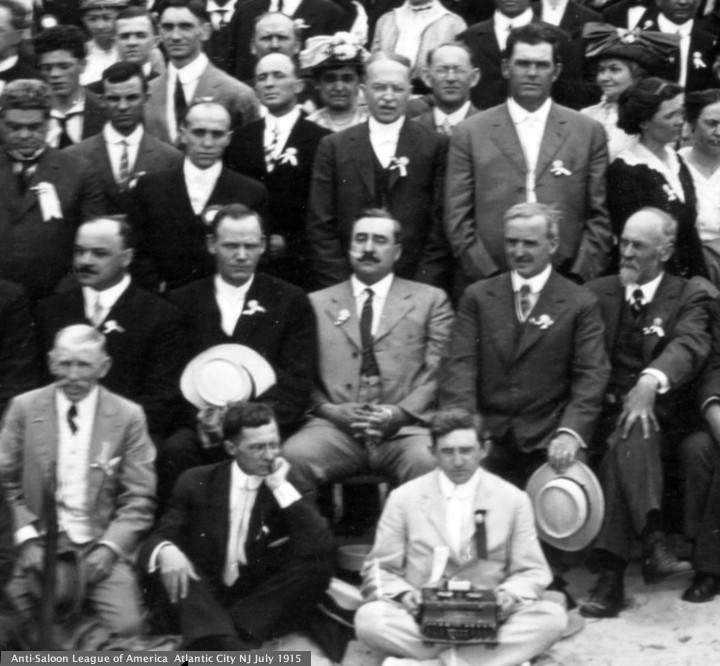
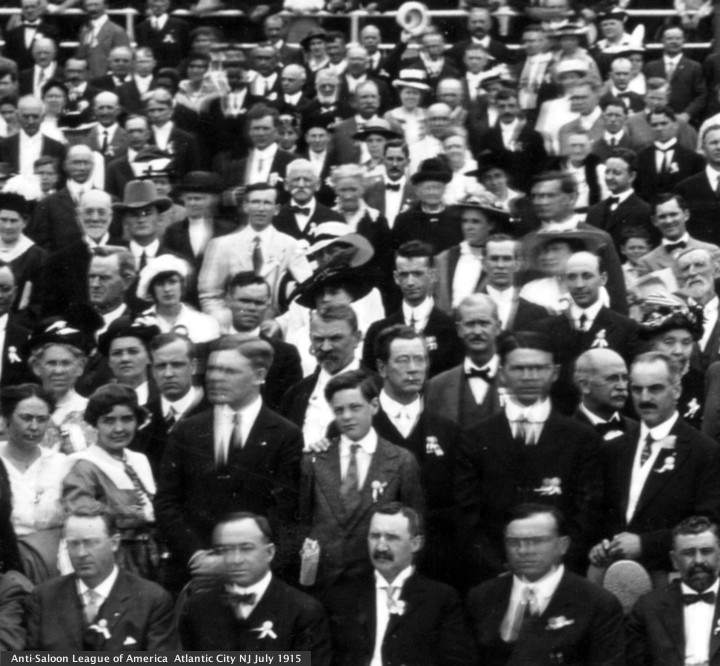
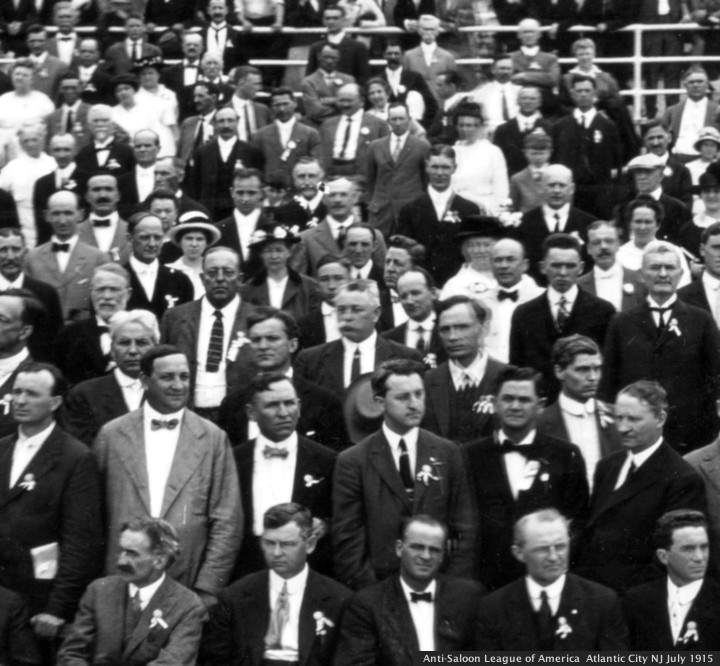
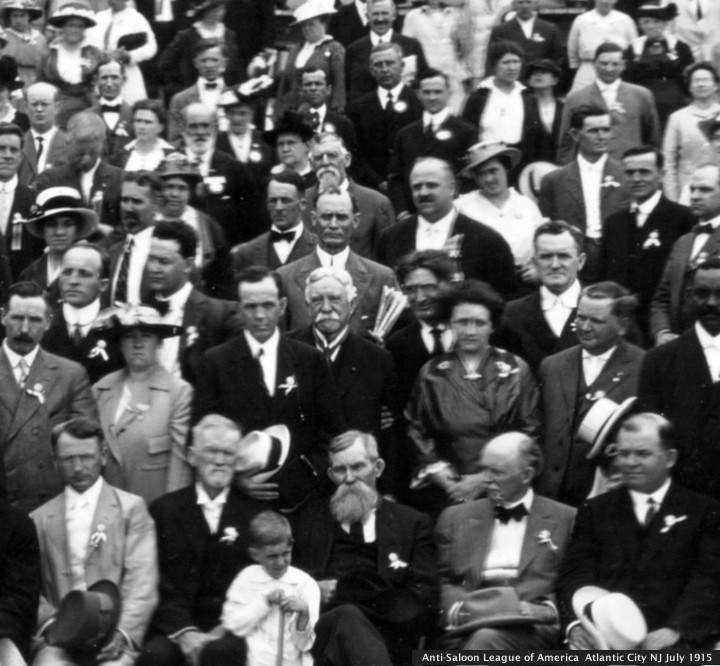
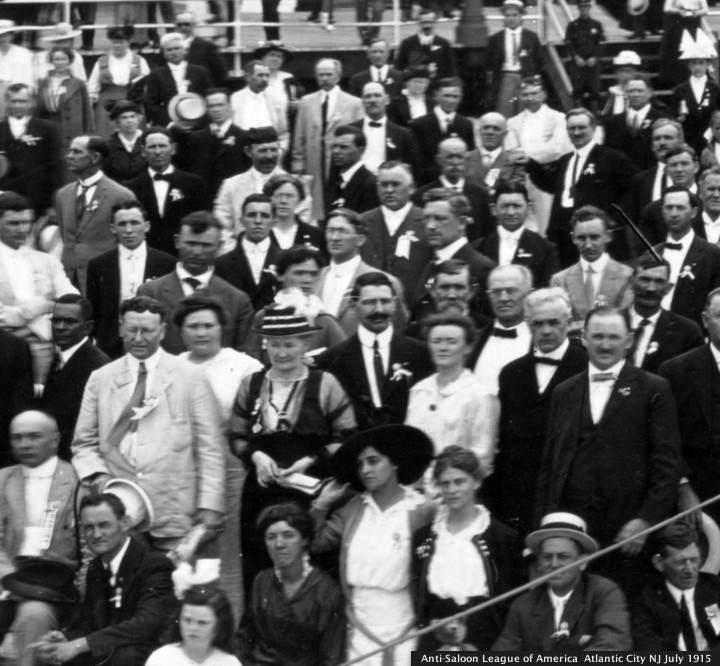
Pictures today are from The Library of Congress. “Sixteenth Convention, Anti-Saloon League of America at Atlantic City, N.J., July 6-9, 1915.” Thomas Sparrow, photographer

Are My Attitudes About Race Any Of Your Business?




PG was living his life when see saw something on facebook: “And another thing: if you are going to claim NOT to be racist, I feel like you should familiarize yourself with some contemporary writings and definitions of racism, not just what Mirriam Webster says.” The first reaction was to ignore this. If you reply to a comment about racism on facebook, you are asking for trouble. Life is too short to be wasting time on such unpleasantness.
But the thought engine had been kickstarted, and continued to idle in the background. When PG pulled into the Kroger parking lot, the idea hit full force. Maybe whether you are, or are not, a racist, is no one else’s business.
Some people say that a PWOC is not affected by racism. If this is the case, then why should the racial attitudes of a PWOC affect another PWOC? If a person treats you fairly, do you really need to know this person’s attitudes about race?
The fbf ex-fbf does not say what the context of this claim is. Did anyone ask you whether or not you were a racist? If not, are you assuming that they are interested? Maybe someone assumed the listener was interested. Maybe the proper response to look bored, and say TMI.
PG was filling out a profile once, and was using some questioned borrowed from another blog profile. One of the questions was, are you a racist? “It depends on who is doing the judging”.
The comment mentioned “contemporary writings and definitions of racism”. Who are the people who set themselves up as arbiters about what we should think about race? What are the qualifications? Who asked them what they thought? How do we know that these people are dependable?.
Maybe the answer is to show compassion and kindness to your neighbor, and don’t worry about their racial attitudes. If you are proud of your racial attitudes, please refrain from boasting. Not everyone is interested. This is a repost. Pictures are from The Library of Congress.

Brian And Stacey
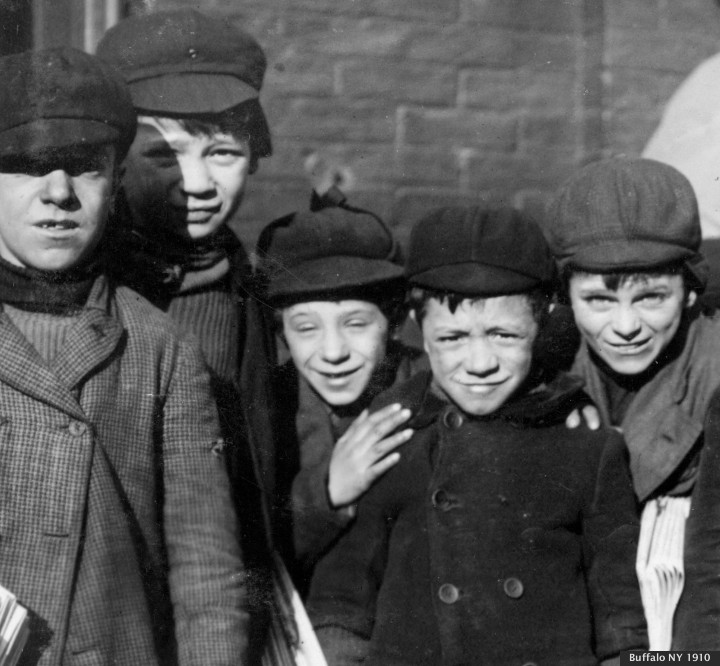
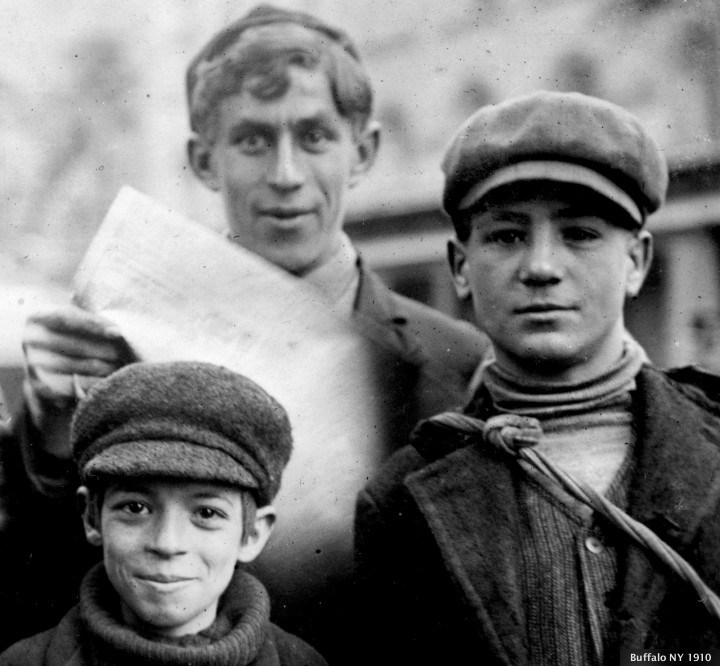
Georgia will vote on a new Governor Tuesday. The candidates are, in alphabetical first name order, Republican Brian Kemp, Democrat Stacey Abrams, and Libertarian Ted Metz. Mr. Kemp and Mr. Metz are white men, while Miss Abrams is a black woman. The winner will be either Mr. Kemp or Miss Abrams. Mr. Metz represents are the possibility of a runoff.
Miss Abrams won the Democratic primary. Her tactics included having admirers shout down her opponent. Miss Abrams was criticized for this, and the incident was mostly forgotten. There have no similar incidents during the general election campaign.
Mr. Kemp is the Secretary of State. This office will be counting the votes. It is not know exactly how involved the SOS is in day to day operations. The optics are bad for the SOS to be both running for Governor, and counting the votes.
Voter suppression is a big issue for the Democrats. There are numerous charges of voter registrations being thrown out, absentee ballots not being counted, and voters purged from the rolls. Some say that voter suppression is a code word for racism. The corporate media loves to denouce racism in Georgia, and has gone crazy over this story. It is tough to tell what is real, and what is campaign noise. If Mr. Kemp wins, there is a possibility of the election being challenged in court.
Miss Abrams has an assortment of promises about health care and education. She probably will not get much help from the Republican dominated legislature. Her other two issues are (1) Stacey Abrams is a black woman, and (2) Brian Kemp is suppressing the vote.
Mr. Kemp is not performing well. A recent TV debate was cancelled after Donald Trump announced a visit to Georgia, at the same time as the debate. When taken to task about this, the Kemp campaign issued a bizarre statement. “After repeated efforts to schedule a debate on the issues that matter most to Georgia voters, radical Stacey Abrams decided she would rather hide behind television ads paid for by San Francisco socialists than face the voters and defend her extreme agenda that will raise taxes by $13,000 a person, give welfare and voting rights to illegal immigrants, and usher in the government takeover of healthcare. While Abrams has decided to duck the electorate, Brian Kemp will continue to travel the state on his Putting Georgians First Bus Tour. He’s proud of his record and confident that his plans for our state will keep Georgia working!”
Lets take a look at the 66 word sentence. “radical Stacey Abrams … television ads paid for by San Francisco socialists” Good grief. Focus group conservatives have been flogging that donkey for years. Maybe it will work one more time. “extreme agenda that will raise taxes by $13,000 a person” As one observer notes, “They don’t believe in science and can’t do math. $13,000 a person x ten million is $130 billion. The state’s current budget (excluding federal contribution) is what, $25 billion? It’s why even listening is a waste of time” “give welfare and voting rights to illegal immigrants, and usher in the government takeover of healthcare.” The Governor does not control these issues. This statement forgot to mention this: Stacey Abrams: Send GBI to Seize and Destroy Weapons, Magazines, Bullets
The good news is the election is tuesday. Unless there is a runoff, or a court challenge, we will know who the next Governor is on wednesday. PG will vote a secret ballot, and do his best to deal with the winner. Pictures today are from The Library of Congress.
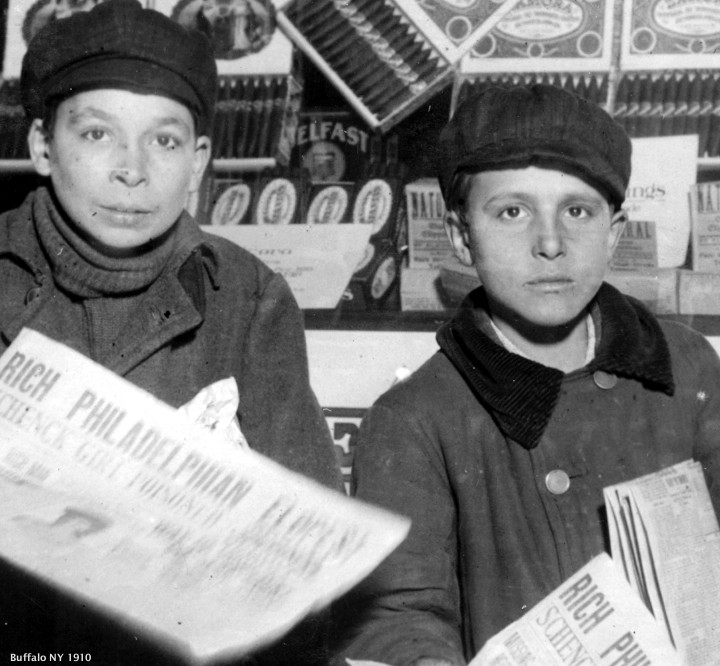

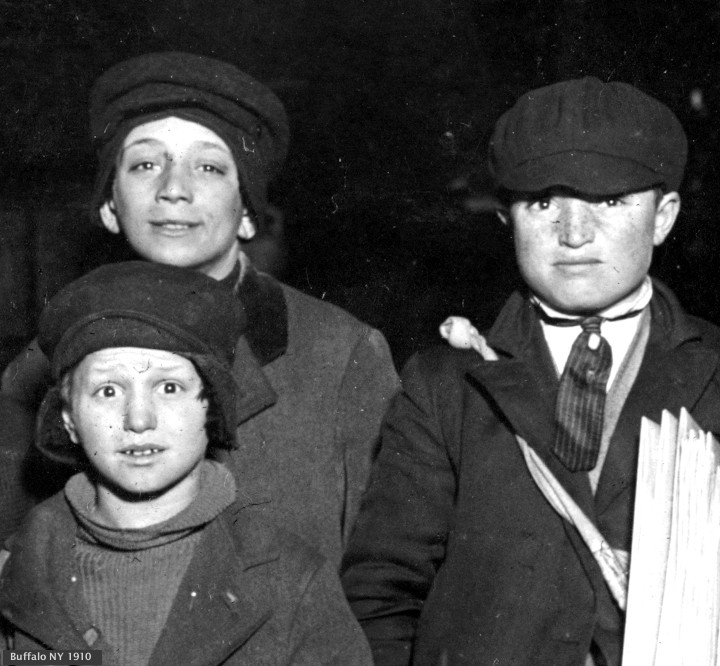

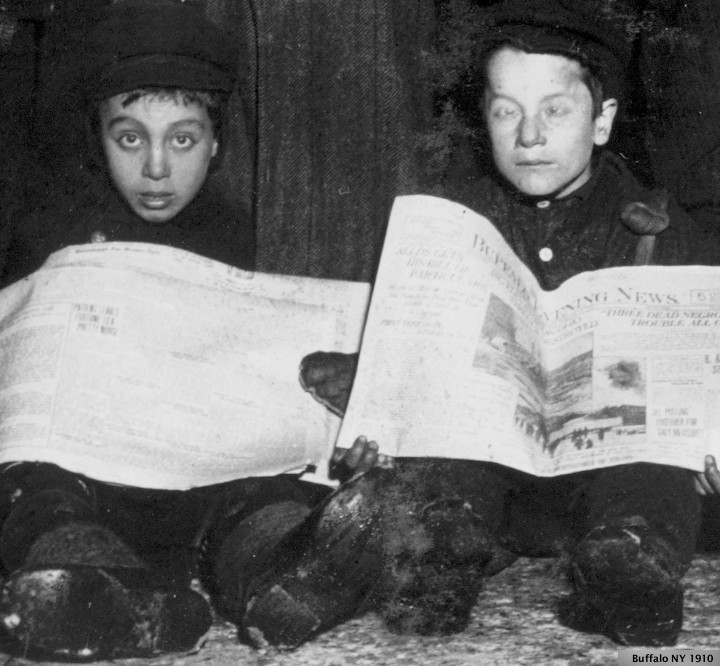

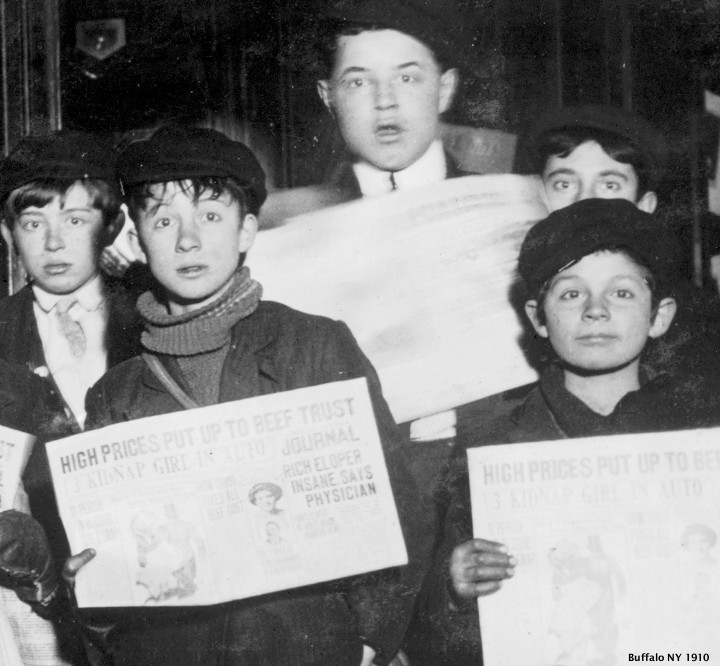
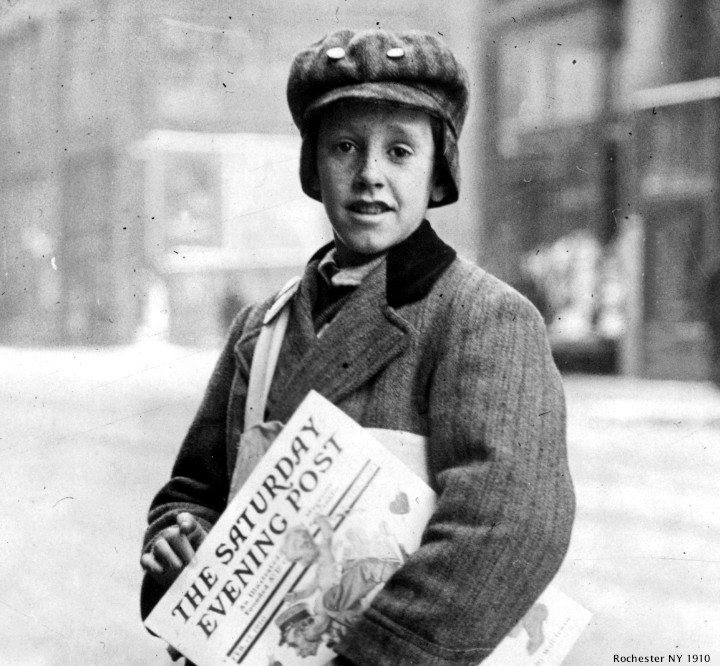
A Stupid Video About Racism


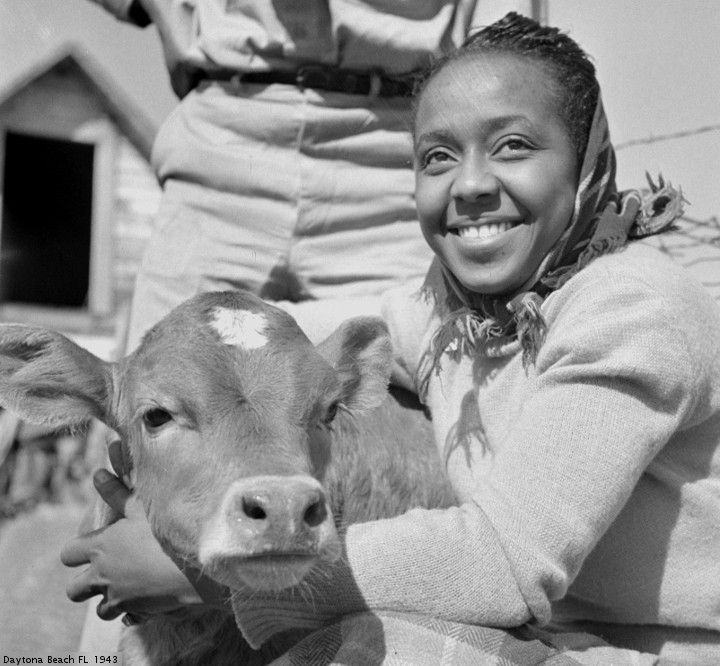


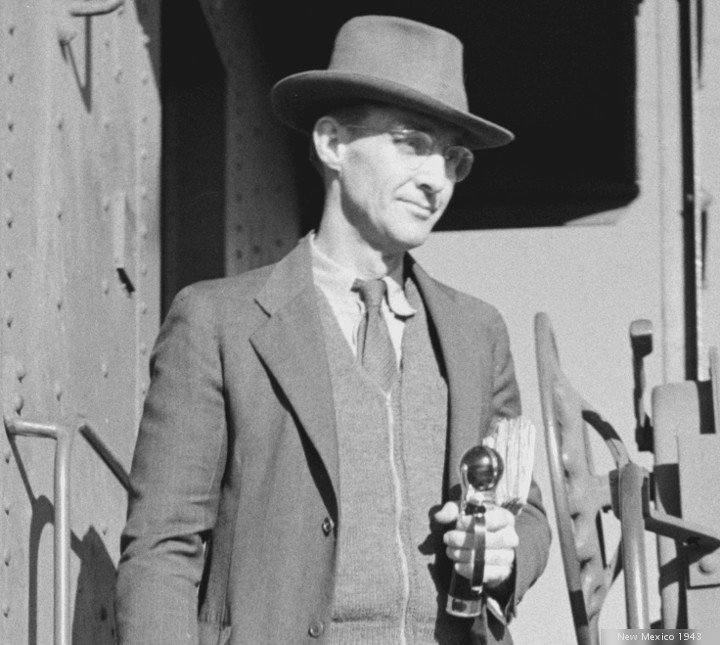

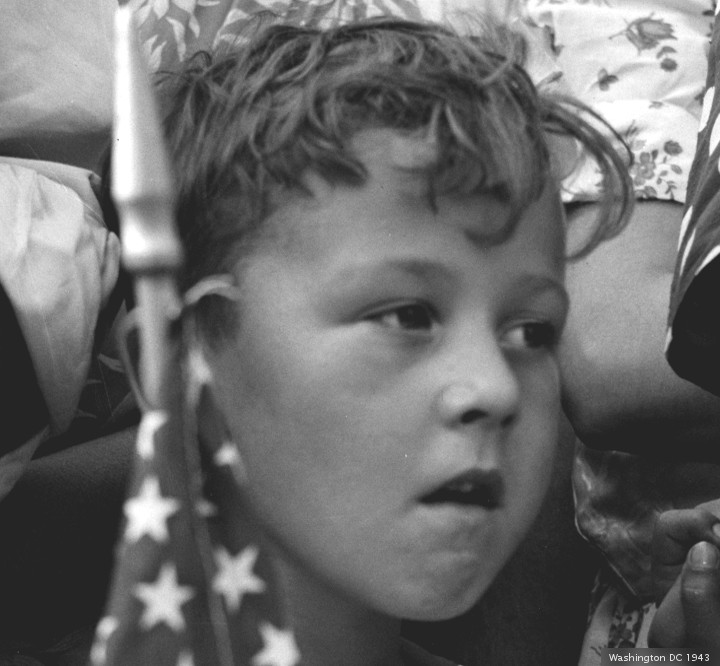
A facebook friend introduced a video by saying “If you’re not actively working to dismantle systemic racism, you’re not doing enough.” “Actively working” can take different forms. Sometimes, what you do to fight systemic racism is call out a bird brain video. This is a repost from 2016.
The full title of this digital dramaturgy is Racism is alive and well in the gay community. “Need proof? Look no further than the hot f@#$ing mess of an election year we’re having. Donald J. Trump’s horrifying scourge has made outright racism ok in the gay community, and it’s up to us to stop it.”
“Gay men have pride parades … because trans women of color fought for our rights in the sixties…. they didn’t risk their lives so some … could fuck it up in 2016” Whenever you discuss gay rights, you are obligated to remember the drag queens who fought at Stonewall. We get it. That does not excuse the countless fashion tragedies that have followed. At least *talking head* Gabe Gonzalez got this out of the way before 13 seconds had *passed*.
In the next sentence, Mr. Gonzalez used the word “clearly.” It seems to be a rule that all discussions of racism must include a mention of the year, and the word “clearly.” The full sentence is “Nothing illustrates that racism is alive and well in the gay community than this election season.” That takes the heat off the Midtown Bar that posted a dress code stating “No hoodies,” “No sagging pants,” “No bandanas/dew rags,” “No oversized chains or medallions.”
“Don’t believe me? Ask the gays. For Trump. Like a rich zaddy on Fire Island, the Alt-Right has penetrated the hearts of some impressionable young men. Overgrown twinks with a penchant for harassing successful black comedians, or purchasing followers on Twitter, have become the fresh new face of the same reliable racism of yesteryear.” The “successful black comedian”… is she successful at comedy, or being black?… is probably Leslie Jones. A lot of people think last summers twitter spat was a publicity stunt for Ghostbusters. The spell check suggestion for Ghostbusters is Ghostwriters.
At 41 seconds, we see Milo Yiannopoulos saying “Black Lives Matter doesn’t really care about black people…” Mr. Yiannopoulos (the overgrown twink above) is an idiot attention whore, who calls Donald Trump “Daddy.” The person paying attention to Milo Hairdo is Gabe Overgrown Moustache, who devotes 24 seconds of this video to debunking the claim about BLM. (FWIW, Mr. Yiannopoulos makes a lot of noise about his fondness for black men. Is this fetishization, anti racism, or a tasteless publicity gimmick? Those who care can think about it, and decide.)
The next subject is fuckmedaddy profiles. Some specify the color of the sought after buddy. We see a facsimile grindr discussion, where someone says that not wanting to fuck someone, of a certain category, is RACISM. This is news to noted racism shouter Francesca Ramsey, who says “RACISM RACIAL PREJUDICE PLUS STRUCTURAL OPPRESSION AND POWER THAT NEGATIVELY IMPACTS A GROUP.” The use of all caps is optional.
FWIW, there are many whites who want only blacks, and blacks who want only whites, and many other combinations and pervertations. Online hookups are just one aspect of modern social life. Maybe it is easier to point fingers at grindr, than to worry having an equal chance to live in a decent neighborhood. Most genuine manifestations of “systemic racism” are overlooked in this video. And just how did Donald J. Trump cause this?
“We can’t claim to be for equality if we show up for marriage, and not black lives. We can’t march with pride if we can’t remember Marsha or Sylvia. It won’t “get better” for queer youth of color until we identify and dismantle the ways we’ve normalized racism. (GG starts to shout.) So step it up gay boys! 2016’s been a hot f*ckin’ mess. But that doesn’t mean that you have to be.”
“Donald J. Trump’s horrifying scourge has made outright racism ok in the gay community” The video was about Milo Yiannopoulos. and picky grindr users. Did Mr. Trump cause people to say “no fats no femmes no asians”? These issues have been with us for a while. They will continue when Mr. Trump starts another reality TV show. What is he going to grab with those short little fingers anyway?
The sad part is that America does have racial problems. Economic and educational opportunity is a problem for many people. Police brutality, and the school to prison pipeline, are causes for concern. Murder is out of control. In 2015, white people saw 23.6 murders per million. For black people, there were 164.6 murders per million.
Many thought the election of a mixed race President would help America’s chronic race problem. It didn’t, and might have made it worse. This slack blogger has no clue as to how to fix America’s race problem. He does not claim to. The problem is attention craving morons like Gabe Gonzalez,. He thinks a garbage video like this one will help eliminate racism. It won’t.
Nor will pointing fingers, and screaming racist, help solve America’s race problem. Maybe the answer is to worry about yourself. The “white savior complex” frequently does more harm than good. Physician heal thyself. Pictures are from The Library of Congress.



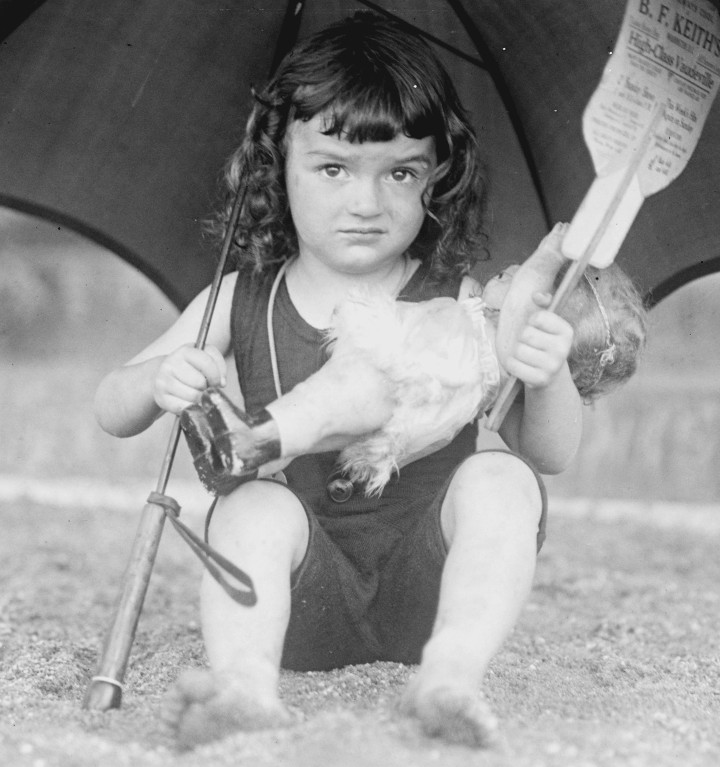


Why Did The 1956 Legislature Change The Flag?
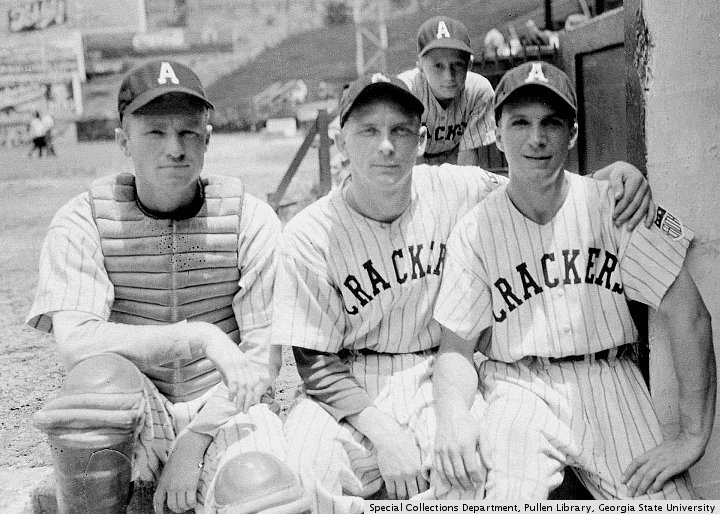



What Stacey Abrams said about burning the Georgia flag in 1992 The New York Times decided to show a picture of a younger, slimmer Stacey Abrams burning the Georgia state flag. The year was 1992. The state flag had the Confederate battle flag embedded. People were asking the legislature to change that. Miss Abrams was a student activist.
The NYT article sparked a twitter dogpile, about the motives of the Georgia legislature in 1956. PG remembers 1993, when the initial proposal to change the flag was made. Changing The Flag is an account of those years. If you have a minute, you should read that post before going any further. The people who wanted to change the flag introduced an argument. They said that the legislature changed the flag, in 1956, as a protest against integration. PG never believed that. One afternoon in 1994, PG found a newspaper article that supported his point of view. After that, PG did not think much about the issue. The flag was changed in 2000 and 2003.
The issue has a few shades of gray. The reason given in 1956 was honoring the Confederacy. In 1993, the 1956 legislature was said to be protesting integration. The emotions of honoring the Confederacy, and denouncing integration, are not entirely separate. Many of the same people, who are proud of the Confederacy, are white supremacists. To an outsider, they can seem like the same thing. PG can understand how someone not familiar with Georgia could mistake the two.
The debate, over the motive of the 1956 legislature, was never necessary. The flag, featuring the Confederate battle flag, was seen as a symbol of racism. Many people were offended by this flag. Why not just say we should change the flag for this reason, and not worry what the legislature was thinking? However, this was not good enough. People needed some more ammunition for their fight. The notion that the flag was changed as a protest against desegregation was born. PG never heard, before 1993, that the flag was changed as a protest against integration. People believed this notion without any evidence, just because somebody said so. 1994 was 38 years after 1956. Very few people in 1994 were active in 1956. The argument in favor of the changed-to-protest-integration notion had two parts: (1) Because I said so, (2) if you disagree you are a racist idiot.
@KevinMKruse No, she burned the old *Georgia* flag, which had been designed specifically by white supremacists as a show of defiance to desegregation in 1956. Let’s dig in. @chamblee54 The Flag was not changed as a protest against desegregation. Changing The Flag @KevinMKruse I literally wrote a book on this, but congratulations on finding a blog post. @chamblee54 I wrote the blog post. If you read the post, you will see I did research. Did anyone say at the time that the new flag was a protest? Do you have a link to this?
@jdtitan Luther, would you say you’re a racist idiot, or more of a stupid racist? @whoopityscoot Hahahahahahah. I just read your blog post. Sir, you are a moron. @ashleystollar That’s like saying the Civil War wasn’t fought over slavery. @Duranti “emotional pride for the traitors to America” @The_SquidProQuo You found one old newspaper article and felt compelled to argue the point huh? Stupid is a hell of a drug. @theDiff_Kenneth I read your blog post and I would like that 10 minutes of my life back. Your “evidence” was an announcement article that supported the flag change and omitted any overtly racist comments. Your writing style is close to unreadable and your investigative skills do not exist. @kingbuzz0 If you ever find yourself in the position of arguing of (insert subject) in the South had nothing to do with (insert stand in for outright racism), you have a bad argument. It’s all racism, always, every time.
@JoshCStephenso You found a single article? Maybe you would trust a paper written by the Deputy Director of the Georgia Senate Research Office – a chamber that is majority R? This tweet was helpful. The report was written in 2000, before the a new flag was driven through the legislature. If you have the time to read the complete report, it is worth your time. If not, a few quotes will be posted here, along with a few helpful comments.
The first Confederate flag looked a great deal like the Union flag. In early battles of the war, the two flags were often confused. “The commanding Confederate officer at the Battle of Bull Run, General P.T.G. Beauregard, determined that a single distinct battle flag was needed for the entire Confederate army. Confederate Congressman William Porcher Miles recommended a design incorporating St. Andrew’s Cross.”… “The St. Andrew’s Cross – the flag’s distinctive feature – had its origin in the flag of Scotland, which King James I of England combined with St. George’s Cross to form the Union Flag of Great Britain. It is believed that St. Andrew, the patron saint of Scotland since A.D. 750. and brother of the apostle Peter, was crucified by his persecutors upon a cross in the shape of an “X” in A.D. 60. White southerners, many of whom traced their ancestry to Scotland, very easily related to this Christian symbol.” “Other flags such as State regimental colors were used by the Confederacy on the battlefield, but the battle flag, although it was never officially recognized by the Confederate government, came to represent the Confederate army.”
At first, use of the battle flag was restricted to historic events. It wasn’t until the fifties that the flag began to be used by those who fought integration. In 1954, Brown vs. Board of Education was handed down by the Supreme Court, ordering the integration of schools. The Georgia legislature went into resistance mode, and spent a lot of time denouncing integration. The senate research office devotes page after page to these efforts. Finally, “In early 1955, John Sammons Bell, chairman of the State Democratic Party … suggested a new state flag for Georgia that would incorporate the Confederate Battle Flag. At the 1956 session of the General Assembly, state senators Jefferson Lee Davis and Willis Harden introduced Senate Bill 98 to change the state flag. Signed into law on February 13, 1956, the bill became effective the following July 1.”
“Little information exists as to why the flag was changed, there is no written record of what was said on the Senate and House floors or in committee and Georgia does not include a statement of legislative intent when a bill is introduced – SB 98 simply makes reference to the “Battle Flag of the Confederacy.” … “Many defenders of the flag, including former governor Ernest Vandiver, who served as the Lieutenant Governor in 1956, have attempted to refute the belief that the battle flag was added in defiance of the Supreme Court rulings. Vandiver, in a letter to the Atlanta Constitution, insisted that the discussion on the bill centered around the coming centennial of the Civil War and that the flag was meant to be a memorial to the bravery, fortitude and courage of the men who fought and died on the battlefield for the Confederacy.”
This is where it gets murky. It is apparent that the legislature was obsessed with integration. The circumstantial evidence, of the flag being changed as a protest of integration, is there. However, there is no smoking gun. There are no apparent statements, from 1956, saying that this change was made to protest integration. This detail seems to have sprung up in 1993, without having been widely mentioned in the 37 years since 1956. The newspaper article PG found does not mention a protest against integration, and does mention a desire to honor the Confederacy.
“The argument that the flag was changed in 1956 in preparation for the approaching Civil War centennial appears to be a retrospective or after-the-fact argument. In other words, no one in 1956, including the flag’s sponsors, claimed that the change was in anticipation of the coming anniversary. Those who subscribe to this argument have adopted it long after the flag had been changed.” This is contradicted by the newspaper article, and statements by “Governor Griffin’s floor leader, Representative Denmark Groover … “anything we in Georgia can do to preserve the memory of the Confederacy is a step forward.” As for the after-the-fact argument, you could say the same thing about the notion that the flag was changed as a protest against integration.
“There was also some opposition to the change from the state’s many newspapers. The North Georgia Tribune argued that: “….There is little wisdom in a state taking an official action which would incite its people to lose patriotism in the U.S.A. or cast a doubt on that part of the Pledge of Allegiance which says ‘one nation, unto God, indivisible…’ So far as we are concerned, the old flag is good enough. We dislike the spirit which hatched out the new flag, and we don’t believe Robert E. Lee…would like it either” “The Atlanta Constitution also thought that the flag change was unnecessary for the simple fact that “there has been no recorded dissatisfaction with the present flag.” The newspaper article PG found in 1994 was from the Constitution. Even though they were opposed to the change, they did not attribute this change to a desire to protest integration.
“When the flag change was first proposed, it received resistance from groups that one would think would have highly favored the change – various Confederate organizations including the United Daughters of the Confederacy (UDC). “They made the change strictly against the wishes of UDC chapters from all the states that form our organization,” said Ms. Forrest E. Kibler, legislative chairwoman of the Georgia UDC. … The Executive Board of the Georgia Division of UDC had passed a resolution on January 11, 1956 opposing the proposed changes to the flag, citing that the Confederate battle flag belonged to all the Confederate States – not merely to Georgia – and placing it on the Georgia flag would cause strife. … Also opposing the new flag was the John B. Gordon Camp of the Sons of Confederate Veterans. This group protested against all uses of the battle flag except in commemoration of the Confederacy, or by the official use of the Daughters of the Confederacy, the Sons of the Confederacy, and the Children of the Confederacy.” This opposition was touched on in the newspaper article. This is one of the more confusing aspects of this affair.
“While many questioned the political and philosophical motives of the flag change, there were others who considered the change to be an unnecessary expense that would burden taxpayers, since Georgia law required every public school, and all public institutions to fly the state flag. In voting “no,” Representative Mackay said that the present flag was “a symbol of sacred memory” and that “the change puts every flag owner in Georgia to unnecessary expense.” Alleviating the financial concerns of many, sponsors of the bill pointed out that those institutions required to fly the new flag will replace the old flag with the new one only as present flags wear out. Questions were also raised on whether anyone had a copyright on the flag design which would entitle them to royalties – a charge denied by John Sammons Bell and Representative Groover.”
John Sammons Bell is a name that keeps coming up. From 1954 to 1960, Mr. Bell was Chairman of the State’s Democratic Party. He was, by all accounts, an enthusiastic segregationist. One of the jaw dropping moments in the senate report was this: “Bell, a one-time supporter of Governor Ellis Arnall, once had the reputation of being a “liberal” on race issues.”
When the state senate report was issued, in 2000 (6 years after PG found the newspaper article, and dropped out of the argument,) Mr. Bell had a few comments. “He wanted to forever perpetuate the memory of the Confederate soldier who fought and died for his state and that the purpose of the change was “to honor our ancestors who fought and died and who have been so much maligned.” He has also argued that the flag was not redesigned in reaction to and in defiance of the 1954 Brown decision… “Absolutely nothing could be further from the truth … every bit of it is untrue. ”
“On March 9, 1993, (Denmark) Groover moved many Georgians when he stood in the House well to address his colleagues on the subject of the state flag. In an emotional speech, he acknowledged that the flag is offensive to some and conceded that, “I cannot say to you that I personally was in no way motivated by a desire to defy. I can say in all honesty that my willingness was in large part because … that flag symbolized a willingness of a people to sacrifice their all for their beliefs.” Mr. Groover offered a compromise, which included a smaller version of the battle flag. A flag similar to that was adopted in 2000, only to be changed again in 2003.
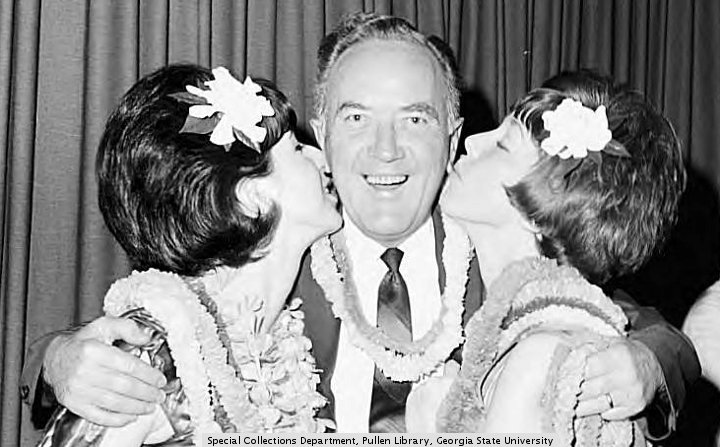
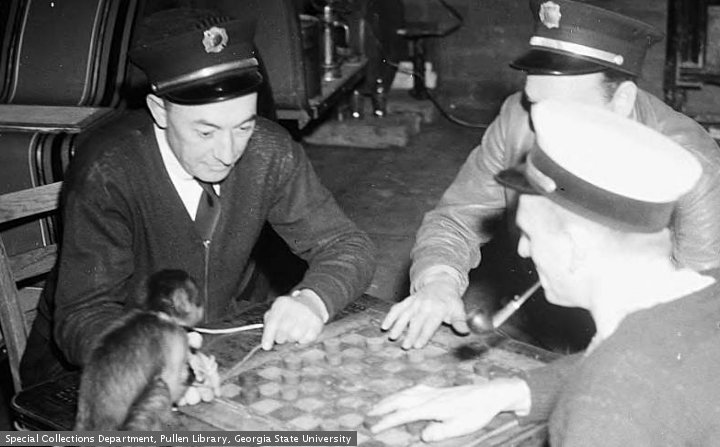
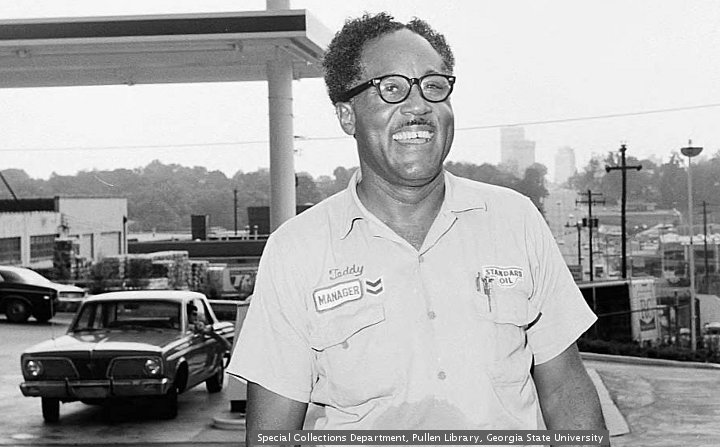
To sum up, the Georgia state flag was changed in 1956. The new flag contained the Confederate battle flag. Many people were offended by the 1956 flag. PG thought it was ugly. Many others saw it, with some justification, as a symbol of racism. For some reason, speculation arose about the motives of the 1956 legislature. 18 years after the passage of a new flag, people are still arguing over the motives of the 1956 legislature. Pictures for this gratuitous waste of bandwidth are from “The Special Collections and Archives, Georgia State University Library”. .




Whiteness On YouTube


What would happen if you were to type *whiteness* into the youtube search engine? PG hears a lot of talk about whiteness. Almost none of it is positive. Maybe an education is needed. A couple of comments before we start. (1) Only videos lasting less than ten minutes will be considered. Panel discussions lasting seven hours are too much work. (2) While listening to videos without a transcript, it is easy to misunderstand what people say. What is reported here is a good faith representation. (3) There is a lot of talk about whiteness on youtube. Most of it is either boring, or annoying. This feature will try to weed those out. If you want to see more, you are encouraged to type whiteness in the youtube search engine. Pack a lunch.
Franny Choi – Whiteness Walks into a Bar A young lady, of Asian descent, reads from a phone. The poem takes “walks into a bar”, and turns the preacher, priest, and rabbi into whiteness. “whiteness walks into a bar with a golden retriever, the golden retriever promptly takes a (shit) on the floor, the bartender’s like what the, whiteness says whoa-oh-oh-oh, tone, meanwhile the dog is started to run, as the shit’s spraying wet feces everywhere, and whiteness is like, you know if you want me to respect you and your cause you could try being a little less confrontational”
The Expanding Definition of Whiteness This is boring. A black lady talks about how Irish and Italian people were not considered white, until they were. She then moves on to Jews. At 3:23, something “took away the racial taint from Jewishness.” What does the perineum have to do with Jewish whiteness? This performance is neither educational or entertaining.
THE HISTORY OF WHITENESS Kat Blaque is a piece of work. She once went off on PG, who said he did not like the sound of cis-. In this show, Miss Blaque discusses history. She begins by saying that Spanish slave traders invented something called “scientific racism.” This was in the 17th century. The term racism was not used before 1933 In this history based talk, a lot of *facts* are thrown out, in rapid succession and high volume, with a few links for documentation. It is tough to say how much of this chatter is true. What is easy to say is that Miss Blaque does not say what whiteness is, except a system of laws and cultural norms that benefit white people. Whiteness has an elastic definition. It means whatever the speaker wants it to mean.
Everything Wrong With “Whiteness” is a catchy title. Edwins Generation read an article, The Video of the Man Saving the Rabbit From the Fire Captures Everything Wrong With Whiteness in 30 Seconds. EG wondered if the article was satire. Gizmodo websites are often confused for satire. The article is about a man saving a rabbit from a forest fire. “maybe the whitest thing I’ve ever seen.” The battle cry to Examine Your Whiteness just got more complicated.
Jon Hamm ‘White Thoughts’ This is a mock infomercial for a product called “White Be Gone.” WBG will eliminate whiteness from your lifestyle. Is this over the top (under the bottom) white self loathing, or is it a satire? After a while, is it worth worrying about? A response video, How to fight “Whiteness,” takes WBG seriously for 45 minutes.
At 4:23 in “White Thoughts”, a black choir sings behind the talent. Mr. Hamm says that whiteness leads you to wear sheets, and burn crosses. A picture is shown, of a white pride after party in Coweta County, GA. A white peoples march had been planned, and fizzled. A few of the whitebois went to a field, and burned a swastika. The “participation trophy” rally is the picture shown at 4:23.
STEPS TO HEAL YOUR TOXIC WHITENESS is another fake commercial. It refers to a program at Everyday Feminism, Healing From Toxic Whiteness. – 10-Week Program “Learn how to free yourself from toxic whiteness to begin developing an anti-racist white identity. Price $297.” The EF program is promoted by VICE. Want to Heal Yourself from ‘Toxic Whiteness’? This Class Can Help “The people behind the self-help/intersectional feminism publication Everyday Feminism are offering a course that aims to educate people of privilege so “individual people of color don’t have to.”
‘It’s Impossible to Imagine Trump Without the Force of Whiteness’ It is inevitable that we would talk about Donald Trump today. In this video, Ta-Nehisi Coates talks. “…endorse someone who had only whiteness to offer.” PG had to listen to that gem three times, to make sure he got it right. So, all that Donald Trump has to offer is whiteness? Really? Is it the quality of DJT whiteness, or the quantity? After all, most of the other candidates were white. Mr. Trump “ran on whiteness as his sole attribute.” This video is released along with an article, The First White President. The article has lots of zesty quotes about DJT, and whiteness.
The Fire This Time: Claudia Rankine on Whiteness as a Brand This post started out as a good idea, but got boring fast. Thank you for reading to the end. What better way to end this than with Claudia Rankine, whose work is being discussed on this blog. “One of the things that we don’t say explicitly is that whiteness is a brand.” Pictures today are from The Library of Congress.



Citizen: An American Lyric Part Two




This is the part two in the chamblee54 look at Citizen: An American Lyric. There was little reaction to part one. The rest of the series will be aided and abetted by a pdf edition. PG might even fashion a mashup poem out of the text, to supplement these prose posts.
The pdf has a problem. For some reason, everything is fit into a narrow window. The result is going to be a lot of scrolling. Right now, PG is starting section IV. This is page 59 on the dead tree edition, and page 147 on the pdf. One solution is to copy the file into a word document, and move the text into a more agreeable format. PG can read the text while he is reformatting it.
PG questions the wisdom of tackling this project. We are talking about this author: Claudia Rankine: why I’m spending $625,000 to study whiteness. In a BBC radio show Dr. Rankine asks people if they think about whiteness when they become a blonde. This is not a blonde joke.
Whiteness is a mysterious concept to PG. The subject seems to keep coming up. Whiteness is good for bloggers with whiter’s writer’s block. Chamblee 54 whines whenever whiteness worries wypippo whizzing by. Testing Whiteness And Privilege Stop Getting Racisted At Examine Your Whiteness Examine Your Whiteness Part Two Examine Your Whiteness Part Three In the last part of the EYW trilogy, PG googled the phrase *examine your whiteness.* It comes down to hair. You have the horror movie frizz of Rachel Dolezal, or the soup bowl cut of Dylann Roof.
Study Whiteness was the title of a post at chamblee54. SW was the weekly notes for April 2, 2018. Usually, PG finds a catchy phrase in the text, and uses that for the title. There was an factoid at the end of SW. “In 2016, 574 white people were killed by police, while 266 black people were killed by police. source In 2016, there were 6,576 white homicide victims, and 7,881 black homicide victims. source If you divide the first number by the second number, you get the percent of homicides by police. For white people, it is 8.72% For black people, it is 3.32%.”
Citizen: An American Lyric is supposed to be the focus of this piece. Today we will focus on IV and V. In IV, Dr. Rankine seems to be having a headache. She pulls the blinds down, and tries to escape from the world. A tennis match is on TV, with the sound cut off. For PG, that would be a football game. There is a mirror behind the computer monitor, which points to a TV on the other side of the room. The black lady is watching tennis, while the white man watches football. Tennis is supposed to be a white sport, while football is driven by blackness. Maybe people just enjoy what they enjoy, and the racial labels are only important when it fits your agenda.
Part V continues down the same path as IV. “You hold everything black. You give yourself back until nothing’s left but the dissolving blues of metaphor.” PG notices metaphor more and more. Is PG missing something? Metaphor is a literary gimmick for making comparisons. Except for definition 3 at The urban dictionary: “Metaphor – The word that Christians use to describe contradictions and mistakes in the bible.” Chad went out with a girl named simile. He doesn’t know what he metaphor.
“Hecatomb” is a poem by Mia S. Willis, a Java Monkey regular. She is talking about life in Florida. At several points in the story, the poet shouts “Ain’t that a metaphor?” Does metaphor have another meaning? PG has met many fours. Maybe whiteness will deliver PG from metaphoric fury, into apathetic analogy. It is a parable, or three units of bull?
After a few pages, V recalls two episodes of recreational microaggression. A man cuts in front of someone in a line. A man shows someone a picture of his wife. “She is, he says, beautiful and black, like you.” Soon, the voice is at home. “You lean against the sink, a glass of red wine in your hand and then another, thinking in the morning you will go to the gym…”
The last drink for PG was on December 31, 1988. In a few weeks, it will be thirty years. There is privilege in being able to make that move, and to stick with it. Some people want you to die, so they can laugh at your dead face. When you are in a fight, being fair is a luxury you cannot afford.
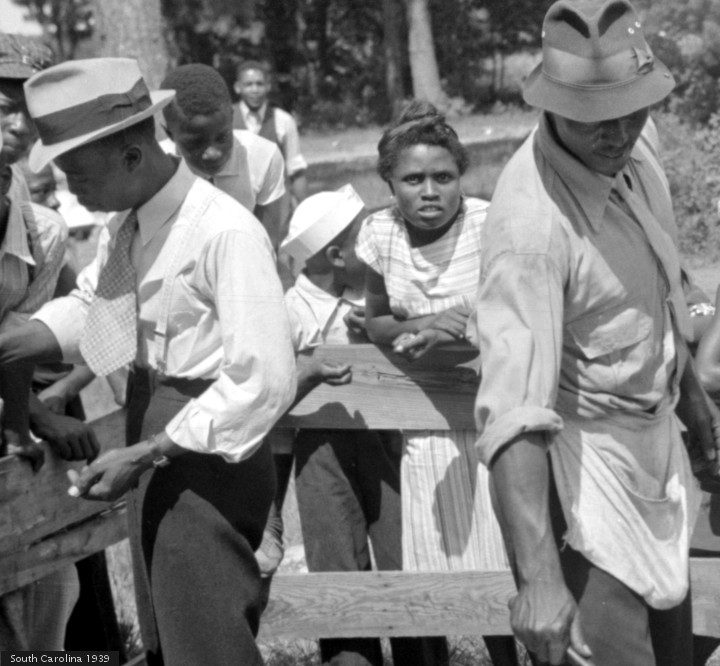
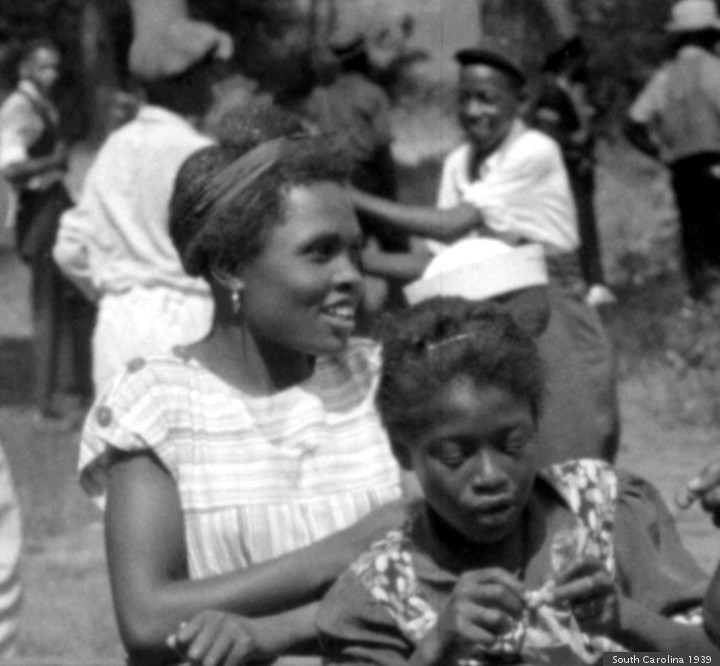
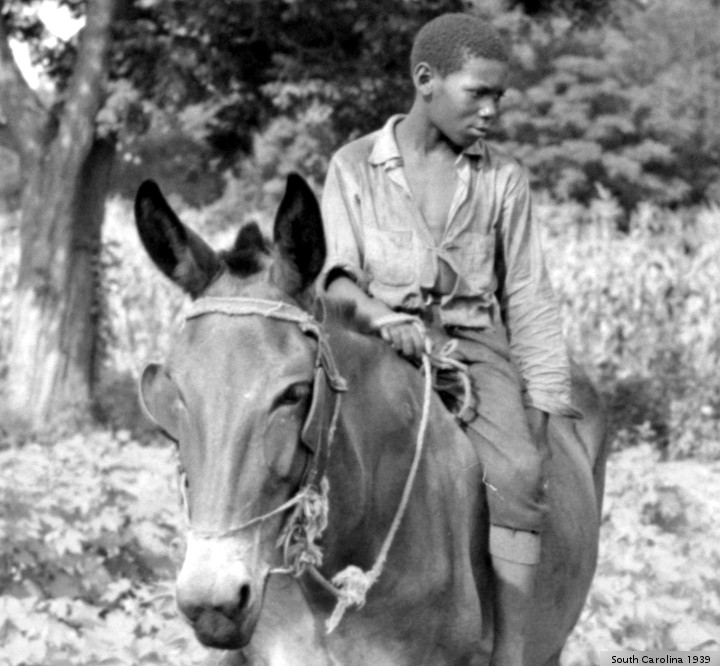
Pictures today are from The Library of Congress. Marion Post Wolcott, photographer “Watching a game at Fourth of July celebration, St. Helena Island, South Carolina” July 1939. Part one and part three of this series are now available for your viewing pleasure.


Georgia Voter Registration




@LEBassett “1.Brian Kemp is running for GA gov against Stacey Abrams (a black woman) 2. Kemp is in charge of elections & voter registration 3. Kemp made a new “exact match” rule that is holding up 53,000 voter registrations…. NEARLY 70% OF THEM BLACK 4. THIS IS ALL I WANT TO TALK ABOUT” There is nothing like getting your news from twitter.
Voting rights become a flashpoint in Georgia governor’s race The story gets attention. Georgia is holding up 53k voter registrations. 70% of these registrations are black people, according to an undocumented AP story. These registrations are in the Secretary of State’s office. The current SOS, Brian Kemp, is the Republican candidate for Governor. Mr. Kemp is white. His Democratic opponent, Stacey Abrams, is black. As you might imagine, the sensation-driven media is in outrage mode.
“An analysis of the records obtained by The Associated Press reveals racial disparity … the list of voter registrations on hold with Kemp’s office is nearly 70 percent black.” No link is provided for the analysis, which is likely to be true. Assuming that is factual … a dangerous proposition three weeks before an election … the next question should be How do they know.? Is the race of the voter on the voter registration application?
STATE OF GEORGIA APPLICATION FOR VOTER REGISTRATION is your basic government form. On line 4, after telephone number, date of birth, and gender (a two check box male/female), we have race/ethnicity: White, Hispanic/Latino, Black, American Indian, Other (with a blank space), Asian/Pacific Islander. Qualifications include: “Have not been found mentally incompetent by a judge.” Does this requirement apply to candidates?
“Why must I indicate my race or ethnic group? The federal government requires South Carolina to document race or ethnic group for voters by the National Voter Registration Act.” This is the standard answer. The documentation for Georgia can be found at Voter Registration Statistics. If you are a statistics junkie, here is your fix for today.
Georgia has an regulation requiring voter registration to have an “exact match” with information already on file with the Georgia Department of Drivers Services (DDS) or Social Security Administration (SSA). “In 2017, Georgia Governor Nathan Deal signed into law House Bill 268, which codified a voter registration database “exact match” protocol that had been already shown to disproportionately and negatively impact the ability of voting eligible African American, Latino and Asian American applicants to register to vote.” The regulation was not created by Brian Kemp.
Georgia Knew Its Voter Roll Practice Was Discriminatory. It Stuck With It Anyway. The implication of the recent stories is that applications are being targeted by race. Of course, many, if not most, of the clerks reviewing these applications are black. And how would the state know if the voters were black, if it was not on the application?
New FPCA Form Eliminates the Obnoxious Race Question takes a look from another perspective. Federal Post Card Application (FPCA) is designed to help military personnel overseas obtain absentee ballots. With regards to the *race question*, authorities here give the standard answer: “Also, many states ask that you provide your race or ethnic group in order to demonstrate that they are complying with the Voting Rights Act and the National Voter Registration Act.” This sentence has a footnote. “I have reviewed both the Voting Rights Act of 1965, and the National Voter Registration Act of 1993 (“Motor Voter”), “), and I do not find any provision requiring the states to report to the Federal Government on the race of voters.” The article goes on to describe a Texas election. Absentee ballots were disputed because they were cast by non-Hispanic voters.
Pictures today are from The Library of Congress.





One More Chat About Racism


It was a typical morning. Work on a picture, and listen to audio entertainment product. PG was tired of youtube suggestions, and chose to listen to RISK. The first story is a South Asian lady, Nimisha, going to have lunch with her Jewish mother in law, Elaine. The two ladies have an uneasy relationship. Before the wedding, Elaine asked David, her son, if Nimisha was black. (Did David have a black girlfriend before this?) Nimisha was upset when she heard about this. Now Nimisha was going to have lunch with a RAY cisst. It is not known if Nimisha ever called Elaine a racist to her face.
PG, for various reasons, is tired of hearing people referred to as racist. Since there were plenty of other shows to listen to, he turned off the story. A few minutes later, he wondered what he was missing, and turned on the story again. Soon enough, Nimisha complained about going to lunch with a RAY cisst, again. PG pushed forward, and listened to the next story. It was about an experience at an AA meeting in Los Angeles. A good friend of PG is in the AA program. PG wanted to share the story. Here is the email PG sent with the link.
This is a link to a story. It is an AA war story. It starts at 20 minutes. There is another story here. The first story in this show is about an Indian lady, who does not like her Jewish mother in law. At ten minutes into the show, the bride says “I am going to have to spend the day with a racist.” At this point, I turned off the show in anger. I am sensitive to the term racist, for perfectly obvious reasons. I did not want to listen to the rest of the show. When I decided to send you the link, I had to listen to the part of the show around the 20 minute mark, so I could know when the war story started. I set the timer for 18 minutes, and listened to the end of the mother in law story. There is a twist in the story, and everyone is friends now. The bride says “I am ashamed of reducing her to her racism.”
David, Elaine, and Nimisha went to a deli in New York. Nimisha (who seems to have other entitlement issues) is militantly vegetarian, and not pleased with the deli. At one point, Elaine orders a sandwich “bigger than her fist,” and starts to, accidentally, spit bits of meat in Nimisha’s face. At this lowest part of the lunch, Nimisha looks at Elaine, who has tears in her eyes. Elaine thanks Nimisha for coming on the lunch. Nimisha looks at her hand, which has an engagement ring once owned by Elaine. Nimisha realizes that Elaine is more than her comment about race, and is actually a pretty good lady. End of story. Elaine is much more than a racist, she is the mother of David.
The real fun starts when PG posts the email to RISK! Podcast Fans Discussion Group on twitter. People are proud of calling *others* racist. When you suggest that this is not a good idea, they get angry. WAAAAA!!! He said I can’t say wassist!!! WAAAA!!! PG has heard the r-word many times. He was not in the mood to hear a vegetarian princess repeat that slur about her deceased elder.
For several of the nay sayers, PG asked the simple question “When was the last time you were called a racist?” There is a certain entitlement to casting this particular stone. People, who think it is beyond horrible to say the n-word, feel virtuous about calling a white person racist. You wonder if they have any clue to how people feel about this, or if they care. After all, if a person is a racist, they are a terrible, terrible person. Anything you say or do to them is justified. The racist is the other.
“I’ve literally never been called a racist because I’m not one. Not once in my life. Again I say, if you’re being called a racist on a regular basis, you need to evaluate yourself” ~ “…when was the last time you were called racist- my response would be- to my face? NEVER, not once. Behind my back-unsure, I sincerely hope NEVER. But one thing I DO know to be true is that if there was EVER a time I unintentionally made someone feel less than because of the color of their skin I would go to the ends of the earth to right that.” ~ “I see what you’re getting at, but I’m also from Atlanta and have lived in the south for almost my entire life. I’m a white male and I don’t recall having ever been referred to as a racist… Probably because I don’t say hurtful things to POC. I’m just saying, if you’re called a racist numerous times, there’s probably a reason and perhaps one should reflect on that.” ~ “A few years ago. (I wasn’t being racist. At all. But a woman thought I was treating her unfairly and wasn’t shy about letting everyone know.) I still don’t understand what that has to do with anything. Racism is definitely a thing that exists in the world. The behavior described in the story was racist. I don’t know you or your circumstances, but your words so far seem to imply that you’re more offended by the word “racist” than actual racism.”
“you’re more offended by the word “racist” than actual racism.” This is a common comment in social justice discussions. “Imagine it happening all the time, simply because of the color of your skin. What you’re experiencing right now is *nothing* compared to what people of color experience daily.” The simple truth is that two wrongs do not make a right. Insulting a white person, by calling them racist, will have little impact on creating economic opportunity, or curtailing police brutality. Saying racist is merely a couple of kids on the playground swapping insults. To pretend otherwise, to confuse name calling for effective social justice action, is an exercise in self delusion. “The word racist is NOT hateful. RACISM is hateful.”
After a while, someone asked PG “When was the last time you were called racist?” He recalled a facebook discussion last winter. “A bar employee was fired, and had dirt on the boss. He posted this dirt on facebook. I questioned the validity of this dirt. I was called racist as a result. This is the last time I was called racist.” This is similar to many episodes of racist citing. It was a white person who called PG, another white person, racist. PG said something that the other person did not like, and the knee jerk reaction was to say racist.
People in discussions about racist/racism often feel the need to demonstrate their distaste for racism. Usually it is without being asked. People just assume they need to virtue signal, and are offended if someone abstains. “Racists reduce people to their race, which is FAR worse than reducing someone to their hateful thoughts. Reducing her to her racism and not seeing the other aspects of her personality is also literally what that story was about. People of other races are also your fellow human being and racists often don’t treat them as such. I could be wrong but this seems to not bother you at all? People often say nothing when someone is called racist…because that person is being racist.Being racist is wrong. Full stop. I’m not sure if we’re on the same page about that, but in case my thoughts weren’t clear, there they are.”
When you challenge the performative nature of racist citing, you can expect feedback. “I don’t understand this post. But i fully support the continued and loud-mouthed calling out and labeling of racists wherever they be, regardless of some feathers getting ruffled. Had the protagonist of this story been correct in her assumption, i wouldn’t be holding it against her. In this case she made an assumption and was corrected by facts, but i certainly don’t hold the using of that term against her.” ” “ritual condemnation of racism” is a funny way to put it, as if condemning such is a kind of bigotry. It’s not a “performance” when I condemn it. Um… I MEAN it.”
There is something about racism-talk that triggers verbal diarrhea. People start talking/typing, and don’t know when to stop. You will hear many testimonials. Here is one. “When I was young, I defended myself. As I matured, I explained myself. Now, I do neither. I listen. I apologize. I was recently at an almost all-Black barbecue. I was asked if I play spades and I do – I love that game! I went to play, and they played with a lot of rules I have never heard of before. They claimed that everyone played this way. I assumed it was a racial difference. I casually said things like, “I don’t understand how to play black spades.“ I was mortified later when my friend told me that calling it “black spades“ was offensive. I was embarrassed, and uncomfortable. But I didn’t defend myself. And I didn’t even explain myself. What I said was, “Thank you so much for bringing that to my attention. I appreciate that you felt comfortable enough to let me know that what I was saying was offensive. I’ll try to do better in the future.” It didn’t matter that I wasn’t trying to be racist, or that I don’t feel like I am a racist. What matters is just to listen with compassion to those who experience things that you and I never will.”
Many comments seem to assume that the racist citer is an aggrieved poc. More often, it is a virtue signalling white person. Or, in the story that sparked this discussion, a vegetarian princess, non-black poc. Eventually, some commenters moved into the “trying to help you with your problem ” phase … as if objecting to a rude, racially motivated insult was a problem. “Honest question. Not looking for snark answers… “What should Luther do if he is called a racist for no other reason than his appearance? What can *he* do to combat the generalization that white men in the south are all that way?” “He could respond, “I am so sorry that you felt racially targeted by me. Can you please help me understand what I did to make you feel that way? How can I make this better in the future?” That does not seem like a good response to make to a white person on facebook.
Why are people, mostly white, so eager to demonstrate their distaste for what they perceive as racism? This virtue signalling is to be loud, and must be seen and heard by others. Maybe this virtue signalling is not done for the benefit of others. Maybe the white savior is trying to reassure them self that they are not racist. They are like the homophobe who badmouths gays to cover up for his own repressed homosexual desires. Is the white savior a closet racist?
The problem with anti-racism was published by chamblee54 a few years ago, when a dark skinned man was POTUS. It discusses the closet racist concept, and other ways in which anti-racism is detrimental to society. After a 2014 repost, chamblee54 received a remarkable bit of confirmation. An anonymous commenter, speaking from an .edu address, said “why don’t you get your white sheets and come out.” Since this comment was made by a white cis male (the last time PG had contact with them), it might not be appropriate to respond “I am so sorry that you felt racially targeted by me. Can you please help me understand what I did to make you feel that way?”
PG made one last comment in the facebook thread. It is unlikely that he changed any minds. The concept that the word racist is offensive to human beings, and should be used with caution, is alien to many people. It might be compared to telling a person sixty years ago that saying the n-word is a bad idea. Here is the closing comment. “There is going to be a blog post about this discussion, which will answer a few of those questions. Or, and this is more likely, merely raise more. I have known many, many poc. Friends, enemies, good people, terrible people, and a thousand levels in between. In the end, it is my experience. I don’t even understand it myself. I cannot expect someone who reads a facebook thread to understand my life. I just get tired of the promiscuous, boastful, performative use of the r words. Nothing good comes of it.”
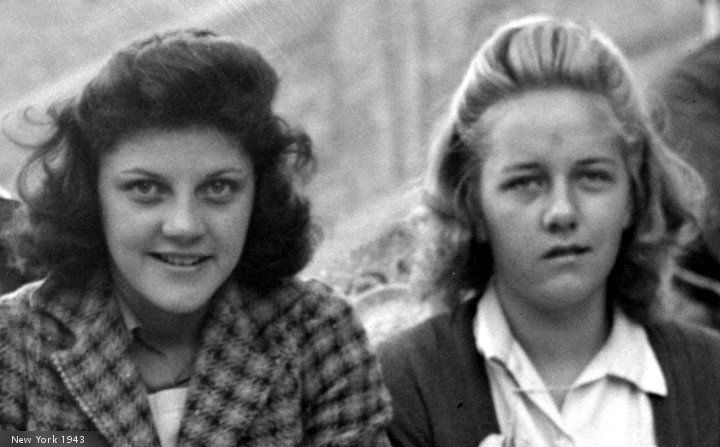
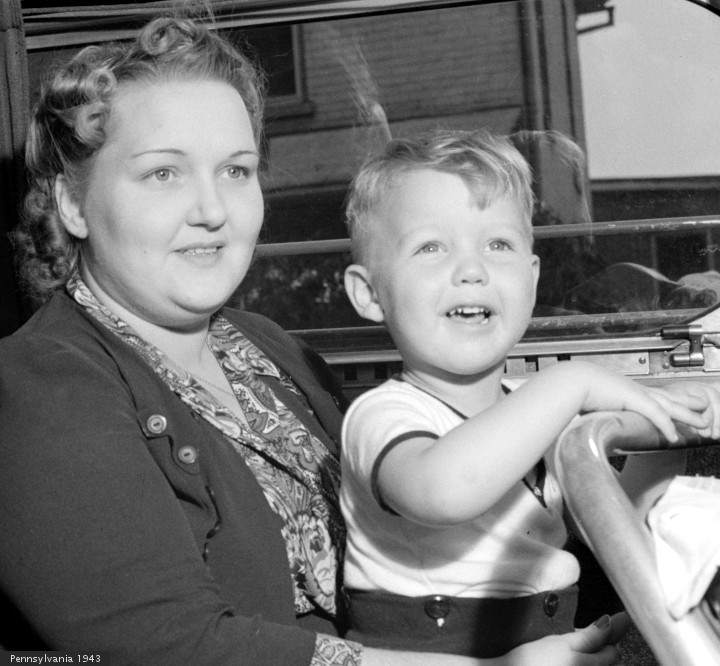
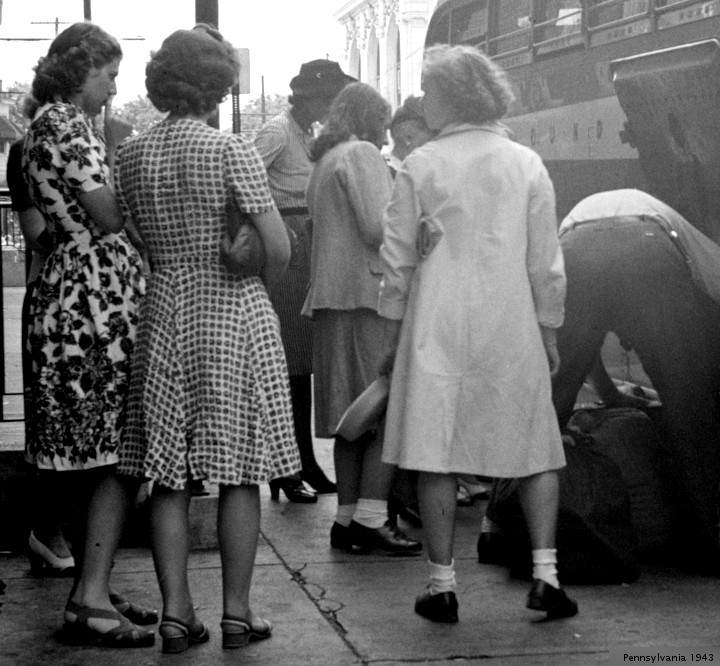
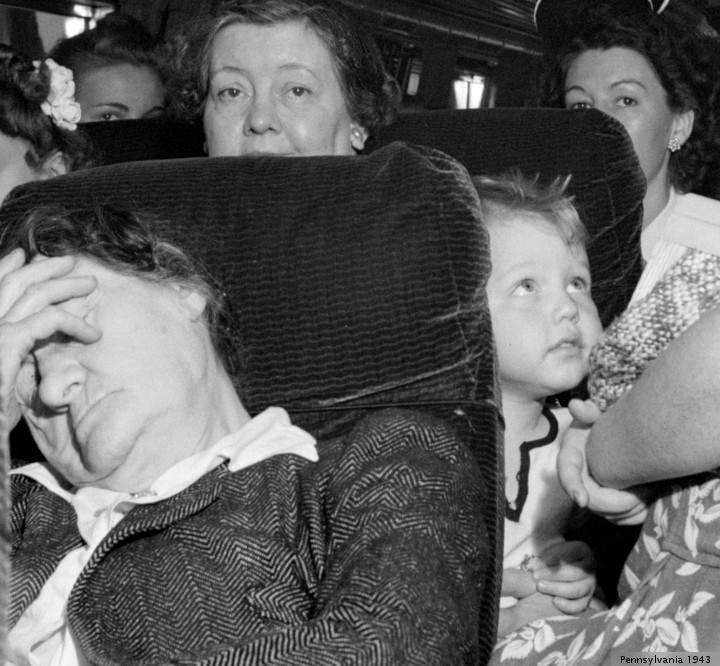
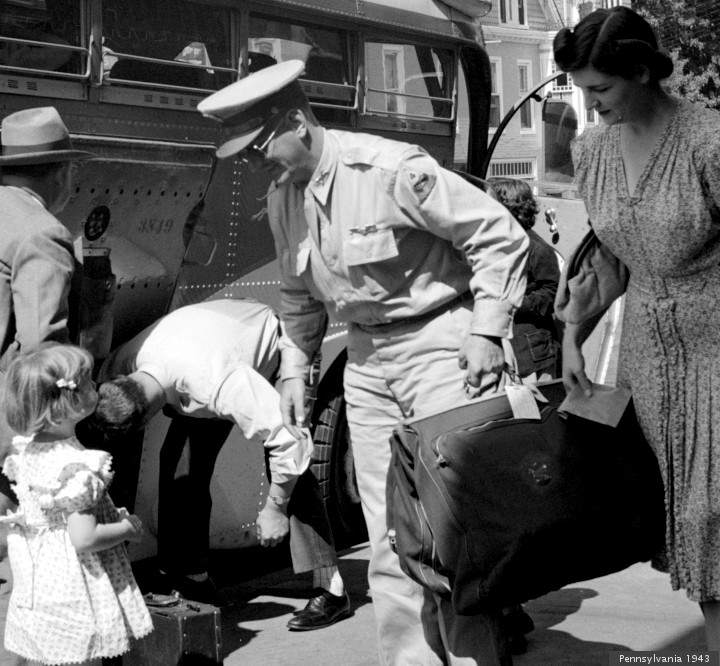
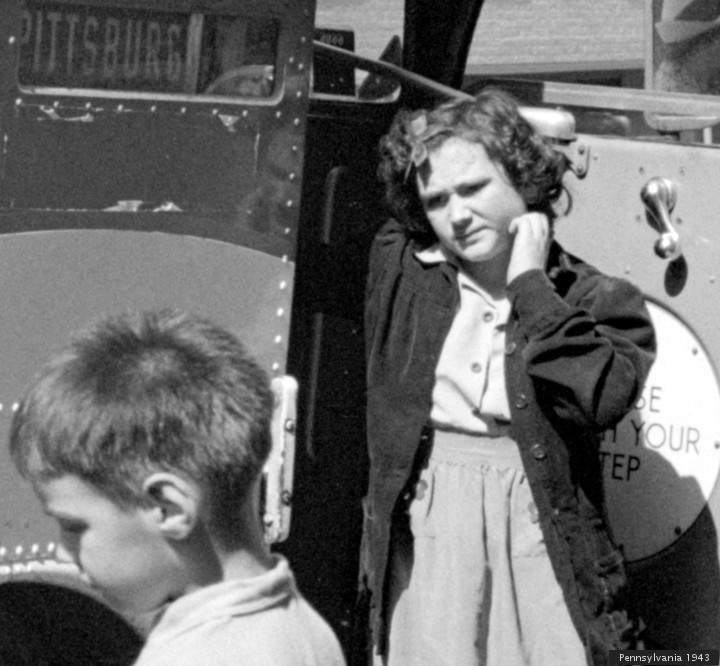
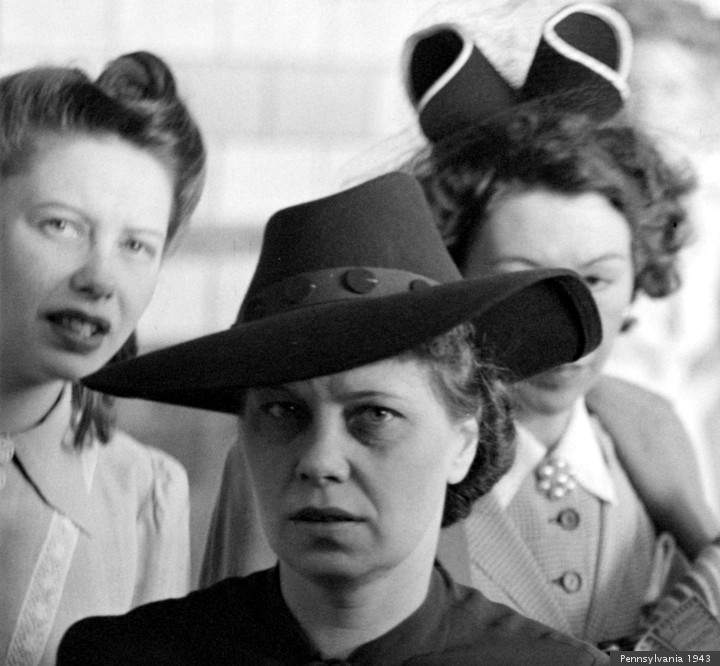
In typical blogger fashion, PG gave two links. “This post Are my attitudes about race any of your business, might help explain a bit of this.” “Here is another post that might help, James Baldwin and the six letter word. (This post makes an amusing connection between the n-word, and the r-word. The words of James Baldwin were used, perhaps in a way the author would not have intended.) Even if you don’t like the text, you can enjoy the pictures.” The pictures today are from The Library of Congress. Pittsburgh PA Passengers waiting for a bus at the Greyhound bus terminal. Esther Bubley, photographer September 1943. Chamblee54 wrote another post about this incident.
 </a
</a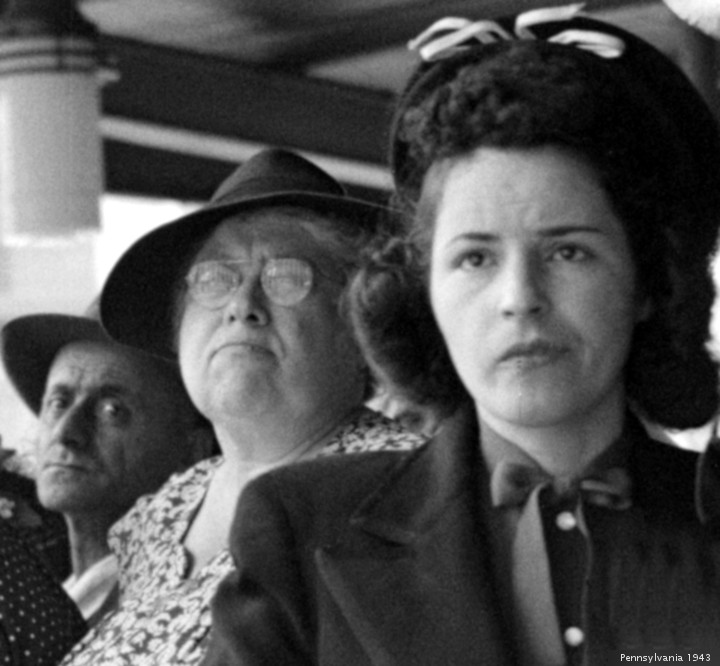




Hair






There is a tasteful feature on the innertubes now, A Few Good Reasons Why White People Should Not Wear “Mohawks” or Dreadlocks. Yes, this is another polemic about cultural appropriation. If you want to skip the text, and look at the pictures, no one will get mad. Or get even. If you read the text, you might get odd. It is your choice.
The gist of the tract is “When white people wear “Mohawks” or dreadlocks it twists those hairstyles into symbols of privilege rather than symbols of survival and resistance.” Little is known about why the Natives of Upstate New York wore their hair the way they did. Isn’t calling this hair choice “symbols of survival and resistance” playing into the game of misunderstanding non European cultures? Anthropology is not an exact science.
The tract is not well written. Maybe the author feels like using good grammar is appropriating someone else’s culture.
There is one part of the tract that had PG shaking his buzz cut head. This is a free country. Can’t I do whatever I want? This country has never been free for people of color/non-white people. Certainly, you can choose wear your hair however you want. Historically, however, people of color have not been able to make that choice. This is not why the Bronner Brothers are multi millionaires. Black Americans spend more on hair care products than the gross national product of many African countries.
Both mohawks and dreadlocks are high maintenance affairs. After his struggles with shoulder length redneck curls, PG is not about to shave the sides of a beaver tail every day. And dreadlocks have always seemed to be just a bit on the dirty side. The rastas are welcome to wear dreadlocks, as long as they pass the spliff.
One thing PG has wondered was answered as a result of this polemic. Did the Mohawk tribe really wear their hair that way? When you type “Did the Mohawk… ” into google, the rest of the phrase to pop up is “Did the Mohawk Indians have mohawks?” Someone else has wondered the same thing. Wikipedia has more information.
The mohawk (also referred to as a mohican in British English) is a hairstyle in which, in the most common variety, both sides of the head are shaven, leaving a strip of noticeably longer hair in the center. Though mohawk is associated mostly with punk rock subculture, today it has entered mainstream fashion. The mohawk is also sometimes referred to as an iro in reference to the Iroquois, from whom the hairstyle is derived – though historically the hair was plucked out rather than shaved. … The Mohawk and the rest of the Iroquois confederacy (Seneca, Cayuga, Onondaga, Tuscarora and Oneida) in fact wore a square of hair on the back of the crown of the head. The Mohawk did not shave their heads when creating this square of hair, but rather pulled the hair out, small tufts at a time. … Therefore a true hairstyle of the Mohawks was one of plucked-out hair, leaving a three-inch square of hair on the back crown of the head with three short braids of hair decorated.
They didn’t shave the sides of the head, they plucked the hair out. That does eliminate the need to shave the sides of your head every day. This is not the way the fashion conscious hair people do the modern mohawk. The question arises if this non authentic hairstyle is really cultural appropriation.
Part of the polemic took a question and answer format. “But, I wear my hair this way as a statement against oppressive cultures and governments. How is that racist?” “You can take a stand against oppression and dominant cultures without appropriating the cultures of the people being hurt by them. Appropriation actually enforces oppression, it does not stand against it. Appropriation is part of the problem, not part of the solution”
To paraphrase this, you can be anti racist without proudly avoiding high maintenance hairdoos. Especially one that bears little resemblance to the actual article.


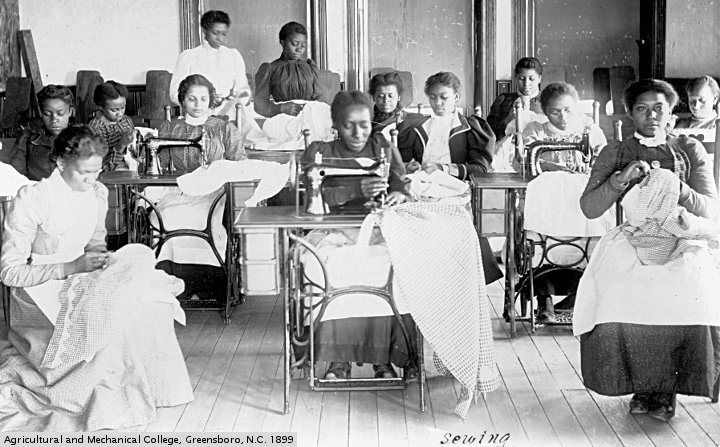
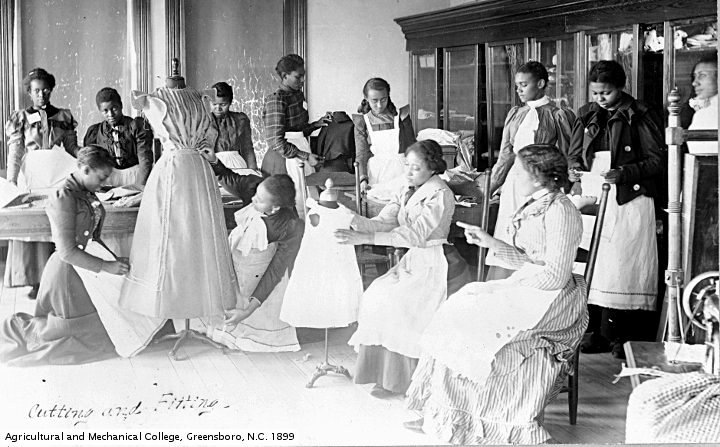


There was a statement in yesterday’s post . “Black Americans spend more on hair care products than the gross national product of many African countries.” This was tossed out in a careless moment, which is not a good thing to do. Today’s post is an investigation. For purposes of this report, America’s gross national product is the republican party.
Finding out how much African Americans spend on hair care is more google intensive than this slack reporter imagined. Madame Noire has a feature, Black Women Spend Half a Trillion Dollars on Haircare and Weaves! Why? “Black women spend half a trillion dollars to keep our hairstyles tight, our weaves looking good and our “kitchens” tamed. Why do we do this?” The $500 billion figure might include pain and suffering. Target Market News is more conservative, reporting “Personal Care Products and Services – $6.66 billion”.
In the chatter about a Chris Rock movie, Good Hair, the phrase “9 billion dollar hair trade industry” is used. The Magazine Publishers of America report that advertising spending on “Hair Products & Accessories” was $1,242,700 in 2007.
The short answers are “a lot”, and “we don’t know”. It is probably less that $500 Billion. For the purposes of this feature, we will go with a conservative estimate. This would be Target Market News. Since not all “Personal Care Products and Services” are hair related, we will call our number Five Billion. This is probably a conservative figure, but for our purposes it will do.
The second part of the statement was “Black Americans spend more on hair care products than the gross national product of many African countries.” The numbers come from Wikipedia and the International Money Fund. There are sixteen African countries with GNP less than $5 billion. They include: Mauritania, Swaziland, Togo, Eritrea, Lesotho, Burundi, Sierra Leone, Central African Republic, Cape Verde, Djibouti, Liberia, Seychelles, The Gambia, Guinea-Bissau, Comoros, and São Tomé and Príncipe. The last seven have a GNP less than the amount spent advertising hair products and accessories for Black Americans.
This is a repost. Pictures are from The Library of Congress.


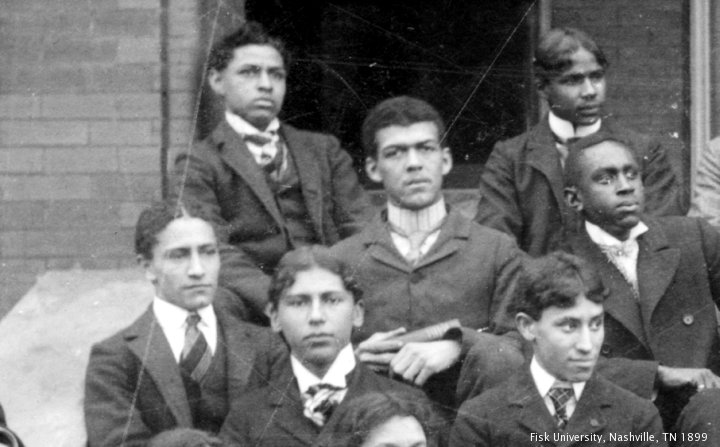


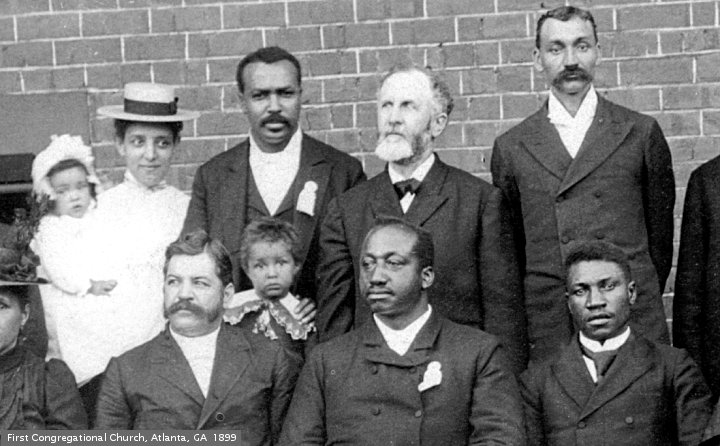

Am I A Racist?



@Nero, the fun loving offspring of Mr. Trump, put up a tweet today. It was a silhouette image, with messed up hair. The text below read “You’re racist because you like other races a little too much. You might be suffering …” One commenter said “@Shallchair @Nero Holy shit this quiz is even worse than average. Almost every question is nonsense. Then again, I don’t do a lot of shitty quizzes.”
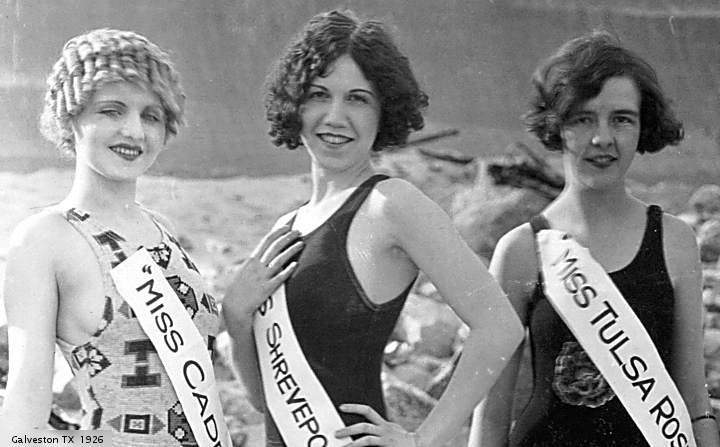
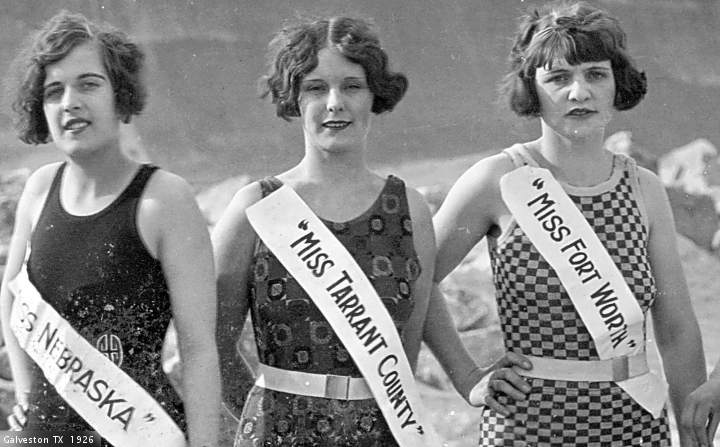
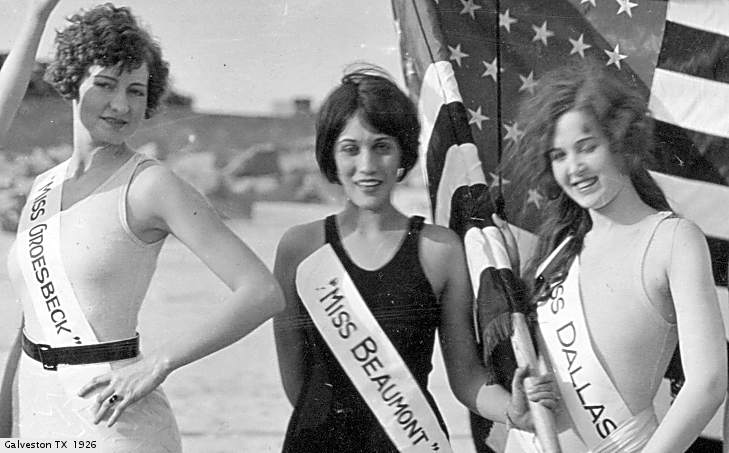
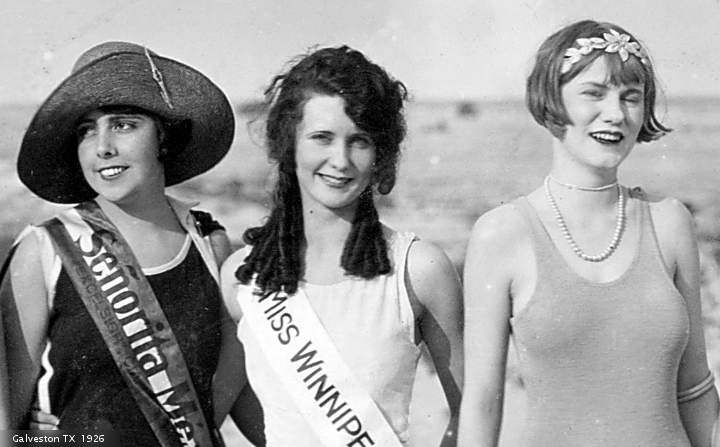
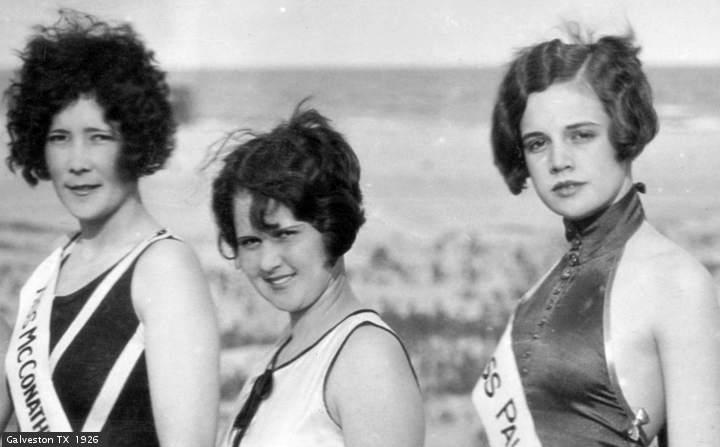
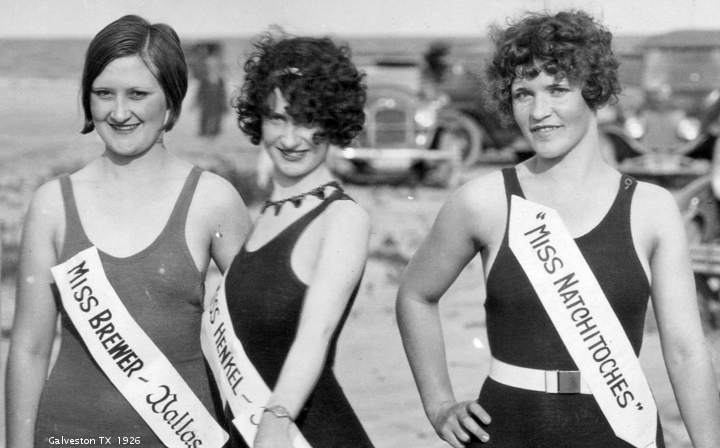
PG decided to Google am i a racist quiz. If you are interested in the results, read on. If you want to skip over the text, and look at the pictures (from The Library of Congress.), then PG will be hurt and offended. The pictures are from the the Galveston Bathing Review, 1926. This is a repost.
“Are You A Racist?,” by Quibblo, is apparently the test that @Nero took. “This test is to gauge whether or not you have racist tendencies. Answer truthfully, remember this is private so only you will know your results. There are varying degrees of racism and you should know exactly where you stand.” The Quibblo test is 10 multiple choice questions, like this one: “Out of this list, who do you admire the most ? David Duke, Nelson Mandela, Eminem, My mom or dad, George Bush, Jesus, Buddha, or the prophet Mohammed.” The result for PG: Not Really Racist “You don’t care about race. A person is a person and you judge people based on the individual. You have friends of all kinds of races, but you’ll probably marry your own race. You’re not averse to any particular race though. Suggestion: Live and Let Live Similar Personalities: Sammy Davis Jr., Bill Clinton, Bruce Lee”
“The How Racist Are You Test” is from helloquizzy. “yea it’s finally here. were gonna test you and see just how racist you really are” This is a series of yes/no questions. Some of the statements: “Have you ever met a person of a different race? Is there a certain race you don’t like? Do you think black people naturally have bigger d*icks?, Do you think white people can’t dance?” When PG tried to get the results, the page froze.
“Are You Racist? Quiz” is by ProProfs. “Have you ever thought about the act of racism? Do you ever wonder if you are a racist? This quiz will make you think about this topic more in depth and hopefully you will realize something new about your self that never occurred to you before you took this quiz. The main thing to remember while completing this quiz, is to be as honest as possible!” There are 10 multiple choice questions here. “What is your first reaction when seeing a Caucasian women with an African American child? “Awe he/she is so cute!” “Good for them.” “That child is probably adopted.” “I wonder if the father is in their life.” “She is so trashy!”. When you reach the end, and ask for results, nothing happens. The popup says, “We like you a lot, you can also like us.”
“The Racist Test” is from AllTheTests. “Are you racist? Are you tolerant of those of a different race? Take this test to find out!” This is 10 multiple choice questions. “Are you proud of your race? Oh yes! I am so proud of my race. Not really. Being proud of your race is idiotic. No, I am ashamed! ” The results here were unusual. “For 50 % you are: You are not racist. You believe people are equal. 40 % you are: You are racist, you hate mixed raced people and some races. For 10 % you are: You’re a very racist individual. You hate people who are not of your race and who are mixed raced.”
“How racist are you?” is from GotoQuiz. “Racism is judging someone by their ethnicity, something that is truly wrong and unwanted. Unsurprisingly, most people are against racists. However, there are a few who aren’t… But…are YOU racist? Did it ever cross your mind? Even once? If it did, then take this quiz and see just how racist you really are…you just might be surprised.” There are 13 multiple choice questions. “Do you wear pointy white hats? Yeah all the time, Yes, Sometimes, Rarely, No, NEVER! THAT’S RACIST” This quiz gave, possibly, the most accurate result. “You are 18% Racist… You’re a little bit racist. It’s human nature to be somewhat stereotypic, so for the most part you’re fine. But you could be less racist…. Thanks for taking the quiz. Hopefully you scored low and are not racist. But if you scored high…I strongly suggest you change your ways, because racism is wrong.”
At this point, it should be apparent that these tests are not to be taken seriously. They are flashy clickbait. Most of the answers are the least bad result, rather than the most right. The issues of systemic oppression in law enforcement, jobs, education, and housing are ignored in favor of talk about “pointy white hats.” Race relations are a serious matter, and they are not well served by superficial jibber jabber. The problem is, the overall “dialog” on race in America is just as trashy as these tests. Making insulting jokes about white sheets only goes so far.
Implicit association test is an attempt to be serious. This purportedly scientific test shows a slide show, and the viewer answers questions with the keyboard. Chamblee54 has taken the Implicit Association Test before, and was not impressed.
“The are you a racist Test” is from nerdtests. “this is a test just for fun to se if it is really as you say “what im not a racist” well i say prove it” There are 10 multiple choice questions. “what do you think of fat people- they are cute, why not, piggie piggie piggie, i think they came from uranus or something, they should be drenched wiht their own fat” “do you think of yourself as a rasist- Yes, No, maybe? The results: “For: not a racist 52% scored higher, and 47% scored lower. The average Raw Score is: 60.6, your’s was: 34.” If you understand that, you might be a nerd.
How To Tell If You’re A Racist. A Test. is from medium.com, a well meaning website. It is not an internet quiz, but a think piece. It has a list of statements, like “You don’t know or care what WoC stands for.” “You hide behind the etymology of the word “thug”.” “You remind people slavery is over.” “You bring up Oprah Winfrey in any discussion about the struggle of the black community.” Your score is based on how many of the statements apply to you. If you agree with 5 or more: “Yes. You are a racist. Learn more. Talk less.”
How racist are you? is from pollplace. “This is to see if your really racist or could care less who is black,white Mexican or green.” There are 6 multiple choice questions. “In the NBA there is about 75% more blacks than any other race.What do you feel about that. – Say I don’t know why blacks can’t play any better than whites etc. no way. Say that’s the way it should be blacks are way better. It doesn’t bother you,you are a fan of the NBA regardless. I have love for all NBA players,white,black,etc. Whatever it is,it’s fine with me.” The result: “How racist are you? You are another Martin Luther King Jr. You love everybody for who they are,I’m sure that someone of another race than yours asked for your last dollar you would give it to them.Well would you.”






1 comment