Conversations I Am Tired Of Having



There was a post a while back, 10 Conversations On Racism I’m Sick Of Having With White People The original started at The Chronicle, but LiveJournal is kind of weird, so a mirror image will have to do. There are comments, at the sourced post, that illustrate some of the points covered today.
I got to thinking about “10 Conversations”, and a reply began to take shape. I started a list of conversations the I am tired of having, and before you could say affirmative action, there were a dozen items. Many of these incidents have involved people of color, or POC. Many others have not. Often, the ethnicity of the other person has little importance to the discussion. Therefore, the title of this feature will not be racially specific. This monolog will probably not go viral, or even bacterial. Washing your hands might be a good idea when you are finished reading.
Meetings where one person does all the talking The word conversation implies that more than one person says something. Often, this does not happen. One person will talk for a while. Before person two finishes a sentence, person one will interrupt them.
This does not work. When the other person is talking, shut up and listen. Don’t be thinking of your clever comeback, but pay attention to what the other person is saying. What the other person says is just as important as what you say.
Listening is not valued in our culture. It is seen as a loss of control, a sign of weakness. It is really a sign of strength. If you are weak, you don’t want to allow the other person to say anything. Have you ever heard anyone boast about the clever things that they say to someone? Of course you have, just like you never hear anyone talk highly about himself because he is a good listener.
My question is not an excuse to make a speech. Some people have an agenda. Whatever you say is an obstacle to the message they want to broadcast. When you ask a question, some people think you are handing them the talking stick, to do whatever they want. When your eyes glaze over, they plow on, in total disregard to your discomfort, and lack of comprehension. It is almost as if they are talking to hear the sound of their own voice.
I’m not talking to you. If you are screaming something, anyone with earshot can hear you. Do not get offended if there is a reaction to your words, especially if it is subtly directed at the person you are not talking to. This applies to the internet as well, where all of humanity is *privy* to your innermost thoughts. Keep the farmyard meaning of *privy* in mind when sharing your innermost product.
Conversations should be with people. If you are a business, and you want to tell me something, send me a written message. Please refrain from using robocall machines. I feel very foolish talking to a machine, especially one that doesn’t understand southern english.
You don’t have to shout. The amount of truth in a statement is not increased by the volume of expression. If you are standing next to me, the odds are I can hear you in a normal tone of voice. If you are across the room, come stand next to me, rather than shout across the room. If your normal tone of voice is shouting, then you have a problem.
The same principle goes to controlling your temper. When you choose not to control your temper, you show disrespect to yourself, and the person you are talking to. There is no situation that cannot be made worse by angry speech.
Privilege Racial polemic is getting more subtle these days. We are not quite post racial, although there are rumors of a PostRacial apartment complex. The phrase that pays these days is Privilege. This is always something owned by the group you do not belong to. Last summer, I heard this quote in a discussion, and nearly fell out of my chair.
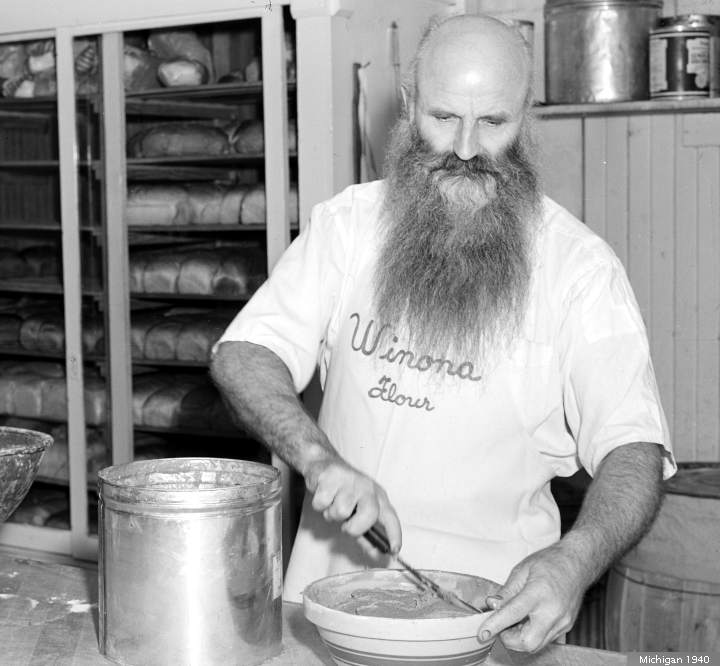
This is getting longer than the attention span of many readers. It might be continued at a later date. This is a repost. Pictures are from The Library of Congress.


Examine Your Whiteness


Is the Owner of Popular Atlanta Drag Bar a Racist? This article started the current controversy. A “former employee” of Burkhart’s sent some screen shots to a local publication. The shots allegedly came from the facebook page of the bar’s owner, Palmer Marsh. The first post that you saw said “Obviously Vladimir Putin thinks that Barack Obama is a stupid (magic word). He just might be right.” The pearl clutching started immediately.
PG noted that the screen shot did not have a date or time. Three other shots were shown in the initial presentation. None of the other comments had a fraction of the offensive power of the Putin comment. The showpiece comment was suspect.
If you are going to have a public controversy about someone’s racial values, you need something strong to get people’s attention. Stories about poorly treated employees or customers will not do this. Facebook comments like “I used to think that NYC was the most intimidating place on Earth. Thanks to Mayor Rudy Giuliani … ” do not have the explosive power of the magic word. If you do not have the comment about Putin, you do not have a controversy. The ex-employee does not get their revenge.
For all the talk about institutional oppression, the public debate on racism remains very shallow. Style rules over substance any day. If you talk about economic equality, equal housing, or access to education, the audience will ignore you. Talk about police brutality, and mass incarceration, will get you a bit more attention. Palmergate is none of these things. It is about an old man, who owns a popular business, saying things on facebook that people do not like. The most spectacular of these comments is impossible to prove or disprove.
A few days later, there was another facebook thread about the comment. PG noted “Did anyone see the Obama/n-word post when it first appeared? What was the time and date? Is there a cached copy available? Do you realize how easy it would be to fake that screen shot? If an incendiary post like that appeared, why wasn’t it noticed at the time?” There was a vigorous reaction.
“this is racist apologist trash. there could be video of him typing the words in and y’all would still be like “that could be someone in prosthetics and a wig. you don’t know for sure!” ~ “Here’s a screenshot of a screenshot posted closer to the original occurrence. Is it so hard to believe that an older white man is racist?” ~ “This is on Palmer Marsh’s FB page now. You can go take a look yourself if you think I’m faking it. Doesn’t necessarily mention the racism, but is a good indicator:” ~ ‘This is also still on his FB wall. Go take a look yourself if you think someone is faking it:” ~ “And someone calling out his racism in 2013. Also on his wall. Go scroll down and look:” ~ “Do you need more? I’m happy to keep scrolling if you’re too lazy/afraid to confirm the truth yourself” ~ “alleged” I can’t with you. Look at my posts. I advise you do some research before making a public comment that makes you look like a racist apologist. I’m out.”
There are arguably racist comments on Mr. Marsh’s facebook page. (“Here in Brunswick, GA there is a billboard that reads, “Blue lives matter.” Indeed!”) Mr. Marsh went on a bit of a facebook binge sometime in 2015, and said all sorts of things. ( “I have been drinking so much liquor that I do not know what I have been saying. My apologies to those of whom I have offended. Now would probably be a good time to shut the blank up.”) However, none of these comments are evidence that he made the Putin post. They are not nearly as explosive, or overtly racist. They don’t have the same tone as the Putin comment. Also, how many people were talking about Vladimir Putin in 2015? It just does not add up.
It should be noted that there is a possibility that the Putin quote is legitimate. There are rumors that Mary Marsh, the wife of Palmer, “basically confirmed by making a status the other day saying Palmer was drunk and that she gave him hell at the time.” (PG has not seen this comment.) However, showing far less offensive posts, from the same account, is not convincing evidence.
“Do yourself and the POC in your life a favor and Examine. Your. Whiteness. Examine why its so hard to believe an old white man said the n word. Examine why you are so invested in defending a man who by all accounts was an outspoken racist. Examine why you are calling this so deeply into question.” Logic is not always a facebook friend.
After a while, PG took a break from the action. When he got back, he decided to look for cached copies. It seems that the Internet Wayback Machine does not have copies of this facebook account. The Putin post remains impossible to prove, or disprove.
Palmer Marsh on facebook is up. What has not been deleted is easy to look through. Some of the comments are still up. Some posts are arguably racist. (“If the South had won, we would be a hell of a lot better off.”) There are also some comments that contradict the racist narrative.
“Because of love, part of my heritage is West African. Some tings you cannot change. I treasure my heritage.” “I am from McIntosh County Georgia. The first dialect of English that I spoke was Gullah-Gitchee. It was a fantastic beginning as I have a perspective of the Third World that few Anglo-Americans understand. Now I feel more at home in the Bahamas than I feel at Home. I like turning back the clock.”
For those who are new here, Gullah-Gitchee is a dialect used mostly by African Americans. Does this sound like something a racist would say?
The truth is a bit more complicated. Palmer Marsh has posted some things that rub liberal fee fees the wrong way. A man from the Georgia coast, who has been around black people all his life, probably has some complicated feelings about this whole racism thing. Not everyone falls into the racist/woke binary. If we are going to have a public debate, on the statement Resolved: Palmer Marsh is a racist, the we should do a better job of examining the evidence. Don’t just accept a screen shot from a former employee. Maybe it is none of your business.


There have been some new developments in the Burkhart’s melodrama since Examine Your Whiteness was published. For those who are new here, a facebook screen shot appeared, showing the owner of a popular Atlanta bar saying the magic word. A community hissy fit followed. The drag queens who performed at the establishment quit. PG questioned the validity of the screen shot. Global warming got worse, Atlanta traffic slowed down, and Donald Trump got a haircut. It was a bad week.
Someone finally talked to Palmer Marsh, the bar owner with a facebook habit. Yes, he did say the magic word on facebook. He took the post down soon after, but not before a cunning employee got a screen shot. The evidence would prove handy.
Mr. Marsh made another noteworthy comment. “Marsh says his son-in-law is black, as are several of his own grandchildren.” This puts a new spin on the old saying… I can’t be racist, some of my best grandchildren are black. The people upset about the facebook post were not impressed. Don’t confuse me with the facts, the man is a racist, because I said so. The issue remains unresolved, as well as the issue of why anyone should care.
Racist is the one of worst things you can say about anyone. It is also tossed around casually, with no proof, or thought, required. Once accused, you are guilty until proven innocent. If you defend someone accused of racism, you are considered racist yourself.
Racism is not an either/or binary. Many people have conflicting feelings on the matter. While the facebook post is apparently valid, what is in Palmer Marsh’s heart remains a mystery to most observers. Maybe he is a racist, and maybe he is not.
Why does a person need to be politically correct to own a queer bar? Historically, bar owners have been shady characters, who settled disputes with contract killing, and convenient fires. The business revolves around selling alcohol, a deadly, addictive, legal drug. People often misbehave under the influence, and the bar will use brute force to resolve the issue. Enemies are made. It is a tough, dirty business. And now we are supposed to shun an bar owner, because he used the magic word one time on facebook. (Full disclosure: PG is a retired drunk. He has been sober since 1988.)
Anti racism can be highly superficial. Lip service is paid to high minded definitions of racism: “Rather, according to the newly uncovered formula, racism = prejudice + power (or “prejudice + privilege” in some trendier renditions). White people are the ones with all the power and privilege here, so, per the formula, they cannot possibly be the objects of racism.”
That is good in theory, but boring in practice. When there is a racism controversy these days, it is frequently because someone said the magic word. (One exception is when the police kill someone.) Honest to G-d oppression is boring, and will not get attention. Catching someone saying the magic word gets attention. The ex-employee, who leaked the screen shot, wanted attention.
The other development is the sale of the bar. Supposedly, a group was planning to buy Burkhart’s. This group included the General Manager, Don Hunnewell, who gave a statement soon after the original screen shot emerged. “Yesterday it took everything I had to soldier on and not terminate my employment agreement.” A few days later, he was part of a group trying to buy the bar.
You might ask, how does a complicated sale like that happen so quickly? The answer is, it doesn’t. The owner of The Jungle, a now closed cha cha palace, is said to have made an offer. The Jungle got in SJW trouble a few years ago for hosting a performance by Sharon Needles. For the foreseeable future, Palmer and Mary Marsh own Burkhart’s.
An ex-employee had a problem with the club. Ex-employee leaked the screen shot to the press, and the fun started. Now, there are three possible motives for the ex-employee. 1 – Someone was offended by racism at the club, and wanted to call attention to it. 2- Release of the screen shot is somehow connected to a sale of the bar. It is not known if the ex-employee was part of the group that was going to buy the club. 3 – The ex employee had a problem with the club, and wanted to get revenge. Number 3 is the most likely, although all are possible. All things are possible in a world without G-d.
Where does this put the performers who quit, and the pearl clutching public? If this is motivated by sincere concern for racism at Burkhart’s, then people are entitled to the self congratulation. OTOH, if this whole mudbath is just part of the proposed sale, or a shot at revenge by an embittered ex-employee, the the pearl clutchers are being played.
Pictures are from The Library of Congress. Part one and part two are reposts. Part three is boring.




Teachable Moment



PG was invited to view a zoom reading. A group of people submitted poems for an anthology. Some of the poems were selected for publication. Wednesday night, some of these poets read their work.
Before the linked video, a man spoke. He said that racism would not be tolerated. If you said anything racist, you would be kicked out of the presentation. PG found this a bit odd. Poets tend to be painfully woke. Telling poets not to say anything racist is like telling preachers not to worship Satan.
The poets spoke. There was one Latino, no African Americans, and White People. Anything they read had been chosen for publication. Did the editors include a racist poem in the anthology?
Facebook had another well intended meme. It was about a teacher, telling her class about the Salem witch trials. PG does not know the full story of the SWT. He suspects the legend does not accurately describe the real event. However, the SWT story provides a “teachable moment.” It is easy to substitute “racist” for “witch”.
“One of my friends told me about a powerful lesson in her daughter’s high school class this winter. They’re learning about the Salem Witch Trials, and their teacher told them they were going to play a game. “I’m going to come around and whisper to each of you whether you’re a racist or a normal person. Your goal is to build the largest group possible that does NOT have a racist in it. At the end, any group found to include a racist gets a failing grade.”
The teens dove into grilling each other. One fairly large group formed, but most of the students broke into small, exclusive groups, turning away anyone they thought gave off even a hint of guilt.
“Okay,” the teacher said. “You’ve got your groups. Time to find out which ones fail. All racists, please raise your hands.” No one raised a hand. The kids said the teacher had messed up the game.
“Did I? Was anyone in Salem an actual racist? Or did everyone just believe what they’d been told?” And that is how you teach kids how easy it is to divide a community. Keep being welcoming, beautiful people. Shunning, scapegoating and dividing destroy far more than they protect. We’re all in this together.” Pictures today are from The Library of Congress.



Are My Racial Attitudes Your Business?




PG was living his life when see saw something on facebook: “And another thing: if you are going to claim NOT to be racist, I feel like you should familiarize yourself with some contemporary writings and definitions of racism, not just what Mirriam Webster says.” The first reaction was to ignore this. If you reply to a comment about racism on facebook, you are asking for trouble. Life is too short to be wasting time on such unpleasantness.
But the thought engine had been kickstarted, and continued to idle in the background. When PG pulled into the Kroger parking lot, the idea hit full force. Maybe it is none of your business.
Some people say that a PWOC is not affected by racism. If this is the case, then why should the racial attitudes of a PWOC affect another PWOC? If a person treats you fairly, do you really need to know this person’s attitudes about race?
The fbf ex-fbf does not say what the context of this claim is. Did anyone ask you whether or not you were a racist? If not, are you assuming that they are interested? Maybe someone assumed the listener was interested. Maybe the proper response to look bored, and say TMI.
The comment mentioned “contemporary writings and definitions of racism”. Who are the people who set themselves up as arbiters about what we should think about race? What are the qualifications? Who asked them what they thought? How do we know that these people are dependable?.
Maybe the answer is to show compassion and kindness to your neighbor, and don’t worry about their racial attitudes. If you are proud of your racial attitudes, please refrain from boasting. Not everyone is interested. This is a repost. Pictures are from The Library of Congress.

The Ta-Nehisi Coates Video



There is a video, Ta-Nehisi Coates on words that don’t belong to everyone It is being praised to high heaven. PG has some issues with this entertainment. The transcript is from vox, Ta-Nehisi Coates has an incredibly clear explanation for why white people shouldn’t use the n-word. This is a repost, with pictures from The Library of Congress.
Ta-Nehisi Paul Coates gave an interview once, The Playboy Interview with Ta-Nehisi Coates. “The n$$$$$ thing? I understand if you’re black and you say, “Man, I had white people call me this shit all my life. … But that ain’t everybody’s experience. I’ve never had a white person call me a n$$$$$. I had somebody call me le négre here in France, but I was 38 years old and I couldn’t have cared less. It didn’t mean anything. So not all of us come out of that experience.”
The monolog starts off with a discussion about how some words are appropriate for some people to use, but others should not say them. “My wife, with her girl friend, will use the word bitch. I do not join in. You know what I’m saying? I don’t do that. I don’t do that. And perhaps more importantly, I don’t have a desire to do it.” The question arises: is his wife a four legged dog? Unless she is, then the b-word does not apply to her.
“Coates pointed to another example — of a white friend who used to have a cabin in upstate New York that he called “the white trash cabin.” “I would never refer to that cabin” in that way. I would never tell him, ‘I’m coming to your white trash cabin.’” Of course, a person with an upstate cabin is likely to be far removed from the trailer park. He is using *white trash* with irony, and would not be the least offended if TPC called it “the white trash cabin.”
“The question one must ask is why so many white people have difficulty extending things that are basic laws of how human beings interact to black people.” (Is TPC saying that black people are not human beings?) … “When you’re white in this country, you’re taught that everything belongs to you. You think you have a right to everything. … You’re conditioned this way. … the laws and the culture tell you this. You have a right to go where you want to go, do what you want to do, be however — and people just got to accommodate themselves to you.”
At this point, PG turned off the video in anger. He has never been taught that everything belongs to him. Nobody that PG knows has been taught that. PG does not know anyone who teaches that message. This is a lie. It makes PG not want to believe anything else that TPC says. Maybe there is some privilege/culture mumbo-jumbo that explains this concept.
Lets go back a minute to the white trash cabin. TPC does not want to use this phrase. And yet, he feels entitled to make a sweeping generalization like “When you’re white in this country, you’re taught that everything belongs to you.” It is wrong to say white trash, but ok to slander white people.
“So here comes this word that you feel like you invented, And now somebody will tell you how to use the word that you invented. ‘Why can’t I use it? Everyone else gets to use it. You know what? That’s racism that I don’t get to use it. You know, that’s racist against me. You know, I have to inconvenience myself and hear this song and I can’t sing along. How come I can’t sing along?’”
“The experience of being a hip-hop fan and not being able to use the word ‘n$$$$$’ is actually very, very insightful.” To begin with, why do you assume that PG is a hip hop fan? Many people think hip hop is garbage. If you are forced to listen to music that you do not enjoy, why would that make you want to use a forbidden word? The logic of TPC is falling apart, faster than the Falcons pass defense in the Super Bowl.
“It will give you just a little peek into the world of what it means to be black. Because to be black is to walk through the world and watch people doing things that you cannot do, that you can’t join in and do. So I think there’s actually a lot to be learned from refraining.”
If you are in the mood to get yelled at for a half hour, you can ask someone about “things that you cannot do, that you can’t join in and do.” There might be some. If you go along with the rhetoric so far, you will probably believe what you hear. You might even understand why not using a nasty word will give you “a little peek into the world of what it means to be black.” As for PG, he seriously doubts this. He is not someone who says that this video is “an incredibly clear explanation for why white people shouldn’t use the n-word.”


Once upon a time, cigarettes were advertised on television. One new brand was a cigarette for women, Virginia Slims. The ability to kill yourself with tobacco was presented as being a privilege. Some wondered why women would want to take up this filthy habit. Today, African Americans have the privilege of using the n-word. What a deal. A nasty word, which degrades both the speaker, and the spoken of. Why would anyone want to use that word?
If you don’t have anything good to say, you can talk about the n-word. This *trigger* word is an aphrodisiac for the american body politic. Recently Ta-Nehisi Coates performed in a video, Ta-Nehisi Coates on words that don’t belong to everyone There is much praise for this entertainment, like this: @SneakerWonk “#TaNehisiCoates has an incredibly clear #explanation for why #whitepeople shouldnt use the #nword.” PG has a few paragraphs, about this video, in the text above.
PG has written about racism, anti-racism, and racial attitudes on many occasions. People get angry, and call PG rude names. He must be doing something right. Later, there was a double feature about James Baldwin. In the first half, Mr. Baldwin expresses a few opinions about that word. In the second half, PG substituted racist for the magic word, with interesting results.
One item that keeps coming up is speculation about who invented the n-word. Negro means black in Spanish, and is derived from a latin word. The Oxford English Dictionary has some usages going back to 1577. “1577 E. Hellowes tr. A. de Guevara Familiar Epist. (new ed.) 389 The Massagetes bordering vpon the Indians, and the Nigers of Aethiop [Sp. los negros en Ethiopia], bearing witnesse. ~ 1584 R. Scot Discouerie Witchcraft vii. xv. 153 A skin like a Niger. ~ 1608 A. Marlowe Let. 22 June in E. India Co. Factory Rec. (1896) I. 10 The King and People [of ‘Serro Leona’] N$$$$$$, simple and harmless.
The TPC video is based on the concept that white people want to use the magic word, but should not. This assumes a great deal. Chamblee54 published a piece about the n-word, that spelled out why he does not like to use this noun/verb/adjective/adverb/interjection. Here are four reasons for a white person to refrain from saying america’s favorite dirty word.
1- The n-word hurts people’s feelings. PG has known many fine Black people. He does not want to say anything that will hurt these people.
2- Being heard saying the n-word can cause all sorts of problems. This can include physical retribution, loss of employment, lawsuits, and having to listen to enough loud angry words to make you wish you had never learned how to talk.
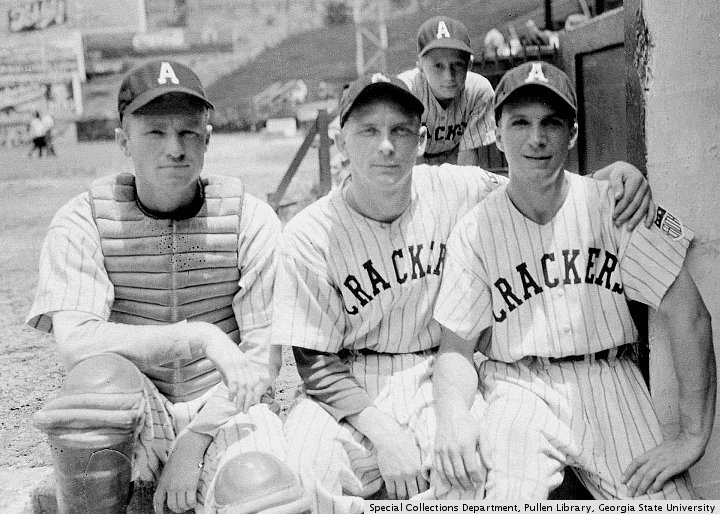
3- It is not a fair fight. There is no equivalent phrase for a Black Person to say to a White person. Why give that power to another group of people … to turn you into a mass of incoherent rage, just for hearing a six letter word. The closest thing is “Cracker”, which PG only recently found out was an insult. There used to be a minor league baseball team, the Atlanta Crackers.
4- The use of the n-word demeans the user. When you say an insulting word about another human being, you make yourself look bad. For a Black person, using the n-word degrades them as the object, as well as the speaker. Why would a person would want to do that?


Are My Attitudes About Race Any Of Your Business?
PG was living his life when see saw something on facebook: “And another thing: if you are going to claim NOT to be racist, I feel like you should familiarize yourself with some contemporary writings and definitions of racism, not just what Mirriam Webster says.” The first reaction was to ignore this. If you reply to a comment about racism on facebook, you are asking for trouble. Life is too short to be wasting time on such unpleasantness.
But the thought engine had been kickstarted, and continued to idle in the background. When PG pulled into the Kroger parking lot, the idea hit full force. Maybe whether you are, or are not, a racist, is no one else’s business.
Some people say that a PWOC is not affected by racism. If this is the case, then why should the racial attitudes of a PWOC affect another PWOC? If a person treats you fairly, do you really need to know this person’s attitudes about race?
The ex-fbf did not say what the context of this claim is. Did anyone ask you whether or not you were a racist? If not, are you assuming that they are interested? Maybe someone assumed the listener was interested. Maybe the proper response to look bored, and say TMI.
The comment mentioned “contemporary writings and definitions of racism”. Who are the people who set themselves up as arbiters about what we should think about race? What are the qualifications? Who asked them what they thought? How do we know that these people are dependable?.
Maybe the answer is to show compassion and kindness to your neighbor, and don’t worry about their racial attitudes. If you are proud of your racial attitudes, please refrain from boasting. Not everyone is interested. This is a repost. Pictures are from The Library of Congress.
Why Did The 1956 Legislature Change The Flag?

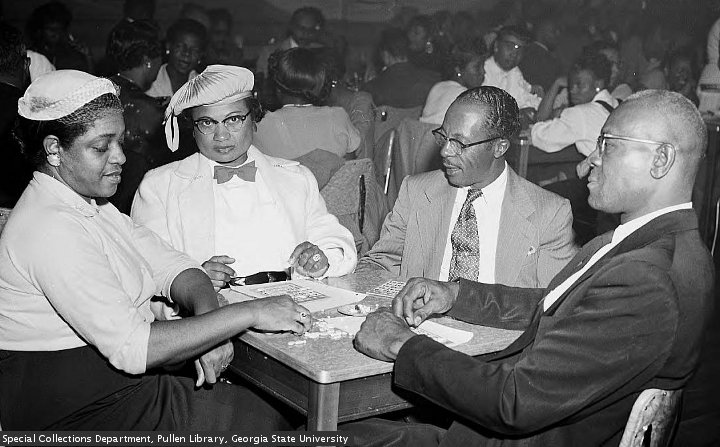


What Stacey Abrams said about burning the Georgia flag in 1992 The New York Times decided to show a picture of a younger, slimmer Stacey Abrams burning the Georgia state flag. The year was 1992. The state flag had the Confederate battle flag embedded. People were asking the legislature to change that. Miss Abrams was a student activist. This is a repost.
The NYT article sparked a twitter dogpile, about the motives of the Georgia legislature in 1956. PG remembers 1993, when the initial proposal to change the flag was made. Changing The Flag is an account of those years. If you have a minute, you should read that post before going any further. The people who wanted to change the flag introduced an argument. They said that the legislature changed the flag, in 1956, as a protest against integration. PG never believed that. One afternoon in 1994, PG found a newspaper article that supported his point of view. After that, PG did not think much about the issue. The flag was changed in 2000 and 2003.
The issue has a few shades of gray. The reason given in 1956 was honoring the Confederacy. In 1993, the 1956 legislature was said to be protesting integration. The emotions of honoring the Confederacy, and denouncing integration, are not entirely separate. Many of the same people, who are proud of the Confederacy, are white supremacists. To an outsider, they can seem like the same thing. PG can understand how someone not familiar with Georgia could mistake the two.
The debate, over the motive of the 1956 legislature, was never necessary. The flag, featuring the Confederate battle flag, was seen as a symbol of racism. Many people were offended by this flag. Why not just say we should change the flag for this reason, and not worry what the legislature was thinking? However, this was not good enough. People needed some more ammunition for their fight. The notion that the flag was changed as a protest against desegregation was born. PG never heard, before 1993, that the flag was changed as a protest against integration. People believed this notion without any evidence, just because somebody said so. 1994 was 38 years after 1956. Very few people in 1994 were active in 1956. The argument in favor of the changed-to-protest-integration notion had two parts: (1) Because I said so, (2) if you disagree you are a racist idiot.
@KevinMKruse No, she burned the old *Georgia* flag, which had been designed specifically by white supremacists as a show of defiance to desegregation in 1956. Let’s dig in. @chamblee54 The Flag was not changed as a protest against desegregation. Changing The Flag @KevinMKruse I literally wrote a book on this, but congratulations on finding a blog post. @chamblee54 I wrote the blog post. If you read the post, you will see I did research. Did anyone say at the time that the new flag was a protest? Do you have a link to this?
@jdtitan Luther, would you say you’re a racist idiot, or more of a stupid racist? @whoopityscoot Hahahahahahah. I just read your blog post. Sir, you are a moron. @ashleystollar That’s like saying the Civil War wasn’t fought over slavery. @Duranti “emotional pride for the traitors to America” @The_SquidProQuo You found one old newspaper article and felt compelled to argue the point huh? Stupid is a hell of a drug. @theDiff_Kenneth I read your blog post and I would like that 10 minutes of my life back. Your “evidence” was an announcement article that supported the flag change and omitted any overtly racist comments. Your writing style is close to unreadable and your investigative skills do not exist. @kingbuzz0 If you ever find yourself in the position of arguing of (insert subject) in the South had nothing to do with (insert stand in for outright racism), you have a bad argument. It’s all racism, always, every time.
@JoshCStephenso You found a single article? Maybe you would trust a paper written by the Deputy Director of the Georgia Senate Research Office – a chamber that is majority R? This tweet was helpful. The report was written in 2000, before the a new flag was driven through the legislature. If you have the time to read the complete report, it is worth your time. If not, a few quotes will be posted here, along with a few helpful comments.
The first Confederate flag looked a great deal like the Union flag. In early battles of the war, the two flags were often confused. “The commanding Confederate officer at the Battle of Bull Run, General P.T.G. Beauregard, determined that a single distinct battle flag was needed for the entire Confederate army. Confederate Congressman William Porcher Miles recommended a design incorporating St. Andrew’s Cross.”… “The St. Andrew’s Cross – the flag’s distinctive feature – had its origin in the flag of Scotland, which King James I of England combined with St. George’s Cross to form the Union Flag of Great Britain. It is believed that St. Andrew, the patron saint of Scotland since A.D. 750. and brother of the apostle Peter, was crucified by his persecutors upon a cross in the shape of an “X” in A.D. 60. White southerners, many of whom traced their ancestry to Scotland, very easily related to this Christian symbol.” “Other flags such as State regimental colors were used by the Confederacy on the battlefield, but the battle flag, although it was never officially recognized by the Confederate government, came to represent the Confederate army.”
At first, use of the battle flag was restricted to historic events. It wasn’t until the fifties that the flag began to be used by those who fought integration. In 1954, Brown vs. Board of Education was handed down by the Supreme Court, ordering the integration of schools. The Georgia legislature went into resistance mode, and spent a lot of time denouncing integration. The senate research office devotes page after page to these efforts. Finally, “In early 1955, John Sammons Bell, chairman of the State Democratic Party … suggested a new state flag for Georgia that would incorporate the Confederate Battle Flag. At the 1956 session of the General Assembly, state senators Jefferson Lee Davis and Willis Harden introduced Senate Bill 98 to change the state flag. Signed into law on February 13, 1956, the bill became effective the following July 1.”
“Little information exists as to why the flag was changed, there is no written record of what was said on the Senate and House floors or in committee and Georgia does not include a statement of legislative intent when a bill is introduced – SB 98 simply makes reference to the “Battle Flag of the Confederacy.” … “Many defenders of the flag, including former governor Ernest Vandiver, who served as the Lieutenant Governor in 1956, have attempted to refute the belief that the battle flag was added in defiance of the Supreme Court rulings. Vandiver, in a letter to the Atlanta Constitution, insisted that the discussion on the bill centered around the coming centennial of the Civil War and that the flag was meant to be a memorial to the bravery, fortitude and courage of the men who fought and died on the battlefield for the Confederacy.”
This is where it gets murky. It is apparent that the legislature was obsessed with integration. The circumstantial evidence, of the flag being changed as a protest of integration, is there. However, there is no smoking gun. There are no apparent statements, from 1956, saying that this change was made to protest integration. This detail seems to have sprung up in 1993, without having been widely mentioned in the 37 years since 1956. The newspaper article PG found does not mention a protest against integration, and does mention a desire to honor the Confederacy.
“The argument that the flag was changed in 1956 in preparation for the approaching Civil War centennial appears to be a retrospective or after-the-fact argument. In other words, no one in 1956, including the flag’s sponsors, claimed that the change was in anticipation of the coming anniversary. Those who subscribe to this argument have adopted it long after the flag had been changed.” This is contradicted by the newspaper article, and statements by “Governor Griffin’s floor leader, Representative Denmark Groover … “anything we in Georgia can do to preserve the memory of the Confederacy is a step forward.” As for the after-the-fact argument, you could say the same thing about the notion that the flag was changed as a protest against integration.
“There was also some opposition to the change from the state’s many newspapers. The North Georgia Tribune argued that: “….There is little wisdom in a state taking an official action which would incite its people to lose patriotism in the U.S.A. or cast a doubt on that part of the Pledge of Allegiance which says ‘one nation, unto God, indivisible…’ So far as we are concerned, the old flag is good enough. We dislike the spirit which hatched out the new flag, and we don’t believe Robert E. Lee…would like it either” “The Atlanta Constitution also thought that the flag change was unnecessary for the simple fact that “there has been no recorded dissatisfaction with the present flag.” The newspaper article PG found in 1994 was from the Constitution. Even though they were opposed to the change, they did not attribute this change to a desire to protest integration.
“When the flag change was first proposed, it received resistance from groups that one would think would have highly favored the change – various Confederate organizations including the United Daughters of the Confederacy (UDC). “They made the change strictly against the wishes of UDC chapters from all the states that form our organization,” said Ms. Forrest E. Kibler, legislative chairwoman of the Georgia UDC. … The Executive Board of the Georgia Division of UDC had passed a resolution on January 11, 1956 opposing the proposed changes to the flag, citing that the Confederate battle flag belonged to all the Confederate States – not merely to Georgia – and placing it on the Georgia flag would cause strife. … Also opposing the new flag was the John B. Gordon Camp of the Sons of Confederate Veterans. This group protested against all uses of the battle flag except in commemoration of the Confederacy, or by the official use of the Daughters of the Confederacy, the Sons of the Confederacy, and the Children of the Confederacy.” This opposition was touched on in the newspaper article. This is one of the more confusing aspects of this affair.
“While many questioned the political and philosophical motives of the flag change, there were others who considered the change to be an unnecessary expense that would burden taxpayers, since Georgia law required every public school, and all public institutions to fly the state flag. In voting “no,” Representative Mackay said that the present flag was “a symbol of sacred memory” and that “the change puts every flag owner in Georgia to unnecessary expense.” Alleviating the financial concerns of many, sponsors of the bill pointed out that those institutions required to fly the new flag will replace the old flag with the new one only as present flags wear out. Questions were also raised on whether anyone had a copyright on the flag design which would entitle them to royalties – a charge denied by John Sammons Bell and Representative Groover.”
John Sammons Bell is a name that keeps coming up. From 1954 to 1960, Mr. Bell was Chairman of the State’s Democratic Party. He was, by all accounts, an enthusiastic segregationist. One of the jaw dropping moments in the senate report was this: “Bell, a one-time supporter of Governor Ellis Arnall, once had the reputation of being a “liberal” on race issues.”
When the state senate report was issued, in 2000 (6 years after PG found the newspaper article, and dropped out of the argument,) Mr. Bell had a few comments. “He wanted to forever perpetuate the memory of the Confederate soldier who fought and died for his state and that the purpose of the change was “to honor our ancestors who fought and died and who have been so much maligned.” He has also argued that the flag was not redesigned in reaction to and in defiance of the 1954 Brown decision… “Absolutely nothing could be further from the truth … every bit of it is untrue. ”
“On March 9, 1993, (Denmark) Groover moved many Georgians when he stood in the House well to address his colleagues on the subject of the state flag. In an emotional speech, he acknowledged that the flag is offensive to some and conceded that, “I cannot say to you that I personally was in no way motivated by a desire to defy. I can say in all honesty that my willingness was in large part because … that flag symbolized a willingness of a people to sacrifice their all for their beliefs.” Mr. Groover offered a compromise, which included a smaller version of the battle flag. A flag similar to that was adopted in 2000, only to be changed again in 2003.
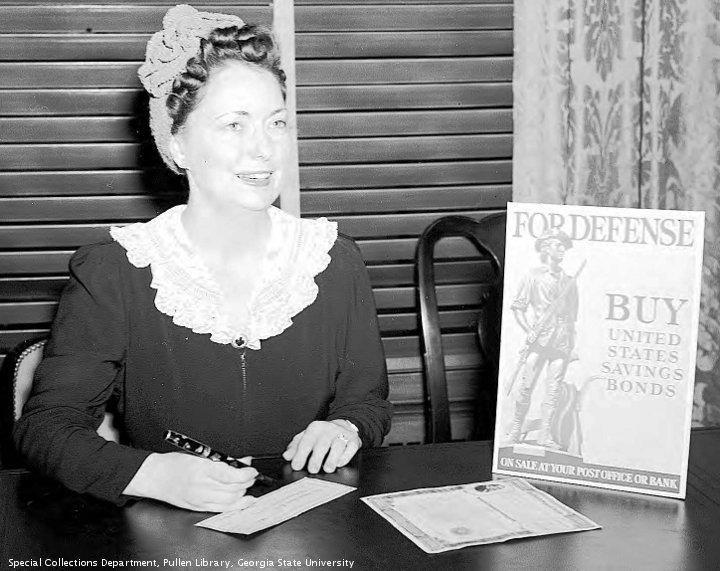
To sum up, the Georgia state flag was changed in 1956. The new flag contained the Confederate battle flag. Many people were offended by the 1956 flag. PG thought it was ugly. Many others saw it, with some justification, as a symbol of racism. For some reason, speculation about the motives of the 1956 legislature. 18 years after the passage of a new flag, people are still arguing over the motives of the 1956 legislature. Pictures for this gratuitous waste of bandwidth are from “The Special Collections and Archives, Georgia State University Library”. .




Pre-K Anti-Racism



The facebook meme interrupted the cheerful October apathy. The meme was about an article, My 2-Year-Old Doesn’t Seem to Care About Being Anti-Racist. The colorful graphic did not have a link to the story, so PG googled the title. Soon, there were lots of options for Pre-K social justice education. Pictures today are from The Library of Congress.
The headline story was on Slate. The format is the anxious letter to an advice columnist. The subtitle was “Have we screwed up somehow?”
“Dear Care and Feeding, My husband and I (we’re white) have a 2-year-old daughter and are doing our very best to be anti-racist parents. We’re making sure she has lots of multiracial dolls, only consumes books and TV shows with diverse characters, has no problematic Halloween costumes, and so on. But when we try to discuss issues like structural racism, intersectionality, or White fragility, she doesn’t seem at all interested. She often walks away, asks for a cookie, or even falls asleep! Have we screwed up somehow? Has society’s disdain for the perspectives of marginalized people already infected her? How do we get her to appreciate the urgency of the conversation around deconstructing white supremacy? — Anti-Racist Mom.”
This is where the free story ends. “The rest of this article is only for Slate Plus members. Sign up to get more Care and Feeding every week. For just $35 for your first year, you’ll also get…”
Some of the results are boring. Anti-Racism for Kids … Is most notable for this observation: “ ‘I don’t know that I’d sit down with a 3-year-old and say, ‘Let’s talk about racism,’ says Dr. Schonfeld.”
6 easy ways … hits on a persistent theme in woke literature. “As humans, we are hard-wired to identify with members of our own community, which is why we will never live in a post-racial society. So-called color-blindness as a parenting strategy amounts to complicity in the problem.” Somehow, being color blind is seen as a bad thing. Whatever.
The dependably woke Washington Post populates their paywall with What white parents get wrong about raising antiracist kids … “One of the biggest misconceptions white parents have is that their children don’t notice race unless it is pointed out to them. The underlying assumption is that children only become racist if they are taught to be. In fact, research clearly shows the opposite: Kids develop racial prejudice unless their parents or teachers directly engage with them about it.”
In her book Why Are All the Black Kids Sitting Together in the Cafeteria? And Other Conversations About Race,” “Spelman College psychologist Beverly Tatum writes that “cultural racism — the cultural images and messages that affirm the assumed superiority of Whites and the assumed inferiority of people of color — is like a smog in the air. Sometimes it is so thick it is visible, other times it is less apparent, but always, day in and day out, we are breathing it in.”
“So kids breathe this racially charged air — and if their parents and teachers don’t help to explain to them what race means (and what it doesn’t), kids start to create their own narratives. They often infer that racial hierarchies exist because of innate differences between people of different races and so start to believe that whites are privileged because they are inherently better and smarter.”
Some of this material is by “experts.” There are probably people who disagree with these observations, and a lot of exceptions to the rules. PG knows next to nothing about raising children, and is a bad person to have opinions here. Still, PG shakes his head at this: “Looking for a way to talk about race with your preschooler? Try baking. Crack open a white egg and then a brown egg, and show your kid how they’re the same inside. Or you can present your child with two gifts—one wrapped in ribbons and glitter, another in crinkled newspaper. Fill the sparkly one with dirt and the other with a shiny bracelet. Then get the conversation going: ‘Can you really judge what’s inside by the outside?'”
Or this. “White- centeredness is not the reality of [the white child’s] world, but he is under the illusion that it is. It is thus impossible for him to deal accurately or adequately with the universe of human and social relationships.” If you were to substitute black for white here, someone would call you racist. And they would be correct. Sweeping generalization, based on skin color, usually are.
The last result on page one is an NPR interview with children’s author Renee Watson, and Ibram X. Kendi. “I want to go back to “Hair Love.” I think it’s important to bring in books that allow readers to see black people living their everyday lives. We don’t want to teach children that black pain and struggle is the only part of black life. But I also think it’s important to just let young people see that black people live lives. And they do their hair. And they play outside. And they have fun and that that is an important part of the conversation, too.”





Measuring Racism
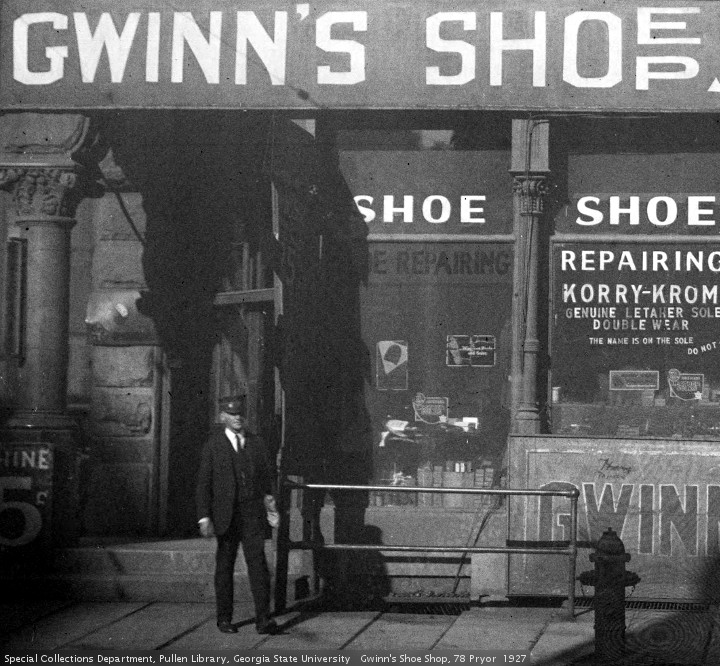


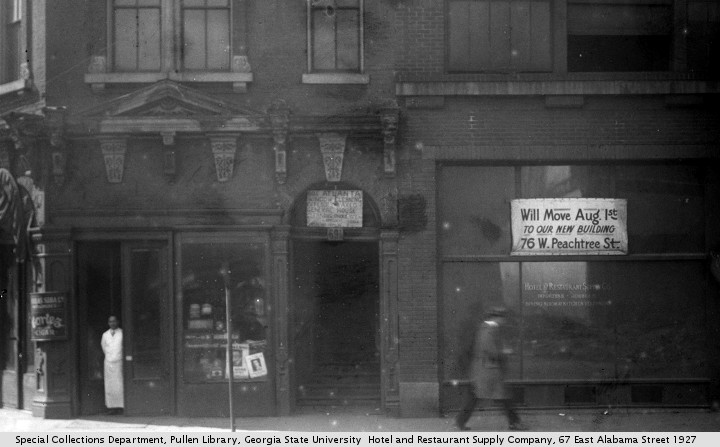


PG hears the word “racist” tossed casually so much, he suspects it has lost it’s meaning. Dictionary definitions are of little use. The meaning of the word depends on who is saying it.
The modest suggestion here is for a seven point scale to measure racism. Zero would be totally colorblind, and six would be metaphysical hate. For the sake of simplicity, this scale, in the beginning, will only apply to white-black relations in the United States.
The model for this is the Kinsey scale. In his books on human sexuality, Dr. Kinsey described a seven point scale. Zero was totally heterosexual, and six was totally homosexual.
PG does not have a clue how to write a test for this scale, or how to score this test. White people see racism differently than black people. White people are affected by racism in different ways than black people. Different cultures view racism in different ways.
How would PG score on this scale? He has black friends and black enemies. Certain parts of black culture are enjoyable, and certain parts make him want to turn the radio off.
PG does not like people that do not like PG. When it is us against them, you need to remember which one you are. How does this register on this racism scale? It depends on who does the judging.
This is a repost. Pictures today are from “The Special Collections and Archives, Georgia State University Library”. These images are from “… a collection of images of downtown Atlanta streets that were taken before the viaduct construction of 1927 – 1929. Later, some of the covered streets became part of Underground Atlanta.” The renovation at Underground never stops.
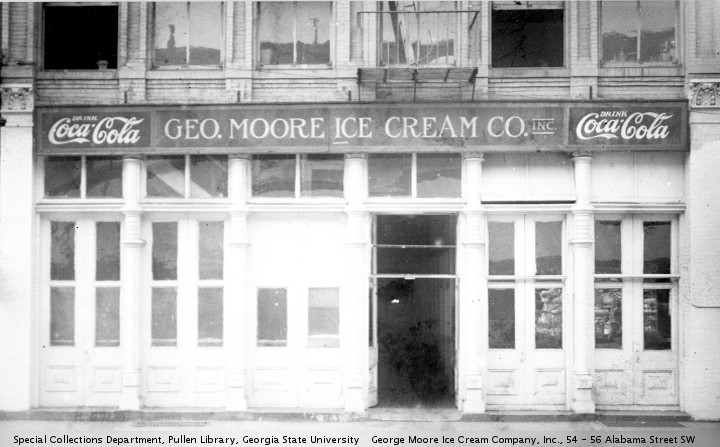


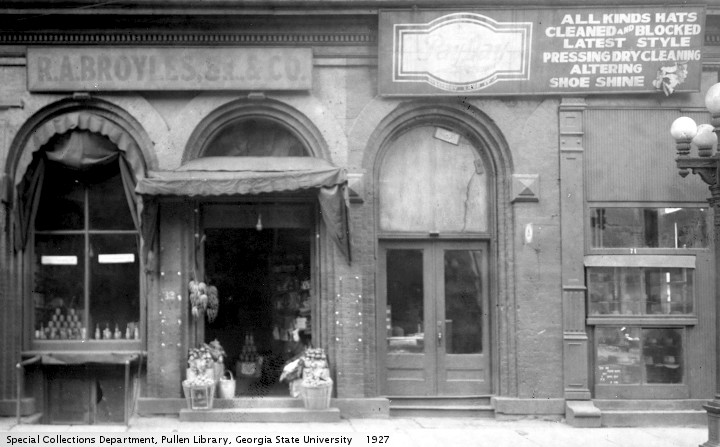

Subtle Ways

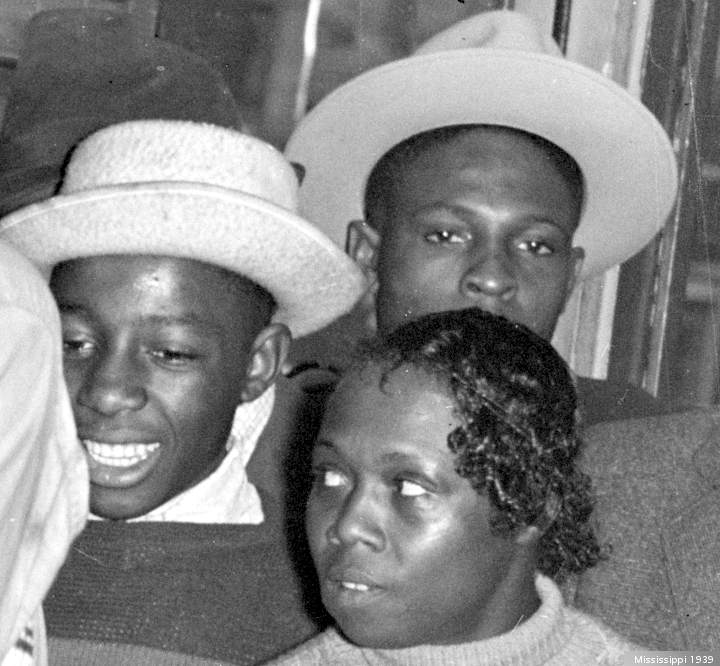
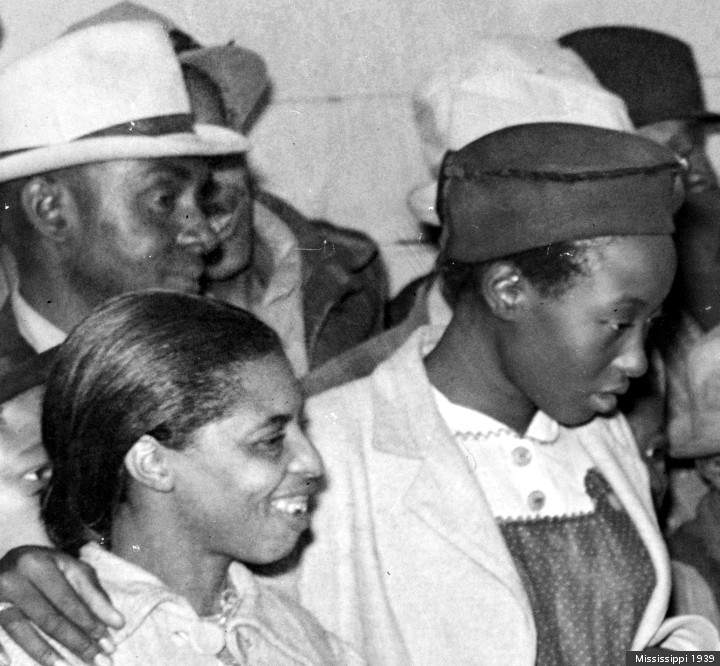


Facebook has a feature called “watch.” It is a symbol at the top of the page, which is sometimes advertised with a red marker. If you click on the symbol, you are encouraged to watch videos.
The Subtle Way to F**k with Racists – James Davis, with the uncensored f word, was the top video saturday. PG considers the r word to be hate speech, and complained about the video. The evil empire soon replied that the video did not qualify as unsuitable.
The Subtle Way … is a comedy routine. It starts off with some commentary on riots. It is not until 2:26 that we get to the “Subtle Way.” Since copyright protection is real, this will be paraphrased.
After the rioters are finished looting, the comedian goes to the vehicles of “racist people.” He peels the sticker off the license plate. He is not going to (expletive) property, he is going to (expletive) you. You are going to go to the DMV, because Black Lives Matter. After you get back from the DMV, your vehicle gets keyed. The audience laughs repeatedly. They are not worried about their vehicles.
Having “your shit” keyed is not subtle. This is probably someone the performer has never met. The comedian does not say how he knows they are racist. Even if this is a “racist people,” that does not justify malicious damage to property. This is what Facebook is encouraging.
The next “Subtle Way” involves breaking and entering. The comedian is going to break into the house of the policeman. They will break in, take “they best wine,” and put it in the freezer. When the officers wife goes to get the wine, there will be an unpleasant surprise. Meanwhile, the comedian is going to hide in the bushes outside, and yell “N***a.” Facebook, and Comedy Central Stand-Up, think this is a good idea. Pictures today are from The Library of Congress.
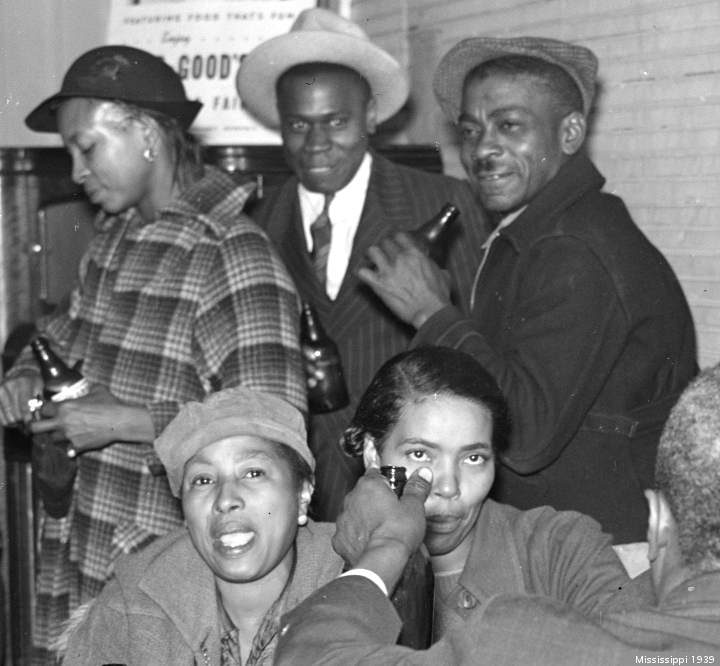
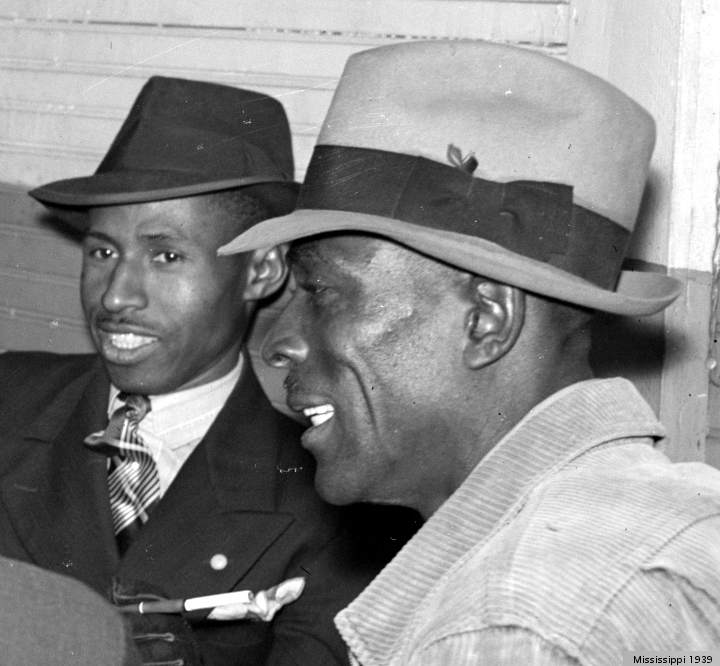



#1619Gate



The 1619 Project was published by the New York Times in August, 2019. It was a grand historic project, marking the 400th anniversary of the first African slaves to arrive in Virginia. Claims were made. “The 1619 project is a major initiative from The New York Times observing the 400th anniversary of the beginning of American slavery. It aims to reframe the country’s history, understanding 1619 as our true founding …”
Many of the claims were controversial. A few days ago, without any explanation, the Times deleted many of the “true founding” comments. Not surprisingly, many people noticed the difference. Cached copies have a way of contradicting convenient revisionism.
Full Disclosure: I have not read The 1619 Project. My reading bandwidth is limited. I cannot comment on the narrative presented in the project, and assume that much of it is true. What is fascinating about #1619Gate is the spectacle of the mighty New York Times humbling itself. There is also the bizarre behavior of @nhannahjones, the lady behind The 1619 Project
This tweet landed on my timeline earlier this week. @nhannahjones “There is a difference between being politically black and being racially black. I am not defending anyone, but we all know this and should stop pretending that we don’t”
@kelsey_midd “What does this mean?”
@nhannahjones “If you don’t know it ain’t for you.”
@kelsey_midd “I’m not the only person that asked. I’m also a black person.”
@nhannahjones “Yes, I am capable of seeing your avatar. And I will repeat: if you don’t understand the difference between being born/designated a certain race and taking up a particular set of racial politics, I am not going to educate you here.
@chamblee54 The lady does not suffer from false modesty @nhannahjones “Reporter @nytmag covering race from 1619-present//AKA The Beyoncé of Journalism//Co-founder ida b wells society //smart and thuggish//Aries//1619Project.” After a while, “The Beyoncé of Journalism” was looking more like the Kellyanne Conway of historic scholarship.
Before getting to the last segment of this show, we should mention what happened earlier sunday night. I am part of a poetry community, which is now meeting on zoom. This group is welcoming, and supportive of my work. Unfortunately, they welcome some less appealing players. Last night, one man had a poem about abolishing the police. There was a line. The only time colonizing white people like the police is when they need to have a (racial slur) exterminated. (That is not an exact quote.) I cut the sound off, and waited for the piece to be over.
The boundless folly of woke twitter awaited me. I soon came across the following exchange. I have a screen shot of the punch line, in case it is deleted. The tacky poet fell into context.
@sullydish “Basic rule in online journalism: if you change something after publication, acknowledge and explain it. On 1619 Project, NYT just broke this basic *ethical* rule. And to further the cover up @nhannahjones deleted all tweet history. Let that sink in.”
@nhannahjones “This is the last thing I will say about this. The wording in question never appeared in the 1619 Project text. It appears nowhere in the printed copy, something easily verifiable as pointed out to you. It didn’t appear in my essay nor any of the actual journalism we produced.”
@ira_mckey “It may be the last thing you say about it, but the Twitter screenshots and the history of what you said about it Still exist.” (Includes photo of NHJ tweet: @nhannahjones “I argue that 1619 is our true founding. Also, look at the banner pic in my profile.”)
@nhannahjones “This is my tweet. My tweets are not official 1619 copy.”
Pictures today are from “The Special Collections and Archives, Georgia State University Library”. More episodes of the #1619Gate series are available. Two Three Four Five




Know What To Do




The Same Drugs: James Lindsay still thinks 2+2=4. There was another youtube conversation. @ConceptualJames talked about a conversation with one of “my actual right-wing friends.”
“I was talking to one though, and this guy’s like you know old school, and super super right-wing … so he said the word racist doesn’t mean anything to me anymore, at all, if somebody calls me racist it doesn’t mean anything, however … I know what the word racist means for me and i’m going to continue not being racist by that definition.”
@ConceptualJames has a lively twitter feed. Yesterday brought “Critical race theory in a single image.” The picture was from another youtube show, Ashleigh Shackelford gives a presentation on Racism. Someone is standing in front of a group of white people, with a sign that says “all white people are racist.” The lady is “Hunter Ashleigh Shackelford (she/ they) … Black fat cultural producer, multidisciplinary artist, nonbinary shapeshifter, hood feminist, and data futurist”
“all white people are racist so I put this up because I really want any white person in the room to know up front that this is what we’re dealing with, that it’s not going to be this coddling of white tears … we’re not going to discuss oh maybe some of us have work it out no you’re always going to be racist actually so even when you’re on your path to trying to figure out how to be a better human being … I believe that white people are born to not be human … instead of people of color and black folks being dehumanized that actually everyone is human … within white supremacy that y’all are born into a life to not be human and … y’all are taught to do to be demons so in this particular way white people are all racist so I just want y’all to know that it’s wrong”
Pictures are from The Library of Congress.




leave a comment