Singers Who Wear Wigs



If you go to google, and type in “singers that wear wigs”, the first name to appear is Mary J. Blige. PG does not follow her closely, but went to youtube and found a video. This is probably not her real hair.
Dolly Parton is known for a lot of things, at least two of which are real. The hair is not. If you ask her “How long does it take to do your hair?”, she says “I don’t know, I’m never there”
If anyone is known for enhancing her natural attributes, it would be Cher. Her fondness for plastic surgery is well known, as is the way her head fits in a hairpiece. In this number, Mrs. Bono talks about some of her favorite people.
Grace Slick is basically retired these days. In her hey day, she never appeared in public in her real hair. PG saw her at the Omni once, and was horrified by her wig. (Grace sells her paintings these days. Her white hair is cut short. The wigs are in a museum.)
RuPaul is not really blonde. That is a part of her wardrobe. In this video, she co stars with Martha Wash, in a remake of “It’s Raining Men”. The original title for this video was Piggly Wiggly.
It is a bit of show business wisdom that you put the horses at the end of a parade. Deaundra Peek fills this important role today. Last year it was a remake of “Supermodel”, which has copyright issues. Today, it is a cooking lesson. The last three characters of the Youtube code are M2M.
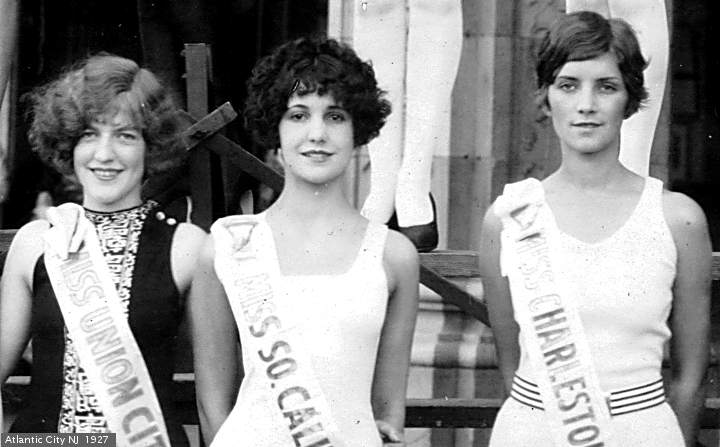
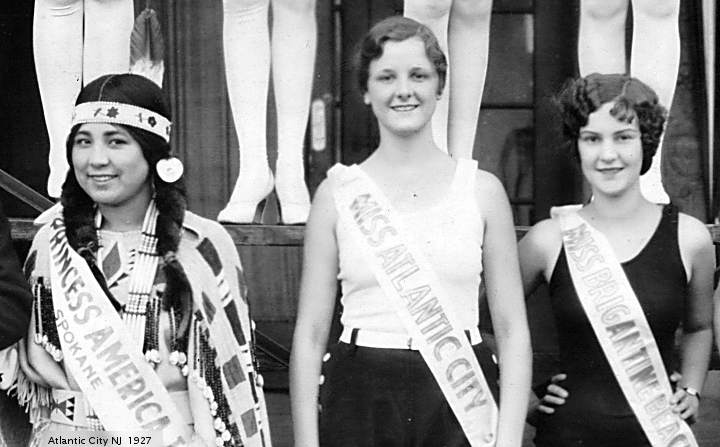
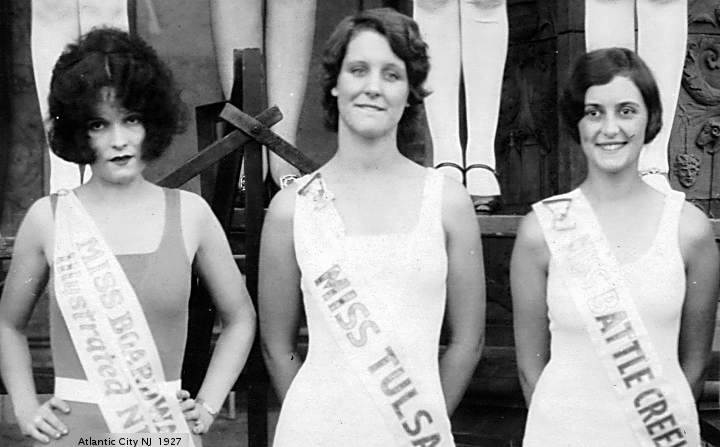
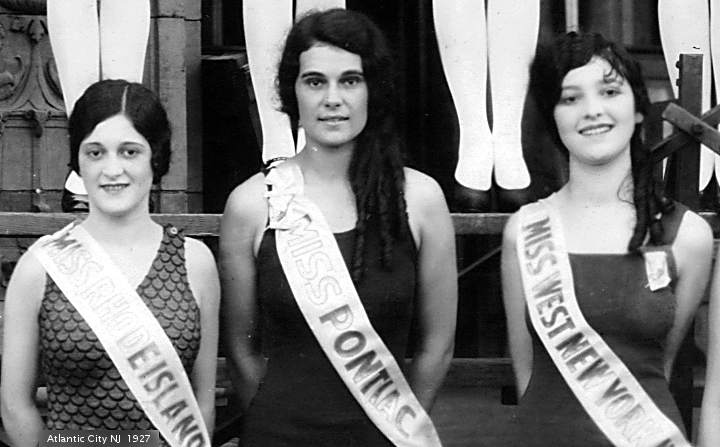
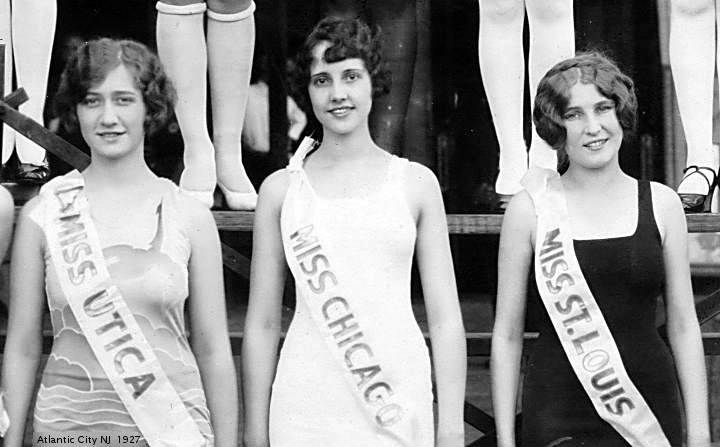
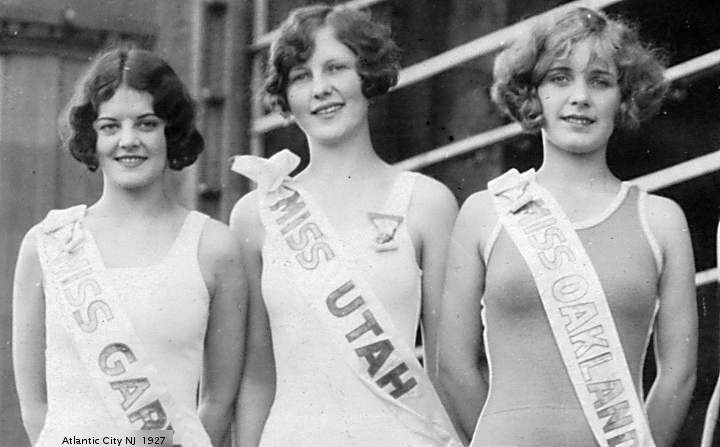
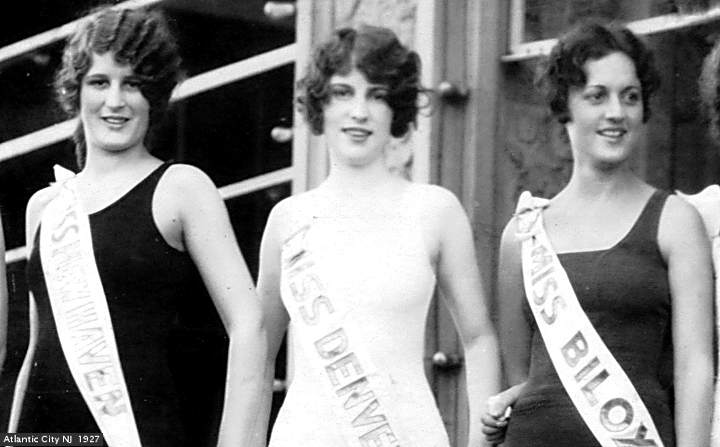
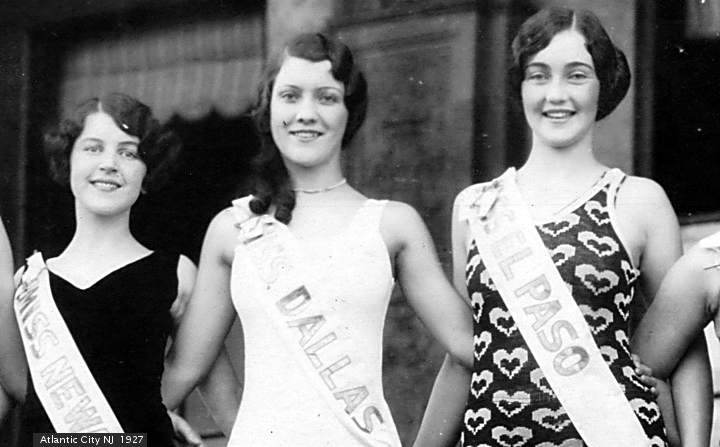
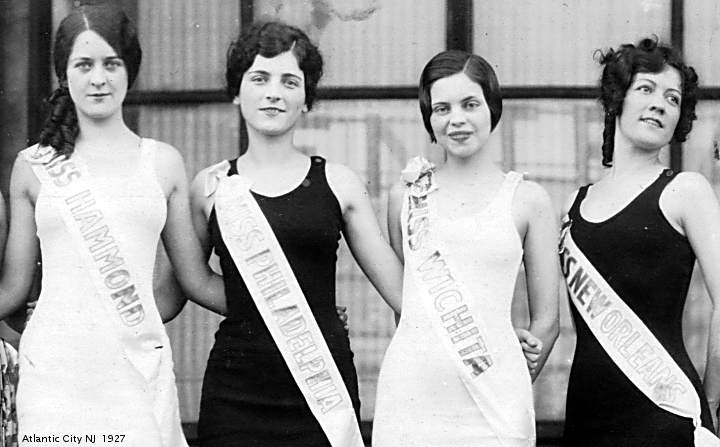
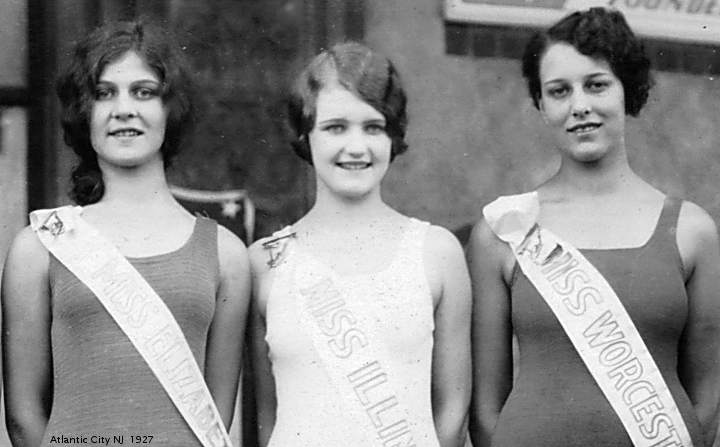
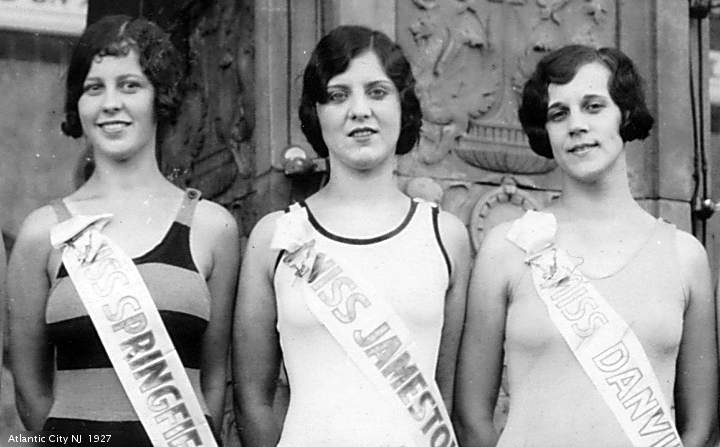
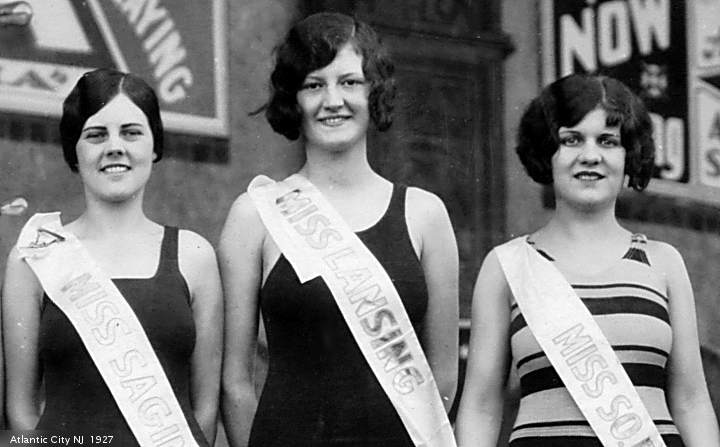
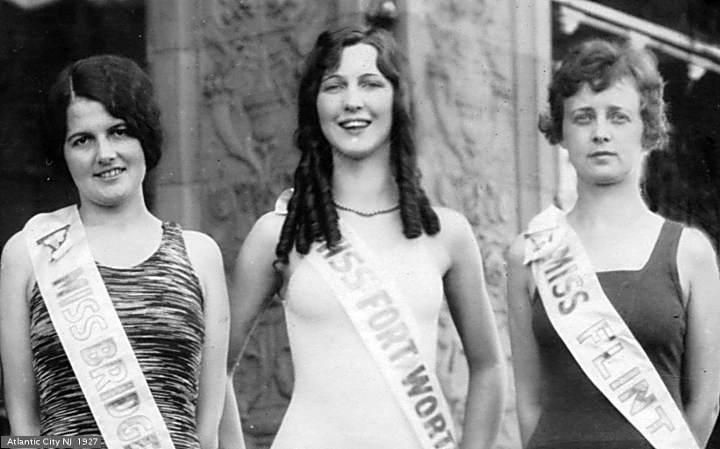
This is a repost. Pictures, from The Library of Congress, model “Inter-city beauties, Atlantic City Pageant, 1927.” As a bonus to our reader(s), we will explore the issue, Does Lady Gaga wear a wig? The answers are a bit contradictory, which is somehow fitting. One page says she does not wear a wig, but does wear extensions in some videos. Another answer is that dying her hair is damaging to the hair, if she went to a salon the paparazzi would see her, so yes, she does wear a wig.






Billie Holiday Stories

How ‘Strange Fruit’ Killed Billie Holiday turned up in a facebook feed yesterday. The article states that Harry Jacob Anslinger “the first commissioner of the U.S. Treasury Department’s Federal Bureau of Narcotics,” ordered Billie Holiday to quit performing “Strange Fruit.” When the chanteuse declined, Mr. Anslinger had her arrested for heroin possession. Later, Mr. Anslinger was allegedly responsible for busting Miss Holiday on her deathbed.
The Hunting of Billie Holiday was the source given for the claim about Mr. Anslinger and “Strange Fruit.” The Politico article does not say that Mr. Anslinger ordered Miss Holiday to quit singing “Strange Fruit.” It does say that Louis McKay, one of the many no-good men in Miss Holiday’s life, narked her out. The bust was in 1947, after she had been performing “Strange Fruit” for several years. (Lady Sings The Blues says that Louis McKay was not in Miss Holiday’s life in 1947.)
Politico had one comment that set off the bs detector. “One day, Harry Anslinger was told that there were also white women, just as famous as Billie, who had drug problems—but he responded to them rather differently. He called Judy Garland, another heroin addict, in to see him.” Frances Gumm was well known for having substance abuse issues. The heroin business was news to a lot of people.
Johann Hari was the author of the politico article. At the time, he was promoting a book, Chasing the Scream, about the war on drugs. Johann Hari has a spotted reputation. “The author used to be the Independent’s star columnist, a prolific polemicist and darling of the left, until his career imploded in disgrace when it emerged in 2011 that many of his articles contained quotes apparently said to him but in fact lifted from his interviewees’ books, or from previous interviews by other journalists.”
The final bust, as Miss Holiday lay dying in the hospital, is part of the legend. A google search does not show what agency was responsible. Harry Anslinger may have been involved, and it may have been someone else. By this time, Elanora Fagan was in bad, bad shape. Years of drinking, and hard drugs, had worn her out. While the hospital bust may have hastened her demise, it is a bit of a stretch to say the Harry Anslinger killed Billie Holiday, because she sang “Strange Fruit.”
This is a repost. Pictures today are from The Library of Congress.

Lady Sings The Blues is the autobiography of Billie Holiday. PG read it in 1978, and pulled it off the shelf recently. The copy he has is was a 1972 paperback, issued in conjunction with the movie. A picture of Diana Ross is on the cover, as well as a price sticker from Woolco. The book sold for $1.25. Pictures today are from The Library of Congress. The spell check suggestion for Woolco is Cool.
William Dufty was the ghost writer. His prose is easy to read, with the story flowing out like a Lester Young solo. The 1956 copyright is assigned to “Eleanora Fagan and William Dufty,” using the birth name of the singer. Mr. Dufty was a newspaper writer. “Dufty had one son, Bevan Dufty, with first wife Maely Bartholomew, who had arrived in New York City during World War II after losing most of her family in the Nazi concentration camps. She settled near Harlem where she met her best friend and Bevan’s godmother, Billie Holiday.”
“Bevan Dufty would agree. He’s one of the childless singer’s two godchildren. … “Holiday said motherf — all the time, in her gravelly elegant way,” recalled Dufty, sitting in his City Hall office. His mother, Maely, a Czech Jewish immigrant who loved jazz, was close to many musicians and even managed the unmanageable Charlie Parker for a spell, learned to curse from Holiday. But with a European accent. Much of what Dufty knows of Holiday comes from his late mother, who was married to actor Freddie Bartholomew before her brief marriage to William Dufty, one of her seven husbands. Maely, who took her infant son by train to Philadelphia every day to attend yet another of Holiday’s drug trials, was so distraught by the singer’s death that she dedicated herself to helping recovering addicts. A number of musicians lived at the Duftys’ place while kicking the habit (William and Maely Dufty divorced not long after Holiday’s death, and he later married actress Gloria Swanson, who inspired him to write the book “Sugar Blues” about the dangers of processed sugar).”
Billie Holiday’s bio, ‘Lady Sings the Blues,’ may be full of lies, but it gets at jazz great’s core Autobiographies are, by their nature, self serving. This one has a great opening line… ” “Mom and Pop were just a couple of kids when they got married. He was eighteen, she was sixteen, and I was three.” (“Her parents were never married. When she was born, her mother was 19, her father was 17 and they never lived under the same roof.”) Another source adds: “Some of the material in the book, however, must be taken with a grain of salt. Holiday was in rough shape when she worked with Dufty on the project, and she claimed to have never read the book after it was finished. Around this time, Holiday became involved with Louis McKay. The two were arrested for narcotics in 1956, and they married in Mexico the following year. (March 28, 1957) Like many other men in her life, McKay used Holiday’s name and money to advance himself.”
Louis McKay is at the center of another misunderstanding of facts. The Hunting of Billie Holiday claimed that Mr. McKay narked out Miss Holiday in 1947, and set up her first drug bust. LSTB tells a different story. Here, Miss Holiday meets Mr. McKay very briefly in 1931. Someone was trying to rob Mr. McKay. Miss Holiday said “He’s my old man,” and chased off the robber.
Fast forward twenty five years, and Miss Holiday connects with Mr. McKay. “I hadn’t seen him since I was sixteen and he wasn’t much older and I was singing at the Hotcha in Harlem.” The two were married in 1957. They got busted as LSTB ends. Either Politico is wrong about the 1947 bust, or Miss Holiday did not tell the whole story. Either way, Harry Anslinger is not mentioned in LSTB.
Tallulah Bankhead is another missing piece of the puzzle. Reportedly, Miss Bankhead and Miss Holiday were close friends, and possibly lovers. That was over by the time LSTB was written. “When “Lady Sings the Blues” was being prepared, Miss Bankhead got an advance copy, and was horrified by what she saw. A fierce note was sent to the book’s publisher, and scenes were edited out. Miss Holiday was outraged. The letter that resulted is a poison pen classic. “My maid who was with me at the Strand isn’t dead either. There are plenty of others around who remember how you carried on so you almost got me fired out of the place. And if you want to get shitty, we can make it a big shitty party. We can all get funky together!”
Miss Bankhead does make an appearance in LSTB. On page 117, Miss Holiday is describing playing a maid, in a movie. She was not pleased at the typecasting. “Don’t get me wrong. I’ve got nothing against maids – or whores – whether they’re black or white. My mother was a maid, a good one, one of the greatest. My stepmother is Tallulah Bankhead’s maid right now, and that’s a part I’d even consider when they do her life story.” (Miss Bankhead had her own domestic help problems. In 1951, Evyleen Cronin, Tallulah’s maid and secretary, was accused of stealing $10,000-30,000 from Tallulah during her employment. … The case went to trial (much to Tallulah’s embarrassment) and Cronin was convicted.” Many embarrassing details about Miss Bankhead’s life came to light during this trial. Fanny Holiday, the stepmother, is probably a different person than Evyleen Cronin.)
Whatever it’s factual challenges, Lady Sings the Blues is a powerful book. Miss Holiday had a tough life, to say the least. As the singer for Artie Shaw’s big band, Miss Holiday was an integration pioneer, and every two bit cracker wanted to make trouble. Later, she was addicted to heroin, got busted, served time in prison, only to get out and suffer some more.
Three years after LSTB came out, things went from bad to horrible. “In early 1959 she found out that she had cirrhosis of the liver. The doctor told her to stop drinking, which she did for a short time, but soon returned to heavy drinking. … On May 31, 1959, Holiday was taken to Metropolitan Hospital in New York suffering from liver and heart disease. She was arrested for drug possession as she lay dying, and her hospital room was raided by authorities. Police officers were stationed at the door to her room. Holiday remained under police guard at the hospital until she died from pulmonary edema and heart failure caused by cirrhosis of the liver on July 17, 1959.” This is a repost.


The Georgian Terrace Ballroom
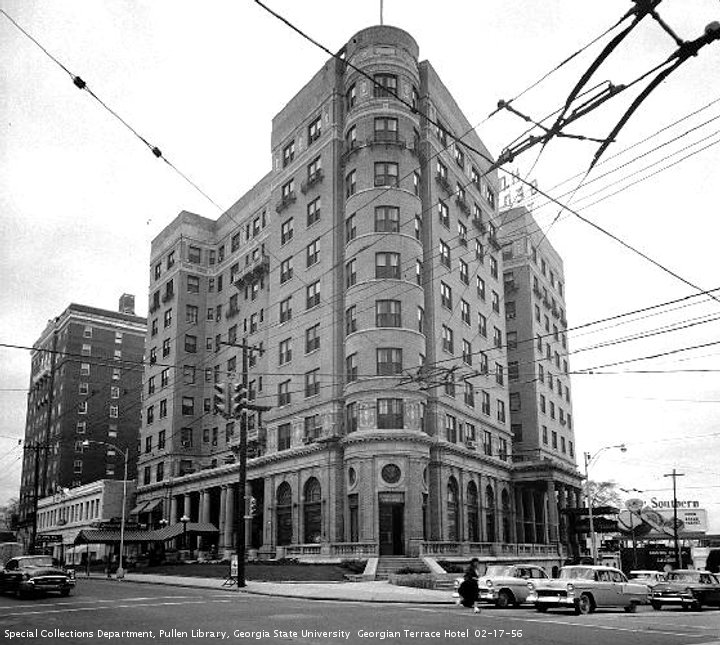



The Georgian Terrace hotel used to have an adjacent ballroom. The building opened as the “Lucky Strike”, featuring “Duck Pin” bowling. At some time, it became a 1300 seat ballroom. It was not the grand ballroom, where events for the premiere of “Gone With The Wind” were held. As time moved on, the ballroom became a music performance hall. PG saw shows there under four different business names. After the Agora Ballroom closed, the building was vacant, until a fire August 30, 1987. The site of the ballroom is now occupied by an annex of the Georgian Terrace Hotel.
The first show PG saw at this facility was in 1972. The name of the business is forgotten, as is the act that performed. A band, comprised of people PG went to high school with, played before he got there.
In 1974, “Big Time” promoter Alex Cooley opened “Alex Cooley’s Electric Ballroom”. (Alex Cooley died December 1, 2015.) The first show that PG saw was Dr. John The Night Tripper. A few months later, Capricorn artists Cowboy played, with a vulgar New York band named Mercury opening. Gato Barbieri played, with PG wondering how people could dance to that type of music.
Several major acts appeared at the Ballroom, mostly without PG in the audience. KISS played there in 1974, and photographs from backstage are in the embedded video. In April of 1974, Steely Dan was across from the Fox. In the summer of 1974, The Tubes played a week at the ballroom, with another heavily hyped show. On January 23, 1976, The Patti Smith Group played at the ballroom.
In 1975, Bruce Springsteen was on the covers of Time and Newsweek, and was receiving a promotional push unlike anything seen before. He played a show at the ballroom that summer, with a generous press party in the balcony. (At one unforgettable show Alex was caught off guard by a Bruce Springsteen request. “He asked if we could shut down the cash registers because they were making too much noise!… That’s the only time I ever did that.” Alex admits.)
PG attended two shows in 1975. Mckendree Spring opened for Fanny, while PG drank too many bourbon and cokes. In November of 1975, Juice Newton opened for Hot Tuna. Miss Newton seemed to be a bit pale, and performed “Get drunk and screw”. Hot Tuna was amazing. They went on stage at 10:55, and played, without a break, until 2:50. The drummer wore a shirt, mother fucking hot tuna. Few would argue that night.
In autumn of 1977, some brave soul opened a place called “The Ballroom” in the space on Peachtree Street. One night, PG went with some friends to see an act, Happy the Man. There seemed to be a bit of chaos in the management of the facility. The Great Southeast Music Hall loaned a few microphones for the show. When the show was over, PG walked out to a car, whose motor was running, with the driver asleep inside.
In the summer of 1978, the ballroom opened as The Agora Ballroom. Apparently, there is a music hall in Cleveland with that name, and they opened branch facilities around the country. There were some shows that PG did not attend. Todd Rundgren opened the facility August 19, 1978. On October 2, 1979, The Clash played. Pictures from the crowd appeared on an album by the band. On December 2, 1981, U2 made their Atlanta debut.
A few weeks after the opening, PG won tickets to an all Texas show. Marcia Ball opened, and a bored PG went to a neighborhood bar to drink beer. PG returned later, and stayed long enough for the singer with Asleep at the Wheel to ask the crowd, Are you stoned?
In November of 1978, PG called a radio station, and asked to be put on the guest list for Talking Heads . (For Talking Heads, and three links in the following paragraphs, the link is for a previous Chamblee 54 post about the show.) The first six people he called were busy, but the last one agreed to go. On the bus going home, a group of black men started to make unfriendly comments. At the next stop, a black friend of PG got on the bus, and went to talk to him.
A few weeks later, Tim Curry made his United States debut. Some record company invested a lot of money in him, and supplied him with an outstanding band. PG was wandering around the balcony after the first show, and saw Tom Waits sitting at a table. The bodyguard said no, that’s not Tom Waits, it is just someone that looks like him. At a bar, after the show, PG was raving about what he had seen, when a lady came up to him. What color are your eyes? They are brown, because you are full of shit. Soon, the 23 Oglethorpe was taking him home.
Somewhere in the haze of 78 and 79, Ultravox brought their synthetics to the Agora. A local band, First Blood, was more entertaining as the opener. PG drank a very large can of Foster’s beer, and floated through the proceedings. After the show, PG was invited to a party in Candler Park. On the way there, there was a horrific car crash on Ponce de Leon. At the party, friends of First Blood dissected their performance, between lines of coke.
One night, PG was enjoying drink specials at a neighborhood bar. He took a break, walked over to the Agora, and saw a few minutes of a show by Freddie Hubbard.
In early 1979, the B 52s were on the verge of stardom. (Here is a nifty feature about the Atlanta local music scene in those days.) The opener for the 52s was The Brains , yet another talented band that never made it big. At the table next to PG, a lady wore a dynamite World War Two army uniform.
Later in 1979, Ted Turner had an idea for a TV show, “Live at the Agora”. The first show was filmed in Atlanta, and featured Graham Parker and the Rumor. If they ever show that film again, and you see a crowd shot, that is PG wearing a white T shirt, with a white Agora iron on logo. Parker was a great musician, who had the misfortune to look like Big Bird’s nerdy little brother. If Graham Parker looked like Bruce Springsteen, he would have been a superstar.
In March of 1980, Lene Lovich came to the Agora. About a year later, Spirit played on Peachtree Street. The show was sponsored by a radio station, and tickets were $2.96. Despite the low price, and high musical quality, the balcony was closed, and only about a hundred people were at the show. PG thought this was odd, but little surprised him by this time.
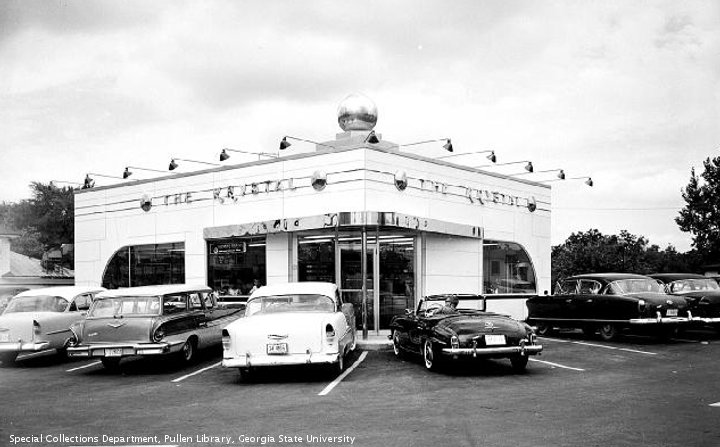
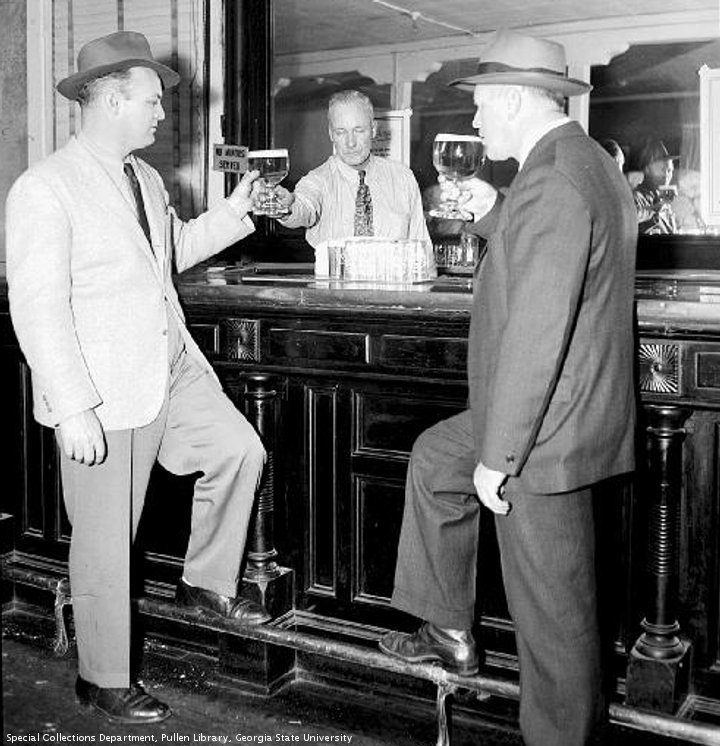
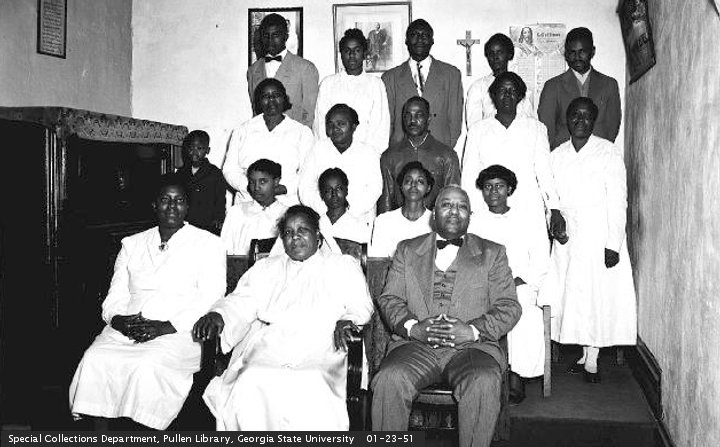
The last show that PG caught at the Agora was The Ramones. Joey and the pinheads were past their prime, with only two original members playing. It was an all ages show, with alcohol served in the balcony. Downstairs was a festive party, with costumes and enthusiastic high school kids. The balcony was the same rock and roll drunks you had seen for years. The Ramones would have made a great oldies band, if they could have quit dying. This is a repost, with pictures from “The Special Collections and Archives, Georgia State University Library”.


Gloomy Sunday
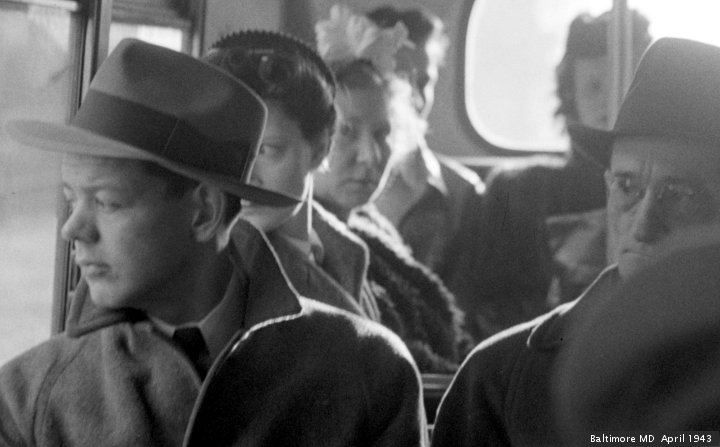

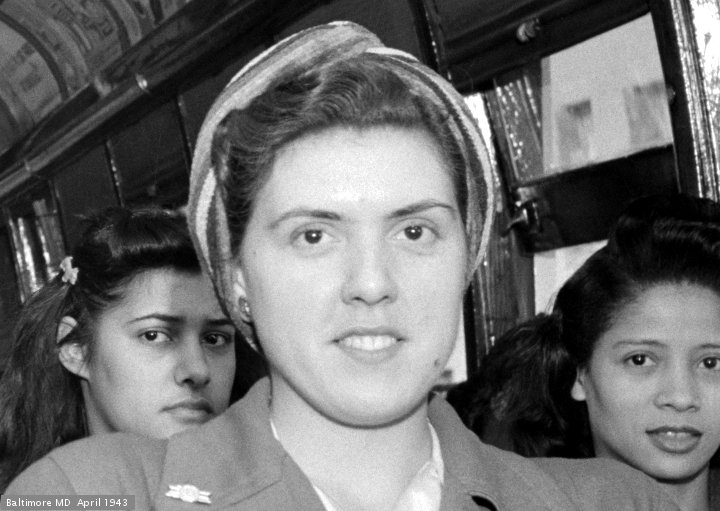

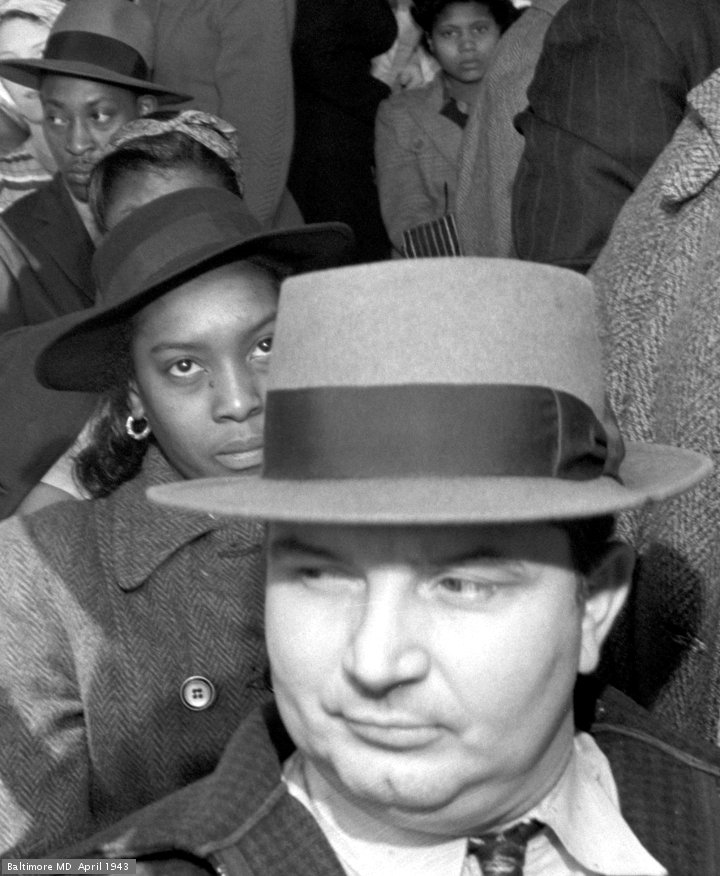
Billie Holiday had a hit with Gloomy Sunday in 1941. The legend is that people would listen to the song, and kill themselves. As a result, the song was banned from the radio. Or was it?
Gloomy Sunday was written in 1933 by Rezső Seress. Additional lyrics were later written by László Jávor. It became known as the “Hungarian Suicide Song”, and was reportedly banned in Hungary. An english translation (which is said to not do justice to the original Hungarian) was rendered.
Gloomy Sunday has a melancholy sound, even as an instrumental. The story is about a person…it is not gender specific…who decides to join a loved one who has died. A third verse was added, to the english version, where the singer says it was all a dream.
Gloomy Sunday became popular in the United States. And the suicide stories started to spread, along with rumors that the song had been banned from the radio. (It was indeed banned by the BBC.) There are indications that these rumors were part of a publicity campaign.
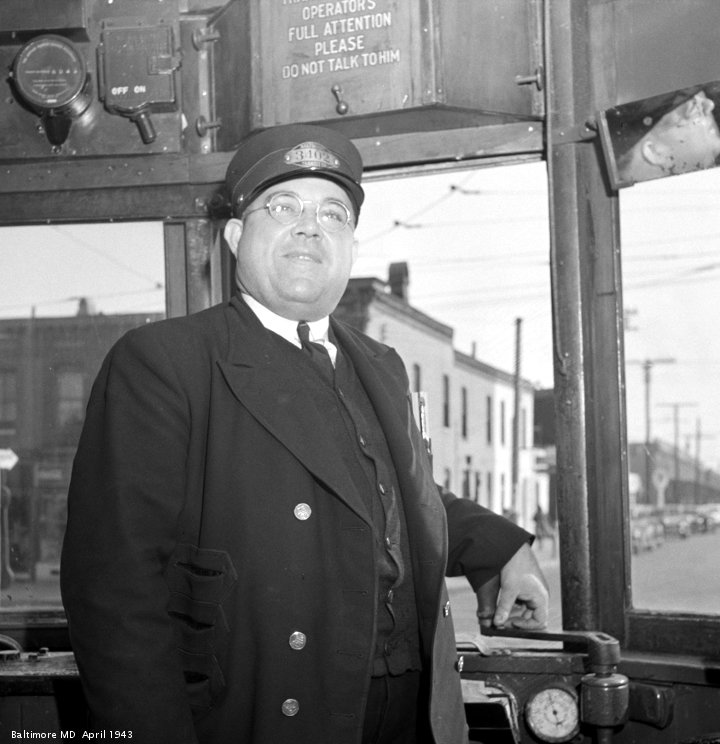
The urban legend busters snopes. calls the story “undetermined”. Legends like this get a life of their own. A grieving person hearing this song on a dreary Sunday is not going to be uplifted. One thing is known for sure…the original composer did take his own life. Rezső Seress jumped off a tall building in Budapest in 1968. The legend is he had never had another hit song after writing “Gloomy Sunday”. This repost has pictures from The Library of Congress.



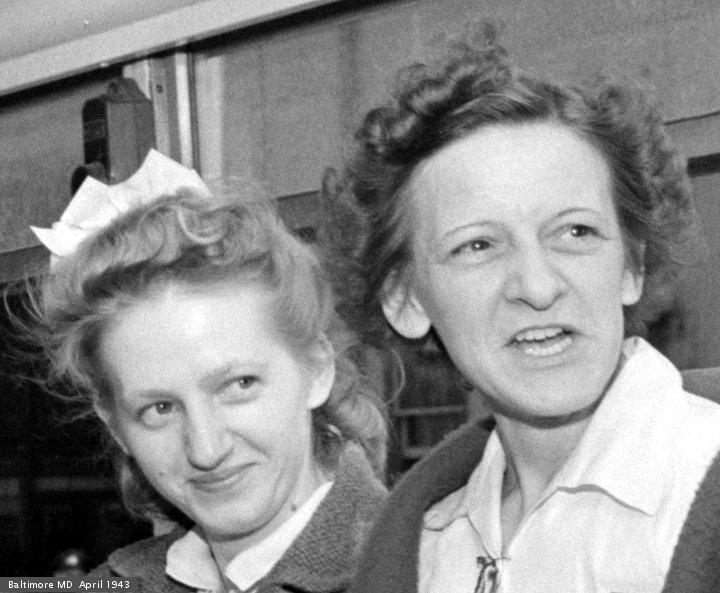

What Is Dirty About Louie Louie?


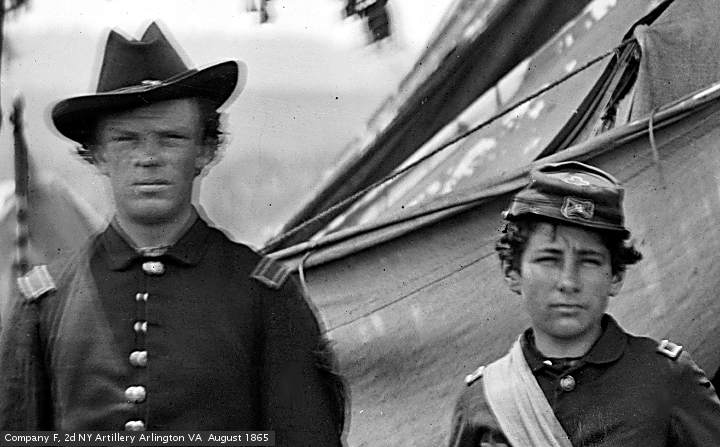
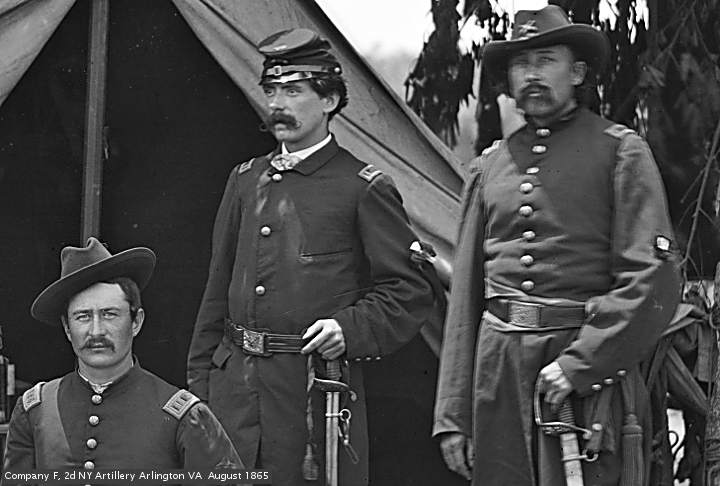
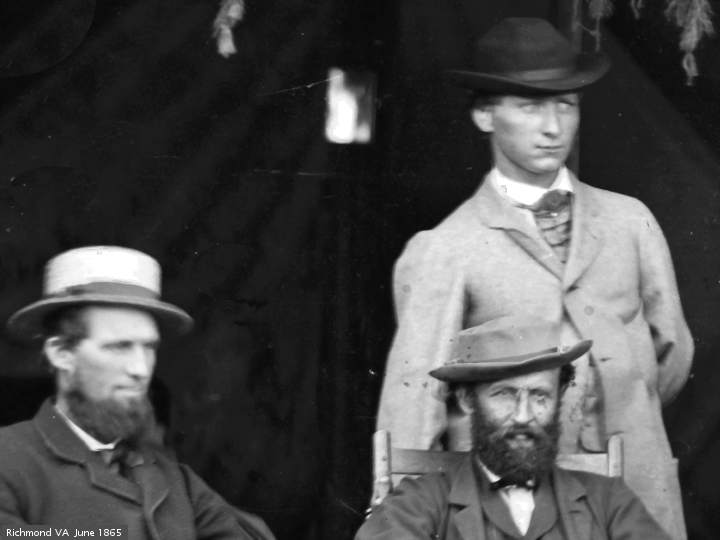
The sixties were a great time to be a kid. As long as you were too young for a Vietnam Vacation, there were kicks to be had.
One of the more enduring legends was the dirty lyrics to “Louie Louie”. Recorded by an obscure band called the Kingsmen, the song was a massive hit in 1963 (It never was Number One). When WQXI put out lists of the greatest songs of all time, “Louie Louie” was at the top of the list. This is despite, or because of, the raucous sound. The song was recorded in one take, when the band thought they were playing a rehearsal. The vocals are difficult to make sense of, and rumored to be obscene. No one was ever quite sure why. With the garbled sound on the record, the listener could hear almost anything they wanted to.
The Governor of Indiana, Matthew Welsh, banned radio stations from playing the song in that state. On February 7, 1964, Attorney General Robert Kennedy got a letter from an outraged parent about the lyrics to “Louie Louie”. An F.B.I. investigation followed. After thirty months of investigation, the Bureau concluded that they could not make sense of the lyrics.
PG had a neighbor named Carol. A tomboy who could whip most of the boys, she had a pet skunk named Napoleon. Carol claimed to have heard a band at Lenox Square play “Louie Louie”. “He said the words real slow so you could understand them. I can’t repeat what he said, but it was dirty”.
Louie, Louie Oh no, me gotta go.
Yeah, yeah, yeah, yeah, yeah, said, ah
Louie, Louie Oh, baby, me gotta go
A fine little girl she waits for me Me
catch a ship for cross the sea.
Me sail that ship all alone Me never think how I make it home.
Ah, Louie, Louie No, no, no, no, me gotta go.
Oh, no. Said, Louie, Louie Oh, baby, said we gotta go.
Three nights and days I sail the sea Think of girl, oh, constantly.
Ah, on that ship I dream she there
I smell the rose, ah, in her hair.
Ah, Louie, Louie Oh, no, sayin’ we gotta go.
Yeah, yeah, yeah, yeah, yeah,
but, ah, Louie, Louie Oh, baby, said, we gotta go.
[Yelled] Okay, let’s give it to ‘em right now! [instrumental]
Me see Jamaica, ah, moon above.
It won’t be long, me see me love.
Take her in my arms again, I got her; I’ll never leave again.
Ah, Louie, Louie Oh, no, sayin’ me gotta go.
Yeah, yeah, yeah, yeah, yeah
But, ah, Louie, Louie Oh, baby, said, ah, we gotta go.
I said we gotta go now, Let’s get on outta here.
[Yelled] Let’s go.
Transcribed by David Spector Sept. 2000 Public Domain. If anyone reading this can explain what was so dirty about this song, please leave a comment. Thank you Wikipedia for your help in assembling this. This is a repost. Pictures by The Library of Congress
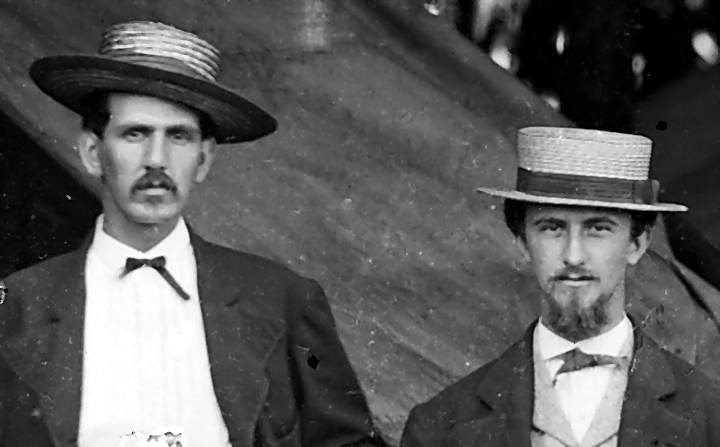

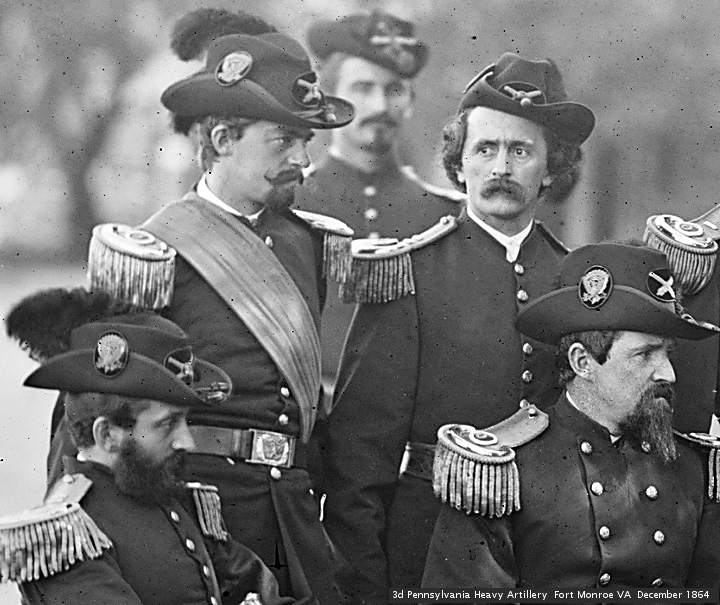

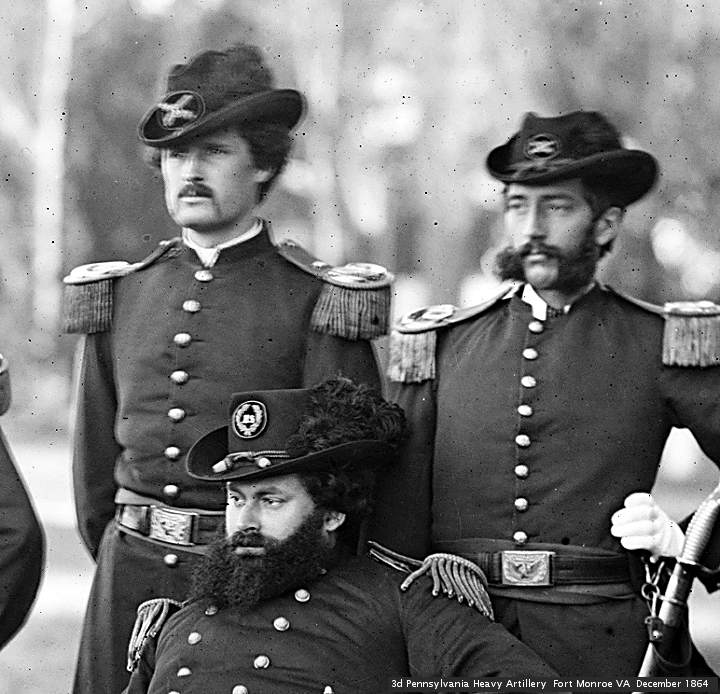
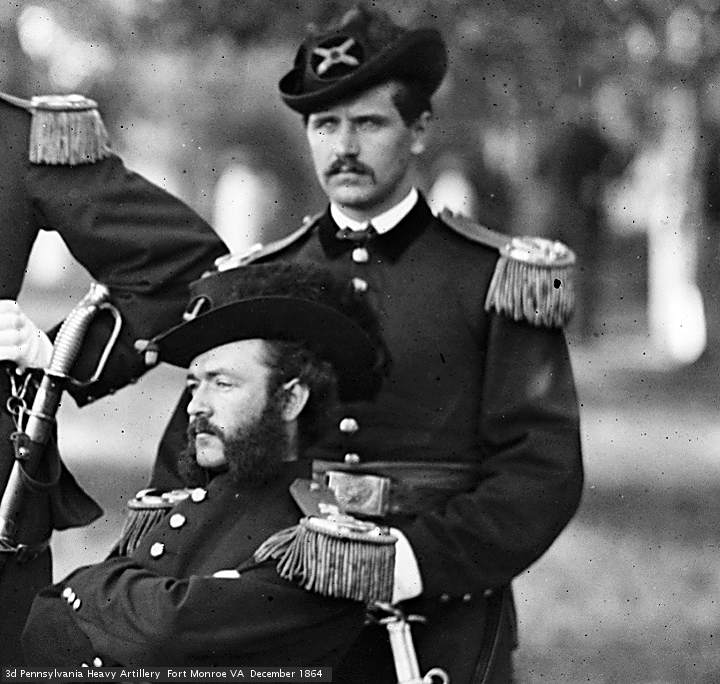
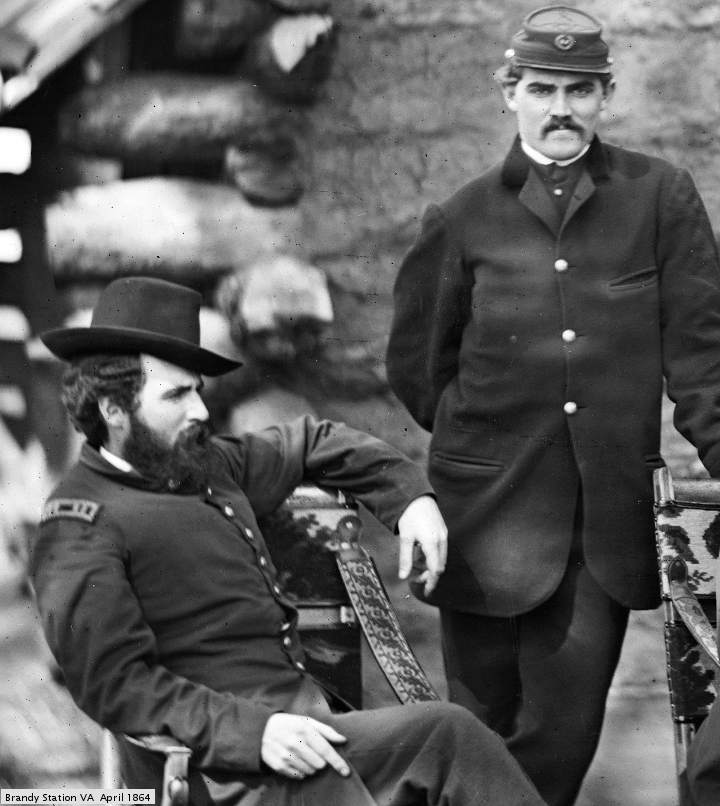
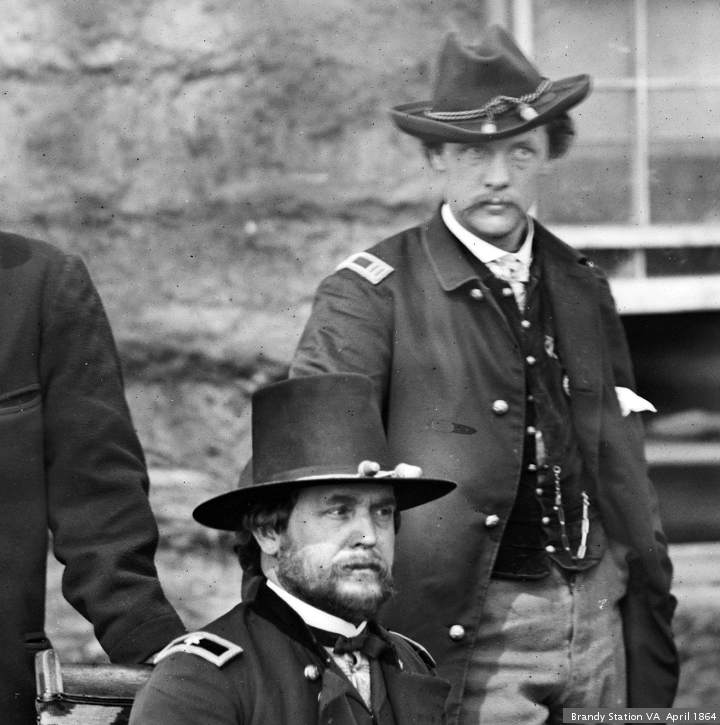

Dolly Parton And Paula Deen


Dolly Parton celebrates a birthday today. The internet is a love fest for her, and deservedly so. Miss Parton has given joy to millions, with her singing and acting.
Paula Deen was born on the same day, one year later. While her star did not shine quite as bright as Miss Parton, Mrs. Deen made her contribution to american life. The only problem was a bad boss lawsuit against a company Mrs. Deen invested in. A lawyer got Mrs. Deen to admit, under oath, the she had said the n-word. Paula Deen became a pariah.
Dolly Parton and Paula Deen have a few things in common. Miss Parton is married to Carl Thomas Dean, and her legal name is Mrs. Dean. Both ladies are from the south, the hills of East Tennessee, and the flatland of Albany, Georgia. Both grew up in an era where the n-word was what white people called black people.
What if the story had been different. What if it was a restaurant at Dollywood where the manager was not happy? What if this white woman, who was treated better because she was a white woman, decided to claim racial discrimination in her bad boss lawsuit? (Page 153 of deposition.) What if the disgruntled employee’s lawyer was smarter than Dolly Parton’s lawyer? We might have had tabloids screaming nonstop that Dolly Parton said the n-word.
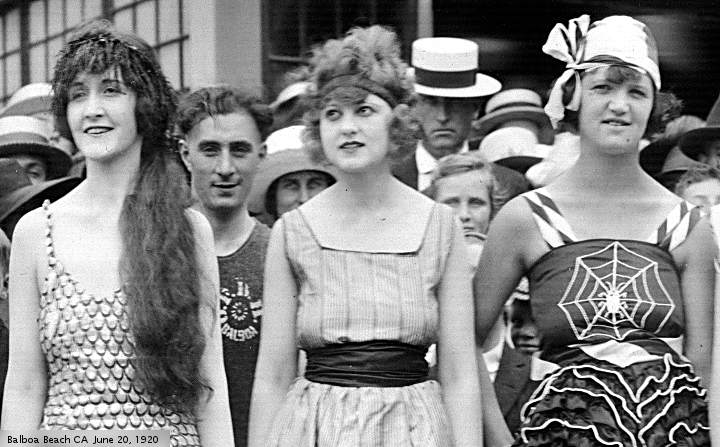
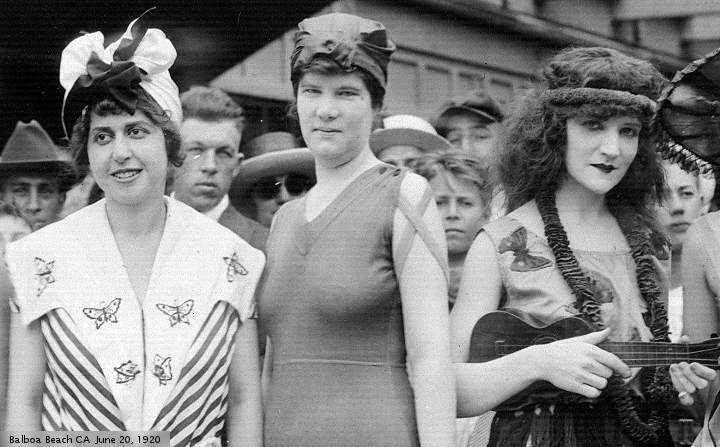
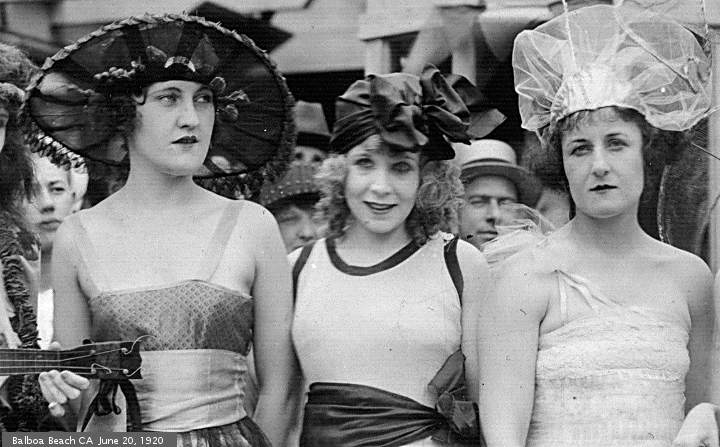
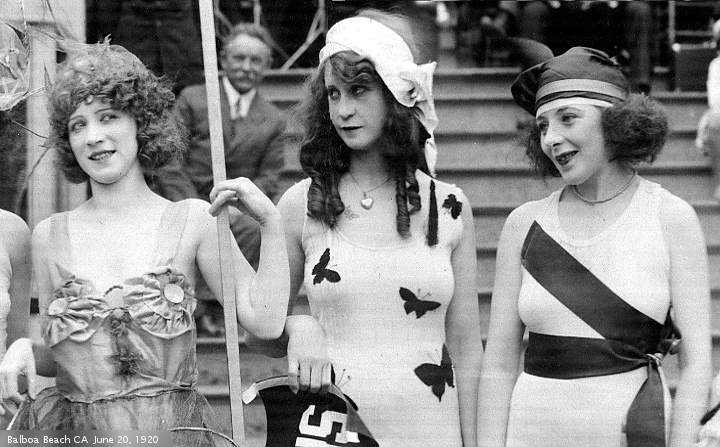
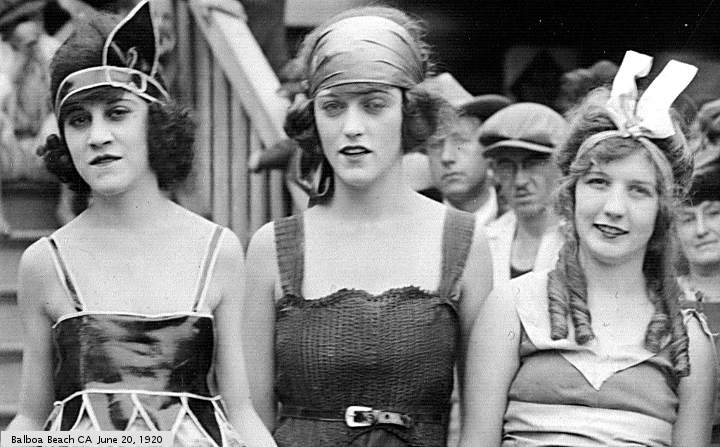
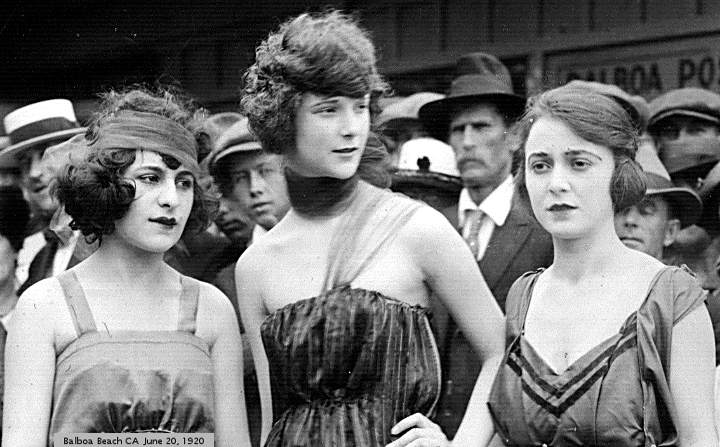
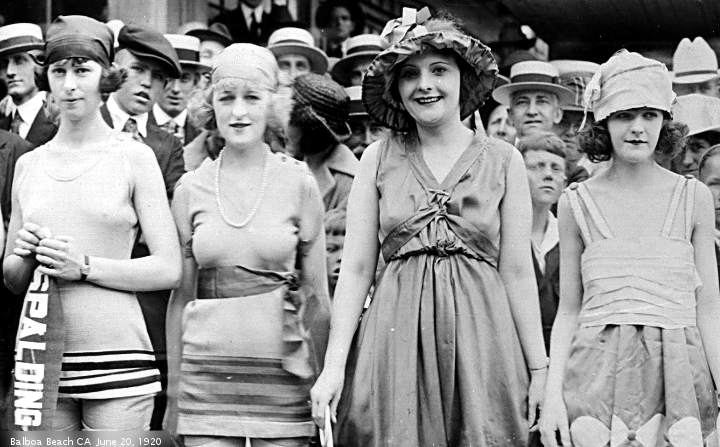
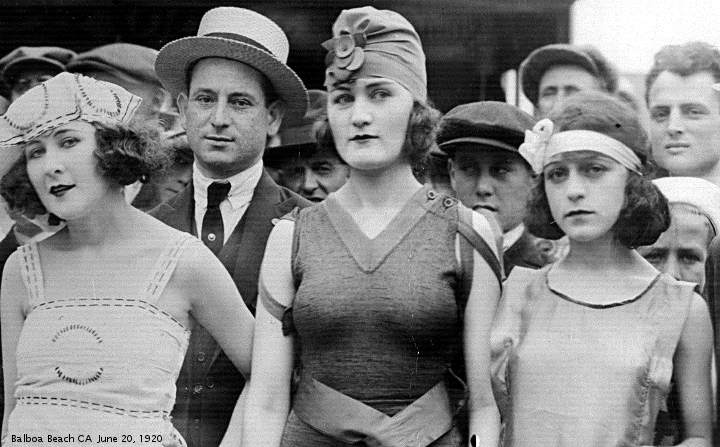
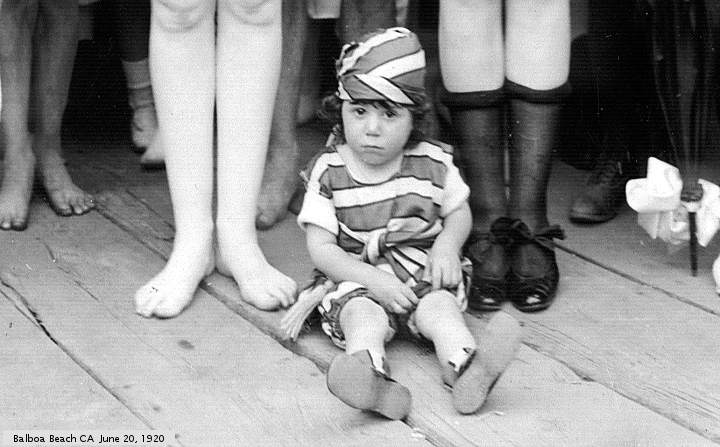
Pictures are from The Library of Congress, taken at “Annual “Bathing Girl Parade”, Balboa Beach, CA, June 20, 1920.” No one asked these ladies if they ever said the n-word. This is a repost. Other celebrities born on January 19: Robert E. Lee (1807), Edgar Allan Poe (1809), Jean Stapleton (1923), Janis Joplin (1943), and Desi Arnaz Jr.(1953.)
David Bowie

It was a strange week to be a David Bowie fan. On Friday, I was looking for a rerun to post, and was reminded that January 8 was his birthday. (Along with Elvis and Shirley Bassey) I put up a piece about Mr. Bowie, and fashioned a poem out of his song titles. Aquarian Drunkard reissued a collection of the “best and most interesting Bowie oddities”. A new album was released, with a lot of comments about how strange it was. Strange is something Bowie fans turn to face.
On Monday, I woke up. Go on the internet. MSN news says that David Bowie has died. This is surprising. I know what people are going to talk about for a few days.
I typically download the new wtf podcast on Monday. The show is “supported” by Columbia records, presenting David Bowie’s new album “Blackstar.” Marc Maron gushes on about how ” DAVID BOWIE I LOVE DAVID BOWIE. ARE YOU KIDDING ME?” The single is called “Lazarus.”
The timing of the whole thing is bizarre. Was this planned? To release a puzzling new work on your sixty ninth birthday, and then die two days later. With the master media manipulator involved, prior planning cannot be ruled out. Or was it just a parting shot of synchronicity? We will never know.
In what might be a new move for celebrity deaths, sex scandal rumors emerged. A lady named Lori Maddox claims that Mr. Bowie “devirginized” her. Miss Maddox was underage at the time. Some people think that this incident makes Mr. Bowie a terrible person, whose artistic output should be ignored. One made the inevitable comment “As someone who sees White stars get a pass for things that celebrities of color get crucified for.”
I learned a long time ago to separate the performer from the performance. I also apply this rule to David Robert Jones. (David Bowie was a stage name. The legal name was never changed.) In 1976, there was an interview, where the artist said “Don’t believe anything you hear me say.” While the creative/marketing genius can be enjoyed, there was always a bit of coldness behind the mask. Some press reports say that this softened as the years went by. In the end David Bowie was human. Ziggy Stardust was a character played by an actor. Does it matter that they were a Cracked Actor?
It is ironic that David Bowie played Andy Warhol in Basquiat. Both combined creation of art, and the marketing of art product, into a seamless unit. The two did not have a good first meeting. “Remember, David Bowie was not a big star. He was just some guy off the street as far as Andy Warhol was concerned. They found a common ground in David’s shoes. David was wearing yellow Mary Janes and Andy had been a shoe illustrator, which David knew so they began talking about shoes.” UPDATE I got to see Basquiat. Andy Warhol’s wig, worn by David Bowie, gave an outstanding performance.
This would have been in 1971. Mr. Bowie discusses his adventures in between songs of this show. There is another story from that first tour: “I think that must’ve been part of the Mercury Records publicity tour in early 1971, Gus. Ted Vigodsky, if I remember correctly, brought Bowie by The Great Speckled Bird’s offices on North Avenue where Moe Slotin and I met him. Bowie was dressed in an ill-fitting gingham dress and looked something like a gaunt, poverty-stricken woman in one of those Walker Evans photos from the Depression. He informed Moe and me that he was gonna be the next big star in rock-n-roll. It took all of our will power not to laugh in his face. This was before anyone in America had heard of him and he had no records out yet (“Space Oddity,” a hit in England in 1969, was not released in the USA until 1973). Six months later Moe and I realized we had completely underestimated him. I had forgotten Charlie had called you about interviewing him.” Pictures today are from “The Special Collections and Archives, Georgia State University Library”.


David Bowie is 74 today. Elvis is ageless. Betsy DeVos is unemployed. This Bowie tribute is a repost. Pictures are from The Library of Congress.
A webpage called CaptainsDead had a download of a David Bowie concert. (Here is another edition.) Most Bowie live recordings are pretty dull. While the Thin White Duke is renowned for his concerts, they tend to be live events, that depend on staging and costumes as much as music. This show, from 1974, is different. Focusing on material from “Diamond Dogs”, the sound he produces comes close to matching the studio sound.
The next move for Bowie in 1974 was the “white soul” sound of “Young Americans”. He is moving in that direction in this show, even while he lingers in the glitter apocalypse. This tour included a stop at the Fox Theater, the first Atlanta show for Mr.Bowie. On the way to Florida for the next show, the truck with the sets and costumes crashed into a swamp full of rattlesnakes. The show in Tampa was performed in street clothes.
Maybe it is time for a Chamblee54 tribute to David Bowie. It is six am, and PG has stumbled into a job. The time and energy required to write new material is not always available.
The first album by David Bowie that PG heard about was “Hunky Dory”. At the time, Mr. Bowie had generated some buzz by admitting that he fancies blokes, or some uber british expression for being queer. In time, this would be seen as more publicity stunt than brave confession. The RCA debut got some good reviews, but not much else.
The next year produced “Ziggy Stardust”, a concept album. At about this time he did a tour of the United States, with costumes and onstage antics that generated even more publicity. More and more people started listening, some in spite of his outrageous image, and quite a few more because of it. He broke up his band, the spiders from mars, and announced his retirement. The band, according to reports, learned about this while standing on stage behind him. Mr. Bowie, for all his genius, is not always a nice man.
In 1974 there was an album, “Diamond Dogs”, about the decadent urban life in the scifi future. A stage show based on this album…the source of the download mentioned above…marked a return to the concert stage. The next year gave us “Young Americans”, and the year after that “Station to Station”. Every year was a different sound and vision.
Meanwhile, the artist was not doing so good as a human being. According to all reports, he was doing mountains of cocaine. (There is a story of going to meet the parents of Ava Cherry, one of his girlfriends. He shows up at 3am, and does coke on the dining room table.) There was an interview in Playboy (or maybe it was Rolling Stone ) where the first thing he says is, don’t believe anything I say. He went on to say that he admired Adolf Hitler. Have we mentioned the physical appearance of David Bowie in 1975? He looked like he was dead, and nobody bothered to tell him. (By contrast, in recent photo collections of rock stars, Mr. Bowie looks pretty good for a man who is 69 yo.)
This was the era of Rocky Horror show. At one point, Riff Raff sings (Tim O’Brien wrote the show, and gave himself some darn good lines) Frank n furter, it’s all over, your mission is a failure, your lifestyle’s too extreme.I’m your new commander you now are my prisoner we return to transylvania prepare the transit beam While this may not have been directed at David Bowie, he took the hint.
We interrupt this David Bowie tribute with an emergency announcement. A person, reputed to be an entertainer, was seen using the n word on facebook. The screen shots have disappeared, and all we have is the word of the accuser. More details will be available as soon as anyone is interested.
David Bowie saw himself at a dead end, and possibly a dead life. He moved into a little apartment in West Berlin, on top of a garage. Brian Eno offered his assistance, and a series of electronic albums was the result. The next few years saw rock and roll, dance music, and finally, crap. PG bought a Bowie album in 1984, the first time he saw it on sale, and was immensely disappointed. The last David Bowie album that PG got was a free cd that was given to people buying a magazine.
Around 1981, MTV was born, and radio was suddenly obsolete. A visual artiste like David Bowie was a natural for video. Unfortunately, many of these videos are not available for embedding in blogs. Ashes to Ashes was a staple of early MTV. Boys Keep Swinging , off the “Lodger” album, is a return to the gender bender Bowie of younger days.
David Bowie continued to do tours, and PG got to see two of the shows. In 1987, something called the “Glass Spider Tour” came to the Omni. (In a later interview, it turns out Mr. Bowie was extremely unhappy during this tour, and close to suicide at some points.) The Glass Spider was this mass of lighting effects that hovered over the stage, and was used to best advantage during “Scary Monsters”. The show featured Peter Frampton on guitar, and had a pack of dancers. (One apparent female took her drag off during the finale.) A good time was had by all.
In 1990, another retirement tour came to the Omni. This one had movies projected on a screen behind the stage, and featured guitar hero Adrian Bellew. The night had the feel of a contractual obligation. David Bowie is too professional to give a bad show, but this one did not have the fire of “Glass Spider”. PG had a new set of contact lenses, and his eyes were painfully dry most of the night.
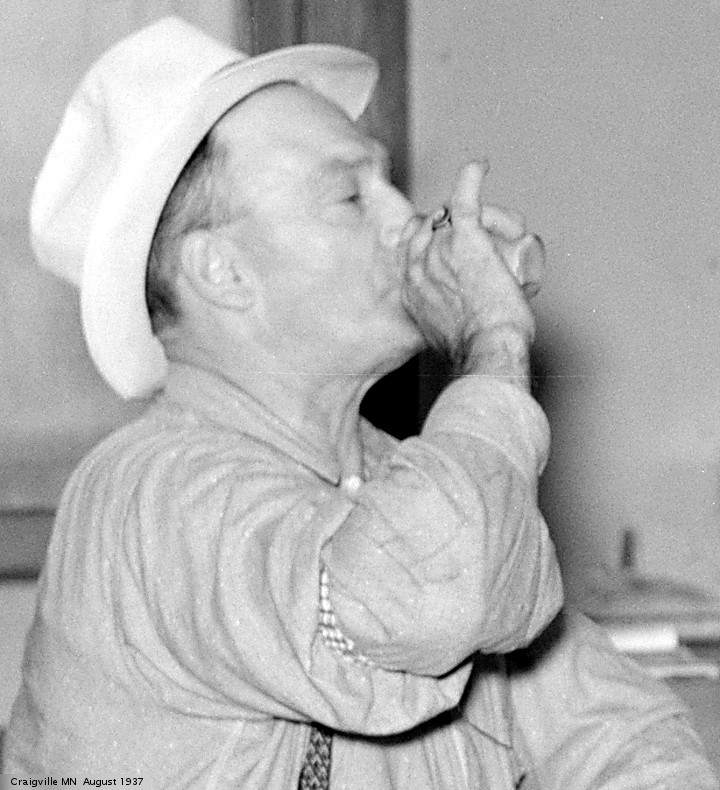
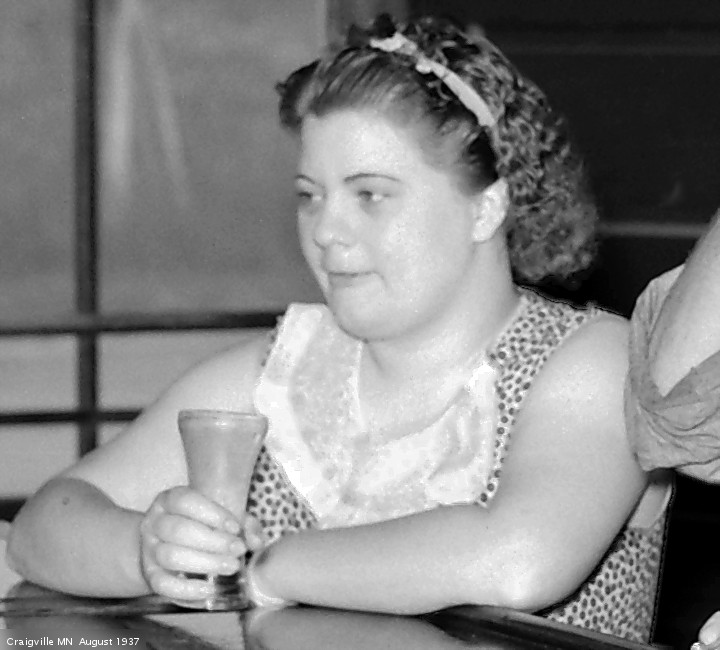

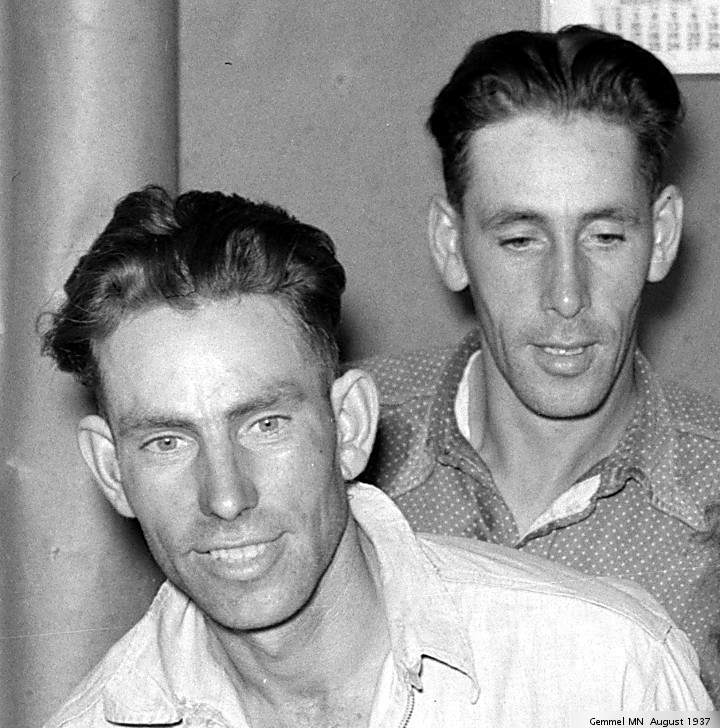
Rahsaan Roland Kirk

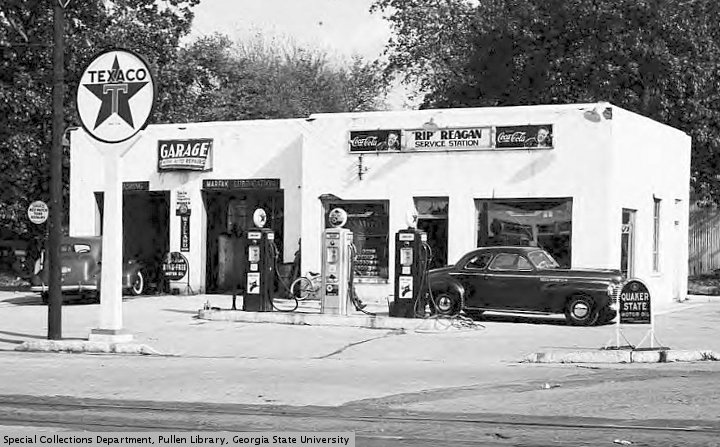



There have been eleven presidential transfers of power in PG’s life. Nine of them were in January. PG typically ignores them. He goes out with Mr. Crook in office, and comes home to President Thief.
The best exception was in August, 1974. Richard Nixon was finally undone and forced to resign. After watching Tricky Dick’s next to last television speech, PG got in his Datsun and drove to the Great Southeast Music Hall. The entertainment that night was Rahsaan Roland Kirk.
The Music Hall was the sort of place we don’t seem to have anymore. The auditorium was a bunch of bench backs on ground level, with pillows everywhere. It was a space in a shopping center, occupied by an office depot in later years. To get there from Brookhaven, you drove on a dirt road, where Sidney Marcus Boulevard is today.
Rahsaan Roland Kirk was not modest. He was the modern miracle of the tenor saxophone. He would play three saxophones at once, getting sounds that you do not get from a single instrument. At one point, the band had been playing for five minutes. Rahsaan had been holding the same note the entire time, without stopping to breathe.
Mr. Kirk played two ninety minute sets that night. He talked about twenty minutes out of every set. Of that twenty minutes, maybe thirty seconds would be fit for family broadcasting. Mr. Kirk…who was blind…said he did not want to see us anyway, because we were too ugly. He said that Stevie Wonder wanted to make a lot of money, so he could have an operation and see again.
The next day, Mr. Nixon got in a helicopter and left Washington. The Music Hall stayed open a few more years, and Sidney Marcus Boulevard was paved. Rahsaan Roland Kirk had a stroke in 1975. He struggled to be able to perform again. On December 5, 1977, a second stroke ended his career. He was 41 years old. This feature is an encore presentation. The pictures used today are from “The Special Collections and Archives, Georgia State University Library”.




I’m A Believer

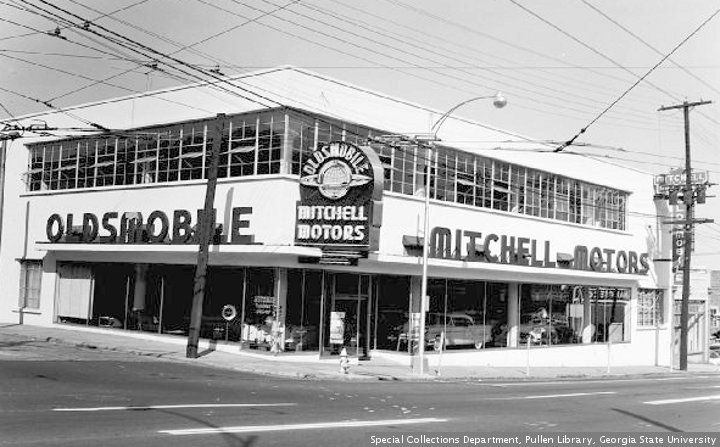


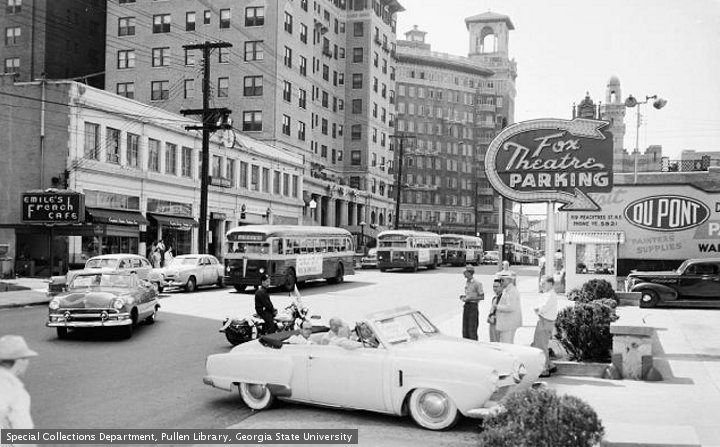
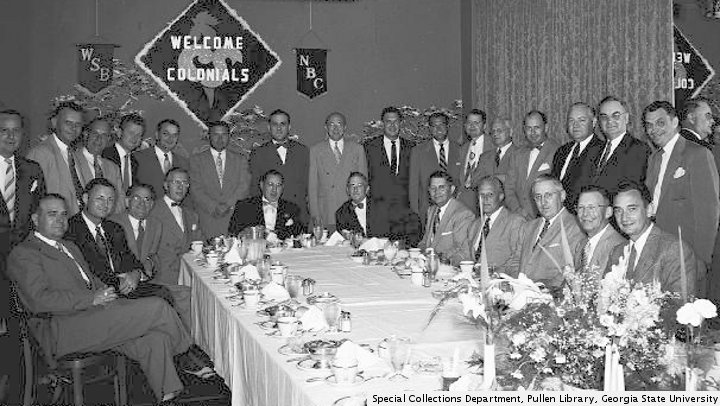
JoemyG-d has been running videos of number one hits lately. Today, the numero uno is from 1966. It is by the Monkees, called “I’m a Believer”.
PG always liked the Monkees. They were the twelve year old’s band when he was twelve years old. There was an article in the Saturday Evening Post about the “Pre Fab Four”, and a classmate of PG said that he was disillusioned. Certainly no one was confused about the made for tv nature of the band. The rumors…which turned out to be true…said that the Monkees did not play the instruments on their debut album. Still, a seventh grader is easily amused, and the show was fun to watch.
“I’m a Believer” was written by Neil Diamond, aka the Jewish Elvis. Mr. Diamond played guitar on the Monkees version of IAB. (Michael Nesmith does a convincing imitation in the video. It is not known if he was wearing the green hat.)
IAB is part of the rock tradition of misunderstood lyrics. PG thought that Mickey said he “needed sunshine on my brain”. PG did not learn the truth for many years. One afternoon, he heard a band on the radio do IAB, and the lyrics were understood. What the song really said was, “when I needed sunshine I got rain. “
This is a repost, with pictures from “The Special Collections and Archives, Georgia State University Library”. The video in the original post is no longer on youtube, but there was no shortage of replacements. The video used today is one PG remembers from the TV show.
The other video, with unfortunate sound, is from the second year of “The Monkees”. PG did not like Mickey Dolenz with frizzy hair, and quit watching the show. 13 is a year older than 12. The fall of 1967 found PG as an eighth grader, or “subbie”, at a grungy high school.
The other video has the word believer in the title. (The middle of the word believer is LIE.) One afternoon, the disc jockey at WQXI said he was tired of playing that stupid song by the Monkees. Before long, the Monkees were replaced by the Partridge Family.


Georgia On My Mind



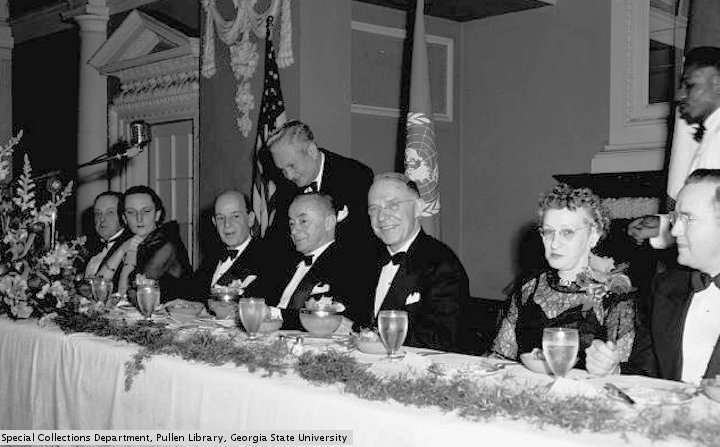
Rock the Runoff: Broadway for Georgia performs “Georgia On My Mind” turned up of facebook this morning. This video got PG thinking about GOOM. Pictures today are from “The Special Collections and Archives, Georgia State University Library”.
Youtube turned up the original “© Written in 1930 by Hoagy Carmichael (music) and Stuart Gorrell (lyrics) © Gorrell wrote the lyrics for Hoagy’s sister, Georgia Carmichael. However, the lyrics of the song are ambiguous enough to refer either to the state or to a woman named “Georgia”. Carmichael’s 1965 autobiography, “Sometimes I Wonder”, records the origin: a friend, saxophonist and bandleader Frankie Trumbauer, suggested: “Why don’t you write a song called ‘Georgia’? Nobody lost much writing about the South.” Thus, the song is universally believed to have been written about the state.”
National Anthems has a story about GOOM. (The 90’s website has a retro-illustration.) “STUART GRAHAM STEVEN GORRELL (1901-1963) and HOAGLAND HOWARD CARMICHAEL (1899-1981), wrote the song in 1930 almost as a lark … Hoagy Carmichael went to Indiana University, and one of his best college chums was Stuart Gorrell. Hoagy Carmichael was going to be a lawyer and Stuart Gorrell, when not hanging around the local “jazz joint” (called The Book Nook!) had promised someone that he would eventually be a success in the world of business.”
“The two of them were together at a party in New York and Hoagy Carmichael played what he had of the “Georgia” music line for Stuart Gorrell and some friends. After the party broke up, the two of them went back to a friend’s apartment and worked on the tune throughout the night. Stuart Gorrell wrote what he thought would be a good lyric line on the back of a post card, (now displayed in the Carmichael Room at Indiana University) and showed it to Hoagy Carmichael. One can still plainly see the few, but important, changes that Hoagy Carmichael made on that small piece of cardboard to Stuart Gorrell’s lyrical scratchings. The song was improved upon, and the lyrics written, in that boozy early morning, and recorded in September 1930 by a band that included Hoagy Carmichael’s great friend, Bix Beiderbecke – a recording session that proved to be Bix’s last.”
“Hoagy Carmichael went on to write many more songs, some of them hits, and Stuart Gorrell kept his promise and became a Vice President at Chase Bank. Stuart Gorrell never tried to write another song lyric, but ‘Georgia on my Mind’ became a hit after World War II and Hoagy Carmichael, true to his word – although Stuart Gorrell was not legally credited as the lyricist by the music publisher – always sent Stuart Gorrell a cheque for what would have been his share of royalty. The royalty income from that song is substantial and, after Stuart Gorrell died, the income put his daughter through college.”
Mr. Gorrell wrote a letter to the Bremen (Indiana) Enquirer, August 3, 1961. “This accompanied his response to his home town’s Teen Hop patrons choosing the song as their theme song. … “Georgia on my mind” was composed more than a quarter of a century ago on a cold and stormy evening in 1930 in New York City. Hoagy Carmichael and I, in a third floor apartment overlooking 52nd street, with cold feet and warm hearts, looked out the window and, not liking what we saw, turned our thoughts to the pleasant southland. Thus was born a hauntingly sweet song. My mother, who died in Bremen in 1942, once asked a very penetrating question about the song. I had sent her a copy of the sheet music and, after reading the words over several times, she wondered aloud: “What is Georgia? A girl—or state? What do you think? Hoagy and I just love every one of you Bremen Teen Hoppers for honoring out tune by making it your theme song. Sincerely, Stuart Gorrell”





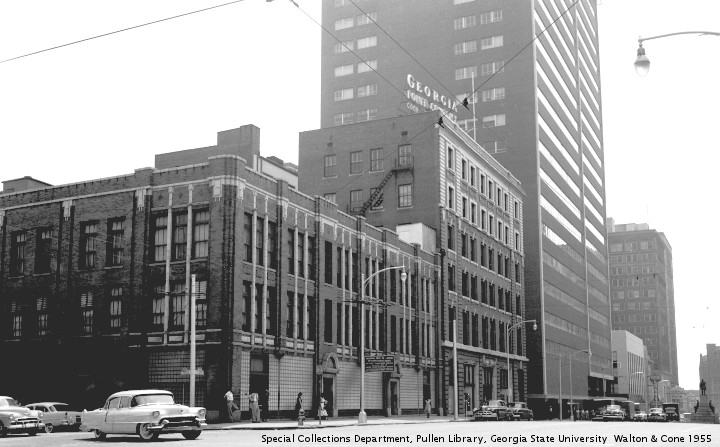

Rudolph


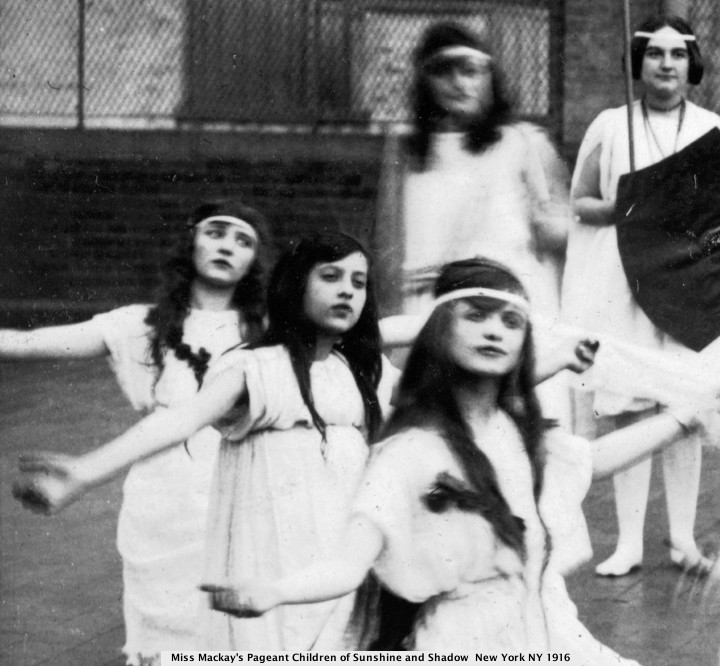


Someone posted a bit of revisionism about a holiday classic. As he sees it, “Rudolph the Red Nosed Reindeer” is about racism.
In a bit of yuletime synchronicity, the urban mythbusters at Snopes posted a piece about Rudolph the same day. It seems as though the Rudolph story was originally written for the Montgomery Ward Stores. The idea was to print a Christmas booklet to give to customers. A staff writer named Robert L. May was picked for the job.
Originally, there were concerns about the red nose, and the connection to heavy drinking. At the time, the original meaning of “merry christmas” had been forgotten. Merry meant intoxicated, and a merry christmas was a drunken one. The booklet was released. It was a big hit with shoppers.
Mr. May had a brother in law named Johnny Marks, who was musically gifted. Mr. Marks wrote the song, and somehow or another Gene Autry came to sing it. A story (which PG heard once, but cannot find a source for) had Mr. Autry doing a recording session. The session went very smoothly, and the sides scheduled to be recorded were finished early. There was a half hour of studio time paid for. Someone produced copies of “Rudolph”, gave them to the musicians, and the recording was knocked out. It became a very big hit.
“Rudolph the Red Nosed Reindeer” has become a beloved standard, without the troubling religious implications of many holiday songs. It is the second biggest selling record of all time. The only song to sell more is “White Christmas”.
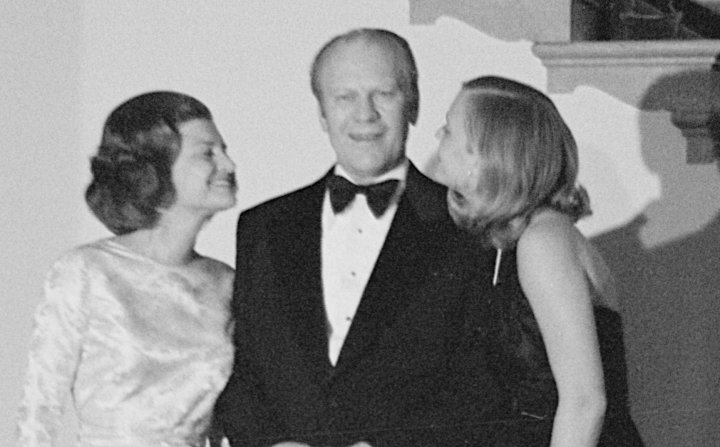
The story above is a repost. Pictures are from The Library of Congress. There is an appearance by Gerald Rudolph Ford, and his women. Betty was a merry soul.



Judy Roasting On An Open Fire


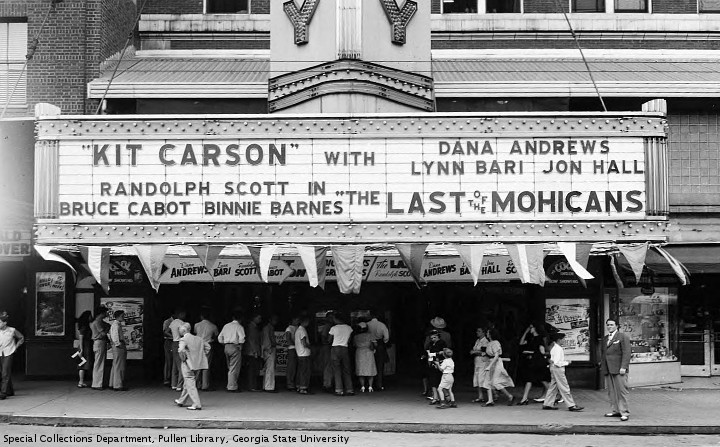
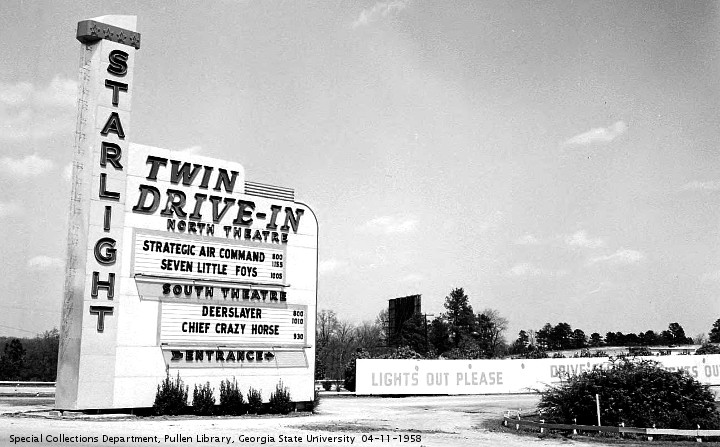
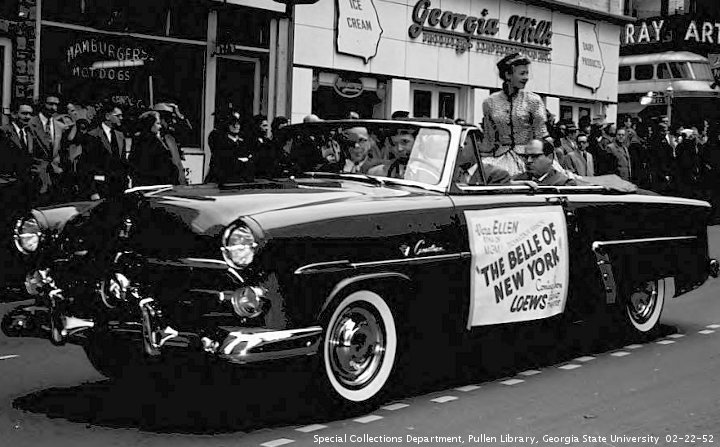
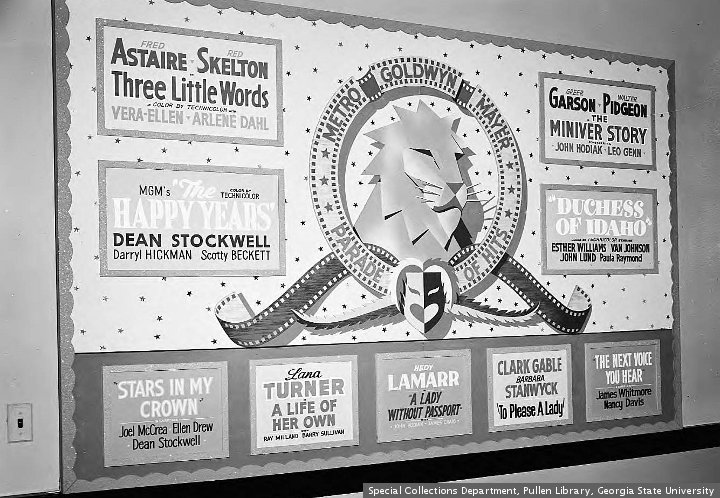
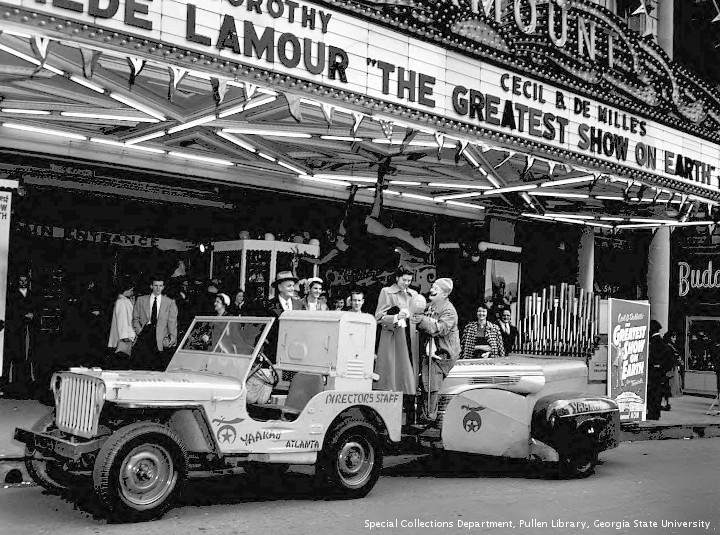
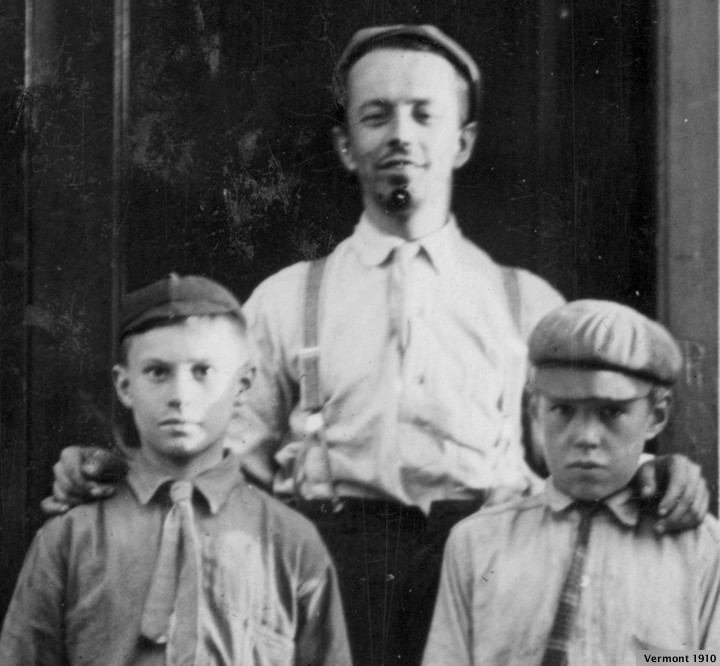
SFFILK (Not his real name) passes along a story about Mel Tormé. It seems like Mr.Tormé was eating a leisurely breakfast at a food court in Los Angeles, and a quartet appeared singing Christmas songs. They wound up performing “The Christmas Song” for co- author Tormé … and the singers had no idea who he was. It is a good story, better told in the link. This is a repost, with pictures from “The Special Collections and Archives, Georgia State University Library”.
According to the inerrant Wikipedia, Mr. Tormé collaborated with Robert Wells, until they had a falling out. One afternoon, on the hottest day of July in 1945, Mr.Tormé went to visit Mr.Wells, and saw the first four lines of “The Christmas Song” (including “Chestnuts roasting on an open fire, Jack Frost nipping at your nose”). The lines were on a note pad, and the two agreed to beat the heat of summer by completing the song. Supposedly, Mr. Tormé did not like the song very much. After three divorces, he probably didn’t see many of the royalties.
Mel Tormé was the music director of the ill fated “Judy Garland Show” in the early sixties. He wrote a book about it… The Other Side of the Rainbow: With Judy Garland on the Dawn Patrol . The story is that Miss Garland would get blasted, call Mr.Tormé in the middle of the night, and pour out her troubles. (This review is much less sympathetic towards Mr. Tormé.) While the show did not last longer, there are some great youtube clips left over.


 Chamblee54
leave a comment