Gloomy Sunday


Billie Holiday had a hit with Gloomy Sunday in 1941. The legend is that people would listen to the song, and kill themselves. As a result, the song was banned from the radio. Or was it?
Gloomy Sunday was written in 1933 by Rezső Seress. Additional lyrics were later written by László Jávor. It became known as the “Hungarian Suicide Song”, and was reportedly banned in Hungary. An english translation (which is said to not do justice to the original Hungarian) was rendered.
Gloomy Sunday has a melancholy sound, even as an instrumental. The story is about a person…it is not gender specific…who decides to join a loved one who has died. A third verse was added, to the english version, where the singer says it was all a dream.
Gloomy Sunday became popular in the United States. And the suicide stories started to spread, along with rumors that the song had been banned from the radio. (It was indeed banned by the BBC.) There are indications that these rumors were part of a publicity campaign.
The urban legend busters snopes. calls the story “undetermined”. Legends like this get a life of their own. A grieving person hearing this song on a dreary Sunday is not going to be uplifted. One thing is known for sure…the original composer did take his own life. Rezső Seress jumped off a tall building in Budapest in 1968. The legend is he had never had another hit song after writing “Gloomy Sunday”. This repost has pictures from The Library of Congress.





David Crosby
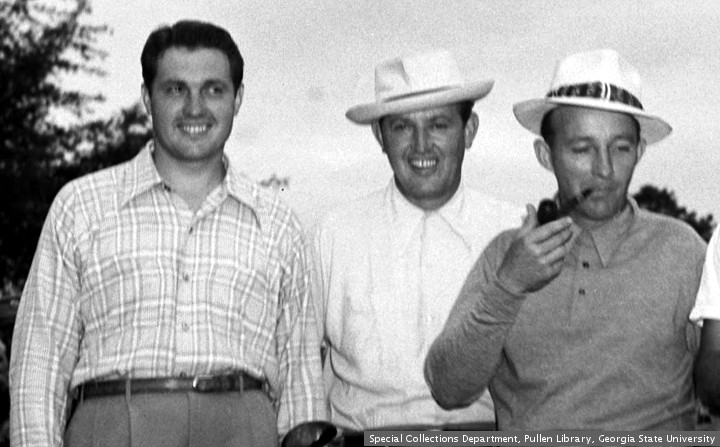
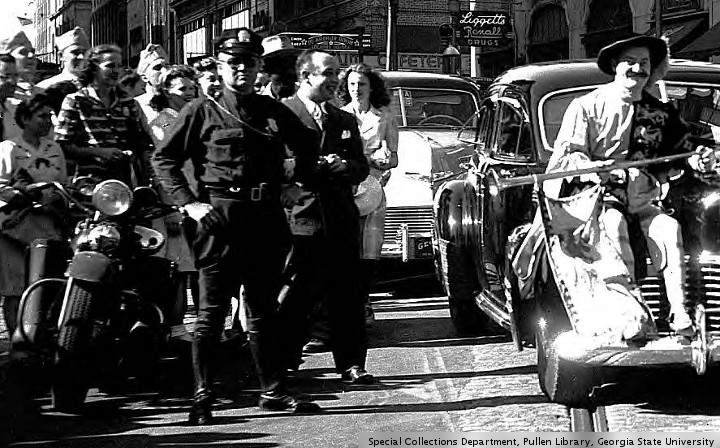
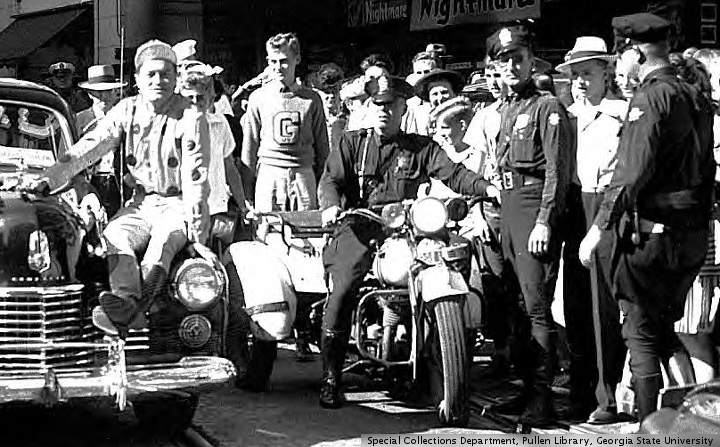
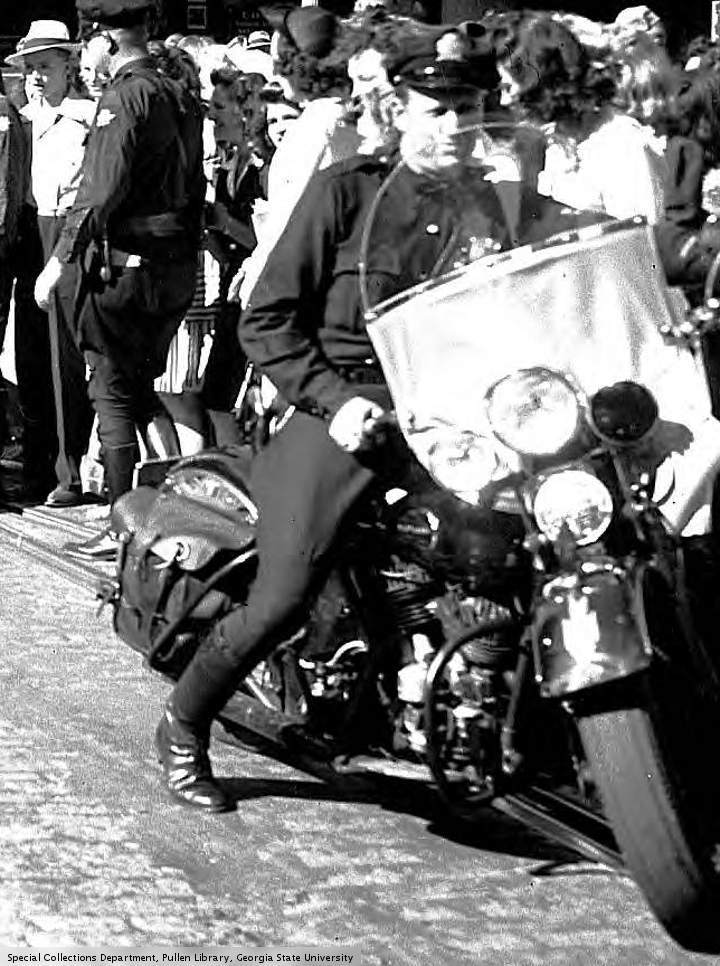

David Crosby let his freak flag fly today. After 81 years on the planet, and numerous “people problems,” this should not surprise anyone. Considered by some to be the American Keith Richards,
David Van Cortlandt Crosby was the C in CSNY. He was a founding member of the Byrds, “The American Beatles.” (The British press gave the Byrds hell about that nickname.) Croz wrote/sang great songs, did a mountain of drugs, spent time in a Texas prison, had a liver transplant, and much more. DVCC is also considered a flaming asshole by many, many people. You have to take the bad with the good. … Chamblee54, aka PG, wrote about DVCC several times. This piece is borrowed from four posts. Pictures are from Special Collections and Archives, Georgia State University Library.
David Crosby Lives … “PG just finished part two of the David Crosby autobiography, “Since Then“. This book is evidence that truth is stranger than fiction.” … “At the start of the book, LA is hit by a major earthquake. This destroys a house Crosby has. If the earthquake doesn’t get the house, the IRS will. An accountant has not done his job, and Crosby owes major bucks to Uncle Sam. Moving along, a son given up for adoption finds Crosby, and winds up playing guitar in a band called CPR. Crosby wrecks his motorcycle and nearly croaks. Crosby’s liver goes haywire, and he almost croaks. Ditto heart attack, and arrest for felony gun possession.” …
“One of the last visitors before the liver transplant was Graham Nash. As he is leaving, Nash tells Crosby “If you die, and leave me alone with Stills, I’ll fucking kill you.” For all the pretty music in CSN, there are some strong personalities. Stephen Stills is renowned for his attitude. David Crosby is known to have an opinion or two.” … “Getting back to the David Crosby story…there is just too much to sum up here. At the end of the story, he is still going. He stopped at two artificially inseminated babies, to go with four (at least) kids produced the old fashioned way.”
Wild Tales: A Rock & Roll Life … “No story involving David Crosby is complete without a drug lecture. One story was so explosive, the legal department called Graham before the book was published, just to confirm the story. It is on page 263. David sold his Mercedes for crack. The man who bought it od’d. David broke into his house, stole the bill of sale and car keys, took the car, and sold it again.”
On April 22, 1960, The Everly Brothers were in Manchester. Graham (Nash) and Allan (Clarke) were determined to meet their heroes, and hung out on the steps of a hotel until late at night. Finally, the Everly Brothers arrived. They spent a half hour talking to the star struck young men. “and it changed my life.” This story is on Page 43 of Wild Tales.
Bing Crosby And David Crosby … chamblee54 Did you ever meet Bing Crosby? @thedavidcrosby Yes I did @FoxH2181 DC tells the late robin williams about it on youtube … PG eventually decided to listen to part one of Robin&David. Early in the show, David talks about being in the first class cabin of an airplane. David was in full hippie glory, in contrast to the general ambience. Soon, Bing Crosby came on board. A man went up to Bing, and asked for an autograph. All that was available to write on was a can of beans. Bing Crosby was very gracious to the fan, which impressed David Crosby immensely. … There was an empty seat beside David Crosby, and Bing Crosby sat in it. “These other guys don’t know who you are, but I do. I like your music.”
PG is easily amused, and decided to go for part two. David Crosby tells a story of going to see the symphony as a young boy. He is impressed by the sounds that are produced by all the elbows sawing on violins at the same time. David Crosby winds up as someone that likes to collaborate, to be a part of a team. “we do shit it together” … “David Crosby retweeted your tweet.” @chamblee54 @FoxH2181 @thedavidcrosby David Crosby on CSN at 24:01 “we douche it together”
Page 43 … Water Brothers was a benefit concert performed by David Crosby, Graham Nash, and Neil Young. After performing “Almost Cut My Hair”, Mr. Crosby starts to talk. “I’m going to sing the most positive song that I’ve written recently For a long time I didn’t write any positive songs, my friends used to puke when they saw me coming.” The song was Page 43.
Look around again, It’s the same old story,
You see, it’s got to be, It says right here on page 43,
That you should grab a hold of it, Else you’ll find, It’s passed you by
Rainbows all a round, Can you find the silver and gold? It’ll make you old,
The river can be hot or cold, And you should dive right into it,
Else you’ll find, It’s passed you by
Pass it round one more time, I think I’ll have a swallow of wine,
Life is fine, Even with the ups and downs,
And you should have a sip of it, Else you’ll find, It’s passed you by Lyrics007
There is one part that PG doubts. It is about drinking. Those gifted with moderation can swim in this river. Others need to get to the shore before they drown. There is a time to enjoy your life, and there is also a time to lay off the jug. Keep a portion of your harvest in reserve. Otherwise, life will run you over, while it is passing you by.
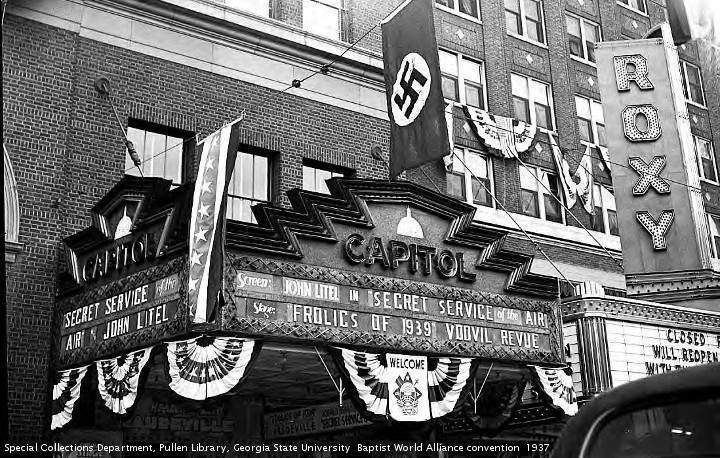




David Bowie



It was a strange week to be a David Bowie fan. On Friday, I was looking for a rerun to post, and was reminded that January 8 was his birthday. (Along with Elvis and Shirley Bassey) I put up a piece about Mr. Bowie, and fashioned a poem out of his song titles. Aquarian Drunkard reissued a collection of the “best and most interesting Bowie oddities”. A new album was released, with a lot of comments about how strange it was. Strange is something Bowie fans turn to face.
On Monday, I woke up. Go on the internet. MSN news says that David Bowie has died. This is surprising. I know what people are going to talk about for a few days.
I typically download the new wtf podcast on Monday. The show is “supported” by Columbia records, presenting David Bowie’s new album “Blackstar.” Marc Maron gushes on about how ” DAVID BOWIE I LOVE DAVID BOWIE. ARE YOU KIDDING ME?” The single is called “Lazarus.”
The timing of the whole thing is bizarre. Was this planned? To release a puzzling new work on your sixty ninth birthday, and then die two days later. With the master media manipulator involved, prior planning cannot be ruled out. Or was it just a parting shot of synchronicity? We will never know.
In what might be a new move for celebrity deaths, sex scandal rumors emerged. A lady named Lori Maddox claims that Mr. Bowie “devirginized” her. Miss Maddox was underage at the time. Some people think that this incident makes Mr. Bowie a terrible person, whose artistic output should be ignored. One made the inevitable comment “As someone who sees White stars get a pass for things that celebrities of color get crucified for.”
I learned a long time ago to separate the performer from the performance. I also apply this rule to David Robert Jones. (David Bowie was a stage name. The legal name was never changed.) In 1976, there was an interview, where the artist said “Don’t believe anything you hear me say.” While the creative/marketing genius can be enjoyed, there was always a bit of coldness behind the mask. Some press reports say that this softened as the years went by. In the end David Bowie was human. Ziggy Stardust was a character played by an actor. Does it matter that they were a Cracked Actor?
It is ironic that David Bowie played Andy Warhol in Basquiat. Both combined creation of art, and the marketing of art product, into a seamless unit. The two did not have a good first meeting. “Remember, David Bowie was not a big star. He was just some guy off the street as far as Andy Warhol was concerned. They found a common ground in David’s shoes. David was wearing yellow Mary Janes and Andy had been a shoe illustrator, which David knew so they began talking about shoes.” UPDATE I got to see Basquiat. Andy Warhol’s wig, worn by David Bowie, gave an outstanding performance.
This would have been in 1971. Mr. Bowie discusses his adventures in between songs of this show. There is another story from that first tour: “I think that must’ve been part of the Mercury Records publicity tour in early 1971, Gus. Ted Vigodsky, if I remember correctly, brought Bowie by The Great Speckled Bird’s offices on North Avenue where Moe Slotin and I met him. Bowie was dressed in an ill-fitting gingham dress and looked something like a gaunt, poverty-stricken woman in one of those Walker Evans photos from the Depression. He informed Moe and me that he was gonna be the next big star in rock-n-roll. It took all of our will power not to laugh in his face. This was before anyone in America had heard of him and he had no records out yet (“Space Oddity,” a hit in England in 1969, was not released in the USA until 1973). Six months later Moe and I realized we had completely underestimated him. I had forgotten Charlie had called you about interviewing him.” Pictures today are from “The Special Collections and Archives, Georgia State University Library”.


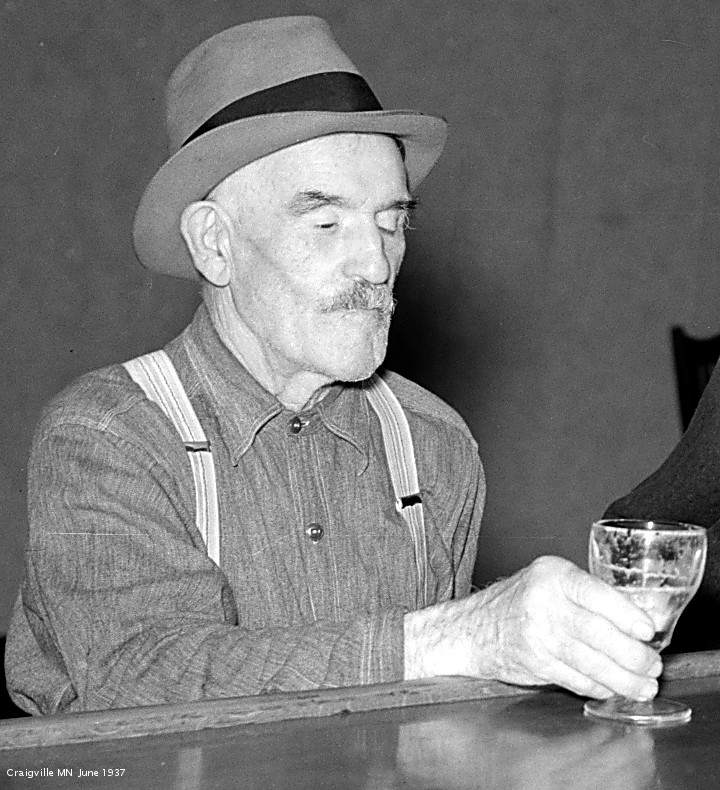
David Bowie is 76 today. Elvis is ageless. Betsy DeVos is unemployed. This Bowie tribute is a repost. Pictures are from The Library of Congress.
A webpage called CaptainsDead had a download of a David Bowie concert. (Here is another edition.) Most Bowie live recordings are pretty dull. While the Thin White Duke is renowned for his concerts, they tend to be live events, that depend on staging and costumes as much as music. This show, from 1974, is different. Focusing on material from “Diamond Dogs”, the sound he produces comes close to matching the studio sound.
The next move for Bowie in 1974 was the “white soul” sound of “Young Americans”. He is moving in that direction in this show, even while he lingers in the glitter apocalypse. This tour included a stop at the Fox Theater, the first Atlanta show for Mr.Bowie. On the way to Florida for the next show, the truck with the sets and costumes crashed into a swamp full of rattlesnakes. The show in Tampa was performed in street clothes.
Maybe it is time for a Chamblee54 tribute to David Bowie. It is six am, and PG has stumbled into a job. The time and energy required to write new material is not always available.
The first album by David Bowie that PG heard about was “Hunky Dory”. At the time, Mr. Bowie had generated some buzz by admitting that he fancies blokes, or some uber british expression for being queer. In time, this would be seen as more publicity stunt than brave confession. The RCA debut got some good reviews, but not much else.
The next year produced “Ziggy Stardust”, a concept album. At about this time he did a tour of the United States, with costumes and onstage antics that generated even more publicity. More and more people started listening, some in spite of his outrageous image, and quite a few more because of it. He broke up his band, the spiders from mars, and announced his retirement. The band, according to reports, learned about this while standing on stage behind him. Mr. Bowie, for all his genius, is not always a nice man.
In 1974 there was an album, “Diamond Dogs”, about the decadent urban life in the scifi future. A stage show based on this album…the source of the download mentioned above…marked a return to the concert stage. The next year gave us “Young Americans”, and the year after that “Station to Station”. Every year was a different sound and vision.
Meanwhile, the artist was not doing so good as a human being. According to all reports, he was doing mountains of cocaine. (There is a story of going to meet the parents of Ava Cherry, one of his girlfriends. He shows up at 3am, and does coke on the dining room table.) There was an interview in Playboy (or maybe it was Rolling Stone ) where the first thing he says is, don’t believe anything I say. He went on to say that he admired Adolf Hitler. Have we mentioned the physical appearance of David Bowie in 1975? He looked like he was dead, and nobody bothered to tell him. (By contrast, in recent photo collections of rock stars, Mr. Bowie looks pretty good for a man who is 69 yo.)
This was the era of Rocky Horror show. At one point, Riff Raff sings (Tim O’Brien wrote the show, and gave himself some darn good lines) Frank n furter, it’s all over, your mission is a failure, your lifestyle’s too extreme.I’m your new commander you now are my prisoner we return to transylvania prepare the transit beam While this may not have been directed at David Bowie, he took the hint.
We interrupt this David Bowie tribute with an emergency announcement. A person, reputed to be an entertainer, was seen using the n word on facebook. The screen shots have disappeared, and all we have is the word of the accuser. More details will be available as soon as anyone is interested.
David Bowie saw himself at a dead end, and possibly a dead life. He moved into a little apartment in West Berlin, on top of a garage. Brian Eno offered his assistance, and a series of electronic albums was the result. The next few years saw rock and roll, dance music, and finally, crap. PG bought a Bowie album in 1984, the first time he saw it on sale, and was immensely disappointed. The last David Bowie album that PG got was a free cd that was given to people buying a magazine.
Around 1981, MTV was born, and radio was suddenly obsolete. A visual artiste like David Bowie was a natural for video. Unfortunately, many of these videos are not available for embedding in blogs. Ashes to Ashes was a staple of early MTV. Boys Keep Swinging , off the “Lodger” album, is a return to the gender bender Bowie of younger days.
David Bowie continued to do tours, and PG got to see two of the shows. In 1987, something called the “Glass Spider Tour” came to the Omni. (In a later interview, it turns out Mr. Bowie was extremely unhappy during this tour, and close to suicide at some points.) The Glass Spider was this mass of lighting effects that hovered over the stage, and was used to best advantage during “Scary Monsters”. The show featured Peter Frampton on guitar, and had a pack of dancers. (One apparent female took her drag off during the finale.) A good time was had by all.
In 1990, another retirement tour came to the Omni. This one had movies projected on a screen behind the stage, and featured guitar hero Adrian Bellew. The night had the feel of a contractual obligation. David Bowie is too professional to give a bad show, but this one did not have the fire of “Glass Spider”. PG had a new set of contact lenses, and his eyes were painfully dry most of the night.
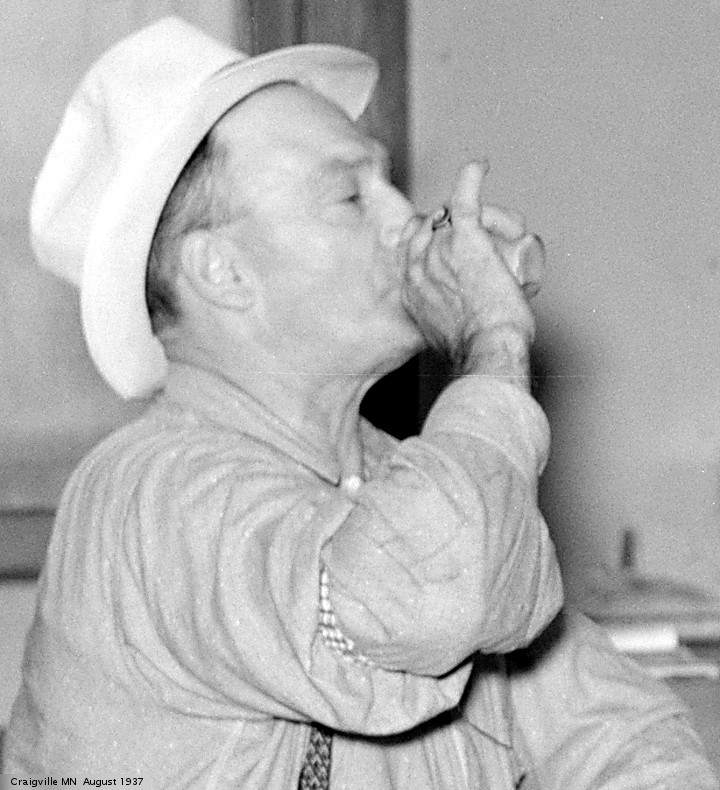
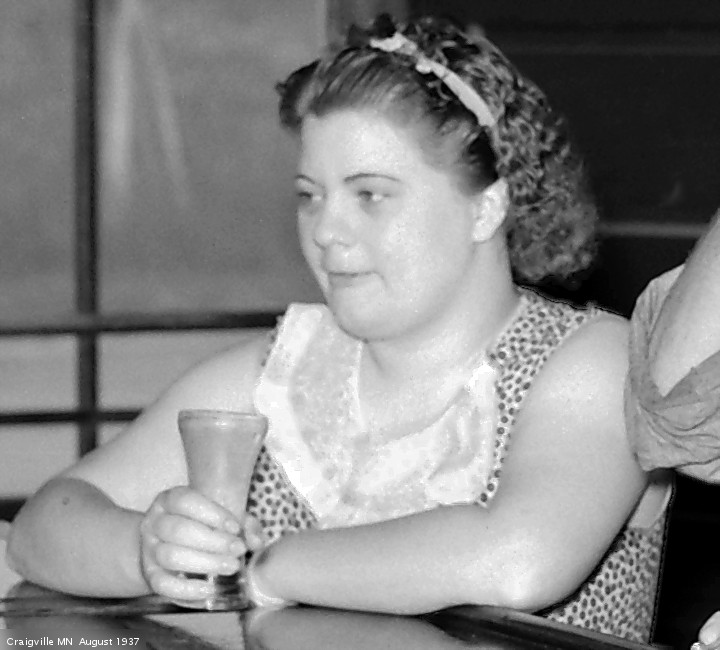

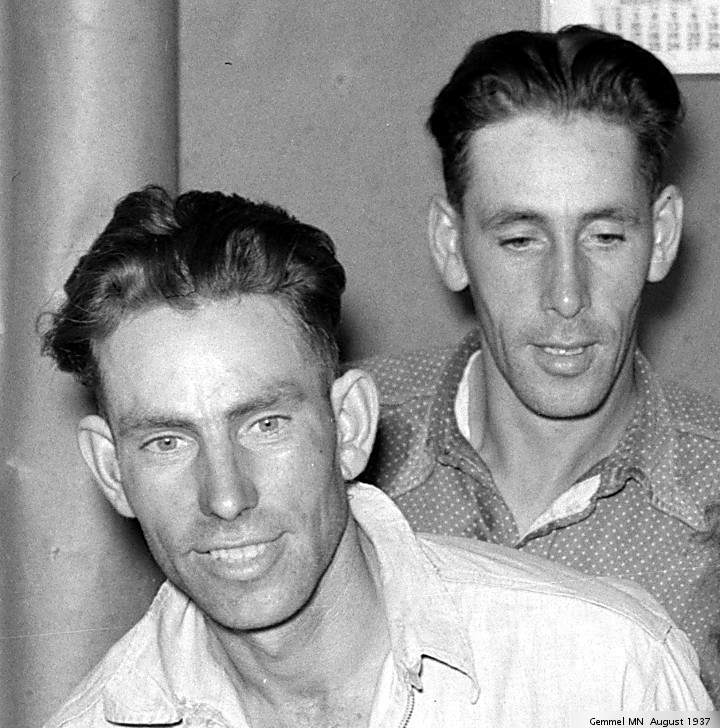
Joni Mitchell
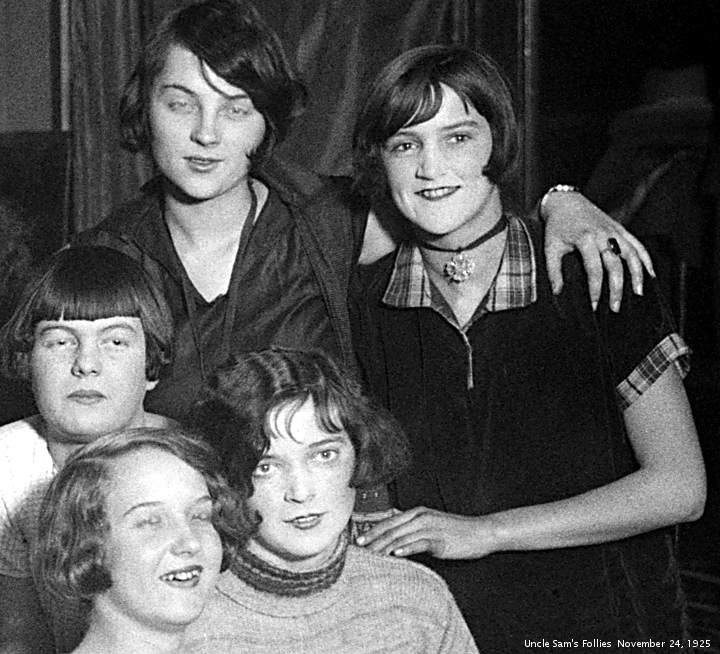
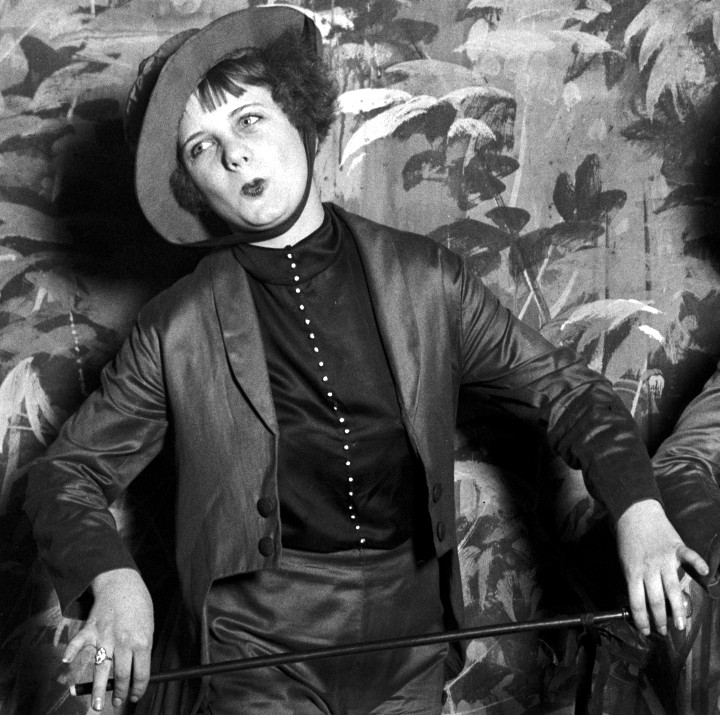


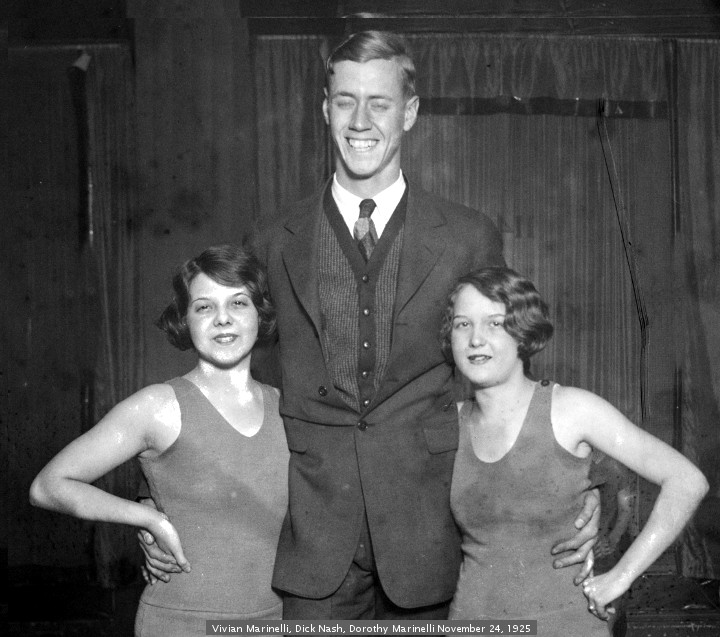
Monday is Joni Mitchell’s 79th birthday. Roberta Joan Anderson was born November 7, 1943, in Fort Macleod, Alberta. For this birthday tribute we will revisit four previous posts. one two three four Pictures are from The Library of Congress. … A facebook friend went on a Joni Mitchell kick. First it was a link to an interview. Then it was a quote from The Last Time I Saw Richard. A lady said Blue was her favorite album all all time, and a man enthusiastically agreed.
Given the apples and oranges quality of her catalog, it would be tough to pick one album as a favorite. PG then realized that fbf was going to be thirty soon. PG is sixty. These are two different perspectives on the craft of Joni Mitchell. One has driven through the storm, not knowing what was next. The other is presented with an almost complete body of recorded work.
PG has known about Joni since high school, and been a devoted fan since 1976. Joni’s most popular album, Court And Spark, came out in 1974, eleven years before fbf was born. Who would be the equivalent female musical force from 1943, when PG was minus eleven? The answer is nobody. (Coincidentally Roberta Joan Anderson was born on November 7, 1943.)
 After the comment about Blue, PG listened to For The Roses. Joni’s craft is like a cluster bomb… there are lines that you never fully felt, bomblets waiting to explode in your gut. Let The Wind Carry Me has one of those hidden threats. Mama thinks she spoilt me, Papa knows somehow he set me free, Mama thinks she spoilt me rotten, She blames herself, But papa he blesses me.
The first thing PG heard by Joni was Big Yellow Taxi. It was on The Big Ball, a 1970 mail order sampler from Warner Brothers. This was when Joni shacked up with Graham Nash. The next year saw Blue, followed by For The Roses, and Court And Spark. PG always thought Joni was someone he should like, but somehow didn’t. It wasn’t until 1976 that PG broke through the barrier, and became a Joni Mitchell fan. Seeing her in concert did not hurt.
On February 3, 1976, PG took a study break. (He scored 100 on the test the next day) Joni Mitchell was playing at the UGA coliseum a few blocks away, and the door was not watched after the show started. PG found a place to stand, on the first level of the stands. The LA express was her band that night, and created a tight, jazzy sound, even in the UGA coliseum. Tom Scott pointed at Joni, said she was crazy, and drew circles around his left ear. The one line PG remembers is “chicken scratching my way to immortality” from Hejira.
The Hissing of Summer Lawns might not be her best album, but it is certainly her bravest. Court And Spark was a commercial success. Instead of producing a bestselling followup, Joni took a ninety degree turn. Summer Lawns, for all its eccentric sparkle, confused the record buying public. The gravy train took off in another direction.
In those days, 96rock played a new album at midnight, which people were known to tape. On the night of the Lynyrd Skynyrd plane crash, the album was Hejira. This was followed by Mingus, another curve ball. Finally, Don Juan’s Reckless Daughter appeared, and did not make a good impression.
The eighties, nineties, and aughts appeared. PG, and Joni, lived their lives. 1996 saw a frightening interview in Details magazine. It was startling to see that for all her granola glory, Joni Mitchell might not be a very nice person. In a pot and kettle moment, David Crosby said “Joni’s about as humble as Mussolini.” Music is a tough way to make easy money.
More recently, there was a long interview on Canadian television. She is not mellowing with age. The cigarettes have not killed her, even if her voice is not what it once was. The recent albums that PG heard are strong. There seem to be more on the way. Maybe the facebook friend will have have the “what is she going to do next” experience after all.




A few weeks ago, PG was at the library. He had a story to take home, before going over to the biography section. There he found Reckless Daughter: A Portrait of Joni Mitchell. At least with fiction, you know you are dealing with a made up story. With biography, you have to use judgment.
It is a familiar story. Joni was born in the frozen north, was a rebellious girl, and got pregnant. She gave up the daughter for adoption, only to be reunited many years later. Joan Anderson gets married to, and divorces, Chuck Mitchell. Joni sings, writes, tunes her guitar funny, becomes a star, gets too weird to be popular, makes and loses money, smokes millions of cigarettes, and becomes an angry old lady. There is a bit more to the story than that. Reckless Daughter fills in a few of the blank spots.
Millions of cigarettes might be an exaggeration. Joni started smoking when she was nine. When she was a star, she was almost as well known for her constant puffing as her pretty songs. When Joni was in a Reagan era slump, she was going through four packs a day. Just for the sake of statistics, lets call it two packs, or forty fags, a day. Multiply forty by 365 and you get 14,600. If she started at 9, and had her aneurysm at 72, that gives you 63 years of nicotine abuse. If you assume that there were forty fags a day for 63 years, that gives you 919,800 smokes. IOW, while seven figures is not out of reach, it is rather unlikely that Joni smoked more than 2,000,000 cancer sticks.
The author of Reckless Daughter, David Yaffe, is a problem. He talks about the mood of America in 1969, four years before he was born. Mr. Yaffe goes to great lengths to show us that he knows about making music. Some readers will be impressed. There are mini-essays on Joni songs from her golden years, the time between “Ladies of the Canyon” and “Hejira.” And gossip, gossip, and more gossip. Joni is well known for her celebrity lovers.
We should make the point that PG enjoyed Reckless Daughter. The inside stories are fun, and pages turn over without too much head scratching. Maybe this is a statement about the career of Joni Mitchell. You enjoy the music for many years, and then complain about the details. Reckless Daughter follows the trajectory of other celebrity biographies. The star is born, takes up a craft, gets a break, becomes successful, goes over the mountaintop into a long decline. With Joni, nothing after “Mingus” was well received. The chanteuse was broker, and angrier, by the minute.
On page 13, Joni hears Rhapsody on a Theme of Paganini by Sergei Rachmaninoff. This is the piece that makes her want to be a musician. One page 129, we learn the story of A&M studios in Hollywood. At one time, The Carpenters were in studio A, while Carole King was recording “Tapestry” in studio B. Joni was recording “Blue” in studio C, which had a magic piano. One time, Carole King learned of a break in the studio C booking, and ran in. Three hours later, “I feel the earth move” was recorded.
A few years later, Joni was on the Rolling Thunder tour with Bob Dylan. One of the concepts was support for Rubin “Hurricane” Carter, whose story can be found elsewhere. Joni became disillusioned with Mr. Carter. When Joan Baez asked Joni to speak at a benefit concert, Joni said she would say that Mr. Carter was a jive ass N-person, who never would have been champion of the world. Joni later got in SJW trouble for posing in blackface, for the cover to “Don Juan’s Reckless Daughter.”
On page 251, we learn that Bob Dylan does not dance. Other items include “Free man in Paris” being written about David Geffen, and Jackson Browne writing “Fountain of Sorrow” about Joni. Mr. Brown is a not-well-thought-of ex of Joni. As for Mr. Geffen…. Joni stayed at his house for a while, at a time when Mr. Geffen was in, and out, of the closet. Did they make sweet music together?
So this book report comes to an end. Joni is recovering from a brain aneurysm, and will probably not produce anything else. The book is going back to the library, and PG will move on.
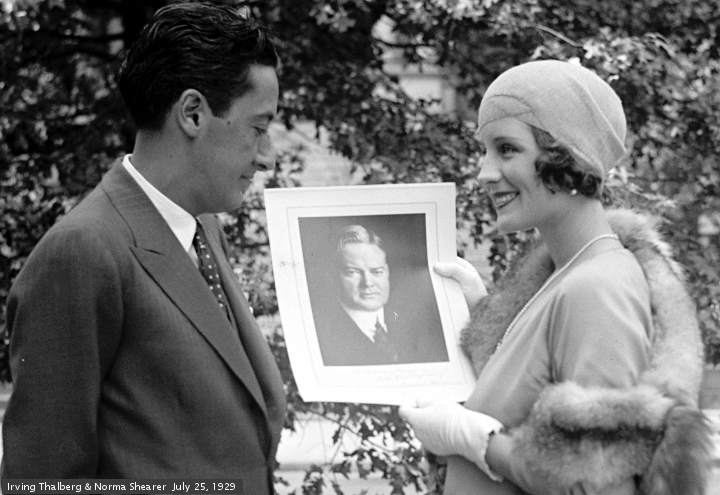
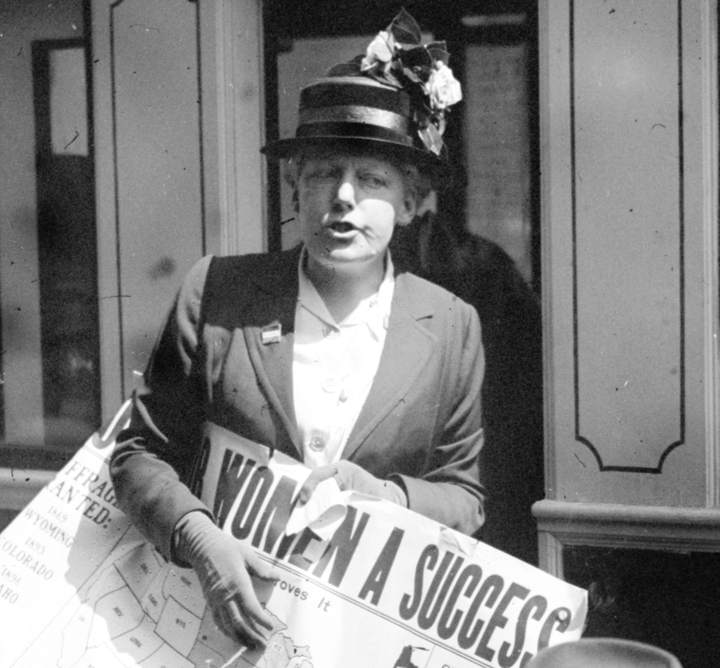
Joni Mitchell has product to promote. She gave an interview to New York magazine, where she smoked a few cigarettes and expressed a few opinions. There were enough attention getting comments to make the news.
“When I see black men sitting, I have a tendency to go — like I nod like I’m a brother. I really feel an affinity because I have experienced being a black guy on several occasions.” She proceeds to tell a story about dressing like a down and out black man as a way of dealing with an obnoxious photographer. “I just stood there till they noticed me. I walked really showily, going, Heh heh heh. It was a great revenge. That was all to get his ass. To freak him out. I had to keep him on the defensive.”
Gay-mafia-made-man David Geffen was a target. “I ask her about a painting, visible in a vestibule, on the way to her laundry room, of a curly-haired man with a banana lodged vertically in his mouth; turns out it’s Geffen, and she painted it. “Before he came out. He’s never seen it,” she says, before explaining: “He was using me as a beard. We were living together, and he’d go cruising at night. He was very ambitious to be big and powerful, and he didn’t think he would be [if he was openly gay].” By 1994, the two had fallen out over her insistence that he didn’t pay her enough in royalties.”
The product is a four cd boxed set, Love Has Many Faces: A Quartet, A Ballet, Waiting To Be Danced. There was a single one star comment about the joniproduct. Al Norman Seems like a collection of Joni’s forgettable tunes February 3, 2015 ~ “My wife loves Joni Mitchell, and never listens to this set. Seems like a collection of Joni’s forgettable tunes.” This comment was sponsored by Head and Shoulders. “100% flake free hair & A GREAT SCENT”
You just can’t get away from capitalism. Ms. Mitchell heard “… on the radio, a record executive “saying quite confidently, ‘We’re no longer looking for talent. We’re looking for a look and a willingness to cooperate.” As interviewer Carl Swanson notes, “For now, she’s hoping that people buy her boxed set, with her self-portrait on the cover. To that end, she gives me a Joni Mitchell tote bag with one of her paintings on it to carry my things home in. Get the word out.”


Joni Mitchell gave am interview recently to a Canadian Broadcaster. She is famously Canadian. The chat was in her California living room, which is littered with her paintings. Many of the paintings are things like Saskatchewan at forty below. Mrs. Mitchell alternates between painting and music, which tend to balance her cigarette fueled mind.
The CBC interview is paired with a more formal chat in Toronto. She could not smoke during the Toronto interview. The Toronto interviewer is just a bit smarter than Jian Ghomeshi, who endured the second hand smoke in California. Mr. Ghomeshi said things like “The song “Woodstock” defined a generation.” Mrs. Mitchell was in a New York City hotel room that famous weekend.(Spell check suggestion for Jian Ghomeshi: Joan Shoeshine)
There are some juicy quotes. Art is short for artificial. When listening to Joni songs, you should look at yourself, and not at her. Free love was just a gimmick for the men to get laid. False modesty is pointless. Sylvia Plath was a liar, or maybe it was Anne Sexton. (James Dickey said that Sylvia Plath was the Judy Garland of American letters.)
A fearsome foursome gets in the game. Someone screamed, on a live album. “Joni, you have more flash than Mick Jagger, Richard Nixon, or Gomer Pyle combined!.” Years later, the fan introduced himself to Mrs. Mitchell.
The conversation mentioned Bob Dylan. He is from Northern Minnesota, and not quite Canadian. Apparently, Mrs. Mitchell kicked up a fuss with some comments in 2010. ” Bob is not authentic at all. He’s a plagiarist, and his name and voice are fake. Everything about Bob is a deception. We are like night and day, he and I. … Grace [Slick] and Janis Joplin were [sleeping with] their whole bands and falling down drunk, and nobody came after them!”
Did Bob Dylan and Joni Mitchell ever tune up together? Joan Baez, a similarly named contemporary, is well known for dating Mr. Zimmerman. Ms. Baez did sing at Woodstock.
Mrs. Mitchell doesn’t exactly take back her comments about Bob Dylan. ““I like a lot of Bob’s songs, though musically he’s not very gifted. He’s borrowed his voice from old hillbillies. He’s got a lot of borrowed things. He’s not a great guitar player. He’s invented a character to deliver his songs. Sometimes I wish that I could have that character — because you can do things with that character. It’s a mask of sorts.”
In a kill the messenger moment, Mrs. Mitchell lashed out at the interviewer from the 2010 piece. It is odd, since he didn’t ask any trick questions. Black and white transcripts are tough to deny. “The interviewer was an asshole.” (The body part is bleeped.) “I hate doing interviews with stupid people, and this guy’s a moron” “His IQ is somewhere between his shoe size and (unintelligible)”.
The troublesome 2010 interview was conducted with John Kelly, a Joni Mitchell tribute artist. “JK: Drag does have a power, though — that netherworld of a thing you can’t quite know, which makes people nervous. JM: Drag wasn’t always counterculture. In his memoirs, Nixon talked about the Harvard and Yale men in power who would put on these plays where they dress like women, and Milton Berle did a kind of “hairy drag.” Becoming a gay thing made drag go underground.” Did Mick Jagger and Gomer Pyle ever do drag with Richard Nixon?
The Velvet Warlocks


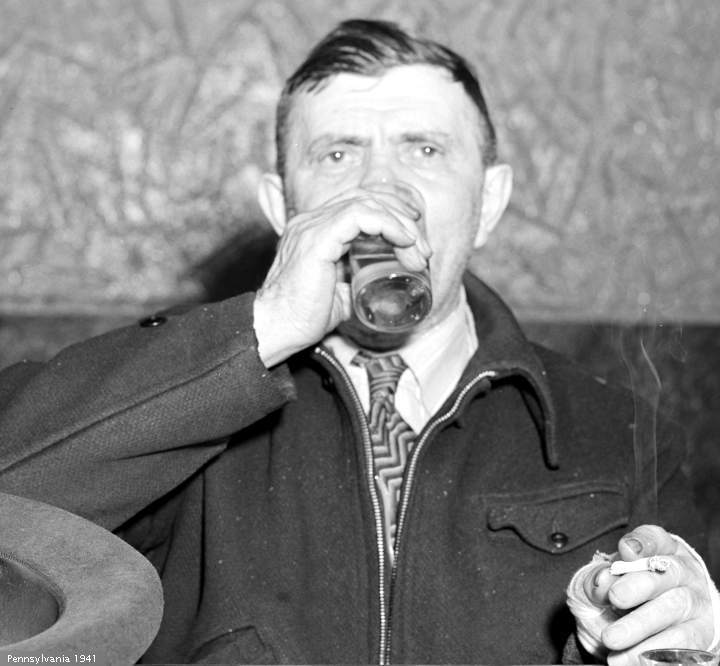

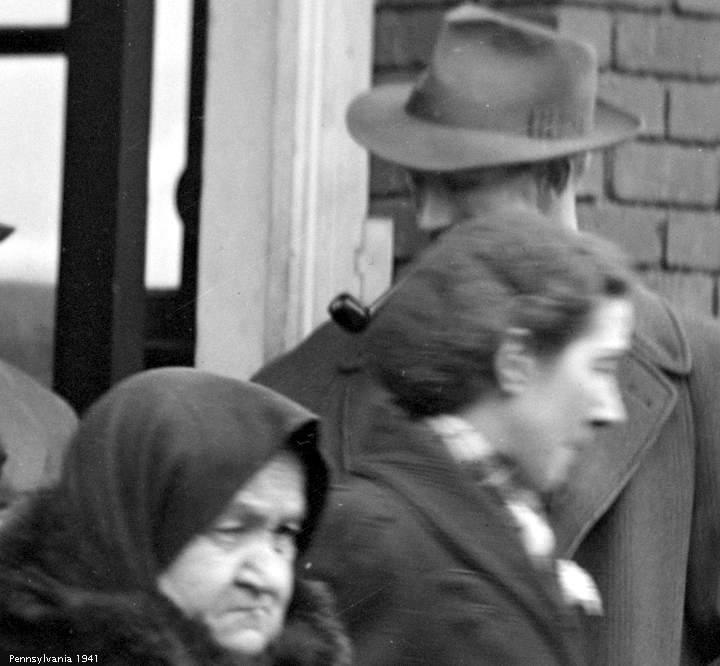
PG was listening to disgraceland episode#64, about the grateful dead. He was at a stopping point with multi tasking, and decided to look something up. The show mentioned the first show by the warlocks, later known as the grateful dead. This was 50 years before “dead name” was a dirty word.
“On May 5, 1965 ‘The Warlocks’ … played their first show, at Magoo’s Pizza Parlor in Menlo Park, California” This was the day before PG turned 11. Lyndon Johnson was settling in for his elected term as President. The Braves were playing their lame duck season in Milwaukee. Combat troops had been in Vietnam for a little over two months. This was the start of the escalation. “By the end of 1965, more than 184,000 American troops were in Vietnam.”
Multi tasking is full of pitfalls. Whenever there is a break, you are tempted by facebook and twitter. Like this tweet: “The audio excerpt in this article is incredible: Part of a multi-movement work called “PASSOVER” by Rick Burkhardt. Musicians speak while playing, seated around a dinner table. From the collective @ensemblethingNY” The answer is to make a note of the link. Maybe you go back later and listen. Maybe you don’t. The focus should be on the first entertainment/chore. The dg-gd episode has a half hour to go. UPDATE The audio excerpt is pretty good. It is under seven minutes long. People of a certain age may feel old while listening to it.
At 27:44, dg-gd dropped an item that could not be ignored. The warlocks had to find a new name. Someone else was called the warlocks, and there were complications. It seems as though the warlocks … a pretty obvious name … was also an early name of the velvet underground. Other early vu names included the primitives and the falling spikes.
“When they (vu) finally did come across a name which stuck, it was thanks to a contemporary paperback novel about the secret sexual underworld of the 1960s that Tony Conrad, a friend of John Cale, happened across and showed to the group. The novel, written by Michael Leigh, remains in print most likely thanks to the band which appropriated its title.”… “Had Lou Reed and John Cale not seen a copy of this book in a New York City gutter (fittingly) and decided to use its name for their group, this little volume would have been justly forgotten. Written in a style which titilates while decrying the scene it describes, it’s a piece of blue-nosed junk.”
The rest of the show rolled on. Jerry stuck his finger in a dictionary at random, and found grateful dead. It was the name of a story. The band played at the acid tests, which mostly went well, until they did not. Pigpen drank rotgut to excess, until it killed him.
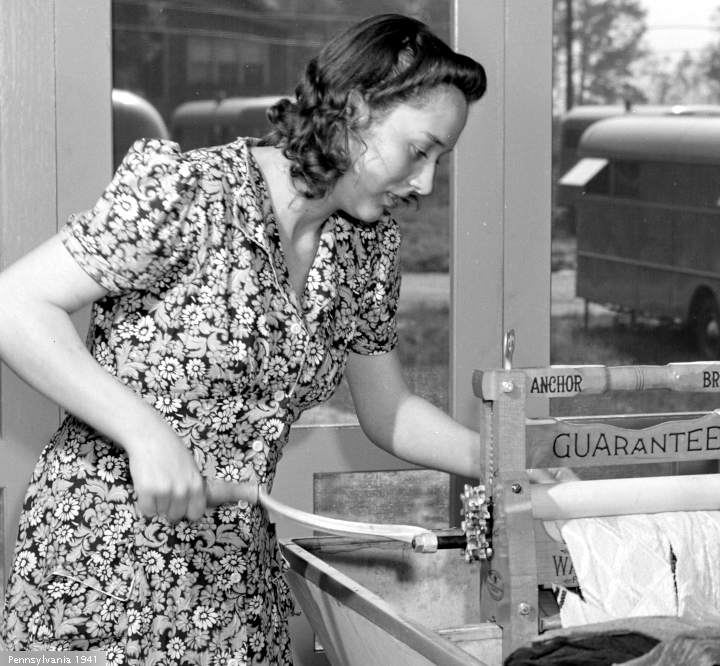
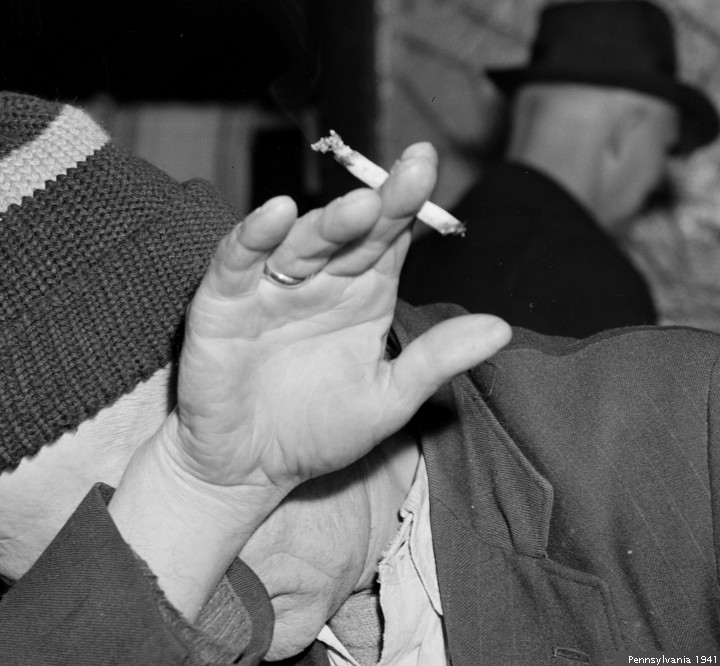
PG was editing pictures out of a folder labeled pa41. The images were shot by John Vachon,in June 1941. The last picture, while the 27 club end of Pigpen played over the speakers, was Women washing clothes in utility building at FSA (Farm Security Administration) trailer camp. Erie, Pennsylvania. Another picture, from January 1941, is Pinochle game in Czecho-Slovak Dramatic Club. Ambridge, Pennsylvania. Both pictures are included in this feature. This is a repost from 2020.






The B-52s

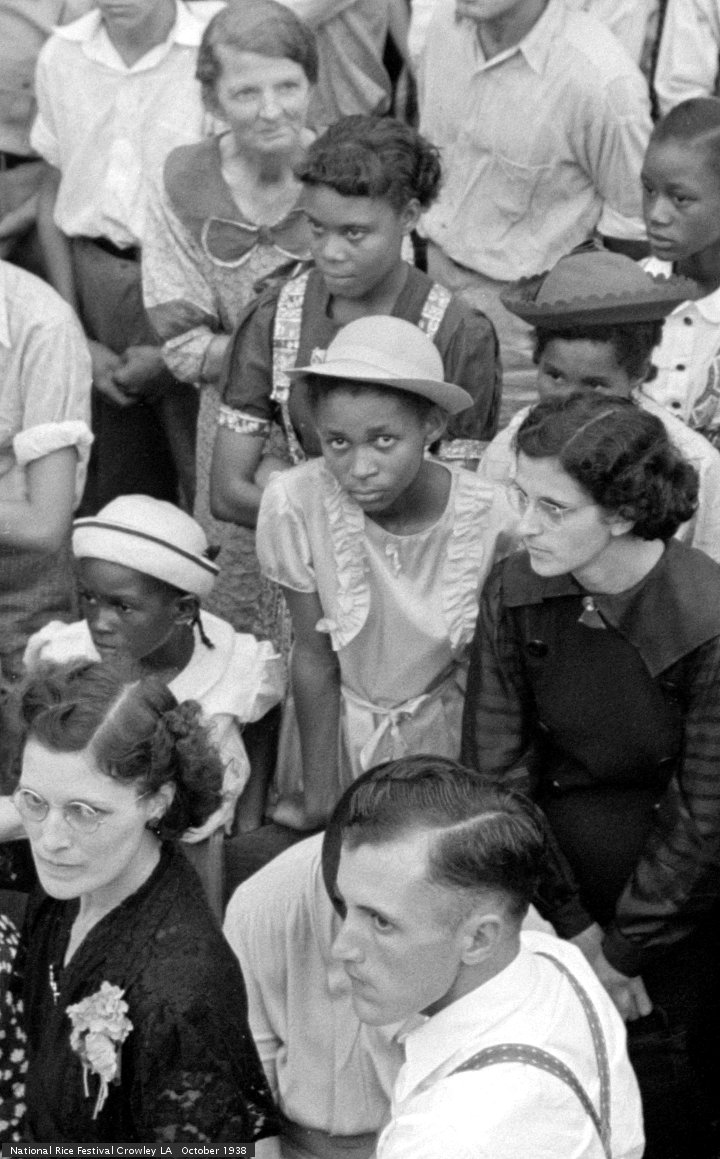


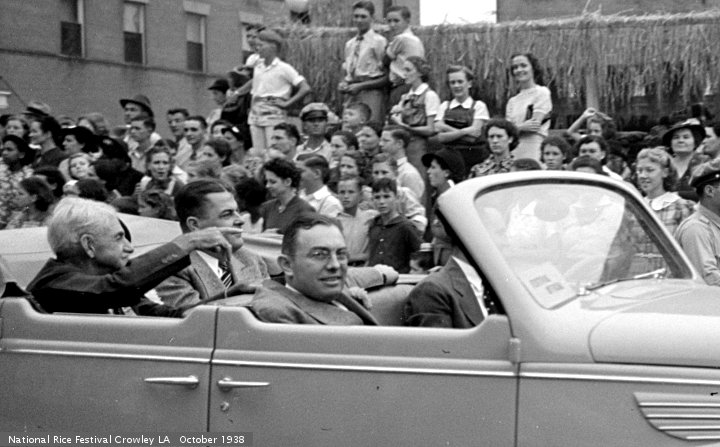

There used to be a chinese restaurant, on the Atlanta Highway, called Hunan House. One night, a few people shared a flaming volcano, and formed a band. The b52s played their first show at a valentines day party in 1977. They were named for a bouffant hairstyle.
The b52’s were Ricky Wilson, his sister Cindy, Kate Pierson, Fred Schneider III, and Keith Strickland. The Wilsons and Mr. Strickland were from Athens. Miss Pierson and Mr. Schneider were from New Jersey. Planet Claire was the ancestral home.
Fred had lived in Atlanta before he moved to Athens. He stayed in an apartment on Monroe Drive, across from S&M clutch and brake company. PG knew some of his neighbors, and once rested his feet on a rug, formerly owned by Fred Schneider.
Somebody had connections, and The b52’s were playing shows in New York before long. They released a 45 on db records, “Rock Lobster” and “52 girls”. The first of the girls mentioned…there are only 23 named…is Effie. There was a famous whorehouse in Athens named Effies.
One night, they played a show at the Big Dipper, on Ponce de Leon Avenue. The Big Dipper was a former Maryland Fried Chicken, and is now something else. After the show, either Kate or Cindy was in the parking lot, talking to a local character named Beulah. As was his way, Beulah was talking about Mick Jagger this, Mick Jagger that. Finally, Kate had enough. “Fuck Mick Jagger. One day Mick Jagger will come see me, me, me.”
The b52’s were a fun band. Ricky had an unusual style on guitar, and Kate played a farfisa organ. The girls always wore big hair wigs. Fred was somewhere up front singing.
On Labor Day, 1978, PG saw the b52’s in Piedmont Park. There was a third girl that day, Wendy, who wore an inflatable beach float, and danced. The only songs PG is sure they did were “Downtown” and “Rock Lobster”. A few months later, PG saw the b52’s at the Agora ballroom. The Brains opened.
Sometime in late 1979, the eponymous first album came out. It became a hit, with dance clubs all over playing “Planet Claire”, “Dance this mess around”, and “6060-842”. In the summer of 1980, PG talked with a former Athenian in a hostel in Cannon Beach, Oregon. He mentioned that Cindy was the only heterosexual in the band.
The years went by, and more albums were released. On October 12, 1985, Ricky Wilson died of AIDS. He is buried in Oconee Hill Cemetery, behind Sanford Stadium in Athens. He sold bus tickets at the Greyhound station in downtown Athens before he hit the bigtime.
The band continues to this day. At some point, “Love Shack” was released, and became a hit. It is probably the best known b52’s song today. This is a repost. Pictures are from The Library of Congress.

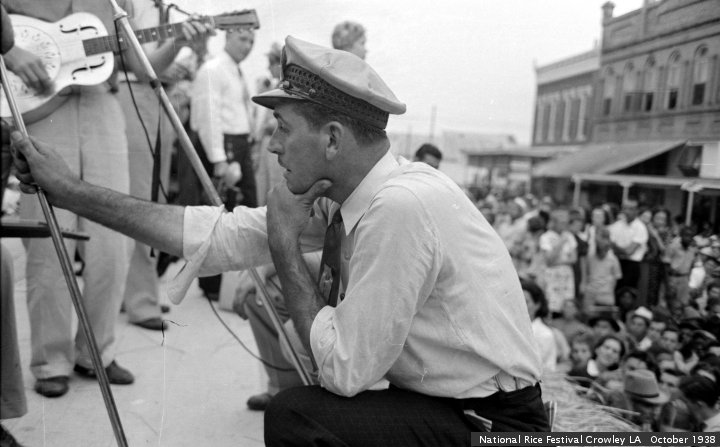


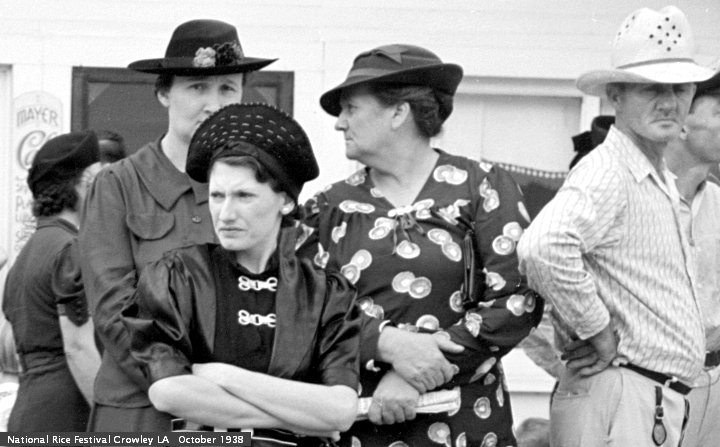

Annabelle
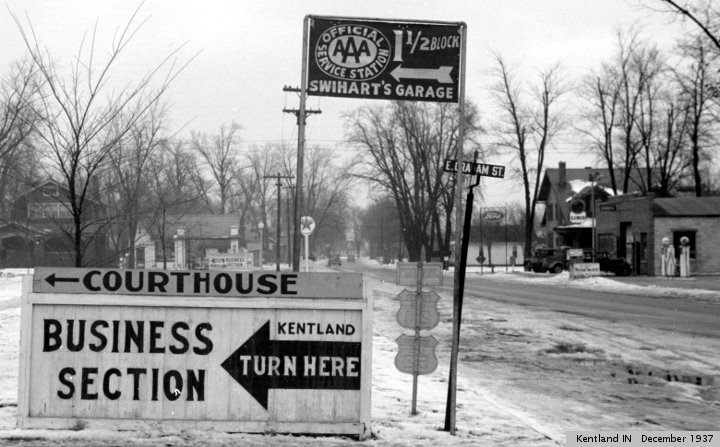
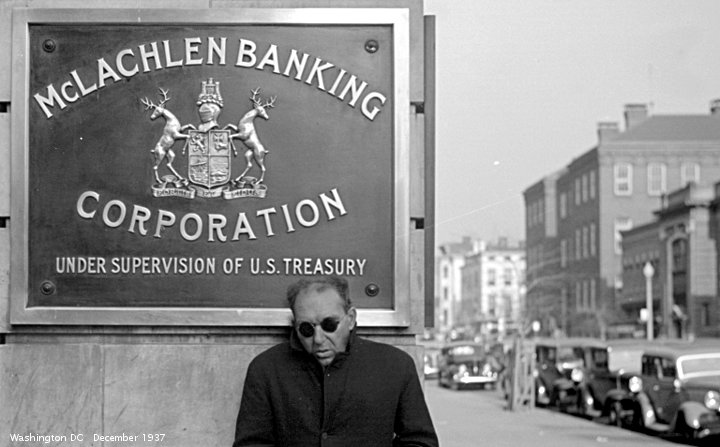
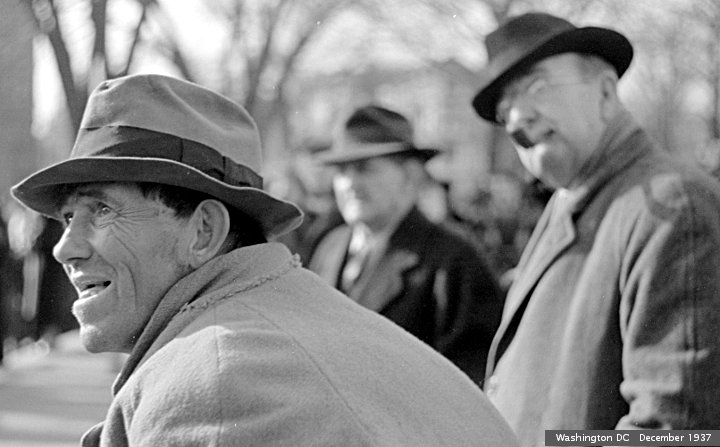
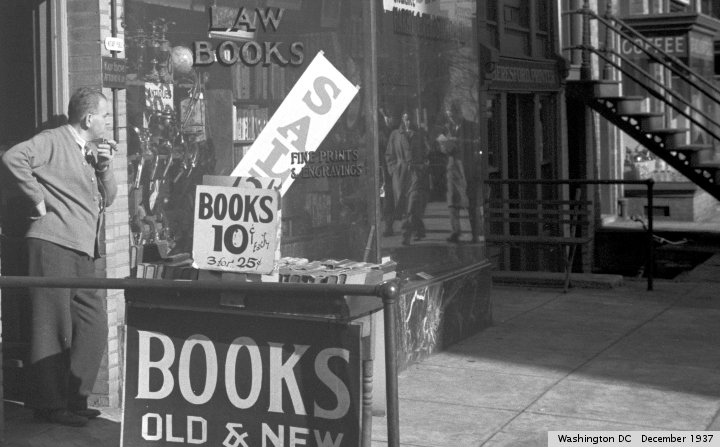
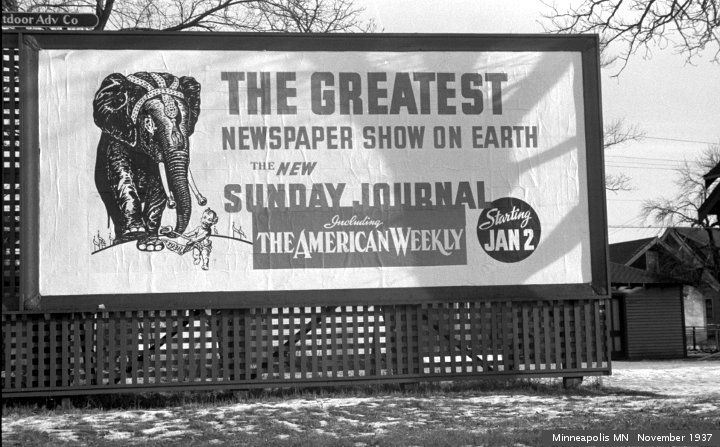
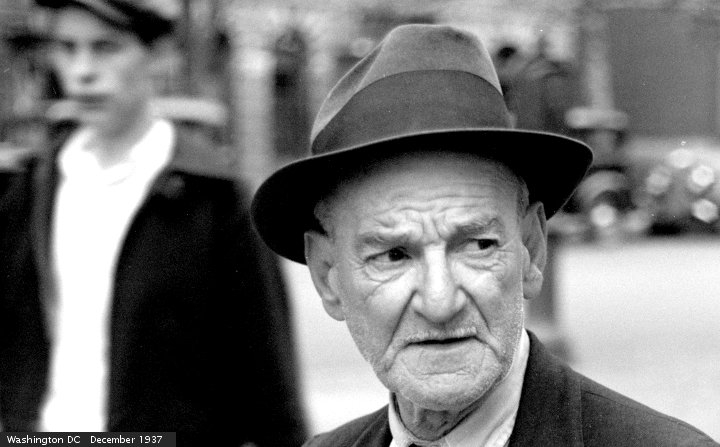

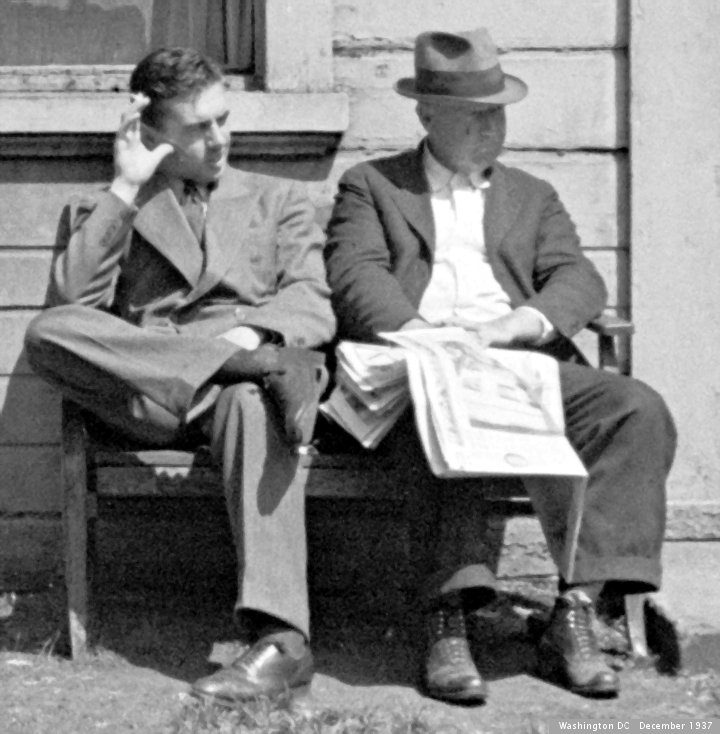
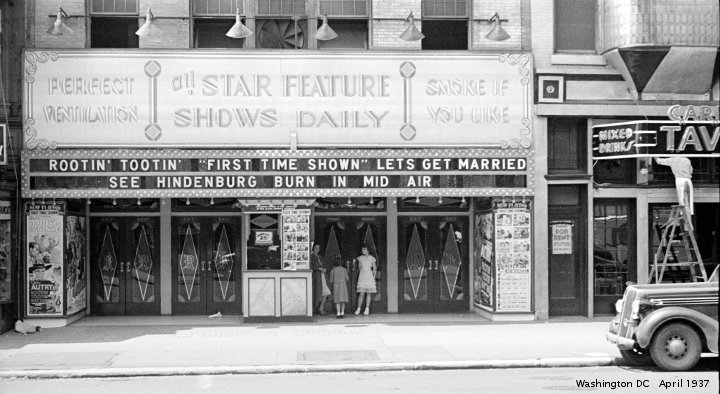

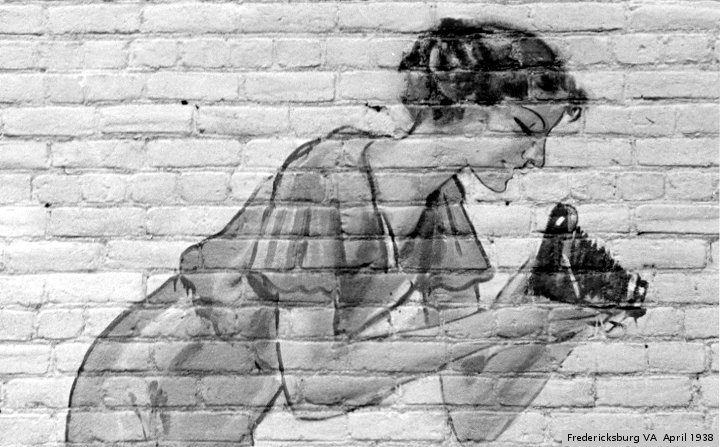
Annabelle is a song by Gillian Welch and David Rawlings. It is quite lovely. Annabelle is the daughter, and the one bright spot in a hard life. This life of toil lasts until we “go to Jesus.”
PG has had a tough time with Jesus. Rudeness, disrespect, verbal abuse, and humiliation have been landmarks on the journey. When you don’t agree with the plan for life after death, you wonder if the bad parts of Jesus are worth it. To PG, the negatives overwhelmingly outweigh the positives. Just hearing a passing reference to Jesus can set him to brooding.
This morning, PG wondered if it was always going to be like this. When people talk/sing/act out for Jesus, is it always going to remind him of the pain? The Jesus worshipers have so much fun making noise, that they scarcely notice the discomfort of others. They usually don’t care.
PG has found Jesus, in the words and deeds of his believers. It has been one of the worst experiences he has known. When you decide that Jesus was killed for being a trouble maker, and his death has nothing to do with what happens to you when you die … it takes away the justification for the abuse. Maybe one day there will be no Jesus, and PG will know peace.
This is a repost. Pictures from The Library of Congress.


Bob Dylan




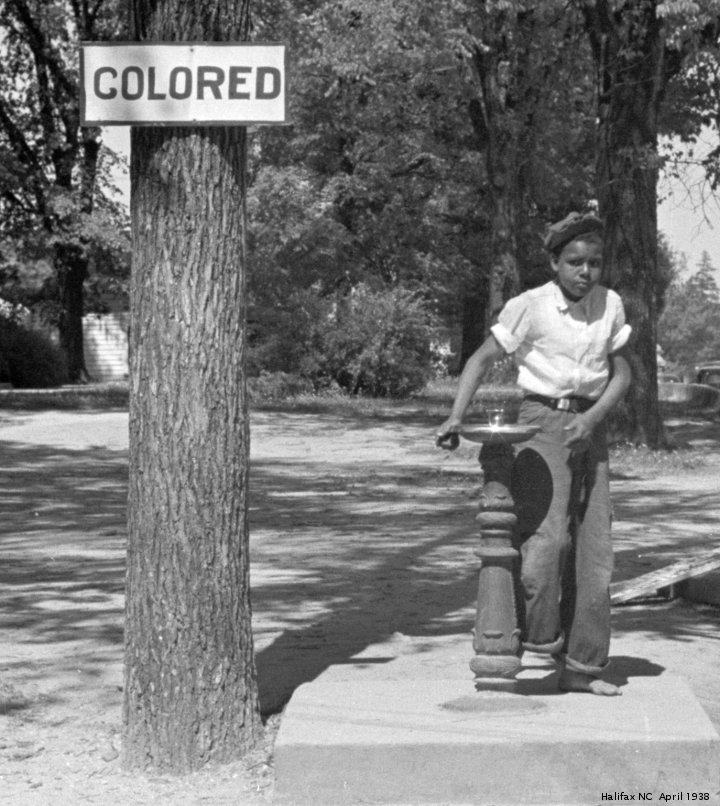
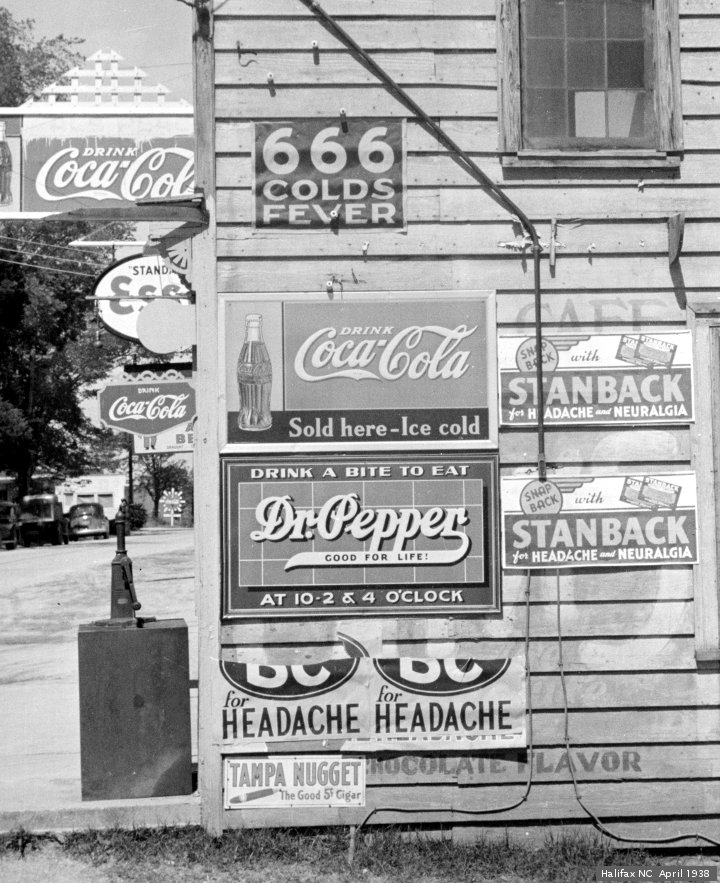
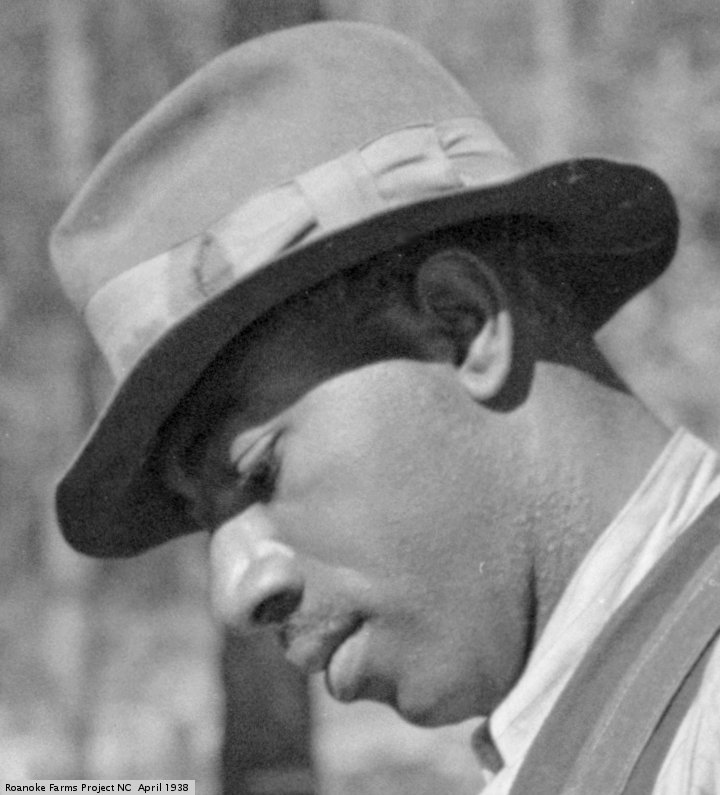
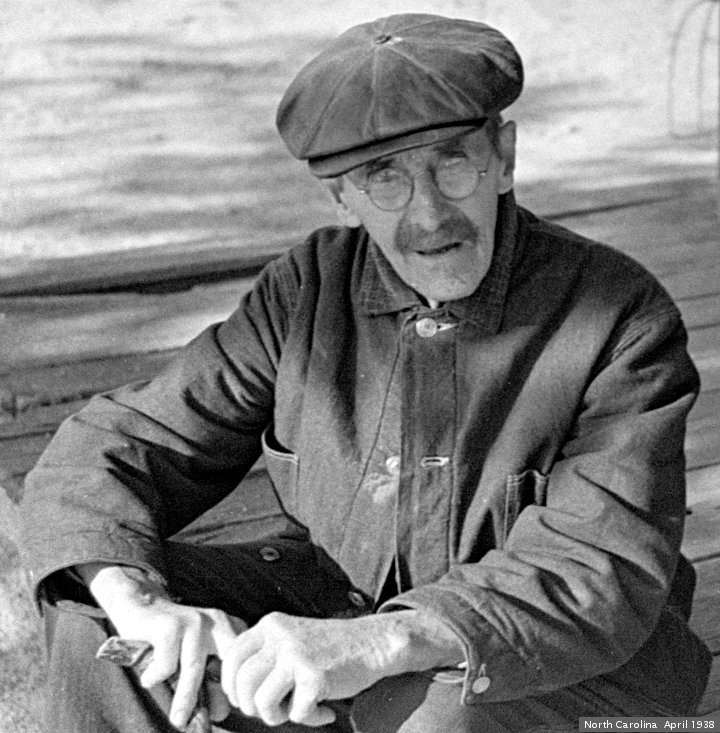
This is a repost. Pictures are from “The Special Collections and Archives, Georgia State University Library”. Today is Bob Dylan’s eighty first birthday. This tribute is composed primarily of three previously published pieces of work. Some people think Bob Dylan is a piece of work.
This compendium was assembled in 2016. On David Bowie’s in 2016, PG created a computer playlist, and assembled a few blog posts into a birthday celebration. Three days later, David Bowie was dead. PG decided to do the same thing to Bob Dylan on his birthday. Instead of dying, Bob Dylan won the Nobel prize. A similar effort on RuPaul’s birthday had no effect on the performer.
It was a late may morning in Atlanta GA, and a slack blogger was searching his archives. Yes, Issac Asinov never got writers block, and when he wasn’t going to the bathroom he was typing, but that is a lifestyle choice. Easy writing makes tough reading. So, anyway, in the may archive for 2011 there was a post about Bob Dylan’s seventieth birthday. People were taking bets on whether he would make it to thirty, and here he is at seventy nine.
Hibbing MN is a cold place. At least it can claim to be the birthplace of Robert Allen Zimmerman. That’s Allen, with an e, and double L, just like hell. The original initials were RAZ, which might be a good trivia question, or, with a silent W in front, radio station call letters. The problem is, he legally changed his name to Bob Dylan, with no known middle name. Those initial are BD.
On May 24, 1941, the curly haired wonder boi arrived. The world was a different place. Europe was in flames, and eyeing the young men of America as fresh cannon fodder. This was twelve years, eleven months, and eighteen days before PG graced the planet. A twelve year old in Hibbing MN would have no reason to think of a newborn baby in Atlanta GA.
The first time PG heard of Bob Dylan was probably at the record rack of Zippy’s dime store in Cherokee Plaza. There was an album of his greatest hits, and it came with a poster. The poster had a drawing of the man, with psychedelic waves of hair cascading in multi colored glory to the edges. PG never did buy the LP.
The former Mr. Zimmerman was never big on top 40 am radio. Somebody somewhere was getting a headache over those lyrics, but Atlanta GA was not somewhere in those days. By this time, Mr. Dylan had crashed his motorcycle, and gone into hiding. As the counter culture exploded (if only someone had disinfected that counter) the curly haired poet was in hiding, the subject of much speculation. At one point, people were stealing his garbage, and claiming to find evidence of investment in munitions firms. The neoscience of Dylanology continues to this day.
As PG got older and stupider, he heard more and more Bob Dylan music. In the summer of 1972, there was a performance at the Concert for Bangladesh. A couple of albums released during this era sucked, and some people stopped caring about Bob Dylan.
At the start of 1974, a tour was announced. The Band was to be the backing group. The circus came to the Omni, and PG got some of the mail order tickets. He couldn’t find anyone to use the second ticket, and sold it to a stranger outside the arena.
The show was nothing special. Bob Dylan excels at writing, is ok in the studio, and blah on stage. Georgia Governor Jimmy Carter was at the show, and was said to look bored. Mr. Dylan was invited to the Governor’s mansion after the show, and talked to the Governor. A lot of people in Georgia were surprised that Jimmy would want to run for President.
As the Seventies went me me meing into sex and drugs oblivion, Bob Dylan regained both his writing touch, and love of the spotlight. The Rolling Thunder tour happened, he got back together with Joan Baez, divorced his wife, became born again, became more Jewish, counted money, and generally lived the life. PG did his own version of all that, without Joan Baez or being circumcised again.
In the winter of 1991, America was consumed by war fever. Saddam Hussein had been elevated to next Hitler status, and had to be taught a lesson. One night, Bob Dylan played on a music awards show, and performed “Masters of War”. He played a discordant version of that ditty, with the result that few understood what he had said. By this time, Mr. Dylan had assembled a band, and gone out on the “Never Ending Tour”. A Bob Dylan concert had gone from being a special event, to being another name on the festival roster. Overexposure will do that.
On the last night of the Olympics in 1996, Bob Dylan played the House of Blues downtown. PG won a pair of the $80 tickets in a radio station contest. It was his only trip downtown during the games, and had to wait in a security line to get into Centennial Olympic Park.
The only celebrity, other than Mr. Dylan, seen at the House of Blues that night was Bill Walton. The band was competent…they impressed PG as being like a bar band that did a lot of Dylan songs, with a strangely authentic lead vocalist. The sound in the room was not good, at least in the spot where PG stood. The only song he recognized was “All along the Watchtower”, the Jimi Hendrix classic. Mr. Dylan got a cheer when he put his harmonica appliance on.



The aptly named dangerousminds has a link to a story about the recording of Blonde on Blonde, by Bob Dylan. It only happened once.
Bob Dylan was 24 years old, newly married, and had “sold out” i.e. started to play electric guitar. A bunch of Canadians known as The Hawks (later The Band) was touring with him. Barely a month after the release of “Highway 61 Revisited”, sessions started at a New York studio.
The New York sessions did not work, so a decision was made to go to Nashville. Al Kooper played organ, and served as a music director. A crew of Nashville players was recruited. A bass player named Joseph Souter, Jr. would become famous a few years later using the name Joe South. Kris Kristofferson was the janitor at the studio.
Most studios have bafflers, or sound proof room dividers, splitting the studio into cubicles. For these sessions, the bafflers were taken down, and the band played together as a unit.
The second session in Nashville started at 6pm and lasted until 530 the next morning. Mr. Dylan was working on the lyrics to “Sad eyed lady of the lowlands”, and the recording could not start until he was ready. The musicians played ping pong and waited. At 4am, the song was ready, and the record was finished in two takes.
PG had marginal encounters with two of the players on this album. He met a lady once, who worked in an insurance office. One of the customers was Joe South. His driving record file was an inch thick.
Al Kooper had a prosperous career after his association with Bob Dylan. The former Alan Peter Kuperschmidt produced the first three Lynyrd Skynyrd albums, sold that contract for a nice piece of change, and lived happily ever after.
One night, Mr. Kooper was playing a show at the Great Southeast Music Hall, and PG sat in front of the stage. During a break between songs, PG asked his friend “what time is it?”. Mr. Kooper heard him on stage, and said it was 11:30.




If it ever quits raining, PG is going to walk to the Chamblee library and return a book, and a cd. The cd is by Bob Dylan, and is a work of genius. The book is about the former Mr. Zimmerman, and is a piece of garbage. (BTW, Dylan is not the only Zimmerman to hit the big time. Ethel Merman was born Ethel Agnes Zimmerman.The Zimmerman telegram got us into World War I. The less said about George Zimmerman, the better)
When returning cd’s to a library, you need to get a check in receipt. Once, PG returned a stack of cd’s to the Brookhaven library. When checking them in, one was missed by the scanner. A few days later, there was a note in the mail about an overdue cd.
The good news was, the cd was on the shelf when PG went back to investigate, and the matter was quickly settled. It did not help that the cd was a collection of disco music called “Shake your booty”.
“The freewheelin’ Bob Dylan” was released in the early sixties, when the man was barely old enough to buy a drink. There is not a bad song on it, and several are classic rock staples. At a time when mindless pop dominated pop music, here were thoughtful, moving lyrics.
In 1991, with America in a war frenzy, Mr. Dylan appeared on a music awards show. He performed “Masters of War”, at a time when the majority would be appalled if they could understand what he was singing. Mr. Dylan has been reinvented many times, and often the lyrics get gargled.
Five years later, PG won tickets to a Bob Dylan concert. It was the last night of the Olympics, and the man was appearing at the House of Blues. (Tickets were $80, so the radio contest is the only reason PG went). It was like hearing a good bar band, that did nothing but Dylan songs, with the man as the vocalist. Due to the mix of the sound, PG could not recognize many of the songs.
The book is Bob Dylan: Prophet, Mystic, Poet by Seth Rogovoy. It tells the Dylan tale as a story of Jewish prophecy. PG got to page 16, where the author claims that “Like a Rolling Stone” “almost single handedly revolutionized rock’n roll music”. Huh?
PG was eating dinner, and did not have anything else to read. He got to page 38. Nothing in the next 22 pages changed his mind away from ditching the book. How does nonsense like this get published?



I Used To Be Charming Part Three
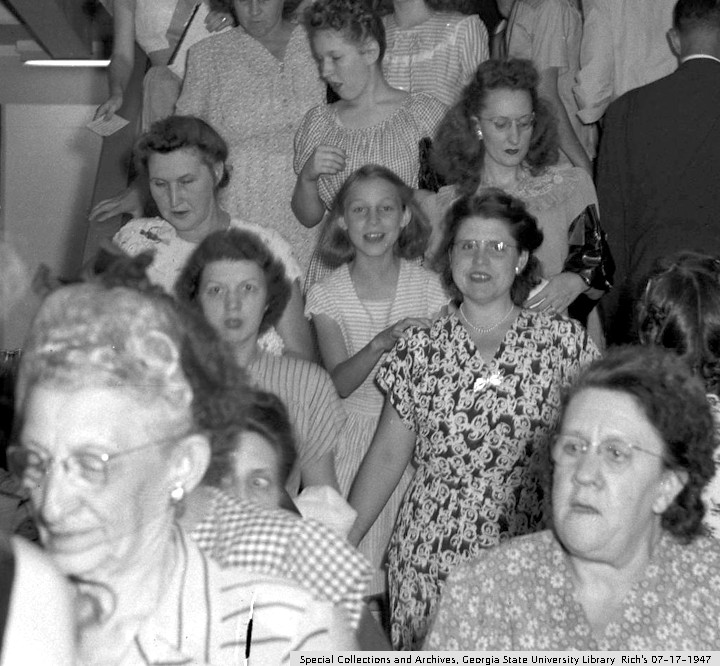
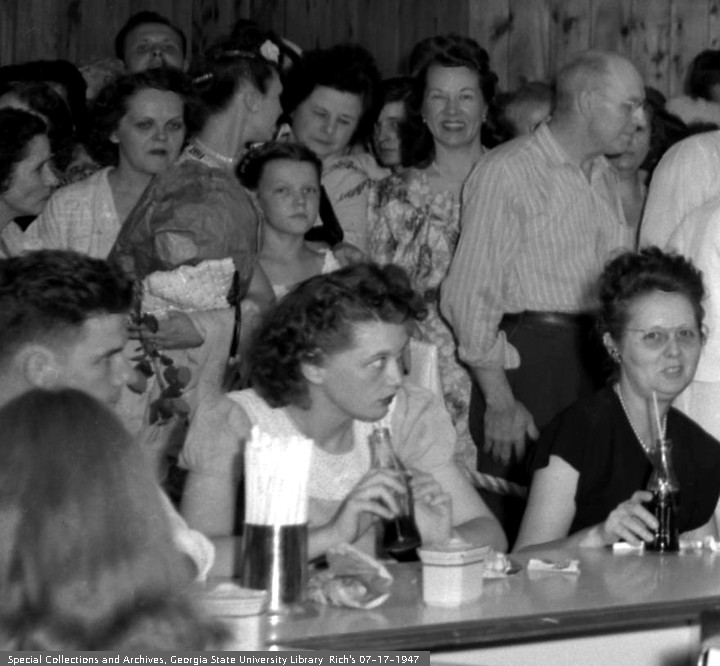
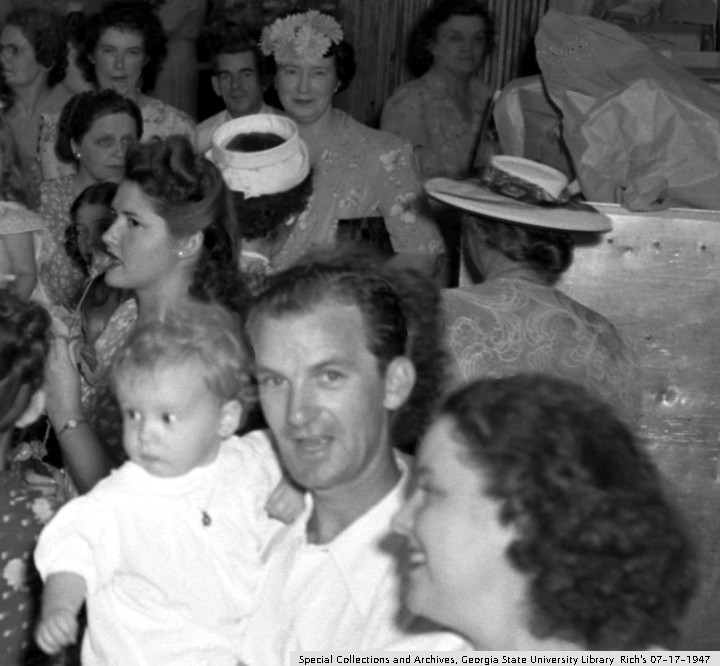
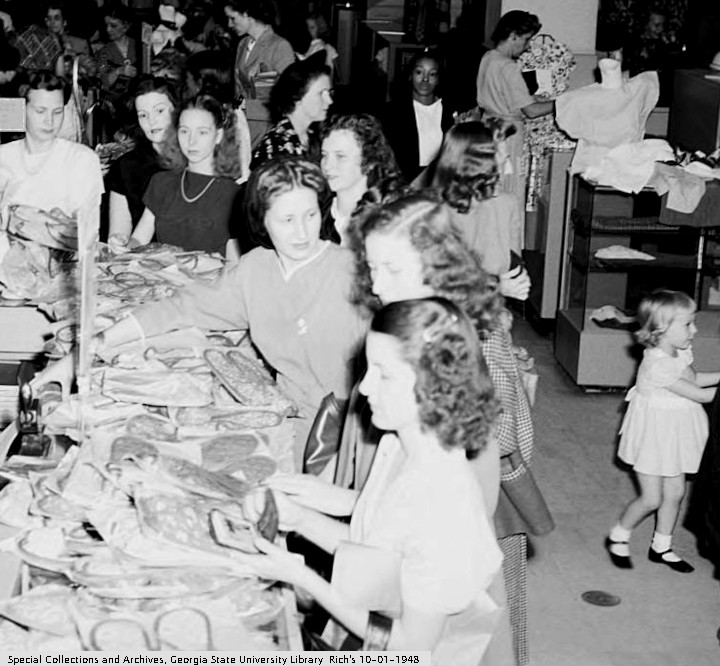
This is the latest edition of the chamblee54 book report on I Used to Be Charming, by Eve Babitz. This feature is a bit different. Instead of focusing on IUTBC, we will look at some of the key players in the story. A catalyst for today is a 2019 episode of the Bret Easton Ellis Podcast. The guest is Lili Anolik, promoting a book, Hollywood’s Eve: Eve Babitz and the Secret History of L.A.
One important name is Earl McGrath. Bret had never heard of him. A friend of many influential people, McGrath had many careers. Apparently, his main skill was a talent for being fabulous. As David Bowie said, “It’s not really work, it’s just the power to charm.”
“McGrath’s story began in Superior WI. The son of an itinerant short-order cook, it wasn’t long before the teenage Earl began to display a wanderlust of his own, dropping out of high school and leaving home, ‘hanging out with Aldous Huxley in Los Angeles and going to see Henry Miller in Big Sur’, according to Vanity Fair. In the late 1950s he served with the Merchant Marine in Africa and the Middle East, and in Italy, in 1958, he met the woman he would later marry, Camilla Pecci-Blunt — a glamorous countess, and a descendant of Pope Leo XIII … McGrath was working for 20th Century Fox in the early 1960s when he met perhaps the other most influential person in his life, the legendary co-founder and president of Atlantic Records, Ahmet Ertegun.”
“Maybe that’s why Eve fell in “friend love” with a gay man, the cattiest breed of all, if we want to be cuntily honest as well. Specifically, Earl McGrath … As any gay man not fully out would be, McGrath was married to an Italian countess. He never had an official title, per se, though, in death, he would be credited as a “writer, music executive, art collector, and gallery owner.” In short, a jack-of-no-trades. Other than knowing how to be at the right place at the right time, and network with the right people. This is how he came into Eve’s orbit in the late 60s. The two grew Siamese twin close until McGrath’s venom reared its ugly head with the line … “Is that the blue you’re using?” As Anolik interprets the phrase, it’s an easy way to make an artist (of any kind) doubt themselves and their vision.”
Eve met Earl McGrath when Eve, and possibly McGrath, was dating Peter Pilafian, the electric violin player with The Mamas and The Papas. Peter Pilafian is one of those players that is unknown today. He does not have a wikipedia page, and we do not know if he is alive. Apparently, Eve would spend the night with Pilafian, and McGrath would show up at 7am the next day.
Somehow, Eve and McGrath connected. McGrath makes a spectacle of himself in Slow Days Fast Company. McGrath also gets credit/blame for the line you always seem to hear about Eve. “In every young man’s life, there is an Eve Babitz. It is usually Eve Babitz.”
lilianolikwriter has a tasteful picture, with this caption: “Eve Babitz with frenemy, Earl McGrath, at the opening of the Black Rabbit restaurant on Melrose, at the tail-end of the 60s. Earl is in the cowboy mustache, Eve in the glasses, which she was normally too vain to wear in photographs. The brunette with the pixie hair is Diane Gardiner, Doors publicist and long-time squeeze of Chuck Berry. (Says Eve, “Diane was a mean monster but everything she said was funny so I forgave her.”) … The woman in the floppy hat and sunglasses, says Eve, doesn’t ring a bell, not even a faint one.”
Allegedly, the Eve-McGrath falling out came when Eve was dating Harrison Ford, who also caught McGrath’s eye. A posthumous article about McGrath mentions “His great friend Harrison Ford — three of whose children were among McGrath’s two-dozen godchildren — saluted him as, ‘The last of a breed, one of the last great gentlemen and bohemians.’”
Lili Anolik tells an amusing story about Mr. Ford. “I remember one of our first conversations Eve told me about Harrison Ford dealing dope out of a bass fiddle at Barney’s Beanery”…. Michelle Phillips talks about seeing Star Wars when it first came out. When Harrison Ford appeared on the screen, Michelle said “whats he doing there, that’s my dope dealer.” A less reliable source chimes in: “Harrison Ford was her weed dealer, and, briefly, her lover: “The thing about Harrison was, Harrison could fuck. Nine people a day. It’s a talent, loving nine different people in one day. Warren [Beatty] could only do six.”
Part of the Eve legend is the photograph of Eve playing chess with Marcel Duchamp. “What happened was, my boyfriend at the time, Walter Hopps [director of the Pasadena Art Museum, 31, married], had scored this great coup. He’d convinced Duchamp, who’d given up art for chess back in the 1920s, to do a retrospective with him. He threw a party for the private opening, and L.A. had never seen anything like it. Everyone, everyone, was there—Duchamp, naturally, and Andy Warhol and Claes Oldenburg and Dennis Hopper and, oh, just everyone. I wasn’t, though, because I wasn’t invited. I guess Walter was afraid I’d make a scene in front of his wife. I was mad, which is why when Julian asked me at the public opening to take off my clothes and pose for him, I said sure. I mean, my breasts were normally something to behold, but birth control had made them even bigger, so they were really something to behold at that particular moment. …”
The photographer, Julian Wasser, was dating Eve’s sister Mirandi. Wasser had an exhibit in 2019, so apparently he was alive 3 years ago. Wasser took his most famous picture a few years later.“One August day in 1969, I was listening to a police radio when I heard all this strange talk about something going on in this residential area next to Beverly Hills. It was the kind of neighbourhood where people would … put pillows over their heads if murders were going on.”
“That was how I first heard that Roman Polanski’s wife, Sharon Tate, had been killed, along with four others. When I went up there shortly afterwards for Life magazine, Roman asked me to take Polaroid shots of the scene as well – and give them to a psychic who could study them and find out who the killers were. You can see my Polaroid on the chair beside Roman. …”
“When I was 14, I used to steal my dad’s car and drive all over Washington listening to police radio. There was segregation then and all the best murders, robberies and bloody events were in the black part of town. I’d photograph them and give the shots to the Washington Post. I was so naïve. Of course they wouldn’t run them – it was black people. … It’s a rough world now. I think Manson started it and 9/11 finished it. Reality has fallen on us like a ton of bricks.”
Ed Ruscha and brother Paul Ruscha were longtime *friends* of Eve. After Eve died, they had a paywall protected chat. Ed Ruscha: “Oh, it was the early ’60s, but she was a great part of my growing up. I know I was with her when Jack Ruby shot Lee Harvey Oswald. I was in bed with Eve and we were watching this on live TV, a little black-and-white set. … she lived in this house behind her parents’ house. She kept a sloppy quarters because she had a lot of cats who had their way. Her parents lived up at the front house on Bronson near Franklin. And I knew her parents well. Mae was a beautiful, sweet Texan who was an artist, and she drew pictures of the gingerbread houses on Bunker Hill. And Sol was the musician, violinist. They were very sweet people.”
Paul Ruscha: “I came to L.A. in 1973. We met at Jack’s Catch All; it was this great thrift store. I was a veteran thrift shopper and so was Danna [Ed Ruscha’s wife]. She introduced me to Eve, who said, “I’d like to have you over for dinner.” Danna said, “I think she likes you.” Eve knew that Ed and I were friends with [fashion model] Leon Bing. So she called Leon, who told Eve, “Well, no matter what you make for him, be sure that it’s loaded with cilantro because he’s just crazy about cilantro.” Eve put it in the salad and the soup, and I hate cilantro and I couldn’t eat it. All I could do is laugh. … If I spent the night with her, she’d wake up before I did and then want me to leave. So she’d throw coffee into a pot of boiling water and bang on it to make the grounds go down and to wake me up and say, “OK, here’s your coffee. Now get out of here.” And I’d laugh and then she’d say, “I think I’ve got something I’d like you to read.” Then I’d read whatever she’d written the day before. I gave her my critique, and if she liked it, she let me stay, and if she didn’t, she’d throw me out. … She just couldn’t go anywhere without ruining something. She’d knock something over or break something, and the same thing at her house. I remember a couple of fur coats I gave her, and one of them she threw over this little space heater that she had. It caught on fire and it burned up her garage.”
Since this is Hollywood, a certain amount of skepticism is appropriate. Lili says in the BEE appearance “the modern way of being objective is a kind of hyper objectivity, it’s a reconstituted objectivity, is objectivity that acknowledges the inevitability of subjectivity.” Pictures today are from “The Special Collections and Archives, Georgia State University Library.” More episodes of this series are available. one two four five


Richie Havens





Richie Havens died April 22, 2013. He was 72 years old. In 1969, he was the first performer at Woodstock. Mr. Havens was featured in the movie, and became very popular. The promoters asked him to play longer, while backstage chaos played out. “Freedom” was improvised to fill this need.
In 1974, PG had the privilege of seeing Richie Havens. He was playing at Richards, a club on Monroe Drive. It was the 2am show, on a weeknight. There was not a large crowd. What crowd there was kept yelling for “Freedom”, as if Mr. Havens had an obligation to play it.
Mr. Havens played a Guild guitar. He strummed it hard, with his pick dragging down over the body past the air hole. It looked like a guitar would only last a show, or two, before he would wear scratch marks in the body. Indeed, he did change guitars in mid show that night.
Pictures are from The Library of Congress. This is a repost.




Iggy Pop



Speaking of Iggy Pop, and music merchandising, he has a collection of music for sale. Included in this package is a show he did at Richards, across the street from Grady Stadium. One night Iggy was singing at Richards, when Elton John appeared onstage wearing a gorilla suit.
The greatest achievement of Mr. Pop is living so long. (He was born April 21, 1947). He has done heroin by the kilo, jumps off stage into crowds of punk rock fans, and is a general mess. He still has a great smile, although it is not known how many of those teeth are his own.
One night in 1980, PG saw a performance by Iggy Pop. The site was the 688 club, a storefront on Spring Street, across the expressway from Georgia Tech. 688 Spring Street had been the site of Roses Cantina, where PG had seen George Thorogood. Some other blues band did Amphetamine Annie with the original lyrics…instead of speed kills, they said love gun.
Roses was a cool place, a long narrow space with the performers in the middle, and a pool table behind the stage. Nightclubs are a tough business for capitalists, and Roses shut down.
At any rate, by the time PG got back from Seattle, some brave investors decided to have a punk rock club at 688 Spring Street. Soon, Iggy Pop was playing a week there. In the seventies, the bands would play for five days at the great southeast music hall or the electric ballroom, two shows a night, and if you were really cool you would go on a weeknight before it got too crowded. Soon after that, it was one night in town only, and you either saw it or you didn’t.
PG had a friend at the Martinique apartments on Buford Hiway. There was someone living in the complex known as ZenDen, who sold acid. You would go to his place, wade through the living room full of grown men listening to Suzi Quatro, and purchase the commodity.
On to the the 23 Oglethorpe bus, and downtown to 688 Spring Street. Before anyone knew it, the band was on the stage. A veteran of the Patti Smith Group, named Ivan Kral, was playing bass. Mr. Kral sneezed, and a huge white booger fell across his face. He was not playing when the show ended.
There was a white wall next to the stage, and someone wrote the song list on that wall. That list of songs stayed on the wall as long as 688 was open. “I want to be your dog” was on the list, as well as the number where Iggy pulled his pants off and performed in his underwear. Supposedly, in New York the drawers came off, but the TMI police were off duty that night.
The show was loud and long, and had the feel of an endurance event…either you go or the band does. Finally, the show was over, and PG got on the 23 Oglethorpe bus to go home. You got the northbound bus on West Peachtree Street. You could look down the street and see the Coca Cola sign downtown.
Thirty years later,PG, like Iggy Pop, has a full head of teeth, which, in PG’s case are his own. PG has a full head of white hair, as apparently does Mr. Pop, although he does appear to touch up his hair. Maybe he really is a blond. This post should be over, but if there are 37 more words then we will have 688. The space on Spring Street is still standing, which is pretty good for Atlanta. It is now an emergency room, or something.
This is a repost. The original was posted seven years ago. Iggy is still alive. So is PG. 688 Spring Street stands. 23 Oglethorpe is the answer to a trivia question. Pictures are from The Library of Congress.




Tim Curry


Timothy James Curry was born seventy six years ago today. It would be quite a while before April 19 was known as got a minute day. Mr. Curry is an actor, singer, and all around phenomenon. The role that made him a star was Frank-n-Furter in ” The Rocky Horror Show”.
Mr. Curry is best known for playing a flamboyant transvestite. His wikipedia page does not discuss his personal life. If you go to google, and type “is tim curry” the top five results are gay, married, dead, alive, died. A visit to some of the sites listed gave no definite answers. One of the sites tried to slip a *trojan horse* into this machine. Some things are better left a mystery.
After Dr. Furter went back to Transylvania, Mr. Curry made rock and roll albums. In 1978, a tour was put together to promote his vinyl debut. The first show in the United States was at the Agora Ballroom in Atlanta GA. PG was in the audience.
Riding into town on the 23 Ogelthorpe bus, PG got to talk to some ladies who were in town for a conference. They were worried about the crime. PG tried to reassure them by telling a recent news story. This lady was having breakfast in a downtown hotel, when she put her purse down on the floor. A handgun her husband had given her went off when the handbag hit the ground. The ladies breakfast companion was hit and killed.
Mr. Curry walked onstage eating a banana, grabbed a stool and turned it upside down. He appeared to be a bit tipsy. This did not affect his performance. Mr. Curry did most of the songs on his album, along with “Celluoid Heroes” by the Kinks. The latter song featured a Garbo impersonation.
Whoever put the band together for this tour had a lot of money. The guitar player played with Lou Reed on “Rock and Roll Animal”. The keyboard player, and musical director, was Micheal Kamen, formerly of the New York Rock and Roll Ensemble. (A song on the Curry album, “Sloe Gin”, was a NYRRE song, “Fields of Joy”, with new lyrics.)
The only song from “Rocky Horror” that Mr. Curry did was “I’m Going Home”. A few people were upset that he did not do “Sweet Transvestite.” He played another Agora show a couple of years later, and reportedly did perform “Sweet Transvestite.”
Tom Waits was scheduled to perform at the Agora the next night. PG was wandering through the balcony between shows, and saw Mr. Waits sitting at a table. A bodyguard was standing by, who said that it was just someone who looked like Tom Waits.
After the show was over, PG went to a nearby bar, and was talking to a friend about the show. A lady who was with the friend stood in front of him and screamed “What color are your eyes? They are brown, because you are so full of shit”.
Pictures for this repost are from The Library of Congress. Photographs of Cornell Fresh. 8 and Cornell 2d Varsity, 1914 are from the George Grantham Bain Collection


 Chamblee54
leave a comment