Page 43


This is a repost from 2012. David Van Cortlandt Crosby moved on to page 44 on January 18, 2023. … David Crosby gave a show. After performing “Almost Cut My Hair”, Mr. Crosby starts to talk. “I’m going to sing the most positive song that I’ve written recently. For a long time I didn’t write any positive songs, my friends used to puke when they saw me coming.” The song was Page 43.
Look around again It’s the same old circle
You see,it’s got to be It says right here on page 43
That you should grab a hold of it Else you’ll find It’s passed you by
Rainbows all around Can you find the silver and gold?
It’ll make you old The river can be hot or cold
And you should dive right into ‘It Else you’ll find It’s passed you by
Pass it ’round one more time I think I’ll have a swallow of wine
Life is fine Even with the ups and downs
And you should have a sip of it Else you’ll find It’s passed you by
Snopes has a piece about Page 43. It seems that some people think the song title refers to a page in the Old Testament. I think Page 43 was chosen because it rhymes with “it’s got to be.” There was a spot in the song for those four beats.
To pad out this post a bit, a visit to page 43 of the Old Testament will be made. My parents gave me this Bible on my eighth birthday. It was published by The World Publishing Company, 2231 West 110 Street, Cleveland 2, Ohio.
Page 43 is verses 4 through 36 of Genesis 41. “4 And the cows that were ugly and gaunt ate up the seven sleek, fat cows. Then Pharaoh woke up.” … The Pharaoh had a dream that troubled him. A wise man was consulted, who told of seven years of famine to come. A portion of the crops, from the prosperous years, was to be held in reserve, for the years of famine. … “36 This food should be held in reserve for the country, to be used during the seven years of famine that will come upon Egypt, so that the country may not be ruined by the famine.”
The wine drinking in verse 3 does not work for everyone. Those gifted with moderation can swim in this river. Others need to get to the shore before they drown. There is a time to enjoy your life, and there is also a time to lay off the jug. If you don’t keep a portion of your harvest in reserve, life will run over you, while it is passing you by.

The Playboy Interview Bob Dylan


The Notorious 1966 Playboy Interview -Bob Dylan turned up in the youtubeque the other day. The speaker bought a copy of the magazine online … “I’m one of the few people who can say I bought it for the article and be honest.” A quick google search turned up PLAYBOY INTERVIEW: BOB DYLAN February 1966. Pictures today are from The Library of Congress. This is a repost.
The winter of 1966 was a different time. Mr. Dylan released Bringing It All Back Home and Highway 61 Revisited in 1965, with Blonde on Blonde to follow in 1966. He shot a screen test for Andy Warhol, and met Edie Sedgwick. Winter of 1966 saw America one year into the escalation of the War in Vietnam. The times they were a changin’.
The interview is not a linear Q&A. The entertainer takes a question from Nat Hentoff, and then says whatever feels right to say. This video, Bob Dylan San Francisco Press Conference 1965, is more of the same. Maybe the best way to approach this is with a few quotes.
PLAYBOY: In recent years, according to some critics, jazz has lost much of its appeal to the younger generation. Do you agree? DYLAN: I don’t think jazz has ever appealed to the younger generation. Anyway, I don’t really know who this younger generation is. I don’t think they could get into a jazz club anyway. But jazz is hard to follow; I mean you actually have to like jazz to follow it: and my motto is, never follow anything. I don’t know what the motto of the younger generation is, but I would think they’d have to follow their parents. I mean, what would some parent say to his kid if the kid came home with a glass eye, a Charlie Mingus record and a pocketful of feathers? He’d say, “Who are you following?” And the poor kid would have to stand there with water in his shoes, a bow tie on his ear and soot pouring out of his belly button and say, “Jazz, Father, I’ve been following jazz.” And his father would probably say, “Get a broom and clean up all that soot before you go to sleep.” Then the kid’s mother would tell her friends, “Oh yes, our little Donald, he’s part of the younger generation, you know.” … As far as folk and folk-rock are concerned, it doesn’t matter what kind of nasty names people invent for the music. It could be called arsenic music, or perhaps Phaedra music. I don’t think that such a word as folk-rock has anything to do with it. And folk music is a word I can’t use. Folk music is a bunch of fat people. I have to think of all this as traditional music. Traditional music is based on hexagrams. It comes about from legends, Bibles, plagues, and it revolves around vegetables and death. There’s nobody that’s going to kill traditional music. All these songs about roses growing out of people’s brains and lovers who are really geese and swans that turn into angels – they’re not going to die. It’s all those paranoid people who think that someone’s going to come and take away their toilet paper – they’re going to die. …
PLAYBOY: Mistake or not, what made you decide to go the rock-‘n’-roll route? DYLAN: Carelessness. I lost my one true love. I started drinking. The first thing I know, I’m in a card game. Then I’m in a crap game. I wake up in a pool hall. Then this big Mexican lady drags me off the table, takes me to Philadelphia. She leaves me alone in her house, and it burns down. I wind up in Phoenix. I get a job as a Chinaman. I start working in a dime store, and move in with a 13-year-old girl. Then this big Mexican lady from Philadelphia comes in and burns the house down. I go down to Dallas. I get a job as a “before” in a Charles Atlas “before and after” ad. I move in with a delivery boy who can cook fantastic chili and hot dogs. Then this 13-year-old girl from Phoenix comes and burns the house down. The delivery boy – he ain’t so mild: He gives her the knife, and the next thing I know I’m in Omaha. It’s so cold there, by this time I’m robbing my own bicycles and frying my own fish. I stumble onto some luck and get a job as a carburetor out at the hot-rod races every Thursday night. I move in with a high school teacher who also does a little plumbing on the side, who ain’t much to look at, but who’s built a special kind of refrigerator that can turn newspaper into lettuce. Everything’s going good until that delivery boy shows up … he burned the house down, and I hit the road. The first guy that picked me up asked me if I wanted to be a star. What could I say? PLAYBOY: And that’s how you became a rock-‘n’-roll singer? DYLAN: No, that’s how I got tuberculosis. …
PLAYBOY: How do you feel about those who have risked imprisonment by burning their draft cards to signify their opposition to U. S. involvement in Vietnam, and by refusing – as your friend Joan Baez has done – to pay their income taxes as a protest against the Covernment’s expenditures on war and weaponry? Do you think they’re wasting their time? DYLAN: Burning draft cards isn’t going to end any war. It’s not even going to save any lives. If someone can &el more honest with himself by burning his draft card, then that’s great; but if he’s just going to feel more important because he does it, then that’s a drag. I really don’t know too much about Joan Baez and her income-tax problems. The only thing I can tell you about Joan Baez is that she’s not Belle Starr. …
PLAYBOY: Writing about “beard-wearing draft-card burners and pacifist income-tax evaders,” one columnist called such protesters “no less outside society than the junkie, the homosexual or the mass murderer.” What’s your reaction? DYLAN: I don’t believe in those terms. They’re too hysterical. They don’t describe anything. Most people think that homosexual, gay, queer, queen, faggot are all the same words. Everybody thinks that a junkie is a dope freak. As far as I’m concerned, I don’t consider myself outside of anything. I just consider myself not around. …
PLAYBOY: Paranoia is said to be one of the mental states sometimes induced by such hallucinogenic drugs as peyote and LSD. Considering the risks involved, do you think that experimentation with such drugs should be part of the growing up experience for a young person? DYLAN: I wouldn’t advise anybody to use drugs – certainly not the hard drugs; drugs are medicine. But opium and hash and pot – now, those things aren’t drugs; they just bend your mind a little. I think everybody’s mind should be bent once in a while. Not by LSD, though. LSD is medicine – a different kind of medicine. It makes you aware of the universe, so to speak; you realize how foolish objects are. But LSD is not for groovy people; it’s for mad, hateful people who want revenge. It’s for people who usually have heart attacks. They ought to use it at the Geneva Convention. …
PLAYBOY: Did you ever have the standard boyhood dream of growing up to be President? DYLAN: No. When I was a boy, Harry Truman was President; who’d want to be Harry Truman?


Blue Tail Fly




Q: What does “Jimmy crack corn” mean, and why does he not care?—Matt, Columbus, Ohio
I was trolling stupidquestion.net when there was a convergence of stupidity. (The site does not exist in 2024.) All my life I had heard Blue Tail Fly, and been embarrassed. And there, in (pardon the expression) black and white, was someone who wondered the same thing.
It seems as though BTF started out as a minstrel song. For those who don’t know, minstrel shows were white people putting on black makeup, and imitating African Americans. That is another reason you seldom hear BTF today.
Dave Barry took a poll once to find out the stupidest song of all time. The overwhelming winner/loser was MacArthur Park. The combination of over the top show stopping, while singing about a cake left out in the rain, makes this ditty a duh classic.
In the spirit of corny convergence, the video is a karaoke version featuring Donna Summer. Miss Summer is a talented singer, who happened to connect with Giorgio Moroder. Lots of singers could have hit the big time by fronting those records. Donna Summer hit the jackpot.
For a proper post, there needs to be a third stupid song. This is not about stupid bands, singing about being D U M B. Even though they totally don’t belong, there is a video of The Ramones included. I saw the Ramones at the Agora Ballroom in 1983. This was after their prime, and before a homeless man caught the Ballroom on fire.
We still need a third stupid song, and I want to get this posted with as little research as possible. Just like some writer was once given twenty minutes to write a song, and he decided to do the worst song he could think of. The result was Wild Thing. I used to have a 45 of someone who sounded like Bobby Kennedy singing Wild Thing. Let the good times roll.
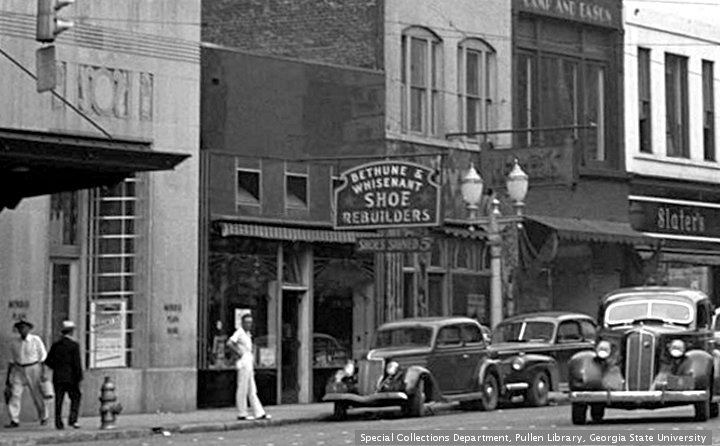
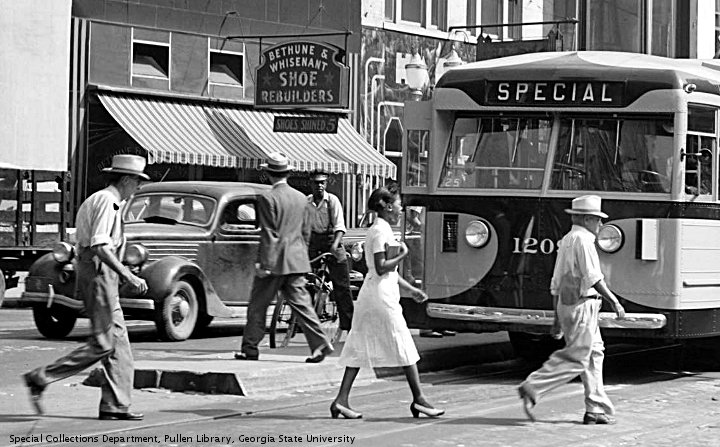
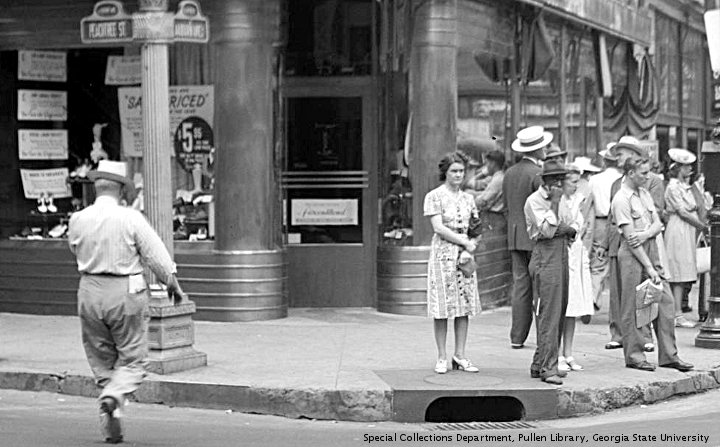
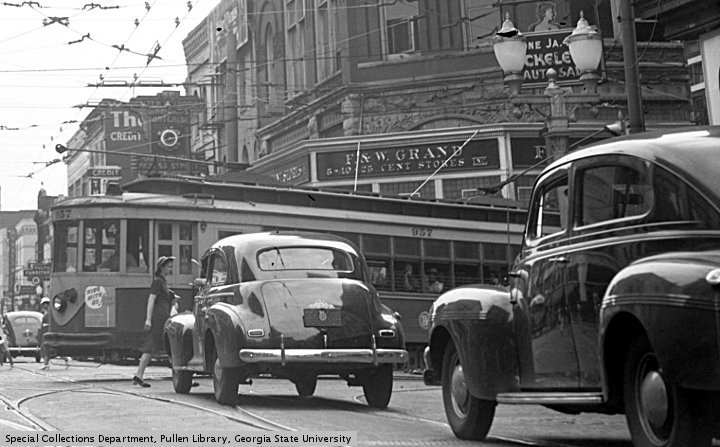
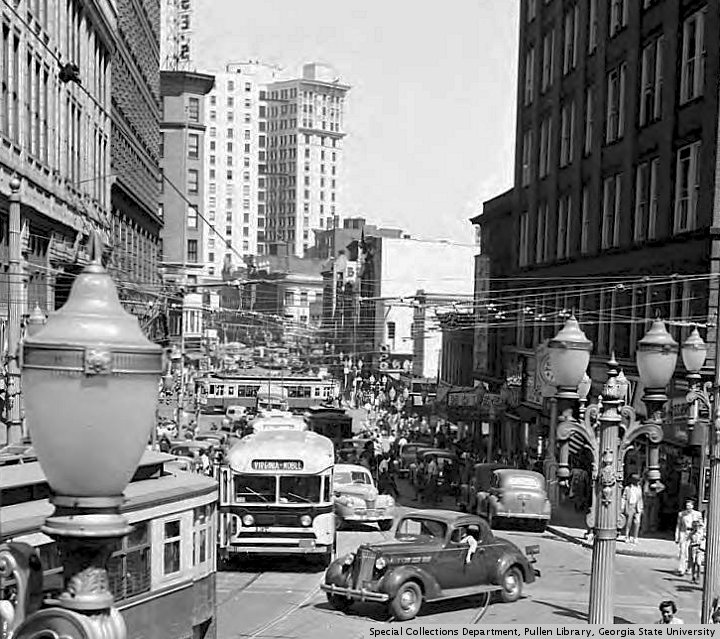
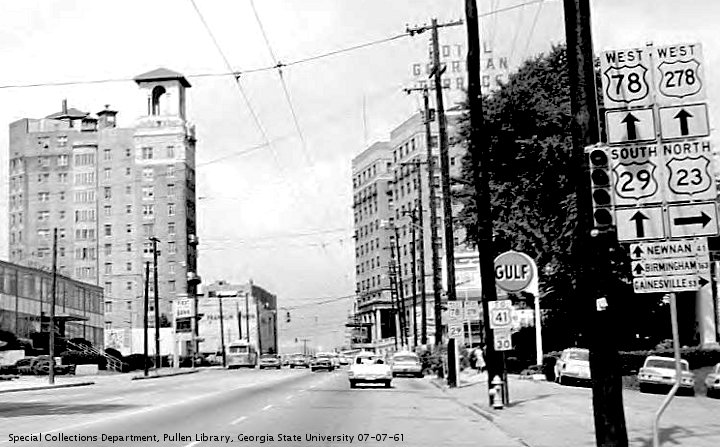
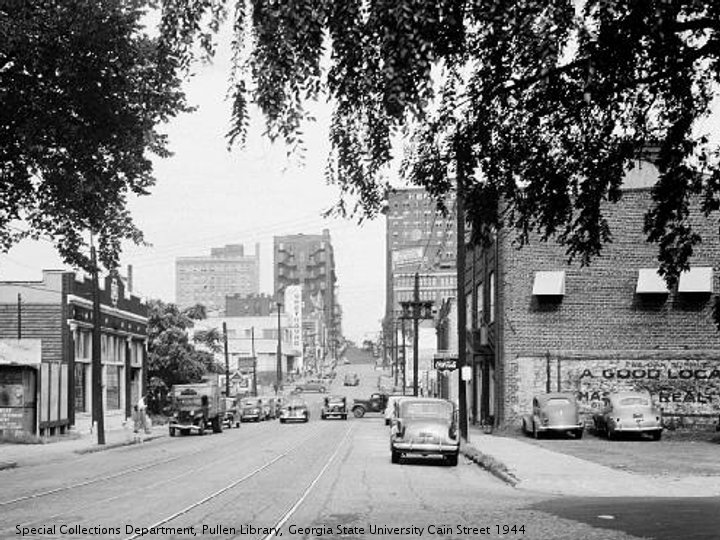
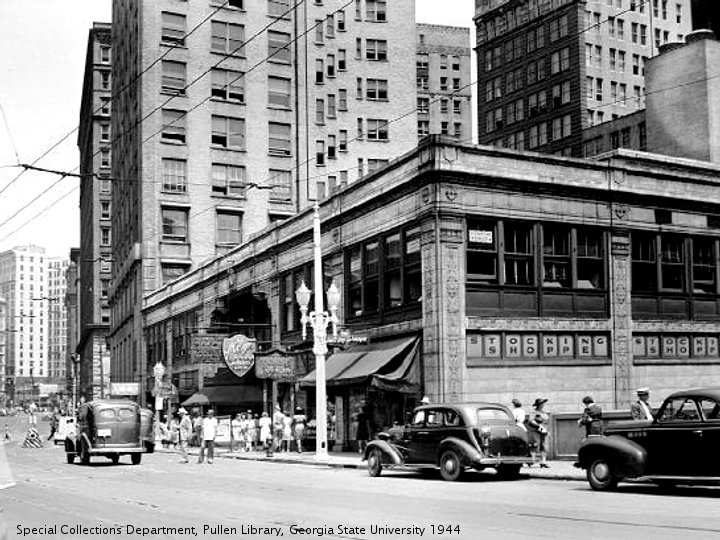
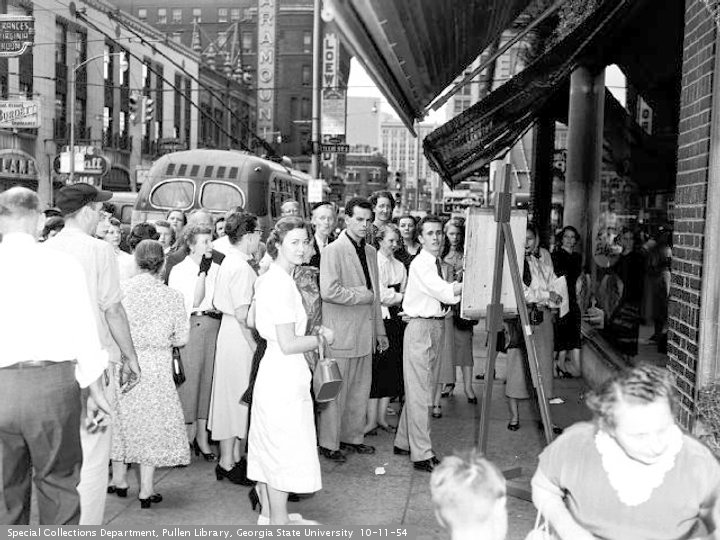
These four hundred and six hastily chosen words are a repost. Pictures are from “The Special Collections and Archives, Georgia State University Library”. This was downtown Atlanta in 1941.



Where Is That Place



This blog has an email address listed. It is seldom used. The host is a faded internet company that rhymes with booboo. Once proud email has become a spam magnet. The email address there is checked every once in a great while. Yesterday was one of those times. There was a surprise.
Friday, June 5, 2015, 2:52 PM
Do you know exactly where the Agora Ballroom was in the Georgia Terrace Hotel Also I am trying to locate photos of the following locations – Does you any that we can use? Please let me know ASAP – I am on an extremely tight deadline need photos by Monday morning if possible. Exteriors or interiors are great. Please let me know if you have any.
12th Gate Coffee House (located on 10th street in Midtown,) Club 112 (located at Lavista and Cheshire Bridge,) Lenny’s (either or both of their two locations in the Old Fourth Ward,) Great Southeast Music Hall (either or both of their two locations Lindberg Plaza or Cherokee Plaza,) Echo Lounge (located in East Atlanta,) Hedgens (located in Buckhead,) Agora Ballroom (located in Georgia Terrace hotel,) Muelenbrink’s Salon (located at the Underground.) Joeff Davis Photo Editor Creative Loafing
Thursday, July 9, 2015 11:12 PM
Hey I apologize for the tardy answer. I don’t use this email very often
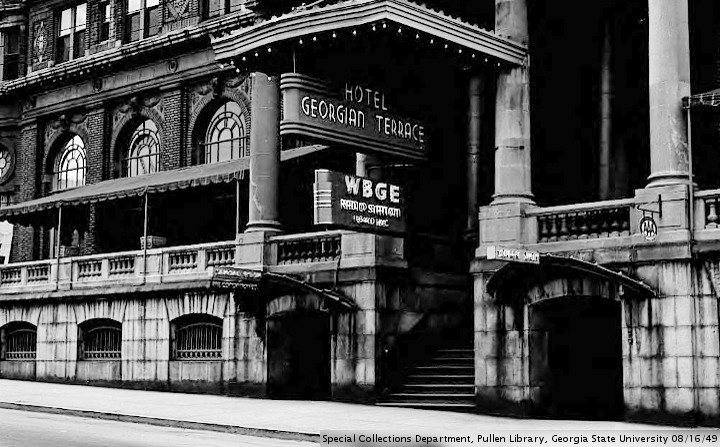
The Agora was at the end of an alley off Peachtree. It was next door to the Ga Terrace Hotel, though not in the Hotel building itself. The ballroom was in a fire in the early eighties, and was torn down. I don’t have any of the pictures that you needed a month ago.
Friday, July 10, 2015, 11:49 AM
Thanks here is the piece we did: That was then, this is now.
Friday, July 10, 2015, 1:21 PM
Hey thanks for getting back to me. The article was cool, even without my contribution. This seems like a good excuse for a blog post. I have a some comments about some of the locations listed. For instance, my mother bought groceries at the Cherokee Plaza A&P every thursday for 37 years.. I would like to use your letters, and link to your article, in my post.
Chamblee54 has had posts about four notable Atlanta performance venues: 688 Spring Street, Georgian Terrace Ballroom, The Great Southeast Music Hall, and Richards. Two were on the list of requests. As for the other two, 688 Spring Street, home of Rose’s Cantina and 688, is now a doc-in-a-box facility, Concentra Urgent Care. The site of Richards, across from Grady stadium on Monroe Drive, is now the meat department at Trader Joe’s.
The CL article, That was then, this is now, is fun to look at. There are some good pictures. There are a couple of mistakes in the piece, which this post will try correct.
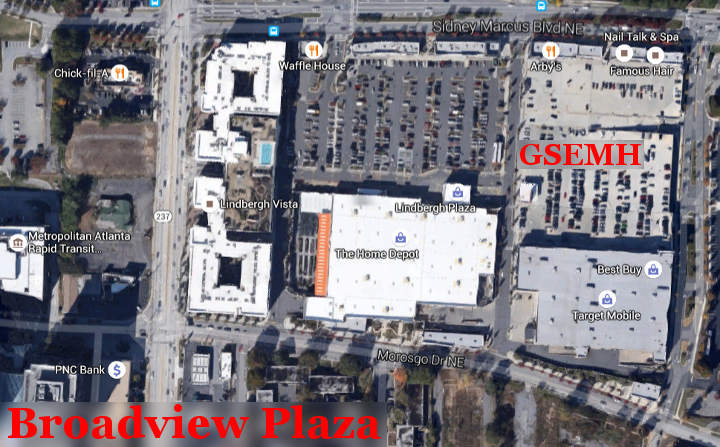
The Great Southeast Music Hall is the scene of many cherished memories for those of a certain age. The post linked here has more comments than any other Chamblee54 post. There are two google earth images, one for Broadview Plaza, and one for Cherokee Plaza.
In Broadview, (now known as Lindbergh something or another,) the Music Hall was in the corner of an L shaped building. The space is currently a part of the parking deck for Target. According to google earth, the Home Depot takes up almost the entire parking lot of the old shopping center.
In Cherokee Plaza, the space where the Music Hall was is the south part of a Kroger. CL says it was in the parking lot, which simply is not so. This parking lot is too small, which is one reason the Music Hall failed there. In the nineties, the A&P expanded, and took over the space occupied by the theater. In 1998, A&P closed their Atlanta operations. The stores were taken over by Kroger.
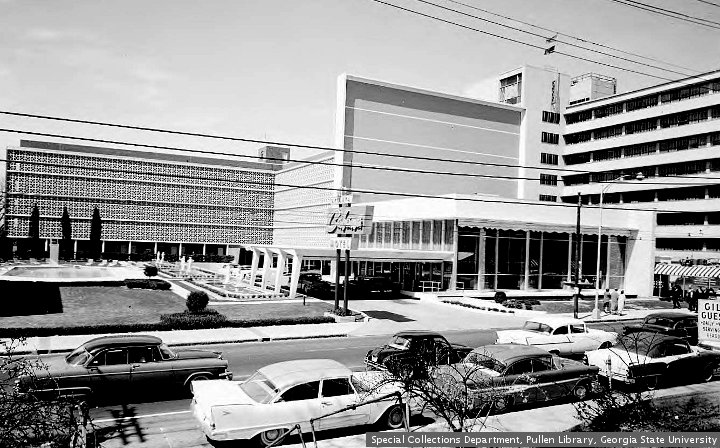
The third google earth image is for the intersection of Peachtree Street and Ponce De Leon Avenue. This is the location of the Georgian Terrace Ballroom. This was the setting of Alex Cooley’s Electric Ballroom and The Agora Ballroom. This facility was in a fire, and torn down. An annex to the Georgian Terrace Hotel was built. This annex is roughly where the Ballroom was.
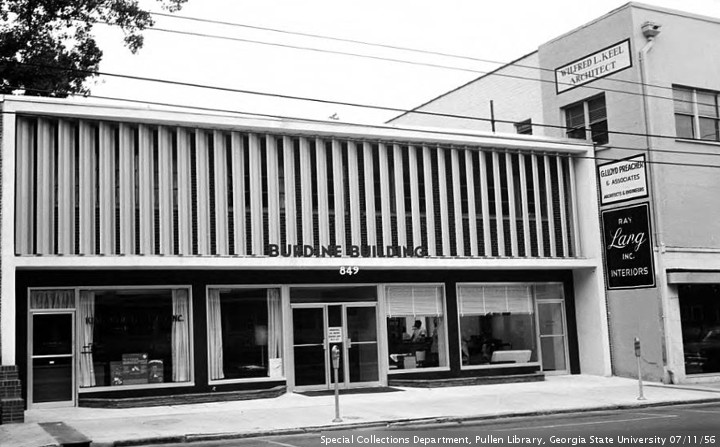
One of the places CL mentions was Backstreet. A picture of Lang Interiors, on Peachtree Street at Sixth Street, is included today.This is the building that became Backstreet. This building was a series of nightclubs in the early seventies. Backstreet opened in late 1974. It was the premier chacha palace in Atlanta for many years. When the property became valuable enough to attract the money of developers, the city discovered enough violations to shut down the party. (1974 was somewhat of a golden age for Atlanta nightlife. The Great Southeast Music Hall, Richards, and Alex Cooley’s Electric Ballroom were all in operation in 1974.)
Club 112 catered to an African American clientele. The space had been many businesses over the years, with a Fred Astaire dance studio next door. Around the time Backstreet was getting started, the space was called the Locker Room. A drag show, featuring the Hollywood Hots, performed there. The Locker Room was a “private club,” and was able to stay open on Sunday night. It was the only place open on Sunday, and was packed. The Locker Room was owned by Robert E. Llewellyn, who was later convicted of having a business rival murdered.
The 12th gate was in the middle of the block, somewhere on tenth street. It was not on the corner of Spring Street. A seedy Jim Wallace gas station was nearby. This place was mostly before I went out much. There is a hazy memory of seeing the Hampton Grease Band there. After the show, Mr. Hampton walked up to me, holding a thumb and finger making a circle in front of one eye. Mr. Hampton asked me what sign I was.
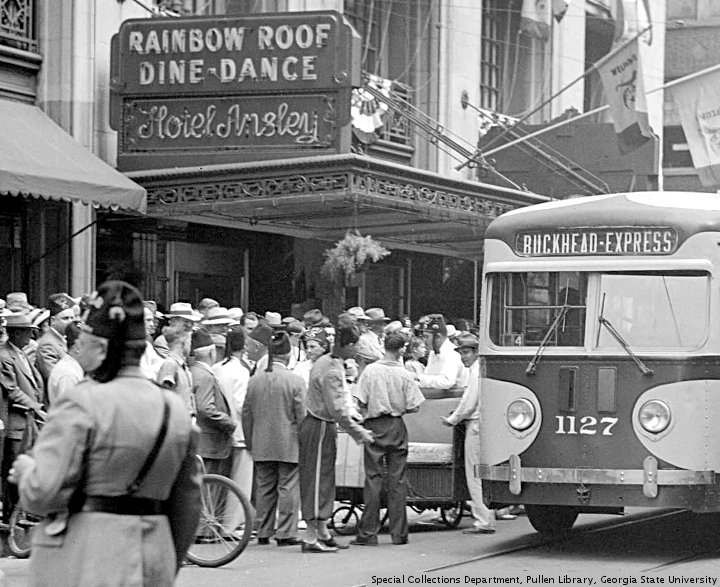
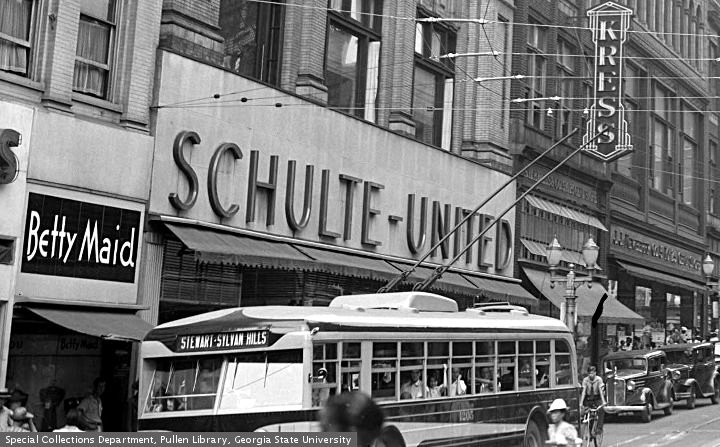
By the time Lenny’s was in business, I was a retired drunk. I seldom went downtown after dark. Somehow, the party went on without me. Pictures today are from “The Special Collections and Archives, Georgia State University Library”. This is a repost.



The Nightclub


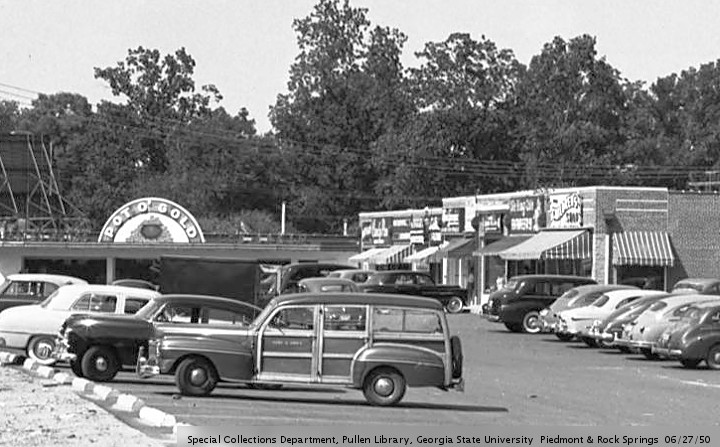
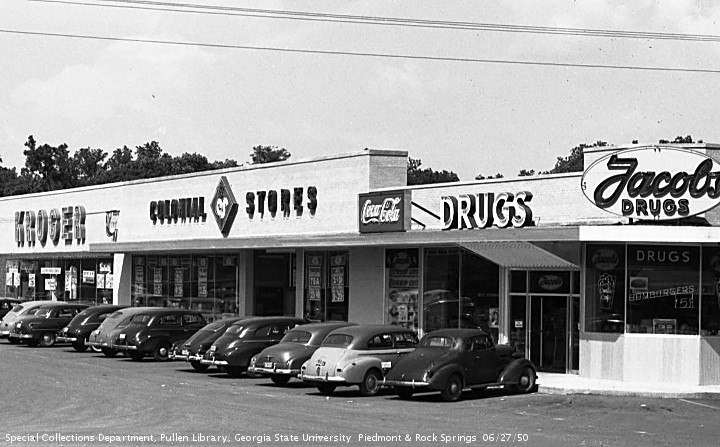
A picture turned up on facebook the other day. It was a flyer for a rock club at 2581 Piedmont Road called The Nightclub. The facebooker said “Found on the Strip Project’s page! I THINK the year is 1975…but…T Wesley Dean, can you help with this? Thermos played there”
Broadview Plaza had a strange design. It was at the corner of Piedmont Road and Lindbergh Drive, about a mile north of the park. BP was one of the first shopping centers built in Atlanta. BP was built on the site of Mooney’s Lake … “a summer swimming hole off of Morosgo Drive in Buckhead that was in business from 1920-58.” The design was unusual, having a row of stores facing Morosgo Drive, connected to a larger group of stores by an escalator. The downstairs portion was home to the Great Southeast Music Hall. The Nightclub was in the upstairs part, next to the escalator.
Peaches Records and Tapes was just getting going in 1975. PRT was a huge facility at the base of heartbreak hill on Peachtree. Rock stars put hand prints in cement in front of the store. One of the hand prints proclaimed DARRYL RHOADES IS GOD. Mr. Rhoades, backed by the Hahavishnu Orchestra, performed at PRT Halloween 1975. Mr. Rhoades had a big time playing his shit hits. (fecal dyslexia is rough) Shoplifters had a productive evening.
What does this have to do with The Nightclub? One afternoon, Peaches had a flyer on the checkout counter. The handbill had a coupon for free admission to the Roger McGuinn show. I went to this show. Jim McGuinn was the front man for the Byrds, before he changed his name to Roger. The show was fun to watch, with “Chestnut Mare” and “Lover of the Bayou” remembered 44 years later. Before doing “Eight Miles High,” Mr. McGuinn strapped on a guitar with christmas tree lights in the body. The lights flashed when the corresponding string was picked.
A few days later, Miles Davis was scheduled to play. Someone was going to take his parents to see the show. When they heard that Miles had gone electric, they decided not to go. I wound up with one of the extra tickets. Then Miles Davis decided not to perform that night. The substitute was Thermos Greenwood and the Colored People. Yes, that was the name of the band. The players, all white men, painted their faces different colors. The guitar player was green, the drummer was silver, and the bass player was red. TGATCP played what they called “cigar music.”
The Nightclub soldiered on for a while, and went out of business. This is what bars do. I did see one more show upstairs. Spirit played there Halloween 1977. One celebrant wore a Richard Nixon mask, with prison stripes. I improvised a beekeeper costume. A drunken young lady asked me what my costume was. “Are you going to catch bees in the men’s room, you freak? Before Spirit came on stage, someone sitting near me, said that the band was demanding their money before they went onstage. Spirit put on a rousing show. They’ve got a line on you. Pictures for today are from “The Special Collections and Archives, Georgia State University Library”. This is a repost.



Bob Dylan Is 83

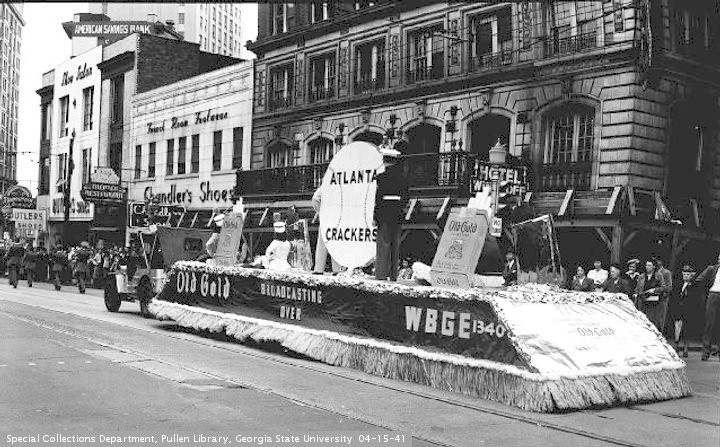

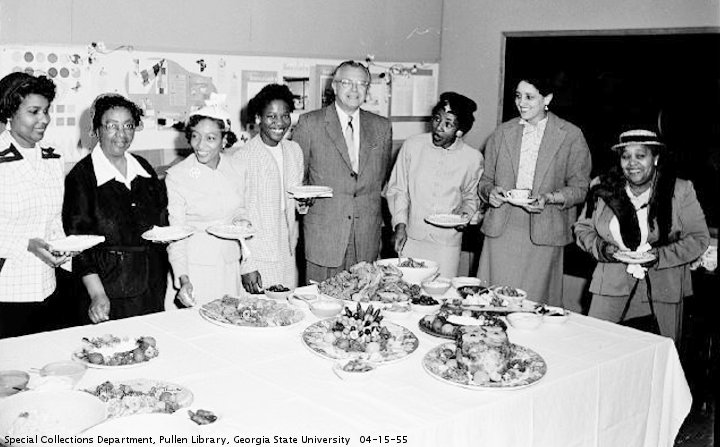


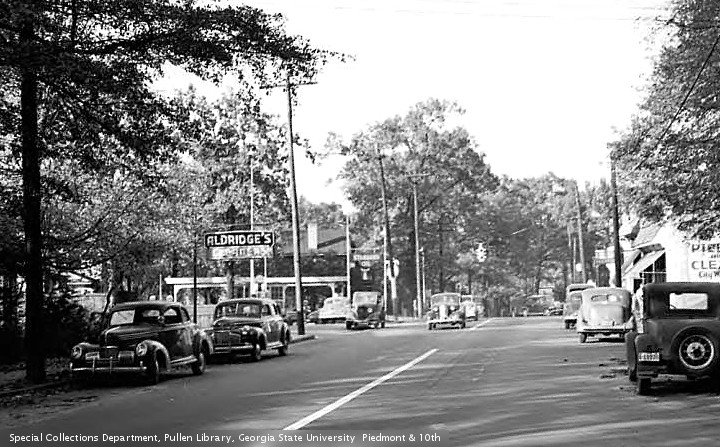
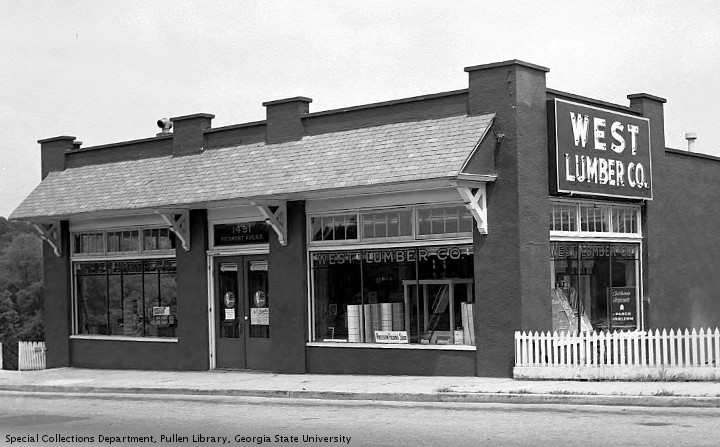
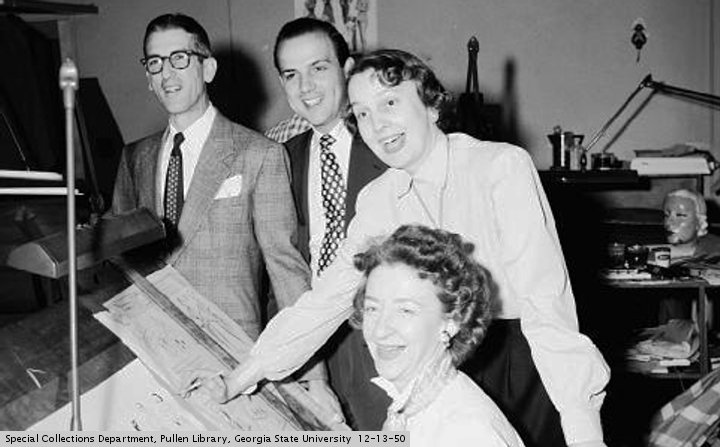
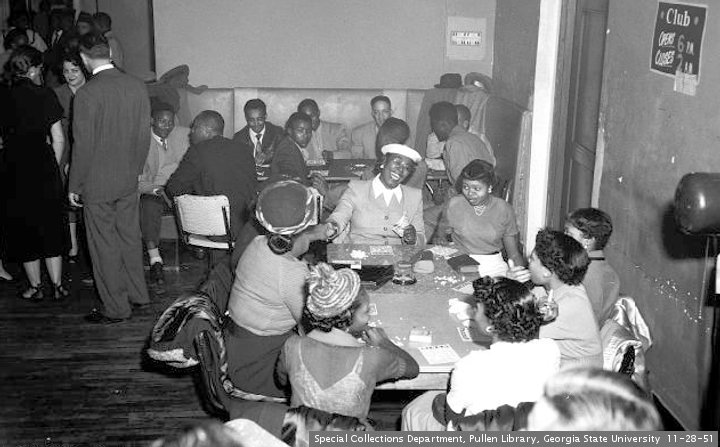
Today is Bob Dylan’s eighty third birthday. This tribute is composed primarily of two previously published pieces of work. Some people think Bob Dylan is a piece of work. Pictures are from Special Collections and Archives, Georgia State University Library
Hibbing MN is a cold place. At least it can claim to be the birthplace of Robert Allen Zimmerman. That’s Allen, with an e, and double L, just like hell. The original initials were RAZ, which might be a good trivia question, or, with a silent W in front, radio station call letters. The problem is, he legally changed his name to Bob Dylan, with no known middle name. Those initial are BD.
On May 24, 1941, the curly haired wonder boi arrived. The world was a different place. Europe was in flames, and eyeing the young men of America as fresh cannon fodder. This was twelve years, eleven months, and eighteen days before I graced the planet. A twelve year old in Hibbing MN would have no reason to think of a newborn baby in Atlanta GA.
The first time I heard of Bob Dylan was probably at the record rack of Zippy’s dime store in Cherokee Plaza. There was an album of his greatest hits, and it came with a poster. The poster had a drawing of the man, with psychedelic waves of hair cascading in multi colored glory to the edges.
As I got older and stupider, I heard more and more Bob Dylan music. At the start of 1974, a tour was announced. The Band was to be the backing group. The circus came to the Omni, and was nothing special. Bob Dylan excels at writing, is ok in the studio, and blah on stage. Georgia Governor Jimmy Carter was at the show, and was said to look bored. Mr. Dylan was invited to the Governor’s mansion after the show, and talked to the Governor. A lot of people in Georgia were surprised that Jimmy would want to run for President.
As the Seventies went me-me-me-ing into sex and drugs oblivion, Bob Dylan regained both his writing touch, and love of the spotlight. The Rolling Thunder tour happened, he got back together with Joan Baez, divorced his wife, became born again, became more Jewish, counted money, and generally lived the life. I did my version of all that, without Joan Baez.
In the winter of 1991, America was consumed by war fever. Saddam Hussein had been elevated to next Hitler status, and had to be taught a lesson. One night, Bob Dylan played on a music awards show, and performed “Masters of War”. He played a discordant version of that ditty, with the result that few understood what he had said. By this time, Mr. Dylan had assembled a band, and gone out on the “Never Ending Tour”. A Bob Dylan concert had gone from being a special event, to being another name on the festival roster. Overexposure will do that.
On the last night of the Olympics in 1996, Bob Dylan played the House of Blues downtown. I won a pair of tickets in a radio station contest. The show was competent…they impressed me as being like a bar band that did a lot of Dylan songs, with a strangely authentic lead vocalist. The only song I recognized was “All along the Watchtower”, the Jimi Hendrix classic. Mr. Dylan got a cheer when he put his harmonica appliance on.
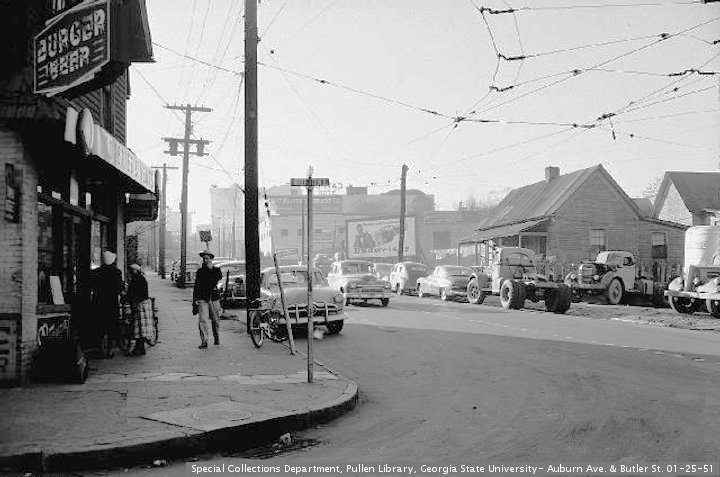
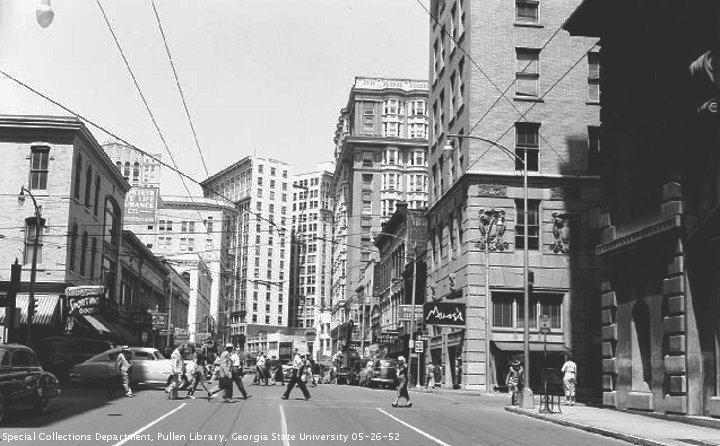

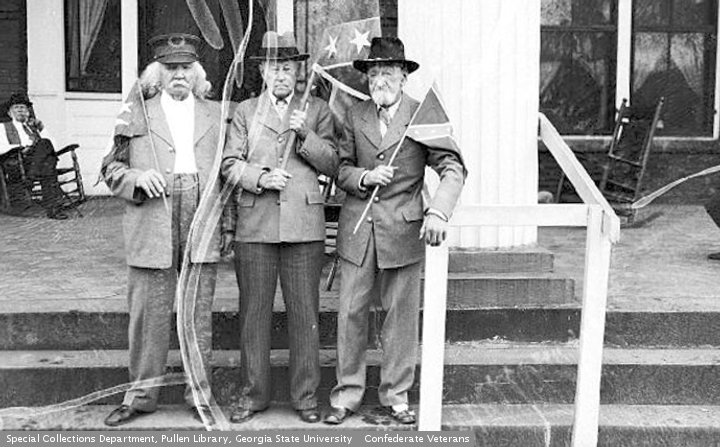


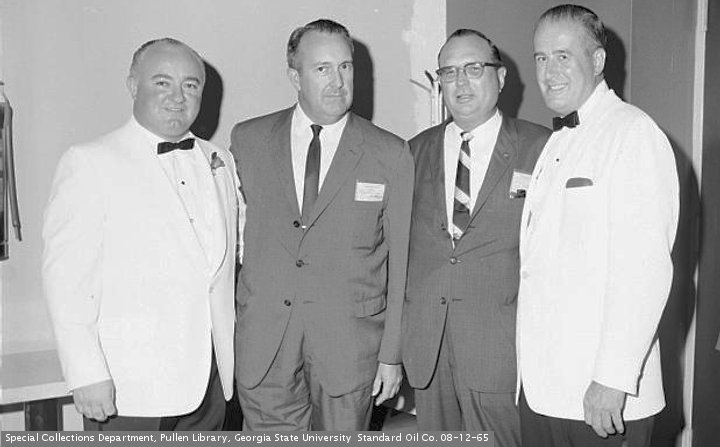




The aptly named dangerousminds has a link to a story about the recording of Blonde on Blonde. Bob Dylan was 24 years old, newly married, and had “sold out” i.e. started to play electric guitar. A bunch of Canadians known as The Hawks (later The Band) was touring with him. Barely a month after the release of “Highway 61 Revisited”, sessions started at a New York studio.
The New York sessions did not work, so a decision was made to go to Nashville. Al Kooper played organ, and served as a music director. A crew of Nashville players was recruited. A bass player named Joseph Souter, Jr. would become famous a few years later using the name Joe South. Kris Kristofferson was the janitor at the studio.
Most studios have bafflers, or sound proof room dividers, splitting the studio into cubicles. For these sessions, the bafflers were taken down, and the band played together as a unit.
The second session in Nashville started at 6pm and lasted until 530 the next morning. Mr. Dylan was working on the lyrics to “Sad eyed lady of the lowlands”, and the recording could not start until he was ready. The musicians played ping pong and waited. At 4am, the song was ready, and the record was finished in two takes.
I had marginal encounters with two of the players on this album. He met a lady once, who worked in an insurance office. One of the customers was Joe South. His driving record file was an inch thick.
Al Kooper had a prosperous career after his association with Bob Dylan. The former Alan Peter Kuperschmidt produced the first three Lynyrd Skynyrd albums, sold that contract for a nice piece of change, and lived happily ever after.
One night, Mr. Kooper was playing a show at the Great Southeast Music Hall, and PG sat in front of the stage. During a break between songs, PG asked his friend “what time is it?”. Mr. Kooper heard him on stage, and said it was 11:30.



Porcelain




PG was in the Kroger parking lot, waiting for his brother to buy groceries. To pass the time, he read
Porcelain. This was a memoir, written, allegedly, by Moby. The copyright goes to “Moby Entertainment, Inc.” There is a modern notice below. This is a repost from 2017.
“Penguin supports copyright. Copyright fuels creativity, encourages diverse voices, promotes free speech and creates a vibrant culture. Thank you for buying an authorized edition of this book and for complying with copyright laws by not reproducing, scanning or distributing any part of it in any form without permission. You are supporting writers and allowing Penguin to publish books for every reader.” Should PG say you’re welcome?
Page 360 was the focus. Moby was in Portland, at the last gig of a bad tour. He is flying home to Connecticut the next day. His mother is going to die in a couple of days. The christian-vegan-performer is drinking Jack Daniels with strippers. A fan asks him to autograph a bible.
This was 1997. PG saw a few parallels with his life. In late 1997, PG’s mom was still alive, but clearly near the end of her life. 1998 would see the cancer diagnosis, the surgery, the radiation treatment, and finally, the death.
PG quit drinking at the end of 1988, and never looked back. Moby was an alcohol enthusiast, who went straight edge in 1987. Eight years later, Moby gave into temptation, and started drinking again. Evidently, he tried to make up for lost time. His drunken adventures are described in great detail here. How does Mobes remember all that?
Moby continued to call himself a christian, even with more and more doubts crowding into the picture. PG quit going to church at 17. Jesus is impossible to ignore, and only marginally tolerable. Whatever the temptation, and the social rewards, PG has never called himself a christian. In the southern baptist tradition, you walk down the aisle, shake the pastor’s hand, and get baptized. Then you call yourself christian. PG, for various reasons, never took that walk.
The trip to Connecticut did not end well. Moby apparently woke up in the night, and set his alarm clock ahead three hours. As a result, his missed his mother’s funeral. Porcelain starts with young Moby sitting in the car, while his single mom is paid to do laundry for neighbors. While in the car, he heard “Love Hangover,” by Diana Ross, and was impressed.
Page 378 was a few days after the funeral. Moby goes to a party at Windows on the World, on top of the World Trade Center. Few imagined what would happen to that space four years later. (Richard Melville Hall, aka Moby, was born September 11, 1965.) Moby got very drunk, and had sex in a ladies room stall. After the act, Moby was staring out the windows, looking at New York, and crying. The DJ played Downtown, by Petula Clark.
On January 23, 1965, Downtown, was the number one hit in America. When Moby was born, eight months later, the number one hit was Help, by the Beatles. PG turned eleven in 1965. Thousands of drafted young American men were sent to Vietnam. The techno dystopian world of nineties New York was a few years down the road.
The last few pages see Moby driving, without a license, through the Connecticut of his youth. He is listening to a rough cassette. The tunes on that cassette will become Play, sell millions of units, and make Moby a star. All this will be in the second volume of his memoirs, currently in production.
While waiting for the next part of this story, maybe a few one star reviews will be amusing. John The most depressing book I’ve read in a while. I used to love Moby. When it was announced he was writing a biography I was very excited…that is until I read it. Moby has always had the reputation of being arrogant and rude. Well it won’t disappoint the critics. This is the worst autobiography I have ever read. Self indulgent and pretentious from start to finish. … Startlingly transphobic. I gave up. I will admit, I didn’t get through the entire book. But that’s the reason for this review. I put up with seven chapters filled with tales of death, drugs, and destitution, all with way too much specific detail to be totally true. In chapter 8, Moby starts getting into some pretty blatantly transphobic territory, repeatedly calling people the derogatory “tranny” and using pronouns like “his/her”…
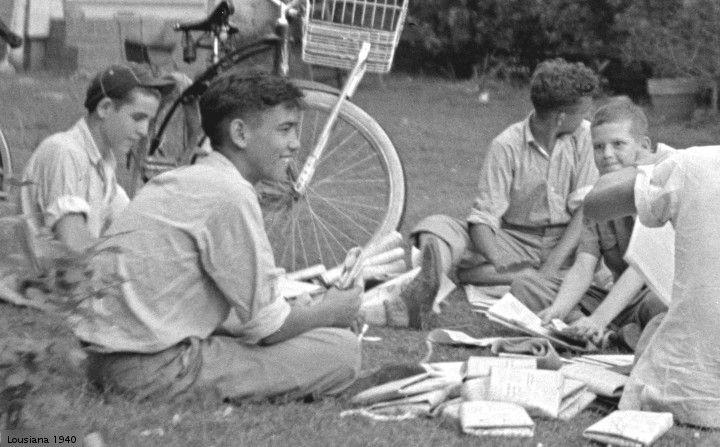
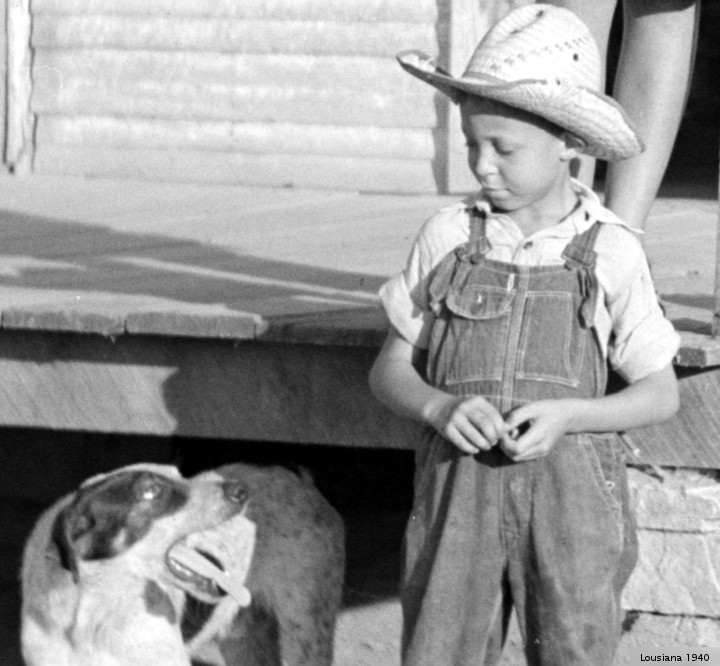
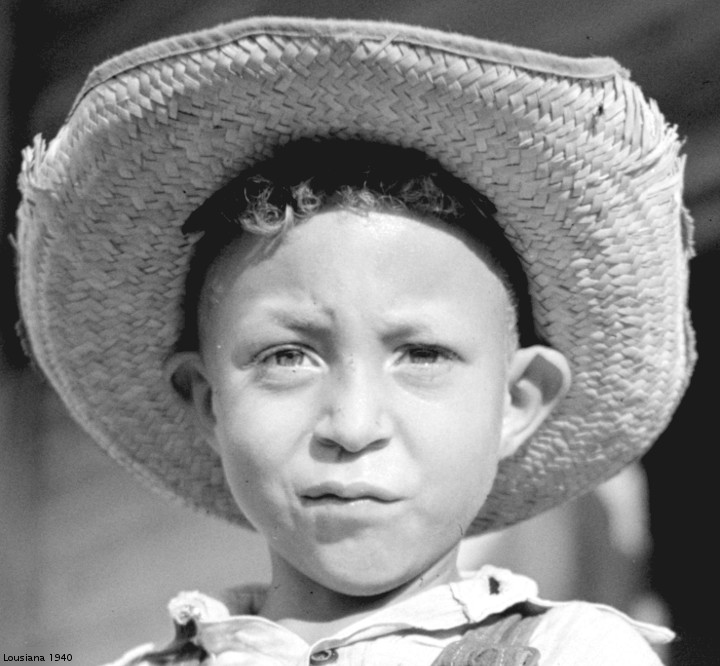
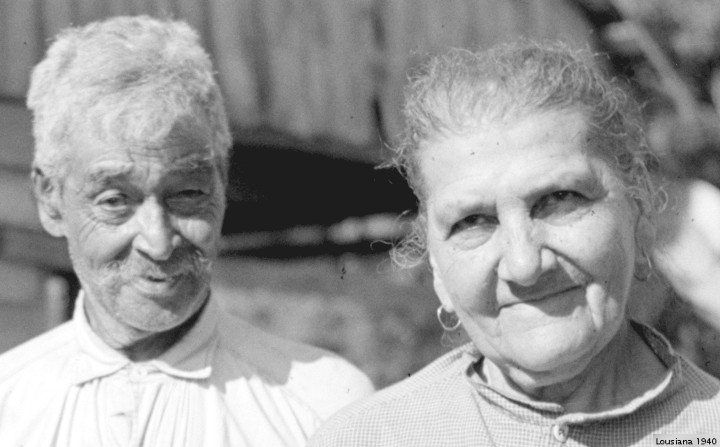
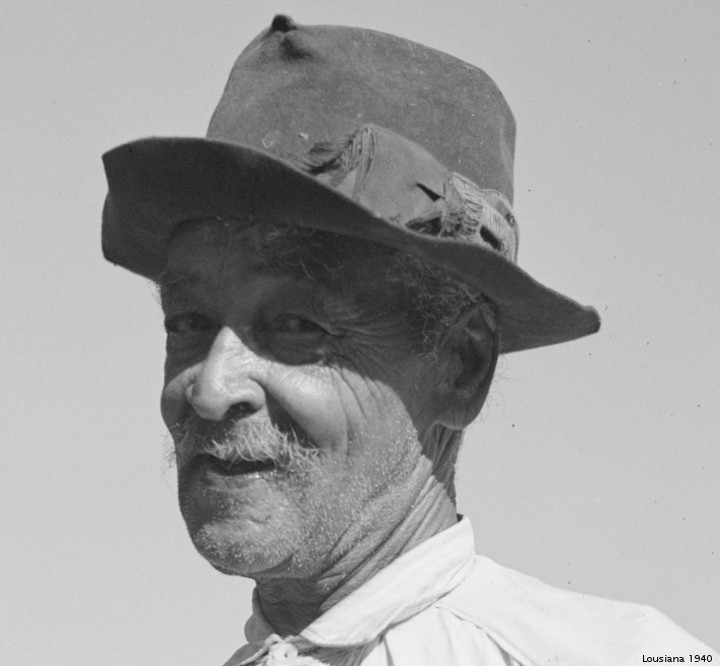
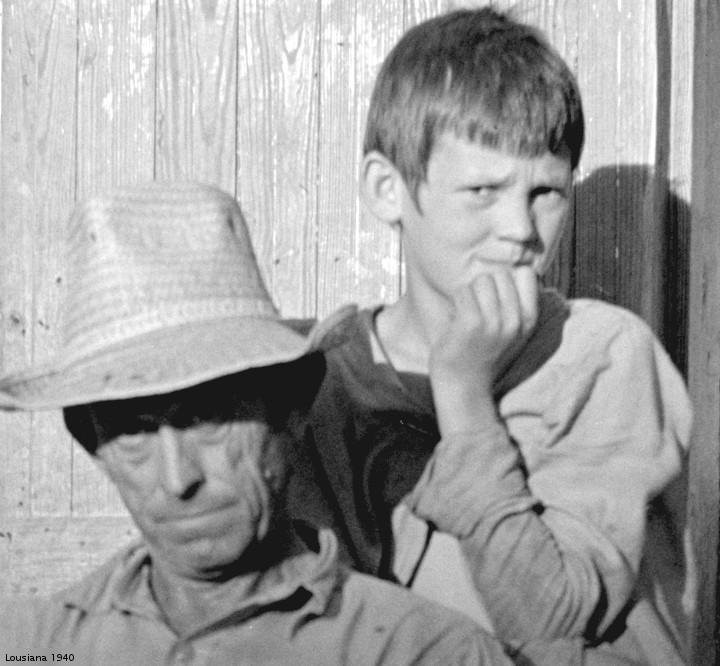
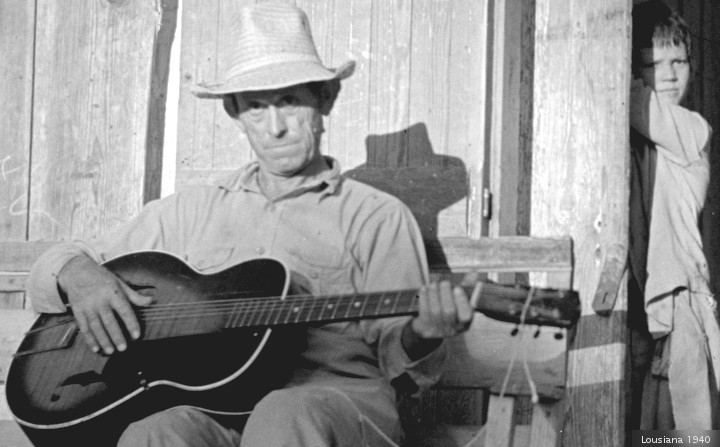
Pictures today are from The Library of Congress. Pictures were taken in Louisiana, August 1940. The photographer was Marion Post Wolcott


Loudon Wainwright III

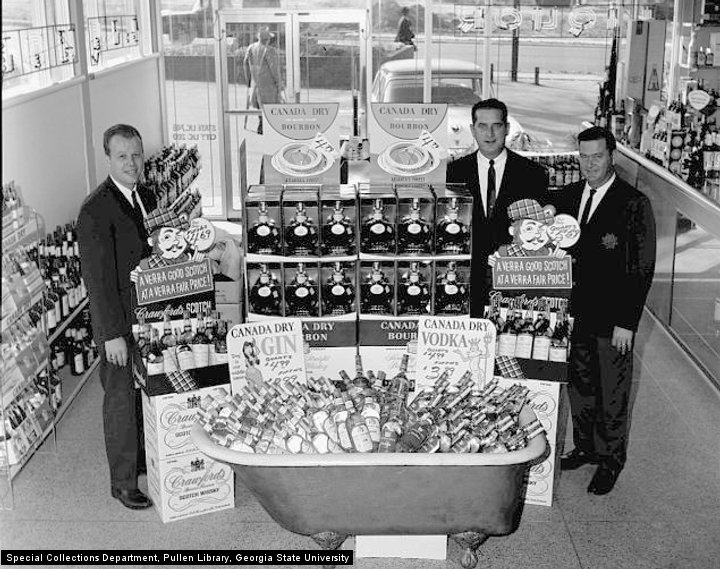
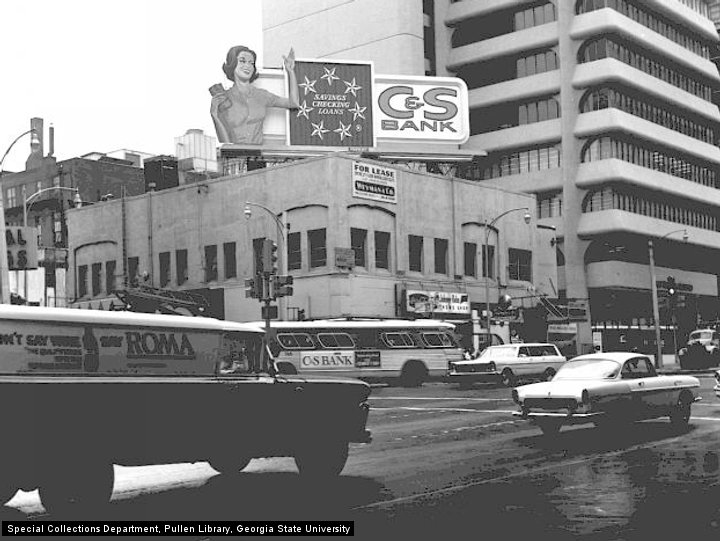


This is a repost from 2010. Mr. Wainwright has a show in London friday night. He recently made a short film about the Monsters he enjoyed as a young man. Pictures today are from Special Collections and Archives, Georgia State University Library. The facebook picture is a Colonial grocery store. After service as the Texas Tea Room, it is now a discount mattress store.
Loudon Wainwright III is the son of a man who wrote for Life magazine, who was known as Loudon Wainwright Jr. The son of III is named Rufus, which is Albanian for Fifth. Either he skipped a level, likes to drink, or this is a coincidence. Rufus Wainwright is a musician also, with lots of units sold, and a stay or two in rehab.
The official LWIII website has a biography page, so if you care about such things you can go there. He writes little acoustic songs, many of which are hilarious. Early in his career, Dead Skunk became a hit. It became the song he was known for, but it was far from the best thing he did.
I have seen Loudon Wainwright III perform twice. In December of 1973, LWIII played at the Great Southeast Music Hall. He had a backup band, for some reason, and I was not overwhelmed. After the show, I talked to a high school classmate, and we went riding on the dirt roads behind the music hall smoking reefer. Those dirt roads are now Highway 400.
In May of 1982, LWIII played a show by himself at a concert hall on North Decatur Road, which was formerly a Colonial grocery store, and the Texas Tea Room. “Maybe, the venue was called the Texas Tea Room—or the Texas something-or-another. I recall that I heard some male duo there. When I heard them, they were past their prime in terms of popularity, but perhaps they were making some sort of comeback. I keep trying to remember who I heard. I also remember going in there one time with short-shorts on. The shorts were totally inappropriate for the setting, but I had been somewhere else and just stopped by the hall (we’ll continue to call it the Texas Tea Room) on a whim. I vaguely remember some guy giving me grief about my attire. I don’t think I went home with him, and I’m sure that was an excellent decision.”
On that May evening 42 years ago, LWIII was spectacular. He had done a lot of shows in the previous 9 years, and had learned a few things about performing. The lines that got a good response were repeated, and played slow enough to understand the lyrics. This is a problem for many lyric based performers…if you don’t know their music, you will not enjoy the show. With Wainwright, he sang slow and loud, and you could hear all the words. You knew why the crowd was laughing.
It is now 2024, and LWIII has not gone away. His records never did sell very well, and he sells his own product over the internet now. His hair is turning gray and falling out. The skunk has dried up, his bones crushed into powder by eighteen wheelers. The motel was shut down by the health department. A luxury condo building was built on the site.


The Georgian Terrace Ballroom
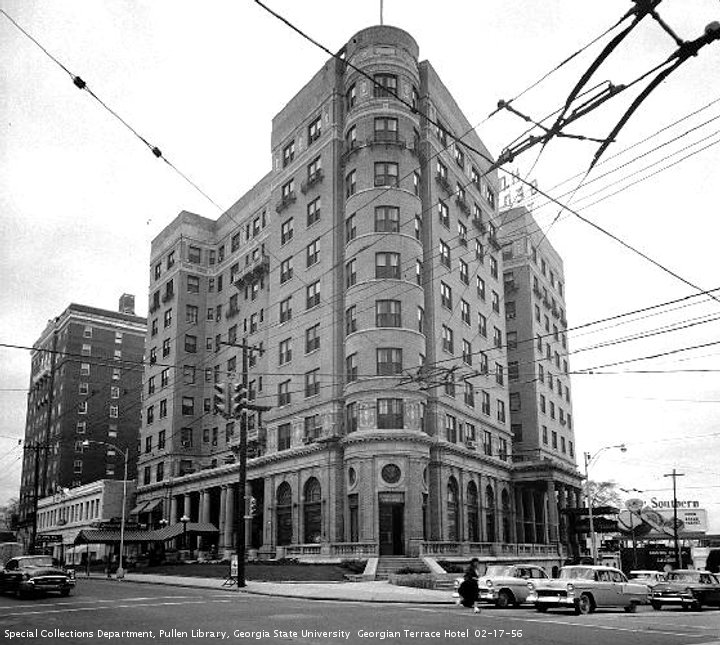



The Georgian Terrace hotel used to have an adjacent ballroom. The building opened as the “Lucky Strike”, featuring “Duck Pin” bowling. At some time, it became a 1300 seat ballroom. It was not the grand ballroom, where events for the premiere of “Gone With The Wind” were held. As time moved on, the ballroom became a music performance hall. I saw shows there under four different business names. After the Agora Ballroom closed, the building was vacant, until a fire August 30, 1987. The site of the ballroom is now occupied by an annex of the Georgian Terrace Hotel.
The first show I saw at this facility was in 1972. The name of the business is forgotten, as is the act that performed. A band, comprised of people I went to high school with, played before he got there.
In 1974, “Big Time” promoter Alex Cooley opened “Alex Cooley’s Electric Ballroom”. (Alex Cooley died December 1, 2015.) The first show that I saw was Dr. John The Night Tripper. A few months later, Capricorn artists Cowboy played, with a vulgar New York band named Mercury opening. Gato Barbieri played, with some wondering how people could dance to that type of music.
Several major acts appeared at the Ballroom, mostly without me in the audience. KISS played there in 1974, and photographs from backstage are in the video. In April of 1974, Steely Dan was across from the Fox. In the summer of 1974, The Tubes played a week at the ballroom, with another heavily hyped show. On January 23, 1976, The Patti Smith Group played at the ballroom.
In 1975, Bruce Springsteen was on the covers of Time and Newsweek, and was receiving a promotional push unlike anything seen before. He played a show at the ballroom that summer, with a generous press party in the balcony. (At one unforgettable show Alex was caught off guard by a Bruce Springsteen request. “He asked if we could shut down the cash registers because they were making too much noise!… That’s the only time I ever did that.” Alex admits.)
I attended two shows in 1975. Mckendree Spring opened for Fanny, while I drank too many bourbon and cokes. In November of 1975, Juice Newton opened for Hot Tuna. Miss Newton seemed to be a bit pale, and performed “Get drunk and screw”. Hot Tuna was amazing. They went on stage at 10:55, and played, without a break, until 2:50. The drummer wore a shirt, mother fucking hot tuna. Few would argue that night.
In autumn of 1977, some brave soul opened a place called “The Ballroom” in the space on Peachtree Street. One night, I went with some friends to see an act, Happy the Man. There seemed to be a bit of chaos in the management of the facility. The Great Southeast Music Hall loaned a few microphones for the show. When the show was over, I walked out to a car, whose motor was running, with the driver asleep inside.
In the summer of 1978, the ballroom opened as The Agora Ballroom. Apparently, there is a music hall in Cleveland with that name, and they opened branch facilities around the country. There were some shows that I did not attend. Todd Rundgren opened the facility August 19, 1978. On October 2, 1979, The Clash played. Pictures from the crowd appeared on an album by the band. On December 2, 1981, U2 made their Atlanta debut.
A few weeks after the opening, PG won tickets to an all Texas show. Marcia Ball opened. I got bored and went to a neighborhood bar to drink beer. I returned later, and stayed long enough for the singer with Asleep at the Wheel to ask the crowd, Are you stoned?
In November of 1978, I called a radio station, and asked to be put on the guest list for Talking Heads . (For Talking Heads, and three links in the following paragraphs, the link is for a previous Chamblee 54 post about the show.) The first six people he called were busy, but the last one agreed to go. On the bus going home, a group of black men started to make unfriendly comments. At the next stop, a black friend got on the bus, and went to talk to me.
A few weeks later, Tim Curry made his United States debut. Some record company invested a lot of money in him, and supplied him with an outstanding band. I was wandering around the balcony after the first show, and saw Tom Waits sitting at a table. The bodyguard said no, that’s not Tom Waits, it is just someone that looks like him. At a bar, after the show, I was raving about what he had seen, when a lady came up to him. What color are your eyes? They are brown, because you are full of shit. Soon, the 23 Oglethorpe was taking him home.
Somewhere in the haze of 78 and 79, Ultravox brought their synthetics to the Agora. A local band, First Blood, was more entertaining as the opener. I drank a very large can of Foster’s beer, and floated through the proceedings. After the show, I was invited to a party in Candler Park. On the way there, there was a horrific car crash on Ponce de Leon. At the party, friends of First Blood dissected their performance, between lines of coke.
One night, I was enjoying drink specials at a neighborhood bar. He took a break, walked over to the Agora, and saw a few minutes of a show by Freddie Hubbard.
In early 1979, the B 52s were on the verge of stardom. (Here is a nifty feature about the Atlanta local music scene in those days.) The opener for the 52s was The Brains , yet another talented band that never made it big. At the table next to PG, a lady wore a dynamite World War Two army uniform.
Later in 1979, Ted Turner had an idea for a TV show, “Live at the Agora”. The first show was filmed in Atlanta, and featured Graham Parker and the Rumor. If they ever show that film again, and you see a crowd shot, that is me wearing a white T shirt, with a white Agora iron on logo. Parker was a great musician, who had the misfortune to look like Big Bird’s nerdy little brother. If Graham Parker looked like Bruce Springsteen, he would have been a superstar.
In March of 1980, Lene Lovich came to the Agora. About a year later, Spirit played on Peachtree Street. The show was sponsored by a radio station, and tickets were $2.96. Despite the low price, and high musical quality, the balcony was closed, and only about a hundred people were at the show. I thought this was odd, but little surprised me by this time.
The last show that I caught at the Agora was The Ramones. Joey and the pinheads were past their prime, with only two original members playing. It was an all ages show, with alcohol served in the balcony. Downstairs was a festive party, with costumes and enthusiastic high school kids. The balcony was the same rock and roll drunks you had seen for years. The Ramones would have made a great oldies band, if they could have quit dying. This is a repost, with pictures from “The Special Collections and Archives, Georgia State University Library”.


Dolly Parton And Paula Deen


Dolly Parton celebrates a birthday today. The internet is a love fest for her, and deservedly so. Miss Parton has given joy to millions, with her singing and acting.
Paula Deen was born on the same day, one year later. While her star did not shine quite as bright as Miss Parton, Mrs. Deen made her contribution to american life. The only problem was a bad boss lawsuit against a company Mrs. Deen invested in. A lawyer got Mrs. Deen to admit, under oath, the she had said the n-word. Paula Deen became a pariah.
Dolly Parton and Paula Deen have a few things in common. Miss Parton is married to Carl Thomas Dean, and her legal name is Mrs. Dean. Both ladies are from the south, the hills of East Tennessee, and the flatland of Albany, Georgia. Both grew up in an era where the n-word was what white people called black people.
What if the story had been different. What if it was a restaurant at Dollywood where the manager was not happy? What if this white woman, who was treated better because she was a white woman, decided to claim racial discrimination in her bad boss lawsuit? (Page 153 of deposition.) What if the disgruntled employee’s lawyer was smarter than Dolly Parton’s lawyer? We might have had tabloids screaming nonstop that Dolly Parton said the n-word.
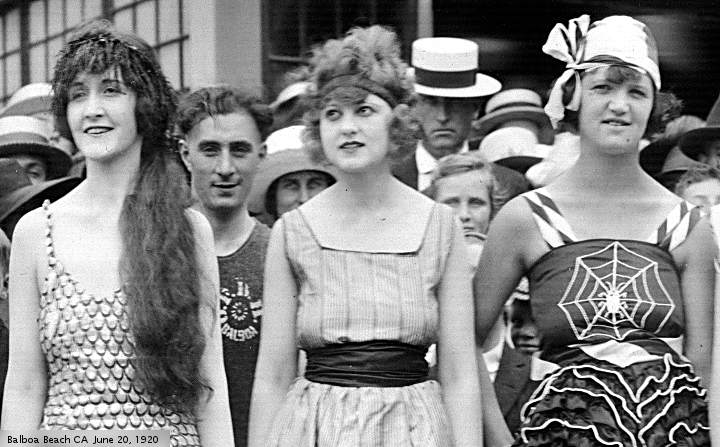
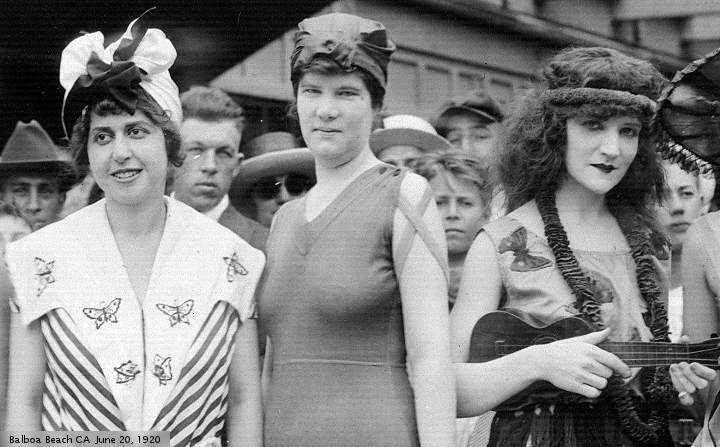
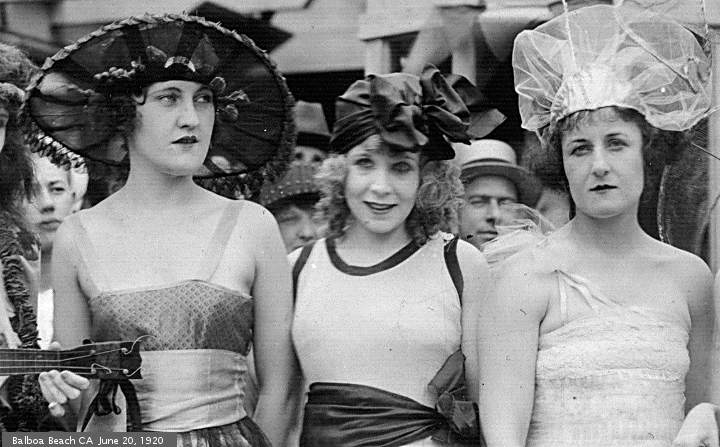
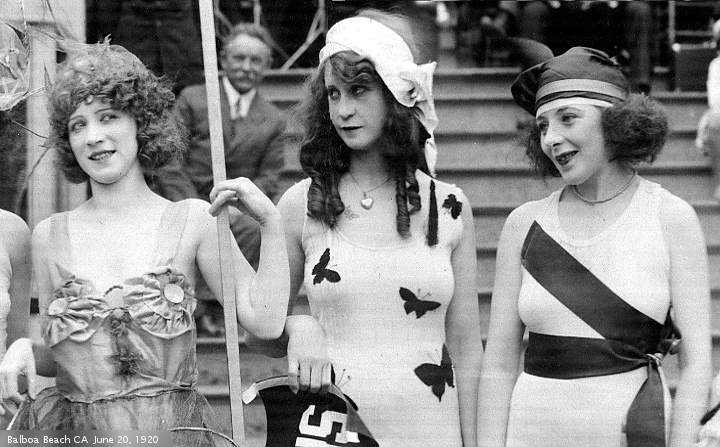
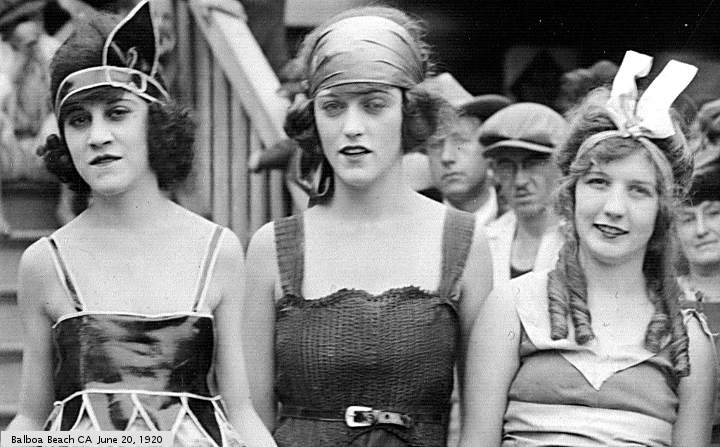
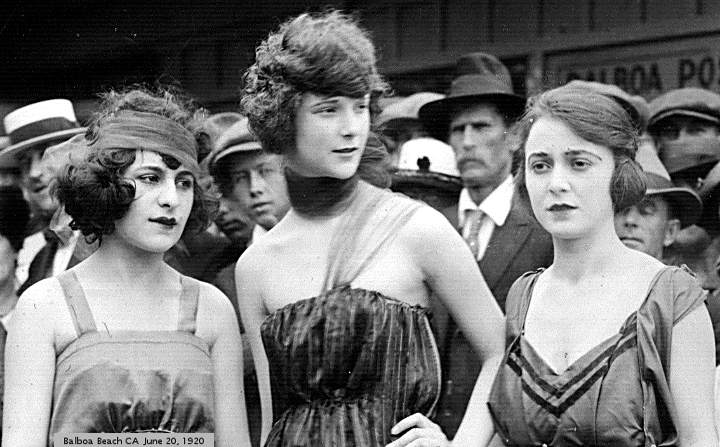
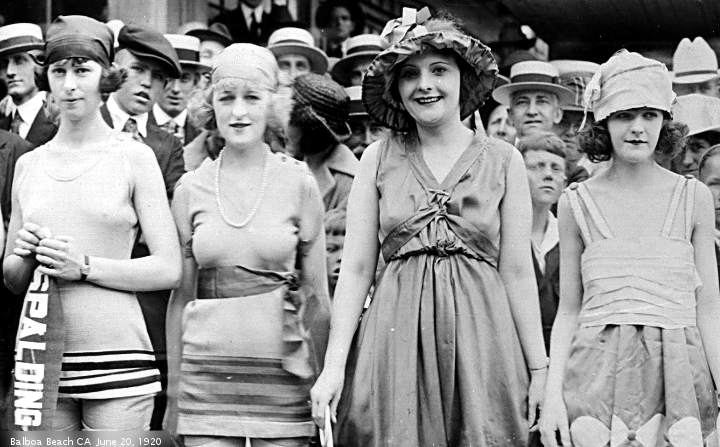
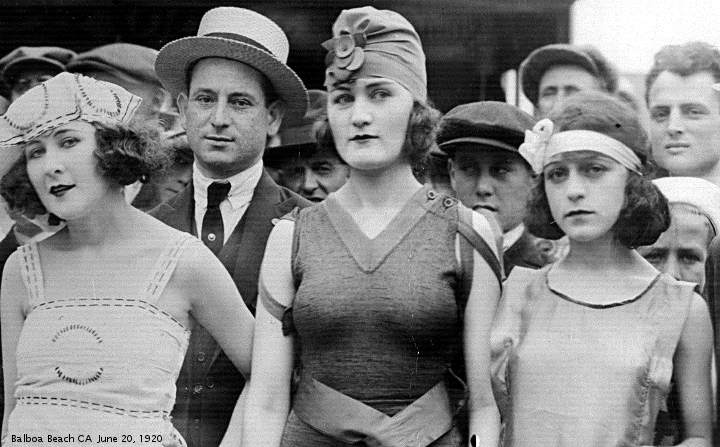
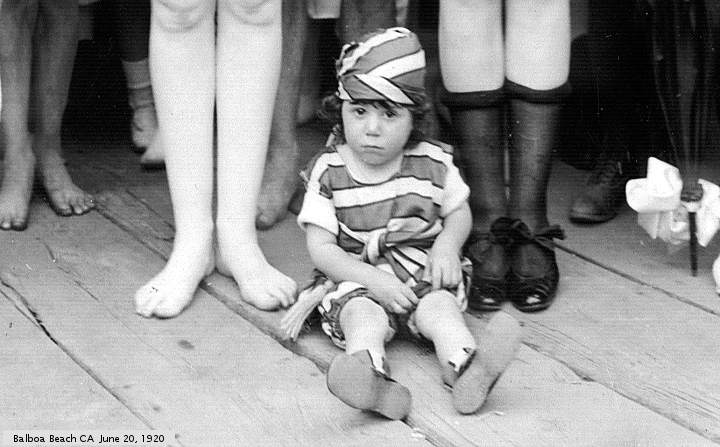
Pictures are from The Library of Congress, taken at “Annual “Bathing Girl Parade”, Balboa Beach, CA, June 20, 1920.” No one asked these ladies if they ever said the n-word. This is a repost. Other celebrities born on January 19: Robert E. Lee (1807), Edgar Allan Poe (1809), Jean Stapleton (1923), Janis Joplin (1943), and Desi Arnaz Jr.(1953.)
Rahsaan Roland Kirk

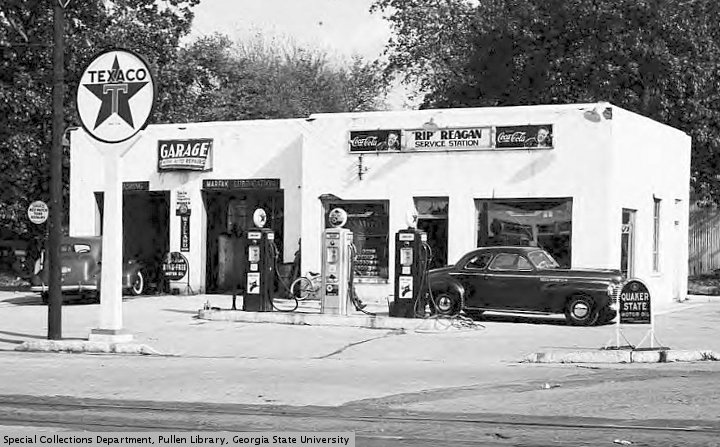



There have been eleven presidential transfers of power in my life. Nine of them were in January.I typically ignore them. I go out with Mr. Crook in office, and come home to President Thief.
The best exception was August 8, 1974. Richard Nixon was finally undone, and forced to resign. After watching Tricky Dick’s next to last television speech, I got in my Datsun, and drove to the Great Southeast Music Hall. The entertainment that night was Rahsaan Roland Kirk.
The Music Hall was the sort of place we don’t seem to have anymore. The auditorium was a bunch of bench backs on ground level, with pillows everywhere. It was a space in a shopping center, occupied by an office depot in later years. To get there from Brookhaven, you drove on a dirt road, where Sidney Marcus Boulevard is today.
Rahsaan Roland Kirk was not modest. He was the modern miracle of the tenor saxophone. He would play three saxophones at once, getting sounds that you do not get from a single instrument. At one point, the band had been playing for five minutes. Rahsaan had been holding the same note the entire time, without stopping to breathe.
Mr. Kirk played two ninety minute sets that night. He talked about twenty minutes out of every set. Of that twenty minutes, maybe thirty seconds would be fit for family broadcasting. Mr. Kirk…who was blind…said he did not want to see us anyway, because we were too ugly. He said that Stevie Wonder wanted to make a lot of money, so he could have an operation and see again.
The next day, Mr. Nixon got in a helicopter and left Washington. The Music Hall stayed open a few more years. Sidney Marcus Boulevard was paved. Rahsaan Roland Kirk had a stroke in 1975. He struggled to be able to perform again. On December 5, 1977, a second stroke ended his career. He was 41 years old. This feature is an encore presentation. The pictures used today are from “The Special Collections and Archives, Georgia State University Library”.



Judy Roasting On An Open Fire


SFFILK (Not his real name) passes along a story about Mel Tormé. It seems like Mr.Tormé was eating a leisurely breakfast at a food court in Los Angeles, and a quartet appeared singing Christmas songs. They wound up performing “The Christmas Song” for co- author Tormé … and the singers had no idea who he was. It is a good story, better told in the link.
According to the inerrant Wikipedia, Mr. Tormé collaborated with Robert Wells, until they had a falling out. One afternoon, on the hottest day of July in 1945, Mr.Tormé went to visit Mr.Wells, and saw the first four lines of “The Christmas Song” (including “Chestnuts roasting on an open fire, Jack Frost nipping at your nose”). The lines were on a note pad, and the two agreed to beat the heat of summer by completing the song. Supposedly, Mr. Tormé did not like the song very much. After three divorces, he probably didn’t see many of the royalties.
Mel Tormé was the music director of the ill fated “Judy Garland Show” in the early sixties. He wrote a book about it… The Other Side of the Rainbow: With Judy Garland on the Dawn Patrol . The story is that Miss Garland would get blasted, call Mr.Tormé in the middle of the night, and pour out her troubles. (This review is much less sympathetic towards Mr. Tormé.) While the show did not last longer, there are some great youtube clips left over. Barbra Streisand Mel Tormé Liza Minnelli
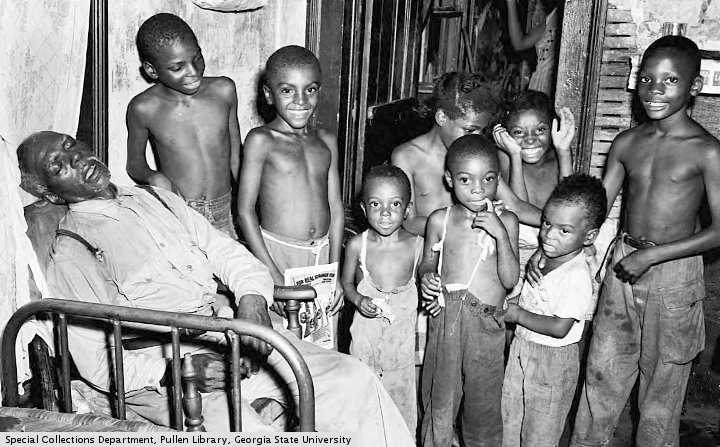
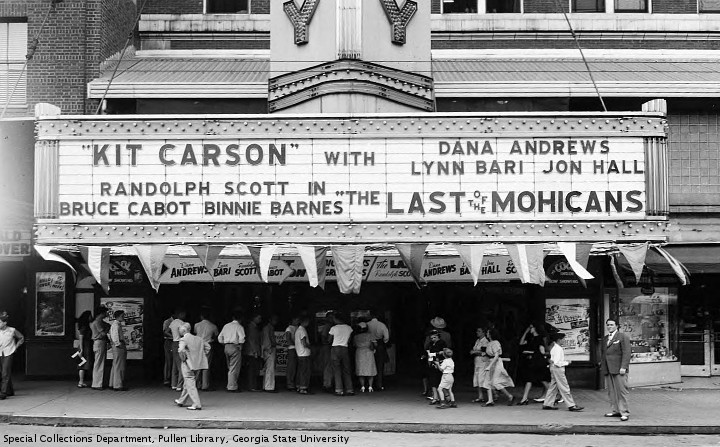
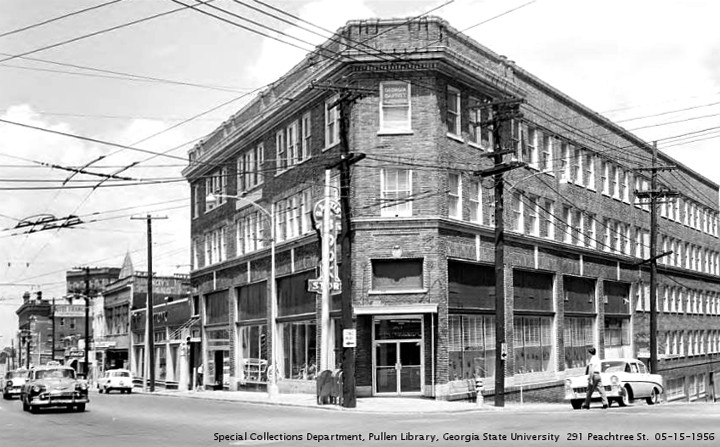
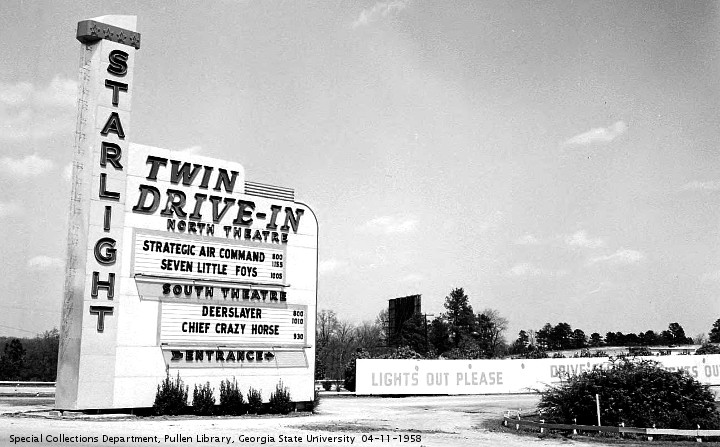
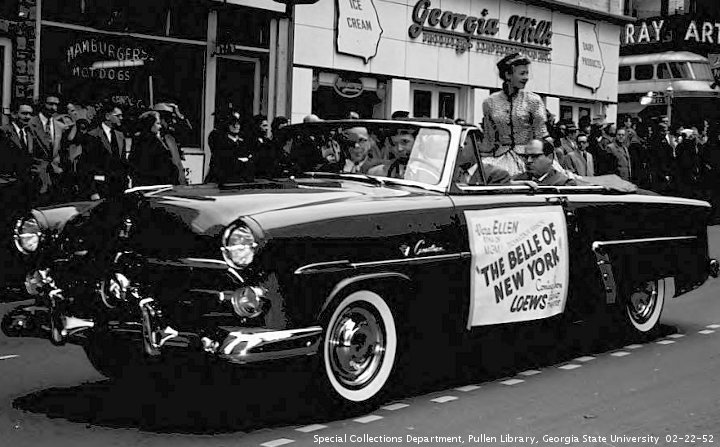
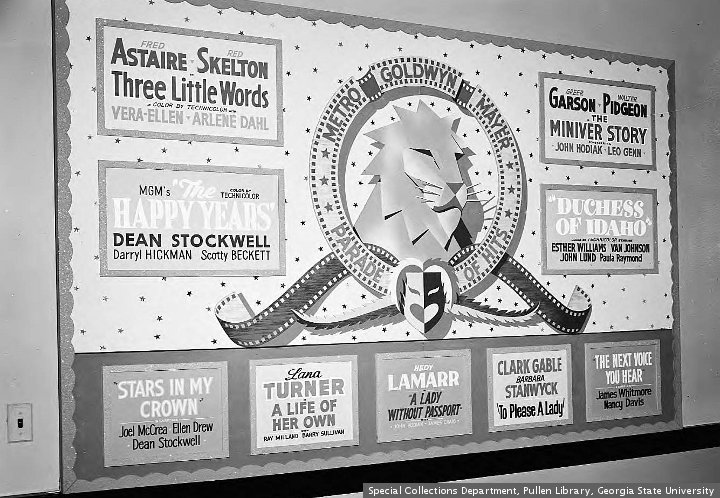
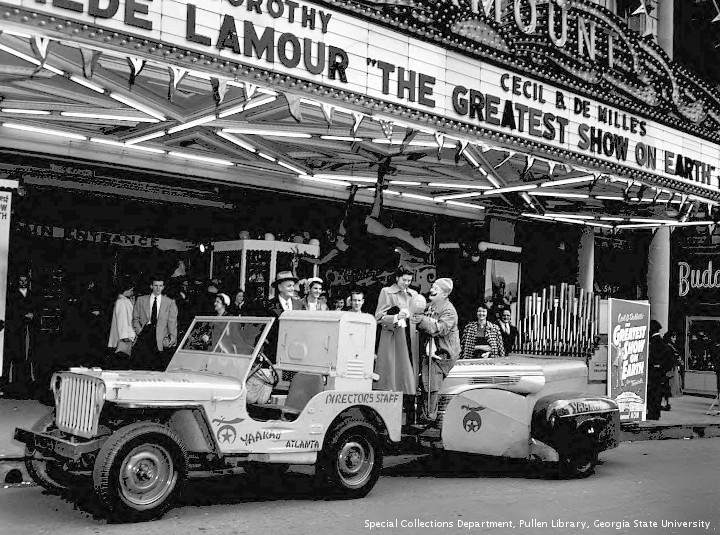
This is a repost, with pictures from Special Collections and Archives, Georgia State University Library. SFFILK, aka Michael Liebmann, passed away on July 26, 2016, due to complications from surgery. On June 5, 1999, Mel Tormé went to the chestnut roast in the sky. Frances Ethel Gumm met her maker June 22, 1969, and started a revolution.


 Chamblee54
leave a comment