Perro



It’s the first day of the new year. One feature of a new year is the Banished Words List from Lake Superior State University. I decided to celebrate by crafting a poem out of the words. Two words that were not banished, but could have been, were included to rhyme. · 6-7 Reach Out Perfect Gift, My Bad Demure Game Changer Slop, Absolutely Cooked Massive Grift, Gifted Incentivize Full Stop.
About 1730, I decided to go out and walk. I decided to listen to the rest of Freak Flag Flying podcast, episode #7. FFF is a show where David Crosby talks about things. I had about 10 minutes left on #7, then I immediately turned on #8, the last episode of the series. They are talking about If I Could Only Remember My Name, a “solo” album released in 1971. One of the prime songs on that album is “Laughing.” FFF played a demo that Cros did in 1968, which was “interesting”. A few minutes later, they played the version on IICORMN, which is magical.
“Laughing” started as I took my first step into the Ashford Forest Preserve. This is a magic place, a wooded patch across the street from Peachtree-Dekalb airport. AFP used to belong to the airport, and it was illegal to go there … which makes it more fun. I was listening to this exquisite Piece of music, while walking on this path that I had walked on many times before. It could have been a video.
I just went on, until I got to a bench that overlooks a Ravine. I decided to sit down on the bench and meditate. It was a little bit after six o’clock, and there was still some light, on the twelfth day after the solstice. The light is returning.
I was at the 24 minutes into FFF#8, and I made a note of that. The meditation was not as magical as I might have liked, and I ended it early. After putting another layer of clothes on, I tried to turn on FFF#8. The music player had other ideas, and started on something else. After getting mad and cursing, I decided to listen to FFF#8 from the start. Even though it was a full moon, the sky was dark enough to make me find my flashlight. When “Laughing” played, and Joni sang her ethereal harmony, I decided it was time to use the flashlight.
The players at Wally Heider studio called themselves the planet earth rock and roll orchestra, or perro. I found a copy of these files years ago, when I had a dialup connection. The folder was 141mg, and it took all night to download. Today, I downloaded a similar collection in less than a minute. The title : “Jerry Garcia live at Wally Heider’s, San Francisco, CA on 1971-01-02”. This 55 years ago, to the day. The plan now is to listen to the files, and eliminate the ones where they play a note or two and laugh. I may get a usable playlist from all this. Unfortunately, there are three lists, and they all have different names for each track. This may be more brain damage than it is worth. This is not the first time anyone has said that David Crosby is more brain damage than he is worth.
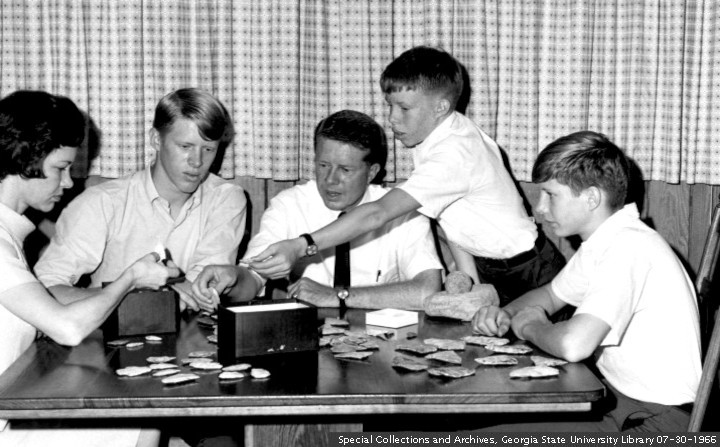
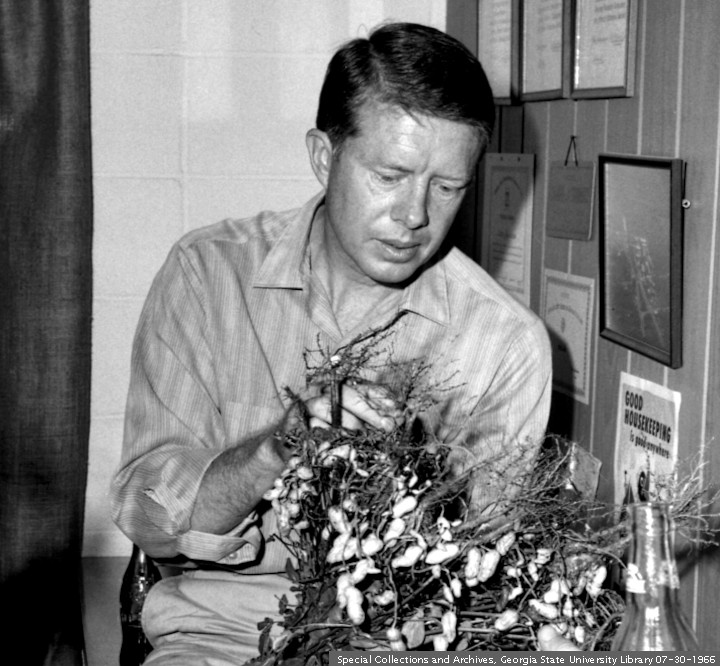
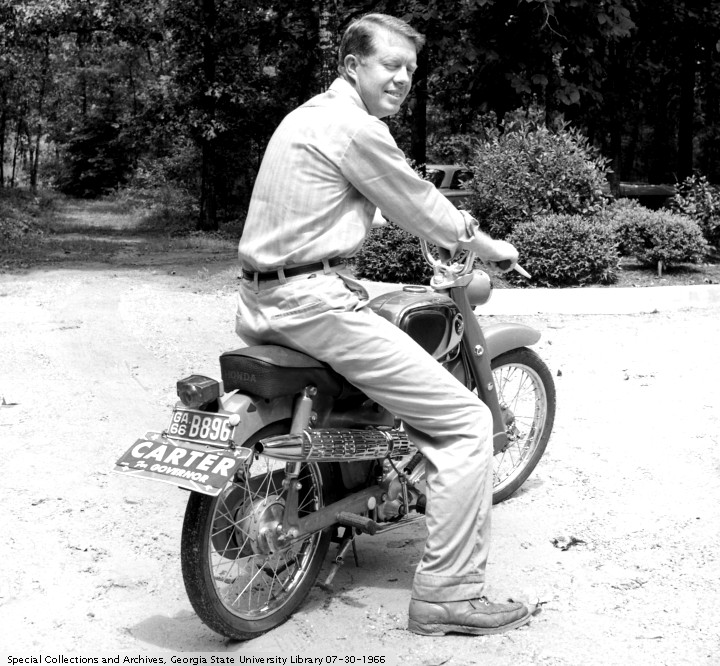
Pictures today are from Special Collections and Archives, Georgia State University Library. The social media picture was taken July 30, 1966. “Jimmy Carter with family members in their Plains, Georgia home during Carter’s first campaign for governor” On January 2, 1971, Governor Elect Jimmy Carter was waiting to begin his term as Governor. ©Luther Mckinnon 2025 · selah


Georgia On My Mind




This content was published December 16, 2020. … Rock the Runoff: Broadway for Georgia performs “Georgia On My Mind” turned up on facebook. This video got me thinking about GOOM.
Youtube turned up the original. “© Written in 1930 by Hoagy Carmichael (music) and Stuart Gorrell (lyrics) Gorrell wrote the lyrics for Hoagy’s sister, Georgia Carmichael. However, the lyrics of the song are ambiguous enough to refer either to the state or to a woman named “Georgia”. Carmichael’s 1965 autobiography, “Sometimes I Wonder”, records the origin: a friend, saxophonist and bandleader Frankie Trumbauer, suggested: “Why don’t you write a song called ‘Georgia’? Nobody lost much writing about the South.” Thus, the song is universally believed to have been written about the state.”
National Anthems has a story about GOOM. (The 90’s website has a retro-illustration.) “STUART GRAHAM STEVEN GORRELL (1901-1963) and HOAGLAND HOWARD CARMICHAEL (1899-1981), wrote the song in 1930 almost as a lark … Hoagy Carmichael went to Indiana University, and one of his best college chums was Stuart Gorrell. Hoagy Carmichael was going to be a lawyer and Stuart Gorrell, when not hanging around the local “jazz joint” (called The Book Nook!) had promised someone that he would eventually be a success in the world of business.”
“The two of them were together at a party in New York and Hoagy Carmichael played what he had of the “Georgia” music line for Stuart Gorrell and some friends. After the party broke up, the two of them went back to a friend’s apartment and worked on the tune throughout the night. Stuart Gorrell wrote what he thought would be a good lyric line on the back of a post card, (now displayed in the Carmichael Room at Indiana University) and showed it to Hoagy Carmichael. One can still plainly see the few, but important, changes that Hoagy Carmichael made on that small piece of cardboard to Stuart Gorrell’s lyrical scratchings. (see note below) The song was improved upon, and the lyrics written, in that boozy early morning, and recorded in September 1930 by a band that included Hoagy Carmichael’s great friend, Bix Beiderbecke – a recording session that proved to be Bix’s last.”
“Hoagy Carmichael went on to write many more songs, some of them hits, and Stuart Gorrell kept his promise and became a Vice President at Chase Bank. Stuart Gorrell never tried to write another song lyric, but ‘Georgia on my Mind’ became a hit after World War II and Hoagy Carmichael, true to his word – although Stuart Gorrell was not legally credited as the lyricist by the music publisher – always sent Stuart Gorrell a cheque for what would have been his share of royalty. The royalty income from that song is substantial and, after Stuart Gorrell died, the income put his daughter through college.”
Mr. Gorrell wrote a letter to the Bremen (Indiana) Enquirer, August 3, 1961. “This accompanied his response to his home town’s Teen Hop patrons choosing the song as their theme song. … “Georgia on my mind” was composed more than a quarter of a century ago on a cold and stormy evening in 1930 in New York City. Hoagy Carmichael and I, in a third floor apartment overlooking 52nd street, with cold feet and warm hearts, looked out the window and, not liking what we saw, turned our thoughts to the pleasant southland. Thus was born a hauntingly sweet song. My mother, who died in Bremen in 1942, once asked a very penetrating question about the song. I had sent her a copy of the sheet music and, after reading the words over several times, she wondered aloud: “What is Georgia? A girl—or state? What do you think? Hoagy and I just love every one of you Bremen Teen Hoppers for honoring our tune by making it your theme song. Sincerely, Stuart Gorrell.”
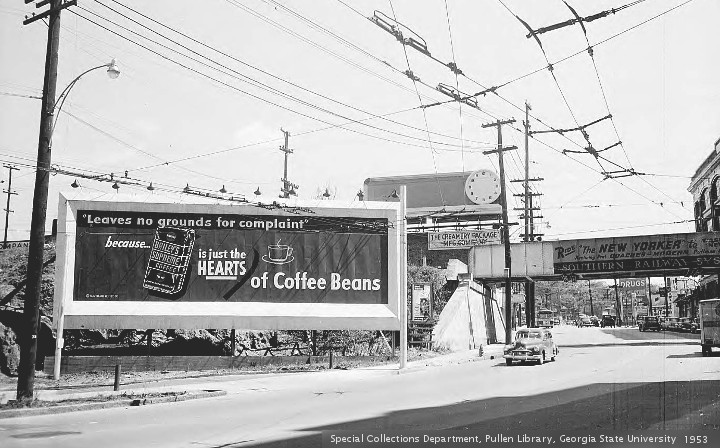
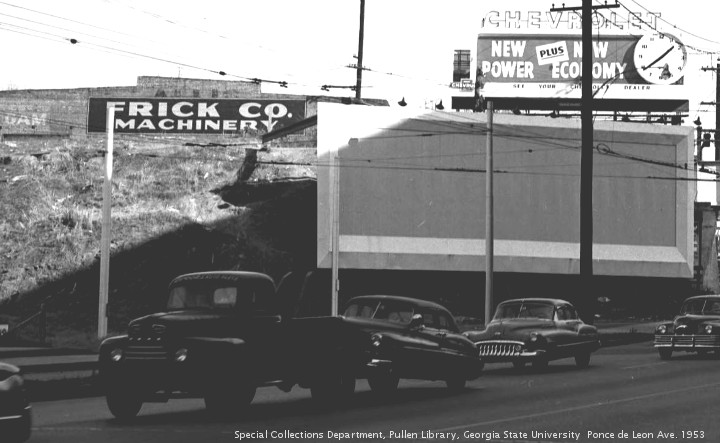
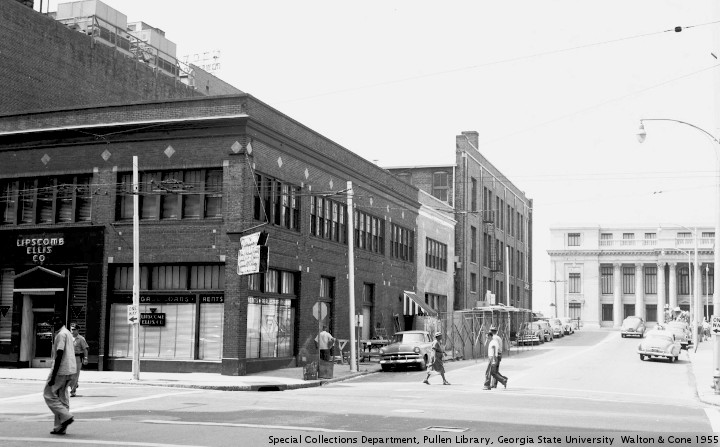
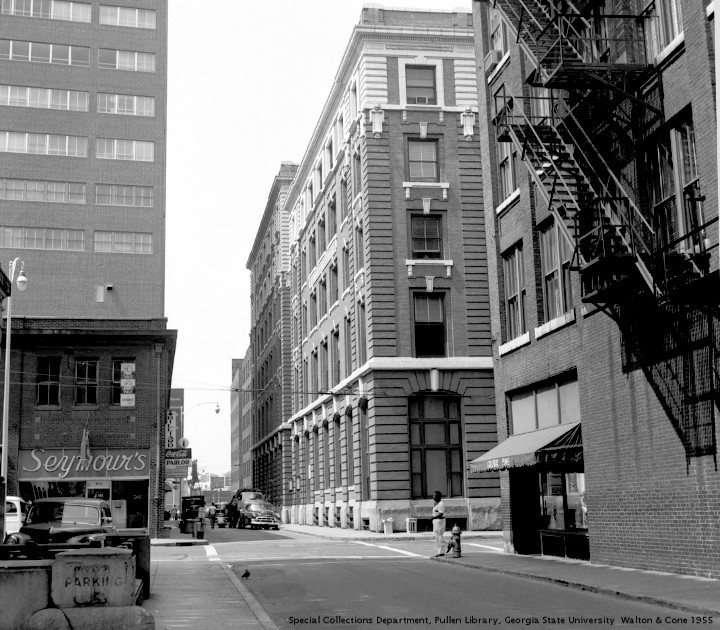
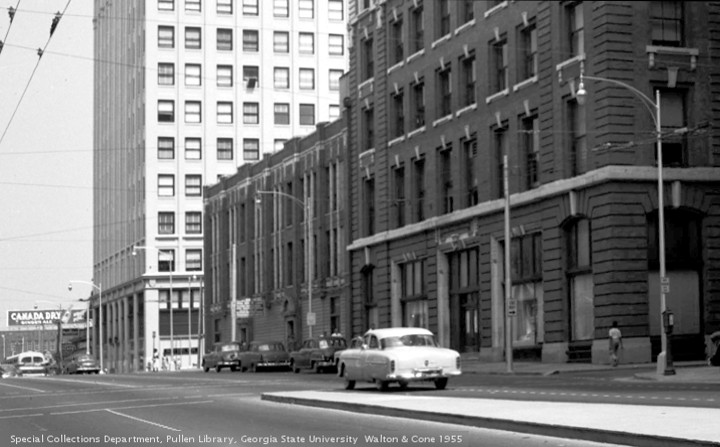
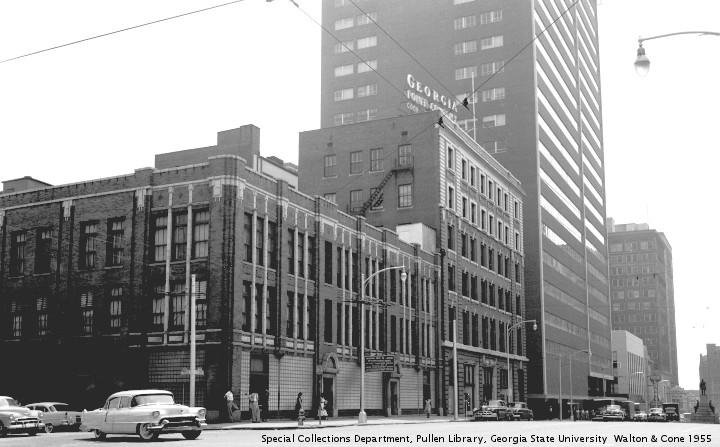
“Georgia on my mind will enter the public domain January 1, 2026. … The 2020 post had a photograph of the original lyrics. The words “old sweet” were written in pencil, over a scratched out phrase. This photograph was at the Carmichael Room at Indiana University. I could not find this photograph at the internet archive. … “Significant portions of the collection at the ATM were digitized in 1999 as part of a grant from the Institute of Museum and Library Sciences (IMLS). A website was created as part of the project, which is no longer updated.” … Pictures today are from Special Collections and Archives, Georgia State University Library. The social media picture was taken in March 1953. “Atlanta Crackers, sign boards outside Ponce de Leon Park … Looking west, Sears warehouse visible on left.“ ©Luther Mckinnon 2025 · selah



Turn, Turn, Turn

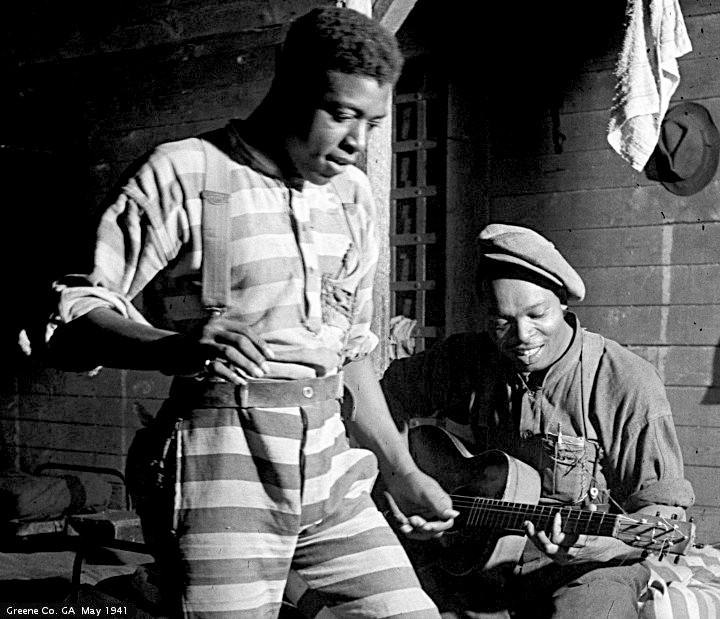
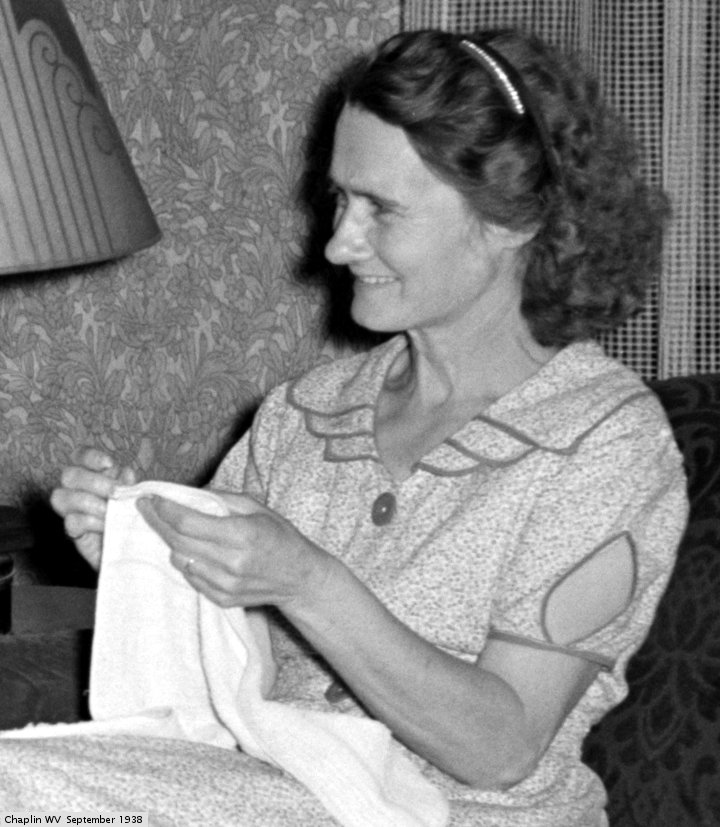


This content was published November 5, 2023. … We are now in a time of war. One side is heavily armed, and slaughters unarmed women and children. The Prime Minister of the heavily armed country uses Ecclesiastes 3:8 to justify mass murder. … I recently published a poem, that includes the line “Ecclesiastical abomination.” When I wrote that, it was just a clever phrase, rhyming with cultural appropriation. In fact, I considered saying cultural abomination/Ecclesiastical appropriation. Now, Bibi Netanyahu has taught me the meaning of Ecclesiastical abomination.
The word Ecclesiastes has a poetic tingle. “Eccy” is in the Old Testament is between the poetry of Proverbs, and the enticements of the Song of Salomon. Richard Brautigan counted the punctuation marks in Ecclesiastes, and found no errors. Ecclesiastes 3 was even the lyrics for a top forty song.
Turn, Turn, Turn is taken almost verbatim from the book of Ecclesiastes. Pete Seeger wrote a melody, and added a line. “There is a time for peace, I swear it’s not too late”. TTT became a hit for the Byrds in 1965, as the escalation of the Vietnam war was in full bloom.
TTT is about the dualities of life, and how there is a place for all these things. When I was collecting rocks from destroyed houses, it was a time to gather stones together. TTT can serve as a companion to the vibrations of day to day living.
Pete Seeger died January 27, 2014. I first heard of him when he was on the Smothers Brothers Comedy Hour. It was during Vietnam, and Mr. Seeger did “Waist Deep in the Big Muddy”. The CBS censors did not allow this the first time he appeared. Many thought Mr. Seeger was talking about Lyndon Johnson when he sang “The big fool said to push on”.
This content was published November 1, 2008. … After finishing breakfast, I made a pot of coffee and went to look at the battery. Prying the cover off with a screwdriver, I saw that there was almost no water inside. I went to the toolshed to get the distilled water, and saw the sun rising over the trees in the backyard. I put three cups of water in the battery, and tried to start the car. The car did not start, but did make more noise than it did last night.
Back to the dialog about war and peace. The only Tolstoy I had read was a short story about a man called Ivan Ilyitch. War and peace are two constants of man’s existence. There had been a feature about W&P in The Aquarian Drunkard. AD is a blog written by a former Dunwoody resident who now exists in LA. The feature focused on Pete Seeger, and the song “Turn, Turn, Turn”. …
I checked the fishwrapper to see when the Georgia Florida game began. While I was there, I looked in on his other alma mater, Cross Keys High School. CK is riding a 28 game losing streak. Halloween night, they lost to Greater Atlanta Christian 66-7. … This text is written like H. P. Lovecraft. Pictures today are from The Library of Congress. The social media picture is labeled Untitled. It is possibly related to a picture taken by John Vachon in March 1943. “Greenville, South Carolina. U.S. Highway 29 seen from an Associated Transport Company truck” ©Luther Mckinnon 2025 · selah


Joni Mitchell Smoking



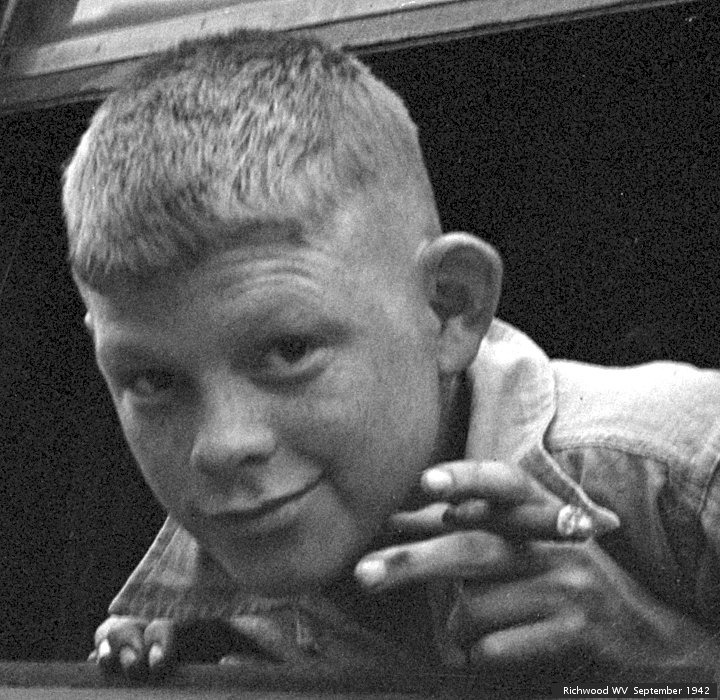
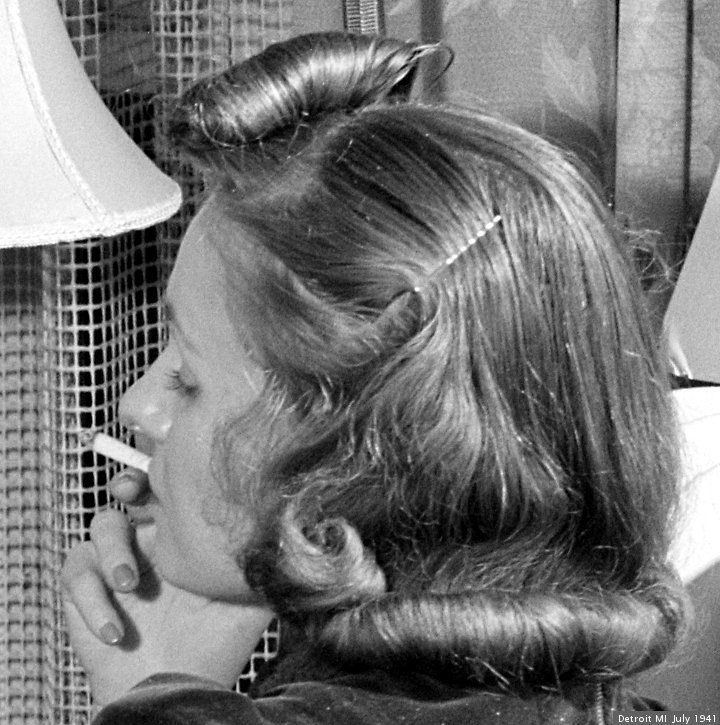
Yesterday I posted a birthday tribute to Joni Mitchell. In the late stages of the vetting process, the thought occurred to me: What brand of cigarette did she smoke? The AI overview mentions American Spirit, and Camels. American Spirit came on the market in 1982. Joni started her habit in 1952, so she was a Camel girl for 30 years.
In 1991, Joni had a new album to promote. The Telegraph helped out with a “puff piece”, THE FLOWERING OF JONI MITCHELL. “Even the cigarettes she smokes are particular. They are called American Spirit, and come in a sky blue pack, and they say a lot about Joni Mitchell. For these are truly designer cigarettes, free of artificial additives, expensive. Mitchell volunteers the long and detailed explanation of the true smoking aficionado: ordinary cigarettes contain saltpetre which makes them burn down quicker; these cigarettes last longer, but you still have all that addiction-quenching nicotine.” (American Spirit might not be that healthy after all.)
“… Even as the last plume of blue smoke from one cigarette is melting in the air, she is relighting another. One sees in this a small, but telling gesture of defiance. In California, smoking is regarded with the puritanical disdain of a social disease; Joni Mitchell — for many, the very personification of a certain Californian way of life (although she is actually Canadian) — doesn’t care.”
The Telegraph published Joni Mitchell: still smoking on October 4, 2007. “’I’ll try not to kill you with secondary smoke,” says Joni Mitchell, as she lights up at the table. The great Canadian singer-songwriter likes her cigarettes, and, at 63, nothing is likely to persuade her to stop smoking now. … “It’s one of life’s great pleasures,” she says, mischievously revelling in political incorrectness as she exhales a small cloud through wide nostrils. …
Mitchell’s speaking voice is a little husky, and her singing voice has noticeably altered over the years, losing the high end and modulating into a sensuous alto, but she blames age rather than tobacco. “I have smoked since I was nine, so obviously it didn’t affect my early work that much.” … And then she diverts into a rambling reminiscence of childhood in the remote farming community of Saskatoon. “I would grab my tobacco and get on my bike, looking for a beautiful place, a grove of trees or a field, and go amongst the bushes and smoke and that always gave me a sense of well being.”
On June 21, 2012, My cigarettes, my self, by Joanne Laucius, appeared in the Ottawa Citizen. “Songstress Joni Mitchell has often been photographed with a cigarette in her hand. Women artists and writers have used cigarettes to define themselves. “It is not by chance that Joni Mitchell adopted cigarettes as integral to her artistic integrity,” says historian Sharon Anne Cook in Sex, Lies, and Cigarettes, a new book about women and smoking. …
Mitchell appeared on the cover of her 1976 album Hejira with a cigarette. She has often been photographed with a cigarette in hand and interviewers often mention Mitchell chain-smoking. In a 1995 Vogue article, the writer noted there were two packages of cigarettes on the table “that (Mitchell) makes her way through with Bette Davis speed.” A reporter at The Independent noted in 1994 that when Mitchell’s left hand stubbed out one cigarette, her right hand was lighting the next one.”
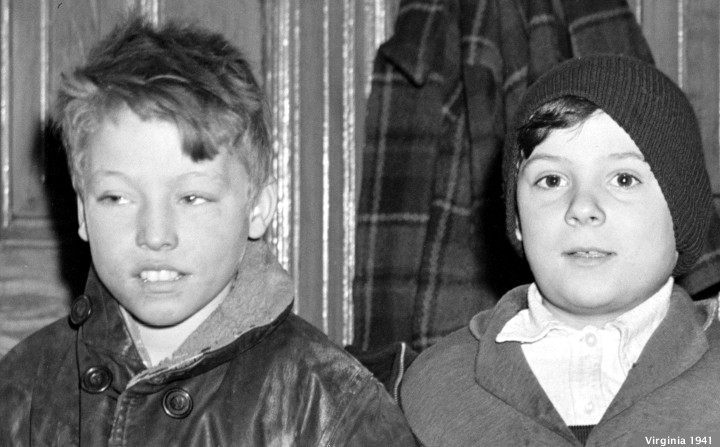
“Concern for Mitchell’s health unfortunately seems warranted. She’s a life-long smoker (although apparently she now smokes e-cigarettes instead) who contracted polio as a child, struggles with a weird skin condition called Morgellons Disease, and in 2015 survived a brain aneurysm from which she’s never fully recovered, making it difficult for her to walk.” … Pictures today are from The Library of Congress. John Vachon took the social media picture in March 1941. “Men eating at Salvation Army. Newport News, Virginia.” ©Luther Mckinnon 2025 · selah


Joni Mitchell



Tuesday is Joni Mitchell’s 82nd birthday. Roberta Joan Anderson was born November 7, 1943, in Fort Macleod, Alberta. For this birthday tribute we will revisit four previous posts. one two three four … A facebook friend went on a Joni Mitchell kick. First it was a link to an interview, which youtube has cancelled. Then it was a quote from The Last Time I Saw Richard. A lady said Blue was her favorite album all all time, and a man enthusiastically agreed.
Given the apples and oranges quality of her catalog, it would be tough to pick one album as a favorite. I soon realized that fbf was going to be thirty soon. I am sixty. These are two different perspectives on the craft of Joni Mitchell. One has driven through the storm, not knowing what was next. The other is presented with an almost complete body of recorded work.
I have known about Joni since high school, and been a devoted fan since 1976. Joni’s most popular album, Court And Spark, came out in 1974, eleven years before fbf was born. Who would be the equivalent female musical force from 1943, when I was minus eleven? The answer is nobody. (Coincidentally Roberta Joan Anderson was born on November 7, 1943.)  After the comment about Blue, I listened to For The Roses. Joni’s craft is like a cluster bomb … there are lines that you never fully felt, bomblets waiting to explode in your gut. Let The Wind Carry Me has one of those hidden threats. “Mama thinks she spoilt me, Papa knows somehow he set me free, Mama thinks she spoilt me rotten, She blames herself, But papa he blesses me.”
The first thing I heard by Joni was Big Yellow Taxi. It was on The Big Ball, a 1970 mail order sampler from Warner Brothers. This was when Joni shacked up with Graham Nash. The next year saw Blue, followed by For The Roses, and Court And Spark. I always thought Joni was someone he should like, but somehow didn’t. It wasn’t until 1976 that I broke through the barrier, and became a Joni Mitchell fan. Seeing her in concert did not hurt.
On February 3, 1976, I took a study break. (I scored 100 on the test the next day). Joni Mitchell was playing at the UGA coliseum a few blocks away, and the door was not watched after the show started. I found a place to stand, on the first level of the stands. The LA express was her band that night, and created a tight, jazzy sound, even in the UGA coliseum. Tom Scott pointed at Joni, said she was crazy, and drew circles around his left ear. The one line I remember is “chicken scratching my way to immortality” from Hejira.
The Hissing of Summer Lawns might not be her best album, but it is certainly her bravest. Court And Spark was a commercial success. Instead of producing a bestselling followup, Joni took a ninety degree turn. Summer Lawns, for all its eccentric sparkle, confused the record buying public. The gravy train took off in another direction.
In those days, 96rock played a new album at midnight, which people would tape. On the night of the Lynyrd Skynyrd plane crash, the album was Hejira. This was followed by Mingus, another curve ball. Finally, Don Juan’s Reckless Daughter appeared, and did not make a good impression.
The eighties, nineties, and aughts appeared. Joni and I lived our lives. 1996 saw a frightening interview in Details magazine. It was startling to see that for all her granola glory, Joni Mitchell might not be a very nice person. In a pot and kettle moment, David Crosby said “Joni’s about as humble as Mussolini.” Music is a tough way to make easy money.
More recently, there was a long interview on Canadian television. She is not mellowing with age. The cigarettes have not killed her, even if her voice is not what it once was. The recent albums that I have heard are strong. There seem to be more on the way. Maybe the facebook friend will have the “what is she going to do next” experience after all.


A few weeks ago, I was at the library. I had a story to take home, before going over to the biography section. There I found Reckless Daughter: A Portrait of Joni Mitchell. At least with fiction, you know you are dealing with a made up story. With biography, you have to use judgment.
It is a familiar story. Joni was born in the frozen north, was a rebellious girl, and got pregnant. She gave up the daughter for adoption, only to be reunited many years later. Joan Anderson gets married to, and divorces, Chuck Mitchell. Joni sings, writes, tunes her guitar funny, becomes a star, gets too weird to be popular, makes and loses money, smokes millions of cigarettes, and becomes an angry old lady. There is a bit more to the story than that. Reckless Daughter fills in a few of the blank spots.
Millions of cigarettes might be an exaggeration. Joni started smoking when she was nine. When she was a star, she was almost as well known for her constant puffing as her pretty songs. When Joni was in a Reagan era slump, she was going through four packs a day. Just for the sake of statistics, lets call it two packs, or forty fags, a day. Multiply forty by 365 and you get 14,600. If she started at 9, and had her aneurysm at 72, that gives you 63 years of nicotine abuse. If you assume that there were forty fags a day for 63 years, that gives you 919,800 smokes. IOW, while seven figures is not out of reach, it is rather unlikely that Joni smoked more than 2,000,000 cancer sticks.
The author of Reckless Daughter, David Yaffe, is a problem. He talks about the mood of America in 1969, four years before he was born. Mr. Yaffe goes to great lengths to show us that he knows about making music. Some readers will be impressed. There are mini-essays on Joni songs from her golden years, the time between Ladies Of The Canyon and Hejira. And gossip, gossip, and more gossip. Joni is well known for her celebrity lovers.
We should make the point that I enjoyed Reckless Daughter. The inside stories are fun, and pages turn over without too much head scratching. Maybe this is a statement about the career of Joni Mitchell. You enjoy the music for many years, and then complain about the details. Reckless Daughter follows the trajectory of other celebrity biographies. The star is born, takes up a craft, gets a break, becomes successful, goes over the mountaintop into a long decline. With Joni, nothing after Mingus was well received. The chanteuse was broker, and angrier, by the minute.
On page 13, Joni hears Rhapsody on a Theme of Paganini by Sergei Rachmaninoff. This is the piece that makes her want to be a musician. One page 129, we learn the story of A&M studios in Hollywood. At one time, The Carpenters were in studio A, while Carole King was recording “Tapestry” in studio B. Joni was recording “Blue” in studio C, which had a magic piano. One time, Carole King learned of a break in the studio C booking, and ran in. Three hours later, “I feel the earth move” was recorded.
A few years later, Joni was on the Rolling Thunder tour with Bob Dylan. One of the concepts was support for Rubin “Hurricane” Carter, whose story can be found elsewhere. Joni became disillusioned with Mr. Carter. When Joan Baez asked Joni to speak at a benefit concert, Joni said she would say that Mr. Carter was a jive ass N-person, who never would have been champion of the world. Joni later got in SJW trouble for posing in blackface, for the cover to “Don Juan’s Reckless Daughter.”
On page 251, we learn that Bob Dylan does not dance. Other items include “Free man in Paris” being written about David Geffen, and Jackson Browne writing “Fountain of Sorrow” about Joni. Mr. Browne is a not-well-thought-of ex of Joni. As for Mr. Geffen…. Joni stayed at his house for a while, at a time when Mr. Geffen was in, and out, of the closet. Did they make sweet music together? … So this book report comes to an end. Joni is recovering from a brain aneurysm, and will probably not produce anything else. The book is going back to the library, and I will move on.


Joni Mitchell has product to promote. She gave an interview to New York magazine, where she smoked a few cigarettes and expressed a few opinions. There were enough attention getting comments to make the news.
“When I see black men sitting, I have a tendency to go — like I nod like I’m a brother. I really feel an affinity because I have experienced being a black guy on several occasions.” She proceeds to tell a story about dressing like a down and out black man as a way of dealing with an obnoxious photographer. “I just stood there till they noticed me. I walked really showily, going, Heh heh heh. It was a great revenge. That was all to get his ass. To freak him out. I had to keep him on the defensive.”
Gay-mafia-made-man David Geffen was a target. “I ask her about a painting, visible in a vestibule, on the way to her laundry room, of a curly-haired man with a banana lodged vertically in his mouth; turns out it’s Geffen, and she painted it. “Before he came out. He’s never seen it,” she says, before explaining: “He was using me as a beard. We were living together, and he’d go cruising at night. He was very ambitious to be big and powerful, and he didn’t think he would be [if he was openly gay].” By 1994, the two had fallen out over her insistence that he didn’t pay her enough in royalties.”
The product is a four cd boxed set, Love Has Many Faces: A Quartet, A Ballet, Waiting To Be Danced. There was a single one star comment about the joniproduct. Al Norman Seems like a collection of Joni’s forgettable tunes February 3, 2015 ~ “My wife loves Joni Mitchell, and never listens to this set. Seems like a collection of Joni’s forgettable tunes.” This comment was sponsored by Head and Shoulders. “100% flake free hair & A GREAT SCENT”
You just can’t get away from capitalism. Ms. Mitchell heard “… on the radio, a record executive “saying quite confidently, ‘We’re no longer looking for talent. We’re looking for a look and a willingness to cooperate.” As interviewer Carl Swanson notes, “For now, she’s hoping that people buy her boxed set, with her self-portrait on the cover. To that end, she gives me a Joni Mitchell tote bag with one of her paintings on it to carry my things home in. Get the word out.”
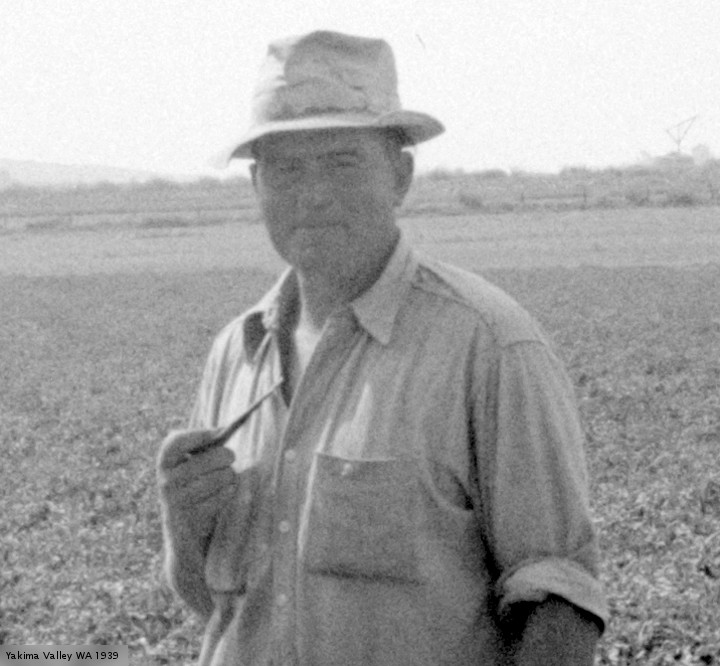


Joni Mitchell gave an interview recently to a Canadian Broadcaster. She is famously Canadian. The chat was in her California living room, which is littered with her paintings. Many of the paintings are things like Saskatchewan at forty below. Mrs. Mitchell alternates between painting and music, which tend to balance her cigarette fueled mind.
The CBC interview is paired with a more formal chat in Toronto. She could not smoke during the Toronto interview. The Toronto interviewer is just a bit smarter than Jian Ghomeshi, who endured the second hand smoke in California. Mr. Ghomeshi said things like “The song “Woodstock” defined a generation.” Mrs. Mitchell was in a New York City hotel room that famous weekend.(Spell check suggestion for Jian Ghomeshi: Joan Shoeshine)
There are some juicy quotes. Art is short for artificial. When listening to Joni songs, you should look at yourself, and not at her. Free love was just a gimmick for the men to get laid. False modesty is pointless. Sylvia Plath was a liar, or maybe it was Anne Sexton. (James Dickey said that Sylvia Plath was the Judy Garland of American letters.)
A fearsome foursome gets in the game. Someone screamed, on a live album. “Joni, you have more flash than Mick Jagger, Richard Nixon, or Gomer Pyle combined!.” Years later, the fan introduced himself to Mrs. Mitchell.
The conversation mentioned Bob Dylan. He is from Northern Minnesota, and not quite Canadian. Apparently, Mrs. Mitchell kicked up a fuss with some comments in 2010. ” Bob is not authentic at all. He’s a plagiarist, and his name and voice are fake. Everything about Bob is a deception. We are like night and day, he and I. … Grace [Slick] and Janis Joplin were [sleeping with] their whole bands and falling down drunk, and nobody came after them!”
Did Bob Dylan and Joni Mitchell ever tune up together? Joan Baez, a similarly named contemporary, is well known for dating Mr. Zimmerman. Ms. Baez did sing at Woodstock.
Mrs. Mitchell doesn’t exactly take back her comments about Bob Dylan. ““I like a lot of Bob’s songs, though musically he’s not very gifted. He’s borrowed his voice from old hillbillies. He’s got a lot of borrowed things. He’s not a great guitar player. He’s invented a character to deliver his songs. Sometimes I wish that I could have that character — because you can do things with that character. It’s a mask of sorts.”
In a kill the messenger moment, Mrs. Mitchell lashed out at the interviewer from the 2010 piece. It is odd, since he didn’t ask any trick questions. Black and white transcripts are tough to deny. “The interviewer was an asshole.” (The body part is bleeped.) “I hate doing interviews with stupid people, and this guy’s a moron” “His IQ is somewhere between his shoe size and (unintelligible)”.
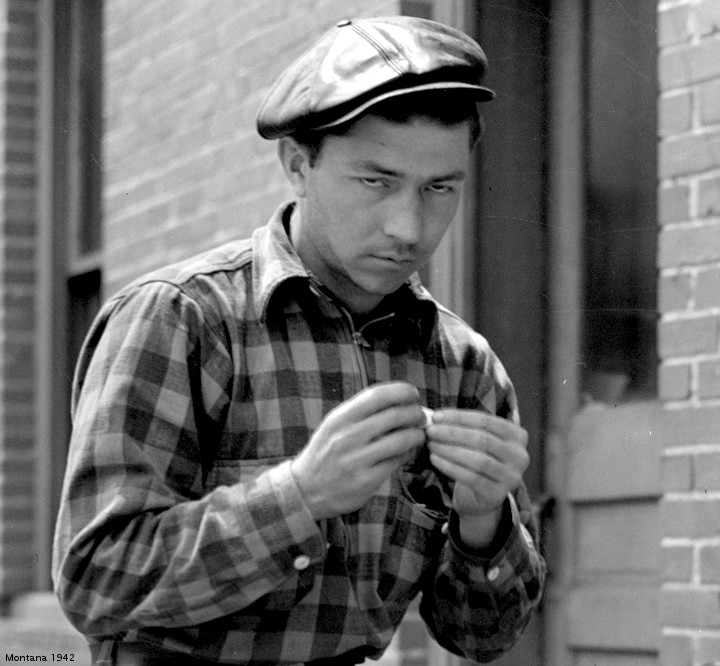
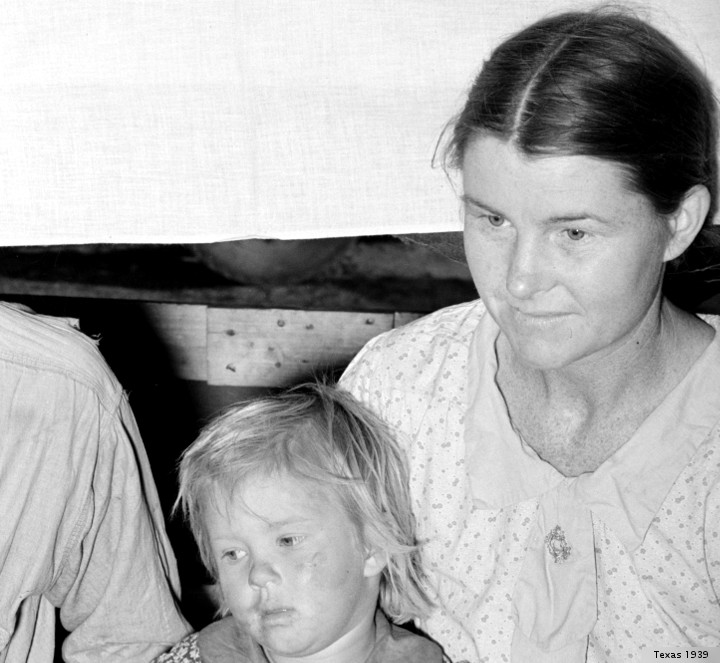
The troublesome 2010 interview was conducted with John Kelly, a Joni Mitchell tribute artist. “JK: Drag does have a power, though — that netherworld of a thing you can’t quite know, which makes people nervous. JM: Drag wasn’t always counterculture. In his memoirs, Nixon talked about the Harvard and Yale men in power who would put on these plays where they dress like women, and Milton Berle did a kind of “hairy drag.” Becoming a gay thing made drag go underground.” Did Mick Jagger and Gomer Pyle ever do drag with Richard Nixon? … Pictures today are from The Library of Congress. Russell Lee took the social media picture in February 1939.
“White migrant family in trailer home near Edinburg, Texas” ©Luther Mckinnon 2025 · selah



Mick Fleetwood


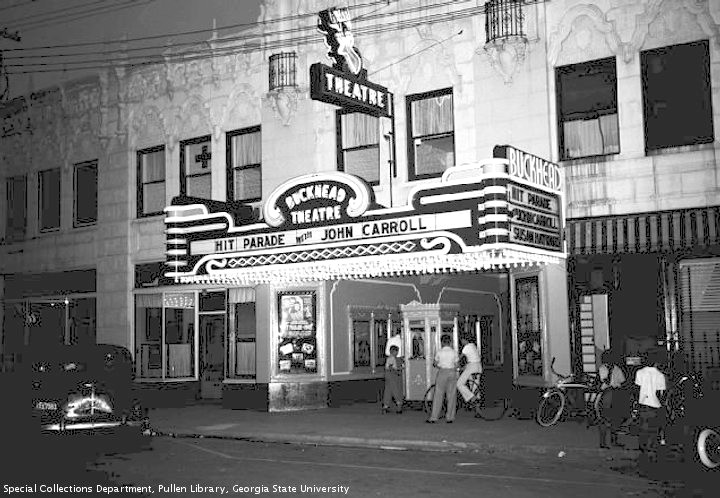


This content was published . … I read the autobiography of Mick Fleetwood. If this had been a made up tale of fiction, no one would believe it. Mick is not the manufacturer of enemas, nor the namesake of a Cadillac Model. The possibility does exist that he has used those two products.
John Mayall gave his guitar player, Peter Green, some studio time as a birthday present. “The Green God” used a rhythm section from the Bluesbreakers, Mick Fleetwood (drums) and John McVie (bass). At the end of the day, Mr. Green wrote “Fleetwood Mac” on the can holding the tapes.
Before long, Mr. Green started his own band, and named it after the rhythm section. (Does anyone know the bass player and drummer of the Atlanta Rhythm Section?) Fleetwood Mac started as a blues band, and became popular in England. Mr. Fleetwood celebrated by getting together with Jenny Boyd, who became his wife. Miss Boyd is the sister of Patti Boyd, the wife of George Harrison, aka Layla.
The first Fleetwood Mac album in the USA was “Then Play On.” The first show in Atlanta was at the Oglethorpe University gym, and by all accounts was a wild night. I saw the sign advertising the event, but did not attend. Grand Funk Railroad was the opening act.
About the time of “Then Play On”, Peter Green started to get a bit weird. He dropped out of the band, but Jeremy Spencer and Danny Kirwan were still playing guitars. For a little while. Jeremy Spencer took a walk outside a Los Angeles hotel, and got recruited by the Children of God. Danny Kirwan had some issues, and decided to leave the band. Bob Welch stopped by for a few years, joined by Christine Perfect McVie, the wife of John.
The band was managed at this time by Clifford Davies, who by all accounts was a nasty piece of work. A man named Bob Weston had joined the band, and lasted until he had an affair with Jenny Fleetwood. Mr. Weston was fired, and a tour canceled. Clifford Davies decided that he owned the name Fleetwood Mac, and hired a group of players to go out and do shows. Fleetwood and the Mcvies were not amused, and Mick Fleetwood took over as the manager of the band.
By 1974, the band was pushing along, and selling about 300,000 copies of each album. On Halloween night 1974, Fleetwood Mac played at the Omni with Jefferson Starship. I was at the Municipal Auditorium that night, seeing Jackson Browne and Bonnie Raitt.
In late 1974, Mick was looking for a studio. He came to a place, and an album came on the speakers. Mick was impressed by the guitar player. Soon after, Bob Welch left the band, and Mick thought the guitar player he heard at the studio was a good fit. (The band never did auditions, just asked people they liked to join). The guitar player was Lindsay Buckingham, and his girlfriend/musical partner was Stevie Nicks. This was the band that set sales records.
The first album with Buckingham/Nicks, simply titled “Fleetwood Mac”, became a phenomenon. The band was soon headlining in stadiums, and was on every FM radio station in the land. The band went into the studio to record a follow up. The second album took over a year to produce, and saw the McVies and the Fleetwoods get divorced. Buckingham and Nicks split their common law arrangement. Out of the turmoil came “Rumours”, which has sold roughly thirty million copies.
On August 29, 1978, I got to see Fleetwood Mac at the Omni. Mick Fleetwood was on top of his game, pounding the skins with a glee that could be seen from the cheap seats. Fleetwood was a highlight, standing two meters tall and creating havoc on the drum stand.
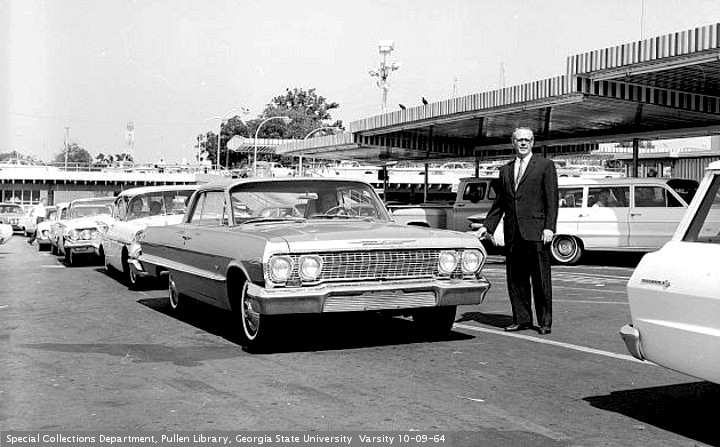
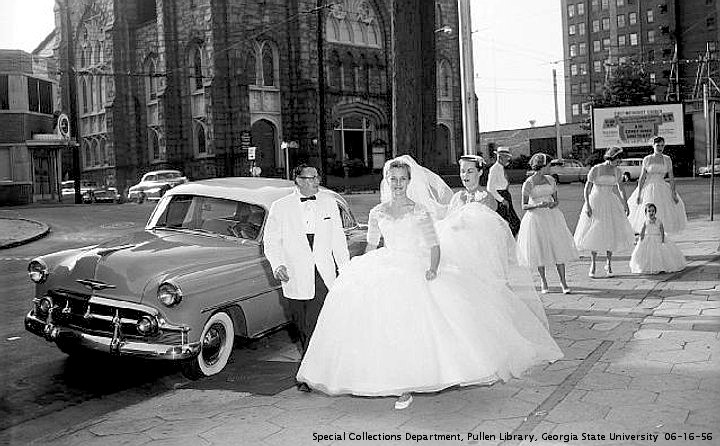
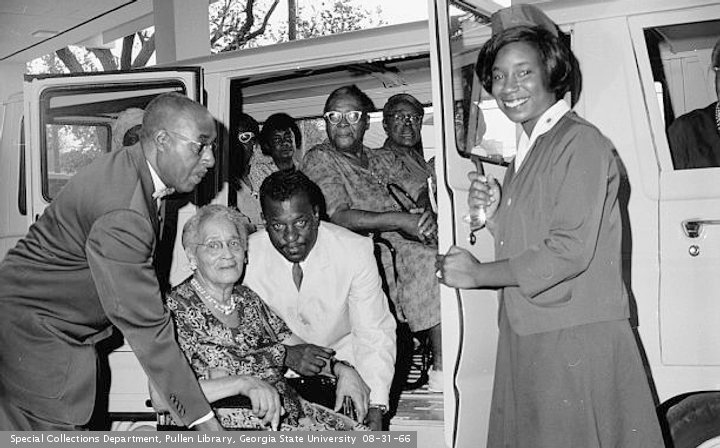
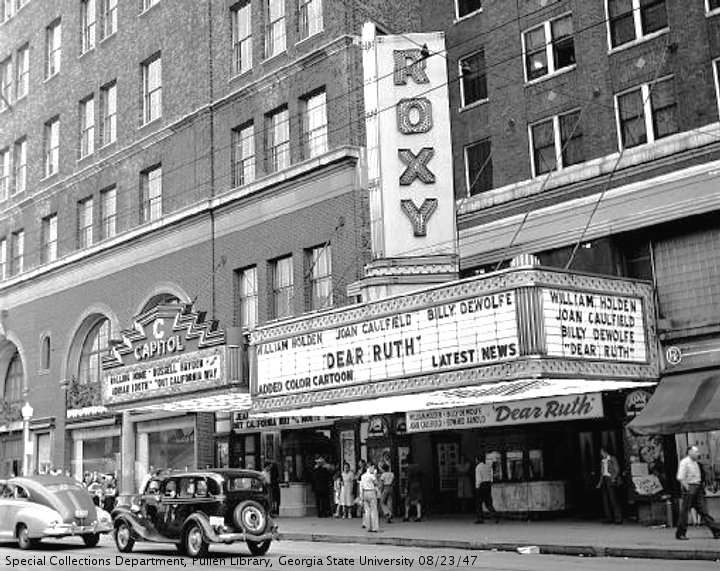
The book tells the rest of the story. Fleetwood’s father had died earlier that summer, and Mick was devastated. The band was straining under the pressures of super-duper-stardom. Mick attempted a reconciliation with his wife, which was a painful failure. There was an affair between Mick and Stevie Nicks at this time. The idea that Mick Fleetwood could perform like he did that night tells you what a trooper he was. … Pictures today are from Special Collections and Archives, Georgia State University Library. The social media picture was taken March 5, 1948. “Fox Theater, “Voice of the Turtle” ©Luther Mckinnon 2025 · selah



Joey Ramone



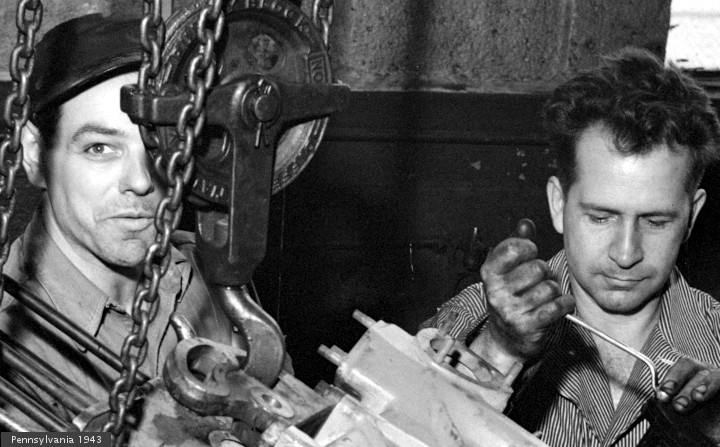
This content was published October 13, 2024. … I Slept with Joey Ramone is the story of a six foot five geek, who was only good for singing gabba gabba hey. Jeffrey Ross Hyman had issues. Aside from his goofy appearance, Jeff had severe OCD. He would injure his foot bad enough to require several hospitalizations. Somehow, Jeff got to play in some bands, going glitter as Jeff Starship. Eventually, Jeff Hyman, John Cummins, Douglas Colvin, and Tommy Erdelyi became Joey, Johnny, Dee Dee, and Tommy Ramone. Music was never the same.
ISWJR was written by Mitchel Lee Hyman, Jeff’s younger brother. His stage name was Mickey Leigh. Mickey was the first roadie for the Ramones, and will always be in his brother’s shadow. The two had an intense relationship. Jeff and Mitch went from being best friends to mortal enemies. This sibling rivalry is a key part of the story. The book, despite the commercial title, is about Mickey as much as Joey. The subtitle is “A punk rock family memoir.”
Mickey Leigh is still alive. The co-author is Legs McNeil, who assembled Please Kill Me. ISWJR is told through Mickey’s eyes. It is uncertain what role Mr. McNeil played. Some say that Mickey Leigh could not type a page of text if his life depended on it.
PKM was an “oral history of punk rock,” meaning they taped a bunch of people talking. Mickey was one of the talkers, and Joey was not happy with what Mickey said. Another voice tells about Dee Dee Ramone falling on the sidewalk outside CBGB. Dee Dee said it was not a good idea to get hit in the head when you were drinking… it might cause brain damage. That is not an exact quote. Dee Dee Ramone did not “just say no.”
The Ramones made their fifteen minutes last for twenty years. They went down to the Bowery, and found this bar called CBGB’s. The owner kept his dog inside, and dog shit was everywhere. The Ramones got a following, a record contract, did tours, recorded albums, became sort of famous, started a movement (other than the bar dog’s bowels,) but never had a hit record. This lack of commercial success was highly annoying.
The first taste of big money was Budweiser using “Blitzkrieg Bop” in a commercial. Mickey played an uncredited part in the song. When the Budweiser money started to roll in, Mickey was struggling to pay the rent. Mickey tried to get some money out of the band, which refused. This caused many years of Joey and Mickey not speaking.
For a while the boys in the band (pun intended, at least for Dee Dee) were pals. Then Joey had a girlfriend, Linda. Johnny stole Linda from Joey. Johnny and Joey hated each other from then on. Johnny was always a bit of an asshole, as was Joey. At some point, Tommy had enough, and was replaced by Marky. He drank his way out of the job, and was replaced by Richie.
In 1983, The Ramones played at the Agora Ballroom in Atlanta. I was in the audience. By this time, the Ramones had been going on for nine years. They were not the next big thing anymore. Somebody played a tape of cheesy Coney Island music, and the band came on stage. Joey hunched over the microphone, tapped himself on the head with a baseball bat, and the band did “Beat on the brat.” The band went through the motions, playing another show, probably identical to every other Ramones show ever played. Punk rock just was not trendy anymore.
It was an all ages show. If you wanted to drink, you had to go up to the balcony. You were on your own going down the stairs. Downstairs was full of young people, many in costumes, having a hot time. The balcony was the same rock and roll drunks that were at every show ever produced.
ISWJR does not have a happy ending. Joey had health problems throughout his life. Being a drunken-coke-freak rock star did not help. He came down with Lymphoma, and was starting to do ok. Then, Joey fell and broke his hip, and they had to adjust his medication. Soon, the cancer was back with a vengeance. Joey and Mickey called a truce to their squabbling before Joey died April 15, 2001. Dee Dee and Johnny quickly followed. The Ramones would have been a great oldies band, if only.
Pictures today are from The Library of Congress. Marion Post Wolcott took the social media picture in June 1939. “Two of Pauline Clyburn’s children, rehabilitation borrowers, Manning, Clarendon County, South Carolina” ©Luther Mckinnon 2025 · selah




The Velvet Warlocks


This content was published October 20, 2024. … I was listening to disgraceland episode#64, about the grateful dead. I was at a stopping point with multi tasking, and decided to look something up. The show mentioned the first show by the Warlocks, later known as the Grateful Dead. This was 50 years before “dead name” was a dirty word.
“On May 5, 1965 ‘The Warlocks’ … played their first show, at Magoo’s Pizza Parlor in Menlo Park, California.” This was the day before I turned 11. Lyndon Johnson was settling in for his elected term as President. The Braves were playing their lame duck season in Milwaukee. Combat troops had been in Vietnam for a little over two months. This was the start of the escalation. “By the end of 1965, more than 184,000 American troops were in Vietnam.”
At 27:44, dg-gd dropped an item that could not be ignored. The Warlocks had to find a new name. Someone else was called the Warlocks, and there were complications. It seems as though the warlocks … a pretty obvious name … was also an early name of the Velvet Underground. Other early vu names included the primitives and the falling spikes.
”When they (vu) finally did come across a name which stuck, it was thanks to a contemporary paperback novel about the secret sexual underworld of the 1960s that Tony Conrad, a friend of John Cale, happened across and showed to the group. The novel, written by Michael Leigh, remains in print. This is probably because a band appropriated its title. “Had Lou Reed and John Cale not seen a copy of this book in a New York City gutter (fittingly) and decided to use its name for their group, this little volume would have been justly forgotten. Written in a style which titilates while decrying the scene it describes, it’s a piece of blue-nosed junk.”
The rest of the show rolled on. Jerry stuck his finger in a dictionary at random, and found Grateful Dead. It was the name of a story. The band played at the acid tests, which mostly went well, until they did not. Pigpen drank rotgut to excess, until it killed him.
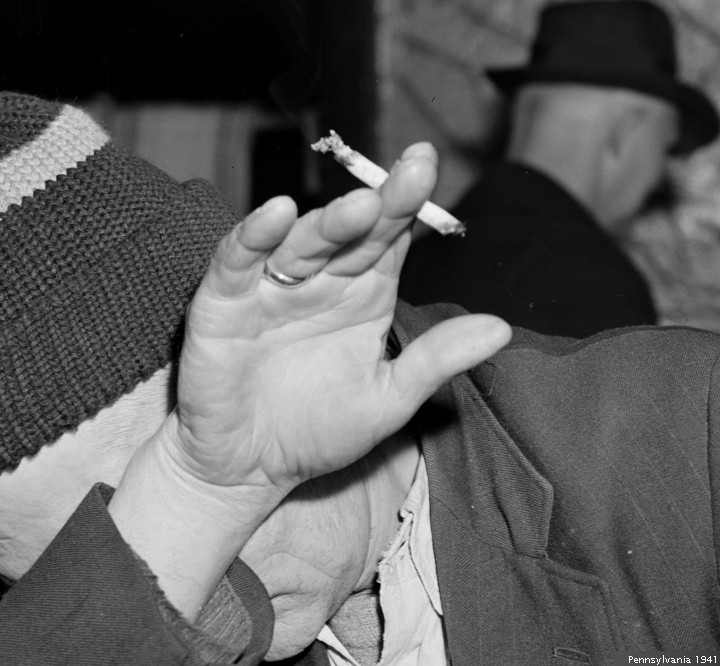
This is a repost from 2020. Pictures today are from The Library of Congress. John Vachon took the social media picture in January 1941. “Card Games in corner beer parlor. Ambridge, Pennsylvania.” ©Luther Mckinnon 2025 selah



Brian Eno Rick Rubin




I had ran out of podcasts, and went into the archive. I found an interview Rick Rubin did with Brian Peter George Eno, released June 8, 2021. I had heard it before, but might enjoy a repeat listening. … I found a youtube copy, which had a transcript, the lazy bloggers friend. Later, while trying to find the release date, I stumbled onto an Extended Cut, with an extra half hour of content . I am going to listen to the longer version, take notes, write about it, and then absolutely never listen to this again. …
“Yes, and incidentally, I think that’s the power of religion as well. The power of religion is not the connection with God, but the connection with the rest of the congregation. I think the connection with all of the people who also believe in that particular story. I’m not really religious myself, but I really respond to that idea.”
A few years ago, Christopher Isherwood gave an interview with a magazine. (I have never found the source online.) Mr. Isherwood said that it was not the content of the religion that converted a person, but the person who introduces you to that religion. Mr. Isherwood said that if a Catholic had been the right person at the right time, then he might have become a Catholic.
In 1939, after living as an exuberant skeptic, Mr. Isherwood was converted. “Forty-five years ago, on a sultry July afternoon, 35-year old Christopher Isherwood met and embraced Ramakrishna Vedanta in downtown Hollywood, California. Aldous Huxley, writer extraordinaire and ardent explorer of Hindu interior consciousness, had just introduced Isherwood to his guru, Swami Prabhavananda, founder of the Hollywood Ramakrishna Mission Vedanta Society.” … The linked article is worth reading. …
There was a quote that I remembered. “I like being in unfamiliar surroundings. I always used to say that artists are either cowboys or farmers, and they’re both both ways of being an artist are fine. The farmer wants to find a piece of territory and fully explore it and exploit it.” … A talk like this can inspire you to further thinking. You can go paddling up the river, and spend all day exploring the tributary creeks. This is the cowboy side … to follow the thought wherever it goes. OTOH, you can stick to the quotes that capture your attention, let them speak for themselves, and FINISH WRITING YOUR PIECE. This is the farmer side, and is mostly what is going to happen here. …
BPGE was absolutely devastated by hearing It’s Gonna Rain, by Steve Reich. By amazing coincidence, I heard IGR twice on WREK, the Georgia Tech student station. This was many years ago. Both times I heard IGR, large amounts of rain fell the next day. …
I listened to the Extended Cut, and did not suffer any epiphanies. There was one quote. “During the war, when lots of GIs were coming over to England, somebody interviewed an old farmer from Devon and said, so, how do you feel about the Americans coming over here? And the farmer said, well, they’re all right, aren’t they, except for the white ones.” …
One day in the Köln airport, ambient music was born. It was a beautiful day and the airport was nearly empty, and I was sitting there bathing in light, and it was one of those cases like we were talking about earlier, where you think I wish there was another kind of music for this situation, and I started thinking, so what would that be? Like? You know, it’s an airport, so you can’t be too loud. Obviously, people have to hear announcements. It has to be interruptible for the same reason it shouldn’t dominate the vocal register, because people need to communicate. So I just was sort of thinking this out, and quite soon I thought, right, I think I know what I could make that music. I know how I could do that. And that’s how that first ambient record came about. I mean, it wasn’t unprecedented. I had been working on music a little bit like that before, but I suddenly realized what its role in life could be. If you like, what the place of this music could be. I knew it wasn’t dance music. I knew it wasn’t radio music. It was functional, but I hadn’t yet discovered the function. It was then that I thought, I know what this music could be for.” …
BPGE worked with Harold Budd, and created some of the prettiest music ever recorded. This fits in with the ambient music concept. … “I didn’t want drama. I just wanted something like nature, subtle variations. Subtle variations, yes, and variations that stay within a kind of range of possibilities and explore that range rather randomly. I just wanted the thing to be what Harold Budd used to call eternally pretty. That was his way of putting it. Dear Harold. He died about two months ago from COVID, very sad. So I dedicate this thought to Harold. So. Yes, So when Harold and I met, we were both pretty much on this groove of thinking, what about making music that isn’t designed to upset anybody? Now, of course that sounds pretty uncontroversial now, but in the mid to late seventies that was considered to be the biggest sell out of all time. You know, music was supposed to shake the world and create revolutions and upset your parents and all sorts of things like that. And we thought, what about making music that is just really comfortable? Comfortable was probably the most controversial word you could use.” …
I have one last question to ask, just because I’m really curious, what’s your relationship to spirituality? … Well, as you can tell from the way I talk too much, I think about this kind of thing quite a lot. What I always want to do is to cut away as much of the shit as possible and see what’s left. So I don’t want to be a believer. I want to be somebody who, as far as possible, understands and knows things. Believing things leaves me a little bit unsatisfied. If I find myself believing something, I want to test the belief. I want to say, how do I find out how valid this is? How true this is? How? In real belief, in proper faith, you’re not supposed to do that. Faith is supposed to be, by definition, the acceptance of something that you cannot find evidence for. If you can find evidence for, it’s not faith anymore. It’s called knowledge. Then. So this is a long way round of saying that I’m not anti spiritual, I’m not anti religion. Actually, in fact, I can see how religion really cements some communities together and really helps people in their lives. But I’m not by nature a believer, So it’s difficult for me to use that kind of cement. My cement has to come from trying to understand things and to see how they work, and to share those ideas with other people. Yeah so, I think one one of the other things that surrendering prepares you for is the experience of uncertainty, the experience of not knowing the answer but still having to do something. You know, the fact that you don’t know the answer can’t cripple you. And of course a lot of people are crippled by not knowing the answer, and so they just choose an inappropriate answer just for the want of an answer.”
Pictures today are from The Library of Congress. Jack Delano took the social media picture in August 1942. “Nashville, Tennessee. Welding parts for fuel pumps. Vultee Aircraft Corporation plant” ©Luther Mckinnon 2025 · selah


Phi Zappa Krappa


This content was published September 25, 2008. … Former Dunwoody resident Aquarium Drunkard weighs in today with a nifty video. It is Frank Zappa, appearing on a TV show discussing censorship. FZ more than holds his own, and makes many good points about the nature of language and censorship. His contention is that censorship is about words, and that words in and of themselves are powerless. Wikipedia contributes this quote: “What do you make of a society that is so primitive that it clings to the belief that certain words in its language are so powerful that they could corrupt you the moment you hear them?” FZ had a way with words… “Rock journalism is people who can’t write interviewing people who can’t talk for people who can’t read.”
I was in high school when I first heard about Frank Zappa. It was in the original Poster Hut, a ramshackle building on Cheshire Bridge Road that was vacant 38 years later. There was a poster, with the words PHI ZAPPA KRAPPA. Below the saying was a picture of Frank Zappa on a commode. To compare that image of FZ on the throne to the sight of him on a TV show surrounded by windbags…he is seated both times.
I did not get that poster of PZK, but I did get a dayglo poster of Janis Joplin. I didn’t notice the exposed nipple on the drawing. When Mom saw it, she was horrified. ” I trusted you!” In my shame, I took a magic marker and covered over the flourescent fuchsia mammary. … Back to FZ on CNN. The guitar picker made a lot of sense. One of the pundits threw the Founding Fathers at FZ, who replied that the FF were slave owners and that Ben Franklin was a wildman. FZ replied that we were heading to a fascist theocracy. Are we there yet?
One whiner mentioned that his band was called The Mothers Of Invention. FZ did not mention that the original name had been The Mothers, and a record label made them add “Of Invention”. Finally, the four man part of the show was over. The two primary whiners agreed that rock music had some gnarly words, but did we really trust the government to intervene. … Just for the record, Frank Zappa was a parent. His four children are Moon Unit, Dweezil, Ahmet and Diva.
This content was published October 23, 2013. … The current WTF Podcast features Moon Zappa. At no time does she say grody, gag me with a spoon, or boofoos. Today, she is the divorced mother of an eight year old, and buys quality apple butter. … Moon is the daughter of the late Frank Zappa. FZ did not do drugs, smoked Winston cigarettes, and spent all his time working on music. The four children called the parents Frank and Gail. Mrs. Zappa stays busy these days selling her husbands music. … Adelaide Gail Zappa (née Sloatman) passed away October 7, 2015. Frank Vincent Zappa went to the Dental Floss Farm in the sky on December 4, 1993.
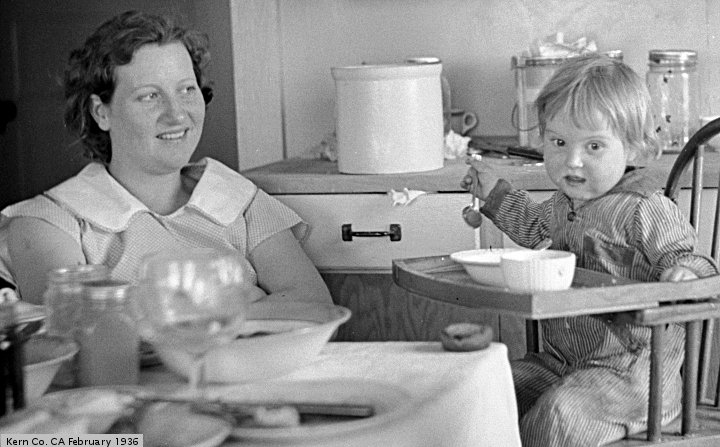
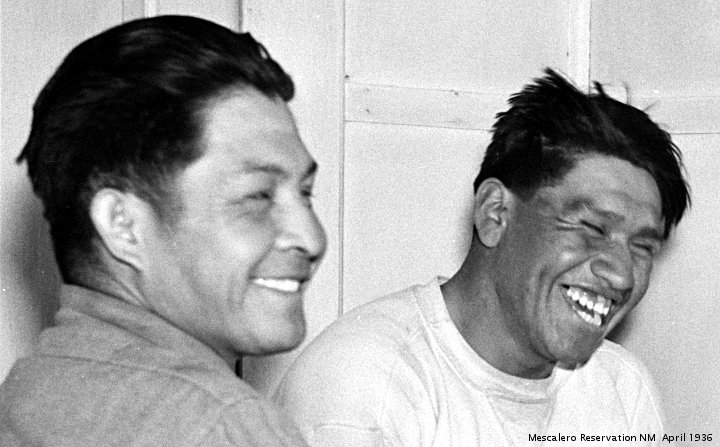
Gail and Moon were walking to the store one day, when Moon was very little. A car stopped, and tried to pick up Gail. Moon screamed “Fuck off pervert.” … Once, Moon broke a finger in school. She called Gail, and waited. Eventually, the family Rolls Royce pulled up. Gail was driving, with Frank in the passenger seat. Frank quit driving when his first drivers license expired. Before taking Moon to the ER, they stopped to get Frank a burrito. … Captain Beefheart was at the Zappa house one time. He had made a hole in the side of his nose with a pencil. When a finger was put over the other nostril, the nose became a whistle. … While listening to this show, I was editing pictures from The Library of Congress. Some of these images appear with this feature.
This content was published March 1, 2020. The first time I saw the word Zappa, it was on an item at the Poster Hut. It showed a man sitting on a commode, with the words Phi Zappa Krappa on display. The poser, Frank Zappa, later said “I’m probably more famous for sitting on the toilet than for anything else that I do.” … It was 1969, give or take a bit. FZ was already well known in some hip circles. His band, the Mothers of Invention, played at something called the Cosmic Carnival at Atlanta Stadium, where the music lovers were actually allowed onto the field.
I paid $1.98 for a copy of We’re Only in It for the Money at the Woolco on Buford Hiway. Years later, I would pay $16.00 for a CD. … The records started to come out like clockwork, with or without the Mothers. FZ started to become a star, with an appeal to druggies who fancied themselves intellectual. It should be noted that FZ was notoriously anti drug. His music made fun of the establishment and counterculture with equal glee. FZ was also a tight fisted capitalist.
FZ stayed with his second wife, Gail, until his death, and produced four children… Moon Unit, Dweezil, Ahmet Emuukha Rodan and Diva Thin Muffin Pigeen. … The concerts came to town every year or so, and people liked them. A show at the Fox Theater in 1974 may have caught FZ at his peak. I heard the raves about this show, until buying a ticket for his next one. This was in 1975, at the Municipal Auditorium. I brought a half pint in, and don’t remember a lot, except some song about the Illinois Enema Bandit. Life goes on.
Nine years later, FZ was in legal hell with a former manager, and could only make money by touring. One night, a friend had an extra ticket to a show. I arrived after the band had started, and FZ was playing a fine guitar solo. This was going to be good. Only it wasn’t. The rest of the show was social commentary. The man had opinions on everything, and was generous with them. At one point, the band started to sing “He’s so gay”, while a double headed dildo was lowered from the ceiling. I think I heard FZ sing “one day you might be gay too”, but by then it really didn’t matter.
Frank Zappa was many things to many people. He had lots of opinions, which were dutifully recorded by the press. Here are a few . If this is not enough, @DoomKid assembled FZ opinions into one 9:44:04 video. … Rock journalism is people who can’t write, interviewing people who can’t talk, in order to provide articles for people who can’t read. · I think that if a person doesn’t feel cynical then they’re out of phase with the 20th century. Being cynical is the only way to deal with modern civilization, you can’t just swallow it whole. · When God created Republicans, he gave up on everything else. · Let’s not be too rough on our own ignorance; it’s what makes America great!
The U.S. is a mere pup tent of a civilization. We’ve got two hundred years of stupidity behind us. We think we’re right up there with everyone else who’s been doing it for thousands of years. · Beauty is a pair of shoes that makes you wanna die. · He wrote this book here, and in the book it says he made us all to be just like him! So if we’re dumb, then God is dumb — and maybe even a little ugly on the side. · Remember there’s a big difference between kneeling down and bending over.
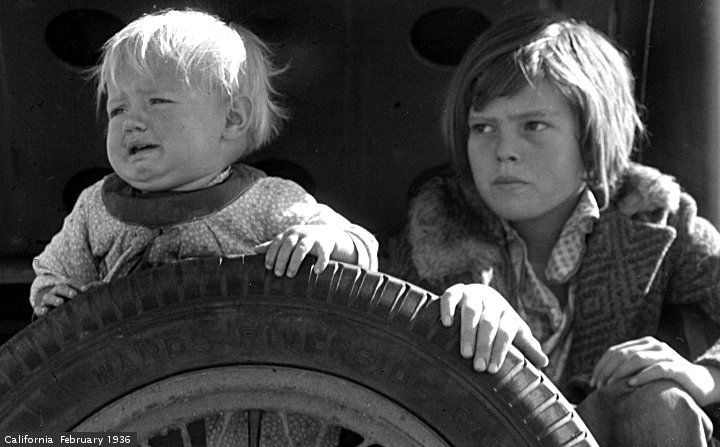
Do you think you are protecting somebody by taking away seven words? · For the record, folks; I never took a shit on stage and the closest I ever came to eating shit anywhere was at a Holiday Inn buffet in Fayetteville, North Carolina, in 1973. · There is no hell. There is only France. · The United States is a nation of laws: badly written and randomly enforced. … This is a repost. One, two, three, four posts are used. Your archive is your friend. … Pictures today are from The Library of Congress. The social media picture is “Untitled”. The picture is in a collection taken by Dorothea Lange in February 1936. ©Luther Mckinnon 2025 · selah



Coat Of Many Colors



I saw a story, and thought about the song, “Coat of many colors.” The b side was by Porter Wagoner, “Coat of many sequins”. COMC is about a woman who is too poor to buy her little girl a coat at the store, so she makes a quilt. The other kids make fun of her, but little Dolly knows that the coat is really made of love. The song talks about a story in the Bible. I had heard about the story, but didn’t remember the details. I must have been daydreaming in Sunday School when that story was taught. With the help of google, Genesis 37 appears, as if by magic. Pass the popcorn.
2 These are the generations of Jacob. Joseph, being seventeen years old, was feeding the flock with his brethren; and the lad was with the sons of Bilhah, and with the sons of Zilpah, his father’s wives: and Joseph brought unto his father their evil report.
3 Now Israel loved Joseph more than all his children, because he was the son of his old age:
and he made him a coat of many colours.
4 And when his brethren saw that their father loved him more than all his brethren, they hated him, and could not speak peaceably unto him.
Ok, hold on for a minute. Israel had at least two wives. The Biblical definition of marriage must be between a man and two women.
The story gets a bit weird here. Joseph has this dream, where he becomes the boss hog brother. The other brothers decide something needs to be done, that Joseph needs to die. Reuben tries to help Joseph, and has a plan to save him. Joseph is stripped of the coat of many colors, and placed in a pit, with no water. Before Reuben can sneak Joseph out of the pit, a camel caravan comes by. Twenty pieces of silver change hands, and Joseph is sold into slavery. The brothers decide to pull a cover up, and make it look like Joseph was dead. Reuben made another sandwich.
31 And they took Joseph’s coat, and killed a kid of the goats, and dipped the coat in the blood;
32 And they sent the coat of many colours, and they brought it to their father; and said,
This have we found: know now whether it be thy son’s coat or no.
33 And he knew it, and said, It is my son’s coat; an evil beast hath devoured him;
Joseph is without doubt rent in pieces.
34 And Jacob rent his clothes, and put sackcloth upon his loins, and mourned for his son many days.
35 And all his sons and all his daughters rose up to comfort him; but he refused to be comforted;
and he said, For I will go down into the grave unto my son mourning. Thus his father wept for him.
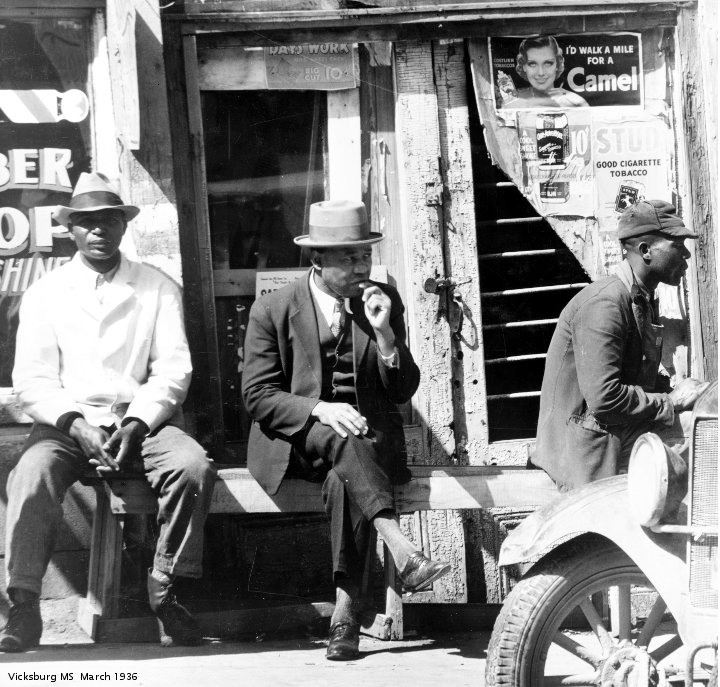
This feature was originally published August 22, 2012. The pictures are from The Library of Congress. Walker Evans took the social media picture in March 1936. Vicksburg, Mississippi. Negroes



Living With The Dead





This content was published August 12, 2009. … I am reading “Living With The Dead” about a band formerly known as The Warlocks. The *ghost writer* is a man named David Dalton, who channels the lysergic nuttiness. … The man behind the curtain might tell you that the GD name was about the death of the ego. Once the band became popular, the skeletons came out of the closet, and suddenly every day was the day of the dead. Jerry never cared for the skull paraphernalia, but got over it. …
… The person the ghost writer channeled was Rock Sculley. He was doing something in San Francisco in 1965, when Owsley Stanley invited him to the Trips Festival. Soon, the walls of the auditorium were breathing, and the band was playing. This was their first gig as the Grateful Dead, and Bill Graham was horrified by the new name. The posters had the phrase “formerly known as the Warlocks”. … The next night, Mr. Scully went to an acid test in Palo Alto, where Neal Cassidy was juggling hammers and talking endless amphetimated nonsense. If Neal had just stayed off those railroads tracks he could have been the first white rapper. …
… Owsley thought Rock Scully would be a good manager for the band. Maybe because his name sounded like skull. And so it goes. … Did Kurt Vonnegut ever see the Dead? They would have been a good match, especially with all the cigarettes mr v smoked. He could have been dosed, and time tripped back into that meat locker in Dresden. … Did you know there is a Dresden Drive that connects Brookhaven to Doraville? Dresden Drive is a popular road for police cars, and I learned a long time ago to watch the rearview carefully there. In the early seventies, Dekalb County drove gold Plymouth Satellites. I drove a gold Plymouth Satellite in the eighties, after the girl in Planet Claire made everyone forget the Dekalb gestapo. …
… Back to the book. The ghost writer and Kurt Vonnegut have a similar effect … when you read a book by mr v, you starts to think like the book reads. LWTD is having the same impact, which can be intimidating to the readers of this blog who dare to go this far. … The sixties were like that in California, or so I heard … in 1967, I was in the eighth grade, and a long way away from California dreamin’. Neal Cassidy said he got more out of breakfast than he got out of the eighth grade. …
… LWTD is chock full of trivia. Did you know that St. Stephen was written about Stephen Gaskin? Or that Grace Slick would never sunbathe nude on David Crosby’s boat, because David’s girlfriends were all so pretty. Grace just couldn’t compete. Oops, that last bit was from David Crosby’s book, which was another perversion excursion. Does anyone else find the concept of Mr. Walrus being the turkey baster daddy for Julie Cypher … just a touch bizarre? … I am on page 213 of LWTD at this point. This is a mathematical wonder, using all prime numbers and a superstition into a sum of six. The story of the dead is at a turning point, but then almost any inning of this ballgame was a turning point. It is early 1972. Pigpen has been replaced, but doesn’t know it yet. …
… The dead just played the Armistice day show at the Atlanta Municipal Auditorium, which is fondly remembered by many who were not there. In a bit of irony, this is one of the last shows with the old sound system. There is a quote from a someone who saw them in NY a few weeks later, and said it was the worst he had heard the band sound. … This is also turning point in america, with the rise of george mcgovern leading to a landslide for tricky dick. The sixties were slowing coming to a multi colored end. They were too painful to live and too profitable to die. …
… The band rode the wave for the next thirty seven years, even after uberdeadhead Jerry became the real thing on Hiroshima day in 1995. The book has about 144 pages to go (a gross), but I suspect that it won’t be as much fun as the first 213. … The pictures for this post are from a farm in Tennessee. As I edit the pics, I listens to a tape of the auditorium show, and the band plays “Tennessee Jed”. Once, I was playing a tape of “Tennessee Jed”, and a neighbor asked me “Do you like that?” “Yes” “then you are a hick”. … Pictures today are from Special Collections and Archives, Georgia State University Library. The social media picture was taken January 17, 1947. “McDonough Boulevard”



 Chamblee54
1 comment